EP2094260B1 - Behandlung von lungenkrebs - Google Patents
Behandlung von lungenkrebs Download PDFInfo
- Publication number
- EP2094260B1 EP2094260B1 EP07849582A EP07849582A EP2094260B1 EP 2094260 B1 EP2094260 B1 EP 2094260B1 EP 07849582 A EP07849582 A EP 07849582A EP 07849582 A EP07849582 A EP 07849582A EP 2094260 B1 EP2094260 B1 EP 2094260B1
- Authority
- EP
- European Patent Office
- Prior art keywords
- fts
- cells
- cell
- ras
- treatment
- Prior art date
- Legal status (The legal status is an assumption and is not a legal conclusion. Google has not performed a legal analysis and makes no representation as to the accuracy of the status listed.)
- Not-in-force
Links
Images







Classifications
-
- A—HUMAN NECESSITIES
- A61—MEDICAL OR VETERINARY SCIENCE; HYGIENE
- A61K—PREPARATIONS FOR MEDICAL, DENTAL OR TOILETRY PURPOSES
- A61K31/00—Medicinal preparations containing organic active ingredients
- A61K31/33—Heterocyclic compounds
- A61K31/395—Heterocyclic compounds having nitrogen as a ring hetero atom, e.g. guanethidine or rifamycins
- A61K31/495—Heterocyclic compounds having nitrogen as a ring hetero atom, e.g. guanethidine or rifamycins having six-membered rings with two or more nitrogen atoms as the only ring heteroatoms, e.g. piperazine or tetrazines
- A61K31/505—Pyrimidines; Hydrogenated pyrimidines, e.g. trimethoprim
- A61K31/519—Pyrimidines; Hydrogenated pyrimidines, e.g. trimethoprim ortho- or peri-condensed with heterocyclic rings
-
- A—HUMAN NECESSITIES
- A61—MEDICAL OR VETERINARY SCIENCE; HYGIENE
- A61K—PREPARATIONS FOR MEDICAL, DENTAL OR TOILETRY PURPOSES
- A61K31/00—Medicinal preparations containing organic active ingredients
- A61K31/185—Acids; Anhydrides, halides or salts thereof, e.g. sulfur acids, imidic, hydrazonic or hydroximic acids
- A61K31/19—Carboxylic acids, e.g. valproic acid
- A61K31/192—Carboxylic acids, e.g. valproic acid having aromatic groups, e.g. sulindac, 2-aryl-propionic acids, ethacrynic acid
-
- A—HUMAN NECESSITIES
- A61—MEDICAL OR VETERINARY SCIENCE; HYGIENE
- A61K—PREPARATIONS FOR MEDICAL, DENTAL OR TOILETRY PURPOSES
- A61K31/00—Medicinal preparations containing organic active ingredients
- A61K31/28—Compounds containing heavy metals
- A61K31/282—Platinum compounds
-
- A—HUMAN NECESSITIES
- A61—MEDICAL OR VETERINARY SCIENCE; HYGIENE
- A61K—PREPARATIONS FOR MEDICAL, DENTAL OR TOILETRY PURPOSES
- A61K31/00—Medicinal preparations containing organic active ingredients
- A61K31/33—Heterocyclic compounds
- A61K31/335—Heterocyclic compounds having oxygen as the only ring hetero atom, e.g. fungichromin
- A61K31/337—Heterocyclic compounds having oxygen as the only ring hetero atom, e.g. fungichromin having four-membered rings, e.g. taxol
-
- A—HUMAN NECESSITIES
- A61—MEDICAL OR VETERINARY SCIENCE; HYGIENE
- A61K—PREPARATIONS FOR MEDICAL, DENTAL OR TOILETRY PURPOSES
- A61K31/00—Medicinal preparations containing organic active ingredients
- A61K31/33—Heterocyclic compounds
- A61K31/555—Heterocyclic compounds containing heavy metals, e.g. hemin, hematin, melarsoprol
-
- A—HUMAN NECESSITIES
- A61—MEDICAL OR VETERINARY SCIENCE; HYGIENE
- A61K—PREPARATIONS FOR MEDICAL, DENTAL OR TOILETRY PURPOSES
- A61K31/00—Medicinal preparations containing organic active ingredients
- A61K31/70—Carbohydrates; Sugars; Derivatives thereof
- A61K31/7028—Compounds having saccharide radicals attached to non-saccharide compounds by glycosidic linkages
- A61K31/7034—Compounds having saccharide radicals attached to non-saccharide compounds by glycosidic linkages attached to a carbocyclic compound, e.g. phloridzin
- A61K31/704—Compounds having saccharide radicals attached to non-saccharide compounds by glycosidic linkages attached to a carbocyclic compound, e.g. phloridzin attached to a condensed carbocyclic ring system, e.g. sennosides, thiocolchicosides, escin, daunorubicin
-
- A—HUMAN NECESSITIES
- A61—MEDICAL OR VETERINARY SCIENCE; HYGIENE
- A61K—PREPARATIONS FOR MEDICAL, DENTAL OR TOILETRY PURPOSES
- A61K31/00—Medicinal preparations containing organic active ingredients
- A61K31/70—Carbohydrates; Sugars; Derivatives thereof
- A61K31/7042—Compounds having saccharide radicals and heterocyclic rings
- A61K31/7052—Compounds having saccharide radicals and heterocyclic rings having nitrogen as a ring hetero atom, e.g. nucleosides, nucleotides
- A61K31/706—Compounds having saccharide radicals and heterocyclic rings having nitrogen as a ring hetero atom, e.g. nucleosides, nucleotides containing six-membered rings with nitrogen as a ring hetero atom
- A61K31/7064—Compounds having saccharide radicals and heterocyclic rings having nitrogen as a ring hetero atom, e.g. nucleosides, nucleotides containing six-membered rings with nitrogen as a ring hetero atom containing condensed or non-condensed pyrimidines
- A61K31/7068—Compounds having saccharide radicals and heterocyclic rings having nitrogen as a ring hetero atom, e.g. nucleosides, nucleotides containing six-membered rings with nitrogen as a ring hetero atom containing condensed or non-condensed pyrimidines having oxo groups directly attached to the pyrimidine ring, e.g. cytidine, cytidylic acid
-
- A—HUMAN NECESSITIES
- A61—MEDICAL OR VETERINARY SCIENCE; HYGIENE
- A61P—SPECIFIC THERAPEUTIC ACTIVITY OF CHEMICAL COMPOUNDS OR MEDICINAL PREPARATIONS
- A61P35/00—Antineoplastic agents
Definitions
- Lung cancer is the leading cause of cancer-related deaths in the world [ Greenlee et al., CA Cancer J Clin 51:15-36 (2001 ) ] . Only one in ten patients diagnosed with this disease will survive the next five years.
- lung cancer was previously an illness that affected predominately men, the lung cancer rate for women has been increasing in the last few decades, which has been attributed to the rising ratio of female to male smokers. More women die of lung cancer than any other cancer, including breast cancer, ovarian cancer and uterine cancers combined. [ American Cancer Society. Cancer Facts and Figures 2006. Atlanta: American Cancer Society (2006 ) ].
- survival rates have barely changed in the last decade, and long-term survival remains dramatically poor.
- Lung cancers can arise in any part of the lung.
- Ninety to 95% of cancers of the lung are thought to arise from the epithelial, or lining cells of the larger and smaller airways (bronchi and bronchioles) ; for this reason lung cancers are sometimes called bronchogenic carcinomas.
- Cancers can also arise from the pleura (the thin layer of tissue that surrounds the lungs), called mesotheliomas, or rarely from supporting tissues within the lungs, for example, blood vessels.
- SCLC small cell lung cancer
- NSCLC non-small cell lung cancer
- SCLC comprises about 15% of all cancers.
- NSCLC comprises about 85% of all lung cancers and is divided into three distinct sub-types : squamous cell carcinoma (about 25-30% of the cases) , large cell carcinomas (about 10-15%), and adenocarcinomas (about 40%).
- the cells in these sub-types differ in size, shape, and chemical make-up.
- lung cancers are inclusive of bronchogenic carcinoma, bronchial carcinoids, chondromatous hamartoma, solitary pulmonary nodules, pulmonary sarcomas, undifferentiated small cell carcinoma, undifferentiated large cell carcinoma, and bronchioloalveolar carcinomas.
- Treatment and prognosis depend upon the histological type of cancer and the stage (degree of spread) Possible treatment modalities include surgery, chemotherapy, and/or radiotherapy.
- a first aspect of the present invention is directed to a composition as claimed in claim 1.
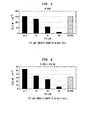
- Fig. 1 is a bar graph illustrating the inhibition of BrdU into the DNA of A549 cells (NSCLC) after incubation of the FTS-treated cells (75 ⁇ M) for 48 h, expressed as a percentage of control.
- Fig. 2 are photomicrograph images of vehicle-treated (left) and FTS-treated (right) A549 cells (NSCLC) and further depicts the reduction in number of FTS-treated cells.
- Fig. 3 is a bar graph illustrating the dose dependent inhibition of A549 cell (NSCLC) growth at increasing concentrations of FTS ( ⁇ M), expressed as a percentage of control.
- Fig. 4 illustrates the results of a FACS analysis describing FTS induced cell-cycle arrest in A549 cells (NSCLC).
- Fig. 5 is a bar graph illustrating the dose dependent inhibition of H-1299 cells (NSCLC) at.increasing concentrations of FTS ( ⁇ M) as determined by direct cell counting.
- Fig. 6 is a bar graph illustrating the dose dependent inhibition of lung squamous cell carcinoma cell line HTB-58 (SK-MES-1) cells at increasing concentrations of FTS ( ⁇ M) as determined by direct cell counting.
- Fig. 7 is a bar graph illustrating the dose dependent inhibition of H23 cells (NSCLC) at increasing concentrations of FTS ( ⁇ M) as determined by direct cell counting.
- Fig. 8 is a bar graph illustrating the dose dependent inhibition of HTB54 lung epidermoid carcinoma cells at increasing concentrations of FTS ( ⁇ M) as determined by direct cell counting.
- Fig. 9 is a table summarizing the half maximal inhibitory concentration (IC 50 ) of FTS ( ⁇ M) in each of the human lung cancer cell lines [A549, H23, HTB54, H-1299, HTB-58 (SK-MES-1)].
- Fig. 10 is a series of six fluorescent microscopic images illustrating FTS-induced alterations in stress fiber (F-Actin) and focal adhesion ( ⁇ -Vinculin) formation on the cytoskeleton of A549 cells (NSCLC).
- F-Actin FTS-induced alterations in stress fiber
- ⁇ -Vinculin focal adhesion
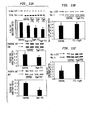
- Figs. 11A-11C are typical immunoblots and quantitative analyses of the results (means ⁇ SD of four experiments), as determined by densitometry and normalized to the level of expression of each protein.
- A illustrates the reduction in levels of K-Ras-GTP (upper panels) and of phospho-ERK and phospho-Akt (lower panels) by FTS.
- B illustrates the unaffected levels of Rac1-GTP by FTS.
- C illustrates the induced increase in RhoA-GTP by FTS (* P ⁇ 0.05 compared to vehicle-treated control).
- Figs. 12A-12B illustrates the inhibition of the anchorage-independent growth or transformation of A549 cells (NSCLC) in soft agar by FTS.
- Photomicrograph images (A) illustrate the DMSO-treated (control) cells and colony formation before and after treatment with FTS (50 ⁇ M and 100 ⁇ M).
- the bar graph (B) illustrates the inhibition of A549 cell colony formation at increasing concentrations of FTS (0 ⁇ M, 50 ⁇ M, and 100 ⁇ M).
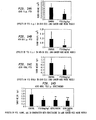
- Figs. 13A-13D are bar graphs illustrating (A) the effects of the combination of FTS (40 ⁇ M) and gemcitabine (0, 100, and 200 nM) on A549 cell (NSCLC) death; (B) the effects of the combination of FTS (40 ⁇ M) and doxorubicine (0, 50, and 100 nM) on A549 cell (NSCLC) death; (C) the effects of the combination of FTS (40 ⁇ M) and cisplatin (0, 5.0, and 10.0 nM) on A549 cell (NSCLC) death; (D) the effects of the combination of FTS (40 ⁇ M) and paclitaxel (0, 2.5, and 5.0) on A549 cell (NSCLC) death.
- Figs. 14A-14D are bar graphs illustrating (A) the effects of i.p. administration of FTS alone (10 mg/kg) in A549-cell-implanted nude mouse models; (B) the effects of i.p. administration of FTS alone (10 mg/kg) in HTB58-cell-implanted nude mouse models; (C) the effects of oral administration of FTS alone (50 mg/kg) in A549-cell-implanted nude mouse models; and (D) the effects of oral administration of FTS alone (60 mg/kg), the effects of oral administration of gemcitabine alone, and the combined effects of oral administration of FTS and gemcitabine in A549-cell-implanted nude mouse models.
- Fig. 15 is a graph illustrating the effects of increasing concentrations of FTS on human NSCLC cell lines H1734 and H2030 (KRAS mutations) and H1975 and H3255 (EGFR mutations).
- Ras proteins act as on-off switches that regulate signal-transduction pathways controlling cell growth, differentiation, and survival. [ Reuther, G.W., Der, C.J., Curr Opin Cell Biol 12:157-65 (2000 )]. They are anchored to the inner leaflet of the plasma membrane, where activation of cell-surface receptors, such as receptor tyrosine kinase, induces the exchange of guanosine diphosphate (GDP) for guanosine triphosphate (GTP) on Ras and the conversion of inactive Ras-GDP to active Ras-GTP. [ Scheffzek, K., Ahmadian, M.R., Kabsch, W., et al. Science 277:333-7 (1997 )].
- GDP guanosine diphosphate
- GTP guanosine triphosphate
- the active Ras protein promotes oncogenesis through activation of multiple Ras effectors that contribute to deregulated cell growth, differentiation, and increased survival, migration and invasion.
- Ras effectors that contribute to deregulated cell growth, differentiation, and increased survival, migration and invasion.
- FTS is a potent Ras inhibitor that acts in a rather specific manner on the active, GTP-bound forms of H-, N-, and K- Ras proteins.
- FTS competes with Ras-GTP for binding to specific saturable binding sites in the plasma membrane, resulting in mislocalization of active Ras and facilitating Ras degradation.
- This competitive inhibition prevents active Ras from interacting with its prominent downstream effectors and results in reversal of the transformed phenotype in transformed cells that harbor activated Ras.
- Ras-dependent cell growth and transforming activities both in vitro and in vivo , are strongly inhibited by FTS.
- FTS and its analogs useful in the present invention are represented by formula I: wherein R 1 represents farnesyl, geranyl or geranyl-geranyl; R 2 is COOR 7 , or CONR 7 R 8 , wherein R 7 and R 8 are each independently hydrogen, alkyl or alkenyl; R 3 , R 4 , R 5 and R 6 are each independently hydrogen, alkyl, alkenyl, alkoxy, halo, trifluoromethyl, trifluoromethoxy, or alkylmercapto; and X represents S.
- FTS The structure of FTS is as follows:
- FTS analogs embraced by formula I include 5-fluoro-FTS, 5-chloro-FTS, 4-chloro-FTS, S-farnesyl-thiosalicylic acid methyl ester (FTSME), and S-geranyl,geranyl-thiosalicylic acid (GGTS). Structures of these compounds are set forth below.
- GGTS is administered in an amount effective to treat a patient diagnosed with lung cancer.
- compositions of the Ras antagonists of formula I may be useful. These salts include, for example, sodium and potassium salts. Other pharmaceutically acceptable salts may be selected in accordance with standard techniques as described in Berge, S.M., Bighley, L.D., and Monkhouse, D.C., J. of Pharm. Sci. 66(1):1-19 (1977 ). In preferred embodiments, however, FTS and its analogs are not administered in the form of a salt ( i . e ., they are administered in non-salified form).
- composition of the invention can be used in treatment which also includes administering an anti-cancer therapy which includes, for example, chemotherapy, radiation therapy, immunotherapy or gene therapy, and combinations thereof.
- an anti-cancer therapy which includes, for example, chemotherapy, radiation therapy, immunotherapy or gene therapy, and combinations thereof.
- composition of the invention is used in combination with a chemotherapeutic agent and is for use in treating a patient diagnosed with lung cancer.
- Chemotherapeutic agents are those medications that are used to treat various forms of cancer and, particularly, lung cancer and its various forms and associated manifestations. Generally, these medications are given in a particular regimen over a period of weeks. In some cases, combination chemotherapy may be recommended. Methods of preparing and using chemotherapeutic agents are well-known in the art. See, e.g., Remington: The Science and Practice of Pharmacy (21 st Edition), Lippincott, Williams & Wilkins, (2005 ) .
- Chemotherapeutic agents may be administered as the first line of treatment or it may be started after a tumor is surgically resected, for example.
- the agents may be administered by various methods including, oral (by mouth), injection (intramuscular or subcutaneous), intravenous (IV), intra-arterial (into the arteries, intralesional (directly into the tumor), intraperitoneal (into the peritoneal cavity), intrathecal (into the spinal fluid), and topical (applied to the skin) .
- IV intravenous
- IV intra-arterial
- intra-arterial into the arteries
- intralesional directly into the tumor
- intraperitoneal into the peritoneal cavity
- intrathecal into the spinal fluid
- topical applied to the skin
- dosages for each of the chemotherapeutic agents are prescribed in accordance with current labeling instructions. Dosages, however, may be adjusted to satisfy a patient's needs.
- chemotherapeutic agents include, but are not limited to, paclitaxel (Taxol®), docetaxel (Taxotere®), cisplatin, carboplatin (Paraplatin®), gemcitabine hydrochloride(Gemzar®), doxorubicin hydrochloride, etoposide (Etopophos®, Vepesid®), pemetrexed (Alimta®), topotecan (Hycamtin®), vinblastine (Velbe®), Vindesine (Eldisine®), vinorelbine (Navelbine®), ifosfamide (Mitoxana®), and Mitomycin.
- paclitaxel Taxol®
- docetaxel Taxotere®
- gemcitabine hydrochloride gemcitabine hydrochloride
- doxorubicin hydrochloride doxorubicin hydrochloride
- etoposide Etopophos®, Ve
- the compositioin of the invention is used in combination with gemcitabine, cisplatin, paclitaxel, pemetrexed, and doxorubicin.
- These agents may be given in combination, for example, vinorelbine and cisplatin or carboplatin gemcitabine with cisplatin or carboplatin or paclitaxel; MIC (mitomycin, ifosfamide and cisplatin) ; MVP (mitomycin, vinblastine and cisplatin); and EC (etoposide and carboplatin).
- the chemotherapeutic agent is paclitaxel (Taxol®) [5, 20-Epoxy-1, 2, 4, 7,10,13-hexahydroxytax- 11-en-9-one 4, 10-diacetate 2-benzoate 13-ester with (2R, 3S)-N- benzoyl-3-phenylisoserine], an anti-neoplastic agent isolated from the bark of the Pacific yew tree, Taxus brevifolia.
- Paclitaxel is an antimicrotubule antineoplastic agent.
- Paclitaxel promotes microtubule assembly by enhancing the polymerisation of tubulin, the protein subunit of spindle microtubules, even in the absence of the mediators normally required for microtubule assembly (e.g., guanosine triphosphate (GTP)), thereby inducing the formation of stable, nonfunctional microtubules. It is a colorless to slightly yellow viscous solution.
- GTP guanosine triphosphate
- combination chemotherapy using Taxol® and cisplatin is indicated.
- the recommended regimen, given every 3 weeks, is Taxol® administered intravenously over 24 hours at a dose of 135 mg/m 2 followed by cisplatin at 75 mg/m 2 .
- the chemotherapeutic agent is docetaxel (Taxotere®) [(2R, 3S) -N-carboxy-3-phenylisoserine,N- tert-butyl ester, 13-ester with 5 ⁇ -20-epoxy-I, 2 ⁇ , 4 , 7 ⁇ , 10 ⁇ , 13a- hexahydroxytax-11-en-9-one 4-acetate 2-benzoate, trihydrate], an antineoplastic agent belonging to the taxoid family. It is prepared by semisynthesis beginning with a precursor extracted from the renewable needle biomass of yew plants. Docetaxel differs from paclitaxel at two positions in its chemical structure.
- paclitaxel has an acetate ester and a tert-butyl substitution exists on the phenylpropionate side chain.
- the carbon 10 functional group change causes docetaxel to be more lipid soluble than paclitaxel.
- the docetaxel injection concentrate is a clear yellow to brownish-yellow viscous solution.
- a recommended dose regimen of docetaxel for patients is 75 mg/m 2 administered intravenously over 1 hour every 3 weeks.
- the chemotherapeutic agent is a platinum-based drug.
- the platinum-based drugs useful in the practice of the present invention include cisplatin [cis-diamminedichloroplatinum(II)] and its analogs, e.g ., carboplatin [diammine(1,1-cyclobutanedicarboxylato)-platinum(II)]. These drugs are known to inflict damage on cellular nucleic acids, including DNA. Cisplatin acts by crosslinking DNA in various different ways, making it impossible for rapidly dividing cells to duplicate their DNA for mitosis. The damaged DNA sets off DNA repair mechanisms, which activate apoptosis when repair proves impossible. Methods of preparing and using cisplatin as an anti-cancer agent are described in, for example, U.S. Patent 5,562,925 and Inorg Synth 7:239 (1963 ).
- Carboplatin differs from cisplatin in that it has a closed cyclobutane dicarboxylate moiety on its leaving group in contrast to the readily leaving chloro groups. This results in very different DNA binding kinetics.
- Methods of preparing and using carboplatin as an anti-cancer agent are described in, for example, U.S. Patent 4,657,927 and Inorg Chem Acta 46:L15 (1980 ). Both cisplatin and carboplatin are indicated for combination chemotherapy.
- a recommended dosage of cisplatin for adults and children when used as single agent therapy is 50-100 mg/m 2 as a single IV infusion every 3-4 weeks, or 15-20 mg/m 2 as a daily IV infusion for 5 days every 3-4 weeks.
- a recommended dosage of carboplatin in previously untreated adult patients with normal kidney function is 400 mg/m 2 as a single IV dose administered by short-term (15 to 60 minutes) infusion. Therapy should not be repeated until four weeks after the previous carboplatin course, and/or until the neutrophil count is at least 2000 cells/mm 3 and the platelet count is at least 100,000 cells/mm 3 .
- the chemotherapeutic agent is gemcitabine hydrochloride (Gemzar®) [2'-deoxy-2',2'-difluorocytidine monohydrochloride].
- the cytotoxic effect of gemcitabine is attributed to a combination of two actions of the diphosphate and the triphosphate nucleosides, which leads to inhibition of DNA synthesis. It is a white powder, which forms a clear solution.
- Gemcitabine, alone or in combination with cisplatin is indicated for the first line treatment of patients with locally advanced or metastatic non-small cell lung cancer.
- Combination chemotherapy for treatment of lung cancer (NSCLC) with gemcitabine also includes carboplatin [ See , e.g ., Tassarini, D., et al., Tumori 90:54-59 (2004 )] and paclitaxel [ See, e.g., Kosmidis, P., J Clin Oncol. 20(17):3578-85 (2002 )].
- a recommended adult dose of gemcitabine (Gemzar®) as a single agent for lung cancer (NSCLC) is 1000 mg/m 2 , given by 30-minute intravenous infusion. This should be repeated once weekly for three weeks, followed by a one-week rest period. This four-week cycle is then repeated. Dosage reduction with each cycle or within a cycle may be applied based upon the amount of toxicity experienced by the patient.
- a recommended adult dose of gemcitabine for combination therapy using cisplatin has been investigated using two dosing regimens.
- One regimen used a three-week schedule and the other used a four-week schedule.
- the three-week schedule used gemcitabine 1250 mg/m 2 , given by 30-minute intravenous infusion, on days 1 and 8 of each 21-day cycle.
- Cisplatin should be administered intravenously at 100 mg/m 2 on day 1 after the infusion of Gemzar®. Dosage reduction with each cycle or within a cycle may be applied based upon the amount of toxicity experienced by the patient.
- the four-week schedule used gemcitabine 1000 mg/m 2 , given by 30-minute intravenous infusion, on days 1, 8, and 15 of each 28-day cycle.
- Cisplatin at a dose of 100 mg/m 2 should be administered intravenously after the infusion of Gemzar® on Day 1.
- Dosage reduction with each cycle or within a cycle may be applied based upon the amount of toxicity experienced by the patient.
- the chemotherapeutic agent is doxorubicin hydrochloride.
- Doxorubicin [5,12-Naphthacenedione, 10-[(3-amino-2,3,6-trideoxy- ⁇ -L-lyxo-hexopyranosyl)oxy]-7,8,9,10-tetrahydro-6,8,11-trihydroxy-8-(hydroxylacetyl)-1-methoxy-, hydrochloride (8S-cis)-] is a cytotoxic anthracycline antibiotic isolated from cultures of Streptomyces peucetius var caesius ( U.S. Patent 3,590,028 ).
- Doxorubicin intercalates the base pairs of the DNA double helix, thus inhibiting nucleic acid synthesis, inhibiting topoisomerase II, and producing oxygen radicals. It is a red-orange, crystalline powder, which dissolves easily in water.
- doxorubicin When doxorubicin is administered as a single agent, a recommended dose per cycle is 60-75 mg/m 2 every three weeks.
- the drug is generally given as a single dose per cycle; however, it is possible to give the drug dosage per cycle in divided administrations (e.g., day 1 through 3, or days 1 and 8).
- Administration of doxorubicin in a weekly regimen has been shown to be as effective as the tri-weekly schedule.
- the recommended weekly dosage is 10-20 mg/m 2 .
- the recommended dose per three-week cycle is in the 30-60 mg/m 2 range.
- the frequency of administration, dosage amounts, and the duration of treatment of each of the active agents may be determined depending on several factors, e.g ., the overall health, size and weight of the patient, the severity of the disease, the patient's tolerance to the treatment, and the particular treatment regimen being administered. For example, duration of treatment with FTS or the combination of FTS and the chemotherapeutic agent may last a day, a week, a year, or until remission of the disease is achieved. Thus, relative timing of administration of these active agents is not critical ( e.g ., FTS may be administered before, during, and after treatment with the chemotherapeutic agent).
- the term "effective amount” refers to the dosage(s) of FTS alone or in combination with the chemotherapeutic agent that is effective for the treating, and thus includes dosage amounts that ameliorate symptom(s) of the disorder and its associated manifestations, diminish extent of disease, delay or slow disease progression, or achieve partial or complete remission or prolong survival.
- the average daily dose of FTS generally ranges from about 50 mg to about 2000 mg, and in some embodiments, ranges from about 200 mg to about 1200 mg.
- the average dose of paclitaxel according to its prescribed regimen generally ranges from about 10 mg to about 300 mg, and in some embodiments about 10 mg to about 200 mg.
- the average dose of docetaxel generally ranges from about 10 mg to about 130 mg, and in some embodiments about 10 mg to about 100 mg.
- the average dose of cisplatin generally ranges from about 10 mg to about 170 mg, and in some embodiments about 10 mg to about 120 mg.
- the average dose for carboplatin generally ranges from about 30 mg to about 620 mg, and in some embodiments about 30 mg to about 400 mg.
- the average dose of gemcitabine generally ranges from about 50 mg to about 1700 mg, and in some embodiments about 50 mg to about 1000 mg.
- the average dose of doxorubicin generally ranges from about 10 mg to about 130 mg, and in some embodiments about 10 mg to about 100 mg.
- FTS is administered on a daily basis, e.g., each in single once-a-day or divided doses, while the chemotherapeutic agent is administered in accordance with its approved dosing schedule.
- both drugs may be administered at the same or at different times.
- composition of the present invention may be used for the treatment of cancer in mammals, particularly humans.
- the actives may be administered in accordance with standard methods.
- FTS is administered orally.
- the FTS is typically present in a range of about 50 mg to about 500 mg, and in some embodiments, from about 100 mg to about 300 mg.
- FTS may be administered by dosing orally on a daily basis for three weeks, followed by a one-week "off period", and repeating until remission is achieved. In another embodiment, FTS may be administered by dosing twice daily and continuing the treatment until remission is achieved. Parenteral administration may also be suitable.
- the chemotherapeutic agent e.g., paclitaxel, docetaxel, cisplatin, carboplatin, gemcitabine, and doxorubicin
- the agent is typically administered as a drip infusion into the vein through a cannula.
- Agents may also be given through a central line, which is inserted under the skin into a vein near the collarbone, or into a PICC line which is inserted into a vein in the crook of the arm.
- the administration of FTS with the chemotherapeutic agent may be cyclic and repeated until remission is achieved.
- FTS 200 mg
- the chemotherapeutic agent e.g. gemcitabine (Gemzar®)
- the treatment regimen is repeated as many times as needed, e.g ., until remission is achieved.
- gemcitabine and FTS are administered in three-week cycles (with increasing or decreasing dose amounts as needed) each separated by a one-week "off period”. Dosage reduction with each cycle or within a cycle may be applied based upon the amount of toxicity experienced by the patient.
- Combination chemotherapy may also be administered in accordance with standard procedures while dosing with FTS.
- the treatment regimen may entail administration with oral FTS (e.g ., a capsule or a tablet) continuously without interruption (i.e ., without an "off period") and intravenous cisplatin as a daily infusion for five days every three to four weeks until remission is achieved.
- Dosing regimens for administering the chemotherapeutic agent or agents may be administered according to standard procedures or may be adjusted to meet the particular needs of the patient.
- compositions for FTS and its analogs for use in the present invention can be prepared by bringing the agent(s) into association with (e.g., mixing with) a pharmaceutically acceptable carrier.
- Suitable carriers are selected based in part on the mode of administration.
- Carriers are generally solid or liquid. In some cases, compositions may contain solid and liquid carriers.
- Compositions suitable for oral administration that contain the active are preferably in solid dosage forms such as tablets (e.g., including film-coated, sugar-coated, controlled or sustained release), capsules, e.g., hard gelatin capsules (including controlled or sustained release) and soft gelatin capsules, powders and granules.
- compositions may be contained in other carriers that enable administration to a patient in other oral forms, e.g., a liquid or gel. Regardless of the form, the composition is divided into individual or combined doses containing predetermined quantities of the active ingredient or ingredients.
- Oral dosage forms may be prepared by mixing the active pharmaceutical ingredient or ingredients with one or more appropriate carriers (optionally with one or more other pharmaceutically acceptable additives or excipients), and then formulating the composition into the desired dosage form e.g., compressing the composition into a tablet or filling the composition into a capsule or a pouch.
- Typical carriers and excipients include bulking agents or diluents, binders, buffers or pH adjusting agents, disintegrants (including crosslinked and super disintegrants such as croscarmellose), glidants, and/or lubricants, including lactose, starch, mannitol, microcrystalline cellulose, ethylcellulose, sodium carboxymethylcellulose, hydroxypropylmethylcellulose, dibasic calcium phosphate, acacia, gelatin, stearic acid, magnesium stearate, corn oil, vegetable oils, and polyethylene glycols.
- Coating agents such as sugar, shellac, and synthetic polymers may be employed, as well as colorants and preservatives. See, Remington's Pharmaceutical Sciences, The Science.and Practice of Pharmacy, 20th Edition, (2000 ).
- Liquid form compositions include, for example, solutions, suspensions, emulsions, syrups, elixirs and pressurized compositions.
- the active ingredient or ingredients for example, can be dissolved or suspended in a pharmaceutically acceptable liquid carrier such as water, an organic solvent (and mixtures thereof), and/or pharmaceutically acceptable oils or fats.
- a pharmaceutically acceptable liquid carrier such as water, an organic solvent (and mixtures thereof), and/or pharmaceutically acceptable oils or fats.
- liquid carriers for oral administration include water (particularly containing additives as above, e.g., cellulose derivatives, preferably in suspension in sodium carboxymethyl cellulose solution), alcohols (including monohydric alcohols (including monohydric alcohols and polyhydric alcohols, e.g., glycerin and non-toxic glycols) and their derivatives, and oils (e.g., fractionated coconut oil and arachis oil).
- the liquid composition can contain other suitable pharmaceutical additives such as solubilizers, emulsifiers, buffers, preservatives, sweeteners, flavoring agents, suspending agents, thickening agents, colorants, viscosity regulators, stabilizers or osmoregulators.
- suitable pharmaceutical additives such as solubilizers, emulsifiers, buffers, preservatives, sweeteners, flavoring agents, suspending agents, thickening agents, colorants, viscosity regulators, stabilizers or osmoregulators.
- Carriers suitable for preparation of compositions for parenteral administration include Sterile Water for Injection, Bacteriostatic Water for Injection, Sodium Chloride Injection (0.45%, 0.9%), Dextrose Injection (2.5%, 5%, 10%), Lactated Ringer's Injection, and the like. Dispersions can also be prepared in glycerol, liquid polyethylene glycols and mixtures thereof, and in oils.
- Compositions may also contain tonicity agents (e.g., sodium chloride and mannitol), antioxidants (e.g., sodium bisulfite, sodium metabisulfite and ascorbic acid) and preservatives (e.g., benzyl alcohol, methyl paraben, propyl paraben and combinations of methyl and propyl parabens).
- tonicity agents e.g., sodium chloride and mannitol
- antioxidants e.g., sodium bisulfite, sodium metabisulfite and ascorbic acid
- preservatives e.g., benzyl alcohol, methyl paraben, propyl paraben and combinations of methyl and propyl parabens.
- FTS tumor cell growth inhibition
- the primary goal was to determine: (I) whether FTS induced cell-cycle arrest in A549 cells and also whether FTS induced growth inhibition in all five human lung cancer cell lines; (II) whether FTS altered cytoskeleton organization in A549 cells; (III) whether FTS inhibited active K-Ras-GTP and inhibited anchorage-independent growth of lung cancer cells in A549 cells; (IV) whether A549 cells were resistant to apoptosis after exposure to a chemotherapeutic agent in the presence of FTS; (V) whether FTS administered i.p.
- the second set of experiments (II) revealed that A549 cells treated with FTS showed strong actin stress fibers and focal adhesions as compared with the control cells. Thus, FTS altered cytoskeleton organization and cell morphology in the A549 cell line.
- FTS inhibited the development of A549 human lung cancer cell colonies.
- FTS inhibited the anchorage-independent growth of A549 cells.
- FTS reduced the amount of K-Ras-GTP in a dose-dependent manner.
- FTS was provided by Concordia Pharmaceuticals, Inc. (Ft. Lauderdale, FL). All cell lines were obtained from American Type Culture Collection ("ATCC”) (Manassas, Va). A549 cells, non-small-cell lung carcinoma (CCL, ATCC) cells, were cultured in Kaighn's modification of Ham's F-12 medium containing 1.5 g/l sodium bicarbonate, 10% fetal calf serum (FCS), 100 U/ml penicillin, and 100 ⁇ g/ml streptomycin. HTB54 lung carcinoma cells were cultured in McCoy's 5A medium with 10% FCS, 100 U/ml penicillin, and 10 ⁇ g/ml streptomycin.
- A549 cells, non-small-cell lung carcinoma (CCL, ATCC) cells were cultured in Kaighn's modification of Ham's F-12 medium containing 1.5 g/l sodium bicarbonate, 10% fetal calf serum (FCS), 100 U/ml penicillin, and 100 ⁇ g/ml strepto
- HTB-58 (SK-MES-1, ATCC), a human lung squamous cell carcinoma cell line, was cultured in Eagle's minimum essential medium with 2 mM L-glutamine and Earle's BSS, 1.5 g/l sodium bicarbonate, 0.1 mM non-essential amino acids, 1 mM sodium pyruvate, 10% FCS, 100 U/ml penicillin, and 100 ⁇ g/ml streptomycin.
- H23 (NCI-H23, ATCC), a human non-small-cell lung adenocarcinoma cell line, was cultured in RPMI 1640 medium with 2 mM L-glutamine, 1.5 g/l sodium bicarbonate, 4.5 g/l glucose, 10 mM HEPES, 1 mM sodium pyruvate, 10% FCS, 100 U/ml penicillin, and 100 ⁇ g/ml streptomycin.
- H1299 (NCI-H1299, ATCC), a non-small-cell lung carcinoma cell line, was cultured in RPMI 1640 medium with 2 mM L-glutamine, 1.5 g/l sodium bicarbonate, 4.5 g/l glucose, 10 mM HEPES, 1 mM sodium pyruvate, 10% FCS, 100 U/ml penicillin, and 100 ⁇ g/ml streptomycin.
- the cells were plated in 24-well plates in 1 ml of medium at a density of 5000 cells/well (or 2500 cells/well, HTB54) and incubated at 37 °C in a humidified atmosphere of 95% air and 5% CO 2 .
- cells were grown for 2 days in the absence or in the presence of 40 ⁇ M FTS and were then treated for 4 h with gemcitabine (100 or 200 nM), cisplatin (50 or 100 nM), doxorubicin (50 or 100 nM), or paclitaxel (2.5 or 5 nM). Live cells were counted after a further 3 days of incubation with or without FTS. Experiments were performed twice in quadruplicate.
- A549 cells were plated on glass cover slips (1.2 ⁇ 10 5 cells/well in 6-well plates) and incubated for 24 h in medium containing 5% FCS. The cells were then incubated for 24 h with or without 75 ⁇ M FTS and then for 24 h with 5-bromo-2-deoxyuridine (BrdU) (Zymed BrdU labeling kit, 1:100 dilution).
- PrdU 5-bromo-2-deoxyuridine
- TBS Tween 50 mM Tris, pH 7.4, 100 mM NaCl, 0.1% Tween 20
- BSA bovine serum albumin
- the cells were then labeled successively with mouse anti-BrdU antibody (Ab) (Zymed kit; 1:50 dilution), biotinylated rabbit anti mouse IgG (5 ⁇ g/ml), and Cy3-streptavidin (1.5 ⁇ g/ml). Cells with BrdU-stained nuclei were counted under a fluorescence microscope.
- Ab mouse anti-BrdU antibody
- Biotinylated rabbit anti mouse IgG 5 ⁇ g/ml
- Cy3-streptavidin 1.5 ⁇ g/ml
- A549 cells were plated (9 ⁇ 10 5 cells) in 10-cm plates, incubated for 24 h in medium containing 5% FCS, and then incubated for 24 or 48 h with or without 75 ⁇ M FTS.
- the cells were collected, resuspended in PBS containing propidium iodide (50 ⁇ g/ml; Sigma) and 0.05% Triton X-100, and subjected to analysis by a fluorescence-activated cell sorter (FACSCalibur; Becton Dickinson, Los Angeles, CA).
- FACSCalibur Fluorescence-activated cell sorter
- A549 cells were plated on glass cover slips (2 ⁇ 10 4 cells/well in 6-well plates), incubated for 24 h in medium containing 5% FCS, and then incubated for 48 h with or without 75 ⁇ M FTS.
- the cells were fixed and permeabilized at room temperature by successive incubations with 3.7% formaldehyde (20 min) and 0.2% Triton X-100 in PBS (5 min), then washed for 5 min with UB buffer (150 mM NaCl, 10 mM Tris pH 7.6, and 0.2% sodium azide in PBS) and blocked with 2% BSA in UB (UBB, 5 min).
- the fixed cells were incubated successively with naive goat IgG for 30 min (200 ⁇ g/ml, Jackson ImmunoResearch Laboratories, West Grove, PA), anti-vinculin Ab for 1 h (1:400, Sigma-Aldrich), goat anti-mouse Cy2-conjugated Ab for 1 h (1:200, Jackson), and rhodamine-labeled phalloidin for 1 h (1:1000, Sigma-Aldrich). Between each of the above steps the cells were washed for 30 min with UBB. Lastly, the cover slips were washed with UB, dried, and mounted onto the slides with Muviol.
- F-actin (red) and vinculin (green) were visualized with a Zeiss LSM 510 confocal microscope fitted with non-leaking green and red fluorescence filters. Co-localization was assessed using the co-localization function of the LSM 510 software.
- Hoechst 33258 dye an ultraviolet light-excitable dye that demonstrates increased fluorescence when bound to the condensed chromatin of apoptotic cells, was used to quantify apoptotic cells in cell culture after FTS treatments.
- tissue culture cells were seeded at a density of 20 ⁇ 10 4 cells in 6-well plates for 24 h. Once cells had reached 70% confluence in normal FCS, the media was changed to low serum media (0.5% FCS for) and FTS was added. Control cells were treated with 0.1% DMSO. Hoechst solution was added to each well for 5-10 min and three pictures from each well were taken while using fluorescence microscopy.
- Noble agar (2% and 0.6%; Difco, Detroit, MI) was prepared in water and autoclaved.
- the 2% agar was melted in a microwave oven, mixed 1:1 with medium ( ⁇ 2 Kaighn's modification of Ham's F-12 medium with 20% FCS, 100 U/ml penicillin, and 0.1 mg/ml streptomycin) and poured onto 96-well plates (50 ⁇ l per well) to provide the 1% base agar.
- the 0.6% agar (5 ml) was mixed with 5 ml of medium ( ⁇ 2), containing 8 ⁇ 10 4 A549 cells, and the mixture (50 ⁇ l) was plated on top of the base agar.
- the cells were incubated for 19 days at 37 °C with or without the indicated concentrations of FTS (6 wells for the control and for each treatment) and colonies were stained with MTT (1 mg/ml for 4 h). The colonies were then visualized by light microscopy, imaged, and counted using the ImagePro software.
- A549 cells were incubated for 24 or 48 h with or without FTS, as described above, and then lysed with lysis buffer as described in Haklai, R., Gana-Weisz, M., Elad, G., et al., Biochemistry 37:1306-14 (1998 ).
- K-Ras-GTP The apparent amounts of K-Ras-GTP in 0.5 mg protein of total cell lysates were determined by the glutathione-S-transferase (GST)-RBD (Ras-binding domain of Raf) pull-down assay, as described in ( Elad-Sfadia, G., Haklai, R., Ballan, E., Gabius, H.J., Kloog, Y., J Biol Chem 277:37169-75 (2002 ).
- RhoA-GTP The apparent amounts of Rac1-GTP and of RhoA-GTP, each in 2 mg protein of total cell lysates, were determined, respectively, by pull-down assays with GST-PBD (Rac1-binding domain of PAK1)-conjugated and GST-Rhotekin BD (Rho-binding domain of Rhotekin)-conjugated beads [ Benard, V., Bohl, B.P., Bokoch, G.M, J Biol Chem 274:13198-204 (1999 ); Fiordalisi, J.J., Keller, P.J., Cox, A.D., Cancer Res 66:3153-61 (2006 ).
- the pulled-down GTPases were subjected to SDS-PAGE followed by immunoblotting with the appropriate antibodies: anti K-Ras (1:30; Calbiochem, La Jolla, CA), anti Rac-1 (1:2500; Santa Cruz Biotechnology, Santa Cruz, CA), or anti RhoA (1:700; Upstate Biotechnology, Lake Placid, NY). Immunoblots were exposed to 1:2500 peroxidase-goat anti-mouse IgG.
- phospho-ERK and phospho-Akt were determined by immunoblotting [Haklai, R., Gana-Weisz, M., Elad, G., et al., supra .] using rabbit anti phospho-ERK1/2 Ab (Santa Cruz Biotechnology, Santa Cruz, CA) and rabbit anti phospho-Akt Ab (Cell Signaling, Beverly, MA). Protein bands were visualized by enhanced chemiluminescence and quantified by densitometry using ImageJ computer software (National institutes of Health, Bethesda, MD).
- mice (6 weeks old) were housed in barrier facilities on a 12-h light/dark cycle. Food and water were supplied ad libitum . On day zero, A549 or HTB-58 cells (5 x 10 6 cells in 0.1 ml PBS) were implanted subcutaneously (s.c.) just above the right femoral joint. After 5 or 11 days the mice were separated randomly into control groups that had received only the vehicle and FTS-treated groups. Daily FTS treatments were administered either intraperitoneally (i.p.) or orally. Tumor volumes or weights were determined as described in Barkan, B., Starinsky, S., Friedman, E., Stein, R., Kloog, Y., Clin Cancer Res 12:5533-42 (2006 ). Gemcitabine treatment (36 mg/kg, i.p.) was administered every 4 days.
- the tumor cell lines of the present study were originally derived from human lung epithelial cells and are representative of lung cancers and its associated manifestations.
- Ras inhibitor FTS Ras inhibitor FTS on growth of non-small cell lung carcinoma cell lines A549 (K-Ras mutation), H23 (K-Ras mutation), and H-1299.
- A549 cells that harbor the activated K-ras gene mutated at codon 12.
- A549 cells are commonly used as a model for drug screening. Incubation of the cells with 75 ⁇ M FTS for 48 h inhibited the incorporation of BrdU into their DNA by 56.7 ⁇ 17.4% relative to vehicle-treated control cells ( P ⁇ 0.05) ( Fig. 1 ).
- Typical photomicrographs of control and 75 ⁇ M FTS-treated A549 cells (72 h) showed that FTS induced a reduction in cell number and altered the morphology of the cells ( Fig. 2 ).
- the apoptotic population of cells was 3.8% at 24 h and 8.4% at 48 h in cells treated with 75 ⁇ M FTS, compared to 1.0% and 2.8%, respectively, in control cells ( Fig. 4 ).
- the results of these experiments also showed that FTS caused a reduction in the G1 population of cells but not in that of G2/M cells.
- Cells treated with FTS for 24 h and 48 h showed reductions in G1 of 5.6% and 19%, respectively ( Fig. 3 ).
- FTS induced cell-cycle arrest in A549 cells, resulting in inhibition of cell growth.
- FTS growth-inhibitory effects of FTS were not limited to the A549 human lung cancer cells. Similar growth inhibition curves were obtained for H-1299 cells ( Fig. 5 ) and SK-MES-1 cells ( Fig. 6 ), which express relatively large amounts of EGF and insulin-like growth factor (IGF) receptors which activate Ras, and for H23 cells ( Fig. 7 ) and HTB54 cells ( Fig. 8 ), which harbor oncogenic K-Ras.
- the IC 50 values ranged between 30-75 ⁇ M FTS, depending on the cell line ( Fig. 9 ).
- the untreated cells exhibited short, thin actin stress fibers and relatively few focal adhesions, whereas the FTS-treated cells exhibited long, thick stress fibers and a relatively large number of focal adhesions that looked larger than those observed in the control cells.
- the reduction in K-Ras-GTP was 23 ⁇ 15.3%, 37 ⁇ 3.7% (P ⁇ 0.01), and 46 ⁇ 1.9% (P ⁇ 0.002), respectively, in cells treated with 25 ⁇ M, 50 ⁇ M, and 75 ⁇ M FTS.
- the effective concentration range (50-75 ⁇ M) for the reduction in K-Ras-GTP was similar to that required for the inhibition of cell growth ( Fig. 3 ).
- FTS also reduced the levels of phospho-ERK and phospho-Akt causing 33 ⁇ 2% and 58 ⁇ 6% inhibition, respectively ( Fig. 2 ).
- FTS FTS inhibited A549 cell growth in soft agar by 27 ⁇ 5.5% and 58 ⁇ 21% at 50 ⁇ M and 100 ⁇ M FTS, respectively.
- A549 cells were incubated for 48 h with DMSO (control) or with 40 ⁇ M FTS, then for 4 h with gemcitabine, cisplatin, doxorubicin, or paclitaxel at the indicated concentrations. The cells were then washed and incubated for a further 72 h with DMSO or with 40 ⁇ M FTS. Live cells were collected and counted.
- the numbers of cells in the drug-treated cultures are shown in Figs. 13A-13D . Values are means ⁇ SD. * P ⁇ 0.05, ** P ⁇ 0.01, compared to vehicle-treated control.
- the effects of gemcitabine in the presence of FTS caused an enhanced increase in cell death that was measurably more effective than treatment with either drug alone in A549 cells.
- FTS alone caused a 25 ⁇ 6.3% reduction in cell numbers (mean ⁇ SD) at 40 ⁇ M, while gemcitabine alone at 100 and 200 nM had no effect ( ⁇ 11%).
- the combinations of FTS and gemcitabine at 100 and 200 nm enhanced cell number reductions of 45 ⁇ 5.3% and 60 ⁇ 5.7%, respectively.
- the effects of cisplatin in the presence of FTS caused an increase in cell death that was measurably more effective than treatment with either drug alone in A549 cells.
- FTS alone caused a 33 ⁇ 9.5% reduction in cell numbers (mean ⁇ SD) at 40 ⁇ M
- cisplatin alone at 50 and 100 nM caused reductions of 11 ⁇ 11% and 30 ⁇ 12.9%, respectively.
- the combinations of FTS and cisplatin at 50 and 100 nm caused cell number reductions of 47 ⁇ 6.9% and 63 ⁇ 12.7%, respectively.
- the A549-cell-implanted nude mouse model was used to examine the effect of orally administered FTS on tumor growth.
- the tumor weights (mean ⁇ SD) in FTS-treated and control mice were 0.4 ⁇ 0.19 g and 0.9 ⁇ 0.39 g, respectively, representing a significant inhibition of 53.7 ⁇ 19.1% in tumor growth (P ⁇ 0.025) in the FTS-treated mice.
Landscapes
- Health & Medical Sciences (AREA)
- Life Sciences & Earth Sciences (AREA)
- General Health & Medical Sciences (AREA)
- Public Health (AREA)
- Medicinal Chemistry (AREA)
- Pharmacology & Pharmacy (AREA)
- Chemical & Material Sciences (AREA)
- Animal Behavior & Ethology (AREA)
- Veterinary Medicine (AREA)
- Epidemiology (AREA)
- Molecular Biology (AREA)
- Chemical Kinetics & Catalysis (AREA)
- General Chemical & Material Sciences (AREA)
- Nuclear Medicine, Radiotherapy & Molecular Imaging (AREA)
- Organic Chemistry (AREA)
- Pharmaceuticals Containing Other Organic And Inorganic Compounds (AREA)
- Acyclic And Carbocyclic Compounds In Medicinal Compositions (AREA)
- Medicines That Contain Protein Lipid Enzymes And Other Medicines (AREA)
Claims (5)
- Zusammensetzung, umfassend eine wirksame Menge S-farnesylthiosalicyclischer Säure (FTS) oder ein Analogon davon, wie durch die folgende Formel dargestellt:

R1 Farnesyl oder Geranyl-Geranyl darstellt;
R2 die COOR7-, CONR7R8-Gruppen darstellt, wobei R7 und R8 jeweils unabhängig Wasserstoff, Alkyl oder Alkenyl, und COOM sind, wobei M ein Kation ist;
R3, R4, R5 und R6 jeweils unabhängig Wasserstoff, Alkyl, Alkenyl, Alkoxy, Halogen, Trifluormethyl, Trifluormethoxy, oder Alkylmercapto sind; und
X S darstellt; oder ein pharmazeutisch akzeptables Salz davon, zur Anwendung in Kombination mit einem chemotherapeutischen Wirkstoff, ausgewählt aus der Gruppe bestehend aus Gemcitabin, Doxorubicin, Paclitaxel, Pemetrexed, und Cisplatin, zur Anwendung bei der Behandlung eines Menschen, der an Lungenkrebs leidet. - Zusammensetzung zur Verwendung nach Anspruch 1, die FTS ist.
- Zusammensetzung zur Verwendung nach Anspruch 1, die ein Analogon von FTS ist, die S-Geranyl-Geranylthiosalicylische Säure (GGTS) ist.
- Zusammensetzung zur Verwendung nach den Ansprüchen 1 bis 3, wobei FTS oder ihr Analogon oder ein pharmazeutisch akzeptables Salz davon zur oralen Verabreichung gedacht ist.
- Zusammensetzung zur Verwendung nach den Ansprüchen 1 bis 3, wobei der chemotherapeutische Wirkstoff zur intravenösen Verabreichung gedacht ist.
Applications Claiming Priority (2)
| Application Number | Priority Date | Filing Date | Title |
|---|---|---|---|
| US87591506P | 2006-12-19 | 2006-12-19 | |
| PCT/IL2007/001556 WO2008075342A1 (en) | 2006-12-19 | 2007-12-17 | Treatment of lung cancer |
Publications (2)
| Publication Number | Publication Date |
|---|---|
| EP2094260A1 EP2094260A1 (de) | 2009-09-02 |
| EP2094260B1 true EP2094260B1 (de) | 2012-02-01 |
Family
ID=39203260
Family Applications (1)
| Application Number | Title | Priority Date | Filing Date |
|---|---|---|---|
| EP07849582A Not-in-force EP2094260B1 (de) | 2006-12-19 | 2007-12-17 | Behandlung von lungenkrebs |
Country Status (6)
| Country | Link |
|---|---|
| US (3) | US8232253B2 (de) |
| EP (1) | EP2094260B1 (de) |
| AT (1) | ATE543492T1 (de) |
| CA (1) | CA2672839C (de) |
| MX (1) | MX2009006574A (de) |
| WO (1) | WO2008075342A1 (de) |
Families Citing this family (10)
| Publication number | Priority date | Publication date | Assignee | Title |
|---|---|---|---|---|
| ATE485037T1 (de) | 2005-11-28 | 2010-11-15 | Univ Ramot | Krebsbehandlung mittels fts und 2-deoxyglucose |
| EP2094260B1 (de) * | 2006-12-19 | 2012-02-01 | Ramot at Tel-Aviv University Ltd. | Behandlung von lungenkrebs |
| WO2011056542A1 (en) * | 2009-10-26 | 2011-05-12 | Ramot At Tel-Aviv University Ltd. | Cancer therapy with combinations of fts with hdac inhibitors |
| WO2012129281A2 (en) | 2011-03-22 | 2012-09-27 | The General Hospital Corporation | Detection of targets using magnetic resonance |
| US9738614B2 (en) | 2011-10-07 | 2017-08-22 | Pisces Therapeutics, Llc | Malignant and non-malignant disease treatment with Ras antagonists |
| WO2013052765A1 (en) | 2011-10-07 | 2013-04-11 | Pisces Therapeutics Llc | Malignant and non-malignant disease treatment with ras antagonists |
| US9474730B2 (en) * | 2012-04-30 | 2016-10-25 | Board Of Regents Of The University Of Texas System | Methods and compositions for use with K-ras mediated disorders |
| CN104292140B (zh) * | 2014-08-25 | 2016-06-29 | 南通大学 | 含有查尔酮骨架的法尼基硫代水杨酸类似物及制备方法和用途 |
| CN104292139B (zh) * | 2014-08-25 | 2016-04-13 | 南通大学 | 法尼基硫醚取代的查尔酮衍生物及制备方法和用途 |
| BR112017019918B1 (pt) | 2015-03-19 | 2023-11-07 | Daiichi Sankyo Company, Limited | Preparação sólida farmacêutica, e, método para produzir uma preparação sólida farmacêutica para estabilizar uma preparação sólida farmacêutica |
Family Cites Families (6)
| Publication number | Priority date | Publication date | Assignee | Title |
|---|---|---|---|---|
| IL107587A (en) | 1993-11-12 | 1998-08-16 | Univ Ramot | Farnesyl geranyl or geranyl-geranyl derivatives pharmaceutical compositions containing them and methods for their preparation |
| US20020115696A1 (en) * | 1999-06-18 | 2002-08-22 | Yoel Kloog | Treatment of post-angioplasty restenosis and atherosclerosis with ras antagonists |
| US20040072258A1 (en) * | 2000-10-04 | 2004-04-15 | Yoel Kloog | Isoprenoid-dependent ras anchorage (idra) proteins |
| US8088756B2 (en) * | 2004-08-18 | 2012-01-03 | Concordia Pharmaceuticals, Inc. | Methods and compositions for oral delivery of FTS |
| ATE485037T1 (de) * | 2005-11-28 | 2010-11-15 | Univ Ramot | Krebsbehandlung mittels fts und 2-deoxyglucose |
| EP2094260B1 (de) * | 2006-12-19 | 2012-02-01 | Ramot at Tel-Aviv University Ltd. | Behandlung von lungenkrebs |
-
2007
- 2007-12-17 EP EP07849582A patent/EP2094260B1/de not_active Not-in-force
- 2007-12-17 WO PCT/IL2007/001556 patent/WO2008075342A1/en not_active Ceased
- 2007-12-17 CA CA2672839A patent/CA2672839C/en not_active Expired - Fee Related
- 2007-12-17 US US12/519,578 patent/US8232253B2/en not_active Expired - Fee Related
- 2007-12-17 AT AT07849582T patent/ATE543492T1/de active
- 2007-12-17 MX MX2009006574A patent/MX2009006574A/es active IP Right Grant
-
2012
- 2012-07-27 US US13/559,737 patent/US20120294957A1/en not_active Abandoned
-
2013
- 2013-11-27 US US14/091,861 patent/US20140088123A1/en not_active Abandoned
Also Published As
| Publication number | Publication date |
|---|---|
| US20100136138A1 (en) | 2010-06-03 |
| US8232253B2 (en) | 2012-07-31 |
| US20120294957A1 (en) | 2012-11-22 |
| CA2672839C (en) | 2012-07-03 |
| US20140088123A1 (en) | 2014-03-27 |
| EP2094260A1 (de) | 2009-09-02 |
| ATE543492T1 (de) | 2012-02-15 |
| CA2672839A1 (en) | 2008-06-26 |
| WO2008075342A1 (en) | 2008-06-26 |
| MX2009006574A (es) | 2009-07-02 |
Similar Documents
| Publication | Publication Date | Title |
|---|---|---|
| CA2672839C (en) | Treatment of lung cancer with s-farnesylthiosalicylic acid and analogs thereof | |
| CA2687204C (en) | A synergistic pharmaceutical combination for the treatment of cancer | |
| Fu et al. | Apigenin suppresses tumor angiogenesis and growth via inhibiting HIF-1α expression in non-small cell lung carcinoma | |
| Dasmahapatra et al. | In vitro combination treatment with perifosine and UCN-01 demonstrates synergism against prostate (PC-3) and lung (A549) epithelial adenocarcinoma cell lines | |
| Opattova et al. | Ganoderma Lucidum induces oxidative DNA damage and enhances the effect of 5-Fluorouracil in colorectal cancer in vitro and in vivo | |
| Xi et al. | The mechanism of dioscin preventing lung cancer based on network pharmacology and experimental validation | |
| Zhang et al. | Esculetin inhibits proliferation, invasion, and migration of laryngeal cancer in vitro and in vivo by inhibiting Janus kinas (JAK)-signal transducer and activator of transcription-3 (STAT3) activation | |
| Li et al. | Artemisinin suppresses hepatocellular carcinoma cell growth, migration and invasion by targeting cellular bioenergetics and Hippo-YAP signaling | |
| Qu et al. | Brevilin A, a natural sesquiterpene lactone inhibited the growth of triple-negative breast cancer cells via Akt/mTOR and STAT3 signaling pathways | |
| WO2015178426A1 (ja) | がん幹細胞の増殖抑制剤 | |
| WO2022188491A1 (zh) | 一种肿瘤化疗药物组合物 | |
| Wang et al. | Potential synthetic lethality for breast cancer: A selective sirtuin 2 inhibitor combined with a multiple kinase inhibitor sorafenib | |
| EP1986625A1 (de) | Behandlung von ovarialkrebs | |
| CN111249465B (zh) | Topk作为宫颈癌顺铂耐药治疗靶点的应用 | |
| JP5694782B2 (ja) | 肺癌、腺癌及び他の病状のための治療方法及び組成物 | |
| JP7311177B2 (ja) | A-NOR-5αアンドロスタン薬物と抗がん薬物との併用 | |
| Wang et al. | Homoharringtonine inhibits pancreatic cancer progression via mitochondrial energy metabolism suppression and macrophages reduction | |
| Gupta et al. | Phytochemicals and cancer stem cells: A pancreatic cancer overview | |
| CN107519494B (zh) | 一种含有短葶山麦冬皂苷c的药物组合物 | |
| CN102440987B (zh) | 含有芹菜素及芹菜素类衍生物和青蒿素及青蒿素类衍生物的药物组合物及其应用 | |
| CN110893192A (zh) | 治疗鼻咽癌的药物组合物 | |
| WO2023041978A1 (es) | COMPOSICIONES SINÉRGICAS DE COMPUESTOS CONTRA EL COMPLEJO HETERODIMÉRICO K-RAS4B/PDE6δ PARA EL TRATAMIENTO DE CÁNCER DE PÁNCREAS | |
| CN107802833A (zh) | 赫赛汀、依维莫司和长春瑞滨的药物组合 |
Legal Events
| Date | Code | Title | Description |
|---|---|---|---|
| PUAI | Public reference made under article 153(3) epc to a published international application that has entered the european phase |
Free format text: ORIGINAL CODE: 0009012 |
|
| 17P | Request for examination filed |
Effective date: 20090617 |
|
| AK | Designated contracting states |
Kind code of ref document: A1 Designated state(s): AT BE BG CH CY CZ DE DK EE ES FI FR GB GR HU IE IS IT LI LT LU LV MC MT NL PL PT RO SE SI SK TR |
|
| RIN1 | Information on inventor provided before grant (corrected) |
Inventor name: KLOOG, YOEL Inventor name: HAKLAI, RONI Inventor name: ZUNDELEVICH, ADI |
|
| 17Q | First examination report despatched |
Effective date: 20100210 |
|
| DAX | Request for extension of the european patent (deleted) | ||
| GRAC | Information related to communication of intention to grant a patent modified |
Free format text: ORIGINAL CODE: EPIDOSCIGR1 |
|
| GRAP | Despatch of communication of intention to grant a patent |
Free format text: ORIGINAL CODE: EPIDOSNIGR1 |
|
| GRAC | Information related to communication of intention to grant a patent modified |
Free format text: ORIGINAL CODE: EPIDOSCIGR1 |
|
| GRAS | Grant fee paid |
Free format text: ORIGINAL CODE: EPIDOSNIGR3 |
|
| GRAA | (expected) grant |
Free format text: ORIGINAL CODE: 0009210 |
|
| AK | Designated contracting states |
Kind code of ref document: B1 Designated state(s): AT BE BG CH CY CZ DE DK EE ES FI FR GB GR HU IE IS IT LI LT LU LV MC MT NL PL PT RO SE SI SK TR |
|
| REG | Reference to a national code |
Ref country code: GB Ref legal event code: FG4D |
|
| REG | Reference to a national code |
Ref country code: AT Ref legal event code: REF Ref document number: 543492 Country of ref document: AT Kind code of ref document: T Effective date: 20120215 Ref country code: CH Ref legal event code: EP |
|
| REG | Reference to a national code |
Ref country code: DE Ref legal event code: R096 Ref document number: 602007020498 Country of ref document: DE Effective date: 20120329 |
|
| REG | Reference to a national code |
Ref country code: NL Ref legal event code: VDEP Effective date: 20120201 |
|
| LTIE | Lt: invalidation of european patent or patent extension |
Effective date: 20120201 |
|
| PG25 | Lapsed in a contracting state [announced via postgrant information from national office to epo] |
Ref country code: LT Free format text: LAPSE BECAUSE OF FAILURE TO SUBMIT A TRANSLATION OF THE DESCRIPTION OR TO PAY THE FEE WITHIN THE PRESCRIBED TIME-LIMIT Effective date: 20120201 Ref country code: IS Free format text: LAPSE BECAUSE OF FAILURE TO SUBMIT A TRANSLATION OF THE DESCRIPTION OR TO PAY THE FEE WITHIN THE PRESCRIBED TIME-LIMIT Effective date: 20120601 Ref country code: NL Free format text: LAPSE BECAUSE OF FAILURE TO SUBMIT A TRANSLATION OF THE DESCRIPTION OR TO PAY THE FEE WITHIN THE PRESCRIBED TIME-LIMIT Effective date: 20120201 |
|
| PG25 | Lapsed in a contracting state [announced via postgrant information from national office to epo] |
Ref country code: PL Free format text: LAPSE BECAUSE OF FAILURE TO SUBMIT A TRANSLATION OF THE DESCRIPTION OR TO PAY THE FEE WITHIN THE PRESCRIBED TIME-LIMIT Effective date: 20120201 Ref country code: PT Free format text: LAPSE BECAUSE OF FAILURE TO SUBMIT A TRANSLATION OF THE DESCRIPTION OR TO PAY THE FEE WITHIN THE PRESCRIBED TIME-LIMIT Effective date: 20120601 Ref country code: GR Free format text: LAPSE BECAUSE OF FAILURE TO SUBMIT A TRANSLATION OF THE DESCRIPTION OR TO PAY THE FEE WITHIN THE PRESCRIBED TIME-LIMIT Effective date: 20120502 Ref country code: LV Free format text: LAPSE BECAUSE OF FAILURE TO SUBMIT A TRANSLATION OF THE DESCRIPTION OR TO PAY THE FEE WITHIN THE PRESCRIBED TIME-LIMIT Effective date: 20120201 Ref country code: BE Free format text: LAPSE BECAUSE OF FAILURE TO SUBMIT A TRANSLATION OF THE DESCRIPTION OR TO PAY THE FEE WITHIN THE PRESCRIBED TIME-LIMIT Effective date: 20120201 Ref country code: FI Free format text: LAPSE BECAUSE OF FAILURE TO SUBMIT A TRANSLATION OF THE DESCRIPTION OR TO PAY THE FEE WITHIN THE PRESCRIBED TIME-LIMIT Effective date: 20120201 |
|
| REG | Reference to a national code |
Ref country code: AT Ref legal event code: MK05 Ref document number: 543492 Country of ref document: AT Kind code of ref document: T Effective date: 20120201 |
|
| PG25 | Lapsed in a contracting state [announced via postgrant information from national office to epo] |
Ref country code: CY Free format text: LAPSE BECAUSE OF FAILURE TO SUBMIT A TRANSLATION OF THE DESCRIPTION OR TO PAY THE FEE WITHIN THE PRESCRIBED TIME-LIMIT Effective date: 20120201 |
|
| PG25 | Lapsed in a contracting state [announced via postgrant information from national office to epo] |
Ref country code: RO Free format text: LAPSE BECAUSE OF FAILURE TO SUBMIT A TRANSLATION OF THE DESCRIPTION OR TO PAY THE FEE WITHIN THE PRESCRIBED TIME-LIMIT Effective date: 20120201 Ref country code: CZ Free format text: LAPSE BECAUSE OF FAILURE TO SUBMIT A TRANSLATION OF THE DESCRIPTION OR TO PAY THE FEE WITHIN THE PRESCRIBED TIME-LIMIT Effective date: 20120201 Ref country code: SE Free format text: LAPSE BECAUSE OF FAILURE TO SUBMIT A TRANSLATION OF THE DESCRIPTION OR TO PAY THE FEE WITHIN THE PRESCRIBED TIME-LIMIT Effective date: 20120201 Ref country code: DK Free format text: LAPSE BECAUSE OF FAILURE TO SUBMIT A TRANSLATION OF THE DESCRIPTION OR TO PAY THE FEE WITHIN THE PRESCRIBED TIME-LIMIT Effective date: 20120201 Ref country code: SI Free format text: LAPSE BECAUSE OF FAILURE TO SUBMIT A TRANSLATION OF THE DESCRIPTION OR TO PAY THE FEE WITHIN THE PRESCRIBED TIME-LIMIT Effective date: 20120201 Ref country code: EE Free format text: LAPSE BECAUSE OF FAILURE TO SUBMIT A TRANSLATION OF THE DESCRIPTION OR TO PAY THE FEE WITHIN THE PRESCRIBED TIME-LIMIT Effective date: 20120201 |
|
| PG25 | Lapsed in a contracting state [announced via postgrant information from national office to epo] |
Ref country code: IT Free format text: LAPSE BECAUSE OF FAILURE TO SUBMIT A TRANSLATION OF THE DESCRIPTION OR TO PAY THE FEE WITHIN THE PRESCRIBED TIME-LIMIT Effective date: 20120201 Ref country code: SK Free format text: LAPSE BECAUSE OF FAILURE TO SUBMIT A TRANSLATION OF THE DESCRIPTION OR TO PAY THE FEE WITHIN THE PRESCRIBED TIME-LIMIT Effective date: 20120201 |
|
| PLBE | No opposition filed within time limit |
Free format text: ORIGINAL CODE: 0009261 |
|
| STAA | Information on the status of an ep patent application or granted ep patent |
Free format text: STATUS: NO OPPOSITION FILED WITHIN TIME LIMIT |
|
| 26N | No opposition filed |
Effective date: 20121105 |
|
| PG25 | Lapsed in a contracting state [announced via postgrant information from national office to epo] |
Ref country code: AT Free format text: LAPSE BECAUSE OF FAILURE TO SUBMIT A TRANSLATION OF THE DESCRIPTION OR TO PAY THE FEE WITHIN THE PRESCRIBED TIME-LIMIT Effective date: 20120201 |
|
| REG | Reference to a national code |
Ref country code: DE Ref legal event code: R097 Ref document number: 602007020498 Country of ref document: DE Effective date: 20121105 |
|
| PG25 | Lapsed in a contracting state [announced via postgrant information from national office to epo] |
Ref country code: ES Free format text: LAPSE BECAUSE OF FAILURE TO SUBMIT A TRANSLATION OF THE DESCRIPTION OR TO PAY THE FEE WITHIN THE PRESCRIBED TIME-LIMIT Effective date: 20120512 |
|
| PG25 | Lapsed in a contracting state [announced via postgrant information from national office to epo] |
Ref country code: BG Free format text: LAPSE BECAUSE OF FAILURE TO SUBMIT A TRANSLATION OF THE DESCRIPTION OR TO PAY THE FEE WITHIN THE PRESCRIBED TIME-LIMIT Effective date: 20120501 Ref country code: MC Free format text: LAPSE BECAUSE OF NON-PAYMENT OF DUE FEES Effective date: 20121231 |
|
| REG | Reference to a national code |
Ref country code: CH Ref legal event code: PL |
|
| REG | Reference to a national code |
Ref country code: IE Ref legal event code: MM4A |
|
| PG25 | Lapsed in a contracting state [announced via postgrant information from national office to epo] |
Ref country code: LI Free format text: LAPSE BECAUSE OF NON-PAYMENT OF DUE FEES Effective date: 20121231 Ref country code: CH Free format text: LAPSE BECAUSE OF NON-PAYMENT OF DUE FEES Effective date: 20121231 Ref country code: IE Free format text: LAPSE BECAUSE OF NON-PAYMENT OF DUE FEES Effective date: 20121217 |
|
| PG25 | Lapsed in a contracting state [announced via postgrant information from national office to epo] |
Ref country code: MT Free format text: LAPSE BECAUSE OF FAILURE TO SUBMIT A TRANSLATION OF THE DESCRIPTION OR TO PAY THE FEE WITHIN THE PRESCRIBED TIME-LIMIT Effective date: 20120201 |
|
| PG25 | Lapsed in a contracting state [announced via postgrant information from national office to epo] |
Ref country code: TR Free format text: LAPSE BECAUSE OF FAILURE TO SUBMIT A TRANSLATION OF THE DESCRIPTION OR TO PAY THE FEE WITHIN THE PRESCRIBED TIME-LIMIT Effective date: 20120201 |
|
| PG25 | Lapsed in a contracting state [announced via postgrant information from national office to epo] |
Ref country code: LU Free format text: LAPSE BECAUSE OF NON-PAYMENT OF DUE FEES Effective date: 20121217 |
|
| PG25 | Lapsed in a contracting state [announced via postgrant information from national office to epo] |
Ref country code: HU Free format text: LAPSE BECAUSE OF FAILURE TO SUBMIT A TRANSLATION OF THE DESCRIPTION OR TO PAY THE FEE WITHIN THE PRESCRIBED TIME-LIMIT Effective date: 20071217 |
|
| REG | Reference to a national code |
Ref country code: FR Ref legal event code: PLFP Year of fee payment: 9 |
|
| PGFP | Annual fee paid to national office [announced via postgrant information from national office to epo] |
Ref country code: DE Payment date: 20160510 Year of fee payment: 9 Ref country code: GB Payment date: 20160520 Year of fee payment: 9 |
|
| PGFP | Annual fee paid to national office [announced via postgrant information from national office to epo] |
Ref country code: FR Payment date: 20160510 Year of fee payment: 9 |
|
| REG | Reference to a national code |
Ref country code: DE Ref legal event code: R119 Ref document number: 602007020498 Country of ref document: DE |
|
| GBPC | Gb: european patent ceased through non-payment of renewal fee |
Effective date: 20161217 |
|
| REG | Reference to a national code |
Ref country code: FR Ref legal event code: ST Effective date: 20170831 |
|
| PG25 | Lapsed in a contracting state [announced via postgrant information from national office to epo] |
Ref country code: FR Free format text: LAPSE BECAUSE OF NON-PAYMENT OF DUE FEES Effective date: 20170102 |
|
| PG25 | Lapsed in a contracting state [announced via postgrant information from national office to epo] |
Ref country code: DE Free format text: LAPSE BECAUSE OF NON-PAYMENT OF DUE FEES Effective date: 20170701 Ref country code: GB Free format text: LAPSE BECAUSE OF NON-PAYMENT OF DUE FEES Effective date: 20161217 |