EP2105145A1 - Procédé pour la libération spécifique dans les muscles d'oligonucléotides conjugués avec des lipides - Google Patents
Procédé pour la libération spécifique dans les muscles d'oligonucléotides conjugués avec des lipides Download PDFInfo
- Publication number
- EP2105145A1 EP2105145A1 EP08005800A EP08005800A EP2105145A1 EP 2105145 A1 EP2105145 A1 EP 2105145A1 EP 08005800 A EP08005800 A EP 08005800A EP 08005800 A EP08005800 A EP 08005800A EP 2105145 A1 EP2105145 A1 EP 2105145A1
- Authority
- EP
- European Patent Office
- Prior art keywords
- liposome
- lipid
- oligonucleotide
- intralipid
- muscle
- Prior art date
- Legal status (The legal status is an assumption and is not a legal conclusion. Google has not performed a legal analysis and makes no representation as to the accuracy of the status listed.)
- Withdrawn
Links
Images




Classifications
-
- A—HUMAN NECESSITIES
- A61—MEDICAL OR VETERINARY SCIENCE; HYGIENE
- A61K—PREPARATIONS FOR MEDICAL, DENTAL OR TOILETRY PURPOSES
- A61K47/00—Medicinal preparations characterised by the non-active ingredients used, e.g. carriers or inert additives; Targeting or modifying agents chemically bound to the active ingredient
- A61K47/50—Medicinal preparations characterised by the non-active ingredients used, e.g. carriers or inert additives; Targeting or modifying agents chemically bound to the active ingredient the non-active ingredient being chemically bound to the active ingredient, e.g. polymer-drug conjugates
- A61K47/69—Medicinal preparations characterised by the non-active ingredients used, e.g. carriers or inert additives; Targeting or modifying agents chemically bound to the active ingredient the non-active ingredient being chemically bound to the active ingredient, e.g. polymer-drug conjugates the conjugate being characterised by physical or galenical forms, e.g. emulsion, particle, inclusion complex, stent or kit
-
- A—HUMAN NECESSITIES
- A61—MEDICAL OR VETERINARY SCIENCE; HYGIENE
- A61K—PREPARATIONS FOR MEDICAL, DENTAL OR TOILETRY PURPOSES
- A61K47/00—Medicinal preparations characterised by the non-active ingredients used, e.g. carriers or inert additives; Targeting or modifying agents chemically bound to the active ingredient
- A61K47/50—Medicinal preparations characterised by the non-active ingredients used, e.g. carriers or inert additives; Targeting or modifying agents chemically bound to the active ingredient the non-active ingredient being chemically bound to the active ingredient, e.g. polymer-drug conjugates
- A61K47/51—Medicinal preparations characterised by the non-active ingredients used, e.g. carriers or inert additives; Targeting or modifying agents chemically bound to the active ingredient the non-active ingredient being chemically bound to the active ingredient, e.g. polymer-drug conjugates the non-active ingredient being a modifying agent
- A61K47/54—Medicinal preparations characterised by the non-active ingredients used, e.g. carriers or inert additives; Targeting or modifying agents chemically bound to the active ingredient the non-active ingredient being chemically bound to the active ingredient, e.g. polymer-drug conjugates the non-active ingredient being a modifying agent the modifying agent being an organic compound
- A61K47/554—Medicinal preparations characterised by the non-active ingredients used, e.g. carriers or inert additives; Targeting or modifying agents chemically bound to the active ingredient the non-active ingredient being chemically bound to the active ingredient, e.g. polymer-drug conjugates the non-active ingredient being a modifying agent the modifying agent being an organic compound the modifying agent being a steroid plant sterol, glycyrrhetic acid, enoxolone or bile acid
-
- A—HUMAN NECESSITIES
- A61—MEDICAL OR VETERINARY SCIENCE; HYGIENE
- A61P—SPECIFIC THERAPEUTIC ACTIVITY OF CHEMICAL COMPOUNDS OR MEDICINAL PREPARATIONS
- A61P43/00—Drugs for specific purposes, not provided for in groups A61P1/00-A61P41/00
Definitions
- the present invention relates to a carrier for oligonucleotides and to tissue-specific delivery of the oligonucleotides to heart, lung and muscle cells.
- Synthetic oligonucleotides have emerged as an important tool for post-transcriptional gene silencing in mammalian cells and live animals due to their unique properties such as potency, specificity and lack of interferon response.
- Three different types of oligonucleotides are distinguished based on the different mechanisms of gene silencing: dsRNA mediating RNA interference, ssRNA targeting non-coding and coding RNAs and ss oligonucleotides targeting proteins.
- RNAi Double-stranded RNA (dsRNA) mediates RNA interference (RNAi).
- RNAi is an evolutionarily conserved and powerful biological process for specific silencing of gene expression.
- Small interfering RNA strands (siRNA) are key to the RNAi process, and have complementary nucleotide sequences to the targeted RNA strand.
- Specific RNAi pathway proteins are guided by the siRNA to the targeted messenger RNA (mRNA), where they "cleave” the target, breaking it down into smaller portions that can no longer be translated into protein.
- mRNA messenger RNA
- a type of RNA transcribed from the genome itself, microRNA (miRNA) works in the same way ( Y. Dorsett & T. Tuschl 2004, Nature Reviews Drug Discovery 3, 318-329 ).
- RNAi pathway is initiated by the enzyme dicer , which cleaves long dsRNA molecules into short fragments of 20-25 base pairs.
- One of the two strands of each fragment known as the guide strand, is then incorporated into the RNA-induced silencing complex (RISC) and pairs with perfect complementary sequences.
- RISC RNA-induced silencing complex
- the best studied outcome of this recognition event is post-transcriptional gene silencing. This occurs when the guide strand specifically pairs with an mRNA molecule and induces the degradation by argonaute , the catalytic component of the RISC complex.
- RNA single-stranded RNA
- miRNA coding RNAs
- miRNAs are single-stranded RNA molecules of about 21-23 nucleotides in length, which regulate gene expression. miRNAs are encoded by genes that are transcribed from DNA but not translated into protein (non-coding RNA); instead, they are processed from primary transcripts known as pri-miRNA to short stem-loop structures called pre-miRNA and finally to functional miRNA. Mature miRNA molecules are partially complementary to one or more messenger RNA (mRNA) molecules, and their main function is to down regulate gene expression ( D.P. Bartel 2004, Cell 116, 281-297 ).
- mRNA messenger RNA
- the third type is single-stranded oligonucleotides (ss oligonucleotides) targeting proteins (e.g. aptamers).
- ss oligonucleotides are nucleic acid species that have been engineered through repeated rounds of in vitro selection or equivalently, SELEX (systematic evolution of ligands by exponential enrichment) to bind to various molecular targets such as small molecules, proteins, nucleic acids, and even cells, tissues and organisms.
- Aptamers offer the utility for biotechnological and therapeutic applications as they offer molecular recognition properties that rival that of the commonly used bio-molecule, antibodies.
- aptamers offer advantages over antibodies as they can be engineered completely in a test tube, are readily produced by chemical synthesis, possess desirable storage properties, and elicit little or no immunogenicity in therapeutic applications ( D.H.J. Bunka & P.G. Stockley 2006, Nature Reviews Microbiology 4, 588-596 ).
- oligonucleotides of any of the three types can be designed for any endogenous gene, RNA or protein. In contrast to chemical compounds, it is possible to silence any gene or protein expression. Synthetic oligonucleotides are therefore predicted to be a very effective class of medicaments for the future. First successful medicaments are already on the market.
- oligonucleotides across plasma membranes in vivo has been achieved using vector-based delivery systems, high-pressure intravenous injections of oligonucleotides and various chemically-modified oligonucleotides, including cholesterol-conjugated, lipid encapsulated and antibody-mediated oligonucleotides.
- RNAs covalent conjugation of highly hydrophobic cholesterol to RNAs mediates cellular import of double-stranded RNAs and single-stranded antisense RNAs and elicits RNA interference and microRNA silencing, respectively.
- Cholesterol-conjugated RNAs bind to HDL and LDL lipoprotein particles which mediate cellular uptake upon binding to their respective receptors. Both, high-density lipoproteins (HDL) and low density lipoproteins (LDL) play a critical role in cholesterol transport. HDL directs siRNA delivery into liver, gut, kidney and steroidogenic organs, whereas LDL targets siRNA primarily to liver ( Wolfrum et al. Nature Biotechnology Vol. 25 (2007 )).
- HDL high-density lipoproteins
- LDL low density lipoproteins
- Liposomes are, due to their unique properties, another widely used tool for transporting drugs ( V. P. Torchilin, Nature Rev. Drug Discov. 2005, 4(2):145-160 ).
- a liposome is a spherical, self-closed structure formed by one or several concentric lipid bilayers with an aqueous phase inside and between lipid bilayers. Liposomes can vary in size, shape and composition.
- liposomes refer to a membrane composed of a phospholipid and cholesterol bilayer. Liposomes can be composed of naturally-derived phospholipids with mixed lipid chains like egg phosphatidylethanolamine, or of pure surfactant components like dioleoylphosphatidylethanolamine.
- a liposome encapsulates a region on aqueous solution inside a hydrophobic membrane; dissolved hydrophilic solutes can not readily pass through the lipids. Hydrophobic chemicals can be dissolved into the membrane, and in this way, liposomes can carry both hydrophobic molecules and hydrophilic molecules. To deliver the molecules to the site of action, the lipid bilayer can fuse with other bilayers such as the cell membrane, thus delivering the liposome contents.
- Immunoliposomes have been designed for accumulation in desired tissues and organs.
- the use of targeted liposomes with surface-attached ligands capable of recognizing and binding to cells of interest has been suggested.
- Folate and transferrin mediates liposome targeting to tumor cells.
- Targeting tumors with folate- or transferrin-modified liposomes represents a promising approach, since folate and transferrin receptors are frequently over expressed in tumor cells.
- Intralipid Another source for liposomes is Intralipid.
- Intralipid® is a brand name for the first safe fat emulsion for human use, approved in 1962 and invented by Professor Arvid Wretlind, Sweden. It is given intravenously to patients who are unable to get enough fat in their diet. It is therefore completely non-toxic and well tolerated in human.
- Intralipid® 20% is a sterile, non-pyrogenic fat emulsion prepared for intravenous administration as a source of calories and essential fatty acids. It is made up of 20% soybean oil, 1.2% egg yolk phospholipids, 2.25% glycerol, and water for injection. In addition, sodium hydroxide has been added to adjust the pH so that the final product pH is about 8, ranging from 6 to 8.9. Intralipid® 20% has an osmolality of approximately 350 mosmol/kg water (which represents 260 mosmol/liter of emulsion) and contains emulsified fat particles of approximately 0.5 micron size.
- the soybean oil is a refined natural product consisting of a mixture of neutral triglycerides of predominantly unsaturated fatty acids.
- the major component fatty acids are linoleic acid, C 18 H 32 O 2 (44-62%); oleic acid, C 18 H 34 O 2 (19-30%); palmitic acid, C 16 H 32 O 2 (7-14%); linolenic acid, C 18 H 30 O 2 (4-11%) and stearic acid, C 18 H 36 O 2 (1.4-5.5%).
- Soybean oil additionally contains traces of lauric acid, myristic acid, arachidic acid and palmitioleic acid.
- Purified egg phosphatides are a mixture of naturally occurring phospholipids which are isolated from the egg yolk. These phospholipids contain saturated and unsaturated fatty acids and either the choline or ethanolamine ester of phosphoric acid.
- Glycerol is chemically designated C 3 H 8 O 3 and is a clear colorless, hygroscopic syrupy liquid.
- the present invention relates to a method for delivering oligonucleotides into muscle in vivo and for the treatment of muscle diseases.
- the technical problem to be solved was to provide a non-toxic carrier for oligonucleotides that is targeting the oligonucleotides specifically to heart, lung and muscle tissues.
- the problem is solved by the liposome according to claim 1. Further preferred embodiments are subject of claims 2 to 13. Many liposomes are toxic, in part because of stimulating inflammatory cytokine release, and their application is therefore limited for medical use as drug delivery system. Several sources of liposomes were tested. The problem is solved by a particular liposome from Intralipid® emulsion. Intralipid is completely untoxic and approved for medical application.
- Intralipid #1 One specific liposome, obtainable by fractionating Intralipid, has an affinity to heart, lung and muscle tissues. This specific liposome is called Intralipid #1.
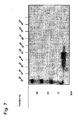
- the lipid composition of Intralipid #1 is similar as the complete Intralipid mixture but comprises one or several specific proteins of MW between 10 and 20 kD ( Figure 7 ).
- the Intralipid used for the invention was manufactured by Fresenius Kabi, Uppsala Sweden (100ml Intralipid 20% comprising 20g Soybean oil, 1.2g Phospholipid and 2.25g Glycerol (USP)).
- the liposome of the invention comprises triacylglycerol, phospholipids, glycerol and one or several lipid-binding proteins aggregated via a lipophilic linker molecule with a single- or double-stranded oligonucleotide, wherein said liposome has an affinity to heart, lung and/or muscle tissue.
- the affinity to heart, lung and/or muscle tissue is very specific.
- These liposomes serve as carrier for oligonucleotides. Due to their affinity to heart, lung and muscle cells, they specifically transport the oligonucleotides to these tissues.
- the liposome aggregates according to the present invention may be used for many severe heart, lung and muscle diseases, for example myocarditis, ischemic heart disease, myopathies, cardiomyopathies, metabolic diseases, rhabdomyosarcomas.
- the oligonucleotide is preferably stabilized by one or more oligonugleotide modifications to avoid degradation of the oligonucleotides.
- the nuclease resistance of modified oligonucleotides is increased compared to a sequence containing only unmodified ribonucleotide moieties, unmodified desoxyribonucleotide moieties or both.
- modified moiteties are well known in the art ( Kurreck, European Journal of Biochemistry 270 (2003), 1628-1644 ).
- the oligonucleotide molecule comprises at least one modified moiety.
- Phosporothioate DNA units for example Phosporothioate DNA units, 2'-O-methyl RNA units, 2'-O-methoxy-ethyl RNA units, Peptide nucleic acid units, N3'-P5' Phosphoroamidate DNA units, 2' fluoro-ribo nucleic acid units, Locked nucleic acid units, Morpholino phosphoroamidate nucleic acid units, Cyclohexane nucleic acid units, Tricyclonucleic acid units, 2'-O-alkylated nucleotide modifications, 2'-Deozy-2'-fluoro modifications, 2,4-difluorotoluyl modifications, 4'-Thio ribose modifications, and Boranophospate modifications. Especially preferred are 2'-O-methyl units, Phosporothioate units, Locked nucleic acid units and 2' fluoro-ribo nucleic acid units. Most preferred are 2'-O-
- a preferred embodiment of the invention is a liposome comprising 15-25% triacylglycerol, 0.5-2% phospholipids and 1-3 % glycerol, and one or several lipid-binding proteins.
- a more preferred embodiment of the invention is a liposome comprising about 20% triacylglycerol, about 1.2% phospholipids and about 2.25% glycerol, which corresponds to the total composition of Intarlipid, and one or several lipid-binding proteins.
- An even more preferred embodiment of the invention is Intralipid #1.
- the liposome aggregate has a particle size of 20-50 nm, more preferably of about 35 nm.
- the oligonucleotides are aggregated with the liposomes via a linker molecule at the outer surface of the liposome.
- a linker molecule at the outer surface of the liposome.
- Any lipophilic linker molecule that is able to bind oligonucleotides to lipids can be chosen.
- Preferred linkers are Pyrrolidine and Hydroxyprolinol. Most preferred is Cholesterol.
- oligonucleotide that is able to specifically interact with gene expression, RNA or protein activity may be linked to the liposomes.
- Preferred oligonucleotides have an interacting gene, RNA or protein in heart, lung and muscle cells. Oligonucleotides are normally 10-40 nucleotides in length, preferably 15-30, most preferably 20-25 nucleotides.
- oligonucleotides are oligonucleotides mediating RNA interference, oligonucleotides targeting RNAs and oligonucleotides targeting proteins. Most preferred oligonucleotides are single- and double-stranded RNAs.
- the invention further relates to selecting the liposomes from the Intralipid emulsion. Any method fractionating the Intralipid emulsion and separating the different lipid particles can be chosen. Particles of 20-50nm, preferably of about 35nm in size are selected. Possible fractionating methods are liquid chromatography or ultracentrifugation.
- the process for making the liposomes comprises the steps of:
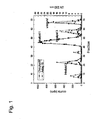
- Cholesterol-conjugated RNAs (Chol-apoB1 and Antagomir-16) bind to Intralipid peak #1 that elutes between fraction 40 to 50 ( Figure 1 ), containing particles between 20 and 50nm in size.
- the liposomes can be made by first isolating the lipid particles comprising triacylglycerol, phospholipids, glycerol and one or several lipid-binding proteins and corresponding to Intralipid #1 particles and then mixing the isolated particles with >2-fold molar excess of single- or double-stranded lipophile (e.g. cholesterol) conjugated oligonucleotide. The steps of fractionating and selecting the particles are deleted by this alternative process for making the liposomes.
- single- or double-stranded lipophile e.g. cholesterol
- the liposome aggregates according to the present invention are used as medicament. Preferably, they are used to treat heart, lung or muscle diseases. Such medicaments are primarily used to treat disorders caused by overexpression of particular genes, RNAs or proteins.
- the invention further relates to a lyophilisat containing the liposome aggregate.
- the invention in another aspect, relates to a method for selectively targeting a single-or double-stranded oligonucleotide to mammalian heart, lung and/or muscle tissues comprising contacting a mammal with said oligonucleotide, wherein said oligonucleotide has been formulated via a lipid emulsion fractionation process according to the description above.
- Yet another aspect relates to a method for reducing expression of a gene in mammalian tissue in vivo comprising contacting said tissue with the liposome according to this invention.
- FIG. 1 Analysis of Intralipid® by FPLC revealed that this emulsion contains various stable lipid particles of distinct size. Cholesterol-conjugated RNAs (Chol-apoB1-siRNA and antagomir-16) bind to Intralipid peak#1 that elutes between fraction 40 to 50. Intralipid 1 corresponds to the liposome aggregate of the invention. RNAs were labelled with 32 P and lipid fractions were determined by UV absorbance at 230 nm.
- FIG. 2 Plasma clearance of Intralipid/antagomir-16 and Intralipid/chol-apoB1-siRNA following tail injections.
- the blood t1/2 for antagomir-16 is ⁇ 20 min, t1/2 of chol-apoB1-siRNA ⁇ 40.
- the experiment shows rapid removal of Intralipid/RNA complexes from the blood after systemic injection.
- FIG. 3 Tissue uptake of 32 P-labeled chol-apoB1-siRNA mediated by "Intralipid 1° 4h after systemic injection. Uptake is normalized/mg protein. The experiment shows selective (enriched) uptake of Intralipid/chol-siRNA in muscle, heart and lung.
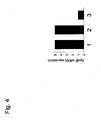
- FIG. 4 Silencing activity of chol-apoB1-siRNA following chol-apoB1-siRNA/Intralipid 1 injection.
- ApoB mRNA expression levels in the heart of mice injected with a single injection of chol-apoB1-siRNA at 10 mg/kg bodyweight were measured by real time PCR 24h after injection.
- Wildtype denoted PBS control, Chol-apoB unconjugated indicates injection of siRNA in the absence of Intralipid 1.
- Chol-apoB Intralipid 1 denotes siRNAs that were complexed with Intralipid 1 prior to injection.
- FIG. 5 Silencing of microRNA-133a (miR-133a) following antagomir-133a/Intralipid#1 injection: miR-133a levels in heart and quadriceps muscle in response to antagomir-133a/Intralipid injection (50mg/kg bodyweight). miR-133a levels in heart and quadriceps muscle of mice injected with a single injection of antagomir-133a at 50 mg/kg bodyweight (duplicates for each treatment). Expression levels were measured by Northern blotting 24h after injection. tRNA levels are shown as a loading control.
- Antagomir (ant.133a) indicates injection of antagomir in the absence of Intralipid 1.
- Intralipid ant.133a denotes antagomir-133a that was complexed with Intralipid 1 prior to injection.
- FIG. 7 Low molecular weight proteins are associated with Intralipid peak#1. Two protein bands at molecular weight (MW) between 10 and 20 kD can be detected in fractions 38-50 (corresponding to the fractions containing Intralipid#1).
- Intralipid (Sigma 20%) concentration is 200 mg/ml (approx. 570 ⁇ M). Intralipid is diluted to 133 ⁇ M and incubated 1:2 with Chol-conjugated RNA (Chol-RNA) (4 mg/ml, 266 ⁇ M, spiked with a small amount of 32 P labeled Chol-RNA for quantification) for 30 min at room temperature. Unbound Chol-RNA is separated by gel filtration using two Suprose 6 column (volume of run: 0.5ml) (Pharmacia HR10/30 code #17-0537-01) with FPLC running buffer (0.15 M NaCl, 0.01 M Na 2 HPO 4 , 0.1 mM EDTA, pH 7.5). The Intralipid/chol-RNA fraction is collected (particles between 20 to 50 nm) and Chol-RNA content quantified by scintillation counting.
- Chol-RNA Chol-conjugated RNA
- Chol-apoB1-siRNA a chemically-modified, lipophile-conjugated siRNA-apoB1 was constituted from the corresponding sense strand: 5'-GUCAUCACACUGAAUACCAAU s Hyp-L -3' and antisense strand: 5'-AUUGGUAUUCAGUGUGAUGAc s a s C -3' was obtained as described in Soutschek et al. 2004, Nature 432, 173-8 .
- the cholesterol-conjugated sense strand was synthesized from a hydroxyprolinol-lipophile solid support.
- Cholesterol was tethered to trans -4-hydroxyprolinol via a 6-aminohexanoate linkage to obtain a hydroxyprolinol-lipophile moiety (Hyp) that was subsequently attached to a functionalized control pore glass to obtain the solid support.
- the letter 'L' represents the lipophile, lower case letters represent 2'-O-methyl sugar modification and subscript 's' stands for phosphorothioate linkages.
- the antagomir-16 used consisted of 21-23 nt length with modifications as specified: 5'-c s g s ccaauauuuacgugcug s c s u s a s -Chol-3'.
- the antagomir-133a used consisted of 21-23 nt length with modifications as specified: 5'-a s u s uugguuccauuuuacc s a s g s c s -Chol-3'.
- the lower case letters represent 2'-O-methyl modified nucleotides; subscript 's' represent phosphorothioate linkage.
- ApoB mRNA expression levels in the heart of mice injected with a single injection of chol-apoB1-siRNA at 10 mg/kg bodyweight were measured by real time PCR 24h after injection.
- a five-fold decrease of ApoB mRNA compared to control experiments shows the effectiveness of post transcriptional gene silencing ( Figure 4 ).
- mice were injected with a single injection of antagomir-133a/Intralipid#1at 50 mg/kg bodyweight.
- Expression levels of microRNA-133a were measured by Northern blotting 24h after injection.
- the experiment shows in vivo silencing of miR-133a following antagomir-133a/Intralipid#1 injection in heart and quadriceps ( Figure 5 ).
- mice were injected in duplicates with either PBS (control), antagomir-206, or antagomir-206 that was complexed with Intralipid#1 at a dose of 3x80 mg/kg body weight (bw) or 3x50 mg/kg, respectively.
- Mice were sacrificed on day 4 (24 h after the last injection), total RNA was isolated from the quadriceps muscle, and miR-206 levels were analyzed by Northern blotting. tRNA is shown as a loading control.
- the antagomir-206 used consisted of 22 nt length with modifications as specified: 5'-c s c s acacacuuccuuacauu s c s c s s a s -Chol-3'.
- Intralipid was fractionated by HPLC, proteins were extracted from indicated fractions and separated on a 12% polyacrylamide gel. Proteins were visualized by silver staining. Two protein bands at molecular weight (MW) between 10 and 20 kD can be detected in fractions 38-50 (corresponding to the fractions containing Intralipid#1 ( Figure 7 ).
Landscapes
- Health & Medical Sciences (AREA)
- Life Sciences & Earth Sciences (AREA)
- Public Health (AREA)
- Veterinary Medicine (AREA)
- Medicinal Chemistry (AREA)
- Pharmacology & Pharmacy (AREA)
- Chemical & Material Sciences (AREA)
- Bioinformatics & Cheminformatics (AREA)
- Animal Behavior & Ethology (AREA)
- General Health & Medical Sciences (AREA)
- Engineering & Computer Science (AREA)
- Epidemiology (AREA)
- Botany (AREA)
- Chemical Kinetics & Catalysis (AREA)
- General Chemical & Material Sciences (AREA)
- Nuclear Medicine, Radiotherapy & Molecular Imaging (AREA)
- Organic Chemistry (AREA)
- Pharmaceuticals Containing Other Organic And Inorganic Compounds (AREA)
- Medicines That Contain Protein Lipid Enzymes And Other Medicines (AREA)
- Medicinal Preparation (AREA)
Priority Applications (5)
| Application Number | Priority Date | Filing Date | Title |
|---|---|---|---|
| EP08005800A EP2105145A1 (fr) | 2008-03-27 | 2008-03-27 | Procédé pour la libération spécifique dans les muscles d'oligonucléotides conjugués avec des lipides |
| EP09724197A EP2265289A2 (fr) | 2008-03-27 | 2009-03-26 | Procédé pour la libération spécifique dans les muscles d'oligonucléotides conjugués avec des lipides |
| JP2011502065A JP2011517676A (ja) | 2008-03-27 | 2009-03-26 | インビボでrna干渉を媒介するための組成物および方法 |
| PCT/US2009/038437 WO2009120887A2 (fr) | 2008-03-27 | 2009-03-26 | Compositions et procédés de médiation d’iarn in vivo |
| US12/412,206 US8148344B2 (en) | 2008-03-27 | 2009-03-26 | Compositions and methods for mediating RNAi in vivo |
Applications Claiming Priority (1)
| Application Number | Priority Date | Filing Date | Title |
|---|---|---|---|
| EP08005800A EP2105145A1 (fr) | 2008-03-27 | 2008-03-27 | Procédé pour la libération spécifique dans les muscles d'oligonucléotides conjugués avec des lipides |
Publications (1)
| Publication Number | Publication Date |
|---|---|
| EP2105145A1 true EP2105145A1 (fr) | 2009-09-30 |
Family
ID=39683892
Family Applications (2)
| Application Number | Title | Priority Date | Filing Date |
|---|---|---|---|
| EP08005800A Withdrawn EP2105145A1 (fr) | 2008-03-27 | 2008-03-27 | Procédé pour la libération spécifique dans les muscles d'oligonucléotides conjugués avec des lipides |
| EP09724197A Withdrawn EP2265289A2 (fr) | 2008-03-27 | 2009-03-26 | Procédé pour la libération spécifique dans les muscles d'oligonucléotides conjugués avec des lipides |
Family Applications After (1)
| Application Number | Title | Priority Date | Filing Date |
|---|---|---|---|
| EP09724197A Withdrawn EP2265289A2 (fr) | 2008-03-27 | 2009-03-26 | Procédé pour la libération spécifique dans les muscles d'oligonucléotides conjugués avec des lipides |
Country Status (4)
| Country | Link |
|---|---|
| US (1) | US8148344B2 (fr) |
| EP (2) | EP2105145A1 (fr) |
| JP (1) | JP2011517676A (fr) |
| WO (1) | WO2009120887A2 (fr) |
Cited By (4)
| Publication number | Priority date | Publication date | Assignee | Title |
|---|---|---|---|---|
| US8148344B2 (en) | 2008-03-27 | 2012-04-03 | Alnylam Pharmaceuticals, Inc. | Compositions and methods for mediating RNAi in vivo |
| US8202848B2 (en) | 2008-03-17 | 2012-06-19 | Board Of Regents, The University Of Texas System | Identification of micro-RNAS involved in neuromuscular synapse maintenance and regeneration |
| US8513209B2 (en) | 2007-11-09 | 2013-08-20 | The Board Of Regents, The University Of Texas System | Micro-RNAS of the MIR-15 family modulate cardiomyocyte survival and cardiac repair |
| US9163235B2 (en) | 2012-06-21 | 2015-10-20 | MiRagen Therapeutics, Inc. | Inhibitors of the miR-15 family of micro-RNAs |
Families Citing this family (40)
| Publication number | Priority date | Publication date | Assignee | Title |
|---|---|---|---|---|
| NZ584793A (en) | 2007-10-26 | 2012-05-25 | Academisch Ziekenhuis Leiden | Means and methods for counteracting muscle disorders |
| EP2119783A1 (fr) | 2008-05-14 | 2009-11-18 | Prosensa Technologies B.V. | Procédé pour l'omission efficace de l'exon (44) dans la dystrophie musculaire de Duchenne et moyens connexes |
| US20100233270A1 (en) | 2009-01-08 | 2010-09-16 | Northwestern University | Delivery of Oligonucleotide-Functionalized Nanoparticles |
| EP2525780B1 (fr) | 2010-01-19 | 2022-09-07 | Northwestern University | Nanostructures synthétiques comprenant des acides nucléiques et/ou d'autres entités |
| CA2862628C (fr) | 2012-01-27 | 2021-08-24 | Prosensa Technologies B.V. | Oligonucleotides a modulation d'arn dotes de caracteristiques ameliorees pour le traitement de la dystrophie musculaire de duchenne et de becker |
| JP2013256452A (ja) * | 2012-06-11 | 2013-12-26 | Kawaken Fine Chem Co Ltd | メラニン産生抑制剤とその組成物 |
| CA2919268C (fr) | 2013-07-25 | 2023-09-05 | Exicure, Inc. | Constructions a partir d'acides nucleiques spheriques utilisees en tant qu'agents immunostimulants a des fins prophylactiques et therapeutiques |
| US10568898B2 (en) | 2013-08-13 | 2020-02-25 | Northwestern University | Lipophilic nanoparticles for drug delivery |
| SI3071696T1 (sl) | 2013-11-22 | 2019-11-29 | Mina Therapeutics Ltd | C/EBP alfa kratko delujoči RNA sestavki in postopki uporabe |
| WO2015126502A2 (fr) * | 2013-12-03 | 2015-08-27 | Northwestern University | Particules liposomales, leurs procédés de fabrication et leurs utilisations |
| US10513710B2 (en) | 2014-04-18 | 2019-12-24 | University Of Massachusetts | Exosomal loading using hydrophobically modified oligonucleotides |
| AU2015269412B2 (en) | 2014-06-04 | 2020-03-12 | Exicure Operating Company | Multivalent delivery of immune modulators by liposomal spherical nucleic acids for prophylactic or therapeutic applications |
| EP3183007B1 (fr) | 2014-08-19 | 2020-06-17 | Northwestern University | Thérapeutiques en nanoparticules coeur/coquille protéine/oligonucléotide |
| BR112017007012A2 (pt) | 2014-10-06 | 2018-03-06 | Exicure Inc | compostos anti-tnf |
| WO2016081911A2 (fr) | 2014-11-21 | 2016-05-26 | Northwestern University | Absorption cellulaire spécifique à une séquence de conjugués nanoparticulaires d'acides nucléiques sphériques |
| EP3247796A4 (fr) | 2015-01-14 | 2018-07-11 | Exicure, Inc. | Nanostructructures d'acides nucléiques pourvues de motifs de noyau |
| EP3377067A4 (fr) * | 2015-10-07 | 2019-07-31 | Cormedix Inc. | Formulation de pénétration cutanée à base de taurolidine |
| US10967072B2 (en) | 2016-04-27 | 2021-04-06 | Northwestern University | Short interfering RNA templated lipoprotein particles (siRNA-TLP) |
| CA3023451A1 (fr) | 2016-05-06 | 2017-11-09 | Exicure, Inc. | Constructions d'acides nucleiques spheriques liposomales (sna) presentant des oligonucleotides antisens (aso) pour l'inactivation specifique de l'arnm du recepteur de l'interleukine 17 |
| WO2018039629A2 (fr) | 2016-08-25 | 2018-03-01 | Northwestern University | Acides nucléiques sphériques micellaires obtenus à partir de matrices thermosensibles sans trace |
| WO2018152327A1 (fr) * | 2017-02-15 | 2018-08-23 | Northwestern University | Amélioration de la stabilité et de l'activité immunomodulatrice d'acides nucléiques sphériques liposomaux |
| WO2018201090A1 (fr) | 2017-04-28 | 2018-11-01 | Exicure, Inc. | Synthèse d'acides nucléiques sphériques à l'aide de fractions lipophiles |
| JP2020526558A (ja) | 2017-07-13 | 2020-08-31 | ノースウェスタン ユニバーシティ | オリゴヌクレオチド官能化金属有機構造体ナノ粒子を調製するための一般的かつ直接的な方法 |
| WO2019048632A1 (fr) | 2017-09-08 | 2019-03-14 | Mina Therapeutics Limited | Compositions stabilisées de petits arn activateurs (parna) de hnf4a et procédés d'utilisation |
| WO2019048645A1 (fr) | 2017-09-08 | 2019-03-14 | Mina Therapeutics Limited | Compositions stabilisées de petits arn activateurs (parna) de cebpa et procédés d'utilisation |
| US11566246B2 (en) | 2018-04-12 | 2023-01-31 | Mina Therapeutics Limited | SIRT1-saRNA compositions and methods of use |
| US12702719B2 (en) | 2019-03-06 | 2026-08-11 | Northwestern University | Hairpin-like oligonucleotide-conjugated spherical nucleic acid |
| EP3953473A1 (fr) | 2019-04-12 | 2022-02-16 | MiNA Therapeutics Limited | Compositions de sirt1-sarna et procédés d'utilisation |
| CN114072503A (zh) * | 2019-07-02 | 2022-02-18 | 阿尔戈诺特Rna有限公司 | 载脂蛋白b拮抗剂 |
| US12319711B2 (en) | 2019-09-20 | 2025-06-03 | Northwestern University | Spherical nucleic acids with tailored and active protein coronae |
| US12378560B2 (en) | 2019-10-29 | 2025-08-05 | Northwestern University | Sequence multiplicity within spherical nucleic acids |
| GB2603454A (en) | 2020-12-09 | 2022-08-10 | Ucl Business Ltd | Novel therapeutics for the treatment of neurodegenerative disorders |
| EP4304640A1 (fr) | 2021-03-12 | 2024-01-17 | Northwestern University | Vaccins antiviraux utilisant des acides nucléiques sphériques |
| US20240175033A1 (en) | 2021-03-26 | 2024-05-30 | Mina Therapeutics Limited | TMEM173 saRNA Compositions and Methods of Use |
| WO2023099884A1 (fr) | 2021-12-01 | 2023-06-08 | Mina Therapeutics Limited | Compositions d'arnsa de pax6 et procédés d'utilisation |
| GB202117758D0 (en) | 2021-12-09 | 2022-01-26 | Ucl Business Ltd | Therapeutics for the treatment of neurodegenerative disorders |
| WO2023170435A1 (fr) | 2022-03-07 | 2023-09-14 | Mina Therapeutics Limited | Compositions de petits arn activateurs d'il10 et procédés d'utilisation |
| TW202440929A (zh) | 2022-12-14 | 2024-10-16 | 加拿大商普羅維登斯治療控股公司 | 用於感染性疾病的組合物和方法 |
| US20260218178A1 (en) | 2022-12-22 | 2026-07-30 | Mina Therapeutics Limited | Chemically Modified saRNA Compositions and Methods of Use |
| WO2026027887A2 (fr) | 2024-08-02 | 2026-02-05 | Mina Therapeutics Limited | Compositions de hbg1/2-sarna et procédés d'utilisation |
Citations (4)
| Publication number | Priority date | Publication date | Assignee | Title |
|---|---|---|---|---|
| WO1990010448A2 (fr) * | 1989-03-07 | 1990-09-20 | Genentech, Inc. | Conjugue covalent de lipides et d'oligonucleotides |
| WO2001048233A1 (fr) * | 1999-12-23 | 2001-07-05 | Mitsubishi Pharma Corporation | Complexes d'administration a base d'acides nucleiques-lipide cationique-proteine noyau virale |
| WO2002087594A1 (fr) * | 2001-04-30 | 2002-11-07 | The Regents Of The University Of California | Vecteur vesiculaire non viral pour le transfert de gene cardiaque specifique |
| WO2003011252A1 (fr) * | 2001-07-30 | 2003-02-13 | Mitsubishi Chemical Corporation | Composition pharmaceutique renfermant des lipides comprenant une fraction polaire ainsi qu'une fraction non polaire |
Family Cites Families (74)
| Publication number | Priority date | Publication date | Assignee | Title |
|---|---|---|---|---|
| US4426330A (en) | 1981-07-20 | 1984-01-17 | Lipid Specialties, Inc. | Synthetic phospholipid compounds |
| US4534899A (en) | 1981-07-20 | 1985-08-13 | Lipid Specialties, Inc. | Synthetic phospholipid compounds |
| JPS5927900A (ja) | 1982-08-09 | 1984-02-14 | Wakunaga Seiyaku Kk | 固定化オリゴヌクレオチド |
| FR2540122B1 (fr) | 1983-01-27 | 1985-11-29 | Centre Nat Rech Scient | Nouveaux composes comportant une sequence d'oligonucleotide liee a un agent d'intercalation, leur procede de synthese et leur application |
| US4605735A (en) | 1983-02-14 | 1986-08-12 | Wakunaga Seiyaku Kabushiki Kaisha | Oligonucleotide derivatives |
| US4948882A (en) | 1983-02-22 | 1990-08-14 | Syngene, Inc. | Single-stranded labelled oligonucleotides, reactive monomers and methods of synthesis |
| US4824941A (en) | 1983-03-10 | 1989-04-25 | Julian Gordon | Specific antibody to the native form of 2'5'-oligonucleotides, the method of preparation and the use as reagents in immunoassays or for binding 2'5'-oligonucleotides in biological systems |
| US4587044A (en) | 1983-09-01 | 1986-05-06 | The Johns Hopkins University | Linkage of proteins to nucleic acids |
| US5118802A (en) | 1983-12-20 | 1992-06-02 | California Institute Of Technology | DNA-reporter conjugates linked via the 2' or 5'-primary amino group of the 5'-terminal nucleoside |
| US5430136A (en) | 1984-10-16 | 1995-07-04 | Chiron Corporation | Oligonucleotides having selectably cleavable and/or abasic sites |
| US5258506A (en) | 1984-10-16 | 1993-11-02 | Chiron Corporation | Photolabile reagents for incorporation into oligonucleotide chains |
| US4828979A (en) | 1984-11-08 | 1989-05-09 | Life Technologies, Inc. | Nucleotide analogs for nucleic acid labeling and detection |
| US4762779A (en) | 1985-06-13 | 1988-08-09 | Amgen Inc. | Compositions and methods for functionalizing nucleic acids |
| US5317098A (en) | 1986-03-17 | 1994-05-31 | Hiroaki Shizuya | Non-radioisotope tagging of fragments |
| JPS638396A (ja) | 1986-06-30 | 1988-01-14 | Wakunaga Pharmaceut Co Ltd | ポリ標識化オリゴヌクレオチド誘導体 |
| US4904582A (en) | 1987-06-11 | 1990-02-27 | Synthetic Genetics | Novel amphiphilic nucleic acid conjugates |
| US5585481A (en) | 1987-09-21 | 1996-12-17 | Gen-Probe Incorporated | Linking reagents for nucleotide probes |
| US5525465A (en) | 1987-10-28 | 1996-06-11 | Howard Florey Institute Of Experimental Physiology And Medicine | Oligonucleotide-polyamide conjugates and methods of production and applications of the same |
| DE3738460A1 (de) | 1987-11-12 | 1989-05-24 | Max Planck Gesellschaft | Modifizierte oligonukleotide |
| US5082830A (en) | 1988-02-26 | 1992-01-21 | Enzo Biochem, Inc. | End labeled nucleotide probe |
| US5109124A (en) | 1988-06-01 | 1992-04-28 | Biogen, Inc. | Nucleic acid probe linked to a label having a terminal cysteine |
| US5262536A (en) | 1988-09-15 | 1993-11-16 | E. I. Du Pont De Nemours And Company | Reagents for the preparation of 5'-tagged oligonucleotides |
| GB8824593D0 (en) | 1988-10-20 | 1988-11-23 | Royal Free Hosp School Med | Liposomes |
| US5512439A (en) | 1988-11-21 | 1996-04-30 | Dynal As | Oligonucleotide-linked magnetic particles and uses thereof |
| US5599923A (en) | 1989-03-06 | 1997-02-04 | Board Of Regents, University Of Tx | Texaphyrin metal complexes having improved functionalization |
| US5457183A (en) | 1989-03-06 | 1995-10-10 | Board Of Regents, The University Of Texas System | Hydroxylated texaphyrins |
| US5391723A (en) | 1989-05-31 | 1995-02-21 | Neorx Corporation | Oligonucleotide conjugates |
| US4958013A (en) | 1989-06-06 | 1990-09-18 | Northwestern University | Cholesteryl modified oligonucleotides |
| US5032401A (en) | 1989-06-15 | 1991-07-16 | Alpha Beta Technology | Glucan drug delivery system and adjuvant |
| US5451463A (en) | 1989-08-28 | 1995-09-19 | Clontech Laboratories, Inc. | Non-nucleoside 1,3-diol reagents for labeling synthetic oligonucleotides |
| US5254469A (en) | 1989-09-12 | 1993-10-19 | Eastman Kodak Company | Oligonucleotide-enzyme conjugate that can be used as a probe in hybridization assays and polymerase chain reaction procedures |
| US5356633A (en) | 1989-10-20 | 1994-10-18 | Liposome Technology, Inc. | Method of treatment of inflamed tissues |
| US5013556A (en) | 1989-10-20 | 1991-05-07 | Liposome Technology, Inc. | Liposomes with enhanced circulation time |
| US5225212A (en) | 1989-10-20 | 1993-07-06 | Liposome Technology, Inc. | Microreservoir liposome composition and method |
| US5292873A (en) | 1989-11-29 | 1994-03-08 | The Research Foundation Of State University Of New York | Nucleic acids labeled with naphthoquinone probe |
| US5486603A (en) | 1990-01-08 | 1996-01-23 | Gilead Sciences, Inc. | Oligonucleotide having enhanced binding affinity |
| US5578718A (en) | 1990-01-11 | 1996-11-26 | Isis Pharmaceuticals, Inc. | Thiol-derivatized nucleosides |
| WO1991013080A1 (fr) | 1990-02-20 | 1991-09-05 | Gilead Sciences, Inc. | Pseudonucleosides, pseudonucleotides et leurs polymeres |
| US5214136A (en) | 1990-02-20 | 1993-05-25 | Gilead Sciences, Inc. | Anthraquinone-derivatives oligonucleotides |
| EP0455905B1 (fr) | 1990-05-11 | 1998-06-17 | Microprobe Corporation | Bâtonnets d'immersion pour l'essai d'hybridition des acides nucléiques et procédés pour l'immobilisation covalente d'oligonucléotides |
| US5218105A (en) | 1990-07-27 | 1993-06-08 | Isis Pharmaceuticals | Polyamine conjugated oligonucleotides |
| US5688941A (en) | 1990-07-27 | 1997-11-18 | Isis Pharmaceuticals, Inc. | Methods of making conjugated 4' desmethyl nucleoside analog compounds |
| US5138045A (en) | 1990-07-27 | 1992-08-11 | Isis Pharmaceuticals | Polyamine conjugated oligonucleotides |
| US5608046A (en) | 1990-07-27 | 1997-03-04 | Isis Pharmaceuticals, Inc. | Conjugated 4'-desmethyl nucleoside analog compounds |
| US5245022A (en) | 1990-08-03 | 1993-09-14 | Sterling Drug, Inc. | Exonuclease resistant terminally substituted oligonucleotides |
| US5512667A (en) | 1990-08-28 | 1996-04-30 | Reed; Michael W. | Trifunctional intermediates for preparing 3'-tailed oligonucleotides |
| DE69132510T2 (de) | 1990-11-08 | 2001-05-03 | Hybridon, Inc. | Verbindung von mehrfachreportergruppen auf synthetischen oligonukleotiden |
| US5371241A (en) | 1991-07-19 | 1994-12-06 | Pharmacia P-L Biochemicals Inc. | Fluorescein labelled phosphoramidites |
| US5565552A (en) | 1992-01-21 | 1996-10-15 | Pharmacyclics, Inc. | Method of expanded porphyrin-oligonucleotide conjugate synthesis |
| US5595726A (en) | 1992-01-21 | 1997-01-21 | Pharmacyclics, Inc. | Chromophore probe for detection of nucleic acid |
| US5272250A (en) | 1992-07-10 | 1993-12-21 | Spielvogel Bernard F | Boronated phosphoramidate compounds |
| US5217098A (en) * | 1992-10-19 | 1993-06-08 | Adams Rite Manufacturing Company | Apparatus for integrating transmission control and brake control |
| US5574142A (en) | 1992-12-15 | 1996-11-12 | Microprobe Corporation | Peptide linkers for improved oligonucleotide delivery |
| JP3351476B2 (ja) | 1993-01-22 | 2002-11-25 | 三菱化学株式会社 | リン脂質誘導体及びそれを含有するリポソーム |
| US5395619A (en) | 1993-03-03 | 1995-03-07 | Liposome Technology, Inc. | Lipid-polymer conjugates and liposomes |
| CA2137297C (fr) | 1993-12-06 | 2000-04-18 | Tsuyoshi Miyazaki | Vesicule reactive et vesicule fonctionnelle fixee a une substance |
| US5597696A (en) | 1994-07-18 | 1997-01-28 | Becton Dickinson And Company | Covalent cyanine dye oligonucleotide conjugates |
| US5580731A (en) | 1994-08-25 | 1996-12-03 | Chiron Corporation | N-4 modified pyrimidine deoxynucleotides and oligonucleotide probes synthesized therewith |
| US5820873A (en) | 1994-09-30 | 1998-10-13 | The University Of British Columbia | Polyethylene glycol modified ceramide lipids and liposome uses thereof |
| WO1999001579A1 (fr) | 1997-07-01 | 1999-01-14 | Isis Pharmaceuticals, Inc. | Compositions et procedes d'apport d'oligonucleotides par le tube digestif |
| CA2329130A1 (fr) | 1998-05-21 | 1999-11-25 | Isis Pharmaceuticals Inc. | Compositions et procedes pour l'administration non parenterale d'oligonucleotides |
| AU3243300A (en) | 1999-02-23 | 2000-09-14 | Isis Pharmaceuticals, Inc. | Multiparticulate formulation |
| CN100523215C (zh) | 2000-12-01 | 2009-08-05 | 马普科技促进协会 | 介导rna干涉的小rna分子 |
| EP1386004A4 (fr) | 2001-04-05 | 2005-02-16 | Ribozyme Pharm Inc | Modulation de l'expression genique associee a la proliferation inflammatoire et a la croissance de neurites, par des procedes faisant intervenir l'acide nucleique |
| US20050277133A1 (en) * | 2001-05-18 | 2005-12-15 | Sirna Therapeutics, Inc. | RNA interference mediated treatment of polyglutamine (polyQ) repeat expansion diseases using short interfering nucleic acid (siNA) |
| US7923547B2 (en) | 2002-09-05 | 2011-04-12 | Sirna Therapeutics, Inc. | RNA interference mediated inhibition of gene expression using chemically modified short interfering nucleic acid (siNA) |
| EP2305813A3 (fr) | 2002-11-14 | 2012-03-28 | Dharmacon, Inc. | SIRNA fonctionnel et hyperfonctionnel |
| DE10302421A1 (de) | 2003-01-21 | 2004-07-29 | Ribopharma Ag | Doppelsträngige Ribonukleinsäure mit verbesserter Wirksamkeit |
| US20060003976A1 (en) | 2004-06-04 | 2006-01-05 | Yuehua Zhang | Cholesterol/bile acid/bile acid derivative-modified therapeutic drug compounds |
| US7740861B2 (en) | 2004-06-16 | 2010-06-22 | University Of Massachusetts | Drug delivery product and methods |
| FR2894582B1 (fr) * | 2005-12-12 | 2008-02-22 | Fabre Pierre Dermo Cosmetique | Sirna anti myosine va et depigmentation de la peau |
| CA3042781C (fr) * | 2006-04-03 | 2021-10-19 | Roche Innovation Center Copenhagen A/S | Composition pharmaceutique comprenant des oligonucleotides antisens anti-microarn |
| EP1844772A1 (fr) * | 2006-04-06 | 2007-10-17 | Polyplus-Transfection SA | Compositions pour la transfection d'oligonucleotides pour le silençage génétique et applications biologiques et therapeutiques |
| EP2105145A1 (fr) | 2008-03-27 | 2009-09-30 | ETH Zürich | Procédé pour la libération spécifique dans les muscles d'oligonucléotides conjugués avec des lipides |
-
2008
- 2008-03-27 EP EP08005800A patent/EP2105145A1/fr not_active Withdrawn
-
2009
- 2009-03-26 US US12/412,206 patent/US8148344B2/en active Active
- 2009-03-26 JP JP2011502065A patent/JP2011517676A/ja active Pending
- 2009-03-26 WO PCT/US2009/038437 patent/WO2009120887A2/fr not_active Ceased
- 2009-03-26 EP EP09724197A patent/EP2265289A2/fr not_active Withdrawn
Patent Citations (4)
| Publication number | Priority date | Publication date | Assignee | Title |
|---|---|---|---|---|
| WO1990010448A2 (fr) * | 1989-03-07 | 1990-09-20 | Genentech, Inc. | Conjugue covalent de lipides et d'oligonucleotides |
| WO2001048233A1 (fr) * | 1999-12-23 | 2001-07-05 | Mitsubishi Pharma Corporation | Complexes d'administration a base d'acides nucleiques-lipide cationique-proteine noyau virale |
| WO2002087594A1 (fr) * | 2001-04-30 | 2002-11-07 | The Regents Of The University Of California | Vecteur vesiculaire non viral pour le transfert de gene cardiaque specifique |
| WO2003011252A1 (fr) * | 2001-07-30 | 2003-02-13 | Mitsubishi Chemical Corporation | Composition pharmaceutique renfermant des lipides comprenant une fraction polaire ainsi qu'une fraction non polaire |
Non-Patent Citations (22)
| Title |
|---|
| AFFLECK D G ET AL: "Augmentation of myocardial transfection using TerplexDNA: a novel gene delivery system.", GENE THERAPY MAR 2001, vol. 8, no. 5, March 2001 (2001-03-01), pages 349 - 353, XP002492901, ISSN: 0969-7128 * |
| AUGUSTUS AYANNA S ET AL: "Routes of FA delivery to cardiac muscle: Modulation of lipoprotein lipolysis alters uptake of TG-derived FA.", AMERICAN JOURNAL OF PHYSIOLOGY, vol. 284, no. 2 Part 1, February 2003 (2003-02-01), pages E331 - E339, XP002492878, ISSN: 0002-9513 * |
| BICHENKOV E E ET AL: "INTERACTION OF CHOLESTEROL-MODIFIED POLYNUCLEOTIDE WITH PHOSPHATIDYLCHOLINE LIPOSOMES", BIOLOGICHESKIE MEMBRANY (MOSCOW), vol. 5, no. 7, 1988, pages 735 - 742, XP008095589, ISSN: 0233-4755 * |
| D.H.J. BUNKA; P.G. STOCKLEY, NATURE REVIEWS MICROBIOLOGY, vol. 4, 2006, pages 588 - 596 |
| D.P. BARTEL, CELL, vol. 116, 2004, pages 281 - 297 |
| DATABASE BIOSIS [online] BIOSCIENCES INFORMATION SERVICE, PHILADELPHIA, PA, US; 1995, HULTIN MAGNUS ET AL: "Intravenous lipid emulsions: Removal mechanisms as compared to chylomicrons", XP002493038, Database accession no. PREV199698567304 * |
| GRANOT E ET AL: "Core modification of human low-density lipoprotein by artificial triacylglycerol emulsion", BIOCHIMICA ET BIOPHYSICA ACTA - LIPIDS AND LIPID METABOLISM 1985 NL, vol. 833, no. 2, 1985, pages 308 - 315, XP002493036, ISSN: 0005-2760 * |
| HAMIDI MEHRDOD ET AL: "Lipoproteins: From physiological roles to drug delivery potentials", CRITICAL REVIEWS IN THERAPEUTIC DRUG CARRIER SYSTEMS, XX, XX, vol. 23, no. 6, 1 January 2006 (2006-01-01), pages 497 - 523, XP008088204, ISSN: 0743-4863 * |
| HARA T ET AL: "In vivo gene delivery to the liver using reconstituted chylomicron remnants as a novel nonviral vector", PROCEEDINGS OF THE NATIONAL ACADEMY OF SCIENCES OF USA, NATIONAL ACADEMY OF SCIENCE, WASHINGTON, DC, vol. 94, no. 26, 23 December 1997 (1997-12-23), pages 14547 - 14552, XP002160608, ISSN: 0027-8424 * |
| HASHIDA ET AL: "Characterization of a Lipophilic Prodrug of 5-Fluorouracil with a Cholesterol Promoiety and Its Application to Liposomes", CHEMICAL AND PHARMACEUTICAL BULLETIN, PHARMACEUTICAL SOCIETY OF JAPAN, TOKYO, vol. 36, no. 8, 1 January 1988 (1988-01-01), pages 3186 - 3189, XP002063290, ISSN: 0009-2363 * |
| JOURNAL OF LIPID RESEARCH, vol. 36, no. 10, 1995, pages 2174 - 2184, ISSN: 0022-2275 * |
| KIM J-S ET AL: "A new non-viral DNA delivery vector: the terplex system", JOURNAL OF CONTROLLED RELEASE, ELSEVIER, AMSTERDAM, NL, vol. 53, no. 1-3, 30 April 1998 (1998-04-30), pages 175 - 182, XP004121268, ISSN: 0168-3659 * |
| KURRECK, EUROPEAN JOURNAL OF BIOCHEMISTRY, vol. 270, 2003, pages 1628 - 1644 |
| LEE M ET AL: "Water-soluble lipopolymer as an efficient carrier for gene delivery to myocardium.", GENE THERAPY, vol. 10, no. 7, April 2003 (2003-04-01), pages 585 - 593, XP002492902, ISSN: 0969-7128 * |
| LUTZ O ET AL: "Fat emulsion particle size: Influence on the clearance rate and the tissue lipolytic activity", AMERICAN JOURNAL OF CLINICAL NUTRITION 1989 US, vol. 50, no. 6, 1989, pages 1370 - 1381, XP002492879, ISSN: 0002-9165 * |
| MRSNY R J: "SPECIAL FEATURE: A SURVEY OF THE RECENT PATENT LITERATURE ON THE DELIVERY OF GENES AND OLIGONUCLEOTIDES", JOURNAL OF DRUG TARGETING, HARWOOD ACADEMIC PUBLISHERS GMBH, DE, vol. 7, no. 1, 1 January 1999 (1999-01-01), pages 1 - 10, XP000985806, ISSN: 1061-186X * |
| SOUTSCHEK ET AL., NATURE, vol. 432, 2004, pages 173 - 8 |
| V. P. TORCHILIN, NATURE REV. DRUG DISCOV., vol. 4, no. 2, 2005, pages 145 - 160 |
| WOLFRUM CHRISTIAN ET AL: "Mechanisms and optimization of in vivo delivery of lipophilic siRNAs.", NATURE BIOTECHNOLOGY OCT 2007, vol. 25, no. 10, October 2007 (2007-10-01), pages 1149 - 1157, XP002493037, ISSN: 1087-0156 * |
| WOLFRUM ET AL., NATURE BIOTECHNOLOGY, vol. 25, 2007 |
| Y. DORSETT; T. TUSCHL, NATURE REVIEWS DRUG DISCOVERY, vol. 3, 2004, pages 318 - 329 |
| YU L ET AL: "TerplexDNA gene carrier system targeting artery wall cells", JOURNAL OF CONTROLLED RELEASE, ELSEVIER, AMSTERDAM, NL, vol. 72, no. 1-3, 14 May 2001 (2001-05-14), pages 179 - 189, XP004246448, ISSN: 0168-3659 * |
Cited By (6)
| Publication number | Priority date | Publication date | Assignee | Title |
|---|---|---|---|---|
| US8513209B2 (en) | 2007-11-09 | 2013-08-20 | The Board Of Regents, The University Of Texas System | Micro-RNAS of the MIR-15 family modulate cardiomyocyte survival and cardiac repair |
| US9078919B2 (en) | 2007-11-09 | 2015-07-14 | The Board Of Regents, The University Of Texas System | Micro-RNAs of the miR-15 family modulate cardiomyocyte survival and cardiac repair |
| US8202848B2 (en) | 2008-03-17 | 2012-06-19 | Board Of Regents, The University Of Texas System | Identification of micro-RNAS involved in neuromuscular synapse maintenance and regeneration |
| US8728724B2 (en) | 2008-03-17 | 2014-05-20 | Board Of Regents, The University Of Texas System | Identification of micro-RNAs involved in neuromuscular synapse maintenance and regeneration |
| US8148344B2 (en) | 2008-03-27 | 2012-04-03 | Alnylam Pharmaceuticals, Inc. | Compositions and methods for mediating RNAi in vivo |
| US9163235B2 (en) | 2012-06-21 | 2015-10-20 | MiRagen Therapeutics, Inc. | Inhibitors of the miR-15 family of micro-RNAs |
Also Published As
| Publication number | Publication date |
|---|---|
| US20100003317A1 (en) | 2010-01-07 |
| WO2009120887A3 (fr) | 2009-12-10 |
| JP2011517676A (ja) | 2011-06-16 |
| EP2265289A2 (fr) | 2010-12-29 |
| US8148344B2 (en) | 2012-04-03 |
| WO2009120887A2 (fr) | 2009-10-01 |
Similar Documents
| Publication | Publication Date | Title |
|---|---|---|
| Sun et al. | Nucleic acid drugs: recent progress and future perspectives | |
| Liu et al. | Landscape of small nucleic acid therapeutics: moving from the bench to the clinic as next-generation medicines | |
| Setten et al. | The current state and future directions of RNAi-based therapeutics | |
| Bost et al. | Delivery of oligonucleotide therapeutics: chemical modifications, lipid nanoparticles, and extracellular vesicles | |
| Anwar et al. | Enhancing the effectiveness of oligonucleotide therapeutics using cell-penetrating peptide conjugation, chemical modification, and carrier-based delivery strategies | |
| Wittrup et al. | Knocking down disease: a progress report on siRNA therapeutics | |
| Singh et al. | Advances in siRNA delivery in cancer therapy | |
| Daka et al. | RNAi-based nanomedicines for targeted personalized therapy | |
| Anand et al. | Metabolic stability and targeted delivery of oligonucleotides: advancing RNA therapeutics beyond the liver | |
| WO2021021634A1 (fr) | Nanomatériaux contenant des lipides contraints et utilisations correspondantes | |
| RU2577227C1 (ru) | Высокоэффективная двухспиральная олиго-рнк конструкция типа наночастицы и способ ее изготовления | |
| Khalil et al. | Optimization of siRNA delivery to target sites: issues and future directions | |
| JP6038017B2 (ja) | 核酸を含む逆ミセル系及びその使用 | |
| Pereira et al. | Current progress on microRNAs‐based therapeutics in neurodegenerative diseases | |
| JP2010537640A (ja) | マイクロrna模倣剤または阻害剤としての非対称性rna二重鎖の組成物 | |
| AU2019275071A1 (en) | Composition and methods of controllable co-coupling polypeptide nanoparticle delivery system for nucleic acid therapeutics | |
| CN101874111B (zh) | 利用内源性乳糜微粒递送用于抑制靶基因表达的核酸的体系 | |
| JP2011517676A5 (fr) | ||
| WO2014005596A1 (fr) | Molécules cargo modifiées, leurs interactions et leurs utilisations | |
| Felber et al. | The interactions of amphiphilic antisense oligonucleotides with serum proteins and their effects on in vitro silencing activity | |
| Hyodo et al. | “Programmed packaging” for gene delivery | |
| Matsui et al. | Size-dependent specific targeting and efficient gene silencing in peritoneal macrophages using a pH-sensitive cationic liposomal siRNA carrier | |
| Bakowski et al. | Evolution of complexity in non-viral oligonucleotide delivery systems: from gymnotic delivery through bioconjugates to biomimetic nanoparticles | |
| Kubo et al. | Sixteen different types of lipid-conjugated siRNAs containing saturated and unsaturated fatty acids and exhibiting enhanced RNAi potency | |
| US20130108686A1 (en) | Method for the delivery of oligonucleotides |
Legal Events
| Date | Code | Title | Description |
|---|---|---|---|
| PUAI | Public reference made under article 153(3) epc to a published international application that has entered the european phase |
Free format text: ORIGINAL CODE: 0009012 |
|
| AK | Designated contracting states |
Kind code of ref document: A1 Designated state(s): AT BE BG CH CY CZ DE DK EE ES FI FR GB GR HR HU IE IS IT LI LT LU LV MC MT NL NO PL PT RO SE SI SK TR |
|
| AX | Request for extension of the european patent |
Extension state: AL BA MK RS |
|
| AKX | Designation fees paid | ||
| REG | Reference to a national code |
Ref country code: DE Ref legal event code: 8566 |
|
| STAA | Information on the status of an ep patent application or granted ep patent |
Free format text: STATUS: THE APPLICATION IS DEEMED TO BE WITHDRAWN |
|
| 18D | Application deemed to be withdrawn |
Effective date: 20100401 |