EP2106452B1 - Isothermische dna-amplifikation - Google Patents
Isothermische dna-amplifikation Download PDFInfo
- Publication number
- EP2106452B1 EP2106452B1 EP08705788.1A EP08705788A EP2106452B1 EP 2106452 B1 EP2106452 B1 EP 2106452B1 EP 08705788 A EP08705788 A EP 08705788A EP 2106452 B1 EP2106452 B1 EP 2106452B1
- Authority
- EP
- European Patent Office
- Prior art keywords
- dna
- primer
- seq
- target dna
- artificial sequence
- Prior art date
- Legal status (The legal status is an assumption and is not a legal conclusion. Google has not performed a legal analysis and makes no representation as to the accuracy of the status listed.)
- Active
Links
Images








Classifications
-
- C—CHEMISTRY; METALLURGY
- C12—BIOCHEMISTRY; BEER; SPIRITS; WINE; VINEGAR; MICROBIOLOGY; ENZYMOLOGY; MUTATION OR GENETIC ENGINEERING
- C12Q—MEASURING OR TESTING PROCESSES INVOLVING ENZYMES, NUCLEIC ACIDS OR MICROORGANISMS; COMPOSITIONS OR TEST PAPERS THEREFOR; PROCESSES OF PREPARING SUCH COMPOSITIONS; CONDITION-RESPONSIVE CONTROL IN MICROBIOLOGICAL OR ENZYMOLOGICAL PROCESSES
- C12Q1/00—Measuring or testing processes involving enzymes, nucleic acids or microorganisms; Compositions therefor; Processes of preparing such compositions
- C12Q1/68—Measuring or testing processes involving enzymes, nucleic acids or microorganisms; Compositions therefor; Processes of preparing such compositions involving nucleic acids
- C12Q1/6844—Nucleic acid amplification reactions
- C12Q1/6858—Allele-specific amplification
-
- C—CHEMISTRY; METALLURGY
- C12—BIOCHEMISTRY; BEER; SPIRITS; WINE; VINEGAR; MICROBIOLOGY; ENZYMOLOGY; MUTATION OR GENETIC ENGINEERING
- C12Q—MEASURING OR TESTING PROCESSES INVOLVING ENZYMES, NUCLEIC ACIDS OR MICROORGANISMS; COMPOSITIONS OR TEST PAPERS THEREFOR; PROCESSES OF PREPARING SUCH COMPOSITIONS; CONDITION-RESPONSIVE CONTROL IN MICROBIOLOGICAL OR ENZYMOLOGICAL PROCESSES
- C12Q1/00—Measuring or testing processes involving enzymes, nucleic acids or microorganisms; Compositions therefor; Processes of preparing such compositions
- C12Q1/68—Measuring or testing processes involving enzymes, nucleic acids or microorganisms; Compositions therefor; Processes of preparing such compositions involving nucleic acids
- C12Q1/6844—Nucleic acid amplification reactions
Definitions
- the present invention generally relates to nucleic acid synthesis methods and agents that employ an endonuclease V to introduce a nick into a target DNA including one or more 2' deoxyinosine nucleosides, and employs a DNA polymerase to amplify a specific sequence DNA target.
- DNA replication is the process of copying single or double-stranded DNA. Because DNA strands are antiparallel and complementary, each strand may serve as a template for the reproduction of the opposite strand by a DNA polymerase. The template strand is preserved as a whole or as a truncated portion and the new strand is assembled from nucleoside triphosphates.
- PCR polymerase chain reaction
- the target DNA, a pair of primers, and a DNA polymerase are combined and subjected to repeated temperature changes that permit melting, annealing, and elongation steps.
- the melting or denaturation step typically occurs at a high temperature limiting the choice of polymerases to thermophilic polymerases.
- Endonuclease V (also called endo V or inosine 3' endonuclease) is a DNA repair enzyme first described in E . coli that recognizes DNA containing nucleotides with deaminated or otherwise modified bases such as inosine. Endonuclease V cleaves the second or third phosphodiester bond 3' to the inosine in the same strand leaving a nick with 3'-hydroxy and 5'-phosphate. DNA polymerases add nucleotides to the 3' end of a pre-existing DNA strand resulting in 5'-> 3' elongation in a template-directed fashion to create a complementary strand.
- the methods comprise the steps of (a) providing a target DNA; (b) annealing at least one 2' deoxyinosine-containing primer to the target DNA to create a target DNA:primer hybrid, wherein at least one 2' deoxyinosine is positioned at least 10 nucleotides from the 5' end of the primer and at a location complementary to a cytosine in the target DNA, and wherein said 2' deoxyinosine is a 2' deoxyribonucleoside wherein the base includes hypoxanthine; (c) combining the target DNA:primer hybrid with an Endonuclease V selected from a protein the sequence of which consists of SEQ ID NO.: 2, or SEQ ID NO.: 3, or conservative variants thereof; and (d) adding at least one strand displacing DNA polymerase and a dNTP mixture to the DNA:primer hybrid mixture and allowing
- steps (a)-(d) may occur substantially simultaneously. In alternative embodiments, step (b) may occur before step (c). In some embodiments, all of steps (a)-(d) occur within a temperature range of 1°C, 5°C, or 10°C.
- multiple paired forward and reverse 2' deoxyinosine-containing primers are annealed to the target DNA.
- the multiple paired multiple primers may optionally include at least one extender template.
- the inosine may be positioned at least 4 nucleotides from the 5' end of the primer.
- the 2' deoxyinosine-containing primer may be 5 to 100 nucleotides in length, 5 to 30 nucleotides in length, or 5 to 20 nucleotides in length.
- the 2' deoxyinosine-containing primer may demonstrate a melting temperature of 25°C to 70°C, 30°C to 65°C, or 40°C to 55°C in the reaction mixture.
- the 2' deoxyinosine-containing primer demonstrates a melting temperature of 45°C in the reaction mixture.
- the dNTP mixture may consist of dTTP, dGTP, dATP, and dCTP, or analogs thereof, which are each present in the reaction mixture at a final concentration of 10 ⁇ M to 20,000 ⁇ M, 100 ⁇ M to 1000 ⁇ M, or 200 ⁇ M to 300 ⁇ M.
- the methods of producing an amplicon may further comprise the step of denaturing (e.g., chemically or thermally) the target DNA prior to the annealing step.
- the target DNA is chemically denatured, glycerol, ethylene glycol, or formamide at a final concentration of 1% (vol./vol.) to 25% (vol./vol.) may be employed.
- the denaturing step comprises thermally denaturing the target DNA (e.g., by heating the target DNA at 95°C).
- the reaction mixture may further include a buffer selected from Tris, HEPES, or MOPS.
- the reaction mixture further comprises a surfactant selected from Tween-20, NP-40, Triton-X-100, or a combination thereof.
- the reaction mixture may include a divalent cation selected from Mn +2 , Mg +2 , or a combination thereof, which may be present in the reaction mixture at a final concentration of 2 mM to 6 mM.
- the reaction mixture may further include a reducing agent (e.g., dithiothreitol (DTT), 2-mercaptoethanol ⁇ ME), 2-mercaptoethylamine (MEA), or Tris(carboxyethyl) phosphine (TCEP)).
- a reducing agent e.g., dithiothreitol (DTT), 2-mercaptoethanol ⁇ ME), 2-mercaptoethylamine (MEA), or Tris(carboxyethyl) phosphine (TCEP)
- the reaction mixture may include at least one single stranded DNA binding protein (e.g., E . coli SSB, T4 gene 32 protein, T7 gene 2.5 protein, Ncp7, recA, or combinations thereof).
- at least one single stranded DNA binding protein may be present in the reaction mixture at a final concentration of at least 0.1 ng/microliter.
- the reaction mixture may also include at least one blocking agent comprising albumin (e.g., BSA or HSA).
- reaction mixture may include at least one topoisomerase (e.g., a type 1 topoisomerase).
- the topoisomerase may be present in the reaction mixture at a final concentration of at least 0.1 ng/microliter.
- the target DNA is of eukaryotic origin, prokaryotic origin, viral origin, bacteriophage origin, or synthetic origin.
- amplicon production kits which may comprise: at least one 2' deoxyinosine-containing primer wherein at least one 2' deoxyinosine is positioned at least 10 nucleotides from the 5' end of the primer and at a location complementary to a cytosine in the target DNA, and wherein said 2' deoxyinosine is a 2' deoxyribonucleoside wherein the base includes hypoxanthine; at least one strand displacing DNA polymerase (e.g., exonuclease deficient T7 DNA polymerase, Bst DNA polymerase, exo (-) Klenow, delta Tts DNA polymerase ( US 5,744,312 ), or combinations thereof); a buffer (e.g., Tris, HEPES, or MOPS); a dNTP mixture (e.g., a combination of dTTP, dGTP, dATP, and dCTP, or analogs thereof); and at least one nuclease
- At least one 2' deoxyinosine-containing primer comprises multiple paired forward and reverse inosine-containing primers, which optionally may include at least one extender template.
- the inosine is positioned at least 4 nucleotides from the 5' end of the 2' deoxyinosine-containing primer.
- the 2' deoxyinosine-containing primer is 5 to 100 nucleotides in length, 5 to 30 nucleotides in length, or 5 to 20 nucleotides in length.
- the 2' deoxyinosine-containing primer demonstrates a melting temperature of 25°C to 70°C, 30°C to 65°C, or 40°C to 55°C.
- the amplicon production kit may further comprise a chemical denaturant (e.g., glycerol, ethylene glycol, or formamide).
- the buffer may include a surfactant (e.g., Tween-20, NP-40, Triton-X-100, or a combination thereof).
- the amplicon production kit may further include one or more divalent cations (e.g., Mn +2 , Mg +2 , or a combination thereof), which may be present in the buffer at a final concentration of 2 mM to 6 mM.
- the amplicon production kit of claim may further comprise a reducing agent (e.g., dithiothreitol (DTT), 2-mercaptoethanol ( ⁇ ME), 2-mercaptoethylamine (MEA), or Tris(carboxyethyl) phosphine (TCEP).
- a reducing agent e.g., dithiothreitol (DTT), 2-mercaptoethanol ( ⁇ ME), 2-mercaptoethylamine (MEA), or Tris(carboxyethyl) phosphine (TCEP).
- DTT dithiothreitol
- ⁇ ME 2-mercaptoethanol
- MEA 2-mercaptoethylamine
- TCEP Tris(carboxyethyl) phosphine
- the amplicon production kit may further comprise at least one single stranded DNA binding protein (e.g., E. coli SSB, T4 gene 32 protein, T7 gene 2.5 protein, Ncp7, recA, or combinations thereof).
- at least one single stranded DNA binding protein e.g., E. coli SSB, T4 gene 32 protein, T7 gene 2.5 protein, Ncp7, recA, or combinations thereof.
- the amplicon production kit further comprises at least one at least one blocking agent comprising albumin and/or at least one topoisomerase.
- amplicon generally refers to a DNA amplification product containing one or more target DNA sequences that result from the amplification of a target DNA driven by endonuclease nicking of an inosine-containing primer coupled with polymerase extension. Amplicons may be generated using a single inosine-containing primer, paired inosine-containing primers, or nested-paired inosine-containing primers. An amplicon may comprise single-stranded or double-stranded DNA, DNA:RNA hybrids, or RNA.
- Amplicons may comprise a mixture of amplification products (i.e., a mixed amplicon population), several dominant species of amplification products (i.e., multiple, discrete amplicons), or a single dominant species of amplification product.
- a single species of amplicon may be isolated from a mixed population using art-recognized techniques, such as affinity purification or electrophoresis.
- An amplicon may be largely single-stranded or partially or completely double-stranded DNA, DNA:RNA hybrids, or RNA depending on the reaction scheme used.
- Bio sample refers to a sample obtained from a biological subject that contains or is suspected of containing target nucleic acids.
- a biological sample also includes samples from a region of a biological subject containing diseased cells.
- a biological sample may be of eukaryotic origin, for example, insects, protozoa, birds, fish, reptiles, and preferably a mammal, for example, rat, mouse, cow, dog, guinea pig, or rabbit, or a primate, for example, chimpanzees or humans.
- a biological sample may be of prokaryotic origin or viral or bacteriophage origin.
- nucleic acid variants refers to those nucleic acids that encode identical or similar amino acid sequences and include degenerate sequences.
- the codons GCA, GCC, GCG, and GCU all encode alanine.
- any of these codons may be used interchangeably in constructing a corresponding nucleotide sequence.
- nucleic acid variants are conservative variants, since they encode the same protein (assuming that is the only alternation in the sequence).
- each codon in a nucleic acid may be modified conservatively to yield a functionally identical peptide or protein molecule.
- amino acid sequences one skilled in the art will recognize that substitutions, deletions, or additions to a polypeptide or protein sequence which alter, add or delete a single amino acid or a small number (typically less than about ten) of amino acids is a "conservative variant"where the alteration results in the substitution of one amino acid with a chemically similar amino acid.
- complementary refers to the capacity for precise pairing between nucleotides within an oligonucleotide or polynucleotide. For example, A (adenosine) pairs with T (thymine) and G (guanosine) pairs with C (cytosine) by hydrogen bonding. If a nucleotide at a certain position of an oligonucleotide is capable of hydrogen bonding with a nucleotide at a corresponding position within a DNA molecule, then the oligonucleotide and the DNA are considered to be complementary to each other at that position. The whole oligonucleotide and the DNA are considered complementary to each other when a sufficient number of corresponding positions in each have nucleotides that hydrogen bond with each other.
- dNTP mixture generally refers to a combination of deoxynucleotides containing a phosphate, sugar and organic base in the triphosphate form, that provide precursors required by a DNA polymerase for DNA synthesis.
- a dNTP mixture may include each of the naturally occuring deoxynucleotides (i.e., adenine (A), guanine (G), cytosine (C), uracil (U), and Thymine (T)).
- each of the naturally occurring deoxynucleotides may be replaced or supplemented with a synthetic analog; provided however that inosine may not replace or supplement G in a dNTP mixture.
- inosine refers to a 2'-deoxyribonucleoside or ribonucleoside having an analog of the normal bases, particularly the deaminated or similar bases recognized and cleaved by endonuclease V when encountered in DNA.
- the term "inosine analog” refers to a 2'-deoxyribonucleoside or ribonucleoside wherein the base includes, for example, hypoxanthine (i.e., inosine proper), xanthine, uridine, oxanine (oxanosine), other O-1 purine analogs, N-6-hydroxylaminopurine, nebularine, 7-deaza hypoxanthine, other 7-deazapurines, and 2-methyl purines.
- inosine containing primer refers to a primer including at least one inosine or inosine analog.
- a “purified” or “isolated” polypeptide or polynucleotide is one that is substantially free of the materials with which it is associated in nature. By substantially free is meant at least 50%, preferably at least 70%, more preferably at least 80%, even more preferably at least 90% free of the materials with which it is associated in nature.
- primer generally refers to a linear oligonucleotide that is complementary to and anneals to a target sequence.
- the lower limit on primer length is determined by ability to hybridize since very short primers (less than 5 nucleotides long) do not form thermodynamically stable duplexes under most hybridization conditions.
- Primers may vary in length from 8 to 50 nucleotides. In some embodiments the primer ranges in length from 15 nucleotides to 25 nucleotides.
- Suitable primers include at least one inosine positioned near the 3' end of the primer (e.g., at penultimate nucleotide of the 3' end of the primer).
- forward primer refers to a primer that includes an inosine at the penultimate 3' position, which anneals to one particular strand of the target DNA.
- reverse primer refers to a primer that includes an inosine at the penultimate 3' position that anneals to the opposite strand of the target. Together a forward primer and a reverse primer are generally oriented on the target DNA sequence in a manner analogous to PCR primers, so that their 3' ends are both closer to the target sequence than their 5' ends. Both naturally occurring (G, A, C, and T) and analog nucleotides are useful as component nucleotides for primers.
- melting temperature refers to the temperature at which 50% of primer-DNA hybrids dissociate into free primer and DNA.
- the melting temperature of a primer increases with its length.
- the melting temperature of a primer can also depend on its nucleotide composition. Thus primers with many G and C nucleotides will melt at a higher temperature than ones that only have A and T nucleotides.
- High melting temperatures e.g., above 65°C
- very high melting temperatures e.g., above 80°C
- all melting temperature values provided herein are determined at a pH of 7.7 with 5 mM MgCl 2 and 50 mM NaCl.
- reducing agent refers to agents that reduce disulfides to mercaptans.
- Suitable reducing agents may contain thiol groups such as dithiothreitol (DTT), 2-mercaptoethanol ( ⁇ ME), and 2-mercaptoethylamine (MEA).
- DTT dithiothreitol
- ⁇ ME 2-mercaptoethanol
- MEA 2-mercaptoethylamine
- reducing agents may contain phosphines and their derivatives, for example Tris(carboxyethyl) phosphine (TCEP).
- TCEP Tris(carboxyethyl) phosphine
- single strand DNA binding protein refers to proteins that bind non-covalently to single stranded DNA with a higher affinity than to double stranded DNA.
- single strand binding proteins include, but are not limited to, E. coli SSB, T4 gene 32 protein, T7 gene 2.5 protein, Ncp7, recA, or combinations thereof.
- target DNA refers to a DNA sequence region of natural or synthetic origin that may be synthesized or amplified using one of more of the methods of the present invention.
- template refers to the portion of the target DNA used by DNA polymerase produce one or more amplicons.
- transformed cell means a cell into which (or into predecessor or an ancestor of which) a nucleic acid molecule encoding a polypeptide of the invention has been introduced, by means of, for example, recombinant DNA techniques or viruses.
- vector refers to any autonomously replicating or integrating agent, including but not limited to plasmids, cosmids, and viruses (including phage), comprising a nucleic acid molecule to which one or more additional nucleic acid molecules may be added. Included in the definition of “vector” is the term “expression vector.” Vectors may be used both to amplify and to express DNA (e.g., genomic or cDNA) or RNA.
- an inosine nucleotide may be positioned at least 4 nucleotides, at least 5 nucleotides, or at least 10 nucleotides from the 5' end of the primer, substituting for a guanosine and opposite a cytosine.
- the inosine nucleotide may be the penultimate 3' nucleotide of the primer. In alternative embodiments, inosine may be present at both the penultimate 3' residue and ultimate 3' residue.
- the invention involves the synthesis of DNA using DNA polymerase.
- DNA polymerases use nucleoside triphosphates to add nucleotides to the 3' end of a primer based on a template strand of DNA in a complementary fashion, creating a new DNA strand complementary to the original.
- the product may be single stranded or double-stranded DNA, often extending to the end of the template strand.
- Endonuclease V is a nuclease that specifically nicks DNA two nucleotides 3' of an inosine nucleotide, when the target DNA is double stranded the nick occurs in the same strand as the inosine.
- the endonuclease in combination with a strand displacing DNA polymerase and a primer produces targeted DNA amplification.
- the DNA polymerase extends the primer, creating a nicking site for the nuclease.
- nicking creates an initiation site for the DNA polymerase, displacing a single-stranded DNA product while it recreates the double-stranded primer extension product.
- the cycle repeats, synthesizing multiple single strands of DNA complementary to the downstream portion of the template.
- the rate of synthesis of complimentary copies of each molecule is relatively constant, resulting in a steady, linear increase in the number of copies with time.
- a second primer in the reverse direction is added that anneals to the opposite strand of the target DNA at a defined distance from the forward primer, the amplification process is accelerated.
- the forward and reverse primers may be placed relatively close to each other (i.e., less than about 1 kb apart), minimizing the time required to copy the forward amplicon to its 5' end as defined by the reverse priming site, thereby increasing the amplification and reducing the total time required to generate amplicons from the target DNA.
- the reaction rate is optimized when using matched amounts nuclease and polymerase. Additional pairs of nested primers may also be used to further increase amplification rates.
- Reaction temperatures may vary during the amplicon production process ranging from 1°C, 5°C, or 10°C. In some particularly preferred embodiments the reaction temperature may be held at 46°C.
- extender templates which are specific sequences (e.g., a promoter sequence or a restriction endonuclease site specific sequence) may be annealed at the 3' end of the amplicon by incorporating in an inosine-containing primer.
- An extender template may be designed so that the 3' end of the amplicon will anneal to it. If the extender template contains two stretches of sequence, one complementary to the amplicon, and one that is not, and hybridization creates a 5' overhang of the non-complementary primer sequence, the 3' recessed end of the amplicon will be further extended by the DNA polymerase. This extension reaction may be employed to incorporate specific DNA sequences at the 3' end of the innermost amplicon.
- the 5' end of the extender template may contain a hairpin loop, with a fluorescent dye and a quencher located on either arm of the stem, then the dye fluorescence may be largely quenched by energy transfer.
- the stem-loop structure Upon extension by the strand displacing DNA polymerase from the recessed 3' end of the amplicon, the stem-loop structure will become double stranded and the dye and quencher, will become further separated, eliminating some or all of the quenching, and generating a detectable signal.
- This signal may be multiplexed by the sequence of the extender template and the color of the quenched dye so that 2 or more independent amplification processes may be monitored simultaneously.
- the 5' end of the extender template may include the complement of an RNA polymerase promoter sequence.
- a double stranded RNA polymerase promoter may be generated by hybridization of extender template to the amplicon followed by extension by the DNA polymerase of the 3' end of the amplicon into the promoter region.
- the amplicon may be transcribed as a single-stranded RNA polymerase template.
- the nucleic acids produced by the present methods may be determined qualitatively or quantitatively.
- the phosphatase may be used for color generation in a qualitative or quantitative assay.
- the terminal phosphate may be protected from dephosphorylation by using terminal-phosphate methyl esters of dNTP's or deoxynucleoside tetraphosphates.
- Samples suspected or known to contain a particular target nucleic acid sequence may be obtained from a variety of sources.
- the sample may be, for example, a biological sample, a food, an agricultural sample, or an environmental sample. Samples may also be derived from a variety of biological subjects.
- the biological subject may be of prokaryotic or eukaryotic origin and includes viruses.
- Such samples derived from a biological subject may be derived from biological tissue or body fluid or exudate (e.g., blood, plasma, serum or urine, milk, cerebrospinal fluid, pleural fluid, lymph, tears, sputum, saliva, stool, lung aspirates, throat or genital swabs, and the like), whole cells, cell fractions, or cultures.
- Target nucleic acid in the sample may be dispersed in solution or may be immobilized on a solid support (such as blots, arrays, microtiter, or well plates).
- a sample may be pretreated make the target nucleic acid available for hybridization.
- the target nucleic acid is present in double stranded form, may optionally be denatured to generate single stranded form.
- Endonuclease V (also called endo V or inosine 3' endonuclease) is an E. coli repair enzyme that recognizes DNA containing inosines and hydrolyzes the second or third phosphodiester bonds 3' to the inosine, leaving a nick with 3'-hydroxyl and 5'-phosphate.
- DNA polymerases suitable for use in the inventive methods may demonstrate the ability to initiate strand displacement from a nick and low degradation activity for single stranded DNA.
- Exemplary DNA polymerases useful for the methods include, without limitation, Bst DNA polymerase, exo (-) Klenow, and delta Tts DNA polymerase.
- Nucleotides useful in the inventive methods include both deoxyribonucleotides ("dNTPs') and ribonucleotides (“rNTPs").
- the dNTP mixture provides a combination of deoxynucleotides required by a DNA polymerase for DNA synthesis.
- the dNTP mixture may include each of the naturally occuring deoxynucleotide bases (i.e., adenine (A), guanine (G), cytosine (C), and Thymine (T)).
- each of the naturally occurring deoxynucleotides may be replaced or supplemented with a synthetic analog; provided however that deoxyinosinetriphosphate may not replace or supplement dGTP in the dNTP mixture
- the synthesis reactions take place in a buffer that results in a reaction pH of between 6 and 9. In some preferred embodiments, the pH is 7.7.
- Most art-recognized buffers for nucleic acid synthesis reactions e.g., Tris buffers or HEPES buffers may be employed.
- buffers that enhance DNA stability may be preferred in certain amplicon production methods.
- Tris:Borate, HEPES, and MOPS buffers may be disfavored for some specific amplicon production methods employing thermal denaturation of a target DNA.
- Polymerase enzymes typically require divalent cations (e.g., Mg +2 , Mn +2 , or combinations thereof). Accordingly, in certain embodiments, one or more divalent cations may be added to the reaction mixture.
- MgCl 2 may be added to the reaction mixture at a concentration range of 2 mM to 6 mM. Higher concentrations of MgCl 2 are preferred when high concentrations (e.g., greater than 10 pmoles, greater than 20 pmoles, or greater than 30 pmoles) of inosine-containing primer or primers are added to the reaction mixture.
- Surfactants may be added to the reaction mixture.
- the surfactant is a detergent selected from Tween-20, NP-40, Triton-X-100, or combinations thereof.
- 0.05% NP-40 and 0.005% Triton X-100 are added to the reaction mixture.
- Surfactants may be applied to the reaction tube before introducing the first component of the reaction mixture.
- surfactants may be added to the reaction mixture along with the reaction components.
- the reaction buffer may comprise 25 mM Tris:borate; 5 mM MgCl 2 ; 0.01% Tween; and 20% ethylene glycol.
- One or more blocking agents such as an albumin (e.g., BSA) may be added to the reaction mixture to bind to the surface of the reaction vessel (e.g., plastic microcentrifuge tube or microtiter plate) increasing the relative amount target DNA that is available for reaction with the nucleases or polymerases.
- BSA albumin
- One or more reducing agents may be added to the reaction mixture to reduce oxidation of the enzymes in the reaction mix and improve the quality and yield of the amplicons produced.
- the target dsDNA may be thermally denatured, chemically denatured, or both thermally and chemically denatured.
- the temperature does not substantially change during the various reaction steps (e.g., 1°C, 5°C, or 10°C).
- the dsDNA is chemically denatured using a denaturant (e.g., glycerol, ethylene glycol, formamide, or a combination thereof) that reduces the melting temperature of dsDNA.
- a denaturant e.g., glycerol, ethylene glycol, formamide, or a combination thereof
- the denaturant reduces the melting temperature 5°C to 6°C for every 10% (vol./vol.) of the denaturant added to the reaction mixture.
- the denaturant or combination of denaturants may comprise 5%, 10% (vol./vol.), 15% (vol./vol.), 20% (vol./vol.), or 25% (vol./vol.) of reaction mixture.
- the denaturant comprises ethylene glycol.
- the denaturant is a combination of glycerol (e.g., 10%) and ethylene glycol (e.g., 6% to 7%).
- Salts that reduce hybridization stringency may be present in the reaction buffers at low concentrations for embodiments wherein target DNA is chemically denatured at low temperatures.
- Inosine-containing primers may be synthesized using art-recognized synthesis techniques.
- Primer design software e.g., "autodimer”
- the melting temperature of the primer is preferably 45°C in approximately 50 mM salt.
- relatively short primers e.g., 10-mers to 20-mers; more preferably 14-mers to 18-mers, most preferably 16-mers may be employed.
- the inosine-containing primer is designed such that the inosine residue is positioned in the primer at a location complementary to a C in the target DNA.
- the inosine appears as the penultimate 3' base of the primer.
- the reaction conditions i.e., temperature and ionic strength
- optimal positioning of the inosine in the primer may be adjusted according to the reaction conditions.
- the inosine residue is positioned away from the 5' end of the prime such that the primer remains annealed to the target DNA after nicking by the endonuclease. Accordingly, the segment of the primer 5' of the inosine should have a melting temperature approximately equal to the reaction temperature at the chosen reaction conditions. If there are two template G's in a row, two inosines may appear in the primer as the both the penultimate 3' and the final 3' residues.
- paired primers comprising a forward primer and a reverse primer may be included in the reaction mixture.
- the inclusion of multiple paired primers may improve the relative percentage of a discrete product in the reaction mixture.
- Nested primers may be designed to bind at or near the 3' end of the previous amplicon so that in a series, each primer in the series will hybridize next to each other on the original target.
- SSB from 1 ng to 1 ⁇ g in a 10 ⁇ L volume
- the basic method shown in FIG. 1 may be varied by employing additional primers or other oligonucleotides, additional enzymes, additional nucleotides, stains, dyes, or other labeled components.
- amplification with a single primer may be used for dideoxy sequencing, producing multiple sequencing products for each molecule of template, and, optionally by the addition of dye-labeled dideoxynucleotide terminators.
- Labeled probes may be generated from double-stranded cDNA made with a sequence-tagged oligo dT primer from mRNA samples.
- a single primer may be the complement of the tag sequence, facilitating identification and/or isolation.
- Amplification with multiple, paired primers facilitates rapid and extensive amplification, which is useful to detect the presence of specific sequences, to quantify the amounts of those sequences present in a sample, or to produce quantities of a sequence for analysis by methods such as electrophoresis for size measurement, restriction enzyme digestion, sequencing, hybridization, or other molecular biological techniques.
- Amplicons may be visualized and/or quantified using art-recognized techniques, for example, electrophoresis to separate species in the sample and observe by staining with an intercalating dye (e.g., ethidium bromide, acridine orange, or proflavine). Amplicon production may also be tracked using optical methods (e.g., ABI Series 7500 Real-Time PCR machine) and an intercalating dye (e.g., SYBR Green I). The amplicons produced in the following examples were visualized using electrophoresis or optical techniques.
- an intercalating dye e.g., ethidium bromide, acridine orange, or proflavine
- Amplicon production may also be tracked using optical methods (e.g., ABI Series 7500 Real-Time PCR machine) and an intercalating dye (e.g., SYBR Green I).
- the amplicons produced in the following examples were visualized using electrophoresis or optical techniques.
- Table 4 provides the sequences of the endonuclease V variants, the template DNAs, and the various primers used in the examples that follow.
- Bacillus cereus strain ATCC 15816 DNA gyrase subunit A gene used as a template is identified as DNAG5 in the following examples.
- Table 4. Ref No. Sequence (N-term - C-term; 5 ⁇ 3') Length WT E. coli endonuclease V SEQ ID NO.: 1 231 GE E.
- primer 40RGl SEQ ID NO.: 48 TCAAAGAAGTATTGCTACAACIG 23
- primer: 40FGG SEQ ID NO.: 49 34
- primer 40RGG SEQ ID NO.: 50 TCAAAGAAGTATTGCTACAACGG 23
- Dye-P-3 SEQ ID NO.: 52 51 7114F SEQ ID NO.: 53 TGCTGCTGGCTGACCCTIA 19 Tban -1 DNA SEQ ID NO.:54 112 Tban -1 reverse primer SEQ ID NO.: 55 34
- Example 1 Preparation of the B . cereus target DNA ("DNAG5").
- a lyophilized culture of B . cereus was resuspended in 400 ⁇ L of Nutrient Broth then transferred to 5.6 ml of Nutrient Broth and incubated overnight at 30°C with shaking.
- the Genomic DNA (gDNA) was isolated from the overnight liquid culture using MasterPureTM Gram Positive DNA Purification Kit (Epicentre® Biotechnologies, #GP1-60303) according to the manufacturer's instructions.
- Example 2 single primer, 2 primers, various polymerases T7 DNA polymerase (Sequenase TM GE Healthcare) and Klenow fragment were compared according to the reaction scheme presented below in Table 5, in which volumes indicated are microliters.
- P-1 corresponds to SEQ ID NO.: 5
- P2-1 corresponds to SEQ ID NO.:6.
- Reactions 1, 2, 7, and 8 were incubated at 43°C for 3 hours. The remaining reactions were incubated at 37°C for 3 hours. Following storage at -20°C, the reactions were run on a 15% polyacrylamide (Invitrogen), 7M-urea gel. The results are shown in FIG. 4 . DNA products of expected sizes and in quantities greater than the initial template are formed in reactions run under appropriate conditions.
- Example 3 multiple sets of primers and single strand binding protein
- DNAG5 was diluted 1:100 in TE buffer.
- 10XHEMT buffer includes 100mM HEPES (pH 8), 1mM EDTA, 0.1% Tween 20, and 30 mM MgCl 2 .
- Table 10 Component/ID 1 2 3 4 5 6 7 8 9 10 11 12 DNAG5 1:100 - - - - - - - + + + + + 12 mix + - - - - - - + - - - - 6 mix - + - - - - - - + - - - 4 mix - - + - - + + - - + - - - Internal 4 Mix - - - + + + + + - - - + + SSB, 1 ⁇ g/ ⁇ L + - - + - + - + - + + - + 1354 (10 p
- 3.5 ⁇ L of 'A' were added to each of 1, 8, and 19; 3.5 ⁇ L of 'B' were added to each of 2, 9, and 20; 2.0 ⁇ L of 'C' were added to each of 3, 6, 7, 10, 13, 14, 15, 16, 17, 18, 21, 23, and 24; and 2.0 ⁇ L of 'D' were added to each of 4, 5, 6, 7, 11, 12, 17, 18, 22, 23, and 24.
- Example 4 Isothermal Amplification Using Internal 6 Oliao Mix.
- Selected oligos were removed from the 6-oligo mix to determine which oligo or oligos caused the doublet band between 70 and 80 bases. Also, variations divalent cation and single strand binding protein concentrations were tested.
- Rxn Buffer A 100mM HEPES, 30 mM MgCl 2 , 0.1% Tween 20, 2.5 mM each dNTP, and 10 mM TCEP.
- 10 Rxn Buffer B 100mM HEPES, 60 mM MgCl 2 , 0.1% Tween 20, 2.5 mM each dNTP, and 10 mM TCEP. Table 15.
- TAP is Thermoplasma acidophilum pyrophosphatase and T4g32P is bacteriophage T4 Gene 32 Protein, a single-stranded DNA binding protein.
- T7 refers to bacteriophage T7 RNA polymerase. Table 20.
- 3 ⁇ L of the 3X bulk reaction were added to 6 ⁇ L GLB (gel loading buffer) II (Before isothermal amplification). The remaining 3X bulk reaction was incubated at 45°C for 75 minutes. The reaction was stopped by adding 2.7 ⁇ L, 110 mM EDTA. A 1- ⁇ L aliquot from the reaction was added to 2 GLB II (After isothermal amplification). BetaMercaptoethanol ( ⁇ -ME) was obtained from Sigma (cat. #104K0161). 1 M Tris-HCl, pH 8 was obtained from Ambion (cat. # 105R055626A). The rNTP mixtures are shown in Table 21 below and the general reaction mixture for in vitro transcription is shown below in Table 22.
- reaction 1-14 was incubated at 37°C for 2 hours and stopped by the addition of 20 ⁇ L GLB II. 3 ⁇ L/reaction were loaded into a well of a 15% acrylamide 7M-urea TBE gel (Invitrogen), shown in FIG. 6B , stained with fluorescent intercalating dye. In vitro transcription products are made in appropriate reaction mixtures.
- Example 6 Mixed Oligos; Mg concentration; and SSB concentration.
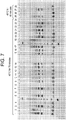
- Reactions 1-24 were incubated at 45°C for 75 minutes and reactions 25-28 were incubated 45°C for 40 minutes. A 1/10 th aliquot of each reaction was analyzed on a 10% TB Urea gel (Invitrogen), which is shown in FIG. 7 .
- Example 7 Extender templates; with and without a 3'-dideoxy cap or 3'-mismatch.
- reaction mixtures DNA, buffer and primers
- 3 ⁇ L of the indicated SSB solution was added to the appropriate tubes and bulk enzyme mix to all reaction tubes.
- a 12 ⁇ L aliquot of each reaction was cycled in an Applied Biosystems 7500 PCR System as follows: (1) Stage 1, 10 seconds at 44°C; and (2) Stage 2, 50 seconds at 45°C. Stages 1 and 2 were repeated seventy five times and data was collected during stage 2. When completed, the reactions were stored at -20°C overnight and then analyzed on a 10% TBE Urea gel, shown in FIG. 9 . Amplification products are obtained using either genomic or PCR-amplified template DNA within the appropriate range of SSB concentration.
- the reaction mix contained 10 mM HEPES 7.9, 3 mM MgCl2, 0.25 mM dNTP, 1 mM DTT, 0.01% Tween, 10% ethylene glycol, 10% glycerol, 10 ng/ ⁇ L E. coli SSB, 0.4 ⁇ M E. coli Endo V, with 19 U deltaTts.
- Oligo 6 primers used in the reactions SEQ ID NO: Length 7290R AGTTCTTCTTTCGTCCCCIT 32 20 7270R CAGGCTGACATCACIIT 33 17 7253R TCAGTTGTTCACCCAGCIA 34 19 7062F ACCACCGGCGATCCIIC 38 17 7079F GCGTGAGTTCACCATIA 39 17 7114F TGCTGCTGGCTGACCCTIA 53 19
- the original plasmid (gift of Dr. Y. W. Kow, Emory University) encodes wild type E. coli endo V in pET22b+ as a terminal HIS tagged fusion construct, flanked by an Ndel site at the initiation and a Xhol site at the termination sequence PCR was performed using primer "endo V us” (SEQ ID NO.: 26) with "endo V int ds” (SEQ ID NO.: 27) to make a 215 base pair gene fragment. This fragment was cleaved using Ndel and Ngol to generate cohesive ends.
- PCR was performed using primer "endo V ds” (SEQ ID NO.: 29) with “endo V int us” (SEQ ID NO.: 28) to make a 457 base pair gene fragment. This fragment was cleaved using Ngol and Xhol to generate cohesive ends. The fragments were ligated in a "3-way" reaction containing pET22b+ that had been linearized with Ndel and Xhol. After transformation into host E. coli strain JM109 (DE3), a clone was sequenced to confirm mutagenesis.
- Protein was expressed and purified by standard techniques: Transformed E . coli JM109 (DE3) was grown in 2xYT medium and protein expression induced with IPTG. Protein was extracted into lysis buffer consisting of 10 mM HEPES buffer (pH 8), 1 M NaCl, 0.1% TritonX-100, 0.1% Tween-20, 10 mM ⁇ -ME, 5% glycerol, 10 mM Imidazole, with Roche "Complete” protease inhibitors. Sonication was used to disrupt the cells, and the extract clarified by centrifugation before application of the Ni-NTA resin. Captured protein was eluted into lysis buffer with 200 mM Imidazole.
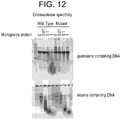
- Reaction mixtures containing (25 mM Tris HCl 8.5, 5 mM MgCl, 1 mM DTT, 0.01% tween20, 10% glycerol) were prepared with 200 ng of either Hindlll linearized pUC18 DNA or 200 ng of Hindlll cleaved pUC18 DNA that had been amplified using a modified rolling circle amplification reaction in which the dGTP has been substantially replaced with DITP to generate amplified material containing DIMP in place of dGMP, as indicated.
- Example 14 Isothermal amplification using they Y73A mutant of IE. Coli Endonuclease V and Bst DNA polymerase.
- Time course of amplification was determined in a reaction mix containing 10 mM Tris, pH 8.3, 2 mM MgCl2, 0.01% Tween-20, 200 ⁇ M dNTP's, 10% Ethylene Glycol, 2 mM DTT, 25 ng/ ⁇ L SSB, 10 nM Bst DNA polymerase, Large Fragment (New England Biolabs), and 10 nM E. coli Endo V Y73A mutant.
- the DNA substrate was 10 ng or 15 fmol of approximately 1 kb size PCR products made with I or G (penultimate base to 3' end) containing PCR primers.
- Reactions were stopped at 15, 30, 60, 120, 240, 480, and 1260 min., by adding EDTA to 10 mM and samples were run on a 1% alkaline agarose gel to separate amplification products. Gels were then neutralized and stained with SYBR gold and scanned and quantified on Typhoon 9410 scanner. After about 500 minutes, amplification of over 25-fold was achieved using a dl-containing primer but not when using a dG-containing primer. Table 41.
- Example 15 Kinetics of Amplification: Comparison of E. coli Y73A Mutant Endonuclease V and Afu. Y74A Mutant Endonuclease V .
- the analogous mutant form of Endonuclease V from Archaeogolbus Fulgidus was prepared as a glutathione-S-transferase (GST) fusion protein starting with a plasmid clone (gift of Y.W. Kow, Emory University) of Afu Endonuclease V. After primer-directed site-specific mutagenesis, the Gene was transferred to the EcoRI site of pGEX-2T (GE Healthcare) for expression and purification with cleavage using thrombin to remove the GST tag.
- GST glutathione-S-transferase
- Amplification reactions were carried out in a reaction mix containing 10 mM Tris, pH 8.3, 3 mM MgCl2, 0.01% Tween-20, 250 ⁇ M dNTP's, 10% Ethylene Glycol, 1 mM DTT, 50 nM Bst DNA polymerase, Large Fragment, or Thermotoga maritima DNA polymerase (100 ng), and 0.8 ⁇ M E. coli Endonuclease V, Y73A mutant or 0.4 ⁇ M Archaeoglobus fulgidus (Afu) , Endonuclease V, Y74A mutant. Both forward and reverse primers were maintained at 0.25 ⁇ M and template at 0.1 ⁇ M.
- Example 16 Thermal Stability of E. coli Endonuclease V Y73A
- E. coli Endonuclease V Y73A at a concentration of 1.6 ⁇ M was incubated at following temperatures: on ice, 37°C, 40°C, 43°C, 46°C, 49°C, 52°C, 55°C, and 58°C for 15, 30, 45, 60, and 75 min., in buffer containing 10 mM HEPES 7.9, 3 mM MgCl2, 0.25 mM dNTP, 1 mM DTT, 0.01% Tween, 10% ethylene glycol, and 0.5 ⁇ L ThermoFidelase (Fidelity Systems).
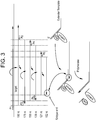
- FIG. 3 A schematic diagram of this experiment, is shown in Fig. 3 .
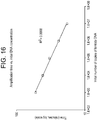
- a dilution series of bacteriophage lambda DNA (1,000 to 10,000,000 copies) was prepared in HETB buffer (10 mM HEPES 7.9, 0.1 mM EDTA, 0.01% tween-20, 0.5 mg/ml BSA) with 10 pmoles each of the following primers: (7062F, 7079F, 7096F, 7111F, 7127F, 7144F, 7290R, 7270R, 7253R, 7234R, 7215R, 7194R, shown below in Table 43) and heat denatured for 2 minutes at 95°C and then chilled on ice. Table 43.
- a mix containing components was then added containing: 35 units delta Tts DNA polymerase, 8 pmoles E. coli endonuclease V Y73A, 0.002 mg SSB, 3 mM MgCl, 0.1 mM MnSO4, 3 pmole ROX dye (instrument reference standard), 1X buffer (20 mM HEPES 7.9, 0.25 mM dNTP, 1 mM DTT, 0.01% Tween, 10% glycerol, and 10% ethylene glycol).
- the reactions were cycled an ABI 7500 75 times (46°C, 50 seconds; 45°C, 10 seconds), taking readings during the 46°C step. This 1°C cycle was employed because the ABI machine does not hold reactions at a single temperature.
- a 75-minute incubation was performed and data was exported for manual analysis.
- the time at which each reaction produced a signal above a threshold level was plotted on a semi log graph ( Fig. 16 ). These points fall on a straight line, indicating that the isothermal amplification can be used for reliable quantification over at least 5 orders of magnitude.
- Color-changing deoxyribonucleotides-Nucleoside tri-, tetra- and pentaphosphates can be labeled on the terminal phosphate with dyes that change absorbance or fluorescence properties when the dye is hydrolyzed from the polyphosphate chain ( US 2003/0124576 ).
- These labeled nucleotides are not hydrolyzed by alkaline phosphatase, but polymerization byproducts such as dye-tagged pyrophosphate are rapidly hydrolyzed, removing all the phosphate moieties from the dye which may change color or fluorescence properties. Thus, they can be used as sensitive and convenient reporters of polymerase activity.
- dNTP-DDAO 1,3 dichloro-9,9-dimethylacridin-2-one-7-yl-nucleotide
- ddT4P-DDAO 1,3 dichloro-9,9-dimethylacridin-2-one-7-yl-nucleotide
- an amplification can be carried out using 2 primers and tagged nucleotides.
- Color-changing ribonucleotides can be tagged in a manner analogous to the deoxyribonucleotides mentioned above. These can be used with RNA polymerase to report the presence of active promoter sequences or other components essential for RNA synthesis. As diagrammed in Fig. 2 , a complete and homogeneous reporting system can be made using isothermal amplification with terminal-phosphate methlyated deoxyribonucleotides and ribonucleotides labeled with a fluorogenic dye on their terminal phosphate as well.
- RNA polymerase for making RNA.
- DDAO dye will be released from any ribonucleotides that are consumed in RNA production (in the presence of alkaline phosphatase), and the dye can be readily detected by its fluorescence.
- Incubation is carried out at 45°C, monitoring for an increase in fluorescence at 655 nm (excitation at 632 nm).
- the time to reach a detection threshold can be used to indicate the original amount of template DNA present in the reaction.
- the amplification method described makes a single stranded DNA "amplicon” that has a unique 3' end (unlike most other amplification methods, including PCR) This 3' end does not hybridize to any of the primers present in the reaction.
- “Extender primers” that are partially complementary to this end, can anneal to this 3' end, and can create a single stranded section beyond the end of the amplicon. This can be "filled in” by allowing the end of the amplicon to be extended further. This extension generates a double stranded region with a sequence not present in the original template or any of the primers.
- Figure 3 shows an alternative configuration in which the extender template is pre-annealed to two, labeled oligonucleotides, one labelled with a fluorescent dye the other with a quencher, so that fluorescence of the dye-labeled oligonucleotide is quenched because of its proximity to the quench-labeled oligonucleotide when they are both hybridized.
- the polymerase extends the amplicon, displacing the two labeled oligonucleotides, unquenching the dye-labeled oligo and producing a detectable signal. This process was demonstrated in the experiment shown in Fig. 16 (example 17).
Landscapes
- Chemical & Material Sciences (AREA)
- Life Sciences & Earth Sciences (AREA)
- Organic Chemistry (AREA)
- Engineering & Computer Science (AREA)
- Zoology (AREA)
- Wood Science & Technology (AREA)
- Proteomics, Peptides & Aminoacids (AREA)
- Health & Medical Sciences (AREA)
- Biophysics (AREA)
- Chemical Kinetics & Catalysis (AREA)
- Immunology (AREA)
- Microbiology (AREA)
- Molecular Biology (AREA)
- Analytical Chemistry (AREA)
- Physics & Mathematics (AREA)
- Biotechnology (AREA)
- Biochemistry (AREA)
- Bioinformatics & Cheminformatics (AREA)
- General Engineering & Computer Science (AREA)
- General Health & Medical Sciences (AREA)
- Genetics & Genomics (AREA)
- Measuring Or Testing Involving Enzymes Or Micro-Organisms (AREA)
- Preparation Of Compounds By Using Micro-Organisms (AREA)
Claims (20)
- Verfahren zum Herstellen mindestens eines Amplikons basierend auf einer Ziel-DNA, das Folgendes umfasst:a) Bereitstellen einer Ziel-DNA;b) Annealing mindestens eines 2' Desoxyinosin-enthaltenden Primers an die Ziel-DNA zum Erzeugen eines Ziel-DNA: Primer-Hybrids, wobei mindestens ein 2' Desoxyinosin mindestens 10 Nukleotide vom 5'-Ende des Primers und an einer Stelle positioniert ist, die komplementär zu einem Cytosin in der Ziel-DNA ist, und wobei das 2' Desoxyinosin ein 2' Desoxyribonukleosid ist, wobei die Base Hypoxanthin umfasst;c) Vereinigen des Ziel-DNA: Primer-Hybrids mit einer Endonuklease V, ausgewählt aus einem Protein, dessen Sequenz aus SEQ ID NO.: 2 oder SEQ ID NO.: 3 besteht, oder konservativen Varianten davon; undd) Zugabe von mindestens einer Strang-verdrängenden DNA-Polymerase und eines dNTP-Gemischs zu dem DNA: Primer-Hybrid Gemisch, um ein Reaktionsgemisch herzustellen und dadurch mindestens ein Amplikon komplementär zu Abschnitten der Ziel-DNA zu erzeugen.
- Verfahren nach Anspruch 1, wobei mehrere Vorwärts- und Rückwärts- 2' Deoxyinosin-enthaltende Primer an die Ziel-DNA angelagert werden.
- Verfahren nach Anspruch 2, wobei die mehreren 2' Desoxyinosin-enthaltenden Primer mindestens eine Extender-Vorlage umfassen.
- Verfahren nach Anspruch 1, ferner umfassend den Schritt der Denaturierung der Ziel-DNA vor dem Anlagerungsschritt.
- Verfahren nach Anspruch 4, wobei der Denaturierungsschritt das chemische Denaturieren der Ziel-DNA umfasst.
- Verfahren nach Anspruch 4, wobei der Denaturierungsschritt das thermische Denaturieren der Ziel-DNA umfasst.
- Verfahren nach Anspruch 1, wobei das Reaktionsgemisch ein Reduktionsmittel umfasst.
- Verfahren nach Anspruch 1, wobei das Reaktionsgemisch mindestens ein einzelsträngige DNA-bindendes Protein umfasst.
- Verfahren nach Anspruch 1, wobei das Reaktionsgemisch mindestens eine Topoisomerase umfasst.
- Verfahren nach Anspruch 9, wobei die mindestens eine Topoisomerase Typ 1 Topoisomerase umfasst.
- Verfahren nach Anspruch 1, wobei mindestens ein 2' Desoxyinosin-enthaltender Primer eine Schmelztemperatur von 45 °C im Reaktionsgemisch zeigt.
- Verfahren nach Anspruch 1, das ferner die Zugabe der Oligonukleotide umfasst, ein Oligonukleotid mit einem Farbstoff markiert, das andere Oligonukleotid mit einem Quencher markiert, die an das 3'-Ende des Amplikons hybridisieren und durch Polymerasewirkung verdrängt werden, so dass ein nachweisbares Signal erzeugt wird.
- Amplikonherstellungskit, der Folgendes umfasst:mindestens einen 2' Desoxyinosin-enthaltenden Primer, wobei mindestens ein 2' Desoxyinosin mindestens 10 Nukleotide vom 5'-Ende des Primers und an einer Stelle positioniert ist, die komplementär zu einem Cytosin in der Ziel- DNA ist, und wobei das 2' Desoxyinosin ein 2' Desoxyribonukleosid ist, wobei die Base Hypoxanthin umfasst;mindestens eine Strang-verdrängende DNA-Polymerase;einen Puffer;ein dNTP-Gemisch; undmindestens eine Nuklease, die eine Endonuklease V ist, ausgewählt aus einem Protein, dessen Sequenz aus SEQ ID NO.: 2 oder SEQ ID NO.: 3 besteht oder konservativen Varianten davon.
- Amplikonherstellungskit nach Anspruch 13, wobei der mindestens eine 2' Deoxyinosin-enthaltende Primer mehrere Vorwärts- und Rückwärts-Primer umfasst.
- Amplikonherstellungskit nach Anspruch 14, wobei die mehreren Primer mindestens eine Extender-Vorlage umfassen.
- Amplikonherstellungskit nach Anspruch 13, der ferner ein chemisches Denaturierungsmittel, ausgewählt aus Glycerin, Ethylenglykol oder Formamid umfasst.
- Amplikonherstellungskit nach Anspruch 13, der ferner ein Reduktionsmittel umfasst.
- Amplikonherstellungskit nach Anspruch 13, der ferner mindestens ein einzelsträngige DNA-bindendes Protein umfasst.
- Amplikonherstellungskit nach Anspruch 18, wobei das mindestens eine einzelsträn-gige DNA-bindende Protein ausgewählt ist aus E. coli SSB, T4-Gen-32 Protein, T7-Gen-2,5 Protein, Ncp7, recA oder Kombinationen davon.
- Amplikonherstellungskit nach Anspruch 13, der ferner mindestens eine Topoisome rase umfasst.
Applications Claiming Priority (2)
| Application Number | Priority Date | Filing Date | Title |
|---|---|---|---|
| US11/621,703 US8202972B2 (en) | 2007-01-10 | 2007-01-10 | Isothermal DNA amplification |
| PCT/US2008/050555 WO2008086381A2 (en) | 2007-01-10 | 2008-01-09 | Isothermal dna amplification |
Publications (2)
| Publication Number | Publication Date |
|---|---|
| EP2106452A2 EP2106452A2 (de) | 2009-10-07 |
| EP2106452B1 true EP2106452B1 (de) | 2017-06-21 |
Family
ID=39493389
Family Applications (1)
| Application Number | Title | Priority Date | Filing Date |
|---|---|---|---|
| EP08705788.1A Active EP2106452B1 (de) | 2007-01-10 | 2008-01-09 | Isothermische dna-amplifikation |
Country Status (3)
| Country | Link |
|---|---|
| US (2) | US8202972B2 (de) |
| EP (1) | EP2106452B1 (de) |
| WO (1) | WO2008086381A2 (de) |
Families Citing this family (29)
| Publication number | Priority date | Publication date | Assignee | Title |
|---|---|---|---|---|
| AU2002227156A1 (en) | 2000-12-01 | 2002-06-11 | Visigen Biotechnologies, Inc. | Enzymatic nucleic acid synthesis: compositions and methods for altering monomer incorporation fidelity |
| US9279150B2 (en) | 2007-01-10 | 2016-03-08 | General Electric Company | Mutant endonuclease V enzymes and applications thereof |
| US20130323795A1 (en) | 2007-01-10 | 2013-12-05 | General Electric Company | Endonuclase-assisted isothermal amplification using contamination-free reagents |
| US9689031B2 (en) * | 2007-07-14 | 2017-06-27 | Ionian Technologies, Inc. | Nicking and extension amplification reaction for the exponential amplification of nucleic acids |
| US8143006B2 (en) | 2007-08-03 | 2012-03-27 | Igor Kutyavin | Accelerated cascade amplification (ACA) of nucleic acids comprising strand and sequence specific DNA nicking |
| US20110003701A1 (en) * | 2008-02-27 | 2011-01-06 | 454 Life Sciences Corporation | System and method for improved processing of nucleic acids for production of sequencable libraries |
| US20110171649A1 (en) * | 2008-09-10 | 2011-07-14 | Igor Kutyavin | Detection of nucleic acids by oligonucleotide probes cleaved in presence of endonuclease v |
| US9914963B2 (en) | 2009-09-28 | 2018-03-13 | Igor Kutyavin | Methods and compositions for detection of nucleic acids based on stabilized oligonucleotide probe complexes |
| EP2369325A1 (de) | 2010-03-12 | 2011-09-28 | Eppendorf Ag | Arrayanalyse für Online-Detektion |
| US9567628B2 (en) | 2011-06-08 | 2017-02-14 | Life Technologies Corporation | Polymerization of nucleic acids using proteins having low isoelectric points |
| FI3461807T3 (fi) | 2011-06-08 | 2023-09-07 | Life Technologies Corp | Uudenlaisten detergenttien suunnittelu ja kehitys pcr-järjestelmissä käyttöä varten |
| US9528987B2 (en) | 2011-06-23 | 2016-12-27 | University Of Washington | Reagent patterning in capillarity-based analyzers and associated systems and methods |
| RU2601129C2 (ru) | 2012-04-09 | 2016-10-27 | Инвайролоджикс Инк. | Композиции и способы для количественного определения последовательности нуклеиновой кислоты в образце |
| US9777319B2 (en) * | 2012-06-29 | 2017-10-03 | General Electric Company | Method for isothermal DNA amplification starting from an RNA template |
| CA2877368C (en) * | 2012-06-29 | 2021-07-13 | General Electric Company | Kit for isothermal dna amplification starting from an rna template |
| EP2948249A1 (de) | 2013-01-22 | 2015-12-02 | University of Washington through its Center for Commercialization | Sequenzielle freisetzung von flüssigkeitsmengen und zugehörige vorrichtungen, systeme und verfahren |
| WO2014164479A1 (en) | 2013-03-11 | 2014-10-09 | Elitech Holding B.V. | Methods for true isothermal strand displacement amplification |
| US10975423B2 (en) | 2013-03-11 | 2021-04-13 | Elitechgroup, Inc. | Methods for true isothermal strand displacement amplification |
| US10590474B2 (en) | 2013-03-11 | 2020-03-17 | Elitechgroup B.V. | Methods for true isothermal strand displacement amplification |
| EP3033431B1 (de) * | 2013-08-13 | 2019-10-02 | General Electric Company | Endonukleaseunterstützte isothermische amplifikation mit kontaminationsfreien reagenzien |
| EP3058100A4 (de) * | 2013-10-18 | 2017-04-19 | California Institute of Technology | Verbesserte identifizierung und nachweis von nukleinsäuren |
| EP3539944A1 (de) | 2013-10-25 | 2019-09-18 | Life Technologies Corporation | Neuartige verbindungen zur verwendung in pcr-systemen und anwendungen davon |
| US20150167065A1 (en) * | 2013-12-13 | 2015-06-18 | General Electric Company | Isothermal amplification of nucleic acids within a porous matrix |
| US9850525B2 (en) | 2014-01-29 | 2017-12-26 | Agilent Technologies, Inc. | CAS9-based isothermal method of detection of specific DNA sequence |
| WO2016156529A1 (en) * | 2015-03-31 | 2016-10-06 | Qiagen Gmbh | Efficiency improving ligation methods |
| KR102724054B1 (ko) * | 2017-06-07 | 2024-10-29 | 다카라 바이오 가부시키가이샤 | 올리고뉴클레오타이드의 보존 방법 |
| US20210388431A1 (en) * | 2018-10-29 | 2021-12-16 | Igor V. Kutyavin | Thermokinetically balanced isothermal amplification of nucleic acid sequences |
| JP7477183B2 (ja) * | 2019-04-22 | 2024-05-01 | ポステック・リサーチ・アンド・ビジネス・ディベロップメント・ファウンデーション | 新規な等温単一反応用プローブセット及びその用途 |
| WO2021080629A1 (en) | 2019-10-23 | 2021-04-29 | Elitechgroup, Inc. | Methods for true isothermal strand displacement amplification |
Citations (1)
| Publication number | Priority date | Publication date | Assignee | Title |
|---|---|---|---|---|
| EP2050819A1 (de) * | 2006-07-26 | 2009-04-22 | Nishikawa Rubber Co., Ltd. | Nukleotidsequenz-amplifikationsverfahren |
Family Cites Families (13)
| Publication number | Priority date | Publication date | Assignee | Title |
|---|---|---|---|---|
| US5866336A (en) * | 1996-07-16 | 1999-02-02 | Oncor, Inc. | Nucleic acid amplification oligonucleotides with molecular energy transfer labels and methods based thereon |
| EP2264045B1 (de) * | 1996-08-14 | 2015-10-21 | Life Technologies Corporation | Stabile Zusammensetzungen zur Amplifizierung und Sequenzierung von Nukleinsäuren |
| ATE362532T1 (de) | 1999-03-19 | 2007-06-15 | Takara Bio Inc | Verfahren zur amplifizierung einer nukleinsäuresequenz unter verwendung eines chimären primers |
| US6951722B2 (en) * | 1999-03-19 | 2005-10-04 | Takara Bio Inc. | Method for amplifying nucleic acid sequence |
| IE20000887A1 (en) | 2000-11-03 | 2002-12-11 | Univ College Cork Nat Univ Ie | Method for the amplification and optional characterisation of nucleic acids |
| AU2002230526A1 (en) * | 2000-12-01 | 2002-06-11 | Cornell Research Foundation, Inc. | Detection of nucleic acid differences using combined endonuclease cleavage and ligation reactions |
| WO2003008624A2 (en) * | 2001-07-15 | 2003-01-30 | Keck Graduate Institute | Nucleic acid amplification using nicking agents |
| AU2003240795A1 (en) * | 2002-05-24 | 2003-12-12 | Invitrogen Corporation | Nested pcr employing degradable primers |
| IE20020544A1 (en) | 2002-06-28 | 2003-12-31 | Univ College Cork Nat Univ Ie | Method for the characterisation of nucleic acid molecules |
| WO2005017173A1 (en) * | 2003-07-29 | 2005-02-24 | Sigma Aldrich Co. | Methods and compositions for amplification of dna |
| CA2609218C (en) * | 2005-05-26 | 2016-10-11 | Human Genetic Signatures Pty Ltd | Isothermal strand displacement amplification using primers containing a non-regular base |
| US20070020639A1 (en) * | 2005-07-20 | 2007-01-25 | Affymetrix, Inc. | Isothermal locus specific amplification |
| US20070148636A1 (en) * | 2005-12-23 | 2007-06-28 | Song Min-Sun | Method, compositions and kits for preparation of nucleic acids |
-
2007
- 2007-01-10 US US11/621,703 patent/US8202972B2/en active Active
-
2008
- 2008-01-09 EP EP08705788.1A patent/EP2106452B1/de active Active
- 2008-01-09 WO PCT/US2008/050555 patent/WO2008086381A2/en not_active Ceased
-
2011
- 2011-12-20 US US13/330,745 patent/US9951379B2/en active Active
Patent Citations (1)
| Publication number | Priority date | Publication date | Assignee | Title |
|---|---|---|---|---|
| EP2050819A1 (de) * | 2006-07-26 | 2009-04-22 | Nishikawa Rubber Co., Ltd. | Nukleotidsequenz-amplifikationsverfahren |
Non-Patent Citations (1)
| Title |
|---|
| FENG HONG ET AL: "Defining amino acid residues involved in DNA-protein interactions and revelation of 3'-exonuclease activity in endonuclease V", BIOCHEMISTRY, AMERICAN CHEMICAL SOCIETY, US, vol. 44, no. 34, 30 August 2005 (2005-08-30), pages 11486 - 11495, XP002441543, ISSN: 0006-2960, DOI: 10.1021/BI050837C * |
Also Published As
| Publication number | Publication date |
|---|---|
| US8202972B2 (en) | 2012-06-19 |
| US20120196330A1 (en) | 2012-08-02 |
| EP2106452A2 (de) | 2009-10-07 |
| US9951379B2 (en) | 2018-04-24 |
| WO2008086381A3 (en) | 2008-09-18 |
| WO2008086381A2 (en) | 2008-07-17 |
| US20090011472A1 (en) | 2009-01-08 |
Similar Documents
| Publication | Publication Date | Title |
|---|---|---|
| EP2106452B1 (de) | Isothermische dna-amplifikation | |
| EP2867366B1 (de) | Verfahren zur isothermischen dns-amplifikation ausgehend von rns in einem einzelnen reaktionsgefäss | |
| KR100231383B1 (ko) | Rna 레플리카제의 dna-의존성 rna 폴리머라제 활성을 이용한 핵산 증폭 | |
| JP4918409B2 (ja) | 核酸配列の増幅方法 | |
| EP2971080B1 (de) | Verfahren zur verstärkung und sequenzierung unter verwendung von thermostabilem tthprimpol | |
| EP3150727B1 (de) | Rnase-h-basierte assays unter verwendung von modifizierten rna monomeren | |
| EP4053291B1 (de) | Komponenten und verfahren für isotherme amplifikation | |
| EP3650543B1 (de) | Dna-produktionsverfahren und kit zur verbindung von dna-fragmenten | |
| US10100292B2 (en) | Mutant endonuclease V enzymes and applications thereof | |
| JP6316505B2 (ja) | 易熱性エキソヌクレアーゼ | |
| WO2004009851A2 (en) | Method for pcr cleanup and oligonucleotide removal | |
| US20110003700A1 (en) | Elimination of contaminants associated with nucleic acid amplification | |
| EP3033431B1 (de) | Endonukleaseunterstützte isothermische amplifikation mit kontaminationsfreien reagenzien | |
| EP1359219A1 (de) | Amplifizierte nukleinsäuren und immobilisierte produkte davon | |
| US20140004509A1 (en) | Kit for isothermal dna amplification starting from an rna template | |
| US9777319B2 (en) | Method for isothermal DNA amplification starting from an RNA template | |
| CN111868259B (zh) | 具有高热稳定性的经修饰核苷磷酸 | |
| WO1999058724A1 (en) | A method for synthesizing a nucleic acid molecule using a ribonuclease | |
| WO2026023609A1 (ja) | ポリa配列付加方法 | |
| WO2026093331A1 (en) | Hairpin adapter constructs and primers to generate next-generation sequencing library molecules |
Legal Events
| Date | Code | Title | Description |
|---|---|---|---|
| PUAI | Public reference made under article 153(3) epc to a published international application that has entered the european phase |
Free format text: ORIGINAL CODE: 0009012 |
|
| 17P | Request for examination filed |
Effective date: 20090729 |
|
| AK | Designated contracting states |
Kind code of ref document: A2 Designated state(s): AT BE BG CH CY CZ DE DK EE ES FI FR GB GR HR HU IE IS IT LI LT LU LV MC MT NL NO PL PT RO SE SI SK TR |
|
| 17Q | First examination report despatched |
Effective date: 20091216 |
|
| DAX | Request for extension of the european patent (deleted) | ||
| GRAP | Despatch of communication of intention to grant a patent |
Free format text: ORIGINAL CODE: EPIDOSNIGR1 |
|
| INTG | Intention to grant announced |
Effective date: 20170209 |
|
| GRAS | Grant fee paid |
Free format text: ORIGINAL CODE: EPIDOSNIGR3 |
|
| GRAA | (expected) grant |
Free format text: ORIGINAL CODE: 0009210 |
|
| AK | Designated contracting states |
Kind code of ref document: B1 Designated state(s): AT BE BG CH CY CZ DE DK EE ES FI FR GB GR HR HU IE IS IT LI LT LU LV MC MT NL NO PL PT RO SE SI SK TR |
|
| REG | Reference to a national code |
Ref country code: GB Ref legal event code: FG4D |
|
| REG | Reference to a national code |
Ref country code: CH Ref legal event code: EP |
|
| REG | Reference to a national code |
Ref country code: IE Ref legal event code: FG4D |
|
| REG | Reference to a national code |
Ref country code: AT Ref legal event code: REF Ref document number: 902984 Country of ref document: AT Kind code of ref document: T Effective date: 20170715 |
|
| REG | Reference to a national code |
Ref country code: DE Ref legal event code: R096 Ref document number: 602008050756 Country of ref document: DE |
|
| REG | Reference to a national code |
Ref country code: NL Ref legal event code: MP Effective date: 20170621 |
|
| PG25 | Lapsed in a contracting state [announced via postgrant information from national office to epo] |
Ref country code: NO Free format text: LAPSE BECAUSE OF FAILURE TO SUBMIT A TRANSLATION OF THE DESCRIPTION OR TO PAY THE FEE WITHIN THE PRESCRIBED TIME-LIMIT Effective date: 20170921 Ref country code: GR Free format text: LAPSE BECAUSE OF FAILURE TO SUBMIT A TRANSLATION OF THE DESCRIPTION OR TO PAY THE FEE WITHIN THE PRESCRIBED TIME-LIMIT Effective date: 20170922 Ref country code: HR Free format text: LAPSE BECAUSE OF FAILURE TO SUBMIT A TRANSLATION OF THE DESCRIPTION OR TO PAY THE FEE WITHIN THE PRESCRIBED TIME-LIMIT Effective date: 20170621 Ref country code: LT Free format text: LAPSE BECAUSE OF FAILURE TO SUBMIT A TRANSLATION OF THE DESCRIPTION OR TO PAY THE FEE WITHIN THE PRESCRIBED TIME-LIMIT Effective date: 20170621 Ref country code: FI Free format text: LAPSE BECAUSE OF FAILURE TO SUBMIT A TRANSLATION OF THE DESCRIPTION OR TO PAY THE FEE WITHIN THE PRESCRIBED TIME-LIMIT Effective date: 20170621 |
|
| REG | Reference to a national code |
Ref country code: LT Ref legal event code: MG4D |
|
| REG | Reference to a national code |
Ref country code: AT Ref legal event code: MK05 Ref document number: 902984 Country of ref document: AT Kind code of ref document: T Effective date: 20170621 |
|
| PG25 | Lapsed in a contracting state [announced via postgrant information from national office to epo] |
Ref country code: NL Free format text: LAPSE BECAUSE OF FAILURE TO SUBMIT A TRANSLATION OF THE DESCRIPTION OR TO PAY THE FEE WITHIN THE PRESCRIBED TIME-LIMIT Effective date: 20170621 Ref country code: BG Free format text: LAPSE BECAUSE OF FAILURE TO SUBMIT A TRANSLATION OF THE DESCRIPTION OR TO PAY THE FEE WITHIN THE PRESCRIBED TIME-LIMIT Effective date: 20170921 Ref country code: SE Free format text: LAPSE BECAUSE OF FAILURE TO SUBMIT A TRANSLATION OF THE DESCRIPTION OR TO PAY THE FEE WITHIN THE PRESCRIBED TIME-LIMIT Effective date: 20170621 Ref country code: LV Free format text: LAPSE BECAUSE OF FAILURE TO SUBMIT A TRANSLATION OF THE DESCRIPTION OR TO PAY THE FEE WITHIN THE PRESCRIBED TIME-LIMIT Effective date: 20170621 |
|
| REG | Reference to a national code |
Ref country code: FR Ref legal event code: PLFP Year of fee payment: 11 |
|
| PG25 | Lapsed in a contracting state [announced via postgrant information from national office to epo] |
Ref country code: SK Free format text: LAPSE BECAUSE OF FAILURE TO SUBMIT A TRANSLATION OF THE DESCRIPTION OR TO PAY THE FEE WITHIN THE PRESCRIBED TIME-LIMIT Effective date: 20170621 Ref country code: RO Free format text: LAPSE BECAUSE OF FAILURE TO SUBMIT A TRANSLATION OF THE DESCRIPTION OR TO PAY THE FEE WITHIN THE PRESCRIBED TIME-LIMIT Effective date: 20170621 Ref country code: EE Free format text: LAPSE BECAUSE OF FAILURE TO SUBMIT A TRANSLATION OF THE DESCRIPTION OR TO PAY THE FEE WITHIN THE PRESCRIBED TIME-LIMIT Effective date: 20170621 Ref country code: AT Free format text: LAPSE BECAUSE OF FAILURE TO SUBMIT A TRANSLATION OF THE DESCRIPTION OR TO PAY THE FEE WITHIN THE PRESCRIBED TIME-LIMIT Effective date: 20170621 Ref country code: CZ Free format text: LAPSE BECAUSE OF FAILURE TO SUBMIT A TRANSLATION OF THE DESCRIPTION OR TO PAY THE FEE WITHIN THE PRESCRIBED TIME-LIMIT Effective date: 20170621 |
|
| PG25 | Lapsed in a contracting state [announced via postgrant information from national office to epo] |
Ref country code: ES Free format text: LAPSE BECAUSE OF FAILURE TO SUBMIT A TRANSLATION OF THE DESCRIPTION OR TO PAY THE FEE WITHIN THE PRESCRIBED TIME-LIMIT Effective date: 20170621 Ref country code: IT Free format text: LAPSE BECAUSE OF FAILURE TO SUBMIT A TRANSLATION OF THE DESCRIPTION OR TO PAY THE FEE WITHIN THE PRESCRIBED TIME-LIMIT Effective date: 20170621 Ref country code: IS Free format text: LAPSE BECAUSE OF FAILURE TO SUBMIT A TRANSLATION OF THE DESCRIPTION OR TO PAY THE FEE WITHIN THE PRESCRIBED TIME-LIMIT Effective date: 20171021 Ref country code: PL Free format text: LAPSE BECAUSE OF FAILURE TO SUBMIT A TRANSLATION OF THE DESCRIPTION OR TO PAY THE FEE WITHIN THE PRESCRIBED TIME-LIMIT Effective date: 20170621 |
|
| REG | Reference to a national code |
Ref country code: DE Ref legal event code: R097 Ref document number: 602008050756 Country of ref document: DE |
|
| PLBE | No opposition filed within time limit |
Free format text: ORIGINAL CODE: 0009261 |
|
| STAA | Information on the status of an ep patent application or granted ep patent |
Free format text: STATUS: NO OPPOSITION FILED WITHIN TIME LIMIT |
|
| PG25 | Lapsed in a contracting state [announced via postgrant information from national office to epo] |
Ref country code: DK Free format text: LAPSE BECAUSE OF FAILURE TO SUBMIT A TRANSLATION OF THE DESCRIPTION OR TO PAY THE FEE WITHIN THE PRESCRIBED TIME-LIMIT Effective date: 20170621 |
|
| 26N | No opposition filed |
Effective date: 20180322 |
|
| PG25 | Lapsed in a contracting state [announced via postgrant information from national office to epo] |
Ref country code: SI Free format text: LAPSE BECAUSE OF FAILURE TO SUBMIT A TRANSLATION OF THE DESCRIPTION OR TO PAY THE FEE WITHIN THE PRESCRIBED TIME-LIMIT Effective date: 20170621 |
|
| REG | Reference to a national code |
Ref country code: CH Ref legal event code: PL |
|
| PG25 | Lapsed in a contracting state [announced via postgrant information from national office to epo] |
Ref country code: LU Free format text: LAPSE BECAUSE OF NON-PAYMENT OF DUE FEES Effective date: 20180109 |
|
| REG | Reference to a national code |
Ref country code: IE Ref legal event code: MM4A |
|
| REG | Reference to a national code |
Ref country code: BE Ref legal event code: MM Effective date: 20180131 |
|
| PG25 | Lapsed in a contracting state [announced via postgrant information from national office to epo] |
Ref country code: BE Free format text: LAPSE BECAUSE OF NON-PAYMENT OF DUE FEES Effective date: 20180131 Ref country code: LI Free format text: LAPSE BECAUSE OF NON-PAYMENT OF DUE FEES Effective date: 20180131 Ref country code: CH Free format text: LAPSE BECAUSE OF NON-PAYMENT OF DUE FEES Effective date: 20180131 |
|
| PG25 | Lapsed in a contracting state [announced via postgrant information from national office to epo] |
Ref country code: IE Free format text: LAPSE BECAUSE OF NON-PAYMENT OF DUE FEES Effective date: 20180109 |
|
| PG25 | Lapsed in a contracting state [announced via postgrant information from national office to epo] |
Ref country code: MC Free format text: LAPSE BECAUSE OF FAILURE TO SUBMIT A TRANSLATION OF THE DESCRIPTION OR TO PAY THE FEE WITHIN THE PRESCRIBED TIME-LIMIT Effective date: 20170621 |
|
| PG25 | Lapsed in a contracting state [announced via postgrant information from national office to epo] |
Ref country code: MT Free format text: LAPSE BECAUSE OF NON-PAYMENT OF DUE FEES Effective date: 20180109 |
|
| PG25 | Lapsed in a contracting state [announced via postgrant information from national office to epo] |
Ref country code: TR Free format text: LAPSE BECAUSE OF FAILURE TO SUBMIT A TRANSLATION OF THE DESCRIPTION OR TO PAY THE FEE WITHIN THE PRESCRIBED TIME-LIMIT Effective date: 20170621 |
|
| PG25 | Lapsed in a contracting state [announced via postgrant information from national office to epo] |
Ref country code: PT Free format text: LAPSE BECAUSE OF FAILURE TO SUBMIT A TRANSLATION OF THE DESCRIPTION OR TO PAY THE FEE WITHIN THE PRESCRIBED TIME-LIMIT Effective date: 20170621 Ref country code: HU Free format text: LAPSE BECAUSE OF FAILURE TO SUBMIT A TRANSLATION OF THE DESCRIPTION OR TO PAY THE FEE WITHIN THE PRESCRIBED TIME-LIMIT; INVALID AB INITIO Effective date: 20080109 |
|
| PG25 | Lapsed in a contracting state [announced via postgrant information from national office to epo] |
Ref country code: CY Free format text: LAPSE BECAUSE OF FAILURE TO SUBMIT A TRANSLATION OF THE DESCRIPTION OR TO PAY THE FEE WITHIN THE PRESCRIBED TIME-LIMIT Effective date: 20170621 |
|
| REG | Reference to a national code |
Ref country code: DE Ref legal event code: R081 Ref document number: 602008050756 Country of ref document: DE Owner name: GLOBAL LIFE SCIENCES SOLUTIONS OPERATIONS UK L, GB Free format text: FORMER OWNER: GENERAL ELECTRIC CO., SCHENECTADY, N.Y., US |
|
| REG | Reference to a national code |
Ref country code: GB Ref legal event code: 732E Free format text: REGISTERED BETWEEN 20240509 AND 20240515 |
|
| REG | Reference to a national code |
Ref country code: GB Ref legal event code: 732E Free format text: REGISTERED BETWEEN 20240516 AND 20240522 |
|
| P01 | Opt-out of the competence of the unified patent court (upc) registered |
Free format text: CASE NUMBER: APP_41242/2024 Effective date: 20240712 |
|
| PGFP | Annual fee paid to national office [announced via postgrant information from national office to epo] |
Ref country code: GB Payment date: 20260126 Year of fee payment: 19 |
|
| PGFP | Annual fee paid to national office [announced via postgrant information from national office to epo] |
Ref country code: DE Payment date: 20260127 Year of fee payment: 19 |
|
| PGFP | Annual fee paid to national office [announced via postgrant information from national office to epo] |
Ref country code: FR Payment date: 20260126 Year of fee payment: 19 |