EP2113184A2 - Elektromotorisch betriebenes Saugreinigungsgerät - Google Patents
Elektromotorisch betriebenes Saugreinigungsgerät Download PDFInfo
- Publication number
- EP2113184A2 EP2113184A2 EP09157708A EP09157708A EP2113184A2 EP 2113184 A2 EP2113184 A2 EP 2113184A2 EP 09157708 A EP09157708 A EP 09157708A EP 09157708 A EP09157708 A EP 09157708A EP 2113184 A2 EP2113184 A2 EP 2113184A2
- Authority
- EP
- European Patent Office
- Prior art keywords
- secondary air
- suction
- vacuum cleaning
- air opening
- opening
- Prior art date
- Legal status (The legal status is an assumption and is not a legal conclusion. Google has not performed a legal analysis and makes no representation as to the accuracy of the status listed.)
- Granted
Links
Images




Classifications
-
- A—HUMAN NECESSITIES
- A47—FURNITURE; DOMESTIC ARTICLES OR APPLIANCES; COFFEE MILLS; SPICE MILLS; SUCTION CLEANERS IN GENERAL
- A47L—DOMESTIC WASHING OR CLEANING; SUCTION CLEANERS IN GENERAL
- A47L9/00—Details or accessories of suction cleaners, e.g. mechanical means for controlling the suction or for effecting pulsating action; Storing devices specially adapted to suction cleaners or parts thereof; Carrying-vehicles specially adapted for suction cleaners
- A47L9/02—Nozzles
-
- A—HUMAN NECESSITIES
- A47—FURNITURE; DOMESTIC ARTICLES OR APPLIANCES; COFFEE MILLS; SPICE MILLS; SUCTION CLEANERS IN GENERAL
- A47L—DOMESTIC WASHING OR CLEANING; SUCTION CLEANERS IN GENERAL
- A47L9/00—Details or accessories of suction cleaners, e.g. mechanical means for controlling the suction or for effecting pulsating action; Storing devices specially adapted to suction cleaners or parts thereof; Carrying-vehicles specially adapted for suction cleaners
- A47L9/0072—Mechanical means for controlling the suction or for effecting pulsating action
-
- A—HUMAN NECESSITIES
- A47—FURNITURE; DOMESTIC ARTICLES OR APPLIANCES; COFFEE MILLS; SPICE MILLS; SUCTION CLEANERS IN GENERAL
- A47L—DOMESTIC WASHING OR CLEANING; SUCTION CLEANERS IN GENERAL
- A47L9/00—Details or accessories of suction cleaners, e.g. mechanical means for controlling the suction or for effecting pulsating action; Storing devices specially adapted to suction cleaners or parts thereof; Carrying-vehicles specially adapted for suction cleaners
- A47L9/24—Hoses or pipes; Hose or pipe couplings
- A47L9/248—Parts, details or accessories of hoses or pipes
-
- A—HUMAN NECESSITIES
- A47—FURNITURE; DOMESTIC ARTICLES OR APPLIANCES; COFFEE MILLS; SPICE MILLS; SUCTION CLEANERS IN GENERAL
- A47L—DOMESTIC WASHING OR CLEANING; SUCTION CLEANERS IN GENERAL
- A47L9/00—Details or accessories of suction cleaners, e.g. mechanical means for controlling the suction or for effecting pulsating action; Storing devices specially adapted to suction cleaners or parts thereof; Carrying-vehicles specially adapted for suction cleaners
- A47L9/28—Installation of the electric equipment, e.g. adaptation or attachment to the suction cleaner; Controlling suction cleaners by electric means
- A47L9/2805—Parameters or conditions being sensed
- A47L9/281—Parameters or conditions being sensed the amount or condition of incoming dirt or dust
-
- A—HUMAN NECESSITIES
- A47—FURNITURE; DOMESTIC ARTICLES OR APPLIANCES; COFFEE MILLS; SPICE MILLS; SUCTION CLEANERS IN GENERAL
- A47L—DOMESTIC WASHING OR CLEANING; SUCTION CLEANERS IN GENERAL
- A47L9/00—Details or accessories of suction cleaners, e.g. mechanical means for controlling the suction or for effecting pulsating action; Storing devices specially adapted to suction cleaners or parts thereof; Carrying-vehicles specially adapted for suction cleaners
- A47L9/28—Installation of the electric equipment, e.g. adaptation or attachment to the suction cleaner; Controlling suction cleaners by electric means
- A47L9/2836—Installation of the electric equipment, e.g. adaptation or attachment to the suction cleaner; Controlling suction cleaners by electric means characterised by the parts which are controlled
-
- A—HUMAN NECESSITIES
- A47—FURNITURE; DOMESTIC ARTICLES OR APPLIANCES; COFFEE MILLS; SPICE MILLS; SUCTION CLEANERS IN GENERAL
- A47L—DOMESTIC WASHING OR CLEANING; SUCTION CLEANERS IN GENERAL
- A47L9/00—Details or accessories of suction cleaners, e.g. mechanical means for controlling the suction or for effecting pulsating action; Storing devices specially adapted to suction cleaners or parts thereof; Carrying-vehicles specially adapted for suction cleaners
- A47L9/28—Installation of the electric equipment, e.g. adaptation or attachment to the suction cleaner; Controlling suction cleaners by electric means
- A47L9/2836—Installation of the electric equipment, e.g. adaptation or attachment to the suction cleaner; Controlling suction cleaners by electric means characterised by the parts which are controlled
- A47L9/2842—Suction motors or blowers
-
- A—HUMAN NECESSITIES
- A47—FURNITURE; DOMESTIC ARTICLES OR APPLIANCES; COFFEE MILLS; SPICE MILLS; SUCTION CLEANERS IN GENERAL
- A47L—DOMESTIC WASHING OR CLEANING; SUCTION CLEANERS IN GENERAL
- A47L9/00—Details or accessories of suction cleaners, e.g. mechanical means for controlling the suction or for effecting pulsating action; Storing devices specially adapted to suction cleaners or parts thereof; Carrying-vehicles specially adapted for suction cleaners
- A47L9/28—Installation of the electric equipment, e.g. adaptation or attachment to the suction cleaner; Controlling suction cleaners by electric means
- A47L9/2889—Safety or protection devices or systems, e.g. for prevention of motor over-heating or for protection of the user
-
- E—FIXED CONSTRUCTIONS
- E05—LOCKS; KEYS; WINDOW OR DOOR FITTINGS; SAFES
- E05C—BOLTS OR FASTENING DEVICES FOR WINGS, SPECIALLY FOR DOORS OR WINDOWS
- E05C19/00—Other devices specially designed for securing wings, e.g. with suction cups
- E05C19/16—Devices holding the wing by magnetic or electromagnetic attraction
- E05C19/166—Devices holding the wing by magnetic or electromagnetic attraction electromagnetic
-
- E—FIXED CONSTRUCTIONS
- E05—LOCKS; KEYS; WINDOW OR DOOR FITTINGS; SAFES
- E05B—LOCKS; ACCESSORIES THEREFOR; HANDCUFFS
- E05B65/00—Locks or fastenings for special use
- E05B65/006—Locks or fastenings for special use for covers or panels
Definitions
- the invention relates to an electromotive operated Saugquess réelle with a suction port and a suction channel, wherein in addition a humidity sensor is arranged in the suction channel.
- Vacuum cleaning devices of the type in question are known, in particular as household vacuum cleaners, further than especially hand-held vacuum cleaners, but also in the form of autonomously operating, electric motor driven floor cleaning equipment such as suction and / or sweeping robot.
- a moisture sensor arranged in the suction channel detects liquid absorbed via the suction mouth of the vacuum cleaning device.
- a correspondingly generated signal upon exposure to moisture leads in the known state of the art to a shutdown of the suction air flow delivering the blower motor.
- the electric motor-driven fan runs after a shutdown of the same, continues to generate a corresponding, albeit continuously decreasing suction air flow, so that absorbed and detected via the humidity sensor moisture is further absorbed in the course of the blower outlet in the device. This can lead to malfunctioning up to destruction of the filter bag collecting the absorbent material or, moreover, of the fan motor.
- the suction channel upon detection a humidity in the sense of a secondary air opening opens.
- This secondary air opening is spatially spaced from the suction mouth facing the floor to be cleaned, via which the suction material and optionally moisture is absorbed.
- this secondary air opening is preferably provided in the flow direction behind the suction mouth, further between the suction mouth and to be protected suction fan or filter bag. Accordingly, when the secondary air opening is opened as a result of moisture detection, the suction air stream at the suction mouth and thus at the location of the moisture to be absorbed ruptures, so that fan after-run due to switching-off of the electric motor initiated by moisture detection causes suction via the secondary air opening spaced from the moisture region.
- humid-free secondary air is sucked in via the flow caused by the fan running out.
- Downstream components such as a filter bag or the blower motor are protected according to this embodiment from absorbed moisture.
- the negative pressure in the humidity range is interrupted.
- the opening of the secondary air opening is controlled by a moisture sensor signal generated when moisture is applied.
- the secondary air opening is spatially associated with the humidity sensor.
- a flap closing the secondary air opening in the normal state of use of the cleaning device is positioned laterally and / or above the humidity sensor.
- the secondary air opening has an opening cross-section which is at least equal to, more preferably greater than the Saugmundquerites.
- the secondary air opening or a cover closing the secondary air opening in the usual suction mode or an occlusive flap moves a checking and / or cleaning agent in contact with the humidity sensor.
- This checking and / or cleaning agent is used in a preferred embodiment, a self-test of the device before restarting after a Moisture detection, more preferably also every time the device to check the function. This ensures that the humidity sensors are active and react accordingly in suction mode when moisture is applied.
- the moisture sensor coming from contact with the humidity sensor removes any dirt adhering to it, such as moist dust particles or the like, in order to ensure the proper condition of the humidity sensor when the device is restarted. Only after passing the self-test by checking the humidity sensor, the vacuum cleaning device is preferably reusable after a moisture detection.
- the secondary air opening is achieved by opening a part of the Saugkanalwandung.
- the guided through the device suction channel is usually like a tube, with circular or even deviating cross-sectional shape.
- the flow channel can also have a rectangular design in cross-section, wherein the part which opens and opens the secondary air opening is further formed in this case by a ceiling section of the suction channel.
- the secondary air opening sealingly closing part of the Saugkanalwandung is supported in the closed position.
- This holder is released upon detection of moisture through the humidity sensor and is in a further preferred embodiment only after a check by means of the checking means activated again.
- the closed position of the secondary air opening is secured by a magnet, more preferably by an electromagnet, which is energized only after a review of the humidity sensor and passed self-test of the device, for holding the side air opening closing wall part.
- the excitation of the magnet is interrupted, after which the secondary air opening is released.
- the open position of the secondary air opening is spring-assisted. The spring force is released automatically after the closure position has been canceled. Accordingly, provided springs are clamped in the secondary air opening-closing position.
- the moisture sensor is formed in a further preferred embodiment as a capacitive humidity sensor, further consists of two spaced apart sensor parts. These sensor parts form two poles to open the capacitive field between the sensor surfaces.
- the sensor parts are preferably not facing the flow channel isolated. Alternatively, however, an insulation may be provided, but without an air gap between the insulation and the sensor part.
- the selected configuration of the humidity sensor a capacitor is formed with two plates. When dry, the dielectric is air. As soon as moisture is sucked through the suction channel, it is preferred forcibly guided over the humidity sensor, which results in a reduction of the dielectric.
- the checking means preferably consists of a short-circuiting means bridging the sensor parts, so on in the form of a wire, a metal bridge or, alternatively, in the form of an electrically conductive metal tuft or a metal brush. About this means the sensor parts are short-circuited in the self-test. The measured value recorded here must approach zero, since there is practically no dielectric between the poles. Thus, according to a unique detection of moisture allows. If the detected measured value does not approach zero in the event of a short circuit, then a further thorough inspection of the sensor parts is required. The vacuum cleaning device is initially not in operation.
- the short-circuiting means act in particular in the form of an electrically conductive brush or a metal tuft as a cleaning agent of the sensor parts. The sensor surfaces are cleaned during the opening movement of the duct wall part to expose the secondary air opening. Any dirt is scraped off.
- Saugquess réelle S consisting of a vacuum cleaner 1, in particular household vacuum cleaner, which is designed as a hand-held handle unit, and a header 10 in the form of a Hartêtdüse.
- a vacuum cleaner 1 in particular household vacuum cleaner, which is designed as a hand-held handle unit
- a header 10 in the form of a Hartêtdüse.
- the features of the attachment 10 described below are also conceivable for attachments with rotating brushes for carpet cleaning.
- the vacuum cleaner 1 initially has a base unit 2, with an electric motor, not shown, for a suction fan. At the base unit 2 a provided for receiving the sucked-up dust, air-impermeable filter cartridge 3 is docked. This includes a filter bag 4.
- the base unit 2 has a gooseneck-shaped extension, which extends over the region of the filter cartridge 3. In the area of the free end, this extension forms a plug-in receptacle for a handle 6 of the vacuum cleaner 1. In the region of the free end of the stem 6, an actuating handle 7 is provided.
- This has a thumb-actuatable setting unit 8 in the form of a slide switch, via which the power of the electric motor accommodated in the base unit 2 or the suction blower driven via the latter is adjustable.
- the attachment 10 is composed essentially of a, on the floor to be cleaned 9 seated nozzle head 11 and a nozzle head 11 with the vacuum cleaner 1 connecting nozzle body 12, wherein on the nozzle body 12, a connecting piece 13 is formed for connecting the attachment 10 to the Vacuum cleaner 1.
- a suction channel 14 which opens into the nozzle head 11 extends.
- the there formed, the bottom 9 facing suction port carries the reference numeral 15th
- the suction channel 14 is surrounded by a nozzle housing 16, wherein further the suction channel 14 in the illustrated embodiment has a rectangular, approximately square cross-section with rounded corner regions.
- a moisture sensor 17 is arranged downstream of the nozzle head 11 and the suction orifice 15 in the direction of flow r. This sits in the illustrated embodiment, the bottom side of the suction channel 14 and is formed as a capacitive humidity sensor of two transverse to the usual flow direction r spaced from each other arranged sensor parts 18. These, measuring poles forming sensor parts 18 are formed linsenkopfförmig and are electrically connected to an evaluation / tripping unit, not shown ,
- the sensor parts 18 are arranged in the region of a baffle-like water barrier 19 in order to supply drops, which are entrained via the air flow, to the sensor area in a targeted manner.
- an openable secondary air opening 20 is formed. This opens when needed to the environment, this further both sides across the longitudinal extent of the suction channel 14 as well as vertically above.
- the suction channel 14 is initially cut free in the region of both opposing Saugkanalwandungen 21 and in the region of the Saugkanaldecke 22. This results in lateral opening areas 23 and an upper opening area 24 merging into these. These lateral and upper opening areas 23 and 24 are again located in the adjacent sections of the nozzle housing 16. These areas are identified by reference numerals 23 'and 24'.
- This cover is achieved by a hinged flap 25, the folding axis associated with the moisture sensor 17 facing the opening edge of the secondary air opening 20 is aligned transversely to the longitudinal extent of the suction channel 14.
- the flap 25 is initially part of the suction channel 14, this by forming the covering in the upper opening portion 24 ceiling portion 26 and the side thereto integrally formed, wing-like sowandungsabêten 27 which are assigned in the flap closing position the lateral opening portions 23 for sealing closure thereof.
- the flap 25 also carries a housing cover section 28 which is assigned to the upper opening region 24 'of the nozzle housing 16.
- Housing wall sections 29 for closing the lateral opening regions 23' are integrally formed laterally spaced from the flap-side side wall sections 27.
- the folding axis x is formed directly above the Saugkanaldecke, according to vertical distance below the housing cover.
- the folding edge x associated peripheral edge of the housing cover portion 28 terminates at a distance from the associated peripheral edge of the upper opening portion 24 'of the nozzle housing 16.
- a flexible housing portion 30 This may be a bridging the distance flexible band.
- a rigid lever 31 Adjacent to the folding axis x is on the flap 25, further in particular in the region of the ceiling portion 26, a rigid lever 31 is formed. At this attacks a tension spring 32, the other end, the folding axis x is set across a comprehensive on top of the Saugkanaldecke support bracket 33. According to this arrangement, the flap 25 is always loaded according to the spring load in the opening direction to expose the secondary air opening 20.
- the flap Assigned to the folding axis x facing away from the peripheral edge of the flap-side ceiling portion 26 is formed on this one, the flap in the closed position associated edge portion of the suction channel 14 and the Saugkanaldecke 22 cross-arm 34.
- This carries on the underside a metal plate 35 for cooperation with a arranged on the Saugkanaldecke 22 magnet 36 in the form of an electromagnet. The latter holds the flap 25 in excitation thereof in its closed position closing the suction channel 14.
- flap axis x carries the flap 25 and its ceiling section 26 viewed in width centrally a projecting into the suction channel 14 in the flow direction r arm 37th End of the arm 37 is a transversely aligned thereto checking means 40 in the form of a short-circuit means 38 is attached.
- a metal strip is illustrated in the FIGS. 1 to 8 illustrated first embodiment.
- the arm length and the extension length of the short-circuiting means 38 considered transversely thereto are designed so that the short-circuiting means 38 in the flap opening position according to FIG FIG. 5 adjacent to the sensor parts 18 causes a short circuit between them.
- the flap In the usual operating state of the Saug lenderss confuses S, that is, with conventional sucking dry dusts and dust particles, the flap is 25th according to adhesion over the magnet 36 closed; in addition, according to the nozzle housing 16 (see. FIG. 4 ). Accordingly, there is an air flow that passes through the suction port 15 and the suction channel 14 to the vacuum cleaner 1 and to the arranged in this filter bag 4.
- the normal suction operation may also be present up to a predetermined moisture value of the flow medium.
- the negative pressure in the region of the suction orifice 15 is abruptly interrupted as a result of opening the flap 25, so that no further moisture, for example resting on the bottom 9, is also absorbed by the running after the fan motor. It is accordingly brought about an immediate interruption of the moisture-carrying suction air flow.
- a self-test is first performed. This self-test serves primarily to check the functioning of the humidity sensor 17.
- the in the flap opening position according to FIG. 5 Short-circuiting means applied to the sensor parts 18 38 closes the sensor parts 18 short. If no dielectric is measured between the poles, this is an indication of the proper condition of the humidity sensor 17.
- the downstream evaluation unit excites the magnet 36 again after a positive self-test, whereafter the user can close the flap 25 against the force of the tension spring 32.
- the Saugquels réelle S is hereafter prepared for further use.
- FIGS. 9 and 10 show an alternative embodiment of the short-circuiting means 38.
- this is formed as a transverse to the longitudinal extent of the suction channel 14 aligned bristle strip 39, with metal bristles in the manner of a wire brush.
- a cleaning of the sensor part surfaces in the course of the up and Zuschwenkens the flap 25 is reached via this bristle strip 39.
- the sensor surfaces are brushed accordingly, so that any adhering dirt, especially moist dirt particles are removed.
- the bristle strip 39 accordingly serves in this embodiment at the same time as a checking means 40 as well as a cleaning agent 41.
- two respective acting on the flap 25 tension springs 32 are provided.
- only a centrally disposed tension spring 32 may be arranged.
- spring force is designed so that the flap 25 can be opened against the pending during operation vacuum.
- the control of the flap 25 for opening the secondary air opening 20 can also alternatively by an electric actuator, by means of solenoid, magnet, memory wire or weakening of a permanent magnet, by means of a servo motor or the like.
- an electric actuator by means of solenoid, magnet, memory wire or weakening of a permanent magnet, by means of a servo motor or the like.
- a mechanical solution for example in the form of a sponge, which loses its stability on contact with liquid or a powder, which dissolves immediately upon contact with liquid to trigger the locking of the secondary air opening.
Landscapes
- Engineering & Computer Science (AREA)
- Mechanical Engineering (AREA)
- Physics & Mathematics (AREA)
- Electromagnetism (AREA)
- Nozzles For Electric Vacuum Cleaners (AREA)
- Electric Vacuum Cleaner (AREA)
- Filtering Of Dispersed Particles In Gases (AREA)
Abstract
Description
- Die Erfindung betrifft ein elektromotorisch betriebenes Saugreinigungsgerät mit einem Saugmund und einem Saugkanal, wobei darüber hinaus ein Feuchtesensor in dem Saugkanal angeordnet ist.
- Saugreinigungsgeräte der in Rede stehenden Art sind bekannt, so insbesondere als Haushalts-Staubsauger, weiter als insbesondere handgeführte Staubsauggeräte, aber auch in Form von autonom arbeitenden, elektromotorisch verfahrbaren Bodenreinigungsgeräten wie Saug- und/oder Kehrroboter. Ein im Saugkanal angeordneter Feuchtesensor detektiert über den Saugmund des Saugreinigungsgerätes aufgesogene Flüssigkeit. Ein entsprechend generiertes Signal bei Feuchtebeaufschlagung führt im bekannten Stand der Technik zu einem Abschalten des den Saugluftstrom erbringenden Gebläsemotors. Das elektromotorisch angetriebene Gebläse läuft jedoch nach einem Abschalten desselben nach, erzeugt entsprechend weiter einen, wenngleich kontinuierlich abnehmenden Saugluftstrom, so dass aufgesogene und über den Feuchtesensor detektierte Feuchtigkeit im Zuge des Gebläseauslaufens in das Gerät weiter eingesogen wird. Dies kann zu Funktionsstörungen bis hin zu einer Zerstörung des das Aufsauggut sammelnden Filterbeutels oder darüber hinaus des Gebläsemotors führen.
- Im Hinblick auf den vorbekannten Stand der Technik wird eine technische Problematik der Erfindung darin gesehen, ein Saugreinigungsgerät der in Rede stehenden Art insbesondere hinsichtlich der Maßnahmen zum Schutze nachgeschalteter Komponenten wie Filterbeutel und Sauggebläse bei Feuchtedetektierung weiter zu verbessern.
- Diese Problematik ist zunächst und im Wesentlichen durch den Gegenstand des Anspruchs 1 gelöst, wobei darauf abgestellt ist, dass der Saugkanal bei Erfassung einer Feuchtigkeit im Sinne einer Nebenluftöffnung öffnet. Diese Nebenluftöffnung ist räumlich beabstandet zu dem dem zu reinigenden Boden zugewandten Saugmund, über welchen das Sauggut und gegebenenfalls Feuchtigkeit aufgesogen wird. So ist diese Nebenluftöffnung bevorzugt in Strömungsrichtung betrachtet hinter dem Saugmund vorgesehen, weiter zwischen Saugmund und zu schützendem Sauggebläse bzw. Filterbeutel. Entsprechend reißt bei Öffnung der Nebenluftöffnung infolge einer Feuchteerfassung der Saugluftstrom am Saugmund und somit am Ort der aufzusaugenden Feuchte ab, so dass ein Nachlaufen des Gebläses infolge eines zugleich durch Feuchtedetektierung ausgelösten Ausschaltens des Elektromotors ein Ansaugen über die zum Feuchtebereich beabstandete Nebenluftöffnung bewirkt. Entsprechend wird über die durch das Auslaufen des Gebläses bedingte Strömung feuchtefreie Nebenluft angesogen. Nachgeschaltete Komponenten wie ein Filterbeutel oder der Gebläsemotor sind zufolge dieser Ausgestaltung vor aufgesogener Feuchtigkeit geschützt. Die Unterdruckbeaufschlagung im Feuchtebereich ist unterbrochen. Das Öffnen der Nebenluftöffnung wird über ein bei Feuchtebeaufschlagung generiertes Signal des Feuchtesensors gesteuert.
- Weitere Merkmale der Erfindung sind nachstehend, auch in der Figurenbeschreibung, oftmals in ihrer bevorzugten Zuordnung zum Gegenstand des Anspruches 1 oder zu Merkmalen weiterer Ansprüche erläutert. Sie können aber auch in einer Zuordnung zu nur einzelnen Merkmalen des Anspruches 1 oder des jeweiligen weiteren Anspruches oder jeweils unabhängig von Bedeutung sein.
- So ist in einer bevorzugten Ausgestaltung des Erfindungsgegenstandes vorgesehen, dass die Nebenluftöffnung räumlich zugeordnet dem Feuchtesensor vorgesehen ist. So ist weiter beispielsweise eine die Nebenluftöffnung im normalen Gebrauchszustand des Reinigungsgerätes verschließende Klappe seitlich und/oder oberhalb des Feuchtesensors positioniert. In diesem Zusammenhang erweist es sich weiter von Vorteil, wenn die Nebenluftöffnung einen Öffnungsquerschnitt aufweist, der zumindest gleich, weiter bevorzugt größer als der Saugmundquerschnitt ist.
- Im Zuge der Öffnungsbewegung zufolge einer Feuchtedetektierung verfährt in bevorzugter Ausgestaltung die Nebenluftöffnung bzw. eine die Nebenluftöffnung im üblichen Saugbetrieb verschließender Deckel bzw. eine verschließende Klappe ein Überprüfungs- und/oder Reinigungsmittel in Kontakt mit dem Feuchtesensor. Dieses Überprüfungs- und/oder Reinigungsmittel dient in bevorzugter Ausgestaltung einem Selbsttest des Gerätes vor Wiederinbetriebnahme nach einer Feuchtedetektierung, darüber hinaus weiter bevorzugt auch bei jedem Einschalten des Gerätes zur Überprüfung der Funktion. Hierüber wird sichergestellt, dass die Feuchtesensoren aktiv sind und entsprechend im Saugbetrieb bei Feuchtebeaufschlagung reagieren. Zudem wird in bevorzugter Ausgestaltung über das in Kontakt mit dem Feuchtesensor tretende Reinigungsmittel der Feuchtesensor von etwaig auf diesem anhaftenden Schmutz, wie feuchtebehaftete Staubpartikel oder dergleichen befreit, um so den ordnungsgemäßen Zustand des Feuchtesensors bei Wiederinbetriebnahme des Geräts sicherzustellen. Erst nach bestandenem Selbsttest durch Überprüfen des Feuchtesensors ist das Saugreinigungsgerät nach einer Feuchtedetektierung bevorzugt wieder einsetzbar.
- In weiter bevorzugter Ausgestaltung ist die Nebenluftöffnung durch Aufklappen eines Teils der Saugkanalwandung erreicht. Der durch das Gerät geführte Saugkanal ist in der Regel rohrartig, mit kreisrunder oder auch hiervon abweichender Querschnittsform. Weiter kann der Strömungskanal im Querschnitt auch rechteckig gestaltet sein, wobei weiter in diesem Fall das die Nebenluftöffnung freigebende und aufklappende Teil durch einen Deckenabschnitt des Saugkanals gebildet ist. Zur Vergrößerung der Nebenluftöffnung sind an der aufklappbaren Decke zugleich Wandungsabschnitte des Saugkanals angeformt, so dass nach einem Aufklappen des so gestalteten Teils der freigelegte Saugkanalabschnitt sowohl nach oben als auch seitlich zur Bildung der Nebenluftöffnung freiliegt. Es ist so eine ausreichend große Nebenluftöffnung geschaffen, die den Abfall des Unterdrucks im Bereich des Saugmundes sicherstellt.
- Im üblichen Saugbetrieb ist das die Nebenluftöffnung dichtend verschließende Teil der Saugkanalwandung in der Verschlussstellung gehaltert. Diese Halterung wird bei Erfassung einer Feuchtigkeit über den Feuchtesensor aufgehoben und ist in weiter bevorzugter Ausgestaltung erst nach einer Überprüfung mittels des Überprüfungsmittels wieder aktivierbar. So ist in einer Weiter bevorzugten Ausgestaltung vorgesehen, dass die Verschlussstellung der Nebenluftöffnung durch einen Magneten gesichert ist, weiter bevorzugt durch einen Elektromagneten, der erst nach einer Überprüfung des Feuchtesensors und bestandenem Selbsttest des Gerätes erregt wird, zur Halterung des die Nebenluftöffnung verschließenden Wandungsteils. Bei Feuchteerfassung wird die Erregung des Haftmagneten unterbrochen, wonach die Nebenluftöffnung freigegeben wird. Dies ist in bevorzugter Ausgestaltung dadurch erreicht, dass die Öffnungsstellung der Nebenluftöffnung federunterstützt ist. Die Federkraft wird nach Aufhebung der Verschlussstellung selbsttätig freigegeben. Entsprechend sind vorgesehene Federn in der Nebenluftöffnung-Verschlussstellung gespannt.
- Der Feuchtesensor ist in einer weiter bevorzugten Ausgestaltung als kapazitiver Feuchtesensor ausgebildet, besteht weiter aus zwei distanziert zueinander angeordneten Sensorteilen. Diese Sensorteile bilden zwei Pole um das kapazitive Feld zwischen den Sensorflächen aufzuspannen. Die Sensorteile sind bevorzugt zugewandt dem Strömungskanal nicht isoliert. Alternativ kann jedoch eine Isolierung vorgesehen sein, dies jedoch ohne Luftspalt zwischen Isolierung und Sensorteil. Durch die gewählte Ausgestaltung des Feuchtesensors ist ein Kondensator mit zwei Platten gebildet. Im trockenen Zustand ist das Dielektrikum Luft. Sobald Feuchtigkeit durch den Saugkanal gesogen wird, wird diese bevorzugt zwangsgeführt über den Feuchtesensor geleitet, was eine Verringerung des Dielektrikums zur Folge hat.
- Das Überprüfungsmittel besteht bevorzugt aus einem, die Sensorteile überbrückenden Kurzschlussmittel, so weiter in Form eines Drahtes, eine Metallbrücke oder weiter alternativ in Form eines elektrisch leitenden Metallbüschels oder eine Metallbürste. Über dieses Mittel werden die Sensorteile im Selbsttest kurzgeschlossen. Der hierbei erfasste Messwert muss gegen Null gehen, da praktisch kein Dielektrikum zwischen den Polen besteht. So ist entsprechend eine eindeutige Erkennung von Feuchtigkeit ermöglicht. Geht der erfasste Messwert bei Kurzschluss nicht gegen Null, so ist eine weitere, eingehende Überprüfung der Sensorteile erforderlich. Das Saugreinigungsgerät ist zunächst nicht in Betrieb nehmbar. Zudem wirken die Kurzschlussmittel insbesondere in Form einer elektrisch leitenden Bürste oder eines Metallbüschels als Reinigungsmittel der Sensorteile. Die Sensorflächen werden im Zuge der Öffnungsbewegung des Kanalwandungsteiles zur Freilegung der Nebenluftöffnung gereinigt. Etwaiger Schmutz wird hierbei abgekratzt.
- Nachstehend ist die Erfindung anhand der beigefügten Zeichnung, welche lediglich zwei Ausführungsbeispiele darstellt, näher erläutert. Es zeigt:
-
Fig. 1 ein Saugreinigungsgerät in Form eines stielgeführten Haushalts-Staubsauggeräts mit einem Vorsatzgerät; -
Fig. 2 das Vorsatzgerät in perspektivischer Einzeldarstellung; -
Fig. 3 die Draufsicht hierzu; -
Fig. 4 den schematischen Schnitt gemäß der Linie IV - IV inFig. 3 , die Verschlussstellung einer Nebenluftöffnung im üblichen Saugbetrieb betreffend; -
Fig. 5 eine derFig. 4 entsprechende Darstellung, jedoch die Öffnungsstellung der Nebenluftöffnung nach einer Feuchtedetektierung betreffend; -
Fig. 6 eine perspektivische Detaildarstellung der freigegebenen Nebenluftöffnung; -
Fig. 7 eine weitere perspektivische Darstellung der Situation gemäßFig. 6 ; -
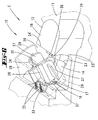
Fig. 8 die Herausvergrößerung des Bereiches VIII inFig. 7 ; -
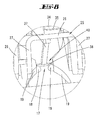
Fig. 9 eine Schnittdarstellung durch den im üblichen Saugbetrieb geschlossenen Bereich der Nebenluftöffnung, eine zweite Ausführungsform betreffend; -
Fig. 10 eine derFig. 9 entsprechende Darstellung, jedoch die freigegebene Nebenluftöffnung betreffend. - Dargestellt und beschrieben ist zunächst mit Bezug zu
Figur 1 ein Saugreinigungsgerät S, bestehend aus einem Staubsauger 1, insbesondere Haushalts-Staubsauger, welcher als handgeführtes Stielgerät ausgeführt ist, und einem Vorsatzgerät 10 in Form einer Hartbodendüse. Die nachfolgend beschriebenen Merkmale des Vorsatzgerätes 10 sind jedoch auch bei Vorsatzgeräten mit rotierenden Bürsten zur Teppichreinigung denkbar. - Der Staubsauger 1 weist zunächst ein Basisgerät 2 auf, mit einem nicht dargestellten Elektromotor für ein Sauggebläse. An dem Basisgerät 2 ist eine zur Aufnahme des aufgesaugten Staubgutes vorgesehene, luftundurchlässige Filterkassette 3 angedockt. Diese beinhaltet einen Filterbeutel 4.
- Die Stromversorgung des in dem Basisgerät 2 integrierten Elektromotors erfolgt über ein Elektrokabel 5.
- Weiter besitzt das Basisgerät 2 einen schwanenhalsförmigen Fortsatz, welcher sich über den Bereich der Filterkassette 3 erstreckt. Im Bereich des freien Endes formt dieser Fortsatz eine Steckaufnahme für einen Stiel 6 des Staubsaugers 1 aus. Im Bereich des freien Endes des Stieles 6 ist ein Betätigungsgriff 7 vorgesehen. Dieser besitzt eine daumenbetätigbare Stelleinheit 8 in Form eines Schiebeschalters, über welchen die Leistung des in dem Basisgerät 2 aufgenommenen Elektromotors bzw. des über diesen angetriebenen Sauggebläses einstellbar ist.
- Das Vorsatzgerät 10 setzt sich im wesentlichen aus einem, auf dem zu reinigenden Boden 9 aufsitzenden Düsenkopf 11 und einem den Düsenkopf 11 mit dem Staubsauger 1 verbindenden Düsenkörper 12 zusammen, wobei an dem Düsenkörper 12 ein Anschlussstutzen 13 ausgebildet ist zum Anschluss des Vorsatzgerätes 10 an den Staubsauger 1. Durch den Düsenkörper 12 erstreckt sich, von dem Anschlussstutzen 13 ausgehend, ein Saugkanal 14, welcher in den Düsenkopf 11 mündet. Die dort ausgeformte, dem Boden 9 zugewandte Saugmündung trägt das Bezugszeichen 15.
- Der Saugkanal 14 ist von einem Düsengehäuse 16 umgeben, wobei weiter der Saugkanal 14 in dem dargestellten Ausführungsbeispiel einen rechteckigen, annähernd quadratischen Querschnitt mit verrundeten Eckbereichen aufweist.
- In dem Saugkanal 14 ist in Strömungsrichtung r dem Düsenkopf 11 bzw. der Saugmündung 15 nachgeordnet ein Feuchtesensor 17 angeordnet. Dieser sitzt in dem dargestellten Ausführungsbeispiel bodenseitig des Saugkanals 14 und ist als kapazitiver Feuchtesensor gebildet aus zwei quer zur üblichen Strömungsrichtung r distanziert zueinander angeordneten Sensorteilen 18. Diese, Messpole ausformenden Sensorteile 18 sind linsenkopfförmig gestaltet und sind elektrisch mit einer nicht dargestellten Auswerte-/Auslöseeinheit verbunden.
- Die Sensorteile 18 sind im Bereich einer schikanenartigen Wasserbarriere 19 angeordnet, um über den Luftstrom mitgerissene Tropfen gezielt dem Sensorbereich zuzuführen.
- Räumlich zugeordnet dem Feuchtesensor 17, in dem dargestellten Ausführungsbeispiel weiter unmittelbar in Strömungsrichtung r vorgeordnet ist eine öffenbare Nebenluftöffnung 20 ausgeformt. Diese öffnet sich bei Bedarf zur Umgebung hin, dies weiter sowohl beidseitig quer zur Längserstreckung des Saugkanals 14 als auch nach vertikal oben. Hierzu ist zunächst der Saugkanal 14 im Bereich beider sich gegenüberliegender Saugkanalwandungen 21 als auch im Bereich der Saugkanaldecke 22 frei geschnitten. Es ergeben sich hieraus seitliche Öffnungsbereiche 23 und ein in diese übergehender oberer Öffnungsbereich 24. Diese seitlichen und oberen Öffnungsbereiche 23 und 24 finden sich wieder in den benachbarten Abschnitten des Düsengehäuses 16. Diese Bereiche sind mit den Bezugszeichen 23' bzw. 24' versehen.
- Im üblichen Saugbetrieb zur Saugbearbeitung des Bodens 9 ist der Saugkanal 14 und darüber hinaus das Düsengehäuse 16 geschlossen. Entsprechend sind die Öffnungsbereiche 23, 24 bzw. 23' bzw. 24' überdeckt, wobei insbesondere hinsichtlich des Saugkanals 14 diese Überdeckung abdichtend ausgebildet ist, um so die ordnungsgemäße Saugströmung sicherzustellen.
- Diese Abdeckung ist erreicht durch eine aufschwenkbare Klappe 25, deren Klappachse zugeordnet dem dem Feuchtesensor 17 zugewandten Öffnungsrand der Nebenluftöffnung 20 quer zur Längserstreckung des Saugkanals 14 ausgerichtet ist. Die Klappe 25 ist zunächst Teil des Saugkanals 14, dies durch Ausbildung des im oberen Öffnungsbereich 24 abdeckenden Deckenabschnitts 26 und der seitlich hieran angeformten, flügelartigen Seitenwandungsabschnitten 27, die in Klappenschließstellung den seitlichen Öffnungsbereichen 23 zum dichtenden Verschluss derselben zugeordnet sind.
- Die der Klappachse x abgewandten Stirnrandkanten der Seitenwandabschnitte 27, weiter auch die hierzu korrespondierenden Randkanten der seitlichen Öffnungsbereiche 23 sind, die Schwenkbarkeit der Klappe 25 um die Klappachse x erlaubend annähernd kreisabschnittförmig gestaltet.
- Die Klappe 25 trägt weiter einen dem oberen Öffnungsbereich 24' des Düsengehäuses 16 zuzuordnenden Gehäusedeckenabschnitt 28. An diesen sind seitlich beabstandet zu den klappenseitigen Seitenwandabschnitten 27 Gehäusewandabschnitte 29 zum Verschluss der seitlichen Öffnungsbereiche 23' angeformt.
- Die Klappachse x ist unmittelbar oberhalb der Saugkanaldecke ausgeformt, entsprechend mit vertikalem Abstand unterhalb der Gehäusedecke. Um eine Verschwenkbarkeit des Gehäusedeckenabschnittes 28 um die Klappachse x zu ermöglichen, endet die der Klappachse x zugeordnete Randkante des Gehäusedeckenabschnittes 28 mit Abstand zur zugeordneten Randkante des oberen Öffnungsbereiches 24' des Düsengehäuses 16. Es ist so ein Einschwenkbereich für den Gehäusedeckenabschnitt 28 bereitgestellt, welcher zum Verschluss des Düsengehäuses 16 insbesondere in der Grundstellung gemäß
Figur 4 überbrückt ist von einem flexiblen Gehäuseabschnitt 30. Hierbei kann es sich um ein den Abstand überbrückendes flexibles Band handeln. - Benachbart zur Klappachse x ist an der Klappe 25, weiter insbesondere im Bereich des Deckenabschnittes 26 ein starrer Hebel 31 angeformt. An diesen greift eine Zugfeder 32 an, die anderenends, die Klappachse x übergreifend an einem oberseitig der Saugkanaldecke ausgeformten Halterungsbock 33 festgelegt ist. Zufolge dieser Anordnung ist die Klappe 25 zufolge der Federbeanspruchung stets in Öffnungsrichtung zur Freilegung der Nebenluftöffnung 20 belastet.
- Zugeordnet der der Klappachse x abgewandten Randkante des klappenseitigen Deckenabschnittes 26 ist an diesem ein, den in Klappenschließstellung zugeordneten Randabschnitt des Saugkanals 14 bzw. der Saugkanaldecke 22 übergreifender Ausleger 34 angeformt. Dieser trägt unterseitig eine Metallplatte 35 zur Zusammenwirkung mit einem auf der Saugkanaldecke 22 angeordneten Magneten 36 in Form eines Elektromagneten. Letzterer hält unter Erregung desselben die Klappe 25 in ihrer den Saugkanal 14 abschließenden Schließstellung.
- Weiter zugeordnet der Klappachse x trägt die Klappe 25 bzw. dessen Deckenabschnitt 26 in Breitenerstreckung betrachtet mittig einen sich in den Saugkanal 14 in Strömungsrichtung r einragenden Arm 37. Endseitig ist an dem Arm 37 ein quer hierzu ausgerichtetes Überprüfungsmittel 40 in Form eines Kurzschlussmittels 38 befestigt. Dieses ist in dem in den
Figuren 1 bis 8 dargestellten ersten Ausführungsbeispiel eine Metallleiste. Die Armlänge sowie die quer hierzu betrachtete Erstreckungslänge des Kurzschlussmittels 38 sind so ausgelegt, dass das Kurzschlussmittel 38 in der Klappenöffnungsstellung gemäßFigur 5 sich an den Sensorteilen 18 anliegend einen Kurzschluss zwischen diesen verursacht. - Im üblichen Betriebszustand des Saugreinigungsgerätes S, das heißt bei üblichem Aufsaugen von trockenen Stäuben und Staubpartikeln ist die Klappe 25 zufolge Anhaftung über den Magneten 36 geschlossen; darüber hinaus auch entsprechend das Düsengehäuse 16 (vgl.
Figur 4 ). Entsprechend ergibt sich eine Luftströmung, die durch die Saugmündung 15 und den Saugkanal 14 zum Staubsauger 1 bzw. zu dem in diesem angeordneten Filterbeutel 4 gelangt. Je nach Vorgabe, das heißt je nach vorgegebener Toleranz des Feuchtesensors 17 kann der normale Saugbetrieb auch bis zu einem vorbestimmten Feuchtewert des Strömungsmediums vorliegen. - Feuchte, die mit dem Saugluftstrom durch den Saugkanal 14 gelangt, wird zwangsläufig über die Wasserbarriere 19 an den Sensorteilen 18 vorbeigeführt. Durch die Ausgestaltung des Feuchtesensors 17 als kapazitiven Sensor verkleinert sich hierbei das Dielektrikum. Ist ein vorgegebener Wert der Feuchtebeaufschlagung überschritten, wird über die nachgeordnete Auswerteeinheit der Magnet 36 und darüber hinaus der das Sauggebläse antreibende Elektromotor in dem Staubsauger 1 ausgeschaltet. Die Klappe 25 schwenkt zufolge der Beaufschlagung über die Zugfeder 32 in die Offenstellung gemäß
Figur 5 und gibt entsprechend die großzügig dimensionierte Nebenluftöffnung 20 frei. Der nach Abschalten des Gebläsemotors noch während des Auslaufens des Elektromotors anstehende Saugluftstrom tritt nunmehr durch die Nebenluftöffnung 20 und nicht mehr durch die Saugmündung 15 ein. Der Unterdruck im Bereich der Saugmündung 15 ist zufolge Öffnen der Klappe 25 schlagartig unterbrochen, so dass auch durch das Nachlaufen des Gebläsemotors keine weitere, auf dem Boden 9 beispielsweise aufliegende Feuchtigkeit aufgesaugt wird. Es ist entsprechend eine unmittelbare Unterbrechung des die Feuchtigkeit tragenden Saugluftstroms herbeigeführt. - Zur Wiederinbetriebnahme des Saugreinigungsgerätes S, hier des Vorsatzgerätes 10, ist zunächst ein Selbsttest durchzuführen. Dieser Selbsttest dient in erster Linie zur Funktionsüberprüfung des Feuchtesensors 17. Das in der Klappenöffnungsstellung gemäß
Figur 5 an den Sensorteilen 18 anliegende Kurzschlussmittel 38 schließt die Sensorteile 18 kurz. Wird zwischen den Polen kein Dielektrikum gemessen, ist dies ein Indiz für den ordnungsgemäßen Zustand des Feuchtesensors 17. Die nachgeschaltete Auswerteeinheit regt nach einem positiven Selbsttest den Magneten 36 wieder an, wonach der Benutzer die Klappe 25 entgegen der Kraft der Zugfeder 32 schließen kann. Das Saugreinigungsgerät S ist hiernach für den weiteren Gebrauch vorbereitet. - Die
Figuren 9 und 10 zeigen eine alternative Ausgestaltung des Kurzschlussmittels 38. Hier ist dieses als eine quer zur Längserstreckung des Saugkanals 14 ausgerichtete Borstenleiste 39 gebildet, mit Metallborsten in Art einer Drahtbürste. Über diese Borstenleiste 39 ist neben dem gewünschten Kurzschluss der beiden Sensorteile 18 zueinander im Rahmen des Selbsttestes zugleich eine Reinigung der Sensorteil-Oberflächen im Zuge des Auf- und Zuschwenkens der Klappe 25 erreichbar. Die Sensoroberflächen werden entsprechend abgebürstet, womit eventuell anhaftender Schmutz, insbesondere feuchte Schmutzpartikel entfernt werden. Die Borstenleiste 39 dient entsprechend in dieser Ausführungsform zugleich als Überprüfungsmittel 40 als auch als Reinigungsmittel 41. - In den dargestellten Ausführungsbeispielen sind jeweils zwei auf die Klappe 25 einwirkende Zugfedern 32 vorgesehen. Alternativ kann auch nur eine zentral angeordnete Zugfeder 32 angeordnet sein. Jedenfalls ist Federkraft so ausgelegt, dass die Klappe 25 auch gegen den im Betrieb anstehenden Unterdruck geöffnet werden kann.
- Die Ansteuerung der Klappe 25 zur Öffnung der Nebenluftöffnung 20 kann weiter alternativ auch durch einen elektrischen Aktor, mittels Hubmagnet, Haftmagnet, Memory-Draht oder Schwächung eines Dauermagneten, mittels eines Servomotors oder ähnliches erfolgen. Zum Detektieren von Feuchtigkeit kann auch eine mechanische Lösung Anwendung finden, so beispielsweise in Form eines Schwammes, der bei Kontakt mit Flüssigkeit seine Stabilität verliert oder eines Pulvers, welches sich bei Kontakt mit Flüssigkeit sofort auflöst, um die Arretierung der Nebenluftöffnung auszulösen.
- Alle offenbarten Merkmale sind (für sich) erfindungswesentlich. In die Offenbarung der Anmeldung wird hiermit auch der Offenbarungsinhalt der zugehörigen/beigefügten Prioritätsunterlagen (Abschrift der Voranmeldung) vollinhaltlich mit einbezogen, auch zu dem Zweck, Merkmale dieser Unterlagen in Ansprüche vorliegender Anmeldung mit aufzunehmen.
-
- 1
- Staubsauger
- 2
- Basisgerät
- 3
- Filterkassette
- 4
- Filterbeutel
- 5
- Elektrokabel
- 6
- Stiel
- 7
- Betätigungsgriff
- 8
- Stelleinheit
- 9
- Boden
- 10
- Vorsatzgerät
- 11
- Düsenkopf
- 12
- Düsenkörper
- 13
- Anschlussstutzen
- 14
- Saugkanal
- 15
- Saugmündung
- 16
- Düsengehäuse
- 17
- Feuchtesensor
- 18
- Sensorteile
- 19
- Wasserbarriere
- 20
- Nebenluftöffnung
- 21
- Saugkanalwandung
- 22
- Saugkanaldecke
- 23
- seitlicher Öffnungsbereich
- 23'
- seitlicher Öffnungsbereich
- 24
- oberer Öffnungsbereich
- 24'
- oberer Öffnungsbereich
- 25
- Klappe
- 26
- Deckenabschnitt
- 27
- Seitenwandabschnitte
- 28
- Gehäusedeckenabschnitt
- 29
- Gehäuseseitenwandabschnitte
- 30
- flexibler Gehäuseabschnitt
- 31
- Hebel
- 32
- Zugfeder
- 33
- Halterungsbock
- 34
- Ausleger
- 35
- Metallplatte
- 36
- Magnet
- 37
- Armen
- 38
- Kurzschlussmittel
- 39
- Borstenleiste
- 40
- Überprüfungsmittel
- 41
- Reinigungsmittel
- S
- Saugreinigungsgerät
- r
- Strömungsrichtung
- x
- Klappachse
Claims (9)
- Elektromotorisch betriebenes Saugreinigungsgerät (S) mit einem Saugmund (15) und einem Saugkanal (14), wobei darüber hinaus ein Feuchtesensor (17) in dem Saugkanal (14) angeordnet ist, dadurch gekennzeichnet, dass der Saugkanal (14) bei Erfassung einer Feuchtigkeit im Sinne einer Nebenluftöffnung öffnet.
- Saugreinigungsgerät nach Anspruch 1 oder insbesondere danach, dadurch gekennzeichnet, dass die Nebenluftöffnung (20) räumlich zugeordnet dem Feuchtesensor (17) vorgesehen ist.
- Saugreinigungsgerät nach einem oder mehreren der vorangehenden Ansprüche oder insbesondere danach, dadurch gekennzeichnet, dass im Zuge der Öffnungsbewegung der Nebenluftöffnung (20) ein Überprüfungs- und/oder Reinigungsmittel (40, 41) in Kontakt mit dem Feuchtesensor (17) verfährt.
- Saugreinigungsgerät nach einem oder mehreren der vorangehenden Ansprüche oder insbesondere danach, dadurch gekennzeichnet, dass die Nebenluftöffnung (20) durch Aufklappen eines Teils der Saugkanalwandung (21) erreicht ist.
- Saugreinigungsgerät nach einem oder mehreren der vorangehenden Ansprüche oder insbesondere danach, dadurch gekennzeichnet, dass die Verschlussstellung der Nebenluftöffnung (20) durch einen Magneten (36) gesichert ist.
- Saugreinigungsgerät nach einem oder mehreren der vorangehenden Ansprüche oder insbesondere danach, dadurch gekennzeichnet, dass die Öffnungsstellung der Nebenluftöffnung (20) federunterstützt ist.
- Saugreinigungsgerät nach einem oder mehreren der vorangehenden Ansprüche oder insbesondere danach, dadurch gekennzeichnet, dass der Feuchtesensor (17) als kapazitiver Feuchtesensor ausgebildet ist.
- Saugreinigungsgerät nach einem oder mehreren der vorangehenden Ansprüche oder insbesondere danach, dadurch gekennzeichnet, dass der Feuchtesensor (17) aus zwei distanziert zueinander angeordneten Sensorteilen (18) besteht.
- Saugreinigungsgerät nach einem oder mehreren der vorangehenden Ansprüche oder insbesondere danach, dadurch gekennzeichnet, dass das Überprüfungsmittel (40) aus einem, die Sensorteile (18) überbrückenden Kurzschlussmittel (38) besteht.
Applications Claiming Priority (1)
| Application Number | Priority Date | Filing Date | Title |
|---|---|---|---|
| DE200810021100 DE102008021100A1 (de) | 2008-04-28 | 2008-04-28 | Elektromotorisch betriebenes Saugreinigungsgerät |
Publications (3)
| Publication Number | Publication Date |
|---|---|
| EP2113184A2 true EP2113184A2 (de) | 2009-11-04 |
| EP2113184A3 EP2113184A3 (de) | 2011-01-26 |
| EP2113184B1 EP2113184B1 (de) | 2015-05-20 |
Family
ID=40810256
Family Applications (1)
| Application Number | Title | Priority Date | Filing Date |
|---|---|---|---|
| EP20090157708 Active EP2113184B1 (de) | 2008-04-28 | 2009-04-09 | Elektromotorisch betriebenes Saugreinigungsgerät |
Country Status (6)
| Country | Link |
|---|---|
| EP (1) | EP2113184B1 (de) |
| JP (1) | JP5363868B2 (de) |
| CN (1) | CN101569514B (de) |
| DE (1) | DE102008021100A1 (de) |
| ES (1) | ES2538267T3 (de) |
| TW (1) | TWI517825B (de) |
Cited By (1)
| Publication number | Priority date | Publication date | Assignee | Title |
|---|---|---|---|---|
| EP4385378A1 (de) | 2022-12-15 | 2024-06-19 | BSH Hausgeräte GmbH | Staubsauger |
Families Citing this family (16)
| Publication number | Priority date | Publication date | Assignee | Title |
|---|---|---|---|---|
| DE102010036772A1 (de) | 2010-07-30 | 2012-02-02 | Vorwerk & Co. Interholding Gmbh | Verfahren zur Überwachung einer Schließstellung |
| DE202011000366U1 (de) | 2011-02-17 | 2012-05-18 | Vorwerk & Co. Interholding Gmbh | Arbeitsgerät |
| DE102011050358B4 (de) | 2011-05-13 | 2022-02-17 | Vorwerk & Co. Interholding Gmbh | Gas-Strömungskanal, insbesondere Saugkanal eines Staubsaugers |
| DE102012108008A1 (de) | 2012-08-30 | 2014-03-06 | Miele & Cie. Kg | Selbstfahrendes Sauggerät und Verfahren zum Betreiben eines selbstfahrenden Sauggeräts |
| KR102054689B1 (ko) * | 2013-01-31 | 2020-01-22 | 삼성전자주식회사 | 청소 로봇 및 그 제어 방법 |
| JP6625394B2 (ja) * | 2015-10-22 | 2019-12-25 | オリンパス株式会社 | 挿入機器、挿入システム |
| CN106137021A (zh) * | 2016-07-12 | 2016-11-23 | 张学衡 | 一种断桥铝门窗清洁机器人 |
| JP2018143649A (ja) * | 2017-03-08 | 2018-09-20 | オムロン株式会社 | 自走式移動体、湿度センサ、および液体検出装置 |
| WO2019212177A1 (ko) | 2018-04-30 | 2019-11-07 | 엘지전자 주식회사 | 청소기의 노즐 |
| WO2019212187A1 (ko) | 2018-04-30 | 2019-11-07 | 엘지전자 주식회사 | 청소기의 노즐 |
| CN116269038A (zh) | 2018-04-30 | 2023-06-23 | Lg电子株式会社 | 清洁器吸嘴 |
| KR102711296B1 (ko) | 2018-04-30 | 2024-09-30 | 엘지전자 주식회사 | 청소기의 노즐 |
| CN114504271B (zh) | 2018-04-30 | 2023-11-28 | Lg电子株式会社 | 清洁器 |
| CN108836200A (zh) * | 2018-06-14 | 2018-11-20 | 宁波富佳实业有限公司 | 具有进水自我断电保护装置的拖地机 |
| KR102625905B1 (ko) | 2018-07-30 | 2024-01-18 | 엘지전자 주식회사 | 청소기의 노즐 |
| DE102018126109A1 (de) * | 2018-10-19 | 2020-04-23 | Vorwerk & Co. Interholding Gmbh | Messeinrichtung zur Verbindung mit einem Saugluftkanal eines Saugreinigungsgerätes |
Citations (2)
| Publication number | Priority date | Publication date | Assignee | Title |
|---|---|---|---|---|
| DE8915511U1 (de) | 1989-08-10 | 1990-08-23 | Progress Elektrogeräte GmbH, 7440 Nürtingen | Vorrichtung zum Schutz von Ansauggebläsen vor Wasserschäden |
| JPH0428327A (ja) | 1990-05-23 | 1992-01-30 | Tokyo Electric Co Ltd | 電気掃除機 |
Family Cites Families (5)
| Publication number | Priority date | Publication date | Assignee | Title |
|---|---|---|---|---|
| JPS507727U (de) * | 1973-05-21 | 1975-01-27 | ||
| JPH0632536Y2 (ja) * | 1987-02-10 | 1994-08-24 | 株式会社ユニシアジェックス | 電磁弁 |
| JPH04210032A (ja) * | 1990-12-03 | 1992-07-31 | Matsushita Electric Ind Co Ltd | 電気掃除機 |
| JP2005224264A (ja) * | 2004-02-10 | 2005-08-25 | Funai Electric Co Ltd | 自走式掃除機 |
| JP4736644B2 (ja) * | 2005-09-06 | 2011-07-27 | パナソニック株式会社 | 電気掃除機 |
-
2008
- 2008-04-28 DE DE200810021100 patent/DE102008021100A1/de not_active Withdrawn
-
2009
- 2009-04-06 TW TW098111352A patent/TWI517825B/zh not_active IP Right Cessation
- 2009-04-09 ES ES09157708.0T patent/ES2538267T3/es active Active
- 2009-04-09 EP EP20090157708 patent/EP2113184B1/de active Active
- 2009-04-27 JP JP2009107372A patent/JP5363868B2/ja not_active Expired - Fee Related
- 2009-04-28 CN CN200910132194.XA patent/CN101569514B/zh active Active
Patent Citations (2)
| Publication number | Priority date | Publication date | Assignee | Title |
|---|---|---|---|---|
| DE8915511U1 (de) | 1989-08-10 | 1990-08-23 | Progress Elektrogeräte GmbH, 7440 Nürtingen | Vorrichtung zum Schutz von Ansauggebläsen vor Wasserschäden |
| JPH0428327A (ja) | 1990-05-23 | 1992-01-30 | Tokyo Electric Co Ltd | 電気掃除機 |
Cited By (1)
| Publication number | Priority date | Publication date | Assignee | Title |
|---|---|---|---|---|
| EP4385378A1 (de) | 2022-12-15 | 2024-06-19 | BSH Hausgeräte GmbH | Staubsauger |
Also Published As
| Publication number | Publication date |
|---|---|
| CN101569514B (zh) | 2014-11-26 |
| JP5363868B2 (ja) | 2013-12-11 |
| JP2009261950A (ja) | 2009-11-12 |
| TW201002262A (en) | 2010-01-16 |
| CN101569514A (zh) | 2009-11-04 |
| DE102008021100A1 (de) | 2009-10-29 |
| ES2538267T3 (es) | 2015-06-18 |
| EP2113184A3 (de) | 2011-01-26 |
| TWI517825B (zh) | 2016-01-21 |
| EP2113184B1 (de) | 2015-05-20 |
Similar Documents
| Publication | Publication Date | Title |
|---|---|---|
| EP2113184B1 (de) | Elektromotorisch betriebenes Saugreinigungsgerät | |
| DE102010038095B4 (de) | Entleerungsstation für einen akkumulatorbetriebenen Elektrostaubsauger | |
| DE102013103086B4 (de) | Absaugstation für ein selbsttätig verfahrbares Bodenreinigungsgerät sowie Kombination einer Absaugstation mit einem solchen Gerät | |
| EP3310233B1 (de) | Saugdüse für einen staubsauger | |
| DE112017001029T5 (de) | Staubsauger | |
| DE102009034955B4 (de) | Selbsttätig verfahrbares Bodenstaub-Aufsammelgerät | |
| EP2014212B1 (de) | Kombination einer Staubsaugerdüse mit einem Wischtuch, sowie Wischtuch und Verfahren zum Feuchtreinigen von Fußböden | |
| DE102017208963A1 (de) | Eckenreinigungsmodul für modular aufgebaute Reinigungsroboter | |
| DE102017127131A1 (de) | Regenerierbarer Staubsauger | |
| EP2880221B1 (de) | Selbstfahrende bodenreinigungsmaschine mit filtersystemmodul | |
| EP2380477B1 (de) | Elektrostaubsauger mit einem Stutzen zur Zusammenwirkung mit einem Filterbeutel | |
| DE102014119190A1 (de) | Saugdüse für einen elektromotorisch betriebenen Staubsauger | |
| DE102011050358B4 (de) | Gas-Strömungskanal, insbesondere Saugkanal eines Staubsaugers | |
| DE102010036772A1 (de) | Verfahren zur Überwachung einer Schließstellung | |
| EP2387928B1 (de) | Verfahren zum Betreiben eines Staubsaugers sowie elektromotorisch betriebener Staubsauger und schlauchförmiger Filtermaterialvorrat | |
| EP4292489B1 (de) | Reinigungsstation und reinigungssystem | |
| EP2229856B1 (de) | Sauggerät mit mindestens einem Sensor | |
| DE102015105061B4 (de) | Reinigungsgerät | |
| DE102020212052B3 (de) | Sammelbehälter für eine Reinigungsvorrichtung | |
| EP0788760A2 (de) | Einschaltgerät für einen Staubsauger | |
| EP2233053B1 (de) | Filtereinrichtung für einen Staubsauger | |
| DE102015101647B4 (de) | Saugdüse | |
| EP0734679B1 (de) | Filtereinrichtung für einen Staubsauger | |
| DE102025123039A1 (de) | Reinigungsvorrichtung mit überdruckventilsteuerung mithilfe mehrerer eingaben | |
| DE102009053697A1 (de) | Handstaubsauger mit einer Motor-Gebläse-Einheit sowie Filterbeutel |
Legal Events
| Date | Code | Title | Description |
|---|---|---|---|
| PUAI | Public reference made under article 153(3) epc to a published international application that has entered the european phase |
Free format text: ORIGINAL CODE: 0009012 |
|
| AK | Designated contracting states |
Kind code of ref document: A2 Designated state(s): AT BE BG CH CY CZ DE DK EE ES FI FR GB GR HR HU IE IS IT LI LT LU LV MC MK MT NL NO PL PT RO SE SI SK TR |
|
| 17P | Request for examination filed |
Effective date: 20100607 |
|
| PUAL | Search report despatched |
Free format text: ORIGINAL CODE: 0009013 |
|
| AK | Designated contracting states |
Kind code of ref document: A3 Designated state(s): AT BE BG CH CY CZ DE DK EE ES FI FR GB GR HR HU IE IS IT LI LT LU LV MC MK MT NL NO PL PT RO SE SI SK TR |
|
| AX | Request for extension of the european patent |
Extension state: AL BA RS |
|
| D17P | Request for examination filed (deleted) | ||
| R17P | Request for examination filed (corrected) |
Effective date: 20110601 |
|
| 17Q | First examination report despatched |
Effective date: 20131108 |
|
| GRAP | Despatch of communication of intention to grant a patent |
Free format text: ORIGINAL CODE: EPIDOSNIGR1 |
|
| INTG | Intention to grant announced |
Effective date: 20141111 |
|
| GRAS | Grant fee paid |
Free format text: ORIGINAL CODE: EPIDOSNIGR3 |
|
| GRAA | (expected) grant |
Free format text: ORIGINAL CODE: 0009210 |
|
| AK | Designated contracting states |
Kind code of ref document: B1 Designated state(s): AT BE BG CH CY CZ DE DK EE ES FI FR GB GR HR HU IE IS IT LI LT LU LV MC MK MT NL NO PL PT RO SE SI SK TR |
|
| REG | Reference to a national code |
Ref country code: GB Ref legal event code: FG4D Free format text: NOT ENGLISH |
|
| REG | Reference to a national code |
Ref country code: CH Ref legal event code: EP |
|
| REG | Reference to a national code |
Ref country code: AT Ref legal event code: REF Ref document number: 727284 Country of ref document: AT Kind code of ref document: T Effective date: 20150615 |
|
| REG | Reference to a national code |
Ref country code: IE Ref legal event code: FG4D Free format text: LANGUAGE OF EP DOCUMENT: GERMAN |
|
| REG | Reference to a national code |
Ref country code: ES Ref legal event code: FG2A Ref document number: 2538267 Country of ref document: ES Kind code of ref document: T3 Effective date: 20150618 |
|
| REG | Reference to a national code |
Ref country code: DE Ref legal event code: R096 Ref document number: 502009011047 Country of ref document: DE |
|
| REG | Reference to a national code |
Ref country code: LT Ref legal event code: MG4D |
|
| REG | Reference to a national code |
Ref country code: NL Ref legal event code: MP Effective date: 20150520 |
|
| PG25 | Lapsed in a contracting state [announced via postgrant information from national office to epo] |
Ref country code: NO Free format text: LAPSE BECAUSE OF FAILURE TO SUBMIT A TRANSLATION OF THE DESCRIPTION OR TO PAY THE FEE WITHIN THE PRESCRIBED TIME-LIMIT Effective date: 20150820 Ref country code: LT Free format text: LAPSE BECAUSE OF FAILURE TO SUBMIT A TRANSLATION OF THE DESCRIPTION OR TO PAY THE FEE WITHIN THE PRESCRIBED TIME-LIMIT Effective date: 20150520 Ref country code: HR Free format text: LAPSE BECAUSE OF FAILURE TO SUBMIT A TRANSLATION OF THE DESCRIPTION OR TO PAY THE FEE WITHIN THE PRESCRIBED TIME-LIMIT Effective date: 20150520 Ref country code: FI Free format text: LAPSE BECAUSE OF FAILURE TO SUBMIT A TRANSLATION OF THE DESCRIPTION OR TO PAY THE FEE WITHIN THE PRESCRIBED TIME-LIMIT Effective date: 20150520 Ref country code: PT Free format text: LAPSE BECAUSE OF FAILURE TO SUBMIT A TRANSLATION OF THE DESCRIPTION OR TO PAY THE FEE WITHIN THE PRESCRIBED TIME-LIMIT Effective date: 20150921 |
|
| PG25 | Lapsed in a contracting state [announced via postgrant information from national office to epo] |
Ref country code: IS Free format text: LAPSE BECAUSE OF FAILURE TO SUBMIT A TRANSLATION OF THE DESCRIPTION OR TO PAY THE FEE WITHIN THE PRESCRIBED TIME-LIMIT Effective date: 20150920 Ref country code: BG Free format text: LAPSE BECAUSE OF FAILURE TO SUBMIT A TRANSLATION OF THE DESCRIPTION OR TO PAY THE FEE WITHIN THE PRESCRIBED TIME-LIMIT Effective date: 20150820 Ref country code: GR Free format text: LAPSE BECAUSE OF FAILURE TO SUBMIT A TRANSLATION OF THE DESCRIPTION OR TO PAY THE FEE WITHIN THE PRESCRIBED TIME-LIMIT Effective date: 20150821 Ref country code: LV Free format text: LAPSE BECAUSE OF FAILURE TO SUBMIT A TRANSLATION OF THE DESCRIPTION OR TO PAY THE FEE WITHIN THE PRESCRIBED TIME-LIMIT Effective date: 20150520 |
|
| PG25 | Lapsed in a contracting state [announced via postgrant information from national office to epo] |
Ref country code: EE Free format text: LAPSE BECAUSE OF FAILURE TO SUBMIT A TRANSLATION OF THE DESCRIPTION OR TO PAY THE FEE WITHIN THE PRESCRIBED TIME-LIMIT Effective date: 20150520 Ref country code: DK Free format text: LAPSE BECAUSE OF FAILURE TO SUBMIT A TRANSLATION OF THE DESCRIPTION OR TO PAY THE FEE WITHIN THE PRESCRIBED TIME-LIMIT Effective date: 20150520 |
|
| REG | Reference to a national code |
Ref country code: DE Ref legal event code: R097 Ref document number: 502009011047 Country of ref document: DE |
|
| PG25 | Lapsed in a contracting state [announced via postgrant information from national office to epo] |
Ref country code: RO Free format text: LAPSE BECAUSE OF NON-PAYMENT OF DUE FEES Effective date: 20150520 Ref country code: PL Free format text: LAPSE BECAUSE OF FAILURE TO SUBMIT A TRANSLATION OF THE DESCRIPTION OR TO PAY THE FEE WITHIN THE PRESCRIBED TIME-LIMIT Effective date: 20150520 Ref country code: SK Free format text: LAPSE BECAUSE OF FAILURE TO SUBMIT A TRANSLATION OF THE DESCRIPTION OR TO PAY THE FEE WITHIN THE PRESCRIBED TIME-LIMIT Effective date: 20150520 |
|
| PLBE | No opposition filed within time limit |
Free format text: ORIGINAL CODE: 0009261 |
|
| STAA | Information on the status of an ep patent application or granted ep patent |
Free format text: STATUS: NO OPPOSITION FILED WITHIN TIME LIMIT |
|
| REG | Reference to a national code |
Ref country code: FR Ref legal event code: PLFP Year of fee payment: 8 |
|
| 26N | No opposition filed |
Effective date: 20160223 |
|
| PG25 | Lapsed in a contracting state [announced via postgrant information from national office to epo] |
Ref country code: SI Free format text: LAPSE BECAUSE OF FAILURE TO SUBMIT A TRANSLATION OF THE DESCRIPTION OR TO PAY THE FEE WITHIN THE PRESCRIBED TIME-LIMIT Effective date: 20150520 |
|
| PG25 | Lapsed in a contracting state [announced via postgrant information from national office to epo] |
Ref country code: BE Free format text: LAPSE BECAUSE OF NON-PAYMENT OF DUE FEES Effective date: 20160430 |
|
| REG | Reference to a national code |
Ref country code: CH Ref legal event code: PL |
|
| GBPC | Gb: european patent ceased through non-payment of renewal fee |
Effective date: 20160409 |
|
| PG25 | Lapsed in a contracting state [announced via postgrant information from national office to epo] |
Ref country code: LU Free format text: LAPSE BECAUSE OF FAILURE TO SUBMIT A TRANSLATION OF THE DESCRIPTION OR TO PAY THE FEE WITHIN THE PRESCRIBED TIME-LIMIT Effective date: 20160409 |
|
| REG | Reference to a national code |
Ref country code: IE Ref legal event code: MM4A |
|
| PG25 | Lapsed in a contracting state [announced via postgrant information from national office to epo] |
Ref country code: CH Free format text: LAPSE BECAUSE OF NON-PAYMENT OF DUE FEES Effective date: 20160430 Ref country code: GB Free format text: LAPSE BECAUSE OF NON-PAYMENT OF DUE FEES Effective date: 20160409 Ref country code: LI Free format text: LAPSE BECAUSE OF NON-PAYMENT OF DUE FEES Effective date: 20160430 |
|
| REG | Reference to a national code |
Ref country code: FR Ref legal event code: PLFP Year of fee payment: 9 |
|
| PG25 | Lapsed in a contracting state [announced via postgrant information from national office to epo] |
Ref country code: IE Free format text: LAPSE BECAUSE OF NON-PAYMENT OF DUE FEES Effective date: 20160409 |
|
| PG25 | Lapsed in a contracting state [announced via postgrant information from national office to epo] |
Ref country code: NL Free format text: LAPSE BECAUSE OF FAILURE TO SUBMIT A TRANSLATION OF THE DESCRIPTION OR TO PAY THE FEE WITHIN THE PRESCRIBED TIME-LIMIT Effective date: 20150520 Ref country code: SE Free format text: LAPSE BECAUSE OF FAILURE TO SUBMIT A TRANSLATION OF THE DESCRIPTION OR TO PAY THE FEE WITHIN THE PRESCRIBED TIME-LIMIT Effective date: 20150520 |
|
| REG | Reference to a national code |
Ref country code: FR Ref legal event code: PLFP Year of fee payment: 10 |
|
| PG25 | Lapsed in a contracting state [announced via postgrant information from national office to epo] |
Ref country code: CY Free format text: LAPSE BECAUSE OF FAILURE TO SUBMIT A TRANSLATION OF THE DESCRIPTION OR TO PAY THE FEE WITHIN THE PRESCRIBED TIME-LIMIT Effective date: 20150520 Ref country code: HU Free format text: LAPSE BECAUSE OF FAILURE TO SUBMIT A TRANSLATION OF THE DESCRIPTION OR TO PAY THE FEE WITHIN THE PRESCRIBED TIME-LIMIT; INVALID AB INITIO Effective date: 20090409 |
|
| PG25 | Lapsed in a contracting state [announced via postgrant information from national office to epo] |
Ref country code: MT Free format text: LAPSE BECAUSE OF FAILURE TO SUBMIT A TRANSLATION OF THE DESCRIPTION OR TO PAY THE FEE WITHIN THE PRESCRIBED TIME-LIMIT Effective date: 20150520 Ref country code: TR Free format text: LAPSE BECAUSE OF FAILURE TO SUBMIT A TRANSLATION OF THE DESCRIPTION OR TO PAY THE FEE WITHIN THE PRESCRIBED TIME-LIMIT Effective date: 20150520 Ref country code: MC Free format text: LAPSE BECAUSE OF FAILURE TO SUBMIT A TRANSLATION OF THE DESCRIPTION OR TO PAY THE FEE WITHIN THE PRESCRIBED TIME-LIMIT Effective date: 20150520 Ref country code: MK Free format text: LAPSE BECAUSE OF FAILURE TO SUBMIT A TRANSLATION OF THE DESCRIPTION OR TO PAY THE FEE WITHIN THE PRESCRIBED TIME-LIMIT Effective date: 20150520 |
|
| PGFP | Annual fee paid to national office [announced via postgrant information from national office to epo] |
Ref country code: CZ Payment date: 20200330 Year of fee payment: 12 |
|
| PGFP | Annual fee paid to national office [announced via postgrant information from national office to epo] |
Ref country code: AT Payment date: 20200421 Year of fee payment: 12 |
|
| REG | Reference to a national code |
Ref country code: AT Ref legal event code: MM01 Ref document number: 727284 Country of ref document: AT Kind code of ref document: T Effective date: 20210409 |
|
| PG25 | Lapsed in a contracting state [announced via postgrant information from national office to epo] |
Ref country code: AT Free format text: LAPSE BECAUSE OF NON-PAYMENT OF DUE FEES Effective date: 20210409 Ref country code: CZ Free format text: LAPSE BECAUSE OF NON-PAYMENT OF DUE FEES Effective date: 20210409 |
|
| P01 | Opt-out of the competence of the unified patent court (upc) registered |
Effective date: 20230517 |
|
| PGFP | Annual fee paid to national office [announced via postgrant information from national office to epo] |
Ref country code: DE Payment date: 20250417 Year of fee payment: 17 |
|
| PGFP | Annual fee paid to national office [announced via postgrant information from national office to epo] |
Ref country code: ES Payment date: 20250519 Year of fee payment: 17 |
|
| PGFP | Annual fee paid to national office [announced via postgrant information from national office to epo] |
Ref country code: IT Payment date: 20250430 Year of fee payment: 17 |
|
| PGFP | Annual fee paid to national office [announced via postgrant information from national office to epo] |
Ref country code: FR Payment date: 20250422 Year of fee payment: 17 |