EP2113517A1 - Complexes comprenant de l'angiostatine et ses fragments, leurs procedes de preparation et leurs utilisations - Google Patents
Complexes comprenant de l'angiostatine et ses fragments, leurs procedes de preparation et leurs utilisations Download PDFInfo
- Publication number
- EP2113517A1 EP2113517A1 EP08700623A EP08700623A EP2113517A1 EP 2113517 A1 EP2113517 A1 EP 2113517A1 EP 08700623 A EP08700623 A EP 08700623A EP 08700623 A EP08700623 A EP 08700623A EP 2113517 A1 EP2113517 A1 EP 2113517A1
- Authority
- EP
- European Patent Office
- Prior art keywords
- conjugate
- angiostatin
- fragment
- polyethylene glycol
- peg
- Prior art date
- Legal status (The legal status is an assumption and is not a legal conclusion. Google has not performed a legal analysis and makes no representation as to the accuracy of the status listed.)
- Granted
Links
Images




Classifications
-
- A—HUMAN NECESSITIES
- A61—MEDICAL OR VETERINARY SCIENCE; HYGIENE
- A61K—PREPARATIONS FOR MEDICAL, DENTAL OR TOILETRY PURPOSES
- A61K47/00—Medicinal preparations characterised by the non-active ingredients used, e.g. carriers or inert additives; Targeting or modifying agents chemically bound to the active ingredient
- A61K47/50—Medicinal preparations characterised by the non-active ingredients used, e.g. carriers or inert additives; Targeting or modifying agents chemically bound to the active ingredient the non-active ingredient being chemically bound to the active ingredient, e.g. polymer-drug conjugates
- A61K47/51—Medicinal preparations characterised by the non-active ingredients used, e.g. carriers or inert additives; Targeting or modifying agents chemically bound to the active ingredient the non-active ingredient being chemically bound to the active ingredient, e.g. polymer-drug conjugates the non-active ingredient being a modifying agent
- A61K47/56—Medicinal preparations characterised by the non-active ingredients used, e.g. carriers or inert additives; Targeting or modifying agents chemically bound to the active ingredient the non-active ingredient being chemically bound to the active ingredient, e.g. polymer-drug conjugates the non-active ingredient being a modifying agent the modifying agent being an organic macromolecular compound, e.g. an oligomeric, polymeric or dendrimeric molecule
- A61K47/59—Medicinal preparations characterised by the non-active ingredients used, e.g. carriers or inert additives; Targeting or modifying agents chemically bound to the active ingredient the non-active ingredient being chemically bound to the active ingredient, e.g. polymer-drug conjugates the non-active ingredient being a modifying agent the modifying agent being an organic macromolecular compound, e.g. an oligomeric, polymeric or dendrimeric molecule obtained otherwise than by reactions only involving carbon-to-carbon unsaturated bonds, e.g. polyureas or polyurethanes
- A61K47/60—Medicinal preparations characterised by the non-active ingredients used, e.g. carriers or inert additives; Targeting or modifying agents chemically bound to the active ingredient the non-active ingredient being chemically bound to the active ingredient, e.g. polymer-drug conjugates the non-active ingredient being a modifying agent the modifying agent being an organic macromolecular compound, e.g. an oligomeric, polymeric or dendrimeric molecule obtained otherwise than by reactions only involving carbon-to-carbon unsaturated bonds, e.g. polyureas or polyurethanes the organic macromolecular compound being a polyoxyalkylene oligomer, polymer or dendrimer, e.g. PEG, PPG, PEO or polyglycerol
-
- A—HUMAN NECESSITIES
- A61—MEDICAL OR VETERINARY SCIENCE; HYGIENE
- A61P—SPECIFIC THERAPEUTIC ACTIVITY OF CHEMICAL COMPOUNDS OR MEDICINAL PREPARATIONS
- A61P35/00—Antineoplastic agents
-
- A—HUMAN NECESSITIES
- A61—MEDICAL OR VETERINARY SCIENCE; HYGIENE
- A61P—SPECIFIC THERAPEUTIC ACTIVITY OF CHEMICAL COMPOUNDS OR MEDICINAL PREPARATIONS
- A61P43/00—Drugs for specific purposes, not provided for in groups A61P1/00-A61P41/00
-
- C—CHEMISTRY; METALLURGY
- C12—BIOCHEMISTRY; BEER; SPIRITS; WINE; VINEGAR; MICROBIOLOGY; ENZYMOLOGY; MUTATION OR GENETIC ENGINEERING
- C12N—MICROORGANISMS OR ENZYMES; COMPOSITIONS THEREOF; PROPAGATING, PRESERVING, OR MAINTAINING MICROORGANISMS; MUTATION OR GENETIC ENGINEERING; CULTURE MEDIA
- C12N9/00—Enzymes; Proenzymes; Compositions thereof; Processes for preparing, activating, inhibiting, separating or purifying enzymes
- C12N9/14—Hydrolases (3)
- C12N9/48—Hydrolases (3) acting on peptide bonds (3.4)
- C12N9/50—Proteinases, e.g. Endopeptidases (3.4.21-3.4.25)
- C12N9/64—Proteinases, e.g. Endopeptidases (3.4.21-3.4.25) derived from animal tissue
- C12N9/6421—Proteinases, e.g. Endopeptidases (3.4.21-3.4.25) derived from animal tissue from mammals
- C12N9/6424—Serine endopeptidases (3.4.21)
- C12N9/6435—Plasmin (3.4.21.7), i.e. fibrinolysin
-
- C—CHEMISTRY; METALLURGY
- C12—BIOCHEMISTRY; BEER; SPIRITS; WINE; VINEGAR; MICROBIOLOGY; ENZYMOLOGY; MUTATION OR GENETIC ENGINEERING
- C12Y—ENZYMES
- C12Y304/00—Hydrolases acting on peptide bonds, i.e. peptidases (3.4)
- C12Y304/21—Serine endopeptidases (3.4.21)
- C12Y304/21007—Plasmin (3.4.21.7), i.e. fibrinolysin
Definitions
- the present invention relates to a conjugate comprising angiostatin and its fragments, preferable fragment K1-3002C a sustained-release formulation comprising the conjugate and a method for preparing them.
- the conjugate of the present innovation has no toxic side effects, exhibits higher biological activities and is more metabolically stable.
- the present invention also provides a pharmaceutical composition comprising the conjugate or the sustained-release formulation and a kit containing the conjugates.
- the present invention also relates to the use of the conjugate, the sustained-release formulation, the pharmaceutical composition and the kit for preventing, diagnosing, and treating tumors, for preparing antitumor medicaments and for preventing diseases related to neovascularization.
- Cancer is a common and frequently-occurring disease nowadays, as well as the number one killer threatening human life. Therefore, the research and development of anti-cancer drugs is a hot topic in China and abroad.
- the anti-cancer drugs commonly used for clinical treatments are traditional chemotherapy drugs, which can easily lead to resistance and have many toxic side effects during long-term usage. Therefore, their clinical applications have been greatly restricted.
- Angiostatin is the endogenous angiogenesis inhibitor extracted by O'Reilly et al. from serum and urine of Lewis lung tumor-bearing mice. It is the N-terminal sequence of plasminogen starting from the 98th amino acids (using the initial Met as the first amino acid) ( O'Reilly MS, Holmgren L, Shing Y, et al. Cell, 1994, 79: 315-328 ), including at least the first four Kringles structures of five, each of which consists of about 80 amino acids ( Lerch P G, Riskli E E, Lergier W, et al. Eur J Biochem, 1980, 107: 7-13 ).
- K1-3 can effectively inhibit bovine capillary endothelial cell proliferation, while K4 almost has no such activity.
- the inhibitory effect of K1-3 on cell proliferation is significantly stronger than that of the initially-discovered angiostatin K1-4 ( Cao Y, Ji RW, Davidson D, et al. J Biol Chem, 1996, 271(46): 29461-29467 .).
- K1-3 can not only suppress the growth and metastasis of mouse Lewis lung cancer, but also inhibit the growth of a variety of primary tumors such as mouse Lewis lung cancer primary tumor and hemangioendothelioma.
- angiostatin The mechanism underlying the activities of angiostatin is that it suppresses the angiogenesis in tumor tissues by inhibiting the growth of vascular endothelial cells. Consequently, the tumor cannot obtain necessary nutrition and oxygen needed for its growth, which results in growth inhibition and starvation.
- angiostatin is a fragment within endogenous plasminogen, which has specific effect on proliferating vesicular endothelial cells. Therefore, it will generally not cause immune response, as well as side effects such as loss of weight, reduced activities, loss of appetite and conditioned pathogen infection under long-term injection ( Sim BKL, O'Reilly MS, et al. Cancer Res, 1997, 57: 1329-1334 .).
- polypeptide and protein drugs including angiostatin have the advantages of causing low toxicity/side effects or little drug resistance etc, and in order to increase bioavailability and decrease degradation in vivo, the protein drugs are usually administrated intravenously.
- the half-life of low molecular weight protein drugs is very short, not only because of the degradation, but also because of the quick elimination via kidney.
- angiostatin As a protein drug, angiostatin also has the disadvantages of short half-life and high elimination rate in vivo.
- the purpose of the present invention is to improve metabolism characteristics of angiostatin, which would result in higher stability, longer half-life, and even better efficacy in vivo.
- macromolecular polymer to modify proteins is a common method to change and control the dynamic characteristics of drugs such as half-life, immunological characteristics, and toxicological characteristics.
- the macromolecular polymer employed to modify proteins should have desirable water-solubility and biocompatibility, little or no immunogenicity and so forth.
- Polyethylene glycol (PEG) is a common protein-modified molecule. It is amphipathic, and can be dissolved not only in water, but also in most of the organic solvents. Since polyethylene glycol is non-toxic, non-immunogenic, and highly soluble in water, it has been approved as a macromolecular polymer for drug preparation by drug administrations in many countries including SFDA of China as well as FDA of the US.
- Coupling the protein with macromolecular polymers for example, polyethylene glycol can increase the in vivo stability and decrease nonspecific adsorption and antigenicity of the protein. Once the molecular weight of the conjugate reaches a certain value, the eliminating rate by kidney can be reduced effectively, which is an effective measure to prolong the half-life of the protein drug in vivo ( Frokjaer S. et al. Nat. Rev. Drug Discov. 2005 Apr 4(4): 298-306 ; Harris JM. et al. Nat. Rev. Drug Discov. 2003 Mar 2(3): 214-21 ).
- macromolecular polymers for example, polyethylene glycol
- the amino groups used as the reaction site in the modification of PEG were mainly ⁇ -amino group of N-terminus of the protein and ⁇ -amino group on the side chain of the lysine residue.
- the result of the reaction is the coupling of one protein molecule with one or multiple PEG molecules.
- the modification of ⁇ -amino group on the side-chain of the lysine residue may result in modified isomers due to the non-specific reaction sites.
- polyethylene glycol modifying agents have been developed which specifically modify N-terminus of the protein and as a result, it is possible to obtain uniform modification products with modification at the identical site.
- Another protein site for modification with polyethylene glycol is the mercapto group of the cysteine residue.
- the number of the mercapto groups is fewer than that of the amino groups in a protein, and thus modification of the mercapto groups is more specific.
- introducing a cysteine as the modification site also has certain limitations because, for those proteins that already contain cysteine residues, this may cause a mispairing of disulfide bonds or make it difficult for such proteins to refold.
- the carboxyl group of the protein is also frequently used as a site for modification ( Veronese FM et al. Drug Discov. Today. 2005 Nov 1;10(21):1451-8 .).
- Modification techniques with polyethylene glycol have been successfully used in a plurality of protein drugs, including PEG-asparaginase ( Graham ML Adv. drug Deliv. Rev. 55, 1293-1302 Avramis Vassilios I. et al.
- glucan polysucrose, starch, polyalanine, copolymer of ethanedioic acid and the malonic acid, carboxymethyl cellulose, polyvinylpyrrolidone, poly 1,3-dioxolane, copolymer of ethylene and maleic hydrazide, poly sialic acid, cyclodextrin, etc.
- Another method of prolonging the half-life of a protein drug is to couple or fuse it with a blood protein or a fragment thereof used as a carrier to increase the molecular weight of the protein drug.
- Fc fragment of immunoglobulin may be coupled with the target protein to prolong the half-life of the latter.
- this strategy has been used in the Notch 1 receptor protein ( Kitajewsky Jan et al. WO2005111072 ), erythropoietin (EPO) ( Gillies Stephen D et al. WO200506380 ), human somatropin ( Kim Young Min et al. WO2005047337 ), etc.
- the plasma albumin is another commonly-used coupling carrier, which is used in the proteins such as some antibiotics, anti-inflammatory agents, and anti-oxidants ( Ezrin Alan M et al. WO0117568 , Otagiri Masaki et al. EP1571212 ), etc.
- Sustained release formulation is another approach of prolonging the in vivo half-life of a protein drug.
- the protein drug is placed in a pharmaceutical carrier to allow the protein to be released from the carrier slowly, and thereby a stable in vivo drug concentration is maintained.
- the commonly used sustained release formulations comprise hydrogel, microcapsule, microballoon, micro-osmotic pump, liposome etc. ( Peppas NA et al. Eur. J. Pharm. Biopharm. 50, 27-46 (2000 ); Packhaeuser CB et al. Eur. J. Pharm. Biopharm. 58, 445-455 (2004 ); Metselaar JM et al. Mini Rev. Med. Chem. 4, 319-329 (2002 )).
- Liposome is an ultramicroscopic particle in the form of a hollow sphere with a bilayer membrane structure.
- the bilayer membrane is composed of amphipathic molecules, most of which are phosphatides, and forms a hydrophilic inner chamber.
- the hydrophilic protein drug is encapsulated in the inner chamber of the liposome and thus can be slowly released in vivo to maintain the concentration of the protein drug and prolong the half-life. Examples are nerve growth factor ( Hou Xinpu et al. CN1616087 ) and hemoglobin ( Farmer Martha C et al. US4911929 ) etc.
- K1”, “K2”, “K3” “K5", “K1-2”, “K1-3”, “K1-5”, “K2-3”, “K2-5", “K3-5” and “kringles1-3” mentioned in this invention are fragments of plasminogen, and the sequence of human plasminogen is shown in SEQ ID NO:7(refer to U.S. Patent NO:7, 157,556 and WO 02/26782 A2 ).
- K1-3 here is the abbreviation of "Kringles1-3”.
- PEG is polyethylene glycol, preferably monomethyl polyethylene glycol (mPEG).
- Another aspect of the invention is that, the inventor surprisingly discovered that a conjugate formed by modifying agents and angiostatin or its fragments has prolonged in vivo half life as compared to the unmodified angiostatin or its fragments.
- the agents used for modification are selected from macromolecular polymers, protein molecules or its fragments, peptides, small molecules or chemicals of other forms.
- the conjugate not only maintains its original activity of inhibiting angiogenesis, but also exhibits higher biological activity and longer in vivo half life. Moreover, it does not exert toxic side effects on cells and animals, and even for long time use it does not result in side effects such as resistance.
- the angiostatin of the present invention is of human, mice or other mammal origin.
- the angiostatin is human angiostatin.
- the angiostatin of the present invention is recombined angiostatin. More preferably, the angiostatin is human recombined angiostatin.
- the fragments of angiostatin are selected from angiostatin K1, K2, K3, K5, K1-2, K1-3, K1-5, K2-3, K2-5 and K3-5. More preferably, the fragments of angiostatin mentioned here is angiostatin K1 having the sequence shown in SEQ ID NO:3, angiostatin K2 having the sequence shown in SEQ ID NO:4 or angiostatin K3 having the sequence shown in SEQ ID NO:5. Most preferably, the fragments of angiostatin mentioned here is angiostatin K1-3 having the sequence shown in SEQ ID NO:1. When the angiostatin mentioned is recombined angiostatin K1-3 expressed by E.coli, it has the sequence shown in SEQ ID NO:2, and the N-terminal Met is randomly deleted when expressed in E. coli.
- the angiostatin or its fragments of the present invention also includes the biologically active mutant, derivative, isomer or the combination thereof.
- the derivative of angiostatin or its fragment is formed by adding a peptide of 1-15 amino acids to the N or C terminal of the angiostatin or its fragments.
- the derivative of angiostatin or its fragments is formed by adding a 7-amino-acid peptide MHHHHHH containing a His-tag to the N-terminal of human angiostatin. This derivative has the sequence shown in SEQ ID NO:6 and its N-terminal Met are randomly deleted when expressed in E.coli.
- the derivative of angiostatin or its fragments is formed by adding the peptide MGGSHHHHH or MGGSHHHHHH to the C terminal of angiostatin, and its N-terminal Met is randomly deleted when expressed in E.coli
- the modifying agents in the conjugate of the present invention are linked to angiostatin or its fragments by covalent bonds.
- the modifying agents in the conjugate are linked to angiostatin or its fragments by non-covalent bonds.
- the modifying agents are linked to angiostatin or its fragments through chemical coupling or fusion and expression.
- the macromolecular polymers as mentioned above can be biologically active or not.
- the suitable macromolecular polymers include, but not limited to, polyenol compounds, polyether compounds, polyvinylpyrrolidone, poly amino acids, copolymer of divinyl ether and maleic anhydride, N-(2-Hydroxypropyl)-methacrylamide, dextran and its derivatives like dextran sulfate, cellulose and its derivatives (including methyl-cellulose and carboxymethyl cellulose), amylum and its derivatives, poly-sucrose, polyethoxylpolyol, heparin or its fragment, polyalkylene glycol and its derivatives, copolymers of polyalkylene glycol and its derivatives, poly(vinyl ethyl ether), a,p-poly((2-hydroxyethyl)-DL-aspartamide, polycarboxylates, poly oxyethylene-oxymethylenes, polyacryloyl morpholines, copolymer of amino compounds and oxyalkylene, poly hyal
- the polyethers as mentioned above include, but are not limited to, poly alkylene glycol (HO((CH2)xO)nH), polypropylene glycol, polyoxyethylene (HO((CH 2 ) 2 O) n H), polyvinyl alcohol ((CH 2 CHOH) n ) and derivatives thereof.
- the polyethylene alcohols as mentioned above include, but are not limited to, polyethylene glycol (monomethyl polyethylene glycol, hydroxypolyethylene glycol), polyvinyl alcohol, polypropylene alcohol, polybutene alcohol and their derivatives.
- the modifying agent is polyethylene glycol.
- polyethylene glycol is monomethyl polyethylene glycol.
- the polyethylene glycol (PEG) of present invention is either linear or branched.
- the average molecular weight of the PEG used herein is between 1,000 to 100,000 Daltons. More preferably, the molecular weight of PEG used herein is between 5,000 to 40,000 Daltons. Most preferably, the PEG used herein is 20 kDa monomethyl polyethylene glycol.
- the polyethylene glycol (PEG)-modified angiostatin is characterized in that one angiostatin molecule is covalently coupled to one or more PEG molecules.
- the modification is site specific and will not influence the bioactivity of angiostatin or its fragment. This modified product maintains the antiangiogenic activity and shows higher metabolic stability and longer half-life in blood than the unmodified angiostatin, and therefore it can be used as an antiangiogenic or anti-tumor conjugate.
- the coupling site of angiostatin may be at the N-terminal ⁇ -amino group, the ⁇ -amino group on the side chain of a lysine residue, the mercapto group of on the side chain of a cysteine residue, the carboxyl group on the side chain of an aspartate residue, the carboxyl group on the side chain of a glutamate residue, or any combination thereof.
- the coupling site of angiostatin or its fragment used herein is selected from the N-terminal ⁇ -amino group of said angiostatin fragment K1-3 or the ⁇ -amino group on the side chain of a lysine residue corresponding to the 2nd, 7th, 15th, 17th, 24th, 69th, 94th, 97th, 121 st, 125th, 128th, 129th, 150th, 175th, 215th, 228th, 246th lysine residue as indicated in SEQ ID NO:1 or any combination thereof.
- one angiostatin molecule or its fragment is coupled with one polyethylene glycol molecule at the N-terminal ⁇ -amino group of said angiostatin molecule. More preferably, in the conjugate of the present invention, one recombinant angiostatin fragment K1-3 shown as SEQ ID NO:2 is coupled with one polyethylene glycol molecule. The coupling site is the N-terminal ⁇ -amino group of the angiostatin fragment K1-3. Most preferably, in the conjugate of the present invention, one recombinant angiostatin fragment K1-3 shown as SEQ ID NO:2 is coupled with one 20 kDa monomethyl polyethylene glycol.
- the coupling site is the N-terminal ⁇ -amino group of the angiostatin fragment K1-3.
- the present invention uses PEG to modify the N-terminal ⁇ -amino group of K1-3 and the product obtained has inhibitory activities on the proliferation, migration of vascular endothelial cells, the proliferation of tumor cells in mice, and the biological activity of the tumor growth in mice.
- the conjugate is one angiostatin molecule covalently coupled to one or more polyethylene glycol molecules at the mercapto groups on the side chains of additional cysteine residues of said angiostatin molecule, wherein the additional cysteine residues are introduced by adding cysteines or peptide chains containing cysteines to the N-terminus, C-terminus, or the internal region of said angiostatin molecule.
- the poly amino acids include, but not limited to, polymers of one type of amino acid, copolymers of two or more types of amino acids, for example, polyalanine.
- preferred protein molecule used as a modifying carrier is a protein naturally occurring or a fragment thereof, which includes, but not limited to, thyroxine-binding protein, transthyretin, transferrin, fibrinogen, immunoglobulin, albumin and fragments thereof.
- carrier proteins are human proteins.
- a fragment of a protein as mentioned above refers to a part of the protein that keeps the function of a carrier protein.
- angiostatin or its fragment is coupled to albumin, characterized in that one angiostatin molecule or its fragment is linked to one or more albumin molecules.
- the conjugate may be obtained via chemical modification, fusion expression, or other methods.
- the albumin is human serum albumin or its fragment.
- the conjugate is one angiostatin molecule or its fragment linked to Fc fragment of human immunoglobulin IgG. It is characterized in that one angiostatin molecule is covalently coupled to one or more Fc fragment of human immunoglobulin IgG.
- the conjugate may be obtained either via chemical modification, or via fusion expression, or via other methods.
- the Fc fragment is a fragment of the Fc region of human immunoglobulin IgG.
- the modifying agent in the present invention also includes a small molecule or a small peptide or other compound.
- the conjugate is an angiostatin molecule or its fragment modified by a small molecule or a small peptide or other compound. It is characterized in that the product has the activity to react with or bind to other molecules or component of the body.
- the reactivity mentioned can be of a reactively active group, capable of reacting with amino, carboxyl or mercapto group to form a covalent bond.
- the active group of the product is maleimide, which is capable of reacting with a mercapto group of a blood component, such as albumin.
- the conjugate is the product of the modification of an angiostatin molecule or its fragment by glycosylation, phosphorylation or acylation.
- the modification sites may be amino acid residues originally contained the protein or amino acid residues generated via mutation.
- Angiostatin or its fragment conjugates is directly or indirectly linked to the modifying agent via a covalent bond.
- Direct linking means that an amino acid of angiostatin or its fragment is directly linked to an amino acid of the carrier protein, via peptide bond or a disulfide bridge.
- Indirect linking means that angiostatin or its fragment conjugates is linked to the carrier protein via one or more chemical groups.
- the conjugate comprising angiostatin or its fragment is a conjugate formed via non-covalent interaction between angiostatin or its fragment and a modifying agent such as protein and small molecule.
- sustained-release formulation comprising angiostatin or its fragment, preferably fragment K1-3, or an angiostatin containing conjugate and a bio-compatible substance.
- the sustained-release formulation may be in a form selected from the group consisting of microcapsule, hydrogel, microsphere, micro-osmotic pump or liposome.
- the present invention also provides a pharmaceutical composition
- a pharmaceutical composition comprising a conjugate or sustained-release formulation of the present invention and a pharmaceutically acceptable carrier, wherein the conjugate is formed by a modifying agent and angiostatin or its fragment, preferably angiostatin fragment K1-3.
- the pharmaceutically acceptable carriers used in this invention include carriers, excipients, or stabilizers, which are nontoxic to the cells or mammals to be contacted at selected doses and concentrations.
- a commonly used physiologically acceptable carrier is an aqueous pH buffer solution.
- physiologically acceptable carriers include solutions such as phosphate buffer solution, citrate buffer solution and other organic acid buffer solution; anti-oxidants including ascorbic acid; polypeptides with low molecular weight (no more than 10 residues); proteins such as serum albumin, glutin or immunoglobulin; hydrophilic polymers such as polyvinylpyrrolidone; amino acids such as glycine, glutamine, asparagine, arginine or lysine; monosaccharide, disaccharide and other carbohydrates including glucose, mannose or dextrin; chelating agents such as EDTA; sugar alcohol such as mannitol or sorbitol; salt-forming counter ion such as sodium ion; and/or nonionic surfactant such as TWEEN®, PEG and PLURONICS®.
- the excipients are sterilized and usually free of undesired substance. These compositions can be sterilized by routine sterilizing techniques.
- kits comprising the conjugate, composition or sustained-release formulation of the present invention and instruction for the use thereof.
- the complex is composed of a modifying agent and angiostatin or its fragment, preferably PEGylated angiostatin fragment K1-3.
- the present invention also relates to a method of preparing the conjugate of the present invention, which is formed by a modifying agent and angiostatin or its fragment, preferably fragment K1-3.
- the present invention provides a method of preparing a PEGylated angiostatin or the fragment thereof comprising mixing the activated PEG with angiostatin or its fragment, allowing the reaction under proper conditions including solution, temperature, pH, and reaction molar ratio, and purifying the coupled product by using cation-exchange column or molecular sieve.
- the pH of this reaction is within 3 to 10.
- pH 5 to 7 the molar ratio of PEG and angiostatin is 1:1 to 10:1.
- the present invention also provides the use of the aforementioned angiostatin-containing conjugate, formed by a modifying agent and angiostatin or its fragment preferably fragment K1-3, the sustained-release formulation, the pharmaceutical composition or the kit of the present invention in the prevention, diagnosis and treatment of tumor.
- the tumors that are suitable to be treated with the method of the invention include, but not limited to, lung cancer, neuroendocrine tumor, colon cancer, bone cancer, liver cancer, gastric cancer, pancreatic cancer, oral cancer, breast cancer, prostate cancer, lymphoma, esophagus cancer, nasopharyngeal carcinoma, cervical cancer, sarcoma, renal carcinoma, biliary cancer, malignant melanoma, et al.
- the present invention also provides the use of the aforementioned conjugate, sustained-release formulation or pharmaceutical composition comprising the angiostatin or its fragment preferably K1-3, in the preparation of a medicament for the treatment of aforementioned tumors.
- the administration route is selected from the group consisting of intravenous injection, intravenous infusion, subcutaneous injection, intramuscular injection, intraperitoneal injection, percutaneous absorption, subcutaneous embedment, liver arterial injection, oral administration, nasal administration, oral mucosa administration, ocular administration, rectal administration, vaginal delivery, or other clinically acceptable routes.
- the administration time is every day to every 21 days, preferably every day to every week.
- the present invention also provides the use of the aforementioned conjugate, sustained-release formulation, pharmaceutical composition, or kit for the prevention, diagnosis, or treatment of a non-cancerous disease characterized by, but not limited to, tissue or organ pathological changes caused by abnormal neovascularization, or in preparation of a medicament for the treatment of such a disease, wherein the conjugate is formed by a modifying agent and angiostatin or its fragment, preferably said conjugate is angiostatin fragment K1-3 modified by PEG.
- the administration route is selected from the group consisting of intravenous injection, intravenous infusion, subcutaneous injection, intramuscular injection, intraperitoneal injection, percutaneous absorption, subcutaneous embedment, liver arterial injection, oral administration, nasal administration, oral mucosa administration, ocular administration, rectal administration, vaginal delivery, or other clinically acceptable routes.
- the administration frequency is selected from daily to every 21 days, preferably daily to weekly.
- the present invention also provides a method for prolonging the half-life of angiostatin or its fragments, preferably fragment K1-3, comprising the step of forming a conjugate between angiostatin or its fragments and a modifying agent capable of prolonging in vivo half-life of angiostatin and optionally the step of preparing a sustained-release formulation containing the aforementioned conjugate and biocompatible substances.
- a product of the preferred embodiment in the present invention i.e., a conjugate formed by coupling PEG to the N-terminus of K1-3, has the activity of inhibiting the migration of endothelial cell and tumor growth in mice. This conjugate showed significantly higher activity as compared with non-modified K1-3.
- pharmacokinetic study revealed that the in vivo metabolism of this modified product was effectively slowed down, and its in vivo half-life was prolonged.
- angiostatin or its fragments as used herein can be a wild-type angiostatin, i.e., the naturally occurring form; or a biologically active mutant, fragment, isomer, or derivative thereof, or their combinations.
- Angiostatin or its fragments can be obtained upon but not limited to expression in animal cells, or can be obtained by fermentation and further purification from yeasts or E. coli.
- the amino acid sequence of the wild-type human angiostatin fragment K1-3 expressed in animal cells or yeasts is shown in SEQ ID NO.1.
- the recombinant human angiostatin or its fragments expressed in animal cells or yeasts may either have an amino acid sequence as shown in SEQ ID NO.1, or have the sequence of SEQ ID NO.1 with no more than 10 amino acids added to or deleted from its N-terminus.
- the amino acid sequence of the recombinant human K1-3 expressed in E. coli is shown in SEQ ID NO.2, but sometimes the N-terminal Met will be deleted after expression.
- a mutant of K1-3 refers to a K1-3 molecule obtained by introducing amino acid replacement, deletion, or addition.
- the fragment of K1-3 refers to a part of the sequence of SEQ ID NO.1 or SEQ ID NO.2.
- the fragment may be obtained through, among others, enzymatic cleavage, genetic engineering expression, or polypeptide synthesis.
- the mutant Preferably, the mutant have a 60% amino acid sequence homology to SEQ ID NO:1, or 70% amino acid sequence homology, more desirably 80% or even 90% amino acid sequence homology, especially 95% amino acid sequence homology.
- a fragment refers to a part of the sequence of SEQ ID NO:1.
- an isomer of K1-3 refers to a molecule with the same amino acid sequence or chemical formula as SEQ ID NO:1 but with different conformations, including difference in the secondary or tertiary protein structure, or changed optical activity in regional amino acids.
- the isomer may be a naturally occurring mutant or obtained via artificial design.
- a derivative of K1-3 refers to a product generated by modification of the SEQ ID NO:1. Modification refers to covalently attaching one or more small molecules, such as phosphoric acid molecules or carbohydrate molecules, or oligopeptides with less than 30 amino acids, to the protein at any amino acid of the protein.
- the combination of the active mutants, fragments, isomers or derivatives of K1-3 means that the product may simultaneously have two or more of the modifications mentioned above, for example without limitation, a mutant of a fragment or a modified mutant, et al.
- the PEG as used herein is 082M0P01 MPEG-BUTYRALD-20K, NETKTAR TM , Lot#: PT-03G-05.
- Example 1 Coupling of PEG to the N-terminus of K1-3 under different conditions.
- the K1-3 (Protgen Ltd., China) used in this example has the sequence of SEQ ID NO.2. Specifically, the K1-3 was dialyzed into 30 mM sodium acetate solution (Sino Pharm Chemical Reagent Co., Ltd, China), pH 5.5. Protein concentration was determined by measuring absorbance at 280 nm using a UV spectrophotometer (8453, Agilent Technologies), and then was adjusted to 1 mg/ml. PEG which specifically modifies the N-terminus of protein was used to couple with K1-3 covalently.
- 20 kDa PEG (solid) was added to the K1-3 containing solution obtained after dialysis (containing 10 mg protein) at molar ratios (PEG:K1-3) of 1:1, 2:1, 5:1, 10:1, and the mixed solution was stirred at room temperature until PEG solid dissolved completely.
- CH 3 BNNa (Sigma) was added as reductant to reach a final concentration of 20 mM, and finally the pH value of the solution was adjusted to 5.5.
- 20 kDa PEG (solid) was added to the K1-3 containing solution obtained after dialysis (containing 10 mg protein) at a molar ratio (PEG:K1-3) of 5:1, and the mixed solution was stirred at room temperature until PEG solid dissolved completely.
- Example 2 Coupling of PEG to the N-terminus of K1-3.
- the K1-3 used in this example has the sequence of SEQ ID NO.2. Specifically, the K1-3 was dialyzed into 30 mM sodium acetate solution, pH 5.5. Protein concentration was determined by measuring absorbance at 280 nm using a UV spectrophotometer, and then was adjusted to 1 mg/ml. PEG which specifically modifies the N-terminus of protein was used for covalently coupling with the K1-3. Specifically, 100 mg 20 kDa PEG (solid) was added to 20 ml solution obtained after dialysis (containing 10 mg protein) at a molar ratio (PEG:K1-3) of 5:1, and the mixed solution was stirred at room temperature until PEG solid dissolved completely.
- CH 3 BNNa (Sigma) was added as reductant to reach a final concentration of 20 mM, and finally the pH value of the solution was adjusted to 5.5. After resting at room temperature for 6 hours, more than 80% of K1-3 was modified with PEG at a single site, which means one PEG molecule was covalently linked to one K1-3 molecule at N-terminal ⁇ -amino group of K1-3. Only a small amount of K1-3 was non-specifically modified at multiple sites.
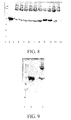
- the reaction solution can be purified directly through chromatography using a column. Electrophoresis analysis results of the solutions before and after the reaction are shown in Figure 9 .
- Example 3 Purification of K1-3 modified with 20 kDa PEG at N-terminus through cation-exchange SP column
- the K1-3 used in this example has the sequence of SEQ ID NO.2. Specifically, K1-3 modified with 20 kDa PEG was purified through SP chromatography column (Amersham). The pH value of the mixed solution obtained after the coupling reaction was adjusted to 5.0. The sample was loaded onto the column pre-equilibrated by a buffer containing 20 mM sodium acetate, pH 5.0. Then gradient elution was performed with buffer containing 20 mM sodium acetate, 1 M NaCl, pH 5.0. The peak of PEG which did not react with K1-3 appeared during penetration and washing since PEG is extremely low charged. The elution peaks appeared in the following order: multi-modified K1-3, mono-modified K1-3, and non-modified K1-3. Different fractions can be collected according to absorbance at 280 nm. The result of purification is shown in Figure 10 .
- Example 4 Prolonged efficacy of K1-3 with PEG coupled to its N-terminus in the blood.
- the K1-3 used in this example has the sequence of SEQ ID NO.2.
- the efficacy of tK1-3 with PEG coupled to its N-terminus was evaluated by measuring the in vivo half-life of K1-3 with or without PEG modification in Wistar rat (Vitalriver Experimental Animal Center), respectively.
- Wistar rat Two healthy Wistar rat (about 200 g) were injected intraveniously with K1-3 and K1-3 modified with PEG, respectively, at a dose of 4.5 mg/kg body weight.
- Blood samples were taken from eye sockets of the rats at 0, 5, 10, 30 minutes, 1, 2, 4, 8, 16, 24, 36, 48, 72, 96, 120 and 144 hours. Plasma was then collected and the concentration of K1-3 with or without PEG modification was measured by sandwich ELISA, respectively.
- Example 5 The activity of K1-3 with PEG coupled to its N-terminus of inhibiting the migration of Human Umbilical Vein Endothelial Cell (HUVEC).
- HUVEC Human Umbilical Vein Endothelial Cell
- the K1-3 used in this example has the sequence of SEQ ID NO.2.
- HUVECs Protgen, Beijing
- M199 medium Hyclone
- fetal bovine serum Hyclone
- Mediums for migration assay included M199 medium with 5% serum.
- K1-3 with or without modification were added to the cells at 0.004, 0.04, 0.4 and 4 ⁇ g/ml.
- the cells in the trans-well inserts were fixed with 1% glutaraldehyde (Beijing chemical plant, China).
- the upper layer of cells on the trans-well membranes, which did not migrate, were removed, and the lower layer of cells were stained with hematoxylin(Sino Pharm Chemical Reagent Co., Ltd, China).
- the migrated cell number was counted under microscope (Olympus). Cells in three different fields in one plate treatment were counted and then the inhibition rate was calculated.
- the concentration of 0.04-4 ⁇ g/ml the inhibitory effect of cell migration improves with the increase of protein concentration.
- Example 6 The activity of K1-3 with PEG coupled to its N-terminus of inhibiting wound healing of Human Umbilical Vein Endothelial Cell (HUVEC).
- HUVEC Human Umbilical Vein Endothelial Cell
- the K1-3 used in this example has the sequence of SEQ ID NO.2.
- 2 ⁇ 10 5 /ml HUVEC were inoculated in 12-well plates (Corning) and cultured in the M199 medium (Hyclone) containing 20% fetal bovine serum (Hyclone) to exponential phase. After starved for 12 hours, crossed wounds were created in each well. Suspending cells were washed away.
- Experimental groups were as follows: negative control (PBS), positive control (K1-3 at the concentration of 0.04, 0.4 and 4 ⁇ g/ml) and treatment group (K1-3 with PEG at the concentration of 0.04, 0.4 and 4 ⁇ g/ml). After culturing for 16 hours at 37°C, the amounts of migrated cells were detected.
- Example 7 The activity of K1-3 with PEG coupled to its N-terminus of inhibiting proliferation of Human Umbilical Vein Endothelial Cells (HUVECs).
- HUVECs Human Umbilical Vein Endothelial Cells
- the K1-3 used in this example has the sequence of SEQ ID NO.2.
- HUVECs were starved overnight, inoculated in 96-well plates at the concentration of 2 ⁇ 10 4 /ml and cultured in the M199 medium (Hyclone) containing 20% fetal bovine serum (Hyclone) to exponential phase. After starved for 12 hours, cells were treated with K1-3 and K1-3 with PEG.
- Experimental groups were as follows: negative control (PBS), positive control (K1-3 at the concentration of 0.04, 0.4 and 4 ⁇ g/ml) and treatment group (K1-3 with PEG at the concentration of 0.04, 0.4 and 4 ⁇ g/ml).
- Example 8 The activity of K1-3 with PEG coupled to its N-terminus of inhibiting the proliferation of vascular endothelial cells
- K1-3 used in this example is the K1-3 having the sequence of SEQ ID NO.2.
- HMEC human microvascular endothelial cells
- DMEM medium Hyclone
- mice were added into 96-well plates at 20, 000 cells per well, then cultured in the DMEM medium (Hyclone) containing 10% serum to exponential phase. After starving for 12 hours, cells were treated with different concentrations of modified or unmodified K1-3 for measurement of cell proliferation.
- Experimental groups were as follows: negative control group (PBS), positive control groups (0.04, 0.4, and 4 ⁇ g/ml K1-3), and treatment group (0.04, 0.4, and 4 ⁇ g/ml K1-3 with PEG coupled to its N-terminus).
- Example 9 The activity of K1-3 with PEG coupled to its N-terminus of inhibiting the proliferation of tumor cells (human cervical cancer, HeLa)
- K1-3 used in this example is the K1-3 having the sequence of SEQ ID NO.2.
- HeLa ATCC# CCL-2, USA
- DMEM medium Hyclone
- cells were treated with different concentrations of modified or unmodified K1-3 for measurement of cell proliferation.
- Experimental groups were as follows: negative control group (PBS), positive control groups (0.4, 4, 40, and 150 ⁇ g/ml K1-3), and treatment group (0.4, 4, 40, and 150 ⁇ g/ml K1-3 with PEG coupled to its N-terminus).
- Example 10 Activity of K1-3 with PEG coupled to its N-terminus in the treatment of late-stage B16 melanoma mice tumor model.
- K1-3 used in this example is K1-3 having the sequence of SEQ ID NO.2.
- Experiments were performed to observe the in vivo inhibitory activity of K1-3 with PEG coupled to its N-terminus on late-stage B16 tumor.
- C57B/L mice of about 20 g were used in the experiment (Beijing Vital River Laboratory Animal Co. Ltd.). Mice were inoculated at back with B16 cells (ATCC# CRL-6475, USA), 1 x 10⁶ cells per mouse.
- mice were then randomly grouped after the tumor volume reaches 1 cm 3 , 8 mice per group, including the negative control group (sodium acetate), the positive control group (K1-3, 4.5 mg/kg body weight, administered daily), three treatment groups (K1-3 with PEG coupled to its N-terminus, 1.5 mg/kg body weight, administered daily, or 4.5 mg/kg body weight, administered daily, every 3 days, every 6 days, or every 9 days, respectively).
- Administration was performed by subcutaneous injection and lasted for 10 days. The mice were sacrificed on day 11, the weight of tumor was measured, and the efficacy was evaluated by tumor inhibition rate.
- the experimental results revealed that the tumor inhibition rate of the positive control group and the groups treated with 1.5 mg/kg body weight daily was 45% and 28%, respectively, whereas the tumor inhibition rates were 60%, 34%, 25%, and 24% for the groups treated with 4.5 mg/kg body weight, daily, every 3 days, every 6 days, or every 9 days, respectively.
- the results demonstrate that the anti-tumor activity of K1-3 with PEG coupled to its N-teiminus is superior to that of the unmodified K1-3. Furthermore, it can maintain its superior efficacy even when administered at a low concentration.
- the experimental results are shown in Figure 17 .
- Example 11 Activity of K1-3 with PEG coupled to its N-terminus in the treatment of early-stage H22 hepatocellular carcinoma mice tumor model.
- K1-3 used in this example is K1-3 having the sequence of SEQ ID NO.2.
- Experiments were performed to observe the in vivo inhibitory activity of K1-3 with PEG coupled to its N-terminus on early-stage H22 tumor.
- Balb/c mice of about 20 g were used in the experiment (Beijing Vital River Laboratory Animal Co. Ltd.). Mice were inoculated at back with H22 cells, 1 x 10 6 cells per mouse.
- mice were then randomly grouped after the tumor volume reaches 1 cm 3 , 8 mice per group, including the negative control group (sodium acetate), the positive control group (K1-3, 4.5 mg/kg body weight, administered daily), three treatment groups (K1-3 with PEG coupled to its N-terminus, 1.5 mg/kg body weight, administered daily, or 4.5 mg/kg body weight, administered daily, twice per week, or weekly, respectively).
- the administration was performed by subcutaneous injection and lasted for 3 weeks.
- the mice were sacrificed on day 22, the weight of tumor was measured, and the efficacy was evaluated by tumor inhibition rate.
- the experimental results revealed that the tumor inhibition rate of the positive control group and the groups treated with 1.5 mg/kg body weight daily was 51% and 54%, respectively, whereas the tumor inhibition rates were 60%, 84%, and 50% for the groups treated with 4.5 mg/kg body weight, daily, twice per week, and weekly, respectively.
- the results demonstrate that the anti-tumor activity of K1-3 with PEG coupled to its N-terminus is superior to that of the unmodified K1-3.
- the efficacy of K1-3 at a low concentration is superior in inhibiting the growth of liver cancer cells than that of K1-3 at a higher concentration.
- Example 12 The in vivo anti-tumor activity of a conjugate of PEG and K1-3 (PEG-K1-3) in NCI-H226 NSCLC xenograft model.
- the recombinant protein K1-3 used in this example has a sequence of SEQ ID NO:2.
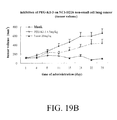
- Female Balb/c nu/nu mice aged 6-8 weeks of about 18-20g weight (institute of laboratory animal sciences, CAMS) were used in this experiment. Mice were subcutaneously inoculated on the right side with NCI-H226 cells (human pancreatic cancer cell line, derived from ATCC, ATCC number CRL-5826). When the tumor volume reached about 80-125 mm 3 , the animals were divide into 3 groups randomly (6 per group). The treatment was administrated according to the following Table 1. The body weight and tumor volume of the animals were measured twice a week. Sacrifice the animals on day 28, collect the tumors and take photographs. Table 1: Grouping of animals and the corresponding treatments.
- Group Sample size drug name dosage drug volume administration route administration time 1 6 Vector 0 mg/kg 5 ⁇ l/g i.v. Twice a week * 3 weeks 2 6 PEG-K1-3 4.5 mg/kg 5 ⁇ l/g i.v. Twice a week * 3 weeks 3 6 Taxol 20 mg/kg 10 ⁇ l/g i.v. Twice a week * 3 weeks Remark: Taxol was purchased from Beijing Union Pharmaceutical Factory. Lot number 060408.
- tumor burden of those animals treated with 4.5 mg/kg PEG-K1-3 (Group 2) is significantly decreased (p ⁇ 0.05).
- Tumor burden of animals in Group 3 show significantly difference in Day 11, Day 15, Day 18.
- Day 4, Day 11, Day 18 and Day 25, the T/C ratios of Group 2 (4.5mg/kg PEG-K1-3 i.v. * 21 days) are 73%, 63%, 62% and 66%, respectively.
- T/C ratios of Group 3 (20mg/kg Taxol) are 69%, 39%, 28% and 18%, respectively.
- the tumor burden 21 days after treatment is calculated.
- tumor inhibition rate in animals treated with 4.5 mg/kg PEG-K1-3 (Group 2) and animals treated with 20mg/kg Taxol (Group 3) are 17.18% and 84.43%, respectively.
Landscapes
- Health & Medical Sciences (AREA)
- Chemical & Material Sciences (AREA)
- Life Sciences & Earth Sciences (AREA)
- Engineering & Computer Science (AREA)
- Organic Chemistry (AREA)
- Bioinformatics & Cheminformatics (AREA)
- General Health & Medical Sciences (AREA)
- Wood Science & Technology (AREA)
- Medicinal Chemistry (AREA)
- Genetics & Genomics (AREA)
- Zoology (AREA)
- General Engineering & Computer Science (AREA)
- Public Health (AREA)
- Biochemistry (AREA)
- Veterinary Medicine (AREA)
- Animal Behavior & Ethology (AREA)
- Biomedical Technology (AREA)
- Pharmacology & Pharmacy (AREA)
- Epidemiology (AREA)
- Molecular Biology (AREA)
- Microbiology (AREA)
- Biotechnology (AREA)
- Chemical Kinetics & Catalysis (AREA)
- General Chemical & Material Sciences (AREA)
- Nuclear Medicine, Radiotherapy & Molecular Imaging (AREA)
- Medicinal Preparation (AREA)
- Medicines That Contain Protein Lipid Enzymes And Other Medicines (AREA)
- Peptides Or Proteins (AREA)
Priority Applications (1)
| Application Number | Priority Date | Filing Date | Title |
|---|---|---|---|
| EP13155928.8A EP2597105B1 (fr) | 2007-01-10 | 2008-01-10 | Conjugué comprenant de l'angiostatine ou son fragment, procédé de production du conjugué et son utilisation |
Applications Claiming Priority (2)
| Application Number | Priority Date | Filing Date | Title |
|---|---|---|---|
| CN2007100045587A CN101219219B (zh) | 2007-01-10 | 2007-01-10 | 包含血管抑素或其片段的复合物、其制备方法及应用 |
| PCT/CN2008/000067 WO2008083615A1 (fr) | 2007-01-10 | 2008-01-10 | Complexes comprenant de l'angiostatine et ses fragments, leurs procédés de préparation et leurs utilisations |
Related Child Applications (2)
| Application Number | Title | Priority Date | Filing Date |
|---|---|---|---|
| EP13155928.8A Division EP2597105B1 (fr) | 2007-01-10 | 2008-01-10 | Conjugué comprenant de l'angiostatine ou son fragment, procédé de production du conjugué et son utilisation |
| EP13155928.8 Division-Into | 2013-02-20 |
Publications (3)
| Publication Number | Publication Date |
|---|---|
| EP2113517A1 true EP2113517A1 (fr) | 2009-11-04 |
| EP2113517A4 EP2113517A4 (fr) | 2010-03-31 |
| EP2113517B1 EP2113517B1 (fr) | 2013-08-28 |
Family
ID=39608369
Family Applications (2)
| Application Number | Title | Priority Date | Filing Date |
|---|---|---|---|
| EP08700623.5A Active EP2113517B1 (fr) | 2007-01-10 | 2008-01-10 | Conjugees comprenant de l'angiostatine et ses fragments, leurs procedes de preparation et leurs utilisations |
| EP13155928.8A Active EP2597105B1 (fr) | 2007-01-10 | 2008-01-10 | Conjugué comprenant de l'angiostatine ou son fragment, procédé de production du conjugué et son utilisation |
Family Applications After (1)
| Application Number | Title | Priority Date | Filing Date |
|---|---|---|---|
| EP13155928.8A Active EP2597105B1 (fr) | 2007-01-10 | 2008-01-10 | Conjugué comprenant de l'angiostatine ou son fragment, procédé de production du conjugué et son utilisation |
Country Status (7)
| Country | Link |
|---|---|
| US (2) | US20100184661A1 (fr) |
| EP (2) | EP2113517B1 (fr) |
| JP (1) | JP2010515694A (fr) |
| CN (1) | CN101219219B (fr) |
| AU (1) | AU2008204647A1 (fr) |
| CA (1) | CA2675231C (fr) |
| WO (1) | WO2008083615A1 (fr) |
Families Citing this family (12)
| Publication number | Priority date | Publication date | Assignee | Title |
|---|---|---|---|---|
| ES2638324T3 (es) | 2009-02-13 | 2017-10-19 | X-Chem, Inc. | Métodos de creación y examen de bibliotecas codificadas por ADN |
| IN2014CN02574A (fr) | 2011-09-07 | 2015-06-26 | Chem Inc X | |
| SG10201907347YA (en) | 2012-07-13 | 2019-09-27 | X Chem Inc | Dna-encoded libraries having encoding oligonucleotide linkages not readable by polymerases |
| US10782295B2 (en) | 2013-08-13 | 2020-09-22 | The Scripps Research Institute | Cysteine-reactive ligand discovery in proteomes |
| CN104693281A (zh) * | 2015-04-06 | 2015-06-10 | 苏州普罗达生物科技有限公司 | 血管抑素活化剂多肽及其应用 |
| EP3365686A4 (fr) * | 2015-10-22 | 2019-03-27 | The Scripps Research Institute | Sondes réactives à la cystéine et utilisations associées |
| CA3008475C (fr) * | 2015-12-18 | 2024-06-04 | Talengen International Limited | Procede pour eviter et traiter les lesions tissulaires hepatiques et les troubles lies a celles-ci |
| JP6793748B2 (ja) | 2015-12-18 | 2020-12-02 | タレンゲン インターナショナル リミテッドTalengen International Limited | 放射性および化学的損傷を予防及び治療するための方法 |
| WO2018107686A1 (fr) | 2016-12-15 | 2018-06-21 | 深圳瑞健生命科学研究院有限公司 | Méthode de traitement de l'athérosclérose et de ses complications |
| JP7168990B2 (ja) | 2016-12-15 | 2022-11-10 | タレンゲン インターナショナル リミテッド | 肥満症を予防および治療するための方法および薬物 |
| TWI677348B (zh) | 2016-12-15 | 2019-11-21 | 大陸商深圳瑞健生命科學研究院有限公司 | 一種改善心臟病變的方法 |
| US11535597B2 (en) | 2017-01-18 | 2022-12-27 | The Scripps Research Institute | Photoreactive ligands and uses thereof |
Family Cites Families (28)
| Publication number | Priority date | Publication date | Assignee | Title |
|---|---|---|---|---|
| CA1283046C (fr) * | 1986-05-29 | 1991-04-16 | Nandini Katre | Facteur de necrose des tumeurs |
| US4911929A (en) | 1986-08-29 | 1990-03-27 | The United States Of America As Represented By The Secretary Of The Navy | Blood substitute comprising liposome-encapsulated hemoglobin |
| US5382657A (en) * | 1992-08-26 | 1995-01-17 | Hoffmann-La Roche Inc. | Peg-interferon conjugates |
| US5837682A (en) * | 1996-03-08 | 1998-11-17 | The Children's Medical Center Corporation | Angiostatin fragments and method of use |
| US6949511B1 (en) * | 1994-04-26 | 2005-09-27 | The Children's Medical Center Corporation | Methods of inhibiting angiogenesis via increasing in vivo concentrations of kringle region fragments of plasminogen |
| NZ307044A (en) * | 1995-04-26 | 2002-03-01 | Childrens Medical Center | Angiostatin fragments with antiangiogenic activity |
| TW517067B (en) | 1996-05-31 | 2003-01-11 | Hoffmann La Roche | Interferon conjugates |
| US6734283B1 (en) * | 1997-12-19 | 2004-05-11 | Millennium Pharmaceuticals, Inc. | Human proteins responsible for NEDD8 activation and conjugation |
| ZA991029B (en) | 1998-02-09 | 1999-09-30 | Rhone Poulenc Rorer Pharma | Composition and methods for treatment of hiv infections. |
| US6689762B1 (en) | 1998-02-09 | 2004-02-10 | Enzon Pharmaceuticals, Inc. | Composition and methods for treatment of HIV infection |
| US7157556B1 (en) | 1999-02-10 | 2007-01-02 | The Children's Medical Center Corporation | Deglycosylated kringle 1-3 region fragments of plasminogen and methods of use |
| WO2001017568A2 (fr) | 1999-09-07 | 2001-03-15 | Conjuchem, Inc. | Diffusion pulmonaire permettant la bioconjugaison |
| IL152804A0 (en) * | 2000-05-16 | 2003-06-24 | Bolder Biotechnology Inc | Methods for refolding proteins containing free cysteine residues |
| PE20020376A1 (es) * | 2000-09-29 | 2002-05-13 | Abbott Lab | Polipeptidos antiangiogenicos y metodos para inhibir la angiogenesis |
| AU2002239366A1 (en) * | 2000-11-28 | 2002-06-11 | Geetha Kassam | Anti-angiogenic polypeptides |
| DE10061653C1 (de) * | 2000-12-11 | 2002-01-31 | Mertik Maxitrol Gmbh & Co Kg | Gassteckdose |
| AU2002256388A1 (en) * | 2001-04-30 | 2002-11-11 | Cell Genesys, Inc. | Viral-mediated delivery and in vivo expression of polynucleotides encoding anti-angiogenic proteins |
| US20050053993A1 (en) * | 2002-12-18 | 2005-03-10 | Davidson Donald J. | Uses of an endothelial cell receptor |
| CA2516552A1 (fr) | 2003-02-26 | 2004-09-10 | Intermune, Inc. | Preparations d'interferon modifie par du polyethylene glycol et leurs methodes d'utilisation |
| JP2005051290A (ja) | 2003-07-29 | 2005-02-24 | Hitachi Kokusai Electric Inc | プリディストーション歪補償増幅装置 |
| ES2383300T3 (es) * | 2003-11-13 | 2012-06-20 | Hanmi Holdings Co., Ltd | Fragmento Fc de IgG para un vehículo de fármacos y procedimiento para su preparación |
| RU2370276C2 (ru) | 2003-12-31 | 2009-10-20 | Мерк Патент Гмбх | Fc-ЭРИТРОПОЭТИН СЛИТЫЙ БЕЛОК С УЛУЧШЕННОЙ ФАРМАКОКИНЕТИКОЙ |
| CN100355784C (zh) | 2004-02-12 | 2007-12-19 | 江苏恒瑞医药股份有限公司 | 聚乙二醇修饰α-干扰素1b的制备方法 |
| JP2005245269A (ja) | 2004-03-03 | 2005-09-15 | Nipro Corp | 血清アルブミン多量体を含む遺伝子組換え型蛋白質 |
| WO2005111072A2 (fr) | 2004-04-29 | 2005-11-24 | The Trustees Of Columbia University In The City Of New York | Protéines hybrides de notch et leurs utilisations |
| CN1311867C (zh) | 2004-09-27 | 2007-04-25 | 侯新朴 | 一种用于鼻腔给药的神经生长因子制剂 |
| CN100537765C (zh) * | 2005-02-25 | 2009-09-09 | 东北师范大学遗传与细胞研究所 | 重组人血管抑素k1-3的制备工艺及其制品在肿瘤治疗药物中的应用 |
| US20060233740A1 (en) * | 2005-03-23 | 2006-10-19 | Bossard Mary J | Conjugates of an hGH moiety and a polymer |
-
2007
- 2007-01-10 CN CN2007100045587A patent/CN101219219B/zh not_active Expired - Fee Related
-
2008
- 2008-01-10 US US12/522,661 patent/US20100184661A1/en not_active Abandoned
- 2008-01-10 EP EP08700623.5A patent/EP2113517B1/fr active Active
- 2008-01-10 JP JP2009545050A patent/JP2010515694A/ja active Pending
- 2008-01-10 AU AU2008204647A patent/AU2008204647A1/en not_active Abandoned
- 2008-01-10 EP EP13155928.8A patent/EP2597105B1/fr active Active
- 2008-01-10 WO PCT/CN2008/000067 patent/WO2008083615A1/fr not_active Ceased
- 2008-01-10 CA CA2675231A patent/CA2675231C/fr not_active Expired - Fee Related
-
2012
- 2012-06-05 US US13/488,932 patent/US20140056966A1/en not_active Abandoned
Also Published As
| Publication number | Publication date |
|---|---|
| CN101219219B (zh) | 2013-02-13 |
| EP2597105B1 (fr) | 2016-01-06 |
| EP2597105A1 (fr) | 2013-05-29 |
| US20140056966A1 (en) | 2014-02-27 |
| AU2008204647A1 (en) | 2008-07-17 |
| EP2113517A4 (fr) | 2010-03-31 |
| WO2008083615A1 (fr) | 2008-07-17 |
| US20100184661A1 (en) | 2010-07-22 |
| CN101219219A (zh) | 2008-07-16 |
| CA2675231C (fr) | 2014-08-19 |
| EP2113517B1 (fr) | 2013-08-28 |
| CA2675231A1 (fr) | 2008-07-17 |
| JP2010515694A (ja) | 2010-05-13 |
Similar Documents
| Publication | Publication Date | Title |
|---|---|---|
| EP2597105B1 (fr) | Conjugué comprenant de l'angiostatine ou son fragment, procédé de production du conjugué et son utilisation | |
| AU2007207268B2 (en) | Medicament for treatment of tumor and the use thereof | |
| AU2007207267B2 (en) | Novel compound for treatment of tumor | |
| JP7140454B2 (ja) | ペグ化エンドスタチン類似体およびその適用 | |
| AU2012203658B2 (en) | Complexes comprising angiostatin and its fragments, preparation preparing methods and uses thereof | |
| CN101596320B (zh) | 一种治疗肿瘤的药物及其应用 | |
| CN103083681A (zh) | 一种治疗肿瘤的药物及其应用 | |
| HK1122498A (en) | Medicament for treatment of tumor and the use thereof | |
| HK1122498B (en) | Medicament for treatment of tumor and the use thereof |
Legal Events
| Date | Code | Title | Description |
|---|---|---|---|
| PUAI | Public reference made under article 153(3) epc to a published international application that has entered the european phase |
Free format text: ORIGINAL CODE: 0009012 |
|
| 17P | Request for examination filed |
Effective date: 20090804 |
|
| AK | Designated contracting states |
Kind code of ref document: A1 Designated state(s): AT BE BG CH CY CZ DE DK EE ES FI FR GB GR HR HU IE IS IT LI LT LU LV MC MT NL NO PL PT RO SE SI SK TR |
|
| AX | Request for extension of the european patent |
Extension state: AL BA MK RS |
|
| A4 | Supplementary search report drawn up and despatched |
Effective date: 20100226 |
|
| 17Q | First examination report despatched |
Effective date: 20110211 |
|
| RAP1 | Party data changed (applicant data changed or rights of an application transferred) |
Owner name: PROTGEN LTD. |
|
| RAP1 | Party data changed (applicant data changed or rights of an application transferred) |
Owner name: TSINGHUA UNIVERSITY Owner name: PROTGEN LTD. |
|
| GRAP | Despatch of communication of intention to grant a patent |
Free format text: ORIGINAL CODE: EPIDOSNIGR1 |
|
| GRAS | Grant fee paid |
Free format text: ORIGINAL CODE: EPIDOSNIGR3 |
|
| GRAA | (expected) grant |
Free format text: ORIGINAL CODE: 0009210 |
|
| AK | Designated contracting states |
Kind code of ref document: B1 Designated state(s): AT BE BG CH CY CZ DE DK EE ES FI FR GB GR HR HU IE IS IT LI LT LU LV MC MT NL NO PL PT RO SE SI SK TR |
|
| AX | Request for extension of the european patent |
Extension state: AL BA MK RS |
|
| RAP1 | Party data changed (applicant data changed or rights of an application transferred) |
Owner name: PROTGEN LTD. Owner name: TSINGHUA UNIVERSITY |
|
| REG | Reference to a national code |
Ref country code: GB Ref legal event code: FG4D |
|
| REG | Reference to a national code |
Ref country code: CH Ref legal event code: EP |
|
| REG | Reference to a national code |
Ref country code: AT Ref legal event code: REF Ref document number: 629311 Country of ref document: AT Kind code of ref document: T Effective date: 20130915 |
|
| REG | Reference to a national code |
Ref country code: IE Ref legal event code: FG4D |
|
| REG | Reference to a national code |
Ref country code: DE Ref legal event code: R096 Ref document number: 602008027143 Country of ref document: DE Effective date: 20131024 |
|
| REG | Reference to a national code |
Ref country code: CH Ref legal event code: NV Representative=s name: NOVAGRAAF INTERNATIONAL SA, CH |
|
| REG | Reference to a national code |
Ref country code: AT Ref legal event code: MK05 Ref document number: 629311 Country of ref document: AT Kind code of ref document: T Effective date: 20130828 |
|
| REG | Reference to a national code |
Ref country code: LT Ref legal event code: MG4D |
|
| REG | Reference to a national code |
Ref country code: NL Ref legal event code: VDEP Effective date: 20130828 |
|
| PG25 | Lapsed in a contracting state [announced via postgrant information from national office to epo] |
Ref country code: PT Free format text: LAPSE BECAUSE OF FAILURE TO SUBMIT A TRANSLATION OF THE DESCRIPTION OR TO PAY THE FEE WITHIN THE PRESCRIBED TIME-LIMIT Effective date: 20131230 Ref country code: SE Free format text: LAPSE BECAUSE OF FAILURE TO SUBMIT A TRANSLATION OF THE DESCRIPTION OR TO PAY THE FEE WITHIN THE PRESCRIBED TIME-LIMIT Effective date: 20130828 Ref country code: AT Free format text: LAPSE BECAUSE OF FAILURE TO SUBMIT A TRANSLATION OF THE DESCRIPTION OR TO PAY THE FEE WITHIN THE PRESCRIBED TIME-LIMIT Effective date: 20130828 Ref country code: LT Free format text: LAPSE BECAUSE OF FAILURE TO SUBMIT A TRANSLATION OF THE DESCRIPTION OR TO PAY THE FEE WITHIN THE PRESCRIBED TIME-LIMIT Effective date: 20130828 Ref country code: IS Free format text: LAPSE BECAUSE OF FAILURE TO SUBMIT A TRANSLATION OF THE DESCRIPTION OR TO PAY THE FEE WITHIN THE PRESCRIBED TIME-LIMIT Effective date: 20131228 Ref country code: HR Free format text: LAPSE BECAUSE OF FAILURE TO SUBMIT A TRANSLATION OF THE DESCRIPTION OR TO PAY THE FEE WITHIN THE PRESCRIBED TIME-LIMIT Effective date: 20130828 Ref country code: CY Free format text: LAPSE BECAUSE OF FAILURE TO SUBMIT A TRANSLATION OF THE DESCRIPTION OR TO PAY THE FEE WITHIN THE PRESCRIBED TIME-LIMIT Effective date: 20130807 Ref country code: NO Free format text: LAPSE BECAUSE OF FAILURE TO SUBMIT A TRANSLATION OF THE DESCRIPTION OR TO PAY THE FEE WITHIN THE PRESCRIBED TIME-LIMIT Effective date: 20131128 |
|
| REG | Reference to a national code |
Ref country code: NL Ref legal event code: VDEP Effective date: 20130828 |
|
| PG25 | Lapsed in a contracting state [announced via postgrant information from national office to epo] |
Ref country code: BE Free format text: LAPSE BECAUSE OF FAILURE TO SUBMIT A TRANSLATION OF THE DESCRIPTION OR TO PAY THE FEE WITHIN THE PRESCRIBED TIME-LIMIT Effective date: 20130828 Ref country code: GR Free format text: LAPSE BECAUSE OF FAILURE TO SUBMIT A TRANSLATION OF THE DESCRIPTION OR TO PAY THE FEE WITHIN THE PRESCRIBED TIME-LIMIT Effective date: 20131129 Ref country code: SI Free format text: LAPSE BECAUSE OF FAILURE TO SUBMIT A TRANSLATION OF THE DESCRIPTION OR TO PAY THE FEE WITHIN THE PRESCRIBED TIME-LIMIT Effective date: 20130828 Ref country code: LV Free format text: LAPSE BECAUSE OF FAILURE TO SUBMIT A TRANSLATION OF THE DESCRIPTION OR TO PAY THE FEE WITHIN THE PRESCRIBED TIME-LIMIT Effective date: 20130828 Ref country code: PL Free format text: LAPSE BECAUSE OF FAILURE TO SUBMIT A TRANSLATION OF THE DESCRIPTION OR TO PAY THE FEE WITHIN THE PRESCRIBED TIME-LIMIT Effective date: 20130828 Ref country code: FI Free format text: LAPSE BECAUSE OF FAILURE TO SUBMIT A TRANSLATION OF THE DESCRIPTION OR TO PAY THE FEE WITHIN THE PRESCRIBED TIME-LIMIT Effective date: 20130828 |
|
| PG25 | Lapsed in a contracting state [announced via postgrant information from national office to epo] |
Ref country code: CY Free format text: LAPSE BECAUSE OF FAILURE TO SUBMIT A TRANSLATION OF THE DESCRIPTION OR TO PAY THE FEE WITHIN THE PRESCRIBED TIME-LIMIT Effective date: 20130828 |
|
| PG25 | Lapsed in a contracting state [announced via postgrant information from national office to epo] |
Ref country code: DK Free format text: LAPSE BECAUSE OF FAILURE TO SUBMIT A TRANSLATION OF THE DESCRIPTION OR TO PAY THE FEE WITHIN THE PRESCRIBED TIME-LIMIT Effective date: 20130828 Ref country code: EE Free format text: LAPSE BECAUSE OF FAILURE TO SUBMIT A TRANSLATION OF THE DESCRIPTION OR TO PAY THE FEE WITHIN THE PRESCRIBED TIME-LIMIT Effective date: 20130828 Ref country code: CZ Free format text: LAPSE BECAUSE OF FAILURE TO SUBMIT A TRANSLATION OF THE DESCRIPTION OR TO PAY THE FEE WITHIN THE PRESCRIBED TIME-LIMIT Effective date: 20130828 Ref country code: RO Free format text: LAPSE BECAUSE OF FAILURE TO SUBMIT A TRANSLATION OF THE DESCRIPTION OR TO PAY THE FEE WITHIN THE PRESCRIBED TIME-LIMIT Effective date: 20130828 Ref country code: SK Free format text: LAPSE BECAUSE OF FAILURE TO SUBMIT A TRANSLATION OF THE DESCRIPTION OR TO PAY THE FEE WITHIN THE PRESCRIBED TIME-LIMIT Effective date: 20130828 Ref country code: NL Free format text: LAPSE BECAUSE OF FAILURE TO SUBMIT A TRANSLATION OF THE DESCRIPTION OR TO PAY THE FEE WITHIN THE PRESCRIBED TIME-LIMIT Effective date: 20130828 |
|
| PG25 | Lapsed in a contracting state [announced via postgrant information from national office to epo] |
Ref country code: IT Free format text: LAPSE BECAUSE OF FAILURE TO SUBMIT A TRANSLATION OF THE DESCRIPTION OR TO PAY THE FEE WITHIN THE PRESCRIBED TIME-LIMIT Effective date: 20130828 Ref country code: ES Free format text: LAPSE BECAUSE OF FAILURE TO SUBMIT A TRANSLATION OF THE DESCRIPTION OR TO PAY THE FEE WITHIN THE PRESCRIBED TIME-LIMIT Effective date: 20130828 |
|
| REG | Reference to a national code |
Ref country code: DE Ref legal event code: R097 Ref document number: 602008027143 Country of ref document: DE |
|
| PLBE | No opposition filed within time limit |
Free format text: ORIGINAL CODE: 0009261 |
|
| STAA | Information on the status of an ep patent application or granted ep patent |
Free format text: STATUS: NO OPPOSITION FILED WITHIN TIME LIMIT |
|
| 26N | No opposition filed |
Effective date: 20140530 |
|
| REG | Reference to a national code |
Ref country code: DE Ref legal event code: R097 Ref document number: 602008027143 Country of ref document: DE Effective date: 20140530 |
|
| REG | Reference to a national code |
Ref country code: IE Ref legal event code: MM4A |
|
| PG25 | Lapsed in a contracting state [announced via postgrant information from national office to epo] |
Ref country code: IE Free format text: LAPSE BECAUSE OF NON-PAYMENT OF DUE FEES Effective date: 20140110 |
|
| REG | Reference to a national code |
Ref country code: FR Ref legal event code: PLFP Year of fee payment: 9 |
|
| PG25 | Lapsed in a contracting state [announced via postgrant information from national office to epo] |
Ref country code: MT Free format text: LAPSE BECAUSE OF FAILURE TO SUBMIT A TRANSLATION OF THE DESCRIPTION OR TO PAY THE FEE WITHIN THE PRESCRIBED TIME-LIMIT Effective date: 20130828 |
|
| PGFP | Annual fee paid to national office [announced via postgrant information from national office to epo] |
Ref country code: LU Payment date: 20160122 Year of fee payment: 9 |
|
| PGFP | Annual fee paid to national office [announced via postgrant information from national office to epo] |
Ref country code: MC Payment date: 20160121 Year of fee payment: 9 Ref country code: DE Payment date: 20160119 Year of fee payment: 9 Ref country code: CH Payment date: 20160121 Year of fee payment: 9 |
|
| PG25 | Lapsed in a contracting state [announced via postgrant information from national office to epo] |
Ref country code: BG Free format text: LAPSE BECAUSE OF FAILURE TO SUBMIT A TRANSLATION OF THE DESCRIPTION OR TO PAY THE FEE WITHIN THE PRESCRIBED TIME-LIMIT Effective date: 20130828 |
|
| PGFP | Annual fee paid to national office [announced via postgrant information from national office to epo] |
Ref country code: FR Payment date: 20160121 Year of fee payment: 9 Ref country code: GB Payment date: 20160122 Year of fee payment: 9 |
|
| PG25 | Lapsed in a contracting state [announced via postgrant information from national office to epo] |
Ref country code: TR Free format text: LAPSE BECAUSE OF FAILURE TO SUBMIT A TRANSLATION OF THE DESCRIPTION OR TO PAY THE FEE WITHIN THE PRESCRIBED TIME-LIMIT Effective date: 20130828 Ref country code: HU Free format text: LAPSE BECAUSE OF FAILURE TO SUBMIT A TRANSLATION OF THE DESCRIPTION OR TO PAY THE FEE WITHIN THE PRESCRIBED TIME-LIMIT; INVALID AB INITIO Effective date: 20080110 |
|
| REG | Reference to a national code |
Ref country code: DE Ref legal event code: R119 Ref document number: 602008027143 Country of ref document: DE |
|
| REG | Reference to a national code |
Ref country code: CH Ref legal event code: PL |
|
| GBPC | Gb: european patent ceased through non-payment of renewal fee |
Effective date: 20170110 |
|
| PG25 | Lapsed in a contracting state [announced via postgrant information from national office to epo] |
Ref country code: MC Free format text: LAPSE BECAUSE OF NON-PAYMENT OF DUE FEES Effective date: 20170131 |
|
| REG | Reference to a national code |
Ref country code: FR Ref legal event code: ST Effective date: 20170929 |
|
| PG25 | Lapsed in a contracting state [announced via postgrant information from national office to epo] |
Ref country code: CH Free format text: LAPSE BECAUSE OF NON-PAYMENT OF DUE FEES Effective date: 20170131 Ref country code: FR Free format text: LAPSE BECAUSE OF NON-PAYMENT OF DUE FEES Effective date: 20170131 Ref country code: LI Free format text: LAPSE BECAUSE OF NON-PAYMENT OF DUE FEES Effective date: 20170131 |
|
| PG25 | Lapsed in a contracting state [announced via postgrant information from national office to epo] |
Ref country code: DE Free format text: LAPSE BECAUSE OF NON-PAYMENT OF DUE FEES Effective date: 20170801 Ref country code: GB Free format text: LAPSE BECAUSE OF NON-PAYMENT OF DUE FEES Effective date: 20170110 Ref country code: LU Free format text: LAPSE BECAUSE OF NON-PAYMENT OF DUE FEES Effective date: 20170110 |