EP2116618A1 - Diagnostic et traitement de la maladie de Kawasaki - Google Patents
Diagnostic et traitement de la maladie de Kawasaki Download PDFInfo
- Publication number
- EP2116618A1 EP2116618A1 EP09251278A EP09251278A EP2116618A1 EP 2116618 A1 EP2116618 A1 EP 2116618A1 EP 09251278 A EP09251278 A EP 09251278A EP 09251278 A EP09251278 A EP 09251278A EP 2116618 A1 EP2116618 A1 EP 2116618A1
- Authority
- EP
- European Patent Office
- Prior art keywords
- camk2d
- naaladl2
- angpt1
- cacna2d3
- kcnip4
- Prior art date
- Legal status (The legal status is an assumption and is not a legal conclusion. Google has not performed a legal analysis and makes no representation as to the accuracy of the status listed.)
- Withdrawn
Links
- 208000011200 Kawasaki disease Diseases 0.000 title claims abstract description 144
- 208000001725 mucocutaneous lymph node syndrome Diseases 0.000 title claims abstract description 144
- 238000011282 treatment Methods 0.000 title claims abstract description 44
- 238000003745 diagnosis Methods 0.000 title claims abstract description 36
- 102100025228 Calcium/calmodulin-dependent protein kinase type II subunit delta Human genes 0.000 claims abstract description 272
- 101001077338 Homo sapiens Calcium/calmodulin-dependent protein kinase type II subunit delta Proteins 0.000 claims abstract description 272
- 101000744900 Homo sapiens Zinc finger homeobox protein 3 Proteins 0.000 claims abstract description 272
- 102100021175 Kv channel-interacting protein 4 Human genes 0.000 claims abstract description 272
- 101000614692 Homo sapiens Kv channel-interacting protein 4 Proteins 0.000 claims abstract description 271
- 102100039966 Zinc finger homeobox protein 3 Human genes 0.000 claims abstract description 271
- 101000635408 Homo sapiens Inactive N-acetylated-alpha-linked acidic dipeptidase-like protein 2 Proteins 0.000 claims abstract description 268
- 102100031009 Inactive N-acetylated-alpha-linked acidic dipeptidase-like protein 2 Human genes 0.000 claims abstract description 268
- 101000590687 Homo sapiens U3 small nucleolar ribonucleoprotein protein MPP10 Proteins 0.000 claims abstract description 233
- 102100032497 U3 small nucleolar ribonucleoprotein protein MPP10 Human genes 0.000 claims abstract description 232
- 238000000034 method Methods 0.000 claims abstract description 209
- AYXYPKUFHZROOJ-ZETCQYMHSA-N pregabalin Chemical compound CC(C)C[C@H](CN)CC(O)=O AYXYPKUFHZROOJ-ZETCQYMHSA-N 0.000 claims abstract description 32
- 229960001233 pregabalin Drugs 0.000 claims abstract description 25
- 102100034594 Angiopoietin-1 Human genes 0.000 claims abstract description 13
- 101000924552 Homo sapiens Angiopoietin-1 Proteins 0.000 claims abstract description 13
- 101000740762 Homo sapiens Voltage-dependent calcium channel subunit alpha-2/delta-3 Proteins 0.000 claims abstract description 13
- ZJMWDULLCAJDLQ-VGMFFHCQSA-N (3s)-3-(aminomethyl)-5-methylhexanoic acid Chemical compound CC(C)C[C@H](CN)CC(O)=O.CC(C)C[C@H](CN)CC(O)=O ZJMWDULLCAJDLQ-VGMFFHCQSA-N 0.000 claims abstract description 11
- 102100037054 Voltage-dependent calcium channel subunit alpha-2/delta-3 Human genes 0.000 claims abstract description 9
- 230000002265 prevention Effects 0.000 claims abstract description 7
- 108090000765 processed proteins & peptides Proteins 0.000 claims description 234
- 102000004196 processed proteins & peptides Human genes 0.000 claims description 213
- 229920001184 polypeptide Polymers 0.000 claims description 200
- 108090000623 proteins and genes Proteins 0.000 claims description 158
- 230000014509 gene expression Effects 0.000 claims description 109
- 150000007523 nucleic acids Chemical class 0.000 claims description 78
- 102000039446 nucleic acids Human genes 0.000 claims description 63
- 108020004707 nucleic acids Proteins 0.000 claims description 63
- 230000027455 binding Effects 0.000 claims description 53
- 125000003729 nucleotide group Chemical group 0.000 claims description 46
- 239000002773 nucleotide Substances 0.000 claims description 44
- 238000001514 detection method Methods 0.000 claims description 37
- 102000054766 genetic haplotypes Human genes 0.000 claims description 31
- 239000005557 antagonist Substances 0.000 claims description 30
- 102000054765 polymorphisms of proteins Human genes 0.000 claims description 23
- 241001465754 Metazoa Species 0.000 claims description 16
- 238000002360 preparation method Methods 0.000 claims description 15
- 230000008859 change Effects 0.000 claims description 14
- 208000024891 symptom Diseases 0.000 claims description 14
- 238000009396 hybridization Methods 0.000 claims description 13
- 239000000556 agonist Substances 0.000 claims description 11
- 238000003753 real-time PCR Methods 0.000 claims description 11
- 102100039692 RNA-binding motif, single-stranded-interacting protein 1 Human genes 0.000 claims description 9
- 239000003550 marker Substances 0.000 claims description 9
- 101000668165 Homo sapiens RNA-binding motif, single-stranded-interacting protein 1 Proteins 0.000 claims description 8
- 239000008194 pharmaceutical composition Substances 0.000 claims description 8
- 238000012545 processing Methods 0.000 claims description 8
- 239000003085 diluting agent Substances 0.000 claims description 6
- 238000002493 microarray Methods 0.000 claims description 6
- 238000009007 Diagnostic Kit Methods 0.000 claims description 5
- 241000283984 Rodentia Species 0.000 claims description 4
- 239000003937 drug carrier Substances 0.000 claims description 4
- 239000000546 pharmaceutical excipient Substances 0.000 claims description 4
- 238000011321 prophylaxis Methods 0.000 claims description 4
- 102210008567 rs7199343 Human genes 0.000 claims description 3
- 108010048154 Angiopoietin-1 Proteins 0.000 description 276
- 102000009088 Angiopoietin-1 Human genes 0.000 description 276
- 210000004027 cell Anatomy 0.000 description 114
- 230000000694 effects Effects 0.000 description 87
- 239000012634 fragment Substances 0.000 description 75
- 235000018102 proteins Nutrition 0.000 description 71
- 102000004169 proteins and genes Human genes 0.000 description 71
- 108020004414 DNA Proteins 0.000 description 64
- 239000000523 sample Substances 0.000 description 48
- 229940024606 amino acid Drugs 0.000 description 44
- 102000040430 polynucleotide Human genes 0.000 description 44
- 108091033319 polynucleotide Proteins 0.000 description 44
- 239000002157 polynucleotide Substances 0.000 description 43
- 238000003556 assay Methods 0.000 description 42
- 235000001014 amino acid Nutrition 0.000 description 40
- 239000013615 primer Substances 0.000 description 40
- 150000001413 amino acids Chemical class 0.000 description 37
- 208000037265 diseases, disorders, signs and symptoms Diseases 0.000 description 37
- 201000010099 disease Diseases 0.000 description 35
- 239000000126 substance Substances 0.000 description 35
- 150000001875 compounds Chemical class 0.000 description 34
- 238000012216 screening Methods 0.000 description 34
- 108091028043 Nucleic acid sequence Proteins 0.000 description 31
- 241000282414 Homo sapiens Species 0.000 description 29
- 108091032973 (ribonucleotides)n+m Proteins 0.000 description 27
- 125000003275 alpha amino acid group Chemical group 0.000 description 27
- 238000004458 analytical method Methods 0.000 description 25
- 239000000203 mixture Substances 0.000 description 22
- 108020004635 Complementary DNA Proteins 0.000 description 19
- 241000699666 Mus <mouse, genus> Species 0.000 description 19
- 230000004048 modification Effects 0.000 description 19
- 238000012986 modification Methods 0.000 description 19
- 238000003752 polymerase chain reaction Methods 0.000 description 19
- 238000012360 testing method Methods 0.000 description 19
- 210000001519 tissue Anatomy 0.000 description 19
- 230000006870 function Effects 0.000 description 18
- 230000001965 increasing effect Effects 0.000 description 18
- 230000015572 biosynthetic process Effects 0.000 description 17
- 238000010804 cDNA synthesis Methods 0.000 description 17
- 239000002299 complementary DNA Substances 0.000 description 17
- 239000000284 extract Substances 0.000 description 16
- 238000003199 nucleic acid amplification method Methods 0.000 description 16
- 241000699670 Mus sp. Species 0.000 description 15
- 230000001154 acute effect Effects 0.000 description 15
- 230000003321 amplification Effects 0.000 description 15
- 238000012217 deletion Methods 0.000 description 15
- 230000037430 deletion Effects 0.000 description 15
- 238000004519 manufacturing process Methods 0.000 description 15
- 206010028980 Neoplasm Diseases 0.000 description 14
- 230000003993 interaction Effects 0.000 description 14
- 150000003384 small molecules Chemical class 0.000 description 14
- 241000894007 species Species 0.000 description 14
- 238000003786 synthesis reaction Methods 0.000 description 14
- 102000004190 Enzymes Human genes 0.000 description 13
- 108090000790 Enzymes Proteins 0.000 description 13
- 230000000295 complement effect Effects 0.000 description 13
- 229940088598 enzyme Drugs 0.000 description 13
- 108020001507 fusion proteins Proteins 0.000 description 13
- 102000037865 fusion proteins Human genes 0.000 description 13
- 210000004408 hybridoma Anatomy 0.000 description 13
- 239000003446 ligand Substances 0.000 description 13
- -1 CACNA2D3 Proteins 0.000 description 12
- 210000000349 chromosome Anatomy 0.000 description 12
- 108020004511 Recombinant DNA Proteins 0.000 description 11
- 238000003018 immunoassay Methods 0.000 description 11
- 238000000338 in vitro Methods 0.000 description 11
- 238000006467 substitution reaction Methods 0.000 description 11
- 206010011071 Coronary artery aneurysm Diseases 0.000 description 10
- 239000011324 bead Substances 0.000 description 10
- 230000004071 biological effect Effects 0.000 description 10
- 238000006243 chemical reaction Methods 0.000 description 10
- 238000005516 engineering process Methods 0.000 description 10
- 238000001727 in vivo Methods 0.000 description 10
- 230000008569 process Effects 0.000 description 10
- 239000000047 product Substances 0.000 description 10
- 230000001225 therapeutic effect Effects 0.000 description 10
- 101150006727 Kcnip4 gene Proteins 0.000 description 9
- 206010037660 Pyrexia Diseases 0.000 description 9
- 108010073929 Vascular Endothelial Growth Factor A Proteins 0.000 description 9
- 102000005789 Vascular Endothelial Growth Factors Human genes 0.000 description 9
- 108010019530 Vascular Endothelial Growth Factors Proteins 0.000 description 9
- 239000000427 antigen Substances 0.000 description 9
- 210000004351 coronary vessel Anatomy 0.000 description 9
- 230000002068 genetic effect Effects 0.000 description 9
- 210000003958 hematopoietic stem cell Anatomy 0.000 description 9
- 108020004999 messenger RNA Proteins 0.000 description 9
- 239000012071 phase Substances 0.000 description 9
- 238000002560 therapeutic procedure Methods 0.000 description 9
- 238000013459 approach Methods 0.000 description 8
- 210000004556 brain Anatomy 0.000 description 8
- 230000000747 cardiac effect Effects 0.000 description 8
- 230000002759 chromosomal effect Effects 0.000 description 8
- 230000006378 damage Effects 0.000 description 8
- 238000013507 mapping Methods 0.000 description 8
- 239000002609 medium Substances 0.000 description 8
- 230000026731 phosphorylation Effects 0.000 description 8
- 238000006366 phosphorylation reaction Methods 0.000 description 8
- 239000002987 primer (paints) Substances 0.000 description 8
- 108091008146 restriction endonucleases Proteins 0.000 description 8
- 102100022014 Angiopoietin-1 receptor Human genes 0.000 description 7
- 102100034608 Angiopoietin-2 Human genes 0.000 description 7
- 108010048036 Angiopoietin-2 Proteins 0.000 description 7
- 101000753291 Homo sapiens Angiopoietin-1 receptor Proteins 0.000 description 7
- 108060003951 Immunoglobulin Proteins 0.000 description 7
- 241000124008 Mammalia Species 0.000 description 7
- 108091034117 Oligonucleotide Proteins 0.000 description 7
- 206010035226 Plasma cell myeloma Diseases 0.000 description 7
- 108010029485 Protein Isoforms Proteins 0.000 description 7
- 102000001708 Protein Isoforms Human genes 0.000 description 7
- 125000000539 amino acid group Chemical group 0.000 description 7
- 230000001580 bacterial effect Effects 0.000 description 7
- 238000004113 cell culture Methods 0.000 description 7
- 239000003795 chemical substances by application Substances 0.000 description 7
- 239000003814 drug Substances 0.000 description 7
- 239000003623 enhancer Substances 0.000 description 7
- 238000005755 formation reaction Methods 0.000 description 7
- 102000018358 immunoglobulin Human genes 0.000 description 7
- 238000007901 in situ hybridization Methods 0.000 description 7
- 239000011159 matrix material Substances 0.000 description 7
- 201000000050 myeloid neoplasm Diseases 0.000 description 7
- YBJHBAHKTGYVGT-ZKWXMUAHSA-N (+)-Biotin Chemical compound N1C(=O)N[C@@H]2[C@H](CCCCC(=O)O)SC[C@@H]21 YBJHBAHKTGYVGT-ZKWXMUAHSA-N 0.000 description 6
- 101150102644 Angpt1 gene Proteins 0.000 description 6
- 108020004705 Codon Proteins 0.000 description 6
- 101001077352 Homo sapiens Calcium/calmodulin-dependent protein kinase type II subunit beta Proteins 0.000 description 6
- 102000008394 Immunoglobulin Fragments Human genes 0.000 description 6
- 108010021625 Immunoglobulin Fragments Proteins 0.000 description 6
- 206010061218 Inflammation Diseases 0.000 description 6
- 230000027311 M phase Effects 0.000 description 6
- 230000002491 angiogenic effect Effects 0.000 description 6
- 101150036080 at gene Proteins 0.000 description 6
- 210000004413 cardiac myocyte Anatomy 0.000 description 6
- 238000002405 diagnostic procedure Methods 0.000 description 6
- 239000012636 effector Substances 0.000 description 6
- 230000012010 growth Effects 0.000 description 6
- 208000015181 infectious disease Diseases 0.000 description 6
- 238000003780 insertion Methods 0.000 description 6
- 230000037431 insertion Effects 0.000 description 6
- 210000004962 mammalian cell Anatomy 0.000 description 6
- 230000035772 mutation Effects 0.000 description 6
- 238000000746 purification Methods 0.000 description 6
- 230000002285 radioactive effect Effects 0.000 description 6
- 238000003127 radioimmunoassay Methods 0.000 description 6
- 230000001105 regulatory effect Effects 0.000 description 6
- 238000011160 research Methods 0.000 description 6
- 238000012163 sequencing technique Methods 0.000 description 6
- BSYNRYMUTXBXSQ-UHFFFAOYSA-N Aspirin Chemical compound CC(=O)OC1=CC=CC=C1C(O)=O BSYNRYMUTXBXSQ-UHFFFAOYSA-N 0.000 description 5
- 102100025232 Calcium/calmodulin-dependent protein kinase type II subunit beta Human genes 0.000 description 5
- 108091006146 Channels Proteins 0.000 description 5
- 102100025278 Coxsackievirus and adenovirus receptor Human genes 0.000 description 5
- 101710176411 Coxsackievirus and adenovirus receptor Proteins 0.000 description 5
- 102100022409 E3 ubiquitin-protein ligase LNX Human genes 0.000 description 5
- 108700024394 Exon Proteins 0.000 description 5
- 108010070675 Glutathione transferase Proteins 0.000 description 5
- 102100029100 Hematopoietic prostaglandin D synthase Human genes 0.000 description 5
- 241000282412 Homo Species 0.000 description 5
- 101000620132 Homo sapiens E3 ubiquitin-protein ligase LNX Proteins 0.000 description 5
- 101001135471 Homo sapiens Potassium voltage-gated channel subfamily D member 3 Proteins 0.000 description 5
- 241001529936 Murinae Species 0.000 description 5
- 101000620133 Mus musculus E3 ubiquitin-protein ligase LNX Proteins 0.000 description 5
- 238000000636 Northern blotting Methods 0.000 description 5
- 241000700159 Rattus Species 0.000 description 5
- 240000004808 Saccharomyces cerevisiae Species 0.000 description 5
- JLCPHMBAVCMARE-UHFFFAOYSA-N [3-[[3-[[3-[[3-[[3-[[3-[[3-[[3-[[3-[[3-[[3-[[5-(2-amino-6-oxo-1H-purin-9-yl)-3-[[3-[[3-[[3-[[3-[[3-[[5-(2-amino-6-oxo-1H-purin-9-yl)-3-[[5-(2-amino-6-oxo-1H-purin-9-yl)-3-hydroxyoxolan-2-yl]methoxy-hydroxyphosphoryl]oxyoxolan-2-yl]methoxy-hydroxyphosphoryl]oxy-5-(5-methyl-2,4-dioxopyrimidin-1-yl)oxolan-2-yl]methoxy-hydroxyphosphoryl]oxy-5-(6-aminopurin-9-yl)oxolan-2-yl]methoxy-hydroxyphosphoryl]oxy-5-(6-aminopurin-9-yl)oxolan-2-yl]methoxy-hydroxyphosphoryl]oxy-5-(6-aminopurin-9-yl)oxolan-2-yl]methoxy-hydroxyphosphoryl]oxy-5-(6-aminopurin-9-yl)oxolan-2-yl]methoxy-hydroxyphosphoryl]oxyoxolan-2-yl]methoxy-hydroxyphosphoryl]oxy-5-(5-methyl-2,4-dioxopyrimidin-1-yl)oxolan-2-yl]methoxy-hydroxyphosphoryl]oxy-5-(4-amino-2-oxopyrimidin-1-yl)oxolan-2-yl]methoxy-hydroxyphosphoryl]oxy-5-(5-methyl-2,4-dioxopyrimidin-1-yl)oxolan-2-yl]methoxy-hydroxyphosphoryl]oxy-5-(5-methyl-2,4-dioxopyrimidin-1-yl)oxolan-2-yl]methoxy-hydroxyphosphoryl]oxy-5-(6-aminopurin-9-yl)oxolan-2-yl]methoxy-hydroxyphosphoryl]oxy-5-(6-aminopurin-9-yl)oxolan-2-yl]methoxy-hydroxyphosphoryl]oxy-5-(4-amino-2-oxopyrimidin-1-yl)oxolan-2-yl]methoxy-hydroxyphosphoryl]oxy-5-(4-amino-2-oxopyrimidin-1-yl)oxolan-2-yl]methoxy-hydroxyphosphoryl]oxy-5-(4-amino-2-oxopyrimidin-1-yl)oxolan-2-yl]methoxy-hydroxyphosphoryl]oxy-5-(6-aminopurin-9-yl)oxolan-2-yl]methoxy-hydroxyphosphoryl]oxy-5-(4-amino-2-oxopyrimidin-1-yl)oxolan-2-yl]methyl [5-(6-aminopurin-9-yl)-2-(hydroxymethyl)oxolan-3-yl] hydrogen phosphate Polymers Cc1cn(C2CC(OP(O)(=O)OCC3OC(CC3OP(O)(=O)OCC3OC(CC3O)n3cnc4c3nc(N)[nH]c4=O)n3cnc4c3nc(N)[nH]c4=O)C(COP(O)(=O)OC3CC(OC3COP(O)(=O)OC3CC(OC3COP(O)(=O)OC3CC(OC3COP(O)(=O)OC3CC(OC3COP(O)(=O)OC3CC(OC3COP(O)(=O)OC3CC(OC3COP(O)(=O)OC3CC(OC3COP(O)(=O)OC3CC(OC3COP(O)(=O)OC3CC(OC3COP(O)(=O)OC3CC(OC3COP(O)(=O)OC3CC(OC3COP(O)(=O)OC3CC(OC3COP(O)(=O)OC3CC(OC3COP(O)(=O)OC3CC(OC3COP(O)(=O)OC3CC(OC3COP(O)(=O)OC3CC(OC3COP(O)(=O)OC3CC(OC3CO)n3cnc4c(N)ncnc34)n3ccc(N)nc3=O)n3cnc4c(N)ncnc34)n3ccc(N)nc3=O)n3ccc(N)nc3=O)n3ccc(N)nc3=O)n3cnc4c(N)ncnc34)n3cnc4c(N)ncnc34)n3cc(C)c(=O)[nH]c3=O)n3cc(C)c(=O)[nH]c3=O)n3ccc(N)nc3=O)n3cc(C)c(=O)[nH]c3=O)n3cnc4c3nc(N)[nH]c4=O)n3cnc4c(N)ncnc34)n3cnc4c(N)ncnc34)n3cnc4c(N)ncnc34)n3cnc4c(N)ncnc34)O2)c(=O)[nH]c1=O JLCPHMBAVCMARE-UHFFFAOYSA-N 0.000 description 5
- 230000002159 abnormal effect Effects 0.000 description 5
- 229960001138 acetylsalicylic acid Drugs 0.000 description 5
- 230000033115 angiogenesis Effects 0.000 description 5
- 108091007433 antigens Proteins 0.000 description 5
- 102000036639 antigens Human genes 0.000 description 5
- 230000006907 apoptotic process Effects 0.000 description 5
- 239000011230 binding agent Substances 0.000 description 5
- 239000012472 biological sample Substances 0.000 description 5
- 210000004204 blood vessel Anatomy 0.000 description 5
- 239000003153 chemical reaction reagent Substances 0.000 description 5
- 230000003247 decreasing effect Effects 0.000 description 5
- 238000013461 design Methods 0.000 description 5
- 230000018109 developmental process Effects 0.000 description 5
- 235000019688 fish Nutrition 0.000 description 5
- 230000004927 fusion Effects 0.000 description 5
- 238000003119 immunoblot Methods 0.000 description 5
- 230000002779 inactivation Effects 0.000 description 5
- 230000004054 inflammatory process Effects 0.000 description 5
- 210000001165 lymph node Anatomy 0.000 description 5
- 208000010125 myocardial infarction Diseases 0.000 description 5
- XOJVVFBFDXDTEG-UHFFFAOYSA-N pristane Chemical compound CC(C)CCCC(C)CCCC(C)CCCC(C)C XOJVVFBFDXDTEG-UHFFFAOYSA-N 0.000 description 5
- 102000005962 receptors Human genes 0.000 description 5
- 108020003175 receptors Proteins 0.000 description 5
- 230000002829 reductive effect Effects 0.000 description 5
- 238000007634 remodeling Methods 0.000 description 5
- 210000002966 serum Anatomy 0.000 description 5
- 210000003491 skin Anatomy 0.000 description 5
- 239000007787 solid Substances 0.000 description 5
- 210000004989 spleen cell Anatomy 0.000 description 5
- 238000010561 standard procedure Methods 0.000 description 5
- 241001515965 unidentified phage Species 0.000 description 5
- 239000013598 vector Substances 0.000 description 5
- 229920000936 Agarose Polymers 0.000 description 4
- 101150053584 CAMK2D gene Proteins 0.000 description 4
- 102000053602 DNA Human genes 0.000 description 4
- 238000002965 ELISA Methods 0.000 description 4
- 101000808011 Homo sapiens Vascular endothelial growth factor A Proteins 0.000 description 4
- 241000699660 Mus musculus Species 0.000 description 4
- 102100033184 Potassium voltage-gated channel subfamily D member 3 Human genes 0.000 description 4
- 102100022036 Presenilin-2 Human genes 0.000 description 4
- 206010040844 Skin exfoliation Diseases 0.000 description 4
- 108091023040 Transcription factor Proteins 0.000 description 4
- 102000040945 Transcription factor Human genes 0.000 description 4
- 102100039037 Vascular endothelial growth factor A Human genes 0.000 description 4
- 230000004913 activation Effects 0.000 description 4
- 239000002671 adjuvant Substances 0.000 description 4
- 230000003302 anti-idiotype Effects 0.000 description 4
- 230000000692 anti-sense effect Effects 0.000 description 4
- 230000000890 antigenic effect Effects 0.000 description 4
- 210000001185 bone marrow Anatomy 0.000 description 4
- 230000001413 cellular effect Effects 0.000 description 4
- 238000010276 construction Methods 0.000 description 4
- 230000007423 decrease Effects 0.000 description 4
- 230000007547 defect Effects 0.000 description 4
- 238000011161 development Methods 0.000 description 4
- 210000002889 endothelial cell Anatomy 0.000 description 4
- 238000000605 extraction Methods 0.000 description 4
- 210000002683 foot Anatomy 0.000 description 4
- 239000001963 growth medium Substances 0.000 description 4
- 102000052714 human CACNA2D3 Human genes 0.000 description 4
- 230000001900 immune effect Effects 0.000 description 4
- 230000003834 intracellular effect Effects 0.000 description 4
- 239000000463 material Substances 0.000 description 4
- 230000001404 mediated effect Effects 0.000 description 4
- 238000012544 monitoring process Methods 0.000 description 4
- 230000008506 pathogenesis Effects 0.000 description 4
- 238000002823 phage display Methods 0.000 description 4
- 230000004481 post-translational protein modification Effects 0.000 description 4
- 238000004393 prognosis Methods 0.000 description 4
- 230000004224 protection Effects 0.000 description 4
- 150000003839 salts Chemical class 0.000 description 4
- 230000003248 secreting effect Effects 0.000 description 4
- 238000002864 sequence alignment Methods 0.000 description 4
- 239000007790 solid phase Substances 0.000 description 4
- 230000004083 survival effect Effects 0.000 description 4
- 238000011830 transgenic mouse model Methods 0.000 description 4
- 238000001262 western blot Methods 0.000 description 4
- 102000040650 (ribonucleotides)n+m Human genes 0.000 description 3
- 101150096290 ADRB1 gene Proteins 0.000 description 3
- 241000894006 Bacteria Species 0.000 description 3
- WWZKQHOCKIZLMA-UHFFFAOYSA-N Caprylic acid Natural products CCCCCCCC(O)=O WWZKQHOCKIZLMA-UHFFFAOYSA-N 0.000 description 3
- 206010049047 Chapped lips Diseases 0.000 description 3
- 108091026890 Coding region Proteins 0.000 description 3
- 206010056370 Congestive cardiomyopathy Diseases 0.000 description 3
- 101100372758 Danio rerio vegfaa gene Proteins 0.000 description 3
- 201000010046 Dilated cardiomyopathy Diseases 0.000 description 3
- 102100031780 Endonuclease Human genes 0.000 description 3
- 241000588724 Escherichia coli Species 0.000 description 3
- 241000701959 Escherichia virus Lambda Species 0.000 description 3
- 208000010201 Exanthema Diseases 0.000 description 3
- 102000003688 G-Protein-Coupled Receptors Human genes 0.000 description 3
- 108090000045 G-Protein-Coupled Receptors Proteins 0.000 description 3
- 101001135486 Homo sapiens Potassium voltage-gated channel subfamily D member 2 Proteins 0.000 description 3
- 101000597932 Homo sapiens Protein numb homolog Proteins 0.000 description 3
- 102000001706 Immunoglobulin Fab Fragments Human genes 0.000 description 3
- 108010054477 Immunoglobulin Fab Fragments Proteins 0.000 description 3
- OUYCCCASQSFEME-QMMMGPOBSA-N L-tyrosine Chemical compound OC(=O)[C@@H](N)CC1=CC=C(O)C=C1 OUYCCCASQSFEME-QMMMGPOBSA-N 0.000 description 3
- 101100287670 Mus musculus Camk2b gene Proteins 0.000 description 3
- 101100453538 Mus musculus Kcnip4 gene Proteins 0.000 description 3
- 101150011488 NAALADL2 gene Proteins 0.000 description 3
- 108020004711 Nucleic Acid Probes Proteins 0.000 description 3
- 108091000080 Phosphotransferase Proteins 0.000 description 3
- 239000002202 Polyethylene glycol Substances 0.000 description 3
- ZLMJMSJWJFRBEC-UHFFFAOYSA-N Potassium Chemical compound [K] ZLMJMSJWJFRBEC-UHFFFAOYSA-N 0.000 description 3
- 102100033170 Potassium voltage-gated channel subfamily D member 2 Human genes 0.000 description 3
- 208000000236 Prostatic Neoplasms Diseases 0.000 description 3
- 108010092799 RNA-directed DNA polymerase Proteins 0.000 description 3
- 108010017324 STAT3 Transcription Factor Proteins 0.000 description 3
- 238000012300 Sequence Analysis Methods 0.000 description 3
- 102100024040 Signal transducer and activator of transcription 3 Human genes 0.000 description 3
- 208000032594 Vascular Remodeling Diseases 0.000 description 3
- 206010047115 Vasculitis Diseases 0.000 description 3
- 101150030763 Vegfa gene Proteins 0.000 description 3
- 239000002253 acid Substances 0.000 description 3
- 238000001042 affinity chromatography Methods 0.000 description 3
- 230000004075 alteration Effects 0.000 description 3
- 238000000137 annealing Methods 0.000 description 3
- GONOPSZTUGRENK-UHFFFAOYSA-N benzyl(trichloro)silane Chemical compound Cl[Si](Cl)(Cl)CC1=CC=CC=C1 GONOPSZTUGRENK-UHFFFAOYSA-N 0.000 description 3
- 239000011616 biotin Substances 0.000 description 3
- 229960002685 biotin Drugs 0.000 description 3
- 235000020958 biotin Nutrition 0.000 description 3
- 238000007385 chemical modification Methods 0.000 description 3
- 238000004587 chromatography analysis Methods 0.000 description 3
- 238000003776 cleavage reaction Methods 0.000 description 3
- 238000010367 cloning Methods 0.000 description 3
- 238000012875 competitive assay Methods 0.000 description 3
- 238000004590 computer program Methods 0.000 description 3
- 125000004122 cyclic group Chemical group 0.000 description 3
- 230000001086 cytosolic effect Effects 0.000 description 3
- 230000003111 delayed effect Effects 0.000 description 3
- 230000001419 dependent effect Effects 0.000 description 3
- 238000009826 distribution Methods 0.000 description 3
- 229940079593 drug Drugs 0.000 description 3
- 230000002526 effect on cardiovascular system Effects 0.000 description 3
- 230000002255 enzymatic effect Effects 0.000 description 3
- 201000005884 exanthem Diseases 0.000 description 3
- 238000002474 experimental method Methods 0.000 description 3
- 239000000499 gel Substances 0.000 description 3
- 208000019622 heart disease Diseases 0.000 description 3
- 230000002163 immunogen Effects 0.000 description 3
- 230000005847 immunogenicity Effects 0.000 description 3
- 238000000099 in vitro assay Methods 0.000 description 3
- 238000005462 in vivo assay Methods 0.000 description 3
- 230000001939 inductive effect Effects 0.000 description 3
- 239000012678 infectious agent Substances 0.000 description 3
- 230000002458 infectious effect Effects 0.000 description 3
- 239000003112 inhibitor Substances 0.000 description 3
- 230000002401 inhibitory effect Effects 0.000 description 3
- 230000016507 interphase Effects 0.000 description 3
- 238000002955 isolation Methods 0.000 description 3
- 230000007246 mechanism Effects 0.000 description 3
- 210000004379 membrane Anatomy 0.000 description 3
- 239000012528 membrane Substances 0.000 description 3
- 238000010369 molecular cloning Methods 0.000 description 3
- 210000000214 mouth Anatomy 0.000 description 3
- 210000004400 mucous membrane Anatomy 0.000 description 3
- 210000004165 myocardium Anatomy 0.000 description 3
- FUZZWVXGSFPDMH-UHFFFAOYSA-N n-hexanoic acid Natural products CCCCCC(O)=O FUZZWVXGSFPDMH-UHFFFAOYSA-N 0.000 description 3
- 239000002853 nucleic acid probe Substances 0.000 description 3
- 210000004940 nucleus Anatomy 0.000 description 3
- 230000002018 overexpression Effects 0.000 description 3
- 239000002245 particle Substances 0.000 description 3
- 102000020233 phosphotransferase Human genes 0.000 description 3
- 210000002381 plasma Anatomy 0.000 description 3
- 229920001223 polyethylene glycol Polymers 0.000 description 3
- 230000029279 positive regulation of transcription, DNA-dependent Effects 0.000 description 3
- 230000001323 posttranslational effect Effects 0.000 description 3
- 239000000651 prodrug Substances 0.000 description 3
- 229940002612 prodrug Drugs 0.000 description 3
- 230000005855 radiation Effects 0.000 description 3
- 206010037844 rash Diseases 0.000 description 3
- 230000010076 replication Effects 0.000 description 3
- 230000004044 response Effects 0.000 description 3
- 230000007017 scission Effects 0.000 description 3
- 239000000243 solution Substances 0.000 description 3
- 239000000758 substrate Substances 0.000 description 3
- 239000013589 supplement Substances 0.000 description 3
- 208000011580 syndromic disease Diseases 0.000 description 3
- 230000009261 transgenic effect Effects 0.000 description 3
- OUYCCCASQSFEME-UHFFFAOYSA-N tyrosine Natural products OC(=O)C(N)CC1=CC=C(O)C=C1 OUYCCCASQSFEME-UHFFFAOYSA-N 0.000 description 3
- 230000002792 vascular Effects 0.000 description 3
- 230000006459 vascular development Effects 0.000 description 3
- 230000003612 virological effect Effects 0.000 description 3
- MTCFGRXMJLQNBG-REOHCLBHSA-N (2S)-2-Amino-3-hydroxypropansäure Chemical compound OC[C@H](N)C(O)=O MTCFGRXMJLQNBG-REOHCLBHSA-N 0.000 description 2
- HZAXFHJVJLSVMW-UHFFFAOYSA-N 2-Aminoethan-1-ol Chemical compound NCCO HZAXFHJVJLSVMW-UHFFFAOYSA-N 0.000 description 2
- DVGKRPYUFRZAQW-UHFFFAOYSA-N 3 prime Natural products CC(=O)NC1OC(CC(O)C1C(O)C(O)CO)(OC2C(O)C(CO)OC(OC3C(O)C(O)C(O)OC3CO)C2O)C(=O)O DVGKRPYUFRZAQW-UHFFFAOYSA-N 0.000 description 2
- 102000017920 ADRB1 Human genes 0.000 description 2
- 108700028369 Alleles Proteins 0.000 description 2
- 206010002329 Aneurysm Diseases 0.000 description 2
- 102000009840 Angiopoietins Human genes 0.000 description 2
- 108010009906 Angiopoietins Proteins 0.000 description 2
- 241000233788 Arecaceae Species 0.000 description 2
- 208000006820 Arthralgia Diseases 0.000 description 2
- 208000006740 Aseptic Meningitis Diseases 0.000 description 2
- 102100026189 Beta-galactosidase Human genes 0.000 description 2
- 108010074051 C-Reactive Protein Proteins 0.000 description 2
- 102100032752 C-reactive protein Human genes 0.000 description 2
- 101150079417 Cacna2d3 gene Proteins 0.000 description 2
- OYPRJOBELJOOCE-UHFFFAOYSA-N Calcium Chemical compound [Ca] OYPRJOBELJOOCE-UHFFFAOYSA-N 0.000 description 2
- 108090000312 Calcium Channels Proteins 0.000 description 2
- 102000003922 Calcium Channels Human genes 0.000 description 2
- 102100027313 Calsenilin Human genes 0.000 description 2
- 101710132601 Capsid protein Proteins 0.000 description 2
- 208000024172 Cardiovascular disease Diseases 0.000 description 2
- 101710094648 Coat protein Proteins 0.000 description 2
- 208000035473 Communicable disease Diseases 0.000 description 2
- 206010051625 Conjunctival hyperaemia Diseases 0.000 description 2
- 206010010904 Convulsion Diseases 0.000 description 2
- 201000009343 Cornelia de Lange syndrome Diseases 0.000 description 2
- 241000709675 Coxsackievirus B3 Species 0.000 description 2
- 102000008130 Cyclic AMP-Dependent Protein Kinases Human genes 0.000 description 2
- 102000004127 Cytokines Human genes 0.000 description 2
- 108090000695 Cytokines Proteins 0.000 description 2
- 239000003155 DNA primer Substances 0.000 description 2
- 230000004568 DNA-binding Effects 0.000 description 2
- 108010014303 DNA-directed DNA polymerase Proteins 0.000 description 2
- 102000016928 DNA-directed DNA polymerase Human genes 0.000 description 2
- 241000252212 Danio rerio Species 0.000 description 2
- 101100481408 Danio rerio tie2 gene Proteins 0.000 description 2
- 208000003471 De Lange Syndrome Diseases 0.000 description 2
- SHIBSTMRCDJXLN-UHFFFAOYSA-N Digoxigenin Natural products C1CC(C2C(C3(C)CCC(O)CC3CC2)CC2O)(O)C2(C)C1C1=CC(=O)OC1 SHIBSTMRCDJXLN-UHFFFAOYSA-N 0.000 description 2
- 239000006144 Dulbecco’s modified Eagle's medium Substances 0.000 description 2
- 238000012286 ELISA Assay Methods 0.000 description 2
- 206010015150 Erythema Diseases 0.000 description 2
- 102100039556 Galectin-4 Human genes 0.000 description 2
- DHMQDGOQFOQNFH-UHFFFAOYSA-N Glycine Chemical compound NCC(O)=O DHMQDGOQFOQNFH-UHFFFAOYSA-N 0.000 description 2
- 102100021181 Golgi phosphoprotein 3 Human genes 0.000 description 2
- 206010019280 Heart failures Diseases 0.000 description 2
- 108010033040 Histones Proteins 0.000 description 2
- 101000892264 Homo sapiens Beta-1 adrenergic receptor Proteins 0.000 description 2
- 101000726098 Homo sapiens Calsenilin Proteins 0.000 description 2
- 101000608765 Homo sapiens Galectin-4 Proteins 0.000 description 2
- 101001096159 Homo sapiens Pituitary-specific positive transcription factor 1 Proteins 0.000 description 2
- 101000848653 Homo sapiens Tripartite motif-containing protein 26 Proteins 0.000 description 2
- 102000004889 Interleukin-6 Human genes 0.000 description 2
- 108090001005 Interleukin-6 Proteins 0.000 description 2
- 206010022998 Irritability Diseases 0.000 description 2
- 101150086060 Kcnip1 gene Proteins 0.000 description 2
- 102000000254 Kv Channel-Interacting Proteins Human genes 0.000 description 2
- 108010041081 Kv Channel-Interacting Proteins Proteins 0.000 description 2
- AYFVYJQAPQTCCC-GBXIJSLDSA-N L-threonine Chemical compound C[C@@H](O)[C@H](N)C(O)=O AYFVYJQAPQTCCC-GBXIJSLDSA-N 0.000 description 2
- 208000008771 Lymphadenopathy Diseases 0.000 description 2
- 101710125418 Major capsid protein Proteins 0.000 description 2
- 206010027201 Meningitis aseptic Diseases 0.000 description 2
- 108091092878 Microsatellite Proteins 0.000 description 2
- 101100481410 Mus musculus Tek gene Proteins 0.000 description 2
- 208000009525 Myocarditis Diseases 0.000 description 2
- 102000007999 Nuclear Proteins Human genes 0.000 description 2
- 108010089610 Nuclear Proteins Proteins 0.000 description 2
- 101710141454 Nucleoprotein Proteins 0.000 description 2
- 206010030113 Oedema Diseases 0.000 description 2
- 108010038807 Oligopeptides Proteins 0.000 description 2
- 102000015636 Oligopeptides Human genes 0.000 description 2
- 241000283973 Oryctolagus cuniculus Species 0.000 description 2
- 238000012408 PCR amplification Methods 0.000 description 2
- 108010067902 Peptide Library Proteins 0.000 description 2
- ISWSIDIOOBJBQZ-UHFFFAOYSA-N Phenol Chemical compound OC1=CC=CC=C1 ISWSIDIOOBJBQZ-UHFFFAOYSA-N 0.000 description 2
- 102000004160 Phosphoric Monoester Hydrolases Human genes 0.000 description 2
- 108090000608 Phosphoric Monoester Hydrolases Proteins 0.000 description 2
- 102100037914 Pituitary-specific positive transcription factor 1 Human genes 0.000 description 2
- 241000276498 Pollachius virens Species 0.000 description 2
- 102000004257 Potassium Channel Human genes 0.000 description 2
- 241000288906 Primates Species 0.000 description 2
- 101710083689 Probable capsid protein Proteins 0.000 description 2
- 206010060862 Prostate cancer Diseases 0.000 description 2
- 108010076504 Protein Sorting Signals Proteins 0.000 description 2
- 238000010240 RT-PCR analysis Methods 0.000 description 2
- 208000006265 Renal cell carcinoma Diseases 0.000 description 2
- 201000007981 Reye syndrome Diseases 0.000 description 2
- MTCFGRXMJLQNBG-UHFFFAOYSA-N Serine Natural products OCC(N)C(O)=O MTCFGRXMJLQNBG-UHFFFAOYSA-N 0.000 description 2
- 108020004682 Single-Stranded DNA Proteins 0.000 description 2
- 108020003224 Small Nucleolar RNA Proteins 0.000 description 2
- 102000042773 Small Nucleolar RNA Human genes 0.000 description 2
- FAPWRFPIFSIZLT-UHFFFAOYSA-M Sodium chloride Chemical compound [Na+].[Cl-] FAPWRFPIFSIZLT-UHFFFAOYSA-M 0.000 description 2
- 238000002105 Southern blotting Methods 0.000 description 2
- 241000252794 Sphinx Species 0.000 description 2
- 206010051495 Strawberry tongue Diseases 0.000 description 2
- AYFVYJQAPQTCCC-UHFFFAOYSA-N Threonine Natural products CC(O)C(N)C(O)=O AYFVYJQAPQTCCC-UHFFFAOYSA-N 0.000 description 2
- 239000004473 Threonine Substances 0.000 description 2
- 108060008682 Tumor Necrosis Factor Proteins 0.000 description 2
- 102000000852 Tumor Necrosis Factor-alpha Human genes 0.000 description 2
- 241000700605 Viruses Species 0.000 description 2
- 208000027418 Wounds and injury Diseases 0.000 description 2
- HCHKCACWOHOZIP-UHFFFAOYSA-N Zinc Chemical compound [Zn] HCHKCACWOHOZIP-UHFFFAOYSA-N 0.000 description 2
- 101710180292 Zinc finger homeobox protein 3 Proteins 0.000 description 2
- 230000005856 abnormality Effects 0.000 description 2
- DZBUGLKDJFMEHC-UHFFFAOYSA-N acridine Chemical group C1=CC=CC2=CC3=CC=CC=C3N=C21 DZBUGLKDJFMEHC-UHFFFAOYSA-N 0.000 description 2
- 230000036982 action potential Effects 0.000 description 2
- 239000011543 agarose gel Substances 0.000 description 2
- 230000000172 allergic effect Effects 0.000 description 2
- 102000013529 alpha-Fetoproteins Human genes 0.000 description 2
- 108010026331 alpha-Fetoproteins Proteins 0.000 description 2
- 210000004102 animal cell Anatomy 0.000 description 2
- 230000002424 anti-apoptotic effect Effects 0.000 description 2
- 210000000628 antibody-producing cell Anatomy 0.000 description 2
- 238000003491 array Methods 0.000 description 2
- 206010003119 arrhythmia Diseases 0.000 description 2
- 210000003567 ascitic fluid Anatomy 0.000 description 2
- 238000002820 assay format Methods 0.000 description 2
- 230000003143 atherosclerotic effect Effects 0.000 description 2
- 208000010668 atopic eczema Diseases 0.000 description 2
- 210000003719 b-lymphocyte Anatomy 0.000 description 2
- 108010079452 beta Adrenergic Receptors Proteins 0.000 description 2
- 102000012740 beta Adrenergic Receptors Human genes 0.000 description 2
- 108010005774 beta-Galactosidase Proteins 0.000 description 2
- 230000033228 biological regulation Effects 0.000 description 2
- 238000009534 blood test Methods 0.000 description 2
- 210000001124 body fluid Anatomy 0.000 description 2
- 239000011575 calcium Substances 0.000 description 2
- 229910052791 calcium Inorganic materials 0.000 description 2
- 230000028956 calcium-mediated signaling Effects 0.000 description 2
- 150000001720 carbohydrates Chemical class 0.000 description 2
- 235000014633 carbohydrates Nutrition 0.000 description 2
- 239000000969 carrier Substances 0.000 description 2
- 238000000423 cell based assay Methods 0.000 description 2
- 239000003246 corticosteroid Substances 0.000 description 2
- 230000008878 coupling Effects 0.000 description 2
- 238000010168 coupling process Methods 0.000 description 2
- 238000005859 coupling reaction Methods 0.000 description 2
- 239000012228 culture supernatant Substances 0.000 description 2
- 230000007850 degeneration Effects 0.000 description 2
- 230000017858 demethylation Effects 0.000 description 2
- 238000010520 demethylation reaction Methods 0.000 description 2
- 230000029087 digestion Effects 0.000 description 2
- QONQRTHLHBTMGP-UHFFFAOYSA-N digitoxigenin Natural products CC12CCC(C3(CCC(O)CC3CC3)C)C3C11OC1CC2C1=CC(=O)OC1 QONQRTHLHBTMGP-UHFFFAOYSA-N 0.000 description 2
- SHIBSTMRCDJXLN-KCZCNTNESA-N digoxigenin Chemical compound C1([C@@H]2[C@@]3([C@@](CC2)(O)[C@H]2[C@@H]([C@@]4(C)CC[C@H](O)C[C@H]4CC2)C[C@H]3O)C)=CC(=O)OC1 SHIBSTMRCDJXLN-KCZCNTNESA-N 0.000 description 2
- 208000035475 disorder Diseases 0.000 description 2
- 230000003828 downregulation Effects 0.000 description 2
- 238000009510 drug design Methods 0.000 description 2
- 238000007877 drug screening Methods 0.000 description 2
- 210000003038 endothelium Anatomy 0.000 description 2
- 231100000321 erythema Toxicity 0.000 description 2
- 239000013604 expression vector Substances 0.000 description 2
- 102000005525 fibrillarin Human genes 0.000 description 2
- 108020002231 fibrillarin Proteins 0.000 description 2
- 238000002866 fluorescence resonance energy transfer Methods 0.000 description 2
- 239000007850 fluorescent dye Substances 0.000 description 2
- 238000010353 genetic engineering Methods 0.000 description 2
- ZDXPYRJPNDTMRX-UHFFFAOYSA-N glutamine Natural products OC(=O)C(N)CCC(N)=O ZDXPYRJPNDTMRX-UHFFFAOYSA-N 0.000 description 2
- 230000013595 glycosylation Effects 0.000 description 2
- 238000006206 glycosylation reaction Methods 0.000 description 2
- PCHJSUWPFVWCPO-UHFFFAOYSA-N gold Chemical compound [Au] PCHJSUWPFVWCPO-UHFFFAOYSA-N 0.000 description 2
- 230000036541 health Effects 0.000 description 2
- 206010073071 hepatocellular carcinoma Diseases 0.000 description 2
- 102000046101 human AFP Human genes 0.000 description 2
- 210000004754 hybrid cell Anatomy 0.000 description 2
- 230000028993 immune response Effects 0.000 description 2
- 238000002649 immunization Methods 0.000 description 2
- 238000003318 immunodepletion Methods 0.000 description 2
- 238000010820 immunofluorescence microscopy Methods 0.000 description 2
- 229940072221 immunoglobulins Drugs 0.000 description 2
- 230000002055 immunohistochemical effect Effects 0.000 description 2
- 238000001114 immunoprecipitation Methods 0.000 description 2
- 230000001976 improved effect Effects 0.000 description 2
- 230000006872 improvement Effects 0.000 description 2
- 230000002757 inflammatory effect Effects 0.000 description 2
- 230000005764 inhibitory process Effects 0.000 description 2
- 238000002347 injection Methods 0.000 description 2
- 239000007924 injection Substances 0.000 description 2
- 208000014674 injury Diseases 0.000 description 2
- NOESYZHRGYRDHS-UHFFFAOYSA-N insulin Chemical compound N1C(=O)C(NC(=O)C(CCC(N)=O)NC(=O)C(CCC(O)=O)NC(=O)C(C(C)C)NC(=O)C(NC(=O)CN)C(C)CC)CSSCC(C(NC(CO)C(=O)NC(CC(C)C)C(=O)NC(CC=2C=CC(O)=CC=2)C(=O)NC(CCC(N)=O)C(=O)NC(CC(C)C)C(=O)NC(CCC(O)=O)C(=O)NC(CC(N)=O)C(=O)NC(CC=2C=CC(O)=CC=2)C(=O)NC(CSSCC(NC(=O)C(C(C)C)NC(=O)C(CC(C)C)NC(=O)C(CC=2C=CC(O)=CC=2)NC(=O)C(CC(C)C)NC(=O)C(C)NC(=O)C(CCC(O)=O)NC(=O)C(C(C)C)NC(=O)C(CC(C)C)NC(=O)C(CC=2NC=NC=2)NC(=O)C(CO)NC(=O)CNC2=O)C(=O)NCC(=O)NC(CCC(O)=O)C(=O)NC(CCCNC(N)=N)C(=O)NCC(=O)NC(CC=3C=CC=CC=3)C(=O)NC(CC=3C=CC=CC=3)C(=O)NC(CC=3C=CC(O)=CC=3)C(=O)NC(C(C)O)C(=O)N3C(CCC3)C(=O)NC(CCCCN)C(=O)NC(C)C(O)=O)C(=O)NC(CC(N)=O)C(O)=O)=O)NC(=O)C(C(C)CC)NC(=O)C(CO)NC(=O)C(C(C)O)NC(=O)C1CSSCC2NC(=O)C(CC(C)C)NC(=O)C(NC(=O)C(CCC(N)=O)NC(=O)C(CC(N)=O)NC(=O)C(NC(=O)C(N)CC=1C=CC=CC=1)C(C)C)CC1=CN=CN1 NOESYZHRGYRDHS-UHFFFAOYSA-N 0.000 description 2
- 229940100601 interleukin-6 Drugs 0.000 description 2
- 238000001990 intravenous administration Methods 0.000 description 2
- 201000004614 iritis Diseases 0.000 description 2
- 230000000155 isotopic effect Effects 0.000 description 2
- 230000003902 lesion Effects 0.000 description 2
- 210000000265 leukocyte Anatomy 0.000 description 2
- 150000002632 lipids Chemical class 0.000 description 2
- 230000004807 localization Effects 0.000 description 2
- 230000007774 longterm Effects 0.000 description 2
- 229940009697 lyrica Drugs 0.000 description 2
- 238000007726 management method Methods 0.000 description 2
- 238000002703 mutagenesis Methods 0.000 description 2
- 231100000350 mutagenesis Toxicity 0.000 description 2
- 210000004897 n-terminal region Anatomy 0.000 description 2
- 229930014626 natural product Natural products 0.000 description 2
- 210000002569 neuron Anatomy 0.000 description 2
- 230000003472 neutralizing effect Effects 0.000 description 2
- 210000000056 organ Anatomy 0.000 description 2
- 210000003463 organelle Anatomy 0.000 description 2
- 210000000496 pancreas Anatomy 0.000 description 2
- 230000007170 pathology Effects 0.000 description 2
- 210000004786 perivascular cell Anatomy 0.000 description 2
- 210000002826 placenta Anatomy 0.000 description 2
- 229920002704 polyhistidine Polymers 0.000 description 2
- 210000002729 polyribosome Anatomy 0.000 description 2
- 239000011591 potassium Substances 0.000 description 2
- 229910052700 potassium Inorganic materials 0.000 description 2
- 108020001213 potassium channel Proteins 0.000 description 2
- 230000035935 pregnancy Effects 0.000 description 2
- 238000000159 protein binding assay Methods 0.000 description 2
- 230000009145 protein modification Effects 0.000 description 2
- 230000002797 proteolythic effect Effects 0.000 description 2
- 230000006337 proteolytic cleavage Effects 0.000 description 2
- 150000003212 purines Chemical class 0.000 description 2
- 239000011541 reaction mixture Substances 0.000 description 2
- 238000003259 recombinant expression Methods 0.000 description 2
- 238000007894 restriction fragment length polymorphism technique Methods 0.000 description 2
- 230000002441 reversible effect Effects 0.000 description 2
- 238000012552 review Methods 0.000 description 2
- 238000000926 separation method Methods 0.000 description 2
- 230000019491 signal transduction Effects 0.000 description 2
- 210000002027 skeletal muscle Anatomy 0.000 description 2
- 238000010532 solid phase synthesis reaction Methods 0.000 description 2
- 125000006850 spacer group Chemical group 0.000 description 2
- 230000009870 specific binding Effects 0.000 description 2
- 230000000638 stimulation Effects 0.000 description 2
- 230000008961 swelling Effects 0.000 description 2
- 230000002123 temporal effect Effects 0.000 description 2
- 239000003053 toxin Substances 0.000 description 2
- 231100000765 toxin Toxicity 0.000 description 2
- 108700012359 toxins Proteins 0.000 description 2
- 230000007704 transition Effects 0.000 description 2
- 230000014616 translation Effects 0.000 description 2
- 230000005945 translocation Effects 0.000 description 2
- 210000002993 trophoblast Anatomy 0.000 description 2
- 210000004881 tumor cell Anatomy 0.000 description 2
- 238000010798 ubiquitination Methods 0.000 description 2
- 230000034512 ubiquitination Effects 0.000 description 2
- 230000003827 upregulation Effects 0.000 description 2
- 210000002700 urine Anatomy 0.000 description 2
- 208000006542 von Hippel-Lindau disease Diseases 0.000 description 2
- 238000005406 washing Methods 0.000 description 2
- 210000005253 yeast cell Anatomy 0.000 description 2
- 239000011701 zinc Substances 0.000 description 2
- 229910052725 zinc Inorganic materials 0.000 description 2
- ASWBNKHCZGQVJV-UHFFFAOYSA-N (3-hexadecanoyloxy-2-hydroxypropyl) 2-(trimethylazaniumyl)ethyl phosphate Chemical compound CCCCCCCCCCCCCCCC(=O)OCC(O)COP([O-])(=O)OCC[N+](C)(C)C ASWBNKHCZGQVJV-UHFFFAOYSA-N 0.000 description 1
- WRIDQFICGBMAFQ-UHFFFAOYSA-N (E)-8-Octadecenoic acid Natural products CCCCCCCCCC=CCCCCCCC(O)=O WRIDQFICGBMAFQ-UHFFFAOYSA-N 0.000 description 1
- PXFBZOLANLWPMH-UHFFFAOYSA-N 16-Epiaffinine Natural products C1C(C2=CC=CC=C2N2)=C2C(=O)CC2C(=CC)CN(C)C1C2CO PXFBZOLANLWPMH-UHFFFAOYSA-N 0.000 description 1
- UFBJCMHMOXMLKC-UHFFFAOYSA-N 2,4-dinitrophenol Chemical compound OC1=CC=C([N+]([O-])=O)C=C1[N+]([O-])=O UFBJCMHMOXMLKC-UHFFFAOYSA-N 0.000 description 1
- LQJBNNIYVWPHFW-UHFFFAOYSA-N 20:1omega9c fatty acid Natural products CCCCCCCCCCC=CCCCCCCCC(O)=O LQJBNNIYVWPHFW-UHFFFAOYSA-N 0.000 description 1
- 238000005084 2D-nuclear magnetic resonance Methods 0.000 description 1
- 108020005345 3' Untranslated Regions Proteins 0.000 description 1
- RSJCLODJSVZNQA-BQYQJAHWSA-N 4-[2-[4-[(e)-3-ethoxyprop-1-enyl]phenyl]-4-[4-(propan-2-ylamino)phenyl]-1h-imidazol-5-yl]-n-propan-2-ylaniline Chemical compound C1=CC(/C=C/COCC)=CC=C1C1=NC(C=2C=CC(NC(C)C)=CC=2)=C(C=2C=CC(NC(C)C)=CC=2)N1 RSJCLODJSVZNQA-BQYQJAHWSA-N 0.000 description 1
- 102100031571 40S ribosomal protein S16 Human genes 0.000 description 1
- IJJWOSAXNHWBPR-HUBLWGQQSA-N 5-[(3as,4s,6ar)-2-oxo-1,3,3a,4,6,6a-hexahydrothieno[3,4-d]imidazol-4-yl]-n-(6-hydrazinyl-6-oxohexyl)pentanamide Chemical compound N1C(=O)N[C@@H]2[C@H](CCCCC(=O)NCCCCCC(=O)NN)SC[C@@H]21 IJJWOSAXNHWBPR-HUBLWGQQSA-N 0.000 description 1
- ODHCTXKNWHHXJC-VKHMYHEASA-N 5-oxo-L-proline Chemical compound OC(=O)[C@@H]1CCC(=O)N1 ODHCTXKNWHHXJC-VKHMYHEASA-N 0.000 description 1
- QSBYPNXLFMSGKH-UHFFFAOYSA-N 9-Heptadecensaeure Natural products CCCCCCCC=CCCCCCCCC(O)=O QSBYPNXLFMSGKH-UHFFFAOYSA-N 0.000 description 1
- 230000005730 ADP ribosylation Effects 0.000 description 1
- 241001677259 Acanthophoenix rubra Species 0.000 description 1
- RZVAJINKPMORJF-UHFFFAOYSA-N Acetaminophen Chemical compound CC(=O)NC1=CC=C(O)C=C1 RZVAJINKPMORJF-UHFFFAOYSA-N 0.000 description 1
- 206010069754 Acquired gene mutation Diseases 0.000 description 1
- 108020004491 Antisense DNA Proteins 0.000 description 1
- 108020005544 Antisense RNA Proteins 0.000 description 1
- 108091023037 Aptamer Proteins 0.000 description 1
- 239000004475 Arginine Substances 0.000 description 1
- DCXYFEDJOCDNAF-UHFFFAOYSA-N Asparagine Natural products OC(=O)C(N)CC(N)=O DCXYFEDJOCDNAF-UHFFFAOYSA-N 0.000 description 1
- 208000032845 Atrial Remodeling Diseases 0.000 description 1
- 208000023275 Autoimmune disease Diseases 0.000 description 1
- 241000304886 Bacilli Species 0.000 description 1
- 108010077805 Bacterial Proteins Proteins 0.000 description 1
- 102100040794 Beta-1 adrenergic receptor Human genes 0.000 description 1
- 241000283690 Bos taurus Species 0.000 description 1
- 229940122155 Bradykinin receptor antagonist Drugs 0.000 description 1
- 102100021943 C-C motif chemokine 2 Human genes 0.000 description 1
- 102100034871 C-C motif chemokine 8 Human genes 0.000 description 1
- 101700004197 CEP68 Proteins 0.000 description 1
- 241000345998 Calamus manan Species 0.000 description 1
- 102000000584 Calmodulin Human genes 0.000 description 1
- 108010041952 Calmodulin Proteins 0.000 description 1
- 241000283707 Capra Species 0.000 description 1
- 239000004215 Carbon black (E152) Substances 0.000 description 1
- 206010007572 Cardiac hypertrophy Diseases 0.000 description 1
- 208000006029 Cardiomegaly Diseases 0.000 description 1
- 102100037988 Cartilage acidic protein 1 Human genes 0.000 description 1
- 241001227713 Chiron Species 0.000 description 1
- 108010077544 Chromatin Proteins 0.000 description 1
- KRKNYBCHXYNGOX-UHFFFAOYSA-K Citrate Chemical compound [O-]C(=O)CC(O)(CC([O-])=O)C([O-])=O KRKNYBCHXYNGOX-UHFFFAOYSA-K 0.000 description 1
- 208000030808 Clear cell renal carcinoma Diseases 0.000 description 1
- 102100031144 Coilin Human genes 0.000 description 1
- 102100029078 Collagen alpha-1(XXVIII) chain Human genes 0.000 description 1
- 206010010741 Conjunctivitis Diseases 0.000 description 1
- 206010065420 Coronary artery dilatation Diseases 0.000 description 1
- 241000186216 Corynebacterium Species 0.000 description 1
- 241000699662 Cricetomys gambianus Species 0.000 description 1
- 108010016788 Cyclin-Dependent Kinase Inhibitor p21 Proteins 0.000 description 1
- 102100033270 Cyclin-dependent kinase inhibitor 1 Human genes 0.000 description 1
- WQZGKKKJIJFFOK-QTVWNMPRSA-N D-mannopyranose Chemical compound OC[C@H]1OC(O)[C@@H](O)[C@@H](O)[C@@H]1O WQZGKKKJIJFFOK-QTVWNMPRSA-N 0.000 description 1
- GUBGYTABKSRVRQ-WFVLMXAXSA-N DEAE-cellulose Chemical compound OC1C(O)C(O)C(CO)O[C@H]1O[C@@H]1C(CO)OC(O)C(O)C1O GUBGYTABKSRVRQ-WFVLMXAXSA-N 0.000 description 1
- 102000012410 DNA Ligases Human genes 0.000 description 1
- 108010061982 DNA Ligases Proteins 0.000 description 1
- 230000004544 DNA amplification Effects 0.000 description 1
- 238000007399 DNA isolation Methods 0.000 description 1
- 230000007067 DNA methylation Effects 0.000 description 1
- 238000000018 DNA microarray Methods 0.000 description 1
- 230000008836 DNA modification Effects 0.000 description 1
- 102000052510 DNA-Binding Proteins Human genes 0.000 description 1
- 101710096438 DNA-binding protein Proteins 0.000 description 1
- 108010086291 Deubiquitinating Enzyme CYLD Proteins 0.000 description 1
- 241000255581 Drosophila <fruit fly, genus> Species 0.000 description 1
- 241000196324 Embryophyta Species 0.000 description 1
- 208000037487 Endotoxemia Diseases 0.000 description 1
- 241000283073 Equus caballus Species 0.000 description 1
- 241001534160 Escherichia virus Qbeta Species 0.000 description 1
- 108050001049 Extracellular proteins Proteins 0.000 description 1
- 102100027267 FERM, ARHGEF and pleckstrin domain-containing protein 1 Human genes 0.000 description 1
- 108010049003 Fibrinogen Proteins 0.000 description 1
- 102000008946 Fibrinogen Human genes 0.000 description 1
- 208000001640 Fibromyalgia Diseases 0.000 description 1
- 241000724791 Filamentous phage Species 0.000 description 1
- 206010016803 Fluid overload Diseases 0.000 description 1
- 241000233866 Fungi Species 0.000 description 1
- 102100032340 G2/mitotic-specific cyclin-B1 Human genes 0.000 description 1
- 102100030875 Gastricsin Human genes 0.000 description 1
- 108700028146 Genetic Enhancer Elements Proteins 0.000 description 1
- 208000034826 Genetic Predisposition to Disease Diseases 0.000 description 1
- 108700039691 Genetic Promoter Regions Proteins 0.000 description 1
- 206010018338 Glioma Diseases 0.000 description 1
- 108090000369 Glutamate Carboxypeptidase II Proteins 0.000 description 1
- 102000003958 Glutamate Carboxypeptidase II Human genes 0.000 description 1
- WHUUTDBJXJRKMK-UHFFFAOYSA-N Glutamic acid Natural products OC(=O)C(N)CCC(O)=O WHUUTDBJXJRKMK-UHFFFAOYSA-N 0.000 description 1
- 239000004471 Glycine Substances 0.000 description 1
- 102100034223 Golgi apparatus protein 1 Human genes 0.000 description 1
- 208000031886 HIV Infections Diseases 0.000 description 1
- 208000037357 HIV infectious disease Diseases 0.000 description 1
- 108010075326 HLA-B51 Antigen Proteins 0.000 description 1
- 208000032843 Hemorrhage Diseases 0.000 description 1
- 241000238631 Hexapoda Species 0.000 description 1
- 102000003964 Histone deacetylase Human genes 0.000 description 1
- 108090000353 Histone deacetylase Proteins 0.000 description 1
- 108010025076 Holoenzymes Proteins 0.000 description 1
- 101000706746 Homo sapiens 40S ribosomal protein S16 Proteins 0.000 description 1
- 101000827785 Homo sapiens Alpha-fetoprotein Proteins 0.000 description 1
- 101000897480 Homo sapiens C-C motif chemokine 2 Proteins 0.000 description 1
- 101000946794 Homo sapiens C-C motif chemokine 8 Proteins 0.000 description 1
- 101000770661 Homo sapiens Collagen alpha-1(XXVIII) chain Proteins 0.000 description 1
- 101001056901 Homo sapiens Delta(14)-sterol reductase TM7SF2 Proteins 0.000 description 1
- 101000914701 Homo sapiens FERM, ARHGEF and pleckstrin domain-containing protein 1 Proteins 0.000 description 1
- 101000868643 Homo sapiens G2/mitotic-specific cyclin-B1 Proteins 0.000 description 1
- 101001069963 Homo sapiens Golgi apparatus protein 1 Proteins 0.000 description 1
- 101001033249 Homo sapiens Interleukin-1 beta Proteins 0.000 description 1
- 101000971533 Homo sapiens Killer cell lectin-like receptor subfamily G member 1 Proteins 0.000 description 1
- 101000614690 Homo sapiens Kv channel-interacting protein 2 Proteins 0.000 description 1
- 101000620138 Homo sapiens Ligand of Numb protein X 2 Proteins 0.000 description 1
- 101000917826 Homo sapiens Low affinity immunoglobulin gamma Fc region receptor II-a Proteins 0.000 description 1
- 101000973405 Homo sapiens Nuclear transcription factor Y subunit beta Proteins 0.000 description 1
- 101000597928 Homo sapiens Numb-like protein Proteins 0.000 description 1
- 101001125854 Homo sapiens Peptidase inhibitor 16 Proteins 0.000 description 1
- 101001002122 Homo sapiens Phospholemman Proteins 0.000 description 1
- 101001135489 Homo sapiens Potassium voltage-gated channel subfamily D member 1 Proteins 0.000 description 1
- 101000663222 Homo sapiens Serine/arginine-rich splicing factor 1 Proteins 0.000 description 1
- 101001059443 Homo sapiens Serine/threonine-protein kinase MARK1 Proteins 0.000 description 1
- 101000756066 Homo sapiens Serine/threonine-protein kinase RIO1 Proteins 0.000 description 1
- 101000651291 Homo sapiens TRAF-interacting protein with FHA domain-containing protein B Proteins 0.000 description 1
- 101000727826 Homo sapiens Tyrosine-protein kinase RYK Proteins 0.000 description 1
- 101000753253 Homo sapiens Tyrosine-protein kinase receptor Tie-1 Proteins 0.000 description 1
- 101000740755 Homo sapiens Voltage-dependent calcium channel subunit alpha-2/delta-1 Proteins 0.000 description 1
- 101000740759 Homo sapiens Voltage-dependent calcium channel subunit alpha-2/delta-2 Proteins 0.000 description 1
- 101000740765 Homo sapiens Voltage-dependent calcium channel subunit alpha-2/delta-4 Proteins 0.000 description 1
- 241000192019 Human endogenous retrovirus K Species 0.000 description 1
- 241000701044 Human gammaherpesvirus 4 Species 0.000 description 1
- 241000521257 Hydrops Species 0.000 description 1
- 208000004454 Hyperalgesia Diseases 0.000 description 1
- 206010062767 Hypophysitis Diseases 0.000 description 1
- HEFNNWSXXWATRW-UHFFFAOYSA-N Ibuprofen Chemical compound CC(C)CC1=CC=C(C(C)C(O)=O)C=C1 HEFNNWSXXWATRW-UHFFFAOYSA-N 0.000 description 1
- 229930010555 Inosine Natural products 0.000 description 1
- UGQMRVRMYYASKQ-KQYNXXCUSA-N Inosine Chemical compound O[C@@H]1[C@H](O)[C@@H](CO)O[C@H]1N1C2=NC=NC(O)=C2N=C1 UGQMRVRMYYASKQ-KQYNXXCUSA-N 0.000 description 1
- 108090001061 Insulin Proteins 0.000 description 1
- 102000004877 Insulin Human genes 0.000 description 1
- 102100036157 Interferon gamma receptor 2 Human genes 0.000 description 1
- 102100039065 Interleukin-1 beta Human genes 0.000 description 1
- 108090000174 Interleukin-10 Proteins 0.000 description 1
- 102000003814 Interleukin-10 Human genes 0.000 description 1
- 108090000176 Interleukin-13 Proteins 0.000 description 1
- 102000003816 Interleukin-13 Human genes 0.000 description 1
- 108090000978 Interleukin-4 Proteins 0.000 description 1
- 102000004310 Ion Channels Human genes 0.000 description 1
- 108090000862 Ion Channels Proteins 0.000 description 1
- 101150030529 Itpkc gene Proteins 0.000 description 1
- 208000003456 Juvenile Arthritis Diseases 0.000 description 1
- 206010059176 Juvenile idiopathic arthritis Diseases 0.000 description 1
- 101710172804 K protein Proteins 0.000 description 1
- 102100021457 Killer cell lectin-like receptor subfamily G member 1 Human genes 0.000 description 1
- 102100021173 Kv channel-interacting protein 2 Human genes 0.000 description 1
- 101710084019 Kv channel-interacting protein 4 Proteins 0.000 description 1
- QNAYBMKLOCPYGJ-REOHCLBHSA-N L-alanine Chemical compound C[C@H](N)C(O)=O QNAYBMKLOCPYGJ-REOHCLBHSA-N 0.000 description 1
- DCXYFEDJOCDNAF-REOHCLBHSA-N L-asparagine Chemical compound OC(=O)[C@@H](N)CC(N)=O DCXYFEDJOCDNAF-REOHCLBHSA-N 0.000 description 1
- CKLJMWTZIZZHCS-REOHCLBHSA-N L-aspartic acid Chemical compound OC(=O)[C@@H](N)CC(O)=O CKLJMWTZIZZHCS-REOHCLBHSA-N 0.000 description 1
- LEVWYRKDKASIDU-IMJSIDKUSA-N L-cystine Chemical compound [O-]C(=O)[C@@H]([NH3+])CSSC[C@H]([NH3+])C([O-])=O LEVWYRKDKASIDU-IMJSIDKUSA-N 0.000 description 1
- WHUUTDBJXJRKMK-VKHMYHEASA-N L-glutamic acid Chemical compound OC(=O)[C@@H](N)CCC(O)=O WHUUTDBJXJRKMK-VKHMYHEASA-N 0.000 description 1
- ZDXPYRJPNDTMRX-VKHMYHEASA-N L-glutamine Chemical compound OC(=O)[C@@H](N)CCC(N)=O ZDXPYRJPNDTMRX-VKHMYHEASA-N 0.000 description 1
- AGPKZVBTJJNPAG-WHFBIAKZSA-N L-isoleucine Chemical compound CC[C@H](C)[C@H](N)C(O)=O AGPKZVBTJJNPAG-WHFBIAKZSA-N 0.000 description 1
- ROHFNLRQFUQHCH-YFKPBYRVSA-N L-leucine Chemical compound CC(C)C[C@H](N)C(O)=O ROHFNLRQFUQHCH-YFKPBYRVSA-N 0.000 description 1
- FFEARJCKVFRZRR-BYPYZUCNSA-N L-methionine Chemical compound CSCC[C@H](N)C(O)=O FFEARJCKVFRZRR-BYPYZUCNSA-N 0.000 description 1
- COLNVLDHVKWLRT-QMMMGPOBSA-N L-phenylalanine Chemical compound OC(=O)[C@@H](N)CC1=CC=CC=C1 COLNVLDHVKWLRT-QMMMGPOBSA-N 0.000 description 1
- KZSNJWFQEVHDMF-BYPYZUCNSA-N L-valine Chemical compound CC(C)[C@H](N)C(O)=O KZSNJWFQEVHDMF-BYPYZUCNSA-N 0.000 description 1
- 102000007330 LDL Lipoproteins Human genes 0.000 description 1
- 108010007622 LDL Lipoproteins Proteins 0.000 description 1
- 108091026898 Leader sequence (mRNA) Proteins 0.000 description 1
- ROHFNLRQFUQHCH-UHFFFAOYSA-N Leucine Natural products CC(C)CC(N)C(O)=O ROHFNLRQFUQHCH-UHFFFAOYSA-N 0.000 description 1
- 102100022408 Ligand of Numb protein X 2 Human genes 0.000 description 1
- 102100029204 Low affinity immunoglobulin gamma Fc region receptor II-a Human genes 0.000 description 1
- KDXKERNSBIXSRK-UHFFFAOYSA-N Lysine Natural products NCCCCC(N)C(O)=O KDXKERNSBIXSRK-UHFFFAOYSA-N 0.000 description 1
- 239000004472 Lysine Substances 0.000 description 1
- 101710155609 M phase phosphoprotein 10 Proteins 0.000 description 1
- 108010075942 Maturation-Promoting Factor Proteins 0.000 description 1
- 102000011961 Maturation-Promoting Factor Human genes 0.000 description 1
- 206010027476 Metastases Diseases 0.000 description 1
- 108060004795 Methyltransferase Proteins 0.000 description 1
- 108090000143 Mouse Proteins Proteins 0.000 description 1
- 101000686985 Mouse mammary tumor virus (strain C3H) Protein PR73 Proteins 0.000 description 1
- 101100434911 Mus musculus Angpt1 gene Proteins 0.000 description 1
- 101100111983 Mus musculus Cacna2d3 gene Proteins 0.000 description 1
- 101100136742 Mus musculus Pou1f1 gene Proteins 0.000 description 1
- 101100148578 Mus musculus Slc20a1 gene Proteins 0.000 description 1
- 102100038895 Myc proto-oncogene protein Human genes 0.000 description 1
- CHJJGSNFBQVOTG-UHFFFAOYSA-N N-methyl-guanidine Natural products CNC(N)=N CHJJGSNFBQVOTG-UHFFFAOYSA-N 0.000 description 1
- 108091092724 Noncoding DNA Proteins 0.000 description 1
- 206010029783 Normochromic normocytic anaemia Diseases 0.000 description 1
- 108020005497 Nuclear hormone receptor Proteins 0.000 description 1
- 102100022201 Nuclear transcription factor Y subunit beta Human genes 0.000 description 1
- 101710163270 Nuclease Proteins 0.000 description 1
- 101150103927 Numb gene Proteins 0.000 description 1
- 102100036986 Numb-like protein Human genes 0.000 description 1
- 239000005642 Oleic acid Substances 0.000 description 1
- ZQPPMHVWECSIRJ-UHFFFAOYSA-N Oleic acid Natural products CCCCCCCCC=CCCCCCCCC(O)=O ZQPPMHVWECSIRJ-UHFFFAOYSA-N 0.000 description 1
- 108020005187 Oligonucleotide Probes Proteins 0.000 description 1
- 102000016978 Orphan receptors Human genes 0.000 description 1
- 108070000031 Orphan receptors Proteins 0.000 description 1
- 101150054854 POU1F1 gene Proteins 0.000 description 1
- 208000002193 Pain Diseases 0.000 description 1
- 102000057297 Pepsin A Human genes 0.000 description 1
- 108090000284 Pepsin A Proteins 0.000 description 1
- 102100029324 Peptidase inhibitor 16 Human genes 0.000 description 1
- 102000035195 Peptidases Human genes 0.000 description 1
- 108091005804 Peptidases Proteins 0.000 description 1
- 108091093037 Peptide nucleic acid Proteins 0.000 description 1
- 229940122907 Phosphatase inhibitor Drugs 0.000 description 1
- 102100035969 Phospholemman Human genes 0.000 description 1
- 102000007982 Phosphoproteins Human genes 0.000 description 1
- 108010089430 Phosphoproteins Proteins 0.000 description 1
- 108010039918 Polylysine Chemical group 0.000 description 1
- 206010036376 Postherpetic Neuralgia Diseases 0.000 description 1
- 102100033164 Potassium voltage-gated channel subfamily D member 1 Human genes 0.000 description 1
- 102100025067 Potassium voltage-gated channel subfamily H member 4 Human genes 0.000 description 1
- 101710163352 Potassium voltage-gated channel subfamily H member 4 Proteins 0.000 description 1
- 101710193132 Pre-hexon-linking protein VIII Proteins 0.000 description 1
- 102000012419 Presenilin-2 Human genes 0.000 description 1
- 108010036908 Presenilin-2 Proteins 0.000 description 1
- 102000001253 Protein Kinase Human genes 0.000 description 1
- 208000008718 Pyuria Diseases 0.000 description 1
- 108010066717 Q beta Replicase Proteins 0.000 description 1
- 108010039259 RNA Splicing Factors Proteins 0.000 description 1
- 102000015097 RNA Splicing Factors Human genes 0.000 description 1
- 238000002123 RNA extraction Methods 0.000 description 1
- 101710181777 RNA-binding motif, single-stranded-interacting protein 1 Proteins 0.000 description 1
- 239000012980 RPMI-1640 medium Substances 0.000 description 1
- 238000011529 RT qPCR Methods 0.000 description 1
- 102000004912 RYR2 Human genes 0.000 description 1
- 108060007241 RYR2 Proteins 0.000 description 1
- 101150042605 RYR2 gene Proteins 0.000 description 1
- 108091036333 Rapid DNA Proteins 0.000 description 1
- 101100496572 Rattus norvegicus C6 gene Proteins 0.000 description 1
- 108700008625 Reporter Genes Proteins 0.000 description 1
- AUNGANRZJHBGPY-SCRDCRAPSA-N Riboflavin Chemical compound OC[C@@H](O)[C@@H](O)[C@@H](O)CN1C=2C=C(C)C(C)=CC=2N=C2C1=NC(=O)NC2=O AUNGANRZJHBGPY-SCRDCRAPSA-N 0.000 description 1
- 102000006382 Ribonucleases Human genes 0.000 description 1
- 108010083644 Ribonucleases Proteins 0.000 description 1
- 108010012219 Ryanodine Receptor Calcium Release Channel Proteins 0.000 description 1
- 102100032121 Ryanodine receptor 2 Human genes 0.000 description 1
- 206010039587 Scarlet Fever Diseases 0.000 description 1
- 108091081021 Sense strand Proteins 0.000 description 1
- 206010040070 Septic Shock Diseases 0.000 description 1
- 102100037044 Serine/arginine-rich splicing factor 1 Human genes 0.000 description 1
- 102100028921 Serine/threonine-protein kinase MARK1 Human genes 0.000 description 1
- 102100022261 Serine/threonine-protein kinase RIO1 Human genes 0.000 description 1
- 108010071390 Serum Albumin Proteins 0.000 description 1
- 102000007562 Serum Albumin Human genes 0.000 description 1
- 101710168421 Signal-regulatory protein beta-1 Proteins 0.000 description 1
- 102100032770 Signal-regulatory protein beta-1 isoform 3 Human genes 0.000 description 1
- 101710172711 Structural protein Proteins 0.000 description 1
- 230000006044 T cell activation Effects 0.000 description 1
- 210000001744 T-lymphocyte Anatomy 0.000 description 1
- 108010090091 TIE-2 Receptor Proteins 0.000 description 1
- 102000012753 TIE-2 Receptor Human genes 0.000 description 1
- 102100027653 TRAF-interacting protein with FHA domain-containing protein B Human genes 0.000 description 1
- 101150082269 TSHB gene Proteins 0.000 description 1
- 208000001871 Tachycardia Diseases 0.000 description 1
- 241001441723 Takifugu Species 0.000 description 1
- 241001441722 Takifugu rubripes Species 0.000 description 1
- 241001441724 Tetraodontidae Species 0.000 description 1
- RYYWUUFWQRZTIU-UHFFFAOYSA-N Thiophosphoric acid Chemical group OP(O)(S)=O RYYWUUFWQRZTIU-UHFFFAOYSA-N 0.000 description 1
- 108091036066 Three prime untranslated region Proteins 0.000 description 1
- 108090000190 Thrombin Proteins 0.000 description 1
- 208000005485 Thrombocytosis Diseases 0.000 description 1
- 208000007536 Thrombosis Diseases 0.000 description 1
- 206010044248 Toxic shock syndrome Diseases 0.000 description 1
- 231100000650 Toxic shock syndrome Toxicity 0.000 description 1
- 108700009124 Transcription Initiation Site Proteins 0.000 description 1
- 108020004566 Transfer RNA Proteins 0.000 description 1
- 102000004338 Transferrin Human genes 0.000 description 1
- 108090000901 Transferrin Proteins 0.000 description 1
- 108010033576 Transferrin Receptors Proteins 0.000 description 1
- 102000007238 Transferrin Receptors Human genes 0.000 description 1
- 102100040411 Tripeptidyl-peptidase 2 Human genes 0.000 description 1
- 108090000631 Trypsin Proteins 0.000 description 1
- 102000004142 Trypsin Human genes 0.000 description 1
- 108700025716 Tumor Suppressor Genes Proteins 0.000 description 1
- 102000044209 Tumor Suppressor Genes Human genes 0.000 description 1
- 102100029759 Tyrosine-protein kinase RYK Human genes 0.000 description 1
- 102100022007 Tyrosine-protein kinase receptor Tie-1 Human genes 0.000 description 1
- 101710143407 U3 small nucleolar ribonucleoprotein protein mpp10 Proteins 0.000 description 1
- 102100024250 Ubiquitin carboxyl-terminal hydrolase CYLD Human genes 0.000 description 1
- 108091023045 Untranslated Region Proteins 0.000 description 1
- KZSNJWFQEVHDMF-UHFFFAOYSA-N Valine Natural products CC(C)C(N)C(O)=O KZSNJWFQEVHDMF-UHFFFAOYSA-N 0.000 description 1
- 208000035868 Vascular inflammations Diseases 0.000 description 1
- 208000009982 Ventricular Dysfunction Diseases 0.000 description 1
- 108010051583 Ventricular Myosins Proteins 0.000 description 1
- 108010067390 Viral Proteins Proteins 0.000 description 1
- 208000036142 Viral infection Diseases 0.000 description 1
- 102100037059 Voltage-dependent calcium channel subunit alpha-2/delta-1 Human genes 0.000 description 1
- 102100037058 Voltage-dependent calcium channel subunit alpha-2/delta-2 Human genes 0.000 description 1
- 102100037053 Voltage-dependent calcium channel subunit alpha-2/delta-4 Human genes 0.000 description 1
- 241000607479 Yersinia pestis Species 0.000 description 1
- 230000021736 acetylation Effects 0.000 description 1
- 238000006640 acetylation reaction Methods 0.000 description 1
- 230000002378 acidificating effect Effects 0.000 description 1
- 150000007513 acids Chemical class 0.000 description 1
- 230000009471 action Effects 0.000 description 1
- 230000003213 activating effect Effects 0.000 description 1
- 239000013543 active substance Substances 0.000 description 1
- 206010000891 acute myocardial infarction Diseases 0.000 description 1
- 230000010933 acylation Effects 0.000 description 1
- 238000005917 acylation reaction Methods 0.000 description 1
- 230000000996 additive effect Effects 0.000 description 1
- 238000001261 affinity purification Methods 0.000 description 1
- 238000007818 agglutination assay Methods 0.000 description 1
- 230000032683 aging Effects 0.000 description 1
- 235000004279 alanine Nutrition 0.000 description 1
- 230000004057 allelic distribution Effects 0.000 description 1
- 206010053552 allodynia Diseases 0.000 description 1
- WNROFYMDJYEPJX-UHFFFAOYSA-K aluminium hydroxide Chemical compound [OH-].[OH-].[OH-].[Al+3] WNROFYMDJYEPJX-UHFFFAOYSA-K 0.000 description 1
- 229910021502 aluminium hydroxide Inorganic materials 0.000 description 1
- 230000009435 amidation Effects 0.000 description 1
- 238000007112 amidation reaction Methods 0.000 description 1
- BFNBIHQBYMNNAN-UHFFFAOYSA-N ammonium sulfate Chemical compound N.N.OS(O)(=O)=O BFNBIHQBYMNNAN-UHFFFAOYSA-N 0.000 description 1
- 229910052921 ammonium sulfate Inorganic materials 0.000 description 1
- 239000001166 ammonium sulphate Substances 0.000 description 1
- 235000011130 ammonium sulphate Nutrition 0.000 description 1
- 239000002870 angiogenesis inducing agent Substances 0.000 description 1
- 238000002583 angiography Methods 0.000 description 1
- ZRALSGWEFCBTJO-UHFFFAOYSA-N anhydrous guanidine Natural products NC(N)=N ZRALSGWEFCBTJO-UHFFFAOYSA-N 0.000 description 1
- 238000010171 animal model Methods 0.000 description 1
- 230000003042 antagnostic effect Effects 0.000 description 1
- 239000000730 antalgic agent Substances 0.000 description 1
- 230000002924 anti-infective effect Effects 0.000 description 1
- 239000001961 anticonvulsive agent Substances 0.000 description 1
- 229960003965 antiepileptics Drugs 0.000 description 1
- 229940045686 antimetabolites antineoplastic purine analogs Drugs 0.000 description 1
- 239000003816 antisense DNA Substances 0.000 description 1
- 230000001640 apoptogenic effect Effects 0.000 description 1
- ODKSFYDXXFIFQN-UHFFFAOYSA-N arginine Natural products OC(=O)C(N)CCCNC(N)=N ODKSFYDXXFIFQN-UHFFFAOYSA-N 0.000 description 1
- 230000010516 arginylation Effects 0.000 description 1
- 230000006793 arrhythmia Effects 0.000 description 1
- 210000001367 artery Anatomy 0.000 description 1
- 235000009582 asparagine Nutrition 0.000 description 1
- 229960001230 asparagine Drugs 0.000 description 1
- 235000003704 aspartic acid Nutrition 0.000 description 1
- 238000012098 association analyses Methods 0.000 description 1
- 238000011914 asymmetric synthesis Methods 0.000 description 1
- 230000003305 autocrine Effects 0.000 description 1
- 230000008901 benefit Effects 0.000 description 1
- 108010014494 beta-1 Adrenergic Receptors Proteins 0.000 description 1
- 210000002228 beta-basophil Anatomy 0.000 description 1
- OQFSQFPPLPISGP-UHFFFAOYSA-N beta-carboxyaspartic acid Natural products OC(=O)C(N)C(C(O)=O)C(O)=O OQFSQFPPLPISGP-UHFFFAOYSA-N 0.000 description 1
- 238000010256 biochemical assay Methods 0.000 description 1
- 230000008436 biogenesis Effects 0.000 description 1
- 239000012620 biological material Substances 0.000 description 1
- 208000034158 bleeding Diseases 0.000 description 1
- 230000000740 bleeding effect Effects 0.000 description 1
- 230000000903 blocking effect Effects 0.000 description 1
- 210000004369 blood Anatomy 0.000 description 1
- 239000008280 blood Substances 0.000 description 1
- 238000004820 blood count Methods 0.000 description 1
- 239000010839 body fluid Substances 0.000 description 1
- 238000006664 bond formation reaction Methods 0.000 description 1
- 210000000988 bone and bone Anatomy 0.000 description 1
- 210000000481 breast Anatomy 0.000 description 1
- 239000000872 buffer Substances 0.000 description 1
- 230000003139 buffering effect Effects 0.000 description 1
- 210000004899 c-terminal region Anatomy 0.000 description 1
- 238000004364 calculation method Methods 0.000 description 1
- 244000309466 calf Species 0.000 description 1
- 210000000234 capsid Anatomy 0.000 description 1
- 125000003178 carboxy group Chemical group [H]OC(*)=O 0.000 description 1
- 239000002340 cardiotoxin Substances 0.000 description 1
- 231100000677 cardiotoxin Toxicity 0.000 description 1
- 230000022131 cell cycle Effects 0.000 description 1
- 230000003915 cell function Effects 0.000 description 1
- 230000007910 cell fusion Effects 0.000 description 1
- 230000006727 cell loss Effects 0.000 description 1
- 210000000170 cell membrane Anatomy 0.000 description 1
- 210000003855 cell nucleus Anatomy 0.000 description 1
- 230000004663 cell proliferation Effects 0.000 description 1
- 230000017455 cell-cell adhesion Effects 0.000 description 1
- 230000008614 cellular interaction Effects 0.000 description 1
- 230000036755 cellular response Effects 0.000 description 1
- 238000005119 centrifugation Methods 0.000 description 1
- 239000000919 ceramic Substances 0.000 description 1
- 210000001638 cerebellum Anatomy 0.000 description 1
- 210000003710 cerebral cortex Anatomy 0.000 description 1
- 230000002490 cerebral effect Effects 0.000 description 1
- 210000004252 chorionic villi Anatomy 0.000 description 1
- 210000003483 chromatin Anatomy 0.000 description 1
- 208000037976 chronic inflammation Diseases 0.000 description 1
- 230000006020 chronic inflammation Effects 0.000 description 1
- 238000004140 cleaning Methods 0.000 description 1
- 206010073251 clear cell renal cell carcinoma Diseases 0.000 description 1
- 238000003759 clinical diagnosis Methods 0.000 description 1
- 238000012411 cloning technique Methods 0.000 description 1
- 239000013599 cloning vector Substances 0.000 description 1
- 238000000749 co-immunoprecipitation Methods 0.000 description 1
- 239000011248 coating agent Substances 0.000 description 1
- 238000000576 coating method Methods 0.000 description 1
- 210000003092 coiled body Anatomy 0.000 description 1
- 210000001072 colon Anatomy 0.000 description 1
- 230000002860 competitive effect Effects 0.000 description 1
- 239000003184 complementary RNA Substances 0.000 description 1
- 230000001010 compromised effect Effects 0.000 description 1
- 238000004624 confocal microscopy Methods 0.000 description 1
- 108091036078 conserved sequence Proteins 0.000 description 1
- 238000007796 conventional method Methods 0.000 description 1
- 201000001891 corneal deposit Diseases 0.000 description 1
- 208000006331 coronary aneurysm Diseases 0.000 description 1
- 229960001334 corticosteroids Drugs 0.000 description 1
- 238000009223 counseling Methods 0.000 description 1
- 238000005336 cracking Methods 0.000 description 1
- 238000012258 culturing Methods 0.000 description 1
- 238000005520 cutting process Methods 0.000 description 1
- 125000000151 cysteine group Chemical group N[C@@H](CS)C(=O)* 0.000 description 1
- 229960003067 cystine Drugs 0.000 description 1
- 230000002380 cytological effect Effects 0.000 description 1
- 210000000805 cytoplasm Anatomy 0.000 description 1
- 210000000172 cytosol Anatomy 0.000 description 1
- SUYVUBYJARFZHO-RRKCRQDMSA-N dATP Chemical compound C1=NC=2C(N)=NC=NC=2N1[C@H]1C[C@H](O)[C@@H](COP(O)(=O)OP(O)(=O)OP(O)(O)=O)O1 SUYVUBYJARFZHO-RRKCRQDMSA-N 0.000 description 1
- SUYVUBYJARFZHO-UHFFFAOYSA-N dATP Natural products C1=NC=2C(N)=NC=NC=2N1C1CC(O)C(COP(O)(=O)OP(O)(=O)OP(O)(O)=O)O1 SUYVUBYJARFZHO-UHFFFAOYSA-N 0.000 description 1
- RGWHQCVHVJXOKC-SHYZEUOFSA-J dCTP(4-) Chemical compound O=C1N=C(N)C=CN1[C@@H]1O[C@H](COP([O-])(=O)OP([O-])(=O)OP([O-])([O-])=O)[C@@H](O)C1 RGWHQCVHVJXOKC-SHYZEUOFSA-J 0.000 description 1
- HAAZLUGHYHWQIW-KVQBGUIXSA-N dGTP Chemical compound C1=NC=2C(=O)NC(N)=NC=2N1[C@H]1C[C@H](O)[C@@H](COP(O)(=O)OP(O)(=O)OP(O)(O)=O)O1 HAAZLUGHYHWQIW-KVQBGUIXSA-N 0.000 description 1
- NHVNXKFIZYSCEB-XLPZGREQSA-N dTTP Chemical compound O=C1NC(=O)C(C)=CN1[C@@H]1O[C@H](COP(O)(=O)OP(O)(=O)OP(O)(O)=O)[C@@H](O)C1 NHVNXKFIZYSCEB-XLPZGREQSA-N 0.000 description 1
- 238000013523 data management Methods 0.000 description 1
- 230000034994 death Effects 0.000 description 1
- 230000007812 deficiency Effects 0.000 description 1
- 230000002950 deficient Effects 0.000 description 1
- 230000035618 desquamation Effects 0.000 description 1
- 239000003599 detergent Substances 0.000 description 1
- 238000000502 dialysis Methods 0.000 description 1
- 239000005546 dideoxynucleotide Substances 0.000 description 1
- 238000003748 differential diagnosis Methods 0.000 description 1
- 230000009274 differential gene expression Effects 0.000 description 1
- 238000002050 diffraction method Methods 0.000 description 1
- 230000010339 dilation Effects 0.000 description 1
- SWSQBOPZIKWTGO-UHFFFAOYSA-N dimethylaminoamidine Natural products CN(C)C(N)=N SWSQBOPZIKWTGO-UHFFFAOYSA-N 0.000 description 1
- 230000003467 diminishing effect Effects 0.000 description 1
- 238000006073 displacement reaction Methods 0.000 description 1
- 230000002222 downregulating effect Effects 0.000 description 1
- 238000007876 drug discovery Methods 0.000 description 1
- 238000012912 drug discovery process Methods 0.000 description 1
- 230000002183 duodenal effect Effects 0.000 description 1
- 238000002592 echocardiography Methods 0.000 description 1
- 230000013020 embryo development Effects 0.000 description 1
- 239000000839 emulsion Substances 0.000 description 1
- 210000001900 endoderm Anatomy 0.000 description 1
- 210000002472 endoplasmic reticulum Anatomy 0.000 description 1
- 230000004528 endothelial cell apoptotic process Effects 0.000 description 1
- 230000003511 endothelial effect Effects 0.000 description 1
- 210000003989 endothelium vascular Anatomy 0.000 description 1
- 230000007613 environmental effect Effects 0.000 description 1
- 210000002615 epidermis Anatomy 0.000 description 1
- 210000000981 epithelium Anatomy 0.000 description 1
- 210000003743 erythrocyte Anatomy 0.000 description 1
- 210000003527 eukaryotic cell Anatomy 0.000 description 1
- 238000001400 expression cloning Methods 0.000 description 1
- 210000000416 exudates and transudate Anatomy 0.000 description 1
- 208000027993 eye symptom Diseases 0.000 description 1
- 238000000855 fermentation Methods 0.000 description 1
- 230000004151 fermentation Effects 0.000 description 1
- 210000003754 fetus Anatomy 0.000 description 1
- 229940012952 fibrinogen Drugs 0.000 description 1
- 238000001914 filtration Methods 0.000 description 1
- 238000010304 firing Methods 0.000 description 1
- 230000022244 formylation Effects 0.000 description 1
- 238000006170 formylation reaction Methods 0.000 description 1
- 238000005194 fractionation Methods 0.000 description 1
- 238000002825 functional assay Methods 0.000 description 1
- 210000000232 gallbladder Anatomy 0.000 description 1
- 108010074605 gamma-Globulins Proteins 0.000 description 1
- BTCSSZJGUNDROE-UHFFFAOYSA-N gamma-aminobutyric acid Chemical compound NCCCC(O)=O BTCSSZJGUNDROE-UHFFFAOYSA-N 0.000 description 1
- 230000006251 gamma-carboxylation Effects 0.000 description 1
- 238000001502 gel electrophoresis Methods 0.000 description 1
- 238000012817 gel-diffusion technique Methods 0.000 description 1
- 238000002523 gelfiltration Methods 0.000 description 1
- 238000010363 gene targeting Methods 0.000 description 1
- 102000034356 gene-regulatory proteins Human genes 0.000 description 1
- 108091006104 gene-regulatory proteins Proteins 0.000 description 1
- 238000012252 genetic analysis Methods 0.000 description 1
- 210000004392 genitalia Anatomy 0.000 description 1
- 235000013922 glutamic acid Nutrition 0.000 description 1
- 239000004220 glutamic acid Substances 0.000 description 1
- 239000010931 gold Substances 0.000 description 1
- 229910052737 gold Inorganic materials 0.000 description 1
- 239000008187 granular material Substances 0.000 description 1
- 150000003278 haem Chemical group 0.000 description 1
- 210000002837 heart atrium Anatomy 0.000 description 1
- 210000002064 heart cell Anatomy 0.000 description 1
- 230000004217 heart function Effects 0.000 description 1
- 210000005003 heart tissue Anatomy 0.000 description 1
- 230000011132 hemopoiesis Effects 0.000 description 1
- 210000001357 hemopoietic progenitor cell Anatomy 0.000 description 1
- 230000002440 hepatic effect Effects 0.000 description 1
- 238000013537 high throughput screening Methods 0.000 description 1
- 125000000487 histidyl group Chemical group [H]N([H])C(C(=O)O*)C([H])([H])C1=C([H])N([H])C([H])=N1 0.000 description 1
- 230000006195 histone acetylation Effects 0.000 description 1
- 230000009215 host defense mechanism Effects 0.000 description 1
- 102000050131 human MPHOSPH10 Human genes 0.000 description 1
- 210000005260 human cell Anatomy 0.000 description 1
- 210000003917 human chromosome Anatomy 0.000 description 1
- 208000033519 human immunodeficiency virus infectious disease Diseases 0.000 description 1
- 229930195733 hydrocarbon Natural products 0.000 description 1
- 150000002430 hydrocarbons Chemical class 0.000 description 1
- 230000033444 hydroxylation Effects 0.000 description 1
- 238000005805 hydroxylation reaction Methods 0.000 description 1
- 229960001680 ibuprofen Drugs 0.000 description 1
- 238000003384 imaging method Methods 0.000 description 1
- 229940127121 immunoconjugate Drugs 0.000 description 1
- 238000012760 immunocytochemical staining Methods 0.000 description 1
- 230000000951 immunodiffusion Effects 0.000 description 1
- 238000003125 immunofluorescent labeling Methods 0.000 description 1
- 230000016784 immunoglobulin production Effects 0.000 description 1
- 238000011532 immunohistochemical staining Methods 0.000 description 1
- 239000012133 immunoprecipitate Substances 0.000 description 1
- 230000001771 impaired effect Effects 0.000 description 1
- 239000012535 impurity Substances 0.000 description 1
- 238000007850 in situ PCR Methods 0.000 description 1
- 238000011065 in-situ storage Methods 0.000 description 1
- 230000000415 inactivating effect Effects 0.000 description 1
- 238000010348 incorporation Methods 0.000 description 1
- 230000006698 induction Effects 0.000 description 1
- 230000004968 inflammatory condition Effects 0.000 description 1
- 208000021005 inheritance pattern Diseases 0.000 description 1
- 238000011221 initial treatment Methods 0.000 description 1
- 230000000977 initiatory effect Effects 0.000 description 1
- 239000000976 ink Substances 0.000 description 1
- 230000015788 innate immune response Effects 0.000 description 1
- 229910052500 inorganic mineral Inorganic materials 0.000 description 1
- 229960003786 inosine Drugs 0.000 description 1
- 229940125396 insulin Drugs 0.000 description 1
- 102000006495 integrins Human genes 0.000 description 1
- 108010044426 integrins Proteins 0.000 description 1
- 108010085650 interferon gamma receptor Proteins 0.000 description 1
- 238000011835 investigation Methods 0.000 description 1
- 230000026045 iodination Effects 0.000 description 1
- 238000006192 iodination reaction Methods 0.000 description 1
- 238000004255 ion exchange chromatography Methods 0.000 description 1
- 229960000310 isoleucine Drugs 0.000 description 1
- AGPKZVBTJJNPAG-UHFFFAOYSA-N isoleucine Natural products CCC(C)C(N)C(O)=O AGPKZVBTJJNPAG-UHFFFAOYSA-N 0.000 description 1
- QXJSBBXBKPUZAA-UHFFFAOYSA-N isooleic acid Natural products CCCCCCCC=CCCCCCCCCC(O)=O QXJSBBXBKPUZAA-UHFFFAOYSA-N 0.000 description 1
- 238000011901 isothermal amplification Methods 0.000 description 1
- 230000000366 juvenile effect Effects 0.000 description 1
- 201000002215 juvenile rheumatoid arthritis Diseases 0.000 description 1
- 108010045069 keyhole-limpet hemocyanin Proteins 0.000 description 1
- 210000003734 kidney Anatomy 0.000 description 1
- 238000011813 knockout mouse model Methods 0.000 description 1
- 238000009533 lab test Methods 0.000 description 1
- 238000011005 laboratory method Methods 0.000 description 1
- 238000002898 library design Methods 0.000 description 1
- 238000007834 ligase chain reaction Methods 0.000 description 1
- 238000007449 liver function test Methods 0.000 description 1
- 238000009593 lumbar puncture Methods 0.000 description 1
- 210000004072 lung Anatomy 0.000 description 1
- 210000004698 lymphocyte Anatomy 0.000 description 1
- 229920002521 macromolecule Polymers 0.000 description 1
- 210000002540 macrophage Anatomy 0.000 description 1
- 238000012423 maintenance Methods 0.000 description 1
- 230000003211 malignant effect Effects 0.000 description 1
- 210000001161 mammalian embryo Anatomy 0.000 description 1
- 238000004949 mass spectrometry Methods 0.000 description 1
- 230000008774 maternal effect Effects 0.000 description 1
- 238000002844 melting Methods 0.000 description 1
- 230000008018 melting Effects 0.000 description 1
- 230000003340 mental effect Effects 0.000 description 1
- 210000002783 mesonephros Anatomy 0.000 description 1
- 230000007102 metabolic function Effects 0.000 description 1
- 230000004060 metabolic process Effects 0.000 description 1
- 239000002923 metal particle Substances 0.000 description 1
- 230000009401 metastasis Effects 0.000 description 1
- MYWUZJCMWCOHBA-VIFPVBQESA-N methamphetamine Chemical compound CN[C@@H](C)CC1=CC=CC=C1 MYWUZJCMWCOHBA-VIFPVBQESA-N 0.000 description 1
- 229930182817 methionine Natural products 0.000 description 1
- 230000011987 methylation Effects 0.000 description 1
- 238000007069 methylation reaction Methods 0.000 description 1
- YACKEPLHDIMKIO-UHFFFAOYSA-N methylphosphonic acid Chemical compound CP(O)(O)=O YACKEPLHDIMKIO-UHFFFAOYSA-N 0.000 description 1
- 239000011325 microbead Substances 0.000 description 1
- 239000003094 microcapsule Substances 0.000 description 1
- 238000001167 microscope projection photolithography Methods 0.000 description 1
- 235000010755 mineral Nutrition 0.000 description 1
- 239000011707 mineral Substances 0.000 description 1
- 239000002480 mineral oil Substances 0.000 description 1
- 230000011278 mitosis Effects 0.000 description 1
- 230000000394 mitotic effect Effects 0.000 description 1
- 238000002156 mixing Methods 0.000 description 1
- 230000004899 motility Effects 0.000 description 1
- 238000010172 mouse model Methods 0.000 description 1
- 210000002200 mouth mucosa Anatomy 0.000 description 1
- 230000000869 mutational effect Effects 0.000 description 1
- 230000003039 myelosuppressive effect Effects 0.000 description 1
- 210000000107 myocyte Anatomy 0.000 description 1
- 230000007498 myristoylation Effects 0.000 description 1
- RIGXBXPAOGDDIG-UHFFFAOYSA-N n-[(3-chloro-2-hydroxy-5-nitrophenyl)carbamothioyl]benzamide Chemical compound OC1=C(Cl)C=C([N+]([O-])=O)C=C1NC(=S)NC(=O)C1=CC=CC=C1 RIGXBXPAOGDDIG-UHFFFAOYSA-N 0.000 description 1
- 239000006225 natural substrate Substances 0.000 description 1
- 230000010807 negative regulation of binding Effects 0.000 description 1
- 230000008587 neuronal excitability Effects 0.000 description 1
- 230000036963 noncompetitive effect Effects 0.000 description 1
- 208000037233 normocytic anemia Diseases 0.000 description 1
- 102000006255 nuclear receptors Human genes 0.000 description 1
- 108020004017 nuclear receptors Proteins 0.000 description 1
- 238000001613 nuclear run-on assay Methods 0.000 description 1
- 239000003921 oil Substances 0.000 description 1
- 235000019198 oils Nutrition 0.000 description 1
- ZQPPMHVWECSIRJ-KTKRTIGZSA-N oleic acid Chemical compound CCCCCCCC\C=C/CCCCCCCC(O)=O ZQPPMHVWECSIRJ-KTKRTIGZSA-N 0.000 description 1
- 238000002966 oligonucleotide array Methods 0.000 description 1
- 239000002751 oligonucleotide probe Substances 0.000 description 1
- 238000002515 oligonucleotide synthesis Methods 0.000 description 1
- 231100000590 oncogenic Toxicity 0.000 description 1
- 230000002246 oncogenic effect Effects 0.000 description 1
- 238000011275 oncology therapy Methods 0.000 description 1
- 238000005457 optimization Methods 0.000 description 1
- 201000008482 osteoarthritis Diseases 0.000 description 1
- 210000000963 osteoblast Anatomy 0.000 description 1
- 210000001672 ovary Anatomy 0.000 description 1
- 230000003647 oxidation Effects 0.000 description 1
- 238000007254 oxidation reaction Methods 0.000 description 1
- 108010051876 p80-coilin Proteins 0.000 description 1
- 230000003076 paracrine Effects 0.000 description 1
- 230000001936 parietal effect Effects 0.000 description 1
- 230000036961 partial effect Effects 0.000 description 1
- 230000008775 paternal effect Effects 0.000 description 1
- 238000010827 pathological analysis Methods 0.000 description 1
- 230000037361 pathway Effects 0.000 description 1
- 238000003068 pathway analysis Methods 0.000 description 1
- 229940111202 pepsin Drugs 0.000 description 1
- 238000010647 peptide synthesis reaction Methods 0.000 description 1
- 239000000816 peptidomimetic Substances 0.000 description 1
- 230000000737 periodic effect Effects 0.000 description 1
- 210000005259 peripheral blood Anatomy 0.000 description 1
- 239000011886 peripheral blood Substances 0.000 description 1
- 208000033808 peripheral neuropathy Diseases 0.000 description 1
- 210000001322 periplasm Anatomy 0.000 description 1
- 230000002085 persistent effect Effects 0.000 description 1
- COLNVLDHVKWLRT-UHFFFAOYSA-N phenylalanine Natural products OC(=O)C(N)CC1=CC=CC=C1 COLNVLDHVKWLRT-UHFFFAOYSA-N 0.000 description 1
- 108010059929 phospholamban Proteins 0.000 description 1
- 102000005681 phospholamban Human genes 0.000 description 1
- 230000035790 physiological processes and functions Effects 0.000 description 1
- 230000001817 pituitary effect Effects 0.000 description 1
- 230000003169 placental effect Effects 0.000 description 1
- 239000004033 plastic Substances 0.000 description 1
- 229920003023 plastic Polymers 0.000 description 1
- 229920001983 poloxamer Polymers 0.000 description 1
- 238000002264 polyacrylamide gel electrophoresis Methods 0.000 description 1
- 230000008488 polyadenylation Effects 0.000 description 1
- 229920000447 polyanionic polymer Polymers 0.000 description 1
- 230000003234 polygenic effect Effects 0.000 description 1
- 229920000656 polylysine Chemical group 0.000 description 1
- 229920005862 polyol Polymers 0.000 description 1
- 150000003077 polyols Chemical class 0.000 description 1
- 229920001282 polysaccharide Polymers 0.000 description 1
- 239000005017 polysaccharide Substances 0.000 description 1
- 150000004804 polysaccharides Chemical class 0.000 description 1
- 230000001124 posttranscriptional effect Effects 0.000 description 1
- 238000001556 precipitation Methods 0.000 description 1
- 239000002243 precursor Substances 0.000 description 1
- 230000013823 prenylation Effects 0.000 description 1
- 238000003822 preparative gas chromatography Methods 0.000 description 1
- 125000002924 primary amino group Chemical group [H]N([H])* 0.000 description 1
- 230000000861 pro-apoptotic effect Effects 0.000 description 1
- 230000000770 proinflammatory effect Effects 0.000 description 1
- 230000035755 proliferation Effects 0.000 description 1
- 230000001737 promoting effect Effects 0.000 description 1
- 230000000069 prophylactic effect Effects 0.000 description 1
- 210000002307 prostate Anatomy 0.000 description 1
- 238000002731 protein assay Methods 0.000 description 1
- 230000004853 protein function Effects 0.000 description 1
- 229940121649 protein inhibitor Drugs 0.000 description 1
- 239000012268 protein inhibitor Substances 0.000 description 1
- 108060006633 protein kinase Proteins 0.000 description 1
- 238000001243 protein synthesis Methods 0.000 description 1
- 230000018883 protein targeting Effects 0.000 description 1
- 201000001474 proteinuria Diseases 0.000 description 1
- 229940024999 proteolytic enzymes for treatment of wounds and ulcers Drugs 0.000 description 1
- 238000010379 pull-down assay Methods 0.000 description 1
- 229940043131 pyroglutamate Drugs 0.000 description 1
- 230000006340 racemization Effects 0.000 description 1
- 238000000163 radioactive labelling Methods 0.000 description 1
- 238000011552 rat model Methods 0.000 description 1
- 235000012950 rattan cane Nutrition 0.000 description 1
- 230000009257 reactivity Effects 0.000 description 1
- 102000027426 receptor tyrosine kinases Human genes 0.000 description 1
- 108091008598 receptor tyrosine kinases Proteins 0.000 description 1
- 238000010188 recombinant method Methods 0.000 description 1
- 230000006798 recombination Effects 0.000 description 1
- 238000005215 recombination Methods 0.000 description 1
- 238000011084 recovery Methods 0.000 description 1
- 230000009467 reduction Effects 0.000 description 1
- 230000003252 repetitive effect Effects 0.000 description 1
- 230000002629 repopulating effect Effects 0.000 description 1
- 238000011268 retreatment Methods 0.000 description 1
- 238000003757 reverse transcription PCR Methods 0.000 description 1
- 201000003068 rheumatic fever Diseases 0.000 description 1
- 238000007363 ring formation reaction Methods 0.000 description 1
- 229920002477 rna polymer Polymers 0.000 description 1
- 238000005096 rolling process Methods 0.000 description 1
- YGSDEFSMJLZEOE-UHFFFAOYSA-M salicylate Chemical compound OC1=CC=CC=C1C([O-])=O YGSDEFSMJLZEOE-UHFFFAOYSA-M 0.000 description 1
- 229960001860 salicylate Drugs 0.000 description 1
- 150000003873 salicylate salts Chemical class 0.000 description 1
- 210000003296 saliva Anatomy 0.000 description 1
- 238000013341 scale-up Methods 0.000 description 1
- 238000007423 screening assay Methods 0.000 description 1
- 238000010845 search algorithm Methods 0.000 description 1
- 230000028327 secretion Effects 0.000 description 1
- 238000004062 sedimentation Methods 0.000 description 1
- 230000000405 serological effect Effects 0.000 description 1
- 238000004904 shortening Methods 0.000 description 1
- 238000002741 site-directed mutagenesis Methods 0.000 description 1
- 231100000046 skin rash Toxicity 0.000 description 1
- 101150056399 slc20a1 gene Proteins 0.000 description 1
- 239000011734 sodium Substances 0.000 description 1
- 239000011780 sodium chloride Substances 0.000 description 1
- 230000037439 somatic mutation Effects 0.000 description 1
- 210000001764 somatotrope Anatomy 0.000 description 1
- 230000000087 stabilizing effect Effects 0.000 description 1
- 238000011272 standard treatment Methods 0.000 description 1
- 210000000603 stem cell niche Anatomy 0.000 description 1
- 230000004936 stimulating effect Effects 0.000 description 1
- 210000002784 stomach Anatomy 0.000 description 1
- 230000035882 stress Effects 0.000 description 1
- 230000019635 sulfation Effects 0.000 description 1
- 238000005670 sulfation reaction Methods 0.000 description 1
- 231100000617 superantigen Toxicity 0.000 description 1
- 238000002198 surface plasmon resonance spectroscopy Methods 0.000 description 1
- 238000004114 suspension culture Methods 0.000 description 1
- 230000002459 sustained effect Effects 0.000 description 1
- 210000004243 sweat Anatomy 0.000 description 1
- 238000010189 synthetic method Methods 0.000 description 1
- 230000009897 systematic effect Effects 0.000 description 1
- 230000009885 systemic effect Effects 0.000 description 1
- 230000006794 tachycardia Effects 0.000 description 1
- 239000013076 target substance Substances 0.000 description 1
- 210000001138 tear Anatomy 0.000 description 1
- 230000016853 telophase Effects 0.000 description 1
- 210000001550 testis Anatomy 0.000 description 1
- 238000010257 thawing Methods 0.000 description 1
- 229960004072 thrombin Drugs 0.000 description 1
- 238000003325 tomography Methods 0.000 description 1
- 239000011573 trace mineral Substances 0.000 description 1
- 235000013619 trace mineral Nutrition 0.000 description 1
- 238000013518 transcription Methods 0.000 description 1
- 230000035897 transcription Effects 0.000 description 1
- 230000006694 transcriptional co-activation Effects 0.000 description 1
- 238000001890 transfection Methods 0.000 description 1
- 239000012581 transferrin Substances 0.000 description 1
- 230000009466 transformation Effects 0.000 description 1
- 230000001052 transient effect Effects 0.000 description 1
- 238000013519 translation Methods 0.000 description 1
- 108010039189 tripeptidyl-peptidase 2 Proteins 0.000 description 1
- 239000012588 trypsin Substances 0.000 description 1
- 230000005747 tumor angiogenesis Effects 0.000 description 1
- 238000002604 ultrasonography Methods 0.000 description 1
- 238000011144 upstream manufacturing Methods 0.000 description 1
- 238000002562 urinalysis Methods 0.000 description 1
- 239000004474 valine Substances 0.000 description 1
- 230000006496 vascular abnormality Effects 0.000 description 1
- 210000003556 vascular endothelial cell Anatomy 0.000 description 1
- 230000003156 vasculitic effect Effects 0.000 description 1
- 230000002861 ventricular Effects 0.000 description 1
- 230000006815 ventricular dysfunction Effects 0.000 description 1
- 238000012795 verification Methods 0.000 description 1
- 230000009385 viral infection Effects 0.000 description 1
- XLYOFNOQVPJJNP-UHFFFAOYSA-N water Substances O XLYOFNOQVPJJNP-UHFFFAOYSA-N 0.000 description 1
- 230000036642 wellbeing Effects 0.000 description 1
- 238000002424 x-ray crystallography Methods 0.000 description 1
Images


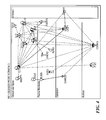
Classifications
-
- C—CHEMISTRY; METALLURGY
- C12—BIOCHEMISTRY; BEER; SPIRITS; WINE; VINEGAR; MICROBIOLOGY; ENZYMOLOGY; MUTATION OR GENETIC ENGINEERING
- C12Q—MEASURING OR TESTING PROCESSES INVOLVING ENZYMES, NUCLEIC ACIDS OR MICROORGANISMS; COMPOSITIONS OR TEST PAPERS THEREFOR; PROCESSES OF PREPARING SUCH COMPOSITIONS; CONDITION-RESPONSIVE CONTROL IN MICROBIOLOGICAL OR ENZYMOLOGICAL PROCESSES
- C12Q1/00—Measuring or testing processes involving enzymes, nucleic acids or microorganisms; Compositions therefor; Processes of preparing such compositions
- C12Q1/68—Measuring or testing processes involving enzymes, nucleic acids or microorganisms; Compositions therefor; Processes of preparing such compositions involving nucleic acids
- C12Q1/6876—Nucleic acid products used in the analysis of nucleic acids, e.g. primers or probes
- C12Q1/6883—Nucleic acid products used in the analysis of nucleic acids, e.g. primers or probes for diseases caused by alterations of genetic material
-
- A—HUMAN NECESSITIES
- A61—MEDICAL OR VETERINARY SCIENCE; HYGIENE
- A61P—SPECIFIC THERAPEUTIC ACTIVITY OF CHEMICAL COMPOUNDS OR MEDICINAL PREPARATIONS
- A61P43/00—Drugs for specific purposes, not provided for in groups A61P1/00-A61P41/00
-
- A—HUMAN NECESSITIES
- A61—MEDICAL OR VETERINARY SCIENCE; HYGIENE
- A61P—SPECIFIC THERAPEUTIC ACTIVITY OF CHEMICAL COMPOUNDS OR MEDICINAL PREPARATIONS
- A61P9/00—Drugs for disorders of the cardiovascular system
-
- C—CHEMISTRY; METALLURGY
- C12—BIOCHEMISTRY; BEER; SPIRITS; WINE; VINEGAR; MICROBIOLOGY; ENZYMOLOGY; MUTATION OR GENETIC ENGINEERING
- C12Q—MEASURING OR TESTING PROCESSES INVOLVING ENZYMES, NUCLEIC ACIDS OR MICROORGANISMS; COMPOSITIONS OR TEST PAPERS THEREFOR; PROCESSES OF PREPARING SUCH COMPOSITIONS; CONDITION-RESPONSIVE CONTROL IN MICROBIOLOGICAL OR ENZYMOLOGICAL PROCESSES
- C12Q2600/00—Oligonucleotides characterized by their use
- C12Q2600/118—Prognosis of disease development
-
- C—CHEMISTRY; METALLURGY
- C12—BIOCHEMISTRY; BEER; SPIRITS; WINE; VINEGAR; MICROBIOLOGY; ENZYMOLOGY; MUTATION OR GENETIC ENGINEERING
- C12Q—MEASURING OR TESTING PROCESSES INVOLVING ENZYMES, NUCLEIC ACIDS OR MICROORGANISMS; COMPOSITIONS OR TEST PAPERS THEREFOR; PROCESSES OF PREPARING SUCH COMPOSITIONS; CONDITION-RESPONSIVE CONTROL IN MICROBIOLOGICAL OR ENZYMOLOGICAL PROCESSES
- C12Q2600/00—Oligonucleotides characterized by their use
- C12Q2600/136—Screening for pharmacological compounds
-
- C—CHEMISTRY; METALLURGY
- C12—BIOCHEMISTRY; BEER; SPIRITS; WINE; VINEGAR; MICROBIOLOGY; ENZYMOLOGY; MUTATION OR GENETIC ENGINEERING
- C12Q—MEASURING OR TESTING PROCESSES INVOLVING ENZYMES, NUCLEIC ACIDS OR MICROORGANISMS; COMPOSITIONS OR TEST PAPERS THEREFOR; PROCESSES OF PREPARING SUCH COMPOSITIONS; CONDITION-RESPONSIVE CONTROL IN MICROBIOLOGICAL OR ENZYMOLOGICAL PROCESSES
- C12Q2600/00—Oligonucleotides characterized by their use
- C12Q2600/156—Polymorphic or mutational markers
-
- C—CHEMISTRY; METALLURGY
- C12—BIOCHEMISTRY; BEER; SPIRITS; WINE; VINEGAR; MICROBIOLOGY; ENZYMOLOGY; MUTATION OR GENETIC ENGINEERING
- C12Q—MEASURING OR TESTING PROCESSES INVOLVING ENZYMES, NUCLEIC ACIDS OR MICROORGANISMS; COMPOSITIONS OR TEST PAPERS THEREFOR; PROCESSES OF PREPARING SUCH COMPOSITIONS; CONDITION-RESPONSIVE CONTROL IN MICROBIOLOGICAL OR ENZYMOLOGICAL PROCESSES
- C12Q2600/00—Oligonucleotides characterized by their use
- C12Q2600/172—Haplotypes
Definitions
- the present invention relates to the fields of medicine, cell biology, molecular biology and genetics. More particularly, the invention relates to methods of diagnosis and treatment of Kawasaki Disease.
- Kawasaki disease (KD, MIM:611775) is a common inflammatory vasculitis predominantly affecting young children. It is characterized by a striking propensity for coronary artery damage, which occurs in approximately 25% of untreated and 3-5% of treated children.
- Kawasaki Disease is the commonest cause of heart disease acquired in childhood in developed countries and in those who manifest coronary artery damage, Kawasaki Disease may be associated with increased likelihood of later atherosclerotic damage.
- the long-term cardiovascular implications of Kawasaki Disease in those without overt coronary artery lesions are unclear.
- the etiology of Kawasaki Disease is unknown, but it is thought to reflect an abnormal and sustained immunological response to one or more infectious triggers in genetically susceptible individuals. No consistent etiologic agent for Kawasaki Disease has been identified, hampering accurate and timely diagnosis and the development of optimal management strategies.
- Kawasaki Disease varies markedly in different ethnic groups, with the highest incidence in North East Asian populations; Kawasaki Disease affects approximately 1 in 150 Japanese children and is responsible for 1-2% of all pediatric hospital admissions in South Korea. There are strong epidemiologic data to support a substantial genetic contribution to Kawasaki Disease susceptibility.
- the Japanese incidence (135-200/100 000 ⁇ 5 years of age) is 10-15 times greater than the Caucasian incidence (9-17/100 000 ⁇ 5 years of age) and this difference is maintained in American children of Japanese descent resident in the US.
- Other Asian populations in the UK (Harnden et al, unpublished data) and the US also show significantly higher incidence than non-Asians residing in the same geographic location.
- Kawasaki Disease occurs in family members at different times and geographic locations. Across all populations Kawasaki Disease is approximately 1.6 times more common in males. The sibling risk ratio for Kawasaki Disease in the Japanese is approximately 10 during an epidemic and 6 overall. Kawasaki Disease is over twice as common in the children of parents who themselves had Kawasaki Disease in childhood, with multi-generational pedigrees often having more than one child affected, earlier age of onset and a more severe phenotype.
- the present invention is based on a genome-wide association study (GWAS) to identify novel loci that might mediate susceptibility to Kawasaki Disease. This is described in detail in the Examples.
- GWAS genome-wide association study
- the molecule may comprise any one or more of the following: (a) CACNA2D3; (b) CAMK2D; (c) KCNIP4; (d) ANGPT1; (e) NAALADL2; (f) ZFHX3; (g) MPHOSPH10.
- the molecule may also comprise (h) a sequence having at least 90% sequence identity to any of (a) to (g). It may comprise (i) a modulator of any of (a) to (e).
- the molecule may, for example, be in the form of a pharmaceutical composition comprising the molecule together with a pharmaceutically acceptable excipient, carrier or diluent.
- the molecule may comprise an antagonist of CACNA2D3.
- the antagonise of CACNA2D3 may comprise Pregabalin ((3S)-3-(aminomethyl)-5-methyl-hexanoic acid).
- the method may preferably comprise administering the antagonist of CACNA2D3 to an individual.
- the method may comprise determining if a candidate molecule is an agonist or antagonist of a polypeptide.
- the polypeptide may be selected from the group consisting of: (a) CACNA2D3; (b) CAMK2D; (c) KCNIP4; (d) ANGPT1; (e) NAALADL2; (f) ZFHX3; (g) MPHOSPH10; and (h) a sequence having at least 90% sequence identity to any of (a) to (g).
- the method may comprise exposing the candidate molecule to the polypeptide, or a cell expressing the polypeptide, in order to determine if the candidate molecule is a modulator thereof.
- the method may comprise administering a candidate molecule to an animal, such as a rodent, for example a mouse, suffering from Kawasaki Disease and determining whether the animal exhibits an alleviated symptom of Kawasaki Disease.
- a molecule or modulator of a polypeptide identified by a method set out above may be for use in the treatment of Kawasaki Disease.
- Pregabalin ((3S)-3-(aminomethyl)-5-methyl-hexanoic acid) for use in the treatment or prevention of Kawasaki Disease in an individual.
- the present invention in a 6 th aspect, provides use of a molecule as identified for the preparation of a pharmaceutical composition for the treatment of Kawasaki Disease in an individual.
- a pharmaceutical composition for the treatment or prevention of Kawasaki Disease in an individual may comprise Pregabalin ((3S)-3-(aminomethyl)-5-methyl-hexanoic acid) together with a pharmaceutically acceptable excipient, carrier or diluent.
- Pregabalin ((3S)-3-(aminomethyl)-5-methyl-hexanoic acid) together with a pharmaceutically acceptable excipient, carrier or diluent.
- the method may comprise (a) detecting a polymorphism in or around a gene selected from NAALADL2, ANGPT1 and ZFHX3 or a sequence having at least 90% sequence identity thereto.
- the method may comprise (b) detecting a single nucleotide polymorphism (SNP) selected from the group consisting of: rs17531088, rs1010824, rs6469101, rs7199343, rs10852516 and rs11075953 as set out in Table 2 or Table S1.
- SNP single nucleotide polymorphism
- the method may comprise (c) detecting a haplotype in or around a gene selected from MPHOSPH10, RBMS1 and LOC441938 or a sequence having at least 90% sequence identity thereto.
- the method may comprise (d) detecting a haplotype selected from the group consisting of: rs7558220, rs357752; and rs7558220, rs357752, rs1458868, rs357729 and rs11674899 as set out in Table 2 or Table S2.
- the method may comprise (e) any combination of (a) to (d) above.
- the method may comprise any one or more of the following features.
- the method may comprise (a) detecting a plurality of polymorphisms, such as 5 or more polymorphisms, for example all the polymorphisms such as single nucleotide polymorphisms (SNPs) as specified in (b) above.
- the method may comprise (b) detecting a plurality of haplotypes, such as 5 or more haplotypes, for example all the haplotypes as specified in (d) above.
- the method may comprise (c) detecting a plurality of genes, polypeptides encoded by the genes or markers.
- the method may comprise (d) generating a polymorphism profile, a haplotype profile or an expression profile of a plurality of genes.
- the method may comprise (e) detecting, or deriving a profile from, a gene, polypeptide encoded by a gene, marker, polymorphism or haplotype, by microarray hybridisation such as hybridisation to an Affymetrix microarray, or by real time polymerase chain reaction (RT-PCR).
- the method may comprise (f) performing a computer implemented method comprising processing expression or polymorphism data for one or more genes, polypeptides encoded by the genes, markers, polymorphisms or haplotypes set out above in a computer.
- the method may comprise detecting expression, such as a change in the expression pattern or level, of a gene comprising NAALADL2 or CAMK2D, or a polypeptide encoded by such a gene or a sequence having at least 90% sequence identity thereto.
- the diagnostic kit may comprise any one or more of the following. It may comprise a molecule capable of binding to a polypeptide (a) CACNA2D3; (b) CAMK2D; (c) KCNIP4; (d) ANGPT1; (e) NAALADL2; (f) ZFHX3; (g) MPHOSPH10 or a sequence having at least 90% sequence identity thereto.
- the molecule may comprise an antibody.
- the diagnostic kit may comprise a nucleic acid capable of encoding such.
- the diagnostic kit may comprise a nucleic acid capable of binding to a nucleic acid selected from the group consisting of: (a) CACNA2D3; (b) CAMK2D; (c) KCNIP4; (d) ANGPT1; (e) NAALADL2; (f) ZFHX3; (g) MPHOSPH10 or a sequence having at least 90% sequence identity thereto.
- the nucleic acid may be one which is capable of discriminating between polymorphisms for example by being capable of binding to one polymorphism at a particular location, but not capable of binding to another polymorphism at that location.
- a data carrier comprising information set out in (a) to (d) above.
- the method may further comprise detecting or modulating a gene, polypeptide encoded by a gene, marker, polymorphism or haplotype shown in Table 2, Table 3, Table 4, Table S1, Table S2, Figure 3 or Figure 4 or a sequence having at least 90% sequence identity thereto
- a method for the treatment or prevention of Kawasaki Disease in an individual comprises modulating the expression of a gene selected from the group consisting of: (a) CACNA2D3; (b) CAMK2D; (c) KCNIP4; (d) ANGPT1; (e) NAALADL2; (f) ZFHX3; (g) MPHOSPH10 or a sequence having at least 90% sequence identity thereto, or the amount or activity of a polypeptide encoded by such a gene.
- a gene selected from the group consisting of: (a) CACNA2D3; (b) CAMK2D; (c) KCNIP4; (d) ANGPT1; (e) NAALADL2; (f) ZFHX3; (g) MPHOSPH10 or a sequence having at least 90% sequence identity thereto, or the amount or activity of a polypeptide encoded by such a gene.
- the method may comprise administering a therapeutically effective amount of Pregabalin ((3S)-3-(aminomethyl)-5-methyl-hexanoic acid), a compound similar in structure to, a compound functionally equivalent to, a chemical derivative of, a chemical modification of, a substituted, a pharmaceutically acceptable salt of, a polymorphic form of, an isotopic variation of, a prodrug of, a pro-moiety of or a salt of Pregabalin, to an individual.
- Pregabalin ((3S)-3-(aminomethyl)-5-methyl-hexanoic acid)
- the present invention is based on the demonstration that certain genes comprise genetic determinants of Kawasaki Disease susceptibility.
- GWAS genome wide association study
- Kawasaki Disease comprises detecting a polymorphism in or around a gene selected from NAALADL2, ANGPT1 and ZFHX3 or a sequence having at least 90% sequence identity thereto.
- the method comprises detecting a single nucleotide polymorphism (SNP) selected from the group consisting of: rs17531088, rs1010824, rs6469101, rs7199343, rs10852516 and rs11075953 as set out in Table 2 or Table S 1.
- SNP single nucleotide polymorphism
- a method for the diagnosis or detection of Kawasaki Disease in which the method comprises detecting a haplotype in or around a gene selected from MPHOSPH10, RBMS1 and LOC441938 or a sequence having at least 90% sequence identity thereto.
- Such a method may comprise detecting a haplotype selected from the group consisting of: rs7558220, rs357752; and rs7558220, rs357752, rs1458868, rs357729 and rs11674899 as set out in Table 2 or Table S2.
- Detection of expression of any of the above genes including those in Table 2, Table 3, Table 4, Table S1, Table S2, Figure 3 or Figure 4 or a sequence having at least 90% sequence identity thereto, such as detection of modulation of expression of such genes, may be used for the diagnosis or detection of Kawasaki Disease.
- ZFHX3 encodes a large enhancer-binding transcription factor that is known to be polymorphic.
- 25 ZFHX3 interacts with PIAS3 (protein inhibitor of activated STAT) that inhibits STAT3 (signal transducer and activator of transcription-3).
- PIAS3 protein inhibitor of activated STAT
- STAT3 signal transducer and activator of transcription-3
- 26 STAT3 is activated by interleukin 6 (IL-6) a pro-inflammatory cytokine that involved in the early innate inflammatory response and in Kawasaki Disease pathogenesis.
- ZFHX3 as the term is used in this document should be understood to refer to a nucleic acid sequence having GenBank Accession number N_006885.3 or a polypeptide sequence having GenBank Accession number NP_008816.3, as the case may be. Homologues, fragments, variants and derivatives of each of these sequences are also included, as explained below.
- ZFHX3 is also known as Zinc Finger Homeobox 3, At Motif-Binding Factor 1; Atbfl, At-Binding Transcription Factor I and Alpha-Fetoprotein Enhancer-Binding Protein.
- the chromosomal location of ZFHX3 is at gene map locus 16q22.3-q23.1.
- Tissue-specific expression of the human alpha-fetoprotein (AFP) gene is strongly stimulated by an enhancer present 3.3 to 4.9 kb upstream of the transcription initiation site.
- One of the enhancer elements contains an AT-rich core sequence (AT motif).
- AT motif AT-rich core sequence
- Morinaga et al. (1991) screened a hepatoma cDNA expression library with an AFP enhancer fragment that bore the AT motif. They succeeded in isolating a cDNA that can code for an AT motif-binding factor, which they termed ATBF1. This was the largest DNA-binding protein identified to that time and the first protein shown to contain multiple homeodomains and multiple zinc finger motifs. The protein had a predicted mass of 306 kD and contained 4 homeodomains and 17 zinc finger motifs.
- Yamada et al. (1995) mapped the ATBF1 gene to 16q22.3-q23.1.
- Yamada et al. (1996) used fluorescence in situ hybridization to assign the Atbf1 gene to mouse chromosome 8E1.
- ANGPT1 Two associated SNPs are located in the 3'UTR of ANGPT1 , which encodes angiopoietin-1 (ANGPT1).
- ANGPT1 showed significant down-regulated expression during acute Kawasaki Disease.
- ANGPT1 is an angiogenic mediator with important functions in vascular development; Angpt 1-/- knockout mice have dilated vessels that are structurally abnormal and prone to rupture 28 ; coronary artery dilatation is the hallmark of Kawasaki Disease and giant coronary aneurysms may rupture. 29 In mature blood vessels ANGPT1 maintains the integrity of vascular endothelium, suppressing plasma leakage, inhibiting vascular inflammation and preventing endothelial cell apoptosis.
- vascular leakage is strongly predictive of coronary artery damage and poor outcome.
- 30 ANGPT1 and other angiogenic mediators such as ANGPT2 and vascular endothelial growth factor (VEGF) are central to angiogenesis, although their exact roles are unclear.
- ANGPT1 as the term is used in this document should be understood to refer to a nucleic acid sequence having GenBank Accession number NM_001146.3 or a polypeptide sequence having GenBank Accession number NP_001137.2, as the case may be. Homologues, fragments, variants and derivatives of each of these sequences are also included, as explained below.
- ANGPT1 is also known as Angiopoietin 1.
- the chromosomal location of ANGPT1 is at gene map locus 8q22.
- TIE2 (TEK; 600221) is a receptor-like tyrosine kinase expressed almost exclusively in endothelial cells and early hematopoietic cells and required for the normal development of vascular structures during embryogenesis. Davis et al. (1996) identified a secreted ligand for TIE2, termed angiopoietin-1, using a novel expression cloning technique that involved intracellular trapping and protection of the ligand in COS cells. The human gene encodes a 498-amino acid polypeptide with predicted coiled-coil and fibrinogen-like domains.
- angiopoietin-1 differs from that of known angiogenic factors or other ligands for receptor tyrosine kinases. Although angiopoietin-1 bound and induced the tyrosine phosphorylation of TIE2, it did not directly promote the growth of cultured endothelial cells. However, its expression and close proximity to developing blood vessels implicated angiopoietin-1 in endothelial developmental processes. See also angiopoietin-2 (601922).
- VEGF vascular endothelial growth factor
- angiopoietin-1 was antiapoptotic for cultured endothelial cells and expression of its antagonist angiopoietin-2 was induced in the endothelium of co-opted tumor vessels before their regression.
- angiopoietin-1 expression in human tumors resembled that seen in the rat model.
- Holash et al. (1999) suggested that a subset of tumors rapidly co-opts existing host vessels to form an initially well vascularized tumor mass. Perhaps as part of a host defense mechanism there is widespread regression of these initially co-opted vessels, leading to a secondarily avascular tumor and a massive tumor cell loss. However, the remaining tumor is ultimately rescued by robust angiogenesis at the tumor margin.
- HSCs hematopoietic stem cells
- stem cell niches Interaction of hematopoietic stem cells (HSCs) with their particular microenvironments, known as stem cell niches, is critical for adult hematopoiesis in bone marrow.
- TIE2 with its ligand, ANG 1, induced cobblestone formation of HSCs in vitro and maintained in vivo long-term repopulating activity of HSCs.
- ANG I enhanced the ability of HSCs to become quiescent and induced adhesion to bone, resulting in protection of the HSC compartment from myelosuppressive stress.
- ANGPT1 gene contains 9 exons and spans 48.3 kb. Exons 1 to 5 encode the N terminus, the coiled-coil domain, and part of the hinge region, and exons 5 to 9 encode the remainder of the hinge region, the fibrinogen (see 134820)-like domain, and the C terminus.
- mice engineered to lack angiopoietin-1 display angiogenic defects reminiscent of those previously seen in mice lacking Tie2, demonstrating that angiopoietin-1 is a primary physiologic ligand for Tie2 and that it has critical in vivo angiogenic actions that are distinct from vascular endothelial growth factor (VEGF; 192240) and that are not reflected in the classic in vitro assays used to characterize VEGF.
- VEGF vascular endothelial growth factor
- Thurston et al. (1999) compared transgenic mice overexpressing either Vegf or Ang1 in the skin. Vegf-induced blood vessels were leaky, whereas those induced by Ang1 were not. Moreover, vessels in Ang1-overexpressing mice were resistant to leaks caused by inflammatory agents. Coexpression of Ang1 and Vegf had an additive effect on angiogenesis but resulted in leakage-resistant vessels typical of Ang1. Thurston et al. (1999) concluded that ANG1, therefore, may be useful for reducing microvascular leakage in diseases in which the leakage results from chronic inflammation or elevated VEFG and, in combination with VEGF, for promoting growth of nonleaky vessels.
- NAALADL2 The functions of other genes identified by associated SNPs and haplotypes are less well understood.
- the most significantly associated gene ( NAALADL2 ), which also showed the greatest change in expression between acute and convalescent Kawasaki Disease, is a very large gene of 32 exons spanning 1.37Mb.
- NAALADL2 undergoes extensive alternative splicing leading to multiple 5' and 3' untranslated regions and variable coding sequences. Its function is largely unknown. 34
- NAALADL2 as the term is used in this document should be understood to refer to a nucleic acid sequence having GenBank Accession number NM_207015.2 or a polypeptide sequence having GenBank Accession number NP_996898.2 , as the case may be. Homologues, fragments, variants and derivatives of each of these sequences are also included, as explained below.
- NAALADL2 is also known as N-Acetylated Alpha-Linked Acidic Dipeptidase-Like 2.
- the chromosomal location of NAALADL2 is at gene map locus 3q26.3.
- N-acetylated alpha-linked acidic dipeptidase-like-2 (NAALADL2).
- Northern blot analysis identified up to 6 different transcripts in the 1- to 10-kb range with strongest expression in kidney and placenta; embryonic expression was largely confined to duodenal and stomach endoderm, mesonephros, metanephros, and pancreas.
- Transcript analysis identified extensive alternative splicing leading to multiple 5-prime and 3-prime untranslated regions and variable coding sequences.
- N-terminal regions with at least 4 alternative initiating methionine codons
- differential protein truncation/use of alternative C-terminal sequences attributable to alternative splicing/polyadenylation outside the N-terminal regions, the predicted proteins showed significant homology to N-acetylated alpha-linked acidic dipeptidase and transferrin receptors.
- Full-length NAALADL2 encodes a deduced 795-amino acid protein which shares 74% sequence identity with the mouse ortholog.
- Tonkin et al. performed mutation screening of the NAALADL2 gene but failed to identify patient-specific mutations.
- KCNIP4 voltage-dependent potassium (Kv) channel interacting protein 4, KChIP-4, encodes one of a family of potassium channel-interacting proteins that are expressed predominantly in the heart and brain. It interacts with A-type potassium channels and modulates neuronal excitability in response to changes in intracellular calcium. 35 KCNIP proteins bind cardiotoxins. 36 In vitro cultured cardiomyocytes exposed to TNF have significantly down-regulated Kv4.2 and KChIP-2 expression, which has been suggested as a mechanism of electrical remodeling of cardiomyocytes under inflammatory conditions 37 and cardiac arrythmias are reported in acute Kawasaki Disease. 38
- KCNIP4 as the term is used in this document should be understood to refer to a nucleic acid sequence having GenBank Accession number NM_001035003.1or a polypeptide sequence having GenBank Accession number NP_001030175.1, as the case may be. Homologues, fragments, variants and derivatives of each of these sequences are also included, as explained below.
- KCNIP4 is also known as Potassium Channel-Interacting Protein 4, Kchip4, Calsenilin-Like Protein; CALP.
- the chromosomal location of KCNIP4 is at gene map locus 4p15.3.
- K channel-interacting proteins such as KCNIP4, specifically modulate the activity of Kv4 A-type potassium channels (see KCND1; 300281).
- Kv4 A-type channels contribute to the frequency of slow repetitive firing and back-propagation of action potentials in neurons and shape the action potential in heart (Holmqvist et al., 2002).
- Kchip4 Holmqvist et al. (2002) cloned mouse Kcnip4, which they designated Kchip4.
- KCNIP4 splice variants that differ from each other mostly in the N-terminal domain.
- Human and mouse variants that include an N-terminal 34-amino acid K channel inactivation suppressor (KIS) domain share 100% amino acid identity.
- Northern blot analysis of rat tissues detected Kcnip4 expression in brain, but not in heart or any other tissue examined.
- RT-PCR of mouse tissues detected expression of 2 splice variants in brain, but not in atrium or ventricle.
- KCNIP4 Using the C terminus of presenilin-2 (PS2; 600759) as bait in a yeast 2-hybrid screen, followed by library screening and PCR of a brain cDNA library, Morohashi et al. (2002) cloned 2 splice variants of KCNIP4, which they designated CALP.
- PS2 presenilin-2
- 600759 a yeast 2-hybrid screen
- One variant encodes a 216-amino acid protein
- the other encodes a 250-amino acid protein with an N-terminal insert.
- the N-terminal sequence of KCNIP4 diverges from the N termini of other KCNIP proteins, but its C terminus shares 79.6% and 77.6% identity with the C termini of KCNIP2 (604661) and KCNIP3 (CSEN; 604662), respectively.
- Kcnip4 increased the open probability of single Kv4.3 channels.
- Kv4.3 current showed mixed inactivation profiles depending on the Kcnip4/Kcnip1 ratios.
- the KIS domain converted the A-type Kv4 current to a slowly inactivating delayed rectifier-type potassium current.
- KCNIP4 interacts with the C termini of PS2 and PS1 (104311).
- Ca(2+) overlay assay they determined that the EF-hand motif of KCNIP4 binds calcium.
- mutation analysis and coimmunoprecipitation experiments they showed that the EF-hand motif mediates the interaction between KCNIP4 and rat Kv4.
- Overexpression of KCNIP4 did not alter the metabolism or stability of PS, but overexpression of KCNIP4 with rat Kv4.2 (KCND2; 605410) reconstituted the features of A-type K+ currents.
- CACNA2D3 and CAMK2D are two genes associated with MYC and NFYB and are particularly appealing candidates in Kawasaki Disease.
- CACNA2D3 (calcium channel, voltage-dependent, alpha 2/delta 3 subunit), is expressed in the heart and may bind plasma ligands such as cytokines and lead to calcium signaling 45
- CAMK2D calcium/calmodulin-dependent protein kinase (CaM kinase) II delta
- CaM kinase II delta calcium/calmodulin-dependent protein kinase
- CAMK2D is involved in regulation of class II histone deacetylases, which are repressors of cardiac hypertrophy, suggesting broad roles in signaling pathways within the heart. 46 In addition, CAMK2D regulates endotoxin- and TNF-mediated apopotosis in human promonocytic cells 47 and delayed apoptosis of leukocytes is characteristic of acute Kawasaki Disease and may contribute to pathogenesis. 48
- LNX1 ligand of numb-protein X 1
- NUMBL numb homolog (Drosophila)-like
- CAMK2D interacts with LNX1 (ligand of numb-protein X 1), which act as scaffolds for the NUMB family of proteins, including NUMBL (numb homolog (Drosophila)-like), whose gene interestingly lies in the same small haplotype block recently associated with Kawasaki Disease susceptibility by a linkage study.
- LNX1 binds the Coxsackievirus and adenovirus receptor (CAR).
- CAR is the receptor for coxsackievirus B3, which causes myocarditis in humans and which can be prevented in animal models by antagonizing viral binding to CAR.
- Coxsackievirus B3 has also been implicated in acute myocardial infarction. 52
- the human endogenous retrovirus K protein Np9 also interacts with LNX1 53 and therefore a number of viruses may theoretically bind the NUMB/CAR/LNX1 complex, leading to internalization and CAMK2D activity. This suggests a possible mechanism where more than one infectious trigger may result in cardiovascular damage in Kawasaki Disease in genetically susceptible individuals.
- CACNA2D3 as the term is used in this document should be understood to refer to a nucleic acid sequence having GenBank Accession number NM_018398.2or a polypeptide sequence having GenBank Accession number NP_060868.2, as the case may be. Homologues, fragments, variants and derivatives of each of these sequences are also included, as explained below.
- CACNA2D3 is also known as Calcium Channel, Voltage-Dependent, Alpha-2/Delta Subunit 3.
- the chromosomal location of CACNA2D3 is at gene map locus 3p21.1.
- chromosome 3p Deletion of chromosome 3p is the most frequent genetic change in sporadic and von Hippel-Lindau disease (VHL; 193300)-associated conventional renal cell carcinomas (RCCs).
- VHL von Hippel-Lindau disease
- RCCs conventional renal cell carcinomas
- LOH heterozygosity
- the predicted 997-amino acid protein has significant homology to mouse Cacna2d3 but lacks the N-terminal 44 amino acids of the mouse protein.
- RT-PCR analysis detected CACNA2D3 expression in all fetal tissues and most adult tumors tested. The authors found that the LOH involved exclusively intronic sequences.
- CAMK2D as the term is used in this document should be understood to refer to a nucleic acid sequence haying GenBank Accession number NM_001221.3or a polypeptide sequence having GenBank Accession number NP_001212.2, as the case may be. Homologues, fragments, variants and derivatives of each of these sequences are also included, as explained below.
- CAMK2D is also known as Calcium/Calmodulin-Dependent Protein Kinase II-Delta.
- the chromosomal location of CAMK2D is at gene map locus Chr.4.
- CAMK2D belongs to a family of type II multifunctional calcium- and calmodulin (see 114180)-dependent protein kinases. There are at least 4 CAMK2 genes, and each can yield several isoforms through alternative splicing. CAMK2 isoforms assemble into homo- or heteromultimeric holoenzymes composed of 8 to 12 subunits.
- CAMK2D variant that was the predominant CAMK2 clone found in a screen of several human tumor cell line and brain cDNA libraries. This variant was expressed in every nonneuronal cell line examined, regardless of malignant status. Another CAMK2D variant was expressed exclusively in rodent and human cerebral cortex.
- the International Radiation Hybrid Mapping Consortium mapped the CAMK2D gene to chromosome 4 (SHGC-8542).
- Zhang et al. (2005) developed a mouse model of cardiac Camk2 inhibition and demonstrated substantial prevention of maladaptive remodeling from excessive beta-adrenergic receptor (see 109630) stimulation and myocardial infarction, and induction of balanced changes in excitation-contraction coupling that preserved baseline and beta-adrenergic receptor-stimulated physiologic increases in cardiac function.
- Zhang et al. (2005) concluded that CAMK2 is a determinant of clinically important heart disease phenotypes.
- MPHOSPH 10 as the term is used in this document should be understood to refer to a nucleic acid sequence having GenBank Accession number NM_005791.1or a polypeptide sequence having GenBank Accession number NP_005782.1, as the case may be. Homologues, fragments, variants and derivatives of each of these sequences are also included, as explained below.
- MPHOSPH10 is also known as M-Phase Phosphoprotein 10 or MPP10.
- M phase-promoting factor M phase-promoting factor
- MPF M phase-promoting factor
- M-phase cytosol containing the relevant kinases By treating bacterial expression libraries with M-phase cytosol containing the relevant kinases in the presence of a phosphatase inhibitor, followed by immunoscreening with MPM2 antibody, Matsumoto-Taniura et al. (1996) isolated cDNAs for a number of MPHOSPHs, including MPHOSPH10, which they called MPP10. Immunoblot analysis showed that when phosphorylated, MPHOSPH10 is expressed as a 120-kD protein in M-phase cells. Immunofluorescence microscopy localized MPHOSPH10 in the nucleus, almost entirely in nucleoli, in interphase. In mitotic cells, MPHOSPH10 adhered to chromosomes in a manner similar to fibrillarin (FBL; 134795).
- RBMS1 is RNA binding motif, single stranded interacting protein 1 isoform c.
- "RBMS1" as the term is used in this document should be understood to refer to a nucleic acid sequence having GenBank Accession number NM_002897.4 or a polypeptide sequence having GenBank Accession number NP_002888.1, as the case may be. Homologues, fragments, variants and derivatives of each of these sequences are also included, as explained below.
- LOC441938 is similar to signal-regulatory protein beta 1.
- LOC441938 as the term is used in this document should be understood to refer to a sequence having GenBank Accession number NC_000002 (range 1664616..1593952) or NT_011387.8 (range 1656616..1585952). Homologues, fragments, variants and derivatives of each of these sequences are also included, as explained below.
- the antagonise of CACNA2D3 may comprise Pregabalin ((3S)-3-(aminomethyl)-5-methyl-hexanoic acid).
- the method may preferably comprise administering the antagonist of CACNA2D3 to an individual.
- Pregabalin which is (3S)-3-(aminomethyl)-5-methyl-hexanoic acid
- 148553-50-8 3-isobutyl GABA, CI-1008, hexanoic acid, 3-(aminomethyl)-5-methyl-, (3S)-, hexanoic acid, 3-(aminomethyl)-5-methyl-, (S)-, PD 144723 and S-(+)-3-isobutylgaba. It is commercially available under the name "Lyrica”.
- Pregabalin has the systematic name hexanoic acid, 3-(aminomethyl)-5-methyl-, (3S)-. Its IUPAC name is (3S)-3-(aminomethyl)-5-methyl-hexanoic acid.
- the PubChem Link for Pregabalin is 5486971.
- Pregabalin is thought to be involved in allodynia.
- Therapeutic categories for Pregabalin are antiepileptic drug; non-narcotic analgesic.
- Indication (Status) for Pregabalin include fibromyalgia (Phase III) , HIV infection (Phase III) , osteoarthritis (Phase III) , pain (Phase III) , partial seizure (Approved) , peripheral neuropathy (Phase III) , postherpetic neuralgia (Approved), seizures (Phase III).
- the Target (Action) is thought to be CACNA2D1 (binder) , CACNA2D2 (binder) , CACNA2D3 (binder) , CACNA2D4 (binder).
- Pregabalin should be treated as including a compound similar in structure to, a compound functionally equivalent to, a chemical derivative of, a chemical modification of, a substituted, a pharmaceutically acceptable salt of, a polymorphic form of, an isotopic variation of, a prodrug of, a pro-moiety of or a salt of Pregabalin.
- Pregabalin may be obtained commercially as Lyrica (Pfizer, Inc). It may be produced by a number of methods known in the art, for example chemical synthesis as described in US Patent 6,127,418 . US Patent 6891059 describes a method of asymmetric synthesis of pregabalin.
- Kawasaki disease also known as lymph node syndrome, mucocutaneous node disease, infantile polyarteritis and Kawasaki syndrome
- Kawasaki syndrome is an inflammation (vasculitis) of the middle-sized arteries. It affects many organs, including the skin, mucous membranes, lymph nodes, and blood vessel walls, but the most serious effect is on the heart where it can cause severe aneurysmal dilations.
- mortality may approach 1%, usually within 6 weeks of onset. With treatment, mortality is ⁇ 0.01% in the U.S.[1]
- the conjunctival and oral mucosa, along with the epidermis (skin) become erythmatous (red and inflammed). Edema is often seen in the hands and feet and the cervical lymph nodes are often enlarged. Also, some degree of fever is often noted. Twenty percent of children affected have cardiovascular sequelae.
- Kawasaki disease occurs in Japan (175 per 100,000), though its incidence in the United States is increasing.
- Kawasaki disease is predominantly a disease of young children, with 80% of patients younger than 5 years of age. The disease affects boys more than girls. Approximately 2000-4000 cases are identified in the United States each year. [3] [4]
- Kawasaki disease can cause vasculitic changes (inflammation of blood vessels) in the coronary arteries and subsequent coronary artery aneurysms. These aneurysms can lead to myocardial infarction (heart attack) even in young children.
- Kawasaki disease and rheumatic fever are most common causes of acquired heart disease among children in the United States.[3][4]
- Kawasaki disease often begins with a high and persistent fever that is not very responsive to normal doses of paracetamol (acetaminophen) or ibuprofen.
- the fever may persist steadily for up to two weeks and is normally accompanied by irritability.
- Affected children develop red eyes, red mucous membranes in the mouth, red cracked lips, a "strawberry tongue",[12] ulceris, keratic precipitates (detectable by an ophthalmologist but usually too small to be seen by the unaided eye), and swollen lymph nodes. Skin rashes occur early in the disease, and peeling of the skin in the genital area, hands, and feet (especially around the nails and on the palms and soles) may occur in later phases.
- High-grade fever (greater than 39 °C or 102 °F; often as high as 40 °C or 104 °F) that normally lasts for more than 5 days if left untreated.
- Kawasaki disease can only be diagnosed clinically (by medical signs and symptoms), as there exists no specific laboratory test that can tell if someone has it. It is normally difficult to establish the diagnosis, especially early in the course of illness, and frequently children are not diagnosed until they have seen their doctor several times, or visited a number of different health care providers. Many other serious illnesses can cause similar symptoms, and must be considered in the differential diagnosis, including scarlet fever, toxic shock syndrome, and juvenile idiopathic arthritis.
- the criteria are: (1) erythema of the lips or oral cavity or cracking of the lips; (2) rash on the trunk; (3) swelling or erythema of the hands or feet; (4) red eyes (conjunctival injection) (5) swollen lymph node in the neck of at least 15 millimeters.
- Kawasaki disease Many children, especially infants, eventually diagnosed with Kawasaki disease do not exhibit all of the above criteria. In fact, many experts now recommend treating for Kawasaki disease even if only three days of fever have passed and at least three diagnostic criteria are present, especially if other tests reveal abnormalities consistent with Kawasaki disease. In addition, the diagnosis can be made purely by the detection of coronary artery aneurysms in the proper clinical setting.
- IVIG Intravenous immunoglobulin
- Salicylate therapy particularly aspirin, remains an important part of the treatment (though questioned by some)[15] but salicylates alone are not as effective as Intravenous immunoglobulin.
- Aspirin therapy is started at high doses until the fever subsides, and then is continued at a low dose when the patient returns home, usually for 2 months to prevent blood clots from forming. Except for Kawasaki disease and a few other indications, aspirin is otherwise normally not recommended for children due to its association with Reye's syndrome.
- Corticosteroids have also been used,[16] especially when other treatments fail or symptoms recur, but in a randomized controlled trial, the addition of corticosteroid to immune globulin and aspirin did not improve outcome. [17]
- CACNA2D3, CAMK2D, KCNIP4, ANGPT1, NAALADL2, ZFHX3 and MPHOSPH10 polypeptides which are described in detail below.
- CACNA2D3, CAMK2D, KCNIP4, ANGPT1, NAALADL2, ZFHX3 and MPHOSPH10 polypeptides may be used for a variety of means, for example, administration to an individual suffering from, or suspected to be suffering from, Kawasaki Disease, for the treatment thereof.
- CACNA2D3, CAMK2D, KCNIP4, ANGPT1, NAALADL2, ZFHX3 or MPHOSPH10 agents such as specific CACNA2D3, CAMK2D, KCNIP4, ANGPT1, NAALADL2, ZFHX3 or MPHOSPH10 binding agents, in particular, anti-CACNA2D3, CAMK2D, KCNIP4, ANGPT1, NAALADL2, ZFHX3 or MPHOSPH10 antibodies.
- CACNA2D3, CAMK2D, KCNIP4, ANGPT1, NAALADL2, ZFHX3 or MPHOSPH10 polypeptides may be detected for diagnosis or detection of Kawasaki Disease.
- polypeptide refers to any peptide or protein comprising two or more amino acids joined to each other by peptide bonds or modified peptide bonds, i.e., peptide isosteres.
- Polypeptide refers to both short chains, commonly referred to as peptides, oligopeptides or oligomers, and to longer chains, generally referred to as proteins. Polypeptides may contain amino acids other than the 20 gene-encoded amino acids.
- Polypeptides include amino acid sequences modified either by natural processes, such as post-translational processing, or by chemical modification techniques which are well known in the art. Such modifications are well described in basic texts and in more detailed monographs, as well as in a voluminous research literature. Modifications can occur anywhere in a polypeptide, including the peptide backbone, the amino acid side-chains and the amino or carboxyl termini. It will be appreciated that the same type of modification may be present in the same or varying degrees at several sites in a given polypeptide. Also, a given polypeptide may contain many types of modifications.
- Polypeptides may be branched as a result of ubiquitination, and they may be cyclic, with or without branching. Cyclic, branched and branched cyclic polypeptides may result from posttranslation natural processes or may be made by synthetic methods.
- Modifications include acetylation, acylation, ADP-ribosylation, amidation, covalent attachment of flavin, covalent attachment of a heme moiety, covalent attachment of a nucleotide or nucleotide derivative, covalent attachment of a lipid or lipid derivative, covalent attachment of phosphotidylinositol, cross-inking, cyclization, disulfide bond formation, demethylation, formation of covalent cross-inks, formation of cystine, formation of pyroglutamate, formylation, gamma-carboxylation, glycosylation, GPI anchor formation, hydroxylation, iodination, methylation, myristoylation, oxidation, proteolytic processing, phosphorylation, prenylation, racemization, selenoylation, sulfation, transfer-RNA mediated addition of amino acids to proteins such as arginylation, and ubiquitination.
- polypeptide includes the various synthetic peptide variations known in the art, such as a retroinverso D peptides.
- the peptide may be an antigenic determinant and/or a T-cell epitope.
- the peptide may be immunogenic in vivo .
- the peptide may be capable of inducing neutralising antibodies in vivo .
- the resultant amino acid sequence may have one or more activities, such as biological activities in common with a CACNA2D3, CAMK2D, KCNIP4, ANGPT1, NAALADL2, ZFHX3 or MPHOSPH10 polypeptide, for example a human CACNA2D3, CAMK2D, KCNIP4, ANGPT1, NAALADL2, ZFHX3 or MPHOSPH10 polypeptide.
- a CACNA2D3, CAMK2D, KCNIP4, ANGPT1, NAALADL2, ZFHX3 or MPHOSPH 10 homologue may have an increased expression level in Kawasaki Disease cells compared to normal cells.
- the term "homologue” covers identity with respect to structure and/or function providing the resultant amino acid sequence has CACNA2D3, CAMK2D, KCNIP4, ANGPT1, NAALADL2, ZFHX3 or MPHOSPH10 activity.
- sequence identity i.e. similarity
- sequence identity there may be at least 70%, such as at least 75%, such as at least 85%, such as at least 90% sequence identity.
- sequence identity also encompass polypeptides derived from amino acids which are allelic variations of the CACNA2D3, CAMK2D, KCNIP4, ANGPT1, NAALADL2, ZFHX3 or MPHOSPH 10 nucleic acid sequence.
- a polypeptide such as CACNA2D3, CAMK2D, KCNIP4, ANGPT1, NAALADL2, ZFHX3 or MPHOSPH10
- these terms are intended to refer to the metabolic or physiological function of CACNA2D3, CAMK2D, KCNIP4, ANGPT1, NAALADL2, ZFHX3 or MPHOSPH10, including similar activities or improved activities or these activities with decreased undesirable side effects.
- CACNA2D3, CAMK2D, KCNIP4, ANGPT1, NAALADL2, ZFHX3 and MPHOSPH10 variants, homologues, derivatives and fragments are also of use in the methods and compositions described here.
- variants in relation to CACNA2D3, CAMK2D, KCNIP4, ANGPT1, NAALADL2, ZFHX3 or MPHOSPH10 include any substitution of, variation of, modification of, replacement of, deletion of or addition of one (or more) amino acid from or to a sequence.
- references to "CACNA2D3", “CAMK2D”, “KCNIP4", “ANGPT1”, “NAALADL2”, “ZFHX3” or “MPHOSPH10” include references to such variants, homologues, derivatives and fragments of CACNA2D3, CAMK2D, KCNIP4, ANGPT1, NAALADL2, ZFHX3 or MPHOSPH10, as the case may be.
- a “deletion” is defined as a change in either nucleotide or amino acid sequence in which one or more nucleotides or amino acid residues, respectively, are absent.
- an “insertion” or “addition” is that change in a nucleotide or amino acid sequence which has resulted in the addition of one or more nucleotides or amino acid residues, respectively, as compared to the naturally occurring substance.
- substitution results from the replacement of one or more nucleotides or amino acids by different nucleotides or amino acids, respectively.
- CACNA2D3, CAMK2D, KCNIP4, ANGPT1, NAALADL2, ZFHX3 and MPHOSPH10 polypeptides as described here may also have deletions, insertions or substitutions of amino acid residues which produce a silent change and result in a functionally equivalent amino acid sequence. Deliberate amino acid substitutions may be made on the basis of similarity in polarity, charge, solubility, hydrophobicity, hydrophilicity, and/or the amphipathic nature of the residues.
- negatively charged amino acids include aspartic acid and glutamic acid; positively charged amino acids include lysine and arginine; and amino acids with uncharged polar head groups having similar hydrophilicity values include leucine, isoleucine, valine, glycine, alanine, asparagine, glutamine, serine, threonine, phenylalanine, and tyrosine.
- CACNA2D3, CAMK2D, KCNIP4, ANGPT1, NAALADL2, ZFHX3 and MPHOSPH10 polypeptides may further comprise heterologous amino acid sequences, typically at the N-terminus or C-terminus, such as the N-terminus.
- Heterologous sequences may include sequences that affect intra or extracellular protein targeting (such as leader sequences).
- Heterologous sequences may also include sequences that increase the immunogenicity of the CACNA2D3, CAMK2D, KCNIP4, ANGPT1, NAALADL2, ZFHX3 or MPHOSPH10 polypeptide and/or which facilitate identification, extraction and/or purification of the polypeptides.
- Another heterologous sequence that may be used is a polyamino acid sequence such as polyhistidine which may be N-terminal.
- a polyhistidine sequence of at least 10 amino acids, such as at least 17 amino acids but fewer than 50 amino acids may be employed.
- CACNA2D3, CAMK2D, KCNIP4, ANGPT1, NAALADL2, ZFHX3 or MPHOSPH 10 polypeptides may be in the form of the "mature" protein or may be a part of a larger protein such as a fusion protein. It is often advantageous to include an additional amino acid sequence which contains secretory or leader sequences, pro-sequences, sequences which aid in purification such as multiple histidine residues, or an additional sequence for stability during recombinant production.
- CACNA2D3, CAMK2D, KCNIP4, ANGPT1, NAALADL2, ZFHX3 or MPHOSPH10 polypeptides as described here are advantageously made by recombinant means, using known techniques. However they may also be made by synthetic means using techniques well known to skilled persons such as solid phase synthesis. Such polypeptides may also be produced as fusion proteins, for example to aid in extraction and purification. Examples of fusion protein partners include glutathione-S-transferase (GST), 6xHis, GAL4 (DNA binding and/or transcriptional activation domains) and ⁇ -galactosidase.
- GST glutathione-S-transferase
- 6xHis 6xHis
- GAL4 DNA binding and/or transcriptional activation domains
- ⁇ -galactosidase ⁇ -galactosidase.
- fusion protein may also be convenient to include a proteolytic cleavage site between the fusion protein partner and the protein sequence of interest to allow removal of fusion protein sequences, such as a thrombin cleavage site.
- the fusion protein may be one which does not hinder the function of the protein of interest sequence.
- the CACNA2D3, CAMK2D, KCNIP4, ANGPT1, NAALADL2, ZFHX3 or MPHOSPH10 polypeptides may be in a substantially isolated form. This term is intended to refer to alteration by the hand of man from the natural state. If an "isolated" composition or substance occurs in nature, it has been changed or removed from its original environment, or both.
- a polynucleotide, nucleic acid or a polypeptide naturally present in a living animal is not “isolated,” but the same polynucleotide, nucleic acid or polypeptide separated from the coexisting materials of its natural state is "isolated", as the term is employed herein.
- CACNA2D3, CAMK2D, KCNIP4, ANGPT1, NAALADL2, ZFHX3 or MPHOSPH10 protein may be mixed with carriers or diluents which will not interfere with the intended purpose of the protein and still be regarded as substantially isolated.
- a CACNA2D3, CAMK2D, KCNIP4, ANGPT1, NAALADL2, ZFHX3 or MPHOSPH10 polypeptide may also be in a substantially purified form, in which case it will generally comprise the protein in a preparation in which more than 90%, for example, 95%, 98% or 99% of the protein in the preparation is a CACNA2D3, CAMK2D, KCNIP4, ANGPT1, NAALADL2, ZFHX3 or MPHOSPH10 polypeptide.
- CACNA2D3, CAMK2D, KCNIP4, ANGPT1, NAALADL2, ZFHX3 or MPHOSPH 10 sequences from different species it is possible to determine which regions of the amino acid sequence are conserved between different species ("homologous regions"), and which regions vary between the different species (“heterologous regions”).
- the CACNA2D3, CAMK2D, KCNIP4, ANGPT1, NAALADL2, ZFHX3 or MPHOSPH10 polypeptides may therefore comprise a sequence which corresponds to at least part of a homologous region.
- a homologous region shows a high degree of homology between at least two species.
- the homologous region may show at least 70%, at least 80%, at least 90% or at least 95% identity at the amino acid level using the tests described above.
- Peptides which comprise a sequence which corresponds to a homologous region may be used in therapeutic strategies as explained in further detail below.
- CACNA2D3, CAMK2D, KCNIP4, ANGPT1, NAALADL2, ZFHX3 or MPHOSPH10 peptide may comprise a sequence which corresponds to at least part of a heterologous region.
- a heterologous region shows a low degree of homology between at least two species.
- CACNA2D3, CAMK2D, KCNIP4, ANGPT1, NAALADL2, ZFHX3 or MPHOSPH 10 polypeptides disclosed for use include homologous sequences obtained from any source, for example related viral/bacterial proteins, cellular homologues and synthetic peptides, as well as variants or derivatives thereof.
- polypeptides also include those encoding homologues of CACNA2D3, CAMK2D, KCNIP4, ANGPT1, NAALADL2, ZFHX3 or MPHOSPH10 from other species including animals such as mammals (e.g. mice, rats or rabbits), especially primates, more especially humans. More specifically, homologues include human homologues.
- a homologous sequence is taken to include an amino acid sequence which is at least 15, 20, 25, 30, 40, 50, 60, 70, 80 or 90% identical, such as at least 95 or 98% identical at the amino acid level, for example over at least 50 or 100, 110, 115, 120, 125, 130, 135, 140, 141, 142, 143, 144, 145, 146, 147, 148 or 149 amino acids with the sequence of a relevant CACNA2D3, CAMK2D, KCNIP4, ANGPT1, NAALADL2, ZFHX3 or MPHOSPH10 sequence.
- homology should typically be considered with respect to those regions of the sequence known to be essential for protein function rather than non-essential neighbouring sequences. This is especially important when considering homologous sequences from distantly related organisms.
- An example is the cysteine residue at or corresponding to residue number 95 of the human CACNA2D3, CAMK2D, KCNIP4, ANGPT1, NAALADL2, ZFHX3 or MPHOSPH 10 protein, shown to be essential for phosphatase function, and surrounding residues.
- homology can also be considered in terms of similarity (i.e. amino acid residues having similar chemical properties/functions), in the context of the present document homology may be expressed in terms of sequence identity.
- Homology comparisons can be conducted by eye, or more usually, with the aid of readily available sequence comparison programs. These publicly and commercially available computer programs can calculate % identity between two or more sequences.
- % identity may be calculated over contiguous sequences, i.e. one sequence is aligned with the other sequence and each amino acid in one sequence directly compared with the corresponding amino acid in the other sequence, one residue at a time. This is called an "ungapped" alignment. Typically, such ungapped alignments are performed only over a relatively short number of residues (for example less than 50 contiguous amino acids).
- Calculation of maximum % homology therefore firstly requires the production of an optimal alignment, taking into consideration gap penalties.
- a suitable computer program for carrying out such an alignment is the GCG Wisconsin Bestfit package (University of Wisconsin, U.S.A; Devereux et al., 1984, Nucleic Acids Research 12:387 ).
- Examples of other software than can perform sequence comparisons include, but are not limited to, the BLAST package (see Ausubel et al ., 1999 ibid - Chapter 18), FASTA ( Altschul et al., 1990, J. Mol. Biol., 403-410 ) and the GENEWORKS suite of comparison tools. Both BLAST and FASTA are available for offline and online searching (see Ausubel et al ., 1999 ibid , pages 7-58 to 7-60).
- the GCG Bestfit program may be used.
- a scaled similarity score matrix is generally used that assigns scores to each pairwise comparison based on chemical similarity or evolutionary distance.
- An example of such a matrix commonly used is the BLOSUM62 matrix - the default matrix for the BLAST suite of programs.
- GCG Wisconsin programs generally use either the public default values or a custom symbol comparison table if supplied (see user manual for further details). The public default values for the GCG package may be used, or in the case of other software, the default matrix, such as BLOSUM62.
- % homology such as % sequence identity.
- the software typically does this as part of the sequence comparison and generates a numerical result.
- variant or derivative in relation to amino acid sequences includes any substitution of, variation of, modification of, replacement of, deletion of or addition of one (or more) amino acids from or to the sequence providing the resultant amino acid sequence retains substantially the same activity as the unmodified sequence, such as having at least the same activity as the CACNA2D3, CAMK2D, KCNIP4, ANGPT1, NAALADL2, ZFHX3 or MPHOSPH 10 polypeptides.
- Polypeptides having the CACNA2D3, CAMK2D, KCNIP4, ANGPT1, NAALADL2, ZFHX3 or MPHOSPH 10 amino acid sequence disclosed here, or fragments or homologues thereof may be modified for use in the methods and compositions described here. Typically, modifications are made that maintain the biological activity of the sequence. Amino acid substitutions may be made, for example from 1, 2 or 3 to 10, 20 or 30 substitutions provided that the modified sequence retains the biological activity of the unmodified sequence. Alternatively, modifications may be made to deliberately inactivate one or more functional domains of the polypeptides described here. Amino acid substitutions may include the use of non-naturally occurring analogues, for example to increase blood plasma half-life of a therapeutically administered polypeptide.
- Polypeptides for use in the methods and compositions described here also include fragments of the full length sequence of any of the CACNA2D3, CAMK2D, KCNIP4, ANGPT1, NAALADL2, ZFHX3 or MPHOSPH10 polypeptides identified above. Fragments may comprise at least one epitope. Methods of identifying epitopes are well known in the art. Fragments will typically comprise at least 6 amino acids, such as at least 10, 20, 30, 50 or 100 amino acids.
- fragments comprising or consisting of, 5, 6, 7, 8, 9, 10, 11, 12, 13, 14, 15, 16, 17, 18, 19, 20, 21, 22, 23, 24, 25, 26, 27, 28, 29, 30, 31, 32, 33, 34, 35, 36, 37, 38, 39, 40, 41, 42, 43, 44, 45, 46, 47, 48, 49, 50, 51, 52, 53, 54, 55, 56, 57, 58, 59, 60, 61, 62, 63, 64, 65, 66, 67, 68, 69, 70, 71, 72, 73, 74, 75, 76, 77, 78, 79, 80, 81, 82, 83, 84, 85, 86, 87, 88, 89, 90, 91, 92, 93, 94, 95, 96, 97, 98, 99, 100, 105, 110, 115, 120, 125, 130, 135, 140, 145 or more residues from a relevant CACNA2D3, CAMK2D, KCNIP4,
- peptides comprising a portion of a CACNA2D3, CAMK2D, KCNIP4, ANGPT1, NAALADL2, ZFHX3 or MPHOSPH10 polypeptide as described here.
- fragments of CACNA2D3, CAMK2D, KCNIP4, ANGPT1, NAALADL2, ZFHX3 or MPHOSPH10 and its homologues, variants or derivatives are included.
- the peptides may be between 2 and 200 amino acids, such as between 4 and 40 amino acids in length.
- the peptide may be derived from a CACNA2D3, CAMK2D, KCNIP4, ANGPT1, NAALADL2, ZFHX3 or MPHOSPH10 polypeptide as disclosed here, for example by digestion with a suitable enzyme, such as trypsin.
- a suitable enzyme such as trypsin.
- the peptide, fragment, etc may be made by recombinant means, or synthesised synthetically.
- Such fragments may be used to generate probes to preferentially detect expression of the relevant polypeptide, for example, through antibodies generated against such fragments. These antibodies would be expected to bind specifically to the polypeptide, and are useful in the methods of diagnosis and treatment disclosed here.
- CACNA2D3, CAMK2D, KCNIP4, ANGPT1, NAALADL2, ZFHX3 or MPHOSPH10 and its fragments, homologues, variants and derivatives, may be made by recombinant means. However they may also be made by synthetic means using techniques well known to skilled persons such as solid phase synthesis.
- the proteins may also be produced as fusion proteins, for example to aid in extraction and purification. Examples of fusion protein partners include glutathione-S-transferase (GST), 6xHis, GAL4 (DNA binding and/or transcriptional activation domains) and ⁇ -galactosidase.
- fusion protein may also be convenient to include a proteolytic cleavage site between the fusion protein partner and the protein sequence of interest to allow removal of fusion protein sequences.
- the fusion protein may be one which will not hinder the function of the protein of interest sequence. Proteins may also be obtained by purification of cell extracts from animal cells.
- CACNA2D3, CAMK2D, KCNIP4, ANGPT1, NAALADL2, ZFHX3 or MPHOSPH10 polypeptides, variants, homologues, fragments and derivatives disclosed here may be in a substantially isolated form. It will be understood that such polypeptides may be mixed with carriers or diluents which will not interfere with the intended purpose of the protein and still be regarded as substantially isolated.
- a CACNA2D3, CAMK2D, KCNIP4, ANGPT1, NAALADL2, ZFHX3 or MPHOSPH10 variant, homologue, fragment or derivative may also be in a substantially purified form, in which case it will generally comprise the protein in a preparation in which more than 90%, e.g. 95%, 98% or 99% of the protein in the preparation is a protein.
- the CACNA2D3, CAMK2D, KCNIP4, ANGPT1, NAALADL2, ZFHX3 or MPHOSPH10 polypeptides, variants, homologues, fragments and derivatives disclosed here may be labelled with a revealing label.
- the revealing label may be any suitable label which allows the polypeptide, etc to be detected. Suitable labels include radioisotopes, e.g. 125 I, enzymes, antibodies, polynucleotides and linkers such as biotin.
- Labelled polypeptides may be used in diagnostic procedures such as immunoassays to determine the amount of a polypeptide in a sample. Polypeptides or labelled polypeptides may also be used in serological or cell-mediated immune assays for the detection of immune reactivity to said polypeptides in animals and humans using standard protocols.
- CACNA2D3, CAMK2D, KCNIP4, ANGPT1, NAALADL2, ZFHX3 or MPHOSPH10 polypeptides, variants, homologues, fragments and derivatives disclosed here, optionally labelled, may also be fixed to a solid phase, for example the surface of an immunoassay well or dipstick.
- Such labelled and/or immobilised polypeptides may be packaged into kits in a suitable container along with suitable reagents, controls, instructions and the like.
- Such polypeptides and kits may be used in methods of detection of antibodies to the polypeptides or their allelic or species variants by immunoassay.
- Immunoassay methods are well known in the art and will generally comprise: (a) providing a polypeptide comprising an epitope bindable by an antibody against said protein; (b) incubating a biological sample with said polypeptide under conditions which allow for the formation of an antibody-antigen complex; and (c) determining whether antibody-antigen complex comprising said polypeptide is formed.
- polypeptides, variants, homologues, fragments and derivatives disclosed here may be used in in vitro or in vivo cell culture systems to study the role of their corresponding genes and homologues thereof in cell function, including their function in disease.
- truncated or modified polypeptides may be introduced into a cell to disrupt the normal functions which occur in the cell.
- the polypeptides may be introduced into the cell by in situ expression of the polypeptide from a recombinant expression vector (see below).
- the expression vector optionally carries an inducible promoter to control the expression of the polypeptide.
- host cells such as insect cells or mammalian cells
- post-translational modifications e.g. myristolation, glycosylation, truncation, lapidation and tyrosine, serine or threonine phosphorylation
- Such cell culture systems in which the polypeptides, variants, homologues, fragments and derivatives disclosed here are expressed may be used in assay systems to identify candidate substances which interfere with or enhance the functions of the polypeptide in the cell.
- the methods and compositions described here may employ, as a means for detecting expression levels of CACNA2D3, CAMK2D, KCNIP4, ANGPT1, NAALADL2, ZFHX3 or MPHOSPH10, CACNA2D3, CAMK2D, KCNIP4, ANGPT1, NAALADL2, ZFHX3 or MPHOSPH10 polynucleotides, CACNA2D3, CAMK2D, KCNIP4, ANGPT1, NAALADL2, ZFHX3 or MPHOSPH10 nucleotides and CACNA2D3, CAMK2D, KCNIP4, ANGPT1, NAALADL2, ZFHX3 or MPHOSPH10 nucleic acids, as well as variants, homologues, derivatives and fragments of any of these.
- nucleic acids may also be used for the methods of treatment or prophylaxis described.
- polynucleotide may be used interchangeably, and should be understood to specifically include both cDNA and genomic sequences. These terms are also intended to include a nucleic acid sequence capable of encoding a relevant polypeptide and/or a fragment, derivative, homologue or variant of this.
- CACNA2D3, CAMK2D, KCNIP4, ANGPT1, NAALADL2, ZFHX3 or MPHOSPH 10 nucleic acid this should be taken as a reference to any member of the CACNA2D3, CAMK2D, KCNIP4, ANGPT1, NAALADL2, ZFHX3 or MPHOSPH10 family of nucleic acids.
- nucleic acid sequences set out as “Other nucleic acid sequences” below.
- the nucleic acids described here may be used for a variety of means, for example, administration to an individual suffering from, or suspected to be suffering from, Kawasaki Disease, for the treatment thereof.
- the expression of such nucleic acids may be detected for diagnosis or detection of Kawasaki Disease.
- CACNA2D3, CAMK2D, KCNIP4, ANGPT1, NAALADL2, ZFHX3 or MPHOSPH10 nucleic acids may also be used for the expression or production of the corresponding polypeptides.
- Polynucleotide generally refers to any polyribonucleotide or polydeoxribonucleotide, which may be unmodified RNA or DNA or modified RNA or DNA.
- Polynucleotides include, without limitation single- and double-stranded DNA, DNA that is a mixture of single- and double-stranded regions, single- and double-stranded RNA, and RNA that is mixture of single-and double-stranded regions, hybrid molecules comprising DNA and RNA that may be single-stranded or, more typically, double-stranded or a mixture of single- and double-stranded regions.
- polynucleotide refers to triple-stranded regions comprising RNA or DNA or both RNA and DNA.
- the term polynucleotide also includes DNAs or RNAs containing one or more modified bases and DNAs or RNAs with backbones modified for stability or for other reasons.
- Modified bases include, for example, tritylated bases and unusual bases such as inosine.
- polynucleotide embraces chemically, enzymatically or metabolically modified forms of polynucleotides as typically found in nature, as well as the chemical forms of DNA and RNA characteristic of viruses and cells.
- Polynucleotide also embraces relatively short polynucleotides, often referred to as oligonucleotides.
- nucleotide sequence refers to nucleotide sequences, oligonucleotide sequences, polynucleotide sequences and variants, homologues, fragments and derivatives thereof (such as portions thereof).
- the nucleotide sequence may be DNA or RNA of genomic or synthetic or recombinant origin which may be double-stranded or single-stranded whether representing the sense or antisense strand or combinations thereof.
- the term nucleotide sequence may be prepared by use of recombinant DNA techniques (for example, recombinant DNA).
- nucleotide sequence may means DNA.
- nucleic acids which are fragments, homologues, variants or derivatives of CACNA2D3, CAMK2D, KCNIP4, ANGPT1, NAALADL2, ZFHX3 or MPHOSPH10 nucleic acids.
- variant variant
- homologue derivative
- fragment in relation to such nucleic acids include any substitution of, variation of, modification of, replacement of, deletion of or addition of one (or more) nucleic acids from or to the sequence of a relevant nucleotide sequence.
- references to "CACNA2D3", “CAMK2D”, “KCNIP4", "ANGPT1”, “NAALADL2”, “ZFHX3” and “MPHOSPH10” include references to such variants, homologues, derivatives and fragments.
- the resultant nucleotide sequence may encode a polypeptide having any one or more relevant activity.
- the term "homologue” may be intended to cover identity with respect to structure and/or function such that the resultant nucleotide sequence encodes a polypeptide which has that activity.
- a homologue etc of CACNA2D3, CAMK2D, KCNIP4, ANGPT1, NAALADL2, ZFHX3 or MPHOSPH10 may have a increased expression level in Kawasaki Disease cells compared to normal cells.
- sequence identity i.e. similarity
- CACNA2D3, CAMK2D, KCNIP4, ANGPT1, NAALADL2, ZFHX3 or MPHOSPH10 nucleic acid variants, fragments, derivatives and homologues may comprise DNA or RNA. They may be single-stranded or double-stranded. They may also be polynucleotides which include within them synthetic or modified nucleotides. A number of different types of modification to oligonucleotides are known in the art. These include methylphosphonate and phosphorothioate backbones, addition of acridine or polylysine chains at the 3' and/or 5' ends of the molecule. For the purposes of this document, it is to be understood that the polynucleotides may be modified by any method available in the art. Such modifications may be carried out in order to enhance the in vivo activity or life span of polynucleotides of interest.
- both strands of the duplex are encompassed by the methods and compositions described here.
- the polynucleotide is single-stranded, it is to be understood that the complementary sequence of that polynucleotide is also included.
- variants in relation to a nucleotide sequence include any substitution of, variation of, modification of, replacement of, deletion of or addition of one (or more) nucleic acid from or to the sequence.
- Said variant, homologues or derivatives may code for a polypeptide having biological activity.
- Such fragments, homologues, variants and derivatives of CACNA2D3, CAMK2D, KCNIP4, ANGPT1, NAALADL2, ZFHX3 or MPHOSPH10 may comprise modulated activity, as set out above.
- a "homologue” may have at least 5% identity, at least 10% identity, at least 15% identity, at least 20% identity, at least 25% identity, at least 30% identity, at least 35% identity, at least 40% identity, at least 45% identity, at least 50% identity, at least 55% identity, at least 60% identity, at least 65% identity, at least 70% identity, at least 75% identity, at least 80% identity, at least 85% identity, at least 90% identity, or at least 95% identity to the relevant CACNA2D3, CAMK2D, KCNIP4, ANGPT1, NAALADL2, ZFHX3 or MPHOSPH10 sequence.
- nucleotide identity comparisons may be conducted as described above.
- a sequence comparison program which may be used is the GCG Wisconsin Bestfit program described above.
- the default scoring matrix has a match value of 10 for each identical nucleotide and -9 for each mismatch.
- the default gap creation penalty is -50 and the default gap extension penalty is -3 for each nucleotide.
- Nucleotide sequences that are capable of hybridising selectively to any of the sequences presented herein, or any variant, fragment or derivative thereof, or to the complement of any of the above.
- Nucleotide sequences may be at least 15 nucleotides in length, such as at least 20, 30, 40 or 50 nucleotides in length.
- hybridization shall include “the process by which a strand of nucleic acid joins with a complementary strand through base pairing" as well as the process of amplification as carried out in polymerase chain reaction technologies.
- Polynucleotides capable of selectively hybridising to the nucleotide sequences presented herein, or to their complement may be at least 40% homologous, at least 45% homologous, at least 50% homologous, at least 55% homologous, at least 60% homologous, at least 65% homologous, at least 70% homologous, at least 75% homologous, at least 80% homologous, at least 85% homologous, at least 90% homologous, or at least 95% homologous to the corresponding nucleotide sequences presented herein.
- Such polynucleotides may be generally at least 70%, at least 80 or 90% or at least 95% or 98% homologous to the corresponding nucleotide sequences over a region of at least 20, such as at least 25 or 30, for instance at least 40, 60 or 100 or more contiguous nucleotides.
- the term "selectively hybridizable" means that the polynucleotide used as a probe is used under conditions where a target polynucleotide is found to hybridize to the probe at a level significantly above background.
- the background hybridization may occur because of other polynucleotides present, for example, in the cDNA or genomic DNA library being screening.
- background implies a level of signal generated by interaction between the probe and a non-specific DNA member of the library which is less than 10 fold, such as less than 100 fold as intense as the specific interaction observed with the target DNA.
- the intensity of interaction may be measured, for example, by radiolabelling the probe, e.g. with 32 P or 33 P or with non-radioactive probes (e.g., fluorescent dyes, biotin or digoxigenin).
- Hybridization conditions are based on the melting temperature (Tm) of the nucleic acid binding complex, as taught in Berger and Kimmel (1987, Guide to Molecular Cloning Techniques, Methods in Enzymology, Vol 152, Academic Press, San Diego CA ), and confer a defined "stringency” as explained below.
- Maximum stringency typically occurs at about Tm-5°C (5°C below the Tm of the probe); high stringency at about 5°C to 10°C below Tm; intermediate stringency at about 10°C to 20°C below Tm; and low stringency at about 20°C to 25°C below Tm.
- a maximum stringency hybridization can be used to identify or detect identical polynucleotide sequences while an intermediate (or low) stringency hybridization can be used to identify or detect similar or related polynucleotide sequences.
- Polynucleotides which are not 100% identical to the relevant CACNA2D3, CAMK2D, KCNIP4, ANGPT1, NAALADL2, ZFHX3 or MPHOSPH10 sequences but which are also included, as well as homologues, variants and derivatives of these can be obtained in a number of ways.
- Other variants of the sequences may be obtained for example by probing DNA libraries made from a range of individuals, for example individuals from different populations.
- homologues may be identified from other individuals, or other species.
- Further recombinant nucleic acids and polypeptides may be produced by identifying corresponding positions in the homologues, and synthesising or producing the molecule as described elsewhere in this document.
- viral/bacterial, or cellular homologues particularly cellular homologues found in mammalian cells (e.g. rat, mouse, bovine and primate cells), may be obtained and such homologues and fragments thereof in general will be capable of selectively hybridising to human CACNA2D3, CAMK2D, KCNIP4, ANGPT1, NAALADL2, ZFHX3 or MPHOSPH10.
- Such homologues may be used to design non-human nucleic acids, fragments, variants and homologues. Mutagenesis may be carried out by means known in the art to produce further variety.
- Sequences of such homologues may be obtained by probing cDNA libraries made from or genomic DNA libraries from other animal species, and probing such libraries with probes comprising all or part of any of the nucleic acids, fragments, variants and homologues, or other fragments described here under conditions of medium to high stringency.
- Variants and strain/species homologues may also be obtained using degenerate PCR which will use primers designed to target sequences within the variants and homologues encoding conserved amino acid sequences within the sequences of the nucleic acids.
- conserved sequences can be predicted, for example, by aligning the amino acid sequences from several variants/homologues. Sequence alignments can be performed using computer software known in the art. For example the GCG Wisconsin PileUp program is widely used.
- the primers used in degenerate PCR will contain one or more degenerate positions and will be used at stringency conditions lower than those used for cloning sequences with single sequence primers against known sequences. It will be appreciated by the skilled person that overall nucleotide homology between sequences from distantly related organisms is likely to be very low and thus in these situations degenerate PCR may be the method of choice rather than screening libraries with labelled fragments the relevant sequences.
- homologous sequences may be identified by searching nucleotide and/or protein databases using search algorithms such as the BLAST suite of programs.
- polynucleotides may be obtained by site directed mutagenesis of characterised sequences, for example, CACNA2D3, CAMK2D, KCNIP4, ANGPT1, NAALADL2, ZFHX3 or MPHOSPH 10 nucleic acids, or variants, homologues, derivatives or fragments thereof.
- This may be useful where for example silent codon changes are required to sequences to optimise codon preferences for a particular host cell in which the polynucleotide sequences are being expressed.
- Other sequence changes may be desired in order to introduce restriction enzyme recognition sites, or to alter the property or function of the polypeptides encoded by the polynucleotides.
- the polynucleotides described here may be used to produce a primer, e.g. a PCR primer, a primer for an alternative amplification reaction, a probe e.g. labelled with a revealing label by conventional means using radioactive or non-radioactive labels, or the polynucleotides may be cloned into vectors.
- a primer e.g. a PCR primer, a primer for an alternative amplification reaction, a probe e.g. labelled with a revealing label by conventional means using radioactive or non-radioactive labels, or the polynucleotides may be cloned into vectors.
- Such primers, probes and other fragments will be at least 8, 9, 10, or 15, such as at least 20, for example at least 25, 30 or 40 nucleotides in length, and are also encompassed by the term "polynucleotides" as used herein.
- Polynucleotides such as a DNA polynucleotides and probes may be produced recombinantly, synthetically, or by any means available to those of skill in the art. They may also be cloned by standard techniques.
- primers will be produced by synthetic means, involving a step wise manufacture of the desired nucleic acid sequence one nucleotide at a time. Techniques for accomplishing this using automated techniques are readily available in the art.
- Primers comprising fragments of CACNA2D3, CAMK2D, KCNIP4, ANGPT1, NAALADL2, ZFHX3 or MPHOSPH10 are particularly useful in the methods of detection of expression of the relevant gene, such as up-regulation of expression, for example, as associated with Kawasaki Disease.
- Suitable primers for amplification of CACNA2D3, CAMK2D, KCNIP4, ANGPT1, NAALADL2, ZFHX3 or MPHOSPH10 may be generated from any suitable stretch of the relevant nucleic acid.
- Primers which may be used include those capable of amplifying a sequence of the nucleic acid which is specific.
- primers may be provided on their own, they are most usefully provided as primer pairs, comprising a forward primer and a reverse primer.
- Longer polynucleotides will generally be produced using recombinant means, for example using a PCR (polymerase chain reaction) cloning techniques. This will involve making a pair of primers (e.g. of about 15 to 30 nucleotides), bringing the primers into contact with mRNA or cDNA obtained from an animal or human cell, performing a polymerase chain reaction under conditions which bring about amplification of the desired region, isolating the amplified fragment (e.g. by purifying the reaction mixture on an agarose gel) and recovering the amplified DNA.
- the primers may be designed to contain suitable restriction enzyme recognition sites so that the amplified DNA can be cloned into a suitable cloning vector
- Polynucleotides or primers may carry a revealing label. Suitable labels include radioisotopes such as 32 P or 35 S, digoxigenin, fluorescent dyes, enzyme labels, or other protein labels such as biotin. Such labels may be added to polynucleotides or primers and may be detected using by techniques known per se . Polynucleotides or primers or fragments thereof labelled or unlabeled may be used by a person skilled in the art in nucleic acid-based tests for detecting or sequencing polynucleotides in the human or animal body.
- Such tests for detecting generally comprise bringing a biological sample containing DNA or RNA into contact with a probe comprising a polynucleotide or primer under hybridising conditions and detecting any duplex formed between the probe and nucleic acid in the sample.
- detection may be achieved using techniques such as PCR or by immobilising the probe on a solid support, removing nucleic acid in the sample which is not hybridised to the probe, and then detecting nucleic acid which has hybridised to the probe.
- the sample nucleic acid may be immobilised on a solid support, and the amount of probe bound to such a support can be detected. Suitable assay methods of this and other formats can be found in for example WO89/03891 and WO90/13667 .
- Tests for sequencing nucleotides involve bringing a biological sample containing target DNA or RNA into contact with a probe comprising a polynucleotide or primer under hybridising conditions and determining the sequence by, for example the Sanger dideoxy chain termination method (see Sambrook et al .).
- Such a method generally comprises elongating, in the presence of suitable reagents, the primer by synthesis of a strand complementary to the target DNA or RNA and selectively terminating the elongation reaction at one or more of an A, C, G or T/U residue; allowing strand elongation and termination reaction to occur; separating out according to size the elongated products to determine the sequence of the nucleotides at which selective termination has occurred.
- Suitable reagents include a DNA polymerase enzyme, the deoxynucleotides dATP, dCTP, dGTP and dTTP, a buffer and ATP. Dideoxynucleotides are used for selective termination.
- control regions of CACNA2D3, CAMK2D, KCNIP4, ANGPT1, NAALADL2, ZFHX3 or MPHOSPH10.
- control regions include promoters, enhancers and locus control regions.
- a control region we mean a nucleic acid sequence or structure which is capable of modulating the expression of a coding sequence which is operatively linked to it.
- control regions are useful in generating transgenic animals expressing the relevant gene.
- control regions may be used to generate expression constructs for such expression. This is described in further detail below.
- control regions of CACNA2D3, CAMK2D, KCNIP4, ANGPT1, NAALADL2, ZFHX3 or MPHOSPH10 is straightforward, and may be carried out in a number of ways.
- the coding sequence of the relevant gene may be obtained from an organism, by screening a cDNA library using a human or mouse cDNA sequence as a probe.
- 5' sequences may be obtained by screening an appropriate genomic library, or by primer extension as known in the art. Database searching of genome databases may also be employed.
- Such 5' sequences which are particularly of interest include non-coding regions.
- the 5' regions may be examined by eye, or with the aid of computer programs, to identify sequence motifs which indicate the presence of promoter and/or enhancer regions.
- sequence alignments may be conducted of the relevant nucleic acid sequences from two or more organisms.
- CACNA2D3, CAMK2D, KCNIP4, ANGPT1, NAALADL2, ZFHX3 or MPHOSPH10 sequences from different species, it is possible to determine which regions of the amino acid sequence are conserved between different species. Such conserved regions are likely to contain control regions for the gene in question.
- the mouse and human genomic sequences as disclosed here, for example, a mouse genomic sequence may be employed for this purpose.
- homologues from other organisms may be obtained using standard methods of screening using appropriate probes generated from the mouse and human sequences.
- the genome of the pufferfish ( Takifugu rubripes ) or zebrafish may also be screened to identify a homologue. Comparison of the 5' non-coding region of the Fugu or zebrafish gene with a mouse or human genomic sequence may be used to identify conserved regions containing control regions.
- Deletion studies may also be conducted to identify promoter and/or enhancer regions for CACNA2D3, CAMK2D, KCNIP4, ANGPT1, NAALADL2, ZFHX3 or MPHOSPH10.
- putative control regions may be confirmed by molecular biology experiments, in which the candidate sequences are linked to a reporter gene and the expression of the reporter detected.
- treatment should be understood to include any indicia of success in the treatment, alleviation or amelioration of an injury, pathology or condition, including any objective or subjective parameter such as abatement; remission; diminishing of symptoms or making the injury, pathology or condition more tolerable to the patient; slowing in the rate of degeneration or decline; making the final point of degeneration less debilitating; improving a patient's physical or mental well-being; or, in some situations, preventing the onset of disease such as Kawasaki Disease.
- Diagnosis in general may thus comprise any kind of assessment of the presence of absence of a medically relevant condition.
- Diagnosis may thus comprise processes such as screening for the predisposition for a medically relevant condition; screening for the precursor of a medically relevant condition, screening for a medically relevant condition, clinical or pathological diagnosis of a medically relevant condition, etc.
- Diagnosis may comprise examination of any condition, that is detectable on a cytological, histological, biochemical or molecular biological level, that may be useful in respect to the human health and/or body. Such examinations may comprise e.g. medically diagnostic methods and research studies in life sciences.
- the method is used for diagnosis of medically relevant conditions such as e.g. diseases.
- diseases may for example comprise disorders characterized by non-wild type proliferation of cells or tissues.
- Restriction mapping analysis may also be used in analyzing DNA for polymorphisms. If one is looking for a known polymorphism at a site which will change the recognition site for a restriction enzyme it is possible simply to digest DNA with this restriction enzyme and analyze the fragments on a gel or with a Southern blot to determine the presence or absence of the polymorphism. This type of analysis is also useful for determining the presence or absence of gross insertions or deletions. Hybridization with allele specific oligonucleotides is yet another method for determining the presence of known polymorphisms.
- DNA sequences in an individual may undergo many different changes, such as deletion of a sequence of DNA, insertion of a sequence that was duplicated, inversion of a sequence, or conversion of a single nucleotide to another.
- Changes in a specific DNA sequence may be traced by using restriction enzymes that recognize specific DNA sequences of 4-6 nucleotides. Restriction enzymes cut (digest) the DNA at their specific recognized sequence, resulting in one million or so pieces.
- the piece of DNA produced by cutting the region are of a different size.
- the various possible fragment sizes from a given region therefore depend on the precise sequence of DNA in the region. Variation in the fragments produced is termed "restriction fragment length polymorphism" (RFLP).
- RFLP restriction fragment length polymorphism
- the different sized-fragments reflecting different variant DNA sequences may be visualized by separating the digested DNA according to its size on an agarose gel and visualizing the individual fragments by annealing to a radioactively labeled DNA "probe". Each individual may carry two different forms of the specific sequence. When the two homologues carry the same form of the polymorphism, one band is seen.
- More than two forms of a polymorphism may exist for a specific DNA marker in the population, but in one family just four forms are possible; two from each parent. Each child inherits one form of the polymorphism from each parent. Thus, the origin of each chromosome region may be traced (maternal or paternal origin).
- RT-PCR may be carried out, followed by restriction endonuclease fingerprinting (REF).
- REF is a modification of the single-strand conformation polymorphism (SSCP) method, and enables efficient detection of sequence alterations in DNA fragments up to 2 kb in length (Liu and Sommer, 1995).
- Single strand conformational polymorphism (SSCP) analysis is a rapid and efficacious method for detecting polymorphisms ( Dean et al., Cell 61:863, 1990 ; Glavac and Dean, Hum. Mutation 2:404, 1993 ; Poduslo et al., Am. J. Hum. Genet. 49:106, 1992 ).
- SSCP Single strand conformational polymorphism
- abnormal strand motility on a gel is associated with mutational events in the gene.
- Linkage disequilibrium (LD) analysis is a powerful tool for mapping disease genes and may be particularly useful for investigating complex traits.
- LD mapping is based on the following expectations: for any two members of a population, it is expected that recombination events occurring over several generations will have shuffled their genomes, so that they share little in common with their ancestors. However, if these individuals are affected with a disease inherited from a common ancestor, the gene responsible for the disease and the markers that immediately surround it will likely be inherited without change, or IBD ("identical by descent"), from that ancestor. The size of the regions that remain shared (i.e. IBD) are inversely proportional to the number of generations separating the affected individuals and their common ancestor.
- LD analysis has been used in several positional cloning efforts (Kerem et al., 1989; MacDonald et al., 1992; Petrukhin et al., 1993; Hastbacka et al., 1992 and 1994), but in each case the initial localization had been achieved using conventional linkage methods.
- Positional cloning is the isolation of a gene solely on the basis of its chromosomal location, without regard to its biochemical function.
- Lander and Botstein (1986) proposed that LD mapping could be used to screen the human genome for disease loci, without conventional linkage analyses. This approach was not practical until a set of mapped markers covering the genome became available (Weissenbach et al., 1992). The feasibility of genome screening using LD mapping is now demonstrated by the applicants.
- Identification of the chromosomal location of a gene responsible for causing a disease associated with increased or reduced cell-cell adhesion in the epithelium can facilitate diagnosis, treatment and genetic counseling of individuals in affected families.
- a method of diagnosis of Kawasaki Disease comprising detecting modulation of expression of any one or more of CACNA2D3, CAMK2D, KCNIP4, ANGPT1, NAALADL2, ZFHX3 and MPHOSPH10, such as up-regulation of expression of CACNA2D3, CAMK2D, KCNIP4, ANGPT1, NAALADL2, ZFHX3 or MPHOSPH10 in a cell or tissue of an individual.
- Detection of CACNA2D3, CAMK2D, KCNIP4, ANGPT1, NAALADL2, ZFHX3 and MPHOSPH 10 expression, activity or amount may be used to provide a method of determining the state of a cell.
- the methods may be used to detect a cell with high levels of CACNA2D3, CAMK2D, KCNIP4, ANGPT1, NAALADL2, ZFHX3 or MPHOSPH10 expression, activity or amount compared to a normal cell.
- the methods may be used to detect a cell with low levels CACNA2D3, CAMK2D, KCNIP4, ANGPT1, NAALADL2, ZFHX3 or MPHOSPH10 expression, activity or amount compared to a normal cell.
- Such detection may also be used to determine whether a cell will become a Kawasaki Disease cell (or that an individual harbouring the cell, or from whom the cell is derived, will develop Kawasaki Disease).
- detection of a high level of CACNA2D3, CAMK2D, KCNIP4, ANGPT1, NAALADL2, ZFHX3 or MPHOSPH10 expression, amount or activity in the cell may indicate that the cell is likely to be or become a Kawasaki Disease cell, or that the individual is likely to develop Kawasaki Disease.
- a cell has a low level of CACNA2D3, CAMK2D, KCNIP4, ANGPT1, NAALADL2, ZFHX3 or MPHOSPH10 expression, amount or activity, the cell is not or is not likely to be a Kawasaki Disease cell (or the individual is not likely to develop Kawasaki Disease).
- CACNA2D3, CAMK2D, KCNIP4, ANGPT1, NAALADL2, ZFHX3 or MPHOSPH10 varies with the likelihood of developing Kawasaki Disease
- detection of CACNA2D3, CAMK2D, KCNIP4, ANGPT1, NAALADL2, ZFHX3 and MPHOSPH 10 expression, amount or activity may also be used to predict a survival rate of an individual with Kawasaki Disease, i.e., high levels of CACNA2D3, CAMK2D, KCNIP4, ANGPT1, NAALADL2, ZFHX3 or MPHOSPH10 indicating a lower survival rate or probability and low levels of CACNA2D3, CAMK2D, KCNIP4, ANGPT1, NAALADL2, ZFHX3 or MPHOSPH 10 indicating a higher survival rate or probability, both as compared to individuals or cognate populations with normal levels of CACNA2D3, CAMK2D, KCNIP4, ANGPT1,
- Detection of expression, amount or activity of CACNA2D3, CAMK2D, KCNIP4, ANGPT1, NAALADL2, ZFHX3 or MPHOSPH 10 may therefore be used as a method of prognosis of an individual with Kawasaki Disease.
- Kawasaki Disease is diagnosed by the appearance of one or more symptoms as described above in the section "Kawasaki Disease” under “Symptoms”, “Signs and Tests”, “Blood Tests” and “Other Tests”. The methods described here may be used to supplement or replace these tests.
- Detection of CACNA2D3, CAMK2D, KCNIP4, ANGPT1, NAALADL2, ZFHX3 or MPHOSPH10 expression, amount or level may be used to determine the likelihood of success of a particular therapy in an individual with Kawasaki Disease.
- the diagnostic methods described in this document may be combined with the therapeutic methods described.
- a method of treatment, prophylaxis or alleviation of Kawasaki Disease in an individual comprising detecting modulation of expression, amount or activity of CACNA2D3, CAMK2D, KCNIP4, ANGPT1, NAALADL2, ZFHX3 or MPHOSPH10 in a cell of the individual and administering an appropriate therapy to the individual based on the likelihood of developing Kawasaki Disease.
- the therapy may comprise an anti-Kawasaki Disease agent as described above.
- Kawasaki Disease can be diagnosed by methods comprising determining from a sample derived from a subject an abnormally decreased or increased expression, amount or activity, such as a increased expression, amount or activity, of the CACNA2D3, CAMK2D, KCNIP4, ANGPT1, NAALADL2, ZFHX3 or MPHOSPH10 polypeptide or CACNA2D3, CAMK2D, KCNIP4, ANGPT1, NAALADL2, ZFHX3 or MPHOSPH10 mRNA.
- the sample may comprise a cell or tissue sample from an organism or individual suffering or suspected to be suffering from a disease associated with increased, reduced or otherwise abnormal CACNA2D3, CAMK2D, KCNIP4, ANGPT1, NAALADL2, ZFHX3 or MPHOSPH10 expression, amount or activity, including spatial or temporal changes in level or pattern of expression, amount or activity, such as Kawasaki Disease.
- the level or pattern of expression, amount or activity of CACNA2D3, CAMK2D, KCNIP4, ANGPT1, NAALADL2, ZFHX3 or MPHOSPH10 in an organism suffering from or suspected to be suffering from such a disease may be usefully compared with the level or pattern of expression, amount or activity in a normal organism as a means of diagnosis of disease.
- the sample may comprise a cell or tissue sample from an individual suffering or suspected to be suffering from Kawasaki Disease, such as a heart tissue or cell sample.
- an increased level of expression, amount or activity of CACNA2D3, CAMK2D, KCNIP4, ANGPT1, NAALADL2, ZFHX3 or MPHOSPH10 is detected in the sample.
- the level of CACNA2D3, CAMK2D, KCNIP4, ANGPT1, NAALADL2, ZFHX3 or MPHOSPH 10 may be increased to a significant extent when compared to normal cells, or cells known not to be from Kawasaki Disease individuals. Such cells may be obtained from the individual being tested, or another individual, such as those matched to the tested individual by age, weight, lifestyle, etc.
- the level of expression, amount or activity of CACNA2D3, CAMK2D, KCNIP4, ANGPT1, NAALADL2, ZFHX3 or MPHOSPH10 is increased by 10%, 20%, 30% or 40% or more. In some embodiments, the level of expression, amount or activity of CACNA2D3, CAMK2D, KCNIP4, ANGPT1, NAALADL2, ZFHX3 or MPHOSPH10 is increased by 45% or more, such as 50% or more, as judged by cDNA hybridisation.
- CACNA2D3, CAMK2D, KCNIP4, ANGPT1, NAALADL2, ZFHX3 or MPHOSPH 10 may be detected in a number of ways, as known in the art, and as described in further detail below.
- the amount of CACNA2D3, CAMK2D, KCNIP4, ANGPT1, NAALADL2, ZFHX3 or MPHOSPH10 in a sample of tissue from an individual is measured, and compared with a sample from an unaffected individual.
- CACNA2D3, CAMK2D, KCNIP4, ANGPT1, NAALADL2, ZFHX3 or MPHOSPH10 nucleic acid, as well as CACNA2D3, CAMK2D, KCNIP4, ANGPT1, NAALADL2, ZFHX3 or MPHOSPH10 polypeptide levels may be measured.
- Detection of the amount, activity or expression of CACNA2D3, CAMK2D, KCNIP4, ANGPT1, NAALADL2, ZFHX3 or MPHOSPH10 may be used to grade Kawasaki Disease.
- a high level of amount, activity or expression of CACNA2D3, CAMK2D, KCNIP4, ANGPT1, NAALADL2, ZFHX3 or MPHOSPH10 may indicate an acute stage of Kawasaki Disease.
- a low level of amount, activity or expression of CACNA2D3, CAMK2D, KCNIP4, ANGPT1, NAALADL2, ZFHX3 or MPHOSPH10 may indicate a convalescent phase of Kawasaki Disease.
- Levels of CACNA2D3, CAMK2D, KCNIP4, ANGPT1, NAALADL2, ZFHX3 or MPHOSPH 10 expression may be determined using a number of different techniques.
- CACNA2D3, CAMK2D, KCNIP4, ANGPT1, NAALADL2, ZFHX3 or MPHOSPH10 expression may be detected at the RNA level.
- a method of detecting the presence of a nucleic acid comprising a CACNA2D3, CAMK2D, KCNIP4, ANGPT1, NAALADL2, ZFHX3 or MPHOSPH10 nucleic acid in a sample by contacting the sample with at least one nucleic acid probe which is specific for the CACNA2D3, CAMK2D, KCNIP4, ANGPT1, NAALADL2, ZFHX3 or MPHOSPH10 (as the case may be) nucleic acid and monitoring the sample for the presence of the CACNA2D3, CAMK2D, KCNIP4, ANGPT1, NAALADL2, ZFHX3 or MPHOSPH10 nucleic acid.
- the nucleic acid probe may specifically bind to the CACNA2D3, CAMK2D, KCNIP4, ANGPT1, NAALADL2, ZFHX3 or MPHOSPH10 nucleic acid, or a portion of it, and binding between the two detected; the presence of the complex itself may also be detected.
- CACNA2D3, CAMK2D, KCNIP4, ANGPT1, NAALADL2, ZFHX3 or MPHOSPH10 nucleic acid in the form of CACNA2D3, CAMK2D, KCNIP4, ANGPT1, NAALADL2, ZFHX3 or MPHOSPH10 mRNA may be measured in a sample.
- CACNA2D3, CAMK2D, KCNIP4, ANGPT1, NAALADL2, ZFHX3 or MPHOSPH10 mRNA may be assayed by in situ hybridization, Northern blotting and reverse transcriptase-polymerase chain reaction. Nucleic acid sequences may be identified by in situ hybridization, Southern blotting, single strand conformational polymorphism, PCR amplification and DNA-chip analysis using specific primers.
- CACNA2D3, CAMK2D, KCNIP4, ANGPT1, NAALADL2, ZFHX3 or MPHOSPH10 RNA may be extracted from cells using RNA extraction techniques including, for example, using acid phenol/guanidine isothiocyanate extraction (RNAzol B; Biogenesis), or RNeasy RNA preparation kits (Qiagen).
- RNAzol B acid phenol/guanidine isothiocyanate extraction
- RNeasy RNA preparation kits Qiagen
- Typical assay formats utilising ribonucleic acid hybridisation include nuclear run-on assays, RT-PCR and RNase protection assays ( Melton et al., Nuc. Acids Res. 12:7035 . Methods for detection which can be employed include radioactive labels, enzyme labels, chemiluminescent labels, fluorescent labels and other suitable labels.
- Any suitable probe from a CACNA2D3, CAMK2D, KCNIP4, ANGPT1, NAALADL2, ZFHX3 or MPHOSPH 10 sequence for example, any portion of a suitable human CACNA2D3, CAMK2D, KCNIP4, ANGPT1, NAALADL2, ZFHX3 or MPHOSPH10 sequence may be used as a probe.
- RT-PCR is used to amplify RNA targets.
- the reverse transcriptase enzyme is used to convert RNA to complementary DNA (cDNA) which can then be amplified to facilitate detection.
- DNA amplification methods are known, most of which rely on an enzymatic chain reaction (such as a polymerase chain reaction, a ligase chain reaction, or a self-sustained sequence replication) or from the replication of all or part of the vector into which it has been cloned.
- an enzymatic chain reaction such as a polymerase chain reaction, a ligase chain reaction, or a self-sustained sequence replication
- the polymerase chain reaction may be employed to detect CACNA2D3, CAMK2D, KCNIP4, ANGPT1, NAALADL2, ZFHX3 or MPHOSPH10 mRNA.
- PCR polymerase chain reaction
- PCR can be used to amplify any known nucleic acid in a diagnostic context ( Mok et al., 1994, Gynaecologic Oncology 52:247-252 ).
- Self-sustained sequence replication (3SR) is a variation of TAS, which involves the isothermal amplification of a nucleic acid template via sequential rounds of reverse transcriptase (RT), polymerase and nuclease activities that are mediated by an enzyme cocktail and appropriate oligonucleotide primers ( Guatelli et al., 1990, Proc.
- Ligation amplification reaction or ligation amplification system uses DNA ligase and four oligonucleotides, two per target strand. This technique is described by Wu, D. Y. and Wallace, R. B., 1989, Genomics 4:560 .
- RNA replicase for the bacteriophage Q ⁇ which replicates single-stranded RNA, is used to amplify the target DNA, as described by Lizardi et al., 1988, Bio/Technology 6:1197 .
- a PCR procedure basically involves: (1) treating extracted DNA to form single-stranded complementary strands; (2) adding a pair of oligonucleotide primers, wherein one primer of the pair is substantially complementary to part of the sequence in the sense strand and the other primer of each pair is substantially complementary to a different part of the same sequence in the complementary antisense strand; (3) annealing the paired primers to the complementary sequence; (4) simultaneously extending the annealed primers from a 3' terminus of each primer to synthesize an extension product complementary to the strands annealed to each primer wherein said extension products after separation from the complement serve as templates for the synthesis of an extension product for the other primer of each pair; (5) separating said extension products from said templates to produce single-stranded molecules; and (6) amplifying said single-stranded molecules by repeating at least once said annealing, extending and separating steps.
- RT-PCR Reverse transcription-polymerase chain reaction
- Quantitative RT-PCR may also be used.
- Such PCR techniques are well known in the art, and may employ any suitable primer from a CACNA2D3, CAMK2D, KCNIP4, ANGPT1, NAALADL2, ZFHX3 or MPHOSPH10 sequence.
- rolling circle amplification ( Lizardi et al., 1998, Nat Genet 19:225 ) is an amplification technology available commercially (RCATTM) which is driven by DNA polymerase and can replicate circular oligonucleotide probes with either linear or geometric kinetics under isothermal conditions.
- RCATTM rolling circle amplification
- SDA strand displacement amplification
- CACNA2D3, CAMK2D, KCNIP4, ANGPT1, NAALADL2, ZFHX3 or MPHOSPH10 expression may be detected at the polypeptide level.
- CACNA2D3, CAMK2D, KCNIP4, ANGPT1, NAALADL2, ZFHX3 or MPHOSPH 10 expression, amount or activity may be detected by detecting the presence or amount of CACNA2D3, CAMK2D, KCNIP4, ANGPT1, NAALADL2, ZFHX3 or MPHOSPH10 polypeptide in a sample. This may be achieved by using molecules which bind to CACNA2D3, CAMK2D, KCNIP4, ANGPT1, NAALADL2, ZFHX3 or MPHOSPH10 polypeptide.
- Suitable molecules/agents which bind either directly or indirectly to the CACNA2D3, CAMK2D, KCNIP4, ANGPT1, NAALADL2, ZFHX3 or MPHOSPH10 polypeptide in order to detect its presence include naturally occurring molecules such as peptides and proteins, for example antibodies, or they may be synthetic molecules.
- CACNA2D3, CAMK2D, KCNIP4, ANGPT1, NAALADL2, ZFHX3 or MPHOSPH10 polypeptide may be detected using an anti-CACNA2D3, CAMK2D, KCNIP4, ANGPT1, NAALADL2, ZFHX3 or MPHOSPH10 antibody.
- anti-CACNA2D3, CAMK2D, KCNIP4, ANGPT1, NAALADL2, ZFHX3 or MPHOSPH10 antibody may be made by means known in the art, as described for example in Harlow and Lane.
- Methods of detecting binding between two entities include FRET (fluorescence resonance energy transfer), surface plasmon resonance, etc.
- Standard laboratory techniques such as immunoblotting as described above can be used to detect altered levels of CACNA2D3, CAMK2D, KCNIP4, ANGPT1, NAALADL2, ZFHX3 or MPHOSPH 10 protein, as compared with untreated cells in the same cell population.
- Gene expression may also be determined by detecting changes in post-translational processing of CACNA2D3, CAMK2D, KCNIP4, ANGPT1, NAALADL2, ZFHX3 or MPHOSPH10 polypeptides or post-transcriptional modification of CACNA2D3, CAMK2D, KCNIP4, ANGPT1, NAALADL2, ZFHX3 or MPHOSPH10 nucleic acids.
- differential phosphorylation of CACNA2D3, CAMK2D, KCNIP4, ANGPT1, NAALADL2, ZFHX3 or MPHOSPH10 polypeptides the cleavage of CACNA2D3, CAMK2D, KCNIP4, ANGPT1, NAALADL2, ZFHX3 or MPHOSPH10 polypeptides or alternative splicing of CACNA2D3, CAMK2D, KCNIP4, ANGPT1, NAALADL2, ZFHX3 or MPHOSPH10 RNA, and the like may be measured.
- Levels of expression of gene products such as CACNA2D3, CAMK2D, KCNIP4, ANGPT1, NAALADL2, ZFHX3 or MPHOSPH10 polypeptides, as well as their post-translational modification, may be detected using proprietary protein assays or techniques such as 2D polyacrylamide gel electrophoresis.
- Assay techniques that can be used to determine levels of CACNA2D3, CAMK2D, KCNIP4, ANGPT1, NAALADL2, ZFHX3 or MPHOSPH10 protein in a sample derived from a host are well-known to those of skill in the art.
- Antibodies can be assayed for immunospecific binding by any method known in the art.
- the immunoassays which can be used include but are not limited to competitive and non-competitive assay systems using techniques such as western blots, radioimmunoassays, ELISA, sandwich immunoassays, immunoprecipitation assays, precipitin reactions, gel diffusion precipitin reactions, immunodiffusion assays, agglutination assays, complement-fixation assays, immunoradiometric assays, fluorescent immunoassays and protein A immunoassays.
- Such assays are routine in the art (see, for example, Ausubel et al., eds, 1994, Current Protocols in Molecular Biology, Vol. 1, John Wiley & Sons, Inc., New York , which is incorporated by reference herein in its entirety).
- the specimen may be assayed for polypeptides/proteins by immunohistochemical and immunocytochemical staining (see generally Stites and Terr, Basic and Clinical Immunology, Appleton and Lange, 1994), ELISA, RIA, immunoblots, Western blotting, immunoprecipitation, functional assays and protein truncation test.
- immunohistochemical and immunocytochemical staining see generally Stites and Terr, Basic and Clinical Immunology, Appleton and Lange, 1994
- ELISA RIA
- immunoblots Western blotting
- immunoprecipitation functional assays and protein truncation test.
- Other assay methods include radioimmunoassays, competitive-binding assays, Western Blot analysis and ELISA assays.
- ELISA assays are well known to those skilled in the art. Both polyclonal and monoclonal antibodies may be used in the assays. Where appropriate other immunoassays, such as radioimmunoassays (RIA) may be used as are known to those in the art. Available immunoassays are extensively described in the patent and scientific literature. See, for example, U.S. Pat. Nos.
- Antagonists in particular, small molecules may be used to specifically inhibit CACNA2D3, CAMK2D, KCNIP4, ANGPT1, NAALADL2, ZFHX3 or MPHOSPH10 for the treatment of Kawasaki Disease.
- CACNA2D3, CAMK2D, KCNIP4, ANGPT1, NAALADL2, ZFHX3 and MPHOSPH10 antagonists and small molecule inhibitors as well as assays for screening for these.
- Antagonists of CACNA2D3, CAMK2D, KCNIP4, ANGPT1, NAALADL2, ZFHX3 or MPHOSPH10 may be screened by detecting modulation, such as down regulation, of binding or other relevant activity.
- Such a compound may be used in the methods and compositions described here for treating or preventing Kawasaki Disease.
- CACNA2D3, CAMK2D, KCNIP4, ANGPT1, NAALADL2, ZFHX3 or MPHOSPH10 may therefore be used to assess the binding of small molecule substrates and ligands in, for example, cells, cell-free preparations, chemical libraries, and natural product mixtures. These substrates and ligands may be natural substrates and ligands or may be structural or functional mimetics. See Coligan et al., Current Protocols in Immunology 1(2):Chapter 5 (1991 ). Furthermore, screens may be conducted to identify factors which influence the expression of CACNA2D3, CAMK2D, KCNIP4, ANGPT1, NAALADL2, ZFHX3 or MPHOSPH10.
- the assays for agonists and antagonists rely on determining the effect of candidate molecules on one or more activities of CACNA2D3, CAMK2D, KCNIP4, ANGPT1, NAALADL2, ZFHX3 or MPHOSPH10.
- An assay may involve assaying polypeptide activity in the presence of a candidate molecule, and optionally in the absence of the candidate molecule, or in the presence of a molecule known to inhibit or activate an activity.
- CACNA2D3, CAMK2D, KCNIP4, ANGPT1, NAALADL2, ZFHX3 or MPHOSPH10 is modulated in Kawasaki Disease cells or cells derived from Kawasaki Disease patients. Accordingly, control of expression of CACNA2D3, CAMK2D, KCNIP4, ANGPT1, NAALADL2, ZFHX3 or MPHOSPH10 may be employed to treat Kawasaki Disease. Therefore, it is desirous to find compounds and drugs which stimulate, reduce or otherwise modulate the expression and/or activity of CACNA2D3, CAMK2D, KCNIP4, ANGPT1, NAALADL2, ZFHX3 or MPHOSPH10, or which can inhibit the function of the protein. In general, agonists and antagonists are employed for therapeutic and prophylactic purposes for Kawasaki Disease.
- down-regulation we include any negative effect on the behaviour being studied; this may be total or partial.
- candidate antagonists are capable of reducing, ameliorating, or abolishing the binding between two entities.
- the down-regulation of binding (or any other activity) achieved by the candidate molecule may be at least 10%, such as at least 20%, at least 30%, at least 40%, at least 50%, at least 60%, at least 70%, at least 80%, at least 90% or more compared to binding (or which ever activity) in the absence of the candidate molecule.
- a candidate molecule suitable for use as an antagonist is one which is capable of reducing by 10% more the binding or other activity.
- compound refers to a chemical compound (naturally occurring or synthesised), such as a biological macromolecule (e.g., nucleic acid, protein, non-peptide, or organic molecule), or an extract made from biological materials such as bacteria, plants, fungi, or animal (particularly mammalian) cells or tissues, or even an inorganic element or molecule.
- a biological macromolecule e.g., nucleic acid, protein, non-peptide, or organic molecule
- an extract made from biological materials such as bacteria, plants, fungi, or animal (particularly mammalian) cells or tissues, or even an inorganic element or molecule.
- the compound may be an antibody.
- Examples of potential antagonists of CACNA2D3, CAMK2D, KCNIP4, ANGPT1, NAALADL2, ZFHX3 or MPHOSPH10 include antibodies, small molecules, nucleotides and their analogues, including purines and purine analogues, oligonucleotides or proteins which are closely related to a binding partner of the relevant polypeptide, e.g., a fragment of the binding partner, or small molecules which bind to the polypeptide but do not elicit a response, so that the activity of the polypeptide is prevented, etc.
- the materials necessary for such screening to be conducted may be packaged into a screening kit.
- Such a screening kit is useful for identifying agonists, antagonists, ligands, receptors, substrates, enzymes, etc. for CACNA2D3, CAMK2D, KCNIP4, ANGPT1, NAALADL2, ZFHX3 or MPHOSPH 10 polypeptides or compounds which decrease or enhance the production of the relevant polypeptide.
- the screening kit may comprise: (a) a CACNA2D3, CAMK2D, KCNIP4, ANGPT1, NAALADL2, ZFHX3 or MPHOSPH10 polypeptide; (b) a recombinant cell expressing a CACNA2D3, CAMK2D, KCNIP4, ANGPT1, NAALADL2, ZFHX3 or MPHOSPH10 polypeptide; or (c) an antibody to CACNA2D3, CAMK2D, KCNIP4, ANGPT1, NAALADL2, ZFHX3 or MPHOSPH10 polypeptide.
- the screening kit may comprise a library.
- the screening kit may comprise any one or more of the components needed for screening, as described below.
- the screening kit may optionally comprise instructions for use.
- Screening kits may also be provided which are capable of detecting CACNA2D3, CAMK2D, KCNIP4, ANGPT1, NAALADL2, ZFHX3 or MPHOSPH10 expression at the nucleic acid level.
- Such kits may comprise a primer for amplification of CACNA2D3, CAMK2D, KCNIP4, ANGPT1, NAALADL2, ZFHX3 or MPHOSPH10, or a pair of primers for amplification.
- the primer or primers may be chosen from any suitable sequence, for example a portion of the CACNA2D3, CAMK2D, KCNIP4, ANGPT1, NAALADL2, ZFHX3 or MPHOSPH 10 sequence.
- kits may comprise a nucleic acid probe for CACNA2D3, CAMK2D, KCNIP4, ANGPT1, NAALADL2, ZFHX3 or MPHOSPH 10 expression, as described in this document.
- the kits may also optionally comprise instructions for use.
- Rational design of candidate compounds likely to be able to interact with CACNA2D3, CAMK2D, KCNIP4, ANGPT1, NAALADL2, ZFHX3 or MPHOSPH10 may be based upon structural studies of the molecular shapes of a CACNA2D3, CAMK2D, KCNIP4, ANGPT1, NAALADL2, ZFHX3 or MPHOSPH10 polypeptide.
- One means for determining which sites interact with specific other proteins is a physical structure determination, e.g., X-ray crystallography or two-dimensional NMR techniques. These will provide guidance as to which amino acid residues form molecular contact regions.
- X-ray crystallography or two-dimensional NMR techniques.
- Modulators and antagonists of CACNA2D3, CAMK2D, KCNIP4, ANGPT1, NAALADL2, ZFHX3 or MPHOSPH10 activity or expression may be identified by any means known in the art.
- the assays may simply comprise the steps of mixing a candidate compound with a solution containing a CACNA2D3, CAMK2D, KCNIP4, ANGPT1, NAALADL2, ZFHX3 or MPHOSPH 10 polypeptide to form a mixture, measuring activity of CACNA2D3, CAMK2D, KCNIP4, ANGPT1, NAALADL2, ZFHX3 or MPHOSPH10 polypeptide in the mixture, and comparing the activity of the mixture to a standard.
- molecules may be identified by their binding to CACNA2D3, CAMK2D, KCNIP4, ANGPT1, NAALADL2, ZFHX3 or MPHOSPH10, in an assay which detects binding between CACNA2D3, CAMK2D, KCNIP4, ANGPT1, NAALADL2, ZFHX3 or MPHOSPH10 and the putative molecule.
- One type of assay for identifying substances that bind to a CACNA2D3, CAMK2D, KCNIP4, ANGPT1, NAALADL2, ZFHX3 or MPHOSPH10 polypeptide described here involves contacting the CACNA2D3, CAMK2D, KCNIP4, ANGPT1, NAALADL2, ZFHX3 or MPHOSPH10 polypeptide, which is immobilised on a solid support, with a non-immobilised candidate substance determining whether and/or to what extent the CACNA2D3, CAMK2D, KCNIP4, ANGPT1, NAALADL2, ZFHX3 or MPHOSPH10 polypeptide of interest and candidate substance bind to each other.
- the candidate substance may be immobilised and the CACNA2D3, CAMK2D, KCNIP4, ANGPT1, NAALADL2, ZFHX3 or MPHOSPH10 polypeptide as set out in this document non-immobilised.
- the binding of the substance to the CACNA2D3, CAMK2D, KCNIP4, ANGPT1, NAALADL2, ZFHX3 or MPHOSPH 10 polypeptide can be transient, reversible or permanent.
- the substance may bind to the polypeptide with a Kd value which is lower than the Kd value for binding to control polypeptides (e.g., polypeptides known to not be involved in Kawasaki Disease).
- the Kd value of the substance may be 2 fold less than the Kd value for binding to control polypeptides, such as a Kd value 100 fold less or a Kd 1000 fold less than that for binding to the control polypeptide.
- the CACNA2D3, CAMK2D, KCNIP4, ANGPT1, NAALADL2, ZFHX3 or MPHOSPH 10 polypeptide may be immobilised on beads such as agarose beads.
- beads such as agarose beads.
- this may be achieved by expressing the CACNA2D3, CAMK2D, KCNIP4, ANGPT1, NAALADL2, ZFHX3 or MPHOSPH 10 polypeptide as a GST-fusion protein in bacteria, yeast or higher eukaryotic cell lines and purifying the GST-polypeptide fusion protein from crude cell extracts using glutathione-agarose beads ( Smith and Johnson, 1988; Gene 67(10):31-40 ).
- binding of the candidate substance, which is not a GST-fusion protein, to an immobilised polypeptide may be determined in the absence of the CACNA2D3, CAMK2D, KCNIP4, ANGPT1, NAALADL2, ZFHX3 or MPHOSPH10 polypeptide.
- the binding of the candidate substance to the immobilised CACNA2D3, CAMK2D, KCNIP4, ANGPT1, NAALADL2, ZFHX3 or MPHOSPH10 polypeptide may then be determined.
- This type of assay is known in the art as a GST pulldown assay.
- the candidate substance may be immobilised and the CACNA2D3, CAMK2D, KCNIP4, ANGPT1, NAALADL2, ZFHX3 or MPHOSPH10 polypeptide non-immobilised.
- Binding of the polypeptide to the candidate substance may be determined by a variety of methods well-known in the art.
- the non-immobilised component may be labeled (with for example, a radioactive label, an epitope tag or an enzyme-antibody conjugate).
- binding may be determined by immunological detection techniques.
- the reaction mixture can be Western blotted and the blot probed with an antibody that detects the non-immobilised component. ELISA techniques may also be used.
- Candidate substances are typically added to a final concentration of from 1 to 1000 nmol/ml, such as from 1 to 100 nmol/ml. In the case of antibodies, the final concentration used is typically from 100 to 500 ⁇ g/ml, such as from 200 to 300 ⁇ g/ml.
- Modulators and antagonists of CACNA2D3, CAMK2D, KCNIP4, ANGPT1, NAALADL2, ZFHX3 or MPHOSPH10 may also be identified by detecting modulation of binding between CACNA2D3, CAMK2D, KCNIP4, ANGPT1, NAALADL2, ZFHX3 or MPHOSPH10 and any molecule to which this polypeptide binds, or modulation of any activity consequential on such binding or release.
- a cell based assay may simply test binding of a candidate compound wherein adherence to the cells bearing the CACNA2D3, CAMK2D, KCNIP4, ANGPT1, NAALADL2, ZFHX3 or MPHOSPH10 polypeptide is detected by means of a label directly or indirectly associated with the candidate compound or in an assay involving competition with a labeled competitor.
- these assays may test whether the candidate compound results in a signal generated by binding to the CACNA2D3, CAMK2D, KCNIP4, ANGPT1, NAALADL2, ZFHX3 or MPHOSPH 10 polypeptide, using detection systems appropriate to the cells bearing the polypeptides at their surfaces.
- Inhibitors of activation are generally assayed in the presence of a known agonist and the effect on activation by the agonist by the presence of the candidate compound is observed.
- Another method of screening compounds utilises eukaryotic or prokaryotic host cells which are stably transformed with recombinant DNA molecules expressing a library of compounds. Such cells, either in viable or fixed form, can be used for standard binding-partner assays. See also Parce et al. (1989) Science 246:243-247 ; and Owicki et al. (1990) Proc. Nat'l Acad. Sci. USA 87;4007-4011 , which describe sensitive methods to detect cellular responses.
- This separation step could typically involve a procedure such as adhesion to filters followed by washing, adhesion to plastic following by washing, or centrifugation of the cell membranes.
- the assays may involve exposing a candidate molecule to a cell and assaying expression of CACNA2D3, CAMK2D, KCNIP4, ANGPT1, NAALADL2, ZFHX3 or MPHOSPH10 by any suitable means.
- Molecules which down-regulate the expression of CACNA2D3, CAMK2D, KCNIP4, ANGPT1, NAALADL2, ZFHX3 or MPHOSPH10 in such assays may be optionally chosen for further study, and used as drugs to down-regulate CACNA2D3, CAMK2D, KCNIP4, ANGPT1, NAALADL2, ZFHX3 or MPHOSPH10 expression.
- Such drugs may be usefully employed to treat or prevent Kawasaki Disease.
- cDNA encoding CACNA2D3, CAMK2D, KCNIP4, ANGPT1, NAALADL2, ZFHX3 or MPHOSPH 10 protein and antibodies to the proteins may also be used to configure assays for detecting the effect of added compounds on the production of CACNA2D3, CAMK2D, KCNIP4, ANGPT1, NAALADL2, ZFHX3 or MPHOSPH10 mRNA and protein in cells.
- an ELISA may be constructed for measuring secreted or cell associated levels of CACNA2D3, CAMK2D, KCNIP4, ANGPT1, NAALADL2, ZFHX3 or MPHOSPH10 polypeptide using monoclonal and polyclonal antibodies by standard methods known in the art, and this can be used to discover agents which may inhibit or enhance the production of CACNA2D3, CAMK2D, KCNIP4, ANGPT1, NAALADL2, ZFHX3 or MPHOSPH10 protein (also called antagonist or agonist, respectively) from suitably manipulated cells or tissues. Standard methods for conducting screening assays are well understood in the art.
- Assays to detect modulators or antagonists typically involve detecting modulation of any activity of CACNA2D3, CAMK2D, KCNIP4, ANGPT1, NAALADL2, ZFHX3 or MPHOSPH10, in the presence, optionally together with detection of modulation of activity in the absence, of a candidate molecule.
- Assays which detect specific biological activities of CACNA2D3, CAMK2D, KCNIP4, ANGPT1, NAALADL2, ZFHX3 or MPHOSPH10 may be used.
- the assays typically involve contacting a candidate molecule (e.g., in the form of a library) with CACNA2D3, CAMK2D, KCNIP4, ANGPT1, NAALADL2, ZFHX3 or MPHOSPH10 whether in the form of a polypeptide, a nucleic acid encoding the polypeptide, or a cell, organelle, extract, or other material comprising such, with a candidate modulator.
- CACNA2D3, CAMK2D, KCNIP4, ANGPT1, NAALADL2, ZFHX3 or MPHOSPH10 may be detected, to establish whether the presence of the candidate modulator has any effect.
- CACNA2D3, CAMK2D, KCNIP4, ANGPT1, NAALADL2, ZFHX3 or MPHOSPH 10 which may be assayed are described in the sections above relating to the relevant polypeptide. Assays for such activities are known in the art and may be employed for detecting the biological activities of CACNA2D3, CAMK2D, KCNIP4, ANGPT1, NAALADL2, ZFHX3 or MPHOSPH10 for screening.
- Promoter binding assays to detect candidate modulators which bind to and/or affect the transcription or expression of CACNA2D3, CAMK2D, KCNIP4, ANGPT1, NAALADL2, ZFHX3 or MPHOSPH10 may also be used.
- Candidate modulators may then be chosen for further study, or isolated for use. Details of such screening procedures are well known in the art, and are for example described in, Handbook of Drug Screening, edited by Ramakrishna Seethala, Prabhavathi B. Fernandes (2001, New York, NY, Marcel Dekker, ISBN 0-8247-0562-9 ).
- the screening methods described here may employ in vivo assays, although they may be configured for in vitro use.
- In vivo assays generally involve exposing a cell comprising CACNA2D3, CAMK2D, KCNIP4, ANGPT1, NAALADL2, ZFHX3 or MPHOSPH10 to the candidate molecule.
- CACNA2D3, CAMK2D, KCNIP4, ANGPT1, NAALADL2, ZFHX3 or MPHOSPH10 is exposed to the candidate molecule, optionally in the presence of other components, such as crude or semi-purified cell extract, or purified proteins.
- these may employ arrays of candidate molecules (for example, an arrayed library).
- CACNA2D3, CAMK2D, KCNIP4, ANGPT1, NAALADL2, ZFHX3 or MPHOSPH10 polypeptide may be comprised in a cell, such as heterologously.
- a cell may be a transgenic cell, which has been engineered to express CACNA2D3, CAMK2D, KCNIP4, ANGPT1, NAALADL2, ZFHX3 or MPHOSPH 10 as described above.
- an extract it may comprise a cytoplasmic extract or a nuclear extract, methods of preparation of which are well known in the art.
- any component of a cell comprising CACNA2D3, CAMK2D, KCNIP4, ANGPT1, NAALADL2, ZFHX3 or MPHOSPH10 may be employed, such as an organelle.
- a cytoplasmic or nuclear preparation e.g., comprising a cell nucleus which comprises CACNA2D3, CAMK2D, KCNIP4, ANGPT1, NAALADL2, ZFHX3 or MPHOSPH 10 as described.
- the nuclear preparation may comprise one or more nuclei, which may be permeabilised or semi-permeabilised, by detergent treatment, for example.
- an assay format may include the following: a multiwell microtitre plate is set up to include one or more cells expressing CACNA2D3, CAMK2D, KCNIP4, ANGPT1, NAALADL2, ZFHX3 or MPHOSPH10 polypeptide in each well; individual candidate molecules, or pools of candidate molecules, derived for example from a library, may be added to individual wells and modulation of CACNA2D3, CAMK2D, KCNIP4, ANGPT1, NAALADL2, ZFHX3 or MPHOSPH10 activity measured. Where pools are used, these may be subdivided in to further pools and tested in the same manner.
- “subtractive” procedures may also be used to identify modulators or antagonists of CACNA2D3, CAMK2D, KCNIP4, ANGPT1, NAALADL2, ZFHX3 or MPHOSPH10.
- a plurality of molecules is provided, which comprises one or more candidate molecules capable of functioning as a modulator (e.g., cell extract, nuclear extract, library of molecules, etc), and one or more components is removed, depleted or subtracted from the plurality of molecules.
- the "subtracted” extract, etc, is then assayed for activity, by exposure to a cell comprising CACNA2D3, CAMK2D, KCNIP4, ANGPT1, NAALADL2, ZFHX3 or MPHOSPH10 (or a component thereof) as described.
- an 'immunodepletion' assay may be conducted to identify such modulators as follows.
- a cytoplasmic or nuclear extract may be prepared from a suitable cell.
- the extract may be depleted or fractionated to remove putative modulators, such as by use of immunodepletion with appropriate antibodies. If the extract is depleted of a modulator, it will lose the ability to affect CACNA2D3, CAMK2D, KCNIP4, ANGPT1, NAALADL2, ZFHX3 or MPHOSPH10 function or activity or expression.
- a series of subtractions and/or depletions may be required to identify the modulators or antagonists.
- the above “depletion” or “subtraction” assay may be used as a preliminary step to identify putative modulatory factors for further screening.
- the “depletion” or “subtraction” assay may be used to confirm the modulatory activity of a molecule identified by other means (for example, a "positive” screen as described elsewhere in this document) as a putative modulator.
- Candidate molecules subjected to the assay and which are found to be of interest may be isolated and further studied. Methods of isolation of molecules of interest will depend on the type of molecule employed, whether it is in the form of a library, how many candidate molecules are being tested at any one time, whether a batch procedure is being followed, etc.
- the candidate molecules may be provided in the form of a library. In one embodiment, more than one candidate molecule may be screened simultaneously.
- a library of candidate molecules may be generated, for example, a small molecule library, a polypeptide library, a nucleic acid library, a library of compounds (such as a combinatorial library), a library of antisense molecules such as antisense DNA or antisense RNA, an antibody library etc, by means known in the art. Such libraries are suitable for high-throughput screening.
- Different cells comprising CACNA2D3, CAMK2D, KCNIP4, ANGPT1, NAALADL2, ZFHX3 or MPHOSPH10 may be exposed to individual members of the library, and effect on the CACNA2D3, CAMK2D, KCNIP4, ANGPT1, NAALADL2, ZFHX3 or MPHOSPH10 activity determined.
- Array technology may be employed for this purpose.
- the cells may be spatially separated, for example, in wells of a microtitre plate.
- a small molecule library is employed.
- a small molecule we refer to a molecule whose molecular weight may be less than about 50 kDa.
- a small molecule may have a molecular weight which is less than about 30 kDa, such as less than about 15 kDa or less than 10 kDa or so.
- Libraries of such small molecules, here referred to as "small molecule libraries” may contain polypeptides, small peptides, for example, peptides of 20 amino acids or fewer, for example, 15, 10 or 5 amino acids, simple compounds, etc.
- a combinatorial library may be screened for modulators or antagonists of CACNA2D3, CAMK2D, KCNIP4, ANGPT1, NAALADL2, ZFHX3 or MPHOSPH10.
- Assays for CACNA2D3, CAMK2D, KCNIP4, ANGPT1, NAALADL2, ZFHX3 or MPHOSPH10 activity are described above.
- Libraries of candidate molecules such as libraries of polypeptides or nucleic acids, may be employed in the screens for CACNA2D3, CAMK2D, KCNIP4, ANGPT1, NAALADL2, ZFHX3 or MPHOSPH 10 antagonists and inhibitors described here.
- Such libraries are exposed to CACNA2D3, CAMK2D, KCNIP4, ANGPT1, NAALADL2, ZFHX3 or MPHOSPH10 protein, and their effect, if any, on the activity of the protein determined.
- Selection protocols for isolating desired members of large libraries are known in the art, as typified by phage display techniques.
- Such systems in which diverse peptide sequences are displayed on the surface of filamentous bacteriophage (Scott and Smith (1990 supra ), have proven useful for creating libraries of antibody fragments (and the nucleotide sequences that encoding them) for the in vitro selection and amplification of specific antibody fragments that bind a target antigen.
- the nucleotide sequences encoding the V H and V L regions are linked to gene fragments which encode leader signals that direct them to the periplasmic space of E.
- phagebodies lambda phage capsids
- An advantage of phage-based display systems is that, because they are biological systems, selected library members can be amplified simply by growing the phage containing the selected library member in bacterial cells. Furthermore, since the nucleotide sequence that encodes the polypeptide library member is contained on a phage or phagemid vector, sequencing, expression and subsequent genetic manipulation is relatively straightforward.
- Alternative library selection technologies include bacteriophage lambda expression systems, which may be screened directly as bacteriophage plaques or as colonies of lysogens, both as previously described ( Huse et al. (1989) Science, 246: 1275 ; Caton and Koprowski (1990) Proc. Natl. Acad. Sci. U.S.A., 87 ; Mullinax et al. (1990) Proc. Natl. Acad. Sci. U.S.A., 87: 8095 ; Persson et al. (1991) Proc. Natl. Acad. Sci. U.S.A., 88: 2432 ) and are of use in the methods and compositions described here.
- a significant improvement of the bead-based methods involves tagging each bead with a unique identifier tag, such as an oligonucleotide, so as to facilitate identification of the amino acid sequence of each library member.
- a unique identifier tag such as an oligonucleotide
- Another chemical synthesis method involves the synthesis of arrays of peptides (or peptidomimetics) on a surface in a manner that places each distinct library member (e.g., unique peptide sequence) at a discrete, predefined location in the array.
- the identity of each library member is determined by its spatial location in the array.
- the locations in the array where binding interactions between a predetermined molecule (e.g., a receptor) and reactive library members occur is determined, thereby identifying the sequences of the reactive library members on the basis of spatial location.
- RNA molecules are selected by alternate rounds of selection against a target ligand and PCR amplification ( Tuerk and Gold (1990) Science, 249: 505 ; Ellington and Szostak (1990) Nature, 346: 818 ).
- a similar technique may be used to identify DNA sequences which bind a predetermined human transcription factor ( Thiesen and Bach (1990) Nucleic Acids Res., 18: 3203 ; Beaudry and Joyce (1992) Science, 257: 635 ; WO92/05258 and WO92/14843 ).
- in vitro translation can be used to synthesise polypeptides as a method for generating large libraries.
- These methods which generally comprise stabilised polysome complexes, are described further in WO88/08453 , WO90/05785 , WO90/07003 , WO91/02076 , WO91/05058 , and WO92/02536 .
- Alternative display systems which are not phage-based, such as those disclosed in WO95/22625 and WO95/11922 (Affymax ) use the polysomes to display polypeptides for selection.
- libraries of candidate molecules may suitably be in the form of combinatorial libraries (also known as combinatorial chemical libraries).
- a "combinatorial library”, as the term is used in this document, is a collection of multiple species of chemical compounds that consist of randomly selected subunits. Combinatorial libraries may be screened for molecules which are capable of inhibiting CACNA2D3, CAMK2D, KCNIP4, ANGPT1, NAALADL2, ZFHX3 or MPHOSPH10.
- combinatorial libraries of chemical compounds are currently available, including libraries active against proteolytic and non-proteolytic enzymes, libraries of agonists and antagonists of G-protein coupled receptors (GPCRs), libraries active against non-GPCR targets (e.g., integrins, ion channels, domain interactions, nuclear receptors, and transcription factors) and libraries of whole-cell oncology and anti-infective targets, among others.
- GPCRs G-protein coupled receptors
- non-GPCR targets e.g., integrins, ion channels, domain interactions, nuclear receptors, and transcription factors
- libraries of whole-cell oncology and anti-infective targets among others.
- the combinatorial library which is screened is one which is designed to potentially include molecules which interact with a component of the cell to influence gene expression.
- combinatorial libraries against chromatin structural proteins may be screened.
- Other libraries which are useful for this embodiment include combinatorial libraries against histone modification enzymes (e.g., histone acetylation or histone metylation enzymes), or DNA modification, for example, DNA methylation or demethylation.
- Soluble random combinatorial libraries may be synthesized using a simple principle for the generation of equimolar mixtures of peptides which was first described by Furka ( Furka, A. et al., 1988, Xth International Symposium on Medicinal Chemistry, Budapest 1988 ; Furka, A. et al., 1988, 14th International Congress of Biochemistry, Prague 1988 ; Furka, A. et al., 1991, Int. J. Peptide Protein Res. 37:487-493 ). The construction of soluble libraries for iterative screening has also been described ( Houghten, R. A. et al.1991, Nature 354:84-86 ). K. S. Lam disclosed the novel and unexpectedly powerful technique of using insoluble random combinatorial libraries.
- Lam synthesized random combinatorial libraries on solid phase supports so that each support had a test compound of uniform molecular structure, and screened the libraries without prior removal of the test compounds from the support by solid phase binding protocols ( Lam, K. S. et al., 1991, Nature 354:82-84 ).
- a library of candidate molecules may be a synthetic combinatorial library (e.g., a combinatorial chemical library), a cellular extract, a bodily fluid (e.g., urine, blood, tears, sweat, or saliva), or other mixture of synthetic or natural products (e.g., a library of small molecules or a fermentation mixture).
- a synthetic combinatorial library e.g., a combinatorial chemical library
- a cellular extract e.g., a cellular extract
- a bodily fluid e.g., urine, blood, tears, sweat, or saliva
- other mixture of synthetic or natural products e.g., a library of small molecules or a fermentation mixture.
- a library of molecules may include, for example, amino acids, oligopeptides, polypeptides, proteins, or fragments of peptides or proteins; nucleic acids (e.g., antisense; DNA; RNA; or peptide nucleic acids, PNA); aptamers; or carbohydrates or polysaccharides.
- Each member of the library can be singular or can be a part of a mixture (e.g., a compressed library).
- the library may contain purified compounds or can be "dirty" (i.e., containing a significant quantity of impurities).
- Diversity files contain a large number of compounds (e.g., 1000 or more small molecules) representative of many classes of compounds that could potentially result in nonspecific detection in an assay. Diversity files are commercially available or can also be assembled from individual compounds commercially available from the vendors listed above.
- antibodies which bind to aCACNA2D3, CAMK2D, KCNIP4, ANGPT1, NAALADL2, ZFHX3 or MPHOSPH10 polypeptide, fragment, homologue, variant or derivative thereof are useful in detectingCACNA2D3, CAMK2D, KCNIP4, ANGPT1, NAALADL2, ZFHX3 or MPHOSPH10 expression, and in particular in diagnosing a CACNA2D3, CAMK2D, KCNIP4, ANGPT1, NAALADL2, ZFHX3 or MPHOSPH10 associated disease such as Kawasaki Disease.
- antibodies include those which have therapeutic activity, i.e., which are may be used in a therapeutic manner to treat, manage or prevent anyCACNA2D3, CAMK2D, KCNIP4, ANGPT1, NAALADL2, ZFHX3 or MPHOSPH10 associated disease, including Kawasaki Disease.
- An antibody CACNA2D3, CAMK2D, KCNIP4, ANGPT21, NAALADL2, ZFHX3 or MPHOSPH10 may be generated by immunisation with a peptide corresponding to amino acid residues of human polypeptide.
- Antibodies which are specific for CACNA2D3, CAMK2D, KCNIP4, ANGPT1, NAALADL2, ZFHX3 or MPHOSPH10 may be generated against any suitable epitope, for example, an epitope derived from the CACNA2D3, CAMK2D, KCNIP4, ANGPT1, NAALADL2, ZFHX3 or MPHOSPH 10 protein.
- the term "antibody” refers to complete antibodies or antibody fragments capable of binding to a selected target.
- the term includes but is not limited to, polyclonal, monoclonal, natural or engineered antibodies including chimeric, CDR-grafted and humanised antibodies, and artificially selected antibodies produced using phage display or alternative techniques.
- the term also includes single chain, Fab fragments and fragments produced by a Fab expression library. Such fragments include fragments of whole antibodies which retain their binding activity for a target substance, Fv, F(ab') and F(ab') fragments, as well as single chain antibodies (scFv), fusion proteins and other synthetic proteins which comprise the antigen-binding site of the antibody.
- Small fragments, such as Fv and ScFv possess advantageous properties for diagnostic and therapeutic applications on account of their small size and consequent superior tissue distribution.
- the antibodies and fragments thereof may be humanised antibodies, for example as described in EP-A-239400 .
- antibodies with fully human variable regions (or their fragments), for example, as described in US Patent Nos. 5,545,807 and 6,075,181 may also be used.
- Neutralizing antibodies i.e., those which inhibit any biological activity of CACNA2D3, CAMK2D, KCNIP4, ANGPT1, NAALADL2, ZFHX3 or MPHOSPH10, may be used for diagnostics and therapeutics.
- the antibodies described here may be altered antibodies comprising an effector protein such as a label.
- Labels which allow the imaging of the distribution of the antibody in vivo or in vitro may be used Such labels may be radioactive labels or radioopaque labels, such as metal particles, which are readily visualisable within an embryo or a cell mass. Moreover, they may be fluorescent labels or other labels which are visualisable on tissue samples.
- Antibodies may be produced by standard techniques, such as by immunisation or by using a phage display library. Such an antibody may be capable of binding specifically to the CACNA2D3, CAMK2D, KCNIP4, ANGPT1, NAALADL2, ZFHX3 or MPHOSPH10 protein or homologue, fragment, etc.
- a selected mammal e.g., mouse, rabbit, goat, horse, etc.
- an immunogenic composition comprising a CACNA2D3, CAMK2D, KCNIP4, ANGPT1, NAALADL2, ZFHX3 or MPHOSPH10 polypeptide or peptide.
- various adjuvants may be used to increase immunological response.
- adjuvants include, but are not limited to, Freund's, mineral gels such as aluminium hydroxide, and surface active substances such as lysolecithin, pluronic polyols, polyanions, peptides, oil emulsions, keyhole limpet hemocyanin, and dinitrophenol.
- BCG Bacilli Calmette-Guerin
- Corynebacterium parvum are potentially useful human adjuvants which may be employed if purified the substance amino acid sequence is administered to immunologically compromised individuals for the purpose of stimulating systemic defence.
- Serum from the immunised animal is collected and treated according to known procedures. If serum containing polyclonal antibodies to an epitope obtainable from a CACNA2D3, CAMK2D, KCNIP4, ANGPT1, NAALADL2, ZFHX3 or MPHOSPH10 polypeptide contains antibodies to other antigens, the polyclonal antibodies can be purified by immunoaffinity chromatography. Techniques for producing and processing polyclonal antisera are known in the art.
- Monoclonal antibodies directed against epitopes obtainable from a CACNA2D3, CAMK2D, KCNIP4, ANGPT1, NAALADL2, ZFHX3 or MPHOSPH10 polypeptide or peptide can also be readily produced by one skilled in the art.
- the general methodology for making monoclonal antibodies by hybridomas is well known.
- Immortal antibody-producing cell lines can be created by cell fusion, and also by other techniques such as direct transformation of B lymphocytes with oncogenic DNA, or transfection with Epstein-Barr virus.
- Panels of monoclonal antibodies produced against orbit epitopes can be screened for various properties; i.e., for isotype and epitope affinity.
- Monoclonal antibodies may be prepared using any technique which provides for the production of antibody molecules by continuous cell lines in culture. These include, but are not limited to, the hybridoma technique originally described by Koehler and Milstein (1975 Nature 256:495-497 ), the trioma technique, the human B-cell hybridoma technique ( Kosbor et al (1983) Immunol Today 4:72 ; Cote et al (1983) Proc Natl Acad Sci 80:2026-2030 ) and the EBV-hybridoma technique ( Cole et al., Monoclonal Antibodies and Cancer Therapy, pp. 77-96, Alan R. Liss, Inc., 1985 ).
- chimeric antibodies may be constructed in order to decrease the immunogenicity thereof in diagnostic or therapeutic applications.
- Such techniques comprise splicing of mouse antibody genes to human antibody genes to obtain a molecule with appropriate antigen specificity and biological activity ( Morrison et al (1984) Proc Natl Acad Sci 81:6851-6855 ; Neuberger et al (1984) Nature 312:604-608 ; Takeda et al (1985) Nature 314:452-454 ).
- immunogenicity may be minimised by humanising the antibodies by CDR grafting [see European Patent Application 0 239 400 (Winter )] and, optionally, framework modification [ EP 0 239 400 ].
- Antibodies both monoclonal and polyclonal, which are directed against epitopes obtainable from a CACNA2D3, CAMK2D, KCNIP4, ANGPT1, NAALADL2, ZFHX3 or MPHOSPH 10 polypeptide or peptide are particularly useful in diagnosis.
- Monoclonal antibodies in particular, may be used to raise anti-idiotype antibodies.
- Anti-idiotype antibodies are immunoglobulins which carry an "internal image" of the substance and/or agent against which protection is desired. Techniques for raising anti-idiotype antibodies are known in the art. These anti-idiotype antibodies may also be useful in therapy.
- Antibodies may also be produced by inducing in vivo production in the lymphocyte population or by screening recombinant immunoglobulin libraries or panels of highly specific binding reagents as disclosed in Orlandi et al (1989, Proc Natl Acad Sci 86: 3833-3837 ), and Winter G and Milstein C (1991; Nature 349:293-299 ).
- Antibody fragments which contain specific binding sites for the polypeptide or peptide may also be generated.
- fragments include, but are not limited to, the F(ab') 2 fragments which can be produced by pepsin digestion of the antibody molecule and the Fab fragments which can be generated by reducing the disulfide bridges of the F(ab') 2 fragments.
- Fab expression libraries may be constructed to allow rapid and easy identification of Monoclonal Fab fragments with the desired specificity ( Huse WD et al (1989) Science 256:1275-128 1 ).
- the above-described antibodies may be employed to isolate or to identify clones expressing the polypeptide or to purify the polypeptides by affinity chromatography.
- Recombinant DNA technology may be used to produce the antibodies according to established procedure, in bacterial or mammalian cell culture.
- the selected cell culture system may secrete the antibody product.
- an antibody comprising culturing a host, e.g. E. coli or a mammalian cell, which has been transformed with a hybrid vector comprising an expression cassette comprising a promoter operably linked to a first DNA sequence encoding a signal peptide linked in the proper reading frame to a second DNA sequence encoding said antibody protein, and isolating said protein.
- a host e.g. E. coli or a mammalian cell
- a hybrid vector comprising an expression cassette comprising a promoter operably linked to a first DNA sequence encoding a signal peptide linked in the proper reading frame to a second DNA sequence encoding said antibody protein, and isolating said protein.
- Multiplication of hybridoma cells or mammalian host cells in vitro is carried out in suitable culture media, which are the customary standard culture media, for example Dulbecco's Modified Eagle Medium (DMEM) or RPMI 1640 medium, optionally replenished by a mammalian serum, e.g. foetal calf serum, or trace elements and growth sustaining supplements, e.g. feeder cells such as normal mouse peritoneal exudate cells, spleen cells, bone marrow macrophages, 2-aminoethanol, insulin, transferrin, low density lipoprotein, oleic acid, or the like.
- suitable culture media which are the customary standard culture media, for example Dulbecco's Modified Eagle Medium (DMEM) or RPMI 1640 medium
- a mammalian serum e.g. foetal calf serum
- trace elements and growth sustaining supplements e.g. feeder cells
- feeder cells such as normal mouse peritoneal exudate cells, sple
- Multiplication of host cells which are bacterial cells or yeast cells is likewise carried out in suitable culture media known in the art, for example for bacteria in medium LB, NZCYM, NZYM, NZM, Terrific Broth, SOB, SOC, 2 x YT, or M9 Minimal Medium, and for yeast in medium YPD, YEPD, Minimal Medium, or Complete Minimal Dropout Medium.
- In vitro production provides relatively pure antibody preparations and allows scale-up to give large amounts of the desired antibodies.
- Techniques for bacterial cell, yeast or mammalian cell cultivation are known in the art and include homogeneous suspension culture, e.g. in an airlift reactor or in a continuous stirrer reactor, or immobilised or entrapped cell culture, e.g. in hollow fibres, microcapsules, on agarose microbeads or ceramic cartridges.
- the desired antibodies can also be obtained by multiplying mammalian cells in vivo.
- hybridoma cells producing the desired antibodies are injected into histocompatible mammals to cause growth of antibody-producing tumours.
- the animals are primed with a hydrocarbon, especially mineral oils such as pristane (tetramethyl-pentadecane), prior to the injection.
- pristane tetramethyl-pentadecane
- hybridoma cells obtained by fusion of suitable myeloma cells with antibody-producing spleen cells from Balb/c mice, or transfected cells derived from hybridoma cell line Sp2/0 that produce the desired antibodies are injected intraperitoneally into Balb/c mice optionally pre-treated with pristane, and, after one to two weeks, ascitic fluid is taken from the animals.
- the cell culture supernatants are screened for the desired antibodies, preferentially by immunofluorescent staining of PGCs or other pluripotent cells, such as ES or EG cells, by immunoblotting, by an enzyme immunoassay, e.g. a sandwich assay or a dot-assay, or a radioimmunoassay.
- an enzyme immunoassay e.g. a sandwich assay or a dot-assay, or a radioimmunoassay.
- the immunoglobulins in the culture supernatants or in the ascitic fluid may be concentrated, e.g. by precipitation with ammonium sulphate, dialysis against hygroscopic material such as polyethylene glycol, filtration through selective membranes, or the like.
- the antibodies are purified by the customary chromatography methods, for example gel filtration, ion-exchange chromatography, chromatography over DEAE-cellulose and/or (immuno-) affinity chromatography, e.g. affinity chromatography with the antigen, or fragments thereof, or with Protein-A.
- Hybridoma cells secreting the monoclonal antibodies are also provided.
- Hybridoma cells may be genetically stable, secrete monoclonal antibodies of the desired specificity and can be activated from deep-frozen cultures by thawing and recloning.
- a process for the preparation of a hybridoma cell line secreting monoclonal antibodies directed to the CACNA2D3, CAMK2D, KCNIP4, ANGPT1, NAALADL2, ZFHX3 or MPHOSPH10 polypeptide characterised in that a suitable mammal, for example a Balb/c mouse, is immunised with a one or more CACNA2D3, CAMK2D, KCNIP4, ANGPT1, NAALADL2, ZFHX3 or MPHOSPH10 polypeptides, or antigenic fragments thereof; antibody-producing cells of the immunised mammal are fused with cells of a suitable myeloma cell line, the hybrid cells obtained in the fusion are cloned, and cell clones secreting the desired antibodies are selected.
- a suitable mammal for example a Balb/c mouse
- spleen cells of Balb/c mice immunised with CACNA2D3, CAMK2D, KCNIP4, ANGPT1, NAALADL2, ZFHX3 or MPHOSPH10 are fused with cells of the myeloma cell line PAI or the myeloma cell line Sp2/0-Ag14, the obtained hybrid cells are screened for secretion of the desired antibodies, and positive hybridoma cells are cloned.
- mice are immunised by injecting subcutaneously and/or intraperitoneally between 10 and 10 7 and 10 8 cells expressing CACNA2D3, CAMK2D, KCNIP4, ANGPT1, NAALADL2, ZFHX3 or MPHOSPH 10 and a suitable adjuvant several times, e.g. four to six times, over several months, e.g. between two and four months, and spleen cells from the immunised mice are taken two to four days after the last injection and fused with cells of the myeloma cell line PAI in the presence of a fusion promoter, such as polyethylene glycol.
- a fusion promoter such as polyethylene glycol.
- the myeloma cells may be fused with a three-to twentyfold excess of spleen cells from the immunised mice in a solution containing about 30 % to about 50 % polyethylene glycol of a molecular weight around 4000. After the fusion the cells are expanded in suitable culture media as described hereinbefore, supplemented with a selection medium, for example HAT medium, at regular intervals in order to prevent normal myeloma cells from overgrowing the desired hybridoma cells.
- suitable culture media as described hereinbefore, supplemented with a selection medium, for example HAT medium
- Recombinant DNAs comprising an insert coding for a heavy chain variable domain and/or for a light chain variable domain of antibodies directed to CACNA2D3, CAMK2D, KCNIP4, ANGPT1, NAALADL2, ZFHX3 or MPHOSPH10 as described hereinbefore are also disclosed.
- DNAs comprise coding single stranded DNAs, double stranded DNAs consisting of said coding DNAs and of complementary DNAs thereto, or these complementary (single stranded) DNAs themselves.
- DNA encoding a heavy chain variable domain and/or for a light chain variable domain of antibodies directed to CACNA2D3, CAMK2D, KCNIP4, ANGPT1, NAALADL2, ZFHX3 or MPHOSPH10 can be enzymatically or chemically synthesised DNA having the authentic DNA sequence coding for a heavy chain variable domain and/or for the light chain variable domain, or a mutant thereof.
- a mutant of the authentic DNA is a DNA encoding a heavy chain variable domain and/or a light chain variable domain of the above-mentioned antibodies in which one or more amino acids are deleted or exchanged with one or more other amino acids.
- the modification(s) may be outside the CDRs of the heavy chain variable domain and/or of the light chain variable domain of the antibody.
- Such a mutant DNA is also intended to be a silent mutant wherein one or more nucleotides are replaced by other nucleotides with the new codons coding for the same amino acid(s).
- Such a mutant sequence is also a degenerated sequence. Degenerated sequences are degenerated within the meaning of the genetic code in that an unlimited number of nucleotides are replaced by other nucleotides without resulting in a change of the amino acid sequence originally encoded. Such degenerated sequences may be useful due to their different restriction sites and/or frequency of particular codons which are preferred by the specific host, particularly E. coli, to obtain an optimal expression of the heavy chain murine variable domain and/or a light chain murine variable domain.
- mutant is intended to include a DNA mutant obtained by in vitro mutagenesis of the authentic DNA according to methods known in the art.
- the recombinant DNA inserts coding for heavy and light chain variable domains are fused with the corresponding DNAs coding for heavy and light chain constant domains, then transferred into appropriate host cells, for example after incorporation into hybrid vectors.
- recombinant DNAs comprising an insert coding for a heavy chain murine variable domain of an antibody directed to CACNA2D3, CAMK2D, KCNIP4, ANGPT1, NAALADL2, ZFHX3 or MPHOSPH 10 fused to a human constant domain g, for example ⁇ 1, ⁇ 2, ⁇ 3 or ⁇ 4, such as ⁇ 1 or ⁇ 4.
- recombinant DNAs comprising an insert coding for a light chain murine variable domain of an antibody directed to CACNA2D3, CAMK2D, KCNIP4, ANGPT1, NAALADL2, ZFHX3 or MPHOSPH10 fused to a human constant domain ⁇ or ⁇ , such as ⁇ are also disclosed.
- the DNA coding for an effector molecule is intended to be a DNA coding for the effector molecules useful in diagnostic or therapeutic applications.
- effector molecules which are toxins or enzymes, especially enzymes capable of catalysing the activation of prodrugs, are particularly indicated.
- the DNA encoding such an effector molecule has the sequence of a naturally occurring enzyme or toxin encoding DNA, or a mutant thereof, and can be prepared by methods well known in the art.
- Anti-CACNA2D3, CAMK2D, KCNIP4, ANGPT1, NAALADL2, ZFHX3 or MPHOSPH10 antibodies may be used in method of detecting a relevant polypeptide present in biological samples by a method which comprises: (a) providing an anti-CACNA2D3, CAMK2D, KCNIP4, ANGPT1, NAALADL2, ZFHX3 or MPHOSPH10 antibody; (b) incubating a biological sample with said antibody under conditions which allow for the formation of an antibody-antigen complex; and (c) determining whether antibody-antigen complex comprising said antibody is formed.
- Suitable samples include extracts tissues such as brain, breast, ovary, lung, colon, pancreas, testes, liver, muscle and bone tissues or from neoplastic growths derived from such tissues.
- a sample may comprise a tissue from an individual suspected to be suffering from Kawasaki Disease.
- Antibodies may be bound to a solid support and/or packaged into kits in a suitable container along with suitable reagents, controls, instructions and the like.
- the antibodies against the CACNA2D3, CAMK2D, KCNIP4, ANGPT1, NAALADL2, ZFHX3 or MPHOSPH 10 protein may be delivered into a cell by means of techniques known in the art, for example by the use of liposomes, polymers, (e.g., polyethylene glycol (PEG), N-(2-hydroxypropyl) methacrylamide (HPMA) copolymers, polyamidoamine (PAMAM) dendrimers, HEMA, linear polyamidoamine polymers etc) etc.
- the immunoglobulins and/or antibodies may also be delivered into cells as protein fusions or conjugates with a protein capable of crossing the plasma membrane and/or the nuclear membrane.
- the immunoglobulin and/or target may be fused or conjugated to a domain or sequence from such a protein responsible for the translocational activity.
- Translocation domains and sequences may include domains and sequences from the HIV-1-trans-activating protein (Tat), Drosophila Antennapedia homeodomain protein and the herpes simplex-1 virus VP22 protein.
- the diagnostic kit may comprise means for detecting expression, amount or activity of CACNA2D3, CAMK2D, KCNIP4, ANGPT1, NAALADL2, ZFHX3 or MPHOSPH10 in the individual, by any means as described in this document.
- the diagnostic kit may therefore comprise any one or more of the following: a CACNA2D3, CAMK2D, KCNIP4, ANGPT1, NAALADL2, ZFHX3 or MPHOSPH10 polynucleotide or a fragment thereof; a complementary nucleotide sequence to CACNA2D3, CAMK2D, KCNIP4, ANGPT1, NAALADL2, ZFHX3 or MPHOSPH10 nucleic acid or a fragment thereof; a CACNA2D3, CAMK2D, KCNIP4, ANGPT1, NAALADL2, ZFHX3 or MPHOSPH10 polypeptide or a fragment thereof.
- the diagnostic kit may comprise any one or more of the following: an anti-CACNA2D3 antibody, an anti-CAMK2D antibody, an anti-KCNIP4 antibody, an anti-ANGPT1 antibody, an anti-NAALADL2 antibody, an anti-ZFHX3 antibody and an anti-MPHOSPH10 antibody.
- the diagnostic kit may comprise e.g., an anti-peptide antibody human CACNA2D3, CAMK2D, KCNIP4, ANGPT1, NAALADL2, ZFHX3 or MPHOSPH10 antibody.
- the diagnostic kit may comprise instructions for use, or other indicia.
- the diagnostic kit may further comprise means for treatment or prophylaxis of Kawasaki Disease, such as any of the compositions described in this document, or any means known in the art for treating Kawasaki Disease.
- the diagnostic kit may comprise an anti-CACNA2D3, CAMK2D, KCNIP4, ANGPT1, NAALADL2, ZFHX3 or MPHOSPH10 agent as described, for example obtained by screening.
- Yhe diagnostic kit may comprise Pregabalin as described, and/or a modulator of f CACNA2D3, CAMK2D, KCNIP4, ANGPT I, NAALADL2, ZFHX3 or MPHOSPH10.
- the diagnostic kit may comprise a therapeutic drug such as salicylate, corticosteroid, Pregabalin or immunoglobulin (IVIV).
- the therapeutic drug may also comprise an anti-CACNA2D3, CAMK2D, KCNIP4, ANGPT1, NAALADL2, ZFHX3 or MPHOSPHIO antibody.
- CACNA2D3, CAMK2D, KCNIP4, ANGPT1, NAALADL2, ZFHX3 or MPHOSPH10 or a modulator thereof (including Pregabalin) may be used for treatment of disease in humans or other animals.
- Kawasaki Disease i.e., prophylaxis
- Methods of preventing Kawasaki Disease also suitably employ the same or similar approaches.
- CACNA2D3, CAMK2D, KCNIP4, ANGPT1, NAALADL2, ZFHX3 or MPHOSPH10 and modulators thereof in the treatment or prevention of Kawasaki Disease may be used as drugs or therapies to treat Kawasaki Disease. They may be used to prevent such onset or progress of the disease.
- our methods involve manipulation of cells, by modulating (such as down-regulating) the expression, amount or activity of CACNA2D3, CAMK2D, KCNIP4, ANGPT1, NAALADL2, ZFHX3 or MPHOSPH10.
- the treatment may comprise generally contacting an Kawasaki Disease cell, or a cell suspected of being a Kawasaki Disease cell, with CACNA2D3, CAMK2D, KCNIP4, ANGPT1, NAALADL2, ZFHX3 or MPHOSPH10 or a modulator thereof (including Pregabalin).
- the methods may involve exposing a patient to an CACNA2D3, CAMK2D, KCNIP4, ANGPT1, NAALADL2, ZFHX3 or MPHOSPH10 or a modulator thereof (including Pregabalin) as described here.
- the cell may be exposed to both the CACNA2D3, CAMK2D, KCNIP4, ANGPT1, NAALADL2, ZFHX3 or MPHOSPH 10 or a modulator thereof (including Pregabalin) and the agent together, or individually in sequence. The exposure may be repeated a number of times.
- CACNA2D3, CAMK2D, KCNIP4, ANGPT1, NAALADL2, ZFHX3 or MPHOSPH10 or a modulator thereof (including Pregabalin) and an other agent in whatever amount or relative amount, in whatever timing of exposure, may be used.
- the cell may be an individual cell, or it may be in a cell mass.
- the cell may be inside the body of an organism.
- the organism may be one which is known to be suffering from Kawasaki Disease, or it could be one in which Kawasaki Disease is suspected, or it could be one which is susceptible to Kawasaki Disease.
- the treatment may comprise administering the CACNA2D3, CAMK2D, KCNIP4, ANGPT1, NAALADL2, ZFHX3 or MPHOSPH10 or a modulator thereof (including Pregabalin) to the organism.
- a single polypeptide/nucleic acid/modulator may be administered, or a combination of any of CACNA2D3, CAMK2D, KCNIP4, ANGPT1, NAALADL2, ZFHX3 or MPHOSPH10 and a modulator thereof (including Pregabalin) may be administered.
- the administration may be simultaneous or sequential, as described above.
- the treatment may comprise administering an anti-CACNA2D simultaneously or sequentially with for example an anti-CAMK2D to the individual.
- Kawasaki Disease a number of criteria may be designated, which reflect the progress of treatment or prophylaxis or the well-being of the patient.
- Useful criteria in the case of Kawasaki Disease may include any of the symptoms set out above in the section "Kawasaki Disease” under "Symptoms”.
- a treated individual may show a decrease in such a symptom as measured by an appropriate assay or test.
- a treated individual may for example show a 1%, 2%, 3%, 4%, 5%, 6%, 7%, 8%, 9%, 10%, 15%, 20%, 25%, 30%, 40%, 50%, 60%, 70%, 80%, 90%, 100% or more decrease in one or more symptoms, compared to an individual who has not been treated.
- a patient disease may be defined as being "treated” if a condition associated with the disease is significantly inhibited (i.e., by 50% or more) relative to controls.
- the inhibition may be by at least 75% relative to controls, such as by 90%, by 95% or 100% relative to controls.
- treatment we mean to also include prophylaxis or alleviation of Kawasaki Disease.
- the antibody approach to therapy involving use of CACNA2D3, CAMK2D, KCNIP4, ANGPT1, NAALADL2, ZFHX3 or MPHOSPH10 or a modulator thereof may be combined with other approaches for therapy of such disorders including conventional drug based approaches.
- CACNA2D3, CAMK2D, KCNIP4, ANGPT1, NAALADL2, ZFHX3, MPHOSPH10 and modulators thereof may be used to treat or prevent Kawasaki Disease.
- CACNA2D3, CAMK2D, KCNIP4, ANGPT1, NAALADL2, ZFHX3, MPHOSPH10 and modulators thereof can be administered in a variety of ways including enteral, parenteral and topical routes of administration.
- suitable modes of administration include oral, subcutaneous, transdermal, transmucosal, iontophoretic, intravenous, intramuscular, intraperitoneal, intranasal, subdural, rectal, and the like.
- composition comprising CACNA2D3, CAMK2D, KCNIP4, ANGPT1, NAALADL2, ZFHX3, MPHOSPH10 or a modulator thereof (including Pregabalin), together with a pharmaceutically acceptable carrier or excipient for the treatment or prevention of Kawasaki Disease.
- Suitable pharmaceutically acceptable excipients include processing agents and drug delivery modifiers and enhancers, such as, for example, calcium phosphate, magnesium stearate, talc, monosaccharides, disaccharides, starch, gelatin, cellulose, methyl cellulose, sodium carboxymethyl cellulose, dextrose, hydroxypropyl-p-cyclodextrin, polyvinylpyrrolidinone, low melting waxes, ion exchange resins, and the like, as well as combinations of any two or more thereof.
- processing agents and drug delivery modifiers and enhancers such as, for example, calcium phosphate, magnesium stearate, talc, monosaccharides, disaccharides, starch, gelatin, cellulose, methyl cellulose, sodium carboxymethyl cellulose, dextrose, hydroxypropyl-p-cyclodextrin, polyvinylpyrrolidinone, low melting waxes, ion exchange resins, and the like, as well as combinations of any two or
- compositions containing CACNA2D3, CAMK2D, KCNIP4, ANGPT1, NAALADL2, ZFHX3, MPHOSPH10 or a modulator thereof may be in any form suitable for the intended method of administration, including, for example, a solution, a suspension, or an emulsion.
- Liquid carriers are typically used in preparing solutions, suspensions, and emulsions.
- Liquid carriers contemplated for use in the practice include, for example, water, saline, pharmaceutically acceptable organic solvent (s), pharmaceutically acceptable oils or fats, and the like, as well as mixtures of two or more thereof.
- the liquid carrier may contain other suitable pharmaceutically acceptable additives such as solubilizers, emulsifiers, nutrients, buffers, preservatives, suspending agents, thickening agents, viscosity regulators, stabilizers, and the like.
- suitable pharmaceutically acceptable additives such as solubilizers, emulsifiers, nutrients, buffers, preservatives, suspending agents, thickening agents, viscosity regulators, stabilizers, and the like.
- suitable organic solvents include, for example, monohydric alcohols, such as ethanol, and polyhydric alcohols, such as glycols.
- Suitable oils include, for example, soybean oil, coconut oil, olive oil, safflower oil, cottonseed oil, and the like.
- the carrier can also be an oily ester such as ethyl oleate, isopropyl myristate, and the like.
- Compositions may also be in the form of microparticles, microcapsules, liposomal encapsulates, and the like, as well as combinations of any two or more thereof.
- CACNA2D3, CAMK2D, KCNIP4, ANGPT1, NAALADL2, ZFHX3, MPHOSPH10 or modulator thereof may be administered orally, parenterally, sublingually, by inhalation spray, rectally, or topically in dosage unit formulations containing conventional nontoxic pharmaceutically acceptable carriers, adjuvants, and vehicles as desired. Topical administration may also involve the use of transdermal administration such as transdermal patches or ionophoresis devices.
- parenteral as used herein includes subcutaneous injections, intravenous, intramuscular, intrasternal injection, or infusion techniques.
- sterile injectable aqueous or oleaginous suspensions may be formulated according to the known art using suitable dispersing or wetting agents and suspending agents.
- the sterile injectable preparation may also be a sterile injectable solution or suspension in a nontoxic parenterally acceptable diluent or solvent, for example, as a solution in 1,3-propanediol.
- acceptable vehicles and solvents that may be employed are water, Ringer's solution, and isotonic sodium chloride solution.
- sterile, fixed oils are conventionally employed as a solvent or suspending medium.
- any bland fixed oil may be employed including synthetic mono-or diglycerides.
- fatty acids such as oleic acid find use in the preparation of injectables.
- Suppositories for rectal administration of the drug can be prepared by mixing the drug with a suitable nonirritating excipient such as cocoa butter and polyethylene glycols that are solid at ordinary temperatures but liquid at the rectal temperature and will therefore melt in the rectum and release the drug.
- a suitable nonirritating excipient such as cocoa butter and polyethylene glycols that are solid at ordinary temperatures but liquid at the rectal temperature and will therefore melt in the rectum and release the drug.
- Solid dosage forms for oral administration may include capsules, tablets, pills, powders, and granules.
- the active compound may be admixed with at least one inert diluent such as sucrose lactose or starch.
- Such dosage forms may also comprise, as is normal practice, additional substances other than inert diluents, e. g., lubricating agents such as magnesium stearate.
- the dosage forms may also comprise buffering agents. Tablets and pills can additionally be prepared with enteric coatings.
- Liquid dosage forms for oral administration may include pharmaceutically acceptable emulsions, solutions, suspensions, syrups, and elixirs containing inert diluents commonly used in the art, such as water.
- Such compositions may also comprise adjuvants, such as wetting agents, emulsifying and suspending agents, cyclodextrins, and sweetening, flavoring, and perfuming agents.
- we provide methods for inhibiting or enhancing any activity of CACNA2D3, CAMK2D, KCNIP4, ANGPT1, NAALADL2, ZFHX3 or MPHOSPH10, in a human or animal subject comprising administering to a subject an amount of a modulator of CACNA2D3, CAMK2D, KCNIP4, ANGPT1, NAALADL2, ZFHX3 or MPHOSPH10 (or composition comprising such compound) effective to inhibit the relevant activity in the subject.
- inventions provide methods for treating Kawasaki Disease, in a human or animal subject, comprising administering to the cell or to the human or animal subject an amount of a compound or composition as described here effective to inhibit or enhance the activity, amount or expression of CACNA2D3, CAMK2D, KCNIP4, ANGPT1, NAALADL2, ZFHX3 or MPHOSPH10 in the cell or subject.
- the subject may be a human or non-human animal subject.
- Inhibition of protein activity includes detectable suppression of the relevant protein activity either as compared to a control or as compared to expected protein activity.
- Effective amounts of the CACNA2D3, CAMK2D, KCNIP4, ANGPT1, NAALADL2, ZFHX3, MPHOSPH 10 or a modulator thereof generally include any amount sufficient to detectably inhibit the relevant protein activity by any of the assays described herein, by other assays known to those having ordinary skill in the art or by detecting an alleviation of symptoms in a subject afflicted with Kawasaki Disease, such as any one or more of the symptoms described above in the section "Kawasaki Disease" under "Symptoms”.
- the amount of active ingredient that may be combined with the carrier materials to produce a single dosage form will vary depending upon the host treated and the particular mode of administration. It will be understood, however, that the specific dose level for any particular patient will depend upon a variety of factors including the activity of the specific compound employed, the age, body weight, general health, sex, diet, time of administration, route of administration, rate of excretion, drug combination, and the severity of the particular disease undergoing therapy. The therapeutically effective amount for a given situation can be readily determined by routine experimentation and is within the skill and judgment of the ordinary clinician.
- a therapeutically effective dose will generally be from about 10 ⁇ g/kg/day to 100mg/kg/day, for example from about 25 ⁇ g/kg/day to about 20 mg/kg/day or from about 50 ⁇ g/kg/day to about 2mg/kg/day of an CACNA2D3, CAMK2D, KCNIP4, ANGPT1, NAALADL2, ZFHX3, MPHOSPH10 or a modulator thereof (including Pregabalin), which may be administered in one or multiple doses.
- liposomes are generally derived from phospholipids or other lipid substances. Liposomes are formed by mono-or multilamellar hydrated liquid crystals that are dispersed in an aqueous medium. Any non-toxic, physiologically acceptable and metabolizable lipid capable of forming liposomes can be used.
- the present compositions in liposome form can contain, in addition to a compound, stabilizers, preservatives, excipients, and the like.
- Lipids which may be used include the phospholipids and phosphatidyl cholines (lecithins), both natural and synthetic. Methods to form liposomes are known in the art. See, for example, Prescott, Ed., Methods in Cell Biology, Volume XIV, Academic Press, New York, N. W., p. 33 et seq (1976 ).
- CACNA2D3, CAMK2D, KCNIP4, ANGPT1, NAALADL2, ZFHX3, MPHOSPH10 or a modulator thereof can be administered as the sole active pharmaceutical agent, they can also be used in combination with one or more other agents used in the treatment of disorders.
- Representative agents useful in combination with CACNA2D3, CAMK2D, KCNIP4, ANGPT1, NAALADL2, ZFHX3, MPHOSPH10 or a modulator thereof (including Pregabalin) for the treatment of Kawasaki Disease include, for example, immunoglobulin (IVIV), salicylate, corticosteroid treatment, etc, as described above in the section "Kawasaki Disease" under "Treatment”.
- the additional active agents may generally be employed in therapeutic amounts as indicated in the PHYSICIANS'DESK REFERENCE (PDR) 53rd Edition (1999), which is incorporated herein by reference, or such therapeutically useful amounts as would be known to one of ordinary skill in the art.
- the CACNA2D3, CAMK2D, KCNIP4, ANGPT1, NAALADL2, ZFHX3, MPHOSPH10 or a modulator thereof (including Pregabalin) and the other therapeutically active agents can be administered at the recommended maximum clinical dosage or at lower doses.
- Dosage levels of the active CACNA2D3, CAMK2D, KCNIP4, ANGPT1, NAALADL2, ZFHX3, MPHOSPH10 or a modulator thereof (including Pregabalin) in the compositions may be varied so as to obtain a desired therapeutic response depending on the route of administration, severity of the disease and the response of the patient.
- the combination can be administered as separate compositions or as a single dosage form containing both agents.
- the therapeutic agents can be formulated as separate compositions that are given at the same time or different times, or the therapeutic agents can be given as a single composition.
- Oral bioavailablity refers to the proportion of an orally administered drug that reaches the systemic circulation.
- the factors that determine oral bioavailability of a drug are dissolution, membrane permeability and metabolic stability.
- a screening cascade of firstly in vitro and then in vivo techniques is used to determine oral bioavailablity.
- GIT gastro-intestinal tract
- the CACNA2D3, CAMK2D, KCNIP4, ANGPT1, NAALADL2, ZFHX3, MPHOSPH10 or a modulator thereof (including Pregabalin) may in some embodiments have a minimum solubility of 50 mg/ml. Solubility can be determined by standard procedures known in the art such as described in Adv. Drug Deliv. Rev. 23, 3-25, 1997 .
- Membrane permeability refers to the passage of the compound through the cells of the GIT. Lipophilicity is a key property in predicting this and is defined by in vitro Log D 7.4 measurements using organic solvents and buffer.
- the CACNA2D3, CAMK2D, KCNIP4, ANGPT1, NAALADL2, ZFHX3, MPHOSPH10 or a modulator thereof (including Pregabalin) may have a Log D 7.4 of -2 to +4 or -1 to +2.
- the log D can be determined by standard procedures known in the art such as described in J. Pharm. Pharmacol. 1990, 42:144 .
- Cell monolayer assays such as CaCO 2 add substantially to prediction of favourable membrane permeability in the presence of efflux transporters such as p-glycoprotein, so-called caco-2 flux.
- the CACNA2D3, CAMK2D, KCNIP4, ANGPT1, NAALADL2, ZFHX3, MPHOSPH 10 or a modulator thereof (including Pregabalin) may have a caco-2 flux of greater than 2x 10 -6 cms -1 , for example greater than 5x 10 -6 cms -1 .
- the caco flux value can be determined by standard procedures known in the art such as described in J. Pharm. Sci, 1990, 79, 595-600 .
- Metabolic stability addresses the ability of the GIT or the liver to metabolise compounds during the absorption process: the first pass effect.
- Assay systems such as microsomes, hepatocytes etc are predictive of metabolic liability.
- the compounds of the Examples may in some embodiments show metabolic stability in the assay system that is commensurate with an hepatic extraction of less than 0.5. Examples of assay systems and data manipulation are described in Curr. Opin. Drug Disc. Devel., 201, 4, 36-44 , Drug Met. Disp.,2000, 28, 1518-1523 .
- the term "pharmaceutically acceptable carrier” as used herein generally refers to organic or inorganic materials, which cannot react with active ingredients.
- the carriers include but are not limited to sugars, such as lactose, glucose and sucrose; starches such as corn starch and potato starch; cellulose and its derivatives such as sodium carboxymethycellulose, ethylcellulose and cellulose acetates; powdered tragancanth; malt; gelatin; talc; stearic acids; magnesium stearate; calcium sulfate; vegetable oils, such as peanut oil, cotton seed oil, sesame oil, olive oil, corn oil and oil of theobroma; polyols such as propylene glycol, glycerine, sorbitol, mannitol, and polyethylene glycol; agar; alginic acids; pyrogen-free water; isotonic saline; and phosphate buffer solution; skim milk powder; as well as other non-toxic compatible substances used in pharmaceutical
- therapeutically effective amount generally refers to an amount of an agent, for example the amount of a compound as an active ingredient, that is sufficient to effect treatment as defined herein when administered to a subject in need of such treatment.
- a therapeutically effective amount of a compound, salt, derivative, isomer or enantiomer of the present invention will depend upon a number of factors including, for example, the age and weight of the subject, the precise condition requiring treatment and its severity, the nature of the formulation, and the route of administration, and will ultimately be at the discretion of the attendant physician or veterinarian.
- an effective amount of a compound of the present invention for the treatment of disorders associated with bacterial or viral infection, in particular bacterial meningitis will generally be in the range of about 10 to about 40 mg/kg body weight of recipient (mammal) per day and more usually about 40 mg/kg body weight per day.
- the actual amount per day would typically be about 2,800 mg, and this amount may be given in a single dose per day or more usually in a number (such as two, three, four, five or six) of sub-doses per day such that the total daily dose is the same.
- An effective amount of a salt of the present invention may be determined as a proportion of the effective amount of the compound per se.
- treatment refers to any treatment of a condition or disease in an animal, particularly a mammal, more particularly a human, and includes: preventing the disease or condition from occurring in a subject which may be predisposed to the disease but has not yet been diagnosed as having it; inhibiting the disease or condition, i.e. arresting its development; relieving the disease or condition, i.e. causing regression of the condition; or relieving the conditions caused by the disease, i.e. symptoms of the disease.
- derivative or "derivatised” as used herein includes chemical modification of a compound. Illustrative of such chemical modifications would be replacement of hydrogen by a halo group, an alkyl group, an acyl group or an amino group.
- the compound may be a chemically modified compound.
- the chemical modification of a compound may either enhance or reduce hydrogen bonding interaction, charge interaction, hydrophobic interaction, Van Der Waals interaction or dipole interaction between the compound and the target.
- the identified compound may act as a model (for example, a template) for the development of other compounds.
- the compounds are delivered to individuals.
- the term "individual” refers to vertebrates, particularly members of the mammalian species. The term includes but is not limited to domestic animals, sports animals, primates and humans.
- KD shares many features of other infectious diseases of young children, including fever, rash and changes to the mucous membranes. There is no diagnostic test and laboratory parameters individually have insufficient sensitivity or specificity for diagnosis. 2
- Kawasaki Disease is defined by the presence of prolonged fever, together with at least four of the five classical diagnostic criteria. 13 Children with at least five days of fever and two diagnostic criteria with echocardiographic changes of coronary artery damage during the acute and/or convalescent phases of Kawasaki Disease are also included, as these coronary artery manifestations are likely pathognomonic for Kawasaki Disease. 13 Cases of incomplete Kawasaki Disease, for whom fever and less than 4 diagnostic criteria are present and which constitute approximately 15% of Kawasaki Disease cases receiving clinical treatment, 14 are excluded.
- the initial GWAS is performed on 119 Dutch Caucasian Kawasaki Disease cases and 135 healthy controls.
- the cases are identified by collaborating pediatricians and sent for cardiological evaluation during the acute stage and subsequent follow-up to the AMC.
- the controls are unrelated adult Caucasian blood donors residing in the same geographical area. Ethnicity is determined by self or parental ethnic identification. Assessment for possible population stratification is performed with Eigenstrat. 15
- a second independent cohort which consisted of 583 Kawasaki Disease-affected families, including complete and incomplete trios, from Australia, the US and the UK, is used to verify the most significantly associated variants identified in the GWAS.
- Family Kawasaki Disease cases in each country are identified from pediatric hospital databases, through Kawasaki Disease parent support groups and through media releases. Biological parents (where available) and unaffected siblings (to reconstruct missing parental genotypes) are recruited.
- Blood is collected into EDTA (Dutch, UK and US cohorts) and ADC (Australian cohorts, on whom Buffy coats are separated). Shed buccal cells are collected as previously described. 16 Genomic DNA is extracted by standard protocols. DNA quality is assessed by visual inspection after running 1.2% agarose gels and by calculating absorbance ratio OD 260nm/280nm . DNA quantification is measured using Picogreen TM dsDNA reagent. Degraded or low concentrated samples are excluded.
- Associated individual SNPs from the GWAS are ranked by nominal significance using a combination of allelic association, Armitage trend test and a recessive-dominant model. SNPs that deviated significantly from HWE in the control group after applying a Bonferroni correction, or failed genotyping QC (call rate ⁇ 93%, or monomorphic) are excluded from further analysis. The 1176 most significantly associated SNPs are selected for genotyping in the Australian, UK and US trios by a custom Illumina TM Oligo Pool Assay. For 28 SNPs genotyping assays could not be designed, leaving 1148 SNPs for the follow-up study.
- Families are excluded if no familial relationship is detected by RelPair 17 , if there is sample duplication, if the proband genotype is unavailable or if they had more than 3 Mendelian errors.
- Analysis of the successfully genotyped SNPs is performed with Illumina TM BeadStudio software.
- haplotypic analysis of the GWA data is performed, using a multi-marker sliding window.
- Genotyping of all 166 SNPs identified by haplotypic analyses is performed by Sequenom iPLEX TM in the family-based follow-up cohort.
- IPA Ingenuity Pathways Analysis
- IPA computes a score for each network according to the fit of the user's set of significant genes.
- the score representing the -log (p-value), indicates the likelihood of the Focus Genes in a network from Ingenuity's knowledge base being found together due to random chance.
- Genes corresponding to associations or identified by IPA are investigated for differential expression (between acute and convalescent Kawasaki Disease) using Taqman TM low density array (TLDA; Applied Biosystems, Foster City, CA, USA) on 2 ⁇ g total RNA as per manufacturer's instructions. Sample RNA concentrations are normalized using 18S RNA as an internal control. Data are analyzed by SDS RQ Manager software (Applied Biosystems). Gene expression data are imported into Genespring Software GXV 7.3 (Silicon Genetics, Redwood City, CA and analysed by an ANOVA t-test (assuming unequal variances) to identify differentially expressed genes.
- HWE in the control group and allelic association analysis are calculated using HelixTree TM v4.4.1 (GoldenHelix Inc., Bozeman, MT, United States) and Exemplar TM (Sapio Sciences, LLC, York, PA, United States).
- Allelic P-values are calculated by means of a 2x2 chi-square table and an Armitage trend test is used to derive genotypic p-values.
- Genotype association analysis and odds ratios are calculated using Exemplar.
- a two-sided Fisher's Exact test is used when counts in any cell fell below five.
- Allelic analysis of the X chromosome SNPs is performed with Haploview v3.31 19 and a likelihood ratio test is applied to calculate genotypic associations.
- Quantile-quantile (Q-Q) plots are constructed by ranking a set of values of -log p-value and plotting them against their expected values, given the assumption that the values had been sampled from a chi-squared distribution, with one degree of freedom. Deviations from the line of equality indicated either that the theoretical distribution is incorrect, or that the sample is contaminated with values generated in some other manner (for example, by a true association).
- the family-based association analysis is performed using FBAT, 20 allowing transmission disequilibrium analysis in extended families.
- Combined p-values and odds ratios are calculated by Fisher's combined probability test which allows pooled information across several tests that share the same null hypothesis. 21
- VSSWRR Very-Sized Sliding Window via Regularized Regression
- haplotype analysis method for population-based case-control association studies. 18 It uses a variable-size sliding window where the maximum window size is determined by local haplotype diversity and the sample size and a combined analysis of all the haplotypes of different lengths (up to the maximum window size) at the same starting position is performed using L 1 -regularized regression method, adjusting for the dependency and complementariness among the haplotypes. It allows efficient management of a large number of haplotypes and is powerful in the detection of disease associations. 18
- the 1,148 most significantly associated SNPs variants are selected by a combination of Armitage trend test, recessive-dominant and allelic association analysis ( Figure 2 ). SNPs are genotyped in our follow-up cohort by a custom Illumina TM Oligo Pool Assay, in which 1,116 SNPs are successfully genotyped (Table S1). Fifteen SNPs failed quality filters, leaving a total of 1,101 SNPs.
- NAALADL2 N-acetylated alpha-linked acidic dipeptidase-like 2
- LD low linkage disequilibrium
- SNPs within the most highly associated thirty five haplotype blocks are genotyped using a Sequenom iPLEX platform in the follow-up cohort (Table S2). Twenty-nine SNPs could not be genotyped, leaving 137 SNPs for further analysis. Significant associations are verified for six haplotypes, of which four are within known genes.
- M-phase phosphoprotein 10 U3 small nucleolar ribonucleoprotein
- MPHOSPH10 M-phase phosphoprotein 10
- the genes in Figure 3 include ANGPT1, TNF, PCZD2, TREM1, CACNA2D3, NFYB, HMGN3, AK2, MYC, SERBP1, TPP2, RBMS1, ZFHX3, CCND1, GLG1, Heparin, CAMK2D, NUMB, LNX2, LNX1, TGFBETA and RNF11.
- the genes in Figure 4 include ANGPT 1, LNX2, NUMB, CAMK2D, FXYD1, IL1B, ELK1, IFNGR2, KLRG1, CCL2, IL2, CDKN1A, IL13, IL4, CASP1, CCL8, IL10, FCGR2A and Caspase.
- RNA samples Two pairs are excluded because of inadequate RNA quality. Expression of these 42 genes is assessed by real-time reverse transcription PCR (Table 3).
- Four genes are not detected by the TLDA and may not be expressed in peripheral blood.
- Fine-mapping of these associated SNPs is likely to identify the disease-modifying variants, or those in LD with these variants, so the effect sizes are likely to increase for those regions that represent genuine associations.
- the assertion that the associated variants lie in or close to biologically relevant loci involved in Kawasaki Disease susceptibility is supported by; (i) a number of genes containing two or three independently associated variants in LD, (ii) the differential gene expression of 15 of the 23 blood-expressed associated genes during acute versus convalescent Kawasaki Disease, (iii) the network analyses that suggest plausible functional relationships between a number of the associated loci and a putative functional association of genes that is extremely unlikely to have occurred by chance.
- Mediators such as the pro-inflammatory cytokine tumor necrosis factor (TNF) and its negative regulator transforming growth factor-beta (TGF ⁇ ) show reciprocal expression in Kawasaki Disease and are suggested by animal models to be involved in the pathogenesis of coronary vasculitis.
- TNF tumor necrosis factor
- TGF ⁇ negative regulator transforming growth factor-beta
- NFYB nuclear transcription factor Y, beta
- MYC v-myc myelocytomatosis viral oncogene homolog (avian)
- NFYB and MYC are involved in calcium signaling, which is central to the function of many of the genes identified by the network.
- CACNA2D3 calcium channel, voltage-dependent, alpha 2/delta 3 subunit
- CAMK2D calcium/calmodulin-dependent protein kinase (CaM kinase) II delta
- Kawasaki Disease Although it is impossible to calculate accurately, the genome coverage of our study is likely to be less than 50%. Our aim is to identify novel genetic determinants of Kawasaki Disease that are not obvious candidate loci. It is therefore not surprising that neither previously reported and credible candidate gene associations in Kawasaki Disease, such as IL-4 , 58 VEGF, 59,60 CCR5, 16 and MBL, 61 nor the recently reported ITPKC variant 49 are replicated by the GWAS. Our study has almost certainly failed to identify these and other as yet unidentified variants that represent additional major determinants of Kawasaki Disease susceptibility. The epidemiological data in Kawasaki Disease suggest that the infectious trigger(s) are widely distributed and most individuals would encounter the causative pathogen(s) during early childhood.
- 3 Kawasaki Disease may result either from relatively few rare genetic variants that exert major effect, or from several more common variants whose combination is relatively rare.
- the markedly increased incidence in North Eastern Asian populations implies that some genetic determinants are either unique to these populations or their frequency is much higher than in Caucasians.
- the ITPKC variant 49 is associated in both US Caucasians and Japanese, implying genetic homogeneity, at least within this haplotype block. Few other studies have investigated individuals from different ethnic groups.
- Table S1 (Supplementary Table 1) below shows the Chromosomal Location and Allele Frequencies of 1,116 Genotyped SNPs in the follow-up Study.
- Table S Chromosomal Location and Allele Frequencies of 1,116 Genotyped SNPs in the follow-up Study.
- Table S2 (Supplementary Table 2) below shows the Chromosomal Location, Allele Frequencies and Haplotype Blocks of 137 Genotyped SNPs in the follow-up Study Derived from Haplotype Analysis. Table S2. Chromosomal Location, Allele Frequencies and Haplotype Blocks of 137 Genotyped SNPs in the follow-up Study Derived from Haplotype Analysis.
Landscapes
- Chemical & Material Sciences (AREA)
- Health & Medical Sciences (AREA)
- Life Sciences & Earth Sciences (AREA)
- Organic Chemistry (AREA)
- Engineering & Computer Science (AREA)
- Proteomics, Peptides & Aminoacids (AREA)
- Bioinformatics & Cheminformatics (AREA)
- Zoology (AREA)
- Wood Science & Technology (AREA)
- Analytical Chemistry (AREA)
- Genetics & Genomics (AREA)
- General Health & Medical Sciences (AREA)
- Nuclear Medicine, Radiotherapy & Molecular Imaging (AREA)
- Biotechnology (AREA)
- Pharmacology & Pharmacy (AREA)
- Public Health (AREA)
- Veterinary Medicine (AREA)
- Medicinal Chemistry (AREA)
- Pathology (AREA)
- General Chemical & Material Sciences (AREA)
- Chemical Kinetics & Catalysis (AREA)
- Physics & Mathematics (AREA)
- Biophysics (AREA)
- Animal Behavior & Ethology (AREA)
- Immunology (AREA)
- Microbiology (AREA)
- Molecular Biology (AREA)
- General Engineering & Computer Science (AREA)
- Biochemistry (AREA)
- Cardiology (AREA)
- Heart & Thoracic Surgery (AREA)
- Medicines That Contain Protein Lipid Enzymes And Other Medicines (AREA)
- Measuring Or Testing Involving Enzymes Or Micro-Organisms (AREA)
- Acyclic And Carbocyclic Compounds In Medicinal Compositions (AREA)
- Investigating Or Analysing Biological Materials (AREA)
- Organic Low-Molecular-Weight Compounds And Preparation Thereof (AREA)
Applications Claiming Priority (1)
| Application Number | Priority Date | Filing Date | Title |
|---|---|---|---|
| US5172108P | 2008-05-09 | 2008-05-09 |
Publications (1)
| Publication Number | Publication Date |
|---|---|
| EP2116618A1 true EP2116618A1 (fr) | 2009-11-11 |
Family
ID=40942452
Family Applications (1)
| Application Number | Title | Priority Date | Filing Date |
|---|---|---|---|
| EP09251278A Withdrawn EP2116618A1 (fr) | 2008-05-09 | 2009-05-08 | Diagnostic et traitement de la maladie de Kawasaki |
Country Status (4)
| Country | Link |
|---|---|
| US (1) | US20090304680A1 (fr) |
| EP (1) | EP2116618A1 (fr) |
| JP (1) | JP2010043063A (fr) |
| SG (2) | SG176464A1 (fr) |
Cited By (3)
| Publication number | Priority date | Publication date | Assignee | Title |
|---|---|---|---|---|
| WO2018215381A2 (fr) | 2017-05-26 | 2018-11-29 | Novassay Sa | Sous-unité auxiliaire alpha 2 delta de canal calcique dépendant du potentiel et ses utilisations |
| TWI683905B (zh) * | 2017-11-21 | 2020-02-01 | 長庚醫療財團法人高雄長庚紀念醫院 | 用於檢測川崎氏病的方法及套組以及用於治療川崎氏病的方法 |
| US12247256B2 (en) | 2018-08-04 | 2025-03-11 | Imperial College Innovations Limited | Method of identifying a subject having Kawasaki disease |
Families Citing this family (10)
| Publication number | Priority date | Publication date | Assignee | Title |
|---|---|---|---|---|
| EP2682887A2 (fr) | 2011-02-24 | 2014-01-08 | The Chinese University Of Hong Kong | Détermination du pourcentage d'ADN foetal pour jumeaux |
| CA2862270A1 (fr) | 2011-12-29 | 2013-07-04 | Baylor Research Institute | Biomarqueurs de la maladie de kawasaki |
| JP6779200B2 (ja) * | 2014-07-24 | 2020-11-04 | アカデミア シニカ | 川崎病の診断及び治療 |
| WO2017176620A2 (fr) * | 2016-04-04 | 2017-10-12 | Chemocentryx, Inc. | Antagonistes de c5ar solubles |
| US11718878B2 (en) | 2017-08-21 | 2023-08-08 | Seattle Children's Research Hospital | Exosome profiling for diagnosis and monitoring of vasculitis and vasculopathies including Kawasaki disease |
| KR102056405B1 (ko) * | 2018-04-05 | 2019-12-16 | (주)메디젠휴먼케어 | Ebf2 유전자 다형성을 이용한 가와사키병 발병 예측 방법 |
| KR102056388B1 (ko) * | 2018-04-25 | 2019-12-16 | (주)메디젠휴먼케어 | Hmgb1 유전자 다형성을 이용한 가와사키병 증상 예측 방법 |
| CN111440862A (zh) * | 2020-05-19 | 2020-07-24 | 华中科技大学同济医学院附属同济医院 | 一种评估慢性心力衰竭患者预后的引物组、试剂盒及方法 |
| JP2024516548A (ja) | 2021-04-08 | 2024-04-16 | ジョスリン ダイアビーティス センター インコーポレイテッド | 腎機能低下の診断及び予測の方法 |
| CN113238060B (zh) * | 2021-05-08 | 2022-10-11 | 迈克生物股份有限公司 | 用于预测或诊断心肌炎的试剂盒 |
Citations (227)
| Publication number | Priority date | Publication date | Assignee | Title |
|---|---|---|---|---|
| US555228A (en) | 1896-02-25 | Spokeshave and rabbet-plane | ||
| US565413A (en) | 1896-08-04 | Charles l | ||
| US567033A (en) | 1896-09-01 | Bridle-bit | ||
| US569115A (en) | 1896-10-06 | milliken | ||
| US580767A (en) | 1897-04-13 | Window | ||
| US585866A (en) | 1897-07-06 | Skate | ||
| US592257A (en) | 1897-10-26 | Dancing toy | ||
| US595526A (en) | 1897-12-14 | Caster | ||
| US597260A (en) | 1898-01-11 | Nut-lock | ||
| US613653A (en) | 1898-11-08 | Can-opener | ||
| US3791932A (en) | 1971-02-10 | 1974-02-12 | Akzona Inc | Process for the demonstration and determination of reaction components having specific binding affinity for each other |
| US3839153A (en) | 1970-12-28 | 1974-10-01 | Akzona Inc | Process for the detection and determination of specific binding proteins and their corresponding bindable substances |
| US3850578A (en) | 1973-03-12 | 1974-11-26 | H Mcconnell | Process for assaying for biologically active molecules |
| US3850752A (en) | 1970-11-10 | 1974-11-26 | Akzona Inc | Process for the demonstration and determination of low molecular compounds and of proteins capable of binding these compounds specifically |
| US3853987A (en) | 1971-09-01 | 1974-12-10 | W Dreyer | Immunological reagent and radioimmuno assay |
| US3867517A (en) | 1971-12-21 | 1975-02-18 | Abbott Lab | Direct radioimmunoassay for antigens and their antibodies |
| US3879262A (en) | 1972-05-11 | 1975-04-22 | Akzona Inc | Detection and determination of haptens |
| US3901654A (en) | 1971-06-21 | 1975-08-26 | Biological Developments | Receptor assays of biologically active compounds employing biologically specific receptors |
| US3935074A (en) | 1973-12-17 | 1976-01-27 | Syva Company | Antibody steric hindrance immunoassay with two antibodies |
| US3984533A (en) | 1975-11-13 | 1976-10-05 | General Electric Company | Electrophoretic method of detecting antigen-antibody reaction |
| US3996345A (en) | 1974-08-12 | 1976-12-07 | Syva Company | Fluorescence quenching with immunological pairs in immunoassays |
| US4034074A (en) | 1974-09-19 | 1977-07-05 | The Board Of Trustees Of Leland Stanford Junior University | Universal reagent 2-site immunoradiometric assay using labelled anti (IgG) |
| US4098876A (en) | 1976-10-26 | 1978-07-04 | Corning Glass Works | Reverse sandwich immunoassay |
| US4376110A (en) | 1980-08-04 | 1983-03-08 | Hybritech, Incorporated | Immunometric assays using monoclonal antibodies |
| WO1984003564A1 (fr) | 1983-03-08 | 1984-09-13 | Commw Serum Lab Commission | Procede de determination de sequences d'acides amines antigeniquement actives |
| US4631211A (en) | 1985-03-25 | 1986-12-23 | Scripps Clinic & Research Foundation | Means for sequential solid phase organic synthesis and methods using the same |
| US4683195A (en) | 1986-01-30 | 1987-07-28 | Cetus Corporation | Process for amplifying, detecting, and/or-cloning nucleic acid sequences |
| US4683202A (en) | 1985-03-28 | 1987-07-28 | Cetus Corporation | Process for amplifying nucleic acid sequences |
| EP0239400A2 (fr) | 1986-03-27 | 1987-09-30 | Medical Research Council | Anticorps recombinants et leurs procédés de production |
| WO1988008453A1 (fr) | 1987-04-29 | 1988-11-03 | Institut Belka Akademii Nauk Sssr | Procede pour obtenir des polypeptides dans un systeme de translation acellulaire |
| WO1989003891A1 (fr) | 1987-10-15 | 1989-05-05 | Chiron Corporation | Multimeres d'acide nucleique et dosages amplifies d'hybridations d'acide nucleique les utilisant |
| US4879219A (en) | 1980-09-19 | 1989-11-07 | General Hospital Corporation | Immunoassay utilizing monoclonal high affinity IgM antibodies |
| EP0368684A1 (fr) | 1988-11-11 | 1990-05-16 | Medical Research Council | Clonage de séquences d'immunoglobulines de domaines variables. |
| WO1990005785A1 (fr) | 1988-11-18 | 1990-05-31 | The Regents Of The University Of California | Procede d'incorporation sur un site specifique, d'aminoacides non naturels dans des proteines |
| WO1990007003A1 (fr) | 1988-12-22 | 1990-06-28 | Institut Belka Akademii Nauk Sssr | Procede d'expression preparative de genes dans un systeme exempt de cellules de transcription/translation conjuguees |
| US4946779A (en) | 1981-04-13 | 1990-08-07 | Takeda Chemical Industries, Ltd. | Pseudo-aminosugars, their production and use |
| US4946778A (en) | 1987-09-21 | 1990-08-07 | Genex Corporation | Single polypeptide chain binding molecules |
| WO1990013667A1 (fr) | 1989-04-18 | 1990-11-15 | Chiron Corporation | Essais ameliores de depistage du virus d'hepatite b par hybridation amplifiee d'acides nucleiques |
| WO1990015070A1 (fr) | 1989-06-07 | 1990-12-13 | Affymax Technologies N.V. | Synthese a grande echelle de peptides immobilises |
| WO1991002076A1 (fr) | 1989-07-31 | 1991-02-21 | Institut Belka Akademii Nauk Sssr | Procede d'obtention de polypeptides dans un systeme exempt de cellules |
| WO1991005058A1 (fr) | 1989-10-05 | 1991-04-18 | Glenn Kawasaki | Synthese et isolation sans cellule de nouveaux genes et de nouveaux polypeptides |
| US5011771A (en) | 1984-04-12 | 1991-04-30 | The General Hospital Corporation | Multiepitopic immunometric assay |
| EP0436597A1 (fr) | 1988-09-02 | 1991-07-17 | Protein Eng Corp | Production et selection de proteines de liaison diversifiees de recombinaison. |
| WO1992000091A1 (fr) | 1990-07-02 | 1992-01-09 | Bioligand, Inc. | Banque de bio-oligomeres aleatoires, son procede de synthese et son mode d'emploi |
| WO1992001047A1 (fr) | 1990-07-10 | 1992-01-23 | Cambridge Antibody Technology Limited | Procede de production de chainon de paires a liaison specifique |
| WO1992002536A1 (fr) | 1990-08-02 | 1992-02-20 | The Regents Of The University Of Colorado | Evolution polypeptidique systematique par traduction inverse |
| WO1992005258A1 (fr) | 1990-09-20 | 1992-04-02 | La Trobe University | Gene encodant une enzyme de l'orge |
| WO1992010092A1 (fr) | 1990-12-06 | 1992-06-25 | Affymax Technologies N.V. | Synthese de polymeres immobilises sur tres grande echelle |
| WO1992014843A1 (fr) | 1991-02-21 | 1992-09-03 | Gilead Sciences, Inc. | Aptamere specifique de biomolecules et procede de production |
| WO1993006121A1 (fr) | 1991-09-18 | 1993-04-01 | Affymax Technologies N.V. | Procede de synthese de diverses collections d'oligomeres |
| US5281521A (en) | 1992-07-20 | 1994-01-25 | The Trustees Of The University Of Pennsylvania | Modified avidin-biotin technique |
| EP0623679A1 (fr) | 1987-05-21 | 1994-11-09 | Creative Biomolecules, Inc. | Protéines multifonctionneles à cible prédéterminée |
| WO1995011922A1 (fr) | 1993-10-29 | 1995-05-04 | Affymax Technologies N.V. | Banques de presentation de peptides et d'anticorps in vitro |
| WO1995022625A1 (fr) | 1994-02-17 | 1995-08-24 | Affymax Technologies N.V. | Mutagenese d'adn par fragmentation aleatoire et reassemblage |
| WO1996006213A1 (fr) | 1994-08-18 | 1996-02-29 | Short Brothers Plc | Dispositif permettant de constituer un assemblage de fils biais |
| US5545807A (en) | 1988-10-12 | 1996-08-13 | The Babraham Institute | Production of antibodies from transgenic animals |
| WO1997008320A1 (fr) | 1995-08-18 | 1997-03-06 | Morphosys Gesellschaft Für Proteinoptimierung Mbh | Banques de proteines/(poly)peptides |
| US5869242A (en) | 1995-09-18 | 1999-02-09 | Myriad Genetics, Inc. | Mass spectrometry to assess DNA sequence polymorphisms |
| US6075181A (en) | 1990-01-12 | 2000-06-13 | Abgenix, Inc. | Human antibodies derived from immunized xenomice |
| US6127418A (en) | 1997-08-20 | 2000-10-03 | Warner-Lambert Company | GABA analogs to prevent and treat gastrointestinal damage |
| US6168914B1 (en) | 1997-12-19 | 2001-01-02 | Glaxo Wellcome Inc. | System and method for solid-phase parallel synthesis of a combinatorial collection of compounds |
| US6194459B1 (en) | 1997-08-19 | 2001-02-27 | Warner-Lambert Company | Methods for treating physiological conditions associated with the use, or sequelae of use, of cocaine or other psychomotors stimulants |
| US6242488B1 (en) | 1997-08-20 | 2001-06-05 | University Of Oklahoma | Method for preventing and treating pain |
| US6248363B1 (en) | 1999-11-23 | 2001-06-19 | Lipocine, Inc. | Solid carriers for improved delivery of active ingredients in pharmaceutical compositions |
| US6267985B1 (en) | 1999-06-30 | 2001-07-31 | Lipocine Inc. | Clear oil-containing pharmaceutical compositions |
| US6306910B1 (en) | 1998-07-09 | 2001-10-23 | Warner-Lambert Company | Use of Gaba-analogues for treating insomnia |
| US6310098B1 (en) | 1999-07-22 | 2001-10-30 | University Of Rochester | Method of treating symptoms of hormonal variation, including hot flashes |
| US6309663B1 (en) | 1999-08-17 | 2001-10-30 | Lipocine Inc. | Triglyceride-free compositions and methods for enhanced absorption of hydrophilic therapeutic agents |
| US6326374B1 (en) | 1998-07-09 | 2001-12-04 | Warner-Lambert Company | Compositions comprising GABA analogs and caffeine |
| US6329429B1 (en) | 1997-06-25 | 2001-12-11 | Warner-Lambert Company | Use of GABA analogs such as Gabapentin in the manufacture of a medicament for treating inflammatory diseases |
| US6359005B1 (en) | 1998-10-16 | 2002-03-19 | Warner-Lambert Company | Method for the treatment of mania and bipolar disorder |
| US6372792B1 (en) | 1996-04-26 | 2002-04-16 | Guy Chouinard | Method for treating anxiety, anxiety disorders and insomnia |
| US6436974B1 (en) | 1999-06-02 | 2002-08-20 | Warner-Lambert Company | Amino heterocycles useful as pharmaceutical agents |
| US6451857B1 (en) | 1999-03-10 | 2002-09-17 | Warner-Lambert Company | Analgesic compositions comprising anti-epileptic compounds and methods of using same |
| US6488964B2 (en) | 1998-08-03 | 2002-12-03 | Societe Laboratoires Des Products Ethiques - Ethypharm | Process for manufacturing coated gabapentin or pregabalin particles |
| US6500853B1 (en) | 1998-02-28 | 2002-12-31 | Genetics Institute, Llc | Inhibitors of phospholipase enzymes |
| US6521650B1 (en) | 1997-12-16 | 2003-02-18 | Pfizer, Inc. | Amines as pharmaceutical agents |
| US6544998B2 (en) | 2000-11-30 | 2003-04-08 | Pfizer Inc | Combination of gaba agonists and sorbitol dehydrogenase inhibitors |
| US6562865B1 (en) | 1999-08-20 | 2003-05-13 | Ortho-Mcneil Pharmaceutical, Inc. | Composition comprising a tramadol material and an anticonvulsant drug |
| US6579879B2 (en) | 2001-03-30 | 2003-06-17 | Pfizer Inc | Pyridazinone aldose reductase inhibitors |
| US6593368B2 (en) | 1997-09-08 | 2003-07-15 | Warner-Lambert Company | Analgesic compositions comprising anti-epileptic compounds and methods of using same |
| US6596900B2 (en) | 2001-04-19 | 2003-07-22 | Pfizer Inc | Fused bicyclic or tricyclic amino acids |
| US6602911B2 (en) | 2001-11-05 | 2003-08-05 | Cypress Bioscience, Inc. | Methods of treating fibromyalgia |
| US6605745B2 (en) | 2000-12-13 | 2003-08-12 | Hoge, Ii Garrett Stewart | Synthesis of P-chiral bisphospholane ligands and their transition metal complexes for use as asymmetric hydrogenation catalysts |
| US6620829B2 (en) | 2000-10-17 | 2003-09-16 | Warner-Lambert Company | Method of treating noninflammatory cartilage damage |
| US6630490B2 (en) | 2000-07-07 | 2003-10-07 | Neotherapeutics, Inc. | Methods for treatment of disease-induced peripheral neuropathy and related conditions |
| US6630496B1 (en) | 1996-08-26 | 2003-10-07 | Genetics Institute Llc | Inhibitors of phospholipase enzymes |
| US6635675B2 (en) | 2001-11-05 | 2003-10-21 | Cypress Bioscience, Inc. | Method of treating chronic fatigue syndrome |
| US6642398B2 (en) | 1999-06-10 | 2003-11-04 | Warner-Lambert Company | Mono-and disubstituted 3-propyl gamma-aminobutyric acids |
| US6680343B1 (en) | 1998-07-09 | 2004-01-20 | Warner-Lambert Comapny | Treatment of renal colic with GABA analogs |
| US6689915B2 (en) | 2001-03-19 | 2004-02-10 | Warner-Lambert Company Llc | Synthesis of non-C2-symmetric bisphosphine ligands as catalysts for asymmetric hydrogenation |
| US6703522B2 (en) | 2000-08-01 | 2004-03-09 | Warner-Lambert Company | Alkyl amino acid derivatives useful as pharmaceutical agents |
| US6713490B2 (en) | 2002-04-26 | 2004-03-30 | Pfizer, Inc. | 3,4-dihydroquinolin-2(1H)-one compounds as NR2B receptor antagonists |
| US6720001B2 (en) | 1999-10-18 | 2004-04-13 | Lipocine, Inc. | Emulsion compositions for polyfunctional active ingredients |
| US6720348B2 (en) | 2000-11-30 | 2004-04-13 | Pfizer Inc | Combination of gaba agonists and aldose reductase Inhibitors |
| US6730674B2 (en) | 2001-02-28 | 2004-05-04 | Pfizer Inc | Sulfonyl pyridazinone compounds useful as aldose reductase inhibitors |
| US6761903B2 (en) | 1999-06-30 | 2004-07-13 | Lipocine, Inc. | Clear oil-containing pharmaceutical compositions containing a therapeutic agent |
| US6774132B1 (en) | 1999-07-21 | 2004-08-10 | Astrazeneca Ab | Spirooxindole derivatives that act as analgesics |
| US6797708B2 (en) | 2001-12-03 | 2004-09-28 | Wyeth | Inhibitors of cytosolic phospholipase A2 |
| US6809105B2 (en) | 2000-04-27 | 2004-10-26 | Abbott Laboratories | Diazabicyclic central nervous system active agents |
| US6818787B2 (en) | 2001-06-11 | 2004-11-16 | Xenoport, Inc. | Prodrugs of GABA analogs, compositions and uses thereof |
| US6825217B2 (en) | 2001-10-16 | 2004-11-30 | Endo Pharmaceuticals, Inc. | Carbinols for the treatment of neuropathic dysfunction |
| US6828328B1 (en) | 2002-03-01 | 2004-12-07 | Ucb S.A. | Analgesic combination of muscarinic agonists |
| US6828344B1 (en) | 1998-02-25 | 2004-12-07 | Genetics Institute, Llc | Inhibitors of phospholipase enzymes |
| US6833140B2 (en) | 2001-06-11 | 2004-12-21 | Xenoport, Inc. | Orally administered dosage forms of GABA analog prodrugs having reduced toxicity |
| US6833370B1 (en) | 1999-05-21 | 2004-12-21 | Abbott Laboratories | Heterocycle substituted aminoazacycles useful as central nervous system agents |
| US6855724B2 (en) | 2002-04-08 | 2005-02-15 | Agouron Pharmaceuticals, Inc. | Tropane derivatives useful in therapy |
| US6891059B2 (en) | 2000-01-27 | 2005-05-10 | Warner-Lambert Company | Asymmetric synthesis of pregabalin |
| US6894047B2 (en) | 2001-03-30 | 2005-05-17 | Pfizer Inc. | Triazine compounds useful as sorbitol dehydrogenase inhibitors |
| US6900192B2 (en) | 2000-10-06 | 2005-05-31 | Xenoport, Inc. | Bile-acid conjugates for providing sustained systemic concentrations of drugs |
| US6916841B2 (en) | 1998-02-25 | 2005-07-12 | Genetics Institute, Llc | Inhibitors of phospholipase enzymes |
| US6924377B2 (en) | 2002-04-30 | 2005-08-02 | Warner-Lambert Company | Process for preparing highly functionalized γ-butyrolactams and γ-amino acids |
| US6927036B2 (en) | 2002-02-19 | 2005-08-09 | Xero Port, Inc. | Methods for synthesis of prodrugs from 1-acyl-alkyl derivatives and compositions thereof |
| US6955888B2 (en) | 2001-06-11 | 2005-10-18 | Xenoport | Methods of screening agents, conjugates or conjugate moieties for transport by a PEPT2 transporter |
| US6958218B2 (en) | 1999-09-16 | 2005-10-25 | Warner-Lambert Company | Method for the screening of α2δ-1 subunit binding ligands |
| US6962973B1 (en) | 1999-09-16 | 2005-11-08 | Warner-Lambert Company | Porcine α2δ-1 calcium channel subunit cDNA and soluble secreted α2δ-1 subunit polypeptides |
| US6977070B2 (en) | 1997-10-01 | 2005-12-20 | Novadel Pharma, Inc. | Buccal, polar and non-polar spray or capsule containing drugs for treating disorders of the central nervous system |
| US6984496B2 (en) | 2001-02-02 | 2006-01-10 | Warner-Lambert Company | Vitro assay for testing gabapentinoid activity |
| US6984659B2 (en) | 1997-11-18 | 2006-01-10 | Klinikum Der Albert-Ludwigs Universitaet | 2-pyrrolidinone derivatives substituted at position 4 for reducing the extracellular glutamate level |
| US6992076B2 (en) | 2000-10-06 | 2006-01-31 | Xenoport, Inc. | Bile-acid derived compounds for providing sustained systemic concentrations of drugs after oral administration |
| US6992109B1 (en) | 1999-04-08 | 2006-01-31 | Segal Catherine A | Method for the treatment of incontinence |
| WO2006020824A2 (fr) * | 2004-08-11 | 2006-02-23 | Yale University | Diagnostic et traitement de la maladie de kawasaki et d'une infection a coronavirus |
| US7022678B2 (en) | 2001-03-30 | 2006-04-04 | Warner-Lambert Company | Pregabalin lactose conjugates |
| US7026505B2 (en) | 2002-01-31 | 2006-04-11 | Warner-Lambert Company | Method of treating tinnitus |
| US7026351B2 (en) | 2002-03-20 | 2006-04-11 | Xenoport, Inc. | Cyclic 1-(acyloxy)-alkyl prodrugs of GABA analogs, compositions and uses thereof |
| US7026332B2 (en) | 2001-04-30 | 2006-04-11 | Indevus Pharmaceuticals, Inc. | Methods of treating obsessive-compulsive disorder |
| US7030119B1 (en) | 1999-07-16 | 2006-04-18 | Warner-Lambert Company | Method for treating chronic pain using MEK inhibitors |
| US7038085B2 (en) | 2002-10-25 | 2006-05-02 | Collegium Pharmaceutical, Inc. | Stereoisomers of p-hydroxy-milnacipran, and methods of use thereof |
| US7041704B2 (en) | 2003-01-30 | 2006-05-09 | Dynogen Pharmaceuticals, Inc. | Methods of treating gastrointestinal tract disorders using sodium channel modulators |
| US7053122B2 (en) | 2002-08-09 | 2006-05-30 | Pfizer Inc | Therapeutic use of aryl amino acid derivatives |
| US7060708B2 (en) | 1999-03-10 | 2006-06-13 | New River Pharmaceuticals Inc. | Active agent delivery systems and methods for protecting and administering active agents |
| US7060727B2 (en) | 2002-12-11 | 2006-06-13 | Xenoport, Inc. | Prodrugs of fused GABA analogs, pharmaceutical compositions and uses thereof |
| US7067262B2 (en) | 2000-05-16 | 2006-06-27 | Warner Lambert Company Llc | Cell line for the expression of an α2δ2 calcium channel subunit and methods of use |
| US7071339B2 (en) | 2002-08-29 | 2006-07-04 | Warner Lambert Company Llc | Process for preparing functionalized γ-butyrolactones from mucohalic acid |
| US7074814B2 (en) | 2003-06-05 | 2006-07-11 | Warner-Lambert Company Llc | 3-substituted indoles and derivatives thereof as therapeutic agents |
| US7109149B2 (en) | 2001-06-22 | 2006-09-19 | The University Of Chicago | Regulation of plant fertility by modulation of GABA levels in flowers |
| US7122683B2 (en) | 2004-11-23 | 2006-10-17 | Pfizer Inc. | Amides useful as monoamine re-uptake inhibitors |
| US7125848B2 (en) | 2003-06-13 | 2006-10-24 | Dynogen Pharmaceuticals, Inc. | Methods of treating non-inflammatory gastrointestinal tract disorders using Cav2.2 subunit calcium channel modulators |
| US7129239B2 (en) | 2002-10-28 | 2006-10-31 | Pfizer Inc. | Purine compounds and uses thereof |
| US7135484B2 (en) | 2002-08-14 | 2006-11-14 | Abbott Laboratories | Azabicyclic compounds are central nervous system active agents |
| US7138406B2 (en) | 2002-07-08 | 2006-11-21 | Pfizer, Inc. | Modulators of the glucocorticoid receptor |
| US7141695B2 (en) | 2002-01-25 | 2006-11-28 | Grunenthal Gmbh | Methods for producing substituted acrylic acid esters and use of the latter for producing substituted γ-amino acids |
| US7141669B2 (en) | 2003-04-23 | 2006-11-28 | Pfizer Inc. | Cannabiniod receptor ligands and uses thereof |
| US7146205B2 (en) | 2003-02-27 | 2006-12-05 | Cns-Rheumatology, Inc. | Methods for determining whether to provide an inhibitor of sympathetic nervous system activity to a human being suffering from an autoimmune disease or fibryomyalgia |
| US7145012B2 (en) | 2003-04-23 | 2006-12-05 | Pfizer Inc. | Cannabinoid receptor ligands and uses thereof |
| US7151097B2 (en) | 2003-11-07 | 2006-12-19 | Pfizer Inc. | Bicyclic pyrazolyl and imidazolyl compounds and uses thereof |
| US7164034B2 (en) | 1999-06-10 | 2007-01-16 | Pfizer Inc. | Alpha2delta ligands for fibromyalgia and other disorders |
| US7176210B2 (en) | 2003-02-10 | 2007-02-13 | Pfizer Inc. | Cannabinoid receptor ligands and uses thereof |
| US7183259B2 (en) | 2002-05-17 | 2007-02-27 | Xenoport | Amino acid conjugates providing for sustained systemic concentrations of GABA analogues |
| US7186855B2 (en) | 2001-06-11 | 2007-03-06 | Xenoport, Inc. | Prodrugs of GABA analogs, compositions and uses thereof |
| US7196079B2 (en) | 2003-06-26 | 2007-03-27 | Merck & Co, Inc. | Benzodiazepine CGRP receptor antagonists |
| US7199141B2 (en) | 2001-06-21 | 2007-04-03 | Nicox S.A. | Drugs for chronic pains |
| US7199244B2 (en) | 2003-04-10 | 2007-04-03 | Amgen | Cyclic amine derivatives and methods of use |
| US7205295B2 (en) | 2002-12-06 | 2007-04-17 | Warner-Lambert Company Llc | Benzoxazin-3-ones and derivatives thereof as therapeutic agents |
| US7214824B2 (en) | 2004-11-10 | 2007-05-08 | Pfizer Inc. | Substituted N-sulfonylaminobenzyl-2-phenoxyacetamide compounds as VR1 receptor agonists |
| US7227028B2 (en) | 2003-12-30 | 2007-06-05 | Xenoport, Inc. | Synthesis of acyloxyalkyl carbamate prodrugs and intermediates thereof |
| US7232924B2 (en) | 2001-06-11 | 2007-06-19 | Xenoport, Inc. | Methods for synthesis of acyloxyalkyl derivatives of GABA analogs |
| US7232823B2 (en) | 2003-06-09 | 2007-06-19 | Pfizer, Inc. | Cannabinoid receptor ligands and uses thereof |
| US7235657B2 (en) | 2004-06-29 | 2007-06-26 | Pfizer Inc. | Methods for preparing P2X7 inhibitors |
| US7235667B2 (en) | 2001-03-12 | 2007-06-26 | Ono Pharmaceutical Co., Ltd. | N-phenylarylsulfonamide compound, pharmaceutical composition comprising the compound as active ingredient, synthetic intermediate for the compound and process for its preparation |
| US7247628B2 (en) | 2002-12-12 | 2007-07-24 | Pfizer, Inc. | Cannabinoid receptor ligands and uses thereof |
| US7256216B2 (en) | 2001-05-25 | 2007-08-14 | Warner-Lambert Company Llc | Liquid pharmaceutical compositions |
| US7261529B2 (en) | 2005-09-07 | 2007-08-28 | Southwest Research Institute | Apparatus for preparing biodegradable microparticle formulations containing pharmaceutically active agents |
| US7262192B2 (en) | 2003-04-29 | 2007-08-28 | Pfizer Inc. | Substituted pyrazolo[4,3-d]pyrimidines and their use as PDE-5 inhibitors |
| US7268133B2 (en) | 2003-04-23 | 2007-09-11 | Pfizer, Inc. Patent Department | Cannabinoid receptor ligands and uses thereof |
| WO2007101306A1 (fr) * | 2006-03-07 | 2007-09-13 | Telethon Institute For Child Health Research | Procede permettant de diagnostiquer et/ou de prevoir le developpement d'un trouble allergique et agents de traitement et/ou de prévention correspondants |
| US7279486B2 (en) | 2004-03-29 | 2007-10-09 | Pfizer Inc. | Alpha aryl or heteroaryl methyl beta piperidino propanoic acid compounds as ORL1-receptor antagonists |
| US7285563B2 (en) | 2002-03-22 | 2007-10-23 | Rebecca Elizabeth Brown | Heteroaromatic urea derivatives as VR-1 receptor modulators for treating pain |
| US7309719B1 (en) | 1998-05-15 | 2007-12-18 | Warner Lambert Company, Llc | Stabilized pharmaceutical preparation of gamma-aminobutyric acid derivatives and process for preparing the same |
| US7309790B2 (en) | 2003-10-03 | 2007-12-18 | Pfizer Inc | Chemical compounds |
| US7309799B2 (en) | 2004-06-01 | 2007-12-18 | Collegium Pharmaceutical, Inc. | Methods for the synthesis of milnacipran and congeners thereof |
| US7309712B2 (en) | 2005-11-08 | 2007-12-18 | Pfizer Limited | 1H-pyrazoles useful in therapy |
| US7312233B2 (en) | 2005-03-14 | 2007-12-25 | Renovis, Inc. | Amide derivatives as ion-channel ligands and pharmaceutical compositions and methods of using the same |
| US7326414B2 (en) | 2003-09-10 | 2008-02-05 | Warner-Lambert Company Llc | Antibodies to M-CSF |
| US7326721B2 (en) | 2003-12-10 | 2008-02-05 | Hypnion, Inc. | Doxepin analogs and methods of use thereof |
| US7326729B2 (en) | 2004-05-12 | 2008-02-05 | Schering Corporation | CXCR1 and CXCR2 chemokine antagonists |
| US7329658B2 (en) | 2003-02-06 | 2008-02-12 | Pfizer Inc | Cannabinoid receptor ligands and uses thereof |
| US7329664B2 (en) | 2003-07-16 | 2008-02-12 | Neurogen Corporation | Substituted (7-pyridyl-4-phenylamino-quinazolin-2-yl)-methanol analogues |
| US7329659B2 (en) | 2003-05-09 | 2008-02-12 | Merck Sharp & Dohme Limited | Substituted-1-phthalazinamines as vr-1 antagonists |
| US7332499B2 (en) | 2003-08-07 | 2008-02-19 | Merck & Co., Inc. | Sulfonyl substituted n-(biarylmethyl) aminocyclopropanecarboxamides |
| US7338968B2 (en) | 2003-12-19 | 2008-03-04 | Schering Corporation | Thiadiazoles AS CXC- and CC- chemokine receptor ligands |
| US7351724B2 (en) | 2004-10-15 | 2008-04-01 | The Scripps Research Institute | Oxadiazole ketone inhibitors of fatty acid amide hydrolase |
| US7354937B2 (en) | 2004-05-21 | 2008-04-08 | Abbott Laboratories | (1S,5S)-3-(5,6-dichloro-3-pyridinyl)-3,6-diazabicyclo[3.2.0]heptane |
| US7365095B2 (en) | 2005-04-22 | 2008-04-29 | Wyeth | Chromane and chromene derivatives and uses thereof |
| US7368477B2 (en) | 2005-04-22 | 2008-05-06 | Wyeth | Benzofuranyl alkanamine derivatives and uses thereof |
| US7368472B2 (en) | 2002-12-27 | 2008-05-06 | H. Lundbeck A/S | 1,2,4-Triaminobenzene derivatives useful for treating disorders of the central nervous system |
| US7374779B2 (en) | 1999-02-26 | 2008-05-20 | Lipocine, Inc. | Pharmaceutical formulations and systems for improved absorption and multistage release of active agents |
| US7390798B2 (en) | 2004-09-13 | 2008-06-24 | Merck & Co., Inc. | Carboxamide spirolactam CGRP receptor antagonists |
| US7390931B2 (en) | 2004-04-01 | 2008-06-24 | Pfizer Inc. | Preparation of P-chirogenic phospholanes and their use in asymmetric synthesis |
| US7393852B2 (en) | 2003-06-20 | 2008-07-01 | Amgen Inc. | Piperazine derivatives and methods of use |
| US7393872B2 (en) | 1999-04-09 | 2008-07-01 | Euro-Celtique S.A. | Sodium channel blocker compositions and the use thereof |
| US7393873B2 (en) | 2003-07-02 | 2008-07-01 | Merck & Co., Inc. | Arylsulfonamide derivatives |
| US7402687B2 (en) | 2005-04-22 | 2008-07-22 | Wyeth | Dihydrobenzofuran derivatives and uses thereof |
| US7410945B2 (en) | 2002-10-16 | 2008-08-12 | The University Of Queensland | Treatment of inflammatory bowel disease |
| US7414134B2 (en) | 2004-10-12 | 2008-08-19 | Amgen Inc. | B1 bradykinin receptor antagonists |
| US7417165B2 (en) | 2005-04-06 | 2008-08-26 | Teva Pharmaceutical Industries Ltd. | Crystalline forms of pregabalin |
| US7420002B2 (en) | 2001-06-11 | 2008-09-02 | Xenoport | Amino acid conjugates providing for sustained systemic concentrations of GABA analogues |
| US7419981B2 (en) | 2002-08-15 | 2008-09-02 | Pfizer Inc. | Synergistic combinations of an alpha-2-delta ligand and a cGMP phosphodieterse 5 inhibitor |
| US7423159B2 (en) | 2002-11-01 | 2008-09-09 | Takeda Pharmaceutical Company Limited | Agent for preventing or treating neuropathy |
| US7423054B2 (en) | 2004-11-29 | 2008-09-09 | Warner Lambert Company Llc | Therapeutic pyrazolo[3,4-b]pyridines and indazoles |
| US7425631B2 (en) | 2003-04-10 | 2008-09-16 | Amgen Inc. | Compounds and methods of use |
| US7427600B2 (en) | 2000-08-22 | 2008-09-23 | Shire Llc | Active agent delivery systems and methods for protecting and administering active agents |
| US7429580B2 (en) | 2004-01-13 | 2008-09-30 | Orexigen Therapeutics, Inc. | Compositions of an anticonvulsant and an antipsychotic drug and methods of using the same for affecting weight loss |
| US7432299B2 (en) | 2002-12-13 | 2008-10-07 | Pfizer Inc. | Method of treatment for sexual dysfunction |
| US7438927B2 (en) | 2001-10-25 | 2008-10-21 | Depomed, Inc. | Methods of treatment using a gastric retained gabapentin dosage |
| US7438893B2 (en) | 2003-10-02 | 2008-10-21 | Massachusetts General Hospital | Polybiotin compounds for magnetic resonance imaging and drug delivery |
| US7442701B2 (en) | 2002-11-15 | 2008-10-28 | Merck Sharp & Dohme Ltd. | Amino-heterocycles as VR-1 antagonists for treating pain |
| US7442370B2 (en) | 2001-02-01 | 2008-10-28 | Biogen Idec Ma Inc. | Polymer conjugates of mutated neublastin |
| US7446220B2 (en) | 2005-09-19 | 2008-11-04 | Teva Pharmaceutical Industries Ltd. | Asymmetric synthesis of (S)-(+)-3-(aminomethyl)-5-methylhexanoic acid |
| US7449585B2 (en) | 2003-11-14 | 2008-11-11 | Merck Sharp & Dohme Ltd. | Indazol-3-ones and analogues and derivatives thereof which modulate the function of the vanilloid-1 receptor (VR1) |
| US7456218B2 (en) | 2003-12-25 | 2008-11-25 | Takeda Pharmaceutical Company Limited | 3-(4-benzyloxyphenyl) propanoic acid derivatives |
| US7462737B2 (en) | 2005-05-10 | 2008-12-09 | Teva Pharmaceutical Industries Ltd. | Pregabalin free of isobutylglutaric acid and a process for preparation thereof |
| US7462738B2 (en) | 2006-05-24 | 2008-12-09 | Teva Pharmaceutical Industries Ltd. | Processes for the preparation of R-(+)-3-(carbamoyl methyl)-5-methylhexanoic acid and salts thereof |
| US7476665B2 (en) | 2003-06-26 | 2009-01-13 | Merck & Co., Inc. | Benzodiazepine CGRP receptor antagonists |
| US7482460B2 (en) | 2003-12-10 | 2009-01-27 | Hypnion, Inc. | Doxepin analogs and methods of use thereof |
| US7482375B2 (en) | 2005-04-20 | 2009-01-27 | Pfizer Inc. | Compounds useful in therapy |
| US7488846B2 (en) | 2005-04-11 | 2009-02-10 | Teva Pharmaceuical Industries Ltd. | Pregabalin free of lactam and a process for preparation thereof |
| US7488740B2 (en) | 2003-07-14 | 2009-02-10 | Neurogen Corporation | Substituted quinolin-4-ylamine analogues |
| US7491835B2 (en) | 2003-09-25 | 2009-02-17 | Pfizer Inc | Prodrugs of amino acids with affinity for the α2δ-protein |
| US7494998B2 (en) | 2005-04-26 | 2009-02-24 | Hypnion, Inc. | Benzisoxazole piperazine compounds and methods of use thereof |
| US7501414B2 (en) | 2004-03-12 | 2009-03-10 | H. Lundbeck A/S | Substituted morpholine and thiomorpholine derivatives |
| US7507742B2 (en) | 2005-12-02 | 2009-03-24 | Pfizer Inc. | Spirocyclic derivatives |
| US7507717B2 (en) | 2002-12-02 | 2009-03-24 | Xenome Ltd. | Type II chi-conotoxin peptides (noradrenaline transporter inhibitors) |
| US7507732B2 (en) | 2005-03-31 | 2009-03-24 | Pfizer Inc. | Cyclopentapyridine and tetrahydroquinoline derivatives |
| US7514457B2 (en) | 2005-05-31 | 2009-04-07 | Pfizer Inc. | Substituted aryloxymethyl bicyclicmethyl acetamide compounds |
| US7517910B2 (en) | 2004-03-30 | 2009-04-14 | Takeda Pharmaceutical Company Limited | Alkoxyphenylpropanoic acid derivatives |
| US7524864B2 (en) | 2004-04-23 | 2009-04-28 | Hypnion, Inc. | Methods of treating sleep disorders |
Family Cites Families (7)
| Publication number | Priority date | Publication date | Assignee | Title |
|---|---|---|---|---|
| US6197819B1 (en) * | 1990-11-27 | 2001-03-06 | Northwestern University | Gamma amino butyric acid analogs and optical isomers |
| FR2818062B1 (fr) * | 2000-12-07 | 2003-04-11 | Thomson Multimedia Sa | Methode de transmission securisee de donnees numeriques d'une source vers un recepteur |
| AU2003255337A1 (en) * | 2002-07-31 | 2004-02-23 | Kylix B.V. | Use of genes identified to be involved in tumor development for the development of anti-cancer drugs |
| AP2466A (en) * | 2004-06-21 | 2012-09-17 | Warner Lambert Co | Preparation of pregabalin and related compounds |
| JP2007135465A (ja) * | 2005-11-17 | 2007-06-07 | Hitachi Software Eng Co Ltd | 肺癌のリンパ節転移を判別するための遺伝子セット |
| US20070213274A1 (en) * | 2005-12-20 | 2007-09-13 | Oy Jurilab Ltd | Novel genes and markers associated with high-density lipoprotein-cholesterol (HDL-C) |
| EP1961825A1 (fr) * | 2007-02-26 | 2008-08-27 | INSERM (Institut National de la Santé et de la Recherche Medicale) | Procédé pour prévoir l'apparition de métastase dans les patients souffrant d'un cancer du sein |
-
2009
- 2009-05-08 SG SG2011081882A patent/SG176464A1/en unknown
- 2009-05-08 SG SG200903183-2A patent/SG157299A1/en unknown
- 2009-05-08 EP EP09251278A patent/EP2116618A1/fr not_active Withdrawn
- 2009-05-08 JP JP2009114034A patent/JP2010043063A/ja active Pending
- 2009-05-11 US US12/463,477 patent/US20090304680A1/en not_active Abandoned
Patent Citations (263)
| Publication number | Priority date | Publication date | Assignee | Title |
|---|---|---|---|---|
| US597260A (en) | 1898-01-11 | Nut-lock | ||
| US613653A (en) | 1898-11-08 | Can-opener | ||
| US567033A (en) | 1896-09-01 | Bridle-bit | ||
| US569115A (en) | 1896-10-06 | milliken | ||
| US580767A (en) | 1897-04-13 | Window | ||
| US585866A (en) | 1897-07-06 | Skate | ||
| US565413A (en) | 1896-08-04 | Charles l | ||
| US592257A (en) | 1897-10-26 | Dancing toy | ||
| US555228A (en) | 1896-02-25 | Spokeshave and rabbet-plane | ||
| US595526A (en) | 1897-12-14 | Caster | ||
| US3850752A (en) | 1970-11-10 | 1974-11-26 | Akzona Inc | Process for the demonstration and determination of low molecular compounds and of proteins capable of binding these compounds specifically |
| US3839153A (en) | 1970-12-28 | 1974-10-01 | Akzona Inc | Process for the detection and determination of specific binding proteins and their corresponding bindable substances |
| US3791932A (en) | 1971-02-10 | 1974-02-12 | Akzona Inc | Process for the demonstration and determination of reaction components having specific binding affinity for each other |
| US3901654A (en) | 1971-06-21 | 1975-08-26 | Biological Developments | Receptor assays of biologically active compounds employing biologically specific receptors |
| US3853987A (en) | 1971-09-01 | 1974-12-10 | W Dreyer | Immunological reagent and radioimmuno assay |
| US3867517A (en) | 1971-12-21 | 1975-02-18 | Abbott Lab | Direct radioimmunoassay for antigens and their antibodies |
| US3879262A (en) | 1972-05-11 | 1975-04-22 | Akzona Inc | Detection and determination of haptens |
| US3850578A (en) | 1973-03-12 | 1974-11-26 | H Mcconnell | Process for assaying for biologically active molecules |
| US3935074A (en) | 1973-12-17 | 1976-01-27 | Syva Company | Antibody steric hindrance immunoassay with two antibodies |
| US3996345A (en) | 1974-08-12 | 1976-12-07 | Syva Company | Fluorescence quenching with immunological pairs in immunoassays |
| US4034074A (en) | 1974-09-19 | 1977-07-05 | The Board Of Trustees Of Leland Stanford Junior University | Universal reagent 2-site immunoradiometric assay using labelled anti (IgG) |
| US3984533A (en) | 1975-11-13 | 1976-10-05 | General Electric Company | Electrophoretic method of detecting antigen-antibody reaction |
| US4098876A (en) | 1976-10-26 | 1978-07-04 | Corning Glass Works | Reverse sandwich immunoassay |
| US4376110A (en) | 1980-08-04 | 1983-03-08 | Hybritech, Incorporated | Immunometric assays using monoclonal antibodies |
| US4879219A (en) | 1980-09-19 | 1989-11-07 | General Hospital Corporation | Immunoassay utilizing monoclonal high affinity IgM antibodies |
| US4946779A (en) | 1981-04-13 | 1990-08-07 | Takeda Chemical Industries, Ltd. | Pseudo-aminosugars, their production and use |
| WO1984003564A1 (fr) | 1983-03-08 | 1984-09-13 | Commw Serum Lab Commission | Procede de determination de sequences d'acides amines antigeniquement actives |
| US5011771A (en) | 1984-04-12 | 1991-04-30 | The General Hospital Corporation | Multiepitopic immunometric assay |
| US4631211A (en) | 1985-03-25 | 1986-12-23 | Scripps Clinic & Research Foundation | Means for sequential solid phase organic synthesis and methods using the same |
| US4683202A (en) | 1985-03-28 | 1987-07-28 | Cetus Corporation | Process for amplifying nucleic acid sequences |
| US4683202B1 (fr) | 1985-03-28 | 1990-11-27 | Cetus Corp | |
| US4683195A (en) | 1986-01-30 | 1987-07-28 | Cetus Corporation | Process for amplifying, detecting, and/or-cloning nucleic acid sequences |
| US4683195B1 (fr) | 1986-01-30 | 1990-11-27 | Cetus Corp | |
| EP0239400A2 (fr) | 1986-03-27 | 1987-09-30 | Medical Research Council | Anticorps recombinants et leurs procédés de production |
| WO1988008453A1 (fr) | 1987-04-29 | 1988-11-03 | Institut Belka Akademii Nauk Sssr | Procede pour obtenir des polypeptides dans un systeme de translation acellulaire |
| EP0623679A1 (fr) | 1987-05-21 | 1994-11-09 | Creative Biomolecules, Inc. | Protéines multifonctionneles à cible prédéterminée |
| US4946778A (en) | 1987-09-21 | 1990-08-07 | Genex Corporation | Single polypeptide chain binding molecules |
| WO1989003891A1 (fr) | 1987-10-15 | 1989-05-05 | Chiron Corporation | Multimeres d'acide nucleique et dosages amplifies d'hybridations d'acide nucleique les utilisant |
| EP0436597A1 (fr) | 1988-09-02 | 1991-07-17 | Protein Eng Corp | Production et selection de proteines de liaison diversifiees de recombinaison. |
| US5545807A (en) | 1988-10-12 | 1996-08-13 | The Babraham Institute | Production of antibodies from transgenic animals |
| EP0368684A1 (fr) | 1988-11-11 | 1990-05-16 | Medical Research Council | Clonage de séquences d'immunoglobulines de domaines variables. |
| WO1990005785A1 (fr) | 1988-11-18 | 1990-05-31 | The Regents Of The University Of California | Procede d'incorporation sur un site specifique, d'aminoacides non naturels dans des proteines |
| WO1990007003A1 (fr) | 1988-12-22 | 1990-06-28 | Institut Belka Akademii Nauk Sssr | Procede d'expression preparative de genes dans un systeme exempt de cellules de transcription/translation conjuguees |
| WO1990013667A1 (fr) | 1989-04-18 | 1990-11-15 | Chiron Corporation | Essais ameliores de depistage du virus d'hepatite b par hybridation amplifiee d'acides nucleiques |
| US5143854A (en) | 1989-06-07 | 1992-09-01 | Affymax Technologies N.V. | Large scale photolithographic solid phase synthesis of polypeptides and receptor binding screening thereof |
| WO1990015070A1 (fr) | 1989-06-07 | 1990-12-13 | Affymax Technologies N.V. | Synthese a grande echelle de peptides immobilises |
| WO1991002076A1 (fr) | 1989-07-31 | 1991-02-21 | Institut Belka Akademii Nauk Sssr | Procede d'obtention de polypeptides dans un systeme exempt de cellules |
| WO1991005058A1 (fr) | 1989-10-05 | 1991-04-18 | Glenn Kawasaki | Synthese et isolation sans cellule de nouveaux genes et de nouveaux polypeptides |
| US6075181A (en) | 1990-01-12 | 2000-06-13 | Abgenix, Inc. | Human antibodies derived from immunized xenomice |
| WO1992000091A1 (fr) | 1990-07-02 | 1992-01-09 | Bioligand, Inc. | Banque de bio-oligomeres aleatoires, son procede de synthese et son mode d'emploi |
| WO1992001047A1 (fr) | 1990-07-10 | 1992-01-23 | Cambridge Antibody Technology Limited | Procede de production de chainon de paires a liaison specifique |
| WO1992002536A1 (fr) | 1990-08-02 | 1992-02-20 | The Regents Of The University Of Colorado | Evolution polypeptidique systematique par traduction inverse |
| WO1992005258A1 (fr) | 1990-09-20 | 1992-04-02 | La Trobe University | Gene encodant une enzyme de l'orge |
| WO1992010092A1 (fr) | 1990-12-06 | 1992-06-25 | Affymax Technologies N.V. | Synthese de polymeres immobilises sur tres grande echelle |
| WO1992014843A1 (fr) | 1991-02-21 | 1992-09-03 | Gilead Sciences, Inc. | Aptamere specifique de biomolecules et procede de production |
| WO1993006121A1 (fr) | 1991-09-18 | 1993-04-01 | Affymax Technologies N.V. | Procede de synthese de diverses collections d'oligomeres |
| US5281521A (en) | 1992-07-20 | 1994-01-25 | The Trustees Of The University Of Pennsylvania | Modified avidin-biotin technique |
| WO1995011922A1 (fr) | 1993-10-29 | 1995-05-04 | Affymax Technologies N.V. | Banques de presentation de peptides et d'anticorps in vitro |
| WO1995022625A1 (fr) | 1994-02-17 | 1995-08-24 | Affymax Technologies N.V. | Mutagenese d'adn par fragmentation aleatoire et reassemblage |
| WO1996006213A1 (fr) | 1994-08-18 | 1996-02-29 | Short Brothers Plc | Dispositif permettant de constituer un assemblage de fils biais |
| WO1997008320A1 (fr) | 1995-08-18 | 1997-03-06 | Morphosys Gesellschaft Für Proteinoptimierung Mbh | Banques de proteines/(poly)peptides |
| US5869242A (en) | 1995-09-18 | 1999-02-09 | Myriad Genetics, Inc. | Mass spectrometry to assess DNA sequence polymorphisms |
| US6372792B1 (en) | 1996-04-26 | 2002-04-16 | Guy Chouinard | Method for treating anxiety, anxiety disorders and insomnia |
| US6630496B1 (en) | 1996-08-26 | 2003-10-07 | Genetics Institute Llc | Inhibitors of phospholipase enzymes |
| US6329429B1 (en) | 1997-06-25 | 2001-12-11 | Warner-Lambert Company | Use of GABA analogs such as Gabapentin in the manufacture of a medicament for treating inflammatory diseases |
| US6887902B2 (en) | 1997-06-25 | 2005-05-03 | Warner-Lambert Company | Anti-inflammatory method using gamma-aminobutyric acid (GABA) analogs |
| US6194459B1 (en) | 1997-08-19 | 2001-02-27 | Warner-Lambert Company | Methods for treating physiological conditions associated with the use, or sequelae of use, of cocaine or other psychomotors stimulants |
| US6566400B1 (en) | 1997-08-19 | 2003-05-20 | Pfizer Inc. | Methods for treating physiological conditions associated with the use, or sequelae of use, of cocaine or other psychomotor stimulants |
| US6127418A (en) | 1997-08-20 | 2000-10-03 | Warner-Lambert Company | GABA analogs to prevent and treat gastrointestinal damage |
| US6242488B1 (en) | 1997-08-20 | 2001-06-05 | University Of Oklahoma | Method for preventing and treating pain |
| US6426368B2 (en) | 1997-08-20 | 2002-07-30 | Warner-Lambert Company | Method for preventing and treating alcoholism |
| US6942876B2 (en) | 1997-09-08 | 2005-09-13 | Warner-Lambert Company | Analgesic compositions comprising anti-epileptic compounds and methods of using same |
| US6593368B2 (en) | 1997-09-08 | 2003-07-15 | Warner-Lambert Company | Analgesic compositions comprising anti-epileptic compounds and methods of using same |
| US6977070B2 (en) | 1997-10-01 | 2005-12-20 | Novadel Pharma, Inc. | Buccal, polar and non-polar spray or capsule containing drugs for treating disorders of the central nervous system |
| US6984659B2 (en) | 1997-11-18 | 2006-01-10 | Klinikum Der Albert-Ludwigs Universitaet | 2-pyrrolidinone derivatives substituted at position 4 for reducing the extracellular glutamate level |
| US6521650B1 (en) | 1997-12-16 | 2003-02-18 | Pfizer, Inc. | Amines as pharmaceutical agents |
| US6168914B1 (en) | 1997-12-19 | 2001-01-02 | Glaxo Wellcome Inc. | System and method for solid-phase parallel synthesis of a combinatorial collection of compounds |
| US6916841B2 (en) | 1998-02-25 | 2005-07-12 | Genetics Institute, Llc | Inhibitors of phospholipase enzymes |
| US6828344B1 (en) | 1998-02-25 | 2004-12-07 | Genetics Institute, Llc | Inhibitors of phospholipase enzymes |
| US6500853B1 (en) | 1998-02-28 | 2002-12-31 | Genetics Institute, Llc | Inhibitors of phospholipase enzymes |
| US7309719B1 (en) | 1998-05-15 | 2007-12-18 | Warner Lambert Company, Llc | Stabilized pharmaceutical preparation of gamma-aminobutyric acid derivatives and process for preparing the same |
| US6680343B1 (en) | 1998-07-09 | 2004-01-20 | Warner-Lambert Comapny | Treatment of renal colic with GABA analogs |
| US6306910B1 (en) | 1998-07-09 | 2001-10-23 | Warner-Lambert Company | Use of Gaba-analogues for treating insomnia |
| US6326374B1 (en) | 1998-07-09 | 2001-12-04 | Warner-Lambert Company | Compositions comprising GABA analogs and caffeine |
| US6488964B2 (en) | 1998-08-03 | 2002-12-03 | Societe Laboratoires Des Products Ethiques - Ethypharm | Process for manufacturing coated gabapentin or pregabalin particles |
| US6359005B1 (en) | 1998-10-16 | 2002-03-19 | Warner-Lambert Company | Method for the treatment of mania and bipolar disorder |
| US7374779B2 (en) | 1999-02-26 | 2008-05-20 | Lipocine, Inc. | Pharmaceutical formulations and systems for improved absorption and multistage release of active agents |
| US7060708B2 (en) | 1999-03-10 | 2006-06-13 | New River Pharmaceuticals Inc. | Active agent delivery systems and methods for protecting and administering active agents |
| US6451857B1 (en) | 1999-03-10 | 2002-09-17 | Warner-Lambert Company | Analgesic compositions comprising anti-epileptic compounds and methods of using same |
| US6992109B1 (en) | 1999-04-08 | 2006-01-31 | Segal Catherine A | Method for the treatment of incontinence |
| US7393872B2 (en) | 1999-04-09 | 2008-07-01 | Euro-Celtique S.A. | Sodium channel blocker compositions and the use thereof |
| US7332504B2 (en) | 1999-05-21 | 2008-02-19 | Abbott Laboratories | Heterocyclic substituted aminoazacycles useful as central nervous system agents |
| US6833370B1 (en) | 1999-05-21 | 2004-12-21 | Abbott Laboratories | Heterocycle substituted aminoazacycles useful as central nervous system agents |
| US6436974B1 (en) | 1999-06-02 | 2002-08-20 | Warner-Lambert Company | Amino heterocycles useful as pharmaceutical agents |
| US6642398B2 (en) | 1999-06-10 | 2003-11-04 | Warner-Lambert Company | Mono-and disubstituted 3-propyl gamma-aminobutyric acids |
| US7381747B2 (en) | 1999-06-10 | 2008-06-03 | Warner-Lambert Company Llc | Alpha 2 delta ligands for post-traumatic stress disorder |
| US7164034B2 (en) | 1999-06-10 | 2007-01-16 | Pfizer Inc. | Alpha2delta ligands for fibromyalgia and other disorders |
| US6267985B1 (en) | 1999-06-30 | 2001-07-31 | Lipocine Inc. | Clear oil-containing pharmaceutical compositions |
| US6761903B2 (en) | 1999-06-30 | 2004-07-13 | Lipocine, Inc. | Clear oil-containing pharmaceutical compositions containing a therapeutic agent |
| US7030119B1 (en) | 1999-07-16 | 2006-04-18 | Warner-Lambert Company | Method for treating chronic pain using MEK inhibitors |
| US6774132B1 (en) | 1999-07-21 | 2004-08-10 | Astrazeneca Ab | Spirooxindole derivatives that act as analgesics |
| US6310098B1 (en) | 1999-07-22 | 2001-10-30 | University Of Rochester | Method of treating symptoms of hormonal variation, including hot flashes |
| US6309663B1 (en) | 1999-08-17 | 2001-10-30 | Lipocine Inc. | Triglyceride-free compositions and methods for enhanced absorption of hydrophilic therapeutic agents |
| US6562865B1 (en) | 1999-08-20 | 2003-05-13 | Ortho-Mcneil Pharmaceutical, Inc. | Composition comprising a tramadol material and an anticonvulsant drug |
| US6962973B1 (en) | 1999-09-16 | 2005-11-08 | Warner-Lambert Company | Porcine α2δ-1 calcium channel subunit cDNA and soluble secreted α2δ-1 subunit polypeptides |
| US7235363B2 (en) | 1999-09-16 | 2007-06-26 | Warner-Lambert Company | Method for the screening of α2δ-1 subunit binding ligands |
| US6958218B2 (en) | 1999-09-16 | 2005-10-25 | Warner-Lambert Company | Method for the screening of α2δ-1 subunit binding ligands |
| US6720001B2 (en) | 1999-10-18 | 2004-04-13 | Lipocine, Inc. | Emulsion compositions for polyfunctional active ingredients |
| US6569463B2 (en) | 1999-11-23 | 2003-05-27 | Lipocine, Inc. | Solid carriers for improved delivery of hydrophobic active ingredients in pharmaceutical compositions |
| US6248363B1 (en) | 1999-11-23 | 2001-06-19 | Lipocine, Inc. | Solid carriers for improved delivery of active ingredients in pharmaceutical compositions |
| US6923988B2 (en) | 1999-11-23 | 2005-08-02 | Lipocine, Inc. | Solid carriers for improved delivery of active ingredients in pharmaceutical compositions |
| US6891059B2 (en) | 2000-01-27 | 2005-05-10 | Warner-Lambert Company | Asymmetric synthesis of pregabalin |
| US7319106B2 (en) | 2000-04-27 | 2008-01-15 | Abbott Laboratories | Diazabicyclic central nervous system active agents |
| US6809105B2 (en) | 2000-04-27 | 2004-10-26 | Abbott Laboratories | Diazabicyclic central nervous system active agents |
| US7067262B2 (en) | 2000-05-16 | 2006-06-27 | Warner Lambert Company Llc | Cell line for the expression of an α2δ2 calcium channel subunit and methods of use |
| US6630490B2 (en) | 2000-07-07 | 2003-10-07 | Neotherapeutics, Inc. | Methods for treatment of disease-induced peripheral neuropathy and related conditions |
| US6703522B2 (en) | 2000-08-01 | 2004-03-09 | Warner-Lambert Company | Alkyl amino acid derivatives useful as pharmaceutical agents |
| US7427600B2 (en) | 2000-08-22 | 2008-09-23 | Shire Llc | Active agent delivery systems and methods for protecting and administering active agents |
| US6984634B2 (en) | 2000-10-06 | 2006-01-10 | Xenoport, Inc. | Bile-acid conjugates for providing sustained systemic concentrations of drugs |
| US7049305B2 (en) | 2000-10-06 | 2006-05-23 | Xenoport, Inc. | Bile-acid conjugates providing for sustained systemic concentration of drugs |
| US6992076B2 (en) | 2000-10-06 | 2006-01-31 | Xenoport, Inc. | Bile-acid derived compounds for providing sustained systemic concentrations of drugs after oral administration |
| US6900192B2 (en) | 2000-10-06 | 2005-05-31 | Xenoport, Inc. | Bile-acid conjugates for providing sustained systemic concentrations of drugs |
| US7189747B2 (en) | 2000-10-17 | 2007-03-13 | Warner-Lambert Company | Method of treating noninflammatory cartilage damage |
| US6620829B2 (en) | 2000-10-17 | 2003-09-16 | Warner-Lambert Company | Method of treating noninflammatory cartilage damage |
| US6544998B2 (en) | 2000-11-30 | 2003-04-08 | Pfizer Inc | Combination of gaba agonists and sorbitol dehydrogenase inhibitors |
| US6720348B2 (en) | 2000-11-30 | 2004-04-13 | Pfizer Inc | Combination of gaba agonists and aldose reductase Inhibitors |
| US6750171B2 (en) | 2000-12-13 | 2004-06-15 | Warner-Lambert Company Llc | Synthesis of P-chiral bisphospholane ligands and their transition metal complexes for use as asymmetric hydrogenation catalysts |
| US6605745B2 (en) | 2000-12-13 | 2003-08-12 | Hoge, Ii Garrett Stewart | Synthesis of P-chiral bisphospholane ligands and their transition metal complexes for use as asymmetric hydrogenation catalysts |
| US7230135B2 (en) | 2000-12-13 | 2007-06-12 | Warner Lambert Company Llc | Synthesis of P-chiral bisphospholane ligands and their transition metal complexes for use as asymmetric hydrogenation catalysts |
| US7442370B2 (en) | 2001-02-01 | 2008-10-28 | Biogen Idec Ma Inc. | Polymer conjugates of mutated neublastin |
| US6984496B2 (en) | 2001-02-02 | 2006-01-10 | Warner-Lambert Company | Vitro assay for testing gabapentinoid activity |
| US6730674B2 (en) | 2001-02-28 | 2004-05-04 | Pfizer Inc | Sulfonyl pyridazinone compounds useful as aldose reductase inhibitors |
| US7235667B2 (en) | 2001-03-12 | 2007-06-26 | Ono Pharmaceutical Co., Ltd. | N-phenylarylsulfonamide compound, pharmaceutical composition comprising the compound as active ingredient, synthetic intermediate for the compound and process for its preparation |
| US6689915B2 (en) | 2001-03-19 | 2004-02-10 | Warner-Lambert Company Llc | Synthesis of non-C2-symmetric bisphosphine ligands as catalysts for asymmetric hydrogenation |
| US6855849B2 (en) | 2001-03-19 | 2005-02-15 | Warner-Lambert Company | Non-C2-symmetric bisphosphine ligands as catalysts for asymmetric hydrogenation |
| US7414156B2 (en) | 2001-03-19 | 2008-08-19 | Warner Lambert Co. | Non-C2-symmetric bisphosphine ligands as catalysts for asymmetric hydrogenation |
| US7022678B2 (en) | 2001-03-30 | 2006-04-04 | Warner-Lambert Company | Pregabalin lactose conjugates |
| US6579879B2 (en) | 2001-03-30 | 2003-06-17 | Pfizer Inc | Pyridazinone aldose reductase inhibitors |
| US6849629B2 (en) | 2001-03-30 | 2005-02-01 | Pfizer, Inc. | Pyridazinone aldose reductase inhibitors |
| US6894047B2 (en) | 2001-03-30 | 2005-05-17 | Pfizer Inc. | Triazine compounds useful as sorbitol dehydrogenase inhibitors |
| US6596900B2 (en) | 2001-04-19 | 2003-07-22 | Pfizer Inc | Fused bicyclic or tricyclic amino acids |
| US7026332B2 (en) | 2001-04-30 | 2006-04-11 | Indevus Pharmaceuticals, Inc. | Methods of treating obsessive-compulsive disorder |
| US7256216B2 (en) | 2001-05-25 | 2007-08-14 | Warner-Lambert Company Llc | Liquid pharmaceutical compositions |
| US6818787B2 (en) | 2001-06-11 | 2004-11-16 | Xenoport, Inc. | Prodrugs of GABA analogs, compositions and uses thereof |
| US6833140B2 (en) | 2001-06-11 | 2004-12-21 | Xenoport, Inc. | Orally administered dosage forms of GABA analog prodrugs having reduced toxicity |
| US7232924B2 (en) | 2001-06-11 | 2007-06-19 | Xenoport, Inc. | Methods for synthesis of acyloxyalkyl derivatives of GABA analogs |
| US6955888B2 (en) | 2001-06-11 | 2005-10-18 | Xenoport | Methods of screening agents, conjugates or conjugate moieties for transport by a PEPT2 transporter |
| US7507546B2 (en) | 2001-06-11 | 2009-03-24 | Xenoport, Inc. | Methods of screening agents, conjugates or conjugate moieties for transport by a PEPT2 transporter |
| US7423169B2 (en) | 2001-06-11 | 2008-09-09 | Xenoport, Inc. | Methods for synthesis of acyloxyalkyl derivatives of GABA analogs |
| US7420002B2 (en) | 2001-06-11 | 2008-09-02 | Xenoport | Amino acid conjugates providing for sustained systemic concentrations of GABA analogues |
| US6972341B2 (en) | 2001-06-11 | 2005-12-06 | Xeno Port, Inc. | Prodrugs of GABA analogs, compositions and uses thereof |
| US7186855B2 (en) | 2001-06-11 | 2007-03-06 | Xenoport, Inc. | Prodrugs of GABA analogs, compositions and uses thereof |
| US7199141B2 (en) | 2001-06-21 | 2007-04-03 | Nicox S.A. | Drugs for chronic pains |
| US7109149B2 (en) | 2001-06-22 | 2006-09-19 | The University Of Chicago | Regulation of plant fertility by modulation of GABA levels in flowers |
| US6825217B2 (en) | 2001-10-16 | 2004-11-30 | Endo Pharmaceuticals, Inc. | Carbinols for the treatment of neuropathic dysfunction |
| US7438927B2 (en) | 2001-10-25 | 2008-10-21 | Depomed, Inc. | Methods of treatment using a gastric retained gabapentin dosage |
| US6992110B2 (en) | 2001-11-05 | 2006-01-31 | Cypress Bioscience, Inc. | Methods of treating fibromyalgia syndrome, chronic fatigue syndrome and pain |
| US6635675B2 (en) | 2001-11-05 | 2003-10-21 | Cypress Bioscience, Inc. | Method of treating chronic fatigue syndrome |
| US6602911B2 (en) | 2001-11-05 | 2003-08-05 | Cypress Bioscience, Inc. | Methods of treating fibromyalgia |
| US6797708B2 (en) | 2001-12-03 | 2004-09-28 | Wyeth | Inhibitors of cytosolic phospholipase A2 |
| US7141695B2 (en) | 2002-01-25 | 2006-11-28 | Grunenthal Gmbh | Methods for producing substituted acrylic acid esters and use of the latter for producing substituted γ-amino acids |
| US7026505B2 (en) | 2002-01-31 | 2006-04-11 | Warner-Lambert Company | Method of treating tinnitus |
| US7138542B2 (en) | 2002-01-31 | 2006-11-21 | Warner Lambert Company | Method of treating tinnitus |
| US6927036B2 (en) | 2002-02-19 | 2005-08-09 | Xero Port, Inc. | Methods for synthesis of prodrugs from 1-acyl-alkyl derivatives and compositions thereof |
| US6828328B1 (en) | 2002-03-01 | 2004-12-07 | Ucb S.A. | Analgesic combination of muscarinic agonists |
| US7026351B2 (en) | 2002-03-20 | 2006-04-11 | Xenoport, Inc. | Cyclic 1-(acyloxy)-alkyl prodrugs of GABA analogs, compositions and uses thereof |
| US7285563B2 (en) | 2002-03-22 | 2007-10-23 | Rebecca Elizabeth Brown | Heteroaromatic urea derivatives as VR-1 receptor modulators for treating pain |
| US6855724B2 (en) | 2002-04-08 | 2005-02-15 | Agouron Pharmaceuticals, Inc. | Tropane derivatives useful in therapy |
| US7217721B2 (en) | 2002-04-08 | 2007-05-15 | Pfizer, Inc. | Tropane derivatives useful in therapy |
| US6713490B2 (en) | 2002-04-26 | 2004-03-30 | Pfizer, Inc. | 3,4-dihydroquinolin-2(1H)-one compounds as NR2B receptor antagonists |
| US6924377B2 (en) | 2002-04-30 | 2005-08-02 | Warner-Lambert Company | Process for preparing highly functionalized γ-butyrolactams and γ-amino acids |
| US7183259B2 (en) | 2002-05-17 | 2007-02-27 | Xenoport | Amino acid conjugates providing for sustained systemic concentrations of GABA analogues |
| US7138406B2 (en) | 2002-07-08 | 2006-11-21 | Pfizer, Inc. | Modulators of the glucocorticoid receptor |
| US7053122B2 (en) | 2002-08-09 | 2006-05-30 | Pfizer Inc | Therapeutic use of aryl amino acid derivatives |
| US7135484B2 (en) | 2002-08-14 | 2006-11-14 | Abbott Laboratories | Azabicyclic compounds are central nervous system active agents |
| US7419981B2 (en) | 2002-08-15 | 2008-09-02 | Pfizer Inc. | Synergistic combinations of an alpha-2-delta ligand and a cGMP phosphodieterse 5 inhibitor |
| US7071339B2 (en) | 2002-08-29 | 2006-07-04 | Warner Lambert Company Llc | Process for preparing functionalized γ-butyrolactones from mucohalic acid |
| US7410945B2 (en) | 2002-10-16 | 2008-08-12 | The University Of Queensland | Treatment of inflammatory bowel disease |
| US7038085B2 (en) | 2002-10-25 | 2006-05-02 | Collegium Pharmaceutical, Inc. | Stereoisomers of p-hydroxy-milnacipran, and methods of use thereof |
| US7129239B2 (en) | 2002-10-28 | 2006-10-31 | Pfizer Inc. | Purine compounds and uses thereof |
| US7423159B2 (en) | 2002-11-01 | 2008-09-09 | Takeda Pharmaceutical Company Limited | Agent for preventing or treating neuropathy |
| US7442701B2 (en) | 2002-11-15 | 2008-10-28 | Merck Sharp & Dohme Ltd. | Amino-heterocycles as VR-1 antagonists for treating pain |
| US7507717B2 (en) | 2002-12-02 | 2009-03-24 | Xenome Ltd. | Type II chi-conotoxin peptides (noradrenaline transporter inhibitors) |
| US7205295B2 (en) | 2002-12-06 | 2007-04-17 | Warner-Lambert Company Llc | Benzoxazin-3-ones and derivatives thereof as therapeutic agents |
| US7060727B2 (en) | 2002-12-11 | 2006-06-13 | Xenoport, Inc. | Prodrugs of fused GABA analogs, pharmaceutical compositions and uses thereof |
| US7247628B2 (en) | 2002-12-12 | 2007-07-24 | Pfizer, Inc. | Cannabinoid receptor ligands and uses thereof |
| US7432299B2 (en) | 2002-12-13 | 2008-10-07 | Pfizer Inc. | Method of treatment for sexual dysfunction |
| US7368472B2 (en) | 2002-12-27 | 2008-05-06 | H. Lundbeck A/S | 1,2,4-Triaminobenzene derivatives useful for treating disorders of the central nervous system |
| US7041704B2 (en) | 2003-01-30 | 2006-05-09 | Dynogen Pharmaceuticals, Inc. | Methods of treating gastrointestinal tract disorders using sodium channel modulators |
| US7329658B2 (en) | 2003-02-06 | 2008-02-12 | Pfizer Inc | Cannabinoid receptor ligands and uses thereof |
| US7176210B2 (en) | 2003-02-10 | 2007-02-13 | Pfizer Inc. | Cannabinoid receptor ligands and uses thereof |
| US7146205B2 (en) | 2003-02-27 | 2006-12-05 | Cns-Rheumatology, Inc. | Methods for determining whether to provide an inhibitor of sympathetic nervous system activity to a human being suffering from an autoimmune disease or fibryomyalgia |
| US7425631B2 (en) | 2003-04-10 | 2008-09-16 | Amgen Inc. | Compounds and methods of use |
| US7199244B2 (en) | 2003-04-10 | 2007-04-03 | Amgen | Cyclic amine derivatives and methods of use |
| US7268133B2 (en) | 2003-04-23 | 2007-09-11 | Pfizer, Inc. Patent Department | Cannabinoid receptor ligands and uses thereof |
| US7241788B2 (en) | 2003-04-23 | 2007-07-10 | Pfizer Inc. | Cannabinoid receptor ligands and uses thereof |
| US7145012B2 (en) | 2003-04-23 | 2006-12-05 | Pfizer Inc. | Cannabinoid receptor ligands and uses thereof |
| US7230024B2 (en) | 2003-04-23 | 2007-06-12 | Pfizer Inc | Cannabinoid receptor ligands and uses thereof |
| US7354929B2 (en) | 2003-04-23 | 2008-04-08 | Pfizer Inc. | Cannabinoid receptor ligands and uses thereof |
| US7141669B2 (en) | 2003-04-23 | 2006-11-28 | Pfizer Inc. | Cannabiniod receptor ligands and uses thereof |
| US7262192B2 (en) | 2003-04-29 | 2007-08-28 | Pfizer Inc. | Substituted pyrazolo[4,3-d]pyrimidines and their use as PDE-5 inhibitors |
| US7329659B2 (en) | 2003-05-09 | 2008-02-12 | Merck Sharp & Dohme Limited | Substituted-1-phthalazinamines as vr-1 antagonists |
| US7074814B2 (en) | 2003-06-05 | 2006-07-11 | Warner-Lambert Company Llc | 3-substituted indoles and derivatives thereof as therapeutic agents |
| US7232823B2 (en) | 2003-06-09 | 2007-06-19 | Pfizer, Inc. | Cannabinoid receptor ligands and uses thereof |
| US7125848B2 (en) | 2003-06-13 | 2006-10-24 | Dynogen Pharmaceuticals, Inc. | Methods of treating non-inflammatory gastrointestinal tract disorders using Cav2.2 subunit calcium channel modulators |
| US7393852B2 (en) | 2003-06-20 | 2008-07-01 | Amgen Inc. | Piperazine derivatives and methods of use |
| US7196079B2 (en) | 2003-06-26 | 2007-03-27 | Merck & Co, Inc. | Benzodiazepine CGRP receptor antagonists |
| US7476665B2 (en) | 2003-06-26 | 2009-01-13 | Merck & Co., Inc. | Benzodiazepine CGRP receptor antagonists |
| US7393873B2 (en) | 2003-07-02 | 2008-07-01 | Merck & Co., Inc. | Arylsulfonamide derivatives |
| US7488740B2 (en) | 2003-07-14 | 2009-02-10 | Neurogen Corporation | Substituted quinolin-4-ylamine analogues |
| US7329664B2 (en) | 2003-07-16 | 2008-02-12 | Neurogen Corporation | Substituted (7-pyridyl-4-phenylamino-quinazolin-2-yl)-methanol analogues |
| US7332499B2 (en) | 2003-08-07 | 2008-02-19 | Merck & Co., Inc. | Sulfonyl substituted n-(biarylmethyl) aminocyclopropanecarboxamides |
| US7326414B2 (en) | 2003-09-10 | 2008-02-05 | Warner-Lambert Company Llc | Antibodies to M-CSF |
| US7491835B2 (en) | 2003-09-25 | 2009-02-17 | Pfizer Inc | Prodrugs of amino acids with affinity for the α2δ-protein |
| US7438893B2 (en) | 2003-10-02 | 2008-10-21 | Massachusetts General Hospital | Polybiotin compounds for magnetic resonance imaging and drug delivery |
| US7309790B2 (en) | 2003-10-03 | 2007-12-18 | Pfizer Inc | Chemical compounds |
| US7151097B2 (en) | 2003-11-07 | 2006-12-19 | Pfizer Inc. | Bicyclic pyrazolyl and imidazolyl compounds and uses thereof |
| US7449585B2 (en) | 2003-11-14 | 2008-11-11 | Merck Sharp & Dohme Ltd. | Indazol-3-ones and analogues and derivatives thereof which modulate the function of the vanilloid-1 receptor (VR1) |
| US7326721B2 (en) | 2003-12-10 | 2008-02-05 | Hypnion, Inc. | Doxepin analogs and methods of use thereof |
| US7482460B2 (en) | 2003-12-10 | 2009-01-27 | Hypnion, Inc. | Doxepin analogs and methods of use thereof |
| US7338968B2 (en) | 2003-12-19 | 2008-03-04 | Schering Corporation | Thiadiazoles AS CXC- and CC- chemokine receptor ligands |
| US7456218B2 (en) | 2003-12-25 | 2008-11-25 | Takeda Pharmaceutical Company Limited | 3-(4-benzyloxyphenyl) propanoic acid derivatives |
| US7511158B2 (en) | 2003-12-30 | 2009-03-31 | Xenoport, Inc. | Synthesis of acyloxyalkyl carbamate prodrugs and intermediates thereof |
| US7227028B2 (en) | 2003-12-30 | 2007-06-05 | Xenoport, Inc. | Synthesis of acyloxyalkyl carbamate prodrugs and intermediates thereof |
| US7429580B2 (en) | 2004-01-13 | 2008-09-30 | Orexigen Therapeutics, Inc. | Compositions of an anticonvulsant and an antipsychotic drug and methods of using the same for affecting weight loss |
| US7501414B2 (en) | 2004-03-12 | 2009-03-10 | H. Lundbeck A/S | Substituted morpholine and thiomorpholine derivatives |
| US7354925B2 (en) | 2004-03-29 | 2008-04-08 | Pfizer Inc. | Alpha aryl or heteroaryl methyl beta piperidino propanamide compounds as ORL1-receptor antagonists |
| US7279486B2 (en) | 2004-03-29 | 2007-10-09 | Pfizer Inc. | Alpha aryl or heteroaryl methyl beta piperidino propanoic acid compounds as ORL1-receptor antagonists |
| US7517910B2 (en) | 2004-03-30 | 2009-04-14 | Takeda Pharmaceutical Company Limited | Alkoxyphenylpropanoic acid derivatives |
| US7390931B2 (en) | 2004-04-01 | 2008-06-24 | Pfizer Inc. | Preparation of P-chirogenic phospholanes and their use in asymmetric synthesis |
| US7524864B2 (en) | 2004-04-23 | 2009-04-28 | Hypnion, Inc. | Methods of treating sleep disorders |
| US7326729B2 (en) | 2004-05-12 | 2008-02-05 | Schering Corporation | CXCR1 and CXCR2 chemokine antagonists |
| US7354937B2 (en) | 2004-05-21 | 2008-04-08 | Abbott Laboratories | (1S,5S)-3-(5,6-dichloro-3-pyridinyl)-3,6-diazabicyclo[3.2.0]heptane |
| US7309799B2 (en) | 2004-06-01 | 2007-12-18 | Collegium Pharmaceutical, Inc. | Methods for the synthesis of milnacipran and congeners thereof |
| US7235657B2 (en) | 2004-06-29 | 2007-06-26 | Pfizer Inc. | Methods for preparing P2X7 inhibitors |
| WO2006020824A2 (fr) * | 2004-08-11 | 2006-02-23 | Yale University | Diagnostic et traitement de la maladie de kawasaki et d'une infection a coronavirus |
| US7390798B2 (en) | 2004-09-13 | 2008-06-24 | Merck & Co., Inc. | Carboxamide spirolactam CGRP receptor antagonists |
| US7414134B2 (en) | 2004-10-12 | 2008-08-19 | Amgen Inc. | B1 bradykinin receptor antagonists |
| US7351724B2 (en) | 2004-10-15 | 2008-04-01 | The Scripps Research Institute | Oxadiazole ketone inhibitors of fatty acid amide hydrolase |
| US7214824B2 (en) | 2004-11-10 | 2007-05-08 | Pfizer Inc. | Substituted N-sulfonylaminobenzyl-2-phenoxyacetamide compounds as VR1 receptor agonists |
| US7122683B2 (en) | 2004-11-23 | 2006-10-17 | Pfizer Inc. | Amides useful as monoamine re-uptake inhibitors |
| US7485636B2 (en) | 2004-11-29 | 2009-02-03 | Pfizer Inc. | Therapeutic pyrazolo[3,4-b]pyridines and indazoles |
| US7423054B2 (en) | 2004-11-29 | 2008-09-09 | Warner Lambert Company Llc | Therapeutic pyrazolo[3,4-b]pyridines and indazoles |
| US7312233B2 (en) | 2005-03-14 | 2007-12-25 | Renovis, Inc. | Amide derivatives as ion-channel ligands and pharmaceutical compositions and methods of using the same |
| US7507732B2 (en) | 2005-03-31 | 2009-03-24 | Pfizer Inc. | Cyclopentapyridine and tetrahydroquinoline derivatives |
| US7417165B2 (en) | 2005-04-06 | 2008-08-26 | Teva Pharmaceutical Industries Ltd. | Crystalline forms of pregabalin |
| US7488846B2 (en) | 2005-04-11 | 2009-02-10 | Teva Pharmaceuical Industries Ltd. | Pregabalin free of lactam and a process for preparation thereof |
| US7482375B2 (en) | 2005-04-20 | 2009-01-27 | Pfizer Inc. | Compounds useful in therapy |
| US7365095B2 (en) | 2005-04-22 | 2008-04-29 | Wyeth | Chromane and chromene derivatives and uses thereof |
| US7402687B2 (en) | 2005-04-22 | 2008-07-22 | Wyeth | Dihydrobenzofuran derivatives and uses thereof |
| US7368477B2 (en) | 2005-04-22 | 2008-05-06 | Wyeth | Benzofuranyl alkanamine derivatives and uses thereof |
| US7494998B2 (en) | 2005-04-26 | 2009-02-24 | Hypnion, Inc. | Benzisoxazole piperazine compounds and methods of use thereof |
| US7462737B2 (en) | 2005-05-10 | 2008-12-09 | Teva Pharmaceutical Industries Ltd. | Pregabalin free of isobutylglutaric acid and a process for preparation thereof |
| US7514457B2 (en) | 2005-05-31 | 2009-04-07 | Pfizer Inc. | Substituted aryloxymethyl bicyclicmethyl acetamide compounds |
| US7261529B2 (en) | 2005-09-07 | 2007-08-28 | Southwest Research Institute | Apparatus for preparing biodegradable microparticle formulations containing pharmaceutically active agents |
| US7446220B2 (en) | 2005-09-19 | 2008-11-04 | Teva Pharmaceutical Industries Ltd. | Asymmetric synthesis of (S)-(+)-3-(aminomethyl)-5-methylhexanoic acid |
| US7470812B2 (en) | 2005-09-19 | 2008-12-30 | Teva Pharmaceutical Industries Ltd. | Chiral 3-carbamoylmethyl-5-methyl hexanoic acids, key intermediates for the synthesis of (S)-Pregabalin |
| US7465826B2 (en) | 2005-09-19 | 2008-12-16 | Teva Pharmaceutical Industries Ltd. | Chiral 3-carbamoylmethyl-5-methyl hexanoic acids, key intermediates for the synthesis of (S)-pregabalin |
| US7425569B2 (en) | 2005-11-08 | 2008-09-16 | Pfizer Inc | 1H-pyrazoles useful in therapy |
| US7309712B2 (en) | 2005-11-08 | 2007-12-18 | Pfizer Limited | 1H-pyrazoles useful in therapy |
| US7507742B2 (en) | 2005-12-02 | 2009-03-24 | Pfizer Inc. | Spirocyclic derivatives |
| WO2007101306A1 (fr) * | 2006-03-07 | 2007-09-13 | Telethon Institute For Child Health Research | Procede permettant de diagnostiquer et/ou de prevoir le developpement d'un trouble allergique et agents de traitement et/ou de prévention correspondants |
| US7462738B2 (en) | 2006-05-24 | 2008-12-09 | Teva Pharmaceutical Industries Ltd. | Processes for the preparation of R-(+)-3-(carbamoyl methyl)-5-methylhexanoic acid and salts thereof |
Non-Patent Citations (238)
| Title |
|---|
| "Antibodies : A Laboratory Manual", 1988, COLD SPRING HARBOR LABORATORY PRESS |
| "Current Protocols in Molecular Biology", vol. 1, 1994, JOHN WILEY & SONS, INC. |
| "Handbook of Drug Screening", 2001, MARCEL DEKKER |
| "Kawasaki Disease", 3 January 2009, AMERICAN HEART ASSOCIATION |
| "Kawasaki Disease", June 1999, AMERICAN ACADEMY OF FAMILY PHYSICIANS |
| "Kawasaki Disease", KAWASAKI DISEASE., 23 April 2009 (2009-04-23) |
| "Kawasaki Disease: Causes", MAYO CLINIC, 3 January 2009 (2009-01-03) |
| "Lab Ref: A Handbook of Recipes, Reagents, and Other Reference Tools for Use at the Bench", 2002, COLD SPRING HARBOR LABORATORY |
| "Merck Manual", article "Kawasaki Disease" |
| "Methods in Cell Biology", 1976, ACADEMIC PRESS, pages: 33 |
| "Methods in Molecular Biology", vol. 87, 1998, HUMANA PRESS, article "Combinatorial peptide library protocols" |
| "Oligonucleotide Synthesis: A Practical Approach", 1984, IRL PRESS |
| "Remington's Pharmaceutical Sciences", 1991, MACK PUB. CO. |
| "Who Kawasaki Disease Affects", CHILDREN'S HOSPITAL BOSTON., 4 January 2009 (2009-01-04) |
| ACKERMAN H ET AL.: "A comparison of case-control and family-based association methods: the example of sickle- cell and malaria", ANN HUM GENET, vol. 69, 2005, pages 559 - 565 |
| ADNAN M. M. MJALLI; BARRY E. TOYONAGA: "Solid Support Combinatorial Chemistry in Lead Discovery and SAR Optimization", July 1995, ONTOGEN CORPORATION |
| ADV. DRUG DELIV. REV., vol. 23, 1997, pages 3 - 25 |
| AHN HJ ET AL.: "A mechanism underlying synergy between IL-12 and IFN-gamma-inducing factor in enhanced production of IFN-gamma", J IMMUNOL, vol. 159, 1997, pages 2125 - 2131 |
| ALTSCHUL ET AL., J. MOL. BIOL., 1990, pages 403 - 410 |
| ANDREOLETTI L ET AL.: "Active Coxsackieviral B infection is associated with disruption of dystrophin,in endomyocardial tissue of patients who died suddenly of acute myocardial infarction", J AM COLL CARDIOL, vol. 50, 2007, pages 2207 - 2214 |
| ARAI, F ET AL.: "Tie2/Angiopoietin- signaling regulates hematopoietic stem cell quiescence in the bone marrow niche", CELL, vol. 118, 2004, pages 149 - 161 |
| ARMBRUESTER V ET AL.: "Np9 protein of human endogenous retrovirus K interacts with ligand of numb protein X.", J VIROL, vol. 78, 2004, pages 10310 - 10319 |
| ARNO F. SPATOLA: "Combinatorial Chemistry and Molecular Diversity Course at the University of Louisville: A Description", June 1996, DEPARTMENT OF CHEMISTRY, UNIVERSITY OF LOUISVILLE |
| AUSUBEL, F. M. ET AL.: "Current Protocols in Molecular Biology", 1995, JOHN WILEY & SONS |
| AZMI P; SETH A: "RNF11 is a multifunctional modulator of growth factor receptor signalling and transcriptional regulation", EUR J CANCER, vol. 41, 2005, pages 2549 - 2560 |
| B. ROE; J. CRABTREE; A. KAHN: "DNA Isolation and Sequencing: Essential Techniques", 1996, JOHN WILEY & SONS |
| BALDWIN ET AL.: "Synthesis of a Small Molecule Library Encoded with Molecular Tags", J. AM. CHEM. SOC., vol. 117, 1995, pages 5588 - 5589 |
| BARRETT JC ET AL.: "Haploview: analysis and visualization of LD and haplotype maps", BIOINFORMATICS, vol. 21, 2005, pages 263 - 265 |
| BAUDINO TA ET AL.: "c-Myc is essential for vasculogenesis and angiogenesis during development and tumor progression", GENES DEV, vol. 16, 2002, pages 2530 - 2543 |
| BEAUDRY; JOYCE, SCIENCE, vol. 257, 1992, pages 635 |
| BERGER; KIMMEL: "Methods in Enzymology", vol. 152, 1987, ACADEMIC PRESS, article "Guide to Molecular Cloning Techniques" |
| BIEZEVELD MH ET AL.: "Association of mannose-binding lectin genotype with cardiovascular abnormalities in Kawasaki disease", LANCET, vol. 361, 2003, pages 1268 - 1270 |
| BIRD, R.E. ET AL., SCIENCE, vol. 242, 1988, pages 423 - 6 |
| BLUNDELL; JOHNSON: "Protein Crystallography", 1976, ACADEMIC PRESS |
| BREITLING ET AL., GENE, vol. 104, 1991, pages 147 |
| BREUNIS W B ET AL: "Polymorphisms in chemokine receptor genes and susceptibility to Kawasaki disease.", CLINICAL AND EXPERIMENTAL IMMUNOLOGY OCT 2007, vol. 150, no. 1, October 2007 (2007-10-01), pages 83 - 90, XP002542260, ISSN: 0009-9104 * |
| BREUNIS WB ET AL.: "Vascular endothelial growth factor gene haplotypes in Kawasaki disease", ARTHRITIS RHEUM, vol. 54, 2006, pages 1588 - 1594 |
| BRINDLE NP; SAHARINEN P; ALITALO K: "Signaling and functions of angiopoietin-1 in vascular protection", CIRC RES, vol. 98, 2006, pages 1014 - 1023 |
| BRONSTEIN DE ET AL.: "Relationship of climate, ethnicity and socioeconomic status to Kawasaki disease in San Diego County", PEDIATR INFECT DIS J, vol. 19, 1994, pages 1087 - 1091 |
| BUMS JC ET AL.: "Family-based association analysis implicates IL-4 in susceptibility to Kawasaki disease", GENES IMMUN, vol. 6, 2005, pages 438 - 444 |
| BUMS JC ET AL.: "Genetic variations in the receptor-ligand pair CCR5 and CCL3L1 are important determinants of susceptibility to Kawasaki disease", J INFECT DIS, vol. 192, 2005, pages 344 - 349 |
| BUMS JC; GLODE MP: "Kawasaki syndrome", LANCET, vol. 364, 2004, pages 533 - 544 |
| BURGNER D; HARNDEN A: "Kawasaki disease: what is the epidemiology telling us about the etiology?", INT J INFECT DIS, vol. 9, 2005, pages 185 - 194 |
| BURGNER DAVID ET AL: "A Genome-Wide Association Study Identifies Novel and Functionally Related Susceptibility Loci for Kawasaki Disease", PLOS GENETICS, vol. 5, no. 1, January 2009 (2009-01-01), pages Article No.: e1000319, XP002542261, ISSN: 1553-7390(print) 1553-7404(ele * |
| BURNS J C ET AL: "Family-based association analysis implicates IL-4 in susceptibility to Kawasaki disease", GENES AND IMMUNITY, vol. 6, no. 5, August 2005 (2005-08-01), pages 438 - 444, XP002542259, ISSN: 1466-4879 * |
| BURTON ET AL., PROC. NATL. ACAD SCI U.S.A., vol. 88, 1991, pages 10134 |
| BURTON PAUL R ET AL: "Genome-wide association study of 14,000 cases of seven common diseases and 3,000 shared controls", NATURE (LONDON), vol. 447, no. 7145, June 2007 (2007-06-01), pages 661, XP002542263, ISSN: 0028-0836 * |
| CATON; KOPROWSKI, PROC. NATL. ACAD. SCI. U.S.A., vol. 87, 1990 |
| CHANG ET AL., J. IMMUNOL., vol. 147, 1991, pages 3610 |
| CHAUDHARY ET AL., PROC. NATL. ACAD. SCI U.S.A., vol. 87, 1990, pages 1066 - 1070 |
| CHEUNG YF ET AL.: "Induction ofMCPl, CCR2, and iNOS expression in THP-1 macrophages by serum of children late after Kawasaki disease", PEDIATR RES, vol. 58, 2005, pages 1306 - 1310 |
| CHEUNG YF; WONG SJ; HO MH: "Relationship between carotid intima-media thickness and arterial stiffness in children after Kawasaki disease", ARCH DIS CHILD, vol. 92, 2007, pages 43 - 47 |
| CHEUNG, A. H; STEWART, R. J; MARSDEN, P. A.: "Endothelial Tie2/Tek ligands angiopoietin-1 (ANGPT1) and angiopoietin-2 (ANGPT2): regional localization of the human genes to 8q22.3-q23 and 8p23", GENOMICS, vol. 48, 1998, pages 389 - 391 |
| CHISWELL ET AL., TRENDS BIOTECH., vol. 10, 1992, pages 80 |
| CLACKSON ET AL., NATURE, vol. 352, 1991, pages 624 |
| CLARKE GM ET AL.: "Fine mapping versus replication in whole-genome association studies", AM J HUM GENET, vol. 81, 2007, pages 995 - 1005 |
| COLE ET AL.: "Monoclonal Antibodies and Cancer Therapy", 1985, ALAN R. LISS, INC., pages: 77 - 96 |
| COLIGAN ET AL.: "Current Protocols in Immunology", vol. 1, 1991, pages: 2 |
| COMBINATORIAL CHEMISTRY: A STRATEGY FOR THE FUTURE - MDL INFORMATION SYSTEMS DISCUSSES THE ROLE ITS PROJECT LIBRARY PLAYS IN MANAGING DIVERSITY LIBRARIES, July 1995 (1995-07-01) |
| COTE ET AL., PROC NATL ACAD SCI, vol. 80, 1983, pages 2026 - 2030 |
| CRAIG JAMES; DAVID WEININGER: "A Database System for Combinatorial Synthesis Experiments", July 1995, DAYLIGHT CHEMICAL INFORMATION SYSTEMS, INC. |
| CURR. OPIN. DRUG DISC. DEVEL., vol. 201, no. 4, pages 36 - 44 |
| D. M. J. LILLEY; J. E. DAHLBERG: "Methods of Enzymology: DNA Structure Part A: Synthesis and Physical Analysis of DNA Methods in Enzymology", 1992, ACADEMIC PRESS |
| DAVIS, S ET AL.: "Isolation of angiopoietin-1, a ligand for the TIE2 receptor, by secretion-trap expression cloning", CELL, vol. 87, 1996, pages 1161 - 1169 |
| DEAN ET AL., CELL, vol. 61, 1990, pages 863 |
| DEBUSK LM; HALLAHAN DE; LIN PC: "Akt is a major angiogenic mediator downstream of the Angl/Tie2 signaling pathway", EXP CELL RES, vol. 298, 2004, pages 167 - 177 |
| DERGUN M ET AL.: "Familial occurrence of Kawasaki syndrome in North America", ARCH PEDIATR ADOLESC MED, vol. 159, 2005, pages 876 - 881 |
| DEVEREUX ET AL., NUCLEIC ACIDS RESEARCH, vol. 12, 1984, pages 387 |
| DOLLE; NELSON, JOURNAL OF COMBINATORIAL CHEMISTRY, vol. 1, no. 4, 1999, pages 235 - 282 |
| DOWER; FODOR, ANN. REP. MED CHEM., vol. 26, 1991, pages 271 |
| DRUG MET. DISP., vol. 27, 1999, pages 221 - 226 |
| DRUG MET. DISP., vol. 28, 2000, pages 1518 - 1523 |
| DRUG MET. DISP., vol. 29, 2001, pages 82 - 87 |
| EDWARD HARLOW; DAVID LANE; ED HARLOW: "Antibodies : A Laboratory Manual : Portable Protocol", 1999, COLD SPRING HARBOR LABORATORY PRESS |
| ELLINGTON; SZOSTAK, NATURE, vol. 346, 1990, pages 818 |
| FODOR ET AL., SCIENCE, vol. 251, 1991, pages 767 |
| FODOR ET AL.: "Multiplexed biochemical assays with biological chips", NATURE, vol. 364, 1993, pages 555 - 556 |
| FOLKMAN, J; D'AMORE, P. A.: "Blood vessel formation: what is its molecular basis?", CELL, vol. 87, 1996, pages 1153 - 1155 |
| FORNER K ET AL.: "Universal False Discovery Rate Estimation Methodology for Genome-Wide Association Studies", HUM HERED, vol. 65, 2007, pages 183 - 194 |
| FREEMAN AF ET AL.: "Angiogenesis in fatal acute Kawasaki disease coronary artery and myocardium", PEDIATR CARDIOL, vol. 26, 2005, pages 578 - 584 |
| FREEMAN AF; SHULMAN ST: "Recent developments in Kawasaki disease", CURR OPIN INFECT DIS, vol. 14, no. 3, June 2001 (2001-06-01), pages 357 - 61 |
| FUJITA Y ET AL., KAWASAKI DISEASE IN FAMILIES. PEDIATRICS, vol. 84, 1989, pages 666 - 669 |
| FURKA, A. ET AL., 14TH INTERNATIONAL CONGRESS OF BIOCHEMISTRY, 1988 |
| FURKA, A. ET AL., INT. J. PEPTIDE PROTEIN RES., vol. 37, 1991, pages 487 - 493 |
| FURKA, A. ET AL., XTH INTERNATIONAL SYMPOSIUM ON MEDICINAL CHEMISTRY, 1988 |
| GALLOP, M. A. ET AL., J. MED. CHEM., vol. 37, 1994, pages 1233 - 1251 |
| GARDNER-MEDWIN JM ET AL.: "Incidence of Henoch-Schonlein purpura, Kawasaki disease, and rare vasculitides in children of different ethnic origins", LANCET, vol. 360, 2002, pages 1197 - 1202 |
| GEVA, E ET AL.: "Human placental vascular development: vasculogenic and angiogenic (branching and nonbranching) transformation is regulated by vascular endothelial growth factor-A, angiopoietin-1, and angiopoietin-2.", J. CLIN. ENCODR. METAB., vol. 87, 2002, pages 4213 - 4224 |
| GLAVAC; DEAN, HUM. MUTATION, vol. 2, 1993, pages 404 |
| GORDON, E. M. ET AL., J. MED. CHEM., vol. 37, 1994, pages 1385 - 1401 |
| GROSIOS, K ET AL.: "Assignment of ANGPT4, ANGPT1, and ANGPT2 encoding Angiopoietins 4, 1 and 2 to human chromosome bands 20p 13, 8q22.3-q23 and 8p23.1, respectively, by in situ hybridization and radiation hybrid mapping", CYTOGENET. CELL GENET., vol. 84, 1999, pages 118 - 120 |
| GUATELLI ET AL., PROC. NATL. ACAD. SCI. USA, vol. 87, 1990, pages 1874 |
| GUPTA-MALHOTRA M ET AL: "CURRENT PERSPECTIVES ON KAWASAKI DISEASE", INDIAN JOURNAL OF PEDIATRICS, ALL INDIA INSTITUTE OF MEDICAL SCIENCES, NEW DEHLI, IN, vol. 72, no. 7, 1 July 2005 (2005-07-01), pages 621 - 629, XP009069037, ISSN: 0019-5456 * |
| HANAHAN, D.: "Signaling vascular morphogenesis and maintenance", SCIENCE, vol. 277, 1997, pages 48 - 50 |
| HANEY I ET AL.: "Ventricular arrhythmia complicating Kawasaki disease", CAN J CARDIOL, vol. 11, 1995, pages 931 - 933 |
| HANKE, S ET AL.: "Cloning a calcium channel alpha-2-delta-3 subunit gene from a putative tumor suppressor gene region at chromosome 3p21.1 in conventional renal cell carcinoma", GENE, vol. 264, 2001, pages 69 - 75 |
| HARLOW; LANE: "Antibodies: a Laboratory Manual", 1988, COLD SPRING HARBOR |
| HAWKINS; WINTER, J. IMMUNOL., vol. 22, 1992, pages 867 |
| HIGASHI K ET AL.: "Impairment of angiogenic activity in the serum from patients with coronary aneurysms due to Kawasaki disease", CIRC J, vol. 71, 2007, pages 1052 - 1059 |
| HOCH, B ET AL.: "Identification and expression of delta-isoforms of the multifunctional Ca(2+)/calmodulin-dependent protein kinase in failing and nonfailing human myocardium.", CIRC. RES., vol. 84, 1999, pages 713 - 721 |
| HOLASH, J ET AL.: "Vessel cooption, regression, and growth in tumors mediated by angiopoietins and VEGF", SCIENCE, vol. 284, 1999, pages 1994 - 1998 |
| HOLMAN RC ET AL.: "Kawasaki syndrome in Hawaii", PEDIATR INFECT DIS J, vol. 24, 2005, pages 429 - 433 |
| HOLMQVIST, M. H ET AL.: "Elimination of fast inactivation in Kv4 A-type potassium channels by an auxiliary subunit domain", PROC. NAT. ACAD. SCI., vol. 99, 2002, pages 1035 - 1040 |
| HOOGENBOOM ET AL., NUCLEIC ACIDS RES., vol. 19, 1991, pages 4133 |
| HOUGHTEN, R. A. ET AL., NATURE, vol. 354, 1991, pages 84 - 86 |
| HSIEH KS ET AL.: "Treatment of acute Kawasaki disease: aspirin's role in the febrile stage revisited", PEDIATRICS, vol. 114, no. 6, December 2004 (2004-12-01), pages E689 - 93 |
| HUI-YUEN JS; DUONG TT; YEUNG RS: "TNF-alpha is necessary for induction of coronary artery inflammation and aneurysm formation in an animal model of Kawasaki disease", J IMMUNOL, vol. 176, 2006, pages 6294 - 6301 |
| HUNSAKER DM ET AL.: "Fatal Kawasaki disease due to coronary aneurysm rupture with massive cardiac tamponade", J KY MED ASSOC, vol. 101, 2003, pages 233 - 238 |
| HUSE ET AL., SCIENCE, vol. 246, 1989, pages 1275 |
| HUSE WD ET AL., SCIENCE, vol. 256, 1989, pages 1275 - 128 1 |
| HUSTON ET AL., PROC. NATL. ACAD. SCI U.S.A., vol. 85, 1988, pages 5879 - 5883 |
| J. M. POLAK; JAMES O'D. MCGEE: "In Situ Hybridization: Principles and Practice", 1990, OXFORD UNIVERSITY PRESS |
| J. MED CHEM, vol. 40, 1997, pages 827 - 829 |
| J. PHARM. PHARMACOL., vol. 42, 1990, pages 144 |
| J. PHARM. SCI, vol. 79, 1990, pages 595 - 600 |
| J. SAMBROOK; E. F. FRITSCH; T. MANIATIS: "Molecular Cloning: A Laboratory Manual", 1989, COLD SPRING HARBOR LABORATORY PRESS, pages: 1 - 3 |
| JOHN P. DEVLIN, THE IMPACT OF HIGH THROUGHPUT ORGANIC SYNTHESIS ON R&D IN BIO-BASED INDUSTRIES, March 1996 (1996-03-01) |
| K. S. ET AL., NATURE, vol. 354, 1991, pages 82 - 84 |
| KANG ET AL., PROC. NATL. ACAD. SCI. U.S.A., vol. 88, 1991, pages 4363 |
| KARIYAZONO H ET AL.: "Association of Vascular Endothelial Growth Factor (VEGF) and VEGF Receptor Gene Polymorphisms with Coronary Artery Lesions of Kawasaki Disease", PEDIATR RES, 2004 |
| KAWADA H ET AL.: "Tumor necrosis factor-alpha downregulates the voltage gated outward K+ current in cultured neonatal rat cardiomyocytes: a possible cause of electrical remodeling in diseased hearts", CIRC J, vol. 70, 2006, pages 605 - 609 |
| KAWASAKI DISEASE - SIGNS AND SYMPTOMS |
| KAWASAKI ES: "Amplification of RNA. In: PCR protocols: A Guide to Methods and Applications", ACADEMIC PRESS, pages: 21 - 27 |
| KAWASAKI T: "Acute febrile mucocutaneous syndrome with lymphoid involvement with specific desquamation of the fingers and toes in children", ARERUGI, vol. 16, no. 3, 1967, pages 178 - 222 |
| KEITH DAVIES; CATHERINE WHITE: "An Information Management Architecture for Combinatorial Chemistry", July 1995, CHEMICAL DESIGN LTD. |
| KEITH DAVIES; CLIVE BRIANT: "Combinatorial Chemistry Library Design using Pharmacophore Diversity", July 1995, CHEMICAL DESIGN LTD |
| KEREN G ET AL.: "HLA Bw51 is increased in mucocutaneous lymph node syndrome in Israeli patients", TISSUE ANTIGENS, vol. 20, no. 2, August 1982 (1982-08-01), pages 144 - 6 |
| KERR, J. M. ET AL., J.AM.CHEM.SOC., vol. 115, 1993, pages 2529 - 2531 |
| KIMURA J ET AL.: "Th 1 and Th2 cytokine production is suppressed at the level of transcriptional regulation in Kawasaki disease", CLIN EXP IMMUNOL, vol. 137, 2004, pages 444 - 449 |
| KOEHLER; MILSTEIN, NATURE, vol. 256, 1975, pages 495 - 497 |
| KOHLER; MILSTEIN, NATURE, vol. 256, 1975, pages 495 - 497 |
| KOSBOR ET AL., IMMUNOL TODAY, vol. 4, 1983, pages 72 |
| LAIRD NM; HORVATH S; XU X: "Implementing a unified approach to family-based tests of association", GENET EPIDEMIOL, vol. 19, no. 1, 2000, pages 36 - 42 |
| LAM, K. S. ET AL., NATURE, vol. 354, 1991, pages 82 - 84 |
| LANDEGREN, U. ET AL., SCIENCE, vol. 242, 1988, pages 229 - 237 |
| LERNER ET AL., SCIENCE, vol. 258, 1992, pages 1313 |
| LEWIS, R., GENETIC ENGINEERING NEWS, vol. 10, no. 1, 1990, pages 54 - 55 |
| LI Y; SUNG WK; LIU JJ: "Association mapping via regularized regression analysis of single-nucleotide-polymorphism haplotypes in variable-sized sliding windows", AM J HUM GENET, vol. 80, 2007, pages 705 - 715 |
| LIBIOULLE C ET AL.: "Novel Crohn disease locus identified by genome- wide association maps to a gene desert on 5p 13.1 and modulates expression of PTGER4. PLoS", GENET, vol. 3, 2007, pages 58 |
| LICHTER ET AL., HIGH-RESOLUTION MAPPING OF HUMAN CHROMOSOME 11 BY IN SITU HYBRIDIZATION WITH COSMID CLONES SCIENCE, vol. 247, 1990, pages 64 - 69 |
| LIN YL ET AL.: "Evidence showing an intermolecular interaction between KChIP proteins and Taiwan cobra cardiotoxins", BIOCHEM BIOPHYS RES COMMUN, vol. 319, 2004, pages 720 - 724 |
| LITTLE GH ET AL.: "Nuclear calcium/calmodulin-dependent protein kinase IIdelta preferentially transmits signals to histone deacetylase 4 in cardiac cells", J BIOL CHEM, vol. 282, 2007, pages 7219 - 7231 |
| LIZARDI ET AL., BIOLTECHNOLOGY, vol. 6, 1988, pages 1197 |
| LIZARDI ET AL., NAT GENET, vol. 19, 1998, pages 225 |
| LOUGHNA, S; SATO, T. N.: "A combinatorial role of angiopoietin-1 and orphan receptor TIE pathways in establishing vascular polarity during angiogenesis", MOLEC. CELL, vol. 7, 2001, pages 233 - 239 |
| LOWMAN ET AL., BIOCHEMISTRY, vol. 30, 1991, pages 10832 |
| MARKS ET AL., J. BIOL. CHEM., vol. 267, 1992, pages 16007 |
| MARYJO ZABOROWSKI: "Data Management for Combinatorial Chemistry", November 1995, CHIRON CORPORATION |
| MARZILIANO, N ET AL.: "Genetic mapping of the mouse homologue of the human angiopoietin- gene (Agpt) to mouse chromosome 9E2 by in situ hybridization", CYTOGENET. CELL GENET., vol. 87, 1999, pages 199 - 200 |
| MATSUBARA T ET AL.: "Decrease in the concentrations of transforming growth factor-beta 1 in the sera of patients with Kawasaki disease", SCAND J RHEUMATOL, vol. 26, 1997, pages 314 - 317 |
| MATSUMOTO-TANIURA, N ET AL.: "Identification of novel M phase phosphoproteins by expression cloning", MOLEC. BIOL. CELL, vol. 7, 1996, pages 1455 - 1469 |
| MCCARTHY MARK I ET AL: "Genome-wide association studies for complex traits: consensus, uncertainty and challenges", NATURE REVIEWS GENETICS, vol. 9, no. 5, May 2008 (2008-05-01), pages 356 - 369, XP002542262, ISSN: 1471-0056 * |
| MELTON ET AL., NUC. ACIDS RES., vol. 12, pages 7035 |
| MICHAEL J. SOFIA: "Chemical Strategies For Introducing Carbohydrate Molecular Diversity Into The Drug Discovery Process.", June 1996, TRANSCELL TECHNOLOGIES INC. |
| MICHAEL R. PAVIA: "Chemical Generation of Molecular Diversity", SPHINX PHARMACEUTICALS, July 1995 (1995-07-01), Retrieved from the Internet <URL:http://www.netsci.org/Science/Combichem> |
| MICHAEL R. PAVIA: "Chemically Generated Screening Libraries: Present and Future", June 1996, SPHINX PHARMACEUTICAL, A DIVISION OF ELI LILLY |
| MIRZA M ET AL.: "Coxsackievirus and adenovirus receptor (CAR) is expressed in male germ cells and forms a complex with the differentiation factor JAM-C in mouse testis", EXP CELL RES, vol. 312, 2006, pages 817 - 830 |
| MISHRA S ET AL.: "Distinct role of calmodulin and calmodulin-dependent protein kinase-II in lipopolysaccharide and tumor necrosis factor-alpha-mediated suppression of apoptosis and antiapoptotic c-IAP2 gene expression in human monocytic cells", J BIOL CHEM, vol. 280, 2005, pages 37536 - 37546 |
| MOK ET AL., GYNAECOLOGIC ONCOLOGY, vol. 52, 1994, pages 247 - 252 |
| MORINAGA T ET AL.: "A human alpha-fetoprotein enhancer-binding protein, ATBF1, contains four homeodomains and seventeen zinc fingers", MOL CELL BIOL, vol. 11, 1991, pages 6041 - 6049 |
| MORINAGA, T ET AL.: "A human alpha-fetoprotein enhancer-binding protein, ATBF 1, contains four homeodomains and seventeen zinc fingers", MOLEC. CELL. BIOL., vol. 11, 1991, pages 6041 - 6049 |
| MOROHASHI, Y ET AL.: "Molecular cloning and characterization of CALP/KChIP4, a novel EF-hand protein interacting with presenilin 2 and voltage-gated potassium channel subunit Kv4.", J. BIOL. CHEM., vol. 277, 2002, pages 14965 - 14975 |
| MORRISON ET AL., PROC NATL ACAD SCI, vol. 81, 1984, pages 6851 - 6855 |
| MULLINAX ET AL., PROC. NATL. ACAD. SCI. U.S.A., vol. 87, 1990, pages 8095 |
| NAKAMURA Y ET AL.: "Monthly observation of the number of patients with Kawasaki disease and its incidence rates in Japan: chronological and geographical observation from nationwide surveys", J EPIDEMIOL, vol. 18, no. 6, 2008, pages 273 - 9 |
| NATURE, vol. 447, pages 661 - 678 |
| NEUBERGER ET AL., NATURE, vol. 312, 1984, pages 604 - 608 |
| NEWBURGER JW ET AL.: "Endocarditis, and Kawasaki Disease, Council on Cardiovascular Disease in the Young", vol. 114, 2004, AMERICAN HEART ASSOCIATION. PEDIATRICS, article "Diagnosis, treatment, and long-term management of Kawasaki disease: a statement for health professionals from the Committee on Rheumatic Fever", pages: 1708 - 1733 |
| NEWBURGER JW ET AL.: "Randomized trial of pulsed corticosteroid therapy for primary treatment of Kawasaki disease", N ENGL J MED., vol. 356, no. 7, 25 February 2007 (2007-02-25), pages 663 - 75 |
| NIKOLAIEV, V. ET AL., PEPT. RES., vol. 6, 1993, pages 161 - 170 |
| NOJIRI S ET AL.: "ATBF1 enhances the suppression of STAT3 signaling by interaction with PIAS3.", BIOCHEM BIOPHYS RES COMMUN, vol. 314, 2004, pages 97 - 103 |
| OATES-WHITEHEAD RM; BAUMER JH; HAINES L ET AL.: "Intravenous immunoglobulin for the treatment of Kawasaki disease in children", COCHRANE DATABASE SYST REV, no. 4, 2003 |
| OHLMEYER, M. H. J. ET AL., PROC.NATL.ACAD.SCI.USA, vol. 90, 1993, pages 10922 - 10926 |
| ONOUCHI Y ET AL.: "A genomewide linkage analysis of Kawasaki disease: evidence for linkage to chromosome 12", J HUM GENET, vol. 52, 2007, pages 179 - 190 |
| ONOUCHI Y ET AL.: "ITPKC functional polymorphism associated with Kawasaki disease susceptibility and formation of coronary artery aneurysms", NAT GENET, 2007 |
| ONOUCHI Y ET AL.: "ITPKC functional polymorphism associated with Kawasaki disease susceptibility and formation of coronary artery aneurysms", NAT GENET, vol. 40, 2008, pages 35 - 42 |
| ONOUCHI Y; GUNJI T; BUMS JC ET AL.: "ITPKC functional polymorphism associated with Kawasaki disease susceptibility and formation of coronary artery aneurysms", NAT. GENET., vol. 40, no. 1, January 2008 (2008-01-01), pages 35 - 42 |
| ONOUCHI YOSHIHIRO ET AL: "ITPKC functional polymorphism associated with Kawasaki disease susceptibility and formation of coronary artery aneurysms", NATURE GENETICS, vol. 40, no. 1, January 2008 (2008-01-01), pages 35 - 42, XP002542258, ISSN: 1061-4036 * |
| ORITA ET AL.: "Detection ofpolymorphisms of human DNA by gel electrophoresis as single-strand conformation polymorphisms", PROC NATL ACAD SCI USA, vol. 86, 1989, pages 2766 - 2770 |
| ORLANDI ET AL., PROC NATL ACAD SCI, vol. 86, 1989, pages 3833 - 3837 |
| OWICKI ET AL., PROC. NAT'L ACAD. SCI. USA, vol. 87, 1990, pages 4007 - 4011 |
| PARCE ET AL., SCIENCE, vol. 246, 1989, pages 243 - 247 |
| PARK AH ET AL.: "Patterns of Kawasaki syndrome presentation", INT. J. PEDIATR. OTORHINOLARYNGOL., vol. 40, no. 1, May 1997 (1997-05-01), pages 41 - 50 |
| PARK YW ET AL.: "Epidemiologic picture of Kawasaki disease in Korea", PEDIATR INT, vol. 47, 2005, pages 382 - 387 |
| PEASE ET AL.: "Light-generated oligonucleotide arrays for rapid DNA sequence analysis", PROC. NATL. ACAD. SCI. USA, vol. 91, no. 11, 1994, pages 5022 - 5026 |
| PERSSON ET AL., PROC. NATL. ACAD SCI. U.S.A., vol. 88, 1991, pages 2432 |
| PODUSLO ET AL., AM. J. HUM. GENET., vol. 49, 1992, pages 106 |
| PRICE AL ET AL.: "Principal components analysis corrects for stratification in genome-wide association studies", NAT GENET, vol. 38, 2006, pages 904 - 909 |
| PRUUNSILD P; TIMMUSK T: "Structure, alternative splicing, and expression of the human and mouse KCNIP gene family", GENOMICS, vol. 86, 2005, pages 581 - 593 |
| QI, Y ET AL.: "Atbfl is required for the Pit gene early activation", PROC. NAT. ACAD. SCI., vol. 105, 2008, pages 2481 - 2486 |
| QIN N ET AL.: "Molecular cloning and characterization of the human voltage-gated calcium channel alpha(2)delta-4 subunit", MOL PHARMACOL, vol. 62, 2002, pages 485 - 496 |
| R. S. PEARLMAN: "Laboratory for Molecular Graphics and Theoretical Modeling", June 1996, COLLEGE OF PHARMACY, article "Novel Software Tools for Addressing Chemical Diversity" |
| RATTAN ET AL.: "Protein Synthesis: Posttranslational Modifications and Aging", ANN NY ACAD SCI, vol. 663, 1992, pages 48 - 62 |
| ROWLEY AH ET AL.: "Searching for the cause of Kawasaki disease--cytoplasmic inclusion bodies provide new insight", NAT. REV. MICROBIOL., vol. 6, no. 5, May 2008 (2008-05-01), pages 394 - 401 |
| ROWLEY AH: "Incomplete (atypical) Kawasaki disease", PEDIATR INFECT DIS J, vol. 21, 2002, pages 563 - 565 |
| SALMON, S. E., PROC.NATL.ACAD.SCI.USA, vol. 90, 1993, pages 11708 - 11712 |
| SAMBROOK ET AL.: "Molecular Cloning: A Laboratory Manual", 1989, COLD SPRING HARBOR LABORATORY PRESS |
| SARVAJIT CHAKRAVARTY ET AL.: "Non-Peptidic Bradykinin Receptor Antagonists From a Structurally Directed Non-Peptide Library", July 1995, SCIOS NOVA INC |
| SATO, T. N ET AL.: "Distinct roles of the receptor tyrosine kinases Tie- and Tie-2 in blood vessel formation", NATURE, vol. 376, 1995, pages 70 - 73 |
| SCHULZE TG; MCMAHON FJ: "Genetic association mapping at the crossroads: which test and why? Overview and practical guidelines", AM J MED GENET, vol. 114, 2002, pages 1 - 11 |
| SEIFTER ET AL.: "Analysis for protein modifications and nonprotein cofactors", METH ENRYMOL, vol. 182, 1990, pages 626 - 646 |
| SMITH; JOHNSON, GENE, vol. 67, no. 10, 1988, pages 31 - 40 |
| SUN, X ET AL.: "Frequent somatic mutations of the transcription factor ATBF1 in human prostate cancer", NATURE GENET., vol. 37, 2005, pages 407 - 412 |
| SUNDEL RP ET AL.: "Corticosteroids in the initial treatment of Kawasaki disease: report of a randomized trial", J. PEDIATR., vol. 142, no. 6, June 2003 (2003-06-01), pages 611 - 6 |
| SURI, C ET AL.: "Increased vascularization in mice overexpressing angiopoietin-1.", SCIENCE, vol. 282, 1998, pages 468 - 471 |
| SURI, C ET AL.: "Requisite role of angiopoietin-1, a ligand for the TIE2 receptor, during embryonic angiogenesis", CELL, vol. 87, 1996, pages 1171 - 1180 |
| T. E. CREIGHTON: "Proteins - Structure and Molecular Properties", 1993, W. H. FREEMAN AND COMPANY |
| TAKEDA ET AL., NATURE, vol. 314, 1985, pages 452 - 454 |
| TERAI M ET AL.: "Prognostic impact of vascular leakage in acute Kawasaki disease", CIRCULATION, vol. 108, 2003, pages 325 - 330 |
| THIESEN; BACH, NUCLEIC ACIDS RES., vol. 18, 1990, pages 3203 |
| THURSTON, G ET AL.: "Leakage-resistant blood vessels in mice transgenically overexpressing angiopoietin-1.", SCIENCE, vol. 286, 1999, pages 2511 - 2514 |
| TOMBES, R. M; KRYSTAL, G. W.: "Identification of novel human tumor cell-specific CaMK-II variants", BIOCHIM. BIOPHYS. ACTA, vol. 1355, 1997, pages 281 - 292 |
| TONKIN ET ET AL.: "A giant novel gene undergoing extensive alternative splicing is severed by a Cornelia de Lange-associated translocation breakpoint at 3q26.3.", HUM GENET, vol. 115, 2004, pages 139 - 148 |
| TONKIN, E. T ET AL.: "A giant novel gene undergoing extensive alternative splicing is severed by a Cornelia de Lange-associated translocation breakpoint at 3q26.3.", HUM. GENET., vol. 115, 2004, pages 139 - 148 |
| TSUJIMOTO H ET AL.: "Delayed apoptosis of circulating neutrophils in Kawasaki disease", CLIN EXP IMMUNOL, vol. 126, 2001, pages 355 - 364 |
| TUERK; GOLD, SCIENCE, vol. 249, 1990, pages 505 |
| UEHARA R ET AL.: "Kawasaki disease in parents and children", ACTA PAEDIATR, vol. 92, 2003, pages 694 - 697 |
| UENO Y ET AL.: "The acute phase nature of interleukin 6: studies in Kawasaki disease and other febrile illnesses", CLIN EXP IMMUNOL, vol. 76, 1989, pages 337 - 342 |
| VALENZUELA, D. M ET AL.: "Angiopoietins 3 and 4: diverging gene counterparts in mice and humans", PROC. NAT. ACAD. SCI., vol. 96, 1999, pages 1904 - 1909 |
| VIKKULA, M ET AL.: "Vascular dysmorphogenesis caused by an activating mutation in the receptor tyrosine kinase TIE2", CELL, vol. 87, 1996, pages 1181 - 1190 |
| WALKER ET AL., PROC. NATL. ACAD. SCI. USA, vol. 80, 1992, pages 392 |
| WARD, E. G ET AL.: "Genomic structures of the human angiopoietins show polymorphism in angiopoietin-2. Cytogenet", CELL GENET., vol. 94, 2001, pages 147 - 154 |
| WESTENDORF, J. M ET AL.: "phase phosphoprotein 10 is a human U3 small nucleolar ribonucleoprotein component", MOLEC. BIOL. CELL, vol. 9, 1998, pages 437 - 449 |
| WIKIPEDIA, THE FREE ENCYCLOPEDIA, vol. 09, 28 April 2009 (2009-04-28), pages 34, Retrieved from the Internet <URL:http://en.wikipedia.org/w/index.php?tit)e=Kawasaki_disease&otdid=2857549!4> |
| WINTER G; MILSTEIN C, NATURE, vol. 349, 1991, pages 293 - 299 |
| WOLD, F.: "Posttranslational Covalent Modification of Proteins", 1983, ACADEMIC PRESS, article "Posttranslational Protein Modifications: Perspectives and Prospects", pages: 1 - 12 |
| WU S -F ET AL: "Polymorphism of angiotensin-1 converting enzyme gene and Kawasaki disease", PEDIATRIC CARDIOLOGY, vol. 25, no. 5, September 2004 (2004-09-01), pages 529 - 533, XP008110455, ISSN: 0172-0643 * |
| WU, D. Y; WALLACE, R. B., GENOMICS, vol. 4, 1989, pages 560 |
| XU, X ET AL.: "ASF/SF2-regulated CaMKII-delta alternative splicing temporally reprograms excitation-contraction coupling in cardiac muscle", CELL, vol. 120, 2005, pages 59 - 72 |
| YAMADA, K ET AL.: "Assignment of the ATBF transcription factor gene (Atbfl) to mouse chromosome band 8E 1 by in situ hybridization. Cytogenet", CELL GENET., vol. 75, 1996, pages 30 - 31 |
| YAMADA, K ET AL.: "Assignment of the human ATBF transcription factor gene to chromosome 16q22.3-q23.1.", GENOMICS, vol. 29, 1995, pages 552 - 553 |
| YANAGAWA B ET AL.: "Soluble recombinant coxsackievirus and adenovirus receptor abrogates coxsackievirus b3-mediated pancreatitis and myocarditis in mice", J INFECT DIS, vol. 189, 2004, pages 1431 - 1439 |
| YOSHIHIRO ONOUCHI ET AL: "A genomewide linkage analysis of Kawasaki disease: evidence for linkage to chromosome 12", JOURNAL OF HUMAN GENETICS, SPRINGER-VERLAG, TO, vol. 52, no. 2, 8 December 2006 (2006-12-08), pages 179 - 190, XP019462264, ISSN: 1435-232X * |
| YVONNE CONNOLLY MARTIN: "Computer Assisted Molecular Design Project", June 1996, ABBOTT LABORATORIES, article "Opportunities for Computational Chemists Afforded by the New Strategies in Drug Discovery: An Opinion" |
| ZHANG, R ET AL.: "Calmodulin kinase II inhibition protects against structural heart disease", NATURE MED., vol. 11, 2005, pages 409 - 417 |
| ZHANG, T ET AL.: "The delta-c isoform of CaMKII is activated in cardiac hypertrophy and induces dilated cardiomyopathy and heart failure", CIRC. RES., vol. 92, 2003, pages 912 - 919 |
| ZHU J ET AL.: "Host response to cytomegalovirus infection as a determinant of susceptibility to coronary artery disease: sex-based differences in inflammation and type of immune response", CIRCULATION, vol. 102, 2000, pages 2491 - 2496 |
| ZHU, W.-Z ET AL.: "Linkage of beta-1-adrenergic stimulation to apoptotic heart cell death through protein kinase A-independent activation of Ca(2+)/calmodulin kinase II.", J. CLIN. INVEST., vol. 111, 2003, pages 617 - 625 |
Cited By (4)
| Publication number | Priority date | Publication date | Assignee | Title |
|---|---|---|---|---|
| WO2018215381A2 (fr) | 2017-05-26 | 2018-11-29 | Novassay Sa | Sous-unité auxiliaire alpha 2 delta de canal calcique dépendant du potentiel et ses utilisations |
| TWI683905B (zh) * | 2017-11-21 | 2020-02-01 | 長庚醫療財團法人高雄長庚紀念醫院 | 用於檢測川崎氏病的方法及套組以及用於治療川崎氏病的方法 |
| US11377691B2 (en) | 2017-11-21 | 2022-07-05 | Chang Gung Memorial Hospital, Kaohsiung | Methods and kits for diagnosing kawasaki disease and methods for treating kawasaki disease |
| US12247256B2 (en) | 2018-08-04 | 2025-03-11 | Imperial College Innovations Limited | Method of identifying a subject having Kawasaki disease |
Also Published As
| Publication number | Publication date |
|---|---|
| JP2010043063A (ja) | 2010-02-25 |
| SG176464A1 (en) | 2011-12-29 |
| SG157299A1 (en) | 2009-12-29 |
| US20090304680A1 (en) | 2009-12-10 |
Similar Documents
| Publication | Publication Date | Title |
|---|---|---|
| US20090304680A1 (en) | Diagnosis and treatment of kawasaki disease | |
| US10718023B2 (en) | Genetic polymorphisms associated with liver fibrosis, methods of detection and uses thereof | |
| KR101508397B1 (ko) | 염증성 장 질환의 검출 방법 | |
| KR20090087494A (ko) | 심장성 부정맥의 위험 관리를 위한 유전적 마커 | |
| US11708608B2 (en) | Therapeutic and diagnostic methods for IL-33-mediated disorders | |
| CA2554599A1 (fr) | Nouveaux variants de peptides cerebraux natriuretiques et leurs procede d'utilisation | |
| EP3283655A1 (fr) | Procédés de traitement de troubles myéloprolifératifs | |
| US20060204967A1 (en) | Methods for identifying risk of breast cancer and treatments thereof | |
| US20100167285A1 (en) | Methods and agents for evaluating inflammatory bowel disease, and targets for treatment | |
| US20060099610A1 (en) | Method and kit for detecting a risk of acute myocardial infarction | |
| US20030092028A1 (en) | Methods and Reagents For Diagnosis and Treatment of Insulin Resistance and Related Condition | |
| AU2003248794B2 (en) | Therapeutic methods for reducing fat deposition and treating associated conditions | |
| US20220290246A1 (en) | Single nucleotide polymorphisms and uses thereof | |
| US20040018533A1 (en) | Diagnosing predisposition to fat deposition and therapeutic methods for reducing fat deposition and treatment of associated conditions | |
| US20070015170A1 (en) | Method and kit for detecting a risk of coronary heart disease | |
| WO2006022619A2 (fr) | Methodes d'identification des risques de diabete de type ii et son traitement | |
| Ardesjö et al. | Autoantibodies to glutathione S-transferase theta 1 in patients with primary sclerosing cholangitis and other autoimmune diseases | |
| US20090298764A1 (en) | Gene and pathway and their use in methods and compositions for predicting onset or progression of autoimmune and/or autoinflammatory diseases | |
| Bao et al. | THADA gene variants and polycystic ovary syndrome in a Hainan Chinese population | |
| Kaune et al. | Analysis of GPRC6A variants in different pancreatitis etiologies | |
| US20050239077A1 (en) | Diagnosing predisposition to fat deposition and associated conditions | |
| US20080194419A1 (en) | Genetic Association of Polymorphisms in the Atf6-Alpha Gene with Insulin Resistance Phenotypes |
Legal Events
| Date | Code | Title | Description |
|---|---|---|---|
| PUAI | Public reference made under article 153(3) epc to a published international application that has entered the european phase |
Free format text: ORIGINAL CODE: 0009012 |
|
| AK | Designated contracting states |
Kind code of ref document: A1 Designated state(s): AT BE BG CH CY CZ DE DK EE ES FI FR GB GR HR HU IE IS IT LI LT LU LV MC MK MT NL NO PL PT RO SE SI SK TR |
|
| 17P | Request for examination filed |
Effective date: 20100426 |
|
| 17Q | First examination report despatched |
Effective date: 20100618 |
|
| STAA | Information on the status of an ep patent application or granted ep patent |
Free format text: STATUS: THE APPLICATION IS DEEMED TO BE WITHDRAWN |
|
| 18D | Application deemed to be withdrawn |
Effective date: 20120731 |