EP2159286A1 - Procédé pour obtenir des aptamères d'oligonucléotide et utilisations associées - Google Patents
Procédé pour obtenir des aptamères d'oligonucléotide et utilisations associées Download PDFInfo
- Publication number
- EP2159286A1 EP2159286A1 EP08105194A EP08105194A EP2159286A1 EP 2159286 A1 EP2159286 A1 EP 2159286A1 EP 08105194 A EP08105194 A EP 08105194A EP 08105194 A EP08105194 A EP 08105194A EP 2159286 A1 EP2159286 A1 EP 2159286A1
- Authority
- EP
- European Patent Office
- Prior art keywords
- nucleic acid
- cell
- cells
- tumor
- aptamers
- Prior art date
- Legal status (The legal status is an assumption and is not a legal conclusion. Google has not performed a legal analysis and makes no representation as to the accuracy of the status listed.)
- Withdrawn
Links
- 238000000034 method Methods 0.000 title claims abstract description 38
- 108091023037 Aptamer Proteins 0.000 title abstract description 89
- 108091034117 Oligonucleotide Proteins 0.000 title description 7
- 210000004027 cell Anatomy 0.000 claims abstract description 173
- 206010028980 Neoplasm Diseases 0.000 claims abstract description 43
- 108091008104 nucleic acid aptamers Proteins 0.000 claims abstract description 23
- 201000011510 cancer Diseases 0.000 claims abstract description 21
- 108020004707 nucleic acids Proteins 0.000 claims description 29
- 102000039446 nucleic acids Human genes 0.000 claims description 29
- 150000007523 nucleic acids Chemical class 0.000 claims description 29
- 208000002154 non-small cell lung carcinoma Diseases 0.000 claims description 28
- 206010018338 Glioma Diseases 0.000 claims description 26
- 208000032612 Glial tumor Diseases 0.000 claims description 24
- 210000004881 tumor cell Anatomy 0.000 claims description 16
- 230000012010 growth Effects 0.000 claims description 9
- 230000036210 malignancy Effects 0.000 claims description 7
- 102000004169 proteins and genes Human genes 0.000 claims description 7
- 108090000623 proteins and genes Proteins 0.000 claims description 7
- 238000011282 treatment Methods 0.000 claims description 7
- 229940079593 drug Drugs 0.000 claims description 6
- 239000003814 drug Substances 0.000 claims description 6
- 230000004797 therapeutic response Effects 0.000 claims description 5
- 230000006907 apoptotic process Effects 0.000 claims description 4
- 239000000126 substance Substances 0.000 claims description 4
- 229940126585 therapeutic drug Drugs 0.000 claims description 4
- 108020004459 Small interfering RNA Proteins 0.000 claims description 2
- 238000001514 detection method Methods 0.000 claims description 2
- 238000003745 diagnosis Methods 0.000 claims description 2
- 239000003085 diluting agent Substances 0.000 claims description 2
- 238000003384 imaging method Methods 0.000 claims description 2
- 239000002105 nanoparticle Substances 0.000 claims description 2
- 239000008194 pharmaceutical composition Substances 0.000 claims description 2
- 239000000546 pharmaceutical excipient Substances 0.000 claims description 2
- 238000012163 sequencing technique Methods 0.000 claims description 2
- 230000008685 targeting Effects 0.000 claims description 2
- 238000002560 therapeutic procedure Methods 0.000 claims description 2
- 230000001225 therapeutic effect Effects 0.000 abstract description 5
- 230000027455 binding Effects 0.000 description 31
- 102200082402 rs751610198 Human genes 0.000 description 15
- 238000004458 analytical method Methods 0.000 description 11
- 238000007894 restriction fragment length polymorphism technique Methods 0.000 description 11
- 108091032973 (ribonucleotides)n+m Proteins 0.000 description 9
- 239000006144 Dulbecco’s modified Eagle's medium Substances 0.000 description 8
- 231100000588 tumorigenic Toxicity 0.000 description 8
- 230000000381 tumorigenic effect Effects 0.000 description 8
- 238000005406 washing Methods 0.000 description 8
- 239000003446 ligand Substances 0.000 description 7
- 206010058467 Lung neoplasm malignant Diseases 0.000 description 6
- JLCPHMBAVCMARE-UHFFFAOYSA-N [3-[[3-[[3-[[3-[[3-[[3-[[3-[[3-[[3-[[3-[[3-[[5-(2-amino-6-oxo-1H-purin-9-yl)-3-[[3-[[3-[[3-[[3-[[3-[[5-(2-amino-6-oxo-1H-purin-9-yl)-3-[[5-(2-amino-6-oxo-1H-purin-9-yl)-3-hydroxyoxolan-2-yl]methoxy-hydroxyphosphoryl]oxyoxolan-2-yl]methoxy-hydroxyphosphoryl]oxy-5-(5-methyl-2,4-dioxopyrimidin-1-yl)oxolan-2-yl]methoxy-hydroxyphosphoryl]oxy-5-(6-aminopurin-9-yl)oxolan-2-yl]methoxy-hydroxyphosphoryl]oxy-5-(6-aminopurin-9-yl)oxolan-2-yl]methoxy-hydroxyphosphoryl]oxy-5-(6-aminopurin-9-yl)oxolan-2-yl]methoxy-hydroxyphosphoryl]oxy-5-(6-aminopurin-9-yl)oxolan-2-yl]methoxy-hydroxyphosphoryl]oxyoxolan-2-yl]methoxy-hydroxyphosphoryl]oxy-5-(5-methyl-2,4-dioxopyrimidin-1-yl)oxolan-2-yl]methoxy-hydroxyphosphoryl]oxy-5-(4-amino-2-oxopyrimidin-1-yl)oxolan-2-yl]methoxy-hydroxyphosphoryl]oxy-5-(5-methyl-2,4-dioxopyrimidin-1-yl)oxolan-2-yl]methoxy-hydroxyphosphoryl]oxy-5-(5-methyl-2,4-dioxopyrimidin-1-yl)oxolan-2-yl]methoxy-hydroxyphosphoryl]oxy-5-(6-aminopurin-9-yl)oxolan-2-yl]methoxy-hydroxyphosphoryl]oxy-5-(6-aminopurin-9-yl)oxolan-2-yl]methoxy-hydroxyphosphoryl]oxy-5-(4-amino-2-oxopyrimidin-1-yl)oxolan-2-yl]methoxy-hydroxyphosphoryl]oxy-5-(4-amino-2-oxopyrimidin-1-yl)oxolan-2-yl]methoxy-hydroxyphosphoryl]oxy-5-(4-amino-2-oxopyrimidin-1-yl)oxolan-2-yl]methoxy-hydroxyphosphoryl]oxy-5-(6-aminopurin-9-yl)oxolan-2-yl]methoxy-hydroxyphosphoryl]oxy-5-(4-amino-2-oxopyrimidin-1-yl)oxolan-2-yl]methyl [5-(6-aminopurin-9-yl)-2-(hydroxymethyl)oxolan-3-yl] hydrogen phosphate Polymers Cc1cn(C2CC(OP(O)(=O)OCC3OC(CC3OP(O)(=O)OCC3OC(CC3O)n3cnc4c3nc(N)[nH]c4=O)n3cnc4c3nc(N)[nH]c4=O)C(COP(O)(=O)OC3CC(OC3COP(O)(=O)OC3CC(OC3COP(O)(=O)OC3CC(OC3COP(O)(=O)OC3CC(OC3COP(O)(=O)OC3CC(OC3COP(O)(=O)OC3CC(OC3COP(O)(=O)OC3CC(OC3COP(O)(=O)OC3CC(OC3COP(O)(=O)OC3CC(OC3COP(O)(=O)OC3CC(OC3COP(O)(=O)OC3CC(OC3COP(O)(=O)OC3CC(OC3COP(O)(=O)OC3CC(OC3COP(O)(=O)OC3CC(OC3COP(O)(=O)OC3CC(OC3COP(O)(=O)OC3CC(OC3COP(O)(=O)OC3CC(OC3CO)n3cnc4c(N)ncnc34)n3ccc(N)nc3=O)n3cnc4c(N)ncnc34)n3ccc(N)nc3=O)n3ccc(N)nc3=O)n3ccc(N)nc3=O)n3cnc4c(N)ncnc34)n3cnc4c(N)ncnc34)n3cc(C)c(=O)[nH]c3=O)n3cc(C)c(=O)[nH]c3=O)n3ccc(N)nc3=O)n3cc(C)c(=O)[nH]c3=O)n3cnc4c3nc(N)[nH]c4=O)n3cnc4c(N)ncnc34)n3cnc4c(N)ncnc34)n3cnc4c(N)ncnc34)n3cnc4c(N)ncnc34)O2)c(=O)[nH]c1=O JLCPHMBAVCMARE-UHFFFAOYSA-N 0.000 description 6
- 238000011534 incubation Methods 0.000 description 6
- 230000026731 phosphorylation Effects 0.000 description 6
- 238000006366 phosphorylation reaction Methods 0.000 description 6
- 230000035945 sensitivity Effects 0.000 description 6
- 210000002966 serum Anatomy 0.000 description 6
- 102000040650 (ribonucleotides)n+m Human genes 0.000 description 5
- 108010058546 Cyclin D1 Proteins 0.000 description 5
- 102000006311 Cyclin D1 Human genes 0.000 description 5
- 108091008103 RNA aptamers Proteins 0.000 description 5
- 230000004071 biological effect Effects 0.000 description 5
- 230000000694 effects Effects 0.000 description 5
- 238000003119 immunoblot Methods 0.000 description 5
- 210000004072 lung Anatomy 0.000 description 5
- 108020004414 DNA Proteins 0.000 description 4
- 229930012538 Paclitaxel Natural products 0.000 description 4
- 239000000427 antigen Substances 0.000 description 4
- 108091007433 antigens Proteins 0.000 description 4
- 102000036639 antigens Human genes 0.000 description 4
- 239000013592 cell lysate Substances 0.000 description 4
- 102000052116 epidermal growth factor receptor activity proteins Human genes 0.000 description 4
- 108700015053 epidermal growth factor receptor activity proteins Proteins 0.000 description 4
- 238000002474 experimental method Methods 0.000 description 4
- SDUQYLNIPVEERB-QPPQHZFASA-N gemcitabine Chemical compound O=C1N=C(N)C=CN1[C@H]1C(F)(F)[C@H](O)[C@@H](CO)O1 SDUQYLNIPVEERB-QPPQHZFASA-N 0.000 description 4
- 229960005277 gemcitabine Drugs 0.000 description 4
- 230000005764 inhibitory process Effects 0.000 description 4
- 230000003211 malignant effect Effects 0.000 description 4
- 229940086322 navelbine Drugs 0.000 description 4
- 229960001592 paclitaxel Drugs 0.000 description 4
- 230000008569 process Effects 0.000 description 4
- RCINICONZNJXQF-MZXODVADSA-N taxol Chemical compound O([C@@H]1[C@@]2(C[C@@H](C(C)=C(C2(C)C)[C@H](C([C@]2(C)[C@@H](O)C[C@H]3OC[C@]3([C@H]21)OC(C)=O)=O)OC(=O)C)OC(=O)[C@H](O)[C@@H](NC(=O)C=1C=CC=CC=1)C=1C=CC=CC=1)O)C(=O)C1=CC=CC=C1 RCINICONZNJXQF-MZXODVADSA-N 0.000 description 4
- CILBMBUYJCWATM-PYGJLNRPSA-N vinorelbine ditartrate Chemical compound OC(=O)[C@H](O)[C@@H](O)C(O)=O.OC(=O)[C@H](O)[C@@H](O)C(O)=O.C1N(CC=2C3=CC=CC=C3NC=22)CC(CC)=C[C@H]1C[C@]2(C(=O)OC)C1=CC([C@]23[C@H]([C@@]([C@H](OC(C)=O)[C@]4(CC)C=CCN([C@H]34)CC2)(O)C(=O)OC)N2C)=C2C=C1OC CILBMBUYJCWATM-PYGJLNRPSA-N 0.000 description 4
- 108091003079 Bovine Serum Albumin Proteins 0.000 description 3
- 101000658138 Homo sapiens Thymosin beta-10 Proteins 0.000 description 3
- ZDXPYRJPNDTMRX-VKHMYHEASA-N L-glutamine Chemical compound OC(=O)[C@@H](N)CCC(N)=O ZDXPYRJPNDTMRX-VKHMYHEASA-N 0.000 description 3
- 229930182816 L-glutamine Natural products 0.000 description 3
- 101710163270 Nuclease Proteins 0.000 description 3
- 238000002123 RNA extraction Methods 0.000 description 3
- 102100034998 Thymosin beta-10 Human genes 0.000 description 3
- 238000013459 approach Methods 0.000 description 3
- 230000001413 cellular effect Effects 0.000 description 3
- 238000010367 cloning Methods 0.000 description 3
- 239000000284 extract Substances 0.000 description 3
- 239000012091 fetal bovine serum Substances 0.000 description 3
- 238000000338 in vitro Methods 0.000 description 3
- 201000005202 lung cancer Diseases 0.000 description 3
- 201000005296 lung carcinoma Diseases 0.000 description 3
- 208000020816 lung neoplasm Diseases 0.000 description 3
- YOHYSYJDKVYCJI-UHFFFAOYSA-N n-[3-[[6-[3-(trifluoromethyl)anilino]pyrimidin-4-yl]amino]phenyl]cyclopropanecarboxamide Chemical compound FC(F)(F)C1=CC=CC(NC=2N=CN=C(NC=3C=C(NC(=O)C4CC4)C=CC=3)C=2)=C1 YOHYSYJDKVYCJI-UHFFFAOYSA-N 0.000 description 3
- 238000011160 research Methods 0.000 description 3
- 102100034691 Astrocytic phosphoprotein PEA-15 Human genes 0.000 description 2
- 102100025752 CASP8 and FADD-like apoptosis regulator Human genes 0.000 description 2
- 101710100501 CASP8 and FADD-like apoptosis regulator Proteins 0.000 description 2
- 201000009030 Carcinoma Diseases 0.000 description 2
- 101000734668 Homo sapiens Astrocytic phosphoprotein PEA-15 Proteins 0.000 description 2
- 241000699660 Mus musculus Species 0.000 description 2
- 206010029260 Neuroblastoma Diseases 0.000 description 2
- 102000014160 PTEN Phosphohydrolase Human genes 0.000 description 2
- 108010011536 PTEN Phosphohydrolase Proteins 0.000 description 2
- 230000001640 apoptogenic effect Effects 0.000 description 2
- 230000008901 benefit Effects 0.000 description 2
- 210000000481 breast Anatomy 0.000 description 2
- RYYVLZVUVIJVGH-UHFFFAOYSA-N caffeine Chemical compound CN1C(=O)N(C)C(=O)C2=C1N=CN2C RYYVLZVUVIJVGH-UHFFFAOYSA-N 0.000 description 2
- 190000008236 carboplatin Chemical compound 0.000 description 2
- 229960004562 carboplatin Drugs 0.000 description 2
- 238000012512 characterization method Methods 0.000 description 2
- 238000002512 chemotherapy Methods 0.000 description 2
- -1 cisplatinum Chemical compound 0.000 description 2
- 231100000433 cytotoxic Toxicity 0.000 description 2
- 230000001472 cytotoxic effect Effects 0.000 description 2
- 230000003247 decreasing effect Effects 0.000 description 2
- 238000012217 deletion Methods 0.000 description 2
- 230000037430 deletion Effects 0.000 description 2
- 210000002919 epithelial cell Anatomy 0.000 description 2
- 150000005699 fluoropyrimidines Chemical class 0.000 description 2
- 208000029824 high grade glioma Diseases 0.000 description 2
- 201000011614 malignant glioma Diseases 0.000 description 2
- 230000001394 metastastic effect Effects 0.000 description 2
- 206010061289 metastatic neoplasm Diseases 0.000 description 2
- 231100001221 nontumorigenic Toxicity 0.000 description 2
- 238000011580 nude mouse model Methods 0.000 description 2
- 230000035755 proliferation Effects 0.000 description 2
- 230000005855 radiation Effects 0.000 description 2
- 108020003175 receptors Proteins 0.000 description 2
- 102000005962 receptors Human genes 0.000 description 2
- 238000011084 recovery Methods 0.000 description 2
- ZFXYFBGIUFBOJW-UHFFFAOYSA-N theophylline Chemical compound O=C1N(C)C(=O)N(C)C2=C1NC=N2 ZFXYFBGIUFBOJW-UHFFFAOYSA-N 0.000 description 2
- 230000036962 time dependent Effects 0.000 description 2
- 238000013518 transcription Methods 0.000 description 2
- 230000035897 transcription Effects 0.000 description 2
- 230000000007 visual effect Effects 0.000 description 2
- 208000003950 B-cell lymphoma Diseases 0.000 description 1
- 102000053602 DNA Human genes 0.000 description 1
- 102000016928 DNA-directed DNA polymerase Human genes 0.000 description 1
- 108010014303 DNA-directed DNA polymerase Proteins 0.000 description 1
- 102000004163 DNA-directed RNA polymerases Human genes 0.000 description 1
- 108090000626 DNA-directed RNA polymerases Proteins 0.000 description 1
- 108700024394 Exon Proteins 0.000 description 1
- 208000034454 F12-related hereditary angioedema with normal C1Inh Diseases 0.000 description 1
- 108010071230 GCGC-specific type II deoxyribonucleases Proteins 0.000 description 1
- CEAZRRDELHUEMR-URQXQFDESA-N Gentamicin Chemical compound O1[C@H](C(C)NC)CC[C@@H](N)[C@H]1O[C@H]1[C@H](O)[C@@H](O[C@@H]2[C@@H]([C@@H](NC)[C@@](C)(O)CO2)O)[C@H](N)C[C@@H]1N CEAZRRDELHUEMR-URQXQFDESA-N 0.000 description 1
- 229930182566 Gentamicin Natural products 0.000 description 1
- 101000600756 Homo sapiens 3-phosphoinositide-dependent protein kinase 1 Proteins 0.000 description 1
- 101000579425 Homo sapiens Proto-oncogene tyrosine-protein kinase receptor Ret Proteins 0.000 description 1
- 101001117146 Homo sapiens [Pyruvate dehydrogenase (acetyl-transferring)] kinase isozyme 1, mitochondrial Proteins 0.000 description 1
- LPHGQDQBBGAPDZ-UHFFFAOYSA-N Isocaffeine Natural products CN1C(=O)N(C)C(=O)C2=C1N(C)C=N2 LPHGQDQBBGAPDZ-UHFFFAOYSA-N 0.000 description 1
- 206010023774 Large cell lung cancer Diseases 0.000 description 1
- 108091054455 MAP kinase family Proteins 0.000 description 1
- 102000043136 MAP kinase family Human genes 0.000 description 1
- 102000001068 Neural Cell Adhesion Molecules Human genes 0.000 description 1
- 108010069196 Neural Cell Adhesion Molecules Proteins 0.000 description 1
- 102000004160 Phosphoric Monoester Hydrolases Human genes 0.000 description 1
- 108090000608 Phosphoric Monoester Hydrolases Proteins 0.000 description 1
- 102100028286 Proto-oncogene tyrosine-protein kinase receptor Ret Human genes 0.000 description 1
- 210000001744 T-lymphocyte Anatomy 0.000 description 1
- 101710137500 T7 RNA polymerase Proteins 0.000 description 1
- 208000007536 Thrombosis Diseases 0.000 description 1
- 102100024148 [Pyruvate dehydrogenase (acetyl-transferring)] kinase isozyme 1, mitochondrial Human genes 0.000 description 1
- 239000002253 acid Substances 0.000 description 1
- 239000012574 advanced DMEM Substances 0.000 description 1
- 230000003321 amplification Effects 0.000 description 1
- 230000033115 angiogenesis Effects 0.000 description 1
- 238000007622 bioinformatic analysis Methods 0.000 description 1
- 229960001948 caffeine Drugs 0.000 description 1
- VJEONQKOZGKCAK-UHFFFAOYSA-N caffeine Natural products CN1C(=O)N(C)C(=O)C2=C1C=CN2C VJEONQKOZGKCAK-UHFFFAOYSA-N 0.000 description 1
- 230000015556 catabolic process Effects 0.000 description 1
- 238000004113 cell culture Methods 0.000 description 1
- 230000022131 cell cycle Effects 0.000 description 1
- 230000030833 cell death Effects 0.000 description 1
- 230000004640 cellular pathway Effects 0.000 description 1
- 230000005754 cellular signaling Effects 0.000 description 1
- 238000003759 clinical diagnosis Methods 0.000 description 1
- 238000011281 clinical therapy Methods 0.000 description 1
- 230000008878 coupling Effects 0.000 description 1
- 238000010168 coupling process Methods 0.000 description 1
- 238000005859 coupling reaction Methods 0.000 description 1
- OPTASPLRGRRNAP-UHFFFAOYSA-N cytosine Chemical group NC=1C=CNC(=O)N=1 OPTASPLRGRRNAP-UHFFFAOYSA-N 0.000 description 1
- 238000006731 degradation reaction Methods 0.000 description 1
- 230000029087 digestion Effects 0.000 description 1
- 238000012377 drug delivery Methods 0.000 description 1
- 238000001378 electrochemiluminescence detection Methods 0.000 description 1
- 238000001962 electrophoresis Methods 0.000 description 1
- 210000004696 endometrium Anatomy 0.000 description 1
- 210000002950 fibroblast Anatomy 0.000 description 1
- 239000012634 fragment Substances 0.000 description 1
- 230000002068 genetic effect Effects 0.000 description 1
- PCHJSUWPFVWCPO-UHFFFAOYSA-N gold Chemical compound [Au] PCHJSUWPFVWCPO-UHFFFAOYSA-N 0.000 description 1
- 239000010931 gold Substances 0.000 description 1
- 229910052737 gold Inorganic materials 0.000 description 1
- 208000016861 hereditary angioedema type 3 Diseases 0.000 description 1
- 239000003112 inhibitor Substances 0.000 description 1
- 230000002401 inhibitory effect Effects 0.000 description 1
- 230000000670 limiting effect Effects 0.000 description 1
- 201000009546 lung large cell carcinoma Diseases 0.000 description 1
- 238000004519 manufacturing process Methods 0.000 description 1
- 239000002609 medium Substances 0.000 description 1
- 239000012528 membrane Substances 0.000 description 1
- 239000000203 mixture Substances 0.000 description 1
- 238000012544 monitoring process Methods 0.000 description 1
- 230000035772 mutation Effects 0.000 description 1
- 238000003199 nucleic acid amplification method Methods 0.000 description 1
- 230000000771 oncological effect Effects 0.000 description 1
- 229920002401 polyacrylamide Polymers 0.000 description 1
- 108091008598 receptor tyrosine kinases Proteins 0.000 description 1
- 102000027426 receptor tyrosine kinases Human genes 0.000 description 1
- 238000004153 renaturation Methods 0.000 description 1
- 230000004043 responsiveness Effects 0.000 description 1
- 238000003757 reverse transcription PCR Methods 0.000 description 1
- 239000003161 ribonuclease inhibitor Substances 0.000 description 1
- 239000000523 sample Substances 0.000 description 1
- 238000012216 screening Methods 0.000 description 1
- 238000000638 solvent extraction Methods 0.000 description 1
- 230000009870 specific binding Effects 0.000 description 1
- 239000006228 supernatant Substances 0.000 description 1
- 230000009897 systematic effect Effects 0.000 description 1
- 238000012360 testing method Methods 0.000 description 1
- 229960000278 theophylline Drugs 0.000 description 1
- 230000002463 transducing effect Effects 0.000 description 1
- 230000004614 tumor growth Effects 0.000 description 1
- 238000010200 validation analysis Methods 0.000 description 1
Images





Classifications
-
- C—CHEMISTRY; METALLURGY
- C12—BIOCHEMISTRY; BEER; SPIRITS; WINE; VINEGAR; MICROBIOLOGY; ENZYMOLOGY; MUTATION OR GENETIC ENGINEERING
- C12N—MICROORGANISMS OR ENZYMES; COMPOSITIONS THEREOF; PROPAGATING, PRESERVING, OR MAINTAINING MICROORGANISMS; MUTATION OR GENETIC ENGINEERING; CULTURE MEDIA
- C12N15/00—Mutation or genetic engineering; DNA or RNA concerning genetic engineering, vectors, e.g. plasmids, or their isolation, preparation or purification; Use of hosts therefor
- C12N15/09—Recombinant DNA-technology
- C12N15/11—DNA or RNA fragments; Modified forms thereof; Non-coding nucleic acids having a biological activity
- C12N15/111—General methods applicable to biologically active non-coding nucleic acids
-
- C—CHEMISTRY; METALLURGY
- C12—BIOCHEMISTRY; BEER; SPIRITS; WINE; VINEGAR; MICROBIOLOGY; ENZYMOLOGY; MUTATION OR GENETIC ENGINEERING
- C12N—MICROORGANISMS OR ENZYMES; COMPOSITIONS THEREOF; PROPAGATING, PRESERVING, OR MAINTAINING MICROORGANISMS; MUTATION OR GENETIC ENGINEERING; CULTURE MEDIA
- C12N15/00—Mutation or genetic engineering; DNA or RNA concerning genetic engineering, vectors, e.g. plasmids, or their isolation, preparation or purification; Use of hosts therefor
- C12N15/09—Recombinant DNA-technology
- C12N15/11—DNA or RNA fragments; Modified forms thereof; Non-coding nucleic acids having a biological activity
- C12N15/115—Aptamers, i.e. nucleic acids binding a target molecule specifically and with high affinity without hybridising therewith ; Nucleic acids binding to non-nucleic acids, e.g. aptamers
-
- C—CHEMISTRY; METALLURGY
- C12—BIOCHEMISTRY; BEER; SPIRITS; WINE; VINEGAR; MICROBIOLOGY; ENZYMOLOGY; MUTATION OR GENETIC ENGINEERING
- C12N—MICROORGANISMS OR ENZYMES; COMPOSITIONS THEREOF; PROPAGATING, PRESERVING, OR MAINTAINING MICROORGANISMS; MUTATION OR GENETIC ENGINEERING; CULTURE MEDIA
- C12N2310/00—Structure or type of the nucleic acid
- C12N2310/10—Type of nucleic acid
- C12N2310/16—Aptamers
-
- C—CHEMISTRY; METALLURGY
- C12—BIOCHEMISTRY; BEER; SPIRITS; WINE; VINEGAR; MICROBIOLOGY; ENZYMOLOGY; MUTATION OR GENETIC ENGINEERING
- C12N—MICROORGANISMS OR ENZYMES; COMPOSITIONS THEREOF; PROPAGATING, PRESERVING, OR MAINTAINING MICROORGANISMS; MUTATION OR GENETIC ENGINEERING; CULTURE MEDIA
- C12N2320/00—Applications; Uses
- C12N2320/10—Applications; Uses in screening processes
- C12N2320/13—Applications; Uses in screening processes in a process of directed evolution, e.g. SELEX, acquiring a new function
-
- Y—GENERAL TAGGING OF NEW TECHNOLOGICAL DEVELOPMENTS; GENERAL TAGGING OF CROSS-SECTIONAL TECHNOLOGIES SPANNING OVER SEVERAL SECTIONS OF THE IPC; TECHNICAL SUBJECTS COVERED BY FORMER USPC CROSS-REFERENCE ART COLLECTIONS [XRACs] AND DIGESTS
- Y10—TECHNICAL SUBJECTS COVERED BY FORMER USPC
- Y10T—TECHNICAL SUBJECTS COVERED BY FORMER US CLASSIFICATION
- Y10T436/00—Chemistry: analytical and immunological testing
- Y10T436/14—Heterocyclic carbon compound [i.e., O, S, N, Se, Te, as only ring hetero atom]
- Y10T436/142222—Hetero-O [e.g., ascorbic acid, etc.]
- Y10T436/143333—Saccharide [e.g., DNA, etc.]
Definitions
- the present invention relates to a method for obtaining nucleic acid aptamers that bind to cancer cell-surface epitopes, to the aptamers generated using this method and their use for diagnostic, prognostic and therapeutic purposes, including drug delivery.
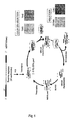
- the SELEX technique refers to Systematic Evolution of Ligands by EXponential enrichment.
- Single-stranded oligonucleotides have the diversity characteristic both in molecular structure and function, thus, a random library of single oligonucleotides is synthesized for binding to a target protein on the membrane.
- the oligonucleotides bound non-specifically are washed away and the oligonucleotides bound specifically were eluted in denatured condition and collected.
- the oligonucleotides are amplified by PCR for further selection.
- the high affinity oligonucleotides namely aptamers that have high affinity with the target proteins, can be selected from the initial library through amplification and selection over many cycles.
- An innovative aspect of the aptamers is their use in "target identification/validation" to identify various cell surface targets of a specific cellular state.
- the patent US 5,580,737 discloses a method for identifying nucleic acid ligands to a target molecule comprising contacting a mixture of nucleic acid with the target molecule, allowing the partitioning of increased affinity nucleic acid and then, contacting the increased affinity nucleic acid with non-target molecule.
- ligand to theophylline and caffeine are described.
- the patent application WO 2007/142713 provides a method for obtaining a probe specific for extracellular or cell-surface markers comprising several cycles of positive selection steps on a target cell followed by a step of counter-selection on a control cell.
- This method allows the selection of only a limited number of aptamers and only further to a high number of selection and/or counter-selection cycles.
- the selected aptamers display low cell specificity and are able to discriminate between cells of distant tumor types only (T-cell versus B cell lymphoma or small lung cancer cell versus large cell lung cancer, two cancer types of different origin).
- the present invention discloses a simplified method to generate nucleic acid-based aptamers that bind to cancer cell-surface epitopes as unique tools to identify a surface molecular signature of cancer cells and thus permits to generate a small panel of high specific ligands capable of distinguish between even two closely related cell types.
- This approach based on the use of living cells as target for the aptamers selection (whole-cell SELEX), allows selecting aptamers in a physiological context, and, most importantly, can be done without prior knowledge of the target molecules.
- the methods include much fewer steps than prior art methods.
- the nucleic acid-based aptamers of the invention are able to discriminate between malignant and non malignant cell phenotype.
- the aptamers can also discriminate two different phenotypes within the same tumor cell type as for example, the resistance to a given physical or chemical therapeutic drug, the growth properties of the tumor mass, the ability to metastasize and the malignancy.
- the panel of aptamer molecules obtained and obtainable with the method of the present invention represent an innovative tool to detect cell surface specific epitopes as a signature of cancer cells in terms of tumor type, malignancy, therapeutic response, metastatic potential, proliferation and apoptotic rate.
- the panel of aptamer molecules obtained and obtainable with the method of the present invention represent an innovative tool to specifically target cancer cell with given surface specific epitopes in terms of tumor type, malignancy, therapeutic response, metastatic potential, proliferation and apoptotic rate.
- aptamers demonstrate that a small subset of aptamers is sufficient to distinguish two different cell lines of the same tumor type, but with different growth and therapeutic sensitivity (case 1 tumorigenic versus non-tumorigenic; case 2: TRAIL resistance versus sensitivity). Further, some of the aptamers have biological activity on the target cells.
- the first set of unbound nucleic acid oligomers recovered in step b) is incubated with the control cells and a second set of unbound nucleic acid oligomers recovered in step b) is further processed as indicated in steps c), d) and e).
- the collection of synthetic nucleic acid oligomers is a synthetic library.
- the synthetic nucleic acid oligomers are labelled. Yet preferably the nucleic acid oligomers are oligoribonucleotides or modified RNA-se resistant oligoribonucleotides.
- the target cell is a tumor cell and the control cell is a tumor cell of the same cell type as the target cell but having a different phenotype.
- the tumor cell is a glioma cell or a NSCLC cell.
- the phenotype is selected from the group of: resistance to a given physical or chemical therapeutic drug, tumor mass growth properties, apoptosis, ability to metastasize or malignancy, drug treated tumor cell.
- nucleic acid aptamer obtainable according to the method of the invention.
- the nucleic acid aptamer is for medical use. More preferably the nucleic acid aptamer is for the treatment of a tumor, also as targeting component for biocomplexes with nano particles or siRNAs. Still preferably the nucleic acid aptamer is for the diagnosis of a tumor and/or the follow-up of a therapy, also for molecular imaging. More preferably the nucleic acid aptamer is for predicting a therapeutic response of a drug for a tumor.
- the tumor is a glioma or a NSCLC.
- the nucleic acid aptamer is for the detection of a target cell.
- the target cell is a tumor cell. More preferably, the tumor cell is a glioma cell or a NSCLC cell.
- the nucleic acid aptamer has a sequence selected from the group of: SEQ ID No.3, 4, 5, 6, 7, 8, 9, 10, 11, 12, 13, 14, 15, 16, 17, 18, 19, 20, 21, 22, 23, 24, 25, 26, 27, 28, 29, 30, 31, 32, 33, 34, 35, 36, 37, 38, 39, 40, 41, 42, 43, 44, 45, 46, 47, 48, 49, 50, 51, 52, 53, 54, 55, 56, 57, 58, 59, 60, 61, 62, 63, 64, 65, 66, 67, 68, 69, 70, 71, 72, 73, 74, 75, 76, 77, 78, 79, 80, 81, 82, 83, 84, 85, 86, 87, 88, 89, 90, 91, 92, 93, 94, 95, 96, 97, 98, 99, 100, 101, 102, 103, 104 or 105.
- composition comprising at least one nucleic acid aptamer of the invention and suitable excipients and/or diluents and/or carrier.
- Human glioma U87MG (American Type Culture Collection, ATCC no. HTB-14) and T98G (ATCC no. CRL-1690), U251MG and TB10 (kindly provided by A. Porcellini) cells were grown in Dulbecco's modified Eagle medium (DMEM) supplemented with 2 mM L-glutamine, 10% fetal bovine serum (Invitrogen, Carlsbad, CA).
- DMEM Dulbecco's modified Eagle medium
- Human glioma, LN-18 (ATCC no. CRL-2610), LN-229 (ATCC no. CRL-2611) were grown in Advanced DMEM supplemented with 2 mM L-glutamine, 10% fetal bovine serum (Invitrogen, Carlsbad, CA).
- U87MG. ⁇ EGFR (Nishikawa R et al .,1994), a U87MG-derived cell line expressing a truncated mutant EGFR receptor due to an in-frame deletion of exons 2-7 from the extracellular domain ( ⁇ EGFR or de 2-7 EGFR), were grown in DMEM supplemented with 2 mM L-glutamine, 10% fetal bovine serum, 500 ⁇ g/ml gentamycin (Invitrogen, Carlsbad, CA).
- RNA aptamers were treated with the indicated amount of RNA aptamers or the starting RNA G0 pool after a short denaturation-renaturation step.
- Cell extracts and immunoblotting analysis were performed as described (Cerchia L et al., 2003).
- the primary antibodies used were: anti-ERK1 (C-16) (Santa Cruz Biotechnology, Santa Cruz, California, United States) and anti-phospho-44/42 MAP kinase (indicated as anti-pERK) monoclonal antibodies (E10), anti-Akt, anti- phospho-Akt (Ser473, indicated as anti-pAkt), anti-PDK1, anti-phospho-PDK1 (Ser241, indicated as anti-pPDK1), anti-phospho-cyclin D1 (Thr286, indicated as p-cyclin D1), anti-cyclin D1, all from Cell Signaling, Beverly, Massachusetts, United States), anti- ⁇ -tubulin (DM 1A) (Sigma, St. Louis, MO).
- E10 anti-ERK1
- C-16 Anti-phospho-44/42 MAP kinase
- E10 anti-Akt
- anti-phospho-Akt Ser473, indicated as anti-pAkt
- anti-PDK1 anti-phospho-PDK1
- Ser241, indicated as anti-pPDK1
- Transcription was performed in the presence of 1 mM 2'F-Py, 1mM ATP, 1mM GTP, 10 mM DTT, 0.5 u/ ⁇ l RNAse inhibitors (Amersham Pharmacia), 10 ⁇ Ci/ ⁇ l 32 P- ⁇ UTP (3000 Ci/mmol), 1 pmol/ ⁇ l DNA and a mutant form of T7 RNA polymerase (2.5 u/ ⁇ l T7 R&DNA polymerase, Epicentre) was used to improve yields. 2'F-Py RNAs were used because of their increased resistance to degradation by seric nucleases.
- 2'F-Py RNAs (800-300 pmol) were heated at 85°C for 5 min in 1.5ml of DMEM serum free, snap-cooled on ice for 2 min, and allowed to warm up to 37°C. Before incubation with the cells, 13.5 ml of medium were added to RNA to reach a final volume of 15 ml.
- the pool was first incubated for 30 min (up to round 9) or for 15 min (for the following rounds) at 37°C with 10 7 T98G cells (150-mm cell plate), and unbound sequences were recovered for the selection phase. This step was meant to select sequences recognizing specifically the U87MG cells.
- the authors progressively increased the selective pressure by increasing the number of washings (from one for the first cycle up to five for the last cycles) and by decreasing the incubation time (from 30 to 15 min from round 9).
- the authors monitored the appearance of four-base restriction sites in the population by RFLP as previously described (Cerchia et al., 2005). After 14 rounds of selection, sequences were cloned with TOPO-TA cloning kit (Invitrogen, Carlsbad, California, United States) and analyzed.
- the pool has been first incubated for 30 min (up to round 5) or for 15 min (for the following rounds) at 37°C with 2x10 6 H460 cells (150-mm cell plate), and unbound sequences have been recovered for the selection phase.
- sequences recovered from the counter-selection have been incubated with 2x10 6 Calu1 cells for 30 min (up to round 5) or for 15 min (for the following rounds) at 37°C and the Calu1-bound sequences were recovered after several washings with DMEM serum free by total RNA extraction.
- the authors progressively increased the selective pressure by: a) increasing the number of washings (from three for the first 9 cycles up to five for the last cycles); b) decreasing the incubation time (from 30 to 15 min starting from round 5); c) adding a second counter-selection step on H460 cells (from 1 to 2 counter-selections starting from round 4); d) adding polyI (polyinosinic acid) as a competitor for the last two selection cycles (round 13 and round 14).
- EXAMPLE 1 Whole cell SELEX using Glioma cells: Differential whole cell SELEX
- Stable cell lines In order to isolate cell specific ligands for a given tumor cell phenotype, the authors used as a model system, stable human glioma cell lines. Stable cell lines have the advantage that they can be kept under well controlled growth conditions and that they remain stable all along the SELEX procedure. The authors used as target for the selection steps the human malignant glioma cell line, U87MG and for the counterselection steps the T98G. These two cell lines differ for the potential to form tumors in nude mice and for resistance to radiation-induced cell death. U87MG being highly tumorigenic and radio-resistant while the T98G are poorly tumorigenic and sensitive to radiations.
- these cell lines share the same altered cellular pathways as both harbor p14 arf /p16 deletion and PTEN mutation.
- the major difference found between the two cell lines is the levels of ErbB2 and pErk , that are higher in U87MG than in T98G, while pAkt and NCAM levels are similar (data not shown). The relative levels of these four molecules were monitored at each cycle of the SELEX procedure to verify and standardize the growth conditions of the cells.
- the method of the present invention is particularly efficient in selecting highly selective aptamers since at each SELEX cycle, the pool of aptamers is deprived of aptamers that recognize common cellular antigens present at high levels on the surface of both control and target cell lines. As a consequence, in the pool is impoverished of unwanted sequences, thus the aptamer for the specific rare antigens will be able to bind its target even if embedded in a complex target.
- the protocol consists of applying at each round one or more counterselection steps before each positive selection step.
- RFLP Restriction Fragment Length Polymorphism analysis
- the pool was enriched for aptamers that preferentially bind to U87MG cells when compared with the in vitro binding efficiency on T98G cells and compared to the binding of the naive starting pool ( Fig 3 ).
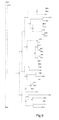
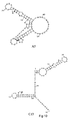
- a panel of 71 sequences were cloned from the pool G14 and aptamers were grouped in families based on their primary sequence similarity ( Fig 5 and Fig 6 ).
- the authors identified The authors identified ten families of highly related aptamers that together cover more than 46% (34 aptamers) of the all individual sequences obtained from the selection; an individual sequence, C19 (also codified as, A3, A1, B4, B8, D11), dominated the selection and constituted 8% of all the clones; five other sequences, C3 (also codified as C11 and D10), A6 (also codified as B15), A10 (also codified as C13) D1 (also codified as D20), A2 (also codified as A21) represented together more than 15% of the clones.
- the remaining 37 sequences were poorly related each other.
- Kd (nM) and Cmax (pM) of the best sequences Aptamer Kd (nM) C max (pM) B15 102 ⁇ 12 3400 ⁇ 408 B22 221 ⁇ 25 4310 ⁇ 495 D20 710 ⁇ 40 20000 ⁇ 3400 A5 44 ⁇ 4 290 ⁇ 26 D9 43.7 ⁇ 7 2100 ⁇ 330 C13 38 ⁇ 3 2900 ⁇ 232 C19 63 ⁇ 9 290 ⁇ 41 A9 190 ⁇ 20 3410 ⁇ 340
- binding affinities reported in Table 1 shows a Kd of 43.7 nM for D9 and a Kd of 190 nM for A9.
- Fig 11 were reported the relative binding values at the same concentration for all aptamers, i.e. 50 nM.
- the authors determined the relative binding potential of each aptamer to several cell lines. The authors first determined the cell type specificity by measuring the binding of each aptamer on a panel of unrelated cell lines. They found that the aptamers did not bind to fibroblast NIH3T3 and did not recognize other cancer types including human neuroblastoma (SKNBE and SHSY5Y), lung (H460 and Calu1) and breast (MCF7 and SKBR3) cells ( Fig. 11B ).
- the aptamers bind to different extents to glioma cell lines (U87MG, T98G, U251MG, TB10, LN-18, LN-229 and U87MG. ⁇ EGFR) characterised by different malignant phenotypes ( Fig 11A ).
- glioma cell lines U87MG, T98G, U251MG, TB10, LN-18, LN-229 and U87MG. ⁇ EGFR
- Fig 11A glioma cell lines characterised by different malignant phenotypes
- all aptamers have good binding with the highly tumorigenic cell lines (U87MG, LN-229, U87MG. ⁇ EGFR and TB10)
- the aptamers C19 binds to all cell lines except the non tumorigenic T98G
- B15 binds only the four highly tumorigenic cell lines.
- the pattern of binding of five of these aptamers is sufficient to distinguish two cell lines (see Fig 11A ).
- EXAMPLE 2 Whole-cell SELEX to isolate RNA-aptamers against TRAIL-resistant NSCLC
- RNA-aptamers able to discriminate between TRAIL-resistant and TRAIL-sensitive cell phenotype the authors have selected for the SELEX method, two different cell lines of human lung carcinoma among four different NSCLC: A459, Calu1, H460, and A549.
- NSCLC NSCLC have been extensively characterized for their resistance to the cytotoxic effects of TRAIL and it has been established that the human lung Calu1 ( epidermoid lung carcinoma ) cells (p53 null) are resistant to TRAIL, while the H460 ( lung epithelial cell carcinoma ) cells (wild type p53) are highly sensitive to TRAIL (Zanca C. et al., 2008).
- Calu1 and H460 cells showed the highest and the lowest, respectively, levels of the analyzed proteins, for examples EGFR, PED, c-FLIP (not shown).
- the authors applied the same approach as for glioma cells by using a selection step on Calu1 cells preceded by counter-selection on H460.
- Stable cell lines have the advantage that they can be kept under well controlled growth conditions and that they remain stable all along the SELEX procedure.
- NSCLC NSCLC have been extensively characterized for their resistance to the cytotoxic effects of TRAIL and it has been established that the human lung Calu1 ( epidermoid lung carcinoma ) cells (p53 null) are resistant to TRAIL, while the H460 ( lung epithelial cell carcinoma ) cells (wild type p53) are highly sensitive to TRAIL (Zanca C. et al., 2008).
- the method of the present invention is particularly efficient in selecting highly selective aptamers since at each SELEX cycle, the pool of aptamers is deprived of aptamers that recognize common cellular antigens present at high levels on the surface of both control and target cell lines. As a consequence, in the pool is impoverished of unwanted sequences, thus the aptamer for the specific rare antigens will be able to bind its target even if embedded in a complex target.
- the protocol consists of applying at each round one or more counterselection steps before each positive selection step.
- RFLP Restriction Fragment Length Polymorphism analysis
- the pool was enriched for aptamers that preferentially bind to Calu1 cells when compared with the in vitro binding efficiency on H460 cells and compared to the binding of the naive starting pool ( Figure 4 ).
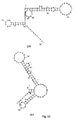
- a panel of 42 sequences were cloned from the pool L14 and aptamers were grouped in families based on their primary sequence similarity ( Fig 7 and 8 ).
- the authors identified 18 families of aptamers: 5 families cover more than 60% of all the individual sequences obtained from the selection; an individual sequence, C19 (also codified as, A3, A1, B4, B8, D11) dominated the selection and constituted 9 % of all the clones; five sequences C19 (also codified as, A3, A1, B4, B8, D11), C3 (also codified as C11 and D10), A6 (also codified as B15), A10 (also codified as C13) D1 (also codified as D20) represented together more than 20% of the clones.
Landscapes
- Health & Medical Sciences (AREA)
- Engineering & Computer Science (AREA)
- Life Sciences & Earth Sciences (AREA)
- Genetics & Genomics (AREA)
- Biomedical Technology (AREA)
- Chemical & Material Sciences (AREA)
- Molecular Biology (AREA)
- Organic Chemistry (AREA)
- Biotechnology (AREA)
- General Engineering & Computer Science (AREA)
- Zoology (AREA)
- Bioinformatics & Cheminformatics (AREA)
- Wood Science & Technology (AREA)
- Microbiology (AREA)
- Plant Pathology (AREA)
- Physics & Mathematics (AREA)
- Biochemistry (AREA)
- General Health & Medical Sciences (AREA)
- Biophysics (AREA)
- Pharmaceuticals Containing Other Organic And Inorganic Compounds (AREA)
- Measuring Or Testing Involving Enzymes Or Micro-Organisms (AREA)
Priority Applications (6)
| Application Number | Priority Date | Filing Date | Title |
|---|---|---|---|
| EP08105194A EP2159286A1 (fr) | 2008-09-01 | 2008-09-01 | Procédé pour obtenir des aptamères d'oligonucléotide et utilisations associées |
| US13/061,373 US8492082B2 (en) | 2008-09-01 | 2009-09-01 | Method for obtaining oligonucleotide aptamers and uses thereof |
| PCT/EP2009/061276 WO2010023327A2 (fr) | 2008-09-01 | 2009-09-01 | Procédé d’obtention d’oligonucléotides aptamères et leurs utilisations |
| EP09782458A EP2329022A2 (fr) | 2008-09-01 | 2009-09-01 | Procédé pour obtenir des aptamères d'oligonucléotide et utilisations associées |
| AU2009286624A AU2009286624A1 (en) | 2008-09-01 | 2009-09-01 | Method for obtaining oligonucleotide aptamers and uses thereof |
| CA2735776A CA2735776A1 (fr) | 2008-09-01 | 2009-09-01 | Procede d'obtention d'oligonucleotides aptameres et leurs utilisations |
Applications Claiming Priority (1)
| Application Number | Priority Date | Filing Date | Title |
|---|---|---|---|
| EP08105194A EP2159286A1 (fr) | 2008-09-01 | 2008-09-01 | Procédé pour obtenir des aptamères d'oligonucléotide et utilisations associées |
Publications (1)
| Publication Number | Publication Date |
|---|---|
| EP2159286A1 true EP2159286A1 (fr) | 2010-03-03 |
Family
ID=40329311
Family Applications (2)
| Application Number | Title | Priority Date | Filing Date |
|---|---|---|---|
| EP08105194A Withdrawn EP2159286A1 (fr) | 2008-09-01 | 2008-09-01 | Procédé pour obtenir des aptamères d'oligonucléotide et utilisations associées |
| EP09782458A Withdrawn EP2329022A2 (fr) | 2008-09-01 | 2009-09-01 | Procédé pour obtenir des aptamères d'oligonucléotide et utilisations associées |
Family Applications After (1)
| Application Number | Title | Priority Date | Filing Date |
|---|---|---|---|
| EP09782458A Withdrawn EP2329022A2 (fr) | 2008-09-01 | 2009-09-01 | Procédé pour obtenir des aptamères d'oligonucléotide et utilisations associées |
Country Status (5)
| Country | Link |
|---|---|
| US (1) | US8492082B2 (fr) |
| EP (2) | EP2159286A1 (fr) |
| AU (1) | AU2009286624A1 (fr) |
| CA (1) | CA2735776A1 (fr) |
| WO (1) | WO2010023327A2 (fr) |
Cited By (5)
| Publication number | Priority date | Publication date | Assignee | Title |
|---|---|---|---|---|
| ITRM20100537A1 (it) * | 2010-10-12 | 2012-04-12 | Consiglio Nazionale Ricerche | Aptamero inibitore del recettore tirosina chinasi axl per uso in terapia |
| ITRM20100536A1 (it) * | 2010-10-12 | 2012-04-12 | Consiglio Nazionale Ricerche | Aptamero inibitore di egfr per uso in terapia e diagnosi |
| EP2716761A1 (fr) | 2012-10-05 | 2014-04-09 | Consiglio Nazionale Delle Ricerche | Aptamère d'ARN de neutralisation contre des PDGFR beta et son utilisation dans la thérapie et le diagnostic de maladies hyperprolifératives |
| WO2015004412A1 (fr) * | 2013-07-09 | 2015-01-15 | University Of Central Lancashire | Aptamères utilisés pour lutter contre des cellules de gliome |
| WO2020230047A1 (fr) * | 2019-05-15 | 2020-11-19 | Affinito Alessadra | Aptamères contre le glioblastome |
Families Citing this family (42)
| Publication number | Priority date | Publication date | Assignee | Title |
|---|---|---|---|---|
| WO2013066438A2 (fr) | 2011-07-22 | 2013-05-10 | President And Fellows Of Harvard College | Évaluation et amélioration de la spécificité de clivage des nucléases |
| CA2880590C (fr) * | 2012-08-02 | 2020-10-06 | Deakin University | Aptameres epcam pour la detection de cellules souches cancereuses |
| US10942184B2 (en) | 2012-10-23 | 2021-03-09 | Caris Science, Inc. | Aptamers and uses thereof |
| KR20150090072A (ko) | 2012-10-23 | 2015-08-05 | 카리스 라이프 사이언스 스위스 홀딩스 게엠베하 | 압타머 및 이의 용도 |
| EP2935628B1 (fr) | 2012-12-19 | 2018-03-21 | Caris Life Sciences Switzerland Holdings GmbH | Compositions et procédés pour le criblage d'aptamères |
| US9422563B2 (en) * | 2013-03-18 | 2016-08-23 | University Of The Witwatersrand, Johannesburg | CD7 receptor aptamers |
| US20150044192A1 (en) | 2013-08-09 | 2015-02-12 | President And Fellows Of Harvard College | Methods for identifying a target site of a cas9 nuclease |
| US9359599B2 (en) | 2013-08-22 | 2016-06-07 | President And Fellows Of Harvard College | Engineered transcription activator-like effector (TALE) domains and uses thereof |
| US9388430B2 (en) | 2013-09-06 | 2016-07-12 | President And Fellows Of Harvard College | Cas9-recombinase fusion proteins and uses thereof |
| US9340799B2 (en) | 2013-09-06 | 2016-05-17 | President And Fellows Of Harvard College | MRNA-sensing switchable gRNAs |
| US9526784B2 (en) | 2013-09-06 | 2016-12-27 | President And Fellows Of Harvard College | Delivery system for functional nucleases |
| CN106459995B (zh) | 2013-11-07 | 2020-02-21 | 爱迪塔斯医药有限公司 | 使用统治型gRNA的CRISPR相关方法和组合物 |
| US20150166984A1 (en) | 2013-12-12 | 2015-06-18 | President And Fellows Of Harvard College | Methods for correcting alpha-antitrypsin point mutations |
| WO2016022363A2 (fr) | 2014-07-30 | 2016-02-11 | President And Fellows Of Harvard College | Protéines cas9 comprenant des intéines dépendant de ligands |
| JP6978317B2 (ja) | 2015-02-11 | 2021-12-08 | ディーキン・ユニバーシティー | EpCAMアプタマー及びそのコンジュゲート |
| SG10202104041PA (en) | 2015-10-23 | 2021-06-29 | Harvard College | Nucleobase editors and uses thereof |
| SG11201803600PA (en) * | 2015-10-30 | 2018-05-30 | Tagcyx Biotechnologies | Dna aptamer binding to cancer cell |
| EP3405577B8 (fr) | 2016-01-20 | 2023-02-15 | 396419 B.C. Ltd. | Compositions et procédés pour inhiber le facteur d |
| KR20250103795A (ko) | 2016-08-03 | 2025-07-07 | 프레지던트 앤드 펠로우즈 오브 하바드 칼리지 | 아데노신 핵염기 편집제 및 그의 용도 |
| US11661590B2 (en) | 2016-08-09 | 2023-05-30 | President And Fellows Of Harvard College | Programmable CAS9-recombinase fusion proteins and uses thereof |
| WO2018039438A1 (fr) | 2016-08-24 | 2018-03-01 | President And Fellows Of Harvard College | Incorporation d'acides aminés non naturels dans des protéines au moyen de l'édition de bases |
| SG11201903089RA (en) | 2016-10-14 | 2019-05-30 | Harvard College | Aav delivery of nucleobase editors |
| WO2018119359A1 (fr) | 2016-12-23 | 2018-06-28 | President And Fellows Of Harvard College | Édition du gène récepteur ccr5 pour protéger contre l'infection par le vih |
| WO2018136827A1 (fr) | 2017-01-20 | 2018-07-26 | Vitrisa Therapeutics, Inc. | Compositions à boucle en épingle à cheveux et procédés pour inhiber le facteur d |
| US11898179B2 (en) | 2017-03-09 | 2024-02-13 | President And Fellows Of Harvard College | Suppression of pain by gene editing |
| EP3592381A1 (fr) | 2017-03-09 | 2020-01-15 | President and Fellows of Harvard College | Vaccin contre le cancer |
| WO2018165629A1 (fr) | 2017-03-10 | 2018-09-13 | President And Fellows Of Harvard College | Éditeur de base cytosine à guanine |
| WO2018176009A1 (fr) | 2017-03-23 | 2018-09-27 | President And Fellows Of Harvard College | Éditeurs de nucléobase comprenant des protéines de liaison à l'adn programmable par acides nucléiques |
| KR20190134683A (ko) * | 2017-03-30 | 2019-12-04 | 어그매니티 나노 엘티디 | 기능성 올리고뉴클레오타이드의 선택을 위한 방법 및 조성물 |
| WO2018209320A1 (fr) | 2017-05-12 | 2018-11-15 | President And Fellows Of Harvard College | Arn guides incorporés par aptazyme pour une utilisation avec crispr-cas9 dans l'édition du génome et l'activation transcriptionnelle |
| CN111801345A (zh) | 2017-07-28 | 2020-10-20 | 哈佛大学的校长及成员们 | 使用噬菌体辅助连续进化(pace)的进化碱基编辑器的方法和组合物 |
| EP3676376B1 (fr) | 2017-08-30 | 2025-01-15 | President and Fellows of Harvard College | Éditeurs de bases à haut rendement comprenant une gam |
| US11795443B2 (en) | 2017-10-16 | 2023-10-24 | The Broad Institute, Inc. | Uses of adenosine base editors |
| WO2019118949A1 (fr) | 2017-12-15 | 2019-06-20 | The Broad Institute, Inc. | Systèmes et procédés de prédiction des résultats de la réparation en ingénierie génétique |
| US12157760B2 (en) | 2018-05-23 | 2024-12-03 | The Broad Institute, Inc. | Base editors and uses thereof |
| EP3820495A4 (fr) | 2018-07-09 | 2022-07-20 | The Broad Institute Inc. | Modificateurs d'arn épigénétiques programmables par arn et leurs utilisations |
| WO2020092453A1 (fr) | 2018-10-29 | 2020-05-07 | The Broad Institute, Inc. | Éditeurs de nucléobases comprenant geocas9 et utilisations associées |
| US12351837B2 (en) | 2019-01-23 | 2025-07-08 | The Broad Institute, Inc. | Supernegatively charged proteins and uses thereof |
| EP3942043A2 (fr) | 2019-03-19 | 2022-01-26 | The Broad Institute, Inc. | Procédés et compositions pour l'édition de séquences nucléotidiques |
| WO2020214842A1 (fr) | 2019-04-17 | 2020-10-22 | The Broad Institute, Inc. | Éditeurs de base d'adénine présentant des effets hors cible réduits |
| US12435330B2 (en) | 2019-10-10 | 2025-10-07 | The Broad Institute, Inc. | Methods and compositions for prime editing RNA |
| BR112022022603A2 (pt) | 2020-05-08 | 2023-01-17 | Broad Inst Inc | Métodos e composições para edição simultânea de ambas as fitas de sequência alvo de nucleotídeos de fita dupla |
Citations (6)
| Publication number | Priority date | Publication date | Assignee | Title |
|---|---|---|---|---|
| WO1996034874A1 (fr) * | 1995-05-03 | 1996-11-07 | Nexstar Pharmaceuticals, Inc. | Ligands a acide nucleique pour cibles tissulaires |
| US5580737A (en) | 1990-06-11 | 1996-12-03 | Nexstar Pharmaceuticals, Inc. | High-affinity nucleic acid ligands that discriminate between theophylline and caffeine |
| WO2005093097A1 (fr) * | 2004-03-17 | 2005-10-06 | Commissariat A L'energie Atomique | Aptameres selectionnes a partir de cellules vivantes tumorales et leurs applications. |
| WO2006096754A2 (fr) * | 2005-03-07 | 2006-09-14 | Archemix Corp. | Aptameres stabilises d'apsm et leur utilisation comme agents therapeutiques contre le cancer de la prostate |
| WO2007142713A2 (fr) | 2006-03-08 | 2007-12-13 | University Of Florida Research Foundation, Inc. | Procédés de production de sondes de surface cellulaire de sensibilité et spécificité élevées |
| WO2008019142A2 (fr) * | 2006-08-04 | 2008-02-14 | Massachusetts Institute Of Technology | Systèmes oligonucléotidiques pour une administration intracellulaire ciblée |
-
2008
- 2008-09-01 EP EP08105194A patent/EP2159286A1/fr not_active Withdrawn
-
2009
- 2009-09-01 US US13/061,373 patent/US8492082B2/en not_active Expired - Fee Related
- 2009-09-01 EP EP09782458A patent/EP2329022A2/fr not_active Withdrawn
- 2009-09-01 WO PCT/EP2009/061276 patent/WO2010023327A2/fr not_active Ceased
- 2009-09-01 AU AU2009286624A patent/AU2009286624A1/en not_active Abandoned
- 2009-09-01 CA CA2735776A patent/CA2735776A1/fr not_active Abandoned
Patent Citations (6)
| Publication number | Priority date | Publication date | Assignee | Title |
|---|---|---|---|---|
| US5580737A (en) | 1990-06-11 | 1996-12-03 | Nexstar Pharmaceuticals, Inc. | High-affinity nucleic acid ligands that discriminate between theophylline and caffeine |
| WO1996034874A1 (fr) * | 1995-05-03 | 1996-11-07 | Nexstar Pharmaceuticals, Inc. | Ligands a acide nucleique pour cibles tissulaires |
| WO2005093097A1 (fr) * | 2004-03-17 | 2005-10-06 | Commissariat A L'energie Atomique | Aptameres selectionnes a partir de cellules vivantes tumorales et leurs applications. |
| WO2006096754A2 (fr) * | 2005-03-07 | 2006-09-14 | Archemix Corp. | Aptameres stabilises d'apsm et leur utilisation comme agents therapeutiques contre le cancer de la prostate |
| WO2007142713A2 (fr) | 2006-03-08 | 2007-12-13 | University Of Florida Research Foundation, Inc. | Procédés de production de sondes de surface cellulaire de sensibilité et spécificité élevées |
| WO2008019142A2 (fr) * | 2006-08-04 | 2008-02-14 | Massachusetts Institute Of Technology | Systèmes oligonucléotidiques pour une administration intracellulaire ciblée |
Non-Patent Citations (23)
| Title |
|---|
| BLANK M. ET AL.: "Systematic evolution of a DNA aptamer binding to rat brain tumor microvessels", JOURNAL OF BIOLOGICAL CHEMISTRY, AMERICAN SOCIETY OF BIOLOCHEMICAL BIOLOGISTS, BIRMINGHAM,; US, vol. 276, no. 19, 11 May 2001 (2001-05-11), pages 16464 - 16468, XP008067444, ISSN: 0021-9258 * |
| BUCKLEY MF ET AL., ONCOGENE, vol. 8, no. 8, 1993, pages 2127 - 33 |
| CERCHIA ET AL., PLOS BIOL., vol. 3, no. 4, 2005, pages E123 |
| CERCHIA L ET AL., BIOCHEM J., vol. 372, 2003, pages 897 - 903 |
| CERCHIA L. AND DE FRANCISCIS V.: "Noncoding RNAs in cancer medicine", JOURNAL OF BIOMEDICINE & BIOTECHNOLOGY, 2006, pages 1 - 8, XP002514647, Retrieved from the Internet <URL:http://www.hindawi.com/GetArticle.aspx?doi=10.1155/JBB/2006/73104> [retrieved on 20090211] * |
| CERCHIA L. ET AL.: "Neutralizing aptamers from whole-cell SELEX inhibit the RET Receptor Tyrosine Kinase", PLOS BIOLOGY, vol. 3, no. 4, April 2005 (2005-04-01), pages 697 - 704, XP002514646 * |
| CERCHIA L. ET AL.: "Nucleic acid aptamers in cancer medicine", FEBS LETTERS, ELSEVIER, AMSTERDAM, NL, vol. 528, no. 1-3, 25 September 2002 (2002-09-25), pages 12 - 16, XP004383225, ISSN: 0014-5793 * |
| CHEN C.-K. ET AL.: "Subtractive SELEX against two heterogeneous target samples: Numerical simulations and analysis", COMPUTERS IN BIOLOGY AND MEDICINE, NEW YORK, NY, US, vol. 37, no. 6, June 2007 (2007-06-01), pages 750 - 759, XP022016727, ISSN: 0010-4825 * |
| ELLINGTON; SZOSTAK, NATURE, vol. 346, 1990, pages 818 - 22 |
| ESPOSITO CL ET AL., PLOS ONE, vol. 3, no. 2, 2008, pages E1643 |
| GREEN LS ET AL., CHEM BIOL., vol. 2, no. 10, 1995, pages 683 - 95 |
| ISHII N ET AL., BRAIN PATHOL., vol. 9, 1999, pages 469 - 79 |
| NISHIKAWA R ET AL., PROC NATI ACAD SCI., vol. 91, 1994, pages 7727 - 31 |
| PALLINI R ET AL., INT. J. CANCER, vol. 118, 2006, pages 2158 - 67 |
| PESTOURIE C. ET AL.: "Comparison of different strategies to select aptamers against a transmembrane protein target", OLIGONUCLEOTIDES, vol. 16, no. 4, 2006, pages 323 - 335, XP002514645 * |
| PESTOURIE C. ET AL.: "Selection d'aptameres pour l'imagerie moleculaire", MEDECINE NUCLEAIRE, ELSEVIER, PARIS, FR, vol. 31, no. 9, 1 September 2007 (2007-09-01), pages 485, XP022376729, ISSN: 0928-1258 * |
| RUCKMAN J ET AL., J. BIOL. CHEM., vol. 273, no. 32, 1998, pages 20556 - 67 |
| TASSET DM; KUBIK MF; STEINER J., MOL. BIOL., vol. 272, no. 5, 1997, pages 688 - 98 |
| TUERK C.; GOLD L., SCIENCE, vol. 249, 1990, pages 505 - 510 |
| WANG CHENGLONG ET AL.: "Single-stranded DNA aptamers that bind differentiated but not parental cells: subtractive systematic evolution of ligands by exponential enrichment", JOURNAL OF BIOTECHNOLOGY, ELSEVIER SCIENCE PUBLISHERS, AMSTERDAM, NL, vol. 102, no. 1, 10 April 2003 (2003-04-10), pages 15 - 22, XP002484057, ISSN: 0168-1656 * |
| XUE-CHAI CHEN ET AL.: "Quantum dot-labeled aptamer nanoprobes specifically targeting glioma cells", NANOTECHNOLOGY, IOP, BRISTOL, GB, vol. 19, no. 23, 11 June 2008 (2008-06-11), pages 235105, XP020136589, ISSN: 0957-4484 * |
| ZANCA C. ET AL., J CELL MOL. MED., 15 February 2008 (2008-02-15) |
| ZUKER, M., NUCLEIC ACIDS RES., vol. 31, 2003, pages 3406 - 3415 |
Cited By (16)
| Publication number | Priority date | Publication date | Assignee | Title |
|---|---|---|---|---|
| US8741870B2 (en) | 2010-10-12 | 2014-06-03 | Consiglio Nazionale Delle Ricerche | Axl receptor tyrosine kinase aptamer inhibitor for use in therapy |
| ITRM20100536A1 (it) * | 2010-10-12 | 2012-04-12 | Consiglio Nazionale Ricerche | Aptamero inibitore di egfr per uso in terapia e diagnosi |
| WO2012049108A1 (fr) * | 2010-10-12 | 2012-04-19 | Consiglio Nazionale Delle Ricerche | Inhibiteur aptamérique du récepteur tyrosine kinase axl pour l'utilisation en thérapie |
| WO2012049112A1 (fr) * | 2010-10-12 | 2012-04-19 | Consiglio Nazionale Delle Ricerche | Inhibiteur apatamérique d'egfr pour l'utilisation en thérapie et diagnostic |
| ITRM20100537A1 (it) * | 2010-10-12 | 2012-04-12 | Consiglio Nazionale Ricerche | Aptamero inibitore del recettore tirosina chinasi axl per uso in terapia |
| US9125930B2 (en) | 2010-10-12 | 2015-09-08 | Consiglio Nazionale Delle Ricerche | EGFR aptamer inhibitor for use in therapy and diagnosis |
| EP2716761A1 (fr) | 2012-10-05 | 2014-04-09 | Consiglio Nazionale Delle Ricerche | Aptamère d'ARN de neutralisation contre des PDGFR beta et son utilisation dans la thérapie et le diagnostic de maladies hyperprolifératives |
| WO2014053640A1 (fr) | 2012-10-05 | 2014-04-10 | Consiglio Nazionale Delle Ricerche | Aptamère d'arn neutralisant contre pdgfrss et l'utilisation de celui-ci dans la thérapie et le diagnostic de maladies hyperprolifératives |
| US9234202B2 (en) | 2012-10-05 | 2016-01-12 | Consiglio Nazionale Delle Ricerche | Neutralizing RNA aptamers |
| WO2015004412A1 (fr) * | 2013-07-09 | 2015-01-15 | University Of Central Lancashire | Aptamères utilisés pour lutter contre des cellules de gliome |
| CN105555956A (zh) * | 2013-07-09 | 2016-05-04 | 中央兰开夏大学 | 针对神经胶质瘤细胞的适体 |
| US9834771B2 (en) | 2013-07-09 | 2017-12-05 | University Of Central Lancashire | Aptamers against glioma cells |
| US10138487B2 (en) | 2013-07-09 | 2018-11-27 | University Of Central Lancashire | Aptamers against glioma cells |
| CN105555956B (zh) * | 2013-07-09 | 2020-05-15 | 中央兰开夏大学 | 针对神经胶质瘤细胞的适体 |
| AU2014288983B2 (en) * | 2013-07-09 | 2020-06-11 | University Of Central Lancashire | Aptamers against glioma cells |
| WO2020230047A1 (fr) * | 2019-05-15 | 2020-11-19 | Affinito Alessadra | Aptamères contre le glioblastome |
Also Published As
| Publication number | Publication date |
|---|---|
| CA2735776A1 (fr) | 2010-03-04 |
| US8492082B2 (en) | 2013-07-23 |
| EP2329022A2 (fr) | 2011-06-08 |
| US20110166213A1 (en) | 2011-07-07 |
| WO2010023327A2 (fr) | 2010-03-04 |
| WO2010023327A3 (fr) | 2010-04-29 |
| AU2009286624A1 (en) | 2010-03-04 |
| WO2010023327A4 (fr) | 2010-07-15 |
Similar Documents
| Publication | Publication Date | Title |
|---|---|---|
| US8492082B2 (en) | Method for obtaining oligonucleotide aptamers and uses thereof | |
| Grillone et al. | Non-coding RNAs in cancer: Platforms and strategies for investigating the genomic “dark matter” | |
| Cerchia et al. | Differential SELEX in human glioma cell lines | |
| Rohloff et al. | Nucleic acid ligands with protein-like side chains: modified aptamers and their use as diagnostic and therapeutic agents | |
| Chan et al. | MicroRNA-21 is an antiapoptotic factor in human glioblastoma cells | |
| CN105705640B (zh) | 抑制lncRNA用于治疗黑素瘤 | |
| Ferreira et al. | Satellite non-coding RNAs: the emerging players in cells, cellular pathways and cancer | |
| EP2797603B1 (fr) | Aptamères et méthodes de diagnostic permettant de détecter le récepteur de l'egf | |
| Vaerman et al. | Antisense oligodeoxyribonucleotides suppress hematologic cell growth through stepwise release of deoxyribonucleotides | |
| He et al. | Highly specific recognition of breast tumors by an RNA-cleaving fluorogenic DNAzyme probe | |
| RU2763470C2 (ru) | Олигонуклеотиды, содержащие модифицированные нуклеозиды | |
| US9044495B2 (en) | Nucleic acid ligands to LL37 | |
| HK1206387A1 (en) | Organic compositions to treat kras-related diseases | |
| CN116536319B (zh) | 免疫检查点cd47核酸适体的筛选及应用 | |
| WO2008143774A2 (fr) | Procédés et compositions permettant de déterminer l'hétérozygocité snp dans le cadre d'un diagnostic et d'une thérapie allèle-spécifiques | |
| Catuogno et al. | Developing aptamers by cell-based SELEX | |
| Matsumoto et al. | G‐quadruplex‐forming nucleic acids interact with splicing factor 3B subunit 2 and suppress innate immune gene expression | |
| Long et al. | ZFR promotes cell proliferation and tumor development in colorectal and liver cancers | |
| Cerchia et al. | Nucleic acid-based aptamers as promising therapeutics in neoplastic diseases | |
| CN111201325B (zh) | 用于筛选剪接变异体或事件的方法 | |
| EP4026567A1 (fr) | Composition pour le diagnostic ou le traitement d'affections associées à une activité d'elf4e accrue comprenant un inhibiteur d'elf4e | |
| EP3265581A1 (fr) | Détection simultanée d'oligonucléotides, kit et utilisation associés | |
| Russo | Multiomic characterization of the effects of G-quadruplex binders on R-loop homeostasis and innate immune response in human cancer cells | |
| JP7702943B2 (ja) | 腫瘍におけるヒトl1-met転写産物をサイレンシングするためのアンチセンスオリゴヌクレオチド配列 | |
| US20160289679A1 (en) | Nucleic acid ligands to ll37 |
Legal Events
| Date | Code | Title | Description |
|---|---|---|---|
| PUAI | Public reference made under article 153(3) epc to a published international application that has entered the european phase |
Free format text: ORIGINAL CODE: 0009012 |
|
| AK | Designated contracting states |
Kind code of ref document: A1 Designated state(s): AT BE BG CH CY CZ DE DK EE ES FI FR GB GR HR HU IE IS IT LI LT LU LV MC MT NL NO PL PT RO SE SI SK TR |
|
| AX | Request for extension of the european patent |
Extension state: AL BA MK RS |
|
| AKY | No designation fees paid | ||
| REG | Reference to a national code |
Ref country code: DE Ref legal event code: 8566 |
|
| STAA | Information on the status of an ep patent application or granted ep patent |
Free format text: STATUS: THE APPLICATION IS DEEMED TO BE WITHDRAWN |
|
| 18D | Application deemed to be withdrawn |
Effective date: 20100903 |