EP2176409B1 - Systèmes de produits de construction d'acide nucléique pouvant diagnostiquer ou traiter un état cellulaire - Google Patents
Systèmes de produits de construction d'acide nucléique pouvant diagnostiquer ou traiter un état cellulaire Download PDFInfo
- Publication number
- EP2176409B1 EP2176409B1 EP08776602A EP08776602A EP2176409B1 EP 2176409 B1 EP2176409 B1 EP 2176409B1 EP 08776602 A EP08776602 A EP 08776602A EP 08776602 A EP08776602 A EP 08776602A EP 2176409 B1 EP2176409 B1 EP 2176409B1
- Authority
- EP
- European Patent Office
- Prior art keywords
- nucleic acid
- polynucleotide
- acid construct
- transcriptional regulatory
- promoter
- Prior art date
- Legal status (The legal status is an assumption and is not a legal conclusion. Google has not performed a legal analysis and makes no representation as to the accuracy of the status listed.)
- Not-in-force
Links
Images






Classifications
-
- C—CHEMISTRY; METALLURGY
- C12—BIOCHEMISTRY; BEER; SPIRITS; WINE; VINEGAR; MICROBIOLOGY; ENZYMOLOGY; MUTATION OR GENETIC ENGINEERING
- C12N—MICROORGANISMS OR ENZYMES; COMPOSITIONS THEREOF; PROPAGATING, PRESERVING, OR MAINTAINING MICROORGANISMS; MUTATION OR GENETIC ENGINEERING; CULTURE MEDIA
- C12N15/00—Mutation or genetic engineering; DNA or RNA concerning genetic engineering, vectors, e.g. plasmids, or their isolation, preparation or purification; Use of hosts therefor
- C12N15/09—Recombinant DNA-technology
- C12N15/10—Processes for the isolation, preparation or purification of DNA or RNA
- C12N15/1034—Isolating an individual clone by screening libraries
- C12N15/1055—Protein x Protein interaction, e.g. two hybrid selection
-
- C—CHEMISTRY; METALLURGY
- C12—BIOCHEMISTRY; BEER; SPIRITS; WINE; VINEGAR; MICROBIOLOGY; ENZYMOLOGY; MUTATION OR GENETIC ENGINEERING
- C12Q—MEASURING OR TESTING PROCESSES INVOLVING ENZYMES, NUCLEIC ACIDS OR MICROORGANISMS; COMPOSITIONS OR TEST PAPERS THEREFOR; PROCESSES OF PREPARING SUCH COMPOSITIONS; CONDITION-RESPONSIVE CONTROL IN MICROBIOLOGICAL OR ENZYMOLOGICAL PROCESSES
- C12Q1/00—Measuring or testing processes involving enzymes, nucleic acids or microorganisms; Compositions therefor; Processes of preparing such compositions
- C12Q1/68—Measuring or testing processes involving enzymes, nucleic acids or microorganisms; Compositions therefor; Processes of preparing such compositions involving nucleic acids
- C12Q1/6897—Measuring or testing processes involving enzymes, nucleic acids or microorganisms; Compositions therefor; Processes of preparing such compositions involving nucleic acids involving reporter genes operably linked to promoters
-
- A—HUMAN NECESSITIES
- A61—MEDICAL OR VETERINARY SCIENCE; HYGIENE
- A61P—SPECIFIC THERAPEUTIC ACTIVITY OF CHEMICAL COMPOUNDS OR MEDICINAL PREPARATIONS
- A61P35/00—Antineoplastic agents
- A61P35/04—Antineoplastic agents specific for metastasis
-
- C—CHEMISTRY; METALLURGY
- C12—BIOCHEMISTRY; BEER; SPIRITS; WINE; VINEGAR; MICROBIOLOGY; ENZYMOLOGY; MUTATION OR GENETIC ENGINEERING
- C12N—MICROORGANISMS OR ENZYMES; COMPOSITIONS THEREOF; PROPAGATING, PRESERVING, OR MAINTAINING MICROORGANISMS; MUTATION OR GENETIC ENGINEERING; CULTURE MEDIA
- C12N15/00—Mutation or genetic engineering; DNA or RNA concerning genetic engineering, vectors, e.g. plasmids, or their isolation, preparation or purification; Use of hosts therefor
- C12N15/09—Recombinant DNA-technology
- C12N15/63—Introduction of foreign genetic material using vectors; Vectors; Use of hosts therefor; Regulation of expression
- C12N15/79—Vectors or expression systems specially adapted for eukaryotic hosts
- C12N15/85—Vectors or expression systems specially adapted for eukaryotic hosts for animal cells
-
- G—PHYSICS
- G01—MEASURING; TESTING
- G01N—INVESTIGATING OR ANALYSING MATERIALS BY DETERMINING THEIR CHEMICAL OR PHYSICAL PROPERTIES
- G01N33/00—Investigating or analysing materials by specific methods not covered by groups G01N1/00 - G01N31/00
- G01N33/48—Biological material, e.g. blood, urine; Haemocytometers
- G01N33/50—Chemical analysis of biological material, e.g. blood, urine; Testing involving biospecific ligand binding methods; Immunological testing
- G01N33/5005—Chemical analysis of biological material, e.g. blood, urine; Testing involving biospecific ligand binding methods; Immunological testing involving human or animal cells
- G01N33/5008—Chemical analysis of biological material, e.g. blood, urine; Testing involving biospecific ligand binding methods; Immunological testing involving human or animal cells for testing or evaluating the effect of chemical or biological compounds, e.g. drugs, cosmetics
-
- G—PHYSICS
- G01—MEASURING; TESTING
- G01N—INVESTIGATING OR ANALYSING MATERIALS BY DETERMINING THEIR CHEMICAL OR PHYSICAL PROPERTIES
- G01N33/00—Investigating or analysing materials by specific methods not covered by groups G01N1/00 - G01N31/00
- G01N33/48—Biological material, e.g. blood, urine; Haemocytometers
- G01N33/50—Chemical analysis of biological material, e.g. blood, urine; Testing involving biospecific ligand binding methods; Immunological testing
- G01N33/5005—Chemical analysis of biological material, e.g. blood, urine; Testing involving biospecific ligand binding methods; Immunological testing involving human or animal cells
- G01N33/5091—Chemical analysis of biological material, e.g. blood, urine; Testing involving biospecific ligand binding methods; Immunological testing involving human or animal cells for testing the pathological state of an organism
-
- C—CHEMISTRY; METALLURGY
- C12—BIOCHEMISTRY; BEER; SPIRITS; WINE; VINEGAR; MICROBIOLOGY; ENZYMOLOGY; MUTATION OR GENETIC ENGINEERING
- C12N—MICROORGANISMS OR ENZYMES; COMPOSITIONS THEREOF; PROPAGATING, PRESERVING, OR MAINTAINING MICROORGANISMS; MUTATION OR GENETIC ENGINEERING; CULTURE MEDIA
- C12N2830/00—Vector systems having a special element relevant for transcription
- C12N2830/007—Vector systems having a special element relevant for transcription cell cycle specific enhancer/promoter combination
-
- C—CHEMISTRY; METALLURGY
- C12—BIOCHEMISTRY; BEER; SPIRITS; WINE; VINEGAR; MICROBIOLOGY; ENZYMOLOGY; MUTATION OR GENETIC ENGINEERING
- C12N—MICROORGANISMS OR ENZYMES; COMPOSITIONS THEREOF; PROPAGATING, PRESERVING, OR MAINTAINING MICROORGANISMS; MUTATION OR GENETIC ENGINEERING; CULTURE MEDIA
- C12N2830/00—Vector systems having a special element relevant for transcription
- C12N2830/008—Vector systems having a special element relevant for transcription cell type or tissue specific enhancer/promoter combination
Definitions
- the present invention relates to a nucleic acid construct system according to claim 1 as well as a method of Identifying an agent capable of reversing a disease phenotype of a mammalian cell according to claim 12.
- the present invention relates to a nucleic acid construct system which serves as an autonomous molecular computer and, to the use of same for the diagnosis and treatment of a cell state.
- Physicians are required to make many medical decisions ranging from, for example, whether and when a patient is likely to experience a medical condition to how a patient should be treated once the patient has been diagnosed with the condition. Determining an appropriate course of treatment for a patient may increase the patient's chances for, for example, survival and/or recovery. Similarly, predicting the occurrence of an event advantageously allows individuals to plan for the event. For example, predicting whether a patient is likely to experience occurrence (e.g., recurrence) of a disease may allow a physician to recommend an appropriate course of treatment for that patient,
- Physicians rely heavily on their expertise and training to treat, diagnose and predict the occurrence of medical conditions as well as on electronic computers for information concerning many medical applications.
- the state of a cell can be diagnosed by monitoring the activity patterns of its various pathways. In certain cases it is possible to identify the state of the cell by the activity level of a single gene [Surana, U., et al., 1991. 65(1): p. 145-61]. For example, it was shown that the transcription level of a single gene can be used for reliable identification of cell cycle-phase [ Spellman, P.T., et al., Mol Biol Cell, 1998. 9(12): p. 3273-97 ]. Nevertheless, in most cases it is essential to monitor the activity of several genes in order to accurately determine a cell-state. Thus, for example, a physician may rely on the ex-vivo analysis of expression patterns using DNA arrays to determine average states of cell populations.
- in-vivo measurements for example by real-time microscopy, make it possible for a physician to diagnose a cell state at a single cell resolution.
- these methods rely on non-autonomous cell state analysis, which precludes the possibility of altering the state in vivo in real time.
- Biomolecular computers hold the promise of direct computational analysis of biological information in its native biomolecular form, eschewing its conversion into an electronic representation. Recently this capability was shown to afford direct recognition and analysis of molecular disease indicators, providing in vitro disease diagnosis, which in turn was coupled to the programmed release of the biologically active molecule.
- autonomous state determination and response were demonstrated through the use of a molecular computer based on DNA/RNA hybridization and digestion [ Benenson, Y., Gil, B., Ben-Dor, U., Adar, R. & Shapiro, E. (2004) Nature 429, 423-429 ].
- schemes for autonomous diagnosis using molecular computation are yet to be implemented in living cells.
- engineered gene circuits can be interfaced with natural ones to obtain cells that respond to biological signals in a predetermined way.
- bacterial bio-film formation was coupled to DNA damage response [ Kobayashi, H., et al., Proc Natl Acad Sci U S A, 2004. 101(22): p. 8414-9 ]
- cell killing was coupled to a transgenic quorum-sensing system [ You, L., et al., Nature, 2004. 428(6985): p. 868-71 ].
- Biomolecular computers comprise a further advantage in that unlike traditional computers, they can have direct access to a patient's biochemistry and thus are able to affect the fate of living cells in real-time. This is particularly advantageous in situations of phenotypic and genotypic importance, such as metabolism, proliferation or apoptosis.
- a biomolecular computer would also have the significant advantage of being able to use internal energy resources, like ATP molecules, rather than being dependent on external or rechargeable energy sources.
- Biomolecular computers capable of diagnosing cell states based on the yeast two hybrid system are known in the art.
- the yeast-based two-hybrid system ( Fields and Song (1989) Nature 340:245 ) has been traditionally used for elucidating protein-protein binding in cells.
- This system utilizes chimeric genes and detects protein-protein interactions via the activation of reporter-gene expression. Reporter-gene expression occurs as a result of reconstitution of a functional transcription factor caused by the association of fusion proteins encoded by the chimeric genes.
- polynucleotides encoding two-hybrid proteins are constructed and introduced into a yeast host cell.
- the first hybrid protein consists of the yeast Gal4 DNA-binding domain fused to a polypeptide sequence of a known protein (often referred to as the "bait").
- the second hybrid protein consists of the Gal4 activation domain fused to a polypeptide sequence of a second protein (often referred to as the "prey"). Binding between the two-hybrid proteins reconstitutes the Gal4 DNA-binding domain with the Gal4 activation domain, which leads to the transcriptional activation of a reporter gene (e.g., lacZ or HIS3), which is operably linked to a Gal4 binding site.
- a reporter gene e.g., lacZ or HIS3
- U.S. Patent No. 6,479,289 teaches mammalian two-hybrid systems for elucidating protein-protein binding in mammalian cells.
- U.S. Patent No. 6,787,321 teaches a mammalian two-hybrid system for diagnosing a diseased cell based on its ability to degrade a metabolic product which is comprised in the first hybrid protein.
- Nissim et at [Physical Biology Sep 2007, Vol. 4, No. 3, pages 154-163 teaches a system that measures the expression of several genes and integrates their activities into a single output in order to detect states of interest in a living cell.
- International Patent Application WO 02131201 teaches a method for screening for an agent that modulates the ability of a cell to accumulate or to degrade a metabolic product, which involves providing a mammalian cell comprising a nucleic acid encoding a peptide binding site and an effector gene, and a first and second chimeric protein, contacting the cell with a test agent and detecting an alteration of expression of the effector gene.
- nucleic acid construct system comprising a first nucleic acid construct including a polynucleotide encoding a polypeptide which is capable of Interacting with a plasmalemma of a cell in which It Is expressed and a second nucleic acid construct including a polynucleotide encoding a cytoplasmic Ras mutant fused to a polypeptide.
- International Patent Application WO 01/25420 discloses a method for detecting an interaction between a first and second test protein at variable sensitivities comprising (a) providing a host cell which expresses detectable gene product; (b) providing the host cell with a first interacting molecule comprising a DNA binding region and a second interacting molecule, comprising a region capable of transcriptional activation, wherein the host cell has the capacity to regulate amounts of the first or second interacting molecules; (c) regulating the amounts of the first or second interacting molecules so the detectable reporter gene is activated; and (d) determining the extent to which the detectable reporter gene has been activated.
- the nucleic acid construct system of the present invention is defined in claim 1 and the method of identifying an agent capable of reversing a disease phenotype of a mammalian cell of the present invention is defined in claim 12.
- nucleic acid construct system comprising:
- the nucleic acid construct system further comprises a third nucleic acid construct comprising a third polynucleotide, the third polynucleotide comprising a third nucleic acid sequence encoding a reporter polypeptide, operably linked to a promoter, wherein an activity of the promoter is regulated by binding of at least one of the first and the second expression product.
- a method of diagnosing a disease or a metabolic state comprising expressing the nucleic acid construct system of the present invention in at least one mammalian cell, wherein a change in expression of the reporter polypeptide is indicative of the disease or metabolic state.
- a method of treating a disease comprising ex vivo expressing the nucleic acid construct system of the present invention, in at least one cell of a subject in need thereof, thereby treating the disease.
- a method of identifying an agent capable of reversing a disease phenotype of a mammalian cell comprising,
- nucleic acid construct comprising:
- the reporter polypeptide comprises a detectable moiety.
- the reporter polypeptide comprises a therapeutic polypeptide.
- the first expression product and the second expression product are capable of binding to form a transcriptional regulator of the promoter.
- the transcriptional regulator is an activator of the promoter.
- the transcriptional regulator is an inhibitor of the promoter.
- the first inducible mammalian transcriptional regulatory sequence and the second inducible mammalian transcriptional regulatory sequence are non-identical and each independently selected from a cell cycle responsive mammalian transcriptional regulatory sequence.
- the second inducible mammalian transcriptional regulatory sequence is an MMP3 or an IL1 ⁇ regulatory sequence.
- the first inducible mammalian transcriptional regulatory sequence is an MMP3 regulatory sequence and the second inducible mammalian transcriptional regulatory sequence is an IL1 ⁇ regulatory sequence.
- the first inducible mammalian transcriptional regulatory sequence is an E2F1 regulatory sequence and the second inducible mammalian transcriptional regulatory sequence is a RAD51 regulatory sequence.
- the first inducible mammalian transcriptional regulatory sequence is an SHC1 regulatory sequence and the second inducible mammalian transcriptional regulatory sequence is an VEGF ⁇ regulatory sequence.
- the first expression product is a polypeptide capable of activating the promoter.
- the second expression product is a polynucleotide capable of down-regulating an expression of the first expression product or the reporter polypeptide.
- the polynucleotide capable of down-regulating an expression of the first expression product is an RNA silencing oligonucleotide.
- the first polynucleotide and/or the second polynucleotide further comprises a nucleic acid sequence encoding a degradation tag.
- the second inducible mammalian transcriptional regulatory sequence is a tumor suppressor gene inducible mammalian transcriptional regulatory sequence.
- the tumor suppressor gene inducible mammalian transcriptional regulatory sequence is selected from the group consisting of a p21 inducible regulatory sequence, a p16 inducible regulatory sequence, a p14 inducible regulatory sequence and a p53 inducible regulatory sequence.
- the tumor suppressor gene inducible mammalian transcriptional regulatory sequence when the tumor suppressor gene inducible mammalian transcriptional regulatory sequence is p21, the first inducible mammalian transcriptional regulatory sequence is E2F1.
- the second expression product when the first expression product is DOC2, the second expression product is Coh2.
- the disease is cancer.
- the disease is a metabolic disorder.
- the therapeutic polypeptide comprises a cytotoxic or apoptotic activity.
- the nucleic construct further comprises a third polynucleotide, the third polynucleotide comprising a third nucleic acid sequence encoding a reporter polypeptide, operably linked to a promoter, wherein an activity of the promoter is regulated by binding of at least one of the first and the second expression product.
- the present invention in some embodiments thereof, relates to a nucleic acid construct system which serves as an autonomous molecular computer and, to the use of same for the diagnosis and/or treatment of a cell state.
- the present inventors have devised an autonomous system which is capable of integrating at least two gene input signals. Specifically, the present inventors have developed an autonomous system which measures the activity levels of predetermined genes, integrates these signals with a simple computation to generate a biological output once a state of interest is identified. This output can either report the cell's state or intervene with cell-fate.
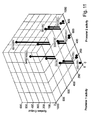
- the present inventors have generated a nucleic acid construct system which generates a reporter polypeptide in response to the concurrent activity of two cancer-related genes in mammalian cells ( Figures 9-11 ).
- nucleic acid construct system comprising:
- the first and second nucleic acid constructs of the present system typically serve as sensor molecules generating independent signals in response to the activity of the inducible transcriptional regulatory sequences comprised therein.
- the construct system of the present invention may also comprise a third nucleic acid construct which, itself acts as a processor molecule integrating the two signals generated by the first and second nucleic acid constructs.
- the system as a whole can be used either to detect a cell state (e.g. disease) or to react to a cell state (e.g. treat a disease).
- polynucleotide refers to a deoxyribonucleic acid sequence composed of naturally-occurring bases, sugars and covalent internucleoside linkages (e.g., backbone) as well as oligonucleotides having non-naturally-occurring portions which function similarly to respective naturally-occurring portions. Such modifications are enabled by the present invention provided that recombinant expression is still allowed.
- the polynucleotides may comprise complementary polynucleotide sequences (cDNA), genomic polynucleotide sequences and/or a composite polynucleotide sequences (e.g., a combination of the above).
- complementary polynucleotide sequence refers to a sequence, which results from reverse transcription of messenger RNA using a reverse transcriptase or any other RNA dependent DNA polymerase. Such a sequence can be subsequently amplified in vivo or in vitro using a DNA dependent DNA polymerase.
- genomic polynucleotide sequence refers to a sequence derived (isolated) from a chromosome and thus it represents a contiguous portion of a chromosome.
- composite polynucleotide sequence refers to a sequence, which is at least partially complementary and at least partially genomic.
- a composite sequence can include some exonal sequences required to encode the polypeptide of the present invention, as well as some intronic sequences interposing therebetween.
- the intronic sequences can be of any source, including of other genes, and typically will include conserved splicing signal sequences. Such intronic sequences may further include cis acting expression regulatory elements.
- first expression product and “second expression product” refer to either polypeptides (including short peptides capable of interfering with the activity of specific polypeptides) or silencing oligonucleotides including siRNAs and antisense polynucleotides. Exemplary expression products are further described herein below.
- transcriptional regulatory sequence refers to a promoter sequence or a sequence upstream (such as an enhancer), wherein activation thereof regulates (increases or decreases) transcription of a nucleic acid sequence operably linked thereto.
- the transcriptional regulatory sequences of the constructs of the present invention are regulated by a metabolic state or a pathological state, Accordingly, the transcriptional regulatory sequences of the present invention typically comprise sequences that serve as potential binding sites for transcription factors whose expression or activity are regulated during a particular metabolic or pathological state.
- transcription factors are regulated during pathological and metabolic states and the present invention contemplates all transcriptional regulatory sequences that are capable of binding such transcription factors.
- disease-regulated transcriptional regulatory sequences include, but are not limited to cancer, neurodegenerative disease, metabolic disease and inflammation transcriptional regulatory sequences.
- exemplary metabolic state regulated sequences may include sequences that are regulated by a high or low glucose concentration and sequences that are regulated by a state of proliferation and/or senescence. Exemplary transcriptional sequences that are activated in a cancerous state are described herein below.
- the first and second expression product are able to interact to form a complex capable of regulating (activating or suppressing) expression from the third nucleic acid construct.
- the first and second expression product may be any polypeptides of interest, with one limitation: the two must be able to bind with, at least, a minimal affinity via protein-protein interactions.
- the phrase "minimal affinity" refers to one that is sufficient to drive transcription from the output promoter upon binding of the first and second expression products.
- the minimal activity refers to a Kd of at least 10 -6 and more preferably 10 -7 .
- Exemplary first and second expression product pairs that may be used in the systems of the present invention include, but are not limited to antibody/antigen pairs, lectin/carbohydrate pairs, nucleic acid/nucleic acid pairs, receptor/receptor ligand (e.g. IL-4 receptor and IL-4) pairs, avidin/biotin pairs, etc.
- Particular examples include wild-type or mutant derivatives of the bacterial DocS and Coh2 as expression product 1 and expression product 2.
- Mutant [or truncated] derivatives may be used when it is desired to decrease the affinity between the two expression products.
- Exemplary mutant derivatives of DocS and Coh2 which may be used as expression products are disclosed in Fierobe, H.P., et al., J Biol Chem, 2001.
- the present inventors contemplate detecting an activity pattern of two or more genes whose mutual activity is possible only in the aberrant cells.
- transcriptional regulatory sequences that may be used in the constructs of the present invention is cell-cycle regulated transcriptional regulatory sequences.
- the cell-cycle is a tightly regulated process in which the activity of genes is highly orchestrated in response to both inter-cellular signals, such as growth factors, and to intra-cellular signals, such as the concentrations of essential biochemicals, cell size, DNA replication and DNA-damage.
- the cell cycle is divided into four sequential phases: G1, S, G2 and M, Each phase is characterized by the expression and activity of phase-specific proteins, such as cyclins, cyclin-dependent kinases (CDK's) and the RB-E2F1 complex.
- phase-specific proteins such as cyclins, cyclin-dependent kinases (CDK's) and the RB-E2F1 complex.
- CDK's cyclin-dependent kinases
- the tight coordination between phase-specific genes activity and cell-phase is extremely important for the regulation and maintenance of normal cell cycle. Therefore, in normal cells, cell cycle phase-specific genes are active only at a specific phase.
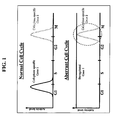
- Deregulation of cell cycle genes can cause aberrant growth and cancer. Therefore, analysis of cell-cycle gene expression patterns can be used to identify malignant transformation. For example, detection of a product of a G1 phase-specific gene and, simultaneously, a product of a G2-M phase-specific gene must be the result of deregulated cell cycle ( Figure 1 ).
- Two transcriptional regulatory sequences specific for two different tissues can be active individually in normal cells, but can be mutually active only in cancer cells.
- [CXCL1 and ILIB], [CXCL1 and MMP3] or [MMP3 and IL1B] are active simultaneously in tumor cells, but not in normal cells, as seen in human embryonic lung fibroblast cancer model [ Milyavsky, M., et al., Cancer Res, 2005. 65(11): p. 4530-43 ; Milyavsky, M., et al., Cancer Res, 2003. 63(21): p. 7147-57 ].
- Table 2 Transcriptional regulatory sequence 1 Transcriptional regulatory sequence 1 Protein A Protein B CXCL1 (SEQ ID NO: 1) CXCL1 (SEQ ID NO: 1) DocS/VP16-AD Coh2/GAL4-BD CXCL1 (SEQ ID NO: 1) Histone-H2A (SEQ ID NO: 2) DocS/VP16-AD Coh2/GAL4-BD CXCL1 (SEQ ID NO: 1) MAGEA 1 (SEQ ID NO: 3) DocS/VP16-AD Coh2/GAL4-BD CXCL1 (SEQ ID NO: 1) SSX1 (SEQ ID NO: 5) DocS/VP16-AD Coh2/GAL4-BD CXCL1 (SEQ ID NO: 1) WISP (SEQ ID NO: 6) DocS/VP16-AD Coh2/GAL4-BD Histone-H2A (SEQ ID NO: 2) CXCL1
- tumor suppressors such as [p21 AND p16]
- a high activity of two tumor suppressor promoters may be used to indicate that a cell is not cancerous
- a low activity of the tumor suppressor promoters may be used to indicate that a cell is cancerous.
- tumor suppressor gene transcriptional regulatory elements can be used in the second nucleic acid construct in order to drive the expression of an siRNA molecule, an RNAzyme or an antisense polynucleotide which inhibits the expression of the system output-protein (i.e. the reporter polypeptide) or the signal emitted from the first nucleic acid construct.
- One possible mechanism can be a three-module system which includes an E2F1 promoter regulating the expression of a transcriptional activator (e.g.
- GAL4-BD/VP16-AD fusion protein which itself is capable of inducing the output-gene expression from a GAL4 promoter, a p21 promoter regulating the expression of a siRNA molecule which represses the translation of the output protein and a promoter (e.g. GAL4) which regulate the expression of the output protein.
- a promoter e.g. GAL4 which regulate the expression of the output protein.
- RNA refers to small interfering RNAs, which also include short hairpin RNA (shRNA) [ Paddison et al., Genes & Dev. 16: 948-958, 2002 ], that are capable of causing interference and can cause post-transcriptional silencing of specific genes in cells, for example, mammalian cells (including human cells) and in the body, for example, mammalian bodies (including humans).
- shRNA short hairpin RNA
- RNA interference is a two step process.
- the first step which is termed as the initiation step, input dsRNA is digested into 21-23 nucleotide (nt) small interfering RNAs (siRNA), probably by the action of Dicer, a member of the RNase III family of dsRNA-specific ribonucleases, which processes (cleaves) dsRNA (introduced directly or via a transgene or a virus) in an ATP-dependent manner.
- nt nucleotide
- siRNA small interfering RNAs
- RNA 19-21 bp duplexes (siRNA), each with 2-nucleotide 3' overhangs [ Hutvagner and Zamore Curr Opin Genetics and Development 12:225-232 (2002 ); and Bernstein, Nature 409:363-366 (2001 )].
- the siRNA duplexes bind to a nuclease complex from the RNA-induced silencing complex (RISC).
- RISC RNA-induced silencing complex
- An ATP-dependent unwinding of the siRNA duplex is required for activation of the RISC.
- the active RISC targets the homologous transcript by base pairing interactions and cleaves the mRNA into 12 nucleotide fragments from the 3' terminus of the siRNA [ Hutvagner and Zamore Curr Op Gen Develop. 12:225-232 (2002 ); Hammond et al., 2001. Nat Rev Gen. 2:110-119 (2001 ); and Sharp Genes Dev. 15:485-90 (2001 )].
- each RISC contains a single siRNA and an RNase [ Hutvagner and Zamore, Curr Opin Gen. Develop. 12:225-232 (2002 )].
- RNAi RNAi mediated amplification step within the RNAi pathway. Amplification could occur by copying of the input dsRNAs which would generate more siRNAs, or by replication of the siRNAs formed. Alternatively or additionally, amplification could be effected by multiple turnover events of the RISC [ Hammond el al., Nat Rev Gen. 2:110-119 (2001 ), Sharp Genes Dev. 15:485-90 (2001 ); Hutvagner and Zamore Curr Opin Gen. Develop. 12:225-232 (2002 )]. Ample guidance for using RNAi to practice the present invention is provided in the literature of the art [refer, for example, to: Tuschl, ChemBiochem.
- RNAi molecules suitable for use with the present invention can be effected as follows. First, the mRNA sequence encoding the polypeptide of the present invention is scanned downstream of the AUG start codon for AA dinucleotide sequences. Occurrence of each AA and the 3' adjacent 19 nucleotides is recorded as potential siRNA target sites. Preferably, siRNA target sites are selected from the open reading frame, as untranslated regions (UTRs), being enriched in regulatory protein binding sites. UTR-binding proteins and/or translation initiation complexes may interfere with binding of the siRNA endonuclease complex [ Tuschl, Chem Biochem. 2:239-245 ].
- UTRs untranslated regions
- siRNAs directed at untranslated regions may also be effective, as demonstrated for GAPDH wherein siRNA directed at the 5' UTR mediated approximately 90 % decrease in cellular GAPDH mRNA and completely abolished protein level www.ambion.com/techlib/tn/142/3.html or www.ambion.com/techlib/tnll3l/4.html.
- potential target sites are compared to an appropriate genomic database (e.g., human, mouse, rat etc.) using any sequence alignment software, such as the BLAST software available from the NCBI server (www.ncbi.nlm.nih.gov/BLAST/). Putative target sites which exhibit significant homology to other coding sequences are filtered out.
- an appropriate genomic database e.g., human, mouse, rat etc.
- sequence alignment software such as the BLAST software available from the NCBI server (www.ncbi.nlm.nih.gov/BLAST/).
- Qualifying target sequences are selected as template for siRNA synthesis.
- Preferred sequences are those including low G/C content as these have proven to be more effective in mediating gene silencing as compared to those with G/C content higher than 55 %.
- Several target sites are preferably selected along the length of the target gene for evaluation.
- a negative target gene for evaluation.
- a negative control is preferably used in conjunction.
- Negative control siRNA preferably include the same nucleotide composition as the siRNAs but lack significant homology to the genome.
- a scrambled nucleotide sequence of the siRNA is preferably used, provided it does not display any significant homology to any other gene.
- Another agent capable of inhibiting the expression of the system output-protein or the signal emited from the first nucleic acid is an antisense polynucleotide capable of specifically hybridizing with an mRNA transcript.
- the first aspect is delivery of the oligonucleotide into the cytoplasm of the appropriate cells, while the second aspect is design of an oligonucleotide which specifically binds the designated mRNA within cells in a way which inhibits translation thereof.
- Ribozyme molecule Another agent capable of downregulating the system output-protein or the signal emited from the first nucleic acid is a ribozyme molecule.
- Ribozymes are being increasingly used for the sequence-specific inhibition of gene expression by the cleavage of mRNAs encoding proteins of interest [ Welch et al., Curr Opin Biotechnol. 9:486-96 (1998 )].
- the possibility of designing ribozymes to cleave any specific target RNA has rendered them valuable tools in both basic research and therapeutic applications.
- ribozymes have been exploited to target viral RNAs in infectious diseases, dominant oncogenes in cancers and specific somatic mutations in genetic disorders [ Welch et al., Clin Diagn Virol. 10:163-71 (1998 )]. Most notably, several ribozyme gene therapy protocols for HIV patients are already in Phase 1 trials. More recently, ribozymes have been used for transgenic animal research, gene target validation and pathway elucidation. Several ribozymes are in various stages of clinical trials. ANGIOZYME was the first chemically synthesized ribozyme to be studied in human clinical trials.
- ANGIOZYME specifically inhibits formation of the VEGF-r (Vascular Endothelial Growth Factor receptor), a key component in the angiogenesis pathway.
- Ribozyme Pharmaceuticals, Inc. as well as other firms have demonstrated the importance of anti-angiogenesis therapeutics in animal models.
- HEPTAZYME a ribozyme designed to selectively destroy Hepatitis C Virus (HCV) RNA, was found effective in decreasing Hepatitis C viral RNA in cell culture assays (Ribozyme Pharmaceuticals, Incorporated - WEB home page).
- GSE genetic suppressor element
- nucleic acid constructs of the present invention may also comprise other elements of regulatory machinery (e.g. initiation site, stop site, degradation tags etc.) sufficient to direct and/or regulate expression of the polynucleotides comprised therein.
- regulatory machinery e.g. initiation site, stop site, degradation tags etc.
- Degradation tags can be used to couple the concentrations of the synthetic chimera proteins (i.e. the first and second expression product and/or the output protein) to the concentrations of a native protein. Since the chimera proteins are heterologous to mammalian cells, they are not subjected to active degradation protein-specific degradation (for example, via the ubiquitin pathway) and therefore have a relatively long half life. Native proteins often carry a degradation tag that targets them for degradation by the cell machinery at a specific cell state. Addition of the degradation tag of the native cell cycle-specific protein to the synthetic protein, will allow it to be degraded in coordination with the native protein. This may give better correlation between the native and synthetic protein.
- the degradation tag may be a general degradation tag that shortens the half life of the synthetic protein and might assist in achieving better resolution for cell state identification by preventing the accumulation of the synthetic proteins (for example, as a result of a minor leak from the promoters which regulate the expression of the synthetic proteins).
- a possible degradation tag is amino acids 422-461 of the mouse ornithine decarboxylase (MODC).
- MODC mouse ornithine decarboxylase
- This peptide comprises a PEST sequence which targets the protein to ubiquitination and, subsequently, to degradation.
- YFP protein fused to this PEST sequence has a half-life of approximately 1-1.5 hours [ Li, X., et al., J Biol Chem, 1998. 273(52): p. 34970-5 ].
- a polynucleotide sequence of an exemplary degradation signal is set forth in SEQ ID NO: 15.
- Other degradation tags could be phase-specific. Such tags would target the fusion proteins to degradation at a specific cell-phase.
- the 100 N-terminal amino acids of cyclinB1 which targets it for degradation at the G2-M phase [ King, R.W., et al., Science, 1996. 274 (5293): p. 1652-9 ].
- a fusion protein when regulated by a normal phase-specific promoter and a corresponding phase-specific degradation tag, it would be coupled to the specific cell-phase. Therefore, it should be possible to construct a system in which the two fusion proteins are correlated with two different cell cycle phases. In such a system, the fusion proteins will be co-expressed only when the regulation of at least one phase-specific promoter is disrupted. As a result, the output protein would be expressed only in cells with impaired cell cycle regulation.
- the degradation tag may also be an mRNA decay tag, such as described in Wilusz and Wilusz [Trends in Genetics, Vol 20., No. 10, 2004 ], incorporated herein by reference.
- the nucleic acid construct may also comprise a TATA box and other upstream promoter elements.
- the TATA box located 25-30 base pairs upstream of the transcription initiation site, is thought to be involved in directing RNA polymerase to begin RNA synthesis.
- the other upstream promoter elements determine the rate at which transcription is initiated.
- Enhancer elements can stimulate transcription up to 1,000 fold from linked homologous or heterologous promoters. Enhancers are active when placed downstream or upstream from the transcription initiation site. Many enhancer elements derived from viruses have a broad host range and are active in a variety of tissues. For example, the SV40 early gene enhancer is suitable for many cell types. Other enhancer/promoter combinations that are suitable for the present invention include those derived from polyoma virus, human or murine cytomegalovirus (CMV), the long term repeat from various retroviruses such as murine leukemia virus, murine or Rous sarcoma virus and HIV. See, Enhancers and Eukaryotic Expression, Cold Spring Harbor Press, Cold Spring Harbor, N.Y. 1983 , which is incorporated herein by reference.
- CMV cytomegalovirus
- the promoter is preferably positioned approximately the same distance from the heterologous transcription start site as it is from the transcription start site in its natural setting. As is known in the art, however, some variation in this distance can be accommodated without loss of promoter function.
- Polyadenylation sequences can also be added to the expression vector in order to increase the efficiency of translation of the expression products.
- Two distinct sequence elements are required for accurate and efficient polyadenylation: GU or U rich sequences located downstream from the polyadenylation site and a highly conserved sequence of six nucleotides, AAUAAA, located 11-30 nucleotides upstream.
- Termination and polyadenylation signals that are suitable for the present invention include those derived from SV40.
- nucleic acid constructs of the present invention may typically contain other specialized elements intended to increase the level of expression of cloned nucleic acids or to facilitate the identification of cells that carry the recombinant DNA.
- a number of animal viruses contain DNA sequences that promote the extra chromosomal replication of the viral genome in permissive cell types. Plasmids bearing these viral replicons are replicated episomally as long as the appropriate factors are provided by genes either carried on the plasmid or with the genome of the host cell.
- the vector may or may not include a eukaryotic replicon. If a eukaryotic replicon is present, then the vector is amplifiable in eukaryotic cells using the appropriate selectable marker. If the vector does not comprise a eukaryotic replicon, no episomal amplification is possible. Instead, the recombinant DNA integrates into the genome of the engineered cell, where the promoter directs expression of the desired nucleic acid.
- the nucleic acid constructs of the present invention can further include additional polynucleotide sequences that allow, for example, the translation of several proteins from a single mRNA such as an internal ribosome entry site (IRES) and sequences for genomic integration of the promoter-chimeric polypeptide.
- IRS internal ribosome entry site
- first expression product and the second expression product are encoded on a single nucleic acid construct.
- all three elements i.e. the first and second expression product and the output protein
- Such constructs would comprise an internal ribosome entry site (IRES).
- the nucleic acid constructs of this invention may be prepared by any suitable method, including, for example, cloning and restriction of appropriate sequences or direct chemical synthesis by methods such as the phosphotriester method of Narang et al. (1979) Meth. Enzymol. 68: 90-99 ; the phosphodiester method of Brown et al. (1979) Meth. Enzymol. 68: 109-151 , the diethylphosphoramidite method of Beaucage et al. (1981) Tetra. Lett., 22: 1859-1862 ; and the solid support method of U.S. Pat. No. 4,458,066 .
- the first and second nucleic acid constructs may be provided as a kit either alone or in combination with the third nucleic acid construct.
- the kit may optionally include any reagents and/or apparatus to facilitate practice of the methods described herein below.
- reagents include, but are not limited to buffers, instrumentation (e.g. bandpass filter), reagents for detecting a signal from a reporter gene, transfection reagents, cell lines, vectors, and the like.
- the kits may include instructional materials containing directions (i.e., protocols) for the practice of the methods of this invention.
- nucleic acid construct system of the present invention may be used to diagnose a cell state.
- a method of diagnosing a disease or a metabolic state comprising expressing the nucleic acid construct system of the present invention in at least one mammalian cell, wherein a change in expression of the reporter polypeptide is indicative of the disease or metabolic state.
- diagnosis refers to determining the presence of a disease, classifying a disease, determining a severity of the disease (grade or stage), monitoring disease progression, forecasting an outcome of the disease and/or prospects of recovery.
- the cells can include cells in long term culture (e.g. HeLa cells, CHO cells, SW480 cells, SW48 cells, DLD-1, HCT-116, HT29, 293 cells, U-20S, T-47D, MCF-7, A549, Hep G, Jarkat cells, and the like.
- the cells can also include acute (unpassaged) cells and cells in vivo.
- Diseases that may be diagnosed according to this aspect of the present invention are typically multi-faceted diseases that are not dependent on a genetic defect of a single gene.
- Exemplary diseases include proliferative disorders such as cancer, metabolic disorders such as diabetes, neurodegenerative disorders, inflammation-associated disorders and immune associated disorders.
- the third nucleic acid construct comprises a promoter operably linked to a reporter polypeptide.
- reporter polypeptide refers to a polypeptide whose expression indicates the simultaneous expression and/or level of expression of the two input signals. According to one embodiment the reporter polypeptide comprises a detectable moiety. Polypeptides comprising detectable moieties are well known to those of skill in the art.
- bacterial chloramphenicol acetyl transferase CAT
- beta-galactosidase beta-galactosidase
- GFP green fluorescent protein
- various bacterial luciferase genes e.g., the luciferase genes encoded by Vibrio harveyi, Vibrio fischeri, and Xenorhabdus luminescens, the firefly luciferase gene FFlux, and the like.
- reporter polypeptides may also be detected even in the absence of a "traditional" detectable moiety, such as those listed above.
- a reporter may be detected by methods including, but not limited to, Northern blots, amplification techniques (e.g. PCR), and the like.
- the translated protein product can be detected by detecting the characteristic activity of the protein or by detecting the protein product itself (e.g. via Western blot, capillary electrophoresis, and the like).
- the reporter polypeptide may be a secreted polypeptide. Accordingly, the present invention contemplates detecting the reporter in a biological fluid, such as blood or urine.
- the method according to this aspect of the present invention is typically effected by expressing the constructs of the present invention in a test cell wherein a change (i.e. an up-regulation or down-regulation) of the reporter polypeptide is indicative of the disease.
- a change i.e. an up-regulation or down-regulation
- Non-diseased cells preferably identical to the test cells (e.g. identical cell type, derived from a subject of the same sex, age, weight etc.), may be transfected/infected with the expression constructs of the present invention to serve as controls.
- nucleic acid construct system of the present invention may also be used to treat a disease.
- a method of treating a disease comprising expressing the nucleic acid construct system of the present invention, in at least one cell of a subject in need thereof, thereby treating the disease.
- the term "subject in need thereof” refers to a mammal, preferably a human subject.
- treating refers to preventing, curing, reversing, attenuating, alleviating, minimizing, suppressing or halting the deleterious effects of a disease or condition.
- the system output protein (i.e. the reporter polypeptide) of the third nucleic acid construct comprises a therapeutic polypeptide.
- the therapeutic polypeptide may encode an agent that can be used to selectively kill or inhibit a cell that expresses the expression products from the first and second nucleic acid construct.
- the system output polypeptide may be active in all states besides the state of interest.
- the system output polypeptide may be the product of a helper gene that would rescue all cells but the diseased ones.
- the therapeutic polypeptide is a cytotoxic polypeptide.
- Such therapeutic molecules may be useful for killing cancerous cells for example.
- a cytotoxic polypeptide refers to a polypeptide that when expressed results in cell death or renders the cell susceptible to killing by another reagent.
- expression of a herpes virus thymidine kinase gene will render a cell susceptible to the drug gangcyclovir which will cause the selective killing of any cell producing it.
- Suitable cytotoxic polypeptides include, but are not limited to Psuedomonas exotoxin, Diphtheria toxin, ricin, abrin, thymidine kinase (e.g. TK1), apoptosis genes, and genes involved in an apoptosis related pathway (e.g. P53, P73, Bax, Bad, FADD, caspases, etc.).
- therapeutic polypeptides other than cytotoxic polypeptides are also contemplated by the present invention. Selection of a particular therapeutic polypeptide is dependent on the disease which is being treated.
- the nucleic acid constructs can be transferred into the chosen host cell ex-vivo by well-known methods such as by electroporation for mammalian cells. In vivo transfection can be accomplished using standard gene therapy methods, e.g. as described herein.
- the cells may be transfected with the nucleic acid constructs of the present invention directly (e.g. via microinjection, lipid encapsulation, HIV TAT protein mediated transfer, etc.).
- HIV TAT human immunodeficiency virus TAT protein
- when fused to considerably larger proteins results in delivery of the biologically active protein even across the blood brain barrier (see, e.g., Schwarze et al. (1999) Science, 285: 1569-1572 , and references cited therein).
- Gene therapy refers to the transfer of genetic material (e.g. DNA or RNA) of interest into a host to treat or prevent a genetic or acquired disease or condition or phenotype.
- the genetic material of interest encodes a product (e.g. a protein, polypeptide, peptide, functional RNA, antisense) whose production in vivo is desired.
- the genetic material of interest can encode a hormone, receptor, enzyme, polypeptide or peptide of therapeutic value.
- ex vivo and (2) in vivo gene therapy Two basic approaches to gene therapy have evolved: (1) ex vivo and (2) in vivo gene therapy.
- ex vivo gene therapy cells are removed from a patient, and while being cultured are treated in vitro.
- a functional replacement gene is introduced into the cell via an appropriate gene delivery vehicle/method (transfection, transduction, homologous recombination, etc.) and an expression system as needed and then the modified cells are expanded in culture and returned to the host/patient.
- These genetically reimplanted cells have been shown to express the transfected genetic material in situ.
- the cells may be autologous or non-autologous to the subject. Since non-autologous cells are likely to induce an immune reaction when administered to the body several approaches have been developed to reduce the likelihood of rejection of non-autologous cells. These include either suppressing the recipient immune system or encapsulating the non-autologous cells in immunoisolating, semipermeable membranes before transplantation.
- target cells are not removed from the subject rather the genetic material to be transferred is introduced into the cells of the recipient organism in situ, that is within the recipient.
- the host gene if the host gene is defective, the gene is repaired in situ ( Culver, 1998. (Abstract) Antisense DNA & RNA based therapeutics, February 1998, Coronado, CA ).
- nucleic acids by infection in both in vivo and ex vivo gene therapy offers several advantages over the other listed methods. Higher efficiency can be obtained due to their infectious nature. Moreover, viruses are very specialized and typically infect and propagate in specific cell types. Thus, their natural specificity can be used to target the vectors to specific cell types in vivo or within a tissue or mixed culture of cells. Viral vectors can also be modified with specific receptors or ligands to alter target specificity through receptor mediated events.
- recombinant viral vectors are useful for in vivo expression of a desired nucleic acid because they offer advantages such as lateral infection and targeting specificity.
- Lateral infection is inherent in the life cycle of, for example, retrovirus and is the process by which a single infected cell produces many progeny virions that bud off and infect neighboring cells. The result is that a large area becomes rapidly infected, most of which was not initially infected by the original viral particles. This is in contrast to vertical-type of infection in which the infectious agent spreads only through daughter progeny.
- Viral vectors can also be produced that are unable to spread laterally. This characteristic can be useful if the desired purpose is to introduce a specified gene into only a localized number of targeted cells.
- viruses infect and propagate in specific cell types.
- the targeting specificity of viral utilizes its natural specificity of viral vectors utilizes its natural specificity to specifically target predetermined cell types and thereby introduce a recombinant gene into the infected cell.
- the vector to be used in the methods of the invention will depend on desired cell type to be targeted and will be known to those skilled in the art.
- constructs of the present invention can be provided to the individual per se , or as part of a pharmaceutical composition where it is mixed with a pharmaceutically acceptable carrier.
- a "pharmaceutical composition” refers to a preparation of one or more of the active ingredients described herein with other chemical components such as physiologically suitable carriers and excipients.
- the purpose of a pharmaceutical composition is to facilitate administration of a compound to an organism.
- active ingredient refers to the constructs which are accountable for the biological effect.
- physiologically acceptable carrier and “pharmaceutically acceptable carrier” which may be interchangeably used refer to a carrier or a diluent that does not cause significant irritation to an organism and does not abrogate the biological activity and properties of the administered compound.
- An adjuvant is included under these phrases.
- One of the ingredients included in the pharmaceutically acceptable carrier can be for example polyethylene glycol (PEG), a biocompatible polymer with a wide range of solubility in both organic and aqueous media (Mutter et al. (1979).
- excipient refers to an inert substance added to a pharmaceutical composition to further facilitate administration of an active ingredient.
- excipients include calcium carbonate, calcium phosphate, various sugars and types of starch, cellulose derivatives, gelatin, vegetable oils and polyethylene glycols.
- Suitable routes of administration may, for example, include oral, rectal, transmucosal, transnasal, intestinal or parenteral delivery, including intramuscular, subcutaneous and intramedullary injections as well as intrathecal, direct intraventricular, intravenous, inrtaperitoneal, intranasal, or intraocular injections.
- compositions of the present invention may be manufactured by processes well known in the art, e.g., by means of conventional mixing, dissolving, granulating, dragee-making, levigating, emulsifying, encapsulating, entrapping or lyophilizing processes.
- compositions for use in accordance with the present invention may be formulated in conventional manner using one or more physiologically acceptable carriers comprising excipients and auxiliaries, which facilitate processing of the active ingredients into preparations which, can be used pharmaceutically. Proper formulation is dependent upon the route of administration chosen.
- the active ingredients of the invention may be formulated in aqueous solutions, preferably in physiologically compatible buffers such as Hank's solution, Ringer's solution, or physiological salt buffer.
- physiologically compatible buffers such as Hank's solution, Ringer's solution, or physiological salt buffer.
- penetrants appropriate to the barrier to be permeated are used in the formulation. Such penetrants are generally known in the art.
- the compounds can be formulated readily by combining the active compounds with pharmaceutically acceptable carriers well known in the art.
- Such carriers enable the compounds of the invention to be formulated as tablets, pills, dragees, capsules, liquids, gels, syrups, slurries, suspensions, and the like, for oral ingestion by a patient.
- Pharmacological preparations for oral use can be made using a solid excipient, optionally grinding the resulting mixture, and processing the mixture of granules, after adding suitable auxiliaries if desired, to obtain tablets or dragee cores.
- Suitable excipients are, in particular, fillers such as sugars, including lactose, sucrose, mannitol, or sorbitol; cellulose preparations such as, for example, maize starch, wheat starch, rice starch, potato starch, gelatin, gum tragacanth, methyl cellulose, hydroxypropylmethylcellulose, sodium carbomethylcellulose; and/or physiologically acceptable polymers such as polyvinylpyrrolidone (PVP).
- disintegrating agents may be added, such as cross-linked polyvinyl pyrrolidone, agar, or alginic acid or a salt thereof such as sodium alginate.
- Dragee cores are provided with suitable coatings.
- suitable coatings For this purpose, concentrated sugar solutions may be used which may optionally contain gum arabic, talc, polyvinyl pyrrolidone, carbopol gel, polyethylene glycol, titanium dioxide, lacquer solutions and suitable organic solvents or solvent mixtures.
- Dyestuffs or pigments may be added to the tablets or dragee coatings for identification or to characterize different combinations of active compound doses.
- compositions which can be used orally, include push-fit capsules made of gelatin as well as soft, sealed capsules made of gelatin and a plasticizer, such as glycerol or sorbitol.
- the push-fit capsules may contain the active ingredients in admixture with filler such as lactose, binders such as starches, lubricants such as talc or magnesium stearate and, optionally, stabilizers.
- the active ingredients may be dissolved or suspended in suitable liquids, such as fatty oils, liquid paraffin, or liquid polyethylene glycols.
- stabilizers may be added. All formulations for oral administration should be in dosages suitable for the chosen route of administration.
- compositions may take the form of tablets or lozenges formulated in conventional manner.
- the active ingredients for use according to the present invention are conveniently delivered in the form of an aerosol spray presentation from a pressurized pack or a nebulizer with the use of a suitable propellant, e.g., dichlorodifluoromethane, trichlorofluoromethane, dichlorotetrafluoroethane or carbon dioxide.
- a suitable propellant e.g., dichlorodifluoromethane, trichlorofluoromethane, dichlorotetrafluoroethane or carbon dioxide.
- the dosage unit may be determined by providing a valve to deliver a metered amount.
- Capsules and cartridges of, e.g., gelatin for use in a dispenser may be formulated containing a powder mix of the compound and a suitable powder base such as lactose or starch.
- compositions described herein may be formulated for parenteral administration, e.g., by bolus injection or continuous infusion.
- Formulations for injection may be presented in unit dosage form, e.g., in ampoules or in multidose containers with optionally, an added preservative.
- the compositions may be suspensions, solutions or emulsions in oily or aqueous vehicles, and may contain formulatory agents such as suspending, stabilizing and/or dispersing agents.
- compositions for parenteral administration include aqueous solutions of the active preparation in water-soluble form. Additionally, suspensions of the active ingredients may be prepared as appropriate oily or water based injection suspensions. Suitable lipophilic solvents or vehicles include fatty oils such as sesame oil, or synthetic fatty acids esters such as ethyl oleate, triglycerides or liposomes. Aqueous injection suspensions may contain substances, which increase the viscosity of the suspension, such as sodium carboxymethyl cellulose, sorbitol or dextran. Optionally, the suspension may also contain suitable stabilizers or agents which increase the solubility of the active ingredients to allow for the preparation of highly concentrated solutions.
- the active ingredient may be in powder form for constitution with a suitable vehicle, e.g., sterile, pyrogen-free water based solution, before use.
- a suitable vehicle e.g., sterile, pyrogen-free water based solution
- the preparation of the present invention may also be formulated in rectal compositions such as suppositories or retention enemas, using, e.g., conventional suppository bases such as cocoa butter or other glycerides.
- compositions suitable for use in context of the present invention include compositions wherein the active ingredients are contained in an amount effective to achieve the intended purpose. More specifically, a therapeutically effective amount means an amount of active ingredients effective to prevent, alleviate or ameliorate symptoms of disease or prolong the survival of the subject being treated.
- the therapeutically effective amount or dose can be estimated initially from in vitro assays.
- a dose can be formulated in animal models and such information can be used to more accurately determine useful doses in humans.
- Toxicity and therapeutic efficacy of the active ingredients described herein can be determined by standard pharmaceutical procedures in vitro, in cell cultures or experimental animals.
- the data obtained from these in vitro and cell culture assays and animal studies can be used in formulating a range of dosage for use in human.
- the dosage may vary depending upon the dosage form employed and the route of administration utilized.
- the exact formulation, route of administration and dosage can be chosen by the individual physician in view of the patient's condition. [See e.g., Fingl, et al., (1975) "The Pharmacological Basis of Therapeutics", Ch. 1 p.1 ].
- dosing can be of a single or a plurality of administrations, with course of treatment lasting from several days to several weeks or until cure is effected or diminution of the disease state is achieved.
- compositions to be administered will, of course, be dependent on the subject being treated, the severity of the affliction, the manner of administration, the judgment of the prescribing physician, etc.
- constructs of the present invention can be provided to the individual with additional active agents to achieve an improved therapeutic effect as compared to treatment with each agent by itself.
- measures e.g., dosing and selection of the complementary agent
- adverse side effects are taken to adverse side effects which may be associated with combination therapies.
- compositions including the preparation of the present invention formulated in a compatible pharmaceutical carrier may also be prepared, placed in an appropriate container, and labeled for treatment of an indicated condition.
- compositions of the present invention may, if desired, be presented in a pack or dispenser device, such as an FDA approved kit, which may contain one or more unit dosage forms containing the active ingredient.
- the pack may, for example, comprise metal or plastic foil, such as a blister pack.
- the pack or dispenser device may be accompanied by instructions for administration.
- the pack or dispenser may also be accommodated by a notice associated with the container in a form prescribed by a governmental agency regulating the manufacture, use or sale of pharmaceuticals, which notice is reflective of approval by the agency of the form of the compositions or human or veterinary administration.
- Such notice for example, may be of labeling approved by the U.S. Food and Drug Administration for prescription drugs or of an approved product insert.
- constructs of the present invention may also be used to screen for potential therapeutic agents that are capable of reversing a disease cell phenotype.
- a method of identifying an agent capable of reversing a disease phenotype of a mammalian cell comprising,
- agent refers to a test composition comprising a biological agent or a chemical agent.
- biological agents examples include, but are not limited to, nucleic acids, e.g., polynucleotides, ribozymes, siRNA and antisense molecules (including without limitation RNA, DNA, RNA/DNA hybrids, peptide nucleic acids, and polynucleotide analogs having altered backbone and/or bass structures or other chemical modifications); proteins, polypeptides (e.g. peptides), carbohydrates, lipids and "small molecule" drug candidates.
- nucleic acids e.g., polynucleotides, ribozymes, siRNA and antisense molecules (including without limitation RNA, DNA, RNA/DNA hybrids, peptide nucleic acids, and polynucleotide analogs having altered backbone and/or bass structures or other chemical modifications)
- proteins polypeptides (e.g. peptides)
- carbohydrates e.g. lipids and "small molecule" drug candidates.
- Small molecules can be, for example, naturally occurring compounds (e.g., compounds derived from plant extracts, microbial broths, and the like) or synthetic organic or organometallic compounds having molecular weights of less than about 10,000 daltons, preferably less than about 5,000 daltons, and most preferably less than about 1,500 daltons.
- the candidate agents are preferably contacted with the cells (in vitro, ex vivo or in vivo) for a period long enough to have a therapeutic effect.
- the detectable moiety is also assayed prior to contact with the agent so that a comparison may be made prior to and following treatment.
- control experiments may be effected on other (preferably identical) cells wherein the test agent is contacted at a lower concentration or is absent completely.
- a difference in expression of the detectable moiety in the presence of the test agent(s) is compared to the expression of the detectable moiety where the test agent is present at a lower concentration or absent indicates that the test agent has an activity on the pathway being assayed.
- Other embodiments may utilize a positive control comprising a cell which has been contacted with a known therapeutic agent or, more preferably, a reference agent at a particular concentration. The effect of the test agent is then measured relative to the particular concentration of test agent or reference agent.
- transcriptional regulatory sequence and "expression product” are intended to include all such new sequences and polypeptides.
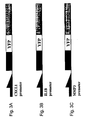
- FIG. 3A-C Exemplary constructs that may be used for calibration of promoter activity are illustrated in Figures 3A-C .
- the construct illustrated in Figure 3A may be used to calibrate CXCL1 promoter activity level (YFP output).
- the construct illustrated in Figure 3B may be used to calibrate IL1B promoter activity level (YFP output).
- the construct illustrated in Figure 3C may be used to calibrate MMP3 promoter activity level (YFP output).
- WI38 cells either T ⁇ R ⁇ G (cancerous) or T ⁇ fast (pre-cancerous) [ Milyavsky, M., et al., Cancer Res, 2003. 63(21): p. 7147-57 ; Milyavsky, M., et al., Cancer Res, 2005. 65(11): p. 4530-43 ], may be used as a model for non-cancer and cancer cells.
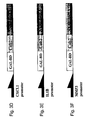
- the constructs illustrated in Figures 3D and 3H may be used to detect mutual activity of CXCL 1 (SEQ ID NO: 1) and IL1B (SEQ ID NO: 8) (YFP output; (SEQ ID NO: 9)).
- the constructs illustrated in Figures 3D and 3I may be used to detect mutual activity of CXCL1 (SEQ ID NO: 1) and MMP3 (SEQ ID NO: 7) (YFP output; (SEQ ID NO: 9)).
- the constructs illustrated in Figures 3E and 3I may be used to detect mutual activity of IL1B (SEQ ID NO: 8) and MMP3 (SEQ ID NO: 7) (YFP output, (SEQ ID NO: 9)).
- WI38 cells either T ⁇ R ⁇ G (cancerous) or T ⁇ fast (pre-cancerous) [ Milyavsky, M., et al., Cancer Res, 2003. 63(21): p. 7147-57 ; Milyavsky, M., et al., Cancer Res, 2005. 65(11): p. 4530-43 ], may be used as a model for non-cancer and cancer cells.
- the constructs illustrated in Figures 3D and 3K may be used to kill cells with mutual activity of CXCL1 (SEQ ID NO: 1) and IL1B (SEQ ID NO: 8) (TK1 output; (SEQ ID NO: 10)).
- the constructs illustrated in Figures 3D and 3L may be used to kill cells with mutual activity of CXCL1 (SEQ ID NO: 1) and MMP3 (SEQ ID NO: 7) (TK1 output; (SEQ ID NO: 10)) only in the presence of nucleotide analogues such as BVDU.
- the constructs illustrated in Figures 3E and 3L may be used to kill cells with mutual activity of IL1B and MMP3 (TK1 output) only in the presence of nucleotide analogues such as BVDU.
- W138 cells either T ⁇ R ⁇ G (cancerous) or T ⁇ fast (pre-cancerous) [ Milyavsky, M., et al., Cancer Res, 2003. 63(21): p. 7147-57 ; Milyavsky, M., et al., Cancer Res, 2005. 65(11): p. 4530-43 ], may be used as a model for non-cancer and cancer cells.
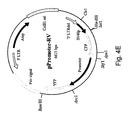
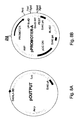
- plasmids For direct transfection, two plasmids were constructed which together comprise the three modules of the network. For modularity, each of the variable components in the system was enclosed in a cassette flanked by two unique restriction sites (plasmids pPromoter-Al, pPromoter-A2 and pPromoter-B, Figures 4B-D ). It was, therefore, relatively simple to replace any of the regulating promoters, fusion proteins, or the output protein. The only exception in this case is the PEST sequence. To generate a protein which comprises the PEST peptide, it must be cloned in-frame to the PEST sequence located immediately downstream to protein-1 and protein-2 .
- the protein is cloned with a STOP codon upstream to the PEST sequence.
- the present inventors had to build these plasmids from a backbone which included only an ampicillin resistance gene and a bacterial ORI (this required an eleven-steps cloning procedure).
- Eleven human promoters were selected as candidates for cancer diagnosis. To calibrate the activity of these promoters, approximately 1000 base pairs upstream to the ATG codon (including the 5' UTR) of each gene were cloned upstream to YFP in auxiliary plasmids (plasmid pPromoter-Au, Figure 4A ). Plasmids were transfected to the cells using FuGENE-HD transfection reagent (Roche, cat# 04709705001), and YFP measurements were preformed with the LSRII FACS machine.
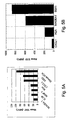
- FIG. 6A-H Representative distributions of YFP positive and YFP negative cells in a single population following transfection are shown in Figures 6A-H .
- CXCL1 promoter activity was undetectable in 293T cells, and this promoter will therefore be used as a negative control. All five promoters were cloned to a fully functional network, with wild-type VP16-AD/DocS and GAL4-BD/Coh2 fusion proteins and an YFP output (corresponding plasmids pPromoter-A2 and pPromoter-B, Figures 4C-D ).
- the Phoenix-Eco system For delivery by retroviral infections the Phoenix-Eco system, based on the Moloney Murine Leukemia Virus (MoMuLV) was selected [ Nolan, G.P. and A.R. Shatzman, Curr Opin Biotechnol, 1998. 9(5): p. 447-50 ].
- MoMuLV Moloney Murine Leukemia Virus
- both the 5' LTR and the 3' LTR operate as potent promoters.
- retrovirus derivative was used in which the enhancer/promoter region of the 3' LTR was deleted. As a result, viral regulated transcription is generated only by the 5' LTR.
- all three modules of the system are encoded in a single retrovirus; otherwise it would be necessary to deliver it by three independent infections. This, however, might disrupt the regulation of the present system. Transcription of any element in the network (either the fusion proteins or the output) might generate a single mRNA molecule that contains other downstream elements. As a result, downstream elements might be regulated by an upstream promoter in addition to their own. In the plasmid system, this problem was easily avoided by a transcription terminator sequence placed downstream to each module of the network. However, the retroviral DNA must not contain any terminator sequence between the 5' LTR and the 3' LTR. Otherwise, transcription of retroviral RNA will be impaired and virion titer will be extremely reduced.
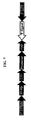
- a retrovirus was constructed in which CFP expression was regulated by an SV40 promoter. Immediately downstream to the CFP (which contained a 3' STOP codon) a YFP was cloned. This construct, together with subsequent constructs in which an SV40 or human promoters were cloned upstream to the YFP gene, were used for further analysis (plasmid pPromoter-RV, Figure 4E ). A scheme of these retroviruses is described in Figure 7 .
- upstream elements also regulates the expression of downstream elements
- CFP and YFP would be co-expressed even in the absence of a promoter upstream to the YFP gene.
- a human promoter would be placed upstream to the YFP gene, YFP concentrations would be significantly higher than those measured when YFP is regulated solely by the human promoter. This might occur if YFP was co-regulated by the potent SV40 promoter in addition to the human promoter.
- YFP expression was not affected by the 3'LTR. YFP expression was not affected by the activity of the SV40 promoter. When there was no promoter upstream to the YFP gene, fluorescence values which were very similar to the background fluorescence was measured. Furthermore, when promoters which show relatively low activity in 293T cells regulated YFP expression, YFP levels remained low as expected. Therefore, it can be concluded that the expression of upstream elements probably do not significantly affect the expression of downstream elements. Thus, it should be possible to include all the three modules of the network in a single retrovirus.
- the cells were transfected with the below three plasmids:
- output protein was expressed in cancer cells.
- the present system can indeed identify cancer cells according to the activity pattern of their input promoters.
- the system could identify a unique state characterized by high mutual activity of two input promoters and all other states.
- the medium promoters generated medium output (H2A-H2A) for both DocS-Coh2 and MyoD-ID
Landscapes
- Health & Medical Sciences (AREA)
- Life Sciences & Earth Sciences (AREA)
- Engineering & Computer Science (AREA)
- Chemical & Material Sciences (AREA)
- Biomedical Technology (AREA)
- Genetics & Genomics (AREA)
- Molecular Biology (AREA)
- Immunology (AREA)
- Biotechnology (AREA)
- Organic Chemistry (AREA)
- Bioinformatics & Cheminformatics (AREA)
- Zoology (AREA)
- Wood Science & Technology (AREA)
- General Health & Medical Sciences (AREA)
- Physics & Mathematics (AREA)
- Biochemistry (AREA)
- Microbiology (AREA)
- General Engineering & Computer Science (AREA)
- Urology & Nephrology (AREA)
- Hematology (AREA)
- Analytical Chemistry (AREA)
- Biophysics (AREA)
- Medicinal Chemistry (AREA)
- Plant Pathology (AREA)
- Pathology (AREA)
- General Physics & Mathematics (AREA)
- Food Science & Technology (AREA)
- Tropical Medicine & Parasitology (AREA)
- Cell Biology (AREA)
- Proteomics, Peptides & Aminoacids (AREA)
- Physiology (AREA)
- Toxicology (AREA)
- Crystallography & Structural Chemistry (AREA)
- Bioinformatics & Computational Biology (AREA)
- General Chemical & Material Sciences (AREA)
- Nuclear Medicine, Radiotherapy & Molecular Imaging (AREA)
- Pharmacology & Pharmacy (AREA)
- Animal Behavior & Ethology (AREA)
- Public Health (AREA)
- Veterinary Medicine (AREA)
Claims (14)
- Système de produit de recombinaison d'acide nucléique, comprenant :(i) un premier produit de recombinaison d'acide nucléique comprenant un premier polynucléotide, ledit premier polynucléotide comprenant une première séquence d'acide nucléique codant pour un premier produit d'expression, ladite première séquence d'acide nucléique étant en liaison fonctionnelle avec une première séquence de régulation de la transcription de mammifère inductible ; et(ii) un deuxième produit de recombinaison d'acide nucléique comprenant un deuxième polynucléotide, ledit deuxième polynucléotide comprenant une deuxième séquence d'acide nucléique codant pour un deuxième produit d'expression, ladite deuxième séquence d'acide nucléique étant en liaison fonctionnelle avec une deuxième séquence de régulation de la transcription de mammifère inductible,où ladite première séquence de régulation de la transcription de mammifère inductible et ladite deuxième séquence de régulation de la transcription de mammifère inductible ne sont pas identiques et sont chacune indépendamment sélectionnées à partir d'une séquence de régulation de la transcription de mammifère sensible au cycle cellulaire.
- Système de produit de recombinaison d'acide nucléique selon la revendication 1, comprenant en outre un troisième produit de recombinaison d'acide nucléique comprenant un troisième polynucléotide, ledit troisième polynucléotide comprenant une troisième séquence d'acide nucléique codant pour un polypeptide rapporteur, en liaison fonctionnelle avec un promoteur, où une activité dudit promoteur est régulée par la liaison d' au moins un dudit premier et dudit deuxième produit d'expression.
- Système de produit de recombinaison d'acide nucléique selon la revendication 2, dans lequel ledit polypeptide rapporteur comprend un fragment détectable.
- Système de produit de recombinaison d'acide nucléique selon la revendication 2, dans lequel ledit polypeptide rapporteur comprend un polypeptide thérapeutique.
- Système de produit de recombinaison d'acide nucléique selon la revendication 2, dans lequel ledit premier produit d'expression et ledit deuxième produit d'expression sont capables de se lier pour former un régulateur de la transcription dudit promoteur.
- Système de produit de recombinaison d'acide nucléique selon à revendication 2, dans lequel ledit premier produit d'expression est un polypeptide capable d'activer ledit promoteur.
- Système de produit de recombinaison d'acide nucléique selon la revendication 6, dans lequel ledit deuxième produit d'expression est un polynucléotide capable de négativement réguler une expression dudit premier produit d'expression ou dudit polypeptide rapporteur.
- Système de produit de recombinaison d'acide nucléique selon la revendication 7, dans lequel ledit polynucléotide capable de négativement réguler une expression dudit premier produit d'expression est un oligonucléotide d'extinction de l'ARN.
- Système de produit de recombinaison d'acide nucléique selon la revendication 1, dans lequel ledit premier polynucléotide et/ou ledit deuxième polynucléotide comprend en outre une séquence d'acide nucléique codant pour un marqueur de dégradation.
- Système de produit de recombinaison d'acide nucléique selon la revendication 3 destiné à être utilisé dans le diagnostic d'une maladie ou d' un état métabolique d'une cellule de mammifère, dans lequel une modification de l'expression dudit polypeptide rapporteur indique la maladie ou l'état métabolique.
- Système de produit de recombinaison d'acide nucléique selon la revendication 9, destiné à être utilisé dans le traitement d'une maladie.
- Procédé pour identifier un agent capable d'inverser un phénotype pathologique d'une cellule de mammifère, le procédé consistant à,(a) exprimer ex vivo le système de produit de recombinaison d'acide nucléique selon la revendication 3 dans la cellule de mammifère ;(b) mettre en contact la cellule de mammifère avec l'agents et(c) mesurer un taux de fragment détectable après (b) et facultativement avant (b), où une inversion de phénotype indique un agent capable d'inverser un phénotype pathologique d'une cellule de mammifère.
- Produit de recombinaison d'acide nucléique, comprenant :(i) un premier polynucléotide, ledit premier polynucléotide comprenant une première séquence d'acide nucléique codant pour un premier produit d'expression, ladite première séquence d'acide nucléique étant en liaison fonctionnelle avec une première séquence de régulation de la transcription de mammifère inductible ; et(ii) un deuxième polynucléotide comprenant une deuxième séquence d'acide nucléique codant pour un deuxième produit d'expression, ladite deuxième séquence d'acide nucléique étant en liaison fonctionnelle avec une deuxième séquence de régulation de la transcription de mammifère inductible,où ladite première séquence de régulation de la transcription de mammifère inductible et ladite deuxième séquence de régulation de la transcription de mammifère inductible ne sont pas identiques et sont chacune indépendamment sélectionnées à partir d'une séquence de régulation de la transcription de mammifère sensible au cycle cellulaire.
- Produit de recombinaison d'acide nucléique selon la revendication 13, comprenant en outre un troisième polynucléotide, ledit troisième polynucléotide comprenant une troisième séquence d'acide nucléique codant pour un polypeptide rapporteur, en liaison fonctionnelle avec un promoteur, où une activité dudit promoteur est régulée par la liaison d'au moins un dudit premier et dudit deuxième produit d'expression.
Priority Applications (1)
| Application Number | Priority Date | Filing Date | Title |
|---|---|---|---|
| EP20110196209 EP2500428A3 (fr) | 2007-07-11 | 2008-07-10 | Systèmes de constructions d'acides nucléiques capables de diagnostiquer ou de traiter l'état d'une cellule |
Applications Claiming Priority (3)
| Application Number | Priority Date | Filing Date | Title |
|---|---|---|---|
| US92973607P | 2007-07-11 | 2007-07-11 | |
| US61930707P | 2007-12-28 | 2007-12-28 | |
| PCT/IL2008/000963 WO2009007980A1 (fr) | 2007-07-11 | 2008-07-10 | Systèmes de produits de construction d'acide nucléique pouvant diagnostiquer ou traiter un état cellulaire |
Publications (2)
| Publication Number | Publication Date |
|---|---|
| EP2176409A1 EP2176409A1 (fr) | 2010-04-21 |
| EP2176409B1 true EP2176409B1 (fr) | 2012-01-04 |
Family
ID=46705097
Family Applications (2)
| Application Number | Title | Priority Date | Filing Date |
|---|---|---|---|
| EP20110196209 Withdrawn EP2500428A3 (fr) | 2007-07-11 | 2008-07-10 | Systèmes de constructions d'acides nucléiques capables de diagnostiquer ou de traiter l'état d'une cellule |
| EP08776602A Not-in-force EP2176409B1 (fr) | 2007-07-11 | 2008-07-10 | Systèmes de produits de construction d'acide nucléique pouvant diagnostiquer ou traiter un état cellulaire |
Family Applications Before (1)
| Application Number | Title | Priority Date | Filing Date |
|---|---|---|---|
| EP20110196209 Withdrawn EP2500428A3 (fr) | 2007-07-11 | 2008-07-10 | Systèmes de constructions d'acides nucléiques capables de diagnostiquer ou de traiter l'état d'une cellule |
Country Status (5)
| Country | Link |
|---|---|
| US (2) | US20100197767A1 (fr) |
| EP (2) | EP2500428A3 (fr) |
| AT (1) | ATE540115T1 (fr) |
| IL (1) | IL203195A0 (fr) |
| WO (1) | WO2009007980A1 (fr) |
Families Citing this family (8)
| Publication number | Priority date | Publication date | Assignee | Title |
|---|---|---|---|---|
| US20150211041A1 (en) * | 2012-08-16 | 2015-07-30 | Yeda Research And Development Co., Ltd. | Programmable nor-based device for transcription profile analyses |
| WO2018169901A1 (fr) * | 2017-03-13 | 2018-09-20 | Massachusetts Institute Of Technology | Promoteurs synthétiques |
| CN120665951A (zh) * | 2018-02-07 | 2025-09-19 | 吉尼松公司 | 杂合调控元件 |
| WO2020072471A1 (fr) * | 2018-10-05 | 2020-04-09 | University Of Utah Research Foundation | Procédés de fabrication de plaquettes comprenant des récepteurs modifiés et utilisations associées |
| WO2020261277A1 (fr) | 2019-06-25 | 2020-12-30 | Migal Galilee Research Institute Ltd. | Systèmes et leurs utilisations pour créer une logique de transcription synthétique et des portes basées sur le trans-épissage de pré-arnm |
| CN116059405A (zh) * | 2022-09-26 | 2023-05-05 | 华中科技大学同济医学院附属协和医院 | 一种治疗恶性肿瘤且具备特异性与灵敏度的合成基因网络系统 |
| WO2024189614A1 (fr) * | 2023-03-12 | 2024-09-19 | Circuit Bio Ltd. | Promoteurs synthétiques spécifiques de tissu et circuits et utilisation de ceux-ci |
| CN121221507B (zh) * | 2025-12-04 | 2026-02-06 | 康柏利科技(苏州)有限公司 | 一种抗炎舒缓的化妆品组合物 |
Citations (1)
| Publication number | Priority date | Publication date | Assignee | Title |
|---|---|---|---|---|
| WO2001096373A2 (fr) * | 2000-06-14 | 2001-12-20 | Clontech Laboratories, Inc. | Proteines fluorescentes a indication temporelle et procedes d'utilisation de celles-ci |
Family Cites Families (39)
| Publication number | Priority date | Publication date | Assignee | Title |
|---|---|---|---|---|
| NL154600B (nl) | 1971-02-10 | 1977-09-15 | Organon Nv | Werkwijze voor het aantonen en bepalen van specifiek bindende eiwitten en hun corresponderende bindbare stoffen. |
| NL154598B (nl) | 1970-11-10 | 1977-09-15 | Organon Nv | Werkwijze voor het aantonen en bepalen van laagmoleculire verbindingen en van eiwitten die deze verbindingen specifiek kunnen binden, alsmede testverpakking. |
| NL154599B (nl) | 1970-12-28 | 1977-09-15 | Organon Nv | Werkwijze voor het aantonen en bepalen van specifiek bindende eiwitten en hun corresponderende bindbare stoffen, alsmede testverpakking. |
| US3901654A (en) | 1971-06-21 | 1975-08-26 | Biological Developments | Receptor assays of biologically active compounds employing biologically specific receptors |
| US3853987A (en) | 1971-09-01 | 1974-12-10 | W Dreyer | Immunological reagent and radioimmuno assay |
| US3867517A (en) | 1971-12-21 | 1975-02-18 | Abbott Lab | Direct radioimmunoassay for antigens and their antibodies |
| NL171930C (nl) | 1972-05-11 | 1983-06-01 | Akzo Nv | Werkwijze voor het aantonen en bepalen van haptenen, alsmede testverpakkingen. |
| US3850578A (en) | 1973-03-12 | 1974-11-26 | H Mcconnell | Process for assaying for biologically active molecules |
| US3935074A (en) | 1973-12-17 | 1976-01-27 | Syva Company | Antibody steric hindrance immunoassay with two antibodies |
| US3996345A (en) | 1974-08-12 | 1976-12-07 | Syva Company | Fluorescence quenching with immunological pairs in immunoassays |
| US4034074A (en) | 1974-09-19 | 1977-07-05 | The Board Of Trustees Of Leland Stanford Junior University | Universal reagent 2-site immunoradiometric assay using labelled anti (IgG) |
| US3984533A (en) | 1975-11-13 | 1976-10-05 | General Electric Company | Electrophoretic method of detecting antigen-antibody reaction |
| US4098876A (en) | 1976-10-26 | 1978-07-04 | Corning Glass Works | Reverse sandwich immunoassay |
| US4458066A (en) | 1980-02-29 | 1984-07-03 | University Patents, Inc. | Process for preparing polynucleotides |
| US4879219A (en) | 1980-09-19 | 1989-11-07 | General Hospital Corporation | Immunoassay utilizing monoclonal high affinity IgM antibodies |
| US5011771A (en) | 1984-04-12 | 1991-04-30 | The General Hospital Corporation | Multiepitopic immunometric assay |
| US4666828A (en) | 1984-08-15 | 1987-05-19 | The General Hospital Corporation | Test for Huntington's disease |
| US4683202A (en) | 1985-03-28 | 1987-07-28 | Cetus Corporation | Process for amplifying nucleic acid sequences |
| US4801531A (en) | 1985-04-17 | 1989-01-31 | Biotechnology Research Partners, Ltd. | Apo AI/CIII genomic polymorphisms predictive of atherosclerosis |
| US5272057A (en) | 1988-10-14 | 1993-12-21 | Georgetown University | Method of detecting a predisposition to cancer by the use of restriction fragment length polymorphism of the gene for human poly (ADP-ribose) polymerase |
| US5192659A (en) | 1989-08-25 | 1993-03-09 | Genetype Ag | Intron sequence analysis method for detection of adjacent and remote locus alleles as haplotypes |
| US5281521A (en) | 1992-07-20 | 1994-01-25 | The Trustees Of The University Of Pennsylvania | Modified avidin-biotin technique |
| WO1995013375A1 (fr) * | 1993-11-10 | 1995-05-18 | The Johns Hopkins University | Waf1 anti-tumoral |
| AU1662595A (en) * | 1994-01-28 | 1995-08-15 | Herbert Altmann | Method of determining the activity of a regulatory factor, and use of the method |
| US6458559B1 (en) * | 1998-04-22 | 2002-10-01 | Cornell Research Foundation, Inc. | Multivalent RNA aptamers and their expression in multicellular organisms |
| US6706491B1 (en) * | 1999-04-09 | 2004-03-16 | The Board Of Trustees Of The University Of Illinois | Reagents and methods for identifying and modulating expression of genes regulated by p21 |
| WO2000066707A2 (fr) * | 1999-05-03 | 2000-11-09 | Technion Research And Development Foundation Ltd. | Nouveau transporteur de thiamine, polynucleotide le codant et leurs utilisations |
| WO2007143451A2 (fr) * | 2006-05-30 | 2007-12-13 | Terman David S | Érythrocytes falciformes, cellules précurseurs nucléés et cellules érythroleucémiques pour la délivrance ciblée de virus oncolytiques, protéines antitumorales, plasmides, toxines, hémolysines et agents chimiothérapeutiques |
| WO2001025420A2 (fr) * | 1999-10-07 | 2001-04-12 | Hybrigen, Inc. | Systemes d'interactions genetiques moleculaires a sensibilite reglable comportant des systemes d'interactions proteine-proteine de detection et d'analyse |
| US6251676B1 (en) * | 2000-03-24 | 2001-06-26 | The General Hospital Corporation | Mammalian cell two-hybrid system |
| WO2001083808A2 (fr) * | 2000-05-01 | 2001-11-08 | Rappaport Family Institute For Research In The Medical Sciences | Systeme de produit de recombinaison d'acide nucleique et procede utilisant celui-ci pour identifier des interactions entre des proteines |
| US6787321B1 (en) * | 2000-10-13 | 2004-09-07 | The Regents Of The University Of California | Mammalian two-hybrid system for screening for modulators of the accumulation of metabolic products |
| US7060459B2 (en) * | 2000-12-08 | 2006-06-13 | Juan Saus | TNF-inducible promoters and methods for using |
| JP2004536572A (ja) * | 2001-02-23 | 2004-12-09 | セル・ジェネシス・インコーポレイテッド | 新規ベクター構築物 |
| AU2002303282A1 (en) * | 2001-04-06 | 2002-10-21 | University Of Rochester | Suppression of androgen receptor transactivation through new pathways to AR and AR coactivators and repressors |
| JP4528623B2 (ja) * | 2002-09-16 | 2010-08-18 | プロメガ コーポレイション | 迅速分解性レポーター融合タンパク質 |
| WO2004078984A1 (fr) * | 2003-03-05 | 2004-09-16 | Janssen Pharmaceutica N.V. | Modele animal pour l'identification rapide de composes pharmaceutiques actifs in vivo |
| GT200600210A (es) * | 2005-05-19 | 2007-01-03 | Schering Ag | Terapia genica de interferon-beta usdando un sistema mejorado de expresion regulada |
| WO2007002563A1 (fr) * | 2005-06-27 | 2007-01-04 | Exelixis, Inc. | Régulateurs de lxr de type imidazole |
-
2008
- 2008-07-10 EP EP20110196209 patent/EP2500428A3/fr not_active Withdrawn
- 2008-07-10 EP EP08776602A patent/EP2176409B1/fr not_active Not-in-force
- 2008-07-10 US US12/452,573 patent/US20100197767A1/en not_active Abandoned
- 2008-07-10 AT AT08776602T patent/ATE540115T1/de active
- 2008-07-10 WO PCT/IL2008/000963 patent/WO2009007980A1/fr not_active Ceased
-
2010
- 2010-01-07 IL IL203195A patent/IL203195A0/en unknown
-
2013
- 2013-06-11 US US13/914,686 patent/US20130260386A1/en not_active Abandoned
Patent Citations (1)
| Publication number | Priority date | Publication date | Assignee | Title |
|---|---|---|---|---|
| WO2001096373A2 (fr) * | 2000-06-14 | 2001-12-20 | Clontech Laboratories, Inc. | Proteines fluorescentes a indication temporelle et procedes d'utilisation de celles-ci |
Also Published As
| Publication number | Publication date |
|---|---|
| EP2500428A2 (fr) | 2012-09-19 |
| ATE540115T1 (de) | 2012-01-15 |
| US20100197767A1 (en) | 2010-08-05 |
| EP2500428A3 (fr) | 2012-12-26 |
| IL203195A0 (en) | 2011-08-01 |
| EP2176409A1 (fr) | 2010-04-21 |
| US20130260386A1 (en) | 2013-10-03 |
| WO2009007980A1 (fr) | 2009-01-15 |
Similar Documents
| Publication | Publication Date | Title |
|---|---|---|
| US20130260386A1 (en) | Nucleic acid construct systems capable of diagnosing or treating a cell state | |
| JP6890846B2 (ja) | miRNAの発現を指標として所望の細胞種を判別する方法 | |
| Zhang et al. | Circular RNAs: functions and clinical significance in cardiovascular disease | |
| KR20100015529A (ko) | 화학요법 약물-내성 상피성 종양을 치료하기 위한 siRNA-매개 유전자 침묵화 | |
| EP2596128A2 (fr) | Circuits classificateurs biologiques à entrées multiples pour cellules | |
| US6322973B1 (en) | Surrogate genetics target characterization method | |
| US20120225076A1 (en) | Fra-1 target genes as drug targets for treating cancer | |
| Schwartz et al. | SPOP targets the immune transcription factor IRF1 for proteasomal degradation | |
| US20030108877A1 (en) | Methods for selecting and producing selective pharmaceutical compounds and compositions using an established genetically altered cell-based library responsive to transcription factors; genetic constructs and library therefor. | |
| Belshan et al. | Discovery of candidate HIV-1 latency biomarkers using an OMICs approach | |
| Pawlik et al. | Transcriptome characterization uncovers the molecular response of hematopoietic cells to ionizing radiation | |
| WO2011105968A2 (fr) | Système cellulaire pour la détection et la quantification rapides de la génotoxicité | |
| US7344833B2 (en) | Methods and compositions for modulating activator protein 1 | |
| CN113215168A (zh) | 癌细胞耐药的标志物、逆转癌细胞耐药的制剂组合及其应用 | |
| US7186505B1 (en) | Expression systems and methods for detecting and isolating polypeptides regulating signal transduction pathways | |
| Bruce et al. | A cleaved cytosolic FOXG1 promotes excitatory neurogenesis by modulation of mitochondrial translation–a new therapeutic target for brain disorders | |
| Jenkinson et al. | Development of a high-throughput viral-free assay for the measurement of CCR5-mediated HIV/cell fusion | |
| US20240141328A1 (en) | Assay for Massive Parallel RNA Function Perturbation Profiling | |
| KR20250004513A (ko) | Bret-기반 rab11a 활성 바이오센서 및 이를 포함하는 세포주 | |
| CN119841897A (zh) | 一种基于Smac/GPX4相互作用的肿瘤靶向治疗多肽及其应用 | |
| CN121335986A (zh) | R环感测器 | |
| AU2008201651A1 (en) | Methods and compositions for identifying gene function |
Legal Events
| Date | Code | Title | Description |
|---|---|---|---|
| PUAI | Public reference made under article 153(3) epc to a published international application that has entered the european phase |
Free format text: ORIGINAL CODE: 0009012 |
|
| 17P | Request for examination filed |
Effective date: 20100211 |
|
| AK | Designated contracting states |
Kind code of ref document: A1 Designated state(s): AT BE BG CH CY CZ DE DK EE ES FI FR GB GR HR HU IE IS IT LI LT LU LV MC MT NL NO PL PT RO SE SI SK TR |
|
| AX | Request for extension of the european patent |
Extension state: AL BA MK RS |
|
| 17Q | First examination report despatched |
Effective date: 20100528 |
|
| DAX | Request for extension of the european patent (deleted) | ||
| GRAP | Despatch of communication of intention to grant a patent |
Free format text: ORIGINAL CODE: EPIDOSNIGR1 |
|
| GRAS | Grant fee paid |
Free format text: ORIGINAL CODE: EPIDOSNIGR3 |
|
| GRAA | (expected) grant |
Free format text: ORIGINAL CODE: 0009210 |
|
| AK | Designated contracting states |
Kind code of ref document: B1 Designated state(s): AT BE BG CH CY CZ DE DK EE ES FI FR GB GR HR HU IE IS IT LI LT LU LV MC MT NL NO PL PT RO SE SI SK TR |
|
| REG | Reference to a national code |
Ref country code: GB Ref legal event code: FG4D |
|
| REG | Reference to a national code |
Ref country code: CH Ref legal event code: EP |
|
| REG | Reference to a national code |
Ref country code: AT Ref legal event code: REF Ref document number: 540115 Country of ref document: AT Kind code of ref document: T Effective date: 20120115 |
|
| REG | Reference to a national code |
Ref country code: IE Ref legal event code: FG4D |
|
| REG | Reference to a national code |
Ref country code: CH Ref legal event code: PK Free format text: DAS PRIORITAETSAKTENZEICHEN WURDE BERICHTIGT: US 6193 P / 28.12.2007 |
|
| REG | Reference to a national code |
Ref country code: DE Ref legal event code: R096 Ref document number: 602008012509 Country of ref document: DE Effective date: 20120308 |
|
| REG | Reference to a national code |
Ref country code: NL Ref legal event code: VDEP Effective date: 20120104 |
|
| PG25 | Lapsed in a contracting state [announced via postgrant information from national office to epo] |
Ref country code: SI Free format text: LAPSE BECAUSE OF FAILURE TO SUBMIT A TRANSLATION OF THE DESCRIPTION OR TO PAY THE FEE WITHIN THE PRESCRIBED TIME-LIMIT Effective date: 20120104 |
|
| LTIE | Lt: invalidation of european patent or patent extension |
Effective date: 20120104 |
|
| PG25 | Lapsed in a contracting state [announced via postgrant information from national office to epo] |
Ref country code: NL Free format text: LAPSE BECAUSE OF FAILURE TO SUBMIT A TRANSLATION OF THE DESCRIPTION OR TO PAY THE FEE WITHIN THE PRESCRIBED TIME-LIMIT Effective date: 20120104 Ref country code: HR Free format text: LAPSE BECAUSE OF FAILURE TO SUBMIT A TRANSLATION OF THE DESCRIPTION OR TO PAY THE FEE WITHIN THE PRESCRIBED TIME-LIMIT Effective date: 20120104 Ref country code: BG Free format text: LAPSE BECAUSE OF FAILURE TO SUBMIT A TRANSLATION OF THE DESCRIPTION OR TO PAY THE FEE WITHIN THE PRESCRIBED TIME-LIMIT Effective date: 20120404 Ref country code: LT Free format text: LAPSE BECAUSE OF FAILURE TO SUBMIT A TRANSLATION OF THE DESCRIPTION OR TO PAY THE FEE WITHIN THE PRESCRIBED TIME-LIMIT Effective date: 20120104 Ref country code: BE Free format text: LAPSE BECAUSE OF FAILURE TO SUBMIT A TRANSLATION OF THE DESCRIPTION OR TO PAY THE FEE WITHIN THE PRESCRIBED TIME-LIMIT Effective date: 20120104 Ref country code: IS Free format text: LAPSE BECAUSE OF FAILURE TO SUBMIT A TRANSLATION OF THE DESCRIPTION OR TO PAY THE FEE WITHIN THE PRESCRIBED TIME-LIMIT Effective date: 20120504 Ref country code: NO Free format text: LAPSE BECAUSE OF FAILURE TO SUBMIT A TRANSLATION OF THE DESCRIPTION OR TO PAY THE FEE WITHIN THE PRESCRIBED TIME-LIMIT Effective date: 20120404 |
|
| PG25 | Lapsed in a contracting state [announced via postgrant information from national office to epo] |
Ref country code: FI Free format text: LAPSE BECAUSE OF FAILURE TO SUBMIT A TRANSLATION OF THE DESCRIPTION OR TO PAY THE FEE WITHIN THE PRESCRIBED TIME-LIMIT Effective date: 20120104 Ref country code: PL Free format text: LAPSE BECAUSE OF FAILURE TO SUBMIT A TRANSLATION OF THE DESCRIPTION OR TO PAY THE FEE WITHIN THE PRESCRIBED TIME-LIMIT Effective date: 20120104 Ref country code: PT Free format text: LAPSE BECAUSE OF FAILURE TO SUBMIT A TRANSLATION OF THE DESCRIPTION OR TO PAY THE FEE WITHIN THE PRESCRIBED TIME-LIMIT Effective date: 20120504 Ref country code: LV Free format text: LAPSE BECAUSE OF FAILURE TO SUBMIT A TRANSLATION OF THE DESCRIPTION OR TO PAY THE FEE WITHIN THE PRESCRIBED TIME-LIMIT Effective date: 20120104 Ref country code: GR Free format text: LAPSE BECAUSE OF FAILURE TO SUBMIT A TRANSLATION OF THE DESCRIPTION OR TO PAY THE FEE WITHIN THE PRESCRIBED TIME-LIMIT Effective date: 20120405 |
|
| REG | Reference to a national code |
Ref country code: AT Ref legal event code: MK05 Ref document number: 540115 Country of ref document: AT Kind code of ref document: T Effective date: 20120104 |
|
| PG25 | Lapsed in a contracting state [announced via postgrant information from national office to epo] |
Ref country code: CY Free format text: LAPSE BECAUSE OF FAILURE TO SUBMIT A TRANSLATION OF THE DESCRIPTION OR TO PAY THE FEE WITHIN THE PRESCRIBED TIME-LIMIT Effective date: 20120104 |
|
| PG25 | Lapsed in a contracting state [announced via postgrant information from national office to epo] |
Ref country code: EE Free format text: LAPSE BECAUSE OF FAILURE TO SUBMIT A TRANSLATION OF THE DESCRIPTION OR TO PAY THE FEE WITHIN THE PRESCRIBED TIME-LIMIT Effective date: 20120104 Ref country code: CZ Free format text: LAPSE BECAUSE OF FAILURE TO SUBMIT A TRANSLATION OF THE DESCRIPTION OR TO PAY THE FEE WITHIN THE PRESCRIBED TIME-LIMIT Effective date: 20120104 Ref country code: DK Free format text: LAPSE BECAUSE OF FAILURE TO SUBMIT A TRANSLATION OF THE DESCRIPTION OR TO PAY THE FEE WITHIN THE PRESCRIBED TIME-LIMIT Effective date: 20120104 Ref country code: SE Free format text: LAPSE BECAUSE OF FAILURE TO SUBMIT A TRANSLATION OF THE DESCRIPTION OR TO PAY THE FEE WITHIN THE PRESCRIBED TIME-LIMIT Effective date: 20120104 Ref country code: RO Free format text: LAPSE BECAUSE OF FAILURE TO SUBMIT A TRANSLATION OF THE DESCRIPTION OR TO PAY THE FEE WITHIN THE PRESCRIBED TIME-LIMIT Effective date: 20120104 |
|
| PLBE | No opposition filed within time limit |
Free format text: ORIGINAL CODE: 0009261 |
|
| STAA | Information on the status of an ep patent application or granted ep patent |
Free format text: STATUS: NO OPPOSITION FILED WITHIN TIME LIMIT |
|
| PG25 | Lapsed in a contracting state [announced via postgrant information from national office to epo] |
Ref country code: SK Free format text: LAPSE BECAUSE OF FAILURE TO SUBMIT A TRANSLATION OF THE DESCRIPTION OR TO PAY THE FEE WITHIN THE PRESCRIBED TIME-LIMIT Effective date: 20120104 Ref country code: IT Free format text: LAPSE BECAUSE OF FAILURE TO SUBMIT A TRANSLATION OF THE DESCRIPTION OR TO PAY THE FEE WITHIN THE PRESCRIBED TIME-LIMIT Effective date: 20120104 |
|
| 26N | No opposition filed |
Effective date: 20121005 |
|
| PG25 | Lapsed in a contracting state [announced via postgrant information from national office to epo] |
Ref country code: AT Free format text: LAPSE BECAUSE OF FAILURE TO SUBMIT A TRANSLATION OF THE DESCRIPTION OR TO PAY THE FEE WITHIN THE PRESCRIBED TIME-LIMIT Effective date: 20120104 |
|
| REG | Reference to a national code |
Ref country code: DE Ref legal event code: R097 Ref document number: 602008012509 Country of ref document: DE Effective date: 20121005 |
|
| PG25 | Lapsed in a contracting state [announced via postgrant information from national office to epo] |
Ref country code: MC Free format text: LAPSE BECAUSE OF NON-PAYMENT OF DUE FEES Effective date: 20120731 |
|
| PG25 | Lapsed in a contracting state [announced via postgrant information from national office to epo] |
Ref country code: ES Free format text: LAPSE BECAUSE OF FAILURE TO SUBMIT A TRANSLATION OF THE DESCRIPTION OR TO PAY THE FEE WITHIN THE PRESCRIBED TIME-LIMIT Effective date: 20120415 |
|
| REG | Reference to a national code |
Ref country code: IE Ref legal event code: MM4A |
|
| PG25 | Lapsed in a contracting state [announced via postgrant information from national office to epo] |
Ref country code: IE Free format text: LAPSE BECAUSE OF NON-PAYMENT OF DUE FEES Effective date: 20120710 Ref country code: MT Free format text: LAPSE BECAUSE OF FAILURE TO SUBMIT A TRANSLATION OF THE DESCRIPTION OR TO PAY THE FEE WITHIN THE PRESCRIBED TIME-LIMIT Effective date: 20120104 |
|
| PG25 | Lapsed in a contracting state [announced via postgrant information from national office to epo] |
Ref country code: TR Free format text: LAPSE BECAUSE OF FAILURE TO SUBMIT A TRANSLATION OF THE DESCRIPTION OR TO PAY THE FEE WITHIN THE PRESCRIBED TIME-LIMIT Effective date: 20120104 |
|
| PG25 | Lapsed in a contracting state [announced via postgrant information from national office to epo] |
Ref country code: LU Free format text: LAPSE BECAUSE OF NON-PAYMENT OF DUE FEES Effective date: 20120710 |
|
| PG25 | Lapsed in a contracting state [announced via postgrant information from national office to epo] |
Ref country code: HU Free format text: LAPSE BECAUSE OF FAILURE TO SUBMIT A TRANSLATION OF THE DESCRIPTION OR TO PAY THE FEE WITHIN THE PRESCRIBED TIME-LIMIT Effective date: 20080710 |
|
| REG | Reference to a national code |
Ref country code: FR Ref legal event code: PLFP Year of fee payment: 8 |
|
| PGFP | Annual fee paid to national office [announced via postgrant information from national office to epo] |
Ref country code: DE Payment date: 20150707 Year of fee payment: 8 Ref country code: GB Payment date: 20150708 Year of fee payment: 8 Ref country code: CH Payment date: 20150713 Year of fee payment: 8 |
|
| PGFP | Annual fee paid to national office [announced via postgrant information from national office to epo] |
Ref country code: FR Payment date: 20150629 Year of fee payment: 8 |
|
| REG | Reference to a national code |
Ref country code: DE Ref legal event code: R119 Ref document number: 602008012509 Country of ref document: DE |
|
| REG | Reference to a national code |
Ref country code: CH Ref legal event code: PL |
|
| GBPC | Gb: european patent ceased through non-payment of renewal fee |
Effective date: 20160710 |
|
| PG25 | Lapsed in a contracting state [announced via postgrant information from national office to epo] |
Ref country code: FR Free format text: LAPSE BECAUSE OF NON-PAYMENT OF DUE FEES Effective date: 20160801 Ref country code: CH Free format text: LAPSE BECAUSE OF NON-PAYMENT OF DUE FEES Effective date: 20160731 Ref country code: DE Free format text: LAPSE BECAUSE OF NON-PAYMENT OF DUE FEES Effective date: 20170201 Ref country code: LI Free format text: LAPSE BECAUSE OF NON-PAYMENT OF DUE FEES Effective date: 20160731 |
|
| REG | Reference to a national code |
Ref country code: FR Ref legal event code: ST Effective date: 20170331 |
|
| PG25 | Lapsed in a contracting state [announced via postgrant information from national office to epo] |
Ref country code: GB Free format text: LAPSE BECAUSE OF NON-PAYMENT OF DUE FEES Effective date: 20160710 |