EP2197672B1 - Auslenkbare anordnung aus polymerstreifen - Google Patents
Auslenkbare anordnung aus polymerstreifen Download PDFInfo
- Publication number
- EP2197672B1 EP2197672B1 EP08838232.0A EP08838232A EP2197672B1 EP 2197672 B1 EP2197672 B1 EP 2197672B1 EP 08838232 A EP08838232 A EP 08838232A EP 2197672 B1 EP2197672 B1 EP 2197672B1
- Authority
- EP
- European Patent Office
- Prior art keywords
- fibres
- use according
- polymer
- fibers
- fibrous
- Prior art date
- Legal status (The legal status is an assumption and is not a legal conclusion. Google has not performed a legal analysis and makes no representation as to the accuracy of the status listed.)
- Not-in-force
Links
- 229920000642 polymer Polymers 0.000 title claims description 33
- 239000002861 polymer material Substances 0.000 claims description 18
- 239000004753 textile Substances 0.000 claims description 18
- 239000004744 fabric Substances 0.000 claims description 13
- 238000000034 method Methods 0.000 claims description 10
- 239000000203 mixture Substances 0.000 claims description 8
- 210000004209 hair Anatomy 0.000 claims description 7
- 238000004519 manufacturing process Methods 0.000 claims description 7
- 241001465754 Metazoa Species 0.000 claims description 4
- 229920000728 polyester Polymers 0.000 claims description 4
- 239000000126 substance Substances 0.000 claims description 4
- 239000004952 Polyamide Substances 0.000 claims description 3
- 229920002647 polyamide Polymers 0.000 claims description 3
- 238000011282 treatment Methods 0.000 claims description 3
- 210000002268 wool Anatomy 0.000 claims description 3
- 244000198134 Agave sisalana Species 0.000 claims description 2
- 244000303258 Annona diversifolia Species 0.000 claims description 2
- 235000002198 Annona diversifolia Nutrition 0.000 claims description 2
- 235000017166 Bambusa arundinacea Nutrition 0.000 claims description 2
- 235000017491 Bambusa tulda Nutrition 0.000 claims description 2
- 240000008564 Boehmeria nivea Species 0.000 claims description 2
- 241000283690 Bos taurus Species 0.000 claims description 2
- 241000282836 Camelus dromedarius Species 0.000 claims description 2
- 244000025254 Cannabis sativa Species 0.000 claims description 2
- 235000012766 Cannabis sativa ssp. sativa var. sativa Nutrition 0.000 claims description 2
- 235000012765 Cannabis sativa ssp. sativa var. spontanea Nutrition 0.000 claims description 2
- 241000283707 Capra Species 0.000 claims description 2
- 244000146553 Ceiba pentandra Species 0.000 claims description 2
- 235000003301 Ceiba pentandra Nutrition 0.000 claims description 2
- 240000000491 Corchorus aestuans Species 0.000 claims description 2
- 235000011777 Corchorus aestuans Nutrition 0.000 claims description 2
- 235000010862 Corchorus capsularis Nutrition 0.000 claims description 2
- 229920000742 Cotton Polymers 0.000 claims description 2
- 241000219146 Gossypium Species 0.000 claims description 2
- 241000282852 Lama guanicoe Species 0.000 claims description 2
- 240000003433 Miscanthus floridulus Species 0.000 claims description 2
- 240000000249 Morus alba Species 0.000 claims description 2
- 235000008708 Morus alba Nutrition 0.000 claims description 2
- 241000283973 Oryctolagus cuniculus Species 0.000 claims description 2
- 244000082204 Phyllostachys viridis Species 0.000 claims description 2
- 235000015334 Phyllostachys viridis Nutrition 0.000 claims description 2
- 241000219000 Populus Species 0.000 claims description 2
- 235000009108 Urtica dioica Nutrition 0.000 claims description 2
- 241001416177 Vicugna pacos Species 0.000 claims description 2
- 241000282840 Vicugna vicugna Species 0.000 claims description 2
- 210000000077 angora Anatomy 0.000 claims description 2
- 239000011425 bamboo Substances 0.000 claims description 2
- 235000009120 camo Nutrition 0.000 claims description 2
- 210000000085 cashmere Anatomy 0.000 claims description 2
- 238000005266 casting Methods 0.000 claims description 2
- 229920002678 cellulose Polymers 0.000 claims description 2
- 239000001913 cellulose Substances 0.000 claims description 2
- 239000000919 ceramic Substances 0.000 claims description 2
- 235000005607 chanvre indien Nutrition 0.000 claims description 2
- 239000011248 coating agent Substances 0.000 claims description 2
- 238000000576 coating method Methods 0.000 claims description 2
- 238000003851 corona treatment Methods 0.000 claims description 2
- 238000003682 fluorination reaction Methods 0.000 claims description 2
- 239000003365 glass fiber Substances 0.000 claims description 2
- 239000011487 hemp Substances 0.000 claims description 2
- 239000002184 metal Substances 0.000 claims description 2
- 210000000050 mohair Anatomy 0.000 claims description 2
- 238000009832 plasma treatment Methods 0.000 claims description 2
- 238000000197 pyrolysis Methods 0.000 claims description 2
- 150000004756 silanes Chemical class 0.000 claims description 2
- 238000005507 spraying Methods 0.000 claims description 2
- 239000002023 wood Substances 0.000 claims description 2
- 235000013311 vegetables Nutrition 0.000 claims 2
- OKTJSMMVPCPJKN-UHFFFAOYSA-N Carbon Chemical compound [C] OKTJSMMVPCPJKN-UHFFFAOYSA-N 0.000 claims 1
- 241001456088 Hesperocnide Species 0.000 claims 1
- 241000237852 Mollusca Species 0.000 claims 1
- 229920003235 aromatic polyamide Polymers 0.000 claims 1
- 229910052799 carbon Inorganic materials 0.000 claims 1
- 229910052500 inorganic mineral Inorganic materials 0.000 claims 1
- 239000011707 mineral Substances 0.000 claims 1
- 239000013047 polymeric layer Substances 0.000 claims 1
- 239000000835 fiber Substances 0.000 description 64
- 239000002131 composite material Substances 0.000 description 33
- 238000010276 construction Methods 0.000 description 5
- 238000005516 engineering process Methods 0.000 description 4
- -1 felts Substances 0.000 description 4
- 230000008569 process Effects 0.000 description 4
- 241000196324 Embryophyta Species 0.000 description 2
- 206010052904 Musculoskeletal stiffness Diseases 0.000 description 2
- 239000004760 aramid Substances 0.000 description 2
- 229920006231 aramid fiber Polymers 0.000 description 2
- 238000001125 extrusion Methods 0.000 description 2
- 229920000139 polyethylene terephthalate Polymers 0.000 description 2
- 239000005020 polyethylene terephthalate Substances 0.000 description 2
- 230000009182 swimming Effects 0.000 description 2
- 229920001169 thermoplastic Polymers 0.000 description 2
- 239000004416 thermosoftening plastic Substances 0.000 description 2
- 229920000049 Carbon (fiber) Polymers 0.000 description 1
- 244000060011 Cocos nucifera Species 0.000 description 1
- 235000013162 Cocos nucifera Nutrition 0.000 description 1
- 241000237536 Mytilus edulis Species 0.000 description 1
- 239000004743 Polypropylene Substances 0.000 description 1
- 239000004793 Polystyrene Substances 0.000 description 1
- 244000274883 Urtica dioica Species 0.000 description 1
- 230000004913 activation Effects 0.000 description 1
- 239000000654 additive Substances 0.000 description 1
- 239000000853 adhesive Substances 0.000 description 1
- 238000004026 adhesive bonding Methods 0.000 description 1
- 230000001070 adhesive effect Effects 0.000 description 1
- 239000004917 carbon fiber Substances 0.000 description 1
- 238000004040 coloring Methods 0.000 description 1
- 230000000295 complement effect Effects 0.000 description 1
- 229920001577 copolymer Polymers 0.000 description 1
- 230000000694 effects Effects 0.000 description 1
- 238000004870 electrical engineering Methods 0.000 description 1
- 239000003000 extruded plastic Substances 0.000 description 1
- 235000013305 food Nutrition 0.000 description 1
- 238000009472 formulation Methods 0.000 description 1
- 238000010413 gardening Methods 0.000 description 1
- 230000036541 health Effects 0.000 description 1
- 239000000463 material Substances 0.000 description 1
- 238000003801 milling Methods 0.000 description 1
- 230000004048 modification Effects 0.000 description 1
- 238000012986 modification Methods 0.000 description 1
- 238000000465 moulding Methods 0.000 description 1
- 235000020638 mussel Nutrition 0.000 description 1
- 239000004745 nonwoven fabric Substances 0.000 description 1
- 230000003287 optical effect Effects 0.000 description 1
- 230000035699 permeability Effects 0.000 description 1
- 239000004417 polycarbonate Substances 0.000 description 1
- 229920000515 polycarbonate Polymers 0.000 description 1
- 229920000098 polyolefin Polymers 0.000 description 1
- 229920001155 polypropylene Polymers 0.000 description 1
- 229920002223 polystyrene Polymers 0.000 description 1
- 239000004814 polyurethane Substances 0.000 description 1
- 229920002635 polyurethane Polymers 0.000 description 1
- 238000002360 preparation method Methods 0.000 description 1
- 230000037452 priming Effects 0.000 description 1
- 239000011435 rock Substances 0.000 description 1
- 238000005096 rolling process Methods 0.000 description 1
- 239000011343 solid material Substances 0.000 description 1
- 239000012209 synthetic fiber Substances 0.000 description 1
- 229920002994 synthetic fiber Polymers 0.000 description 1
- XLYOFNOQVPJJNP-UHFFFAOYSA-N water Substances O XLYOFNOQVPJJNP-UHFFFAOYSA-N 0.000 description 1
- 238000003466 welding Methods 0.000 description 1
Images

Classifications
-
- E—FIXED CONSTRUCTIONS
- E05—LOCKS; KEYS; WINDOW OR DOOR FITTINGS; SAFES
- E05D—HINGES OR SUSPENSION DEVICES FOR DOORS, WINDOWS OR WINGS
- E05D1/00—Pinless hinges; Substitutes for hinges
- E05D1/02—Pinless hinges; Substitutes for hinges made of one piece
-
- B—PERFORMING OPERATIONS; TRANSPORTING
- B29—WORKING OF PLASTICS; WORKING OF SUBSTANCES IN A PLASTIC STATE IN GENERAL
- B29C—SHAPING OR JOINING OF PLASTICS; SHAPING OF MATERIAL IN A PLASTIC STATE, NOT OTHERWISE PROVIDED FOR; AFTER-TREATMENT OF THE SHAPED PRODUCTS, e.g. REPAIRING
- B29C48/00—Extrusion moulding, i.e. expressing the moulding material through a die or nozzle which imparts the desired form; Apparatus therefor
- B29C48/001—Combinations of extrusion moulding with other shaping operations
-
- B—PERFORMING OPERATIONS; TRANSPORTING
- B29—WORKING OF PLASTICS; WORKING OF SUBSTANCES IN A PLASTIC STATE IN GENERAL
- B29C—SHAPING OR JOINING OF PLASTICS; SHAPING OF MATERIAL IN A PLASTIC STATE, NOT OTHERWISE PROVIDED FOR; AFTER-TREATMENT OF THE SHAPED PRODUCTS, e.g. REPAIRING
- B29C48/00—Extrusion moulding, i.e. expressing the moulding material through a die or nozzle which imparts the desired form; Apparatus therefor
- B29C48/03—Extrusion moulding, i.e. expressing the moulding material through a die or nozzle which imparts the desired form; Apparatus therefor characterised by the shape of the extruded material at extrusion
- B29C48/07—Flat, e.g. panels
- B29C48/08—Flat, e.g. panels flexible, e.g. films
-
- B—PERFORMING OPERATIONS; TRANSPORTING
- B29—WORKING OF PLASTICS; WORKING OF SUBSTANCES IN A PLASTIC STATE IN GENERAL
- B29C—SHAPING OR JOINING OF PLASTICS; SHAPING OF MATERIAL IN A PLASTIC STATE, NOT OTHERWISE PROVIDED FOR; AFTER-TREATMENT OF THE SHAPED PRODUCTS, e.g. REPAIRING
- B29C48/00—Extrusion moulding, i.e. expressing the moulding material through a die or nozzle which imparts the desired form; Apparatus therefor
- B29C48/16—Articles comprising two or more components, e.g. co-extruded layers
-
- B—PERFORMING OPERATIONS; TRANSPORTING
- B29—WORKING OF PLASTICS; WORKING OF SUBSTANCES IN A PLASTIC STATE IN GENERAL
- B29C—SHAPING OR JOINING OF PLASTICS; SHAPING OF MATERIAL IN A PLASTIC STATE, NOT OTHERWISE PROVIDED FOR; AFTER-TREATMENT OF THE SHAPED PRODUCTS, e.g. REPAIRING
- B29C48/00—Extrusion moulding, i.e. expressing the moulding material through a die or nozzle which imparts the desired form; Apparatus therefor
- B29C48/16—Articles comprising two or more components, e.g. co-extruded layers
- B29C48/18—Articles comprising two or more components, e.g. co-extruded layers the components being layers
-
- B—PERFORMING OPERATIONS; TRANSPORTING
- B29—WORKING OF PLASTICS; WORKING OF SUBSTANCES IN A PLASTIC STATE IN GENERAL
- B29C—SHAPING OR JOINING OF PLASTICS; SHAPING OF MATERIAL IN A PLASTIC STATE, NOT OTHERWISE PROVIDED FOR; AFTER-TREATMENT OF THE SHAPED PRODUCTS, e.g. REPAIRING
- B29C48/00—Extrusion moulding, i.e. expressing the moulding material through a die or nozzle which imparts the desired form; Apparatus therefor
- B29C48/16—Articles comprising two or more components, e.g. co-extruded layers
- B29C48/18—Articles comprising two or more components, e.g. co-extruded layers the components being layers
- B29C48/21—Articles comprising two or more components, e.g. co-extruded layers the components being layers the layers being joined at their surfaces
-
- B—PERFORMING OPERATIONS; TRANSPORTING
- B29—WORKING OF PLASTICS; WORKING OF SUBSTANCES IN A PLASTIC STATE IN GENERAL
- B29K—INDEXING SCHEME ASSOCIATED WITH SUBCLASSES B29B, B29C OR B29D, RELATING TO MOULDING MATERIALS OR TO MATERIALS FOR MOULDS, REINFORCEMENTS, FILLERS OR PREFORMED PARTS, e.g. INSERTS
- B29K2025/00—Use of polymers of vinyl-aromatic compounds or derivatives thereof as moulding material
-
- B—PERFORMING OPERATIONS; TRANSPORTING
- B29—WORKING OF PLASTICS; WORKING OF SUBSTANCES IN A PLASTIC STATE IN GENERAL
- B29K—INDEXING SCHEME ASSOCIATED WITH SUBCLASSES B29B, B29C OR B29D, RELATING TO MOULDING MATERIALS OR TO MATERIALS FOR MOULDS, REINFORCEMENTS, FILLERS OR PREFORMED PARTS, e.g. INSERTS
- B29K2069/00—Use of PC, i.e. polycarbonates or derivatives thereof, as moulding material
-
- B—PERFORMING OPERATIONS; TRANSPORTING
- B29—WORKING OF PLASTICS; WORKING OF SUBSTANCES IN A PLASTIC STATE IN GENERAL
- B29K—INDEXING SCHEME ASSOCIATED WITH SUBCLASSES B29B, B29C OR B29D, RELATING TO MOULDING MATERIALS OR TO MATERIALS FOR MOULDS, REINFORCEMENTS, FILLERS OR PREFORMED PARTS, e.g. INSERTS
- B29K2075/00—Use of PU, i.e. polyureas or polyurethanes or derivatives thereof, as moulding material
-
- B—PERFORMING OPERATIONS; TRANSPORTING
- B29—WORKING OF PLASTICS; WORKING OF SUBSTANCES IN A PLASTIC STATE IN GENERAL
- B29K—INDEXING SCHEME ASSOCIATED WITH SUBCLASSES B29B, B29C OR B29D, RELATING TO MOULDING MATERIALS OR TO MATERIALS FOR MOULDS, REINFORCEMENTS, FILLERS OR PREFORMED PARTS, e.g. INSERTS
- B29K2077/00—Use of PA, i.e. polyamides, e.g. polyesteramides or derivatives thereof, as moulding material
-
- B—PERFORMING OPERATIONS; TRANSPORTING
- B29—WORKING OF PLASTICS; WORKING OF SUBSTANCES IN A PLASTIC STATE IN GENERAL
- B29K—INDEXING SCHEME ASSOCIATED WITH SUBCLASSES B29B, B29C OR B29D, RELATING TO MOULDING MATERIALS OR TO MATERIALS FOR MOULDS, REINFORCEMENTS, FILLERS OR PREFORMED PARTS, e.g. INSERTS
- B29K2105/00—Condition, form or state of moulded material or of the material to be shaped
- B29K2105/25—Solid
- B29K2105/253—Preform
- B29K2105/256—Sheets, plates, blanks or films
-
- B—PERFORMING OPERATIONS; TRANSPORTING
- B29—WORKING OF PLASTICS; WORKING OF SUBSTANCES IN A PLASTIC STATE IN GENERAL
- B29K—INDEXING SCHEME ASSOCIATED WITH SUBCLASSES B29B, B29C OR B29D, RELATING TO MOULDING MATERIALS OR TO MATERIALS FOR MOULDS, REINFORCEMENTS, FILLERS OR PREFORMED PARTS, e.g. INSERTS
- B29K2267/00—Use of polyesters or derivatives thereof as reinforcement
-
- B—PERFORMING OPERATIONS; TRANSPORTING
- B29—WORKING OF PLASTICS; WORKING OF SUBSTANCES IN A PLASTIC STATE IN GENERAL
- B29L—INDEXING SCHEME ASSOCIATED WITH SUBCLASS B29C, RELATING TO PARTICULAR ARTICLES
- B29L2031/00—Other particular articles
- B29L2031/22—Hinges, pivots
Definitions
- the invention relates to a deflectable arrangement of polymer strips.
- Such arrangements are known and used in large numbers as roller blinds, shutters, sliding and roll-up covers, pool covers and the like.
- polymer strips generally extruded plastic profiles, are arranged to form a sheet that is deflectable along the strip longitudinal edges by forming a hinge there.
- This may be in the form of a "bone-socket solution" reminiscent of a body joint
- other solutions include a so-called film hinge or a solution using a soft lip of a preferably plasticized or elastomeric polymer material, usually the polymer strips made of hard material are.
- the hinge establishes the bond between the polymeric strips and to a degree allows the deflection required to roll or move the polymeric strip assembly along curved tracks.
- a disadvantage of this prior art is that a complex manufacturing technique is required that the deflection properties are more or less limited in each case by the underlying design principle and that such a hinge contains little opportunity to realize visually appealing solutions.
- the object is achieved according to claim 1 by providing an arrangement which consists of at least two polymer strips, wherein a fiber composite connects the polymer strip edge.
- Fiber composite and polymer strips are firmly bonded together.
- the fibers are used in the form of textile fabrics.
- Such fabrics include fabrics, nonwovens, felts, fabrics, knits, knits, braids or fabric made by milling.
- a textile fabric in the form of a fabric, is used in order to deflectably connect the at least two polymer strips.
- the property of the deflectable assembly can be selected by selecting the fibers / filaments for polymer selection, formulation of the composition, additives, thickness and shape of the fiber / filament, type of bonding to a textile, construction of the textile, arrangement and properties of the Textile resulting hinge function between the two strips of polymer material, and from the combination thereof, can be specified.
- the textile strip may be perforated or slit, selected with large mesh size or otherwise provided with apertures, wherein the polymer material in the coextrusion process thereby produces an improved connection to the textile by polymer material penetrates into these breakthroughs or a large connection surface is realized on the textile surface. In this way it is possible to produce a particularly strong bond between the polymer material of the strip and the textile.
- the surface of the fibers or of the fiber composite can be treated by means of corona treatment, preferably with low frequency / high frequency corona, flame treatment, plasma treatment, fluorination, silicatization, preferably flame pyrolysis of silanes or a combination thereof.
- corona treatment preferably with low frequency / high frequency corona
- flame treatment plasma treatment
- fluorination preferably fluorination
- silicatization preferably flame pyrolysis of silanes or a combination thereof.
- a chemical pretreatment of the fibers / filaments is possible in this context.
- the surface of the fibers / filaments can be changed in such a way that the adhesion to the polymer material is improved.
- the application of a coating to the fiber composite may also be provided, which may include priming by spraying, rolling, casting, flooding. This measure may favor the adhesion of adjacent polymer layers to the fiber surface.
- synthetic fibers which give the substance a particularly high strength
- metal fibers or rock fibers can be used for this purpose.
- polyester fibers and fibers of other polymers can be used.
- ceramic fibers can be used.
- Suitable natural fibers are plant fibers and fibers of animal origin.
- Plant fibers in this sense include cotton, kapok, poplar fluff, bamboo, nettle, hemp, jute, linen, ramie, wood, sisal, manila, coconut, cellulose, miscanthus fibers .
- Fibers of animal origin may be wool, alpaca, llama, vicu ⁇ a, guanaco, angora, rabbit, cashmere, camel hair, mohair, goat hair, cattle hair, horsehair.
- silk can be used, which may be selected from mulberry silk or Tussahseide or mussel silk.
- the abovementioned fibers can also be used in a mixed composition, that is to say where two or more different fibers form the fiber composite.
- the fiber composite may in turn be coated with a thin deflectable polymer layer, wherein the polymer may correspond to the polymer strip or is different.
- the polymer layer on the fiber composite can in particular only be present in sections and thus advantageously support the "hinge function" of the fiber composite modified in this way. This may be desirable, for example, at the edges of such a surface element; The fiber composite is then reinforced accordingly.
- the fiber composite can show patterns, signets or images which advantageously visually enhance the arrangement of polymer strips.
- different colored fibers can be provided.
- Optically attractive effects can also be generated by selecting the fiber / filament selection so that light can more or less penetrate the fiber composite and thus results in a pleasing appearance of the arrangement according to the invention.
- the polymer strip is made of polymer material.
- the polymer material is a thermoplastic.
- Suitable thermoplastics are: polyolefins, polyesters, polyamides, polycarbonates, polystyrenes, polyurethanes, and also the copolymer thereof and mixed compositions of the abovementioned.
- the polymer strip is particularly preferably made of a polypropylene.
- the strips are designed as a dovetail or similar acting engagement cross-connection, which in turn can enter into operative connection with a complementarily shaped further molded part.
- any number of arrangements can be positioned with strips lying parallel to one another, between which in each case the fiber composite forms the "hinge". In this way, a two-dimensional sheet is accessible, which is deflected at the connected by the fiber composite strip.
- the fabric can be used as a roller blind or cover.
- the invention described relates to a deflectable arrangement 1 of polymer strips 2, comprising two polymer strips 2 a and 2 b and a fiber composite 3.
- the fiber composite 3 is connected to the edge of the polymer strips 2a, 2b.
- the coextrusion tool which produces two parallel strips of polymer material, is associated with a device for supplying a fiber composite.
- a device for supplying a fiber composite For this purpose, the voltage, feed rate and temperature of the fiber composite are controlled and monitored.
- the fiber composite in the coextrusion of the fiber composite can be activated at the edge by localized and temporally limited acts there, for example, a flame. Activation improves the adhesion of the polymer material.
- a coextrusion tool two parallel strips are made of polymer material by extrusion.
- the coextrusion die is designed to result in strips that are, for example, hollow sections or bars.
- the coextrusion tool is assigned a device to be able to supply a fiber composite.
- the coextrusion tool is designed so that the fiber composite is incorporated in the polymer material of the two strips to be joined.
- the connection of fiber composite and polymer material of the strip takes place.
- the coextrusion tool may be preceded by a device to activate the fiber composite by means of a flame treatment. In a modification of the present invention, however, it may also be provided that the fiber composite is not connected to the polymer strip by a coextrusion process, but is attached to the strip by an adhesive process or a welding process.
- the fiber composite is a woven band of aramid fibers. This is incorporated in the extrusion tool in polyethylene terephthalate, whereby the arrangement according to the invention arises.
- the deflectable assembly finds the deflectable assembly according to the present invention as a furniture cabinet shutter, roller blind, cover, pool cover, flap, movable surface or bar, movable trim element, closure or display element.
- the profile strips may consist of a solid material, but alternatively may also be designed as a hollow profile.
- the invention is of interest in the manufacture of hinges for furniture.
- This attachment may e.g. take place on the corresponding narrow sides, ie in particular analogously to the attachment of edge bands or cover profiles on a narrow side by clamping, gluing or Verclipsung.
- the device according to the invention not only takes over the hinge function, but the profile strips cover at the same time the corresponding narrow side of the body and door visually appealing.
Landscapes
- Engineering & Computer Science (AREA)
- Mechanical Engineering (AREA)
- Treatments For Attaching Organic Compounds To Fibrous Goods (AREA)
Description
- Die Erfindung betrifft eine auslenkbare Anordnung aus Polymerstreifen.
Derartige Anordnungen sind bekannt und in großer Zahl im Einsatz als Rollos, Rollladen, verschiebbare und aufrollbare Abdeckungen, Schwimmbadabdeckungen und dergleichen mehr.
Ihnen allen gemeinsam ist, dass Polymerstreifen, im Allgemeinen im Extrusionsverfahren hergestellte Kunststoffprofile, so angeordnet werden, dass ein Flächengebilde entsteht, das entlang der Streifenlängsränder auslenkbar ist, indem dort ein Scharnier ausgebildet ist. Dies kann in Form einer an ein Körpergelenk erinnernden "Knochen-Pfanne-Lösung" ausgebildet sein, andere Lösungen umfassen ein sogenanntes Filmscharnier oder auch eine Lösung unter Ausnutzung einer weichen Lippe aus einem bevorzugt weichgemachten oder elastomeren Polymermaterial, wobei meist die Polymerstreifen aus hartem Material hergestellt sind.
Das Scharnier stellt die Verbindung zwischen den Polymerstreifen her und erlaubt bis zu einem gewissen Grad die Auslenkung, die für das Aufrollen oder Bewegen der Polymerstreifenanordnung entlang gekrümmter Bahnen erforderlich ist. - Nachteilig an diesem Stand der Technik ist, dass eine aufwendige Herstelltechnik erforderlich ist, dass die Auslenkeigenschaften jeweils durch das zugrunde liegende Konstruktionsprinzip mehr oder weniger limitiert sind und dass ein solches Scharnier wenig Möglichkeiten beinhaltet, optisch ansprechende Lösungen zu realisieren.
- Hier setzt die Erfindung ein, die es sich zur Aufgabe gemacht hat, eine auslenkbare Anordnung aus Polymerstreifen anzugeben, die einfach herzustellen ist, in weiten Bereichen vorgebbare Auslenkeigenschaften aufweist und mit der insbesondere auch optisch ansprechende Lösungen zu realisieren sind.
- Die Lösung der Aufgabe gelingt gemäß Anspruch 1 durch die Bereitstellung einer Anordnung, die aus mindestens zwei Polymerstreifen besteht, wobei ein Faserverbund die Polymerstreifen randseitig verbindet.
- Faserverbund und Polymerstreifen sind dabei stoffschlüssig miteinander verbunden.
- Als Faserverbund wird in diesem Zusammenhang eine Struktur aus einer Anzahl von Fasern bezeichnet, die dünn sind und die eine geringe Knicksteifigkeit aufweisen.
- Die Fasern werden dabei in Form von textilen Flächengebilden eingesetzt.
Solche textilen Flächengebilde umfassen Stoffe, Vliesstoffe, Filze, Gewebe, Gestricke, Gewirke, Geflechte oder durch Walken hergestelltes Textil. - In allen Fällen werden zur Herstellung des Textils Fasern eingesetzt
- Im Rahmen der Erfindung wird insbesondere ein textiles Flächengebilde, in Form eines Stoffes, eingesetzt, um die mindestens zwei Polymerstreifen auslenkbar zu verbinden.
- Durch Auswahl des textilen Flächengebildes kann
- die Farbgebung
- das Design
- die Lichtdurchlässigkeit
- die Luftdurchlässigkeit
- die Steifheit
- das Rückstellvermögen
- die Wasseraufnahme
- Vielfältige Möglichkeiten ergeben sich durch den Einsatz einer heute nahezu unbegrenzten Auswahl an textilen Flächengebilden, die für einen derartigen Einsatz geeignet sind.
- Insbesondere ist es im Rahmen der vorliegenden Erfindung möglich, durch Kombinationen/abschnittsweises Anordnen/Auswahl der textilen Flächengebilden sowohl die Auslenkeigenschaften wie auch das Erscheinungsbild der Anordnung in weiten Grenzen auf die technischen/optischen Bedürfnisse, die an die Anordnung gestellt werden, leicht anzupassen.
- So gelingt es, eine bevorzugt einnehmbare Raumrichtung der auslenkbaren Anordnung durch ein steifes Gewebe, das beispielsweise thermisch verformt ist und nur unter Kraftaufwand aus dieser vorgegebenen Form auslenkbar ist, zu realisieren.
- Ganz allgemein kann die Eigenschaft der auslenkbaren Anordnung durch die Auswahl der Fasern/Filamente hinsichtlich Polymerauswahl, Rezeptierung der Zusammensetzung, Zusatzstoffe, Dicke und Form der Faser/des Filaments, Art der Bindung zu einem Textil, Aufbau des Textils, Anordnung und Eigenschaften der aus dem Textil resultierenden Scharnierfunktion zwischen den zwei Streifen aus Polymermaterial, und aus der Kombination daraus, vorgegeben werden.
- Es liegt auch im Rahmen der vorliegenden Erfindung, dass der Textilstreifen gelocht oder geschlitzt, mit großer Maschenweite ausgewählt oder anderweitig mit Durchbrüchen versehen sein kann, wobei das Polymermaterial bei der Herstellung im Coextrusionsverfahren dadurch eine verbesserte Anbindung zum Textil herstellt, indem Polymermaterial in diese Durchbrüche eindringt bzw. eine große Anbindungsfläche auf der Textiloberfläche realisiert wird.
Auf diese Weise gelingt es, einen besonders festen Verbund zwischen Polymermaterial des Streifens und dem Textil herzustellen. - Es kann weiterhin vorgesehen sein, die Fasern/Filamente des Faserverbunds oberflächlich zu behandeln, wobei physikalische und/oder chemische Methoden einsetzbar sind, um eine bessere Anbindung des Textils an das Polymermaterial zu erreichen.
Hierzu kann die Oberfläche der Fasern bzw. des Faserverbundes mittels Koronabehandlung, vorzugsweise mit Niederfrequenz-/Hochfrequenzkorona, Beflammung, Plasmabehandlung, Fluorierung, Silikatisierung, vorzugsweise Flammpyrolyse von Silanen oder eine Kombination daraus behandelt sein.
Mit den genannten Maßnahmen lässt sich die Oberflächenenergie der Fasern erhöhen, so dass die Haftung am Polymermaterial verbessert wird. - Auch eine chemische Vorbehandlung der Fasern/Filamente ist in diesem Zusammenhang möglich. Mittels einer sogenannten Schlichte, die bei der Herstellang der Fasern aufgetragen wird, kann die Oberfläche der Fasern/Filamente derart verändert werden, dass die Haftung zum Polymermaterial verbessert wird.
- In einer weiteren Ausführung gemäß der Erfindung kann auch das bei der Anwendung erfolgende Auftragen einer Beschichtung auf den Fasernverbund vorgesehen sein, wobei dies eine Primerung durch Sprühen, Walzauftrag, Gießen, Fluten umfassen kann. Diese Maßnahme kann die Anhaftung angrenzender Polymerschichten an der Faseroberfläche begünstigen.
- Als synthetische Fasern, die dem Stoff eine besonders hohe Festigkeit verleihen, kommen Glasfasern oder Polyamidfasern oder Aramidfasern oder Kohlefasern oder Polyesterfasern - insbesondere solche, die durch Reckung verstärkt sind - oder Mischungen der vorgenannten Fasern in Betracht. Auch Metallfasern oder Gesteinsfasern können zu diesem Zweck eingesetzt werden.
Neben Polyesterfasern können auch Fasern aus anderen Polymeren eingesetzt werden. Auch Keramikfasern lassen sich verwenden. - Als natürliche Fasern eignen sich Pflanzenfasern und Fasern tierischen Ursprungs. Pflanzenfasern umfassen in diesem Sinne Baumwoll-, Kapok-, Pappelflaum-, Bambus-, Brennnessel-, Hanf-, Jute-, Leinen-, Ramie-, Holz-, Sisal-, Manila-, Kokos-, Cellulose-, Miscanthus-Fasern.
Fasern tierischen Ursprungs können Wolle, Alpaka, Lama, Vikunja, Guanako, Angora, Kanin, Kaschmir, Kamelhaar, Mohair, Ziegenhaar, Rinderhaar, Rosshaar sein.
Daneben können auch Seiden eingesetzt werden, die aus Maulbeerseide oder Tussahseide oder Muschelseide ausgewählt sein können. - Die vorstehend genannten Fasern können auch in einer Mischzusammensetzung, wobei also zwei oder mehr unterschiedliche Fasern den Faserverbund bilden, eingesetzt werden.
- Je nach Anforderung an die Eigenschaften des Verbundes können zu dessen Herstellung Lang- oder Kurzfasern oder Mischungen der vorgenannten herangezogen werden.
- In einer Weiterbildung der Erfindung kann der Faserverbund seinerseits mit einer dünnen auslenkbaren Polymerschicht überzogen sein, wobei das Polymer dem der Polymerstreifen entsprechen kann oder auch unterschiedlich ist.
- Die Polymerschicht auf dem Faserverbund kann insbesondere nur abschnittsweise vorhanden sein und so die "Scharnierfunktion" des derart modifizierten Faserverbundes vorteilhaft unterstützen.
Dies kann beispielsweise an den Rändern eines derartigen Flächenelements wünschenswert sein; der Faserverbund ist dort dann entsprechend verstärkt. - Der Faserverbund kann durch geeignete Auswahl der Fasern/Filamente und der Art des Faserverbundes Muster, Signets oder Bilder zeigen, die vorteilhaft die Anordnung aus Polymerstreifen optisch aufwerten. Hierzu können beispielsweise verschiedenfarbige Fasern vorgesehen sein.
- Es kann aber auch vorgesehen sein, den Faserverbund zu bedrucken oder nach einer anderen Technik nach dessen Herstellung oberflächlich zu dekorieren, um Muster, Signets und Bilder zu erzeugen.
- Optisch ansprechende Effekte lassen sich auch generieren, indem die Faser-/Filamentauswahl so getroffen wird, dass Licht den Faserverbund mehr oder weniger durchdringen kann und so ein gefälliges Aussehen der erfindungsgemäßen Anordnung resultiert.
- Durch ein Zusammenwirkungen von Auflicht und/oder Durchlicht ergibt sich eine interessante und in der Anmutung wertvolle Optik der Anordnung gemäß der vorliegenden Erfindung.
- Der Polymerstreifen ist aus Polymermaterial hergestellt.
- Bevorzugt ist das Polymermaterial ein Thermoplast.
Als Thermoplaste eignen sich: Polyolefine, Polyester, Polyamide, Polycarbonate, Polystyrole, Polyurethane, sowie die Copolymer davon und Mischzusammensetzungen der vorgenannten.
Besonders bevorzugt ist der Polymerstreifen aus einem Polypropylen. - In einer Weiterbildung der vorliegenden Erfindung kann auch vorgesehen sein, dass die Streifen als Schwalbenschwanz- oder gleichartig wirkende hintergreifende Verbindung gestaltet sind, die ihrerseits mit einem komplementär gestalteten weiteren Formteil unter Festlegung in Wirkverbindung treten können.
- Dadurch ist es möglich, die Anordnung gemäß der vorliegenden Erfindung in einfacher Weise für die Verbindung von unterschiedlich gestalteten Formteilen einzusetzen. Auf diese Weise sind beispielsweise Schwimmbadabdeckungen mit Schwimmkörpern unterschiedlichen Querschnitts bzw. unterschiedlicher Form leicht realisierbar, indem in einer dort vorgesehenen Schwalbenschwanznut eine am Streifen komplementär gestaltete auslenkbare Anordnung eingeschoben und festgelegt ist.
- Es versteht sich von selbst, dass gemäß der vorstehend wiedergegebenen Lehre beliebig viele Anordnungen mit parallel zueinander liegenden Streifen, zwischen denen jeweils der Faserverbund das "Scharnier" bildet, positioniert werden können.
Auf diese Weise ist ein zweidimensionales Flächengebilde zugänglich, das an den durch den Faserverbund verbundenen Streifen auslenkbar ist.
Das Flächengebilde kann als Rollo oder Abdeckung verwendet werden. - Die bevorzugten Ausführungsbeispiele und Merkmale der genannten Erfindung werden nachstehend mit Bezug auf die beiliegende Zeichnung beschrieben.
- Kurze Beschreibung der Figuren:
-
Fig. 1 zeigt schematisch eine auslenkbare Anordnung aus Polymerstreifen; -
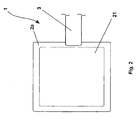
Fig. 2 zeigt schematisch eine auslenkbare Anordnung aus Polymerstreifen im Detail. - Die nachstehend mit Bezug auf
Fig. 1 beschriebene Erfindung betrifft eine auslenkbare Anordnung 1 aus Polymerstreifen 2, umfassend zwei Polymerstreifen 2a und 2b und einem Faserverbund 3.
Der Faserverbund 3 ist mit den Polymerstreifen 2a, 2b randseitig verbunden. Durch geeignete Wahl des Faserverbundes 3 ermöglicht dieser eine Auslenkung der Polymerstreifen 2a, 2b gegeneinander. - Der Aufbau einer erfindungsgemäßen Anordnung 1 ist anschaulich der detaillierten Schnittdarstellung gemäß
Fig. 2 zu entnehmen. - Die auslenkbare Anordnung 1 aus einem Polymerstreifen 2a, der eine Hohlkammer 21 aufweist, und einem Faserverbund 3 ist derart aufgebaut, dass der Faserverbund 3 im Polymermaterial des Polymerstreifens 2a eingebunden ist.
- Dem Coextrusionswerkzeug, das aus Polymermaterial zwei parallele Streifen erzeugt, ist eine Einrichtung zugeordnet, einen Faserverbund zuführen zu können.
Hierzu werden die Spannung, Zuführgeschwindigkeit und Temperatur des Faserverbundes gesteuert und überwacht.
Vor dem Einlaufen des Faserverbundes in das Coextrusionswerkzeug kann der Faserverbund am Rand aktiviert werden, indem dort örtlich und zeitlich begrenzt beispielsweise eine Flamme einwirkt. Durch die Aktivierung ist die Anhaftung des Polymermaterials verbessert. - In einem Coextrusionswerkzeug werden aus Polymermaterial zwei parallele Streifen durch Extrusion hergestellt. Das Coextrusionswerkzeug ist so gestaltet, dass Streifen resultieren, die beispielsweise Hohlprofile oder Stäbe sind.
Dem Coextrusionswerkzeug ist eine Einrichtung zugeordnet, einen Faserverbund zuführen zu können.
Das Coextrusionswerkzeug ist dabei so gestaltet, dass der Faserverbund im Polymermaterial der beiden zu verbindenden Streifen eingebunden wird.
Im Coextrusionswerkzeug erfolgt die Verbindung von Faserverbund und Polymermaterial des Streifens.
Dem Coextrusionswerkzeug kann eine Einrichtung vorgeschaltet sein, um den Faserverbund mittels einer Flammbehandlung zu aktivieren.
In einer Abwandlung der vorliegenden Erfindung kann aber auch vorgesehen sein, dass der Faserverbund nicht durch einen Coextrusionsprozess mit dem Polymerstreifen verbunden ist, sondern durch einen Klebeprozess oder einen Schweißprozess am Streifen befestigt wird. - Zwei Streifen aus Polyethylenterephthalat werden extrudiert. Der Faserverbund ist ein gewebtes Band aus Aramidfasern. Dieses wird im Extrusionswerkzeug im Polyethylenterephthalat eingebunden, wodurch die erfindungsgemäße Anordnung entsteht.
- Anwendungen findet die auslenkbare Anordnung gemäß der vorliegenden Erfindung als Möbelschrank-Rolladen, Rollo, Abdeckung, Schwimmbadabdeckung, Klappe, bewegliche Fläche oder Leiste, bewegliches Zierelement, Verschluss oder Anzeigeelement. Generell können die Profilstreifen aus einem Vollmaterial bestehen, alternativ aber auch als Hohlprofil ausgebildet sein.
- Die Erfindung ist bei der Herstellung von Scharnieren für Möbel von Interesse. Hierbei wird z.B. ein Profilstreifen am Möbelkorpus und der andere Profilstreifen an einer am Möbelkorpus anzuschlagenden Tür befestigt. Diese Befestigung kann z.B. an den entsprechenden Schmalseiten erfolgen, also insbesondere analog zur Befestigung von Kantenbändern oder Abdeckprofilen an einer Schmalseite durch Klemmung, Verklebung oder Verclipsung. Somit übernimmt die erfindungsgemäße Vorrichtung nicht nur die Scharnierfunktion, sondern die Profilstreifen decken gleichzeitig die entsprechende Schmalseite von Korpus und Tür optisch ansprechend ab."
- Anwendungsfelder eröffnen sich für die vorliegende Erfindung im Möbelbau, Messebau, Ladenbau, Automobilbau, in der Elektrotechnik, Bürotechnik, Schwimmbadtechnik, Gartentechnik, Landwirtschaft, Lebensmittelindustrie, Pharmaindustrie, Gesundheitswesen und Medizintechnik.
Claims (15)
- Verwendung einer
auslenkbaren Anordnung aus zwei Polymerstreifen mit einem die Polymerstreifen randseitig verbindenden Faserverbund
als Möbelscharnier, wobei der eine Polymerstreifen an einer Schmalseite eines Möbelkorpus und der andere Polymerstreifen an einer Schmalseite einer am Möbelkorpus anzuschlagenden Tür befestigt wird. - Verwendung nach Anspruch 1, dadurch gekennzeichnet, dass der Faserverbund ein textiles Flächengebilde ist.
- Verwendung nach Anspruch 2, dadurch gekennzeichnet, dass das textile Flächengebilde ein Stoffe, Vliesstoff, Filz, Gewebe, Gestrick, Gewirk, Geflecht oder durch Walken hergestelltes Textil ist.
- Verwendung nach einem der vorangehenden Ansprüche, dadurch gekennzeichnet, dass das textile Flächengebilde aus Fasern besteht.
- Verwendung nach Anspruch 4, dadurch gekennzeichnet, dass die Fasern aus Glasfasern oder Polyamidfasern oder Polyesterfasern oder Fasern aus einem Polymermaterial oder Aramidfasern oder Kohlefasern oder Metallfasern oder Gesteinsfasern oder Keramikfasern ausgewählt sind.
- Verwendung nach Anspruch 4, dadurch gekennzeichnet, dass die Fasern aus Pflanzenfasern und Fasern tierischen Ursprungs ausgewählt sind, wobei Pflanzenfasern Baumwoll-, Kapok-, Pappelflaum-, Bambus-, Brennnessel-, Hanf-, Jute-, Leinen-, Ramie-, Holz-, Sisal-, Manila-, Kokos-, Cellulose-, Miscanthus-Fasern umfassen, und Fasern tierischen Ursprungs Wolle, Alpaka, Lama, Vikunja, Guanako, Angora, Kanin, Kaschmir, Kamelhaar, Mohair, Ziegenhaar, Rinderhaar, Rosshaar, sowie Seiden, ausgewählt aus Maulbeerseide oder Tussahseide oder Muschelseide.
- Verwendung nach einem der Ansprüche 4 bis 6, dadurch gekennzeichnet, dass eine Mischzusammensetzung der bezeichneten Fasern eingesetzt ist.
- Verwendung nach einem der Ansprüche 4 bis 7, dadurch gekennzeichnet, dass Langoder Kurzfasern oder Mischungen der vorgenannten eingesetzt sind.
- Verwendung nach einem der vorangehenden Ansprüche, dadurch gekennzeichnet, dass der Faserverbund gelocht oder geschlitzt oder mit großer Maschenweite ausgewählt oder anderweitig mit Durchbrüchen versehen ist.
- Verwendung nach einem der vorangehenden Ansprüche, dadurch gekennzeichnet, dass die Fasern/Filamente des Faserverbunds oberflächlich mit physikalischen und/oder chemischen Methoden behandelt sind.
- Verwendung nach Anspruch 10, dadurch gekennzeichnet, dass die Methoden eine Koronabehandlung, vorzugsweise mit Niederfrequenz-/Hochfrequenzkorona, Beflammung, Plasmabehandlung, Fluorierung, Silikatisierung, vorzugsweise Flammpyrolyse von Silanen oder eine Kombination daraus umfassen.
- Verwendung nach einem der vorangehenden Ansprüche, dadurch gekennzeichnet, dass die Fasern beschichtet sind.
- Verwendung nach Anspruch 12, dadurch gekennzeichnet, dass bei der Herstellung der Fasern eine Schlichte aufgetragen ist.
- Verwendung nach Anspruch 12, dadurch gekennzeichnet, dass eine Beschichtung auf den Fasernverbund durch Sprühen, Walzauftrag, Gießen oder Fluten aufgetragen ist.
- Verwendung nach einem der vorangehenden Ansprüche, dadurch gekennzeichnet, dass der Faserverbund mit einer dünnen auslenkbaren Polymerschicht überzogen ist, wobei das Polymermaterial dem der Polymerstreifen entspricht oder unterschiedlich ist.
Applications Claiming Priority (2)
| Application Number | Priority Date | Filing Date | Title |
|---|---|---|---|
| DE202007014349U DE202007014349U1 (de) | 2007-10-13 | 2007-10-13 | Auslenkbare Anordnung aus Polymerstreifen |
| PCT/EP2008/008638 WO2009047008A1 (de) | 2007-10-13 | 2008-10-13 | Auslenkbare anordnung aus polymerstreifen |
Publications (2)
| Publication Number | Publication Date |
|---|---|
| EP2197672A1 EP2197672A1 (de) | 2010-06-23 |
| EP2197672B1 true EP2197672B1 (de) | 2014-01-08 |
Family
ID=40350081
Family Applications (1)
| Application Number | Title | Priority Date | Filing Date |
|---|---|---|---|
| EP08838232.0A Not-in-force EP2197672B1 (de) | 2007-10-13 | 2008-10-13 | Auslenkbare anordnung aus polymerstreifen |
Country Status (3)
| Country | Link |
|---|---|
| EP (1) | EP2197672B1 (de) |
| DE (1) | DE202007014349U1 (de) |
| WO (1) | WO2009047008A1 (de) |
Families Citing this family (2)
| Publication number | Priority date | Publication date | Assignee | Title |
|---|---|---|---|---|
| DE202019003736U1 (de) | 2019-09-11 | 2019-11-07 | Siegenia-Aubi Kg | Fenster oder Tür |
| DE102022111491A1 (de) | 2022-05-09 | 2023-11-09 | Adolf Würth GmbH & Co. KG | Funktionsbeschlag oder Funktionsbeschlag-Halbzeug mit biogenem Material für Verbindungsfunktion und/oder Bewegungsfunktion |
Family Cites Families (10)
| Publication number | Priority date | Publication date | Assignee | Title |
|---|---|---|---|---|
| FR2532982B1 (fr) * | 1982-09-14 | 1988-07-01 | Vuitton Sa Louis | Charniere perfectionnee |
| JPH05200775A (ja) * | 1991-09-13 | 1993-08-10 | Siebolt Hettinga | プラスチックハウジングの射出成形方法 |
| US5762852A (en) * | 1991-09-13 | 1998-06-09 | Hettinga; Siebolt | Process for making molded-in lamina hinge |
| FR2708034B1 (fr) * | 1993-07-22 | 1995-09-01 | Rehau | Profilé ou élément de profilé de volet roulant. |
| US6149998A (en) * | 1998-03-13 | 2000-11-21 | Hettinga; Siebolt | Heat laminated fabric hinge and method of making same |
| US5945053A (en) * | 1998-03-13 | 1999-08-31 | Hettinga; Siebolt | Extruded-in fabric hinge and method of making same |
| DE19918698A1 (de) * | 1999-04-26 | 2000-11-02 | Henkenjohann Johann | Verfahren zur Herstellung eines Metallfolien-/Gewebeverbundes insbesondere für Rolladenpanzer |
| AU2000258006A1 (en) * | 2000-07-26 | 2002-02-05 | Rono Systemtechnik Ag | Closing element, in particular a door |
| DE10324248A1 (de) * | 2003-05-28 | 2005-01-05 | Bayerische Motoren Werke Ag | Kunststoffträger und Verfahren zu seiner Herstellung |
| EP1738895B1 (de) * | 2005-06-29 | 2012-07-18 | SGL Carbon SE | Gelenk |
-
2007
- 2007-10-13 DE DE202007014349U patent/DE202007014349U1/de not_active Expired - Lifetime
-
2008
- 2008-10-13 WO PCT/EP2008/008638 patent/WO2009047008A1/de not_active Ceased
- 2008-10-13 EP EP08838232.0A patent/EP2197672B1/de not_active Not-in-force
Also Published As
| Publication number | Publication date |
|---|---|
| WO2009047008A1 (de) | 2009-04-16 |
| DE202007014349U1 (de) | 2009-02-26 |
| EP2197672A1 (de) | 2010-06-23 |
Similar Documents
| Publication | Publication Date | Title |
|---|---|---|
| DE102018114566B3 (de) | Verwendung eines Abstandstextils, Innenverkleidung und Abstandsgewirke | |
| DE102007040077B4 (de) | Dichtungsstreifen und Verfahren zur Herstellung des Dichtungsstreifens | |
| EP2530195B1 (de) | Maschenstoff oder Webstoff, Verfahren und Garn zu seiner Herstellung, sowie seine Verwendung | |
| EP2739469A1 (de) | Innenausstattungsteil aufweisend pflanzliche naturstoffe | |
| DE102016117622A1 (de) | Herstellungsverfahren eines Innenausstattungsteils eines Kraftfahrzeugs | |
| EP2463092A1 (de) | Innenraum-Verkleidungsbauteil für ein Kraftfahrzeug | |
| DE4122412A1 (de) | Hinterspritzverfahren | |
| EP2653607B1 (de) | Verfahren zum Herstellen eines Kunstleders | |
| DE4127241A1 (de) | Hinterspritzverfahren | |
| EP2197672B1 (de) | Auslenkbare anordnung aus polymerstreifen | |
| DE2150481B2 (de) | Verfahren zur herstellung eines mit ein gewebe bildenden faeden verstaerkten, dichten flexiblen flaechengebildes | |
| WO2018121806A1 (de) | Verfahren zur herstellung eines gewebten textilen stoffes sowie mit diesem verfahren hergestellter textiler stoff | |
| DE102011111270A1 (de) | Formteil sowie Verfahren zu seiner Herstellung | |
| DE4407097A1 (de) | Textilware, Verfahren zu deren Herstellung und daraus hergestelltes Verbundmaterial | |
| DE102017121659A1 (de) | Innenteil und verfahren zum herstellen desselben | |
| DE102012220979A1 (de) | Flexibilisierung, Stabilisierung und Fixierung von Kohlenstofffasermatten | |
| DE102012002954A1 (de) | Textiles Lichtschutzmaterial | |
| EP3983592B1 (de) | Dreidimensional geformter velours-teppich und verfahren zu dessen herstellung | |
| DE69621350T2 (de) | Verstärkungsmaterial | |
| DE102012008481A1 (de) | Heterogene Textilfasern, Garne und textile Flächengebilde, Verfahren zur Herstellung eines Airbags für Kraftfahrzeuge | |
| DE3432810C2 (de) | Verfahren zur Herstellung eines Wandbelags | |
| DE7006749U (de) | Mehrschichtige verbundstoff-bahn oder zuschnitte daraus. | |
| DE1635724B2 (de) | Mehrschichtige, nichtgewebte Florware | |
| DE102010021509A1 (de) | Fahrzeuginterieurbezug | |
| EP1972436B1 (de) | Verfahren zur Herstellung von mehrschichtigen Kunststofffolien |
Legal Events
| Date | Code | Title | Description |
|---|---|---|---|
| PUAI | Public reference made under article 153(3) epc to a published international application that has entered the european phase |
Free format text: ORIGINAL CODE: 0009012 |
|
| 17P | Request for examination filed |
Effective date: 20100320 |
|
| AK | Designated contracting states |
Kind code of ref document: A1 Designated state(s): AT BE BG CH CY CZ DE DK EE ES FI FR GB GR HR HU IE IS IT LI LT LU LV MC MT NL NO PL PT RO SE SI SK TR |
|
| AX | Request for extension of the european patent |
Extension state: AL BA MK RS |
|
| DAX | Request for extension of the european patent (deleted) | ||
| GRAP | Despatch of communication of intention to grant a patent |
Free format text: ORIGINAL CODE: EPIDOSNIGR1 |
|
| GRAJ | Information related to disapproval of communication of intention to grant by the applicant or resumption of examination proceedings by the epo deleted |
Free format text: ORIGINAL CODE: EPIDOSDIGR1 |
|
| GRAP | Despatch of communication of intention to grant a patent |
Free format text: ORIGINAL CODE: EPIDOSNIGR1 |
|
| INTG | Intention to grant announced |
Effective date: 20130806 |
|
| INTG | Intention to grant announced |
Effective date: 20130820 |
|
| GRAS | Grant fee paid |
Free format text: ORIGINAL CODE: EPIDOSNIGR3 |
|
| GRAA | (expected) grant |
Free format text: ORIGINAL CODE: 0009210 |
|
| AK | Designated contracting states |
Kind code of ref document: B1 Designated state(s): AT BE BG CH CY CZ DE DK EE ES FI FR GB GR HR HU IE IS IT LI LT LU LV MC MT NL NO PL PT RO SE SI SK TR |
|
| REG | Reference to a national code |
Ref country code: GB Ref legal event code: FG4D Free format text: NOT ENGLISH |
|
| REG | Reference to a national code |
Ref country code: CH Ref legal event code: EP |
|
| REG | Reference to a national code |
Ref country code: IE Ref legal event code: FG4D Free format text: LANGUAGE OF EP DOCUMENT: GERMAN |
|
| REG | Reference to a national code |
Ref country code: AT Ref legal event code: REF Ref document number: 648447 Country of ref document: AT Kind code of ref document: T Effective date: 20140215 |
|
| REG | Reference to a national code |
Ref country code: DE Ref legal event code: R096 Ref document number: 502008011202 Country of ref document: DE Effective date: 20140220 |
|
| REG | Reference to a national code |
Ref country code: NL Ref legal event code: VDEP Effective date: 20140108 |
|
| REG | Reference to a national code |
Ref country code: LT Ref legal event code: MG4D |
|
| PG25 | Lapsed in a contracting state [announced via postgrant information from national office to epo] |
Ref country code: IS Free format text: LAPSE BECAUSE OF FAILURE TO SUBMIT A TRANSLATION OF THE DESCRIPTION OR TO PAY THE FEE WITHIN THE PRESCRIBED TIME-LIMIT Effective date: 20140508 Ref country code: LT Free format text: LAPSE BECAUSE OF FAILURE TO SUBMIT A TRANSLATION OF THE DESCRIPTION OR TO PAY THE FEE WITHIN THE PRESCRIBED TIME-LIMIT Effective date: 20140108 Ref country code: NO Free format text: LAPSE BECAUSE OF FAILURE TO SUBMIT A TRANSLATION OF THE DESCRIPTION OR TO PAY THE FEE WITHIN THE PRESCRIBED TIME-LIMIT Effective date: 20140408 |
|
| PG25 | Lapsed in a contracting state [announced via postgrant information from national office to epo] |
Ref country code: NL Free format text: LAPSE BECAUSE OF FAILURE TO SUBMIT A TRANSLATION OF THE DESCRIPTION OR TO PAY THE FEE WITHIN THE PRESCRIBED TIME-LIMIT Effective date: 20140108 Ref country code: SE Free format text: LAPSE BECAUSE OF FAILURE TO SUBMIT A TRANSLATION OF THE DESCRIPTION OR TO PAY THE FEE WITHIN THE PRESCRIBED TIME-LIMIT Effective date: 20140108 Ref country code: ES Free format text: LAPSE BECAUSE OF FAILURE TO SUBMIT A TRANSLATION OF THE DESCRIPTION OR TO PAY THE FEE WITHIN THE PRESCRIBED TIME-LIMIT Effective date: 20140108 Ref country code: PT Free format text: LAPSE BECAUSE OF FAILURE TO SUBMIT A TRANSLATION OF THE DESCRIPTION OR TO PAY THE FEE WITHIN THE PRESCRIBED TIME-LIMIT Effective date: 20140508 Ref country code: FI Free format text: LAPSE BECAUSE OF FAILURE TO SUBMIT A TRANSLATION OF THE DESCRIPTION OR TO PAY THE FEE WITHIN THE PRESCRIBED TIME-LIMIT Effective date: 20140108 Ref country code: CY Free format text: LAPSE BECAUSE OF FAILURE TO SUBMIT A TRANSLATION OF THE DESCRIPTION OR TO PAY THE FEE WITHIN THE PRESCRIBED TIME-LIMIT Effective date: 20140108 |
|
| PG25 | Lapsed in a contracting state [announced via postgrant information from national office to epo] |
Ref country code: LV Free format text: LAPSE BECAUSE OF FAILURE TO SUBMIT A TRANSLATION OF THE DESCRIPTION OR TO PAY THE FEE WITHIN THE PRESCRIBED TIME-LIMIT Effective date: 20140108 Ref country code: HR Free format text: LAPSE BECAUSE OF FAILURE TO SUBMIT A TRANSLATION OF THE DESCRIPTION OR TO PAY THE FEE WITHIN THE PRESCRIBED TIME-LIMIT Effective date: 20140108 |
|
| REG | Reference to a national code |
Ref country code: DE Ref legal event code: R097 Ref document number: 502008011202 Country of ref document: DE |
|
| PG25 | Lapsed in a contracting state [announced via postgrant information from national office to epo] |
Ref country code: DK Free format text: LAPSE BECAUSE OF FAILURE TO SUBMIT A TRANSLATION OF THE DESCRIPTION OR TO PAY THE FEE WITHIN THE PRESCRIBED TIME-LIMIT Effective date: 20140108 Ref country code: EE Free format text: LAPSE BECAUSE OF FAILURE TO SUBMIT A TRANSLATION OF THE DESCRIPTION OR TO PAY THE FEE WITHIN THE PRESCRIBED TIME-LIMIT Effective date: 20140108 Ref country code: CZ Free format text: LAPSE BECAUSE OF FAILURE TO SUBMIT A TRANSLATION OF THE DESCRIPTION OR TO PAY THE FEE WITHIN THE PRESCRIBED TIME-LIMIT Effective date: 20140108 Ref country code: RO Free format text: LAPSE BECAUSE OF FAILURE TO SUBMIT A TRANSLATION OF THE DESCRIPTION OR TO PAY THE FEE WITHIN THE PRESCRIBED TIME-LIMIT Effective date: 20140108 |
|
| PLBE | No opposition filed within time limit |
Free format text: ORIGINAL CODE: 0009261 |
|
| STAA | Information on the status of an ep patent application or granted ep patent |
Free format text: STATUS: NO OPPOSITION FILED WITHIN TIME LIMIT |
|
| PG25 | Lapsed in a contracting state [announced via postgrant information from national office to epo] |
Ref country code: PL Free format text: LAPSE BECAUSE OF FAILURE TO SUBMIT A TRANSLATION OF THE DESCRIPTION OR TO PAY THE FEE WITHIN THE PRESCRIBED TIME-LIMIT Effective date: 20140108 Ref country code: SK Free format text: LAPSE BECAUSE OF FAILURE TO SUBMIT A TRANSLATION OF THE DESCRIPTION OR TO PAY THE FEE WITHIN THE PRESCRIBED TIME-LIMIT Effective date: 20140108 |
|
| 26N | No opposition filed |
Effective date: 20141009 |
|
| REG | Reference to a national code |
Ref country code: DE Ref legal event code: R097 Ref document number: 502008011202 Country of ref document: DE Effective date: 20141009 |
|
| PGFP | Annual fee paid to national office [announced via postgrant information from national office to epo] |
Ref country code: FR Payment date: 20141022 Year of fee payment: 7 Ref country code: GB Payment date: 20141027 Year of fee payment: 7 Ref country code: DE Payment date: 20141031 Year of fee payment: 7 |
|
| PG25 | Lapsed in a contracting state [announced via postgrant information from national office to epo] |
Ref country code: SI Free format text: LAPSE BECAUSE OF FAILURE TO SUBMIT A TRANSLATION OF THE DESCRIPTION OR TO PAY THE FEE WITHIN THE PRESCRIBED TIME-LIMIT Effective date: 20140108 Ref country code: LU Free format text: LAPSE BECAUSE OF FAILURE TO SUBMIT A TRANSLATION OF THE DESCRIPTION OR TO PAY THE FEE WITHIN THE PRESCRIBED TIME-LIMIT Effective date: 20141013 Ref country code: MC Free format text: LAPSE BECAUSE OF FAILURE TO SUBMIT A TRANSLATION OF THE DESCRIPTION OR TO PAY THE FEE WITHIN THE PRESCRIBED TIME-LIMIT Effective date: 20140108 |
|
| REG | Reference to a national code |
Ref country code: CH Ref legal event code: PL |
|
| PG25 | Lapsed in a contracting state [announced via postgrant information from national office to epo] |
Ref country code: BE Free format text: LAPSE BECAUSE OF NON-PAYMENT OF DUE FEES Effective date: 20141031 |
|
| REG | Reference to a national code |
Ref country code: IE Ref legal event code: MM4A |
|
| PG25 | Lapsed in a contracting state [announced via postgrant information from national office to epo] |
Ref country code: CH Free format text: LAPSE BECAUSE OF NON-PAYMENT OF DUE FEES Effective date: 20141031 Ref country code: LI Free format text: LAPSE BECAUSE OF NON-PAYMENT OF DUE FEES Effective date: 20141031 |
|
| PG25 | Lapsed in a contracting state [announced via postgrant information from national office to epo] |
Ref country code: IE Free format text: LAPSE BECAUSE OF NON-PAYMENT OF DUE FEES Effective date: 20141013 |
|
| REG | Reference to a national code |
Ref country code: AT Ref legal event code: MM01 Ref document number: 648447 Country of ref document: AT Kind code of ref document: T Effective date: 20141013 |
|
| PG25 | Lapsed in a contracting state [announced via postgrant information from national office to epo] |
Ref country code: AT Free format text: LAPSE BECAUSE OF NON-PAYMENT OF DUE FEES Effective date: 20141013 |
|
| REG | Reference to a national code |
Ref country code: DE Ref legal event code: R119 Ref document number: 502008011202 Country of ref document: DE |
|
| PG25 | Lapsed in a contracting state [announced via postgrant information from national office to epo] |
Ref country code: BG Free format text: LAPSE BECAUSE OF FAILURE TO SUBMIT A TRANSLATION OF THE DESCRIPTION OR TO PAY THE FEE WITHIN THE PRESCRIBED TIME-LIMIT Effective date: 20140108 |
|
| GBPC | Gb: european patent ceased through non-payment of renewal fee |
Effective date: 20151013 |
|
| PG25 | Lapsed in a contracting state [announced via postgrant information from national office to epo] |
Ref country code: IT Free format text: LAPSE BECAUSE OF FAILURE TO SUBMIT A TRANSLATION OF THE DESCRIPTION OR TO PAY THE FEE WITHIN THE PRESCRIBED TIME-LIMIT Effective date: 20140108 Ref country code: GR Free format text: LAPSE BECAUSE OF FAILURE TO SUBMIT A TRANSLATION OF THE DESCRIPTION OR TO PAY THE FEE WITHIN THE PRESCRIBED TIME-LIMIT Effective date: 20140409 |
|
| PG25 | Lapsed in a contracting state [announced via postgrant information from national office to epo] |
Ref country code: TR Free format text: LAPSE BECAUSE OF FAILURE TO SUBMIT A TRANSLATION OF THE DESCRIPTION OR TO PAY THE FEE WITHIN THE PRESCRIBED TIME-LIMIT Effective date: 20140108 Ref country code: GB Free format text: LAPSE BECAUSE OF NON-PAYMENT OF DUE FEES Effective date: 20151013 Ref country code: DE Free format text: LAPSE BECAUSE OF NON-PAYMENT OF DUE FEES Effective date: 20160503 Ref country code: HU Free format text: LAPSE BECAUSE OF FAILURE TO SUBMIT A TRANSLATION OF THE DESCRIPTION OR TO PAY THE FEE WITHIN THE PRESCRIBED TIME-LIMIT; INVALID AB INITIO Effective date: 20081013 Ref country code: MT Free format text: LAPSE BECAUSE OF FAILURE TO SUBMIT A TRANSLATION OF THE DESCRIPTION OR TO PAY THE FEE WITHIN THE PRESCRIBED TIME-LIMIT Effective date: 20140108 |
|
| REG | Reference to a national code |
Ref country code: FR Ref legal event code: ST Effective date: 20160630 |
|
| PG25 | Lapsed in a contracting state [announced via postgrant information from national office to epo] |
Ref country code: FR Free format text: LAPSE BECAUSE OF NON-PAYMENT OF DUE FEES Effective date: 20151102 |