EP2200550B1 - Topische glycopyrrolat-formulierungen - Google Patents
Topische glycopyrrolat-formulierungen Download PDFInfo
- Publication number
- EP2200550B1 EP2200550B1 EP08839892.0A EP08839892A EP2200550B1 EP 2200550 B1 EP2200550 B1 EP 2200550B1 EP 08839892 A EP08839892 A EP 08839892A EP 2200550 B1 EP2200550 B1 EP 2200550B1
- Authority
- EP
- European Patent Office
- Prior art keywords
- acid
- glycopyrrolate
- wipe
- formulations
- ethanol
- Prior art date
- Legal status (The legal status is an assumption and is not a legal conclusion. Google has not performed a legal analysis and makes no representation as to the accuracy of the status listed.)
- Active
Links
- 0 C[N+](C)(CC1)CC1OC(C(*)(C1CCCC1)O)=O Chemical compound C[N+](C)(CC1)CC1OC(C(*)(C1CCCC1)O)=O 0.000 description 1
Images




Classifications
-
- A—HUMAN NECESSITIES
- A61—MEDICAL OR VETERINARY SCIENCE; HYGIENE
- A61K—PREPARATIONS FOR MEDICAL, DENTAL OR TOILETRY PURPOSES
- A61K8/00—Cosmetics or similar toiletry preparations
- A61K8/02—Cosmetics or similar toiletry preparations characterised by special physical form
- A61K8/0208—Tissues; Wipes; Patches
-
- A—HUMAN NECESSITIES
- A61—MEDICAL OR VETERINARY SCIENCE; HYGIENE
- A61K—PREPARATIONS FOR MEDICAL, DENTAL OR TOILETRY PURPOSES
- A61K31/00—Medicinal preparations containing organic active ingredients
- A61K31/33—Heterocyclic compounds
- A61K31/395—Heterocyclic compounds having nitrogen as a ring hetero atom, e.g. guanethidine or rifamycins
- A61K31/40—Heterocyclic compounds having nitrogen as a ring hetero atom, e.g. guanethidine or rifamycins having five-membered rings with one nitrogen as the only ring hetero atom, e.g. sulpiride, succinimide, tolmetin, buflomedil
-
- A—HUMAN NECESSITIES
- A61—MEDICAL OR VETERINARY SCIENCE; HYGIENE
- A61K—PREPARATIONS FOR MEDICAL, DENTAL OR TOILETRY PURPOSES
- A61K47/00—Medicinal preparations characterised by the non-active ingredients used, e.g. carriers or inert additives; Targeting or modifying agents chemically bound to the active ingredient
- A61K47/06—Organic compounds, e.g. natural or synthetic hydrocarbons, polyolefins, mineral oil, petrolatum or ozokerite
- A61K47/08—Organic compounds, e.g. natural or synthetic hydrocarbons, polyolefins, mineral oil, petrolatum or ozokerite containing oxygen, e.g. ethers, acetals, ketones, quinones, aldehydes, peroxides
- A61K47/10—Alcohols; Phenols; Salts thereof, e.g. glycerol; Polyethylene glycols [PEG]; Poloxamers; PEG/POE alkyl ethers
-
- A—HUMAN NECESSITIES
- A61—MEDICAL OR VETERINARY SCIENCE; HYGIENE
- A61K—PREPARATIONS FOR MEDICAL, DENTAL OR TOILETRY PURPOSES
- A61K47/00—Medicinal preparations characterised by the non-active ingredients used, e.g. carriers or inert additives; Targeting or modifying agents chemically bound to the active ingredient
- A61K47/30—Macromolecular organic or inorganic compounds, e.g. inorganic polyphosphates
- A61K47/32—Macromolecular compounds obtained by reactions only involving carbon-to-carbon unsaturated bonds, e.g. carbomers, poly(meth)acrylates, or polyvinyl pyrrolidone
-
- A—HUMAN NECESSITIES
- A61—MEDICAL OR VETERINARY SCIENCE; HYGIENE
- A61K—PREPARATIONS FOR MEDICAL, DENTAL OR TOILETRY PURPOSES
- A61K8/00—Cosmetics or similar toiletry preparations
- A61K8/18—Cosmetics or similar toiletry preparations characterised by the composition
- A61K8/30—Cosmetics or similar toiletry preparations characterised by the composition containing organic compounds
- A61K8/49—Cosmetics or similar toiletry preparations characterised by the composition containing organic compounds containing heterocyclic compounds
- A61K8/4906—Cosmetics or similar toiletry preparations characterised by the composition containing organic compounds containing heterocyclic compounds with one nitrogen as the only hetero atom
- A61K8/4913—Cosmetics or similar toiletry preparations characterised by the composition containing organic compounds containing heterocyclic compounds with one nitrogen as the only hetero atom having five membered rings, e.g. pyrrolidone carboxylic acid
-
- A—HUMAN NECESSITIES
- A61—MEDICAL OR VETERINARY SCIENCE; HYGIENE
- A61K—PREPARATIONS FOR MEDICAL, DENTAL OR TOILETRY PURPOSES
- A61K9/00—Medicinal preparations characterised by special physical form
- A61K9/0012—Galenical forms characterised by the site of application
- A61K9/0014—Skin, i.e. galenical aspects of topical compositions
-
- A—HUMAN NECESSITIES
- A61—MEDICAL OR VETERINARY SCIENCE; HYGIENE
- A61P—SPECIFIC THERAPEUTIC ACTIVITY OF CHEMICAL COMPOUNDS OR MEDICINAL PREPARATIONS
- A61P17/00—Drugs for dermatological disorders
-
- A—HUMAN NECESSITIES
- A61—MEDICAL OR VETERINARY SCIENCE; HYGIENE
- A61P—SPECIFIC THERAPEUTIC ACTIVITY OF CHEMICAL COMPOUNDS OR MEDICINAL PREPARATIONS
- A61P43/00—Drugs for specific purposes, not provided for in groups A61P1/00-A61P41/00
-
- A—HUMAN NECESSITIES
- A61—MEDICAL OR VETERINARY SCIENCE; HYGIENE
- A61P—SPECIFIC THERAPEUTIC ACTIVITY OF CHEMICAL COMPOUNDS OR MEDICINAL PREPARATIONS
- A61P7/00—Drugs for disorders of the blood or the extracellular fluid
-
- A—HUMAN NECESSITIES
- A61—MEDICAL OR VETERINARY SCIENCE; HYGIENE
- A61Q—SPECIFIC USE OF COSMETICS OR SIMILAR TOILETRY PREPARATIONS
- A61Q15/00—Anti-perspirants or body deodorants
Definitions
- the present invention relates to topical formulations comprising a glycopyrrolate compound.
- the present invention relates to individually packaged topical formulations comprising a glycopyrrolate compound and methods for preparing the same. These formulations are particularly used to alleviate hyperhidrosis in a mammal who suffers from the symptom.
- Hyperhidrosis is a disorder characterized by excessive sweating, namely sweating in excess of that required for the regulation of body temperature, that occurs in up to 1% of the population, with women being the predominant group affected by this condition.
- the excessive sweating associated with hyperhidrosis can occur in the hands (palmar hyperhidrosis), in the armpits (axillary hyperhidrosis), or in the feet (plantar hyperhidrosis).
- the underlying cause for primary hyperhidrosis, i.e., idiopathic hyperhidrosis is not completely understood, but it is widely believed that an overactive sympathetic nervous system is involved, as it is known that sweating is generally under the control of the sympathetic nervous system.
- Secondary hyperhidrosis can be distinguished from primary hyperhidrosis as being due to a disorder of the thyroid or pituitary gland, diabetes mellitus, tumors, gout, menopause, or certain drugs.
- Hyperhidrosis can have a severe impact on quality of life and can interfere with the performance of routine activities. Perhaps one of the most severe consequences of hyperhidrosis is observed in work and social contexts. Patients with palmar hyperhidrosis have wet, moist hands that sometimes interfere with grasping objects. Many patients with palmar hyperhidrosis also consider it difficult to shake hands, as a handshake may leave the other person's palm very moist, a sensation most people find unpleasant. Those who suffer from axillary hyperhidrosis sweat profusely from their underarms causing them to stain their clothes shortly after they dress. These manifestations of hyperhidrosis place sufferers of this condition at a severe disadvantage in many social and professional situations.
- ETS endoscopic thoracic sympathectomy
- selected sympathetic nerves or nerve ganglia in the chest are either cut or burned, thus completely destroying their ability to transmit impulses.
- these nerves can be clamped, thus affording the possibility of reversal of the procedure.
- This procedure often causes anhidrosis from the mid-chest upwards, which itself is a disturbing condition for many patients.
- Other major drawbacks to the procedure include thermoregulatory dysfunction (Goldstein, 2005), lowered fear and alertness (Teleranta, Pohjavaara, et al 2003, 2004) and the overwhelming incidence of compensatory hyperhidrosis. Many patients find the resultant compensatory hyperhidrosis to be worse than the initial condition. Moreover, the general risks normally associated with chest surgery are attendant with this procedure.
- sweat gland suction is a procedure modified from liposuction. Performed on an out-patient basis with only local anesthesia, the sweat glands are permanently removed. To perform this procedure, the sweat glands and armpits are first softened and anaesthetized with a special solution. After a short period, the sweat glands can then be removed by aspiration in a manner similar to liposuction.
- Antiperspirants are another course of treatment for hyperhidrosis.
- the most effective antiperspirant agent appears to be 20 to 25% aluminum chloride in 70 to 90% alcohol, applied in the evening, 2 to 3 times/week.
- Aluminum chloride is the active agent found in a number of common antiperspirant products, including Drysol®, Maxim®, Odaban®, and Driclor®.
- hyperhidrosis sufferers generally need a much higher concentration than is found in ordinary commercially available products.
- even a 15% or higher aluminum chloride solution usually takes about a week of nightly use to stop the sweating, with a follow-up of one or two nightly applications per week required to maintain the results.
- aluminum chloride solutions can be effective, some people cannot tolerate the irritation that this agent causes in some users. Also, the solution is usually not effective for palmar (hand) and plantar (foot) hyperhidrosis.
- Botulinum toxin type A (trademarked as Botox®) have also been used to disable the sweat glands.
- the effects can last from 4 to 9 months depending on the site of injections.
- proper anesthesia may be required for the reduction of pain associated with injections to the hand and foot.
- Use of the procedure to treat underarm sweating has been approved by the FDA.
- this toxin is one of the most lethal poisons known, interfering with the effect of the neurotransmitter acetylcholine at synapses and potentially leading to progressive paralysis of all muscles in the body, including the respiratory muscles at higher doses than that used for treatment of hyperhidrosis.
- Another drawback is the cost of this treatment which has to be repeated at regular intervals.
- Another method of treatment is iontophoresis which consists of the application of low intensity electric current (15-18 mA), supplied by a D/C generator, to the palms and/or soles immersed in an electrolyte solution.
- low intensity electric current 15-18 mA
- the minerals in the water clog the sweat glands, limiting the amount of sweat released.
- the procedure must be repeated regularly, initially in 20 minute sessions several times/week, with a gradual lengthening of the interval between treatments to 1 to 2 weeks.
- the results may vary; many patients, suffering from light or moderate hyperhidrosis, are satisfied with the method, while others may consider this procedure too time-consuming or inefficient, and comparably expensive.
- this procedure is difficult to apply to the axillary area, and is not suitable for use in diffuse hyperhidrosis of the face or the trunk/thigh region. Also, this procedure has been found to be painful for some patients.
- a class of anticholinergic drugs has been shown to reduce hyperhidrosis. These drugs include Ditropan® (generic name: oxybutynin), which for some patients causes an unacceptable amount of drowsiness and dry-mouth; other less effective anticholinergic agents have also been used, including propantheline bromide (Probanthine®) and benztropine (Cogentin®).
- Ditropan® generic name: oxybutynin
- Probanthine® propantheline bromide
- Cogentin® benztropine
- a different class of drugs which function as beta-blockers has also been tried, but these agents do not seem to be nearly as effective.
- Glycopyrrolate is a quaternary amine of the muscarinic anticholinergic group. Glycopyrrolate has been used in the treatment of a variety of conditions including diarrhea ( U.S. Patent Nos. 6,214,792 and 5,919,760 ), urinary incontinence ( U.S. Patent Nos. 6,204,285 and 6,063,808 ), and anxiety ( U.S. Patent No. 5,525,347 ). Additionally, U.S. Patent No. 5,976,499 discloses a method for diagnosing cystic fibrosis in a patient by, in part, stimulating sweat production through the injection of a glycopyrrolate solution into a patient.
- Glycopyrrolate has also been previously used for the treatment of hyperhidrosis on an off-lable basis, but as discussed below, these applications of glycopyrrolate lack the advantages of the present invention.
- a 0.5% aqueous solution of glycopyrrolate applied to the scalp and forehead for the treatment of hyperhidrosis has also been described in Seukeran et al., Clinical and Experimental Dermatology, 23: 204-205 (1998 ).
- U.S. Patent No. 6,433,003 to Bobrove discloses the topical use of about 0.25 to about 6% glycopyrrolate in the form of a lotion for the treatment of hyperhidrosis.
- U.S. Patent No. 7,060,289 to Wassenaar discloses a sealable container containing 30 rayon/polypropylene pads comprising 2% glycopyrrolate.
- This formulation of glycopyrrolate is not conducive to ease of use and ready portability, for instance, in a purse or briefcase or in an individual's pocket, as such a large container would be bulky and awkward to carry around on a routine basis.
- repeated opening of the sealable container of U.S. Patent No. 7,060,289 would result, over time, in evaporation of the ethanol solution used in the glycopyrrolate formulation and a subsequent change in the concentration of the glycopyrrolate.
- continual exposure of the glycopyrrolate formulation of U.S. Patent No. 7,060,289 to the air would also result, over time, in degradation of the active ingredient.
- US 2006/0165765 A1 describes a pad containing a 2% glycopyrrolate solution.
- the solution further comprises hydrochloric acid.
- the inventors have found that such a solution can be unstable and might also have issues with solubility.
- glycopyrrolate formulating and packaging problems associated with glycopyrrolate formulating and packaging, such as the ability to maintain high levels of the active agent upon prolonged storage, proper maintenance of an effective pH of the formulations, and the corrosiveness of formulations to many packaging materials that are commonly used for individual packaging of items such as wipes. As a consequence, the present inventors provide such topical formulations as needed for the treatment of hyperhidrosis.
- the present invention provides an effective, convenient, and easy to carry formulation of glycopyrrolate for the treatment of hyperhidrosis that may be used in a variety of situations where triggers of the excessive sweating associated with hyperhidrosis are likely to occur (e.g., before social occasions, speaking engagements, job interviews, and the like), as well as for excessive sweating that may result from the performance of ordinary everyday activities.
- One aspect of the present invention relates to an individually packaged wipe for the treatment of hyperhidrosis comprising glycopyrrolate at 0.25 to 6% w/w, wherein said wipe is contained within a pouch resistant to leakage.
- the glycopyrrolate according to this aspect degrades by less than 1% when stored at 0 to 25°C for 1 month, 2 months, 6 months, or 1 year.
- the present invention relates to an individually packaged wipe for the treatment of hyperhidrosis comprising 0.25 to 6% w/w of a glycopyrrolate compound comprising those having the following formula: wherein X - is a pharmaceutically acceptable counter ion salt; alcohol and water in a weight ratio of 40:60 to 60:40, and a buffering agent in an amount sufficient to maintain a pH of 3.5 to 6, wherein said wipe is contained within a pouch resistant to leakage and the pouch comprises an inner lining of linear low density polyethylene (LLDPE).
- LLDPE linear low density polyethylene
- Ethanol is preferred for the alcohol.
- the glycopyrrolate according to this aspect degrades by less than 1% when stored at 0 to 25°C for 1 month, 2 months, 6 months, or 1 year.
- the present invention relates to an individually packaged wipe for the treatment of hyperhidrosis comprising glycopyrrolate at 0.25 to 6% w/w, an alcohol, a buffering agent and water, wherein said wipe is contained within a pouch resistant to leakage and the buffering agent comprises citric acid and sodium citrate to maintain a pH of 3.5 to 6.
- the alcohol is ethanol and the buffering agent may comprise citric acid and tromethamine to maintain a pH of 3.5 to 6.
- the pH is preferably maintained at 4 ⁇ 0.5, or 4 to 5, more preferably at 4.5.
- the present invention relates to an individually packaged wipe for the treatment of hyperhidrosis comprising glycopyrrolate at 0.25 to 6% w/w, an alcohol, a buffering agent and water, wherein said wipe is contained within a pouch resistant to leakage and the ethanol and water is in the weight ratio of 40:60 to 60:40.
- the alcohol is preferably ethanol and the weight ratio of ethanol to water is preferably 60:40.
- the present invention relates to an individually packaged wipe for the treatment of hyperhidrosis comprising glycopyrrolate at 0.25 to 6% w/w, an alcohol, a buffering agent and water, wherein said wipe is contained within a pouch resistant to leakage and wherein the alcohol, preferably ethanol, is present in the amount of 53.7 to 57.3% w/w, the buffering agent is in the amount of 0.2 to 0.5% w/w and the water is added to 100% w/w.
- the alcohol preferably ethanol
- Another aspect of the present invention relates to an individually packaged wipe for the treatment of hyperhidrosis comprising glycopyrrolate at 0.25 to 6% w/w, wherein said wipe is contained within a pouch resistant to leakage, which further comprises an alcohol, a buffering agent, water, a polymer system comprising a hydrophobic polymer in combination with a hydrophilic polymer.
- the alcohol is preferably ethanol and the polymer system preferably comprises a polyvinyl pyrrolidone and a butyl ester of polyvinylmethylether/maleic anhydride copolymer.
- the glycopyrrolate according to the present invention of this aspect degrades by less than 1 % when stored at 0 to 25°C for 1 month, 2 months, 6 months, or 1 year.
- the present invention relates to an individually packaged wipe for the treatment of hyperhidrosis comprising glycopyrrolate at 0.25 to 6% w/w, wherein said wipe is contained within a pouch resistant to leakage, which further comprises ethanol, a buffering agent, water, a polyvinyl pyrrolidone and a butyl ester of polyvinylmethylether/maleic anhydride copolymer, wherein the pouch comprises an inner lining of linear low density polyethylene (LLDPE).
- a pouch resistant to leakage which further comprises ethanol, a buffering agent, water, a polyvinyl pyrrolidone and a butyl ester of polyvinylmethylether/maleic anhydride copolymer, wherein the pouch comprises an inner lining of linear low density polyethylene (LLDPE).
- LLC linear low density polyethylene
- the present invention relates to an individually packaged wipe for the treatment of hyperhidrosis comprising glycopyrrolate at 0.25 to 6% w/w, wherein said wipe is contained within a pouch resistant to leakage, which further comprises ethanol, a buffering agent, water, a polyvinyl pyrrolidone and a butyl ester of polyvinylmethylether/maleic anhydride copolymer, wherein the buffering agent comprises citric acid and sodium citrate to maintain a pH of 3.5 to 6.
- the buffering agent may comprise citric acid and tromethamine to maintain a pH of 3.5 to 6. The pH is preferably maintained at 4 ⁇ 0.5, or 4 to 5, more preferably at 4.5.
- the present invention relates to an individually packaged wipe for the treatment of hyperhidrosis comprising glycopyrrolate at 0.25 to 6% w/w, wherein said wipe is contained within a pouch resistant to leakage, which further comprises ethanol, a buffering agent, water, a polyvinyl pyrrolidone and a butyl ester of polyvinylmethylether/maleic anhydride copolymer, wherein the ethanol and water is in the weight ratio of 50:50 to 60:40.
- the ethanol is present in the amount of 53.7 to 57.3% w/w
- the buffering agent is in the amount of 0.2 to 0.5% w/w
- the polyvinyl pyrrolidone is in the amount of 4% w/w
- the butyl ester of polyvinylmethylether/maleic anhydride copolymer is in the amount of 0.25% w/w
- the water is added to 100% w/w.
- the present application also describes a method for alleviating hyperhidrosis in a mammal comprising the topical administration of an individually packaged wipe according to the various embodiments of the present invention, to an area of the body such that the hyperhidrosis is substantially reduced.
- Another aspect of the present invention relates to a method of preparing an individually packaged wipe for the treatment of hyperhidrosis comprising the steps of:
- the solution may further comprise ethanol, a buffering agent, and water.
- the buffering agent may preferably comprise citric acid and sodium citrate to maintain a pH of 3.5 to 6.
- the buffering agent may alternatively preferably comprise citric acid and tromethamine to maintain a pH of 3.5 to 6.
- the pH is preferably maintained at 4 to 5, or 4 to 5, more preferably at 4.5.
- the ethanol and water is preferably in the weight ratio of 40:60 to 60:40.
- the weight ratio of 60:40 is more preferred.
- the ethanol is present in the amount of 53.7 to 57.3% w/w and the buffering agent is in the amount of 0.2 to 0.5% w/w, with water being added to 100% w/w.
- the solution further comprises a polyvinyl pyrrolidone and a butyl ester of polyvinylmethylether/maleic anhydride copolymer, in addition to the ethanol, buffering agent and water.
- the pouch comprises an inner lining of linear low density polyethylene (LLDPE), and the buffering agent comprises citric acid and sodium citrate or citric acid and tromethamine to maintain a pH of 3.5 to 6.
- the pH is preferably maintained at 4 to 5, or 4 to 5, more preferably at 4.5.
- the ethanol and water is preferably in the weight ratio of 50:50 to 60:40. The weight ratio of 60:40 is more preferred.
- the ethanol is present preferably at 53.7 to 57.3% w/w, the buffering agent is at 0.2 to 0.5% w/w, the polyvinyl pyrrolidone is at 4% w/w, and the butyl ester of polyvinylmethylether/maleic anhydride copolymer is at 0.25% w/w, with water being added to 100% w/w.
- the phrase "individually packaged” indicates that only one item is packaged in a particular package.
- the term "wipe” refers to a piece of material that can be topically applied.
- the wipe can be made of any suitable material, such as, for example, nonwoven material, paper material, woven material, knitted material, tufted material, stitch-bonded material incorporating binding yarns or filaments, or material felted by wet-milling.
- the term "pouch” refers to a structure that defines a discrete space into which a wipe/pad can be inserted.
- the phrases "simple solution” or “ethanolic solution” refer to alcohol/water based solutions which do not include a polymer system comprising a hydrophobic polymer in combination with a hydrophilic polymer.
- the phrases “ethanolic solution” or “ethanol solution” are particularly used herein to refer to ethanol/water based solutions, but it is not limited to refer only the ethanol/water based solutions. It may be used to refer to the simple solutions.
- base solution refers to the solutions comprising a glycopyrrolate compound as an active ingredient which is contacted with a wipe to prepare the individually packaged wipe formulations according to the present invention.
- glycopyrrolate compound means a compound of the formula: wherein X- is a pharmaceutically acceptable counter ion salt.
- glycopyrrolate compound as used herein also refers to analogues of glycopyrrolate capable of inhibiting hyperhidrosis wherein the chemical structure has been modified so as to introduce, modify and/or remove one or more functionalities of the structure. For example, such modification can result in the removal of an OH functionality, the introduction of an amine functionality, the introduction of a halo functionality, and the like. In so far as the glycopyrrolate analogues are capable of inhibiting hyperhidrosis they are encompassed by the definition of "glycopyrrolate compound".
- the phrase "pharmaceutically acceptable counter ion salt” refers to salts which retain the biological effectiveness and properties of the glycopyrrolate compound of the present invention, which are not biologically or otherwise undesirable, and which carry an anionic charge.
- the glycopyrrolate compounds of this invention form salts by virtue of the presence of the quaternary ammonium thereon.
- treatment refers to the process of producing an effect on biological activity, function, health, or condition of an organism in which such activity is maintained, enhanced, diminished, or applied in a manner consistent with the general health and well-being of the organism.
- the individually packaged wipe formulations comprising a glycopyrrolate compound include Ethanolic Solution (ES) wipe formulations and EPXTM wipe formulations.
- the glycopyrrolate ES formulations contain an alcohol/water based solution comprising glycopyrrolate, as an active ingredient, dehydrated alcohol (e.g., ethanol) and water, as a solvent system, and anhydrous citric acid and sodium citrate, as a buffering agent.
- the glycopyrrolate EPXTM wipe formulations also contain an ethanol/water based solution comprising glycopyrrolate, as an active ingredient, dehydrated alcohol (e.g., ethanol) and water, as a solvent system, anhydrous citric acid and sodium citrate, as a buffering agent, and polyvinyl pyrrolidone and butyl ester of polyvinylmethylether/maleic anhydride (PVM/MA) copolymer, as a polymer system comprising a hydrophobic polymer in combination with a hydrophilic polymer.
- dehydrated alcohol e.g., ethanol
- water as a solvent system
- anhydrous citric acid and sodium citrate as a buffering agent
- PVM/MA polyvinyl pyrrolidone and butyl ester of polyvinylmethylether/maleic anhydride copolymer
- anhydrous citric acid, sodium citrate (dehydrate) and glycopyrrolate are added to a suitable vessel.
- purified water is added and the mixture is stirred until all solids are dissolved.
- Dehydrated alcohol is then added to the vessel and the mixture is stirred.
- anhydrous citric acid, sodium citrate (dehydrate), polyvinyl pyrrolidone and glycopyrrolate are added to a suitable vessel.
- purified water is added and the mixture is stirred until all solids are dissolved.
- Dehydrated alcohol is then added to the vessel and the mixture is stirred.
- butyl ester of PVM/MA copolymer is added and stirred well until it is fully dissolved.
- a required quantity of the base solutions prepared according to the aforementioned process is filled into a pouch that has been pre-sealed on three sides and contains a folded wipe.
- the quantity can be measured by weight or volume.
- the top of the open pouch is sealed with a heat sealer.
- a glycopyrrolate compound is an active ingredient of the individually packaged wipe formulations according to the present invention.
- the glycopyrrolate compound has the following formula: wherein the X" is a pharmaceutically acceptable counter ion salt.
- the pharmaceutically acceptable counter ion salt may be prepared from inorganic and organic acids. Salts derived from inorganic acids include, but are not limited to, hydrochloric acid, hydrobromic acid, hydrogen fluoride, hydrogen iodide, sulfuric acid, nitric acid, phosphoric acid, and the like.
- Salts derived from organic acids include, but are not limited to, acetic acid, propionic acid, glycolic acid, pyruvic acid, oxalic acid, malic acid, malonic acid, succinic acid, maleic acid, fumaric acid, tartaric acid, citric acid, benzoic acid, cinnamic acid, mandelic acid, methanesulfonic acid, ethanesulfonic acid, p-toluene-sulfonic acid, salicylic acid, and the like. Hydrobromic acid is preferred.
- Glycopyrronium bromide namely glycopyrrolate
- glycopyrrolate has the chemical name of 3-[(cyclopentylhydroxyphenylacetyl)oxy]-1,1-dimethylpyrrolidinium bromide. It is anticholinergic and less likely to cross lipid membranes (i.e., blood brain barrier), therefore fewer CNS effects are expected.
- Glycopyrrolate has a good tolerability with no significant systemic or local side effects. It does not occlude the follicular opening. Further, glycopyrrolate has significantly less cutaneous irritation as compared to the other aluminium chloride topical formulations for the treatment of hyperhydrosis.
- the glycopyrrolate compound is effective over a wide dosage range and is generally administered in a therapeutically effective amount.
- the glycopyrrolate solutions which are contacted with a wipe, contain from about 0.25 to about 6% w/w and more preferably from 0.5% to 4% w/w of glycopyrrolate. It will be understood, however, that the amount of the glycopyrrolate actually administered may be determined by a physician in light of the relevant circumstances, including the condition to be treated, the actual compound to be administered and its relative activity, the area to be administered, the response of the individual patient, the severity of the patient's symptoms, and the like.
- Glycopyrrolate is readily commercially available. Glycopyrrolate can also be made as follows: a-phenylcyclopentaneglycolic acid is esterified by refluxing with methanol in the presence of hydrochloric acid and the resulting ester is transesterified with 1-methyl-3-pyrrolidinol using sodium as a catalyst. The transester is then reacted with methyl bromide to give glycopyrrolate. See U.S. Pat. No. 5,525,347 to Kellner et al. and U.S. Pat. No. 2,956,062 to Lunsford et al.
- glycopyrrolate is soluble in the formulations when used, as the delivery to the skin is from a wipe. Particles of the active ingredient in the formulations would become trapped on the wipe resulting in dose variation.
- a solvent system that is used for the present invention is an alcohol.
- skin safe alcohols such as ethanol, isopropanol, acetone, etc. may be used for the present formulations, an ethanol and water combination was found to be most preferable for the formulations.
- the combination of ethanol and water delivers the active ingredient to the skin in a cosmetically acceptable manner and ensures rapid drying of formulations, which is important for treating hyperhydrosis.
- the ethanol/water solvent system is also preferable in that it can solubilize the hydrophilic and hydrophobic polymer combinations in the EPX formulations. An ethanol content that is too high is undesirable due to the drying effect on the skin that this could cause.
- the 60:40 ratio in the final formulations is considered sufficient to allow leeway for the polymer solubility, but without excessive drying of the skin due to a higher ethanol level.
- the ratio of ethanol to water is a critical factor in maintaining the solubility of glycopyrrolate and the butyl ester of PVM/MA Copolymer in the formulations. Therefore, when the level of the active ingredient is modified, the levels of both ethanol and water are adjusted to maintain a 60:40 ratio.
- Base solutions for both EPX and ES formulations were made with 20% glycopyrrolate for pre-clinical toxicology studies without precipitation occurring in the formulation. Increasing the ethanol/water above 60:40 is not desirable as this would increase the risk of ethanol drying the skin.
- any buffering agent that has a good solubility in the solvent system of the formulations according to the present invention and can maintain a pH of about 3.5 to about 6, may be used for the present invention.
- the buffering agent include any known buffering agent that can be compatible with a glycopyrrolate compound, such as, citric acid, sodium citrate, tromethamin, phosphate buffers, hydrochloride, etc.
- the buffering agent comprising citric acid and sodium citrate or citric acid and tromethamine is preferred, the combination of citric acid and sodium citrate being more preferred. 10 mM of total buffer was found to be a satisfactory level of buffer based on stability studies.
- the buffering agent is preferably in the amount of about 0.2 to about 0.5% w/w.
- anhydrous citric acid is added in the amount of about 0.13 to 0.14 % w/w and sodium citrate (dehydrate) is added in the amount of 0.09 to 0.11% w/w.
- the buffering agent maintains the pH of the formulations at about 3.5 to about 6, preferably at about 4 to 5, most preferably at 4.5.
- the glycopyrrolate degradation rate is too high in the formulations with pH > 6.0 with any of the buffer systems.
- Citric acid and sodium citrate were identified as preferable buffering agents to achieve and maintain the satisfactory pH range.
- the level of glycopyrrolate was found to change the pH of the formulations. Therefore, the ratio of buffer required to achieve the target pH requires modification for some glycopyrrolate levels.
- the second stability study examined 2% glycopyrrolate formulations at pH 4.0, 5.0 and 5.4 and both 10mM and 20 mM total buffer. Little difference was found between the results of the 10 mM and 20mM buffer levels.
- the stability of the glycopyrrolate was satisfactory at pH 4.0 and 5.0, but less satisfactory at pH 5.4. Therefore, the pH is more preferable at 4.5 ⁇ 0.5.
- Glycopyrrolate was found to be slightly acidic and reduced the formulation pH.
- the difference in pH was less than 0.1, so the same buffer ratio as used for the 2% glycopyrrolate formulation was used.
- the buffer ratio was slightly adjusted to achieve the most preferable pH of 4.5.
- the polymer system used in the present invention comprises a hydrophobic polymer (e.g., butyl ester of PVM/MA copolymer) in combination with a hydrophilic polymer (e.g., polyvinyl pyrrolidone, Povidone K-90).
- a hydrophobic polymer e.g., butyl ester of PVM/MA copolymer
- a hydrophilic polymer e.g., polyvinyl pyrrolidone, Povidone K-90.
- the hydrophobic polymer include octylacrylamide octylpropenamide acrylate copolymer, aminoalkyl methacrylate copolymer, ammonio methacrylate copolymer, PVPNA copolymer, PVA, butylester of PVM/MA copolymer, shellac and alkyl acrylates and copolymers thereof.
- Non-limiting examples of the hydrophilic polymer include hydroxypropylmethyl cellulose, hydroxypropyl cellulose, polyvinyl pyrrolidone (PVP), carbomer, PVM/MA decadiene cross polymer and hydroxypropylguar & copolymers thereof.
- PVP polyvinyl pyrrolidone
- Butyl ester of PVM/MA copolymer is most preferable for the hydrophobic polymer and polyvinyl pyrrolidone is most preferable for the hydrophilic polymer in the present formulations.
- Butyl ester of PVM/MA copolymer not only increases water resistance, but also does not have a high pH and thus is compatible with glycopyrrolate and is soluble in an ethanol/water solvent system, while insoluble in water only.
- Polyvinyl pyrrolidone not only has excellent rub-resistance, but also is not affected by pH and has a low susceptibility to ions.
- the hydrophobic polymer in combination with the hydrophilic polymer is a patented technology (EPX) to resist accidental removal of the active ingredient from the site of application/activity by enhancing rub and water resistance.
- Polyvinyl pyrrolidone or Povidone K-90, increases the flexibility of the dried film, reducing the risk of the cracking and flaking. If the dried film is inflexible, normal movement of the skin may result in flaking of the film and loss of the glycopyrrolate from the application site.
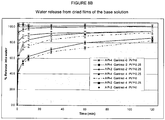
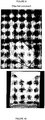
- Dried EPX films were assessed by light microscopy. The EPX Formulations were cast onto flexible plastic sheets and dried at various temperatures and humidities. After drying, samples from the plastic sheet were bent around cylinders with various circumferences and each inspected for cracks by light microscopy. By comparing the number and size of cracks for the samples that had been bent to varying degrees, the relative flexibility of different formulations could be determined.
- Figure 8A illustrates photos of the EPX formulation with and without povidone K90 bent to a 4.7 cm diameter.
- povidone K90 there are no cracks visible, but without povidone K90 large vertical cracks are present in the film.
- the glycopyrrolate formulations consist of a 60:40 ethanol/water solution and the wipes are packaged as sealed single use pouches. Accordingly, the present formulations are not expected to support microbial growth and no preservative is required.
- Tables 24 and 25 in Example 10 present a MLT (Microbial Limits Test) and an AET (Antimicrobial Effectiveness Test) performed on the glycopyrrolate EPX 2% and 4% formulations. All results are ⁇ 10 or not detected for all organisms and time points.
- the present formulations may comprise one or more optional additives such as humectants, colorants, perfumes, etc.
- each of these optional additives should be both miscible and compatible with the glycopyrrolate compound.
- Compatible additives are those that do not prevent the use of the glycopyrrolate compound in the manner described herein.
- Non-limiting examples of the humectants include propylene glycol, sorbitol, glycerin, etc. Propylene glycol is preferred. When included, propylene glycol may be used in the amount of 2% w/w to 4% w/w.
- the size of the wipe in flat form is preferably about 4"-6" x 3.78"-4".
- about 6" x 4", about 6" x 3.78", about 5" x 4", about 5" x 3.78", about 4" x 4", or about 4" x 3.78” can be preferably used.
- 1.5" x 2" ⁇ 0.125" or 1.5" x 1.875" ⁇ 0.125” is preferably used.
- the wipe has three folds along the long side, then in half across the other orientation during insertion into a laminated pouch as shown in Figure 2C , which has been pre-sealed on three sides.
- the pouch used in the present invention is resistant to leakage.
- it comprises an inner lining of linear low density polyethylene (LLDPE).
- LLDPE linear low density polyethylene
- the laminate has the composition, Glenroy: 0.48 mil PET / 0.75 mil LDPE / 0.285 mil Foil / 0.75 mil CRC-1 / 1.50 mil LLPDEF.
- the pouch size is not limited, but 2.375" x 3.5" ⁇ 0.0625" is preferred.
- Glycopyrrolate ES formulations were prepared by adding the buffering agents, anhydrous citric acid (USP) and dehydrate sodium citrate (USP) to a beaker in the amounts in Table 2, and then, adding purified water thereto and stirring until they are dissolved. To this mixture, dehydrated alcohol in the amount of Table 2 was added and stirred to mix. 0 to 20% w/w of glycopyrrolate was then added and stirred until it was dissolved in the mixture. A placebo formulation was prepared for the clinical trials and 20% glycopyrrolate formulation was prepared for the toxicological test.
- USP anhydrous citric acid
- USP dehydrate sodium citrate
- Glycopyrrolate EPX formulations were prepared by adding the buffering agents, anhydrous citric acid (USP) and sodium citrate (dihydrate) (USP) to a beaker in the amounts in Table 3, followed by adding purified water thereto and stirring it until dissolved. To this mixture, dehydrated alcohol in the amount of Table 3 was added and stirred to mix. 0.25% w/w of povidone K90 and 4% w/w of Butyl Ester of PVM/MA Copolymer were added and stirred until fully dissolved. Lastly, 0 to 20% w/w of glycopyrrolate was added to the mixture and stirred until fully dissolved. A placebo formulation was prepared for the clinical trials and 20% glycopyrrolate formulation was prepared for the toxicological test.
- the level of Gantrez ES-425 in a formulation batch sheet will be 2 times the level shown above (i.e. 8.0%).
- the batch sheet must also account for the ethanol content in the Gantrez ES-425 and 4.0 must be deducted from the dehydrated alcohol to be added to the formulation.
- glycopyrrolate In order to assess the stability of glycopyrrolate in solution form and in EPXTM gel form under various buffer and storage conditions, formulations of glycopyrrolate were stored in glass bottles or in pouches under the conditions indicated below.
- the rate modulating EPX gel technology is described in U.S. Patent No. 6,211,250 .
- polyvinyl pyrrolidone and a butyl ester of polyvinylmethylether/maleic anhydride copolymer are used as polymers to modulate the rate of release of the glycopyrrolate (in accordance with the EPX rate modulating polymeric technology described in U.S. Patent No. 6,211,250 ).
- Table 4 pH Range Citric/Citrate Citric Tromethamine Phosphate Ethanol solution 4.1-7.4 4.0-6.0 3.3-7.1 EPX 3.9-5.4 4.1-5.5 3.0-6.5
- Table 5 shows the formulations of the ethanol solution and EPX gel tested.
- Table 5 Ingredient Ethanol solution EPX Glycopyrrolate 2.00 2.00 Water 38.27 36.50 Ethanol 57.40 54.75 Propylene glycol 2.00 2.00 Buffer 0.2-0.5 0.2-0.5 PVP K-90 - 0.50 Gantrez ES 425 - 4.00
- ES and EPX formulations and two EPX placebo formulations comprising 2% glycopyrrolate, at pH 4.0, 5.0 or without buffer, were prepared principally according to the method described in Example 1.
- Composition of the formulations prepared is shown in Table 10.
- the buffer system was citric/citrate.
- the formulations were packaged as folded wipes stored in individual laminated foil pouches. Approximately 3.0 g of each formulation was added to each folded wipe and sealed in individual pouches. The test duration was for 3 months at 5°C, 25°C and 40°C.
- the used wipe and pouch was as follows: Wipe: Jerusalem 6" AP686 69 g/m 2 , three fold and final center fold. Size: 6" x 4" ⁇ 1/8" (flat) Loading: 55% of capacity - 3.00 g - (3.35 mL) Pouch: Glenroy 0.48 mil PET/ 0.75 mil LDPE/ 0.285 mil Foil/ 0.75 mil CRC-1/ 1.50 mil LLPDEF Size: 2.375" x 3.5" ⁇ 0.0625" Table 10 Formulation Composition. All levels listed are % w/w.
- wipe solutions were collected by transferring the folded wipe from an opened pouch into a large syringe, then pressing the syringe and collecting the solutions (wipe solution method). These solutions were then assayed for glycopyrrolate percentage by weight. Next, the entire wipe and the pouch was extracted and assayed for glycopyrrolate (total pouch extraction method). The result was then compared against the known weight of base solution added to each pouch.
- Wipe Solution 612/9/1 612/9/2 612/9/3 612/9/4 612/9/5 612/9/6 Type ES ES ES EPX EPX Buffer 4.0 5.0 None 4.0 5.0 None Temp T 0 w/w 2.021 2.008 1.971 2.021 2.017 2.002 5°C 1 mth - - 100.0% (0.1) - - - 2 mth - - 100.2% (0.1) - - - 3 mth 99.4% (0.1) - - - - 25°C 3 mth - 100.4% (0.1) 100.0% (0.1) - 99.7% (0.2) - 40°C 1 mth 98.3% (0.0) 99.9% (0.2) 94.7% (3.5) 99.1% (0.1) 100.6% (0.3) 100.2% (0.2) 2 mth 99.7% (0.1) 100.3% (0.4) 94.3% (4.9) 99.3%(0.3) 98.1% (0.5) 99.
- This example establishes the chemical and physical stability of the formulations prepared according to Example 1A and 1B.
- the study duration was for 12 months at 25°C, 9 months at 30°C and 6 months at 40°C.
- the four glycopyrrolate formulations consist of two formulation variations, ES and EPX, each containing 2% and 4% glycopyrrolate. All formulations had a pH of about 4.5.
- the glycopyrrolate formulations were packaged as folded wipes stored in individual laminated foil pouches. Approximately 3.0 g of each formulation was added to each folded wipe and sealed in individual pouches.
- the used wipe and pouch was as follows: Wipe: Divid 6" AP686 69 g/m 2 Size: 6" x 3.75" ⁇ 1/8" (flat) Loading: 55% of capacity - 3.00 g - (3.35 mL) Pouch: Glenroy 0.48 mil PET/ 0.75 mil LDPE/ 0.285 mil Foil/ 0.75 mil CRC-1/ 1.50 mil LLPDEF Size: 2.375" x 3.5" ⁇ 0.0625"
- Table 14 shows the levels of the main Degradant peak Dl.
- the loss of an active ingredient, glycopyrrolate was low for both ES and EPX formulations, supporting a shelf-life of over 2 years at 25°C.
- degradant D1 was estimated to be approximately 1% of total peak area at 2 years at 25°C.
- This example demonstrates the pH effects on the glycopyrrolate pouch/wipe formulations.
- Six ES and seven EPX glycopyrrolate formulations were made according to the process described in Example 1. Two buffer levels were used and the buffer ratios were adjusted to achieve a final pH as close as possible to 4.0, 5.0 and 5.4 (as measured in the wipe solution) for each of the formulations. An extra EPX formulation was made with half (2%) of the normal Gantrez level at pH of 4.5. The same wipe and pouch and the same loading amount as used in Example 4 were used in this example. Tables 13 and 14 show the ES and EPX formulations used for this test. Table 15 Formulation composition of ES. All levels listed are % w/w.
- the pH change of the ES was the same regardless of the buffer level.
- the pH change for EPX was reduced slightly for 20 mM compared to 10 mM buffer.
- the preferred formulations for ES and EPX were tested at the pH extremes of 4.0 and 5.0 for 3 months at 40°C. No packaging interactions were observed and color change and pH drift were consistent with the target pH 4.5 formulations in Example 4.
- the glycopyrrolate degradation rate was higher at the high pH, but within limits to support a 2 year shelf life.
- the formation of the degradant D1 was also higher at the high pH and had reached 1% of the label claim after 3 months at 40°C.
- the pH of the bulk solutions after manufacture were all within 0.15 of the pH of 4.50.
- the 4% glycopyrrolate formulations were slightly lower than the 2% glycopyrrolate formulations.
- the pH of the wipe solutions i.e., squeezed from the wipes
- the pH of the wipe solutions was slightly higher than the bulk solution results, 0.14-0.16 increase for the ES and 0.08 increase for the EPX. All results were still within 0.14 of the target pH.
- the EPX formulations decreased a greater amount over the first month at 40°C, but the change after 1 month continued to decrease.
- the total decrease for the EPX over 6 months at 40°C was 0.31-0.32 for the two glycopyrrolate levels.
- a similar pattern occurred at 25°C and 30°C, with no change in the pH from the 9 to 12 month time points.
- Figure 10 and Table 23 shows the results of apparent pH at 20-25°C, which indicate that the pH change does not appear to be excessive and the rate of pH change decreases over time.
- ethanol solutions or EPX formulations were packaged in five pouch materials as indicated in Table 24. 2 to 3 pouches were made for each formulation and pouch material. The pouches were stored at 50°C. Weight loss was measured at 1 and 2 months. At various time points, selected pouches were opened and also assessed for packaging interactions.
- the 2 mil BAREX lined pouches showed the second lowest average weight loss. The low standard deviation suggests that the formulation had not broken through the internal Barex layer.
- the internal Barex lining was cloudy for both the ethanol solution and EPX formulations ( Figure 1 , middle representation). De-lamination had also occurred between the Barex and the foil layers for the EPX formulations ( Figure 1 , right hand side representation), but not in the case of the ethanol solutions. No other interactions were visible.
- the 3.5 mil BAREX lined pouches yielded results similar to those obtained with 2 mil Barex, but the weight loss was slightly higher. This may indicate that the weight loss was occurring at the edges of the pouches, through leakage in the Barex seals rather than in the laminated foil sheets. Because the 3.5 mil Barex would have a thicker seal than the 2 mil Barex, this parameter would provide a larger opening for weight loss to occur.
- the AET requires 200 g of formulation, which was impossible to obtain from squeezing the solution from the final pouches. Therefore, the AET was performed on the bulk solution. All results were ⁇ 10 counts at all time points as shown in Table 26. These results are as expected for the formulations containing over 50% ethanol.
- FIG. 3 shows the dose delivered to palms as a function of the amount of formulation on a wipe.
- the data shown in Figure 3A indicates that the dose delivered by each size of wipe reached a constant level after the amount of formulation on the wipe reached a critical level. In the case of the 4"x4" wipe, this critical level was 1.60 g, and for the 6"x4" wipe, this level was 2.00 g.
- the dose delivered to the palm at these critical levels of formulation on the wipes was found to be 0.43 g. These data indicate that wipe size and loading amount will not affect the dose delivered, provided that the loading amount is above the critical level for a particular wipe size. Furthermore, partial coverage of a wipe due to incomplete wicking should not affect the dose delivered, although as indicated in Example 6, 100% coverage can be obtained by application of pressure to pouches containing wipes.
- ES placebo was used for the main data to prevent EPX build-up interfering with results, requiring constant rewashing of the hands.
- the delivery of EPX placebo was checked on 6" x 3.75" and 4" x 3.75", 69 g/m 2 wipes with an initial 2.40 g loading (in duplicate). The EPX dosing results were equivalent to the ES data.
- glycopyrrolate ES and EPX formulations prepared according to the method in Example 1 were prepared according to the method in Example 1, a clinical trial was conducted in Australia to treat axillary, primary hyperhidrosis in 36 subjects. The treatments and the subjects were as follows. Glycopyrrolate Content Formulation 0% 2% 4% EPX 6 6 6 Ethanol Solution 6 6 6
- HDSS Hyperhidrosis Disease Severity Scale
- AEs Systemic exposure and Adverse events
- FIG 11. The results from measuring HDSS are shown in Figure 11.
- Figure 11A illustrates average HDSS for the ES formulations.
- Figure 11B illustrates average HDSS for the EPX formulations.
- Figure 12A illustrates gravimetric analysis for the ES formulations and
- Figure 12B illustrates gravimetric analysis for the EPX formulations. Sweat production was decreased by more than 50% from baseline, measured by gravimetric analysis at week 4. Also, significant improvement of patient quality of life was measured by HDSS. The effect was sustained over 12 weeks.
- the formulations showed good tolerability with no significant systemic or local side effects. The studied formulations did not occlude the follicular opening and thereby avoided induction of folliculitis. Also, no significant adverse systemic effects seen with the oral anticholinergic therapies, such as dry mouth, blurred vision, urinary retention, or constipation, were observed.
Landscapes
- Health & Medical Sciences (AREA)
- Life Sciences & Earth Sciences (AREA)
- Veterinary Medicine (AREA)
- Public Health (AREA)
- General Health & Medical Sciences (AREA)
- Animal Behavior & Ethology (AREA)
- Chemical & Material Sciences (AREA)
- Epidemiology (AREA)
- Pharmacology & Pharmacy (AREA)
- Medicinal Chemistry (AREA)
- Engineering & Computer Science (AREA)
- General Chemical & Material Sciences (AREA)
- Chemical Kinetics & Catalysis (AREA)
- Birds (AREA)
- Dermatology (AREA)
- Nuclear Medicine, Radiotherapy & Molecular Imaging (AREA)
- Bioinformatics & Cheminformatics (AREA)
- Organic Chemistry (AREA)
- Biomedical Technology (AREA)
- Inorganic Chemistry (AREA)
- Oil, Petroleum & Natural Gas (AREA)
- Hematology (AREA)
- Diabetes (AREA)
- Cosmetics (AREA)
- Medicinal Preparation (AREA)
- Pharmaceuticals Containing Other Organic And Inorganic Compounds (AREA)
Claims (12)
- Einzeln verpacktes Wischtuch für die Behandlung von Hyperhidrose, umfassend 0,25 bis 6 Gew.-% einer Glycopyrrolat-Verbindung, die jene mit der folgenden Formel umfasst:
 wobei X- ein pharmazeutisch akzeptables Gegenionsalz ist;Alkohol und Wasser in einem Gewichtsverhältnis von 40:60 bis 60:40 und ein Puffermittel in einer Menge, die dazu ausreicht, eine pH-Wert von 3,5 bis 6 aufrechtzuerhalten, wobei das Wischtuch in einem Beutel enthalten ist, der leckbeständig ist.
 - Einzeln verpacktes Wischtuch nach Anspruch 1, wobei der Beutel eine Innenauskleidung aus linearem Polyethylen niedriger Dichte (LLDPE) umfasst.
- Einzeln verpacktes Wischtuch nach Anspruch 1, wobei die Glycopyrrolat-Verbindung bei Lagerung bei 0 bis 25 °C für 1 Monat, 2 Monate, 6 Monate oder 1 Jahr sich um weniger als 1 % zersetzt.
- Einzeln verpacktes Wischtuch nach Anspruch 1, wobei das Puffermittel Citronensäure und Natriumcitrat umfasst.
- Einzeln verpacktes Wischtuch nach Anspruch 1, wobei der Alkohol zu 53,7 bis 57,3 Gew.-% vorliegt, das Puffermittel zu 0,2 bis 0,5 Gew.-% vorliegt und das Wasser auf 100 Gew.-% zugegeben wird.
- Einzeln verpacktes Wischtuch nach Anspruch 1, wobei der Alkohol Ethanol ist.
- Einzeln verpacktes Wischtuch nach Anspruch 1, wobei der Alkohol Ethanol ist, das Puffermittel einen pH-Wert von 4 bis 5 aufrechterhält und Citronensäure und Natriumcitrat umfasst und zu 0,2 bis 0,5 Gew.-% vorliegt und das Wasser auf 100 Gew.-% zugegeben wird und das Ethanol zu 53,7 bis 57,3 Gew.-% vorliegt.
- Einzeln verpacktes Wischtuch nach Anspruch 7, wobei das Puffermittel einen pH-Wert von 4,5 aufrechterhält.
- Einzeln verpacktes Wischtuch nach Anspruch 1, wobei das pharmazeutisch akzeptable Gegenionsalz aus einer anorganischen oder organischen Säure hergestellt ist, die aus Salzsäure, Bromwasserstoffsäure, Fluorwasserstoff, Iodwasserstoff, Schwefelsäure, Salpetersäure, Phosphorsäure, Essigsäure, Propansäure, Glykolsäure, Brenztraubensäure, Oxalsäure, Äpfelsäure, Malonsäure, Bernsteinsäure, Maleinsäure, Fumarsäure, Weinsäure, Citronensäure, Benzoesäure, Zimtsäure, Mandelsäure, Methansulfonsäure, Ethansulfonsäure, p-Toluolsulfonsäure und Salicylsäure ausgewählt ist.
- Verfahren zur Herstellung eines einzeln verpackten Wischtuchs für die Behandlung von Hyperhidrose, das die folgenden Schritte umfasst:(a) Inkontaktbringen des Wischtuchs mit einer Lösung, die 0,25 bis 6 Gew.-% Glycopyrrolat-Verbindung umfasst, bis es feucht ist, wobei die Glycopyrrolat-Verbindung jene mit der folgenden Formel umfasst:
 wobei X- ein pharmazeutisch akzeptables Gegenionsalz ist;wobei die Lösung weiterhin Alkohol und Wasser in einem Gewichtsverhältnis von 40:60 bis 60:40 und ein Puffermittel in einer Menge, die dazu ausreicht, eine pH-Wert von 3,5 bis 6 aufrechtzuerhalten, umfasst; und(b) Versiegeln des Wischtuchs von Schritt (a) in einem Beutel, der leckbeständig ist.
 - Verfahren nach Anspruch 10, wobei der Alkohol Ethanol ist, das Puffermittel einen pH-Wert von 4 bis 5 aufrechterhält und Citronensäure und Natriumcitrat umfasst und zu 0,2 bis 0,5 Gew.-% vorliegt und das Wasser auf 100 Ges.-% zugegeben wird und das Ethanol zu 53,7 bis 57,3 Gew.-% vorliegt.
- Verfahren nach Anspruch 11, wobei das Puffermittel einen pH-Wert von 4,5 aufrechterhält.
Priority Applications (1)
| Application Number | Priority Date | Filing Date | Title |
|---|---|---|---|
| EP18167442.5A EP3415127B1 (de) | 2007-10-18 | 2008-10-17 | Topische glycopyrrolatformulierungen und ein wischtuch, das dieses enthält |
Applications Claiming Priority (2)
| Application Number | Priority Date | Filing Date | Title |
|---|---|---|---|
| US96088707P | 2007-10-18 | 2007-10-18 | |
| PCT/US2008/011907 WO2009051818A1 (en) | 2007-10-18 | 2008-10-17 | Topical glycopyrrolate formulations |
Related Child Applications (1)
| Application Number | Title | Priority Date | Filing Date |
|---|---|---|---|
| EP18167442.5A Division EP3415127B1 (de) | 2007-10-18 | 2008-10-17 | Topische glycopyrrolatformulierungen und ein wischtuch, das dieses enthält |
Publications (3)
| Publication Number | Publication Date |
|---|---|
| EP2200550A1 EP2200550A1 (de) | 2010-06-30 |
| EP2200550A4 EP2200550A4 (de) | 2016-01-27 |
| EP2200550B1 true EP2200550B1 (de) | 2018-04-18 |
Family
ID=40567708
Family Applications (2)
| Application Number | Title | Priority Date | Filing Date |
|---|---|---|---|
| EP18167442.5A Active EP3415127B1 (de) | 2007-10-18 | 2008-10-17 | Topische glycopyrrolatformulierungen und ein wischtuch, das dieses enthält |
| EP08839892.0A Active EP2200550B1 (de) | 2007-10-18 | 2008-10-17 | Topische glycopyrrolat-formulierungen |
Family Applications Before (1)
| Application Number | Title | Priority Date | Filing Date |
|---|---|---|---|
| EP18167442.5A Active EP3415127B1 (de) | 2007-10-18 | 2008-10-17 | Topische glycopyrrolatformulierungen und ein wischtuch, das dieses enthält |
Country Status (7)
| Country | Link |
|---|---|
| US (7) | US8618160B2 (de) |
| EP (2) | EP3415127B1 (de) |
| AU (2) | AU2008314628B2 (de) |
| CA (1) | CA2702830C (de) |
| ES (2) | ES2969237T3 (de) |
| MX (1) | MX2010004262A (de) |
| WO (1) | WO2009051818A1 (de) |
Families Citing this family (28)
| Publication number | Priority date | Publication date | Assignee | Title |
|---|---|---|---|---|
| WO2008070602A2 (en) * | 2006-12-04 | 2008-06-12 | Smithkline Beecham Corporation | Topical pharmaceutical composition |
| US8618160B2 (en) | 2007-10-18 | 2013-12-31 | Rose U | Topical glycopyrrolate formulations |
| HRP20140582T4 (hr) | 2009-12-23 | 2023-06-09 | Chiesi Farmaceutici S.P.A. | Kombinacijska terapija za copd |
| SG181870A1 (en) | 2009-12-23 | 2012-07-30 | Chiesi Farma Spa | Aerosol formulation for copd |
| RU2567040C2 (ru) * | 2009-12-23 | 2015-10-27 | КЬЕЗИ ФАРМАЧЕУТИЧИ С.п.А. | Аэрозольная препаративная форма для лечения по поводу хронического обструктивного легочного заболевания |
| CN105025903B (zh) | 2013-01-03 | 2018-04-13 | 海德洛斯疗法国际股份有限公司 | 多汗症的治疗 |
| US8558008B2 (en) | 2013-02-28 | 2013-10-15 | Dermira, Inc. | Crystalline glycopyrrolate tosylate |
| US20220233500A1 (en) * | 2014-08-29 | 2022-07-28 | Journey Medical Corporation | Glycopyrrolate salts |
| US9006462B2 (en) | 2013-02-28 | 2015-04-14 | Dermira, Inc. | Glycopyrrolate salts |
| NZ710740A (en) | 2013-02-28 | 2020-06-26 | Dermira Inc | Glycopyrrolate salts |
| JP6223543B2 (ja) | 2013-03-15 | 2017-11-01 | ボドール ラボラトリーズ, インコーポレイテッド | 多汗症の処置のための抗コリン作用性グリコピロレートエステル |
| HK1225317A1 (zh) * | 2013-07-30 | 2017-09-08 | Glaxosmithkline Intellectual Property Development Limited | 用於治疗过度出汗的局部组合物及其使用方法 |
| US20150259283A1 (en) | 2014-03-13 | 2015-09-17 | Brickell Biotech, Inc. | Formulation for soft anticholinergic analogs |
| WO2015138700A1 (en) | 2014-03-13 | 2015-09-17 | Bodor Laboratories, Inc. | Use of selected anticholinergic zwitterions |
| US9926270B2 (en) | 2014-08-20 | 2018-03-27 | Dermira, Inc. | Process for production of glycopyrronium tosylate |
| CA2957297A1 (en) * | 2014-08-27 | 2016-03-03 | Dermira, Inc. | Hyperhidrosis treatment |
| EP3209157B1 (de) | 2014-10-24 | 2018-04-18 | Unilever Plc. | Spender für eine creme, ein gel oder eine weiche feststoffzusammensetzung |
| AU2015335173A1 (en) | 2014-10-24 | 2017-04-13 | Unilever Plc | Method of controlling perspiration |
| EP3270881B1 (de) | 2015-03-20 | 2018-12-26 | Unilever PLC, a company registered in England and Wales under company no. 41424 of | Anitperspirant zusammensetzungen |
| HK1253236A1 (zh) | 2015-07-21 | 2019-06-14 | 博多尔实验仪器公司 | 软性抗胆碱能药类似物的制剂 |
| PT109445B (pt) | 2016-06-08 | 2018-11-06 | Hovione Farm Sa | Co-cristais farmacêuticos cristalinos de brometo de glicopirrónio com lactose |
| TWI719046B (zh) | 2016-07-21 | 2021-02-21 | 美商波德實驗股份有限公司 | 軟性抗膽鹼類似物之製劑 |
| US10906871B2 (en) | 2016-08-02 | 2021-02-02 | Dermira, Inc. | Processes for making, and methods of using, glycopyrronium compounds |
| FI3860589T3 (fi) | 2018-11-06 | 2026-07-16 | Harman Finochem Ltd | Menetelmä glykopyrrolaattitosylaatin valmistamiseksi |
| EP4031099B1 (de) | 2019-09-20 | 2023-03-01 | Unilever IP Holdings B.V. | Schweisshemmende zusammensetzungen |
| WO2021113260A1 (en) | 2019-12-02 | 2021-06-10 | Dermira, Inc. | Diester containing compounds for treating hyperhidrosis |
| EP4768009A2 (de) | 2021-06-07 | 2026-07-01 | Unilever IP Holdings B.V. | Zusammensetzungen und verfahren zur kontrolle der schweissproduktion |
| WO2026060106A1 (en) | 2024-09-12 | 2026-03-19 | Propedix, Inc. | Compositions and methods for treating cutaneous fungal infections |
Family Cites Families (36)
| Publication number | Priority date | Publication date | Assignee | Title |
|---|---|---|---|---|
| US2118566A (en) | 1935-08-29 | 1938-05-24 | Miles Gilbert De Wayne | Buffered cosmetic |
| US2956062A (en) | 1959-02-26 | 1960-10-11 | Robins Co Inc A H | Esters of amino alcohols |
| US3767786A (en) | 1961-04-20 | 1973-10-23 | Procter & Gamble | Inhibiting perspiration with scopolamine esters |
| IL22666A (en) | 1964-01-06 | 1968-10-24 | Robins Co Inc A H | Compositions for inhibiting perspiration containing an 1,1-dialkyl-3-hydroxy-pyrrolidinium ester of an alpha-phenyl-alpha-cycloalkyl-clycolic or acetic acid |
| US3312709A (en) | 1964-06-29 | 1967-04-04 | Procter & Gamble | Para-(lower)alkoxybenzoylscopolamine |
| DE1670048C3 (de) | 1966-01-26 | 1980-09-04 | C.H. Boehringer Sohn, 6507 Ingelheim | Neue Norscopolaminderivate |
| US4355020A (en) * | 1977-11-12 | 1982-10-19 | Bert Kuy | Thixotropic aluminum hydroxide chloride and medical and other applications thereof |
| CA1120874A (en) * | 1978-04-14 | 1982-03-30 | Ralph G. Amberg | Composite container |
| US4415551A (en) * | 1982-01-29 | 1983-11-15 | The Gillette Company | Bioerodible deodorant |
| US4824676A (en) | 1984-10-11 | 1989-04-25 | Schering Corporation | Physiological means of enhancing transdermal delivery of drugs |
| US4891227A (en) | 1988-02-02 | 1990-01-02 | Richardson-Vicks Inc. | Medicated cleansing pads |
| GB8811408D0 (en) * | 1988-05-13 | 1988-06-15 | Unilever Plc | Cosmetic composition |
| US4883792A (en) * | 1989-01-17 | 1989-11-28 | Peter Timmins | Steroid cream formulation |
| ES2170068T3 (es) * | 1992-06-16 | 2002-08-01 | Icn Pharmaceuticals | Composicion para el tratamiento de la piel. |
| US5403588A (en) | 1993-11-23 | 1995-04-04 | Santa Ana, Jr.; Cesareo T. | Disposable body deodorant pad and deodorant preparation therefor |
| US5525347A (en) | 1995-01-31 | 1996-06-11 | Medical University Of South Carolina | Composition and methods for treating performance anxiety |
| US5648083A (en) * | 1995-02-10 | 1997-07-15 | The Procter & Gamble Company | Personal care compositions and wipe products containing the compositions |
| US5919760A (en) | 1996-04-12 | 1999-07-06 | Intensive Narcotic Detoxification Centers Of America, Llc | Method for treating acute and severe diarrhea |
| US6214792B1 (en) | 1996-04-12 | 2001-04-10 | David Lew Simon | Method for treating acute and severe diarrhea |
| EP0932401A1 (de) | 1996-07-01 | 1999-08-04 | Sepracor, Inc. | Methoden und zusammensetzungen zur behandlung von harninkontiniez mittels enantiomerishc angereichertem (r,r)-glycopyrrolat |
| WO1998000133A1 (en) | 1996-07-01 | 1998-01-08 | Sepracor, Inc. | Methods and compositions for treating urinary incontinence using enantiomerically enriched (s,s)-glycopyrrolate |
| AUPO379596A0 (en) | 1996-11-22 | 1996-12-19 | Soltec Research Pty Ltd | Percutaneous delivery system |
| ES2118053B1 (es) | 1997-02-27 | 1999-03-01 | Julia Capmany Font M Luisa | Producto para la limpieza de la piel y faneras. |
| US5962505A (en) | 1998-08-31 | 1999-10-05 | Bobrove; Arthur M. | Method for treating hot flashes in humans |
| US5976499A (en) | 1998-09-04 | 1999-11-02 | Johns Hopkins University | Macroscopic sweat test for cystic fibrosis |
| US6433003B1 (en) | 1999-04-23 | 2002-08-13 | Arthur M. Bobrove | Method for treating hyperhidrosis in mammals |
| US6446795B1 (en) | 2000-07-31 | 2002-09-10 | The Gillette Company | Towelette packaging |
| EP1321381B2 (de) * | 2001-12-22 | 2009-08-12 | The Procter & Gamble Company | Verpackung für zusammenpressbare Produkte sowie Verfahren zur Herstellung der Verpackung |
| US8252316B2 (en) * | 2002-05-03 | 2012-08-28 | Purepharm Inc. | Method of topically applying glycopyrrolate solution using absorbent pad to reduce sweating |
| CA2384922C (en) | 2002-05-03 | 2008-09-02 | Purepharm Inc. | Topical glycopyrrolate product for the reduction of sweating |
| BRPI0519481A2 (pt) | 2004-12-27 | 2009-02-03 | Beiersdorf Ag | glicopirrolato em preparaÇÕes cosmÉticas |
| SI1863476T1 (sl) | 2005-03-16 | 2016-05-31 | Meda Pharma Gmbh & Co. Kg | Kombinacija antiholinergikov in antagonistov receptorja levkotriena za zdravljenje respiratornih bolezni |
| US8618160B2 (en) | 2007-10-18 | 2013-12-31 | Rose U | Topical glycopyrrolate formulations |
| NZ710740A (en) | 2013-02-28 | 2020-06-26 | Dermira Inc | Glycopyrrolate salts |
| US9006462B2 (en) | 2013-02-28 | 2015-04-14 | Dermira, Inc. | Glycopyrrolate salts |
| US8558008B2 (en) | 2013-02-28 | 2013-10-15 | Dermira, Inc. | Crystalline glycopyrrolate tosylate |
-
2008
- 2008-10-17 US US12/738,168 patent/US8618160B2/en active Active
- 2008-10-17 AU AU2008314628A patent/AU2008314628B2/en active Active
- 2008-10-17 CA CA2702830A patent/CA2702830C/en active Active
- 2008-10-17 ES ES18167442T patent/ES2969237T3/es active Active
- 2008-10-17 WO PCT/US2008/011907 patent/WO2009051818A1/en not_active Ceased
- 2008-10-17 EP EP18167442.5A patent/EP3415127B1/de active Active
- 2008-10-17 ES ES08839892.0T patent/ES2671874T3/es active Active
- 2008-10-17 EP EP08839892.0A patent/EP2200550B1/de active Active
- 2008-10-17 MX MX2010004262A patent/MX2010004262A/es active IP Right Grant
-
2013
- 2013-11-19 US US14/084,010 patent/US9744105B2/en active Active
-
2014
- 2014-06-05 AU AU2014203072A patent/AU2014203072C1/en active Active
-
2017
- 2017-07-27 US US15/662,166 patent/US10052267B2/en active Active
-
2018
- 2018-05-31 US US15/994,232 patent/US11071694B2/en active Active
-
2021
- 2021-06-04 US US17/339,843 patent/US20210290496A1/en not_active Abandoned
-
2023
- 2023-05-02 US US18/142,409 patent/US20230270631A1/en not_active Abandoned
-
2024
- 2024-10-07 US US18/908,101 patent/US20250025379A1/en active Pending
Non-Patent Citations (1)
| Title |
|---|
| None * |
Also Published As
| Publication number | Publication date |
|---|---|
| ES2671874T3 (es) | 2018-06-11 |
| AU2008314628B2 (en) | 2014-03-06 |
| US20100276329A1 (en) | 2010-11-04 |
| WO2009051818A1 (en) | 2009-04-23 |
| AU2014203072A1 (en) | 2014-07-03 |
| CA2702830C (en) | 2017-02-28 |
| EP2200550A1 (de) | 2010-06-30 |
| MX2010004262A (es) | 2010-05-14 |
| US10052267B2 (en) | 2018-08-21 |
| US20230270631A1 (en) | 2023-08-31 |
| US20140151255A1 (en) | 2014-06-05 |
| US20180008517A1 (en) | 2018-01-11 |
| US20210290496A1 (en) | 2021-09-23 |
| AU2014203072B2 (en) | 2016-05-26 |
| EP3415127B1 (de) | 2023-12-20 |
| AU2008314628A1 (en) | 2009-04-23 |
| US9744105B2 (en) | 2017-08-29 |
| US20180311116A1 (en) | 2018-11-01 |
| CA2702830A1 (en) | 2009-04-23 |
| AU2014203072C1 (en) | 2019-04-04 |
| US8618160B2 (en) | 2013-12-31 |
| ES2969237T3 (es) | 2024-05-17 |
| US20250025379A1 (en) | 2025-01-23 |
| EP2200550A4 (de) | 2016-01-27 |
| US11071694B2 (en) | 2021-07-27 |
| EP3415127A1 (de) | 2018-12-19 |
Similar Documents
| Publication | Publication Date | Title |
|---|---|---|
| US20250025379A1 (en) | Topical glycopyrrolate formulations | |
| CA2931144C (en) | Anti-infective methods, compositions, and devices | |
| KR100871401B1 (ko) | 국소 글리코피롤레이트 제품 | |
| EP2373305B1 (de) | Ein serm enthaltende transdermale pharmazeutische zusammensetzungen | |
| EP2667865A1 (de) | Stark durchdringende zusammensetzungen und verfahren zur behandlung pathogen-induzierter gewebeerkrankungen | |
| AU2012209412A1 (en) | Highly penetrating compositions and methods for treating pathogen-induced disordered tissues | |
| JP5667052B2 (ja) | ダナゾールを含む経真皮医薬組成物 | |
| KR20240134863A (ko) | 심부 진피 약물 전달을 위한 스피로노락톤의 약학 조성물 | |
| HK40008649A (en) | Topical glycopyrrolate formulations and a wipe containing thereof | |
| US20180104227A1 (en) | Nail lacquer composition containing ciclopirox | |
| HK1242222B (en) | Transdermal pharmaceutical compositions comprising a serm | |
| HK1242222A1 (en) | Transdermal pharmaceutical compositions comprising a serm | |
| NZ613262B2 (en) | Highly penetrating compositions and methods for treating pathogen-induced disordered tissues | |
| JP2006232855A (ja) | 抗真菌組成物 |
Legal Events
| Date | Code | Title | Description |
|---|---|---|---|
| PUAI | Public reference made under article 153(3) epc to a published international application that has entered the european phase |
Free format text: ORIGINAL CODE: 0009012 |
|
| 17P | Request for examination filed |
Effective date: 20100422 |
|
| AK | Designated contracting states |
Kind code of ref document: A1 Designated state(s): AT BE BG CH CY CZ DE DK EE ES FI FR GB GR HR HU IE IS IT LI LT LU LV MC MT NL NO PL PT RO SE SI SK TR |
|
| AX | Request for extension of the european patent |
Extension state: AL BA MK RS |
|
| RAP1 | Party data changed (applicant data changed or rights of an application transferred) |
Owner name: ROSE U |
|
| TPAC | Observations filed by third parties |
Free format text: ORIGINAL CODE: EPIDOSNTIPA |
|
| RA4 | Supplementary search report drawn up and despatched (corrected) |
Effective date: 20160105 |
|
| RIC1 | Information provided on ipc code assigned before grant |
Ipc: A61K 8/49 20060101ALI20151221BHEP Ipc: A61K 47/32 20060101ALI20151221BHEP Ipc: A61K 31/40 20060101ALI20151221BHEP Ipc: A61K 47/10 20060101ALI20151221BHEP Ipc: A61K 9/00 20060101ALI20151221BHEP Ipc: A61K 8/02 20060101ALI20151221BHEP Ipc: A61Q 15/00 20060101ALI20151221BHEP Ipc: A61F 13/00 20060101AFI20151221BHEP |
|
| STAA | Information on the status of an ep patent application or granted ep patent |
Free format text: STATUS: EXAMINATION IS IN PROGRESS |
|
| 17Q | First examination report despatched |
Effective date: 20161123 |
|
| TPAC | Observations filed by third parties |
Free format text: ORIGINAL CODE: EPIDOSNTIPA |
|
| GRAP | Despatch of communication of intention to grant a patent |
Free format text: ORIGINAL CODE: EPIDOSNIGR1 |
|
| STAA | Information on the status of an ep patent application or granted ep patent |
Free format text: STATUS: GRANT OF PATENT IS INTENDED |
|
| RAP1 | Party data changed (applicant data changed or rights of an application transferred) |
Owner name: ROSE U, LLC |
|
| INTG | Intention to grant announced |
Effective date: 20171016 |
|
| GRAJ | Information related to disapproval of communication of intention to grant by the applicant or resumption of examination proceedings by the epo deleted |
Free format text: ORIGINAL CODE: EPIDOSDIGR1 |
|
| STAA | Information on the status of an ep patent application or granted ep patent |
Free format text: STATUS: EXAMINATION IS IN PROGRESS |
|
| GRAR | Information related to intention to grant a patent recorded |
Free format text: ORIGINAL CODE: EPIDOSNIGR71 |
|
| GRAS | Grant fee paid |
Free format text: ORIGINAL CODE: EPIDOSNIGR3 |
|
| STAA | Information on the status of an ep patent application or granted ep patent |
Free format text: STATUS: GRANT OF PATENT IS INTENDED |
|
| GRAA | (expected) grant |
Free format text: ORIGINAL CODE: 0009210 |
|
| STAA | Information on the status of an ep patent application or granted ep patent |
Free format text: STATUS: THE PATENT HAS BEEN GRANTED |
|
| INTC | Intention to grant announced (deleted) | ||
| AK | Designated contracting states |
Kind code of ref document: B1 Designated state(s): AT BE BG CH CY CZ DE DK EE ES FI FR GB GR HR HU IE IS IT LI LT LU LV MC MT NL NO PL PT RO SE SI SK TR |
|
| AX | Request for extension of the european patent |
Extension state: AL BA MK RS |
|
| INTG | Intention to grant announced |
Effective date: 20180312 |
|
| REG | Reference to a national code |
Ref country code: GB Ref legal event code: FG4D |
|
| REG | Reference to a national code |
Ref country code: CH Ref legal event code: EP |
|
| REG | Reference to a national code |
Ref country code: AT Ref legal event code: REF Ref document number: 989642 Country of ref document: AT Kind code of ref document: T Effective date: 20180515 |
|
| REG | Reference to a national code |
Ref country code: IE Ref legal event code: FG4D |
|
| REG | Reference to a national code |
Ref country code: DE Ref legal event code: R096 Ref document number: 602008054929 Country of ref document: DE |
|
| REG | Reference to a national code |
Ref country code: ES Ref legal event code: FG2A Ref document number: 2671874 Country of ref document: ES Kind code of ref document: T3 Effective date: 20180611 |
|
| REG | Reference to a national code |
Ref country code: NL Ref legal event code: MP Effective date: 20180418 |
|
| REG | Reference to a national code |
Ref country code: LT Ref legal event code: MG4D |
|
| PG25 | Lapsed in a contracting state [announced via postgrant information from national office to epo] |
Ref country code: NL Free format text: LAPSE BECAUSE OF FAILURE TO SUBMIT A TRANSLATION OF THE DESCRIPTION OR TO PAY THE FEE WITHIN THE PRESCRIBED TIME-LIMIT Effective date: 20180418 |
|
| REG | Reference to a national code |
Ref country code: FR Ref legal event code: PLFP Year of fee payment: 11 |
|
| PG25 | Lapsed in a contracting state [announced via postgrant information from national office to epo] |
Ref country code: SE Free format text: LAPSE BECAUSE OF FAILURE TO SUBMIT A TRANSLATION OF THE DESCRIPTION OR TO PAY THE FEE WITHIN THE PRESCRIBED TIME-LIMIT Effective date: 20180418 Ref country code: NO Free format text: LAPSE BECAUSE OF FAILURE TO SUBMIT A TRANSLATION OF THE DESCRIPTION OR TO PAY THE FEE WITHIN THE PRESCRIBED TIME-LIMIT Effective date: 20180718 Ref country code: LT Free format text: LAPSE BECAUSE OF FAILURE TO SUBMIT A TRANSLATION OF THE DESCRIPTION OR TO PAY THE FEE WITHIN THE PRESCRIBED TIME-LIMIT Effective date: 20180418 Ref country code: PL Free format text: LAPSE BECAUSE OF FAILURE TO SUBMIT A TRANSLATION OF THE DESCRIPTION OR TO PAY THE FEE WITHIN THE PRESCRIBED TIME-LIMIT Effective date: 20180418 Ref country code: FI Free format text: LAPSE BECAUSE OF FAILURE TO SUBMIT A TRANSLATION OF THE DESCRIPTION OR TO PAY THE FEE WITHIN THE PRESCRIBED TIME-LIMIT Effective date: 20180418 Ref country code: BG Free format text: LAPSE BECAUSE OF FAILURE TO SUBMIT A TRANSLATION OF THE DESCRIPTION OR TO PAY THE FEE WITHIN THE PRESCRIBED TIME-LIMIT Effective date: 20180718 |
|
| PG25 | Lapsed in a contracting state [announced via postgrant information from national office to epo] |
Ref country code: LV Free format text: LAPSE BECAUSE OF FAILURE TO SUBMIT A TRANSLATION OF THE DESCRIPTION OR TO PAY THE FEE WITHIN THE PRESCRIBED TIME-LIMIT Effective date: 20180418 Ref country code: HR Free format text: LAPSE BECAUSE OF FAILURE TO SUBMIT A TRANSLATION OF THE DESCRIPTION OR TO PAY THE FEE WITHIN THE PRESCRIBED TIME-LIMIT Effective date: 20180418 Ref country code: GR Free format text: LAPSE BECAUSE OF FAILURE TO SUBMIT A TRANSLATION OF THE DESCRIPTION OR TO PAY THE FEE WITHIN THE PRESCRIBED TIME-LIMIT Effective date: 20180719 |
|
| REG | Reference to a national code |
Ref country code: AT Ref legal event code: MK05 Ref document number: 989642 Country of ref document: AT Kind code of ref document: T Effective date: 20180418 |
|
| PG25 | Lapsed in a contracting state [announced via postgrant information from national office to epo] |
Ref country code: PT Free format text: LAPSE BECAUSE OF FAILURE TO SUBMIT A TRANSLATION OF THE DESCRIPTION OR TO PAY THE FEE WITHIN THE PRESCRIBED TIME-LIMIT Effective date: 20180820 |
|
| REG | Reference to a national code |
Ref country code: DE Ref legal event code: R097 Ref document number: 602008054929 Country of ref document: DE |
|
| PG25 | Lapsed in a contracting state [announced via postgrant information from national office to epo] |
Ref country code: SK Free format text: LAPSE BECAUSE OF FAILURE TO SUBMIT A TRANSLATION OF THE DESCRIPTION OR TO PAY THE FEE WITHIN THE PRESCRIBED TIME-LIMIT Effective date: 20180418 Ref country code: RO Free format text: LAPSE BECAUSE OF FAILURE TO SUBMIT A TRANSLATION OF THE DESCRIPTION OR TO PAY THE FEE WITHIN THE PRESCRIBED TIME-LIMIT Effective date: 20180418 Ref country code: CZ Free format text: LAPSE BECAUSE OF FAILURE TO SUBMIT A TRANSLATION OF THE DESCRIPTION OR TO PAY THE FEE WITHIN THE PRESCRIBED TIME-LIMIT Effective date: 20180418 Ref country code: EE Free format text: LAPSE BECAUSE OF FAILURE TO SUBMIT A TRANSLATION OF THE DESCRIPTION OR TO PAY THE FEE WITHIN THE PRESCRIBED TIME-LIMIT Effective date: 20180418 Ref country code: DK Free format text: LAPSE BECAUSE OF FAILURE TO SUBMIT A TRANSLATION OF THE DESCRIPTION OR TO PAY THE FEE WITHIN THE PRESCRIBED TIME-LIMIT Effective date: 20180418 Ref country code: AT Free format text: LAPSE BECAUSE OF FAILURE TO SUBMIT A TRANSLATION OF THE DESCRIPTION OR TO PAY THE FEE WITHIN THE PRESCRIBED TIME-LIMIT Effective date: 20180418 |
|
| PLBE | No opposition filed within time limit |
Free format text: ORIGINAL CODE: 0009261 |
|
| STAA | Information on the status of an ep patent application or granted ep patent |
Free format text: STATUS: NO OPPOSITION FILED WITHIN TIME LIMIT |
|
| 26N | No opposition filed |
Effective date: 20190121 |
|
| PG25 | Lapsed in a contracting state [announced via postgrant information from national office to epo] |
Ref country code: SI Free format text: LAPSE BECAUSE OF FAILURE TO SUBMIT A TRANSLATION OF THE DESCRIPTION OR TO PAY THE FEE WITHIN THE PRESCRIBED TIME-LIMIT Effective date: 20180418 |
|
| REG | Reference to a national code |
Ref country code: BE Ref legal event code: MM Effective date: 20181031 |
|
| PG25 | Lapsed in a contracting state [announced via postgrant information from national office to epo] |
Ref country code: MC Free format text: LAPSE BECAUSE OF FAILURE TO SUBMIT A TRANSLATION OF THE DESCRIPTION OR TO PAY THE FEE WITHIN THE PRESCRIBED TIME-LIMIT Effective date: 20180418 Ref country code: LU Free format text: LAPSE BECAUSE OF NON-PAYMENT OF DUE FEES Effective date: 20181017 |
|
| REG | Reference to a national code |
Ref country code: IE Ref legal event code: MM4A |
|
| PG25 | Lapsed in a contracting state [announced via postgrant information from national office to epo] |
Ref country code: BE Free format text: LAPSE BECAUSE OF NON-PAYMENT OF DUE FEES Effective date: 20181031 |
|
| PG25 | Lapsed in a contracting state [announced via postgrant information from national office to epo] |
Ref country code: IE Free format text: LAPSE BECAUSE OF NON-PAYMENT OF DUE FEES Effective date: 20181017 |
|
| PG25 | Lapsed in a contracting state [announced via postgrant information from national office to epo] |
Ref country code: MT Free format text: LAPSE BECAUSE OF NON-PAYMENT OF DUE FEES Effective date: 20181017 |
|
| REG | Reference to a national code |
Ref country code: CH Ref legal event code: PCAR Free format text: NEW ADDRESS: ROUTE DU COUTSET 18, 1485 NUVILLY (CH) |
|
| PG25 | Lapsed in a contracting state [announced via postgrant information from national office to epo] |
Ref country code: TR Free format text: LAPSE BECAUSE OF FAILURE TO SUBMIT A TRANSLATION OF THE DESCRIPTION OR TO PAY THE FEE WITHIN THE PRESCRIBED TIME-LIMIT Effective date: 20180418 |
|
| PG25 | Lapsed in a contracting state [announced via postgrant information from national office to epo] |
Ref country code: HU Free format text: LAPSE BECAUSE OF FAILURE TO SUBMIT A TRANSLATION OF THE DESCRIPTION OR TO PAY THE FEE WITHIN THE PRESCRIBED TIME-LIMIT; INVALID AB INITIO Effective date: 20081017 Ref country code: CY Free format text: LAPSE BECAUSE OF FAILURE TO SUBMIT A TRANSLATION OF THE DESCRIPTION OR TO PAY THE FEE WITHIN THE PRESCRIBED TIME-LIMIT Effective date: 20180418 |
|
| PG25 | Lapsed in a contracting state [announced via postgrant information from national office to epo] |
Ref country code: IS Free format text: LAPSE BECAUSE OF FAILURE TO SUBMIT A TRANSLATION OF THE DESCRIPTION OR TO PAY THE FEE WITHIN THE PRESCRIBED TIME-LIMIT Effective date: 20180818 |
|
| REG | Reference to a national code |
Ref country code: DE Ref legal event code: R082 Ref document number: 602008054929 Country of ref document: DE Representative=s name: VENNER SHIPLEY GERMANY LLP, DE Ref country code: DE Ref legal event code: R082 Ref document number: 602008054929 Country of ref document: DE Representative=s name: VENNER SHIPLEY LLP, DE |
|
| P01 | Opt-out of the competence of the unified patent court (upc) registered |
Effective date: 20230527 |
|
| REG | Reference to a national code |
Ref country code: CH Ref legal event code: U11 Free format text: ST27 STATUS EVENT CODE: U-0-0-U10-U11 (AS PROVIDED BY THE NATIONAL OFFICE) Effective date: 20251101 |
|
| PGFP | Annual fee paid to national office [announced via postgrant information from national office to epo] |
Ref country code: DE Payment date: 20251029 Year of fee payment: 18 |
|
| PGFP | Annual fee paid to national office [announced via postgrant information from national office to epo] |
Ref country code: GB Payment date: 20251027 Year of fee payment: 18 |
|
| PGFP | Annual fee paid to national office [announced via postgrant information from national office to epo] |
Ref country code: IT Payment date: 20251021 Year of fee payment: 18 |
|
| PGFP | Annual fee paid to national office [announced via postgrant information from national office to epo] |
Ref country code: FR Payment date: 20251027 Year of fee payment: 18 |
|
| PGFP | Annual fee paid to national office [announced via postgrant information from national office to epo] |
Ref country code: CH Payment date: 20251101 Year of fee payment: 18 |
|
| PGFP | Annual fee paid to national office [announced via postgrant information from national office to epo] |
Ref country code: ES Payment date: 20251103 Year of fee payment: 18 |