EP2207577B1 - Biologisch abbaubares polymergerüst und verfahren zu seiner herstellung - Google Patents
Biologisch abbaubares polymergerüst und verfahren zu seiner herstellung Download PDFInfo
- Publication number
- EP2207577B1 EP2207577B1 EP08842301.7A EP08842301A EP2207577B1 EP 2207577 B1 EP2207577 B1 EP 2207577B1 EP 08842301 A EP08842301 A EP 08842301A EP 2207577 B1 EP2207577 B1 EP 2207577B1
- Authority
- EP
- European Patent Office
- Prior art keywords
- particles
- poly
- polymer
- ctab
- scaffold
- Prior art date
- Legal status (The legal status is an assumption and is not a legal conclusion. Google has not performed a legal analysis and makes no representation as to the accuracy of the status listed.)
- Not-in-force
Links
Images


Classifications
-
- A—HUMAN NECESSITIES
- A61—MEDICAL OR VETERINARY SCIENCE; HYGIENE
- A61L—METHODS OR APPARATUS FOR STERILISING MATERIALS OR OBJECTS IN GENERAL; DISINFECTION, STERILISATION OR DEODORISATION OF AIR; CHEMICAL ASPECTS OF BANDAGES, DRESSINGS, ABSORBENT PADS OR SURGICAL ARTICLES; MATERIALS FOR BANDAGES, DRESSINGS, ABSORBENT PADS OR SURGICAL ARTICLES
- A61L27/00—Materials for grafts or prostheses or for coating grafts or prostheses
- A61L27/50—Materials characterised by their function or physical properties, e.g. injectable or lubricating compositions, shape-memory materials, surface modified materials
- A61L27/54—Biologically active materials, e.g. therapeutic substances
-
- A—HUMAN NECESSITIES
- A61—MEDICAL OR VETERINARY SCIENCE; HYGIENE
- A61L—METHODS OR APPARATUS FOR STERILISING MATERIALS OR OBJECTS IN GENERAL; DISINFECTION, STERILISATION OR DEODORISATION OF AIR; CHEMICAL ASPECTS OF BANDAGES, DRESSINGS, ABSORBENT PADS OR SURGICAL ARTICLES; MATERIALS FOR BANDAGES, DRESSINGS, ABSORBENT PADS OR SURGICAL ARTICLES
- A61L15/00—Chemical aspects of, or use of materials for, bandages, dressings or absorbent pads
- A61L15/16—Bandages, dressings or absorbent pads for physiological fluids such as urine or blood, e.g. sanitary towels, tampons
- A61L15/22—Bandages, dressings or absorbent pads for physiological fluids such as urine or blood, e.g. sanitary towels, tampons containing macromolecular materials
- A61L15/26—Macromolecular compounds obtained otherwise than by reactions only involving carbon-to-carbon unsaturated bonds; Derivatives thereof
-
- A—HUMAN NECESSITIES
- A61—MEDICAL OR VETERINARY SCIENCE; HYGIENE
- A61L—METHODS OR APPARATUS FOR STERILISING MATERIALS OR OBJECTS IN GENERAL; DISINFECTION, STERILISATION OR DEODORISATION OF AIR; CHEMICAL ASPECTS OF BANDAGES, DRESSINGS, ABSORBENT PADS OR SURGICAL ARTICLES; MATERIALS FOR BANDAGES, DRESSINGS, ABSORBENT PADS OR SURGICAL ARTICLES
- A61L15/00—Chemical aspects of, or use of materials for, bandages, dressings or absorbent pads
- A61L15/16—Bandages, dressings or absorbent pads for physiological fluids such as urine or blood, e.g. sanitary towels, tampons
- A61L15/40—Bandages, dressings or absorbent pads for physiological fluids such as urine or blood, e.g. sanitary towels, tampons containing ingredients of undetermined constitution or reaction products thereof, e.g. plant or animal extracts
-
- A—HUMAN NECESSITIES
- A61—MEDICAL OR VETERINARY SCIENCE; HYGIENE
- A61L—METHODS OR APPARATUS FOR STERILISING MATERIALS OR OBJECTS IN GENERAL; DISINFECTION, STERILISATION OR DEODORISATION OF AIR; CHEMICAL ASPECTS OF BANDAGES, DRESSINGS, ABSORBENT PADS OR SURGICAL ARTICLES; MATERIALS FOR BANDAGES, DRESSINGS, ABSORBENT PADS OR SURGICAL ARTICLES
- A61L15/00—Chemical aspects of, or use of materials for, bandages, dressings or absorbent pads
- A61L15/16—Bandages, dressings or absorbent pads for physiological fluids such as urine or blood, e.g. sanitary towels, tampons
- A61L15/42—Use of materials characterised by their function or physical properties
- A61L15/44—Medicaments
-
- A—HUMAN NECESSITIES
- A61—MEDICAL OR VETERINARY SCIENCE; HYGIENE
- A61L—METHODS OR APPARATUS FOR STERILISING MATERIALS OR OBJECTS IN GENERAL; DISINFECTION, STERILISATION OR DEODORISATION OF AIR; CHEMICAL ASPECTS OF BANDAGES, DRESSINGS, ABSORBENT PADS OR SURGICAL ARTICLES; MATERIALS FOR BANDAGES, DRESSINGS, ABSORBENT PADS OR SURGICAL ARTICLES
- A61L27/00—Materials for grafts or prostheses or for coating grafts or prostheses
- A61L27/14—Macromolecular materials
- A61L27/18—Macromolecular materials obtained otherwise than by reactions only involving carbon-to-carbon unsaturated bonds
-
- A—HUMAN NECESSITIES
- A61—MEDICAL OR VETERINARY SCIENCE; HYGIENE
- A61L—METHODS OR APPARATUS FOR STERILISING MATERIALS OR OBJECTS IN GENERAL; DISINFECTION, STERILISATION OR DEODORISATION OF AIR; CHEMICAL ASPECTS OF BANDAGES, DRESSINGS, ABSORBENT PADS OR SURGICAL ARTICLES; MATERIALS FOR BANDAGES, DRESSINGS, ABSORBENT PADS OR SURGICAL ARTICLES
- A61L27/00—Materials for grafts or prostheses or for coating grafts or prostheses
- A61L27/36—Materials for grafts or prostheses or for coating grafts or prostheses containing ingredients of undetermined constitution or reaction products thereof, e.g. transplant tissue, natural bone, extracellular matrix
- A61L27/38—Materials for grafts or prostheses or for coating grafts or prostheses containing ingredients of undetermined constitution or reaction products thereof, e.g. transplant tissue, natural bone, extracellular matrix containing added animal cells
-
- A—HUMAN NECESSITIES
- A61—MEDICAL OR VETERINARY SCIENCE; HYGIENE
- A61L—METHODS OR APPARATUS FOR STERILISING MATERIALS OR OBJECTS IN GENERAL; DISINFECTION, STERILISATION OR DEODORISATION OF AIR; CHEMICAL ASPECTS OF BANDAGES, DRESSINGS, ABSORBENT PADS OR SURGICAL ARTICLES; MATERIALS FOR BANDAGES, DRESSINGS, ABSORBENT PADS OR SURGICAL ARTICLES
- A61L27/00—Materials for grafts or prostheses or for coating grafts or prostheses
- A61L27/50—Materials characterised by their function or physical properties, e.g. injectable or lubricating compositions, shape-memory materials, surface modified materials
- A61L27/56—Porous materials, e.g. foams or sponges
-
- A—HUMAN NECESSITIES
- A61—MEDICAL OR VETERINARY SCIENCE; HYGIENE
- A61L—METHODS OR APPARATUS FOR STERILISING MATERIALS OR OBJECTS IN GENERAL; DISINFECTION, STERILISATION OR DEODORISATION OF AIR; CHEMICAL ASPECTS OF BANDAGES, DRESSINGS, ABSORBENT PADS OR SURGICAL ARTICLES; MATERIALS FOR BANDAGES, DRESSINGS, ABSORBENT PADS OR SURGICAL ARTICLES
- A61L27/00—Materials for grafts or prostheses or for coating grafts or prostheses
- A61L27/50—Materials characterised by their function or physical properties, e.g. injectable or lubricating compositions, shape-memory materials, surface modified materials
- A61L27/58—Materials at least partially resorbable by the body
-
- A—HUMAN NECESSITIES
- A61—MEDICAL OR VETERINARY SCIENCE; HYGIENE
- A61L—METHODS OR APPARATUS FOR STERILISING MATERIALS OR OBJECTS IN GENERAL; DISINFECTION, STERILISATION OR DEODORISATION OF AIR; CHEMICAL ASPECTS OF BANDAGES, DRESSINGS, ABSORBENT PADS OR SURGICAL ARTICLES; MATERIALS FOR BANDAGES, DRESSINGS, ABSORBENT PADS OR SURGICAL ARTICLES
- A61L27/00—Materials for grafts or prostheses or for coating grafts or prostheses
- A61L27/50—Materials characterised by their function or physical properties, e.g. injectable or lubricating compositions, shape-memory materials, surface modified materials
- A61L27/60—Materials for use in artificial skin
-
- A—HUMAN NECESSITIES
- A61—MEDICAL OR VETERINARY SCIENCE; HYGIENE
- A61P—SPECIFIC THERAPEUTIC ACTIVITY OF CHEMICAL COMPOUNDS OR MEDICINAL PREPARATIONS
- A61P17/00—Drugs for dermatological disorders
- A61P17/02—Drugs for dermatological disorders for treating wounds, ulcers, burns, scars, keloids, or the like
-
- A—HUMAN NECESSITIES
- A61—MEDICAL OR VETERINARY SCIENCE; HYGIENE
- A61L—METHODS OR APPARATUS FOR STERILISING MATERIALS OR OBJECTS IN GENERAL; DISINFECTION, STERILISATION OR DEODORISATION OF AIR; CHEMICAL ASPECTS OF BANDAGES, DRESSINGS, ABSORBENT PADS OR SURGICAL ARTICLES; MATERIALS FOR BANDAGES, DRESSINGS, ABSORBENT PADS OR SURGICAL ARTICLES
- A61L2300/00—Biologically active materials used in bandages, wound dressings, absorbent pads or medical devices
- A61L2300/20—Biologically active materials used in bandages, wound dressings, absorbent pads or medical devices containing or releasing organic materials
- A61L2300/252—Polypeptides, proteins, e.g. glycoproteins, lipoproteins, cytokines
-
- A—HUMAN NECESSITIES
- A61—MEDICAL OR VETERINARY SCIENCE; HYGIENE
- A61L—METHODS OR APPARATUS FOR STERILISING MATERIALS OR OBJECTS IN GENERAL; DISINFECTION, STERILISATION OR DEODORISATION OF AIR; CHEMICAL ASPECTS OF BANDAGES, DRESSINGS, ABSORBENT PADS OR SURGICAL ARTICLES; MATERIALS FOR BANDAGES, DRESSINGS, ABSORBENT PADS OR SURGICAL ARTICLES
- A61L2300/00—Biologically active materials used in bandages, wound dressings, absorbent pads or medical devices
- A61L2300/40—Biologically active materials used in bandages, wound dressings, absorbent pads or medical devices characterised by a specific therapeutic activity or mode of action
- A61L2300/412—Tissue-regenerating or healing or proliferative agents
- A61L2300/414—Growth factors
-
- A—HUMAN NECESSITIES
- A61—MEDICAL OR VETERINARY SCIENCE; HYGIENE
- A61L—METHODS OR APPARATUS FOR STERILISING MATERIALS OR OBJECTS IN GENERAL; DISINFECTION, STERILISATION OR DEODORISATION OF AIR; CHEMICAL ASPECTS OF BANDAGES, DRESSINGS, ABSORBENT PADS OR SURGICAL ARTICLES; MATERIALS FOR BANDAGES, DRESSINGS, ABSORBENT PADS OR SURGICAL ARTICLES
- A61L2300/00—Biologically active materials used in bandages, wound dressings, absorbent pads or medical devices
- A61L2300/60—Biologically active materials used in bandages, wound dressings, absorbent pads or medical devices characterised by a special physical form
- A61L2300/602—Type of release, e.g. controlled, sustained, slow
- A61L2300/604—Biodegradation
Definitions
- the present invention relates to biodegradable polymer membrane and/or scaffold useful for tissue engineering, drug delivery and/or wound dressing.
- Polylactic acid (PLA) and polylactic-co-glycolic acid (PLGA) are biodegradable polymers being extensively used for various biomedical applications especially as scaffold in the field of tissue engineering ( Middleton JC, Tipton AJ. Synthetic biodegradable polymers as orthopedic devices. Biomaterials 2000; 21: 2335-46 ; Papkov-Sokolsky M, Agashi K, Laya A, Shakesheff K, Domb AJ. Polymer carrier for drug deliver and tissue engineering. Adv Drug Deliv Rev 2007; 59:187-206 ; Kohane DS, Langer R. Polymeric Biomaterials in Tissue Engineering. Pediatric Research 2008; 63: 487-91 ).
- tissue engineering scaffolds serve as a physical support to provide cells with the appropriate three-dimensional architecture for in vitro cell culture as well as in vivo tissue regeneration ( Langer R, Vacanti JP. Tissue Engineering. Science 1993; 260: 920-6 ; Griffith LG, Naughton G. Tissue engineering-current challenge and expanding opportunities. Science 2002; 295:1009-1014 ).
- tissue engineering scaffolds formulated from biocompatible and bio-resorbable polymers like PLA should possess a well defined macrostructure and microsructure with controlled porous architecture to promote cell attachment and proliferation ( Ma PX. Scaffold for tissue fabrication. Mater Today 2004; 7: 30-40 ; Nair LS, Laurencin CT. Polymers as biomaterials for tissue engineering and controlled drug delivery.
- Self-assembly is the organization of smaller units into regular three dimensional higher order structures without human intervention or involvement of external energy ( Breen TL, Tien J, Oliver SRJ, Hadzic T, Whitesides GM. Design and self-assembly of open, regular, 3D mesostructures. Science 1999; 284: 948-51 ; Whitesides GM, Grzybowski B. Self-assembly at all scales. Science 2002; 295: 2418-21 ; Capito RM, Azevedo HS, Velichko YS, Mata A, Stupp SI. Self-Assembly of large and small molecules into hierarchically ordered sacs and membranes. Science 2008; 319: 1812-16 ).
- Self-assembly of structures mediated by surfactant molecules tend to be mild, with little production of heat and friction and thus will be especially suited for bio-medical applications.
- Scaffold made from self assembling peptide nano fiber has been reported to accelerate wound healing ( Hartgerink JD, Beniash E, Stupp SI: Peptide-amphiphile nanofibers: A versatile scaffold for the preparation of self-assembling materials. Proc Nat Acad Sci 2002; 99: 5133-8 ; Schneider A, Grlick JA, Egles C. Self-assembling peptide nanofiber scaffolds accelerate wound healing. Plos ONE 2008; 3: e1410 ).
- the major limitations of self-assembly of molecules into scaffolds are their inability to control pore size, lack of stable morphology and biodegradability of the scaffold.
- Tri Suciati et al. disclose in Medicine, vol. 17, no. 11, pages 1049 to 1056 a tissue engineering scaffold made of microparticles of polylactide and polyethylene glycole as plasticizer loaded with a therapeutic agent, wherein the microparticles are poured into a mold and are then sintered at 70°C for 4 hours to form an interconnected porous matrix.
- WO 96/09078 A1 discloses a fused sponge of porous particulate polymeric matrix for the delivery of osteogenic proteins obtainable by a process comprising the steps of placing PLGA porous particles in a vial with 95 % ethanol and 0.05 to 0.5 % surfactant, heating the mixture at a temperature of 45°C to 60°C for 10 to 60 minutes, removing the fused sponge and allowing the sponge to air dry over night.
- the present invention provides a biodegradable polymer scaffold useful for tissue engineering, therapeutic compound delivery and/or wound dressing.
- the present invention further provides a process for the biodegradable polymer scaffold.
- One aspect of the present invention is to provide a process of preparation of a biodegradable polymer scaffold useful for tissue engineering, therapeutic compound delivery and/or wound dressing, wherein the process comprises spreading surfactant coated polymer particles on a support; soaking the particles with alcohol; and washing with water to obtain the polymer scaffold.
- Another aspect of the present invention is provides a process of preparation of a biodegradable polymer scaffold, wherein the process comprises spreading cetyl trimethyl ammonium bromide (CTAB) coated polymer particles of Poly-DL-lactide (PDLLA) on a support; soaking the particles with ethanol or methanol; and washing with water to obtain the polymer scaffold.
- CTAB cetyl trimethyl ammonium bromide
- Yet another aspect of the present invention is to provide a process of preparation of a biodegradable polymer scaffold, wherein the process comprises spreading cetyl trimethyl ammonium bromide (CTAB) coated polymer particles of Poly lactide co-glycolide particle on a support; soaking the particles with ethanol or methanol; and washing with water to obtain the polymer scaffold.
- CTAB cetyl trimethyl ammonium bromide
- the present invention provides a biodegradable polymer scaffold useful for tissue engineering, therapeutic compound delivery and/or wound dressing, wherein the scaffold is obtainable by the process as claimed in any of the preceding claims, in which in step a. surfactant coated polymer particles selected from nano and micro particles are used, wherein during step b. the particles are fused together and polymer bridges are formed between the particles.
- the present invention provides a room temperature process for the fabrication of biodegradable polymer scaffold useful for tissue engineering, therapeutic compound delivery and/or wound dressing.
- the scaffold disclosed in the present invention comprises biodegradable polymer and the higher order structure fabrication take place in presence of surfactant, and alcohol.
- the present invention further provides a process for the biodegradable polymer scaffold encapsulating growth factors, proteins and/or peptides and or drugs of choice.
- the present invention particularly provides self-assembly of polylactide polymer particles to scaffolds of the desired size, shape and topology at room temperature suitable for different bio-medical applications particularly for regenerative medicine.
- polylactide composite membrane is currently used as skin substitute (Suprathel R , www.suprathel.com) for treatment of burn victims ( Uhlig C et al. Suprathel-An innovative, resorbable skin substitute for the treatment of burn victims. Burns 2007; 33: 221-29 ) but has the limitation of not supporting dermal growth or entrapping bioactive growth factors.
- Polylactide membrane prepared by the surfactant mediated fusion process described in the present invention was tested as an artificial skin substitute for wound healing.
- a biodegradable polymer refers to a material, which is degraded in the biological environment of the cell or subject in which it is found.
- the biodegradable polymer can be natural biodegradable polymer, modified natural biodegradable polymer, synthetic biodegradable polymer or combinations thereof.
- PLGA poly lactide-co-glycolide
- microparticles can be used to encompass microparticles, microspheres, and microcapsules.
- Active agents to be incorporated into the microparticles are synthetic or natural compounds which demonstrate a biological effect when introduced into a living creature.
- Contemplated active agents include peptides, small molecules, carbohydrates, nucleic acids, lipids, and proteins.
- Proteins contemplated for use include potent cytokines, including various hematopoietic factors such as G-CSF, GM-CSF, M-CSF, MGDF, the interferons (alpha, beta, and gamma), interferon consensus, the interleukins (1-12), erythropoietin (EPO), fibroblast growth factor, TNF, TNFbp, IL-1ra, stem cell factor, nerve growth factor, GDNF, BDNF, NT3, platelet-derived growth factor, and tumor growth factor (alpha, beta), osteoprotegerin (OPG), and OB protein.
- potent cytokines including various hematopoietic factors such as G-CSF, GM-CSF, M-CSF, MGDF, the interferons (alpha, beta, and gamma), interferon consensus, the interleukins (1-12), erythropoietin (EPO), fibroblast growth factor, TNF, TNF
- Biodegradable polymers are well known within the art as carriers for biologically active materials. Such biologically active materials may include therapeutic agents such as drugs, antibiotics, enzymes, and hormones. Further, polymers which form hydrogels can be used as carriers for cell suspensions and to increase the functional life of a carried material or agent.
- biodegradable polymers or polymer classes include the following: polydioxanones, polycarbonates, polyoxalates, poly(.alpha.-esters), polyanhydrides, polyacetates, polycaprolactones, poly(orthoesters), polyamino acids, polyamides and mixtures and copolymers thereof.
- Additional useful biodegradable polymers include, stereopolymers of L- and D-lactic acid, copolymers of bis(p-carboxyphenoxy) propane acid and sebacic acid, sebacic acid copolymers, copolymers of caprolactone, poly(lactic acid)/poly(glycolic acid)/polyethyleneglycol copolymers, copolymers of polyurethane and (poly(lactic acid), copolymers of polyurethane and poly(lactic acid), copolymers of .alpha.-amino acids, copolymers of .alpha.-amino acids and caproic acid, copolymers of .alpha.-benzyl glutamate and polyethylene glycol, copolymers of succinate and poly(glycols), polyphosphazene, polyhydroxy-alkanoates and mixtures thereof. Binary and ternary systems are contemplated.
- the process disclosed in the present invention is useful for preparation of stable structures of desired size and shape such as the polymer membranes and scaffolds for tissue engineering, drug delivery and/or wound dressing.
- the present invention provides a biodegradable polymer scaffold made from fusion of polymer particles entrapping protein/drugs/growth factors.
- the present invention provides a process for fabrication of higher order structure using polymer particles which are made using solvent evaporation method or spray drying. Both nanoparticles and microparticles of different sizes could be used to fuse in to higher order structure.
- the present invention provides a process for preparation of biodegradable polymer scaffold, wherein the polymer particles used are polylactide particles.
- the present invention relates to the biodegradable polymer particles wherein the particles are prepared by encapsulating the polymer particles by components such as growth factors/drugs and proteins in the particles.
- the encapsulated particles are treated with surfactants such as cetyl trimethyl ammonium bromide (CTAB), SDS or Tween 20.
- CTAB cetyl trimethyl ammonium bromide
- SDS SDS or Tween 20.
- a process of preparation of a biodegradable polymer scaffold useful for tissue engineering, therapeutic compound delivery and/or wound dressing comprising spreading surfactant coated polymer particles on a support; soaking the particles with alcohol; and washing the above with water to obtain the polymer scaffold.
- a process of preparation of a biodegradable polymer scaffold comprising spreading cetyl trimethyl ammonium bromide (CTAB) coated polymer particles of Poly-DL-lactide (PDLLA) on a support; soaking the particles with ethanol or methanol; and washing the above with water to obtain the polymer scaffold.
- CTAB cetyl trimethyl ammonium bromide
- a process of preparation of a biodegradable polymer scaffold comprising spreading cetyl trimethyl ammonium bromide (CTAB) coated polymer particles of Poly lactide co-glycolide particle on a support; soaking the particles with ethanol or methanol; and washing the above with water to obtain the polymer scaffold.
- CTAB cetyl trimethyl ammonium bromide
- the process of preparation of the biodegradable polymer scaffold disclosed in the present invention optionally comprises encapsulating the surfactant coated polymer particles with growth factors, protein or therapeutic compound.
- a solid support for the process of preparation of the biodegradable polymer scaffold disclosed in the present invention.
- One embodiment of the present invention provides the biodegradable polymer such as Poly-DL-lactide (PDLLA), polylactide-co-glycolide (PLGA), aliphatic polyesters, poly(amino acids), copoly(ether-esters), polyalkylene oxalates, polyamides, poly(iminocarbonates), polyorthoesters, polyoxaesters, polyamidoesters, poly(anhydrides), polyphosphazenes and biopolymers, poly(amino acids), poly(anhydrides), poly(orthoesters), poly(phosphoesters), polylactones, poly(sebacate), poly(hydroxy acids), copolymers thereof, single polymer, copolymer, terpolymer, or polymer blend, and is selected from the group consisting of polyglycolide, polylactides, polycaprolactones, polytrimethylenecarbonates, polyhydroxybutyrates, polyhydroxyvalerates, polydioxanones,
- Another embodiment of the present invention provides the surfactant such as cationic, anionic and neutral surfactant for coating the polymer particles.
- the examples of surfactant are cetyl trimethyl ammonium bromide (CTAB), sodium dodecyl sulphate (SDS), Tween 20.
- Still another embodiment of the present invention provides alcohol selected from a group consisting of ethanol, methanol and propanol for preparation of the biodegradable polymer membrane scaffold.
- the process of preparation of the scaffold as disclosed in the present invention uses ethanol.
- the process of preparation of the scaffold as disclosed in the present invention uses methanol.
- the present invention provides the growth factor selected from a group consisting of TGF-.beta family, bone morphogenic proteins, fibroblast growth factors-1 and -2, platelet-derived growth factor-AA, and -BB, platelet rich plasma, vascular endothelial cell-derived growth factor and epidermal growth factor (EGF), platelet derived growth factor (PDGF), insulin-like growth factor (IGF), basic fibroblast growth factor (bFGF), bone morphogenic proteins (BMPs) and combinations thereof.
- TGF-.beta family bone morphogenic proteins
- fibroblast growth factors-1 and -2 platelet-derived growth factor-AA, and -BB
- platelet rich plasma platelet rich plasma
- EGF vascular endothelial cell-derived growth factor and epidermal growth factor
- PDGF platelet derived growth factor
- IGF insulin-like growth factor
- bFGF basic fibroblast growth factor
- BMPs bone morphogenic proteins
- One of the preferred embodiments of the present invention provides a biodegradable polymer scaffold useful for tissue engineering, therapeutic compound delivery and/or wound dressing, wherein said scaffold is obtained by the process as disclosed in the present invention.
- the present invention provides the biodegradable polymer scaffold for tissue engineering, wherein tissue engineering comprises culturing cells selected from a group consisting of stem cells, embryonic stem cells, pluripotent cells, multipotent cells, chondrocytes, osteoblasts, osteocytes, fibroblasts, bone marrow cells, stromal cells, chondrocyte progenitors, osteoclasts, endothelial cells, macrophages, adipocytes, monocytes, plasma cells, mast cells, umbilical cord cells, leukocytes, epithelial cells, myoblasts, and precursor cells derived from adipose tissue.
- tissue engineering comprises culturing cells selected from a group consisting of stem cells, embryonic stem cells, pluripotent cells, multipotent cells, chondrocytes, osteoblasts, osteocytes, fibroblasts, bone marrow cells, stromal cells, chondrocyte progenitors, osteoclasts, endotheli
- the present invention provides the biodegradable polymer scaffold useful for delivery of therapeutic compound such as a peptide, protein, nucleic acid or a drug.
- the present invention provides use of the biodegradable polymer scaffold disclosed in the present invention for in vitro three dimensional growth of animal cells.
- the present invention provides use of the biodegradable polymer scaffold disclosed in the present invention for controlled drug delivery device.
- the present invention provides use of the biodegradable polymer scaffold disclosed in the present invention for tissue engineering of artificial skin.
- the present invention provides use of the biodegradable polymer scaffold disclosed in the present invention for wound healing and skin grafting.
- the present invention provides a process for preparation of biodegradable polymer scaffold by transferring the newly formed membrane of the fused polymer particles to water, wherein the fused polymer particles become rigid and can be handled with ease.
- the present invention provides a process for preparation of biodegradable polymer scaffold, wherein the fusion of the polymer particles occurs at the contact points between the particles retaining the morphology and structure of the particles.
- the fusion of the particle occurs when the surfactant coated polymer particles at subjected to alcohol such as ethanol.
- alcohol such as ethanol.
- This phenomenon of fusion of the polymer particles results from surfactant mediated fusion of polymer particles which is associated with sudden desorption and collective motion of the surfactant molecules during alcohol treatment.
- the fusion of the polymer particles occurs at room temperature or at much lower temperature.
- the present invention provides a process for preparation of biodegradable polymer scaffold, where the collective motion of the surfactant molecules creates a transient local environment which is entropically favorable for the surface of the polymer particles to achieve a partly solubilized or molten state when it comes in contact with ethanol.
- the present invention provides a process for preparation of biodegradable polymer scaffold where the surfactant used for coating the polymer particles comprises of SDS and Tween 20 to mediate fusion of polymer particles.
- the present invention provides a process for preparation of biodegradable polymer scaffold from polymer particles where the membrane has stable higher order structure.
- the present invention provides a biodegradable polymer membrane/scaffold wherein the components such as drugs/ growth factor/proteins are entrapped in the polymer particles.
- the present invention provides a biodegradable polymer scaffold wherein the polymer membrane is used in vitro three dimensional growth of animal cells.
- the present invention provides a biodegradable polymer scaffold wherein the polymer membrane is used as controlled drug delivery device.
- the present invention provides a biodegradable polymer scaffold wherein the polymer membrane is used for tissue engineering of artificial skin.
- the present invention provides a biodegradable polymer scaffold wherein the polymer membrane is used for wound healing and skin grafting.
- the present invention provides a biodegradable polymer scaffold wherein the polymer scaffold is used in various biomedical applications such as tissue engineering, controlled drug delivery implants and as artificial skin for burn treatment.
- the present invention provides a biodegradable polymer scaffold that forms a stable particle network or scaffold.
- the present invention provides a biodegradable polymer scaffolds formed by surfactant mediated fusion of polymer particles such as Poly-DL-lactide (PDLLA) and polylactide-co-glycolide (PLGA).
- PLLA Poly-DL-lactide
- PLGA polylactide-co-glycolide
- the present invention provides the biodegradable polymer scaffold where encapsulated biodegradable polymer particles used are encapsulated with components such as drugs that can be easily stored and fused into scaffolds.
- the present invention provides a process for preparation of biodegradable polymer scaffold by surfactant mediated fusion of polymer particles, wherein the surfactants such as cetyl trimethyl ammonium bromide (CTAB), SDS and Tween 20 is used.
- CTAB cetyl trimethyl ammonium bromide
- SDS SDS
- Tween 20 Tween 20
- the present invention provides a process for preparation of biodegradable polymer scaffold wherein fusion of polymer particles of the desired size takes place in a controlled and gentle manner that leads to the formation of a stable three dimensional structure of the desired shape and size by packing the polymer particles in a mold and wetting with ethanol.
- the present invention provides a process for preparation of biodegradable polymer scaffolds at room temperature without changing the bulk properties of the polymer.
- the present invention provides a process for preparation of biodegradable polymer scaffolds wherein the membrane of the scaffold is encapsulated by components such as proteins, drugs or growth factors.
- the preparation of the biodegradable polymer membrane scaffolds does not alter the properties of the polymer particles.
- the present invention provides a process for preparation of biodegradable polymer scaffolds wherein the surfactant such as CTAB molecules are desorbed during the fusion reaction when the surfactant coated polymer surface comes in contact with ethanol.
- the present invention also provides surfactant free biodegradable polylactide scaffolds.
- the present invention provides a process for preparation of biodegradable polymer scaffolds by fusion of CTAB coated polylactide-co-glycolide polymer particles by methanol treatment.
- the present invention provides a process for preparation of biodegradable polymer scaffolds by wetting the polymer particles with ethanol to fuse and sterilizes them effectively.
- the present invention provides a bioactive three dimensional scaffold support that can be used in cell growth and differentiation, at the same time releasing various growth factors into the tissue microenvironment.
- the polymer particles that are fused to form the scaffold are first formulated by encapsulating various components such as proteins drugs or growth factors.
- the properties of the polymer such as the molecular weight, glass transition temperature, viscosity are not altered during the preparation of the three dimensional structures of the biodegradable polymer.
- Polylactide particles of different sizes were prepared using solvent evaporation method ( Kanchan V, Panda AK. Interactions of antigen loaded polylactide particles with macrophages and their correlation with immune response. Biomaterials 2007; 28: 5344-57 ).
- the PDLLA-CTAB macro particles were made porous by incorporating sucrose both in internal and external aqueous phases during the particle formulation ( Sahoo S K, Panda A K, Labhasetwar V. Characterization of porous PLGA/PLA microparticles as a scaffold for three dimensional growth of breast cancer cells. Biomacromolecules 2005; 6: 1132-39 ).
- CTAB coated PDLLA macro particles were free flowing, porous and had an average size of 300 ⁇ m as measured by the particle size analyzer ( Fig. 1A ). Particles made from different polymers such as PLLA, PLGA with PVA and other surfactants in the surface have similar morphology and size range as observed for PDLLA polymer. Both PDLLA-CTAB and PDLLA-PVA macro particles showed a spherical morphology.
- the PDLLA-CTAB micro particles had an average size of 2-4 ⁇ m and the PDLLA-CTAB nano particles had an average size of 200-400 nm.
- CTAB coated PDLLA nanoparticles also fused as efficiently as the surfactant coated macro particles ( Fig. 1E-F ). Fusion of PDLLA-CTAB nanoparticles was also associated with surface attachment of particle with each other ( Fig. 1 F) .
- Fig 2A room temperature
- 10 mg of PDLLA-CTAB particles upon fusion yielded around 2 cm 2 polylactide membrane ( Fig 2A, B ). Square type membrane and large size scaffold could also be fabricated from these particles using appropriate mould ( Fig. 2B ).
- the PDLLA-CTAB particles were filled in moulds such as normal eppendorf tube and 25 ml falcon tube and wetted with ethanol followed by washing with water. This resulted in fabrication of scaffolds of desired size having stable structure ( Fig. 2C, D ).
- the process can be used to fabricate scaffold of different design and shapes.
- PDLLA-CTAB particles when wetted with water did not fuse to form higher order structures at room temperature and remain as dispersion.
- PDLLA particles coated with PVA also did not fuse and maintained their discreteness in both water and ethanol.
- PDLLA pellets without any surfactant molecules were wetted with DCM, ethanol and water respectively, PDLLA pellets got solubilized in DCM, but did not fuse immediately in presence of ethanol and water.
- Wetting of PDLLA polymer crystals in presence of both CTAB and ethanol did not result in fusion of polymer. Fusion in to membrane type structure in presence of ethanol at room temperature only took place using particles that were coated with surfactant. This indicated that the presence of surfactant molecules on the surface of the polymer particles play an important role in the fusion of particles into higher order structure.
- Particles with 1% CTAB showed a positive zeta potential of + 45 ⁇ 10mV, which decreased while using lower concentrations of CTAB during particle formulation.
- Particles with 0.016 % CTAB had a positive zeta potential value of +16 ⁇ 5mV, where as particles with 0.008 % and 0.0016 % CTAB showed a negative zeta potential value of -0.5 and -20.8 mV respectively. This decrease in positive zeta potential value and the shift towards negative values indicated a decrease in the amounts of positively charged CTAB molecules on the surface of the polylactide particles.
- the 1 % PDLLA-CTAB scaffold was broken down into smaller fragments and the zeta potential measured.
- the surface of the particle looked smooth with CTAB coating before ethanol treatment ( Fig 3 A) where as it looked porous after ethanol treatment ( Fig.3B,C ) indicating desorption of the molecule from the surface leaving behind pores.
- Polylactide particles prepared using SDS/Tween 20 in the external aqueous phase also fused into higher order structures in presence of ethanol.
- colorimetric estimation of SDS showed that substantial amounts were desorbed from the particle surface during ethanol treatment.
- Desorption of SDS from polymer particles was not significant in presence of water (Table 1).
- PDLLA-PVA particles did not fuse in presence of ethanol and colorimetric estimation of PVA, both before and after ethanol treatment, showed that PVA is stably adsorbed on PDLLA-PVA particles during ethanol treatment (Table 1).
- Fusion process was visualized by using fluorescent PDLLA-CTAB particles prepared by incorporating coumarin dye in the organic phase during particle formulation. These fluorescent polymer particles containing CTAB on the surface also fused in similar manner as described above to form membrane like structure. Fusion regions were mostly formed at the points of contact between the polymer particles. In addition to fusion regions formed at the points of contact between the particles, fine fluorescent polymer bridges between PDLLA-CTAB particles could be detected during the fusion in presence of ethanol ( Fig. 3C, D ). These fine bridges may be indicative of the transient regions formed by the desorbed surfactant molecules between particles, through which the polymer has solubilized and formed connection bridges between particles.
- CTAB molecules can mediate the fusion of other related polymers in ethanol
- particles of poly L-lactide (PLLA), poly D, L- lactide-co-glycolide (PLGA) and polystyrene (PS) were prepared with 1% CTAB in external aqueous phase.
- PLLA-CTAB, PLGA-CTAB and PS-CTAB particles fused well. It was observed that the process of fusion was much stronger with methanol with formation of more prominent fusion regions as compared with ethanol ( Fig 4A-D ).
- the connecting bridges were thin ( Fig. 4A - B ) where as in case of methanol, the connecting bridges covered a large surface area of the polymer particles ( Fig. 4C-D ).
- PLLA-CTAB and PS-CTAB particles did not fuse in presence of these solvents.
- equal amounts of PDLLA, PLGA, PLLA and PS pellets were taken and kept in 50 ml of ethanol and methanol and observed overnight. There was no immediate fusion of any of the pellets in ethanol and methanol. After overnight treatment, it was observed that the PDLLA pellets stuck to each other in ethanol, and almost fused to one mass in methanol.
- PLGA-CTAB particles fused well with methanol, but not with ethanol.
- PLLA and PS have poor solubility in methanol and ethanol and PLLA-CTAB and PS-CTAB particles did not fuse in presence of either of the solvents.
- the process of fusion in PDLLA-CTAB particles with ethanol and methanol was inhibited by adding PLLA to PDLLA in the ratio of 40:60 respectively during particle formulation.
- the particles showed a Tg of 58°C which is not much less than that of the raw polymer ( Fig. 5A ). Calorimetric studies also showed that there was no change in the polymer characteristics after the fusion of particles into higher order structures ( Fig. 5 B) .
- Fig. 5 A Calorimetric studies also showed that there was no change in the polymer characteristics after the fusion of particles into higher order structures.
- Fig. 5 B To further check the stability of the PDLLA-CTAB particles, one batch of dry particles were kept at 37°C in an incubator overnight and another batch of particles were wetted with water at 37°C. In both the cases, the particles were stable and no fusion took place.
- PDLLA-CTAB particles were wetted with chilled ethanol at different temperatures and fusion of PDLLA-CTAB particles was observed in presence of ethanol even at -20°C.
- Polylactide membrane formulated by the above fusion process was evaluated as artificial skin substitute for wound healing in experimental animal models. Ethanol treatment not only removed the surfactant molecules from the particles while making the membrane but also sterilized the membranes for medical application.
- the membrane ( Fig. 1 B) was directly transferred onto the non infected full thickness wounds of Wistar rats. Wound scoring was done in the group of animals treated with the polymeric membrane and compared with those animals which did not receive any treatment with the membrane. Preliminary evaluation of the polymeric membrane showed good results.
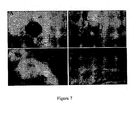
- the polymeric membrane composed of the fused polylactide particles adhered to the wound bed and did not cause adverse reactions during the entire closure of the wound ( Fig. 7A-D ).
- the porous nature of the polymeric membrane maintained a moist environment needed for proper wound healing, at the same time preventing excessive loss of fluids. It also serves as a temporary artificial skin substitute till complete healing and regeneration of the wound takes place.
- wound treated with polylactide membrane has more collagen content in the skin as compared to the control.
- the collagen content in healed skin of the animals treated with polylactide membrane was around 30 ⁇ g/ml in comparison to 14 ⁇ g/ml of collagen in the skin of the untreated animals.
- PDLLA 45 kDa
- PLGA 45 kDa
- the surfactants Cetyltrimethyl ammonium bromide (CTAB), Sodiumdodecyl Sulphate (SDS) and Tween 20 were procured from Amresco chemicals, USA.
- CAB Cetyltrimethyl ammonium bromide
- SDS Sodiumdodecyl Sulphate
- Tween 20 were procured from Amresco chemicals, USA.
- Polyvinyl alcohol (PVA) and polystyrene were from Sigma Chemicals, USA. 6-Coumarin (8037L) was from Polysciences, Warrington, PA.
- Sircol collagen assay kit was from Biocolor life science assays, UK.
- PDLLA particles were prepared using w/o/w double emulsion solvent evaporation method ( Katare YK, Muthukumaran T, Panda AK. Influence of particle size, antigen load, dose and additional adjuvant on the immune response from antigen loaded PLA microparticles. Int J Pharm 2005;301:149-60 ).
- a primary emulsion between internal aqueous phase consisting of 2 ml MQ water and an organic phase (OP) consisting of the polymer (200 mg) dissolved in 4 ml dichloromethane was prepared by sonication (20W, 40 % duty cycle, 20 cycles), (Bandelin, Germany).
- the primary emulsion was dripped slowly into 300 ml of an external aqueous phase (EAP) containing the surfactant (CTAB, SDS or Tween 20) at a concentration of 1 % w/v.
- EAP external aqueous phase
- CTAB surfactant
- SDS SDS or Tween 20
- CTAB surfactant
- Tween 20 the surfactant
- the secondary emulsion was continuously stirred slowly overnight using a magnetic stirrer for the dichloromethane to evaporate.
- the surfactant molecules get coated on the surface of polymer particles.
- Polymer micro and nano particles were prepared by varying the energy input during emulsion preparation and the OP to EAP volume ratio as described earlier ( Kanchan V, Panda AK. Interactions of antigen loaded polylactide particles with macrophages and their correlation with immune response. Biomaterials 2007; 28: 5344-57 ).
- micro particle preparation secondary emulsion was homogenized (10,000 rpm for 10 min) using a homogenizer (Polytron, Switzerland) and the secondary emulsion was sonicated for nano particle preparation. The resulting particles were collected by centrifugation (15,000 rpm, 20 min), and lyophilized to obtain free-flowing surfactant coated polymer particles.
- Polymer particles prepared with 1 % (w/v) polyvinyl alcohol (PVA) in the external aqueous phase were used as control ( Sahoo SK, Panda AK, Labhasetwar V. Characterization of porous PLGA/PLA microparticles as a scaffold for three dimensional growth of breast cancer cells. Biomacromolecules 2005; 6: 1132-39 ).
- Surfactant coated PLLA, PLGA and polystyrene particle were prepared using solvent evaporation method as described above.
- 50 ⁇ l of 6-coumarin dye (1 mg/ml in dichloromethane) was also added to OP during primary emulsion step ( Kanchan V, Panda AK. Interactions of antigen loaded polylactide particles with macrophages and their correlation with immune response. Biomaterials 2007; 28: 5344-57 ). Size distribution of the particles was determined using 'Malvern mastersizer 2000' particle size analyzer (Malvern, UK).
- the dry surfactant coated PDLLA particles were spread on plastic petri dishes and wetted or soaked with 100 % ethanol to immediately form polymeric membrane composed of fused particles. After the formation of the fused membrane, the scaffold was washed with sterile distilled water. This resulted in hardening of the membrane. By evenly spreading the polymer particles in different sized petri-dishes and fusing with ethanol spherical membrane of different dimension (desired shape, size and thickness) were fabricated. For formulating three dimensional structures, the surfactant coated particles were filled in a suitable mould (eppendorf tubes and falcon plastic tubes) and wetted with ethanol to form the shape of the mould. After the removal of ethanol and treatment with water, the three dimensional scaffolds were removed from the mold.
- a suitable mould eppendorf tubes and falcon plastic tubes
- CTAB coated polylactide particles were spread in a Petri dish and transiently wetted with ethanol.
- the particles show rapid aggregation and are fused into a stable network of particles.
- the particle scaffold when transferred to water becomes rigid and easy to handle. The fusion of the particles occurs at room temperature.
- Some of the CTAB coated polylactide-co-glycolide particles do not fuse with ethanol treatment, but does so with methanol.
- the particles were packed in molds of desired shape and when wetted with ethanol fused in a controlled manner and on drying, stable higher order structures are obtained.
- Polylactide particles coated with different surfactants like SDS and Tween 20 also showed fusion with ethanol and methanol. Normally, it is not entropically favorable for plain polylactide or polylactide-co-glycolide particles to form fusion regions when transiently wetted with ethanol or methanol.
- the fusion bridges between the particles were visualized by using a scanning electron microscope (SEM)-model EVO 50 (Zeiss). The images were taken after coating the particle surface with gold over an aluminium stub.
- SEM scanning electron microscope
- TEM Transmission electron microscopy
- Images of the fluorescent PDLLA-CTAB particles were taken using a Nikon ECLIPSE TE 2000 fluorescent microscope fitted with a digital camera (1200 DXM). Plain optical images of the fused particles were also taken under bright light in monochrome mode.
- Concentration of CTAB on the surface of the polymer particle was estimated by measuring the Zeta potential of the particles before and after treatment with ethanol using Nano Z (Malvern Instruments, UK). All the measurements of the different surfactant coated polymer particles before and after treatment with different alcohols were carried out in phosphate buffered saline (PBS). In case of scaffolds, they were broken down into fine fragments and the zeta potential value measured. The Atomic Force Microscopy (AFM) of the surfactant coated particle surface before and after ethanol treatment were carried out using Nanoscope (Veeco, USA). Particles were diluted in phosphate-buffered saline (PBS) to concentrations in the range of 0.5-2 mg/ml.
- PBS phosphate buffered saline
- the particle samples were treated with 2 ml of 0.5 M NaOH for 15 min at 60°C. Samples were neutralized with 900 ⁇ l of 1 N HCL, and the volume was adjusted to 5 ml with distilled water. To each sample 3 ml of 0.65 M solution of boric acid, 0.5 ml of a solution of Iodine/Potassium Iodide (0.05 M /0.15 M), and 1.5 ml of distilled water were added. The absorbance of the samples was measured at 690 nm following incubation for 15 min at room temperature. Colorimetric estimation of SDS desorbed from PDLLA-SDS particles was carried before and after ethanol treatment ( Arand M, Friedberg T, Oesch F.
- the wound collagen assays of the rat's skin were performed using sircol collagen assay.
- the sircol collagen assay is a well established direct quantitative method for the analysis of collagens ( Phillips RJ, Burdick MD, Hong K, Lutz MA, Murray LA, et al. Circulating fibrocytes traffic to the lungs in response to CXCL12 and mediate fibrosis. J Clin Invest 2004; 114: 438-46 ). It contains the reagent Sirius red which reacts specifically with the side chain groups of the basic amino acid groups of collagen.
- rats treated with polylactide membrane and the control animals
- the healed skin were excised and thoroughly washed with PBS.
- the skin was sliced into small bits; equal amounts of skin (70 mg) from both types of animals were boiled for 80°C for 50 minutes to extract the cross-linked insoluble collagen from the healed skin of the wounds.
- the supernatant was filtered using 0.45 micron filters and 100 ⁇ l of the solution was added to 1 ml of the Sircol dye. After shaking for 30 minutes, the tubes were centrifuged for 5 minutes for 12,000 rpm. Unbound dye solution was drained and 1ml of alkali reagent was added to release the unbound dye.
- the absorbances of the solutions were measured at 540 nm using spectrophotometer and the collagen content was calculated using a standard curve.
- the polymeric particles are prepared by double emulsion solvent evaporation method. 200 mg of Polylactide-co-glycolide is dissolved in 4 ml DCM and a primary emulsion is made by sonification with an internal aqueous phase. Drugs or growth factors can be incorporated in the aqueous phase to encapsulate them in the polymeric particles.
- the primary emulsion was slowly dripped into an external aqueous phase (300 ml water) and stirred slowly overnight under slow stirring.
- the external aqueous phase contains a surfactant at a concentration of one percent.
- the surfactants used are CTAB, Tween 20 and SDS.
- the polymeric particles slowly solidify as the DCM evaporates and the surfactant molecules coat the surface of the particles.
- CTAB coated poly-DL-lactide particles were spread on plastic Petri dishes and gently wetted with ethanol. They showed rapid aggregation and fused into a polymeric network of particles. On transferring the polymeric membrane to water, it became rigid and was easy to handle as a sheet or membrane. Desired shape, thickness and size of the polymeric membrane can be obtained by laying out the particles as required before wetting with ethanol. The fusion of the particles occurs in a single easy step and occurs at ambient temperature. The ethanol step also effectively sterilizes the scaffold for any biomedical uses. The surfactant molecules are removed along with the ethanol, ensuring a surfactant free polymeric membrane. Presence of surfactants is detrimental to cell growth and the surfactant free scaffolds are suitable for the purpose of tissue engineering.
- CTAB coated polylactide particles also fuse when wetted with methanol, but the fusion reaction is stronger than ethanol, with loss of particle morphology and structure.
- Polylactide particles coated with SDS and Tween 20 also showed fusion with ethanol and methanol.
- CTAB coated polylactide-co-glycolide particles fused when wetted with methanol, but not with ethanol.
- the evaporating ethanol phase brings the particles together and fusion regions are formed at the points of contact between the particles.
- the process is terminated when the surfactant molecules are dispersed into the liquid phase.
- This novel process of scaffold preparation is suited for various biomedical applications, as it is a controlled and gentle process which occurs at ambient temperature, thus not damaging any encapsulated factors and not changing any of the properties of the polymer.
- This surfactant mediated self assembly is a 'soft approach' as opposed to normal methods of fabrication which involves production of heat and friction, which will affect the particle itself in a detrimental way.
- the polymeric membranes composed of the fused polylactide particles are being used in wound healing in animal models.
- CTAB coated porous polylactide particles were filled in molds of different shapes like a cylinder, cube etc and wetted with ethanol. The particles rapidly fused into the shape of the mold.
- the three dimensional structures were removed from the molds and dried ( Figure 2 ). They showed good strength and stability, which are desired for scaffolds to be used in tissue engineering applications and as drug delivery implants.
- the porosity of the structures can be adjusted by using polymer particles of different sizes. This allows proper inflow of growth media and as a scaffold for the growing cells. Growth factors and other factors can be encapsulated in the bio-degradable particles which ensure controlled release of these factors into the tissue microenvironment.
- Table 1 Colorimetric Estimation of SDS desorption from the particles during ethanol treatment and estimation of PVA retained by the particles during water and ethanol treatment After Water Treatment (OD) After Ethanol Treatment (OD) PDLLA-SDS particles 0.098 0.955 PDLLA-PVA particles 0.082 0.071
Landscapes
- Health & Medical Sciences (AREA)
- Chemical & Material Sciences (AREA)
- Life Sciences & Earth Sciences (AREA)
- Veterinary Medicine (AREA)
- Public Health (AREA)
- General Health & Medical Sciences (AREA)
- Animal Behavior & Ethology (AREA)
- Epidemiology (AREA)
- Medicinal Chemistry (AREA)
- Dermatology (AREA)
- Engineering & Computer Science (AREA)
- Transplantation (AREA)
- Oral & Maxillofacial Surgery (AREA)
- Chemical Kinetics & Catalysis (AREA)
- Biomedical Technology (AREA)
- Hematology (AREA)
- Materials Engineering (AREA)
- Zoology (AREA)
- Botany (AREA)
- Molecular Biology (AREA)
- Cell Biology (AREA)
- Dispersion Chemistry (AREA)
- Pharmacology & Pharmacy (AREA)
- Organic Chemistry (AREA)
- Nuclear Medicine, Radiotherapy & Molecular Imaging (AREA)
- General Chemical & Material Sciences (AREA)
- Bioinformatics & Cheminformatics (AREA)
- Materials For Medical Uses (AREA)
- Medicinal Preparation (AREA)
Claims (16)
- Verfahren zum Herstellen eines bioabbaubaren Polymergerüsts, welches zur Gewebekonstruktion, zur Lieferung von therapeutischer Verbindung und/oder für Wundverband geeignet ist, wobei das Verfahren umfasst:a. Ausbreiten von mit Tensid beschichteten Polymerpartikeln auf einem Träger,b. Tränken der Partikel mit Alkohol undc. Waschen des genannten mit Wasser, um ein Polymergerüst zu erhalten.
- Verfahren zum Herstellen eines bioabbaubaren Polymergerüsts nach Anspruch 1, wobei das Verfahren umfasst:a. Ausbreiten von mit Cetyltrimethylammoniumbromid (CTAB) beschichteten Polymerpartikeln aus Poly-DL-Lactid (PDLLA) auf einem Träger,b. Tränken der Partikel mit Ethanol oder mit Methanol undc. Waschen des genannten mit Wasser, um ein Polymergerüst zu erhalten.
- Verfahren zum Herstellen eines bioabbaubaren Polymergerüsts nach Anspruch 1, wobei das Verfahren umfasst:a. Ausbreiten von mit Cetyltrimethylammoniumbromid (CTAB) beschichteten Polymerpartikeln aus Poly-lactid-co-glycolid-Partikeln auf einem Träger,b. Tränken der Partikel mit Ethanol oder mit Methanol undc. Waschen des genannten mit Wasser, um ein Polymergerüst zu erhalten.
- Verfahren zum Herstellen eines bioabbaubaren Polymergerüsts nach einem der vorstehenden Ansprüche, wobei dieses optional das Einkapseln der Polymerpartikel aus dem Schritt (a) mit Wachstumsfaktoren, mit einer Proteinverbindung oder mit einer therapeutischen Verbindung umfasst.
- Verfahren zum Herstellen eines bioabbaubaren Polymergerüsts nach einem der vorstehenden Ansprüche, wobei der Träger ein fester Träger ist.
- Verfahren zum Herstellen eines Gerüsts nach einem der vorstehenden Ansprüche, wobei verschiedene Formdesigns eingesetzt werden, um eine Polymerstruktur aus verschiedenen Größen und Formen des Polymergerüsts herzustellen.
- Verfahren nach Anspruch 1, wobei das bioabbaubare Polymer aus der Gruppe ausgewählt wird, welche aus Poly-DL-lactid (PDLLA), Polylactid-coglycolid (PLGA), aliphatischen Polyestern, Polyaminosäuren, Copolyetherestern, Polyalkylenoxalaten, Polyamiden, Polyiminicarbonaten, Polyorthoestern, Polyoxaestern, Polyamidoestern, Polyanhydriden, Polyphosphazenen und Biopolymeren, Polyphosphorestern, Polylactonen, Polysebacaten, Polyhydroxysäuren, Copolymeren hiervon, einzelnem Polymer, Copolymer, Terpolymer oder Polymermischung, Polyglycoliden, Polylactiden, Polycaprolactonen, Polytrimethylencarbonaten, Polyhydroxybutyratenh, Polyhydroxyvaleraten, Polydioxanonen, Polycarbonaten, Polytyrosincarbonaten, Polyorthocarbonaten, Polyalkylensuccinaten, Polyäpfelsäuren, Polymaleinsäureanhydriden, Polypeptiden, Polydepsipeptiden, Polyvinylalkohol, Polyesteramiden, Polyurethanen, Polycyanoacrylaten, Polyfumaraten, modifizierten Polysacchariden, modifizierten Proteinen und Mischungen hiervon besteht.
- Verfahren nach Anspruch 1, wobei das Tensid aus der Gruppe ausgewählt wird, welche aus kationischen, anionischen und neutralen Tensiden besteht.
- Verfahren nach Anspruch 1, wobei das Tensid aus der Gruppe ausgewählt wird, welche aus Cetyltrimethylammoniumbromid (CTAB), Natriumdodecylsulfat (SDS) und Tween® 20 besteht, und bevorzugt CTAB ist.
- Verfahren nach Anspruch 1, wobei der Alkohol aus der Gruppe ausgewählt wird, welche aus Ethanol, Methanol und Propanol besteht, und insbesondere, wobei der Alkohol Ethanol oder Methanol ist.
- Verfahren nach Anspruch 4, wobei der Wachstumsfaktor aus der Gruppe ausgewählt wird, welche aus TGF-Beta-Familie, knochenmorphogenen Proteinen, Fibroblasten-Wachstumsfaktoren -1 und -2, von Blutplättchen abgeleiteten Wachtumsfaktor -AA und -BB, blutplättchenreichem Plasma, von aus vaskulären endothelialen Zellen abgeleitetem Wachstumsfaktor und epidermalem Wachstumsfaktor (EGF), von Blutplättchen abgeleitetem Wachstumsfaktor (PDGF), insulinartigem Wachstumsfaktor (IGF), basischem fibroblastem Wachstumsfaktor (bFGF), knochenmorpogenen Proteinen (BMP) und Mischungen hiervon besteht.
- Bioabbaubares Polymergerüst geeignet für Gewebekonstruktion, Lieferung von therapeutischer Verbindung und/oder Wundverband, wobei das Gerüst durch ein Verfahren nach einem der vorherstehenden Ansprüche erhältlich ist, bei dem in dem Schritt a. mit Tensid beschichtete Polymerpartikeln ausgewählt aus Nanopartikeln und Mikropartikeln eingesetzt werden, wobei während des Schritts b. die Partikel miteinander verbunden werden und zwischen den Partikeln Polymerbrücken ausgebildet werden.
- Bioabbaubares Polymergerüst nach Anspruch 12, wobei während des Verfahrens das Molekulargewicht, die Glasübergangstemperatur und die Viskosität des Polymers nicht geändert werden.
- Bioabbaubares Polymergerüst nach Anspruch 12, wobei das bioabbaubare Polymer aus der Gruppe ausgewählt ist, welche aus Poly-DL-lactid (PDLLA), Polylactid-co-glycolid (PLGA), aliphatischen Polyestern, Polyaminosäuren, Copolyetherestern, Polyalkylenoxalaten, Polyamiden, Polyiminicarbonaten, Polyorthoestern, Polyoxaestern, Polyamidoestern, Polyanhydriden, Polyphosphazenen und Biopolymeren, Polyphosphorestern, Polylactonen, Polysebacaten, Polyhydroxysäuren, Copolymeren hiervon, einzelnem Polymer, Copolymer, Terpolymer oder Polymermischung, Polyglycoliden, Polylactiden, Polycaprolactonen, Polytrimethylencarbonaten, Polyhydroxybutyratenh, Polyhydroxyvaleraten, Polydioxanonen, Polycarbonaten, Polytyrosincarbonaten, Polyorthocarbonaten, Polyalkylensuccinaten, Polyäpfelsäuren, Polymaleinsäureanhydriden, Polypeptiden, Polydepsipeptiden, Polyvinylalkohol, Polyesteramiden, Polyurethanen, Polycyanoacrylaten, Polyfumaraten, modifizierten Polysacchariden, modifizierten Proteinen und Mischungen hiervon besteht.
- Bioabbaubares Polymergerüst nach Anspruch 12, wobei das Tensid aus der Gruppe ausgewählt ist, welche aus Cetyltrimethylammoniumbromid (CTAB), Natriumdodecylsulfat (SDS) und Tween® 20 besteht, und bevorzugt CTAB ist.
- Bioabbaubares Polymergerüst nach Anspruch 12, wobei das bioabbaubare Polymer PDLLA ist und das Tensid CTAB ist.
Applications Claiming Priority (2)
| Application Number | Priority Date | Filing Date | Title |
|---|---|---|---|
| IN2248DE2007 | 2007-10-26 | ||
| PCT/IN2008/000701 WO2009054006A2 (en) | 2007-10-26 | 2008-10-23 | Biodegradable polymer scaffold and process for preparation thereof |
Publications (2)
| Publication Number | Publication Date |
|---|---|
| EP2207577A2 EP2207577A2 (de) | 2010-07-21 |
| EP2207577B1 true EP2207577B1 (de) | 2015-01-14 |
Family
ID=40293903
Family Applications (1)
| Application Number | Title | Priority Date | Filing Date |
|---|---|---|---|
| EP08842301.7A Not-in-force EP2207577B1 (de) | 2007-10-26 | 2008-10-23 | Biologisch abbaubares polymergerüst und verfahren zu seiner herstellung |
Country Status (6)
| Country | Link |
|---|---|
| US (1) | US8268342B2 (de) |
| EP (1) | EP2207577B1 (de) |
| CN (1) | CN101873869A (de) |
| AU (1) | AU2008315318B2 (de) |
| WO (1) | WO2009054006A2 (de) |
| ZA (1) | ZA201003691B (de) |
Families Citing this family (14)
| Publication number | Priority date | Publication date | Assignee | Title |
|---|---|---|---|---|
| IT1406053B1 (it) | 2010-08-17 | 2014-02-06 | Fond T Campanella C O E | Scaffold tridimensionale polimerico di policaprolattone |
| US20130084312A1 (en) * | 2011-06-13 | 2013-04-04 | Rose Pharmaceuticals, Llc | Nanoparticles for delivery of bioactive agents |
| CN102432911B (zh) * | 2011-09-13 | 2013-07-31 | 复旦大学 | 一种具有表面拓扑形貌的微粒、多孔支架及其制备方法 |
| CN103423593B (zh) * | 2012-05-15 | 2015-11-18 | 中国石油天然气股份有限公司 | 一种超支化水合物动力学抑制剂及其制备方法 |
| CN102952176A (zh) * | 2012-05-22 | 2013-03-06 | 西北工业大学 | 具有促成骨生长的生物活性多肽及其制备方法 |
| CN107278151A (zh) | 2014-12-15 | 2017-10-20 | 约翰霍普金斯大学 | 舒尼替尼制剂及其在治疗青光眼中的使用方法 |
| CN108367079B (zh) * | 2015-11-12 | 2022-11-22 | 灰色视觉公司 | 用于治疗的聚集性微粒 |
| JP7021182B2 (ja) * | 2016-03-24 | 2022-02-16 | ロケート・バイオ・リミテッド | 足場材料、方法および使用 |
| EP3246050A1 (de) | 2016-05-17 | 2017-11-22 | BSN medical GmbH | Wund- oder hautauflage |
| RU2634032C1 (ru) * | 2016-09-29 | 2017-10-23 | федеральное государственное бюджетное образовательное учреждение высшего образования "Нижегородская государственная медицинская академия" Министерства здравоохранения Российской Федерации | Способ определения кинетики биодеградации полимерных скаффолдов in vivo |
| CA3056923A1 (en) | 2017-03-23 | 2018-09-27 | Graybug Vision, Inc. | Drugs and compositions for the treatment of ocular disorders |
| US11160870B2 (en) * | 2017-05-10 | 2021-11-02 | Graybug Vision, Inc. | Extended release microparticles and suspensions thereof for medical therapy |
| CN112210060B (zh) * | 2020-07-21 | 2022-04-22 | 北京科技大学 | 一种可自主修复、绿色的高韧性聚氨酯弹性体及制备方法 |
| CN118451959A (zh) * | 2024-07-09 | 2024-08-09 | 山西农业大学 | 一种用于深层灌溉的作物架杆 |
Family Cites Families (2)
| Publication number | Priority date | Publication date | Assignee | Title |
|---|---|---|---|---|
| US5520923A (en) * | 1994-09-19 | 1996-05-28 | Genetics Institute, Inc. | Formulations for delivery of osteogenic proteins |
| CN1238064C (zh) * | 2003-10-15 | 2006-01-25 | 浙江大学 | 组织工程用多孔复合支架材料的制备方法 |
-
2008
- 2008-10-23 EP EP08842301.7A patent/EP2207577B1/de not_active Not-in-force
- 2008-10-23 AU AU2008315318A patent/AU2008315318B2/en not_active Ceased
- 2008-10-23 US US12/739,588 patent/US8268342B2/en active Active - Reinstated
- 2008-10-23 CN CN200880117629A patent/CN101873869A/zh active Pending
- 2008-10-23 WO PCT/IN2008/000701 patent/WO2009054006A2/en not_active Ceased
-
2010
- 2010-05-24 ZA ZA2010/03691A patent/ZA201003691B/en unknown
Also Published As
| Publication number | Publication date |
|---|---|
| CN101873869A (zh) | 2010-10-27 |
| WO2009054006A2 (en) | 2009-04-30 |
| US8268342B2 (en) | 2012-09-18 |
| US20100233277A1 (en) | 2010-09-16 |
| WO2009054006A3 (en) | 2010-03-11 |
| AU2008315318B2 (en) | 2014-02-06 |
| ZA201003691B (en) | 2011-03-30 |
| EP2207577A2 (de) | 2010-07-21 |
| AU2008315318A1 (en) | 2009-04-30 |
Similar Documents
| Publication | Publication Date | Title |
|---|---|---|
| EP2207577B1 (de) | Biologisch abbaubares polymergerüst und verfahren zu seiner herstellung | |
| Zhang et al. | Recent development of polymer nanofibers for biomedical and biotechnological applications | |
| US8268344B2 (en) | Particle-containing complex porous materials | |
| CN103495205B (zh) | 一种可注射的镶嵌含药微粒的多孔复合微球制剂及其制备方法 | |
| KR101684790B1 (ko) | 비표면적이 다른 이중층 구조를 가지는 경조직 재생용 다공성 멤브레인 및 그 제조방법 | |
| Zhang et al. | An ionically crosslinked hydrogel containing vancomycin coating on a porous scaffold for drug delivery and cell culture | |
| EP2793962B1 (de) | Verfahren zur modifizierung der oberflächenmorphologie einer medizinischen vorrichtung | |
| CN103736153A (zh) | 单层及双层聚己内酯基引导组织再生膜及其制备方法 | |
| CN104524643A (zh) | 含有埃洛石纳米管载药型引导组织再生膜及其制备方法 | |
| KR20110075618A (ko) | 주사 주입이 용이한 다공성 미세입자 필러 시스템 | |
| Ulubayram et al. | Gelatin microspheres and sponges for delivery of macromolecules | |
| CN114634634B (zh) | 一种生物功能复合多孔聚酯微球及其制备方法 | |
| US20140363890A1 (en) | Three-dimensional structures for cell or tissue culture | |
| KR101277658B1 (ko) | 다중 약물전달계를 갖는 생체의료용 세라믹 재료의 제조 방법 | |
| CN110124103B (zh) | 一种用于组织修复的活性物质缓释材料体系及其制备方法 | |
| Admane et al. | Design and evaluation of antibiotic releasing self-assembled scaffolds at room temperature using biodegradable polymer particles | |
| EP3582817B1 (de) | Gewebegerüst und gerüstzusammensetzung | |
| Prabaharan | Characterization of tissue scaffolds drug release profiles | |
| US20240374786A1 (en) | Nanofiber and microfiber hybrid aerogels | |
| Jayasuriya et al. | Optimization of scaled-up chitosan microparticles for bone regeneration | |
| Rajkhowa et al. | Recent innovations in silk biomaterials | |
| Wang et al. | In vitro and in vivo studies of a collagen-based scaffold carrying PLGA microspheres for sustained release of epidermal growth factor in skin regeneration | |
| CN114073791B (zh) | 一种软骨组织工程支架及其制备方法与应用 | |
| Tettey | Preparation and Characterization of Hydrogel Microcapsules Using Hybrid Nanofibers of Polycaprolactone (PCL) and Gelatin | |
| CN115068676A (zh) | 一种可缓释生物活性因子的水/油两相组织修复支架及其制备方法 |
Legal Events
| Date | Code | Title | Description |
|---|---|---|---|
| PUAI | Public reference made under article 153(3) epc to a published international application that has entered the european phase |
Free format text: ORIGINAL CODE: 0009012 |
|
| 17P | Request for examination filed |
Effective date: 20100430 |
|
| AK | Designated contracting states |
Kind code of ref document: A2 Designated state(s): AT BE BG CH CY CZ DE DK EE ES FI FR GB GR HR HU IE IS IT LI LT LU LV MC MT NL NO PL PT RO SE SI SK TR |
|
| AX | Request for extension of the european patent |
Extension state: AL BA MK RS |
|
| 17Q | First examination report despatched |
Effective date: 20101124 |
|
| DAX | Request for extension of the european patent (deleted) | ||
| GRAP | Despatch of communication of intention to grant a patent |
Free format text: ORIGINAL CODE: EPIDOSNIGR1 |
|
| INTG | Intention to grant announced |
Effective date: 20140730 |
|
| RIC1 | Information provided on ipc code assigned before grant |
Ipc: A61L 27/60 20060101ALI20140721BHEP Ipc: A61L 15/26 20060101ALI20140721BHEP Ipc: A61L 27/58 20060101ALI20140721BHEP Ipc: A61L 15/40 20060101ALI20140721BHEP Ipc: A61L 27/54 20060101ALI20140721BHEP Ipc: A61L 27/56 20060101ALI20140721BHEP Ipc: A61L 27/18 20060101AFI20140721BHEP Ipc: A61L 15/44 20060101ALI20140721BHEP |
|
| GRAS | Grant fee paid |
Free format text: ORIGINAL CODE: EPIDOSNIGR3 |
|
| GRAA | (expected) grant |
Free format text: ORIGINAL CODE: 0009210 |
|
| AK | Designated contracting states |
Kind code of ref document: B1 Designated state(s): AT BE BG CH CY CZ DE DK EE ES FI FR GB GR HR HU IE IS IT LI LT LU LV MC MT NL NO PL PT RO SE SI SK TR |
|
| REG | Reference to a national code |
Ref country code: GB Ref legal event code: FG4D |
|
| REG | Reference to a national code |
Ref country code: CH Ref legal event code: EP |
|
| REG | Reference to a national code |
Ref country code: IE Ref legal event code: FG4D |
|
| REG | Reference to a national code |
Ref country code: AT Ref legal event code: REF Ref document number: 706671 Country of ref document: AT Kind code of ref document: T Effective date: 20150215 |
|
| REG | Reference to a national code |
Ref country code: DE Ref legal event code: R096 Ref document number: 602008036382 Country of ref document: DE Effective date: 20150305 |
|
| REG | Reference to a national code |
Ref country code: NL Ref legal event code: VDEP Effective date: 20150114 |
|
| REG | Reference to a national code |
Ref country code: AT Ref legal event code: MK05 Ref document number: 706671 Country of ref document: AT Kind code of ref document: T Effective date: 20150114 |
|
| REG | Reference to a national code |
Ref country code: LT Ref legal event code: MG4D |
|
| PG25 | Lapsed in a contracting state [announced via postgrant information from national office to epo] |
Ref country code: ES Free format text: LAPSE BECAUSE OF FAILURE TO SUBMIT A TRANSLATION OF THE DESCRIPTION OR TO PAY THE FEE WITHIN THE PRESCRIBED TIME-LIMIT Effective date: 20150114 Ref country code: LT Free format text: LAPSE BECAUSE OF FAILURE TO SUBMIT A TRANSLATION OF THE DESCRIPTION OR TO PAY THE FEE WITHIN THE PRESCRIBED TIME-LIMIT Effective date: 20150114 Ref country code: FI Free format text: LAPSE BECAUSE OF FAILURE TO SUBMIT A TRANSLATION OF THE DESCRIPTION OR TO PAY THE FEE WITHIN THE PRESCRIBED TIME-LIMIT Effective date: 20150114 Ref country code: NO Free format text: LAPSE BECAUSE OF FAILURE TO SUBMIT A TRANSLATION OF THE DESCRIPTION OR TO PAY THE FEE WITHIN THE PRESCRIBED TIME-LIMIT Effective date: 20150414 Ref country code: BG Free format text: LAPSE BECAUSE OF FAILURE TO SUBMIT A TRANSLATION OF THE DESCRIPTION OR TO PAY THE FEE WITHIN THE PRESCRIBED TIME-LIMIT Effective date: 20150414 Ref country code: HR Free format text: LAPSE BECAUSE OF FAILURE TO SUBMIT A TRANSLATION OF THE DESCRIPTION OR TO PAY THE FEE WITHIN THE PRESCRIBED TIME-LIMIT Effective date: 20150114 Ref country code: SE Free format text: LAPSE BECAUSE OF FAILURE TO SUBMIT A TRANSLATION OF THE DESCRIPTION OR TO PAY THE FEE WITHIN THE PRESCRIBED TIME-LIMIT Effective date: 20150114 |
|
| PG25 | Lapsed in a contracting state [announced via postgrant information from national office to epo] |
Ref country code: IS Free format text: LAPSE BECAUSE OF FAILURE TO SUBMIT A TRANSLATION OF THE DESCRIPTION OR TO PAY THE FEE WITHIN THE PRESCRIBED TIME-LIMIT Effective date: 20150514 Ref country code: NL Free format text: LAPSE BECAUSE OF FAILURE TO SUBMIT A TRANSLATION OF THE DESCRIPTION OR TO PAY THE FEE WITHIN THE PRESCRIBED TIME-LIMIT Effective date: 20150114 Ref country code: GR Free format text: LAPSE BECAUSE OF FAILURE TO SUBMIT A TRANSLATION OF THE DESCRIPTION OR TO PAY THE FEE WITHIN THE PRESCRIBED TIME-LIMIT Effective date: 20150415 Ref country code: LV Free format text: LAPSE BECAUSE OF FAILURE TO SUBMIT A TRANSLATION OF THE DESCRIPTION OR TO PAY THE FEE WITHIN THE PRESCRIBED TIME-LIMIT Effective date: 20150114 Ref country code: PL Free format text: LAPSE BECAUSE OF FAILURE TO SUBMIT A TRANSLATION OF THE DESCRIPTION OR TO PAY THE FEE WITHIN THE PRESCRIBED TIME-LIMIT Effective date: 20150114 Ref country code: AT Free format text: LAPSE BECAUSE OF FAILURE TO SUBMIT A TRANSLATION OF THE DESCRIPTION OR TO PAY THE FEE WITHIN THE PRESCRIBED TIME-LIMIT Effective date: 20150114 |
|
| REG | Reference to a national code |
Ref country code: DE Ref legal event code: R097 Ref document number: 602008036382 Country of ref document: DE |
|
| PG25 | Lapsed in a contracting state [announced via postgrant information from national office to epo] |
Ref country code: EE Free format text: LAPSE BECAUSE OF FAILURE TO SUBMIT A TRANSLATION OF THE DESCRIPTION OR TO PAY THE FEE WITHIN THE PRESCRIBED TIME-LIMIT Effective date: 20150114 Ref country code: DK Free format text: LAPSE BECAUSE OF FAILURE TO SUBMIT A TRANSLATION OF THE DESCRIPTION OR TO PAY THE FEE WITHIN THE PRESCRIBED TIME-LIMIT Effective date: 20150114 Ref country code: CZ Free format text: LAPSE BECAUSE OF FAILURE TO SUBMIT A TRANSLATION OF THE DESCRIPTION OR TO PAY THE FEE WITHIN THE PRESCRIBED TIME-LIMIT Effective date: 20150114 Ref country code: RO Free format text: LAPSE BECAUSE OF FAILURE TO SUBMIT A TRANSLATION OF THE DESCRIPTION OR TO PAY THE FEE WITHIN THE PRESCRIBED TIME-LIMIT Effective date: 20150114 Ref country code: SK Free format text: LAPSE BECAUSE OF FAILURE TO SUBMIT A TRANSLATION OF THE DESCRIPTION OR TO PAY THE FEE WITHIN THE PRESCRIBED TIME-LIMIT Effective date: 20150114 |
|
| PLBE | No opposition filed within time limit |
Free format text: ORIGINAL CODE: 0009261 |
|
| STAA | Information on the status of an ep patent application or granted ep patent |
Free format text: STATUS: NO OPPOSITION FILED WITHIN TIME LIMIT |
|
| 26N | No opposition filed |
Effective date: 20151015 |
|
| PG25 | Lapsed in a contracting state [announced via postgrant information from national office to epo] |
Ref country code: IT Free format text: LAPSE BECAUSE OF FAILURE TO SUBMIT A TRANSLATION OF THE DESCRIPTION OR TO PAY THE FEE WITHIN THE PRESCRIBED TIME-LIMIT Effective date: 20150114 |
|
| PG25 | Lapsed in a contracting state [announced via postgrant information from national office to epo] |
Ref country code: SI Free format text: LAPSE BECAUSE OF FAILURE TO SUBMIT A TRANSLATION OF THE DESCRIPTION OR TO PAY THE FEE WITHIN THE PRESCRIBED TIME-LIMIT Effective date: 20150114 |
|
| REG | Reference to a national code |
Ref country code: DE Ref legal event code: R119 Ref document number: 602008036382 Country of ref document: DE |
|
| PG25 | Lapsed in a contracting state [announced via postgrant information from national office to epo] |
Ref country code: BE Free format text: LAPSE BECAUSE OF FAILURE TO SUBMIT A TRANSLATION OF THE DESCRIPTION OR TO PAY THE FEE WITHIN THE PRESCRIBED TIME-LIMIT Effective date: 20150114 Ref country code: LU Free format text: LAPSE BECAUSE OF FAILURE TO SUBMIT A TRANSLATION OF THE DESCRIPTION OR TO PAY THE FEE WITHIN THE PRESCRIBED TIME-LIMIT Effective date: 20151023 |
|
| REG | Reference to a national code |
Ref country code: CH Ref legal event code: PL |
|
| PG25 | Lapsed in a contracting state [announced via postgrant information from national office to epo] |
Ref country code: MC Free format text: LAPSE BECAUSE OF FAILURE TO SUBMIT A TRANSLATION OF THE DESCRIPTION OR TO PAY THE FEE WITHIN THE PRESCRIBED TIME-LIMIT Effective date: 20150114 |
|
| REG | Reference to a national code |
Ref country code: IE Ref legal event code: MM4A |
|
| PG25 | Lapsed in a contracting state [announced via postgrant information from national office to epo] |
Ref country code: DE Free format text: LAPSE BECAUSE OF NON-PAYMENT OF DUE FEES Effective date: 20160503 Ref country code: LI Free format text: LAPSE BECAUSE OF NON-PAYMENT OF DUE FEES Effective date: 20151031 Ref country code: CH Free format text: LAPSE BECAUSE OF NON-PAYMENT OF DUE FEES Effective date: 20151031 |
|
| REG | Reference to a national code |
Ref country code: FR Ref legal event code: ST Effective date: 20160630 |
|
| PG25 | Lapsed in a contracting state [announced via postgrant information from national office to epo] |
Ref country code: FR Free format text: LAPSE BECAUSE OF NON-PAYMENT OF DUE FEES Effective date: 20151102 |
|
| PG25 | Lapsed in a contracting state [announced via postgrant information from national office to epo] |
Ref country code: IE Free format text: LAPSE BECAUSE OF NON-PAYMENT OF DUE FEES Effective date: 20151023 |
|
| PG25 | Lapsed in a contracting state [announced via postgrant information from national office to epo] |
Ref country code: HU Free format text: LAPSE BECAUSE OF FAILURE TO SUBMIT A TRANSLATION OF THE DESCRIPTION OR TO PAY THE FEE WITHIN THE PRESCRIBED TIME-LIMIT; INVALID AB INITIO Effective date: 20081023 |
|
| PG25 | Lapsed in a contracting state [announced via postgrant information from national office to epo] |
Ref country code: CY Free format text: LAPSE BECAUSE OF FAILURE TO SUBMIT A TRANSLATION OF THE DESCRIPTION OR TO PAY THE FEE WITHIN THE PRESCRIBED TIME-LIMIT Effective date: 20150114 |
|
| PG25 | Lapsed in a contracting state [announced via postgrant information from national office to epo] |
Ref country code: TR Free format text: LAPSE BECAUSE OF FAILURE TO SUBMIT A TRANSLATION OF THE DESCRIPTION OR TO PAY THE FEE WITHIN THE PRESCRIBED TIME-LIMIT Effective date: 20150114 Ref country code: MT Free format text: LAPSE BECAUSE OF FAILURE TO SUBMIT A TRANSLATION OF THE DESCRIPTION OR TO PAY THE FEE WITHIN THE PRESCRIBED TIME-LIMIT Effective date: 20150114 |
|
| PG25 | Lapsed in a contracting state [announced via postgrant information from national office to epo] |
Ref country code: PT Free format text: LAPSE BECAUSE OF FAILURE TO SUBMIT A TRANSLATION OF THE DESCRIPTION OR TO PAY THE FEE WITHIN THE PRESCRIBED TIME-LIMIT Effective date: 20150114 |
|
| PGFP | Annual fee paid to national office [announced via postgrant information from national office to epo] |
Ref country code: GB Payment date: 20201022 Year of fee payment: 13 |
|
| GBPC | Gb: european patent ceased through non-payment of renewal fee |
Effective date: 20211023 |
|
| PG25 | Lapsed in a contracting state [announced via postgrant information from national office to epo] |
Ref country code: GB Free format text: LAPSE BECAUSE OF NON-PAYMENT OF DUE FEES Effective date: 20211023 |