EP2215068B1 - Composés tricycliques antidiabétiques - Google Patents
Composés tricycliques antidiabétiques Download PDFInfo
- Publication number
- EP2215068B1 EP2215068B1 EP08846153A EP08846153A EP2215068B1 EP 2215068 B1 EP2215068 B1 EP 2215068B1 EP 08846153 A EP08846153 A EP 08846153A EP 08846153 A EP08846153 A EP 08846153A EP 2215068 B1 EP2215068 B1 EP 2215068B1
- Authority
- EP
- European Patent Office
- Prior art keywords
- compounds
- pharmaceutically acceptable
- inhibitors
- agonists
- compound
- Prior art date
- Legal status (The legal status is an assumption and is not a legal conclusion. Google has not performed a legal analysis and makes no representation as to the accuracy of the status listed.)
- Active
Links
- CTJUIIWEPREPPV-UWSIMGETSA-N Cc(c(COc1ccc([C@@H]([C@H]2C3)[C@H]2C(O)=O)c3c1)c(cc1)F)c1-c(c(Cl)ccc1)c1Cl Chemical compound Cc(c(COc1ccc([C@@H]([C@H]2C3)[C@H]2C(O)=O)c3c1)c(cc1)F)c1-c(c(Cl)ccc1)c1Cl CTJUIIWEPREPPV-UWSIMGETSA-N 0.000 description 2
- 0 CC1(COc(cc2C)cc(*)c2-c2c(C)c(COc3ccc([C@@]([C@]4C5)[C@]4C(O)=O)c5c3)ccc2)COC1 Chemical compound CC1(COc(cc2C)cc(*)c2-c2c(C)c(COc3ccc([C@@]([C@]4C5)[C@]4C(O)=O)c5c3)ccc2)COC1 0.000 description 1
- PGZKUUFZXAPLQA-PKXQUSJVSA-N CCOC([C@@H]([C@@H]1C2)[C@H]1c(cc1)c2cc1OCc1cccc(-c2c(C)cccc2C)c1C)=O Chemical compound CCOC([C@@H]([C@@H]1C2)[C@H]1c(cc1)c2cc1OCc1cccc(-c2c(C)cccc2C)c1C)=O PGZKUUFZXAPLQA-PKXQUSJVSA-N 0.000 description 1
- DQZKYHXZLJDEBE-UHFFFAOYSA-N CCc1cccc(-c(c(C)c2F)cc(F)c2OC)c1 Chemical compound CCc1cccc(-c(c(C)c2F)cc(F)c2OC)c1 DQZKYHXZLJDEBE-UHFFFAOYSA-N 0.000 description 1
- LGGQZZWSLHJTKL-UHFFFAOYSA-N Cc(c(F)c(c(F)c1)OC)c1-c1cc(COc2ccc(C(C3)(C3C3)C(O)=O)c3c2)ccc1 Chemical compound Cc(c(F)c(c(F)c1)OC)c1-c1cc(COc2ccc(C(C3)(C3C3)C(O)=O)c3c2)ccc1 LGGQZZWSLHJTKL-UHFFFAOYSA-N 0.000 description 1
- ILORBKFHNYYSCA-MQSCRBSSSA-N Cc(c(F)c(c(F)c1)OC)c1-c1cc(COc2ccc([C@H]([C@H]3C(O)=O)[C@H]3[IH]3)c3c2)ccc1 Chemical compound Cc(c(F)c(c(F)c1)OC)c1-c1cc(COc2ccc([C@H]([C@H]3C(O)=O)[C@H]3[IH]3)c3c2)ccc1 ILORBKFHNYYSCA-MQSCRBSSSA-N 0.000 description 1
- PAVYDXLNEIGCLE-AFESJLNVSA-N Cc(cccc1C)c1-c1cccc(COc2ccc([C@@H]([C@H]3C4)[C@H]3C(O)=O)c4c2)c1C Chemical compound Cc(cccc1C)c1-c1cccc(COc2ccc([C@@H]([C@H]3C4)[C@H]3C(O)=O)c4c2)c1C PAVYDXLNEIGCLE-AFESJLNVSA-N 0.000 description 1
- WFBOSCSYLDIIEP-UHFFFAOYSA-N Cc1cccc(C)c1-c1cccc(NN=O)c1C Chemical compound Cc1cccc(C)c1-c1cccc(NN=O)c1C WFBOSCSYLDIIEP-UHFFFAOYSA-N 0.000 description 1
- QGULFQCTKJXFGH-UHFFFAOYSA-N O=C(c1ccccc1)Oc1ccc(C=CC2)c2c1 Chemical compound O=C(c1ccccc1)Oc1ccc(C=CC2)c2c1 QGULFQCTKJXFGH-UHFFFAOYSA-N 0.000 description 1
Classifications
-
- C—CHEMISTRY; METALLURGY
- C07—ORGANIC CHEMISTRY
- C07D—HETEROCYCLIC COMPOUNDS
- C07D305/00—Heterocyclic compounds containing four-membered rings having one oxygen atom as the only ring hetero atoms
- C07D305/02—Heterocyclic compounds containing four-membered rings having one oxygen atom as the only ring hetero atoms not condensed with other rings
- C07D305/04—Heterocyclic compounds containing four-membered rings having one oxygen atom as the only ring hetero atoms not condensed with other rings having no double bonds between ring members or between ring members and non-ring members
- C07D305/06—Heterocyclic compounds containing four-membered rings having one oxygen atom as the only ring hetero atoms not condensed with other rings having no double bonds between ring members or between ring members and non-ring members with only hydrogen atoms, hydrocarbon or substituted hydrocarbon radicals, directly attached to the ring atoms
-
- A—HUMAN NECESSITIES
- A61—MEDICAL OR VETERINARY SCIENCE; HYGIENE
- A61P—SPECIFIC THERAPEUTIC ACTIVITY OF CHEMICAL COMPOUNDS OR MEDICINAL PREPARATIONS
- A61P3/00—Drugs for disorders of the metabolism
-
- A—HUMAN NECESSITIES
- A61—MEDICAL OR VETERINARY SCIENCE; HYGIENE
- A61P—SPECIFIC THERAPEUTIC ACTIVITY OF CHEMICAL COMPOUNDS OR MEDICINAL PREPARATIONS
- A61P3/00—Drugs for disorders of the metabolism
- A61P3/04—Anorexiants; Antiobesity agents
-
- A—HUMAN NECESSITIES
- A61—MEDICAL OR VETERINARY SCIENCE; HYGIENE
- A61P—SPECIFIC THERAPEUTIC ACTIVITY OF CHEMICAL COMPOUNDS OR MEDICINAL PREPARATIONS
- A61P3/00—Drugs for disorders of the metabolism
- A61P3/06—Antihyperlipidemics
-
- A—HUMAN NECESSITIES
- A61—MEDICAL OR VETERINARY SCIENCE; HYGIENE
- A61P—SPECIFIC THERAPEUTIC ACTIVITY OF CHEMICAL COMPOUNDS OR MEDICINAL PREPARATIONS
- A61P3/00—Drugs for disorders of the metabolism
- A61P3/08—Drugs for disorders of the metabolism for glucose homeostasis
- A61P3/10—Drugs for disorders of the metabolism for glucose homeostasis for hyperglycaemia, e.g. antidiabetics
-
- A—HUMAN NECESSITIES
- A61—MEDICAL OR VETERINARY SCIENCE; HYGIENE
- A61P—SPECIFIC THERAPEUTIC ACTIVITY OF CHEMICAL COMPOUNDS OR MEDICINAL PREPARATIONS
- A61P43/00—Drugs for specific purposes, not provided for in groups A61P1/00-A61P41/00
-
- C—CHEMISTRY; METALLURGY
- C07—ORGANIC CHEMISTRY
- C07C—ACYCLIC OR CARBOCYCLIC COMPOUNDS
- C07C62/00—Compounds having carboxyl groups bound to carbon atoms of rings other than six—membered aromatic rings and containing any of the groups OH, O—metal, —CHO, keto, ether, groups, groups, or groups
- C07C62/30—Unsaturated compounds
- C07C62/34—Unsaturated compounds containing ether groups, groups, groups, or groups
-
- C—CHEMISTRY; METALLURGY
- C07—ORGANIC CHEMISTRY
- C07D—HETEROCYCLIC COMPOUNDS
- C07D471/00—Heterocyclic compounds containing nitrogen atoms as the only ring hetero atoms in the condensed system, at least one ring being a six-membered ring with one nitrogen atom, not provided for by groups C07D451/00 - C07D463/00
- C07D471/02—Heterocyclic compounds containing nitrogen atoms as the only ring hetero atoms in the condensed system, at least one ring being a six-membered ring with one nitrogen atom, not provided for by groups C07D451/00 - C07D463/00 in which the condensed system contains two hetero rings
- C07D471/04—Ortho-condensed systems
-
- C—CHEMISTRY; METALLURGY
- C07—ORGANIC CHEMISTRY
- C07B—GENERAL METHODS OF ORGANIC CHEMISTRY; APPARATUS THEREFOR
- C07B2200/00—Indexing scheme relating to specific properties of organic compounds
- C07B2200/07—Optical isomers
-
- C—CHEMISTRY; METALLURGY
- C07—ORGANIC CHEMISTRY
- C07C—ACYCLIC OR CARBOCYCLIC COMPOUNDS
- C07C2603/00—Systems containing at least three condensed rings
- C07C2603/02—Ortho- or ortho- and peri-condensed systems
- C07C2603/04—Ortho- or ortho- and peri-condensed systems containing three rings
- C07C2603/06—Ortho- or ortho- and peri-condensed systems containing three rings containing at least one ring with less than six ring members
- C07C2603/10—Ortho- or ortho- and peri-condensed systems containing three rings containing at least one ring with less than six ring members containing five-membered rings
- C07C2603/12—Ortho- or ortho- and peri-condensed systems containing three rings containing at least one ring with less than six ring members containing five-membered rings only one five-membered ring
Definitions
- the instant invention relates to novel tricyclic compounds containing a cyclopropanecarboxylic acid fused to a substituted indane nucleus, including pharmaceutically acceptable salts thereof, which are agonists of G-protein-coupled receptor 40 (GPR40) and are useful as therapeutic compounds, particularly in the treatment of Type 2 diabetes mellitus, and of conditions that are often associated with this disease, including obesity and lipid disorders.
- GPR40 G-protein-coupled receptor 40
- Diabetes mellitus is a disease derived from multiple causative factors and characterized by elevated levels of plasma glucose (hyperglycemia) in the fasting state or after administration of glucose during an oral glucose tolerance test.
- diabetes There are two generally recognized forms of diabetes.
- IDDM insulin-dependent diabetes mellitus
- Type 2 diabetes or noninsulin-dependent diabetes mellitus (NIDDM)
- NIDDM noninsulin-dependent diabetes mellitus
- Patients having Type 2 diabetes have a resistance to the effects of insulin in stimulating glucose and lipid metabolism in the main insulin-sensitive tissues, which are muscle, liver and adipose tissues.
- Insulin resistance is not primarily caused by a diminished number of insulin receptors but rather by a post-insulin receptor binding defect that is not yet completely understood. This lack of responsiveness to insulin results in insufficient insulin-mediated activation of uptake, oxidation and storage of glucose in muscle, and inadequate insulin-mediated repression of lipolysis in adipose tissue and of glucose production and secretion in the liver.
- Persistent or uncontrolled hyperglycemia that occurs with diabetes is associated with increased and premature morbidity and mortality. Often abnormal glucose homeostasis is associated both directly and indirectly with obesity, hypertension, and alterations of the lipid, lipoprotein and apolipoprotein metabolism, as well as other metabolic and hemodynamic disease. Patients with Type 2 diabetes mellitus have a significantly increased risk of macrovascular and microvascular complications, including atherosclerosis, coronary heart disease, stroke, peripheral vascular disease, hypertension, nephropathy, neuropathy, and retinopathy. Therefore, therapeutic control of glucose homeostasis, lipid metabolism, obesity, and hypertension are critically important in the clinical management and treatment of diabetes mellitus.
- a patient having Metabolic Syndrome is characterized as having three or more symptoms selected from the following group of five symptoms: (1) abdominal obesity; (2) hypertriglyceridemia; (3) low high-density lipoprotein cholesterol (HDL); (4) high blood pressure; and (5) elevated fasting glucose, which may be in the range characteristic of Type 2 diabetes if the patient is also diabetic.
- Type 2 diabetes There are several available treatments for Type 2 diabetes, each of which has its own limitations and potential risks. Physical exercise and a reduction in dietary intake of calories often dramatically improve the diabetic condition and are the usual recommended first-line treatment of Type 2 diabetes and of pre-diabetic conditions associated with insulin resistance. Compliance with this treatment is very poor because of well-entrenched sedentary lifestyles and excess food consumption, especially of foods containing high amounts of fat and carbohydrates.
- Pharmacologic treatments have focused on three areas of pathophysiology: (1) hepatic glucose production (with biguanides, such as metformin), (2) insulin resistance (with PPAR ⁇ agonists, such as pioglitazone and rosiglitazone), and (3) insulin secretion (with sulfonylureas).
- the biguanides are a class of drugs that are widely used to treat Type 2 diabetes.
- the two best known biguanides, phenformin and metformin cause some correction of hyperglycemia.
- the biguanides act primarily by inhibiting hepatic glucose production, and they also are believed to modestly improve insulin sensitivity.
- the biguanides can be used as monotherapy or in combination with other anti-diabetic drugs, such as insulin or an insulin secretagogue, without increasing the risk of hypoglycemia.
- phenformin and metformin can induce lactic acidosis and nausea/diarrhea. Metformin has a lower risk of side effects than phenformin and is widely prescribed for the treatment of Type 2 diabetes.
- the glitazones are a newer class of compounds that can ameliorate hyperglycemia and other symptoms of Type 2 diabetes.
- the glitazones that are currently marketed are agonists of the peroxisome proliferator activated receptor (PPAR) gamma subtype.
- PPAR peroxisome proliferator activated receptor
- the PPAR-gamma agonists substantially increase insulin sensitivity in muscle, liver and adipose tissue in several animal models of Type 2 diabetes, resulting in partial or complete correction of elevated plasma glucose levels without the occurrence of hypoglycemia.
- PPAR-gamma agonism is believed to be responsible for the improved insulin sensititization that is observed in human patients who are treated with the glitazones.
- New PPAR agonists are currently being developed. Many of the newer PPAR compounds are agonists of one or more of the PPAR alpha, gamma and delta subtypes. Compounds that are agonists of both the PPAR alpha and PPAR gamma subtypes (PPAR alpha/gamma dual agonists) have been made and tested, but so far none have been approved by the regulatory authorities.
- the currently marketed PPAR gamma agonists are modestly effective in reducing plasma glucose and HemoglobinAlC.
- SPPARM Selective PPAR Gamma Partial Agonists
- insulin secretagogues such as the sulfonylureas (e.g. tolbutamide, glipizide, and glimepiride).
- sulfonylureas e.g. tolbutamide, glipizide, and glimepiride.
- these drugs increase the plasma level of insulin by stimulating the pancreatic ⁇ -cells to secrete more insulin.
- Insulin secretion in the pancreatic ⁇ -cell is under strict regulation by glucose and an array of metabolic, neural and hormonal signals. Glucose stimulates insulin production and secretion through its metabolism to generate ATP and other signaling molecules, whereas other extracellular signals act as potentiators or inhibitors of insulin secretion through GPCR's present on the plasma membrane.
- Sulfonylureas and related insulin secretagogues act by blocking the ATP-dependent K+ channel in ⁇ -cells, which causes depolarization of the cell and the opening of the voltage-dependent Ca2+ channels with stimulation of insulin release.
- This mechanism is non-glucose dependent, and hence insulin secretion can occur regardless of the ambient glucose levels. This can cause insulin secretion even if the glucose level is low, resulting in hypoglycemia, which can be fatal in severe cases.
- the administration of insulin secretagogues must therefore be carefully controlled.
- the insulin secretagogues are often used as a first-line drug treatment for Type 2 diabetes.
- Dipeptidyl peptidase IV (DPP-4) inhibitors e.g., sitagliptin, vildagliptin, alogliptin, denagliptin, and saxagliptin
- DPP-4 is a cell surface protein with broad tissue distribution that has been implicated in a wide range of biological functions.
- DPP-4 is identical to the T-cell activation marker CD26 and can cleave a number of immunoregulatory, endocrine, and neurological peptides in vitro.
- GLP-1 glucagon-like peptide-1
- GIP glycose-dependent insulinotropic peptide; also known as gastric inhibitory peptide
- endocrine cells that are located in the epithelium of the small intestine. When these endocrine cells sense an increase in the concentration of glucose in the lumen of the digestive tract, they act as the trigger for incretin release. Incretins are carried through the circulation to beta cells in the pancreas and cause the beta cells to secrete more insulin in anticipation of an increase of blood glucose resulting from the digesting meal.
- DPP-4 inhibition increases the steady state concentrations of GLP-1 and GIP, resulting in improved glucose tolerance. Inactivation of these peptides by DPP-4 may also play a role in glucose homeostasis.
- DPP-4 inhibitors therefore have utility in the treatment of Type 2 diabetes and in the treatment and prevention of the numerous conditions that often accompany Type 2 diabetes, including Metabolic Syndrome, reactive hypoglycemia, and diabetic dyslipidemia.
- GLP-1 has other effects that help to lower blood glucose and contribute to glucose homeostasis.
- GLP-1 inhibits glucagon secretion from the liver. Glucagon is a hormone that increases blood glucose levels by stimulating glucose production from glycogen stores in the liver.
- GLP-1 also delays stomach emptying, which helps to spread glucose absorption out over time, and thus limit hyperglycemia. Also, studies in animals have shown that GLP-1 can increase the number of beta cells, either through promoting growth or by inhibiting apoptosis. Thus, potentiation of GLP-1 action by preventing its degradation offers several mechanisms to attenuate hyperglycemia associated with Type 2 diabetes.
- GPCR G-protein coupled receptors
- GPR40 agonists that are active in the islets may have the potential to restore or preserve islet function. This would be highly advantageous, because longs term diabetes therapy often leads to the gradual diminution of islet activity, so that after extended periods of treatment, it is often necessary to treat Type 2 diatietic patients with daily insulin injections. By restoring or preserving islet function, GPR40 agonists may delay or prevent the diminution and loss of islet function in a Type 2 diabetic patient. Examples of GP40 agonists for use in treating diabetes are disclosed n WO 2007/013689 and in US 2007/0265332 .
- the present invention is directed to novel substituted fused cyclopropanecarboxylic acids, and pharmaceutically acceptable salts thereof, including individual diastereoisomers and enantiomers thereof, and enantiomers thereof, which are agonists of the GPR40 receptor and which are useful in the treatment of diseases that are modulated by GPR40 agonists, including Type 2 diabetes, hyperglycemia that is associated with Type 2 diabetes, insulin resistance, and obesity.
- the present invention relates to novel substituted-fused-cyclopropanecarboxylic acids that are useful as agonists of the GPR40 receptor having the allowing structural formulae:
- the invention has numerous embodiments, which are summarized below.
- the invention includes the compounds as shown, and also includes individual diastereoisomers, enantiomers, and epimers of the compounds, and mixtures of diastereoisomers and/or enantiomers thereof including racemic mixtures.
- the compounds have the absolute stereochemistry at the three stereogenic carbon centers as indicated below: and and pharmaceutically acceptable salts thereof.
- the invention also includes pharmaceutically acceptable salts of the compounds, and pharmaceutical compositions comprising the compounds and a pharmaceutically acceptable carrier.
- the compounds are especially useful in treating insulin resistance, Type 2 diabetes, hypperglycemia, and dyslipidemia that is associated with Type 2 diabetes and insulin resistance.
- the compounds are also useful for the treatment of obesity
- stereoisomers including diastereoisomers, enantiomers, epimers, and mixtures of these may also have utility in treating GPR40 mediated diseases.
- the compounds of this invention may be used in pharmaceutical compositions comprising (a) the compound(s) or pharmaceutically acceptable salts thereof, and (b) a pharmaceutically acceptable carrier.
- the compounds of this invention may be used in pharmaceutical compositions that include one or more other active pharmaceutical ingredients.
- the compounds of this invention may also be used in pharmaceutical compositions in which the compound of the present invention or a pharmaceutically acceptable salt thereof is the only active ingredient.
- a compound of the present invention may be used in the manufacture of a medicament for the treatment of Type 2 diabetes in a human or other mammalian patient.
- a method of treating Type 2 diabetes comprises the administration of a therapeutically effective amount of a compound of the present invention, or a pharmaceutically acceptable salt thereof, or a pharmaceutical composition comprising the compound, to a patient in need of treatment.
- a compound of the present invention or a pharmaceutically acceptable salt thereof, or a pharmaceutical composition comprising the compound, to a patient in need of treatment.
- Other medical uses of the compounds of the present invention are described hereinafter.
- Alkyl means saturated carbon chains which may be linear or branched or combinations thereof, unless the carbon chain is defined otherwise.
- alkyl groups include methyl, ethyl, propyl, isopropyl, butyl, sec- and tert-butyl, pentyl, hexyl, heptyl, octyl, nonyl, and the like.
- alkenyl means carbon chains which contain at least one carbon-carbon double bond, and which may be linear or branched, or combinations thereof, unless otherwise defined. Examples of alkenyl include vinyl, allyl, isopropenyl, pentenyl, hexenyl, heptenyl, 1-propenyl, 2-butenyl, 2-methyl-2-butenyl, and the like.
- Alkynyl means carbon chains which contain at least one carbon-carbon triple bond, and which may be linear or branched, or combinations thereof, unless otherwise defined. Examples of alkynyl include ethynyl, propargyl, 3-methyl-1-pentynyl, 2-heptynyl and the like.
- Cycloalkyl means a saturated carbocyclic ring, having a specified number of carbon atoms. The term may also be used to describe a carbocyclic ring fused to an aryl group. Examples of cycloalkyl include cyclopropyl, cyclopentyl, cyclohexyl, cycloheptyl, and the like. Cycloalkenyl rings comprise a double bond in the ring.
- Aryl is commonly used to refer to carbocyclic aromatic structures. The most common aryl groups are phenyl and naphthyl. Phenyl is generally the most preferred aryl group.
- Heterocycle means a saturated or partly unsaturated ring or ring system containing at least one heteroatom selected from N, S and O, wherein the number of heteroatoms and the ring size and the degree of unsaturation (if any) are defmed herein.
- heterocycles include tetrahydrofuran, piperazine, piperidine, morpholine, oxetane (4-membered cyclic ether), and tetrahydropyran (6-memberered cyclic ether).
- Heteroaryl means a heteroaromatic ring containing at least one ring heteroatom selected from N, O and S (including SO and SO 2 ), as defined more specifically herein.
- heteroaryl include pyrrolyl, isoxazolyl, isothiazolyl, pyrazolyl, pyridyl, oxazolyl, oxadiazolyl, thiadiazolyl, thiazolyl, imidazolyl, triazolyl, tetrazolyl, furanyl, triazinyl, thienyl, pyrimidyl, pyridazinyl, pyrazinyl, benzisoxazolyl, benzoxazolyl, benzothiazolyl, benzimidazolyl, benzofuranyl, benzothiophenyl (including S-oxide and dioxide), furo(2,3-b)pyridyl, quinolyl, indolyl, isoquinolyl
- Halogen includes fluorine, chlorine, bromine and iodine.
- phrases "pharmaceutically acceptable” is employed herein to refer to those compounds, materials, compositions, salts and/or dosage forms which are, using sound medical judgment, and following all applicable government regulations, safe and suitable for administration to a human being or an animal.
- composition as in pharmaceutical composition, is intended to encompass a product comprising the active ingredient(s), and the inert ingredient(s) that make up the carrier, as well as any product which results, directly or indirectly, from combination, complexation or aggregation of any two or more of the ingredients, or from dissociation of one or more of the ingredients, or from other types of reactions or interactions of one or more of the ingredients.
- pharmaceutical compositions of the present invention encompass any composition made by admixing a compound of the present invention and a pharmaceutically acceptable carrier.
- % enantiomeric excess (abbreviated “ee) shall mean the % major enantiomer less the % minor enantiomer. Thus, a 70% enantiomeric excess corresponds to formation of 85% of one enantiomer and 15% of the other.
- enantiomeric excess is synonymous with the term “optical purity.”
- Compounds of the present invention may contain one or more asymmetric centers and can thus occur as racemates, racemic mixtures, single enantiomers, individual diastereoisomers, and mixtures of diastereoisomers and/or enantiomers.
- the invention is meant to comprehend all such isomeric forms of the compounds of the present invention.
- the compounds of the instant invention have at least three asymmetric centers. Additional asymmetric centers may be present depending upon the nature of the various substituents on the molecule. It is intended that all of the possible optical isomers, stereoisomers, and diastereoisomers in mixtures and as pure or partially purified compounds are included within the scope of this invention (i.e. all possible combinations of the asymmetric centers as pure compounds or in mixtures).
- Some of the compounds described herein may contain olefinic double bonds, and unless specified otherwise, are meant to include both E and Z geometric isomers.
- tautomers Some of the compounds described herein may exist with different points of attachment of hydrogen, referred to as tautomers.
- An example is a ketone and its enol form, known as keto-enol tautomers.
- keto-enol tautomers The individual tautomers as well as mixtures thereof are encompassed with compounds of the present invention.
- racemic mixtures of the compounds may be separated so that the individual enantiomers are isolated.
- the separation can be carried out by methods well-known in the art, such as the coupling of a racemic mixture of compounds to an enantiomerically pure compound to form a diastereoisomeric mixture, followed by separation of the individual diastereoisomers by standard methods, such as fractional crystallization or chromatography.
- the coupling reaction is often the formation of salts using an enantiomerically pure acid or base.
- the diasteromeric derivatives may then be converted to the pure enantiomers by cleavage of the added chiral residue.
- the racemic mixture of the compounds can also be separated directly by chromatographic methods utilizing chiral stationary phases, which methods are well known in the art.
- any enantiomer of a compound may be obtained by stereoselective synthesis using optically pure starting materials or reagents of known configuration by methods well known in the art.
- references to the compounds of the present invention are meant to also include the pharmaceutically acceptable salts, and also salts that are not pharmaceutically acceptable when they are used as precursors to the free compounds or their pharmaceutically acceptable salts or in other synthetic manipulations.
- the compounds of the present invention may be administered in the form of a pharmaceutically acceptable salt.
- pharmaceutically acceptable salt refers to salts prepared from pharmaceutically acceptable non-toxic bases or acids including inorganic or organic bases and inorganic or organic acids. Salts of basic compounds encompassed within the term “pharmaceutically acceptable salt” refer to non-toxic salts of the compounds of this invention which are generally prepared by reacting the free base with a suitable organic or inorganic acid.
- Representative salts of basic compounds of the present invention include, but are not limited to, the following: acetate, benzenesulfonate, benzoate, bicarbonate, bisulfate, bitartrate, borate, bromide, camsylate, carbonate, chloride, clavulanate, citrate, dihydrochloride, edetate, edisylate, estolate, esylate, fumarate, gluceptate, gluconate, glutamate, glycollylarsanilate, hexylresorcinate, hydrabamine, hydrobromide, hydrochloride, hydroxynaphthoate, iodide, isothionate, lactate, lactobionate, laurate, malate, maleate, mandelate, mesylate, methylbromide, methylnitrate, methylsulfate, mucate, napsylate, nitrate, N-methylglucamine ammonium salt,
- suitable pharmaceutically acceptable salts thereof include, but are not limited to, salts derived from inorganic bases including aluminum, ammonium, calcium, copper, ferric, ferrous, lithium, magnesium, manganic, mangamous, potassium, sodium, zinc, and the like. Particularly preferred are the ammonium, calcium, magnesium, potassium, and sodium salts.
- Salts derived from pharmaceutically acceptable organic non-toxic bases include salts of primary, secondary, and tertiary amines, cyclic amines, and basic ion-exchange resins, such as arginine, betaine, caffeine, choline, N,N-dibenzylethylenediamine, diethylamine, 2-diethylaminoethanol, 2-dimethylaminoethanol, ethanolamine, ethylenediamine, N-ethylmorpholine, N-ethylpiperidine, glucamine, glucosamine, histidine, hydrabamine, isopropylamine, lysine, methylglucamine, morpholine, piperazine, piperidine, polyamine resins, procaine, purines, theobromine, triethylamine, trimethylamine, tripropylamine, tromethamine, and the like.
- basic ion-exchange resins such as arginine, betaine, caffeine, cho
- esters of carboxylic acid derivatives such as methyl, ethyl, or pivaloyloxymethyl
- acyl derivatives of alcohols such as O -acetyl, O -pivaloyl, O -benzoyl, and O -aminoacyl
- esters and acyl groups known in the art for modifying the solubility or hydrolysis characteristics for use as sustained-release or prodrug formulations.
- Solvates, and in particular, the hydrates of the compounds of the present invention are included in the present invention as well.
- the compounds described herein are potent agonists of the GPR40 receptor.
- the compounds, and pharmaceutically acceptable salts thereof, may be efficacious in the treatment of diseases that are modulated by GPR40 ligands, which are generally agonists. Many of these diseases are summarized below.
- One or more of the following diseases may be treated by the administration of a therapeutically effective amount of a compound of the present invention, or a pharmaceutically acceptable salt thereof, to a patient in need of treatment.
- the compounds of the present invention may be used for the manufacture of a medicament for treating one or more of these diseases:
- Preferred uses of the compounds are for the treatment of one or more of the following diseases by administering a therapeutically effective amount to a patient in need of treatment.
- the compounds may be used for manufacturing a medicament for the treatment of one or more of these diseases:
- the compounds are expected to be effective in lowering glucose and lipids in diabetic patients and in non-diabetic patients who have impaired glucose tolerance and/or are in a pre-diabetic condition.
- the compounds may ameliorate hyperinsulinemia, which often occurs in diabetic or pre-diabetic patients, by modulating the swings in the level of serum glucose that often occurs in these patients.
- the compounds may also be effective in treating or reducing insulin resistance.
- the compounds may be effective in treating or preventing gestational diabetes.
- the compounds of this invention may also have utility in improving or restoring ⁇ -cell function, so that they may be useful in treating Type 1 diabetes or in delaying or preventing a patient with Type 2 diabetes from needing insulin therapy.
- Any suitable route of administration may be employed for providing a mammal, especially a human, with an effective dose of a compound of the present invention.
- oral, rectal, topical, parenteral, ocular, pulmonary, nasal, and the like may be employed.
- Dosage forms include tablets, troches, dispersions, suspensions, solutions, capsules, creams, ointments, aerosols, and the like.
- compounds of the present invention are administered orally.
- an appropriate dosage level will generally be about 0.01 to 500 mg per kg patient body weight per day which can be administered in single or multiple doses.
- the dosage level will be about 0.1 to about 250 mg/kg per day; more preferably about 0.5 to about 100 mg/kg per day.
- a suitable dosage level may be about 0.01 to 250 mg/kg per day, about 0.05 to 100 mg/kg per day, or about 0.1 to 50 mg/kg per day. Within this range the dosage may be 0.05 to 0.5, 0.5 to 5 or 5 to 50 mg/kg per day.
- compositions are preferably provided in the form of tablets containing 1.0 to 1000 mg of the active ingredient, particularly 1.0, 5.0, 10.0, 15.0. 20.0, 25.0, 50.0, 75.0, 100.0, 150.0, 200.0, 250.0, 300.0, 400.0, 500.0, 600.0, 750.0, 800.0, 900.0, and 1000.0 mg of the active ingredient for the symptomatic adjustment of the dosage to the patient to be treated.
- the compounds may be administered on a regimen of 1 to 4 times per day, preferably once or twice per day.
- the compounds of the present invention are administered at a daily dosage of from about 0.1 mg to about 100 mg per kilogram of animal body weight, preferably given as a single daily dose or in divided doses two to six times a day, or in sustained release form.
- the total daily dosage is from about 1.0 mg to about 1000 mg, preferably from about 1 mg to about 50 mg. In the case of a 70 kg adult human, the total daily dose will generally be from about 7 mg to about 350 mg. This dosage regimen may be adjusted to provide the optimal therapeutic response.
- compositions which comprise a compound of the present invention and a pharmaceutically acceptable carrier.
- the pharmaceutical compositions of the present invention comprise a compound of the present invention or a pharmaceutically acceptable salt as an active ingredient, as well as a pharmaceutically acceptable carrier and optionally other therapeutic ingredients.
- pharmaceutically acceptable salts refers to salts prepared from pharmaceutically acceptable non-toxic bases or acids including inorganic bases or acids and organic bases or acids.
- a pharmaceutical composition may also comprise a prodrug, or a pharmaceutically acceptable salt thereof, if a prodrug is administered.
- tablets and capsules represent the most advantageous oral dosage unit form in which case solid pharmaceutical carriers are employed. If desired, tablets may be coated by standard aqueous or nonaqueous techniques. Such compositions and preparations should contain at least 0.1 percent of active compound. The percentage of active compound in these compositions may be varied and may conveniently be between about 2 percent to about 60 percent of the weight of the unit. The amount of active compound in such therapeutically useful compositions is such that an effective dosage will be obtained.
- the tablets, pills, capsules, and the like may also contain a binder such as gum tragacanth, acacia, corn starch or gelatin; excipients such as dicalcium phosphate; a disintegrating agent such as corn starch, potato starch, alginic acid; a lubricant such as magnesium stearate; and a sweetening agent such as sucrose, lactose or saccharin.
- a dosage unit form is a capsule, it may contain, in addition to materials of the above type, a liquid carrier such as a fatty oil, a solvent, and/or one or more surfactants to enhance solubility.
- Compounds of the present invention may be used in combination with other drugs that may also be useful in the treatment or amelioration of the diseases or conditions for which compounds of the present invention are useful.
- Such other drugs may be administered, by a route and in an amount commonly used therefor, contemporaneously or sequentially with a compound of the present invention.
- more than one drug is commonly administered.
- the compounds of this invention may generally be administered to a patient who is already taking one or more other drugs for these conditions.
- the compounds will be administered to a patient who is already being treated with one or more antidiabetic compound, such as metformin, sulfonylureas, and/or PPAR ⁇ agonists, when the patient's glycemic levels are not adequately responding to treatment.
- one or more antidiabetic compound such as metformin, sulfonylureas, and/or PPAR ⁇ agonists
- a pharmaceutical composition in unit dosage form containing such other drugs and the compound of the present invention is preferred.
- the combination therapy also includes therapies in which the compound of the present invention and one or more other drugs are administered on different overlapping schedules. It is also contemplated that when used in combination with one or more other active ingredients, the compound of the present invention and the other active ingredients may be used in lower doses than when each is used singly. Accordingly, the pharmaceutical compositions of the present invention include those that contain one or more other active ingredients, in addition to a compound of the present invention.
- Examples of other active ingredients that may be administered in combination with a compound of the present invention, and either administered separately or in the same pharmaceutical composition, include, but are not limited to:
- Dipeptidyl peptidase-IV inhibitors that can be combined with compounds of structural formula I include those disclosed in US Patent No. 6,699,871 ; WO 02/076450 (3 October 2002 ); WO 03/004498 (16 January 2003 ); WO 03/004496 (16 January 2003 ); EP 1 258 476 (20 November 2002 ); WO 02/083128 (24 October 2002 ); WO 02/062764 (15 August 2002 ); WO 03/000250 (3 January 2003 ); WO 03/002530 (9 January 2003 ); WO 03/002531 (9 January 2003 ); WO 03/002553 (9 January 2003 ); WO 03/002593 (9 January 2003 ); WO 03/000180 (3 January 2003 ); WO 03/082817 (9 October 2003 ); WO 03/000181 (3 January 2003 ); WO 04/007468 (22 January 2004 ); WO 04/032836 (24 April 2004 ); WO 04/037169 (6 May 2004 ); and WO 04/043940 (27 May 2004
- DPP-4 inhibitor compounds include isoleucine thiazolidide (P32/98); NVP-DPP-728; vildagliptin (LAF 237); P93/01; and saxagliptin (BMS 477118).
- Antiobesity compounds that can be combined with compounds of structural formula I include fenfluramine, dexfenfluramine, phentermine, sibutramine, orlistat, neuropeptide Y 1 or Y 5 antagonists, cannabinoid CB1 receptor antagonists or inverse agonists, melanocortin receptor agonists, in particular, melanocortin-4 receptor agonists, ghrelin antagonists, bombesin receptor agonists, and melanin-concentrating hormone (MCH) receptor antagonists.
- MCH melanin-concentrating hormone
- Neuropeptide Y5 antagonists that can be combined with compounds of structural formula I include those disclosed in U.S. Patent No. 6,335,345 (1 January 2002 ) and WO 01/14376 (1 March 2001 ); and specific compounds identified as GW 59884A; GW 569180A; LY366377; and CGP-71683A.
- Cannabinoid CB 1 receptor antagonists that can be combined with compounds of formula I include those disclosed in PCT Publication WO 03/007887 ; U.S. Patent No. 5,624,941 , such as rimonabant; PCT Publication WO 02/076949 , such as SLV-319; U.S. Patent No. 6,028,084 ; PCT Publication WO 98/41519 ; PCT Publication WO 00/10968 ; PCT Publication WO 99/02499 ; U.S. Patent No. 5,532,237 ; U.S. Patent No.
- Melanocortin-4 receptor (MC4R) agonists useful in the present invention include, but are not limited to, those disclosed in US 6,294,534 , US 6,350,760 , 6,376,509 , 6,410,548 , 6,458,790 , US 6,472,398 , US 5837521 , US 6699873 , which are hereby incorporated by reference in their entirety; in US Patent Application Publication Nos.
- GKAs glucokinase
- the above combinations include combinations of a compound of the present invention not only with one other active compound, but also with two or more other active compounds.
- Non-limiting examples include combinations of compounds with two or more active compounds selected from biguanides, sulfonylureas, HMG-CoA reductase inhibitors, PPAR ⁇ agonists, DPP-4 inhibitors, anti-obesity compounds, and anti-hypertensive agents.
- Human and mouse GPR40 stable cell-lines were generated in CHO cells stably expressing NFAT BLA (Beta-lactamase).
- a human GPR40 stable cell-line was generated in HEK cells stably expressing the aequorin expressing reporter.
- the expression plasmids were transfected using lipofectamine (Life Technologies) following manufacturer's instructions. Stable cell-lines were generated following drug selection.
- FLIPR Fluorimetric Imaging Plate Reader, Molecular Devices
- GPR40/CHO NFAT BLA cells were seeded into black-wall-clear-bottom 384-well plates (Costar) at 1.4 x 10e4 cells / 20 ⁇ L medium / well.
- the cells were incubated with 20 ⁇ l / well of the assay buffer (HBSS, 0.1 % BSA, 20 mM HEPES, 2.5 mM probenecid, pH 7.4) containing 8 ⁇ M fluo-4,AM, 0.08 % pluronic acid at room temperature for 100 minutes. Fluorescence output was measured using FLIPR.
- Compounds were dissolved in DMSO and diluted to desired concentrations with assay buffer. 13.3 ⁇ L/well of compound solution was added.
- the compounds in these examples all have EC 50 values less than 100 nanomolar (nM) in the functional assay described above.
- the assay is performed in 96-well format.
- HEK cells stably expressing human GPR40 are plated to be 60-80% confluent within 72 h. After 72 h, the plates are aspirated and the cells washed with inositol-free DMEM (ICN).
- the wash media is replaced with 150 ⁇ L of 3H-inositol labeling media (inositol-free media containing 0.4% human albumin or 0.4% mouse albumin, 1X pen/strep antibiotics, glutamine, 25 mM HEPES to which is added 3H-myo-inositol NEN #NET114A 1mCi/mL, 25Ci/mmol diluted 1:150 in loading media with a final specific radioactivity of 1 ⁇ Ci/150 ⁇ L).
- the human and mouse albumin can be added after the overnight labeling step before the addition of LiCl.
- the assay is typically run the next day after 18 h labeling. On the day of the assay, 5 ⁇ L of 300 mM LiCl is added to all wells and incubated at 37 degrees for 20 min. 0.75 ⁇ L of 200X compounds are added and incubated with the cells for 60 min at 37 degrees. The media is then aspirated off and the assay terminated with the addition of 60 ⁇ L 10 mM formic acid. The cells are lysed for 60 min at room temperature. 15-30 ⁇ L of lysate is mixed with 70 ⁇ L/1 mg YSi SPA beads (Amersham) in clear bottom Isoplates. The plates are shaken for 2 h at room temperature. Beads are allowed to settle and the plates are counted in the Wallac Microbeta.
- the compounds of the present invention can be prepared according to the procedures of the following Examples, using appropriate materials.
- the compounds illustrated in the examples are not, however, to be construed as forming the only genus that is considered as the invention.
- the Examples further illustrate details for the preparation of the compounds of the present invention.
- Those skilled in the art will readily understand that known variations of protecting groups, as well as of the conditions and processes of the following preparative procedures, can be used to prepare these compounds.
- a chemical reagent such as a boronic acid or a boronate is not commercially available, such a chemical reagent can be readily prepared following one of numerous methods described in the literature. All temperatures are degrees Celsius unless otherwise noted.
- Mass spectra (MS) were measured either by electrospray ion-mass spectroscopy (ESMS) or by atmospheric pressure chemical ionization mass spectroscopy (APCI).
- Step B 1-Oxo-2,3-dihydro-1 H -inden-5-yl benzoate
- Benzoyl chloride (126.9 g, 0.900 mol) was added slowly to a stirred mixture of the product of Step A (121 g, 0.818 mol), triethylamine (99.1 g, 0.982 mol) and catalytic amount of DMAP (1 g, 8.18 mmol) in dichloromethane (1 L) at rt under nitrogen. The mixture was stirred overnight and diluted with dichloromethane (1 L). Then the solution was washed with water, hydrochloric acid (0.5 M, 2 x1 L), and brine. The organic layer was dried over MgSO 4 , filtered and the solvent was evaporated under reduced pressure. The residue was dried in vacuo to give the tile compound.
- Step D 1 H -Inden-6-yl benzoate
- Step E Ethyl (1 S ,1a S ,6a R -4-(benzoyloxy)-1,1a,6,6a-tetrahydrocyclopropa[a]indene-1-carboxylate
- (+)-2,2'-Isopropylidenebis[(4 R )-4-phenyl-2-oxazoline (849 mg, 2.542 mmol) was added to a stirring solution of 1 H -inden-6-yl benzoate from Step D (30 g, 127.119 mmol) and Cu(I) triflate (657 mg, 1.271 mmol) in dichloromethane (300 mL) at rt under nitrogen. The solution was stirred at rt for 4 h. A solution of ethyl diazoacetate (29 g, 254.237 mmol) in dichloromethane (100 mL) was added at rt through a syringe pump over a period of 72 h.
- Step F Ethyl (1 S ,1a S ,6a R )-4-hydroxy-1,1a,6,6a-tetrahydrocyclopropa[ a ]indene-1-carboxylate
- Trimethylsilyldiazomethane solution (2M in Hexane) (60.5 mL, 121 mmol) was added dropwise to a stirred solution of 3-bromo-2-methylbenzoic acid (26 g, 121 mmol) in benzene containing 20% of methanol (total: 300 mL) at rt until solution retained a yellow color.
- the mixture was concentrated to remove the organic solvent.
- the remaining oil was poured over a silica gel plug in a 60-mL filter frit funnel and eluting with 500 mL of hexane containing 10% ethyl acetate. The filtrate was then concentrated to dryness to afford the title compound as a bright yellow oil.
- Step,B Methyl 2,2',6'-Trimethylbiphenyl-3-carboxylate
- Step D (2,2',6'-Trimethylphenyl-3-yl)methyl methanesulfonate
- Step E Ethyl (1 S ,1a S ,6a R )-4-[(2,2',6'-trimethylbiphenyl-3-yl)methoxy]-1,1a,6,6a-tetrahydrocyclopropa[ a ] indene-1-carboxylate
- Step F (1 S ,1a S ,6a R )-4-[(2,2',6'-Trimethylbiphenyl-3-yl)methoxy]-1,1a,6,6a-tetrahydrocyclopropa[a]indene-1-carboxylic acid
- N -Iodosuccinimide (7.47 g, 33.2 mmol) was added dropwise to a stirred solution of 6-fluoro-2-methylbenzoic acid (5.12 g, 33.2 mmol) in trifluoromethanesulfonic acid (50 mL) at room temperature. The mixture was stirred at room temperature overnight, poured into ice/water and stirred for 3 h until solid produced. The precipitate was collected, washed with water, and air dried to give the title compound as a yellow solid.
- Trimethylsilyldiazomethane solution (2 M in Hexane) (18 mL, 35 mmol) was added dropwise to a stirred solution of the product of Step A (7.3 g, 33.2 mmol) in benzene containing 20% of methanol (total: 100 mL) at room temperature until solution retained a yellow color. The mixture was concentrated to remove the organic solvent. The remaining oil was poured over a silica gel plug in a 60-mL filter frit funnel and eluting with 200 mL of hexane containing 10% ethyl acetate. The filtrate was then concentrated to dryness to give the title compound as a bright yellow oil.
- Step E Ethyl (1 S ,1a S ,6a R )-4-[(6-fluoro-3-iodo-2-methylbenzylyoxy]-1,1a,6,6a-tetrahydrocyclopropa[ a ]indene-1-carboxylate
- Step F Ethyl(1 S ,1a S ,6a R )-4-[(2',6'-dichloro-4-fluoro-2-methylbiphenyl-3-yl)methoxy]-1,1a,6,6a-tetrahydrocyclopropa[a]indene-1-carboxylate
- Step G (1 S ,1a S ,6a R )-4-[(2',6'-dichloro-4-fluoro-2-methylbiphenyl-3-yl)methoxy]-1,1a,6,6a-tetrahydrocyclopropa[ a ]indene-1-carboxylic acid
- a 100 mg potency tablet is composed of 100 mg of any one of Examples, 268 mg microcrystalline cellulose, 20 mg of croscarmellose sodium, and 4 mg of magnesium stearate.
- the active, microcrystalline cellulose, and croscarmellose are blended first.
- the mixture is then lubricated by magnesium stearate and pressed into tablets.
Landscapes
- Organic Chemistry (AREA)
- Chemical & Material Sciences (AREA)
- Health & Medical Sciences (AREA)
- Diabetes (AREA)
- General Health & Medical Sciences (AREA)
- Bioinformatics & Cheminformatics (AREA)
- Medicinal Chemistry (AREA)
- Nuclear Medicine, Radiotherapy & Molecular Imaging (AREA)
- Chemical Kinetics & Catalysis (AREA)
- Pharmacology & Pharmacy (AREA)
- Life Sciences & Earth Sciences (AREA)
- Animal Behavior & Ethology (AREA)
- Engineering & Computer Science (AREA)
- Public Health (AREA)
- Veterinary Medicine (AREA)
- General Chemical & Material Sciences (AREA)
- Hematology (AREA)
- Obesity (AREA)
- Emergency Medicine (AREA)
- Endocrinology (AREA)
- Child & Adolescent Psychology (AREA)
- Pharmaceuticals Containing Other Organic And Inorganic Compounds (AREA)
- Acyclic And Carbocyclic Compounds In Medicinal Compositions (AREA)
- Medicines That Contain Protein Lipid Enzymes And Other Medicines (AREA)
- Organic Low-Molecular-Weight Compounds And Preparation Thereof (AREA)
- Epoxy Compounds (AREA)
- Nitrogen Condensed Heterocyclic Rings (AREA)
Abstract
Claims (5)
- Composé qui est sélectionné parmi le groupe consistant en:
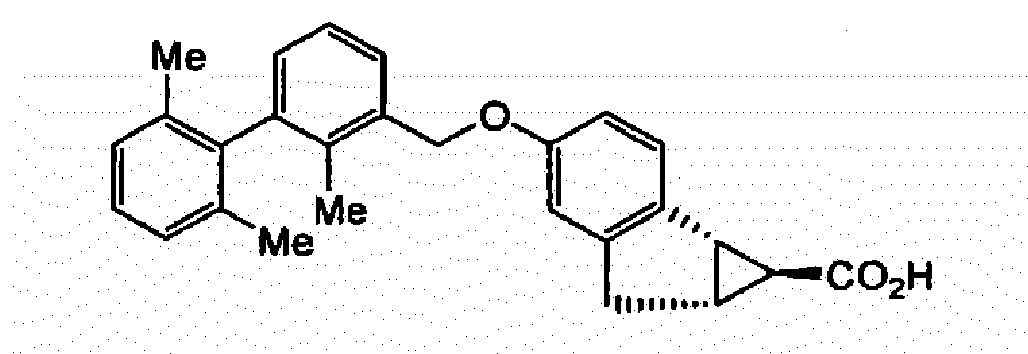


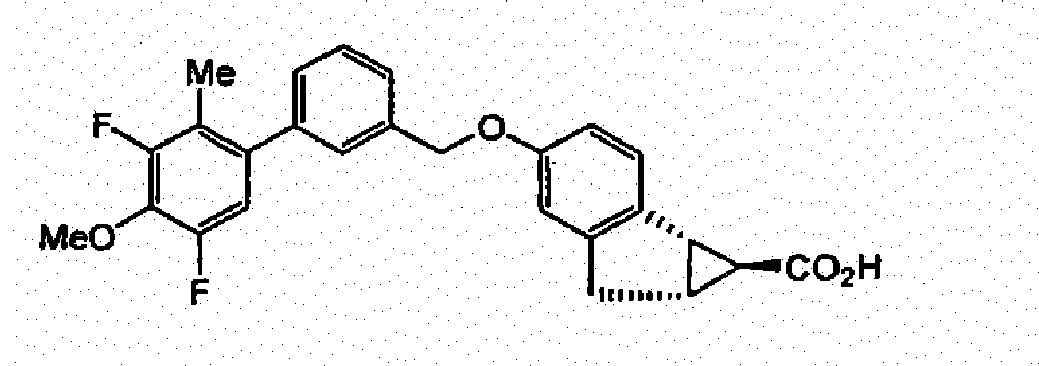


- Composition pharmaceutique comprenant un composé selon la revendication 1 ou un sel pharmaceutiquement acceptable de celui-ci et un véhicule pharmaceutiquement acceptable.
- Utilisation d'un composé selon la revendication 1 ou d'un sel pharmaceutiquement acceptable de celui-ci, dans la fabrication d'un médicament pour le traitement du diabète de type 2.
- Composé selon la revendication 1 ou un sel pharmaceutiquement acceptable de celui-ci, à utiliser dans une méthode de traitement du diabète sucré de type 2.
- Composition pharmaceutique comprenant:(1) un composé selon la revendication 1 ou un sel pharmaceutiquement acceptable de celui-ci;(2) un ou plusieurs composés sélectionnés parmi le groupe consistant en:(a) agonistes ou agonistes partiels de PPAR gamma;(b) biguanides;(c) inhibiteurs de la protéine tyrosine phosphatase 1B (PTP-1B);(d) inhibiteurs de la dipeptidylpeptidase IV (DP-IV);(e) insuline ou insulinomimétique;(f) sulfonylurées;(g) inhibiteurs de l'α-glucosidase;(h) agents qui améliorent le profil lipidique d'un patient, lesdits agents étant sélectionnés parmi le groupe consistant en (i) inhibiteurs de la HMG-CoA réductase, (ii) séquestrants de l'acide biliaire, (iii) alcool nicotinylique, acide nicotinique ou un sel de celui-ci, (iv) agonistes de PPARα, (v) inhibiteurs d'absorption du cholestérol, (vi) inhibiteurs de l'acyle-CoA:cholestérol acyltransférase (ACAT); inhibiteurs de la CETP et (viii) anti-oxydants phénoliques;(i) co-agonistes de PPARα/γ;(j) agonistes de PPARδ,(k) composés anti-obésité;(l) inhibiteurs du transport d'acide biliaire dans l'iléon;(m) agents anti-inflammatoires;(n) antagonistes du récepteur du glucagon;(o) GLP-1 ;(p) GIP-1 ;(q) analogues de GLP-1 ; et(r) inhibiteurs de HSD-1 ; et(3) un véhicule pharmaceutiquement acceptable.
Applications Claiming Priority (2)
| Application Number | Priority Date | Filing Date | Title |
|---|---|---|---|
| US85707P | 2007-10-29 | 2007-10-29 | |
| PCT/US2008/012181 WO2009058237A1 (fr) | 2007-10-29 | 2008-10-27 | Composés tricycliques antidiabétiques |
Publications (3)
| Publication Number | Publication Date |
|---|---|
| EP2215068A1 EP2215068A1 (fr) | 2010-08-11 |
| EP2215068A4 EP2215068A4 (fr) | 2011-04-20 |
| EP2215068B1 true EP2215068B1 (fr) | 2012-06-13 |
Family
ID=40591344
Family Applications (1)
| Application Number | Title | Priority Date | Filing Date |
|---|---|---|---|
| EP08846153A Active EP2215068B1 (fr) | 2007-10-29 | 2008-10-27 | Composés tricycliques antidiabétiques |
Country Status (6)
| Country | Link |
|---|---|
| US (1) | US8399507B2 (fr) |
| EP (1) | EP2215068B1 (fr) |
| JP (1) | JP5542058B2 (fr) |
| AU (1) | AU2008319418B2 (fr) |
| CA (1) | CA2703217A1 (fr) |
| WO (1) | WO2009058237A1 (fr) |
Families Citing this family (58)
| Publication number | Priority date | Publication date | Assignee | Title |
|---|---|---|---|---|
| WO2010143733A1 (fr) | 2009-06-09 | 2010-12-16 | Takeda Pharmaceutical Company Limited | Nouveau composé cyclique fondu et son utilisation |
| WO2011107494A1 (fr) | 2010-03-03 | 2011-09-09 | Sanofi | Nouveaux dérivés aromatiques de glycoside, médicaments contenants ces composés, et leur utilisation |
| CA2791612A1 (fr) | 2010-03-23 | 2011-09-29 | Basf Se | Pyridothiazines a action herbicide |
| CN102822179A (zh) | 2010-03-23 | 2012-12-12 | 巴斯夫欧洲公司 | 具有除草作用的吡嗪并噻嗪 |
| WO2011117195A1 (fr) | 2010-03-23 | 2011-09-29 | Basf Se | Pyridines substituées ayant une action herbicide |
| CN102858780A (zh) | 2010-03-23 | 2013-01-02 | 巴斯夫欧洲公司 | 具有除草作用的取代哒嗪 |
| AR081526A1 (es) | 2010-03-23 | 2012-10-03 | Basf Se | Piridazinas sustituidas que tienen accion herbicida |
| WO2011117210A1 (fr) | 2010-03-23 | 2011-09-29 | Basf Se | Pyridines substituées à action herbicide |
| US8530413B2 (en) | 2010-06-21 | 2013-09-10 | Sanofi | Heterocyclically substituted methoxyphenyl derivatives with an oxo group, processes for preparation thereof and use thereof as medicaments |
| TW201221505A (en) | 2010-07-05 | 2012-06-01 | Sanofi Sa | Aryloxyalkylene-substituted hydroxyphenylhexynoic acids, process for preparation thereof and use thereof as a medicament |
| TW201215388A (en) | 2010-07-05 | 2012-04-16 | Sanofi Sa | (2-aryloxyacetylamino)phenylpropionic acid derivatives, processes for preparation thereof and use thereof as medicaments |
| TW201215387A (en) | 2010-07-05 | 2012-04-16 | Sanofi Aventis | Spirocyclically substituted 1,3-propane dioxide derivatives, processes for preparation thereof and use thereof as a medicament |
| JP2014501742A (ja) | 2010-12-23 | 2014-01-23 | ビーエーエスエフ ソシエタス・ヨーロピア | 除草活性を有する置換ピリジン |
| WO2012150208A1 (fr) | 2011-05-04 | 2012-11-08 | Bayer Cropscience Ag | Utilisation d'esters d'alcools benzyliques substitués de l'acide cyclopropane carboxylique pour lutter contre des insectes résistants aux insecticides |
| WO2012150205A1 (fr) | 2011-05-04 | 2012-11-08 | Bayer Cropscience Ag | Nouveaux esters d'alcools benzyliques substitués de l'acide cyclopropane carboxylique en tant que pesticides |
| WO2012150221A2 (fr) | 2011-05-04 | 2012-11-08 | Bayer Cropscience Ag | Nouveaux esters d'alcools benzyliques halogénés de l'acide cyclopropancarboxique utilisés comme pesticides |
| WO2012168241A1 (fr) | 2011-06-09 | 2012-12-13 | Basf Se | Pyrazines substituées ayant une activité herbicide |
| CN103596959A (zh) | 2011-06-09 | 2014-02-19 | 巴斯夫欧洲公司 | 具有除草活性的取代吡啶类 |
| WO2013037390A1 (fr) | 2011-09-12 | 2013-03-21 | Sanofi | Dérivés amides d'acide 6-(4-hydroxyphényl)-3-styryl-1h-pyrazolo[3,4-b]pyridine-4-carboxylique en tant qu'inhibiteurs de kinase |
| WO2013045413A1 (fr) | 2011-09-27 | 2013-04-04 | Sanofi | Dérivés d'amide d'acide 6-(4-hydroxyphényl)-3-alkyl-1h-pyrazolo[3,4-b] pyridine-4-carboxylique utilisés comme inhibiteurs de kinase |
| CN102627543A (zh) * | 2012-03-29 | 2012-08-08 | 常熟市新港农产品产销有限公司 | 5-羟基茚满酮的制备方法 |
| BR112014029531A2 (pt) | 2012-06-01 | 2017-06-27 | Basf Se | composto de piridina, composição e método para controlar vegetação indesejada |
| HK1210825A1 (en) | 2012-07-11 | 2016-05-06 | Elcelyx Therapeutics, Inc. | Compositions comprising statins, biguanides and further agents for reducing cardiometabolic risk |
| CN104684907A (zh) * | 2012-08-02 | 2015-06-03 | 默沙东公司 | 抗糖尿病的三环化合物 |
| WO2014019186A1 (fr) * | 2012-08-02 | 2014-02-06 | Merck Sharp & Dohme Corp. | Composés tricycliques antidiabétiques |
| RU2015106909A (ru) | 2012-08-02 | 2016-09-27 | Мерк Шарп И Доум Корп. | Антидиабетические трициклические соединения |
| CA2886117C (fr) | 2012-10-05 | 2022-05-31 | Merck Sharp & Dohme Corp. | Composes d'indoline utilises comme inhibiteurs de l'aldosterone synthase |
| US20150297573A1 (en) | 2012-10-24 | 2015-10-22 | INSERM (Institut National de la Santé et de la Recherche Médicale) | TPL2 KINASE INHIBITORS FOR PREVENTING OR TREATING DIABETES AND FOR PROMOTING Beta-CELL SURVIVAL |
| KR20150118158A (ko) | 2013-02-22 | 2015-10-21 | 머크 샤프 앤드 돔 코포레이션 | 항당뇨병 비시클릭 화합물 |
| EP2963027B1 (fr) * | 2013-02-28 | 2018-12-26 | TiumBio Co., Ltd. | Composé tricyclique et son utilisation |
| CN105246900A (zh) | 2013-05-24 | 2016-01-13 | 巴斯夫欧洲公司 | 具有除草活性的取代吡啶化合物 |
| WO2015051496A1 (fr) | 2013-10-08 | 2015-04-16 | Merck Sharp & Dohme Corp. | Composés tricycliques antidiabétiques |
| EP3068788A1 (fr) | 2013-11-14 | 2016-09-21 | Cadila Healthcare Limited | Nouveaux composés hétérocycliques |
| EP3068768B1 (fr) * | 2013-11-15 | 2019-07-31 | Merck Sharp & Dohme Corp. | Composés tricycliques antidiabétiques |
| EP3076959B1 (fr) | 2013-12-04 | 2018-07-04 | Merck Sharp & Dohme Corp. | Composés bicycliques antidiabétiques |
| WO2015089809A1 (fr) | 2013-12-19 | 2015-06-25 | Merck Sharp & Dohme Corp. | Composés hétéroaryles substitués antidiabétiques |
| WO2015119899A1 (fr) | 2014-02-06 | 2015-08-13 | Merck Sharp & Dohme Corp. | Composés antidiabétiques |
| WO2015176267A1 (fr) | 2014-05-22 | 2015-11-26 | Merck Sharp & Dohme Corp. | Composés tricycliques antidiabétiques |
| WO2016022742A1 (fr) | 2014-08-08 | 2016-02-11 | Merck Sharp & Dohme Corp. | Composés bicycliques antidiabétiques |
| US10662171B2 (en) | 2014-08-08 | 2020-05-26 | Merck Sharp & Dohme Corp. | Antidiabetic bicyclic compounds |
| WO2016022446A1 (fr) | 2014-08-08 | 2016-02-11 | Merck Sharp & Dohme Corp. | Composés antidiabétiques bicycliques à fusion [5,6] |
| WO2016019587A1 (fr) | 2014-08-08 | 2016-02-11 | Merck Sharp & Dohme Corp. | Composés antidiabétiques bicycliques condensés [7, 6] |
| US9938222B2 (en) | 2014-09-09 | 2018-04-10 | Bristol-Myers Squibb Company | Cyclopropanecarboxylic acid GPR120 modulators |
| US10426818B2 (en) | 2015-03-24 | 2019-10-01 | Inserm (Institut National De La Sante Et De La Recherche Medicale) | Method and pharmaceutical composition for use in the treatment of diabetes |
| US10676458B2 (en) | 2016-03-29 | 2020-06-09 | Merch Sharp & Dohne Corp. Rahway | Antidiabetic bicyclic compounds |
| EP3450435A4 (fr) * | 2016-04-26 | 2019-09-18 | Shionogi & Co., Ltd | Dérivé azabenzimidazole substitué en position 5 présentant une action d'activation de l'ampk |
| US11072602B2 (en) | 2016-12-06 | 2021-07-27 | Merck Sharp & Dohme Corp. | Antidiabetic heterocyclic compounds |
| EP3558298B1 (fr) | 2016-12-20 | 2026-03-11 | Merck Sharp & Dohme LLC | Composés de spirochromane antidiabétiques |
| BR102018007822A2 (pt) | 2017-04-20 | 2018-11-06 | Gilead Sciences, Inc. | composto, métodos para inibir pd-1, pd-l1 e/ou interação de pd-1/pd-l1 e para tratamento de câncer, composição farmacêutica, e, kit para tratamento de ou prevenção de câncer ou uma doença ou condição |
| US11225471B2 (en) | 2017-11-16 | 2022-01-18 | Merck Sharp & Dohme Corp. | Antidiabetic bicyclic compounds |
| CR20200347A (es) | 2018-02-13 | 2020-09-23 | Gilead Sciences Inc | Inhibidores pd-1/pd-l1 |
| TWI712412B (zh) | 2018-04-19 | 2020-12-11 | 美商基利科學股份有限公司 | Pd‐1/pd‐l1抑制劑 |
| SG11202012425QA (en) | 2018-07-13 | 2021-01-28 | Gilead Sciences Inc | Pd-1/pd-l1 inhibitors |
| WO2020086556A1 (fr) | 2018-10-24 | 2020-04-30 | Gilead Sciences, Inc. | Inhibiteurs de pd-1/pd-l1 |
| KR20220150270A (ko) | 2019-10-07 | 2022-11-10 | 칼리오페, 인크. | Gpr119 효능제 |
| TW202140440A (zh) | 2020-02-28 | 2021-11-01 | 美商克力歐普股份有限公司 | Gpr40激動劑 |
| WO2021236617A1 (fr) | 2020-05-19 | 2021-11-25 | Kallyope, Inc. | Activateurs d'ampk |
| CN116390925A (zh) | 2020-06-26 | 2023-07-04 | 卡尔优普公司 | Ampk活化剂 |
Family Cites Families (9)
| Publication number | Priority date | Publication date | Assignee | Title |
|---|---|---|---|---|
| MXPA00004036A (es) * | 1997-10-27 | 2006-05-24 | Reddys Lab Ltd Dr | Compuestos triciclicos novedosos y su uso en medicina; proceso para su preparacion y composiciones farmaceuticas que los contienen.. |
| EP1534276B1 (fr) * | 2002-09-05 | 2008-11-05 | Medivir AB | Inhibiteurs de la transcriptase inverse non nucleosidiques |
| JP4594611B2 (ja) * | 2002-11-08 | 2010-12-08 | 武田薬品工業株式会社 | 受容体機能調節剤 |
| EP1630152A4 (fr) * | 2003-05-30 | 2009-09-23 | Takeda Pharmaceutical | Compose cyclique condense |
| JP4805552B2 (ja) * | 2003-05-30 | 2011-11-02 | 武田薬品工業株式会社 | 縮合環化合物 |
| US7834013B2 (en) * | 2003-11-19 | 2010-11-16 | Glaxosmithkline Llc | Aminophenylcyclopropyl carboxylic acids and derivatives as agonists to GPR40 |
| EP1916234B1 (fr) * | 2005-07-29 | 2014-11-12 | Takeda Pharmaceutical Company Limited | Composé d'acide cyclopropanecarboxylique |
| MX2008011615A (es) * | 2006-03-14 | 2008-09-22 | Amgen Inc | Derivados de acidos carboxilicos biciclicos utiles para tratar trastornos metabolicos. |
| EP2021327B1 (fr) * | 2006-05-15 | 2012-04-04 | Merck Sharp & Dohme Corp. | Composés bicycliques antidiabétiques |
-
2008
- 2008-10-27 EP EP08846153A patent/EP2215068B1/fr active Active
- 2008-10-27 AU AU2008319418A patent/AU2008319418B2/en not_active Ceased
- 2008-10-27 CA CA2703217A patent/CA2703217A1/fr not_active Abandoned
- 2008-10-27 WO PCT/US2008/012181 patent/WO2009058237A1/fr not_active Ceased
- 2008-10-27 JP JP2010531064A patent/JP5542058B2/ja not_active Expired - Fee Related
- 2008-10-27 US US12/738,857 patent/US8399507B2/en active Active
Also Published As
| Publication number | Publication date |
|---|---|
| WO2009058237A1 (fr) | 2009-05-07 |
| CA2703217A1 (fr) | 2009-05-07 |
| JP2011502120A (ja) | 2011-01-20 |
| AU2008319418A1 (en) | 2009-05-07 |
| JP5542058B2 (ja) | 2014-07-09 |
| AU2008319418B2 (en) | 2013-08-15 |
| EP2215068A4 (fr) | 2011-04-20 |
| US8399507B2 (en) | 2013-03-19 |
| EP2215068A1 (fr) | 2010-08-11 |
| US20100216694A1 (en) | 2010-08-26 |
Similar Documents
| Publication | Publication Date | Title |
|---|---|---|
| EP2215068B1 (fr) | Composés tricycliques antidiabétiques | |
| EP2021327B1 (fr) | Composés bicycliques antidiabétiques | |
| EP3177614B1 (fr) | Composés antidiabétiques bicycliques fusionnés | |
| US7759493B2 (en) | Antidiabetic bicyclic compounds | |
| US8039484B2 (en) | Antidiabetic bicyclic compounds | |
| US10100042B2 (en) | [5,6]—fused bicyclic antidiabetic compounds | |
| EP1962601B1 (fr) | Amino-piperidines fusionnees en tant qu'inhibiteurs de la dipeptidyl peptidase-4 pour le traitement ou la prevention du diabete | |
| JP2009506058A (ja) | 糖尿病の治療又は予防用ジペプチジルペプチダーゼiv阻害剤としての縮合アミノピペリジン | |
| WO2016022448A1 (fr) | Composés bicycliques antidiabétiques | |
| AU2009314200B2 (en) | Substituted bicyclic amines for the treatment of diabetes | |
| KR20150067184A (ko) | Gpr120 효능제로서 유용한 치환된 스피로피페리디닐 화합물 | |
| AU2010245889A1 (en) | Substituted spirocyclic amines useful as antidiabetic compounds |
Legal Events
| Date | Code | Title | Description |
|---|---|---|---|
| PUAI | Public reference made under article 153(3) epc to a published international application that has entered the european phase |
Free format text: ORIGINAL CODE: 0009012 |
|
| 17P | Request for examination filed |
Effective date: 20100531 |
|
| AK | Designated contracting states |
Kind code of ref document: A1 Designated state(s): AT BE BG CH CY CZ DE DK EE ES FI FR GB GR HR HU IE IS IT LI LT LU LV MC MT NL NO PL PT RO SE SI SK TR |
|
| AX | Request for extension of the european patent |
Extension state: AL BA MK RS |
|
| DAX | Request for extension of the european patent (deleted) | ||
| A4 | Supplementary search report drawn up and despatched |
Effective date: 20110323 |
|
| RIC1 | Information provided on ipc code assigned before grant |
Ipc: C07C 62/34 20060101ALI20110317BHEP Ipc: A61P 3/00 20060101ALI20110317BHEP Ipc: C07D 265/38 20060101AFI20090527BHEP Ipc: C07D 305/06 20060101ALI20110317BHEP Ipc: A61K 31/337 20060101ALI20110317BHEP Ipc: A61K 31/437 20060101ALI20110317BHEP Ipc: C07D 471/04 20060101ALI20110317BHEP |
|
| GRAP | Despatch of communication of intention to grant a patent |
Free format text: ORIGINAL CODE: EPIDOSNIGR1 |
|
| RIC1 | Information provided on ipc code assigned before grant |
Ipc: A61K 31/337 20060101ALI20111123BHEP Ipc: C07D 265/38 20060101AFI20111123BHEP Ipc: C07D 305/06 20060101ALI20111123BHEP Ipc: A61K 31/437 20060101ALI20111123BHEP Ipc: A61P 3/00 20060101ALI20111123BHEP Ipc: C07C 62/34 20060101ALI20111123BHEP Ipc: C07D 471/04 20060101ALI20111123BHEP |
|
| GRAS | Grant fee paid |
Free format text: ORIGINAL CODE: EPIDOSNIGR3 |
|
| GRAA | (expected) grant |
Free format text: ORIGINAL CODE: 0009210 |
|
| AK | Designated contracting states |
Kind code of ref document: B1 Designated state(s): AT BE BG CH CY CZ DE DK EE ES FI FR GB GR HR HU IE IS IT LI LT LU LV MC MT NL NO PL PT RO SE SI SK TR |
|
| REG | Reference to a national code |
Ref country code: GB Ref legal event code: FG4D |
|
| REG | Reference to a national code |
Ref country code: AT Ref legal event code: REF Ref document number: 561927 Country of ref document: AT Kind code of ref document: T Effective date: 20120615 Ref country code: CH Ref legal event code: EP |
|
| REG | Reference to a national code |
Ref country code: IE Ref legal event code: FG4D |
|
| REG | Reference to a national code |
Ref country code: CH Ref legal event code: NV Representative=s name: MARKS & CLERK (LUXEMBOURG) LLP |
|
| RAP2 | Party data changed (patent owner data changed or rights of a patent transferred) |
Owner name: SCHERING CORPORATION |
|
| RAP2 | Party data changed (patent owner data changed or rights of a patent transferred) |
Owner name: MERCK SHARP & DOHME CORP. |
|
| REG | Reference to a national code |
Ref country code: DE Ref legal event code: R096 Ref document number: 602008016329 Country of ref document: DE Effective date: 20120816 |
|
| REG | Reference to a national code |
Ref country code: NL Ref legal event code: T3 |
|
| PG25 | Lapsed in a contracting state [announced via postgrant information from national office to epo] |
Ref country code: CY Free format text: LAPSE BECAUSE OF FAILURE TO SUBMIT A TRANSLATION OF THE DESCRIPTION OR TO PAY THE FEE WITHIN THE PRESCRIBED TIME-LIMIT Effective date: 20120613 Ref country code: FI Free format text: LAPSE BECAUSE OF FAILURE TO SUBMIT A TRANSLATION OF THE DESCRIPTION OR TO PAY THE FEE WITHIN THE PRESCRIBED TIME-LIMIT Effective date: 20120613 Ref country code: NO Free format text: LAPSE BECAUSE OF FAILURE TO SUBMIT A TRANSLATION OF THE DESCRIPTION OR TO PAY THE FEE WITHIN THE PRESCRIBED TIME-LIMIT Effective date: 20120913 Ref country code: LT Free format text: LAPSE BECAUSE OF FAILURE TO SUBMIT A TRANSLATION OF THE DESCRIPTION OR TO PAY THE FEE WITHIN THE PRESCRIBED TIME-LIMIT Effective date: 20120613 Ref country code: SE Free format text: LAPSE BECAUSE OF FAILURE TO SUBMIT A TRANSLATION OF THE DESCRIPTION OR TO PAY THE FEE WITHIN THE PRESCRIBED TIME-LIMIT Effective date: 20120613 |
|
| REG | Reference to a national code |
Ref country code: AT Ref legal event code: MK05 Ref document number: 561927 Country of ref document: AT Kind code of ref document: T Effective date: 20120613 |
|
| REG | Reference to a national code |
Ref country code: LT Ref legal event code: MG4D Effective date: 20120613 |
|
| PG25 | Lapsed in a contracting state [announced via postgrant information from national office to epo] |
Ref country code: LV Free format text: LAPSE BECAUSE OF FAILURE TO SUBMIT A TRANSLATION OF THE DESCRIPTION OR TO PAY THE FEE WITHIN THE PRESCRIBED TIME-LIMIT Effective date: 20120613 Ref country code: HR Free format text: LAPSE BECAUSE OF FAILURE TO SUBMIT A TRANSLATION OF THE DESCRIPTION OR TO PAY THE FEE WITHIN THE PRESCRIBED TIME-LIMIT Effective date: 20120613 Ref country code: GR Free format text: LAPSE BECAUSE OF FAILURE TO SUBMIT A TRANSLATION OF THE DESCRIPTION OR TO PAY THE FEE WITHIN THE PRESCRIBED TIME-LIMIT Effective date: 20120914 Ref country code: SI Free format text: LAPSE BECAUSE OF FAILURE TO SUBMIT A TRANSLATION OF THE DESCRIPTION OR TO PAY THE FEE WITHIN THE PRESCRIBED TIME-LIMIT Effective date: 20120613 |
|
| PG25 | Lapsed in a contracting state [announced via postgrant information from national office to epo] |
Ref country code: RO Free format text: LAPSE BECAUSE OF FAILURE TO SUBMIT A TRANSLATION OF THE DESCRIPTION OR TO PAY THE FEE WITHIN THE PRESCRIBED TIME-LIMIT Effective date: 20120613 Ref country code: IS Free format text: LAPSE BECAUSE OF FAILURE TO SUBMIT A TRANSLATION OF THE DESCRIPTION OR TO PAY THE FEE WITHIN THE PRESCRIBED TIME-LIMIT Effective date: 20121013 Ref country code: BE Free format text: LAPSE BECAUSE OF FAILURE TO SUBMIT A TRANSLATION OF THE DESCRIPTION OR TO PAY THE FEE WITHIN THE PRESCRIBED TIME-LIMIT Effective date: 20120613 Ref country code: SK Free format text: LAPSE BECAUSE OF FAILURE TO SUBMIT A TRANSLATION OF THE DESCRIPTION OR TO PAY THE FEE WITHIN THE PRESCRIBED TIME-LIMIT Effective date: 20120613 Ref country code: AT Free format text: LAPSE BECAUSE OF FAILURE TO SUBMIT A TRANSLATION OF THE DESCRIPTION OR TO PAY THE FEE WITHIN THE PRESCRIBED TIME-LIMIT Effective date: 20120613 Ref country code: CZ Free format text: LAPSE BECAUSE OF FAILURE TO SUBMIT A TRANSLATION OF THE DESCRIPTION OR TO PAY THE FEE WITHIN THE PRESCRIBED TIME-LIMIT Effective date: 20120613 Ref country code: EE Free format text: LAPSE BECAUSE OF FAILURE TO SUBMIT A TRANSLATION OF THE DESCRIPTION OR TO PAY THE FEE WITHIN THE PRESCRIBED TIME-LIMIT Effective date: 20120613 |
|
| PG25 | Lapsed in a contracting state [announced via postgrant information from national office to epo] |
Ref country code: IT Free format text: LAPSE BECAUSE OF FAILURE TO SUBMIT A TRANSLATION OF THE DESCRIPTION OR TO PAY THE FEE WITHIN THE PRESCRIBED TIME-LIMIT Effective date: 20120613 Ref country code: PT Free format text: LAPSE BECAUSE OF FAILURE TO SUBMIT A TRANSLATION OF THE DESCRIPTION OR TO PAY THE FEE WITHIN THE PRESCRIBED TIME-LIMIT Effective date: 20121015 Ref country code: PL Free format text: LAPSE BECAUSE OF FAILURE TO SUBMIT A TRANSLATION OF THE DESCRIPTION OR TO PAY THE FEE WITHIN THE PRESCRIBED TIME-LIMIT Effective date: 20120613 |
|
| PLBE | No opposition filed within time limit |
Free format text: ORIGINAL CODE: 0009261 |
|
| STAA | Information on the status of an ep patent application or granted ep patent |
Free format text: STATUS: NO OPPOSITION FILED WITHIN TIME LIMIT |
|
| PG25 | Lapsed in a contracting state [announced via postgrant information from national office to epo] |
Ref country code: ES Free format text: LAPSE BECAUSE OF FAILURE TO SUBMIT A TRANSLATION OF THE DESCRIPTION OR TO PAY THE FEE WITHIN THE PRESCRIBED TIME-LIMIT Effective date: 20120924 Ref country code: DK Free format text: LAPSE BECAUSE OF FAILURE TO SUBMIT A TRANSLATION OF THE DESCRIPTION OR TO PAY THE FEE WITHIN THE PRESCRIBED TIME-LIMIT Effective date: 20120613 |
|
| 26N | No opposition filed |
Effective date: 20130314 |
|
| PG25 | Lapsed in a contracting state [announced via postgrant information from national office to epo] |
Ref country code: MC Free format text: LAPSE BECAUSE OF NON-PAYMENT OF DUE FEES Effective date: 20121031 |
|
| REG | Reference to a national code |
Ref country code: DE Ref legal event code: R097 Ref document number: 602008016329 Country of ref document: DE Effective date: 20130314 |
|
| PG25 | Lapsed in a contracting state [announced via postgrant information from national office to epo] |
Ref country code: BG Free format text: LAPSE BECAUSE OF FAILURE TO SUBMIT A TRANSLATION OF THE DESCRIPTION OR TO PAY THE FEE WITHIN THE PRESCRIBED TIME-LIMIT Effective date: 20120913 |
|
| REG | Reference to a national code |
Ref country code: IE Ref legal event code: MM4A |
|
| PG25 | Lapsed in a contracting state [announced via postgrant information from national office to epo] |
Ref country code: IE Free format text: LAPSE BECAUSE OF NON-PAYMENT OF DUE FEES Effective date: 20121027 |
|
| PG25 | Lapsed in a contracting state [announced via postgrant information from national office to epo] |
Ref country code: MT Free format text: LAPSE BECAUSE OF FAILURE TO SUBMIT A TRANSLATION OF THE DESCRIPTION OR TO PAY THE FEE WITHIN THE PRESCRIBED TIME-LIMIT Effective date: 20120613 |
|
| PG25 | Lapsed in a contracting state [announced via postgrant information from national office to epo] |
Ref country code: TR Free format text: LAPSE BECAUSE OF FAILURE TO SUBMIT A TRANSLATION OF THE DESCRIPTION OR TO PAY THE FEE WITHIN THE PRESCRIBED TIME-LIMIT Effective date: 20120613 |
|
| PG25 | Lapsed in a contracting state [announced via postgrant information from national office to epo] |
Ref country code: LU Free format text: LAPSE BECAUSE OF NON-PAYMENT OF DUE FEES Effective date: 20121027 |
|
| PG25 | Lapsed in a contracting state [announced via postgrant information from national office to epo] |
Ref country code: HU Free format text: LAPSE BECAUSE OF FAILURE TO SUBMIT A TRANSLATION OF THE DESCRIPTION OR TO PAY THE FEE WITHIN THE PRESCRIBED TIME-LIMIT Effective date: 20081027 |
|
| PGFP | Annual fee paid to national office [announced via postgrant information from national office to epo] |
Ref country code: CH Payment date: 20151026 Year of fee payment: 8 |
|
| PGFP | Annual fee paid to national office [announced via postgrant information from national office to epo] |
Ref country code: NL Payment date: 20151007 Year of fee payment: 8 |
|
| REG | Reference to a national code |
Ref country code: FR Ref legal event code: PLFP Year of fee payment: 9 |
|
| REG | Reference to a national code |
Ref country code: CH Ref legal event code: PL |
|
| REG | Reference to a national code |
Ref country code: NL Ref legal event code: MM Effective date: 20161101 |
|
| PG25 | Lapsed in a contracting state [announced via postgrant information from national office to epo] |
Ref country code: CH Free format text: LAPSE BECAUSE OF NON-PAYMENT OF DUE FEES Effective date: 20161031 Ref country code: LI Free format text: LAPSE BECAUSE OF NON-PAYMENT OF DUE FEES Effective date: 20161031 |
|
| PG25 | Lapsed in a contracting state [announced via postgrant information from national office to epo] |
Ref country code: NL Free format text: LAPSE BECAUSE OF NON-PAYMENT OF DUE FEES Effective date: 20161101 |
|
| REG | Reference to a national code |
Ref country code: FR Ref legal event code: PLFP Year of fee payment: 10 |
|
| REG | Reference to a national code |
Ref country code: FR Ref legal event code: PLFP Year of fee payment: 11 |
|
| REG | Reference to a national code |
Ref country code: DE Ref legal event code: R081 Ref document number: 602008016329 Country of ref document: DE Owner name: MERCK SHARP & DOHME LLC, RAHWAY, US Free format text: FORMER OWNER: MERCK SHARP & DOHME CORP., RAHWAY, N.J., US |
|
| REG | Reference to a national code |
Ref country code: GB Ref legal event code: 732E Free format text: REGISTERED BETWEEN 20220908 AND 20220914 |
|
| PGFP | Annual fee paid to national office [announced via postgrant information from national office to epo] |
Ref country code: GB Payment date: 20250911 Year of fee payment: 18 |
|
| PGFP | Annual fee paid to national office [announced via postgrant information from national office to epo] |
Ref country code: FR Payment date: 20250912 Year of fee payment: 18 |
|
| PGFP | Annual fee paid to national office [announced via postgrant information from national office to epo] |
Ref country code: DE Payment date: 20250912 Year of fee payment: 18 |