EP2241332A1 - Therapeutisches mittel gegen pruritus - Google Patents
Therapeutisches mittel gegen pruritus Download PDFInfo
- Publication number
- EP2241332A1 EP2241332A1 EP08857461A EP08857461A EP2241332A1 EP 2241332 A1 EP2241332 A1 EP 2241332A1 EP 08857461 A EP08857461 A EP 08857461A EP 08857461 A EP08857461 A EP 08857461A EP 2241332 A1 EP2241332 A1 EP 2241332A1
- Authority
- EP
- European Patent Office
- Prior art keywords
- antibody
- antibodies
- pruritus
- cells
- gly
- Prior art date
- Legal status (The legal status is an assumption and is not a legal conclusion. Google has not performed a legal analysis and makes no representation as to the accuracy of the status listed.)
- Withdrawn
Links
Images



Classifications
-
- A—HUMAN NECESSITIES
- A61—MEDICAL OR VETERINARY SCIENCE; HYGIENE
- A61K—PREPARATIONS FOR MEDICAL, DENTAL OR TOILETRY PURPOSES
- A61K39/00—Medicinal preparations containing antigens or antibodies
- A61K39/395—Antibodies; Immunoglobulins; Immune serum, e.g. antilymphocytic serum
-
- C—CHEMISTRY; METALLURGY
- C07—ORGANIC CHEMISTRY
- C07K—PEPTIDES
- C07K16/00—Immunoglobulins [IG], e.g. monoclonal or polyclonal antibodies
- C07K16/18—Immunoglobulins [IG], e.g. monoclonal or polyclonal antibodies against material from animals or humans
- C07K16/28—Immunoglobulins [IG], e.g. monoclonal or polyclonal antibodies against material from animals or humans against receptors, cell surface antigens or cell surface determinants
- C07K16/2869—Immunoglobulins [IG], e.g. monoclonal or polyclonal antibodies against material from animals or humans against receptors, cell surface antigens or cell surface determinants against hormone receptors
-
- A—HUMAN NECESSITIES
- A61—MEDICAL OR VETERINARY SCIENCE; HYGIENE
- A61K—PREPARATIONS FOR MEDICAL, DENTAL OR TOILETRY PURPOSES
- A61K38/00—Medicinal preparations containing peptides
- A61K38/16—Peptides having more than 20 amino acids; Gastrins; Somatostatins; Melanotropins; Derivatives thereof
- A61K38/17—Peptides having more than 20 amino acids; Gastrins; Somatostatins; Melanotropins; Derivatives thereof from animals; from humans
-
- A—HUMAN NECESSITIES
- A61—MEDICAL OR VETERINARY SCIENCE; HYGIENE
- A61P—SPECIFIC THERAPEUTIC ACTIVITY OF CHEMICAL COMPOUNDS OR MEDICINAL PREPARATIONS
- A61P17/00—Drugs for dermatological disorders
-
- A—HUMAN NECESSITIES
- A61—MEDICAL OR VETERINARY SCIENCE; HYGIENE
- A61P—SPECIFIC THERAPEUTIC ACTIVITY OF CHEMICAL COMPOUNDS OR MEDICINAL PREPARATIONS
- A61P17/00—Drugs for dermatological disorders
- A61P17/04—Antipruritics
-
- A—HUMAN NECESSITIES
- A61—MEDICAL OR VETERINARY SCIENCE; HYGIENE
- A61K—PREPARATIONS FOR MEDICAL, DENTAL OR TOILETRY PURPOSES
- A61K39/00—Medicinal preparations containing antigens or antibodies
- A61K2039/505—Medicinal preparations containing antigens or antibodies comprising antibodies
-
- C—CHEMISTRY; METALLURGY
- C07—ORGANIC CHEMISTRY
- C07K—PEPTIDES
- C07K2317/00—Immunoglobulins specific features
- C07K2317/20—Immunoglobulins specific features characterized by taxonomic origin
- C07K2317/21—Immunoglobulins specific features characterized by taxonomic origin from primates, e.g. man
-
- C—CHEMISTRY; METALLURGY
- C07—ORGANIC CHEMISTRY
- C07K—PEPTIDES
- C07K2317/00—Immunoglobulins specific features
- C07K2317/20—Immunoglobulins specific features characterized by taxonomic origin
- C07K2317/24—Immunoglobulins specific features characterized by taxonomic origin containing regions, domains or residues from different species, e.g. chimeric, humanized or veneered
-
- C—CHEMISTRY; METALLURGY
- C07—ORGANIC CHEMISTRY
- C07K—PEPTIDES
- C07K2317/00—Immunoglobulins specific features
- C07K2317/70—Immunoglobulins specific features characterized by effect upon binding to a cell or to an antigen
- C07K2317/76—Antagonist effect on antigen, e.g. neutralization or inhibition of binding
Definitions
- the present invention relates to agents for treating or preventing pruritus.
- cytokines are known as humoral factors involved in the growth and differentiation of various types of cells, or in the activation of differentiated mature cell functions. Cytokine-stimulated cells produce different types of cytokines, thereby forming networks of multiple cytokines in the body. Biological homeostasis is maintained by a delicate balance of the mutual regulation between cytokines in these networks. Many inflammatory diseases are thought to result from a failure of such cytokine networks. Thus, monoclonal antibody-based anti-cytokine therapy is drawing much attention. For example, anti-TNF antibodies and anti-IL-6 receptor antibodies have been demonstrated to be highly effective clinically. On the other hand, there are many examples of failure where no therapeutic effects were produced when a single cytokine, such as IL-4, was blocked alone, due to the activation of compensatory pathways in actual pathological conditions.
- NR10 forms a heterodimer with oncostatin M receptor (OSMR) and functions as an IL-31 receptor (Non-patent Document 1).
- OSMR oncostatin M receptor
- NR-10 is also known as glm-r (Non-patent Document 2), GPL (Non-patent Document 3), IL-31RA (Non-patent Document 4), and such. It has also been reported that transgenic mice overexpressing IL-31 spontaneously develop pruritic dermatitis (Non-patent Document 4).
- the inhibition of cytokine function does not necessarily produce a therapeutic effect in diseases with elevated cytokine expression. It is thus difficult to predict from the expression level of a cytokine what disease the inhibition of the cytokine produces a therapeutic effect on. Therefore, it is important to identify diseases on which the inhibition of signaling of a target cytokine actually produces a therapeutic effect.
- An objective of the present invention is to provide agents for treating or preventing pruritus.
- NR10 antagonists such as neutralizing antibodies against NR10 are useful as therapeutic or preventive agents for pruritus, thereby completing the present invention.
- the present invention relates to agents for treating or preventing pruritus. More specifically, the present invention provides:
- NR10 is a protein that forms a heterodimer with oncostatin M receptor (OSMR) and functions as an IL-31 receptor.
- OSMR oncostatin M receptor
- NR10 is also known as glm-r ( J Biol Chem 277, 16831-6, 2002 ), GPL ( J Biol Chem 278, 49850-9, 2003 ), IL-31RA ( Nat Immunol 5, 752-60, 2004 ), and such.
- NR10 in the present invention also includes proteins called by these names.
- NR10 in the present invention includes those derived from humans, mice, and other mammals.
- Preferred NR10 includes, without particular limitation, those derived from humans and mice.
- There are multiple known splicing variants of human-derived NR10 ( WO 00/075314 ).
- NR10.1 consists of 662 amino acids and contains a transmembrane domain.
- NR10.2 is a soluble receptor-like protein consisting of 252 amino acids without the transmembrane domain.
- known NR10 splicing variants that function as transmembrane receptor proteins include NR10.3 and IL-31RAv3.
- the human NR10 of the present invention is not particularly limited, as long as it forms a heterodimer with oncostatin M receptor (OSMR) and functions as an IL-31 receptor.
- Preferred NR10 includes NR10.3 (also referred to as ILRAv4 ( Nat Immunol 5, 752-60, 2004 )) and IL-31RAv3.
- NR 10.3 (IL-31RAv4) consists of 662 amino acids ( WO 00/075314 ; Nat Immunol 5, 752-60, 2004 ) and IL-31RAv3 consists of 732 amino acids (GenBank Accession No: NM_139017).
- mouse-derived NR10 includes proteins comprising the amino acid sequence of SEQ ID NO: 5.
- NR 10 antagonist refers to a substance that blocks intracellular signaling mediated by NR10 activation through binding to NR10 and thus causes loss or suppression of the biological activity of the cells.
- the biological activity includes, but is not limited to, for example, activities of inducing or suppressing the production of a bioactive substance (for example, chemokines, inflammatory cytokines, and such), activities of promoting or suppressing the secretion of a bioactive substance, growth activities, growth-inducing activities, survival activities, differentiation activities, differentiation-inducing activities, transcriptional activities, membrane transport activities, binding activities, proteolytic activities, phosphorylation/dephosphorylation activities, oxidation-reduction activities, transfer activities, nucleolytic activities, dehydration activities, cell death-inducing activities, and apoptosis-inducing activities.
- a bioactive substance for example, chemokines, inflammatory cytokines, and such
- activities of promoting or suppressing the secretion of a bioactive substance for example, chem
- the presence of the antagonistic activity can be determined by methods known to those skilled in the art.
- a test compound can be contacted with NR10 expressed on cell surface in the presence of a ligand to determine whether the intracellular signal transduction that serves an indicator for NR10 activation occurs or not. This determination can be performed, for example, according to the method described in the reference " Dillon SR, et al., Interleukin 31, a cytokine produced by activated T cells, induces dermatitis in mice. Nat Immunol. 2004 Jul; 5(7):752-60 ".
- Compounds that inhibit the intracellular signaling responding to the ligand stimulation are considered to be NR10 antagonists.
- the antagonists of the present invention may be naturally-occurring or artificial compounds. Known antagonists can be used in the present invention. It is also possible to use novel compounds that have been determined to have an antagonistic activity by the methods described above.
- An embodiment of the NR10 antagonist of the present invention includes antibodies that bind to NR10. Such antibodies that bind to NR10 are not particularly limited; however, antibodies that specifically bind to NR10 are preferred. A preferred embodiment of the antibodies that bind to NR10 includes antibodies having a neutralizing activity against NR10.
- the "antibody having a neutralizing activity against NR10” refers to an antibody having an activity of suppressing a biological activity based on NR10.
- antibodies having a neutralizing activity against NR10 may be polyclonal or monoclonal antibodies; however, in a preferred embodiment, the antibodies are monoclonal antibodies.
- the antibodies of the present invention are not particularly limited as long as they bind to NR10, and include recombinant antibodies such as chimeric antibodies, humanized antibodies, and human antibodies.
- the chimeric antibodies contain, for example, the heavy and light chain constant regions of a human antibody, and the heavy and light chain variable regions of a non-human mammal, such as mouse.
- the chimeric antibodies can be produced by known methods. For example, the antibodies can be produced by cloning an antibody gene from hybridomas, inserting it into an appropriate vector, and introducing the construct into hosts (see, for examples, Carl, A. K. Borrebaeck, James, W.
- DNAs of the antibody variable regions are synthesized from mRNA of hybridomas using reverse transcriptase. Once DNAs encoding the V regions of an antibody of interest are obtained, these are linked with DNAs encoding the constant regions (C regions) of a desired human antibody. The resulting constructs are inserted into expression vectors.
- the DNAs encoding the antibody V regions may be inserted into expression vectors comprising DNAs encoding the C regions of a human antibody.
- the DNAs are inserted into expression vectors so that they are expressed under the regulation of the expression regulatory regions, for example, enhancers and promoters.
- host cells can be transformed with the expression vectors to allow expression of chimeric antibodies.
- Humanized antibodies are also referred to as reshaped human antibodies, and they are prepared by transferring the complementarity determining regions (CDRs) of an antibody derived from a non-human mammal such as a mouse, to the CDRs of a human antibody.
- CDRs complementarity determining regions
- General genetic recombination techniques for their preparation are also known. Specifically, a DNA sequence designed such that the CDRs of the mouse antibody are linked with framework regions (FRs) of human antibody is synthesized by PCR using, as primers, several oligonucleotides that have portions overlapping the ends of both CDRs and FRs.
- FRs to be linked via CDRs are selected so that the CDRs form a favorable antigen-binding site.
- amino acids in the framework regions of antibody variable region may be substituted so that the CDRs of the reshaped human antibody form a proper antigen-binding site ( Sato, K. et al., Cancer Res. (1993) 53, 851-856 ).
- desired human antibodies with antigen-binding activity can be obtained by sensitizing human lymphocytes with antigens of interest or cells expressing antigens of interest in vitro ; and fusing the sensitized lymphocytes with human myeloma cells such as U266 (see Japanese Patent Application Kokoku Publication No. (JP-B) H01-59878 (examined, approved Japanese patent application published for opposition)).
- the desired human antibody can also be obtained by immunizing a transgenic animal having an entire repertoire of human antibody genes with a desired antigen (see International Patent Application Publication Nos. WO 93/12227 , WO 92/03918 , WO 94/02602 , WO 94/25585 , WO 96/34096 , and WO 96/33735 ).
- variable region of a human antibody is expressed as a single chain antibody (scFv) on the surface of a phage, using a phage display method, and phages that bind to the antigen can be selected.
- scFv single chain antibody
- the DNA sequences encoding the variable regions of human antibodies that bind to the antigen can be determined. If the DNA sequences of scFvs that bind to the antigen are identified, appropriate expression vectors comprising these sequences can be constructed to obtain human antibodies. Such methods are well known.
- the amino acid sequence of heavy or light chain variable region may have a substitution, deletion, addition, and/or insertion of one or more amino acids in the amino acid sequence of the heavy or light chain variable region of an antibody whose neutralizing activity against NR10 has been confirmed.
- Methods well known to those skilled in the art to prepare the amino acid sequence of the heavy or light chain variable region of an antibody having a neutralizing activity against NR10 in which one or more amino acids are substituted, deleted, added, and/or inserted in the amino acid sequence of the heavy or light chain variable region include methods for introducing mutations into proteins.
- mutants functionally equivalent to the heavy or light chain variable region of the antibody having a neutralizing activity against NR10 by introducing appropriate mutations into the amino acid sequence of the heavy or light chain variable region of the antibody having a neutralizing activity against NR10 using site-directed mutagenesis ( Hashimoto-Gotoh, T, Mizuno, T, Ogasahara, Y, and Nakagawa, M. (1995) An oligodeoxyribonucleotide-directed dual amber method for site-directed mutagenesis.
- the heavy or light chain variable regions of antibodies that contain one or more amino acid mutations in the heavy or light chain variable regions and have a neutralizing activity against NR10 are also included in the heavy or light chain variable regions of the present invention.
- amino acid side chain properties are: hydrophobic amino acids (A, I, L, M, F, P, W, Y, and V), hydrophilic amino acids (R, D, N, C, E, Q, G, H, K, S, and T), amino acids containing aliphatic side chains (G, A, V, L, I, and P), amino acids containing hydroxyl group-containing side chains (S, T, and Y), amino acids Containing sulfur-containing side chains (C and M), amino acids containing carboxylic acid- and amide-containing side chains (D, N, E, and Q), amino acids containing basic side chains (R, K, and H), and amino acids containing aromatic side chains (H, F, Y, and W) (amino acids are represented by one-letter codes in parentheses).
- Amino acid substitutions within each group are called conservative substitutions. It is already known that a polypeptide containing a modified amino acid sequence in which one or more amino acid residues in a given amino acid sequence are deleted, added, and/or substituted with other amino acids can retain the original biological activity ( Mark, D. F. et al., Proc. Natl. Acad. Sci. USA; (1984) 81:5662-6 ; Zoller, M. J. and Smith, M., Nucleic Acids Res. (1982) 10:6487-500 ; Wang, A. et al., Science (1984) 224:1431-3 ; Dalbadie-McFarland, G. et al., Proc. Natl. Acad. Sci.
- Such mutants have an amino acid identity of at least 70%, more preferably at least 75%, even more preferably at least 80%, still more preferably at least 85%, yet more preferably at least 90%, and most preferably at least 95%, with the heavy or light chain variable regions before the amino acid mutations.
- sequence identity is defined as the percentage of residues identical to those in the original amino acid sequence of the heavy chain variable region or light chain variable region, determined after the sequences are aligned and gaps are appropriately introduced to maximize the sequence identity as necessary.
- the identity of amino acid sequences can be determined by the method described above.
- amino acid sequences of heavy or light chain variable regions that have a substitution, deletion, addition, and/or insertion of one or more amino acids in the amino acid sequence of the heavy or light chain variable regions and retain the neutralizing activity against NR10 can be obtained from nucleic acids that hybridize under stringent conditions to nucleic acid composed of the nucleotide sequence encoding the amino acid sequence of the heavy or light chain variable regions.
- Stringent hybridization conditions to isolate a nucleic acid that hybridizes under stringent conditions to a nucleic acid that includes the nucleotide sequence encoding the amino acid sequence of the heavy or light chain variable regions include, for example, the conditions of 6M urea, 0.4% SDS, 0.5x SSC, and 37°C, or hybridization conditions with stringencies equivalent thereto. With more stringent conditions, for example, the conditions of 6M urea, 0.4% SDS, 0.1x SSC, and 42°C, isolation of nucleic acids with a much higher homology can be expected.
- the sequences of the isolated nucleic acids can be determined by the known methods described below.
- the overall nucleotide sequence homology of the isolated nucleic acid is at least 50% or higher sequence identity, preferably 70% or higher, more preferably 90% or higher (for example, 95%, 96%, 97%, 98%, 99%, or higher).
- Nucleic acids that hybridize under stringent conditions to a nucleic acid composed of the nucleotide sequence encoding the amino acid sequence of the heavy or light chain variable regions can also be isolated using, instead of the above-described methods using hybridization techniques, gene amplification methods such as polymerase chain reaction (PCR) using primers synthesized based on the information of nucleotide sequence encoding the amino acid sequence of the heavy or light chain variable regions.
- gene amplification methods such as polymerase chain reaction (PCR) using primers synthesized based on the information of nucleotide sequence encoding the amino acid sequence of the heavy or light chain variable regions.
- the antibodies of the present invention may be low-molecular-weight antibodies.
- the low-molecular-weight antibodies of the present invention include antibody fragments lacking some portions of a whole antibody (for example, whole IgG), and are not particularly limited as long as they retain an NR10-neutralizing activity.
- the low-molecular-weight antibodies of the present invention are not particularly limited, as long as they contain a portion of whole antibodies.
- the low-molecular-weight antibodies preferably contain a heavy chain variable region (VH) or light chain variable region (VL). Particularly preferred low-molecular-weight antibodies contain both VH and VL.
- preferred examples of the low-molecular-weight antibodies of the present invention include low-molecular-weight antibodies containing CDRs of an antibody.
- the CDRs contained in the low-molecular-weight antibodies may include some or all of the six CDRs of an antibody.
- the low-molecular-weight antibodies of the present invention preferably have a smaller molecular weight than whole antibodies.
- the low-molecular-weight antibodies may form multimers, for example, dimers, trimers, or tetramers, and thus their molecular weights can be greater than those of whole antibodies.
- ScFv antibodies are single-chain polypeptides produced by linking a heavy chain variable region ([VH]) and a light chain variable region ([VL]) via a linker or such ( Huston, J. S. et al., Proc. Natl. Acad. Sci. U.S.A. (1988) 85, 5879-5883 ; Pluckthun "The Pharmacology of Monoclonal Antibodies” Vol. 113, eds., Resenburg and Moore, Springer Verlag, New York, pp. 269-315, (1994 )).
- the order of the heavy chain and light chain variable regions to be linked together is not particularly limited, and they may be arranged in any order. Examples of the arrangement are listed below. [VH] linker [VL] [VL] linker [VH]
- the amino acid sequence of the heavy chain variable region or light chain variable region may contain a substitution, deletion, addition, and/or insertion.
- the heavy chain variable region and light chain variable region may also lack some portions or be added with other polypeptides, as long as they have antigen binding activity when linked together.
- the variable regions may be chimerized or humanized.
- linkers which bind the variable regions of the antibody include arbitrary peptide linkers that can be introduced using genetic engineering, or synthetic linkers such as those disclosed in Protein Engineering, 9(3), 299-305, 1996 .
- the preferred linkers in the present invention are peptide linkers.
- the lengths of the peptide linkers are not particularly limited and those skilled in the art can appropriately select the lengths depending on the purpose. Typical lengths are one to 100 amino acids, preferably 3 to 50 amino acids, more preferably 5 to 30 amino acids, and particularly preferably 12 to 18 amino acids (for example, 15 amino acids).
- amino acid sequences of such peptide linkers include, for example:
- Synthetic chemical linkers include crosslinking agents that are routinely used to crosslink peptides, for example, N-hydroxy succinimide (NHS), disuccinimidyl suberate (DSS), bis(sulfosuccinimidyl) suberate (BS 3 ), dithiobis(succinimidyl propionate) (DSP), dithiobis(sulfosuccinimidyl propionate) (DTSSP), ethylene glycol bis(succinimidyl succinate) (EGS), ethylene glycol bis(sulfosuccinimidyl succinate) (sulfo-EGS), disuccinimidyl tartrate (DST), disulfosuccinimidyl tartrate (sulfo-DST), bis[2-(succinimidoxycarbonyloxy)ethyl] sulfone (BSOCOES), and bis[2-(sulfosuccinimidoxycarbonyloxy)e
- the antibodies of the present invention include antibodies in which two or more amino acid residues have been added to the amino acid sequence of an antibody of the present invention.
- fusion proteins which result from a fusion between one of the above antibodies and a second peptide or protein is included in the present invention.
- the fusion proteins can be prepared by ligating a polynucleotide encoding an antibody of the present invention and a polynucleotide encoding a second peptide or polypeptide in frame, inserting this into an expression vector, and expressing the fusion construct in a host.
- the partner peptide or polypeptide to be fused with an antibody of the present invention may be a known peptide, for example, FLAG ( Hopp, T. P. et al., Biotechnology 6, 1204-1210 (1988 )), 6x His consisting of six His (histidine) residues, 10x His, influenza hemagglutinin (HA), human c-myc fragment, VSV-GP fragment, p18HIV fragment, T7-tag, HSV-tag, E-tag, SV40 T antigen fragment, lck tag, ⁇ -tubulin fragment, B-tag, and Protein C fragment.
- FLAG Hopp, T. P. et al., Biotechnology 6, 1204-1210 (1988 )
- 6x His consisting of six His (histidine) residues, 10x His, influenza hemagglutinin (HA), human c-myc fragment, VSV-GP fragment, p18HIV fragment, T7-tag, HSV-tag, E-tag, SV
- partner polypeptides to be fused with the antibodies of the present invention include, for example, GST (glutathione-S-transferase), HA (influenza hemagglutinin), immunoglobulin constant region, ⁇ -galactosidase, and MBP (maltose-binding protein).
- GST glutthione-S-transferase
- HA influenza hemagglutinin
- immunoglobulin constant region e.gly available peptides or polypeptides
- MBP maltose-binding protein
- a polynucleotide encoding one of these commercially available peptides or polypeptides can be fused with a polynucleotide encoding an antibody of the present invention.
- the fusion polypeptide can be prepared by expressing the fusion construct.
- the antibodies of the present invention may be conjugated antibodies which are linked to any of various molecules including polyethylene glycol (PEG), hyaluronic acid, radioactive substances, fluorescent substances, luminescent substances, enzymes, and toxins.
- conjugated antibodies can be obtained by chemically modifying the obtained antibodies. Methods for modifying antibodies have been established in this field (for example, US 5057313 and US 5156840 ).
- the "antibodies" of the present invention also include such conjugated antibodies.
- a preferred embodiment of the anti-NR10 antibodies in the present invention includes, without particular limitation, antibodies that recognize domain 1.
- domain 1 refers to the region of amino acids at positions 21 to 120 (LPAKP to LENIA) in the amino acid sequence of human NR 10 of SEQ ID NO: 7, where the amino acid numbering is based on the sequence including the signal peptide.
- the antibodies of the present invention may differ in amino acid sequence, molecular weight, isoelectric point, presence/absence of sugar chains, and conformation depending on the cell or host producing the antibody or the purification method as described below.
- a resulting antibody is included in the present invention as long as it has a function as an NR10 antagonist.
- an antibody of the present invention when expressed in prokaryotic cells, for example E. coli, a methionine residue is added to the N terminus of the original antibody amino acid sequence.
- Such antibodies are included in the present invention.
- Monoclonal antibodies having a neutralizing activity against NR10 can be obtained, for example, by the following procedure: anti-NR10 monoclonal antibodies are prepared by using as an antigen NR10 or a fragment thereof that is derived from a mammal such as human or mouse by known methods, and then antibodies having a neutralizing activity against NR10 are selected from the thus obtained anti-NR10 monoclonal antibodies. Specifically, a desired antigen or cells expressing the desired antigen are used as a sensitizing antigen for immunization according to conventional immunization methods.
- Anti-NR10 monoclonal antibodies can be prepared by fusing the obtained immune cells with known parental cells using conventional cell fusion methods, and screening them for monoclonal antibody-producing cells (hybridomas) by conventional screening methods.
- Animals to be immunized include, for example, mammals such as mice, rats, rabbits, sheep, monkeys, goats, donkeys, cows, horses, and pigs.
- the antigen can be prepared using the known NR10 gene sequence according to known methods, for example, by methods using baculovirus (for example, WO 98/46777 ).
- Hybridomas can be prepared, for example, according to the method of Milstein et al. ( Kohler, G. and Milstein, C., Methods Enzymol. (1981) 73: 3-46 ) or such.
- immunization may be performed after linking the antigen with a macromolecule having immunogenicity, such as albumin.
- Embodiments of the antibodies of the present invention that have a neutralizing activity against NR10 include monoclonal antibodies that have a neutralizing activity against human NR10.
- Antigens used to prepare monoclonal antibodies that have a neutralizing activity against human NR10 are not particularly limited, as long as they enable preparation of antibodies that have a neutralizing activity against human NR10.
- a peptide fragment of NR10 or a protein in which artificial mutations have been introduced into the natural NR10 sequence may be used as an immunogen.
- Human NR10.3 is one of preferred immunogens in preparing antibodies that have an activity of binding and/or neutralizing NR10 in the present invention.
- the neutralizing activity of antibody against NR10 can be measured, for example, by observing the effect of suppressing the growth of the IL-31-dependent cell line as described in the Referential Examples.
- DNA immunization is a method in which a vector DNA constructed such that the gene encoding an antigen protein can be expressed in an animal to be immunized is administered to the animal, and the immunogen is expressed within the body of the animal to provide immunostimulation.
- the DNA immunization is expected to be advantageous in that:
- DNA encoding NR10 is administered to an animal to be immunized.
- the DNA encoding NR10 can be synthesized by known methods such as PCR.
- the resulting DNA is inserted into an appropriate expression vector, and administered to the animal to be immunized.
- Expression vectors that can be used include commercially available expression vectors such as pcDNA3.1.
- the vector can be administered to the living body by conventional methods.
- DNA immunization can be carried out by introducing gold particles coated with the expression vector into cells by gene gun.
- Booster using NR10-expressing cells after DNA immunization is a preferred method to yield a monoclonal antibody.
- immune cells are collected from the mammal and subjected to cell fusion.
- Preferred immune cells are spleen cells in particular.
- Mammalian myeloma cells are used for fusion with the above immune cells. It is preferred that myeloma cells have appropriate selection markers for screening.
- the selection marker refers to a phenotype that allows (or does not allow) survival under particular culture conditions.
- Known selection markers include hypoxanthine-guanine phosphoribosyltransferase deficiency (hereinafter abbreviated as "HGPRT deficiency”) and thymidine kinase deficiency (hereinafter abbreviated as "TK deficiency”).
- HGPRT- or TK-deficient cells exhibit hypoxanthine-aminopterin-thymidine sensitivity (hereinafter abbreviated as "HAT sensitivity”).
- HAT selection medium HAT-sensitive cells cannot synthesize DNA and thus will die. However, when fused with normal cells, they can continue to synthesize DNA via the salvage pathway of the normal cells and thus can grow even in HAT selection medium.
- HGPRT- or TK-deficient cells can be selected using a medium containing 6-thioguanine, 8-azaguanine (hereinafter abbreviated as "8AG"), or 5'-bromodeoxyuridine. While normal cells are killed due to incorporation of these pyrimidine analogs into DNA, cells lacking these enzymes can survive in the selection medium because they cannot incorporate these pyrimidine analogs.
- Another selection marker called G418 resistance confers resistance to 2-deoxystreptainine antibiotics (gentamicin analogs) due to the neomycin resistance gene.
- gentamicin analogs due to the neomycin resistance gene.
- myeloma cells suitable for cell fusion are known.
- Cell fusion between immune cells and myeloma cells can be essentially carried out according to known methods, for example, the method by Kohler and Milstein ( Kohler. G. and Milstein, C., Methods Enzymol. (1981) 73, 3-46 ).
- cell fusion can be carried out, for example, in a common culture medium in the presence of a cell fusion-promoting agent.
- the fusion-promoting agent includes, for example, polyethylene glycol (PEG) and Sendai virus (HVJ).
- PEG polyethylene glycol
- HVJ Sendai virus
- an auxiliary agent such as dimethyl sulfoxide may also be added to improve fusion efficiency.
- the immune cells and myeloma cells may be used at an arbitrarily determined ratio.
- the ratio of immune cells to myeloma cells is preferably from 1 to 10.
- Culture media to be used for cell fusion include, for example, media that are suitable for the cell growth of myeloma cell line, such as RPMI 1640 and MEM, and other common culture media used for this type of cell culture.
- the culture media may also be supplemented with serum supplement such as fetal calf serum (FCS).
- FCS fetal calf serum
- Predetermined amounts of immune cells and myeloma cells are mixed well in the culture medium, and then mixed with a PEG solution pre-heated to 37°C to produce fused cells (hybridomas).
- a PEG solution pre-heated to 37°C pre-heated to 37°C
- fused cells fused cells
- PEG with mean molecular weight of about 1,000-6,000 can be added to the cells typically at a concentration of 30% to 60% (w/v).
- successive addition of the appropriate culture medium listed above and removal of supernatant by centrifugation are repeated to eliminate the cell fusion agent and such, which are unfavorable to the growth of hybridomas.
- the resulting hybridomas can be screened using a selection medium according to the selection marker possessed by myeloma cells used in the cell fusion.
- a selection medium a medium containing hypoxanthine, aminopterin, and thymidine.
- HAT medium a medium containing hypoxanthine, aminopterin, and thymidine.
- the desired hybridomas can be selected by culturing the cells for several days to several weeks. Then, screening and single cloning of hybridomas that produce an antibody of interest can be carried out by performing ordinary limiting dilution methods.
- antibodies that recognize NR10 can be prepared by the method described in WO 03/104453 .
- an antigen is bound to a carrier such as beads made of polystyrene or such and commercially available 96-well microtiter plates, and then reacted with the culture supernatant of hybridoma.
- a carrier such as beads made of polystyrene or such and commercially available 96-well microtiter plates, and then reacted with the culture supernatant of hybridoma.
- the carrier is washed and then reacted with an enzyme-labeled secondary antibody or such.
- the culture supernatant contains an antibody of interest reactive to the sensitizing antigen
- the secondary antibody binds to the carrier via this antibody.
- the secondary antibody bound to the carrier is detected to determine whether the culture supernatant contains the antibody of interest.
- Hybridomas producing a desired antibody capable of binding to the antigen can be cloned by the limiting dilution method or such.
- an antigen used for immunization but also an NR10 protein substantially equivalent thereto can be preferably used as an antigen for this purpose.
- a cell line expressing NR10, the extracellular domain of NR10, or an oligopeptide composed of a partial amino acid sequence constituting the domain may be used as the antigen.
- antibodies of interest can also be obtained by sensitizing human lymphocytes with an antigen. Specifically, first, human lymphocytes are sensitized with an NR10 protein in vitro. Then, the sensitized lymphocytes are fused with an appropriate fusion partner. For example, human-derived myeloma cells with the ability to divide permanently can be used as the fusion partner (see Japanese Patent Application Kokoku Publication No. (JP-B) H1-59878 (examined, approved Japanese patent application published for opposition)). Antibodies obtained by this method are human antibodies having an activity of binding to the NR10 protein.
- the antibodies obtained by the above-described method can be produced by methods known to those skilled in the art.
- the antibody can be produced by genetic recombination techniques known to those skilled in the art.
- a polynucleotide encoding an antibody can be constructed based on the sequence of the NR10-recognizing antibody, inserted into an expression vector, and then expressed in appropriate host cells (see for example, Co, M. S. et al., J. Immunol. (1994) 152, 2968-2976 ; Better, M. and Horwitz, A. H., Methods Enzymol. (1989) 178, 476-496 ; Pluckthun, A.
- the vectors include M13 vectors, pUC vectors, pBR322, pBluescript, and pCR-Script.
- the vectors include, for example, pCTEM-T, pDIRECT, and pT7, in addition to the vectors described above.
- Expression vectors are particularly useful when using vectors for producing the antibodies of the present invention. For example, when aiming for expression in E. coli such as JM109, DH5 ⁇ , HB101, and XL1-Blue, the expression vectors not only have the above-described characteristics that allow vector amplification in E. coli, but must also carry a promoter that allows efficient expression in E.
- coli for example, lacZ promoter ( Ward et al., Nature (1989) 341, 544-546 ; FASEB J. (1992) 6, 2422-2427 ), araB promoter ( Better et al., Science (1988) 240, 1041-1043 ), T7 promoter or such.
- lacZ promoter Ward et al., Nature (1989) 341, 544-546 ; FASEB J. (1992) 6, 2422-2427
- araB promoter Better et al., Science (1988) 240, 1041-1043
- T7 promoter or such Such vectors include pGEX-5X-1 (Pharmacia), "QIAexpress system” (Qiagen), pEGFP, or pET (in this case, the host is preferably BL21 that expresses T7 RNA polymerase) in addition to the vectors described above.
- the vectors may contain signal sequences for antibody secretion.
- a signal sequence for antibody secretion a pelB signal sequence ( Lei, S. P. et al J. Bacteriol. (1987) 169, 4379 ) may be used when a protein is secreted into the E. coli periplasm.
- the vector can be introduced into host cells by calcium chloride or electroporation methods, for example.
- the vectors for producing the antibodies of the present invention include mammalian expression vectors (for example, pcDNA3 (Invitrogen), pEF-BOS ( Nucleic Acids. Res. 1990, 18(17), p5322 ), pEF, and pCDM8), insect cell-derived expression vectors (for example, the "Bac-to-BAC baculovirus expression system" (Gibco-BRL) and pBacPAK8), plant-derived expression vectors (for example, pMH1 and pMH2), animal virus-derived expression vectors (for example, pHSV, pMV, and pAdexLcw), retroviral expression vectors (for example, pZIPneo), yeast expression vectors (for example, "Pichia Expression Kit” (Invitrogen), pNV11, and SP-Q01), and Bacillus subtilis expression vectors (for example, pPL608 and pKTH50), for example, pcDNA3 (Invit
- the vectors When aiming for expression in animal cells such as CHO, COS, and NIH3T3 cells, the vectors must have a promoter essential for expression in cells, for example, SV40 promoter ( Mulligan et al., Nature (1979) 277, 108 ), MMLV-LTR promoter, EF1 ⁇ promoter ( Mizushima et al., Nucleic Acids Res. (1990) 18, 5322 ), and CMV promoter, and more preferably they have a gene for selecting transformed cells (for example, a drug resistance gene that allows evaluation using an agent (neomycin, G418, or such).
- Vectors with such characteristics include pMAM, pDR2, pBK-RSV, pBK-CMV, pOPRSV, and pOP13, for example.
- the following method can be used for stable gene expression and gene amplification in cells: CHO cells deficient in a nucleic acid synthesis pathway are introduced with a vector (for example, pSV2-dhfr ( Molecular Cloning 2nd edition, Cold Spring Harbor Laboratory Press, 1989 )) that carries a DHFR gene which compensates for the deficiency, and the vector is amplified using methotrexate (MTX).
- a vector for example, pSV2-dhfr ( Molecular Cloning 2nd edition, Cold Spring Harbor Laboratory Press, 1989 )
- MTX methotrexate
- the following method can be used for transient gene expression: COS cells with a gene expressing SV40 T antigen on their chromosome are transformed with a vector (pcD and such) with an SV40 replication origin.
- Replication origins derived from polyoma virus, adenovirus, bovine papilloma virus (BPV), and such can also be used.
- the expression vectors may further carry selection markers such as aminoglycoside transferase (APH) gene, thymidine kinase (TK) gene, E. coli xanthine-guanine phosphoribosyltransferase (Ecogpt) gene, and dihydrofolate reductase (dhfr) gene.
- APH aminoglycoside transferase
- TK thymidine kinase
- Ecogpt E. coli xanthine-guanine phosphoribosyltransferase
- dhfr dihydrofolate reductase
- the antibodies of the present invention obtained by the methods described above can be isolated from inside host cells or from outside the cells (the medium, or such), and purified to homogeneity.
- the antibodies can be isolated and purified by methods routinely used for isolating and purifying antibodies, and the type of method is not limited.
- the antibodies can be isolated and purified by appropriately selecting and combining column chromatography, filtration, ultrafiltration, salting out, solvent precipitation, solvent extraction, distillation, immunoprecipitation, SDS-polyacrylamide gel electrophoresis, isoelectrofocusing, dialysis, recrystallization, and such.
- the chromatographies include, for example, affinity chromatography, ion exchange chromatography, hydrophobic chromatography, gel filtration, reverse phase chromatography, and adsorption chromatography ( strategies for Protein Purification and Characterization: A Laboratory Course Manual. Ed Daniel R. Marshak et al., Cold Spring Harbor Laboratory Press, 1996 ).
- the chromatographic methods described above can be conducted using liquid chromatography, for example, HPLC and FPLC.
- Columns that can be used for affinity chromatography include protein A columns and protein G columns.
- Columns using protein A include, for example, Hyper D, POROS, and Sepharose FF (GE Amersham Biosciences).
- the present invention includes antibodies that are highly purified using these purification methods.
- the NR10-binding activity of the antibodies can be determined by methods known to those skilled in the art.
- Methods for determining the antigen-binding activity of an antibody include, for example, ELISA (enzyme-linked immunosorbent assay), EIA (enzyme immunoassay), RIA (radioimmunoassay), and fluorescent antibody method.
- enzyme immunoassay enzyme immunoassay
- antibody-containing samples such as purified antibodies and culture supernatants of antibody-producing cells, are added to antigen-coated plates.
- a secondary antibody labeled with an enzyme, such as alkaline phosphatase is added and the plates are incubated. After washing, an enzyme substrate, such as p-nitrophenyl phosphate, is added, and the absorbance is measured to evaluate the antigen-binding activity.
- the neutralizing activity of an antibody against NR10 can be determined, for example, by the method described in the Reference Examples, in which the growth inhibition effect on the IL-31-depenedent cell line is observed.
- the NR10 antagonists or antibodies having a neutralizing activity against NR10 in the present invention can be used as preventive or therapeutic agents for pruritus.
- the present inventors administered antibodies having a neutralizing activity against mouse NR10 to pruritus model animals and demonstrated that the antibodies produced a marked therapeutic effect.
- non-antibody NR10 antagonists are also expected to have a therapeutic effect against pruritus as observed in the Examples.
- the present inventors discovered that antagonistic antibodies against NR10 had a therapeutic effect on pruritus. On the other hand, it was revealed that in the acute contact dermatitis model and the DSS acute colitis model, anti-NR10 antagonistic antibodies had no therapeutic effect against these diseases themselves.
- the treatment of pruritus is distinguished from the treatment of diseases and symptoms that cause pruritus (for example, the diseases described below, such as atopic dermatitis and type C hepatitis). Therefore, the therapeutic or preventive agents of the present invention for pruritus target pruritus itself, and they are not for treating or preventing diseases and symptoms that cause pruritus.
- the therapeutic or preventive agents of the present invention are administered to patients in need of treatment or prevention of pruritus for the purpose of treating or preventing pruritus, but not for the purpose of treating or preventing diseases and symptoms that cause pruritus.
- Pruritus to be treated by the present invention is not particularly limited, and may be any type of pruritus.
- Specific examples of pruritus to be treated by the present invention include, for example, pruritus in scabies, pediculation, bug bites and stings, urticaria, atopic dermatitis, contact dermatitis, lichen planus, miliaria, dermatitis herpetiformis, xeroderma, biliary obstruction, primary biliary cirrhosis (PBC), infectious hepatitis such as type C hepatitis, urinemia, chronic renal failure, renal dialysis, lymphoma, leukemia, polycythemia rubra vera, pregnancy, ingestion of drugs (barbiturate, salicylate, etc.), hyperthyroidism, diabetes mellitus, and organ cancers.
- PBC primary biliary cirrhosis
- the preventive or therapeutic agents of the present invention for pruritus comprise as an active ingredient the above-described NR10 antagonist or antibody having a neutralizing activity against NR10.
- the phrase "comprise an NR10 antagonist as an active ingredient” means containing an NR10 antagonist as at least one active ingredient, and does not limit the content of the NR10 antagonist.
- the therapeutic or preventive agents of the present invention for pruritus may contain other ingredients that promote the prevention or treatment of pruritus, in combination with the NR10 antagonist.
- Pruritus for which the therapeutic or preventive agents of the present invention are used is not particularly limited, and may be developed by any cause; however, preferred pruritus is pruritus involving IL-31.
- pruritus involving IL-31 includes pruritus caused by IL-31 and pruritus with high expression of IL-31.
- the NR10 antagonists of the present invention may be prepared as formulations according to standard methods (see, for example, Remington's Pharmaceutical Science, latest edition, Mark Publishing Company, Easton, USA ). Further, they may contain pharmaceutically acceptable carriers and/or additives if necessary. For example, they may contain surfactants (for example, PEG and Tween), excipients, antioxidants (for example, ascorbic acid), coloring agents, flavoring agents, preservatives, stabilizers, buffering agents (for example, phosphoric acid, citric acid, and other organic acids), chelating agents (for example, EDTA), suspending agents, isotonizing agents, binders, disintegrators, lubricants, fluidity promoters, and corrigents.
- surfactants for example, PEG and Tween
- excipients for example, antioxidants (for example, ascorbic acid), coloring agents, flavoring agents, preservatives, stabilizers, buffering agents (for example, phosphoric acid, citric acid, and other organic
- the agents for preventing or treating inflammatory diseases of the present invention may contain other commonly used carriers.
- Such carriers specifically include light anhydrous silicic acid, lactose, crystalline cellulose, mannitol, starch, carmelose calcium, carmelose sodium, hydroxypropylcellulose, hydroxypropylmethylcellulose, polyvinylacetaldiethylaminoacetate, polyvinylpyrrolidone, gelatin, medium chain fatty acid triglyceride, polyoxyethylene hydrogenated castor oil 60, sucrose, carboxymethylcellulose, corn starch, and inorganic salt.
- the agents may also contain other low-molecular-weight polypeptides, proteins such as serum albumin, gelatin, and immunoglobulin, and amino acids such as glycine, glutamine, asparagine, arginine, and lysine.
- the NR10 antagonist When the NR10 antagonist is prepared as an aqueous solution for injection, the NR10 antagonist may be dissolved in an isotonic solution containing, for example, physiological saline, dextrose, or other adjuvants.
- the adjuvants may include, for example, D-sorbitol, D-mannose, D-mannitol, and sodium chloride.
- solubilizing agents for example, alcohols (for example, ethanol), polyalcohols (for example, propylene glycols and PEGs), and non-ionic detergents (polysorbate 80 and HCO-50) may be used concomitantly.
- alcohols for example, ethanol
- polyalcohols for example, propylene glycols and PEGs
- non-ionic detergents polysorbate 80 and HCO-50
- NR10 antagonists may be encapsulated in microcapsules (microcapsules made of hydroxymethylcellulose, gelatin, polymethylmethacrylate, and the like), and made into components of colloidal drug delivery systems (liposomes, albumin microspheres, microemulsions, nano-particles, and nano-capsules) (for example, see “ Remington's Pharmaceutical Science 16th edition” &, Oslo Ed. (1980 )).
- colloidal drug delivery systems liposomes, albumin microspheres, microemulsions, nano-particles, and nano-capsules
- methods for making sustained-release drugs are known, and these can be applied for NR10 antagonists ( Langer et al., J. Biomed. Mater. Res. (1981) 15, 167-277 ; Langer, Chem. Tech. (1982) 12, 98-105 ; US Patent No. 3,773,919 ; European Patent Application (EP) No. 58,481 ; Sidman et al., Biopoly
- the agents for preventing or treating pruritus of the present invention can be administered either orally or parenterally, but are preferably administered parenterally.
- the agents are administered to patients by injection or percutaneous administration.
- Injections include, for example, intravenous injections, intramuscular injections, and subcutaneous injections, for systemic or local administration.
- the agents may be given to sites where inflammation is to be suppressed, or areas surrounding the sites by local infusion, intramuscular injection in particular.
- the administration methods can be properly selected according to the patient's age and condition.
- the single-administration dose can be selected, for example, from within the range of 0.0001 to 100 mg of the active ingredient per kg body weight.
- the dose of the active ingredient can be selected from within the range of 0.001 to 1,000 mg/kg body weight.
- the single-administration dose preferably contains, for example, about 0.01 to 50 mg/kg body weight of an NR10 antagonist.
- the dose of an agent for preventing or treating pruritus of the present invention is not limited to these examples.
- the present invention also provides therapeutic agents for pruritus, which comprise an IL-31 antagonist as an active ingredient.
- IL-31 antagonists are not particularly limited, as long as they are substances that inhibit the biological activity of IL-31 by binding to IL-31.
- Preferred IL-31 antagonists include, for example, anti-IL-31 antibodies (for example, WO 2006/088955 , WO 2006/88956 , and WO 2006/122079 ). Preparation, alteration, modification, production, purification, administration, formulation, and such of anti-IL-31 antibodies can be performed according to the above description regarding the anti-NR10 antibodies.
- a vehicle PBS containing 0.5 % BALB/c mouse serum
- Dp Dermatophago ides pteronyssinus
- Cosmo Bio LSL Dermatophago ides pteronyssinus
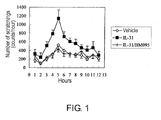
- the pruritus was assessed by counting the number of scratchings during the measuring time of 12 hours on day 21 using a scratching counting system (MicroAct; NeuroScience Inc.). The result showed that the number of scratchings was significantly increased in the vehicle control group as compared to the solvent control group for Dp (p ⁇ 0.005). In the BM095-administered group, the number of scratchings was significantly reduced as compared to the vehicle control group (p ⁇ 0.05) ( Fig. 2 ).
- H0L0 anti-human NR10 antibody H0L0 (heavy chain amino acid sequence/SEQ ID NO: 17; light chain amino acid sequence/SEQ ID NO: 18)
- PBS vehicle
- H0L0 was intravenously administered at 0.01, 0.03, 0.06, 0.3, and 0.6 mg/kg.
- the human NR10 cDNA ( WO 00/75314 SEQ ID NO: 1/SEQ ID NO: 16) was inserted into the expression vector pCOS1 ( Biochem. Biophys. Res. Commun. 228, p838-45, 1996 ), and the resulting vector was named pCosNR10.3.
- An oncostatin M receptor cDNA (OSMR, GenBank accession No. NM003999) was isolated by PCR from a human placental library, and the expression vector pCos1-hOSMR was constructed in the same manner.
- mouse IL-3-dependent pro-B cell-derived cell line Ba/F3 by electroporation (BioRad Gene Pulser, 960 ⁇ F, 0.33 kV).
- human IL-31 was added, and the cells were cultured to obtain a cell line that proliferates in an IL-31-dependent manner.
- a mouse IL-31-dependent cell line was also produced from Ba/F3 cells expressing the mouse NR10 and mouse OSMR genes.
- Both cell lines exhibited an ED50 of several ng/ml and well proliferated.
- the human IL-31-dependent cell line did not respond to mouse IL-31, and was suppressed by addition of human NR10 protein (extracellular domain). Meanwhile, the mouse IL-31 -dependent cell line did not respond to human IL-31, and was not suppressed by addition of mouse NR10 protein (extracellular domain).
- the human NR10 cDNA was used as a template to amplify only the extracellular domain by PCR.
- the amplified region was then attached to a FLAG tag sequence at the C terminus and inserted to the expression vector pCXND3 ( WO2005/005636 ) (pCXND3-NR10-flag).
- Ten ⁇ g of the linearized vector was introduced into Chinese hamster ovary cell line DG44 by electroporation (BioRad Gene PulserII, 25 ⁇ F, 1.5 kV). A cell line showing high level expression was obtained.
- the supernatant of the cell line cultured on a large scale was purified using anti-FLAG antibody column (Sigma) and gel filtration to obtain a purified sample, which was subjected to the experiments described below.
- Mouse NR10 extracellular domain in which a FLAG tag sequence has been added at the C terminus was also produced in the same manner.
- Candidate clones were screened from a human antibody phage library by the panning method using biotinylated mouse NR10 protein (extracellular domain). Secretory scFvs were purified from these clones and added to the IL-31-dependent Ba/F3 cell growth assay system described in Referential Example 1. As a result, a clone exhibiting a strong growth-suppressing activity, BM095, was successfully obtained.
- VH human H chain variable region
- VL light chain variable region
- SEQ ID NO: 1 The sequences of human H chain variable region (VH) and light chain variable region (VL) of BM095 were linked to mouse IgG2a constant region (after CH1) and ⁇ chain constant region, respectively, by PCR to construct an expression vector.
- This VH amino acid sequence is shown in SEQ ID NO: 1
- the nucleotide sequence encoding the amino acid sequence is shown in SEQ ID NO:2.
- the VL amino acid sequence is shown in SEQ ID NO: 3
- the nucleotide sequence encoding the amino acid sequence is shown in SEQ ID NO: 4.
- the respective linearized expression vectors were simultaneously introduced into DG44 cells, and a cell line expressing the chimeric IgG at a high level was selected.
- a purified sample was obtained from the supernatant of a large-scale culture of this cell line by Protein A (rProtein A Sepharose Fast Flow, GE Amersham Biosciences) column chromatography and cation exchange (SP-TOYOPEARL 650M, TOSOH) column chromatography. Then , ActiClean Etox (Sterogen) resin was used to reduce pyrogens below the detection limit.
- Protein A rProtein A Sepharose Fast Flow, GE Amersham Biosciences
- SP-TOYOPEARL 650M, TOSOH cation exchange
- the DSS-induced colitis model ( J Immunol 2003; 171:5507-5513 ), which has been reported as a pathological model for inflammatory bowel disease (IBD), was prepared to examine the effect of BM-095, an anti-mouse NR10 neutralizing antibody.
- An aqueous solution of 5% (w/v) dextran sulfate sodium salt (Wako Pure Chemical Industries) was prepared using distilled water sterilized by filtration with 0.22- ⁇ m filter (Millipore).
- Six-week-old male Balb/cAnN Crj mice (Charles River Laboratories Japan) were allowed to freely consume the solution from water bottles for seven days. The body weights were measured, and the percent change in the body weight relative to that on the first day of DSS administration was used to assess the drug efficacy.
- BM095 administration had no therapeutic effect on colitis in this model.
- the thicknesses of right and left auricles were measured with a dial thickness gauge (OZAKI MFG. CO., LTD.) immediately before induction and 24, 48, and 72 hours after induction.
- the change in the auricular thickness relative to the thickness immediately before induction was used to assess the drug efficacy.
- vehicle a mixture of acetate buffer (20 mmol/L sodium acetate, 20 mmol/L sodium chloride) and phosphate-buffered saline (PBS; GIBCO) at a volume ratio of 1:5
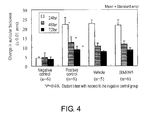
- Fig. 4 The time course of auricular thickness changes up to 72 hours after induction is shown in Fig. 4 .
- Auricles were significantly thickened in the positive control group at all time points of 24, 48, and 72 hours after induction, as compared to the negative control group, showing the establishment of the pathological condition.
- the BM-095 group showed similar time course or auricular thickness changes to The vehicle group, and thus no significant suppression was observed.
- NR10 antagonists such as neutralizing antibodies against NR10, provided by the present invention are useful as therapeutic or preventive agents for pruritus.
Landscapes
- Health & Medical Sciences (AREA)
- Chemical & Material Sciences (AREA)
- Life Sciences & Earth Sciences (AREA)
- Immunology (AREA)
- Medicinal Chemistry (AREA)
- Engineering & Computer Science (AREA)
- General Health & Medical Sciences (AREA)
- Organic Chemistry (AREA)
- Veterinary Medicine (AREA)
- Public Health (AREA)
- Pharmacology & Pharmacy (AREA)
- Animal Behavior & Ethology (AREA)
- Bioinformatics & Cheminformatics (AREA)
- Proteomics, Peptides & Aminoacids (AREA)
- Nuclear Medicine, Radiotherapy & Molecular Imaging (AREA)
- Biochemistry (AREA)
- Chemical Kinetics & Catalysis (AREA)
- Dermatology (AREA)
- Molecular Biology (AREA)
- Epidemiology (AREA)
- Biomedical Technology (AREA)
- Endocrinology (AREA)
- Neurology (AREA)
- General Chemical & Material Sciences (AREA)
- Biophysics (AREA)
- Genetics & Genomics (AREA)
- Mycology (AREA)
- Microbiology (AREA)
- Zoology (AREA)
- Gastroenterology & Hepatology (AREA)
- Medicines Containing Antibodies Or Antigens For Use As Internal Diagnostic Agents (AREA)
- Peptides Or Proteins (AREA)
- Medicines That Contain Protein Lipid Enzymes And Other Medicines (AREA)
Applications Claiming Priority (2)
| Application Number | Priority Date | Filing Date | Title |
|---|---|---|---|
| JP2007315144 | 2007-12-05 | ||
| PCT/JP2008/072142 WO2009072598A1 (ja) | 2007-12-05 | 2008-12-05 | 掻痒症治療剤 |
Publications (2)
| Publication Number | Publication Date |
|---|---|
| EP2241332A1 true EP2241332A1 (de) | 2010-10-20 |
| EP2241332A4 EP2241332A4 (de) | 2011-01-26 |
Family
ID=40717776
Family Applications (1)
| Application Number | Title | Priority Date | Filing Date |
|---|---|---|---|
| EP08857461A Withdrawn EP2241332A4 (de) | 2007-12-05 | 2008-12-05 | Therapeutisches mittel gegen pruritus |
Country Status (14)
| Country | Link |
|---|---|
| US (1) | US8431127B2 (de) |
| EP (1) | EP2241332A4 (de) |
| JP (1) | JP5475460B2 (de) |
| KR (1) | KR101595134B1 (de) |
| CN (2) | CN104162155A (de) |
| AU (1) | AU2008332276B2 (de) |
| BR (1) | BRPI0821145B8 (de) |
| CA (1) | CA2708065C (de) |
| HK (1) | HK1200697A1 (de) |
| MX (1) | MX2010006097A (de) |
| MY (2) | MY162546A (de) |
| RU (2) | RU2541780C2 (de) |
| TW (1) | TWI441649B (de) |
| WO (1) | WO2009072598A1 (de) |
Cited By (14)
| Publication number | Priority date | Publication date | Assignee | Title |
|---|---|---|---|---|
| EP2354161A4 (de) * | 2008-12-05 | 2013-01-02 | Chugai Pharmaceutical Co Ltd | Antikörper gegen nr10 und anwendung davon |
| US8431127B2 (en) | 2007-12-05 | 2013-04-30 | Chugai Seiyaku Kabushiki Kaisha | Method for treating pruritus comprising administering an NR10 antagonist |
| US8575317B2 (en) | 2007-12-05 | 2013-11-05 | Chugai Seiyaku Kabushiki Kaisha | Anti-NR10 antibody and use thereof |
| US9028821B2 (en) | 2006-06-08 | 2015-05-12 | Chugai Seiyaku Kabushiki Kaisha | Method of treating an inflammatory disease comprising administering an NR 10 antibody antagonist |
| US9688762B2 (en) | 2007-09-26 | 2017-06-27 | Chugai Sciyaku Kabushiki Kaisha | Modified antibody constant region |
| US9828429B2 (en) | 2007-09-26 | 2017-11-28 | Chugai Seiyaku Kabushiki Kaisha | Method of modifying isoelectric point of antibody via amino acid substitution in CDR |
| US9868948B2 (en) | 2008-04-11 | 2018-01-16 | Chugai Seiyaku Kabushiki Kaisha | Antigen-binding molecule capable of binding to two or more antigen molecules repeatedly |
| US10066018B2 (en) | 2009-03-19 | 2018-09-04 | Chugai Seiyaku Kabushiki Kaisha | Antibody constant region variant |
| US10253091B2 (en) | 2009-03-19 | 2019-04-09 | Chugai Seiyaku Kabushiki Kaisha | Antibody constant region variant |
| US10544227B2 (en) | 2015-04-14 | 2020-01-28 | Chugai Seiyaku Kabushiki Kaisha | Pharmaceutical composition for prevention and/or treatment of atopic dermatitis comprising IL-31 antagonist as active ingredient |
| US11046784B2 (en) | 2006-03-31 | 2021-06-29 | Chugai Seiyaku Kabushiki Kaisha | Methods for controlling blood pharmacokinetics of antibodies |
| US11260125B2 (en) | 2019-11-20 | 2022-03-01 | Chugai Seiyaku Kabushiki Kaisha | Anti-IL31RA antibody-containing formulations |
| US11891434B2 (en) | 2010-11-30 | 2024-02-06 | Chugai Seiyaku Kabushiki Kaisha | Antigen-binding molecule capable of binding to plurality of antigen molecules repeatedly |
| US12617847B2 (en) | 2010-11-30 | 2026-05-05 | Chugai Seiyaku Kabushiki Kaisha | Antigen-binding molecule capable of binding to plurality of antigen molecules repeatedly |
Families Citing this family (7)
| Publication number | Priority date | Publication date | Assignee | Title |
|---|---|---|---|---|
| JP5139517B2 (ja) * | 2008-12-05 | 2013-02-06 | 中外製薬株式会社 | 抗nr10抗体、およびその利用 |
| MX340696B (es) * | 2010-04-30 | 2016-07-21 | Alexion Pharma Inc | Anticuerpos anti-c5a y metodos para usar los anticuerpos. |
| US9770195B2 (en) * | 2012-08-09 | 2017-09-26 | The Regents Of The University Of California | Automated scratch detection system and signal processing algorithm for the study of pruritus in animals |
| EA201792527A1 (ru) | 2015-07-16 | 2018-06-29 | Эли Лилли Энд Компани | Лечение зуда |
| CN110563844A (zh) * | 2019-09-04 | 2019-12-13 | 华中农业大学 | 一种抗犬白介素31受体的多克隆抗体及其应用 |
| US20230391878A1 (en) | 2020-09-01 | 2023-12-07 | Chugai Seiyaku Kabushiki Kaisha | Pharmaceutical composition for prevention and/or treatment of dialysis pruritus containing il-31 antagonist as active ingredient |
| WO2022178201A1 (en) * | 2021-02-22 | 2022-08-25 | Zoetis Services Llc | Horse il-31 induced pruritus model |
Family Cites Families (76)
| Publication number | Priority date | Publication date | Assignee | Title |
|---|---|---|---|---|
| US3773919A (en) | 1969-10-23 | 1973-11-20 | Du Pont | Polylactide-drug mixtures |
| IE52535B1 (en) | 1981-02-16 | 1987-12-09 | Ici Plc | Continuous release pharmaceutical compositions |
| US5156840A (en) | 1982-03-09 | 1992-10-20 | Cytogen Corporation | Amine-containing porphyrin derivatives |
| JPS58201994A (ja) | 1982-05-21 | 1983-11-25 | Hideaki Hagiwara | 抗原特異的ヒト免疫グロブリンの生産方法 |
| HUT35524A (en) | 1983-08-02 | 1985-07-29 | Hoechst Ag | Process for preparing pharmaceutical compositions containing regulatory /regulative/ peptides providing for the retarded release of the active substance |
| US5057313A (en) | 1986-02-25 | 1991-10-15 | The Center For Molecular Medicine And Immunology | Diagnostic and therapeutic antibody conjugates |
| GB8607679D0 (en) | 1986-03-27 | 1986-04-30 | Winter G P | Recombinant dna product |
| JP2898064B2 (ja) | 1989-08-03 | 1999-05-31 | 忠三 岸本 | ヒトgp130蛋白質 |
| WO1996033735A1 (en) | 1995-04-27 | 1996-10-31 | Abgenix, Inc. | Human antibodies derived from immunized xenomice |
| DK0585287T3 (da) | 1990-07-10 | 2000-04-17 | Cambridge Antibody Tech | Fremgangsmåde til fremstilling af specifikke bindingsparelementer |
| GB9015198D0 (en) | 1990-07-10 | 1990-08-29 | Brien Caroline J O | Binding substance |
| GB9016440D0 (en) | 1990-07-26 | 1990-09-12 | Elopak Systems | A laminate |
| ATE158021T1 (de) | 1990-08-29 | 1997-09-15 | Genpharm Int | Produktion und nützung nicht-menschliche transgentiere zur produktion heterologe antikörper |
| WO1993012227A1 (en) | 1991-12-17 | 1993-06-24 | Genpharm International, Inc. | Transgenic non-human animals capable of producing heterologous antibodies |
| EP0605522B1 (de) | 1991-09-23 | 1999-06-23 | Medical Research Council | Methoden zur Herstellung humanisierter Antikörper |
| PT1024191E (pt) | 1991-12-02 | 2008-12-22 | Medical Res Council | Produção de auto-anticorpos a partir de reportórios de segmentos de anticorpo e exibidos em fagos |
| CA2131151A1 (en) | 1992-03-24 | 1994-09-30 | Kevin S. Johnson | Methods for producing members of specific binding pairs |
| ES2301158T3 (es) | 1992-07-24 | 2008-06-16 | Amgen Fremont Inc. | Produccion de anticuerpos xenogenicos. |
| BR9204244A (pt) | 1992-10-26 | 1994-05-03 | Cofap | Ferro fundido cinzento |
| CZ140195A3 (en) | 1992-12-01 | 1996-06-12 | Protein Desing Labs | Humanized antibodies reacting with l-selectin |
| JPH08509612A (ja) | 1993-04-26 | 1996-10-15 | ジェンファーム インターナショナル インコーポレイテッド | 異種抗体を産生することができるトランスジェニック非ヒト動物 |
| GB9313509D0 (en) | 1993-06-30 | 1993-08-11 | Medical Res Council | Chemisynthetic libraries |
| WO1995015388A1 (en) | 1993-12-03 | 1995-06-08 | Medical Research Council | Recombinant binding proteins and peptides |
| US5783672A (en) | 1994-05-26 | 1998-07-21 | Immunex Corporation | Receptor for oncostatin M |
| DE69535243T2 (de) | 1994-07-13 | 2007-05-10 | Chugai Seiyaku K.K. | Gegen menschliches interleukin-8 gerichteter, rekonstituierter menschlicher antikörper |
| FR2729855A1 (fr) * | 1995-01-26 | 1996-08-02 | Oreal | Utilisation d'un antagoniste de cgrp dans une composition cosmetique, pharmaceutique ou dermatologique et composition obtenue |
| US5876950A (en) | 1995-01-26 | 1999-03-02 | Bristol-Myers Squibb Company | Monoclonal antibodies specific for different epitopes of human GP39 and methods for their use in diagnosis and therapy |
| WO1996034096A1 (en) | 1995-04-28 | 1996-10-31 | Abgenix, Inc. | Human antibodies derived from immunized xenomice |
| AUPN481295A0 (en) | 1995-08-16 | 1995-09-07 | Medvet Science Pty. Ltd. | Agonists of haemopoietic growth factors |
| ES2233974T3 (es) | 1995-09-11 | 2005-06-16 | Kyowa Hakko Kogyo Co., Ltd. | Anticuerpo contra la cadena alfa del receptor de la interleucina 5 humana. |
| AUPN564195A0 (en) | 1995-09-26 | 1995-10-19 | Walter And Eliza Hall Institute Of Medical Research, The | A novel haemopoietin receptor and genetic sequences encoding same |
| JP4224135B2 (ja) | 1995-10-23 | 2009-02-12 | ズィナイス セラピューティックス ピーティーワイ.エルティーディー. | 新規なヘモポエチン受容体およびそれをコードする遺伝子配列 |
| US6642360B2 (en) | 1997-12-03 | 2003-11-04 | Genentech, Inc. | Secreted polypeptides that stimulate release of proteoglycans from cartilage |
| FR2761994B1 (fr) | 1997-04-11 | 1999-06-18 | Centre Nat Rech Scient | Preparation de recepteurs membranaires a partir de baculovirus extracellulaires |
| US6747137B1 (en) | 1998-02-13 | 2004-06-08 | Genome Therapeutics Corporation | Nucleic acid sequences relating to Candida albicans for diagnostics and therapeutics |
| WO1999067290A1 (fr) | 1998-06-24 | 1999-12-29 | Chugai Research Institute For Molecular Medicine, Inc. | Nouvelles proteines receptrices d'hemopoïetine |
| AU776910B2 (en) | 1998-12-08 | 2004-09-23 | Merck Patent Gesellschaft Mit Beschrankter Haftung | Modifying protein immunogenicity |
| US20030082734A1 (en) | 1999-06-01 | 2003-05-01 | Dowling Lynette M. | Mammalian receptor proteins; related reagents and methods |
| PT1181366E (pt) | 1999-06-01 | 2009-05-25 | Schering Corp | Proteínas receptoras de mamífero; reagentes e métodos relacionados |
| EP2325316B8 (de) | 1999-06-02 | 2017-04-19 | Chugai Seiyaku Kabushiki Kaisha | Neues Hämopoietin Receptorprotein, NR10 |
| AU7445900A (en) | 1999-09-27 | 2001-04-30 | Chugai Seiyaku Kabushiki Kaisha | Novel hemopoietin receptor protein, nr12 |
| US6756481B2 (en) | 2000-05-10 | 2004-06-29 | Schering Corporation | IL-23 receptor binding compositions |
| US20030096339A1 (en) | 2000-06-26 | 2003-05-22 | Sprecher Cindy A. | Cytokine receptor zcytor17 |
| CA2412239C (en) | 2000-06-26 | 2013-05-28 | Zymogenetics, Inc. | Cytokine receptor zcytor17 |
| AU2002223182B2 (en) | 2000-10-06 | 2007-08-30 | Immunex Corporation | Hematopoietin receptors HPR1 and HPR2 |
| WO2002077230A1 (fr) | 2001-03-26 | 2002-10-03 | Chugai Seiyaku Kabushiki Kaisha | Variants d'epissage nr10 |
| DK1961811T3 (da) | 2002-01-18 | 2010-11-08 | Zymogenetics Inc | Cytokinligand til behandling af asthma og luftvejs-hyper-responsivitet |
| EP2840089A1 (de) | 2002-01-18 | 2015-02-25 | ZymoGenetics, Inc. | Zytokinrezeptor Zyctor17-Multimere |
| SI1485477T1 (sl) | 2002-02-25 | 2009-10-31 | Genentech Inc | Novi citokinski receptor GLM-R tipa 1 |
| HK1080372A1 (zh) | 2002-05-01 | 2006-04-28 | Schering Aktiengesellschaft | 作为抗凝剂的新型组织因子目标抗体 |
| US7579000B2 (en) | 2002-05-01 | 2009-08-25 | Bayer Schering Pharma Ag | Tissue factor targeted antibodies as anticoagulants |
| US7750204B2 (en) | 2002-06-05 | 2010-07-06 | Chugai Seiyaku Kabushiki Kaisha | Methods for producing antibody |
| US20040223970A1 (en) | 2003-02-28 | 2004-11-11 | Daniel Afar | Antibodies against SLC15A2 and uses thereof |
| NZ542134A (en) | 2003-03-04 | 2009-06-26 | Alexion Pharma Inc | Method of treating autoimmune disease by inducing antigen presentation by tolerance inducing antigen presenting cells |
| JP2007525438A (ja) | 2003-03-24 | 2007-09-06 | ザイモジェネティクス, インコーポレイテッド | 抗il−22ra抗体および結合パートナー、ならびに炎症における使用法 |
| DE602004030451D1 (de) | 2003-07-15 | 2011-01-20 | Chugai Pharmaceutical Co Ltd | Produktion von igm durch transformierte zellen und verfahren zur quantifizierung dieser igm-produktion |
| CA2572133A1 (en) | 2004-06-25 | 2006-01-12 | Medimmune, Inc. | Increasing the production of recombinant antibodies in mammalian cells by site-directed mutagenesis |
| EP1671642A1 (de) | 2004-12-15 | 2006-06-21 | Universite D'angers | Zusammensetzungen mit (Ant)agonisten von Oncostatin M (OSM), IL-31 und IFN-gamma zur Modulierung der Migration und Funktion von Keratinozyten via einen Rezeptor welcher OSMRbeta als Untereinheit enthält, und entprechende Anwendungen |
| PT1831258E (pt) | 2004-12-28 | 2016-01-07 | Univ Genova | Anticorpos monoclonais contra nkg2a |
| JP2008528039A (ja) | 2005-01-28 | 2008-07-31 | ザイモジェネティクス,インコーポレイティド | Il−31の均質調製物 |
| EP1858924A1 (de) * | 2005-02-14 | 2007-11-28 | ZymoGenetics, Inc. | Verfahren zur behandlung von hauterkrankungen mit einem il-31ra-antagonisten |
| WO2006088955A2 (en) | 2005-02-14 | 2006-08-24 | Zymogenetics, Inc. | Methods of treating diseases which are mediated by cutaneous lymphocyte antigen positive cells |
| UY29504A1 (es) | 2005-04-29 | 2006-10-31 | Rinat Neuroscience Corp | Anticuerpos dirigidos contra el péptido amiloide beta y métodos que utilizan los mismos. |
| US8003108B2 (en) | 2005-05-03 | 2011-08-23 | Amgen Inc. | Sclerostin epitopes |
| KR101443050B1 (ko) | 2005-05-06 | 2014-09-22 | 지모제넥틱스, 인코포레이티드 | Il-31 단클론성 항체 및 사용법 |
| EP2749571A3 (de) * | 2006-01-10 | 2014-08-13 | ZymoGenetics, Inc. | Verfahren zur Behandlung von Schmerzen und Entzündungen in Nervengewebe mithilfe von IL-31RA- und OSMRb-Antagonisten |
| ES2429407T3 (es) | 2006-06-08 | 2013-11-14 | Chugai Seiyaku Kabushiki Kaisha | Agente preventivo o remedio para enfermedades inflamatorias |
| ES2415655T3 (es) | 2006-06-15 | 2013-07-26 | The Board Of Trustees Of The University Of Arkansas | Anticuerpos monoclonales que reconocen selectivamente Metanfetamina y compuestos similares a Metanfetamina |
| US7919594B2 (en) | 2007-02-14 | 2011-04-05 | Vaccinex, Inc. | Human anti-CD100 antibodies |
| ES2708988T3 (es) | 2007-02-23 | 2019-04-12 | Merck Sharp & Dohme | Anticuerpos anti-IL-23p19 obtenidos por ingeniería genética |
| GB0708002D0 (en) | 2007-04-25 | 2007-06-06 | Univ Sheffield | Antibodies |
| MX2010003329A (es) | 2007-09-26 | 2010-04-27 | Chugai Pharmaceutical Co Ltd | Anticuerpo anti-receptor de il-6. |
| ES2595638T3 (es) | 2007-09-26 | 2017-01-02 | Chugai Seiyaku Kabushiki Kaisha | Método para modificar el punto isoeléctrico de un anticuerpo mediante la sustitución de aminoácidos en una CDR |
| KR101680906B1 (ko) | 2007-09-26 | 2016-11-30 | 추가이 세이야쿠 가부시키가이샤 | 항체 정상영역 개변체 |
| TW201634479A (zh) | 2007-12-05 | 2016-10-01 | 中外製藥股份有限公司 | 抗nr10抗體及其應用 |
| CA2708065C (en) | 2007-12-05 | 2015-02-24 | Chugai Seiyaku Kabushiki Kaisha | Therapeutic agent for pruritus |
-
2008
- 2008-12-05 CA CA2708065A patent/CA2708065C/en active Active
- 2008-12-05 RU RU2010127291/10A patent/RU2541780C2/ru active
- 2008-12-05 KR KR1020107014699A patent/KR101595134B1/ko active Active
- 2008-12-05 MX MX2010006097A patent/MX2010006097A/es active IP Right Grant
- 2008-12-05 MY MYPI2010002563A patent/MY162546A/en unknown
- 2008-12-05 CN CN201410451948.9A patent/CN104162155A/zh active Pending
- 2008-12-05 RU RU2014150548/10A patent/RU2596397C2/ru active
- 2008-12-05 WO PCT/JP2008/072142 patent/WO2009072598A1/ja not_active Ceased
- 2008-12-05 BR BRPI0821145A patent/BRPI0821145B8/pt active IP Right Grant
- 2008-12-05 CN CN200880126534.1A patent/CN101939025B/zh active Active
- 2008-12-05 US US12/746,229 patent/US8431127B2/en active Active
- 2008-12-05 JP JP2009544731A patent/JP5475460B2/ja active Active
- 2008-12-05 TW TW097147375A patent/TWI441649B/zh active
- 2008-12-05 MY MYPI2016002081A patent/MY185647A/en unknown
- 2008-12-05 AU AU2008332276A patent/AU2008332276B2/en active Active
- 2008-12-05 EP EP08857461A patent/EP2241332A4/de not_active Withdrawn
-
2015
- 2015-02-02 HK HK15101091.9A patent/HK1200697A1/xx unknown
Cited By (31)
| Publication number | Priority date | Publication date | Assignee | Title |
|---|---|---|---|---|
| US12473375B2 (en) | 2006-03-31 | 2025-11-18 | Chugai Seiyaku Kabushiki Kaisha | Methods for controlling blood pharmacokinetics of antibodies |
| US11046784B2 (en) | 2006-03-31 | 2021-06-29 | Chugai Seiyaku Kabushiki Kaisha | Methods for controlling blood pharmacokinetics of antibodies |
| US9745378B2 (en) | 2006-06-08 | 2017-08-29 | Chugai Seiyaku Kabushiki Kaisha | Antibodies that bind to cytokine receptor NR10 |
| US9028821B2 (en) | 2006-06-08 | 2015-05-12 | Chugai Seiyaku Kabushiki Kaisha | Method of treating an inflammatory disease comprising administering an NR 10 antibody antagonist |
| US11332533B2 (en) | 2007-09-26 | 2022-05-17 | Chugai Seiyaku Kabushiki Kaisha | Modified antibody constant region |
| US9688762B2 (en) | 2007-09-26 | 2017-06-27 | Chugai Sciyaku Kabushiki Kaisha | Modified antibody constant region |
| US12116414B2 (en) | 2007-09-26 | 2024-10-15 | Chugai Seiyaku Kabushiki Kaisha | Method of modifying isoelectric point of antibody via amino acid substitution in CDR |
| US9828429B2 (en) | 2007-09-26 | 2017-11-28 | Chugai Seiyaku Kabushiki Kaisha | Method of modifying isoelectric point of antibody via amino acid substitution in CDR |
| US12600789B2 (en) | 2007-09-26 | 2026-04-14 | Chugai Seiyaku Kabushiki Kaisha | Modified antibody constant region |
| US12122840B2 (en) | 2007-09-26 | 2024-10-22 | Chugai Seiyaku Kabushiki Kaisha | Method of modifying isoelectric point of antibody via amino acid substitution in CDR |
| US11248053B2 (en) | 2007-09-26 | 2022-02-15 | Chugai Seiyaku Kabushiki Kaisha | Method of modifying isoelectric point of antibody via amino acid substitution in CDR |
| US8575317B2 (en) | 2007-12-05 | 2013-11-05 | Chugai Seiyaku Kabushiki Kaisha | Anti-NR10 antibody and use thereof |
| US8431127B2 (en) | 2007-12-05 | 2013-04-30 | Chugai Seiyaku Kabushiki Kaisha | Method for treating pruritus comprising administering an NR10 antagonist |
| US9399680B2 (en) | 2007-12-05 | 2016-07-26 | Chugai Seiyaku Kabushiki Kaisha | Nucleic acids encoding anti-NR10 antibodies |
| US9890377B2 (en) | 2008-04-11 | 2018-02-13 | Chugai Seiyaku Kabushiki Kaisha | Antigen-binding molecule capable of binding to two or more antigen molecules repeatedly |
| US10472623B2 (en) | 2008-04-11 | 2019-11-12 | Chugai Seiyaku Kabushiki Kaisha | Antigen-binding molecule capable of binding two or more antigen molecules repeatedly |
| US11359194B2 (en) | 2008-04-11 | 2022-06-14 | Chugai Seiyaku Kabushiki Kaisha | Antigen-binding molecule capable of binding two or more antigen molecules repeatedly |
| US11371039B2 (en) | 2008-04-11 | 2022-06-28 | Chugai Seiyaku Kabushiki Kaisha | Antigen-binding molecule capable of binding to two or more antigen molecules repeatedly |
| US9868948B2 (en) | 2008-04-11 | 2018-01-16 | Chugai Seiyaku Kabushiki Kaisha | Antigen-binding molecule capable of binding to two or more antigen molecules repeatedly |
| EP2354161A4 (de) * | 2008-12-05 | 2013-01-02 | Chugai Pharmaceutical Co Ltd | Antikörper gegen nr10 und anwendung davon |
| EP2949672A1 (de) * | 2008-12-05 | 2015-12-02 | Chugai Seiyaku Kabushiki Kaisha | Antikörper gegen nr10 und anwendung davon |
| US10253091B2 (en) | 2009-03-19 | 2019-04-09 | Chugai Seiyaku Kabushiki Kaisha | Antibody constant region variant |
| US10066018B2 (en) | 2009-03-19 | 2018-09-04 | Chugai Seiyaku Kabushiki Kaisha | Antibody constant region variant |
| US12617847B2 (en) | 2010-11-30 | 2026-05-05 | Chugai Seiyaku Kabushiki Kaisha | Antigen-binding molecule capable of binding to plurality of antigen molecules repeatedly |
| US11891434B2 (en) | 2010-11-30 | 2024-02-06 | Chugai Seiyaku Kabushiki Kaisha | Antigen-binding molecule capable of binding to plurality of antigen molecules repeatedly |
| US10544227B2 (en) | 2015-04-14 | 2020-01-28 | Chugai Seiyaku Kabushiki Kaisha | Pharmaceutical composition for prevention and/or treatment of atopic dermatitis comprising IL-31 antagonist as active ingredient |
| US12441804B2 (en) | 2015-04-14 | 2025-10-14 | Chugai Seiyaku Kabushiki Kaisha | Pharmaceutical composition for prevention and/or treatment of atopic dermatitis comprising IL-31 antagonist as active ingredient |
| US11773173B2 (en) | 2015-04-14 | 2023-10-03 | Chugai Seiyaku Kabushiki Kaisha | Pharmaceutical composition for prevention and/or treatment of atopic dermatitis comprising IL-31 antagonist as active ingredient |
| US12171830B2 (en) | 2019-11-20 | 2024-12-24 | Chugai Seiyaku Kabushiki Kaisha | Anti-IL-31RA antibody-containing formulations |
| US11723976B2 (en) | 2019-11-20 | 2023-08-15 | Chugai Seiyaku Kabushiki Kaisha | Methods of administering anti-IL31A antibody-containing formulations |
| US11260125B2 (en) | 2019-11-20 | 2022-03-01 | Chugai Seiyaku Kabushiki Kaisha | Anti-IL31RA antibody-containing formulations |
Also Published As
| Publication number | Publication date |
|---|---|
| TW200932265A (en) | 2009-08-01 |
| EP2241332A4 (de) | 2011-01-26 |
| RU2014150548A (ru) | 2015-07-20 |
| BRPI0821145B8 (pt) | 2021-05-25 |
| JP5475460B2 (ja) | 2014-04-16 |
| AU2008332276A1 (en) | 2009-06-11 |
| CN104162155A (zh) | 2014-11-26 |
| HK1200697A1 (en) | 2015-08-14 |
| CA2708065A1 (en) | 2009-06-11 |
| MY162546A (en) | 2017-06-15 |
| MY185647A (en) | 2021-05-27 |
| CN101939025B (zh) | 2015-03-25 |
| CA2708065C (en) | 2015-02-24 |
| RU2010127291A (ru) | 2012-01-10 |
| AU2008332276B2 (en) | 2014-02-27 |
| WO2009072598A1 (ja) | 2009-06-11 |
| US8431127B2 (en) | 2013-04-30 |
| TWI441649B (zh) | 2014-06-21 |
| KR101595134B1 (ko) | 2016-02-17 |
| CN101939025A (zh) | 2011-01-05 |
| MX2010006097A (es) | 2010-08-04 |
| KR20100100935A (ko) | 2010-09-15 |
| BRPI0821145B1 (pt) | 2019-10-15 |
| RU2596397C2 (ru) | 2016-09-10 |
| RU2541780C2 (ru) | 2015-02-20 |
| US20100310556A1 (en) | 2010-12-09 |
| HK1151226A1 (en) | 2012-01-27 |
| BRPI0821145A2 (pt) | 2015-06-16 |
| JPWO2009072598A1 (ja) | 2011-04-28 |
Similar Documents
| Publication | Publication Date | Title |
|---|---|---|
| US8431127B2 (en) | Method for treating pruritus comprising administering an NR10 antagonist | |
| EP2047863B1 (de) | Mittel zur prävention oder behandlung von entzündlichen erkrankungen | |
| EP3095862B1 (de) | Anti-nr10-antikörper und seine verwendung | |
| HK1151226B (en) | Therapeutic agent for pruritus | |
| HK1185535B (en) | Preventive or remedy for inflammatory disease |
Legal Events
| Date | Code | Title | Description |
|---|---|---|---|
| PUAI | Public reference made under article 153(3) epc to a published international application that has entered the european phase |
Free format text: ORIGINAL CODE: 0009012 |
|
| 17P | Request for examination filed |
Effective date: 20100705 |
|
| AK | Designated contracting states |
Kind code of ref document: A1 Designated state(s): AT BE BG CH CY CZ DE DK EE ES FI FR GB GR HR HU IE IS IT LI LT LU LV MC MT NL NO PL PT RO SE SI SK TR |
|
| AX | Request for extension of the european patent |
Extension state: AL BA MK RS |
|
| A4 | Supplementary search report drawn up and despatched |
Effective date: 20101228 |
|
| DAX | Request for extension of the european patent (deleted) | ||
| 17Q | First examination report despatched |
Effective date: 20111013 |
|
| GRAP | Despatch of communication of intention to grant a patent |
Free format text: ORIGINAL CODE: EPIDOSNIGR1 |
|
| INTG | Intention to grant announced |
Effective date: 20150716 |
|
| INTC | Intention to grant announced (deleted) | ||
| GRAP | Despatch of communication of intention to grant a patent |
Free format text: ORIGINAL CODE: EPIDOSNIGR1 |
|
| RIC1 | Information provided on ipc code assigned before grant |
Ipc: C07K 16/28 20060101ALI20180703BHEP Ipc: A61K 39/00 20060101AFI20180703BHEP |
|
| INTG | Intention to grant announced |
Effective date: 20180725 |
|
| GRAJ | Information related to disapproval of communication of intention to grant by the applicant or resumption of examination proceedings by the epo deleted |
Free format text: ORIGINAL CODE: EPIDOSDIGR1 |
|
| INTC | Intention to grant announced (deleted) | ||
| GRAP | Despatch of communication of intention to grant a patent |
Free format text: ORIGINAL CODE: EPIDOSNIGR1 |
|
| INTG | Intention to grant announced |
Effective date: 20190215 |
|
| STAA | Information on the status of an ep patent application or granted ep patent |
Free format text: STATUS: THE APPLICATION IS DEEMED TO BE WITHDRAWN |
|
| 18D | Application deemed to be withdrawn |
Effective date: 20190626 |