EP2241561A1 - Composé neuroprotecteur, hypocholestérolémiant et antiépileptique - Google Patents
Composé neuroprotecteur, hypocholestérolémiant et antiépileptique Download PDFInfo
- Publication number
- EP2241561A1 EP2241561A1 EP09382051A EP09382051A EP2241561A1 EP 2241561 A1 EP2241561 A1 EP 2241561A1 EP 09382051 A EP09382051 A EP 09382051A EP 09382051 A EP09382051 A EP 09382051A EP 2241561 A1 EP2241561 A1 EP 2241561A1
- Authority
- EP
- European Patent Office
- Prior art keywords
- compound
- hydroxy acid
- nst0037
- pharmaceutically acceptable
- acid form
- Prior art date
- Legal status (The legal status is an assumption and is not a legal conclusion. Google has not performed a legal analysis and makes no representation as to the accuracy of the status listed.)
- Withdrawn
Links
- 150000001875 compounds Chemical class 0.000 title claims abstract description 233
- 230000000324 neuroprotective effect Effects 0.000 title description 36
- 230000000871 hypocholesterolemic effect Effects 0.000 title description 25
- 239000001961 anticonvulsive agent Substances 0.000 title description 14
- 230000003556 anti-epileptic effect Effects 0.000 title description 12
- 150000001261 hydroxy acids Chemical group 0.000 claims abstract description 79
- 150000003839 salts Chemical class 0.000 claims abstract description 42
- 206010010904 Convulsion Diseases 0.000 claims abstract description 41
- 230000004770 neurodegeneration Effects 0.000 claims abstract description 28
- 239000000651 prodrug Substances 0.000 claims abstract description 26
- 229940002612 prodrug Drugs 0.000 claims abstract description 26
- 239000012453 solvate Substances 0.000 claims abstract description 26
- 201000010099 disease Diseases 0.000 claims abstract description 23
- 208000037265 diseases, disorders, signs and symptoms Diseases 0.000 claims abstract description 23
- 206010015037 epilepsy Diseases 0.000 claims abstract description 22
- 208000024172 Cardiovascular disease Diseases 0.000 claims abstract description 21
- 208000015122 neurodegenerative disease Diseases 0.000 claims abstract description 21
- 230000003647 oxidation Effects 0.000 claims abstract description 20
- 238000007254 oxidation reaction Methods 0.000 claims abstract description 20
- 230000002265 prevention Effects 0.000 claims abstract description 18
- 230000036461 convulsion Effects 0.000 claims abstract description 16
- 208000037273 Pathologic Processes Diseases 0.000 claims abstract description 14
- 230000009054 pathological process Effects 0.000 claims abstract description 14
- 208000035150 Hypercholesterolemia Diseases 0.000 claims abstract description 13
- 208000031226 Hyperlipidaemia Diseases 0.000 claims abstract description 13
- 201000001320 Atherosclerosis Diseases 0.000 claims abstract description 10
- 231100000876 cognitive deterioration Toxicity 0.000 claims abstract description 10
- 208000010877 cognitive disease Diseases 0.000 claims abstract description 10
- 206010017533 Fungal infection Diseases 0.000 claims abstract description 8
- 208000031888 Mycoses Diseases 0.000 claims abstract description 8
- 208000036142 Viral infection Diseases 0.000 claims abstract description 8
- 230000002538 fungal effect Effects 0.000 claims abstract description 8
- 230000009385 viral infection Effects 0.000 claims abstract description 8
- 208000025500 Hutchinson-Gilford progeria syndrome Diseases 0.000 claims abstract description 7
- 208000007932 Progeria Diseases 0.000 claims abstract description 7
- 206010003658 Atrial Fibrillation Diseases 0.000 claims abstract description 6
- 208000006575 hypertriglyceridemia Diseases 0.000 claims abstract description 6
- 238000011282 treatment Methods 0.000 claims description 109
- 230000016273 neuron death Effects 0.000 claims description 33
- 230000014509 gene expression Effects 0.000 claims description 27
- 102100035890 Delta(24)-sterol reductase Human genes 0.000 claims description 25
- 101000929877 Homo sapiens Delta(24)-sterol reductase Proteins 0.000 claims description 25
- 239000003814 drug Substances 0.000 claims description 21
- 101150113235 DHCR24 gene Proteins 0.000 claims description 20
- 239000008194 pharmaceutical composition Substances 0.000 claims description 14
- 208000024827 Alzheimer disease Diseases 0.000 claims description 13
- 206010002026 amyotrophic lateral sclerosis Diseases 0.000 claims description 9
- 201000006417 multiple sclerosis Diseases 0.000 claims description 7
- 238000004519 manufacturing process Methods 0.000 claims description 6
- 241000223109 Trypanosoma cruzi Species 0.000 claims description 4
- 239000002671 adjuvant Substances 0.000 claims description 3
- 208000023105 Huntington disease Diseases 0.000 claims description 2
- 208000018737 Parkinson disease Diseases 0.000 claims description 2
- HVYWMOMLDIMFJA-DPAQBDIFSA-N cholesterol Chemical compound C1C=C2C[C@@H](O)CC[C@]2(C)[C@@H]2[C@@H]1[C@@H]1CC[C@H]([C@H](C)CCCC(C)C)[C@@]1(C)CC2 HVYWMOMLDIMFJA-DPAQBDIFSA-N 0.000 description 133
- 241001465754 Metazoa Species 0.000 description 107
- RYMZZMVNJRMUDD-UHFFFAOYSA-N SJ000286063 Natural products C12C(OC(=O)C(C)(C)CC)CC(C)C=C2C=CC(C)C1CCC1CC(O)CC(=O)O1 RYMZZMVNJRMUDD-UHFFFAOYSA-N 0.000 description 99
- RYMZZMVNJRMUDD-HGQWONQESA-N simvastatin Chemical compound C([C@H]1[C@@H](C)C=CC2=C[C@H](C)C[C@@H]([C@H]12)OC(=O)C(C)(C)CC)C[C@@H]1C[C@@H](O)CC(=O)O1 RYMZZMVNJRMUDD-HGQWONQESA-N 0.000 description 99
- 229960002855 simvastatin Drugs 0.000 description 99
- VLSMHEGGTFMBBZ-OOZYFLPDSA-M Kainate Chemical compound CC(=C)[C@H]1C[NH2+][C@H](C([O-])=O)[C@H]1CC([O-])=O VLSMHEGGTFMBBZ-OOZYFLPDSA-M 0.000 description 71
- 210000004027 cell Anatomy 0.000 description 67
- 239000000126 substance Substances 0.000 description 58
- 230000002354 daily effect Effects 0.000 description 47
- 238000003556 assay Methods 0.000 description 46
- 230000003492 excitotoxic effect Effects 0.000 description 40
- 241000699670 Mus sp. Species 0.000 description 38
- 231100000318 excitotoxic Toxicity 0.000 description 34
- 235000012000 cholesterol Nutrition 0.000 description 33
- 238000000034 method Methods 0.000 description 32
- 229940121710 HMGCoA reductase inhibitor Drugs 0.000 description 31
- 238000002474 experimental method Methods 0.000 description 30
- 231100000517 death Toxicity 0.000 description 28
- 230000000694 effects Effects 0.000 description 28
- XLYOFNOQVPJJNP-UHFFFAOYSA-N water Substances O XLYOFNOQVPJJNP-UHFFFAOYSA-N 0.000 description 27
- 102100029077 3-hydroxy-3-methylglutaryl-coenzyme A reductase Human genes 0.000 description 26
- 101710158485 3-hydroxy-3-methylglutaryl-coenzyme A reductase Proteins 0.000 description 26
- 230000034994 death Effects 0.000 description 26
- 238000010790 dilution Methods 0.000 description 25
- 239000012895 dilution Substances 0.000 description 25
- 235000013601 eggs Nutrition 0.000 description 25
- 230000006907 apoptotic process Effects 0.000 description 23
- 239000002471 hydroxymethylglutaryl coenzyme A reductase inhibitor Substances 0.000 description 21
- 230000005764 inhibitory process Effects 0.000 description 21
- 238000011081 inoculation Methods 0.000 description 21
- 230000009467 reduction Effects 0.000 description 21
- 210000002257 embryonic structure Anatomy 0.000 description 19
- 230000015654 memory Effects 0.000 description 19
- KLWPJMFMVPTNCC-UHFFFAOYSA-N Camptothecin Natural products CCC1(O)C(=O)OCC2=C1C=C3C4Nc5ccccc5C=C4CN3C2=O KLWPJMFMVPTNCC-UHFFFAOYSA-N 0.000 description 18
- VSJKWCGYPAHWDS-FQEVSTJZSA-N camptothecin Chemical compound C1=CC=C2C=C(CN3C4=CC5=C(C3=O)COC(=O)[C@]5(O)CC)C4=NC2=C1 VSJKWCGYPAHWDS-FQEVSTJZSA-N 0.000 description 18
- 229940127093 camptothecin Drugs 0.000 description 18
- VSJKWCGYPAHWDS-UHFFFAOYSA-N dl-camptothecin Natural products C1=CC=C2C=C(CN3C4=CC5=C(C3=O)COC(=O)C5(O)CC)C4=NC2=C1 VSJKWCGYPAHWDS-UHFFFAOYSA-N 0.000 description 18
- 238000000692 Student's t-test Methods 0.000 description 16
- 238000004458 analytical method Methods 0.000 description 16
- 210000004369 blood Anatomy 0.000 description 16
- 239000008280 blood Substances 0.000 description 16
- 230000001681 protective effect Effects 0.000 description 16
- 241000252212 Danio rerio Species 0.000 description 15
- 102000004190 Enzymes Human genes 0.000 description 15
- 108090000790 Enzymes Proteins 0.000 description 15
- 230000030833 cell death Effects 0.000 description 15
- 229940088598 enzyme Drugs 0.000 description 15
- 239000002609 medium Substances 0.000 description 15
- 230000035882 stress Effects 0.000 description 15
- 230000004083 survival effect Effects 0.000 description 14
- 108010010234 HDL Lipoproteins Proteins 0.000 description 13
- 102000015779 HDL Lipoproteins Human genes 0.000 description 13
- 231100000111 LD50 Toxicity 0.000 description 13
- 238000007912 intraperitoneal administration Methods 0.000 description 13
- 239000000243 solution Substances 0.000 description 13
- LRFVTYWOQMYALW-UHFFFAOYSA-N 9H-xanthine Chemical compound O=C1NC(=O)NC2=C1NC=N2 LRFVTYWOQMYALW-UHFFFAOYSA-N 0.000 description 12
- 238000010586 diagram Methods 0.000 description 12
- 230000002123 temporal effect Effects 0.000 description 12
- XUKUURHRXDUEBC-KAYWLYCHSA-N Atorvastatin Chemical compound C=1C=CC=CC=1C1=C(C=2C=CC(F)=CC=2)N(CC[C@@H](O)C[C@@H](O)CC(O)=O)C(C(C)C)=C1C(=O)NC1=CC=CC=C1 XUKUURHRXDUEBC-KAYWLYCHSA-N 0.000 description 11
- XUKUURHRXDUEBC-UHFFFAOYSA-N Atorvastatin Natural products C=1C=CC=CC=1C1=C(C=2C=CC(F)=CC=2)N(CCC(O)CC(O)CC(O)=O)C(C(C)C)=C1C(=O)NC1=CC=CC=C1 XUKUURHRXDUEBC-UHFFFAOYSA-N 0.000 description 11
- 108010069201 VLDL Cholesterol Proteins 0.000 description 11
- 229960005370 atorvastatin Drugs 0.000 description 11
- 230000015572 biosynthetic process Effects 0.000 description 11
- 230000000747 cardiac effect Effects 0.000 description 11
- 238000006243 chemical reaction Methods 0.000 description 11
- 230000006378 damage Effects 0.000 description 11
- 229940079593 drug Drugs 0.000 description 11
- 210000002472 endoplasmic reticulum Anatomy 0.000 description 11
- 230000002401 inhibitory effect Effects 0.000 description 11
- 230000036542 oxidative stress Effects 0.000 description 11
- 108090000623 proteins and genes Proteins 0.000 description 11
- 108010007622 LDL Lipoproteins Proteins 0.000 description 10
- 102000007330 LDL Lipoproteins Human genes 0.000 description 10
- CSNNHWWHGAXBCP-UHFFFAOYSA-L Magnesium sulfate Chemical compound [Mg+2].[O-][S+2]([O-])([O-])[O-] CSNNHWWHGAXBCP-UHFFFAOYSA-L 0.000 description 10
- UIIMBOGNXHQVGW-UHFFFAOYSA-M Sodium bicarbonate Chemical compound [Na+].OC([O-])=O UIIMBOGNXHQVGW-UHFFFAOYSA-M 0.000 description 10
- 239000002552 dosage form Substances 0.000 description 10
- 239000001963 growth medium Substances 0.000 description 10
- 230000008569 process Effects 0.000 description 10
- 230000033764 rhythmic process Effects 0.000 description 10
- DAEPDZWVDSPTHF-UHFFFAOYSA-M sodium pyruvate Chemical compound [Na+].CC(=O)C([O-])=O DAEPDZWVDSPTHF-UHFFFAOYSA-M 0.000 description 10
- 230000006886 spatial memory Effects 0.000 description 10
- 238000012360 testing method Methods 0.000 description 10
- 210000001519 tissue Anatomy 0.000 description 10
- 230000001773 anti-convulsant effect Effects 0.000 description 9
- 230000036244 malformation Effects 0.000 description 9
- 239000003981 vehicle Substances 0.000 description 9
- 108010028554 LDL Cholesterol Proteins 0.000 description 8
- 108010093894 Xanthine oxidase Proteins 0.000 description 8
- 102100033220 Xanthine oxidase Human genes 0.000 description 8
- 230000009471 action Effects 0.000 description 8
- -1 amine cations Chemical class 0.000 description 8
- 238000011161 development Methods 0.000 description 8
- 230000018109 developmental process Effects 0.000 description 8
- 230000002829 reductive effect Effects 0.000 description 8
- GPRLSGONYQIRFK-MNYXATJNSA-N triton Chemical compound [3H+] GPRLSGONYQIRFK-MNYXATJNSA-N 0.000 description 8
- 108091003079 Bovine Serum Albumin Proteins 0.000 description 7
- 108010023302 HDL Cholesterol Proteins 0.000 description 7
- 238000008214 LDL Cholesterol Methods 0.000 description 7
- 230000002547 anomalous effect Effects 0.000 description 7
- 239000003153 chemical reaction reagent Substances 0.000 description 7
- 230000008034 disappearance Effects 0.000 description 7
- 210000001320 hippocampus Anatomy 0.000 description 7
- 239000003112 inhibitor Substances 0.000 description 7
- 208000005809 status epilepticus Diseases 0.000 description 7
- MDYZKJNTKZIUSK-UHFFFAOYSA-N tyloxapol Chemical compound O=C.C1CO1.CC(C)(C)CC(C)(C)C1=CC=C(O)C=C1 MDYZKJNTKZIUSK-UHFFFAOYSA-N 0.000 description 7
- 229960004224 tyloxapol Drugs 0.000 description 7
- 229920001664 tyloxapol Polymers 0.000 description 7
- VYEWZWBILJHHCU-OMQUDAQFSA-N (e)-n-[(2s,3r,4r,5r,6r)-2-[(2r,3r,4s,5s,6s)-3-acetamido-5-amino-4-hydroxy-6-(hydroxymethyl)oxan-2-yl]oxy-6-[2-[(2r,3s,4r,5r)-5-(2,4-dioxopyrimidin-1-yl)-3,4-dihydroxyoxolan-2-yl]-2-hydroxyethyl]-4,5-dihydroxyoxan-3-yl]-5-methylhex-2-enamide Chemical compound N1([C@@H]2O[C@@H]([C@H]([C@H]2O)O)C(O)C[C@@H]2[C@H](O)[C@H](O)[C@H]([C@@H](O2)O[C@@H]2[C@@H]([C@@H](O)[C@H](N)[C@@H](CO)O2)NC(C)=O)NC(=O)/C=C/CC(C)C)C=CC(=O)NC1=O VYEWZWBILJHHCU-OMQUDAQFSA-N 0.000 description 6
- 238000011740 C57BL/6 mouse Methods 0.000 description 6
- YMWUJEATGCHHMB-UHFFFAOYSA-N Dichloromethane Chemical compound ClCCl YMWUJEATGCHHMB-UHFFFAOYSA-N 0.000 description 6
- XEKOWRVHYACXOJ-UHFFFAOYSA-N Ethyl acetate Chemical compound CCOC(C)=O XEKOWRVHYACXOJ-UHFFFAOYSA-N 0.000 description 6
- OKKJLVBELUTLKV-UHFFFAOYSA-N Methanol Chemical compound OC OKKJLVBELUTLKV-UHFFFAOYSA-N 0.000 description 6
- PCZOHLXUXFIOCF-UHFFFAOYSA-N Monacolin X Natural products C12C(OC(=O)C(C)CC)CC(C)C=C2C=CC(C)C1CCC1CC(O)CC(=O)O1 PCZOHLXUXFIOCF-UHFFFAOYSA-N 0.000 description 6
- HEMHJVSKTPXQMS-UHFFFAOYSA-M Sodium hydroxide Chemical compound [OH-].[Na+] HEMHJVSKTPXQMS-UHFFFAOYSA-M 0.000 description 6
- YJQCOFNZVFGCAF-UHFFFAOYSA-N Tunicamycin II Natural products O1C(CC(O)C2C(C(O)C(O2)N2C(NC(=O)C=C2)=O)O)C(O)C(O)C(NC(=O)C=CCCCCCCCCC(C)C)C1OC1OC(CO)C(O)C(O)C1NC(C)=O YJQCOFNZVFGCAF-UHFFFAOYSA-N 0.000 description 6
- 230000033228 biological regulation Effects 0.000 description 6
- 238000011109 contamination Methods 0.000 description 6
- 231100000063 excitotoxicity Toxicity 0.000 description 6
- 208000014674 injury Diseases 0.000 description 6
- PCZOHLXUXFIOCF-BXMDZJJMSA-N lovastatin Chemical compound C([C@H]1[C@@H](C)C=CC2=C[C@H](C)C[C@@H]([C@H]12)OC(=O)[C@@H](C)CC)C[C@@H]1C[C@@H](O)CC(=O)O1 PCZOHLXUXFIOCF-BXMDZJJMSA-N 0.000 description 6
- 229960004844 lovastatin Drugs 0.000 description 6
- QLJODMDSTUBWDW-UHFFFAOYSA-N lovastatin hydroxy acid Natural products C1=CC(C)C(CCC(O)CC(O)CC(O)=O)C2C(OC(=O)C(C)CC)CC(C)C=C21 QLJODMDSTUBWDW-UHFFFAOYSA-N 0.000 description 6
- VMGAPWLDMVPYIA-HIDZBRGKSA-N n'-amino-n-iminomethanimidamide Chemical compound N\N=C\N=N VMGAPWLDMVPYIA-HIDZBRGKSA-N 0.000 description 6
- 210000002569 neuron Anatomy 0.000 description 6
- 238000012809 post-inoculation Methods 0.000 description 6
- BOLDJAUMGUJJKM-LSDHHAIUSA-N renifolin D Natural products CC(=C)[C@@H]1Cc2c(O)c(O)ccc2[C@H]1CC(=O)c3ccc(O)cc3O BOLDJAUMGUJJKM-LSDHHAIUSA-N 0.000 description 6
- JUJBNYBVVQSIOU-UHFFFAOYSA-M sodium;4-[2-(4-iodophenyl)-3-(4-nitrophenyl)tetrazol-2-ium-5-yl]benzene-1,3-disulfonate Chemical compound [Na+].C1=CC([N+](=O)[O-])=CC=C1N1[N+](C=2C=CC(I)=CC=2)=NC(C=2C(=CC(=CC=2)S([O-])(=O)=O)S([O-])(=O)=O)=N1 JUJBNYBVVQSIOU-UHFFFAOYSA-M 0.000 description 6
- 208000024891 symptom Diseases 0.000 description 6
- 238000003786 synthesis reaction Methods 0.000 description 6
- 238000011269 treatment regimen Methods 0.000 description 6
- MEYZYGMYMLNUHJ-UHFFFAOYSA-N tunicamycin Natural products CC(C)CCCCCCCCCC=CC(=O)NC1C(O)C(O)C(CC(O)C2OC(C(O)C2O)N3C=CC(=O)NC3=O)OC1OC4OC(CO)C(O)C(O)C4NC(=O)C MEYZYGMYMLNUHJ-UHFFFAOYSA-N 0.000 description 6
- 229940075420 xanthine Drugs 0.000 description 6
- 108091032973 (ribonucleotides)n+m Proteins 0.000 description 5
- UXVMQQNJUSDDNG-UHFFFAOYSA-L Calcium chloride Chemical compound [Cl-].[Cl-].[Ca+2] UXVMQQNJUSDDNG-UHFFFAOYSA-L 0.000 description 5
- CEAZRRDELHUEMR-URQXQFDESA-N Gentamicin Chemical compound O1[C@H](C(C)NC)CC[C@@H](N)[C@H]1O[C@H]1[C@H](O)[C@@H](O[C@@H]2[C@@H]([C@@H](NC)[C@@](C)(O)CO2)O)[C@H](N)C[C@@H]1N CEAZRRDELHUEMR-URQXQFDESA-N 0.000 description 5
- 229930182566 Gentamicin Natural products 0.000 description 5
- ZDXPYRJPNDTMRX-VKHMYHEASA-N L-glutamine Chemical compound OC(=O)[C@@H](N)CCC(N)=O ZDXPYRJPNDTMRX-VKHMYHEASA-N 0.000 description 5
- 229930182816 L-glutamine Natural products 0.000 description 5
- 206010029260 Neuroblastoma Diseases 0.000 description 5
- XJLXINKUBYWONI-DQQFMEOOSA-N [[(2r,3r,4r,5r)-5-(6-aminopurin-9-yl)-3-hydroxy-4-phosphonooxyoxolan-2-yl]methoxy-hydroxyphosphoryl] [(2s,3r,4s,5s)-5-(3-carbamoylpyridin-1-ium-1-yl)-3,4-dihydroxyoxolan-2-yl]methyl phosphate Chemical compound NC(=O)C1=CC=C[N+]([C@@H]2[C@H]([C@@H](O)[C@H](COP([O-])(=O)OP(O)(=O)OC[C@@H]3[C@H]([C@@H](OP(O)(O)=O)[C@@H](O3)N3C4=NC=NC(N)=C4N=C3)O)O2)O)=C1 XJLXINKUBYWONI-DQQFMEOOSA-N 0.000 description 5
- 238000002835 absorbance Methods 0.000 description 5
- 239000002253 acid Substances 0.000 description 5
- 238000005273 aeration Methods 0.000 description 5
- VLSMHEGGTFMBBZ-UHFFFAOYSA-N alpha-Kainic acid Natural products CC(=C)C1CNC(C(O)=O)C1CC(O)=O VLSMHEGGTFMBBZ-UHFFFAOYSA-N 0.000 description 5
- 230000000843 anti-fungal effect Effects 0.000 description 5
- 239000001110 calcium chloride Substances 0.000 description 5
- 229910001628 calcium chloride Inorganic materials 0.000 description 5
- 230000003293 cardioprotective effect Effects 0.000 description 5
- 230000001037 epileptic effect Effects 0.000 description 5
- 239000003797 essential amino acid Substances 0.000 description 5
- 235000020776 essential amino acid Nutrition 0.000 description 5
- 230000003203 everyday effect Effects 0.000 description 5
- 239000012091 fetal bovine serum Substances 0.000 description 5
- 229960002518 gentamicin Drugs 0.000 description 5
- XLYOFNOQVPJJNP-ZSJDYOACSA-N heavy water Substances [2H]O[2H] XLYOFNOQVPJJNP-ZSJDYOACSA-N 0.000 description 5
- 210000005260 human cell Anatomy 0.000 description 5
- 230000036512 infertility Effects 0.000 description 5
- VLSMHEGGTFMBBZ-OOZYFLPDSA-N kainic acid Chemical compound CC(=C)[C@H]1CN[C@H](C(O)=O)[C@H]1CC(O)=O VLSMHEGGTFMBBZ-OOZYFLPDSA-N 0.000 description 5
- 229950006874 kainic acid Drugs 0.000 description 5
- 230000000670 limiting effect Effects 0.000 description 5
- 150000002632 lipids Chemical class 0.000 description 5
- 229910052943 magnesium sulfate Inorganic materials 0.000 description 5
- 230000013011 mating Effects 0.000 description 5
- 230000007246 mechanism Effects 0.000 description 5
- 239000007758 minimum essential medium Substances 0.000 description 5
- 239000000203 mixture Substances 0.000 description 5
- ZDFOBOYQVYMVCW-IRUSZSJRSA-N monacolin J Chemical compound C([C@@H]1[C@H]2[C@@H](O)C[C@H](C=C2C=C[C@@H]1C)C)C[C@@H]1C[C@@H](O)CC(=O)O1 ZDFOBOYQVYMVCW-IRUSZSJRSA-N 0.000 description 5
- ZDFOBOYQVYMVCW-UHFFFAOYSA-N monocolin J Natural products CC1C=CC2=CC(C)CC(O)C2C1CCC1CC(O)CC(=O)O1 ZDFOBOYQVYMVCW-UHFFFAOYSA-N 0.000 description 5
- 230000000270 postfertilization Effects 0.000 description 5
- 229910000030 sodium bicarbonate Inorganic materials 0.000 description 5
- 229940054269 sodium pyruvate Drugs 0.000 description 5
- 230000002110 toxicologic effect Effects 0.000 description 5
- WZUVPPKBWHMQCE-UHFFFAOYSA-N Haematoxylin Chemical compound C12=CC(O)=C(O)C=C2CC2(O)C1C1=CC=C(O)C(O)=C1OC2 WZUVPPKBWHMQCE-UHFFFAOYSA-N 0.000 description 4
- VEXZGXHMUGYJMC-UHFFFAOYSA-N Hydrochloric acid Chemical compound Cl VEXZGXHMUGYJMC-UHFFFAOYSA-N 0.000 description 4
- 102000004895 Lipoproteins Human genes 0.000 description 4
- 108090001030 Lipoproteins Proteins 0.000 description 4
- 208000026139 Memory disease Diseases 0.000 description 4
- JUJWROOIHBZHMG-UHFFFAOYSA-N Pyridine Chemical compound C1=CC=NC=C1 JUJWROOIHBZHMG-UHFFFAOYSA-N 0.000 description 4
- 108010062497 VLDL Lipoproteins Proteins 0.000 description 4
- 230000001464 adherent effect Effects 0.000 description 4
- 230000032683 aging Effects 0.000 description 4
- 230000004075 alteration Effects 0.000 description 4
- 229960003965 antiepileptics Drugs 0.000 description 4
- 210000004556 brain Anatomy 0.000 description 4
- 230000005779 cell damage Effects 0.000 description 4
- 208000037887 cell injury Diseases 0.000 description 4
- 230000008859 change Effects 0.000 description 4
- 230000002920 convulsive effect Effects 0.000 description 4
- 230000006866 deterioration Effects 0.000 description 4
- 239000003480 eluent Substances 0.000 description 4
- 230000002397 epileptogenic effect Effects 0.000 description 4
- 238000000684 flow cytometry Methods 0.000 description 4
- 125000001475 halogen functional group Chemical group 0.000 description 4
- 230000000055 hyoplipidemic effect Effects 0.000 description 4
- 230000006872 improvement Effects 0.000 description 4
- 238000011534 incubation Methods 0.000 description 4
- 230000000302 ischemic effect Effects 0.000 description 4
- 210000001161 mammalian embryo Anatomy 0.000 description 4
- 238000005259 measurement Methods 0.000 description 4
- 229910052751 metal Inorganic materials 0.000 description 4
- 239000002184 metal Substances 0.000 description 4
- 230000001537 neural effect Effects 0.000 description 4
- 239000004090 neuroprotective agent Substances 0.000 description 4
- 229930027945 nicotinamide-adenine dinucleotide Natural products 0.000 description 4
- 230000004792 oxidative damage Effects 0.000 description 4
- 239000000546 pharmaceutical excipient Substances 0.000 description 4
- 238000002360 preparation method Methods 0.000 description 4
- 102000004169 proteins and genes Human genes 0.000 description 4
- 150000003254 radicals Chemical class 0.000 description 4
- 230000008733 trauma Effects 0.000 description 4
- QTBSBXVTEAMEQO-UHFFFAOYSA-N Acetic acid Chemical compound CC(O)=O QTBSBXVTEAMEQO-UHFFFAOYSA-N 0.000 description 3
- 206010001488 Aggression Diseases 0.000 description 3
- 208000000044 Amnesia Diseases 0.000 description 3
- UHOVQNZJYSORNB-UHFFFAOYSA-N Benzene Chemical compound C1=CC=CC=C1 UHOVQNZJYSORNB-UHFFFAOYSA-N 0.000 description 3
- 241000222122 Candida albicans Species 0.000 description 3
- 206010048610 Cardiotoxicity Diseases 0.000 description 3
- LFQSCWFLJHTTHZ-UHFFFAOYSA-N Ethanol Chemical compound CCO LFQSCWFLJHTTHZ-UHFFFAOYSA-N 0.000 description 3
- 206010028851 Necrosis Diseases 0.000 description 3
- 102000004316 Oxidoreductases Human genes 0.000 description 3
- 108090000854 Oxidoreductases Proteins 0.000 description 3
- KWYUFKZDYYNOTN-UHFFFAOYSA-M Potassium hydroxide Chemical compound [OH-].[K+] KWYUFKZDYYNOTN-UHFFFAOYSA-M 0.000 description 3
- YXFVVABEGXRONW-UHFFFAOYSA-N Toluene Chemical compound CC1=CC=CC=C1 YXFVVABEGXRONW-UHFFFAOYSA-N 0.000 description 3
- 239000013543 active substance Substances 0.000 description 3
- 230000002411 adverse Effects 0.000 description 3
- 230000016571 aggressive behavior Effects 0.000 description 3
- OQUUTERJWTYTHP-UHFFFAOYSA-N butanedioate;1h-tetrazol-1-ium Chemical compound [NH2+]1C=NN=N1.[NH2+]1C=NN=N1.[O-]C(=O)CCC([O-])=O OQUUTERJWTYTHP-UHFFFAOYSA-N 0.000 description 3
- 231100000259 cardiotoxicity Toxicity 0.000 description 3
- 230000025084 cell cycle arrest Effects 0.000 description 3
- 230000010261 cell growth Effects 0.000 description 3
- 230000001684 chronic effect Effects 0.000 description 3
- 230000004064 dysfunction Effects 0.000 description 3
- 230000007613 environmental effect Effects 0.000 description 3
- 125000001495 ethyl group Chemical group [H]C([H])([H])C([H])([H])* 0.000 description 3
- 238000009472 formulation Methods 0.000 description 3
- 230000000855 fungicidal effect Effects 0.000 description 3
- 230000000971 hippocampal effect Effects 0.000 description 3
- 210000004295 hippocampal neuron Anatomy 0.000 description 3
- 150000002596 lactones Chemical class 0.000 description 3
- 231100000636 lethal dose Toxicity 0.000 description 3
- 210000004185 liver Anatomy 0.000 description 3
- 208000023060 memory loss Diseases 0.000 description 3
- 230000002503 metabolic effect Effects 0.000 description 3
- 230000007102 metabolic function Effects 0.000 description 3
- 238000002493 microarray Methods 0.000 description 3
- 230000008811 mitochondrial respiratory chain Effects 0.000 description 3
- 208000010125 myocardial infarction Diseases 0.000 description 3
- VLKZOEOYAKHREP-UHFFFAOYSA-N n-Hexane Chemical compound CCCCCC VLKZOEOYAKHREP-UHFFFAOYSA-N 0.000 description 3
- 230000017074 necrotic cell death Effects 0.000 description 3
- 230000006654 negative regulation of apoptotic process Effects 0.000 description 3
- 230000003961 neuronal insult Effects 0.000 description 3
- 230000003389 potentiating effect Effects 0.000 description 3
- 239000000523 sample Substances 0.000 description 3
- 238000002798 spectrophotometry method Methods 0.000 description 3
- 125000003831 tetrazolyl group Chemical group 0.000 description 3
- 230000001225 therapeutic effect Effects 0.000 description 3
- 231100000331 toxic Toxicity 0.000 description 3
- 230000002588 toxic effect Effects 0.000 description 3
- 231100000027 toxicology Toxicity 0.000 description 3
- 150000003626 triacylglycerols Chemical class 0.000 description 3
- CABVTRNMFUVUDM-VRHQGPGLSA-N (3S)-3-hydroxy-3-methylglutaryl-CoA Chemical compound O[C@@H]1[C@H](OP(O)(O)=O)[C@@H](COP(O)(=O)OP(O)(=O)OCC(C)(C)[C@@H](O)C(=O)NCCC(=O)NCCSC(=O)C[C@@](O)(CC(O)=O)C)O[C@H]1N1C2=NC=NC(N)=C2N=C1 CABVTRNMFUVUDM-VRHQGPGLSA-N 0.000 description 2
- VHYFNPMBLIVWCW-UHFFFAOYSA-N 4-Dimethylaminopyridine Chemical compound CN(C)C1=CC=NC=C1 VHYFNPMBLIVWCW-UHFFFAOYSA-N 0.000 description 2
- QGZKDVFQNNGYKY-UHFFFAOYSA-N Ammonia Chemical compound N QGZKDVFQNNGYKY-UHFFFAOYSA-N 0.000 description 2
- 206010003694 Atrophy Diseases 0.000 description 2
- 208000019838 Blood disease Diseases 0.000 description 2
- 208000031229 Cardiomyopathies Diseases 0.000 description 2
- 206010010356 Congenital anomaly Diseases 0.000 description 2
- 102000003915 DNA Topoisomerases Human genes 0.000 description 2
- 108090000323 DNA Topoisomerases Proteins 0.000 description 2
- 206010012289 Dementia Diseases 0.000 description 2
- 208000034826 Genetic Predisposition to Disease Diseases 0.000 description 2
- MHAJPDPJQMAIIY-UHFFFAOYSA-N Hydrogen peroxide Chemical compound OO MHAJPDPJQMAIIY-UHFFFAOYSA-N 0.000 description 2
- 206010020772 Hypertension Diseases 0.000 description 2
- 206010048620 Intracardiac thrombus Diseases 0.000 description 2
- 201000001429 Intracranial Thrombosis Diseases 0.000 description 2
- XEEYBQQBJWHFJM-UHFFFAOYSA-N Iron Chemical compound [Fe] XEEYBQQBJWHFJM-UHFFFAOYSA-N 0.000 description 2
- 102000000853 LDL receptors Human genes 0.000 description 2
- 108010001831 LDL receptors Proteins 0.000 description 2
- 241000124008 Mammalia Species 0.000 description 2
- 206010028980 Neoplasm Diseases 0.000 description 2
- 208000012902 Nervous system disease Diseases 0.000 description 2
- 208000025966 Neurological disease Diseases 0.000 description 2
- 206010030113 Oedema Diseases 0.000 description 2
- 238000010802 RNA extraction kit Methods 0.000 description 2
- 208000027418 Wounds and injury Diseases 0.000 description 2
- 230000002159 abnormal effect Effects 0.000 description 2
- 238000009825 accumulation Methods 0.000 description 2
- 150000007513 acids Chemical class 0.000 description 2
- 230000002424 anti-apoptotic effect Effects 0.000 description 2
- 230000037444 atrophy Effects 0.000 description 2
- 230000006399 behavior Effects 0.000 description 2
- 238000004166 bioassay Methods 0.000 description 2
- 229940098773 bovine serum albumin Drugs 0.000 description 2
- 208000029028 brain injury Diseases 0.000 description 2
- 239000000872 buffer Substances 0.000 description 2
- 239000006227 byproduct Substances 0.000 description 2
- 229940095731 candida albicans Drugs 0.000 description 2
- 230000003915 cell function Effects 0.000 description 2
- 230000006727 cell loss Effects 0.000 description 2
- 230000003833 cell viability Effects 0.000 description 2
- 239000003795 chemical substances by application Substances 0.000 description 2
- 238000000546 chi-square test Methods 0.000 description 2
- 210000002932 cholinergic neuron Anatomy 0.000 description 2
- 230000007278 cognition impairment Effects 0.000 description 2
- 239000002299 complementary DNA Substances 0.000 description 2
- 230000007850 degeneration Effects 0.000 description 2
- 230000001419 dependent effect Effects 0.000 description 2
- 230000008021 deposition Effects 0.000 description 2
- ADEBPBSSDYVVLD-UHFFFAOYSA-N donepezil Chemical compound O=C1C=2C=C(OC)C(OC)=CC=2CC1CC(CC1)CCN1CC1=CC=CC=C1 ADEBPBSSDYVVLD-UHFFFAOYSA-N 0.000 description 2
- 231100000673 dose–response relationship Toxicity 0.000 description 2
- 239000000839 emulsion Substances 0.000 description 2
- 238000005516 engineering process Methods 0.000 description 2
- YQGOJNYOYNNSMM-UHFFFAOYSA-N eosin Chemical compound [Na+].OC(=O)C1=CC=CC=C1C1=C2C=C(Br)C(=O)C(Br)=C2OC2=C(Br)C(O)=C(Br)C=C21 YQGOJNYOYNNSMM-UHFFFAOYSA-N 0.000 description 2
- 208000028329 epileptic seizure Diseases 0.000 description 2
- 238000010195 expression analysis Methods 0.000 description 2
- 239000012530 fluid Substances 0.000 description 2
- 230000006870 function Effects 0.000 description 2
- ASUTZQLVASHGKV-JDFRZJQESA-N galanthamine Chemical compound O1C(=C23)C(OC)=CC=C2CN(C)CC[C@]23[C@@H]1C[C@@H](O)C=C2 ASUTZQLVASHGKV-JDFRZJQESA-N 0.000 description 2
- 230000002068 genetic effect Effects 0.000 description 2
- 208000014951 hematologic disease Diseases 0.000 description 2
- 208000018706 hematopoietic system disease Diseases 0.000 description 2
- 230000001631 hypertensive effect Effects 0.000 description 2
- 239000007928 intraperitoneal injection Substances 0.000 description 2
- 208000028867 ischemia Diseases 0.000 description 2
- 239000007788 liquid Substances 0.000 description 2
- 230000004060 metabolic process Effects 0.000 description 2
- 238000010172 mouse model Methods 0.000 description 2
- 231100000189 neurotoxic Toxicity 0.000 description 2
- 230000002887 neurotoxic effect Effects 0.000 description 2
- 210000000056 organ Anatomy 0.000 description 2
- 238000011458 pharmacological treatment Methods 0.000 description 2
- 230000035935 pregnancy Effects 0.000 description 2
- 239000000047 product Substances 0.000 description 2
- XJMOSONTPMZWPB-UHFFFAOYSA-M propidium iodide Chemical compound [I-].[I-].C12=CC(N)=CC=C2C2=CC=C(N)C=C2[N+](CCC[N+](C)(CC)CC)=C1C1=CC=CC=C1 XJMOSONTPMZWPB-UHFFFAOYSA-M 0.000 description 2
- UMJSCPRVCHMLSP-UHFFFAOYSA-N pyridine Natural products COC1=CC=CN=C1 UMJSCPRVCHMLSP-UHFFFAOYSA-N 0.000 description 2
- 230000001105 regulatory effect Effects 0.000 description 2
- 238000011160 research Methods 0.000 description 2
- 238000003757 reverse transcription PCR Methods 0.000 description 2
- 239000007787 solid Substances 0.000 description 2
- 239000000725 suspension Substances 0.000 description 2
- FPGGTKZVZWFYPV-UHFFFAOYSA-M tetrabutylammonium fluoride Chemical compound [F-].CCCC[N+](CCCC)(CCCC)CCCC FPGGTKZVZWFYPV-UHFFFAOYSA-M 0.000 description 2
- 231100000419 toxicity Toxicity 0.000 description 2
- 230000001988 toxicity Effects 0.000 description 2
- 231100000759 toxicological effect Toxicity 0.000 description 2
- UFTFJSFQGQCHQW-UHFFFAOYSA-N triformin Chemical compound O=COCC(OC=O)COC=O UFTFJSFQGQCHQW-UHFFFAOYSA-N 0.000 description 2
- 230000000007 visual effect Effects 0.000 description 2
- 238000005406 washing Methods 0.000 description 2
- 210000001325 yolk sac Anatomy 0.000 description 2
- KJTLQQUUPVSXIM-ZCFIWIBFSA-N (R)-mevalonic acid Chemical compound OCC[C@](O)(C)CC(O)=O KJTLQQUUPVSXIM-ZCFIWIBFSA-N 0.000 description 1
- RAXXELZNTBOGNW-UHFFFAOYSA-N 1H-imidazole Chemical compound C1=CNC=N1 RAXXELZNTBOGNW-UHFFFAOYSA-N 0.000 description 1
- SMUKODJVMQOSAB-UHFFFAOYSA-N 2-ethylbutanoyl chloride Chemical compound CCC(CC)C(Cl)=O SMUKODJVMQOSAB-UHFFFAOYSA-N 0.000 description 1
- 229960000549 4-dimethylaminophenol Drugs 0.000 description 1
- 102100033639 Acetylcholinesterase Human genes 0.000 description 1
- 108010022752 Acetylcholinesterase Proteins 0.000 description 1
- 229920001817 Agar Polymers 0.000 description 1
- 102000013455 Amyloid beta-Peptides Human genes 0.000 description 1
- 108010090849 Amyloid beta-Peptides Proteins 0.000 description 1
- 102100029470 Apolipoprotein E Human genes 0.000 description 1
- 101710095339 Apolipoprotein E Proteins 0.000 description 1
- 0 CCC(CC)C(O[C@@]1[C@]([C@@](CC[C@](C[C@@](*)C2)OC2=O)[C@@](C)C=C2)C2=C[C@@](C)C1)=O Chemical compound CCC(CC)C(O[C@@]1[C@]([C@@](CC[C@](C[C@@](*)C2)OC2=O)[C@@](C)C=C2)C2=C[C@@](C)C1)=O 0.000 description 1
- TWTNRPQCCZBSAX-JGJIGSJHSA-N CC[C@H](C)C(OC1C(C(CC[C@@H](CC(C2)OC)OC2=[O]=C)C(C=C2)=C)C2=C[C@H](C)C1)=C Chemical compound CC[C@H](C)C(OC1C(C(CC[C@@H](CC(C2)OC)OC2=[O]=C)C(C=C2)=C)C2=C[C@H](C)C1)=C TWTNRPQCCZBSAX-JGJIGSJHSA-N 0.000 description 1
- OYPRJOBELJOOCE-UHFFFAOYSA-N Calcium Chemical compound [Ca] OYPRJOBELJOOCE-UHFFFAOYSA-N 0.000 description 1
- 208000009447 Cardiac Edema Diseases 0.000 description 1
- 102000003952 Caspase 3 Human genes 0.000 description 1
- 108090000397 Caspase 3 Proteins 0.000 description 1
- 102000011727 Caspases Human genes 0.000 description 1
- 108010076667 Caspases Proteins 0.000 description 1
- WABFRTVFIWTTDD-UHFFFAOYSA-N Cl.C(C)(C)(C)[SiH](C)C Chemical compound Cl.C(C)(C)(C)[SiH](C)C WABFRTVFIWTTDD-UHFFFAOYSA-N 0.000 description 1
- RGJOEKWQDUBAIZ-IBOSZNHHSA-N CoASH Chemical compound O[C@@H]1[C@H](OP(O)(O)=O)[C@@H](COP(O)(=O)OP(O)(=O)OCC(C)(C)[C@@H](O)C(=O)NCCC(=O)NCCS)O[C@H]1N1C2=NC=NC(N)=C2N=C1 RGJOEKWQDUBAIZ-IBOSZNHHSA-N 0.000 description 1
- KJTLQQUUPVSXIM-UHFFFAOYSA-N DL-mevalonic acid Natural products OCCC(O)(C)CC(O)=O KJTLQQUUPVSXIM-UHFFFAOYSA-N 0.000 description 1
- 238000000018 DNA microarray Methods 0.000 description 1
- 101710154532 Delta(24)-sterol reductase Proteins 0.000 description 1
- BDCFUHIWJODVNG-UHFFFAOYSA-N Desmosterol Natural products C1C=C2CC(O)C=CC2(C)C2C1C1CCC(C(C)CCC(CC)C(C)C)C1(C)CC2 BDCFUHIWJODVNG-UHFFFAOYSA-N 0.000 description 1
- 241000233866 Fungi Species 0.000 description 1
- 208000012895 Gastric disease Diseases 0.000 description 1
- WQZGKKKJIJFFOK-GASJEMHNSA-N Glucose Natural products OC[C@H]1OC(O)[C@H](O)[C@@H](O)[C@@H]1O WQZGKKKJIJFFOK-GASJEMHNSA-N 0.000 description 1
- 102000018899 Glutamate Receptors Human genes 0.000 description 1
- 108010027915 Glutamate Receptors Proteins 0.000 description 1
- 208000034308 Grand mal convulsion Diseases 0.000 description 1
- 241000282412 Homo Species 0.000 description 1
- 241000521257 Hydrops Species 0.000 description 1
- 206010020751 Hypersensitivity Diseases 0.000 description 1
- 206010020880 Hypertrophy Diseases 0.000 description 1
- DGAQECJNVWCQMB-PUAWFVPOSA-M Ilexoside XXIX Chemical compound C[C@@H]1CC[C@@]2(CC[C@@]3(C(=CC[C@H]4[C@]3(CC[C@@H]5[C@@]4(CC[C@@H](C5(C)C)OS(=O)(=O)[O-])C)C)[C@@H]2[C@]1(C)O)C)C(=O)O[C@H]6[C@@H]([C@H]([C@@H]([C@H](O6)CO)O)O)O.[Na+] DGAQECJNVWCQMB-PUAWFVPOSA-M 0.000 description 1
- 239000007836 KH2PO4 Substances 0.000 description 1
- FYYHWMGAXLPEAU-UHFFFAOYSA-N Magnesium Chemical compound [Mg] FYYHWMGAXLPEAU-UHFFFAOYSA-N 0.000 description 1
- 201000009906 Meningitis Diseases 0.000 description 1
- 208000007101 Muscle Cramp Diseases 0.000 description 1
- HOKKHZGPKSLGJE-GSVOUGTGSA-N N-Methyl-D-aspartic acid Chemical compound CN[C@@H](C(O)=O)CC(O)=O HOKKHZGPKSLGJE-GSVOUGTGSA-N 0.000 description 1
- 230000004988 N-glycosylation Effects 0.000 description 1
- ZLMJMSJWJFRBEC-UHFFFAOYSA-N Potassium Chemical compound [K] ZLMJMSJWJFRBEC-UHFFFAOYSA-N 0.000 description 1
- 241000288906 Primates Species 0.000 description 1
- 108010029485 Protein Isoforms Proteins 0.000 description 1
- 102000001708 Protein Isoforms Human genes 0.000 description 1
- 238000011529 RT qPCR Methods 0.000 description 1
- 102000006382 Ribonucleases Human genes 0.000 description 1
- 108010083644 Ribonucleases Proteins 0.000 description 1
- XSVMFMHYUFZWBK-NSHDSACASA-N Rivastigmine Chemical compound CCN(C)C(=O)OC1=CC=CC([C@H](C)N(C)C)=C1 XSVMFMHYUFZWBK-NSHDSACASA-N 0.000 description 1
- 206010070834 Sensitisation Diseases 0.000 description 1
- 208000005392 Spasm Diseases 0.000 description 1
- OUUQCZGPVNCOIJ-UHFFFAOYSA-M Superoxide Chemical compound [O-][O] OUUQCZGPVNCOIJ-UHFFFAOYSA-M 0.000 description 1
- 208000001871 Tachycardia Diseases 0.000 description 1
- 208000031320 Teratogenesis Diseases 0.000 description 1
- 208000030886 Traumatic Brain injury Diseases 0.000 description 1
- 241000700605 Viruses Species 0.000 description 1
- PTFCDOFLOPIGGS-UHFFFAOYSA-N Zinc dication Chemical compound [Zn+2] PTFCDOFLOPIGGS-UHFFFAOYSA-N 0.000 description 1
- 229940022698 acetylcholinesterase Drugs 0.000 description 1
- 239000004480 active ingredient Substances 0.000 description 1
- 230000001154 acute effect Effects 0.000 description 1
- 239000008272 agar Substances 0.000 description 1
- 208000030961 allergic reaction Diseases 0.000 description 1
- VREFGVBLTWBCJP-UHFFFAOYSA-N alprazolam Chemical compound C12=CC(Cl)=CC=C2N2C(C)=NN=C2CN=C1C1=CC=CC=C1 VREFGVBLTWBCJP-UHFFFAOYSA-N 0.000 description 1
- 229910052782 aluminium Inorganic materials 0.000 description 1
- XAGFODPZIPBFFR-UHFFFAOYSA-N aluminium Chemical compound [Al] XAGFODPZIPBFFR-UHFFFAOYSA-N 0.000 description 1
- 150000001408 amides Chemical class 0.000 description 1
- 229910021529 ammonia Inorganic materials 0.000 description 1
- 230000003042 antagnostic effect Effects 0.000 description 1
- 230000006909 anti-apoptosis Effects 0.000 description 1
- 230000003110 anti-inflammatory effect Effects 0.000 description 1
- 239000003524 antilipemic agent Substances 0.000 description 1
- 239000003963 antioxidant agent Substances 0.000 description 1
- 230000003078 antioxidant effect Effects 0.000 description 1
- 238000003782 apoptosis assay Methods 0.000 description 1
- 239000007864 aqueous solution Substances 0.000 description 1
- 206010003119 arrhythmia Diseases 0.000 description 1
- 230000006793 arrhythmia Effects 0.000 description 1
- 210000001367 artery Anatomy 0.000 description 1
- 239000012298 atmosphere Substances 0.000 description 1
- 230000004888 barrier function Effects 0.000 description 1
- 230000003542 behavioural effect Effects 0.000 description 1
- 230000008901 benefit Effects 0.000 description 1
- 150000001277 beta hydroxy acids Chemical group 0.000 description 1
- 239000011230 binding agent Substances 0.000 description 1
- 230000031018 biological processes and functions Effects 0.000 description 1
- 210000004204 blood vessel Anatomy 0.000 description 1
- 238000009835 boiling Methods 0.000 description 1
- 230000036471 bradycardia Effects 0.000 description 1
- 208000006218 bradycardia Diseases 0.000 description 1
- 230000006931 brain damage Effects 0.000 description 1
- 231100000874 brain damage Toxicity 0.000 description 1
- 239000011575 calcium Substances 0.000 description 1
- 229910052791 calcium Inorganic materials 0.000 description 1
- 239000002775 capsule Substances 0.000 description 1
- 150000004657 carbamic acid derivatives Chemical class 0.000 description 1
- 150000001735 carboxylic acids Chemical class 0.000 description 1
- 230000003683 cardiac damage Effects 0.000 description 1
- 210000000748 cardiovascular system Anatomy 0.000 description 1
- 239000000969 carrier Substances 0.000 description 1
- 230000003197 catalytic effect Effects 0.000 description 1
- 238000006555 catalytic reaction Methods 0.000 description 1
- 210000000170 cell membrane Anatomy 0.000 description 1
- 230000001413 cellular effect Effects 0.000 description 1
- 230000002490 cerebral effect Effects 0.000 description 1
- 239000003638 chemical reducing agent Substances 0.000 description 1
- 230000001713 cholinergic effect Effects 0.000 description 1
- RGJOEKWQDUBAIZ-UHFFFAOYSA-N coenzime A Natural products OC1C(OP(O)(O)=O)C(COP(O)(=O)OP(O)(=O)OCC(C)(C)C(O)C(=O)NCCC(=O)NCCS)OC1N1C2=NC=NC(N)=C2N=C1 RGJOEKWQDUBAIZ-UHFFFAOYSA-N 0.000 description 1
- 230000006998 cognitive state Effects 0.000 description 1
- 238000004440 column chromatography Methods 0.000 description 1
- 238000002648 combination therapy Methods 0.000 description 1
- 230000000052 comparative effect Effects 0.000 description 1
- 230000000295 complement effect Effects 0.000 description 1
- 238000007796 conventional method Methods 0.000 description 1
- 239000003179 convulsant agent Substances 0.000 description 1
- 230000001351 cycling effect Effects 0.000 description 1
- 230000007423 decrease Effects 0.000 description 1
- 230000003247 decreasing effect Effects 0.000 description 1
- 230000007812 deficiency Effects 0.000 description 1
- 230000003111 delayed effect Effects 0.000 description 1
- AVSXSVCZWQODGV-DPAQBDIFSA-N desmosterol Chemical compound C1C=C2C[C@@H](O)CC[C@]2(C)[C@@H]2[C@@H]1[C@@H]1CC[C@H]([C@@H](CCC=C(C)C)C)[C@@]1(C)CC2 AVSXSVCZWQODGV-DPAQBDIFSA-N 0.000 description 1
- WGLUMOCWFMKWIL-UHFFFAOYSA-N dichloromethane;methanol Chemical compound OC.ClCCl WGLUMOCWFMKWIL-UHFFFAOYSA-N 0.000 description 1
- FDSGHYHRLSWSLQ-UHFFFAOYSA-N dichloromethane;propan-2-one Chemical compound ClCCl.CC(C)=O FDSGHYHRLSWSLQ-UHFFFAOYSA-N 0.000 description 1
- 239000003085 diluting agent Substances 0.000 description 1
- 238000004090 dissolution Methods 0.000 description 1
- 208000002173 dizziness Diseases 0.000 description 1
- 229960003530 donepezil Drugs 0.000 description 1
- 230000001667 episodic effect Effects 0.000 description 1
- 150000002148 esters Chemical class 0.000 description 1
- OAYLNYINCPYISS-UHFFFAOYSA-N ethyl acetate;hexane Chemical compound CCCCCC.CCOC(C)=O OAYLNYINCPYISS-UHFFFAOYSA-N 0.000 description 1
- 238000011156 evaluation Methods 0.000 description 1
- 230000029142 excretion Effects 0.000 description 1
- 238000000605 extraction Methods 0.000 description 1
- 238000001506 fluorescence spectroscopy Methods 0.000 description 1
- 229960003980 galantamine Drugs 0.000 description 1
- ASUTZQLVASHGKV-UHFFFAOYSA-N galanthamine hydrochloride Natural products O1C(=C23)C(OC)=CC=C2CN(C)CCC23C1CC(O)C=C2 ASUTZQLVASHGKV-UHFFFAOYSA-N 0.000 description 1
- 230000004077 genetic alteration Effects 0.000 description 1
- 231100000118 genetic alteration Toxicity 0.000 description 1
- 239000008103 glucose Substances 0.000 description 1
- 239000008187 granular material Substances 0.000 description 1
- 230000009036 growth inhibition Effects 0.000 description 1
- 230000009067 heart development Effects 0.000 description 1
- 231100000171 higher toxicity Toxicity 0.000 description 1
- 238000007489 histopathology method Methods 0.000 description 1
- 230000003284 homeostatic effect Effects 0.000 description 1
- 238000009396 hybridization Methods 0.000 description 1
- 150000004677 hydrates Chemical class 0.000 description 1
- 230000007062 hydrolysis Effects 0.000 description 1
- 238000006460 hydrolysis reaction Methods 0.000 description 1
- TUJKJAMUKRIRHC-UHFFFAOYSA-N hydroxyl Chemical compound [OH] TUJKJAMUKRIRHC-UHFFFAOYSA-N 0.000 description 1
- 230000000999 hypotriglyceridemic effect Effects 0.000 description 1
- 238000000338 in vitro Methods 0.000 description 1
- 238000001727 in vivo Methods 0.000 description 1
- 230000006698 induction Effects 0.000 description 1
- 239000012442 inert solvent Substances 0.000 description 1
- 208000015181 infectious disease Diseases 0.000 description 1
- 150000007529 inorganic bases Chemical class 0.000 description 1
- 230000003993 interaction Effects 0.000 description 1
- 238000007917 intracranial administration Methods 0.000 description 1
- 208000001286 intracranial vasospasm Diseases 0.000 description 1
- 238000007918 intramuscular administration Methods 0.000 description 1
- 238000001990 intravenous administration Methods 0.000 description 1
- KLEAIHJJLUAXIQ-JDRGBKBRSA-N irinotecan hydrochloride hydrate Chemical compound O.O.O.Cl.C1=C2C(CC)=C3CN(C(C4=C([C@@](C(=O)OC4)(O)CC)C=4)=O)C=4C3=NC2=CC=C1OC(=O)N(CC1)CCC1N1CCCCC1 KLEAIHJJLUAXIQ-JDRGBKBRSA-N 0.000 description 1
- 229910052742 iron Inorganic materials 0.000 description 1
- 238000002372 labelling Methods 0.000 description 1
- 230000013016 learning Effects 0.000 description 1
- 231100001231 less toxic Toxicity 0.000 description 1
- 230000037356 lipid metabolism Effects 0.000 description 1
- 230000033001 locomotion Effects 0.000 description 1
- 239000000314 lubricant Substances 0.000 description 1
- 239000011777 magnesium Substances 0.000 description 1
- 229910052749 magnesium Inorganic materials 0.000 description 1
- 238000002844 melting Methods 0.000 description 1
- 230000008018 melting Effects 0.000 description 1
- BUGYDGFZZOZRHP-UHFFFAOYSA-N memantine Chemical compound C1C(C2)CC3(C)CC1(C)CC2(N)C3 BUGYDGFZZOZRHP-UHFFFAOYSA-N 0.000 description 1
- 229960004640 memantine Drugs 0.000 description 1
- 230000006984 memory degeneration Effects 0.000 description 1
- 206010027175 memory impairment Diseases 0.000 description 1
- 230000003340 mental effect Effects 0.000 description 1
- 108020004999 messenger RNA Proteins 0.000 description 1
- 230000003818 metabolic dysfunction Effects 0.000 description 1
- 238000012775 microarray technology Methods 0.000 description 1
- 238000001000 micrograph Methods 0.000 description 1
- 229910000402 monopotassium phosphate Inorganic materials 0.000 description 1
- 230000000877 morphologic effect Effects 0.000 description 1
- 150000007530 organic bases Chemical class 0.000 description 1
- 125000001477 organic nitrogen group Chemical group 0.000 description 1
- BSCHIACBONPEOB-UHFFFAOYSA-N oxolane;hydrate Chemical compound O.C1CCOC1 BSCHIACBONPEOB-UHFFFAOYSA-N 0.000 description 1
- 239000012188 paraffin wax Substances 0.000 description 1
- 230000036961 partial effect Effects 0.000 description 1
- 244000052769 pathogen Species 0.000 description 1
- 230000008506 pathogenesis Effects 0.000 description 1
- 230000007170 pathology Effects 0.000 description 1
- 208000008494 pericarditis Diseases 0.000 description 1
- 230000002093 peripheral effect Effects 0.000 description 1
- 238000009521 phase II clinical trial Methods 0.000 description 1
- 150000003014 phosphoric acid esters Chemical class 0.000 description 1
- 230000007180 physiological regulation Effects 0.000 description 1
- 239000011591 potassium Substances 0.000 description 1
- 229910052700 potassium Inorganic materials 0.000 description 1
- GNSKLFRGEWLPPA-UHFFFAOYSA-M potassium dihydrogen phosphate Chemical compound [K+].OP(O)([O-])=O GNSKLFRGEWLPPA-UHFFFAOYSA-M 0.000 description 1
- 238000002203 pretreatment Methods 0.000 description 1
- 230000003449 preventive effect Effects 0.000 description 1
- 230000005522 programmed cell death Effects 0.000 description 1
- 230000012846 protein folding Effects 0.000 description 1
- 238000000746 purification Methods 0.000 description 1
- 238000011002 quantification Methods 0.000 description 1
- 230000009103 reabsorption Effects 0.000 description 1
- 239000011535 reaction buffer Substances 0.000 description 1
- 239000012429 reaction media Substances 0.000 description 1
- 239000011541 reaction mixture Substances 0.000 description 1
- 238000003753 real-time PCR Methods 0.000 description 1
- 230000000306 recurrent effect Effects 0.000 description 1
- 238000010992 reflux Methods 0.000 description 1
- 210000001525 retina Anatomy 0.000 description 1
- 238000012552 review Methods 0.000 description 1
- 229960004136 rivastigmine Drugs 0.000 description 1
- 230000008313 sensitization Effects 0.000 description 1
- 238000000926 separation method Methods 0.000 description 1
- 239000011734 sodium Substances 0.000 description 1
- 229910052708 sodium Inorganic materials 0.000 description 1
- 239000001509 sodium citrate Substances 0.000 description 1
- NLJMYIDDQXHKNR-UHFFFAOYSA-K sodium citrate Chemical compound O.O.[Na+].[Na+].[Na+].[O-]C(=O)CC(O)(CC([O-])=O)C([O-])=O NLJMYIDDQXHKNR-UHFFFAOYSA-K 0.000 description 1
- 238000007614 solvation Methods 0.000 description 1
- 239000002904 solvent Substances 0.000 description 1
- 238000003756 stirring Methods 0.000 description 1
- 238000007920 subcutaneous administration Methods 0.000 description 1
- 239000000758 substrate Substances 0.000 description 1
- 239000004094 surface-active agent Substances 0.000 description 1
- 239000003826 tablet Substances 0.000 description 1
- 230000006794 tachycardia Effects 0.000 description 1
- 229940124597 therapeutic agent Drugs 0.000 description 1
- 230000000699 topical effect Effects 0.000 description 1
- 230000003442 weekly effect Effects 0.000 description 1
- 239000000080 wetting agent Substances 0.000 description 1
Images








Classifications
-
- C—CHEMISTRY; METALLURGY
- C07—ORGANIC CHEMISTRY
- C07D—HETEROCYCLIC COMPOUNDS
- C07D309/00—Heterocyclic compounds containing six-membered rings having one oxygen atom as the only ring hetero atom, not condensed with other rings
- C07D309/16—Heterocyclic compounds containing six-membered rings having one oxygen atom as the only ring hetero atom, not condensed with other rings having one double bond between ring members or between a ring member and a non-ring member
- C07D309/28—Heterocyclic compounds containing six-membered rings having one oxygen atom as the only ring hetero atom, not condensed with other rings having one double bond between ring members or between a ring member and a non-ring member with hetero atoms or with carbon atoms having three bonds to hetero atoms with at the most one bond to halogen, e.g. ester or nitrile radicals, directly attached to ring carbon atoms
- C07D309/30—Oxygen atoms, e.g. delta-lactones
-
- A—HUMAN NECESSITIES
- A61—MEDICAL OR VETERINARY SCIENCE; HYGIENE
- A61P—SPECIFIC THERAPEUTIC ACTIVITY OF CHEMICAL COMPOUNDS OR MEDICINAL PREPARATIONS
- A61P21/00—Drugs for disorders of the muscular or neuromuscular system
- A61P21/02—Muscle relaxants, e.g. for tetanus or cramps
-
- A—HUMAN NECESSITIES
- A61—MEDICAL OR VETERINARY SCIENCE; HYGIENE
- A61P—SPECIFIC THERAPEUTIC ACTIVITY OF CHEMICAL COMPOUNDS OR MEDICINAL PREPARATIONS
- A61P25/00—Drugs for disorders of the nervous system
-
- A—HUMAN NECESSITIES
- A61—MEDICAL OR VETERINARY SCIENCE; HYGIENE
- A61P—SPECIFIC THERAPEUTIC ACTIVITY OF CHEMICAL COMPOUNDS OR MEDICINAL PREPARATIONS
- A61P25/00—Drugs for disorders of the nervous system
- A61P25/08—Antiepileptics; Anticonvulsants
-
- A—HUMAN NECESSITIES
- A61—MEDICAL OR VETERINARY SCIENCE; HYGIENE
- A61P—SPECIFIC THERAPEUTIC ACTIVITY OF CHEMICAL COMPOUNDS OR MEDICINAL PREPARATIONS
- A61P25/00—Drugs for disorders of the nervous system
- A61P25/14—Drugs for disorders of the nervous system for treating abnormal movements, e.g. chorea, dyskinesia
-
- A—HUMAN NECESSITIES
- A61—MEDICAL OR VETERINARY SCIENCE; HYGIENE
- A61P—SPECIFIC THERAPEUTIC ACTIVITY OF CHEMICAL COMPOUNDS OR MEDICINAL PREPARATIONS
- A61P25/00—Drugs for disorders of the nervous system
- A61P25/14—Drugs for disorders of the nervous system for treating abnormal movements, e.g. chorea, dyskinesia
- A61P25/16—Anti-Parkinson drugs
-
- A—HUMAN NECESSITIES
- A61—MEDICAL OR VETERINARY SCIENCE; HYGIENE
- A61P—SPECIFIC THERAPEUTIC ACTIVITY OF CHEMICAL COMPOUNDS OR MEDICINAL PREPARATIONS
- A61P25/00—Drugs for disorders of the nervous system
- A61P25/28—Drugs for disorders of the nervous system for treating neurodegenerative disorders of the central nervous system, e.g. nootropic agents, cognition enhancers, drugs for treating Alzheimer's disease or other forms of dementia
-
- A—HUMAN NECESSITIES
- A61—MEDICAL OR VETERINARY SCIENCE; HYGIENE
- A61P—SPECIFIC THERAPEUTIC ACTIVITY OF CHEMICAL COMPOUNDS OR MEDICINAL PREPARATIONS
- A61P3/00—Drugs for disorders of the metabolism
-
- A—HUMAN NECESSITIES
- A61—MEDICAL OR VETERINARY SCIENCE; HYGIENE
- A61P—SPECIFIC THERAPEUTIC ACTIVITY OF CHEMICAL COMPOUNDS OR MEDICINAL PREPARATIONS
- A61P3/00—Drugs for disorders of the metabolism
- A61P3/06—Antihyperlipidemics
-
- A—HUMAN NECESSITIES
- A61—MEDICAL OR VETERINARY SCIENCE; HYGIENE
- A61P—SPECIFIC THERAPEUTIC ACTIVITY OF CHEMICAL COMPOUNDS OR MEDICINAL PREPARATIONS
- A61P31/00—Antiinfectives, i.e. antibiotics, antiseptics, chemotherapeutics
- A61P31/10—Antimycotics
-
- A—HUMAN NECESSITIES
- A61—MEDICAL OR VETERINARY SCIENCE; HYGIENE
- A61P—SPECIFIC THERAPEUTIC ACTIVITY OF CHEMICAL COMPOUNDS OR MEDICINAL PREPARATIONS
- A61P31/00—Antiinfectives, i.e. antibiotics, antiseptics, chemotherapeutics
- A61P31/12—Antivirals
-
- A—HUMAN NECESSITIES
- A61—MEDICAL OR VETERINARY SCIENCE; HYGIENE
- A61P—SPECIFIC THERAPEUTIC ACTIVITY OF CHEMICAL COMPOUNDS OR MEDICINAL PREPARATIONS
- A61P39/00—General protective or antinoxious agents
- A61P39/06—Free radical scavengers or antioxidants
-
- A—HUMAN NECESSITIES
- A61—MEDICAL OR VETERINARY SCIENCE; HYGIENE
- A61P—SPECIFIC THERAPEUTIC ACTIVITY OF CHEMICAL COMPOUNDS OR MEDICINAL PREPARATIONS
- A61P43/00—Drugs for specific purposes, not provided for in groups A61P1/00-A61P41/00
-
- A—HUMAN NECESSITIES
- A61—MEDICAL OR VETERINARY SCIENCE; HYGIENE
- A61P—SPECIFIC THERAPEUTIC ACTIVITY OF CHEMICAL COMPOUNDS OR MEDICINAL PREPARATIONS
- A61P7/00—Drugs for disorders of the blood or the extracellular fluid
-
- A—HUMAN NECESSITIES
- A61—MEDICAL OR VETERINARY SCIENCE; HYGIENE
- A61P—SPECIFIC THERAPEUTIC ACTIVITY OF CHEMICAL COMPOUNDS OR MEDICINAL PREPARATIONS
- A61P9/00—Drugs for disorders of the cardiovascular system
-
- A—HUMAN NECESSITIES
- A61—MEDICAL OR VETERINARY SCIENCE; HYGIENE
- A61P—SPECIFIC THERAPEUTIC ACTIVITY OF CHEMICAL COMPOUNDS OR MEDICINAL PREPARATIONS
- A61P9/00—Drugs for disorders of the cardiovascular system
- A61P9/10—Drugs for disorders of the cardiovascular system for treating ischaemic or atherosclerotic diseases, e.g. antianginal drugs, coronary vasodilators, drugs for myocardial infarction, retinopathy, cerebrovascula insufficiency, renal arteriosclerosis
Definitions
- the present invention relates to the prevention and/or the treatment of neurodegenerative diseases or of diseases associated with an unwanted oxidation or of age-associated pathological processes, as well as to the prevention and/or the treatment of epilepsy, of epileptic seizures or of convulsions, to the decrease of LDL cholesterol levels and to the inhibition of the enzyme 3-hydroxy-3-methylglutaryl coenzyme A reductase for the prevention of dyslipemia and of cardiovascular diseases.
- AD Alzheimer's disease
- 2040 Blennow et al., Lancet 2006; 368: 387-403
- half a million people are currently suffering from AD in Spain alone.
- the costs associated to this disease are proportionally high, and it is calculated that the total cost derived from caring for Alzheimer's patients is 81,000 and 22,000 million € in the United States and in the United Kingdom, respectively.
- acetylcholinesterase drugs such as donepezil, galantamine or rivastigmine, or on the capacity of memantine in antagonizing a glutamate receptor, NMDA (N-methyl-D-aspartic acid).
- HMGR 3-hydroxy-3-methylglutaryl-coenzyme A reductase
- AD apolipoprotein E ⁇ 4
- Atherosclerosis which has hypercholesterolemia as the main risk factor
- statins homeostatic regulation of cholesterol metabolism can be altered in Alzheimer's.
- All these studies jointly suggest that the reduction of cholesterol levels can inhibit the pathogenesis of Alzheimer's disease ( Cole & Vassar; Neurobiol Dis 2006; 22[2]:209-22 ).
- LDLs low density lipoproteins
- HDLs high density lipoproteins
- LDLs lipoproteins specialized in transporting cholesterol and triglycerides from the liver to peripheral tissues, in which they are captured by the cells through the LDL receptors (LDL-R) in cell membrane. LDLs also regulate cholesterol synthesis, and high LDL cholesterol levels have been associated to the risk of suffering from cardiovascular diseases (CVD).
- CVD cardiovascular diseases
- HDLs are lipoproteins which transport cholesterol from the different tissues to the liver. Due to the fact that HDLs can remove cholesterol from arteries and transport it back to the liver for its excretion, they are given a protective role against cardiovascular diseases.
- HMGR inhibitors are the most successful hypolipidemic agents in history, being capable of reducing total cholesterol levels based on decreasing LDL cholesterol levels without altering HDL cholesterol levels.
- statins New properties of the statins have recently been described, especially at the level of brain damage caused by trauma or in dementias, new antioxidant and anti-inflammatory activities being proposed ( Pahan, Cell Mol Life Sci. 2006; 63[10]:1165-78 ), and certain statins (e.g., simvastatin) have been demonstrated to intensify the learning and memory capacity in mice ( Ling et al., Ann Neurol. 2006; 60[6]:729-39 ) or protect them against convulsive seizures associated to epileptic phenomena ( Lee et al., Neurosci Lett. 2008; 440: 260-4 ).
- statins e.g., simvastatin
- statins have also demonstrated their effectiveness in phase II clinical trials which suggest positive results against the treatment of cerebral vasospasm ( Fandino et al., Neurocirugia. 2007; 18: 16-27 ), as well as against neuronal death induced by ischemic damage in the retina ( Honjo et al., Arch. Ophthalmol. 2002; 120: 1707-13 ). Nevertheless, it is currently being discussed whether the neuroprotective effects of the different commercial statins (e.g., atorvastatin, lovastatin, simvastatin, etc.) are due to a direct effect on the lipid metabolism, or whether in contrast they are a result of alternative routes.
- statins e.g., atorvastatin, lovastatin, simvastatin, etc.
- Patent application WO 99/11258 describes a compound with a structure similar to the one of the present invention. Nevertheless, this document does not specify the configuration of the different chiral centers present in the compound.
- this compound is safer than commercial statins, showing toxicity levels under the levels of the statin showing the highest level of biosafety, simvastatin. Additionally, it refers to a compound which is less expensive to synthesize due to the low cost of the side chain to be added to the monacolin J molecule.
- the neuroprotective activity of said compound has been clearly shown against different aggressions which cause neuronal death in human cell lines of cholinergic origin by means of different types of aggressions which cause oxidative stress, reticular stress or apoptosis (Example 2, Figures 1 to 4 ).
- Said example clearly shows the potential use of said compound in the prevention and/or treatment of neuronal death associated to neurodegenerative diseases (e.g., Alzheimer's, Parkinson's, multiple sclerosis, amyotrophic lateral sclerosis, status epilepticus, Huntington's, etc.) or of diseases associated with undesired oxidation or of age-associated pathological processes.
- neurodegenerative diseases e.g., Alzheimer's, Parkinson's, multiple sclerosis, amyotrophic lateral sclerosis, status epilepticus, Huntington's, etc.
- diseases associated with undesired oxidation or of age-associated pathological processes e.g., Alzheimer's, Parkinson's, multiple sclerosis,
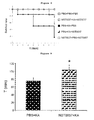
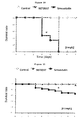
- the neuroprotective activity of said compound has been confirmed in a mouse model of Alzheimer's disease, in which this compound exerts a neuroprotective effect against neuronal death in the hippocampus caused by an excitotoxic substance (Example 3, Figure 5 ). Furthermore, it has been found that said substance restores temporal and spatial memory in mice with neurodegeneration (Example 3, Figures 6 and 7 ), in addition to preventing death of animals caused by the administration of an excitotoxic substance (Example 3, Figure 8 ).
- Said examples clearly show the potential use of this compound in the prevention and/or treatment of neuronal death and of the cognitive deficit associated to neurodegenerative diseases (e.g., Alzheimer's, Parkinson's, multiple sclerosis, amyotrophic lateral sclerosis, status epilepticus, Huntington's, etc.) or of diseases associated with undesired oxidation or of age-associated pathological processes.
- neurodegenerative diseases e.g., Alzheimer's, Parkinson's, multiple sclerosis, amyotrophic lateral sclerosis, status epilepticus, Huntington's, etc.
- diseases associated with undesired oxidation or of age-associated pathological processes e.g., Alzheimer's, Parkinson's, multiple sclerosis, amyotrophic lateral sclerosis, status epilepticus, Huntington's, etc.
- the antiepileptic and anticonvulsant activity of said compound has been clearly shown by means of the determination of the protection against epileptic seizures and convulsions in an epilepsy model in mice (Example 4, Figures 9 and 10 ). Said example clearly shows the potential use of this compound in the prevention and/or treatment of epilepsy and convulsive seizures or convulsions.
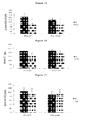
- hypolipidemic activity of said compound has been clearly shown by means of the determination of the HMGR inhibition in comparison to two commercial statins, simvastatin and atorvastatin (Example 5, Figure 11 ).
- hypolipidemic capacity of said compound has additionally been demonstrated in an endogenous hyperlipidemia model in mice, an effect similar to simvastatin in reducing total plasma cholesterol levels, LDL cholesterol levels, VLDL cholesterol levels and esterified cholesterol fraction levels being observed.
- simvastatin alters neither HDL cholesterol levels nor free cholesterol fraction levels, giving it a protective role against cardiovascular diseases (CVD) (Example 5, Figures 12 to 17 ).
- Said examples clearly show the potential use of said compound in the prevention and/or treatment of hypercholesterolemia associated to cardiovascular diseases (e.g., myocardial infarction, atherosclerosis, congenital cardiopathy, acquired cardiopathy, ischemic cardiopathy, hypertensive cardiopathy, valvulopathies, cardiomyopathies, blood disorders, etc.).
- cardiovascular diseases e.g., myocardial infarction, atherosclerosis, congenital cardiopathy, acquired cardiopathy, ischemic cardiopathy, hypertensive cardiopathy, valvulopathies, cardiomyopathies, blood disorders, etc.
- hypolipidemic activity of said compound has been confirmed in an induced hyperlipidemia model in mice (Example 6, Figures 18 to 23 ), an effect greater than simvastatin in reducing the total plasma cholesterol levels, LDL cholesterol levels and free and esterified cholesterol fraction levels being observed.
- this compound alters neither HDL cholesterol levels nor VLDL cholesterol levels, giving it a protective role against cardiovascular diseases (CVD).
- CVD cardiovascular diseases
- Said examples clearly show the potential use of said compound in the prevention and/or treatment of hypercholesterolemia associated to cardiovascular diseases (e.g., myocardial infarction, atherosclerosis, congenital cardiopathy, acquired cardiopathy, ischemic cardiopathy, hypertensive cardiopathy, valvulopathies, cardiomyopathies, blood disorders, etc.).
- this compound causes a higher percentage of healthy larvae at the end of the experiment, as well as a lower percentage of larvae with malformations or anomalous appearance (Example 7, Figures 27 and 28 ). Additionally, this compound does not cause a significant variation of the percentage of heartbeats at high concentrations, unlike simvastatin which causes a significant reduction of the cardiac rhythm at high concentrations (Example 7, Figures 29 ).
- one aspect of the present invention relates to a compound of formula (I) [also identified on occasions in this patent application as NST0037]: its hydroxy acid form, the pharmaceutically acceptable salts of said hydroxy acid and pharmaceutically acceptable prodrugs and solvates of the compound and of its hydroxy acid form.
- Another aspect of the present invention is a pharmaceutical composition
- a pharmaceutical composition comprising a compound of formula (I) and/or its hydroxy acid form and/or a pharmaceutically acceptable salt of said hydroxy acid and/or a pharmaceutically acceptable prodrug or solvate of the compound or of its hydroxy acid form, and at least one pharmaceutically acceptable adjuvant, carrier and/or vehicle.
- Another aspect of the present invention relates to a compound of formula (I), its hydroxy acid form or a pharmaceutically acceptable salt of said hydroxy acid and/or a pharmaceutically acceptable prodrug or solvate of the compound or of its hydroxy acid form for its use as medicament.
- the present invention relates to a compound of formula (I), its hydroxy acid form or a pharmaceutically acceptable salt of said hydroxy acid and/or a pharmaceutically acceptable prodrug or solvate of the compound or of its hydroxy acid form for its use as a neuroprotective agent, in particular in the prevention and/or the treatment of:
- One aspect of the present invention relates to the use of a compound of formula (I), of its hydroxy acid form, of a pharmaceutically acceptable salt of said hydroxy acid and/or of a pharmaceutically acceptable prodrug or solvate of the compound or of its hydroxy acid form in the manufacture of a medicament.
- the medicament is for being used as a neuroprotective agent, in particular in the prevention and/or the treatment of:
- Another aspect of the present invention is a compound of formula (I), its hydroxy acid form or a pharmaceutically acceptable salt of said hydroxy acid and/or a pharmaceutically acceptable prodrug or solvate of the compound or of its hydroxy acid form for its use in increasing seladin-1/DHCR24 gene expression.
- Another aspect of the present invention is a compound of formula (I), its hydroxy acid form or a pharmaceutically acceptable salt of said hydroxy acid and/or a pharmaceutically acceptable prodrug or solvate of the compound or of its hydroxy acid form for its use in the prevention and/or treatment of diseases related to the seladin-1/DHCR24 gene.
- Another aspect of the present invention relates to the use of a compound of formula (I), of its hydroxy acid form, of a pharmaceutically acceptable salt of said hydroxy acid and/or of a pharmaceutically acceptable prodrug or solvate of the compound or of its hydroxy acid form in the manufacture of a medicament characterized by increasing seladin-1/DHCR24 gene expression.
- the invention relates to a method for the prevention and/or treatment of neurodegenerative diseases, cognitive deterioration, diseases associated with undesired oxidation, age-associated pathological processes and progeria, epilepsy, epileptic seizures and convulsions, cardiovascular diseases such as atherosclerosis, atrial fibrillation, dyslipemia, hypercholesterolemia, hyperlipidemia and hypertriglyceridemia, or fungal or viral infections in a subject in need of treatment, comprising administering to said subject a therapeutically effective amount of a compound of formula (I), its hydroxy acid form or a pharmaceutically acceptable salt of said hydroxy acid and/or a pharmaceutically acceptable prodrug or solvate of the compound or of its hydroxy acid form.
- a compound of formula (I) hydroxy acid form
- a pharmaceutically acceptable salt of said hydroxy acid and/or a pharmaceutically acceptable prodrug or solvate of the compound or of its hydroxy acid form.
- neuroprotective agent relates to any substance capable of causing the attenuation or disappearance of the effects of neuronal degeneration or death by means of any mechanism known or to be known, for example, necrosis, apoptosis, autophagia, oxidative damage, excitotoxicity, endoplasmic reticulum damage, deposition of byproducts, loss of cell architecture, etc., or to the reduction or disappearance of the side effects thereof.
- statin relates to an inhibitor of the 3-hydroxy-3-methylglutaryl-coenzyme A reductase (HMGR) enzyme, which catalyzes the limiting step of cholesterol biosynthesis and includes any natural, synthetic or semisynthetic statin.
- Some statins can be in the closed form (lactone) or in the open form (hydroxy acid). Hydroxy acids (open form) can be prepared from the corresponding lactones by conventional hydrolysis, for example, with sodium hydroxide in methanol, sodium hydroxide in tetrahydrofuran-water and the like. In the open form (hydroxy acid), the statins react to form salts with pharmaceutically acceptable metal and amine cations formed from organic or inorganic bases.
- the pharmaceutically acceptable salts of the statins can differ from the corresponding free acids in some physical characteristics such as solubility and melting point, but they are considered equivalent to the free acid form for the purposes of this invention.
- the free open form (hydroxy acid) of the statins can be regenerated from the salt form, if desired, by contacting the salt with a diluted aqueous solution of an acid such as hydrochloric acid and the like.
- the closed form (lactone) of the statins can be regenerated by dissolving the open form (hydroxy acid) in an inert solvent such as, for example, toluene, benzene, ethyl acetate and the like, at temperatures comprised between approximately 0°C and approximately the boiling point of the solvent, typically (although not necessarily) with simultaneous separation of the resulting water and catalysis with strong acids, e.g., hydrochloric acid and the like.
- an inert solvent such as, for example, toluene, benzene, ethyl acetate and the like
- the statins can exist in a solvated or non-solvated form and such forms are equivalent to the non-solvated form for the purposes of this invention.
- cardioprotective relates to any substance capable of causing the attenuation or disappearance of the underlying effects of cardiovascular diseases or cardiopathies or of cardiac damage by means of any mechanism known or to be known, for example, necrosis, apoptosis, ischemia, arrhythmia, deposition of byproducts, loss of cell architecture, etc., or to the reduction or disappearance of the side effects thereof.
- hypolipidemic relates to any pharmacologically active substance having the property of reducing blood lipid levels or lipid levels in other tissues.
- the importance of these substances is due to the fact that the excess of some types of lipids (cholesterol or triglycerides) or lipoproteins is one of the main risk factors for cardiovascular diseases.
- hypocholesterolemic relates to any pharmacologically active substance having the property of reducing blood cholesterol levels or cholesterol levels in other tissues.
- hypotriglyceridemic relates to any pharmacologically active substance having the property of reducing blood triglyceride levels or triglyceride levels in other tissues.
- antiepileptic or anticonvulsant relates to the attenuation of epileptic or convulsive seizures, for example, in the duration and/or in the intensity, or to the disappearance of epileptic or convulsive seizures, or to the reduction or disappearance of the side effects thereof.
- biosafe as it is used herein, relates to the absence of toxic effects, generation of tumors, alterations in embryologic development (teratogenesis) or other adverse effects.
- neurodegenerative disease includes diseases which result from the degeneration or deterioration of nervous tissue, particularly of neurons, leading over time to a dysfunction or to a disability; the term degeneration includes loss of cell viability, loss of cell function and/or loss of the number of cells (neurons or others).
- neurodegenerative diseases include Alzheimer's disease, Huntington's disease, Parkinson's disease, amyotrophic lateral sclerosis (ALS), multiple sclerosis, etc.
- said neurodegenerative disease is a disease related to neuronal death caused by a substance which, for example, causes oxidative stress or endoplasmic reticulum stress or apoptosis or excitotoxicity or neuronal death in general.
- disease associated with undesired oxidation relates to a disease caused by undesired oxidation (e.g., excessive oxidation) or in which said undesired oxidation is a symptom.
- Said undesired oxidation can be a result of the damage caused by free radicals on proteins, DNA and/or lipids independently from the specific free radical involved or from the target.
- Undesired oxidation involves an excessive generation of free radicals which can cause a dysfunction in cells, tissues or organs and can therefore form a potential mechanism of a disease.
- said undesired oxidation can be caused by age (aging) or by a neurodegenerative process and can cause by itself or in combination with other factors the onset of several diseases.
- said undesired oxidation relates to the oxidative damage caused by a substance which causes oxidative stress.
- age-associated pathological process relates to any age-related event or combination of events causing loss of cell viability of the nervous tissue or cell sensitization of the nervous tissue, loss of cell function and/or loss of the number of cells (neurons or others), including cell metabolic dysfunction, stress processes, infections by pathogens, genetic alterations, genetic susceptibility, trauma, ischemia, epilepsy, etc.
- cardiovascular disease relates to any disease or dysfunction or alteration of the heart or of the rest of the cardiovascular system or of the blood.
- epitypsy relates to a chronic brain syndrome having varied causes, characterized by recurrent seizures due to excessive hypersynchronic discharges of nervous impulses by the brain neurons, associated eventually with several clinical and paraclinical manifestations.
- the seizures can be convulsive or non-convulsive.
- Epilepsy can have many causes; in some cases it can be due to different types of brain injuries (e.g., brain traumas, sequelae of meningitis, tumors, etc.); in other cases there is no injury but a genetic predisposition to seizures; in other cases, the etiology of the epilepsy can be environmental, due to pharmacological treatments, due to excitotoxicity, trauma, stress processes, aging, development problems, neurological diseases, psychological crises, problems during gestation, problems during labor, etc.
- brain injuries e.g., brain traumas, sequelae of meningitis, tumors, etc.
- the etiology of the epilepsy can be environmental, due to pharmacological treatments, due to excitotoxicity, trauma, stress processes, aging, development problems, neurological diseases, psychological crises, problems during gestation, problems during labor, etc.
- epileptic or convulsant relates to any epileptic seizure or convulsion of any etiology, for example, genetic, environmental, due to pharmacological treatments, due to excitotoxicity, due to trauma, due to stress processes, due to aging, due to development problems, due to neurological diseases, due to psychological crises, due to problems during gestation, due to problems during labor, etc.
- An epileptic seizure occurs when an abnormal electrical activity in the brain causes an involuntary change of body movement or function, feeling, in the capacity of being alert or in behavior, and can be partial or generalized (convulsive or non-convulsive).
- cognitive deterioration relates to the loss or alteration of mental functions, such as memory, orientation, language, visual recognition or conduct which interfere with the social activity and interaction of the person affected persistently over time.
- fungal or viral infections relates to any colonization of a microscopic fungus or virus which is harmful for the normal functioning or for the survival of the colonized organism or host.
- subject relates to a member of a mammal species and includes but is not limited to domestic animals, primates and humans; preferably, the subject is a male or female human being of any age or race.
- said subject is a mammal which suffers, or is susceptible of suffering, age-associated pathological processes, such as aging, or a neurodegenerative disease, such as a chronic neurodegenerative disease.
- pharmaceutically acceptable relates to the fact that the compound is physiologically tolerable and generally does not cause an allergic reaction or a similar unfavorable reaction, such as a gastric disorder, dizziness or the like, when administered to a subject; said term “pharmaceutically acceptable” preferably means approved by a government regulatory agency or listed in the United States Pharmacopoeia or in another generally recognized pharmacopoeia for use in animals (e.g., European Pharmacopoeia, etc.).
- pharmaceutically acceptable salt includes “pharmaceutically acceptable metal salts” as well as “pharmaceutically acceptable amine salts”.
- pharmaceutically acceptable metal salt contemplates salts formed with sodium, potassium, calcium, magnesium, aluminum, iron or zinc ions.
- pharmaceutically acceptable amine salt contemplates salts with ammonia and organic nitrogen bases strong enough to form salts with carboxylic acids. Said pharmaceutically acceptable salts can be obtained by conventional methods known by persons skilled in the art.
- a number of assays performed by the inventors have clearly shown the neuroprotective effect of compound NST0037 against the action of a substance causing oxidative stress, as well as its neuroprotective effect against the action of a substance causing endoplasmic reticulum stress, and its neuroprotective effect against the action of a substance causing apoptosis in human cholinergic neurons, as well as its neuroprotective effect against a substance causing excitotoxicity, oxidative damage, apoptosis, hippocampal atrophy, neuronal death, cognitive deterioration, temporal memory loss, spatial memory loss, etc.
- Example 2 The neuroprotective effect against the action of a substance causing oxidative stress, such as xanthine/xanthine oxidase (XXO), is described in Example 2. It is observed in said example that compound NST0037 is capable of significantly and quantitatively reducing neuronal death caused by oxidative stress, which clearly shows the neuroprotective capacity of this compound ( Figure 1 ).
- XXO xanthine/xanthine oxidase
- the inventors analyzed the neurodegenerative process with greater detail by means of the analysis of neuronal death caused by the action of a substance causing endoplasmic reticulum stress (tunicamycin), determining that compound NST0037 is capable of significantly and quantitatively reducing neuronal death caused by endoplasmic reticulum stress, which clearly shows the neuroprotective capacity of said compound ( Figure 2 ).
- the inventors analyzed the neurodegenerative process with greater detail by means of the analysis of neuronal death caused by the action of a substance causing apoptosis (camptothecin), determining that compound NST0037 is capable of significantly and quantitatively reducing neuronal death caused by apoptosis, which clearly shows the neuroprotective capacity of said compound ( Figure 3 ).
- the inventors analyzed the neurodegenerative process with greater detail by means of flow cytometry analysis of neuronal death caused by apoptosis and its inhibition by said compound in comparison with a specific inhibitor of neuronal death by apoptosis, Z-VAD-fmk, determining that compound NST0037 is capable of significantly and quantitatively inhibiting neuronal death caused by apoptosis ( Figure 4 ).
- the inventors analyzed the neurodegenerative process with greater detail by means of the analysis of neuronal death caused by an excitotoxic substance (kainate) in the hippocampal neurons of mice, as described in Example 3. It is observed in said example that compound NST0037 is capable of significantly and quantitatively reducing neuronal death caused by an excitotoxic substance, which clearly shows the neuroprotective capacity of said compound ( Figure 5 ). It is demonstrated in said chart that the treatment with NST0037 administered before and after, or only after, the administration of kainate causes protection of the hippocampal neurons, inhibiting neuronal death in the CA1 and CA2 areas.
- the administration of an excitotoxic substance induces convulsive seizures and epilepsy in the animal in some cases; for this reason, the inventors analyzed if the neuroprotective effect of compound NST0037 was accompanied by an antiepileptic and anticonvulsant effect caused by an excitotoxic substance (Example 4), observing that the administration of NST0037 delayed the time of onset of the first convulsion (latency) ( Figure 9 ), furthermore causing a reduction in the severity and frequency of the epileptic symptoms ( Figure 10 ), which demonstrates the antiepileptic or anticonvulsant effect of compound NST0037.
- hypocholesterolemic effect of the compound For the purpose of better defining the hypocholesterolemic effect of the compound, the inventors analyzed the hypocholesterolemic activity with greater detail by means of the analysis of the variations of the plasma cholesterol fractions in mice with endogenous hypercholesterolemia, as described in Example 5. To that end, the effect of compound NST0037 and of simvastatin was compared in two groups of mice, the total cholesterol levels being determined after the administration of the compounds ( Figure 12 ), in which it was surprisingly observed that both compounds caused a similar hypocholesterolemic effect.
- the cholesterol levels in the LDL, HDL and VLDL fractions were analyzed, being determined that both compounds similarly reduce cholesterol levels in the LDL and VLDL fractions, but not in the HDL fraction ( Figures 13 to 15 ), which demonstrates a hypocholesterolemic and cardioprotective effect.
- the free and esterified cholesterol levels were analyzed, being determined that both compounds similarly reduce the esterified cholesterol levels, but not the free cholesterol levels ( Figure 16 to 17 ), which shows a hypocholesterolemic and cardioprotective effect.
- the inventors analyzed the hypocholesterolemic activity with greater detail by means of the analysis of the variations of plasma cholesterol fractions in mice with induced hypercholesterolemia, as is described in Example 6. To that end, the effect of compound NST0037 and of simvastatin was compared in two groups of mice, the total cholesterol levels being determined after the administration of the compounds ( Figure 18 ), in which it was surprisingly observed that compound NST0037 had a higher hypocholesterolemic effect than simvastatin.
- the cholesterol levels in the LDL, HDL and VLDL fractions were analyzed, being determined that compound NST0037 more effectively reduces cholesterol levels in the LDL fraction than simvastatin, neither altering cholesterol levels in the HDL fraction (like simvastatin) or in the VLDL fraction (unlike simvastatin) ( Figures 19 to 21 ), which demonstrates a hypocholesterolemic and cardioprotective effect.
- the inventors In order for a compound to be administered to the human population, it is necessary that its innocuousness and safety be demonstrated.
- the inventors analyzed the biosafety of compound NST0037 in a widely used toxicological model, the zebrafish embryo, following the methodology described in the OECD C15 protocol, as described in Example 7.
- the inventors compared the effect of the compound with simvastatin at concentrations greater than the doses used in clinical practice for the purpose of causing evident damage in the embryos in order to be able to better define the adverse effects of said compound.
- the lethal doses 50 were studied at different time points with treatments of NST0037 or of simvastatin in a semistatic method, observing that at all times the LD 50 of simvastatin were lower than those of NST0037, indicating higher biosafety of the latter compound ( Figure 26 ).
- the percentage of healthy larvae at the end of the experiment was studied in comparison with simvastatin, a higher number of healthy larvae being observed in the treatments with NST0037 in comparison with simvastatin ( Figure 27 ).
- the percentage of larvae with malformations or with an anomalous appearance over time was studied in comparison with simvastatin, a lower number of larvae with malformations or with an anomalous appearance being observed in the treatments with NST0037 in comparison with simvastatin ( Figure 28 ).
- the percentage of heartbeats according to the doses used was studied, comparing NST0037 with simvastatin, a higher reduction of the cardiac rhythm being observed in the highest evaluated dose of simvastatin than in that of NST0037, whereas at lower doses only simvastatin caused a statistically significant reduction of the cardiac rhythm ( Figure 29 ), indicating a higher biosafety of compound NST0037.
- the antifungal activity of compound NST0037 was also studied by means of bioassay against statins (lovastatin, atorvastatin and simvastatin). The obtained results showed that compound NST0037 was the only one capable of causing inhibition halos in the entire assayed concentration range, even at the lowest concentrations ( Figure 30 ), indicating a higher antifungal activity.
- compound NST0037 is capable of increasing quantitatively, significantly and in a dose-dependent manner the seladin-1/DHCR24 gene expression, which is demonstrated both by means of gene expression analysis using microarray technology and by means of relative expression analysis using real time quantitative PCR. Said results clearly show the neuroprotective capacity of compound NST0037 ( Figure 31 ). Additionally, the increase of seladin-1/DHCR24 gene expression and the increase in the amount of the protein coded by this gene have also been corroborated in a parallel study using simvastatin. The results indicate that this statin is also capable of increasing the expression of this gene, thus explaining its neuroprotective capacity, and indicating that it refers to a general mechanism of the statin family which is capable of increasing seladin-1/DHCR24 gene expression.
- the pharmaceutical composition provided by this invention can contain compound NST0037, and/or its hydroxy acid form and/or a pharmaceutically acceptable salt of said hydroxy acid and/or a pharmaceutically acceptable prodrug or solvate of the compound or of its hydroxy acid form together with one or more pharmaceutically acceptable adjuvants, vehicles or excipients.
- salt, prodrug or solvate relates to any pharmaceutically acceptable salt, solvate or any other compound which is capable of providing (directly or indirectly) a compound as has been described in the present invention in its administration to the recipient. Nevertheless, pharmaceutically unacceptable salts also fall within the scope of the invention, since the latter can be useful for the preparation of pharmaceutically acceptable salts.
- the salts and prodrugs can be prepared by means of methods known in the state of the art.
- prodrug is used in its broadest meaning and encompasses those derivates which are converted in vivo into the compounds of the invention. Such derivates would be evident to a person with average skilled in the art and include the following derivatives of the present compounds: esters, amino acid esters, phosphate esters, metal sulfonate salt esters, carbamates and amides.
- the compounds according to the invention can be in a crystalline form or as free compounds or as solvates (for example, hydrates) and it is intended that both forms are within the scope of the present invention. Solvation methods are generally known in the state of the art. In a particular embodiment the solvate is a hydrate.
- compositions containing compound NST0037, or a hydroxy acid form thereof or a pharmaceutically acceptable salt of said hydroxy acid can be formulated in any pharmaceutical dosage form suitable for its administration by the chosen administration route, e.g., oral, parenteral (subcutaneous, intramuscular, intravenous, intraperitoneal route, etc.), topical, rectal route, etc.
- administration route e.g., oral, parenteral (subcutaneous, intramuscular, intravenous, intraperitoneal route, etc.), topical, rectal route, etc.
- the pharmaceutical compositions provided by this invention can be formulated in a solid pharmaceutical dosage form administered by the oral route (e.g., granules, tablets, capsules, etc.), in a liquid pharmaceutical dosage form administered by the oral route (e.g., solutions, suspensions, emulsions, etc.), in a pharmaceutical dosage form administered by the parenteral route (e.g., solutions, suspensions, emulsions, etc.).
- a solid pharmaceutical dosage form administered by the oral route e.g., granules, tablets, capsules, etc.
- a liquid pharmaceutical dosage form administered by the oral route e.g., solutions, suspensions, emulsions, etc.
- parenteral route e.g., solutions, suspensions, emulsions, etc.
- the suitable pharmaceutically acceptable vehicles and excipients will be chosen for the chosen pharmaceutical dosage form and route of administration, for example, binding agents, diluents, disintegrating agents, lubricants, wetting agents, etc., for the formulation of solid pharmaceutical dosage forms, and buffers, surfactants, etc., for the formulation of liquid pharmaceutical dosage forms.
- Said vehicles and excipients must be pharmaceutically acceptable and pharmacologically tolerable and have to be able to be combined with other components of the formulation without exerting any adverse effect on the subject treated.
- Information on said vehicles and excipients, as well as on said pharmaceutical dosage forms of said active ingredient can be found in Galenic Pharmacy treatises.
- the pharmaceutical composition provided by this invention comprises, compound NST0037, or a hydroxy acid form thereof or a pharmaceutically acceptable salt of said hydroxy acid, in a therapeutically effective amount.
- therapeutically effective amount relates to the amount of compound calculated to cause the desired effect.
- the dose of compound NST0037, or a hydroxy acid form thereof or a pharmaceutically acceptable salt of said hydroxy acid, to be administered to a subject can vary within a wide range depending on a number of factors, including the characteristics of the compound used, e.g., its biological half-life and activity, the concentration of the compound in the pharmaceutical composition, the clinical situation of the subject, the severity of the pathology, the chosen pharmaceutical dosage form, etc..
- the pharmaceutical composition provided by this invention can be administered one or more times a day for preventive or therapeutic purposes or, alternatively, others administration regimens can be followed, not necessarily daily but also at precise times, weekly, etc.
- the pharmaceutical composition provided by this invention can be used together with other drugs, for example, drugs useful in the treatment of neurodegenerative diseases, cognitive deterioration, diseases associated with undesired oxidation, age-associated pathological processes and progeria, epilepsy, epileptic seizures, convulsions, cardiovascular diseases, or fungal or viral infections for the purpose of increasing the efficacy of the pharmaceutical composition provided by this invention, a combination therapy thus being generated.
- Said additional drugs can form part of the same pharmaceutical composition or, alternatively, can be provided as a separate pharmaceutical composition for its administration at the same time (simultaneous administration) as the pharmaceutical composition provided by this invention or at different times (sequential administration) with respect to the administration of the pharmaceutical composition provided by this invention.
- NST0037 was prepared following the methodology described in Hoffman, et al. (J. Med. Chem., 1986, 29, 849-852 ) for similar compounds.
- Lovastatin was purified from an extract of natural origin by column chromatography using a hexane and ethyl acetate gradient as eluent.
- a solution of 0.7 g of potassium hydroxide in 0.5 ml of water is prepared and 3 ml of methanol are added little by little.
- 0.5 g of Lovastatin are subsequently added and the solution is placed under reflux for 21 hours. After the treatment of the reaction, a 50% mixture of monacolin J and the opened product is obtained.
- NST0037 Protection by NST0037 against neuronal death induced by different aggressions: oxidative stress, endoplasmic reticulum stress and apoptosis
- the assay was performed on human neuroblastoma SK-N-MC cells in culture from the American Type Culture Collection (ATCC), in all cases strict rules of sterility were followed and the manipulation was performed in class II biological safety cabinets following European standard EN 12469.
- the cells were maintained in the following culture medium: Minimum Essential Medium Eagle (MEM) supplemented with 1 mM sodium pyruvate, 2 mM L-glutamine, 0.1 mM non-essential amino acids, 0.05 mg/ml gentamicin and 10% fetal bovine serum.
- MEM Minimum Essential Medium Eagle
- the cells were incubated (at 37°C and 5% CO 2 ) with these treatments for 22 hours, after which time the WST-1 reagent (Roche) was added.
- the Test WST-1 is based on the measurement of metabolic activity.
- Cell damage causes the loss of the ability of cells to obtain the energy necessary to maintain their metabolic functions and cell growth, therefore the metabolically active (live) cells reduce tetrazolium salt to formazan by means of the succinate-tetrazolium reductase system (of the mitochondrial respiratory chain).
- the formazan which is formed can be detected colorimetrically since it has an absorbance of 440 nm. The reading was taken in a plate reader at 440 nm 2 hours after adding the reagent.
- the assay was performed on human neuroblastoma SK-N-MC cells in culture from the American Type Culture Collection (ATCC), in all cases strict rules of sterility were followed and the manipulation was performed in class II biological safety cabinets following European standard EN 12469.
- the cells were maintained in the following culture medium: Minimum Essential Medium Eagle (MEM) supplemented with 1 mM sodium pyruvate, 2 mM L-glutamine, 0.1 mM non-essential amino acids, 0.05 mg/ml gentamicin and 10% fetal bovine serum.
- MEM Minimum Essential Medium Eagle
- Tunicamycin is an inhibitor of protein N-glycosylation, causing abnormal protein folding in the endoplasmic reticulum, therefore said proteins are accumulated and cause stress, resulting in cell death.
- the cells were incubated (at 37°C and 5% CO 2 ) with these treatments for 22 hours, after which time WST-1 reagent (Roche) was added.
- the WST-1 Test is based on the measurement of metabolic activity. Cell damage causes the loss of the ability of cells to obtain the energy necessary to maintain their metabolic functions and cell growth; therefore the metabolically active (live) cells reduce tetrazolium salt to formazan by means of the succinate-tetrazolium reductase system (of the mitochondrial respiratory chain).
- the formazan that is formed can be detected colorimetrically since it has an absorbance of 440 nm. The reading was taken in a plate reader at 440 nm 2 hours after adding the reagent.
- the assay was performed on human neuroblastoma SK-N-MC cells in culture from the American Type Culture Collection (ATCC), in all cases strict rules of sterility were followed and the manipulation was performed in class II biological safety cabinets following European standard EN 12469.
- the cells were maintained in the following culture medium: Minimum Essential Medium Eagle (MEM) supplemented with 1 mM sodium pyruvate, 2 mM L-glutamine, 0.1 mM non-essential amino acids, 0.05 mg/ml gentamicin and 10% fetal bovine serum.
- MEM Minimum Essential Medium Eagle
- Camptothecin is an inhibitor of Topoisomerase I, it therefore prevents DNA duplication and triggers cell cycle arrest and death due to apoptosis.
- the cells were incubated (at 37°C and 5% CO 2 ) with these treatments for 22 hours, after which time the WST-1 reagent (Roche) was added.
- the Test WST-1 is based on the measurement of metabolic activity.
- Cell damage causes the loss of the ability of cells to obtain the energy necessary to maintain their metabolic functions and cell growth, therefore the metabolically active (live) cells reduce tetrazolium salt to formazan by means of the succinate-tetrazolium reductase system (of the mitochondrial respiratory chain).
- the formazan which is formed can be detected colorimetrically since it has an absorbance of 440 nm. The reading was taken in a plate reader at 440 nm 2 hours after adding the reagent.
- the assay was performed on human neuroblastoma SK-N-MC cells in culture from the American Type Culture Collection (ATCC), in all cases strict rules of sterility were followed and the manipulation was performed in class II biological safety cabinets following European standard EN 12469.
- the cells were maintained in the following culture medium: Minimum Essential Medium Eagle (MEM) supplemented with 1 mM sodium pyruvate, 2 mM L-glutamine, 0.1 mM non-essential amino acids, 0.05 mg/ml gentamicin and 10% fetal bovine serum.
- MEM Minimum Essential Medium Eagle
- Example 2 Based on the results of Example 2, the inventors decided to investigate if the neuroprotective effect of NST0037 demonstrated in human cholinergic neurons was corroborated in a model of sporadic Alzheimer's disease in mice by means of the administration of kainate (KA).
- KA kainate
- the animals were sacrificed and the brains were dissected.
- the brain samples were processed and included in paraffin. Hematoxylin and eosin stain was used in 5 ⁇ m thick sections to analyze the cell architecture of the hippocampus.
- the PBS+KA+PBS administration regimen caused severe neuronal damage in the CA1 and CA2 regions of the hippocampus in mice.
- an absence of neurons, evidence of necrosis and a number of pycnotic nuclei were observed, which demonstrates neuronal death.
- the samples of the NST0037+KA+NST0037 group showed a cell structure identical to the controls (PBS+PBS+PBS group) without evidence of cell damage in the CA1 and CA2 regions.
- the samples of the PBS+KA+NST0037 group showed several signs of damage and neuronal death in the hippocampus.
- NST0037 NST0037+KA+NST0037 group
- NST0037 completely protected against neuronal death caused by KA in the hippocampal CA1 and CA2 regions.
- the beginning of treatment with NST0037 after the inoculation of KA qualitatively reduced neuronal death and damage in this region. It was also demonstrated that the daily administration of NST0037 for 8 days was not neurotoxic for the mice.
- the excitotoxicity caused by KA induces, a few days after its inoculation in mice, episode-type memory deterioration, affecting the temporal memory and causing a severe spatial memory deficit.
- the inventors decided to investigate if the neuroprotective effect of NST0037 was accompanied by a protection of the memory which deteriorates due to the effect of an excitotoxic substance.
- FIG. 6 shows the results of the relation in the time of the exploration of old objects compared to new objects (temporal memory). It was observed that the group with the NST0037+KA+NST0037 treatment regimen prevented the reduction in the temporal memory capacity in comparison with the mice of the PBS+KA+PBS group. Furthermore, the animals of the PBS+KA+NST0037 group also showed an improvement of the state of the temporal memory with respect to those treated in the PBS+KA+PBS group. The data also showed that the group of mice with the NST0037+PBS+NST0037 regimen also showed an improvement of the temporal memory with respect to the PBS+PBS+PBS group.
- Figure 7 shows the results of the relation over time of the exploration of the displaced old object compared with the non-displaced old object (spatial memory).
- the group of mice with the NST0037+KA+NST0037 or NST0037+PBS+NST0037 treatment regimens showed a relation of the exploration of objects demonstrating that the spatial memory is intact since no differences were observed with respect to the PBS+PBS+PBS group.
- the mice of the PBS+KA+PBS group showed severe deterioration of spatial memory.
- the PBS+KA+NST0037 treatment group showed an improvement of this type of memory with respect to those that were treated in the PBS+KA+PBS group.
- the animals were intraperitoneally inoculated with 25 mg/kg of kainate (KA) dissolved in PBS. Thirteen animals were pre-treated 24 and 0.5 hours before inoculation with KA by means of intraperitoneal injection with PBS (PBS+KA administration regimen) and 6 were pre-treated 24 and 0.5 hours before inoculation with KA by means of intraperitoneal injection with NST0037 at a dose of 50 mg/kg (NST0037+KA administration regimen). After the inoculation, the animals were individually housed in trays to monitor them. The maximum epilepsy level of the animals was recorded during the observation according to the Racine scale every ten minutes and for at least 120 minutes post-inoculation (m.p.i.).
- the inventors decided to investigate if the antiepileptic and anticonvulsant effect was confirmed with the epilepsy level and by the severity of the symptoms, observing that the animals of the group with the PBS+KA regimen reached epilepsy level 4 on the Racine scale, whereas the NST0037+KA regimen did not cause at any time an epilepsy level 3 on said scale, indicating that compound NST0037 is antiepileptic and anticonvulsant. Furthermore, based on the 100 m.p.i. the NST0037+KA regimen caused the disappearance of the epileptogenic symptoms, whereas the PBS+KA regimen showed severe seizures and spasms.
- HMGR uses NADPH as a reducing agent and 3-hydroxy-3-methylglutaryl coenzyme A (HMGCoA) as a substrate, producing mevalonic acid, CoASH and NADP+.
- HMGCoA 3-hydroxy-3-methylglutaryl coenzyme A
- the reduction of the absorbance at which NADPH (340 nm) is absorbed is a direct measurement of the catalytic activity of HMGR and serves to calculate the inhibition percentages of different compounds.
- the assay was performed on a 96-well plate, with a total reaction volume of 200 ⁇ l.
- mice included for the experimental process were 46-week old males of the ApoB100 strain, which strain has a deficiency in removing cholesterol from the blood which causes an abnormally high increase of plasma cholesterol.
- the experiments were conducted strictly following the Guidance on the Operation of Animals (Scientific Procedures, Act. 1986). The animals had their respective quarantine period and were treated with maximum precaution to minimize possible contaminations for inoculations and handling.
- blood was extracted by ocular puncture.
- the plasma was obtained from said blood, in which plasma total cholesterol levels and levels of its fractions were determined prior to administration of the substances under study.
- the animals were intraperitoneally inoculated with 50 mg/kg of each of the test compounds.
- Four animals were treated with the vehicle and were considered the control group.
- a second group of five mice received 50 mg/Kg of simvastatin.
- a third group of five mice received 50 mg/Kg of NST0037. Twelve hours after the treatments, blood was again extracted from the fasting animals and the plasma was obtained from said blood.
- FIG 12 shows the plasma cholesterol levels at the initial time (t0) and twelve hours after the administration of the vehicle, simvastatin or NST0037 in the different groups of mice (t12), demonstrating that both compounds have a significant hypocholesterolemic effect.
- both compounds considerably reduced the low density lipoprotein cholesterol (LDL-c) and very low density lipoprotein cholesterol (VLDL-c) levels without changing the high density lipoprotein cholesterol (HDL-c) levels, as shown in Figures 13 to 15 .
- both compounds reduced the EC levels in a similar manner without changing FC levels, as shown in Figures 16 and 17 .
- mice included for the experimental process were wild-type 6-week old male mice of the C57BL6 strain. The experiments were conducted strictly following the Guidance on the Operation of Animals (Scientific Procedures, Act. 1986). The animals had their respective quarantine period and were treated with maximum precaution to minimize possible contaminations for inoculations and handling.
- mice blood was extracted by ocular puncture.
- the plasma was obtained from said blood, in which plasma total cholesterol levels and levels of its fractions were determined prior to administration of the substances under study.
- the animals were intraperitoneally inoculated with 500 mg/kg of Triton 1339, also known as Tyloxapol.
- the animals were intraperitoneally inoculated with 50 mg/kg of each of the test compounds. Seven animals were treated with the vehicle alone and were considered the control group.
- a second group of six mice received 50 mg/Kg of simvastatin.
- a third group of seven mice received 50 mg/Kg of NST0037.
- FIG 18 shows the number of times the total cholesterol increases twenty-four hours after the administration of Triton 1339 followed by the administration of the vehicle, simvastatin or NST0037 in the different groups of mice, demonstrating that both test compounds have a hypocholesterolemic effect, being statistically significant only in the case of treatment with NST0037.
- both compounds reduced the low density lipoprotein cholesterol (LDL-c) levels, said reduction being statistically significant only in the case of NST0037.
- LDL-c low density lipoprotein cholesterol
- simvastatin reduced the very low density lipoprotein cholesterol (VLDL-c) levels, the high density lipoprotein cholesterol (HDL-c) levels not being changed with either of the two compounds, as shown in Figures 19 to 21 .
- NST0037 reduced the esterified cholesterol (EC) levels, as shown in Figure 22 .
- EC esterified cholesterol
- FC free cholesterol
- the fertilized eggs were obtained by natural mating of the zebrafish ( Danio rerio, AB strain). A total of 8-10 pairs were used for each cross and a total of 200-250 eggs were generated on average per pair.
- the eggs were collected immediately after spawning and were washed with dilution water (CaCl 2 •2H 2 O 2 0.29 g/L, MgSO 4 •7H 2 O 2 0.12 g/L, NaHCO 3 0.065 g/L, KCl 0.006 g/L), the pH being adjusted to 7.8 ⁇ 0.2, in accordance with EC Regulation 440/2008, method C.1, and were deposited in a Petri dish.
- the eggs were quickly transferred (a minimum of 50 per condition) to another Petri dish with solutions of the compounds to be tested. Subsequently, only the fertilized eggs (10 per experimental condition) were transferred from the Petri dishes to the exposure chambers (M24 microtiter plates) by means of pipettes and exposed to the substances to be tested (NST0037 or simvastatin) with dilution water (controls) or with different concentrations of the treatments. The embryos were incubated without additional aeration, at the suitable temperature (25 ⁇ 1°C) and under a regimen of 12 hours light/12 hours darkness. Each experiment was performed in triplicate.
- the fertilized eggs were obtained by natural mating of the zebrafish (Danio rerio, AB strain). A total of 8-10 pairs were used for each cross and a total of 200-250 eggs were generated on average per pair.
- the eggs were collected immediately after spawning and were washed with dilution water (CaCl 2 •2H 2 O 2 0.29 g/L, MgSO 4 •7H 2 O 2 0.12 g/L, NaHCO 3 0.065 g/L, KCl 0.006 g/L) the pH being adjusted to 7.8 ⁇ 0.2, in accordance with EC Regulation 440/2008, method C.1, and deposited in a Petri dish.
- the eggs were quickly transferred (a minimum of 50 per condition) to another Petri dish with solutions of the compounds to be tested. Subsequently, only the fertilized eggs (10 per experimental condition) were transferred from the Petri dishes to the exposure chambers (M24 microtiter plates) by means of pipettes and exposed to the substances to be tested (NST0037 or simvastatin) with dilution water (controls) or with different concentrations of the treatments. The embryos were incubated without additional aeration, at the suitable temperature (25 ⁇ 1°C) and under a regimen of 12 hours light/12 hours darkness. Each experiment was performed in triplicate.
- the number of dead embryos/larvae was recorded at 24-hour intervals and the LD 50 was calculated at each time point of the experiment, as shown in Figure 26 .
- the results show that in the first days posttreatment (up to day 2) the LD 50 of both compounds is above the maximum dose evaluated. Nevertheless, from the third day and up to the end of the experiment, simvastatin shows an LD 50 lower than that of compound NST0037, indicating its higher toxicity. After day 2 of treatment, the LD 50 of both compounds progressively reduced throughout the entire experiment, although simvastatin always showed an LD 50 under that of compound NST0037, indicating that NST0037 has a higher degree of biosafety than simvastatin.
- the fertilized eggs were obtained by natural mating of the zebrafish ( Danio rerio, AB strain). A total of 8-10 pairs were used for each cross and a total of 200-250 eggs were generated on average per pair.
- the eggs were collected immediately after spawning and were washed with dilution water (CaCl 2 •2H 2 O 2 0.29 g/L, MgSO 4 •7H 2 O 2 0.12 g/L, NaHCO 3 0.065 g/L, KCl 0.006 g/L) the pH being adjusted to 7.8 ⁇ 0.2, in accordance with EC Regulation 440/2008, method C.1, and deposited in a Petri dish.
- the eggs were quickly transferred (a minimum of 50 per condition) to another Petri dish with solutions of the compounds to be tested. Subsequently, only the fertilized eggs (10 per experimental condition) were transferred from the Petri dishes to the exposure chambers (M24 microtiter plates) by means of pipettes and exposed to the substances to be tested (NST0037 or simvastatin) with dilution water (controls) or with different concentrations of the treatments. The embryos were incubated without additional aeration, at the suitable temperature (25 ⁇ 1 °C) and under a regimen of 12 hours light/12 hours darkness. Each experiment was performed in triplicate.
- the results at the end of the experiment allowed collecting the percentage of healthy larvae which reach the end of the experiment, defined as the number of live larvae and without symptoms of external physiopathological anomalies (morphological and/or behavioral), this being a parameter determining the biosafety of a substance under study and is complementary to the survival rates and to the LD 50 .
- Figure 27 evident differences were observed between the percentages of healthy larvae between the two treatments evaluated at the higher doses under study (0.06 and 0.2 mg/L), more healthy larvae reaching the end of the experiment with the NST0037 treatment, indicating its higher biosafety.
- the inventors decided to investigate if the higher biosafety of compound NST0037 in comparison with simvastatin was corroborated by means of the analysis of the percentage of larvae with malformations or anomalous appearance, collecting the number of larvae showing bodily and/or pigmentary anomalies, as well as the yolk sac reabsorption phase at suitable intervals (every 24 hours).
- the anomalies recorded in the study are described below:
- the fertilized eggs were obtained by natural mating of the zebrafish ( Danio rerio, AB strain). A total of 8-10 pairs were used for each cross and a total of 200-250 eggs were generated on average per pair.
- the eggs were collected immediately after spawning and were washed with dilution water (CaCl 2 •2H 2 O 2 0.29 g/L, MgSO 4 •7H 2 O 2 0.12 g/L, NaHCO 3 0.065 g/L, KCl 0.006 g/L) the pH being adjusted to 7.8 ⁇ 0.2, in accordance with EC Regulation 440/2008, method C.1, and deposited in a Petri dish.
- the eggs were quickly transferred (a minimum of 50 per condition) to another Petri dish with solutions of the compounds to be tested. Subsequently, only the fertilized eggs (10 per experimental condition) were transferred from the Petri dishes to the exposure chambers (M24 microtiter plates) by means of pipettes and exposed to the substances to be tested (NST0037 or simvastatin) with dilution water (controls) or with different concentrations of the treatments. The embryos were incubated without additional aeration, at the suitable temperature (25 ⁇ 1 °C) and under a regimen of 12 hours light/12 hours darkness. Each experiment was performed in triplicate.
- the inventors decided to investigate if the higher biosafety of compound NST0037 in comparison with simvastatin was corroborated by means of the analysis of the cardiotoxicity after the treatment with the different compounds and at various doses.
- the study of this parameter (cardiotoxicity) not only determines the cardiac rhythm of the animals but it furthermore allows observing heartbeat alterations (tachycardia, bradycardia, etc) or heart development anomalies (pericarditis, atrophy, hypertrophy, etc.).
- the fertilized eggs were obtained by natural mating of the zebrafish ( Danio rerio, AB strain). A total of 8-10 pairs were used for each cross and a total of 200-250 eggs were generated on average per pair.
- the eggs were collected immediately after spawning and were washed with dilution water (CaCl 2 •2H 2 O 2 0.29 g/L, MgSO 4 •7H 2 O 2 0.12 g/L, NaHCO 3 0.065 g/L, KCl 0.006 g/L) the pH being adjusted to 7.8 ⁇ 0.2, in accordance with EC Regulation 440/2008, method C.1, and deposited in a Petri dish.
- the eggs were quickly transferred (a minimum of 50 per condition) to another Petri dish with solutions of the compounds to be tested. Subsequently, only the fertilized eggs (10 per experimental condition) were transferred from the Petri dishes to the exposure chambers (M24 microtiter plates) by means of pipettes and exposed to the substances to be tested (NST0037 or simvastatin) with dilution water (controls) or with different concentrations of the treatments. The embryos were incubated without additional aeration, at the suitable temperature (25 ⁇ 1 °C) and under a regimen of 12 hours light/12 hours darkness. Each experiment was performed in triplicate.
- the cardiac rhythm of the zebrafish embryos-larva was determined by means of visual analysis in stereomicroscopy, determining the heartbeat with the aid of a manual counter for a period of one minute.
- the different treatments varied the cardiac rhythm of the animals, as shown in Figure 29 , observing that the larvae treated with simvastatin showed a statistically significant reduction with respect to the controls after the dose of 0.06, which became very evident at the dose of 2 mg/L.
- the reduction of the cardiac rhythm with compound NST0037 was statistically significant only at the dose of 2 mg/L in comparison with the controls, whereas at lower concentrations it showed no differences with the controls.
- NST0037 is a more heart-safe compound than simvastatin.
- the fungicidal activity of NST0037 was analyzed by means of bioassay against Candida albicans. Solutions of the ⁇ -hydroxy acid form of NST0037, lovastatin, atorvastatin and simvastatin were prepared for this purpose. The assayed concentrations were the following: 2, 1.5, 1, 0.5, 0.25, 0.125, 0.06, 0.025 and 0.01 mM. Plates of MA medium (containing per liter: 20 g malt extract, 20 g glucose, 1 g mycopeptone and 10 g agar) previously inoculated with a culture of Candida albicans CECT (Spanish Type-Culture Collection) 1002 were prepared.
- MA medium containing per liter: 20 g malt extract, 20 g glucose, 1 g mycopeptone and 10 g agar
- compound NST0037 has a higher antifungal activity than the statins included in the assay. As shown in Figure 30 , this behavior was observed for the entire range of concentrations. In the case of higher concentrations (2-0.25 mM) compound NST0037 showed values slightly greater than those of simvastatin, the statin which showed the highest fungicidal activity. However, when using lower concentrations (0.06 and 0.025 mM), compound NST0037 was the only one capable of causing inhibition halos.
- the assay was performed on human neuroblastoma SK-N-MC cells in culture from the American Type Culture Collection (ATCC), in all cases strict rules of sterility were followed and the manipulation was performed in class II biological safety cabinets following European standard EN 12469.
- the cells were maintained in the following culture medium: Minimum Essential Medium Eagle (MEM) supplemented with 1 mM sodium pyruvate, 2 mM L-glutamine, 0.1 mM non-essential amino acids, 0.05 mg/ml gentamicin and 10% fetal bovine serum.
- MEM Minimum Essential Medium Eagle
- the Whole Human Genome microarray (Agilent Technologies) was used, which recognizes 41,000 sequences of the human genome, to analyze the gene expression profile of a culture of SK-N-MC cells treated for 24 hours in the absence (control) or presence of NST0037 at 0.4 ⁇ M or NST0037 at 4 ⁇ M.
- the total RNA was extracted by means of the High Pure RNA Isolation kit (Roche) and the amount and quality of the RNA were analyzed by means of spectrophotometry in the NanoDrop 1000 (Thermo Scientific). The manufacturer's reagents were used and the manufacturer's labeling, hybridization and washing protocols were followed (Agilent Technologies).
- the images obtained were processed and the fluorescence data quantified by means of Software Feature Extraction vs. 9.5 (Agilent Tecnologies). A total of 4 biological replicas of each condition were analyzed.
- SK-N-MC cells were treated for 24 hours in the absence (control) or presence of NST0037 to 0.4 ⁇ M or NST0037 to 4 ⁇ M.
- the total RNA was extracted by means of the High Pure RNA Isolation kit (Roche) and the amount and quality of the RNA were analyzed by means of spectrophotometry in the NanoDrop 1000 (Thermo Scientific).
- the RT-PCR was performed by means of two steps, first the mRNA was transformed into cDNA using the RNA to cDNA kit (Applied Biosystem) and gene expression was subsequently analyzed by means of TaqMan probes using the validated probes Hs00207388_m1 for seladin-1/DHCR24 and Hs99999901_s1 for 18S (used to normalize the results) in the 7500 Fast Real-Time PCR System equipment (Applied Biosystem). Two independent assays were conducted in triplicate. The relative amount of expression of the gene was determined using the ⁇ Ct method with SDS v2.1.1 software (Applied Biosystem); the expression of 18S was used as the normalizer.
- the table shows the identification of the microarray probe (Probe ID), the accession number to the GenBank database, the official symbol of the gene in the Entrez NCBI database, the assigned biological process according to the Gene Ontology (GO) database, the fold change values of each treatment vs. control (untreated cells) and the statistical significance (FDR or expected error rate), for four independent replicas of the treatments for 24 hours with NST0037 at 0.4 ⁇ M and 4 ⁇ M.
Landscapes
- Health & Medical Sciences (AREA)
- Chemical & Material Sciences (AREA)
- Organic Chemistry (AREA)
- Life Sciences & Earth Sciences (AREA)
- General Health & Medical Sciences (AREA)
- Chemical Kinetics & Catalysis (AREA)
- General Chemical & Material Sciences (AREA)
- Medicinal Chemistry (AREA)
- Nuclear Medicine, Radiotherapy & Molecular Imaging (AREA)
- Pharmacology & Pharmacy (AREA)
- Animal Behavior & Ethology (AREA)
- Bioinformatics & Cheminformatics (AREA)
- Public Health (AREA)
- Veterinary Medicine (AREA)
- Engineering & Computer Science (AREA)
- Neurology (AREA)
- Neurosurgery (AREA)
- Biomedical Technology (AREA)
- Diabetes (AREA)
- Hematology (AREA)
- Heart & Thoracic Surgery (AREA)
- Pain & Pain Management (AREA)
- Cardiology (AREA)
- Psychology (AREA)
- Communicable Diseases (AREA)
- Oncology (AREA)
- Obesity (AREA)
- Vascular Medicine (AREA)
- Hospice & Palliative Care (AREA)
- Toxicology (AREA)
- Biochemistry (AREA)
- Psychiatry (AREA)
- Virology (AREA)
- Urology & Nephrology (AREA)
- Orthopedic Medicine & Surgery (AREA)
- Physical Education & Sports Medicine (AREA)
- Acyclic And Carbocyclic Compounds In Medicinal Compositions (AREA)
- Pharmaceuticals Containing Other Organic And Inorganic Compounds (AREA)
- Organic Low-Molecular-Weight Compounds And Preparation Thereof (AREA)
- Pyrane Compounds (AREA)
Priority Applications (16)
| Application Number | Priority Date | Filing Date | Title |
|---|---|---|---|
| EP09382051A EP2241561A1 (fr) | 2009-04-16 | 2009-04-16 | Composé neuroprotecteur, hypocholestérolémiant et antiépileptique |
| PT107201873T PT2420496E (pt) | 2009-04-16 | 2010-04-16 | Composto antiepiléptico, hipocolesterolémico e neuroprotector |
| EP10720187.3A EP2420496B1 (fr) | 2009-04-16 | 2010-04-16 | Composé neuroprotecteur, hypocholestérolémiant et antiépileptique |
| ES10720187.3T ES2533092T3 (es) | 2009-04-16 | 2010-04-16 | Compuesto neuroprotector, hipocolesterolémico y antiepiléptico |
| BRPI1015173A BRPI1015173A2 (pt) | 2009-04-16 | 2010-04-16 | composto neuroprotetor, hipocolesterolemico e antiepiletico |
| PCT/ES2010/070234 WO2010119161A2 (fr) | 2009-04-16 | 2010-04-16 | Composé neuroprotecteur, hypocholestérolémique et antiépileptique |
| CA2758852A CA2758852A1 (fr) | 2009-04-16 | 2010-04-16 | Compose neuroprotecteur, hypocholesterolemique et antiepileptique |
| AU2010238429A AU2010238429B2 (en) | 2009-04-16 | 2010-04-16 | Neuroprotective, hypocholesterolemic and antiepileptic compound |
| PL10720187T PL2420496T3 (pl) | 2009-04-16 | 2010-04-16 | Związek przeciwpadaczkowy, hipocholesterolemiczny neuroprotekcyjny |
| CN2010800219377A CN102428078A (zh) | 2009-04-16 | 2010-04-16 | 神经保护、降胆固醇以及抗癫痫的化合物 |
| US13/264,167 US20120095091A1 (en) | 2009-04-16 | 2010-04-16 | Antiepileptic, hypocholesterolemic and neuroprotective compound |
| DK10720187T DK2420496T3 (en) | 2009-04-16 | 2010-04-16 | Antiepileptic, hypocholesterolemic and neuroprotective compound |
| JP2012505193A JP5759448B2 (ja) | 2009-04-16 | 2010-04-16 | 神経保護、低コレステロール血症および抗癲癇化合物 |
| MX2011010978A MX341254B (es) | 2009-04-16 | 2010-04-16 | Compuesto neuroprotector, hipocolesterolémico y antiepiléptico. |
| IL215858A IL215858A (en) | 2009-04-16 | 2011-10-23 | Antiepileptic, hypocholesterolemic and neuroprotective compounds |
| US14/314,807 US20140309295A1 (en) | 2009-04-16 | 2014-06-25 | Antiepileptic, hypocholesterolemic and neuroprotective compound |
Applications Claiming Priority (1)
| Application Number | Priority Date | Filing Date | Title |
|---|---|---|---|
| EP09382051A EP2241561A1 (fr) | 2009-04-16 | 2009-04-16 | Composé neuroprotecteur, hypocholestérolémiant et antiépileptique |
Publications (1)
| Publication Number | Publication Date |
|---|---|
| EP2241561A1 true EP2241561A1 (fr) | 2010-10-20 |
Family
ID=40972871
Family Applications (2)
| Application Number | Title | Priority Date | Filing Date |
|---|---|---|---|
| EP09382051A Withdrawn EP2241561A1 (fr) | 2009-04-16 | 2009-04-16 | Composé neuroprotecteur, hypocholestérolémiant et antiépileptique |
| EP10720187.3A Not-in-force EP2420496B1 (fr) | 2009-04-16 | 2010-04-16 | Composé neuroprotecteur, hypocholestérolémiant et antiépileptique |
Family Applications After (1)
| Application Number | Title | Priority Date | Filing Date |
|---|---|---|---|
| EP10720187.3A Not-in-force EP2420496B1 (fr) | 2009-04-16 | 2010-04-16 | Composé neuroprotecteur, hypocholestérolémiant et antiépileptique |
Country Status (14)
| Country | Link |
|---|---|
| US (2) | US20120095091A1 (fr) |
| EP (2) | EP2241561A1 (fr) |
| JP (1) | JP5759448B2 (fr) |
| CN (1) | CN102428078A (fr) |
| AU (1) | AU2010238429B2 (fr) |
| BR (1) | BRPI1015173A2 (fr) |
| CA (1) | CA2758852A1 (fr) |
| DK (1) | DK2420496T3 (fr) |
| ES (1) | ES2533092T3 (fr) |
| IL (1) | IL215858A (fr) |
| MX (1) | MX341254B (fr) |
| PL (1) | PL2420496T3 (fr) |
| PT (1) | PT2420496E (fr) |
| WO (1) | WO2010119161A2 (fr) |
Cited By (2)
| Publication number | Priority date | Publication date | Assignee | Title |
|---|---|---|---|---|
| WO2013117789A3 (fr) * | 2012-02-07 | 2013-11-28 | Neuron Biopharma, S.A. | Analogues formylés de xantocillines utilisés en tant que neuroprotecteurs |
| ES2524647A1 (es) * | 2013-06-06 | 2014-12-10 | Neuron Biopharma, S.A. | Compuestos neuroprotectores, antiinflamatorios y antiepilépticos |
Families Citing this family (4)
| Publication number | Priority date | Publication date | Assignee | Title |
|---|---|---|---|---|
| US9259420B2 (en) * | 2012-09-13 | 2016-02-16 | Cba Pharma, Inc. | Tetrandrine pharmaceutical formulations |
| EP2968310A4 (fr) | 2013-03-15 | 2017-01-11 | CBA Pharma Inc. | Formulations pharmaceutiques de la famille de la tétrandrine et procédé s'y rapportant |
| JP7412177B2 (ja) * | 2018-02-19 | 2024-01-12 | 國子 草間 | バレロラクトン(Valerolactone)系新規化合物、及び、医薬 |
| CN114515341A (zh) * | 2022-03-22 | 2022-05-20 | 复旦大学附属金山医院(上海市金山区眼病防治所、上海市金山区核化伤害应急救治中心) | Dhcr24基因在制备治疗神经退行性疾病药物中的应用 |
Citations (7)
| Publication number | Priority date | Publication date | Assignee | Title |
|---|---|---|---|---|
| EP0033538A2 (fr) * | 1980-02-04 | 1981-08-12 | Merck & Co. Inc. | 6(R)-(2-(8'-acyloxy-2'-méthyl-6'-méthyl (ou hydrogène)-polyhydronaphtyl-1'-éthyl)-4(R)-hydroxy-3,4,5,6-tétrahydro-2H-pyran-2-ones, la forme hydroxy-acidique de ces pyranones, les sels de ces acides utilisables en pharmacie, les esters alkyliques inférieurs de ces acides, éventuellement substitués par des groupes phéniliques, diméthylamino ou acétylamino, procédé pour leur préparation et composition pharmaceutique à activité antihypercholestérolémique les contenant |
| US4293496A (en) * | 1980-02-04 | 1981-10-06 | Merck & Co., Inc. | 6(R)-[2-(8-Hydroxy-2,6-dimethylpolyhydronaphthyl-1)-ethyl]-4(R)-hydroxy-3,4,5,6-tetrahydro-2H-pyran-2-ones |
| US4444784A (en) * | 1980-08-05 | 1984-04-24 | Merck & Co., Inc. | Antihypercholesterolemic compounds |
| US4450171A (en) * | 1980-08-05 | 1984-05-22 | Merck & Co., Inc. | Antihypercholesterolemic compounds |
| US4866090A (en) | 1988-01-07 | 1989-09-12 | Merck & Co., Inc. | Novel HMG-CoA reductase inhibitors |
| EP0605230A1 (fr) * | 1992-12-28 | 1994-07-06 | Sankyo Company Limited | Dérivés d'esters d'hexanhydronaphthalène, leur préparation et leurs utilisations thérapeutiques |
| WO1999011258A1 (fr) | 1997-08-28 | 1999-03-11 | Novartis Ag | Antagonistes de l'antigene 1 a fonction lymphocyte |
Family Cites Families (2)
| Publication number | Priority date | Publication date | Assignee | Title |
|---|---|---|---|---|
| CA2363088A1 (fr) * | 1999-02-11 | 2000-08-17 | Patrick T. Prendergast | Methodes pour traiter des infections virales |
| JP2003523948A (ja) * | 1999-11-04 | 2003-08-12 | アンドルクス コーポレーション | アミロイドβ前駆体障害の治療法 |
-
2009
- 2009-04-16 EP EP09382051A patent/EP2241561A1/fr not_active Withdrawn
-
2010
- 2010-04-16 US US13/264,167 patent/US20120095091A1/en not_active Abandoned
- 2010-04-16 JP JP2012505193A patent/JP5759448B2/ja not_active Expired - Fee Related
- 2010-04-16 PT PT107201873T patent/PT2420496E/pt unknown
- 2010-04-16 ES ES10720187.3T patent/ES2533092T3/es active Active
- 2010-04-16 CN CN2010800219377A patent/CN102428078A/zh active Pending
- 2010-04-16 EP EP10720187.3A patent/EP2420496B1/fr not_active Not-in-force
- 2010-04-16 PL PL10720187T patent/PL2420496T3/pl unknown
- 2010-04-16 AU AU2010238429A patent/AU2010238429B2/en not_active Ceased
- 2010-04-16 WO PCT/ES2010/070234 patent/WO2010119161A2/fr not_active Ceased
- 2010-04-16 BR BRPI1015173A patent/BRPI1015173A2/pt not_active IP Right Cessation
- 2010-04-16 DK DK10720187T patent/DK2420496T3/en active
- 2010-04-16 CA CA2758852A patent/CA2758852A1/fr not_active Abandoned
- 2010-04-16 MX MX2011010978A patent/MX341254B/es active IP Right Grant
-
2011
- 2011-10-23 IL IL215858A patent/IL215858A/en not_active IP Right Cessation
-
2014
- 2014-06-25 US US14/314,807 patent/US20140309295A1/en not_active Abandoned
Patent Citations (7)
| Publication number | Priority date | Publication date | Assignee | Title |
|---|---|---|---|---|
| EP0033538A2 (fr) * | 1980-02-04 | 1981-08-12 | Merck & Co. Inc. | 6(R)-(2-(8'-acyloxy-2'-méthyl-6'-méthyl (ou hydrogène)-polyhydronaphtyl-1'-éthyl)-4(R)-hydroxy-3,4,5,6-tétrahydro-2H-pyran-2-ones, la forme hydroxy-acidique de ces pyranones, les sels de ces acides utilisables en pharmacie, les esters alkyliques inférieurs de ces acides, éventuellement substitués par des groupes phéniliques, diméthylamino ou acétylamino, procédé pour leur préparation et composition pharmaceutique à activité antihypercholestérolémique les contenant |
| US4293496A (en) * | 1980-02-04 | 1981-10-06 | Merck & Co., Inc. | 6(R)-[2-(8-Hydroxy-2,6-dimethylpolyhydronaphthyl-1)-ethyl]-4(R)-hydroxy-3,4,5,6-tetrahydro-2H-pyran-2-ones |
| US4444784A (en) * | 1980-08-05 | 1984-04-24 | Merck & Co., Inc. | Antihypercholesterolemic compounds |
| US4450171A (en) * | 1980-08-05 | 1984-05-22 | Merck & Co., Inc. | Antihypercholesterolemic compounds |
| US4866090A (en) | 1988-01-07 | 1989-09-12 | Merck & Co., Inc. | Novel HMG-CoA reductase inhibitors |
| EP0605230A1 (fr) * | 1992-12-28 | 1994-07-06 | Sankyo Company Limited | Dérivés d'esters d'hexanhydronaphthalène, leur préparation et leurs utilisations thérapeutiques |
| WO1999011258A1 (fr) | 1997-08-28 | 1999-03-11 | Novartis Ag | Antagonistes de l'antigene 1 a fonction lymphocyte |
Non-Patent Citations (15)
| Title |
|---|
| "Guidance on the Operation of Animals", SCIENTIFIC PROCEDURES, ACT., 1986 |
| BLENNOW ET AL., LANCET, vol. 368, 2006, pages 387 - 403 |
| C. FAULI; TRILLO: "Tratado de Farmacia Galenica", 1993, S.A. DE EDICIONES |
| CECHI ET AL., J. CELL. MOL. MED., vol. 12, 2008, pages 1990 - 2002 |
| COLE; VASSAR, NEUROBIOL DIS, vol. 22, no. 2, 2006, pages 209 - 22 |
| DERE, E.; HUSTON, J. P.; DE SOUZA SILVA, M. A., NEUROBIOL LEARN MEM, vol. 84, 2005, pages 214 - 21 |
| DERE, E.; HUSTON, J. P; DE SOUZA SILVA, M. A., NEUROBIOL LEARN MEM, vol. 84, 2005, pages 214 - 21 |
| FANDINO ET AL., NEUROCIRUGIA, vol. 18, 2007, pages 16 - 27 |
| GREEVE ET AL., J. NEUROSCI., vol. 20, 2000, pages 7345 - 52 |
| HOFFMAN ET AL., J. MED. CHEM., vol. 29, 1986, pages 849 - 852 |
| HONJO ET AL., ARCH. OPHTHALMOL., vol. 120, 2002, pages 1707 - 13 |
| LEE ET AL., NEUROSCI LETT., vol. 440, 2008, pages 260 - 4 |
| LING ET AL., ANN NEUROL., vol. 60, no. 6, 2006, pages 729 - 39 |
| PAHAN, CELL MOL LIFE SCI., vol. 63, no. 10, 2006, pages 1165 - 78 |
| RACINE, ELECTROENCEPHALOGR CLIN NEUROPHYSIOL, vol. 32, no. 3, 1972, pages 281 - 94 |
Cited By (7)
| Publication number | Priority date | Publication date | Assignee | Title |
|---|---|---|---|---|
| WO2013117789A3 (fr) * | 2012-02-07 | 2013-11-28 | Neuron Biopharma, S.A. | Analogues formylés de xantocillines utilisés en tant que neuroprotecteurs |
| US9453004B2 (en) | 2012-02-07 | 2016-09-27 | Neuron Biopharma, S.A. | Formylated xanthocillin analogues as neuroprotective agents |
| ES2524647A1 (es) * | 2013-06-06 | 2014-12-10 | Neuron Biopharma, S.A. | Compuestos neuroprotectores, antiinflamatorios y antiepilépticos |
| WO2014195553A1 (fr) | 2013-06-06 | 2014-12-11 | Neuron Biopharma, S.A. | Composés de statine neuroprotecteurs, anti-inflammatoires et anti-épileptiques |
| JP2016520641A (ja) * | 2013-06-06 | 2016-07-14 | ニューロン ビオファルマ、ソシエダッド、アノニマNeuron Biopharma, S.A. | 抗炎症および抗癲癇神経保護化合物 |
| US9708282B1 (en) | 2013-06-06 | 2017-07-18 | Neuron Biopharma, S.A. | Anti-inflammatory and antiepileptic neuroprotective statin compounds |
| AU2014276742B2 (en) * | 2013-06-06 | 2017-11-02 | Neuron Biopharma, S.A. | Anti-inflammatory and antiepileptic neuroprotective statin compounds |
Also Published As
| Publication number | Publication date |
|---|---|
| US20140309295A1 (en) | 2014-10-16 |
| PL2420496T3 (pl) | 2015-06-30 |
| IL215858A0 (en) | 2012-01-31 |
| US20120095091A1 (en) | 2012-04-19 |
| WO2010119161A2 (fr) | 2010-10-21 |
| MX2011010978A (es) | 2012-01-19 |
| IL215858A (en) | 2016-11-30 |
| MX341254B (es) | 2016-08-12 |
| WO2010119161A3 (fr) | 2010-12-23 |
| AU2010238429A1 (en) | 2011-11-10 |
| JP2012524047A (ja) | 2012-10-11 |
| CN102428078A (zh) | 2012-04-25 |
| JP5759448B2 (ja) | 2015-08-05 |
| BRPI1015173A2 (pt) | 2019-09-24 |
| EP2420496B1 (fr) | 2014-12-24 |
| ES2533092T3 (es) | 2015-04-07 |
| AU2010238429B2 (en) | 2016-05-26 |
| DK2420496T3 (en) | 2015-03-30 |
| CA2758852A1 (fr) | 2010-10-21 |
| PT2420496E (pt) | 2015-03-26 |
| EP2420496A2 (fr) | 2012-02-22 |
Similar Documents
| Publication | Publication Date | Title |
|---|---|---|
| US20140309295A1 (en) | Antiepileptic, hypocholesterolemic and neuroprotective compound | |
| Tasdemir et al. | Anti-protozoal and plasmodial FabI enzyme inhibiting metabolites of Scrophularia lepidota roots | |
| Liu et al. | Dual functional antioxidant and butyrylcholinesterase inhibitors for the treatment of Alzheimer’s disease: Design, synthesis and evaluation of novel melatonin-alkylbenzylamine hybrids | |
| CN113507927A (zh) | 神经系统疾病的预防或治疗用药物组合物 | |
| Pourparizi et al. | Synthesis of aurone sulfonate derivatives: Evaluation of their cholinesterase inhibition, neuroprotective effects, and expression of oxidative stress-related genes | |
| US8927599B2 (en) | Use of statins as anticonvulsants, antiepileptics and neuroprotectors | |
| HK1149001A (en) | Neuroprotective, hypocholesterolemic and antiepileptic compound | |
| EP2628737A1 (fr) | Composé neutre protecteur, hypocholestérolémique, anti-inflammatoire et anti-épileptique | |
| JP5220601B2 (ja) | コリスマイシンおよびその誘導体の、酸化ストレス抑制剤としての使用 | |
| US9708282B1 (en) | Anti-inflammatory and antiepileptic neuroprotective statin compounds | |
| McPherson | From fungus to pharmaceuticals–the chemistry of statins | |
| US6541511B1 (en) | Methyl analogs of simvastatin as novel HMG-CoA reductase inhibitors | |
| EP2404599A1 (fr) | Composés neuroprotecteurs | |
| EP1673361B1 (fr) | Procede de fabrication de la lovastatine | |
| JP2005132787A (ja) | 生理活性物質6−epiophiobolinN及び6−epiophiobolinG、並びにそれらの類縁物質の用途 |
Legal Events
| Date | Code | Title | Description |
|---|---|---|---|
| PUAI | Public reference made under article 153(3) epc to a published international application that has entered the european phase |
Free format text: ORIGINAL CODE: 0009012 |
|
| AK | Designated contracting states |
Kind code of ref document: A1 Designated state(s): AT BE BG CH CY CZ DE DK EE ES FI FR GB GR HR HU IE IS IT LI LT LU LV MC MK MT NL NO PL PT RO SE SI SK TR |
|
| AX | Request for extension of the european patent |
Extension state: AL BA RS |
|
| STAA | Information on the status of an ep patent application or granted ep patent |
Free format text: STATUS: THE APPLICATION IS DEEMED TO BE WITHDRAWN |
|
| REG | Reference to a national code |
Ref country code: HK Ref legal event code: DE Ref document number: 1149001 Country of ref document: HK |
|
| 18D | Application deemed to be withdrawn |
Effective date: 20110421 |
|
| REG | Reference to a national code |
Ref country code: HK Ref legal event code: WD Ref document number: 1149001 Country of ref document: HK |