EP2264143A2 - Anthrax-Kohlenhydrate sowie Synthese und Verwendungen davon - Google Patents
Anthrax-Kohlenhydrate sowie Synthese und Verwendungen davon Download PDFInfo
- Publication number
- EP2264143A2 EP2264143A2 EP10175743A EP10175743A EP2264143A2 EP 2264143 A2 EP2264143 A2 EP 2264143A2 EP 10175743 A EP10175743 A EP 10175743A EP 10175743 A EP10175743 A EP 10175743A EP 2264143 A2 EP2264143 A2 EP 2264143A2
- Authority
- EP
- European Patent Office
- Prior art keywords
- anthracis
- cereus
- glcnac
- residue
- strains
- Prior art date
- Legal status (The legal status is an assumption and is not a legal conclusion. Google has not performed a legal analysis and makes no representation as to the accuracy of the status listed.)
- Withdrawn
Links
- 0 C*C(C(C)OC(*)C1*C(OC(C)C(C2O*(C)=C([C@@](*C(*)C(C)C)O*(C(*CC*)C[C@]3O)OC(C)C3NC(CC(C)(C)C)=C)O)O)=C2O)N1O Chemical compound C*C(C(C)OC(*)C1*C(OC(C)C(C2O*(C)=C([C@@](*C(*)C(C)C)O*(C(*CC*)C[C@]3O)OC(C)C3NC(CC(C)(C)C)=C)O)O)=C2O)N1O 0.000 description 3
- SZGTZDNUNYSEFW-UHFFFAOYSA-N CC(C)CC(N=C)=O Chemical compound CC(C)CC(N=C)=O SZGTZDNUNYSEFW-UHFFFAOYSA-N 0.000 description 1
Images














Classifications
-
- G—PHYSICS
- G01—MEASURING; TESTING
- G01N—INVESTIGATING OR ANALYSING MATERIALS BY DETERMINING THEIR CHEMICAL OR PHYSICAL PROPERTIES
- G01N33/00—Investigating or analysing materials by specific methods not covered by groups G01N1/00 - G01N31/00
- G01N33/48—Biological material, e.g. blood, urine; Haemocytometers
- G01N33/50—Chemical analysis of biological material, e.g. blood, urine; Testing involving biospecific ligand binding methods; Immunological testing
- G01N33/53—Immunoassay; Biospecific binding assay; Materials therefor
- G01N33/569—Immunoassay; Biospecific binding assay; Materials therefor for microorganisms, e.g. protozoa, bacteria, viruses
- G01N33/56911—Bacteria
-
- C—CHEMISTRY; METALLURGY
- C07—ORGANIC CHEMISTRY
- C07K—PEPTIDES
- C07K14/00—Peptides having more than 20 amino acids; Gastrins; Somatostatins; Melanotropins; Derivatives thereof
- C07K14/195—Peptides having more than 20 amino acids; Gastrins; Somatostatins; Melanotropins; Derivatives thereof from bacteria
- C07K14/32—Peptides having more than 20 amino acids; Gastrins; Somatostatins; Melanotropins; Derivatives thereof from bacteria from Bacillus (G)
-
- C—CHEMISTRY; METALLURGY
- C07—ORGANIC CHEMISTRY
- C07K—PEPTIDES
- C07K16/00—Immunoglobulins [IG], e.g. monoclonal or polyclonal antibodies
- C07K16/12—Immunoglobulins [IG], e.g. monoclonal or polyclonal antibodies against material from bacteria
- C07K16/1267—Gram-positive bacteria
- C07K16/1278—Bacillus (G)
-
- G—PHYSICS
- G01—MEASURING; TESTING
- G01N—INVESTIGATING OR ANALYSING MATERIALS BY DETERMINING THEIR CHEMICAL OR PHYSICAL PROPERTIES
- G01N2333/00—Assays involving biological materials from specific organisms or of a specific nature
- G01N2333/195—Assays involving biological materials from specific organisms or of a specific nature from bacteria
- G01N2333/32—Assays involving biological materials from specific organisms or of a specific nature from bacteria from Bacillus (G)
-
- G—PHYSICS
- G01—MEASURING; TESTING
- G01N—INVESTIGATING OR ANALYSING MATERIALS BY DETERMINING THEIR CHEMICAL OR PHYSICAL PROPERTIES
- G01N2400/00—Assays, e.g. immunoassays or enzyme assays, involving carbohydrates
Definitions
- Bacillus anthracis is a gram-positive, spore-forming bacterium that causes anthrax in humans and other mammals. Because of the high resilience of B. anthracis spores to extremes of their environment they can persist for many years until encountering a signal to germinate. When spores of B. anthracis are inhaled or ingested they may germinate and establish populations of vegetative cells which release anthrax toxins often resulting in the death of the host. The relative ease by which B.
- anthracis may be weaponized and the difficulty in early recognition of inhalation anthrax due to the non-specific nature of its symptoms were demonstrated by the death of four people who inhaled spores from contaminated mail ( Jernigan et al., 2002, Emerg Infect Dis; 8:1019-1028 ; Jernigan et al 2001, Emerg Infect Dis; 7:933-944 ; Webb, 2003, Proc Natl Acad Sci; 100:4355-4356 ). Consequently, considerable efforts are being directed towards the development of early disease diagnostics and improved anthrax vaccines.
- B. anthracis belongs to the Bacillus cereus group which includes the closely related B. cereus, B. anthracis, and B. thuringiensis species. Bacillus cereus strains can be potent food-borne pathogens, while B. thuringiensis are insect pathogens, and B. anthracis is the causative organism of anthrax. Although differentiation amongst B. cereus, B. thuringiensis and B. anthracis in practice is not difficult, the speed and specificity of confirmatory identification of virulent B. anthracis are of great importance in the context of bioterrorism preparedness and emergency response. This need is all the more pressing as the existence of non-pathogenic B.
- the present invention includes a method of identifying Bacillus anthracis, the method including determining the glycosyl composition of a cell wall carbohydrate preparation, wherein a cell wall carbohydrate preparation from B .
- anthracis includes glucose (Glc), galactose (Gal), N-acetyl mannose (ManNAc), N-acetyl glucosamine (GlcNAc) and does not include N-acetylgalactosamine (GalNAc).
- the present invention includes a method of identifying Bacillus anthracis, the method including determining the glycosyl composition of a phosphate bound cell wall polysaccharide preparation, wherein a phosphate bound cell wall polysaccharide preparation from B.
- anthracis includes galactose (Gal), N-acetyl mannose (ManNAc) and N-acetyl glucosamine (GlcNAc) in a ratio of about 3:1:2.
- the phosphate bound cell wall polysaccharide preparation is released from the cell wall by treatment with aqueous hydrogen fluoride (HF).
- HF aqueous hydrogen fluoride
- the present invention includes a method of identifying a pathogenic Bacillus cereus strain, the method including determining the glycosyl composition of a phosphate bound cell wall polysaccharide preparation, wherein a phosphate bound cell wall polysaccharide preparation from a pathogenic strain of B.
- the phosphate bound cell wall polysaccharide preparation is released from the cell wall by treatment with aqueous hydrogen fluoride (HF).
- HF aqueous hydrogen fluoride
- the present invention includes a method of identifying Bacillus anthracis wherein a hydrogen fluoride released polysaccharide (HF-PS) from the vegetative cell wall of B.
- anthracis includes an amino sugar backbone of ⁇ 6)- ⁇ -GlcNAc-(1 ⁇ 4)- ⁇ -ManNAc-(1 ⁇ 4)- ⁇ -GlcNAc-(1 ⁇ .
- the present invention includes a method of Identifying B.
- a hydrogen fluoride released polysaccharide (HF-PS) from the vegetative cell wall of B anthracis includes an amino sugar backbone of ⁇ 6)- ⁇ -GlcNAc-(1 ⁇ 4)- ⁇ -ManNAc-(1 ⁇ 4)- ⁇ -GlcNAc-(1 ⁇ , wherein the ⁇ -GlcNAc residue is substituted with ⁇ -Gal at 03, the ⁇ -GlcNAc residue is substituted with ⁇ -Gal at O4, and/or the ⁇ -GlcNTAC is substituted with ⁇ -Gal at 03.
- the present invention includes a method of identifying B. anthracis wherein a hydrogen fluoride released polysaccharide (HF-PS) from the vegetative cell wall of B. anthracis includes one or more of the HF-PS related saccharide moieties as described herein
- the present invention includes an isolated oligosacchaa-ide having the amino sugar backbone of ⁇ 6)- ⁇ -GlcNAc-(1 ⁇ 4)- ⁇ -ManNAc(1 ⁇ 4)- ⁇ -GlcNAc(1 ⁇ , wherein the ⁇ -GlcNAc residue is substituted with ⁇ -Gal at O3, the ⁇ -GlcNAc residue is substituted with ⁇ -Gal at O4, and/or the ⁇ -GlcNAc is substituted with ⁇ -Gal at O3.
- the present invention includes a HF-PS oligosaccharide or HF-PS-related saccharide moiety as described herein.
- the present invention includes such an isolated oligosaccharide or saccharide moiety conjugated to a polypeptide.
- the polypeptide is selected from the group consisting of keyhole limpet hemacyanin (KLH), protective antigen (PA), tetanus toxoid (TT), and bovine serum albumin (BSA).
- the present invention includes an isolated oligosaccharide of HF-PS of B. anthracis.
- the present invention includes such an isolated oligosaccharide conjugated to a polypeptide.
- the polypeptide is selected from the group consisting of keyhole limpet hemacyanin (KLH), protective antigen (PA), tetanus toxoid (TT), and bovine serum albumin (BSA).
- the present invention includes an isolated oligosaccharide of HF-PS of B. cereus strain G9241.
- the present invention includes such an isolated oligosaccharide conjugated to a polypeptide.
- the polypeptide is selected from the group consisting of keyhole limpet hemacyanin (KLH), protective antigen (PA), tetanus toxoid (TT), and bovine serum albumin (BSA).
- the present invention includes diagnostic kits that included one or more isolated oligosaccharides, including an isolated oligosaccharides having the amino sugar backbone of ⁇ )- ⁇ -GlcNAc-(1 ⁇ 4)- ⁇ -ManNAc-(1 ⁇ 4)- ⁇ -GlcNAc-(1 ⁇ , wherein the ⁇ -GlcNAc residue is substituted with ⁇ -Gal at 03, the ⁇ -GlcNAc residue is substituted with ⁇ -Gal at 04, and/or the ⁇ -GlcNAc is substituted with ⁇ -Gal at O3; an isolated oligosaccharide of HF-PS of B.
- one or more isolated oligosaccharides including an isolated oligosaccharides having the amino sugar backbone of ⁇ )- ⁇ -GlcNAc-(1 ⁇ 4)- ⁇ -ManNAc-(1 ⁇ 4)- ⁇ -GlcNAc-(1 ⁇ , wherein the ⁇ -GlcNAc residue is substituted with ⁇ -
- anthracis related saccharide moieties thereof, and structurally related analogs thereof and/or an isolated oligosaccharide of HF-PS of B. cereus strain G9241, related saccharide moieties thereof, and structurally related analogs thereof.
- the present invention includes an antibody that binds to the oligosaccharide ⁇ 6)- ⁇ -GlcNAc-(1 ⁇ 4)- ⁇ -ManNAc-(1 ⁇ 4)- ⁇ -GlcNAc-(1 ⁇ , wherein the ⁇ -GlcNAc residue is substituted with ⁇ -Gal at O3, the ⁇ -GlcNAc residue is substituted with ⁇ -Gal at 04, and/or the ⁇ -GlcNAc is substituted with ⁇ -Gal at O3.
- the present invention includes a polyclonal antibody that binds to an isolated HF-PS oligosaccharide of B . anthracis, related saccharide moieties thereof, or structurally related analogs thereof, wherein the polyclonal antibody does not bind to vegetative cells or spores of B. cereus strain 10987.
- the present invention includes a polyclonal antibody that binds to an isolated oligosaccharide of HF-PS of B. anthracis, related saccharide moieties thereof, or structurally related analogs thereof, wherein the polyclonal antibody does not bind to vegetative cells or spores of B. cereus strain 10987.
- the present invention includes a monoclonal antibody that binds to an isolated oligosaccharide of HF-PS of B. anthracis, related saccharide moieties thereof, or structurally related analogs thereof.
- the present invention includes a method of detecting Bacillus anthracis in a sample, the method including contacting the sample with one or more antibodies, wherein one or more antibodies includes an antibody that binds to the oligosaccharide ⁇ 6)- ⁇ -GlcNAc-(1 ⁇ 4)- ⁇ -ManNAc-(1 ⁇ 4)- ⁇ -GlcNAc-(1 ⁇ , wherein the ⁇ -GlcNAc residue is substituted with ⁇ -Gal at O3, the ⁇ -GlcNAc residue is substituted with ⁇ -Gal at 04, and/or the ⁇ -GlcNAc is substituted with ⁇ -Gal at O3; a polyclonal antibody that binds to an isolated HF-PS of B.
- polyclonal antibody does not bind to vegetative cells or spores of B. cereus strain 10987; a polyclonal antibody that binds to an isolated oligosaccharide of HF-PS ofB. anthracis, wherein the polyclonal antibody does not bind to vegetative cells or spores of B. cereus strain 10987; and/or a monoclonal antibody that binds to an isolated oligosaccharide of HF-PS of B. anthracis.
- the present invention includes a method of treating or preventing anthrax in a subject, the method including administering one or more antibodies, wherein one or more antibodies includes an antibody that binds to the oligosaccharide ⁇ 6)- ⁇ -GlcNAc-(1 ⁇ 4)- ⁇ -ManNAc-(1 ⁇ 4)- ⁇ -GlcNAc-(1 ⁇ , wherein the ⁇ -GlcNAc residue is substituted with ⁇ -Gal at 03, the ⁇ -GlcNAc residue is substituted with ⁇ -Gal at 04, and/or the ⁇ -GlcNAc is substituted with ⁇ -Gal at O3; a polyclonal antibody that binds to an isolated HF-PS of B.
- polyclonal antibody does not bind to vegetative cells or spores of B. corpus strain 10987; a polyclonal antibody that binds to an isolated oligosaccharide of HF-PS of B . anthracis, wherein the polyclonal antibody does not bind to vegetative cells or spores of B. Cereus strain 10987; and/or a monoclonal antibody that binds to an isolated oligosaccharide of HF-PS of B . anthracis.
- the present invention includes a diagnostic kit including one or more antibodies, wherein one or more antibodies includes an antibody that binds to the oligosaccharide ⁇ 6)- ⁇ -GlcNAc-(1 ⁇ 4)- ⁇ -ManNAc-(1 ⁇ )- ⁇ -GlcNAc-(1 ⁇ wherein the ⁇ -GlcNAc residue is substituted with ⁇ -Gal at O3, the ⁇ -GlcNAc residue is substituted with ⁇ -Gal at 04, and/or the ⁇ -GlcNAc is substituted with ⁇ -Gal at O3; a polyclonal antibody that binds to an isolated HF-PS of B.
- polyclonal antibody does not bind to vegetative cells or spores of B. cereus strain 10987; a polyclonal antibody that binds to an isolated oligosaccharide of HF-PS of B. anthracis, wherein the polyclonal antibody does not bind to vegetative cells or spores of B. cereus strain 10987; and/or a monoclonal antibody that binds to an isolated oligosaccharide of HF-PS of B. anthracis..
- the present invention includes a method of detecting exposure to or infection with Bacillus anthracis in a subject, the method including detecting the presence of an antibody that binds to the oligosaccharide ⁇ 6)- ⁇ -GlcNAc-(1 ⁇ 4)- ⁇ -ManNAc-(1 ⁇ 4)- ⁇ -GlcNAc-(1 ⁇ wherein the ⁇ -GlcNAc residue is substituted with ⁇ -Gal at O3, the ⁇ -GlcNAc residue is substituted with ⁇ -Gal at 04, and/or the ⁇ -GlcNAc is substituted with ⁇ -Gal at 03.
- the present invention includes a vaccine including an isolated oligosaccharide having the amino sugar backbone of ⁇ 6)- ⁇ -GlcNAc-(1 ⁇ 4)- ⁇ -ManNAc-(1 ⁇ 4)- ⁇ -GlcNAc-(1 ⁇ , wherein the ⁇ -ClcNAc residue is substituted with ⁇ -Gal at 03, the ⁇ -GlcNAc residue is substituted with ⁇ -Gal at 04, and/or the ⁇ -GlcNAc is substituted with ⁇ -Gal at 03.
- the present invention includes a vaccine including an isolated oligosaccharide having the amino sugar backbone of ⁇ 6)- ⁇ -GlcNAc-(1 ⁇ 4)- ⁇ -ManNAc-(1 ⁇ 4)- ⁇ -GlcNAc-(1 ⁇ wherein the ⁇ -GlcNAc residue is substituted with ⁇ -Gal at O3, the ⁇ -GlcNAc residue is substituted with ⁇ -Gal at O4, and/or the ⁇ -GlcNAc is substituted with ⁇ -Gal at O3, and wherein the isolated oligosaccharide conjugated to a polypeptide.
- the polypeptide is selected from the group consisting of keyhole limpet hemocyanin (KLH), protective antigen (PA), tetanus toxoid (TT), and bovine serum albumin (BSA).
- the present invention includes a method of treating or preventing anthrax, the method including administering an agent that inhibits the synthesis of the oligosaccharide ⁇ 6)- ⁇ -GlcNAc-(1 ⁇ 4)- ⁇ -ManNAc-(1 ⁇ 4)- ⁇ -GlcNAc-(1 ⁇ , wherein the ⁇ -GlcNAc residue is substituted with ⁇ -Gal at 03, the ⁇ -GlcNAc residue is substituted with ⁇ -Gal at O4, and/or the ⁇ -GlcNAc is substituted with ⁇ -Gal at O3.
- the present invention includes a method of synthesizing a HF-PS-reiated oligosaccharide, HF-PS-related saccharide moiety, or structurally related analogs thereof.
- the present invention includes an agent that inhibits the synthesis of a HF-PS-related oligosaccharide, HF-PS-related saccharide moiety, or structurally related analogs thereof.
- the present invention includes methods of treating or preventing anthrax, the method including administering an agent that inhibits the synthesis of a HF-PS-related oligosaccharide, HF-PS-related saccharide moiety, or structurally related analogs thereof.
- the present invention includes an isolated anthrose oligosaccharide including 2-O-methyl-4-N- ⁇ -hydroxyisovaleryl-4,6-dideoxyglucose, anthrose variant 2, anthrose variant 3, or anthrose variant 4, related saccharide moieties thereof, and structurally-related analogs thereof.
- the present invention includes such isolated anthrose oligosaccharides conjugated to a polypeptide.
- the polypeptide is selected from the group consisting of keyhole limpet hemacyanin (KLH), protective antigen (PA), tetanus toxoid (TT), and bovine serum albumin (BSA).
- the present invention includes an anthrose trisaccharide including 2-O-methyl-4-N- ⁇ -hydroxvisovaleryl-4,6-dideoxyglucose, anthrose variant 2, anthrose variant 3, or anthrose variant 4.
- the present invention includes such isolated trisaccharides conjugated to a polypeptide.
- the polypeptide is selected from the group consisting of keyhole limpet hemacyanin (KLH), protective antigen (PA), tetanus toxoid (TT), and bovine serum albumin (BSA).
- the present invention includes an isolated anthrose monosaccharide including the isovaleryl portion of 2-O-methyl-4-N- ⁇ -hydroxyisovaleryl-4,6-dideoxyglucose, and variants thereof.
- the present invention includes such isolated monosaccharides conjugated to a polypeptide.
- the polypeptide is selected from the group consisting of keyhole limpet hemacyanin (KLH), protective antigen (PA), tetanus toxoid (TT), and bovine serum albumin (BSA).
- the present invention includes an isolated anthrose disaccharide including the isovaleryl portion of 2- O -methyl-4-(3-hydroxy-3-methylbutamido)-4,6-dideoxy-D-glucopyranose and variants thereof.
- the present invention includes such isolated disaccharides conjugated to a polypeptide.
- the polypeptide is selected from the group consisting of keyhole limpet hemacyanin (KLH), protective antigen (PA), tetanus toxoid (TT), and bovine serum albumin (BSA).
- the present invention includes an isolated BclA-OS oligosaccharide of B. anthracis, BclA-OS-related related saccharide moieties, structurally-related analogs thereof, and synthetic variants thereof.
- the present invention includes such isolated saccharide moieties conjugated to a polypeptide.
- the polypeptide is selected from the group consisting of keyhole limpet hemacyanin (KLH), protective antigen (PA), tetanus toxoid (TT), and bovine serum albumin (BSA).
- KLH keyhole limpet hemacyanin
- PA protective antigen
- TT tetanus toxoid
- BSA bovine serum albumin
- the present invention includes a vaccine including one or more such conjugated oligosaccharides.
- the present invention includes a diagnostic kit including one or more isolated oligosaccharides selected from an isolated anthrose oligosaccharide including 2-O-methyl-4-N- ⁇ -hydroxyisovalcryl-4,6-dideoxyglucose, anthrose variant 2, anthrose variant 3, or anthrose variant 4; an anthrose trisaccharide including 2-O-methyl-4-N- ⁇ -hydroxyisovaleryl-4,6-dideoxyglucose, anthrose variant 2, anthrose variant 3, or anthrose variant 4; an isolated anthrose monosaccharide including the isovaleryl portion of 2-O-methyl-4-N- ⁇ -hydroxyisovaleryl-4,6-dideoxyglucose, and variants thereof; an isolated anthrose disaccharide including the isovaleryl portion of 2- O -methyl-4-(3-hydroxy-3-methylbutamido)-4,6-dideoxy-D-glucopyranose and variants thereof; an isolated BclA-OS oligosacchari
- the present invention includes a vaccine including one or more of the isolated BclA-OS oligosaccharides and/or BclA-OS related saccharide moieties, and synthetic variants thereof.
- the present invention includes an antibody that binds to an isolated oligosaccharide selected from an isolated anthrose oligosaccharide including 2-O-methyl-4-N- ⁇ -hydroxyisovaleryl-4,6-dideoxyglucose, anthrose variant 2, anthrose variant 3, or anthrose variant 4; an anthrose trisaccharide including 2-O-methyl-4- ⁇ -hydroxyisovaleryl-4,6-dideoxyglucose, anthrose variant 2, anthrose variant 3, or anthrose variant 4; an isolated anthrose monosaccharide including the isovaleryl portion of 2-O-methyl-4-N- ⁇ -hydroxyisovaleryl-4,6-dideoxyglucose, and variants thereof; an isolated anthrose disaccharide including the isovaleryl portion of 2- O- methyl-4-(3-hydroxy-3-methylbutamido)-4,6-dideoxy-D-glucopyranose and variants thereof; an isolated BelA-OS oligosaccharide of B.
- the present invention includes a method of detecting Bacillus anthracis spores in a sample, the method including contacting the sample with one or more such antibodies.
- the present invention includes a diagnostic kit including one or more such antibodies.
- the present invention includes a method of treating or preventing anthrax in a subject, the method including administering one or more such antibodies to the subject.
- the present invention includes a polyclonal antibody that binds to an isolated BclA-OS of B. anthracis, wherein the polyclonal antibody does not bind to vegetative cells or spores of B. cereus strain 10987.
- the present invention includes a method of detecting Bacillus anthracis spores in a sample, the method including contacting the sample with one or more such antibodies.
- the present invention includes a diagnostic kit including one or more such antibodies.
- the present invention includes a method of treating or preventing anthrax in a subject, the method including administering one or more such antibodies to the subject.
- the present invention includes a polyclonal antibody that binds to an isolated oligosaccharide of BclA-OS of B, anthracis, wherein the polyclonal antibody does not bind to vegetative cells or spores of B. cereus strain 10987.
- the present invention includes a method of detecting Bacillus anthracis spores in a sample, the method including contacting the sample with one or more such antibodies.
- the present invention includes a diagnostic kit including one or more such antibodies.
- the present invention includes a method of treating or preventing anthrax in a subject, the method including administering one or more such antibodies to the subject.
- the present invention includes a monoclonal antibody that binds to an isolated oligosaccharide of BclA-OS of B. anthracis .
- the present invention includes a method of detecting Bacillus anthracis spores in a sample, the methods including contacting the sample with one or more such antibodies.
- the present invention includes a diagnostic kit including one or more such antibodies.
- the present invention includes a method of treating or preventing anthrax in a subject, the method including administering one or more such antibodies to the subject.
- the present invention includes a method of detecting exposure of a subject to Bacillus anthracis, the method including detecting the presence of an antibody that binds to binds to an isolated anthrose-containing saccharide, anthrose-related saccharide moiety, or structurally related analog thereof.
- the present invention includes a method of synthesizing an anthrose-containing saccharide, anthrose-related saccharide moiety, and structurally related analogs thereof.
- the present invention includes an agent that inhibits the synthesis of an anthrose-containing saccharide, anthrose-related saccharide moiety, or structurally related analog thereof.
- the present invention includes methods of treating or preventing anthrax, the method including administering such an agent.
- the present invention includes a diagnostic kit including as one element an isolated HF-PS-related oligosaccharide, saccharide-related moiety, or structurally related analog thereof, and as a second element an isolated an anthrose-containing saccharide, anthrose-related saccharide moiety, or structurally related analog thereof.
- the present invention includes a diagnostic kit including as one element an antibody that binds to an isolated HF-PS-related oligosaccharide, saccharide-related moiety, or structurally related analog, and as a second element an antibody that binds to an anthrose-containing saccharide, anthrose-related saccharide moiety, or structurally related analog thereof.
- Anthrax is a disease of caused by the spore-forming bacterium Bacillus anthracis.
- the present invention includes the isolation, characterization, and synthesis of B. anthracis carbohydrates and various diagnostic and therapeutic applications.
- the present invention includes methods of identifying B. anthracis by determining the glycosyl composition of a cell wall carbohydrate preparation.
- the present invention includes methods of identifying B. anthracis by determining the glycosyl composition of a cell wall carbohydrate preparation, wherein a cell wall carbohydrate preparation from B. anthracis includes glucose (Glc), galactose (Gal), N-acetyl mannose (ManNAc), N-acetyl glucosamine (GlcNAc) and does not includes N-acetylgalactosamine (GalNAc).
- the present invention include methods of identifying B.
- anthracis by determining the glycosyl composition of a phosphate bound cell wall polysaccharide preparation, wherein a phosphate bound cell wall polysaccharide preparation from B. anthracis includes galactose (Gal), N-acetyl mannose (ManNAc) and N-acetyl glucosamine (GlcNAc) in a ratio of about 3:1:2.
- a phosphate bound cell wall polysaccharide preparation is released from the cell wall by treatment with aqueous hydrogen fluoride (HF).
- Determinations of the glycosyl composition of a cell wall carbohydrate preparation and/or a phosphate bound cell wall polysaccharide preparation, and ratios thereof, can be used in methods of determining the clade and/or lineage of a member the B. cereus group of species and in methods of identifying pathogenic members of the Bacillus cereus group.
- the present invention describes the isolation, characterization, and synthesis of novel oligosaccharide structures that are present in vegetative cells of B . anthracis. These structures are specific to B. anthracis and differ from that of other closely related Bacillus species. These structures can be conjugated to protein carriers or chemically synthesized and conjugated to protein carriers, to be used as a vaccine antigen for the prevention of anthrax, as a moiety for the distinction of B . anthracis from other bacteria, and as a diagnostic tool to detect B. anthracis infections.
- This novel oligosaccharide is a hydrogen fluoride released polysaccharide (also referred to herein as "HF-PS”) released from the vegetative cell wall of B.
- the ⁇ -GlcNAc residue is substituted with ⁇ -Gal at O3
- the ⁇ -GlcNAc residue is substituted with ⁇ -Gal at 04
- the ⁇ -GlcNAc is substituted with ⁇ -Gal at O3.
- the present invention includes an isolated oligosaccharide having the amino sugar backbone of ⁇ 6)- ⁇ -GlcNAc-(1 ⁇ 4)- ⁇ -ManNAc-(1 ⁇ 4)- ⁇ -GlcNAc-(1 ⁇ , wherein the ⁇ -GlcNAc residue is substituted with ⁇ -Gal at 03, the ⁇ -GlcNAc residue is substituted with ⁇ -Gal at 04, and/or the ⁇ -GlcNAc is substituted with ⁇ -Gal at O3.
- the present invention includes, but is no limited to, isolated monosaccharides, disaccharides, trisaccharides, and tetrasaccharides of this oligosaccharide, and synthetic analogs thereof.
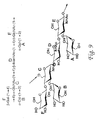
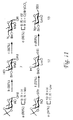
- a HF-PS saccharide moiety of the present invention includes, but is not limited to, any of the saccharide moieties presented in Fig. 9 , Fig. 15 , Fig. 16 , Fig. 28 , and Fig. 30 and any of the saccharide moieties described in Example 1, Example 2, Example 4, Example 5, Example 8, and Example 9.
- the present invention includes isolated HF-PS saccharide moieties present on B. anthracis, including, but not limited to HF-PS saccharide moieties present on B. anthracis Ames, B. anthracis Pasteur, and/or B. anthracis Sterne, but not present on B. cereus strain ATCC 14579 and/or B. cereus strain ATCC 10987.
- ATCC is the American Type American Type Culture Collection, P.O. Box 1549, Manassas, VA 20108, USA.
- the present invention includes HF-PS saccharide moieties present on B. anthracis, for example, B. anthracis and present on pathogenic B.
- the present invention includes HF-PS saccharide moieties present on B. anthracis, but not present on B. cereus strain G9241, and not present on B . cereus strain ATCC 14579 and/or B. cereus ATCC strain 10987.
- the present invention includes HF-PS saccharide moieties present on B. cereus strain G9241, but not present on present on B. anthracis, and not present on B. cereus strain ATCC 14579 and/or B. cereus ATCC strain 10987.
- isolated refers to material that has been either removed from its natural environment (e.g., the natural environment if it is naturally occurring), produced using recombinant techniques, or chemically or enzymatically synthesized, and thus is altered “by the hand of man” from its natural state.
- a saccharide moiety of the present invention is purified, i.e., essentially free from any other carbohydrates or associated cellular products or other impurities.
- the present invention describes the isolation, characterization, and synthesis of a novel oligosaccharide structure from the B. anthracis spore exosporium coat, an oligosaccharide that is present on a collagen-like protein present in the exosporium, also referred to herein as "BclA-OS.”
- This structure is specific to B. anthracis and different from that of other closely related Bacillus species. It can be conjugated to protein carriers or chemically synthesized and conjugated to protein carriers, to be used as a vaccine antigen for the prevention of anthrax, as a moiety for the distinction of B. anthracis from other bacteria, and as a diagnostic tool to detect B . anthracis infections.
- the present invention includes the isolated oligosaccharide having 2- O- methyl-4-(3-hydroxy-3-methylbutamido)-4,6-dideoxy-D-glucopyranose (also called anthrose and also referred to herein as 2-O-methyl-4-N- ⁇ -hydroxyisovaleryl-4,6-dideoxyglucose and 4-N- ⁇ -hydroxyisovaleryl-4,6-dideoxyglucose) and isolated monosaccharides, disaccharides, trisaccharides, and tetrasaccharides of this oligosaccharide, and synthetic analogs thereof.
- the present invention includes isolated trisaccharides, disaccharides, and monosaccharides containing the antigenic terminal 4"-(3-methylbutyryl)-moiety of BclA-OS of B. anthracis.
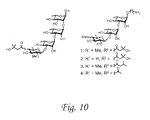
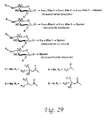
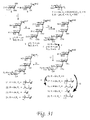
- a BclA-OS saccharide moiety of the present invention includes, but is not limited to, any of the saccharide moieties presented in Fig. 10 , Fig. 12 , Fig. 29 , and Fig. 31 , including the synthetic variants, and any of the saccharide moieties described in Example 3, Example 6, Example 7, and Example 9.
- the present invention includes isolated BclA-OS saccharide moieties present on B. anthracis, including, but not limited to BelA-OS saccharide moieties present on B. anthracis Ames, B. anthracis Pasteur, and/or B. anthracis Sterne, and not present on B. cereus strain ATCC 14579 and/or B. cereus strain ATCC 10987.
- a carbohydrate contains one or more saccharide monomers.
- a carbohydrate may be a monosaccharide, an oligosaccharide, or a polysaccharide.
- a monosaccharide is a single saccharide monomer.
- an oligosaccharide is a polymeric saccharide that contains two or more saccharides and is characterized by a well-defined structure.
- a well-defined structure is characterized by the particular identity, order, linkage positions (including branch points), and linkage stereochemistry ( ⁇ , ⁇ ) of the monomers, and as a result has a defined molecular weight and composition.
- An oligosaccharide typically may contain about 2 to about 20 or more saccharide monomers.
- An oligosaccharide of the present invention includes, but is not limited to, a disaccharide, a trisaccharide, and a tetrasaccharide.
- the present invention includes any of the saccharide moieties described herein, including any of the monosaccharides, disaccharides, trisaccharides, tetrasaccharides, and oligosaccharides described herein.
- the present invention also includes an isolated saccharide moiety, including, but not limited to, monosaccharide, disaccharide, trisaccharide, and tetrasaccharide moieties, and oligosaccharide structures as described herein conjugated to a carrier, such as, for example, a polypeptide carrier.
- a carrier such as, for example, a polypeptide carrier.
- polypeptide carriers include, but are not limited to, keyhole limpet hemacyanin (KLH), protective antigen (PA), tetanus toxoid (TT), bovine serum albumin (BSA), outer membrane protein complex of Neiserria meningitides , diptheria toxoid, Hepatitis B surface antigen, and/or Hepatitis B core antigen.
- conjugates may be used, for example, in vaccines and as reagents in diagnostic kits.
- the present invention also includes an isolated saccharide moiety, including, but not limited to, monosaccharide, disaccharide, trisaccharide, and tetrasaccharide moieties, and oligosaccharide structures as described herein conjugated to an artificial spacer, such as, for example, an artificial aminopropyl spacer.
- an artificial spacer may be used to facilitate the conjugation to a carrier or other support substrate.
- the present invention includes compositions including one or more of the isolated saccharide moieties as described herein, including, but not limited to, monosaccharide, disaccharide, trisaccharide, and tetrasaccharide moieties, and oligosaccharide structures as described herein.
- the present invention includes compositions including one or more of the saccharide moiety carrier conjugates, as described herein.
- the present invention includes compositions including one or more of the saccharide moieties conjugated to an artificial spacer, as describe herein.
- the present invention includes vaccines including one or more of the isolated saccharide moieties and isolated oligosaccharides described herein.
- a a "vaccine” or “vaccine composition” refers to a pharmaceutical composition containing an antigen, such as one or more of the saccharide moieties described herein, where the composition can be used to prevent or treat a disease or condition in a subject.
- a vaccine of the present invention may include one or more isolated saccharide moieties of B. anthracis HF-PS, as described herein.
- a vaccine of the present invention may include one or more isolated saccharide moieties of a pathogenic strain of B. cereus HF-PS, such as, for example, B. cereus strain G9241, as described herein.
- a vaccine of the present invention may include one or more isolated saccharide moieties of B. anthracis BclA-OS, as described herein.
- a vaccine of the present invention may include a combination of two, three, four, five, six, seven, eight, nine, ten, or more of the various HF-PS and BclA-OS saccharide moieties described herein.
- a vaccine of the present invention includes one or more of the isolated saccharide moieties described herein conjugated to a carrier, such as, for example, a polypeptide carrier.
- a carrier such as, for example, a polypeptide carrier.
- polypeptide carriers include, but are not limited to, keyhole limpet hemacyanin (KLH), protective antigen (PA), tetanus toxoid (TT), bovine serum albumin (BSA), outer membrane protein complex of Neiserria meningitides , diptheria toxoid, Hepatitis B surface antigen, and/or Hepatitis B core antigen. Many such methods for conjugation are available to the skilled artisan.
- one or more saccharide moieties as described herein may be conjugated to PA.
- PA is part of the anthrax toxin complex and is a potent antigen.
- Combining PA with the saccharides and oligosaccharides of the present invention will be useful in directing the immune response to the toxin (via the PA antigen), the spores (via the BclA-OS saccharide moiety) and the cells (via the HF-PS saccharide moiety) of B. anthracis.
- This association with PA will make carbohydrates more immunogenic and provide an enhanced synergistic immune response to the PA antigen.
- the conjugate as a vaccine will provide an earlier and better immune response to B.
- anthracis spores and cells than do current vaccines.
- Conjugation to PA may offer a divalent vaccine that will protect against both the spore and vegetative forms of B. anthracis.
- a PA-carbohydrate conjugate antigen may act in concert against both the toxemia of anthrax and the spore or vegetative organism.
- Such a vaccine construct when administered by a route that induces an IgA anti-spore response at the mucosal surface will provide an earlier immune intervention against inhalation anthrax.
- such PA conjugates may also be used as diagnostic tools for the detection of both spores and vegetative cells.
- CPSs capsular polysaccharides
- Current vaccines are conjugate vaccines, produced by coupling these polysaccharides to proteins, such as diphtheria toxoid, tetanus toxoid, or the outer membrane protein of non-typeable Haemophilus influenza.
- Conjugate vaccines induce strong IgG antibody and memory responses and have proven very effective in preventing infections caused by these pathogens.
- Such vaccines often consist of multiple polysaccharide-protein conjugates forming a multivalent vaccine that covers the largest percentage of environmental serotypes.
- the B. anthracis saccharide-carrier conjugate vaccines of the present invention include, but are not limited to, monovalent, divalent, and multivalent conjugates.
- the present invention includes saccharide moieties that represent synthetic oligosaccharide epitopes.
- Organic synthesis can provide carbohydrate epitopes in high purity and in relatively large amounts for controlled conjugation to a carrier protein.
- synthetic saccharides may be equipped with an artificial spacer to facilitate the conjugation.
- a range of synthetic oligosaccharides can be used to determine the minimal epitope for a protective antibody response.
- synthetic saccharides can also be employed to map ligand requirements of monoclonal antibodies raised against natural polysaccharides.
- Such synthetic carbohydrate-protein conjugates will allow the preparation of vaccine antigens without the complicating problems of chemical lability and structural heterogeneity of the natural polysaccharide projects.
- chemical synthesis allows for the determination of the precise epitopes needed for the optimal immune response, and helps sort out the details of the structure/function relationships of the carbohydrate antigens.
- the vaccines of the present invention may also include an adjuvant, including, but not limited to, an aluminum based adjuvant, such as, for example, aluminum phosphate, aluminum hydroxide, aluminum hydroxyl-phosphate, and aluminum hydroxyl-phosphate-sulfate, and non-aluminum adjuvants, such as, for example, QS21, Lipid-A, Freund's complete adjuvant, Freund's incomplete adjuvant, neutral lipsomes, microparticles, cytokines, chemokines, and synthetic oligodeoxynucleotide (ODN) containing CpG motifs (CpG ODN) (Life Technologies, Grand Island, NY).
- an aluminum based adjuvant such as, for example, aluminum phosphate, aluminum hydroxide, aluminum hydroxyl-phosphate, and aluminum hydroxyl-phosphate-sulfate
- non-aluminum adjuvants such as, for example, QS21, Lipid-A, Freund's complete adjuvant, Freund'
- a vaccine of the present invention may also include one or more additional antigens, for example, an additional B. anthracis antigen (such as, for example, PA), or an antigen from Haemopholis influenza, hepatitis virus A, B, or C, influenza virus types A or B, including, for example, the M2, hemaglutinin, and/or neuraminidase proteins of an influenza virus, human papilloma virus, measles, rubella, varicella, rotavirus, polio, Streptococcus pneumonia, and Staphylococcus aureus.
- additional antigens may be conjugated to any of the saccharides and oligosaccharides described herein.
- the vaccines of the present invention may be formulated according to methods known and used in the art.
- the vaccines of the present invention may include salts, buffers, preservatives, or other substances designed to improve or stabilize the composition.
- the vaccines of the present invention may include a pharmaceutically acceptable excipient.
- the vaccine of the present invention may be administered to a subject by any of many different routes.
- the vaccine may be administered intravenously, intraperitonealy, subcutaneously, intranasally, orally, transdermally, and/or intramuscularly. Suitable dosing regimes may be determined by taking into account factors well known in the art including, for example, the age, weight, sex, and medical condition of the subject; the route of administration; the desired effect; and the particular conjugate and formulation employed.
- the vaccine may be administered as either a single does or multiple doses.
- the timing of the doses may follow schedules known in the art. For example, after an initial administration, one or more booster doses may subsequently me administered to maintain antibody titers and/or immunologic memory.
- the present invention includes methods of detecting or determining exposure of a subject to B. anthracis, to a pathogenic strain of B. cereus, and/or a nonpathogenic strain of B. cereus, the method including detecting the presence of an antibody that binds to a saccharide moiety as described herein.
- the present invention includes methods of distinguishing exposure to B. anthracis from exposure to a pathogenic strain of B. cereus or exposure to a nonpathogenic strain of B . cereus.
- the present invention includes methods of distinguishing exposure to a pathogenic strain of B. cereus from exposure to a nonpathogenic strain of B. cereus, the method including detecting the presence of an antibody that binds to a saccharide moiety as described herein.
- Antibodies may be detected in samples obtained from the subject, including a biological sample, such as, for example, a tissue or fluid sample isolated from a subject, including but not limited to, for example, blood, plasma, serum, fecal matter, urine, bone marrow, bile, spinal fluid, lymph tissue and lymph fluid, samples of the skin, external secretions of the skin, respiratory, intestinal, and genitourinary tracts, tears, saliva, milk, blood cells, organs, and biopsies.
- the present invention includes diagnostic kits containing one or more of the isolated saccharide moieties described herein.
- the saccharides moieties may be labeled with one or more of the detectable markers known to the skilled artisan.
- a saccharide moiety may be bound to a solid substrate.
- a saccharide moiety may be included as positive and/or negative controls in antibody based detection methods and kits.
- Saccharide moieties include, but are not limited to, one or more isolated saccharide moieties of B. anthracis HF-PS as described herein, one or more isolated saccharide moieties of a pathogenic strain of B. cereus HF-PS as described herein, such as, for example, B. cereus strain G9241, and/or one or more isolated saccharide moieties of B. anthracis BclA-OS as described herein.
- a combination of two, three, four, five, six, seven, eight, nine, ten, or more of the various HF-PS and BclA-OS saccharide moieties described herein, may be included in a diagnostic methods or kit of the present invention.
- the present invention includes antibodies that bind to the isolated saccharide moieties described herein.
- Antibodies of the present invention may be, for example, polyclonal, monoclonal, humanized, chimeric, or single chain. As used herein the terms “antibodies” or “antibody” are used interchangeably.
- the present invention includes polyclonal antibodies that are generated by immunization with one of the isolated B. anthracis HF-PS or BclA-OS saccharide moieties, as described herein. Such a saccharide moiety may be conjugated to a carrier polypeptide. Such a polyclonal antibody will demonstrate a binding specificity to the immunizing B. anthracis HF-PS or BclA-OS saccharide moiety but will not bind to the HF-PS or BclA-OS saccharide moiety, spores or vegetative cells of a nonpathogeneic B. cereus strain, such as, for example, B. cereus strain ATCC 14579 or B. cereus strain ATCC 10987.
- a nonpathogeneic B. cereus strain such as, for example, B. cereus strain ATCC 14579 or B. cereus strain ATCC 10987.
- such a polyclonal antibody preparation may bind to intact vegetative cells of B. anthracis Ames. In some embodiments, such a polyclonal antibody preparation may not do not bind to intact vegetative cells of B. anthracis Ames. In some embodiments, such a polyclonal antibody preparation may bind to intact spores of B. anthracis Ames. In some embodiments, such a polyclonal antibody preparation may not bind to intact spores of B. anthracis Ames.
- the present invention includes monoclonal antibodies that bind to an isolated B. anthracis HF-PS or BclA-OS saccharide moiety as described herein.
- a monoclonal antibody may bind to an isolated HF-PS saccharide moiety from B . anthracis, including, but not limited to the isolated HF-PS saccharide moiety from B. anthracis Ames, B. anthracis Pasteur, and/or B. anthracis Stem.
- such a monoclonal antibody may bind to intact B. anthracis vegetative cells or spores.
- such a monoclonal antibody may not bind to intact B.
- such a monoclonal antibody does not bind to intact B. cereus strain ATCC 14579 or B. cereus strain ATCC 10987 vegetative cells or spores and does not bind isolated HF-PS from B. cereus strains ATCC 14579 or ATCC 10987.
- such a monoclonal antibody also binds to intact B. cereus strain G9241, BB87, and/or BB102 vegetative cells or spores or binds to isolated HF-PS from the pathogenic B. cereus strains G9241, BB87, and/or BB102.
- such a monoclonal antibody does not bind to intact B. cereus strain G9241, BB87, and/or BB102 vegetative cells or spores or does not bind to isolated HF-PS from B. cereus strains G9241, BB87, and/or BB102.
- the present invention includes monoclonal antibodies that bind to an isolated HF-PS saccharide moiety from the pathogenic B. cereus strains that cause severe or fatal pneumonia, including, for example, B. cereus strains G9241, BB87, and/or BB102.
- a monoclonal antibody may or may not bind intact B. cereus strain G9241, BB87, and/or BB102 vegetative cells or spores.
- Such an antibody does not bind to an isolated HF-PS saccharide moiety from B. anthracis Ames, B. anthracis Pasteur, and/or B. anthracis Sterne and does not bind to intact B. anthracis vegetative cells or spores.
- the present invention includes monoclonal antibodies that bind to an isolated BclA-OS saccharide moiety as described herein.
- a monoclonal antibody may bind to an isolated BclA-OS saccharide moiety from B . anthracis, including, but not limited to the isolated BclA-OS saccharide moiety from B. anthracis Ames, B. anthracis Pasteur, and/or B. anthracis Sterne.
- Such an antibody may or may not bind to intact B. anthracis vegetative cells or spores.
- such a monoclonal antibody does not bind to intact B. cereus strain ATCC 14579 or B.
- such a monoclonal antibody does not bind the BclA-OS saccharide moiety isolated from B. cereus strains ATCC 14579 or ATCC 10987.
- the antibodies of the present invention include various antibody fragments, also referred to as antigen binding fragments, which include only a portion of an intact antibody, generally including an antigen binding site of the intact antibody and thus retaining the ability to bind antigen.
- antibody fragments include, for example, Fab, Fab', Fd, Fd', Fv, dAB, and F(ab') 2 fragments produced by proteolytic digestion and/or reducing disulfide bridges and fragments produced from an Fab expression library.
- Such antibody fragments can be generated by techniques well known in the art.
- Antibodies of the present invention can include the variable region(s) alone or in combination with the entirety or a portion of the hinge region, CH1 domain, CH2 domain, CH3 domain and/or Fc domain(s).
- Antibodies include, but are not limited to, polyclonal antibodies, affinity-purified polyclonal antibodies, monoclonal antibodies, human antibodies, humanized antibodies, chimeric antibodies, anti-idiotypic antibodies, multispecific antibodies, single chain antibodies, single-chain Fvs (scFv), disulfide-linked Fvs (sdFv), Fab fragments, F(ab') fragments, F(ab') 2 fragments, Fv fragments, diabodies, linear antibodies fragments produced by a Fab expression library, fragments comprising either a VL or VH domain, intracellularly-made antibodies (i.e., intrabodies), and antigen-binding antibody fragments thereof.
- scFv single-chain Fvs
- sdFv disulfide-linked Fvs
- Fab fragments F(ab') fragments, F(ab') 2 fragments, Fv fragments, diabodies
- linear antibodies fragments produced by a Fab expression library fragments comprising
- the antibodies of the present invention can be of any type (e.g., IgG, IgE, IgM, IgD, IgA and IgY), class (e.g., IgG1, IgG2, IgG3, IgG4, IgA1 and IgA2) or subclass of immunoglobulin molecule.
- Immunoglobulins can have both heavy and light chains.
- An array fo IgG, IgE, IgM, IgD, IgA, and IgY heavy chains can be paired with a light chain of the kappa or lambda form.
- the antibodies of the invention can be from any animal origin, including birds and mammals.
- the antibodies are human, murine, rat, donkey, sheep, rabbit, goat, guinea pig, camel, horse, or chicken antibodies.
- "human” antibodies include antibodies having the amino acid sequence of a human immunoglobulin and include antibodies isolated from human immunoglobulin libraries or from animals transgenic for one or more human immunoglobulins.
- polyclonal antibody refers to an antibody produced from more than a single clone of plasma cells.
- monoclonal antibody refers to an antibody produced from a single clone of plasma cells.
- the preparation of polyclonal antibodies is well known. Polyclonal antibodies may be obtained by immunizing a variety of warm-blooded animals such as horses, cows, goats, sheep, dogs, chickens, rabbits, mice, hamsters, guinea pigs and rats as well as transgenic animals such as transgenic sheep, cows, goats or pigs, with an immunogen. The resulting antibodies may be isolated from other proteins by using an affinity column having an Fc binding moiety, such as protein A, or the like.
- Monoclonal antibodies can be obtained by various techniques familiar to those skilled in the art. For example, spleen cells from an animal immunized with a desired antigen are immortalized, commonly by fusion with a myeloma cell. Monoclonal antibodies can be isolated and purified from hybridoma cultures by techniques well known in the art. Other known methods of producing transformed B cell lines that produce monoclonal antibodies may also be used. In some embodiments, the antibody can be recombinantly produced, for example, produced by phage display or by combinatorial methods. Such methods can be used to generate human monoclonal antibodies.
- a therapeutically useful antibody may be derived from a "humanized” monoclonal antibody.
- Humanized monoclonal antibodies are produced by transferring one or more CDRs from the heavy and light variable chains of a mouse (or other species) immunoglobulin into a human variable domain, then substituting human residues into the framework regions of the murine counterparts.
- the use of antibody components derived from humanized monoclonal antibodies obviates potential problems associated with immunogenicity of murine constant regions.
- the present invention includes, for example, antibodies with all of the CDR regions of an anti-saccharide antibody, all of the heavy chain CDRs of an anti-saccharide antibody, or all of the CDR regions of the light chain of an anti-saccharide antibody, wherein the humanized antibody retains the anti-saccharide binding specificity.
- the constant region of a humanized monoclonal antibody of the present invention can be that from human immunoglobulin belonging to any isotype. It may be, for example, the constant region of human IgG.
- Antibodies of the present invention include chimeric antibodies.
- a chimeric antibody is one in which different portions are derived from different animal species.
- chimeric antibodies can be obtained by splicing the genes from a mouse antibody molecule with appropriate antigen specificity together with genes from a human antibody molecule of appropriate biological specificity.
- Antibodies of the present invention can be produced by an animal, chemically synthesized, or recombinantly expressed.
- Antibodies of the present invention can be purified by any method known in the art for purification of an immunoglobulin molecule, for example, by chromatography (e.g., ion exchange, affinity, and sizing column chromatography), centrifugation, differential solubility, or by any other standard technique for the purification of proteins.
- Antibodies of the present invention can be assayed for immunospecific binding by the methods described herein and by any suitable method known in the art.
- the immunoassays that can be used include but are not limited to competitive and non-competitive assay systems using techniques such as BIAcore analysis, FACS (Fluorescence activated cell sorter) analysis, immunofluorescence, immunocytochemistry, Western blots, radio-immunoassays, ELISA (enzyme linked immunosorbent assay), "sandwich” immunoassays, immunoprecipitation assays, precipitin reactions, gel diffusion precipitin reactions, immunodiffusion assays, agglutination assays, complement-fixation assays, immunoradiometric assays, fluorescent immunoassays, protein A immunoassays, to name but a few.
- Such assays are routine and well known in the art (see e.g., Ausubel et al, Eds, 1994, Current Protocols in
- hybridoma cell lines, transformed B cell lines, and host cell that produce the monoclonal antibodies of the present invention; the progeny or derivatives of these hybridomas, transformed B cell lines, and host cells; and equivalent or similar hybridomas, transformed B cell lines, and host cells.
- the present invention further provides an isolated polynucleotide molecule having a nucleotide sequence encoding a monoclonal antibody of the invention.
- the present invention is further directed to an isolated polynucleotide molecule having a nucleotide sequence that has at least 75%, at least 80%, at least 85%, at least 90%, at least 95%, at least 96%, at least 97%, at least 98%, or at least 99% sequence identity to nucleotide sequence encoding a monoclonal antibody of the invention.
- the invention also encompasses polynucleotides that hybridize under high stringency to a nucleotide sequence encoding an antibody of the invention, or a complement thereof.
- stringent conditions refer to the ability of a first polynucleotide molecule to hybridize, and remain bound to, a second, filter-bound polynucleotide molecule in 0.5 M NaHPO 4 , 7% sodium dodecyl sulfate (SDS), and 1 mM EDTA at 65° C., followed by washing in 0.2 X SSC/0.1% SDS at 42° C (see Ausubel et al. (eds.), Current Protocols in Molecular Biology, Vol. 1, Green Publishing Associates, Inc., and John Wiley & Sons, Inc., N.Y. (1989), at p. 2.10.3 ).
- polynucleotides that encode one or more of the CDR regions or the heavy and/or light chains of a monoclonal antibody of the present invention.
- General techniques for cloning and sequencing immunoglobulin variable domains and constant regions are well known. See, for example, Orlandi et al., 1989, Proc. Nat'l Acad. Sci. USA 86: 3833 .
- the present invention also includes recombinant vectors including an isolated polynucleotide of the present invention.
- the vector can be, for example, in the form of a plasmid, a viral particle, or a phage.
- the appropriate DNA sequence can be inserted into a vector by a variety of procedures. In general, the DNA sequence is inserted into an appropriate restriction endonuclease site(s) in a vector by procedures known in the art. Such procedures are deemed to be within the scope of those skilled in the art. Large numbers of suitable vectors and promoters are known to those of skill in the art, and are commercially available. The following vectors are provided by way of example.
- Bacterial vectors include, for example, pQE70, pQE60, pQE-9, pBS, pD10, phagescript, psiX174, pbluescript SK, pbsks, pNH8A, pNH16a, pNH18A, pNH46A, ptrc99a, pKK223-3, pKK233-3, pDR540, and pRIT5.
- Eukaryotic vectors include, for example, pWLNEO, pSV2CAT, pOG44, pXT1, pSG, pSVK3, pBPV, pMSG, and pSVL. However, any other plasmid or vector can be used.
- the present invention also includes host cells containing the above-described vectors.
- the host cell can be a higher eukaryotic cell, such as a mammalian or insect cell, or a lower eukaryotic cell, such as a yeast cell.
- the host cell can be a prokaryotic cell, such as a bacterial cell, or a plant cell.
- Introduction of a vector construct into the host cell can be effected by any suitable techniques, such as, for example, calcium phosphate transfection, DEAE-Dextran mediated transfection, or electroporation.
- phage display libraries expressing one or more hypervariable regions from a monoclonal antibody of the present invention, and clones obtained from such a phage display library.
- a phage display library is used to produce antibody derived molecules. Gene segments encoding the antigen-binding variable domains of antibodies are fused to genes encoding the coat protein of a bacteriophage. Bacteriophage containing such gene fusions are used to infect bacteria, and the resulting phage particles have coats that express the antibody-fusion protein, with the antigen-binding domain displayed on the outside of the bacteriophage.
- Phage display libraries can be prepared, for example, using the Ph.D.-TM7 Phage Display Peptide Library Kit (Catalog # E8100S) or the Ph.D.TM-12 Phage Display Peptide Library Kit (Catalog # E8110S) available from New England Biolabs Inc., Ipswich, MA.
- the monoclonal antibodies of the present invention may be coupled directly or indirectly to a detectable marker by techniques well known in the art.
- a detectable marker is an agent detectable, for example, by spectroscopic, photochemical, biochemical, immunochemical, or chemical means.
- detectable markers include, but are not limited to, fluorescent dyes, chemiluminescent compounds, radioisotopes, electron-dense reagents, enzymes, colored particles, biotin, or dioxigenin.
- a detectable marker often generates a measurable signal, such as radioactivity, fluorescent light, color, or enzyme activity.
- Antibodies conjugated to detectable agents may be used for diagnostic or therapeutic purposes.
- detectable agents include various enzymes, prosthetic groups, fluorescent materials, luminescent materials, bioluminescent materials, radioactive materials, positron emitting metals using various positron emission topographies, and nonradioactive paramagnetic metal ions.
- the detectable substance can be coupled or conjugated either directly to the antibody or indirectly, through an intermediate such as, for example, a linker known in the art, using techniques known in the art.
- suitable enzymes include horseradish peroxidase, alkaline phosphatase, beta-galactosidase, and acetylcholinesterase;
- suitable prosthetic group complexes include streptavidin/biotin and avidin/biotin;
- suitable fluorescent materials include umbelliferone, fluorescein, fluorescein isothiocyanate, rhodamine, dichlorotriazinylamine fluorescein, dansyl chloride and phycoerythrin;
- an example of a luminescent material includes luminol;
- examples of bioluminescent materials include luciferin, and aequorin;
- suitable radioactive material include iodine ( 121 I, 123 I, 125 I, 131 I) els carbon ( 14 C), sulfur ( 35 S) tritium ( 3 H), indium ( 111 In, 112 In, 113 mIn, 115 mIn), technetium ( 99 Tc, 99 m
- compositions of one or more of the antibodies of the present invention may also include, for example, buffering agents to help to maintain the pH in an acceptable range or preservatives to retard microbial growth.
- Such compositions may also include a pharmaceutically acceptable carrier.
- the compositions of the present invention are formulated in pharmaceutical preparations in a variety of forms adapted to the chosen route of administration. Formulations include those suitable for parental administration or for perfusion.
- pharmaceutically acceptable, as used herein, means that the compositions or components thereof so described are suitable for administration to a subject without undue toxicity, incompatibility, instability, allergic response, and the like.
- the present invention includes methods of treating or preventing anthrax in a subject by the administration of one or more of the antibodies described herein. Such methods for the passive administration of antibodies are well known. Such antibodies may be polyclonal and/or monoclonal. In some applications, a cocktail of antibodies may be administered; a cocktail of more than one of the antibodies described herein and/or other available antibodies.
- “treating" or “treatment” can include both therapeutic and prophylactic treatments. Desirable effects of treatment include preventing occurrence or recurrence of disease, alleviation of symptoms, diminishing any direct or indirect pathological consequences of the disease, decreasing the rate of disease progression, amelioration or palliation of the disease state, and remission or improved prognosis.
- a subject or patient, as used herein, can be either human or nonhuman, including for example, a human, a higher primate, a non-human primate, domestic livestock and domestic pets (such as dogs, cats, cattle, horses, pigs, sheep, goats, mules, and donkeys) laboratory animals (such as mice, rats, hamsters, guinea pigs, and rabbits), and wild life.
- domestic livestock and domestic pets such as dogs, cats, cattle, horses, pigs, sheep, goats, mules, and donkeys
- laboratory animals such as mice, rats, hamsters, guinea pigs, and rabbits
- a biological sample refers to a sample of tissue or fluid isolated from a subject, including but not limited to, for example, blood, plasma, serum, fecal matter, urine, bone marrow, bile, spinal fluid, lymph tissue and lymph fluid, samples of the skin, external secretions of the skin, respiratory, intestinal, and genitourinary tracts, tears, saliva, milk, blood cells, organs, biopsies and also samples of in vitro cell culture constituents including but not limited to conditioned media resulting from the growth of cells and tissues in culture medium, e.g., recombinant cells, and cell components.
- Such a method may distinguish between B. anthracis, and other Bacillus species. Such a method may distinguish between B. anthracis and B. cereus. Such a method may distinguish between B. anthracis and a nonpathogenic strain of B. cereus. Such a method may distinguish between B. anthracis and a pathogenic strain of B. cereus. Such a method may distinguish between a pathogenic strain of B. cereus and a nonpathogenic strain of B. cereus.
- a single antibody as described herein may be used.
- a combination of two, three, four, five, six, seven, eight, nine, ten, or more of the various antibodies as described herein may be used in a diagnostic methods or kit of the present invention.
- a combination may be a cocktail of antibodies.
- a combination may be the use of several antibodies, each with a unique binding specificity, each used in a separate step or compartment of a detection assay.
- a combination includes a combination of different monoclonal antibodies, a combination of polyclonal antibodies, and a combination of monoclonal antibodies and polyclonal antibodies.
- the present invention includes diagnostic kits containing one or more of the antibodies described herein.
- the antibodies may be labeled with one or more of the detectable markers known to the skilled artisan.
- the antibodies may be bound to a solid substrate.
- the present invention includes diagnostic kits containing one or more of the isolated saccharide or oligosaccharide moieties described herein, and one or more of the antibodies described herein.
- the antibodies and/or saccharide moieties may be labeled with one or more of the detectable markers known to the skilled artisan.
- the antibodies and/or saccharide moieties may be bound to a solid substrate.
- Diagnostic kits of the present invention may include other reagents such as buffers and solutions needed to practice the invention are also included. Optionally associated with such container(s) can be a notice or printed instructions.
- packaging material refers to one or more physical structures used to house the contents of the kit. The packaging material is constructed by well known methods, preferably to provide a sterile, contaminant-free environment.
- packaging refers to a solid matrix or material such as glass, plastic, paper, foil, and the like, capable of holding within fixed limits a polypeptide. Diagnostic kits of the present invention may also include instructions for use.
- Instructions for use typically include a tangible expression describing the reagent concentration or at least one assay method parameter, such as the relative amounts of reagent and sample to be admixed, maintenance time periods for reagent/sample admixtures, temperature, buffer conditions, and the like.
- the present invention includes the methods of synthesizing the B. anthracis HF-PS and BclA-OS saccharides, as described herein.
- the present invention also includes agents that inhibit such synthesis of the B. anthracis HF-PS and BclA-OS saccharides described herein.
- Antibiotics are the current therapeutic treatment for B . anthracis.
- Other types of therapeutic agents, including antibodies and antitoxin agents, are being investigated.
- the biosynthetic pathways of bacterial cell wall components that are crucial for the viability or virulence of a bacterium are also useful targets for the development of therapeutics ( Clements et al., 2002, Antimicrob Agents Chemother 46:1793-1799 ; Ma et al., 2001, Antimicrob Agents Chemother 45:1407-1416 ).
- the present invention includes inhibitors of the biosynthesis of such cell wall carbohydrates of B. anthracis for use as therapeutics agents.
- the present invention includes agents that modulate the synthesis of the saccharide moieties and oligosaccharides described herein. In some aspects, modulation includes the inhibition of the rate or the yield of synthesis. In some aspect, modulation includes an enhanced rate or yield of synthesis.
- the present invention includes methods of treating or preventing anthrax by the administration of one or more such agents.
- the Bacillus cereus group of bacteria is comprised of the closely related species B. cereus, B. anthracis, and B. thuringiensis.
- Bacillus cereus strains can be potent opportunistic pathogens, while B. thuringiensis is an insect pathogen, and B. anthracis is the causative organism of anthrax.
- B. anthracis spores in the US mail system in 2001 demonstrated their potential as a bioterrorist weapon.
- differentiation amongst B. cereus, B. thuringiensis and B. anthracis in practice is not difficult, the speed and specificity of confirmatory identification of virulent B. anthracis are of great importance in the context of bioterrorism preparedness and emergency response.
- Bacterial., 188:3382-3390 Ticknor et al., 2001, Appl. Environ. Microbiol., 67:4863-48873 ).
- These classification methods have been used to re-group Bacillus strains.
- the phylogenetic picture that is emerging from these studies for strains of B. cereus is only partially in accordance with the more traditional classification scheme.
- the B. cereus group strains have traditionally been classified as three species; B. cereus, B. thuringiensis, and B. anthracis whereas fluorescent heteroduplex analysis places these species in only two subgroups ( Merrill et al., 2003, Appl. Environ. Microbiol., 69:3317-3326 ).
- These recent findings, as well as those based on comparative Bacillus species genome analyses have altered the more traditional Bacillus taxonomic groupings ( Read et al., 2003, Nature, 423:81-86 ).
- Probes 21:190-201
- gamma phage specificity to Bacillus cell Abshire et al., 2005, J. Clin. Microbiol., 43:4780-4788
- a glycan array derived from a spore protein carbohydrate component Wang et al., 2007, Proteomics, 7:180-184 .
- Bacillus cell wall carbohydrates have not been adequately investigated with regard to taxonomic classification and strain identification.
- Infection by pathogenic strains of the B. cereus group likely involves multiple components of the cell wall that interact with the host. These include the capsule, the S-layer and various cell wall glycoconjugates. During an infection, these cell wall components may function in bacterial adhesion to host cells and also as barriers to the host defense mechanism, thereby acting as virulence factors.
- the functional importance of the cell wall carbohydrate ensures its structural conservation and, thus, makes it a good candidate for identification and classification of Bacillus species, as well as for development into a vaccine antigen.
- Carbohydrates are a common feature of the bacilli cell wall, e.g. as capsules, or as S-layer protein components, etc. In many bacterial genera the cell walls are well established as diagnostic targets ( Allison and Verma, 2000, Trends Microbiol., 8:17-23 ; Miceika et al., 1985, J. Clin. Microbiol., 21:467-469 ; Kunststoffia et al., 1985, J. Clin. Microbiol., 21:395-398 ; and Weintraub, 2003, Carbohydr.
- the cell walls from Clade 2 strains ( B. cereus type strain ATCC 14579, and of B. thuringiensis strains) lacked Gal, and contained N-acetylgalactosamine (GalNAc).
- the B. cereus Clade 1 strains had cell walls that were similar in composition to B. anthracis in that they all contained Gal.
- the cell walls from some Clade 1 strains also contained GalNAc which was not present in B . anthracis cell walls.
- anthracis strain cell wall glycosyl compositions differed from one another in a plasmid-dependent manner.
- plasmid pXO2 was absent, the ManNAc/Gal ratio decreased while the Gle/Gal ratio increased.
- deletion of atxA, a global regulatory gene, from a pXO2-minus strain resulted in cell walls with an even greater level of Glc.
- B. anthracis strains Bacterial strains and culture conditions. Most B . anthracis strains were obtained from the CDC culture collection. The strains B . anthracis 7702 and UT-60 strain were obtained from T. Koehler, University of Texas/Houston Health Science Center. A list of bacterial strains used in this study and their sources are given in Table 1. Cells cultured over night in brain heart infusion medium (BHI) (BD BBL, Sparks, MD) containing 0.5% glycerol were used to inoculate four 250-ml volumes of BHI medium in 2-L Erlenmeyer flasks the next morning. Cultures were grown at 37°C ( B. anthracis ) or 30°C ( B. cereus, B.
- BHI brain heart infusion medium
- thuringiensis shaking at 200 rpm. Growth was monitored by measuring the optical density of the cultures at 600 nm. In mid-log phase, cells were harvested by centrifugation (8,000 x g, 4°C, 15 min), washed two times in sterile saline, enumerated by dilution plating on BHI agar plates, and then autoclaved for 1h at 121°C before further processing.
- the bacterial cell walls were prepared by modification of a previously described procedure ( Brown, 1973 J.Bacteriol 25:295-300 ).
- the autoclaved bacterial cells (3 x 10 8 to 3 x 10 9 CFU/ml) were disrupted in 40 ml sterile saline on ice by four 10-minute sonication cycles. The complete or near complete disruption of cells was checked microscopically. Unbroken cells were removed by a low speed centrifugation run (8,000 ⁇ g, 4°C, 15 min). The separated pellet and supernatant fractions were stored at -70°C.
- the cell walls were separated from the low speed supernatants by ultracentrifugation at 100,000 ⁇ g , 4°C for 4 hours.
- the resulting cell wall pellets were washed by suspension in cold, deionized water followed by an additional ultracentrifugation at 100,000 ⁇ g, 4°C for four hours, and lyophilized.
- Phosphate-bound polysaccharides were released from the cell walls by treatment with aqueous HF according to a modification of the procedure described by Ekwunife et al. ( Ekwunife et al., 1991, FEMS Microbiol. Lett., 82:257-262 ). Briefly, the cell walls are subjected to 47% hydrogen fluoride (HF) under stirring at 4°C for 48 hours.
- HF hydrogen fluoride
- the reaction mixture was neutralized with NH 4 OH, subjected to a 10 minute low speed centrifugation, and the supernatant with the released polysaccharides lyophilized, redissolved in deionized water and subjected to a chromatographic size separation on a BioGel P2 column (Bio-Rad).
- the fractions eluting from the BioGel P2 column were monitored using a refractive index detector.
- Polysaccharide-containing peaks were pooled, lyophilized and analyzed by gas chromatography-mass spectrometry as described below. These HF-released polysaccharides are referred to as HF-PSs.
- methyl glycosides were N -acetylated, trimethylsilylated, and then analyzed by GC-MS analysis (5890A GC-MS; Agilent Technologies, Palo Alto, CA) using a 30-m DB-1 fused silica capillary column (J&W Scientific, Folsom, CA). Inositol was used as an internal standard, and retention times were compared to authentic standards. Composition analysis was done on samples obtained from at least two independent cultures of each strain, and each sample was also analyzed at least two times.
- glycosyl composition analysis for members of the B. cereus group.
- the strains investigated in this study and their classification are listed in Table 1.
- the glycosyl composition for the cell wall samples from each strain is shown in Table 2.
- the glycosyl composition of cell pellets was initially analyzed from a number of strains shown in Tables 1 and 2. Findings showed that they all contained the same glycosyl residues found in the isolated cell walls with the exception that cell pellets invariably contained some ribose, presumably due to RNA.
- the glycosyl composition of the cell walls from all the B. anthracis strains contained Glc, Gal, ManNAc, and GlcNAc. Qualitatively, B.
- Cereus strains belonging to Clade 1/Cereus IV had the same cell wall glycosyl components as strains belonging to Clade 1/Anthracis.
- the cell walls from strains of Clade 1/Cereus III differed from those of Clade 1/anthracis in that they contained additional Man, while strains belonging to Clade I/Cereus I differed in that their cell walls additionally contained GalNAc, and the cell walls from all strains belonging to Clade 2 lacked Gal and contained GalNAc.
- Table 1 Strains investigated: MLST groupings, clinical manifestation, and source. Strain MLST Clade, Lineage 1,2 Clinical Information 3 Source/Provider 4 Reference 5 B.
- cereus F666 (ST-92) Clade 1, Cereus I Gastrointestinal illness Human stool isolate, (1981, North Carolina) Novak 2005 B . cereus ATCC 10987 n/a dairy isolate (1930) smith 1952 B . cereus B5780 (ST-76) Clade 1, Cereus III unknown Human blood isolate (1970, Texas) Novak 2005 B. cereus BB102 fatal pneumonia Human blood isolate (2003, Texas) Hoffmaster 2006 B . cereus G9241 Clade 1, Cereus IV Severe pneumonia Human blood isolate (1994, Louisiana) Hoffmaster 2004 B. cercus BB87 fatal pneumonia Human blood isolate (2003, Texas) Hoffmaster 2006 B. cereus ATCC 14579 Clade 2 Tolworthi n/a B.
- strain B. anthracis Sterne 34F 2 had cell walls with notably decreased levels of ManNAc compared to B. anthracis Ames and B. anthracis Pasteur 4229, while B. anthracis 7702 and its atxA deletion mutant UT-60 showed an increase in cell wall Glc levels compared to the other B. anthracis strains.
- Quantitative differences in various glycosyl components were also present between B. Cereus Clade 1/Cereus I strains F666 and ATCC 10987. Relative to strain B. cereus ATCC 10987, strain B.
- cereus F666 contained significantly increased amounts of Glc and decreased amounts of Gal. Differences were also noticeable in strains B. cereus B5780 and BB102 cell walls, both belonging to Clade 1/Cereus III. Strain B5780 had a much higher level of Glc and lower levels of both Gal and ManNAc compared to strain BB102.
- B. anthracis 7702 cell walls with reduced amounts of ManNAc relative to Gal suggesting that the absence of the pXO2 plasmid impacts cell wall glycosyl composition.
- B. anthracis 7702 cell walls displayed a three-fold increase (relative to Gal) in Glc levels compared to the cell wall from B. anthracis Ames (Table 3). The increase in the amounts of cell wall Glc was even more pronounced in B. anthracis UT-60; a derivative of B. anthracis 7702 that has a deletion mutation in the atxA regulatory gene on pXO1 in addition to lacking pXO2 ( Dai et al., 1995, Mol.
- anthracis Ames (PXO1 + , pXO2 + ) 0.1 1.0 0.25 0.5
- B. anthracis Pasteur 4229 (pXO1 - , pXO2 + ) 0.1 1.0 0.3 0.5
- B. anthracis Sterne 34F2 (pXO1 + , pXO2 - ) 0.1 1.0 0.1 0.4
- anthracis 7702 (pXO1 + , pXO2 - ) 0.3 1.0 0.15 0.4
- anthracis UT-60 atxA deletion mutant of strain 7702
- pXO1 + ⁇ txA , pXO2 - 0.5 1.0 0.15 0.5
- composition of HF released polysaccharides Polysaccharides that are attached to the bacterial cell walls through phosphate bonds can be released through HF treatment ( Kojima et al., 1985, Eur. J. Biochem., 148:479-484 ). This procedure was used in other studies to obtain the cell wall polysaccharide from B . anthracis which is thought to anchor the S-layer protein to the peptidoglycan ( Ekwunife et al., 1991, FEMS Microbiol. Lett., 82:257-262 ; Mesnage et al., 2000, EMBO J., 19:4473-4484 ).
- glycosyl residue compositions of the HF-PSs from the investigated strains of B. anthracis (Clade 1/Anthracis), and B. cereus (Clade 1/Cereus I, III, IV, and Clade 2/Tolworthi) are presented in Table 4, and GC-MS profiles of the cell wall compositions compared with the HF-PSs of pXO2-minus B. anthracis strains and B. cereus ATCC 10987 are shown in Figures 1 and 2 .
- B . anthracis 7702 was not analyzed by this method.
- B. anthracis Sterne 34F 2 The presence of a Glc-rich polysaccharide in B. anthracis cell walls that is not part of the HF-PS was most obvious for one culture of B . anthracis Sterne 34F 2 in which the cell wall had a relative Glc content of 52% while its HF-PS contained only 4.2% Glc (see Table 4 and Figs. 1A and 1B ).
- the "missing" Glc was found in the cell wall debris after HF-treatment and, therefore, B . anthracis Sterne 34F 2 apparently has a Glc-rich component in the cell wall that is not released by HF-treatment. However, this Clc-rich cell wall component was only observed in one of three B. anthracis Sterne 34F 2 cultures.
- anthracis HF-PSs further structural analysis shows that the relative small amount of Glc found in the B. cereus 10987 HF-PS is due to residual contamination by a 4-linked glucose-containing component.
- the B. cereus ATCC 10987 HF-PS consists of Gal, ManNAc, GlcNAc and GalNAc in a 1:1:1:1 ratio, and clearly has a different structure than the B. anthracis HF-PS. This structural difference was also supported by a comparison of the proton NMR spectra of these HF-PSs as shown in Example 2.
- the HF-PS isolated from strain B. cereus F666 this strain is in the same Clade 1/Cereus I lineage as strain B.
- the HF-PS of strain B. cereus B5780 would be composed off Glc and GlcNAc in a 2:1 ratio
- the HF-PS of B. cereus BB102 would be composed of Gal, ManNAc, and GlcNAc in a 6:1:2 ratio.
- the HF-PS preparations that were most similar to the B. anthracis HF-PSs were from the B. cereus group strains that belong to the Clade 1/Cereus IV lineage, G9241 and BB87. These strains, as with strain BB102, are pathogens that caused severe pneumonia ( Hoffmaster et al., 2006, J. Clin. Microbiol., 44:3352-3360 ).
- the HF-PSs from in these strains consisted of Gal, ManNAc, and GlcNAc in a 3:1:1 (or 3:1:2) ratio. The ratio of these glycosyl residues in the B. anthracis HF-PS is 3:1:2.
- the structures of the BB87 and G9241 HF-PSs will be determined, to determine if they are the same or different from the B. anthracis HF-PS structure.
- the HF-PS from the type strain B. cereus 14579 also had a decrease in Glc content compared to its cell wall (compare Tables 2 and 4). This result indicates that this B. cereus type strain also contains some Glc-rich component that was not released from the cell wall by HF-treatment. Unlike the HF-PSs from the B. anthracis strains and from B. cereus ATCC 10987, Glc is also a major glycosyl residue in the B. cereus ATCC 14579 HF-PS and, therefore it is likely that Glc is a component of this polysaccharide. This was verified by further structural analysis of this HF-PS. The components of the HF-PS from B. cereus ATCC 14579 are Glc, ManNAc, GlcNAc, and GalNAc in approximately a 1:1:2:1 ratio.
- anthracis Ames Pasteur, suggests that the lower level of ManNAc in the cell wall could reflect an increase in a Gal-containing component that is not part of the HF-PS.
- An additional effect on cell wall glycosyl composition was detected in B. anthracis UT-60; namely the deletion of atxA from PXO1 results in higher levels of Glc in the cell wall (as compared to its parent strain, 7702), presumably due to larger amounts of the Glc-rich non-HF-PS component in its cell wall.
- the deleted atxA gene located on virulence plasmid pXO1 encodes a global regulator and the major transcriptional activator of the pXO1 -borne anthrax toxin genes ( Bourgogne et al., 2003, Infect. Immun., 71:2736-2743 ).
- atxA has also been shown to be indirectly involved in the regulation of the capsule biosynthesis operon capBCAD located on pXO2 ( Drysdale et al., 2004, J. Bacteriol., 186:307-315 ).
- the cap genes are essential for the encapsulation of B.
- anthracis cells by a poly- ⁇ -D-glutamic acid, one of the identified B. anthracis virulence factors necessary for the protection of B . anthracis cells inside the host ( Keppie et al., 1953, Br. J. Exp. Pathol., 34:486-496 ; Miceika et al., 1985, J. Clin. Microbiol., 21:467-469 ).
- the stimulating effect on the Glc level and the relatively lower amount of ManNAe in B. anthracis UT-60 (and the other pXO1 minus B. anthracis strains) may indicate additional and previously unknown regulatory roles of atxA and of pXO2 in cell wall polysaccharide biosynthesis.
- phosphate-bound cell wall polysaccharides were released by HF treatment of the cell walls and purified. This procedure was used to purify the cell wall from B. anthracis that is thought to anchor the S-layer protein to the peptidoglycan ( Mesnage et al., 2000, EMSO J., 19:4473-4484 ). Composition analysis of these HF-PSs from the different B . anthracis strains revealed that all had the same 3:1:2 Gal:ManNAc:GlcNAc ratio, reflecting the identical structures of these polysaccharides (see Example 2 and Choudhury et al., 2006, J. Biol.
- B. cereus strains G9241, BB87 and BB102 all contain at least considerable numbers of genes with high similarity to genes of the virulence plasmid pXO1 of B . anthracis (e.g. B. cereus G9241 carries a plasmid that is almost identical to B. anthracis pXO1) ( Hoffmaster et al., 2006, J. Clin. Microbiol., 44:3352-3360 ; Hoffmaster, et al., 2004, Proc. Natal. Acad. Sci., 101:8449-8454 ).
- antliracis -like isolates from great apes reportedly contain both pXO1 and pXO2 plasmids, while the pathogenic Bacillus cereus strains BB102, G9241, BB87 all contain only a pXO1-1ike plasmid, but not pXO2 ( Hoffmaster et al., 2006, J. Clin. Microbiol., 44:3352-3360 ).
- the similarity of the HF-PS compositions For strains BB87, BB102, and G9241 with those observed for the B. anthracis HF-PSs suggested that the underlying HF-PSs in these strains are structurally related. Perhaps, the HF-PS structure found in B.
- anthracis and, possibly, the related HF-PS structures of the pathogenic B . cereus strains are necessary for virulence and/or are a characteristic of B. cereus strains that are able to pick up one or both of the B. anthracis virulence plasmids. It is not known whether the African gorilla isolates contain HF-PSs that corroborate these suspicions. To date, these bacteria have not yet been characterized with regard to their cell wall carbohydrates.
- Bacillus anthracis contains only a few known carbohydrates as part of its vegetative cell wall and spore.
- HF aqueous hydrogen fluoride
- This HF-released polysaccharide (HF-PS) was isolated and structurally characterized from the Ames, Sterne and Pasteur strains of B. anthracis.
- the HF-PSs were also isolated from the closely related B. cereus ATCC 10987 strain, and from the B. cereus ATCC 144579 type strain and compared to those of B. anthracis.
- the structure of the B .
- anthracis HF-PS was determined by glycosyl composition and linkage analyses, matrix assisted laser desorption time of flight mass spectrometry (MALDI-TOF MS), and one- and two-dimensional nuclear magnetic resonance (NMR) spectroscopy.
- the HF-PSs from all of the B. anthracis isolates had an identical structure consisting of an amino sugar backbone of ⁇ 6)- ⁇ -GlcNAc-(1 ⁇ 4)- ⁇ -ManNAc-(1 ⁇ 4)- ⁇ -GlcNAc-(1 ⁇ in which the ⁇ -GlcNAc residue is substituted with ⁇ -Gal and ⁇ -Gal at O3 and O4, respectively, and the ⁇ -GlcNAc substituted with ⁇ -Gal at O3.
- Bacillus anthracis is a gram-positive, spore-forming bacterium that causes anthrax ( Mock and Fouet, 2001, Ann. Rev. Microbiol., 55, 647-671 ).
- Cell wall carbohydrates such as capsular polysaccharides are well known virulence factors with regard to numerous bacterial pathogens, both gram-negative and gram-positive.
- relatively little is known about the carbohydrates in the vegetative cell walls of B. anthracis as well as other members of the B. cereus group of bacteria. While there have been some glycosyl composition analyses, there have been no reported structures for carbohydrates from the vegetative cell wall of B. anthracis.
- the carbohydrate-containing components of the vegetative cell walls of gram-positive bacteria consist of the extensive peptidoglycan layer, teichoic acids, lipoteichoic acids, capsular polysaccharides, and crystalline cell surface proteins known as S-layer proteins that are often glycosylated ( Messner, 1997, Glycoconjugate J., 14(1): 3-11 ).
- S-layer proteins that are often glycosylated
- HF-PS HF-released polysaccharide
- the function of one B. anthracis cell wall polysaccharide has been addressed in the literature. This function is its role for anchoring the S-layer proteins to the vegetative cell wall ( Mesnage et al., 2000, EMSO J., 19:4473-4484 ).
- the S-layer proteins contain a S-layer homology domain, which is found also in other S-layer proteins from Gram-positive bacteria and in cell wall enzymes, such as xylanase and pullanase from Thermoanaerobacterium thermohydrosulfurigenes ( Clostridium thermosulfurogenes ) ( Brechtel and Bahl, 1999, J. Bacteriol., 181(16):5017-5023 ).
- S-layer homology domains bind to secondary cell wall carbohydrates that are covalently linked to the cell war peptidoglycan via HF-labile phosphate bridges ( Mesnage et al., 2000, BMBO J., 19:4473-4484 ) and thus anchor the S-layer proteins to the bacterial cell walls.
- This function has been investigated in greatest detail for B. anthracis ( Mesnage et al., 2000, EMBO J., 19:4473-4484 ).
- this examples reports the structures of the HF-PSs of a number of B . anthracis and B . cereus strains. Structures were determined for these polysaccharides from B. anthracis Ames, B . anthracis Pasteur, and B. anthracis Sterne 34F 2 . These structures were compared with those from a closely related B. cereus strain, ATCC 10987, and from the B. cereus type strain, ATCC 14579. The results showed that all three B. anthracis strains contained the same HF-PS structure that differed from that of B . cereus 10987, which, in turn, differed from that of B . cereus ATTC 14579.
- B. anthracis Ames, B. anthracis Pasteur, B. anthracis Sterne 34F 2 , and B. cereus strains ATCC 10987, and ATCC 14579 were provided from the Center for Disease Control culture collection.
- the mutant UT60 i.e. Sterns 7702 ⁇ atxA
- Cells were harvested in mid-log phase by centrifugation (8,000 X g at 4°C for 15 minutes), washed two times in sterile saline and enumerated by serial dilution and surface spread counts on brain heart infusion agar plates. Cultures were sterilized by autoclaving for 1 hour at 121°C prior to further processing and carbohydrate analysis.
- the separated pellet and supernatant fractions were stored at 80 °C.
- Cell wall materials were sedimented by ultracentrifugation at 100,000 X g at 4°C for 4 hours (Optima L-90K Ultracentrifuge, Beckman). The resulting cell wall pellets were washed by suspension in cold, deionized water followed by an additional ultracentrifugation as above and lyophilization.
- TMS trimethylsilyl
- the TMS methylglycosides were identified and were quantified by comparison to authentic standards.
- the samples were methanolyzed using 1 molar (M) methanolic HCl at 80°C for 18 hours to form the monomeric methylglycosides, followed by N-acetylation using pyridine and acetic anhydride (1:1) in presence of methanol at 100°C for 1 hour.
- TMS methyl glycosides were treated with Tri-Sil (Pierce) reagent at 80°C for 30 minutes to form TMS methyl glycosides.
- the TMS methylglycosides were dissolved in hexane and analyzed on a GC-MS using HP-IMS column (30 m x 0.25 mm x 0.25 ⁇ m). Pyruvic acid content was measured according to the method of Hestrin. This method can detect less than 2 ⁇ g of pyruvic acid, and 200 ⁇ g of the isolated polysaccharides were assayed.
- the linkage analysis was performed according to a modification of the method of Ciucanu and Kerek ( Ciucanu and Kerek, 1984, Carbohydr. Res., 131:209-217 ). Briefly, the samples were dissolved in dry dimethylsulfoxide (DMSO) (0.250 ⁇ l) overnight with stirring, followed by addition of Me 2 SO/sodium hydroxide slurry and stirring for 2 hours at room temperature. Methyl iodide was added to the sample and stirred for 40 minutes. Another aliquot of methyl iodide was added and stirred for another 30 minutes.
- DMSO dimethylsulfoxide
- the reaction was cooled on an ice-bath and the partially methylated polysaccharide was extracted by partitioning between chloroform and water.
- the partially methylated sample in the chloroform layer was dried and used for the preparation of partially methylated alditol acetates (PMAAs).
- the partially methylated polysaccharide was methanolyzed to monomers using methanolic 1 M HCl at 80°C for 16 hours followed by hydrolysis with 4 M trifluoroacetic acid (TFA) at 100°C for 4 hours.
- the aldoses were reduced to their corresponding alditols by sodium borodeuteride (NaBD 4 ) overnight at room temperature.
- Proton NMR spectra were measured using a spectral width of 8 kHz and the data were processed with HOD signal referenced to ⁇ 4.78 ppm (the chemical shift of HOD relative to that of acetone at 25°C).
- Gradient correlated spectra were measured over a spectral width of 2.25 kHz in both dimensions using a dataset of (t 1 x t 2 ) of 256 x 1024 points with 16 scans.
- Homonuclear total correlated spectra (TOCSY) and through space nuclear Overhauser effect correlation spectra (NOESY) were collected using a dataset of (t 1 x t 2 ) of 256 x 1024 points and acquired over 32 scans.
- the mixing time used for TOCSY and NOESY experiments were 80 and 300 msec, respectively.
- a gradient 1 H- 13 C single quantum coherence experiment (gHSQC) was done. Spectral widths with proton and carbon dimensions of 2.25 and 13.9 kHz, respectively, and a dataset of (t 1 x t 2 ) 128 x 512 with of 96 scans were used in collecting the gHSQC spectra. All the NMR data were processed and analyzed using an NMR processing software Mest-Rec version 4.7.5 on Windows.
- Mass Spectroscopy Matrix-assisted laser desorption ionization time of flight (MALDI-TOF) mass spectrometer model Voyager-DE BioSpectrometry Work station (Applied Biosystems, Foster City, CA) was used to obtain the mass spectrum for each polysaccharide sample. Each sample was dissolved in 1:1 mixture of methanol:water and mixed at equal proportion (v/v) with 0.5 M 2, 5-dihydroxy benzoic acid (DHB) as the matrix. About 0.7 ⁇ l of this mixture was loaded on each spot on a stainless steel MALDI plate and air-dried. The spectra were acquired in delayed, linear and positive mode using 337 nm N2 laser with acceleration voltage of 20 kV.
- MALDI-TOF Matrix-assisted laser desorption ionization time of flight
- B . anthracis HF-PSs contained detectable levels (above 0.5% of the sample mass) pyruvic acid as determined by the colorimetric method of Katsuki ( Katsuki et al., 1971, Anal. Biochem, 43(2):349-356 ). Methylation analysis of the B .
- anthracis HF-PSs showed that all of these polysaccharides contained the same glycosyl linkages; namely, terminally linked Gal, 4-linked GIcNAc, 6-linked GlcNAc, 4,6-linked GlcNAc, 3,4-linked GIcNAc, 3,4,6-linked GlcNAc, and 4-linked ManNAc.
- the variation in the GlcNAc linkages in these polysaccharides indicated that there is heterogeneity in the substitution of the GlcNAc residues.
- Mass spectrometric analysis using MALDI-TOF MS confirmed that the B . anthracis HF-PSs where heterogeneous in the number of hexosyl (in this case, Gal) residues.
- the mass spectrum of the B . anthracis Ames polysaccharide is shown in Fig. 3 and the proposed compositions for the various ions are shown in Table 5.
- the mass spectrum shows a series of ion clusters.
- each ion cluster differs from that in the adjacent cluster by mlz 1095, a mass that is consistent a hexasaccharide repeating oligosaccharide comprised of three hexosyl and three N-acetylhexosaminosyl resides; e.g. Gal 3 GlcNAc 2 ManNAc 1 .
- Each ion cluster contains three major ions that differ from one another by a single hexosyl unit, which, in this case, would be Gal.
- mlz 2232 is consistent with a composition of Gal 6 GlcNAc 4 ManNAc 2 , 2069 contains one less Gal residue, and m / z 1907 contains two less Gal residues (see Table 5).
- This heterogeneity in Gal residues together with the variation in substitution pattern of the GlcNAc residues, suggests that the molecular heterogeneity in these polysaccharides is due to variation in substitution of one or more of the GlcNAc residues by Gal residues.
- the fact that each ion cluster contains variation in only one or two less Gal residues indicates that these changes may occur in only one of the multiple oligosaccharide repeating units for each ion cluster; e.g.
- the m / z ions 6612, 6450, and 6288 are due to [Gal 3 GlcNAc 2 ManNAc 2 ] 5 Gal 3 GlcNAc 2 ManNAc 1 , [Gal 3 GlcNAc 2 ManNAc 1 ] 5 Gal 2 GlcNAc 2 ManNAc 1 , and [Gal 3 GlcNAc 2 ManNAc 1 ] 5 Gal 1 GlcNAc 2 ManNAc 1 , respectively.
- the chemical shifts and J 1,2 coupling constants of these anomeric protons indicate that three of these glycosyl residues are ⁇ -anomers, and at least two are ⁇ -anomers, while the anomeric configuration of the remaining glycosyl residue (i.e. the glycosyl residue with H1 at ⁇ 4.91) can not be deduced from the 1-D proton spectrum due to its small J 1,2 coupling, which indicates that this residue is in the manno configuration.
- the presence of a repeating unit of six glycosyl residues is also supported by the HSQC spectrum ( Fig. 6 ) which clearly shows six anomeric proton/carbon resonances. A resonance at ⁇ 1.48 was observed ( Fig.
- Residue A contains an anomeric proton, H1, resonating at ⁇ 5.64.
- the H1 through H4 assignments are readily assigned from the COSY and TOCSY ( Fig. 7 ) data. It is apparent from the TOCSY spectrum that the H4 resonance at ⁇ 4.00 has a small overall coupling to the adjacent H3 and H5 protons (i.e. J 3,4 + J 4,5 ⁇ 9.6 Hz) supporting the conclusion that A has a galacto configuration, and, therefore, is an ⁇ -Gal residue.
- H5 and the H6 protons it was necessary to determine, using the TOCSY data, the resonances of the protons coupled to H4.
- Residue B has an anomeric H1 at ⁇ 5.53.
- the H1 through H4 resonances are readily assigned from the COSY and TOCSY data, and the small overall J 3,4 and J 4,5 coupling constants of H4 ( ⁇ 9.6 Hz) show that residue B has a galacto configuration and is a second ⁇ -Gal residue.
- Further analysis of the TOCSY data show that H4 ( ⁇ 3.98) is coupled to H3 ( ⁇ 3.72), H2 ( ⁇ 3.77), and a proton resonating at ⁇ 3.87 which was assigned to H5. This proton was coupled to H6 protons with chemical shifts in the ⁇ 3.73 range.
- the anomeric proton of residue C has a chemical shift of ⁇ 5.22.
- the H1 through H5 assignments were made from the COSY and TOCSY data. Further analysis of the TOCSY data showed that H3 ( ⁇ 4.02) was coupled to H4 ( ⁇ 4.03), H5 ( ⁇ 3.94) and to protons at ⁇ 4.07 - 4.12 which were assigned as the H6 protons.
- the HSQC spectrum ( Fig. 6 ) showed that protons at ⁇ 4.07 - 4.12 were coupled to a carbon at ⁇ 68.1 which is consistent with a glycosyl residue that is substituted at position C6.
- the anomeric H1 of residue D has a chemical shift of ⁇ 4.91.
- the COSY and TOCSY data show that H1 is coupled to H2 at ⁇ 4.51.
- the TOCSY spectrum shows that only H2 can be observed via H1 indicating that residue D has a very small J 1,2 coupling and, therefore, has a manna configuration.
- the HSQC spectrum shows that H2 is coupled to a nitrogen-bearing carbon at ⁇ 55.0 supporting the conclusion that residue D is a glycosaminosyl residue. Examination of the protons coupled to H2 from the TOCSY data allowed assignment of H3 ( ⁇ 4.09), H4 ( ⁇ 3.74), and H5 ( ⁇ 3.51).
- the TOCSY spectrum also showed that H5 is coupled to H3, H4, and to protons with chemical shifts at ⁇ 3.84/3.77 which were assigned as H6 protons. These protons were coupled to a carbon resonating at ⁇ 62.2 consistent with a C6 carbon.
- the anomeric configuration of a manno residue is difficult to determine since both ⁇ - and ⁇ -anomers have small J 1,2 coupling constants.
- the NOESY spectrum ( Fig. 8 ) shows NOEs between H1, H3, and H5 supporting the conclusion that these protons are all in axial position and, therefore, that this residue has a ⁇ -configuration.
- D is a ⁇ -ManNAc residue.
- the H1 of residue E has a chemical shift of ⁇ 4.67 and, as described above, both this chemical shift and the J 1,2 value of 7.2 Hz show that it has a ⁇ -configuration.
- the COSY and TOCSY data show that H1 is coupled to H2 at ⁇ 3.92, H3 also at ⁇ 3.92, H4 at ⁇ 4.10, and H5 at ⁇ 3.54.
- Further analysis of the TOCSY data showed that H5 is coupled to protons at ⁇ 3.77 and 3.54 which were assigned as H6 protons, and, which HSQC analysis show are coupled to a C-6 with a chemical shift of ⁇ 61.6 (HSQC analysis, Fig. 6 ).
- the HSQC spectrum also shows that H2 ( ⁇ 3.92) is coupled to a nitrogen-bearing carbon at ⁇ 55.3.
- Residue F has an anomeric H1 with a chemical shift of ⁇ 4.44 and a J 1,2 coupling of 7.8 Hz showing that it has a ⁇ -configuration.
- the COSY and TOCSY data ( Fig. 7 ) allow assignment from H1 to H2 ( ⁇ 3.54), H3 ( ⁇ 3.64), and H4 ( ⁇ 3.94).
- the TOCSY data also revealed that H4 has a small total J 3,4 plus J 4,5 coupling of less than 9.6 Hz showing that residue F has a galacto configuration.
- the TOCSY data also shows that H4 is coupled to H2 and H3 as expected, and also to a proton with a chemical shift of ⁇ 3.63 which was assigned to H5.
- Residue A ⁇ -galactose
- NOE nuclear Overhauser effect
- Residue B the second ⁇ -galactose, has a strong inter-residue NOE from H1 at ⁇ 5.53 to H3 ( ⁇ 4.02) of residue C , ⁇ -GlcNAc, supporting a ⁇ -Gal-(1 ⁇ 3)- ⁇ -GlcNAc sequence.
- a weak inter-residue NOE to H2 ( ⁇ 4.09) of residue C was also present. Strong and weak intra-residue NOEs to H2 and H3 at ⁇ 3.77 and 3.72, respectively, were also observed.
- Residue C has a strong inter-residue NOE from H1 ( ⁇ 5.22) to the H4 ( ⁇ 3.74) of residue D , ⁇ -ManNAc, which supports a ⁇ -GlcNAc-(1 ⁇ 4)- ⁇ -ManNAc sequence.
- This information combined with inter-residue NOE for residue A described above shows that the oligosaccharide repeating unit has a partial sequence (Structure 1).
- Residue D has NOEs to protons at ⁇ 4.51, 4.10, 3.92, 3.74, and 3.51.
- the NOEs at ⁇ 4.51 and 3.51 are due to intra-residue interactions with H2 and H5, respectively, as expected for a ⁇ -linked ManNAc residue.
- the NOE to the proton at ⁇ 3.92 is an inter-residue NOE to H3 of residue E , ⁇ -GlcNAc.
- the presence of a 3,4-linked GlcNAc residue is also consistent with the methylation data described earlier.
- the ⁇ -ManNAc residue also has an NOE from H1 to a proton at ⁇ 3.74. Because this residue is a ⁇ -linked ManNAc, it is unlikely that this proton is the intra-residue H4 as that proton would not be in close proximity to H1. However, it is possible that one of the H6 protons of the ⁇ -Gal residue ( A ) (in the ⁇ 3.74 to ⁇ 3.77 range) linked to position C3 of this same ⁇ -GlcNAc residue is in close enough proximity to the ManNAc H1 to account for this NOE.
- Residue E the ⁇ -GlcNAc residue, has NOEs to protons at ⁇ 4.12, 3.92, and 3.54.
- the NOEs to ⁇ 3.92 and 3.54 are intra-residue contacts to H3 and H5, respectively which would be expected for a ⁇ -linked GlcNAc residue.
- the contact at ⁇ 4.12 is due to an inter-residue NOE to H6 of residue C , the ⁇ -GlcNAc residue.
- residue E the ⁇ -GlcNAc residue is attached to position 6 of residue C , the ⁇ -GlcNAc residue, indicating a partial sequence for this repeating oligosaccharide (Structure 3).
- the remaining residue, F ( ⁇ -galactose), has a strong inter-residue NOE to H4 ( ⁇ 4.03) of residue C as well as intra-residue NOEs to H2, H3, and H4 at ⁇ 3.54, 3.64, and 3.94, respectively.
- the NOE at ⁇ 3.64 could also overlap somewhat with an intra-residue NOE to H5 at ⁇ 3.63.
- residue E As described above for residue E , a NOE between the.anomeric protons of residues F and E were also observed supporting that the anomeric protons of these two residues are in close proximity. Therefore, these NMR data together with the mass spectrometer, glycosyl composition, and linkage data show that the polysaccharide contains an overall repeating unit sequence (Structure 4).
- This example reports the structure of the HF-PS from B. anthracis ( Fig. 9 ) and demonstrates that this structure is the same for B. anthracis Ames, B. anthracis Sterne, B. anthracis UT60, and B. anthracis Pasteur.
- a proton NMR comparison, as well as composition analysis shows that this structure is different from the HF-PS from a strain of B. cereus ATCC 10987 that is closely related to B. anthracis ( Rasko et al., 2004, Nuc/. Acids Res., 32(3), 977-988 ), and from the HF-PS of B. cereus ATCC 14597 (the type strain).
- HF-PS was pyruvylated ( Mesnage et al., 2000, EMBO J., 19, 4473-4484 ), and that the pyruvyl substituent is required for the function of the HF-PS; acting as the ligand for the S-layer homology domain of S-layer proteins ( Mesnage et al., 2000, EMBO J., 19, 4473-4484 ). From the results of this example, the presence of a pyruvyl substituent is uncertain (described further below).
- the major polysaccharide from B. subtilis AHU 1219 cell walls consists of a ⁇ 6)- ⁇ -GalNAc-(1 ⁇ 4)- ⁇ -ManNAc-(1 ⁇ 4)- ⁇ -GlcNAc-(1 ⁇ backbone in which the GalNAc residue is substituted at O-3 with a ⁇ -Glc residue and the ManNAc residue is substituted at O-3 with a ⁇ -GlcNAc residue ( Iwasaki et al., 1989, Eur. J.
- the major polysaccharide for the cell walls of Paenibacillus polymyxa AHU 1385 (formerly B. polymyxa ) consists of ⁇ 3)- ⁇ -ManNAc-(1 ⁇ 4)- ⁇ -GlcNAc-(1 ⁇ backbone in which the ManNAc residue is substituted with a pyruvyl residue at the O-4/O-6 positions ( Kojima et al., 1988, Eur. J. Biochem, 174(2):255-260 ).
- cereus cell wall polysaccharide from strain AHU 1356 is reported to have a ⁇ 3)- ⁇ -GalNAc-(1 ⁇ 4)- ⁇ -ManNAc-(1 ⁇ 3)- ⁇ -GlcNAc-(1 ⁇ backbone in which the GalNAc residue is substituted with an ⁇ -Glc at O-6, the ManNAc with a ⁇ -GlcNAc at O-3, and the GlcNAc residue with a ⁇ 6)- ⁇ -GlcNAc-(1 ⁇ 6)- ⁇ -GlcNAc-(1 ⁇ disaccharide at O-6 ( Amano et al., 1977, Eur. J. Biochem., 75, 513-522 ). The structure reported in this example for the HF-PS from the B.
- anthracis as shown in Fig. 9 , also consists of an amino sugar backbone of ⁇ 6)- ⁇ -GlcNAc-(1 ⁇ 4)- ⁇ -ManNAc-(1 ⁇ 4)- ⁇ -GlcNAc-(1 ⁇ in which the ⁇ -GlcNAc residue is substituted with ⁇ -galactose and ⁇ -galactose at O-3 and O-4, respectively, and the ⁇ -GlcNAc substituted with -galactosidase at O-3.
- the data also suggest that there is variability in the presence of the two Gal substitutions on the ⁇ -GlcNAc residue.
- anthracis structure seems to be the presence of a ManNAc-GlcNAc disaccharide component.
- the commonality of the amino sugar backbone in all of these bacilli cell wall polysaccharides may indicate that this molecule has an essential function for the viability of Bacillus species.
- ⁇ -defensins are lectin-like and likely function by binding to carbohydrate components on the surface of the pathogen ( Wang et al., 2004, J. Immunol., 173:515-520 ), it seems quite possible that the ability of neutrophils to kill vegetative B. anthracis cells depends on the binding of ⁇ -defensins to a carbohydrate component of the vegetative cell wall. It is possible that the ⁇ -defensin ligand may be the HF-PS.
- this example describes the structure of the predominant cell wall carbohydrate of B. anthracis and proposes that this cell wall carbohydrate is critical for viability, and for pathogenicity of B . anthracis, and, therefore, is a target for development of specific antimicrobials against anthrax.
- Table 5 Mass spectral data of de-O-acetylated polysaccharide from B. anthracis Ames.
- anthracis Ames cell wall polysaccharide. Residue H1(C1) H2(C2) H3(C3) H4(C4) H5(C5) H6(C6) A . ⁇ -D-Gal 5.64 3.82 3.74 4.00 3.84 ⁇ 3.76 (98.8) (70.0) (70.6) (72.2) (72.2) (61.9) B . ⁇ -D-Gal 5.53 3.77 3.72 3.98 3.87 ⁇ 3.73 (100.3) (70.3) (70.6) (70.3) (72.2) (61.9) C . ⁇ -D-GlcNAc 5.22 4.09 4.02 4.03 3.94 4.12/4.07 (99.7) (54.1) (76.3) (77.5) (71.9) (68.1) D.
- glycoprotein BclA is an important constituent of the exosporium of B . anthracis.
- This glycoprotein is substituted with an oligosaccharide composed of a 1,2-linked ⁇ -L-rhamnoside substituted with the previously unknown terminal saccharide, 2- O -methyl-4-(3-hydroxy-3-methylbutamido)-4,6-dideoxy-D-glucopyranose, also referred to as anthrose.
- Anthrose has not been found in spores of B. cereus and B. thuringiensis, making it a potential species-specific marker for B . anthracis.
- B. anthracis is a gram-positive, spore-forming bacterium that causes anthrax in humans and other mammals ( Mock and Fouet, 2001, Annu Rev Microbiol, 55:647-671 ; Priest, 1993, American Society for Microbiology, Washington, D.C., p. 3-16 ). Because of the high resilience of Bacillus anthracis spores to environmental extremes they can persist for many years until encountering a signal to germinate. When spores of B.
- anthracis are inhaled or ingested they may germinate and establish populations of vegetative cells which release anthrax toxins, often resulting in the death of the host ( Duesbery and Vande Woude, 1999, Cell Mol Life Sci, 55:1599-1609 ).
- the relative ease by which B. anthracis may be weaponized and the difficulty in early recognition of inhalation anthrax due to the non-specific nature of its symptoms were demonstrated by the deaths of four people who inhaled spores from contaminated mail.
- live-spore vaccine Although not licensed for human use in the United States or Europe, the live-spore vaccine has proven highly efficacious as a veterinary vaccine and similar live-spore preparations have been used extensively in humans and animals in eastern Europe and Asia ( Turnbull, 1991, Vaccine, 9:533-539 ). Although these live-spore vaccines may elicit lower anti-toxin antibodies than the licensed cell-free anthrax vaccines, their documented efficacy is attributed to additional adjuvant properties and as yet undefined protective epitopes contributed by the spores or outgrowing vegetative cells ( Brossier et al., 2002, Infect Immun, 70:661-664 ). It is feasible, but as yet unexplored, that specific carbohydrate antigens may contribute to the enhanced efficacy of the live spore vaccines.
- the filaments of the nap are formed by the highly immunogenic glycoprotein BclA, which has a long, central collagen-like region containing multiple X-X-Gly repeats where X can be any amino acid ( Sylvestre et al., 2002, Mol Microbiol, 45:169-178 ). Almost all of the repeating units contain a threonine (Thr) residue, which provides sites for potential glycosylation ( Schmidt et al., 2003, Trends Microbiol, 11:554-561 ; Jentoft, 1990, Trends Biochem Sci, 15:291-294 ).
- the BclA glycoprotein contains two O -linked saccharides, the structures of which were determined by a combination of NMR spectroscopy and mass spectrometry ( Daubenspeck et al., 2004, J Biol Chem, 279:30945-30953 ).
- the oligosaccharides are probably attached to the protein through a GalNAc moiety, which was lost during the hydrazine-mediated release from the BclA glycoprotein ( Daubenspeck et al., 2004, J Biol Chem, 279:30945-30953 ).
- the structure of the tetrasaccharide is depicted in Figure 10 .
- anthracis Sterne 34F 2 recognize the trisaccharide 1 , which is derived from the glycoprotein BclA; that the antigenic nature of the trisaccharide can be altered by modification of specific side groups in the terminal glycosyl structure; and that a 3-methyl butyryl subsituent is essential for recognition by anti-spore antiserum.
- Mass spectra were obtained on Applied Biosystems Voyager DE-Pro MALDI-TOF (no calibration) and Bruker DALTONICS 9.4T (FTICR, external calibration with BSA). Optical rotatory power was obtained on JASCO P-1020 polarimeter at 300K. Chemicals were purchased from Aldrich or Fluka and used without further purification. DCM, acetonitrile and toluene were distilled from calcium hydride; THF from sodium; and MeOH from magnesium and iodine.
- Mariculture keyhole limpet hemocyanin (mcKLH), maleimide activated bovine serum albumin (BSA-MI), and succinimidyl 3-(bromoacetamido)propionate (SBAP) were purchased from Pierce Endogen, Rockford, IL. Aqueous solutions are saturated unless otherwise specified. Molecular sieves were activated at 350°C for three hours in vacuo. All reactions were performed under anhydrous conditions under argon and monitored by TLC on Kieselgel 60 F254 (Merck). Detection was by examination under UV light (254 nm) and by charring with 10% sulfuric acid in methanol. Silica gel (Merck, 70-230 mesh) was used for chromatographies. Iatrobeads 6RS-8060 was purchased from Bioscan.
- ⁇ -hydroxyisovaleric acid or isovaleric acid (2 eq.) was activated by HOAt (4 eq.) and HATU (4 eq.) in DMF (0.01 mol/L) for 1 h, and then DIPEA (8 eq.) was added. The resulting yellow solution was added drop wise to the free amine compound (1 eq.) in DMF (0.02 mol/L). The reaction mixture was stirred at room temperature for 4 hours, and then concentrated to dryness. Purification of the crude product by column chromatography on silica gel afforded the desired product 22 , 23 or 24 .
- Ethyl 4-azido-2- O -levulinoyl-3- O -benzyl-4,6-dideoxy-1-thio- ⁇ -D-glucopyranoside ( 13 ): Treatment of 12 (0.50 g, 1.26 mmol) in pyridine (1.02 mL, 12.61 mmol) and DCM (6.5 mL) with trifluoromethanesulfonic anhydride (0.32 mL, 1.90 mmol) followed by treatment of triflate residue in DMF (16 mL) with sodium azide (0.41 g, 6.31 mmol) according to the general procedure for introduction of the C-4 azide group gave compound 13 as colorless oil (0.42 g, 79%).
- glycoconjugates with a carbohydrate/BSA ratio of 18/1 for trisaccharide 1 , 10/1 for 2"-OH-trisaccharide 2 , 9/1 for 4"-isovalefic acid trisaccharide 3 and 4/1 for trisaccharide 4"-HNAc-trisaccharide 4 as determined by Dubois' phenol-sulfuric acid total carbohydrate assay, quantitative monosaccharide analysis by HPAEC/PAD and Lowry protein concentration test.
- the activated protein was retrieved by spinning at 3000 rpm for 15 minutes at 8°C and taken up in 0.1 mM sodium phosphate buffer pH 8.0 containing 5 mM EDTA (2 mL).
- the activated protein was added to a vial containing de-S-acetylated trisaccharide (2.6 mg) and the mixture was incubated at room temperature for 18 hours. Purification was achieved using centrifugal filters as described above for the BSA-MI-trisaccharide conjugates. This gave a glycoconjugate with 1042 trisaccharide residues/KLH molecule as determined by phenol-sulfuric acid total carbohydrate assay, quantitative monosaccharide analysis by HPAEC/PAD and Lowry protein concentration test.
- Bacillus anthracis Sterne 34F 2 was obtained from the CDC culture collection.
- Spores of B. anthracis Sterne 34F 2 were prepared from liquid cultures of PA medium ( Green et al., Infect Immun 1985, 49:291-297 ) grown at 37°C, 200 rpm for six days. Spores were washed two times by centrifugation at 10,000 x g in cold (4°C) sterile deionized water, purified in a 50% Reno-60 (Bracco Diagnostics Inc., Princeton, NJ) gradient (10,000 xg, 30min, 4°C) and washed a further four times in cold sterile deionized water. After suspension in sterile deionized water, spores were quantified with surface spread viable cell counts on brain heart infusion (BHI) agar plates (BD BBL, Sparks, MD). Spore suspensions were stored in water at -80°C.
- BHI brain heart infusion
- Anti-Live Spore Antiserum All antisera were prepared in female New Zealand White rabbits (2.0 - 3.5 kg) purchased from Myrtle's Rabbitry (Thompson Station, TN). For antiserum production each of two rabbits were inoculated intramuscularly at two sites in the dorsal hind quarters with 0.5ml of washed live-spore or irradiated spore innoculum (3x10 6 total spores). Rabbits were vaccinated at 0, 14, 28, and 42 days. Serum was collected prior to the first immunization (pre-immune serum) and at 7 and 14 days after each injection of antigen. Terminal bleeds were collected 14 days after the last immunization. All animal protocols were approved by the CDC Animal Care and Use Committee (ACUC) and implemented under the direction of the CDC attending veterinarian.
- ACUC CDC Animal Care and Use Committee
- ELISA enzyme-linked immunosorbent assay
- the rabbit anti-live spore antiserum or the rabbit anti-irradiated spore antiserum was added together with unconjugated trisaccharide in blocking solution at a 6-, 12-, 25-, 50-, 100-, or 200-fold weight excess compared to weight of carbohydrate used for coating.
- the negative control consisted of uncoated wells incubated with the respective antiserum plus trisaccharide 1 at a concentration corresponding to "200-fold excess" of trisaccharide.
- BSA bovine serum albumin
- rabbit anti-live spore antiserum was diluted 1:1600 in blocking solution.
- 100 ⁇ l of the serum were mixed with either 100 ⁇ l blocking solution or 100 ⁇ l of BSA-MI-conjugate in blocking solution with a concentration corresponding to a 2-, 4-, 8-, 16-, 32-, 64-, or 128-fold weight excess of carbohydrate compared to carbohydrate used for coating.
- the four conjugates tested were: BSA-MI- 1 , BSA-MI- 2 , BSA-MI- 3 , and BSA-MI- 4 .
- this example examined whether antisera from rabbits immunized with live or irradiated spores of B. anthracis Sterne 34F 2 were able to recognize the synthetic anthrose-containing BclA oligosaccharide ( Adamo et al., 2005, Carbohydr Res, 340:2579-2582 ; Saksena et al., 2006, Bioorg Med Chem Lett, 16:615-617 ; Saksena et al., 2005, Carbohydr Res, 340:1591-1600 ; and Werz and Seeberger, 2005, Angew Chem Int Ed Engl, 44:6315-6318 ) and selected analogues.
- chemical synthesis offers an opportunity to obtain almost every oligosaccharide target in sufficient quantity and purity for these biological studies. Furthermore, chemical synthesis has the advantage that a target compound can be equipped with an artificial spacer for convenient conjugation to a carrier protein, and offers opportunities for obtaining analogues for structure-activity relationship studies.
- Compounds 1-4 ( Fig. 10 ) were selected as targets for chemical synthesis.
- Compound 1 is derived from the oligosaccharide of BctA and contains an intact anthrose moiety.
- Compound 2 lacks the methyl ether at C-2 and derivatives 3 and 4 contain modified C-4 amino functionalities of anthrose. It was anticipated that compound 1 conjugated to BSA or KLH would be an attractive material for determining whether live or irradiated spores of B. anthracis Sterne 34F 2 can induce an anti-carbohydrate antibody response, and derivatives 2-4 valuable to examine which chemical moieties of anthrose are critical for binding with antibodies.
- glycosyl donor 14 can be coupled with a benzyloxycarbonyl protected amino propyl spacer to give compound 16 , which immediately can be used in a subsequent glycosylation with rhamnoside 15 to give disaccharide 16 .
- the resulting glycosyl acceptor can be coupled with an appropriately protected anthrose donor.
- the benzoyl ester at C-2 of 15 will ensure that only ⁇ -glycosides will be obtained during glycosylation due to neighboring group participation.
- the anthrose moieties of target compounds 1-4 are linked through a ⁇ -glycoside to the C-3 hydroxyl of the rhamnoside.
- an obvious strategy to introduce this moiety would be the use of a glycosyl donor which carries a selectively removable ester at C-2.
- this protecting group can be removed to reveal an alcohol, which can then be methylated.
- this strategy is complicated by the fact that the methylation has to be performed under neutral or mildly acidic conditions due to the presence of a number of base sensitive ester protecting groups. In general, such procedures provide relatively low yields of product, especially when applied to a complex compound.
- the methyl ether can be introduced at the monosaccharide stage using strongly basic conditions; however, this approach may suffer from the formation of anomeric mixtures during the introduction of the anthrose glycoside.
- glycosyl donors 9 and 13 were prepared and coupled with glycosyl acceptor 18 .
- Compounds 9 and 13 contain an azido moiety at C-4, which at a late stage of the synthesis can be reduced to an amine and then acylated with different reagents to provide compounds 1-4.
- Glycosyl donor 9 was synthesized from selectively protected allyl galactoside 5 (Scheme 1) ( Liu et al., 2000, Carbohydr Res, 329:745-754 ). Thus, methylation of the C-2 hydroxyl of 5 could easily be accomplished by treatment of 5 with methyl iodide in the presence of sodium hydride to give compound 6 in a yield of 99%.
- the 3,4- O -isopropylidene acetal of 6 could easily be removed using aqueous acetic acid to give a diol, which was selectively benzylated at C-3 to give compound 7 , first by stannene acetal formation by reaction with dibutyltin oxide in refluxing methanol followed by treatment with benzyl bromide and CsF in DMF ( David et al., 1981, Journal of the Chemical Society-Perkin Transactions, 1:1796-1801 ; Qin and Grindley, 1996, Journal of Carbohydrate Chemistry, 15:95-108 ) .
- Clycosyl donor 13 was synthesized from known thioglycoside 10 ( Jiang et al., 2001, Angewandte Chemie-International Edition, 40:1502-1505 ).
- a levulinoyl (Lev) ester at C-2 of compound 10 was installed by treatment with levulinic acid, 1,3-dicyclohexylcarbodiimde (DCC), and 4-(dimethylamino)pyridine (DMAP) in DCM to give compound 11 in excellent yield ( Zhu and Boons, 2001, Chem. Eur. J., 7:2382-2389 ).
- N- iodosuccinimide/trifluoromethanesulfonic acid N- iodosuccinimide/trifluoromethanesulfonic acid
- Anomerically pure 22 was obtained after reduction of the azido-group of 21 to give an amine, which was acylated with 3-hydroxy-3-methyl-butyric acid using O -(7-azabenzotriazol-1-yl- N - N ', N ', N '-tetramethyluronium hexafluorophosphate/1-hydroxy-7-azabenzotriazole /diisopropylethylamine (HATU/HOAt/DIPEA) as the activating reagent.
- O -(7-azabenzotriazol-1-yl- N - N ', N ', N '-tetramethyluronium hexafluorophosphate/1-hydroxy-7-azabenzotriazole /diisopropylethylamine HATU/HOAt/DIPEA
- Analog 2 lacking a methyl ether at C-2, was prepared by reduction of the azido group of 20 followed by introduction of the 3-hydroxy-3-methyl-butyric acid moiety and deprotection using standard procedures.
- Compounds 3 and 4 were obtained by reduction of the azido moiety of 21 followed by acylation of the resulting amine using appropriate reagents to give compounds 24 and 25, which were deprotected using standard procedures.
- Trisaccharide 1 was linked to the carrier protein mcKLH for immunological evaluation. To this end, the amino functionality of trisaccharide 1 was derivatized with an acetyl thioacetic acid moiety by reaction with 5-acetylthioglycolic acid pentafluorophenyl ester to afford the corresponding thioacetate derivative, which after purification by size-exclusion chromatography, was directly de- S -acetylated using 7% ammonia (g) in DMF just prior to conjugation. The de- S -acylation was performed under a strict argon atmosphere to prevent formation of the corresponding disulfide.
- KLH was activated with succinimidyl 3-(bromoacetamido) propionate (SBAP) in a sodium phosphate buffer (pH 7.2) containing 0.15 M sodium chloride and then purified by a centrifugal filter device with a nominal molecular-weight limit of 30 KDa.
- SBAP succinimidyl 3-(bromoacetamido) propionate
- the bromoacetyl activated KLH (KLH-BrAc) was subsequently incubated with the thiolated trisaccharide in a 0.1 mM sodium phosphate buffer (pH 8.0) containing 5 mM ethylenediaminetetraacetate (EDTA).
- the afforded glycoconjugate (KLH-BrAc-1) carried 1042 copies of trisaccharide 1 per KLH molecule as determined by Lowry's protein concentration test and quantitative carbohydrate analysis by HPAEC-PAD.
- the thiol derivative of trisaccharide 1 was conjugated to maleimide activated BSA (BSA-MI, Pierce Endogen, Inc.) in a phosphate buffer (pH 7.2) containing sodium azide and EDTA. After a reaction time of 2 hours, the glycoprotein was purified using a centrifugal filter device with a nominal molecular weight cut-off of 10 KDa.
- the average number of trisaccharide copies per BSA molecule was determined to be 18/1.
- the same conjugation method and thiolated derivatives of trisaccharides 2 , 3 , and 4 were used to give the corresponding BSA-MI- 2 , BSA-MI- 3 , and BSA-MI- 4 glycoconjugates with a sacchride/protein ratio of 10/1, 9/1, and 4/1, respectively.
- this example sought to further evaluate which structural motifs of the anthrose moiety are critical for antibody recognition.
- the ability of BSA-MI- 1 and BSA-MI-conjugates of the three structural analogs 2, 3 , and 4 to inhibit the interaction of the antisera with KLH-BrAc- 1 was determined ( Fig. 14 ).
- BSA conjugates were employed in an effort to conserve synthetic material. Microtiter plates were again coated with the KLH-BrAc- 1 conjugate and treated with an anti-sera dilution of 1:1600.
- this example demonstrates that, by using anti-live spore antisera and anti-irradiated spore antisera, the anthrose-containing trisaccharide of BclA is antigenic and exposed on the surface of B. anthracis Sterne 34F 2 spores when presented in rabbits.
- this example located an important antigenic component of this reactivity in the terminal 3-methyl-butyryl structures of the saccharide and confirmed its specificity using synthetic saccharide analogues.
- the repeating unit of this polysaccharide consists of an aminoglycosyl trisaccharide backbone of ⁇ 6- ⁇ -GalNAc-1 ⁇ 4- ⁇ -ManNAc-1 ⁇ 4- ⁇ -GlcNAc-1 ⁇ in which the GalNAc residue is substituted at position 3 with a ⁇ -Gal and the ManNAc residue is O-acetylated at position 3.
- the data indicate that the repeat oligosaccharide of this polysaccharide, as with B. cereus 10987, also consists of a GalNAc-ManNAc-GlcNAc trisaccharide; however, it is substituted with Glc and GlcNAc rather than with Gal and an O-acetyl group.
- Strain G9241 is an isolate obtained from a welder in Louisiana in 1994 that contracted severe pneumonia (see ( Hoffmaster et al., 2006, J. Clin. Microbiol., 44:3352-3360 )), and strains BB87 and BB102 were obtained from two 2003 fatal cases of pneumonia in Texas metal workers from two different locations (see ( Hoffmaster et al., 2006, J. Clin. Microbiol., 44:3352-3360 )). All of the B. cereus strains contained pXO1 genes with G9241 having almost a complete copy, and BB87 being virtually identical in this aspect to G9241 ( Hoffmaster et al., 2006, J. Clin.
- This example also shows that the B. anthracis HF-PS is immunogenic, indicating that it is also immunochemically species-specific.
- Rabbits inoculated with purified B. anthracis spores produce antiserum that contains antibodies against the HF-PS.
- Polyclonal antiserum from a rabbit injected with either live or irradiated B. anthracis Sterne spores were tested for antibodies that would bind to the HF-PS purified from B. anthracis.
- the HF-PS from B. anthracis was conjugated to BSA, and this conjugate was used to coat microtiter plates, 32 ⁇ g/well. Control wells were coated with BSA, or with maltoheptaose conjugated to BSA.
- Detection was accomplished using a second goat anti-rabbit antibody conjugated to horse radish peroxidase and measuring peroxidase activity.
- the results show that both the live spore ( Fig. 17A ) and irradiated spore ( Fig. 17B ) antiserum contain antibodies that bind to the HF-PS purified from vegetative cells of B. anthracis.
- These results show that the animal's immune system recognizes the HF-PS structure as an antigen and makes antibodies against it.
- the finding of HF-PS antibodies in serum from rabbits inoculated with irradiated spores indicates that the HF-PS, or a structural component, is present in spore preparations.
- ELISA-inhibition assays were used to test the varying abilities of polysaccharides from the different B. anthracis strains and from various B. cereus strains to inhibit binding of the antibodies to the HF-PS-BSA conjugate.
- a final dilution of rabbit anti-spore serum of 1/400 was used.
- the ability of this antiserum to bind to B. anthracis HF-PS-BSA was competitively inhibited by pre-incubating the antiserum with varying concentrations of unconjugated HF-PSs from B. anthracis strains, B. cereus ATCC14579 (the type strain), B. cereus ST92, B. cereus 10987, and B.
- B. cereus strains ST92, 10987 and G9241 are all closely related to B. anthracis.
- the structures and/or glycosyl compositions are described above ( Figs. 15 and 16 , and Table 7).
- inhibition by the synthetic BclA-OS the spore oligosaccharide
- maltoheptaose was determined.
- concentration of each inhibitory polysaccharide was varied from 5- to 50-fold of the mass of the B. anthracis Pasteur HF-PS-BSA conjugate coated on the microtiter plates.
- the results shown in Fig. 10 show that the greatest inhibition occurs with HF-PSs from B. anthracis strains.
- anthracis HF-PS is immunogenic in that animals inoculated with live or dead spores produce antibodies that bind this molecule. The result with dead spores also indicates that the HF-PS structure is present in spore preparations.
- HF-PS is immunochemically specific to B. anthracis strains since the antibodies in spore antiserum bind the B. anthracis molecule but not the HF-PS from closely related strains of B. cereus, except for some cross reaction with the structurally related HF-PS from the above pathogenic B. cereus G9241. At this time it is not known if there is a correlation between the structure of the HF-PS and the pathogenicity of B.
- B . anthracis -specific HF-PS for diagnostic purposes; e.g. determining if clinical isolates are B. anthracis, and for detecting if individuals that are ill with anthrax-like symptoms contain antibodies to the B. anthracis HF-PS epitope.
- the fact that the HF-PS is immunogenic also supports the use of HF-PS-KLH or HF-PS-PA conjugates as protective vaccine antigens. While the HF-PS by itself may not be a powerful enough immunogen to provide protection, experience with other polysaccharides supports the possibility that protein conjugates could be effective protective antigens.
- a PA conjugate may act as a divalent antigen by stimulating an immune response to both PA and to the HF-PS.
- the immune response to the secondary cell wall polysaccharide of Bacillus anthracis is specific to these bacteria
- Example 2 the structure of a B. anthracis polysaccharide (HF-PS) released from the bacterial cell wall through treatment with hydrofluoric acid has been determined.
- the structure was B. anthracis -specific and identical in all strains investigated ( B. anthracis Ames, Pasteur and Sterne), but differed from the HF-PS isolated from closely related B. cereus strains ( B. cereus 14579, 10987, F666).
- antisera were raised in rabbits against viable B. anthracis Sterne spores and against the B. anthracis Ames HF-PS conjugated to KLH.
- the reactivity of the derived antisera was tested using an indirect enzyme linked immunosorbent assay (ELISA) where B. anthracis HF-PS conjugated to BSA was used to coat the microtiter plate wells.
- ELISA indirect enzyme linked immunosorbent assay
- both the anti-live sterne spore serum ( Fig. 19A ) and the anti-B. anthracis Ames HF-PS-KLH serum ( Fig. 19B ) showed specific binding to HF-PS-BSA coated microtiter plate wells. Serum reactivity was significantly reduced only by free unconjugated HF-PS from B. anthracis. The HF-PS from pathogenic B. cereus G9241 showed some cross reactivity indicating structural similarity to the B. anthracis HF-PS and structural investigations have confirmed similarities in the HF-PS's of these strains.
- BCL-A anthrose tetrasaccharide was the carbohydrate portion of B. anthracis spore surface glycoprotein and was used as a positive control. Maltoheptose was used as a negative carbohydrate control. BSA was also used as a negative control. See Examples 2 and 3 for more detail.
- HF-PS carbohydrates of the present invention have use in both diagnostic tolls for the identification of B. anthracis and in carbohydrate based vaccines. Structural characterization of HF-PS's from pathogenic B. cereus strains will continue.
- Example 3 demonstrated the synthesis of the B. anthracis oligosaccharide BclA-OS, three Structural analogs, and their protein conjugates
- Example 3 also showed that rabbits injected with live or dead B. anthracis spores produce antibodies against the synthetic BclA-OS structure showing that this structure is immunogenic.
- Example 3 showed that the immunodominant epitope of this structure is the isovaleryl portion of the BclA-OS glycosyl component known as anthrose (2-O-methyl-4-N- ⁇ -hydroxyisovaleryl-4,6-dideoxyglucose).
- This example investigates whether there are anti-anthrose antibodies in the sera of vaccinated (AVA, BioThrax®, BioPort, Corp, Lansing MI) or non-vaccinated nonhuman primates (NHP, rhesus macaques) that survived inhalation anthrax.
- AVA vaccinated
- NHS non-vaccinated nonhuman primates
- Six vaccinated and 4 four naive animals were examined.
- the AVA-vaccinated and unvaccinated rhesus macaques were challenged with an aerosol of B .
- anthracis Ames spores, and at various times after the challenge the sera was examined for the presence of anti-anthrose antibodies using flat bottom 96-well microtiter plates coated with a KLH-conjugate of the synthetic anthrose trisaccharide (Structure 1 of Fig. 10 ) (KLH-A-3).
- the specificity of the binding was measured by the ability of the unconjugated anthrose-trisacchande to inhibit the binding of antibodies.
- the binding and inhibition (ELISA) assay procedures were performed as described in Example 3 (see, also, Mehta et al., 2006, Chemistry - A European Journal, 12:9136-9149 .
- the sera were drawn from individual nonhuman primates when they arrived at the facility (day 0), and 14 days post-challenge with B. anthracis Ames spores (day 14).
- pre-challenge sera drawn on week 30 from those animals receiving a full course of injections of the AVA was used.
- Pre-challenge sera for the unvaccinated animals were collected in week 50 or in week 128.
- This example also studied the anti-anthrose and anti-PA IgG responses in post-infection sera from naive and AVA-vaccinated rhesus macaques who had survived exposure to spores of B. anthracis Ames were evaluated.
- Aerosol challenge of nonhuman primates Rhesus macaques were anesthetized prior to aerosol challenge with 200-400 LD50 equivalents of B. anthracis Ames strain. The animals were carefully monitored for clinical signs and symptoms.
- Anti-PA ELISA Quantitative measurement of anti-PA IgG was performed as previously described by Quinn et al. ( Quinn et al., 2002, Emerg Infect Dis 8:1103-10 ).
- Anti-anthrose ELISA To specifically detect anti-anthrose antibodies in the sera, we coated flat-bottom 96-well microtiter dishes with the anthrose trisaccharide conjugated to the carrier protein KLH at a concentration of 0.5 ⁇ g/ml coating buffer. Control wells were coated with KLH (0.5 ⁇ g/ml). Serial dilutions of sera were added and an anti-rhesus IgG labeled with HRP was employed as a secondary antibody for colorimetric detection. There was no binding detected in wells coated with the carrier protein KLH by itself.
- Threshold determination for the anti-anthrose response A quantitative ELISA to measure the anti-anthrose IgG in nonhuman primate sera is not yet available. We decided to express the anti-anthrose IgG response as a .fold increase over a threshold ( Figs. 22 and 23 ).
- the threshold value was determined by measuring the binding to anthrose trisaccharide conjugated to KLH for baseline serum samples of 113 naive rhesus macaques. Serum was drawn as the animals arrived at the facility. A 1/100 dilution of the baseline serum of each animal was tested twice and the mean OD for the two measurements was determined. For the 113 mean values average and standard deviation were calculated. The threshold was set by adding one standard deviation to the average.
- Fig. 20 shows representative results for one of the vaccinated individuals.
- the assay was run in triplicate and error bars indicate +/- standard deviation. Binding of IgG from the post-challenge serum (day 14) to the KLH-A-3 plate coating was significantly higher than for the two pre-challenge time points (day 0, week 30). There was no binding detected in wells coated with the carrier protein KLH by itself. At an dilutions tested for the post-challenge serum (day 14), the addition of a 200-fold weight excess of the free trisaccharide inhibited binding to the KLH-A-3 plate coating which indicates that binding was specific for the anthrose trisaccharide portion of the conjugate. This result shows that aerosol exposure to B.
- anthracis Ames spores results in the production a quite large concentration of anti-anthrose antibodies.
- Figure 20 also shows that there were lower concentrations of anti-anthrose antibodies in the day 0 serum as well as in the week 30 pre-challenge serum. Free trisaccharide also inhibited this binding. These results indicate that vaccination with AVA produces a slight immune response to the anthrose trisaccharide.
- Fig. 21 illustrates representative results for one of the unvaccinated nonhuman primates. No binding was detected for the pre-exposure time points (day 0, week 128) or the control wells which were coated with the carrier protein KLH alone. There was, however, significant binding for the post-exposure serum samples (day 14). Binding could be specifically inhibited by addition of a 200-fold weight excess of the free trisaccharide.
- this example evaluated by enzyme linked immunosorbent assay (ELISA) the anti-anthrose and anti-protective antigen (PA) IgG responses in post-infection sera from four naive and six vaccinated rhesus macaques that had survived inhalation anthrax.
- Vaccinated animals received three intramuscular doses of anthrax vaccine adsorbed (AVA, Bio Thrax®, BioPort Corp, Lansing MI) at weeks 0, 4 and 26. Animals were exposed to aerosols of 200-400 LD50 equivalents of B . anthracis Ames strain at various time points after vaccination.
- animals surviving inhalation anthrax may mount a specific antibody response to the anthrose oligosaccharide and propose that this antigen has potential both as a marker of asymptomatic anthrax and as a tool in determining exposure to B. anthracis spores.
- vaccinated as well as naive animals surviving inhalation anthrax mounted a specific antibody response to the anthrose oligosaccharide.
- the anti-anthrose response as measured by ELISA was specifically inhibited by addition of a 200-fold excess of the synthetic, anthrose-containing trisaccharide to the microtiter wells ( Fig. 24 ). All animals, vaccinated ( Fig.
- the anti-PA IgG titers indicate an anamnestic response after spore exposure.
- the data indicate that while in vaccinated animals ( Fig. 22 ) there was a measurable anti-PA response following the third injection of AVA in week 26, the anti-anthrose response was not triggered by the AVA but by exposure to spores of B. anthracis Ames.
- the anthrose antigen has potential as a marker of asymptomatic anthrax and as a tool for determining exposure to B. anthracis spores.
- the first-line response will be administration of antibiotics to 'at risk' individuals as defined by the exposure zone. Defining the exposure zone however, remains difficult due to the potential for widespread dissemination of B. anthracis spores and the reliance of current diagnostics on either infection (culture isolation, immunohistochemistry and PCR) or seroconversion to anti-toxin antibody responses.
- serologic responses have an important role in diagnosis particularly as they may be elicited by exposure to only low and transient levels of antigen.
- the B . anthracis Sterne spore surface carbohydrate 'anthrose' is a specific antigenic determinant of the B . anthracis Sterne spore, this antigen is presented to the immune system of rabbits receiving the anthrax live-spore vaccine, synthetic trisaccharide analogues of the oligosaccharide retain the antigenic structure and a B. anthracis specific antigenic region is localized to defined terminal groups of the oligosaccharide (see, also, Mehta et al., 2006, Chemistry; 12(36):9136-9149 ).
- na ⁇ ve and anthrax vaccine adsorbed (AVA) vaccinated rhesus macaques that have survived aerosol challenge with B. anthracis Ames also mount an immune response to the anthrose oligosaccharide.
- This example will provide a serological demonstration that spore surface carbohydrates can be used as markers of B. anthracis exposure and infection.
- This example will complete mouse infection studies and obtain rabbit and non-human primate serum from post-exposure prophylaxis studies, respectively.
- In vitro diagnostic assays have a critical role in defining the medical needs and expediting the appropriate prophylaxis of an exposed population following a bioterrorism (BT) event.
- BT bioterrorism
- two categories of diagnostic tests will have high priority; one, broad spectrum tests that detect onset of uncharacterized disease/infection in the exposed population and, two, agent specific diagnostics of high positive predictive value (PPV, 'rule in') and negative predictive value (NPV, 'rule out') for specific diseases in symptomatic and asymptomatic persons.
- PV positive predictive value
- NPV negative predictive value
- This example will synthesize and characterize the di- and monosaccharides containing the antigenic terminal 4"-(3-methylbutyryl)-moiety; prepare carrier protein conjugates of each of the domain reduction oligosaccharide moieties; evaluate sero-reactivity of oligosaccharide conjugates to rabbit anti-live spore antisera; evaluate sero-reactivity of oligosaccharide conjugates to rhesus macaque post-infection; evaluate antibody responses in rabbit serum from other collaborative studies on post-exposure prophylaxis for anthrax; and determine the potential for spore and cell wall carbohydrate conjugate vaccines to elicit specific antibody responses and to protect mice against B. anthracis aerosol challenge.
- Carbohydrates will be conjugated to Keyhole Limit Hemocyanin (KLH) and anthrax toxin protective antigen (PA) as carrier proteins.
- KLH Keyhole Limit Hemocyanin
- PA anthrax toxin protective antigen
- Bacillus anthracis Bacillus anthracis (Ba), the causative agent of the disease anthrax is covered by a S-layer protein that is anchored to the cell-wall through a secondary cell-wall polysaccharide ( Mesnage et al., 2000, EMBO J; 19:4473-4484 ).
- Example 2 presented the structure of the secondary cell-wall polysaccharide (HF-PS) that is unique to all Ba strains studied (see, also Choudhury et al., 2006, JBC; 281:27932-41 ) and differs from some non-pathogenic B. cereus (Bc) strains.
- HF-PS secondary cell-wall polysaccharide
- HF-PS from different Bc strains in comparison to the Ba Ames strain is shown in Table 8.
- Three of the Bc strains (BB87, BB102 and G9241) showed very similar compositions to that of Ba Ames HF-PS with Gal, GlcNAc and ManNAc as the major component.
- HF-PS from Bc 10987 has GalNAc which is not found in the other Ba or Bc HF-PSs.
- the variable amounts of Glc were not the constituent of the HF-PS studied in above strains.
- the MALDI mass spectral analysis of the HF-PS from Ba Ames and the Bc strains are shown in Figs. 27A to 27D .
- the molecular ion with mass of 1136 represents the sodiated molecular mass of hexasaccharide (Hex3HexNAc3).
- the molecular ion with mass of 974 indicates the presence of molecule with one hexose unit (here Gal) less.
- the next cluster of ions with mass 2232 represents the dimer of the hexasaccharide.
- the ions 2070 and 1908 are respectively one and two Gal unit less than the dimer. There are also ions seen for the trimer with more Gal differences.
- HF-PS from all Bc strains showed the presence of similar ions to those for the Ba HF-PS indicating the presence of conserved structural features.
- the HF-PS from BB102 had ions with m/z of 1298 and 1460 which are one and two Gal residues more than the observed for the mono repeat unit from Ba HF-PS.
- the ion with m/z of 1583 was only seen in BB102 and was assigned with molecular composition of HexNAc4Hex2.
- Table 8 Composition Analysis as TMS-glycosides FH-PS Glc Gal ManNAc GlcNAc GaINAc Ba-Ames 1.6 54.2 16.2 28.0 0.0 Bc-BB87 2.5 58.1 11.4 28.0 0.0 Bc-BB102 5.1 61.6 10.3 23.0 0.0 Bc-G9241 2.0 64.0 9.0 25.0 0.0 Bc-10987 6.0 25.2 26.3 24.0 18.5
- This example has two overall aims. One, to use the B. anthracis BclA-OS and HF-PS for the preparation of vaccines that protect against infection. And, two, to use the B. anthracis BclA-OS and HF-PS structures to develop immunological detection methods.
- B. anthracis carbohydrate In order for a B. anthracis carbohydrate to be considered as a vaccine candidate it should be an antigen, it should show protective efficacy, antibodies to the carbohydrate should kill B. anthracis cells, and, it should offer added value compared to the current "PA-only" vaccines.
- the first aim of this example describes experiments that will determine these criteria for the BclA-OS and HF-PS carbohydrates. To evaluate the above criteria, minimal carbohydrate antigen structures needed for immunochemical reactivity and protective antibody development will be determined. This information could reveal that only small portions of the antigens are needed for raising protective antibody responses and will pave the way to the development of a fully synthetic vaccine and highly specific diagnostics.
- each antigen with serum from animals inoculated with live-spore vaccine, animals that have survived inhalation anthrax, and human clinical serum will be determined.
- the BclA-OS structure and the HF-PS from B. anthracis are antigens since serum from rabbits inoculated with B. anthracis (Sterne) spores react with protein conjugates of these carbohydrates that are coated onto microtiter plates.
- the immunodominant epitope was identified in Example 3 as the isovaleryl portion of the anthrosyl ⁇ -hydroxylisolvaleryl substituent.
- the repeating oligosaccharide will be chemically synthesized together with structural analogs consisting of all the various combinations of these terminal Gal residues and these synthetic structures (shown in Fig. 30 ) will be used to determine the minimal HF-PS structural feature needed to bind and generate protective B. anthracis antibodies.
- BclA-OS and HF-PS structures required for binding B. anthracis antibodies will be determined by ELISA inhibition analysis using procedures previously described in Example 3. Briefly, microtiter plates will be coated with either the BclA-OS-BSA (the BSA conjugate of structure 21 of Scheme 3 shown in Fig. 31 ) or the HF-PS (isolated)-BSA conjugate and the ability of the respective synthesized structures ( Figs. 29 and 30 ) to inhibit the binding of antiserum from a rabbit inoculated with B. anthracis spores will be measured by pre-incubating the antiserum with varying concentrations of the synthetic structures as described in Example 3.
- BclA-OS-BSA the BSA conjugate of structure 21 of Scheme 3 shown in Fig. 31
- HF-PS isolated
- the experimental protocol will be to measure the ability of the sera to bind to microtiter plates that have been coated with either BSA- or KLH-conjugates of the BclA-OS or HF-PS structures. Methods as described in Example 3 will be used.
- the the protective efficacy of the B. anthracis BclA-OS and HF-PS structures as their KLH and PA conjugates and whether the PA-carbohydrate conjugates have added value compared to "PA-only'' vaccines will be determined.
- the ability of the BclA-OS and HF-PS structures to protect against infection by B. anthracis will be determined using the mouse model.
- the structures that will be examined include KLH and PA conjugates of the chemically synthesized BclA-OS trisaccharide, the chemically synthesized BclA-OS tetrasaccharide, the BclA-OS minimal immunodominant epitope structure (as determined above), the isolated B . anthracis HF-PS, and the chemically synthesized minimal immunodominant HF-PS structure (as described above).
- the efficacy of these carbohydrate-conjugates will be compared to a "PA-only" vaccine.
- the protective efficacy of the KLH and PA BclA-OS and HF-PS conjugates, as well as the recombinant PA vaccine will be examined and compared with each other in mice by intramuscular vaccination (twice at 10 intervals) followed 14 days later by subcutaneous challenge with B. anthracis Sterne. Briefly, evaluation of the protective efficacy of candidate PA-carbohydrate conjugate vaccines will be done in mice using the toxigenic (pXO1 +) , non-capsulating (pXO2 - ) B. anthracis Sterne. The spores of B. anthracis will be prepared from liquid cultures of PA medium (26) grown at 37°C, 200 rpm for four to six days.
- mice Female BALB/c mice (6-8 weeks of age) will be purchased (Harlan, Madison, WI, or Jackson Laboratories, Bar Harbor, ME) and maintained as specific pathogen free in the CDC SRP animal facility at Biosafety Level 2 with access to food and water ad libitum . Groups of 10 mice will be vaccinated with each test article to evaluate the protective efficacy of the carbohydrate moiety as a component of a protein conjugate. In the first instance an additional chemical adjuvant will not be used.
- test articles will be carrier protein atone, protein-saccharide conjugate, PA-saccharide conjugate and PA alone as a positive control. Each animal will be vaccinated with 2 intramuscular injections of test article at 10 day intervals.
- mice will be challenged sub-cutaneously 14 days after the last vaccination with approximately 200 spores ( ⁇ 10 LD50 equivalents ( Lyons et al., 2004, Infect. Immun. 72:4801-4809 )). Protective efficacy will be reported as the geometric mean time to death (GMTD).
- GMTD geometric mean time to death
- This example will also determine the ability of antibodies generated against the BclA-OS and HF-PS structures to opsonize B. anthracis.
- Rabbit polyclonal antiserum will be prepared using the KLH conjugates of the BclA-OS and HF-PS structures.
- the KLH conjugates of the BclA-OS chemically synthesized tetrasaccharide and the isolated B . anthracis HF-PS will be used to prepare rabbit polyclonal antisera.
- Rabbits will be injected with the relevant antigen at 0, 14, 28, and 42 days. Serum will be collected prior to the first immunization (pre-immune serum) and at 7 and 14 days after each injection of antigen.
- Terminal bleeds will be collected 14 days after the last immunization.
- the ability of the polyclonal antiserum to opsonize B. anthracis cells will be determined.
- opsonophagocytosis assays will be performed in which B. anthracis cells are incubated with various dilutions of the test sera in the presence of complement followed by addition of phagocytic effector cells (i.e. human HL-60 cells).
- phagocytic effector cells i.e. human HL-60 cells.
- a modification of the protocol described by Schneerson et al. will be used ( Schneerson et al., 2003, Proc. Natl. Acad. Sci. 100:8945-8950 ).
- HL-60 promyelocytic leukemia cells, CCL240, American Type Culture Collection, Rockville, Maryland
- PMN polymorphonuclear leukocytes
- PMN will be harvested by centrifugation (160 x g , 10 min, room temperature) and the cell pellet will be resuspended in opsonophagocytosis buffer (Hank's buffer with Ca 2+ , Mg 2+ , and 0.1% gelatin; Life Technologies, Grand Island, NY) to 2 x 10 7 cells per ml.
- the opsonophagocytosis assay will be carried out using either the unencaosuiated B . anthracis strain Sterne 34F 2 (pXO1 + , pXO2 - ) or the encapsulated strain B . anthracis Pasteur (pXO1 - , pXO2 + ).
- 5 x 10 7 spores will be added to 100 ml of brain heart infusion broth (BHI; BD Diagnostic Systems, Sparks, Maryland) and incubated for 3 h at 37°C, shaking at 230 rpm, 20% CO 2 (for B. anthracis Pasteur) or air (for B. anthracis 34F 2 Steme). Before use the cultures will be diluted to approximately 5 x 10 4 colony forming units per ml. Test sera will be diluted 2-fold with opsonophagocytosis buffer and 50 ⁇ l added to the wells of a 24-well tissue culture plate (Falcon). To each well 20 ⁇ l of bacterial cell suspension containing approximately 10 3 vegetative cells will be added.
- BHI brain heart infusion broth
- 20% CO 2 for B. anthracis Pasteur
- air for B. anthracis 34F 2 Steme
- the plates will be incubated at 37°C, 5% CO 2 for 15 min.
- a 10- ⁇ l aliquot of colostrum-deprived baby calf serum (complement source) and 20 ⁇ l of HL-60 suspension containing 4 x 10 5 cells will be added to each well and incubated at 37°C for 45 min, 5% CO 2 , with mixing at 220 rpm in an incubator shaker.
- a 10- ⁇ l aliquot from each well will be spread-plated on brain heart infusion agar plates.
- the plates will be incubated over night at 37°C and colony forming units counted the next morning.
- Opsonophagocytosis will be defined by ⁇ 50% killing compared to growth from samples out of control wells ( Romero-Steiner et al., 1997, Clin. Diagn. Lab Immunol. 4:415-422 ).
- the second aim of this example is to develop immunological detection methods using the B. anthracis BclA-OS and HF-PS structures, to determine if either or both of the BclA-OS and HF-PS structures can be used to specifically detect B. anthracis -specific antibodies in serum, and to generate MAbs that will specifically bind B. anthracis cells and/or spores.
- the previous examples support the conclusion that the BclA-OS and HF-PS structures are B. anthracis -specific antigens, provide evidence that the HF-PSs from closely related strains of B. cereus have different structures, and show that B. cereus strains that have caused lethal pneumonia have HF-PS structures that closely resemble that of B.
- anthracis HF-PS This example will fully evaluate the specificity of the structures and immunochemical reactivity of the BclA-OS and HF-PS from B. anthracis relative to those molecules from closely-related B. cereus strains, and to use BclA-OS and HF-PS structures to prepare MAbs that specifically bind B. anthracis cells and/or spores.
- BclA-OS and HF-PS antiserum will be prepared as described above. Screening of antigen availability on spores and vegetative cells will be done using immunoprecipitation techniques in which candidate antisera will be mixed with a known concentration ofy-irradiated spores, and vegetative cell chains. The availability of saccharide structures on the spore or vegetative cell surface will be visualized using indirect fluorescent antibody staining.
- the spores or vegetative cells will be prepared by suspending a pre-determined amount of culture biomass or spore number in 100 ⁇ l of 10 mM phosphate-buffered saline/0.3% Tween 20, pH 7.2 (PBST) and adjusting the concentration to ⁇ 10 7 colony forming units (CFU)/ml ( De et al., 2002, Emerg. Infect. Dis. 8:1060 ). In this approach spores or cells of the B.
- anthracis strain will be mixed with a range of dilutions of rabbit anti-conjugate antiserum and subsequently, after washing, probed for bound rabbit antibody using a fluorescein isothiocyanate (FITC) labeled murine monoclonal anti-rabbit antibody according to the manufacturer's protocols (Molecular Probes, Eugene, OR).
- FITC fluorescein isothiocyanate
- the labeled cells/spores are visualized under oil on an epifluorescence microscope with a 40 ⁇ or 100 ⁇ objective. Spores or cells exhibiting whole-body bright green fluorescence against a dark background are considered to be a positive reaction. A negative reaction is characterized by cells that do not show fluorescence ( De et al., 2002, Emerg. Infect. Dis. 8:1060 ). Together with appropriate controls for non-specific binding of rabbit antiserum these approaches will demonstrate the availability of saccharide structures on the surface of B. anthracis spores or vegetative cells.
- BclA-OS and HF-PS structural epitope required to specifically bind B. anthracis antibodies will be characterized.
- the chemical synthesis of the BclA-OS and HF-PS structures are described below.
- Monoclonal antibodies (MAbs) that specifically bind B. anthracis spores or cells will be prepared.
- a B anthracis-specific MAb to the HF-PS and another to the BclA-OS would be very useful for several reasons.
- the MAb production will include the immunization of mice with antigens, screening hybridoma cell lines for MAb production, cloning positive sibling cell lines, and bulking up MAb sera of interest.
- G9241 cell walls in this screen will allow identification of MAbs that specifically bind the HF-PS from B. anthracis but do not bind the structurally related HF-PS from G9241. This should identify a truly B. anthracis -specific MAb. Once the HF-PS B. anthracis -specific MAb has been identified, its epitope will be determined using the chemically synthesized structures in Fig. 30 using ELISA inhibition analysis. This will allow for the determination of the optimal structure which, in future work, can be developed into a fully chemically synthesized vaccine antigen or diagnostic.
- mice will be immunized with a KLH-conjugated, synthetic tetrasaccharide antigen that will be prepared as described below.
- the antigenicity of the synthetic trisaccharide version of BclA-OS was established in Example 3 (see, also, Tamborrini et al., 2006, Angeew. Chem. Int. Ed. 45:1-3 ).
- hybridoma cell supernatants will be screened for reactivity with inactivated B.
- the BclA-OS-binding MAb will be used to investigate the BclA-OS structural conservation and occurrence using spores and vegetative cells from a range of different B. anthracis strains closely related strains of the B. cereus group.
- the MAb epitope structure will also be characterized with ELISA inhibition analysis using the structural analogs of the BclA-OS structure shown in Fig. 29 .
- Culturing the Bacillus strains will be performed in Biosafety Level 3 facilities in accordance with Select Agent rules and regulations.
- Select Agents and non-pathogenic Bacillus strains alike spores, cells, and cell extracts will be inactivated by either ⁇ -irradiation or autoclaving. Potential residual viability will be monitored by culturing aliquots for 72 hours before the material is released from the BSL3 laboratory and shipped. All experiments requiring the use of live B. anthracis or B. cereus cells will be performed in accordance with Select Agent rules and regulations.
- BclA-OS molecules will be isolated from B. Cereus strains closely related to B. anthracis. Current evidence indicates that the BclA-OS is structurally specific to B. anthracis. However, the structures of analogous molecules from strains of B. cereus that are closely related to B. anthracis have not been fully characterized. Therefore, this example will examine the structures of these molecules from several closely related strains. These B. circus strains include ATCC 10987, F666 (closely related to strain ATCC10987), and those strains which caused lethal pneumonia; i.e. BB87, BB102 and G9241. In addition to these strains, others that show cross-reactivity with antiserum to B. anthracis BelA-OS will be examined.
- the spores of B. anthrezcis will be prepared from liquid cultures of PA medium ( Green et al.., 1985, Infect. Immun. 49:291-7 ) grown at 37°C, 200 rpm for four to six days. Spores will be washed two times by centrifugation at 10,000 xg in cold (4°C) sterile deionized water, purified twice in a 50% Reno-60 (Bracco Diagnostics Inc., Princeton, NJ) gradient (10,000 x g , 30min, 4°C) and washed a further four times in cold sterile deionized water.
- PA medium Green et al.., 1985, Infect. Immun. 49:291-7
- Spores will be washed two times by centrifugation at 10,000 xg in cold (4°C) sterile deionized water, purified twice in a 50% Reno-60 (Bracco Diagnostics Inc., Princeton, NJ) gradient (10,000 x g , 30min, 4°C
- spores After suspension in sterile deionized water, spores will be quantified with surface spread viable cell counts on brain heart infusion agar plates (BD BBL, Sparks, MD). Spore extracts will be prepared as previously described ( Pitt et al., 2001, Vaccine 19:4768-73 ; Sylvestre et al., 2002, Mol. Microbiol. 45:169-178 ). Briefly, spores killed by ⁇ -irradiation will be extracted by heating in buffer (50 mM Tris-HCl, pH 10, 8 M urea and 2% 2-mercaptoethanol; about 50 ⁇ l of buffer for every 10 9 cells) for 15 minutes at 90°C and centrifuging at 13,000 x g for 10 minutes.
- buffer 50 mM Tris-HCl, pH 10, 8 M urea and 2% 2-mercaptoethanol; about 50 ⁇ l of buffer for every 10 9 cells
- the BclA-OS will be released from the intact spores of each strain by treatment with hydrazine as previously described ( Daubenspeck et al., 2004, J. Biol. Chem. 279:30945-30953 ).
- the various carbohydrates will be isolated using gel-filtration chromatography, HPLC and HPAEC as needed and structurally characterized as described below.
- HF-PS molecules will be isolated from B. cereus strains closely related to B. anthracis. As shown in the previous examples, the HF-PSs from closely related members of the B. cereus group can vary significantly in their glycosyl residue compositions and are, therefore, structurally variable. Example 2 showed that the HF-PSs from strains of B. anthracis are identical in structure. Additionally, composition and structural data indicate that the HF-PSs from B. cereus strains that caused human fatal pneumonia are closely related in structure to that of the B. anthracis HF-PS. Therefore, this example will determine the exact structural relationship between the HF-PSs from these B.
- HF-PS from each cell culture will be isolated from purified cell wall preparations as described in Example 2. Briefly, the cells will be grown to late exponential phase, killed by autoclaving, and harvested by centrifugation. The cell pellet will be washed by suspending in 0.05 M Tris-HCl, pH 7.5, followed by centrifugation. The washed cell pellet will be frozen at -20°C. The cells will then be suspended in cold (4 °C) deionized water at a concentration of 0.5 g/mL and disrupted by sonication. If necessary, cells can also be broken by passage through a French pressure cell.
- Unbroken cells are removed by low speed centrifugation, 5000 x g, for 15 minutes.
- the pelleted unbroken cells will be subjected to a second sonication and centrifuged at 5000 x g.
- the supernatants from the two low speed centrifugations will be combined and the cell walls will be sedimented by centrifugation at 48,000 x g for 15 minutes.
- the resulting cell wall pellet will be washed several times by suspension in deionized water followed by centrifugation.
- Each cell wall preparation will be monitored to be sure that it is free of viable bacteria and contaminating nucleic acids. If nucleic acids are found, the preparation will be treated with DNase and RNase, dialyzed and freeze-dried.
- HF-PS related carbohydrate components that are linked to the cell wall by phosphate diester bridges will be released by treatment with aqueous HF as previously described ( Ekwunife et al., 1991, FEMS Microbiol. Lett. 82 :257-262 ) and further purified by gel-filtration chromatography as described in Example 2.
- Composition and linkage positions will be determined by combined gas chromatography-mass spectrometry (GC-MS) analysis (electron impact and chemical ionization) of derivatives such as trimethylsilyl (TMS) methyl glycosides, alditol acetates, or, in the case of methylation analysis, partially methylated alditol acetates (PMAAs) ( York et al., 1985, Meth. Enzymol. 118:3-40 ), and by specific chemical degradations followed by GC-MS analysis ( Carlson et al, 1992, Carbohydr. Res. 231:205-219 ; Forsberg et al., 2000, J. Biol. Chem.
- GC-MS gas chromatography-mass spectrometry
- Glycosyl sequence information will be obtained using 2D NMR-based strategies, including sequential COSY, TOCSY, HSQC, HMBC, and NOESY analyses, alone and in combination with mass spectrometry and methylation analysis ( Bhat et al., 1994, J. Biol. Chem. 269:14402-14410 ; Choudhury et al., 2005, Carbohydr. Res. 340:2761-2772 ; Choudhury et al., 2006, J. Biol. Chem.
- BclA-OS and HF-PS structures Chemical Synthesis of BclA-OS and HF-PS structures.
- NMR spectroscopy is a particularly powerful tool for the structural assignments of glycopeptides. Experiments that are particularly relevant to proton assignments are COSY, DQF-COSY, RELAY, TQF-COSY, TOCSY using HOHAHA transfer, NOESY, and ROESY.
- 13 C NMR spectroscopy is also a powerful assignment tool. Especially beneficial is the ability to correlate inversely 13 C chemical shifts with their attached protons shifts when sample amount is limited.
- HMQC / HMBC / HSQC experiments are particularly powerful in this respect for complete structural assignment.
- Mass spectroscopic techniques relevant to oligosaccharide analysis include electrospray-, and MALDI-TOF MS. The purity of the compounds will be evaluated by NMR spectroscopy and C/H/N determination by combustion analysis. Synthetic intermediates will be purified by silica gel column chromatography or Sephadex LH-20 size exclusion column chromatography. The final oligosaccharides will be purified by G-15 size exclusion column chromatography or P-2 Biogel desalting column chromatography. Compounds will be prepared in quantities of at least 15 mg and purity greater than 98%.
- the spacer-containing tetrasaccharide 21 will be prepared from properly protected monosaccharide building blocks 5, 6, and 7 (Scheme 3, Fig. 31 ).
- Rhamnosides 5 and 6 will be prepared by routine protecting group manipulations ( Pozsgay, 1998, J. Org. Chem. 63: 5983-5999 ).
- Anthrose donor 7 will be prepared as described in Example 3.
- the tetrasaccharide 21 will be assembled by a convergent approach as outlined in Scheme 3.
- the spacer equipped di-rhamnoside 9 will be prepared by NIS/TMSOTIf ( Veeneman et al., 1990, Tetrahedron Lett.
- glycosyl acceptor 6 which has a C-2 hydroxyl.
- the benzoyl ester at C-2 of glycosyl donor 5 will perform neighboring group participation during the glycosylation leading to selective formation of an ⁇ -glycoside.
- the levulinoyl ester (Lev) will selectively be removed by treatment with hydrazine acetate ( Zhu and J. Boons, 2001, Chemistry-a European Journal 7:2382-2389 ) in a mixture of DCM and methanol to give glycosyl acceptor 10.
- Trisaccharide 11 will be prepared by glycosylation of glycosyl acceptor 10 with thioethyl donor 5. Thereafter, the Lev ester of 11 will be removed, which will provide tri-rhamnoside acceptor 12 . Glycosylation of acceptor 12 with ⁇ -trichloroacetimidate donor 7 in a BF 3 -Et 2 O mediated coupling at low temperature will provide tetrasaccharide 13 ( Schmidt, 1986, Angew. Chem. Int. Ed. 25:212-235 ; Schmidt and Kinzy, 1994, Method. Adv. Carbohydr. Chem. & Biochem. 50:21-123 ).
- the anomeric selectivity of the glycosylation will be controlled by using acetonitrile as a participating solvent ( Braccini et al., 1993, Carbohydr. Res. 246:23-41 ; Ratcliffe and Fraserreid, 1990, J. Chem. Soc.-Perkin Trans. 1:747-750 ), will lead to the preferential formation of an equatorial glycoside. Also, thioethyl glycosyl donor 8, which carries a participating Lev ester at C-2, will be prepared and evaluated as a donor in this glycosylation.
- Anthrose derivative 8 can easily be prepared from ethyl 6-deoxy-3,4-isopropylidene thioglucoside following the synthetic route outlined for anthrose donor 7 (see Example 3).
- the C-2 Lev ester of 8 will lead to the ⁇ -anomer in the glycosylation to reach tetrasaccharide 14.
- the C-2"' Lev ester will be removed followed by introduction of the methyl group by treatment with Mel in the presence of Ag 2 O and Me 2 S, which will provide tetrasaccharide 13.
- the azido moiety of 13 will be reduced to an amine (16) ( Venot et al., 2004, Chembiochem 5:1228-1236 ), which subsequently will be acylated with 3-hydroxyl-3-methyl-butyric acid using DIC and HOAt as the activation reagents to give fully functionalized derivative 17.
- Deprotection of 17 can easily be accomplished by a two-step procedure entailing treatment with NaOMe in methanol followed by catalytic hydrogenation over Pd/C to give compound 21 .
- the aminopropyl spacer of 21 will facilitate selective conjugation to various carrier proteins.
- the tetrasaccharide derivatives 15 and 16 will be employed for the synthesis of analogue structures of 21 .
- the part-structures 22, 23, and 24 will be used for the preparation of glycoprotein conjugates and immunization studies. Furthermore, these derivatives will also be employed to determine which part of compound 21 that is recognized by antibodies raised against tetrasaccharide 21 .
- Derivatives 22 and 23 can be synthesized from tetrasaccharide 16 using iso -valeric acid and acetic anhydride, respectively, as N -acylating reagents. Compounds 22 and 23 will help determined the importance of the 3-hydroxyl-3-methylbutamido-moiety.
- Compound 24 which lacks the C-2"' O -methyl group, can be synthesized from tetrasaccharide 15. After reduction of the azido-group of compound 15, a selective acylation with 3-hydroxy-3-methyl butyric acid will give, after deprotection, analogue structure 24. This derivative will provide a means to determine the importance of the O-ethyl group of the B . anthracis tetrasaccharide.
- building blocks 5, 6, 7, and 8 and the synthetic route outlined in Scheme 3 will be used to synthesize di- and trisaccharide part-structures, stemming both from the reducing and non-reducing end, of the BclA tetrasaccharide.
- the anthrose monosaccharide as well as the 3-hydroxyl-3-methyl-butamido moiety will be equipped with an aminopropyl linker and conjugated to carrier proteins. All these synthetic analogues will aid in exploring the epitope requirements.
- the structure of the B. anthracis -specific HF-PS repeating unit and structural analogues will be synthesized as follows. All compounds will be equipped with an artificial aminopropyl spacer, which will facilitate a controlled conjugation to carrier proteins.
- the spacer-containing hexasaccharide 42 will be prepared from properly protected monosaccharide building blocks 25, 26, 27, 28, and 29 (Scheme 4, Fig. 32 ). These compounds will be prepared by routine procedures.
- the trisaccharide 35 which carries three orthogonal protecting groups allyloxycarbonyl (Alloc), Fmoc, and Lev at C-2, C-3", and C-4", respectively, will be a key-intermediate for the assembly of structural analogues exhibiting different galactosylation patterns.
- the selectively protected glucose acceptor 26 will be coupled with trichloroacetimidate donor 25 using TMSOTf as a promoter ( Schmidt, 1986, Angew. Chem, Int Ed. 25:212-235 ; Schmidt and Kinzy, 1994, Method. Adv. Carbohydr. Chem. & Biochem. 50:21-123 ) to give disaccharide 30.
- the anomeric thiophenyl group of 30 will then directly be activated using NIS/TMSOTf as promoter pair in the presence of spacer modified N -aeetyl glucosamine acceptor 27 to give trisaccharide 31.
- NIS/TMSOTf spacer modified N -aeetyl glucosamine acceptor 27
- trisaccharide 31 To invert the hydroxyl at C-2' and thus reach a manno-configuration, the Lev ester of 31 will be removed by hydrazine acetate and the hydroxyl of the resulting compound 32 will be converted into a triflate, which will be displaced by sodium azide to obtain derivative 33 ( Watt and Boons, 2004, Carbohydr. Res. 339:181-193 ).
- the benzylidene acetal of 33 will be regioselectively opened using triethylsilane and triflic acid ( Sakagami and Hamana, 2000, Tetra. Lett. 41:5547-5551 ) to give derivative 34 , which has a free hydroxyl at C-4".
- Reaction of 34 with levulinic acid using dicylcohexylcarbodiimide as coupling reagent and in the presence of dimethylaminopyridine will furnish key building block 35. From this building block all part-structures exhibiting different galactosylation patterns, outlined in Fig. 30 , can be reached by selective removal of any of the orthogonal protecting groups followed by galactosylation.
- the Alloc ester at C-3 will first be selectively removed using Pd(PPh 3 ) 4 to give glycosyl acceptor 36.
- Glycosylation of this derivative with trichloroacetimidate donor 28 ( Kim et al., 2005, J. Am. Chem. Soc. 127:12090-12097 ; Kim and Boons, 2005, Angew. Chem. Int. Ed. 44:947-949 ) using TMSOTf as activator will give tetrasaccharide 37.
- hexasaccharide 41 Scheme 4, Fig. 32
- Fig. 30 Several part-structures of hexasaccharide 41 (Scheme 4, Fig. 32 ) which are indicated in Fig. 30 , will also be synthesized.
- compounds lacking one or both of the ⁇ - or ⁇ -galactosides are important since the heterogeneity of the oligosaccharide at these positions as described in Example 2.
- compounds 33, 38 and 40 will be deprotected to furnish three of the analogue structures.
- the remaining four structures can be reached using trisaccharide derivative 35 and the chemistry outlined in Scheme 4 ( Fig. 32 ).
- These analogues will be used to determine, which part of hexasaccharide 41 is recognized by antibodies raised by this derivative. Protein conjugates of these oligosaccharides will also be prepared.
- Conjugation of isolated and chemically synthesized carbohydrates to carrier proteins A range of oligosaccharide-protein conjugates will be prepared for immunological characterization.
- the synthetic compounds described in above are equipped with an artificial aminopropyl spacer, which will allow a controlled conjugation to carrier proteins.
- the amino group of the spacer can be converted into a thioacetate functionality by treatment with S-acetylthioglycolic acid pentafluorophenylester (SAMA-OPfp).
- SAMA-OPfp S-acetylthioglycolic acid pentafluorophenylester
- the thioacetyl group can be cleaved off to unmask the thiol group, which can be utilized for conjugations to a carrier protein that has been activated with, for example, a bromoacetyl group or a maleimide group.
- a "reverse approach" in which the amino group of the artificial aminopropyl linker is converted into a bromoacetyl or a maleimide group, which can be conjugated to a carrier protein that has been activated with 2-iminothiolane (Traut's reagent), can be employed.
- carrier proteins KLH will be used.
- the B. anthracis PA protein will be used for conjugation.
- BSA conjugates will be prepared for coating micro-titer piatcs to selectively determine antibody titers against the oligosaccharides.
- Polysaccharides isolated from B. anthracis strains will also be conjugated with the carrier proteins. This will be done by direct activation of the polysaccharide with the cyanylating reagent, 1-cyano-4-dimethylaminopyridinium tetrafluoroborate (CDAP) followed by conjugation to the amine groups of the carrier protein ( Bystricky et al., 2000, Glycoconj. J. 17:677-680 ; Lees et al., 1996, Vaccine 14:190-198 ; and Shafer et al., 2000, Vaccine 18:1273-1281 ).
- CDAP 1-cyano-4-dimethylaminopyridinium tetrafluoroborate
- the conjugate can be purified by gel-filtration D-salt column using PBS buffer as eluant.
- the average number of saccharide copies attached to the BSA will be determined by quantitative monosaccharide analysis by HPAEC/PAD and/or GC-MS analysis and Lowry protein concentration test.
- a solution of thiol derivatized saccharide in the conjugation buffer will be added to the activated protein and the mixture will be incubated at room temperature overnight. Purification will be achieved using the centrifugal filters or D-salt gel-filtration column as described above for the BSA-maleimide conjugates. Sugar loading will be determined by quantitative monosaccharide analysis by HPAEC/PAD and/or GC-MS analysis and a Lowry protein concentration test.
- the mixture will be incubated overnight at 4 °C. Reaction will be quenched with 0.5 M ethanolamine in HEPES buffer (120 ⁇ L; 0.75 M; pH 7.4) and the glycoconjugate will then be purified by Millipore centrifugal filter device with a 30.000 Da molecular weight cut-off. The conjugate will be retrieved and taken up in ddH 2 O and lyophilized. The average number of saccharide copies attached to the protein will be determined by quantitative monosaccharide analysis by HPAEC/PAD and/or GC-MS analysis and Lowry protein concentration test.
- the steps may be conducted in any feasible order. And, as appropriate, any combination of two or more steps may be conducted simultaneously.
- the invention further comprises the following items:
Landscapes
- Health & Medical Sciences (AREA)
- Chemical & Material Sciences (AREA)
- Life Sciences & Earth Sciences (AREA)
- Immunology (AREA)
- Molecular Biology (AREA)
- Organic Chemistry (AREA)
- Engineering & Computer Science (AREA)
- Biochemistry (AREA)
- General Health & Medical Sciences (AREA)
- Medicinal Chemistry (AREA)
- Biomedical Technology (AREA)
- Hematology (AREA)
- Urology & Nephrology (AREA)
- Genetics & Genomics (AREA)
- Proteomics, Peptides & Aminoacids (AREA)
- Biophysics (AREA)
- Cell Biology (AREA)
- Virology (AREA)
- Physics & Mathematics (AREA)
- Food Science & Technology (AREA)
- General Physics & Mathematics (AREA)
- Pathology (AREA)
- Tropical Medicine & Parasitology (AREA)
- Microbiology (AREA)
- Biotechnology (AREA)
- Analytical Chemistry (AREA)
- Gastroenterology & Hepatology (AREA)
- Medicines Containing Antibodies Or Antigens For Use As Internal Diagnostic Agents (AREA)
- Peptides Or Proteins (AREA)
- Saccharide Compounds (AREA)
- Pharmaceuticals Containing Other Organic And Inorganic Compounds (AREA)
- Polysaccharides And Polysaccharide Derivatives (AREA)
- Preparation Of Compounds By Using Micro-Organisms (AREA)
Applications Claiming Priority (3)
| Application Number | Priority Date | Filing Date | Title |
|---|---|---|---|
| US81792906P | 2006-06-30 | 2006-06-30 | |
| US93393707P | 2007-06-08 | 2007-06-08 | |
| EP07874407A EP2044194B1 (de) | 2006-06-30 | 2007-06-29 | Anthrax-kohlenhydrate sowie synthese und verwendungen davon |
Related Parent Applications (1)
| Application Number | Title | Priority Date | Filing Date |
|---|---|---|---|
| EP07874407.5 Division | 2007-06-29 |
Publications (2)
| Publication Number | Publication Date |
|---|---|
| EP2264143A2 true EP2264143A2 (de) | 2010-12-22 |
| EP2264143A3 EP2264143A3 (de) | 2012-03-07 |
Family
ID=39766625
Family Applications (2)
| Application Number | Title | Priority Date | Filing Date |
|---|---|---|---|
| EP10175743A Withdrawn EP2264143A3 (de) | 2006-06-30 | 2007-06-29 | Anthrax-Kohlenhydrate sowie Synthese und Verwendungen davon |
| EP07874407A Not-in-force EP2044194B1 (de) | 2006-06-30 | 2007-06-29 | Anthrax-kohlenhydrate sowie synthese und verwendungen davon |
Family Applications After (1)
| Application Number | Title | Priority Date | Filing Date |
|---|---|---|---|
| EP07874407A Not-in-force EP2044194B1 (de) | 2006-06-30 | 2007-06-29 | Anthrax-kohlenhydrate sowie synthese und verwendungen davon |
Country Status (6)
| Country | Link |
|---|---|
| US (1) | US9310366B2 (de) |
| EP (2) | EP2264143A3 (de) |
| AT (1) | ATE527339T1 (de) |
| AU (1) | AU2007349310B2 (de) |
| CA (1) | CA2656606A1 (de) |
| WO (1) | WO2008115198A2 (de) |
Families Citing this family (4)
| Publication number | Priority date | Publication date | Assignee | Title |
|---|---|---|---|---|
| US8343495B2 (en) * | 2009-01-10 | 2013-01-01 | Auburn University | Equine antibodies against Bacillus anthracis for passive immunization and treatment |
| CN118662649A (zh) | 2016-12-30 | 2024-09-20 | Vaxcyte公司 | 具有非天然氨基酸的多肽-抗原缀合物 |
| US11951165B2 (en) | 2016-12-30 | 2024-04-09 | Vaxcyte, Inc. | Conjugated vaccine carrier proteins |
| WO2020051566A1 (en) * | 2018-09-07 | 2020-03-12 | Immunotope, Inc. | Vaccines with enhanced immune response and methods for their preparation |
Family Cites Families (37)
| Publication number | Priority date | Publication date | Assignee | Title |
|---|---|---|---|---|
| US5677274A (en) | 1993-02-12 | 1997-10-14 | The Government Of The United States As Represented By The Secretary Of The Department Of Health And Human Services | Anthrax toxin fusion proteins and related methods |
| US5591631A (en) | 1993-02-12 | 1997-01-07 | The United States Of America As Represented By The Department Of Health And Human Services | Anthrax toxin fusion proteins, nucleic acid encoding same |
| US6685949B1 (en) | 1998-01-13 | 2004-02-03 | The United States Of America As Represented By The Department Of Health & Human Services | Lipooligosaccharide based vaccine for prevention of moraxella (branhamella)catarrhalis infections in humans |
| US6592872B1 (en) | 1996-09-17 | 2003-07-15 | The United States Of America As Represented By The Department Of Health And Human Services | Targeting antigens to the MHC class I processing pathway with an anthrax toxin fusion protein |
| US5952454A (en) | 1997-12-12 | 1999-09-14 | The United States Of America As Represented By The Department Of Health And Human Services | Linking compounds useful for coupling carbohydrates to amine-containing carriers |
| WO1999055715A2 (en) * | 1998-04-28 | 1999-11-04 | Galenica Pharmaceuticals, Inc. | Polysaccharide-antigen conjugates |
| US6913756B1 (en) | 1998-04-29 | 2005-07-05 | The Uab Research Foundation | Monoclonal antibodies specific for anthrax and peptides derived from the antibodies thereof |
| DE69935344D1 (de) | 1998-10-06 | 2007-04-12 | Massachusetts Inst Technology | Synthese von Oligosacchariden, Reagenzien und Verfahren |
| CA2363499C (en) | 1999-03-05 | 2010-06-01 | Massachusetts Institute Of Technology | Linkers for synthesis of oligosaccharides on solid supports |
| WO2001038337A2 (en) | 1999-11-24 | 2001-05-31 | Massachusetts Institute Of Technology | Protecting groups useful in the synthesis of polysaccharides, natural products, and combinatorial libraries |
| CA2396696A1 (en) | 2000-01-06 | 2001-07-12 | Biosite Diagnostics, Inc. | Assays for detection of bacillus anthracis |
| EP1280828B1 (de) * | 2000-04-28 | 2006-09-13 | Tetracore, Inc. | Anthrax-spezifisches antigen, impfstoffe die das antigen enthalten, anthrax-spezifische antikörper, und deren verwendungen |
| CA2420183C (en) | 2000-08-18 | 2009-11-24 | Massachusetts Institute Of Technology | Apparatus and methods for the automated synthesis of oligosaccharides |
| CA2435637A1 (en) | 2001-01-23 | 2002-08-01 | Massachusetts Institute Of Technology | Solid- and solution -phase synthesis of heparin and other glycosaminoglycans |
| US7786094B2 (en) | 2001-10-09 | 2010-08-31 | Biopolymer Engineering, Inc. | Use of beta-glucans against biological warfare weapons and pathogens including anthrax |
| UA80809C2 (en) | 2001-11-05 | 2007-11-12 | Process for preparation of protective antigen protein of anthracis with e.coli | |
| AU2002354047B2 (en) | 2001-11-05 | 2007-11-22 | Board Of Regents, The University Of Texas System | Recombinant antibodies for the detection and neutralization of anthrax toxin |
| US20040033546A1 (en) * | 2002-04-10 | 2004-02-19 | The Trustees Of Columbia University In The City Of New York | Novel microarrays and methods of use thereof |
| US6916474B2 (en) | 2002-07-15 | 2005-07-12 | Board Of Regents, The University Of Texas System | Antibodies with increased affinities for anthrax antigens |
| WO2005007804A2 (en) | 2003-04-10 | 2005-01-27 | President And Fellows Of Harvard College | Anthrax conjugate vaccine and antibodies |
| US8673285B2 (en) | 2003-06-18 | 2014-03-18 | Yissum Research Development Company Of The Hebrew University Of Jerusalem Ltd. | Sphingoid polyalkylamine conjugates for vaccination |
| GB0317376D0 (en) * | 2003-07-25 | 2003-08-27 | Secr Defence | Immunogenic protein and uses thereof |
| CA2532881A1 (en) | 2003-07-30 | 2005-06-02 | Merck & Co., Inc. | Anthrax vaccine |
| US20050221337A1 (en) | 2003-10-02 | 2005-10-06 | Massachusetts Institute Of Technology | Microarrays and microspheres comprising oligosaccharides, complex carbohydrates or glycoproteins |
| WO2005081749A2 (en) | 2004-01-23 | 2005-09-09 | Avanir Pharmaceuticals, Inc. | Neutralizing human antibodies to anthraxtoxin |
| US20050107295A1 (en) | 2003-11-19 | 2005-05-19 | Naveen Arora | Novel protein capable of inhibiting anthrax toxin activity |
| CA2549914C (en) | 2003-12-05 | 2012-05-29 | Council Of Scientific And Industrial Research | A novel protein capable of inhibiting anthrax toxin activity |
| WO2006093524A2 (en) | 2004-07-16 | 2006-09-08 | The General Hospital Corporation | Antigen-carbohydrate conjugates |
| US8617819B2 (en) | 2004-09-17 | 2013-12-31 | Massachusetts Institute Of Technology | Polymers for analyte detection |
| WO2006055925A2 (en) | 2004-11-19 | 2006-05-26 | Swiss Federal Institute Of Technology | Microarrays for analyte detection |
| WO2006068758A2 (en) | 2004-11-19 | 2006-06-29 | The Scripps Research Institute | Detection, prevention and treatment of breast cancer |
| WO2007099392A2 (en) | 2005-09-27 | 2007-09-07 | Swiss Federal Institute Of Technology | Convergent synthesis of carbohydrate building blocks |
| EP1934244A2 (de) | 2005-10-06 | 2008-06-25 | Emthrax LLC | Verfahren und zusammensetzungen in verbindung mit milzbrandsporen-glycoproteinen als impfstoffe |
| EP2012821A2 (de) | 2006-04-28 | 2009-01-14 | ETH Zürich | Antikörper zum nachweis von bacillus anthracis und impfstoff gegen b. anthracis-infektionen |
| US8420607B2 (en) | 2006-06-30 | 2013-04-16 | University Of Georgia Research Foundation, Inc. | Anthrax carbohydrates, synthesis and uses thereof |
| CN104962586A (zh) | 2006-07-21 | 2015-10-07 | 希乐克公司 | 生物质转化系统 |
| WO2008042261A2 (en) | 2006-09-28 | 2008-04-10 | Elusys Therapeutics, Inc. | Anti-anthrax antibody, formulations thereof, and methods of use |
-
2007
- 2007-06-29 EP EP10175743A patent/EP2264143A3/de not_active Withdrawn
- 2007-06-29 AT AT07874407T patent/ATE527339T1/de not_active IP Right Cessation
- 2007-06-29 EP EP07874407A patent/EP2044194B1/de not_active Not-in-force
- 2007-06-29 WO PCT/US2007/015196 patent/WO2008115198A2/en not_active Ceased
- 2007-06-29 AU AU2007349310A patent/AU2007349310B2/en not_active Ceased
- 2007-06-29 CA CA002656606A patent/CA2656606A1/en not_active Abandoned
-
2013
- 2013-03-13 US US13/798,785 patent/US9310366B2/en not_active Expired - Fee Related
Non-Patent Citations (179)
| Title |
|---|
| ABSHIRE ET AL., J. CLIN. MICROBIOL., vol. 43, 2005, pages 4780 - 4788 |
| ADAMO ET AL., CARBOHYDR RES, vol. 340, 2005, pages 2579 - 2582 |
| ALLISON; VERMA, TRENDS MICROBIOL., vol. 8, 2000, pages 17 - 23 |
| AMANO ET AL., EUR. J. BIOCHEM., vol. 75, 1977, pages 513 - 522 |
| AMANO ET AL., EUR.J.BIOCHEM., vol. 75, 1977, pages 513 - 522 |
| AUSUBEL ET AL.: "Current Protocols in Molecular Biology", vol. 1, 1989, GREEN PUBLISHING ASSOCIATES, INC., AND JOHN WILEY & SONS, INC., N.Y., pages: 2.10.3 |
| AUSUBEL ET AL.: "Current Protocols in Molecular Biology", vol. 1, 1994, JOHN WILEY & SONS, INC. |
| BARKER ET AL., FEMS MICROBIOL. LETT., 2005, pages 24 - 5,179-184 |
| BARKER ET AL., FEMS MICROBIOL. LETT., vol. 245, 2005, pages 179 - 184 |
| BEAMAN ET AL., J BACTERIOL, vol. 107, 1971, pages 320 - 324 |
| BHAT ET AL., J. BIOL. CHEM., vol. 269, 1994, pages 14402 - 14410 |
| BORIN; DAFFONCHIO, FEMS MICROBIOL. LETT., vol. 157, 1997, pages 87 - 93 |
| BOURGOGNE ET AL., INFECT. IMMUN., vol. 71, 2003, pages 2736 - 2743 |
| BRACCINI ET AL., CARBOHYDR. RES., vol. 246, 1993, pages 23 - 41 |
| BRACCINI ET AL., CARBOHYDRATE RESEARCH, vol. 246, 1993, pages 23 - 41 |
| BRECHTEL; BAHL, J. BACTERIOL., vol. 181, no. 16, 1999, pages 5017 - 5023 |
| BROSSIER ET AL., INFRECT IMMUN, vol. 70, 2002, pages 661 - 664 |
| BROWN, J.BACTERIOL., vol. 25, 1973, pages 295 - 300 |
| BROWN, JBACTERIOL, vol. 25, 1973, pages 295 - 300 |
| BYSTRICKY ET AL., GLYCOCONJ. J., vol. 17, 2000, pages 677 - 680 |
| BYSTRICKÝ ET AL., GLYCOCONJ. J., vol. 17, 2000, pages 677 - 680 |
| CARLSON ET AL., CARBOHYDR. RES., vol. 231, 1992, pages 205 - 219 |
| CASTANHA ET AL., J. MICROBIOL. METH., vol. 67, 2006, pages 230 - 240 |
| CASTANHA ET AL., MOL. CELL. PROBES, vol. 21, 2007, pages 190 - 201 |
| CHOUDHURY ET AL., CARBOHYDR. RES., vol. 340, 2005, pages 2761 - 2772 |
| CHOUDHURY ET AL., J BIOL CHEM, vol. 281, no. 38, 22 September 2006 (2006-09-22), pages 27932 - 27941 |
| CHOUDHURY ET AL., J. BIOL. CHEM, vol. 281, 2006, pages 27932 - 27941 |
| CHOUDHURY ET AL., J. BIOL. CHEM., vol. 281, 2006, pages 27932 - 27941 |
| CHOUDHURY ET AL., J. BIOL. CHERN., vol. 281, 2006, pages 27932 - 27941 |
| CHOUDHURY ET AL., JBC, vol. 281, 2006, pages 27932 - 41 |
| CIUCANU; KEREK, CARBOHYDR. RES., vol. 131, 1984, pages 209 - 217 |
| CLEMENTS ET AL., ANTIMICROB AGENTS CHEMOTHER, vol. 46, 2002, pages 1793 - 1799 |
| DAI ET AL., MOL. MICROBIOL., vol. 16, 1995, pages 1171 - 1181 |
| DAUBENSPECK ET AL., J BIOL CHEM, vol. 279, 2004, pages 30945 - 30953 |
| DAUBENSPECK ET AL., J. BIOL. CHEM, vol. 279, 2004, pages 30945 - 30953 |
| DAUBENSPECK ET AL., J. BIOL. CHEM., vol. 279, 2004, pages 30945 - 30953 |
| DAUBENSPECK ET AL., JBIOL CHEM, vol. 279, 2004, pages 30945 - 30953 |
| DAVID ET AL., JOURNAL OF THE CHEMICAL SOCIETY-PERKIN TRANSACTIONS, vol. 1, 1981, pages 1796 - 1801 |
| DE ET AL., EMERG. INFECT. DIS., vol. 8, 2002, pages 1060 |
| DOOLAN ET AL., J INFECT DIS, vol. 195, no. 2, 2007, pages 174 - 84 |
| DRYSDALE ET AL., J. BACTERIOL., vol. 186, 2004, pages 307 - 315 |
| DUESBERY; VANDE WOUDE, CELL MOL LIFE SCI, vol. 55, 1999, pages 1599 - 1609 |
| E. SAILE ET AL: "Antibody Responses to a Spore Carbohydrate Antigen as a Marker of Nonfatal Inhalation Anthrax in Rhesus Macaques", CLINICAL AND VACCINE IMMUNOLOGY, vol. 18, no. 5, 1 May 2011 (2011-05-01), pages 743 - 748, XP055055431, ISSN: 1556-6811, DOI: 10.1128/CVI.00475-10 * |
| EICHERT ET AL., JOURNAL OF ORGANIC CHEMISTRY, vol. 69, 2004, pages 1513 - 1523 |
| EKWUNIFE ET AL., FEMS MICROBIOL. LETT., vol. 82, 1991, pages 257 - 262 |
| EKWUNIFE ET AL., FEMSMICROBIOL. LETT., vol. 82, 1991, pages 257 - 262 |
| EKWUNIFE, FEMS MICROBIOL. LETT., vol. 82, 1991, pages 257 - 262 |
| FORSBERG ET AL., J. BIOL. CHEM., vol. 275, 2000, pages 18851 - 18863 |
| FOX ET AL., J. CLIN. MICROBIOL., vol. 31, 1993, pages 887 - 894 |
| FOX ET AL., J. CLIN.MICROBIOL., vol. 31, 1993, pages 887 - 894 |
| FOX ET AL., J. MICROBIOL. METHODS, vol. 54, 2003, pages 143 - 152 |
| FRIEDLANDER ET AL., JAMA, vol. 282, 1999, pages 2104 - 2106 |
| GERHARDT, FED PROC, vol. 26, 1967, pages 1504 - 1517 |
| GERHARDT; RIBI, J BACTERIOL, vol. 88, 1964, pages 1774 - 1789 |
| GREEN ET AL., INFECT IMMUN, vol. 49, 1985, pages 291 - 297 |
| GREEN ET AL., INFECT. IMMUN., vol. 49, 1985, pages 291 - 7 |
| GUDLAVALLETI ET AL., J. BIOL. CHEM., vol. 278, 2003, pages 3957 - 3968 |
| GUDLAVALLETI ET AL., J. BIOL. CHEM., vol. 279, 2004, pages 42765 - 42773 |
| GUO, METHODS IN MOLECULAR MEDICINE, vol. 66, 2001, pages 167 - 175 |
| HACHISUKA ET AL., J BACTERIOL, vol. 91, 1966, pages 2382 - 2384 |
| HAN ET AL., J. BACTERIOL., vol. 188, 2006, pages 3382 - 3390 |
| HAN ET AL., J. BACTERIOL., vol. 188, no. 9, 2006, pages 3382 - 3390 |
| HELGASON ET AL., APPL. ENVIRON. MICROBIOL., vol. 70, 2004, pages 191 - 201 |
| HELGASON ET AL., CURR. MICROBIOL., vol. 37, 1998, pages 80 - 87 |
| HOFFMASTER ET AL., J. CLIN. MICROBIOB., vol. 44, 2006, pages 3352 - 3360 |
| HOFFMASTER ET AL., J. CLIN. MICROBIOL., vol. 44, 2006, pages 3352 - 3 3360 |
| HOFFMASTER ET AL., J. CLIN. MICROBIOL., vol. 44, 2006, pages 3352 - 3360 |
| HOFFMASTER ET AL., PROC NATL ACAD SCI, vol. 101, 2004, pages 8449 - 8454 |
| HOFFMASTER ET AL., PROC. NATL. ACAD. SCI., vol. 101, 2004, pages 8449 - 8454 |
| HOFFMASTER ET AL., PROC. NATL. ACAD. SCI., vol. 101, no. 22, 2004, pages 8449 - 8454 |
| IWASAKI ET AL., EUR. J. BIOCHEM., vol. 178, no. 3, 1989, pages 635 - 641 |
| JBC PAPERS IN PRESS, 26 July 2006 (2006-07-26) |
| JENTOFT, TRENDS BIOCHEM SCI, vol. 15, 1990, pages 291 - 294 |
| JERNIGAN ET AL., EMERG INFECT DIS, vol. 7, 2001, pages 933 - 944 |
| JERNIGAN ET AL., EMERG INFECT DIS, vol. 8, 2002, pages 1019 - 1028 |
| JIANG ET AL., ANGEWANDTE CHEMIE-INTERNATIONAL EDITION, vol. 40, 2001, pages 1502 - 1505 |
| JOELLENBECK ET AL.: "The Anthrax vaccine: is it safe? Does it work?", 2002, NATIONAL ACADEMY PRESS |
| KAHLER ET AL., J. BIOL. CHEM., vol. 281, 2006, pages 19939 - 19948 |
| KATSUKI ET AL., ANAL. BIOCHEM, vol. 43, no. 2, 1971, pages 349 - 356 |
| KEIM ET AL., J. BACTERIOL., vol. 182, 2000, pages 2928 - 2936 |
| KEPPIE ET AL., BR. J. EXP. PATHOL., vol. 34, 1953, pages 486 - 496 |
| KIM ET AL., FEMS MICROBIOL.LETT., vol. 207, 2002, pages 21 - 27 |
| KIM ET AL., J. AM. CHEM. SOC., vol. 127, 2005, pages 12090 - 12097 |
| KIM; BOONS, ANGEW. CHEM. INT. ED., vol. 44, 2005, pages 947 - 949 |
| KINZY, METHOD ADV. CARBOHYDR. CHEM.& BIOCHEM., vol. 50, 1994, pages 21 - 123 |
| KLINMAN ET AL., VACCINE, vol. 22, 2004, pages 2881 - 6 |
| KO ET AL., INFECT. IMMUN., vol. 72, 2004, pages 5253 - 5261 |
| KOJIMA ET AL., EUR. J. BIOCHEM, vol. 174, no. 2, 1988, pages 255 - 260 |
| KOJIMA ET AL., EUR. J. BIOCHEM., vol. 148, 1985, pages 479 - 484 |
| KOJIMA ET AL., EUR. J. BIOCHEM., vol. L48, no. 3, 1985, pages 479 - 484 |
| KOJIMA ET AL., EUR.J.BIOCHEM., vol. 148, no. 3, 1985, pages 479 - 484 |
| KRAMER; ROTH, CAN J MICROBIOL, vol. 14, 1968, pages 1297 - 1299 |
| LE QUERE ET AL., J. BIOL. CHEM, vol. 281, 2006, pages 28981 - 28992 |
| LE QUERE ET AL., J. BIOL. CHEM., vol. 281, 2006, pages 28981 - 28992 |
| LEENDERTZ ET AL., PLOS PATHEGENS, vol. 2, 2006, pages 1 - 4 |
| LEES ET AL., VACCINE, vol. 14, 1996, pages 190 - 198 |
| LINDBERG, VACCINE, vol. 17, 1999, pages S28 - S36 |
| LIU ET AL., CARBOHYDR RES, vol. 329, 2000, pages 745 - 754 |
| LYONS ET AL., INFECT. IMMUN., vol. 72, 2004, pages 4801 - 4809 |
| MA ET AL., ANTIMICROB AGENTS CHEMOTHER, vol. 45, 2001, pages 1407 - 1416 |
| MAYER-SCHOLL ET AL., PLOS PATH., vol. 1, no. 3, 2005, pages 179 - 186 |
| MEHTA ET AL., CHEMISTRY - A EUROPEAN JOURNAL, vol. 12, 2006, pages 9136 - 9149 |
| MEHTA ET AL., CHEMISTRY, vol. 12, no. 36, 2006, pages 9136 - 9149 |
| MEHTA, CHEMISTRY - A EUROPEAN JOURNAL, vol. 12, 2006, pages 9136 - 9149 |
| MERRILL ET AL., APPL. ENVIRON. MICROBIOL., vol. 69, 2003, pages 3317 - 3326 |
| MESNAGE ET AL., EMBO J, vol. 19, 2000, pages 4473 - 4484 |
| MESNAGE ET AL., EMBO J., vol. 19, 2000, pages 4473 - 4484 |
| MESNAGE ET AL., EMBOJ, vol. 19, 2000, pages 4473 - 4484 |
| MESNAGE, EMBO J., vol. 19, 2000, pages 4473 - 4484 |
| MESSNER, GLYCOCONJUGATE J., vol. 14, no. 1, 1997, pages 3 - 11 |
| MICEIKA ET AL., J. CLIN. MICROBIOL., vol. 2, no. 1, 1985, pages 467 - 469 |
| MICEIKA ET AL., J. CLIN. MICROBIOL., vol. 21, 1985, pages 467 - 469 |
| MIESZALA ET AL., CARBOHYDR. RES., vol. 338, 2003, pages 167 - 175 |
| MOCK; FOUET, ANN. REV. MICROBIOL., vol. 55, 2001, pages 647 - 671 |
| MOCK; FOUET: "Annu Rev Microbiol", vol. 55, 2001, pages: 647 - 671 |
| MOLNAR, ACTA MICROBIOL. ACAD. SCI. HUNG., vol. 18, no. 2, 1971, pages 105 - 108 |
| MOXON; KROLL, CURR. TOPICS MICROBIOL. IMMUNOL., vol. 150, 1990, pages 65 - 86 |
| MURAZUMI ET AL., EUR.J.BIOCHEM., vol. 16 1, no. 1, 1986, pages 511 - 59 |
| NOVAK; HOFFMASTER; WILKINS, 105TH AMERICAN SOCIETY FOR MICROBIOLOGY MEETING, 2005 |
| ORLANDI ET AL., PROC. NAT'L ACAD. SCI. USA, vol. 86, 1989, pages 3833 |
| PITT ET AL., VACCINE, vol. 19, 2001, pages 4768 - 73 |
| POZSGAY, J. ORG. CHEM., vol. 63, 1998, pages 5983 - 5999 |
| PRIEST ET AL., J BACTERIOL., vol. 186, 2004, pages 7959 - 7970 |
| PRIEST ET AL., J. BACTERIOL., vol. 1, no. 86, 2004, pages 7959 - 7970 |
| PRIEST ET AL., J. BACTERIOL., vol. 186, 2004, pages 7959 - 7970 |
| PRIEST ET AL., J. BACTERIOL., vol. 186, no. 23, 2004, pages 7959 - 7970 |
| PRIEST, AMERICAN SOCIETY FOR MICROBIOLOGY, 1993, pages 3 - 16 |
| QIN; GRINDLEY, JOURNAL OF CARBOHYDRATE CHEMISTRY, vol. 15, 1996, pages 95 - 108 |
| QUINN ET AL., EMERG INFECT DIS, vol. 8, 2002, pages 1103 - 10 |
| RADNEDGE ET AL., APPL. ENVIRON. MICROBIOL., vol. 69, 2003, pages 2755 - 2764 |
| RAHMAN ET AL., GLYCOBIOLOGY, vol. 11, 2001, pages 703 - 709 |
| RASKO ET AL., MICROBIOL. REV., vol. 29, 2005, pages 303 - 329 |
| RASKO ET AL., NUCL. ACIDS RES., vol. 32, no. 3, 2004, pages 977 - 988 |
| RASKO ET AL., NUCL. ACIDS RES., vol. 32, no. 3, 2004, pages 977 - 9881 |
| RASKO ET AL., NUCLEIC ACIDS RESEARCH, vol. 32, 2004, pages 977 - 988 |
| RASKO, MICROBIOL. REV., vol. 29, 2005, pages 303 - 329 |
| RATCLIFFE; FRASERREID, J. CHEM. SOC.-PERKIN TRANS., vol. 1, 1990, pages 747 - 750 |
| READ ET AL., NATURE, vol. 423, 2003, pages 81 - 86 |
| ROMERO-STEINER ET AL., CLIN. DIAGN. LAB LMMUNOL., vol. 4, 1997, pages 415 - 422 |
| SAKAGAMI; HAMANA, TETRA. LETT., vol. 41, 2000, pages 5547 - 5551 |
| SAKSENA ET AL., BIOORG /MED CHEM LETT, vol. 16, 2006, pages 615 - 617 |
| SAKSENA ET AL., CARBOHYDR RES, vol. 340, 2005, pages 1591 - 1600 |
| SCHMIDT, ANGEW. CHEM. INT. ED. ENGL., vol. 25, 1986, pages 212 - 235 |
| SCHMIDT, ANGEW. CHEM. INT. ED., vol. 25, 1986, pages 212 - 235 |
| SCHMIDT, ANGEW. CHEM. LNT. ED., vol. 25, 1986, pages 212 - 235 |
| SCHMIDT, TRENDS MICROBIOL, vol. 11, 2003, pages 554 - 561 |
| SCHMIDT; KINZY, ADVANCES IN CARBOHYDRATE CHEMISTRY AND BIOCHEMISTRY, vol. 50, 1994, pages 21 - 123 |
| SCHMIDT; KINZY, METHOD. ADV. CARBOHYDR. CHEM.& BIOCHEM., vol. 50, 1994, pages 21 - 123 |
| SCHNEERSON ET AL., PROC. NATL. ACAD. SCI., vol. 100, 2003, pages 8945 - 8950 |
| SHAFER ET AL., VACCINE, vol. 18, 2000, pages 1273 - 1281 |
| SILKE ET AL., J. BACTERIOL., vol. 188, 2006, pages 5333 - 5344 |
| STERNE, ONDERSTEPOORT J. VET. SCI. ANIM. IND., vol. 9, 1937, pages 49 - 67 |
| STERNE, ONDERSTEPOORT J. VET. SCI.ANIM. IND., vol. 8, 1937, pages 271 - 349 |
| SYLVESTRE ET AL., MOL MICROBIOL, vol. 45, 2002, pages 169 - 178 |
| SYLVESTRE ET AL., MOL. MICROBIOL., vol. 45, 2002, pages 169 - 178 |
| TAMBORRINI ET AL., ANGEW CHEM INT ED ENGL., vol. 45, no. 39, 2006, pages 6581 - 2 |
| TAMBORRINI ET AL., ANGEW. CHEM. INT. ED., vol. 45, 2006, pages 1 - 3 |
| TICKNOR ET AL., APPL. ENVIRON. MICROBIOL., vol. 67, 2001, pages 4863 - 4873 |
| TURNBULL, VACCINE, vol. 9, 1991, pages 533 - 539 |
| TZENG ET AL., J. BIOL. CHEM., 2004 |
| VAN ERT ET AL., J. CLIN. MICROBIOL, vol. 45, 2007, pages 47 - 53 |
| VANKAR ET AL., TETRAHEDRON, vol. 47, 1991, pages 9985 - 9992 |
| VEENEMAN ET AL., TETRAHEDRON LETT., vol. 31, 1990, pages 1331 - 1334 |
| VENEZIA ET AL., J. CLIN. MICROBIOL., vol. 21, 1985, pages 395 - 398 |
| VENOT ET AL., CHEMBIOCHEM, vol. 5, 2004, pages 1228 - 1236 |
| WANG ET AL., J. IMMUNOL., vol. 173, 2004, pages 515 - 520 |
| WANG ET AL., PROTEOMICS, vol. 7, 2007, pages 180 - 3 84 |
| WATT; BOONS, CARBOHYDR. RES., vol. 339, 2004, pages 181 - 193 |
| WEBB, PROC NATL ACAD SCI USA, vol. 100, 2003, pages 4355 - 4356 |
| WEBB, PROC NATL ACAD SCI, vol. L00, 2003, pages 4355 - 4356 |
| WEINTRAUB, CARBOHYDR. RES., vol. 338, 2003, pages 2539 - 2547 |
| WERZ; SEEBERGER, ANGEW CHEM INT ED ENGL, vol. 44, 2005, pages 6315 - 6318 |
| WUNSCHEL ET AL., SYS. APPL. MICROBIOL., vol. 17, 1994, pages 625 - 635 |
| YORK ET AL., METH ENZYMOL, vol. 1, no. 18, 1985, pages 3 - 40 |
| YORK ET AL., METH. ENZYMOL., vol. 118, 1985, pages 3 - 40 |
| YORK ET AL., METH.ENZYMOL., vol. 118, 1985, pages 3 - 40 |
| ZHU; BOONS, CHEM. EUR, J., vol. 7, 2001, pages 2382 - 2389 |
| ZHU; BOONS, CHEM. EUR. J., vol. 7, 2001, pages 2382 - 2389 |
| ZHU; J. BOONS, CHEMISTRY-A EUROPEAN JOURNAL, vol. 7, 2001, pages 2382 - 2389 |
Also Published As
| Publication number | Publication date |
|---|---|
| EP2044194A2 (de) | 2009-04-08 |
| EP2264143A3 (de) | 2012-03-07 |
| WO2008115198A2 (en) | 2008-09-25 |
| ATE527339T1 (de) | 2011-10-15 |
| US20130260402A1 (en) | 2013-10-03 |
| WO2008115198A9 (en) | 2008-12-24 |
| AU2007349310B2 (en) | 2013-03-14 |
| EP2044194A4 (de) | 2009-10-28 |
| WO2008115198A3 (en) | 2008-11-13 |
| US9310366B2 (en) | 2016-04-12 |
| EP2044194B1 (de) | 2011-10-05 |
| CA2656606A1 (en) | 2008-09-25 |
| AU2007349310A1 (en) | 2008-09-25 |
Similar Documents
| Publication | Publication Date | Title |
|---|---|---|
| Mehta et al. | Synthesis and antigenic analysis of the BclA glycoprotein oligosaccharide from the Bacillus anthracis exosporium | |
| Boltje et al. | Chemical synthesis and immunological evaluation of the inner core oligosaccharide of Francisella tularensis | |
| EP0510902B1 (de) | Immuntest zum Nachweiss Gruppe-B-Streptokokkus | |
| US10870710B2 (en) | Synthetic oligosaccharide subunits of the Psl exopolysaccharide of pseudomonas aeruginosa and uses thereof | |
| JP2005534752A (ja) | カンピロバクターグリカンおよびグリコペプチド | |
| US8420607B2 (en) | Anthrax carbohydrates, synthesis and uses thereof | |
| Jiao et al. | Clostridium difficile PSI polysaccharide: synthesis of pentasaccharide repeating block, conjugation to exotoxin B subunit, and detection of natural anti-PSI IgG antibodies in horse serum | |
| US9310366B2 (en) | Anthrax carbohydrates, synthesis and uses thereof | |
| AU2012292430B2 (en) | Oligosaccharides and oligosaccharide-protein conjugates derived from Clostridium difficile polysaccaride PS-I, methods of synthesis and uses thereof, in particular as vaccines and diagnostic tools | |
| Wang et al. | Chemical synthesis and immunological evaluation of fragments of the multiantennary group-specific polysaccharide of group B Streptococcus | |
| JP2018537428A (ja) | カンピロバクター・ジェジュニに対する合成抗原コンストラクト | |
| Sukhova et al. | Synthesis and preliminary immunological evaluation of a pseudotetrasaccharide related to a repeating unit of the Streptococcus pneumoniae serotype 6A capsular polysaccharide | |
| Brade et al. | Structural requirements of synthetic oligosaccharides to bind monoclonal antibodies against Chlamydia lipopolysaccharide | |
| EP2986986B1 (de) | Oligosaccharidkonjugate und verfahren zur verwendung | |
| Brooks et al. | Structural characterization and serological specificities of lipopolysaccharides from Salmonella enterica serovar Gallinarum biovar Pullorum standard, intermediate and variant antigenic type strains | |
| Milhomme et al. | Synthesis and immunochemical evaluation of a non-methylated disaccharide analogue of the anthrax tetrasaccharide | |
| Milhomme et al. | Synthetic efforts towards glycoconjugate-based vaccines active against Anthrax | |
| US20150265691A1 (en) | Anthrose-based compositions and related methods | |
| Jiao | Syntheses of carbohydrate antigens expressed by gastric-intestinal bacteria and conjugates thereof | |
| Leoff et al. | Secondary cell wall polysaccharide of Bacillus anthracis and Bacillus cereus strains are antigens that display both common and strain-specific epitopes |
Legal Events
| Date | Code | Title | Description |
|---|---|---|---|
| PUAI | Public reference made under article 153(3) epc to a published international application that has entered the european phase |
Free format text: ORIGINAL CODE: 0009012 |
|
| AC | Divisional application: reference to earlier application |
Ref document number: 2044194 Country of ref document: EP Kind code of ref document: P |
|
| AK | Designated contracting states |
Kind code of ref document: A2 Designated state(s): AT BE BG CH CY CZ DE DK EE ES FI FR GB GR HU IE IS IT LI LT LU LV MC MT NL PL PT RO SE SI SK TR |
|
| AX | Request for extension of the european patent |
Extension state: AL BA HR MK RS |
|
| PUAL | Search report despatched |
Free format text: ORIGINAL CODE: 0009013 |
|
| AK | Designated contracting states |
Kind code of ref document: A3 Designated state(s): AT BE BG CH CY CZ DE DK EE ES FI FR GB GR HU IE IS IT LI LT LU LV MC MT NL PL PT RO SE SI SK TR |
|
| AX | Request for extension of the european patent |
Extension state: AL BA HR MK RS |
|
| RIC1 | Information provided on ipc code assigned before grant |
Ipc: C07H 3/02 20060101ALI20120127BHEP Ipc: C07H 3/06 20060101ALI20120127BHEP Ipc: G01N 33/569 20060101ALI20120127BHEP Ipc: C07H 1/00 20060101ALI20120127BHEP Ipc: C12N 1/20 20060101AFI20120127BHEP |
|
| 17P | Request for examination filed |
Effective date: 20120820 |
|
| 17Q | First examination report despatched |
Effective date: 20130314 |
|
| STAA | Information on the status of an ep patent application or granted ep patent |
Free format text: STATUS: THE APPLICATION IS DEEMED TO BE WITHDRAWN |
|
| 18D | Application deemed to be withdrawn |
Effective date: 20130925 |