EP2270512B1 - Procédés pour le diagnostic de la maladie de Crohn - Google Patents
Procédés pour le diagnostic de la maladie de Crohn Download PDFInfo
- Publication number
- EP2270512B1 EP2270512B1 EP10171757.7A EP10171757A EP2270512B1 EP 2270512 B1 EP2270512 B1 EP 2270512B1 EP 10171757 A EP10171757 A EP 10171757A EP 2270512 B1 EP2270512 B1 EP 2270512B1
- Authority
- EP
- European Patent Office
- Prior art keywords
- cbir1
- disease
- antibody
- crohn
- flagellin
- Prior art date
- Legal status (The legal status is an assumption and is not a legal conclusion. Google has not performed a legal analysis and makes no representation as to the accuracy of the status listed.)
- Expired - Lifetime
Links
Images





Classifications
-
- G—PHYSICS
- G01—MEASURING; TESTING
- G01N—INVESTIGATING OR ANALYSING MATERIALS BY DETERMINING THEIR CHEMICAL OR PHYSICAL PROPERTIES
- G01N33/00—Investigating or analysing materials by specific methods not covered by groups G01N1/00 - G01N31/00
- G01N33/48—Biological material, e.g. blood, urine; Haemocytometers
- G01N33/50—Chemical analysis of biological material, e.g. blood, urine; Testing involving biospecific ligand binding methods; Immunological testing
- G01N33/68—Chemical analysis of biological material, e.g. blood, urine; Testing involving biospecific ligand binding methods; Immunological testing involving proteins, peptides or amino acids
- G01N33/6854—Immunoglobulins
-
- A—HUMAN NECESSITIES
- A61—MEDICAL OR VETERINARY SCIENCE; HYGIENE
- A61P—SPECIFIC THERAPEUTIC ACTIVITY OF CHEMICAL COMPOUNDS OR MEDICINAL PREPARATIONS
- A61P1/00—Drugs for disorders of the alimentary tract or the digestive system
-
- G—PHYSICS
- G01—MEASURING; TESTING
- G01N—INVESTIGATING OR ANALYSING MATERIALS BY DETERMINING THEIR CHEMICAL OR PHYSICAL PROPERTIES
- G01N33/00—Investigating or analysing materials by specific methods not covered by groups G01N1/00 - G01N31/00
- G01N33/48—Biological material, e.g. blood, urine; Haemocytometers
- G01N33/50—Chemical analysis of biological material, e.g. blood, urine; Testing involving biospecific ligand binding methods; Immunological testing
- G01N33/68—Chemical analysis of biological material, e.g. blood, urine; Testing involving biospecific ligand binding methods; Immunological testing involving proteins, peptides or amino acids
- G01N33/6893—Chemical analysis of biological material, e.g. blood, urine; Testing involving biospecific ligand binding methods; Immunological testing involving proteins, peptides or amino acids related to diseases not provided for elsewhere
-
- G—PHYSICS
- G01—MEASURING; TESTING
- G01N—INVESTIGATING OR ANALYSING MATERIALS BY DETERMINING THEIR CHEMICAL OR PHYSICAL PROPERTIES
- G01N2800/00—Detection or diagnosis of diseases
- G01N2800/06—Gastro-intestinal diseases
- G01N2800/065—Bowel diseases, e.g. Crohn, ulcerative colitis, IBS
-
- Y—GENERAL TAGGING OF NEW TECHNOLOGICAL DEVELOPMENTS; GENERAL TAGGING OF CROSS-SECTIONAL TECHNOLOGIES SPANNING OVER SEVERAL SECTIONS OF THE IPC; TECHNICAL SUBJECTS COVERED BY FORMER USPC CROSS-REFERENCE ART COLLECTIONS [XRACs] AND DIGESTS
- Y10—TECHNICAL SUBJECTS COVERED BY FORMER USPC
- Y10T—TECHNICAL SUBJECTS COVERED BY FORMER US CLASSIFICATION
- Y10T436/00—Chemistry: analytical and immunological testing
- Y10T436/14—Heterocyclic carbon compound [i.e., O, S, N, Se, Te, as only ring hetero atom]
- Y10T436/142222—Hetero-O [e.g., ascorbic acid, etc.]
- Y10T436/143333—Saccharide [e.g., DNA, etc.]
Definitions
- This invention relates to methods useful in the medical arts.
- various embodiments of the present invention relate to methods for diagnosis and treatment of Crohn's Disease.
- IBD Crohn's disease
- GI gastrointestinal
- IBD ulcerative colitis
- innate immune responses which recognize conserved microbial products such as lipopolysaccharide (LPS) and peptidoglycan (PG), are likely to be important in these microbial-host interactions and intestinal homeostasis.
- Critical to the host's "sensing" of microbes are members of the Toll-like receptor (TLR) family that, alone or in combination, recognize a wide array of microbe-associated molecular patterns on either pathogens or commensals ( Kopp E, Medzhitov R. Recognition of microbial infection by Toll-like receptors. Curr. Opin. Immunol. 2003;15:396-401 . Akira S. Mammalian Toll-like receptors. Curr. Opin.
- CD4 + T lymphocytes have been identified as the crucial effector cells in experimental models of IBD ( Berg DJ, et al. Enterocolitis and colon cancer in interleukin-10-deficient mice are associated with aberrant cytokine production and CD4+ TH1-like responses. J. Clin. Invest. 1996;98:1010-1020 . Powrie F, et al.
- CD patients have antibodies to specific bacterial antigens and that patients can be clustered into 4 groups depending on their antibody response patterns ( Landers CJ, Cohavy O, Misra R, Yang H, Lin YC, Braun J, Targan SR. Selected loss of tolerance evidenced by Crohn's disease-associated immune responses to auto- and microbial antigens. Gastroenterology 2002;123:689-99 .).
- These clusters are (1) antibody responses against oligomannan (anti- Saccharomyces cerevisiae ; ASCA), (2) antibody responses to both Escherichia coli outer membrane protein C (anti-OmpC) and a CD-related protein from Pseudomonas fluorescens (anti-CD-related bacterial sequence ⁇ I2 ⁇ ), (3) antibody responses to nuclear antigens (perinuclear antineutrophil cytoplasmic antibody; pANCA), or (4) low or no serological response to any of the tested antigens.
- oligomannan anti- Saccharomyces cerevisiae ; ASCA
- ASCA Escherichia coli outer membrane protein C
- CD-related protein from Pseudomonas fluorescens anti-CD-related bacterial sequence ⁇ I2 ⁇
- pANCA perinuclear antineutrophil cytoplasmic antibody
- pANCA perinuclear antineutrophil cytoplasmic antibody
- Vasiliauskas EA Kam LY, Karp LC, Gaiennie J, Yang H, Targan SR. Marker antibody expression stratifies Crohn's disease into immunologically homogeneous subgroups with distinct clinical characteristics. Gut 2000;47:487-96 . Mow WS, Vasiliauskas EA, Lin YC, Fleshner PR, Papadakis KA, Taylor KD, Landers CJ, Abreu-Martin MT, Rotter JI, Yang H, Targan SR. Association of antibody responses to microbial antigens and complications of small bowel Crohn's disease. Gastroenterology 2004;126:414-24 .).
- Immunologic responses to bacterial products are key to the induction of inflammatory bowel disease in humans and in experimental models. The relationship of these immune responses to the underlying genetic and clinical phenotypes is just beginning to emerge. Thus, among patients with Crohn's disease, immune responses to different microbial antigens may be related to different pathophysiologic mechanisms, and may represent distinct genotypes and phenotypes.
- Various embodiments of the present invention provide for methods for diagnosing Crohn's disease in a mammal. Additional embodiments provide for determining a subtype of Crohn's disease, such as a phenotypic feature associated with Crohn's disease. Further embodiments provide for treating Crohn's disease.
- the mammal is a human.
- diagnosing Crohn's disease may be performed by determining the presence of anti-CBir1 expression, where the presence of anti-CBir1 expression indicates that the mammal has Crohn's disease. Determining a subtype of Crohn's disease, such as a phenotypic feature associated with Crohn's disease may also be performed by determining the presence of anti-CBir1 expression, where the presence of anti-CBir1 indicates that the mammal has small bowel disease, internal penetrating/perforating disease or fibrostenosing disease.
- Determining the presence of anti-CBir1 expression may be accomplished by various techniques. For example, determining the presence of anti-CBir1 expression may be performed by determining the presence of an RNA sequence or a fragment of an RNA sequence that encodes an anti-CBir1 antibody; for example, using Northern blot analysis or reverse transcription-polymerase chain reaction (RT-PCR). Determining the presence of anti-CBir1 expression may also be performed by determining the presence of anti-CBir1 antibodies; for example IgG anti-CBir1. Anti-CBir1 antibodies are not limited to IgG, as IgA, IgM, IgD and IgE are also contemplated in connection with various embodiments of the present invention. These examples are not intended to be limiting, as one skilled in the art will recognize other appropriate means for determining the presence of anti-CBir1 expression.
- Determining the presence of anti-CBir1 antibodies may be accomplished by a number of ways. For example, the determination may be made by an enzyme-linked immunosorbent assay (ELISA), sodium dodecyl sulfate polyacrylamide gel electrophoresis (SDS-PAGE), Western blot analysis, and mass spectrometric analysis.
- ELISA enzyme-linked immunosorbent assay
- SDS-PAGE sodium dodecyl sulfate polyacrylamide gel electrophoresis
- Western blot analysis and mass spectrometric analysis.
- an immune complex can be detected with a labeled secondary antibody, for example, that has specificity for a class determining portion of an anti-CBir1 antibody.
- a signal from a detectable secondary antibody can be analyzed and positive results indicate the presence of anti-CBir1 antibodies.
- methods of treating Crohn's disease by the use of antigen-directed therapy may be flagellin, and particularly CBir1 or an immunoreactive fragment thereof.
- methods are provided to define a subset of CD patients that may have colitic disease, and/or colitic and small bowel disease. Defining this subset of CD patients may be performed by determining the presence of anti-CBir1 expression and determining the presence of perinuclear antineutrophil cytoplasmic antibodies (pANCA), where the presence of both is diagnostic of Crohn's disease with properties of colitic disease and/or colitic and small bowel disease. Determination of the presence of pANCA may also be accomplished using ELISA, SDS-PAGE, Western blot analysis, or mass spectrometric analysis. These examples are not intended to be limiting, as one skilled in the art will recognize other appropriate means for determining the presence of pANCA.
- pANCA perinuclear antineutrophil cytoplasmic antibodies
- Treating colitic disease and/or colitic and small bowel disease may be performed by manipulating the bacterial flora in the colon and/or colon and small bowel. Manipulation of the bacterial flora may be performed by administering antibiotics and/or probiotics.
- Samples useful in various embodiments of the present invention can be obtained from any biological fluid having antibodies or RNA sequences or fragments of RNA sequences; for example, whole blood, plasma, serum, saliva, or other bodily fluid or tissue.
- the sample used in connection with various embodiments of the present invention may be removed from the mammal; for example, from drawn blood, aspirated fluids, or biopsies.
- the sample may be in situ ; for example a tool or device may be used to obtain a sample and perform a diagnosis while the tool or device is still in the mammal.
- a CBir1 antigen, or immunoreactive fragment thereof, useful in the invention can be produced by any appropriate method for protein or peptide synthesis.
- inventions use anti-idiotypic antibodies specific to the anti-CBir1 antibody or other antibody of interest.
- kits for diagnosing and/or treating Crohn's disease and/or subtypes of Crohn's disease are also kits for diagnosing and/or treating Crohn's disease and/or subtypes of Crohn's disease.
- the exact nature of the components configured in the kits depend on their intended purpose. For instance, a quantity of CBir1 antigen may be included in the kit for determining the presence of anti-CBir1 antibodies. Instructions for use may be included in the kit.
- Fibrostenosis refers to a classification of Crohn's disease characterized by one or more accepted characteristics of fibrostenosing disease. Such characteristics of fibrostenosing disease include, for example, documented persistent intestinal obstruction or intestinal resection for an intestinal obstruction. The fibrostenosis can be accompanied by other symptoms such as perforations, abscesses or fistulae, and can be further characterized by persistent symptoms of intestinal blockage such as nausea, vomiting, abdominal distention and inability to eat solid food.
- Immunune complex and “complex” as used herein refer to an aggregate of two or more molecules that result from specific binding between an antigen and an antibody.
- “Secondary antibody” means an antibody or combination of antibodies, which binds to the antibody of interest (i.e., the primary antibody); for example an antibody that binds to a pANCA or binds an antibody that specifically binds a CBir1 flagellin antigen, or an immunoreactive fragment thereof.
- labeled secondary antibody means a secondary antibody, as defined above, that can be detected or measured by analytical methods.
- labeled secondary antibody includes an antibody labeled directly or indirectly with a detectable marker that can be detected or measured and used in an assay such as an enzyme-linked immunosorbent assay (ELISA), fluorescent assay, radioimmunoassay, radial immunodiffusion assay or Western blotting assay.
- ELISA enzyme-linked immunosorbent assay
- a secondary antibody can be labeled, for example, with an enzyme, radioisotope, fluorochrome or chemiluminescent marker.
- a secondary antibody can be rendered detectable using a biotin-avidin linkage such that a detectable marker is associated with the secondary antibody. Labeling of the secondary antibody, however, should not impair binding of the secondary antibody to the CBir1 antigen.
- “Mammal” as used herein refers to any member of the class Mammalia, including, without limitation, humans and nonhuman primates such as chimpanzees, and other apes and monkey species; farm animals such as cattle, sheep, pigs, goats and horses; domestic mammals such as dogs and cats; laboratory animals including rodents such as mice, rats and guinea pigs, and the like.
- the term does not denote a particular age or sex. Thus adult and newborn subjects, as well as fetuses, whether male or female, are intended to be including within the scope of this term.
- Treatment and “treating,” as used herein refer to both therapeutic treatment and prophylactic or preventative measures, wherein the object is to prevent, slow down and/or lessen the disease even if the treatment is ultimately unsuccessful.
- Various embodiments of the present invention provide for methods for diagnosing Crohn's disease in a mammal. Additional embodiments provide for determining a subtype of Crohn's disease, such as a phenotypic feature associated with Crohn's disease. Further embodiments provide for treating Crohn's disease.
- the mammal is a human.
- diagnosing Crohn's disease may be performed by determining the presence of anti-CBir1 expression, where the presence of anti-CBir1 expression indicates that the mammal has Crohn's disease. Determining a subtype of Crohn's disease, such as a phenotypic feature associated with Crohn's disease may also be performed by determining the presence of anti-CBir1 expression, where the presence of anti-CBir1 indicates that the mammal has small bowel disease, internal penetrating/perforating disease or fibrostenosing disease.
- Determining the presence of anti-CBir1 expression may be accomplished by various means. For example, determining the presence of anti-CBir1 expression may be performed by determining the presence of an RNA sequence or a fragment of an RNA sequence that encodes an anti-CBir1 antibody; for example, using Northern blot analysis or reverse transcription-polymerase chain reaction (RT-PCR). Determining the presence of anti-CBir1 expression may also be performed by determining the presence of anti-CBir1 antibodies; for example IgG anti-CBir1. Anti-CBir1 antibodies are not limited to IgG, as IgA, IgM, IgD and IgE are also included in various embodiments of the present invention. These examples are not intended to be limiting, as one skilled in the art will recognize other appropriate techniques for determining the presence of anti-CBir1 expression.
- Determining the presence of anti-CBir1 antibodies may be accomplished by a number of ways. For example, the determination may be made by an enzyme-linked immunosorbent assay (ELISA), sodium dodecyl sulfate polyacrylamide gel electrophoresis (SDS-PAGE), Western blot analysis, and mass spectrometric analysis.
- ELISA enzyme-linked immunosorbent assay
- SDS-PAGE sodium dodecyl sulfate polyacrylamide gel electrophoresis
- Western blot analysis and mass spectrometric analysis.
- an immune complex can be detected with a labeled secondary antibody, for example, that has specificity for a class determining portion of an anti-CBir1 antibody.
- a secondary antibody does not compete with the CBir1 flagellin antigen for binding to the primary antibody.
- a secondary antibody can bind any epitope of an anti-CBir1 antibody.
- a useful secondary antibody is specific for the species from which the sample was obtained.
- human serum is the sample to be assayed
- mouse anti-human IgG can be a useful secondary antibody.
- a secondary antibody can be rendered detectable by labeling with an enzyme such as horseradish peroxidase (HRP), alkaline phosphatase (AP), beta-galactosidase or urease.
- HRP horseradish peroxidase
- AP alkaline phosphatase
- beta-galactosidase or urease.
- a secondary antibody also can be rendered detectable by labeling with a fluorochrome (such a fluorochrome emits light of ultraviolet or visible wavelength after excitation by light or another energy source), a chemiluminescent marker or a radioisotope.
- a signal from a detectable secondary antibody can be analyzed, for example, using a spectrophotometer to detect color from a chromogenic substrate; a fluorometer to detect fluorescence in the presence of light of a certain wavelength; or a radiation counter to detect radiation, such as a gamma counter for detection of iodine-125.
- a quantitative analysis can be made using a spectrophotometer. If desired, the assays of the invention can be automated or performed robotically, and the signal from multiple samples can be detected simultaneously.
- the target antigen in this antigen-therapy may be flagellin, and particularly CBir1 or an immunoreactive fragment thereof.
- methods are provided to diagnose a subset of CD patients that may have colitic disease, and/or colitic and small bowel disease. Defining this subset of CD patients may be performed by determining the presence of anti-CBir1 expression and determining the presence of perinuclear antineutrophil cytoplasmic antibodies (pANCA), where the presence of both is diagnostic of Crohn's disease with properties of colitic disease and/or colitic and small bowel disease. Determination of the presence of pANCA may also be accomplished using ELISA, SDS-PAGE, Western blot analysis, or mass spectrometric analysis. These examples are not intended to be limiting, as one skilled in the art will recognize other appropriate means for determining the presence of pANCA.
- pANCA perinuclear antineutrophil cytoplasmic antibodies
- Treating colitic disease and/or colitic and small bowel disease may be performed by manipulating the bacterial flora in the colon and/or colon and small bowel. Manipulation of the bacterial flora may be performed by administering antibiotics and/or probiotics.
- probiotics include but are not limited to Bifidobacterium, including, B. bifidum, B. breve, B. infantis, and B. longum; Lactobacillus, including, L. acidophilus, L. bulgaricus, L. casei, L. plantarum, L. rhamnosus, L. reuiteri, and L. paracasei.
- Samples useful in various embodiments of the present invention can be obtained from any biological fluid having antibodies or RNA sequences or fragments of RNA sequences; for example, whole blood, plasma, serum, saliva, or other bodily fluid or tissue. It is understood that a sample to be assayed according to the various embodiments of the present invention may be a fresh or preserved sample obtained from a subject to be diagnosed. Furthermore, the sample used in connection with various embodiments of the present invention may be removed from the mammal; for example, from drawn blood, aspirated fluids, or biopsies. Alternatively, the sample may be in situ; for example a tool or device may be used to obtain a sample and perform a diagnosis while the tool or device is still in the mammal.
- a CBir1 antigen, or immunoreactive fragment thereof, useful in the invention can be produced by any appropriate method for protein or peptide synthesis.
- anti-idiotypic antibodies specific to the anti-CBir1 antibody or other antibody of interest.
- An anti-idiotypic antibody contains an internal image of the antigen used to create the antibody of interest. Therefore, an anti-idiotypic antibody can bind to an anti-CBir1 antibody or other marker antibody of interest.
- One skilled in the art will know and appreciate appropriate methods of making, selecting and using anti-idiotype antibodies.
- kits for diagnosing and/or treating Crohn's disease and/or subtypes of Crohn's disease are also disclosed.
- the kit is useful for practicing the inventive methods of diagnosing and/or treating Crohn's disease and/or subtypes of Crohn's disease.
- the kit is an assemblage of materials or components.
- kits The exact nature of the components configured in the kit depends on its intended purpose. For example, some embodiments are configured for the purpose of diagnosing Crohn's disease or subtypes of Crohn's disease. Subtypes include small bowel disease, internal perforating disease, fibrostenosing disease, colitic disease and colitic and small bowel disease. For instance, a quantity of CBir1 antigen may be included in the kit for determining the presence of anti-CBir1 antibodies in accordance with various embodiments of the present invention. Additional embodiments are configured for treating Crohn's disease or subtypes of Crohn's disease. Further embodiments are configured for treating Crohn's disease patients with colitic disease and/or colitic and small bowel disease. In one embodiment, the kit is configured particularly for the purpose of diagnosing human subjects. In another embodiment, the kit is configured particularly for the purpose of treating human subjects.
- Instructions for use may be included in the kit. "Instructions for use” typically include a tangible expression describing the technique to be employed in using the components of the kit to effect a desired outcome, such as to diagnose or treat Crohn's disease and/or subtypes of Crohn's disease.
- the kit also contains other useful components, such as, secondary antibodies, enzymes (e.g., horseradish peroxidase (HRP), alkaline phosphatase (AP), beta-galactosidase or urease), fluorochrome, chemiluminescent markers, radioisotopes, labeled secondary antibodies, tetramethylbenzidine substrates, multiple well plates, diluents, buffers, pharmaceutically acceptable carriers, syringes, catheters, applicators, pipetting or measuring tools, or other useful paraphernalia as will be readily recognized by those of skill in the art.
- enzymes e.g., horseradish peroxidase (HRP), alkaline phosphatase (AP), beta-galactosidase or urease
- fluorochrome e.g., horseradish peroxidase (HRP), alkaline phosphatase (AP), beta-galactosidase or urease
- IBD inflammatory bowel disease
- Serum IgG to these flagellins was elevated in patients with Crohn's disease, but not in patients with ulcerative colitis or in controls. These results identify flagellins as a class of immunodominant antigens that stimulate pathogenic intestinal immune reactions in genetically diverse hosts and suggest new avenues for the diagnosis and antigen-directed therapy of patients with IBD.
- SEC serological expression cloning
- the dominant antigens identified were a family of related, novel flagellins.
- a strong, IgG2a-biased serological response to these specific flagellins was seen in multiple models of experimental colitis across several distinct MHC haplotypes.
- marked reactivity against these flagellins was seen at the T cell level, and flagellin-specific T cells were able to induce colitis when adoptively transferred into immunodeficient animals.
- these flagellins were identified from mouse cecal bacteria, there was clear, specific reactivity against these molecules in patients with CD (but not in patients with UC or in NCs).
- flagellin Fla-X endotoxin free
- TNF- ⁇ production by human macrophages in vitro
- M.J. Lodes and R.M. Hershberg the intrinsic "adjuvanticity" of flagellin is likely to contribute to its antigenicity.
- flagellin molecules clearly have the capacity to stimulate the production of proinflammatory cytokines via TLR5, and while not wishing to be bound to any particular theory, it is believed that the B and T cell responses to flagellin contribute more directly to the chronic intestinal inflammation seen in IBD.
- the clinical data ( Figure 6 ) are consistent with the fact that the aberrant response in patients with CD is specific to the subgroup of flagellins identified in the inventive molecular screen. Specifically, there was no correlation between IBD and a response to flagellin from Salmonella muenchen, which is very similar (84-91%) in the NH 2 conserved region to the flagellin from the commensal organism Escherichia coli. It must be emphasized that the flagellins identified were from a source of material devoid of known bacterial pathogens.
- flagellins in the pathogenesis of IBD (e.g., whether they are predominant or obligatory for disease) compared with that of other microbial antigens remains to be defined. While not wishing to be bound to any particular theory, it is believed that a T cell regulatory response to specific flagellins (and/or other bacterial antigens) may be selectively impaired in IBD. In this context, specific flagellin molecules may represent novel targets for antigen-directed therapy in IBD.
- Antibody responses to certain microbial antigens define heterogeneous groups of Crohn's patients; multiple and high-level responses to these antigens are associated with aggressive clinical phenotypes.
- the flagellin, CBir1 identified by the inventors in the C3H/HeJBir mouse model, is a dominant antigen capable of inducing colitis in mice and eliciting antibody responses in a subpopulation of patients with Crohn's disease. Serum response to CBir1 flagellin in Crohn's disease patients was evaluated and compared to previously defined responses to oligomannan (ASCA), I2, OmpC and neutrophil nuclear autoantigens (pANCA), and to determine anti-CBir1 associated phenotypes.
- ASCA oligomannan
- I2 OmpC
- neutrophil nuclear autoantigens pANCA
- IgG anti-CBir1 IgG anti-CBir1
- Anti-CBir1 was present in all antibody subgroups and expression increases in parallel with increases in the number of antibody responses.
- pANCA + Crohn's patients were more reactive to CBir1 than were pANCA + ulcerative colitis patients.
- Anti-CBir1 expression is independently associated with small bowel, internal-penetrating and fibrostenosing disease features.
- serum responses to CBir1 independently identify a unique subset of patients with complicated Crohn's disease. This is the first bacterial antigen identified in a murine model with a similar pattern of aberrant reactivity in a subset of Crohn's disease patients.
- CBir1 flagellin Serologic expression cloning was used to identify an immunodominant antigen, CBir1 flagellin, to which strong B cell and CD4 + T cell responses occur in colitic mice. Transfer of CBir1 specific CD4 + Th1 T cells to C3H/SCID mice generated a severe colitis dependent on endogenous expression of CBir1 flagellin in the cecum and colon. These findings prove that CBir1 flagellin is an immunodominant antigen of the enteric microbial flora. Of note, approximately 50% of patients with CD had serum reactivity to CBir1, whereas patients with ulcerative colitis, patients with other inflammatory GI diseases, and control subjects had little or no reactivity to this flagellin.
- the inventors determined the relationship of serum reactivity to CBir1 and the previously defined responses to oligomannan (ASCA), OmpC, I2 and pANCA in patients with CD and to define distinct clinical phenotypes. Results show that antibodies to CBir1 are independently associated with CD, have no correlation to levels of previously defined antibodies, are expressed in ASCA-negative and pANCA + CD patients and are independently associated with aspects of complicated CD.
- ASCA oligomannan
- CBir1 is the first bacterial antigen capable of inducing colitis in animals that demonstrates a similar aberrant immune response in patients with CD.
- pANCA ulcerative colitis
- pANCA represents a cross-reactivity to enteric bacterial antigens. J Clin Immunol 1998;18:153-60 .
- pANCA Vasiliauskas EA, Plevy SE, Landers CJ, Binder SW, Ferguson DM, Yang H, Rotter JI, Vidrich A, Targan SR.
- Perinuclear antineutrophil cytoplasmic antibodies in patients with Crohn's disease define a clinical subgroup.
- pANCA + CD patients have both colitic and left-sided disease with features similar to ulcerative colitis. Among the population of CD patients who express pANCA but do not react to the other known antigens, 40-44% expressed anti-CBir1, while anti-CBir1 expression was found in only 4% of pANCA + ulcerative colitis patients.
- anti-CBir1 expression appears to be associated with a specific CD subtype, it may prove to be useful in distinguishing among patients with indeterminate colitis; i.e, those that may be more Crohn's-like compared to those that may be more ulcerative colitis-like. Used in combination with pANCA, anti-CBir1 expression may also be used diagnose a subset of patients with colitic and/or colitic and small bowel disease, perhaps defining those patients potentially likely to respond to manipulation of bacteria using either antibiotics or probiotics.
- Antibody reactivity to flagellin may provide an important tool to define potential differences in pathophysiologic immune mechanisms in innate and adaptive immunity in a subset of patients with CD.
- Anti-CBir expression defines a subgroup of CD patients not previously recognized by other serologic responses and is independently associated with aspects of the complicated CD phenotype.
- Pelleted bacteria from C3H/HeJBir mouse ceca were inactivated at 80°C for 20 minutes and then were treated with 2 ml lysozyme (20 mg/ml in Tris-EDTA [TE] buffer) for 1 hour at 37 °C. This solution was rocked at room temperature for 10 minutes with 40 ⁇ l proteinase K (10 mg/ml) and 140 ⁇ l 20% SDS (Sigma-Aldrich, St.
- CTAB cetyltrimethylammonium bromide
- genomic DNA of mouse cecal bacterium was resuspended in 400 ⁇ l of TE buffer and was sonicated for five seconds at 30% continuous power with a Sonic Dismembrator (Fisher Scientific, Pittsburgh, Pennsylvania, USA) to generate fragments of approximately 0.5-5.0 kb.
- DNA fragments were blunted with T4 DNA polymerase (Invitrogen, Carlsbad, California, USA) and were ligated to Eco RI adaptors (Stratagene, La Jolla, California, USA) with T4 DNA ligase (Stratagene).
- Adapted inserts were then phosphorylated with T4 polynucleotide kinase (Stratagene) and were selected by size with a Sephacryl 400-HR column (Sigma-Aldrich). Approximately 0.25 ⁇ g of insert was ligated to 1.0 ⁇ g Lambda ZAP Express Vector treated with Eco RI and calf intestinal alkaline phosphatase (Stratagene), and the ligation mix was packaged with Gigapack III Gold packaging extract (Stratagene) following the manufacturer's instructions.
- Immunoreactive proteins were screened from approximately 6 x 10 5 plaque-forming units (PFU) of the unamplified cecal bacterium expression lambda library. Briefly, twenty 150-mm petri dishes were plated with E. coli XL1-Blue MRF' host cells (Stratagene) and approximately 3 x 10 4 PFU of the unamplified library and were incubated at 42 °C until plaques formed. Dry nitrocellulose filters (Schleicher and Schuell, Keene, New Hampshire, USA), pre-wet with 10 mM isopropyl ⁇ -thiogalactopyranoside (IPTG), were placed on the plates, which were then incubated overnight at 37°C.
- PFU plaque-forming units
- Clone CBir1 contains the conserved NH 2 and variable regions of an unknown immunoreactive flagellin.
- the full-length sequence was obtained by first amplifying the unknown CBir1 carboxy terminus from total genomic cecal bacterium DNA with Expand polymerase (Roche, Indianapolis, Indiana, USA) and the primers CBir1 var1 (designed from the variable region of CBir1; CACAATCACAACATCTACCCAG; SEQ. ID. NO.: 1) and CBir1 Carb Z (designed from the carboxy terminus of the related flagellin B of Butyrivibrio fibrisolvens, GenBank accession number AF026812; 5'-TTACTGTAAGAGCTGAAGTACACCCTG-3'; SEQ. ID.
- Fla-X is an immunoreactive full-length flagellin sequence with no known identity in the public databases.
- Full-length flagellin Fla-X was cloned from total cecal bacterium genomic DNA by PCR amplification with the primers CBir Fla-X HIS (5'-CAATTACATATGCATCACCATCACCATCACGTAGTACAGCACAATC-3'; SEQ. ID. NO.: 3) and CBir1 TERMX (5'-ATAGACTAAGCTTACTGTAAGAGCTGAAGTACACCCTG-3'; SEQ. ID. NO.: 4), and was expressed as described below.
- the amplification product was cloned with a Zero Blunt TOPO PCR Cloning Kit (Invitrogen), and several clones were sequenced.
- Recombinant Salmonella muenchen flagellin ( ⁇ 95% pure by SDS-PAGE) was obtained from Calbiochem (La Jolla, California, USA). Expression of other recombinant flagellin proteins and deletion constructs was accomplished by amplification from the cloned plasmid or genomic DNA (full length Fla-X) with Pfu polymerase (Stratagene) and the following primer pairs: for full-length CBir1, CBir1 HIS (5'-CAATTACATATG CATCACCATCACCA TCA CGTAGTACAGCACAATTTACAGGC-3'; SEQ. ID.
- CBir1 TERMX 5'-ATAGACTAAGCTTACTGTAAGAGCTGAAGTACACCCTG-3'; SEQ. ID. NO.: 6
- CBir1 HIS and CBir1 AV TERM 5'-ATAGACTAAGCTTAAGAAACCTTCTTGATAGCGCCAG-3'; SEQ. ID. NO.: 7
- CBir1 NH 2 terminus CBir1 HIS and CBir1 A TERM
- CBir1 C HIS 5'-CAATTACATATG CATCACCATCACCATCAC AAGATGAACTTCCATGTAGGTGC-3'; SEQ. ID. NO.: 9
- CBir1 TERMX for full-length Fla-X, CBir Fla-X HIS (5'-CAATTACATATG CATCACCATCACCATCAC GTAGTACAGCACAATC-3'; SEQ. ID. NO.: 10) and CBir1 TERMX (ATAGACTAAGCTTACTGTAAGAGCTGAAGTACACCCTG-3'; SEQ. ID.
- Fla-X HIS 5'-CAATTACATATG CATCACCATCACCATCAC GTAGTACAGCACAATCTTAGAGC-3'; SEQ. ID. NO.: 12
- Fla-X AV TERM 5'-ATAGACTAAGCTTAGAGGCTGAAATCAATGTCCTCG-3'; SEQ. ID. NO.: 13
- Fla-X HIS and Fla-X A TERM 5'-ATAGACTAAGCTTAATGTGCTGAAAGATATCTTGTCAC-3'; SEQ. ID.
- Fla-X C HIS 5'-CAATTACATATG CATCACCATCACCATCAC TTCAGCCTCCATGTAGGTGCAGATGC-3'; SEQ. ID. NO.: 15
- CBir1 TERMX CBir1 TERMX.
- Primers contained restriction sites for cloning (in bold) and a six-histidine tag (in italics) for protein purification (NH 2 terminus).
- the amplification products were digested with the restriction enzymes Nde I and Hind III or Eco RI, depending on the primer set used, gel-isolated, and ligated to a pET 17b plasmid vector (Novagen, Madison, Wisconsin, USA) previously cut with Nde I and with Hind III or Eco RI and dephosphorylated with alkaline phosphatase (MB grade; Roche).
- the ligation mix was transformed into XL1 Blue competent cells (Stratagene) and plasmid DNA was prepared for sequencing (Qiagen, Valencia, California, USA).
- Recombinant protein was expressed by transformation of plasmid DNA into BL21 pLysS competent cells (Novagen) and induction of a single-colony cell culture with 2 mM IPTG (Sigma-Aldrich). Recombinant protein was recovered from cell lysate with nickel-nitrilotriacetic acid agarose beads (Qiagen), following the manufacturer's instructions, and was dialyzed in 10 mM Tris, pH 4-11 depending on predicted recombinant pl characteristics.
- Recombinant proteins were "quality-checked" for purity by SDS-PAGE followed by staining with Coomassie blue and by NH 2 -terminal protein sequencing, and were quantified with a Micro BCA assay (Pierce, Rockford, Illinois, USA). Recombinants were assayed for endotoxin contamination with the Limulus assay (Bio Whittaker, Walkersville, Maryland, USA). Production of the Mycobacterium tuberculosis 38-kDa protein has been described previously ( Lodes MJ, et al. Serodiagnosis of human granulocytic ehrlichiosis by using novel combinations of immunoreactive recombinant proteins. J. Clin. Microbiol. 2001;39:2466-2476 .).
- TMB tetramethylbenzidine
- Recombinant antigens 50-200 ng/lane were subjected to SDS-PAGE analysis using 15% polyacrylamide "minigels.”
- the antigens were transferred to nitrocellulose BA-85 (Schleicher & Schuell, Keene, New Hampshire, USA) and were blocked for 1 hour at room temperature with PBS containing 1% Tween 20. Blots were then washed three times, 10 minutes each wash, in PBST. Next, blots were probed for 1 hour at room temperature with serum diluted 1:500 in PBST followed by washing three times, 10 minutes each wash, in PBST.
- Blots were then incubated for 30 minutes at room temperature with secondary antibody-HRP diluted 1:10,000 in wash buffer and were again washed three times for 10 minutes each wash in PBST containing 0.5 M sodium chloride. Finally, blots were incubated in chemiluminescent substrate for ECL (Amersham Plc, Little Charlton, UK) for about 1 minute and then were exposed to X-ray film (XAR5) for 10-60 seconds, as required.
- ECL Amersham Plc, Little Charlton, UK
- CD4 + T cells were isolated from mesenteric lymph nodes (MLNs) of mice with BD IMAG anti-mouse CD4 beads according to the manufacturer's instructions (BD Biosciences Pharmingen, San Diego, California, USA). Briefly, MLN cells were labeled with anti-CD4 beads and then were placed within the magnetic field of the BD Imagnet. The unlabeled cells in suspension were removed and the cells binding to beads were washed and used in the CD4 + T cell culture. More than 99% of cells were CD4 + , as shown by flow cytometry.
- CD4 + T cells were isolated from MLNs of C3H/HeJBir mice as described above and were cultured with splenic APCs that were pulsed with CBir1 (100 mg/ml) overnight. The cells were restimulated every 10-14 days.
- Spleen and MLN CD4 + T cells isolated as described above, or a CBir1 flagellin-specific T cell line (4 x 10 5 cells/well) were incubated in triplicate in the presence of antigen-pulsed, irradiated APCs (4 x 10 5 cells per well; treated with 1-100 ⁇ g/ml antigen for 18 hours at 37°C) in 96-well flat-bottomed tissue culture plates (Falcon, Lincoln Park, New Jersey, USA) at 37°C in 5% CO 2 humidified air. [ 3 H]thymidine (0.5 ⁇ Ci) (New England Nuclear, Boston, Massachusetts, USA) was added at day 3 of culture and the cells were harvested at 16 hours after the pulse.
- the cells were harvested on glass fiber filters on a PHD cell harvester (Cambridge Technology Inc., Watertown, Massachusetts, USA), washed with distilled water, and dried. Proliferation was assessed as the amount of incorporation of [ 3 H]thymidine into cell DNA, as measured by beta scintillation counting (Beckman Instruments, Palo Alto, California, USA) of the harvested samples, and was expressed as cpm ⁇ SD.
- beta scintillation counting Beckman Instruments, Palo Alto, California, USA
- the preparation of epithelial cell proteins and food antigens has been described previously ( Cong Y, et al. CD4+ T cells reactive to enteric bacterial antigens in spontaneously colitic C3H/HeJBir mice: increased T helper cell Type 1 response and ability to transfer disease. J. Exp. Med. 1998;187:855-864 .). Ethical approval for animal studies was obtained from the Institutional Animal Care and Use Committee at the University of Alabama (Birmingham, Alabama
- APCs were BALB/c spleen cells that were pulsed for 24 hours with nothing, OVA peptide at 2 ⁇ g/ml, CBir1 at 100 ⁇ g/ml, or Fla-X at 100 ⁇ g/ml, alone or in combinations as shown in Table 2. These APCs were washed and irradiated with 3,000 rads prior to culture. CD4 + T cells were isolated from DO11.10 mice and were cultured at a density of 1 x 10 5 with 4 x 10 5 prepulsed APCs. [ 3 H]TdR was added at day 3 of culture and the cells were harvested after 16 hours.
- CD4 + T cells were cultured with cecal bacterial antigen-pulsed and irradiated C3H/HeJ splenic cells in complete medium at 37°C for 4 days in 5% CO 2 air before being transferred intravenously into C3H/HeSnJ scid / scid recipients. Three months later, the recipients were killed and then the cecum and the proximal, medial, and distal portions of the colon were fixed in formalin. Fixed tissues were embedded in paraffin, and sections were stained with hematoxylin and eosin for histological examination. All slides were "read" by an experienced pathologist (A. Lazenby, Department of Pathology, University of Alabama at Birmingham) without knowledge of their origin.
- Serum samples from 212 subjects were obtained from the serum archive of the Cedars-Sinai IBD Research Center. Sera were produced from standard phlebotomy blood specimens and were given an "anonymous" number code, divided into aliquots, and stored at -80°C until use.
- the UC and CD patient specimens were obtained from a genetic case-control study ( Toyoda H, et al. Distinct associations of HLA class II genes with inflammatory bowel disease. Gastroenterology. 1993;104:741-748 . Yang H-Y, et al.
- Ulcerative colitis a genetically heterogeneous disorder defined by genetic (HLA class II) and subclinical (antineutrophil cytoplasmic antibodies) markers. J. Clin. Invest. 1993;92:1080-1084 .). Each patient's diagnosis was confirmed by clinical history, endoscopic and radiologic examination, and histopathology findings.
- the NC group is a collection of environmental controls that contain sera from individuals with no symptoms/signs of disease (i.e., spouses). DC samples include sera from patients with presumed infectious enteritis (stool culture negative for specific pathogens), blastocystis, celiac disease, collagenous colitis, irritable bowel syndrome, radiation proctitis, and acute schistosomiasis.
- the UC group includes both pANCA-positive and -negative specimens, while the CD group contains samples that are marker-negative, ASCA+; I2+; OmpC+ (I2-positive); OmpC+, I2+, and ASCA+; and pANCA+.
- Ethical approval for human studies was obtained from the institution review board at Cedars-Sinai Medical Center.
- nucleotide sequence data for the flagellins CBir1 and Fla-X have been assigned GenBank accession numbers AY551005 and AY551006 , respectively.
- Serologic expression cloning resulted in 55 clones that were sequenced and identified.
- Using the basic local alignment search tool to search the GenBank databases demonstrated that 15 (26.8%) of these clones were flagellin-like sequences. None of the sequences directly matched any flagellin in the GenBank database, and all flagellin sequences identified represented unique clones. Given the average insert size of 0.8 kb in the library, no full-length flagellin clones were identified. However, all of the flagellin clones contained sequences derived from the conserved NH 2 terminus, with varying amounts of the hypervariable central domain, and only two clones contained partial sequence from the conserved carboxy domain.
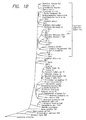
- CBir1 Because of strong serum antibody reactivity to one particular flagellin clone, called CBir1, it was cloned and expressed its full-length gene. During this effort, the inventors also cloned a second, highly homologous and reactive flagellin (83.5% similarity to CBir1 at the NH 2 conserved domain) and refer to it here as Fla-X ( Figure 2B ). Recombinant proteins representing full-length sequence and NH 2 and carboxy fragments of both CBir1 and Fla-X were subsequently expressed in E. coli with a six-histidine tag to aid in protein purification ( Figure 2 , C and D, respectively).
- Antibody reactivity to flagellin directed against the NH 2 terminus is of the IgG2a subclass and correlates with disease.
- the inventors randomly chose 23 animals in the colony and assigned quantitative histopathological scores using a scale (from 0 to 60) that incorporates both the degree and extent of inflammation in the large intestine ( Burich A, et al. Helicobacter-induced inflammatory bowel disease in IL-10- and T cell-deficient mice. Am. J. Physiol. Gastrointest. Liver Physiol. 2001;281:G764-G778 .).
- flagellin-specific T cells are able to induce colitis when adoptively transferred. Given the strong IgG2a bias seen in the antibody response in the mouse IBD strains, and while not wishing to be bound by any particular theory, it is believed that flagellin-specific Th1 T cells would be present in mice with IBD.
- CD4 + T cells from pooled spleens and mesenteric lymph nodes from colitic mdr1a - / - , C3H/HeJBir, and C3H/HeJ.IL-10 -/- mice were purified and tested the cells for reactivity against purified CBir1 and Fla-X in vitro in the presence of antigen-presenting cells (APCs).
- APCs antigen-presenting cells
- T cell activation CD4 + T cells APC Antigen Mean cpm ⁇ SD DO11.10 None None 232 ⁇ 48 DO11.10 + None 223 ⁇ 37 DO11.10 + OVA 63,104 ⁇ 6,379 DO11.10 + CBir1 1,036 ⁇ 150 DO11.10 + Fla-X 876 ⁇ 1,045 DO11.10 + OVA + CBir1 58,831 ⁇ 4,684 DO11.10 + OVA + Fla-X 64,300 ⁇ 1,314 OVA-specific T cell line DO11.10 proliferates specifically in the presence of OVA peptide, but not nonspecifically in the presence of recombinant proteins CBir1 or Fla-X.
- CD4 + T cell line reactive with CBir1 flagellin from C3H/HeJBir mice was generated by repeated stimulation with antigen and APCs.
- This CD4 + T cell line strongly responded to CBir1 but not to Fla-X or a variety of other microbial, food, and epithelial antigens ( Figure 8 ).
- These CBir1-specific CD4 + T cells were adoptively transferred into C3H/HeJ- scid / scid recipients.
- Control SCID mice received anti-CD3-activated CD4 + T cells as a negative control or a CD4 + T cell line reactive to CBA as a positive control.
- NC normal controls
- DC 21 disease controls
- 50 UC patients and 373 CD patients
- NC normal controls
- DC 21 disease controls
- 373 CD patients Serum samples from 484 subjects (40 normal controls (NC), 21 disease controls (DC), 50 UC patients, and 373 CD patients) were selected from the serum archive of the Cedars-Sinai IBD Research Center. All research related activities were approved by the Cedars-Sinai Medical Center, Institutional Review Board. Diagnosis for each patient was based on standard endoscopic, histologic, and radiographic features.
- the normal control (NC) group is a collection of environmental controls that contain sera from individuals with no symptoms/signs of disease (i.e. spouses of patients).
- DC Disease controls
- UC Disease controls
- CD two cohorts were chosen: Cohort 1 ( Lodes MJ, Cong Y, Elson CO, Mohamath R, Landers CJ, Targan SR, Fort M, Hershberg RM. Bacterial flagellin is a dominant antigen in Crohn disease.
- Cohort 2 was used for determining antibody groups as well as for phenotype analysis using definitions of clinical subgroup previously reported ( Mow WS, Vasiliauskas EA, Lin YC, Fleshner PR, Papadakis KA, Taylor KD, Landers CJ, Abreu-Martin MT, Rotter JI, Yang H, Targan SR. Association of antibody responses to microbial antigens and complications of small bowel Crohn's disease. Gastroenterology 2004;126:414-24 .). Serum samples from 44 CD patients diagnosed as above were analyzed for changes in antibody expression.
- CDAI CD Activity Index
- ELISA analysis of anti-CBir1 was performed as described in Lodes, et al. ( Lodes MJ, Cong Y, Elson CO, Mohamath R, Landers CJ, Targan SR, Fort M, Hershberg RM. Bacterial flagellin is a dominant antigen in Crohn disease. J Clin Invest 2004;113:1296-306 .) but using NH 2 -terminal fragment of of CBir1 (147aa) without knowledge of diagnosis or other serology results. Briefly, ELISA plates were coated overnight with 100ng/well of CBir1, then blocked with 1 % BSA in PBS for 2 hours.
- this assay was modified to be more similar to the ANCA, OmpC and I2 protocols: alkaline phosphatase was substituted as the secondary conjugate and incubated for 1 hour followed by paranitrophenyl phosphate as substrate for 30 minutes.
- Serum reactivity to CBir1 defines a subset of patients with Crohn's disease
- CBir1 Serologic expression cloning of a cecal bacterial antigen phage library identified the flagellin, CBir1, as an immunodominant antigen recognized by colitic mice and by approximately half of patients with CD. Serum from two separate cohorts was used to investigate subgroups of CD patients. Cohort 1 consisted of sera from 100 CD patients selected on the basis of antibody profile. Newly tested sera from a group of 303 unselected patients that were studied and reported on in Mow et al ( Mow WS, Vasiliauskas EA, Lin YC, Fleshner PR, Papadakis KA, Taylor KD, Landers CJ, Abreu-Martin MT, Rotter JI, Yang H, Targan SR.
- CD-related antigens (12/OmpC, oligomannan; Landers CJ, Cohavy O, Misra R, Yang H, Lin YC, Braun J, Targan SR. Selected loss of tolerance evidenced by Crohn's disease-associated immune responses to auto- and microbial antigens. Gastroenterology 2002;123:689-99 . Mow WS, Vasiliauskas EA, Lin YC, Fleshner PR, Papadakis KA, Taylor KD, Landers CJ, Abreu-Martin MT, Rotter JI, Yang H, Targan SR. Association of antibody responses to microbial antigens and complications of small bowel Crohn's disease.
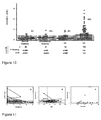
- Anti-CBir1 is also expressed by patients who do not react to ASCA, OmpC, I2, or ANCA (40%) as well as those who express ASCA exclusively (33%) and anti-I2 exclusively (40%) ( Figure 14 ). Anti-CBir1 expression and magnitude increases among patients reactive to both I2 and OmpC (60%), and increases more among those patients reactive to I2, OmpC and oligomannan (87%) ( Figure 14 ). These results were confirmed in Cohort 2, in which the inventors found anti-CBir1 expression in 46% (66/144) of ASCA-, 64% (102/159) of ASCA + , and 38% (23/61) of seronegative CD patients.
- anti-CBir1 expression increases as the number of positive antibody responses increases in patients with 0, 1, 2, and 3 antigens ( Figure 15 , p ⁇ 0.001).
- anti-CBir1 expression is highest in sera from patients who react to all three other antigens, but is also found along with any other combination of 1, 2, or 3 antibody responses.
- pANCA ulcerative colitis
- pANCA marks for left-sided disease with ulcerative colitis-like features vascular endothelial fibroblasts EA, Plevy SE, Landers CJ, Binder SW, Ferguson DM, Yang H, Rotter JI, Vidrich A, Targan SR.
- Perinuclear antineutrophil cytoplasmic antibodies in patients with Crohn's disease define a clinical subgroup. Gastroenterology 1996;110:1810-9 .
- pANCA does not differentiate between UC and UC-like CD. Determine whether anti-CBir1 expression had any bearing on this subgroup was sought. Of the pANCA + patients with CD, 40-44% (Cohort 2 and Cohort 1, respectively) expressed anti CBir1 and none of other antibodies v. only 4% in pANCA + ulcerative colitis ( Figure 16 ). This difference stratifies another subgroup of CD with a potential pathophysiologically unique disease mechanism.
- Anti-CBir1 expression was positively associated with small bowel disease, fibrostenosing and internal penetrating disease (see Table 3), regardless of the presence of antibodies to 1, 2, or all 3 other antigens. Unlike some of the other antibody responses, anti-CBir1 expression was neither associated with small bowel surgery, nor was it negatively associated with the UC-like CD population. To further assess the independent relationship of anti-CBir1 expression to CD phenotypes, the inventors performed a multivariate logistic regression model analysis with the four CD-associated antibodies. The results in Table 4 show that anti-CBir1 expression is independently associated with small bowel, internal penetrating and fibrostenosing disease.
- anti-CBir1 expression is independently associated with CD, but also selects for a specific phenotype.
- the instructions for diagnosing Crohn's disease or a subtype of Crohn's disease may comprise instructions for determining the presence of an anti-CBir1 antibody.
- Such instructions for determining the presence of the anti-CBir1 antibody may comprise: instructions for contacting a sample obtained from a mammal with a CBir1 flagellin antigen, or immunoreactive fragment thereof, under conditions suitable to form a complex of CBir1 flagellin antigen, or immunoreactive fragment thereof, and an antibody against the CBir1 flagellin antigen; instructions for contacting the complex with a labeled secondary antibody; and instructions for detecting the presence of the complex.
Landscapes
- Life Sciences & Earth Sciences (AREA)
- Health & Medical Sciences (AREA)
- Engineering & Computer Science (AREA)
- Immunology (AREA)
- Chemical & Material Sciences (AREA)
- Urology & Nephrology (AREA)
- Biomedical Technology (AREA)
- Hematology (AREA)
- Molecular Biology (AREA)
- General Health & Medical Sciences (AREA)
- Medicinal Chemistry (AREA)
- Microbiology (AREA)
- Cell Biology (AREA)
- Food Science & Technology (AREA)
- Biotechnology (AREA)
- Physics & Mathematics (AREA)
- Analytical Chemistry (AREA)
- Biochemistry (AREA)
- Proteomics, Peptides & Aminoacids (AREA)
- General Physics & Mathematics (AREA)
- Pathology (AREA)
- Nuclear Medicine, Radiotherapy & Molecular Imaging (AREA)
- Chemical Kinetics & Catalysis (AREA)
- General Chemical & Material Sciences (AREA)
- Bioinformatics & Cheminformatics (AREA)
- Organic Chemistry (AREA)
- Pharmacology & Pharmacy (AREA)
- Animal Behavior & Ethology (AREA)
- Public Health (AREA)
- Veterinary Medicine (AREA)
- Peptides Or Proteins (AREA)
- Measuring Or Testing Involving Enzymes Or Micro-Organisms (AREA)
- Medicines Containing Antibodies Or Antigens For Use As Internal Diagnostic Agents (AREA)
- Investigating Or Analysing Biological Materials (AREA)
- Medicines That Contain Protein Lipid Enzymes And Other Medicines (AREA)
- Investigating Or Analysing Materials By The Use Of Chemical Reactions (AREA)
- Indicating And Signalling Devices For Elevators (AREA)
- Holo Graphy (AREA)
Claims (7)
- Procédé de diagnostic d'un sous-type de la maladie de Crohn chez un mammifère atteint de la maladie de Crohn consistant à :déterminer la présence de l'expression anti-CBir1 dans un échantillon prélevé sur le mammifère ; etdéterminer la présence d'un anticorps périnucléaire anti-cytoplasme des neutrophiles (pANCA) dans l'échantillon prélevé sur le mammifère,la présence de l'expression anti-CBir1 et le pANCA indiquant le sous-type de maladie de Crohn avec les caractéristiques de maladie colique et/ou de maladie colique et de l'intestin grêle.
- Procédé de la revendication 1, dans lequel la détermination de la présence de l'expression anti-CBir1 consiste à :déterminer la présence d'une séquence d'ARN ou d'un fragment d'une séquence d'ARN qui code un anticorps anti-CBir1 à partir de l'échantillon prélevé sur le mammifère.
- Procédé de la revendication 2, dans lequel la détermination de la présence de la séquence d'ARN ou du fragment d'une séquence d'ARN qui code l'anticorps anti-CBir1 consiste à utiliser une technique choisie dans le groupe constitué par l'analyse par transfert Northern et la transcription inverse - réaction en chaîne à la polymérase (RT-PCR).
- Procédé de la revendication 1, dans lequel la détermination de la présence de l'expression anti-CBir1 chez un mammifère consiste à :déterminer la présence d'un anticorps anti-CBir1 dans l'échantillon prélevé sur le mammifère.
- Procédé de la revendication 4, dans lequel l'anticorps anti-CBir1 est une IgG anti-CBir1.
- Procédé de la revendication 4, dans lequel la détermination de la présence de l'anticorps anti-Cbir1 consiste à utiliser une technique choisie dans le groupe constitué par ELISA, SDS-PAGE, analyse par transfert Western et analyse par spectrométrie de masse.
- Procédé de la revendication 1, dans lequel la détermination de la présence de pANCA consiste à utiliser une technique choisie dans le groupe constitué par ELISA, SDS-PAGE, analyse par transfert Western et analyse par spectrométrie de masse.
Applications Claiming Priority (2)
| Application Number | Priority Date | Filing Date | Title |
|---|---|---|---|
| US63433904P | 2004-12-08 | 2004-12-08 | |
| EP05853294A EP1819827B1 (fr) | 2004-12-08 | 2005-12-08 | Methodes de diagnostic de la maladie de crohn |
Related Parent Applications (2)
| Application Number | Title | Priority Date | Filing Date |
|---|---|---|---|
| EP05853294.6 Division | 2005-12-08 | ||
| EP05853294A Division EP1819827B1 (fr) | 2004-12-08 | 2005-12-08 | Methodes de diagnostic de la maladie de crohn |
Publications (2)
| Publication Number | Publication Date |
|---|---|
| EP2270512A1 EP2270512A1 (fr) | 2011-01-05 |
| EP2270512B1 true EP2270512B1 (fr) | 2016-03-23 |
Family
ID=36578546
Family Applications (2)
| Application Number | Title | Priority Date | Filing Date |
|---|---|---|---|
| EP10171757.7A Expired - Lifetime EP2270512B1 (fr) | 2004-12-08 | 2005-12-08 | Procédés pour le diagnostic de la maladie de Crohn |
| EP05853294A Expired - Lifetime EP1819827B1 (fr) | 2004-12-08 | 2005-12-08 | Methodes de diagnostic de la maladie de crohn |
Family Applications After (1)
| Application Number | Title | Priority Date | Filing Date |
|---|---|---|---|
| EP05853294A Expired - Lifetime EP1819827B1 (fr) | 2004-12-08 | 2005-12-08 | Methodes de diagnostic de la maladie de crohn |
Country Status (7)
| Country | Link |
|---|---|
| US (1) | US20100021455A1 (fr) |
| EP (2) | EP2270512B1 (fr) |
| AT (1) | ATE477497T1 (fr) |
| AU (1) | AU2005314089B2 (fr) |
| CA (2) | CA2589746A1 (fr) |
| DE (1) | DE602005022924D1 (fr) |
| WO (1) | WO2006063093A2 (fr) |
Cited By (3)
| Publication number | Priority date | Publication date | Assignee | Title |
|---|---|---|---|---|
| US10544459B2 (en) | 2004-12-08 | 2020-01-28 | Cedars-Sinai Medical Center | Methods of using genetic variants for the diagnosis and treatment of inflammatory bowel disease |
| US11268149B2 (en) | 2004-12-08 | 2022-03-08 | Cedars-Sinai Medical Center | Diagnosis and treatment of inflammatory bowel disease |
| US12110555B2 (en) | 2004-12-08 | 2024-10-08 | Cedars-Sinai Medical Center | Diagnosis and treatment of inflammatory bowel disease |
Families Citing this family (19)
| Publication number | Priority date | Publication date | Assignee | Title |
|---|---|---|---|---|
| WO2008109782A2 (fr) * | 2007-03-06 | 2008-09-12 | Cedars-Sinai Medical Center | Diagnostic d'une affection abdominale inflammatoire chez l'enfant |
| US20100021917A1 (en) * | 2007-02-14 | 2010-01-28 | Cedars-Sinai Medical Center | Methods of using genes and genetic variants to predict or diagnose inflammatory bowel disease |
| US20100190162A1 (en) * | 2007-02-26 | 2010-07-29 | Cedars-Sinai Medical Center | Methods of using single nucleotide polymorphisms in the tl1a gene to predict or diagnose inflammatory bowel disease |
| WO2008137762A2 (fr) * | 2007-05-04 | 2008-11-13 | Cedars-Sinai Medical Center | Procédés de diagnostic et de traitement de la maladie de crohn |
| WO2008116150A2 (fr) | 2007-03-21 | 2008-09-25 | Cedars-Sinai Medical Center | Facteurs d'anastomose iléoanale avec réservoir (ippa) dans le traitement des maladies inflammatoires de l'intestin |
| WO2008134569A2 (fr) * | 2007-04-26 | 2008-11-06 | Cedars-Sinai Medical Center | Diagnostic et traitement de la rectocolite hémorragique chez la population portoricaine |
| US8263078B2 (en) | 2007-09-05 | 2012-09-11 | Inotek Pharmaceuticals Corporation | Antibodies against flagellin and uses thereof |
| US20110177969A1 (en) * | 2008-10-01 | 2011-07-21 | Cedars-Sinai Medical Center | The role of il17rd and the il23-1l17 pathway in crohn's disease |
| US20110189685A1 (en) * | 2008-10-22 | 2011-08-04 | Cedars-Sinai Medical Center | Methods of using jak3 genetic variants to diagnose and predict crohn's disease |
| US20110229471A1 (en) | 2008-11-26 | 2011-09-22 | Cedars-Sinai Medical Center | Methods of determining responsiveness to anti-tnf alpha therapy in inflammatory bowel disease |
| US9580752B2 (en) | 2008-12-24 | 2017-02-28 | Cedars-Sinai Medical Center | Methods of predicting medically refractive ulcerative colitis (MR-UC) requiring colectomy |
| WO2010120814A1 (fr) * | 2009-04-14 | 2010-10-21 | Prometheus Laboratories Inc. | Pronostics des maladies inflammatoires de l'intestin |
| WO2015067913A1 (fr) | 2013-11-07 | 2015-05-14 | Diagnodus Limited | Biomarqueurs |
| JP2015502740A (ja) | 2011-10-21 | 2015-01-29 | ネステク ソシエテ アノニム | 炎症性腸疾患の診断を改善するための方法 |
| KR20230109779A (ko) | 2013-03-27 | 2023-07-20 | 세다르스-신나이 메디칼 센터 | Tl1a 기능 및 관련된 신호전달 경로의 저해에 의한섬유증 및 염증의 완화 및 반전 |
| EP3022295A4 (fr) | 2013-07-19 | 2017-03-01 | Cedars-Sinai Medical Center | Signature de la voie de signalisation de tl1a (tnfsf15) |
| KR102094965B1 (ko) * | 2013-12-30 | 2020-03-31 | 삼성디스플레이 주식회사 | 각성 안경, 차량용 미러 유닛 및 표시장치 |
| KR20240095481A (ko) | 2016-03-17 | 2024-06-25 | 세다르스-신나이 메디칼 센터 | Rnaset2를 통한 염증성 장 질환의 진단 방법 |
| CN113075410B (zh) * | 2021-03-29 | 2022-08-16 | 广州市妇女儿童医疗中心 | 抗nRNP/Sm抗体作为先天性巨结肠诊断标志物的应用 |
Family Cites Families (94)
| Publication number | Priority date | Publication date | Assignee | Title |
|---|---|---|---|---|
| US3654090A (en) * | 1968-09-24 | 1972-04-04 | Organon | Method for the determination of antigens and antibodies |
| US4016043A (en) * | 1975-09-04 | 1977-04-05 | Akzona Incorporated | Enzymatic immunological method for the determination of antigens and antibodies |
| US4265823A (en) * | 1979-01-04 | 1981-05-05 | Robert E. Kosinski | Aurothiosteroids |
| JPS60174629A (ja) * | 1984-02-20 | 1985-09-07 | Mitsubishi Monsanto Chem Co | 二軸延伸されたポリアミドフイルムの製造方法 |
| US4699880A (en) * | 1984-09-25 | 1987-10-13 | Immunomedics, Inc. | Method of producing monoclonal anti-idiotype antibody |
| US4800159A (en) * | 1986-02-07 | 1989-01-24 | Cetus Corporation | Process for amplifying, detecting, and/or cloning nucleic acid sequences |
| US5284931A (en) * | 1987-05-04 | 1994-02-08 | Dana Farber Cancer Institute | Intercellular adhesion molecules, and their binding ligands |
| US4935234A (en) * | 1987-06-11 | 1990-06-19 | Dana-Farber Cancer Institute | Method of reducing tissue damage at an inflammatory site using a monoclonal antibody |
| US5219997A (en) * | 1987-07-06 | 1993-06-15 | Dana-Farber Cancer Institute | Monoclonal antibody which inhibits the adhesion functions of the β integrin, CR3 |
| US5114842A (en) * | 1987-07-08 | 1992-05-19 | The Scripps Research Institute | Peptides and antibodies that inhibit platelet adhesion |
| US4925572A (en) * | 1987-10-20 | 1990-05-15 | Pall Corporation | Device and method for depletion of the leukocyte content of blood and blood components |
| US5147637A (en) * | 1988-06-07 | 1992-09-15 | The Rockefeller University | Method of inhibiting the influx of leukocytes into organs during sepsis or other trauma |
| US5235049A (en) * | 1989-01-24 | 1993-08-10 | Molecular Therapeutics, Inc. | Nucleic acid sequences encoding a soluble molecule (SICAM-1) related to but distinct from ICAM-1 |
| US5002873A (en) * | 1989-03-17 | 1991-03-26 | Fred Hutchinson Cancer Research Center | DNA sequence encoding a lymphocyte adhesion receptor for high endothelium |
| US5091302A (en) * | 1989-04-27 | 1992-02-25 | The Blood Center Of Southeastern Wisconsin, Inc. | Polymorphism of human platelet membrane glycoprotein iiia and diagnostic and therapeutic applications thereof |
| US5137806A (en) * | 1989-12-11 | 1992-08-11 | Board Of Regents, The University Of Texas System | Methods and compositions for the detection of sequences in selected DNA molecules |
| US5210015A (en) * | 1990-08-06 | 1993-05-11 | Hoffman-La Roche Inc. | Homogeneous assay system using the nuclease activity of a nucleic acid polymerase |
| US5085318A (en) * | 1990-11-19 | 1992-02-04 | Leverick Kathy L | Secured disc folder |
| US5227369A (en) * | 1991-07-11 | 1993-07-13 | The Regents Of The University Of California | Compositions and methods for inhibiting leukocyte adhesion to cns myelin |
| US5234810A (en) * | 1991-09-20 | 1993-08-10 | The United States Of America As Represented By The Secretary Of Agriculture | Diagnostic assays for genetic mutations associated with bovine leukocyte adhesion deficiency |
| US5236081A (en) * | 1992-01-31 | 1993-08-17 | Shape Inc. | Compact disc package |
| DK0615129T3 (da) * | 1993-03-10 | 2000-08-07 | Cedars Sinai Medical Center | Fremgangsmåder til selektiv påvisning af perinukleært anti-neutrophilt cytoplasmatisk antistof fra ulcerativ colitis eller |
| US5494920A (en) * | 1994-08-22 | 1996-02-27 | Eli Lilly And Company | Methods of inhibiting viral replication |
| US5491063A (en) * | 1994-09-01 | 1996-02-13 | Hoffmann-La Roche Inc. | Methods for in-solution quenching of fluorescently labeled oligonucleotide probes |
| US20030198640A1 (en) * | 1994-11-07 | 2003-10-23 | Human Genome Sciences, Inc. | Methods and compositions for treating inflammatory bowel diseases relating to human tumor necrosis factor-gamma-beta |
| US5518488A (en) * | 1995-03-20 | 1996-05-21 | Schluger; Allen | CD holder of cardboard and method of construction |
| US5937962A (en) * | 1995-08-08 | 1999-08-17 | Yamaha Hatsudoki Kabushiki Kaisha | Bicycle with assist engine |
| US5942390A (en) * | 1996-01-12 | 1999-08-24 | Cedars-Sinai Medical Center | Method of diagnosing predisposition for ulcerative colitis in Jewish population by detection of interleukin-1 receptor antagonist polymorphism |
| US5590769A (en) * | 1996-03-20 | 1997-01-07 | Lin; Shi-Ping | Individual CD case |
| DE69739909D1 (de) * | 1996-03-26 | 2010-07-29 | Michael S Kopreski | Methoden aus plasma oder serum extrahierte extrazelluraere rna zur diagnoseüberwachung oder evaluation von krebs verwenden |
| US5916748A (en) * | 1996-04-12 | 1999-06-29 | Cedars-Sinai Medical Center | Method of diagnosing a clinical subtype of crohn's disease with features of ulcerative colitis |
| US6074835A (en) * | 1996-04-12 | 2000-06-13 | Regents Of The Univ. Of California | Diagnosis, prevention and treatment of ulcerative colitis, and clinical subtypes thereof, using histone H1 |
| US5874233A (en) * | 1996-04-12 | 1999-02-23 | Cedars-Sinai Medical Center | Methods of diagnosing a clinical subtype of Crohn's disease with features of ulcerative colitis |
| US6034102A (en) * | 1996-11-15 | 2000-03-07 | Pfizer Inc | Atherosclerosis treatment |
| US6114395A (en) * | 1996-11-15 | 2000-09-05 | Pfizer Inc. | Method of treating atherosclerosis |
| US7514232B2 (en) * | 1996-12-06 | 2009-04-07 | Becton, Dickinson And Company | Method for detecting T cell response to specific antigens in whole blood |
| US6183951B1 (en) * | 1997-04-11 | 2001-02-06 | Prometheus Laboratories, Inc. | Methods of diagnosing clinical subtypes of crohn's disease with characteristic responsiveness to anti-Th1 cytokine therapy |
| US5968741A (en) * | 1997-04-11 | 1999-10-19 | Cedars-Sinai Medical Center | Methods of diagnosing a medically resistant clinical subtype of ulcerative colitis |
| US20030129215A1 (en) * | 1998-09-24 | 2003-07-10 | T-Ram, Inc. | Medical devices containing rapamycin analogs |
| US20020006613A1 (en) * | 1998-01-20 | 2002-01-17 | Shyjan Andrew W. | Methods and compositions for the identification and assessment of cancer therapies |
| US5947281A (en) * | 1998-07-06 | 1999-09-07 | Kaneff; Mitchell S. | Unfolding disc holder |
| CA2267481A1 (fr) * | 1999-03-30 | 2000-09-30 | Gabriel Pulido-Cejudo | Interdependance critique : du role de l'oestrogene dans le cancer du sein a la sensibilite des femmes a l'infection par le vih |
| US6692916B2 (en) * | 1999-06-28 | 2004-02-17 | Source Precision Medicine, Inc. | Systems and methods for characterizing a biological condition or agent using precision gene expression profiles |
| US6376176B1 (en) * | 1999-09-13 | 2002-04-23 | Cedars-Sinai Medical Center | Methods of using a major histocompatibility complex class III haplotype to diagnose Crohn's disease |
| US6869762B1 (en) * | 1999-12-10 | 2005-03-22 | Whitehead Institute For Biomedical Research | Crohn's disease-related polymorphisms |
| WO2001064856A2 (fr) * | 2000-02-28 | 2001-09-07 | The Government Of The United States Of America, A S Represented By The Secretary, Department Of Hea Lth And Human Services | Regulateurs du recepteur de type 1 de facteur de necrose des tumeurs et elimination d'autres recepteurs de cytokine |
| US6348316B1 (en) * | 2000-04-12 | 2002-02-19 | Cedars-Sinai Medical Center | Genetic testing for determining the risk of pouchitis development |
| WO2001085154A2 (fr) * | 2000-05-12 | 2001-11-15 | Oregon Health Sciences University | Procede de traitement de pathologies immunitaires grace a de faibles doses d'oestrogene |
| US7138237B1 (en) * | 2000-05-19 | 2006-11-21 | Cedars-Sinai Medical Center | Diagnosis, prevention and treatment of Crohn's disease using the OmpC antigen |
| US20040053262A1 (en) * | 2000-08-04 | 2004-03-18 | Xin Lu | Supressor gene |
| US20020019837A1 (en) * | 2000-08-11 | 2002-02-14 | Balnaves James A. | Method for annotating statistics onto hypertext documents |
| US20070037165A1 (en) * | 2000-09-08 | 2007-02-15 | Applera Corporation | Polymorphisms in known genes associated with human disease, methods of detection and uses thereof |
| US20020048566A1 (en) * | 2000-09-14 | 2002-04-25 | El-Deiry Wafik S. | Modulation of cellular apoptosis and methods for treating cancer |
| USH2191H1 (en) * | 2000-10-24 | 2007-06-05 | Snp Consortium | Identification and mapping of single nucleotide polymorphisms in the human genome |
| WO2002044426A2 (fr) * | 2000-10-30 | 2002-06-06 | Regents Of The University Of Michigan | Acides nucleique et proteines nod2 |
| US20030092019A1 (en) * | 2001-01-09 | 2003-05-15 | Millennium Pharmaceuticals, Inc. | Methods and compositions for diagnosing and treating neuropsychiatric disorders such as schizophrenia |
| US20050182007A1 (en) * | 2001-05-18 | 2005-08-18 | Sirna Therapeutics, Inc. | RNA interference mediated inhibition of interleukin and interleukin receptor gene expression using short interfering nucleic acid (SINA) |
| US20050143333A1 (en) * | 2001-05-18 | 2005-06-30 | Sirna Therapeutics, Inc. | RNA interference mediated inhibition of interleukin and interleukin receptor gene expression using short interfering nucleic acid (SINA) |
| US7767390B2 (en) * | 2001-11-20 | 2010-08-03 | Oncomedx, Inc. | Methods for evaluating drug-resistance gene expression in the cancer patient |
| DK2224012T3 (da) * | 2001-12-17 | 2013-05-13 | Corixa Corp | Sammensætninger og fremgangsmåder til terapi og diagnose af inflammatoriske tarmsygdomme |
| US6878518B2 (en) * | 2002-01-22 | 2005-04-12 | The Trustees Of The University Of Pennsylvania | Methods for determining steroid responsiveness |
| NZ566263A (en) * | 2002-05-24 | 2009-09-25 | Millennium Pharm Inc | CCR9 inhibitors and methods of use thereof |
| US20040053263A1 (en) * | 2002-08-30 | 2004-03-18 | Abreu Maria T. | Mutations in NOD2 are associated with fibrostenosing disease in patients with Crohn's disease |
| WO2004048600A2 (fr) * | 2002-11-22 | 2004-06-10 | Emory University | Tests diagnostiques et procedes de diagnostic de l'affection intestinale inflammatoire |
| WO2004058178A2 (fr) * | 2002-12-23 | 2004-07-15 | Schering Corporation | Utilisations de cytokine de mammifere et reactifs correspondants |
| AU2002953533A0 (en) * | 2002-12-24 | 2003-01-16 | Arthron Limited | Fc receptor modulating compounds and compositions |
| US8071304B2 (en) * | 2003-04-05 | 2011-12-06 | The Johns Hopkins University | Methods for detecting a polymorphism in the NFKB1 gene promoter |
| US7662569B2 (en) * | 2003-04-11 | 2010-02-16 | Cedars-Sinai Medical Center | Methods of assessing Crohn's disease patient phenotype by I2 serologic response |
| WO2005018436A2 (fr) * | 2003-08-26 | 2005-03-03 | The Trustees Of Boston University | Procede de diagnostic, de pronostic et de traitement du syndrome metabolique |
| US20050163764A1 (en) * | 2003-09-22 | 2005-07-28 | Yale University | Treatment with agonists of toll-like receptors |
| US7759079B2 (en) * | 2004-05-13 | 2010-07-20 | Prometheus Laboratories Inc. | Methods of diagnosing inflammatory bowel disease |
| US20060154276A1 (en) * | 2004-05-13 | 2006-07-13 | Prometheus Laboratories Inc. | Methods of diagnosing inflammatory bowel disease |
| AR051444A1 (es) * | 2004-09-24 | 2007-01-17 | Centocor Inc | Proteinas derivadas de inmunoglobulina especifica de il-23p40, composiciones, epitopos, metodos y usos |
| WO2008109782A2 (fr) * | 2007-03-06 | 2008-09-12 | Cedars-Sinai Medical Center | Diagnostic d'une affection abdominale inflammatoire chez l'enfant |
| ES2301280A1 (es) * | 2005-05-16 | 2008-06-16 | Fina Biotech S.L.U. | Metodo para diagnosticar la enfermedad de alzheimer. |
| EP1945814A2 (fr) * | 2005-09-27 | 2008-07-23 | Source MDX | Profilage d'expression génique aux fins de surveillance de l'identification et de traitement de la polyarthrite rhumatoïde |
| US8234129B2 (en) * | 2005-10-18 | 2012-07-31 | Wellstat Vaccines, Llc | Systems and methods for obtaining, storing, processing and utilizing immunologic and other information of individuals and populations |
| US7790862B2 (en) * | 2006-06-13 | 2010-09-07 | Zymogenetics, Inc. | IL-17 and IL-23 antagonists and methods of using the same |
| EP2639317B1 (fr) * | 2006-09-11 | 2015-03-04 | Celera Corporation | Polymorphismes génétiques associés au psoriasis, procédés de détection et utilisations associées |
| US7928123B2 (en) * | 2006-09-25 | 2011-04-19 | Boehringer Ingelheim International Gmbh | Compounds which modulate the CB2 receptor |
| US20080131887A1 (en) * | 2006-11-30 | 2008-06-05 | Stephan Dietrich A | Genetic Analysis Systems and Methods |
| US20100021917A1 (en) * | 2007-02-14 | 2010-01-28 | Cedars-Sinai Medical Center | Methods of using genes and genetic variants to predict or diagnose inflammatory bowel disease |
| US20100190162A1 (en) * | 2007-02-26 | 2010-07-29 | Cedars-Sinai Medical Center | Methods of using single nucleotide polymorphisms in the tl1a gene to predict or diagnose inflammatory bowel disease |
| WO2008106579A2 (fr) * | 2007-02-28 | 2008-09-04 | Cedars-Sinai Medical Center | Rôle des récepteurs des il-12, il-23 et il-17 dans l'affection intestinale inflammatoire |
| WO2008137762A2 (fr) * | 2007-05-04 | 2008-11-13 | Cedars-Sinai Medical Center | Procédés de diagnostic et de traitement de la maladie de crohn |
| WO2008116150A2 (fr) * | 2007-03-21 | 2008-09-25 | Cedars-Sinai Medical Center | Facteurs d'anastomose iléoanale avec réservoir (ippa) dans le traitement des maladies inflammatoires de l'intestin |
| WO2008134569A2 (fr) * | 2007-04-26 | 2008-11-06 | Cedars-Sinai Medical Center | Diagnostic et traitement de la rectocolite hémorragique chez la population portoricaine |
| CN101842496A (zh) * | 2007-09-26 | 2010-09-22 | 纳维哲尼克斯公司 | 使用祖先数据进行基因组分析的方法和系统 |
| US20100240043A1 (en) * | 2007-10-19 | 2010-09-23 | Cedars-Sinai Medical Center | Methods of using genetic variants to diagnose and predict inflammatory bowel disease |
| US7773519B2 (en) * | 2008-01-10 | 2010-08-10 | Nuova Systems, Inc. | Method and system to manage network traffic congestion |
| WO2009143278A2 (fr) * | 2008-05-20 | 2009-11-26 | Cedars-Sinai Medical Center | Procédés de diagnostic et de caractérisation de signalisation de cannabinoïdes dans la maladie de crohn |
| US20110177969A1 (en) * | 2008-10-01 | 2011-07-21 | Cedars-Sinai Medical Center | The role of il17rd and the il23-1l17 pathway in crohn's disease |
| US20110189685A1 (en) * | 2008-10-22 | 2011-08-04 | Cedars-Sinai Medical Center | Methods of using jak3 genetic variants to diagnose and predict crohn's disease |
| US20110229471A1 (en) * | 2008-11-26 | 2011-09-22 | Cedars-Sinai Medical Center | Methods of determining responsiveness to anti-tnf alpha therapy in inflammatory bowel disease |
-
2005
- 2005-12-08 CA CA002589746A patent/CA2589746A1/fr not_active Withdrawn
- 2005-12-08 CA CA3204588A patent/CA3204588A1/fr active Pending
- 2005-12-08 DE DE602005022924T patent/DE602005022924D1/de not_active Expired - Lifetime
- 2005-12-08 EP EP10171757.7A patent/EP2270512B1/fr not_active Expired - Lifetime
- 2005-12-08 US US11/720,785 patent/US20100021455A1/en not_active Abandoned
- 2005-12-08 AT AT05853294T patent/ATE477497T1/de not_active IP Right Cessation
- 2005-12-08 AU AU2005314089A patent/AU2005314089B2/en not_active Expired
- 2005-12-08 EP EP05853294A patent/EP1819827B1/fr not_active Expired - Lifetime
- 2005-12-08 WO PCT/US2005/044335 patent/WO2006063093A2/fr not_active Ceased
Cited By (3)
| Publication number | Priority date | Publication date | Assignee | Title |
|---|---|---|---|---|
| US10544459B2 (en) | 2004-12-08 | 2020-01-28 | Cedars-Sinai Medical Center | Methods of using genetic variants for the diagnosis and treatment of inflammatory bowel disease |
| US11268149B2 (en) | 2004-12-08 | 2022-03-08 | Cedars-Sinai Medical Center | Diagnosis and treatment of inflammatory bowel disease |
| US12110555B2 (en) | 2004-12-08 | 2024-10-08 | Cedars-Sinai Medical Center | Diagnosis and treatment of inflammatory bowel disease |
Also Published As
| Publication number | Publication date |
|---|---|
| US20100021455A1 (en) | 2010-01-28 |
| CA2589746A1 (fr) | 2006-06-15 |
| AU2005314089B2 (en) | 2011-03-03 |
| EP1819827A4 (fr) | 2008-06-11 |
| WO2006063093A3 (fr) | 2006-11-30 |
| EP1819827A2 (fr) | 2007-08-22 |
| CA3204588A1 (fr) | 2006-06-15 |
| DE602005022924D1 (de) | 2010-09-23 |
| AU2005314089A1 (en) | 2006-06-15 |
| EP1819827B1 (fr) | 2010-08-11 |
| EP2270512A1 (fr) | 2011-01-05 |
| WO2006063093A2 (fr) | 2006-06-15 |
| ATE477497T1 (de) | 2010-08-15 |
Similar Documents
| Publication | Publication Date | Title |
|---|---|---|
| EP2270512B1 (fr) | Procédés pour le diagnostic de la maladie de Crohn | |
| US11268149B2 (en) | Diagnosis and treatment of inflammatory bowel disease | |
| Lodes et al. | Bacterial flagellin is a dominant antigen in Crohn disease | |
| US8163501B2 (en) | Methods of assessing Crohn's disease patient phenotype by I2 serologic response | |
| EP1069907B1 (fr) | DIAGNOSTIC, PREVENTION ET TRAITEMENT DE LA RECTO-COLITE HEMORRAGIQUE ET DE SES SOUS-TYPES CLINIQUES A L'AIDE D'ANTIGENES MICROBIENS DES UC pANCA | |
| Figura et al. | The infection by Helicobacter pylori strains expressing CagA is highly prevalent in women with autoimmune thyroid disorders | |
| US10544459B2 (en) | Methods of using genetic variants for the diagnosis and treatment of inflammatory bowel disease | |
| US20060154276A1 (en) | Methods of diagnosing inflammatory bowel disease | |
| Mow et al. | High-level serum antibodies to bacterial antigens are associated with antibiotic-induced clinical remission in Crohn's disease: a pilot study | |
| AU2011202664B2 (en) | Methods for diagnosis and treatment of Crohn's disease | |
| JP2004526122A (ja) | OmpC抗原を使用したクローン病の診断、予防、及び治療 | |
| US11982671B2 (en) | Identification of a T cell epitope of Prevotella copri that induces T cell responses in patients with rheumatoid arthritis | |
| US12110555B2 (en) | Diagnosis and treatment of inflammatory bowel disease | |
| EP1613960B1 (fr) | Procedes pour faire une estimation du phenotype d'un patient souffrant de la maladie de crohn par la reaction serologique i2, ompc et asca | |
| Handfield et al. | In vivo induced antigen technology (IVIAT) and change mediated antigen technology (CMAT) | |
| AU2023364180A1 (en) | Flagellin epitope peptides and uses thereof | |
| Bannantine et al. | Proteins and antigens of Mycobacterium avium subsp. Paratuberculosis. | |
| HK1035662B (en) | Diagnosis, prevention and treatment of ulcerative colitis, and clinical subtypes thereof, using microbial uc panca antigens |
Legal Events
| Date | Code | Title | Description |
|---|---|---|---|
| PUAI | Public reference made under article 153(3) epc to a published international application that has entered the european phase |
Free format text: ORIGINAL CODE: 0009012 |
|
| AC | Divisional application: reference to earlier application |
Ref document number: 1819827 Country of ref document: EP Kind code of ref document: P |
|
| AK | Designated contracting states |
Kind code of ref document: A1 Designated state(s): AT BE BG CH CY CZ DE DK EE ES FI FR GB GR HU IE IS IT LI LT LU LV MC NL PL PT RO SE SI SK TR |
|
| RIN1 | Information on inventor provided before grant (corrected) |
Inventor name: TARGAN, STEPHAN R. Inventor name: LANDERS, CAROL J. |
|
| RTI1 | Title (correction) |
Free format text: METHODS FOR DIAGNOSIS OF CROHN'S DISEASE |
|
| 17P | Request for examination filed |
Effective date: 20110629 |
|
| 17Q | First examination report despatched |
Effective date: 20121105 |
|
| GRAP | Despatch of communication of intention to grant a patent |
Free format text: ORIGINAL CODE: EPIDOSNIGR1 |
|
| RIN1 | Information on inventor provided before grant (corrected) |
Inventor name: TARGAN, STEPHAN R. Inventor name: LANDERS, CAROL J. |
|
| INTG | Intention to grant announced |
Effective date: 20151013 |
|
| GRAS | Grant fee paid |
Free format text: ORIGINAL CODE: EPIDOSNIGR3 |
|
| GRAA | (expected) grant |
Free format text: ORIGINAL CODE: 0009210 |
|
| AC | Divisional application: reference to earlier application |
Ref document number: 1819827 Country of ref document: EP Kind code of ref document: P |
|
| AK | Designated contracting states |
Kind code of ref document: B1 Designated state(s): AT BE BG CH CY CZ DE DK EE ES FI FR GB GR HU IE IS IT LI LT LU LV MC NL PL PT RO SE SI SK TR |
|
| REG | Reference to a national code |
Ref country code: GB Ref legal event code: FG4D |
|
| REG | Reference to a national code |
Ref country code: CH Ref legal event code: EP |
|
| REG | Reference to a national code |
Ref country code: AT Ref legal event code: REF Ref document number: 783664 Country of ref document: AT Kind code of ref document: T Effective date: 20160415 |
|
| REG | Reference to a national code |
Ref country code: IE Ref legal event code: FG4D |
|
| REG | Reference to a national code |
Ref country code: DE Ref legal event code: R096 Ref document number: 602005048768 Country of ref document: DE |
|
| REG | Reference to a national code |
Ref country code: LT Ref legal event code: MG4D |
|
| REG | Reference to a national code |
Ref country code: NL Ref legal event code: MP Effective date: 20160323 |
|
| PG25 | Lapsed in a contracting state [announced via postgrant information from national office to epo] |
Ref country code: GR Free format text: LAPSE BECAUSE OF FAILURE TO SUBMIT A TRANSLATION OF THE DESCRIPTION OR TO PAY THE FEE WITHIN THE PRESCRIBED TIME-LIMIT Effective date: 20160624 Ref country code: FI Free format text: LAPSE BECAUSE OF FAILURE TO SUBMIT A TRANSLATION OF THE DESCRIPTION OR TO PAY THE FEE WITHIN THE PRESCRIBED TIME-LIMIT Effective date: 20160323 |
|
| REG | Reference to a national code |
Ref country code: AT Ref legal event code: MK05 Ref document number: 783664 Country of ref document: AT Kind code of ref document: T Effective date: 20160323 |
|
| PG25 | Lapsed in a contracting state [announced via postgrant information from national office to epo] |
Ref country code: NL Free format text: LAPSE BECAUSE OF FAILURE TO SUBMIT A TRANSLATION OF THE DESCRIPTION OR TO PAY THE FEE WITHIN THE PRESCRIBED TIME-LIMIT Effective date: 20160323 Ref country code: LT Free format text: LAPSE BECAUSE OF FAILURE TO SUBMIT A TRANSLATION OF THE DESCRIPTION OR TO PAY THE FEE WITHIN THE PRESCRIBED TIME-LIMIT Effective date: 20160323 Ref country code: SE Free format text: LAPSE BECAUSE OF FAILURE TO SUBMIT A TRANSLATION OF THE DESCRIPTION OR TO PAY THE FEE WITHIN THE PRESCRIBED TIME-LIMIT Effective date: 20160323 Ref country code: LV Free format text: LAPSE BECAUSE OF FAILURE TO SUBMIT A TRANSLATION OF THE DESCRIPTION OR TO PAY THE FEE WITHIN THE PRESCRIBED TIME-LIMIT Effective date: 20160323 |
|
| PG25 | Lapsed in a contracting state [announced via postgrant information from national office to epo] |
Ref country code: EE Free format text: LAPSE BECAUSE OF FAILURE TO SUBMIT A TRANSLATION OF THE DESCRIPTION OR TO PAY THE FEE WITHIN THE PRESCRIBED TIME-LIMIT Effective date: 20160323 Ref country code: PL Free format text: LAPSE BECAUSE OF FAILURE TO SUBMIT A TRANSLATION OF THE DESCRIPTION OR TO PAY THE FEE WITHIN THE PRESCRIBED TIME-LIMIT Effective date: 20160323 Ref country code: IS Free format text: LAPSE BECAUSE OF FAILURE TO SUBMIT A TRANSLATION OF THE DESCRIPTION OR TO PAY THE FEE WITHIN THE PRESCRIBED TIME-LIMIT Effective date: 20160723 |
|
| PG25 | Lapsed in a contracting state [announced via postgrant information from national office to epo] |
Ref country code: ES Free format text: LAPSE BECAUSE OF FAILURE TO SUBMIT A TRANSLATION OF THE DESCRIPTION OR TO PAY THE FEE WITHIN THE PRESCRIBED TIME-LIMIT Effective date: 20160323 Ref country code: AT Free format text: LAPSE BECAUSE OF FAILURE TO SUBMIT A TRANSLATION OF THE DESCRIPTION OR TO PAY THE FEE WITHIN THE PRESCRIBED TIME-LIMIT Effective date: 20160323 Ref country code: RO Free format text: LAPSE BECAUSE OF FAILURE TO SUBMIT A TRANSLATION OF THE DESCRIPTION OR TO PAY THE FEE WITHIN THE PRESCRIBED TIME-LIMIT Effective date: 20160323 Ref country code: CZ Free format text: LAPSE BECAUSE OF FAILURE TO SUBMIT A TRANSLATION OF THE DESCRIPTION OR TO PAY THE FEE WITHIN THE PRESCRIBED TIME-LIMIT Effective date: 20160323 Ref country code: SK Free format text: LAPSE BECAUSE OF FAILURE TO SUBMIT A TRANSLATION OF THE DESCRIPTION OR TO PAY THE FEE WITHIN THE PRESCRIBED TIME-LIMIT Effective date: 20160323 Ref country code: PT Free format text: LAPSE BECAUSE OF FAILURE TO SUBMIT A TRANSLATION OF THE DESCRIPTION OR TO PAY THE FEE WITHIN THE PRESCRIBED TIME-LIMIT Effective date: 20160725 |
|
| REG | Reference to a national code |
Ref country code: FR Ref legal event code: PLFP Year of fee payment: 12 |
|
| PG25 | Lapsed in a contracting state [announced via postgrant information from national office to epo] |
Ref country code: BE Free format text: LAPSE BECAUSE OF FAILURE TO SUBMIT A TRANSLATION OF THE DESCRIPTION OR TO PAY THE FEE WITHIN THE PRESCRIBED TIME-LIMIT Effective date: 20160323 |
|
| REG | Reference to a national code |
Ref country code: DE Ref legal event code: R097 Ref document number: 602005048768 Country of ref document: DE |
|
| PLBE | No opposition filed within time limit |
Free format text: ORIGINAL CODE: 0009261 |
|
| STAA | Information on the status of an ep patent application or granted ep patent |
Free format text: STATUS: NO OPPOSITION FILED WITHIN TIME LIMIT |
|
| PG25 | Lapsed in a contracting state [announced via postgrant information from national office to epo] |
Ref country code: DK Free format text: LAPSE BECAUSE OF FAILURE TO SUBMIT A TRANSLATION OF THE DESCRIPTION OR TO PAY THE FEE WITHIN THE PRESCRIBED TIME-LIMIT Effective date: 20160323 |
|
| PG25 | Lapsed in a contracting state [announced via postgrant information from national office to epo] |
Ref country code: BG Free format text: LAPSE BECAUSE OF FAILURE TO SUBMIT A TRANSLATION OF THE DESCRIPTION OR TO PAY THE FEE WITHIN THE PRESCRIBED TIME-LIMIT Effective date: 20160623 |
|
| 26N | No opposition filed |
Effective date: 20170102 |
|
| PG25 | Lapsed in a contracting state [announced via postgrant information from national office to epo] |
Ref country code: SI Free format text: LAPSE BECAUSE OF FAILURE TO SUBMIT A TRANSLATION OF THE DESCRIPTION OR TO PAY THE FEE WITHIN THE PRESCRIBED TIME-LIMIT Effective date: 20160323 |
|
| REG | Reference to a national code |
Ref country code: CH Ref legal event code: PL |
|
| PG25 | Lapsed in a contracting state [announced via postgrant information from national office to epo] |
Ref country code: MC Free format text: LAPSE BECAUSE OF FAILURE TO SUBMIT A TRANSLATION OF THE DESCRIPTION OR TO PAY THE FEE WITHIN THE PRESCRIBED TIME-LIMIT Effective date: 20160323 |
|
| REG | Reference to a national code |
Ref country code: IE Ref legal event code: MM4A |
|
| PG25 | Lapsed in a contracting state [announced via postgrant information from national office to epo] |
Ref country code: LU Free format text: LAPSE BECAUSE OF NON-PAYMENT OF DUE FEES Effective date: 20161208 Ref country code: LI Free format text: LAPSE BECAUSE OF NON-PAYMENT OF DUE FEES Effective date: 20161231 Ref country code: CH Free format text: LAPSE BECAUSE OF NON-PAYMENT OF DUE FEES Effective date: 20161231 |
|
| PG25 | Lapsed in a contracting state [announced via postgrant information from national office to epo] |
Ref country code: IE Free format text: LAPSE BECAUSE OF NON-PAYMENT OF DUE FEES Effective date: 20161208 |
|
| REG | Reference to a national code |
Ref country code: FR Ref legal event code: PLFP Year of fee payment: 13 |
|
| PG25 | Lapsed in a contracting state [announced via postgrant information from national office to epo] |
Ref country code: CY Free format text: LAPSE BECAUSE OF FAILURE TO SUBMIT A TRANSLATION OF THE DESCRIPTION OR TO PAY THE FEE WITHIN THE PRESCRIBED TIME-LIMIT Effective date: 20160323 Ref country code: HU Free format text: LAPSE BECAUSE OF FAILURE TO SUBMIT A TRANSLATION OF THE DESCRIPTION OR TO PAY THE FEE WITHIN THE PRESCRIBED TIME-LIMIT; INVALID AB INITIO Effective date: 20051208 |
|
| PG25 | Lapsed in a contracting state [announced via postgrant information from national office to epo] |
Ref country code: TR Free format text: LAPSE BECAUSE OF FAILURE TO SUBMIT A TRANSLATION OF THE DESCRIPTION OR TO PAY THE FEE WITHIN THE PRESCRIBED TIME-LIMIT Effective date: 20160323 |
|
| P01 | Opt-out of the competence of the unified patent court (upc) registered |
Effective date: 20230517 |
|
| PGFP | Annual fee paid to national office [announced via postgrant information from national office to epo] |
Ref country code: DE Payment date: 20241111 Year of fee payment: 20 |
|
| PGFP | Annual fee paid to national office [announced via postgrant information from national office to epo] |
Ref country code: GB Payment date: 20241114 Year of fee payment: 20 |
|
| PGFP | Annual fee paid to national office [announced via postgrant information from national office to epo] |
Ref country code: FR Payment date: 20241111 Year of fee payment: 20 |
|
| PGFP | Annual fee paid to national office [announced via postgrant information from national office to epo] |
Ref country code: IT Payment date: 20241217 Year of fee payment: 20 |
|
| REG | Reference to a national code |
Ref country code: DE Ref legal event code: R071 Ref document number: 602005048768 Country of ref document: DE |
|
| REG | Reference to a national code |
Ref country code: GB Ref legal event code: PE20 Expiry date: 20251207 |