EP2301968A2 - Humanisierter monoklonaler Antikörper HPAM4 - Google Patents
Humanisierter monoklonaler Antikörper HPAM4 Download PDFInfo
- Publication number
- EP2301968A2 EP2301968A2 EP10012295A EP10012295A EP2301968A2 EP 2301968 A2 EP2301968 A2 EP 2301968A2 EP 10012295 A EP10012295 A EP 10012295A EP 10012295 A EP10012295 A EP 10012295A EP 2301968 A2 EP2301968 A2 EP 2301968A2
- Authority
- EP
- European Patent Office
- Prior art keywords
- antibody
- pam4
- fragment
- antibodies
- antigen
- Prior art date
- Legal status (The legal status is an assumption and is not a legal conclusion. Google has not performed a legal analysis and makes no representation as to the accuracy of the status listed.)
- Ceased
Links
- 0 CCC1CC*CC(Cc2ccc(*C(N)=S)cc2)N(C*)CCC1 Chemical compound CCC1CC*CC(Cc2ccc(*C(N)=S)cc2)N(C*)CCC1 0.000 description 1
Images




Classifications
-
- C—CHEMISTRY; METALLURGY
- C07—ORGANIC CHEMISTRY
- C07K—PEPTIDES
- C07K16/00—Immunoglobulins [IG], e.g. monoclonal or polyclonal antibodies
- C07K16/18—Immunoglobulins [IG], e.g. monoclonal or polyclonal antibodies against material from animals or humans
-
- A—HUMAN NECESSITIES
- A61—MEDICAL OR VETERINARY SCIENCE; HYGIENE
- A61K—PREPARATIONS FOR MEDICAL, DENTAL OR TOILETRY PURPOSES
- A61K49/00—Preparations for testing in vivo
- A61K49/0004—Screening or testing of compounds for diagnosis of disorders, assessment of conditions, e.g. renal clearance, gastric emptying, testing for diabetes, allergy, rheuma, pancreas functions
- A61K49/0008—Screening agents using (non-human) animal models or transgenic animal models or chimeric hosts, e.g. Alzheimer disease animal model, transgenic model for heart failure
-
- A—HUMAN NECESSITIES
- A61—MEDICAL OR VETERINARY SCIENCE; HYGIENE
- A61K—PREPARATIONS FOR MEDICAL, DENTAL OR TOILETRY PURPOSES
- A61K47/00—Medicinal preparations characterised by the non-active ingredients used, e.g. carriers or inert additives; Targeting or modifying agents chemically bound to the active ingredient
- A61K47/50—Medicinal preparations characterised by the non-active ingredients used, e.g. carriers or inert additives; Targeting or modifying agents chemically bound to the active ingredient the non-active ingredient being chemically bound to the active ingredient, e.g. polymer-drug conjugates
- A61K47/51—Medicinal preparations characterised by the non-active ingredients used, e.g. carriers or inert additives; Targeting or modifying agents chemically bound to the active ingredient the non-active ingredient being chemically bound to the active ingredient, e.g. polymer-drug conjugates the non-active ingredient being a modifying agent
- A61K47/68—Medicinal preparations characterised by the non-active ingredients used, e.g. carriers or inert additives; Targeting or modifying agents chemically bound to the active ingredient the non-active ingredient being chemically bound to the active ingredient, e.g. polymer-drug conjugates the non-active ingredient being a modifying agent the modifying agent being an antibody, an immunoglobulin or a fragment thereof, e.g. an Fc-fragment
-
- A—HUMAN NECESSITIES
- A61—MEDICAL OR VETERINARY SCIENCE; HYGIENE
- A61K—PREPARATIONS FOR MEDICAL, DENTAL OR TOILETRY PURPOSES
- A61K51/00—Preparations containing radioactive substances for use in therapy or testing in vivo
- A61K51/02—Preparations containing radioactive substances for use in therapy or testing in vivo characterised by the carrier, i.e. characterised by the agent or material covalently linked or complexing the radioactive nucleus
- A61K51/04—Organic compounds
- A61K51/08—Peptides, e.g. proteins, carriers being peptides, polyamino acids, proteins
- A61K51/10—Antibodies or immunoglobulins; Fragments thereof, the carrier being an antibody, an immunoglobulin or a fragment thereof, e.g. a camelised human single domain antibody or the Fc fragment of an antibody
- A61K51/1045—Antibodies or immunoglobulins; Fragments thereof, the carrier being an antibody, an immunoglobulin or a fragment thereof, e.g. a camelised human single domain antibody or the Fc fragment of an antibody against animal or human tumor cells or tumor cell determinants
- A61K51/1057—Antibodies or immunoglobulins; Fragments thereof, the carrier being an antibody, an immunoglobulin or a fragment thereof, e.g. a camelised human single domain antibody or the Fc fragment of an antibody against animal or human tumor cells or tumor cell determinants the tumor cell being from liver or pancreas
-
- A—HUMAN NECESSITIES
- A61—MEDICAL OR VETERINARY SCIENCE; HYGIENE
- A61P—SPECIFIC THERAPEUTIC ACTIVITY OF CHEMICAL COMPOUNDS OR MEDICINAL PREPARATIONS
- A61P35/00—Antineoplastic agents
-
- A—HUMAN NECESSITIES
- A61—MEDICAL OR VETERINARY SCIENCE; HYGIENE
- A61P—SPECIFIC THERAPEUTIC ACTIVITY OF CHEMICAL COMPOUNDS OR MEDICINAL PREPARATIONS
- A61P37/00—Drugs for immunological or allergic disorders
-
- A—HUMAN NECESSITIES
- A61—MEDICAL OR VETERINARY SCIENCE; HYGIENE
- A61P—SPECIFIC THERAPEUTIC ACTIVITY OF CHEMICAL COMPOUNDS OR MEDICINAL PREPARATIONS
- A61P37/00—Drugs for immunological or allergic disorders
- A61P37/02—Immunomodulators
-
- A—HUMAN NECESSITIES
- A61—MEDICAL OR VETERINARY SCIENCE; HYGIENE
- A61P—SPECIFIC THERAPEUTIC ACTIVITY OF CHEMICAL COMPOUNDS OR MEDICINAL PREPARATIONS
- A61P43/00—Drugs for specific purposes, not provided for in groups A61P1/00-A61P41/00
-
- C—CHEMISTRY; METALLURGY
- C07—ORGANIC CHEMISTRY
- C07K—PEPTIDES
- C07K14/00—Peptides having more than 20 amino acids; Gastrins; Somatostatins; Melanotropins; Derivatives thereof
- C07K14/435—Peptides having more than 20 amino acids; Gastrins; Somatostatins; Melanotropins; Derivatives thereof from animals; from humans
- C07K14/46—Peptides having more than 20 amino acids; Gastrins; Somatostatins; Melanotropins; Derivatives thereof from animals; from humans from vertebrates
- C07K14/47—Peptides having more than 20 amino acids; Gastrins; Somatostatins; Melanotropins; Derivatives thereof from animals; from humans from vertebrates from mammals
- C07K14/4701—Peptides having more than 20 amino acids; Gastrins; Somatostatins; Melanotropins; Derivatives thereof from animals; from humans from vertebrates from mammals not used
- C07K14/4748—Tumour specific antigens; Tumour rejection antigen precursors [TRAP], e.g. MAGE
-
- C—CHEMISTRY; METALLURGY
- C07—ORGANIC CHEMISTRY
- C07K—PEPTIDES
- C07K16/00—Immunoglobulins [IG], e.g. monoclonal or polyclonal antibodies
- C07K16/18—Immunoglobulins [IG], e.g. monoclonal or polyclonal antibodies against material from animals or humans
- C07K16/28—Immunoglobulins [IG], e.g. monoclonal or polyclonal antibodies against material from animals or humans against receptors, cell surface antigens or cell surface determinants
- C07K16/2896—Immunoglobulins [IG], e.g. monoclonal or polyclonal antibodies against material from animals or humans against receptors, cell surface antigens or cell surface determinants against molecules with a "CD"-designation, not provided for elsewhere
-
- C—CHEMISTRY; METALLURGY
- C07—ORGANIC CHEMISTRY
- C07K—PEPTIDES
- C07K16/00—Immunoglobulins [IG], e.g. monoclonal or polyclonal antibodies
- C07K16/18—Immunoglobulins [IG], e.g. monoclonal or polyclonal antibodies against material from animals or humans
- C07K16/28—Immunoglobulins [IG], e.g. monoclonal or polyclonal antibodies against material from animals or humans against receptors, cell surface antigens or cell surface determinants
- C07K16/30—Immunoglobulins [IG], e.g. monoclonal or polyclonal antibodies against material from animals or humans against receptors, cell surface antigens or cell surface determinants from tumour cells
-
- A—HUMAN NECESSITIES
- A61—MEDICAL OR VETERINARY SCIENCE; HYGIENE
- A61K—PREPARATIONS FOR MEDICAL, DENTAL OR TOILETRY PURPOSES
- A61K39/00—Medicinal preparations containing antigens or antibodies
- A61K2039/505—Medicinal preparations containing antigens or antibodies comprising antibodies
-
- C—CHEMISTRY; METALLURGY
- C07—ORGANIC CHEMISTRY
- C07K—PEPTIDES
- C07K2317/00—Immunoglobulins specific features
- C07K2317/20—Immunoglobulins specific features characterized by taxonomic origin
- C07K2317/24—Immunoglobulins specific features characterized by taxonomic origin containing regions, domains or residues from different species, e.g. chimeric, humanized or veneered
Definitions
- This invention relates to monovalent and multivalent, monospecific antibodies and to multivalent, multispecific antibodies.
- the present invention relates to a MUC1 antigen specific antibody designated PAM4.
- the invention further relates to humanized and human PAM4 antibodies and fragments thereof, and the use of such antibodies and fragments thereof in diagnosis and therapy.
- the antibodies of the present invention have one or more identical binding sites, wherein each binding site has an affinity toward a target antigen or an epitope on a target antigen. In another embodiment, the antibodies of the present invention have two or more binding sites which have an affinity toward the same or different epitopes on a target antigen or the same or different target antigens, or at least one binding site has an affinity toward a target antigen and at least one binding site has an affinity toward a hapten.
- the present invention also describes recombinant vectors useful for expressing the antibodies described herein in a host.
- pancreas produces insulin to assist the body in converting glucose to energy and enzymes to assist the body in digesting food.
- Pancreatic cancer is a malignant growth of the pancreas that mainly occurs in the cells of the pancreatic ducts. This disease is the ninth most common form of cancer, yet it is the fourth and fifth leading cause of cancer deaths in men and women, respectively. Cancer of the pancreas is almost always fatal, with a five-year survival rate that is less than 3%.
- pancreatic cancer The most common symptoms of pancreatic cancer include jaundice, abdominal pain, and weight loss, which, together with other presenting factors, are nonspecific in nature. Thus, diagnosing pancreatic cancer at an early stage of tumor growth is often difficult and requires considerable suspicion and extensive diagnostic work-up, often times including exploratory surgery. Endoscopic ultrasonography and computed tomography are the best noninvasive means available today for diagnosis of pancreatic cancer. However, reliable detection of small tumors, as well as differentiation of pancreatic cancer from focal pancreatitis, is troublesome. Unfortunately, the vast majority of patients are presently diagnosed at a late stage when the tumor has already extended outside of the capsule to invade surrounding organs and/or has metastasized extensively. Gold et al., Crit. Rev. Oncology/Hematology, 39:147-54 (2001 ). Late detection of the disease is common, and "early" pancreatic cancer diagnosis is rare in the clinical setting.
- pancreatic cancer Early detection and diagnosis of pancreatic cancer, as well as appropriate staging of the disease, would provide an increased survival advantage.
- a number of laboratories are proceeding on the development of a diagnostic procedure based upon the release of a tumor-associated marker into the bloodstream as well as detection of the marker substance within biopsy specimens.
- the best tumor associated marker for pancreatic cancer has been the immunoassay for CA19.9. Elevated levels of this sialylated Le a epitope structure were found in 70% of pancreatic cancer patients but were not found in any of the focal pancreatitis specimens examined. However, CA19.9 levels were found to be elevated in a number of other malignant and benign conditions, so that currently the assay cannot be used for diagnosis.
- MAbs monoclonal antibodies
- DUPAN2, SPAN1, B72.3, Ia3, and various anti-CEA antibodies include but are not limited to DUPAN2, SPAN1, B72.3, Ia3, and various anti-CEA antibodies.
- Man-made antibodies in particular MAbs and engineered antibodies or antibody fragments, have been tested widely and shown to be of value in detection and treatment of pancreatic cancer, as well as other various human disorders, including cancers, autoimmune diseases, infectious diseases, inflammatory diseases, and cardiovascular diseases [ Filpula and McGuire, Exp. Opin. Ther. Patents (1999) 9: 231-245 ].
- the clinical utility of an antibody or an antibody-derived agent is primarily dependent on its ability to bind to a specific targeted antigen associated with a specific disorder.
- the important parameters in the detection and treatment techniques are the amount of the injected dose specifically localized at the site(s) where target cells are present and the uptake ratio, i.e. the ratio of the concentration of specifically bound antibody to that of the radioactivity present in surrounding normal tissues.
- the uptake ratio i.e. the ratio of the concentration of specifically bound antibody to that of the radioactivity present in surrounding normal tissues.
- Target antigens both in tumor and other tissues
- bone marrow toxicity resulting from the slow blood-clearance of the radiolabeled antibodies.
- the amount of targeting antibodies accreted by the targeted tumor cells is influenced by the vascularization and barriers to antibody penetration of tumors, as well as intratumoral pressure.
- Non-specific uptake by non-target organs such as the liver, kidneys or bone-marrow is another potential limitation of the technique, especially for radioimmunotherapy, where irradiation of the bone marrow often causes the dose-limiting toxicity.
- direct targeting is a technique designed to target specific antigens with antibodies carrying diagnostic or therapeutic radioisotopes.
- the direct targeting approach utilizes a radiolabeled anti-tumor monospecific antibody that recognizes the target tumor through its antigens.
- the technique involves injecting the labeled monospecific antibody into the patient and allowing the antibody to localize at the target tumor to obtain diagnostic or therapeutic benefits. The unbound antibody clears the body. This approach can be used to diagnose or treat additional mammalian disorders.
- AES Affinity Enhancement System
- the AES utilizes a radiolabeled divalent hapten and an anti-tumor/anti-hapten bispecific antibody that recognizes both the target tumor and the radioactive hapten. Haptens with higher valency and antibodies with higher specificity may also be utilized for this procedure.
- the technique involves injecting the antibody into the patient and allowing it to localize at the target tumor.
- the radiolabeled hapten After a sufficient amount of time for the unbound antibody to clear from the blood stream, the radiolabeled hapten is administered.
- the hapten binds to the antibody-antigen complex located at the site of the target cell to obtain diagnostic or therapeutic benefits, while the unbound hapten rapidly clears from the body.
- Barbet mentions the possibility that a bivalent hapten may crosslink with a bispecific antibody, when the latter is bound to the tumor surface.
- the radiolabeled complex is more stable and stays at the tumor for a longer period of time. This system can be used to diagnose or treat mammalian disorders.
- the antibody, fusion protein, or fragment thereof is a PAM4 antibody.
- the PAM4 antibody, fusion protein, or fragment thereof of the present invention is derived by immunization and/or selection with mucin, and is preferably reactive against mucin of pancreatic cancer. Accordingly, the PAM4 antibody, fusion protein, and fragments thereof of the present invention preferably bind an antigen associated with pancreatic cancer cells.
- the PAM4 antibody or fragment thereof is humanized or fully human, or the PAM4 fusion protein comprises a humanized or fully human PAM4 antibody or fragment thereof. Also preferred, the PAM4 antibody, fusion protein, and fragments thereof can be conjugated to at least one therapeutic and/or diagnostic agent.
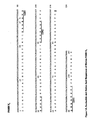
- the humanized PAM4 antibody or fragment thereof wherein said amino acid from said murine MAb is at least one amino acid selected from the group consisting of amino acid residues 21, 47, 59, 60, 85, 87, and 100 of the murine light chain variable region Fig. 1A , PAM4V ⁇ sequence.
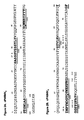
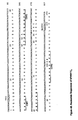
- the humanized PAM4 antibody or fragment thereof comprises the PAM4 V ⁇ nucleotide sequence of figure 1A and the PAM4 VH nucleotide sequence of figure 1B and/or comprises a hPAM4 V H amino acid sequence of figure 4A and a hPAM4 V ⁇ amino acid sequence of figure 4B .
- the therapeutic agent is selected from the group consisting of a radionuclide, an immunomodulator, a hormone, a hormone antagonist, an enzyme, oligonucleotide, an enzyme inhibitor, a photoactive therapeutic agent, a cytotoxic agent, an angiogenesis inhibitor, and a combination thereof.
- the therapeutic agent is an enzyme selected from the group comprising malate dehydrogenase, staphylococcal nuclease, delta-V-steroid isomerase, yeast alcohol dehydrogenase, a-glycerophosphate dehydrogenase, triose phosphate isomerase, horseradish peroxidase, alkaline phosphatase, asparaginase, glucose oxidase, ⁇ -galactosidase, ribonuclease, urease, catalase, glucose-6-phosphate dehydrogenase, glucoamylase and acetylcholinesterase.
- malate dehydrogenase staphylococcal nuclease
- delta-V-steroid isomerase yeast alcohol dehydrogenase
- a-glycerophosphate dehydrogenase a-glycerophosphate dehydrogenase
- triose phosphate isomerase horseradish peroxidas
- a multivalent, multispecific antibody or fragment thereof comprising more than one antigen binding site having an affinity toward a PAM4 target antigen and one or more hapten binding sites having affinity towards hapten molecules.
- the antibody or fragment thereof is a humanized or fully human antibody or fragment thereof.
- the multivalent, multispecific antibody or fragment thereof further comprises a diagnostic/detection and/or therapeutic agent.
- bispecific antibody or fragment thereof comprising at least one bnding site with an affinity toward a PAM4 target antigen and at least one binding site with an affinity toward a targetable construct/conjugate selected from the group consisting of:
- Another embodiment of the present invention is an antibody fusion protein or fragment thereof comprising at least two PAM4 MAbs or fragments thereof, wherein the MAbs or fragments comprise any of the antibodies and fragments thereof of the present invention.
- the antibody fusion protein or fragment thereof comprises at least one first PAM4 MAb or fragment thereof of any one of the antibodies and fragments thereof of the present invention and at least one second MAb or fragment thereof, other than the MAb or fragment thereof of the antibodies and fragments thereof of the present invention.
- the second MAb is a carcinoma-associated antibody, preferably selected from the group consisting of CA19.9, DUPAN2, SPAN1, Nd2, B72.3, CC49, CEA, aLe a , antibodies defined by the Lewis antigen Le(y), and antibodies against CSAp, insulin-like growth factor (IGF), tenascin, IL-6, MUC2, MUC3, MUC4, TAG-72, EGFR, CD40, platelet derived growth factor, IL-6, angiogenesis factors (e.g., VEGF), products of oncogenes and HER2/neu.
- the antibody fusion protein or fragments thereof of the present invention may further comprises at least one diagnostic and/or therapeutic agent.
- DNA sequence comprising a nucleic acid encoding a MAb or fragment thereof selected from the group consisting of:
- Another embodiment of the present invention is a method of delivering a diagnostic or therapeutic agent, or a combination thereof, to a target comprising (i) providing a composition that comprises a PAM4 antibody or fragment thereof conjugated to at least one diagnostic/detection and/or therapeutic agent and (ii) administering to a subject in need thereof the diagnostic or therapeutic conjugate of any one of antibodies, fusion proteins, or fragments thereof of the present invention.
- the diagnostic/detection agent is selected from the group consisting of a radionuclide, a contrast agent, and a photoactive diagnostic/detection agent
- the therapeutic agent is preferably selected from the group consisting of a drug, toxin, cytotoxic agent, cytokine, immunomodulator, hormone, hormone antagonist, growth factor, radionuclide, metal.
- Also contemplated in the present invention is a method of delivering a diagnostic/detection agent, a therapeutic agent, or a combination thereof to a target, comprising: (a) administering to a subject the antibody or fragment thereof of any one of the multivalent, multispecific antibodies or fragments thereof of the present invention that have an affinity toward a PAM4 antigen and comprise one or more hapten binding site; (b) waiting a sufficient amount of time for an amount of the non-antibody to clear the subject's blood stream; and (c) administering to said subject a carrier molecule comprising a diagnostic/detection agent, a therapeutic agent, or a combination thereof, that binds to a binding site of the antibody.
- the carrier molecule binds to more than one binding site of the antibody.
- the diagnostic/detection agent or the therapeutic agent is selected from the group comprising isotopes, drugs, toxins, cytokines, oligonucleotides, hormones, hormone antagonists, enzymes, enzyme inhibitors, growth factors, radionuclides, and metals.
- an oligonucleotide such as an antisense molecule inhibiting bcl-2 expression is described in U.S. 5,734,033 (Reed ), which is incorporated by reference in its entirety, may be conjugated to, or form the therapeutic agent portion of an immunoconjugate or antibody fusion protein of the present invention.
- the oligonucleotide may be administered concurrently or sequentially with a naked or conjugated PAM4 antibody or antibody fragment of the present invention.
- the oligonucleotides is an antisense oligonucleotide that preferably is directed against an oncogene or oncogene product of a B-cell malignancy, such as bcl-2.
- Described in the present invention is a method for diagnosing or treating cancer, comprising: (a) administering to a subject in need thereof the antibody or fragment thereof of any one of the multivalent, multispecific antibodies or fragments thereof of the present invention that have an affinity toward a PAM4 antigen and comprise one or more hapten binding sites; (b) waiting a sufficient amount of time for an amount of the non-bound antibody to clear the subject's blood stream; and (c) administering to said subject a carrier molecule comprising a diagnostic/detection agent, a therapeutic agent, or a combination thereof, that binds to a binding site of the antibody.
- cancer is pancreatic cancer.
- the method can be used for intraoperative identification of diseased tissues, endoscopic identification of diseased tissues, or intravascular identification of diseased tissues.
- Another embodiment of the present invention is a method of treating a malignancy in a subject comprising: (a) administering to said subject a therapeutically effective amount of an antibody or fragment thereof comprising a PAM4 MAb or fragment thereof or an antibody fusion protein or fragment thereof of any one of the antibodies, fusion proteins or fragments thereof of the present invention, wherein said PAM4 MAb or fragment thereof or antibody fusion protein or fragment thereof is conjugated to at least one therapeutic agent, and (b) formulating said PAM4 MAb or fragment thereof or antibody fusion protein or fragment thereof in a pharmaceutically suitable excipient.
- the method further comprises a second MAb or fragment thereof not in any one of the antibodies, fusion proteins or fragments thereof of the present invention.
- the second MAb or fragment thereof is a naked MAb or fragment thereof.
- the second MAb or fragment thereof is selected from the group consisting of CA19.9, DUPAN2, SPAN1, Nd2, B72.3, CC49, CEA, aLe a , antibodies defined by the Lewis antigen Le(y), and antibodies against CSAp, MUC1, MUC-2, MUC-3, MUC-4, TAG-72, EGFR, CD40, angiogenesis factors (e.g., VEGF), insulin-like growth factor (IGF), tenascin, platelet derived growth factor, IL-6, products of oncogenes and HER2/neu.
- angiogenesis factors e.g., VEGF
- IGF insulin-like growth factor
- IL-6 tenascin
- products of oncogenes and HER2/neu products of oncogenes and HER2/neu.
- Contemplated herein is a method of diagnosing a malignancy in a subject comprising (a) administering to said subject a diagnostically effective amount of a diagnostic conjugate comprising a PAM4 MAb or fragment thereof or PAM4 antibody fusion protein or fragment thereof of any one of the antibodies, fusion proteins or fragments thereof of the present invention, wherein said PAM4 MAb or fragment thereof or PAM4 antibody fusion protein or fragment thereof is conjugated to at least one diagnostic/detection agent, and (b) optionally formulating said PAM4 MAb or fragment thereof or antibody fusion protein or fragment thereof in a pharmaceutically suitable excipient.
- Another embodiment of the present invention is a method of treating a cancer cell in a subject comprising (i) administering to said subject a therapeutically effective amount of a composition comprising a naked PAM4 MAb or fragment thereof or a naked antibody fusion protein or fragment thereof of any one of the naked antibodies, fusion proteins, or fragments thereof of the present invention (ii) formulating said naked PAM4 MAb or fragment thereof or antibody fusion protein or fragment thereof in a pharmaceutically suitable excipient.
- the method further comprises a second naked antibody or fragment thereof not any one of the naked antibodies, fusion proteins or fragments thereof of the present invention.
- the second antibody or fragment thereof may be selected from the group consisting of CA19.9, DUPAN2, SPAN1, Nd2, B72.3, CC49, CEA, aLe a , antibodies defined by the Lewis antigen Le(y), and antibodies against CSAp, MUC1, MUC-2, MUC-3, MUC-4, TAG-72, EGFR, CD40, angiogenesis factors (e.g., VEGF), insulin-like growth factor (IGF), tenascin, platelet derived growth factor, IL-6, products ofoncogenes and HER2/neu.
- angiogenesis factors e.g., VEGF
- IGF insulin-like growth factor
- tenascin tenascin
- platelet derived growth factor IL-6
- products ofoncogenes and HER2/neu products ofoncogenes and HER2/neu.
- the present invention also describes a method of diagnosing a malignancy in a subject comprising (i) performing an in vitro diagnosis assay on a specimen from said subject with a composition comprising a naked PAM4 MAb or fragment thereof or a naked antibody fusion protein or fragment thereof of any one of the naked antibodies, fusion proteins, or fragments thereof of the present invention.
- the malignancy is a cancer.
- the cancer is pancreatic cancer.
- Another embodiment of the present invention is a method of intraoperatively identifying diseased tissues expressing PAM4 antigen, in a subject, comprising: (A) administering an effective amount of a bispecific antibody or antibody fragment comprising at least one arm that specifically binds a targeted tissue expressing PAM4-antigen and at least one other arm that specifically binds a targetable conjugate, wherein said one arm that specifically binds a targeted tissue is a hPAM4 antibody or fragment thereof; and (B) administering a targetable conjugate selected from the group consisting of:
- Another embodiment is a method of detection of lesions during an endoscopic, intravascular catheter, or surgical procedure, wherein the method comprises: (a) injecting a subject who is to undergo such a procedure with a bispecific antibody F(ab) 2 or F(ab') 2 fragment thereof, diabody, triabody, or tetrabody., wherein said bispecific antibody or fragment thereof, diabody, triabody or tetrabody has a first antibody binding site which specifically binds to a PAM4 antigen, and has a second antibody binding site which specifically binds to a hapten, and permitting the antibody fragment to accrete at target sites; (b) optionally clearing non-targeted antibody fragments using a galactosylated anti-idiotype clearing agent if the bispecific fragment is not largely cleared from circulation within about 24 hours of injection, and injecting a bivalent labeled hapten, which quickly localizes at the target site and clears through the kidneys; (c) detecting the presence of the hap
- a method for close-range lesion detection, during an operative, intravascular, or endoscopic procedure comprising: (a) injecting a subject to such a procedure parenterally with an effective amount of a hPAM4 immunoconjugate or fragment thereof, (b) conducting the procedure within 48 hours of the injection; (c) scanning the accessed interior of the subject at close range with a detection means for detecting the presence of said labeled antibody or fragment thereof; and (d) locating the sites of accretion of said labeled antibody or fragment thereof by detecting elevated levels of said labeled antibody or fragment thereof at such sites with the detection means, is also considered in the present invention.
- VEGF antibodies are described in Thorpe et al., U.S. Pat. Nos. 6,342,221 , 5,965,132 and 6,004,554 , and are incorporated by reference in their entirety.
- the present invention describes humanized and fully human antibodies and fragments thereof that bind the domain located between the amino terminus and start of the repeat domain of MUC1 and can be used for diagnostic and therapeutic methods.
- the PAM4 antibody is humanized.
- the PAM4 antibodies of the present invention preferentially bind pancreatic cancer cells. Because non-human monoclonal antibodies can be recognized by the human host as a foreign protein, and repeated injections can lead to harmful hypersensitivity reactions, humanization of a murine PAM4 sequences can reduce the adverse immune response that patients may experience. For murine-based monoclonal antibodies, this is often referred to as a Human Anti-Mouse Antibody (HAMA) response.
- HAMA Human Anti-Mouse Antibody
- the framework regions of the humanized PAM4 antibody or fragments thereof are replaced by their murine counterparts. It is also preferred that a combination of framework sequences from two different human antibodies are used for V H .
- the constant domains of the antibody molecule are derived from those of a human antibody.
- a human antibody is an antibody obtained, for example, from transgenic mice that have been "engineered” to produce specific human antibodies in response to antigenic challenge.
- elements of the human heavy and light chain locus are introduced into strains of mice derived from embryonic stem cell lines that contain targeted disruptions of the endogenous heavy chain and light chain loci.
- the transgenic mice can synthesize human antibodies specific for human antigens, and the mice can be used to produce human antibody-secreting hybridomas. Methods for obtaining human antibodies from transgenic mice are described by Green et al., Nature Genet.
- a fully human antibody also can be constructed by genetic or chromosomal transfection methods, as well as phage display technology, all of which are known in the art. See for example, McCafferty et al., Nature 348:552-553 (1990 ) for the production of human antibodies and fragments thereof in vitro, from immunoglobulin variable domain gene repertoires from unimmunized donors.
- antibody fragments include isolated fragments consisting of the variable regions, such as the "Fv” fragments consisting of the variable regions of the heavy and light chains, recombinant single chain polypeptide molecules in which light and heavy variable regions are connected by a peptide linker ("scFv proteins”), and minimal recognition units consisting of the amino acid residues that mimic the hypervariable region.
- variable regions such as the "Fv” fragments consisting of the variable regions of the heavy and light chains
- scFv proteins recombinant single chain polypeptide molecules in which light and heavy variable regions are connected by a peptide linker
- minimal recognition units consisting of the amino acid residues that mimic the hypervariable region.
- a naked antibody is generally an antibody that is not conjugated to a therapeutic or diagnostic/detection agent. However, it may also be an antibody fragment that is not conjugated to a diagnostic/detection or therapeutic agent. This is so because the Fc portion of the antibody molecule provides effector functions, such as complement fixation and ADCC, (antibody dependent cell cytotoxicity), which set mechanisms into action that may result in cell lysis. However, it is possible that the Fc portion is not required for therapeutic function, with other mechanisms, such as apoptosis, coming into play.
- naked antibodies include both polyclonal and monoclonal antibodies, as well as fusion proteins and certain recombinant antibodies, such as chimeric, humanized or human antibodies.
- a chimeric antibody is a recombinant protein that contains the variable domains including the complementarity determining regions (CDRs) of an antibody derived from one species, preferably a rodent antibody, while the constant domains of the antibody molecule are derived from those of a human antibody.
- the constant domains of the chimeric antibody may be derived from that of other species, such as a cat or dog.
- a humanized antibody is a recombinant protein in which the CDRs from an antibody from one species; e.g., a rodent antibody, are transferred from the heavy and light variable chains of the rodent antibody into human heavy and light variable domains.
- the constant domains of the antibody molecule are derived from those of a human antibody.
- a human antibody is an antibody obtained from transgenic mice that have been "engineered” to produce specific human antibodies in response to antigenic challenge.
- elements of the human heavy and light chain loci are introduced into strains of mice derived from embryonic stem cell lines that contain targeted disruptions of the endogenous heavy chain and light chain loci.
- the transgenic mice can synthesize human antibodies specific for human antigens, and the mice can be used to produce human antibody-secreting hybridomas.
- Methods for obtaining human antibodies from transgenic mice are described by Green et al., Nature Genet. 7:13 (1994 ), Lonberg et al., Nature 368:856 (1994 ), and Taylor et al., Int. Immun. 6:579 (1994 ).
- a fully human antibody also can be constructed by genetic or chromosomal transfection methods, as well as phage display technology, all of which are known in the art. See for example, McCafferty et al., Nature 348:552-553 (1990 ) for the production of human antibodies and fragments thereof in vitro, from immunoglobulin variable domain gene repertoires from unimmunized donors.
- antibody variable domain genes are cloned in-frame into either a major or minor coat protein gene of a filamentous bacteriophage, and displayed as functional antibody fragments on the surface of the phage particle.
- the filamentous particle contains a single-stranded DNA copy of the phage genome, selections based on the functional properties of the antibody also result in selection of the gene encoding the antibody exhibiting those properties. In this way, the phage mimics some of the properties of the B cell. Phage display can be performed in a variety of formats, for their review, see e.g. Johnson and Chiswell, Current Opiniion in Structural Biology 3:5564-571 (1993 ).
- Human antibodies may also be generated by in vitro activated B cells. See U.S. Patent Nos. 5,567,610 and 5,229,275 , which are incoporated in their entirety by reference.
- a therapeutic agent is a molecule or atom which is administered separately, concurrently or sequentially with an antibody moiety or conjugated to an antibody moiety, i.e., antibody or antibody fragment, or a subfragment, and is useful in the treatment of a disease.
- therapeutic agents include antibodies, antibody fragments, drugs, toxins, nucleases, hormones, immunomodulators, chelators, boron compounds, photoactive agents or dyes and radioisotopes.
- a diagnostic/detection agent is a molecule or atom which is administered conjugated to an antibody moiety, i.e., antibody or antibody fragment, or subfragment, and is useful in diagnosing a disease by locating the cells containing the antigen.
- useful diagnostic/detection agents include, but are not limited to, radioisotopes, dyes (such as with the biotin-streptavidin complex), contrast agents, fluorescent compounds or molecules and enhancing agents (e.g. paramagnetic ions) for magnetic resonance imaging (MRI).
- MRI magnetic resonance imaging
- the diagnostic/detection agents are selected from the group consisting of radioisotopes, enhancing agents for use in magnetic resonance imaging, and fluorescent compounds.
- a reagent having a long tail to which are attached a multiplicity of chelating groups for binding the ions.
- a tail can be a polymer such as a polylysine, polysaccharide, or other derivatized or derivatizable chain having pendant groups to which can be bound chelating groups such as, e.g.
- EDTA ethylenediaminetetraacetic acid
- DTPA diethylenetriaminepentaacetic acid
- porphyrins polyamines, crown ethers, bis-thiosemicarbazones, polyoximes, and like groups known to be useful for this purpose.
- Chelates are coupled to the antibodies using standard chemistries.
- the chelate is normally linked to the antibody by a group, which enables formation of a bond to the molecule with minimal loss of immunoreactivity and minimal aggregation and/or internal cross-linking.
- Other, more unusual, methods and reagents for conjugating chelates to antibodies are disclosed in U.S.
- chelates when complexed with non-radioactive metals, such as manganese, iron and gadolinium are useful for MRI, when used along with the antibodies of the invention.
- Macrocyclic chelates such as NOTA, DOTA, and TETA are of use with a variety of metals and radiometals, most particularly with radionuclides of gallium, yttrium and copper, respectively.
- metal-chelate complexes can be made very stable by tailoring the ring size to the metal of interest.
- Other ring-type chelates such as macrocyclic polyethers, which are of interest for stably binding nuclides, such as 223 Ra for RAIT are encompassed by the invention.
- a human cell line PER.C6 disclosed in WO 0063403 A2 , which produces 2 to 200-fold more recombinant protein as compared to conventional mammalian cell lines, such as CHO, COS, Vero, Hela, BHK and SP2- cell lines.
- Special transgenic animals with a modified immune system are particularly useful for making fully human antibodies.
- YACs yeast artificial chromosomes
- each insert is approximately 1 Mb in size
- YAC construction requires homologous recombination of overlapping fragments of the immunoglobulin loci.
- the two YACs, one containing the heavy-chain loci and one containing the light-chain loci, are introduced separately into mice via fusion of YAC-containing yeast spheroblasts with mouse embryonic stem cells.
- a humanized PAM4 antibody can then be designed and constructed as described by Leung et al. (Mol. Immunol., 32:1413 (1995 )), which is incorporated by reference.
- cDNA can be prepared from any known hybridoma line or transfected cell line producing a murine or humanized PAM4 antibody by general molecular cloning techniques ( Sambrook et aL, Molecular Cloning, A laboratory manual, 2nd Ed(1989 )).
- Example 7 describes the humanization process utilized for hPAM4 MAb.
- Fractions of 1.0 ml are collected in tubes containing 10 ⁇ l of 3 M Tris (pH 8.6), and protein concentrations determined from the absorbance at 280/260 mm. Peak fractions are pooled, dialyzed against PBS, and the antibody concentrated, for example, with the Centricon 30 (Amicon, Beverly, MA). The antibody concentration is determined by ELISA, as before, and its concentration adjusted to about 1 mg/ml using PBS. Sodium azide, 0.01% (w/v), is conveniently added to the sample as preservative.
- PAM4 MAbs can be isolated and purified from hybridoma cultures by a variety of well-established techniques. Such isolation techniques include affinity chromatography with Protein-A Sepharose, size-exclusion chromatography, and ion-exchange chromatography. See, for example, Coligan at pages 2.7.1-2.7.12 and pages 2.9.1-2.9.3. Also, see Baines et al., "Purification of Immunoglobulin G (IgG)," in METHODS IN MOLECULAR BIOLOGY, VOL. 10, pages 79-104 (The Humana Press, Inc. 1992 ).
- PAM4 MAbs can be characterized by a variety of techniques that are well-known to those of skill in the art. For example, the ability of a PAM4 MAb to bind to the PAM4 antigen can be verified using an indirect enzyme immunoassay, flow cytometry analysis, or Western analysis.
- a single chain Fv molecule comprises a V L domain and a V H domain.
- the V L and V H domains associate to form a target binding site. These two domains are further covalently linked by a peptide linker (L).
- a scFv molecule is denoted as either V L -L- V H if the V L domain is the N-terminal part of the scFv molecule, or as V H -L- V L if the V H domain is the N-terminal part of the scFv molecule.
- linkers in addition to glutaraldehyde can be used, e.g., diisocyanates, diiosothiocyanates, bis(hydroxysuccinimide) esters, carbodiimides, maleimidehydroxysuccinimide esters, and the like.
- Such a fusion protein will have an affinity toward CA19.9 as well as the domain located between the amino terminus and start of the repeat domain of MUC1. Also contemplated in the present invention is a fusion protein comprising more than one antigen binding site having an affinity for at least two different PAM4 antigen epitopes.
- a bispecific PAM4 antibody fusion protein may comprise the 679 MAb (or fragment thereof) and the PAM4 MAb (or fragment thereof).
- the monoclonal antibody, 679 binds with high affinity to molecules containing the tri-peptide moiety histamine succinyl glycyl (HSG).
- HSG histamine succinyl glycyl
- Such a bispecific PAM4 antibody fusion protein can be prepared, for example, by obtaining an F(ab') 2 fragment from 679, as described above.
- Bispecific antibodies can be made by a variety of conventional methods, e.g., disulfide cleavage and reformation of mixtures of whole IgG or, preferably F(ab') 2 fragments, fusions of more than one hybridoma to form polyomas that produce antibodies having more than one specificity, and by genetic engineering.
- Bispecific antibody fusion proteins have been prepared by oxidative cleavage of Fab' fragments resulting from reductive cleavage of different antibodies.
- This is advantageously carried out by mixing two different F(ab') 2 fragments produced by pepsin digestion of two different antibodies, reductive cleavage to form a mixture of Fab' fragments, followed by oxidative reformation of the disulfide linkages to produce a mixture of F(ab') 2 fragments including bispecific antibody fusion proteins containing a Fab' potion specific to each of the original epitopes.
- General techniques for the preparation of antibody fusion proteins may be found, for example, in Nisonoff et al., Arch Biochem. Biophys. 93: 470 (1961 ), Hämmerling et al., J. Exp. Med. 128:1461 (1968 ), and U.S. patent No. 4,331,647 .
- Contemplated in the present invention is an antibody fusion protein or fragment thereof comprising at least one first PAM4 MAb or fragment thereof and at least one second MAb or fragment thereof, other than the PAM4 MAbs or fragments thereof of the present invention
- a polyspecific PAM4 antibody fusion protein can be obtained by adding PAM4 antigen binding moieties to a bispecific humanized or human PAM4 antibody fusion protein.
- a bispecific antibody fusion protein can be reacted with 2-iminothiolane to introduce one or more sulfhydryl groups for use in coupling the bispecific fusion protein to a third PAM4 MAb or fragment, using the bis-maleimide activation procedure described above.
- These techniques for producing antibody fusion proteins are well know to those of skill in the art. See, for example, U.S. patent No. 4,925,648 , which is incorporated by reference in its entirety.
- ScFvs with linkers greater than 12 amino acid residues in length allow interacting between the V H and V L domains on the same chain and generally form a mixture of monomers, dimers (termed diabodies) and small amounts of higher mass multimers, ( Kortt et al., Eur. J. Biochem. (1994) 221:151-157 ).
- ScFvs with linkers of 5 or less amino acid residues prohibit intramolecular pairing of the V H and V L domains on the same chain, forcing pairing with V H and V L domains on a different chain.
- Linkers between 3- and 12-residues form predominantly dimers ( Atwell et al., Protein Engineering (1999) 12: 597-604 ). With linkers between 0 and 2 residues, trimeric (termed triabodies), tetrameric (termed tetrabodies) or higher oligomeric structures ofscFvs are formed; however, the exact patterns of oligomerization appear to depend on the composition as well as the orientation of the V-domains, in addition to the linker length.
- the 0-residue linker formed exclusively trimers and the 1-residue linker formed exclusively tetramers ( Le Gall et al., FEBS Letters (1999) 453:164-168 ).
- An expression vector is a DNA molecule comprising a gene that is expressed in a host cell. Typically, gene expression is placed under the control of certain regulatory elements, including constitutive or inducible promoters, tissue-specific regulatory elements, and enhancers. Such a gene is said to be "operably linked to" the regulatory elements.
- a promoter is a DNA sequence that directs the transcription of a structural gene.
- a structural gene is a DNA sequence that is transcribed into messenger RNA (mRNA) which is then translated into a sequence of amino acids characteristic of a specific polypeptide.
- mRNA messenger RNA
- a promoter is located in the 5' region of a gene, proximal to the transcriptional start site of a structural gene.
- a promoter is an inducible promoter, then the rate of transcription increases in response to an inducing agent. In contrast, the rate of transcription is not regulated by an inducing agent if the promoter is a constitutive promoter.
- An enhancer is a DNA regulatory element that can increase the efficiency of transcription, regardless of the distance or orientation of the enhancer relative to the start site of transcription.
- An isolated DNA molecule is a fragment of DNA that is not integrated in the genomic DNA of an organism.
- a cloned PAM4 antigen gene is a DNA fragment that has been separated from the genomic DNA of a mammalian cell.
- Another example of an isolated DNA molecule is a chemically-synthesized DNA molecule that is not integrated in the genomic DNA of an organism.
- Complementary DNA cDNA
- cDNA is a single-stranded DNA molecule that is formed from an mRNA template by the enzyme reverse transcriptase.
- a short synthetic oligo nucleotide complementary to a portion of the mRNA is employed as a primer for the initiation of reverse transcription to generate the first stand DNA.
- cDNA to refer to a double-stranded DNA molecule consisting of such a single-stranded DNA molecule and its complementary DNA strand.
- a cloning vector is a DNA molecule, such as a plasmid, cosmid, or bacteriophage, that has the capability of replicating autonomously in a host cell.
- Cloning vectors typically contain one or a small number of restriction endonuclease recognition sites at which foreign DNA sequences can be inserted in a determinable fashion without loss of an essential biological function of the vector, as well as a marker gene that is suitable for use in the identification and selection of cells transformed with the cloning vector. Marker genes typically include genes that provide tetracycline resistance or ampicillin resistance.
- a recombinant host may be any prokaryotic or eukaryotic cell that contains either a cloning vector or expression vector.
- This term also includes those prokaryotic or eukaryotic cells that have been genetically engineered to contain the cloned gene(s) in the chromosome or genome of the host cell.
- expression refers to the biosynthesis of a gene product.
- expression involves transcription of the structural gene into mRNA and the translation ofmRNA into one or more polypeptides.
- Suitable host cells include microbial or mammalian host cells.
- a preferred host is the human cell line, PER.C6, which was developed for production of MAbs, and other fusion proteins.
- a preferred embodiment of the present invention is a host cell comprising a DNA sequence encoding the PAM4 MAb, conjugate, fusion protein or fragments thereof.
- PER.C6 cells ( WO 97/00326 ) were generated by transfection of primary human embryonic retina cells, using a plasmid that contained the Adserotype 5 (Ad5) E1A- and E1B-coding sequences (Ad5 nucleotides 459-3510) under the control of the human phosphoglycerate kinase (PGK) promoter.
- Ad5 Adserotype 5
- E1A- and E1B-coding sequences Ad5 nucleotides 459-3510
- the presence of E1A causes an up regulation of expression of genes that are under the control of the CMV enhancer /promoter and the presence of E13 prevents p53-dependent apoptosis possibly enhanced through over expression of the recombinant transgene.
- the cell is capable of producing 2 to 200-fold more recombinant protein and/or proteinaceous substance than conventional mammalian cell lines.
- Contemplated in the present invention is a method of diagnosing or treating a malignancy in a subject comprising administering to the subject a therapeutically effective amount of a therapeutic conjugate comprising a PAM4 MAb or fragment thereof or an antibody fusion protein or fragment thereof, wherein the PAM4 MAb or fragment thereof or antibody fusion protein or fragment thereof is bound to at least one diagnostic and/or therapeutic agent and then formulated in a pharmaceutically suitable excipient.
- Also preferred is a method for diagnosing or treating cancer comprising: administering a multivalent, multispecific antibody or fragment thereof comprising one or more antigen binding sites toward a PAM4 antigen and one or more hapten binding sites to a subject in need thereof waiting a sufficient amount of time for an amount of the non-antibody to clear the subject's blood stream; and then administering to the subject a carrier molecule comprising a diagnostic/detection agent, a therapeutic agent, or a combination thereof, that binds to the binding site of the multivalent, multispecific antibody or fragment thereof.
- the cancer is a pancreatic cancer.
- the antibody is a multivalent, monospecific antibody or fragment thereof.
- Conjugates of tumor-targeted MAbs and toxins can be used to selectively kill cancer cells in vivo ( Spalding, Biol/Technology 9(8): 701 (1991 ); Goldenberg, Scientific American Science & Medicine 1(1): 64 (1994 )).
- therapeutic studies in experimental animal models have demonstrated the anti-tumor activity of antibodies carrying cytotoxic radionuclides. See Example 3 and 5 for a discussion of animal models and therapeutic studies. ( Goldenberg et al., Cancer Res. 41: 4354 (1981 ), Cheung et al., J. Nat'l Cancer Inst. 77: 739 (1986 ), and Senekowitsch et al, J. Nucl. Med. 30: 531 (1989 )).
- Humanized and fully human antibodies and fragments thereof are suitable for use in therapeutic methods and diagnostic methods. Accordingly, contemplated in the present invention is a method of delivering a diagnostic or therapeutic agent, or a combination thereof, to a target comprising (i) providing a composition that comprises a PAM4 antibody or fragment thereof conjugated to at least one diagnostic and/or therapeutic agent and (ii) administering to a subject in need thereof the diagnostic or therapeutic antibody conjugate.
- the PAM4 antibodies and fragments thereof are humanized or fully human.
- the humanized and fully human PAM4 antibodies and fragments thereof of the present invention are used in methods for treating malignancies.
- a cancer cell targeting diagnostic or therapeutic conjugate comprising an antibody component that comprises a PAM4 MAb or fragment thereof of any of the antibodies of the present invention, or an antibody fusion protein or fragment thereof, wherein the antibody component is bound to at least one diagnostic or at least one therapeutic agent.
- the diagnostic conjugate is a photoactive diagnostic/detection agent, an ultrasound detectable agent or an MRI contrast agent.
- the diagnostic/detection agent is a radionuclide with an energy between 20 and 4,000 keV.
- solid tumor antibodies may be naked or conjugated to, inter alia, drugs, toxins, isotopes, external radiation or immunomodulators.
- Many different antibody combinations may be constructed, either as naked antibodies or as partly naked and partly conjugated with a therapeutic agent or immunomodulator.
- different naked antibody combinations may be employed for administration in combination with other therapeutic agents, such as a cytotoxic drug or with radiation, given consecutively, simultaneously, or sequentially.
- the monospecific antibodies described herein that are linked to diagnostic or therapeutic agents directly target PAM4 positive tumors.
- the monospecific molecules bind selectively to targeted antigens and as the number of binding sites on the molecule increases, the affinity for the target cell increases and a longer residence time is observed at the desired location. Moreover, non-antigen bound molecules are cleared from the body quickly and exposure of normal tissues is minimized.
- a use of multispecific antibodies is in AES systems, where PAM4 pre-targets positive tumors for subsequent specific delivery of diagnostic or therapeutic agents.
- the agents are carried by histamine succinyl glycyl (HSG) containing peptides.
- the murine monoclonal antibody designated 679 (an IgG1, K ) binds with high affinity to molecules containing the tri-peptide moiety, HSG ( Morel et al, Molecular Immunology, 27,995-1000, 1990 ).
- 679 MAb can form a bispecific antibody with hPAM4 that binds with HSG and the target antigen.
- Alternative haptens may also be utilized.
- These antibodies bind selectively to targeted antigens allowing for increased affinity and a longer residence time at the desired location.
- non-antigen bound diabodies are cleared from the body quickly and exposure of normal tissues is minimized.
- PAM4 antibodies and fragments thereof and conjugates can be used to diagnose and treat mammalian disorders such as cancer.
- the present invention also contemplates the use of humanized and human PAM4 antibodies and fragments thereof conjugated to at least one therapeutic and/or diagnostic/detection agent for therapy or diagnosis.
- the objective is to deliver cytotoxic doses of radioactivity, toxin, or drug to target cells, while minimizing exposure to non-target tissues.
- the PAM4 antibodies of the present invention can be used to diagnose and treat pancreatic tumors.
- a wide variety of diagnostic and therapeutic reagents can be administered concurrently or sequentially, or advantageously conjugated to the antibodies of the invention, for example, drugs, toxins, oligonucleotides, immunomodulators, hormones, hormone antagonists, enzymes, enzyme inhibitors, therapeutic radionuclides, an angiogenesis inhibitor, etc.
- the therapeutic agents recited here are those agents that also are useful for administration separately with the naked antibody as described above.
- the term "immunomodulator” includes cytokines, stem cell growth factors, lymphotoxins, such as tumor necrosis factor (TNF), and hematopoietic factors, such as interleukins (e.g ., interleukin-1 (IL-1), IL-2, IL-3, IL-6, IL-1 0, IL-12 and IL-18, IL-21), colony stimulating factors (e.g ., granulocyte-colony stimulating factor (G-CSF) and granulocyte macrophage-colony stimulating factor (GM-CSF)), interferons (e.g ., interferons- ⁇ , - ⁇ and - ⁇ ), the stem cell growth factor designated "S1 factor,” erythropoietin and thrombopoietin.
- suitable immunomodulator moieties include IL-2, IL-6, IL-10, IL-12, IL-18, IL-21, interferon- ⁇ , TNF- ⁇ , and
- Additional potential radioisotopes include 11 C, 13 N, 15 O, 7S Br, 198 Au, 224 Ac, 126 I, 133 I, 77 Br, 113m In, 95 Ru, 97 Ru, 103 Ru, 105 Ru, 107 Hg, 203 Hg, 121m Te, 122m Te, 125m Te, 165 Tm, 167 Tm, 168 Tm, 197 Pt, 109 Pd, 105 Rh, 142 Pr, 143 Pr, 161 Tb, 166 Ho, 199 Au, 57 Co, 58 Co, 51 Cr, 59 Fe, 75 Se, 201 Tl, 225 Ac, 76 Br, 169 Yb, and the like.
- a diagnostic/detection agent is a molecule or atom, which may be administered conjugated to an antibody moiety, i.e., antibody or antibody fragment, or subfragment, fusion protein, and fragments thereof and is useful in diagnosing/detecting a disease by locating the cells containing the disease-associated antigen.
- useful diagnostic/detection agents include, but are not limited to, radioisotopes, dyes (such as with the biotin-streptavidin complex), radiopaque materials (e.g ., iodine, barium, gallium, and thallium compounds and the like), contrast agents, fluorescent compounds or molecules and enhancing agents (e.g ., paramagnetic ions) for magnetic resonance imaging (MRI).
- an oligonucleotide such as an antisense molecule inhibiting bcl-2 expression is described in U.S. 5,734,033 (Reed ), which is incorporated by reference in its entirety, may be conjugated to, or form the therapeutic agent portion of an immunoconjugate or antibody fusion protein of the present invention.
- the oligonucleotide may be administered concurrently or sequentially with a naked or conjugated PAM4 antibody or antibody fragment of the present invention.
- the oligonucleotides is an antisense oligonucleotide that preferably is directed against an oncogene or oncogene product of a B-cell malignancy, such as bcl-2.
- the PAM4 antibodies, fusion proteins, and fragments thereof also can be labeled with paramagnetic ions and a variety of radiological contrast agents for purposes of in vivo diagnosis.
- Contrast agents that are particularly useful for magnetic resonance imaging comprise gadolinium, manganese, dysprosium, lanthanum, or iron ions. Additional agents include chromium, copper, cobalt, nickel, rhenium, europium, terbium, holmium, or neodymium.
- PAM4 antibodies and fragments thereof can also be conjugated to ultrasound contrast/enhancing agents.
- the ultrasound contrast agent is a liposome that comprises a humanized PAM4 IgG or fragment thereof.
- the ultrasound contrast agent is a liposome that is gas filled.
- solid dosage forms are described in Ansel et al., PHARMACEUTICAL DOSAGE FORMS AND DRUG DELIVERY SYSTEMS, 5th Edition (Lea & Febiger 1990 ), and Gennaro (ed.), REMINGTON'S PHARMACEUTICAL SCIENCES, 18th Edition (Mack Publishing Company 1990 ), and revised editions thereof.
- the PAM4 antibodies, fusion proteins, and fragments thereof of the present invention can be formulated according to known methods to prepare pharmaceutically useful compositions, whereby PAM4 antibodies, fusion proteins and fragments thereof are combined in a mixture with a pharmaceutically acceptable carrier.
- a composition is said to be a "pharmaceutically acceptable carrier” if its administration can be tolerated by a recipient patient.
- Sterile phosphate-buffered saline is one example of a pharmaceutically acceptable carrier.
- Other suitable carriers are well-known to those in the art. See, for example, REMINGTON'S PHARMACEUTICAL SCIENCES, 18th Ed. (1990 ).
- the immunoconjugate, or naked antibody is administered to a mammal in a therapeutically effective amount.
- a suitable subject for the present invention are usually a human, although a non-human animal subject is also contemplated.
- An antibody preparation is said to be administered in a "therapeutically effective amount" if the amount administered is physiologically significant.
- An agent is physiologically significant if its presence results in a detectable change in the physiology of a recipient mammal.
- PAM4 was found to be only weakly reactive with three out of twelve chronic pancreatitis specimens, whereas CA19.9 and DUPAN2 were strongly reactive with all twelve specimens. Although it is recognized that specificity is dependent upon the type of assay employed and the range and number of tissues examined, the ability of PAM4 to discriminate between normal and neoplastic pancreatic tissue, its ability to react with a large percentage of the cancer specimens, as well as the high intensity of the reactions, were important rationales for pursuing developmental studies of clinical application.
- the biodistribution of PAM4 was compared with an anti-CEA antibody, MN14, using the CaPanl tumor model.
- concentration of PAM4 within the tumor was much greater than the MN14 at early timepoints, yielding tumor-blood ratios at day three of 12.7 ⁇ 2.3 for PAM4 compared to 2.7 ⁇ 1.9 for MN14.
- PAM4 uptake within the tumor was significantly higher than for MN14 at early timepoints (day one - p ⁇ 0.001; day three - p ⁇ 0.01), dosimetry analyses indicated only a 3.2-fold higher dose to the tumor from PAM4 as compared to MN14 over the fourteen day study period.
- splenic targeting was not due to crossreactive antigens in the spleen, nor to binding by F c receptors, but rather to one or more of the following possibilities: direct targeting of antigen trapped in the spleen, or indirect uptake of antigen:antibody complexes formed either in the blood or released from the tumor site. The latter would require the presence of immune complexes in the blood; however, these were not observed when specimens as early as five minutes and as late as seven days were examined by gel filtration (HPLC, GF-250 column); radiolabeled antibody eluted as native material.
- Radiolabeled 131 I-PAM4 administered to animals bearing four week old orthotopic tumors (approximately 0.2g) showed specific targeting to the primary tumor with localization indices of 7.9 ⁇ 3.0 at day one increasing to 22.8 ⁇ 15.3 at day fourteen. No evidence of specific targeting to other tissues was noted. In one case where tumor metastases to the liver and spleen were observed, both metastases were targeted, and had high concentrations of radiolabeled antibody. In addition, approximately half of the animals developed a subcutaneous tumor at the incision site. No significant differences were noted in the targeting of orthotopic and subcutaneous tumors within the same animal, and no significant differences were observed in the targeting of orthotopic tumor whether or not the animal had an additional subcutaneous tumor. The estimated radiation doses from PAM4 were 6,704 and 1,655 cGy/mCi to the primary tumor and blood, respectively.
- PAM4 antigen was positive in four out of sixteen ovarian cancer, and five out of twenty breast cancer patients, all of whom had extensive disease. Also, as can be seen in Table 5 below the median value for pancreatic cancer (84.5. units) is on the order of ten fold greater than for all of the other cancer groups (except biliary cancer) even though the overwhelming majority of these cases were late stage, large tumor burden.
- the CaPan1 tumors were sensitive to treatment with 131 I-PAM4, the outcome, that is, regression or progression of the tumor, is dependent upon many factors including initial tumor size.
- groups of animals bearing CaPanl tumor burdens of 0.25g, 0.5g, 1.0g, or 2.0g were treated with a single dose of the 350 ⁇ Ci 131 I-PAM4.
- the majority of animals having tumors of initial size 0.25g and 0.5g showed tumor regression or growth inhibition for at least sixteen weeks post treatment. In the 1.0g tumor group five out of seven showed no tumor growth for the sixteen week period and in the 2.0g tumor group six out of nine showed no tumor growth for a period of six weeks before progression occurred.
- the mean survival time 17.7+/- 5.3 weeks was similar to the single dose group.
- Radiolabeled PAM4 provided a significant survival advantage (p ⁇ 0.001) as compared to the untreated or Ag8 treated animals, with 70% survival at sixteen weeks, the end of the experiment. At this time the surviving animals were sacrificed to determine tumor size. All animals had tumor with an average weight of 1.2g, as well as one or two small ( ⁇ 0.1g) metastases evident in - four of the seven animals. At sixteen weeks of growth, these tumors were more representative of an eight week old tumor.
- a preferred embodiment of this invention utilizes the monoclonal antibody, MAb hPAM4, which is a humanized IgG of the murine PAM4 raised from a pancreatic cancer mucin. Humanization of the murine PAM4 sequences is utilized to reduce the human antimouse antibody response that patients experience.
- murine complementarity determining regions CDR
- V heavy and light variable
- Humanized monoclonal antibodies in accordance with this invention are suitable for use in in vitro and in vivo diagnostic and therapeutic methods.
- V variable region framework
- FR region framework sequences of the murine PAM4 MAb
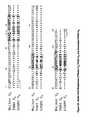
- Figure 1A and 1B Comparison of the variable (V) region framework (FR) sequences of the murine PAM4 MAb ( Figure 1A and 1B ) to registered human antibodies in the Kabat database showed that the FRs of PAM4 V ⁇ and VH exhibited the highest degree of sequence homology to that of the human antibodies Walker V ⁇ and Wil2 VH, respectively. Therefore, the Walker V ⁇ and Wil2 VH FRs were selected as the human frameworks into which the murine CDRs for PAM4 V ⁇ and V H were grafted, respectively ( Figure 3 ).
- the FR4 sequence of the human antibody, NEWM was used to replace the Wil2 FR4 sequence for the humanization of the PAM4 heavy chain ( Figure 3B ).
- hPAM4VHA represents nt 17 to 189 of the hPAM4 V H domain.
- hPAM4VHB represents the minus strand of the hPAM4 VH domain complementary to nt 169 to 341.
- hPAM4VHA and VHB are complementary to each other.
- 3'-ends of hPAM4VHA and VHB anneal to form a short double stranded DNA flanked by the rest of the long oligonucleotides.
- Each annealed end serves as a primer for the transcription of the single stranded DNA, resulting in a double strand DNA composed of the nt 17 to 341 of hPAM4 VH.
- This DNA was further amplified in the presence of two short oligonucleotides, hPAM4VHBACK and hPAM4VHFOR to form the full-length hPAM4 VH.
- the underlined portions are restriction sites for subcloning as shown in Figure 4B .
- hPAM4VHA and VHB were amplified in the presence of 10 ⁇ L of lOx PCR Buffer (500 mM KCL,100 mM Tris. HCL buffer, pH 8.3, 15 mM MgCl 2 ), 2 ⁇ mol of hPAM4VHBACK and hPAM4VKFOR, and 2.5 units of Taq DNA polymerase (Perkin Elmer Cetus, Norwalk, CT).
- This reaction mixture was subjected to three cycles of polymerase chain reaction (PCR) consisting of denaturation at 94°C for 1 minute, annealing at 45°C for 1 minute, and polymerization at 72°C for 1.5 minutes.
- PCR polymerase chain reaction
- Double-stranded PCR-amplified product for hPAM4 VH was gel-purified, restriction-digested with PstI and BstEII restriction sites and cloned into the complementary PstI/BstEII restriction sites of the heavy chain staging vector, VHpBS2, in which the V H sequence was fully assembled with the DNA sequence encoding the translation initiation codon and a secretion signal peptide in-frame ligated at the 5'-end and an intron sequence at the 3'-end.
- VHpBS2 is a modified staging vector of VHpBS ( Leung et al., Hybridoma, 13:469 (1994 )), into which a XhoI restriction site was introduced at sixteen bases upstream of the translation initiation codon to facilitate the next subcloning step.
- the assembled VH gene was subcloned as a XhoI-BamHI restriction fragment into the expression vector, pdHL2, which contains the expression cassettes for both human IgG heavy and light chains under the control of IgH enhancer and MT I promoter, as well as a mouse dhfr gene as a marker for selection and amplification ( Figure 4B ).
- hPAM4VHpdHL2 Since the heavy chain region of pdHL2 lacks a BamHI restriction site, this ligation requires use of a linker to provide a bridge between the BamHI site of the variable chain and the HindIII site present in the pdHL2 vector.
- the resulting expression vectors were designated as hPAM4VHpdHL2.
- hPAM4VKA 157-mer
- hPAM4VKB 156-mer
- hPAM4VKA and VKB were amplified by two short oligonucleotides hPAM4VKBACK and hPAM4VKFOR as described above.
- hPAM4VKA represents nt 16 to 172 of the hPAM4 V ⁇ domain.
- hPAM4VKB represents the minus strand of the hPAM4 V ⁇ domain complementary to nt 153 to 308.
- hPAM4VKA and VKB are complementary to each other.
- 3'-ends of hPAM4VKA and VKB anneal to form a short double stranded DNA flanked by the rest of the long oligonucleotides.
- Each annealed end serves as a primer for the transcription of the single stranded DNA, resulting in a double strand DNA composed of the nt 16 to 308 of hPAM4 V ⁇ .
- This DNA was further amplified in the presence of two short oligonucleotides, hPAM4VKBACK and hPAM4VKFOR to form the full-length hPAM4 V ⁇ .
- the underlined portions are restriction sites for subcloning as described below.
- VKpBR2 is a modified staging vector of VKpBR ( Leung et al., Hybridoma, 13:469 (1994 )), into which a XbaI restriction site was introduced at sixteen bases upstream of the translation initiation codon.
- the assembled V ⁇ genes were subcloned as XbaI-BamHI restriction fragments into the expression vector containing the VH sequence, hPAM4VHpdHL2. The resulting expression vectors were designated as hPAM4pdHL2.
- hPAM4pdHL2 was linearized by digestion with SalI and transfected into Sp2/0-Agl4 cells by electroporation at 450 V and 25 ⁇ F.
- the transfected cells were plated into 96-well plates and incubated in a CO 2 cell culture incubator for two days and then selected for MTX resistance. Colonies surviving selection emerged in two to three weeks and were screened for human antibody secretion by ELISA assay. Briefly, supernatants (100 ul) from the surviving colonies were added into the wells of an ELISA microplate precoated with goat anti-human IgG F(ab') 2 fragment-specific Ab. The plate was incubated for one hour at room temperature.
- the Ag-binding activity of hPAM4 was confirmed by ELISA assay in microtiter plate coated with pancreas cancer cell extractsAn ELISA competitive binding assay using PAM4-antigen coated plates were developed to assess the Ag-binding affinity of hPAM4 in comparison with that of a chimeric PAM4 composed of murine V and human C domains. Constant amounts of the HRP-conjugated cPAM4 mixed with varying concentrations of cPAM4 or hPAM4 were added to the coated wells and incubated at room temperature for 1-2 h.
- the amount of HRP-conjugated cPAM4 bound to the CaPan1 Ag was revealed by reading the absorbance at 490 nm after the addition of a substrate solution containing 4 mM o-phenylenediamine dihydrochloride and 0.04% H 2 O 2 . As shown by the competition assays in Figure 4 , hPAM4 and cPAM4 antibodies exhibited similar binding activities.
- Suitable host cells include microbial or mammalian host cells.
- a preferred host is the human cell line, PERC6, which was developed for production of MAbs, and other fusion proteins.
- a preferred embodiment of the present invention is a host cell comprising a DNA sequence encoding a PAM4 MAb, conjugate, fusion protein or fragments thereof.
- PER.C6 cells ( WO 97/00326 ) were generated by transfection of primary human embryonic retina cells, using a plasmid that contained the Adserotype 5 (Ad5) E1A- and E1B-coding sequences (Ad5 nucleotides 459-3510) under the control of the human phosphoglycerate kinase (PGK) promoter.
- Ad5 Adserotype 5
- E1A- and E1B-coding sequences Ad5 nucleotides 459-3510
- E1A and E1B are adenovirus early gene activation protein 1A and 1B, respectively.
- the methods and compositions are particularly useful for generating stable expression of human recombinant proteins of interest that are modified post-translationally, e.g. by glycosylation.
- PER.C6 particularly useful as a host for recombinant protein production, such as PER.C6 is a fully characterized human cell line and it was developed in compliance with good laboratory practices.
- PER.C6 can be grown as a suspension culture in defined serum-free medium devoid of any human- or animal-derived proteins and its growth is compatible with roller bottles, shaker flasks, spinner flasks and bioreactors with doubling times of about 35 hours.
- the presence of E1A causes an up regulation of expression of genes that are under the control of the CMV enhancer /promoter and the presence of B1B prevents p53-dependent apoptosis possibly enhanced through over expression of the recombinant transgene.
- the cell is capable of producing 2 to 200-fold more recombinant protein and/or proteinaceous substance than conventional mammalian cell lines.
- Another preferred cell is Sp210-Ag14 cell.
- Example 8 Therapy of a Patient with Inoperable Pancreatic Carcinoma
- a 56-year-old male with extensive, inoperable adenocarcinoma of the pancreas, substantial weight loss (30 lbs of weight or more), lethargy and weakness is given 90 Y-PAM4 radiolabeled humanized antibody at a dose of 30 mCi of 90-Y and 50 mg antibody protein, in a two hour i.v. infusion.
- Five days later the patient is then given a standard course of gemcitabine chemotherapy. If no evidence after a few months of side effects from therapy, the therapy regimen is repeated.
- the CT scan of the pancreas is expected to suggest either stable disease or a slight reduction of tumor mass.
- a repeat examination a few months later should show, by computed tomography, a substantial reduction of tumor mass, and the patient may therefore be considered for resection of the pancreatic tumor mass.
- bsMAb bispecific F(ab') 2 antibody
- cPAM4 chimeric PAM4
- m734 murine 734
- This bsMAb was labeled with 125 I and injected (7 ⁇ Ci; 15 ⁇ g) into athymic nude mice bearing a human pancreatic cancer xenograft (CaPan1).
- %ID/g percent-injected dose per gram
- One group of mice received 99m Tc-labeled IMP192 while a second group of mice received 111 In-labeled IMP156.
- Controls for non-specific targeting included two groups that received 125 I-bsRituximab prior to administration of radiolabeled peptide and two other groups that received 111 In- or 99m Tc-labeled peptide alone.
- mice were sacrificed at 3 and 24 hours after the administration of peptides and the %ID/g determined for the tumor and various tissues. Consistent with our previous findings, there was significantly greater bsPAM4 in the tumors in comparison to the non-targeting control bsRituximab, 8.2 ⁇ 3.4% and 0.3 ⁇ 0.08% ID/g, respectively (p ⁇ 0.0001). This translated into a significantly greatly tumor uptake of 111 In-IMP156 (20.2 ⁇ 5.5%ID/g vs. 0.9 ⁇ 0.1% ID/g, p ⁇ 0.0001).
- Pre-targeted Pre-targeted 125 I-bsPAM4 111 In-Peptide 99m Tc-Peptide F(ab') 2 (3-Hours) (3-Hours) (4-Hours) Tissue Mean ( ⁇ STD) Mean ( ⁇ STD) Mean ( ⁇ STD) Tumor 1.00 0.00 1.00 0.00 1.00 0.00 Liver 36.07 11.74 16.66 7.19 2.34 0.61 Spleen 33.40 20.62 14.62 9.12 2.15 0.74 Kidney 7.79 2.81 8.13 3.33 1.10 0.20 Lung 44.55 12.99 15.75 5.85 1.58 0.37 Blood 36.47 8.28 9.93 5.21 0.47 0.11 Bone 123.24 40.00 — — — — W.
- T:NT tumor:non-tumor ratios
Landscapes
- Health & Medical Sciences (AREA)
- Life Sciences & Earth Sciences (AREA)
- Chemical & Material Sciences (AREA)
- Organic Chemistry (AREA)
- General Health & Medical Sciences (AREA)
- Immunology (AREA)
- Medicinal Chemistry (AREA)
- Public Health (AREA)
- Proteomics, Peptides & Aminoacids (AREA)
- Animal Behavior & Ethology (AREA)
- Veterinary Medicine (AREA)
- Pharmacology & Pharmacy (AREA)
- Engineering & Computer Science (AREA)
- Gastroenterology & Hepatology (AREA)
- Biochemistry (AREA)
- Epidemiology (AREA)
- Biophysics (AREA)
- Genetics & Genomics (AREA)
- Molecular Biology (AREA)
- Bioinformatics & Cheminformatics (AREA)
- Toxicology (AREA)
- Oncology (AREA)
- General Chemical & Material Sciences (AREA)
- Chemical Kinetics & Catalysis (AREA)
- Zoology (AREA)
- Nuclear Medicine, Radiotherapy & Molecular Imaging (AREA)
- Cell Biology (AREA)
- Endocrinology (AREA)
- Urology & Nephrology (AREA)
- Physics & Mathematics (AREA)
- Optics & Photonics (AREA)
- Rheumatology (AREA)
- Diabetes (AREA)
- Biomedical Technology (AREA)
- Pathology (AREA)
- Medicines Containing Antibodies Or Antigens For Use As Internal Diagnostic Agents (AREA)
- Peptides Or Proteins (AREA)
- Medicines That Contain Protein Lipid Enzymes And Other Medicines (AREA)
- Preparation Of Compounds By Using Micro-Organisms (AREA)
- Investigating Or Analysing Materials By The Use Of Chemical Reactions (AREA)
Applications Claiming Priority (2)
| Application Number | Priority Date | Filing Date | Title |
|---|---|---|---|
| US38831402P | 2002-06-14 | 2002-06-14 | |
| EP03740743.4A EP1519958B1 (de) | 2002-06-14 | 2003-06-16 | Humanisierter monoklonaler antikörper hpam4 |
Related Parent Applications (2)
| Application Number | Title | Priority Date | Filing Date |
|---|---|---|---|
| EP03740743.4 Division | 2003-06-16 | ||
| EP03740743.4A Division-Into EP1519958B1 (de) | 2002-06-14 | 2003-06-16 | Humanisierter monoklonaler antikörper hpam4 |
Publications (2)
| Publication Number | Publication Date |
|---|---|
| EP2301968A2 true EP2301968A2 (de) | 2011-03-30 |
| EP2301968A3 EP2301968A3 (de) | 2011-06-29 |
Family
ID=29736456
Family Applications (2)
| Application Number | Title | Priority Date | Filing Date |
|---|---|---|---|
| EP10012295A Ceased EP2301968A3 (de) | 2002-06-14 | 2003-06-16 | Humanisierter monoklonaler Antikörper HPAM4 |
| EP03740743.4A Expired - Lifetime EP1519958B1 (de) | 2002-06-14 | 2003-06-16 | Humanisierter monoklonaler antikörper hpam4 |
Family Applications After (1)
| Application Number | Title | Priority Date | Filing Date |
|---|---|---|---|
| EP03740743.4A Expired - Lifetime EP1519958B1 (de) | 2002-06-14 | 2003-06-16 | Humanisierter monoklonaler antikörper hpam4 |
Country Status (11)
| Country | Link |
|---|---|
| US (2) | US7282567B2 (de) |
| EP (2) | EP2301968A3 (de) |
| JP (2) | JP5139626B2 (de) |
| KR (1) | KR101143035B1 (de) |
| CN (2) | CN101824090B (de) |
| AU (2) | AU2003277087B2 (de) |
| BR (1) | BR0311799A (de) |
| CA (1) | CA2489467C (de) |
| ES (1) | ES2524767T3 (de) |
| MX (1) | MXPA04012656A (de) |
| WO (1) | WO2003106495A2 (de) |
Families Citing this family (118)
| Publication number | Priority date | Publication date | Assignee | Title |
|---|---|---|---|---|
| US7550143B2 (en) | 2005-04-06 | 2009-06-23 | Ibc Pharmaceuticals, Inc. | Methods for generating stably linked complexes composed of homodimers, homotetramers or dimers of dimers and uses |
| JP2005507659A (ja) * | 2001-10-15 | 2005-03-24 | イミューノメディクス、インコーポレイテッド | 直接ターゲッティング結合タンパク質 |
| US8435529B2 (en) | 2002-06-14 | 2013-05-07 | Immunomedics, Inc. | Combining radioimmunotherapy and antibody-drug conjugates for improved cancer therapy |
| US8491896B2 (en) * | 2002-06-14 | 2013-07-23 | Immunomedics, Inc. | Anti-pancreatic cancer antibodies |
| US8877901B2 (en) | 2002-12-13 | 2014-11-04 | Immunomedics, Inc. | Camptothecin-binding moiety conjugates |
| US7591994B2 (en) | 2002-12-13 | 2009-09-22 | Immunomedics, Inc. | Camptothecin-binding moiety conjugates |
| US20160279239A1 (en) | 2011-05-02 | 2016-09-29 | Immunomedics, Inc. | Subcutaneous administration of anti-cd74 antibody for systemic lupus erythematosus and autoimmune disease |
| US8658773B2 (en) | 2011-05-02 | 2014-02-25 | Immunomedics, Inc. | Ultrafiltration concentration of allotype selected antibodies for small-volume administration |
| US9599619B2 (en) | 2002-06-14 | 2017-03-21 | Immunomedics, Inc. | Anti-pancreatic cancer antibodies |
| US8821868B2 (en) | 2002-06-14 | 2014-09-02 | Immunomedics, Inc. | Anti-pancreatic cancer antibodies |
| US9005613B2 (en) | 2003-06-16 | 2015-04-14 | Immunomedics, Inc. | Anti-mucin antibodies for early detection and treatment of pancreatic cancer |
| US7902338B2 (en) | 2003-07-31 | 2011-03-08 | Immunomedics, Inc. | Anti-CD19 antibodies |
| WO2006081553A2 (en) * | 2005-01-28 | 2006-08-03 | Ramot At Tel Aviv University, Ltd. | ANTI-MUC1 α/ß ANTIBODIES |
| US20160355591A1 (en) | 2011-05-02 | 2016-12-08 | Immunomedics, Inc. | Subcutaneous anti-hla-dr monoclonal antibody for treatment of hematologic malignancies |
| ES2665422T3 (es) | 2005-03-03 | 2018-04-25 | Immunomedics Inc. | Anticuerpos L243 humanizados |
| JP2006248978A (ja) * | 2005-03-10 | 2006-09-21 | Mebiopharm Co Ltd | 新規なリポソーム製剤 |
| EP2526957A3 (de) * | 2005-03-30 | 2013-02-20 | Minerva Biotechnologies Corporation | Proliferation von MUC1-ausdrückenden Zellen |
| ES2720288T3 (es) * | 2005-03-30 | 2019-07-19 | Minerva Biotechnologies Corp | Proliferación de células que expresan MUC1 |
| US20130039861A1 (en) * | 2005-04-06 | 2013-02-14 | Immunomedics, Inc. | Dye Conjugated Peptides for Fluorescent Imaging |
| EP2674440B1 (de) | 2005-12-16 | 2019-07-03 | IBC Pharmaceuticals, Inc. | Polyvalente bioaktive anordnungen auf immunglobulinbasis |
| DK3438131T3 (da) * | 2006-02-10 | 2022-04-11 | Life Technologies Corp | Oligosaccharidmodifikation og mærkning af proteiner |
| MX2008012291A (es) * | 2006-03-27 | 2009-01-12 | Medimmune Ltd | Miembro que enlaza al receptor gm-csf. |
| AU2007304590A1 (en) * | 2006-10-04 | 2008-04-10 | Cancer Research Technology Limited | Generation of a cancer-specific immune response toward MUC1 and cancer specific MUC1 antibodies |
| US7777877B2 (en) * | 2006-10-20 | 2010-08-17 | California Institute Of Technology | High efficiency coupling optics for pumping and detection of fluorescence |
| US20090238825A1 (en) * | 2007-05-21 | 2009-09-24 | Kovacevich Brian R | Novel rabbit antibody humanization methods and humanized rabbit antibodies |
| US9701747B2 (en) | 2007-05-21 | 2017-07-11 | Alderbio Holdings Llc | Method of improving patient survivability and quality of life by anti-IL-6 antibody administration |
| DK2164514T3 (en) | 2007-05-21 | 2017-02-27 | Alderbio Holdings Llc | Antibodies to IL-6 and its use |
| KR20170036814A (ko) * | 2007-05-21 | 2017-04-03 | 앨더바이오 홀딩스 엘엘씨 | 신규한 래빗 항체 인간화 방법 및 인간화된 래빗 항체 |
| US7906117B2 (en) | 2007-05-21 | 2011-03-15 | Alderbio Holdings Llc | Antagonists of IL-6 to prevent or treat cachexia, weakness, fatigue, and/or fever |
| US8404235B2 (en) | 2007-05-21 | 2013-03-26 | Alderbio Holdings Llc | Antagonists of IL-6 to raise albumin and/or lower CRP |
| US8252286B2 (en) | 2007-05-21 | 2012-08-28 | Alderbio Holdings Llc | Antagonists of IL-6 to prevent or treat thrombosis |
| US8062864B2 (en) | 2007-05-21 | 2011-11-22 | Alderbio Holdings Llc | Nucleic acids encoding antibodies to IL-6, and recombinant production of anti-IL-6 antibodies |
| US8178101B2 (en) | 2007-05-21 | 2012-05-15 | Alderbio Holdings Inc. | Use of anti-IL-6 antibodies having specific binding properties to treat cachexia |
| US20110076723A1 (en) * | 2008-05-23 | 2011-03-31 | Samsung Electronics Co., Ltd. | Antibody-peptide fused synergibody |
| US8489177B2 (en) * | 2008-07-16 | 2013-07-16 | Dilon Technologies, Inc. | Fiducial marker and method for gamma guided stereotactic localization |
| AU2011207189B2 (en) | 2008-08-08 | 2014-01-16 | Immunomedics, Inc. | Detection of early-stage pancreatic adenocarcinoma |
| AU2009279503B2 (en) * | 2008-08-08 | 2014-05-29 | Immunomedics, Inc. | Anti-pancreatic cancer antibodies |
| EP3130607B1 (de) * | 2008-10-06 | 2024-04-17 | Minerva Biotechnologies Corporation | Muc1*-antikörper |
| CN102272290B (zh) | 2008-10-09 | 2018-08-14 | 米纳瓦生物技术公司 | 用于在细胞中诱导多能性的方法 |
| US8420089B2 (en) | 2008-11-25 | 2013-04-16 | Alderbio Holdings Llc | Antagonists of IL-6 to raise albumin and/or lower CRP |
| US9212223B2 (en) | 2008-11-25 | 2015-12-15 | Alderbio Holdings Llc | Antagonists of IL-6 to prevent or treat thrombosis |
| US8323649B2 (en) | 2008-11-25 | 2012-12-04 | Alderbio Holdings Llc | Antibodies to IL-6 and use thereof |
| US8992920B2 (en) | 2008-11-25 | 2015-03-31 | Alderbio Holdings Llc | Anti-IL-6 antibodies for the treatment of arthritis |
| US9452227B2 (en) | 2008-11-25 | 2016-09-27 | Alderbio Holdings Llc | Methods of treating or diagnosing conditions associated with elevated IL-6 using anti-IL-6 antibodies or fragments |
| US8337847B2 (en) | 2008-11-25 | 2012-12-25 | Alderbio Holdings Llc | Methods of treating anemia using anti-IL-6 antibodies |
| ES3000111T3 (en) | 2009-02-13 | 2025-02-27 | Immunomedics Inc | Intermediates for preparing conjugates with an intracellularly-cleavable linkage |
| US20160095939A1 (en) | 2014-10-07 | 2016-04-07 | Immunomedics, Inc. | Neoadjuvant use of antibody-drug conjugates |
| US20120100538A1 (en) | 2009-03-24 | 2012-04-26 | Biocept, Inc. | Devices and methods of cell capture and analysis |
| AU2010229924B2 (en) | 2009-03-24 | 2016-07-21 | Plus Therapeutics Inc. | Devices and methods of cell capture and analysis |
| EP2478110B1 (de) | 2009-09-16 | 2016-01-06 | Immunomedics, Inc. | Klasse-i-anti-cea-antikörper und verwendungen davon |
| US8518405B2 (en) * | 2009-10-08 | 2013-08-27 | The University Of North Carolina At Charlotte | Tumor specific antibodies and uses therefor |
| US9775921B2 (en) | 2009-11-24 | 2017-10-03 | Alderbio Holdings Llc | Subcutaneously administrable composition containing anti-IL-6 antibody |
| CN102740888B (zh) | 2009-11-24 | 2016-10-12 | 奥尔德生物制药公司 | Il-6抗体及其用途 |
| ES2978177T3 (es) * | 2009-12-02 | 2024-09-06 | Immunomedics Inc | Combinación de radio inmunoterapia y conjugados anticuerpo-fármaco para mejorar la terapia contra el cáncer |
| US20130045492A1 (en) | 2010-02-08 | 2013-02-21 | Regeneron Pharmaceuticals, Inc. | Methods For Making Fully Human Bispecific Antibodies Using A Common Light Chain |
| US9796788B2 (en) | 2010-02-08 | 2017-10-24 | Regeneron Pharmaceuticals, Inc. | Mice expressing a limited immunoglobulin light chain repertoire |
| US20120021409A1 (en) * | 2010-02-08 | 2012-01-26 | Regeneron Pharmaceuticals, Inc. | Common Light Chain Mouse |
| SMT202600080T1 (it) | 2010-02-08 | 2026-03-09 | Regeneron Pharma | Topo con catena leggera comune |
| US9845362B2 (en) | 2010-10-08 | 2017-12-19 | The University Of North Carolina At Charlotte | Compositions comprising chimeric antigen receptors, T cells comprising the same, and methods of using the same |
| CA2818813C (en) | 2010-11-23 | 2020-10-06 | Alder Biopharmaceuticals, Inc. | Anti-il-6 antibodies for the treatment of oral mucositis |
| EP2675485A4 (de) | 2011-02-15 | 2014-10-15 | Immunomedics Inc | Anti-mucin-antikörper zur frühen erkennung und behandlung von pankreaskrebs |
| EP2686418A4 (de) | 2011-03-17 | 2015-04-22 | Minerva Biotechnologies Corp | Verfahren zur herstellung pluripotenter stammzellen |
| BR112013027119A8 (pt) | 2011-04-21 | 2018-03-06 | Seattle Genetics Inc | novos conjugados ligante-droga (adcs) e uso dos mesmos |
| HUE047278T2 (hu) | 2011-08-05 | 2020-04-28 | Regeneron Pharma | Humanizált univerzális könnyûláncú egerek |
| US9056910B2 (en) | 2012-05-01 | 2015-06-16 | Genentech, Inc. | Anti-PMEL17 antibodies and immunoconjugates |
| MX2014014891A (es) * | 2012-06-05 | 2015-06-17 | Regeneron Pharma | Metodos para hacer anticuerpos biespecificos completamente humanos usando una cadena ligera comun. |
| US9382329B2 (en) | 2012-08-14 | 2016-07-05 | Ibc Pharmaceuticals, Inc. | Disease therapy by inducing immune response to Trop-2 expressing cells |
| CN104379169A (zh) | 2012-08-14 | 2015-02-25 | Ibc药品公司 | 用于治疗疾病的t-细胞重定向双特异性抗体 |
| WO2017004144A1 (en) | 2015-07-01 | 2017-01-05 | Immunomedics, Inc. | Antibody-sn-38 immunoconjugates with a cl2a linker |
| CN107753954A (zh) | 2012-12-13 | 2018-03-06 | 免疫医疗公司 | 功效改进且毒性降低的抗体与sn‑38的免疫缀合物的剂量 |
| US9989524B2 (en) | 2013-02-05 | 2018-06-05 | Sanofi | Immuno imaging agent for use with antibody-drug conjugate therapy |
| US9844607B2 (en) * | 2013-02-05 | 2017-12-19 | Sanofi | Immuno imaging agent for use with antibody-drug conjugate therapy |
| EP2774930A1 (de) | 2013-03-07 | 2014-09-10 | Aptenia S.R.L. | Metallocenverbindungen und markierte Moleküle damit für In-vivo-Bildgebung |
| CN105074469A (zh) * | 2013-04-01 | 2015-11-18 | 免疫医疗公司 | 用于胰腺癌早期检测和治疗的抗粘蛋白抗体 |
| US9452228B2 (en) | 2013-04-01 | 2016-09-27 | Immunomedics, Inc. | Antibodies reactive with an epitope located in the N-terminal region of MUC5AC comprising cysteine-rich subdomain 2 (Cys2) |
| CN105829893A (zh) * | 2013-06-14 | 2016-08-03 | 西班牙格拉纳达大学 | 用于胰腺癌诊断及治疗响应的生物标记物 |
| EP3456700A1 (de) | 2013-10-18 | 2019-03-20 | Deutsches Krebsforschungszentrum | Markierte inhibitoren des prostataspezifischen membranantigens (psma), deren verwendung als kontrastmittel und pharmazeutika zur behandlung von prostatakrebs |
| RU2698697C2 (ru) | 2013-12-23 | 2019-08-29 | Байер Фарма Акциенгезельшафт | Конъюгаты связующего (ADC) с ингибиторами KSP |
| JP6447933B2 (ja) | 2014-02-21 | 2019-01-09 | アイビーシー ファーマスーティカルズ,インコーポレイテッド | Trop−2発現細胞に対する免疫応答を誘発することによる疾患治療 |
| CA2935748A1 (en) | 2014-02-25 | 2015-09-03 | Immunomedics, Inc. | Humanized rfb4 anti-cd22 antibody |
| CA3124228C (en) | 2014-03-21 | 2024-05-14 | Regeneron Pharmaceuticals, Inc. | Non-human animals that make single domain binding proteins |
| PL3560954T3 (pl) | 2014-04-03 | 2021-12-13 | Igm Biosciences, Inc. | Zmodyfikowany łańcuch J |
| GB201406767D0 (en) | 2014-04-15 | 2014-05-28 | Cancer Rec Tech Ltd | Humanized anti-Tn-MUC1 antibodies anf their conjugates |
| EP3160504B1 (de) | 2014-06-24 | 2020-09-16 | Immunomedics, Inc. | Antihistontherapie für vaskuläre nekrose bei schwerer glomerulonephritis |
| CN105334207A (zh) * | 2014-08-15 | 2016-02-17 | 上海中信国健药业股份有限公司 | 一种针对egfr靶向治疗药物的生物学活性检测方法 |
| US11554181B2 (en) | 2014-09-05 | 2023-01-17 | The University Of North Carolina At Charlotte | Tumor specific antibody conjugates and uses therefor |
| WO2016037985A1 (en) | 2014-09-08 | 2016-03-17 | Ruprecht-Karls-Universität Heidelberg | Construct for the delivery of a molecule into the cytoplasm of a cell |
| EP3957738A1 (de) | 2015-03-04 | 2022-02-23 | IGM Biosciences, Inc. | Cd20-bindende moleküle und verwendungen davon |
| CA2979702A1 (en) | 2015-03-19 | 2016-09-22 | Regeneron Pharmaceuticals, Inc. | Non-human animals that select for light chain variable regions that bind antigen |
| AU2016252771B2 (en) | 2015-04-22 | 2021-12-16 | Immunomedics, Inc. | Isolation, detection, diagnosis and/or characterization of circulating Trop-2-positive cancer cells |
| WO2016176332A1 (en) * | 2015-04-27 | 2016-11-03 | The Regents Of The University Of Colorado | Anthracycline prodrugs and methods of making and using the same |
| JP6971858B2 (ja) | 2015-06-22 | 2021-11-24 | バイエル ファーマ アクチエンゲゼルシャフト | 酵素開裂性基を有する抗体薬物複合体(adc)および抗体プロドラッグ複合体(apdc) |
| JP6980980B2 (ja) | 2015-06-25 | 2021-12-15 | イミューノメディクス、インコーポレイテッドImmunomedics, Inc. | 抗hla‐drまたは抗trop‐2抗体と微小管阻害剤、parp阻害剤、ブルトンキナーゼ阻害剤またはホスホイノシチド3‐キナーゼ阻害剤との併用は癌の治療効果を有意に改善する |
| EP3355913B1 (de) | 2015-09-30 | 2024-10-30 | IGM Biosciences, Inc. | Bindungsmoleküle mit modifizierter j-kette |
| EP3356401B1 (de) | 2015-09-30 | 2020-06-24 | IGM Biosciences, Inc. | Bindungsmoleküle mit modifizierter j-kette |
| WO2017060322A2 (en) | 2015-10-10 | 2017-04-13 | Bayer Pharma Aktiengesellschaft | Ptefb-inhibitor-adc |
| US10639383B2 (en) * | 2015-11-23 | 2020-05-05 | Sangamo Therapeutics, Inc. | Methods and compositions for engineering immunity |
| JP7251981B2 (ja) | 2016-03-24 | 2023-04-04 | バイエル ファーマ アクチエンゲゼルシャフト | 酵素開裂基を有する細胞毒性活性剤のプロドラッグ |
| EP3919518A1 (de) | 2016-06-15 | 2021-12-08 | Bayer Pharma Aktiengesellschaft | Spezifische antikörper-wirkstoff-konjugate mit ksp-inhibitoren und anti-cd123-antikörpern |
| CN110312534B (zh) | 2016-12-21 | 2023-04-04 | 拜耳制药股份公司 | 具有酶促可裂解基团的抗体-药物-缀合物(adc) |
| CN110072556B (zh) | 2016-12-21 | 2023-05-02 | 拜耳制药股份公司 | 具有ksp抑制剂的特异性抗体药物缀合物(adc) |
| US12059472B2 (en) | 2016-12-21 | 2024-08-13 | Bayer Aktiengesellschaft | Prodrugs of cytotoxic active agents having enzymatically cleavable groups |
| US10799597B2 (en) | 2017-04-03 | 2020-10-13 | Immunomedics, Inc. | Subcutaneous administration of antibody-drug conjugates for cancer therapy |
| CN107213479B (zh) | 2017-06-22 | 2018-12-28 | 苏州杰纳生物科技有限公司 | 一种包含过氧化氢酶的组合物及用途 |
| US12605469B2 (en) | 2017-10-02 | 2026-04-21 | The University Of North Carolina At Charlotte | Tumor specific antibody conjugates and uses therefor |
| WO2019154120A1 (zh) * | 2018-02-11 | 2019-08-15 | 四川科伦博泰生物医药股份有限公司 | 细胞毒性剂及其偶联物、其制备方法及用途 |
| WO2020064847A1 (en) | 2018-09-26 | 2020-04-02 | Ascendis Pharma A/S | Degradable hyaluronic acid hydrogels |
| CN111362926B (zh) * | 2018-12-26 | 2021-04-30 | 联宁(苏州)生物制药有限公司 | 一种用于抗体偶联药物的中间体cla-sn38的合成方法及其中间体 |
| WO2022010797A2 (en) | 2020-07-07 | 2022-01-13 | Bionecure Therapeutics, Inc. | Novel maytansinoids as adc payloads and their use for the treatment of cancer |
| US20230181471A1 (en) | 2020-07-09 | 2023-06-15 | Hoffmann-La Roche Inc. | Concentrated compositions of proteins, their preparation and use thereof |
| WO2022149578A1 (ja) * | 2021-01-08 | 2022-07-14 | 日本メジフィジックス株式会社 | Ac-225溶液の製造方法およびAc-225溶液を用いた医薬の製造方法 |
| CN115212308B (zh) * | 2021-04-15 | 2023-10-20 | 中国医学科学院基础医学研究所 | Gasdermin e通路的靶向剂在治疗胰腺癌中的应用 |
| US20240207461A1 (en) * | 2021-04-21 | 2024-06-27 | Nihon Medi-Physics Co., Ltd. | Radioactive antitumor agent |
| WO2022239720A1 (ja) | 2021-05-10 | 2022-11-17 | 公益財団法人川崎市産業振興財団 | 抗原への結合親和性を低減させた抗体 |
| WO2023016488A1 (zh) | 2021-08-13 | 2023-02-16 | 昆山新蕴达生物科技有限公司 | 一种基于微管抑制剂的抗体偶联药物 |
| CN117881431A (zh) | 2021-08-24 | 2024-04-12 | 昆山新蕴达生物科技有限公司 | 一种由可断裂连接子偶联的抗体偶联药物 |
| WO2023056240A2 (en) | 2021-09-28 | 2023-04-06 | Frontaim Biomedicines, Inc. | Multiple formats of molecular complexes |
| CN118401258A (zh) | 2021-12-09 | 2024-07-26 | 昆山新蕴达生物科技有限公司 | 一种亲和力改善的抗体-药物偶联物、其制备方法及应用 |
Citations (31)
| Publication number | Priority date | Publication date | Assignee | Title |
|---|---|---|---|---|
| US4036945A (en) | 1976-05-03 | 1977-07-19 | The Massachusetts General Hospital | Composition and method for determining the size and location of myocardial infarcts |
| US4331647A (en) | 1980-03-03 | 1982-05-25 | Goldenberg Milton David | Tumor localization and therapy with labeled antibody fragments specific to tumor-associated markers |
| US4624846A (en) | 1983-07-29 | 1986-11-25 | Immunomedics, Inc. | Method for enhancing target specificity of antibody localization and clearance of non-target diagnostic and therapeutic principles |
| US4671958A (en) | 1982-03-09 | 1987-06-09 | Cytogen Corporation | Antibody conjugates for the delivery of compounds to target sites |
| US4699784A (en) | 1986-02-25 | 1987-10-13 | Center For Molecular Medicine & Immunology | Tumoricidal methotrexate-antibody conjugate |
| US4704692A (en) | 1986-09-02 | 1987-11-03 | Ladner Robert C | Computer based system and method for determining and displaying possible chemical structures for converting double- or multiple-chain polypeptides to single-chain polypeptides |
| US4824659A (en) | 1985-06-07 | 1989-04-25 | Immunomedics, Inc. | Antibody conjugates |
| US4925648A (en) | 1988-07-29 | 1990-05-15 | Immunomedics, Inc. | Detection and treatment of infectious and inflammatory lesions |
| US4946778A (en) | 1987-09-21 | 1990-08-07 | Genex Corporation | Single polypeptide chain binding molecules |
| US5019368A (en) | 1989-02-23 | 1991-05-28 | Cancer Biologics, Inc. | Detection of necrotic malignant tissue and associated therapy |
| US5057313A (en) | 1986-02-25 | 1991-10-15 | The Center For Molecular Medicine And Immunology | Diagnostic and therapeutic antibody conjugates |
| US5132405A (en) | 1987-05-21 | 1992-07-21 | Creative Biomolecules, Inc. | Biosynthetic antibody binding sites |
| US5229275A (en) | 1990-04-26 | 1993-07-20 | Akzo N.V. | In-vitro method for producing antigen-specific human monoclonal antibodies |
| US5256395A (en) | 1986-09-19 | 1993-10-26 | Immunotech Partners | Affinity enhancement immunological reagents for in vivo detection and killing of specific target cells |
| US5443953A (en) | 1993-12-08 | 1995-08-22 | Immunomedics, Inc. | Preparation and use of immunoconjugates |
| US5567610A (en) | 1986-09-04 | 1996-10-22 | Bioinvent International Ab | Method of producing human monoclonal antibodies and kit therefor |
| WO1997000326A1 (en) | 1995-06-15 | 1997-01-03 | Introgene B.V. | Packaging systems for human recombinant adenovirus to be used in gene therapy |
| US5633425A (en) | 1990-08-29 | 1997-05-27 | Genpharm International, Inc. | Transgenic non-human animals capable of producing heterologous antibodies |
| US5716595A (en) | 1992-05-06 | 1998-02-10 | Immunomedics, Inc. | Intraperative, intravascular and endoscopic tumor and lesion detection and therapy with monovalent antibody fragments |
| US5734033A (en) | 1988-12-22 | 1998-03-31 | The Trustees Of The University Of Pennsylvania | Antisense oligonucleotides inhibiting human bcl-2 gene expression |
| WO1998044001A1 (en) | 1997-03-27 | 1998-10-08 | Commonwealth Scientific And Industrial Research Organisation | High avidity polyvalent and polyspecific reagents |
| US5837242A (en) | 1992-12-04 | 1998-11-17 | Medical Research Council | Multivalent and multispecific binding proteins, their manufacture and use |
| US5844094A (en) | 1992-09-25 | 1998-12-01 | Commonwealth Scientific And Industrial Research Organization | Target binding polypeptide |
| US5965132A (en) | 1992-03-05 | 1999-10-12 | Board Of Regents, The University Of Texas System | Methods and compositions for targeting the vasculature of solid tumors |
| US6004554A (en) | 1992-03-05 | 1999-12-21 | Board Of Regents, The University Of Texas System | Methods for targeting the vasculature of solid tumors |
| US6077499A (en) | 1996-05-03 | 2000-06-20 | Immunomedics, Inc. | Targeted combination immunotherapy of cancer |
| US6096289A (en) | 1992-05-06 | 2000-08-01 | Immunomedics, Inc. | Intraoperative, intravascular, and endoscopic tumor and lesion detection, biopsy and therapy |
| WO2000063403A2 (en) | 1999-04-15 | 2000-10-26 | Crucell Holland B.V. | Recombinant protein production in a human cell using sequences encoding adenovirus e1 protein |
| US6254868B1 (en) | 1996-03-20 | 2001-07-03 | Immunomedics, Inc. | Glycosylated humanized B-cell specific antibodies |
| US6331175B1 (en) | 1985-07-05 | 2001-12-18 | Immunomedics, Inc. | Method and kit for imaging and treating organs and tissues |
| US6342221B1 (en) | 1999-04-28 | 2002-01-29 | Board Of Regents, The University Of Texas System | Antibody conjugate compositions for selectively inhibiting VEGF |
Family Cites Families (14)
| Publication number | Priority date | Publication date | Assignee | Title |
|---|---|---|---|---|
| US5530101A (en) * | 1988-12-28 | 1996-06-25 | Protein Design Labs, Inc. | Humanized immunoglobulins |
| US4935498A (en) * | 1989-03-06 | 1990-06-19 | Board Of Regents, The University Of Texas System | Expanded porphyrins: large porphyrin-like tripyrroledimethine-derived macrocycles |
| US5859205A (en) * | 1989-12-21 | 1999-01-12 | Celltech Limited | Humanised antibodies |
| US5776427A (en) * | 1992-03-05 | 1998-07-07 | Board Of Regents, The University Of Texas System | Methods for targeting the vasculature of solid tumors |
| DE69534530T2 (de) * | 1994-08-12 | 2006-07-06 | Immunomedics, Inc. | Für b-zell-lymphom und leukämiezellen spezifische immunkonjugate und humane antikörper |
| US6176842B1 (en) * | 1995-03-08 | 2001-01-23 | Ekos Corporation | Ultrasound assembly for use with light activated drugs |
| US6261537B1 (en) * | 1996-10-28 | 2001-07-17 | Nycomed Imaging As | Diagnostic/therapeutic agents having microbubbles coupled to one or more vectors |
| US6306393B1 (en) * | 1997-03-24 | 2001-10-23 | Immunomedics, Inc. | Immunotherapy of B-cell malignancies using anti-CD22 antibodies |
| US6120995A (en) * | 1997-08-07 | 2000-09-19 | Thomas Jefferson University | Compositions that specifically bind to colorectal cancer cells and methods of using the same |
| US7138103B2 (en) * | 1998-06-22 | 2006-11-21 | Immunomedics, Inc. | Use of bi-specific antibodies for pre-targeting diagnosis and therapy |
| US7405320B2 (en) * | 1998-06-22 | 2008-07-29 | Immunomedics, Inc. | Therapeutic and diagnostic conjugates for use with multispecific antibodies |
| AU1728800A (en) * | 1998-11-18 | 2000-06-05 | Genentech Inc. | Antibody variants with higher binding affinity compared to parent antibodies |
| WO2002068471A2 (en) * | 2000-12-21 | 2002-09-06 | Bristol-Myers Squibb Company | Nucleic acid molecules and polypeptides for a human cation channel polypeptide |
| AU2002360766A1 (en) * | 2001-12-21 | 2003-07-30 | Threshold Pharmaceuticals, Inc. | Methods for cancer imaging |
-
2003
- 2003-06-16 ES ES03740743.4T patent/ES2524767T3/es not_active Expired - Lifetime
- 2003-06-16 CN CN2010101460004A patent/CN101824090B/zh not_active Expired - Fee Related
- 2003-06-16 US US10/461,885 patent/US7282567B2/en not_active Expired - Fee Related
- 2003-06-16 EP EP10012295A patent/EP2301968A3/de not_active Ceased
- 2003-06-16 BR BR0311799-5A patent/BR0311799A/pt not_active Application Discontinuation
- 2003-06-16 JP JP2004513326A patent/JP5139626B2/ja not_active Expired - Fee Related
- 2003-06-16 CN CN038192942A patent/CN1675245B/zh not_active Expired - Fee Related
- 2003-06-16 MX MXPA04012656A patent/MXPA04012656A/es active IP Right Grant
- 2003-06-16 AU AU2003277087A patent/AU2003277087B2/en not_active Ceased
- 2003-06-16 KR KR1020047020362A patent/KR101143035B1/ko not_active Expired - Fee Related
- 2003-06-16 WO PCT/GB2003/002593 patent/WO2003106495A2/en not_active Ceased
- 2003-06-16 EP EP03740743.4A patent/EP1519958B1/de not_active Expired - Lifetime
- 2003-06-16 CA CA2489467A patent/CA2489467C/en not_active Expired - Fee Related
-
2007
- 2007-09-04 US US11/849,791 patent/US20080050311A1/en not_active Abandoned
-
2008
- 2008-09-10 AU AU2008212083A patent/AU2008212083B2/en not_active Ceased
-
2010
- 2010-04-13 JP JP2010092200A patent/JP5155356B2/ja not_active Expired - Fee Related
Patent Citations (34)
| Publication number | Priority date | Publication date | Assignee | Title |
|---|---|---|---|---|
| US4036945A (en) | 1976-05-03 | 1977-07-19 | The Massachusetts General Hospital | Composition and method for determining the size and location of myocardial infarcts |
| US4331647A (en) | 1980-03-03 | 1982-05-25 | Goldenberg Milton David | Tumor localization and therapy with labeled antibody fragments specific to tumor-associated markers |
| US4671958A (en) | 1982-03-09 | 1987-06-09 | Cytogen Corporation | Antibody conjugates for the delivery of compounds to target sites |
| US4624846A (en) | 1983-07-29 | 1986-11-25 | Immunomedics, Inc. | Method for enhancing target specificity of antibody localization and clearance of non-target diagnostic and therapeutic principles |
| US4824659A (en) | 1985-06-07 | 1989-04-25 | Immunomedics, Inc. | Antibody conjugates |
| US6331175B1 (en) | 1985-07-05 | 2001-12-18 | Immunomedics, Inc. | Method and kit for imaging and treating organs and tissues |
| US5057313A (en) | 1986-02-25 | 1991-10-15 | The Center For Molecular Medicine And Immunology | Diagnostic and therapeutic antibody conjugates |
| US4699784A (en) | 1986-02-25 | 1987-10-13 | Center For Molecular Medicine & Immunology | Tumoricidal methotrexate-antibody conjugate |
| US4704692A (en) | 1986-09-02 | 1987-11-03 | Ladner Robert C | Computer based system and method for determining and displaying possible chemical structures for converting double- or multiple-chain polypeptides to single-chain polypeptides |
| US5567610A (en) | 1986-09-04 | 1996-10-22 | Bioinvent International Ab | Method of producing human monoclonal antibodies and kit therefor |
| US5256395A (en) | 1986-09-19 | 1993-10-26 | Immunotech Partners | Affinity enhancement immunological reagents for in vivo detection and killing of specific target cells |
| US6071491A (en) | 1986-12-05 | 2000-06-06 | Techniclone, Inc. | Detection of necrotic malignant tissue and associated therapy |
| US6017514A (en) | 1986-12-05 | 2000-01-25 | Techniclone Inc. | Detection of necrotic malignant tissue and associated therapy |
| US5882626A (en) | 1986-12-05 | 1999-03-16 | Cancer Biologics, Inc. | Detection of necrotic malignant tissue and associated therapy |
| US5132405A (en) | 1987-05-21 | 1992-07-21 | Creative Biomolecules, Inc. | Biosynthetic antibody binding sites |
| US4946778A (en) | 1987-09-21 | 1990-08-07 | Genex Corporation | Single polypeptide chain binding molecules |
| US4925648A (en) | 1988-07-29 | 1990-05-15 | Immunomedics, Inc. | Detection and treatment of infectious and inflammatory lesions |
| US5734033A (en) | 1988-12-22 | 1998-03-31 | The Trustees Of The University Of Pennsylvania | Antisense oligonucleotides inhibiting human bcl-2 gene expression |
| US5019368A (en) | 1989-02-23 | 1991-05-28 | Cancer Biologics, Inc. | Detection of necrotic malignant tissue and associated therapy |
| US5229275A (en) | 1990-04-26 | 1993-07-20 | Akzo N.V. | In-vitro method for producing antigen-specific human monoclonal antibodies |
| US5633425A (en) | 1990-08-29 | 1997-05-27 | Genpharm International, Inc. | Transgenic non-human animals capable of producing heterologous antibodies |
| US5965132A (en) | 1992-03-05 | 1999-10-12 | Board Of Regents, The University Of Texas System | Methods and compositions for targeting the vasculature of solid tumors |
| US6004554A (en) | 1992-03-05 | 1999-12-21 | Board Of Regents, The University Of Texas System | Methods for targeting the vasculature of solid tumors |
| US5716595A (en) | 1992-05-06 | 1998-02-10 | Immunomedics, Inc. | Intraperative, intravascular and endoscopic tumor and lesion detection and therapy with monovalent antibody fragments |
| US6096289A (en) | 1992-05-06 | 2000-08-01 | Immunomedics, Inc. | Intraoperative, intravascular, and endoscopic tumor and lesion detection, biopsy and therapy |
| US5844094A (en) | 1992-09-25 | 1998-12-01 | Commonwealth Scientific And Industrial Research Organization | Target binding polypeptide |
| US5837242A (en) | 1992-12-04 | 1998-11-17 | Medical Research Council | Multivalent and multispecific binding proteins, their manufacture and use |
| US5443953A (en) | 1993-12-08 | 1995-08-22 | Immunomedics, Inc. | Preparation and use of immunoconjugates |
| WO1997000326A1 (en) | 1995-06-15 | 1997-01-03 | Introgene B.V. | Packaging systems for human recombinant adenovirus to be used in gene therapy |
| US6254868B1 (en) | 1996-03-20 | 2001-07-03 | Immunomedics, Inc. | Glycosylated humanized B-cell specific antibodies |
| US6077499A (en) | 1996-05-03 | 2000-06-20 | Immunomedics, Inc. | Targeted combination immunotherapy of cancer |
| WO1998044001A1 (en) | 1997-03-27 | 1998-10-08 | Commonwealth Scientific And Industrial Research Organisation | High avidity polyvalent and polyspecific reagents |
| WO2000063403A2 (en) | 1999-04-15 | 2000-10-26 | Crucell Holland B.V. | Recombinant protein production in a human cell using sequences encoding adenovirus e1 protein |
| US6342221B1 (en) | 1999-04-28 | 2002-01-29 | Board Of Regents, The University Of Texas System | Antibody conjugate compositions for selectively inhibiting VEGF |
Non-Patent Citations (93)
| Title |
|---|
| "CURRENT PROTOCOLS IN IMMUNOLOGY", vol. 1, 1991, JOHN WILEY & SONS, pages: 2.5.1 - 2.6.7 |
| "GOODMAN AND GILMAN'S THE PHARMACOLOGICAL BASIS OF THERAPEUTICS", 1985, MACMILLAN PUBLISHING CO. |
| "PHOTODYNAMIC THERAPY OF TUMORS AND OTHER DISEASES", 1985 |
| "RADIOLABELED MONOCLONAL ANTIBODIES FOR IMAGING AND THERAPY", 1988, PLENUM PRESS |
| "REMINGTON'S PHARMACEUTICAL SCIENCES", 1990 |
| "REMINGTON'S PHARMACEUTICAL SCIENCES", 1990, MACK PUBLISHING COMPANY |
| "REMINGTON'S PHARMACEUTICAL SCIENCES", 1995, MACK PUBLISHING CO. |
| ANDERSON L J ET AL: "IDENTIFICATION OF EPITOPES ON RESPIRATORY SYNCYTIAL VIRUS PROTEINS BY COMPETITIVE BINDING IMMUNOASSAY", JOURNAL OF CLINICAL MICROBIOLOGY, AMERICAN SOCIETY FOR MICROBIOLOGY, US, vol. 23, no. 3, 1 March 1986 (1986-03-01), pages 475 - 480, ISSN: 0095-1137 * |
| ANSEL ET AL.: "PHARMACEUTICAL DOSAGE FORMS AND DRUG DELIVERY SYSTEMS", 1990, LEA & FEBIGER |
| ATWELL ET AL., MOLECULAR IMMUNOLOGY, vol. 33, 1996, pages 1301 - 1302 |
| ATWELL ET AL., PROTEIN ENGINEERING, vol. 12, 1999, pages 597 - 604 |
| BAINES ET AL.: "METHODS IN MOLECULAR BIOLOGY", vol. 10, 1992, THE HUMANA PRESS, INC., article "Purification of Immunoglobulin G (IgG)", pages: 79 - 104 |
| BARBET ET AL., CANCER BIOTHERAPY & RADIOPHARMACEUTICALS, vol. 14, 1999, pages 153 - 166 |
| BROWN ET AL.: "BIOTECHNOLOGY AND PHARMACY", 1993, CHAPMAN & HALL, article "Clinical Use of Monoclonal Antibodies", pages: 227 - 49 |
| CANCER RES., vol. 45, 1985, pages 4380 |
| CARLSSON ET AL., BIOLTECHNOLOGY, vol. 7, no. 6, 1989, pages 567 |
| CARTER ET AL., PROC. NATL ACAD. SCI. USA, vol. 89, 1992, pages 4285 |
| CHASE ET AL.: "REMINGTON'S PHARMACEUTICAL SCIENCES", 1990, MACK PUBLISHING CO., article "Medical Applications of Radioisotopes", pages: 624 - 652 |
| CHEUNG ET AL., J. NAT'L CANCER INST., vol. 77, 1986, pages 739 |
| COURTENAY-LUCK ET AL.: "MONOCLONAL ANTIBODIES: PRODUCTION, ENGINEERING AND CLINICAL APPLICATION", 1995, CAMBRIDGE UNIVERSITY PRESS, article "Genetic Manipulation of Monoclonal Antibodies", pages: 166 - 179 |
| DATABASE EMBASE [online] ELSEVIER SCIENCE PUBLISHERS, AMSTERDAM, NL; 2015, LIU D ET AL: "Identification of PAM4 (clivatuzumab)-reactive epitope on MUC5AC: A promising biomarker and therapeutic target for pancreatic cancer", Database accession no. EMB-2015810952 * |
| DOLEZAL ET AL., PROTEIN ENGINEERING, vol. 13, 2000, pages 565 - 574 |
| EDELMAN ET AL.: "METHODS IN ENZYMOLOGY", vol. 1, 1967, ACADEMIC PRESS, pages: 422 |
| FIELD ET AL., ONCOGENE, vol. 4, 1989, pages 1463 |
| FILPULA; MCGUIRE, EXP. OPIN. THER. PATENTS, vol. 9, 1999, pages 231 - 245 |
| GERSHONI JONATHAN M ET AL: "Epitope mapping - The first step in developing epitope-based vaccines", BIODRUGS,, vol. 21, no. 3, 1 January 2007 (2007-01-01), pages 145 - 156, XP009103541, ISSN: 1173-8804, DOI: 10.2165/00063030-200721030-00002 * |
| GOLD ET AL., CRIT. REV. ONCOLOGY/HEMATOLOGY, vol. 39, 2001, pages 147 - 54 |
| GOLD ET AL., INT. J. CANCER, vol. 57, 1994, pages 204 - 210 |
| GOLDENBERG ET AL., CANCER RES., vol. 41, 1981, pages 4354 |
| GOLDENBERG, CA, A CANCER JOURNAL FOR CLINICIANS, vol. 44, 1994, pages 43 |
| GOLDENBERG, SCIENTIFIC AMERICAN SCIENCE & MEDICINE, vol. 1, no. 1, 1994, pages 64 |
| GOLDENBERG, THE AMERICAN JOURNAL OF MEDICINE, vol. 94, 1993, pages 298 - 299 |
| GREEN ET AL., NATURE GENET., vol. 7, 1994, pages 13 |
| HÄMMERLING ET AL., J. EXP. MED., vol. 128, 1968, pages 1461 |
| HASAN, PROG. CLIN. BIOL. RES., vol. 288, 1989, pages 471 |
| HELFRICH ET AL., INT. J. CANCER, vol. 76, 1998, pages 232 - 239 |
| HO1LIGER ET AL., NATURE BIOTECHNOLOGY, vol. 15, 1997, pages 632 - 631 |
| HOLIGER ET AL., CANCER RESEARCH, vol. 59, 1999, pages 2909 - 2916 |
| HOLLIGER ET AL., PROC. NATL. ACAD. SCI. USA, vol. 90, 1993, pages 6444 - 6448 |
| HUSE ET AL., SCIENCE, vol. 246, 1989, pages 1274 - 1281 |
| JOHNSON; CHISWELL, CURRENT OPINION IN STRUCTURAL BIOLOGY, vol. 3, 1993, pages 5564 - 571 |
| JOHNSON; CHISWEU, CURRENT OPINIION IN STRUCTURAL BIOLOGY, vol. 3, 1993, pages 5564 - 571 |
| KENNEDY ET AL., CLIN. CHIM. ACTA, vol. 70, 1976, pages 1 |
| KIPRIYANOV ET AL., INT. J. CANCER, vol. 77, 1998, pages 763 - 772 |
| KOHLER; MILSTEIN, NATURE, vol. 256, 1975, pages 495 |
| KORTT ET AL., EUR. J. BIOCHEM., vol. 221, 1994, pages 151 - 157 |
| LARRICK ET AL., METHODS: A COMPANION TO METHODS IN ENZYMOLOGY, vol. 2, 1991, pages 106 |
| LE GALL ET AL., FEBS LETTERS, vol. 453, 1999, pages 164 - 168 |
| LEUNG ET AL., HYBRIDOMA, vol. 13, 1994, pages 469 |
| LEUNG ET AL., J. IMMUNOL., vol. 154, 1995, pages 5919 |
| LEUNG ET AL., MOL. IMMUNOL, vol. 32, 1995, pages 1413 |
| LIU D ET AL: "Identification of PAM4 (clivatuzumab)-reactive epitope on MUC5AC: A promising biomarker and therapeutic target for pancreatic cancer", ONCOTARGET 2015 IMPACT JOURNALS LLC USA, vol. 6, no. 6, 2015, pages 4274 - 4285, ISSN: 1949-2553 * |
| LONBERG ET AL., NATURE, vol. 368, 1994, pages 856 |
| MCCAFFERTY ET AL., NATURE, vol. 348, 1990, pages 552 - 553 |
| MENDEZ ET AL., NATURE GENETICS, vol. 15, 1997, pages 146 - 156 |
| MEW ET AL., J. IMMUNOL., vol. 130, 1983, pages 1473 |
| MOORE ET AL.: "METHODS IN MOLECULAR BIOLOGY", vol. 10, 1992, THE HUMANA PRESS, INC., article "Twin-Site ELISAs for far and myc Oncoproteins Using the AMPAK System", pages: 273 - 281 |
| MOREL, MOLECULAR IMMUNOLOGY, vol. 27, 1990, pages 995 - 1000 |
| MOUNTAIN ET AL., BIOTECHNOL. GENET. ENG. REV., vol. 10, 1992, pages 1 |
| NISONOFF ET AL., ARCH BIOCHEM. BIOPHYS., vol. 89, 1960, pages 230 |
| NISONOFF, ARCH BIOCHEM. BIOPHYS., vol. 93, 1961, pages 470 |
| ORLANDI ET AL., PROA N?TI ACAD. SCT. USA, vol. 86, 1989, pages 3833 |
| ORLANDI ET AL., PROC. NATL ACAD. SCI., vol. 86, 1989, pages 3833 |
| OSEROFF ET AL., PROC. NATL. ACAD SCI. USA, vol. 83, 1986, pages 8744 |
| PASTAN ET AL., CELL, vol. 47, 1986, pages 641 |
| PELEGRIN ET AL., CANCER, vol. 67, 1991, pages 2529 |
| PHOTOCHEM. PHOTOBIOL., vol. 46, 1987, pages 83 |
| PONDER: "MAMMALIAN DEVELOPMENT: A PRACTICAL APPROACH", 1987, IRL PRESS, article "Cell Marking Techniques and Their Application", pages: 113 - 38 |
| PORTER, BIOCHEM. J., vol. 73, 1959, pages 119 |
| PRICE ET AL.: "MONOCLONAL ANTIBODIES: PRODUCTION, ENGINEERING AND CLINICAL APPLICATION", 1995, CAMBRIDGE UNIVERSITY PRESS, article "Production and Characterization of Synthetic Peptide-Derived Antibodies", pages: 60 - 84 |
| R. RAAG; M. WHITLOW: "Single Chain Fvs", FASEB, vol. 9, 1995, pages 73 - 80 |
| R.E. BIRD; B.W. WALKER: "Single Chain Antibody Variable Regions", TIBTECH, vol. 9, 1991, pages 132 - 137, XP023571854, DOI: doi:10.1016/0167-7799(91)90044-I |
| SALTZMAN ET AL., BIOPHYS. J., vol. 55, 1989, pages 163 |
| SAMBROOK ET AL.: "Molecular Cloning, A laboratory manual", 1989 |
| SCHURS ET AL., CLIN. CHIM. ACTA, vol. 81, 1977, pages 1 |
| SENEKOWITSCH ET AL., J. NUCL. MED, vol. 30, 1989, pages 531 |
| SHERWOOD ET AL., BIO/TECHNOLOGY, vol. 10, 1992, pages 1446 |
| SHI E ET AL: "Monoclonal antibody classification based on epitope-binding using differential antigen disruption", JOURNAL OF IMMUNOLOGICAL METHODS, ELSEVIER SCIENCE PUBLISHERS B.V.,AMSTERDAM, NL, vol. 314, no. 1-2, 31 July 2006 (2006-07-31), pages 9 - 20, XP028017488, ISSN: 0022-1759, [retrieved on 20060731], DOI: 10.1016/J.JIM.2006.05.007 * |
| SHIH ET AL., INT J CANCER, vol. 46, 1990, pages 1101 |
| SHIH ET AL., INT 'L J. CANCER, vol. 46, 1990, pages 1101 |
| SHIH ET AL., INT. J CANCER, vol. 41, 1988, pages 832 |
| SINGER ET AL., J. IMMUN., vol. 150, 1992, pages 2844 |
| SPALDING, BIO/TECHNOLOGY, vol. 9, no. 8, 1991, pages 701 |
| SPANDIDOS ET AL., ANTICANCER RES., vol. 9, 1989, pages 821 |
| TATSUTA ET AL., LASERS SURG. MED., vol. 9, 1989, pages 422 |
| TAYLOR ET AL., INT. IMMUN., vol. 6, 1994, pages 579 |
| TODRYK ET AL., J IMMUNOL METHODS, vol. 248, 2001, pages 139 - 147 |
| TURNER ET AL., J. IMMUNOL, vol. 166, 2001, pages 89 - 94 |
| UPESLACIS ET AL.: "MONOCLONAL ANTIBODIES: PRINCIPLES AND APPLICATIONS", 1995, WILEY-LISS, INC., article "Modification of Antibodies by Chemical Methods", pages: 187 - 230 |
| VAN DEN BERGH, CHEM. BRITAIN, vol. 22, 1986, pages 430 |
| WARD ET AL.: "MONOCLONAL ANTIBODIES: PRINCIPLES AND APPLICATIONS", 1995, WLLEY-LISS, INC., article "Genetic Manipulation and Expression of Antibodies", pages: 137 - 185 |
| WONG: "CHEMISTRY OF PROTEIN CONJUGATION AND CROSS-LINKING", 1991, CRC PRESS |
| YU ET AL., INT. J. CANCER, vol. 56, 1994, pages 244 |
Also Published As
| Publication number | Publication date |
|---|---|
| CN1675245A (zh) | 2005-09-28 |
| US7282567B2 (en) | 2007-10-16 |
| KR20050010054A (ko) | 2005-01-26 |
| US20050014207A1 (en) | 2005-01-20 |
| AU2003277087B2 (en) | 2008-07-31 |
| EP1519958A2 (de) | 2005-04-06 |
| BR0311799A (pt) | 2005-05-10 |
| CN101824090B (zh) | 2013-01-02 |
| KR101143035B1 (ko) | 2012-05-08 |
| CA2489467A1 (en) | 2003-12-24 |
| JP2006513695A (ja) | 2006-04-27 |
| JP5139626B2 (ja) | 2013-02-06 |
| EP2301968A3 (de) | 2011-06-29 |
| AU2003277087A1 (en) | 2003-12-31 |
| EP1519958B1 (de) | 2014-10-15 |
| ES2524767T3 (es) | 2014-12-12 |
| CN1675245B (zh) | 2011-01-12 |
| CA2489467C (en) | 2015-02-24 |
| CN101824090A (zh) | 2010-09-08 |
| MXPA04012656A (es) | 2005-08-15 |
| WO2003106495A3 (en) | 2004-04-01 |
| JP2010227099A (ja) | 2010-10-14 |
| WO2003106495A2 (en) | 2003-12-24 |
| AU2008212083A1 (en) | 2008-10-02 |
| JP5155356B2 (ja) | 2013-03-06 |
| AU2008212083B2 (en) | 2011-06-09 |
| US20080050311A1 (en) | 2008-02-28 |
Similar Documents
| Publication | Publication Date | Title |
|---|---|---|
| EP1519958B1 (de) | Humanisierter monoklonaler antikörper hpam4 | |
| EP1521775B1 (de) | Monoklonaler antikörper pam4 und dessen verwendung in der diagnose und therapie von pankreaskrebs | |
| US8017736B2 (en) | Alpha-fetoprotein Immu31 antibodies and fusion proteins and methods of use thereof | |
| US20090185974A1 (en) | Chimeric, Human and Humanized Anti-Granulocyte Antibodies and Methods of Use | |
| IL165753A (en) | HUMANIZED MONOCLONAL ANTIBODY hPAM4, A CONJUGATE COMPRISING IT AND AN ANTIBODY COMPRISING THE SAME OR FRAGMENTS THEREOF | |
| IL165752A (en) | Chimeric monoclonal antibody pam4, a conjugate comprising it and an antibody comprising the same or fragments thereof |
Legal Events
| Date | Code | Title | Description |
|---|---|---|---|
| PUAI | Public reference made under article 153(3) epc to a published international application that has entered the european phase |
Free format text: ORIGINAL CODE: 0009012 |
|
| 17P | Request for examination filed |
Effective date: 20100930 |
|
| AC | Divisional application: reference to earlier application |
Ref document number: 1519958 Country of ref document: EP Kind code of ref document: P |
|
| AK | Designated contracting states |
Kind code of ref document: A2 Designated state(s): AT BE BG CH CY CZ DE DK EE ES FI FR GB GR HU IE IT LI LU MC NL PT RO SE SI SK TR |
|
| PUAL | Search report despatched |
Free format text: ORIGINAL CODE: 0009013 |
|
| AK | Designated contracting states |
Kind code of ref document: A3 Designated state(s): AT BE BG CH CY CZ DE DK EE ES FI FR GB GR HU IE IT LI LU MC NL PT RO SE SI SK TR |
|
| 17Q | First examination report despatched |
Effective date: 20150921 |
|
| STAA | Information on the status of an ep patent application or granted ep patent |
Free format text: STATUS: THE APPLICATION HAS BEEN REFUSED |
|
| 18R | Application refused |
Effective date: 20171113 |