EP2314721A1 - Isolats du syndrome respiratoire et reproductif porcin (PRRS) et procédés d'utilisation - Google Patents
Isolats du syndrome respiratoire et reproductif porcin (PRRS) et procédés d'utilisation Download PDFInfo
- Publication number
- EP2314721A1 EP2314721A1 EP10181381A EP10181381A EP2314721A1 EP 2314721 A1 EP2314721 A1 EP 2314721A1 EP 10181381 A EP10181381 A EP 10181381A EP 10181381 A EP10181381 A EP 10181381A EP 2314721 A1 EP2314721 A1 EP 2314721A1
- Authority
- EP
- European Patent Office
- Prior art keywords
- virus
- prrs
- isolates
- prrsv
- isolate
- Prior art date
- Legal status (The legal status is an assumption and is not a legal conclusion. Google has not performed a legal analysis and makes no representation as to the accuracy of the status listed.)
- Withdrawn
Links
- 208000005342 Porcine Reproductive and Respiratory Syndrome Diseases 0.000 title claims abstract description 130
- 238000000034 method Methods 0.000 title description 46
- 241000700605 Viruses Species 0.000 claims abstract description 104
- 230000002238 attenuated effect Effects 0.000 claims abstract description 80
- 229960005486 vaccine Drugs 0.000 claims abstract description 36
- 239000000203 mixture Substances 0.000 claims abstract description 31
- 230000002163 immunogen Effects 0.000 claims description 16
- 241001135989 Porcine reproductive and respiratory syndrome virus Species 0.000 description 91
- 241000282887 Suidae Species 0.000 description 52
- 206010058874 Viraemia Diseases 0.000 description 37
- 210000004027 cell Anatomy 0.000 description 37
- 241000282898 Sus scrofa Species 0.000 description 35
- 230000001018 virulence Effects 0.000 description 33
- 238000002965 ELISA Methods 0.000 description 30
- 208000015181 infectious disease Diseases 0.000 description 29
- 108090000623 proteins and genes Proteins 0.000 description 28
- 241001465754 Metazoa Species 0.000 description 26
- 230000003612 virological effect Effects 0.000 description 23
- 230000004044 response Effects 0.000 description 22
- 238000010240 RT-PCR analysis Methods 0.000 description 19
- 235000018102 proteins Nutrition 0.000 description 19
- 102000004169 proteins and genes Human genes 0.000 description 19
- 230000005875 antibody response Effects 0.000 description 18
- 238000001727 in vivo Methods 0.000 description 15
- 210000002966 serum Anatomy 0.000 description 15
- 238000004458 analytical method Methods 0.000 description 14
- 238000012360 testing method Methods 0.000 description 14
- 108091003079 Bovine Serum Albumin Proteins 0.000 description 13
- 230000034994 death Effects 0.000 description 13
- 231100000517 death Toxicity 0.000 description 13
- 239000012894 fetal calf serum Substances 0.000 description 13
- 238000004113 cell culture Methods 0.000 description 11
- 230000002458 infectious effect Effects 0.000 description 11
- 238000003753 real-time PCR Methods 0.000 description 11
- 208000037265 diseases, disorders, signs and symptoms Diseases 0.000 description 10
- 239000002609 medium Substances 0.000 description 10
- 238000002955 isolation Methods 0.000 description 9
- 201000010099 disease Diseases 0.000 description 8
- 230000028996 humoral immune response Effects 0.000 description 8
- 230000028993 immune response Effects 0.000 description 8
- 238000006467 substitution reaction Methods 0.000 description 8
- 230000000120 cytopathologic effect Effects 0.000 description 7
- 210000004072 lung Anatomy 0.000 description 7
- 238000005259 measurement Methods 0.000 description 7
- 108020004705 Codon Proteins 0.000 description 6
- 238000006243 chemical reaction Methods 0.000 description 6
- 238000007796 conventional method Methods 0.000 description 6
- 238000010790 dilution Methods 0.000 description 6
- 239000012895 dilution Substances 0.000 description 6
- 238000011081 inoculation Methods 0.000 description 6
- 230000003902 lesion Effects 0.000 description 6
- 230000001681 protective effect Effects 0.000 description 6
- 239000000523 sample Substances 0.000 description 6
- 230000008859 change Effects 0.000 description 5
- 230000003111 delayed effect Effects 0.000 description 5
- 239000012530 fluid Substances 0.000 description 5
- 230000002068 genetic effect Effects 0.000 description 5
- 238000002941 microtiter virus yield reduction assay Methods 0.000 description 5
- 230000035772 mutation Effects 0.000 description 5
- 238000002360 preparation method Methods 0.000 description 5
- 210000001519 tissue Anatomy 0.000 description 5
- 238000011282 treatment Methods 0.000 description 5
- 108091032973 (ribonucleotides)n+m Proteins 0.000 description 4
- 201000001178 Bacterial Pneumonia Diseases 0.000 description 4
- 241000588724 Escherichia coli Species 0.000 description 4
- CEAZRRDELHUEMR-URQXQFDESA-N Gentamicin Chemical compound O1[C@H](C(C)NC)CC[C@@H](N)[C@H]1O[C@H]1[C@H](O)[C@@H](O[C@@H]2[C@@H]([C@@H](NC)[C@@](C)(O)CO2)O)[C@H](N)C[C@@H]1N CEAZRRDELHUEMR-URQXQFDESA-N 0.000 description 4
- 229930182566 Gentamicin Natural products 0.000 description 4
- 108700026244 Open Reading Frames Proteins 0.000 description 4
- 241000194021 Streptococcus suis Species 0.000 description 4
- APKFDSVGJQXUKY-INPOYWNPSA-N amphotericin B Chemical compound O[C@H]1[C@@H](N)[C@H](O)[C@@H](C)O[C@H]1O[C@H]1/C=C/C=C/C=C/C=C/C=C/C=C/C=C/[C@H](C)[C@@H](O)[C@@H](C)[C@H](C)OC(=O)C[C@H](O)C[C@H](O)CC[C@@H](O)[C@H](O)C[C@H](O)C[C@](O)(C[C@H](O)[C@H]2C(O)=O)O[C@H]2C1 APKFDSVGJQXUKY-INPOYWNPSA-N 0.000 description 4
- 238000003556 assay Methods 0.000 description 4
- 210000004369 blood Anatomy 0.000 description 4
- 239000008280 blood Substances 0.000 description 4
- 230000007423 decrease Effects 0.000 description 4
- 238000011161 development Methods 0.000 description 4
- 230000000694 effects Effects 0.000 description 4
- 238000011156 evaluation Methods 0.000 description 4
- 230000007614 genetic variation Effects 0.000 description 4
- 239000001963 growth medium Substances 0.000 description 4
- 230000001900 immune effect Effects 0.000 description 4
- 230000036039 immunity Effects 0.000 description 4
- 238000003780 insertion Methods 0.000 description 4
- 230000037431 insertion Effects 0.000 description 4
- 239000000047 product Substances 0.000 description 4
- 230000009257 reactivity Effects 0.000 description 4
- 230000002829 reductive effect Effects 0.000 description 4
- 230000010076 replication Effects 0.000 description 4
- 230000000241 respiratory effect Effects 0.000 description 4
- 230000029812 viral genome replication Effects 0.000 description 4
- QKNYBSVHEMOAJP-UHFFFAOYSA-N 2-amino-2-(hydroxymethyl)propane-1,3-diol;hydron;chloride Chemical compound Cl.OCC(N)(CO)CO QKNYBSVHEMOAJP-UHFFFAOYSA-N 0.000 description 3
- 108020005345 3' Untranslated Regions Proteins 0.000 description 3
- 241000606731 Actinobacillus suis Species 0.000 description 3
- 238000012286 ELISA Assay Methods 0.000 description 3
- 239000006145 Eagle's minimal essential medium Substances 0.000 description 3
- 102000007056 Recombinant Fusion Proteins Human genes 0.000 description 3
- 108010008281 Recombinant Fusion Proteins Proteins 0.000 description 3
- 238000012300 Sequence Analysis Methods 0.000 description 3
- 241000186064 Trueperella pyogenes Species 0.000 description 3
- 108020000999 Viral RNA Proteins 0.000 description 3
- 230000001154 acute effect Effects 0.000 description 3
- 230000037396 body weight Effects 0.000 description 3
- 239000000872 buffer Substances 0.000 description 3
- 238000004364 calculation method Methods 0.000 description 3
- 238000009826 distribution Methods 0.000 description 3
- 238000002474 experimental method Methods 0.000 description 3
- 238000012224 gene deletion Methods 0.000 description 3
- 229960002518 gentamicin Drugs 0.000 description 3
- 238000000338 in vitro Methods 0.000 description 3
- 238000010348 incorporation Methods 0.000 description 3
- 238000011534 incubation Methods 0.000 description 3
- 239000002245 particle Substances 0.000 description 3
- 230000001850 reproductive effect Effects 0.000 description 3
- 208000017443 reproductive system disease Diseases 0.000 description 3
- 230000000405 serological effect Effects 0.000 description 3
- 208000035143 Bacterial infection Diseases 0.000 description 2
- KCXVZYZYPLLWCC-UHFFFAOYSA-N EDTA Chemical compound OC(=O)CN(CC(O)=O)CCN(CC(O)=O)CC(O)=O KCXVZYZYPLLWCC-UHFFFAOYSA-N 0.000 description 2
- 102100038132 Endogenous retrovirus group K member 6 Pro protein Human genes 0.000 description 2
- 102000004190 Enzymes Human genes 0.000 description 2
- 108090000790 Enzymes Proteins 0.000 description 2
- WSFSSNUMVMOOMR-UHFFFAOYSA-N Formaldehyde Chemical compound O=C WSFSSNUMVMOOMR-UHFFFAOYSA-N 0.000 description 2
- 101710159910 Movement protein Proteins 0.000 description 2
- 101710144117 Non-structural protein 4 Proteins 0.000 description 2
- 241000606856 Pasteurella multocida Species 0.000 description 2
- UIIMBOGNXHQVGW-UHFFFAOYSA-M Sodium bicarbonate Chemical compound [Na+].OC([O-])=O UIIMBOGNXHQVGW-UHFFFAOYSA-M 0.000 description 2
- 238000011053 TCID50 method Methods 0.000 description 2
- 238000002835 absorbance Methods 0.000 description 2
- 230000000890 antigenic effect Effects 0.000 description 2
- 208000022362 bacterial infectious disease Diseases 0.000 description 2
- 239000012472 biological sample Substances 0.000 description 2
- 238000012790 confirmation Methods 0.000 description 2
- 238000001514 detection method Methods 0.000 description 2
- UQLDLKMNUJERMK-UHFFFAOYSA-L di(octadecanoyloxy)lead Chemical compound [Pb+2].CCCCCCCCCCCCCCCCCC([O-])=O.CCCCCCCCCCCCCCCCCC([O-])=O UQLDLKMNUJERMK-UHFFFAOYSA-L 0.000 description 2
- 230000003203 everyday effect Effects 0.000 description 2
- 238000013213 extrapolation Methods 0.000 description 2
- 244000144980 herd Species 0.000 description 2
- 230000008348 humoral response Effects 0.000 description 2
- 230000003053 immunization Effects 0.000 description 2
- 238000003364 immunohistochemistry Methods 0.000 description 2
- 238000007918 intramuscular administration Methods 0.000 description 2
- 210000003292 kidney cell Anatomy 0.000 description 2
- 238000012423 maintenance Methods 0.000 description 2
- 230000003278 mimic effect Effects 0.000 description 2
- 239000007758 minimum essential medium Substances 0.000 description 2
- 230000003472 neutralizing effect Effects 0.000 description 2
- 239000002773 nucleotide Substances 0.000 description 2
- 125000003729 nucleotide group Chemical group 0.000 description 2
- YBYRMVIVWMBXKQ-UHFFFAOYSA-N phenylmethanesulfonyl fluoride Chemical compound FS(=O)(=O)CC1=CC=CC=C1 YBYRMVIVWMBXKQ-UHFFFAOYSA-N 0.000 description 2
- 230000008569 process Effects 0.000 description 2
- 230000000644 propagated effect Effects 0.000 description 2
- 238000011002 quantification Methods 0.000 description 2
- 238000012353 t test Methods 0.000 description 2
- 230000001960 triggered effect Effects 0.000 description 2
- 238000002255 vaccination Methods 0.000 description 2
- UAIUNKRWKOVEES-UHFFFAOYSA-N 3,3',5,5'-tetramethylbenzidine Chemical compound CC1=C(N)C(C)=CC(C=2C=C(C)C(N)=C(C)C=2)=C1 UAIUNKRWKOVEES-UHFFFAOYSA-N 0.000 description 1
- 108091093088 Amplicon Proteins 0.000 description 1
- 241001292006 Arteriviridae Species 0.000 description 1
- 241001440741 CHER virus Species 0.000 description 1
- BVKZGUZCCUSVTD-UHFFFAOYSA-L Carbonate Chemical compound [O-]C([O-])=O BVKZGUZCCUSVTD-UHFFFAOYSA-L 0.000 description 1
- 241000282693 Cercopithecidae Species 0.000 description 1
- 241000282552 Chlorocebus aethiops Species 0.000 description 1
- 208000003322 Coinfection Diseases 0.000 description 1
- 108091035707 Consensus sequence Proteins 0.000 description 1
- RYGMFSIKBFXOCR-UHFFFAOYSA-N Copper Chemical compound [Cu] RYGMFSIKBFXOCR-UHFFFAOYSA-N 0.000 description 1
- 206010011224 Cough Diseases 0.000 description 1
- 101710091045 Envelope protein Proteins 0.000 description 1
- 108010053070 Glutathione Disulfide Proteins 0.000 description 1
- 108010001336 Horseradish Peroxidase Proteins 0.000 description 1
- 241000726041 Human respirovirus 1 Species 0.000 description 1
- 241000712003 Human respirovirus 3 Species 0.000 description 1
- 101710126256 Hydrolase in agr operon Proteins 0.000 description 1
- 208000029523 Interstitial Lung disease Diseases 0.000 description 1
- ODKSFYDXXFIFQN-BYPYZUCNSA-N L-arginine Chemical compound OC(=O)[C@@H](N)CCCN=C(N)N ODKSFYDXXFIFQN-BYPYZUCNSA-N 0.000 description 1
- 229930064664 L-arginine Natural products 0.000 description 1
- 235000014852 L-arginine Nutrition 0.000 description 1
- GDBQQVLCIARPGH-UHFFFAOYSA-N Leupeptin Natural products CC(C)CC(NC(C)=O)C(=O)NC(CC(C)C)C(=O)NC(C=O)CCCN=C(N)N GDBQQVLCIARPGH-UHFFFAOYSA-N 0.000 description 1
- 101710141347 Major envelope glycoprotein Proteins 0.000 description 1
- UEZVMMHDMIWARA-UHFFFAOYSA-N Metaphosphoric acid Chemical compound OP(=O)=O UEZVMMHDMIWARA-UHFFFAOYSA-N 0.000 description 1
- 241000710908 Murray Valley encephalitis virus Species 0.000 description 1
- 238000011887 Necropsy Methods 0.000 description 1
- 101710163270 Nuclease Proteins 0.000 description 1
- 101710141454 Nucleoprotein Proteins 0.000 description 1
- 108091005804 Peptidases Proteins 0.000 description 1
- 206010035664 Pneumonia Diseases 0.000 description 1
- 229920001213 Polysorbate 20 Polymers 0.000 description 1
- 239000004365 Protease Substances 0.000 description 1
- 101710188315 Protein X Proteins 0.000 description 1
- 101000933967 Pseudomonas phage KPP25 Major capsid protein Proteins 0.000 description 1
- 206010037660 Pyrexia Diseases 0.000 description 1
- 231100000645 Reed–Muench method Toxicity 0.000 description 1
- 241001068295 Replication defective viruses Species 0.000 description 1
- 101000936711 Streptococcus gordonii Accessory secretory protein Asp4 Proteins 0.000 description 1
- 238000000692 Student's t-test Methods 0.000 description 1
- 206010051379 Systemic Inflammatory Response Syndrome Diseases 0.000 description 1
- 108091036066 Three prime untranslated region Proteins 0.000 description 1
- 108091023045 Untranslated Region Proteins 0.000 description 1
- 108700005077 Viral Genes Proteins 0.000 description 1
- 108010067390 Viral Proteins Proteins 0.000 description 1
- 206010000210 abortion Diseases 0.000 description 1
- 230000006978 adaptation Effects 0.000 description 1
- 239000002671 adjuvant Substances 0.000 description 1
- 150000001413 amino acids Chemical group 0.000 description 1
- 238000000540 analysis of variance Methods 0.000 description 1
- 208000007502 anemia Diseases 0.000 description 1
- 208000022531 anorexia Diseases 0.000 description 1
- 230000027645 antigenic variation Effects 0.000 description 1
- 230000007416 antiviral immune response Effects 0.000 description 1
- 244000052616 bacterial pathogen Species 0.000 description 1
- 238000009395 breeding Methods 0.000 description 1
- 230000001488 breeding effect Effects 0.000 description 1
- 125000003178 carboxy group Chemical group [H]OC(*)=O 0.000 description 1
- 238000005119 centrifugation Methods 0.000 description 1
- 238000012512 characterization method Methods 0.000 description 1
- 239000003795 chemical substances by application Substances 0.000 description 1
- 230000007012 clinical effect Effects 0.000 description 1
- 239000011248 coating agent Substances 0.000 description 1
- 238000000576 coating method Methods 0.000 description 1
- 238000004891 communication Methods 0.000 description 1
- 230000000052 comparative effect Effects 0.000 description 1
- 239000002299 complementary DNA Substances 0.000 description 1
- 230000001010 compromised effect Effects 0.000 description 1
- 229910052802 copper Inorganic materials 0.000 description 1
- 239000010949 copper Substances 0.000 description 1
- 238000009295 crossflow filtration Methods 0.000 description 1
- 235000021051 daily weight gain Nutrition 0.000 description 1
- 238000007405 data analysis Methods 0.000 description 1
- 238000013523 data management Methods 0.000 description 1
- 206010061428 decreased appetite Diseases 0.000 description 1
- 230000003247 decreasing effect Effects 0.000 description 1
- 230000002950 deficient Effects 0.000 description 1
- 238000012217 deletion Methods 0.000 description 1
- 230000037430 deletion Effects 0.000 description 1
- 238000007865 diluting Methods 0.000 description 1
- LOKCTEFSRHRXRJ-UHFFFAOYSA-I dipotassium trisodium dihydrogen phosphate hydrogen phosphate dichloride Chemical compound P(=O)(O)(O)[O-].[K+].P(=O)(O)([O-])[O-].[Na+].[Na+].[Cl-].[K+].[Cl-].[Na+] LOKCTEFSRHRXRJ-UHFFFAOYSA-I 0.000 description 1
- 241001493065 dsRNA viruses Species 0.000 description 1
- 235000013861 fat-free Nutrition 0.000 description 1
- 235000013305 food Nutrition 0.000 description 1
- 102000037865 fusion proteins Human genes 0.000 description 1
- 108020001507 fusion proteins Proteins 0.000 description 1
- YPZRWBKMTBYPTK-BJDJZHNGSA-N glutathione disulfide Chemical compound OC(=O)[C@@H](N)CCC(=O)N[C@H](C(=O)NCC(O)=O)CSSC[C@@H](C(=O)NCC(O)=O)NC(=O)CC[C@H](N)C(O)=O YPZRWBKMTBYPTK-BJDJZHNGSA-N 0.000 description 1
- 244000144993 groups of animals Species 0.000 description 1
- 229960004198 guanidine Drugs 0.000 description 1
- PJJJBBJSCAKJQF-UHFFFAOYSA-N guanidinium chloride Chemical compound [Cl-].NC(N)=[NH2+] PJJJBBJSCAKJQF-UHFFFAOYSA-N 0.000 description 1
- HNDVDQJCIGZPNO-UHFFFAOYSA-N histidine Natural products OC(=O)C(N)CC1=CN=CN1 HNDVDQJCIGZPNO-UHFFFAOYSA-N 0.000 description 1
- 210000000987 immune system Anatomy 0.000 description 1
- 238000002649 immunization Methods 0.000 description 1
- 238000011532 immunohistochemical staining Methods 0.000 description 1
- 238000007901 in situ hybridization Methods 0.000 description 1
- 238000012606 in vitro cell culture Methods 0.000 description 1
- 239000002054 inoculum Substances 0.000 description 1
- 238000007912 intraperitoneal administration Methods 0.000 description 1
- GDBQQVLCIARPGH-ULQDDVLXSA-N leupeptin Chemical compound CC(C)C[C@H](NC(C)=O)C(=O)N[C@@H](CC(C)C)C(=O)N[C@H](C=O)CCCN=C(N)N GDBQQVLCIARPGH-ULQDDVLXSA-N 0.000 description 1
- 108010052968 leupeptin Proteins 0.000 description 1
- 210000002540 macrophage Anatomy 0.000 description 1
- 238000004519 manufacturing process Methods 0.000 description 1
- 239000000463 material Substances 0.000 description 1
- 239000012528 membrane Substances 0.000 description 1
- 235000013336 milk Nutrition 0.000 description 1
- 239000008267 milk Substances 0.000 description 1
- 210000004080 milk Anatomy 0.000 description 1
- 230000000877 morphologic effect Effects 0.000 description 1
- 238000001543 one-way ANOVA Methods 0.000 description 1
- YPZRWBKMTBYPTK-UHFFFAOYSA-N oxidized gamma-L-glutamyl-L-cysteinylglycine Natural products OC(=O)C(N)CCC(=O)NC(C(=O)NCC(O)=O)CSSCC(C(=O)NCC(O)=O)NC(=O)CCC(N)C(O)=O YPZRWBKMTBYPTK-UHFFFAOYSA-N 0.000 description 1
- 229940051027 pasteurella multocida Drugs 0.000 description 1
- 230000001717 pathogenic effect Effects 0.000 description 1
- 230000007918 pathogenicity Effects 0.000 description 1
- 230000001575 pathological effect Effects 0.000 description 1
- 108010091212 pepstatin Proteins 0.000 description 1
- FAXGPCHRFPCXOO-LXTPJMTPSA-N pepstatin A Chemical compound OC(=O)C[C@H](O)[C@H](CC(C)C)NC(=O)[C@H](C)NC(=O)C[C@H](O)[C@H](CC(C)C)NC(=O)[C@H](C(C)C)NC(=O)[C@H](C(C)C)NC(=O)CC(C)C FAXGPCHRFPCXOO-LXTPJMTPSA-N 0.000 description 1
- 239000008194 pharmaceutical composition Substances 0.000 description 1
- 239000002953 phosphate buffered saline Substances 0.000 description 1
- 238000013081 phylogenetic analysis Methods 0.000 description 1
- 239000013612 plasmid Substances 0.000 description 1
- 235000010486 polyoxyethylene sorbitan monolaurate Nutrition 0.000 description 1
- 239000000256 polyoxyethylene sorbitan monolaurate Substances 0.000 description 1
- 235000015277 pork Nutrition 0.000 description 1
- 238000012809 post-inoculation Methods 0.000 description 1
- 125000002924 primary amino group Chemical group [H]N([H])* 0.000 description 1
- 239000012460 protein solution Substances 0.000 description 1
- 230000009467 reduction Effects 0.000 description 1
- 230000003362 replicative effect Effects 0.000 description 1
- 238000011160 research Methods 0.000 description 1
- 210000002345 respiratory system Anatomy 0.000 description 1
- 230000002441 reversible effect Effects 0.000 description 1
- 230000000630 rising effect Effects 0.000 description 1
- 229920006395 saturated elastomer Polymers 0.000 description 1
- 238000002741 site-directed mutagenesis Methods 0.000 description 1
- 229910000030 sodium bicarbonate Inorganic materials 0.000 description 1
- 235000017557 sodium bicarbonate Nutrition 0.000 description 1
- 239000000243 solution Substances 0.000 description 1
- 241000894007 species Species 0.000 description 1
- 238000001228 spectrum Methods 0.000 description 1
- 238000007619 statistical method Methods 0.000 description 1
- 238000003860 storage Methods 0.000 description 1
- 238000007920 subcutaneous administration Methods 0.000 description 1
- 239000006228 supernatant Substances 0.000 description 1
- 208000011580 syndromic disease Diseases 0.000 description 1
- 230000002123 temporal effect Effects 0.000 description 1
- 230000009466 transformation Effects 0.000 description 1
- 230000001052 transient effect Effects 0.000 description 1
- 230000009447 viral pathogenesis Effects 0.000 description 1
- 210000002845 virion Anatomy 0.000 description 1
- 238000005406 washing Methods 0.000 description 1
- XLYOFNOQVPJJNP-UHFFFAOYSA-N water Substances O XLYOFNOQVPJJNP-UHFFFAOYSA-N 0.000 description 1
- 235000019786 weight gain Nutrition 0.000 description 1
- 230000004584 weight gain Effects 0.000 description 1
Images






Classifications
-
- C—CHEMISTRY; METALLURGY
- C12—BIOCHEMISTRY; BEER; SPIRITS; WINE; VINEGAR; MICROBIOLOGY; ENZYMOLOGY; MUTATION OR GENETIC ENGINEERING
- C12N—MICROORGANISMS OR ENZYMES; COMPOSITIONS THEREOF; PROPAGATING, PRESERVING, OR MAINTAINING MICROORGANISMS; MUTATION OR GENETIC ENGINEERING; CULTURE MEDIA
- C12N7/00—Viruses; Bacteriophages; Compositions thereof; Preparation or purification thereof
-
- A—HUMAN NECESSITIES
- A61—MEDICAL OR VETERINARY SCIENCE; HYGIENE
- A61P—SPECIFIC THERAPEUTIC ACTIVITY OF CHEMICAL COMPOUNDS OR MEDICINAL PREPARATIONS
- A61P1/00—Drugs for disorders of the alimentary tract or the digestive system
-
- A—HUMAN NECESSITIES
- A61—MEDICAL OR VETERINARY SCIENCE; HYGIENE
- A61P—SPECIFIC THERAPEUTIC ACTIVITY OF CHEMICAL COMPOUNDS OR MEDICINAL PREPARATIONS
- A61P11/00—Drugs for disorders of the respiratory system
-
- A—HUMAN NECESSITIES
- A61—MEDICAL OR VETERINARY SCIENCE; HYGIENE
- A61P—SPECIFIC THERAPEUTIC ACTIVITY OF CHEMICAL COMPOUNDS OR MEDICINAL PREPARATIONS
- A61P31/00—Antiinfectives, i.e. antibiotics, antiseptics, chemotherapeutics
- A61P31/12—Antivirals
- A61P31/14—Antivirals for RNA viruses
-
- A—HUMAN NECESSITIES
- A61—MEDICAL OR VETERINARY SCIENCE; HYGIENE
- A61P—SPECIFIC THERAPEUTIC ACTIVITY OF CHEMICAL COMPOUNDS OR MEDICINAL PREPARATIONS
- A61P43/00—Drugs for specific purposes, not provided for in groups A61P1/00-A61P41/00
-
- C—CHEMISTRY; METALLURGY
- C12—BIOCHEMISTRY; BEER; SPIRITS; WINE; VINEGAR; MICROBIOLOGY; ENZYMOLOGY; MUTATION OR GENETIC ENGINEERING
- C12Q—MEASURING OR TESTING PROCESSES INVOLVING ENZYMES, NUCLEIC ACIDS OR MICROORGANISMS; COMPOSITIONS OR TEST PAPERS THEREFOR; PROCESSES OF PREPARING SUCH COMPOSITIONS; CONDITION-RESPONSIVE CONTROL IN MICROBIOLOGICAL OR ENZYMOLOGICAL PROCESSES
- C12Q1/00—Measuring or testing processes involving enzymes, nucleic acids or microorganisms; Compositions therefor; Processes of preparing such compositions
- C12Q1/70—Measuring or testing processes involving enzymes, nucleic acids or microorganisms; Compositions therefor; Processes of preparing such compositions involving virus or bacteriophage
-
- G—PHYSICS
- G01—MEASURING; TESTING
- G01N—INVESTIGATING OR ANALYSING MATERIALS BY DETERMINING THEIR CHEMICAL OR PHYSICAL PROPERTIES
- G01N33/00—Investigating or analysing materials by specific methods not covered by groups G01N1/00 - G01N31/00
- G01N33/48—Biological material, e.g. blood, urine; Haemocytometers
- G01N33/50—Chemical analysis of biological material, e.g. blood, urine; Testing involving biospecific ligand binding methods; Immunological testing
- G01N33/53—Immunoassay; Biospecific binding assay; Materials therefor
-
- C—CHEMISTRY; METALLURGY
- C12—BIOCHEMISTRY; BEER; SPIRITS; WINE; VINEGAR; MICROBIOLOGY; ENZYMOLOGY; MUTATION OR GENETIC ENGINEERING
- C12N—MICROORGANISMS OR ENZYMES; COMPOSITIONS THEREOF; PROPAGATING, PRESERVING, OR MAINTAINING MICROORGANISMS; MUTATION OR GENETIC ENGINEERING; CULTURE MEDIA
- C12N2770/00—MICROORGANISMS OR ENZYMES; COMPOSITIONS THEREOF; PROPAGATING, PRESERVING, OR MAINTAINING MICROORGANISMS; MUTATION OR GENETIC ENGINEERING; CULTURE MEDIA ssRNA viruses positive-sense
- C12N2770/00011—Details
- C12N2770/10011—Arteriviridae
- C12N2770/10031—Uses of virus other than therapeutic or vaccine, e.g. disinfectant
-
- C—CHEMISTRY; METALLURGY
- C12—BIOCHEMISTRY; BEER; SPIRITS; WINE; VINEGAR; MICROBIOLOGY; ENZYMOLOGY; MUTATION OR GENETIC ENGINEERING
- C12Q—MEASURING OR TESTING PROCESSES INVOLVING ENZYMES, NUCLEIC ACIDS OR MICROORGANISMS; COMPOSITIONS OR TEST PAPERS THEREFOR; PROCESSES OF PREPARING SUCH COMPOSITIONS; CONDITION-RESPONSIVE CONTROL IN MICROBIOLOGICAL OR ENZYMOLOGICAL PROCESSES
- C12Q2600/00—Oligonucleotides characterized by their use
- C12Q2600/142—Toxicological screening, e.g. expression profiles which identify toxicity
Definitions
- the present invention is concerned with new isolated wild-type PRRS virus isolates and corresponding improved attenuated PRRS viruses, the uses of such attenuated viruses in vaccines and immunological compositions, as well as methods of measuring the magnitude of viremia, rate of growth, antibody response, and combinations thereof in such isolates and viruses. More particularly, the present invention provides methods for predicting the virulence of new or previously uncharacterized PRRS isolates, and the attenuation and use of such isolates in vaccines and immunological compositions.
- Porcine reproductive and respiratory syndrome virus is an enveloped single stranded RNA virus classified in the family Arteriviridae (Cavanaugh, 1997). It causes a widespread disease of swine that was first described as 'mystery swine disease' in the USA in 1987 (Hill, 1990). The disease manifests as respiratory illness in all age groups of swine leading to death in some younger pigs and severe reproductive problems in breeding age females.
- PRRSV The dynamic nature of PRRSV allows for constant change in the disease and provides ample opportunity for the appearance of new isolates (Andreyev et al., 1997; Murtaugh et al. 1998; Meng, 2000).
- Opriessing et al. (2002) showed that isolates with high amino acid sequence homology in open reading frame 5 (ORF5) caused significantly different levels of pneumonia in pigs. Variation in swine responses to PRRSV also are affected by host variation (Mengeling et al., 2003b). Virulence has been examined in relation to replication rates and distribution of PRRSV in pigs (Haynes et al., 1997), to macrophage copper clearing capabilities (Thanawongnuwech et al.,1998), and the anemia levels of the host animal (Halbur et al, 2002). However, these methods have been deficient in providing effective methods for predicting the virulence of new or previously uncharacterized PRRS isolates.
- the present invention overcomes the problems outlined above and provides new isolated wild-type PRRS virus isolates, attenuated versions of such viruses, and corresponding vaccines comprising the attenuated PRRS viruses in pharmaceutical compositions.
- the wild-type viruses of the invention are denominated SDSU 73, 17198-6 and MN 184, and mixtures thereof. Attenuated versions of these virus isolates, and complete vaccines comprising the attenuated isolates are capable of conferring in vivo immunity against PRRS in swine, without generation of significant PRRSV clinical signs.
- Attenuated PRRS isolates of the invention retain a substantial proportion of the viremia found in the wild, unattenuated viruses.
- the attenuated viruses exhibit at least about 50%, and more preferably at least about 75%, of the viremia exhibited by the wild unattenuated viruses. In this way, the attenuated viruses are capable of conferring a more rapid and complete PRRS immunity in swine.
- the wild viruses can be attenuated by a variety of methods, such as repeated serial passage in cell culture, gene insertion, gene switching, gene deletion, base-pain substitution, and temperature-sensitive mutation. Such attenuated viruses may then be used in a variety of immunological compositions including vaccines using methods that are well known in the art. In some forms, these attenuated viruses may further be killed or inactivated using methods that are well known in the art, prior to incorporation or inclusion in an immunogenic composition according to the present invention. Examples of immunogenic compositions useful for preventing PRRS infection or reducing the severity of clinical signs of PRRS infection include vaccines made with Abst-1 or JA-142.
- the vaccines of the invention may be stored in a frozen condition until ready for use, without detracting from the desirable characteristics of the vaccines. This addresses a continuing problem in the art, inasmuch as prior PRRS vaccines have not been suitable for frozen storage.
- the present invention further provides methods for predicting the degree of virulence of a new or uncharacterized PRRS virus isolate.
- Such methods generally involve assessing a new or previously uncharacterized isolate of PRRS for at least one of the following parameters: rate of viral growth; magnitude of viremia; antibody response; or combinations thereof. The results of such an assessment are then used to predict the degree of virulence of the new or previously uncharacterized isolate.
- the methods generally involve administering or exposing a PRRS-free swine to a quantity of the new or uncharacterized PRRS isolate and allowing the virus to replicate for a period of up to about 15 days, more preferably from about 2-12 days, still more preferably from about 3-10 days and still more preferably from about 3-7 days.
- the mode of administration can be accomplished using any conventional manner, including oral, intranasal, intramuscular, intra-lymph node, intradermal, intraperitoneal, subcutaneous, and combinations thereof, but most preferably through intranasal administration.
- the amount of the dose for intranasal administration is preferably up to about 5 ml, still more preferably between about 0.5 ml to about 4 ml, still more preferably between about 1 ml and about 3 ml, and still more preferably about 2 ml.
- the concentration of virus in each dose should be up to about 5.0 Log 10 TCID 50 /ml, more preferably between about 1.0 to about 4.0 Log 10 TCID 50 /ml, and still more preferably about 2.5 to 3.5 Log 10 TCID 50 /ml, and most preferably about 3.0 Log 10 TCID 50 /ml.
- biological samples are taken from the swine and measurements of the rate of growth of the administered virus, viremia magnitude, antibody response, and/or combinations thereof are taken. Data gathered from these measurements is then compared with the rate of growth, viremia magnitude, antibody and/or combinations thereof for a known and charaterized isolate, as a measure of predicted virulence of the new or unknown isolate.
- the rate of PRRS viral growth, viremia magnitude, antibody response, and/or combinations of these characteristics were measured in swine which had one of eight different PRRSV isolates administered thereto. Each of these isolates had a known level of virulence and clinical disease manifestations. These same characteristics were also measured in swine which had a combination of all eight isolates administered thereto.
- one hundred (100) healthy two-three week old pigs were divided randomly by weight into ten groups with each group having ten pigs. All pigs were tested for PRRS infection using HerdChek ® PRRS ELISA 2XR (IDEXX Laboratories Inc., Westbrook, ME). Eight of the groups received an administration of one of the eight isolates, one group received an administration consisting of a combination of all eight isolates, and the last group received an administration Eagle's Minimum Essential Medium (EMEM) to act as a control group. A sample of each viral inoculation was retitrated for titer confirmation. Preferably the titer of the administered virus is designed to mimic a natural exposure level of virus.
- Biological samples in the form of blood were collected at various times throughout the experiment. Each sample was analyzed by virus isolation, quantitative reverse transcriptase-polymerase chain reaction (RT-PCR), HerdChek ® PRRS ELISA 2XR, and PRRSV protein-specific ELISA.
- RT-PCR quantitative reverse transcriptase-polymerase chain reaction
- HerdChek ® PRRS ELISA 2XR HerdChek ® PRRS ELISA 2XR
- PRRSV protein-specific ELISA PRRSV protein-specific ELISA
- Virus isolation was performed on CL2621 (an MA 104 cell line) cells by serially diluting serum and combining it with EMEM, gentamicin (Sigma Chemical Co., St. Louis, MO) and Fungizone (Invitrogen Corp., Grand Island, NY). The dilutions were then incubated and examined for cytopathic effect (CPE). The Reed-Muench calculation was used to determine titers.
- RT-PCR was performed using the QIAamp Viral RNA Mini-Kit ® (Qiagen, Inc., Valencia, CA) and PRRSV was detected using a single-tube assay by Tetracore, Inc. (Gaithersburg, MD). To determine virus quantitation, a standard curve was developed and concentrations of the unknown samples were determined by linear extrapolation of the cycle threshold values plotted against the known concentration of the 3' UTR transcript product.
- Antibody measurement using ELISA S/P ratios were generated using HerdChek ® PRRS ELISA 2XR using the manufacturer's instructions.
- PRRSV protein-specific ELISA was performed using recombinant isolate VR2332 nucleocapsid (N) and non-structural protein 4 (nsp 4) expressed in BL21 (DE3)-RP cells (Stratagene, La Jolla, CA).
- the present invention therefore also provides an immunogenic composition comprising an attenuated PRRS virus isolate.
- the composition can also include a pharmacologically compatible carrier and/or an adjuvant.
- a pharmacologically compatible carrier and/or an adjuvant.
- One example of such a composition would include Abst-1 and/or an attenuated form of a PRRS virus that is predicted to be virulent by the methods described above.
- the present invention also provides an improved method of selecting a PRRS virus isolate for attenuation and inclusion in an immunogenic composition.
- the method generally includes the steps of a) obtaining a PRRS isolate of unknown virulence; b) administering a quantity of said PRRS virus isolate into a PRRS-free swine; c) allowing said isolate to replicate in the swine for a period of from about 3-15 days; d) measuring the rate of virus growth and/or the magnitude of viremia during said period; e) comparing said rate of growth or viremia magnitude with the rate of growth and/or viremia magnitude of a PRRS virus isolate of known virulence; and t) selecting an isolate for attenuation and inclusion into an immunogenic composition based on its rate of growth and/or its viremia magnitude in comparison to isolates of known virulence.
- rate of growth refers to the measurement of virus replication over time in swine. Preferred examples of this measurement are provided in Example 1.
- Viremia magnitudes refers to the concentration of virus circulating in the blood of swine. Preferred examples of this measurement are also provided in Example 1.
- PRRSV isolates were used in this example. These isolates have been designated VR-2332, Ingelvac® PRRS MLV, JA 142, IngelvacR PRRS ATP , SDSU 73, Abst-1, MN 184, and 17198-6. These eight isolates span the history of PRRS disease, exhibit a wide range of virulence levels, and represent relevant clinical disease manifestations. All of the virus isolates grew readily on ATCC cell line CL2621 cells (CL2621 is a proprietary cell line obtained from NVSL, Ames, IA,) (an MA-104 monkey kidney cell line).
- the PRRSV isolate JA 142 (ATCC No. PTA-6504), provided by William Mengeling, National Animal Disease Center, Ames, Iowa, was isolated in 1997 in Iowa from a severe "abortion-storm" case of reproductive failure and was used at cell culture passage five.
- the attenuated form of JA 142 is commercially sold under the trade-name Ingelvac® PRRS ATP and has been assigned ATCC No. VR-2638.
- PRRSV SDSU 73 (ATCC No. PTA-6322) was recovered in Iowa from a severe case of reproductive disease in 1996 and was used at cell culture passage one.
- the attenuated form of SDSU 73, designated Abst-1 (ATCC No. PTA-6320), was obtained by 52 passages.
- the PRRSV isolate 17198-6 (ATCC No. PTA-6321) was obtained from Oklahoma in 1997 from a herd experiencing severe reproductive disease and was used at passage level four.
- the PRRSV MN 184 isolate (ATCC No. PTA-6319) was obtained in 2001 from a swine farm experiencing severe reproductive disease and sow mortality in southern Minnesota and was provided by Kurt Rossow, University of Minnesota, St. Paul. This isolate was used at a cell culture passage of one. Additionally, a pool consisting of a combination of all isolates was produced.
- each of the eight PRRSV isolates and the PRRSV pool were diluted to approximately 3.0 Log 10 TCID 50 /ml in Eagle's Minimum Essential Medium (EMEM) (JRH Bioscience, Lenexa, KS) containing 4% FBS (JRH Bioscience, Lenexa, KS) and administered intranasally to pigs at a dose of 2 ml (1 ml per nostril).
- the untreated control group received 2 ml of media.
- the inocula were titrated on 96-well plates containing three-day-old CL2621 cells for titer confirmation using the Reed-Muench method (Reed et al., 1938).
- the isolates were then compared to determine their genetic similarity through an analysis of their percent sequence identity. Sequence identity was determined by submitting virus samples to the University of Minnesota Diagnostic Laboratory for sequence analysis. The results of ORF 5-6 were provided and then compared to a PRRS virus consensus sequence. Individual base pair differences were noted and then the % sequence identity was compared between isolates. As those of skill in the art are aware, blast searching can also be done at various websites. For example, the University of Minnesota provides a PRRSV database (ccgb.umn.edu/cgi-bin/common/web_blast.cgi) that lists sequences from isolates from 1989-2003. Another frequently used site is the NCBI BLAST link found at ncbi.nlm.nih.gov/BLAST.
- VR2332 is the parent isolate of Ingelvac PRRS MLV
- JA 142 is the parent isolate of Ingelvac PRRS ATP
- SDSU 73 is the parent isolate of Abst-1.
- Percent Identity VR 2332 Ingelvac PRRS MLV JA-142 Ingelvac PRRS ATP SDSU 73 Abst-1 MN 184 17198-6
- JA-142 9.7 10.1 99.2 92.7 92.2 87.2 92.2
- Ingelvac 10.3 10.7 0.8 91.9 91.4 86.4 91.4
- virulent isolate of PRRS MN 184 was administered intranasally to groups 1-9.
- the MN 184 isolate was diluted in MEM + 4% FCS, such that the concentration was equal to log 3.0 +/- 0.5 per ml.
- the diluted challenge virus was titrtaed on 96-well plates containing three day old CL2621 cells for testing. The animals were evaluated for 14 days and then necropsied.
- TCID 50 Assay quantitative reverse transcriptase-polyrmerase chain reaction
- RT-PCR quantitative
- TCID 50 assay 100 ⁇ l of serum from each pig was added to a dilution tube containing 900 ⁇ l of EMEMm + 2% FBS + 50 ⁇ g/ml gentamicin (Sigma Chemical Co. St. Louis, MO) + 2.5 ⁇ g/ml Fungizone (Invitrogen Corporation, Grand Island NY). This tube was vortexed and 100 ⁇ l transferred to another dilution tube containing 900 ⁇ l of EMEMm + 2% FBS + 50 ⁇ g/ml gentamicin + 2.5 ⁇ g/ml Fungizone. This process was repeated until a final dilution of 10 -6 was reached.
- RNA Mini-Kit R Qiagen Inc. Valencia, CA
- Tetracore Inc. Gaithersburg, MD
- MGB minor groove binding 5' nuclease probe and primers were designed from the 3' untranslated region (UTR) PRRSV genomic region by alignment of GenBank isolates and based on conserved areas of the 3'UTR primer and probe region.
- the PRRSV RNA was transcribed in a single tube using a 25 ⁇ l reaction volume consisting of Tetracore U.S. PRRSV Master Mix (18.9 ⁇ l Master mix, 2 ⁇ l Enzyme mix 1, 0.1 ⁇ l Enzyme mix 2) and 4 ⁇ l of extracted RNA.
- the reaction tubes were loaded into the Smart Cycler II R block (Cepheid, Sunnyvale, CA) and software settings of fluorescent detection were set for automatic calculation of the baseline with the background subtraction on.
- the thermal cycler program consisted of 52°C for 1800 seconds, 95°C for 900 seconds, and 45 cycles at 94°C for 30 seconds, 61°C for 60 seconds and 72°C for 60 seconds.
- a PCR reaction was considered positive if the cycle threshold (Ct) level was obtained at ⁇ 45 cycles.
- Ct cycle threshold
- known amounts of serially diluted in vitro transcript RNA product (1 x 10 -1 through 1 x 10 8 copies/ ⁇ l) were used to generate a standard curve. Copy/ml concentrations of the unknown samples were determined by linear extrapolation of the Ct values plotted against the known concentration of the 3'UTR transcript product.
- ELISA S/P ratios were generated by performing the HerdChekR PRRS ELISA 2XR (INDEXX Laboratories, Westbrook, MA) according to the manufacturer's instructions.
- PRRSV protein-specific ELISA for The HerdChek® was performed with recombinant isolate VR2332 nucleocapsid (N) and nonstructural protein 4 (nsp 4) which were expressed in BL21 (DE3)-RP cells (Stratagene) from the plasmid pET 24b as fusion proteins containing,an amino terminal myc-tag and a carboxyl terminal 6x histidine tag.
- Denatured proteins were dialyzed in 0.1 M Tris HCl, pH 8.0, 6 M guanidine-HCl, 2 mM EDTA and adjusted to a concentration of 3 mg/ml. DTT was added to 300 mM and the solution was filtered through a 0.45 ⁇ m membrane. Reduced protein was added into refolding buffer (100 mM Tris HCl, pH 8.0, 0.5 M L-arginine, 8 mM oxidized glutathione, 2 mM EDTA, 10 ⁇ M pepstatin A, 10 ⁇ M leupeptin, and 1 mM PMSF), filtered (0.22 ⁇ m) and stirred overnight.
- refolding buffer 100 mM Tris HCl, pH 8.0, 0.5 M L-arginine, 8 mM oxidized glutathione, 2 mM EDTA, 10 ⁇ M pepstatin A, 10 ⁇ M leupeptin, and 1 mM PMSF
- the purified protein was concentrated by tangential flow filtration (Pellicon XL Ultracel PLC 5 kd, Millipore) and dialyzed against 20 mM Tris HCl, pH 8.0. Proteins were analyzed on an Agilent 2100 Bioanalyzer with the Protein LabChip. Purified protein solutions were stored at ⁇ 80 °C.
- Protein-specific ELISAs were performed by coating microtiter plates with 100 ng recombinant protein in carbonate buffer, pH 9.6, or with buffer alone. Plates were blocked with 2.5% nonfat dry milk in phosphate-buffered saline containing 0.1 % Tween 20 (PBST). One hundred ⁇ l of a 1:2000 dilution of serum was applied to duplicate wells for 2 hours, after which plates were washed with PBST and antibody binding was detected by incubation with horseradish peroxidase-conjugated goat-anti swine IgG (heavy + light chains (KPL, Gaithersburg MD) diluted 1:5000 for 1 hour, followed by washing and color development with 100 ⁇ l of TMB substrate (KPL). Reactions were stopped with 1 M phosphoric acid and plates were read at 450 nm.
- PBST phosphate-buffered saline containing 0.1 % Tween 20
- each pig was scored by a veterinarian for respiratory signs, behavior, and coughing on a scale of one to four for each clinical sign. A normal animal was given a score of three, maximum clinical illness was a score nine and a dead animal received a score of 12. Samples from all animals that died in the study were submitted to the Iowa State University Veterinary Diagnostic Laboratory for pathological examination.
- a sample fo lung from each pig was fixed with formalin on the day of necropsy for testing by immunohistochemistry and microscopic examination for lesions compatible with PRRSV. This testing was performed by the Iowa State University Veterinary Diagnostic Lab.
- the levels of viremia in the pigs inoculated with attenuated PRRSV isolates were lower than in pigs inoculated with virulent field isolates.
- the group means of the attenuated isolates peaked at titers over a log lower than the peak of the lowest virulent group titer.
- IngelvacRPRRS MLV viremia fluctuated between 0.5 and 1.0 log 10 TCID 50 /ml from days 7 to 28, and Ingelvac R PRRS ATP varied between 0.4 and 1.2 log 10 TCID 50 /ml from days 7 to 28.
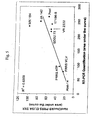
- Attenuated isolate viruses were not recovered from serum after day 28, and virus was recovered from only two of the virulent field isolate groups, the pool-infected and MN 184-infected pigs through day 35 (also shown in Fig. 1 ). Nearly all pigs were nonviremic by virus isolation at days 42 and 49.
- Groups of pigs administered the attenuated isolates followed a different trend. They showed a moderate increase in viral titer beginning after day 3 that reached a peak between days 7 and 15 at a viral titer more than a log less than any of the virulent exposure groups and several orders of magnitude less than the MN 184-infected group. The titers observed in these attenuated exposure groups then declined to zero on or before day 35 (See Fig. 1 ).
- viremia levels were also determined by real time RT-PCR since it was possible that growth on CL2621 cells was not the same for all isolates and because RT-PCR might,be a more sensitive measure than growth on cells for viremia.
- virulent exposure groups showed a dramatic increase in average concentration on day 1 and all groups peaked above 8 logs/ml between days 7 and 15. The virulent exposure group concentrations then gradually tapered off through the next several weeks, reaching concentrations below 4 logs/ml by day 49.
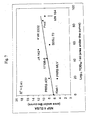
- the attenuated isolate exposure groups showed a much less dramatic increase in concentration that also began around day 1 and the average group titer never reached or exceeded 7 logs/ml ( Fig. 2 ).
- the concentrations observed for the attenuated exposure groups were maintained at fluctuating levels showing a wide range in values in the weeks following the exposure. The fluctuations were primarily due to sporadically high values in a single pig.
- the three attenuated isolate exposure groups all peaked on different days of the study.
- the Ingelvac R PRRS MLV group peaked at a concentration of 4.31 logs/ml on day 28, the Ingelvac® PRRS ATP group peaked at 6.58 logs/ml on day 3, and the Abst-1 group peaked at 6.85 logs/ml on day 35, which was the highest titer achieved by an attenuated isolate ( Fig. 2 ). Additionally, the average concentration of the virulent isolate groups were observed to be significantly higher (P ⁇ 0.05) than the average concentration of the attenuated isolate groups on days 3 and 15, but on day 49 the average concentration of the virulent isolate groups was significantly lower (P ⁇ 0.05) than that of the attenuated isolate groups.
- the humoral immune response to PRRSV as measured by HerdChekR PRRS ELISA 2XR S/P ratios, showed that the virulent isolate exposure group averages rose above the 0.4 cutoff for a positive result on day 15.
- the attenuated isolate exposure group averages were negative and all three groups remained below 0.4 until after day 21.
- the Ingelvac® PRRS MLV and Ingelvac® PRRS ATP groups showed positive results on day 28, but the Abst-1 group did not show an average S/P ratio over 0.4 until day 42.
- Fig. 6a illustrates that the kinetics of the nucleocapsid anti-N IgG response were nearly identical in all groups of pigs, with a peak titer on day 28 followed by a sharp decline in the next 7-14 days, after which the levels were maintained or rose slightly between days 42 and 49.
- the magnitude of the response for each isolate was similar to that found in the HerdChekR PRRS ELISA 2XR results, and consistent with the levels of viremia.
- the lowest peak titers at day 28 were observed in the groups inoculated with attenuated isolates, and the highest titer was attained in pigs infected with the highly virulent MN 184 isolate.
- the anti-N titer was equivalent in all groups except for MN 184 and the pool, suggesting that the humoral response to MN 184 may be qualitatively different. Additionally, only 5 pigs survived to day 49 in each of these two groups, which is reflected in the increased standard error at day 49 in the MN 184 group.
- the IgG response to nsp 4 was substantially different than to N.
- No anti-nsp 4 antibody was detected before day 21, the overall response was much weaker, and no significant response was detected in the groups receiving IngelvacR PRRS MLV and Abst-1.
- the magnitude of the anti-nsp 4 response was not associated with level of viremia.
- the responses to VR 2332, JA 142, MN 184, and the pool were all equivalent, with a peak at day 28, followed by a decline at day 35, then rising again at day 42, whereas the magnitude, time course and duration of viremia varied among these four groups.
- One objective of this example was to examine various PRRSV isolates with known levels of virulence to determine if there was a relationship with in vivo replication that could be used to predict the virulence of PRRSV isolates without the necessity of performing controlled challenge experiments. Additionally, it was of interest to determine the relationship between isolate virulence, levels of viremia, and the humoral antibody response. Finally, it may be of interest to develop vaccines against the PRRSV isolates that are found to be virulent using the methods of the present invention. It would be a goal to have such vaccines provide some degree of protection against other virulent isolates; however, such cross-effectiveness may not be universal for all PRRSV isolates and further testing would be required. However, it is clear that the present invention provides an effective tool for identifying prime candidates for vaccine development.
- virulent isolates showed substantially higher viremia levels in serum than did attenuated isolates at equivalent doses of inoculation.
- the highest observed virus titer in any of the attenuated isolate exposure groups was 1.22 logs on day 15 in pigs given IngelvacR PRRS ATP, whereas the lowest titer of any virulent group on day 15 was 2.40 logs in the SDSU 73 group.
- the peak of viremia at days 3-7 and the levels of virus detected was highly consistent among virulent PRRSV isolates, though MN 184 was significantly greater in its magnitude and duration, with virus titers still present on days 28 and 35.
- the real time RT-PCR results were statistically very similar to the Log 10 TCID 50 /ml results, indicating that both methods measure relative levels of infectious virus among groups.
- the Pearson correlation coefficient between the RT-PCR and Log 10 TCID 50 /ml day 7 data was 0.89 and for the average real time RT-PCR and Log 10 TCID 50 /ml results was 0.88.
- the concentration values determined by real time RT-PCR may have been several orders of magnitude higher than log 10 TCID 50 /ml values for several reasons, including differences between the frequency of viral particles containing the target amplicon and particles that are fully infectious on CL2621 cells, and the presence of neutralizing antibodies that could lower infectivity (Dianzani et al., 2002). However, neutralizing antibody is unlikely to account for the difference, because it was observed at all time points, including times before which an, anti-PRRSV antibody response had been produced.
- the copies/ml values determined by real-time PCR were higher than the infectious titer values measured in cell culture by TCID 50 /ml. This is because a standard curve based on the copies of genome of the virus is routinely used for quantitative PCR which directly amplifies a genomic sequence of the virus rather than known infectious virions. Biologic assays such as cell culture do measure the presence of infectivity, however, they may not count all of the infectious particles present in a preparation. Factors that could affect the infectious titer such as cell culture conditions and in vivo antibodies, which may neutralize virus, have been observed in other studies, underestimating the amount of infectious virus measured in TCID 50 /ml in sera. Alternatively, some non-infectious or replication-defective virus may be present which would be reflected by higher copy numbers.
- the ELISA observations support the concept that the magnitude of the humoral immune response is related to the level of viral replication during acute infection.
- the trend indicated in Figs. 4 and 5 illustrates this relationship.
- a slower and less intense humoral immune response was triggered by the cell-culture attenuated virus isolates, whereas a faster and more intense humoral immune response was triggered by the virulent isolates.
- these observations also demonstrate that at least two factors, isolate type and infectious dose, impact relative S/P ratio values in the HerdChek® PRRS ELISA 2XR.
- the ELISA results shown in Fig. 3 indicate a clear positive or negative average group response, it is important to note the variability among individual animals. Some pigs within attenuated virus groups were positive before day 21, and some pigs in the virulent groups remained negative up to day 21.
- Isolate MN 184 shows the greatest genetic difference from VR2332, as determined by ORF 5 comparisons, yet has the highest anti-N antibody response.
- Kapur et al. (1996) showed previously that relative differences among PRRSV isolates in one open reading frame are also present in other open reading frames. Additionally, individual proteins contain conserved and nonconserved regions (e.g. Kapur et al., 1996) and extensive immunogenic reactivity may be directed toward the conserved epitopes (Ostrowski et al., 2002). Nevertheless, ELISA results based on antibody reactions with purified PRRSV proteins may be affected by genetic and antigenic variation, and these effects must be considered. Refolding of recombinant proteins was performed, but no differences were observed between ELISA plates coated with nonrefolded or refolded proteins.
- the MN 184 isolate replicated to extremely high titers in vivo and caused severe clinical signs, resulting in the death of 50% of exposed animals. Also notable, the group of pigs exposed to the pool of all virus isolates showed about the same virological, clinical, and immunological responses as pigs exposed to MN 184. This finding indicates that the most rapidly replicating virus in a mixed infection is likely to outcompete other isolates so that the net result is essentially the same as an infection with the single isolate having the highest growth potential.
- the notable in vivo differences between virulent and attenuated PRRSV isolates shed light on the relationship between the virulence of an isolate and its in vivo growth and replication.
- the more virulent isolates show Log 10 TCID 50 /ml titers and RT-PCR concentrations that are exponentially higher than the attenuated isolates.
- the virulent isolates induce a more rapid and intense humoral immune response.
- the virulent isolates negatively affect weight gain and induce higher death rates and more severe clinical signs as compared to the attenuated isolates.
- the example and tests in the present application indicate that attenuated and virulent PRRSV isolates induce remarkably different clinical signs, as well as immune responses that differ in intensity. These differences are attributed to the ability of the virus to replicate in vivo , a phenotypic characteristic that can be measured quantitatively in serum samples and may be developed for predicting the virulence of PRRSV isolates.
- This example provides several methods of attenuating PRRS isolates as well as their inclusion in immunogenic compositions.
- a vaccine preparation is formulated incorporating a modified or attenuated live virus for the immunization of swine from infection by PRRS.
- the PRRSV virus for the vaccine preparation is propagated in the MA-104 continuous cell line, preferably ATCC No. CL2621.
- the cell line is grown in flasks containing MEM, to which is added 10% fetal calf serum.
- the pH of the media is adjusted to approximately 7.2, and incubated at approximately 37° C.
- the cells are then inoculated with the virus by adding about 1 ml of a frozen inoculum to the fluid media. The virus is allowed to absorb onto the cells for 24 hours.
- the growth media is changed to a maintenance media consisting of MEM to which has been added 4% fetal calf serum, pH 7.6.
- the environment is preferably between 35°-37° C.
- the virus is allowed to grow until 50% of the MA-104 cell sheet is destroyed by the virus.
- the sample is then frozen down, and prepared for passage onto another flask of MA-104 cells. This process is continued through 25 passages of the virus in the cell line.
- the virus is then propagated another 12 times at about 31° C. as opposed to 35°-37° C., using the same techniques as described above.
- the 12th passage is frozen down in small aliquots and designated as the Master Seed Virus.
- PRRSV may attenuate PRRSV through the conventional method of gene deletion.
- this method involves the deletion of a gene which codes for the virulent phenotypes of the virus.
- Such a method may be adapted from of such references as Elbers et al. (U.S. Pat. App. No. 20020012670 ) or Schall et al (U.S. Pat. No. 6,740,324 ), the teachings and content of which are incorporated by reference herein.
- PRRSV may also attenuate PRRSV through the conventional method of temperature sensitive mutation.
- this method involves causing a mutation that limits the temperature range in which the virus is active.
- the method of Skiadopoulos et al. "Identification of Mutations Contributing to the Temperature-Sensitive, Cold-Adapted, and Attenuation Phenotypes of the Live-Attenuated Cold-Passage 45 (cp45) Human Parainfluenza Virus 3 Candidate Vaccine", 73 No. 2 Journal of Virology 1374, (February 1999 ) may be adapted for use with PRRSV.
- the teachings and content of Skiadopoulos et al. are incorporated by reference herein.
- One skilled in the art may also attenuate PRRSV through the conventional method of generating an infectious clone.
- This method generally involves the creation of a full-length cDNA clone of the desired viral genotype, said clone also being virulent in the target animals.
- the method of Nielson et al. "Generation of an Infections Clone of VR-2332, a Highly Virulent North American-Type Isolate of Procine Reproductive and Respiratory Syndrome Virus", 77 Journal of Virology 3702 (Mar. 2003 ), may be adapted for an attenuated version of PRRSV.
- the teachings and content of Nielson et al. are incorporated by reference herein.
- One skilled in the art may also attenuate PRRSV through the conventional method of gene insertion.
- This method generally involves the insertion of a gene within the virus which inhibits the pathogenic phenotypes of said virus.
- the method of Schall et al. U.S. Pat. No. 6,740,324
- Schall et al. may be adapted for such an attenuated version of PRRSV.
- the teachings and content of Schall et al. are incorporated by reference herein.
- codon or base-pair substitution involves substituting a codon or base-pair with a different codon or base-pair such that the viral gene now codes for a protein which limits the pathogenicity of the virus.
- a chimeric construct is one that contains genes from different species in order to induce an antigenic response in a host cell.
- a construct may be created by adapting the method of Harris et al . (U.S. Pat. App. No. 20040157307 ) to create a chimeric construct with PRRS genes.
- the attenuated isolates can be incorporated into compositions effective at providing an immune response against virulent isolates of PRRS.
- such compositions will provide an animal receiving an effective amount of the composition, protective immunity agains PRRS infection.
- protective immunity will reduce the severity of clinical signs of PRRS infection in vaccinated animals that are subsequently exposed to or infected by a virulent PRRS isolate.
- clinical signs will be prevented by the administration of an effective amount of the immunogenic composition or vaccine.
- the attenuated PRRS isolates will be used to produce a modified live vims vaccine, in which the attenuated isolates are used in their live state in the immunogenic compositions.
- the attenuated isolates will be killed or inactivated prior to their incorporation into immunogenic compositions.
Landscapes
- Health & Medical Sciences (AREA)
- Life Sciences & Earth Sciences (AREA)
- Chemical & Material Sciences (AREA)
- Engineering & Computer Science (AREA)
- Organic Chemistry (AREA)
- Bioinformatics & Cheminformatics (AREA)
- General Health & Medical Sciences (AREA)
- Zoology (AREA)
- Medicinal Chemistry (AREA)
- Wood Science & Technology (AREA)
- Immunology (AREA)
- Genetics & Genomics (AREA)
- Virology (AREA)
- Biotechnology (AREA)
- Biomedical Technology (AREA)
- Biochemistry (AREA)
- Microbiology (AREA)
- Nuclear Medicine, Radiotherapy & Molecular Imaging (AREA)
- Animal Behavior & Ethology (AREA)
- Pharmacology & Pharmacy (AREA)
- Chemical Kinetics & Catalysis (AREA)
- Public Health (AREA)
- General Engineering & Computer Science (AREA)
- Veterinary Medicine (AREA)
- General Chemical & Material Sciences (AREA)
- Molecular Biology (AREA)
- Analytical Chemistry (AREA)
- Hematology (AREA)
- Proteomics, Peptides & Aminoacids (AREA)
- Urology & Nephrology (AREA)
- Physics & Mathematics (AREA)
- Communicable Diseases (AREA)
- Cell Biology (AREA)
- Oncology (AREA)
- Biophysics (AREA)
- Food Science & Technology (AREA)
- General Physics & Mathematics (AREA)
- Pathology (AREA)
- Pulmonology (AREA)
- Micro-Organisms Or Cultivation Processes Thereof (AREA)
Applications Claiming Priority (3)
| Application Number | Priority Date | Filing Date | Title |
|---|---|---|---|
| US61182404P | 2004-09-21 | 2004-09-21 | |
| US11/022,262 US7632636B2 (en) | 2004-09-21 | 2004-12-23 | Porcine reproductive and respiratory syndrome isolates and methods of use |
| EP05808396A EP1794329B1 (fr) | 2004-09-21 | 2005-09-21 | Isolats du syndrome dysgenesique respiratoire porcin (sdrp), et procedes d'utilisation |
Related Parent Applications (1)
| Application Number | Title | Priority Date | Filing Date |
|---|---|---|---|
| EP05808396.5 Division | 2005-09-21 |
Publications (1)
| Publication Number | Publication Date |
|---|---|
| EP2314721A1 true EP2314721A1 (fr) | 2011-04-27 |
Family
ID=36074481
Family Applications (3)
| Application Number | Title | Priority Date | Filing Date |
|---|---|---|---|
| EP05808396A Expired - Lifetime EP1794329B1 (fr) | 2004-09-21 | 2005-09-21 | Isolats du syndrome dysgenesique respiratoire porcin (sdrp), et procedes d'utilisation |
| EP10181381A Withdrawn EP2314721A1 (fr) | 2004-09-21 | 2005-09-21 | Isolats du syndrome respiratoire et reproductif porcin (PRRS) et procédés d'utilisation |
| EP10181397A Withdrawn EP2298938A1 (fr) | 2004-09-21 | 2005-09-21 | Isolats du syndrome respiratoire et reproductif porcin (PRRS) et procédés d'utilisation |
Family Applications Before (1)
| Application Number | Title | Priority Date | Filing Date |
|---|---|---|---|
| EP05808396A Expired - Lifetime EP1794329B1 (fr) | 2004-09-21 | 2005-09-21 | Isolats du syndrome dysgenesique respiratoire porcin (sdrp), et procedes d'utilisation |
Family Applications After (1)
| Application Number | Title | Priority Date | Filing Date |
|---|---|---|---|
| EP10181397A Withdrawn EP2298938A1 (fr) | 2004-09-21 | 2005-09-21 | Isolats du syndrome respiratoire et reproductif porcin (PRRS) et procédés d'utilisation |
Country Status (11)
| Country | Link |
|---|---|
| US (3) | US7632636B2 (fr) |
| EP (3) | EP1794329B1 (fr) |
| JP (1) | JP2008513501A (fr) |
| KR (1) | KR20070105965A (fr) |
| AT (1) | ATE518012T1 (fr) |
| AU (1) | AU2005286797A1 (fr) |
| BR (1) | BRPI0516951A2 (fr) |
| CA (1) | CA2577801A1 (fr) |
| MX (1) | MX2007002771A (fr) |
| RU (1) | RU2407802C2 (fr) |
| WO (1) | WO2006034319A2 (fr) |
Families Citing this family (16)
| Publication number | Priority date | Publication date | Assignee | Title |
|---|---|---|---|---|
| EP0839912A1 (fr) * | 1996-10-30 | 1998-05-06 | Instituut Voor Dierhouderij En Diergezondheid (Id-Dlo) | Clones infectieux de virus à ARN, vaccins et essais diagnostiques |
| CA2366072C (fr) | 1999-03-08 | 2007-07-10 | Id-Lelystad, Instituut Voor Dierhouderij En Diergezondheid B.V. | Vaccins contre le virus du syndrome dysgenesique respiratoire porcin (srdp) |
| MXPA01010681A (es) | 1999-04-22 | 2003-08-20 | Us Agriculture | Vacuna de sindrome respiratorio y reproductiva porcina a base de ja-142 aislado. |
| RU2007101725A (ru) | 2004-06-18 | 2008-07-27 | Риджентс Оф Дзе Юниверсити Оф Миннесота (Us) | Идентификация инфицированных вирусом и вакцинированных вирусом организмов |
| US7632636B2 (en) | 2004-09-21 | 2009-12-15 | Boehringer Ingelheim Vetmedica, Inc. | Porcine reproductive and respiratory syndrome isolates and methods of use |
| CA2894069C (fr) | 2005-06-24 | 2019-02-26 | Regents Of The University Of Minnesota | Virus prrs, clones infectieux, mutants de ces virus et procede d'utilisation |
| AR078253A1 (es) | 2009-09-02 | 2011-10-26 | Boehringer Ingelheim Vetmed | Metodos para reducir la actividad antivirica en composiciones pcv-2 y composiciones pcv-2 con mejor inmunogenicidad |
| SG192821A1 (en) | 2011-02-17 | 2013-09-30 | Boehringer Ingelheim Vetmed | Commercial scale process for production of prrsv |
| ES2550258T3 (es) | 2011-02-17 | 2015-11-05 | Boehringer Ingelheim Vetmedica Gmbh | Nueva cepa del PRRSV europea |
| US9187731B2 (en) | 2011-07-29 | 2015-11-17 | Boehringer Ingelheim Vetmedica Gmbh | PRRS virus inducing type I interferon in susceptible cells |
| EP2737059A1 (fr) | 2011-07-29 | 2014-06-04 | Boehringer Ingelheim Vetmedica GmbH | Nouveau virus srrp induisant un interféron de type i dans des cellules susceptibles |
| US8906385B2 (en) | 2011-12-01 | 2014-12-09 | University Of Maryland, College Park | Interferon-inducing porcine reproductive and respiratory syndrome virus isolate |
| WO2014150822A2 (fr) | 2013-03-15 | 2014-09-25 | Boehringer Ingelheim Vetmedica, Inc. | Virus, compositions, vaccin et procédés d'utilisation du syndrome dysgénésique et respiratoire porcin |
| CN103487582A (zh) * | 2013-10-11 | 2014-01-01 | 重庆出入境检验检疫局检验检疫技术中心 | 猪繁殖与呼吸综合征病毒抗体竞争 AlphaLISA检测试剂盒及其方法 |
| CN103499689A (zh) * | 2013-10-11 | 2014-01-08 | 重庆出入境检验检疫局检验检疫技术中心 | 猪圆环病毒2型病毒抗体竞争 AlphaLISA检测试剂盒及检测方法 |
| EA039060B1 (ru) | 2013-12-20 | 2021-11-29 | Бёрингер Ингельхайм Ветмедика Гмбх | Вариант вируса ppcc, способ его получения с помощью молекулы нуклеиновой кислоты, конструкции днк или клетки и его применение для лечения и профилактики ррсс |
Citations (8)
| Publication number | Priority date | Publication date | Assignee | Title |
|---|---|---|---|---|
| EP0676467A2 (fr) * | 1994-04-11 | 1995-10-11 | Akzo Nobel N.V. | Souches vaccinales Européennes du virus du syndrome respiratoire réproducteur porcin (PRRSV) |
| WO1996036356A1 (fr) * | 1995-05-15 | 1996-11-21 | Boehringer Ingelheim Corporation | Agent viral associe a une pathologie porcine nouvelle |
| WO2000065032A1 (fr) * | 1999-04-22 | 2000-11-02 | United States Department Of Agriculture | Vaccin contre le syndrome dysgenesique respiratoire porcin base sur l'isolat ja-142 |
| US20020012670A1 (en) | 2000-01-26 | 2002-01-31 | Knut Elbers | Recombinant attenuation of porcine reproductive and respiratory syndrome (PRRSV) |
| EP1350840A1 (fr) * | 2002-04-05 | 2003-10-08 | ID-Lelystad, Instituut voor Dierhouderij en Diergezondheid B.V. | Sites d'adaptation du PRRSV |
| US6740324B2 (en) | 2001-02-02 | 2004-05-25 | Chemocentryx, Inc. | Methods and compositions useful for stimulating an immune response |
| US20040157307A1 (en) | 2001-04-05 | 2004-08-12 | Harris Christopher John | Chimeric vaccines |
| US20070003570A1 (en) * | 2004-06-18 | 2007-01-04 | Murtaugh Michael P | Identifying virally infected and vaccinated organisms |
Family Cites Families (89)
| Publication number | Priority date | Publication date | Assignee | Title |
|---|---|---|---|---|
| US3137631A (en) * | 1959-12-01 | 1964-06-16 | Faberge Inc | Encapsulation in natural products |
| US3959457A (en) * | 1970-06-05 | 1976-05-25 | Temple University | Microparticulate material and method of making such material |
| US4015100A (en) * | 1974-01-07 | 1977-03-29 | Avco Everett Research Laboratory, Inc. | Surface modification |
| US4122167A (en) * | 1977-02-09 | 1978-10-24 | Merck & Co., Inc. | Respiratory synctial vaccine |
| US4205060A (en) * | 1978-12-20 | 1980-05-27 | Pennwalt Corporation | Microcapsules containing medicament-polymer salt having a water-insoluble polymer sheath, their production and their use |
| US4224412A (en) * | 1979-05-01 | 1980-09-23 | Dorofeev Viktor M | Living virus culture vaccine against canine distemper and method of preparing same |
| US4554159A (en) * | 1981-11-12 | 1985-11-19 | Institute Merieux | Vaccine and method of immunizing against herpes simplex virus (types 1 and 2) |
| US4452747A (en) * | 1982-03-22 | 1984-06-05 | Klaus Gersonde | Method of and arrangement for producing lipid vesicles |
| US4468346A (en) * | 1983-10-27 | 1984-08-28 | The United States Of America As Represented By The Secretary Of Agriculture | Monoclonal antibodies to porcine immunoglobulins |
| DE3405100A1 (de) * | 1984-02-14 | 1985-08-14 | Drägerwerk AG, 2400 Lübeck | Pt-katalysator auf einem traeger als luftreinigungsmittel |
| US4744933A (en) * | 1984-02-15 | 1988-05-17 | Massachusetts Institute Of Technology | Process for encapsulation and encapsulated active material system |
| US5008050A (en) * | 1984-06-20 | 1991-04-16 | The Liposome Company, Inc. | Extrusion technique for producing unilamellar vesicles |
| US4921706A (en) * | 1984-11-20 | 1990-05-01 | Massachusetts Institute Of Technology | Unilamellar lipid vesicles and method for their formation |
| US4606940A (en) * | 1984-12-21 | 1986-08-19 | The Ohio State University Research Foundation | Small particle formation and encapsulation |
| US5206163A (en) * | 1985-07-08 | 1993-04-27 | Chiron Corporation | DNA encoding bovine diarrhea virus protein |
| US4753884A (en) * | 1986-01-28 | 1988-06-28 | Novagene, Inc. | Pseudorabies virus mutants, vaccines containing same, methods for the production of same and methods for the use of same |
| FR2602791B1 (fr) | 1986-08-18 | 1988-11-10 | Ministere Agri Direction Quali | Procede de culture du virus de la rhinotracheite infectieuse de la dinde, et vaccin prepare a partir du virus ainsi obtenu |
| NZ222465A (en) | 1986-11-07 | 1992-11-25 | Pasteur Institut | Nanb (non a, non b hepatitis viral) antigen |
| US5009956A (en) * | 1987-02-24 | 1991-04-23 | Univ Minnesota | Phospholipase A2-resistant liposomes |
| DE3833925A1 (de) | 1988-03-11 | 1989-09-21 | Inst Angewandte Biotechnologie | Verfahren und herstellung von virus und viralem antigen und vorrichtung hierzu |
| US5213759A (en) * | 1988-05-05 | 1993-05-25 | Elopak Systems A.G. | Sterilization |
| US4927637A (en) * | 1989-01-17 | 1990-05-22 | Liposome Technology, Inc. | Liposome extrusion method |
| US4944948A (en) * | 1989-02-24 | 1990-07-31 | Liposome Technology, Inc. | EGF/Liposome gel composition and method |
| US5132117A (en) * | 1990-01-11 | 1992-07-21 | Temple University | Aqueous core microcapsules and method for their preparation |
| AU7007491A (en) | 1990-02-02 | 1991-08-08 | Schweiz. Serum- & Impfinstitut Bern | Cdna corresponding to the genome of negative-strand rna viruses, and process for the production of infectious negative-strand rna viruses |
| DE69201441T3 (de) * | 1991-06-06 | 2008-12-04 | Boehringer Ingelheim Vetmedica Gmbh | Erreger der mysteriösen schweinekrankheit,impfstoff-zusammensetzungen und diagnose kits. |
| CA2076744C (fr) * | 1991-08-26 | 2000-06-27 | Danny W. Chladek | Agent viral associe a la maladie mysterieuse du porc |
| US5846805A (en) * | 1991-08-26 | 1998-12-08 | Boehringer Ingelheim Animal Health, Inc. | Culture of swine infertility and respiratory syndrome virus in simian cells |
| DE601062T1 (de) * | 1991-08-26 | 1995-05-18 | David Allen Benfield | Vakzine gegen und diagnosemethode für das schweine-unfruchtbarkeits- und atmungs-syndrom (suas). |
| US6080570A (en) * | 1991-08-26 | 2000-06-27 | Boehringer Ingelheim Vetmedica, Inc. | Method of producing a vaccine for Swine Infertility and Respiratory Syndrome |
| US6982160B2 (en) * | 1991-08-26 | 2006-01-03 | Boehringer Ingelheim Vetmedica, Inc. | Immunogenic compositions that include SIRS virus |
| WO1993006211A1 (fr) | 1991-09-16 | 1993-04-01 | Collins James E | Vaccin pour la maladie mysterieuse du porc et procede de diagnostic de la maladie |
| AU2684792A (en) | 1991-10-14 | 1993-05-21 | Akzo Nobel N.V. | Porcine reproductive respiratory syndrome vaccine and diagnostic |
| FR2686097B1 (fr) | 1992-01-14 | 1994-12-30 | Rhone Merieux | Preparation d'antigenes et de vaccins de virus de la mystery disease, antigenes et vaccins obtenus pour la prevention de cette maladie. |
| US5338543A (en) * | 1992-02-27 | 1994-08-16 | Ambico, Inc. | Thimerosal inactivated mycoplasma hyopneumoniae vaccine |
| TW289731B (fr) * | 1992-07-09 | 1996-11-01 | Akzo Nv | |
| US6773908B1 (en) * | 1992-10-30 | 2004-08-10 | Iowa State University Research Foundation, Inc. | Proteins encoded by polynucleic acids of porcine reproductive and respiratory syndrome virus (PRRSV) |
| US6592873B1 (en) * | 1992-10-30 | 2003-07-15 | Iowa State University Research Foundation, Inc. | Polynucleic acids isolated from a porcine reproductive and respiratory syndrome virus (PRRSV) and proteins encoded by the polynucleic acids |
| US6251397B1 (en) * | 1992-10-30 | 2001-06-26 | Iowa State University Research Foundation, Inc. | Proteins encoded by polynucleic acids isolated from a porcine reproductive and respiratory syndrome virus and immunogenic compositions containing the same |
| US6380376B1 (en) * | 1992-10-30 | 2002-04-30 | Iowa State University Research Foundation | Proteins encoded by polynucleic acids of porcine reproductive and respiratory syndrome virus (PRRSV) |
| US5695766A (en) * | 1992-10-30 | 1997-12-09 | Iowa State University Research Foundation | Highly virulent porcine reproductive and respiratory syndrome viruses which produce lesions in pigs and vaccines that protect pigs against said syndrome |
| US5419907A (en) * | 1992-11-10 | 1995-05-30 | Iowa State University Research Foundation, Inc. | Pathogenic porcine respiratory coronavirus |
| KR100374295B1 (ko) * | 1993-02-08 | 2003-12-24 | 바이엘 코포레이션 | 돼지생식및호흡증후군바이러스의생육방법과백신에서그의용도 |
| ES2074950B1 (es) | 1993-09-17 | 1996-03-16 | Iberica Cyanamid | Vacuna para la prevencion de la enfermedad reproductiva y respiratoria de la cerda. |
| EP0659885A1 (fr) * | 1993-12-21 | 1995-06-28 | Akzo Nobel N.V. | Vaccins contre des virus associés avec l'augmentation dépendant de l'anticorps (ADE) de l'infectivité virale |
| DE4407489A1 (de) * | 1994-03-07 | 1995-09-14 | Bayer Ag | Vakzine zur Prävention von Respirations- und Reproduktionserkrankungen des Schweines |
| DE69530227T2 (de) | 1994-04-15 | 2004-04-01 | Temple University | Methode zum einkapseln mittels eines wässrigen lösungsmittels und mikrokapseln |
| GB2289279B (en) | 1994-05-13 | 1998-09-16 | Iberica Cyanamid | Diagnostic kits and vaccines containing recombinant PRRSV proteins |
| PT783321E (pt) * | 1994-08-05 | 2006-08-31 | Univ Minnesota | Sequencia nucleotidica viral vr-2332 e metodos de utilizacao |
| DE69632658T2 (de) * | 1995-03-14 | 2005-06-09 | Akzo Nobel N.V. | Expression in der selben Zelle von Polypeptide vom schweinen reproduktiven und respiratorischen Syndrom |
| US5690940A (en) | 1995-06-21 | 1997-11-25 | Regents Of The University Of Minnesota | Low pathogencity PRRS live virus vaccines and methods of preparation thereof |
| ES2102971B1 (es) | 1996-01-25 | 1998-03-01 | Hipra Lab Sa | Nueva cepa atenuada del virus causante del sindrome respiratorio y reproductivo porcino (prrs), las vacunas y medios de diagnostico obtenibles con la misma y los procedimientos para su obtencion. |
| EE04741B1 (et) | 1996-03-01 | 2006-12-15 | Schering Corporation | Sigade sigimis- ja hingamissündroomi vaktsiin |
| US6015663A (en) * | 1996-03-01 | 2000-01-18 | The United States Of America As Represented By The Secretary Of Agriculture | Restriction enzyme screen for differentiating porcine reproductive and respiratory syndrome virus strains |
| US5866401A (en) * | 1996-03-01 | 1999-02-02 | Schering Corporation | Porcine reproductive and respiratory syndrome vaccine |
| US5976537A (en) * | 1996-07-02 | 1999-11-02 | The United States Of America As Represented By The Secretary Of Agriculture | Porcine reproductive and respiratory syndrome vaccine |
| ATE199022T1 (de) * | 1996-10-09 | 2001-02-15 | Akzo Nobel Nv | Europäische vakzinstämme des fortplanzungs- atmungs-syndromsvirus des sweins (prrsv) |
| US20040224327A1 (en) * | 1996-10-30 | 2004-11-11 | Meulenberg Johanna Jacoba Maria | Infectious clones of RNA viruses and vaccines and diagnostic assays derived thereof |
| EP0839912A1 (fr) | 1996-10-30 | 1998-05-06 | Instituut Voor Dierhouderij En Diergezondheid (Id-Dlo) | Clones infectieux de virus à ARN, vaccins et essais diagnostiques |
| WO1998035023A1 (fr) | 1997-02-07 | 1998-08-13 | Origen, Inc. | Procede servant a cultiver le virus du syndrome respiratoire et reproductif porcin afin de l'utiliser en tant que vaccin et dans des essais diagnostiques |
| EP1882696A3 (fr) * | 1997-05-06 | 2008-03-05 | Boehringer Ingelheim Vetmedica Gmbh | Sites antigéniques du PRRSV identifiant des séquences peptidiques du virus PRRSV à utiliser dans des vaccins ou des analyseurs de diagnostic |
| BR9809946A (pt) | 1997-06-04 | 2000-08-01 | Calgene Llc | Produção de ácidos graxos poliinsaturados por expressão de genes de sìntese semelhantes a policetìdeo em plantas |
| AU7960598A (en) | 1997-06-05 | 1998-12-21 | Origen, Inc. | Recombinant porcine reproductive and respiratory syndrome virus (prrsv) for use as a vaccine |
| US6391314B1 (en) * | 1997-10-03 | 2002-05-21 | Merial | Porcine circoviruses vaccines diagnostic reagents |
| US7211379B2 (en) * | 1997-10-03 | 2007-05-01 | Merial Sas | Prevention of myocarditis, abortion and intrauterine infection associated with porcine circovirus-2 |
| US7691389B2 (en) | 1998-12-22 | 2010-04-06 | Pfizer Inc | Infectious cDNA clone of north american porcine reproductive and respiratory syndrome (PRRS) virus and uses thereof |
| CA2290220C (fr) * | 1998-12-22 | 2013-11-19 | Pfizer Products Inc. | Clone d'adnc infectieux du virus nord-americain du syndrome dysgenesique respiratoire porcin (sdrp) et ses utilisations |
| US7618797B2 (en) | 1998-12-22 | 2009-11-17 | Pfizer Inc | Infectious cDNA clone of North American porcine reproductive and respiratory syndrome (PRRS) virus and uses thereof |
| US7132106B2 (en) * | 1998-12-22 | 2006-11-07 | Pfizer Inc. | Infectious cDNA clone of North American porcine reproductive and respiratory syndrome (PRRS) virus and uses thereof |
| FR2789695B1 (fr) * | 1999-02-11 | 2003-03-07 | Merial Sas | Vecteurs et vaccins viraux a base d'adenovirus porcins recombines et replicatifs |
| CA2366072C (fr) | 1999-03-08 | 2007-07-10 | Id-Lelystad, Instituut Voor Dierhouderij En Diergezondheid B.V. | Vaccins contre le virus du syndrome dysgenesique respiratoire porcin (srdp) |
| US20040213805A1 (en) * | 1999-10-12 | 2004-10-28 | Verheije Monique Helene | Deletions in arterivirus replicons |
| WO2001059077A1 (fr) | 2000-02-08 | 2001-08-16 | Regents Of The University Of Minnesota | Virus du syndrome respiratoire et de reproduction porcin et procede de mise en oeuvre |
| EP1156111A1 (fr) | 2000-05-19 | 2001-11-21 | Stichting Dienst Landbouwkundig Onderzoek | Particules chimériques de type arterivirus |
| US7018638B2 (en) * | 2000-12-19 | 2006-03-28 | Wyeth | Mycoplasma hyopneumoniae bacterin vaccine |
| EP1397498A1 (fr) * | 2001-05-21 | 2004-03-17 | ID-Lelystad, Instituut voor Dierhouderij en Diergezondheid B.V. | Deletions des replicons de l'arterivirus |
| US7279166B2 (en) * | 2001-12-12 | 2007-10-09 | Virginia Tech Intellectual Properties, Inc. | Chimeric infectious DNA clones, chimeric porcine circoviruses and uses thereof |
| US6841364B2 (en) | 2002-01-22 | 2005-01-11 | Protatek International, Inc. | Infectious cDNA clones of porcine reproductive and respiratory syndrome virus and expression vectors thereof |
| US7335361B2 (en) | 2003-06-09 | 2008-02-26 | Animal Technology Institute Taiwan | Fusion antigen used as vaccine |
| US7722878B2 (en) | 2004-06-17 | 2010-05-25 | Boehringer Ingelheim Vetmedica, Inc. | PRRSV subunit vaccines |
| US20060063151A1 (en) * | 2004-09-21 | 2006-03-23 | Michael Roof | Porcine reproductive and respiratory syndrome isolates and methods of use |
| US7632636B2 (en) * | 2004-09-21 | 2009-12-15 | Boehringer Ingelheim Vetmedica, Inc. | Porcine reproductive and respiratory syndrome isolates and methods of use |
| KR20070096019A (ko) * | 2005-01-13 | 2007-10-01 | 베링거잉겔하임베트메디카게엠베하 | 향상된 prrs 백신 |
| EP1962900A2 (fr) | 2005-11-29 | 2008-09-03 | Iowa State University Research Foundation, Inc. | Identification de determinants antigeniques protecteurs du virus du syndrome reproductif et respiratoire porcin et leurs utilisations |
| WO2008109237A2 (fr) | 2007-02-13 | 2008-09-12 | Washington State University Research Foundation | Lignées de cellules macrophages permettant une propagation du virus du syndrome reproducteur et respiratoire du porc |
| WO2008121958A1 (fr) | 2007-04-02 | 2008-10-09 | Boehringer Ingelheim Vetmedica, Inc. | Utilisation de vaccins prrsv pour réduire la virémie de pcv2 |
| US20100003278A1 (en) | 2008-07-03 | 2010-01-07 | Boehringer Ingelheim Vetmedica, Inc. | Immunological Compositions Effective for Lessening the Severity or Incidence of PRRSV Signs and Methods of Use Thereof |
| KR101653177B1 (ko) | 2008-08-25 | 2016-09-01 | 베링거잉겔하임베트메디카인코퍼레이티드 | 고병원성 돼지 생식기 및 호흡기 증후군(hp prrs)에 대한 백신 |
| US20100129398A1 (en) | 2008-11-26 | 2010-05-27 | Boehringer Ingelheim Vetmedica, Inc. | Materials and Methods for Control of Porcine Reproductive and Respiratory Syndrome |
-
2004
- 2004-12-23 US US11/022,262 patent/US7632636B2/en active Active
-
2005
- 2005-09-21 EP EP05808396A patent/EP1794329B1/fr not_active Expired - Lifetime
- 2005-09-21 EP EP10181381A patent/EP2314721A1/fr not_active Withdrawn
- 2005-09-21 KR KR1020077009110A patent/KR20070105965A/ko not_active Ceased
- 2005-09-21 EP EP10181397A patent/EP2298938A1/fr not_active Withdrawn
- 2005-09-21 WO PCT/US2005/033760 patent/WO2006034319A2/fr not_active Ceased
- 2005-09-21 RU RU2007114957/10A patent/RU2407802C2/ru not_active IP Right Cessation
- 2005-09-21 AT AT05808396T patent/ATE518012T1/de not_active IP Right Cessation
- 2005-09-21 MX MX2007002771A patent/MX2007002771A/es active IP Right Grant
- 2005-09-21 AU AU2005286797A patent/AU2005286797A1/en not_active Abandoned
- 2005-09-21 CA CA002577801A patent/CA2577801A1/fr not_active Abandoned
- 2005-09-21 JP JP2007532633A patent/JP2008513501A/ja not_active Ceased
- 2005-09-21 BR BRPI0516951-8A patent/BRPI0516951A2/pt not_active IP Right Cessation
-
2009
- 2009-08-27 US US12/548,597 patent/US20100028860A1/en not_active Abandoned
-
2011
- 2011-04-13 US US13/085,692 patent/US8383131B2/en not_active Expired - Lifetime
Patent Citations (8)
| Publication number | Priority date | Publication date | Assignee | Title |
|---|---|---|---|---|
| EP0676467A2 (fr) * | 1994-04-11 | 1995-10-11 | Akzo Nobel N.V. | Souches vaccinales Européennes du virus du syndrome respiratoire réproducteur porcin (PRRSV) |
| WO1996036356A1 (fr) * | 1995-05-15 | 1996-11-21 | Boehringer Ingelheim Corporation | Agent viral associe a une pathologie porcine nouvelle |
| WO2000065032A1 (fr) * | 1999-04-22 | 2000-11-02 | United States Department Of Agriculture | Vaccin contre le syndrome dysgenesique respiratoire porcin base sur l'isolat ja-142 |
| US20020012670A1 (en) | 2000-01-26 | 2002-01-31 | Knut Elbers | Recombinant attenuation of porcine reproductive and respiratory syndrome (PRRSV) |
| US6740324B2 (en) | 2001-02-02 | 2004-05-25 | Chemocentryx, Inc. | Methods and compositions useful for stimulating an immune response |
| US20040157307A1 (en) | 2001-04-05 | 2004-08-12 | Harris Christopher John | Chimeric vaccines |
| EP1350840A1 (fr) * | 2002-04-05 | 2003-10-08 | ID-Lelystad, Instituut voor Dierhouderij en Diergezondheid B.V. | Sites d'adaptation du PRRSV |
| US20070003570A1 (en) * | 2004-06-18 | 2007-01-04 | Murtaugh Michael P | Identifying virally infected and vaccinated organisms |
Non-Patent Citations (38)
Also Published As
| Publication number | Publication date |
|---|---|
| WO2006034319A3 (fr) | 2006-07-27 |
| KR20070105965A (ko) | 2007-10-31 |
| ATE518012T1 (de) | 2011-08-15 |
| US20110195088A1 (en) | 2011-08-11 |
| EP2298938A1 (fr) | 2011-03-23 |
| AU2005286797A1 (en) | 2006-03-30 |
| US20100028860A1 (en) | 2010-02-04 |
| JP2008513501A (ja) | 2008-05-01 |
| US7632636B2 (en) | 2009-12-15 |
| RU2407802C2 (ru) | 2010-12-27 |
| US8383131B2 (en) | 2013-02-26 |
| EP1794329B1 (fr) | 2011-07-27 |
| EP1794329A4 (fr) | 2008-07-23 |
| BRPI0516951A2 (pt) | 2009-03-10 |
| WO2006034319A2 (fr) | 2006-03-30 |
| US20060063148A1 (en) | 2006-03-23 |
| CA2577801A1 (fr) | 2006-03-30 |
| RU2007114957A (ru) | 2008-10-27 |
| MX2007002771A (es) | 2008-03-07 |
| EP1794329A2 (fr) | 2007-06-13 |
Similar Documents
| Publication | Publication Date | Title |
|---|---|---|
| US20090148474A1 (en) | Porcine reproductive and respiratory syndrome isolates and methods of use | |
| US8383131B2 (en) | Porcine reproductive and respiratory syndrome isolates and methods of use | |
| Johnson et al. | Pathogenic and humoral immune responses to porcine reproductive and respiratory syndrome virus (PRRSV) are related to viral load in acute infection | |
| Opriessnig et al. | Comparison of molecular and biological characteristics of a modified live porcine reproductive and respiratory syndrome virus (PRRSV) vaccine (ingelvac PRRS MLV), the parent strain of the vaccine (ATCC VR2332), ATCC VR2385, and two recent field isolates of PRRSV | |
| Chen et al. | Emergence of a novel highly pathogenic recombinant virus from three lineages of porcine reproductive and respiratory syndrome virus 2 in China 2017 | |
| Liu et al. | Recombination in JXA1-R vaccine and NADC30-like strain of porcine reproductive and respiratory syndrome viruses | |
| Tian et al. | An attenuated live vaccine based on highly pathogenic porcine reproductive and respiratory syndrome virus (HP-PRRSV) protects piglets against HP-PRRS | |
| Halbur et al. | Comparative pathogenicity of nine US porcine reproductive and respiratory syndrome virus (PRRSV) isolates in a five-week-old cesarean-derived, colostrum-deprived pig model | |
| Leng et al. | Evaluation of the efficacy of an attenuated live vaccine against highly pathogenic porcine reproductive and respiratory syndrome virus in young pigs | |
| Chang et al. | Evolution of porcine reproductive and respiratory syndrome virus during sequential passages in pigs | |
| Wang et al. | Attenuation of porcine reproductive and respiratory syndrome virus strain MN184 using chimeric construction with vaccine sequence | |
| Leng et al. | Mutations in the genome of the highly pathogenic porcine reproductive and respiratory syndrome virus potentially related to attenuation | |
| EP2558118B1 (fr) | Vaccin à protection croisée pour le virus du syndrome respiratoire et de la reproduction du porc | |
| Yu et al. | Assessment of the safety and efficacy of an attenuated live vaccine based on highly pathogenic porcine reproductive and respiratory syndrome virus | |
| Martínez-Lobo et al. | Safety of porcine reproductive and respiratory syndrome modified live virus (MLV) vaccine strains in a young pig infection model | |
| Huang et al. | Efficacy evaluation of three modified-live PRRS vaccines against a local strain of highly pathogenic porcine reproductive and respiratory syndrome virus | |
| Kim et al. | Different biological characteristics of wild-type porcine reproductive and respiratory syndrome viruses and vaccine viruses and identification of the corresponding genetic determinants | |
| Li et al. | A chimeric strain of porcine reproductive and respiratory syndrome virus 2 derived from HP-PRRSV and NADC30-like PRRSV confers cross-protection against both strains | |
| Kiss et al. | Genetic variation of the prevailing porcine respiratory and reproductive syndrome viruses occurring on a pig farm upon vaccination | |
| Murtaugh et al. | Genetic interaction between porcine reproductive and respiratory syndrome virus (PRRSV) strains in cell culture and in animals | |
| Li et al. | Comparison of the cross-protection of PPRSV sublineage 8.7 MLV vaccines against the recombinant NADC30-like strain | |
| Wei et al. | Characterization and Pathogenicity of a Porcine Reproductive and Respiratory Syndrome Virus Strain with Strong Homology to a HP‐PRRSV Vaccine Strain in the Field | |
| Yang et al. | Genetic and Pathogenic Characteristics of an Emerging Lineage 7 PRRSV‐2 (Prime Pac‐Like) Strain in China | |
| CN101090981A (zh) | 猪生殖与呼吸综合征分离株及其使用方法 | |
| US6410031B1 (en) | Attentuated porcine reproductive and respiratory syndrome virus strain and method of use |
Legal Events
| Date | Code | Title | Description |
|---|---|---|---|
| PUAI | Public reference made under article 153(3) epc to a published international application that has entered the european phase |
Free format text: ORIGINAL CODE: 0009012 |
|
| AC | Divisional application: reference to earlier application |
Ref document number: 1794329 Country of ref document: EP Kind code of ref document: P |
|
| AK | Designated contracting states |
Kind code of ref document: A1 Designated state(s): AT BE BG CH CY CZ DE DK EE ES FI FR GB GR HU IE IS IT LI LT LU LV MC NL PL PT RO SE SI SK TR |
|
| AX | Request for extension of the european patent |
Extension state: BA HR YU |
|
| 17P | Request for examination filed |
Effective date: 20111027 |
|
| 17Q | First examination report despatched |
Effective date: 20111221 |
|
| STAA | Information on the status of an ep patent application or granted ep patent |
Free format text: STATUS: THE APPLICATION IS DEEMED TO BE WITHDRAWN |
|
| 18D | Application deemed to be withdrawn |
Effective date: 20120501 |