EP2331678B1 - Procédés destinés à l'obtention d'une haute densité de cellules viables dans des cultures de cellules de mammifères - Google Patents
Procédés destinés à l'obtention d'une haute densité de cellules viables dans des cultures de cellules de mammifères Download PDFInfo
- Publication number
- EP2331678B1 EP2331678B1 EP09763701.1A EP09763701A EP2331678B1 EP 2331678 B1 EP2331678 B1 EP 2331678B1 EP 09763701 A EP09763701 A EP 09763701A EP 2331678 B1 EP2331678 B1 EP 2331678B1
- Authority
- EP
- European Patent Office
- Prior art keywords
- apoptotic
- cell
- lactate
- cell line
- cell lines
- Prior art date
- Legal status (The legal status is an assumption and is not a legal conclusion. Google has not performed a legal analysis and makes no representation as to the accuracy of the status listed.)
- Active
Links
Images






Classifications
-
- C—CHEMISTRY; METALLURGY
- C12—BIOCHEMISTRY; BEER; SPIRITS; WINE; VINEGAR; MICROBIOLOGY; ENZYMOLOGY; MUTATION OR GENETIC ENGINEERING
- C12N—MICROORGANISMS OR ENZYMES; COMPOSITIONS THEREOF; PROPAGATING, PRESERVING, OR MAINTAINING MICROORGANISMS; MUTATION OR GENETIC ENGINEERING; CULTURE MEDIA
- C12N5/00—Undifferentiated human, animal or plant cells, e.g. cell lines; Tissues; Cultivation or maintenance thereof; Culture media therefor
- C12N5/0018—Culture media for cell or tissue culture
-
- C—CHEMISTRY; METALLURGY
- C12—BIOCHEMISTRY; BEER; SPIRITS; WINE; VINEGAR; MICROBIOLOGY; ENZYMOLOGY; MUTATION OR GENETIC ENGINEERING
- C12N—MICROORGANISMS OR ENZYMES; COMPOSITIONS THEREOF; PROPAGATING, PRESERVING, OR MAINTAINING MICROORGANISMS; MUTATION OR GENETIC ENGINEERING; CULTURE MEDIA
- C12N2500/00—Specific components of cell culture medium
- C12N2500/30—Organic components
- C12N2500/34—Sugars
-
- C—CHEMISTRY; METALLURGY
- C12—BIOCHEMISTRY; BEER; SPIRITS; WINE; VINEGAR; MICROBIOLOGY; ENZYMOLOGY; MUTATION OR GENETIC ENGINEERING
- C12N—MICROORGANISMS OR ENZYMES; COMPOSITIONS THEREOF; PROPAGATING, PRESERVING, OR MAINTAINING MICROORGANISMS; MUTATION OR GENETIC ENGINEERING; CULTURE MEDIA
- C12N2501/00—Active agents used in cell culture processes, e.g. differentation
- C12N2501/40—Regulators of development
- C12N2501/48—Regulators of apoptosis
-
- C—CHEMISTRY; METALLURGY
- C12—BIOCHEMISTRY; BEER; SPIRITS; WINE; VINEGAR; MICROBIOLOGY; ENZYMOLOGY; MUTATION OR GENETIC ENGINEERING
- C12N—MICROORGANISMS OR ENZYMES; COMPOSITIONS THEREOF; PROPAGATING, PRESERVING, OR MAINTAINING MICROORGANISMS; MUTATION OR GENETIC ENGINEERING; CULTURE MEDIA
- C12N2510/00—Genetically modified cells
-
- C—CHEMISTRY; METALLURGY
- C12—BIOCHEMISTRY; BEER; SPIRITS; WINE; VINEGAR; MICROBIOLOGY; ENZYMOLOGY; MUTATION OR GENETIC ENGINEERING
- C12N—MICROORGANISMS OR ENZYMES; COMPOSITIONS THEREOF; PROPAGATING, PRESERVING, OR MAINTAINING MICROORGANISMS; MUTATION OR GENETIC ENGINEERING; CULTURE MEDIA
- C12N2510/00—Genetically modified cells
- C12N2510/02—Cells for production
Definitions
- the present invention relates to methods for achieving high viable cell density and extended culture longevity in fed batch cell culture by using a high glucose feed.
- the methods are useful for increasing production of secreted proteins of interest.
- Mammalian cell culture is the system of choice for many recombinant protein production processes due to its ability to produce proteins with proper post-translational modifications. With increasing manufacturing demand, there is a strong motivation to improve process efficiency by increasing product yield. Attaining grams per liter production levels of biotherapeutics or other proteins in commercial production processes relies upon the optimization of both mammalian cell culture and engineering methods.
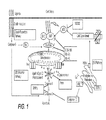
- Apoptosis is a result of a complex network of signaling pathways initiating from both inside and outside the cell, culminating in the activation of cysteine aspartate proteases (caspases) that mediate the final stages of cell death. See Fig. 1 .
- Various methods of apoptosis prevention have been used to maintain cell viability during extended production runs in mammalian cell culture ( Arden and Betenbaugh, Trends Biotechnol 22:174-180 (2004 ); Vives et al., Metab Eng 5:124-132 (2003 )).
- Certain cells and viruses produce anti-apoptotic genes that function in the mitochondrial apoptotic pathway. These can be divided into three groups, namely 1) those that act early in the pathway, e.g., members of the Bcl-2 family of proteins; 2) those that act mid-pathway to disrupt or inhibit the apoptosome complex, e.g., Aven and 3) those that act late in the pathway, e.g., caspase inhibitors such as XIAP.
- the functionality of the majority of these genes have been studied by over-expressing them in mammalian expression systems, and in some cases the effect of combined over-expression of two or more genes, each derived from a different part of the pathway has been determined.
- Examples include 1) the additive effect of Bcl-XL and a deletion mutant of XIAP (XIAP ⁇ ) in CHO cells ( Figueroa et al., Metab. Eng. 5:230-245 (2003 )); 2) E1B-19K and Aven in BHK cells ( Nivitchanyong et al., Biotechnol Bioeng 98:825-841 (2007 )) and 3) Bcl-XL, Aven and XIAP ⁇ (Sauerwald et al., supra, (2003); Sauerwald et al, Biotechnol Bioeng 94:362-369 (2006 )).
- XIAP ⁇ deletion mutant of XIAP
- Figueroa et al., Biotechnol Bioeng 97(4):877-892 (2007 ) describe enhanced cell culture performance using inducible anti-apoptotic genes.
- US 2007/0092947 discloses compositions and methods for increasing the longevity of a cell culture.
- US 2008/0015164 discloses methods and compositions for inactivating dihydrofolate reductase genes, using fusion proteins comprising a zinc finger protein and a cleavage domain or cleavage half-domain.
- US 5,672,502 discloses fed-batch culture of animal cells comprising culturing the cells in nutrient medium characterized in that during the culture the medium is supplemented with a combined feed of one or more energy sources and one or more amino acids.
- the invention provides a method for obtaining high viable cell density in a fed batch eukaryotic cell culture comprising the steps of: (a) culturing a eukaryotic cell line expressing one or more heterologous apoptotic-resistant (apoptotic R ) genes, wherein the apoptotic R genes are ElBl9K and AVEN, and one or more genes of interest; and (b) maintaining a high glucose media feed of about 60mM glucose during the exponential and stationary phases of the cell culture.
- apoptotic R heterologous apoptotic-resistant
- a method for obtaining high viable cell density in a fed batch eukaryotic cell culture comprising the steps of:
- Also disclosed herein is a method of increasing production of secreted proteins in a fed batch eukaryotic cell culture comprising the steps of:
- the term "fed batch cell culture” means a cell culture process which is based on feeding of a growth limiting nutrient substrate to the culture.
- the fed-batch strategy is typically used in bio-industrial processes to reach a high cell density in a bioreactor.
- a nutrient such as glucose results in formation of metabolic waste products such as lactate and ammonia.
- Concentrations of 18mM lactate (Kurano et al., 1990) and 8mM ammonia (Hansen and Emborg, 1994) have been reported as inhibitory for eukaryotic cell growth.
- the method disclosed herein involves over-expressing one or more anti-apoptotic genes in a host cell line.
- the resultant apoptotic-resistant cell lines stimulate mitochondrial respiration and accumulate less lactate. Therefore, these cell lines can thrive when fed with high concentrations of glucose. Consequently, cultures of these apoptotic-resistant cell lines can reach high viable cell density.
- These cell lines also possess extended longevity due to their apoptotic-resistant nature.
- the methods of the invention are useful for increasing viable cell density and viability in fed batch cell culture, such as Chinese Hamster Ovary (CHO), myeloma or hybridoma cell cultures.
- the methods of the invention are useful for increasing the integrated viable cell count (IVCC) of CHO cell cultures.
- the method disclosed herein comprises the steps of culturing a cell line expressing one or more heterologous apoptotic-resistant (apoptotic R ) genes and one or more genes of interest; and maintaining a high glucose media feed during the exponential and stationary phases of the cell culture.
- CHO cell lines useful in the method of the invention include CHO-K1 (Invitrogen, Carlsbad, CA) and CHOK1SV (Lonza Biologics, Slough, UK).
- Myeloma lines useful in the method of the invention include NS0 and Sp2/0.
- the cell lines useful in the method of the invention express one or more heterologous anti-apoptosis genes.
- the genes encoding E1B19K (SEQ ID NOs: 1 and 2) and Aven (SEQ ID NOs: 3 and 4) are useful.
- the gene encoding XIAP ⁇ (SEQ ID NOs: 5 and 6) can also be used.
- These anti-apoptotic genes are representatives of the early, mid- and late stages of the apoptotic signaling pathway, respectively.
- the gene encoding Bcl-2 ⁇ can also be used (SEQ ID NOs: 7 and 8). Expression of the anti-apoptosis genes can be achieved by transfection techniques known to those skilled in the art.
- MDM2 SEQ ID NOs: 9 and 10
- Bcl-XL SEQ ID NOs: 11 and 12
- the use of cell lines expressing heterologous anti-apoptotic genes allows these cell lines to secrete less lactate or alternatively, to consume accumulated lactate, to reach integrated viable cell count (IVCC) values about two-fold higher than control cell lines while a high glucose feed is maintained in the culture.
- IVCC integrated viable cell count
- By increasing the viable cell densities of production cell lines in culture the yields of products obtained from a bioreactor run are increased.
- Such enhanced productivities can result in lower production costs for complex biologics and at the same time, generate product of superior quality due to the absence of cell lysis of the non-viable cells, as lysed cells release proteases that degrade product. Accordingly, these lines are superior hosts for the development of production cell lines expressing a protein or proteins of interest.
- the ability of the apoptotic R cell lines to consume or produce less lactate that would otherwise accumulate as waste provides for culture strategies to allow growth under conditions of high glucose as well as following glucose depletion.
- the methods of the invention provide for increased peak viable cell density, increased longevity, , increased secreted protein titer, increased integrated viable cell count, reduced cellular calcium flux and increased mitochondrial membrane potential in batch fed cell culture. Furthermore, strategies of fed-batch cultivation that have been used to limit high levels of toxic lactate and ammonia are unlikely to be necessary for high productivity from these cell lines.
- an anti-apoptotic transgene can dictate the level of its expression.
- the level of expression of a particular anti-apoptotic transgene can impact the activity of other anti-apoptotic proteins the cell possesses since many of these proteins interact directly or indirectly to bring about physiological changes in the cell.
- the quantitative contribution of each anti-apoptotic gene towards the overall apoptotic R characteristics of a cell line with multiple genes can be difficult to determine due to synergistic effects of the apoptotic R genes.
- E1B-19K variable levels of expression of E1B-19K, Aven, and XIAP ⁇ .
- the expression level of E1B-19K was relatively low and rare clones that had high expression level of E1B-19K were either unstable or had poor growth properties (data not shown). In the Examples below, only limited protection against cell death was observed in CHO cells expressing E1B-19K alone ( Fig. 4 ).
- E1B-19K which is a functional homolog of Bcl-XL, plus Aven
- XIAP ⁇ was examined for effects on delaying cell death.
- the level of XIAP ⁇ expression in these transfected cells was not high relative to the endogenous wild type XIAP protein already present in the cell, perhaps due to the requirement for transfecting two plasmids in this system. Nonetheless, the addition of XIAP ⁇ in EAX197 (in addition to Aven and E1B-19K) provided a consistent enhancement in the maximum viable cell density in both unsupplemented ( Figs. 5 and 7 ) and lactate supplemented cultures ( Fig. 7 ).
- the EAX197 cell line fed with lactate was able to sustain high viabilities at or above nearly 60% for 14 days, which was two days longer than the EA167 cells and four days longer than the control culture.
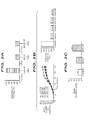
- the inclusion of XIAP ⁇ likely increases the cell's resistance to caspase activation and this is verified in Fig. 3 by the very low caspase activity of EAX197 even after treatment with staurosporine.
- the use of a mutant of XIAP provides enhanced apoptosis resistance relative to the wild type XIAP protein.
- the protective capacity of the deletion mutant of XIAP (XIAP ⁇ ) may be significant even if the expression of the protein is not high in these CHO lines.
- ammonia profiles of the apoptotic R cultures differed from that of control cultures, with a repeated transitory drop in ammonia production for both the un-fed and lactate-fed cell lines as well as an overall decrease in ammonia production.
- the utilization of amino acids as an energy source in the TCA cycle is likely to lead to the accumulation of ammonia. Consequently, a reduction in ammonia production suggests that the apoptotic R cell lines may be obtaining a lower relative fraction of their TCA energy requirements from amino acids compared to the control cells, which is reasonable when considering that the apoptotic R cells are also consuming more lactate as a carbon source.
- the drop in ammonia is transitory and the apoptotic R cells may still utilize amino acids as an energy source.
- amino acids three amino acids, isoleucine, leucine and valine, all branched-chain amino acids were consumed more rapidly by apoptotic R cell lines and this consumption was exacerbated in lactate-fed cultures ( Fig. 8A-C ). Since the apoptotic R cell lines experienced continued growth relative to the control cell lines, these three amino acids may form building blocks for fatty acids and other proteins which are needed by the apoptotic R cells and also can be catabolized as a source of energy for the TCA cycle. A somewhat similar consumption profile is also observed for methionine ( Fig. 8D ).
- Aspartate is the first member of the aspartate amino acid family and is formed along with alpha-ketoglurate by the conversion of TCA cycle intermediate oxaloacetate and glutamate using aspartate transminase.
- apoptotic R cell lines are unique in that they can extend their longevity by consuming the accumulated lactate, then there is a possibility that these lines can be cultured in medium containing lactate or medium containing higher than standard concentrations of glucose. While growth and viability could not be supported in either type of cell line when lactate was provided as the sole carbon source, lactate consumption was observed in apoptotic R cell lines when it was provided as a component, in addition to glucose (data not shown) or when lactate accumulated as a waste product.
- apoptotic R cells cannot perform gluconeogenesis from pyruvate or obtain enough energy from lactate, but if glucose is provided in conjunction to lactate the cells can consume both the glucose as well as lactate accumulated or supplemented to the culture.
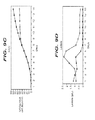
- the IVCC (and VCD and viability, Figs. 9A-C ) of apoptotic R cell lines was significantly higher than that of control cell lines. This is due to the fact that, in the high glucose medium, the control cell lines amassed more than 20mM lactate, which may have been toxic.
- the apoptotic R cell lines on the other hand, were consuming the lactate early in the growth phase and thus able to maintain higher numbers of viable cells that translated to an increase in IVCC of 170% over control ( Fig. 9C ).
- production cell lines expressing proteins of interest such as therapeutic antibodies derived from apoptotic R host cell lines achieved significantly higher titers compared to production cell lines derived from control cell lines.
- proteins of interest such as therapeutic antibodies derived from apoptotic R host cell lines achieved significantly higher titers compared to production cell lines derived from control cell lines.
- Such higher titers illustrate the potential commercial benefits of using the anti-apoptosis genes in mammalian cell lines producing therapeutic or other proteins of interest.
- CHO cell lines over-expressing anti-apoptosis genes were analyzed in shake flask cultures for peak viable cell density, longevity, caspase-3 activation and mitochondrial membrane potential (MMP). Additionally, nutrient consumption and metabolite production in these cell lines were compared to that of control cell lines to determine if the expression of anti-apoptosis genes had any effect on the nutrient consumption and metabolite accumulation in mammalian cell culture systems.
- MMP mitochondrial membrane potential
- CHOK1SV cell line (Lonza Biologics, Slough, UK), designated as the Control cell line C1013A, was cultured in CD-CHO medium (Cat. No. 10743-011, Invitrogen, Carlsbad, CA), containing 30 mM Glucose and supplemented with 6mM L-Glutamine (Invitrogen Cat. No. 10313-021). In some instances, another animal protein-free medium containing various concentrations including 60mM glucose (defined as the high glucose medium) was used. Fetal Bovine serum was purchased from Hyclone Labs, Logan, UT (Cat. No. SH30071.03). Cell cultures were monitored by a Cedex automated cell counting instrument (Innovatis, Germany).
- IVCC viable cell count
- pBUDCE4.1 vector designed to constitutively express E1B-19K (EF-1a promoter), either alone or in conjunction with Aven (CMV promoter) and has been described (Nivitchanyong et. al., 2007).
- the vector expressing XIAP ⁇ (CMV promoter) was as described in Sauerwald et al., 2002.
- the blank vector refers to the original pBUDCE4.1 vector.
- a model antibody (Ab #1) expression vector was constructed by cloning a Heavy and a Light chain cDNA into the Glutamine Synthase (GS) expression vector (obtained from Lonza Biologics, Slough, UK, under a research license).
- a control cell line was developed by transfecting the blank vector into CHOK1SV cell line and selecting zeocin-resistant colonies. These cell lines had on average about 20% lower IVCC compared to the untransfected control CHOK1SV, hence CHOK1SV was subsequently used as the control cell line in all experiments.
- the most promising apoptotic R cell line, EAX197 as well as the control cell line were then used to develop production cell lines expressing a model antibody using the GS expression vector according to the manufacturer's recommendation.
- Antibody in cell culture was measured by Nephelometry (Beckman Array System).
- Selected apoptotic R cell lines were cultured in un-fed batch mode in CD-CHO medium supplemented with 6mM Glutamine and the requisite antibiotic selection agent.
- the batch mode cultures of apoptotic R cell lines were fed with lactate to replenish the lactate they had depleted.
- select Ab-expressing cell lines were cultured in a custom formulated animal protein-free medium supplemented with 6mM glutamine and 60mM glucose.
- MMP Mitochondrial membrane potential
- a list of cell lines used in this study, the expression plasmids that were transfected in each case to generate the cell lines and the selection agent(s) used for isolating the transfectomas is shown in Table 1 above.
- the cell lines listed are representative of multiple clones that were generated from each transfection.
- the name of each cell line was derived from the anti-apoptotic genes that were transfected into the host cell line.
- EAX197 is a cell line that was transfected with E1B-19K (E), Aven (A) and XIAP ⁇ (X).
- the notation, apoptotic R will be used to refer to a cell line that has been transfected by one or more of these anti-apoptotic genes.
- All apoptotic R cell lines used in this study were characterized by Western blotting, caspase 3/7 activity and mitochondrial membrane potential (data not shown).
- the single transfectant E64, or double transfectants EA63, EA112, EA167 and EA190 all expressed levels of E1B-91K that were above background levels observed in the control, untransfected cell line, C1013A.
- cell lines EA112 and EA167 expressed both E1B-19K ( ⁇ 19KDa) and Aven ( ⁇ 55 KDa).
- Cell lines EA63 and EA190 expressed significant levels of E1B-19K but only very low levels of Aven.
- transfected XIAP ⁇ was significantly lower compared to the endogenous levels of the intact XIAP protein.
- the apparent difference in expression level between XIAP and XIAP ⁇ could be explained in part by the difference in antibody binding efficiency of these two forms of the anti-apoptotic protein.
- the apparent expression level difference between the endogenous XIAP and the transgenic XIAP ⁇ questions the contribution of this transfected protein in preventing apoptosis. Indeed this study suggests that there is not always a direct correlation between the expression level of a given anti-apoptotic gene and the level of apoptosis inhibition the protein can confer on a cell line.
- each apoptotic R cell line was examined for caspase 3/7 activity by APO-ONE as this activity provides an indication of the degree of resistance of a cell line to apoptosis.
- the profluorescent substrate Z-DEVD-R110 is cleaved by caspase 3/7 in a dose-dependent manner. Exponential cultures of EA167 and EAX197 as well as the control cell line were treated with staurosporine for 16 hours to induce apoptosis, following which caspase 3/7 was measured. The caspase 3/7 activity in staurosporine treated control cells was arbitrarily set at 100%.
- EA167 was chosen for further study because it possessed both potent anti-apoptotic activity and robust growth in shake flask cultures. Additionally, EA167 was the most stable cell line in this panel, expressing Aven at high levels as detected by Western blot.
- MMP mitochondrial membrane potential
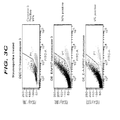
- the growth profiles of double transfectants over-expressing E1B-19K in conjunction with Aven (EA167), triple transfectants over-expressing E1B-19K in conjunction with Aven and XIAP ⁇ (EAX197), as well as the transfectant over-expressing E1B-19K only (E64) are compared to the control (host) cell line in Fig. 4 . While the peak VCD of the control cell line reached 7.7x10 6 cells/ml and the peak VCD of E64 (expressing E1B-19K only) was 8.9x10 6 cells/ml, that of EA167 was 1.4x10 7 cells/ml and that of EAX197 was more than 1.5x10 7 cells/ml, an increase of over 190% above the control cell line.
- apoptotic R and control cell lines Another difference observed between apoptotic R and control cell lines is the ammonia profile ( FIG. 5C ).
- the ammonia levels in EA167 and EAX197 declined slightly at day 6, at which time the decline in lactate had begun, and then ultimately increased again.
- the overall ammonia levels of the apoptotic R lines were lower than that of control lines, which was surprising since the apoptotic R lines reached higher IVCC and thus attained more overall cell growth compared to the control cell line ( Fig. 4C ).
- the amount of lactate present in a cell culture at any point is dependent on the amount of lactate secreted by that cell line less the amount consumed by it.
- cultures of all three cell lines were monitored daily and any major difference in lactate concentration between apoptotic R and control cell line was eliminated by the addition of exogenous lactate.
- the lactate level in the un-fed apoptotic R EA167 and EAX197 began to drop at day-5 ( Figs. 6A and 6B ) with exhaustion of lactate by day-7 (EA67, un-fed) or day-8 (EAX197, un-fed).
- lactate profile of the control cell line continued to increase until d6 at which time the level declined slightly for the next three days but never dropped to zero.
- lactate was added to separate fed-batch cultures up to 2.5g/L.at day-7 (for EA167, Fig. 6A ) and 2g/L at day-8 (for EAX197, Fig. 6B ) in order for levels to be similar to that of the control cell line.
- the lactate level dropped much more rapidly in the apoptotic R cultures compared than the controls from day-6 to day-12.
- the lactate level dropped from 2.5 to 0.2g/L in the EA167 fed culture from day-6 to day-7 while the lactate decline was only from 2.7 to 2.4g/L in the control culture over the same time period.
- the lactate appears to be consumed in the apoptotic R cell lines at an accelerated rate compared to the control cell lines for at least 7 days following addition of supplemental lactate.
- Fig. 8E A comparison of the amino acids that were excreted into the culture medium between the control and the apoptotic R cell lines is also of interest to consider.
- the control cell lines accumulated aspartic acid in the culture medium over the first six days while there was a decline in the aspartic acid levels over that same time period for all four apoptotic R cultures.
- the apoptotic R cell lines secrete significantly more alanine ( Fig. 8F ) over the first 6 days as compared to the control cell line, while all the cell lines consume it at later times.
- the apoptotic R cell lines produce more homocysteine over the entire cell culture in comparison to the control cell lines ( Fig. 8G ).
- apoptotic R cell lines can utilize lactate, then there is a possibility that these lines may potentially thrive at glucose concentrations that could be inhibitory for control cells due to accumulation of toxic levels of lactate. Additionally, it is possible that growth of these lines could be supported by culture medium containing lactate as the sole carbon source. It was not possible to use the CD-CHO medium used in the previous experiments because such as high glucose would lead to unsustainable osmolarity and thus a new medium had to be utilized for these experiments. Therefore, we compared the growth kinetics of EAX197, which exhibited the highest sustained growth in previous experiments, to that of control cell lines in a custom-formulated animal protein-free medium containing 60mM glucose (high glucose) or 30mM lactate.
- the lactate profiles of both lines differed somewhat from that observed in CD-CHO medium (Fig. 5D). Consistent with previous results with the CD-CHO medium, the apoptotic R cell line in the custom formulation medium initiated net lactate consumption earlier (by day 2, as shown in Fig. 9D ) than the control and the maximum lactate level was much lower (1.2g/L compared to 2.4g/L for the control cell line). The control cell exhibited a net production of lactate until day 5 at which point the control cells also began to consume the lactate in the medium. Since the CD-CHO medium is a commercial formulation with a propriety composition, it was not possible to compare exactly the medium component(s) in the two formulations in order to understand the cause of the different lactate consumption profiles in the different formulations.
- the apoptotic R cell line, EAX197 along with the control cell line were subsequently used as hosts for the development of production cell lines expressing a model antibody.
- An equal number of clones were surveyed for each cell line and the best clone generated from each host was then compared in shake-flask-batch mode for Ab productivity.
- Custom formulated medium containing 60mM ('high') glucose as a carbon source was used in order to compare their performance in a high glucose environment.
- the production cell line derived from EAX197 had titers of 489mg/L, which is 145% increase over the control cell line, which had a titer of 337mg/L.
- the same cell line in high glucose medium ( Fig. 10B ) had titers of 687mg/L, which is 178% increase over that of the control cell line (384mg/L).
- the enhanced production was due at least in part to a 188% increase in IVCC for EAX197 versus the control cell line (data not shown).
- Fig. 1 The major activators of the apoptosis cascade in mitochondria are shown in Fig. 1 .
- E E1B19K
- A AVEN
- CHOK1SV the widely used transfection host cell line was transfected with E1B19K+AVEN with/without XIAP ⁇ . A large number of transfectomas were screened and a few clones from each transfection were selected for further study.
- apoptotic R cell lines accumulate less lactate compared to control cells and viability of apoptotic R cultures can be maintained in high glucose medium.
- an apoptotic R cell line expressing Bcl-2d and antibody heavy and light chains (C2088B) was seeded at various seeding densities in standard (4.8g/L) and high concentration of glucose (9.5g/L).
- the results show that the apoptotic R cell line, when seeded at 1e6cells/ml in medium containing 9.5g/L glucose, reached peak VCD of 14e6cells/ml on day-7 post-seeding ( Fig. 11A ), and antibody titer of 2g/L.
- C2088B cultured under the standard conditions had peak VCD of 7e6cells/ml and antibody titer of 1g/L ( Fig. 11B ). This translates to a 200% increase in antibody titers for high glucose condition as compared to standard conditions (i.e., seeding density of 0.3e6c/ml in medium containing 4.8g/L glucose).
Landscapes
- Health & Medical Sciences (AREA)
- Life Sciences & Earth Sciences (AREA)
- Engineering & Computer Science (AREA)
- Biomedical Technology (AREA)
- Biotechnology (AREA)
- Organic Chemistry (AREA)
- Chemical & Material Sciences (AREA)
- Genetics & Genomics (AREA)
- Bioinformatics & Cheminformatics (AREA)
- Wood Science & Technology (AREA)
- Zoology (AREA)
- Biochemistry (AREA)
- Microbiology (AREA)
- General Engineering & Computer Science (AREA)
- General Health & Medical Sciences (AREA)
- Cell Biology (AREA)
- Micro-Organisms Or Cultivation Processes Thereof (AREA)
- Preparation Of Compounds By Using Micro-Organisms (AREA)
- Measuring Or Testing Involving Enzymes Or Micro-Organisms (AREA)
- Investigating Or Analysing Biological Materials (AREA)
Claims (12)
- Procédé d'obtention d'une densité élevée de cellules viables dans une culture semi-discontinue de cellules eucaryotes comprenant les étapes de :a) culture d'une lignée cellulaire eucaryote exprimant un ou plusieurs gènes de résistance à l'apoptose hétérologues (apoptoticR), les gènes apoptoticR étant E1B19K et AVEN, et un ou plusieurs gènes d'intérêt ; etb) maintien d'une alimentation de milieu riche en glucose à environ 60 mM de glucose pendant les phases exponentielle et stationnaire de la culture de cellules.
- Procédé de la revendication 1 dans lequel la lignée cellulaire eucaryote est :a) une lignée cellulaire d'ovaire de hamster chinois (CHO), la lignée cellulaire CHO étant facultativement CHO-KI ou CHO-KISV ;b) une lignée cellulaire de myélome, la lignée cellulaire de myélome étant facultativement NSO ou Sp2/0 ; ouc) un hybridome.
- Procédé de la revendication 1 dans lequel les gènes apoptoticR comprennent en outre XIAPΔ.
- Procédé de la revendication 2a) dans lequel la lignée cellulaire CHO consomme le lactate accumulé pendant la phase exponentielle de culture de cellules.
- Procédé de la revendication 2a) dans lequel la lignée cellulaire CHO sécrète moins de lactate pendant la phase exponentielle de culture de cellules qu'une lignée cellulaire CHO ne contenant pas un ou plusieurs gènes apoptoticR.
- Procédé de la revendication 1 dans lequel la densité de cellules viables (VCD) maximale est augmentée.
- Procédé de la revendication 1 dans lequel la longévité de la culture de cellules est prolongée.
- Procédé de la revendication 1 dans lequel le titre de la culture de cellules est augmenté.
- Procédé de la revendication 1 dans lequel le nombre de cellules viables intégré (IVCC) de la culture de cellules est augmenté.
- Procédé de la revendication 1 dans lequel le flux cellulaire de calcium est réduit.
- Procédé de la revendication 1 dans lequel le potentiel membranaire mitochondrial est augmenté.
- Procédé de la revendication 1 dans lequel les gènes d'intérêt codent pour une chaîne lourde d'anticorps et une chaîne légère d'anticorps.
Priority Applications (1)
| Application Number | Priority Date | Filing Date | Title |
|---|---|---|---|
| SI200931307T SI2331678T1 (sl) | 2008-06-13 | 2009-06-12 | Postopki za dobivanje visoke gostote viabilnih celic v sesalski celični kulturi |
Applications Claiming Priority (2)
| Application Number | Priority Date | Filing Date | Title |
|---|---|---|---|
| US6123308P | 2008-06-13 | 2008-06-13 | |
| PCT/US2009/047178 WO2009152413A1 (fr) | 2008-06-13 | 2009-06-12 | Procédés destinés à l’obtention d’une haute densité de cellules viables dans des cultures de cellules de mammifères |
Publications (3)
| Publication Number | Publication Date |
|---|---|
| EP2331678A1 EP2331678A1 (fr) | 2011-06-15 |
| EP2331678A4 EP2331678A4 (fr) | 2013-04-10 |
| EP2331678B1 true EP2331678B1 (fr) | 2015-09-30 |
Family
ID=41417135
Family Applications (1)
| Application Number | Title | Priority Date | Filing Date |
|---|---|---|---|
| EP09763701.1A Active EP2331678B1 (fr) | 2008-06-13 | 2009-06-12 | Procédés destinés à l'obtention d'une haute densité de cellules viables dans des cultures de cellules de mammifères |
Country Status (17)
| Country | Link |
|---|---|
| US (1) | US20090325287A1 (fr) |
| EP (1) | EP2331678B1 (fr) |
| JP (1) | JP2011524172A (fr) |
| KR (1) | KR101648765B1 (fr) |
| CN (1) | CN102083961B (fr) |
| AU (1) | AU2009257336B2 (fr) |
| BR (1) | BRPI0915171A2 (fr) |
| CA (1) | CA2727006A1 (fr) |
| DK (1) | DK2331678T3 (fr) |
| EA (1) | EA019812B1 (fr) |
| ES (1) | ES2557903T3 (fr) |
| IL (1) | IL209516A0 (fr) |
| MX (1) | MX2010013728A (fr) |
| SI (1) | SI2331678T1 (fr) |
| UA (1) | UA106047C2 (fr) |
| WO (1) | WO2009152413A1 (fr) |
| ZA (1) | ZA201100327B (fr) |
Families Citing this family (12)
| Publication number | Priority date | Publication date | Assignee | Title |
|---|---|---|---|---|
| CA2800728C (fr) * | 2010-05-28 | 2020-10-27 | Genentech, Inc. | Reduction du niveau de lactate et augmentation de la production de polypeptides par regulation negative de l'expression de la lactate deshydrogenase et de la pyruvate deshydrogena se kinase |
| RU2663794C2 (ru) * | 2011-10-21 | 2018-08-09 | Пфайзер Инк. | Добавление железа для улучшения культивирования клеток |
| MX2015004516A (es) * | 2012-10-10 | 2015-10-14 | Bayer Healthcare Llc | Procedimientos y sistemas para optimizar el sistema de cultivo de celulas de perfusion. |
| US11390663B2 (en) | 2013-10-11 | 2022-07-19 | Regeneron Pharmaceuticals, Inc. | Metabolically optimized cell culture |
| KR102243980B1 (ko) * | 2013-10-11 | 2021-04-26 | 리제너론 파마슈티칼스 인코포레이티드 | 대사적으로 최적화된 세포 배양 |
| WO2015095809A1 (fr) * | 2013-12-20 | 2015-06-25 | Biogen Idec Ma Inc. | Utilisation de cultures de semences sous perfusion pour améliorer la capacité de production en alimentation programmée de produits biopharmaceutiques et la qualité des produits |
| EP3130661A4 (fr) * | 2014-04-07 | 2018-03-07 | Toyo Seikan Group Holdings, Ltd. | Liquide de culture pour cellules animales, et récipient de culture |
| GB201509040D0 (en) * | 2015-05-27 | 2015-07-08 | Oxford Genetics Ltd | Cell lines |
| KR102290543B1 (ko) | 2019-08-02 | 2021-08-18 | 주식회사 대양에스티 | 식판 담금형 애벌세척기 |
| KR20220143108A (ko) * | 2020-02-18 | 2022-10-24 | 베링거 인겔하임 인터내셔날 게엠베하 | 포유 동물 세포 배양 공정 |
| RU2768735C1 (ru) * | 2020-12-31 | 2022-03-24 | Федеральное государственное бюджетное образовательное учреждение высшего образования «Московский государственный университет имени М.В.Ломоносова» (МГУ) | Способ получения стабильной клеточной линии-продуцента рекомбинантных белков |
| WO2023194946A1 (fr) * | 2022-04-06 | 2023-10-12 | Kashiv Biosciences, Llc | Procédé de culture cellulaire amélioré pour la production de protéine |
Family Cites Families (8)
| Publication number | Priority date | Publication date | Assignee | Title |
|---|---|---|---|---|
| US5672502A (en) | 1985-06-28 | 1997-09-30 | Celltech Therapeutics Limited | Animal cell culture |
| EP1348758A1 (fr) * | 2002-03-28 | 2003-10-01 | Boehringer Ingelheim Pharma GmbH & Co.KG | Cellules hôtes ayant des propriétés de survie améliorées et procédé pour produire ces cellules |
| US7507579B2 (en) | 2002-05-01 | 2009-03-24 | Massachusetts Institute Of Technology | Apparatus and methods for simultaneous operation of miniaturized reactors |
| US7531327B2 (en) * | 2004-07-23 | 2009-05-12 | Immunomedics, Inc. | Methods and compositions for increasing longevity and protein yield from a cell culture |
| US20070092947A1 (en) * | 2005-10-20 | 2007-04-26 | Immunomedics, Inc. | Methods and compositions for increasing longevity and protein yield from a cell culture |
| US20100167396A1 (en) * | 2006-04-21 | 2010-07-01 | Bayer Healthcare Llc | Application of Anti-Apoptotic Gene Expression in Mammalian Cells for Perfusion Culture |
| WO2007136685A2 (fr) * | 2006-05-19 | 2007-11-29 | Sangamo Biosciences, Inc. | Procédés et compositions pour inactivation de la dihydrofolate réductase |
| ES2657055T3 (es) * | 2007-08-09 | 2018-03-01 | Wyeth Llc | Uso de perfusión para mejorar la producción de un cultivo de células alimentado por lotes en biorreactores |
-
2009
- 2009-06-12 US US12/483,626 patent/US20090325287A1/en not_active Abandoned
- 2009-06-12 KR KR1020117000613A patent/KR101648765B1/ko not_active Expired - Fee Related
- 2009-06-12 UA UAA201100368A patent/UA106047C2/uk unknown
- 2009-06-12 EA EA201170024A patent/EA019812B1/ru not_active IP Right Cessation
- 2009-06-12 DK DK09763701.1T patent/DK2331678T3/en active
- 2009-06-12 EP EP09763701.1A patent/EP2331678B1/fr active Active
- 2009-06-12 CN CN200980122991.8A patent/CN102083961B/zh not_active Expired - Fee Related
- 2009-06-12 WO PCT/US2009/047178 patent/WO2009152413A1/fr not_active Ceased
- 2009-06-12 JP JP2011513722A patent/JP2011524172A/ja active Pending
- 2009-06-12 BR BRPI0915171-0A patent/BRPI0915171A2/pt not_active Application Discontinuation
- 2009-06-12 SI SI200931307T patent/SI2331678T1/sl unknown
- 2009-06-12 CA CA2727006A patent/CA2727006A1/fr not_active Abandoned
- 2009-06-12 MX MX2010013728A patent/MX2010013728A/es active IP Right Grant
- 2009-06-12 AU AU2009257336A patent/AU2009257336B2/en not_active Ceased
- 2009-06-12 ES ES09763701.1T patent/ES2557903T3/es active Active
-
2010
- 2010-11-23 IL IL209516A patent/IL209516A0/en unknown
-
2011
- 2011-01-12 ZA ZA2011/00327A patent/ZA201100327B/en unknown
Also Published As
| Publication number | Publication date |
|---|---|
| MX2010013728A (es) | 2011-01-14 |
| EA201170024A1 (ru) | 2011-08-30 |
| WO2009152413A1 (fr) | 2009-12-17 |
| CN102083961B (zh) | 2014-06-25 |
| UA106047C2 (uk) | 2014-07-25 |
| AU2009257336A1 (en) | 2009-12-17 |
| AU2009257336B2 (en) | 2016-01-28 |
| CN102083961A (zh) | 2011-06-01 |
| DK2331678T3 (en) | 2015-10-12 |
| KR101648765B1 (ko) | 2016-08-17 |
| SI2331678T1 (sl) | 2015-12-31 |
| ZA201100327B (en) | 2012-06-27 |
| EP2331678A1 (fr) | 2011-06-15 |
| BRPI0915171A2 (pt) | 2015-08-04 |
| EA019812B1 (ru) | 2014-06-30 |
| JP2011524172A (ja) | 2011-09-01 |
| EP2331678A4 (fr) | 2013-04-10 |
| US20090325287A1 (en) | 2009-12-31 |
| IL209516A0 (en) | 2011-01-31 |
| CA2727006A1 (fr) | 2009-12-17 |
| KR20110017911A (ko) | 2011-02-22 |
| ES2557903T3 (es) | 2016-01-29 |
Similar Documents
| Publication | Publication Date | Title |
|---|---|---|
| EP2331678B1 (fr) | Procédés destinés à l'obtention d'une haute densité de cellules viables dans des cultures de cellules de mammifères | |
| Dorai et al. | Expression of anti‐apoptosis genes alters lactate metabolism of Chinese Hamster Ovary cells in culture | |
| CN114807010B (zh) | 细胞培养基 | |
| CA2623974C (fr) | Milieu de culture cellulaire ameliore | |
| Meents et al. | Impact of coexpression and coamplification of sICAM and antiapoptosis determinants bcl‐2/bcl‐xL on productivity, cell survival, and mitochondria number in CHO‐DG44 grown in suspension and serum‐free media | |
| EP3083933B1 (fr) | Utilisation de cultures de semences sous perfusion pour améliorer la capacité de production en alimentation programmée de produits biopharmaceutiques et la qualité des produits | |
| Vallée et al. | Exploiting the metabolism of PYC expressing HEK293 cells in fed-batch cultures | |
| KR102742591B1 (ko) | 단백질 생산 동안의 대사 효소 활성 및 디술피드 결합 환원 | |
| EP2118270A2 (fr) | Méthodes de culture cellulaire destinées à la production de protéines recombinées en présence de niveaux réduits d'un ou plusieurs contaminants | |
| Bort et al. | CHO‐K1 host cells adapted to growth in glutamine‐free medium by FACS‐assisted evolution | |
| EP2300600B1 (fr) | Procédés pour améliorer la viabilité et la productivité dans une culture cellulaire | |
| Nivitchanyong et al. | Anti‐apoptotic genes Aven and E1B‐19K enhance performance of BHK cells engineered to express recombinant factor VIII in batch and low perfusion cell culture | |
| Dorai et al. | Combining high‐throughput screening of caspase activity with anti‐apoptosis genes for development of robust CHO production cell lines | |
| EP2943563A1 (fr) | Suppléments de milieu pour la performance améliorée d'un procédé | |
| US20220213431A1 (en) | Methods for overcoming glutamine deprivation during mammalian cell culture | |
| CA2491212A1 (fr) | Procedes de production de proteine et cellules modifiees pour utilisation dans ces procedes | |
| AU2005333513B2 (en) | Methods and compositions for increasing longevity and protein yield from a cell culture | |
| Durocher | Metabolic engineering of CHO cells to alter lactate | |
| HK1185918A1 (en) | Dipeptides to enhance yield and viability from cell cultures | |
| HK1185918B (en) | Dipeptides to enhance yield and viability from cell cultures |
Legal Events
| Date | Code | Title | Description |
|---|---|---|---|
| PUAI | Public reference made under article 153(3) epc to a published international application that has entered the european phase |
Free format text: ORIGINAL CODE: 0009012 |
|
| REG | Reference to a national code |
Ref country code: DE Ref legal event code: R079 Free format text: PREVIOUS MAIN CLASS: C12N0005060000 Ipc: C12N0005100000 Ref document number: 602009034139 Country of ref document: DE |
|
| 17P | Request for examination filed |
Effective date: 20110112 |
|
| AK | Designated contracting states |
Kind code of ref document: A1 Designated state(s): AT BE BG CH CY CZ DE DK EE ES FI FR GB GR HR HU IE IS IT LI LT LU LV MC MK MT NL NO PL PT RO SE SI SK TR |
|
| AX | Request for extension of the european patent |
Extension state: AL BA RS |
|
| RIC1 | Information provided on ipc code assigned before grant |
Ipc: C12N 5/10 20060101AFI20110516BHEP |
|
| RAP1 | Party data changed (applicant data changed or rights of an application transferred) |
Owner name: JANSSEN BIOTECH, INC. |
|
| A4 | Supplementary search report drawn up and despatched |
Effective date: 20130312 |
|
| RIC1 | Information provided on ipc code assigned before grant |
Ipc: C12N 5/10 20060101AFI20130306BHEP |
|
| 17Q | First examination report despatched |
Effective date: 20140227 |
|
| GRAP | Despatch of communication of intention to grant a patent |
Free format text: ORIGINAL CODE: EPIDOSNIGR1 |
|
| RIC1 | Information provided on ipc code assigned before grant |
Ipc: C12N 5/07 20100101ALI20150512BHEP Ipc: C12N 5/10 20060101AFI20150512BHEP |
|
| INTG | Intention to grant announced |
Effective date: 20150618 |
|
| GRAS | Grant fee paid |
Free format text: ORIGINAL CODE: EPIDOSNIGR3 |
|
| GRAA | (expected) grant |
Free format text: ORIGINAL CODE: 0009210 |
|
| AK | Designated contracting states |
Kind code of ref document: B1 Designated state(s): AT BE BG CH CY CZ DE DK EE ES FI FR GB GR HR HU IE IS IT LI LT LU LV MC MK MT NL NO PL PT RO SE SI SK TR |
|
| AX | Request for extension of the european patent |
Extension state: AL BA RS |
|
| REG | Reference to a national code |
Ref country code: CH Ref legal event code: NV Representative=s name: E. BLUM AND CO. AG PATENT- UND MARKENANWAELTE , CH Ref country code: GB Ref legal event code: FG4D Ref country code: CH Ref legal event code: EP |
|
| REG | Reference to a national code |
Ref country code: DK Ref legal event code: T3 Effective date: 20151008 |
|
| REG | Reference to a national code |
Ref country code: AT Ref legal event code: REF Ref document number: 752433 Country of ref document: AT Kind code of ref document: T Effective date: 20151015 |
|
| REG | Reference to a national code |
Ref country code: IE Ref legal event code: FG4D |
|
| REG | Reference to a national code |
Ref country code: DE Ref legal event code: R096 Ref document number: 602009034139 Country of ref document: DE |
|
| REG | Reference to a national code |
Ref country code: SE Ref legal event code: TRGR |
|
| REG | Reference to a national code |
Ref country code: NL Ref legal event code: FP |
|
| PG25 | Lapsed in a contracting state [announced via postgrant information from national office to epo] |
Ref country code: NO Free format text: LAPSE BECAUSE OF FAILURE TO SUBMIT A TRANSLATION OF THE DESCRIPTION OR TO PAY THE FEE WITHIN THE PRESCRIBED TIME-LIMIT Effective date: 20151230 Ref country code: LT Free format text: LAPSE BECAUSE OF FAILURE TO SUBMIT A TRANSLATION OF THE DESCRIPTION OR TO PAY THE FEE WITHIN THE PRESCRIBED TIME-LIMIT Effective date: 20150930 Ref country code: GR Free format text: LAPSE BECAUSE OF FAILURE TO SUBMIT A TRANSLATION OF THE DESCRIPTION OR TO PAY THE FEE WITHIN THE PRESCRIBED TIME-LIMIT Effective date: 20151231 Ref country code: FI Free format text: LAPSE BECAUSE OF FAILURE TO SUBMIT A TRANSLATION OF THE DESCRIPTION OR TO PAY THE FEE WITHIN THE PRESCRIBED TIME-LIMIT Effective date: 20150930 Ref country code: LV Free format text: LAPSE BECAUSE OF FAILURE TO SUBMIT A TRANSLATION OF THE DESCRIPTION OR TO PAY THE FEE WITHIN THE PRESCRIBED TIME-LIMIT Effective date: 20150930 |
|
| REG | Reference to a national code |
Ref country code: ES Ref legal event code: FG2A Ref document number: 2557903 Country of ref document: ES Kind code of ref document: T3 Effective date: 20160129 |
|
| REG | Reference to a national code |
Ref country code: LT Ref legal event code: MG4D |
|
| PG25 | Lapsed in a contracting state [announced via postgrant information from national office to epo] |
Ref country code: HR Free format text: LAPSE BECAUSE OF FAILURE TO SUBMIT A TRANSLATION OF THE DESCRIPTION OR TO PAY THE FEE WITHIN THE PRESCRIBED TIME-LIMIT Effective date: 20150930 |
|
| PG25 | Lapsed in a contracting state [announced via postgrant information from national office to epo] |
Ref country code: SK Free format text: LAPSE BECAUSE OF FAILURE TO SUBMIT A TRANSLATION OF THE DESCRIPTION OR TO PAY THE FEE WITHIN THE PRESCRIBED TIME-LIMIT Effective date: 20150930 Ref country code: EE Free format text: LAPSE BECAUSE OF FAILURE TO SUBMIT A TRANSLATION OF THE DESCRIPTION OR TO PAY THE FEE WITHIN THE PRESCRIBED TIME-LIMIT Effective date: 20150930 Ref country code: CZ Free format text: LAPSE BECAUSE OF FAILURE TO SUBMIT A TRANSLATION OF THE DESCRIPTION OR TO PAY THE FEE WITHIN THE PRESCRIBED TIME-LIMIT Effective date: 20150930 |
|
| REG | Reference to a national code |
Ref country code: FR Ref legal event code: PLFP Year of fee payment: 8 |
|
| PG25 | Lapsed in a contracting state [announced via postgrant information from national office to epo] |
Ref country code: RO Free format text: LAPSE BECAUSE OF FAILURE TO SUBMIT A TRANSLATION OF THE DESCRIPTION OR TO PAY THE FEE WITHIN THE PRESCRIBED TIME-LIMIT Effective date: 20150930 Ref country code: PL Free format text: LAPSE BECAUSE OF FAILURE TO SUBMIT A TRANSLATION OF THE DESCRIPTION OR TO PAY THE FEE WITHIN THE PRESCRIBED TIME-LIMIT Effective date: 20150930 Ref country code: PT Free format text: LAPSE BECAUSE OF FAILURE TO SUBMIT A TRANSLATION OF THE DESCRIPTION OR TO PAY THE FEE WITHIN THE PRESCRIBED TIME-LIMIT Effective date: 20160201 |
|
| REG | Reference to a national code |
Ref country code: DE Ref legal event code: R097 Ref document number: 602009034139 Country of ref document: DE |
|
| PGFP | Annual fee paid to national office [announced via postgrant information from national office to epo] |
Ref country code: LU Payment date: 20160607 Year of fee payment: 8 Ref country code: MC Payment date: 20160511 Year of fee payment: 8 |
|
| PLBE | No opposition filed within time limit |
Free format text: ORIGINAL CODE: 0009261 |
|
| STAA | Information on the status of an ep patent application or granted ep patent |
Free format text: STATUS: NO OPPOSITION FILED WITHIN TIME LIMIT |
|
| 26N | No opposition filed |
Effective date: 20160701 |
|
| REG | Reference to a national code |
Ref country code: FR Ref legal event code: PLFP Year of fee payment: 9 |
|
| PG25 | Lapsed in a contracting state [announced via postgrant information from national office to epo] |
Ref country code: MC Free format text: LAPSE BECAUSE OF NON-PAYMENT OF DUE FEES Effective date: 20170630 |
|
| REG | Reference to a national code |
Ref country code: AT Ref legal event code: UEP Ref document number: 752433 Country of ref document: AT Kind code of ref document: T Effective date: 20150930 |
|
| PG25 | Lapsed in a contracting state [announced via postgrant information from national office to epo] |
Ref country code: LU Free format text: LAPSE BECAUSE OF NON-PAYMENT OF DUE FEES Effective date: 20170612 |
|
| REG | Reference to a national code |
Ref country code: FR Ref legal event code: PLFP Year of fee payment: 10 |
|
| PG25 | Lapsed in a contracting state [announced via postgrant information from national office to epo] |
Ref country code: CY Free format text: LAPSE BECAUSE OF FAILURE TO SUBMIT A TRANSLATION OF THE DESCRIPTION OR TO PAY THE FEE WITHIN THE PRESCRIBED TIME-LIMIT Effective date: 20150930 Ref country code: HU Free format text: LAPSE BECAUSE OF FAILURE TO SUBMIT A TRANSLATION OF THE DESCRIPTION OR TO PAY THE FEE WITHIN THE PRESCRIBED TIME-LIMIT; INVALID AB INITIO Effective date: 20090612 |
|
| PG25 | Lapsed in a contracting state [announced via postgrant information from national office to epo] |
Ref country code: TR Free format text: LAPSE BECAUSE OF FAILURE TO SUBMIT A TRANSLATION OF THE DESCRIPTION OR TO PAY THE FEE WITHIN THE PRESCRIBED TIME-LIMIT Effective date: 20150930 Ref country code: MK Free format text: LAPSE BECAUSE OF FAILURE TO SUBMIT A TRANSLATION OF THE DESCRIPTION OR TO PAY THE FEE WITHIN THE PRESCRIBED TIME-LIMIT Effective date: 20150930 Ref country code: MT Free format text: LAPSE BECAUSE OF NON-PAYMENT OF DUE FEES Effective date: 20160630 |
|
| PG25 | Lapsed in a contracting state [announced via postgrant information from national office to epo] |
Ref country code: BG Free format text: LAPSE BECAUSE OF FAILURE TO SUBMIT A TRANSLATION OF THE DESCRIPTION OR TO PAY THE FEE WITHIN THE PRESCRIBED TIME-LIMIT Effective date: 20150930 |
|
| PGFP | Annual fee paid to national office [announced via postgrant information from national office to epo] |
Ref country code: FR Payment date: 20210513 Year of fee payment: 13 Ref country code: NL Payment date: 20210615 Year of fee payment: 13 Ref country code: IT Payment date: 20210511 Year of fee payment: 13 Ref country code: DE Payment date: 20210518 Year of fee payment: 13 |
|
| PGFP | Annual fee paid to national office [announced via postgrant information from national office to epo] |
Ref country code: AT Payment date: 20210525 Year of fee payment: 13 Ref country code: BE Payment date: 20210518 Year of fee payment: 13 Ref country code: SI Payment date: 20210517 Year of fee payment: 13 Ref country code: SE Payment date: 20210610 Year of fee payment: 13 Ref country code: IE Payment date: 20210610 Year of fee payment: 13 Ref country code: CH Payment date: 20210616 Year of fee payment: 13 Ref country code: DK Payment date: 20210610 Year of fee payment: 13 Ref country code: GB Payment date: 20210520 Year of fee payment: 13 |
|
| PGFP | Annual fee paid to national office [announced via postgrant information from national office to epo] |
Ref country code: IS Payment date: 20210511 Year of fee payment: 13 |
|
| PGFP | Annual fee paid to national office [announced via postgrant information from national office to epo] |
Ref country code: ES Payment date: 20210707 Year of fee payment: 13 |
|
| REG | Reference to a national code |
Ref country code: DE Ref legal event code: R119 Ref document number: 602009034139 Country of ref document: DE |
|
| REG | Reference to a national code |
Ref country code: DK Ref legal event code: EBP Effective date: 20220630 |
|
| REG | Reference to a national code |
Ref country code: CH Ref legal event code: PL Ref country code: SE Ref legal event code: EUG |
|
| REG | Reference to a national code |
Ref country code: NL Ref legal event code: MM Effective date: 20220701 |
|
| REG | Reference to a national code |
Ref country code: AT Ref legal event code: MM01 Ref document number: 752433 Country of ref document: AT Kind code of ref document: T Effective date: 20220612 |
|
| REG | Reference to a national code |
Ref country code: BE Ref legal event code: MM Effective date: 20220630 |
|
| GBPC | Gb: european patent ceased through non-payment of renewal fee |
Effective date: 20220612 |
|
| PG25 | Lapsed in a contracting state [announced via postgrant information from national office to epo] |
Ref country code: NL Free format text: LAPSE BECAUSE OF NON-PAYMENT OF DUE FEES Effective date: 20220701 |
|
| REG | Reference to a national code |
Ref country code: SI Ref legal event code: KO00 Effective date: 20230214 |
|
| PG25 | Lapsed in a contracting state [announced via postgrant information from national office to epo] |
Ref country code: SE Free format text: LAPSE BECAUSE OF NON-PAYMENT OF DUE FEES Effective date: 20220613 Ref country code: LI Free format text: LAPSE BECAUSE OF NON-PAYMENT OF DUE FEES Effective date: 20220630 Ref country code: IE Free format text: LAPSE BECAUSE OF NON-PAYMENT OF DUE FEES Effective date: 20220612 Ref country code: FR Free format text: LAPSE BECAUSE OF NON-PAYMENT OF DUE FEES Effective date: 20220630 Ref country code: CH Free format text: LAPSE BECAUSE OF NON-PAYMENT OF DUE FEES Effective date: 20220630 Ref country code: AT Free format text: LAPSE BECAUSE OF NON-PAYMENT OF DUE FEES Effective date: 20220612 |
|
| PG25 | Lapsed in a contracting state [announced via postgrant information from national office to epo] |
Ref country code: SI Free format text: LAPSE BECAUSE OF NON-PAYMENT OF DUE FEES Effective date: 20220613 Ref country code: GB Free format text: LAPSE BECAUSE OF NON-PAYMENT OF DUE FEES Effective date: 20220612 Ref country code: DE Free format text: LAPSE BECAUSE OF NON-PAYMENT OF DUE FEES Effective date: 20230103 Ref country code: BE Free format text: LAPSE BECAUSE OF NON-PAYMENT OF DUE FEES Effective date: 20220630 |
|
| REG | Reference to a national code |
Ref country code: ES Ref legal event code: FD2A Effective date: 20230728 |
|
| PG25 | Lapsed in a contracting state [announced via postgrant information from national office to epo] |
Ref country code: IT Free format text: LAPSE BECAUSE OF NON-PAYMENT OF DUE FEES Effective date: 20220612 Ref country code: DK Free format text: LAPSE BECAUSE OF NON-PAYMENT OF DUE FEES Effective date: 20220630 |
|
| PG25 | Lapsed in a contracting state [announced via postgrant information from national office to epo] |
Ref country code: ES Free format text: LAPSE BECAUSE OF NON-PAYMENT OF DUE FEES Effective date: 20220613 |
|
| PG25 | Lapsed in a contracting state [announced via postgrant information from national office to epo] |
Ref country code: IS Free format text: LAPSE BECAUSE OF NON-PAYMENT OF DUE FEES Effective date: 20230105 |