EP2338912A2 - Rekombinante Polypeptide auf Triplex-Gerüst-Basis - Google Patents
Rekombinante Polypeptide auf Triplex-Gerüst-Basis Download PDFInfo
- Publication number
- EP2338912A2 EP2338912A2 EP10075641A EP10075641A EP2338912A2 EP 2338912 A2 EP2338912 A2 EP 2338912A2 EP 10075641 A EP10075641 A EP 10075641A EP 10075641 A EP10075641 A EP 10075641A EP 2338912 A2 EP2338912 A2 EP 2338912A2
- Authority
- EP
- European Patent Office
- Prior art keywords
- domain
- protein complex
- antibody
- scaffold
- nucleic acid
- Prior art date
- Legal status (The legal status is an assumption and is not a legal conclusion. Google has not performed a legal analysis and makes no representation as to the accuracy of the status listed.)
- Withdrawn
Links
Images


Classifications
-
- C—CHEMISTRY; METALLURGY
- C07—ORGANIC CHEMISTRY
- C07K—PEPTIDES
- C07K16/00—Immunoglobulins [IG], e.g. monoclonal or polyclonal antibodies
- C07K16/18—Immunoglobulins [IG], e.g. monoclonal or polyclonal antibodies against material from animals or humans
- C07K16/28—Immunoglobulins [IG], e.g. monoclonal or polyclonal antibodies against material from animals or humans against receptors, cell surface antigens or cell surface determinants
- C07K16/2863—Immunoglobulins [IG], e.g. monoclonal or polyclonal antibodies against material from animals or humans against receptors, cell surface antigens or cell surface determinants against receptors for growth factors, growth regulators
-
- A—HUMAN NECESSITIES
- A61—MEDICAL OR VETERINARY SCIENCE; HYGIENE
- A61P—SPECIFIC THERAPEUTIC ACTIVITY OF CHEMICAL COMPOUNDS OR MEDICINAL PREPARATIONS
- A61P29/00—Non-central analgesic, antipyretic or antiinflammatory agents, e.g. antirheumatic agents; Non-steroidal antiinflammatory drugs [NSAID]
-
- A—HUMAN NECESSITIES
- A61—MEDICAL OR VETERINARY SCIENCE; HYGIENE
- A61P—SPECIFIC THERAPEUTIC ACTIVITY OF CHEMICAL COMPOUNDS OR MEDICINAL PREPARATIONS
- A61P3/00—Drugs for disorders of the metabolism
-
- A—HUMAN NECESSITIES
- A61—MEDICAL OR VETERINARY SCIENCE; HYGIENE
- A61P—SPECIFIC THERAPEUTIC ACTIVITY OF CHEMICAL COMPOUNDS OR MEDICINAL PREPARATIONS
- A61P35/00—Antineoplastic agents
-
- A—HUMAN NECESSITIES
- A61—MEDICAL OR VETERINARY SCIENCE; HYGIENE
- A61P—SPECIFIC THERAPEUTIC ACTIVITY OF CHEMICAL COMPOUNDS OR MEDICINAL PREPARATIONS
- A61P37/00—Drugs for immunological or allergic disorders
- A61P37/02—Immunomodulators
-
- A—HUMAN NECESSITIES
- A61—MEDICAL OR VETERINARY SCIENCE; HYGIENE
- A61P—SPECIFIC THERAPEUTIC ACTIVITY OF CHEMICAL COMPOUNDS OR MEDICINAL PREPARATIONS
- A61P9/00—Drugs for disorders of the cardiovascular system
-
- C—CHEMISTRY; METALLURGY
- C07—ORGANIC CHEMISTRY
- C07K—PEPTIDES
- C07K16/00—Immunoglobulins [IG], e.g. monoclonal or polyclonal antibodies
- C07K16/18—Immunoglobulins [IG], e.g. monoclonal or polyclonal antibodies against material from animals or humans
- C07K16/28—Immunoglobulins [IG], e.g. monoclonal or polyclonal antibodies against material from animals or humans against receptors, cell surface antigens or cell surface determinants
- C07K16/2803—Immunoglobulins [IG], e.g. monoclonal or polyclonal antibodies against material from animals or humans against receptors, cell surface antigens or cell surface determinants against the immunoglobulin superfamily
- C07K16/2809—Immunoglobulins [IG], e.g. monoclonal or polyclonal antibodies against material from animals or humans against receptors, cell surface antigens or cell surface determinants against the immunoglobulin superfamily against the T-cell receptor (TcR)-CD3 complex
-
- C—CHEMISTRY; METALLURGY
- C07—ORGANIC CHEMISTRY
- C07K—PEPTIDES
- C07K2317/00—Immunoglobulins specific features
- C07K2317/30—Immunoglobulins specific features characterized by aspects of specificity or valency
- C07K2317/31—Immunoglobulins specific features characterized by aspects of specificity or valency multispecific
-
- C—CHEMISTRY; METALLURGY
- C07—ORGANIC CHEMISTRY
- C07K—PEPTIDES
- C07K2317/00—Immunoglobulins specific features
- C07K2317/60—Immunoglobulins specific features characterized by non-natural combinations of immunoglobulin fragments
- C07K2317/62—Immunoglobulins specific features characterized by non-natural combinations of immunoglobulin fragments comprising only variable region components
- C07K2317/622—Single chain antibody (scFv)
-
- C—CHEMISTRY; METALLURGY
- C07—ORGANIC CHEMISTRY
- C07K—PEPTIDES
- C07K2317/00—Immunoglobulins specific features
- C07K2317/70—Immunoglobulins specific features characterized by effect upon binding to a cell or to an antigen
- C07K2317/73—Inducing cell death, e.g. apoptosis, necrosis or inhibition of cell proliferation
-
- C—CHEMISTRY; METALLURGY
- C07—ORGANIC CHEMISTRY
- C07K—PEPTIDES
- C07K2317/00—Immunoglobulins specific features
- C07K2317/90—Immunoglobulins specific features characterized by (pharmaco)kinetic aspects or by stability of the immunoglobulin
- C07K2317/92—Affinity (KD), association rate (Ka), dissociation rate (Kd) or EC50 value
-
- C—CHEMISTRY; METALLURGY
- C07—ORGANIC CHEMISTRY
- C07K—PEPTIDES
- C07K2318/00—Antibody mimetics or scaffolds
- C07K2318/10—Immunoglobulin or domain(s) thereof as scaffolds for inserted non-Ig peptide sequences, e.g. for vaccination purposes
-
- C—CHEMISTRY; METALLURGY
- C07—ORGANIC CHEMISTRY
- C07K—PEPTIDES
- C07K2318/00—Antibody mimetics or scaffolds
- C07K2318/20—Antigen-binding scaffold molecules wherein the scaffold is not an immunoglobulin variable region or antibody mimetics
-
- C—CHEMISTRY; METALLURGY
- C07—ORGANIC CHEMISTRY
- C07K—PEPTIDES
- C07K2319/00—Fusion polypeptide
-
- C—CHEMISTRY; METALLURGY
- C07—ORGANIC CHEMISTRY
- C07K—PEPTIDES
- C07K2319/00—Fusion polypeptide
- C07K2319/33—Fusion polypeptide fusions for targeting to specific cell types, e.g. tissue specific targeting, targeting of a bacterial subspecies
Definitions
- Protein-based binding reagents have various uses in therapeutic or diagnostic application. Antibodies have proven to be an excellent paradigm for such reagents. Indeed, a number of monoclonal antibodies (mAbs) have been successfully used for treating cancers, infectious diseases, and inflammatory diseases ( Adams et al., Nat. Biotechnol. 2005 Sep;23(9):1147-57 .).
- mAbs monoclonal antibodies
- a requirement for an effective monoclonal antibody in vivo is a strong affinity for the target antigen without nonspecifically binding to unrelated proteins. Multimerization of antigen binding sites has been shown to be an effective means of increasing the overall strength of the binding of an antibody to an antigen which is defined as the antibody avidity (functional affinity) ( Miller et al., J Immunol 170:4854-4861, 2003 ; Rheinnecker et al., J Immunol 157:2989-2997, 1996 ; Shopes, J Immunol 148:2918-2922, 1992 ; Shuford et al., Science 252:724-727, 1991 ; Wolff et al., J Immunol 148:2469-2474, 1992 ).
- IgG immunoglobulin G
- the murine anti-human CD3 mAb is a potent immunosuppressive agent targeting the T-cell receptor (TCR)/CD3 complex on human T cells.
- This invention relates protein complex-based binding reagents that have high affinity, low mitogenic effect, and high in vivo stability.
- the reagents can also be multivalent or multi-specific.
- one aspect of this invention features an isolated recombinant protein complex that includes a first fusion polypeptide chain containing a first scaffold domain and a first heterologous domain in-frame fused to one end of the first scaffold domain; a second fusion polypeptide chain containing a second scaffold domain; and a third fusion polypeptide chain containing a third scaffold domain.
- the first, second, and third scaffold domains are aligned to form a triple helix coil.
- the first scaffold domain and first heterologous domain are in-frame fused and on the same peptide chain.
- the heterologous domain can include the sequence of an enzymatic domain or a fluorescent protein.
- a fluorescent protein include GFP and dsRed, as well as their variants.
- an enzymatic domain include that of glutathione S-transferase, luciferase, ⁇ -galactosidase, and ⁇ -lactamase.
- the heterologous domain can include a binding domain (e.g., a ligand binding domain, a ligand, a receptor, or a proteoglycan) that binds to a binding partner.
- a binding domain e.g., a ligand binding domain, a ligand, a receptor, or a proteoglycan
- a "binding partner” refers to any molecule that has a specific, covalent or non-covalent affinity for a portion of a desired compound (e.g., a protein) of interest.
- binding partners include members of antigen/antibody pairs, protein/inhibitor pairs, receptor/ligand pairs (e.g., cell surface or nuclear receptor/ligand pairs), enzyme/substrate pairs (e.g., kinase/substrate pairs), lectin/carbohydrate pairs, oligomeric or heterooligomeric protein pairs, DNA binding protein/DNA binding site pairs, and RNA/protein pairs.
- binding domain also include the sequences of affinity tags, such as a histidine-tag, a myc tag, or a hemagglutin tag.
- the above-mentioned first heterologous domain can include one or more complementary-determining regions (CDR) of an immunoglobulin.
- the heterologous domain can include antigen binding parts of an antibody such as a V H domain and an Fab.
- the first heterologous domain contains the sequence of an antigen-binding fragment or a single chain antibody, e.g., that specific for Cluster Designation 3 (CD3) or Epidermal Growth Factor Receptor (EGFR).
- CD3 Cluster Designation 3
- EGFR Epidermal Growth Factor Receptor
- the first polypeptide chain can further contain a second heterologous domain in-frame fused to the other end of the first scaffold domain.
- the second heterologous domain can also include a domain that binds to a binding partner.
- the first and second heterologous domains can be identical to or different from each other. They can bind to an identical binding partner or two different binding partners.
- the first heterologous domain and second heterologous domain can respectively contain the sequences of a first single chain antibody and a second single chain antibody that specifically bind to CD3 and EGFR, respectively.
- the second fusion polypeptide chain can contain a third heterologous domain in-frame fused to one end of the second scaffold domain, a fourth heterologous domain in-frame fused to the other end of the second scaffold domain, or both domains in-frame fused to the two ends.
- the third fusion polypeptide chain can contain a fifth heterologous domain in-frame fused to one end of the third scaffold domain, or a sixth heterologous domain in-frame fused to the other end of the third scaffold domain, or both.
- each of these four heterologous domains can also include a binding domain that binds to a binding partner. All six heterologous domains can be identical to or different from each other. They therefore can bind to 1, 2, 3, 4, 5, or 6 binding partners.
- the protein complex can be mono-, di-, tri-, tetra-, penta-, or hexa-valent.
- each of the three scaffold domains contains one or more triple helix repeats, each repeat containing a sequence of the following formula: (X1-X2-X3)n, in which X1 is a Gly residue; X2 and X3 are any amino acid residues, and preferably, the imino acid proline or hydroxyproline; and n is 5 or greater.
- the first, second, or third scaffold domain can include (GPP) 10 or one or more triple helix repeats of human Complement Clq, collectin, or collagen polypeptide chain.
- the above-described first, second, and third fusion polypeptides are substantially identical, having at least 75% (e.g., any number between 75% and 100%, inclusive) sequence identity to one another.
- a complex formed by three identical fusion polypeptides is a homotrimer.
- the three fusion polypeptides can be functional equivalents.
- a "functional equivalent” refers to a polypeptide derivative of a common polypeptide, e.g., a protein having one or more point mutations, insertions, deletions, truncations, a fusion protein, or a combination thereof, and retaining substantially the ability to form a triple helix coil and the activity of the heterologous domain, such as biding to a ligand.
- a heterologous polypeptide, nucleic acid, or gene is one that originates from a foreign species, or, if from the same species, is substantially modified from its original form.
- Two fused domains or sequences are heterologous to each other if they are not adjacent to each other in a naturally occurring protein or nucleic acid.
- a polypeptide sequence that is not a part of naturally occurring human minicollagen (type XXI), collectin family protein, or complement lq (Clq) is heterologous to a domain in the human protein.
- This invention also features an isolated recombinant fusion polypeptide (e.g., each of the above-mentioned three fusion polypeptides) that contains (i) a scaffold domain for forming a triple helix coil and (ii) a first heterologous domain in-frame fused to one end of the scaffold domain or a second heterologous domain in-frame fused to the other end of the scaffold domain.
- the scaffold domain can contain one or more of the above-mentioned triple helix repeats, e.g., that of human Clq or collagen polypeptide chain.
- the heterologous domain can include one of the binding domain mentioned above, and can be obtained by various art-recognized methods, such as phage display screening.
- An isolated polypeptide or protein complex refers to a polypeptide or a protein complex substantially free from naturally associated molecules, i.e., it is at least 75% (i.e., any number between 75% and 100%, inclusive) pure by dry weight. Purity can be measured by any appropriate standard method, for example, by column chromatography, polyacrylamide gel electrophoresis, or HPLC analysis.
- An isolated polypeptide or protein complex of the invention can be purified from a natural source, produced by recombinant DNA techniques.
- the invention also features an isolated nucleic acid that contains a sequence encoding the just-mentioned fusion polypeptide or a complement of the sequence.
- a nucleic acid refers to a DNA molecule (e.g., a cDNA or genomic DNA), an RNA molecule (e.g., an mRNA), or a DNA or RNA analog.
- a DNA or RNA analog can be synthesized from nucleotide analogs.
- the nucleic acid molecule can be single-stranded or double-stranded, but preferably is double-stranded DNA.
- isolated nucleic acid is a nucleic acid the structure of which is not identical to that of any naturally occurring nucleic acid or to that of any fragment of a naturally occurring genomic nucleic acid.
- the term therefore covers, for example, (a) a DNA which has the sequence of part of a naturally occurring genomic DNA molecule but is not flanked by both of the coding sequences that flank that part of the molecule in the genome of the organism in which it naturally occurs; (b) a nucleic acid incorporated into a vector or into the genomic DNA of a prokaryote or eukaryote in a manner such that the resulting molecule is not identical to any naturally occurring vector or genomic DNA; (c) a separate molecule such as a cDNA, a genomic fragment, a fragment produced by polymerase chain reaction (PCR), or a restriction fragment; and (d) a recombinant nucleotide sequence that is part of a hybrid gene, i.e., a gene encoding a
- a vector refers to a nucleic acid molecule capable of transporting another nucleic acid to which it has been linked.
- the vector can be capable of autonomous replication or integrate into a host DNA.
- Examples of the vector include a plasmid, cosmid, or viral vector.
- the vector of this invention includes a nucleic acid in a form suitable for expression of the nucleic acid in a host cell.
- the vector includes one or more regulatory sequences operatively linked to the nucleic acid sequence to be expressed.
- a "regulatory sequence” includes promoters, enhancers, and other expression control elements (e.g., polyadenylation signals).
- Regulatory sequences include those that direct constitutive expression of a nucleotide sequence, as well as tissue-specific regulatory and/or inducible sequences.
- the design of the expression vector can depend on such factors as the choice of the host cell to be transformed, the level of expression of protein desired, and the like.
- the expression vector can be introduced into host cells to produce the polypeptide of this invention.
- a host cell that contains the above-described nucleic acid. Examples include E. coli cells, insect cells (e.g., using Drosophila S2 cells or baculovirus cells), yeast cells, or mammalian cells (e.g., mouse myeloma NS0 cell). See e.g., Goeddel, (1990) Gene Expression Technology: Methods in Enzymology 185, Academic Press, San Diego, CA .
- a fusion polypeptide of this invention one can culture a host cell in a medium under conditions permitting expression of the polypeptide encoded by a nucleic acid of this invention, and purify the polypeptide from the cultured cell or the medium of the cell.
- the nucleic acid of this invention can be transcribed and translated in vitro, for example, using T7 promoter regulatory sequences and T7 polymerase.
- a host cell containing a first, second, and third nucleic acids respectively encoding the above-mentioned first, second, and third fusion polypeptides in a medium under a condition permitting expression of polypeptides encoded by the three nucleic acids and formation of a triple helix coil between the expressed polypeptides, and purifying the protein complex from the cultured cell or the medium of the cell.
- the host cell is a eukaryotic cell containing an enzymatic activity that hydroxylates a proline residue.
- the present invention is based, at least in part, on the unexpected findings that a heterologous protein binding domain in-frame fused to a human triple helix coil scaffold domain retains the binding activity and that the resulting fusion polypeptide forms a triple helix coil.
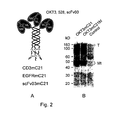
- FIG.1 Shown in FIG.1 is one example of a protein complex of this invention. As shown in this figure, the six termini of a triple helix coil protein complex are respectively in-frame fused to six heterologous protein binding domains, i.e., Fv fragments of single chain antibodies (scFv).
- a protein complex of this invention enjoys advantages over conventional antibodies.
- the protein complex can have 2-6 binding domains that are specific for one binding partner (e.g., antigen) in comparison with a conventional antibody, which has only two such domains.
- the protein complex can be di-, tri-, tetra-, penta-, or hexa-valent.
- it can be made to have various affinities that are higher than a conventional antibody. Because of the higher affinities, smaller amounts of the protein complex and shorter incubation duration are needed than a conventional antibody to achieve the desired goals.
- a protein complex of this invention can have 2-6 binding domains that are specific for 2-6 different binding partners. Unifying multiple binding partner sites of different specificities into one unit, it has the ability to bring together multiple binding partners and therefore have desirable uses in therapy, tissue reconstruction, and assembly of active protein machinery (e.g., a multi-subunit enzyme) at the nanometer level.
- active protein machinery e.g., a multi-subunit enzyme
- a protein complex of this invention is preferably of a human origin.
- it can include a humanized single chain antibody sequence in-frame fused to helix coil scaffold of human origin, such as that of human C1q, collectin family proteins, or collagen polypeptide chain.
- human C1q collectin family proteins
- collagen polypeptide chain As both human Clq and collagen are fairly stable in the blood, the protein complex is more stable than conventional antibodies.
- Collagen is the most abundant protein present in mammals. It is an extracellular matrix protein containing the repeating triplet sequence Gly-X1-X2 and the presence of such triplets allows three collagen polypeptide chains ( ⁇ -chains) to fold into a triple-helical conformation.
- the X2 position amino acid in the triplet sequence Gly-X1-X2 is frequently proline, which is often 4-hydroxylated by post-translational modification of the collagen polypeptide chain in order to stabilize the triple-helical structure of collagen.
- collagen-like proteins A common structural feature among these collagen-like proteins is that all of them are in multimeric protein units by triple helical assembly of their collagenous domains, followed by stacking or interchain disulfide crosslinking of the trimeric molecules. Consequently, the functional affinity of the binding domain of these "defense collagen” molecules is increased greatly through multimerization.
- a protein complex or polypeptide of the invention can be obtained by recombinant technology.
- One can introduce into suitable host cells nucleic acids encoding polypeptides of the complex and express the polypeptides under a condition permitting expression of polypeptides encoded by the nucleic acids and formation of a triple helix coil between the polypeptides.
- To facilitate formation of the triple helix coil scaffold one can co-express in the host cells prolyl 4-hydroxylase (P4HA), a key enzyme in the biosynthesis of collagen.
- P4HA prolyl 4-hydroxylase
- a heterologous protein domain can contain an antibody or a fragment thereof (e.g., an antigen-binding fragment thereof).
- antibody refers to an immunoglobulin molecule or immunologically active portion thereof, i.e., an antigen-binding portion. It refers to a protein comprising at least one, and preferably two, heavy (H) chain variable regions (V H ), and at least one and preferably two light (L) chain variable regions (V L )
- V H and V L regions can be further subdivided into regions of hypervariability, termed “complementarity determining regions" ("CDR"), interspersed with regions that are more conserved, termed “framework regions” (FR).
- CDR complementarity determining regions
- Each V H and V L is composed of three CDR's and four FRs, arranged from amino-terminus to carboxy-terminus in the following order: FR1, CDR1, FR2, CDR2, FR3, CDR3, FR4.
- the antibody can further include a heavy and light chain constant region, to thereby form a heavy and light immunoglobulin chain, respectively.
- the heavy chain constant region is comprised of three domains, CH1, CH2 and CH3.
- the light chain constant region is comprised of one domain, CL.
- the variable region of the heavy and light chains contains a binding domain that interacts with an antigen.
- the constant regions of the antibodies typically mediate the binding of the antibody to host tissues or factors, including various cells of the immune system (e.g., effector cells) and the first component (Clq) of the classical complement system.
- immunoglobulin refers to a protein consisting of one or more polypeptides substantially encoded by immunoglobulin genes.
- the recognized human immunoglobulin genes include the kappa, lambda, alpha (IgA1 and IgA2), gamma (IgG1, IgG2, IgG3, IgG4), delta, epsilon and mu constant region genes, as well as the myriad immunoglobulin variable region genes.
- Full-length immunoglobulin "light chains” (about 25 KDa or 214 amino acids) are encoded by a variable region gene at the NH2-terminus (about 110 amino acids) and a kappa or lambda constant region gene at the COOH--terminus.
- Full-length immunoglobulin "heavy chains" (about 50 KDa or 446 amino acids), are similarly encoded by a variable region gene (about 116 amino acids) and one of the other aforementioned constant region genes, e.g., gamma (encoding about 330 amino acids).
- antibody portion refers to one or more fragments of a full-length antibody that retain the ability to specifically bind to the antigen, e.g., EGFR or CD3 polypeptide or fragment thereof.
- antigen-binding fragments of the antibody include, but are not limited to: (i) a Fab fragment, a monovalent fragment consisting of the V L , V H , C L and C H1 domains; (ii) a F(ab') 2 fragment, a bivalent fragment comprising two Fab fragments linked by a disulfide bridge at the hinge region; (iii) a Fd fragment consisting of the V H and C H1 domains; (iv) a Fv fragment consisting of the V L and V H domains of a single arm of an antibody, (v) a dAb fragment ( Ward et al., (1989) Nature 341:544-546 ), which consists of a V H domain; (vi) an isolated complementarity determining region (CDR), and (vii) V L or V H domains.
- a Fab fragment a monovalent fragment consisting of the V L , V H , C L and C H1 domains
- the two domains of the Fv fragment, V L and V H are coded for by separate genes, they can be joined, using recombinant methods, by a synthetic linker that enables them to be made as a single protein chain in which the V L and V H regions pair to form monovalent molecules (known as single chain Fv (scFv); see e.g., Bird et al. (1988) Science 242:423-426 ; and Huston et al. (1988) Proc. Natl. Acad Sci. USA 85:5879-5883 ).
- single chain Fv single chain Fv
- Such single chain antibodies are also encompassed within the term "antigen-binding fragment" of an antibody.
- These antibody fragments can be obtained using conventional techniques known to those with skill in the art, and the fragments are screened for utility in the same manner as are intact antibodies.
- Suitable antibody can be a monoclonal antibody.
- the antibody can be recombinantly produced, e.g., produced by phage display or by combinatorial methods.
- Phage display and combinatorial methods for generating antibodies are known in the art (see e.g., Ladner et al. U.S. Patent No. 5,223,409 ; Kang et al. International Publication No. WO 92/18619 ; Dower et al. International Publication No. WO 91/17271 ; Winter et al. International Publication WO 92/20791 ; Markland et al. International Publication No. WO 92/15679 ; Breitling et al.
- the antibody is a fully human antibody (e.g., an antibody made in a mouse which has been genetically engineered to produce an antibody from a human immunoglobulin sequence), or a non-human antibody, e.g., a rodent (mouse or rat), goat, primate (e.g., monkey), camel antibody.
- a rodent mouse or rat
- the non-human antibody is a rodent (mouse or rat antibody).
- Methods of producing rodent antibodies are known in the art.
- Human monoclonal antibodies can be generated using transgenic mice carrying the human immunoglobulin genes rather than the mouse system. Splenocytes from these transgenic mice immunized with the antigen of interest are used to produce hybridomas that secrete human mAbs with specific affinities for epitopes from a human protein (see, e.g., Wood et al. International Application WO 91/00906 , Kucherlapati et al. PCT publication WO 91/10741 ; Lonberg et al. International Application WO 92/03918 ; Kay et al. International Application 92/03917 ; Lonberg, N. et al. 1994 Nature 368:856-859 ; Green, L.L.
- An antibody can be one in which the variable region, or a portion thereof, e.g., the CDR'S, are generated in a non-human organism, e.g., a rat or mouse. Chimeric, CDR-grafted, and humanized antibodies can be used. Antibodies generated in a non-human organism, e.g., a rat or mouse, and then modified, e.g., in the variable framework or constant region, to decrease antigenicity in a human are within the invention.
- Chimeric antibodies can be produced by recombinant DNA techniques known in the art. For example, a gene encoding the Fc constant region of a murine (or other species) monoclonal antibody molecule is digested with restriction enzymes to remove the region encoding the murine Fc, and the equivalent portion of a gene encoding a human Fc constant region is substituted (see Robinson et al., International Patent Publication PCT/US86/02269 ; Akira, et al., European Patent Application 184,187 ; Taniguchi, M., European Patent Application 171,496 ; Morrison et al., European Patent Application 173,494 ; Neuberger et al., International Application WO 86/01533 ; Cabilly et al.
- a humanized or CDR-grafted antibody will have at least one or two but generally all three recipient CDR's (of heavy and or light immuoglobulin chains) replaced with a donor CDR.
- the antibody may be replaced with at least a portion of a non-human CDR or only some of the CDR's may be replaced with non-human CDR's. It is only necessary to replace the number of CDR's required for binding of the humanized antibody or a fragment thereof.
- the donor will be a rodent antibody, e.g., a rat or mouse antibody
- the recipient will be a human framework or a human consensus framework.
- the immunoglobulin providing the CDR's is called the "donor” and the immunoglobulin providing the framework is called the “acceptor.”
- the donor immunoglobulin is a non-human (e.g., rodent).
- the acceptor framework is a naturally-occurring (e.g., a human) framework or a consensus framework, or a sequence about 85% or higher, preferably 90%, 95%, 99% or higher identical thereto.
- the term "consensus sequence” refers to the sequence formed from the most frequently occurring amino acids (or nucleotides) in a family of related sequences (See e.g., Winnaker, From Genes to Clones (Verlagsgesellschaft, Weinheim, Germany 1987).
- each position in the consensus sequence is occupied by the amino acid occurring most frequently at that position in the family. If two amino acids occur equally frequently, either can be included in the consensus sequence.
- a "consensus framework” refers to the framework region in the consensus immunoglobulin sequence.
- An antibody can be humanized by methods known in the art. Humanized antibodies can be generated by replacing sequences of the Fv variable region which are not directly involved in antigen binding with equivalent sequences from human Fv variable regions.
- General methods for generating humanized antibodies are provided by Morrison, S. L., 1985, Science 229:1202-1207 , by Oi et al., 1986, BioTechniques 4:214 , and by Queen et al. US 5,585,089 , US 5,693,761 and US 5,693,762 , the contents of all of which are hereby incorporated by reference. Those methods include isolating, manipulating, and expressing the nucleic acid sequences that encode all or part of immunoglobulin Fv variable regions from at least one of a heavy or light chain.
- Sources of such nucleic acid are well known to those skilled in the art and, for example, may be obtained from a hybridoma producing an antibody against a polypeptide of interest or fragment thereof.
- the recombinant DNA encoding the humanized antibody, or fragment thereof, can then be cloned into an appropriate expression vector.
- humanized antibodies in which specific amino acids have been substituted, deleted or added.
- Preferred humanized antibodies have amino acid substitutions in the framework region, such as to improve binding to an antigen.
- a humanized antibody will have framework residues identical to the donor framework residue or to another amino acid other than the recipient framework residue.
- a selected, small number of acceptor framework residues of the humanized immunoglobulin chain can be replaced by the corresponding donor amino acids.
- Preferred locations of the substitutions include amino acid residues adjacent to the CDR, or which are capable of interacting with a CDR. Criteria for selecting amino acids from the donor are described in US 5,585,089 , the contents of which are hereby incorporated by reference.
- Other techniques for humanizing antibodies are described in Padlan et al. EP 519596 A1 .
- the invention also includes a nucleic acid which encodes a fusion polypeptide that forms a protein complex of this invention.
- the nucleic acid can be screened from phage display library or isolated (e.g., by RT-PCR) from cell lines expressing the above-described suitable antibodies or antibody derivatives.
- the nucleic acid can be functionally ligated into an expression vector.
- Cells transformed with the nucleic acid or vector can be used to produce the fusion polypeptide or protein complex of this invention.
- Cells useful for producing an antibody include insect cells and mammalian cells (e.g. CHO or lymphatic cells).
- a protein complex of this invention may be conjugated to a therapeutic moiety such as a cytotoxin, a therapeutic agent or a radioactive ion.
- a cytotoxin or cytotoxic agent includes any agent that is detrimental to cells. Examples include taxol, cytochalasin B, gramicidin D, ethidium bromide, emetine, mitomycin, etoposide, tenoposide, vincristine, vinblastine, colchicin, doxorubicin, daunorubicin, dihydroxy anthracin dione, mitoxantrone, mithramycin, actinomycin D, 1-dehydrotestosterone, glucocorticoids, procaine, tetracaine, lidocaine, propranolol, puromycin, maytansinoids, e.g., maytansinol (see US Patent No.
- Therapeutic agents include, but are not limited to, antimetabolites (e.g., methotrexate, 6-mercaptopurine, 6-thioguanine, cytarabine, 5-fluorouracil decarbazine), alkylating agents (e.g., mechlorethamine, thioepa chlorambucil, CC-1065, melphalan, carmustine (BSNU) and lomustine (CCNU), cyclothosphamide, busulfan, dibromomannitol, streptozotocin, mitomycin C, and cisdichlorodiamine platinum (II) (DDP) cisplatin), anthracyclines (e.g., daunorubicin (formerly daunomycin) and doxorubicin), antibiotics (
- antimetabolites e.g., methotrexate, 6-mercaptopurine, 6-thioguanine, cytarabine, 5-fluorouracil decarba
- the drug moiety is not to be construed as limited to classical chemical therapeutic agents.
- the drug moiety may be a protein or polypeptide possessing a desired biological activity.
- proteins may include, for example, a toxin such as abrin, ricin A, pseudomonas exotoxin, or diphtheria toxin; a protein such as tumor necrosis factor, ⁇ -interferon, ⁇ -interferon, nerve growth factor, platelet derived growth factor, tissue plasminogen activator; or, biological response modifiers such as, for example, lymphokines, interleukin-1 ("IL-1 "), interleukin-2 (“IL-2”), interleukin-6 (“IL-6”), granulocyte macrophase colony stimulating factor (“GM-CSF”), granulocyte colony stimulating factor (“G-CSF”), or other growth factors.
- IL-1 interleukin-1
- IL-2 interleukin-2
- IL-6 interleukin-6
- GM-CSF granul
- the above-described protein complexes and conjugates, basing on the specificity of the heterologous binding domains, can be used for treating various disorders, including cancers, inflammation diseases, metabolism diseases, fibrosis diseases, and cardiovascular diseases.
- the invention therefore features a method of treating such a disorder, e.g., by administering to a subject in need thereof an effective amount of an protein complex of the invention.
- Subjects to be treated can be identified as having, or being at risk for acquiring, a condition characterized by the disorder. This method can be performed alone or in conjunction with other drugs or therapy.
- one heterologous domain in the protein complex is capable of activating cytotoxic cells (e.g., cytotoxic T cells) by specifically binding to an effector antigen on the cytotoxic cells, while another heterologous domain specifically binds to a target antigen on a pathogen cell or a malignant cell to be destructed.
- cytotoxic cells e.g., cytotoxic T cells
- another heterologous domain specifically binds to a target antigen on a pathogen cell or a malignant cell to be destructed.
- the protein complex can treated a disorder caused by the pathogen or malignant cells.
- Activation of the cytotoxic T cell may occur via binding of the CD3 antigen as an effector antigen on the surface of the cytotoxic T cell by a protein complex of the invention.
- Other lymphoid cell-associated effector antigens include the human CD16 antigen, NKG2D antigen, NKp46 antigen, CD2 antigen, CD28 antigen, CD25 antigen, CD64 antigen, and CD89 antigen. Binding to these effector antigens leads to activation of effector cells such as monocytes, neutrophilic granulocytes, and dendritic cells. These activated cells then exert a cytotoxic or an apoptotic effect on target cells.
- the target antigen is an antigen which is uniquely expressed on a target cell associate with a disease condition, but which is not expressed, expressed at a low level, or non-accessible in a healthy condition.
- target antigens associates with malignant cells include EpCAM, CCR5, CD19, HER-2 neu, HER-3, HER-4, EGFR, PSMA, CEA, MUC-1 (mucin), MUC2, MUC3, MUC4, MUC5.sub.AC, MUC5.sub.B, MUC7, .beta.hCG, Lewis-Y, CD20, CD33, CD30, ganglioside GD3, 9-O-Acetyl-GD3, GM2, Globo H, fucosyl GM1, Poly SA, GD2, Carboanhydrase IX (MN/CA IX), CD44v6, Sonic Hedgehog (Shh), Wue-1, Plasma Cell Antigen, (membrane-bound) IgE, Melanoma Chondroitin Sulfate Prot
- treating is defined as administration of a composition to a subject with the purpose to cure, alleviate, relieve, remedy, prevent, or ameliorate a disorder, the symptom of the disorder, the disease state secondary to the disorder, or the predisposition toward the disorder.
- An "effective amount” is an amount of the composition that is capable of producing a medically desirable result, e.g., as described above, in a treated subject.
- a therapeutic composition e.g., a composition containing a protein complex the invention
- a pharmaceutically-acceptable carrier e.g., physiological saline
- intravenous infusion or injected or implanted subcutaneously, intramuscularly, intrathecally, intraperitoneally, intrarectally, intravaginally, intranasally, intragastrically, intratracheally, or intrapulmonarily.
- the dosage required depends on the choice of the route of administration; the nature of the formulation; the nature of the subject's illness; the subject's size, weight, surface area, age, and sex; other drugs being administered; and the judgment of the attending physician. Suitable dosages are in the range of 0.01-100.0 mg/kg. Variations in the needed dosage are to be expected in view of the variety of compositions available and the different efficiencies of various routes of administration. For example, oral administration would be expected to require higher dosages than administration by intravenous injection. Variations in these dosage levels can be adjusted using standard empirical routines for optimization as is well understood in the art. Encapsulation of the composition in a suitable delivery vehicle (e.g., polymeric microparticles or implantable devices) may increase the efficiency of delivery, particularly for oral delivery.
- a suitable delivery vehicle e.g., polymeric microparticles or implantable devices
- a pharmaceutical composition that contains a pharmaceutically acceptable carrier and an effective amount of a protein complex of the invention.
- the pharmaceutical composition can be used to treat the disorders listed above.
- the pharmaceutically acceptable carrier includes a solvent, a dispersion medium, a coating, an antibacterial and antifungal agent, and an isotonic and absorption delaying agent.
- the pharmaceutical composition can be formulated into dosage forms for different administration routes utilizing conventional methods.
- composition of this invention can be evaluated both in vitro and in vivo.
- the composition can be injected into an animal (e.g., a mouse model) and its therapeutic effects are then accessed. Based on the results, an appropriate dosage range and administration route can be determined.
- scFv human single-chain variable fragment
- erb_scFv human single-chain variable fragment
- the cDNA encoding erb_scFv was obtained and ligated into an expression vector by a standard method. Listed below are the polypeptide sequence of erb_scFv (SEQ ID NO:1) and the nucleotide sequence encoding it (SEQ ID NO:2).
- the expression vector was then expressed in insect cell line Drosophila S2.
- the anti-EGFR erb_scFv was purified and subjected to Western Blot analysis and ELISA to confirm its specificity against EGFR.
- RT-PCR was conducted to obtain from hybridoma cell lines cDNAs encoding the heavy chain variable region (V H ) and light chain variable region (V L ) of anti-CD3 monoclonal antibody OKT3. Then, the two cDNAs were ligated to generate a fusion sequence that encodes a fusion protein of V H -V L of OKT3. Listed below are the polypeptide sequence of this fusion protein (SEQ ID NO: 3) and the cDNA sequence encoding it (SEQ ID NO: 4).
- the same procedures were performed to obtain cDNAs encoding V H and V L of anti-EGFR monoclonal antibody 528 and a fusion sequence that encodes a fusion protein of V H -V L of the anti-EGFR 528.
- the 528 monoclonal antibody binds to EGFR on cellular membranes, e.g., on human epidermoid carcinoma A431 cells.
- the polypeptide sequence of this 528 single-chain antibody (SEQ ID NO: 5) and the cDNA sequence encoding it (SEQ ID NO:6) are listed below.
- the cDNAs encoding the above-described anti-EGFR scFv03, OKT3 V H -V L , and anti-EGFR 528V H -V L were respectively in-frame fused to the human minicollagen XXI cDNA containing a short hinge sequence at the 5' end and a histidine tag sequence at the 3' end.
- Shown below are human minicollagen XXI polypeptide and cDNA sequences (SEQ ID NO: 7 and 8, respectively).
- the resulting three expression vectors were co-transfected into Drosophila S2 cells.
- the cells were cultured in the presence blasticidin to select blasticidin-resistant cells.
- Cell culture supernatants were collected and screened by Western Blot and ELISA for antibody activities against EGFR and CD3. It was found that cells of some clones stably expressed triple helix complexes. These triple helix complexes, like human minicollagen XXI, were resistant to heat and pepsin. More importantly, they specifically bound to both EGFR and CD3.
- An erb phagemid containing an epidermal growth factor receptor extracellular domain (EGFR-ECD)-binding variable fragment (scFv) was isolated by screening a human single fold scFv phage display libraries (Tomlinson I + J; kindly provided by 1. M. Tomlinson and G. Winter, MRC Laboratory of Molecular Biology, Cambridge, UK). Selections were performed using immunotubes (Maxisorp; Nunc, Roskilde, Denmark) coated with 10 ⁇ g of purified recombinant extracellular domain of EGF receptor (EGFR-ECD; Research Diagnostics, Inc.). Blocking, panning, washing, elution, and reamplification of eluted phage were carried out according to the manufacturer's protocol.
- EGFR-ECD epidermal growth factor receptor extracellular domain
- scFv binding variable fragment
- the cDNAs coding for the scFvs of erb were PCR amplified from the erb phagemid.
- a sequence encoding murine IgG2a anti-CD3 mAb OKT3 (Ortho Pharmaceutical Corporation) was obtained by reverse transcription product from OKT3 hybridoma (ATCC, CRL-8001).
- the cDNAs for the V L and V H of the OKT3 mAb were obtained by RT-PCR based on the published nucleotide sequence.
- the scFv PCR fusion of erb and OKT3 were generated by joining the V H and V L chains with a glycine-linker (GGGS) 3 .
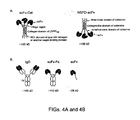
- the coding region of scFv-Col included an N-terminal scFv nucleotide sequence and a C-terminal synthetic collagen scaffold gene coding for a peptide sequence of EPKSCDKTHTCPPCPRSIP(GPP) 10 GICDPSLCFSVIA-RRDPFRKGPNY, which includes a hinge region of human IgG, a collageneous domain (underlined), and the NCl domain of type XXI collagen. Shown below are the synthetic collagen scaffold polypeptide and cDNA sequences (SEQ ID NOs: 9 and 10, respectively).
- This synthetic sequence (SEQ ID NO: 10) was prepared by overlapping PCR and the PCR product flanking with NotI and XhoI sites was cloned into the expression vector pSecTag2/Hygro (Invitrogen) at the same sites.
- the scFv of erb and OKT3 were then cloned in-frame to the above C-terminal collagen scaffold-containing construct at AscI and NotI sites to make the expression constructs oferb_scFv-Col and OKT3_scFv-Col, respectively.
- NSPD-scFv The coding region of NSPD-scFv included the N-terminal 254 amino acids of human surfactant protein D (SPD), a member of the collectin family, and an scFv at the C-terminus. Shown below are N-terminal 254 amino acids of human surfactant protein D polypeptide and its cDNA sequence (SEQ ID NOs: 11 and 12, respectively).
- the N-terminal SPD cDNA was cloned into the expression vector pSecTag2/Hygro (Invitrogen) at the NheI and AscI sites.
- the scFv of erb was then cloned in-frame to the above N-terminal SPD-containing construct at AscI and XhoI sites to make the expression construct of erb_NSPD-scFv.
- Each open reading frame of erb_scFv-Col, erb_NSPD-scFv and OKT3_scFv-Col contained sequences encoding an N-terminal leader sequences and C-terminal myc epitope/polyhistidine tags for secretion, detecting, and purification purposes.
- Table 1 Summarized in Table below are various recombinant proteins/antibodies encoded by the above-described expression constructs: Table 1.
- the above-described constructs were transfected in mouse myeloma NSO cells using Effectene (Qiagen) according to the manufacturer's instructions. After selection with Hygromycin (400 ⁇ g/ml) for 4 weeks, each stable clone was cultured in a shaker flask at an initial seeding density of 2 x 10 5 cells/ml in a chemically-defined medium HyQCDM4NS0 (Hyclone) containing 2% of fetal bovine serum. The culture was maintained at 150 rpm for five days at 37°C. Sodium ascorbate (80 ⁇ g/ml) was added to the culture media daily for those cells carrying expression constructs encoding proteins containing the above-mentioned antibody domains and the collagen scaffold domain, i.e., collagen scaffold antibodies (CSA).
- CSA collagen scaffold antibodies
- each of the filtered culture media were applied to a T-gel column (1.5 x 8 cm, Pierce) equilibrated with 50 mM Tris-HCI buffer, pH 8.0 at a flow rate of 60 ml/hour. After washing with the same buffer, the recombinant protein or protein complexes were eluted with 50 mM of sodium acetate buffer, pH4.0.
- SDS-PAGE was carried out using either a 10% NuPAGE bis-Tris polyacrylamide gel with MOPS or a 7% SDS/Tris-acetate polyacrylamide gel with sodium acetate as running buffer (Invitrogen). Proteins were then stained with Coomassie brilliant blue R-250. Densities of protein bands were quantified by densitometry using ChemiImager 5500 (Alpha Innotech, San Leandro, CA) with Alpha EaseFC (v. 4.0; Alpha Innotech) software.
- purified erb_scFv-Col (1 mg/ml) was incubated at 37 °C in the absence or presence of 10 mM DTT for one hour. An aliquot from the DTT treated sample was further reacted with 50 mM N-ethyl-maleimide (NEM) for 30 minutes at an ambient temperature to permanently block free sulfhydryls and reformation oftrimers. An equal amount of protein from each sample was electrophoresed on a 7% SDS/Tris-acetate polyacrylamide gel with sodium acetate as the running buffer. The gel was stained with Coomassie blue. It was found that the purified CSAs were homotrimers or interchain disulfide-bonded heximers, which can be dissociated into two trimers under mild reducing conditions.
- erb_scFv-Col Thermal stability of the trimeric structure of erb_scFv-Col was examined.
- Purified erb_scFv-Colin 50 mM Tris-HCl (pH 8.0), containing 2 M urea was treated in the absence or presence of 10 mM tris(2-carboxyethyl)phosphine (TCEP) at an ambient temperature.
- TCEP tris(2-carboxyethyl)phosphine
- the reduced samples were then alkylated with 50 mM ofNEM at an ambient temperature.
- Each sample with an equal amount of protein was heated for 10 minutes at 35, 45, 55, 65, 75, and 85°C before mixing the SDS-loading buffer.
- the samples were electrophoresed on a 10% SDS/Bis-Tris polyacrylamide gel with the MOPS buffer under non-reducing conditions.
- the binding kinetics of erb antibody variants to the EGFR-ECD were measured using a BIAcore X biosensor (BIACORE, Inc., Uppsala, Sweden) in the running buffer HBS-EP (10 mM HEPES, pH 7.4, 150 mM NaCl, 3 mM EDTA, 0.005% surfactant P20).
- HBS-EP running buffer
- EGFR-ECD was immobilized onto a Cl sensor chip via amine coupling to a level of 1700 response units (RU) and purified antibodies with different concentrations were injected at a flow rate of 10 ⁇ l/min. The surface was regenerated by injection of 5 ⁇ l of 10 mM glycine-HCl, pH 3.5.
- Binding data were fitted with a 1:1 Langmuir binding model to calculate the affinity constant, K D , which was defined as the ratio of dissociation rate (k diss )/association rate (k ass ). The results were shown in Table 2 below. Table 2. Binding kinetics of various form of erb antibody to immobilized EGFR-ECD Antibody k ass / 10 5 K diss / 10 -4 K D M -1 s -1 s- 1 nM erb_scFv_Col 1.72 8.22 4.78 erb_scFv-Fc 0.909 94.4 104 erb_scFv 0.15 741 4960
- the binding affinity of erb_scFv_Col for EGFR-ECD is approximately 20- and 1000-fold stronger than the bivalent (erb_scFv-Fc) and monovalent (erb_scFv) mAb counterparts, respectively.
- the stability of various forms of erb_scFv-Col, erb_scFv-Fc, or erb_scFv erb antibody was determined by incubating with human serum at 37 °C. The amount of active anti-EGFR remaining after different periods of incubation times was measured by quantitative ELISA.
- the ELISA was conducted by employing the recombinant EGFR-ECD (as capture reagent) and anti-c-myc mAb (9E10, Sigma Chemical Co.), followed by an HRP-conjugated affinity-purified polyclonal goat antimouse IgG and chemiluminescent substrates (Pierce Biotechnology, Inc.).
- mice were used to analyze erb_scFv-Col clearance. Briefly, following a pre-bleed, each mouse was injected subcutaneously (s.c.) with 25 ⁇ g (2 mg/kilogram of body weight) of erb_scFv-Col. During the next 70 hours, periodic blood samples were collected and evaluated for their content of erb_scFv-Col by ELISA. It was found the proteins were quite stable.
- PBMCs peripheral blood mononuclear cells
- T cell proliferation and immunosuppression in the one-way mixed lymphocyte reaction was assessed as follows.
- Human PBMCs were obtained from two healthy donors (stimulator and responder). Stimulator or responder cells were treated with 25 ⁇ g/ml of mitomycin C (Sigma-Aldrich) in a complete medium (RPMI 1640 supplemented with 10% human AB serum, 2 mM glutamine, 50 nM 2-mercaptoethanol, and 100 units/ml each of penicillin and streptomycin) for 30 minutes in humidified air containing 5% CO2 at 37°C, followed by three washes in RPMI 1640 medium.
- mitomycin C Sigma-Aldrich
- Responder cells were cultured alone or mixed with mitomycin C treated stimulator or mitomycin C responder cells at 1:1 ratio at 2 ⁇ 10 5 cells/well in 200 ⁇ l of complete medium.
- Purified OKT3_scFv-Color OKT3 was added at different concentrations to cultures immediately after responder cell plating. After 5 days, cultured cells were pulsed with 10 ⁇ M of BrdU and harvested 24 h later. Cell proliferation assay was then performed in the manner described above.
- OKT3_scFv_Col is more effective at immunosuppressing T cell proliferation while exhibiting negligible mitogenic activity in stimulating T cell proliferation.
- Human PBMCs were plated at 2 ⁇ 10 5 cells/well in 0.1 ml RPMI-1640 medium with 10% FBS at 37 °C in the presence of 10-fold serial dilution of OKT3 or OKT3_scFv-Col.
- the supernatants were harvested at different time points and multiple cytokines were measured using a human cytokine immunoassay kit (eBioscience, Inc.).
- the cells were washed with the FCM buffer and analyzed for immunofluorescence by flow cytometry on a FACScan (Becton Dickinson, San Jose, CA). The data were presented as percent inhibition of maximal fluorescence intensity, which is defined as the mean fluorescence intensity obtained by staining T cells with OKT3-FITC in the absence of blocking antibodies.
- OKT3_scFv_Col binds to human CD3+ T cells stronger than the native murine OKT3 mAb.
- Protein concentration was determined by the Bradford assay (Coomassie plus reagent, from Pierce Biotechnology, Inc.) using human IgGs as the standard.
- purified erb_scFv-Col was dialyzed against 50 mM acetic acid, hydrolyzed in 6 N of HCl at 110°C for 24 hours and subjected to amino acid analysis in a Waters Pico ⁇ Tag R system.
- collagen scaffold antibody should be an ideal structure for therapeutic antibody design both in antitumor and immunomodulatory applications.
- the present invention also provides:
Landscapes
- Health & Medical Sciences (AREA)
- Chemical & Material Sciences (AREA)
- Immunology (AREA)
- Organic Chemistry (AREA)
- Medicinal Chemistry (AREA)
- General Health & Medical Sciences (AREA)
- Life Sciences & Earth Sciences (AREA)
- Veterinary Medicine (AREA)
- General Chemical & Material Sciences (AREA)
- Nuclear Medicine, Radiotherapy & Molecular Imaging (AREA)
- Chemical Kinetics & Catalysis (AREA)
- Pharmacology & Pharmacy (AREA)
- Public Health (AREA)
- Animal Behavior & Ethology (AREA)
- Biochemistry (AREA)
- Proteomics, Peptides & Aminoacids (AREA)
- Molecular Biology (AREA)
- Genetics & Genomics (AREA)
- Biophysics (AREA)
- Bioinformatics & Cheminformatics (AREA)
- Engineering & Computer Science (AREA)
- Cardiology (AREA)
- Rheumatology (AREA)
- Pain & Pain Management (AREA)
- Obesity (AREA)
- Hematology (AREA)
- Diabetes (AREA)
- Heart & Thoracic Surgery (AREA)
- Peptides Or Proteins (AREA)
- Preparation Of Compounds By Using Micro-Organisms (AREA)
- Micro-Organisms Or Cultivation Processes Thereof (AREA)
- Medicines That Contain Protein Lipid Enzymes And Other Medicines (AREA)
- Medicines Containing Antibodies Or Antigens For Use As Internal Diagnostic Agents (AREA)
- Pharmaceuticals Containing Other Organic And Inorganic Compounds (AREA)
- Polyesters Or Polycarbonates (AREA)
Applications Claiming Priority (2)
| Application Number | Priority Date | Filing Date | Title |
|---|---|---|---|
| US75074605P | 2005-12-15 | 2005-12-15 | |
| EP06291927A EP1798240B1 (de) | 2005-12-15 | 2006-12-14 | Rekombinante Polypeptide auf Triplex-Gerüst-Basis |
Related Parent Applications (1)
| Application Number | Title | Priority Date | Filing Date |
|---|---|---|---|
| EP06291927.9 Division | 2006-12-14 |
Publications (2)
| Publication Number | Publication Date |
|---|---|
| EP2338912A2 true EP2338912A2 (de) | 2011-06-29 |
| EP2338912A3 EP2338912A3 (de) | 2012-04-18 |
Family
ID=37963680
Family Applications (3)
| Application Number | Title | Priority Date | Filing Date |
|---|---|---|---|
| EP10075642A Withdrawn EP2336170A3 (de) | 2005-12-15 | 2006-12-14 | Rekombinante Polypeptide auf Triplex-Gerüst-Basis |
| EP10075641A Withdrawn EP2338912A3 (de) | 2005-12-15 | 2006-12-14 | Rekombinante Polypeptide auf Triplex-Gerüst-Basis |
| EP06291927A Active EP1798240B1 (de) | 2005-12-15 | 2006-12-14 | Rekombinante Polypeptide auf Triplex-Gerüst-Basis |
Family Applications Before (1)
| Application Number | Title | Priority Date | Filing Date |
|---|---|---|---|
| EP10075642A Withdrawn EP2336170A3 (de) | 2005-12-15 | 2006-12-14 | Rekombinante Polypeptide auf Triplex-Gerüst-Basis |
Family Applications After (1)
| Application Number | Title | Priority Date | Filing Date |
|---|---|---|---|
| EP06291927A Active EP1798240B1 (de) | 2005-12-15 | 2006-12-14 | Rekombinante Polypeptide auf Triplex-Gerüst-Basis |
Country Status (10)
| Country | Link |
|---|---|
| US (1) | US20070264687A1 (de) |
| EP (3) | EP2336170A3 (de) |
| JP (2) | JP2007181458A (de) |
| AT (1) | ATE507241T1 (de) |
| AU (1) | AU2006252078B2 (de) |
| CA (1) | CA2569062A1 (de) |
| DE (1) | DE602006021520D1 (de) |
| DK (1) | DK1798240T3 (de) |
| ES (1) | ES2365744T3 (de) |
| TW (1) | TWI373475B (de) |
Cited By (1)
| Publication number | Priority date | Publication date | Assignee | Title |
|---|---|---|---|---|
| CN109293774A (zh) * | 2018-10-16 | 2019-02-01 | 南京医科大学 | 特异性结合cd19的全人源化抗体及应用 |
Families Citing this family (25)
| Publication number | Priority date | Publication date | Assignee | Title |
|---|---|---|---|---|
| US10183986B2 (en) * | 2005-12-15 | 2019-01-22 | Industrial Technology Research Institute | Trimeric collagen scaffold antibodies |
| ES2593049T3 (es) * | 2009-01-09 | 2016-12-05 | Apogenix Ag | Proteínas de fusión que forman trímeros |
| ES2371426B1 (es) * | 2009-04-20 | 2013-05-10 | Universidad Autónoma de Madrid | Proteinas oligomericas y sus aplicaciones |
| WO2010122181A1 (es) * | 2009-04-20 | 2010-10-28 | Universidad Autónoma de Madrid | Proteínas oligoméricas y sus aplicaciones |
| CA2800595C (en) * | 2010-05-26 | 2018-04-24 | Shriners Hospitals For Children | Compositions comprising the nc2 domain of collagen ix and methods of using same |
| TWI679212B (zh) | 2011-11-15 | 2019-12-11 | 美商安進股份有限公司 | 針對bcma之e3以及cd3的結合分子 |
| TWI476001B (zh) | 2011-12-26 | 2015-03-11 | Ind Tech Res Inst | 三倍體Fc融合蛋白及其用途 |
| BR112014029403A2 (pt) | 2012-07-04 | 2018-10-09 | F. Hoffmann-La Roche Ag | conjugados, anticorpo e formulação farmacêutica |
| EP3019533B1 (de) * | 2013-07-11 | 2020-01-08 | The Scripps Research Institute | Doppelwendel-immunglobulinfusionsproteine und zusammensetzungen daraus |
| CN103454265A (zh) * | 2013-08-09 | 2013-12-18 | 北京润诺思医疗科技有限公司 | 一种糖尿病预测标志物-纤维胶凝蛋白-3(Ficolin-3)化学发光定量检测试剂盒及其制备方法 |
| GB201317928D0 (en) | 2013-10-10 | 2013-11-27 | Ucl Business Plc | Molecule |
| ES2895752T3 (es) | 2014-01-03 | 2022-02-22 | Hoffmann La Roche | Anticuerpos biespecíficos anti-hapteno/anti-receptor de la barrera hematoencefálica, complejos de los mismos y su uso como lanzaderas a través de la barrera hematoencefálica |
| CN106687476B (zh) | 2014-06-26 | 2020-11-13 | 豪夫迈·罗氏有限公司 | 抗brdu抗体及使用方法 |
| EP3436484B1 (de) | 2016-03-30 | 2025-10-01 | AB Biosciences, Inc. | Zusammensetzungen aus rekombinantem intravenösem immunglobulin (rivig) und verfahren zu deren herstellung und verwendung |
| US12516292B2 (en) | 2016-07-25 | 2026-01-06 | The United States Of America, As Represented By The Secretary, Department Of Health And Human Services | Methods of producing modified natural killer cells and methods of use |
| CN109844099B (zh) * | 2016-07-25 | 2024-01-02 | 美国政府(由卫生和人类服务部的部长所代表) | 产生经修饰的自然杀伤细胞的方法及使用方法 |
| JPWO2019124461A1 (ja) * | 2017-12-19 | 2020-12-24 | 国立大学法人北海道大学 | 抗体断片多量体分子、医薬品、抗腫瘍剤、自己免疫疾患治療剤及び抗体断片多量体分子の作製方法 |
| BR112021022682A2 (pt) | 2019-05-14 | 2022-02-22 | Provention Bio Inc | Métodos e composições para prevenir diabetes do tipo 1 |
| US12006366B2 (en) | 2020-06-11 | 2024-06-11 | Provention Bio, Inc. | Methods and compositions for preventing type 1 diabetes |
| WO2022109611A1 (en) | 2020-11-20 | 2022-05-27 | Simcere Innovation, Inc. | Armed dual car-t compositions and methods for cancer immunotherapy |
| CN114409802B (zh) * | 2020-12-31 | 2023-10-20 | 中国科学院微生物研究所 | 禽流感病毒三聚体亚单位疫苗及其应用 |
| WO2022251253A1 (en) | 2021-05-24 | 2022-12-01 | Provention Bio, Inc. | Methods for treating type 1 diabetes |
| EP4433506A1 (de) | 2021-11-16 | 2024-09-25 | Genentech, Inc. | Verfahren und zusammensetzungen zur behandlung von systemischem lupus erythematodes (sle) mit momonetuzumab |
| WO2023227018A1 (zh) * | 2022-05-25 | 2023-11-30 | 羿尊生物医药(浙江)有限公司 | 靶向细胞膜受体蛋白的融合蛋白及其应用 |
| CN114957491B (zh) * | 2022-06-29 | 2023-05-23 | 湖北工业大学 | 一种靶向结合β-catenin蛋白的多肽、多肽衍生物及其应用 |
Citations (23)
| Publication number | Priority date | Publication date | Assignee | Title |
|---|---|---|---|---|
| EP0125023A1 (de) | 1983-04-08 | 1984-11-14 | Genentech, Inc. | Rekombinante Immunoglobulin-Präparate, Verfahren zu ihrer Herstellung, DNA-Sequenzen, Expressionsvektoren und rekombinante Wirkzellen hierfür |
| EP0171496A2 (de) | 1984-08-15 | 1986-02-19 | Research Development Corporation of Japan | Verfahren zur Herstellung von chimärischen monoklonalen Antikörpern |
| EP0173494A2 (de) | 1984-08-27 | 1986-03-05 | The Board Of Trustees Of The Leland Stanford Junior University | Chimäre Rezeptoren durch Verbindung und Expression von DNS |
| WO1986001533A1 (en) | 1984-09-03 | 1986-03-13 | Celltech Limited | Production of chimeric antibodies |
| EP0184187A2 (de) | 1984-12-04 | 1986-06-11 | Teijin Limited | Chimärische Maus-Mensch-Immunoglobulin-Schwerkette und dieselbe kodierende chimärische DNS |
| WO1990002809A1 (en) | 1988-09-02 | 1990-03-22 | Protein Engineering Corporation | Generation and selection of recombinant varied binding proteins |
| WO1991000906A1 (en) | 1989-07-12 | 1991-01-24 | Genetics Institute, Inc. | Chimeric and transgenic animals capable of producing human antibodies |
| WO1991010741A1 (en) | 1990-01-12 | 1991-07-25 | Cell Genesys, Inc. | Generation of xenogeneic antibodies |
| WO1991017271A1 (en) | 1990-05-01 | 1991-11-14 | Affymax Technologies N.V. | Recombinant library screening methods |
| WO1992001047A1 (en) | 1990-07-10 | 1992-01-23 | Cambridge Antibody Technology Limited | Methods for producing members of specific binding pairs |
| WO1992003918A1 (en) | 1990-08-29 | 1992-03-19 | Genpharm International, Inc. | Transgenic non-human animals capable of producing heterologous antibodies |
| WO1992003917A1 (en) | 1990-08-29 | 1992-03-19 | Genpharm International | Homologous recombination in mammalian cells |
| WO1992009690A2 (en) | 1990-12-03 | 1992-06-11 | Genentech, Inc. | Enrichment method for variant proteins with altered binding properties |
| WO1992015679A1 (en) | 1991-03-01 | 1992-09-17 | Protein Engineering Corporation | Improved epitode displaying phage |
| WO1992018619A1 (en) | 1991-04-10 | 1992-10-29 | The Scripps Research Institute | Heterodimeric receptor libraries using phagemids |
| WO1992020791A1 (en) | 1990-07-10 | 1992-11-26 | Cambridge Antibody Technology Limited | Methods for producing members of specific binding pairs |
| EP0519596A1 (de) | 1991-05-17 | 1992-12-23 | Merck & Co. Inc. | Verfahren zur Verringerung der Immunogenität der variabelen Teile von Antikörpern |
| WO1993001288A1 (de) | 1991-07-08 | 1993-01-21 | Deutsches Krebsforschungszentrum Stiftung des öffentlichen Rechts | Phagemid zum screenen von antikörpern |
| US5208020A (en) | 1989-10-25 | 1993-05-04 | Immunogen Inc. | Cytotoxic agents comprising maytansinoids and their therapeutic use |
| US5223409A (en) | 1988-09-02 | 1993-06-29 | Protein Engineering Corp. | Directed evolution of novel binding proteins |
| US5475092A (en) | 1992-03-25 | 1995-12-12 | Immunogen Inc. | Cell binding agent conjugates of analogues and derivatives of CC-1065 |
| US5585089A (en) | 1988-12-28 | 1996-12-17 | Protein Design Labs, Inc. | Humanized immunoglobulins |
| US8602269B2 (en) | 2009-09-14 | 2013-12-10 | Guala Dispensing S.P.A. | Trigger sprayer |
Family Cites Families (7)
| Publication number | Priority date | Publication date | Assignee | Title |
|---|---|---|---|---|
| GB9409768D0 (en) * | 1994-05-16 | 1994-07-06 | Medical Res Council | Trimerising polypeptides |
| US6187907B1 (en) * | 1998-08-31 | 2001-02-13 | James Chen | Triple helix coil template having a biologically active ligand |
| JP2000125872A (ja) * | 1998-09-07 | 2000-05-09 | Terumo Corp | 三量体キメラタンパク質およびキメラタンパク質を含有するコラーゲンマトリックス |
| ES2276735T3 (es) * | 2001-09-14 | 2007-07-01 | Affimed Therapeutics Ag | Anticuerpos fv multimericos de cadena sencilla en tandem. |
| JP3803790B2 (ja) * | 2003-02-17 | 2006-08-02 | 株式会社東北テクノアーチ | 新規なダイアボディ型二重特異性抗体 |
| WO2005037852A2 (en) * | 2003-08-22 | 2005-04-28 | Barnes-Jewish Hospital | Trimerizing polypeptides and their uses |
| WO2005070966A2 (en) * | 2004-01-16 | 2005-08-04 | Regeneron Pharmaceuticals, Inc. | Fusion polypeptides capable of activating receptors |
-
2006
- 2006-12-12 US US11/609,410 patent/US20070264687A1/en not_active Abandoned
- 2006-12-14 AT AT06291927T patent/ATE507241T1/de active
- 2006-12-14 TW TW095146830A patent/TWI373475B/zh active
- 2006-12-14 EP EP10075642A patent/EP2336170A3/de not_active Withdrawn
- 2006-12-14 EP EP10075641A patent/EP2338912A3/de not_active Withdrawn
- 2006-12-14 CA CA002569062A patent/CA2569062A1/en not_active Abandoned
- 2006-12-14 DK DK06291927.9T patent/DK1798240T3/da active
- 2006-12-14 DE DE602006021520T patent/DE602006021520D1/de active Active
- 2006-12-14 ES ES06291927T patent/ES2365744T3/es active Active
- 2006-12-14 EP EP06291927A patent/EP1798240B1/de active Active
- 2006-12-15 JP JP2006338520A patent/JP2007181458A/ja active Pending
- 2006-12-15 AU AU2006252078A patent/AU2006252078B2/en active Active
-
2011
- 2011-07-28 JP JP2011165511A patent/JP5544534B2/ja active Active
Patent Citations (28)
| Publication number | Priority date | Publication date | Assignee | Title |
|---|---|---|---|---|
| EP0125023A1 (de) | 1983-04-08 | 1984-11-14 | Genentech, Inc. | Rekombinante Immunoglobulin-Präparate, Verfahren zu ihrer Herstellung, DNA-Sequenzen, Expressionsvektoren und rekombinante Wirkzellen hierfür |
| US4816567A (en) | 1983-04-08 | 1989-03-28 | Genentech, Inc. | Recombinant immunoglobin preparations |
| EP0171496A2 (de) | 1984-08-15 | 1986-02-19 | Research Development Corporation of Japan | Verfahren zur Herstellung von chimärischen monoklonalen Antikörpern |
| EP0173494A2 (de) | 1984-08-27 | 1986-03-05 | The Board Of Trustees Of The Leland Stanford Junior University | Chimäre Rezeptoren durch Verbindung und Expression von DNS |
| WO1986001533A1 (en) | 1984-09-03 | 1986-03-13 | Celltech Limited | Production of chimeric antibodies |
| EP0184187A2 (de) | 1984-12-04 | 1986-06-11 | Teijin Limited | Chimärische Maus-Mensch-Immunoglobulin-Schwerkette und dieselbe kodierende chimärische DNS |
| WO1990002809A1 (en) | 1988-09-02 | 1990-03-22 | Protein Engineering Corporation | Generation and selection of recombinant varied binding proteins |
| US5223409A (en) | 1988-09-02 | 1993-06-29 | Protein Engineering Corp. | Directed evolution of novel binding proteins |
| US5693762A (en) | 1988-12-28 | 1997-12-02 | Protein Design Labs, Inc. | Humanized immunoglobulins |
| US5693761A (en) | 1988-12-28 | 1997-12-02 | Protein Design Labs, Inc. | Polynucleotides encoding improved humanized immunoglobulins |
| US5585089A (en) | 1988-12-28 | 1996-12-17 | Protein Design Labs, Inc. | Humanized immunoglobulins |
| WO1991000906A1 (en) | 1989-07-12 | 1991-01-24 | Genetics Institute, Inc. | Chimeric and transgenic animals capable of producing human antibodies |
| US5208020A (en) | 1989-10-25 | 1993-05-04 | Immunogen Inc. | Cytotoxic agents comprising maytansinoids and their therapeutic use |
| WO1991010741A1 (en) | 1990-01-12 | 1991-07-25 | Cell Genesys, Inc. | Generation of xenogeneic antibodies |
| WO1991017271A1 (en) | 1990-05-01 | 1991-11-14 | Affymax Technologies N.V. | Recombinant library screening methods |
| WO1992001047A1 (en) | 1990-07-10 | 1992-01-23 | Cambridge Antibody Technology Limited | Methods for producing members of specific binding pairs |
| WO1992020791A1 (en) | 1990-07-10 | 1992-11-26 | Cambridge Antibody Technology Limited | Methods for producing members of specific binding pairs |
| WO1992003918A1 (en) | 1990-08-29 | 1992-03-19 | Genpharm International, Inc. | Transgenic non-human animals capable of producing heterologous antibodies |
| WO1992003917A1 (en) | 1990-08-29 | 1992-03-19 | Genpharm International | Homologous recombination in mammalian cells |
| WO1992009690A2 (en) | 1990-12-03 | 1992-06-11 | Genentech, Inc. | Enrichment method for variant proteins with altered binding properties |
| WO1992015679A1 (en) | 1991-03-01 | 1992-09-17 | Protein Engineering Corporation | Improved epitode displaying phage |
| WO1992018619A1 (en) | 1991-04-10 | 1992-10-29 | The Scripps Research Institute | Heterodimeric receptor libraries using phagemids |
| EP0519596A1 (de) | 1991-05-17 | 1992-12-23 | Merck & Co. Inc. | Verfahren zur Verringerung der Immunogenität der variabelen Teile von Antikörpern |
| WO1993001288A1 (de) | 1991-07-08 | 1993-01-21 | Deutsches Krebsforschungszentrum Stiftung des öffentlichen Rechts | Phagemid zum screenen von antikörpern |
| US5475092A (en) | 1992-03-25 | 1995-12-12 | Immunogen Inc. | Cell binding agent conjugates of analogues and derivatives of CC-1065 |
| US5585499A (en) | 1992-03-25 | 1996-12-17 | Immunogen Inc. | Cyclopropylbenzindole-containing cytotoxic drugs |
| US5846545A (en) | 1992-03-25 | 1998-12-08 | Immunogen, Inc. | Targeted delivery of cyclopropylbenzindole-containing cytotoxic drugs |
| US8602269B2 (en) | 2009-09-14 | 2013-12-10 | Guala Dispensing S.P.A. | Trigger sprayer |
Non-Patent Citations (48)
| Title |
|---|
| ABRAMOWICZ ET AL., TRANSPLANTATION, vol. 47, 1989, pages 606 - 608 |
| ADAMS ET AL., NAT. BIOTECHNOL., vol. 23, no. 9, September 2005 (2005-09-01), pages 1147 - 57 |
| BARBAS ET AL., PNAS, vol. 88, 1991, pages 7978 - 7982 |
| BERG; PROCKOP, BIOCHEM BIOPHYS RES COMMUN, vol. 52, 1973, pages 115 - 120 |
| BETTER, SCIENCE, vol. 240, 1988, pages 1041 - 1043 |
| BIRD ET AL., SCIENCE, vol. 242, 1988, pages 423 - 426 |
| BRUGGEMAN ET AL., EUR J IMMUNOL, vol. 21, 1991, pages 1323 - 1326 |
| BRUGGEMAN ET AL., YEAR1MMUNOL, vol. 7, 1993, pages 33 - 40 |
| CHATENOUD ET AL., N ENGL J MED, vol. 320, 1989, pages 1420 - 1421 |
| CHOTHIA ET AL., J. MOL. BIOL., vol. 196, 1987, pages 901 - 917 |
| CLACKSON ET AL., NATURE, vol. 352, 1991, pages 624 - 628 |
| COSIMI ET AL., N ENGL J MED, vol. 305, 1981, pages 308 - 314 |
| FUCHS ET AL., BIOLTECHNOLOGY, vol. 9, 1991, pages 1370 - 1372 |
| GARRAD ET AL., BIOLTECHNOLOGY, vol. 9, 1991, pages 1373 - 1377 |
| GOEDDEL: "Gene Expression Technology: Methods in Enzymology", vol. 185, 1990, ACADEMIC PRESS |
| GOLDMAN ET AL., TRANSPLANTATION, vol. 50, 1990, pages 158 - 159 |
| GRAM, PNAS, vol. 89, 1992, pages 3576 - 3580 |
| GREEN, L.L. ET AL., NATURE GENET., vol. 7, 1994, pages 13 - 21 |
| GRIFFTHS ET AL., EMBOJ, vol. 12, 1993, pages 725 - 734 |
| GROUP, N, ENGL J MED, vol. 313, 1985, pages 337 - 342 |
| HAWKINS ET AL., J MOL BIOL, vol. 226, 1992, pages 889 - 896 |
| HAY ET AL., HUM ANTIBOD HYBRIDOMAS, vol. 3, 1992, pages 81 - 85 |
| HOOGENBOOM ET AL., NUC ACID RES, vol. 19, 1991, pages 4133 - 4137 |
| HUSE, SCIENCE, vol. 246, 1989, pages 1275 - 1281 |
| HUSTON ET AL., PROC. NATL. ACAD SCI. USA, vol. 85, 1988, pages 5879 - 5883 |
| KABAT ET AL.: "Sequences of Proteins of Immunological Interest, Fifth Edition", 1991, NIH PUBLICATION NO. 91-3242 |
| KUNG ET AL., SCIENCE, vol. 206, 1979, pages 347 - 349 |
| LIU E, INT IMMUNOPHARMACOL, vol. 6, 2006, pages 791 - 799 |
| LIU ET AL., J IMMUNOL., vol. 139, 1987, pages 3521 - 3526 |
| LIU, PNAS, vol. 84, 1987, pages 3439 - 3443 |
| LONBERG, N. ET AL., NATURE, vol. 368, 1994, pages 856 - 859 |
| MILLER ET AL., J IMMUNOL, vol. 170, 2003, pages 4854 - 4861 |
| MORRISON ET AL., PROC. NATL. ACAD. SCI. USA, vol. 81, 1994, pages 6851 - 6855 |
| MORRISON, S. L., SCIENCE, vol. 229, 1985, pages 1202 - 1207 |
| NISHIMURA ET AL., CANC. RES., vol. 47, 1987, pages 999 - 1005 |
| OI ET AL., BIOTECHNIQUES, vol. 4, no. 214, 1986 |
| RHEINNECKER ET AL., J IMMUNOL, vol. 157, 1996, pages 2989 - 2997 |
| ROSENBLOOM ET AL., ARCH BIOCHEM BIOPHYS, vol. 158, 1973, pages 478 - 484 |
| SHAW ET AL., J NATL CANCER INST, vol. 80, 1988, pages 1553 - 1559 |
| SHOPES, J IMMUNOL, vol. 148, 1992, pages 2918 - 2922 |
| SHUFORD ET AL., SCIENCE, vol. 252, 1991, pages 724 - 727 |
| SUN ET AL., PNAS, vol. 84, 1987, pages 214 - 218 |
| TOUSSAINT ET AL., TRANSPLANTATION, vol. 48, 1989, pages 524 - 526 |
| TUAILLON, PNAS, vol. 90, 1993, pages 3720 - 3724 |
| WARD ET AL., NATURE, vol. 341, 1989, pages 544 - 546 |
| WOLFF ET AL., CANCER RES, vol. 53, 1993, pages 2560 - 2565 |
| WOLFF ET AL., J IMMUNOL, vol. 148, 1992, pages 2469 - 2474 |
| WOOD ET AL., NATURE, vol. 314, 1985, pages 446 - 449 |
Cited By (1)
| Publication number | Priority date | Publication date | Assignee | Title |
|---|---|---|---|---|
| CN109293774A (zh) * | 2018-10-16 | 2019-02-01 | 南京医科大学 | 特异性结合cd19的全人源化抗体及应用 |
Also Published As
| Publication number | Publication date |
|---|---|
| EP1798240B1 (de) | 2011-04-27 |
| EP2336170A2 (de) | 2011-06-22 |
| TW200734354A (en) | 2007-09-16 |
| TWI373475B (en) | 2012-10-01 |
| JP2011217760A (ja) | 2011-11-04 |
| ES2365744T3 (es) | 2011-10-10 |
| AU2006252078B2 (en) | 2008-09-25 |
| EP1798240A1 (de) | 2007-06-20 |
| ATE507241T1 (de) | 2011-05-15 |
| JP5544534B2 (ja) | 2014-07-09 |
| US20070264687A1 (en) | 2007-11-15 |
| CA2569062A1 (en) | 2007-06-15 |
| EP2338912A3 (de) | 2012-04-18 |
| DK1798240T3 (da) | 2011-05-23 |
| EP2336170A3 (de) | 2012-04-25 |
| AU2006252078A1 (en) | 2007-07-05 |
| JP2007181458A (ja) | 2007-07-19 |
| DE602006021520D1 (de) | 2011-06-09 |
Similar Documents
| Publication | Publication Date | Title |
|---|---|---|
| EP1798240B1 (de) | Rekombinante Polypeptide auf Triplex-Gerüst-Basis | |
| US10183986B2 (en) | Trimeric collagen scaffold antibodies | |
| US20230077648A1 (en) | Heterodimeric Bispecific Antibodies | |
| JP6700354B2 (ja) | ヘテロ二量体性二重特異性抗体 | |
| AU2016334063B2 (en) | Antigen-binding polypeptide constructs comprising kappa and lambda light chains and uses thereof | |
| AU2025201933A1 (en) | Novel heterodimeric proteins | |
| US20150038682A1 (en) | Antibodies or fusion proteins multimerized via homomultimerizing peptide | |
| JP2022524337A (ja) | 腫瘍抗原を標的とするfc領域及び部分を含有する条件的に活性化された結合タンパク質 | |
| TWI629284B (zh) | 多價抗體片段與其三聚複合物 | |
| JP2023539645A (ja) | Nkp30に結合する抗体分子およびその使用 | |
| CN111093702A (zh) | 靶细胞依赖性T细胞的接合和活化型不对称异二聚Fc-ScFv融合抗体形式用于癌症治疗 | |
| KR20100021627A (ko) | Ch1 도메인의 절단에 의한 가용성 항체 단편의 발현 | |
| US12404326B2 (en) | Bivalent bispecific antibody and preparation method thereof, coding gene, host cell and composition | |
| CN103159857B (zh) | 以重组的三股螺旋支架为基础的复合物 | |
| CN101311193A (zh) | 以重组的三股螺旋支架为基础的复合物 | |
| TW202440645A (zh) | 抗muc17*cd3*cd28三特異性抗體 | |
| HK40026407B (en) | Heterodimeric antibodies that bind cd3 and tumor antigens |
Legal Events
| Date | Code | Title | Description |
|---|---|---|---|
| PUAI | Public reference made under article 153(3) epc to a published international application that has entered the european phase |
Free format text: ORIGINAL CODE: 0009012 |
|
| AC | Divisional application: reference to earlier application |
Ref document number: 1798240 Country of ref document: EP Kind code of ref document: P |
|
| AK | Designated contracting states |
Kind code of ref document: A2 Designated state(s): AT BE BG CH CY CZ DE DK EE ES FI FR GB GR HU IE IS IT LI LT LU LV MC NL PL PT RO SE SI SK TR |
|
| AX | Request for extension of the european patent |
Extension state: AL BA HR MK RS |
|
| PUAL | Search report despatched |
Free format text: ORIGINAL CODE: 0009013 |
|
| AK | Designated contracting states |
Kind code of ref document: A3 Designated state(s): AT BE BG CH CY CZ DE DK EE ES FI FR GB GR HU IE IS IT LI LT LU LV MC NL PL PT RO SE SI SK TR |
|
| AX | Request for extension of the european patent |
Extension state: AL BA HR MK RS |
|
| RIC1 | Information provided on ipc code assigned before grant |
Ipc: C07K 16/28 20060101ALI20120314BHEP Ipc: C07K 14/78 20060101AFI20120314BHEP |
|
| 17P | Request for examination filed |
Effective date: 20121003 |
|
| 17Q | First examination report despatched |
Effective date: 20130104 |
|
| GRAP | Despatch of communication of intention to grant a patent |
Free format text: ORIGINAL CODE: EPIDOSNIGR1 |
|
| GRAJ | Information related to disapproval of communication of intention to grant by the applicant or resumption of examination proceedings by the epo deleted |
Free format text: ORIGINAL CODE: EPIDOSDIGR1 |
|
| GRAP | Despatch of communication of intention to grant a patent |
Free format text: ORIGINAL CODE: EPIDOSNIGR1 |
|
| INTG | Intention to grant announced |
Effective date: 20140508 |
|
| INTG | Intention to grant announced |
Effective date: 20140528 |
|
| STAA | Information on the status of an ep patent application or granted ep patent |
Free format text: STATUS: THE APPLICATION IS DEEMED TO BE WITHDRAWN |
|
| 18D | Application deemed to be withdrawn |
Effective date: 20140701 |