EP2346255B1 - Bilddecodierungsvorrichtung und bilddecodierungsverfahren - Google Patents
Bilddecodierungsvorrichtung und bilddecodierungsverfahren Download PDFInfo
- Publication number
- EP2346255B1 EP2346255B1 EP09819011.9A EP09819011A EP2346255B1 EP 2346255 B1 EP2346255 B1 EP 2346255B1 EP 09819011 A EP09819011 A EP 09819011A EP 2346255 B1 EP2346255 B1 EP 2346255B1
- Authority
- EP
- European Patent Office
- Prior art keywords
- slice
- unit
- decoding
- stream
- segment
- Prior art date
- Legal status (The legal status is an assumption and is not a legal conclusion. Google has not performed a legal analysis and makes no representation as to the accuracy of the status listed.)
- Not-in-force
Links
- 238000000034 method Methods 0.000 title claims description 33
- 239000000872 buffer Substances 0.000 claims description 291
- 230000011218 segmentation Effects 0.000 claims description 164
- 238000003780 insertion Methods 0.000 claims description 102
- 230000037431 insertion Effects 0.000 claims description 102
- 230000000153 supplemental effect Effects 0.000 claims description 88
- 230000010365 information processing Effects 0.000 claims description 10
- 238000001514 detection method Methods 0.000 description 84
- 238000010586 diagram Methods 0.000 description 44
- 230000008569 process Effects 0.000 description 21
- 239000000284 extract Substances 0.000 description 10
- 230000006870 function Effects 0.000 description 10
- 238000004364 calculation method Methods 0.000 description 9
- 230000010354 integration Effects 0.000 description 6
- 230000000694 effects Effects 0.000 description 5
- 238000005516 engineering process Methods 0.000 description 3
- 238000001914 filtration Methods 0.000 description 3
- 230000003044 adaptive effect Effects 0.000 description 2
- 230000001419 dependent effect Effects 0.000 description 2
- 238000004519 manufacturing process Methods 0.000 description 2
- 230000008901 benefit Effects 0.000 description 1
- 230000008859 change Effects 0.000 description 1
- 230000001934 delay Effects 0.000 description 1
- 230000004048 modification Effects 0.000 description 1
- 238000012986 modification Methods 0.000 description 1
- 230000002265 prevention Effects 0.000 description 1
- 238000013139 quantization Methods 0.000 description 1
- 239000004065 semiconductor Substances 0.000 description 1
Images













Classifications
-
- H—ELECTRICITY
- H04—ELECTRIC COMMUNICATION TECHNIQUE
- H04N—PICTORIAL COMMUNICATION, e.g. TELEVISION
- H04N19/00—Methods or arrangements for coding, decoding, compressing or decompressing digital video signals
- H04N19/50—Methods or arrangements for coding, decoding, compressing or decompressing digital video signals using predictive coding
- H04N19/503—Methods or arrangements for coding, decoding, compressing or decompressing digital video signals using predictive coding involving temporal prediction
- H04N19/51—Motion estimation or motion compensation
- H04N19/573—Motion compensation with multiple frame prediction using two or more reference frames in a given prediction direction
-
- H—ELECTRICITY
- H04—ELECTRIC COMMUNICATION TECHNIQUE
- H04N—PICTORIAL COMMUNICATION, e.g. TELEVISION
- H04N19/00—Methods or arrangements for coding, decoding, compressing or decompressing digital video signals
- H04N19/10—Methods or arrangements for coding, decoding, compressing or decompressing digital video signals using adaptive coding
- H04N19/169—Methods or arrangements for coding, decoding, compressing or decompressing digital video signals using adaptive coding characterised by the coding unit, i.e. the structural portion or semantic portion of the video signal being the object or the subject of the adaptive coding
- H04N19/17—Methods or arrangements for coding, decoding, compressing or decompressing digital video signals using adaptive coding characterised by the coding unit, i.e. the structural portion or semantic portion of the video signal being the object or the subject of the adaptive coding the unit being an image region, e.g. an object
- H04N19/174—Methods or arrangements for coding, decoding, compressing or decompressing digital video signals using adaptive coding characterised by the coding unit, i.e. the structural portion or semantic portion of the video signal being the object or the subject of the adaptive coding the unit being an image region, e.g. an object the region being a slice, e.g. a line of blocks or a group of blocks
-
- H—ELECTRICITY
- H04—ELECTRIC COMMUNICATION TECHNIQUE
- H04N—PICTORIAL COMMUNICATION, e.g. TELEVISION
- H04N19/00—Methods or arrangements for coding, decoding, compressing or decompressing digital video signals
- H04N19/42—Methods or arrangements for coding, decoding, compressing or decompressing digital video signals characterised by implementation details or hardware specially adapted for video compression or decompression, e.g. dedicated software implementation
- H04N19/436—Methods or arrangements for coding, decoding, compressing or decompressing digital video signals characterised by implementation details or hardware specially adapted for video compression or decompression, e.g. dedicated software implementation using parallelised computational arrangements
-
- H—ELECTRICITY
- H04—ELECTRIC COMMUNICATION TECHNIQUE
- H04N—PICTORIAL COMMUNICATION, e.g. TELEVISION
- H04N19/00—Methods or arrangements for coding, decoding, compressing or decompressing digital video signals
- H04N19/44—Decoders specially adapted therefor, e.g. video decoders which are asymmetric with respect to the encoder
-
- H—ELECTRICITY
- H04—ELECTRIC COMMUNICATION TECHNIQUE
- H04N—PICTORIAL COMMUNICATION, e.g. TELEVISION
- H04N19/00—Methods or arrangements for coding, decoding, compressing or decompressing digital video signals
- H04N19/60—Methods or arrangements for coding, decoding, compressing or decompressing digital video signals using transform coding
- H04N19/61—Methods or arrangements for coding, decoding, compressing or decompressing digital video signals using transform coding in combination with predictive coding
-
- H—ELECTRICITY
- H04—ELECTRIC COMMUNICATION TECHNIQUE
- H04N—PICTORIAL COMMUNICATION, e.g. TELEVISION
- H04N19/00—Methods or arrangements for coding, decoding, compressing or decompressing digital video signals
- H04N19/70—Methods or arrangements for coding, decoding, compressing or decompressing digital video signals characterised by syntax aspects related to video coding, e.g. related to compression standards
Definitions
- the image decoding apparatus 200 includes a memory 210 and a decoding engine 220.
- the memory 210 includes a stream buffer 211 having an area for storing a bit stream, and a frame memory 212 having an area for storing decoded image data outputted by the decoding engine 220.
- the image decoding apparatus 200 obtains coded image data such as macroblocks and pictures included in the bit stream sequentially from the beginning side, and stores the coded image data into the stream buffer 211.
- the decoded image data stored in the frame memory 212 is outputted to a display device in display order so as to be displayed.
- the weighted prediction unit 226 adds weights to the predicted image data outputted from the motion compensation unit 225, and outputs it to the switch 228.
- the intra-picture prediction unit 227 performs intra-picture prediction. In other words, the intra-picture prediction unit 227 performs intra-picture prediction on the decoded image data generated by the adder 223 to generate the predicted image data, and outputs it to the switch 228.
- the switch 228 In the case where the difference image data to be outputted from the inverse transform unit 222 has been generated by intra-picture prediction, the switch 228 outputs the predicted image data that is outputted from the intra-picture prediction unit 227 to the adder 223. In the other case where the difference image data that is outputted from the inverse transform unit 222 has been generated by inter-picture prediction, the switch 228 outputs the predicted image data that is outputted from the weighted prediction unit 226 to the adder 223.
- HD High Definition
- 4k2k resolution moving pictures having a so-called 4k2k resolution are considered for practical use.
- HD bit streams are distributed via ground digital broadcasting, BS digital broadcasting, and the like, wherein pictures having a resolution of "1920 x 1080 pixels" are decoded and displayed at a frame rate of 30 frames per second.
- 4k2k bit streams are scheduled to be experimentally distributed via high BS digital broadcasting from 2011, wherein pictures having a resolution of "3840 x 2160 pixels” are decoded and displayed at a frame rate of 60 frames per second.
- the decoding engine 220 of the image decoding apparatus 200 shown in FIG. 27 requires an operation frequency of 1 GHz or more that is practically difficult to achieve. This is why parallel decoding processing is considered.
- FIG. 30 is a block diagram showing a structure of an image decoding apparatus that executes parallel decoding processing.
- An image decoding apparatus 300 includes a memory 210 and a decoder 320.
- N decoding engines 321 first decoding engine 321 to N-th decoding engine 321 extracts a portion to be processed by the decoding engine 321 itself from a bit stream stored in the stream buffer 211, decodes the extracted portion, and outputs it to the frame memory 212.
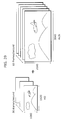
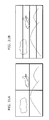
- FIGS. 31A and 31B is an illustration for an example of parallel decoding processing.
- the image decoding apparatus 300 obtains a bit stream including four segment streams, and stores it into the stream buffer 211.
- Each of the four segment streams is an independent stream, and as shown in FIG. 31A , indicates a moving picture in the segment among the four segments of a picture.
- the image decoding apparatus 300 obtains a bit stream including pictures composed of four slices, and stores it into the stream buffer 211.
- the four slices are generated by horizontally dividing the picture into four segments as shown in FIG. 31B .
- each of the image decoding apparatuses in Patent Literatures 1 and 2 segments each of the pictures in a bit stream generated conforming to MPEG-2 into slices, and performs parallel decoding processing on the respective slices.
- the image decoding apparatus in Patent Literature 3 segments each of the pictures in a bit stream generated conforming to H. 264/AVC into MB lines, and performs parallel decoding processing on the respective MB lines.
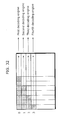
- FIG. 32 is an illustration of decoding processing performed by the image decoding apparatus according to Patent Literature 3.
- the first decoding engine of the image decoding apparatus decodes the 0th MB line in a picture
- the second decoding engine decodes the first MB line in the picture
- the third decoding engine decodes the second MB line in the picture.
- each of the decoding engines sequentially decodes the macroblocks from left end to right end of each MB lines.
- a current macroblock to be decoded has dependent relationships with the macroblocks located at the left, left above, above, and right above positions when seen from the current macroblock.
- each of the decoding engines requires information obtained by decoding the macroblocks located at the left, left above, above, and right above positions when seen from the current macroblock. Accordingly, each of the decoding engines starts decoding the current macroblock after the decoding of these required macroblocks is completed.
- decoding of the current macroblock is started after the decoding of the other macroblocks is completed.
- the image decoding apparatus executes parallel decoding on the macroblocks located two segments apart vertically and one segment apart horizontally.
- Patent Literatures 1 to 4 entail a problem of not being able to execute appropriate parallel decoding processing or a problem of requiring a complicated apparatus configuration.
- each of the image decoding apparatuses according to Patent Literatures 1 and 2 segments each of pictures into slices and executes parallel decoding on the respective slices, each of the image decoding apparatuses cannot execute appropriate parallel decoding processing on a bit stream such as an H. 264/AVC bit stream in which the sizes and positions of the slices are arbitrarily set.
- unequal loads are placed on the decoding engines provided to the image decoding apparatus, which disable the image decoding apparatus to effectively execute decoding utilizing parallel processing. For example, in the case where a picture is composed of a slice, the image decoding apparatus cannot segment the picture, and thus one of the decoding engines must decode the whole picture.
- the present invention has been conceived in view of this, and thus has an object to provide image decoding apparatuses and image decoding methods for appropriately executing parallel decoding processing only requiring a simple configuration.
- an image decoding apparatus which decodes a bit stream including coded image data includes: an obtainment unit configured to obtain the bit stream; a stream segmentation unit configured to generate N segment streams by segmenting each of coded pictures included in the bit stream obtained by the obtainment unit into structural units, and assigning, as a portion, each of the structural units to a corresponding one of the N segment streams to be generated, N being an integer equal to or greater than 2; and N decoding units configured to decode, in parallel, the respective N segment streams generated by the stream segmentation unit, wherein, when the stream segmentation unit segments a slice in one of the coded pictures into slice portions and assigns each of the slice portions to the corresponding one of the N segment streams in generating the N segment streams, the stream segmentation unit reconstructs a slice portion group as a new slice so that the slice portion group is recognized as the new slice by an associated one of the N decoding units, the slice portion group including at least one slice portion to be assigned
- each of the coded pictures is segmented into structural units such as plural macroblock lines, and each of the macroblock lines is assigned as a portion of the corresponding one of the segment stream to the associated one of the N decoding units.
- This allows the respective N decoding units to equally share the decoding processing, and execute appropriate parallel decoding processing.
- the coded picture is segmented into plural macroblock lines, and thus the load to decode the slice is equally shared by the N decoding units without being placed on one of the decoding units.
- each of the segment streams includes slice portion groups each composed of at least one slice portion that is a chip of a slice, instead of including the whole slice in the coded picture.
- the slice portion groups may not include a header indicating the beginning of the group, and end information indicating the end.
- the stream segmentation unit reconstructs the slice portion group as the new slice by inserting supplemental information required to decode the new slice to a beginning of the slice portion group.
- the decoding unit can recognize the correct address of the starting macroblock in the slice portion group by reading out the address information without performing any special processing.
- the stream segmentation unit may be further configured to: obtain mode information indicating whether or not to perform segmentation; and output each of bit streams obtained by the obtainment unit to a corresponding one of the N decoding units in the case where the mode information indicates that no segmentation should be performed, and the respective N decoding units may be further configured to receive and decode, in parallel, the bit streams outputted by the stream segmentation unit.
- mode information it is possible to switch between processing of segmenting a bit stream into segment streams and decoding these segment streams in parallel and processing of decoding bit streams in parallel.
- mode information it is possible to reproduce a 4k2k high-resolution image, and simultaneously reproduce a multi-channel HD image.
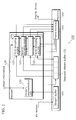
- the image decoding apparatus 100 is a simply-structured apparatus which executes appropriate parallel decoding processing, and includes a decoder 110 and a memory 150.
- the decoder 110 generates decoded image data by reading out the bit stream stored in the stream buffer 151 in the memory 150 and decodes the bit stream, and stores the decoded image data into the frame memory 153 in the memory 150.
- this decoder 110 includes a stream segmentation unit 130, and N decoding engines (first decoding engine to N-th decoding engine) 120.
- the stream segmentation unit 130 segments each of the pictures into plural MB lines, and assigns, as a portion, each of both the two MB lines belonging to each of the MB line pairs to a corresponding one of the segment streams.
- each of pictures is not composed of MBAFFs.
- descriptions are given of the unique processes for such MBAFFs as necessary.
- the following descriptions given of pictures that are not composed of MBAFFs can be interpreted as descriptions given of pictures that are composed of MBAFFs by replacing MB lines with MB line pairs in the descriptions.
- the stream segmentation unit 130 checks whether or not a header exists immediately before an MB line in a bit stream or between two macroblock lines belonging to the MB line, and in the case where a header exists as such, the stream segmentation unit 130 attaches the header to the MB line and assigns it as a portion of the segment stream.
- Such segmentation into MB lines by the stream segmentation unit 130 results in segmentation of slices arranged across plural MB lines in each of the pictures. Furthermore, in segmenting a bit stream into N segment streams, the stream segmentation unit 130 removes dependency relationships between macroblocks arranged across N segment streams prior to variable length decoding processing.
- Each of the N decoding engines 120 generates N segments of decoded image data by reading out a current segment stream to be processed by the decoding engine 120 itself from the segment stream buffer 152, and performs parallel decoding on the read-out segment streams. For example, the first decoding engine 120 reads out a first segment stream from the segment stream buffer 152, the second decoding engine 120 reads out a second segment stream from the segment stream buffer 152, the third decoding engine 120 reads out a third segment stream from the segment stream buffer 152, and the fourth decoding engine 120 reads out a fourth segment stream from the segment stream buffer 152. Subsequently, the respective first decoding engines 120 to the fourth decoding engine 120 perform parallel decoding on the first to fourth segment streams.
- each of the N decoding engines 120 decodes the segment stream by performing motion compensation as necessary with reference to decoded image data already stored in the frame memory 153.
- the corresponding one of the N decoding engines 120 obtains, as adjacent MB information, information of the decoded macroblocks located at the left above, above, and right above positions with respect to the current macroblock to be decoded from the decoding engines 120 which have decoded the macroblocks.
- the decoding engine 120 which has obtained the adjacent MB information decodes the current macroblock to be decoded using the adjacent MB information.
- the decoding engine 120 obtains, as adjacent MB information, information of the decoded macroblocks located at the left above, above, and right above positions with respect to the current macroblock to be decoded from the decoding engines 120 which have decoded the macroblocks.
- N 4
- the decoding engine 120 starts decoding the current macroblock to be decoded using the adjacent MB information.
- the respective first decoding engine 120 to fourth decoding engine 120 decode, in parallel, the macroblocks located in the MB lines at different horizontal positions.
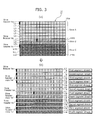
- FIG. 2A is a diagram showing decoding orders of a picture that is not composed of MBAFFs.
- the first decoding engine 120 decodes the 0th MB line
- the second decoding engine 120 decodes the first MB line
- the third decoding engine 120 decodes the second MB line
- the fourth decoding engine 120 decodes the third MB line.
- the K-th (K is an integer equal to or greater than 0) MB line corresponds to the K-th MB line from the top end of a picture.
- the 0th MB line is located at the 0th position from the top end of the picture.
- the first decoding engine 120 starts decoding the 0th MB line first.
- the second decoding engine 120 starts decoding the left-end mackroblocks of the first MB line.
- the third decoding engine 120 starts decoding the left-end mackroblocks of the second MB line.
- the fourth decoding engine 120 starts decoding the left-end mackroblocks of the third MB line.
- the (K + 1)-th MB line is decoded in order from left-end macroblock to right-end macroblock with a delay by two macroblocks from when the K-th macroblock line is decoded.
- the first decoding engine 120 decodes the 0th MB line pair
- the second decoding engine 120 decodes the first MB line pair
- the third decoding engine 120 decodes the second MB line pair
- the fourth decoding engine 120 decodes the third MB line pair.
- the K-th (K denotes an integer equal to or greater than 0) MB line pair is a structural unit corresponding to the K-th two rows (MB lines) of macroblocks from top end of a picture.
- the 0th MB line is the 0th two MB lines from the top end of the picture.
- the first decoding engine 120 starts decoding the 0th MB line pair first.
- the second decoding engine 120 starts decoding the left-end mackroblocks of the first MB line pair.
- the third decoding engine 120 starts decoding the left top end mackroblocks of the second MB line pair.
- the fourth decoding engine 120 starts decoding the left-top-end mackroblocks of the third MB line pair.
- the (K + 1)-th MB line pair is decoded in order from left-end macroblock pair to right-end macroblock pair with a delay by two macroblock pairs from when the K-th MB line pair is decoded.
- the image decoding apparatus 100 in this embodiment is characterized by reconstructing, as a new slice, a slice or a segment slice group (slice portions) generated by the stream segmentation unit 130 in the segmentation.
- the slice reconstruction involves slice header insertion processing, slice end processing, and processing of updating MB address information.
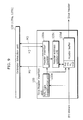
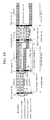
- FIG. 3 is an illustration of processing of inserting slice headers in a picture.
- the stream segmentation unit 130 segments the picture p1 shown in FIG. 3(a) .
- the picture p1 is composed of slices A, B, and C, and in other words, MB lines L1 to L12.
- the slice A covers MB lines L1 to L7, and includes a slice header ha and plural macroblocks mba arranged sequentially next to the slice header ha.
- the slice B covers MB lines L7 and L8, and includes a slice header hb and plural macroblocks mbb arranged sequentially next to the slice header hb.
- the slice C covers MB lines L9 to L12, and includes a slice header hc and plural macroblocks mbc arranged sequentially next to the slice header hc.
- Each of the slice headers includes supplemental information necessary for decoding the slices having the slice header.
- the stream segmentation unit 130 segments the picture p1 into MB lines. Subsequently, the stream segmentation unit 130 assigns, as a portion, each of the MB lines L1 to L12 sequentially from the top to a corresponding one of the first to fourth segment streams. For example, the stream segmentation unit 130 assigns, as portions of the respective first to fourth segment streams, the MB line L1 to the first segment stream, the MB line L2 to the second segment stream, the MB line L3 to the third segment stream, and the MB line L4 to the fourth segment stream. Subsequently, upon completion of the MB line to the fourth segment stream, the stream segmentation unit 130 repeats such assignment of MB lines starting with the first segment stream.
- the stream segmentation unit 130 assigns, as portions of the respective MB line L5 to MB line L8, the MB line L5 to the first segment stream, the MB line L6 to the second segment stream, the MB line L7 to the third segment stream, and the MB line L8 to the fourth segment stream.
- the first segment stream includes the MB lines L1, L5, and L9 in sequence
- the second segment stream includes the MB lines L2, L6, and L10 in sequence
- the third segment stream includes the MB lines L3, L7, and L11 in sequence
- the fourth segment stream includes the MB lines L4, L8, and L12 in sequence.
- a set of the MB lines L1 to L6 and the top six macroblocks in the MB line L7 that are slice portions corresponds to the slice A
- a set of the last 10 macroblocks in the MB line L7 that are slice portions corresponds to the slice B
- a set of MB lines L8 to L12 that are slice portions corresponds to the slice C.
- a slice portion group (the slice A in the first segment stream) is composed of the MB lines L1 and L5 that are slice portions of the slice A.
- a slice portion group (the slice A in the second segment stream) is composed of the MB lines L2 and L6 that are slice portions of the slice A.
- the first segment stream includes MB lines L1, L5, and L9 in sequence.
- the MB lines L1 and L5 should be recognized as the slice A
- the MB line L9 should be recognized as the slice C.
- the slice header ha of the slice A must be disposed at the beginning of the MB line L1 that should be the beginning of the slice A in the first segment stream
- the slice header hc of the slice C must be disposed at the beginning of the MB line L9 that should be the beginning of the slice C in the first segment stream.
- the slice headers ha and hc are arranged, in advance, at the beginning of the respective MB lines L1 and L9, and thus the only thing that must be performed by the stream segmentation unit 130 is to assign the MB lines L1, L5, and L9 to the first segment stream together with the slice headers ha and hc.
- the second segment stream includes MB lines L2, L6, and L10 in sequence.
- the MB lines L2 and L6 should be recognized as the slice A
- the MB lines L10 should be recognized as the slice C.
- the slice header ha of the slice A must be disposed at the beginning of the MB line L2 that should be the beginning of the slice A in the second segment stream
- the slice header hc of the slice C must be disposed at the beginning of the MB line L10 that should be the beginning of the slice C in the second segment stream.
- the stream segmentation unit 130 generates three slice header copies ha' by copying the slice header ha, and inserts the slice header copies ha' into the positions immediately before the MB lines L2, L3, and L4. Furthermore, the stream segmentation unit 130 generates a slice header copy hb' by copying the slice header hb, and inserts the the slice header copy hb' into the position immediately before the MB lines L8. Furthermore, the stream segmentation unit 130 generates three slice header copies hc' by copying the slice header hc, and inserts the slice header copies hc' into the MB lines L10, L11, and L12.
- the stream segmentation unit 130 updates MB address information included in the slice header copies depending on the insertion positions when inserting the slice header copies into the segment streams as described above.
- each of the slice headers of the slices that constitute a picture in a bit stream includes MB address information such as "first_mb_in_slice" for identifying the address of the starting macroblock of the slice in the picture.
- each of the slice header copies generated by copying such slice headers originally includes the same MB address as the MB address of the copy-source slice header.
- each of the slice header copies specifies an erroneous address identified based on the MB address information of the slice header copy when being inserted to a position different from the position of the copy-source slice header in the picture.
- the address identified based on the MB address information of the slice header copy specifies the address of the starting macroblock in the slice having the slice header of the copy source instead of specifying the address of the starting macroblock in the slice having the slice header copy in the picture in the segment stream.
- the slice header ha of the slice A in the picture p1 includes MB address information identifying the address of the starting macroblock (the starting macroblock in the MB line L1) in the slice A.
- the slice header copy ha' generated by copying the slice header ha originally includes MB address information for identifying the address of the starting macroblock in the MB line L1 in the picture p1.
- the address identified based on the MB address information of the slice header copy ha' specifies the address of the starting macroblock in the MB line L1 instead of specifying the address of the starting macroblock (the starting macroblock in the MB line L2) in the slice A having the slice header copy ha' in the second segment stream.
- the stream segmentation unit 130 in this embodiment updates the MB address information included in the slice header copies as described above.
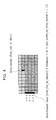
- FIG. 4 is an illustration of processing of updating MB address information.
- the stream segmentation unit 130 obtains "pic_width_in_mbs_minus 1" that is information related to the number of macroblocks in the horizontal direction of a picture, from an SPS (Sequence Parameter Set) included in the bit stream.
- SPS Sequence Parameter Set
- the stream segmentation unit 130 determines the address of the starting macroblock in the slice having the slice header of the copy source using the MB address information "first_mb_in_slice" included in the slice header of the copy source.
- the stream segmentation unit 130 calculates "mbposv” that is a value indicating the order of the MB line in which a current starting macroblock is located in the picture, based on the determined address of the starting macroblock.
- the value "mbposv” is an integer equal to or greater than 0.
- the stream segmentation unit 130 updates the MB address information originally included in the slice header copy to the MB address information determined as described above. In this way, the address identified based on the MB address information of the slice header copy specifies the correct address of the starting macroblock in the slice having the slice header copy in the picture in the segment stream.
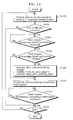
- the image decoding apparatus 100 obtains a bit stream (Step S10), and determines the current coded pictures to be processed in the bit stream (Step S12). Furthermore, the image decoding apparatus 100 extracts an MB line by segmenting the pictures to be processed (Step S14). In the case where a slice header exists immediately before an MB line or between two macroblocks belonging to the MB line, the MB line is extracted together with the slice header.
- Step S20 the image decoding apparatus 100 assigns the MB line to one of the first to the N-th segment streams to be generated.
- This Step S20 is repeatedly performed to sequentially assign MB lines to the first to N-th segment streams, thereby generating the first to the N-th segment streams.
- the stream segmentation unit 130 of the image decoding apparatus 100 performs slice header insertion processing in the slice reconstruction process of Step S18.
- the stream segmentation unit 130 may directly provide the slice header copies to the decoding engines 120 that require the respective slice headers without performing such slice header insertion processing.
- the stream segmentation unit 130 performs MB address information update processing in the slice reconstruction process of Step S18.
- the stream segmentation unit 130 may skip such update processing. In this case, for example, the decoding engines 120 update the MB address information of the slice header copies in the segment streams.
- the start code detection unit 131 reads out a bit stream from the stream buffer 151, and detects the start code of each of NAL units.
- the EPB removal unit 132a removes the EPBs (bytes for emulation prevention) from the bit stream, and outputs the bit stream without the EPBs to the slice data processing units 134a and 134b. Furthermore, the EPB removal unit 132a obtains information such as SPSs (Sequence Parameter Sets) and PPSs (Picture Parameter Sets) that are included in layers higher than the layer of slices in the bit stream, and outputs the information items to the EPB insertion unit 132b so as to enable the EPB insertion unit 132b to insert the information items to the respective four segment streams.
- SPSs Sequence Parameter Sets
- PPSs Physical Parameter Sets
- the EPB insertion unit 132b inserts the EPBs removed by the EPB removal unit 132a into the segment streams that are generated by segmenting the bit stream.
- the slice header insertion unit 133 executes the aforementioned slice header insertion processing and MB address information update processing.
- the slice header insertion unit 133 executes the slice header insertion processing at a predetermined timing. The timing is after the slice header insetion unit 133 transmits, to the slice data processing units 134a and 134b, a slice header processing detail notification M1 indicating whether or not slice header insertion processing is to be performed, and when it receives a slice-end processing completion notification M2 from the slice data processing units 134a and 134b.
- the slice header insertion unit 133 outputs, to the EPB insertion unit 132b, the slice header immediately before a current MB line and the slice header copy with updated MB address information.
- the slice data processing units 134a and 134b generate four segment streams by segmenting the bit stream without the EPBs, and output the four segment streams.
- the segment streams outputted from the slice data processing units 134a and 134b do not include slice headers and slice header copies in the MB lines or at the positions immediately before the MB lines.
- the slice data processing unit 134a executes processing in accordance with CAVLD (Context-Adaptive Variable Length Decoding), and segments the bit stream generated by CAVLC (Context-Adaptive Variable Length Coding) into four segment streams.
- the slice data processing unit 134b executes processing in accordance with CABAD (Context-Adaptive Binary Arithmetic Decoding), and segments the bit stream generated by CABAC (Context-Adaptive Binary Arithmetic Coding) into four segment streams.
- CAVLD Context-Adaptive Variable Length Decoding
- CABAC Context-Adaptive Binary Arithmetic Coding
- the slice data processing unit 134a includes a slice data layer decoding unit 135a, a macroblock layer decoding unit 136a, a skip run segmentation unit 137a, a QP calculation unit 138a, and a delimiter detection unit 139a.
- the slice data layer decoding unit 135a performs variable length decoding on coded data in the slice data layer in the bit stream.
- the macroblock layer decoding unit 136a performs variable length decoding on coded data in the macroblock layer in the bit stream. Dependency relationships between adjacent macroblocks are dissolved by such variable length decoding performed by the slice data layer decoding unit 135a and the macroblock layer decoding unit 136a.
- the slice data layer decoding unit 135a and the macroblock layer decoding unit 136a may decode only information (specifically, nCs (non-zero coefficients) in CAVAC) which is dependent on macroblocks adjacent to a current macroblock to be processed.
- the skip run segmentation unit 137a modifies the MB skip run information "mb_skip_run" decoded by the slice data layer decoding unit 135a, codes the modified MB skip run information, and outputs the coded MB skip run information.
- the MB skip run information indicates the number of macroblocks to be skipped in sequence.
- the MB skip run information decoded by the slice data layer decoding unit 135a indicates the number of macroblocks to be skipped in sequence in the set.
- segmenting a picture into MB lines and assigning the MB lines to separate segment streams changes the number of macroblocks to be skipped in sequence in the respective segment streams.
- the skip run segmentation unit 137a determines, for each of MB lines including a portion of such set, the number of macroblocks which constitute the portion included in the MB line and are to be skipped in sequence. Subsequently, the skip run segmentation unit 137a modifies the MB skip run information such that the number of macroblocks indicated by the MB skip run information is the number specified for the MB line.
- the QP calculation unit 138a transforms the QP variation "mb_qp_delta" of each macroblock decoded by the macroblock layer decoding unit 136a into a QP value (a value of a quantized parameter), and outputs the QP value.
- the QP variation is included in the macroblock (current macroblock), and indicates the difference between the QP value of the current macroblock and the QP value of the macroblock located at the left side (the left-side macroblock) with respect to the current macroblock.
- the delimiter detection unit 139a segments the bit stream into four segment streams. More specifically, the delimiter detection unit 139a segments each of the pictures into plural MB lines, and assigns each of the MB lines to a corresponding one of the four segment streams. In the case where a slice header is placed immediately before a current MB line or between two macroblocks belonging to the current MB line, the delimiter detection unit 139a assigns only the MB line to a corresponding one of the segment streams without assigning the slice header. Furthermore, the delimiter detection unit 139a provides each of the segment streams with MB skip run information obtained from the skip run segmentation unit 137a and the QP value obtained from the QP calculation unit 138a.
- the delimiter detection unit 139a detects the end of a current slice in the segment stream and receives the slice header processing detail notification M1 from the slice header insertion unit 133, it executes the aforementioned slice-end processing according to the details indicated by the slice header processing detail notification M1. In addition, upon completion of the slice-end processing, the delimiter detection unit 139a transmits the end processing completion notification M2 to the slice header insertion unit 133.
- the slice data processing unit 134b includes a slice header layer decoding unit 135b, a macroblock layer decoding unit 136b, a QP calculation unit 138b, and a delimiter detection unit 139b.
- the QP calculation unit 138b transforms the QP variation "mb_qp_delta" of each macroblock decoded by the macroblock layer decoding unit 136b into a QP value (a value of a quantized parameter), and outputs the QP value.
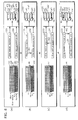
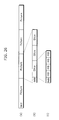
- FIG. 8 is an illustration of operations performed by the slice header insertion unit 133 and the slice data processing unit 134.
- the slice data processing unit 134 stores only the MB line La3 into the third area df3 without storing the slice-end information ea. Subsequently, the slice data processing unit 134 stores slice-end information ea' corresponding to the slice-end information ea into the third area df3 when storing an MB line belonging to a new slice into the third area df3.
- a slice header hb of the slice B is stored in advance in the fourth area df4 by the slice header insertion unit 133 by the time when the slice data processing unit 134 tries to store the MB line Lb1 into the fourth area df4.
- another MB line of the slice A exists before the MB line La1 of the slice A. Accordingly, no slice header copy of the slice A is inserted immediately before the MB lines La1, La2, and La3 of the first area df1, the second area df2, and the third area df3.
- the delimiter detection units 139a and 139b of the slice data processing unit 134 determines whether or not all the macroblocks in a current MB line have been outputted. As a result, when each of the delimiter detection units 139a and 139b detects that all the macroblocks have been outputted, it detects a boundary between MB lines (the end of the MB line). Each of the delimiter detection units 139a and 139b stops the macroblock output processing each time of detecting an MB line boundary, and notifies the slice header insertion unit 133 of the detection of the MB line boundary.
- the slice header insertion unit 133 receives a notification of the detection of the MB line boundary from the delimiter detection units 139a and 139b of the slice data processing unit 134.
- the slice header insertion unit 133 that received the notification of the detection of the MB line boundary transmits the slice header processing detail notification M1 to the slice data processing unit 134.
- the slice header processing detail notification M1 shows "Output" or "No output” as information for notifying the slice data processing unit 134 of whether or not a slice header is to be outputted to and stored in the segment stream buffer 152 immediately before a next MB line from the slice data processing unit 134 is stored in the segment stream buffer 152.
- a slice header processing detail notification M1 showing "Output" is a notification urging the slice data processing unit 134 to perform slice-end processing.
- the slice header insertion unit 133 determines that a slice header copy hb' is outputted to and stored in the segment stream buffer 152 immediately before a next MB line Lb2 from the slice data processing unit 134 is stored into the segment stream buffer 152. At this time, the slice header insertion unit 133 outputs the slice header processing detail notification M1 showing "Output" to the slice data processing unit 134.
- the slice data processing unit 134 in the case where the slice data processing unit 134 receives the slice header processing detail notification M1 showing "Output”, the slice data processing unit 134 generates slice-end information ea', and stores the slice-end information ea' into the first area df1 of the segment stream buffer 152. Upon completion of the storage, the slice data processing unit 134 outputs the end processing completion notification M2 to the slice header insertion unit 133.
- the slice header insertion unit 133 receives the end processing completion notification M2 from the slice header processing unit 134 and the slice header processing detail notification M1 outputted immediately before shows "Output"
- the slice header insertion unit 133 outputs the slice header to store it into the segment stream buffer 152 via the EPB insertion unit 132b, and subsequently outputs a slice header processing completion notification M3 to the slice data processing unit 134.
- the slice header processing detail notification M1 outputted immediately before shows "No output the slice header insertion unit 133 outputs the slice header processing completion notification M3 to the slice data processing unit 134 without storing the slice header into the segment stream buffer 152.
- the slice header insertion unit 133 receives the end processing completion notification M2 from the slice data processing unit 134 when the immediately-outputted slice header processing detail notification M1 shows "Output"
- the slice header insertion unit 133 generates a slice header copy hb' and stores it into the first area df1 of the segment stream buffer 152 as shown in FIG. 8(d) .
- the slice header insertion unit 133 outputs the slice header processing detail notification M3 to the slice data processing unit 134.
- each of the delimiter detection units 139a and 139b of the slice data processing unit 134 receives the slice header processing completion notification M3 from the slice header insertion unit 133, it re-starts macroblock output processing that has been stopped to output a next MB line and store the MB line into the segment stream buffer 152.
- the slice data processing unit 134 outputs the next MB line Lb2 and stores it into the first area df1 of the segment stream buffer 152.
- FIG. 9 is a block diagram showing a structure of the slice header insertion unit 133.
- delimiter detection units 139a and 139b are not differentiated from each other and referred to as delimiter detection units 139.
- the header insertion counter 133b when the header insertion counter 133b outputs the slice header processing detail notification M1 to the delimiter detection unit 139 and receives the end processing completion notification M2 from the delimiter detection unit 139, and in the case where the outputted slice header processing detail notification M1 shows "Output", the header insertion counter 133b causes the header buffer 133d to output the slice header stored in the header buffer 133d. Subsequently, the header insertion counter 133b outputs the slice header processing completion notification M3 to the delimiter detection unit 139.
- the slice header insertion unit 133 selects an area as a storage destination in the segment stream buffer 152 according to the value indicated by the MB address information included in the slice header.
- FIG. 10 is a diagram showing MB lines and slice headers assigned to the first area df1 to the fourth area df4 in the segment stream buffer 152.
- the stream segmentation unit 130 reads out the slices A, B, and C of the bit stream stored in the stream buffer 151 in this listed order.
- the second MB line includes plural macroblocks belonging to the slice A, the slice header hb of the slice B, and plural macroblocks belonging to the slice B.
- the delimiter detection unit 139 of the slice data processing unit 134 stores all the macroblocks belonging to the slice A included in the second MB line into the second area df2. Upon completion of the storage, the delimiter detection unit 139 temporally stops the macroblock output processing, and waits for reception of the slice header processing detail notification M1 from the slice header insertion unit 133.
- the header buffer 133d of the slice header insertion unit 133 extracts the slice header hc from the beginning of the slice C next to the second MB line in the bit stream, and stores the slice header hc.
- the header insertion counter 133b resets the count value to 0. Since the count value at the end of the second MB line is 0, the header buffer 133d outputs the stored slice header hc, and stores the slice header hc into the third area df3 of the segment stream buffer 152.
- slice-end information ea' is provided at the boundary between the slices in the MB line and the end of each of the three MB lines located immediately before the MB line.
- the delimiter detection unit 139 manages the addresses of macroblocks (MB address values) to be outputted. More specifically, when a current macroblock to be outputted is the starting macroblock in a slice in the bit stream, the delimiter detection unit 139 updates the MB address value of the macroblock to be outputted to a value indicated by the MB address information included in the slice header of the slice. Subsequently, the delimiter detection unit 139 increments the MB address value each time a macroblock succeeding the starting macroblock is outputted.
- MB address values are integer equal to or greater than 0.
- the delimiter detection unit 139 determines whether or not the macroblock outputted in Step S100 is located at the end (boundary) of the MB line, that is, whether or not the last macroblock in the MB line has already been subjected to the macroblock output processing (Step S102). More specifically, the delimiter detection unit 139 determines whether or not the MB address value of the macroblock outputted in Step S100 is a value obtained by (a multiple of W minus 1).
- Step S104 When the delimiter detection unit 139 determines that no slice header processing detail notification M1 has been received (No in Step S104), the delimiter detection unit 139 waits until a slice header processing detail notification M1 is received. In contrast, when the delimiter detection unit 139 determines that a slice header processing detail notification M1 has been received (Yes in Step S104), the delimiter detection unit 139 determines whether or not the slice header processing detail notification M1 shows "Output" (Step S106).
- Step S114 determines whether or not data to be processed next remains in the bit stream, that is, whether or not to finish the output processing.
- the present invention makes it possible to accelerate decoding processing compared to the image decoding apparatus in Patent Literature 3. More specifically, the image decoding apparatus in Patent Literature 3 does not perform, in parallel, variable length decoding and deblocking filtering on a bit stream. In other words, the image decoding apparatus in Patent Literature 3 does not appropriately segment the bit stream. More specifically, data to be generated by segmenting the bit stream is not constructed as a stream that can be decoded by a conventional decoding engine. In contrast, the image decoding apparatus 100 according to the present invention appropriately segments a bit stream into plural segment streams, thereby allowing the respective decoding engines 120 to execute, in parallel, variable length decoding and deblocking filtering in the same manner as the decoding engine 220 shown in FIG. 28 . As a result, the image decoding apparatus according to the present invention can accelerate decoding processing.
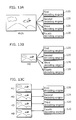
- FIGS. 13A, 13B, and 13C are illustrations of high-resolution decoding, high-speed decoding, and multi-channel decoding, respectively.
- the stream segmentation unit 130 of the image decoding apparatus 100 when the stream segmentation unit 130 of the image decoding apparatus 100 obtains the mode information directing execution of high-resolution decoding, it segments a 4k2k bit stream into four segment streams as described above, and causes each of the decoding engines 120 to decode a corresponding one of the four segment streams.
- each of the four decoding engines 120 has a processing performance sufficient to decode two channels of HD images (1920 x 1088 pixels, 60i), and thus the image decoding apparatus 100 can process the 4k2k image (3840 x 2160 pixels, 60p) in real time.
- the stream segmentation unit 130 of the image decoding apparatus 100 obtains the mode information directing execution of high-speed decoding, it segments an HD bit stream into four segment streams as described above, and causes each of the decoding engines 120 to decode a corresponding one of the four segment streams.
- the stream segmentation unit 130 of the image decoding apparatus 100 when it obtains mode information directing execution of multi-channel decoding, it causes each of the decoding engines 120 to decode the corresponding one of the bit streams without segmenting each of the plural HD bit streams.
- the stream segmentation unit 130 does not copy and insert various NAL units such as SPSs, PPSs, and slices, and only allocates each of the bit streams (channels) to a corresponding one of the areas in the segment stream buffer 152.
- each of the four decoding engines 120 has a processing performance sufficient to decode two channels of HD images (1920 x 1088 pixels, 60i), and thus the image decoding apparatus 100 can simultaneously decode eight channels at maximum, that is, eight HD bit streams. Furthermore, in the case of decoding channels (bit streams) equal to or less than the maximum number of channels, the image decoding apparatus 100 can lower the clock frequency of each decoding engine 120, thereby being able to reduce its power consumption. For example, in the case of decoding four channels, the image decoding apparatus 100 causes the first and second decoding engines to decode the two channels, respectively, and causes the remaining third and fourth decoding engines 120 to stop decoding. Otherwise, the image decoding apparatus 100 causes the first decoding engine 120 to the fourth decoding engine 120 to operate at a clock frequency reduced to 1/2.
- the image decoding apparatus 100 in this embodiment switches decoding processing between high-resolution decoding, high-speed decoding, and multi-channel decoding, according to mode information, thereby being able to increase user friendliness.
- the high-resolution decoding and high-speed decoding performed in the image decoding apparatus 100 are the same in terms of involving segmenting a bit stream into four segment streams, and decoding these in parallel.
- the high-resolution decoding and high-speed decoding are different only in the resolutions and frame rates (4k2k or HD) of the bit streams to be decoded. Accordingly, the image decoding apparatus 100 switches decoding processing between high-resolution decoding and high-speed decoding according to mode information, and further switches decoding processing between high-resolution decoding and high-speed decoding according to the resolutions and frame rates of the bit streams.
- the header address update unit 133c of the stream segmentation unit 130 updates MB address information included in slice header copies.
- the decoding engines 120 may update MB address information stream in place of the stream segmentation unit 130.
- the stream segmentation unit 130 outputs slice header copies without updating the MB address information included in the slice header copies.
- the decoding engines 120 update the MB address information included in the slice header copies before obtaining and processing the slice header copies.
- FIG. 14 is a diagram showing pseudecodes that are used by a decoding engine 120 according to Variation 1 in updating MB address information.
- a 0th decoding engine 120 is the first decoding engine 120
- a first decoding engine 120 is the second decoding engine 120
- a second decoding engine 120 is a third decoding engine 120
- a third decoding engine 120 is the fourth decoding engine 120.
- the "org_header_num"-th decoding engine 120 decodes the MB line having the slice header of the copy source.
- the decoding engine 120 updates the MB address information "mb_address" included in the slice header copy to "((first_mb_in_slice/pic_width_in_mbs) + d) * pic_width_in_mbs * 2".
- the decoding engine 120 updates the MB address information "mb_address” included in the slice header copy to "((first_mb_in_slice/pic_width_in_mbs) + d) * pic_width_in_mbs"
- timings for updating MB addresses are not limited to the timings at which the stream segmentation unit 130 segments a bit stream. The timings may be after the bit stream is generated, and any other timings before the decoding engine 120 processes slice header copies.
- the stream segmentation unit 130 inserts a slice header to each of segment streams requiring the slice header copy.
- the stream segmentation unit 130 may insert a slice header copy to other segment streams.
- the stream segmentation unit according to Variation 2 inserts slice header copies to each of the segment streams other than the segment stream including the slice header of the copy source irrespective of whether or not the slice header copies are necessary.
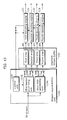
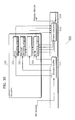
- FIG. 15 is a block diagram showing a stream segmentation unit, a segment stream buffer, and four decoding engines of an image decoding apparatus according to Variation 2.
- the stream segmentation unit 130c includes a slice header processing unit 133g, a slice data processing unit 134c, and a control unit 160.
- the stream segmentation unit 130c includes a start code detection unit 131, an EPB removal unit 132a, and an EPB insertion unit 132b.
- FIG. 15 does not include the structural elements such as the start code detection unit 131.
- the slice data processing unit 134c includes the same functions and structures as the slice data processing units 134a and 134b in the above-described embodiment.
- the slice data processing unit 134c segments each of the pictures in a bit stream into MB lines, and stores each of the MB lines into the first area df1, the second area df2, the third area df3, or the fourth area df4 sequentially from the top in this listed order.
- the slice data processing unit 134c stores the respective MB lines to the first area df1, the second area df2, the third area df3, and the fourth area df4 by switching areas in this listed order to the corresponding areas for storing the respective MB lines.
- the slice data processing unit 134c stores only MB lines in the areas of the segment stream buffer 152 even when a slice header is placed immediately before the MB lines in a bit stream. In the case where a slice header is in an MB line, the slice data processing unit 134c stores the MB lines without the slice header into the areas of the segment stream buffer 152.
- the slice header processing unit 133g simultaneously outputs the slice headers to the first area df1 to the fourth area df4 such that the slice header of the copy source is stored in the first area df1, and the three slice header copies are inserted to the beginning of the respective MB lines and stored in the second area df2, the third area df3, and the fourth area df4.
- FIG. 16 is an illustration of operations performed by the stream segmentation unit 130c and the four decoding engines 121 in Variation 2.
- the first segment stream is outputted from the first area df1 which includes the slice header ha, the first MB line, and the slice header copies hb', hc', and hd'.
- the second segment stream is outputted from the second area df2 which includes the slice header hb, the second MB line, and the slice header copies ha', hc', and hd'.
- the third segment stream is outputted which includes the slice header hc, the third MB line, and the slice header copies ha', hb', and hd'.
- the fourth segment stream is outputted which includes the slice header hd, the fourth MB line, and the slice header copies ha', hb', and hc'.
- two slice headers that are the slice header copy ha' and the slice header hb are sequentially arranged before the second MB line, and the two slice header copies hc' and hd' are sequentially arranged after the second MB line.
- three slice headers that are the slice header copies ha' and hb' and the slice header hc are sequentially arranged before the third MB line, and the slice header copy hd' is placed after the third MB line.
- the first decoding engine 121 skips processing on two slice headers (slice header copies hb' and hc'), processes the slice header copy hd', and decodes the MB line subsequent to the slice header copy hd'.
- the decoding engine 121 first receives a notification of the total number of headers "3" from the control unit 160 when decoding the third MB line of the aforementioned third segment stream outputted from the third area df3. As a result, the third decoding engine 121 skips processing on the two slice headers (according to the total number of the headers minus 1). In other words, the third decoding engine 121 skips processing on the slice header copies ha' and hb', processes the slice header hc, and decodes the third MB line subsequent to the slice header hc. Next, the third decoding engine 121 receives a notification of the total number of headers "1" from the control unit 160. As a result, the third decoding engine 121 processes the slice header copy hd' without skipping the processing on the slice header, and decodes the MB line subsequent to the slice header copy hd'.
- the fourth decoding engine 121 first receives a notification of the total number of headers "4" from the control unit 160 when decoding the fourth MB line of the aforementioned fourth segment stream outputted from the fourth area df4. As a result, the fourth decoding engine 121 skips processing on the three slice headers (according to the total number of the headers minus 1). In other words, the fourth decoding engine 121 skips processing on the slice header copies ha', hb', and hc', processes the slice header hd, and decodes the fourth MB line subsequent to the slice header hd.
- the slice header processing unit 133h detects that current data is a slice header while sequentially obtaining data included in the bit stream from the beginning side, it simultaneously outputs the slice header to the first buffer 141 to the fourth buffer 144. As a result, the slice header is copied to generate four slice headers. More specifically, the slice header of the copy source included in the bit stream is stored into a corresponding one of the first buffer 141 to the fourth buffer 144, and the three slice header copies are stored in the respective remaining three buffers.
- the respective decoding engines 120 read out the segment streams from the associated areas in the segment stream buffer 152.
- the stream segmentation unit 12 segments a slice in one of the coded pictures into slice portions and assigns the respective slice portions to plural segment streams in the generation of the N segment streams
- the stream segmentation unit 12 reconstructs the slice portion groups as new slices so that each of the slice portion groups that includes at least one slice portion and is assigned to a corresponding one of the segment streams can be recognized as a slice by an associated one of the N decoding units 13.
- the stream segmentation unit 12 includes, for example, a copying unit 12a, an address update unit 12b, and an insertion unit 12c.
- the address update unit 12b is included in the stream segmentation unit 12, and updates the address information included in the supplemental information copy generated by the copying unit 12a. Subsequently, the insertion unit 12c inserts the supplemental information copy including the address information updated by the address update unit 12b to the beginning of the slice portion group.
- address update unit 12b may be outside the stream segmentation unit 12.
- FIG. 23 is a block diagram showing modified minimum structure of an image decoding apparatus according to the present invention.
- the image decoding apparatus 20 has the minimum structure for implementing the present invention, and includes an obtainment unit 11, a stream segmentation unit 22, an address update unit 12b, and N decoding units 13.
- the stream segmentation unit 22 includes only the copying unit 12a and the insertion unit 12c.
- the address update unit 12b and the stream segmentation unit 22 are provided outside the stream segmentation unit 22. In this case, the address update unit 12b updates the address information included in the supplemental information copy inserted to the beginning of the slice portion group by the insertion unit 12c.
- FPGA Field Programmable Gate Array
- Simply-structured image decoding apparatuses according to the present invention provide an advantageous effect of being able to properly execute parallel decoding processing.
- the image decoding apparatuses are applicable as reproduction devices which decode a bit stream of 4k2k.
Landscapes
- Engineering & Computer Science (AREA)
- Multimedia (AREA)
- Signal Processing (AREA)
- Computing Systems (AREA)
- Theoretical Computer Science (AREA)
- Compression Or Coding Systems Of Tv Signals (AREA)
Claims (13)
- Bildentschlüsselungsvorrichtung (100;10), welche einen Bitstrom entschlüsselt, der verschlüsselte Bilddaten enthält, wobei die Vorrichtung (100; 10) umfasst:eine Gewinnungseinheit (11), die eingerichtet ist, den Bitstrorn abzurufen;eine Stromsegmentierungseinheit (130; 12), die eingerichtet ist, N Segmentströme zu erzeugen durch Aufteilen eines jeden der in dem durch die Gewinnungseinheit abgerufenen Bitstrom enthaltenen, verschlüsselten Bilder in eine Mehrzahl von Struktureinheiten und durch Zuweisen einer jeden der Mehrzahl von Struktureinheiten zu einem der zu erzeugenden N Segmentströme als einen Anteil, wobei N eine ganze Zahl gleich oder größer als 2 ist; undN Entschlüsselungseinheiten (120; 13), die eingerichtet sind, parallel zueinander die entsprechenden durch die Stromsegmentierungseinheit (130; 12) erzeugten N Segmentströme zu entschlüsseln,wobei jede Struktureinheit einen Sliceanteil von zumindest einem Slice des verschlüsselten Bildes enthält und wobei, wenn die Stromsegmentierungseinheit (130; 12) die verschlüsselten Bilder in Struktureinheiten aufteilt und die Struktureinheiten den N Segmentströmen beim Erzeugen der N Segmentströme zuweist, und wenn die Stromsegmentierungseinheit (130;12) wenigstens einem Segmentstrom eine Mehrzahl von Struktureinheiten zuweist, welche Sliceanteile desselben Slices enthalten, wobei die Sliceanteile desselben Slices eine Sliceanteilsgruppe ausbilden, die Stromsegmentierungseinheit (130; 12)(i) für jeden der N Segmentströme feststellt, ob ein Anfang einer Sliceanteilsgruppe, welche dem entsprechenden der N Segmentströme zugewiesen werden soll, einem Anfang eines Slices in dem verschlüsselten Bild entspricht, oder ob dies nicht der Fall ist, wobei die Sliceanteilsgruppe die Sliceanteile desselben Slices enthält, der dem Entsprechenden der N Segmentströme zugewiesen werden soll; und,(ii) für den Fall, dass festgestellt wird, dass der Anfang der Sliceanteilsgruppe nicht dem Anfang des Slices entspricht, nur am Anfang der Sliceanteilsgruppe eine zusätzliche Information, die eine Adresse eines startenden Makroblocks enthält, in die Sliceanteilsgruppe einfügt.
- Bildentschlüsselungsvorrichtung nach Anspruch 1, wobei
die Stromsegmentierungseinheit (130; 12) eingerichtet ist, um die zusätzliche Information als Kopf am Anfang der Sliceanteilsgruppe einzufügen. - Bildentschlüsselungsvorrichtung nach Anspruch 1, wobei die Stromsegmentierungseinheit (130; 12) umfasst:eine Kopiereinheit (12a), die eingerichtet ist, eine Kopie der zusätzlichen Information zu erzeugen, indem sie die zusätzliche Information kopiert, welche die Adresse des startenden Makroblocks in dem Slice enthält und am Anfang des Slices in dem verschlüsselten Bild angeordnet ist, undeine Einfügungseinheit (133; 12c), die eingerichtet ist, die Kopie der zusätzlichen Information am Anfang der Sliceanteilsgruppe einzufügen, wobei diese Kopie als die zusätzliche Information betrachtet wird, unddie Bildentschlüsselungsvorrichtung (100;10) weiter umfasst:eine Adressenaktualisierungseinheit (133c, 12b), die eingerichtet ist, eine Adressinformation innerhalb der Kopie der zusätzlichen Information entsprechend einer Adressinformation, welche auf die Adresse des startenden Makroblocks in der Sliceanteilsgruppe hinweist, zu aktualisieren.
- Bildentschlüsselungsvorrichtung (100; 10) nach Anspruch 3, wobei
die Adressenaktuallsierungseinheit (133c, 12b) in der Stromsegmentierungseinheit (130; 12) enthalten und eingerichtet ist, die in der durch die Kopiereinheit (12a) erzeugten Kopie der zusätzlichen Information enthaltene Adressinformation zu aktualisieren, und
die Einfügungseinheit (133; 12c) eingerichtet ist, die Kopie der zusätzlichen Information, die die durch die Adressenaktualisierungseinheit aktualisiert Adressinformation enthält, am Anfang der Sliceanteilsgruppe einzufügen. - Bildentschlüsselungsvorrichtung nach Anspruch 3, wobei
die Adressenaktualisierungseinheit (133c, 12b) eingerichtet ist, die in der Kopie der zusätzlichen Information enthaltene Adressinformation zu aktualisieren, die durch die Einfügungseinheit (133, 12c) am Anfang der Sliceanteilsgruppe eingefügt wurde. - Bildentschlüsselungsvorrichtung (100; 10) nach Anspruch 1, wobei
der Slice innerhalb des Bitstroms am Anfang des Slices eine zusätzliche Information umfasst, die eine Adresse eines startenden Makroblocks in dem Slice enthält,
die Stromsegmentierungseinheit (130; 12) enthält:N Puffer (12f), von denen jeder einer der N Entschlüsselungseiheiten zugeordnet ist;eine Segmentausgabeeinheit (12e), welche eingerichtet ist, jedes der verschlüsselten Bilder in Struktureinheiten aufzuteilen, und jede der Struktureinheiten an einen Zugeordneten der N Puffer (12) auszugeben; undeine Zusatzinformationsverarbeitungseinheit (12d), die eingerichtet ist, nacheinander Daten abzurufen, die in dem verschlüsselten Bild enthalten sind, und die zusätzliche Information an die entsprechenden N Puffer auszugeben, wenn die zusätzliche Information in den nacheinander abgerufenen Daten enthalten ist;jeder der N Puffer (12f) ist eingerichtet, um:Daten, die in einer der durch die Segmentierungsausgabeeinheit (12e) beim gewinnen der Daten ausgegebenen Struktureinheiten enthalten sind, auszugeben;die zusätzliche Information, die durch die Zusatzinformationsverarbeitungseinheit (12d) ausgegeben wurde, zu empfangen und zu haltendie gehaltene zusätzliche Information vor der Ausgabe der Daten nur auszugeben, wenn die Daten der Zugewiesenen der Struktureinheiten sofort nach der zusätzlichen Information abgerufen wurde; unddie gehaltene zusätzliche Information mit einer neuen zusätzlichen Information zu überschreiben, wenn die neue zusätzliche Information sofort nach der gehaltenen zusätzlichen Information abgerufen wird, undjede der N Entschlüsselungseinheiten eingerichtet ist, den Segmentstrom, welcher die zusätzliche Information und die Daten der Zugewiesenen der Struktureinheiten enthält, zu entschlüsseln, wobei der Segmentstrom aus dem der Entschlüsselungseinheit zugeordneten Puffer ausgegeben wird. - Bildentschlüsselungsvorrichtung nach einem der Ansprüche 1 bis 6, wobei
in dem Fall, in dem die Sliceanteilsgruppe nicht an einem Ende eines Slices in dem verschlüsselten Bild endet, die Stromsegmentierungseinheit (130, 12) eine Endinformation, die ein Ende der Sliceantellsgruppe angibt, an das Ende der Sliceanteilsgruppe setzt. - Bildentschlüsselungsvorrichtung nach einem der Ansprüche 1 bis 7, wobei
die Stromsegmentierungseinheit weiter eingerichtet ist, eine Betriebsinformation abzurufen, die angibt, ob eine Segmentierung durchgeführt werden soll oder nicht; und
in dem Fall, in dem die Betriebsinformation angibt, dass keine Segmentierung durchgeführt werden soll, jeden der Bitströme, die durch die Gewinnungseinheit abgerufen worden sind, an eine der N Entschlüsselungseinheiten auszugeben, und
die entsprechenden N Entschlüsselungseinheiten (120; 13) weiter eingerichtet sind, parallel die Bitströme zu empfangen und zu entschlüsseln, die durch die Stromsegmentierungseinheit (130; 12) ausgegeben wurden. - Bildentschlüsselungsvorrichtung (100; 10) nach einem der Ansprüche 1 bis 8, wobei
die Stromsegmentierungseinheit (130; 12) eingerichtet ist, das verschlüsselte Bild in Struktureinheiten aufzuteilen, wobei als Struktureinheit eine Einheit betrachtet wird, die zumindest eine Makroblock-Linie enthält, die aus in einer Reihe entlang der Horizontalen des verschlüsselten Bildes angeordneten Makroblocks besteht. - Bildentschlüsselungsvorrichtung (100; 10) nach einem der Ansprüche 1 bis 8, wobei
die N Entschlüsselungseinheiten (120; 13) eine erste Entschlüsselungseinheit und eine zweite Entschlüsselungseinheit enthalten, und
wenn die erste Entschlüsselungseinheit einen ersten Sliceanteil entschlüsselt, der in einem Segmentstroms enthalten ist, welcher der ersten Entschlüsselungseinheit aus den N Segmentströmen zugeordnet worden ist, und die zweite Entschlüsselungseinheit einen zweiten Sliceanteil entschlüsselt, der in dem Segmentstrom enthalten, der der zweiten Entschlüsselungseinheit aus den N Segmentströmen zugewiesen ist, und wenn der erste Sliceanteil und der zweite Slcieanteil in dem verschlüsselten Bild aneinander angrenzen;
die erste Entschlüsselungseinheit beginnt, den ersten Sliceanteil zu entschlüsseln, bevor die zweite Entschlüsselungseinheit beginnt, den zweiten Sliceanteil zu entschlüsseln; und
die zweite Entschlüsselungseinheit von der ersten Entschlüsselungseinheit eine angrenzende Information gewinnt, die durch die erste Entschlüsselungseinheit in der Entschlüsselung des ersten Sliceanteils erzeugt wurde, und den zweiten Sliceanteil unter oder ohne Verwendung der angrenzenden Information entschlüsselt. - Bildentschlüsselungsverfahren zum Entschlüsseln eines Bikstroms, der verschlüsselte Bilddaten enthält, wobei das Verfahren umfasst:Gewinnen eines Bitstroms;Erzeugen von N Segmentströmen durch Aufteilen eines jeden der in dem abgerufenen Bitstrom enthaltenen, verschlüsselten Bilder in eine Mehrzahl von Struktureinheiten, und durch Zuweisen einer jeden der Mehrzahl von Strukturenheiten zu einem der zu generierenden N Segmentströme als einen Anteil, wobei N eine ganze Zahl gleich oder größer als 2 ist;paralleles Entschlüsseln der entsprechend erzeugten N Segmentströme;wobei jede Struktureinheit einen Sliceanteil von zumindest einem Slice des verschlüsselten Bildes enthält und wobei, wenn die verschlüsselten Bilder in Struktureinheiten aufgeteilt und die Struktureinheiten den N Segmentströme während des Erzeugens der N Segmentströme zugewiesen werden, und wenn mindestes einem Segmentstrom eine Mehrzahl von Struktureinheiten, die Sliceanteile desselben Slices enthalten, zugewiesen werden, wobei die Sliceanteile desselben Slices eine Sliceanteilsgruppe bilden, das Verfahren umfasst:(i) Feststellen, für jeden der N Segmentströme, ob der Anfang einer Sliceanteilsgruppe, welche dem entsprechenden der N Segmentströme zugewiesen werden soll, einem Anfang eines Slices in dem verschlüsselten Bild entspricht, oder ob dies nicht der Fall ist, wobei die Sliceanteilsgruppe die Sliceanteile desselben Slices enthält, der dem Entsprechenden der N Segmentströme zugewiesen werden soll; und(ii) für den Fall, dass festgestellt wird, dass der Anfang der Sliceanteilsgruppe nicht dem Anfang des Slices entspricht, Einfügen einer zusätzlichen Information, die eine Adresse eines startenden Makroblocks enthält, nur am Anfang der Sliceanteilsgruppe in die Sliceanteilsgruppe.
- Programm zum Entschlüsseln eines Bitstroms, der verschlüsselte Bilddaten enthält, wobei das Program einen Computer veranlasst, Folgendes auszuführen:Gewinnen des Bitstroms;Erzeugen von N Segmentströmen durch Aufteilen jedes der verschlüsselten Bilder, die in dem abgerufenen Bitstrom enthalten sind, in eine Mehrzahl von Struktureinheiten, und durch Zuweisen von jeder der Mehrzahl von Struktureinheiten zu einem der zu erzeugenden N Segmentströme als einen Anteil, wobei N eine ganze Zahl gleich oder größer als 2 ist; undparalleles Entschlüsseln der entsprechenden, erzeugten N Segmentströme;wobei jede Struktureinheit einen Sliceanteil zumindest eines Slices des verschlüsselten Bildes enthält, und wobei, wenn die verschlüsselten Bilder in Struktureinheiten aufgeteilt und die Struktureinheiten beim Erzeugen der N Segmentströme den N Segmentströmen zugewiesen werden, und wenn zumindest einem Segmentstrom eine Mehrzahl von Struktureinheiten zugewiesen wird, die Sliceanteile desselben Slices enthalten, wobei die Sliceanteile desselben Slices eine Sliceanteilsgruppe bilden, das Programm den Computer veranlasst, Folgendes auszuführen:(i) Feststellen, für jeden der N Segmentströme, ob ein Anfang einer Sliceanteilsgruppe, welche dem entsprechenden der N Segmentströme zugewiesen werden soll, einem Anfang eines Slices in dem verschlüsselten Bild entspricht, oder ob dies nicht der Fall ist, wobei die Sliceanteilsgruppe die Sliceanteile desselben Slices enthält, der dem Entsprechenden der N Segmentströme zugewiesen werden soll; und(ii) für den Fall, dass festgestellt wird, dass der Anfang der Sliceanteilsgruppe nicht dem Anfang des Slices entspricht, Einfügen einer zusätzlichen Information, die eine Adresse eines startenden Makroblocks enthält, nur am Anfang der Sliceanteilsgruppe in die Sliceanteilsgruppe.
- Integrierter Schaltkreis, der einen Bitstrom, welcher verschlüsselte Bilddaten enthält, entschlüsselt, wobei der integrierte Schaltkreis umfasst:eine Gewinnungseinheit (11), die eingerichtet ist, den Bitstrom abzurufen;eine Stromsegmentierungseinheit (130; 12), die eingerichtet ist, N Segmentströme zu erzeugen durch Aufteilen eines Jeden der in dem durch die Gewinnungseinheit abgerufenen Bitstrom enthaltenen, verschlüsseiten Bilder in eine Mehrzahl von Struktureinheiten und durch Zuweisen einer jeden der Mehrzahl von Struktureinheiten zu einem der zu erzeugenden N Segmentströme als einen Anteil, wobei N eine ganze Zahl gleich oder größer als 2 ist; undN Entschlüsselungseinheiten (120; 13), die eingerichtet sind, parallel zueinander die entsprechenden durch die Stromsegmentierungseinheit (130; 12) erzeugten N Segmentströme zu entschlüsseln,wobei jede Struktureinheit einen Sliceanteil von zumindest einem Slice des verschlüsselten Bildes enthält und wobei, wenn die Stromsegmentierungseinheit (130; 12) die verschlüsselten Bilder in Struktureinheiten aufteilt und die Struktureinheiten den N Segmentströmen beim Erzeugen der N Segmentströme zuweist, und wenn die Stromsegmentierungseinheit (130;12) wenigstens einem Segmentstrom eine Mehrzahl von Struktureinheiten zuweist, welche Sliceanteile desselben Slices enthalten, wobei die Sliceanteile desselben Slices eine Sliceanteilsgruppe ausbilden, die Stromsegmentierungseinheit (130; 12)(i) für jeden der N Segmentströme feststellt, ob ein Anfang einer Sliceanteilgruppe, welche dem entsprechenden der N Segmentströme zugewiesen werden soll, einem Anfang eines Slices in dem verschlüsselten Bild entspricht, oder ob dies nicht der Fall ist, wobei die Sliceanteilgruppe die Sliceanteile desselben Slices enthält, der dem entsprechenden der N Segmentströme zugewiesen werden soll; und(ii) für den Fall, dass festgestellt wird, dass der Anfang der Sliceanteilsgruppe nicht dem Anfang des Slices entspricht, nur am Anfang der Sliceanteilsgruppe eine zusätzliche Information, die eine Adresse eines startenden Makroblocks enthält, in die Sliceanteilsgruppe einfügt.
Applications Claiming Priority (2)
| Application Number | Priority Date | Filing Date | Title |
|---|---|---|---|
| JP2008264665 | 2008-10-10 | ||
| PCT/JP2009/005298 WO2010041472A1 (ja) | 2008-10-10 | 2009-10-09 | 画像復号化装置および画像復号化方法 |
Publications (3)
| Publication Number | Publication Date |
|---|---|
| EP2346255A1 EP2346255A1 (de) | 2011-07-20 |
| EP2346255A4 EP2346255A4 (de) | 2012-06-13 |
| EP2346255B1 true EP2346255B1 (de) | 2015-04-08 |
Family
ID=42100432
Family Applications (1)
| Application Number | Title | Priority Date | Filing Date |
|---|---|---|---|
| EP09819011.9A Not-in-force EP2346255B1 (de) | 2008-10-10 | 2009-10-09 | Bilddecodierungsvorrichtung und bilddecodierungsverfahren |
Country Status (5)
| Country | Link |
|---|---|
| US (1) | US20100254620A1 (de) |
| EP (1) | EP2346255B1 (de) |
| JP (1) | JP5345149B2 (de) |
| CN (1) | CN101897189B (de) |
| WO (1) | WO2010041472A1 (de) |
Cited By (1)
| Publication number | Priority date | Publication date | Assignee | Title |
|---|---|---|---|---|
| WO2017044225A1 (en) * | 2015-09-10 | 2017-03-16 | Intel Corporation | Methods and apparatus to parallelize data decompression |
Families Citing this family (20)
| Publication number | Priority date | Publication date | Assignee | Title |
|---|---|---|---|---|
| US9602821B2 (en) * | 2008-10-01 | 2017-03-21 | Nvidia Corporation | Slice ordering for video encoding |
| CN101939994B (zh) * | 2008-12-08 | 2013-07-17 | 松下电器产业株式会社 | 图像解码装置及图像解码方法 |
| EP2381685B1 (de) * | 2010-04-13 | 2019-01-02 | BlackBerry Limited | Verfahren und Vorrichtungen zum Lastausgleich bei paralleler Entropiecodierung und -decodierung |
| CA2801409C (en) | 2010-06-10 | 2018-10-23 | Thomson Licensing | Methods and apparatus for determining quantization parameter predictors from a plurality of neighboring quantization parameters |
| WO2012014471A1 (ja) * | 2010-07-30 | 2012-02-02 | パナソニック株式会社 | 画像復号化装置、画像復号化方法、画像符号化装置および画像符号化方法 |
| JPWO2012035728A1 (ja) | 2010-09-16 | 2014-01-20 | パナソニック株式会社 | 画像復号装置、画像符号化装置、それらの方法、プログラム、集積回路およびトランスコード装置 |
| JP5605188B2 (ja) * | 2010-11-24 | 2014-10-15 | 富士通株式会社 | 動画像符号化装置 |
| HUE051172T2 (hu) | 2012-04-13 | 2021-03-01 | Ge Video Compression Llc | Kis késleltetésû képkódolás |
| JP6080405B2 (ja) * | 2012-06-29 | 2017-02-15 | キヤノン株式会社 | 画像符号化装置、画像符号化方法及びプログラム、画像復号装置、画像復号方法及びプログラム |
| CN115442625B (zh) | 2012-06-29 | 2026-01-02 | 杜比视频压缩有限责任公司 | 视频数据流、编码器、编码视频内容的方法以及解码器 |
| RU2646333C2 (ru) | 2012-08-09 | 2018-03-02 | Сан Пэтент Траст | Способ декодирования изображения, способ кодирования изображения, устройство декодирования изображения, устройство кодирования изображения и устройство кодирования и декодирования изображения |
| US9241163B2 (en) * | 2013-03-15 | 2016-01-19 | Intersil Americas LLC | VC-2 decoding using parallel decoding paths |
| US9773536B1 (en) * | 2013-07-09 | 2017-09-26 | Ambarella, Inc. | Context-adaptive binary arithmetic decoder with low latency |
| JP6242139B2 (ja) * | 2013-10-02 | 2017-12-06 | ルネサスエレクトロニクス株式会社 | 動画像復号処理装置およびその動作方法 |
| GB2524726B (en) * | 2014-03-25 | 2018-05-23 | Canon Kk | Image data encapsulation with tile support |
| US9854261B2 (en) * | 2015-01-06 | 2017-12-26 | Microsoft Technology Licensing, Llc. | Detecting markers in an encoded video signal |
| GB2534409A (en) * | 2015-01-23 | 2016-07-27 | Sony Corp | Data encoding and decoding |
| CN105263023B (zh) * | 2015-10-26 | 2018-08-03 | 西安电子科技大学 | 基于高速解码平台的网络码流实时接收方法 |
| US10958989B2 (en) * | 2016-02-25 | 2021-03-23 | Synamedia Limited | Framework for embedding data in encoded video |
| US10484701B1 (en) * | 2016-11-08 | 2019-11-19 | Amazon Technologies, Inc. | Rendition switch indicator |
Citations (1)
| Publication number | Priority date | Publication date | Assignee | Title |
|---|---|---|---|---|
| EP1363458A2 (de) * | 2002-05-14 | 2003-11-19 | Broadcom Corporation | Vorverarbeitungsmethode für den Videobitstrom |
Family Cites Families (20)
| Publication number | Priority date | Publication date | Assignee | Title |
|---|---|---|---|---|
| KR0128244B1 (ko) * | 1992-09-23 | 1998-04-02 | 배순훈 | 병렬 구조를 갖는 부호 화상 데이타의 복호 장치 |
| KR950010337B1 (ko) * | 1993-05-18 | 1995-09-14 | 엘지전자주식회사 | 디지탈 브이씨알의 배속영상 구현방법 및 그 장치 |
| US5532744A (en) * | 1994-08-22 | 1996-07-02 | Philips Electronics North America Corporation | Method and apparatus for decoding digital video using parallel processing |
| US6301299B1 (en) * | 1994-10-28 | 2001-10-09 | Matsushita Electric Industrial Co., Ltd. | Memory controller for an ATSC video decoder |
| EP0710033A3 (de) * | 1994-10-28 | 1999-06-09 | Matsushita Electric Industrial Co., Ltd. | MPEG Videodekoder mit breitbandigem Speicher |
| US5920352A (en) * | 1994-10-28 | 1999-07-06 | Matsushita Electric Industrial Co., Ltd. | Image memory storage system and method for a block oriented image processing system |
| US5623311A (en) | 1994-10-28 | 1997-04-22 | Matsushita Electric Corporation Of America | MPEG video decoder having a high bandwidth memory |
| US5903282A (en) * | 1997-07-28 | 1999-05-11 | Lsi Logic Corporation | Video decoder dynamic memory allocation system and method with an efficient freeze mode |
| US8401084B2 (en) * | 2002-04-01 | 2013-03-19 | Broadcom Corporation | System and method for multi-row decoding of video with dependent rows |
| US7305036B2 (en) | 2002-05-14 | 2007-12-04 | Broadcom Corporation | System and method for entropy code preprocessing |
| US7627039B2 (en) * | 2003-09-05 | 2009-12-01 | Realnetworks, Inc. | Parallel video decoding |
| JP4453518B2 (ja) * | 2004-10-29 | 2010-04-21 | ソニー株式会社 | 符号化及び復号装置並びに符号化及び復号方法 |
| JP4246790B2 (ja) * | 2006-06-05 | 2009-04-02 | パナソニック株式会社 | 音声合成装置 |
| JP5042568B2 (ja) * | 2006-09-07 | 2012-10-03 | 富士通株式会社 | Mpegデコーダ及びmpegエンコーダ |
| JP4793366B2 (ja) * | 2006-10-13 | 2011-10-12 | 日本ビクター株式会社 | 多視点画像符号化装置、多視点画像符号化方法、多視点画像符号化プログラム、多視点画像復号装置、多視点画像復号方法、及び多視点画像復号プログラム |
| US20080170793A1 (en) * | 2007-01-12 | 2008-07-17 | Mitsubishi Electric Corporation | Image encoding device and image encoding method |
| US8582656B2 (en) * | 2007-04-13 | 2013-11-12 | Apple Inc. | Method and system for video encoding and decoding |
| US8619874B2 (en) * | 2007-04-13 | 2013-12-31 | Apple Inc. | Method and system for video encoding and decoding |
| US7813538B2 (en) * | 2007-04-17 | 2010-10-12 | University Of Washington | Shadowing pipe mosaicing algorithms with application to esophageal endoscopy |
| US8542748B2 (en) * | 2008-03-28 | 2013-09-24 | Sharp Laboratories Of America, Inc. | Methods and systems for parallel video encoding and decoding |
-
2009
- 2009-10-09 EP EP09819011.9A patent/EP2346255B1/de not_active Not-in-force
- 2009-10-09 JP JP2010532832A patent/JP5345149B2/ja not_active Expired - Fee Related
- 2009-10-09 US US12/746,859 patent/US20100254620A1/en not_active Abandoned
- 2009-10-09 CN CN200980101325.6A patent/CN101897189B/zh not_active Expired - Fee Related
- 2009-10-09 WO PCT/JP2009/005298 patent/WO2010041472A1/ja not_active Ceased
Patent Citations (1)
| Publication number | Priority date | Publication date | Assignee | Title |
|---|---|---|---|---|
| EP1363458A2 (de) * | 2002-05-14 | 2003-11-19 | Broadcom Corporation | Vorverarbeitungsmethode für den Videobitstrom |
Non-Patent Citations (1)
| Title |
|---|
| "Text of ISO/IEC 14496-10:200X / FDIS Advanced Video Coding (4th edition)", 81. MPEG MEETING;2-6-2007 - 6-6-2007; LAUSANNE; (MOTION PICTURE EXPERTGROUP OR ISO/IEC JTC1/SC29/WG11),, no. N9198, 28 October 2007 (2007-10-28), XP030015692, ISSN: 0000-0130 * |
Cited By (2)
| Publication number | Priority date | Publication date | Assignee | Title |
|---|---|---|---|---|
| WO2017044225A1 (en) * | 2015-09-10 | 2017-03-16 | Intel Corporation | Methods and apparatus to parallelize data decompression |
| US10320414B2 (en) | 2015-09-10 | 2019-06-11 | Intel Corporation | Methods and apparatus to parallelize data decompression |
Also Published As
| Publication number | Publication date |
|---|---|
| CN101897189A (zh) | 2010-11-24 |
| WO2010041472A1 (ja) | 2010-04-15 |
| JP5345149B2 (ja) | 2013-11-20 |
| EP2346255A4 (de) | 2012-06-13 |
| US20100254620A1 (en) | 2010-10-07 |
| CN101897189B (zh) | 2016-07-06 |
| JPWO2010041472A1 (ja) | 2012-03-08 |
| EP2346255A1 (de) | 2011-07-20 |
Similar Documents
| Publication | Publication Date | Title |
|---|---|---|
| EP2346255A1 (de) | Bilddecodierungsvorrichtung und bilddecodierungsverfahren | |
| EP2357825A1 (de) | Bilddecodierungsvorrichtung und bilddecodierungsverfahren | |
| US9307260B2 (en) | Image decoding apparatus, image decoding method, image coding apparatus, and image coding method | |
| CN101803388B (zh) | 图像解码装置、图像解码方法、图像编码装置、以及图像编码方法 | |
| KR20060042732A (ko) | 비디오 디코더에서의 인접 정보 처리 장치 및 방법과 그방법을 수행하기 위한 프로그램이 저장된 기록 매체 | |
| EP2966865A1 (de) | Bildcodierungsvorrichtung, bilddecodierungsvorrichtung und bildkommunikationssystem | |
| EP2740270A1 (de) | Vorrichtung und verfahren zur pufferung von kontextarrays zur durchführung einer entropiedekodierung auf einem multi-tile-kodierten bild und entsprechender entropiedekodierer | |
| US20150063439A1 (en) | Encoding apparatus and method | |
| US8406306B2 (en) | Image decoding apparatus and image decoding method | |
| US20170302919A1 (en) | Image encoding method and image encoding apparatus | |
| US20250142097A1 (en) | In-Loop Memory Bandwidth Compression in Video Coding |
Legal Events
| Date | Code | Title | Description |
|---|---|---|---|
| PUAI | Public reference made under article 153(3) epc to a published international application that has entered the european phase |
Free format text: ORIGINAL CODE: 0009012 |
|
| 17P | Request for examination filed |
Effective date: 20110510 |
|
| AK | Designated contracting states |
Kind code of ref document: A1 Designated state(s): AT BE BG CH CY CZ DE DK EE ES FI FR GB GR HR HU IE IS IT LI LT LU LV MC MK MT NL NO PL PT RO SE SI SK SM TR |
|
| AX | Request for extension of the european patent |
Extension state: AL BA RS |
|
| DAX | Request for extension of the european patent (deleted) | ||
| A4 | Supplementary search report drawn up and despatched |
Effective date: 20120514 |
|
| RIC1 | Information provided on ipc code assigned before grant |
Ipc: H04N 7/26 20060101AFI20120508BHEP |
|
| 17Q | First examination report despatched |
Effective date: 20121024 |
|
| REG | Reference to a national code |
Ref country code: DE Ref legal event code: R079 Ref document number: 602009030578 Country of ref document: DE Free format text: PREVIOUS MAIN CLASS: H04N0007260000 Ipc: H04N0019510000 |
|
| GRAP | Despatch of communication of intention to grant a patent |
Free format text: ORIGINAL CODE: EPIDOSNIGR1 |
|
| RIC1 | Information provided on ipc code assigned before grant |
Ipc: H04N 19/44 20140101ALI20140926BHEP Ipc: H04N 19/61 20140101ALI20140926BHEP Ipc: H04N 19/70 20140101ALI20140926BHEP Ipc: H04N 19/174 20140101ALI20140926BHEP Ipc: H04N 19/51 20140101AFI20140926BHEP Ipc: H04N 19/436 20140101ALI20140926BHEP |
|
| INTG | Intention to grant announced |
Effective date: 20141023 |
|
| GRAS | Grant fee paid |
Free format text: ORIGINAL CODE: EPIDOSNIGR3 |
|
| GRAA | (expected) grant |
Free format text: ORIGINAL CODE: 0009210 |
|
| AK | Designated contracting states |
Kind code of ref document: B1 Designated state(s): AT BE BG CH CY CZ DE DK EE ES FI FR GB GR HR HU IE IS IT LI LT LU LV MC MK MT NL NO PL PT RO SE SI SK SM TR |
|
| REG | Reference to a national code |
Ref country code: GB Ref legal event code: FG4D |
|
| REG | Reference to a national code |
Ref country code: CH Ref legal event code: EP |
|
| REG | Reference to a national code |
Ref country code: IE Ref legal event code: FG4D |
|
| REG | Reference to a national code |
Ref country code: AT Ref legal event code: REF Ref document number: 721325 Country of ref document: AT Kind code of ref document: T Effective date: 20150515 |
|
| REG | Reference to a national code |
Ref country code: DE Ref legal event code: R096 Ref document number: 602009030578 Country of ref document: DE Effective date: 20150521 |
|
| REG | Reference to a national code |
Ref country code: AT Ref legal event code: MK05 Ref document number: 721325 Country of ref document: AT Kind code of ref document: T Effective date: 20150408 |
|
| REG | Reference to a national code |
Ref country code: NL Ref legal event code: VDEP Effective date: 20150408 |
|
| REG | Reference to a national code |
Ref country code: LT Ref legal event code: MG4D |
|
| PG25 | Lapsed in a contracting state [announced via postgrant information from national office to epo] |
Ref country code: NL Free format text: LAPSE BECAUSE OF FAILURE TO SUBMIT A TRANSLATION OF THE DESCRIPTION OR TO PAY THE FEE WITHIN THE PRESCRIBED TIME-LIMIT Effective date: 20150408 |
|
| PG25 | Lapsed in a contracting state [announced via postgrant information from national office to epo] |
Ref country code: NO Free format text: LAPSE BECAUSE OF FAILURE TO SUBMIT A TRANSLATION OF THE DESCRIPTION OR TO PAY THE FEE WITHIN THE PRESCRIBED TIME-LIMIT Effective date: 20150708 Ref country code: ES Free format text: LAPSE BECAUSE OF FAILURE TO SUBMIT A TRANSLATION OF THE DESCRIPTION OR TO PAY THE FEE WITHIN THE PRESCRIBED TIME-LIMIT Effective date: 20150408 Ref country code: PT Free format text: LAPSE BECAUSE OF FAILURE TO SUBMIT A TRANSLATION OF THE DESCRIPTION OR TO PAY THE FEE WITHIN THE PRESCRIBED TIME-LIMIT Effective date: 20150810 Ref country code: FI Free format text: LAPSE BECAUSE OF FAILURE TO SUBMIT A TRANSLATION OF THE DESCRIPTION OR TO PAY THE FEE WITHIN THE PRESCRIBED TIME-LIMIT Effective date: 20150408 Ref country code: HR Free format text: LAPSE BECAUSE OF FAILURE TO SUBMIT A TRANSLATION OF THE DESCRIPTION OR TO PAY THE FEE WITHIN THE PRESCRIBED TIME-LIMIT Effective date: 20150408 Ref country code: LT Free format text: LAPSE BECAUSE OF FAILURE TO SUBMIT A TRANSLATION OF THE DESCRIPTION OR TO PAY THE FEE WITHIN THE PRESCRIBED TIME-LIMIT Effective date: 20150408 |
|
| PG25 | Lapsed in a contracting state [announced via postgrant information from national office to epo] |
Ref country code: AT Free format text: LAPSE BECAUSE OF FAILURE TO SUBMIT A TRANSLATION OF THE DESCRIPTION OR TO PAY THE FEE WITHIN THE PRESCRIBED TIME-LIMIT Effective date: 20150408 Ref country code: IS Free format text: LAPSE BECAUSE OF FAILURE TO SUBMIT A TRANSLATION OF THE DESCRIPTION OR TO PAY THE FEE WITHIN THE PRESCRIBED TIME-LIMIT Effective date: 20150808 Ref country code: GR Free format text: LAPSE BECAUSE OF FAILURE TO SUBMIT A TRANSLATION OF THE DESCRIPTION OR TO PAY THE FEE WITHIN THE PRESCRIBED TIME-LIMIT Effective date: 20150709 Ref country code: LV Free format text: LAPSE BECAUSE OF FAILURE TO SUBMIT A TRANSLATION OF THE DESCRIPTION OR TO PAY THE FEE WITHIN THE PRESCRIBED TIME-LIMIT Effective date: 20150408 |
|
| REG | Reference to a national code |
Ref country code: DE Ref legal event code: R097 Ref document number: 602009030578 Country of ref document: DE |
|
| PG25 | Lapsed in a contracting state [announced via postgrant information from national office to epo] |
Ref country code: EE Free format text: LAPSE BECAUSE OF FAILURE TO SUBMIT A TRANSLATION OF THE DESCRIPTION OR TO PAY THE FEE WITHIN THE PRESCRIBED TIME-LIMIT Effective date: 20150408 Ref country code: DK Free format text: LAPSE BECAUSE OF FAILURE TO SUBMIT A TRANSLATION OF THE DESCRIPTION OR TO PAY THE FEE WITHIN THE PRESCRIBED TIME-LIMIT Effective date: 20150408 |
|
| PLBE | No opposition filed within time limit |
Free format text: ORIGINAL CODE: 0009261 |
|
| STAA | Information on the status of an ep patent application or granted ep patent |
Free format text: STATUS: NO OPPOSITION FILED WITHIN TIME LIMIT |
|
| PG25 | Lapsed in a contracting state [announced via postgrant information from national office to epo] |
Ref country code: RO Free format text: LAPSE BECAUSE OF NON-PAYMENT OF DUE FEES Effective date: 20150408 Ref country code: PL Free format text: LAPSE BECAUSE OF FAILURE TO SUBMIT A TRANSLATION OF THE DESCRIPTION OR TO PAY THE FEE WITHIN THE PRESCRIBED TIME-LIMIT Effective date: 20150408 Ref country code: SK Free format text: LAPSE BECAUSE OF FAILURE TO SUBMIT A TRANSLATION OF THE DESCRIPTION OR TO PAY THE FEE WITHIN THE PRESCRIBED TIME-LIMIT Effective date: 20150408 Ref country code: CZ Free format text: LAPSE BECAUSE OF FAILURE TO SUBMIT A TRANSLATION OF THE DESCRIPTION OR TO PAY THE FEE WITHIN THE PRESCRIBED TIME-LIMIT Effective date: 20150408 |
|
| 26N | No opposition filed |
Effective date: 20160111 |
|
| PG25 | Lapsed in a contracting state [announced via postgrant information from national office to epo] |
Ref country code: IT Free format text: LAPSE BECAUSE OF FAILURE TO SUBMIT A TRANSLATION OF THE DESCRIPTION OR TO PAY THE FEE WITHIN THE PRESCRIBED TIME-LIMIT Effective date: 20150408 |
|
| PG25 | Lapsed in a contracting state [announced via postgrant information from national office to epo] |
Ref country code: SI Free format text: LAPSE BECAUSE OF FAILURE TO SUBMIT A TRANSLATION OF THE DESCRIPTION OR TO PAY THE FEE WITHIN THE PRESCRIBED TIME-LIMIT Effective date: 20150408 Ref country code: LU Free format text: LAPSE BECAUSE OF FAILURE TO SUBMIT A TRANSLATION OF THE DESCRIPTION OR TO PAY THE FEE WITHIN THE PRESCRIBED TIME-LIMIT Effective date: 20151009 |
|
| REG | Reference to a national code |
Ref country code: CH Ref legal event code: PL |
|
| GBPC | Gb: european patent ceased through non-payment of renewal fee |
Effective date: 20151009 |
|
| PG25 | Lapsed in a contracting state [announced via postgrant information from national office to epo] |
Ref country code: MC Free format text: LAPSE BECAUSE OF FAILURE TO SUBMIT A TRANSLATION OF THE DESCRIPTION OR TO PAY THE FEE WITHIN THE PRESCRIBED TIME-LIMIT Effective date: 20150408 |
|
| REG | Reference to a national code |
Ref country code: IE Ref legal event code: MM4A |
|
| PG25 | Lapsed in a contracting state [announced via postgrant information from national office to epo] |
Ref country code: CH Free format text: LAPSE BECAUSE OF NON-PAYMENT OF DUE FEES Effective date: 20151031 Ref country code: GB Free format text: LAPSE BECAUSE OF NON-PAYMENT OF DUE FEES Effective date: 20151009 Ref country code: LI Free format text: LAPSE BECAUSE OF NON-PAYMENT OF DUE FEES Effective date: 20151031 |
|
| REG | Reference to a national code |
Ref country code: FR Ref legal event code: ST Effective date: 20160630 |
|
| PG25 | Lapsed in a contracting state [announced via postgrant information from national office to epo] |
Ref country code: FR Free format text: LAPSE BECAUSE OF NON-PAYMENT OF DUE FEES Effective date: 20151102 Ref country code: BE Free format text: LAPSE BECAUSE OF FAILURE TO SUBMIT A TRANSLATION OF THE DESCRIPTION OR TO PAY THE FEE WITHIN THE PRESCRIBED TIME-LIMIT Effective date: 20150408 |
|
| PG25 | Lapsed in a contracting state [announced via postgrant information from national office to epo] |
Ref country code: IE Free format text: LAPSE BECAUSE OF NON-PAYMENT OF DUE FEES Effective date: 20151009 |
|
| PG25 | Lapsed in a contracting state [announced via postgrant information from national office to epo] |
Ref country code: HU Free format text: LAPSE BECAUSE OF FAILURE TO SUBMIT A TRANSLATION OF THE DESCRIPTION OR TO PAY THE FEE WITHIN THE PRESCRIBED TIME-LIMIT; INVALID AB INITIO Effective date: 20091009 Ref country code: BG Free format text: LAPSE BECAUSE OF FAILURE TO SUBMIT A TRANSLATION OF THE DESCRIPTION OR TO PAY THE FEE WITHIN THE PRESCRIBED TIME-LIMIT Effective date: 20150408 Ref country code: SM Free format text: LAPSE BECAUSE OF FAILURE TO SUBMIT A TRANSLATION OF THE DESCRIPTION OR TO PAY THE FEE WITHIN THE PRESCRIBED TIME-LIMIT Effective date: 20150408 |
|
| PG25 | Lapsed in a contracting state [announced via postgrant information from national office to epo] |
Ref country code: SE Free format text: LAPSE BECAUSE OF FAILURE TO SUBMIT A TRANSLATION OF THE DESCRIPTION OR TO PAY THE FEE WITHIN THE PRESCRIBED TIME-LIMIT Effective date: 20150408 Ref country code: CY Free format text: LAPSE BECAUSE OF FAILURE TO SUBMIT A TRANSLATION OF THE DESCRIPTION OR TO PAY THE FEE WITHIN THE PRESCRIBED TIME-LIMIT Effective date: 20150408 |
|
| PG25 | Lapsed in a contracting state [announced via postgrant information from national office to epo] |
Ref country code: TR Free format text: LAPSE BECAUSE OF FAILURE TO SUBMIT A TRANSLATION OF THE DESCRIPTION OR TO PAY THE FEE WITHIN THE PRESCRIBED TIME-LIMIT Effective date: 20150408 Ref country code: MT Free format text: LAPSE BECAUSE OF FAILURE TO SUBMIT A TRANSLATION OF THE DESCRIPTION OR TO PAY THE FEE WITHIN THE PRESCRIBED TIME-LIMIT Effective date: 20150408 |
|
| PG25 | Lapsed in a contracting state [announced via postgrant information from national office to epo] |
Ref country code: MK Free format text: LAPSE BECAUSE OF FAILURE TO SUBMIT A TRANSLATION OF THE DESCRIPTION OR TO PAY THE FEE WITHIN THE PRESCRIBED TIME-LIMIT Effective date: 20150408 |
|
| PGFP | Annual fee paid to national office [announced via postgrant information from national office to epo] |
Ref country code: DE Payment date: 20181019 Year of fee payment: 10 |
|
| REG | Reference to a national code |
Ref country code: DE Ref legal event code: R119 Ref document number: 602009030578 Country of ref document: DE |
|
| PG25 | Lapsed in a contracting state [announced via postgrant information from national office to epo] |
Ref country code: DE Free format text: LAPSE BECAUSE OF NON-PAYMENT OF DUE FEES Effective date: 20200501 |