EP2367802B1 - Tetrahydrotriazine compounds for treating diseases associated with ampk activity - Google Patents
Tetrahydrotriazine compounds for treating diseases associated with ampk activity Download PDFInfo
- Publication number
- EP2367802B1 EP2367802B1 EP09799313.3A EP09799313A EP2367802B1 EP 2367802 B1 EP2367802 B1 EP 2367802B1 EP 09799313 A EP09799313 A EP 09799313A EP 2367802 B1 EP2367802 B1 EP 2367802B1
- Authority
- EP
- European Patent Office
- Prior art keywords
- compound
- ampk
- compounds
- atoms
- denotes
- Prior art date
- Legal status (The legal status is an assumption and is not a legal conclusion. Google has not performed a legal analysis and makes no representation as to the accuracy of the status listed.)
- Active
Links
- 0 CC(C)C(C(C)*CCC(C)=C)C1C(CC2)C2(C2)C2CC1 Chemical compound CC(C)C(C(C)*CCC(C)=C)C1C(CC2)C2(C2)C2CC1 0.000 description 2
Images

Classifications
-
- C—CHEMISTRY; METALLURGY
- C07—ORGANIC CHEMISTRY
- C07D—HETEROCYCLIC COMPOUNDS
- C07D251/00—Heterocyclic compounds containing 1,3,5-triazine rings
- C07D251/02—Heterocyclic compounds containing 1,3,5-triazine rings not condensed with other rings
- C07D251/10—Heterocyclic compounds containing 1,3,5-triazine rings not condensed with other rings having two double bonds between ring members or between ring members and non-ring members
-
- A—HUMAN NECESSITIES
- A61—MEDICAL OR VETERINARY SCIENCE; HYGIENE
- A61K—PREPARATIONS FOR MEDICAL, DENTAL OR TOILETRY PURPOSES
- A61K31/00—Medicinal preparations containing organic active ingredients
- A61K31/33—Heterocyclic compounds
- A61K31/395—Heterocyclic compounds having nitrogen as a ring hetero atom, e.g. guanethidine or rifamycins
- A61K31/53—Heterocyclic compounds having nitrogen as a ring hetero atom, e.g. guanethidine or rifamycins having six-membered rings with three nitrogens as the only ring hetero atoms, e.g. chlorazanil, melamine
-
- A—HUMAN NECESSITIES
- A61—MEDICAL OR VETERINARY SCIENCE; HYGIENE
- A61P—SPECIFIC THERAPEUTIC ACTIVITY OF CHEMICAL COMPOUNDS OR MEDICINAL PREPARATIONS
- A61P13/00—Drugs for disorders of the urinary system
- A61P13/12—Drugs for disorders of the urinary system of the kidneys
-
- A—HUMAN NECESSITIES
- A61—MEDICAL OR VETERINARY SCIENCE; HYGIENE
- A61P—SPECIFIC THERAPEUTIC ACTIVITY OF CHEMICAL COMPOUNDS OR MEDICINAL PREPARATIONS
- A61P25/00—Drugs for disorders of the nervous system
-
- A—HUMAN NECESSITIES
- A61—MEDICAL OR VETERINARY SCIENCE; HYGIENE
- A61P—SPECIFIC THERAPEUTIC ACTIVITY OF CHEMICAL COMPOUNDS OR MEDICINAL PREPARATIONS
- A61P25/00—Drugs for disorders of the nervous system
- A61P25/28—Drugs for disorders of the nervous system for treating neurodegenerative disorders of the central nervous system, e.g. nootropic agents, cognition enhancers, drugs for treating Alzheimer's disease or other forms of dementia
-
- A—HUMAN NECESSITIES
- A61—MEDICAL OR VETERINARY SCIENCE; HYGIENE
- A61P—SPECIFIC THERAPEUTIC ACTIVITY OF CHEMICAL COMPOUNDS OR MEDICINAL PREPARATIONS
- A61P27/00—Drugs for disorders of the senses
- A61P27/02—Ophthalmic agents
-
- A—HUMAN NECESSITIES
- A61—MEDICAL OR VETERINARY SCIENCE; HYGIENE
- A61P—SPECIFIC THERAPEUTIC ACTIVITY OF CHEMICAL COMPOUNDS OR MEDICINAL PREPARATIONS
- A61P29/00—Non-central analgesic, antipyretic or antiinflammatory agents, e.g. antirheumatic agents; Non-steroidal antiinflammatory drugs [NSAID]
-
- A—HUMAN NECESSITIES
- A61—MEDICAL OR VETERINARY SCIENCE; HYGIENE
- A61P—SPECIFIC THERAPEUTIC ACTIVITY OF CHEMICAL COMPOUNDS OR MEDICINAL PREPARATIONS
- A61P3/00—Drugs for disorders of the metabolism
-
- A—HUMAN NECESSITIES
- A61—MEDICAL OR VETERINARY SCIENCE; HYGIENE
- A61P—SPECIFIC THERAPEUTIC ACTIVITY OF CHEMICAL COMPOUNDS OR MEDICINAL PREPARATIONS
- A61P3/00—Drugs for disorders of the metabolism
- A61P3/04—Anorexiants; Antiobesity agents
-
- A—HUMAN NECESSITIES
- A61—MEDICAL OR VETERINARY SCIENCE; HYGIENE
- A61P—SPECIFIC THERAPEUTIC ACTIVITY OF CHEMICAL COMPOUNDS OR MEDICINAL PREPARATIONS
- A61P3/00—Drugs for disorders of the metabolism
- A61P3/08—Drugs for disorders of the metabolism for glucose homeostasis
- A61P3/10—Drugs for disorders of the metabolism for glucose homeostasis for hyperglycaemia, e.g. antidiabetics
-
- A—HUMAN NECESSITIES
- A61—MEDICAL OR VETERINARY SCIENCE; HYGIENE
- A61P—SPECIFIC THERAPEUTIC ACTIVITY OF CHEMICAL COMPOUNDS OR MEDICINAL PREPARATIONS
- A61P35/00—Antineoplastic agents
-
- A—HUMAN NECESSITIES
- A61—MEDICAL OR VETERINARY SCIENCE; HYGIENE
- A61P—SPECIFIC THERAPEUTIC ACTIVITY OF CHEMICAL COMPOUNDS OR MEDICINAL PREPARATIONS
- A61P43/00—Drugs for specific purposes, not provided for in groups A61P1/00-A61P41/00
-
- A—HUMAN NECESSITIES
- A61—MEDICAL OR VETERINARY SCIENCE; HYGIENE
- A61P—SPECIFIC THERAPEUTIC ACTIVITY OF CHEMICAL COMPOUNDS OR MEDICINAL PREPARATIONS
- A61P9/00—Drugs for disorders of the cardiovascular system
Definitions
- the invention relates to compounds of formula (I) wherein the radicals R 1 to R 6 have the meaning described below, and/or physiologically acceptable salts thereof, for use in the prophylactic or therapeutic treatment and/or monitoring of diseases that are caused, mediated and/or propagated by the activity of AMP-activated protein kinase (AMPK), wherein the diseases are selected from the group consisting of cancer and inflammation.
- AMPK AMP-activated protein kinase
- the invention also relates to a pharmaceutical composition comprising the above compound as active ingredient, for use in the aforesaid treatment.
- AMPK is well established as a sensor and regulator of cellular energy homeostasis ( Hardie & Hawley, Bioassays 23, 1112 (2001 ); Kemp et al., Biochem. Soc. Transactions 31, 162 (2003 )). Allosteric activation of this kinase due to rising AMP levels occurs in states of cellular energy depletion. The resulting serine/threonine phosphorylation of target enzymes leads to an adaptation of cellular metabolism to low energy state. The net effect of AMPK activation induced changes is inhibition of ATP consuming processes and activation of ATP generating pathways, and therefore regeneration of ATP stores.
- AMPK substrates include acetyl-CoA carboxylase (ACC) and HMG-CoA reductase ( Carling et al., FEBS letters 223, 217 (1987 )). Phosphorylation and therefore inhibition of ACC leads to a decrease in fatty acid synthesis (ATP-consuming) and at the same time to an increase in fatty acid oxidation (ATP-generating). Phosphorylation and resulting inhibition of HMG-CoA reductase leads to a decrease in cholesterol synthesis.
- Other substrates of AMPK include hormone sensitive lipase ( Garton et al., Eur. J. Biochem.
- AMPK is also implicated in the regulation of liver metabolism. Elevated glucose production by the liver is a major cause of fasting hyperglycemia in type II diabetes (T2D) ( Saltiel et al., Cell 10, 517 (2001 )). Gluconeogenesis in the liver is regulated by multiple enzymes such as phosphoenolpyruvate carboxykinase (PEPCK) and glucose-6-phosphatase (G6Pase). Activation of AMPK suppresses the transcription of theses genes in hepatoma cells ( Lochhead et al., Diabetes 49, 896 (2000 )).
- PEPCK phosphoenolpyruvate carboxykinase
- G6Pase glucose-6-phosphatase
- AMPK activation also down-regulates gluconeogenesis acting on some other genes expression. These effects may be due to its ability to down-regulate key transcription factors, such as SREBP-1c ( Zhou et al., J. Clin. Invest. 108, 1167 (2001 )) and ChREBP ( Kawaguchi et al., JBC 277, 3829 (2002 ); Leclerc et al., Diabetes 50, 1515 (2001 )), or by direct phosphorylation of transcriptional co-activators, such as p300 ( Yang et al., JBC. 276, 38341 (2001 )) and TORC2.
- key transcription factors such as SREBP-1c ( Zhou et al., J. Clin. Invest. 108, 1167 (2001 )) and ChREBP ( Kawaguchi et al., JBC 277, 3829 (2002 ); Leclerc et al., Diabetes 50, 1515 (2001 )
- AMPK is considered as an attractive candidate for contraction-induced skeletal muscle glucose uptake because it is activated in parallel with elevation in AMP and a reduction in creatine phosphate energy stores ( Hutber et al., Am. J. Physiol. Endocrinol. Metab. 272, E262 (1997 )). Furthermore, AICAR-induced activation of AMPK increases glucose uptake ( Merrill et al., Am. J. Physiol. Endocrinol. Metab. 273, E1107 (1997 )) concomitantly with glucose transporter 4 (GLUT4) fusion with plasma membrane ( Kurth-Kraczek, Diabetes 48, 1667 (1999 )).
- AICAR 5-aminoimidazole-4-caboxamide-1 beta-riboside
- Akt substrate of 160kDa is an important substrate downstream of Akt that is involved in insulin-stimulated glucose uptake.
- AICAR Akt substrate of 160kDa
- Phosphorylation of AS160 is impaired or abolished in skeletal muscle from AMPK a2 knockout, g3 knockout, and a2-kinase dead mice in response to AICAR treatment ( Treeback et al., Diabetes 55, 2051 (2006 )).
- A-769662 a member of the thienopyridone family in-vivo induces a decrease in plasma glucose and triglycerides ( Cool et al., Cell Metab. 3, 403 (2006 )).
- AMPK AMPK mediated phosphorylation
- AMPK has a role in regulating the mTOR pathway.
- Mammalian target of rapamycin (mTOR) is a serine/threonine kinase and a key regulator of protein synthesis.
- mTOR Mammalian target of rapamycin
- AMPK phosphorylates TSC2 at Thr-1227 and Ser-1345 increasing the activity of the TSC1 and TSC-2 complex to inhibit m-TOR.
- AMPK inhibits mTOR action by phosphorylation on Thr-2446.
- AMPK indirectly and directly inhibits the activity of mTOR to limit protein synthesis.
- AMPK may also be a therapeutic target for many cancers that have constitutive activation of the PI3K-Akt signaling pathway.
- Treatment of various cancer cell lines by AICAR attenuated the cell proliferation both in-vitro and in-vivo studies ( Rattan et al., JBC 280, 39582 (2005 )). Reports link the treatment of metformin with a lower risk of cancer in diabetic patients ( Evans et al., BMJ 330, 1304 (2005 )).
- the activation of AMPK by AICAR has been shown to reduce expression of the lipogenic enzymes FAS and ACC, resulting in suppression of proliferation in prostate cancer cells. Many cancer cells display a markedly increased rate of de novo fatty acid synthesis correlated with high levels of FAS. Inhibition of FAS suppresses cancer cell proliferation and induces cell death.
- AMPK activation and inhibition of FAS activity is a clear target for pharmacological therapy of cancers.
- AICAR as an AMPK activator exerts anti-inflammatory diseases. It has been observed that AICAR attenuates the production of pro-inflammatory cytokines and mediators ( Giri et al., J. Neuroscience 24, 479 (2004 )). AICAR in rat model and in-vitro attenuates EAE progression by limiting infiltration of leucocytes across blood brain barrier (BBB) ( Nath et al., J. Immunology 175, 566 (2005 ); Prasad et al., J. Neurosci Res.
- BBB blood brain barrier
- AMPK activating agents act as anti-inflammatory agents and can hold a therapeutic potential in Krabbe disease/twitcher disease (an inherited neurological disorder) ( Giri et al., J. Neurochem. 105, 1820 (2008 )).
- AMPK activation induced AMPK activators can prevent renal hypertrophy as seen in early stages of insulin deficient diabetes in association with increased AMPK phosphorylation in the renal cortex.
- the mechanism of action might be induced by negative control of AMPK on mTOR ( Lee et al., Am J Renal Physiol 292, F617 (2007 )) and decreased renal hypertrophy by reduction of protein synthesis.
- the technical problem forming the basis of the present invention is to provide compounds allowing an effective application for use in the prevention or therapy of specific diseases that are associated with AMPK activity, especially such compounds that improve the therapeutic efficacy and minimize adverse effects.
- the compounds of the invention exhibit very valuable pharmacological properties along with good tolerabilitySince the tetrahydrotriazine compounds face the basic cause of AMPK-mediated diseases, the aforementioned compounds represent a novel medicament that is well suited for the prophylactic or therapeutic treatment and/or monitoring of specific AMPK-mediated diseases. In addition, these compounds give a potent drug against renal hypertrophy and diabetic nephropathy for a broad range of patients.
- Suitable biological activities of the compounds of the invention may be determined by techniques known to the skilled artisan. Suitable experimental animals are, for example, mice, rats, guinea-pigs, dogs, cats, apes or pigs.
- the compounds of formula (I) are defined to include pharmaceutically usable derivatives comprising solvates, prodrugs, tautomers, enantiomers, racemates and stereoisomers thereof, including mixtures thereof in all ratios.
- pharmaceutically usable derivatives comprising solvates, prodrugs, tautomers, enantiomers, racemates and stereoisomers thereof, including mixtures thereof in all ratios.
- solvates of the tetrahydrotriazine derivatives is taken to mean adductions of inert solvent molecules onto the compounds, which are formed owing to their mutual attractive force. Solvates are, for example, mono- or dihydrates or alkoxides.
- prodrug is taken to mean compounds according to the invention which have been modified by means of, for example, alkyl or acyl groups, sugars or oligopeptides and which are rapidly cleaved in the organism to form the effective compounds according to the invention.
- These also include biodegradable polymer derivatives of the compounds according to the invention, as described, for example, in lnt. J. Pharm. 115, 61 (1995 ).
- the compounds of the invention can be obtained by liberating it from their functional derivatives by solvolysis, in particular hydrolysis, or by hydrogenolysis.
- the compounds of the invention can be in the form of any desired prodrugs, such as esters, carbonates, carbamates, ureas, amides or phosphates, in which cases the actually biologically active form is released only through metabolism.
- Any compound that can be converted in-vivo to provide the bioactive agent i.e. compounds of the invention
- Various forms of prodrugs are well known in the art and are described (e.g.
- the compounds of the invention may be present in the form of their double bond isomers as pure E or Z isomers, or in the form of mixtures of these double bond isomers. Where possible, the compounds of the invention may be in the form of the tautomers, such as keto-enol tautomers.
- Formula (I) also encompasses the optically active forms (stereoisomers), such as the enantiomers.
- stereoisomers such as the enantiomers.
- All stereoisomers of the compounds of the invention are contemplated, either in a mixture or in pure or substantially pure form.
- the compounds of the invention can have asymmetric centers at any of the carbon atoms. Consequently, they can exist in the form of their racemates, in the form of the pure enantiomers and/or diastereomers or in the form of mixtures of these enantiomers and/or diastereomers.
- the mixtures may have any desired mixing ratio of the stereoisomers.
- the compounds of the invention which have one or more centers of chirality and which occur as racemates or as diastereomer mixtures can be fractionated by methods known per se into their optical pure isomers, i.e. enantiomers or diastereomers.
- the separation of the compounds of the invention can take place by column separation on chiral or non-chiral phases or by re-crystallization from an optionally optically active solvent or with use of an optically active acid or base or by derivatization with an optically active reagent such as, for example, an optically active alcohol, and subsequent elimination of the radical.
- the invention also contemplates the use of mixtures of the compounds according to the invention, for example mixtures of two diastereomers, for example in the ratio 1:1, 1:2, 1:3, 1:4, 1:5, 1:10, 1:100 or 1:1000. These are particularly preferably mixtures of stereoisomeric compounds.
- the pharmaceutical composition may also comprise mixtures of the compound and at least a single derivative, or mixtures of derivatives, respectively, which may comprise solvates and/or salts, for instance.
- A denotes unbranched (linear) or branched alkyl having 1-10 C atoms, in which 1-7 H atoms may be replaced by F, or cyclic alkyl having 3-7 C atoms.
- A preferably denotes methyl, furthermore ethyl, propyl, isopropyl, butyl, isobutyl, sec-butyl or tert-butyl, furthermore also pentyl, 1-, 2- or 3-methylbutyl, 1,1-, 1,2- or 2,2-dimethylpropyl, 1-ethylpropyl, hexyl, 1-, 2-, 3- or 4-methylpentyl, 1,1-, 1,2-, 1,3-, 2,2-, 2,3- or 3,3-dimethylbutyl, 1- or 2-ethylbutyl, 1-ethyl-1-methylpropyl, 1-ethyl-2-methylpropyl, 1,1,2- or 1,2,2-trimethylpropyl, further preferably, for example, tri
- A preferably denotes alkyl having 1, 2, 3, 4, 5 or 6 C atoms, more preferably methyl, ethyl, propyl, isopropyl, butyl, isobutyl, sec-butyl, tert-butyl, pentyl, hexyl, trifluoromethyl, pentafluoroethyl or 1,1,1-trifluoroethyl.
- A denotes methyl.
- Cyclic alkyl preferably denotes cyclopropyl, cyclobutyl, cyclopentyl, cyclohexyl or cycloheptyl.
- Alkenyl has 2, 3, 4, 5 or 6 C atoms and preferably denotes vinyl or propenyl.
- Alkynyl has 2, 3, 4, 5 or 6 C atoms and preferably denotes C ⁇ CH or C ⁇ C-CH 3 .
- Ar denotes, for example, o-, m- or p-tolyl, o-, m- or p-ethylphenyl, o-, m- or p-propylphenyl, o-, m- or p-isopropylphenyl, o-, m- or p-tert-butylphenyl, o-, m- or p-hydroxyphenyl, o-, m- or p-aminophenyl, o-, m- or p-(N-methylamino)phenyl, o-, m- or p-(N-methylaminocarbonyl)phenyl, o-, m- or p-methoxyphenyl, o-, m- or p-ethoxyphenyl, o-, m-or p-ethoxycarbonylphenyl, o-, m- or p-(N
- Het denotes, for example, 2- or 3-furyl, 2- or 3-thienyl, 1-, 2- or 3-pyrrolyl, 1-, 2-, 4- or 5-imidazolyl, 1-, 3-, 4- or 5-pyrazolyl, 2-, 4- or 5-oxazolyl, 3-, 4- or 5-isoxazolyl, 2-, 4- or 5-thiazolyl, 3-, 4- or 5-isothiazolyl, 2-, 3- or 4-pyridyl, 2-, 4-, 5- or 6-pyrimidinyl, furthermore preferably 1,2,3-triazol-1-, -4- or-5-yl, 1,2,4-triazol-1-, -3- or -5-yl, 1- or 5-tetrazolyl, 1,2,3-oxadiazol-4- or -5-yl, 1,2,4-oxadiazol-3- or -5-yl, 1,3,4-thiadiazol-2- or -5-yl, 1,2,4-thiadiazol-3- or -5-yl, 1,2,4-thiadiazol
- heterocyclic radicals may also be partially or fully hydrogenated. Irrespective of further substitutions, Het can thus, for example, also denote 2,3-dihydro-2-, -3-, -4- or -5-furyl, 2,5-dihydro-2-, -3-, -4- or -5-furyl, tetrahydro-2- or-3-furyl, 1,3-dioxolan-4-yl, tetrahydro-2- or -3-thienyl, 2,3-dihydro-1-, -2-, -3-, -4- or -5-pyrrolyl, 2,5-dihydro-1-, -2-, -3-, -4- or -5-pyrrolyl, 1-, 2- or 3-pyrrolidinyl, tetrahydro-1-, -2- or -4-imidazolyl, 2,3-dihydro-1-, -2-, -3-, -4- or -5-pyrazolyl
- R 1 and R 2 preferably denote A.
- R 3 and R 4 preferably denote H.
- R 5 preferably denotes H.
- R 6 preferably denotes A. More preferably, R 1 and R 2 denote methyl, R 3 and R 4 denote H, R 5 denotes H, and R 6 denotes methyl.
- the compound comprises 5,6-dihydro-4-dimethylamino-2-imino-6-methyl-1,3,5-triazine and/or the hydrochloride salt thereof.
- This compound is a tautomer of the compound synthesized in example 1 (4-amino-3,6-dihydro-2-dimethylamino-6-methyl-1,3,5-triazine hydrochloride).
- the compound comprises the enantiomer (+) 5,6-dihydro-4-dimethylamino-2-imino-6-methyl-1,3,5-triazine and/or the hydrochloride salt thereof.
- the triazine derivatives according to formula (I) and the starting materials for its preparation, respectively, are produced by methods known per se, as described in the literature (for example in standard works, such as Houben-Weyl, Methoden der organischen Chemie [Methods of Organic Chemistry], Georg-Thieme-Verlag, Stuttgart), i.e. under reaction conditions that are known and suitable for said reactions. Use can also be made of variants that are known per se, but are not mentioned in greater detail herein.
- the starting materials can also be formed in-situ by leaving them in the un-isolated status in the crude reaction mixture, but immediately converting them further into the compound according to the invention. On the other hand, it is possible to carry out the reaction stepwise.
- the compounds of formula (I) can be prepared by reacting a compound of formula (II) in which
- the compounds of the formula (I) are prepared by a process, which comprises the reaction of a compound of the formula (II) in which
- Metformin as preferred starting material has the structure:
- the compounds having the general formula (II) are biguanides, the synthesis of which is mastered by the average person skilled in the art.
- Some publications in which the synthesis of such compounds is described are cited by way of example ( FR 1 537 604 ; FR 2 132 396 ; Slotta & Tschesche, Ber. 62b, 1398 (1929 ); Shapiro et al., J. Org. Chem. 81, 3725, 3728, 4636 (1959 )).
- the reaction of the compounds of the formulae (II) and (VI) preferably proceeds in a suitable polar solvent, e.g. alcohols, such as methanol, ethanol, isopropanol, n-propanol, n-butanol, isobutanol or tert-butanol; ethers, such as diethyl ether, diisopropyl ether, tetrahydrofuran (THF) or dioxane; glycol ethers, such as ethylene glycol monomethyl or monoethyl ether, ethylene glycol dimethyl ether (diglyme); ketones, such as acetone or butanone; amides, such as acetamide, dimethylacetamide or dimethylformamide (DMF); nitriles, such as acetonitrile; sulfoxides, such as dimethyl sulfoxide (DMSO); esters, such as ethyl acetate, or mixtures of the said solvent
- reaction time is between a few minutes and 14 days, particularly preferably between 3 and 12 hours.
- the reaction temperature is between about 50°C and 150°C, normally between 90°C and 120°C.
- the said compounds according to the invention can be used in their final non-salt form.
- the present invention also encompasses the use of these compounds in the form of their pharmaceutically acceptable salts, which can be derived from various organic and inorganic acids and bases by procedures known in the art.
- Pharmaceutically acceptable salt forms of the compounds according to the invention are for the most part prepared by conventional methods.
- the reaction is preferably carried out in the presence of an organic or inorganic acid.
- inorganic acids for example sulfuric acid, nitric acid, hydrohalic acids, such as hydrochloric acid or hydrobromic acid, phosphoric acids, such as orthophosphoric acid, sulfamic acid, furthermore organic acids, in particular aliphatic, alicyclic, araliphatic, aromatic or heterocyclic mono- or polybasic carboxylic, sulfonic or sulfuric acids, for example formic acid, acetic acid, propionic acid, pivalic acid, diethylacetic acid, malonic acid, succinic acid, pimelic acid, fumaric acid, maleic acid, lactic acid, tartaric acid, malic acid, citric acid, gluconic acid, ascorbic acid, nicotinic acid, isonicotinic acid, methane- or ethanesulfonic acid, ethanedisulfonic acid, 2-hydroxyethane
- acidic cationic ion exchanger resins such as the commercially available Dowex ® or Amberlyst ® resins. More preference is given to p-toluenesulfonic acid, furthermore hydrochloric acid, methanesulfonic acid, sulfuric acid or camphorsulfonic acid, or acidic cationic ion exchanger resins, for example Dowex ® 50, Amberlyst ® 15 or Dowex ® DR-2030. Most preferably, the reaction is carried out in the presence of p-toluenesulfonic acid or an acidic cationic ion exchanger resin.
- a base of the formula (I) can also be converted into the associated acid-addition salt using an acid, for example by reaction of equivalent amounts of the base and acid in an inert solvent, such as ethanol, with subsequent evaporation.
- Particularly suitable acids for this reaction are those which give physiologically acceptable salts.
- inorganic acids for example the aforementioned ones.
- Salts with physiologically unacceptable acids, for example picrates, can be used for the isolation and/or purification of the compounds of the formula (I).
- the expressions "pharmaceutically acceptable salt” and “physiologically acceptable salt”, which are used interchangeable herein, in the present connection are taken to mean an active ingredient which comprises a compound according to the invention in the form of one of its salts, in particular if this salt form imparts improved pharmacokinetic properties on the active ingredient compared with the free form of the active ingredient or any other salt form of the active ingredient used earlier.
- the pharmaceutically acceptable salt form of the active ingredient can also provide this active ingredient for the first time with a desired pharmacokinetic property which it did not have earlier and can even have a positive influence on the pharmacodynamics of this active ingredient with respect to its therapeutic efficacy in the body.
- the compound comprises 5,6-dihydro-4-dimethylamino-2-imino-6-methyl-1,3,5-triazine hydrochloride.
- the compound comprises the enantiomeric salt (+) 5,6-dihydro-4-dimethylamino-2-imino-6-methyl-1,3,5-triazine hydrochloride.
- tetrahydrotriazine compounds and/or derivatives thereof according to the invention may be used in the prophylactic or therapeutic treatment and/or monitoring of specific diseases that are caused, mediated and/or propagated by the AMPK activity, optionally with excipients and/or adjuvants.
- an "adjuvant” denotes every substance that enables, intensifies or modifies a specific response against the active ingredients of the invention if administered simultaneously, contemporarily or sequentially.
- adjuvants for injection solutions are, for example, aluminum compositions, such as aluminum hydroxide or aluminum phosphate, saponins, such as QS21, muramyldipeptide or muramyltripeptide, proteins, such as gamma-interferon or TNF, M59, squalen or polyols.
- adjuvant also includes the expressions "excipient” and "pharmaceutically acceptable vehicle", which denote any solvent, dispersing medium, absorption retardants, etc. that do not cause a side action, for example an allergic reaction, in humans or animals.
- the invention also relates to a pharmaceutical composition
- a pharmaceutical composition comprising as active ingredient an effective amount of at least one compound of formula (I) as defined in the course of the present specification and/or physiologically acceptable salts, thereof together with pharmaceutically tolerable adjuvants, for use in the prophylactic or therapeutic treatment and/or monitoring of diseases that are caused, mediated and/or propagated by the activity of AMP-activated protein kinase, wherein the diseases are selected from the group consisting of cancer and inflammation.
- a “medicament”, “pharmaceutical composition” or “pharmaceutical formulation” in the meaning of this description is any agent in the field of medicine, which comprises one or more tetrahydrotriazine compounds of the invention or preparations thereof and can be used in prophylaxis, therapy, follow-up or aftercare of patients who suffer from diseases, which are associated with AMPK activity, in such a way that a pathogenic modification of their overall condition or of the condition of particular regions of the organism could establish at least temporarily.
- the active ingredients may be administered alone or in combination with yet other treatments.
- a synergistic effect may be achieved by using more than one compound in the pharmaceutical composition, i.e. the compound of formula (I) is combined with at least another agent as active ingredient, which is either another compound of formula (I) or a compound of different structural scaffold.
- the active ingredient of formula (I) is combined with at least another active ingredient, more preferably an ACE inhibitor, AT1 antagonist, a diuretic, in particular a loop diuretic, HMG-CoA reductase inhibitor and/or salicylate drug, most preferably an ACE inhibitor or AT1 antagonist in combination with a loop diuretic, and/or statin and/or aspirin.
- the active ingredients may be administered either simultaneously or sequentially, preferably in the form of separate pharmaceutical compositions, one comprising the compound of formula (I) in a pharmaceutically acceptable vehicle, the other comprising another compound of formula (I) or another compound of different structural scaffold in a pharmaceutically acceptable vehicle. It shall not be excluded, however, that all active ingredients can be combined in the same pharmaceutical composition and administered, especially if the active ingredients are compounds of formula (I).
- pharmaceutical combination and “combined administration” refers to one or other of these aspects.
- “combined administration” means, for the purpose of this description, fixed and, in particular, free combinations, i.e. either the compound of formula (I) and another active ingredient are present together in one dosage unit, or said compound and said ingredient, which are present in separate dosage units, are administered in direct succession or at a relatively large time interval; a relatively large time interval means a time span up to a maximum of 24 hours.
- a “dosage unit” means, in particular, a medicinal dosage form in which the release of the active ingredient(s) is achieved with as few problems as possible.
- the fixed composition i.e. being a single pharmaceutical formulation with both ingredients
- it is prepared, for example, as injection or infusion solution, or lyophilized form thereof, which is filled in ampoules.
- the fixed composition of the lyophilized form guarantees a simple and secure handling. It is solved in the ampoule by adding an ordinary pharmaceutical injection agent and administered intravenously.
- the reconstitution solution can be part of the combination package. For use as separate dosage units, these are preferably made available together in one pack and either mixed prior administration or sequentially administered.
- the two dosage units are packed together in blister packs that are designed with regard to the relative arrangement of the two dosage units with respect to one another, the inscription and/or coloring in a manner known per se so that the times for taking the individual components (dosage regimen) of the two dosage units are evident to a patient.
- This free combination is of benefit by individually allotting effective amounts of the active ingredients to the patient.
- Another possibility is the provision of single preparations of said compound and said another active ingredient, i.e. being independent medicaments.
- the single preparations are converted to contain the required amounts of ingredient for the combination.
- Corresponding instructions are given at the package insert concerning the combined administration of the respective medicament.
- compositions can be adapted for administration via any desired suitable method, for example by oral (including buccal or sublingual), rectal, nasal, topical (including buccal, sublingual or transdermal), vaginal or parenteral (including subcutaneous, intramuscular, intravenous or intradermal) methods.
- Such formulations can be prepared using all processes known in the pharmaceutical art by, for example, combining the active ingredients with the excipient(s) or adjuvant(s).
- the pharmaceutical compositions of the invention may be formulated such as to be administered to the patient via a single route (for example by injection) or via different routes (for example orally for the compound of the formula (I) and by injection for another active ingredient).
- the pharmaceutical composition of the invention is produced in a known way using common solid or liquid carriers, diluents and/or additives and usual adjuvants for pharmaceutical engineering and with an appropriate dosage.
- the amount of excipient material that is combined with the active ingredient(s) to produce a single dosage form varies depending upon the host treated and the particular mode of administration.
- Suitable excipients include organic or inorganic substances that are suitable for the different routes of administration, such as enteral (e.g. oral), parenteral or topical application, and which do not react with the tetrahydrotriazine compounds of the invention or salts thereof.
- excipients examples include water, vegetable oils, benzyl alcohols, alkylene glycols, polyethylene glycols, glycerol triacetate, gelatin, carbohydrates, such as lactose or starch, magnesium stearate, talc, and petroleum jelly.
- compositions adapted for oral administration can be administered as separate units, such as, for example, capsules or tablets; powders or granules; solutions or suspensions in aqueous or non-aqueous liquids; edible foams or foam foods; or oil-in-water liquid emulsions or water-in-oil liquid emulsions.
- the active ingredients can be combined with an oral, non-toxic and pharmaceutically acceptable inert excipient, such as, for example, ethanol, glycerol, water and the like.
- Powders are prepared by comminuting the compounds of formula (I) to a suitable fine size and mixing it with a pharmaceutical excipient comminuted in a similar manner, such as, for example, an edible carbohydrate, such as, for example, starch or mannitol.
- a pharmaceutical excipient such as, for example, an edible carbohydrate, such as, for example, starch or mannitol.
- a flavor, preservative, dispersant and dye may likewise be present.
- Capsules are produced by preparing a powder mixture as described above and filling shaped gelatin shells therewith.
- Glidants and lubricants e.g. highly disperse silicic acid, talc, magnesium stearate, calcium stearate or polyethylene glycol in solid form, can be added to the powder mixture before the filling operation.
- a disintegrant or solubiliser such as agar-agar, calcium carbonate or sodium carbonate, may likewise be added in order to improve
- suitable binders include starch, gelatin, natural sugars, such as, for example, glucose or beta-lactose, sweeteners made from maize, natural and synthetic rubber, such as, for example, acacia, tragacanth or sodium alginate, carboxymethylcellulose, polyethylene glycol, waxes, and the like.
- the lubricants used in these dosage forms include sodium oleate, sodium stearate, magnesium stearate, sodium benzoate, sodium acetate, sodium chloride and the like.
- the disintegrants include, without being restricted thereto, starch, methylcellulose, agar, bentonite, xanthan gum and the like.
- the tablets are formulated by, for example, preparing a powder mixture, granulating or dry-pressing the mixture, adding a lubricant and a disintegrant and pressing the entire mixture to give tablets.
- a powder mixture is prepared by mixing the active ingredients, especially the compounds, comminuted in a suitable manner with a diluent or a base, as described above, and optionally with a binder, such as, for example, carboxymethylcellulose, an alginate, gelatin or polyvinylpyrrolidone, a dissolution retardant, such as, for example, paraffin, an absorption accelerator, such as, for example, a quaternary salt, and/or an absorbent, such as, for example, bentonite, kaolin or dicalcium phosphate.
- a binder such as, for example, carboxymethylcellulose, an alginate, gelatin or polyvinylpyrrolidone
- a dissolution retardant such as, for example, paraffin
- an absorption accelerator such as, for example, a quaternary salt
- an absorbent such as, for example, bentonite, kaolin or dicalcium phosphate.
- the powder mixture can be granulated by wetting it with a binder, such as, for example, syrup, starch paste, acadia mucilage or solutions of cellulose or polymer materials and pressing it through a sieve.
- a binder such as, for example, syrup, starch paste, acadia mucilage or solutions of cellulose or polymer materials
- the powder mixture can be run through a tableting machine, giving lumps of non-uniform shape, which are broken up to form granules.
- the granules can be lubricated by addition of stearic acid, a stearate salt, talc or mineral oil in order to prevent sticking to the tablet casting moulds. The lubricated mixture is then pressed to give tablets.
- the active ingredients according to the invention can also be combined with a free-flowing inert excipient and then pressed directly to give tablets without carrying out the granulation or dry-pressing steps.
- a transparent or opaque protective layer consisting of a shellac sealing layer, a layer of sugar or polymer material and a gloss layer of wax may be present. Dyes can be added to these coatings in order to be able to differentiate between different dosage units.
- Oral liquids such as, for example, solution, syrups and elixirs, can be prepared in the form of dosage units so that a given quantity comprises a pre-specified amount of the active ingredients.
- Syrups can be prepared by dissolving the active ingredients in an aqueous solution with a suitable flavor, while elixirs are prepared using a non-toxic alcoholic vehicle.
- Suspensions can be formulated by dispersion of the active ingredients, especially the compounds, in a non-toxic vehicle.
- Solubilisers and emulsifiers such as, for example, ethoxylated isostearyl alcohols and polyoxyethylene sorbitol ethers, preservatives, flavor additives, such as, for example, peppermint oil or natural sweeteners or saccharin, or other artificial sweeteners and the like, can likewise be added.
- the dosage unit formulations for oral administration can, if desired, be encapsulated in microcapsules.
- the formulation can also be prepared in such a way that the release is extended or retarded, such as, for example, by coating or embedding of particulate material in polymers, wax and the like.
- the compounds according to the invention and salts, solvates and physiologically functional derivatives thereof can be administered in the form of liposome delivery systems, such as small unilamellar vesicles, large unilamellar vesicles and multilamellar vesicles.
- Liposomes can be formed from various phospholipids, such as cholesterol, stearylamine or phosphatidylcholines.
- the compounds according to the invention can also be fused or complexed with another molecule that promotes the directed transport to the destination, the incorporation and/or distribution within the target cells.
- the compounds according to the invention and the salts, solvates and physiologically functional derivatives thereof can also be delivered using monoclonal antibodies as individual carriers to which the compound molecules are coupled.
- the compounds can also be coupled to soluble polymers as targeted medicament carriers.
- Such polymers may encompass polyvinylpyrrolidone, pyran copolymer, polyhydroxypropylmethacrylamidophenol, polyhydroxyethylaspartamidophenol or polyethylene oxide polylysine, substituted by palmitoyl radicals.
- the compounds may furthermore be coupled to a class of biodegradable polymers which are suitable for achieving controlled release of a medicament, for example polylactic acid, poly-epsilon-caprolactone, polyhydroxybutyric acid, polyorthoesters, polyacetals, polydihydroxypyrans, polycyanoacrylates and cross-linked or amphipathic block copolymers of hydro-gels.
- a class of biodegradable polymers which are suitable for achieving controlled release of a medicament, for example polylactic acid, poly-epsilon-caprolactone, polyhydroxybutyric acid, polyorthoesters, polyacetals, polydihydroxypyrans, polycyanoacrylates and cross-linked or amphipathic block copolymers of hydro-gels.
- compositions adapted for transdermal administration can be administered as independent plasters for extended, close contact with the epidermis of the recipient.
- the active ingredients can be delivered from the plaster by iontophoresis, as described in general terms in Pharmaceutical Research 3, 318 (1986 ).
- compositions adapted for topical administration can be formulated as ointments, creams, suspensions, lotions, powders, solutions, pastes, gels, sprays, aerosols or oils.
- the formulations are preferably applied as topical ointment or cream.
- the active ingredients can be employed either with a paraffinic or a water-miscible cream base.
- the active ingredients can be formulated to give a cream with an oil-in-water cream base or a water-in-oil base.
- compositions adapted for topical application to the eye include eye drops, in which the active ingredients are dissolved or suspended in a suitable carrier, in particular an aqueous solvent.
- Pharmaceutical formulations adapted for topical application in the mouth encompass lozenges, pastilles and mouthwashes.
- compositions adapted for rectal administration can be administered in the form of suppositories or enemas.
- the active principles are mixed in a manner that is known per se with a suitable base constituent, such as polyethylene glycol or semi-synthetic glycerides.
- compositions adapted for nasal administration in which the carrier substance is a solid comprise a coarse powder having a particle size, for example, in the range 20-500 microns, which is administered in the manner in which snuff is taken, i.e. by rapid inhalation via the nasal passages from a container containing the powder held close to the nose.
- Suitable formulations for administration as nasal spray or nose drops with a liquid as carrier substance encompass active-ingredient solutions in water or oil.
- Pharmaceutical formulations adapted for administration by inhalation encompass finely particulate dusts or mists, which can be generated by various types of pressurized dispensers with aerosols, nebulisers or insufflators.
- the compound of formula (I) may be administered by inhalation.
- aerosols and inhalation methods developed by Inhale Therapeutic Systems, CA, and described in US 5,997,848 make it possible to optimize the absorption and the reproducibility of the dose delivered.
- compositions adapted for vaginal administration can be administered as pessaries, tampons, creams, gels, pastes, foams or spray formulations.
- compositions adapted for parenteral administration include aqueous and non-aqueous sterile injection solutions comprising antioxidants, buffers, bacteriostatics and solutes, by means of which the formulation is rendered isotonic with the blood of the recipient to be treated; and aqueous and non-aqueous sterile suspensions, which may comprise suspension media and thickeners.
- the formulations can be administered in single-dose or multi-dose containers, for example sealed ampoules and vials, and stored in freeze-dried (lyophilized) state, so that only the addition of the sterile carrier liquid, for example water for injection purposes, immediately before use is necessary.
- Injection solutions and suspensions prepared in accordance with the recipe can be prepared from sterile powders, granules and tablets.
- formulations may also comprise other agents usual in the art with respect to the particular type of formulation; thus, for example, formulations which are suitable for oral administration may comprise flavors.
- the pharmaceutical composition is orally or parenterally administered, more preferably orally or as injection solution for parenteral administration, most preferably orally.
- the active ingredient is provided in a water-soluble form, such as pharmaceutically acceptable salts, which is meant to include both acid and base addition salts.
- the active ingredient of the invention and salts thereof may be lyophilized and the resulting lyophilizates used, for example, to produce preparations for injection.
- the preparations indicated may be sterilized and/or may comprise auxiliaries, such as carrier proteins (e.g.
- Additives are well known in the art, and they are used in a variety of formulations.
- the respective dose or dosage range for administering the pharmaceutical composition according to the invention is sufficiently high in order to achieve the desired prophylactic or therapeutic effect of reducing symptoms of diseases, which are associated with AMPK activity, as set forth below.
- AMPK activity a prophylactic or therapeutic effect of reducing symptoms of diseases, which are associated with AMPK activity
- the specific dose level, frequency and period of administration to any particular human will depend upon a variety of factors including the activity of the specific compound employed, the age, body weight, general state of health, gender, diet, time and route of administration, rate of excretion, drug combination and the severity of the particular disease to which the specific therapy is applied. Using well-known means and methods, the exact dose can be determined by one of skill in the art as a matter of routine experimentation.
- an amount of the pharmaceutical compound having a prophylactically or therapeutically relevant effect on a disease or pathological conditions i.e. which causes in a tissue, system, animal or human a biological or medical response which is sought or desired, for example, by a researcher or physician.
- a “prophylactic effect” reduces the likelihood of developing a disease or even prevents the onset of a disease.
- a “therapeutically relevant effect” relieves to some extent one or more symptoms of a disease or returns to normality either partially or completely one or more physiological or biochemical parameters associated with or causative of the disease or pathological conditions.
- therapeutically effective amount denotes an amount which, compared with a corresponding subject who has not received this amount, has the following consequence: improved treatment, healing, prevention or elimination of a disease, syndrome, condition, complaint, disorder or side-effects or also the reduction in the advance of a disease, complaint or disorder.
- therapeutically effective amount also encompasses the amounts which are effective for increasing normal physiological function.
- compositions can be administered in the form of dosage units which comprise a predetermined amount of active ingredient per dosage unit.
- concentration of the prophylactically or therapeutically active ingredient in the formulation may vary from about 0.1 to 100 wt %.
- the compound of formula (I) or the pharmaceutically acceptable salts thereof are administered in doses of approximately 0.02 to 1.000 mg, more preferably between 0.5 and 700 mg. It is even most preferred that the unit dose of the compound of formula (I) comprises 1 to 200 mg of said compound.
- an effective amount of a compound according to the invention for the treatment of AMPK-mediated diseases is generally in the range from 0.02 to 200 mg/kg of body weight of the recipient (mammal) per day and particularly typically in the range from 12.5 to 150 mg/kg of body weight per day, more preferably from 25 to 100 mg/kg per day, most preferably 40 to 60 mg/kg per day, highly preferably 50 mg/kg per day.
- the actual amount per day for an adult mammal weighing 70 kg is usually between 1.4 and 14.000 mg, where this amount can be administered as a single dose per day or usually in a series of part-doses (such as, for example, two, three, four, five or six) per day, so that the total daily dose is the same.
- An effective amount of a salt or solvate or of a physiologically functional derivative thereof can be determined as the fraction of the effective amount of the compound according to the invention per se. It can be assumed that similar doses are suitable for the treatment of other conditions as mentioned in the specification.
- the treatment described herein can be employed in human and veterinary medicine.
- the compounds of formula (I) and/or physiologically salts thereof are suited for the prophylactic or therapeutic treatment and/or monitoring of specific diseases that are associated with AMPK activity.
- the compounds can be administered before or following an onset of disease once or several times acting as therapy.
- the aforementioned medical products of the inventive use are particularly used for the therapeutic treatment.
- Monitoring is considered as a kind of treatment, wherein the compounds are preferably administered in distinct intervals, e.g. in order to booster the response and eradicate the pathogens and/or symptoms of AMPK-related diseases completely. Either the identical composition or different compositions can be applied.
- the medicament can also be used to reduce the likelihood of developing a disease or even prevent the initiation of diseases associated with AMPK activity in advance or to treat the arising and continuing symptoms.
- prophylactic treatment is advisable if the subject possesses any preconditions for the aforementioned physiological or pathological conditions, such as a familial disposition, a genetic defect, or a previously passed disease.
- the diseases as concerned by the application of the compounds of formula (I) are selected from the group consisting of cancer and inflammation.
- said compounds may also be used in the treatment of diabetes, pre-diabetes, hyperglycemia, insulin resistance, metabolic syndrome, obesity, renal hypertrophy, renal failure, diabetic nephropathy, neuropathy, diabetic retinopathy, cardiovascular disease and Alzheimer's disease.
- the tetrahydrotriazine compounds of the invention are also useful for the prophylactic or therapeutic treatment and/or monitoring of physiological and/or pathological conditions of aging.
- Insulin resistance has become a highly prevalent condition in the general public, with enormous consequences for the public health system. It is defined as the reduced, non-adequate response of the body to the normal actions of insulin. Insulin resistance is an important risk factor for the development of cardiovascular disease and Type II diabetes mellitus (T2DM). Diabetes is a chronic disease with many pathological manifestations. It is accompanied by disorders of lipid and sugar metabolism as well as circulatory disorders. In addition, insulin resistance is associated with a variety of cardiovascular risk-factors (e.g. obesity, dyslipidemia, hypertension and blood clotting disturbances) that when exhibited collectively is referred to as the metabolic syndrome or syndrome X.
- cardiovascular risk-factors e.g. obesity, dyslipidemia, hypertension and blood clotting disturbances
- insulin resistance syndrome is characterized especially by a reduction in the action of insulin ( Presse Médicale 26, 671 (1997 )) and is involved in many pathological conditions as mentioned above, particularly diabetes, more particularly non-insulin dependent diabetes, but additionally certain macro-vascular complications or micro-vascular complications.
- insulin resistance may be the unifying causal factor underlying the metabolic syndrome ( Turner & Hellerstein, Curr Opin Drug Discovery & Develop 8, 115 (2005 )).
- hypertrophy is the increase of the size of an organ or in a select area of the tissue. It is to be distinguished from hyperplasia which occurs due to cell division increasing the number of cells while their size stays the same, whereas hypertrophy occurs due to an increase in the size of cells while the number stays the same.
- the renal hypertrophy shall be particularly regarded in conjunction with diabetes, i.e. induced thereby, such as early stages of insulin deficient diabetes, e.g. insulin dependent diabetes mellitus (IDDM).
- IDDM insulin dependent diabetes mellitus
- Diabetic nephropathy relates to diseases of the kidney and kidney function, which are mainly caused non-inflammatorily.
- the challenging subtype considered herein is reflected by diabetic nephropathy (nephropatia diabetica), which is also known as Kimmelstiel-Wilson syndrome and intercapillary glomerulonephritis.
- Diabetic nephropathy is the most common cause of end stage in a renal disease. It is a progressive kidney disease caused by angiopathy of capillaries in the kidney glomeruli, and characterized by nephrotic syndrome and nodular glomerulosclerosis. It is due to longstanding diabetes mellitus, and is a prime cause for dialysis in many Western countries.
- the loss of podocytes is an early phenomenon triggering the initiation of glomerular lesions.
- the increase in podocyte apoptosis is preceded by increases in proteinuria, mean glomerular and mesangial areas as well as by a drop in glomerular density and synaptopodin content.
- the ROS production induced by hyperglycemia could also be involved in podocyte apoptosis and depletion.
- the compounds of formula (I) as defined according to the invention and/or physiologically acceptable salts thereof are useful for activating AMPK.
- activity is a function or set of functions performed by AMPK in a biological context, i.e. within a cell.
- Activating refers to parameter values that exceed initial reading, within a normal statistical range as caused by the measurement method and the fact of a living organism involved.
- the increase in activity can be based on the up-regulation of AMPK synthesis, the modification of existing AMPK or a combination of both mechanisms.
- the AMPK yield can be especially increased by promoting synthesis on the level of transcription and/or translation.
- the AMPK gene or gene products thereof can be up-regulated by manipulating regulatory components of AMPK expression and/or signal transduction pathways involved in AMPK expression. It is preferred, however, to modify existing AMPK protein, more particularly to increase AMPK phosphorylation.
- the AMPK activity is preferably enhanced at least 30 %, more preferably at least doubled, most preferably at least tripled, and highly preferably at least quadrupled. Such increase is preferably obtained if the compound of formula (I) is provided for administration in a dose range from 5 to 500 mg, more preferably in a dose range from 15 to 200 mg/kg.
- the use may be either performed in-vitro or in-vivo models
- the compound of formula (I) as defined herein and/or physiologically acceptable salts thereof may also be used for enhancing glucose homeostasis.
- the decreased expression of gluconeogenic enzymes reduces hepatic glucose output and improves overall glucose homeostasis, and both direct inhibition and/or reduced expression of key enzymes in lipid metabolism increases glucose uptake and fatty acid oxidation with resulting improvement of glucose homeostasis and, due to a reduction in intra-myocyte triglyceride accumulation, improved insulin action.
- the compound of formula (I) as defined herein and/or physiologically acceptable salts thereof may further be used for decreasing podocytopathy.
- Podocytes are cells of the visceral epithelium in the kidneys, which form a crucial component of the glomerular filtration barrier. Their contribution is size selectivity, and they maintain a massive filtration surface.
- the term "podocytopathy” refers to the dysfunction of said podocytes, which is translated by increased proteinuria, ROS production and/or reduced synaptopodin content, and culminates in the apoptosis in glomerular cells (podocytes).
- the compounds of formula (I) have been revealed to improve the podocytopathic behavior, particularly in cellular systems of single cells, cell cultures, tissues, organs or mammals, each with diabetic disorders, such that the apoptosis rate is slowed, diminished or stopped, or proliferation is even induced.
- the glomerular expression of synaptopodin and/or laminin represents preferred parameters for assessing podocytopathy, wherein change in a single or both parameters indicates decreased podocytopathy such that the glomerular expression of synaptopodin is increased and/or the glomerular expression of laminin is decreased.
- the synaptopodin expression is increased, preferably at least 10 %, more preferably at least 20 %, and most preferably at least 30 %. It is preferred that the glomerular expression of synaptopodin be restored, i.e. at the same level like a healthy cellular system.
- the compound of formula (I) as defined herein and/or physiologically acceptable salts thereof may also be used for decreasing the production of reactive oxygen species (ROS). It is preferred that the ROS production be decreased at least 10 %, more preferably at least 20 %, most preferably at least 30 %, and highly preferably at least 40 %. All the references cited herein are incorporated by reference in the disclosure of the invention hereby.
- EMD008 the compound 5,6-dihydro-4-dimethylamino-2-imino-6-methyl-1,3,5-triazine is abbreviated as EMD008.
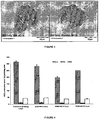
- 5,6-dihydro-4-dimethylamino-2-imino-6-methyl-1,3,5-triazine showed a significant activation of AMPK. This activation was observed in hepatocyte cells ( Figure 1 ) and in muscle cells. Metformin and 5,6-dihydro-4-dimethylamino-2-imino-6-methyl-1,3,5-triazine exhibited a similar AMPK activation of AMPK in hepatocytes. In muscle cells, 5,6-dihydro-4-dimethylamino-2-imino-6-methyl-1,3,5-triazine significantly increased AMPK activity ( Figure 2 ). This effect was also dose dependent and even stronger than metformin's effect.
- the antibody clone G1D4 recognized differentiated podocytes (glomerular visceral epithelial cells).
- the antibody labeled synaptopodin in rat glomeruli with good contrast ( Figure 3 ).
- ZDF fatty rats at the age of 19 weeks the glomerular fraction of synaptopodin was decreased in comparison with ZDF lean rats (Table 1).
- Treatment with metformin had no effect on the glomerular fraction of synaptopodin.
- the glomerular fraction of synaptopodin was moderately increased.
- Table 1 Glomerular synaptopodin (G1D4) fraction (% positive area) in the kidney of rats Group Drug Dose Positive Area (%) N P 1 - ZDF lean Placebo Placebo 45 ⁇ 4 11 2 - ZDF fatty Placebo Placebo 34 ⁇ 3 11 ⁇ 0.05 vs group 1 5 - ZDF fatty Metformin 2x25 mg/kg/d p.o. 38 ⁇ 4 12 NS vs group 2 8 - ZDF fatty EMD 387008 2x25 mg/kg/d/d p.o. 45 ⁇ 3 11 ⁇ 0.05 vs group 2
- A) Injection vials A solution of 100 g of active ingredient according to the invention and 5 g of disodium hydrogen phosphate in 3 I of bidistilled water was adjusted to pH 6.5 using 2 N hydrochloric acid, sterile filtered, transferred into injection vials, lyophilized under sterile conditions and sealed under sterile conditions. Each injection vial contained 5 mg of active ingredient.
- a solution was prepared from 1 g of active ingredient according to the invention, 9.38 g of NaH 2 PO 4 ⁇ 2 H2O 28.48 g of Na 2 HPO 4 ⁇ 12 H 2 O and 0.1 g of benzalkonium chloride in 940 ml of bidistilled water. The pH was adjusted to 6.8, and the solution was made up to 1 I and sterilized by irradiation. This solution could be used in the form of eye drops.
- Table 3 Tablet containing 87 % triazine derivative and adjuvants mg % 5,6-dihydro-4-dimethylamino-2-imino-6-methyl-1,3,5-triazine 200 87.0 Lactose 10.5 4.6 Starch 5.7 2.5 Crospovidone 5.7 2.5 Talc 7 3.0 Magnesium stearate 1.1 0.5 Total 230 100.0
- Table 4 Tablet containing 43.5 % triazine derivative and adjuvants Mg % -5,6-dihydro-4-dimethylamino-2-imino-6-methyl-1,3,5-triazine 100 43.5 Mannitol 50.5 22.0 Avicel ph 102 60 26.1 Hydroxypropylcellulose 5.7 2.5 Starch 5.7 2.5 Talc 7 3.0 Magnesium stearate 1.1 0.5 Total 230 100.0
- Table 5 Tablet containing 21.7 % triazine derivative and adjuvants Mg % 5,6-dihydro-4-dimethylamin
- Capsules 2 kg of active ingredient according to the invention were introduced into hard gelatin capsules in a conventional manner in such a way that each capsule contained 20 mg of the active ingredient.
- I) Inhalation spray 14 g of active ingredient according to the invention were dissolved in 10 I of isotonic NaCl solution, and the solution was transferred into commercially available spray containers with a pump mechanism. The solution could be sprayed into the mouth or nose. One spray shot (about 0.1 ml) corresponded to a dose of about 0.14 mg.
Landscapes
- Health & Medical Sciences (AREA)
- Chemical & Material Sciences (AREA)
- Organic Chemistry (AREA)
- Medicinal Chemistry (AREA)
- Veterinary Medicine (AREA)
- Public Health (AREA)
- General Health & Medical Sciences (AREA)
- Animal Behavior & Ethology (AREA)
- Life Sciences & Earth Sciences (AREA)
- Pharmacology & Pharmacy (AREA)
- Chemical Kinetics & Catalysis (AREA)
- Nuclear Medicine, Radiotherapy & Molecular Imaging (AREA)
- General Chemical & Material Sciences (AREA)
- Bioinformatics & Cheminformatics (AREA)
- Engineering & Computer Science (AREA)
- Diabetes (AREA)
- Biomedical Technology (AREA)
- Obesity (AREA)
- Hematology (AREA)
- Neurosurgery (AREA)
- Neurology (AREA)
- Epidemiology (AREA)
- Endocrinology (AREA)
- Pain & Pain Management (AREA)
- Cardiology (AREA)
- Hospice & Palliative Care (AREA)
- Psychiatry (AREA)
- Ophthalmology & Optometry (AREA)
- Child & Adolescent Psychology (AREA)
- Heart & Thoracic Surgery (AREA)
- Rheumatology (AREA)
- Urology & Nephrology (AREA)
- Emergency Medicine (AREA)
- Pharmaceuticals Containing Other Organic And Inorganic Compounds (AREA)
- Investigating Or Analysing Biological Materials (AREA)
- Medicines That Contain Protein Lipid Enzymes And Other Medicines (AREA)
Priority Applications (1)
| Application Number | Priority Date | Filing Date | Title |
|---|---|---|---|
| EP09799313.3A EP2367802B1 (en) | 2008-12-12 | 2009-12-11 | Tetrahydrotriazine compounds for treating diseases associated with ampk activity |
Applications Claiming Priority (3)
| Application Number | Priority Date | Filing Date | Title |
|---|---|---|---|
| EP08021618 | 2008-12-12 | ||
| PCT/EP2009/066999 WO2010066901A2 (en) | 2008-12-12 | 2009-12-11 | Tetrahydrotriazine compounds for treating diseases associated with ampk activity |
| EP09799313.3A EP2367802B1 (en) | 2008-12-12 | 2009-12-11 | Tetrahydrotriazine compounds for treating diseases associated with ampk activity |
Publications (2)
| Publication Number | Publication Date |
|---|---|
| EP2367802A2 EP2367802A2 (en) | 2011-09-28 |
| EP2367802B1 true EP2367802B1 (en) | 2016-04-20 |
Family
ID=42026760
Family Applications (1)
| Application Number | Title | Priority Date | Filing Date |
|---|---|---|---|
| EP09799313.3A Active EP2367802B1 (en) | 2008-12-12 | 2009-12-11 | Tetrahydrotriazine compounds for treating diseases associated with ampk activity |
Country Status (12)
| Country | Link |
|---|---|
| US (1) | US9035048B2 (pt) |
| EP (1) | EP2367802B1 (pt) |
| JP (1) | JP5485292B2 (pt) |
| CN (1) | CN102245581A (pt) |
| AU (1) | AU2009326965A1 (pt) |
| BR (1) | BRPI0922650A2 (pt) |
| CA (1) | CA2745854A1 (pt) |
| ES (1) | ES2573266T3 (pt) |
| IL (1) | IL212901A0 (pt) |
| MX (1) | MX2011005644A (pt) |
| TW (1) | TW201033182A (pt) |
| WO (1) | WO2010066901A2 (pt) |
Families Citing this family (20)
| Publication number | Priority date | Publication date | Assignee | Title |
|---|---|---|---|---|
| PE20110565A1 (es) | 2008-08-12 | 2011-09-02 | Zinfandel Pharmaceuticals Inc | Metodo de identificacion de factores de riesgo de la enfermedad |
| US8846315B2 (en) | 2008-08-12 | 2014-09-30 | Zinfandel Pharmaceuticals, Inc. | Disease risk factors and methods of use |
| FR2948026B1 (fr) * | 2009-07-17 | 2011-12-02 | Merck Sante Sas | Derives amines de dihydro-1,3,5-triazine |
| FR2948027A1 (fr) * | 2009-07-17 | 2011-01-21 | Merck Sante Sas | Derives amines de dihydro-1,3,5-triazine pour leur utilisation dans le traitement des maladies associees a une ischemie et/ou une reperfusion |
| ES2577930T3 (es) * | 2010-06-09 | 2016-07-19 | Poxel | Derivados de triazina para retrasar el inicio de la diabetes tipo 1 |
| US11974971B2 (en) | 2011-01-07 | 2024-05-07 | Anji Pharmaceuticals Inc. | Compositions and methods for treating metabolic disorders |
| US9211263B2 (en) | 2012-01-06 | 2015-12-15 | Elcelyx Therapeutics, Inc. | Compositions and methods of treating metabolic disorders |
| PT2661266T (pt) | 2011-01-07 | 2020-11-30 | Anji Pharma Us Llc | Terapias com base em ligandos do recetor quimiossensorial |
| US11759441B2 (en) | 2011-01-07 | 2023-09-19 | Anji Pharmaceuticals Inc. | Biguanide compositions and methods of treating metabolic disorders |
| EA201391017A1 (ru) | 2011-01-10 | 2014-04-30 | Зинфандел Фармасьютикалз, Инк. | Способы и готовые лекарственные формы для лечения болезни альцгеймера |
| MX2014008190A (es) | 2012-01-06 | 2015-02-04 | Elcelyx Therapeutics Inc | Composiciones de biguanida y métodos para tratar transtornos metabólicos. |
| SG10201901922VA (en) * | 2012-01-06 | 2019-04-29 | Elcelyx Therapeutics Inc | Compositions and methods for treating metabolic disorders |
| WO2015002818A1 (en) * | 2013-07-01 | 2015-01-08 | Emory University | Treating or preventing nephrogenic diabetes insipidus |
| JP7051109B2 (ja) * | 2016-10-31 | 2022-04-11 | 国立大学法人京都大学 | がん細胞にプログラム細胞死を誘導するための医薬組成物 |
| FR3068601B1 (fr) * | 2017-07-05 | 2021-02-19 | Eric Joseph Marie Fulgence Janin | Utilisation de l'imeglimine pour la prevention et/ou le traitement du carcinome hepatocellulaire |
| US11617754B2 (en) | 2017-10-02 | 2023-04-04 | Poxel Sa | Methods of treating heart failure with preserved ejection fraction |
| MX2020013210A (es) * | 2018-06-06 | 2021-02-26 | Metavant Sciences Gmbh | Metodos de tratamiento de sujetos que padecen diabetes con enfermedad renal cronica. |
| EP3806828A1 (en) | 2018-06-14 | 2021-04-21 | Poxel | Film-coated tablet comprising a triazine derivative for use in the treatment of diabetes |
| CN116323608A (zh) | 2020-05-19 | 2023-06-23 | 卡尔优普公司 | Ampk活化剂 |
| EP4172162A4 (en) | 2020-06-26 | 2024-08-07 | Kallyope, Inc. | AMPK ACTIVATORS |
Family Cites Families (7)
| Publication number | Priority date | Publication date | Assignee | Title |
|---|---|---|---|---|
| US3629467A (en) * | 1969-10-17 | 1971-12-21 | Armour Pharma | Pharmaceutical preparations containing a 2 4-diamino-6-substituted-s-triazine and methods of using same |
| WO1991001733A1 (fr) * | 1989-08-09 | 1991-02-21 | Nippon Shinyaku Co., Ltd. | Remede |
| FR2804113B1 (fr) * | 2000-01-26 | 2004-06-18 | Lipha | Derives animes de dihydro-1,3,5-triazine et leurs applications en therapeutique |
| GB2397301A (en) * | 2003-01-14 | 2004-07-21 | Novo Pharmaceuticals Ltd De | Substituted 1,3,5-triazine derivatives |
| WO2005030735A1 (en) * | 2003-09-25 | 2005-04-07 | Ranbaxy Laboratories Limited | Triazines derivatives as cell adhesion inhibitors |
| FR2896158B1 (fr) * | 2006-01-13 | 2008-09-12 | Merck Sante Soc Par Actions Si | Combinaison de derives de triazine et d'inhibiteurs de la hmg-coa reductase. |
| FR2896159B1 (fr) * | 2006-01-13 | 2008-09-12 | Merck Sante Soc Par Actions Si | Combinaison de derives de triazine et d'agents sensibilisateurs a l'insuline. |
-
2009
- 2009-12-11 CN CN2009801499067A patent/CN102245581A/zh active Pending
- 2009-12-11 WO PCT/EP2009/066999 patent/WO2010066901A2/en not_active Ceased
- 2009-12-11 TW TW098142584A patent/TW201033182A/zh unknown
- 2009-12-11 AU AU2009326965A patent/AU2009326965A1/en not_active Abandoned
- 2009-12-11 BR BRPI0922650A patent/BRPI0922650A2/pt not_active IP Right Cessation
- 2009-12-11 ES ES09799313.3T patent/ES2573266T3/es active Active
- 2009-12-11 JP JP2011540126A patent/JP5485292B2/ja active Active
- 2009-12-11 EP EP09799313.3A patent/EP2367802B1/en active Active
- 2009-12-11 US US12/998,848 patent/US9035048B2/en active Active
- 2009-12-11 CA CA2745854A patent/CA2745854A1/en not_active Abandoned
- 2009-12-11 MX MX2011005644A patent/MX2011005644A/es not_active Application Discontinuation
-
2011
- 2011-05-16 IL IL212901A patent/IL212901A0/en unknown
Also Published As
| Publication number | Publication date |
|---|---|
| CA2745854A1 (en) | 2010-06-17 |
| EP2367802A2 (en) | 2011-09-28 |
| WO2010066901A2 (en) | 2010-06-17 |
| US20110236317A1 (en) | 2011-09-29 |
| AU2009326965A1 (en) | 2011-06-23 |
| WO2010066901A3 (en) | 2010-08-05 |
| TW201033182A (en) | 2010-09-16 |
| IL212901A0 (en) | 2011-07-31 |
| BRPI0922650A2 (pt) | 2017-07-11 |
| JP2012511549A (ja) | 2012-05-24 |
| ES2573266T3 (es) | 2016-06-06 |
| MX2011005644A (es) | 2011-06-16 |
| JP5485292B2 (ja) | 2014-05-07 |
| US9035048B2 (en) | 2015-05-19 |
| CN102245581A (zh) | 2011-11-16 |
Similar Documents
| Publication | Publication Date | Title |
|---|---|---|
| ES2573266T3 (es) | Compuestos de tetrahidrotriazina para tratar enfermedades relacionadas con la actividad de AMPK | |
| US8980828B2 (en) | Combination of insulin with triazine derivatives and its use for treating diabetes | |
| EP2280952B1 (en) | Thienopyridone derivatives as amp-activated protein kinase (ampk) activators | |
| US8674097B2 (en) | Quinoxalinedione derivatives useful as activators of AMPK-activated protein kinase | |
| US8563729B2 (en) | Thienopyridone derivatives as AMP-activated protein kinase (AMPK) activators | |
| US20240415851A1 (en) | Remodilins to prevent or treat cancer metastasis, glaucoma, and hypoxia | |
| KR102703801B1 (ko) | 스핑고신-1-인산 수용체 효능제의 용도 | |
| HK1164128A (en) | Combination of insulin with triazine derivatives and its use for treating diabetes | |
| CN121318838A (zh) | 一种喹啉酮类衍生物及其制备方法和应用 |
Legal Events
| Date | Code | Title | Description |
|---|---|---|---|
| PUAI | Public reference made under article 153(3) epc to a published international application that has entered the european phase |
Free format text: ORIGINAL CODE: 0009012 |
|
| 17P | Request for examination filed |
Effective date: 20110623 |
|
| AK | Designated contracting states |
Kind code of ref document: A2 Designated state(s): AT BE BG CH CY CZ DE DK EE ES FI FR GB GR HR HU IE IS IT LI LT LU LV MC MK MT NL NO PL PT RO SE SI SK SM TR |
|
| AX | Request for extension of the european patent |
Extension state: AL BA RS |
|
| 17Q | First examination report despatched |
Effective date: 20140217 |
|
| GRAP | Despatch of communication of intention to grant a patent |
Free format text: ORIGINAL CODE: EPIDOSNIGR1 |
|
| INTG | Intention to grant announced |
Effective date: 20150519 |
|
| GRAP | Despatch of communication of intention to grant a patent |
Free format text: ORIGINAL CODE: EPIDOSNIGR1 |
|
| INTG | Intention to grant announced |
Effective date: 20151104 |
|
| GRAS | Grant fee paid |
Free format text: ORIGINAL CODE: EPIDOSNIGR3 |
|
| GRAA | (expected) grant |
Free format text: ORIGINAL CODE: 0009210 |
|
| AK | Designated contracting states |
Kind code of ref document: B1 Designated state(s): AT BE BG CH CY CZ DE DK EE ES FI FR GB GR HR HU IE IS IT LI LT LU LV MC MK MT NL NO PL PT RO SE SI SK SM TR |
|
| AX | Request for extension of the european patent |
Extension state: AL BA RS |
|
| REG | Reference to a national code |
Ref country code: GB Ref legal event code: FG4D |
|
| REG | Reference to a national code |
Ref country code: CH Ref legal event code: EP |
|
| REG | Reference to a national code |
Ref country code: AT Ref legal event code: REF Ref document number: 792302 Country of ref document: AT Kind code of ref document: T Effective date: 20160515 |
|
| REG | Reference to a national code |
Ref country code: IE Ref legal event code: FG4D |
|
| REG | Reference to a national code |
Ref country code: DE Ref legal event code: R096 Ref document number: 602009038052 Country of ref document: DE |
|
| REG | Reference to a national code |
Ref country code: ES Ref legal event code: FG2A Ref document number: 2573266 Country of ref document: ES Kind code of ref document: T3 Effective date: 20160606 |
|
| REG | Reference to a national code |
Ref country code: LT Ref legal event code: MG4D |
|
| REG | Reference to a national code |
Ref country code: AT Ref legal event code: MK05 Ref document number: 792302 Country of ref document: AT Kind code of ref document: T Effective date: 20160420 |
|
| REG | Reference to a national code |
Ref country code: NL Ref legal event code: MP Effective date: 20160420 |
|
| PG25 | Lapsed in a contracting state [announced via postgrant information from national office to epo] |
Ref country code: FI Free format text: LAPSE BECAUSE OF FAILURE TO SUBMIT A TRANSLATION OF THE DESCRIPTION OR TO PAY THE FEE WITHIN THE PRESCRIBED TIME-LIMIT Effective date: 20160420 Ref country code: PL Free format text: LAPSE BECAUSE OF FAILURE TO SUBMIT A TRANSLATION OF THE DESCRIPTION OR TO PAY THE FEE WITHIN THE PRESCRIBED TIME-LIMIT Effective date: 20160420 Ref country code: NL Free format text: LAPSE BECAUSE OF FAILURE TO SUBMIT A TRANSLATION OF THE DESCRIPTION OR TO PAY THE FEE WITHIN THE PRESCRIBED TIME-LIMIT Effective date: 20160420 Ref country code: LT Free format text: LAPSE BECAUSE OF FAILURE TO SUBMIT A TRANSLATION OF THE DESCRIPTION OR TO PAY THE FEE WITHIN THE PRESCRIBED TIME-LIMIT Effective date: 20160420 Ref country code: NO Free format text: LAPSE BECAUSE OF FAILURE TO SUBMIT A TRANSLATION OF THE DESCRIPTION OR TO PAY THE FEE WITHIN THE PRESCRIBED TIME-LIMIT Effective date: 20160720 |
|
| PG25 | Lapsed in a contracting state [announced via postgrant information from national office to epo] |
Ref country code: LV Free format text: LAPSE BECAUSE OF FAILURE TO SUBMIT A TRANSLATION OF THE DESCRIPTION OR TO PAY THE FEE WITHIN THE PRESCRIBED TIME-LIMIT Effective date: 20160420 Ref country code: SE Free format text: LAPSE BECAUSE OF FAILURE TO SUBMIT A TRANSLATION OF THE DESCRIPTION OR TO PAY THE FEE WITHIN THE PRESCRIBED TIME-LIMIT Effective date: 20160420 Ref country code: GR Free format text: LAPSE BECAUSE OF FAILURE TO SUBMIT A TRANSLATION OF THE DESCRIPTION OR TO PAY THE FEE WITHIN THE PRESCRIBED TIME-LIMIT Effective date: 20160721 Ref country code: PT Free format text: LAPSE BECAUSE OF FAILURE TO SUBMIT A TRANSLATION OF THE DESCRIPTION OR TO PAY THE FEE WITHIN THE PRESCRIBED TIME-LIMIT Effective date: 20160822 Ref country code: AT Free format text: LAPSE BECAUSE OF FAILURE TO SUBMIT A TRANSLATION OF THE DESCRIPTION OR TO PAY THE FEE WITHIN THE PRESCRIBED TIME-LIMIT Effective date: 20160420 Ref country code: HR Free format text: LAPSE BECAUSE OF FAILURE TO SUBMIT A TRANSLATION OF THE DESCRIPTION OR TO PAY THE FEE WITHIN THE PRESCRIBED TIME-LIMIT Effective date: 20160420 |
|
| REG | Reference to a national code |
Ref country code: FR Ref legal event code: PLFP Year of fee payment: 8 |
|
| PG25 | Lapsed in a contracting state [announced via postgrant information from national office to epo] |
Ref country code: BE Free format text: LAPSE BECAUSE OF FAILURE TO SUBMIT A TRANSLATION OF THE DESCRIPTION OR TO PAY THE FEE WITHIN THE PRESCRIBED TIME-LIMIT Effective date: 20160420 |
|
| REG | Reference to a national code |
Ref country code: DE Ref legal event code: R097 Ref document number: 602009038052 Country of ref document: DE |
|
| PG25 | Lapsed in a contracting state [announced via postgrant information from national office to epo] |
Ref country code: DK Free format text: LAPSE BECAUSE OF FAILURE TO SUBMIT A TRANSLATION OF THE DESCRIPTION OR TO PAY THE FEE WITHIN THE PRESCRIBED TIME-LIMIT Effective date: 20160420 Ref country code: CZ Free format text: LAPSE BECAUSE OF FAILURE TO SUBMIT A TRANSLATION OF THE DESCRIPTION OR TO PAY THE FEE WITHIN THE PRESCRIBED TIME-LIMIT Effective date: 20160420 Ref country code: SK Free format text: LAPSE BECAUSE OF FAILURE TO SUBMIT A TRANSLATION OF THE DESCRIPTION OR TO PAY THE FEE WITHIN THE PRESCRIBED TIME-LIMIT Effective date: 20160420 Ref country code: EE Free format text: LAPSE BECAUSE OF FAILURE TO SUBMIT A TRANSLATION OF THE DESCRIPTION OR TO PAY THE FEE WITHIN THE PRESCRIBED TIME-LIMIT Effective date: 20160420 Ref country code: RO Free format text: LAPSE BECAUSE OF FAILURE TO SUBMIT A TRANSLATION OF THE DESCRIPTION OR TO PAY THE FEE WITHIN THE PRESCRIBED TIME-LIMIT Effective date: 20160420 |
|
| PLBE | No opposition filed within time limit |
Free format text: ORIGINAL CODE: 0009261 |
|
| STAA | Information on the status of an ep patent application or granted ep patent |
Free format text: STATUS: NO OPPOSITION FILED WITHIN TIME LIMIT |
|
| PG25 | Lapsed in a contracting state [announced via postgrant information from national office to epo] |
Ref country code: SM Free format text: LAPSE BECAUSE OF FAILURE TO SUBMIT A TRANSLATION OF THE DESCRIPTION OR TO PAY THE FEE WITHIN THE PRESCRIBED TIME-LIMIT Effective date: 20160420 |
|
| 26N | No opposition filed |
Effective date: 20170123 |
|
| PG25 | Lapsed in a contracting state [announced via postgrant information from national office to epo] |
Ref country code: SI Free format text: LAPSE BECAUSE OF FAILURE TO SUBMIT A TRANSLATION OF THE DESCRIPTION OR TO PAY THE FEE WITHIN THE PRESCRIBED TIME-LIMIT Effective date: 20160420 |
|
| REG | Reference to a national code |
Ref country code: CH Ref legal event code: PL |
|
| PG25 | Lapsed in a contracting state [announced via postgrant information from national office to epo] |
Ref country code: MC Free format text: LAPSE BECAUSE OF FAILURE TO SUBMIT A TRANSLATION OF THE DESCRIPTION OR TO PAY THE FEE WITHIN THE PRESCRIBED TIME-LIMIT Effective date: 20160420 |
|
| REG | Reference to a national code |
Ref country code: IE Ref legal event code: MM4A |
|
| PG25 | Lapsed in a contracting state [announced via postgrant information from national office to epo] |
Ref country code: CH Free format text: LAPSE BECAUSE OF NON-PAYMENT OF DUE FEES Effective date: 20161231 Ref country code: LU Free format text: LAPSE BECAUSE OF NON-PAYMENT OF DUE FEES Effective date: 20161211 Ref country code: LI Free format text: LAPSE BECAUSE OF NON-PAYMENT OF DUE FEES Effective date: 20161231 |
|
| PG25 | Lapsed in a contracting state [announced via postgrant information from national office to epo] |
Ref country code: IE Free format text: LAPSE BECAUSE OF NON-PAYMENT OF DUE FEES Effective date: 20161211 |
|
| REG | Reference to a national code |
Ref country code: FR Ref legal event code: PLFP Year of fee payment: 9 |
|
| PG25 | Lapsed in a contracting state [announced via postgrant information from national office to epo] |
Ref country code: CY Free format text: LAPSE BECAUSE OF FAILURE TO SUBMIT A TRANSLATION OF THE DESCRIPTION OR TO PAY THE FEE WITHIN THE PRESCRIBED TIME-LIMIT Effective date: 20160420 Ref country code: HU Free format text: LAPSE BECAUSE OF FAILURE TO SUBMIT A TRANSLATION OF THE DESCRIPTION OR TO PAY THE FEE WITHIN THE PRESCRIBED TIME-LIMIT; INVALID AB INITIO Effective date: 20091211 |
|
| PG25 | Lapsed in a contracting state [announced via postgrant information from national office to epo] |
Ref country code: TR Free format text: LAPSE BECAUSE OF FAILURE TO SUBMIT A TRANSLATION OF THE DESCRIPTION OR TO PAY THE FEE WITHIN THE PRESCRIBED TIME-LIMIT Effective date: 20160420 Ref country code: MK Free format text: LAPSE BECAUSE OF FAILURE TO SUBMIT A TRANSLATION OF THE DESCRIPTION OR TO PAY THE FEE WITHIN THE PRESCRIBED TIME-LIMIT Effective date: 20160420 Ref country code: IS Free format text: LAPSE BECAUSE OF FAILURE TO SUBMIT A TRANSLATION OF THE DESCRIPTION OR TO PAY THE FEE WITHIN THE PRESCRIBED TIME-LIMIT Effective date: 20160420 |
|
| PG25 | Lapsed in a contracting state [announced via postgrant information from national office to epo] |
Ref country code: BG Free format text: LAPSE BECAUSE OF FAILURE TO SUBMIT A TRANSLATION OF THE DESCRIPTION OR TO PAY THE FEE WITHIN THE PRESCRIBED TIME-LIMIT Effective date: 20160420 |
|
| PG25 | Lapsed in a contracting state [announced via postgrant information from national office to epo] |
Ref country code: MT Free format text: LAPSE BECAUSE OF NON-PAYMENT OF DUE FEES Effective date: 20161211 |
|
| PGFP | Annual fee paid to national office [announced via postgrant information from national office to epo] |
Ref country code: GB Payment date: 20221220 Year of fee payment: 14 Ref country code: FR Payment date: 20221222 Year of fee payment: 14 |
|
| PGFP | Annual fee paid to national office [announced via postgrant information from national office to epo] |
Ref country code: ES Payment date: 20230120 Year of fee payment: 14 |
|
| PGFP | Annual fee paid to national office [announced via postgrant information from national office to epo] |
Ref country code: IT Payment date: 20221222 Year of fee payment: 14 Ref country code: DE Payment date: 20221227 Year of fee payment: 14 |
|
| REG | Reference to a national code |
Ref country code: DE Ref legal event code: R119 Ref document number: 602009038052 Country of ref document: DE |
|
| GBPC | Gb: european patent ceased through non-payment of renewal fee |
Effective date: 20231211 |
|
| PG25 | Lapsed in a contracting state [announced via postgrant information from national office to epo] |
Ref country code: DE Free format text: LAPSE BECAUSE OF NON-PAYMENT OF DUE FEES Effective date: 20240702 |
|
| PG25 | Lapsed in a contracting state [announced via postgrant information from national office to epo] |
Ref country code: GB Free format text: LAPSE BECAUSE OF NON-PAYMENT OF DUE FEES Effective date: 20231211 |
|
| PG25 | Lapsed in a contracting state [announced via postgrant information from national office to epo] |
Ref country code: FR Free format text: LAPSE BECAUSE OF NON-PAYMENT OF DUE FEES Effective date: 20231231 |
|
| PG25 | Lapsed in a contracting state [announced via postgrant information from national office to epo] |
Ref country code: GB Free format text: LAPSE BECAUSE OF NON-PAYMENT OF DUE FEES Effective date: 20231211 Ref country code: FR Free format text: LAPSE BECAUSE OF NON-PAYMENT OF DUE FEES Effective date: 20231231 Ref country code: DE Free format text: LAPSE BECAUSE OF NON-PAYMENT OF DUE FEES Effective date: 20240702 |
|
| REG | Reference to a national code |
Ref country code: ES Ref legal event code: FD2A Effective date: 20250131 |
|
| PG25 | Lapsed in a contracting state [announced via postgrant information from national office to epo] |
Ref country code: ES Free format text: LAPSE BECAUSE OF NON-PAYMENT OF DUE FEES Effective date: 20231212 |
|
| PG25 | Lapsed in a contracting state [announced via postgrant information from national office to epo] |
Ref country code: IT Free format text: LAPSE BECAUSE OF NON-PAYMENT OF DUE FEES Effective date: 20231211 |