EP2371946A1 - Verbesserte Verfahren und Wirtszellen zur Herstellung und Verwendung von D-Aminiosäureoxidase - Google Patents
Verbesserte Verfahren und Wirtszellen zur Herstellung und Verwendung von D-Aminiosäureoxidase Download PDFInfo
- Publication number
- EP2371946A1 EP2371946A1 EP10158443A EP10158443A EP2371946A1 EP 2371946 A1 EP2371946 A1 EP 2371946A1 EP 10158443 A EP10158443 A EP 10158443A EP 10158443 A EP10158443 A EP 10158443A EP 2371946 A1 EP2371946 A1 EP 2371946A1
- Authority
- EP
- European Patent Office
- Prior art keywords
- host cell
- dao
- nucleic acid
- sequence encoding
- acid sequence
- Prior art date
- Legal status (The legal status is an assumption and is not a legal conclusion. Google has not performed a legal analysis and makes no representation as to the accuracy of the status listed.)
- Withdrawn
Links
- 108010003989 D-amino-acid oxidase Proteins 0.000 title claims abstract description 112
- 238000000034 method Methods 0.000 title claims abstract description 29
- 238000004519 manufacturing process Methods 0.000 title claims abstract description 19
- 102000004674 D-amino-acid oxidase Human genes 0.000 title description 4
- 102100026908 D-amino-acid oxidase Human genes 0.000 claims abstract description 97
- 150000007523 nucleic acids Chemical group 0.000 claims abstract description 34
- 108091028043 Nucleic acid sequence Proteins 0.000 claims abstract description 32
- 108010053763 Pyruvate Carboxylase Proteins 0.000 claims abstract description 26
- 102100039895 Pyruvate carboxylase, mitochondrial Human genes 0.000 claims abstract description 26
- 108090000765 processed proteins & peptides Proteins 0.000 claims abstract description 16
- 229920001184 polypeptide Polymers 0.000 claims abstract description 15
- 102000004196 processed proteins & peptides Human genes 0.000 claims abstract description 15
- 230000001131 transforming effect Effects 0.000 claims abstract description 4
- 102000053602 DNA Human genes 0.000 claims abstract description 3
- 108020004511 Recombinant DNA Proteins 0.000 claims abstract description 3
- 230000000694 effects Effects 0.000 claims description 45
- 241000235058 Komagataella pastoris Species 0.000 claims description 28
- 239000012634 fragment Substances 0.000 claims description 15
- 150000008574 D-amino acids Chemical class 0.000 claims description 11
- 150000004716 alpha keto acids Chemical class 0.000 claims description 10
- 239000013604 expression vector Substances 0.000 claims description 10
- 241000221523 Rhodotorula toruloides Species 0.000 claims description 9
- 241000588724 Escherichia coli Species 0.000 claims description 8
- 239000000203 mixture Substances 0.000 claims description 8
- 238000007833 oxidative deamination reaction Methods 0.000 claims description 6
- 238000002360 preparation method Methods 0.000 claims description 6
- 229930186147 Cephalosporin Natural products 0.000 claims description 5
- 229940124587 cephalosporin Drugs 0.000 claims description 5
- 150000001780 cephalosporins Chemical class 0.000 claims description 5
- 241000320412 Ogataea angusta Species 0.000 claims description 4
- 230000001580 bacterial effect Effects 0.000 claims description 4
- 238000012258 culturing Methods 0.000 claims description 4
- HSHGZXNAXBPPDL-HZGVNTEJSA-N 7beta-aminocephalosporanic acid Chemical compound S1CC(COC(=O)C)=C(C([O-])=O)N2C(=O)[C@@H]([NH3+])[C@@H]12 HSHGZXNAXBPPDL-HZGVNTEJSA-N 0.000 claims description 3
- 239000002253 acid Substances 0.000 claims description 3
- 238000000926 separation method Methods 0.000 claims description 3
- 241000194107 Bacillus megaterium Species 0.000 claims description 2
- 244000063299 Bacillus subtilis Species 0.000 claims description 2
- 235000014469 Bacillus subtilis Nutrition 0.000 claims description 2
- 241000193764 Brevibacillus brevis Species 0.000 claims description 2
- 241000010804 Caulobacter vibrioides Species 0.000 claims description 2
- 150000008575 L-amino acids Chemical class 0.000 claims description 2
- 241000228150 Penicillium chrysogenum Species 0.000 claims description 2
- 150000001875 compounds Chemical class 0.000 claims description 2
- 230000002538 fungal effect Effects 0.000 claims description 2
- 102000004190 Enzymes Human genes 0.000 abstract description 25
- 108090000790 Enzymes Proteins 0.000 abstract description 25
- 230000008569 process Effects 0.000 abstract description 6
- 210000004027 cell Anatomy 0.000 description 84
- LFQSCWFLJHTTHZ-UHFFFAOYSA-N Ethanol Chemical compound CCO LFQSCWFLJHTTHZ-UHFFFAOYSA-N 0.000 description 36
- IJGRMHOSHXDMSA-UHFFFAOYSA-N Atomic nitrogen Chemical compound N#N IJGRMHOSHXDMSA-UHFFFAOYSA-N 0.000 description 22
- 108090000623 proteins and genes Proteins 0.000 description 21
- QNAYBMKLOCPYGJ-UWTATZPHSA-N D-alanine Chemical compound C[C@@H](N)C(O)=O QNAYBMKLOCPYGJ-UWTATZPHSA-N 0.000 description 20
- QNAYBMKLOCPYGJ-UHFFFAOYSA-N D-alpha-Ala Natural products CC([NH3+])C([O-])=O QNAYBMKLOCPYGJ-UHFFFAOYSA-N 0.000 description 20
- WQZGKKKJIJFFOK-GASJEMHNSA-N Glucose Natural products OC[C@H]1OC(O)[C@H](O)[C@@H](O)[C@@H]1O WQZGKKKJIJFFOK-GASJEMHNSA-N 0.000 description 14
- 239000008103 glucose Substances 0.000 description 14
- 102000004169 proteins and genes Human genes 0.000 description 13
- 229910052757 nitrogen Inorganic materials 0.000 description 12
- 108010070357 D-Aspartate Oxidase Proteins 0.000 description 10
- 102000005680 D-aspartate oxidase Human genes 0.000 description 10
- 240000004808 Saccharomyces cerevisiae Species 0.000 description 10
- 101100246536 Caenorhabditis elegans pyc-1 gene Proteins 0.000 description 9
- OKKJLVBELUTLKV-UHFFFAOYSA-N Methanol Chemical compound OC OKKJLVBELUTLKV-UHFFFAOYSA-N 0.000 description 9
- 101150010895 PYC1 gene Proteins 0.000 description 9
- 101100354855 Homo sapiens PYDC1 gene Proteins 0.000 description 8
- 102100039892 Pyrin domain-containing protein 1 Human genes 0.000 description 8
- 239000000284 extract Substances 0.000 description 8
- BFNBIHQBYMNNAN-UHFFFAOYSA-N ammonium sulfate Chemical compound N.N.OS(O)(=O)=O BFNBIHQBYMNNAN-UHFFFAOYSA-N 0.000 description 7
- 229910052921 ammonium sulfate Inorganic materials 0.000 description 7
- 239000000287 crude extract Substances 0.000 description 7
- 238000012217 deletion Methods 0.000 description 7
- 230000037430 deletion Effects 0.000 description 7
- 239000013598 vector Substances 0.000 description 7
- 230000014509 gene expression Effects 0.000 description 6
- 239000013612 plasmid Substances 0.000 description 6
- 229920001817 Agar Polymers 0.000 description 5
- 230000004913 activation Effects 0.000 description 5
- 239000008272 agar Substances 0.000 description 5
- 150000001413 amino acids Chemical group 0.000 description 5
- 239000003242 anti bacterial agent Substances 0.000 description 5
- 108010025188 Alcohol oxidase Proteins 0.000 description 4
- OKTJSMMVPCPJKN-UHFFFAOYSA-N Carbon Chemical compound [C] OKTJSMMVPCPJKN-UHFFFAOYSA-N 0.000 description 4
- CKLJMWTZIZZHCS-UWTATZPHSA-N D-aspartic acid Chemical compound OC(=O)[C@H](N)CC(O)=O CKLJMWTZIZZHCS-UWTATZPHSA-N 0.000 description 4
- 108020004414 DNA Proteins 0.000 description 4
- 241001596967 Escherichia coli M15 Species 0.000 description 4
- CKLJMWTZIZZHCS-REOHCLBHSA-N L-aspartic acid Chemical compound OC(=O)[C@@H](N)CC(O)=O CKLJMWTZIZZHCS-REOHCLBHSA-N 0.000 description 4
- 238000002105 Southern blotting Methods 0.000 description 4
- 229940024606 amino acid Drugs 0.000 description 4
- 239000001166 ammonium sulphate Substances 0.000 description 4
- 235000011130 ammonium sulphate Nutrition 0.000 description 4
- 229940088710 antibiotic agent Drugs 0.000 description 4
- 230000015572 biosynthetic process Effects 0.000 description 4
- 229910052799 carbon Inorganic materials 0.000 description 4
- 239000001963 growth medium Substances 0.000 description 4
- 239000003550 marker Substances 0.000 description 4
- ZQPPMHVWECSIRJ-KTKRTIGZSA-N oleic acid Chemical compound CCCCCCCC\C=C/CCCCCCCC(O)=O ZQPPMHVWECSIRJ-KTKRTIGZSA-N 0.000 description 4
- 230000002018 overexpression Effects 0.000 description 4
- 239000007787 solid Substances 0.000 description 4
- 230000004102 tricarboxylic acid cycle Effects 0.000 description 4
- 101150046567 DAO gene Proteins 0.000 description 3
- 101150009006 HIS3 gene Proteins 0.000 description 3
- 108091034117 Oligonucleotide Proteins 0.000 description 3
- 108010085186 Peroxisomal Targeting Signals Proteins 0.000 description 3
- 101100394989 Rhodopseudomonas palustris (strain ATCC BAA-98 / CGA009) hisI gene Proteins 0.000 description 3
- 108010084455 Zeocin Proteins 0.000 description 3
- 238000003556 assay Methods 0.000 description 3
- 230000003247 decreasing effect Effects 0.000 description 3
- 230000002950 deficient Effects 0.000 description 3
- 238000002474 experimental method Methods 0.000 description 3
- 230000006870 function Effects 0.000 description 3
- 230000009643 growth defect Effects 0.000 description 3
- 239000000543 intermediate Substances 0.000 description 3
- 239000007788 liquid Substances 0.000 description 3
- 244000005700 microbiome Species 0.000 description 3
- 108020004707 nucleic acids Proteins 0.000 description 3
- 102000039446 nucleic acids Human genes 0.000 description 3
- 229940049964 oleate Drugs 0.000 description 3
- 210000002824 peroxisome Anatomy 0.000 description 3
- CWCMIVBLVUHDHK-ZSNHEYEWSA-N phleomycin D1 Chemical compound N([C@H](C(=O)N[C@H](C)[C@@H](O)[C@H](C)C(=O)N[C@@H]([C@H](O)C)C(=O)NCCC=1SC[C@@H](N=1)C=1SC=C(N=1)C(=O)NCCCCNC(N)=N)[C@@H](O[C@H]1[C@H]([C@@H](O)[C@H](O)[C@H](CO)O1)O[C@@H]1[C@H]([C@@H](OC(N)=O)[C@H](O)[C@@H](CO)O1)O)C=1N=CNC=1)C(=O)C1=NC([C@H](CC(N)=O)NC[C@H](N)C(N)=O)=NC(N)=C1C CWCMIVBLVUHDHK-ZSNHEYEWSA-N 0.000 description 3
- 238000003786 synthesis reaction Methods 0.000 description 3
- 238000001262 western blot Methods 0.000 description 3
- 108020005065 3' Flanking Region Proteins 0.000 description 2
- 108020005029 5' Flanking Region Proteins 0.000 description 2
- YQYJSBFKSSDGFO-UHFFFAOYSA-N Epihygromycin Natural products OC1C(O)C(C(=O)C)OC1OC(C(=C1)O)=CC=C1C=C(C)C(=O)NC1C(O)C(O)C2OCOC2C1O YQYJSBFKSSDGFO-UHFFFAOYSA-N 0.000 description 2
- 241000206602 Eukaryota Species 0.000 description 2
- 101150069554 HIS4 gene Proteins 0.000 description 2
- 101000983200 Homo sapiens D-amino-acid oxidase Proteins 0.000 description 2
- 206010028980 Neoplasm Diseases 0.000 description 2
- 102000004316 Oxidoreductases Human genes 0.000 description 2
- 108090000854 Oxidoreductases Proteins 0.000 description 2
- 241000918129 Typhula variabilis Species 0.000 description 2
- JLCPHMBAVCMARE-UHFFFAOYSA-N [3-[[3-[[3-[[3-[[3-[[3-[[3-[[3-[[3-[[3-[[3-[[5-(2-amino-6-oxo-1H-purin-9-yl)-3-[[3-[[3-[[3-[[3-[[3-[[5-(2-amino-6-oxo-1H-purin-9-yl)-3-[[5-(2-amino-6-oxo-1H-purin-9-yl)-3-hydroxyoxolan-2-yl]methoxy-hydroxyphosphoryl]oxyoxolan-2-yl]methoxy-hydroxyphosphoryl]oxy-5-(5-methyl-2,4-dioxopyrimidin-1-yl)oxolan-2-yl]methoxy-hydroxyphosphoryl]oxy-5-(6-aminopurin-9-yl)oxolan-2-yl]methoxy-hydroxyphosphoryl]oxy-5-(6-aminopurin-9-yl)oxolan-2-yl]methoxy-hydroxyphosphoryl]oxy-5-(6-aminopurin-9-yl)oxolan-2-yl]methoxy-hydroxyphosphoryl]oxy-5-(6-aminopurin-9-yl)oxolan-2-yl]methoxy-hydroxyphosphoryl]oxyoxolan-2-yl]methoxy-hydroxyphosphoryl]oxy-5-(5-methyl-2,4-dioxopyrimidin-1-yl)oxolan-2-yl]methoxy-hydroxyphosphoryl]oxy-5-(4-amino-2-oxopyrimidin-1-yl)oxolan-2-yl]methoxy-hydroxyphosphoryl]oxy-5-(5-methyl-2,4-dioxopyrimidin-1-yl)oxolan-2-yl]methoxy-hydroxyphosphoryl]oxy-5-(5-methyl-2,4-dioxopyrimidin-1-yl)oxolan-2-yl]methoxy-hydroxyphosphoryl]oxy-5-(6-aminopurin-9-yl)oxolan-2-yl]methoxy-hydroxyphosphoryl]oxy-5-(6-aminopurin-9-yl)oxolan-2-yl]methoxy-hydroxyphosphoryl]oxy-5-(4-amino-2-oxopyrimidin-1-yl)oxolan-2-yl]methoxy-hydroxyphosphoryl]oxy-5-(4-amino-2-oxopyrimidin-1-yl)oxolan-2-yl]methoxy-hydroxyphosphoryl]oxy-5-(4-amino-2-oxopyrimidin-1-yl)oxolan-2-yl]methoxy-hydroxyphosphoryl]oxy-5-(6-aminopurin-9-yl)oxolan-2-yl]methoxy-hydroxyphosphoryl]oxy-5-(4-amino-2-oxopyrimidin-1-yl)oxolan-2-yl]methyl [5-(6-aminopurin-9-yl)-2-(hydroxymethyl)oxolan-3-yl] hydrogen phosphate Polymers Cc1cn(C2CC(OP(O)(=O)OCC3OC(CC3OP(O)(=O)OCC3OC(CC3O)n3cnc4c3nc(N)[nH]c4=O)n3cnc4c3nc(N)[nH]c4=O)C(COP(O)(=O)OC3CC(OC3COP(O)(=O)OC3CC(OC3COP(O)(=O)OC3CC(OC3COP(O)(=O)OC3CC(OC3COP(O)(=O)OC3CC(OC3COP(O)(=O)OC3CC(OC3COP(O)(=O)OC3CC(OC3COP(O)(=O)OC3CC(OC3COP(O)(=O)OC3CC(OC3COP(O)(=O)OC3CC(OC3COP(O)(=O)OC3CC(OC3COP(O)(=O)OC3CC(OC3COP(O)(=O)OC3CC(OC3COP(O)(=O)OC3CC(OC3COP(O)(=O)OC3CC(OC3COP(O)(=O)OC3CC(OC3COP(O)(=O)OC3CC(OC3CO)n3cnc4c(N)ncnc34)n3ccc(N)nc3=O)n3cnc4c(N)ncnc34)n3ccc(N)nc3=O)n3ccc(N)nc3=O)n3ccc(N)nc3=O)n3cnc4c(N)ncnc34)n3cnc4c(N)ncnc34)n3cc(C)c(=O)[nH]c3=O)n3cc(C)c(=O)[nH]c3=O)n3ccc(N)nc3=O)n3cc(C)c(=O)[nH]c3=O)n3cnc4c3nc(N)[nH]c4=O)n3cnc4c(N)ncnc34)n3cnc4c(N)ncnc34)n3cnc4c(N)ncnc34)n3cnc4c(N)ncnc34)O2)c(=O)[nH]c1=O JLCPHMBAVCMARE-UHFFFAOYSA-N 0.000 description 2
- 241000222124 [Candida] boidinii Species 0.000 description 2
- 229940009098 aspartate Drugs 0.000 description 2
- 239000011942 biocatalyst Substances 0.000 description 2
- 210000004899 c-terminal region Anatomy 0.000 description 2
- 201000011510 cancer Diseases 0.000 description 2
- YGBFLZPYDUKSPT-MRVPVSSYSA-N cephalosporanic acid Chemical compound S1CC(COC(=O)C)=C(C(O)=O)N2C(=O)C[C@H]21 YGBFLZPYDUKSPT-MRVPVSSYSA-N 0.000 description 2
- HOKIDJSKDBPKTQ-GLXFQSAKSA-N cephalosporin C Chemical compound S1CC(COC(=O)C)=C(C(O)=O)N2C(=O)[C@@H](NC(=O)CCC[C@@H](N)C(O)=O)[C@@H]12 HOKIDJSKDBPKTQ-GLXFQSAKSA-N 0.000 description 2
- 238000010276 construction Methods 0.000 description 2
- 210000004748 cultured cell Anatomy 0.000 description 2
- 230000007547 defect Effects 0.000 description 2
- 238000001514 detection method Methods 0.000 description 2
- 230000002708 enhancing effect Effects 0.000 description 2
- 238000000855 fermentation Methods 0.000 description 2
- 230000004151 fermentation Effects 0.000 description 2
- HNDVDQJCIGZPNO-UHFFFAOYSA-N histidine Natural products OC(=O)C(N)CC1=CN=CN1 HNDVDQJCIGZPNO-UHFFFAOYSA-N 0.000 description 2
- 102000043675 human DAO Human genes 0.000 description 2
- 238000000338 in vitro Methods 0.000 description 2
- 229910052500 inorganic mineral Inorganic materials 0.000 description 2
- 229930027917 kanamycin Natural products 0.000 description 2
- 229960000318 kanamycin Drugs 0.000 description 2
- SBUJHOSQTJFQJX-NOAMYHISSA-N kanamycin Chemical compound O[C@@H]1[C@@H](O)[C@H](O)[C@@H](CN)O[C@@H]1O[C@H]1[C@H](O)[C@@H](O[C@@H]2[C@@H]([C@@H](N)[C@H](O)[C@@H](CO)O2)O)[C@H](N)C[C@@H]1N SBUJHOSQTJFQJX-NOAMYHISSA-N 0.000 description 2
- 229930182823 kanamycin A Natural products 0.000 description 2
- 239000002609 medium Substances 0.000 description 2
- 239000011707 mineral Substances 0.000 description 2
- 150000002829 nitrogen Chemical class 0.000 description 2
- 238000012261 overproduction Methods 0.000 description 2
- KHPXUQMNIQBQEV-UHFFFAOYSA-N oxaloacetic acid Chemical compound OC(=O)CC(=O)C(O)=O KHPXUQMNIQBQEV-UHFFFAOYSA-N 0.000 description 2
- 230000037361 pathway Effects 0.000 description 2
- 230000009467 reduction Effects 0.000 description 2
- 230000000087 stabilizing effect Effects 0.000 description 2
- 239000000126 substance Substances 0.000 description 2
- IXUSDMGLUJZNFO-BXUZGUMPSA-N (7R)-7-(4-carboxybutanamido)cephalosporanic acid Chemical compound S1CC(COC(=O)C)=C(C(O)=O)N2C(=O)[C@@H](NC(=O)CCCC(O)=O)[C@@H]12 IXUSDMGLUJZNFO-BXUZGUMPSA-N 0.000 description 1
- WRIDQFICGBMAFQ-UHFFFAOYSA-N (E)-8-Octadecenoic acid Natural products CCCCCCCCCC=CCCCCCCC(O)=O WRIDQFICGBMAFQ-UHFFFAOYSA-N 0.000 description 1
- LQJBNNIYVWPHFW-UHFFFAOYSA-N 20:1omega9c fatty acid Natural products CCCCCCCCCCC=CCCCCCCCC(O)=O LQJBNNIYVWPHFW-UHFFFAOYSA-N 0.000 description 1
- QSBYPNXLFMSGKH-UHFFFAOYSA-N 9-Heptadecensaeure Natural products CCCCCCCC=CCCCCCCCC(O)=O QSBYPNXLFMSGKH-UHFFFAOYSA-N 0.000 description 1
- 101150005709 ARG4 gene Proteins 0.000 description 1
- 241000228431 Acremonium chrysogenum Species 0.000 description 1
- 101000987688 Arabidopsis thaliana Peroxisome biogenesis protein 5 Proteins 0.000 description 1
- 239000004475 Arginine Substances 0.000 description 1
- 238000009047 Bio-Rad assay kit Methods 0.000 description 1
- 108091003079 Bovine Serum Albumin Proteins 0.000 description 1
- 102100035882 Catalase Human genes 0.000 description 1
- 108010053835 Catalase Proteins 0.000 description 1
- 102000016928 DNA-directed DNA polymerase Human genes 0.000 description 1
- 108010014303 DNA-directed DNA polymerase Proteins 0.000 description 1
- MYMOFIZGZYHOMD-UHFFFAOYSA-N Dioxygen Chemical compound O=O MYMOFIZGZYHOMD-UHFFFAOYSA-N 0.000 description 1
- 108010057573 Flavoproteins Proteins 0.000 description 1
- 102000003983 Flavoproteins Human genes 0.000 description 1
- 241000427940 Fusarium solani Species 0.000 description 1
- 241000282414 Homo sapiens Species 0.000 description 1
- 101000609559 Homo sapiens D-aspartate oxidase Proteins 0.000 description 1
- ODKSFYDXXFIFQN-BYPYZUCNSA-P L-argininium(2+) Chemical compound NC(=[NH2+])NCCC[C@H]([NH3+])C(O)=O ODKSFYDXXFIFQN-BYPYZUCNSA-P 0.000 description 1
- WHUUTDBJXJRKMK-VKHMYHEASA-N L-glutamic acid Chemical compound OC(=O)[C@@H](N)CCC(O)=O WHUUTDBJXJRKMK-VKHMYHEASA-N 0.000 description 1
- HNDVDQJCIGZPNO-YFKPBYRVSA-N L-histidine Chemical compound OC(=O)[C@@H](N)CC1=CN=CN1 HNDVDQJCIGZPNO-YFKPBYRVSA-N 0.000 description 1
- 108010051679 Methylmalonyl-CoA carboxytransferase Proteins 0.000 description 1
- NQVYSWKKOWIMDD-UDZBTTLJSA-N N[C@H](C)C(=O)O.O=C[C@H](O)[C@@H](O)[C@H](O)[C@H](O)CO Chemical compound N[C@H](C)C(=O)O.O=C[C@H](O)[C@@H](O)[C@H](O)[C@H](O)CO NQVYSWKKOWIMDD-UDZBTTLJSA-N 0.000 description 1
- ZQPPMHVWECSIRJ-UHFFFAOYSA-N Oleic acid Natural products CCCCCCCCC=CCCCCCCCC(O)=O ZQPPMHVWECSIRJ-UHFFFAOYSA-N 0.000 description 1
- 239000005642 Oleic acid Substances 0.000 description 1
- LCTONWCANYUPML-UHFFFAOYSA-M Pyruvate Chemical compound CC(=O)C([O-])=O LCTONWCANYUPML-UHFFFAOYSA-M 0.000 description 1
- AUNGANRZJHBGPY-SCRDCRAPSA-N Riboflavin Chemical compound OC[C@@H](O)[C@@H](O)[C@@H](O)CN1C=2C=C(C)C(C)=CC=2N=C2C1=NC(=O)NC2=O AUNGANRZJHBGPY-SCRDCRAPSA-N 0.000 description 1
- 239000004098 Tetracycline Substances 0.000 description 1
- 101100004044 Vigna radiata var. radiata AUX22B gene Proteins 0.000 description 1
- 238000010521 absorption reaction Methods 0.000 description 1
- 125000000539 amino acid group Chemical group 0.000 description 1
- 238000004458 analytical method Methods 0.000 description 1
- 230000006907 apoptotic process Effects 0.000 description 1
- ODKSFYDXXFIFQN-UHFFFAOYSA-N arginine Natural products OC(=O)C(N)CCCNC(N)=N ODKSFYDXXFIFQN-UHFFFAOYSA-N 0.000 description 1
- 230000008901 benefit Effects 0.000 description 1
- 238000002306 biochemical method Methods 0.000 description 1
- 229940098773 bovine serum albumin Drugs 0.000 description 1
- 239000000872 buffer Substances 0.000 description 1
- 229940041514 candida albicans extract Drugs 0.000 description 1
- 239000011545 carbonate/bicarbonate buffer Substances 0.000 description 1
- 230000003197 catalytic effect Effects 0.000 description 1
- 238000005119 centrifugation Methods 0.000 description 1
- 238000006243 chemical reaction Methods 0.000 description 1
- 229960005091 chloramphenicol Drugs 0.000 description 1
- WIIZWVCIJKGZOK-RKDXNWHRSA-N chloramphenicol Chemical compound ClC(Cl)C(=O)N[C@H](CO)[C@H](O)C1=CC=C([N+]([O-])=O)C=C1 WIIZWVCIJKGZOK-RKDXNWHRSA-N 0.000 description 1
- 230000000295 complement effect Effects 0.000 description 1
- 238000006114 decarboxylation reaction Methods 0.000 description 1
- 230000001419 dependent effect Effects 0.000 description 1
- 230000029087 digestion Effects 0.000 description 1
- 229910001882 dioxygen Inorganic materials 0.000 description 1
- 238000010494 dissociation reaction Methods 0.000 description 1
- 230000005593 dissociations Effects 0.000 description 1
- 230000005014 ectopic expression Effects 0.000 description 1
- 238000005516 engineering process Methods 0.000 description 1
- 230000007613 environmental effect Effects 0.000 description 1
- 230000002255 enzymatic effect Effects 0.000 description 1
- 230000009088 enzymatic function Effects 0.000 description 1
- 238000001914 filtration Methods 0.000 description 1
- 229930195712 glutamate Natural products 0.000 description 1
- HHLFWLYXYJOTON-UHFFFAOYSA-N glyoxylic acid Chemical compound OC(=O)C=O HHLFWLYXYJOTON-UHFFFAOYSA-N 0.000 description 1
- 238000003306 harvesting Methods 0.000 description 1
- 102000054051 human DDO Human genes 0.000 description 1
- 238000001727 in vivo Methods 0.000 description 1
- 238000011534 incubation Methods 0.000 description 1
- 230000006698 induction Effects 0.000 description 1
- 230000001939 inductive effect Effects 0.000 description 1
- 230000010354 integration Effects 0.000 description 1
- QXJSBBXBKPUZAA-UHFFFAOYSA-N isooleic acid Natural products CCCCCCCC=CCCCCCCCCC(O)=O QXJSBBXBKPUZAA-UHFFFAOYSA-N 0.000 description 1
- BPHPUYQFMNQIOC-NXRLNHOXSA-N isopropyl beta-D-thiogalactopyranoside Chemical compound CC(C)S[C@@H]1O[C@H](CO)[C@H](O)[C@H](O)[C@H]1O BPHPUYQFMNQIOC-NXRLNHOXSA-N 0.000 description 1
- 239000000463 material Substances 0.000 description 1
- 238000005259 measurement Methods 0.000 description 1
- 238000010297 mechanical methods and process Methods 0.000 description 1
- 230000005226 mechanical processes and functions Effects 0.000 description 1
- 239000012092 media component Substances 0.000 description 1
- 210000005060 membrane bound organelle Anatomy 0.000 description 1
- 239000007003 mineral medium Substances 0.000 description 1
- 230000004048 modification Effects 0.000 description 1
- 238000012986 modification Methods 0.000 description 1
- 239000002773 nucleotide Substances 0.000 description 1
- 125000003729 nucleotide group Chemical group 0.000 description 1
- 230000008823 permeabilization Effects 0.000 description 1
- 230000000858 peroxisomal effect Effects 0.000 description 1
- 230000035790 physiological processes and functions Effects 0.000 description 1
- 235000010482 polyoxyethylene sorbitan monooleate Nutrition 0.000 description 1
- 229920000053 polysorbate 80 Polymers 0.000 description 1
- 238000001556 precipitation Methods 0.000 description 1
- 239000002243 precursor Substances 0.000 description 1
- 230000004850 protein–protein interaction Effects 0.000 description 1
- 101150096049 pyc gene Proteins 0.000 description 1
- 150000003839 salts Chemical class 0.000 description 1
- 238000002864 sequence alignment Methods 0.000 description 1
- 238000013207 serial dilution Methods 0.000 description 1
- POECFFCNUXZPJT-UHFFFAOYSA-M sodium;carbonic acid;hydrogen carbonate Chemical compound [Na+].OC(O)=O.OC([O-])=O POECFFCNUXZPJT-UHFFFAOYSA-M 0.000 description 1
- 239000000243 solution Substances 0.000 description 1
- 241000894007 species Species 0.000 description 1
- 230000002269 spontaneous effect Effects 0.000 description 1
- 230000006641 stabilisation Effects 0.000 description 1
- 238000011105 stabilization Methods 0.000 description 1
- 238000006467 substitution reaction Methods 0.000 description 1
- 239000000758 substrate Substances 0.000 description 1
- 229960002180 tetracycline Drugs 0.000 description 1
- 229930101283 tetracycline Natural products 0.000 description 1
- 235000019364 tetracycline Nutrition 0.000 description 1
- 150000003522 tetracyclines Chemical class 0.000 description 1
- 230000001225 therapeutic effect Effects 0.000 description 1
- 230000009466 transformation Effects 0.000 description 1
- 238000013519 translation Methods 0.000 description 1
- 239000012138 yeast extract Substances 0.000 description 1
Images


Classifications
-
- C—CHEMISTRY; METALLURGY
- C12—BIOCHEMISTRY; BEER; SPIRITS; WINE; VINEGAR; MICROBIOLOGY; ENZYMOLOGY; MUTATION OR GENETIC ENGINEERING
- C12N—MICROORGANISMS OR ENZYMES; COMPOSITIONS THEREOF; PROPAGATING, PRESERVING, OR MAINTAINING MICROORGANISMS; MUTATION OR GENETIC ENGINEERING; CULTURE MEDIA
- C12N9/00—Enzymes; Proenzymes; Compositions thereof; Processes for preparing, activating, inhibiting, separating or purifying enzymes
- C12N9/0004—Oxidoreductases (1.)
- C12N9/0012—Oxidoreductases (1.) acting on nitrogen containing compounds as donors (1.4, 1.5, 1.6, 1.7)
- C12N9/0014—Oxidoreductases (1.) acting on nitrogen containing compounds as donors (1.4, 1.5, 1.6, 1.7) acting on the CH-NH2 group of donors (1.4)
- C12N9/0022—Oxidoreductases (1.) acting on nitrogen containing compounds as donors (1.4, 1.5, 1.6, 1.7) acting on the CH-NH2 group of donors (1.4) with oxygen as acceptor (1.4.3)
- C12N9/0024—D-Amino acid oxidase (1.4.3.3)
Definitions
- the invention relates to the field industrial application of enzymes and biocatalysis. More specifically, it relates to means and methods for improving processes which employ D-amino acid oxidase, in particular recombinantly produced D-amino acid oxidase.
- D-amino acid oxidase (DAO, EC 1.4.3.3) was first described in 1935 and since then has become a model enzyme for the dehydrogenase-oxidase family of flavoproteins (Krebs, 1935). It catalyzes the oxidative deamination of D-amino acids to the corresponding ⁇ -keto acid with a strict stereospecifity.
- a non-covalently bound FAD moiety is used as electron acceptor which reoxidizes via molecular oxygen to produce H 2 O 2 .
- DAO is predominantly observed in eukaryotes; however, one bacterial DAO was characterized recently (Geuke, et al ., 2007).
- DAO contains a peroxisomal targeting signal 1 (PTS1) in various eukaryote organisms and is imported into peroxisomes by the soluble receptor Pex5p (Yurimoto, et al., 2000).
- PTS1 peroxisomal targeting signal 1
- Peroxisomes are ubiquitous and single membrane bound organelles. The physiological function, protein composition and abundance of peroxisomes strongly depend on the organism or cell type in which they occur and may alter with changes in environmental conditions (van der Klei & Veenhuis, 2006).
- DAO has several possible industrially attractive applications. These include the analytical determination of D-amino acids, the separation of natural L- amino acid isomers from racemic mixtures and in the preparation of ⁇ -keto acids.
- the enzyme is used as a biocatalyst for industrial applications e.g. it catalyzes one of the key steps in the production of semisynthetic cephalosporins.
- DAO is especially important for the production of the cephalosporin antibiotics precursor 7-ACA (7-aminocephalosproanic acid). More than 50 different semi0synthetic cephalosprins are syntehsized from this antibiotic agent by modification of the side chain (reviewed by Pollegioni, et al ., 2008).. Also, therapeutic applications have been proposed.
- D-amino acid oxidase could be used in cancer treatment (for local formation of H 2 O 2 to induce apoptosis in cancer cells).
- a process for isolating the gene which codes for the DAO of T. variabilis and expressing it in Escherichia coli and in T . variabilis has been described (published Japanese Patent Application No. 71180/1988 ; European Patent Application No. 93202219.7 , published as No. 0583817-A2 ).
- the gene which codes for the DAO of F . solani has also been cloned and expressed in E. coli and Acremonium chrysogenum (published Japanese Patent Application No. 2000181/1990 ; J. Biochem.
- the aim of the present invention is therefore to improve the process for the production of (recombinant) DAO.
- it is aimed at providing a process with improved yield of catalytically active and stable DAO as compared to existing methods using a host cell.
- the invention provides a method for the production of a catalytically active D-amino acid oxidase (DAO, EC 1.4.3.3) in a host cell, said host cell expressing a first nucleic acid sequence encoding DAO, comprising the step of transforming the host cell with a recombinant DNA molecule comprising at least a second nucleic acid sequence encoding a polypeptide comprising the transcarboxylation domain of pyruvate carboxylase (PYC, EC 6.4.1.1) or a functional homolog thereof.
- DAO catalytically active D-amino acid oxidase
- the invention provides a non-naturally occurring (ie. recombinant) host cell expressing a first nucleic acid sequence encoding DAO, comprising the step of transforming the host cell with an expression vector comprising at least a second nucleic acid sequence encoding a polypeptide comprising the transcarboxylation domain of pyruvate carboxylase (PYC, EC 6.4.1.1) or a functional homolog thereof.
- Pyruvate carboxylase for use in the present invention can originate from any organism.
- a eukaryotic sequence or fragment thereof is used.
- a prokaryotic sequence or fragment thereof is used.
- a bacterial or yeast pyruvate carboxylase for example, a bacterial or yeast pyruvate carboxylase.
- P . pastoris Pyc1 is used.
- transcarboxylation domain of pyruvate carboxylase refers to the stretch of amino acid residues 479 to 1059 as found in the enzyme encoded by the H. polymorpha PYC1 gene [21].
- a functional homolog is capable of enhancing the stability and/or activity of DAO.
- This pyruvate carboxylase does not have to be catalytically active to exert its stabilizing effect.
- the polypeptide shows at least 70%, preferably at least 80%, more preferably at least 90%, most preferably at least 95% homology to the transcarboxylation domain sequence depicted in Figure....
- Critical residues of Pyc1 are residues 479 to 1059, non-critical residues are residues 1 to 478 and 1060 to 1189.
- the transcarboxylation domain of Pyc1 is thought to be most relevant for the advantageous effect on DAO, it may be preferred to express the full length pyruvate carboxylase since expression of a full length protein often results in the highest expression level.
- the polypeptide shows at least 70%, preferably at least 80%, more preferably at least 90%, most preferably at least 95% homology to the Pyc1 amino acid sequence depicted in Figure....
- the host cell is provided with a nucleic acid encoding a polypeptide showing at least 99% homology to the Pyc1 protein.
- the invention can be practiced using any host cell capable of producing catalytically active DAO.
- Preferred host cells are those commonly used in industrial applications e.g. host cells which can be readily transformed and/or cultured at relatively high densities.
- it is a fungal cell, for instance a Pichia pastoris, Hansenula polymorpha, Rhodotorula gracilis or a Penicillium chrysogenum host cell.
- the host cell is a bacterial host cell, preferably E. coli, Bacillus brevis, Bacillus megaterium, Bacillus subtilis or Caulobacter crescentus.
- the invention is characterized by a host cell expressing DAO under conditions wherein at least the transcarboxylation domain of pyruvate carboxylase is (over)expressed. This is achieved by expressing a first nucleic acid sequence encoding DAO and a second nucleic acid sequence encoding PYC or a fragment thereof originate from the same organism.
- the first and/or second nucleic acid may but do not have to originate from the same organism.
- DAO and PYC originate from the same organism.
- the combination of DAO and PYC derived from P. pastoris can be used.
- the said first nucleic acid sequence encoding DAO and said second nucleic acid sequence encoding PYC or a fragment thereof can but do not have to originate from said host cell.
- the invention employs a "homologous system" wherein DAO and PYC originate from the host cell wherein they are expressed.
- the host cell is P. pastoris expressing endogenous DAO and being transformed with a nucleic acid sequence encoding a polypeptide comprising the transcarboxylation domain of P . pastoris PYC, or a functional homolog thereof.
- expression of full length PYC is preferred.
- Another preferred embodiment relates to a method or host cell, wherein said first nucleic acid sequence encoding DAO and said second nucleic acid sequence encoding PYC or a fragment thereof do not originate from said host cell.
- This is referred to as a 'heterologous system.
- a heterologous system it may be advantageous that the first and second nucleic acid are derived from the same organism.
- a further embodiment relates to a method for producing a compound of interest involving the oxidative deamination of a D-amino acid to the corresponding ⁇ -keto acid, comprising the steps of:
- Step (a) typically comprises the transformation of the host cell with the necessary nucleic acid sequence(s) using standard molecular biological techniques.
- Any suitable expression vector may be used to provide the host cell with the transcarboxylation domain, and, depending on the host cell system used, the DAO gene. It may be practical to use an expression vector comprising a first nucleic acid sequence encoding DAO and at least a second nucleic acid sequence encoding a polypeptide comprising the transcarboxylation domain of pyruvate carboxylase or a functional homolog thereof.
- said first and second nucleic acid sequence originate from the same organism.
- the host cell is grown in a medium containing a carbon source, a nitrogen source and mineral salts.
- the culturing conditions will depend on the host cell used. For instance, in case of an E. coli host cell a suitable temperature is between 18 and 30° C., and the pH must be kept between 5 and 9. Flasks of different volumes, from 50 ml to 1000 ml, with a quantity of medium between 10 and 50% of the volume of the flask, can be used for flask fermentation. One fermentation typically lasts for a period of between 12 and 90 hours. The skilled person will be able to determine optimal culturing conditions for any other type of (industrial) host cell.
- the cultivation of the recombinant micro-organisms can be improved if suitable conditions for maintaining the stability of the recombinant vectors are chosen- which is achieved by adding antibiotics to the culture medium, such as chloramphenicol, kanamycin or tetracycline, for which the recombinant vector containing the PYC gene presents a resistance marker.
- antibiotics such as chloramphenicol, kanamycin or tetracycline
- step (b) can be followed by harvesting DAO from the culture medium according to methods known in the art.
- the DAO produced by the recombinant host cell can be extracted by separating the cells from the culture medium by centrifugation and subsequent disruption or permeabilization of the cells by a chemical, enzymatic or mechanical process. If an enzyme extract of greater purity is needed, the DAO can be purified by conventional precipitation, filtration or chromatographic, etc. techniques.
- the invention also provides an enzyme composition comprising catalytically active DAO, said enzyme composition being obtainable from a host cell of the invention.
- the composition is characterized by a high content of catalytically active DAO.
- it contains DAO activity in an amount of at least 50 U/mg of protein, preferably at least 70 U/mg of protein, more preferably at least 100 U/mg of protein.
- the (concentrated) enzyme extracts can also be immobilized by making them react with suitable inert solid supports, and in this way the immobilized DAO can be used cyclically.
- the invention also relates to the use of a (partially) purified polypeptide comprising at least the transcarboxylase domain of Pyclp or a functional fragment thereof to stabilize DAO.
- Pyclp can be added to an in vitro system wherein DAO is used as biocatalyst.
- the invention finds its application in any process/system based on or involving the oxidative deamination of a D-amino acid to the corresponding ⁇ -keto acid.
- it comprises determining the amount of D-amino acids in solution.
- it is used in the separation of natural L-amino acids from a racemic mixture.
- it is used for the preparation of ⁇ -keto acids.
- the DAO enzyme can be used for the preparation of 7-(5-oxoadipoamido) cephalosporanic acid.
- This acid is an intermediate for the preparation of 7-amino cephalosporanic acid, which in turn is a known intermediate for the preparation of a wide range of antibacterial agents of the cephalosporin family.
- the invention therefore provides a method for producing a cephalosporin, preferably 7-aminocephalosporanic acid (7-ACA) comprising the use of a host cell provided herein and/or an enzyme composition comprising DAO obtained from the host cell.
- a recombinant host cell of the invention which expresses the DAO gene of R. gracilis or another source, it is possible to produce GL-7ACA from cephalosporin C.
- an expression vector comprising a first nucleic acid sequence encoding DAO and at least a second nucleic acid sequence encoding a polypeptide comprising the transcarboxylation domain of pyruvate carboxylase or a functional homolog thereof. Also provided is a (prokaryotic) host cell comprising said vector.
- the invention provides the use of an expression vector at least encoding a pyruvate carboxylase or a functional fragment thereof to enhance the stability and/or activity of D- amino acid oxidase in a host cell. It might be useful to reduce catalase expression in a host cell, because the spontaneous decarboxylation of 7-(5oxoadipoamido) cephalosporanic acid to glutary-7-amino cephalosporanic acid occurs only in the presence of H 2 O 2 .
- EXAMPLE 1 Identification of a novel Pichia pastoris D-amino acid oxidase that is dependent on the function of pyruvate carboxylase for activation.
- P. pastoris strains used in this study are listed in Table 1. All strains were cultured at 30°C. Media components were as follows: solid media contained 0.17% yeast nitrogen base, 2.2% agar, pH 6.0, with either 0.5% glucose or 0.3% ethanol in the presence of 0.5% ammonium sulphate. Oleate plates contained 0.1% oleic acid, 0.5% Tween 80, 0.1% yeast extract, 0.5% ammonium sulphate, 0.17% yeast nitrogen base and 2.2% agar, pH 6.0. D-alanine plates contained 0.6% D-alanine, 0.5% glucose, 0.17% yeast nitrogen base and 2.2% agar, pH 6.0.
- D-aspartate plates contained 0.6% D-aspartate, 0.5% glucose, 0.17% yeast nitrogen base and 2.2% agar, pH 6.0.
- Liquid mineral medium van Dijken, et al., 1976 was supplemented with 0.5% glucose and 0.25% ammonium sulphate or 0.5% methanol with either 0.25% ammonium sulphate or 0.25% D-alanine. Histidine, arginine and L-aspartate (60 mg/L) were added when needed. Table 1.
- RPPA05600 was designated as PpDAO.
- the 0.2-Kbp 5' flanking region of RPPA05600 was amplified from PPY12 genomic DNA using primers SAK50 and SAK51 (Table 2).
- the 0.2-Kbp 3' flanking region of RPPA05600 was amplified by using oligo's SAK52 and SAK53. Both fragments were cloned into pBS-zeo, to obtain pBS- ⁇ RPPA05600.
- the plasmid pBS-zeo was constructed in the following way: the 1.1-Kbp zeocin cassette was amplified from pREMI-Z (van Dijk, et al., 2001) using primers Zeo-XbaI-FW and Zeo-XhoI-RV and cloned into the Xba I/ Xho I fragment of pBluescript II KS+ (Stratagene, La Jolla, CA). The deletion cassette was amplified from pBS- ⁇ RPPA05600 with SAK50 and SAK53 and used to transform PPY12. Transformants were selected for their ability to grow in the presence of zeocin and checked by Southern blotting.
- the 0.4-Kbp 5' flanking region of RPPA06337 was amplified from PPY12 genomic DNA with primers SAK54 and SAK55.
- the 0.2-Kbp 3' flanking region of RPPA06337 was amplified using oligos SAK56 and SAK57. Both fragments were cloned into pBS-del-PEX3-hph to obtain pBS- ⁇ RPPA06337.
- pBS-del-PEX3-hph was constructed in the following way: the Sac I site of pAG32 (Goldstein & McCusker, 1999) was removed by digestion, T4 DNA polymerase blunt ending and relegation, giving pAG32B.
- a 1.7-Kbp Bgl II/ Eco RV fragment of pAG32B was ligated to a 3.6-Kbp Bgl II/ Eco RV vector fragment of pRBG3.
- the deletion cassette was amplified from pBS- ⁇ RPPA06337 with SAK54 and SAK57 and used to transform PPY12. Transformants were selected for their ability to grow in the presence of hygromycin and checked by Southern blotting. Table 2.
- Oligonucleotides used in example 1 Primer Sequence (5' ⁇ 3') SAK50 GGGGAGCTCATCTCTAAATCCCCACTG SAK51 CCAAGCGGCCGCTTCTTGCCAGTGTTCAGAG SAK52 GGCTCGAGCTCCAAACAGATAGCTCATAC SAK53 GGTGAAGGTACCCTACAAGACGACAGTGCCG SAK54 GGATGTCGACCTTGCGGTGTCGCTACTTC SAK55 GCGAGATCTGTTGGGATGACCTCTCTC SAK56 GAGGATCCGCATCTTCTGCTGTCGTGC SAK57 CAGAGCTCGCTCGCTGAAATTTTGTGG SAK94.1 CGCGGATCCATGACTGATTCCAAATACGTTATCATTGG SAK95.1 GCAGGCGGCCGCTCATTTGGCAGCTTCAAAATAC Zeo-XbaI-FW CGCTCTAGAGTCATAGCTGTTTCCGATCCC Zeo-XhoI-RV CGCCTCGAGGCTCACATGTTGGTCTCCAGC
- the full-length DAOa ORF was amplified from PPY12 genomic DNA using primers SAK94.1 and SAK95.1 and expressed from the AOX promoter in the vector pPIC3.5K (Invitrogen, Breda, The Netherlands).
- the resulting plasmid, designated pPIC3.5K-DAO was linearized with SalI and transformed to PPY12 cells. Transformants were selected by histidine prototrophy and confirmed by Southern blotting.
- Oligonucleotides used in this study are presented in Table 2. All standard DNA-procedures were performed as described (Sambrook, et al., 1989). Electro-transformation was performed according to Faber et al. (1994).
- D-amino acid oxidase and D-aspartate oxidase specific enzyme activities were measured spectrophotometrically at 30°C in crude cell extracts essentially as described previously (Sulter, et al ., 1990). 5 ⁇ M FAD was added during the reaction. 50 mM D-alanine and 10 mM D-aspartate, respectively, were used as substrate. Protein concentrations were determined using the Bio-Rad assay kit and bovine serum albumin as a standard (Bio-Rad Gmbh, Kunststoff, Germany). For determination of the pH optimum 100 mM sodium carbonate-bicarbonate buffer was utilized that buffers well between pH 8.5 and 11.5.
- HsDAO human D-amino acid oxidase
- Both proteins contain the N-terminal GxGxxG nucleotide binding sequence that relates to the presence of a Rossman fold in the protein structure, a common structural feature of flavin-containing oxidoreductases.
- DAOa nor DAOb contain a peroxisomal targeting signal type 1 or 2.
- DAOa exhibits D-amino acid oxidase activity
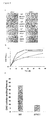
- Deletion strains of DAOa and DAOb were constructed in the P. pastoris PPY12 background and analysed for defects in the utilization of D-alanine ( Fig. 2 ), using a spot assay. Serial dilutions of cells were spotted on YND plates containing glucose in the presence of D-alanine as sole nitrogen source. The data presented in Fig. 2a shows that cells of a ⁇ DAOa strain display a strong growth defect, relative to ⁇ DAOb and the PPY12 host. This growth defect was toweried by a significant reduction in the DAO specific enzyme activity, detected in crude extracts prepared of D-alanine grown DAOa deficient cells ( Fig. 2b ).
- Identically grown cells of the ⁇ DAOb strain contained normal DAO activities comparable to those in WT controls.
- DAOa was overexpressed under control of the strong alcohol oxidase promoter.
- Cells of the transformants were grown on mineral media supplemented with methanol as sole carbon source to induce synthesis of DAOa.
- the DAO specific activities detected in crude cell extracts of these cells amounted to ⁇ 2.3 U.mg protein -1 , which is about 120 times higher than the endogenous WT activities. Based on these results, we designated the RPPA05600 gene DAO and its translation product PpDaolp.
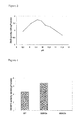
- the pH optimum of the enzyme was determined using crude extracts of Dao1p overexpressing cells ( Fig. 3 ).
- the pH optimum appeared to be rather broad and the enzyme functions well between pH 9.1 and 10.6.
- Subsequently peptide antibodies were generated against Daolp. These antibodies recognized a specific protein band in Western blots, prepared from crude extracts of the Daolp overexpression strain that was absent in the Dao deletion strain (data not shown). However, in PPY12 WT cells also no protein band was detected. From this we conclude that Daolp is present at low levels in WT cells, consistent with their relative low specific activities that are below the limit of detection in the Western blot assays.
- DAOb exhibits D-aspartate oxidase activity
- DAOa and DAOb also share approximately 35% sequence identity with human D-aspartate oxidase (DASPO).
- DASPO D-aspartate oxidase
- PPY12 and the DAOa and DAOb deletion strains were grown on glucose in the presence of D-aspartate as sole nitrogen source ( Fig. 4 ). Enzyme measurements, using crude extracts of these cells, demonstrated that the WT host and ⁇ DAOa cells contained comparable amounts of aspartate oxidase activities whereas the enzyme activities were below the limit of detection in extracts of ⁇ DAOb cells.
- PpPYC1 grew like the WT host on glucose/ (NH 4 ) 2 SO 4 ,, ethanol/ (NH 4 ) 2 SO 4 and oleate/ (NH 4 ) 2 SO 4 .
- Pyclp is an anaplerotic enzyme that replenishes the tricarboxylic acid cycle (TCA cycle) with oxaloacetate from pyruvate.
- TCA cycle tricarboxylic acid cycle
- PYC1 cells of P . pastoris have to be supplemented with aspartate or glutamate to facilitate the cells to grow on glucose in liquid media (Stucka, et al., 1991, Brewster, et al., 1994).
- EXAMPLE 2 Expression of PYC1 enhances the recombinant production of DAO.
- the full-length PYC1 ORF is amplified from P. pastoris genomic DNA and expressed from the AOX promoter in the vector pPIC3.5K containing the ARG4 marker (Invitrogen, Breda, The Netherlands).
- the resulting plasmid is linearized and transformed to P. pastoris wild type cells (PPY12 his4 arg4 ) or P. pastoris cells overproducing DAO (PPY12 his4 arg4 HIS4::pPIC3.5K-DAO ). Correct integration is confirmed by Southern blotting.
- pQE-DAO For production of PpDAO in a heterologous host, the gene is expressed in E. coli.
- a PCR-product encoding PpDAO with a C-terminal His-tag is cloned into a pQE derived expression vector containing an amp resistance marker (Qiagen, Hilden, Germany).
- the resulting plasmid is designated pQE-DAO.
- a pQE plasmid containing a kanamycin resistance marker is constructed containing a PCR product encoding PpPYC1with a C-terminal His6 tag (pQE-PYC1).
- the plasmids are transformed to E. coli M15. Two strains are made. One containing only the pQE-DAO expression vector and a second strain containing both pQE-DAO and pQE-PYC1.
- Transformants are grown as detailed in the QIAexpressionist TM . Synthesis of the proteins is induced by the addition of 1 mM IPTG and incubation for 3 h at 30 °C. Synthesis of the proteins will be monitored by Western blotting using anti-His6 antibodies.
Landscapes
- Life Sciences & Earth Sciences (AREA)
- Health & Medical Sciences (AREA)
- Chemical & Material Sciences (AREA)
- Genetics & Genomics (AREA)
- Organic Chemistry (AREA)
- Zoology (AREA)
- Engineering & Computer Science (AREA)
- Bioinformatics & Cheminformatics (AREA)
- Wood Science & Technology (AREA)
- Medicinal Chemistry (AREA)
- Biotechnology (AREA)
- Microbiology (AREA)
- Biomedical Technology (AREA)
- Molecular Biology (AREA)
- Biochemistry (AREA)
- General Engineering & Computer Science (AREA)
- General Health & Medical Sciences (AREA)
- Proteomics, Peptides & Aminoacids (AREA)
- Micro-Organisms Or Cultivation Processes Thereof (AREA)
Priority Applications (1)
| Application Number | Priority Date | Filing Date | Title |
|---|---|---|---|
| EP10158443A EP2371946A1 (de) | 2010-03-30 | 2010-03-30 | Verbesserte Verfahren und Wirtszellen zur Herstellung und Verwendung von D-Aminiosäureoxidase |
Applications Claiming Priority (1)
| Application Number | Priority Date | Filing Date | Title |
|---|---|---|---|
| EP10158443A EP2371946A1 (de) | 2010-03-30 | 2010-03-30 | Verbesserte Verfahren und Wirtszellen zur Herstellung und Verwendung von D-Aminiosäureoxidase |
Publications (1)
| Publication Number | Publication Date |
|---|---|
| EP2371946A1 true EP2371946A1 (de) | 2011-10-05 |
Family
ID=42342719
Family Applications (1)
| Application Number | Title | Priority Date | Filing Date |
|---|---|---|---|
| EP10158443A Withdrawn EP2371946A1 (de) | 2010-03-30 | 2010-03-30 | Verbesserte Verfahren und Wirtszellen zur Herstellung und Verwendung von D-Aminiosäureoxidase |
Country Status (1)
| Country | Link |
|---|---|
| EP (1) | EP2371946A1 (de) |
Citations (4)
| Publication number | Priority date | Publication date | Assignee | Title |
|---|---|---|---|---|
| JPS6371180A (ja) | 1986-09-16 | 1988-03-31 | Asahi Chem Ind Co Ltd | D−アミノ酸オキシダ−ゼ遺伝子 |
| JPH02181A (ja) | 1977-03-25 | 1990-01-05 | Ciba Geigy Ag | 新規なフタロシアニン化合物 |
| US6187574B1 (en) | 1996-04-22 | 2001-02-13 | Antibiotics, S.A. | Process for producing the enzyme D-amino acid oxidase of Rhodotorula gracilis in host cells |
| WO2005083817A1 (en) | 2004-02-26 | 2005-09-09 | Pacific Marine Batteries Pty Limited | Grids for batteries |
-
2010
- 2010-03-30 EP EP10158443A patent/EP2371946A1/de not_active Withdrawn
Patent Citations (4)
| Publication number | Priority date | Publication date | Assignee | Title |
|---|---|---|---|---|
| JPH02181A (ja) | 1977-03-25 | 1990-01-05 | Ciba Geigy Ag | 新規なフタロシアニン化合物 |
| JPS6371180A (ja) | 1986-09-16 | 1988-03-31 | Asahi Chem Ind Co Ltd | D−アミノ酸オキシダ−ゼ遺伝子 |
| US6187574B1 (en) | 1996-04-22 | 2001-02-13 | Antibiotics, S.A. | Process for producing the enzyme D-amino acid oxidase of Rhodotorula gracilis in host cells |
| WO2005083817A1 (en) | 2004-02-26 | 2005-09-09 | Pacific Marine Batteries Pty Limited | Grids for batteries |
Non-Patent Citations (47)
| Title |
|---|
| BIOTECHNOL. APPL. BIOCHEM., vol. 16, 1992, pages 252 |
| BIO-TECHNOLOGY, vol. 9, 1991, pages 188 |
| BIRGIT GEUEKE ET AL: "Overproduction and characterization of a recombinant D-amino acid oxidase from Arthrobacter protophormiae", APPLIED MICROBIOLOGY AND BIOTECHNOLOGY, SPRINGER, BERLIN, DE LNKD- DOI:10.1007/S00253-006-0776-9, vol. 74, no. 6, 6 February 2007 (2007-02-06), pages 1240 - 1247, XP019513609, ISSN: 1432-0614 * |
| BREWSTER NK; VAL DL; WALKER ME; WALLACE JC, ARCH BIOCHEM BIOPHYS, vol. 311, 1994, pages 62 - 71 |
| CHUMAKOV I; BLUMENFELD M; GUERASSIMENKO O ET AL., PROC NATL ACAD SCI USA, vol. 99, 2002, pages 13675 - 13680 |
| DECKER BL; WICKNER WT, JBIOL CHEM, vol. 281, 2006, pages 14523 - 14528 |
| ELGERSMA Y; VOS A; BERG M; ROERMUND CW; SLUIJS P; DISTEL B; TABAK HF, JBIOL CHEM, vol. 271, 1996, pages 26375 - 26382 |
| EUR. J. BIOCHEM., vol. 197, 1991, pages 513 |
| EVERS ME; TITORENKO V; HARDER W; KLEI IJ; VEENHUIS M, YEAST, vol. 12, 1996, pages 917 - 923 |
| FABER KN; ELGERSMA Y; HEYMAN JA ET AL., METHODS MOL BIOL, vol. 103, 1998, pages 121 - 147 |
| FABER KN; HAIMA P; HARDER W; VEENHUIS M; AB G, CURR GENET, vol. 25, 1994, pages 305 - 310 |
| GABLER M; HENSEL M; FISCHER L, ENZYME MICROB TECHNOL, vol. 27, 2000, pages 605 - 611 |
| GANCEDO C; FLORES CL, MICROBIOL MOL BIOL REV, vol. 72, 2008, pages 197 - 210 |
| GEUEKE B; WECKBECKER A; HUMMEL W, APPL MICROBIOL BIOTECHNOL, vol. 74, 2007, pages 1240 - 1247 |
| GOLDSTEIN AL; MCCUSKER JH, YEAST, vol. 15, 1999, pages 1541 - 1553 |
| GUNKEL K; DIJK R; VEENHUIS M; KLEI IJ, MOL BIOL CELL, vol. 15, 2004, pages 1347 - 1355 |
| HARRIS CM; POLLEGIONI L; GHISLA S, EUR JBIOCHEM, vol. 268, 2001, pages 5504 - 5520 |
| ISLINGER M; LI KW; SEITZ J; VOLKL A; LUERS GH, TRAFFIC, vol. 10, 2009, pages 1711 - 1721 |
| J. BIOCHEM., vol. 108, 1990, pages 1063 |
| J. BIOL. CHEM., vol. 268, 1993, pages 13850 |
| KLEIN AT; BERG M; BOTTGER G; TABAK HF; DISTEL B, JBIOL CHEM, vol. 277, 2002, pages 25011 - 25019 |
| KOLLER A; SPONG AP; LUERS GH; SUBRAMANI S, YEAST, vol. 15, 1999, pages 1035 - 1044 |
| KREBS HA, BIOCHEM J, vol. 29, 1935, pages 1620 - 1644 |
| MCCOLLUM D; MONOSOV E; SUBRAMANI S, J CELL BIOL, vol. 121, 1993, pages 761 - 774 |
| NEUBERGER G; MAURER-STROH S; EISENHABER B; HARTIG A; EISENHABER F, J MOL BIOL, vol. 328, 2003, pages 581 - 592 |
| ODOM AR; STAHLBERG A; WENTE SR; YORK JD, SCIENCE, vol. 287, 2000, pages 2026 - 2029 |
| OZIMEK P; VAN DIJK R; LATCHEV K; GANCEDO C; WANG DY; DER KLEI IJ; VEENHUIS M, MOL BIOL CELL, vol. 14, 2003, pages 786 - 797 |
| OZIMEK PAULINA ET AL: "Pyruvate carboxylase is an essential protein in the assembly of yeast peroxisomal oligomeric alcohol oxidase.", MOLECULAR BIOLOGY OF THE CELL, vol. 14, no. 2, February 2003 (2003-02-01), pages 786 - 797, XP002594066, ISSN: 1059-1524 * |
| OZIMEK PAULINA Z ET AL: "The transcarboxylase domain of pyruvate carboxylase is essential for assembly of the peroxisomal flavoenzyme alcohol oxidase", FEMS YEAST RESEARCH, vol. 7, no. 7, October 2007 (2007-10-01), pages 1082 - 1092, XP002594065, ISSN: 1567-1356 * |
| PEROTTI ME; GAVAZZI E; TRUSSARDO L; MALGARETTI N; CURTI B, HISTOCHEM J, vol. 19, 1987, pages 157 - 169 |
| PEROTTI ME; POLLEGIONI L; PILONE MS, EUR J CELL BIOL, vol. 55, 1991, pages 104 - 113 |
| POLLEGIONI L; MOLLA G; SACCHI S; ROSINI E; VERGA R; PILONE MS, APPL MICROBIOL BIOTECHNOL, vol. 78, 2008, pages 1 - 16 |
| SAIARDI A; ERDJUMENT-BROMAGE H; SNOWMAN AM; TEMPST P; SNYDER SH, CURR BIOL, vol. 9, 1999, pages 1323 - 1326 |
| SAMBROOK J; FRITSCH EF; SAMBROOK J: "Molecular cloning: a laboratory manual", 1989, COLD SPRING HARBOR LABORATORY |
| SANDRA H. KLOMPMAKER ET AL.: "Activation of a peroxisomal Pichia pastorisd-amino acid oxidase, which uses d-alanine as a preferred substrate, depends on pyruvate carboxylase", FEMS YEAST RESEARCH, 17 May 2010 (2010-05-17), pages 1 - 9, XP002594064, DOI: 10.1111/j.1567-1364.2010.00647.x * |
| SCHLUETER A; FOURCADE S; DOMENECH-ESTEVEZ E ET AL., NUCLEIC ACIDS RES, vol. 35, 2007, pages 815 - 822 |
| SCHRADER T; ANDREESEN JR, APPL MICROBIOL BIOTECHNOL, vol. 45, 1996, pages 458 - 464 |
| STUCKA R; DEQUIN S; SALMON JM; GANCEDO C, MOL GEN GENET, vol. 229, 1991, pages 307 - 315 |
| SULTER GJ; WATERHAM HR; GOODMAN JM; VEENHUIS M, ARCH MICROBIOL, vol. 153, 1990, pages 485 - 489 |
| SWINKELS BW; GOULD SJ; SUBRAMANI S, FEBS LETT, vol. 305, 1992, pages 133 - 136 |
| VAN DER KLEI IJ; VEENHUIS M, BIOCHIM BIOPHYS ACTA, vol. 1763, 2006, pages 1364 - 1373 |
| VAN DIJK R; FABER KN; HAMMOND AT; GLICK BS; VEENHUIS M; KIEL JA, MOL GENET GENOMICS, vol. 266, 2001, pages 646 - 656 |
| VAN DIJKEN JP; OTTO R; HARDER W, ARCH MICROBIOL, vol. 111, 1976, pages 137 - 144 |
| VEENHUIS M; VAN DIJKEN JP; HARDER W, ARCH MICROBIOL, vol. 111, 1976, pages 123 - 135 |
| VERRALL L; BURNET PW; BETTS JF; HARRISON PJ, MOL PSYCHIATRY, 2009 |
| YURIMOTO H; HASEGAWA T; SAKAI Y; KATO N, BIOSCI BIOTECHNOL BIOCHEM, vol. 65, 2001, pages 627 - 633 |
| YURIMOTO H; HASEGAWA T; SAKAI Y; KATO N, YEAST, vol. 16, 2000, pages 1217 - 1227 |
Similar Documents
| Publication | Publication Date | Title |
|---|---|---|
| EP3027733B1 (de) | Herstellung von 3-hydroxypropionsäure durch rekombinante hefen, in denen eine insekten aspartat 1-decarboxylase exprimiert wird | |
| Pines et al. | Overexpression of cytosolic malate dehydrogenase (MDH2) causes overproduction of specific organic acids in Saccharomyces cerevisiae | |
| US12359232B2 (en) | Biological processes for the production of aryl sulfates | |
| KR20160002692A (ko) | 증가된 생산 수율을 갖는 방법에 사용하기 위한 재조합 미생물 | |
| AU2016235568B2 (en) | Biocatalytic production of L-fucose | |
| US20110262976A1 (en) | PRODUCTION OF R-a-LIPOIC ACID BY FERMENTATION USING GENETICALLY ENGINEERED MICROORGANISMS | |
| EP2925873B1 (de) | Herstellung von 3-hydroxypropionsäure mittels rekombinanter hefen | |
| EP3645713A1 (de) | Penicillin-g-acylasen | |
| Geueke et al. | Overproduction and characterization of a recombinant D-amino acid oxidase from Arthrobacter protophormiae | |
| CN119032168A (zh) | 用于茉莉酸生物合成的代谢改造细胞 | |
| Yurimoto et al. | Alcohol dehydrogenases that catalyse methyl formate synthesis participate in formaldehyde detoxification in the methylotrophic yeast Candida boidinii | |
| CA2365092A1 (en) | Sorbitol dehydrogenase, gene encoding the same and use thereof | |
| US10947523B2 (en) | Biotechnological production of L-tryptophan | |
| EP4063512A1 (de) | Carbonylreduktase, dafür codierende nukleinsäure und verfahren zur herstellung einer optisch aktiven verbindung damit | |
| CN113614241A (zh) | 化合物的微生物生产 | |
| US6800464B2 (en) | Arthrobacter D-carbamoylase and methods of preparing enantiomerically enriched D-amino acids | |
| WO2014202838A1 (en) | Methods for producing styrene and genetically modified micro-organisms related thereto | |
| EP1375649B1 (de) | D-Aminosäure-Oxidase aus Arthrobacter protophormiae | |
| Klompmaker et al. | Activation of a peroxisomal Pichia pastoris d-amino acid oxidase, which uses d-alanine as a preferred substrate, depends on pyruvate carboxylase | |
| US7198932B1 (en) | Gdp-4-keto-6-deoxy-d-mannose-3,5-epimerase-4-reductase gene derived from arabidopsis thaliana | |
| Kosugi et al. | Production of S-lactoylglutathione by glycerol-adapted Saccharomyces cerevisiae and genetically engineered Escherichia coli cells | |
| US20200291378A1 (en) | Genetically modified isopropylmalate isomerase enzyme complexes and processes to prepare elongated 2-ketoacids and c5-c10 compounds therewith | |
| EP4431609A1 (de) | Verfahren zur verbesserung der herstellung und ausbeute von 2,4-dihydroxybuttersäure | |
| JP4816103B2 (ja) | グリセロールキナーゼ改変体 | |
| LU100521B1 (en) | Improved biotechnological production of L-tryptophan |
Legal Events
| Date | Code | Title | Description |
|---|---|---|---|
| PUAI | Public reference made under article 153(3) epc to a published international application that has entered the european phase |
Free format text: ORIGINAL CODE: 0009012 |
|
| AK | Designated contracting states |
Kind code of ref document: A1 Designated state(s): AT BE BG CH CY CZ DE DK EE ES FI FR GB GR HR HU IE IS IT LI LT LU LV MC MK MT NL NO PL PT RO SE SI SK SM TR |
|
| AX | Request for extension of the european patent |
Extension state: AL BA ME RS |
|
| STAA | Information on the status of an ep patent application or granted ep patent |
Free format text: STATUS: THE APPLICATION IS DEEMED TO BE WITHDRAWN |
|
| 18D | Application deemed to be withdrawn |
Effective date: 20120406 |