EP2377943A2 - Installation de production de produits biologiques intégrée et procédés associés à celle-ci - Google Patents
Installation de production de produits biologiques intégrée et procédés associés à celle-ci Download PDFInfo
- Publication number
- EP2377943A2 EP2377943A2 EP11162906A EP11162906A EP2377943A2 EP 2377943 A2 EP2377943 A2 EP 2377943A2 EP 11162906 A EP11162906 A EP 11162906A EP 11162906 A EP11162906 A EP 11162906A EP 2377943 A2 EP2377943 A2 EP 2377943A2
- Authority
- EP
- European Patent Office
- Prior art keywords
- enzyme
- biomass
- afex
- ammonia
- bio
- Prior art date
- Legal status (The legal status is an assumption and is not a legal conclusion. Google has not performed a legal analysis and makes no representation as to the accuracy of the status listed.)
- Granted
Links
Images










Classifications
-
- C—CHEMISTRY; METALLURGY
- C12—BIOCHEMISTRY; BEER; SPIRITS; WINE; VINEGAR; MICROBIOLOGY; ENZYMOLOGY; MUTATION OR GENETIC ENGINEERING
- C12P—FERMENTATION OR ENZYME-USING PROCESSES TO SYNTHESISE A DESIRED CHEMICAL COMPOUND OR COMPOSITION OR TO SEPARATE OPTICAL ISOMERS FROM A RACEMIC MIXTURE
- C12P7/00—Preparation of oxygen-containing organic compounds
- C12P7/02—Preparation of oxygen-containing organic compounds containing a hydroxy group
- C12P7/04—Preparation of oxygen-containing organic compounds containing a hydroxy group acyclic
- C12P7/06—Ethanol, i.e. non-beverage
- C12P7/08—Ethanol, i.e. non-beverage produced as by-product or from waste or cellulosic material substrate
- C12P7/10—Ethanol, i.e. non-beverage produced as by-product or from waste or cellulosic material substrate substrate containing cellulosic material
-
- C—CHEMISTRY; METALLURGY
- C12—BIOCHEMISTRY; BEER; SPIRITS; WINE; VINEGAR; MICROBIOLOGY; ENZYMOLOGY; MUTATION OR GENETIC ENGINEERING
- C12N—MICROORGANISMS OR ENZYMES; COMPOSITIONS THEREOF; PROPAGATING, PRESERVING, OR MAINTAINING MICROORGANISMS; MUTATION OR GENETIC ENGINEERING; CULTURE MEDIA
- C12N1/00—Microorganisms; Compositions thereof; Processes of propagating, maintaining or preserving microorganisms or compositions thereof; Processes of preparing or isolating a composition containing a microorganism; Culture media therefor
- C12N1/38—Chemical stimulation of growth or activity by addition of chemical compounds which are not essential growth factors; Stimulation of growth by removal of a chemical compound
-
- C—CHEMISTRY; METALLURGY
- C12—BIOCHEMISTRY; BEER; SPIRITS; WINE; VINEGAR; MICROBIOLOGY; ENZYMOLOGY; MUTATION OR GENETIC ENGINEERING
- C12N—MICROORGANISMS OR ENZYMES; COMPOSITIONS THEREOF; PROPAGATING, PRESERVING, OR MAINTAINING MICROORGANISMS; MUTATION OR GENETIC ENGINEERING; CULTURE MEDIA
- C12N9/00—Enzymes; Proenzymes; Compositions thereof; Processes for preparing, activating, inhibiting, separating or purifying enzymes
- C12N9/14—Hydrolases (3)
- C12N9/24—Hydrolases (3) acting on glycosyl compounds (3.2)
- C12N9/2402—Hydrolases (3) acting on glycosyl compounds (3.2) hydrolysing O- and S- glycosyl compounds (3.2.1)
- C12N9/2405—Glucanases
- C12N9/2434—Glucanases acting on beta-1,4-glucosidic bonds
-
- C—CHEMISTRY; METALLURGY
- C12—BIOCHEMISTRY; BEER; SPIRITS; WINE; VINEGAR; MICROBIOLOGY; ENZYMOLOGY; MUTATION OR GENETIC ENGINEERING
- C12P—FERMENTATION OR ENZYME-USING PROCESSES TO SYNTHESISE A DESIRED CHEMICAL COMPOUND OR COMPOSITION OR TO SEPARATE OPTICAL ISOMERS FROM A RACEMIC MIXTURE
- C12P19/00—Preparation of compounds containing saccharide radicals
- C12P19/02—Monosaccharides
-
- C—CHEMISTRY; METALLURGY
- C12—BIOCHEMISTRY; BEER; SPIRITS; WINE; VINEGAR; MICROBIOLOGY; ENZYMOLOGY; MUTATION OR GENETIC ENGINEERING
- C12P—FERMENTATION OR ENZYME-USING PROCESSES TO SYNTHESISE A DESIRED CHEMICAL COMPOUND OR COMPOSITION OR TO SEPARATE OPTICAL ISOMERS FROM A RACEMIC MIXTURE
- C12P19/00—Preparation of compounds containing saccharide radicals
- C12P19/14—Preparation of compounds containing saccharide radicals produced by the action of a carbohydrase (EC 3.2.x), e.g. by alpha-amylase, e.g. by cellulase, hemicellulase
-
- C—CHEMISTRY; METALLURGY
- C12—BIOCHEMISTRY; BEER; SPIRITS; WINE; VINEGAR; MICROBIOLOGY; ENZYMOLOGY; MUTATION OR GENETIC ENGINEERING
- C12P—FERMENTATION OR ENZYME-USING PROCESSES TO SYNTHESISE A DESIRED CHEMICAL COMPOUND OR COMPOSITION OR TO SEPARATE OPTICAL ISOMERS FROM A RACEMIC MIXTURE
- C12P21/00—Preparation of peptides or proteins
- C12P21/02—Preparation of peptides or proteins having a known sequence of two or more amino acids, e.g. glutathione
-
- C—CHEMISTRY; METALLURGY
- C12—BIOCHEMISTRY; BEER; SPIRITS; WINE; VINEGAR; MICROBIOLOGY; ENZYMOLOGY; MUTATION OR GENETIC ENGINEERING
- C12P—FERMENTATION OR ENZYME-USING PROCESSES TO SYNTHESISE A DESIRED CHEMICAL COMPOUND OR COMPOSITION OR TO SEPARATE OPTICAL ISOMERS FROM A RACEMIC MIXTURE
- C12P2201/00—Pretreatment of cellulosic or lignocellulosic material for subsequent enzymatic treatment or hydrolysis
-
- Y—GENERAL TAGGING OF NEW TECHNOLOGICAL DEVELOPMENTS; GENERAL TAGGING OF CROSS-SECTIONAL TECHNOLOGIES SPANNING OVER SEVERAL SECTIONS OF THE IPC; TECHNICAL SUBJECTS COVERED BY FORMER USPC CROSS-REFERENCE ART COLLECTIONS [XRACs] AND DIGESTS
- Y02—TECHNOLOGIES OR APPLICATIONS FOR MITIGATION OR ADAPTATION AGAINST CLIMATE CHANGE
- Y02E—REDUCTION OF GREENHOUSE GAS [GHG] EMISSIONS, RELATED TO ENERGY GENERATION, TRANSMISSION OR DISTRIBUTION
- Y02E50/00—Technologies for the production of fuel of non-fossil origin
- Y02E50/10—Biofuels, e.g. bio-diesel
Definitions
- Cellulosic biomass can be used for the production of various bio-products.
- many conventional methods are very expensive, requiring high capital expenditures, such as for high pressure reactors and large amounts of additives.
- the inventors are the first to recognize the need for improved methods of producing bio-products from cellulosic biomass.
- One aspect of the invention is a method comprising: treating plant biomass with an ammonia pretreatment to provide an ammonia-treated plant biomass, wherein the plant biomass is from one or more plants; and using the ammonia-treated plant biomass to stimulate growth or promote enzyme synthesis in an enzyme-producing microorganism.
- ammonia-treated alkaline plant biomass contains solubles and/or solids that stimulate growth or promote cellulase enzyme synthesis in the enzyme-producing microorganism.
- the methods described herein can also include extracting at least a portion of the solubles from the ammonia-treated alkaline plant biomass with a solvent to thereby produce a soluble extract and a washed pretreated biomass.
- the soluble extract is used to stimulate growth or promote cellulase enzyme synthesis in an enzyme-producing microorganism.
- the washed pretreated biomass can also be used to stimulate growth or promote cellulase enzyme synthesis in an enzyme-producing microorganism.
- the methods described herein can be performed in a bio-product production facility that utilizes the ammonia treated plant biomass to produce a bio-product in a bio-product production unit.
- the enzyme-producing microorganism is contained within an enzyme production unit that optionally comprises the soluble extract, the washed pretreated biomass and/or a nutrient-containing byproduct of the bio-product production unit.
- the enzyme produced by the enzyme-producing microorganism is a saccharolytic enzyme.
- the saccharolytic enzyme can be selected from exoglucanases, endoglucanases, ⁇ -xylosidases, endoxylanases, ⁇ -arabinofuranosidases, cellulose induced protein 2, ⁇ -arabinofuranosidases, acetyl xylan esterases, ⁇ -glucuronidases, endoxylanases, polygalaturonases, ⁇ -galactosidases, acetyl esterases, and combinations thereof.
- the enzyme-producing microorganism is selected from yeast, bacteria, fungi, and combinations thereof.
- the enzyme-producing microorganism can be selected from Trichoderma reesei (T. reesei) and Aspergillus awamori (A. awamori).
- the enzyme-producing microorganism can be selected from T. reesei, A. awamori, Clostridium thermocellum (C. thermocellum), and Thermoanaerobacterium saccharolyticum.
- the soluble extract obtained from the ammonia-treated alkaline plant biomass can include proteins, vitamins, simple sugars, oligosaccharides, lipids and trace elements.
- the solvent used for extracting at least a portion of the solubles from the ammonia-treated alkaline plant biomass can be water or an aqueous-based solvent.
- the solvent is an aqueous alkaline ammonium hydroxide solution.
- the aqueous alkaline ammonium hydroxide solution can include about 0.01% to 30% NH 4 OH by weight.
- the aqueous alkaline ammonium hydroxide solution has a pH between about 7 and 12.
- the soluble extract contains a stimulant.
- the soluble extract and/or the stimulant can be used to stimulate growth in an enzyme-producing microorganism.
- the soluble extract and/or the stimulant can also be used to induce or stimulate enzyme production in an enzyme-producing microorganism.
- growth stimulation and/or enzyme induction can be performed separately or simultaneously, for example, in an enzyme production unit.
- the plant biomass can be derived from one or more plants.
- the plant is a monocot.
- Examples of a monocot from which the plant biomass can be obtained include grass, corn stover, sorghum, sugarcane bagasse, wheat, rice, maize, or a combination thereof.
- the grass is switchgrass, miscanthus, reed canary grass, or a combination thereof.
- the plant biomass is corn stover.
- the ammonia pretreatment can be performed in a variety of ways using a variety of ammonia-containing material.
- the ammonia pretreatment comprises ammonia fiber expansion.
- the method described herein can further include hydrolyzing the ammonia-treated plant biomass with an enzyme to generate an enzymatic hydrolysate slurry, wherein the enzyme is an enzyme secreted by the enzyme-producing microorganism, the enzyme is present within or from the soluble extract, and/or the enzyme is present within or from the washed pretreated biomass.
- the enzymatic hydrolysate slurry can be mechanically processing to produce a liquid enzymatic hydrolysate that includes a fermentable sugar mixture.
- the methods described herein can further include fermenting the liquid enzymatic hydrolysate to generate a bio-product.
- Bio-based products are produced by the methods described herein.
- the bio-based product generated by the methods described herein can be a biofuel, hydrocarbon or a biochemical product.
- bio-product produced according to the methods described herein.
- a bio-product is selected from the group consisting of a bio-based chemical, hydrocarbon, biochemical product or a biofuel.
- Another aspect of the invention is a biofuel production facility that includes: a bio-product production unit configured to produce a bio-product and a nutrient-containing byproduct from ammonia pretreated biomass; and an enzyme production unit in communication with the bio-product production unit and configured to produce an enzyme from the nutrient containing byproduct and soluble extracted from the pretreated biomass for use in the bio-product production unit.
- the biofuel production facility produces a bio-product such as a biofuel, hydrocarbon, biochemical or a combination thereof.
- the biofuel is an alcohol (e.g., ethanol).
- the ammonia pretreated biomass used in the biofuel production facility can be ammonia pretreated corn stover.
- Another aspect of the invention is a method of producing a bio-product comprising: producing an enzyme in an enzyme production unit comprising an enzyme-producing microorganism, an ethanol production residue, and a stimulant extracted from an ammonia pretreated biomass; and providing the enzyme to a bio-product production unit wherein the bio-product is produced.
- the ammonia pretreated biomass from which the stimulant is extracted can be ammonia treated corn stover.
- the ethanol production residue is corn syrup liquor.
- the ethanol production residue can, for example, be a nutrient-containing bioproduct generated in the bio-product production unit.
- the enzyme production unit can include a dilute pretreated biomass.
- the bio-product produced in the method can be a biochemical or biofuel (e.g., an alcohol).
- the stimulant extracted from an ammonia pretreated biomass can include solubles capable of stimulating microbial growth.
- the stimulant can also contain solubles capable of stimulating or inducing enzyme production in the enzyme-producing microorganism.
- the enzyme produced can, for example, be a saccharolytic enzyme.
- the saccharolytic enzyme can be selected from exoglucanases, endoglucanases, ⁇ -xylosidases, endoxylanases, ⁇ -arabinofuranosidases, cellulose induced protein 2, ⁇ -arabinofuranosidases, acetyl xylan esterases, ⁇ -glucuronidases, endoxylanases, polygalaturonases, ⁇ -galactosidases, acetyl esterases, and combinations thereof.
- the enzyme-producing microorganism in the enzyme production unit can be selected from T. reesei and A. awamori. In some embodiments, the enzyme-producing microorganism in the enzyme production unit can be selected from T. reesei , A. awamori, C. thermocellum and Thermoanaerobacterium saccharolyticum.
- biomass refers in general to organic matter harvested or collected from a renewable biological resource as a source of energy.
- the renewable biological resource can include plant materials, animal materials, and/or materials produced biologically.
- biomass is not considered to include fossil fuels, which are not renewable.
- Plant biomass or "lignocellulosic biomass” or “cellulosic biomass” as used herein, is intended to refer to virtually any plant-derived organic matter (woody or non-woody) available for energy on a sustainable basis.
- Plant biomass can include, but is not limited to, agricultural crop wastes and residues such as corn stover, wheat straw, rice straw, sugar cane bagasse and the like.
- Plant biomass further includes, but is not limited to, woody energy crops, wood wastes and residues such as trees, including fruit trees, such as fruit-bearing trees, (e.g., apple trees, orange trees, and the like), softwood forest thinnings, barky wastes, sawdust, paper and pulp industry waste streams, wood fiber, and the like.
- grass crops such as various prairie grasses, including prairie cord grass, switchgrass, miscanthus, big bluestem, little bluestem, side oats grama, and the like, have potential to be produced large-scale as additional plant biomass sources.
- potential plant biomass feedstock includes yard waste (e.g., grass clippings, leaves, tree clippings, brush, etc.) and vegetable processing waste.
- Plant biomass is known to be the most prevalent form of carbohydrate available in nature and corn stover is currently the largest source of readily available plant biomass in the United States.
- biofuel refers to any renewable solid, liquid or gaseous fuel produced biologically, for example, those derived from biomass. Most biofuels are originally derived from biological processes such as the photosynthesis process and can therefore be considered a solar or chemical energy source. Other biofuels, such as natural polymers (e.g., chitin or certain sources of microbial cellulose), are not synthesized during photosynthesis, but can nonetheless be considered a biofuel because they are biodegradable.
- natural polymers e.g., chitin or certain sources of microbial cellulose
- Biofuels produced from biomass not synthesized during photosynthesis include, but are not limited to, those derived from chitin, which is a chemically modified form of cellulose known as an N-acetyl glucosamine polymer. Chitin is a significant component of the waste produced by the aquaculture industry because it comprises the shells of seafood.
- agricultural biofuel refers to a biofuel derived from agricultural crops (e.g., grains, such as corn), crop residues, grain processing facility wastes (e.g., wheat/oat hulls, corn/bean fines, out-of-specification materials, etc.), livestock production facility waste (e.g., manure, carcasses, etc.), livestock processing facility waste (e.g., undesirable parts, cleansing streams, contaminated materials, etc.), food processing facility waste (e.g., separated waste streams such as grease, fat, stems, shells, intermediate process residue, rinse/cleansing streams, etc.), value-added agricultural facility byproducts (e.g., distiller's wet grain (DWG) and syrup from ethanol production facilities, etc.), and the like.
- agricultural crops e.g., grains, such as corn
- crop residues e.g., grain processing facility wastes (e.g., wheat/oat hulls, corn/bean fines, out-of-specification materials, etc
- livestock industries include, but are not limited to, beef, pork, turkey, chicken, egg and dairy facilities.
- agricultural crops include, but are not limited to, any type of non-woody plant (e.g., cotton), grains such as corn, wheat, soybeans, sorghum, barley, oats, rye, and the like, herbs (e.g., peanuts), short rotation herbaceous crops such as switchgrass, alfalfa, and so forth.
- pretreatment step refers to any step intended to alter native biomass so it can be more efficiently and economically converted to reactive intermediate chemical compounds such as sugars, organic acids, etc., which can then be further processed to a variety of value added products such a value-added chemical, such as ethanol.
- Pretreatment can influence the degree of crystallinity of a polymeric substrate, reduce the interference of lignin with biomass conversion and pre-hydrolyze some of the structural carbohydrates, thus increasing their enzymatic digestibility and accelerating the degradation of biomass to useful products.
- Pretreatment methods can utilize acids of varying concentrations (including sulfuric acids, hydrochloric acids, organic acids, etc.) and/or other components such as ammonia, ammonium hydroxide, lime, and the like.
- Pretreatment methods can additionally or alternatively utilize hydrothermal treatments including water, heat, steam or pressurized steam. Pretreatment can occur or be deployed in various types of containers, reactors, pipes, flow through cells and the like. Most pretreatment methods will cause the partial or full solubilization and/or destabilization of lignin and/or hydrolysis of hemicellulose to pentose sugar monomers or oligomers.
- moisture content refers to percent moisture of biomass.
- the moisture content is calculated as grams of water per gram of wet biomass (biomass dry matter plus water) times 100%.
- AFEX Ammonia Fiber Explosion
- AFEX Ammonia Fiber Expansion
- the ammonia employed is anhydrous liquid ammonia.
- the biomass used for AFEX pretreatment has reduced moisture.
- An AFEX pretreatment disrupts the lignocellulosic matrix, thus modifying the structure of lignin, partially hydrolyzing hemicellulose, and increasing the accessibility of cellulose and the remaining hemicellulose to subsequent enzymatic degradation.
- Lignin is the primary impediment to enzymatic hydrolysis of native biomass, and removal or transformation of lignin is a suspected mechanism of several of the leading pretreatment technologies, including AFEX.
- AFEX the leading pretreatment technologies
- the lower temperatures and non-acidic conditions of the AFEX process prevent lignin and/or hemicellulose from being converted into furfural, hydroxymethyl furfural, phenolics and organic acids that could negatively affect enzyme/microbial activity.
- the process further expands and swells cellulose fibers and further breaks up amorphous hemicellulose in lignocellulosic biomass.
- bio-product refers to products obtained from enzymatic hydrolysis and/or fermentation of pretreated biomass.
- bio-products include biofuels (e.g., one or more alcohols, including ethanol), hydrocarbons, and biochemical products (e.g., organic acids, such as lactic acid or succinic acid) produced from pretreated biomass.
- bio-product production unit refers to that portion of a bio-product production process in a bio-product production facility in which pretreated lignocellulosic biomass is processed and converted into the bio-product.
- integrated bio-product production facility refers to a bio-product production facility configured to produce a bio-product and a nutrient-containing byproduct from pretreated lignocellulosic biomass, and to further use solubles extracted from the pretreated lignocellulosic biomass for at least one of the following two purposes: (1) to promote or induce enzyme production by microorganisms, and/or (2) to stimulate growth for fermenting and/or enzyme-producing microorganism.
- An "integrated biofuel production facility” produces a biofuel in the above-described integrated manner and can also be referred to as an "integrated biorefinery.”
- nutrient-containing byproduct refers to a byproduct produced from production of bio-product from lignocellulosic biomass.
- the nutrient-containing byproduct can include food precursor components.
- Corn Steep Liquor (CSL) is one example of a nutrient-containing byproduct.
- diluted pretreated biomass hydrolysate refers to a pretreated plant biomass hydrolysate containing no less than about 3% moisture.
- the diluted pretreated biomass hydrolysate can be a diluted ammonia pretreated biomass hydrolysate.
- CSL Corn Steep Liquor
- solubles refers to components extracted from pretreated biomass using an appropriate solvent.
- the solubles can include at least one "stimulant” that is a microbial growth stimulant and/or an agent that induces enzyme production from a microbe.
- the biomass can be a lignocellulosic biomass.
- the solvent employed is typically aqueous. In some embodiments, when water is used as solvent, it can contain an alkaline agent (e.g. ammonium hydroxide).
- lignocellulosic biomass i.e., plant biomass, such as monocots
- hemicellulose is a polymer of short, highly-branched chains of mostly five-carbon pentose sugars (xylose and arabinose), and to a lesser extent six-carbon hexose sugars (galactose, glucose and mannose).
- Dicots on the other hand, have a high content of pectate and/or pectin, which is a polymer of alpha-linked glucuronic acid. Pectate may be "decorated” with mannose or rhamnose sugars, also). These sugars are highly substituted with acetic acid.
- hemicellulose is amorphous and relatively easy to hydrolyze (breakdown or cleave) to its individual constituent sugars by enzyme or dilute acid treatment.
- Cellulose is a linear polymer of glucose sugars, much like starch, which is the primary substrate of corn grain in dry grain and wet mill ethanol plants.
- starch the glucose sugars of cellulose are strung together by ⁇ -glycosidic linkages which allow cellulose to form closely-associated linear chains. Because of the high degree of hydrogen bonding that can occur between cellulose chains, cellulose forms a rigid crystalline structure that is highly stable and much more resistant to hydrolysis by chemical or enzymatic attack than starch or hemicellulose polymers.
- Lignin which is a polymer of phenolic molecules, provides structural integrity to plants, and remains as residual material after the sugars in plant biomass have been fermented to ethanol. Lignin is a by-product of alcohol production and is considered a premium quality solid fuel because of its zero sulfur content and heating value, which is near that of sub-bituminous coal.
- Typical ranges of hemicellulose, cellulose, and lignin concentrations in plants are available at the website www1.eere.energy.gov/biomass/feedstock_databases.html.
- cellulose makes up 30 to 50% of residues from agricultural, municipal, and forestry sources.
- Cellulose is more difficult to hydrolyze than hemicellulose, but, once hydrolyzed, converts more efficiently into ethanol with glucose fermentation than hemicellulose.
- the sugar polymers of hemicellulose are relatively easy to hydrolyze, but do not convert as efficiently as cellulose using standard fermentation strains (which produce ethanol from glucose).
- hemicellulose sugars represent the "low-hanging" fruit for conversion to ethanol, the substantially higher content of cellulose represents the greater potential for maximizing alcohol yields, such as ethanol, on a per ton basis of plant biomass.
- Conventional methods used to convert biomass to alcohol include processes employing a concentrated acid hydrolysis pretreatment, a two-stage acid hydrolysis pretreatment as well as processes employing any known conventional pretreatment, such as hydrothermal or chemical pretreatments, followed by an enzymatic hydrolysis (i.e., enzyme-catalyzed hydrolysis) or simultaneous enzymatic hydrolysis and saccharification.
- Such pretreatment methods can include, but are not limited to, dilute acid hydrolysis, high pressure hot water-based methods, i.e., hydrothermal treatments such as steam explosion and aqueous hot water extraction, reactor systems (e.g., batch, continuous flow, counter-flow, flow-through, and the like), AFEX , ammonia recycled percolation (ARP), lime treatment and a pH-based treatment.
- hydrothermal treatments such as steam explosion and aqueous hot water extraction
- reactor systems e.g., batch, continuous flow, counter-flow, flow-through, and the like
- AFEX ammonia recycled percolation
- lime treatment a pH-based treatment.
- pretreatment-hydrolysis of plant biomass can often result in the creation and release of other chemicals that inhibit microbial fermentation.
- These inhibitors i.e. furfural
- Biomass conversion to alcohol also poses unique fermentation considerations.
- Saccharomyces cerevisiae yeast strains used in conventional corn ethanol plants for example can ferment glucose, but cannot ferment pentose sugars such as xylose. Additionally, there is currently no naturally occurring microorganism that can effectively convert all the major sugars present in plant biomass to ethanol. Therefore, genetically engineered yeast or bacteria, which can, in theory, ferment both glucose and xylose to alcohol, is used for biomass to alcohol processes.
- co-fermentation is inefficient and glucose fermentation is still the main reaction for ethanol production.
- an integrated bio-product production facility such as a biofuel production facility, is configured to generate pretreated lignocellulosic biomass for forming both bio-product and enzymes useful in making bio-products.
- this integrated approach is utilized to produce ethanol and the enzyme utilized in ethanol production without washing, detoxifying or adding supplemental (exogenous) nutrients to the pretreated biomass.
- the pretreated lignocellulosic biomass is not only serving as a source of carbon and nitrogen, but also providing other nutrients for the biofuel production facility.
- the process further includes yeast production.
- the lignocellulosic biomass is pretreated with ammonia, such as with an Ammonia Fiber Expansion (AFEX) treatment, to produce reactive, highly fermentable plant materials by reducing inhibitory degradation product generation and enriching the nitrogen content of the pretreated materials.
- ammonia such as with an Ammonia Fiber Expansion (AFEX) treatment
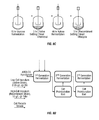
- FIG. 1A shows one embodiment of a biofuel production facility 100 utilizing a bio-product production unit (BPU) 102 to produce a bio-product 15.
- biomass 1 is provided to a pretreatment unit104 which pretreats the biomass 1 to produce pretreated biomass 2.
- the pretreatment unit 104 is an AFEX treatment unit.
- a portion of the pretreated biomass 2 is provided to an extraction unit 106 to extract solubles from the pretreated biomass 2 using a suitable solvent (e.g., water), while the remainder of the pretreated biomass 2 is provided to the BPU 102.
- a suitable solvent e.g., water
- between about 20% and about 40% of the pretreated biomass 2 is provided to the water extraction unit 106.
- about 30% to about 35% is provided to the water extraction unit 106.
- the biomass 1 is lignocellulosic biomass (e.g., untreated corn stover).
- the biomass is derived from one or more plants. At least one of the one or more plants can be a monocot.
- the monocot can include, but is not limited to, corn stover, grass, corn stover, sorghum, sugarcane bagasse, wheat, rice, maize, or a combination thereof.
- the grass can include, but is not limited to, switchgrass, miscanthus, reed canary grass, or a combination thereof.
- the pretreated biomass 2 is AFEX-pretreated corn stover (AFEX-CS).
- AFEX-CS AFEX-pretreated corn stover
- the pretreated biomass 2 can undergo extraction within the extraction unit 106.
- a portion of the pretreated biomass 2 is extracted.
- a majority of the pretreated biomass 2 is extracted.
- about 5% to about 70% of the biomass 2 can be extracted in the extraction unit.
- about 20% to 50% of the biomass 2 can be extracted in the extraction unit.
- BPU Bio-Product Production Unit
- the Extraction Unit 106 extracts at least one Stimulant 5, which can be added to the Enzyme Production Unit 108.
- the Stimulant 5 is a water extract of the pretreated biomass 2.
- the Enzyme Production Unit 108 can contain a microorganism that can secrete a saccharolytic enzyme.
- the enzyme-producing microorganism is Trichoderma reesei.
- the enzyme-producing microorganism is A. awamori.
- the enzyme-producing microorganism is a combination of microorganisms, one of which is Trichoderma reesei.
- the bio-product 15 is a biofuel, such as an alcohol and/or a hydrocarbon.
- the bio-product 15 is a biochemical, such as an organic acid and succinic acid; the nutrient-containing byproduct 18 can also be CSL.
- the pretreated biomass 2 is extracted in an extraction unit 106 with an extracting additive 25 to produce extracted solubles, i.e., a stimulant 5 (of microbial growth and/or of microbial enzyme production) and extracted pretreated biomass 4.
- an extracting additive 25 Any suitable conditions configured to extract the solubles may be used.
- the solubles are extracted with water as the extracting additive 25.
- the solubles are extracted under alkaline conditions, such as with a pH between about 7 and 12, such as a pH between about 8 and 9.
- the solubles are extracted with aqueous alkaline ammonium hydroxide solution as the extracting additive 25. In one embodiment, between about 0.01 and, about 30% by weight of NH 4 OH is used.
- the extracted pretreated biomass 4 is provided to the line containing the pretreated biomass 2; thereafter, the combined components (extracted pretreated biomass 4 and pretreated biomass 2) enter the BPU 102.
- the extracted pretreated biomass 4 can have any suitable moisture content. In one embodiment, the moisture content is no greater than about 95%. In some embodiments, the moisture content in the extracted pretreated biomass 4 is as low as 3%. In other embodiments, the moisture content in the extracted pretreated biomass 4 ranges from about 5% to 75%, with ranges of about 50% to 75% being quite common.
- the extracted pretreated biomass 4 has reduced carbohydrate content as compared to the pretreated biomass 2. In one embodiment, carbohydrate content in the extracted pretreated biomass 4 is reduced by up to about 7% as compared to the pretreated biomass 2. In some embodiments, carbohydrate content is reduced by at least 7% up to about 40%.
- the stimulant 5 can have any suitable solids loading, i.e., any suitable amount of solid matter can be present. In one embodiment, a solids loading of up to about 18% is achieved. In one embodiment, the solids loading may be higher, such as up to about 50% solids loading.
- the stimulant 5 is then provided to an enzyme production unit 108 which is also provided with a nutrient-containing byproduct (i.e., enzyme-producing microorganism) 18 exiting the bio-product production unit 102.
- the resulting enzyme 6 is then providing to the bio-product production facility 102 for use in producing the bio-product 15.
- the enzyme 6 is a saccharolytic enzyme from Trichoderma reesei (T. reesei) fermentation. In one embodiment, the enzyme 6 is from A. awamori.
- Moist solids residue 8 exiting the bio-product production unit 102 is separated in a solids-liquid separation unit 110 (optionally, with added water 17) to produce a diluted pretreated biomass hydrolysate 11 and a solids residue 21 containing less moisture than the moist solids residue 8.
- the solids-liquid separation unit 110 comprises a screw press.
- the diluted pretreated biomass hydrolysate 11 can be provided to a microbial seed culture 112 and also to the enzyme production unit 108 for use as a sugar source for the nutrient-containing byproduct 18 (i.e., enzyme producing microorganism).
- the microorganism 13 produced with the microbial seed culture 112 is provided to the BPU 102. Any suitable type of microorganism 13 can be used and/or produced. In one embodiment, fresh native and recombinant S. cerevisiae 424A(LNH-ST) is used and/or produced. Any suitable amount of microorganism 13 can be used and/or produced, with the amount varying depending on how much of the microorganism 13 is recycled with a microorganism recycle stream 19 shown in FIG. 1B and how much exits in the microorganism purge stream 20.
- the BPU 102 comprises an enzymatic hydrolysis unit 102 to which the enzyme 6 is provided along with the pretreated biomass 2 and the extracted pretreated biomass 4.
- an enzymatic hydrolysate slurry 7 is produced which is provided to a mechanical processing unit 12, such as a suitable type of press, to produce the residual solids 8 and liquid enzymatic hydrolysate 9.
- the liquid enzymatic hydrolysate 9 is provided to both the fermentation unit 124 into which the microorganism13 is also provided, and to a microorganism preincubation unit 128.
- residual microorganisms 17 can also exit the sedimentation unit 126. Any residual microorganisms 17 are provided to a microorganism tank 21 where the output is split into the microorganism recycle stream 19 and the microorganism purge 20. Varying amounts of the microorganism 17 can be purged, for example, after each recycling event. For example, about 1 % to 40% of the microorganism 17 can be purged after each recycle event. In some embodiments, about 10% of the microorganism 17 can be purged.
- a cell preincubation unit 128 is configured to receive the microorganism recycle stream 19 from the microorganism tank 21 as well as liquid enzymatic hydrolysate 9 exiting the mechanical processing unit 122.
- the cell preincubation unit 128 preincubates the microbe in the microorganism recycle stream 19 to produce an incubated recycled microorganism 16 which is provided to the fermentation unit 124.
- the microbe is a yeast, fungi and/or bacteria.
- a bio-product production facility 102 can operate as follows: On a basis of 1000 g untreated corn stover, 1020 g of AFEX-pretreated corn stover (AFEX-CS) is produced. Approximately 1/3 of the AFEX-CS is washed at 18% w/w solids loading to yield water-extracted stimulant 5 that can be used for enzyme induction/production. Enzymes that can be induced include a saccharolytic enzyme from Trichoderma reesei. The soluble sugars in the pressed residual solids are further diluted to generate a sugar stream for seed culture preparations for Trichoderma reesei RUT-C30 and Saccharomyces cerevisiae.
- 10% of the carbohydrate in the input untreated corn stover is used for enzyme production.
- the washed AFEX-pretreated corn stover in which the total carbohydrate is reduced by 7%, is fed to the pretreated AFEX-CS stream, and the combined stream is enzymatically-hydrolyzed (e.g., using saccharolytic enzyme(s), some of which can be from Trichoderma reesei).
- saccharolytic enzyme(s) some of which can be from Trichoderma reesei.
- the enzymatic hydrolysate slurry is separated to yield a liquid enzymatic hydrolysate and moist residual solids by mechanical processing means, such as a pneumatic press.
- the liquid enzymatic hydrolysate contains sugars that are fermented to ethanol using the two stage ethanol fermentation.
- the fermentation can employ fresh native and/or recombinant S . cerevisiae 424A(LNH-ST) (e.g., 0.05 g/L of fresh native S . cerevisiae for glucose fermentation and 1.0 g dry wt/L of fresh S. cerevisiae 424A(LNH-ST) inoculum for xylose fermentation).
- Yeast from a recycle stream can also be added or employed.
- native yeast cells can be produced at a yield of 20.8 g dry yeast cells/1 kg untreated Corn Stover.
- About 10% of the recombinant S . cerevisiae 424A(LNH-ST) can be purged after each recycle event.
- the nutrient content (protein, vitamins and trace elements) of an AFEX-treated enzymatic hydrolysate such as AFEX-treated corn stover (AFEX-CS) enzymatic hydrolysate
- AFEX-CS AFEX-treated corn stover
- a method for supporting both ethanol and in-house enzyme production using AFEX-CS is provided. (See also Example 6, which provides an economic model for the exemplary process).
- the embodiments described herein do not need to utilize added nutrients to support microbial growth for fermentation.
- nutrients present in biomass such as cellulosic biomass, are solubilized in a liquid extract of the hydrolysate generated by AFEX pretreatment and used to stimulate microbial growth and/or enzyme synthesis.
- AFEX-treated biomass can support fermentation activities beyond ethanol production due to the presence of excess minerals.
- in-house enzyme production reduces the exogenous enzyme requirement from 10 mg/g biomass down to no more than about 1 mg/g biomass.
- the overall cost of enzyme reduced primarily due to the ability to utilize sugars (both monomers and oligomers) from AFEX-CS for enzyme production.
- water soluble extractives isolated from pretreated biomass such as AFEX pretreated lignocellulosic biomass provide a potent inducer for production of cellulases and hemicellulases.
- Further improvements to industrial fungal strains to optimize utilization of pretreated lignocellulosic biomass as the sole carbon source for production of biomass degrading enzymes might greatly reduce the cost of cellulosic biorefineries.
- enzyme cost is further reduced by at least partial recycling of the enzymes, such as with countercurrent contacting of spent biomass hydrolysate with fresh, unhydrolysed solids. Reducing the total amount of hydrolytic enzymes (from 15 mg protein/gm stover) also reduces the cost of enzyme.
- Use of an in-house enzyme production approach takes advantage of the abundant cellulosic biomass as the source of carbohydrate and minerals, thus eliminating the requirement for expensive substrates such as lactose or sopharose while achieving superior enzyme induction.
- the enzyme titer produced by "in-house” stimulation of enzyme production is sufficient to support high solids loading (at least 18% w/w solids loading) with enzymatic hydrolysis at an enzyme loading of 15 mg protein/g corn stover.
- the enzyme mixture is not further concentrated, no protein stabilizer is added and/or no preservatives are added.
- high cell density fermentation can be conducted without the need for significant fresh cell inoculum due to the high recyclability of yeast cells in the hydrolysate.
- native yeast from a first stage ethanol fermentation is one example of a useful co-product that can be recycled into the fermentation process or sold. Therefore, the proposed biorefinery approach creates a scenario in which the processes described herein can enhance the production of growth stimulants, enzyme production stimulants, food precursors, and yeast to thereby stimulate growth of the biofuels industry. These products can be recycled back into an appropriate step of the process (see FIG. 1A ) or sold to generate revenue.
- yeast is useful for generating specialty products including invertase, beta-glucans, phospholipids and ergosterol. Thus, yeast cells are a valuable product of the processes described herein.
- native yeast serves as an agent to capture and concentrate the nutrients from plant biomass while simultaneously producing ethanol as fuel.
- a solid-liquid separation precedes fermentation to facilitate yeast cell separation from broth.
- bioconversions can therefore be completed in the Separate Hydrolysis and Fermentation (SHF) mode, rather than the Simultaneous Saccharification and Co-fermentation (SSCF) mode.
- SHF Separate Hydrolysis and Fermentation
- SSCF Simultaneous Saccharification and Co-fermentation
- hydrolysate from AFEX-treated biomass such as AFEX-CS, especially at high solids loading, is nutrient-rich and highly fermentable, containing a nutrient level similar to malt wort for beer production.
- AFEX-treated biomass such as AFEX-CS
- hydrolysate from AFEX-treated biomass is nutrient-rich and highly fermentable, containing a nutrient level similar to malt wort for beer production.
- a biofuel production facility comprising a two-stage integrated alcohol (e.g., ethanol) fermentation and a saccharolytic enzyme fermentation with a suitable microorganism (e.g., Trichoderma reesei RUT-C30) using AFEX-pretreated biomass (e.g., cellulosic biomass such as corn stover, switchgrass, rice straw, and the like) as a source for carbohydrate and minerals.
- a suitable microorganism e.g., Trichoderma reesei RUT-C30
- AFEX-pretreated biomass e.g., cellulosic biomass such as corn stover, switchgrass, rice straw, and the like
- the feedstock used in this experiment was Alamo Switchgrass (Switchgrass or GS) obtained from Auburn University and harvested on May 22, 2005. The moisture content of the material was approximately 9%. All material was ground to less than 2 mm prior to testing.
- the AFEX pretreatment was performed in a 300 mL stainless steel pressure vessel. Water was mixed with the switchgrass to increase the moisture content to 80% dry weight basis. Glass spheres were added to minimize void space, thereby reducing the amount of ammonia in the gaseous state. The lid was bolted shut, and a sample cylinder loaded with 1 (+/-0.04) g NH 3 per g dry biomass, allowing the ammonia to be charged into the vessel. The reactor was heated using a 400W PARR heating mantle, and allowed to stand at 100°C (+/- 1°C) for five minutes. The pressure was explosively released by rapidly turning the exhaust valve. The treated samples were removed and were placed in a fume hood overnight to remove residual ammonia.
- the weight and moisture content of the remaining solid fraction after each processing step was measured for determining the mass balance in the system.
- the composition of each of these fractions was determined based upon NREL's LAP 002 protocol.
- Ash content was determined by heating 1.5 g of biomass at 575°C for 24 hours and measuring the weight loss.
- Water and ethanol extractives were removed using a soxhlet extraction. A portion of the extracted biomass was digested in concentrated (72%) sulfuric acid in a 10:1 liquid: solid ratio at 30°C for one hour.
- the solution was diluted to 4% sulfuric and autoclaved at 120°C for one hour, and then analyzed for sugar components using a Bio-Rad (Richmond, California) Aminex HPX-87H HPLC column using sulfuric acid as the mobile phase.
- the acid insoluble lignin was measured as the remaining solid after hydrolysis less the ash content in the solid residue.
- composition of approximately 80% of the mass of the Alamo switchgrass used in this example is shown in Table 1 below. The remaining mass is primarily water soluble components, such as minor organic acids, and acid soluble lignin.
- Table 1 Acid Insoluble (Al) Composition of Alamo (g/100g dry matter) Switchgrass Component % Value Glucan 26.4 Xylan 16.4 Arabinan 3.5 Sucrose 3.4 Protein 7.3 Al Lignin 10.8 Lipids 7.3 Ash 4.8 Total 79.9
- the amino acids include: Arginine (Arg), Histidine (His), Isoleucine (Ile), Leucine (Leu), Lysine (Lys), Methionine (Met), Phenylalanine (Phe), Threonine (Thr) and Valine (Val).
- the switchgrass was relatively high in lysine.
- the amount of lysine is often the first limiting amino acid in poultry diets. High values for phenylalanine and valine are also present in the switchgrass. While the switchgrass is lower in leucine, arginine, and methionine amounts, these amino acids are relatively abundant in corn. Thus, a corn-switchgrass protein diet would balance out these deficiencies, and thus may provide an alternative to a corn-soy diet.
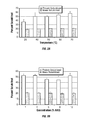
- FIG. 2A shows the effect of extraction temperature on the overall protein and mass yields for AFEX treated switchgrass, with error bars representing the maximum and minimum values.
- Protein yields increased significantly from 25°C to 40°C, but further increases in temperature did not result in major improvements in protein yield. It is likely that most, if not all, of the proteins present in the switchgrass were in their natural state, with the harvesting and drying conditions utilized likely having had little to no impact. As such, the mild temperatures likely did not unfold the proteins or significantly affect their solubility.
- FIG.2B shows the effect of ammonia concentration on protein and mass yields for the AFEX treated switchgrass.
- the protein yield remained constant as the levels of NH4 + were increased from about 1% up to about 3% by volume, but then began to drop off. This was most likely due to "salting out" of the protein as the protein's increase in salt concentration decreased the amount of water available to solubilize the protein. There did not appear to be any salting in effect, likely because 1% by volume salt solution was already a sufficient concentration to solubilize the protein. As FIG. 2B shows, the total mass solubilized was unaffected by salt concentration.
- FIG. 3A shows the effect of pH on protein and mass yields, with the amount of protein extracted increasing dramatically from a pH of 8 to 10.5, before leveling off.
- this testing suggests that the pH of the system may be a significant factor in determining protein yields.
- Most proteins have an acidic isoelectric point, the pH at which the protein will have no net charge, and therefore, be the least soluble in a polar medium.
- increasing the pH should increase protein solubility, as demonstrated herein.
- FIG. 3A shows, the most alkaline solution also produced a significant drop in the total mass solubilized. As such, with less biomass in solution, it may be easier to purify the proteins.
- any biomass lost during extraction likely included hemicellulose, which can be hydrolyzed into sugars for ethanol production. Further increases in pH could be accomplished with a stronger base than ammonia. However, such an approach is likely to degrade the protein.
- FIG. 3B is a graph showing the effect of reducing agents on protein yields for untreated switchgrass (hydrolyzed and no AFEX treatment) and AFEX treated switchgrass (hydrolyzed and AFEX treatment), with error bars representing the maximum and minimum values. No significant improvements were seen by addition of either surfactant or the reducing agent for the untreated switchgrass. However, addition of either TWEEN 80 or ⁇ -mercaptoethanol to AFEX treated switchgrass did increase protein removal.
- a nonionic surfactant namely TWEEN 80, a non-ionic surfactant, sodium dodecyl sulfate (SDS) and ⁇ -mercaptoethanol
- FIG. 4 is a graph showing amino acid profiles for untreated switchgrass protein, AFEX treated switchgrass protein, and native switchgrass protein and native switchgrass (not hydrolyzed and no AFEX treatment). Both the untreated and AFEX treated switchgrass were extracted at the optimal ammonia conditions without adding surfactant or reducing agent. Although the amino acid profile for the proteins solubilized during extraction compared to the total protein in the native switchgrass was quite different, the profile between extractions from untreated and AFEX treated grass exhibited only minor differences. As such, although AFEX does disrupt the cellular structure of the switchgrass, AFEX does not appear to release other proteins. As such, it is likely that the structure of the protein itself may affect protein recovery, rather than the structure of the plant being used as the biomass.
- optimal extraction conditions for switchgrass were approximately 3% aqueous ammonia at a pH of 10 and temperature of 40-50°C.
- Total protein yields were approximately 40% by weight.
- AFEX did not appear, at least with this particular set of test conditions, to significantly improve yields of protein.
- This Example describes integration of sugar and protein recovery by performing extraction immediately after AFEX or performing extraction immediately after hydrolysis. Unless otherwise noted, all percentages are on a weight basis.
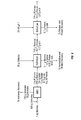
- the overall mass balance for integrated sugar and protein with extraction prior to hydrolysis is shown in FIG. 5 .
- Balances around the protein and ash content are given, as well as total mass and the amount of glucose and xylose produced.
- Final yields were 240 g glucose, 85.4 g xylose, and 80.7 g protein per kg dry biomass.
- Sugar recovery was approximately 74% by weight of theoretical values, indicating further improvements in sugar recovery can be made.
- Approximately 40% by weight of the protein was found in the extract and 60% by weight in the hydrolysate, demonstrating that protein must be recovered from both streams in order to be economical.
- Insoluble biomass was washed after hydrolysis to ensure all soluble components were recovered. The washing process may have acted as a second extraction to remove remaining proteins bound to insoluble portions of the biomass.
- Total protein yield was approximately 87% by weight of the total, taking into account both the switchgrass protein and the enzymes used in hydrolysis. However, no insoluble protein remained in the biomass, thus suggesting that the remaining protein was broken down and lost
- MGS Microbial Growth Stimulant
- FIG. 6 A separate process, focusing on performing hydrolysis prior to extraction, is shown in FIG. 6 , with the amounts of reactants and products. Balances around the protein and ash content are given, as well as total mass and the amount of glucose and xylose produced. Here, sugar yields were slightly higher, with a total of 356 g compared to 325 g per kg biomass using the previous approach shown in FIG. 5 . This result was mainly due to xylan conversion, indicating that xylan oligomers were likely extracted along with protein during the initial extraction step in the previous scenario. However, although approximately 60% by weight of the protein in the switchgrass was solubilized during hydrolysis, very little was extracted afterwards.
- CS Corn Stover
- NREL National Renewable Energy Laboratory
- the CS contained 33.2% cellulose, 22.4% xylan, 3.3% arabinan and 2.3% protein as determined by the National Renewable Energy Laboratory (NREL) compositional analysis method as described in the NREL Standard Biomass Analytical Procedures; U.S. Department of Energy, 2008 and by the method described in S.P.S. Chundawat, R. Vismeh, L. Sharma, J. Humpula, L. Sousa, C.K. Chambliss, A.D. Jones, V. Balan, B.E.
- Both the CS and the RS were subjected to an AFEX treatment according to the method described above to produce AFEX-treated CS (AFEX-CS) and AFEX-treated RS (AFEX-RS), respectively.
- AFEX treatment process utilized is also described in Zhong, C., Lau, M.W., Balan, V., Dale, B.E. & Yuan, Y.J. Optimization of enzymatic hydrolysis and ethanol fermentation from AFEX-treated rice straw. Appl. Microbiol. Biotechnol. 84, 667-676 (2009 ) and M.W. Lau, B.E.
- AFEX-pretreated corn stover (AFEX-CS) was washed with distilled water at a ratio of 1 g dry AFEX-CS to 4.6 g of water to produce an aqueous extract (18% solids loading equivalent).
- distilled water was preheated to 60-70°C and added to 100 g (dry weight equivalent) of AFEX-CS.
- the water content of the wetted AFEX-CS was reduced by pressing.
- the washing was conducted in three cycles, i.e. water-extract from a previous cycle of washing was used for the next cycle of washing. In the final cycle of washing, the moisture content of the washed AFEX-CS was reduced to 77 ⁇ 3%.
- the AFEX-CS water extract was used for the fermentation.
- the preparation steps were as described in Lau et al, Biotechnol. Biofuels 2: 30 (2009 ).
- the total sugar solubilized was calculated by multiplying total soluble sugar in the water extract with total volume of the water extract from a given mass of dry AFEX-CS.
- FermGoldTM Corn Steep Liquor (Lot: 154-07) from Cargill, Inc (Minneapolis, MN) was used as the protein supplement for fermentations.
- To prepare 20%w/w CSL 200 g of FermGoldTM CSL was diluted to total volume of 1 liter with distilled water after pH was adjusted to 5 with reagent grade KOH. The insoluble solids were separated from the liquid by centrifugation at 5,000 ⁇ g for 30 min. The 20% w/w CSL was sterile-filtered (0.22 ⁇ m) and used for media preparation.
- Media 2% w/w corn steep liquor+20 g/L glucose +50mM phosphate buffer (adjusted to pH 5.5); and culture condition: 30°C, 200rpm agitation, 48 hr incubation time.
- Solids loading 1% cellulose loading equivalent of AFEX-CS; hydrolysis mixture: 1:6 diluted of Trichoderma fermentation broth with varying loading of Accellerase; and hydrolysis condition: pH 4.8, 50°C, 250rpm agitation, 24 hr incubation time.
- Free ammonia in AFEX-CS hydrolysate was analyzed by enzymatic assay (R-biopharm AG (Cat no: 11112732035, Darmstadt, Germany). The solution was diluted to an appropriate level for assay detection. The NADH reduction level, which indicates the concentration of ammonia in the solution, was measured as the absorbance at 340 nm wavelength using a spectrophotometer. A standard ammonia solution (control experiment) was tested to ensure the accuracy of the results. Other experimental details and enzymatic chemistry explanation are given by the manufacturer.
- amino acids involved in the analysis are Asparagine (Asp), Glutamic Acid (Glu), Serine (Ser), Glycine (Gly), Histidine (His), Theronine (Thr), Arginine (Arg), Alanine (Ala), Proline (Pro), Threonine (Thr), Valine (Val), Methionine (Met), Isoleucine (Ile), Lysine (Lys) and Phenylalanine (Phe).
- the protein concentrations of commercial enzymes Accelerase 1000, Spezyme CP, Novozyme 188, Multifect Xylanase, and Multifect Pectinase were determined through nitrogen content analyses of the protein precipitate.
- Each complex enzyme was centrifuged (13,000 x g) for 5 min, and 0.20 mL of clear supernatant of the enzyme was combined with 0.25 mL 100% w/v trichloroacetic acid (TCA) and 0.80 mL distilled water to precipitate the protein in the enzyme solution. After 5 minute of incubation at 4°C, the mixture was centrifuged at 13,000 x g for 5 min and the supernatant was decanted.
- TCA w/v trichloroacetic acid
- the precipitate was washed with 1.0 mL cold (4°C) acetone twice, each washing was followed by centrifugation and decanting the residual acetone.
- the washed protein precipitate was placed in a crucible (a sample holder for nitrogen analyzer) and dried under vacuum.
- Nitrogen content within the precipitate was determined using a Skalar Primacs SN Total Nitrogen Analyzer (Breda, The Netherlands). The principle behind the nitrogen analysis is based on the Dumas method using EDTA as the standard. Nitrogen content was converted to protein content by multiplying a factor of 6.25. Errors represented are standard deviation of duplicate experiments. The protein concentrations of the respective commercial enzymes analyzed according to this protocol are presented in Table 3.
- the three solutions were dried under vacuum (SpeedVac, Savant) and hydrolyzed with 6N HCl at vapor phase at 100°C for 24 hrs.
- the hydrolyzed dry samples were solubilized in 100 ⁇ L of 20mM HCl and 10 ⁇ L of the mixture was derivatized with AccQTag (Waters). 10% of the derivatized mixture was injected into a Nova Pak C18 (3.9mm ⁇ 150mm; Waters).
- Nitrogen contents of the dry untreated CS, AFEX-treated CS, solid residue, enzyme solution and AFEX-CS hydrolysate were determined using a Skalar Primacs SN Total Nitrogen Analyzer (Breda, The Netherlands). Liquid samples (1 mL) were dried at 110°C overnight prior to the analysis. The nitrogen analysis is based on the Dumas method using EDTA as the standard. Nitrogen content of the samples was calculated by dividing nitrogen content (g) of the analyzed materials by weight or volume of the samples.
- ICP-MS inductively-coupled-plasma mass spectrometry
- the major elements analyzed include potassium (K), magnesium (Mg), calcium (Ca), phosphorus (P), and sodium (Na) samples were diluted 1:300 prior to analysis.
- chromium (Cr), cobalt (Co), nickel (Ni), copper (Cu), arsenic (As), cadmium (Cd), lead (Pb), molybdenum (Mo), uranium (U), manganese (Mn), zinc (Zn), selenium (Se), barium (Ba) and iron (Fe) samples were run without dilution.
- Glucose and phosphate buffer (salts) were added into the water extract to a final concentration of 100 g/L and 0.1M, respectively.
- the pH of the water extract was adjusted to 5.5.
- Seed culture of S . cerevisiae 424A(LNH-ST) was prepared by inoculating frozen stock to Yeast Extract Phosphate (YEP) media (5 g/L yeast extract + 10 g/L tryptone + 30 g/L glucose + 20 g/L xylose) and the culture was grown microaerobically at 30C for about 18hr. The grown culture was used to inoculate the water extracts at an initial cell density of 2.0 units at OD600nm.
- YEP Yeast Extract Phosphate
- YNB Yeast Nitrogen Base
- Frozen glycerol stocks of native S . cerevisiae were inoculated into 2% w/w corn steep liquor (CSL) media, supplemented with 20 g/L glucose and grown for 18hr.
- the grown seed culture was used as inoculum for a first-stage fermentation on the 6% glucan loading AFEX-CS enzymatic hydrolysate at a working volume of 80 mL with an initial cell density equivalent to 0.05 unit OD600nm.
- the fermentation was conducted for 15 hr and the broth was transferred to 50 mL conical tubes (Falcon, BD) to allow cell separation by sedimentation at 30°C for 3 hr.
- the clarified liquid hydrolysate was pipetted from the tubes to the unbaffled Erlenmeyer flask.
- Seed cultures of the xylose-fermenting S . cerevisiae 424A(LNH-ST) were prepared by inoculating the frozen stock into 3:10 diluted 6% glucan loading enzymatic hydrolysate supplemented with 2% weight/weight (w/w) of CSL and the culture was grown for 18hr.
- the cells were harvested and inoculated into the enzymatic hydrolysate from a first-stage fermentation at a working volume of 70mL with an initial cell density of 25 unit OD600nm. The fermentation was conducted for another 48hr.
- the S The S .
- Frozen glycerol spore stocks of RUT-C30 were inoculated into 2%w/w CSL supplemented with 20 g/L glucose at pH 5.5 (50 mM phosphate buffer).
- the preculture (50mL) was grown in a 250 mL baffled flask at 30°C, 200rpm for 48hr.
- 18% solids-loading-equivalent (SLE) AFEX-CS water extract loaded at 27.8% v/v) and/or finely-ground (passed through 0.5mm screen) AFEX-CS (1% w/v) were added into the preculture (60% v/v) as the enzyme inducer.
- Distilled water and phosphate buffer were added to the respective mixtures to achieve a final volume of 50 mL. Additional CSL equivalent to a final concentration of 1% w/w CSL was supplemented after 24hr of induction.
- the fermentation broth was conducted at 30°C 120 hr and pH was adjusted to 5.5 every 24hr by adding HCl.
- the working volume of the fermentation during induction phase was 50 mL.
- the fermentation broth was centrifuged at 2,500 x g for 30 min.
- the cell-free fermentation broth was used to conduct enzymatic hydrolysis at 1% glucan loading AFEX-CS.
- the saccharolytic enzymes were separated from the other background protein at smaller molecular weight by using a FPLC system (GE Healthcare, Buckinghamshire, United Kingdom) equipped with a 51 ml HisPrep 26/10 desalting column (GE Healthcare, Lot #17-5087-01).
- the concentration of fractions that contained the saccharolytic enzymes was determined by BCA assay (Pierce Biotechnology, Rockfort, IL). The original concentration was calculated by taking into the account of the dilution factors involved.
- RUT-C30 fermentation broth was diluted by a factor of 1:6 (1 part of broth + 5 part of distilled water).
- the diluted broth was used to conduct enzymatic hydrolysis on AFEX-CS at 1.0% glucan loading for 24hr at pH 4.8, 50 °C.
- the AFEX-CS was finely ground and passed through a 0.25mm screen (Ultra Centrifugal Mill ZM 200, Retsch, Germany). Accellerase at varying dosages (0.0, 1.0, 2.0 mg protein/g dry AFEX-CS) was added to the diluted broth to investigate the need for exogenous enzyme supplementation. Control experiments using commercial enzymes mixture were conducted for comparison.
- the enzyme mixture consisted of Accellerase 1000 (120 mL/kg CS), Multifect Xylanase (6.2 mL/kg CS) and Multifect Pectinase (4.3 mUkg CS).
- oligosaccharides were quantified using NREL-LAP-014, a method based on acid hydrolysis. Glucose, xylose, arabinose and ethanol are quantified using a HPLC system equipped with Biorad Aminex HPX-87H column as described in Lau et al., Biotechnology and Bioengineering 99(3): 529-39 (2008 ).
- the enzymatic hydrolysis (2.0 kg total saccharification) was conducted in a 3L bioreactor (Applikon, Biobundle, Foster City CA) at 50°C, pH 4.8 for 96hr.
- AFEX-CS was fed in 5 batches (6.0%, 3.0%, 3.0%, 3.0%, 3.0% solids loading) with intervals of 2, 1, 1, 1.5, 1.5 hr between the respective additions.
- enzyme feeding two-thirds of the total enzymes was added during the first 8 hr of the feeding (1/3, at 0 hr; 1/6, at 4hr; 1/6, at 8hr).
- the remaining one-third of the enzymes was fed into the reactor over the subsequent 40 hours (1/6, 8-24 hr; 1/6, 24-48hr), the feeding was distributed evenly every 60min. A total protein loading of 7.4 mg protein/g biomass was used.
- the commercial enzymes and their respective dosages used were Accellerase 1000 (120 mL/kg CS), Multifect Xylanase (6.2 mUkg CS) and Multifect Pectinase (6.2 mL/kg CS).
- the protein concentration of the commercial enzymes was analyzed and the mass balance for enzymatic hydrolysis was constructed as described in Lau, M. W.
- the extracellular proteins from the fungal broths were isolated using chloroform/methanol precipitation method as described by Wessel & wellgge, Analytical Biochemistry 138(1): 141-143 (1984 ) and Jiang et al., Journal of Chromatography A 1023(2): 317-320 (2004 ).
- Four parts volume cold methanol was added to one part volume of the broth and vortexed well.
- One part volume cold chloroform followed by three part volumes cold water was then added to the mixture and vortexed again.
- the mixture was centrifuged at 15,000 g at 4 °C for 10 min following which the aqueous (top) layer was discarded and four part volume cold methanol was added.
- the mixture was centrifuged at 15,000 g at 4 °C for 30 min following which the liquid supernatant was carefully removed without disturbing the precipitated protein pellet.
- the protein pellet was air-dried overnight and redissolved in SDS-PAGE sample buffer (NuPAGE ® LDS Sample Preparation Buffer, Invitrogen, CA) prior to proteomics analysis.
- Redissolved proteins ( ⁇ 400 ⁇ g) were loaded on to a SDS-PAGE gel (NuPAGE ® , Invitrogen, CA) and electrophoresis was carried out at 50 V for 15 min to stack up the proteins within the gel. Gel bands were then cut out and subjected to in-gel tryptic digestion ( Shevchenk et al., Anal. Chem. 68(5): 850-58 (1996 )). The extracted peptides were resuspended into a solution of 2% Acetonitrile and 0.1 % Trifluoroacetic Acid to 20 ⁇ l volume.
- Buffer A 99.9% Water/0.1% Formic Acid
- Buffer B 99.9% Acetonitrile/0.1% Formic Acid
- Eluted peptides were sprayed into a ThermoFisher LTQ-FT Ultra mass spectrometer (www.thermo.com) using a Michrom ADVANCE nanospray source. Survey scans were taken in the FT (25000 resolution determined at m/z 400) and the top ten ions in each survey scan are then subjected to automatic low energy collision induced dissociation (CID) in the LTQ.
- CID collision induced dissociation
- the resulting MS/MS spectra are converted to peak lists using BioWorks Browser v3.3.1 (ThermoFisher) using the default LTQ-FT Ultra parameters and searched using the Mascot search algorithm v2.3 (www.matrixscience.com) against fungi protein entries from NCBI, downloaded 11-13-2009, and against the Trichoderma reesei protein database, v2.0, downloaded from the DOE Joint Genome Institute (JGI). Mascot parameters for all databases allowed for up to 2 missed tryptic sites, fixed modification of carbamidomethyl cysteine, and variable modification due to oxidation of methionine.
- the peptide and MS/MS fragment tolerance was ⁇ 10 ppm (monoisotopic) and 0.60 Da (monoisotopic), respectively.
- the Mascot output was then analyzed using Scaffold (www.proteomesoftware.com) to probabilistically validate protein identifications using the ProteinProphet computer algorithm ( Nesvizhskii et al., Anal. Chem. 75(17): 4646-58 (2003 )).
- Minimum criteria for positive protein assignment were at least two peptides and >95% confidence filter as determined by Scaffold.
- Uncharacterized and/or putative protein sequences were BLAST against the UniprotKB database to identify homology to similar proteins from other microbes.
- AFEX-CS AFEX-treated corn stover
- the enzymatic hydrolysate contained 800 ⁇ 50 mg/L ammonia and 1231 ⁇ 44 mg total amino acids, of which 16% by weight were in the form of free amino acids as shown in Table 4 below.
- Glutamic acid (Glu), glycine (Gly) and alanine (Ala) were the three most abundant amino acids found in the hydrolysate.
- the amino acid concentration is higher than that of a typical malt wort for brewery applications (800-900 mg/L total amino acids).
- AFEX-CS was the predominant source of protein, trace elements and vitamins in the enzymatic hydrolysate. The contribution of commercial enzymes to the nutrient levels was very low.
- Table 6 shows the full mineral analysis results for untreated CS, AFEX-CS and residual solids after enzymatic hydrolysis.
- Table 7 shows full mineral analysis results for 9% SLE water extract of AFEX-CS and AFEX-RS.
- AFEX-CS at 18% solids loading (6% glucan loading) was enzymatically-hydrolyzed using commercially-available enzymes. About 85% of the total carbohydrate was hydrolyzed and solublized in the liquid stream, achieving a total soluble sugars concentration of 110 g/L. See FIG. 7 .
- AFEX-CS hydrolysate from 18% w/w loading saccharification was fermented first by native S . cerevisiae (ATCC 4124) for 15 hr, before the yeast cells were separated from the hydrolysate by sedimentation for 3 hr ( FIG. 9C ).
- high cell density (11.25 g dry wt/L) of recombinant S. cerevisiae 424A(LNH-ST) was inoculated to ferment the remaining sugars ( FIG. 9C ).
- the glucose fermentation proceeded at a rate of 3.2 g/Uhr (0-15hr) and was completed at 18hr.
- the recombinant S. cerevisiae 424A(LNH-ST) cells were recycled and used in three subsequent cycles of fermentation ( FIG. 9D ).
- xylose fermentation using the recycled yeast cells achieved a similar efficiency compared to fresh cells ( FIG. 10B ). This effectively reduced the need for fresh cells in the successive batches of fermentation without significantly decreasing the xylose fermentation rate, a potentially significant cost savings.
- Trichoderma reesei RUT-C30 was first cultured in media consisting of 2% w/w corn steep liquor and 20 g/L glucose for 36 hr.
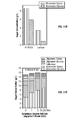
- the saccharolytic enzymes were induced for 96 hr by a mixture of solids and liquid extract from AFEX-CS ( FIG. 11A ).
- Table 8 shows the enzyme inducers used for T. reseei RUT-C30 fermentation for FIGS. 11B, 11C and 11 ).
- Table 8 Enzyme inducers for T. reseei RUT-C30 fermentation for FIGS.
- FIGURE AFEX-CS mixture Lactose (g/L) 11B 5.4% SLE water extract (containing 4.17 g/L equivalent of total sugar) 4.17 11C 5.4% SLE water extract + 1 % w/v AFEX-CS N/A 11D (WE): 5.4% SLE water extract (AFCS + WE): 5.4% SLE water extract + 1 % w/v AFEX-CS 4.17
- the concentration of saccharolytic enzyme produced was 2.7 g/L which provided 18% w/w enzymatic hydrolysis at 15 mg enzyme protein per gram of corn stover. About 13% of the protein induced by CSL was converted to saccharolytic enzymes.
- the T. reesei broth was diluted by a factor of 1:6 and the diluted broth was used to hydrolyze AFEX-CS at 1 % cellulose loading for 24 h with or without additional enzymes (Accellerase 1000).
- Enzymatic hydrolysis using the 1:6 diluted in-house T. reesei broth achieved total soluble sugar yield at 15 g/L within 24hr (85.6% of theoretical maximum yield) ( FIG. 11 B) .
- This total sugar yield level is comparable to that of the standard enzyme mixture based on commercial enzymes (15.7 g/L; 89.4%) suggesting that the in-house enzyme production unit can support effective enzymatic hydrolysis at high solids loading ( FIG. 11B ).
- FIG. 11D shows the relative abundance of proteins expressed using AFEX-CS or lactose, where a greater than two-fold difference in abundance was observed relative to the lactose control.
- AFEX treated corn stover resulted in significant increase in expression of several new families of endocellulases (CeI61A, CeI12A) and hemicellulases ( ⁇ -xylosidase, endoxylanases, ⁇ -arabinofuranosidases, CIP2, acetyl xylan esterases, ⁇ -glucuronidase, polygalaturonase) that are typically missing from the proteome of lactose-induced Trichoderma reesei RUT-C30.
- endocellulases CeI61A, CeI12A
- hemicellulases ⁇ -xylosidase, endoxylanases, ⁇ -arabinofuranosidases, CIP2, acetyl xylan esterases, ⁇ -glucuronidase, polygalaturonase
- JGI#54219 Another acetyl xylan esterase (JGI#54219) was expressed in similar abundance levels for both AFCS and AFCS-WE but was absent when induced by lactose alone. A 10-15 fold higher levels of CIP2 abundance for AFCS/AFCS+WE compared to lactose alone was also seen.
- a significant amount of arabino-xylan oligomers are released from corn stover cell walls after AFEX, which may explain the large increase observed in ⁇ -xylosidase expression that is likely induced by these hemicellulose oligomers.
- Solution A Yeast extract 10 g/L Tryptone 5 g/L MES (buffer) 10g/L Solution B Citric acid potassium salt 2.00 g/L Citric acid monohydrate 1.25 g/L Sodium sulfate (Na 2 SO 4 ) 1.00 g/L Potassium dihydrogen phosphate (KH 2 PO 4 ) 1.00 g/L Sodium bicarbonate (NaHCO 3 ) 2.50 g/L Solution C Urea 5.00 g/L Ammonium Chloride (NH 4 Cl) 1.50 g/L Solution D Magnesium chloride hexahydrate (MgCl 2 .6H 2 O) 1.00 g/L Calcium chloride dehydrate (CaCl 2 .2H 2 O) 0.20 g/L Iron (II) chloride tetrahydrate (FeCl 2 .4H 2 O) 0.10 g/L L-cysteine hydrochloride monohydrate 1.00 g/L Solution E Pyridox
- the fermentation media was pH-adjusted to 6.2 with KOH and sparged with nitrogen for about 10 min to create anaerobic condition.
- the seed culture (10mL) was inoculated to initiate fermentation. Undiluted 18% solids loading enzymatic hydrolysate at pH 6.2 (supplemented with 10 g/L yeast extract and 5 g/L peptone), was used as the feed. Feeding started 4 hr after inoculation at the rate of 4 mL/hr until 180 mL of feed volume was added into the fermenter. Samples were taken at the designated periods. Glucose, xylose, arabinose (in monomeric form) and ethanol were analyzed using HPLC. Oligomeric sugars were analyzed through acid hydrolysis based on NREL Protocol LAP-014.
- a techno-economic model of the proposed scheme was created and compared to a conventional ethanol production scheme.
- This model was based on the model developed by NREL. See, for example, Ordonez, C. et al. Bioresour. Technol. 78: 187-190 (2001 ) and U.S. Patent No. 4,624,805 to Lawhon, issued Nov 25, 1986 .
- the model was adapted to AFEX pretreatment. See, for example, El-Adaway, T. et al. Food Chem. 74: 455-462 (2001 ).
- FIG. 13 shows one embodiment of a process flow diagram of the proposed biological conversion computer model, i.e., a simulated operation which has not yet been reduced to practice.
- a wash table is used to wet the biomass after AFEX pretreatment, using diluted recycled hydrolysate as the water media.
- the biomass is dewatered using a screw press.
- the water effluent is assumed to be rich in oligomeric sugars produced during AFEX (and recycled from hydrolysis), and is thus used to induce the T. reesei enzyme production.
- the fungus is assumed to consume 3 g sugar for every gram of enzyme produced.
- Enzyme production is modeled as a first order reaction of oligomeric sugar with a rate constant of 0.05 h -1 . This is sufficient to produce 76% of the enzymes required for lignocellulosic hydrolysis. Total T. reesei fermentation time is assumed initially to be 96 hours.
- a pneumapress is used to separate the solids and liquids.
- This press uses compressed air to force more water out of the biomass, reducing the moisture content to 50% of the total weight.
- This package is used in the NREL model after distillation, and the same economic assumptions are used here. Because no additional solubilization of biomass occurs after hydrolysis, the cost of the pneumapress is no different in this model than in the NREL model.
- the liquid released from the press is used as the fermentation media. However, the insoluble biomass still retains some water, which includes hydrolyzed sugars. To ensure that all hydrolyzed sugars are used, the biomass is rinsed with fresh water and then dewatered using a filter press.
- the rinsed water is separated into multiple streams. Much of the water is used as the T. reesei fermentation media and as the rinse water for obtaining T. reesei induction. The remaining water is used as a seed culture for yeast fermentation or combined into the fermentation media.
- Fermentation is separated between glucose and xylose fermentation.
- a settling tank is placed in between glucose and xylose fermentation to recover the yeast.
- a residence time of 3 hours is used to settle 95% of the yeast, based on experimental data.
- the settled yeast is dried in a tunnel dryer before being sold. This energy was assumed to be in the form of steam, and would reduce electricity production by 30% of the total energy requirement.
- Glucose fermentation time was 15 hours and xylose was 46 hours.
- another settling tank is used to recycle the yeast, while the fermentation broth is then sent to distillation.
- the feedstock is corn stover, and the composition is based on equivalent monomeric sugar content.
- some of the carbohydrates are converted to oligomeric sugars, which are used to induce enzyme production.
- 18% solid loading is assumed, as it is sufficient to produce 40 g/L ethanol (7).
- both in-house enzymes and exogenous enzymes have the same activity on all carbohydrates, and thus a constant 10 g/kg enzymes is added regardless of the source. In reality, a constant activity would be added, which may mean different amounts of enzymes, depending on the scale of in-house production.
- hydrolysis it is expected that most of the enzymes are deactivated by permanently binding to the biomass. In this study, 90% of the enzymes were assumed to be deactivated, and thus any recycled enzymes represent only a small fraction of the total.
- Glucose fermentation is assumed to be slightly more efficient at producing ethanol, with a metabolic ethanol yield of 0.48 g ethanol per g glucose compared to 0.45 g ethanol per grams of xylose consumed.
- Arabinose hydrolysis and fermentation is assumed to be identical to xylose, and thus all model data is in total pentoses.
- FIG. 14A-14C show the effect of changing variables on the profitability of the proposed approach.
- yield and selling price of ethanol dominate the economics of this approach, as ethanol accounts for over 80% of the revenue in the proposed approach.
- the selling price of native yeast can have an impact, as the overall margin in the base case ($28/mg) is similar to the total revenue of yeast ($22/mg feedstock).
- the buying price of enzymes does not greatly impact the profit, as a 33% increase in the price translates to a 10% decrease in profit.
- T xylose fermentation time
- aqueous extract will stimulate the growth and performance of potential consolidated bioprocessing organisms such as Clostridium thermocellum.
- a method comprising extracting solubles from pretreated lignocellulosic biomass (e.g., corn stover) with a cellulase enzyme-producing growth medium ( T. reesei ), in the presence of using water and an aqueous extract as a growth medium for the cellulase enzyme-producing fungus ( T. reesei ), is provided.
- the pretreated lignocellulosic biomass is ammonia fiber expansion pretreated lignocellulosic biomass.
- Examples 1-3 The testing described in Examples 1-3 was directed towards developing microbial growth stimulants (MGS) from mildly alkaline aqueous extracts from pretreated biomass, such as AFEX treated biomass, such as with a cellulase enzyme.
- MGS microbial growth stimulants
- Such methods contemplate washing, detoxifying and/or supplementing the AFEX treated biomass with nutrients in order to provide suitable end products useful as starting materials at a biofuel production facility.
- the embodiments herein also utilize nutrients contained within the biomass itself, such as protein and minerals during enzyme production and fermentation.
- AFEX-treated biomass can not only serve as the source of carbon and nitrogen in a biofuel production facility, but can also provide a source of other nutrients, such as protein and minerals without washing, detoxification or nutrient supplementation.
- the inducer mixture was 2.5-7 times more potent than lactose, a common commercial enzyme inducer, on same sugar-weight basis.
- Economic analysis based on the proposed paradigm indicated substantial improvements in profit margins relative to the 2005 NREL economic model which largely attributed to the value of native yeast cells and the reduction of cellulase cost through the in-house production.
Landscapes
- Chemical & Material Sciences (AREA)
- Life Sciences & Earth Sciences (AREA)
- Organic Chemistry (AREA)
- Engineering & Computer Science (AREA)
- Wood Science & Technology (AREA)
- Zoology (AREA)
- Health & Medical Sciences (AREA)
- Genetics & Genomics (AREA)
- Bioinformatics & Cheminformatics (AREA)
- Biotechnology (AREA)
- Microbiology (AREA)
- Biochemistry (AREA)
- General Engineering & Computer Science (AREA)
- General Health & Medical Sciences (AREA)
- General Chemical & Material Sciences (AREA)
- Chemical Kinetics & Catalysis (AREA)
- Molecular Biology (AREA)
- Biomedical Technology (AREA)
- Medicinal Chemistry (AREA)
- Tropical Medicine & Parasitology (AREA)
- Virology (AREA)
- Proteomics, Peptides & Aminoacids (AREA)
- Preparation Of Compounds By Using Micro-Organisms (AREA)
- Processing Of Solid Wastes (AREA)
- Fertilizers (AREA)
Applications Claiming Priority (1)
| Application Number | Priority Date | Filing Date | Title |
|---|---|---|---|
| US12/763,102 US9206446B2 (en) | 2006-05-01 | 2010-04-19 | Extraction of solubles from plant biomass for use as microbial growth stimulant and methods related thereto |
Publications (3)
| Publication Number | Publication Date |
|---|---|
| EP2377943A2 true EP2377943A2 (fr) | 2011-10-19 |
| EP2377943A3 EP2377943A3 (fr) | 2012-01-11 |
| EP2377943B1 EP2377943B1 (fr) | 2016-02-17 |
Family
ID=44350923
Family Applications (1)
| Application Number | Title | Priority Date | Filing Date |
|---|---|---|---|
| EP11162906.9A Not-in-force EP2377943B1 (fr) | 2010-04-19 | 2011-04-18 | Extraction de composés solubles à partir de biomasse végétale et son utilisation comme facteur de croissance, ainsi que des méthodes associées |
Country Status (7)
| Country | Link |
|---|---|
| US (1) | US9206446B2 (fr) |
| EP (1) | EP2377943B1 (fr) |
| CN (1) | CN102260645A (fr) |
| AU (1) | AU2011201768C1 (fr) |
| BR (1) | BRPI1101598A2 (fr) |
| CA (1) | CA2737704C (fr) |
| MX (1) | MX2011004206A (fr) |
Cited By (3)
| Publication number | Priority date | Publication date | Assignee | Title |
|---|---|---|---|---|
| WO2013096698A1 (fr) * | 2011-12-22 | 2013-06-27 | Xyleco, Inc. | Traitement de matériaux de biomasse |
| WO2013138255A1 (fr) * | 2012-03-12 | 2013-09-19 | Cobalt Technologies Inc. | Raffinerie biologique intégrée |
| CN110208319A (zh) * | 2019-06-05 | 2019-09-06 | 北京诺德泰科仪器仪表有限公司 | 一种杜马斯定氮仪反应管 |
Families Citing this family (27)
| Publication number | Priority date | Publication date | Assignee | Title |
|---|---|---|---|---|
| US8394611B2 (en) | 2006-05-01 | 2013-03-12 | Board Of Trustees Of Michigan State University | Process for the treatment of lignocellulosic biomass |
| US8968515B2 (en) * | 2006-05-01 | 2015-03-03 | Board Of Trustees Of Michigan State University | Methods for pretreating biomass |
| US9206446B2 (en) * | 2006-05-01 | 2015-12-08 | Board Of Trustees Of Michigan State University | Extraction of solubles from plant biomass for use as microbial growth stimulant and methods related thereto |
| US20090011474A1 (en) * | 2007-06-20 | 2009-01-08 | Board Of Trustees Of Michigan State University | Process for producing sugars from cellulosic biomass |
| US20090053771A1 (en) * | 2007-08-22 | 2009-02-26 | Board Of Trustees Of Michigan State University | Process for making fuels and chemicals from AFEX-treated whole grain or whole plants |
| WO2009045527A1 (fr) * | 2007-10-03 | 2009-04-09 | Michigan State University | Procédé perfectionné de fabrication de sucres et d'éthanol à l'aide de résidus de distillation de maïs |
| US10457810B2 (en) | 2009-08-24 | 2019-10-29 | Board Of Trustees Of Michigan State University | Densified biomass products containing pretreated biomass fibers |
| US8945245B2 (en) | 2009-08-24 | 2015-02-03 | The Michigan Biotechnology Institute | Methods of hydrolyzing pretreated densified biomass particulates and systems related thereto |
| CA2760840C (fr) | 2009-08-24 | 2014-12-02 | Board Of Trustees Of Michigan State University | Produits de biomasse densifiee et pretraitee, et procedes de fabrication et d'utilisation |
| EP3075842A1 (fr) * | 2009-12-23 | 2016-10-05 | Agrinos AS | Procédé de biodégradation et composition associée |
| EP2561084A4 (fr) | 2010-04-19 | 2013-10-23 | Univ Michigan State | Biomasse lignocellulosique digestible, produits d'extraction du bois et procédés de production associés |
| US9347074B1 (en) | 2011-04-07 | 2016-05-24 | Dennis Anthony Burke | Biomass pretreatment with ammonium bicarbonate / carbonate expansion process |
| US20120329650A1 (en) | 2011-06-23 | 2012-12-27 | Agrinos AS | Agricultural Uses of HYTd |
| US20120329135A1 (en) * | 2011-06-23 | 2012-12-27 | Agrinos AS | Process for Making Chitin Derivatives |
| WO2013106113A2 (fr) * | 2011-10-14 | 2013-07-18 | Board Of Trustees Of Michigan State University | Procédés intégrés destinés à la conversion de biomasse lignocellulosique en bioproduits et systèmes et appareil correspondants |
| WO2013131015A1 (fr) | 2012-03-02 | 2013-09-06 | Board Of Trustees Of Michigan State University | Procédés pour augmenter le rendement de sucre utilisant des particules de biomasse lignocellulosique ajustées en taille |
| WO2013148278A1 (fr) | 2012-03-27 | 2013-10-03 | Agrinos AS | Composition microbienne contenant de l'engrais liquide et ses procédés d'utilisation à des fins agricoles |
| RU2503181C1 (ru) * | 2012-06-13 | 2014-01-10 | Федеральное государственное бюджетное образовательное учреждение высшего профессионального образования "Башкирский государственный университет" | Способ получения биологически активного препарата на основе люцерны |
| FR2991997B1 (fr) * | 2012-06-18 | 2015-08-21 | IFP Energies Nouvelles | Procede de production d'un cocktail enzymatique utilisant les residus liquides d'un procede de conversion biochimique de materiaux ligno-cellulosiques |
| AU2014288309B9 (en) | 2013-07-09 | 2018-04-26 | Toray Industries, Inc. | Method for producing saccharide solution |
| US10730958B2 (en) | 2017-03-08 | 2020-08-04 | Board Of Trustees Of Michigan State University | Pretreatment of densified biomass using liquid ammonia and systems and products related thereto |
| US11440999B2 (en) | 2017-07-07 | 2022-09-13 | Board Of Trustees Of Michigan State University | De-esterification of biomass prior to ammonia pretreatment |
| WO2022136708A1 (fr) | 2020-12-24 | 2022-06-30 | Mushlabs Gmbh | Production de biomasse fongique |
| CN112662651B (zh) * | 2021-01-12 | 2023-03-03 | 武汉科技大学 | 一种利用富氮生物质产纤维素酶和油脂的方法 |
| CA3243740A1 (fr) | 2022-02-24 | 2023-08-31 | Mushlabs Gmbh | Production d’un mycélium coloré |
| CN119403920A (zh) | 2022-06-29 | 2025-02-07 | 玛仕莱布斯有限公司 | 从啤酒糟生产真菌发酵培养基 |
| CN116354747A (zh) * | 2023-04-18 | 2023-06-30 | 中国海洋大学 | 利用混合动植物源蛋白制备的氨基酸肥及其应用 |
Citations (5)
| Publication number | Priority date | Publication date | Assignee | Title |
|---|---|---|---|---|
| US4600590A (en) | 1981-10-14 | 1986-07-15 | Colorado State University Research Foundation | Method for increasing the reactivity and digestibility of cellulose with ammonia |
| US4624805A (en) | 1984-09-27 | 1986-11-25 | The Texas A&M University System | Process for recovery of protein from agricultural commodities prior to alcohol production |
| US5037663A (en) | 1981-10-14 | 1991-08-06 | Colorado State University Research Foundation | Process for increasing the reactivity of cellulose-containing materials |
| US6106888A (en) | 1998-04-30 | 2000-08-22 | Board Of Trustees Operating Michigan State University | Process for treating cellulosic materials |
| US7187176B2 (en) | 2005-02-08 | 2007-03-06 | Bruker Biospin Corp. | NMR probe circuit with nodal impedance bridge |
Family Cites Families (135)
| Publication number | Priority date | Publication date | Assignee | Title |
|---|---|---|---|---|
| US2017779A (en) | 1931-04-18 | 1935-10-15 | Harry W Cole | Process for recovering carbon dioxide from a gas mixture |
| US2548192A (en) | 1947-09-30 | 1951-04-10 | Union Oil Co | Adsorption process and apparatus |
| US3306006A (en) | 1964-03-23 | 1967-02-28 | Universal Oil Prod Co | Separation of gas mixtures utilizing plural sorbent zones in series and parallel |
| GB1310835A (en) | 1970-05-28 | 1973-03-21 | Pulp Paper Research Inst Of Ca | Treatment of chemical cellulosic pulp |
| GB1381728A (en) | 1971-10-01 | 1975-01-29 | Thillaimuthu J | Production of cellulose pulp for paper and paper board |
| US3920419A (en) | 1974-04-10 | 1975-11-18 | Republic Steel Corp | Method of removing ammonia from ammonia containing liquor |
| US4153435A (en) | 1976-06-07 | 1979-05-08 | Fischer William A | Ammonia absorber |
| US4064276A (en) | 1976-08-04 | 1977-12-20 | Worsk Hydro A.S | Process for the production of ammoniated straw and other plant materials containing lignocellulose |
| US4370351A (en) * | 1978-08-30 | 1983-01-25 | Harper James L | Process for enriching the protein content of food and feedstuff and products thereof |
| IN153549B (fr) * | 1979-01-30 | 1984-07-28 | Univ Waterloo | |
| US4263744A (en) * | 1979-08-15 | 1981-04-28 | Stoller Benjamin B | Method of making compost and spawned compost, mushroom spawn and generating methane gas |
| US4461648A (en) | 1980-07-11 | 1984-07-24 | Patrick Foody | Method for increasing the accessibility of cellulose in lignocellulosic materials, particularly hardwoods agricultural residues and the like |
| US4356196A (en) | 1980-10-20 | 1982-10-26 | Hultquist Joe H | Process for treating alfalfa and other cellulosic agricultural crops |
| CA1202576A (fr) | 1982-01-12 | 1986-04-01 | Satoshi Ihara | Methode de separation du gaz carbonic acide des melanges gazeux a forte teneur en methane |
| GB2122864B (en) | 1982-07-07 | 1985-07-24 | Straw Feed Services Ltd | Improvements in straw treatment |
| GB2124066B (en) * | 1982-07-16 | 1986-02-26 | Flemstofte Mads Amby Maskinfab | Treating cellulose - containing matter with ammonia |
| DK290383D0 (da) | 1983-06-23 | 1983-06-23 | Aksel Thorkild Bentsen | Fremgangsmade til kemisk behandling af voluminoese materialer, navnlig organiske materialer, sasom biomasse, med reaktive gasarter eller dampe |
| DK556083A (da) | 1983-12-02 | 1985-06-03 | Flemstofte Mads Amby Maskinfab | Fremgangsmaade og apparat til behandling af celluloseholdigt materiale, f.eks. halm, med ammoniak i gasform |
| US4594131A (en) | 1984-08-13 | 1986-06-10 | United States Steel Corporation | Process for removing ammonia and acid gases from process streams |
| US4644060A (en) * | 1985-05-21 | 1987-02-17 | E. I. Du Pont De Nemours And Company | Supercritical ammonia treatment of lignocellulosic materials |
| US5047332A (en) * | 1986-09-03 | 1991-09-10 | Institut Armand-Frappier-Univ. Of Quebec | Integrated process for the production of food, feed and fuel from biomass |
| US4848026A (en) * | 1987-10-26 | 1989-07-18 | Monterey Mushrooms, Inc. | Composting process for the production of mushroom cultivation substrates |
| JP2660703B2 (ja) | 1987-12-26 | 1997-10-08 | 住友精化株式会社 | 混合ガスから炭酸ガスを吸着分離回収する方法 |
| US4995888A (en) | 1988-07-05 | 1991-02-26 | Texaco Inc. | Separation of gas from solvent by membrane technology |
| US5025635A (en) | 1989-11-14 | 1991-06-25 | Rocky Research | Continuous constant pressure staging of solid-vapor compound reactors |
| US5171592A (en) * | 1990-03-02 | 1992-12-15 | Afex Corporation | Biomass refining process |
| US5114694A (en) | 1990-04-02 | 1992-05-19 | C. F. Braun & Co. | Ammonia recovery from purge gas |
| US5589164A (en) * | 1992-05-19 | 1996-12-31 | Cox; James P. | Stabilization of biowastes |
| US5865898A (en) * | 1992-08-06 | 1999-02-02 | The Texas A&M University System | Methods of biomass pretreatment |
| US5370999A (en) | 1992-12-17 | 1994-12-06 | Colorado State University Research Foundation | Treatment of fibrous lignocellulosic biomass by high shear forces in a turbulent couette flow to make the biomass more susceptible to hydrolysis |
| US5772709A (en) | 1996-04-18 | 1998-06-30 | Graham Corporatiom | Apparatus for removing ammonia and carbon dioxide gases from a steam |
| DE4329937C1 (de) * | 1993-09-04 | 1994-11-24 | Rhodia Ag Rhone Poulenc | Verfahren zur Behandlung von Cellulose zu deren Aktivierung für nachfolgende chemische Reaktionen |
| JP3390015B2 (ja) * | 1995-03-25 | 2003-03-24 | ローネ−ポウレンク ローディア アクチェン ゲゼルシャフト | 活性化しているポリサッカライドを得るためのプロセス、このプロセスによって作られるポリサッカライドおよびそれらの使用方法 |
| US5660603A (en) | 1995-09-05 | 1997-08-26 | International Process Services, Inc. | Process for separating selected components from multi-component natural gas streams |
| US6255505B1 (en) | 1996-03-28 | 2001-07-03 | Gist-Brocades, B.V. | Microbial polyunsaturated fatty acid containing oil from pasteurised biomass |
| EP1066109A1 (fr) * | 1998-03-13 | 2001-01-10 | Rhodia Acetow GmbH | Dispositif, procede et reacteur pressurise permettant de traiter des matieres solides avec un gaz liquide sous pression |
| WO2000004180A1 (fr) * | 1998-07-14 | 2000-01-27 | Colorado State University Research Foundation | Bioreaction et produit obtenu |
| US20030044951A1 (en) * | 1998-07-14 | 2003-03-06 | Sporleder Robert A. | Bio-reaction process and product |
| DE19916347C1 (de) | 1999-04-12 | 2000-11-09 | Rhodia Acetow Ag | Verfahren zum Auftrennen lignocellulosehaltiger Biomasse |
| US7371962B2 (en) | 1999-05-04 | 2008-05-13 | Neokismet, Llc | Diode energy converter for chemical kinetic electron energy transfer |
| FR2799991B1 (fr) | 1999-10-26 | 2002-10-11 | Air Liquide | Procede de production d'hydrogene utilisant un adsorbant carbone a parametres de dubinin selectionnes |
| AU1584201A (en) | 1999-11-02 | 2001-05-14 | Waste Energy Integrated Sytems, Llc | Process for the production of organic products from lignocellulose containing biomass sources |
| JP4975205B2 (ja) | 2000-04-28 | 2012-07-11 | 日揮株式会社 | ガス状混合物からのアンモニア回収方法 |
| US6419788B1 (en) | 2000-08-16 | 2002-07-16 | Purevision Technology, Inc. | Method of treating lignocellulosic biomass to produce cellulose |
| EP1326958A4 (fr) * | 2000-09-23 | 2008-08-06 | James J Mcnelly | Systeme de compostage a recirculation |
| US20070192900A1 (en) * | 2006-02-14 | 2007-08-16 | Board Of Trustees Of Michigan State University | Production of beta-glucosidase, hemicellulase and ligninase in E1 and FLC-cellulase-transgenic plants |
| WO2002034926A2 (fr) * | 2000-10-20 | 2002-05-02 | Michigan State University | Plantes transgeniques contenant de la ligninase et de la cellulase qui degradent la lignine et la cellulose en sucres fermentescibles |
| WO2002037981A2 (fr) | 2000-10-27 | 2002-05-16 | Michigan Biotechnology Institute | Traitement physico-chimique de biomasse contenant de la lignine |
| AU785083B2 (en) | 2001-04-06 | 2006-09-14 | Rohm And Haas Company | Improved process for ammonia recovery |
| RU2215755C1 (ru) | 2002-04-04 | 2003-11-10 | Алтайский государственный университет | Способ получения азотсодержащих производных лигноуглеводных материалов |
| US20050064577A1 (en) | 2002-05-13 | 2005-03-24 | Isaac Berzin | Hydrogen production with photosynthetic organisms and from biomass derived therefrom |
| US6872296B2 (en) | 2002-07-30 | 2005-03-29 | INVISTA North America S.à.r.l. | Method for removing ammonia from a gas comprising hydrogen cyanide, ammonia and water |
| DE60314434T2 (de) | 2002-10-11 | 2008-02-14 | Pursuit Dynamics Plc., Huntingdon | Strahlpumpe |
| EP1443096B1 (fr) * | 2003-01-28 | 2011-04-20 | Hans Werner | Procédé et appareil pour la production de combuslibles à partir de biomasse compactée et leur usage |
| DE20301645U1 (de) | 2003-02-03 | 2003-04-24 | AQUEX Abwasser- und Schlammbehandlungssysteme GmbH, 51674 Wiehl | Vorrichtung zur Aufbereitung von Gülle |
| US20050233030A1 (en) | 2004-03-10 | 2005-10-20 | Broin And Associates, Inc. | Methods and systems for producing ethanol using raw starch and fractionation |
| CA2535842C (fr) | 2003-08-29 | 2012-07-10 | Velocys Inc. | Procede permettant de separer l'azote du methane a l'aide d'une technologie de processus de microcanal |
| US6893484B2 (en) | 2003-10-06 | 2005-05-17 | Desert Energy Ltd | Low operating pressure gas scrubber |
| BE1015743A3 (nl) | 2003-11-19 | 2005-08-02 | Biosolidair Nv | Inrichting voor het verwerken van biomassa en werkwijze daarbij toegepast. |
| US7413882B2 (en) * | 2004-03-25 | 2008-08-19 | Novozymes, Inc. | Methods for degrading or converting plant cell wall polysaccharides |
| BRPI0509886B1 (pt) * | 2004-04-13 | 2018-01-30 | Iogen Energy Corporation | Método para o processamento de uma matéria-prima lignocelulósica e obtenção de um sal inorgânico |
| US20060014260A1 (en) * | 2004-05-07 | 2006-01-19 | Zhiliang Fan | Lower cellulase requirements for biomass cellulose hydrolysis and fermentation |
| NO320971L (no) | 2004-07-08 | 2006-02-20 | Norsk Pellets Vestmarka As | Fremgangsmate for fremstilling av brenselspellets |
| DK176540B1 (da) | 2004-09-24 | 2008-07-21 | Cambi Bioethanol Aps | Fremgangsmåde til behandling af biomasse og organisk affald med henblik på at udvinde önskede biologisk baserede produkter |
| CA2588116C (fr) | 2004-11-12 | 2012-05-29 | Michigan Biotechnology Institute | Procede de traitement de charges de biomasse |
| JP5305661B2 (ja) | 2005-02-03 | 2013-10-02 | アムミネクス・エミッションズ・テクノロジー・アー/エス | アンモニアの高密度貯蔵 |
| FR2881753B1 (fr) * | 2005-02-09 | 2009-10-02 | Inst Francais Du Petrole | Procede de production d'enzymes cellulolytiques et hemicellulolytiques utilisant les residus de distillation de fermentation ethanolique d'hydrolysats enzymatiques de materiaux (ligno-)cellulosique |
| US20070029252A1 (en) | 2005-04-12 | 2007-02-08 | Dunson James B Jr | System and process for biomass treatment |
| CA2603774C (fr) * | 2005-04-12 | 2015-11-17 | E.I. Du Pont De Nemours And Company | Systeme et procede de traitement de biomasse |
| EP1887880B1 (fr) * | 2005-04-19 | 2015-03-25 | Archer-Daniels-Midland Company | Procede pour la production d'aliment pour animaux et d'ethanol et aliment nouveau |
| CA2610797C (fr) | 2005-06-03 | 2014-08-05 | Iogen Energy Corporation | Procede de traitement en continu de matieres premieres lignocellulosiques |
| WO2007005918A2 (fr) | 2005-06-30 | 2007-01-11 | Novozymes North America, Inc. | Production de cellulase |
| JP5044555B2 (ja) | 2005-08-24 | 2012-10-10 | ビーエーエスエフ ソシエタス・ヨーロピア | 吸水性ポリマー粒子の製造方法 |
| MX341219B (es) | 2005-09-08 | 2016-08-10 | Univ City New York Res Found | Adsorbentes cataliticos obtenidos de lodos municipales, lodos industriales, desecho de composta y tabaco, y procedimiento para su produccion. |
| US8020342B2 (en) | 2006-02-10 | 2011-09-20 | Mat, Inc. | AG-wafer product and method of making same |
| US7771565B2 (en) * | 2006-02-21 | 2010-08-10 | Packaging Corporation Of America | Method of pre-treating woodchips prior to mechanical pulping |
| CN101454064A (zh) | 2006-02-27 | 2009-06-10 | 氨合物股份公司 | 存储和输送氨的方法和电磁辐射用于从化学络合物中脱附氨的用途 |
| US20070227063A1 (en) * | 2006-03-30 | 2007-10-04 | Board Of Trustees Of Michigan State University | Process for conversion of mushroom lignocellulosic waste to useful byproducts |
| US20110201091A1 (en) * | 2007-08-29 | 2011-08-18 | Board Of Trustees Of Michigan State University | Production of microbial growth stimulant with ammonia fiber explosion (AFEX) pretreatment and cellulose hydrolysis |
| US8968515B2 (en) * | 2006-05-01 | 2015-03-03 | Board Of Trustees Of Michigan State University | Methods for pretreating biomass |
| WO2008020901A2 (fr) | 2006-05-01 | 2008-02-21 | Michigan State University | Séparation de protéines à partir d'herbes intégrées avec un prétraitement d'explosion des fibres à l'ammoniac (afex) et une hydrolyse de la cellulose |
| US8394611B2 (en) | 2006-05-01 | 2013-03-12 | Board Of Trustees Of Michigan State University | Process for the treatment of lignocellulosic biomass |
| US9206446B2 (en) * | 2006-05-01 | 2015-12-08 | Board Of Trustees Of Michigan State University | Extraction of solubles from plant biomass for use as microbial growth stimulant and methods related thereto |
| US20070287795A1 (en) | 2006-06-08 | 2007-12-13 | Board Of Trustees Of Michigan State University | Composite materials from corncob granules and process for preparation |
| US7666637B2 (en) | 2006-09-05 | 2010-02-23 | Xuan Nghinh Nguyen | Integrated process for separation of lignocellulosic components to fermentable sugars for production of ethanol and chemicals |
| US8444725B2 (en) | 2006-09-11 | 2013-05-21 | Purdue Research Foundation | System and process for producing synthetic liquid hydrocarbon |
| WO2008036605A2 (fr) | 2006-09-18 | 2008-03-27 | Cargill, Incorporated | Pastilles de combustible |
| US7850848B2 (en) | 2006-09-18 | 2010-12-14 | Limcaco Christopher A | Apparatus and process for biological wastewater treatment |
| NZ575870A (en) | 2006-10-02 | 2012-02-24 | Global Res Technologies Llc | Method and apparatus for extracting carbon dioxide from ambient air |
| JP5109121B2 (ja) | 2006-12-28 | 2012-12-26 | 国立大学法人 東京大学 | 糖の製造方法、エタノールの製造方法、及び乳酸の製造方法、並びにこれらに用いられる酵素糖化用セルロース及びその製造方法 |
| US20090049748A1 (en) | 2007-01-04 | 2009-02-26 | Eric Day | Method and system for converting waste into energy |
| CN104232704A (zh) | 2007-03-14 | 2014-12-24 | 托莱多大学 | 生物质预处理 |
| US20080229657A1 (en) | 2007-03-19 | 2008-09-25 | David Senyk | System and methods for continuous biomass processing |
| US20080264254A1 (en) | 2007-04-11 | 2008-10-30 | The Penn State Research Foundation | Novel sorbents and purification and bulk separation of gas streams |
| US20080256851A1 (en) | 2007-04-23 | 2008-10-23 | Lumb Kevin D | Compressed Fuel Product Using Flax Straw Derivative |
| CA2685177A1 (fr) | 2007-05-02 | 2008-11-13 | Mascoma Corporation | Procede de pretraitement en deux etapes de biomasse lignocellulosique |
| US20080280236A1 (en) | 2007-05-08 | 2008-11-13 | Wright Roger G | Solid fuel compositions, processes for preparing solid fuel, and combustion processes |
| US20090011474A1 (en) | 2007-06-20 | 2009-01-08 | Board Of Trustees Of Michigan State University | Process for producing sugars from cellulosic biomass |
| US8551751B2 (en) | 2007-09-07 | 2013-10-08 | Dyadic International, Inc. | BX11 enzymes having xylosidase activity |
| US20090042259A1 (en) | 2007-08-09 | 2009-02-12 | Board Of Trustees Of Michigan State University | Process for enzymatically converting a plant biomass |
| US20090053771A1 (en) * | 2007-08-22 | 2009-02-26 | Board Of Trustees Of Michigan State University | Process for making fuels and chemicals from AFEX-treated whole grain or whole plants |
| US8445236B2 (en) | 2007-08-22 | 2013-05-21 | Alliance For Sustainable Energy Llc | Biomass pretreatment |
| EP2198019A4 (fr) * | 2007-08-30 | 2011-05-11 | Iogen Energy Corp | Procédé de production de cellulase |
| WO2009032331A2 (fr) | 2007-09-06 | 2009-03-12 | Richard Alan Haase | Moyens de sequestration et de conversion de cox et nox, conox |
| WO2009045527A1 (fr) | 2007-10-03 | 2009-04-09 | Michigan State University | Procédé perfectionné de fabrication de sucres et d'éthanol à l'aide de résidus de distillation de maïs |
| JP5106354B2 (ja) | 2008-11-13 | 2012-12-26 | 本田技研工業株式会社 | リグノセルロース系バイオマス糖化前処理装置 |
| JP5106370B2 (ja) | 2008-12-16 | 2012-12-26 | 本田技研工業株式会社 | リグノセルロース系バイオマス糖化前処理装置 |
| WO2010080489A1 (fr) | 2008-12-19 | 2010-07-15 | E. I. Du Pont De Nemours And Company | Application d'un traitement à l'ozone à de la biomasse pour une meilleure saccharification enzymatique |
| US20100206499A1 (en) | 2009-02-13 | 2010-08-19 | Zilkha Biomass Acquisitions Company L.L.C. | Methods for Producing Biomass-Based Fuel With Pulp Processing Equipment |
| JP5469881B2 (ja) | 2009-02-27 | 2014-04-16 | 国立大学法人 東京大学 | 糖の製造方法、エタノールの製造方法、及び乳酸の製造方法、並びにこれらに用いられる酵素糖化用原料の製造方法 |
| ES2499490T3 (es) | 2009-04-20 | 2014-09-29 | Greenfield Ethanol Inc. | Pretratamiento de biomasa lignocelulósica para eliminación de compuestos inhibidores |
| US8551549B2 (en) | 2009-05-08 | 2013-10-08 | Pellet Technology, Inc | Process using agriculture residue biomass for producing feed pellets |
| US8846123B2 (en) | 2009-05-08 | 2014-09-30 | Pellet Technology Llc | Biomass pelletizing process |
| CA2819456C (fr) | 2009-05-21 | 2015-12-08 | Board Of Trustees Of Michigan State University | Procedes de pretraitement d'une biomasse |
| JP5633839B2 (ja) * | 2009-05-22 | 2014-12-03 | 独立行政法人農業・食品産業技術総合研究機構 | リグノセルロース系バイオマスの変換方法 |
| JP2011000071A (ja) | 2009-06-19 | 2011-01-06 | Univ Of Tokyo | バイオマス原料の処理方法、並びに糖の製造方法、エタノールの製造方法、及び乳酸の製造方法 |
| US10457810B2 (en) | 2009-08-24 | 2019-10-29 | Board Of Trustees Of Michigan State University | Densified biomass products containing pretreated biomass fibers |
| CA2760840C (fr) | 2009-08-24 | 2014-12-02 | Board Of Trustees Of Michigan State University | Produits de biomasse densifiee et pretraitee, et procedes de fabrication et d'utilisation |
| US8945245B2 (en) | 2009-08-24 | 2015-02-03 | The Michigan Biotechnology Institute | Methods of hydrolyzing pretreated densified biomass particulates and systems related thereto |
| AU2010307151A1 (en) | 2009-10-12 | 2012-04-12 | E. I. Du Pont De Nemours And Company | Ammonia pretreatment of biomass for improved inhibitor profile |
| US20120270277A1 (en) | 2009-12-21 | 2012-10-25 | Coftco Corporation | Biomass Hydrolysis Process |
| JP2011160753A (ja) | 2010-02-12 | 2011-08-25 | Univ Of Tokyo | 糖の製造方法、エタノールの製造方法、及び乳酸の製造方法 |
| WO2011125056A1 (fr) | 2010-04-08 | 2011-10-13 | Inbicon A/S | Conversion enzymatique complète, rapide et peu coûteuse d'une biomasse lignocellulosique |
| EP2561084A4 (fr) | 2010-04-19 | 2013-10-23 | Univ Michigan State | Biomasse lignocellulosique digestible, produits d'extraction du bois et procédés de production associés |
| US8394177B2 (en) | 2010-06-01 | 2013-03-12 | Michigan Biotechnology Institute | Method of separating components from a gas stream |
| US8651403B2 (en) | 2010-07-21 | 2014-02-18 | E I Du Pont De Nemours And Company | Anhydrous ammonia treatment for improved milling of biomass |
| US20120071308A1 (en) | 2010-09-21 | 2012-03-22 | Chandra Sekar | Methods and component parts for manufacturing foam paint rollers |
| US8753476B2 (en) * | 2010-10-06 | 2014-06-17 | Andritz Technology And Asset Management Gmbh | Methods for producing high-freeness pulp |
| US20120125548A1 (en) * | 2010-11-23 | 2012-05-24 | E. I. Du Pont De Nemours And Company | Continuously fed biomass pretreatment process for a packed bed reactor |
| US20120125551A1 (en) * | 2010-11-23 | 2012-05-24 | E. I. Du Pont De Nemours And Company | Biomass pretreatment process for a packed bed reactor |
| US20140227757A1 (en) | 2011-10-14 | 2014-08-14 | Board Of Trustees Of Michigan State University | Integrated processes for conversion of lignocellulosic biomass to bioproducts and systems and apparatus related thereto |
| WO2013106113A2 (fr) | 2011-10-14 | 2013-07-18 | Board Of Trustees Of Michigan State University | Procédés intégrés destinés à la conversion de biomasse lignocellulosique en bioproduits et systèmes et appareil correspondants |
| WO2013131015A1 (fr) | 2012-03-02 | 2013-09-06 | Board Of Trustees Of Michigan State University | Procédés pour augmenter le rendement de sucre utilisant des particules de biomasse lignocellulosique ajustées en taille |
| US9102964B2 (en) | 2012-04-27 | 2015-08-11 | The Michigan Biotechnology Institute | Process for treating biomass |
| SG11201406820TA (en) | 2012-04-27 | 2014-11-27 | Michigan Biotechnology Inst D B A Mbi | Methods of hydrolyzing pretreated densified biomass particulates and systems related thereto |
-
2010
- 2010-04-19 US US12/763,102 patent/US9206446B2/en not_active Expired - Fee Related
-
2011
- 2011-04-18 EP EP11162906.9A patent/EP2377943B1/fr not_active Not-in-force
- 2011-04-19 AU AU2011201768A patent/AU2011201768C1/en not_active Ceased
- 2011-04-19 CN CN201110097994XA patent/CN102260645A/zh active Pending
- 2011-04-19 BR BRPI1101598-5A2A patent/BRPI1101598A2/pt not_active IP Right Cessation
- 2011-04-19 MX MX2011004206A patent/MX2011004206A/es active IP Right Grant
- 2011-04-19 CA CA2737704A patent/CA2737704C/fr not_active Expired - Fee Related
Patent Citations (5)
| Publication number | Priority date | Publication date | Assignee | Title |
|---|---|---|---|---|
| US4600590A (en) | 1981-10-14 | 1986-07-15 | Colorado State University Research Foundation | Method for increasing the reactivity and digestibility of cellulose with ammonia |
| US5037663A (en) | 1981-10-14 | 1991-08-06 | Colorado State University Research Foundation | Process for increasing the reactivity of cellulose-containing materials |
| US4624805A (en) | 1984-09-27 | 1986-11-25 | The Texas A&M University System | Process for recovery of protein from agricultural commodities prior to alcohol production |
| US6106888A (en) | 1998-04-30 | 2000-08-22 | Board Of Trustees Operating Michigan State University | Process for treating cellulosic materials |
| US7187176B2 (en) | 2005-02-08 | 2007-03-06 | Bruker Biospin Corp. | NMR probe circuit with nodal impedance bridge |
Non-Patent Citations (17)
| Title |
|---|
| BERGMAN, T, CARLQUIST, M., ADVANCED METHODS IN PROTEIN MICROSEQUENCE ANALYSIS - AMINO ACID ANALYSIS BY HIGH PERFORMANCE LIQUID CHROMATOGRAPHY OF PHENYLTHIOCARBAMYL DERIVATIVES, 1986, pages 45 - 55 |
| EI-ADAWAY, T. ET AL., FOOD CHEM., vol. 74, 2001, pages 455 - 462 |
| JIANG ET AL., JOURNAL OF CHROMATOGRAPHY A, vol. 1023, no. 2, 2004, pages 317 - 320 |
| LAU ET AL., BIOTECHNOL. BIOFUELS, vol. 2, 2009, pages 30 |
| LAU ET AL., BIOTECHNOLOGY AND BIOENGINEERING, vol. 99, no. 3, 2008, pages 529 - 39 |
| LAU, M. W. ET AL.: "Cellulosic ethanol production from AFEX-treated corn stover using Saccharomyces cerevisiae 424A(LNH-ST)", PROC NAT'L ACAD SCI USA, vol. 106, no. 5, 8 December 2009 (2009-12-08), pages 1368 - 73 |
| LAU, M. W. ET AL.: "Ethanolic fermentation of hydrolysates from ammonia fiber expansion (AFEX) treated corn stover and distillers grain without detoxification and external nutrient supplementation", BIOTECHNOLOGY AND BIOENGINEERING, vol. 99, no. 3, 2008, pages 529 - 539 |
| LAU, M. W. ET AL.: "The impacts of pretreatment on the fermentability of pretreated lignocellulosic biomass: a comparative evaluation between ammonia fiber expansion and dilute acid pretreatment", BIOTECHNOL BIOFUELS, vol. 2, no. 30, 8 December 2009 (2009-12-08), pages 2009 |
| M.W. LAU, B.E. DALE: "Cellulosic ethanol production from AFEX-treated corn stover using Saccharomyces cerevisiae 424A(LNH-ST)", PROCEEDINGS OF THE NATIONAL ACADEMY OF SCIENCES OF THE UNITED STATES OF AMERICA, vol. 106, 2009, pages 1368 - 1373 |
| NESVIZHSKII ET AL., ANAL. CHEM., vol. 75, no. 17, 2003, pages 4646 - 58 |
| ORDONEZ, C. ET AL., BIORESOUR. TECHNOL., vol. 78, 2001, pages 187 - 190 |
| PARKINSON ET AL., AQUACULTURE, vol. 186, 1999, pages 293 - 310 |
| S.P.S. CHUNDAWAT, R. VISMEH, L. SHARMA, J. HUMPULA, L. SOUSA, C.K. CHAMBLISS, A.D. JONES, V. BALAN, B.E. DALE: "Multifaceted characterization of cell wall decomposition products formed during ammonia fiber expansion (AFEX) and dilute-acid based pretreatments", BIORES TECHNOL, vol. 101, 2010, pages 8429 - 8438 |
| SHEVCHENK ET AL., ANAL. CHEM., vol. 68, no. 5, 1996, pages 850 - 58 |
| WALKER, G.M.: "Advances in Applied Microbiology", vol. 54, 2004, ELSEVIER |
| WESSEL, FLUGGE, ANALYTICAL BIOCHEMISTRY, vol. 138, no. 1, 1984, pages 141 - 143 |
| ZHONG, C., LAU, M.W., BALAN, V., DALE, B.E., YUAN, Y.J.: "Optimization of enzymatic hydrolysis and ethanol fermentation from AFEX-treated rice straw", APPL. MICROBIOL. BIOTECHNOL., vol. 84, 2009, pages 667 - 676 |
Cited By (7)
| Publication number | Priority date | Publication date | Assignee | Title |
|---|---|---|---|---|
| WO2013096698A1 (fr) * | 2011-12-22 | 2013-06-27 | Xyleco, Inc. | Traitement de matériaux de biomasse |
| JP2015503326A (ja) * | 2011-12-22 | 2015-02-02 | ザイレコ,インコーポレイテッド | バイオマス材料の加工 |
| JP2017205115A (ja) * | 2011-12-22 | 2017-11-24 | ザイレコ,インコーポレイテッド | バイオマスの処理 |
| JP2018007665A (ja) * | 2011-12-22 | 2018-01-18 | ザイレコ,インコーポレイテッド | バイオマス材料の加工 |
| US10294503B2 (en) | 2011-12-22 | 2019-05-21 | Xyleco, Inc. | Processing biomass |
| WO2013138255A1 (fr) * | 2012-03-12 | 2013-09-19 | Cobalt Technologies Inc. | Raffinerie biologique intégrée |
| CN110208319A (zh) * | 2019-06-05 | 2019-09-06 | 北京诺德泰科仪器仪表有限公司 | 一种杜马斯定氮仪反应管 |
Also Published As
| Publication number | Publication date |
|---|---|
| AU2011201768A1 (en) | 2011-11-03 |
| CA2737704A1 (fr) | 2011-10-19 |
| AU2011201768B2 (en) | 2013-12-19 |
| US9206446B2 (en) | 2015-12-08 |
| CN102260645A (zh) | 2011-11-30 |
| BRPI1101598A2 (pt) | 2013-12-24 |
| EP2377943A3 (fr) | 2012-01-11 |
| CA2737704C (fr) | 2013-11-19 |
| MX2011004206A (es) | 2012-03-07 |
| US20100267999A1 (en) | 2010-10-21 |
| EP2377943B1 (fr) | 2016-02-17 |
| AU2011201768C1 (en) | 2014-06-05 |
Similar Documents
| Publication | Publication Date | Title |
|---|---|---|
| CA2737704C (fr) | Stimulateurs de croissance microbiens issus de la biomasse et procedes connexes | |
| Filippi et al. | Valorisation of grape stalks and pomace for the production of bio-based succinic acid by Actinobacillus succinogenes | |
| US8058041B2 (en) | Concurrent saccharification and fermentation of fibrous biomass | |
| US20090318670A1 (en) | Separation of Proteins from Grasses Integrated with Ammonia Fiber Explosion (AFEX) Pretreatment and Cellulose Hydrolysis | |
| US20110201091A1 (en) | Production of microbial growth stimulant with ammonia fiber explosion (AFEX) pretreatment and cellulose hydrolysis | |
| US20130071900A1 (en) | Process for processing a lignocellulosic material | |
| CN109072210B (zh) | 用预处理的木质纤维素渣料制备纤维素的方法 | |
| EP4028536A1 (fr) | Composition enzymatique | |
| Qin et al. | Evaluation of soluble fraction and enzymatic residual fraction of dilute dry acid, ethylenediamine, and steam explosion pretreated corn stover on the enzymatic hydrolysis of cellulose | |
| Han et al. | Continuous feeding of spent ammonium sulphite liquor improves the production and saccharification performance of cellulase by Penicillium oxalicum | |
| KR101633263B1 (ko) | 산―염기 혼합촉매를 이용한 목질계 섬유소의 전처리법 | |
| US10030236B2 (en) | Process for the production of an enzymatic cocktail using liquid residues from a process for the biochemical conversion of lignocellulosic materials | |
| García-Torreiro et al. | Alkali treatment of fungal pretreated wheat straw for bioethanol production | |
| DK2791328T3 (en) | PROCEDURE FOR PRODUCING AN ENZYM COCKTAIL USING THE STANDARD REMAINS OF A PROCEDURE FOR BIOCHEMICAL CONVERSION OF LIGNOCELLULOSIC MATERIALS | |
| EP2373787A1 (fr) | Procédé de production d'une préparation enzymatique pour l'hydrolyse de cellulose à partir de résidus lignocellulosiques, et son application dans la production d'éthanol | |
| Vincent et al. | Simultaneous saccharification and fermentation of ground corn stover for the production of fuel ethanol using Phanerochaete chrysosporium, Gloeophyllum trabeum, Saccharomyces cerevisiae, and Escherichia coli K011 | |
| CN105408490A (zh) | 由木质纤维素生物质生产寡糖的方法 | |
| MOCHIDZUKI et al. | Effect of rice bran as a nitrogen and carbohydrate source on fed-batch simultaneous saccharification and fermentation for the production of bioethanol from rice straw | |
| CN102803498B (zh) | 生物质水解工艺 | |
| cerevisiae ETP53 et al. | Discover Energy | |
| Rasmussen | Sequential saccharification of corn fiber by the brown rot fungus, Gloeophyllum trabeum, and ethanol production by Saccharomyces cerevisiae | |
| Alemzadeh et al. | BIO ALCOHOL PRODUCTION FROM AGRICULTURAL RESIDUES |
Legal Events
| Date | Code | Title | Description |
|---|---|---|---|
| AK | Designated contracting states |
Kind code of ref document: A2 Designated state(s): AL AT BE BG CH CY CZ DE DK EE ES FI FR GB GR HR HU IE IS IT LI LT LU LV MC MK MT NL NO PL PT RO RS SE SI SK SM TR |
|
| AX | Request for extension of the european patent |
Extension state: BA ME |
|
| PUAI | Public reference made under article 153(3) epc to a published international application that has entered the european phase |
Free format text: ORIGINAL CODE: 0009012 |
|
| PUAL | Search report despatched |
Free format text: ORIGINAL CODE: 0009013 |
|
| AK | Designated contracting states |
Kind code of ref document: A3 Designated state(s): AL AT BE BG CH CY CZ DE DK EE ES FI FR GB GR HR HU IE IS IT LI LT LU LV MC MK MT NL NO PL PT RO RS SE SI SK SM TR |
|
| AX | Request for extension of the european patent |
Extension state: BA ME |
|
| RIC1 | Information provided on ipc code assigned before grant |
Ipc: C12N 1/22 20060101ALI20111207BHEP Ipc: C12P 19/14 20060101ALI20111207BHEP Ipc: C12P 19/02 20060101ALI20111207BHEP Ipc: C12N 9/42 20060101ALI20111207BHEP Ipc: C12P 7/10 20060101AFI20111207BHEP Ipc: C12P 21/02 20060101ALI20111207BHEP |
|
| 17P | Request for examination filed |
Effective date: 20120316 |
|
| 17Q | First examination report despatched |
Effective date: 20130306 |
|
| GRAP | Despatch of communication of intention to grant a patent |
Free format text: ORIGINAL CODE: EPIDOSNIGR1 |
|
| RIC1 | Information provided on ipc code assigned before grant |
Ipc: C12P 19/14 20060101ALI20150629BHEP Ipc: C12P 19/02 20060101ALI20150629BHEP Ipc: C12N 1/38 20060101ALI20150629BHEP Ipc: C12P 7/10 20060101AFI20150629BHEP Ipc: C12P 21/02 20060101ALI20150629BHEP Ipc: C12N 9/42 20060101ALI20150629BHEP |
|
| INTG | Intention to grant announced |
Effective date: 20150717 |
|
| GRAS | Grant fee paid |
Free format text: ORIGINAL CODE: EPIDOSNIGR3 |
|
| RIN1 | Information on inventor provided before grant (corrected) |
Inventor name: LAU, MING WOEI Inventor name: BALAN, VENKATESH Inventor name: CHUNDAWAT, SHISHIR Inventor name: DALE, BRUCE E. |
|
| INTG | Intention to grant announced |
Effective date: 20151208 |
|
| GRAA | (expected) grant |
Free format text: ORIGINAL CODE: 0009210 |
|
| AK | Designated contracting states |
Kind code of ref document: B1 Designated state(s): AL AT BE BG CH CY CZ DE DK EE ES FI FR GB GR HR HU IE IS IT LI LT LU LV MC MK MT NL NO PL PT RO RS SE SI SK SM TR |
|
| REG | Reference to a national code |
Ref country code: GB Ref legal event code: FG4D |
|
| REG | Reference to a national code |
Ref country code: CH Ref legal event code: EP |
|
| REG | Reference to a national code |
Ref country code: IE Ref legal event code: FG4D |
|
| REG | Reference to a national code |
Ref country code: AT Ref legal event code: REF Ref document number: 775700 Country of ref document: AT Kind code of ref document: T Effective date: 20160315 |
|
| REG | Reference to a national code |
Ref country code: DE Ref legal event code: R096 Ref document number: 602011023340 Country of ref document: DE |
|
| REG | Reference to a national code |
Ref country code: NL Ref legal event code: MP Effective date: 20160217 |
|
| REG | Reference to a national code |
Ref country code: LT Ref legal event code: MG4D |
|
| REG | Reference to a national code |
Ref country code: AT Ref legal event code: MK05 Ref document number: 775700 Country of ref document: AT Kind code of ref document: T Effective date: 20160217 |
|
| PG25 | Lapsed in a contracting state [announced via postgrant information from national office to epo] |
Ref country code: IT Free format text: LAPSE BECAUSE OF FAILURE TO SUBMIT A TRANSLATION OF THE DESCRIPTION OR TO PAY THE FEE WITHIN THE PRESCRIBED TIME-LIMIT Effective date: 20160217 Ref country code: GR Free format text: LAPSE BECAUSE OF FAILURE TO SUBMIT A TRANSLATION OF THE DESCRIPTION OR TO PAY THE FEE WITHIN THE PRESCRIBED TIME-LIMIT Effective date: 20160518 Ref country code: FI Free format text: LAPSE BECAUSE OF FAILURE TO SUBMIT A TRANSLATION OF THE DESCRIPTION OR TO PAY THE FEE WITHIN THE PRESCRIBED TIME-LIMIT Effective date: 20160217 Ref country code: NO Free format text: LAPSE BECAUSE OF FAILURE TO SUBMIT A TRANSLATION OF THE DESCRIPTION OR TO PAY THE FEE WITHIN THE PRESCRIBED TIME-LIMIT Effective date: 20160517 Ref country code: ES Free format text: LAPSE BECAUSE OF FAILURE TO SUBMIT A TRANSLATION OF THE DESCRIPTION OR TO PAY THE FEE WITHIN THE PRESCRIBED TIME-LIMIT Effective date: 20160217 |
|
| PG25 | Lapsed in a contracting state [announced via postgrant information from national office to epo] |
Ref country code: LV Free format text: LAPSE BECAUSE OF FAILURE TO SUBMIT A TRANSLATION OF THE DESCRIPTION OR TO PAY THE FEE WITHIN THE PRESCRIBED TIME-LIMIT Effective date: 20160217 Ref country code: PL Free format text: LAPSE BECAUSE OF FAILURE TO SUBMIT A TRANSLATION OF THE DESCRIPTION OR TO PAY THE FEE WITHIN THE PRESCRIBED TIME-LIMIT Effective date: 20160217 Ref country code: SE Free format text: LAPSE BECAUSE OF FAILURE TO SUBMIT A TRANSLATION OF THE DESCRIPTION OR TO PAY THE FEE WITHIN THE PRESCRIBED TIME-LIMIT Effective date: 20160217 Ref country code: BE Free format text: LAPSE BECAUSE OF NON-PAYMENT OF DUE FEES Effective date: 20160430 Ref country code: AT Free format text: LAPSE BECAUSE OF FAILURE TO SUBMIT A TRANSLATION OF THE DESCRIPTION OR TO PAY THE FEE WITHIN THE PRESCRIBED TIME-LIMIT Effective date: 20160217 Ref country code: RS Free format text: LAPSE BECAUSE OF FAILURE TO SUBMIT A TRANSLATION OF THE DESCRIPTION OR TO PAY THE FEE WITHIN THE PRESCRIBED TIME-LIMIT Effective date: 20160217 Ref country code: NL Free format text: LAPSE BECAUSE OF FAILURE TO SUBMIT A TRANSLATION OF THE DESCRIPTION OR TO PAY THE FEE WITHIN THE PRESCRIBED TIME-LIMIT Effective date: 20160217 Ref country code: LT Free format text: LAPSE BECAUSE OF FAILURE TO SUBMIT A TRANSLATION OF THE DESCRIPTION OR TO PAY THE FEE WITHIN THE PRESCRIBED TIME-LIMIT Effective date: 20160217 Ref country code: PT Free format text: LAPSE BECAUSE OF FAILURE TO SUBMIT A TRANSLATION OF THE DESCRIPTION OR TO PAY THE FEE WITHIN THE PRESCRIBED TIME-LIMIT Effective date: 20160617 |
|
| PG25 | Lapsed in a contracting state [announced via postgrant information from national office to epo] |
Ref country code: EE Free format text: LAPSE BECAUSE OF FAILURE TO SUBMIT A TRANSLATION OF THE DESCRIPTION OR TO PAY THE FEE WITHIN THE PRESCRIBED TIME-LIMIT Effective date: 20160217 Ref country code: DK Free format text: LAPSE BECAUSE OF FAILURE TO SUBMIT A TRANSLATION OF THE DESCRIPTION OR TO PAY THE FEE WITHIN THE PRESCRIBED TIME-LIMIT Effective date: 20160217 |
|
| REG | Reference to a national code |
Ref country code: DE Ref legal event code: R119 Ref document number: 602011023340 Country of ref document: DE |
|
| PG25 | Lapsed in a contracting state [announced via postgrant information from national office to epo] |
Ref country code: SK Free format text: LAPSE BECAUSE OF FAILURE TO SUBMIT A TRANSLATION OF THE DESCRIPTION OR TO PAY THE FEE WITHIN THE PRESCRIBED TIME-LIMIT Effective date: 20160217 Ref country code: RO Free format text: LAPSE BECAUSE OF FAILURE TO SUBMIT A TRANSLATION OF THE DESCRIPTION OR TO PAY THE FEE WITHIN THE PRESCRIBED TIME-LIMIT Effective date: 20160217 Ref country code: SM Free format text: LAPSE BECAUSE OF FAILURE TO SUBMIT A TRANSLATION OF THE DESCRIPTION OR TO PAY THE FEE WITHIN THE PRESCRIBED TIME-LIMIT Effective date: 20160217 Ref country code: CZ Free format text: LAPSE BECAUSE OF FAILURE TO SUBMIT A TRANSLATION OF THE DESCRIPTION OR TO PAY THE FEE WITHIN THE PRESCRIBED TIME-LIMIT Effective date: 20160217 |
|
| REG | Reference to a national code |
Ref country code: CH Ref legal event code: PL |
|
| PLBE | No opposition filed within time limit |
Free format text: ORIGINAL CODE: 0009261 |
|
| STAA | Information on the status of an ep patent application or granted ep patent |
Free format text: STATUS: NO OPPOSITION FILED WITHIN TIME LIMIT |
|
| PG25 | Lapsed in a contracting state [announced via postgrant information from national office to epo] |
Ref country code: LU Free format text: LAPSE BECAUSE OF FAILURE TO SUBMIT A TRANSLATION OF THE DESCRIPTION OR TO PAY THE FEE WITHIN THE PRESCRIBED TIME-LIMIT Effective date: 20160418 Ref country code: BE Free format text: LAPSE BECAUSE OF FAILURE TO SUBMIT A TRANSLATION OF THE DESCRIPTION OR TO PAY THE FEE WITHIN THE PRESCRIBED TIME-LIMIT Effective date: 20160217 |
|
| 26N | No opposition filed |
Effective date: 20161118 |
|
| GBPC | Gb: european patent ceased through non-payment of renewal fee |
Effective date: 20160517 |
|
| REG | Reference to a national code |
Ref country code: IE Ref legal event code: MM4A |
|
| REG | Reference to a national code |
Ref country code: FR Ref legal event code: ST Effective date: 20161230 |
|
| PG25 | Lapsed in a contracting state [announced via postgrant information from national office to epo] |
Ref country code: DE Free format text: LAPSE BECAUSE OF NON-PAYMENT OF DUE FEES Effective date: 20161101 Ref country code: FR Free format text: LAPSE BECAUSE OF NON-PAYMENT OF DUE FEES Effective date: 20160502 Ref country code: CH Free format text: LAPSE BECAUSE OF NON-PAYMENT OF DUE FEES Effective date: 20160430 Ref country code: LI Free format text: LAPSE BECAUSE OF NON-PAYMENT OF DUE FEES Effective date: 20160430 |
|
| PG25 | Lapsed in a contracting state [announced via postgrant information from national office to epo] |
Ref country code: BG Free format text: LAPSE BECAUSE OF FAILURE TO SUBMIT A TRANSLATION OF THE DESCRIPTION OR TO PAY THE FEE WITHIN THE PRESCRIBED TIME-LIMIT Effective date: 20160517 Ref country code: SI Free format text: LAPSE BECAUSE OF FAILURE TO SUBMIT A TRANSLATION OF THE DESCRIPTION OR TO PAY THE FEE WITHIN THE PRESCRIBED TIME-LIMIT Effective date: 20160217 |
|
| PG25 | Lapsed in a contracting state [announced via postgrant information from national office to epo] |
Ref country code: GB Free format text: LAPSE BECAUSE OF NON-PAYMENT OF DUE FEES Effective date: 20160517 Ref country code: IE Free format text: LAPSE BECAUSE OF NON-PAYMENT OF DUE FEES Effective date: 20160418 |
|
| PG25 | Lapsed in a contracting state [announced via postgrant information from national office to epo] |
Ref country code: CY Free format text: LAPSE BECAUSE OF FAILURE TO SUBMIT A TRANSLATION OF THE DESCRIPTION OR TO PAY THE FEE WITHIN THE PRESCRIBED TIME-LIMIT Effective date: 20160217 Ref country code: HU Free format text: LAPSE BECAUSE OF FAILURE TO SUBMIT A TRANSLATION OF THE DESCRIPTION OR TO PAY THE FEE WITHIN THE PRESCRIBED TIME-LIMIT; INVALID AB INITIO Effective date: 20110418 |
|
| PG25 | Lapsed in a contracting state [announced via postgrant information from national office to epo] |
Ref country code: HR Free format text: LAPSE BECAUSE OF FAILURE TO SUBMIT A TRANSLATION OF THE DESCRIPTION OR TO PAY THE FEE WITHIN THE PRESCRIBED TIME-LIMIT Effective date: 20160217 Ref country code: IS Free format text: LAPSE BECAUSE OF FAILURE TO SUBMIT A TRANSLATION OF THE DESCRIPTION OR TO PAY THE FEE WITHIN THE PRESCRIBED TIME-LIMIT Effective date: 20160217 Ref country code: MC Free format text: LAPSE BECAUSE OF FAILURE TO SUBMIT A TRANSLATION OF THE DESCRIPTION OR TO PAY THE FEE WITHIN THE PRESCRIBED TIME-LIMIT Effective date: 20160217 Ref country code: MT Free format text: LAPSE BECAUSE OF NON-PAYMENT OF DUE FEES Effective date: 20160430 Ref country code: TR Free format text: LAPSE BECAUSE OF FAILURE TO SUBMIT A TRANSLATION OF THE DESCRIPTION OR TO PAY THE FEE WITHIN THE PRESCRIBED TIME-LIMIT Effective date: 20160217 Ref country code: MK Free format text: LAPSE BECAUSE OF FAILURE TO SUBMIT A TRANSLATION OF THE DESCRIPTION OR TO PAY THE FEE WITHIN THE PRESCRIBED TIME-LIMIT Effective date: 20160217 |
|
| PG25 | Lapsed in a contracting state [announced via postgrant information from national office to epo] |
Ref country code: AL Free format text: LAPSE BECAUSE OF FAILURE TO SUBMIT A TRANSLATION OF THE DESCRIPTION OR TO PAY THE FEE WITHIN THE PRESCRIBED TIME-LIMIT Effective date: 20160217 |