EP2426143B1 - Method of providing disease-specific binding molecules and targets - Google Patents
Method of providing disease-specific binding molecules and targets Download PDFInfo
- Publication number
- EP2426143B1 EP2426143B1 EP11184418.9A EP11184418A EP2426143B1 EP 2426143 B1 EP2426143 B1 EP 2426143B1 EP 11184418 A EP11184418 A EP 11184418A EP 2426143 B1 EP2426143 B1 EP 2426143B1
- Authority
- EP
- European Patent Office
- Prior art keywords
- antibody
- antibodies
- human
- cells
- binding
- Prior art date
- Legal status (The legal status is an assumption and is not a legal conclusion. Google has not performed a legal analysis and makes no representation as to the accuracy of the status listed.)
- Active
Links
Images




Classifications
-
- C—CHEMISTRY; METALLURGY
- C07—ORGANIC CHEMISTRY
- C07K—PEPTIDES
- C07K16/00—Immunoglobulins [IG], e.g. monoclonal or polyclonal antibodies
- C07K16/18—Immunoglobulins [IG], e.g. monoclonal or polyclonal antibodies against material from animals or humans
-
- A—HUMAN NECESSITIES
- A61—MEDICAL OR VETERINARY SCIENCE; HYGIENE
- A61K—PREPARATIONS FOR MEDICAL, DENTAL OR TOILETRY PURPOSES
- A61K39/00—Medicinal preparations containing antigens or antibodies
- A61K39/395—Antibodies; Immunoglobulins; Immune serum, e.g. antilymphocytic serum
-
- A—HUMAN NECESSITIES
- A61—MEDICAL OR VETERINARY SCIENCE; HYGIENE
- A61P—SPECIFIC THERAPEUTIC ACTIVITY OF CHEMICAL COMPOUNDS OR MEDICINAL PREPARATIONS
- A61P25/00—Drugs for disorders of the nervous system
-
- A—HUMAN NECESSITIES
- A61—MEDICAL OR VETERINARY SCIENCE; HYGIENE
- A61P—SPECIFIC THERAPEUTIC ACTIVITY OF CHEMICAL COMPOUNDS OR MEDICINAL PREPARATIONS
- A61P25/00—Drugs for disorders of the nervous system
- A61P25/08—Antiepileptics; Anticonvulsants
-
- A—HUMAN NECESSITIES
- A61—MEDICAL OR VETERINARY SCIENCE; HYGIENE
- A61P—SPECIFIC THERAPEUTIC ACTIVITY OF CHEMICAL COMPOUNDS OR MEDICINAL PREPARATIONS
- A61P25/00—Drugs for disorders of the nervous system
- A61P25/14—Drugs for disorders of the nervous system for treating abnormal movements, e.g. chorea, dyskinesia
-
- A—HUMAN NECESSITIES
- A61—MEDICAL OR VETERINARY SCIENCE; HYGIENE
- A61P—SPECIFIC THERAPEUTIC ACTIVITY OF CHEMICAL COMPOUNDS OR MEDICINAL PREPARATIONS
- A61P25/00—Drugs for disorders of the nervous system
- A61P25/14—Drugs for disorders of the nervous system for treating abnormal movements, e.g. chorea, dyskinesia
- A61P25/16—Anti-Parkinson drugs
-
- A—HUMAN NECESSITIES
- A61—MEDICAL OR VETERINARY SCIENCE; HYGIENE
- A61P—SPECIFIC THERAPEUTIC ACTIVITY OF CHEMICAL COMPOUNDS OR MEDICINAL PREPARATIONS
- A61P25/00—Drugs for disorders of the nervous system
- A61P25/22—Anxiolytics
-
- A—HUMAN NECESSITIES
- A61—MEDICAL OR VETERINARY SCIENCE; HYGIENE
- A61P—SPECIFIC THERAPEUTIC ACTIVITY OF CHEMICAL COMPOUNDS OR MEDICINAL PREPARATIONS
- A61P25/00—Drugs for disorders of the nervous system
- A61P25/24—Antidepressants
-
- A—HUMAN NECESSITIES
- A61—MEDICAL OR VETERINARY SCIENCE; HYGIENE
- A61P—SPECIFIC THERAPEUTIC ACTIVITY OF CHEMICAL COMPOUNDS OR MEDICINAL PREPARATIONS
- A61P25/00—Drugs for disorders of the nervous system
- A61P25/28—Drugs for disorders of the nervous system for treating neurodegenerative disorders of the central nervous system, e.g. nootropic agents, cognition enhancers, drugs for treating Alzheimer's disease or other forms of dementia
-
- A—HUMAN NECESSITIES
- A61—MEDICAL OR VETERINARY SCIENCE; HYGIENE
- A61P—SPECIFIC THERAPEUTIC ACTIVITY OF CHEMICAL COMPOUNDS OR MEDICINAL PREPARATIONS
- A61P9/00—Drugs for disorders of the cardiovascular system
-
- C—CHEMISTRY; METALLURGY
- C07—ORGANIC CHEMISTRY
- C07K—PEPTIDES
- C07K16/00—Immunoglobulins [IG], e.g. monoclonal or polyclonal antibodies
-
- G—PHYSICS
- G01—MEASURING; TESTING
- G01N—INVESTIGATING OR ANALYSING MATERIALS BY DETERMINING THEIR CHEMICAL OR PHYSICAL PROPERTIES
- G01N33/00—Investigating or analysing materials by specific methods not covered by groups G01N1/00 - G01N31/00
- G01N33/48—Biological material, e.g. blood, urine; Haemocytometers
- G01N33/50—Chemical analysis of biological material, e.g. blood, urine; Testing involving biospecific ligand binding methods; Immunological testing
- G01N33/53—Immunoassay; Biospecific binding assay; Materials therefor
- G01N33/531—Production of immunochemical test materials
- G01N33/532—Production of labelled immunochemicals
-
- G—PHYSICS
- G01—MEASURING; TESTING
- G01N—INVESTIGATING OR ANALYSING MATERIALS BY DETERMINING THEIR CHEMICAL OR PHYSICAL PROPERTIES
- G01N33/00—Investigating or analysing materials by specific methods not covered by groups G01N1/00 - G01N31/00
- G01N33/48—Biological material, e.g. blood, urine; Haemocytometers
- G01N33/50—Chemical analysis of biological material, e.g. blood, urine; Testing involving biospecific ligand binding methods; Immunological testing
- G01N33/68—Chemical analysis of biological material, e.g. blood, urine; Testing involving biospecific ligand binding methods; Immunological testing involving proteins, peptides or amino acids
- G01N33/6893—Chemical analysis of biological material, e.g. blood, urine; Testing involving biospecific ligand binding methods; Immunological testing involving proteins, peptides or amino acids related to diseases not provided for elsewhere
- G01N33/6896—Neurological disorders, e.g. Alzheimer's disease
-
- A—HUMAN NECESSITIES
- A61—MEDICAL OR VETERINARY SCIENCE; HYGIENE
- A61K—PREPARATIONS FOR MEDICAL, DENTAL OR TOILETRY PURPOSES
- A61K39/00—Medicinal preparations containing antigens or antibodies
- A61K2039/505—Medicinal preparations containing antigens or antibodies comprising antibodies
-
- C—CHEMISTRY; METALLURGY
- C07—ORGANIC CHEMISTRY
- C07K—PEPTIDES
- C07K2317/00—Immunoglobulins specific features
- C07K2317/20—Immunoglobulins specific features characterized by taxonomic origin
- C07K2317/21—Immunoglobulins specific features characterized by taxonomic origin from primates, e.g. man
-
- C—CHEMISTRY; METALLURGY
- C07—ORGANIC CHEMISTRY
- C07K—PEPTIDES
- C07K2317/00—Immunoglobulins specific features
- C07K2317/70—Immunoglobulins specific features characterized by effect upon binding to a cell or to an antigen
- C07K2317/77—Internalization into the cell
-
- G—PHYSICS
- G01—MEASURING; TESTING
- G01N—INVESTIGATING OR ANALYSING MATERIALS BY DETERMINING THEIR CHEMICAL OR PHYSICAL PROPERTIES
- G01N2800/00—Detection or diagnosis of diseases
- G01N2800/28—Neurological disorders
- G01N2800/2814—Dementia; Cognitive disorders
- G01N2800/2821—Alzheimer
Definitions
- the present invention relates to a novel method of providing specific binding molecules, particularly human antibodies as well as fragments, derivatives and variants thereof that recognize disease-associated epitopes, including neoepitopes, of proteins which derive from native endogenous proteins, and which are prevalent in the body of a patient in a variant form and/or out of their normal physiological context.
- antibodies may not be specific enough because of cross-reactivity with other proteins and/or the target protein in context with normal physiological function.
- antibodies that also cross-react with high affinity with physiological derivatives of amyloid precursor protein (APP) or alpha synuclein are considered to exhibit side effects related to the normal functions of the physiologic target structures.
- APP amyloid precursor protein
- an undesired autoimmune disease would downrightly be induced - a hardly calculable risk in the conceptual design of active immunization experiments employing protein structures that, in variant form, also occur physiologically.
- An object of the present invention is a method for identifying, validating and producing diagnostically and therapeutically useful binding molecules, in particular antibodies that are directed against pathologic variants of endogenous proteins, which method is characterized in the claims. More specifically, the present invention relates to a method of isolating a disease-associated protein-specific antibody comprising:
- the present invention makes use of the surprising finding that antibodies can also be directed against pathophysiologically relevant variants of endogenous proteins, in particular against neoepitopes, which are formed due to pathologically altered transcription, translation, or post-transcriptional or post-translational modification, or proteolytic processing, or aggregation.
- Such antibodies are directed against endogenous proteins which, owing to their new structure that deviates from the normal physiology, become pathophysiologically relevant by means of developing pathological effects.
- the antibodies connected with the corresponding immune response to neoepitopes in such pathological variants do not normally exhibit any cross reactions against the physiologically functional proteins, however, as opposed to the case of autoimmune diseases. This is because the formation of potentially cross-reactive antibodies is specifically suppressed by the known tolerance mechanisms, whereas the development of an immune response to pathological neoepitopes can escape tolerance.
- the present invention relates to a novel approach of identifying diagnostically, therapeutically, and preventively active binding molecules, especially antibodies and antibody fragments from clinically preselected human subjects by means of interaction with identifiable pathological structures.
- the present application thus discloses antibodies or antigen-binding fragments and similar antigen binding molecules which are capable of recognizing epitopes, including neoepitopes, of disease-associated proteins which derive from native endogenous proteins and are prevalent in the body of a patient in a variant form, e.g. as a pathological protein and/or out of their normal physiological context. Furthermore, the present application discloses compositions comprising said antibodies and to immunotherapeutic and immunodiagnostic methods using the same.
- the method according to the present invention can do without previous hypothesis on the identity of its molecular target structure, solely by means of its association with pathologically relevant structures. Besides the possibility of thus identifying molecular target structures hitherto unknown for specific diseases, a further advantage of antibodies that are exclusively directed against pathological structures is based on the fact that their pharmacodynamic availability is not negatively influenced by binding to non-diseased tissues in such a way that the antibody is buffered with respect to its concentration and sink effects thus hampering the determination of therapeutically effective concentrations.
- the antibody and binding molecules isolated in accordance with the method of the present invention are preferably characterized in that they react with the variant form of the disease-associated protein in vivo or with a cell or cell membrane, and on a section of the pathologically characterized diseased tissue, respectively, but not or to a significantly lesser extent with the physiological variant of the cognate protein; see also, e . g ., Example 2.
- the antigen-binding fragment of the antibody can be a single chain Fv fragment, an F(ab') fragment, an F(ab) fragment, and an F(ab') 2 fragment, or any other antigen-binding fragment.
- the antibody or fragment thereof is a human IgG isotype antibody.
- a or “an” entity refers to one or more of that entity; for example, “an antibody,” is understood to represent one or more antibodies.
- the terms “a” (or “an”), “one or more,” and “at least one” can be used interchangeably herein.
- fragment when referring to antibodies or antibody polypeptides include any polypeptides which retain at least some of the antigen-binding properties of the corresponding native binding molecule, antibody, or polypeptide. Fragments of polypeptides include proteolytic fragments, as well as deletion fragments, in addition to specific antibody fragments discussed elsewhere herein. Variants of antibodies and antibody polypeptides include fragments as described above, and also polypeptides with altered amino acid sequences due to amino acid substitutions, deletions, or insertions. Variants may occur naturally or be non-naturally occurring Non-naturally occurring variants may be produced using art-known mutagenesis techniques.
- Variant polypeptides may comprise conservative or non-conservative amino acid substitutions, deletions or additions.
- Derivatives of neoepitope-specific binding molecules, e . g ., antibodies and antibody polypeptides are polypeptides which have been altered so as to exhibit additional features not found on the native polypeptide. Examples include fusion proteins.
- Variant polypeptides may also be referred to herein as "polypeptide analogs.”
- a "derivative" of a binding molecule or fragment thereof, an antibody, or an antibody polypeptide refers to a subject polypeptide having one or more residues chemically derivatized by reaction of a functional side group.
- derivatives are those peptides which contain one or more naturally occurring amino acid derivatives of the twenty standard amino acids.
- 4-hydroxyproline may be substituted for proline
- 5-hydroxylysine may be substituted for lysine
- 3-methylhistidine may be substituted for histidine
- homoserine may be substituted for serine
- ornithine may be substituted for lysine.
- binding molecule as used in the context of the present invention relates to antibodies, and fragments thereof.
- an antibody or immunoglobulin is an antigen-binding molecule which comprises at least the variable domain of a heavy chain, and normally comprises at least the variable domains of a heavy chain and a light chain.
- Basic immunoglobulin structures in vertebrate systems are relatively well understood. See, e.g., Harlow et al., Antibodies: A Laboratory Manual, (Cold Spring Harbor Laboratory Press, 2nd ed. 1988 ).
- immunoglobulin comprises various broad classes of polypeptides that can be distinguished biochemically.
- heavy chains are classified as gamma, mu, alpha, delta, or epsilon, ( ⁇ , ⁇ , ⁇ , ⁇ , ⁇ ) with some subclasses among them ( e . g ., ⁇ 1- ⁇ 4). It is the nature of this chain that determines the "class" of the antibody as IgG, IgM, IgA IgG, or IgE, respectively.
- immunoglobulin subclasses e.g., IgG1, IgG2, IgG3, IgG4, IgA1, etc. are well characterized and are known to confer functional specialization. Modified versions of each of these classes and isotypes are readily discernable to the skilled artisan in view of the instant disclosure and, accordingly, are within the scope of the instant invention. All immunoglobulin classes are clearly within the scope of the present invention, the following discussion will generally be directed to the IgG class of immunoglobulin molecules.
- IgG a standard immunoglobulin molecule comprises two identical light chain polypeptides of molecular weight approximately 23,000 Daltons, and two identical heavy chain polypeptides of molecular weight 53,000-70,000. The four chains are typically joined by disulfide bonds in a "Y" configuration wherein the light chains bracket the heavy chains starting at the mouth of the "Y" and continuing through the variable region.
- Light chains are classified as either kappa or lambda ( ⁇ , ⁇ ). Each heavy chain class may be bound with either a kappa or lambda light chain.
- the light and heavy chains are covalently bonded to each other, and the "tail" portions of the two heavy chains are bonded to each other by covalent disulfide linkages or non-covalent linkages when the immunoglobulins are generated either by hybridomas, B cells or genetically engineered host cells.
- the amino acid sequences run from an N-terminus at the forked ends of the Y configuration to the C-terminus at the bottom of each chain.
- variable domains of both the light (VL) and heavy (VH) chain portions determine antigen recognition and specificity.
- the constant domains of the light chain (CL) and the heavy chain (CH1, CH2 or CH3) confer important biological properties such as secretion, transplacental mobility, Fc receptor binding, complement binding, and the like.
- the N-terminal portion is a variable region and at the C-terminal portion is a constant region; the CH3 and CL domains actually comprise the carboxy-terminus of the heavy and light chain, respectively.
- variable region allows the antibody to selectively recognize and specifically bind epitopes on antigens. That is, the VL domain and VH domain, or subset of the complementarity determining regions (CDRs), of an antibody combine to form the variable region that defines a three dimensional antigen binding site.
- This quaternary antibody structure forms the antigen binding site present at the end of each arm of the Y. More specifically, the antigen binding site is defined by three CDRs on each of the VH and VL chains.
- Any antibody or immunoglobulin fragment which contains sufficient structure to specifically bind to an antigen is denoted herein interchangeably as an "antigen binding fragment" or an "immunospecific fragment.”
- each antigen binding domain is short, non-contiguous sequences of amino acids that are specifically positioned to form the antigen binding domain as the antibody assumes its three dimensional configuration in an aqueous environment.
- the remainder of the amino acids in the antigen binding domains referred to as “framework” regions, show less inter-molecular variability.
- the framework regions largely adopt a ⁇ -sheet conformation and the CDRs form loops which connect, and in some cases form part of, the ⁇ -sheet structure.
- framework regions act to form a scaffold that provides for positioning the CDRs in correct orientation by inter-chain, non-covalent interactions.
- the antigen binding domain formed by the positioned CDRs defines a surface complementary to the epitope on the immunoreactive antigen. This complementary surface promotes the non-covalent binding of the antibody to its cognate epitope.
- the amino acids comprising the CDRs and the framework regions, respectively can be readily identified for any given heavy or light chain variable region by one of ordinary skill in the art, since they have been precisely defined (see, " Sequences of Proteins of Immunological Interest,” Kabat, E., et al., U.S. Department of Health and Human Services, (1983 ); and Chothia and Lesk, J. Mol. Biol., 196:901-917 (1987 ).
- CDR complementarity determining region
- CDR Definitions 1 Kabat Chothia VH CDR1 31-35 26-32 VH CDR2 50-65 52-58 VH CDR3 95-102 95-102 VL CDR1 24-34 26-32 VL CDR2 50-56 50-52 VL CDR3 89-97 91-96 1 Numbering of all CDR definitions in Table 1 is according to the numbering conventions set forth by Kabat et al. (see below).
- Kabat et al. also defined a numbering system for variable domain sequences that is applicable to any antibody.
- Kabat numbering refers to the numbering system set forth by Kabat et al., U.S. Dept. of Health and Human Services, "Sequence of Proteins of Immunological Interest” (1983 ). Unless otherwise specified, references to the numbering of specific amino acid residue positions in an antibody or antigen-binding fragment, variant, or derivative thereof are according to the Kabat numbering system.
- Antibodies or antigen-binding fragments, immunospecific fragments, variants, or derivatives thereof include, but are not limited to, polyclonal, monoclonal, multispecific, human, humanized, primatized, or chimeric antibodies, single chain antibodies, epitope-binding fragments, e . g ., Fab, Fab' and F(ab') 2 , Fd, Fvs, single-chain Fvs (scFv), single-chain antibodies, disulfide-linked Fvs (sdFv), fragments comprising either a VL or VH domain, fragments produced by a Fab expression library, and anti-idiotypic (anti-Id) antibodies (including, e .
- Immunoglobulin or antibody molecules can be of any type (e.g., IgG, IgE, IgM, IgD, IgA, and IgY), class (e.g., IgG1, IgG2, IgG3, IgG4, IgA1 and IgA2) or subclass of immunoglobulin molecule.
- the antibody is not IgM or a derivative thereof with a pentavalent structure.
- IgMs are less useful than IgG and other bivalent antibodies or corresponding binding molecules since IgMs due to their pentavalent structure and lack of affinity maturation often show unspecific cross-reactivities and very low affinity.
- "human” antibodies include antibodies having the amino acid sequence of a human immunoglobulin and include antibodies isolated from human patients. A human antibody is still “human” even if amino acid substitutions are made in the antibody, e . g ., to improve binding characteristics.
- epiepitope in accordance with the present invention denotes an epitope which is unique for a disease pattern and contained in or formed by a disorder-associated protein which is a pathological variant from an otherwise non-pathological protein and/or deviating from the physiology of the healthy state.
- Said pathophysiological variants can be formed by means of pathologically altered transcription, pathologically altered translation, post-translational modification, pathologically altered proteolytic processing, pathologically altered complex formation with physiological or pathophysiological interaction partners or cellular structures in the sense of an altered co-localization, or pathologically altered structural conformation - like for example aggregation, oligomerization or fibrillation - whose three- or four-dimensional structure differs from the structure of the physiologically active molecule.
- a pathophysiological variant can also be characterized in that it is not located in its usual physiological environment or subcellular compartment.
- neoepitopes may be located in the pathologically conspicuous structures in the areas of brain tissues that obviously experience or have already experienced functional damage. Whether a given structure, for example cell or tissue, or protein displays a neoepitope can be verified by reversing the method described below for isolating and characterizing a disorder-associated protein specific binding molecule in that a binding molecule, for example antibody identified by said method is used to screen a sample for binding to the antibody, thereby determining the presence of a neoepitope.
- disease-associated protein specific and “neoepitope specific” are used interchangeably herein with the term “specifically recognizing a neoepitope”.
- terms such as “absence of cross-reactivity”, “specific,” “ specifically recognizing,” “specifically binding,” “preferentially binding,” and the like refer to the binding molecule's ability to discriminate between the neoepitope of a disorder-associated protein and the native protein in its wild type form and natural context.
- the binding molecule obtained in accordance with the method of the present invention has a preferential binding affinity to the neoepitope over the native protein antigen by a factor of at least two, preferably at least 5, usually more than by a factor of 10, particularly preferred by a factor of 50 and even more preferred higher than 100.
- the relative K D of the binding molecule, e.g., antibody for the specific target epitope, e.g. neoepitope is preferably at least 10-fold less, more preferably at least 100-fold less or more than the K D for binding that antibody to other ligands or to the native counterpart of the disease-associated protein.
- a binding molecule e.g., an antibody binds to an epitope via its antigen binding domain, and that the binding entails some complementarity between the antigen binding domain and the epitope.
- an antibody is said to "specifically bind” to an epitope when it binds to that epitope, via its antigen binding domain more readily than it would bind to a random, unrelated epitope.
- the term "specificity" is used herein to qualify the relative affinity by which a certain antibody binds to a certain epitope.
- antibody “A” may be deemed to have a higher specificity for a given epitope than antibody "B,” or antibody “A” may be said to bind to epitope “C” with a higher specificity than it has for related epitope “D.”
- binding molecule e . g ., antibody specifically binds to an epitope more readily than it would bind to a related, similar, homologous, or analogous epitope.
- an antibody which "preferentially binds" to a given epitope would more likely bind to that epitope than to a related epitope, even though such an antibody may cross-react with the related epitope.
- a binding molecule e.g., an antibody may be considered to bind a first epitope preferentially if it binds said first epitope with a dissociation constant (K D ) that is less than the antibody's K D for the second epitope.
- K D dissociation constant
- an antibody may be considered to bind a first antigen preferentially if it binds the first epitope with an affinity that is at least one order of magnitude less than the antibody's K D for the second epitope.
- an antibody may be considered to bind a first epitope preferentially if it binds the first epitope with an affinity that is at least two orders of magnitude less than the antibody's K D for the second epitope.
- a binding molecule e.g., an antibody may be considered to bind a first epitope preferentially if it binds the first epitope with an off rate (k(off)) that is less than the antibody's k(off) for the second epitope.
- an antibody may be considered to bind a first epitope preferentially if it binds the first epitope with an affinity that is at least one order of magnitude less than the antibody's k(off) for the second epitope.
- an antibody may be considered to bind a first epitope preferentially if it binds the first epitope with an affinity that is at least two orders of magnitude less than the antibody's k(off) for the second epitope.
- the term "affinity” refers to a measure of the strength of the binding of an individual epitope with the CDR of a binding molecule, e.g., an immunoglobulin molecule. See, e.g., Harlow et al., Antibodies: A Laboratory Manual, (Cold Spring Harbor Laboratory Press, 2nd ed. 1988) at pages 27-28 .
- the term “avidity” refers to the overall stability of the complex between a population of immunoglobulins and an antigen, that is, the functional combining strength of an immunoglobulin mixture with the antigen. See, e.g., Harlow at pages 29-34.
- Avidity is related to both the affinity of individual immunoglobulin molecules in the population with specific epitopes, and also the valencies of the immunoglobulins and the antigen. For example, the interaction between a bivalent monoclonal antibody and an antigen with a highly repeating epitope structure, such as a polymer, would be one of high avidity.
- subject or “individual” or “animal” or “patient” or “mammal,” is meant any subject, particularly a mammalian subject, e.g., a human patient, for whom diagnosis, prognosis, prevention, or therapy is desired.
- the present invention generally relates to a method of isolating a monoclonal antibody specific for a disorder-associated pathological variant form of an endogenous protein as characterized in the claims including means and methods for discovering therapeutically efficient antibodies from clinically preselected human subjects.
- human antibodies against abnormal structures in human brain diseases can be isolated from phenotypically healthy, or clinically unusually stable patients and corresponding recombinant antibodies can be successfully used for the treatment, amelioration of pathology and prevention of impairment of brain function without substantial side effects.
- Clinical stability or non-progression of disease can be identified by way of example by measurement over time of clinical, e.g., cognitive, status (by neuropsychological testing, for example); assessment of the global functional level; evaluation of the daily living capacities or behavioral deficits; volumetric analysis of brain structures; in vivo measurement of pathological deposits of abnormal proteins in brain (e.g. PET beta-amyloid imaging) or biochemical variables in body fluids (e.g. tau proteins, or Abeta peptides); and by comparison to the natural course/history of the disease.
- abnormal proteins in brain e.g. PET beta-amyloid imaging
- biochemical variables in body fluids e.g. tau proteins, or Abeta peptides
- the present invention provides antibodies and binding molecules which are capable of recognizing neoepitopes of disease-associated proteins which derive from native endogenous proteins, and are prevalent in the body of a patient in a variant form, e.g. as a pathological protein and/or out of their normal physiological context.
- antibodies and antigen-binding fragments thereof are provided, which demonstrate the immunological binding characteristics and/or biological properties as outlined for the antibody illustrated in the Examples.
- the present invention is based on the observation that in human subjects and patients preselected according to specific clinical criteria, who bear a risk of developing a neurological disorder like Alzheimer's disease due to their age, as related to the humoral defense, antibodies to endogenous pathophysiological variants like Abeta peptide aggregates, neurofibrillary tangles, dystrophic neurites and further cellular structures can also be found, which are neuropathologically characteristic for the disorder. These structures can be found alone or in combination with other pathological structures and can, as in case of the Abeta aggregates and the precursors of the neurofibrillary tangles, develop pathological effects. However, those antibodies specifically recognizing said structures exhibit no or significantly lower cross-reactivity to the normal physiologically functional forms of the proteins underlying the pathological structures, contrary to the known case of an autoimmune response.
- a disorder does not have to become manifest and phenotypically perceivable, as in case of an infection, in order to result in an experimentally measurable activity of the humoral immune system like the generation or activation of specific B cells or B memory cells.
- the humoral immune system like the generation or activation of specific B cells or B memory cells.
- partners like T4 helper cells and cytotoxic T cells and natural killer cells of the cellular immune system cooperate in the induction of apoptosis. It has to be assumed that, also in a healthy human, tumor cells or precursors thereof are formed on a daily basis by means of mutation.
- a tumor is not detectable.
- a "healthy, or clinically unusually stable, patient” is not understood to denote an individual in whom no disease events take place, but an individual in whom the diverse disease events are controlled by blocking or defense mechanisms before they phenotypically manifest themselves.
- Identifying such an antibody can thus be conducted without precognition of the molecular epitope of the target structure, but rather solely by means of binding to neoepitopes of pathologically conspicuous structures in clinico-pathologically well characterized tissue sections derived from human patients or from animal models of the respective disease.
- the method of the present invention comprises:
- a liquid sample obtained from the patient can be passed through a first aperture of a duct which is in contact with the specimen target structure firmly held in an object holder, thereby allowing putative binding molecules present in the sample, either in a soluble form or expressed on the cell surface and membrane, respectively, to bind to said target structure.
- the liquid sample may contain for example lymphocytes and/or antibodies while the specimen may be a tissue section or a membrane coated with molecules or molecular combinations which are distinct for a pathological target structure.
- any non-binding matter can be removed via the second duct aperture.
- the temperature of the object holder may be controlled by an object holder thermostat, for example at a temperature at which natural binding of the putative binding molecule to the neoepitope of the antigen specific for the specimen takes place in the human body.
- an object holder thermostat for example at a temperature at which natural binding of the putative binding molecule to the neoepitope of the antigen specific for the specimen takes place in the human body.
- the flowing motion e.g. passing the liquid sample containing binding molecules, preferably at body temperature over the target structure natural systems of binding interactions can be simulated.
- other methods of incubating the sample with the specimen such as by means of a shaker or rotating table may be used as well.
- a particular advantage of the above-mentioned system is that it allows an interruption of metabolic processes at any time by decreasing the temperature of the object holder by means of the object holder thermostat. In doing so, the temperature of the object holder can be decreased to for example 2-104oC, in particular 4oC.
- a corresponding device that can be used in accordance with the method of the present invention is described in European patent application EP 1 069 431 A2 .
- the method of the present invention will allow identification and characterization of the binding partners as well as at the same time to identify and characterize the molecular classes, molecular groups and/or molecular parts required for the binding process, i.e. the target structures of the specimen, which hitherto may be unknown. This will not only open up new possible ways of diagnosis, but will also provide a new test system for therapeutic approaches on a molecular level.
- a patient may qualify in accordance with the present invention a pool of healthy volunteers if specific surrogate markers predict a high probability of a status of a disease, which has surprisingly - and possibly due to a specific endogenous immune response - not become clinically manifest, however.
- a healthy elderly human would be an individual, in which a neurodegenerative disease like Alzheimer's disease or Parkinson's disease is not yet clinically manifest, but in which the preclinical development of pathophysiological protein variants, i.e.
- disorder-associated proteins and in the above-mentioned sense by means of early intervention of the humoral immune system with or without involvement of cellular components of the immune system, has been restricted or delayed to such an extent that, until the moment when the healthy, but not preclinical patient participated in the study, the clinical manifestation of the disease had not yet occurred.
- inconspicuous volunteers in whom neither autoimmunological processes have been diagnosed nor other possible pathological conditions occur as side effects are recruited as donors for the sample in the first instance.
- samples from patients may be used, who have undergone an active immunization with variants of physiological proteins or peptides, wherein the antibody development has been boosted by the immunization.
- Antibodies for example, can be identified and isolated from Alzheimer's disease patients that have been vaccinated with Abeta peptide. See for e.g., Hock et al., Nature Medicine 8:1280-1275 (2002 ), Hock et al., Neuron 38:547-554 (2003 ), and WO 2004/095031 .
- samples of a patient e.g. of individuals that have been clinically preselected are analyzed for the presence of binding molecules specifically recognizing specimen of pathologically conspicuous structures, for example in ex vivo tissue from clinico-pathologically characterized human patients or animal models like, for example, transgenic mice, or in vitro cell structures, or in pathological allogenic or xenogenic tissue.
- said patient and/or as said subject providing the specimen are human, most preferably both.
- the characteristic pathologically or physiologically altered sample, cell or tissue specimen is preferably displayed by optical detection after reaction with a binding molecule, e.g . antibody of the present invention.
- the specimen may be obtained as/from a cell sample, tissue section, cellular smear test, cell or tissue sample of an animal model of a human disease or in vitro cultured cell and tissue material.
- at least one of said specimen is present in an object holder in form of a scan positions, wherein each scan position corresponds to a specific pathological structure and at least two of the scan positions are concomitantly exposed to detection of a reaction with the antibody.
- antibodies to the neuropathological hallmarks of such neurodegenerative diseases as Alzheimer's disease, Parkinson's disease or tauopathies - including beta-amyloid plaques, Lewy bodies, neurofibrillary tangles and dystrophic neuritis can be detected on sections obtained from human post-mortem brain tissues with clinico-pathologically confirmed diagnoses of the respective disease entities. This is done by mounting small rods of paraffin embedded tissue on to glass slides which are then probed with samples of a patient or healthy donor. The detection of a reaction with the antibody is done following standard procedures of immunohistochemistry and microscopical scanning.
- tissue microsections containing various human disease tissues can be assembled on the glass slide to form a multiple tissue microarray.
- additional specimens from tissue samples of animal models of human disease, cellular smear or cells can be embedded in paraffin and mounted on glass slides alone or in combination with above described human post-mortem Alzheimer's disease brain tissue or tissue arrays.
- a single test position on the glass slide can comprise mixed arrays of tissue and other specimen displaying pathologically conspicuous structures.
- test position is mounted on a glass slide.
- eight test positions are mounted onto glass slides in a two by four format fitting the 96 well or microtiter format.
- the sample to be analyzed may comprise a body fluid, a cell sample or the supernatant of a cell sample or a derivative thereof.
- Body fluids such as lumbar cerebrospinal fluid (CSF), plasma or urine can be collected following standard clinical procedures after informed consent of the patients.
- CSF cerebrospinal fluid
- the sample comprises or is derived from B-cells or memory B-cells and/or comprises antibodies.
- said patient has been determined to be affected with a not yet manifested disorder or at risk to develop the disorder by the presence or absence of a surrogate marker, or by an unusually stable disease course.
- Clinical criteria are to be considered in connection with surrogate markers having either an increased probability of the occurrence or the manifestation of a disease according to the present invention in the sense of a preclinical condition, or, vice versa, proving the improbability of such a disease already having occurred as, for example, a genetic constellation promoting the disease is existent or an extreme exposition or way of living renders the phenotypical development of a disease probable.
- Alzheimer's disease this means that, according to the present invention, such human volunteers are searched for B cells or memory B cells against neuropathology-associated protein complexes like Abeta aggregates, oligomeric Abeta species and beta-amyloid fibrils in beta-amyloid plaques, for tau filaments in neurofibrillary tangles, for alpha synuclein in Lewy bodies or components hitherto not molecularly identified that, with respect to age, belong to a group of individuals in whom either the prevalence of Alzheimer's disease is particularly high or who originate genetically from a population bearing a high risk for Alzheimer's disease.
- neuropathology-associated protein complexes like Abeta aggregates, oligomeric Abeta species and beta-amyloid fibrils in beta-amyloid plaques, for tau filaments in neurofibrillary tangles, for alpha synuclein in Lewy bodies or components hitherto not molecularly identified that, with respect to age, belong to a group of individuals
- said surrogate marker is selected from the group consisting of old age, brain amyloid load, ApoE genotype, APP genotype, PS1 genotype, levels in body fluids of Abeta peptide, isoprostanes, Tau, and phospho-Tau.
- a particular approach in employing the method according to the present invention is testing samples of B memory cells from clinically preselected volunteers against arrays of specimen of pathologically conspicuous tissues of entirely different or related primary diseases.
- pathological tissues originate from human patients suffering from neurodegenerative diseases, protein-misfolding diseases, tissue amyloidoses and other diseases related to pathological deposits, autoimmune disorders, inflammatory diseases, hyperproliferative and neoplastic diseases, e . g ., tumors, storage diseases and inclusion diseases as well as from animal models of human diseases, in particular from mice altered with pathologically relevant human genes.
- the present invention focuses on Alzheimer's disease.
- the sample is obtained from a subject preferably fulfilling the following criteria:
- the method of the present invention comprises the steps of:
- This international application also describes methods for obtaining a nucleic acid sequence that encodes an antibody of interest, comprising the steps of preparing an immortalized B cell clone and obtaining/sequencing nucleic acid from the B cell clone that encodes the antibody of interest and further inserting the nucleic acid into or using the nucleic acid to prepare an expression host that can express the antibody of interest, culturing or sub-culturing the expression host under conditions where the antibody of interest is expressed and, optionally, purifying the antibody of interest.
- the nucleic acid may be manipulated in between to introduce restriction sites, to change codon usage, and/or to add or optimize transcription and/or translation regulatory sequences.
- nucleic acid sequences can be generated by back-translation of the polypeptide sequences using software such as vector NTI software to generate nucleic acid sequences that are codon-optimized and optimized for RNA stability. All this techniques are state of the art and can be performed by the person skilled in the art without undue burden. Additional methods of immortalizing human B cells are well known in the art, e.g., the construction of human hybridomas or human-murine chimeric hybridomas.
- the present invention application also discloses a binding molecule which is capable of selectively recognizing an epitope of a disease-associated protein including a neoepitope of a disease-associated protein, which preferably can be obtained or validated by the method of the present invention described hereinbefore and illustrated in the Examples.
- the binding molecule does not substantially recognize said protein in its non-disorder-associated form; see also supra.
- binding molecules in particular antibodies and mimics thereof as well as methods of screening for competing binding molecules, which may or may not be antibodies, are known in the art and are summarized, for example, in international application WO2006/103116 with respect to antibodies against beta-amyloid and the treatment/diagnosis of Alzheimer's disease.
- an antibody to be isolated in accordance with the method of the present invention is a human antibody.
- the variant pathological protein recognized by the antibody is preferably associated with a neurological disorder, preferably a disorder of the brain.
- an antibody has several advantageous biological properties one or more of which have been accomplished by the present invention for the first time, e.g. it is capable of:
- the antibody or equivalent binding molecule isolated in accordance with the method of the present invention may be distinguished from other antibodies by one or more of the following properties, e.g. they are able to:
- CAA cerebral amyloid angiopathy
- the immortalized cells can be used as a source of rearranged heavy chain and light chain loci for subsequent expression and/or genetic manipulation.
- Rearranged antibody genes can be reverse transcribed from appropriate mRNAs to produce cDNA.
- the heavy chain constant region can be exchanged for that of a different isotype or eliminated altogether.
- the variable regions can be linked to encode single chain Fv regions. Multiple Fv regions can be linked to confer binding ability to more than one target or chimeric heavy and light chain combinations can be employed.
- the coding sequences including those that encode, at a minimum, the variable regions of the heavy and light chain, can be inserted into expression systems contained on vectors which can be transfected into standard recombinant host cells.
- host cells A variety of such host cells may be used; for efficient processing, however, mammalian cells are preferred.
- mammalian cell lines useful for this purpose include, but are not limited to, CHO cells, HEK 293 cells, or NSO cells.
- the production of the antibody or analog is then undertaken by culturing the modified recombinant host under culture conditions appropriate for the growth of the host cells and the expression of the coding sequences.
- the antibodies are then recovered by isolating them from the culture.
- the expression systems are preferably designed to include signal peptides so that the resulting antibodies are secreted into the medium; however, intracellular production is also possible.
- Antibody fragments that recognize specific epitopes may be generated by known techniques. For example, Fab and F(ab') 2 fragments may be produced recombinantly or by proteolytic cleavage of immunoglobulin molecules, using enzymes such as papain (to produce Fab fragments) or pepsin (to produce F(ab') 2 fragments). F(ab') 2 fragments contain the variable region, the light chain constant region and the CH1 domain of the heavy chain.
- DNA encoding desired monoclonal antibodies may be readily isolated and sequenced using conventional procedures (e.g ., by using oligonucleotide probes that are capable of binding specifically to genes encoding the heavy and light chains of murine antibodies).
- the isolated and subcloned hybridoma cells serve as a preferred source of such DNA.
- the DNA may be placed into expression vectors, which are then transfected into prokaryotic or eukaryotic host cells such as, but not limited to, E. coli cells, simian COS cells, Chinese Hamster Ovary (CHO) cells or myeloma cells that do not otherwise produce immunoglobulins.
- the isolated DNA (which may be synthetic as described herein) may be used to clone constant and variable region sequences for the manufacture antibodies as described in Newman et al., U.S. Pat. No. 5,658,570 .
- this entails extraction of RNA from the selected cells, conversion to cDNA, and amplification by PCR using Ig specific primers. Suitable primers for this purpose are also described in U.S. Pat. No. 5,658,570 .
- transformed cells expressing the desired antibody may be grown up in relatively large quantities to provide clinical and commercial supplies of the immunoglobulin.
- lymphocytes can be selected by micromanipulation and the variable genes isolated.
- peripheral blood mononuclear cells can be isolated from an immunized or naturally immune mammal, e . g ., a human, and cultured for about 7 days in vitro. The cultures can be screened for specific IgGs that meet the screening criteria. Cells from positive wells can be isolated.
- Individual Ig-producing B cells can be isolated by FACS or by identifying them in a complement-mediated hemolytic plaque assay.
- Ig-producing B cells can be micromanipulated into a tube and the VH and VL genes can be amplified using, e . g ., RT-PCR.
- the VH and VL genes can be cloned into an antibody expression vector and transfected into cells ( e . g ., eukaryotic or prokaryotic cells) for expression.
- antibody-producing cell lines may be selected and cultured using techniques well known to the skilled artisan. Such techniques are described in a variety of laboratory manuals and primary publications. In this respect, techniques suitable for use in the invention as described below are described in Current Protocols in Immunology, Coligan et al., Eds., Green Publishing Associates and Wiley-Interscience, John Wiley and Sons, New York (1991 ).Once the nucleotide sequence and corresponding amino acid sequence of the antibody, or antigen-binding fragment, variant, or derivative thereof is determined, its nucleotide sequence may be manipulated using methods well known in the art for the manipulation of nucleotide sequences, e .
- the present invention also involves a method for producing cells capable of expressing an antibody obtained in accordance with the method of the invention or its corresponding immunoglobulin chain(s) comprising genetically engineering cells with the polynucleotide or with the vector described above.
- the cells obtainable by the method of the invention can be used, for example, to test the interaction of the antibody with its antigen.
- the polynucleotides encoding the antibodies are typically inserted in an expression vector for introduction into host cells that may be used to produce the desired quantity of antibody.
- an antibody, or fragment, derivative or analog thereof e.g., a heavy or light chain of an antibody which binds to a target molecule described herein.
- a polynucleotide encoding an antibody molecule or a heavy or light chain of an antibody, or portion thereof preferably containing the heavy or light chain variable domain
- the vector for the production of the antibody molecule may be produced by recombinant DNA technology using techniques well known in the art.
- methods for preparing a protein by expressing a polynucleotide containing an antibody encoding nucleotide sequence are described herein.
- replicable vectors comprising a nucleotide sequence encoding an antibody molecule, or a heavy or light chain thereof, or a heavy or light chain variable domain, operably linked to a promoter.
- Such vectors may include the nucleotide sequence encoding the constant region of the antibody molecule (see, e.g., PCT Publication WO 86/05807 ; PCT Publication WO 89/01036 ; and U.S. Pat. No. 5,122,464 ) and the variable domain of the antibody may be cloned into such a vector for expression of the entire heavy or light chain.
- the cloned variable region genes are inserted into an expression vector along with the heavy and light chain constant region genes (preferably human) synthetic as discussed above.
- this is effected using a proprietary expression vector of Biogen IDEC, Inc., referred to as NEOSPLA (disclosed in U.S. patent 6,159,730 ).
- This vector contains the cytomegalovirus promoter/enhancer, the mouse beta globin major promoter, the SV40 origin of replication, the bovine growth hormone polyadenylation sequence, neomycin phosphotransferase exon 1 and exon 2, the dihydrofolate reductase gene and leader sequence.
- This vector has been found to result in very high level expression of antibodies upon incorporation of variable and constant region genes, transfection in CHO cells, followed by selection in G418 containing medium and methotrexate amplification.
- any expression vector which is capable of eliciting expression in eukaryotic cells may be used in the present invention.
- Suitable vectors include, but are not limited to plasmids pcDNA3, pHCMV/Zeo, pCR3.1, pEF1/His, pIND/GS, pRc/HCMV2, pSV40/Zeo2, pTRACER-HCMV, pUB6/V5-His, pVAX1, and pZeoSV2 (available from Invitrogen, San Diego, CA), and plasmid pCI (available from Promega, Madison, WI).
- screening large numbers of transformed cells for those which express suitably high levels if immunoglobulin heavy and light chains is routine experimentation which can be carried out, for example, by robotic systems.
- Vector systems are also taught in U.S. Pat. Nos. 5,736,137 and 5,658,570 . This system provides for high expression levels, e.g., > 30 pg/cell/day.
- Other exemplary vector systems are disclosed e.g., in U.S. Patent 6,413,777 .
- the antibodies, or antigen-binding fragments, variants, or derivatives thereof may be expressed using polycistronic constructs such as those disclosed in United States Patent Application Publication No. 2003-0157641 A1 .
- polycistronic constructs such as those disclosed in United States Patent Application Publication No. 2003-0157641 A1 .
- multiple gene products of interest such as heavy and light chains of antibodies may be produced from a single polycistronic construct.
- These systems advantageously use an internal ribosome entry site (IRES) to provide relatively high levels of antibodies.
- IRES sequences are disclosed in U.S. Pat. No. 6,193,980 . Those skilled in the art will appreciate that such expression systems may be used to effectively produce the full range of antibodies disclosed in the instant application.
- the expression vector may be introduced into an appropriate host cell.
- Introduction of the plasmid into the host cell can be accomplished by various techniques well known to those of skill in the art. These include, but are not limited to, transfection (including electrophoresis and electroporation), protoplast fusion, calcium phosphate precipitation, cell fusion with enveloped DNA, microinjection, and infection with intact virus. See, Ridgway, A. A. G. "Mammalian Expression Vectors" Vectors, Rodriguez and Denhardt, Eds., Butterworths, Boston, Mass., Chapter 24.2, pp. 470-472 (1988 ).
- plasmid introduction into the host is via electroporation.
- the host cells harboring the expression construct are grown under conditions appropriate to the production of the light chains and heavy chains, and assayed for heavy and/or light chain protein synthesis.
- Exemplary assay techniques include enzyme-linked immunosorbent assay (ELISA), radioimmunoassay (RIA), or fluorescence-activated cell sorter analysis (FACS), immunohistochemistry and the like.
- the expression vector is transferred to a host cell by conventional techniques and the transfected cells are then cultured by conventional techniques to produce an antibody for use in the methods described herein.
- the invention includes host cells containing a polynucleotide encoding an antibody of the invention, or a heavy or light chain thereof, operably linked to a heterologous promoter.
- vectors encoding both the heavy and light chains may be co-expressed in the host cell for expression of the entire immunoglobulin molecule, as detailed below.
- Said host cell may be a prokaryotic or eukaryotic cell.
- the polynucleotide or vector which is present in the host cell may either be integrated into the genome of the host cell or it may be maintained extrachromosomally.
- the host cell can be any prokaryotic or eukaryotic cell, such as a bacterial, insect, fungal, plant, animal or human cell.
- Preferred fungal cells are, for example, those of the genus Saccharomyces, in particular those of the species S. cerevisiae.
- the term "prokaryotic" is meant to include all bacteria which can be transformed or transfected with a DNA or RNA molecules for the expression of an antibody or the corresponding immunoglobulin chains.
- Prokaryotic hosts may include gram negative as well as gram positive bacteria such as, for example, E. coli, S.
- the term "eukaryotic” is meant to include yeast, higher plant, insect and preferably mammalian cells, most preferably HEK 293, NSO and CHO cells.
- the antibodies or immunoglobulin chains encoded by the polynucleotide may be glycosylated or may be non-glycosylated.
- Antibodies or the corresponding immunoglobulin chains may also include an initial methionine amino acid residue.
- a polynucleotide can be used to transform or transfect the host using any of the techniques commonly known to those of ordinary skill in the art.
- Suitable source cells for the DNA sequences and host cells for immunoglobulin expression and secretion can be obtained from a number of sources, such as the American Type Culture Collection (" Catalogue of Cell Lines and Hybridomas," Fifth edition (1985) Rockville, Maryland, U.S.A .).
- transgenic animals, preferably mammals, comprising the above described cells may be used for the large scale production of the antibody.
- the transformed hosts can be grown in fermentors and cultured according to techniques known in the art to achieve optimal cell growth.
- the whole antibodies, their dimers, individual light and heavy chains, or other immunoglobulin forms can be purified according to standard procedures of the art, including ammonium sulfate precipitation, affinity columns, column chromatography, gel electrophoresis and the like; see, Scopes, "Protein Purification", Springer Verlag, N.Y. (1982 ).
- the antibody or its corresponding immunoglobulin chain(s) can then be isolated from the growth medium, cellular lysates, or cellular membrane fractions.
- the isolation and purification of the, e.g., recombinantly expressed antibodies or immunoglobulin chains may be by any conventional means such as, for example, preparative chromatographic separations and immunological separations such as those involving the use of monoclonal or polyclonal antibodies directed, e . g ., against the constant region of the antibody.
- the antibodies can be further coupled to other moieties for, e.g., drug targeting and imaging applications. Such coupling may be conducted chemically after expression of the antibody or antigen to site of attachment or the coupling product may be engineered into the antibody at the DNA level.
- the DNAs are then expressed in a suitable host system, and the expressed proteins are collected and renatured, if necessary.
- Substantially pure immunoglobulins of at least about 90 to 95% homogeneity are preferred, and 98 to 99% or more homogeneity most preferred, for pharmaceutical uses.
- the antibodies Once purified, partially or to homogeneity as desired, the antibodies may then be used therapeutically (including extracorporally) or in developing and performing assay procedures.
- the host cell may be co-transfected with two expression vectors, the first vector encoding a heavy chain derived polypeptide and the second vector encoding a light chain derived polypeptide.
- the two vectors may contain identical selectable markers which enable equal expression of heavy and light chain polypeptides.
- a single vector may be used which encodes both heavy and light chain polypeptides.
- the light chain is advantageously placed before the heavy chain to avoid an excess of toxic free heavy chain ( Proudfoot, Nature 322:52 (1986 ); Kohler, Proc. Natl. Acad. Sci. USA 77:2197 (1980 )).
- the coding sequences for the heavy and light chains may comprise cDNA or genomic DNA.
- this theory was developed to explain adaptive immunity against infectious agents, as well as for the description of antibody-mediated immunity following a primary infection.
- the entire complement of antibodies against all antigens that had had induced an antibody response in the subject's history, either naturally or upon vaccination, should be fully represented within the memory B cell pool.
- this theory is applied to endogenous antigens generated as a result of abnormal aggregation or conformation of an otherwise physiological relevant protein, and that, as such, is not subject to the physiological immunologic tolerance, and, thus, can acquire antigenic properties and induce an immune response against the conformational neo-epitopes (neoepitopes).
- Memory B cells are isolated with surface markers including the pan B cell marker CD22, combined with negative selection of antigen-inexperienced B cells that expressed IgM, IgD, IgE, and IgA. With this technique, approximately 10.000 to 150.000 memory B cells can be obtained from 30ml of human blood. These are immortalized, for example with Epstein Barr Virus, and cultured oligo-clonally on irradiated human fibroblast feeder layers ( Zubler et al., J Immunol. 134 (1985), 3662-3668 ; Traggiai et al., Nat. Med. 10 (2004), 871-875 ).
- CpG 2006 which mimics the activities of bacterial un-methylated CpG-dinucleotides ( Hartmann and Krieg J Immunol 164(2) (2000), 944-953 ) can be used.
- B cells from the bulk of PBL was performed using the MACS technology and CD22 microbeads (Miltenyi, Bergisch Gladbach, Germany).
- PBL were labeled with MACS anti human CD22, phycoerythrin-conjugated anti human IgD and APC-conjugated antibodies anti human IgM, IgA, CD3, CD8, CD56 (Becton Dickinson, Basel, Switzerland).
- CD22-positive cells were isolated using LS columns and the Midi MACS device (Miltenyi) followed by selection of phycoerythrin- and APC-negative cells using a MoFlo cell sorter (Dako, Fort Collins, USA).
- CD22-positive, IgM-, IgD-, IgA-, and IgE-negative B cells were then incubated with Epstein Barr Virus containing supernatant obtained from B95-8 cells and CpG 2006 (Sigma, Buchs, Switzerland) at a concentration of 2.5mg/l in B cell medium (RPMI 1640 supplemented with 10% fetal calf serum (Hyclone, Perbio, Lausanne, Switzerland). 5-50 cells were seeded per well in Costar round bottom 96 well plates (Corning, Vitaris, Baar, Switzerland) in B cell medium on 30.000 irradiated human PBL prepared from voluntary donors. Memory B cell cultures were maintained at 37°C and 5% CO 2 in a humidified cell culture incubator for 2-4 weeks after which time the conditioned medium of the cultures was assayed in ELISA and on tissue arrays.
- Antibodies in conditioned media are screened for binding to pathological epitopes including protein aggregates and abnormal, pathologically relevant structures on tissue sections obtained from human patients with pathologically confirmed diagnoses including, but not restricted to, Alzheimer's disease, or obtained from tissue sections of transgenic mouse models of human disease, or from tissue sections obtained from animal models of human disease including aged non-human primates, or by ELISA of aggregated synthetic peptide preparations.
- pathological epitopes including protein aggregates and abnormal, pathologically relevant structures on tissue sections obtained from human patients with pathologically confirmed diagnoses including, but not restricted to, Alzheimer's disease, or obtained from tissue sections of transgenic mouse models of human disease, or from tissue sections obtained from animal models of human disease including aged non-human primates, or by ELISA of aggregated synthetic peptide preparations.
- Abnormal, pathologic structures in the sense of this invention include, but are not restricted to, ⁇ -amyloid plaques, neurofibrillary tangles, alpha-synuclein aggregates in Le
- Human tissues are also used to exclude cross-reactivities of antibodies with normal cellular or supercellular tissue structures. Selected antibodies are further analyzed for class and light chain subclass determination. Selected pathology-relevant antibody messages from memory B cell cultures are transcribed by using RT-PCR, cloned and combined into expression vectors for recombinant production.
- Paraffin-embedded human post-mortem Alzheimer's disease brain tissues were cut into rods of 1-2 mm in diameter and 10mm in length. Four rods were embedded vertically in paraffin to form a square fitting the microtiter format of 9 by 9 mm. 5 ⁇ m tissue slices were cut from this assembly with a microtome and two slices were mounted adjacent to each other onto glass slides resulting in an assembly of 2 by 4 rods that fit the 96-well microtiter format. Alternatively, tissues from APP transgenic mice were used to prepare the tissue arrays.
- Conditioned medium from memory B cell cultures was transferred onto the tissue array slides using a multichannel pipette and incubated for 2 h at room temperature. After a washing step the binding of human antibodies to tissue sections was analyzed using Cy 3-conjugated secondary antibodies to human IgG (Jackson ImmunoResearch Europe Ltd., Suffolk, UK). Analysis of fluorescence was performed on an inverted fluorescence microscope (Leica, Heerbrugg, Switzerland).
- 96 well half area Microplates (Corning) were coated with synthetic Abeta-peptide at a standard concentration of 1 ⁇ g/ml in coating buffer (15mM Na 2 CO 3 , 35 mM NaHCO 3 , pH 9.42) overnight at 4°C. Plates were washed and non-specific binding sites were blocked for 1h at RT with PBS containing 2% BSA (Sigma, Buchs, Switzerland). B cell conditioned medium was transferred from memory B cell culture plates to ELISA plates and was incubated for 2 h at room temperature.
- Binding of human antibodies was determined using horse radish peroxidase (HRP)-conjugated donkey anti-human IgG polyclonal antibodies (Jackson ImmunoResearch Europe Ltd., Cambridgeshire, UK) followed by measurement of HRP activity in a standard colorimetric assay.
- HRP horse radish peroxidase
- Living B cells of selected memory B cell cultures are harvested using a cell sorter.
- mRNA is prepared and immunoglobulin heavy and light chain sequences are obtained using Ig-framework specific primers for all human variable heavy and light chain framework 1 (FR1) families as 5' primers in combination with primers specific for all human J-H segments as 3' primers ( Marks et al., Mol. Biol. 222 (1991)., 581-597 ).
- single-cell RT-PCR of single sorted cells from the memory B cell culture can be used as source of Ig heavy and light chain sequences ( Babcook et al., Proc. Natl. Acad. Sci. USA 93 (1996), 7843-7848 ; Brezinschek et al., J.
- Heavy chain immunoglobulin are expressed by inserting the immunoglobulin heavy chain RT-PCR product in frame into a heavy chain expression vector bearing a signal peptide and the constant domains of human immunoglobulin.
- Kappa light chain immunoglobulin is expressed by inserting the kappa light chain RT-PCR-product in frame into a light chain expression vector providing a signal peptide and the constant domain 1 of human kappa light chain immunoglobulin.
- lambda light chain immunoglobulin is expressed by inserting the lambda light chain RT-PCR-product in frame into a lambda light chain expression vector providing a signal peptide and the constant domain 1 of human lambda light chain immunoglobulin.
- Functional recombinant monoclonal antibodies are obtained upon co-transfection into HEK 293 cells (or any other appropriate recipient cell line) of a Ig-heavy-chain expression vector and a kappa or lambda Ig-light-chain expression vector.
- Recombinant human monoclonal antibody is subsequently purified from the conditioned medium using a standard Protein A column purification.
- Recombinant human monoclonal antibody can be produced in unlimited quantities using either transiently or stably transfected cells.
- Cell lines producing recombinant human monoclonal antibody can be established either by using the Ig-expression vectors directly or by re-cloning of Ig-variable regions into different expression vectors. Derivatives such as F(ab), F(ab) 2 and scFv can also be generated from these Ig-variable regions.
- RNAlater RNAlater
- cDNA was prepared using the "RT for PCR” Kit (Clontech BectonDickinson, Basel, Switzerland) and PCR of immunoglobulin (Ig) heavy and light chain variable sequences was performed using the Advantage 2 PCR Kit (Clontech) using specific primers for all human variable heavy and light chain frame work 1 (FR1) families as 5' primers in combination with primers specific for the constant domains of human Ig heavy or Ig kappa or Ig lambda light chains as 3' primers. Primers were purchased from Microsynth (Balgach, Switzerland).
- a signal peptide that was used in all expression vectors was derived from the human immunoglobulin kappa light chain family 1 L5 sequence (MDMRVPAQLLGLLLLWFPGSRC; SEQ ID NO: 2) as described at V-Base and designed to provide the restriction site Xba 1 in order to facilitate the cloning of PCR amplified variable regions (ATGGACATGCGGGTGCCCGCCCAGCTGCTGGGCCTGCTGCTGCTGTGGTTCCCCGGC TCTAGA TGC; SEQ ID NO: 1).
- Xba1 was introduced by silent mutagenesis.
- As a 3' restriction site used for the cloning of variable heavy chain regions the restriction site Sal1 was introduced into C1 of IgG1provided by the vector.
- restriction site BsiW1 was introduced into C1 of the kappa light chain and Xho1 was introduced into C1 of lambda light chain.
- Restriction digest of PCR products and ligation into to recipient vectors was performed according to standard procedures. Plasmid DNA was prepared using standard kits (Quiagen, Hombrechtikon, Switzerland). Recipient vectors contained a CMV promoter for the expression of antibody genes in mammalian cells.
- 1 st round PCR of immunoglobulin heavy and light chain variable regions was performed using, as 5' primers, a set of primers that primed in all signal peptides conserved among Ig-variable region families. At the 3' position, single primers specific for the constant region of Ig C1 heavy chain or the Ig kappa- or Ig lambda light chain were used. 2nd round PCR was performed on PCR-products obtained during first round PCR using the primers as described for the bulk B cell RT-PCR. Cloning into recipient vectors was performed accordingly.
- Cloning was performed using the standard limited dilution method or by single cell deposition into 96 well culture plates using a cell sorter (MoFlo, Dako, Fort Collins, USA).
- a cell sorter MoFlo, Dako, Fort Collins, USA.
- cells of a memory B cell culture were harvested, passed through a 30 ⁇ m nylon mesh (Falcon, Becton Dickinson, Basel, Switzerland) resuspended in medium and seeded onto 96 well plates or 384 well plates at a concentration of 0.3 cells per well.
- the device was set to deposit one single cell (single 1 mode) per well directly in 96 well plates supplemented with B cell medium.
- the culture medium was supplemented with medium conditioned by activated T cells.
- 30.000 irradiated feeder cells were added to the medium.
- Sequencing of cloned immunoglobulin variable region sequences was performed using primers specific for the CMV promoter present 5' of the inserted Ig variable region sequences in the expression vector. Alternatively, primers that primed in the constant domains of Ig heavy- and light chains were used. Sequences obtained were analyzed and aligned using Vector NTI software (Informax-Invitrogen). Plasmids containing sequences that encoded complete immunoglobulin variable regions in frame with the leader peptide and the constant domain were used for expression.
- the antibodies can be produced in sufficient quantities by recombinant expression using technologies known in the art ( Trill et al., Curr. Opin. Biotechnol. 6 (1995), 553-601 ).
- Recombinant human monoclonal antibody of up to 1 mg was produced upon transient transfection of 293 HEK cells.
- Recombinant human monoclonal antibody of up to 100 mg was produced upon stable transduction of 293 HEK cells or the murine NSO cells using recombinant lentivirus vectors.
- Ig-heavy chain vector and Ig-light chain vectors were co-transfected into HEK 293 cells using the standard calcium phosphate co-precipitation method.
- Recombinant antibodies were purified from the medium conditioned by transfected HEK 293 cells using protein A column purification (GE-Healthcare, Otelfingen, Switzerland).
- a lentivirus-based transfection system was employed to generate stably transduced cell lines producing human recombinant antibody ( Zufferey et al., J. Virol. 72 (1998), 9873-9880 ).
- HEK 293 cells were co-transduced with two distinct lentivectors one bearing an expression cassette for the Ig heavy chain, the other a cassette for the Ig light chain of a recombinant antibody.
- This method of transduction can be used in a broad range of mammalian cell lines such as CHO and NSO cells.
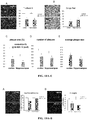
- mice were generated as previously described ( Knobloch et al., Neurobiol. Aging July 28 (2006 )) on a hybrid background of C57B1/6 and DBA2. The test group was backcrossed once to C57B1/6. Mice were kept under standard housing conditions on a reversed 12h:12h light/dark cycle and had free access to food and water. The treatment groups were balanced for age (24 months at first testing, 26 months at 2 nd testing) and gender. Mice are treated with antibodies (3mg/kg body weight) by once weekly intraperitoneal injections over a time period of 2 months resulting in 8 injections per animal.
- the spontaneous alternation rate is assessed using a Y-shaped plastic maze, with 40 x 20 x 10 cm arm sizes. During 5 min sessions, the sequences of arm entries are recorded; alternation was defined as successive entries into the three arms, in overlapping triplet sets. The percent alternation was calculated as the ratio of actual to possible alternations. After 2 months of antibody treatment, the mice are retested in the Y-maze. The experimenters are always kept blind for both treatments and genotypes during the whole experiment.
- an effective dose of the antibody is administered systemically, intraperitoneally, intravenously, intramuscularly, subcutaneously or intranasally to a transgenic animal that is characterized by unphysiological accumulation of the aggregated or conformationally altered protein target in the brain. Binding of the antibody to the pathology specific structures in the brain is then evaluated by immunostaining with a labeled anti-human Ig secondary antibody followed by standard immunohistochemical detection.
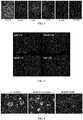
- PS-1/APPswe transgenic model mice for Alzheimer's disease received two peripheral injections of 150 ⁇ g NI-101.11 at day 1 and day 3. The mice were sacrificed 24 h after the second injection and perfused with PBS. Brains were frozen and tissue slices were prepared from frozen tissue using a cryotome. Presence of human antibody on cryostat sections was assayed by staining with Cy3-labeled anti human IgG antibody (Jackson ImmunoResearch Europe, Suffolk, UK). Localization of amyloid plaques was performed by co-staining the cryostat sections with the murine Abeta-specific control antibody 6E10 (available from Covance, Catalog Number SIG-39320) followed by FITC-labeled anti mouse IgG antibody. Alternatively, staining with Cy3-labeled anti human IgG antibody was used alone. Analysis of fluorescence was performed on an inverted fluorescence microscope (Leica).
- the effects of antibody treatment on the levels of aggregated or conformationally altered protein targets in the brain is assessed by systemic treatment or targeted brain delivery of the antibody (intracranial, intrathecal or intraventricular) and an unrelated antibody control to transgenic animals with characteristic unphysiological accumulation of the aggregated or conformationally altered protein target in the brain.
- the treatment effects is evaluated by immunostaining or histochemical staining of the altered or aggregated protein targets and measuring the area covered by such aggregates, aggregate size and aggregate number and biochemical quantification of the concentrations of the protein targets in different brain areas.
- Potential target related adverse effects of the antibody-treatment will be assessed by systemic administration or targeted brain delivery of the antibody (intracrainial, intrathecal or intraventricular) and an unrelated antibody control to transgenic animals with characteristic unphysiological accumulation of the aggregated or conformationally altered protein target in the brain.
- Potential side effects will be evaluated by immunostaining or histochemical staining (e . g . Prussian blue for micorhemorrhages, hematoxilin-eosin, activated white blood cells) and biochemical quantification ( e . g . cytokine levels by ELISA).
- HEK 293 cells were transiently transfected with a vector that expresses human wild type APP fused at the intracellular C-terminus to the yellow fluorescent protein variant Citrine. 24 hours after transfection the cells were incubated with human recombinant antibodies or control antibodies at 4°C for 30 minutes. After a washing step the cell were fixed and surface-bound antibody was detected using Cy-3-labeled secondary antibodies to human or mouse IgG (Jackson ImmunoResearch). Analysis of fluorescence was performed on a confocal microscope (Leica).
- Abeta peptide was purchased from Bachem (Bubendorf, Switzerland). Lyophylised peptide was reconstituted in TFA and resuspended in PBS immediately prior to its use as monomeric Abeta in the assays. Abeta fibrils were prepared by incubation of monomeric Abeta1-42 peptide at a concentration of 100 ⁇ g/ml in PBS at 37°C for 24h. Monomeric Abeta peptide and fibril preparations were also used as substrate to coat ELISA plates.
- Monomeric Abeta peptide was mixed with loading dye, heat denatured and 0.2 ⁇ g was loaded per lane and separated on a gradient SDS-PAGE. Blots were incubated with primary antibody for 2h. Binding of primary human monoclonal antibody or mouse control antibody 6E10 was revealed using secondary anti human or anti mouse antibodies conjugated with horse radish peroxidase (HRP). Blots were developed using SuperSignal West Femto Maximum Sensitivity Substrate (Pierce, Fisher Scientific, Wohlen, Switzerland).
- Recombinant human NI-101.11 antibody was incubated for 2 h with Abeta peptide preparations.
- the antibody/Abeta preparations were then used for immunohistochemical staining of brain section obtained from a patient with neuropathologically confirmed Alzheimer's disease.
- 5 ⁇ m cryo-sections were prepared, blocked with 4% BSA, 5% goat serum and 5% horse serum in PBS for 1h at RT and stained with NI-101.11/Abeta preparations for 1 h at room temperature.
- After a washing step the binding of human antibodies to tissue sections was analyzed using Cy3-conjugated secondary antibodies to human IgG (Jackson ImmunoResearch Europe Ltd). Analysis of fluorescence was performed on an inverted fluorescence microscope (Leica, Heerbrugg, Switzerland).
- FIG. 1A demonstrates the presence of antibodies in a clinically unusually stable patient that bind to beta-amyloid plaques as was confirmed by co-staining with a known antibody against human beta-amyloid (antibody 4G8; Fig. 1B ).
- antibody 4G8 a known antibody against human beta-amyloid
- Figure 2A The presence in a healthy human subject of antibodies to neurofibrillary tangles in a tissue section obtained from a patient with Alzheimer's disease is shown in Figure 2A . This result was confirmed by co-staining with a known antibody against human tau (HT7).
- HT7 human tau
- Figure 3A reveals the presence in a healthy human subject of antibodies against dystrophic neurites in a tissue section obtained from a patient with Alzheimer's disease.
- Control staining with known antibody against human tau (HT7) is depicted in Figure 3 B .
- Antibodies NI-101.11, NI-101.12, NI-101.13A and NI-101.13B were obtained from clinically unusually stable Alzheimer's disease patients with a significantly reduced rate of cognitive decline. Antibody isolation and recombinant production was performed as specified in supplementary methods.
- NI-101.11 was tested for binding to brain beta-amyloid plaques ( Fig. 4 ). Brain sections obtained from a patient with neuropathologically confirmed Alzheimer's disease were stained at the indicated concentrations. Antibody binding to beta-amyloid plaques with concentrations of 50 pM suggest high affinity binding. The binding of antibody NI-101.11 to beta-amyloid plaques at a concentration of 0.5 nM cannot be competed by addition of excess amounts of linear synthetic N-terminal Abeta-derived polypeptide representing positions 1 to 16 at concentrations of up to 1 ⁇ M ( Fig. 5 ).
- NI-101.11 recognizes a conformational epitope that is not present in monomeric Abeta ( Fig. 6 ).
- NI-101.11 The binding of recombinant NI-101.11 to artificial amyloid fibrils prepared from synthetic Abeta1-42 peptides and monomeric Abeta was determined by ELISA ( Fig. 8 ). Synthetic Abeta fibrils or monomeric synthetic Abeta coated onto ELISA plates at equal coating densities were incubated with NI-101.11 at the indicated concentrations. Binding to artificial amyloid fibrils (open squares) is more than 100 times higher as compared to monomeric Abeta (filled squares). Control antibody 22C4 against the C-terminus of Abeta preferentially binds to monomeric Abeta (filled circles), and less well to fibrils (open circles). This suggests that NI-101-10 recognizes a conformational epitope which is also present on artificial amyloid fibrils prepared from synthetic Abeta peptides.
- Live HEK 293 cells stably expressing human APP fused to Citrin as a marker were incubated for 30 min at 4°C, to prevent internalization, with the recombinant human NI-101.11 antibody or the control antibody 6E10 against N-terminal linear Abeta sequence.
- Citrin-positive signals indicate APP-expressing cells.
- the control antibody (6E10) that binds to cell-surface APP in all cells expressing the fusion construct no binding of recombinant human NI-101.11 antibody to full-length APP is detected.
- NI-101.11 The lack of binding of NI-101.11 to monomeric Abeta was further demonstrated by size exclusion chromatography: No binding of NI-101.11 or an unrelated control antibody was observed to monomeric FITC-labeled Abeta1-42 ( Fig. 10A, 10B ). In contrast, antibody 22C4 directed against a linear epitope present in the C-terminus of Abeta co-eluted with FITC-Abeta1-42 monomers ( Fig. 10 C) .
- NI-101.13A and 13B were tested for binding to brain sections obtained from an APP transgenic mouse model of Alzheimer's disease (Tg2576).
- NI-101.13A and NI-101.13B produced prominent staining of beta-amyloid plaques at 10 nM concentration ( Fig. 12 ).
- the binding of recombinant NI-101.13A and NI-101.13B to artificial amyloid fibrils prepared from synthetic Abeta1-42 peptides and monomeric Abeta was determined by ELISA.
- NI-101.12 binding at 133nM concentration was competed by excess of Abeta1-42 peptide ( Fig 14 B) .
- mice received two peripheral injections of 150 ⁇ g NI-101.11 at day 1 and day 3. Mice were sacrificed 24 h after the second injection and perfused with PBS. Brains were harvested and brain sections were stained with FITC-labeled antibodies against human IgG or with the mouse monoclonal Abeta antibody 6E10 followed by a FITC-labeled antibody against mouse IgG to confirm the presence of brain beta-amyloid plaques.
- Beta-Amyloid Recombinant Human Antibody against Beta-Amyloid Improves Abnormal Cognitive Behavior and Confers Reduction of Beta-Amyloid Plaque Load, Astrogliosis and Microgliosis in a Transgenic Mouse Model of Alzheimer's Disease without Increasing the Frequency of Microhemorrhages
- the Y-maze performance of untreated arcAbeta mice and wildtype littermate controls was compared using an unpaired t-test.
- the nonparametric Kruskal-Wallis test was used to compare the improvement after treatment in all 4 groups.
- the nonparametric Mann-Whitney U test was chosen for pair-wise comparison of the different groups. Zero-performers (i.e. mice that did not leave the arm they were placed in) were excluded from the analysis.
- mice were anesthetized after completion of the behavioral testing and perfused transcardially with PBS.
- One brain hemisphere was fixed in 4% paraformaldehyde and embedded in paraffin.
- 5 ⁇ m sagittal sections were cut with a Leica RM 2135 microtome (Bannockburn, Illinois). Beta-amyloid plaque load in cortex and hippocampus was quantified on brain sections stained with Thioflavin S and Congo Red according to standard protocol.
- NI-101.11 affects the neuroinflammatory response in arcAbeta mice
- reactive astrocytes and microglia were quantified after immunohistological staining.
- a reduction in the number of reactive astrocytes (anti GFAP-staining) was observed in the cortex of NI-101.11 treated arcAbeta mice compared to control antibody treated animals ( Fig. 19A ; Mann-Whitney-U; p 0.047).
- No change was detected in the hippocampus.
- the decrease in astrocytosis and microgliosis is in line with the reduced beta-amyloid load observed after NI-101.11 treatment
- Passive immunotherapy with certain monoclonal antibodies directed against Abeta can be associated with increased frequency of microhemorrhages in the brain ( Pfeifer et al., Science 298 (2002), 1379 ; Wilcock et al., J Neuroinflammation 1 (2004), 24 ).
- Perl's Prussian blue staining was performed on brain sections from arcAbeta and wild-type mice after chronic NI-101.11 treatment. This staining reveals the presence of hemosiderin, a breakdown product of hemoglobin, and marker of previous microhemorrages ( Fig. 20 ).
- BV-2 cells were maintained in DMEM supplemented with 5% FBS, , Pen/Step and glutamine. Cells were trypsinized and 120'000 BV-2 cells/well were seeded in flat bottom 24-well plates. After 12 h, the medium was replaced with 400 ul DMEM/F12/well supplemented with 20mM HEPES (pH 7.3), 1% BSA, 10 ⁇ g/ml Pen/Step. 100 ⁇ g/ml Fucoidan, an inhibitor of the scavenger receptor, was added 30 min prior to experiment.
- FITC-labeled Abeta fibrils were pre-incubated with the indicated concentrations of antibodies for 30 min at 37°C, washed twice followed by centrifugation for 5 min at 14'000 x g. This suspension was added to the tissue culture plates. After 30 min BV-2 cells were washed twice with HBSS to remove unassociated fibrillar Abeta.
- Fcgamma receptor-dependent phagocytosis of FITC-labeled Abeta1-42 fibrils was measured upon inhibition of the scavenger receptor system. Comparative analysis of human NI-101.11 and a commercially available antibody directed to a linear epitope at the N-terminus of the Abeta peptide (6E10) demonstrated dose-dependent induction of phagocytosis of Abeta fibrils. The uptake of fibrils mediated by NI-101.11 is up to 3 fold higher than that observed for the 6E10 antibody ( Fig. 22 ). These data indicate that NI-101.11 triggers potent dose-dependent Fcgamma receptor-mediated phagocytosis of Abeta fibrils by microglial cells.
- antibodies and equivalent binding molecules are provided that specifically recognize a variant of the antigen in a pathophysiologically relevant structure, which the antibody is supposed to bind in order to diminish its toxicity or to reduce its concentration or to promote its degradation, by means of, for example, making the pathogen for FcR-expressing macrophages or microglia cells visible and therefore to render it innocuous.
- such antibodies are therapeutically effective and are capable of both suspending as well as preventing deleterious effects of abnormal pathological proteins and aggregates thereof without increasing the frequency of brain microhemorrhages.
Landscapes
- Health & Medical Sciences (AREA)
- Chemical & Material Sciences (AREA)
- Life Sciences & Earth Sciences (AREA)
- Engineering & Computer Science (AREA)
- Organic Chemistry (AREA)
- Medicinal Chemistry (AREA)
- General Health & Medical Sciences (AREA)
- Biomedical Technology (AREA)
- Immunology (AREA)
- Bioinformatics & Cheminformatics (AREA)
- Neurology (AREA)
- Neurosurgery (AREA)
- Molecular Biology (AREA)
- Pharmacology & Pharmacy (AREA)
- Animal Behavior & Ethology (AREA)
- Public Health (AREA)
- Veterinary Medicine (AREA)
- General Chemical & Material Sciences (AREA)
- Chemical Kinetics & Catalysis (AREA)
- Nuclear Medicine, Radiotherapy & Molecular Imaging (AREA)
- Biochemistry (AREA)
- Proteomics, Peptides & Aminoacids (AREA)
- Genetics & Genomics (AREA)
- Biophysics (AREA)
- Urology & Nephrology (AREA)
- Hematology (AREA)
- Microbiology (AREA)
- General Physics & Mathematics (AREA)
- Physics & Mathematics (AREA)
- Pathology (AREA)
- Analytical Chemistry (AREA)
- Food Science & Technology (AREA)
- Cell Biology (AREA)
- Biotechnology (AREA)
- Psychology (AREA)
- Psychiatry (AREA)
- Pain & Pain Management (AREA)
- Mycology (AREA)
- Epidemiology (AREA)
- Cardiology (AREA)
Priority Applications (4)
| Application Number | Priority Date | Filing Date | Title |
|---|---|---|---|
| EP11184418.9A EP2426143B1 (en) | 2007-01-05 | 2008-01-07 | Method of providing disease-specific binding molecules and targets |
| EP17174176.2A EP3239175A1 (en) | 2007-01-05 | 2008-01-07 | Method of providing disease-specific binding molecules and targets |
| PL11184418T PL2426143T3 (pl) | 2007-01-05 | 2008-01-07 | Sposób zapewniania specyficznych wobec choroby cząsteczek wiążących i celów |
| HRP20171440TT HRP20171440T1 (hr) | 2007-01-05 | 2017-09-26 | Postupak za dobivanje molekula i meta za vezanje specifičnih za određene bolesti |
Applications Claiming Priority (6)
| Application Number | Priority Date | Filing Date | Title |
|---|---|---|---|
| US87883107P | 2007-01-05 | 2007-01-05 | |
| EP07000211 | 2007-01-05 | ||
| US93429107P | 2007-06-11 | 2007-06-11 | |
| EP07020341 | 2007-10-17 | ||
| EP11184418.9A EP2426143B1 (en) | 2007-01-05 | 2008-01-07 | Method of providing disease-specific binding molecules and targets |
| EP08700998.1A EP2099826B1 (en) | 2007-01-05 | 2008-01-07 | Anti-beta-amyloid antibody and uses thereof |
Related Parent Applications (2)
| Application Number | Title | Priority Date | Filing Date |
|---|---|---|---|
| EP08700998.1A Division EP2099826B1 (en) | 2007-01-05 | 2008-01-07 | Anti-beta-amyloid antibody and uses thereof |
| EP08700998.1 Division | 2008-01-07 |
Related Child Applications (1)
| Application Number | Title | Priority Date | Filing Date |
|---|---|---|---|
| EP17174176.2A Division EP3239175A1 (en) | 2007-01-05 | 2008-01-07 | Method of providing disease-specific binding molecules and targets |
Publications (3)
| Publication Number | Publication Date |
|---|---|
| EP2426143A2 EP2426143A2 (en) | 2012-03-07 |
| EP2426143A3 EP2426143A3 (en) | 2012-06-13 |
| EP2426143B1 true EP2426143B1 (en) | 2017-06-28 |
Family
ID=39186163
Family Applications (5)
| Application Number | Title | Priority Date | Filing Date |
|---|---|---|---|
| EP17169749.3A Withdrawn EP3239174A1 (en) | 2007-01-05 | 2008-01-07 | Anti-beta-amyloid antibody and uses thereof |
| EP17174176.2A Withdrawn EP3239175A1 (en) | 2007-01-05 | 2008-01-07 | Method of providing disease-specific binding molecules and targets |
| EP11185486.5A Active EP2436696B8 (en) | 2007-01-05 | 2008-01-07 | Anti-beta-amyloid antibody and uses thereof |
| EP08700998.1A Active EP2099826B1 (en) | 2007-01-05 | 2008-01-07 | Anti-beta-amyloid antibody and uses thereof |
| EP11184418.9A Active EP2426143B1 (en) | 2007-01-05 | 2008-01-07 | Method of providing disease-specific binding molecules and targets |
Family Applications Before (4)
| Application Number | Title | Priority Date | Filing Date |
|---|---|---|---|
| EP17169749.3A Withdrawn EP3239174A1 (en) | 2007-01-05 | 2008-01-07 | Anti-beta-amyloid antibody and uses thereof |
| EP17174176.2A Withdrawn EP3239175A1 (en) | 2007-01-05 | 2008-01-07 | Method of providing disease-specific binding molecules and targets |
| EP11185486.5A Active EP2436696B8 (en) | 2007-01-05 | 2008-01-07 | Anti-beta-amyloid antibody and uses thereof |
| EP08700998.1A Active EP2099826B1 (en) | 2007-01-05 | 2008-01-07 | Anti-beta-amyloid antibody and uses thereof |
Country Status (20)
| Country | Link |
|---|---|
| US (1) | US8906367B2 (pt) |
| EP (5) | EP3239174A1 (pt) |
| JP (1) | JP5398545B2 (pt) |
| KR (4) | KR101700073B1 (pt) |
| CN (3) | CN103408661B (pt) |
| AU (1) | AU2008203703C1 (pt) |
| BR (1) | BRPI0806328B8 (pt) |
| CA (2) | CA2674140C (pt) |
| CY (1) | CY1119197T1 (pt) |
| DK (3) | DK2426143T3 (pt) |
| EA (2) | EA029481B1 (pt) |
| ES (3) | ES2635317T3 (pt) |
| HU (2) | HUE033325T2 (pt) |
| LT (1) | LT2436696T (pt) |
| MX (1) | MX2009007136A (pt) |
| PL (3) | PL2426143T3 (pt) |
| PT (3) | PT2426143T (pt) |
| SG (1) | SG177954A1 (pt) |
| SI (2) | SI2099826T1 (pt) |
| WO (1) | WO2008081008A1 (pt) |
Families Citing this family (105)
| Publication number | Priority date | Publication date | Assignee | Title |
|---|---|---|---|---|
| WO2008081008A1 (en) * | 2007-01-05 | 2008-07-10 | University Of Zurich | Method of providing disease-specific binding molecules and targets |
| HRP20140049T1 (hr) | 2007-01-05 | 2014-02-28 | University Of Zürich | Anti beta-amiloid antitijela i njihova upotreba |
| EP2457928B1 (en) | 2007-03-13 | 2017-05-10 | Universität Zürich | Monoclonal human tumor-specific antibody |
| EP2321348A2 (en) * | 2008-07-09 | 2011-05-18 | University of Zürich | Method of promoting neurogenesis |
| EP2186827A1 (en) | 2008-11-14 | 2010-05-19 | HS LifeSciences Ltd. | Surrogate marker directed cDNA cloning of selectively induced mRNAs |
| CN102317316B (zh) | 2008-12-19 | 2014-08-13 | 帕尼玛制药股份公司 | 人抗α突触核蛋白自身抗体 |
| FR2945538B1 (fr) * | 2009-05-12 | 2014-12-26 | Sanofi Aventis | Anticorps humanises specifiques de la forme protofibrillaire du peptide beta-amyloide. |
| CA2807244A1 (en) | 2010-08-27 | 2012-03-01 | University Of Zurich | A novel diagnostic and therapeutic target in inflammatory and/or cardiovascular diseases |
| WO2012025636A1 (en) | 2010-08-27 | 2012-03-01 | University Of Zurich | Method for target and drug validation in inflammatory and/or cardiovascular diseases |
| CA2813493C (en) * | 2010-10-11 | 2019-07-09 | University Of Zurich | Human anti-tau antibodies |
| EP2647706B1 (en) | 2010-11-30 | 2023-05-17 | Chugai Seiyaku Kabushiki Kaisha | Antigen-binding molecule capable of binding to plurality of antigen molecules repeatedly |
| AU2011343161B2 (en) | 2010-12-17 | 2017-02-02 | Neurimmune Holding Ag | Human anti-SOD1 antibodies |
| EP2678026B1 (en) | 2011-02-21 | 2016-05-18 | The University of Zurich | Ankyrin g for use in the treatment of neurodegenerative disorders |
| AU2012233313C1 (en) | 2011-03-30 | 2017-08-03 | Chugai Seiyaku Kabushiki Kaisha | Method for altering plasma retention and immunogenicity of antigen-binding molecule |
| WO2012142301A2 (en) | 2011-04-12 | 2012-10-18 | Quanterix Corporation | Methods of determining a treatment protocol for and/or a prognosis of a patients recovery from a brain injury |
| SI2723379T1 (sl) | 2011-06-23 | 2019-03-29 | Biogen International Neuroscience Gmbh | Molekule, ki se vežejo ma anti alfa-sinuklein |
| JP6322411B2 (ja) | 2011-09-30 | 2018-05-09 | 中外製薬株式会社 | 複数の生理活性を有する抗原の消失を促進する抗原結合分子 |
| EP2752200B1 (en) | 2011-09-30 | 2023-11-01 | Chugai Seiyaku Kabushiki Kaisha | Antigen-binding molecule inducing immune response to target antigen |
| TW201817744A (zh) | 2011-09-30 | 2018-05-16 | 日商中外製藥股份有限公司 | 具有促進抗原清除之FcRn結合域的治療性抗原結合分子 |
| RU2014117505A (ru) | 2011-09-30 | 2015-11-10 | Чугаи Сейяку Кабусики Кайся | Антигенсвязывающая молекула для ускорения удаления антигенов |
| JP6271251B2 (ja) | 2011-10-05 | 2018-01-31 | 中外製薬株式会社 | 糖鎖受容体結合ドメインを含む抗原の血漿中からの消失を促進する抗原結合分子 |
| AU2012322721B2 (en) * | 2011-10-11 | 2016-05-05 | Vaccinex, Inc. | Use of semaphorin-4D binding molecules for modulation of blood brain barrier permeability |
| US20140294724A1 (en) * | 2011-10-24 | 2014-10-02 | Intellect Neurosciences, Inc. | Compositions and methods for treatment of proteinopathies |
| US9587014B2 (en) | 2011-10-28 | 2017-03-07 | Biogen International Neuroscience Gmbh | TDP-43 specific binding molecules |
| BR112014010664A2 (pt) | 2011-11-02 | 2017-04-25 | Biogen Idec Int Neuroscience Gmbh | uso de um anticorpo anti-alfa-sinucleína para diagnosticar um nível elevado de alfa-sinucleína no cérebro |
| KR20230143201A (ko) | 2011-11-30 | 2023-10-11 | 추가이 세이야쿠 가부시키가이샤 | 면역 복합체를 형성하는 세포내로의 운반체(캐리어)를 포함하는 의약 |
| DE102011057019A1 (de) * | 2011-12-23 | 2013-06-27 | Forschungszentrum Jülich GmbH | Standard zur Quantifizierung von pathogenen Aggregaten aus körpereigenen Proteinen |
| WO2013098420A1 (en) * | 2011-12-28 | 2013-07-04 | Immunoqure Ag | Method of isolating human antibodies |
| US10131709B2 (en) | 2011-12-28 | 2018-11-20 | Immunoqure Ag | Nucleic acid molecules encoding monoclonal antibodies specific for IL-22 |
| TWI593705B (zh) | 2011-12-28 | 2017-08-01 | Chugai Pharmaceutical Co Ltd | Humanized anti-epiregulin antibody and cancer therapeutic agent containing the antibody as an active ingredient |
| DK2807188T3 (da) * | 2012-01-27 | 2019-10-07 | Prothena Biosciences Ltd | Humaniserede antistoffer, der genkender alpha-synuclein |
| SG11201404751UA (en) | 2012-02-09 | 2014-09-26 | Chugai Pharmaceutical Co Ltd | Modified fc region of antibody |
| EP3738980A1 (en) | 2012-02-24 | 2020-11-18 | Chugai Seiyaku Kabushiki Kaisha | Antigen-binding molecule for promoting disappearance of antigen via fc gamma riib |
| WO2013180200A1 (ja) | 2012-05-30 | 2013-12-05 | 中外製薬株式会社 | 標的組織特異的抗原結合分子 |
| EP2857419B1 (en) | 2012-05-30 | 2021-01-13 | Chugai Seiyaku Kabushiki Kaisha | Antigen-binding molecule for eliminating aggregated antigens |
| US20150315267A1 (en) * | 2012-12-07 | 2015-11-05 | Thierry Bussiere | A method of reducing brain amyloid plaques using anti-ab antibodies |
| CA2896066C (en) | 2012-12-21 | 2022-07-12 | Biogen Ma Inc. | Human anti-tau antibodies |
| JP6592426B2 (ja) | 2013-03-15 | 2019-10-16 | バイオジェン・エムエイ・インコーポレイテッドBiogen MA Inc. | 無塩条件下で疎水性相互作用クロマトグラフィーを使用するタンパク質精製 |
| MX2015017852A (es) | 2013-06-24 | 2016-08-11 | Chugai Pharmaceutical Co Ltd | Agente terapeutico que comprende el anticuerpo anti-epirregulina humanizado con ingrediente activo contra el carcinoma de pulmon de celulas no pequeñas excluyendo el adenocarcinoma. |
| EP3018143B1 (en) * | 2013-07-03 | 2019-05-29 | Seoul National University R&DB Foundation | Chicken antibody transformed into cysteine and site-specific conjugation using same |
| WO2015006475A1 (en) * | 2013-07-12 | 2015-01-15 | Biogen Idec International Neuroscience Gmbh | Genetic and image biomarkers associated with decline in cognitive measures and brain glucose metabolism in populations with alzheimer's disease or those susceptible to developing alzheimer's disease |
| TWI673063B (zh) | 2013-09-20 | 2019-10-01 | 日商中外製藥股份有限公司 | 抗蛋白c抗體之出血性疾病的治療 |
| LT3071597T (lt) * | 2013-11-21 | 2020-10-12 | F. Hoffmann-La Roche Ag | Antikūnai prieš alfa-sunukleiną ir jų naudojimo būdai |
| DK3078744T3 (da) | 2013-12-04 | 2020-09-28 | Chugai Pharmaceutical Co Ltd | Antigen-bindende molekyler, antigen-bindingsaktiviteten af hvilke varierer i henhold til koncentrationen af forbindelser, og biblioteker af molekylerne |
| KR20250057056A (ko) | 2013-12-20 | 2025-04-28 | 뉴리뮨 홀딩 아게 | 트랜스티레틴(ttr) 아밀로이드증의 항체-기반의 치료 및 이를 위한 인간-유래의 항체 |
| BR112016029579A2 (pt) * | 2014-06-26 | 2017-08-22 | Janssen Vaccines & Prevention Bv | anticorpos e fragmentos de ligação ao antígeno que se ligam especificamente à proteína tau associada a microtúbulos |
| ZA201608812B (en) * | 2014-06-26 | 2019-08-28 | Janssen Vaccines & Prevention Bv | Antibodies and antigen-binding fragments that specifically bind to microtubule-associated protein tau |
| CA2954738A1 (en) * | 2014-07-29 | 2016-02-04 | Neurimmune Holding Ag | Human-derived anti-huntingtin (htt) antibodies and uses thereof |
| SG10201902850TA (en) | 2014-09-30 | 2019-04-29 | Neurimmune Holding Ag | Human-derived anti-dipeptide repeats (dprs) antibody |
| MA41115A (fr) | 2014-12-02 | 2017-10-10 | Biogen Int Neuroscience Gmbh | Procédé de traitement de la maladie d'alzheimer |
| US20190099475A1 (en) | 2015-04-08 | 2019-04-04 | Nantomics, Llc | Cancer neoepitopes |
| BR112017022845A2 (pt) * | 2015-04-23 | 2018-07-17 | Nantomics, Llc | neoepítopos de câncer |
| EP3362929B1 (en) | 2015-10-12 | 2020-08-12 | Nantomics, LLC | Viral neoepitopes and uses thereof |
| CA3003251A1 (en) | 2015-10-12 | 2017-04-20 | Nantomics, Llc | Systems, compositions, and methods for discovery of msi and neoepitopes that predict sensitivity to checkpoint inhibitors |
| EP4063858A1 (en) | 2016-03-14 | 2022-09-28 | Biogen International Neuroscience GmbH | Antibody-dependent cell-mediated phagocytosis assay for reliably measuring uptake of aggregated proteins |
| US11542332B2 (en) | 2016-03-26 | 2023-01-03 | Bioatla, Inc. | Anti-CTLA4 antibodies, antibody fragments, their immunoconjugates and uses thereof |
| EP3448874A4 (en) | 2016-04-29 | 2020-04-22 | Voyager Therapeutics, Inc. | COMPOSITIONS FOR TREATING A DISEASE |
| MX2018013386A (es) | 2016-05-02 | 2019-02-28 | Prothena Biosciences Ltd | Anticuerpos que reconocen tau. |
| MY198194A (en) | 2016-05-02 | 2023-08-09 | Prothena Biosciences Ltd | Antibodies Recognizing Tau |
| CN114796481A (zh) | 2016-06-07 | 2022-07-29 | 生物基因国际神经科学有限责任公司 | 治疗阿尔茨海默病的方法 |
| US10815271B2 (en) * | 2016-06-29 | 2020-10-27 | The Regents Of The University Of California | Structure-based peptide inhibitors of alpha-synuclein aggregation |
| JP2018035137A (ja) | 2016-07-13 | 2018-03-08 | マブイミューン ダイアグノスティックス エイジーMabimmune Diagnostics Ag | 新規な抗線維芽細胞活性化タンパク質(fap)結合薬剤およびその使用 |
| US20190330318A1 (en) | 2016-07-25 | 2019-10-31 | Biogen Ma Inc. | Anti-hspa5 (grp78) antibodies and uses thereof |
| US10662226B2 (en) | 2016-10-28 | 2020-05-26 | The Regents of the University of Caiifomia | Synthetic beta-amyloid peptides capable of forming stable antigenic oligomers |
| US20200031895A1 (en) | 2016-12-16 | 2020-01-30 | Biogen Ma Inc. | Stabilized proteolytically activated growth differentiation factor 11 |
| SG11201907422RA (en) | 2017-02-17 | 2019-09-27 | Denali Therapeutics Inc | Anti-tau antibodies and methods of use thereof |
| KR101989383B1 (ko) * | 2017-04-04 | 2019-06-14 | 조선대학교산학협력단 | 알츠하이머성 치매의 조기진단을 위한 펩타이드 프로브 |
| KR102784294B1 (ko) | 2017-05-02 | 2025-03-19 | 프로테나 바이오사이언시즈 리미티드 | 타우 인식 항체 |
| CN109201128A (zh) | 2017-07-05 | 2019-01-15 | 京东方科技集团股份有限公司 | 微流控芯片、化学发光免疫分析系统和分析方法 |
| CN118370815A (zh) * | 2017-08-22 | 2024-07-23 | 渤健马萨诸塞州股份有限公司 | 含有抗β淀粉样蛋白抗体的药物组合物 |
| CN108484761B (zh) * | 2018-03-10 | 2021-04-30 | 吉林大学 | 一种特异性识别并诱导Aβ42的寡聚体及原纤维解聚的单链抗体、单链抗体基因及其应用 |
| CN108874749B (zh) * | 2018-06-22 | 2022-10-14 | 西南科技大学 | 一种高考志愿录取概率模型的建立方法 |
| CN111094340B (zh) | 2018-07-17 | 2022-11-22 | 江苏恒瑞医药股份有限公司 | 抗Abeta抗体、其抗原结合片段及应用 |
| CN121248772A (zh) | 2018-08-17 | 2026-01-02 | Ab工作室有限公司 | 催化抗体和其使用方法 |
| BR112021006153A2 (pt) | 2018-10-04 | 2021-06-29 | Georg-August-Universität Göttingen Stiftung Öffentlichen Rechts, Universitätsmedizin | anticorpo monoclonal beta amiloide anti-n-truncado humanizado |
| US20220089704A1 (en) | 2018-10-29 | 2022-03-24 | Biogen Ma Inc. | Humanized and stabilized fc5 variants for enhancement of blood brain barrier transport |
| CN111518206B (zh) * | 2019-02-01 | 2022-03-29 | 长春金赛药业有限责任公司 | 人源化抗Aβ单克隆抗体及其应用 |
| CN111518205B (zh) * | 2019-02-01 | 2022-03-29 | 长春金赛药业有限责任公司 | 人源化抗Aβ单克隆抗体及其应用 |
| CN111518207B (zh) * | 2019-02-01 | 2022-03-29 | 长春金赛药业有限责任公司 | 人源化抗Aβ单克隆抗体及其应用 |
| KR102135130B1 (ko) * | 2019-02-15 | 2020-07-17 | 충북대학교 산학협력단 | 트랜스타이레틴 단백질에 특이적으로 결합하는 dna 앱타머 및 이의 용도 |
| JP7630834B2 (ja) | 2019-03-03 | 2025-02-18 | プロセナ バイオサイエンシーズ リミテッド | タウ認識抗体 |
| US11851487B2 (en) * | 2019-04-01 | 2023-12-26 | Rensselaer Polytechnic Institute | Methods and systems for detecting peptide aggregates |
| KR20220084095A (ko) | 2019-10-22 | 2022-06-21 | 바이오젠 엠에이 인코포레이티드 | 알츠하이머병의 치료를 위한 항-베타-아밀로이드 항체 |
| US20230399390A1 (en) | 2019-10-24 | 2023-12-14 | Novago Therapeutics Ag | Novel anti-nogo-a antibodies |
| AU2020395611A1 (en) * | 2019-12-03 | 2022-07-21 | The University Of Queensland | Treatment of neurodegenerative diseases using ultrasound and amyloid-beta antibodies |
| KR20210095781A (ko) | 2020-01-24 | 2021-08-03 | 주식회사 에이프릴바이오 | 항원결합 단편 및 생리활성 이펙터 모이어티로 구성된 융합 컨스트럭트를 포함하는 다중결합항체 및 이를 포함하는 약학조성물 |
| JP7735291B2 (ja) | 2020-02-21 | 2025-09-08 | エーアールエス ファーマシューティカルズ、インコーポレイテッド | ネクチン-4抗体コンジュゲートおよびその使用 |
| BR112022023366A2 (pt) | 2020-05-19 | 2023-05-02 | Othair Prothena Ltd | Vacina com múltiplos epítopos para o tratamento de mal de alzheimer |
| US20230242624A1 (en) | 2020-06-02 | 2023-08-03 | Neurimmune Ag | HUMAN ANTIBODIES AGAINST SEVERE ACUTE RESPIRATORY SYNDROME CORONAVIRUS-2 (SARS-CoV-2) |
| BR112022026508A2 (pt) | 2020-06-24 | 2023-03-07 | Prothena Biosciences Ltd | Anticorpos que reconhecem sortilina |
| JP2023532304A (ja) | 2020-07-01 | 2023-07-27 | エーアールエス ファーマシューティカルズ オペレーションズ,インク. | 抗asgr1抗体コンジュゲートおよびその使用 |
| KR20230039734A (ko) | 2020-07-23 | 2023-03-21 | 오타이르 프로테나 리미티드 | 항-Aβ 항체 |
| WO2022032166A1 (en) | 2020-08-07 | 2022-02-10 | Othair Prothena Limited | Multiepitope vaccine for the treatment of alzheimer's disease |
| CN114252607A (zh) * | 2020-09-24 | 2022-03-29 | 首都医科大学附属北京世纪坛医院 | 尿液v-atpase亚基s1及其多肽片段在过敏性疾病中的应用 |
| CN114252628A (zh) * | 2020-09-24 | 2022-03-29 | 首都医科大学附属北京世纪坛医院 | 尿液再生蛋白及其多肽片段在过敏性疾病中的应用 |
| WO2022144406A1 (en) | 2020-12-29 | 2022-07-07 | Neurimmune Ag | Human anti-tau antibodies |
| TW202300517A (zh) | 2021-03-12 | 2023-01-01 | 美商美國禮來大藥廠 | 抗類澱粉β抗體及其用途 |
| KR20240028975A (ko) | 2021-04-08 | 2024-03-05 | 사나 바이오테크놀로지, 인크. | Cd8-특이적 항체 구조체들 및 이의 조성물 |
| WO2022251048A1 (en) | 2021-05-24 | 2022-12-01 | Eli Lilly And Company | Anti-amyloid beta antibodies and uses thereof |
| IL309208A (en) | 2021-06-11 | 2024-02-01 | Sage Therapeutics Inc | Neuroactive steroid for the treatment of alzheimer's disease |
| WO2023099788A1 (en) | 2021-12-03 | 2023-06-08 | Neurimmune Ag | Novel potency assay for antibody-based drugs and useful means therefor |
| CN117586388A (zh) * | 2022-08-09 | 2024-02-23 | 深圳智源生物医药有限公司 | 改进的β淀粉样蛋白寡聚体特异性结合抗体 |
| WO2024087430A1 (zh) * | 2023-02-28 | 2024-05-02 | 湖南乾康科技有限公司 | 一种用于定量检测尿液淀粉样前体蛋白片段的酶联免疫检测方法 |
| TW202508603A (zh) | 2023-05-02 | 2025-03-01 | 美商賽吉醫療公司 | 神經活性類固醇調配物及其使用方法 |
| WO2025064824A1 (en) | 2023-09-22 | 2025-03-27 | Biogen Ma Inc. | Methods for treating alzheimer's disease |
Family Cites Families (125)
| Publication number | Priority date | Publication date | Assignee | Title |
|---|---|---|---|---|
| US4444887A (en) | 1979-12-10 | 1984-04-24 | Sloan-Kettering Institute | Process for making human antibody producing B-lymphocytes |
| US4716111A (en) | 1982-08-11 | 1987-12-29 | Trustees Of Boston University | Process for producing human antibodies |
| US4741900A (en) | 1982-11-16 | 1988-05-03 | Cytogen Corporation | Antibody-metal ion complexes |
| US4694778A (en) | 1984-05-04 | 1987-09-22 | Anicon, Inc. | Chemical vapor deposition wafer boat |
| EP0216846B2 (en) | 1985-04-01 | 1995-04-26 | Celltech Limited | Transformed myeloma cell-line and a process for the expression of a gene coding for a eukaryotic polypeptide employing same |
| GB8601597D0 (en) | 1986-01-23 | 1986-02-26 | Wilson R H | Nucleotide sequences |
| GB8607679D0 (en) | 1986-03-27 | 1986-04-30 | Winter G P | Recombinant dna product |
| ATE243754T1 (de) | 1987-05-21 | 2003-07-15 | Micromet Ag | Multifunktionelle proteine mit vorbestimmter zielsetzung |
| US5892019A (en) | 1987-07-15 | 1999-04-06 | The United States Of America, As Represented By The Department Of Health And Human Services | Production of a single-gene-encoded immunoglobulin |
| GB8717430D0 (en) | 1987-07-23 | 1987-08-26 | Celltech Ltd | Recombinant dna product |
| WO1989009622A1 (en) | 1988-04-15 | 1989-10-19 | Protein Design Labs, Inc. | Il-2 receptor-specific chimeric antibodies |
| AU631802B2 (en) | 1988-06-14 | 1992-12-10 | Cetus Oncology Corporation | Coupling agents and sterically hindered disulfide linked conjugates prepared therefrom |
| IL162181A (en) | 1988-12-28 | 2006-04-10 | Pdl Biopharma Inc | A method of producing humanized immunoglubulin, and polynucleotides encoding the same |
| US5530101A (en) | 1988-12-28 | 1996-06-25 | Protein Design Labs, Inc. | Humanized immunoglobulins |
| US5225538A (en) | 1989-02-23 | 1993-07-06 | Genentech, Inc. | Lymphocyte homing receptor/immunoglobulin fusion proteins |
| US5116964A (en) | 1989-02-23 | 1992-05-26 | Genentech, Inc. | Hybrid immunoglobulins |
| IE63847B1 (en) | 1989-05-05 | 1995-06-14 | Res Dev Foundation | A novel antibody delivery system for biological response modifiers |
| US6150584A (en) | 1990-01-12 | 2000-11-21 | Abgenix, Inc. | Human antibodies derived from immunized xenomice |
| WO1996033735A1 (en) | 1995-04-27 | 1996-10-31 | Abgenix, Inc. | Human antibodies derived from immunized xenomice |
| DE69120146T2 (de) | 1990-01-12 | 1996-12-12 | Cell Genesys Inc | Erzeugung xenogener antikörper |
| US5314995A (en) | 1990-01-22 | 1994-05-24 | Oncogen | Therapeutic interleukin-2-antibody based fusion proteins |
| WO1991014438A1 (en) | 1990-03-20 | 1991-10-03 | The Trustees Of Columbia University In The City Of New York | Chimeric antibodies with receptor binding ligands in place of their constant region |
| GB9020282D0 (en) | 1990-09-17 | 1990-10-31 | Gorman Scott D | Altered antibodies and their preparation |
| DE69133036T2 (de) | 1990-11-09 | 2003-02-06 | Stephen D. Gillies | Cytokine immunokonjugate |
| MX9204374A (es) | 1991-07-25 | 1993-03-01 | Idec Pharma Corp | Anticuerpo recombinante y metodo para su produccion. |
| ES2301158T3 (es) | 1992-07-24 | 2008-06-16 | Amgen Fremont Inc. | Produccion de anticuerpos xenogenicos. |
| ES2123062T3 (es) | 1992-08-21 | 1999-01-01 | Biogen Inc | Polipeptidos de transporte derivados de la proteina tat. |
| EP0627932B1 (en) | 1992-11-04 | 2002-05-08 | City Of Hope | Antibody construct |
| ATE236987T1 (de) | 1992-11-13 | 2003-04-15 | Idec Pharma Corp | Konsensus-kozak-sequenzen zur säugetier- exprimierung |
| US5736137A (en) | 1992-11-13 | 1998-04-07 | Idec Pharmaceuticals Corporation | Therapeutic application of chimeric and radiolabeled antibodies to human B lymphocyte restricted differentiation antigen for treatment of B cell lymphoma |
| US5876950A (en) * | 1995-01-26 | 1999-03-02 | Bristol-Myers Squibb Company | Monoclonal antibodies specific for different epitopes of human GP39 and methods for their use in diagnosis and therapy |
| US6130364A (en) | 1995-03-29 | 2000-10-10 | Abgenix, Inc. | Production of antibodies using Cre-mediated site-specific recombination |
| WO1996034096A1 (en) | 1995-04-28 | 1996-10-31 | Abgenix, Inc. | Human antibodies derived from immunized xenomice |
| US5875396A (en) * | 1995-11-13 | 1999-02-23 | Wytec, Incorporated | Multichannel radio frequency transmission system to deliver wideband digital data into independent sectorized service areas |
| GB9524973D0 (en) | 1995-12-06 | 1996-02-07 | Lynxvale Ltd | Viral vectors |
| US6420140B1 (en) | 1996-10-11 | 2002-07-16 | Abgenix, Inc. | Production of multimeric protein by cell fusion method |
| US5916771A (en) | 1996-10-11 | 1999-06-29 | Abgenix, Inc. | Production of a multimeric protein by cell fusion method |
| CA2722378C (en) | 1996-12-03 | 2015-02-03 | Amgen Fremont Inc. | Human antibodies that bind tnf.alpha. |
| AU737155B2 (en) | 1997-03-14 | 2001-08-09 | Biogen Idec Inc. | Method for integrating genes at specific sites in mammalian cells via homologous recombination and vectors for accomplishing the same |
| US20020086847A1 (en) * | 1997-04-09 | 2002-07-04 | Mindset Biopharmaceuticals (Usa) | Recombinant antibodies specific for beta-amyloid ends, DNA encoding and methods of use thereof |
| NZ337765A (en) | 1997-04-09 | 2001-09-28 | Mindset Biopharmaceuticals Usa | Recombinant antibodies having specificity for beta-amyloid N-terminus and C-terminus and use in treating Alzheimer's Disease |
| US8173127B2 (en) * | 1997-04-09 | 2012-05-08 | Intellect Neurosciences, Inc. | Specific antibodies to amyloid beta peptide, pharmaceutical compositions and methods of use thereof |
| BRPI9809391B8 (pt) | 1997-04-14 | 2021-05-25 | Amgen Res Munich Gmbh | processo para a produção de um receptor de antígeno anti-humano, anticorpo humano e composição farmacêutica |
| US6235883B1 (en) | 1997-05-05 | 2001-05-22 | Abgenix, Inc. | Human monoclonal antibodies to epidermal growth factor receptor |
| EP0983303B1 (en) | 1997-05-21 | 2006-03-08 | Biovation Limited | Method for the production of non-immunogenic proteins |
| US6703015B1 (en) * | 1999-09-03 | 2004-03-09 | Ramot At Tel-Aviv University Ltd. | Filamentous bacteriophage displaying an β-amyloid epitope |
| US20080050367A1 (en) * | 1998-04-07 | 2008-02-28 | Guriq Basi | Humanized antibodies that recognize beta amyloid peptide |
| TWI239847B (en) | 1997-12-02 | 2005-09-21 | Elan Pharm Inc | N-terminal fragment of Abeta peptide and an adjuvant for preventing and treating amyloidogenic disease |
| US6913745B1 (en) | 1997-12-02 | 2005-07-05 | Neuralab Limited | Passive immunization of Alzheimer's disease |
| US6710226B1 (en) | 1997-12-02 | 2004-03-23 | Neuralab Limited | Transgenic mouse assay to determine the effect of Aβ antibodies and Aβ Fragments on alzheimer's disease characteristics |
| US7964192B1 (en) * | 1997-12-02 | 2011-06-21 | Janssen Alzheimer Immunotherapy | Prevention and treatment of amyloidgenic disease |
| US6761888B1 (en) * | 2000-05-26 | 2004-07-13 | Neuralab Limited | Passive immunization treatment of Alzheimer's disease |
| US6750324B1 (en) * | 1997-12-02 | 2004-06-15 | Neuralab Limited | Humanized and chimeric N-terminal amyloid beta-antibodies |
| US7179892B2 (en) | 2000-12-06 | 2007-02-20 | Neuralab Limited | Humanized antibodies that recognize beta amyloid peptide |
| US6905686B1 (en) | 1997-12-02 | 2005-06-14 | Neuralab Limited | Active immunization for treatment of alzheimer's disease |
| US7462605B2 (en) * | 1998-01-23 | 2008-12-09 | Celmed Oncology (Usa), Inc. | Phosphoramidate compounds and methods of use |
| US6670194B1 (en) | 1998-08-25 | 2003-12-30 | University Of Washington | Rapid quantitative analysis of proteins or protein function in complex mixtures |
| WO2000030680A1 (en) | 1998-11-23 | 2000-06-02 | Idec Pharmaceuticals Corporation | Tumor antigen-specific antibody-gp39 chimeric protein constructs |
| AU776910B2 (en) | 1998-12-08 | 2004-09-23 | Merck Patent Gesellschaft Mit Beschrankter Haftung | Modifying protein immunogenicity |
| US6361973B1 (en) * | 1999-03-22 | 2002-03-26 | Novozymes Biotech, Inc. | Promoters for expressing genes in a fungal cell |
| US6787637B1 (en) * | 1999-05-28 | 2004-09-07 | Neuralab Limited | N-Terminal amyloid-β antibodies |
| UA81216C2 (en) | 1999-06-01 | 2007-12-25 | Prevention and treatment of amyloid disease | |
| DE19932958C2 (de) | 1999-07-14 | 2003-08-07 | Walter Schubert | Vorrichtung zur Bindung von Molekülen, Molekülgruppen, Molekülteilen und/oder Zellen |
| AU784568B2 (en) | 1999-09-03 | 2006-05-04 | Ramot At Tel-Aviv University Ltd | Agents and compositions and methods utilizing same useful in diagnosing and/or treating or preventing plaque forming diseases |
| US6436401B1 (en) * | 1999-09-14 | 2002-08-20 | Milkhaus Laboratory, Inc. | Methods for alleviating symptoms associated with diabetes and diabetic neuropathy comprising administration of low levels of antibodies |
| US6294171B2 (en) * | 1999-09-14 | 2001-09-25 | Milkhaus Laboratory, Inc. | Methods for treating disease states comprising administration of low levels of antibodies |
| US6713058B2 (en) * | 1999-09-14 | 2004-03-30 | Milkhaus Laboratory, Inc. | Methods for alleviating symptoms associated with neuropathic conditions comprising administration of low levels of antibodies |
| US6187309B1 (en) * | 1999-09-14 | 2001-02-13 | Milkaus Laboratory, Inc. | Method for treatment of symptoms of central nervous system disorders |
| CA2414772C (en) * | 2000-07-07 | 2011-06-28 | Jan Naslund | Prevention and treatment of alzheimer's disease |
| EP1172378A1 (en) * | 2000-07-12 | 2002-01-16 | Richard Dr. Dodel | Human beta-amyloid antibody and use thereof for treatment of alzheimer's disease |
| AU2001297872B2 (en) | 2000-11-17 | 2006-11-09 | University Of Rochester | In vitro methods of producing and identifying immunoglobulin molecules in eukaryotic cells |
| US7700751B2 (en) * | 2000-12-06 | 2010-04-20 | Janssen Alzheimer Immunotherapy | Humanized antibodies that recognize β-amyloid peptide |
| PE20020574A1 (es) | 2000-12-06 | 2002-07-02 | Wyeth Corp | Anticuerpos humanizados que reconocen el peptido amiloideo beta |
| US6716226B2 (en) * | 2001-06-25 | 2004-04-06 | Inscope Development, Llc | Surgical clip |
| NZ527283A (en) | 2001-01-29 | 2006-03-31 | Biogen Idec Inc | Modified antibodies and methods of use |
| WO2002096948A2 (en) | 2001-01-29 | 2002-12-05 | Idec Pharmaceuticals Corporation | Engineered tetravalent antibodies and methods of use |
| PT1944040E (pt) * | 2001-08-17 | 2012-10-31 | Univ Washington | Método de avaliação para a doença de alzheimer |
| US20030157641A1 (en) | 2001-11-16 | 2003-08-21 | Idec Pharmaceuticals Corporation | Polycistronic expression of antibodies |
| US7390885B2 (en) * | 2001-11-26 | 2008-06-24 | Cell Matrix, Inc. | Humanized collagen antibodies and related methods |
| MY139983A (en) * | 2002-03-12 | 2009-11-30 | Janssen Alzheimer Immunotherap | Humanized antibodies that recognize beta amyloid peptide |
| US20110200609A1 (en) * | 2002-09-12 | 2011-08-18 | The Regents Of The University Of California | Monoclonal antibodies specific for pathological amyloid aggregates common to amyloids formed from proteins of differing sequence |
| TW200509968A (en) * | 2002-11-01 | 2005-03-16 | Elan Pharm Inc | Prevention and treatment of synucleinopathic disease |
| US8506959B2 (en) | 2002-11-01 | 2013-08-13 | Neotope Biosciences Limited | Prevention and treatment of synucleinopathic and amyloidogenic disease |
| AU2003284427A1 (en) * | 2002-11-22 | 2004-06-18 | Chugai Seiyaku Kabushiki Kaisha | Antibody against lesion tissue |
| AU2004215125B2 (en) | 2003-02-26 | 2011-01-06 | Institute For Research In Biomedicine | Monoclonal antibody production by EBV transformation of B cells |
| WO2004095031A1 (en) | 2003-04-24 | 2004-11-04 | Universität Zürich | Method of monitoring immunotherapy |
| TWI306458B (en) | 2003-05-30 | 2009-02-21 | Elan Pharma Int Ltd | Humanized antibodies that recognize beta amyloid peptide |
| WO2005018424A2 (en) * | 2003-08-18 | 2005-03-03 | Research Foundation For Mental Hygiene, Inc. | Antibodies specific for fibrillar amyloid and a procedure to detect fibrillar amyloid deposits |
| AU2004266159A1 (en) | 2003-08-22 | 2005-03-03 | Biogen Idec Ma Inc. | Improved antibodies having altered effector function and methods for making the same |
| SI1720909T1 (sl) | 2004-02-23 | 2012-01-31 | Lilly Co Eli | Anti-abeta protitelo |
| CA2564432A1 (en) | 2004-04-27 | 2005-11-10 | Juridical Foundation The Chemo-Sero-Therapeutic Research Institute | Human anti-amyloid .beta. peptide antibody and fragment of said antibody |
| US20110142858A1 (en) | 2004-06-07 | 2011-06-16 | Ramot At Tel Aviv University Ltd. | Method of Passsive Immunization Against Disease or Disorder Charcterized by Amyloid Aggregation with Diminished Risk of Neuroinflammation |
| SE0401601D0 (sv) * | 2004-06-21 | 2004-06-21 | Bioarctic Neuroscience Ab | Protofibril specific antibodies and uses thereof |
| EA013752B1 (ru) | 2004-08-09 | 2010-06-30 | Элан Фармасьютикалз, Инк. | Предупреждение и лечение синуклеинопатических и амилоидогенных заболеваний |
| WO2006050041A2 (en) | 2004-10-28 | 2006-05-11 | Ramot At Tel Aviv University Ltd. | Methods for reducing or inhibiting brain inflammation or for promoting neurogenesis |
| CA2589017A1 (en) * | 2004-12-15 | 2006-06-22 | Neuralab Limited | Amyloid beta antibodies for use in improving cognition |
| WO2006094724A2 (en) | 2005-03-05 | 2006-09-14 | Abbott Gmbh & Co. Kg | Screening method, process for purifying of non-diffusible a-beta oligomers, selective antibodies against said non-diffusible a-beta oligomers and a process for manufacturing of said antibodies |
| JP2006265189A (ja) | 2005-03-24 | 2006-10-05 | Kyoto Univ | βアミロイドペプチド、及びそれを用いたアルツハイマー病治療薬又は予防薬のスクリーニング方法 |
| ES2318918B1 (es) * | 2005-04-01 | 2010-02-16 | Biotherapix Molecular Medicines, S.L.U. | Anticuerpos humanos con capacidad de union al peptido beta-amiloide y sus aplicaciones. |
| UY29504A1 (es) * | 2005-04-29 | 2006-10-31 | Rinat Neuroscience Corp | Anticuerpos dirigidos contra el péptido amiloide beta y métodos que utilizan los mismos. |
| US9133267B2 (en) * | 2005-11-22 | 2015-09-15 | The Trustees Of The University Of Pennsylvania | Antibody treatment of Alzheimer's and related diseases |
| HRP20140240T4 (hr) * | 2005-11-30 | 2017-02-24 | Abbvie Inc. | Monoklonalna antitijela protiv amiloidnih beta proteina i njihova upotreba |
| JP2009518010A (ja) * | 2005-11-30 | 2009-05-07 | アボット・ラボラトリーズ | ヒトβアミロイドタンパク質の組み換え形態の調製方法及びこれらのタンパク質の使用 |
| US8691224B2 (en) * | 2005-11-30 | 2014-04-08 | Abbvie Inc. | Anti-Aβ globulomer 5F7 antibodies |
| EP1959996A2 (en) | 2005-12-12 | 2008-08-27 | AC Immune S.A. | Monoclonal antibody |
| US8784810B2 (en) * | 2006-04-18 | 2014-07-22 | Janssen Alzheimer Immunotherapy | Treatment of amyloidogenic diseases |
| US8455626B2 (en) * | 2006-11-30 | 2013-06-04 | Abbott Laboratories | Aβ conformer selective anti-aβ globulomer monoclonal antibodies |
| WO2008081008A1 (en) * | 2007-01-05 | 2008-07-10 | University Of Zurich | Method of providing disease-specific binding molecules and targets |
| PL2583978T3 (pl) | 2007-02-23 | 2016-07-29 | Prothena Biosciences Ltd Co | Profilaktyka i leczenie chorób synukleinopatycznych i amyloidogennych |
| US20080292625A1 (en) | 2007-04-18 | 2008-11-27 | Sally Schroeter | Prevention and treatment of cerebral amyloid angiopathy |
| US8003097B2 (en) * | 2007-04-18 | 2011-08-23 | Janssen Alzheimer Immunotherapy | Treatment of cerebral amyloid angiopathy |
| DK2182983T3 (da) * | 2007-07-27 | 2014-07-14 | Janssen Alzheimer Immunotherap | Behandling af amyloidogene sygdomme med humaniserede anti-abeta antistoffer |
| WO2009027105A2 (en) * | 2007-08-31 | 2009-03-05 | Neurimmune Therapeutics Ag | Method of providing patient specific immune response in amyloidoses and protein aggregation disorders |
| EP2527369A3 (en) | 2007-09-13 | 2012-12-19 | University Of Zurich Prorektorat Forschung | Monoclonal amyloid beta (abeta)-specific antibody and uses thereof |
| US8466265B2 (en) * | 2007-10-02 | 2013-06-18 | Csl Limited | Therapeutic antibody purification method and method of use |
| CN101965365A (zh) | 2007-10-19 | 2011-02-02 | 伊缪纳斯制药株式会社 | 能够特异性结合Aβ寡聚体的抗体及其应用 |
| GB0720912D0 (en) * | 2007-10-25 | 2007-12-05 | Univ Cardiff | Monoclonal Anitbody for APP |
| MY155144A (en) * | 2007-10-29 | 2015-09-15 | Inst Nat Sante Rech Med | NEW ANTIBODIES SPECIFIC OF THE ß-AMYLOID PEPTIDES AND THEIR USES AS DIAGNOSTIC AGENTS OR DRUGS |
| EP2207568B1 (en) * | 2007-11-16 | 2017-05-31 | The Rockefeller University | Antibodies specific for the protofibril form of beta-amyloid protein |
| CN102936287B (zh) * | 2008-02-08 | 2015-09-09 | 伊缪纳斯制药株式会社 | 能够特异性结合Aβ寡聚体的抗体及其应用 |
| EP2321348A2 (en) * | 2008-07-09 | 2011-05-18 | University of Zürich | Method of promoting neurogenesis |
| AU2009313851A1 (en) * | 2008-11-13 | 2010-05-20 | Modgene, Llc | Modification of amyloid-beta load in non-brain tissue |
| CN102459335B (zh) * | 2009-04-17 | 2015-11-25 | 伊缪纳斯制药株式会社 | 特异性结合Aβ寡聚体的抗体及其用途 |
| JP5599454B2 (ja) * | 2009-08-06 | 2014-10-01 | イムナス・ファーマ株式会社 | Aβオリゴマーに特異的に結合する抗体およびその利用 |
| WO2011016238A1 (en) * | 2009-08-06 | 2011-02-10 | Immunas Pharma, Inc. | Antibodies that specifically bind to a beta oligomers and use thereof |
-
2008
- 2008-01-07 WO PCT/EP2008/000053 patent/WO2008081008A1/en not_active Ceased
- 2008-01-07 SI SI200831130T patent/SI2099826T1/sl unknown
- 2008-01-07 EP EP17169749.3A patent/EP3239174A1/en not_active Withdrawn
- 2008-01-07 EP EP17174176.2A patent/EP3239175A1/en not_active Withdrawn
- 2008-01-07 DK DK11184418.9T patent/DK2426143T3/en active
- 2008-01-07 US US12/522,031 patent/US8906367B2/en active Active
- 2008-01-07 DK DK11185486.5T patent/DK2436696T3/en active
- 2008-01-07 ES ES11185486.5T patent/ES2635317T3/es active Active
- 2008-01-07 PT PT111844189T patent/PT2426143T/pt unknown
- 2008-01-07 PL PL11184418T patent/PL2426143T3/pl unknown
- 2008-01-07 JP JP2009544399A patent/JP5398545B2/ja active Active
- 2008-01-07 MX MX2009007136A patent/MX2009007136A/es active IP Right Grant
- 2008-01-07 PT PT111854865T patent/PT2436696T/pt unknown
- 2008-01-07 KR KR1020167002281A patent/KR101700073B1/ko active Active
- 2008-01-07 AU AU2008203703A patent/AU2008203703C1/en active Active
- 2008-01-07 ES ES08700998.1T patent/ES2439490T3/es active Active
- 2008-01-07 KR KR1020127000738A patent/KR20120017469A/ko not_active Ceased
- 2008-01-07 CA CA2674140A patent/CA2674140C/en active Active
- 2008-01-07 EA EA201201067A patent/EA029481B1/ru not_active IP Right Cessation
- 2008-01-07 ES ES11184418.9T patent/ES2641897T3/es active Active
- 2008-01-07 PL PL08700998T patent/PL2099826T3/pl unknown
- 2008-01-07 EP EP11185486.5A patent/EP2436696B8/en active Active
- 2008-01-07 EP EP08700998.1A patent/EP2099826B1/en active Active
- 2008-01-07 PT PT87009981T patent/PT2099826E/pt unknown
- 2008-01-07 CN CN201310282725.XA patent/CN103408661B/zh active Active
- 2008-01-07 KR KR1020097016340A patent/KR20090114388A/ko not_active Withdrawn
- 2008-01-07 SG SG2012000758A patent/SG177954A1/en unknown
- 2008-01-07 CN CN2012100468084A patent/CN102603893A/zh active Pending
- 2008-01-07 PL PL11185486T patent/PL2436696T3/pl unknown
- 2008-01-07 DK DK08700998.1T patent/DK2099826T3/da active
- 2008-01-07 EA EA200900954A patent/EA017611B1/ru not_active IP Right Cessation
- 2008-01-07 KR KR1020167021950A patent/KR101735257B1/ko active Active
- 2008-01-07 LT LTEP11185486.5T patent/LT2436696T/lt unknown
- 2008-01-07 CA CA2764852A patent/CA2764852C/en active Active
- 2008-01-07 EP EP11184418.9A patent/EP2426143B1/en active Active
- 2008-01-07 CN CN2008800062941A patent/CN101622275B/zh active Active
- 2008-01-07 HU HUE11185486A patent/HUE033325T2/en unknown
- 2008-01-07 HU HUE11184418A patent/HUE034512T2/en unknown
- 2008-01-07 SI SI200831845T patent/SI2436696T1/sl unknown
- 2008-01-07 BR BRPI0806328A patent/BRPI0806328B8/pt active IP Right Grant
-
2017
- 2017-08-08 CY CY20171100850T patent/CY1119197T1/el unknown
Non-Patent Citations (1)
| Title |
|---|
| None * |
Also Published As
Similar Documents
| Publication | Publication Date | Title |
|---|---|---|
| EP2426143B1 (en) | Method of providing disease-specific binding molecules and targets | |
| US20220403011A1 (en) | Method of providing disease-specific binding molecules and targets | |
| AU2013204620B2 (en) | Method of Providing Disease-Specific Binding Molecules and Targets | |
| HK1167150A (en) | Method of providing disease-specific binding molecules and targets | |
| HK1167150B (en) | Method of providing disease-specific binding molecules and targets |
Legal Events
| Date | Code | Title | Description |
|---|---|---|---|
| AC | Divisional application: reference to earlier application |
Ref document number: 2099826 Country of ref document: EP Kind code of ref document: P |
|
| AK | Designated contracting states |
Kind code of ref document: A2 Designated state(s): AT BE BG CH CY CZ DE DK EE ES FI FR GB GR HR HU IE IS IT LI LT LU LV MC MT NL NO PL PT RO SE SI SK TR |
|
| PUAI | Public reference made under article 153(3) epc to a published international application that has entered the european phase |
Free format text: ORIGINAL CODE: 0009012 |
|
| PUAL | Search report despatched |
Free format text: ORIGINAL CODE: 0009013 |
|
| AK | Designated contracting states |
Kind code of ref document: A3 Designated state(s): AT BE BG CH CY CZ DE DK EE ES FI FR GB GR HR HU IE IS IT LI LT LU LV MC MT NL NO PL PT RO SE SI SK TR |
|
| RIC1 | Information provided on ipc code assigned before grant |
Ipc: A61K 39/395 20060101ALI20120508BHEP Ipc: A61P 25/28 20060101ALI20120508BHEP Ipc: C07K 16/18 20060101AFI20120508BHEP |
|
| 17P | Request for examination filed |
Effective date: 20121211 |
|
| 17Q | First examination report despatched |
Effective date: 20140314 |
|
| GRAP | Despatch of communication of intention to grant a patent |
Free format text: ORIGINAL CODE: EPIDOSNIGR1 |
|
| INTG | Intention to grant announced |
Effective date: 20170224 |
|
| GRAS | Grant fee paid |
Free format text: ORIGINAL CODE: EPIDOSNIGR3 |
|
| GRAA | (expected) grant |
Free format text: ORIGINAL CODE: 0009210 |
|
| AC | Divisional application: reference to earlier application |
Ref document number: 2099826 Country of ref document: EP Kind code of ref document: P |
|
| AK | Designated contracting states |
Kind code of ref document: B1 Designated state(s): AT BE BG CH CY CZ DE DK EE ES FI FR GB GR HR HU IE IS IT LI LT LU LV MC MT NL NO PL PT RO SE SI SK TR |
|
| REG | Reference to a national code |
Ref country code: GB Ref legal event code: FG4D |
|
| REG | Reference to a national code |
Ref country code: CH Ref legal event code: EP |
|
| REG | Reference to a national code |
Ref country code: AT Ref legal event code: REF Ref document number: 904758 Country of ref document: AT Kind code of ref document: T Effective date: 20170715 |
|
| REG | Reference to a national code |
Ref country code: IE Ref legal event code: FG4D |
|
| REG | Reference to a national code |
Ref country code: DE Ref legal event code: R096 Ref document number: 602008050919 Country of ref document: DE |
|
| REG | Reference to a national code |
Ref country code: CH Ref legal event code: NV Representative=s name: WEINMANN ZIMMERLI, CH |
|
| REG | Reference to a national code |
Ref country code: DK Ref legal event code: T3 Effective date: 20170905 |
|
| REG | Reference to a national code |
Ref country code: PT Ref legal event code: SC4A Ref document number: 2426143 Country of ref document: PT Date of ref document: 20170922 Kind code of ref document: T Free format text: AVAILABILITY OF NATIONAL TRANSLATION Effective date: 20170914 |
|
| REG | Reference to a national code |
Ref country code: HR Ref legal event code: TUEP Ref document number: P20171440 Country of ref document: HR |
|
| REG | Reference to a national code |
Ref country code: SE Ref legal event code: TRGR |
|
| REG | Reference to a national code |
Ref country code: NL Ref legal event code: FP |
|
| REG | Reference to a national code |
Ref country code: NO Ref legal event code: T2 Effective date: 20170628 |
|
| PG25 | Lapsed in a contracting state [announced via postgrant information from national office to epo] |
Ref country code: LT Free format text: LAPSE BECAUSE OF FAILURE TO SUBMIT A TRANSLATION OF THE DESCRIPTION OR TO PAY THE FEE WITHIN THE PRESCRIBED TIME-LIMIT Effective date: 20170628 Ref country code: GR Free format text: LAPSE BECAUSE OF FAILURE TO SUBMIT A TRANSLATION OF THE DESCRIPTION OR TO PAY THE FEE WITHIN THE PRESCRIBED TIME-LIMIT Effective date: 20170929 |
|
| REG | Reference to a national code |
Ref country code: HR Ref legal event code: T1PR Ref document number: P20171440 Country of ref document: HR |
|
| REG | Reference to a national code |
Ref country code: LT Ref legal event code: MG4D |
|
| REG | Reference to a national code |
Ref country code: ES Ref legal event code: FG2A Ref document number: 2641897 Country of ref document: ES Kind code of ref document: T3 Effective date: 20171114 |
|
| PG25 | Lapsed in a contracting state [announced via postgrant information from national office to epo] |
Ref country code: LV Free format text: LAPSE BECAUSE OF FAILURE TO SUBMIT A TRANSLATION OF THE DESCRIPTION OR TO PAY THE FEE WITHIN THE PRESCRIBED TIME-LIMIT Effective date: 20170628 Ref country code: BG Free format text: LAPSE BECAUSE OF FAILURE TO SUBMIT A TRANSLATION OF THE DESCRIPTION OR TO PAY THE FEE WITHIN THE PRESCRIBED TIME-LIMIT Effective date: 20170928 |
|
| REG | Reference to a national code |
Ref country code: FR Ref legal event code: PLFP Year of fee payment: 11 |
|
| PG25 | Lapsed in a contracting state [announced via postgrant information from national office to epo] |
Ref country code: RO Free format text: LAPSE BECAUSE OF FAILURE TO SUBMIT A TRANSLATION OF THE DESCRIPTION OR TO PAY THE FEE WITHIN THE PRESCRIBED TIME-LIMIT Effective date: 20170628 Ref country code: SK Free format text: LAPSE BECAUSE OF FAILURE TO SUBMIT A TRANSLATION OF THE DESCRIPTION OR TO PAY THE FEE WITHIN THE PRESCRIBED TIME-LIMIT Effective date: 20170628 Ref country code: EE Free format text: LAPSE BECAUSE OF FAILURE TO SUBMIT A TRANSLATION OF THE DESCRIPTION OR TO PAY THE FEE WITHIN THE PRESCRIBED TIME-LIMIT Effective date: 20170628 |
|
| PG25 | Lapsed in a contracting state [announced via postgrant information from national office to epo] |
Ref country code: IS Free format text: LAPSE BECAUSE OF FAILURE TO SUBMIT A TRANSLATION OF THE DESCRIPTION OR TO PAY THE FEE WITHIN THE PRESCRIBED TIME-LIMIT Effective date: 20171028 |
|
| REG | Reference to a national code |
Ref country code: HU Ref legal event code: AG4A Ref document number: E034512 Country of ref document: HU |
|
| REG | Reference to a national code |
Ref country code: DE Ref legal event code: R097 Ref document number: 602008050919 Country of ref document: DE |
|
| PLBE | No opposition filed within time limit |
Free format text: ORIGINAL CODE: 0009261 |
|
| STAA | Information on the status of an ep patent application or granted ep patent |
Free format text: STATUS: NO OPPOSITION FILED WITHIN TIME LIMIT |
|
| 26N | No opposition filed |
Effective date: 20180329 |
|
| PG25 | Lapsed in a contracting state [announced via postgrant information from national office to epo] |
Ref country code: SI Free format text: LAPSE BECAUSE OF FAILURE TO SUBMIT A TRANSLATION OF THE DESCRIPTION OR TO PAY THE FEE WITHIN THE PRESCRIBED TIME-LIMIT Effective date: 20170628 |
|
| PG25 | Lapsed in a contracting state [announced via postgrant information from national office to epo] |
Ref country code: LU Free format text: LAPSE BECAUSE OF NON-PAYMENT OF DUE FEES Effective date: 20180107 |
|
| REG | Reference to a national code |
Ref country code: IE Ref legal event code: MM4A |
|
| REG | Reference to a national code |
Ref country code: HR Ref legal event code: ODRP Ref document number: P20171440 Country of ref document: HR Payment date: 20181212 Year of fee payment: 12 |
|
| PG25 | Lapsed in a contracting state [announced via postgrant information from national office to epo] |
Ref country code: IE Free format text: LAPSE BECAUSE OF NON-PAYMENT OF DUE FEES Effective date: 20180107 |
|
| REG | Reference to a national code |
Ref country code: AT Ref legal event code: UEP Ref document number: 904758 Country of ref document: AT Kind code of ref document: T Effective date: 20170628 |
|
| PG25 | Lapsed in a contracting state [announced via postgrant information from national office to epo] |
Ref country code: MC Free format text: LAPSE BECAUSE OF FAILURE TO SUBMIT A TRANSLATION OF THE DESCRIPTION OR TO PAY THE FEE WITHIN THE PRESCRIBED TIME-LIMIT Effective date: 20170628 |
|
| REG | Reference to a national code |
Ref country code: HR Ref legal event code: ODRP Ref document number: P20171440 Country of ref document: HR Payment date: 20191211 Year of fee payment: 13 |
|
| REG | Reference to a national code |
Ref country code: DE Ref legal event code: R082 Ref document number: 602008050919 Country of ref document: DE Representative=s name: WITTHOFF JAEKEL STEINECKE PATENTANWAELTE PARTG, DE |
|
| PG25 | Lapsed in a contracting state [announced via postgrant information from national office to epo] |
Ref country code: CY Free format text: LAPSE BECAUSE OF FAILURE TO SUBMIT A TRANSLATION OF THE DESCRIPTION OR TO PAY THE FEE WITHIN THE PRESCRIBED TIME-LIMIT Effective date: 20170628 |
|
| REG | Reference to a national code |
Ref country code: HR Ref legal event code: ODRP Ref document number: P20171440 Country of ref document: HR Payment date: 20201228 Year of fee payment: 14 |
|
| REG | Reference to a national code |
Ref country code: HR Ref legal event code: ODRP Ref document number: P20171440 Country of ref document: HR Payment date: 20211227 Year of fee payment: 15 |
|
| REG | Reference to a national code |
Ref country code: HR Ref legal event code: ODRP Ref document number: P20171440 Country of ref document: HR Payment date: 20221229 Year of fee payment: 16 |
|
| REG | Reference to a national code |
Ref country code: HR Ref legal event code: ODRP Ref document number: P20171440 Country of ref document: HR Payment date: 20231227 Year of fee payment: 17 |
|
| REG | Reference to a national code |
Ref country code: HR Ref legal event code: ODRP Ref document number: P20171440 Country of ref document: HR Payment date: 20241224 Year of fee payment: 18 |
|
| PGFP | Annual fee paid to national office [announced via postgrant information from national office to epo] |
Ref country code: CZ Payment date: 20251230 Year of fee payment: 19 |
|
| PGFP | Annual fee paid to national office [announced via postgrant information from national office to epo] |
Ref country code: PL Payment date: 20251230 Year of fee payment: 19 |
|
| REG | Reference to a national code |
Ref country code: HR Ref legal event code: ODRP Ref document number: P20171440 Country of ref document: HR Payment date: 20251231 Year of fee payment: 19 |
|
| REG | Reference to a national code |
Ref country code: CH Ref legal event code: U11 Free format text: ST27 STATUS EVENT CODE: U-0-0-U10-U11 (AS PROVIDED BY THE NATIONAL OFFICE) Effective date: 20260201 |
|
| PGFP | Annual fee paid to national office [announced via postgrant information from national office to epo] |
Ref country code: NL Payment date: 20260121 Year of fee payment: 19 |
|
| PGFP | Annual fee paid to national office [announced via postgrant information from national office to epo] |
Ref country code: HU Payment date: 20260108 Year of fee payment: 19 |
|
| PGFP | Annual fee paid to national office [announced via postgrant information from national office to epo] |
Ref country code: SE Payment date: 20260121 Year of fee payment: 19 |
|
| PGFP | Annual fee paid to national office [announced via postgrant information from national office to epo] |
Ref country code: GB Payment date: 20260122 Year of fee payment: 19 |
|
| PGFP | Annual fee paid to national office [announced via postgrant information from national office to epo] |
Ref country code: ES Payment date: 20260217 Year of fee payment: 19 |
|
| PGFP | Annual fee paid to national office [announced via postgrant information from national office to epo] |
Ref country code: NO Payment date: 20260120 Year of fee payment: 19 Ref country code: DE Payment date: 20251215 Year of fee payment: 19 Ref country code: DK Payment date: 20260115 Year of fee payment: 19 |
|
| PGFP | Annual fee paid to national office [announced via postgrant information from national office to epo] |
Ref country code: HR Payment date: 20260101 Year of fee payment: 19 Ref country code: AT Payment date: 20260119 Year of fee payment: 19 |
|
| PGFP | Annual fee paid to national office [announced via postgrant information from national office to epo] |
Ref country code: FI Payment date: 20260120 Year of fee payment: 19 Ref country code: BE Payment date: 20260121 Year of fee payment: 19 Ref country code: IT Payment date: 20260130 Year of fee payment: 19 |
|
| PGFP | Annual fee paid to national office [announced via postgrant information from national office to epo] |
Ref country code: FR Payment date: 20260128 Year of fee payment: 19 |
|
| PGFP | Annual fee paid to national office [announced via postgrant information from national office to epo] |
Ref country code: TR Payment date: 20260106 Year of fee payment: 19 |
|
| PGFP | Annual fee paid to national office [announced via postgrant information from national office to epo] |
Ref country code: PT Payment date: 20251230 Year of fee payment: 19 Ref country code: CH Payment date: 20260201 Year of fee payment: 19 |
|
| PGFP | Annual fee paid to national office [announced via postgrant information from national office to epo] |
Ref country code: MT Payment date: 20260126 Year of fee payment: 19 |