EP2471926A2 - Immunstimulierende Oligodeoxynukleotide - Google Patents
Immunstimulierende Oligodeoxynukleotide Download PDFInfo
- Publication number
- EP2471926A2 EP2471926A2 EP10197435A EP10197435A EP2471926A2 EP 2471926 A2 EP2471926 A2 EP 2471926A2 EP 10197435 A EP10197435 A EP 10197435A EP 10197435 A EP10197435 A EP 10197435A EP 2471926 A2 EP2471926 A2 EP 2471926A2
- Authority
- EP
- European Patent Office
- Prior art keywords
- odn
- oligodeoxynucleotide
- oligodeoxynucleotide according
- cell
- chicken
- Prior art date
- Legal status (The legal status is an assumption and is not a legal conclusion. Google has not performed a legal analysis and makes no representation as to the accuracy of the status listed.)
- Withdrawn
Links
Images






Classifications
-
- A—HUMAN NECESSITIES
- A61—MEDICAL OR VETERINARY SCIENCE; HYGIENE
- A61K—PREPARATIONS FOR MEDICAL, DENTAL OR TOILETRY PURPOSES
- A61K39/00—Medicinal preparations containing antigens or antibodies
- A61K39/12—Viral antigens
- A61K39/155—Paramyxoviridae, e.g. parainfluenza virus
- A61K39/17—Newcastle disease virus
-
- C—CHEMISTRY; METALLURGY
- C12—BIOCHEMISTRY; BEER; SPIRITS; WINE; VINEGAR; MICROBIOLOGY; ENZYMOLOGY; MUTATION OR GENETIC ENGINEERING
- C12N—MICROORGANISMS OR ENZYMES; COMPOSITIONS THEREOF; PROPAGATING, PRESERVING, OR MAINTAINING MICROORGANISMS; MUTATION OR GENETIC ENGINEERING; CULTURE MEDIA
- C12N15/00—Mutation or genetic engineering; DNA or RNA concerning genetic engineering, vectors, e.g. plasmids, or their isolation, preparation or purification; Use of hosts therefor
- C12N15/09—Recombinant DNA-technology
- C12N15/11—DNA or RNA fragments; Modified forms thereof; Non-coding nucleic acids having a biological activity
- C12N15/117—Nucleic acids having immunomodulatory properties, e.g. containing CpG-motifs
-
- A—HUMAN NECESSITIES
- A61—MEDICAL OR VETERINARY SCIENCE; HYGIENE
- A61K—PREPARATIONS FOR MEDICAL, DENTAL OR TOILETRY PURPOSES
- A61K39/00—Medicinal preparations containing antigens or antibodies
- A61K39/02—Bacterial antigens
-
- A—HUMAN NECESSITIES
- A61—MEDICAL OR VETERINARY SCIENCE; HYGIENE
- A61K—PREPARATIONS FOR MEDICAL, DENTAL OR TOILETRY PURPOSES
- A61K39/00—Medicinal preparations containing antigens or antibodies
- A61K39/12—Viral antigens
-
- A—HUMAN NECESSITIES
- A61—MEDICAL OR VETERINARY SCIENCE; HYGIENE
- A61K—PREPARATIONS FOR MEDICAL, DENTAL OR TOILETRY PURPOSES
- A61K39/00—Medicinal preparations containing antigens or antibodies
- A61K39/39—Medicinal preparations containing antigens or antibodies characterised by the immunostimulating additives, e.g. chemical adjuvants
-
- A—HUMAN NECESSITIES
- A61—MEDICAL OR VETERINARY SCIENCE; HYGIENE
- A61P—SPECIFIC THERAPEUTIC ACTIVITY OF CHEMICAL COMPOUNDS OR MEDICINAL PREPARATIONS
- A61P31/00—Antiinfectives, i.e. antibiotics, antiseptics, chemotherapeutics
- A61P31/04—Antibacterial agents
-
- A—HUMAN NECESSITIES
- A61—MEDICAL OR VETERINARY SCIENCE; HYGIENE
- A61P—SPECIFIC THERAPEUTIC ACTIVITY OF CHEMICAL COMPOUNDS OR MEDICINAL PREPARATIONS
- A61P37/00—Drugs for immunological or allergic disorders
- A61P37/02—Immunomodulators
- A61P37/04—Immunostimulants
-
- C—CHEMISTRY; METALLURGY
- C12—BIOCHEMISTRY; BEER; SPIRITS; WINE; VINEGAR; MICROBIOLOGY; ENZYMOLOGY; MUTATION OR GENETIC ENGINEERING
- C12N—MICROORGANISMS OR ENZYMES; COMPOSITIONS THEREOF; PROPAGATING, PRESERVING, OR MAINTAINING MICROORGANISMS; MUTATION OR GENETIC ENGINEERING; CULTURE MEDIA
- C12N15/00—Mutation or genetic engineering; DNA or RNA concerning genetic engineering, vectors, e.g. plasmids, or their isolation, preparation or purification; Use of hosts therefor
- C12N15/09—Recombinant DNA-technology
- C12N15/63—Introduction of foreign genetic material using vectors; Vectors; Use of hosts therefor; Regulation of expression
-
- A—HUMAN NECESSITIES
- A61—MEDICAL OR VETERINARY SCIENCE; HYGIENE
- A61K—PREPARATIONS FOR MEDICAL, DENTAL OR TOILETRY PURPOSES
- A61K39/00—Medicinal preparations containing antigens or antibodies
- A61K2039/55—Medicinal preparations containing antigens or antibodies characterised by the host/recipient, e.g. newborn with maternal antibodies
- A61K2039/552—Veterinary vaccine
-
- A—HUMAN NECESSITIES
- A61—MEDICAL OR VETERINARY SCIENCE; HYGIENE
- A61K—PREPARATIONS FOR MEDICAL, DENTAL OR TOILETRY PURPOSES
- A61K39/00—Medicinal preparations containing antigens or antibodies
- A61K2039/555—Medicinal preparations containing antigens or antibodies characterised by a specific combination antigen/adjuvant
- A61K2039/55511—Organic adjuvants
- A61K2039/55561—CpG containing adjuvants; Oligonucleotide containing adjuvants
-
- A—HUMAN NECESSITIES
- A61—MEDICAL OR VETERINARY SCIENCE; HYGIENE
- A61K—PREPARATIONS FOR MEDICAL, DENTAL OR TOILETRY PURPOSES
- A61K39/00—Medicinal preparations containing antigens or antibodies
- A61K2039/555—Medicinal preparations containing antigens or antibodies characterised by a specific combination antigen/adjuvant
- A61K2039/55511—Organic adjuvants
- A61K2039/55566—Emulsions, e.g. Freund's adjuvant, MF59
-
- C—CHEMISTRY; METALLURGY
- C07—ORGANIC CHEMISTRY
- C07H—SUGARS; DERIVATIVES THEREOF; NUCLEOSIDES; NUCLEOTIDES; NUCLEIC ACIDS
- C07H21/00—Compounds containing two or more mononucleotide units having separate phosphate or polyphosphate groups linked by saccharide radicals of nucleoside groups, e.g. nucleic acids
- C07H21/04—Compounds containing two or more mononucleotide units having separate phosphate or polyphosphate groups linked by saccharide radicals of nucleoside groups, e.g. nucleic acids with deoxyribosyl as saccharide radical
-
- C—CHEMISTRY; METALLURGY
- C12—BIOCHEMISTRY; BEER; SPIRITS; WINE; VINEGAR; MICROBIOLOGY; ENZYMOLOGY; MUTATION OR GENETIC ENGINEERING
- C12N—MICROORGANISMS OR ENZYMES; COMPOSITIONS THEREOF; PROPAGATING, PRESERVING, OR MAINTAINING MICROORGANISMS; MUTATION OR GENETIC ENGINEERING; CULTURE MEDIA
- C12N2310/00—Structure or type of the nucleic acid
- C12N2310/10—Type of nucleic acid
- C12N2310/17—Immunomodulatory nucleic acids
-
- C—CHEMISTRY; METALLURGY
- C12—BIOCHEMISTRY; BEER; SPIRITS; WINE; VINEGAR; MICROBIOLOGY; ENZYMOLOGY; MUTATION OR GENETIC ENGINEERING
- C12N—MICROORGANISMS OR ENZYMES; COMPOSITIONS THEREOF; PROPAGATING, PRESERVING, OR MAINTAINING MICROORGANISMS; MUTATION OR GENETIC ENGINEERING; CULTURE MEDIA
- C12N2310/00—Structure or type of the nucleic acid
- C12N2310/30—Chemical structure
- C12N2310/31—Chemical structure of the backbone
- C12N2310/315—Phosphorothioates
-
- C—CHEMISTRY; METALLURGY
- C12—BIOCHEMISTRY; BEER; SPIRITS; WINE; VINEGAR; MICROBIOLOGY; ENZYMOLOGY; MUTATION OR GENETIC ENGINEERING
- C12N—MICROORGANISMS OR ENZYMES; COMPOSITIONS THEREOF; PROPAGATING, PRESERVING, OR MAINTAINING MICROORGANISMS; MUTATION OR GENETIC ENGINEERING; CULTURE MEDIA
- C12N2310/00—Structure or type of the nucleic acid
- C12N2310/30—Chemical structure
- C12N2310/34—Spatial arrangement of the modifications
- C12N2310/341—Gapmers, i.e. of the type ===---===
-
- C—CHEMISTRY; METALLURGY
- C12—BIOCHEMISTRY; BEER; SPIRITS; WINE; VINEGAR; MICROBIOLOGY; ENZYMOLOGY; MUTATION OR GENETIC ENGINEERING
- C12N—MICROORGANISMS OR ENZYMES; COMPOSITIONS THEREOF; PROPAGATING, PRESERVING, OR MAINTAINING MICROORGANISMS; MUTATION OR GENETIC ENGINEERING; CULTURE MEDIA
- C12N2310/00—Structure or type of the nucleic acid
- C12N2310/30—Chemical structure
- C12N2310/34—Spatial arrangement of the modifications
- C12N2310/345—Spatial arrangement of the modifications having at least two different backbone modifications
-
- C—CHEMISTRY; METALLURGY
- C12—BIOCHEMISTRY; BEER; SPIRITS; WINE; VINEGAR; MICROBIOLOGY; ENZYMOLOGY; MUTATION OR GENETIC ENGINEERING
- C12N—MICROORGANISMS OR ENZYMES; COMPOSITIONS THEREOF; PROPAGATING, PRESERVING, OR MAINTAINING MICROORGANISMS; MUTATION OR GENETIC ENGINEERING; CULTURE MEDIA
- C12N2760/00—MICROORGANISMS OR ENZYMES; COMPOSITIONS THEREOF; PROPAGATING, PRESERVING, OR MAINTAINING MICROORGANISMS; MUTATION OR GENETIC ENGINEERING; CULTURE MEDIA ssRNA viruses negative-sense
- C12N2760/00011—Details
- C12N2760/18011—Paramyxoviridae
- C12N2760/18111—Avulavirus, e.g. Newcastle disease virus
- C12N2760/18134—Use of virus or viral component as vaccine, e.g. live-attenuated or inactivated virus, VLP, viral protein
-
- C—CHEMISTRY; METALLURGY
- C12—BIOCHEMISTRY; BEER; SPIRITS; WINE; VINEGAR; MICROBIOLOGY; ENZYMOLOGY; MUTATION OR GENETIC ENGINEERING
- C12N—MICROORGANISMS OR ENZYMES; COMPOSITIONS THEREOF; PROPAGATING, PRESERVING, OR MAINTAINING MICROORGANISMS; MUTATION OR GENETIC ENGINEERING; CULTURE MEDIA
- C12N2760/00—MICROORGANISMS OR ENZYMES; COMPOSITIONS THEREOF; PROPAGATING, PRESERVING, OR MAINTAINING MICROORGANISMS; MUTATION OR GENETIC ENGINEERING; CULTURE MEDIA ssRNA viruses negative-sense
- C12N2760/00011—Details
- C12N2760/18011—Paramyxoviridae
- C12N2760/18311—Metapneumovirus, e.g. avian pneumovirus
- C12N2760/18334—Use of virus or viral component as vaccine, e.g. live-attenuated or inactivated virus, VLP, viral protein
-
- C—CHEMISTRY; METALLURGY
- C12—BIOCHEMISTRY; BEER; SPIRITS; WINE; VINEGAR; MICROBIOLOGY; ENZYMOLOGY; MUTATION OR GENETIC ENGINEERING
- C12N—MICROORGANISMS OR ENZYMES; COMPOSITIONS THEREOF; PROPAGATING, PRESERVING, OR MAINTAINING MICROORGANISMS; MUTATION OR GENETIC ENGINEERING; CULTURE MEDIA
- C12N2770/00—MICROORGANISMS OR ENZYMES; COMPOSITIONS THEREOF; PROPAGATING, PRESERVING, OR MAINTAINING MICROORGANISMS; MUTATION OR GENETIC ENGINEERING; CULTURE MEDIA ssRNA viruses positive-sense
- C12N2770/00011—Details
- C12N2770/20011—Coronaviridae
- C12N2770/20034—Use of virus or viral component as vaccine, e.g. live-attenuated or inactivated virus, VLP, viral protein
Definitions
- the present invention relates to immunostimulatory oligodeoxynucleotides, vectors and vaccines comprising such oligodeoxynucleotides, to their use as a medicament, to their use in preventing or combating infectious disease, to methods for the detection of such oligodeoxynucleotides and to cells to be used in these methods.
- CpG ODNs have also been described and discussed as immunostimulatory agents and vaccine adjuvants in veterinary applications, particularly in bovines, pigs, sheep, dogs, chicken and fish (Babiuk et al. 2003, Carrington and Secombes 2006, Griebel et al. 2005, Mutwiri et al. 2003, Singh and O'Hagan 2003, Werling and Jungi 2003).
- TLR21 acts as a functional homologue to mammalian TLR9 in the recognition of CpG oligodeoxynucleotides (Brownlie et al., 2009).
- an "immunostimulatory non-methylated oligodeoxynucleotide” refers to an oligodeoxynucleotide, which contains a non-methylated cytidine-phosphate-guanosine di-nucleotide sequence that stimulates the initiation of signaling cascades leading to activation of transcription factors such as NF- ⁇ B or Interferon Regulatory Factor 3 (IRF3). It is this activation that in turn results in the expression of inflammatory cytokines and other cellular activation events.
- NF- ⁇ B binding sites and gene expression influenced by NF- ⁇ B are i.a. described by Schindler and Baichwal (1994).
- oligodeoxynucleotide means a short nucleic acid polymer of deoxynucleotides; i.e. a molecule comprising a multitude of deoxyriboses, linked to a phosphate group and to an exchangeable organic base.
- Such an organic base is a substituted pyrimidine or a substituted purine. Examples are cytosine and thymine respectively adenine and guanine.
- the oligonucleotides according to the invention may comprise modifications. Examples of such modifications are e.g. modifications in the phosphodiester internucleoside bridge located at the 3' and/or 5' end of a nucleoside. Such modifications relate i.a. to the replacement of a phosphodiester by e.g. a phosphorothioate or a phosphorodithioate.
- modifications that concern the replacement of a natural nucleoside base by a non-natural nucleoside base such as 5-fluorocytosine, 7-deaza-7-substituted guanine, 7-deaza-8-substituted guanine , 2-thiouracil, dihydrouracil, 5-bromo-cytosine, 6-substituted cytosines, N4-substituted cytosines,
- the structure ⁇ N 3 [N 4 ] p C G [N 5 ] q N 6 ⁇ n carrying the CpG motif represents the active immunostimulating moiety of an ODN according to the invention. Therefore, the present invention provides immunostimulatory oligodeoxynucleotides that comprise this so-called "backbone”.
- the backbone of an oligodeoxynucleotide according to the invention the structure ⁇ N 3 [N 4 ] p C G [N 5 ] q N 6 ⁇ n must be present at least two, preferably three times. Therefore, n should be at least two. It was also found that the activity of the oligodeoxynucleotides increases when n increases. This effect is leveling when n increases. Basically, the number n of the backbone structure should therefore be at least 2.
- the range of n is 3 ⁇ n ⁇ 100, merely because of the fact that the longer the synthetic sequence the more difficult it is to make. In practice preferably the range of n is 2 ⁇ n ⁇ 18. More preferably, the range of n is 3 ⁇ n ⁇ 18, even more preferably the range of n is 4 ⁇ n ⁇ 18, still even more preferably the range of n is 5 ⁇ n ⁇ 18.
- CpG ODN's was made possible i.a. by using a more selective detection system than the systems currently in use for the detection of NF- ⁇ B activation.
- Brownlie at al. (2009) describe an NF- ⁇ B luciferase based reporter system.
- Other systems are e.g. based upon IL-8 transcript measurement or cytokine secretion or the detection of NO secretion.
- SEAP secreted alkaline phosphatase based detection system
- SEAP is a reporter enzyme in mammalian systems (Yang et al., 1997).
- This system turned out to be surprisingly sensitive and in addition surprisingly provides a close correlation between the in vitro and in vivo activities of the CpG ODN's tested.
- the SEAP system was used with para -nitrophenylphosphate (pNPP) as a substrate.
- N 3 , N 4 , N 5 and N 6 T.
- N 1 is G.
- N 2 is G.
- the number of [N 2 ] nucleotides that forms the 3'-flanking region of the backbone of the oligodeoxynucleotide according to the invention preferably ranges between 0 and 5 nucleotides, more preferably between 0 and 3 nucleotides.
- the number of [N 1 ] nucleotides that forms the 5'-flanking region of the backbone of the oligodeoxynucleotide according to the invention has an optimum in the region between 4 and 7 nucleotides.
- another preferred form of this embodiment relates to oligodeoxynucleotides according to the invention wherein the N 1 's and/or the N 2 's have a phosphorothioate binding and the other nucleotides have a phosphodiester binding.
- r and s are independently between 1-25.
- the structure ⁇ N 3 [N 4 ] p C G [N 5 ] q N 6 ⁇ n is identical for every n.
- an oligodeoxynucleotide according to the invention could look i.a. like this: ⁇ T T C G T T ⁇ ⁇ C T C GTG ⁇ ⁇ GT CGTA ⁇ .
- Such a series of three different consecutive different backbones would be indicated as a heteropolymer.
- a stretch of three identical copies would be called a homopolymer.
- the oligodeoxynucleotide according to the invention comprises a ⁇ N 3 [N 4 ] p C G [N 5 ] q N 6 ⁇ homopolymer.
- the CpG oligodeoxynucleotides according to the invention are in most cases active in nanomolar amounts, both in the in vitro test system and in vivo. However some of the CpG oligodeoxynucleotides according to the invention are even active in picomolar (sub-nanomolar) amounts; their EC50 is below 1 nM.
- the half-maximal effective concentration (EC50) of an oligodeoxynucleotide is the amount of oligodeoxynucleotide that is necessary to induce an amount of the reporter enzyme SEAP (that produces the colored product absorbing at 405 nm) in the reporter cells (HEK293-pNifty2-chickenTLR21 or HD11-pNifTy2Hyg) that gives a half-maximal absorption. If the EC50 of an oligodeoxynucleotide is below 1 nM in these cells, it is considered to be active in picomolar (sub-nanomolar) amounts.
- oligodeoxynucleotide it is very well possible to link an oligodeoxynucleotide according to the invention to a carrier or hapten, via a reactive chemical group. Such linkage enhances the immunostimulatory effect of the combined molecules.
- a carrier or hapten e.g. digoxigenin, aminohexyl-, Texas red and biotin.
- Preferred carriers or haptens are 3'- and 5'-labeled Texas red and 5'-labeled digoxigenin.
- the linkage of oligodeoxynucleotides to haptens/carriers is well-known in the art.
- a vector comprising an immunostimulatory non-methylated oligodeoxynucleotide according to the invention can be a nucleic acid molecule such as a plasmid, a virus, a bacteriophage or any other vector used in molecular biology.
- a vector comprising an immunostimulatory non-methylated oligodeoxynucleotide can e.g. be a DNA molecule such as a plasmid that can be multiplied in bacteria, into which an immunostimulatory non-methylated oligodeoxynucleotide according to the invention has been cloned.
- Such a plasmid preferably has an active origin of replication, causing high numbers of the plasmid to be present in the host.
- Growing such bacteria on a large scale followed by isolation of the plasmids provides an alternative for the synthetic production of the immunostimulatory non-methylated oligodeoxynucleotide according to the invention.
- One of the aims of the present invention is to provide new CpG ODN's that can be used as successful immunostimulating components in vaccines that prevent or combat infectious disease together with an antigen component or genetic information encoding an antigen component, and a pharmaceutically acceptable carrier.
- antigen component refers to a composition of matter that comprises at least one epitope that can induce, stimulate or enhance an immune response when administered to a human or an animal.
- the antigen component may be any kind of antigen component but preferably is derived from a micro-organism or virus that in its wild-type form is pathogenic to humans or animals.
- the antigen component can be the whole pathogen, preferably in an inactivated or attenuated form, an extract of the pathogen or an immunogenic protein of the pathogen. If the antigen component is an immunogenic protein of the pathogen, that immunogenic protein is preferably expressed in and recovered from in vitro cultured cells.
- another embodiment relates to a vaccine for preventing or combating infectious disease characterised in that said vaccine comprises an immunostimulating amount of an oligodeoxynucleotide according to the invention and/or a vector according to the invention, an immunogenic amount of an antigen component or genetic information encoding an antigen component, and a pharmaceutically acceptable carrier.
- the immunostimulating amount of the oligodeoxynucleotide and the immunogenic amount of the antigen component are strongly interrelated. It is one of the merits of the present invention that the presence of the oligodeoxynucleotide according to the invention can lower the amount of antigen component that is necessary to prevent or combat infectious disease.
- the amount of antigen component that is necessary to prevent or combat infectious disease is referred to as the immunogenic amount of the antigen component.
- An immunostimulating amount of the oligodeoxynucleotide is the amount that is capable of decreasing the immunogenic amount of the antigen component, i.e. the amount of the antigen component that is necessary to prevent or combat an infectious disease. So basically, the wording "immunostimulating amount of the oligodeoxynucleotide" and "immunogenic amount" must be seen in relation to each other.
- the vaccine comprises genetic information encoding an antigen component
- the amount of antigen component expressed by this genetic information should be enough to prevent or combat infectious disease, i.e.; it must be an immunogenic amount.
- non-methylated oligodeoxynucleotides according to the invention are immunostimulatory, means that they enhance the immunological efficacy of antigen components in vaccines. For that reason, vaccines according to the invention will in many cases comprise less of the antigen component or the genetic information encoding the antigen component than would be the case if no oligodeoxynucleotides according to the invention would be present.
- an antigen component as such without the addition of immunostimulatory oligonucleotides, may have such low immunogenic properties that high amounts must be given anyway, albeit without reaching the desired immunogenic level. In such cases, the antigen component can be given in the usual high concentration, however now together with an oligodeoxynucleotide according to the invention in order to so obtain the desired level of immunogenicity.
- the amount of the antigen component or the genetic information encoding the antigen component to be administered with a oligonucleotide according to the invention would as a rule of thumb be equal or below the amount given in the absence of the oligonucleotide.
- the skilled person involved in the manufacturing of a specific vaccines would know that amount for that specific vaccine.
- the Examples give e.g. ample guidance for the amount of antigen components to be used, e.g. in three different inactivated viral vaccines: Newcastle disease virus vaccine, Infectious Bronchitis virus vaccine and Turkey Rhinotracheitis vaccine.
- the amount of the oligodeoxynucleotide according to the invention that needs to be administered together with the antigen component or the genetic information encoding the antigen component depends both on the selected oligodeoxynucleotide and the antigen component.
- a very suitable amount of oligodeoxynucleotide according to the invention would usually vary between 1 and 100 nanomol. Very good in vivo results have e.g. been obtained with 1-10 ⁇ g of oligodeoxynucleotides according to the invention with an average length of 30 deoxynucleotides that were shown to be active in in vitro tests in the nanomolar range.
- an oligodeoxynucleotide is chosen from the group of oligodeoxynucleotides that are active in the picomolar range, the skilled person would realise that amounts below, possibly far below, 1 nanomol, i.e. picomolar amounts, would be worth testing before testing nanomolar amounts.
- Vaccines according to the invention comprise a pharmaceutically acceptable carrier.
- the nature of this carrier depends i.a. upon the route of administration. If the administration route is through the oral or intranasal route, the carrier could be as simple as sterile water, a physiological salt solution or a buffer. If injection is the preferred route, the carrier should preferably be isotonic and have pH restrictions that make it suitable for injection. Such carriers however are extensively known in the art.
- Vaccines according to the invention may, in addition to the antigen component or the genetic information encoding the antigen component, and an oligodeoxynucleotide according to the invention, comprise an adjuvant.
- Adjuvants in general are substances that boost the immune response of the host in a non-specific manner.
- Many adjuvants are known in the art to be suitable, such as Freund's Complete and Incomplete adjuvant, vitamin E, non-ionic block polymers and polyamines such as dextran sulphate, carbopol and pyran, alum hydroxide.
- alumin phosphate also frequently used are alumin phosphate, saponins, vegetable oils such as tocopherol and mineral oils.
- Very efficient adjuvants are oil-in-water emulsions and especially water-in-oil emulsions, further also referred to as are oil-in-water adjuvants and water-in-oil adjuvants.
- oil-in-water adjuvants and water-in-oil adjuvants.
- the vaccine comprises a water-in-oil adjuvant.
- the antigen component is, or is derived from a virus or micro-organism that in its wild-type form is pathogenic to poultry.
- said virus or micro-organism is selected from the group consisting of Infectious Bronchitis virus, Newcastle Disease virus, Infectious Bursal Disease (Gumboro), Chicken Anaemia agent, Avian Reovirus, Mycoplasma gallisepticum, Turkey Rhinotracheitis virus, Haemophilus paragallinarum (Coryza), Chicken Poxvirus, Avian Encephalomyelitis virus, Egg Drop syndrome virus, Infectious Laryngotracheitis virus, Herpes Virus of Turkeys, Eimeria species, Ornithobacterium rhinotracheale, Pasteurella multocida, Mycoplasma synoviae, Salmonella species and Escherichia coli.
- Still another embodiment of the present invention relates to a cell comprising a TLR21-receptor and a plasmid encoding an NF- ⁇ B reporter gene, which plasmid is stably maintained in the cell.
- Such cells are very suitable for use in the screening of CpG molecules, more specifically the screening of CpG molecules according to the invention. The Examples give ample guidance about how to obtain such a cell comprising a plasmid encoding a reporter gene that can be stably maintained in the cell.
- the reporter gene is a gene encoding secreted alkaline phosphatase.
- any cell or cell line carrying a TLR21 that allows introduction and preferably the stable maintenance of a plasmid carrying a NF- ⁇ B reporter gene, preferably the SEAP gene as described above is suitable for testing TLR21-specific CpG ODN's.
- a preferred example of such a suitable cell line for testing TLR21-specific CpG ODN's is the chicken cell line HD11. Therefore, preferably, a cell line for use in the detection system is a HD11 cell line comprising a stable plasmid encoding a reporter gene.
- Chicken cell lines such as the HD11 cell line display a whole panel of chicken-TLR's. This may in certain conditions generate a certain background activity. Therefore, non-poultry cell lines such as mammalian cell lines are more preferred cell lines.
- An example of such a mammalian cell line is a HEK293 cell into which the TLR21 has been cloned.
- Such a cell line is more specifically selective for TLR21-activating signals. Therefore, more preferably, a cell line for use in the detection system is the mammalian cell line HEK293 comprising a stably maintained reporter gene and into which HEK293 cell the TLR21 has been cloned.
- Still another embodiment of the present invention relates to a method for the detection of immunostimulatory oligodeoxynucleotides according to the invention wherein that method comprises the steps of a) contacting an oligodeoxynucleotide with a cell according to the invention, b) detecting the level of product of the reporter gene.
- the product of the reporter gene is SEAP
- a more preferred form of this embodiment relates to a method for the detection of immunostimulatory oligodeoxynucleotides according to the invention, wherein the cell is a cell of chicken cell line HD11, or a HEK293 cell line into which chicken TLR21 has been cloned.
- TLR21 is the functional homolog of mammalian TLR9 in avian species (Keestra 2008, Brownlie et al. 2009).
- PCR polymerase chain reaction
- the primers were designed to provide flanking restriction cloning sites (underlined) and a Kozak sequence (italic) to the start and stop codons (bold). RT-PCR was performed using these primers and chicken spleen total RNA as a template. A PCR product of the expected size ( ⁇ 3000 bp) was cloned into pCR2.1-Topo and 5 independent plasmid clones (P1, P2, P12, P13, P14) were sequenced.
- HEK cells 293 have been generated in the 1970s by viral transformation (Graham et al., 1977), and are now available to the research community via cell line repositories, such as ATCC.
- pNifty2 is a plasmid that allows the detection of NF ⁇ B transcription factor activation, which is a hallmark of many immunostimulatory actions, toll-like receptor activations amongst them.
- the reporter gene in pNifTy2 dependent in its transcription/translation on NF ⁇ B activation is secreted alkaline phosphatase (SEAP). Details are described in the datasheet of the company selling this plasmid: Invivogen.
- Transformation/transfection events by pNifty2 are selected in both bacteria and mammalian cells by zeocin addition to the growth media.
- HEK293 cells were transfected with pNifTy2 by standard methods (lipofection), a stable cell line was selected, the functionality of the NF-kB/SEAP axis established by stimulation with human tumor necrosis factor ⁇ (Sigma).
- Secreted SEAP in the culture supernatant of stimulated cells was determined by a microtiter plate colorimetric assay employing the chromogenic substrate p-nitrophenylphosphate (pNPP, 5 mM) in an alkaline buffer (50 mM NaHCO 3 , pH9.6, 2 mM MgCl 2 ).
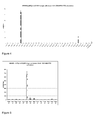
- pcDNA3.1(+)-neo is a standard mammalian expression vector purchased from Invitrogen. Subcloning of the chicken TLR21 gene into this vector was done via flanking Hind III (start codon) and Not I (stop codon) sites that were introduced by PCR. (See figure 1 ).
- This plasmid was then transfected (lipofection) into the clonal HEK293-pNifty2-zeo line, and recombinant cells were selected by addition of both zeocin and G418 into the growth medium. Functionality of the resulting polyclonal recombinant cell line was assessed by stimulation of the culture with ODN-X4 and ODN-HEK1-PTO and detection of SEAP. Superior clonal lines were then identified by the limiting dilution method followed by stimulation and SEAP detection. SEAP is a reporter enzyme in mammalian systems (Yang et al., 1997). SEAP is a secreted form of human embryonic alkaline phosphatase.
- HEK293-pNifTy2-Zeo cells were transfected with pcDNA3.1 (+)-Neo-chiTLR21 (linearized with Pvu I) and a polyclonal cell line was selected by supplementing the media with 350 ⁇ g/ml zeocin and 600 ⁇ g/ml G418.
- a functionality test was performed by stimulating the cells with ODN-X4 (PDE) and with ODN-HEK1 (PTO).
- SEAP Secreted alkaline phosphatase
- HEK293-XL-pLTNO-humanTLR9 cells were purchased, subsequently transfected with pNifTy2, their responsiveness to literature PTO-CpGs was established, clonal functional cell lines were generated and one of them was used for comparative studies with HEK293-pNifTy2-pcDNA3.1-chiTLR21.
- ODN-X4 PDE
- 2007 and their GpC control counterparts were used.
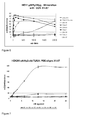
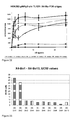
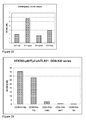
- X4-Li1 and X4-Li2 are inactive in the concentration range considered ( ⁇ 20 nM). It appears that while EC50 does not change much from X4-Li3 to X4-Li7, the maximal stimulation attainable does increase in that order. A surprise is the jump in EC50 from X4-Li7 to X4-Li8, which is also accompanied by an increase in maximal stimulation. X4-Li8, X4-Li9 and X4-Li10 are roughly equally potent with respect to EC50 and maximal stimulation. Nevertheless, X4-Li10 is still highly active. It can thus be safely assumed that the effect of adding more T's levels off. It can easily be envisioned that constructs up to X4-Li20, X4-Li25 or even X4-Li30 are still very suitable. See figure 24 .
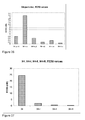
- Stimulation levels do increase strongly from X4-trip to X4-I to X4-II/X4-III. Furthermore the EC50 decreases strongly from X4 to X4-I and then gets gradually smaller to X4-III. X4-III is still highly active. See figure 27 .
- X4-I-sing and X4-I-doub are inactive in the concentration range considered ( ⁇ 20 nM).
- the first potent ODN is X4-I, and maximal stimulation attainable increases further for X4-quad and X4-I-pent/X4-I-hex.
- the EC50 is in the same order of magnitude (low nM) for X4-1-trip - X4-I-hex.
- X4-I-hex is still highly active. See figure 28 .
- ODN-X43 is superior to ODN-X4 both with respect to the maximal stimulation and EC 50 value.
- ODN-X42 is somewhat lower with respect to the maximal signal, but the EC 50 is similar to that of ODN-X4.
- ODN-X2 In exploring the potential of PDE-ODNs based on ODN-X2, the following ODNs were synthesized as modifications of the 5'- and 3' end of the hexamer. The results of X2, X24, X25 and X26/X4 were reported above.
- X2, X24, X25 are only poorly active or inactive compared to X26/X4.
- X23 showed an unexpected high activity superior to that of X26/X4.
- ODN-X23 is superior to ODN-X4 both with respect to the maximal stimulation and EC 50 value.
- ODN-X42 is based on a trimer of the TTCGTA motif.
- the motif number was investigated from 1 to 6: X42-sin GGGGGGTTCGTAGGGGG X42-doub GGGGGGTTCGTATTCGTAGGGGG X42-trip GGGGGGTTCGTATTCGTATTCGTAGGGGG X42-quad GGGGGGTTCGTATTCGTATTCGTATTCGTAGGGGG X42-pent GGGGGGTTCGTATTCGTATTCGTATTCGTAGGGGG X42-hex GGGGGGTTCGTATTCGTATTCGTATTCGTATTCGTAGGGGG EC 50 ODN-X4-trip 40,6 nM ODN-X42-trip 33 nM ODN-X42-quad 3,1 nM ODN-X42-pent 0,84 nM ODN-X42-hex 0,37 nM ODN-X4-trip-PTO-
- ODN-X43 is based on a trimer of the TTCGTC motif. In order to test he effect of the motif number, the motif number was investigated from 1 to 6. Furthermore the PTOG-only variants of X43-trip - X43-hex were synthesized and tested.
- the potency of X43-trip is superior to that of X4-trip.
- Decreasing the number of hexanucleotide repeats in the X43 series leads to loss of activity (X43-sing, X43-doub), while increase in number to 4, 5 and 6 leads to an increase in maximal signal and EC 50 in that order, reaching picomolar potency already at X43-quad.
- all X43-ODNs from X43-trip onwards are superior to ODN-X4-trip-PTO-Gonly.
- the PTOG-only versions of X43-trip-X43-hex are at least as active as the purely phosphodiesterlinked ODN versions.
- ODNs were synthesized with replacements of the TT dinucleotides 5'- and 3'- of the CpG elements with GG, AA and CC, respectively.
- X4-GG, X4-AA, X4-CC, GG-X and AA-X proved to be inactive over the concentration ranges considered.
- TLR Toll Like Receptor
- TLR ligands X4-PDE (Y11) - produced by Biolegio - The Netherlands X4-PTO (Y11) - produced by TibMolBiol - Berlin - Germany X4-PTO-G-only (Y11) - produced by TibMolBiol 2007-PTO (known from literature) - produced by TibMolBiol
- TLR ligand With each TLR ligand a certain dilution was freshly made which was added to the [0.25% w/w NDV in W/O emulsion]-vaccine up to a final concentration of 2.5 % v/v resulting in a dose of 1 ⁇ g or 10 ⁇ g per 0.5 ml.
- a full vaccine dose of the experimental vaccine used here comprises 8.06% w/v allantois fluid of NDV-infected eggs/W/O emulsion.).
- TLR ligand After addition of the TLR ligand to the vaccine it was thoroughly mixed using a mini-vortex.
- a "1 ⁇ 4 dose of inactivated Newcastle Disease virus” means; 1 ⁇ 4 of the minimal amount of inactivated NDV known to give an antibody titer that is capable of protecting poultry against NDV infection in the absence of the oligodeoxynucleotide).
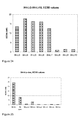
- Serum levels of NDV-specific antibodies were determined by a haemagglutination-inhibition (HI) assay. Serial two-fold dilutions of sera were prepared in microtiter plates and mixed with an equal volume containing 8 haemagglutinating units/50 ⁇ l NDV antigen. Titers are expressed as the reciprocal of the highest dilution that gives complete inhibition of haemagglutination of chicken red blood cells (1% (v/v) in buffered saline). Samples were regarded positive for inhibition of haemagglutination at a dilution ⁇ 1:2.
- HI haemagglutination-inhibition
- NDV clone 30 A full vaccine dose comprises 8.06% w/v allantois fluid of NDV-infected eggs/W/O emulsion.
- IBV-249G A full vaccine dose comprises 30 % w/v allantois fluid of IB-infected eggs /W/O emulsion.
- TRT standard production batch.
- a full vaccine dose comprises 100 E.U. / dose.
- a X4-Pent-PDE TLR ligand pre-dilution was freshly made and added to the vaccines up to a final concentration of 2.5% v/v resulting in a dose of 1 ⁇ g or 10 ⁇ g per 0.5 ml vaccine. After addition of the TLR ligand the vaccine was thoroughly mixed using a mini-vortex.
- the animals from each group were vaccinated with 0.5 ml vaccine i.m. in the right leg muscle at the age of 4 weeks-old.
- Serum levels of NDV-specific antibodies were determined by a haemagglutination-inhibition (HI) assay. Serial two-fold dilutions of sera were prepared in microtiter plates and mixed with an equal volume containing 8 haemagglutinating units/50 ⁇ l NDV antigen. Titers are expressed as the reciprocal of the highest dilution that gives complete inhibition of haemagglutination of chicken red blood cells (1% (v/v) in buffered saline). Samples were regarded positive for inhibition of haemagglutination at a dilution ⁇ 1:4 and are expressed in 2log.
- HI haemagglutination-inhibition
- Serum levels of IB-specific antibodies were determined by a haemagglutination-inhibition (HI) assay. Serial two-fold dilutions of sera were prepared in microtiter plates and mixed with an equal volume containing 8-16 haemagglutinating units/50 ⁇ l IBV-D274 antigen. Titers are expressed as the reciprocal of the highest dilution that gives complete inhibition of haemagglutination of chicken red blood cells (1% (v/v) in buffered saline). Samples were regarded positive for inhibition of haemagglutination at a dilution ⁇ 1:16 and are expressed in 2log.
- HI haemagglutination-inhibition
- Serum levels of TRT-specific antibodies were determined by standard ELISA. Briefly, 100 ⁇ l of 1:200 diluted TRT antigen material was coated in microtiter plates. Sera were pre-diluted 1:100 and 1:800 and added to the microtiter plates. Serum titers are regarded positive at a titer ⁇ 5 and are expressed in 2log.
Landscapes
- Health & Medical Sciences (AREA)
- Life Sciences & Earth Sciences (AREA)
- Chemical & Material Sciences (AREA)
- Genetics & Genomics (AREA)
- Engineering & Computer Science (AREA)
- Immunology (AREA)
- General Health & Medical Sciences (AREA)
- Microbiology (AREA)
- Biomedical Technology (AREA)
- Public Health (AREA)
- Animal Behavior & Ethology (AREA)
- Veterinary Medicine (AREA)
- Medicinal Chemistry (AREA)
- Pharmacology & Pharmacy (AREA)
- Organic Chemistry (AREA)
- Zoology (AREA)
- Bioinformatics & Cheminformatics (AREA)
- Mycology (AREA)
- Epidemiology (AREA)
- Wood Science & Technology (AREA)
- General Engineering & Computer Science (AREA)
- Biotechnology (AREA)
- Molecular Biology (AREA)
- Virology (AREA)
- Chemical Kinetics & Catalysis (AREA)
- General Chemical & Material Sciences (AREA)
- Plant Pathology (AREA)
- Biophysics (AREA)
- Physics & Mathematics (AREA)
- Biochemistry (AREA)
- Nuclear Medicine, Radiotherapy & Molecular Imaging (AREA)
- Pulmonology (AREA)
- Communicable Diseases (AREA)
- Oncology (AREA)
- Pharmaceuticals Containing Other Organic And Inorganic Compounds (AREA)
- Medicines Containing Antibodies Or Antigens For Use As Internal Diagnostic Agents (AREA)
- Measuring Or Testing Involving Enzymes Or Micro-Organisms (AREA)
- Micro-Organisms Or Cultivation Processes Thereof (AREA)
- Medicines That Contain Protein Lipid Enzymes And Other Medicines (AREA)
- Saccharide Compounds (AREA)
Priority Applications (12)
| Application Number | Priority Date | Filing Date | Title |
|---|---|---|---|
| EP10197435A EP2471926A3 (de) | 2010-12-30 | 2010-12-30 | Immunstimulierende Oligodeoxynukleotide |
| MX2013007657A MX343048B (es) | 2010-12-30 | 2011-12-29 | Oligodesoxinucleotidos inmunoestimulantes. |
| BR112013016683A BR112013016683A2 (pt) | 2010-12-30 | 2011-12-29 | oligodesoxinucleotídeo não metilado imunoestimulatório, vetor, vacina para prevenir ou combater uma doença infecciosa, célula, e, método para a detecção de oligodesoxinucleotídeos imunoestimulatórios. |
| JP2013546705A JP5876889B2 (ja) | 2010-12-30 | 2011-12-29 | 免疫賦活性オリゴデオキシヌクレオチド |
| EP11802450.4A EP2658974B1 (de) | 2010-12-30 | 2011-12-29 | Immunstimulierende oligodeoxynukleotide |
| CN201180063723.0A CN103270159B (zh) | 2010-12-30 | 2011-12-29 | 免疫刺激性寡脱氧核苷酸 |
| US13/976,121 US9364531B2 (en) | 2010-12-30 | 2011-12-29 | Immunostimulatory oligodeoxynucleotides |
| PCT/EP2011/074211 WO2012089800A1 (en) | 2010-12-30 | 2011-12-29 | Immunostimulatory oligodeoxynucleotides |
| RU2013135485A RU2615457C2 (ru) | 2010-12-30 | 2011-12-29 | Иммуностимулирующие олигодезоксинуклеотиды |
| CA2823065A CA2823065C (en) | 2010-12-30 | 2011-12-29 | Immunostimulatory oligodeoxynucleotides |
| ZA2013/04712A ZA201304712B (en) | 2010-12-30 | 2013-06-24 | Immunostimulatory oligodeoxynucleotides |
| JP2015231073A JP2016105707A (ja) | 2010-12-30 | 2015-11-26 | 免疫賦活性オリゴデオキシヌクレオチド |
Applications Claiming Priority (1)
| Application Number | Priority Date | Filing Date | Title |
|---|---|---|---|
| EP10197435A EP2471926A3 (de) | 2010-12-30 | 2010-12-30 | Immunstimulierende Oligodeoxynukleotide |
Publications (2)
| Publication Number | Publication Date |
|---|---|
| EP2471926A2 true EP2471926A2 (de) | 2012-07-04 |
| EP2471926A3 EP2471926A3 (de) | 2012-07-11 |
Family
ID=44913150
Family Applications (2)
| Application Number | Title | Priority Date | Filing Date |
|---|---|---|---|
| EP10197435A Withdrawn EP2471926A3 (de) | 2010-12-30 | 2010-12-30 | Immunstimulierende Oligodeoxynukleotide |
| EP11802450.4A Active EP2658974B1 (de) | 2010-12-30 | 2011-12-29 | Immunstimulierende oligodeoxynukleotide |
Family Applications After (1)
| Application Number | Title | Priority Date | Filing Date |
|---|---|---|---|
| EP11802450.4A Active EP2658974B1 (de) | 2010-12-30 | 2011-12-29 | Immunstimulierende oligodeoxynukleotide |
Country Status (10)
| Country | Link |
|---|---|
| US (1) | US9364531B2 (de) |
| EP (2) | EP2471926A3 (de) |
| JP (2) | JP5876889B2 (de) |
| CN (1) | CN103270159B (de) |
| BR (1) | BR112013016683A2 (de) |
| CA (1) | CA2823065C (de) |
| MX (1) | MX343048B (de) |
| RU (1) | RU2615457C2 (de) |
| WO (1) | WO2012089800A1 (de) |
| ZA (1) | ZA201304712B (de) |
Cited By (5)
| Publication number | Priority date | Publication date | Assignee | Title |
|---|---|---|---|---|
| WO2014001422A3 (en) * | 2012-06-28 | 2014-02-27 | Intervet International B.V. | Toll-like receptors and immunostimulatory oligonucleotides |
| WO2015011261A1 (en) * | 2013-07-26 | 2015-01-29 | Intervet International B.V. | Acceleration of vector virus induced immune response in avians |
| CN105816868A (zh) * | 2016-03-21 | 2016-08-03 | 青岛易邦生物工程有限公司 | 一种鸡滑液囊支原体灭活疫苗 |
| WO2019110481A1 (en) * | 2017-12-04 | 2019-06-13 | Intervet International B.V. | Vaccination with replicon particles and oil adjuvant |
| US20220175911A1 (en) * | 2016-06-02 | 2022-06-09 | Zoetis Services Llc | Vaccine against infectious bronchitis |
Families Citing this family (14)
| Publication number | Priority date | Publication date | Assignee | Title |
|---|---|---|---|---|
| EP2471926A3 (de) | 2010-12-30 | 2012-07-11 | Intervet International BV | Immunstimulierende Oligodeoxynukleotide |
| PL2714908T3 (pl) * | 2011-05-26 | 2018-07-31 | Intervet International B.V. | Oligodeoksynukleotydy immunostymulacyjne |
| EP2754714A1 (de) * | 2013-01-14 | 2014-07-16 | Sarepta Therapeutics, Inc. | Inhibitoroligonukleotide und ihre Verwendung in der Therapie |
| CA2914728A1 (en) | 2013-06-14 | 2014-12-18 | Intervet International B.V. | Pharmaceutical compositions comprising a gpg oligodeoxynucleotide and cyclic di-gmp |
| EP3200820B1 (de) | 2014-10-03 | 2023-07-05 | Intervet International B.V. | Breitspektrums-impfstoff gegen vogelreoviren |
| CN106177937A (zh) * | 2016-07-25 | 2016-12-07 | 江苏省农业科学院 | 鸡减蛋综合征和禽脑脊髓炎二联灭活疫苗及其制备方法 |
| CN106177956B (zh) * | 2016-08-29 | 2019-11-26 | 东北农业大学 | 提高鸡抗ndv病毒效果的方法 |
| CR20200260A (es) * | 2017-12-15 | 2020-08-01 | Bayer Animal Health Gmbh | Composiciones inmunoestimulantes |
| WO2019121888A1 (en) | 2017-12-20 | 2019-06-27 | Intervet International B.V. | Improved diluent for cell-associated alphaherpesvirus vaccine |
| CN110404064B (zh) * | 2018-04-27 | 2023-06-16 | 洛阳赛威生物科技有限公司 | 一种禽用佐剂组合物及其制备方法 |
| US12161713B2 (en) | 2018-12-20 | 2024-12-10 | Intervet Inc. | Prime-boost vaccination regimen |
| US12589147B2 (en) | 2019-12-20 | 2026-03-31 | Intervet Inc. | Multivalent HVT vector vaccine |
| EP4267179A1 (de) | 2020-12-24 | 2023-11-01 | Intervet International B.V. | Multivalenter hvt-vektorimpfstoff |
| JP2025515050A (ja) | 2022-05-05 | 2025-05-13 | インターベット インターナショナル ベー. フェー. | 新規多価hvtベクターワクチン |
Family Cites Families (23)
| Publication number | Priority date | Publication date | Assignee | Title |
|---|---|---|---|---|
| US6207646B1 (en) * | 1994-07-15 | 2001-03-27 | University Of Iowa Research Foundation | Immunostimulatory nucleic acid molecules |
| CA2398756A1 (en) | 2000-01-31 | 2001-08-02 | Eyal Raz | Immunomodulatory polynucleotides in treatment of an infection by an intracellular pathogen |
| US7585847B2 (en) | 2000-02-03 | 2009-09-08 | Coley Pharmaceutical Group, Inc. | Immunostimulatory nucleic acids for the treatment of asthma and allergy |
| ATE411054T1 (de) * | 2001-08-17 | 2008-10-15 | Coley Pharm Gmbh | Kombinations-motif-immunstimulierende oligonukleotide mit verbesserter wirkung |
| DE60234375D1 (de) | 2001-09-14 | 2009-12-24 | Cytos Biotechnology Ag | VERPACKUNG VON IMMUNSTIMULIERENDEM CpG IN VIRUSÄHNLICHEN PARTIKELN: HERSTELLUNGSVERFAHREN UND VERWENDUNG |
| WO2004005476A2 (en) * | 2002-07-03 | 2004-01-15 | Coley Pharmaceutical Group, Inc. | Nucleic acid compositions for stimulating immune responses |
| AR040996A1 (es) | 2002-08-19 | 2005-04-27 | Coley Pharm Group Inc | Acidos nucleicos inmunoestimuladores |
| RU2338750C2 (ru) * | 2002-08-19 | 2008-11-20 | Коли Фармасьютикал Груп, Инк. | ИММУНОСТИМУЛИРУЮЩИЕ ФОСФОРТИОАТНЫЕ CpG-ОЛИГОНУКЛЕОТИДЫ, СОДЕРЖАЩИЕ ФОСФОДИЭФИРНЫЕ СВЯЗИ, СПОСОБ ИММУНОМОДУЛЯЦИИ, СПОСОБ СТИМУЛИРОВАНИЯ ИММУННОГО ОТВЕТА |
| JP5102959B2 (ja) * | 2002-12-23 | 2012-12-19 | ダイナバックス テクノロジーズ コーポレイション | 免疫刺激配列オリゴヌクレオチド及びその使用方法 |
| WO2006056142A1 (en) * | 2004-11-29 | 2006-06-01 | Changchun Huapu Biotechnology Co., Ltd. | Cpg single-strand deoxynucleotides for use as adjuvant |
| CN1810970B (zh) | 2005-01-27 | 2011-05-18 | 长春华普生物技术有限公司 | 含CpG的单链脱氧核苷酸与其疫苗组合物及其应用 |
| WO2007020017A1 (en) | 2005-08-12 | 2007-02-22 | Bionostra, S.L. | Composition for bird immunization administered by aerosol |
| DE102006031483B4 (de) | 2006-07-07 | 2009-12-24 | Fraunhofer-Gesellschaft zur Förderung der angewandten Forschung e.V. | Zellulärer Pyrogentest |
| CA2687441A1 (en) * | 2007-05-17 | 2008-11-27 | Coley Pharmaceutical Group, Inc. | Class a oligonucleotides with immunostimulatory potency |
| RU2010107199A (ru) | 2007-07-31 | 2011-09-10 | Дзе Джонс Хопкинс Юниверсити (Us) | Конъюгат полипептид-нуклеиновая кислота для иммунопрофилактики или иммунотерапии для неопластических или инфекционных нарушений |
| US9421254B2 (en) * | 2007-09-24 | 2016-08-23 | The United States Of America, As Represented By The Secretary, Department Of Health And Human Services | Immunostimulatory combinations of TLR ligands and methods of use |
| WO2009059050A2 (en) * | 2007-10-30 | 2009-05-07 | The Regents Of The University Of Colorado | Tlr modulators and methods for using the same |
| TWI351288B (en) * | 2008-07-04 | 2011-11-01 | Univ Nat Pingtung Sci & Tech | Cpg dna adjuvant in avian vaccines |
| EP2329845A4 (de) | 2008-08-18 | 2013-08-14 | Kitasato Daiichi Sankyo Vaccine Co Ltd | Vogelgrippevirus-antigen und boosterimmunisierungsverfahren für vogelgrippeimpfstoff in kombination mit einem mukosalen adjuvans mit wirksamkeit durch orale verabreichung |
| BRPI0922561A2 (pt) | 2008-12-09 | 2020-08-11 | Pfizer Vaccines Llc | vacina de peptídeo de ch3 da ige. |
| US20120052088A1 (en) * | 2009-04-30 | 2012-03-01 | Coley Pharmaceutical Group, Inc. | Pneumococcal vaccine and uses thereof |
| EP2471926A3 (de) * | 2010-12-30 | 2012-07-11 | Intervet International BV | Immunstimulierende Oligodeoxynukleotide |
| PL2714908T3 (pl) | 2011-05-26 | 2018-07-31 | Intervet International B.V. | Oligodeoksynukleotydy immunostymulacyjne |
-
2010
- 2010-12-30 EP EP10197435A patent/EP2471926A3/de not_active Withdrawn
-
2011
- 2011-12-29 RU RU2013135485A patent/RU2615457C2/ru active
- 2011-12-29 MX MX2013007657A patent/MX343048B/es active IP Right Grant
- 2011-12-29 CN CN201180063723.0A patent/CN103270159B/zh not_active Expired - Fee Related
- 2011-12-29 EP EP11802450.4A patent/EP2658974B1/de active Active
- 2011-12-29 BR BR112013016683A patent/BR112013016683A2/pt not_active Application Discontinuation
- 2011-12-29 US US13/976,121 patent/US9364531B2/en active Active
- 2011-12-29 WO PCT/EP2011/074211 patent/WO2012089800A1/en not_active Ceased
- 2011-12-29 JP JP2013546705A patent/JP5876889B2/ja not_active Expired - Fee Related
- 2011-12-29 CA CA2823065A patent/CA2823065C/en not_active Expired - Fee Related
-
2013
- 2013-06-24 ZA ZA2013/04712A patent/ZA201304712B/en unknown
-
2015
- 2015-11-26 JP JP2015231073A patent/JP2016105707A/ja active Pending
Non-Patent Citations (42)
| Title |
|---|
| "PCR Primer: A Laboratory Manual", 2003, NATIONAL INSTITUTE OFALLERGY AND INFECTIOUS DISEASES |
| BABIUK L.A.; GOMIS S.; HECKER R.: "Molecular approaches to disease control.", POULT. SCI., vol. 82, 2003, pages 870 - 875 |
| CARRINGTON A.C.; SECOMBES C.J.: "A review of CpGs and their relevance to aquaculture", VET. IMMUNOL. IMMUNOPATHOL., vol. 112, 2006, pages 87 - 101 |
| DAUBENBERGER C.A.: "TLR9 agonists as adjuvants for prophylactic and therapeutic vaccines", CURR. OPIN. MOL. THER., vol. 9, 2007, pages 45 - 52 |
| DORN A.; KIPPENBERGER S.: "Clinical application of CpG-, non-CpG-, and antisense oligodeoxynucleotides as immunomodulators", CURR. OPIN. MOL. THER., vol. 10, 2008, pages 10 - 20 |
| FONSECA D.E.; KLINE J.N.: "Use of CpG oligodeoxynucleotides in treatment of asthma and allergic disease", ADV. DRUG DELIV. REV., vol. 61, 2009, pages 256 - 262 |
| GABRIELA S. DREKSLER: "Uniformed Services University of the Health Sciences", COLD SPRING HARBOR LABORATORY PRESS |
| GRAHAM, F.L.; SMILEY, J.; RUSSELL, W.C.; NAIRN, R.: "Characteristics of a human cell line transformed by DNA from human adenovirus type 5", J. GEN. VIROL., vol. 36, 1977, pages 59 - 74 |
| GRIEBEL P.J.; BROWNLIE R.; MANUJA A.; NICHANI A.; MOOKHERJEE N.; POPOWYCH Y.; MUTWIRI G.; HECKER R.; BABIUK L.A.: "Bovine toll-like receptor 9: a comparative analysis of molecular structure, function and expression", VET. IMMUNOL. IMMUNOPATHOL., vol. 108, 2005, pages 11 - 16 |
| HEMMI H.; TAKEUCHI 0.; KAWAI T.; KAISHO T.; SATO S.; SANJO H.; MATSUMOTO M.; HOSHINO K.; WAGNER H.; TAKEDA K.: "A Toll-like receptor recognizes bacterial DNA", NATURE, vol. 408, 2000, pages 740 - 745 |
| IWASAKI A; MEDZHITOV R., SCIENCE, vol. 327, 2001, pages 291 - 295 |
| IWASAKI A; MEDZHITOV R: "Regulation of adaptive immunity by the innate immune system", SCIENCE, vol. 327, 2010, pages 291 - 295 |
| KEESTRA A.M.: "Molecular dissection of the chicken Toll-like receptor repertoire", PHD THESIS, 2008 |
| KINDRACHUK J.; POTTER J.; WILSON H.L.; GRIEBEL P.; BABIUK L.A.; NAPPER S.: "Activation and regulation of toll-like receptor 9: CpGs and beyond", MINI REV. MED. CHEM., vol. 8, 2008, pages 590 - 600 |
| KLINE J.N.: "Immunotherapy of asthma using CpG oligodeoxynucleotides", IMMUNOL. RES., vol. 39, 2007, pages 279 - 286 |
| KLINE J.N.; KRIEG A.M.: "Toll-like receptor 9 activation with CpG oligodeoxynucleotides for asthma therapy", DRUG NEWS PERSPECT., vol. 21, 2008, pages 434 - 439 |
| KLINMAN D.M.: "Adjuvant activity of CpG oligodeoxynucleotides", INT. REV. IMMUNOL., vol. 25, 2006, pages 135 - 154 |
| KLINMAN D.M.: "Immunotherapeutic uses of CpG oligodeoxynucleotides", NAT. REV. IMMUNOL., vol. 4, 2004, pages 249 - 258 |
| KLINMAN D.M.; KLASCHIK S.; SATO T.; TROSS D.: "CpG oligodeoxynucleotides as adjuvants for vaccines targeting infectious diseases", ADV. DRUG DELIV. REV., vol. 61, 2009, pages 248 - 255 |
| KLINMAN D.M; CURRIE D.; GURSEL I.; VERTHELYI D.: "Use of CpG oligodeoxynucleotides as immune adjuvants", IMMUNOL. REV., vol. 199, 2004, pages 201 - 216 |
| KRIEG A.M.: "Anti-infective applications of toll-like receptor 9 agonists", PROC. AM. THORAC. SOC., vol. 4, 2007, pages 289 - 294 |
| KRIEG A.M.: "CpG motifs in bacterial DNA and their immune effects", ANNU. REV. IMMUNOL., vol. 20, 2002, pages 709 - 760 |
| KRIEG A.M.: "CpG motifs: the active ingredient in bacterial extracts?", NAT. MED., vol. 9, 2003, pages 831 - 835 |
| KRIEG A.M.: "Development of TLR9 agonists for cancer therapy", J. CLIN. INVEST., vol. 117, 2007, pages 1184 - 1194 |
| KRIEG A.M.: "Therapeutic potential of Toll-like receptor 9 activation", NAT. REV. DRUG DISCOV., vol. 5, 2006, pages 471 - 484 |
| KRIEG A.M.; YI A,K.; MATSON S; WALDSCHMIDT T,J.; BISHOP G.A.; TEASDALE R.; KORETZKY G.A.; KLINMAN D.M.: "CpG motifs in bacterial DNA trigger direct B-cell activation", NATURE, vol. 374, 1995, pages 546 - 549 |
| LINGHUA ZHANG ET AL.: "Vaccination with Newcatle disease vaccine and CpG oligodeoxynucleotides induces specific immunity and protection against Newcastle disease virus in SPF chicken", VET. IMMUN. AND IMMUNOPATH., vol. 115, 2007, pages 216 - 222 |
| MEDZHITOV R., IMMUNITY, vol. 30, 2009, pages 766 - 775 |
| MEDZHITOV R.: "Approaching the asymptote: 20 years later", IMMUNITY, vol. 30, 2009, pages 766 - 775 |
| MEDZHITOV R.: "CpG DNA: security code for host defense", NAT. IMMUNOL., vol. 2, 2001, pages 15 - 16 |
| MUTWIRI G.; PONTAROLLO R.; BABIUK S.; GRIEBEL P.; VAN DRUNEN LITTEL-VAN DEN HURK S.; MENA A.; TSANG C.; ALCON V.; NICHANI A.; IOAN: "Biological activity of immunostimulatory CpG DNA motifs in domestic animals", VET. IMMUNOL. IMMUNOPATHOL., vol. 91, 2003, pages 89 - 103 |
| MUTWIRI G.; VAN DRUNEN LITTEL-VAN DEN HURK S.; BABIUK L.A.: "Approaches to enhancing immune responses stimulated by CpG oligodeoxynucleotides", ADV. DRUG DELIV. REV., vol. 61, 2009, pages 226 - 232 |
| SCHINDLER, U.; BAICHWAL, V.R., MOLL. CELL. BIOL., vol. 14, 1994, pages 5820 - 5831 |
| SINGH M.; O'HAGAN D.T.: "Recent advances in veterinary vaccine adjuvants", INT. J. PARASITOL., vol. 33, 2003, pages 469 - 478 |
| VOLLMER J.: "Progress in drug development of immunostimulatory CpG oligodeoxynucleotide ligands for TLR9", EXPERT OPIN. BIOL. THER., vol. 5, 2005, pages 673 - 682 |
| VOLLMER J.; KRIEG A.M.: "Immunotherapeutic applications of CpG oligodeoxynucleotide TLR9 agonists", ADV. DRUG DELIV. REV., vol. 61, 2009, pages 195 - 204 |
| WAGNER H.: "The immunogenicity of CpG-antigen conjugates", ADV. DRUG. DELIV. REV., vol. 61, 2009, pages 243 - 247 |
| WEINER G.J.: "CpG oligodeoxynucleotide-based therapy of lymphoid malignancies", ADV. DRUG DELIV. REV., vol. 61, 2009, pages 263 - 267 |
| WERLING D.; JUNGI T.W.: "TOLL-like receptors linking innate and adaptive immune response", VET. IMMUNOL. IMMUNOPATHOL., vol. 91, 2003, pages 1 - 12 |
| WILSON H.L.; DAR A.; NAPPER S.K.; MARIANELA LOPEZ A.; BABIUK L.A.; MUTWIRI G.K.: "Immune mechanisms and therapeutic potential of CpG oligodeoxynucleotides", INT. REV. IMMUNOL., vol. 25, 2006, pages 183 - 213 |
| WILSON K.D.; DE JONG S.D.; TAM Y.K.: "Lipid-based delivery of CpG oligodeoxynucleotides enhances immunotherapeutic efficacy", ADV. DRUG DELIV. REV., vol. 61, 2009, pages 233 - 242 |
| YANG, T.T.; SINAI, P.; KITTS, P.A.; KAIN, S.R.: "Quantification of gene expression with a secreted alkaline phosphatase reporter system", BIOTECHNIQUES, vol. 23, 1997, pages 1110 - 1114 |
Cited By (9)
| Publication number | Priority date | Publication date | Assignee | Title |
|---|---|---|---|---|
| WO2014001422A3 (en) * | 2012-06-28 | 2014-02-27 | Intervet International B.V. | Toll-like receptors and immunostimulatory oligonucleotides |
| US10112985B2 (en) | 2012-06-28 | 2018-10-30 | Intervet Inc. | Toll-like receptors |
| WO2015011261A1 (en) * | 2013-07-26 | 2015-01-29 | Intervet International B.V. | Acceleration of vector virus induced immune response in avians |
| US9757449B2 (en) | 2013-07-26 | 2017-09-12 | Intervet Inc. | Acceleration of vector virus induced immune response in avians |
| CN105816868A (zh) * | 2016-03-21 | 2016-08-03 | 青岛易邦生物工程有限公司 | 一种鸡滑液囊支原体灭活疫苗 |
| US20220175911A1 (en) * | 2016-06-02 | 2022-06-09 | Zoetis Services Llc | Vaccine against infectious bronchitis |
| US12171825B2 (en) * | 2016-06-02 | 2024-12-24 | Zoetis Services Llc | Vaccine against infectious bronchitis |
| WO2019110481A1 (en) * | 2017-12-04 | 2019-06-13 | Intervet International B.V. | Vaccination with replicon particles and oil adjuvant |
| US12239702B2 (en) | 2017-12-04 | 2025-03-04 | Intervet Inc. | Vaccination with replicon particles and oil adjuvant |
Also Published As
| Publication number | Publication date |
|---|---|
| MX343048B (es) | 2016-10-21 |
| EP2658974B1 (de) | 2016-07-20 |
| JP5876889B2 (ja) | 2016-03-02 |
| US9364531B2 (en) | 2016-06-14 |
| CN103270159B (zh) | 2016-10-26 |
| CA2823065C (en) | 2019-03-05 |
| BR112013016683A2 (pt) | 2017-07-11 |
| JP2016105707A (ja) | 2016-06-16 |
| EP2471926A3 (de) | 2012-07-11 |
| ZA201304712B (en) | 2014-03-26 |
| CN103270159A (zh) | 2013-08-28 |
| CA2823065A1 (en) | 2012-07-05 |
| RU2013135485A (ru) | 2015-02-10 |
| JP2014507131A (ja) | 2014-03-27 |
| RU2615457C2 (ru) | 2017-04-04 |
| US20140205633A1 (en) | 2014-07-24 |
| EP2658974A1 (de) | 2013-11-06 |
| MX2013007657A (es) | 2013-08-29 |
| WO2012089800A1 (en) | 2012-07-05 |
Similar Documents
| Publication | Publication Date | Title |
|---|---|---|
| US9364531B2 (en) | Immunostimulatory oligodeoxynucleotides | |
| US9315814B2 (en) | Immunostimulatory oligodeoxynucleotides | |
| US9359602B2 (en) | Immunostimulatory oligodeoxynucleotides | |
| US10112985B2 (en) | Toll-like receptors | |
| US20160158347A1 (en) | Acceleration of Vector Virus Induced Immune Response in Avians | |
| CN121622882A (zh) | CpG ODN在制备调节动物免疫细胞活性的药物中的应用 | |
| Krieg et al. | Immunostimulatory nucleic acid molecules | |
| HK40039984A (en) | Immunostimulatory oligonucleotides | |
| Pan et al. | Immunoadjuvant efficacy of CpG plasmids for H9N2 inactivated vaccine in chickens with maternal antibodies |
Legal Events
| Date | Code | Title | Description |
|---|---|---|---|
| PUAL | Search report despatched |
Free format text: ORIGINAL CODE: 0009013 |
|
| AK | Designated contracting states |
Kind code of ref document: A2 Designated state(s): AL AT BE BG CH CY CZ DE DK EE ES FI FR GB GR HR HU IE IS IT LI LT LU LV MC MK MT NL NO PL PT RO RS SE SI SK SM TR |
|
| AX | Request for extension of the european patent |
Extension state: BA ME |
|
| PUAI | Public reference made under article 153(3) epc to a published international application that has entered the european phase |
Free format text: ORIGINAL CODE: 0009012 |
|
| AK | Designated contracting states |
Kind code of ref document: A3 Designated state(s): AL AT BE BG CH CY CZ DE DK EE ES FI FR GB GR HR HU IE IS IT LI LT LU LV MC MK MT NL NO PL PT RO RS SE SI SK SM TR |
|
| AX | Request for extension of the european patent |
Extension state: BA ME |
|
| STAA | Information on the status of an ep patent application or granted ep patent |
Free format text: STATUS: THE APPLICATION HAS BEEN WITHDRAWN |
|
| 18W | Application withdrawn |
Effective date: 20120710 |