EP2508603A1 - Système pour accroître l'expression génétique, et vecteur de support pour un tel système - Google Patents
Système pour accroître l'expression génétique, et vecteur de support pour un tel système Download PDFInfo
- Publication number
- EP2508603A1 EP2508603A1 EP10831684A EP10831684A EP2508603A1 EP 2508603 A1 EP2508603 A1 EP 2508603A1 EP 10831684 A EP10831684 A EP 10831684A EP 10831684 A EP10831684 A EP 10831684A EP 2508603 A1 EP2508603 A1 EP 2508603A1
- Authority
- EP
- European Patent Office
- Prior art keywords
- gene
- promoter
- expression
- construct
- vector
- Prior art date
- Legal status (The legal status is an assumption and is not a legal conclusion. Google has not performed a legal analysis and makes no representation as to the accuracy of the status listed.)
- Granted
Links
Images
































Classifications
-
- C—CHEMISTRY; METALLURGY
- C12—BIOCHEMISTRY; BEER; SPIRITS; WINE; VINEGAR; MICROBIOLOGY; ENZYMOLOGY; MUTATION OR GENETIC ENGINEERING
- C12N—MICROORGANISMS OR ENZYMES; COMPOSITIONS THEREOF; PROPAGATING, PRESERVING, OR MAINTAINING MICROORGANISMS; MUTATION OR GENETIC ENGINEERING; CULTURE MEDIA
- C12N15/00—Mutation or genetic engineering; DNA or RNA concerning genetic engineering, vectors, e.g. plasmids, or their isolation, preparation or purification; Use of hosts therefor
- C12N15/09—Recombinant DNA-technology
- C12N15/63—Introduction of foreign genetic material using vectors; Vectors; Use of hosts therefor; Regulation of expression
- C12N15/67—General methods for enhancing the expression
-
- C—CHEMISTRY; METALLURGY
- C12—BIOCHEMISTRY; BEER; SPIRITS; WINE; VINEGAR; MICROBIOLOGY; ENZYMOLOGY; MUTATION OR GENETIC ENGINEERING
- C12N—MICROORGANISMS OR ENZYMES; COMPOSITIONS THEREOF; PROPAGATING, PRESERVING, OR MAINTAINING MICROORGANISMS; MUTATION OR GENETIC ENGINEERING; CULTURE MEDIA
- C12N15/00—Mutation or genetic engineering; DNA or RNA concerning genetic engineering, vectors, e.g. plasmids, or their isolation, preparation or purification; Use of hosts therefor
- C12N15/09—Recombinant DNA-technology
- C12N15/11—DNA or RNA fragments; Modified forms thereof; Non-coding nucleic acids having a biological activity
-
- A—HUMAN NECESSITIES
- A61—MEDICAL OR VETERINARY SCIENCE; HYGIENE
- A61K—PREPARATIONS FOR MEDICAL, DENTAL OR TOILETRY PURPOSES
- A61K38/00—Medicinal preparations containing peptides
- A61K38/16—Peptides having more than 20 amino acids; Gastrins; Somatostatins; Melanotropins; Derivatives thereof
- A61K38/17—Peptides having more than 20 amino acids; Gastrins; Somatostatins; Melanotropins; Derivatives thereof from animals; from humans
- A61K38/1703—Peptides having more than 20 amino acids; Gastrins; Somatostatins; Melanotropins; Derivatives thereof from animals; from humans from vertebrates
- A61K38/1709—Peptides having more than 20 amino acids; Gastrins; Somatostatins; Melanotropins; Derivatives thereof from animals; from humans from vertebrates from mammals
- A61K38/1761—Apoptosis related proteins, e.g. Apoptotic protease-activating factor-1 (APAF-1), Bax, Bax-inhibitory protein(s)(BI; bax-I), Myeloid cell leukemia associated protein (MCL-1), Inhibitor of apoptosis [IAP] or Bcl-2
-
- A—HUMAN NECESSITIES
- A61—MEDICAL OR VETERINARY SCIENCE; HYGIENE
- A61K—PREPARATIONS FOR MEDICAL, DENTAL OR TOILETRY PURPOSES
- A61K48/00—Medicinal preparations containing genetic material which is inserted into cells of the living body to treat genetic diseases; Gene therapy
-
- A—HUMAN NECESSITIES
- A61—MEDICAL OR VETERINARY SCIENCE; HYGIENE
- A61P—SPECIFIC THERAPEUTIC ACTIVITY OF CHEMICAL COMPOUNDS OR MEDICINAL PREPARATIONS
- A61P43/00—Drugs for specific purposes, not provided for in groups A61P1/00-A61P41/00
-
- C—CHEMISTRY; METALLURGY
- C12—BIOCHEMISTRY; BEER; SPIRITS; WINE; VINEGAR; MICROBIOLOGY; ENZYMOLOGY; MUTATION OR GENETIC ENGINEERING
- C12N—MICROORGANISMS OR ENZYMES; COMPOSITIONS THEREOF; PROPAGATING, PRESERVING, OR MAINTAINING MICROORGANISMS; MUTATION OR GENETIC ENGINEERING; CULTURE MEDIA
- C12N15/00—Mutation or genetic engineering; DNA or RNA concerning genetic engineering, vectors, e.g. plasmids, or their isolation, preparation or purification; Use of hosts therefor
- C12N15/09—Recombinant DNA-technology
- C12N15/63—Introduction of foreign genetic material using vectors; Vectors; Use of hosts therefor; Regulation of expression
-
- C—CHEMISTRY; METALLURGY
- C12—BIOCHEMISTRY; BEER; SPIRITS; WINE; VINEGAR; MICROBIOLOGY; ENZYMOLOGY; MUTATION OR GENETIC ENGINEERING
- C12N—MICROORGANISMS OR ENZYMES; COMPOSITIONS THEREOF; PROPAGATING, PRESERVING, OR MAINTAINING MICROORGANISMS; MUTATION OR GENETIC ENGINEERING; CULTURE MEDIA
- C12N15/00—Mutation or genetic engineering; DNA or RNA concerning genetic engineering, vectors, e.g. plasmids, or their isolation, preparation or purification; Use of hosts therefor
- C12N15/09—Recombinant DNA-technology
- C12N15/63—Introduction of foreign genetic material using vectors; Vectors; Use of hosts therefor; Regulation of expression
- C12N15/79—Vectors or expression systems specially adapted for eukaryotic hosts
- C12N15/85—Vectors or expression systems specially adapted for eukaryotic hosts for animal cells
-
- C—CHEMISTRY; METALLURGY
- C12—BIOCHEMISTRY; BEER; SPIRITS; WINE; VINEGAR; MICROBIOLOGY; ENZYMOLOGY; MUTATION OR GENETIC ENGINEERING
- C12P—FERMENTATION OR ENZYME-USING PROCESSES TO SYNTHESISE A DESIRED CHEMICAL COMPOUND OR COMPOSITION OR TO SEPARATE OPTICAL ISOMERS FROM A RACEMIC MIXTURE
- C12P21/00—Preparation of peptides or proteins
- C12P21/02—Preparation of peptides or proteins having a known sequence of two or more amino acids, e.g. glutathione
-
- C—CHEMISTRY; METALLURGY
- C12—BIOCHEMISTRY; BEER; SPIRITS; WINE; VINEGAR; MICROBIOLOGY; ENZYMOLOGY; MUTATION OR GENETIC ENGINEERING
- C12N—MICROORGANISMS OR ENZYMES; COMPOSITIONS THEREOF; PROPAGATING, PRESERVING, OR MAINTAINING MICROORGANISMS; MUTATION OR GENETIC ENGINEERING; CULTURE MEDIA
- C12N2799/00—Uses of viruses
- C12N2799/02—Uses of viruses as vector
- C12N2799/021—Uses of viruses as vector for the expression of a heterologous nucleic acid
- C12N2799/025—Uses of viruses as vector for the expression of a heterologous nucleic acid where the vector is derived from a parvovirus
-
- C—CHEMISTRY; METALLURGY
- C12—BIOCHEMISTRY; BEER; SPIRITS; WINE; VINEGAR; MICROBIOLOGY; ENZYMOLOGY; MUTATION OR GENETIC ENGINEERING
- C12N—MICROORGANISMS OR ENZYMES; COMPOSITIONS THEREOF; PROPAGATING, PRESERVING, OR MAINTAINING MICROORGANISMS; MUTATION OR GENETIC ENGINEERING; CULTURE MEDIA
- C12N2830/00—Vector systems having a special element relevant for transcription
-
- C—CHEMISTRY; METALLURGY
- C12—BIOCHEMISTRY; BEER; SPIRITS; WINE; VINEGAR; MICROBIOLOGY; ENZYMOLOGY; MUTATION OR GENETIC ENGINEERING
- C12N—MICROORGANISMS OR ENZYMES; COMPOSITIONS THEREOF; PROPAGATING, PRESERVING, OR MAINTAINING MICROORGANISMS; MUTATION OR GENETIC ENGINEERING; CULTURE MEDIA
- C12N2830/00—Vector systems having a special element relevant for transcription
- C12N2830/50—Vector systems having a special element relevant for transcription regulating RNA stability, not being an intron, e.g. poly A signal
Definitions
- the present invention relates to a method for increasing gene expression using promoters, enhancers, and the like, and an expression cassette for increasing gene expression, comprising promoters, enhancers, and the like.
- An object of the present invention is to provide a method for increasing gene expression using promoters, enhancers, and the like, and an expression cassette capable of increasing gene expression, comprising promoters, enhancers, and the like.
- the present inventors have attempted to develop a new gene expression system using promoters that allow genes to be expressed with higher efficiency. Specifically, they have compared and examined promoter activity resulting from combinations of promoters and enhancers for various genes. As a result, the present inventors have discovered that a gene can be expressed with high efficiency by causing such gene to be flanked by two promoters or a promoter and an enhancer with the use of a gene expression cassette.
- the gene expression cassette comprises a DNA construct containing a gene to be expressed and a poly A addition sequence that are located downstream of a 1 st promoter, as well as an enhancer or a 2 nd promoter ligated downstream of the DNA construct.
- the present inventors have further discovered that a gene can be expressed with even higher efficiency by causing the above expression cassette to further contain an element such as a poly A addition sequence, RU5', UAS, or SV40-ori.
- the present invention is as follows.
- an expression cassette for a protein to be expressed refers to a DNA set for enabling the expression of a protein to be expressed.
- the expression cassette has a structure in which a DNA construct contains the gene of a protein to be expressed (gene to be expressed) and a poly A addition sequence that are located downstream of at least a 1 st promoter, and an enhancer or a 2 nd promoter is ligated downstream of the DNA construct. Also, any gene can be used as a gene to be expressed.
- a site into which a gene to be expressed is inserted may exist as a multicloning site. In this case, a gene to be expressed may be inserted into such a multicloning site (insertion site) using a sequence that is recognized by a restriction enzyme.
- Such an expression cassette that does not comprise the gene (DNA) itself to be expressed but comprises a site into which the DNA is inserted as a multicloning site is included in examples of the expression cassette of the present invention.
- a gene to be expressed may be referred to as a target gene or a gene of interest and a protein to be expressed may also be referred to as a target protein or a protein of interest.
- these genes are also referred to as insertion genes, since they are inserted into regions of target genes in the expression cassette.
- these genes may also be referred to as foreign genes.
- the expression cassette of the present invention has a structure in which at least a gene to be expressed is flanked by one 1 st promoter and at least one enhancer, or a gene to be expressed is flanked by the one 1 st promoter and the one 2 nd promoter.
- the term "(another) mechanism for gene expression” refers to a mechanism for expression of a gene other than the above gene to be expressed, which comprises a promoter, an enhancer, and the like for expression of such a gene other than the gene to be expressed.
- promoters can be present downstream and upstream of a gene to be expressed. These two promoters are used for enhancement of the expression efficiency of the gene to be expressed.
- the expression cassette of the present invention is incorporated into an expression vector and then used.
- the present invention also encompasses such a vector containing the expression cassette of the present invention.
- the above enhancer or 2 nd promoter is present at the most downstream site of the expression cassette of the present invention, and a mechanism for gene expression does not exist downstream thereof.
- a vector containing the expression cassette of the present invention does not have any mechanism for gene expression at a site downstream of the expression cassette.
- examples of a gene to be expressed include an artificially inserted gene (DNA) encoding a foreign protein.
- Examples of the same also include such a gene from an origin differing from that of a host cell and a gene from the same origin as that of a host cell.
- a foreign gene is also referred to as an insertion gene.
- Types of gene to be expressed are not limited. DNAs encoding all proteins from which recombinants are produced and DNAs encoding proteins to be expressed in vivo so as to be used for the treatment of specific diseases can be used.
- examples of therapeutic genes that can be used for the treatment of specific diseases include an REIC/Dkk-3 gene (the nucleotide sequence thereof is shown in SEQ ID NO: 17), tumor suppressor genes such as p53 and Rb, and genes encoding proteins that can be used as drugs such as biologically active substances (e.g., interleukin 1 (IL-1), IL-2, IL-3, IL-4, IL-5, IL-6, IL-7, IL-8, IL-9, IL-10, IL-11, IL-12, IL-13, IL-14, IL-15, ⁇ -interferon, ⁇ -interferon, ⁇ -interferon, angiostatin, thrombospondin, endostatin, METH-1, METH-2, GM-CSF, G-CSF, M-CSF, a tumor necrosis factor, a hepatocyte growth factor, erythropoietin, thrombopoietin, insulin, growth hormone, antibody (Ig
- a target protein to be expressed is preferably an extracellular secretory protein.
- an enhancer or a promoter to a site downstream of an original gene of an organism, the expression of such an original gene of an organism can also be enhanced.
- examples of a gene to be expressed in the present invention include original genes of organisms.
- the present invention further encompasses the insertion of an enhancer or a promoter to a site downstream of an original gene of an organism, so as to control the expression of the gene.
- the present invention further encompasses a cell into which an enhancer or a promoter is inserted downstream of an original gene (of the relevant organism).
- RNA having RNA interference action examples include DNA and the like encoding siRNA, shRNA, miRNA, and the like having RNA interference action.
- RNA having RNA interference action is used, such RNA is transcribed and produced using a transfer RNA promoter, so that the suppressed expression of a specific gene becomes possible.
- a REIC/Dkk-3 gene and the like can be used for the treatment of tumors.
- a full-length gene thereof but also a fragment thereof can be used.
- An example thereof is DNA encoding a polypeptide that consists of the amino acid sequence starting from amino acid 1 and terminating at any one of amino acids 39 to 78 in the amino acid sequence of the REIC/Dkk-3 protein shown in SEQ ID NO: 18 or an amino acid sequence that has a substitution, a deletion, or an addition of 1 or several amino acids with respect to the amino acid sequence starting from amino acid 1 and terminating at any one of amino acids 39 to 78 in the amino acid sequence of the REIC/Dkk-3 protein shown in SEQ ID NO: 18, and has apoptotic activity.
- DNA (N78-REIC DNA) encoding a peptide consisting of amino acids 1 to 78 of the amino acid sequence of the REIC/Dkk-3 protein shown in SEQ ID NO: 18 is preferably used.
- a reporter gene may also be contained for detection or diagnosis of disease.
- a promoter is a specific nucleotide sequence on DNA for initiation of transcription with the DNA as a template, and generally has a common sequence.
- prokaryotes such as Escherichia coli generally has a TATAATG sequence at a 10-base-pair site that is a transcription initiation site, and a TTGACA sequence at a 35-base-pair site.
- eukaryotes generally have a TATA box at a 20-base-pair site.
- the expression cassette of the present invention may always have a 1 st promoter at a site upstream of a gene to be expressed and may have a 2 nd promoter at a site downstream of the gene to be expressed.
- promoters to be used as the 1 st promoter and the 2 nd promoter are not limited and the 1 st promoter and the 2 nd promoter may be the same or different from each other.
- Non specific promoters that can accelerate the expression of foreign genes in all cells or tissues tissue- or organ-specific promoters, tumor-specific promoters, and specific or selective promoters such as development- or differentiation-specific promoters can also be used herein.
- a specific promoter can be used as the 1 st promoter and a non specific promoter can be used as the 2 nd promoter. Promoters to be used in the present invention are as follows.
- Examples of a cancer- or tumor-specific promoter include hTERT (human telomerase reverse transcriptase), PSA (prostate-specific antigen), c-myc, and a GLUT promoter.
- Examples of an ES cell- or cancer stem cell-specific promoter include OCT3/4 and NANOG promoters.
- An example of a neural stem cell-specific promoter is a Nestin promoter.
- Examples of a cell stress sensitive promoter include HSP70, HSP90, and p53 promoters.
- An example of a hepatocyte-specific promoter is an albumin promoter.
- An example of a radiosensitive promoter is a TNF-alpha promoter.
- An example of a promoter for increasing the number of copies of an infection plasmid is a SV40 promoter and the like.
- An example of a proliferative cell-specific promoter is an EF1-alpha promoter.
- a CMV-i promoter hCMV + intron promoter
- a ⁇ actin promoter a CAG promoter (SEQ ID NO: 12)
- a CMV promoter or the like
- Animal species from which a ⁇ actin promoter is derived is not limited.
- Mammalian ⁇ actin promoters such as a human ⁇ actin promoter (SEQ ID NO: 8) and a chicken actin promoter are used. Furthermore, an artificial hybrid promoter such as the above CMV-i promoter can also be used.
- the CMV-i promoter can be synthesized based on the disclosure in the specification of U.S. Patent No. 5168062 or the specification of U.S. Patent No. 5385839 . As such a promoter, a core promoter portion consisting of a minimum sequence having promoter activity may be used.
- the term "core promoter" refers to a promoter region capable of functioning to result in precise transcription initiation, which may contain a TATA box.
- a cancer- and/or tumor-specific promoter such as an hTERT promoter can be preferably used for cancer-targeting gene therapy or diagnosis of cancer with the use of gene expression.
- Construct No. 21 comprising the hTERT promoter can be used for such purposes.
- polyadenylation sequence polyA
- the origin of a poly A addition sequence is not limited.
- examples of such a poly A addition sequence include a growth hormone gene-derived poly A addition sequence such as a bovine growth hormone gene-derived poly A addition sequence (contained in the nucleotide sequence shown in SEQ ID NO: 6 (a sequence following the 13 th base)) and a human growth hormone gene-derived poly A addition sequence, an SV40 virus-derived poly A addition sequence, and a human or rabbit ⁇ globin gene-derived poly A addition sequence. Containment of such a poly A addition sequence in the expression cassette results in increased transcription efficiency.
- a growth hormone gene-derived poly A addition sequence such as a bovine growth hormone gene-derived poly A addition sequence (contained in the nucleotide sequence shown in SEQ ID NO: 6 (a sequence following the 13 th base)) and a human growth hormone gene-derived poly A addition sequence, an SV40 virus-derived poly A addition sequence, and a human or rabbit ⁇ globin gene
- an enhancer examples include an enhancer, as long as it results in an increased amount of messenger RNA (mRNA) generated by transcription.
- An enhancer is a nucleotide sequence having an effect of accelerating the action of a promoter and generally has a length of around 100 bp in most cases. An enhancer can accelerate transcription regardless of the direction of the relevant sequence.
- One type of enhancer can be used in the present invention. Specifically, two or more (a plurality of) same enhancers may be used or a plurality of different enhancers may be used in combination. Also, when a plurality of different enhancers are used, the order thereof is not limited.
- a CMV enhancer SEQ ID NO: 7
- an SV40 enhancer an hTERT (Telomerase Reverse Transcriptase) enhancer, and the like
- An example thereof is a product resulting from linking of the hTERT enhancer, the SV40 enhancer, and the CMV enhancer in such order.
- a plurality of enhancers may be ligated upstream of a DNA construct comprising DNA encoding a protein to be expressed and a poly A addition sequence.
- Enhancers to be ligated upstream thereof are not limited, and a CMV enhancer is preferable.
- An example thereof is 4 x CMV enhancer (SEQ ID NO: 11) prepared by linking four CMV enhancers.
- promoter - gene to be expressed - poly A addition sequence When an enhancer is inserted immediately downstream of a DNA construct consisting of "promoter - gene to be expressed - poly A addition sequence," the protein of the gene (to be expressed more strongly) can be expressed than that in the case of a general conventional gene expression system.
- Insertion of one or more CMV enhancers into sites upstream of a promoter results in further enhanced expression of a specific gene (e.g., a REIC/Dkk-3 gene or a CD133 gene in Examples below) in specific cells (e.g., a HEK293 cell line or a MCF7 cell line in Examples below).
- a specific gene e.g., a REIC/Dkk-3 gene or a CD133 gene in Examples below
- specific cells e.g., a HEK293 cell line or a MCF7 cell line in Examples below.
- four CMV enhancers are inserted upstream of a promoter, so that the expression is further enhanced depending on specific cells (e.g., a HepG2 cell line or a HeLa cell line in Examples below).
- insertion alone of a CMV enhancer to a site upstream of a promoter results in only slightly increased gene expression or a slight change therein ( Fig. 1 and Fig. 2 ). It is important for the expression cassette of the present invention that a CMV enhancer is inserted and ligated immediately downstream of a poly A addition sequence.
- RU5' (SEQ ID NO: 9) may be ligated immediately upstream of DNA encoding a protein to be expressed.
- the expression "..(to a site) immediately upstream of” means that the relevant sequence is directly ligated via no other elements having specific functions. However, a short sequence may be contained between them, as a linker.
- RU5' is HTLV-derived LTR and is an element that increases protein expression through insertion thereof ( Mol. Cell. Biol., Vol. 8 (1), p. 466-472, 1988 ). Insertion of RU5' in a direction opposite to that reported previously may cancel the promoter's effect of enhancing expression due to enhancer insertion.
- UAS may be ligated to a site immediately upstream of an enhancer and/or a promoter.
- UAS is a binding region for a GAL4 gene. Insertion of a GAL4 gene into a site downstream of UAS can result in increased protein expression.
- SV40-ori may be ligated to the most upstream portion of the expression cassette.
- SV40-ori is a binding region for an SV40 gene. Insertion of an SV40 gene into a site downstream of SV40-ori results in increased protein expression.
- each of the above elements should be functionally ligated.
- functionally ligated means that each element is ligated so that it can exhibit its functions and thus the expression of a gene to be expressed is enhanced.
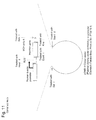
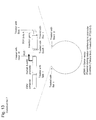
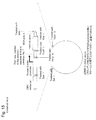
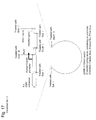
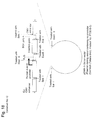
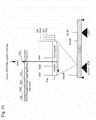
- Fig. 7 to Fig. 21 , Fig. 36 , Fig. 37 , Fig. 49 , and Fig. 55 to Fig. 58 show various expression cassette constructs.
- such a construct may also be referred to as the backbone of a plasmid.
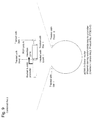
- Examples of the constructs of the present invention for enhancing the expression of genes to be expressed include construct No. 2 ( Fig. 8 ), construct No. 4 ( Fig.10 ), construct No. 6 ( Fig.12 ), construct No. 8 ( Fig. 14 ), construct No. 10 ( Fig. 16 ), construct No. 12 ( Fig. 18 ), construct No. 14 ( Fig. 20 ), construct No. 15 ( Fig. 36 ), construct No. 16 ( Fig. 37 ), construct No. 17 ( Fig. 49 ), construct No. 20 ( Fig. 57 ), and construct No.21 ( Fig. 58 ).
- Another example thereof is a construct shown in Fig. 21 .
- construct No.14, construct No.15, and construct No. 16 are the best, in which 3 enhancers are ligated downstream of each gene of interest.
- the protein expression level is equivalent to that in the case of an adenovirus vector (100 MOI, encoding the full-length REIC/Dkk-3 gene).
- the plasmid backbone of construct No. 14 exhibits an effect of increasing gene expression even in the case of a gene fragment such as DNA encoding N78-REIC.
- DNA encoding a protein such as human erythropoietin is inserted into construct No.14, an expression vector is constructed, and then cells are transfected with the expression vector, and thus the protein can be produced in a large amount using the cells.
- DNAs represented by the nucleotide sequences shown in the above SEQ ID NOs may have a mutation(s) in the nucleotide sequences, as long as they retain the activity of each DNA or the activity of the protein or the polypeptide encoded by each DNA.
- Examples of such a DNA that can be used for construction of the DNA construct of the present invention include DNA hybridizing under stringent conditions to DNA having a nucleotide sequence complementary to the nucleotide sequence shown in each SEQ ID NO, DNA having at least 85%, preferably at least 90%, further preferably at least 95%, and particularly preferably at least 97% homology with the nucleotide sequence shown in each SEQ ID NO as calculated using BLAST (Basic Local Alignment Search Tool at the National Center for Biological Information (NCBI)) or the like (for example, using default; that is, initially set parameters), and DNA encoding a protein or a polypeptide comprising an amino acid sequence having a substitution, a deletion and/or an addition of one or a plurality of or several (1 to 10, preferably 1 to 5, further preferably 1 or 2 amino acids) amino acids with respect to the amino acid sequence of the protein or the polypeptide encoded by the DNA.
- BLAST Basic Local Alignment Search Tool at the National Center for Biological Information (NCBI)
- stringent conditions refers to, for example, stringent conditions of about 1 x SSC, 0.1% SDS, and 37°C, more stringent conditions of about 0.5 x SSC, 0.1% SDS, and 42°C, or even more stringent conditions of about 0.2 x SSC, 0.1% SDS, and 65°C. Under more stringent hybridization conditions, accordingly, isolation of DNA having higher homology to a probe sequence can be expected. It should be noted that the above combinations of SSC, SDS, and temperature conditions are examples, and necessary stringency can be realized by adequately combining a DNA concentration, a DNA length, a hybridization reaction time, and other conditions.
- Examples of a vector for insertion of the expression cassette of the present invention include viral vectors such as a plasmid, an adenovirus vector, an adeno-associated virus vector, a lentivirus vector, a retrovirus vector, a herpes virus vector, and Sendai virus vector and non-viral vectors such as a biodegradable polymer.
- viral vectors such as a plasmid, an adenovirus vector, an adeno-associated virus vector, a lentivirus vector, a retrovirus vector, a herpes virus vector, and Sendai virus vector and non-viral vectors such as a biodegradable polymer.
- a vector into which the above expression cassette has been introduced may be introduced into cells by a known technique such as infection or electroporation.
- the vector may also be introduced using a known transfection reagent.
- a vector constructed by insertion of the expression cassette of the present invention is introduced into cells for transfection, so that a gene of interest can be expressed in the cells and the protein of interest can be produced.
- eukaryotic cell lines or prokaryotic cell lines can be used for introduction of the expression cassette of the present invention and production of a target protein.
- eukaryotic cells include cells of established mammalian cell lines, cells of insect cell lines, fungal cells or filamentous bacterial cells, and yeast cells.
- prokaryotic cells include cells of bacteria such as Escherichia coli, Bacillus subtilis, and Brevibacillus brevis.
- mammalian cells such as Hela cells, HEK193 cells, CHO cells, COS cells, BHK cells, or Vero cells are used.
- the above transformed host cells are cultured in vitro or in vivo , so that a protein of interest can be produced.
- Host cells are cultured by a known technique.
- a known culture medium such as DMEM, MEM, RPMI1640, or IMDM can be used as a culture solution.
- the thus expressed protein can be purified by a known technique from a culture solution when it is a secretory protein or from a cell extract when it is a non-secretory protein.
- the protein can also be produced by simultaneous transfection of cells with a plurality of vectors containing different genes of interest. With the use of such a technique, a plurality of proteins can be produced simultaneously.
- a commercial vector may be modified to contain the expression cassette of the present invention.
- an enhancer is incorporated into a region downstream of the expression gene cassette in a commercial vector such as pShuttle vector and then the vector can be used.
- Examples of the vector of the present invention include commercial cassettes that have been modified.
- the present invention further encompasses an adenovirus (Ad) vector and an adeno-associated virus (AAV) vector containing the above expression cassettes for genes to be expressed.
- Ad adenovirus
- AAV adeno-associated virus
- the vectors enable specific diagnosis or treatment of disease such as cancer.
- the vectors can be constructed by insertion of the above expression cassette for genes to be expressed into an adenovirus or an adeno-associated virus.
- Adenovirus vectors are characterized in that: (1) transfection can be performed in a variety of cells; (2) transfection can be efficiently performed even for cells at the stationary phase; (3) they can be concentrated by centrifugation such that a virus with a high titer (10 to 11 PFU/ml or more) can be obtained; and (4) they are appropriate for use in direct transfection into in vivo tissue cells.
- adenovirus vector As an adenovirus vector to be used for gene therapy, the following vectors have been developed: a second generation adenovirus vector ( Lieber, A., et al., J. Virol., 70, 8944, 1996 ; Mizuguchi, H. & Kay, M. A., Hum. Gene Ther., 10, 2013, 1999 ) obtained by deleting the E2 or E4 domain in addition to the E1/E3 domain from a first generation adenovirus vector ( Miyake, S., et al., Proc. Natl. Acad. Sci. U.S.A., 93, 1320, 1996 ) lacking the E1/E3 domain; and a third generation adenovirus vector ( Steinwaerder, D. S.
- any adenovirus vector may be used without particular limitation.
- Adeno-associated virus is a single-stranded DNA virus of the genus Parvovirus, which is characterized in that: (1) it undergoes long-term gene expression; (2) it exhibits low toxicity; and (3) it enables transfection of dividing and non-dividing cells. Concatamer (complex prepared by ligation of single-stranded DNAs) formation is thought to allow long-term gene expression.
- An adenovirus (Ad) vector and an adeno-associated virus (AAV) vector containing the expression cassette of the present invention for a gene to be expressed and enables expression of the target gene to be expressed can be used for detection or treatment of disease.
- An example of disease is cancer.
- a peptide inserted into the outer shell of an adenovirus vector or an adeno-associated virus vector
- RGD selectively binding to a protein expressed in specific cells
- the vector is directed to the cells.
- the cells are infected and the gene to be expressed is expressed.
- a gene to be expressed is a reporter gene such as a luciferase gene, specific cells can be detected with light emission or the like.
- cancer cells in the subject can be detected and then the subject can be diagnosed as having or not having cancer.
- a single cell can be detected by the adenovirus vector and the adeno-associated virus vector of the present invention, and thus they can be used for detection of micro cancer, for example.
- a gene to be expressed is a therapeutic gene
- such a target gene to be expressed is expressed in specific cells, so that it can exhibit therapeutic effects.
- specific cells are cancer cells and a cancer suppressor gene such as a REIC/Dkk-3 gene is used, through administration thereof to a subject, such a cancer therapeutic gene is delivered to cancer cells of the subject, the gene is expressed in cancer cells, and thus it exhibits therapeutic effects.
- the present invention encompasses a diagnostic or therapeutic viral preparation containing such an adenovirus vector or adeno-associated virus vector.
- Examples of cancer to be treated in the present invention when a cancer suppressor gene such as a human REIC/Dkk-3 gene is used as a therapeutic gene include cranial nerve tumor, skin cancer, gastric cancer, lung cancer, hepatic cancer, lymphoma/leukemia, colon cancer, pancreatic cancer, anal/rectal cancer, esophageal cancer, uterine cancer, breast cancer, adrenal cancer, kidney cancer, renal pelvic and ureteral cancer, bladder cancer, prostate cancer, urethral cancer, penile cancer, testicular cancer, osteoma/osteosarcoma, leiomyoma, rhabdomyoma, and mesothelioma.
- the adenovirus vector and the adeno-associated virus vector of the present invention can also be used for treatment of primary cancer and metastatic cancer.
- the adenovirus vector and the adeno-associated virus vector of the present invention can be administered by methods that can be employed in the field of gene therapy, such as intravascular administration (e.g., intravenous administration and intraarterial administration), peroral administration, intraperitoneal administration, intratracheal administration, intrabronchial administration, subcutaneous administration, or transdermal administration.
- intravascular administration e.g., intravenous administration and intraarterial administration
- peroral administration intraperitoneal administration, intratracheal administration, intrabronchial administration, subcutaneous administration, or transdermal administration.
- intravascular administration e.g., intravenous administration and intraarterial administration
- peroral administration e.g., intraperitoneal administration, intratracheal administration, intrabronchial administration, subcutaneous administration, or transdermal administration.
- intraperitoneal administration e.g., intraperitoneal administration, intratracheal administration, intrabronchial administration, subcutaneous administration, or transdermal administration.
- the adenovirus vector or the adeno-associated virus vector may be administered in a therapeutically effective dose.
- the therapeutically effective dose thereof can be easily determined by persons skilled in the field of gene therapy.
- dosage can be adequately varied depending on the severity of the pathological conditions, gender, age, body weight, common practice, and the like of a subject.
- the adenovirus vector or the adeno-associated virus vector may be administered at 0.5 x 10 11 to 2.0 x 10 12 viral genome/kg body weight, preferably at 1.0 x 10 11 to 1.0 x 10 12 viral genome/kg body weight, and further preferably at 1.0 x 10 11 to 5.0 x 10 11 viral genome/kg body weight.
- a viral genome is represented by the molecularity (number of viral particles) of the adenovirus or the adeno-associated virus genome, and may also be referred to as "particle(s)."
- the vector contains a carrier, a diluent, and an excipient that are generally used in the field of pharmaceutical preparation.
- a carrier for example, as carriers for tablets and as excipients, lactose, magnesium stearate, and the like are used.
- As an aqueous liquid for injection saline or an isotonic solution containing dextrose and other adjuvants is used, for example.
- Such a solution may be used in combination with an appropriate solubilizing agent, such as alcohol, polyalcohol (e.g., propylene glycol), or a nonionic surfactant.
- an appropriate solubilizing agent such as alcohol, polyalcohol (e.g., propylene glycol), or a nonionic surfactant.
- an oily fluid sesame oil, soybean oil, or the like is used.
- a solubilizing agent such as benzyl benzoate or benzyl alcohol may be used in combination.
- an expression vector that contains the expression cassette of the present invention comprising a gene of interest can also be used as a vaccine or a DNA vaccine for cancer and the like ( Kaufman, H. L. et al., J. Clin. Oncol. 22, 2122-2132 (2004 ); McNeel, D. G. et al., J. Clin. Oncol. 27, 425-430 (2009 )).
- an expression vector that contains the expression cassette of the present invention in which a gene encoding a target cancer-specific antigen protein has been incorporated is administered in vivo via subcutaneous injection or the like, the antigen is expressed in vivo, and thus the activation of a host's cellular immunity or antibody immunity against the antigen can be induced.
- the expression cassette of the present invention can be used for prevention or treatment of disease such as cancer through the use thereof as a vaccine as described above.
- Example 1 Expression cassette comprising CMV promoter
- the expression cassettes of the present invention were prepared and then transfected.
- the thus expressed proteins were analyzed by Western blotting.
- Construct No. 1 is a gene expression plasmid loaded with a CMV i promoter upstream of a gene to be expressed. Furthermore, BGH polyA (bovine growth hormone poly A addition sequence) was ligated downstream of the gene. Specifically, construct No. 1 was thought to have protein expression capacity equivalent to that of a generally employed expression plasmid containing a CMV i promoter.
- Construct No. 2 was constructed by inserting a CMV enhancer into a site immediately downstream of BGH poly A of construct No. 1.
- Construct No. 3 was constructed by substituting the CMV i promoter of construct No.1 with a human ⁇ actin promoter.
- Construct No. 4 was constructed by inserting a CMV enhancer into a site immediately downstream of BGH poly A of construct No.3.
- Construct No. 5 was constructed by inserting an RU5' region into a site immediately downstream of the human ⁇ actin promoter of construct No. 3.
- Construct No. 6 was constructed by inserting a CMV enhancer into a site immediately downstream of BGH poly A of construct No. 5.
- Construct No. 7 was constructed by inserting a CMV enhancer into a site immediately upstream of the human ⁇ actin promoter of construct No. 5.
- Construct No. 8 was constructed by inserting a CMV enhancer into a site immediately downstream of BGH poly A of construct No. 7.
- Construct No. 9 was constructed by reversing the direction of the nucleotide sequence of the RU5' region of construct No. 7.
- Construct No. 10 was constructed by inserting a CMV enhancer into a site immediately downstream of BGH poly A of construct No. 9.
- Construct No. 11 was constructed by inserting 4xCMV enhancer (four CMV enhancers) into a site immediately upstream of the human ⁇ actin promoter of construct No. 5.
- Construct No. 12 was constructed by inserting a CMV enhancer into a site immediately downstream of BGH poly A of construct No. 11.
- Construct No. 13 is a gene expression plasmid loaded with a CAG promoter. Specifically, construct No. 13 was thought to have protein expression capacity equivalent to that of a generally employed expression plasmid containing a CAG promoter.
- construct No. 14 was constructed by further ligating other enhancers (an hTERT enhancer and a SV40 enhancer). As a result, construct No. 14 was thought to be better than construct No. 2.
- Ad-REIC full-length cDNA of REIC/Dkk-3
- Ad-LacZ adenovirus vector retaining a LacZ gene
- Adenovirus vectors used herein were the same as those described in JP Patent No. 3813872 .
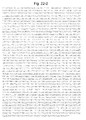
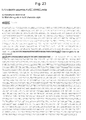
- Fig. 22 to Fig. 35 show the nucleotide sequences of the following elements or constructs.
- Fig. 22-1 and Fig. 22-2 show the full nucleotide sequence of a pDNR-1r Donor vector (Plasmid cloning vector having no promoter (Clontech, Product No. PT3616-5)).
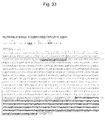
- Fig. 23 shows the full nucleotide sequence of a pIDT-SMART vector (Plasmid cloning vector having no promoter (IDT)).
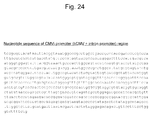
- Fig. 24 shows the nucleotide sequence of a CMV i promoter (hCMV + intron promoter) region.
- the region was artificially synthesized based on the known information of the nucleotide sequence of the CMV i promoter region.
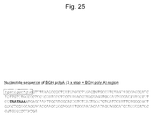
- Fig. 25 shows the nucleotide sequence of a BGH polyA (3 x stop + BGH polyA) region.
- the "TAATAAA” portion in the nucleotide sequence is a very important portion in the BGH polyA sequence. This sequence was artificially synthesized based on the known information of the nucleotide sequence of the BGH polyA region.
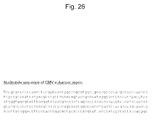
- Fig. 26 shows the nucleotide sequence of a CMV enhancer region. This sequence was artificially synthesized based on the known information of the nucleotide sequence of the CMV enhancer region.
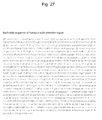
- Fig. 27 shows the nucleotide sequence of a human ⁇ actin promoter region. This sequence was prepared by obtaining a pDRIVE-h ⁇ Actin-RU5' plasmid (InvivoGen) and then amplifying the nucleotide sequence of the relevant portion by PCR.
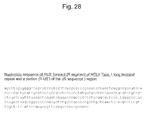
- Fig. 28 shows the nucleotide sequence of a RU5' forward ⁇ R segment of HTLV Type 1 long terminal repeat and a portion (R-U5') of U5 sequence ⁇ region. This sequence was artificially synthesized based on the known information of the nucleotide sequence of the ⁇ R segment of HTLV Type 1 long terminal repeat and a portion (R-U5') of U5 sequence ⁇ region.
- Fig. 29 shows the nucleotide sequence of a RU5'reverse ⁇ R segment of HTLV Type 1 long terminal repeat and a portion (R-U5') of U5 sequence ⁇ region. This sequence was artificially synthesized based on the known information of the nucleotide sequence of the ⁇ R segment of HTLV Type 1 long terminal repeat and a portion (R-U5') of U5 sequence ⁇ region.
- Fig. 30 shows the nucleotide sequence of a 4 x CMV enhancer region.
- each underlined portion is referred to as namely a "short CMV enhancer.”
- the region is designated as "4 x CMV enhancer region.”
- CMV enhancer generally indicates a long CMV enhancer. The sequence was artificially synthesized based on the known information of the nucleotide sequence of a CMV enhancer region.
- Fig. 31 shows the nucleotide sequence of a CAG promoter region, which is the nucleotide sequence of a known CAG promoter region. This sequence was prepared by obtaining a pCAGGS plasmid that was a gene expression vector loaded with a CAG promoter provided by Oriental Yeast Co., ltd., and then amplifying by PCR the nucleotide sequence of the relevant portion based on the thus obtained plasmid.
- Fig. 32 shows the nucleotide sequence of a 2IRES insert region, which is the nucleotide sequence of an IRES control gene in Fig. 5 and Fig. 6 (described later).
- the sequence was prepared by linking the two nucleotide sequences of normal human DNA, a BiP-IRES region (the lower-case letters surrounded by frame (1) in the nucleotide sequence in Fig. 32 ) and a Myc-IRES region (the lower-case letters surrounded by frame (2) in the nucleotide sequence in Fig. 32 ) in such order.
- This is a gene to be used as a control gene for an insertion gene.
- This sequence was artificially synthesized based on the known information of the nucleotide sequences of the BiP-IRES region and the Myc-IRES region.
- Fig. 33 shows the nucleotide sequence of a SV40ori-UAS-CMVi-RU5' region, which is the nucleotide sequence of an insertion portion on the left of an insertion gene (foreign gene) in construct No. 14 (best construct).
- This sequence was artificially synthesized based on the known information of the nucleotide sequence of each region contained in the relevant portion.
- the portion surrounded by frame (1) in the nucleotide sequence in Fig. 33 indicates the SV40 ori region, the portion surrounded by frame (2) in the same indicates the CMV i promoter region, and the portion surrounded by frame (3) in the same indicates the RU5' region.
- Fig. 34 shows the nucleotide sequence of a 3 x stop-BGH-polyA-UAS-hTERT enhancer + SV40 enhancer + CMV enhancer region, which is the nucleotide sequence of an insertion portion on the right (downstream side) of an insertion gene (foreign gene) in construct No. 14 (best construct). This sequence was artificially synthesized based on the known information of the nucleotide sequence of each region contained in the relevant portion. In the nucleotide sequence in Fig.
- the uppercase letters surrounded by frame (1) indicate the BGH polyA region
- the lowercase letters surrounded by frame (2) indicate the hTERT enhancer region
- the uppercase letters surrounded by frame (3) indicate the SV40 enhancer region
- the lowercase letters surrounded by frame (4) indicate the CMV enhancer region.
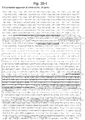
- Fig. 35-1 and Fig. 35-2 show the full nucleotide sequence of construct No.14 vector and specifically show the nucleotide sequence of construct No.14 (best construct) shown in Fig. 20 .
- the full nucleotide sequence also contains a pIDT-SMART vector portion (the region terminates at the bold portion on line 10 of the nucleotide sequence in Fig. 35-1 and the region following GCGCGC surrounded by the frame on line 24 from the bottom in the nucleotide sequence of Fig. 35-2 ).
- This sequence was prepared by incorporating the insertion portion on the left and the same on the right of the insertion gene (foreign gene in construct No.
- Fig. 35-1 and Fig. 35-2 (1) indicates the SV-40 ori region, (2) indicates the CMV i promoter region, (3) indicates the RU5' region, (4) indicates the BiP IRES region, (5) indicates the Myc IRES region, (6) indicates the hTERT enhancer region, and (7) indicates the SV40 enhancer region.
- 6His-S100A11-HA was prepared by PCR using the cDNA of a normal human fibroblast as a template, a primer with a 6-His linker added to the 5' side, and a primer with an HA linker added to the 3' side.
- GFP Green fluorescent protein
- GFP was prepared by PCR using pEGFP-N2 (GFP expression vector (the product of Clontech)) as a template and primers designed on the basis of the template.
- REIC/Dkk-3 was prepared by PCR using the cDNA of a normal human fibroblast as a template and primers designed on the basis of the template.
- N78 - REIC-6His was prepared by PCR using primers designed so that 6His was added to the 3' side of the above-obtained full-length REIC/Dkk-3 gene.
- IRES control gene refers to a gene prepared by linking the known nucleotide sequences of two normal human DNAs, the BiP-IRES gene and the Myc-IRES gene, in such order. This gene was artificially synthesized. This gene was inserted into the insertion gene (foreign gene) portion of construct No. 14, thereby preparing a control gene for the REIC/Dkk-3 (full-length) gene and N78-REIC-6His-coding DNA in Fig. 5 and Fig. 6 described later.
- CD133-6His was prepared by PCR using the cDNA of a normal human fibroblast as a template and primers designed on the basis of the template.
- LGR5-HA was prepared by PCR using the cDNA of a normal human fibroblast as a template and primers designed on the basis of the template.
- Telomerase-6His was prepared by PCR using the cDNA of a normal human fibroblast as a template and primers designed on the basis of the template.
- KLF16 was prepared by PCR using the cDNA of a normal human fibroblast as a template and primers designed on the basis of the template.
- Various cells (cultured in 6-well plates to 70% to 80% confluency) were transfected with various genes using transfection reagents, FuGENE (trademark)-HD (Roche)), Lipofectamine (trademark) 2000 (Invitrogen), and Trans-IT-Keratinocyte (TAKARA Bio). Procedures therefor were carried out as described in manuals for these products.
- the protein amounts in supernatants to be used for each experiment were adjusted to the same concentration, diluted with the same amount of 2 x SDS sample buffer, and then subjected to 5 minutes of heat treatment at 95°C.
- Each sample (10 ⁇ g protein) was separated by 7.5% or gradient SDS-PAGE gel (Bio Rad) and then transferred to a polyvinylidene difluoride (PVDF) membrane.
- PVDF polyvinylidene difluoride
- the blot was subjected to 1 hour of blocking at room temperature with TBS (Tris buffered saline) containing 10% fat-free milk powder, 6% glycine, and 0.1 % Tween-20. Subsequently, the proteins were identified using the following primary antibodies (1 : 1000 dilution).
- Anti-HA antibody Cell Signaling Technology
- Anti-GFP antibody Cell Signaling Technology
- Anti-REIC antibody rabbit anti-human REIC/Dkk-3 polyclonal antibody
- Anti-6His antibody MBL
- Anti-KLF16 antibody Abcam
- T-TBS Tween-20-containing TBS
- the blot was caused to react with a horseradish peroxidase conjugate secondary antibody.
- detection was carried out by an enhanced chemiluminescence detection method (ECL kit, Amersham Pharmacia Biotech).
- HEK293 (derived from normal human kidney), MCF7 (derived from human breast cancer), PC3 (derived from human prostate cancer), HeLa (derived from human uterine cancer), HepG2 (derived from human hepatic cancer) cell lines were obtained from ATCC (the American Type Culture Collection (Rockville, MD)). Media used herein are as follows. Heck293: DMEM high glucose medium (Invitrogen) MCF7: DMEM high glucose medium (Invitrogen) PC3: F12 medium (Invitrogen) HeLa: DMEM high glucose medium (Invitrogen) HepG2: DMEM high glucose medium (Invitrogen)
- the above cell lines were each grown in the above medium supplemented with 10% (v/v) fetal bovine serum, penicillin (100 IU/ml), and streptomycin (100 ⁇ g/ml) and then incubated under 5% CO 2 conditions.
- Fig. 1 to Fig. 6 show the results.
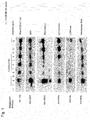
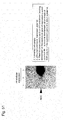
- Fig. 1 shows the expression of various foreign genes that were transfected to the HEK293 cell line for 36 hours using FuGENE (trademark)-HD.
- the protein expression capacity of construct No. 1 was equivalent to that of a generally used (marketed) expression plasmid containing a CMV i promoter.
- the protein expression capacity of construct No. 2 was significantly stronger than that of such expression plasmids.
- similar results were obtained for the following genes. It can be said that construct No. 2 was superior to gene expression systems that are currently broadly employed, in terms of the expression of all types of gene.
- S100A11 possible involvement in cancer growth; cytoplasmic-nuclear import protein GFP: fluorescent protein; cytoplasmic protein REIC/Dkk-3 (full length): cancer suppressor protein; secretory protein N78-REIC: protein fragment prepared based on the above gene fragment (peptide fragment consisting of amino acids 1 to 78 of the amino acid sequence of the REIC/Dkk-3 protein shown in SEQ ID NO: 2)
- CD133 cancer stem cell marker; expressed also on cell surface
- LGR5 stem cell marker for normal cells and cancer cells; transmembrane protein Telomerase: involvement in aging or anti-aging of cells; cytoplasmic protein KLF16: involvement in protein transcription; nuclear protein
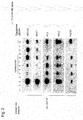
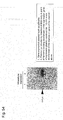
- Fig. 2 shows the expression of a KLF gene after 36 hours of transfection of various cell lines using FuGENE (trademark)-HD. It is said that in all cells (HEK293 cells, MCF7 cells, PC3 cells, HeLa cells, and HepG2 cells) shown in Fig. 2 , the protein expression capacity of construct No. 2 (KLF16 gene expression) was significantly stronger than that of construct No. 1. Specifically, it can be said that construct No.2 is superior to gene expression systems that are currently broadly employed, in terms of gene expression in all types of cell.
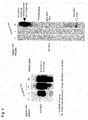
- Fig. 3 shows the expression of a KLF gene transfected to the HEK293 cell line for 36 hours using various transfection reagents.
- the KLF16 protein was expressed at the highest level with the WB method.
- Construct No. 1 is a construct containing a CMV i promoter that is generally available and often used.
- Construct No. 13 is a construct similarly containing a CAG promoter that is generally available and often used.
- the use of the construct No. 2 of the present invention realized a protein expression level significantly higher (significantly improved efficiency throughout the gene expression processes) than that obtained with the use of plasmid constructs that are currently in widespread use throughout the world for gene expression.
- Fig. 4 shows expression after 36 hours of transfection of the HEK293 cell line with a full-length REIC gene and a N78-REIC-coding gene FuGENE (trademark)-HD.
- the left panel shows that the REIC/Dkk-3 protein (full-length) was expressed to a significantly higher extent in the case of construct No. 14 than that in the case of construct-No. 2, as revealed by the WB method.
- the WB method in Fig. 1 construct No. 2 exhibited the highest protein expression level among constructs No. 1 to No. 12
- the results for the WB method in Fig. 3 construct No. 2 exhibited the highest protein expression level among constructs No. 1, No.2, No. 11, No. 12, and No.
- the useful construct capable of exhibiting the highest protein expression level was construct No. 14.
- the protein expression capacity of construct No.14 was strong and equivalent to that possible with the administration of Ad-REIC (full-length REIC/Dkk-3 gene-coding adenovirus) at 100 MOI.
- the right panel shows that results similar to those in the left panel were obtained when a gene fragment, N78-REIC-6His, was inserted into construct No. 14.
- the useful construct capable of exhibiting the highest protein expression level among the plasmid constructs presented herein was construct No. 14.
- Fig. 5 shows suppressed proliferation of and induction of cell death in a human prostate cancer PC3 cell line by construct No. 14 into which N78-REIC-coding DNA was inserted.
- the PC3 cell line was seeded in complete medium at density of 50,000 cells per well of 6-well plates. After 24 hours of incubation, cells were transfected with a predetermined plasmid in complete medium using a FuGENE (trademark)-HD reagent and then incubated for predetermined days. After incubation, cell survival rate was measured using CellTiter 96 (registered trademark) Aqueous One Solution Cell Proliferation Assay (Promega). Statistical analysis
- Fig. 6 shows suppressed proliferation of the human prostate cancer PC3 cell line by construct No. 14 into which a full-length REIC gene was inserted.
- the PC3 cell line was seeded in complete medium at density of 50,000 per well of 6-well plates. After 24 hours of incubation, cells were transfected with predetermined plasmids in Hank's Balanced Salt Solutions using a FuGENE (trademark)-HD reagent and then incubated for predetermined days. After incubation, cell survival rate was measured using CellTiter 96 (registered trademark) Aqueous One Solution Cell Proliferation Assay (Promega).
- Example 2 Expression cassette containing SV40 promoter or hTERT promoter
- the expression cassettes of the present invention containing GFP (Green fluorescent protein) as a target gene (insertion gene) were prepared. Hela cells were transfected with the expression cassettes and then GFP expression was observed, so that the expression intensity was analyzed. Transfection was carried out using Lipofectamine 2000. After 48 hours, GFP expression was observed under a fluorescence microscope.
- GFP Green fluorescent protein
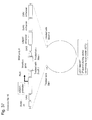
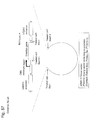
- constructs of the expression cassettes used herein were: construct No. 14 ( Fig. 20 ) used in Example 1; construct No. 15 ( Fig. 36 ) wherein the CMV i promoter of construct No. 14 had been substituted with an SV40 promoter; and construct No. 16 ( Fig. 37 ) wherein the CMV i promoter of construct No. 14 had been substituted with an hTERT promoter.
- a GFP gene was prepared by PCR using primers designed with the use of a GFP expression vector (a product of Clontech), pEGFP-N2, as a template. The GFP gene was inserted into the target gene insertion part of each construct and then used.
- a commercial pEGFP-N1 GFP expression plasmid (Clontech) was used as a control.
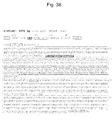
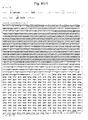
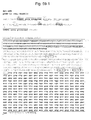
- Fig. 38 shows the nucleotide structure of a partial fragment comprising the SV40 ori+UAS+SV40 enh+intron A+RU5' region of expression vector construct No. 15. The nucleotide sequence thereof is shown in SEQ ID NO: 19. Furthermore, Fig. 39 shows the structure of a partial fragment comprising the SV40 ori+UAS+hTERT enh+intron A+RU5' region of expression vector construct No. 16. The nucleotide sequence thereof is shown in SEQ ID NO: 20. Furthermore, Fig. 40 shows the nucleotide sequence (SEQ ID NO: 21) of GFP-coding DNA to which a restriction enzyme site was ligated.
- Portions surrounded by frames (1), (2), (3), and (4) shown in the nucleotide sequence in Fig. 38 indicate SV40 ori, SV40 promoter, intron A, and RU5', respectively.
- Portions surrounded by frames (1), (2), (3), and (4) shown in the nucleotide sequence in Fig. 39 indicate SV40 ori, hTERT promoter, intron A, and RU5', respectively.
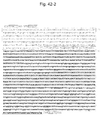
- the full-length nucleotide sequence of expression vector construct No. 14 into which a GFP gene was inserted is shown in Fig. 41-1 and Fig. 41-2 (a continuation from Fig. 41-1 ) (SEQ ID NO: 22). Also, the full-length nucleotide sequence of expression vector construct No.
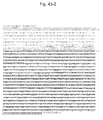
- Fig. 42-1 and Fig. 42-2 15 into which a GFP gene was inserted is shown in Fig. 42-1 and Fig. 42-2 (a continuation from Fig. 41-1 ) (SEQ ID NO: 23). Furthermore, the full-length nucleotide sequence of expression vector construct No.16 into which a GFP gene was inserted is shown in Fig. 43-1 and Fig. 43-2 (a continuation from Fig. 43-1 ) (SEQ ID NO: 24).
- Portions surrounded by frames (1), (2), (3), and (4) in the nucleotide sequence in Fig. 41-1 and Fig. 41-2 indicate CMV i promoter (P-CMViRU), GFP gene, Myc IRES, and 3 enhancers (pA-3enh), respectively.
- Portions surrounded by frames (1), (2), (3), and (4) in the nucleotide sequence in Fig. 42 indicate SV40 promoter (P-SViRU), GFP gene, Myc IRES, and 3 enhancers (pA-3enh), respectively.
- Portions surrounded by frames (1), (2), (3), and (4) in the nucleotide sequence in Fig. 43 indicate hTERT promoter (P-TiRU), GFP gene, Myc IRES, and 3 enhancers (pA-3enh), respectively.
- Construct No. 15 is a plasmid vector that is advantageous in strong gene expression in an environment where the SV40 protein is expressed at a high level.
- Construct No. 16 is a plasmid vector that is advantageous in strong gene expression in an environment where the hTERT protein is expressed at a high level in cancer cells or the like.
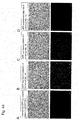
- Fig. 44 shows the results.
- Fig. 44 A, B, C and D show the results of a commercial GFP expression plasmid (pEGFP-N1), a GFP expression plasmid construct No. 14, GFP expression plasmid construct No. 15, and GFP expression plasmid construct No. 16, respectively.
- Panels in the upper row in Fig. 44 indicate the bright field.
- the CMV promoter, the SV40 promoter, and the hTERT promoter were all observed to exhibit strong GFP gene expression compared with the commercial plasmid. This example demonstrates that this system (the backbone of construct No. 14) can be used for gene enhancement even when promoters were varied in this manner.
- the expression cassette of the present invention containing human erythropoietin as a foreign gene (insertion gene) was prepared.
- HEK293 cells were transfected with the expression cassette and then the thus expressed protein was analyzed by Western blot. Transfection was carried out using FuGENE (trademark)-HD. After 24 hours, human erythropoietin in a cell culture solution was detected by Western blotting.
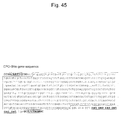
- Fig. 45 shows the nucleotide sequence (SEQ ID NO: 25) of DNA encoding human erythropoietin to which a restriction enzyme site had been ligated.
- Fig. 46 shows the results.
- Lane 1 shows the results of expression using pTracer (registered trademark)-EF/V5-His-A
- lane 2 shows the results of expression using pEF6/Myc-His-A
- lane 3 shows the results of expression using expression plasmid construct No. 14.
- the strongest expression was observed with the use of expression plasmid construct No. 14. This result demonstrates that this system (the backbone of construct No.14) is useful for production of proteins to be used as pharmaceutical products such as erythropoietin, diagnostic agents, or reagents, in view of mass production based on gene enhancement.
- the expression cassette of the present invention containing a human IgG light chain and a human IgG heavy chain as target genes (insertion genes) was prepared.
- HEK293 cells were transfected with the expression cassette, and then the thus expressed protein was analyzed by Western blot. Transfection was carried out using FuGENE (trademark)-HD. After 24 hours, the human IgG light chain and the human IgG heavy chain in a cell extract and a cell culture solution were detected by Western blotting.
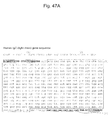
- Fig. 47 shows the nucleotide sequence (SEQ ID NO: 26 or SEQ ID NO: 27) of DNA encoding a human IgG light chain ( Fig. 47A ) or a human IgG heavy chain ( Fig. 47B ), to which a restriction enzyme site was ligated.
- Fig. 48 shows the results.
- Fig. 48A shows the result for the human IgG light chain
- Fig. 48B shows the result for the human IgG heavy chain.
- lane 1 indicates the result of expression using pTracer (registered trademark)-EF/V5-His-A
- lane 2 shows the result of expression using pEF6/Myc-His-A
- lane 3 shows the result of expression using construct No. 14.
- Fig. 48 shows the results of intracellular expression using the cell extract and the results thereof using the culture solution. As shown in Fig. 48 , the strongest expression was observed in the case of using construct No. 14. The results demonstrate that this system (the backbone of construct No. 14) is useful for production of proteins to be used for pharmaceutical products such as antibodies, diagnostic agents, or reagents in view of mass production based on gene enhancement.
- the expression cassette of the present invention containing a human REIC gene as a foreign gene (insertion gene) was prepared.
- HEK293 cells were transfected with the expression cassette and then the thus expressed protein was analyzed by Western blot. Transfection was carried out using FuGENE (trademark) HD. After 24 hours, the REIC protein in a cell extract was detected by Western blotting.
- Construct No. 17 was constructed by inserting REIC-coding DNA into the Xba 1-Kpn 1 insertion site of a commercial pShuttle plasmid vector (Clontech), and then inserting 3 enhancers (an hTERT enhancer, an SV40 enhancer, and a CMV enhancer) located downstream of an expression gene of expression plasmid construct No. 14 ( Fig. 20 ) used in Example 1 into the Kpn 1- EcoR 1 insertion site downstream of the REIC-coding DNA in the form of BGH poly A + 3 enhancers.
- 3 enhancers an hTERT enhancer, an SV40 enhancer, and a CMV enhancer
- a vector constructed by inserting REIC-coding DNA into the Xba 1-Kpn 1 insertion site of a commercial pShuttle plasmid vector (Clontech) was used.
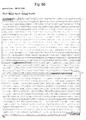
- Fig. 50 shows the full nucleotide sequence (SEQ ID NO: 28) of expression vector construct No. 17 into which REIC-coding DNA was inserted.
- Portions surrounded by frames (1) and (2) in the nucleotide sequence in Fig. 50 indicate REIC-coding DNA and 3 enhancers (3xenh), respectively.
- Western blotting was carried out using an anti-REIC antibody and a cell extract (total protein amount: 10 ⁇ g) obtained at 24 hours after transfection.
- Fig. 51 shows the results.
- Lane 1 shows the result of a cell extract of cells not caused to express any foreign protein
- lane 2 shows the result of a cell extract of cells transfected with a commercial pShuttle vector to which REIC-coding DNA had been inserted
- lane 3 shows the result of a cell extract of cells transfected with an expression vector that had been constructed by inserting REIC-coding DNA into a commercial pShuttle vector, and then inserting 3 enhancers into a site downstream of the REIC-coding DNA (downstream of BGH poly A).
- the strongest expression was observed in the case of using construct No. 17.
- the results demonstrate that incorporation of the portion of 3 enhancers of this system (the backbone of construct No.
- Example 6 Expression of c-myc gene with the use of expression vector constructed by modification of commercial plasmid vector
- the expression cassette of the present invention containing a human c-mycC gene as a target gene (insertion gene) was prepared.
- HEK293 cells were transfected with the expression cassette.
- the thus expressed protein was analyzed by Western blot. Transfection was carried out using FuGENE (trademark)-HD. After 24 hours, the REIC protein in a cell extract was detected by Western blotting.
- the construct of the expression cassette used herein was constructed by inserting REIC-coding DNA into the Xba 1 -Kpn 1 insertion site of a commercial pShuttle plasmid vector (Clontech), and then inserting 3 enhancers (hTERT enhancer, SV40 enhancer, and CMV enhancer) located downstream of the expression gene of expression plasmid construct No. 14 ( Fig. 20 ) used in Example 1 into the Kpn 1-EcoR 1 insertion site downstream of the REIC-coding DNA in the form of BGH poly A + 3 enhancers.
- 3 enhancers hTERT enhancer, SV40 enhancer, and CMV enhancer
- a vector constructed by inserting human c-myc-coding DNA into the Xba 1-Kpn 1 insertion site of a commercial pShuttle plasmid vector (Clontech) was used.
- Fig. 52 shows the nucleotide sequence (SEQ ID NO: 29) of the inserted c-myc gene.
- Fig. 53 shows the nucleotide sequence (SEQ ID NO: 30) of a region containing BGH poly A and 3 enhancers contained in construct No. 14.
- Western blotting was carried out using an anti-c-mycC antibody (Santa Cruz Biotechnology, Inc., Cat No.: sc-70469) and a cell extract (total protein amount: 10 ⁇ g) obtained at 24 hours after transfection.
- Fig. 54 shows the results.
- Lane 1 shows the result of a cell extract of cells transfected with a commercial pShuttle vector to which an REIC-coding DNA had been inserted
- lane 2 shows the result of a cell extract of cells transfected with an expression vector constructed by inserting c-myc-coding DNA into a commercial pShuttle vector and then inserting 3 enhancers to a site downstream (downstream of BGH poly A) of the c-myc-coding DNA.
- Fig. 1 shows the result of a cell extract of cells transfected with a commercial pShuttle vector to which an REIC-coding DNA had been inserted
- lane 2 shows the result of a cell extract of cells transfected with an expression vector constructed by inserting c-myc-coding DNA into a commercial pShuttle vector and then inserting 3 enhancers to a site downstream (downstream of BGH poly A) of the c-myc-coding DNA.
- c-myc gene expression is enhanced by incorporation of the portion of 3 enhancers of this system (the backbone of construct No. 14) into a site downstream of the expression gene cassette of a plasmid for expression of a c-myc gene to be used for preparation of iPS cells, iPS cells are thought to be useful for various types of regeneration medicine.
- the enhancer portion is useful for regeneration medicine and the like as a means for enabling stronger expression of namely, reprogramming genes, such as c-myc, or a means for using the thus expressed protein itself as a regeneration factor in vivo or ex vivo.
- Example 7 Enhanced expression upon the use of hTERT as promoter
- the expression cassettes of the present invention containing GFP (Green fluorescent protein) as a foreign gene (insertion gene) were prepared.
- HEK293 cells were transfected with the expression cassettes, and the thus expressed proteins were analyzed by Western blot. Transfection was carried out using FuGENE (trademark)-HD. After 24 hours, GFP in cell culture solutions was detected by Western blotting.
- GFP Green fluorescent protein
- construct No. 18 is a general gene expression vector containing an hTERT promoter. Such a gene expression vector is advantageous in strong gene expression in an environment where hTERT is expressed at a high level; that is, in cancer cells, and is used when cancer cell-specific gene expression is expected. However, the use of this vector (construct No.
- Construct No. 19 is a plasmid constructed by inserting an RU5 sequence into a site upstream of an expression gene of a general gene expression vector (construct No. 18) containing an hTERT promoter.
- Construct No. 20 is a plasmid constructed by inserting an hTERT enhancer sequence into a site downstream of a BGH poly A sequence of a general gene expression vector (construct No. 18) containing an hTERT promoter.
- Construct No.21 is a plasmid constructed by inserting an RU5' sequence into a site upstream of an expression gene of a general gene expression vector (construct No. 18) containing an hTERT promoter and further inserting an hTERT enhancer sequence into a site downstream of the BGH poly A sequence.
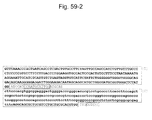
- Fig. 59-1 and Fig. 59-2 (a continuation from Fig. 59-1 ) show the full nucleotide sequence (SEQ ID NO: 31) of expression vector construct No. 21.
- Portions surrounded by frames (1), (2), (3), (4), and (5) in the nucleotide sequence shown in Fig. 59-1 and Fig. 59-2 indicate an hTERT core promoter, a minimal CMV promoter, RU5', a GFP gene, BGH poly A, and an hTERT core promoter, respectively.
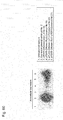
- Fig. 60 shows the results of expression.
- Lane 1 shows the results for a cell extract of cells not caused to express any foreign protein
- lanes 2 to 6 show the results of expression using constructs No. 2, No. 18, No. 19, No. 20, and No. 21, separately.
- expression was observed descending order of strength in constructs No. 18, No. 19, No. 20, No. 21 and No. 2.
- the results for this example demonstrate that this system (the form of the constructs wherein a target expression gene is flanked by a promoter and an enhancer) is useful for significantly enhancing the gene expression of an hTERT promoter that enables cancer-specific gene expression but has extremely weak gene expression capacity.
- Example 8 Expression upon simultaneous transfection with a plurality of expression vectors having different foreign genes incorporated therein
- Cells were transfected simultaneously with a plasmid constructed by incorporating DsRed (red fluorescent protein)-coding DNA into construct No. 2 ( Fig. 20 ), a plasmid constructed by incorporating Yeast GST (Glutathione S transferase)-coding DNA into construct No. 21 ( Fig. 58 ), and a plasmid constructed by incorporating GFP-coding DNA into construct No.21 ( Fig. 58 ).
- the thus expressed proteins were analyzed by Western blot. Transfection was carried out using FuGENE (trademark)-HD.
- As cells cells of cancer cell lines, HEK293 cells, Hela cells, PC3 cells, HepG2 cells, HCT116 cells, and MCF7 cells were used.
- OUMS-24 cells human-derived fibroblasts
- NHK cells human-derived keratinocyte cells
- Western blotting was carried out using an anti-GFP antibody, an anti-6His antibody (MBL, used for detection of 6His-added Telomerase), an anti-tubulin antibody (Sigma), an anti-DsRed antibody (Clontech), and an anti-Yeast GST antibody and cell extracts obtained at 24 hours after transfection (total protein amount: 10 ⁇ g).
- Fig. 61 shows the results.
- a plasmid construct (construct No. 21) containing an hTERT promoter is useful for carrying out gene expression specific to only cancer cells in various cancer cells and normal cells. Specifically, in this case, genes were expressed strongly only in cancer cells, and gene expression in normal cells can be suppressed. In this regard, for example, gene expression is observed in both human cancer cells and normal cells in the case of a plasmid construct (construct No. 2) containing a CMV promoter, so that cancer-cell-specific gene expression cannot be achieved.
- a plasmid containing an hTERT promoter is useful in that cancer-cell-specific gene expression can be achieved.
- Example 9 Examination of the production amount of human erythropoietin (Human EPO) by HEK293 cells (Human embryonic kidney cells) transfected with expression vector containing the gene expression cassette of the present invention
- the DNA fragment of EPO-His tag having the His-tagged C-terminus was incorporated into a vector (referred to as SGE (Super Gene Expression) vector) containing construct No. 14 and the same was incorporated into a pTracer (registered trademark)-EF vector (EF-1 ⁇ promoter, Invitrogen) as a control.
- SGE Super Gene Expression
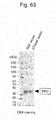
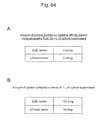
- the human erythropoietin protein secreted in 25 mL of a culture supernatant collected 4 days later was purified using histidine affinity column chromatography (TALON-Affinity Resin (Clontech)). The eluate was separated on SDS-PAGE and then the purity of the EPO protein was confirmed by CBB staining ( Fig. 63 ). The protein amount of the purified EPO protein was determined by Bradford assay, and then the protein amount obtained in the case of 1 L of the culture solution was calculated from the amount of the purified protein in the case of 25 mL of the culture solution ( Fig. 64A and B ).
- human erythropoietin could be produced with the use of the SGE vector at an expression level about 8 times higher than that in the case of using the pTracer (registered trademark)-EF vector. Therefore, an extremely highly efficient expression level; that is, about 150 mg (in terms of the level in the case of 1 L of the culture solution), was achieved.
- the collected culture supernatants were each concentrated by ultrafiltration from 520 mL to 35 mL.
- the solvent was substituted with 20 mM Hepes Buffer (pH7.2) using Sephadex (Trademark) G25M column chromatography (GE Healthcare), and then a REIC protein-containing fraction was collected. Thereafter, protein adsorption was carried out using anion exchange column chromatography (DEAE-Toyopearl (registered trademark) 650 M, TOSOH Corporation), and then elution was carried out in 20 mM Hepes Buffer (pH 7.2) with a linear concentration gradient (0 M to 0.7 M) of sodium chloride. Under the conditions of the sodium chloride concentration of about 0.35 M, the peak fractions of the REIC protein was confirmed.
- each peak fraction was analyzed by SDS-PAGE, and thus fractions composed only of the REIC protein with high purity were collected ( Fig. 66 ).
- the protein amount of the purified REIC protein was calculated using absorbance (280 nm) and the purified protein amount in the case of 520 mL of the culture solution, so that the protein amount obtained in the case of 1 L of the culture solution was calculated ( Fig. 67 ).
- about 50 mg of the purified protein with high purity could be obtained from the culture supernatant subjected to transfection with the REIC expression SGE vector.
- the purified protein can be actually collected in an amount as large as about 100 mg in terms of 1 L of the culture solution.
- the gene expression cassette of the present invention comprises a DNA construct containing a gene to be expressed and a poly A addition sequence that are located downstream of a 1 st promoter, wherein an enhancer or a 2 nd promoter is ligated downstream of the DNA construct.
- the gene expression cassette realizes the mass production of a target protein through super-high expression, regardless of cell type, gene type, and transfection reagent type.
- the gene expression cassette can be applied as a reagent in the field of biotechnology and can also be applied extensively as a therapeutic protein remedy or for clinical treatment, examination, and diagnosis using genes.
- the gene expression cassette can facilitate revolutionary evolution techniques in the field of biotechnology, such as: (1) the functional analysis of unknown genes in specific cells or tissues that have conventionally remained unanalyzed; (2) improvement of therapeutic effects via loading both viral and non-viral vectors with the gene expression cassette in gene therapy; (3) preparation of super cells capable of producing large amounts of a specific human functional protein with the use of human cells, as a method for producing biopharmaceutical products such as antibody drugs used in recent years; and (4) application for an efficient and inexpensive method for producing reagents or diagnostic agents to be used for various forms of assay or clinical diagnosis.
- the DNA expression cassette of the present invention can be applied as a reagent in the field of biotechnology and can also be extensively applied for clinical treatment, examination, and diagnosis using genes.
Landscapes
- Health & Medical Sciences (AREA)
- Life Sciences & Earth Sciences (AREA)
- Genetics & Genomics (AREA)
- Engineering & Computer Science (AREA)
- Chemical & Material Sciences (AREA)
- Organic Chemistry (AREA)
- Zoology (AREA)
- Bioinformatics & Cheminformatics (AREA)
- Wood Science & Technology (AREA)
- Biotechnology (AREA)
- General Engineering & Computer Science (AREA)
- Biomedical Technology (AREA)
- Molecular Biology (AREA)
- General Health & Medical Sciences (AREA)
- Biochemistry (AREA)
- Microbiology (AREA)
- Plant Pathology (AREA)
- Biophysics (AREA)
- Physics & Mathematics (AREA)
- Proteomics, Peptides & Aminoacids (AREA)
- Public Health (AREA)
- Medicinal Chemistry (AREA)
- Veterinary Medicine (AREA)
- Pharmacology & Pharmacy (AREA)
- Animal Behavior & Ethology (AREA)
- Chemical Kinetics & Catalysis (AREA)
- General Chemical & Material Sciences (AREA)
- Epidemiology (AREA)
- Hematology (AREA)
- Oncology (AREA)
- Marine Sciences & Fisheries (AREA)
- Gastroenterology & Hepatology (AREA)
- Immunology (AREA)
- Nuclear Medicine, Radiotherapy & Molecular Imaging (AREA)
- Micro-Organisms Or Cultivation Processes Thereof (AREA)
- Preparation Of Compounds By Using Micro-Organisms (AREA)
- Medicines That Contain Protein Lipid Enzymes And Other Medicines (AREA)
Applications Claiming Priority (2)
| Application Number | Priority Date | Filing Date | Title |
|---|---|---|---|
| JP2009264299 | 2009-11-19 | ||
| PCT/JP2010/071196 WO2011062298A1 (fr) | 2009-11-19 | 2010-11-19 | Système pour accroître l'expression génétique, et vecteur de support pour un tel système |
Publications (3)
| Publication Number | Publication Date |
|---|---|
| EP2508603A1 true EP2508603A1 (fr) | 2012-10-10 |
| EP2508603A4 EP2508603A4 (fr) | 2013-05-01 |
| EP2508603B1 EP2508603B1 (fr) | 2015-05-13 |
Family
ID=44059764
Family Applications (1)
| Application Number | Title | Priority Date | Filing Date |
|---|---|---|---|
| EP20100831684 Active EP2508603B1 (fr) | 2009-11-19 | 2010-11-19 | Système pour accroître l'expression génétique, et vecteur de support pour un tel système |
Country Status (10)
| Country | Link |
|---|---|
| US (1) | US9493776B2 (fr) |
| EP (1) | EP2508603B1 (fr) |
| JP (1) | JP5697042B2 (fr) |
| KR (1) | KR101752941B1 (fr) |
| CN (1) | CN102741405B (fr) |
| AU (1) | AU2010322723B9 (fr) |
| CA (1) | CA2781332C (fr) |
| IL (1) | IL219882A (fr) |
| RU (1) | RU2577971C2 (fr) |
| WO (1) | WO2011062298A1 (fr) |
Cited By (2)
| Publication number | Priority date | Publication date | Assignee | Title |
|---|---|---|---|---|
| EP2716756A4 (fr) * | 2011-05-25 | 2015-02-18 | Univ Okayama Nat Univ Corp | Vecteur adénoviral exprimant reic |
| RU2748231C2 (ru) * | 2016-01-08 | 2021-05-21 | Момотаро-Джин Инк. | Комбинированная терапия с использованием гена reic/dkk-3 и ингибитора контрольной точки иммунного ответа |
Families Citing this family (56)
| Publication number | Priority date | Publication date | Assignee | Title |
|---|---|---|---|---|
| US9217155B2 (en) | 2008-05-28 | 2015-12-22 | University Of Massachusetts | Isolation of novel AAV'S and uses thereof |
| US8734809B2 (en) | 2009-05-28 | 2014-05-27 | University Of Massachusetts | AAV's and uses thereof |
| US9546369B2 (en) | 2010-04-23 | 2017-01-17 | University Of Massachusetts | Multicistronic expression constructs |
| EP3444346B1 (fr) | 2010-04-23 | 2022-07-27 | University of Massachusetts | Traitement de troubles liés au cholestérol basé sur aav |
| EP2561073B1 (fr) | 2010-04-23 | 2016-08-24 | University of Massachusetts | Vecteurs aav ciblant le système nerveux central et leurs procédés d'utilisation |
| EP3318635A1 (fr) | 2011-04-21 | 2018-05-09 | University of Massachusetts | Compositions à base de raav et procédés pour traiter des déficiences en anti-trypsine alpha-1 |
| FR2981946B1 (fr) * | 2011-10-28 | 2015-02-20 | Lfb Biotechnologies | Unites de transcription et leur utilisation dans des vecteurs d'expression (yb2/0) |
| FR2986536A1 (fr) * | 2012-02-08 | 2013-08-09 | Lfb Biotechnologies | Unites de transcription et leur utilisation dans des vecteurs d'expression (cho) |
| WO2013122178A1 (fr) * | 2012-02-16 | 2013-08-22 | 国立大学法人岡山大学 | Composition pharmaceutique pour le traitement du cancer comprenant une protéine de fusion |
| US9856301B2 (en) * | 2012-03-26 | 2018-01-02 | University Of Massachusetts | Anti-tumor properties of Dickkopf 3b |
| US10072251B2 (en) | 2014-02-19 | 2018-09-11 | University Of Massachusetts | Recombinant AAVS having useful transcytosis properties |
| CA2942515C (fr) | 2014-03-18 | 2025-12-09 | University Of Massachusetts | Compositions a base de virus adeno-associe recombinant raav et methodes de traitement de la sclerose laterale amyotrophique |
| WO2015164786A1 (fr) | 2014-04-25 | 2015-10-29 | University Of Massachusetts | Vecteurs de virus adéno-associés recombinants utiles pour réduire une immunité contre des produits transgéniques |
| WO2015187825A2 (fr) | 2014-06-03 | 2015-12-10 | University Of Massachusetts | Compositions et méthodes de modulation de l'expression de la dysferline |
| EP3200830B1 (fr) | 2014-10-03 | 2020-09-09 | University of Massachusetts | Vecteurs aav identifiés au moyen de banques à efficacité élevée |
| US10370432B2 (en) | 2014-10-03 | 2019-08-06 | University Of Massachusetts | Heterologous targeting peptide grafted AAVS |
| CN107073051B (zh) | 2014-10-21 | 2021-08-24 | 马萨诸塞大学 | 重组aav变体及其用途 |
| KR20230145206A (ko) | 2014-11-14 | 2023-10-17 | 보이저 테라퓨틱스, 인크. | 조절성 폴리뉴클레오티드 |
| WO2016077687A1 (fr) | 2014-11-14 | 2016-05-19 | Voyager Therapeutics, Inc. | Compositions et méthodes de traitement de la sclérose latérale amyotrophique (sla) |
| EP3256170B1 (fr) | 2015-02-13 | 2020-09-23 | University of Massachusetts | Compositions et procédés pour l'administration transitoire de nucléases |
| EP3285788B1 (fr) | 2015-04-23 | 2024-12-18 | University of Massachusetts | Modulation de l'expression d'un transgène du vecteur aav |
| US11046955B2 (en) | 2015-04-24 | 2021-06-29 | University Of Massachusetts | Modified AAV constructs and uses thereof |
| JP6871679B2 (ja) * | 2016-03-23 | 2021-05-12 | 国立大学法人 岡山大学 | 遺伝子発現用カセット及びその産生物 |
| JP2017070224A (ja) * | 2015-10-06 | 2017-04-13 | 国立大学法人 岡山大学 | 遺伝子発現用カセット及びその産生物 |
| US20180265894A1 (en) * | 2015-10-06 | 2018-09-20 | National University Corporation Okayama University | Gene Expression Cassette And Product Thereof |
| WO2017070516A1 (fr) | 2015-10-22 | 2017-04-27 | University Of Massachusetts | Vecteurs du sérotype de virus adéno-associés ciblant la prostate |
| EP3364997B1 (fr) | 2015-10-22 | 2024-01-17 | University of Massachusetts | Aspartoacylase en thérapie génique dans le traitement de la maladie de canavan |
| CA3011939A1 (fr) | 2016-02-02 | 2017-08-10 | University Of Massachusetts | Procede pour ameliorer l'efficacite de l'administration au systeme nerveux central d'un gene aav par voie systemique |
| CA3012344A1 (fr) | 2016-02-12 | 2017-08-17 | University Of Massachusetts | Agents therapeutiques a base de micro-arn anti-angiogeniques pour l'inhibition de la neovascularisation corneenne |
| JP6707256B2 (ja) * | 2016-03-29 | 2020-06-10 | 国立大学法人 岡山大学 | 遺伝子導入リンパ球の移植による細胞療法における治療効果及びgvhdを可視化するpetイメージング技術 |
| US11207426B2 (en) | 2016-04-05 | 2021-12-28 | University Of Massachusetts | Compositions and methods for selective inhibition of grainyhead-like protein expression |
| US11413356B2 (en) | 2016-04-15 | 2022-08-16 | University Of Massachusetts | Methods and compositions for treating metabolic imbalance |
| KR20240056729A (ko) | 2016-05-18 | 2024-04-30 | 보이저 테라퓨틱스, 인크. | 조절성 폴리뉴클레오티드 |
| KR102427379B1 (ko) | 2016-05-18 | 2022-08-02 | 보이저 테라퓨틱스, 인크. | 헌팅톤 질환을 치료하기 위한 조성물 및 방법 |
| US11882815B2 (en) | 2016-06-15 | 2024-01-30 | University Of Massachusetts | Recombinant adeno-associated viruses for delivering gene editing molecules to embryonic cells |
| US10457940B2 (en) | 2016-09-22 | 2019-10-29 | University Of Massachusetts | AAV treatment of Huntington's disease |
| AU2017341849B2 (en) | 2016-10-13 | 2024-03-21 | University Of Massachusetts | AAV capsid designs |
| JP2020518259A (ja) | 2017-05-05 | 2020-06-25 | ボイジャー セラピューティクス インコーポレイテッドVoyager Therapeutics,Inc. | ハンチントン病治療組成物および方法 |
| JP2020518258A (ja) | 2017-05-05 | 2020-06-25 | ボイジャー セラピューティクス インコーポレイテッドVoyager Therapeutics,Inc. | 筋萎縮性側索硬化症(als)治療組成物および方法 |
| US11859179B2 (en) | 2017-05-09 | 2024-01-02 | University Of Massachusetts | Methods of treating amyotrophic lateral sclerosis (ALS) |
| CN111448321A (zh) | 2017-09-22 | 2020-07-24 | 马萨诸塞大学 | Sod1双表达载体及其用途 |
| US20200377887A1 (en) * | 2017-09-22 | 2020-12-03 | Voyager Therapeutics, Inc. | Compositions and methods of treating huntington's disease |
| EP3697908A1 (fr) | 2017-10-16 | 2020-08-26 | Voyager Therapeutics, Inc. | Traitement de la sclérose latérale amyotrophique (sla) |
| TW202413649A (zh) | 2017-10-16 | 2024-04-01 | 美商航海家醫療公司 | 肌萎縮性脊髓側索硬化症(als)之治療 |
| CN112203697A (zh) | 2018-04-13 | 2021-01-08 | 马萨诸塞大学 | 编码氨基己糖苷酶alpha和beta亚基的双顺反子AAV载体及其用途 |
| WO2019236995A1 (fr) | 2018-06-08 | 2019-12-12 | University Of Massachusetts | Oligonucléotides antisens pour restaurer l'expression de la protéine dysferline dans des cellules de patients souffrant d'une dysferlinopathie |
| US12448629B2 (en) | 2018-10-05 | 2025-10-21 | University Of Massachusetts | rAAV vectors for the treatment of GM1 and GM2 gangliosidosis |
| EA202192420A1 (ru) * | 2019-03-05 | 2021-12-13 | Эмджен Инк. | Применение онколитических вирусов для лечения рака |
| CN110484563B (zh) * | 2019-07-25 | 2023-04-07 | 新乡医学院 | 哺乳动物细胞组合表达载体、表达系统、制备方法和应用 |
| US20220280601A1 (en) | 2019-07-31 | 2022-09-08 | Momotaro-Gene Inc. | METHOD FOR TREATMENT OF HEPATIC CANCER USING REIC/Dkk-3 GENE IN COMBINATION WITH ANTI-TUMOR AGENT |
| WO2022025178A1 (fr) | 2020-07-31 | 2022-02-03 | 国立大学法人岡山大学 | Agent comprenant un gène reic/dkk-3 pour le traitement du cancer du poumon positif pour les mutations du gène egfr |
| KR102221150B1 (ko) * | 2020-08-19 | 2021-02-26 | 국방과학연구소 | 이중 항원 발현벡터 및 이를 포함한 유전자 백신 |
| EP4036238A1 (fr) * | 2021-01-27 | 2022-08-03 | The University Court of the University of Edinburgh | Molécule d'acide nucléique fonctionnelle et procédé |
| WO2023198828A1 (fr) | 2022-04-13 | 2023-10-19 | Universitat Autònoma De Barcelona | Traitement de maladies neuromusculaires par thérapie génique exprimant la protéine klotho |
| KR102752534B1 (ko) * | 2023-10-04 | 2025-01-10 | 국방과학연구소 | 탄저균 및 보툴리눔 독소 a형의 동시 방어용 복합 항원 발현벡터, 및 이를 포함한 유전자 백신 |
| CN119144631B (zh) * | 2024-11-19 | 2025-02-21 | 上海奥浦迈生物科技股份有限公司 | 一种提高蛋白表达量的重组表达载体及其应用 |
Family Cites Families (7)
| Publication number | Priority date | Publication date | Assignee | Title |
|---|---|---|---|---|
| DE3431140A1 (de) * | 1984-08-24 | 1986-03-06 | Behringwerke Ag, 3550 Marburg | Enhancer fuer eukaryotische expressionssysteme |
| US6777203B1 (en) | 1997-11-19 | 2004-08-17 | Geron Corporation | Telomerase promoter driving expression of therapeutic gene sequences |
| US6586661B1 (en) | 1997-06-12 | 2003-07-01 | North Carolina State University | Regulation of quinolate phosphoribosyl transferase expression by transformation with a tobacco quinolate phosphoribosyl transferase nucleic acid |
| RU2305708C2 (ru) | 2001-10-02 | 2007-09-10 | Энститю Клейтон Де Ля Решерш | Рекомбинантный лентивирусный вектор, клетка-хозяин, трансдуцированная лентивирусным вектором, способ ее трансдукции и применение |
| DE10338531A1 (de) | 2003-08-19 | 2005-04-07 | Boehringer Ingelheim Pharma Gmbh & Co. Kg | Verfahren zur Reklonierung von Produktionszellen |
| US20070006335A1 (en) | 2004-02-13 | 2007-01-04 | Zhihong Cook | Promoter, promoter control elements, and combinations, and uses thereof |
| MX2009007893A (es) * | 2007-01-25 | 2009-08-21 | Amprotein Corp | Uso del intron-1 de gen de beta actina de pollo. |
-
2010
- 2010-11-19 CA CA2781332A patent/CA2781332C/fr active Active
- 2010-11-19 WO PCT/JP2010/071196 patent/WO2011062298A1/fr not_active Ceased
- 2010-11-19 AU AU2010322723A patent/AU2010322723B9/en active Active
- 2010-11-19 RU RU2012125253/10A patent/RU2577971C2/ru active
- 2010-11-19 KR KR1020127015275A patent/KR101752941B1/ko not_active Expired - Fee Related
- 2010-11-19 US US13/510,719 patent/US9493776B2/en active Active
- 2010-11-19 JP JP2011541992A patent/JP5697042B2/ja active Active
- 2010-11-19 EP EP20100831684 patent/EP2508603B1/fr active Active
- 2010-11-19 CN CN201080061897.9A patent/CN102741405B/zh active Active
-
2012
- 2012-05-17 IL IL219882A patent/IL219882A/en active IP Right Grant
Non-Patent Citations (3)
| Title |
|---|
| FRISBY D ET AL: "ANALYSIS OF THE UPSTREAM ACTIVATING SEQUENCE AND SITE OF CARBON AND NITROGEN SOURCE REPRESSION IN THE PROMOTER OF AN EARLY INDUCED SPORULATION GENE OF BACILLUS-SUBTILIS", JOURNAL OF BACTERIOLOGY, vol. 173, no. 23, 1991, pages 7557-7564, XP002694132, ISSN: 0021-9193 * |
| See also references of WO2011062298A1 * |
| SILVESTRE N ET AL: "Characterization of upstream activating sequences involved in activation and regulation of pho4 expression in Schizosaccharomyces pombe", MOLECULAR AND GENERAL GENETICS, vol. 253, no. 4, 1997, pages 428-438, XP002694133, ISSN: 0026-8925 * |
Cited By (3)
| Publication number | Priority date | Publication date | Assignee | Title |
|---|---|---|---|---|
| EP2716756A4 (fr) * | 2011-05-25 | 2015-02-18 | Univ Okayama Nat Univ Corp | Vecteur adénoviral exprimant reic |
| RU2748231C2 (ru) * | 2016-01-08 | 2021-05-21 | Момотаро-Джин Инк. | Комбинированная терапия с использованием гена reic/dkk-3 и ингибитора контрольной точки иммунного ответа |
| US11484592B2 (en) | 2016-01-08 | 2022-11-01 | Momotaro-Gene Inc. | Combination therapy using REIC/Dkk-3 gene and a checkpoint inhibitor |
Also Published As
| Publication number | Publication date |
|---|---|
| US20120309050A1 (en) | 2012-12-06 |
| CA2781332C (fr) | 2018-09-04 |
| US9493776B2 (en) | 2016-11-15 |
| JP5697042B2 (ja) | 2015-04-08 |
| IL219882A0 (en) | 2012-07-31 |
| JPWO2011062298A1 (ja) | 2013-04-11 |
| CN102741405B (zh) | 2015-03-04 |
| AU2010322723A1 (en) | 2012-06-21 |
| CN102741405A (zh) | 2012-10-17 |
| RU2577971C2 (ru) | 2016-03-20 |
| KR101752941B1 (ko) | 2017-07-03 |
| AU2010322723B9 (en) | 2015-03-05 |
| EP2508603A4 (fr) | 2013-05-01 |
| WO2011062298A1 (fr) | 2011-05-26 |
| AU2010322723B2 (en) | 2014-09-25 |
| KR20120099718A (ko) | 2012-09-11 |
| CA2781332A1 (fr) | 2011-05-26 |
| RU2012125253A (ru) | 2013-12-27 |
| EP2508603B1 (fr) | 2015-05-13 |
| IL219882A (en) | 2016-09-29 |
Similar Documents
| Publication | Publication Date | Title |
|---|---|---|
| US9493776B2 (en) | System for increasing gene expression and vector comprising the system | |
| EP1100900B1 (fr) | Sequence ires du gene xiap et ses utilisations | |
| JP6956416B2 (ja) | トランスポゾン系、それを含むキット及びそれらの使用 | |
| JP5936129B2 (ja) | REIC/Dkk−3タンパク質の部分領域ポリペプチド | |
| CN111542601A (zh) | 确保安全并且能够有效地治疗甚至转移性癌症的、具有提供装载的免疫诱导基因的最佳表达水平的表达控制系统的肿瘤溶解性病毒(肿瘤溶解性免疫治疗) | |
| EP0900849A1 (fr) | Systeme de transfert de genes par l'intermediaire de recepteurs pour therapie genique ciblee de tumeurs | |
| CN118909951B (zh) | 连续杀伤能力增强的工程化til细胞及其应用 | |
| US20180265894A1 (en) | Gene Expression Cassette And Product Thereof | |
| US11530414B2 (en) | Gene expression cassette and expression vector including the same | |
| WO2023196550A2 (fr) | Constructions d'adénovirus et méthodes d'utilisation | |
| CN118480526A (zh) | 一种转座酶、转座子、转座子系统及其应用 | |
| CN115819613B (zh) | 基于msln前体蛋白构建的嵌合抗原受体免疫细胞制备及其应用 | |
| CN112063640A (zh) | 靶向人源化cea的嵌合抗原受体及其用途 | |
| US20230391836A1 (en) | Amino acid sequence that can destroy cells, and related nucleotide sequence and related uses thereof | |
| JP2018021026A (ja) | 線維化抑制剤 | |
| JP2024530215A (ja) | 低酸素トリガーの人工転写因子、転写制御システム及びその応用 | |
| CN113750218B (zh) | 多肽zc3h12a及其突变体在制备抗肝癌药物中的应用 | |
| US20240285686A1 (en) | Preparation and application of chimeric antigen receptor immune cell constructed on basis of granzyme b | |
| JP2003500336A (ja) | (自己)免疫疾患の治療におけるアポトーシス誘発剤の使用 | |
| WO2026087567A1 (fr) | Éléments de régulation transcriptionnelle pour l'expression d'un gène spécifique du cœur | |
| EP4722238A1 (fr) | Récepteur antigénique chimérique basé sur une troncature de région intracellulaire | |
| CN120944826A (zh) | 一种细胞活力提高的靶向b7-h3的car-t细胞及其应用 | |
| WO2024133740A1 (fr) | Facteurs de transcription synthétiques | |
| CN117836420A (zh) | 重组tert编码病毒基因组和运载体 | |
| CN120060301A (zh) | 一种促进血管新生的xpb高表达载体及内皮细胞系 |
Legal Events
| Date | Code | Title | Description |
|---|---|---|---|
| PUAI | Public reference made under article 153(3) epc to a published international application that has entered the european phase |
Free format text: ORIGINAL CODE: 0009012 |
|
| 17P | Request for examination filed |
Effective date: 20120615 |
|
| AK | Designated contracting states |
Kind code of ref document: A1 Designated state(s): AL AT BE BG CH CY CZ DE DK EE ES FI FR GB GR HR HU IE IS IT LI LT LU LV MC MK MT NL NO PL PT RO RS SE SI SK SM TR |
|
| DAX | Request for extension of the european patent (deleted) | ||
| A4 | Supplementary search report drawn up and despatched |
Effective date: 20130405 |
|
| RIC1 | Information provided on ipc code assigned before grant |
Ipc: C12N 15/09 20060101AFI20130325BHEP Ipc: C12N 1/19 20060101ALI20130325BHEP Ipc: C12N 1/15 20060101ALI20130325BHEP Ipc: A61K 48/00 20060101ALI20130325BHEP Ipc: C12N 5/10 20060101ALI20130325BHEP Ipc: A61P 43/00 20060101ALI20130325BHEP Ipc: C12P 21/02 20060101ALI20130325BHEP Ipc: C12N 1/21 20060101ALI20130325BHEP Ipc: A61K 35/76 20060101ALI20130325BHEP |
|
| 17Q | First examination report despatched |
Effective date: 20140305 |
|
| GRAP | Despatch of communication of intention to grant a patent |
Free format text: ORIGINAL CODE: EPIDOSNIGR1 |
|
| INTG | Intention to grant announced |
Effective date: 20140722 |
|
| GRAP | Despatch of communication of intention to grant a patent |
Free format text: ORIGINAL CODE: EPIDOSNIGR1 |
|
| INTG | Intention to grant announced |
Effective date: 20141210 |
|
| GRAS | Grant fee paid |
Free format text: ORIGINAL CODE: EPIDOSNIGR3 |
|
| GRAA | (expected) grant |
Free format text: ORIGINAL CODE: 0009210 |
|
| AK | Designated contracting states |
Kind code of ref document: B1 Designated state(s): AL AT BE BG CH CY CZ DE DK EE ES FI FR GB GR HR HU IE IS IT LI LT LU LV MC MK MT NL NO PL PT RO RS SE SI SK SM TR |
|
| REG | Reference to a national code |
Ref country code: GB Ref legal event code: FG4D |
|
| REG | Reference to a national code |
Ref country code: CH Ref legal event code: EP |
|
| REG | Reference to a national code |
Ref country code: IE Ref legal event code: FG4D |
|
| REG | Reference to a national code |
Ref country code: AT Ref legal event code: REF Ref document number: 726859 Country of ref document: AT Kind code of ref document: T Effective date: 20150615 |
|
| REG | Reference to a national code |
Ref country code: DE Ref legal event code: R096 Ref document number: 602010024683 Country of ref document: DE Effective date: 20150625 |
|
| REG | Reference to a national code |
Ref country code: AT Ref legal event code: MK05 Ref document number: 726859 Country of ref document: AT Kind code of ref document: T Effective date: 20150513 |
|
| REG | Reference to a national code |
Ref country code: NL Ref legal event code: MP Effective date: 20150513 |
|
| REG | Reference to a national code |
Ref country code: LT Ref legal event code: MG4D |
|
| PG25 | Lapsed in a contracting state [announced via postgrant information from national office to epo] |
Ref country code: HR Free format text: LAPSE BECAUSE OF FAILURE TO SUBMIT A TRANSLATION OF THE DESCRIPTION OR TO PAY THE FEE WITHIN THE PRESCRIBED TIME-LIMIT Effective date: 20150513 Ref country code: LT Free format text: LAPSE BECAUSE OF FAILURE TO SUBMIT A TRANSLATION OF THE DESCRIPTION OR TO PAY THE FEE WITHIN THE PRESCRIBED TIME-LIMIT Effective date: 20150513 Ref country code: FI Free format text: LAPSE BECAUSE OF FAILURE TO SUBMIT A TRANSLATION OF THE DESCRIPTION OR TO PAY THE FEE WITHIN THE PRESCRIBED TIME-LIMIT Effective date: 20150513 Ref country code: PT Free format text: LAPSE BECAUSE OF FAILURE TO SUBMIT A TRANSLATION OF THE DESCRIPTION OR TO PAY THE FEE WITHIN THE PRESCRIBED TIME-LIMIT Effective date: 20150914 Ref country code: ES Free format text: LAPSE BECAUSE OF FAILURE TO SUBMIT A TRANSLATION OF THE DESCRIPTION OR TO PAY THE FEE WITHIN THE PRESCRIBED TIME-LIMIT Effective date: 20150513 Ref country code: NO Free format text: LAPSE BECAUSE OF FAILURE TO SUBMIT A TRANSLATION OF THE DESCRIPTION OR TO PAY THE FEE WITHIN THE PRESCRIBED TIME-LIMIT Effective date: 20150813 |
|
| REG | Reference to a national code |
Ref country code: FR Ref legal event code: PLFP Year of fee payment: 6 |
|
| PG25 | Lapsed in a contracting state [announced via postgrant information from national office to epo] |
Ref country code: GR Free format text: LAPSE BECAUSE OF FAILURE TO SUBMIT A TRANSLATION OF THE DESCRIPTION OR TO PAY THE FEE WITHIN THE PRESCRIBED TIME-LIMIT Effective date: 20150814 Ref country code: IS Free format text: LAPSE BECAUSE OF FAILURE TO SUBMIT A TRANSLATION OF THE DESCRIPTION OR TO PAY THE FEE WITHIN THE PRESCRIBED TIME-LIMIT Effective date: 20150913 Ref country code: RS Free format text: LAPSE BECAUSE OF FAILURE TO SUBMIT A TRANSLATION OF THE DESCRIPTION OR TO PAY THE FEE WITHIN THE PRESCRIBED TIME-LIMIT Effective date: 20150513 Ref country code: BG Free format text: LAPSE BECAUSE OF FAILURE TO SUBMIT A TRANSLATION OF THE DESCRIPTION OR TO PAY THE FEE WITHIN THE PRESCRIBED TIME-LIMIT Effective date: 20150813 Ref country code: AT Free format text: LAPSE BECAUSE OF FAILURE TO SUBMIT A TRANSLATION OF THE DESCRIPTION OR TO PAY THE FEE WITHIN THE PRESCRIBED TIME-LIMIT Effective date: 20150513 Ref country code: LV Free format text: LAPSE BECAUSE OF FAILURE TO SUBMIT A TRANSLATION OF THE DESCRIPTION OR TO PAY THE FEE WITHIN THE PRESCRIBED TIME-LIMIT Effective date: 20150513 |
|
| PG25 | Lapsed in a contracting state [announced via postgrant information from national office to epo] |
Ref country code: EE Free format text: LAPSE BECAUSE OF FAILURE TO SUBMIT A TRANSLATION OF THE DESCRIPTION OR TO PAY THE FEE WITHIN THE PRESCRIBED TIME-LIMIT Effective date: 20150513 Ref country code: DK Free format text: LAPSE BECAUSE OF FAILURE TO SUBMIT A TRANSLATION OF THE DESCRIPTION OR TO PAY THE FEE WITHIN THE PRESCRIBED TIME-LIMIT Effective date: 20150513 |
|
| REG | Reference to a national code |
Ref country code: DE Ref legal event code: R097 Ref document number: 602010024683 Country of ref document: DE |
|
| PG25 | Lapsed in a contracting state [announced via postgrant information from national office to epo] |
Ref country code: RO Free format text: LAPSE BECAUSE OF NON-PAYMENT OF DUE FEES Effective date: 20150513 Ref country code: PL Free format text: LAPSE BECAUSE OF FAILURE TO SUBMIT A TRANSLATION OF THE DESCRIPTION OR TO PAY THE FEE WITHIN THE PRESCRIBED TIME-LIMIT Effective date: 20150513 Ref country code: CZ Free format text: LAPSE BECAUSE OF FAILURE TO SUBMIT A TRANSLATION OF THE DESCRIPTION OR TO PAY THE FEE WITHIN THE PRESCRIBED TIME-LIMIT Effective date: 20150513 Ref country code: SK Free format text: LAPSE BECAUSE OF FAILURE TO SUBMIT A TRANSLATION OF THE DESCRIPTION OR TO PAY THE FEE WITHIN THE PRESCRIBED TIME-LIMIT Effective date: 20150513 |
|
| PLBE | No opposition filed within time limit |
Free format text: ORIGINAL CODE: 0009261 |
|
| STAA | Information on the status of an ep patent application or granted ep patent |
Free format text: STATUS: NO OPPOSITION FILED WITHIN TIME LIMIT |
|
| 26N | No opposition filed |
Effective date: 20160216 |
|
| PG25 | Lapsed in a contracting state [announced via postgrant information from national office to epo] |
Ref country code: IT Free format text: LAPSE BECAUSE OF FAILURE TO SUBMIT A TRANSLATION OF THE DESCRIPTION OR TO PAY THE FEE WITHIN THE PRESCRIBED TIME-LIMIT Effective date: 20150513 |
|
| PG25 | Lapsed in a contracting state [announced via postgrant information from national office to epo] |
Ref country code: SI Free format text: LAPSE BECAUSE OF FAILURE TO SUBMIT A TRANSLATION OF THE DESCRIPTION OR TO PAY THE FEE WITHIN THE PRESCRIBED TIME-LIMIT Effective date: 20150513 |
|
| PG25 | Lapsed in a contracting state [announced via postgrant information from national office to epo] |
Ref country code: LU Free format text: LAPSE BECAUSE OF FAILURE TO SUBMIT A TRANSLATION OF THE DESCRIPTION OR TO PAY THE FEE WITHIN THE PRESCRIBED TIME-LIMIT Effective date: 20151119 Ref country code: MC Free format text: LAPSE BECAUSE OF FAILURE TO SUBMIT A TRANSLATION OF THE DESCRIPTION OR TO PAY THE FEE WITHIN THE PRESCRIBED TIME-LIMIT Effective date: 20150513 |
|
| REG | Reference to a national code |
Ref country code: CH Ref legal event code: PL |
|
| PG25 | Lapsed in a contracting state [announced via postgrant information from national office to epo] |
Ref country code: LI Free format text: LAPSE BECAUSE OF NON-PAYMENT OF DUE FEES Effective date: 20151130 Ref country code: CH Free format text: LAPSE BECAUSE OF NON-PAYMENT OF DUE FEES Effective date: 20151130 |
|
| REG | Reference to a national code |
Ref country code: IE Ref legal event code: MM4A |
|
| PG25 | Lapsed in a contracting state [announced via postgrant information from national office to epo] |
Ref country code: BE Free format text: LAPSE BECAUSE OF FAILURE TO SUBMIT A TRANSLATION OF THE DESCRIPTION OR TO PAY THE FEE WITHIN THE PRESCRIBED TIME-LIMIT Effective date: 20150513 |
|
| PG25 | Lapsed in a contracting state [announced via postgrant information from national office to epo] |
Ref country code: IE Free format text: LAPSE BECAUSE OF NON-PAYMENT OF DUE FEES Effective date: 20151119 |
|
| REG | Reference to a national code |
Ref country code: FR Ref legal event code: PLFP Year of fee payment: 7 |
|
| PG25 | Lapsed in a contracting state [announced via postgrant information from national office to epo] |
Ref country code: SM Free format text: LAPSE BECAUSE OF FAILURE TO SUBMIT A TRANSLATION OF THE DESCRIPTION OR TO PAY THE FEE WITHIN THE PRESCRIBED TIME-LIMIT Effective date: 20150513 Ref country code: HU Free format text: LAPSE BECAUSE OF FAILURE TO SUBMIT A TRANSLATION OF THE DESCRIPTION OR TO PAY THE FEE WITHIN THE PRESCRIBED TIME-LIMIT; INVALID AB INITIO Effective date: 20101119 |
|
| PG25 | Lapsed in a contracting state [announced via postgrant information from national office to epo] |
Ref country code: NL Free format text: LAPSE BECAUSE OF FAILURE TO SUBMIT A TRANSLATION OF THE DESCRIPTION OR TO PAY THE FEE WITHIN THE PRESCRIBED TIME-LIMIT Effective date: 20150513 Ref country code: CY Free format text: LAPSE BECAUSE OF FAILURE TO SUBMIT A TRANSLATION OF THE DESCRIPTION OR TO PAY THE FEE WITHIN THE PRESCRIBED TIME-LIMIT Effective date: 20150513 Ref country code: SE Free format text: LAPSE BECAUSE OF FAILURE TO SUBMIT A TRANSLATION OF THE DESCRIPTION OR TO PAY THE FEE WITHIN THE PRESCRIBED TIME-LIMIT Effective date: 20150513 |
|
| PG25 | Lapsed in a contracting state [announced via postgrant information from national office to epo] |
Ref country code: MT Free format text: LAPSE BECAUSE OF FAILURE TO SUBMIT A TRANSLATION OF THE DESCRIPTION OR TO PAY THE FEE WITHIN THE PRESCRIBED TIME-LIMIT Effective date: 20150513 |
|
| REG | Reference to a national code |
Ref country code: FR Ref legal event code: PLFP Year of fee payment: 8 |
|
| PG25 | Lapsed in a contracting state [announced via postgrant information from national office to epo] |
Ref country code: MK Free format text: LAPSE BECAUSE OF FAILURE TO SUBMIT A TRANSLATION OF THE DESCRIPTION OR TO PAY THE FEE WITHIN THE PRESCRIBED TIME-LIMIT Effective date: 20150513 Ref country code: TR Free format text: LAPSE BECAUSE OF FAILURE TO SUBMIT A TRANSLATION OF THE DESCRIPTION OR TO PAY THE FEE WITHIN THE PRESCRIBED TIME-LIMIT Effective date: 20150513 |
|
| PG25 | Lapsed in a contracting state [announced via postgrant information from national office to epo] |
Ref country code: AL Free format text: LAPSE BECAUSE OF FAILURE TO SUBMIT A TRANSLATION OF THE DESCRIPTION OR TO PAY THE FEE WITHIN THE PRESCRIBED TIME-LIMIT Effective date: 20150513 |
|
| PGFP | Annual fee paid to national office [announced via postgrant information from national office to epo] |
Ref country code: DE Payment date: 20251119 Year of fee payment: 16 |
|
| PGFP | Annual fee paid to national office [announced via postgrant information from national office to epo] |
Ref country code: GB Payment date: 20251121 Year of fee payment: 16 |
|
| PGFP | Annual fee paid to national office [announced via postgrant information from national office to epo] |
Ref country code: FR Payment date: 20251125 Year of fee payment: 16 |