EP2514144B1 - Procédé et système pour faciliter les transmissions de données à origine unique et destinations multiples avec une surcharge réduite du réseau - Google Patents
Procédé et système pour faciliter les transmissions de données à origine unique et destinations multiples avec une surcharge réduite du réseau Download PDFInfo
- Publication number
- EP2514144B1 EP2514144B1 EP09852160.2A EP09852160A EP2514144B1 EP 2514144 B1 EP2514144 B1 EP 2514144B1 EP 09852160 A EP09852160 A EP 09852160A EP 2514144 B1 EP2514144 B1 EP 2514144B1
- Authority
- EP
- European Patent Office
- Prior art keywords
- computing device
- data blocks
- list
- sink
- lost data
- Prior art date
- Legal status (The legal status is an assumption and is not a legal conclusion. Google has not performed a legal analysis and makes no representation as to the accuracy of the status listed.)
- Active
Links
Images






Classifications
-
- H—ELECTRICITY
- H04—ELECTRIC COMMUNICATION TECHNIQUE
- H04W—WIRELESS COMMUNICATION NETWORKS
- H04W88/00—Devices specially adapted for wireless communication networks, e.g. terminals, base stations or access point devices
- H04W88/02—Terminal devices
-
- H—ELECTRICITY
- H04—ELECTRIC COMMUNICATION TECHNIQUE
- H04L—TRANSMISSION OF DIGITAL INFORMATION, e.g. TELEGRAPHIC COMMUNICATION
- H04L1/00—Arrangements for detecting or preventing errors in the information received
- H04L1/12—Arrangements for detecting or preventing errors in the information received by using return channel
- H04L1/16—Arrangements for detecting or preventing errors in the information received by using return channel in which the return channel carries supervisory signals, e.g. repetition request signals
- H04L1/1607—Details of the supervisory signal
- H04L1/1628—List acknowledgements, i.e. the acknowledgement message consisting of a list of identifiers, e.g. of sequence numbers
-
- G—PHYSICS
- G06—COMPUTING OR CALCULATING; COUNTING
- G06F—ELECTRIC DIGITAL DATA PROCESSING
- G06F11/00—Error detection; Error correction; Monitoring
- G06F11/07—Responding to the occurrence of a fault, e.g. fault tolerance
- G06F11/14—Error detection or correction of the data by redundancy in operations
- G06F11/1402—Saving, restoring, recovering or retrying
-
- H—ELECTRICITY
- H04—ELECTRIC COMMUNICATION TECHNIQUE
- H04L—TRANSMISSION OF DIGITAL INFORMATION, e.g. TELEGRAPHIC COMMUNICATION
- H04L1/00—Arrangements for detecting or preventing errors in the information received
- H04L1/08—Arrangements for detecting or preventing errors in the information received by repeating transmission, e.g. Verdan system
-
- H—ELECTRICITY
- H04—ELECTRIC COMMUNICATION TECHNIQUE
- H04L—TRANSMISSION OF DIGITAL INFORMATION, e.g. TELEGRAPHIC COMMUNICATION
- H04L47/00—Traffic control in data switching networks
- H04L47/10—Flow control; Congestion control
- H04L47/26—Flow control; Congestion control using explicit feedback to the source, e.g. choke packets
-
- H—ELECTRICITY
- H04—ELECTRIC COMMUNICATION TECHNIQUE
- H04W—WIRELESS COMMUNICATION NETWORKS
- H04W28/00—Network traffic management; Network resource management
- H04W28/02—Traffic management, e.g. flow control or congestion control
- H04W28/04—Error control
-
- H—ELECTRICITY
- H04—ELECTRIC COMMUNICATION TECHNIQUE
- H04L—TRANSMISSION OF DIGITAL INFORMATION, e.g. TELEGRAPHIC COMMUNICATION
- H04L1/00—Arrangements for detecting or preventing errors in the information received
- H04L2001/0092—Error control systems characterised by the topology of the transmission link
- H04L2001/0093—Point-to-multipoint
-
- H—ELECTRICITY
- H04—ELECTRIC COMMUNICATION TECHNIQUE
- H04L—TRANSMISSION OF DIGITAL INFORMATION, e.g. TELEGRAPHIC COMMUNICATION
- H04L47/00—Traffic control in data switching networks
- H04L47/10—Flow control; Congestion control
- H04L47/15—Flow control; Congestion control in relation to multipoint traffic
-
- H—ELECTRICITY
- H04—ELECTRIC COMMUNICATION TECHNIQUE
- H04L—TRANSMISSION OF DIGITAL INFORMATION, e.g. TELEGRAPHIC COMMUNICATION
- H04L47/00—Traffic control in data switching networks
- H04L47/10—Flow control; Congestion control
- H04L47/28—Flow control; Congestion control in relation to timing considerations
-
- H—ELECTRICITY
- H04—ELECTRIC COMMUNICATION TECHNIQUE
- H04L—TRANSMISSION OF DIGITAL INFORMATION, e.g. TELEGRAPHIC COMMUNICATION
- H04L47/00—Traffic control in data switching networks
- H04L47/10—Flow control; Congestion control
- H04L47/29—Flow control; Congestion control using a combination of thresholds
-
- H—ELECTRICITY
- H04—ELECTRIC COMMUNICATION TECHNIQUE
- H04L—TRANSMISSION OF DIGITAL INFORMATION, e.g. TELEGRAPHIC COMMUNICATION
- H04L47/00—Traffic control in data switching networks
- H04L47/10—Flow control; Congestion control
- H04L47/34—Flow control; Congestion control ensuring sequence integrity, e.g. using sequence numbers
Definitions
- Collaboration computing environments often rely on data transfer from a source computing device to multiple destination or sink computing devices.
- "classroom collaboration" relies on the transfer of files, video, and other data from the teacher's computing device to each student's computing device.
- management of the sink computing devices e.g., the student's computing devices
- multicast, broadcast, or other one-to-many data transmissions are used to effect such data transfer to the multiple sink computing devices.
- Typical one-to-many data transmission technologies rely on acknowledgement feedback from each of the destination or sink computing devices.
- Such acknowledgments are often embodied as unicast data transmissions sent from each sink computing device to the source computing device to inform the source computing device that a data packet or block has been received without errors.
- a large number of acknowledgement transmissions may be generated. The large number of individual unicast acknowledgement transmissions can cause network "implosion" if the destination computing devices attempt to transmit the acknowledgements near-simultaneously.
- Some networks may include a "back-off" mechanism to prevent or reduce network implosion, such mechanisms can add further communication delay in the network.
- the unicast communication technology used by the destination computers e.g., User Datagram Protocol (UDP) or Transmission Control Protocol (TCP)
- UDP User Datagram Protocol
- TCP Transmission Control Protocol
- UDP User Datagram Protocol
- TCP Transmission Control Protocol
- Such back and forth acknowledgements and network delays can occur contemporaneously with each other in the network, which tends to increase the overhead of the network.
- references in the specification to "one embodiment”, “an embodiment”, “an example embodiment”, etc., indicate that the embodiment described may include a particular feature, structure, or characteristic, but every embodiment may not necessarily include the particular feature, structure, or characteristic. Moreover, such phrases are not necessarily referring to the same embodiment. Further, when a particular feature, structure, or characteristic is described in connection with an embodiment, it is submitted that it is within the knowledge of one skilled in the art to effect such feature, structure, or characteristic in connection with other embodiments whether or not explicitly described.
- Embodiments of the disclosure may be implemented in hardware, firmware, software, or any combination thereof.
- Embodiments of the disclosure implemented in a computer system may include one or more bus-based interconnects between components and/or one or more point-to-point interconnects between components.
- Embodiments of the invention may also be implemented as instructions stored on a machine-readable, tangible medium, which may be read and executed by one or more processors.
- a machine-readable, tangible medium may include any tangible mechanism for storing or transmitting information in a form readable by a machine (e.g., a computing device).
- a machine-readable, tangible medium may include read only memory (ROM); random access memory (RAM); magnetic disk storage media; optical storage media; flash memory devices; and other tangible mediums.
- a system 100 for facilitating data transmissions to a plurality of computing devices having reduced network overhead includes a source or server computing device 102 and a receiving or client computing device group 104.
- the computing devices 102, 104 are communicatively coupled to each other over a network 106 via an access point 108.
- the source computing device 102 may be embodied as any type of computing device capable of performing the functions described herein.
- the source computing device 102 may be embodied as a desktop computer, a laptop computer, a mobile internet device (MID), or other network-enabled computing device.
- MID mobile internet device
- the computing device group 104 includes one or more destination or sink computing devices 110. Similar to the source computing device 102, each of the sink computing devices 110 may be embodied as any type of computing device capable of performing the functions described herein. For example, each of the sink computing devices 110 may be embodied as a desktop computer, a laptop computer, a mobile internet device (MID), or other network-enabled computing device.
- MID mobile internet device
- the access point 108 facilitates communication between the computing devices 102, 110.
- the access point 108 may be embodied as any type of wired or wireless network communication routing devices such as a wired or wireless router, switch, hub, or other network communication device capable of communicatively coupling the computing devices 102, 110.
- the access point 108 is also communicatively coupled to an external network 130 via a communication link 124.
- the network 130 may be embodied as any type of wired and/or wireless network such as a local area network, a wide area network, a publicly available global network (e.g., the Internet), or other network.
- the communication link 124 may be embodied as any type of wired or wireless communication link capable of facilitating communication between the access point 108 and the external network 130 such as, for example, any number of wireless or physical connections, wires, cables, and/or other interconnecting links or paths.
- the network 130 may include any number of additional devices, such as routers, switches, intervening computers, and the like, to facilitate communication between the computing devices 102, 110 and remote computing devices.
- the source computing device 102 and the computing device group 104 are located in a single room or are otherwise local to each other.
- the system 100 is incorporated in a classroom.
- the source computing device 102 may be embodied as the teacher's or instructor's computing device and the sink computing devices 110 may be embodied as student computing devices.
- the system 100 may also be used in other environments or implementations in which one-to-many data transmissions are required.
- the source computing device 102 is configured to transmit data, such as files, video, images, text, and/or other data, to each of the sink computing devices 110 by conducting multiple rounds of data transmissions in which a plurality of data blocks is transmitted to the sink computing devices 110.
- the sink computing devices 110 record those data blocks that were not received or were received in a corrupted state as a bucket list of lost data blocks.
- the sink computing devices 110 transmit their individual bucket list to the source computing device 102.
- the sink computing devices 110 may transmit their bucket lists based on some criteria such as a delay period or the size of their respective bucket list (i.e., the number of data blocks in the bucket list).
- the source computing device 102 aggregates the bucket lists received from each sink computing device 110 and conducts a subsequent round of data transmissions in which the data blocks identified in the aggregated bucket list are retransmitted to the sink computing devices 110.
- One or more subsequent rounds may be conducted in this manner during which the sink computing devices 110 continue to report any lost data blocks to the source computing device 102 until the bucket list of each sink computing device 110 is empty.
- the sink computing devices 110 are configured not to send any acknowledgement transmission after receiving a data block from the source computing device 102.
- the source computing device 102 is similarly configured not to wait for such acknowledgement transmissions from the computing devices 110 between transmissions of the data blocks. In this way, the amount of overall network traffic, and errors and delays resulting from such increased network traffic, may be reduced.
- each of the computing devices 102, 110 includes a processor 200, a chipset 204, and memory 202.
- the computing devices 102, 110 may be embodied as any type of computing devices capable of performing the respective functions described herein.
- the computing devices 102, 110 may be embodied as desktop computers, laptop computers, mobile internet devices (MID), or other network-enabled computing devices.
- MID mobile internet devices
- the processor 200 is illustratively embodied as a single core processor having a processor core 206. However, in other embodiments, the processor 200 may be embodied as a multi-core processor having multiple processor cores 206. Additionally, the computing devices 102, 110 may include additional processors 200 having one or more processor cores 206.
- the processor 200 is communicatively coupled to the chipset 204 via a number of signal paths 208.
- the signal paths 208 may be embodied as any type of signal paths capable of facilitating communication between the processor 200 and the chipset 204.
- the signal paths 208 may be embodied as any number of bus paths, printed circuit board traces, wires, vias, intervening devices, and/or other interconnects.
- the memory 202 may be embodied as one or more memory devices or data storage locations including, for example, dynamic random access memory devices (DRAM), synchronous dynamic random access memory devices (SDRAM), double-data rate dynamic random access memory device (DDR SDRAM), and/or other volatile memory devices. Additionally, although only a single memory device 202 is illustrated in FIG. 2 , in other embodiments, the computing devices 102, 110 may include additional memory devices.
- DRAM dynamic random access memory devices
- SDRAM synchronous dynamic random access memory devices
- DDR SDRAM double-data rate dynamic random access memory device
- the computing devices 102, 110 may include additional memory devices.
- the chipset 204 may include a memory controller hub (MCH) or northbridge, an input/output controller hub (ICH) or southbridge, and a firmware device.
- the firmware device may be embodied as a memory storage device for storing Basic Input/Output System (BIOS) data and/or instructions and/or other information.
- the chipset 204 is communicatively coupled to the memory 202 via a number of signal paths 210. Similar to the signal paths 208, the signal paths 210 may be embodied as any type of signal paths capable of facilitating communication between the chipset 204 and the memory device 202 such as, for example, any number of bus paths, printed circuit board traces, wires, vias, intervening devices, and/or other interconnects.
- the chipset 204 may be embodied as a platform controller hub (PCH).
- the memory controller hub (MCH) may be incorporated in or otherwise associated with the processor 200.
- the memory device 202 may be communicatively coupled to the processor 200, rather than the chipset 204 (i.e., the platform controller hub), via a number of signal paths 212.
- the signal paths 212 may be embodied as any type of signal paths capable of facilitating communication between the memory device 202 and the processor 200 such as, for example, any number of bus paths, printed circuit board traces, wires, vias, intervening devices, and/or other interconnects.
- the computing devices 102, 110 also include communication circuitry 220 for communicating with each other over the network 106.
- the communication circuitry 220 may be embodied as any number of devices and circuitry for enabling communications between the computing devices 102, 110.
- the communication circuitry 220 may be embodied as one or more wired or wireless network interface cards (NICs) or other network communication cards, modules, or circuits for communicating with other computing devices 102, 110 via the access point 108.
- NICs network interface cards
- the computing devices 102, 110 may also include additional peripheral devices such as a data storage 222, a display device 224, and other peripheral devices 226.
- Each of the communication circuitry 220, the data storage 222, the display device 224, and other peripheral devices 226 is communicatively coupled to the chipset 204 via signal paths 230.
- the signal paths 230 may be embodied as any type of signal paths capable of facilitating communication between the chipset 204 and the communication circuitry 220, the data storage 222, the display device 224, and other peripheral devices 226 such as, for example, any number of bus paths, printed circuit board traces, wires, vias, intervening devices, and/or other interconnects.
- the data storage device(s) 222 may be embodied as any type of device configured for the short-term or long-term storage data such as, for example, memory devices and circuits, memory cards, hard disk drives, solid-state drives, or other data storage devices.
- the display device 224 may be embodied as any type of display device for displaying data to a user of the computing devices 102, 110 such as, for example, a liquid crystal display (LCD), a cathode-ray tube (CRT) display, a light emitting diode (LCD) display, or other display devices.
- the peripheral devices 226 may include any number of additional peripheral devices including input devices, output devices, and other interface devices.
- the peripheral devices 226 may include a keyboard and/or mouse for supplying an input to the computing device 102, 110.
- the particular number and type of devices included in the peripheral devices 226 may depend upon, for example, the intended use of the computing device 102, 110.
- a method 300 for transmitting data to the plurality of computing devices 110 begins with block 302 in which the source computing device 102 initializes a session of data transmissions.
- the source computing device 102 may perform any number of calibration and initialization procedures.
- the source computing device 102 handshakes with each of the sink computing devices 110 in block 304. Such handshaking may establish the communication protocols that will be used to transmit data to the sink computing devices 110 and/or other information or data to prepare the sink computing devices 110 to receive the data transmissions.
- the source computing device 102 informs the sink computing devices 110 about the data file that will be transmitted to the devices 110. Such information (e.g., the number of data blocks that the sink computing devices 110 should expect to receive) may be used by the sink computing devices 110 to determine lost data blocks (i.e., data blocks that were not received or were received in a corrupted state).
- the source computing device 102 is configured to transfer the data file or other data to the sink computing devices 110 via use of one or more rounds of data transmissions. Those data transmission rounds subsequent to the first round are based on feedback from the sink computing devices 110.
- the source computing device 102 may transmit, for example, a notification to the sink computing devices 110 that the current round of data transmissions is beginning.
- the source computing device 102 may also transmit data regarding the particular round of data transmissions, such as the number of data blocks to expect, to the sink computing devices 110 such that the devices 110 may determine whether any data blocks have been lost.
- the source computing device 102 After the source computing device 102 has initiated the current round of data transmissions, the source computing device 102 transmits the data blocks for the current round of data transmission to the sink computing devices 110 in block 308. In the first round of data transmission, every data block comprising the data file or other data to be sent to the sink computing devices 110 is transmitted to the devices 110. However, as discussed in more detail below, only those data blocks identified as being lost by one or more sink computing devices are transmitted in subsequent rounds of data transmission. As such, any number of data blocks may be transmitted in block 308 depending on, for example, the size of the data file to be transmitted, previous rounds of data transmissions, feedback from the sink computing devices 110 as discussed below in more detail, and/or other criteria.
- the source computing device 102 may use any suitable network communication technology to transfer the data blocks to the sink computing devices 110.
- the source computing device 102 may use multicast data transmissions or broadcast data transmissions to transfer the data blocks to the sink computing devices 110.
- the source computing device 102 is configured to use the one-to-many data transmission described in U.S. Patent Application No. XX/XXXXX, entitled “METHOD AND SYSTEM FOR FACILITATING ONE-TO-MANY DATA TRANSMISSION TO A PLURALITY OF COMPUTING DEVICES" by Justin Lipman, which was filed on December XX, 2009.
- the source computing device 102 is configured to select one of the computing devices 110 as a "sink" computing device.
- the remaining computing devices 110 are configured in a promiscuous communication mode.
- the source computing device 102 transfers the data blocks to the selected sink computing device 110 by transmitting a unicast data transmission to the selected sink computing device 110.
- the unicast data transmission is addressed to the selected sink computing device 110, the unicast data transmission is also received by each of the other non-selected computing devices 110.
- the non-selected computing devices 110 are configured in a promiscuous communication mode, the non-selected computing devices 110 also filter and process the unicast data transmission. In this way, a one-to-many data transmission is effected using a unicast data transmission.
- the source computing device 102 After the source computing device 102 has transferred the data blocks for the current round of data transmissions, the source computing device 102 transmits a notification to each sink computing device 110 informing the devices 110 that the current round of data transmissions has completed (block 310). Subsequently, in block 312, the source computing device 102 receives any bucket lists transmitted by the sink computing devices 110. As discussed in more detail below, the bucket lists identify those data blocks from the current round that were lost by each reporting sink computing device 110.
- Whether a particular sink computing device 110 transmits a bucket list to the source computing device 102 in block 312 is determined based on one or more criteria. For example, in one embodiment, every sink computing device 110 having at least one lost data block in its respective bucket lists transmits the bucket list to the source computing device in block 312 upon or after receiving the notification that the current round has ended. However, in other embodiments, the sink computing devices 110 may be configured to transmit their respective bucket lists based on a delay period after receiving the notification that the current round has ended. In such embodiments, the source computing device 102 is configured to transmit a default delay value to each sink computing devices 110 in block 314. The sink computing devices 110 determine their respective delay period after the end-of-round notification based on the default delay value as discussed in more detail below.
- the sink computing devices 110 may be configured to transmit their bucket lists based on the size the respective bucket lists.
- the source computing device 102 is configured to transmit a predetermined bucket list size threshold value to each sink computing device 110 in block 316. The sink computing devices 110 determine whether to transmit their bucket list based on the threshold value as discussed in more detail below.
- the source computing device 102 After the source computing device 102 receives the bucket lists for the current round from the sink computing devices 110, the source computing device 102 aggregates the bucket lists to generate a master bucket list in block 318.
- the master bucket list includes indicia or identification of each data block that was reported by one or more sink computing devices 110 as being lost during that round of data transmission. If the master bucket list is determined to be empty in block 320 (i.e., no sink computing device 110 sent a bucket list having at least one data block), the source computing device 102 transmits a notification to each sink computing device 110 that the data transmission session has completed in block 322.
- the source computing device 102 may be configured to reduce the threshold value by a predetermined amount and retransmit the threshold value to the sink computing devices 110 if no bucket list is received from the sink computing devices 110. In this way, the source computing device 102 may continue reducing the threshold value each round until the threshold value is equal to zero.
- the method 300 loops back to block 306 in which the next round of data transmissions is initiated.
- the data blocks identified in the master bucket list are retransmitted to the sink computing devices 110 as discussed above.
- the source computing device 102 conducts one or more rounds of data transmissions to transmit the data file or other data to the sink computing devices 110.
- each successive round of data transmission will include a smaller number of data blocks to be retransmitted by the source computing device 102.
- a method for receiving data from the source computing device 102 begins with block 402 in which each sink computing device 110 handshakes with the source computing device 102.
- the computing devices 102, 110 may establish the communication protocols that will be used to transmit data to the sink computing devices 110 and/or other information or data to prepare the sink computing devices 110 to receive the data transmissions as discussed above.
- the sink computing devices 110 may receive information about the data file that will be transmitted by the source computing device 102 such as, for example, the number of data blocks that should be received by each sink computing device 110.
- the sink computing device determines whether the current round of data transmissions has begun. As discussed above in regard to method 300, the source computing device 102 may transmit a notification and/or other data to the sink computers 110 indicating the beginning of a round of data transmissions and, in some embodiments, data regarding the current round of data transmissions such as, for example, the number of data blocks that will be transmitted in that round.
- the plurality of sink computing devices 110 receive the data blocks transmitted by the source computing device 102 in block 406 and update their respective bucket lists of lost data blocks in block 408.
- Each sink computing device 110 is configured to generate and/or update a list of data blocks, or indicia thereof, that were transmitted by the source computing device 102 during the current round but were not received by the sink computing device 110 or were received in a corrupted state and, as such, must be retransmitted to the sink computing device 110.
- the sink computing devices 110 may store the bucket list in their respective memory 202 and/or data storage 222.
- the individual bucket lists may be diverse from each other and may contain no, one, or more data blocks based on the current round of data transmissions.
- the particular data stored in the data blocks to indicate those data blocks that were lost may vary depending on the particular embodiment and implementation.
- the sink computing devices 110 are configured to store the packet identification number of each data block determined to be lost for the current round.
- the sink computing devices 110 determine whether the round has completed. If not, the method 400 loops back to blocks 406 and 408 in which each sink computing device 110 continues to receive, or otherwise waits to receive, data blocks from the source computing device 102 and updates its bucket list of lost data blocks accordingly. However, if the sink computing devices 110 receive an end-of-round notification from the source computing device 102, the method 400 advances to block 412 in which each sink computing devices 110 determines whether its bucket list is empty (i.e., it has received every data block for the current data transmission session). If so, the particular sink computing device 110 waits for an end-of-session notification from the source computing device 102 in block 414.
- the method 400 advances to block 416 wherein the sink computing device 110 is configured to transmit its bucket list of lost data blocks to the source computing device based on particular criteria.
- the sink computing device 110 may be configured to transmit the bucket list upon, or after, receiving the end-of-round notification from the source computing device 102.
- the sink computing device 110 may be configured to transmit the bucket list of lost data blocks based on a default delay value in block 418.
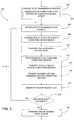
- the sink computing device 110 may execute a method 500 for transmitting the bucket list as illustrated in FIG. 5 .
- the method 500 begins with block 502 in which the sink computing device 110 receives a default delay value from the source computing device 102.
- the default delay value defines a default time period after the completion of the current round (e.g., after receiving the end-of-round notification) after which the sink computing device 110 is to transmit its respective bucket list.
- the default delay value may be embodied as a number of microseconds, seconds, minutes, or other measurement of time.
- the sink computing device 110 determines its particular delay period based on the size of its particular bucket list. For example, in one particular embodiment, the delay period for each sink computing device 110 is calculated by dividing the default delay value by the size of the respective bucket list (e.g., the number of data blocks identified in its bucket list). The sink computing device 110 subsequently transmits its respective bucket list at, or after, the expiration of the calculated delay period. In this way, sink computing devices having larger bucket lists transmit their bucket lists prior to those sink computing devices having smaller bucket lists. Additionally, by spreading out the transmission periods of the sink computing devices 110, the likelihood of network "implosion" and overall delay may be reduced.
- the sink computing device may be configured to transmit its particular bucket list based on the size of the bucket list in block 420.
- the sink computing device 110 may execute a method 600 for transmitting the bucket list as illustrated in FIG. 6 .
- the method 600 begins with block 602 in which the sink computing device 110 receives a predetermined bucket list size threshold value.
- the predetermined threshold value may define a minimum number of data blocks.
- the sink computing device 110 determines whether its particular bucket list has a predetermined relationship to the threshold value. For example, in the illustrative embodiment of FIG. 6 , the sink computing device 110 determines whether its particular bucket list is larger than the threshold value.
- the sink computing device 110 may be configured to determine whether its particular bucket list is equal to the threshold value or is less than the threshold value in block 604. In the illustrative embodiment, if the bucket list size of the sink computing device 110 is greater than the threshold value, the sink computing device 110 transmits its bucket list to the source computing device 102 in block 606. However, if the bucket list of the sink computing device 110 is not greater than the threshold value, the sink computing device 110 does not transmit its bucket list for the current round. Rather, the sink computing device 110 retains the identified lost data blocks in its bucket list and updates it accordingly during the next round of data transmissions. In this way, only those sink computing device 110 having bucket lists larger than the threshold value transmit their respective bucket lists. Accordingly, the transmission of bucket lists by the sink computing devices 110 is spread out or otherwise reduced each round, which may reduce the likelihood of network "implosion" and overall delay.
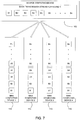
- FIG. 7 an illustrative first and second round of data transmissions from the source computing device 102 to four sink computing devices 110 is shown.
- the source computing device 102 transmits a data file to the sink computing device 110 embodied as a plurality of data blocks, B1 to Bn.
- the first sink computing device 110 received data blocks B1 and B2, but did not receive or received in a corrupted state data blocks B3, B4, and B5.
- These blocks are illustrated in FIG. 7 as data blocks X3, X4, and X5, respectively, to indicate that they are lost data blocks for the first sink computing device 110.
- the second sink computing device 110 received data blocks B1, B2, B4, and B5 but data block B3 was lost.
- the third sink computing device 110 received data blocks B2, B3, and B5 but data blocks B1 and B4 were lost. Additionally, the fourth sink computing device 110 received all of the data blocks for the first round of data transmissions.
- the respective bucket lists for each of the sink computing devices 110 after the first round of data transmissions are illustrated in FIG. 8 .
- the bucket list 801 of the first computing device 110 includes indicia or the identification of data blocks B3 (X3), B4 (X4), B5 (X5), and any additional data blocks, Xn, that the first computing device 110 determined were lost during the first round of data transmissions.
- the bucket list 802 of the second computing device includes indicia or the identification of the data block B3 and any additional data blocks determined to be lost by the sink second computing device 110.
- the bucket list 803 of the third sink computing device 110 includes indicia or the identification of the data blocks B1 and B4 and any additional data blocks determined to be lost by the third computing device 110.
- the bucket list 804 of the fourth computing device 110 is empty.
- Each computing device 110 having a non-empty bucket list transmits its respective bucket list to the source computing device 102 based one or more criteria as discussed above (e.g., upon receiving the end-of-round notification, a default delay, value, the size of the bucket list, etc.).
- the source computing device 102 aggregates the bucket lists received from the computing devices 110 and initiates a second round of data transmissions.
- the second round of data transmissions is based on the aggregated bucket lists.
- the source computing device 102 retransmits data blocks B1, B3, B4, B5, and so on.
- the source computing device 102 only retransmits those data blocks identified as being lost by one or more of the reporting sink computing devices 110.
- the retransmitted data blocks are received by the sink computing devices 110, which update their respective bucket lists based on receiving or not receiving particular data blocks.
- the source computing device 102 may conduct successive rounds of data transmission until each sink computing device 110 has a full set of valid data blocks indicating that the data file has been successfully transmitted to each of the sink computing devices 110.
- the computing device group 104 may include a single sink computing device 110, which receives "one-to-one" data communications from the source computing device 102 using the methods and devices described herein.
Landscapes
- Engineering & Computer Science (AREA)
- Computer Networks & Wireless Communication (AREA)
- Signal Processing (AREA)
- Theoretical Computer Science (AREA)
- General Physics & Mathematics (AREA)
- General Engineering & Computer Science (AREA)
- Physics & Mathematics (AREA)
- Quality & Reliability (AREA)
- Detection And Prevention Of Errors In Transmission (AREA)
- Data Exchanges In Wide-Area Networks (AREA)
- Communication Control (AREA)
- Mobile Radio Communication Systems (AREA)
- Information Transfer Between Computers (AREA)
Claims (11)
- Procédé consistant à :initier un premier cycle d'une à plusieurs transmissions de données d'un dispositif informatique source à une pluralité de dispositifs informatiques récepteurs pour transmettre une pluralité de blocs de données aux dispositifs informatiques récepteurs ;générer, sur chaque dispositif informatique récepteur, une liste de blocs de données perdus de la pluralité de blocs de données pour le dispositif informatique récepteur respectif ;transmettre la liste des blocs de données perdus des dispositifs informatiques récepteurs au dispositif informatique source après l'exécution du premier cycle d'une à plusieurs transmissions de données ;générer, sur le dispositif informatique source, une liste principale des blocs de données perdus par agrégation des listes de blocs de données perdus reçus des dispositifs informatiques récepteurs ; etinitier un second cycle d'une à plusieurs transmissions de données du dispositif informatique source à la pluralité de dispositifs informatiques récepteurs afin de transmettre de nouveau ces blocs de données identifiés par la liste principale agrégée à partir des listes de blocs de données perdus reçus des dispositifs informatiques récepteurs ;dans lequel transmettre la liste de blocs de données perdus consiste à transmettre la liste de blocs de données perdus sur la base du nombre de blocs de données identifiés dans la liste de blocs de données du dispositif informatique récepteur respectif, et consiste en outre à transmettre une valeur de seuil du dispositif informatique source à chaque dispositif informatique récepteur, la valeur de seuil définissant une taille de liste minimum prédéterminée, etdans lequel transmettre la liste de blocs de données perdus consiste à transmettre la liste des blocs de données perdus à partir de chaque dispositif informatique récepteur seulement si le nombre de blocs de données identifiés dans la liste respective est supérieur à la valeur de seuil.
- Procédé selon la revendication 1, dans lequel générer la liste de blocs de données perdus consiste à générer une liste comprenant des indices de l'identification de ces blocs de données de la pluralité de blocs de données qui n'ont pas été reçus par le dispositif informatique récepteur respectif ou qui ont été reçus dans un état corrompu par le dispositif informatique récepteur respectif.
- Procédé selon la revendication 1, dans lequel transmettre la liste de blocs de données perdus consiste à effectuer une étape parmi les suivantes :(a) transmettre la liste des blocs de données perdus si la liste des blocs de données perdus n'est pas vide,(b) transmettre la liste des blocs de données perdus sur la base d'une période de retard après l'exécution d'un cycle de transmissions de données,(c) transmettre la liste des blocs de données perdus sur la base du nombre de blocs de données identifiés dans la liste des blocs de données du dispositif informatique récepteur respectif.
- Procédé selon la revendication 1, dans lequel transmettre la liste de blocs de données perdus consiste à transmettre la liste de blocs de données perdus sur la base d'une période de retard après l'exécution d'un cycle de transmissions de données, et consistant en outre à :transmettre une valeur de retard par défaut du dispositif informatique source à chaque dispositif informatique récepteur, etdéterminer, sur chaque dispositif informatique récepteur, la période de retard pour le dispositif informatique récepteur respectif sur la base de la valeur de retard par défaut,dans lequel la période de retard est égale à la valeur de retard par défaut divisée par le nombre de blocs de données dans la liste de blocs de données perdus du dispositif informatique récepteur respectif.
- Procédé selon la revendication 1, consistant en outre à :recevoir au moins un bloc de données parmi la pluralité de blocs de données avec un premier dispositif informatique récepteur parmi la pluralité de dispositifs informatiques récepteurs,dans lequel générer la liste de blocs de données perdus consiste à mettre à jour, sur le premier dispositif informatique récepteur, la liste de blocs de données perdus sur la base de l'au moins un bloc de données.
- Procédé selon la revendication 1, consistant en outre à :
répéter les étapes suivantes jusqu'à ce que la liste de blocs de données perdus pour chaque dispositif informatique récepteur soit vide :générer, sur les dispositifs informatiques récepteurs, une nouvelle liste de blocs de données perdus parmi la pluralité de blocs de données pour le dispositif informatique récepteur respectif ;transmettre chaque nouvelle liste de blocs de données perdus à partir des dispositifs informatiques récepteurs si la nouvelle liste respective n'est pas vide ; etinitier un nouveau cycle de transmissions de données du dispositif informatique source à la pluralité de dispositifs informatiques récepteurs pour transmettre de nouveau ces blocs de données identifiés par les nouvelles listes de blocs de données perdus. - Dispositif informatique comprenant :un processeur ; etun dispositif de mémoire dans lequel une pluralité d'instructions sont stockées qui, lorsqu'elles sont exécutées par le processeur, amènent le processeur à :recevoir une notification d'un premier cycle d'une à plusieurs transmissions de données d'un dispositif informatique source ;générer une liste de blocs de données perdus sur la base du premier cycle d'une à plusieurs transmissions de données, la liste des blocs de données perdus identifiant des blocs de données transmis par le dispositif informatique source pendant le premier cycle d'une à plusieurs transmissions de données qui n'ont pas été reçues par le dispositif informatique ou qui ont été reçues dans un état corrompu,transmettre la liste des blocs de données perdus au dispositif informatique source en réponse à la réception d'une notification que le premier cycle d'une à plusieurs transmissions de données est exécuté ; etrecevoir une notification d'un second cycle d'une à plusieurs transmissions de données du dispositif informatique source, le second cycle d'une à plusieurs transmissions de données étant basé sur une liste principale générée sur le dispositif informatique source par agrégation de multiples listes de blocs de données perdus et comprenant des blocs de données compris dans la liste des blocs de données perdus ;dans lequel la pluralité d'instructions amène en outre le processeur à :recevoir une valeur de seuil provenant du dispositif informatique source, la valeur de seuil définissant un nombre minimum de blocs de données ; etdans lequel transmettre la liste de blocs de données perdus consiste à transmettre la liste de blocs de données perdus seulement si le nombre de blocs de données dans la liste de blocs de données perdus a un rapport prédéterminé avec la valeur de seuil.
- Dispositif informatique selon la revendication 7, dans lequel la pluralité d'instructions amène en outre le processeur à :recevoir un premier bloc de données transmis pendant le premier cycle d'une à plusieurs transmissions de données ; etrecevoir un second bloc de données transmis pendant le premier cycle d'une à plusieurs transmissions de données sans envoyer de transmission d'accusé de réception au dispositif informatique source en réponse à la réception du premier bloc de données.
- Dispositif informatique selon la revendication 7, dans lequel transmettre la liste de blocs de données perdus consiste à transmettre la liste de blocs de données perdus après l'expiration d'une période de retard initiée après la réception de la notification que le premier cycle d'une à plusieurs transmissions de données s'est achevé.
- Dispositif informatique selon la revendication 9, dans lequel la pluralité d'instructions amène en outre le processeur à :recevoir une valeur de retard par défaut du dispositif informatique source ; etcalculer la période de retard en divisant la valeur de retard par défaut par le nombre de blocs de données dans la liste de blocs de données perdus.
- Support tangible lisible par une machine comprenant une pluralité d'instructions qui, en réponse à l'exécution, amènent un dispositif informatique à mettre en oeuvre le procédé selon l'une quelconque des revendications 1 à 6.
Priority Applications (1)
| Application Number | Priority Date | Filing Date | Title |
|---|---|---|---|
| EP16179026.6A EP3096496B1 (fr) | 2009-12-17 | 2009-12-17 | Procédé et système pour faciliter les transmissions de données à origine unique et destinations multiples avec une surcharge réduite du réseau |
Applications Claiming Priority (1)
| Application Number | Priority Date | Filing Date | Title |
|---|---|---|---|
| PCT/CN2009/001479 WO2011072422A1 (fr) | 2009-12-17 | 2009-12-17 | Procédé et système pour faciliter les transmissions de données à origine unique et destinations multiples avec une surcharge réduite du réseau |
Related Child Applications (2)
| Application Number | Title | Priority Date | Filing Date |
|---|---|---|---|
| EP16179026.6A Division EP3096496B1 (fr) | 2009-12-17 | 2009-12-17 | Procédé et système pour faciliter les transmissions de données à origine unique et destinations multiples avec une surcharge réduite du réseau |
| EP16179026.6A Division-Into EP3096496B1 (fr) | 2009-12-17 | 2009-12-17 | Procédé et système pour faciliter les transmissions de données à origine unique et destinations multiples avec une surcharge réduite du réseau |
Publications (3)
| Publication Number | Publication Date |
|---|---|
| EP2514144A1 EP2514144A1 (fr) | 2012-10-24 |
| EP2514144A4 EP2514144A4 (fr) | 2014-09-24 |
| EP2514144B1 true EP2514144B1 (fr) | 2018-06-27 |
Family
ID=44166706
Family Applications (2)
| Application Number | Title | Priority Date | Filing Date |
|---|---|---|---|
| EP09852160.2A Active EP2514144B1 (fr) | 2009-12-17 | 2009-12-17 | Procédé et système pour faciliter les transmissions de données à origine unique et destinations multiples avec une surcharge réduite du réseau |
| EP16179026.6A Active EP3096496B1 (fr) | 2009-12-17 | 2009-12-17 | Procédé et système pour faciliter les transmissions de données à origine unique et destinations multiples avec une surcharge réduite du réseau |
Family Applications After (1)
| Application Number | Title | Priority Date | Filing Date |
|---|---|---|---|
| EP16179026.6A Active EP3096496B1 (fr) | 2009-12-17 | 2009-12-17 | Procédé et système pour faciliter les transmissions de données à origine unique et destinations multiples avec une surcharge réduite du réseau |
Country Status (6)
| Country | Link |
|---|---|
| US (2) | US8977772B2 (fr) |
| EP (2) | EP2514144B1 (fr) |
| JP (1) | JP5709320B2 (fr) |
| KR (1) | KR101412422B1 (fr) |
| CN (1) | CN102652411A (fr) |
| WO (1) | WO2011072422A1 (fr) |
Families Citing this family (5)
| Publication number | Priority date | Publication date | Assignee | Title |
|---|---|---|---|---|
| US20160234031A1 (en) * | 2015-02-05 | 2016-08-11 | Qualcomm Incorporated | Centralized Application Level Multicasting with Peer-Assisted Application Level Feedback for Scalable Multimedia Data Distribution in WiFi Miracast |
| CN105045224B (zh) * | 2015-05-29 | 2017-10-03 | 珠海格力电器股份有限公司 | 数据传输的方法和装置 |
| US9823984B2 (en) * | 2015-06-25 | 2017-11-21 | Intel Corporation | Remapping of memory in memory control architectures |
| WO2018045512A1 (fr) * | 2016-09-07 | 2018-03-15 | 海能达通信股份有限公司 | Procédé, dispositif, et système d'appel de groupe de données |
| TWI635396B (zh) * | 2016-12-23 | 2018-09-11 | 英業達股份有限公司 | 使用兩階記憶體處理封包資料之資料傳輸系統、資料接收方法、及資料傳送方法 |
Family Cites Families (31)
| Publication number | Priority date | Publication date | Assignee | Title |
|---|---|---|---|---|
| JP3831202B2 (ja) * | 2000-06-05 | 2006-10-11 | 三菱電機株式会社 | 無線通信システム、無線基地局、無線端末、および無線マルチキャスト通信制御方法 |
| JP2002124992A (ja) | 2000-08-10 | 2002-04-26 | Kddi Corp | マルチキャストによるデータファイル配信方法 |
| US7047309B2 (en) * | 2000-08-23 | 2006-05-16 | International Business Machines Corporation | Load balancing and dynamic control of multiple data streams in a network |
| US20020099838A1 (en) * | 2001-01-22 | 2002-07-25 | Donia Sebastian | Method for allocating receive buffers to accommodate retransmission scheme in wireless computer networks |
| US6807578B2 (en) * | 2001-03-14 | 2004-10-19 | International Business Machines Corporation | Nack suppression for multicast protocols in mostly one-way networks |
| EP1415443B1 (fr) * | 2001-08-01 | 2005-11-16 | Nokia Corporation | Dispositif et procede servant a programmer un debit en fonction de priorites d'un reseau mobile |
| US7100078B1 (en) * | 2001-11-15 | 2006-08-29 | Network Appliance, Inc. | Method and apparatus for restoration of lost blocks in a multicast data transmission |
| US7546380B2 (en) | 2002-10-28 | 2009-06-09 | Cisco Technology, Inc. | RPF multi-party reliable transport |
| CN100417251C (zh) | 2002-11-08 | 2008-09-03 | 中兴通讯股份有限公司 | 基于随路控制命令的数据下载方法 |
| WO2004088858A2 (fr) * | 2003-03-29 | 2004-10-14 | Regents Of University Of California | Procede et dispositif permettant d'ameliorer la transmission de donnees |
| CN1277374C (zh) * | 2003-09-29 | 2006-09-27 | 中兴通讯股份有限公司 | 通信系统中基站与服务器数据库实时同步方法 |
| WO2005053216A2 (fr) | 2003-11-25 | 2005-06-09 | Dg2L Technologies | Procedes et systemes pour la distribution fiable de medias sur un reseau |
| US7599294B2 (en) * | 2004-02-13 | 2009-10-06 | Nokia Corporation | Identification and re-transmission of missing parts |
| US7296205B2 (en) * | 2004-02-18 | 2007-11-13 | Nokia Corporation | Data repair |
| US7536622B2 (en) * | 2004-03-29 | 2009-05-19 | Nokia Corporation | Data repair enhancements for multicast/broadcast data distribution |
| WO2005104421A1 (fr) | 2004-03-29 | 2005-11-03 | Nokia Corporation | Ameliorations en matiere de correction de donnees pour distribution de donnees de diffusion/multidiffusion |
| JP2006060408A (ja) * | 2004-08-18 | 2006-03-02 | Nippon Telegr & Teleph Corp <Ntt> | 無線パケット通信方法および無線局 |
| US20060146822A1 (en) * | 2004-12-30 | 2006-07-06 | Mikolaj Kolakowski | System, protocol and associated methods for wireless multimedia distribution |
| MX2007013829A (es) * | 2005-05-03 | 2008-02-05 | Nokia Corp | Retroalimentacion de planeacion de cliente durante sesiones de transferencia de flujo. |
| WO2007052143A2 (fr) | 2005-11-04 | 2007-05-10 | Nokia Corporation | Logique d'accuses de reception pour diffusion directe et/ou multi-destinataire |
| US7636767B2 (en) * | 2005-11-29 | 2009-12-22 | Cisco Technology, Inc. | Method and apparatus for reducing network traffic over low bandwidth links |
| CN1937553B (zh) * | 2006-05-11 | 2010-05-12 | 蓝汛网络科技(北京)有限公司 | 基于流媒体数据帧的对等网络数据调度方法 |
| JP5131194B2 (ja) * | 2006-09-05 | 2013-01-30 | 日本電気株式会社 | パケット回復方法、通信システム、情報処理装置およびプログラム |
| US20080056263A1 (en) * | 2006-09-06 | 2008-03-06 | Vinit Jain | Efficient transport layer processing of incoming packets |
| EP2115924A4 (fr) * | 2007-03-06 | 2012-11-28 | Thomson Licensing | Appareil et procédé adaptatifs et évolutifs de correction d'erreurs de paquet |
| US8018933B2 (en) * | 2007-06-27 | 2011-09-13 | Microsoft Corporation | Reliable multicast with automatic session startup and client backfil support |
| CN101127702A (zh) | 2007-08-02 | 2008-02-20 | 北京航空航天大学 | 用于平面结构网络的多对多可靠组播错误恢复方法 |
| FR2921529B1 (fr) * | 2007-09-21 | 2009-11-13 | Alcatel Lucent | Procede de transmission de donnees depuis une infrastructure d'un reseau de radiocommunication vers des equipements utilisateur, et equipements pour la mise en oeuvre du procede |
| JP4936469B2 (ja) * | 2008-01-24 | 2012-05-23 | パナソニック株式会社 | 通信システム |
| WO2011040850A1 (fr) * | 2009-10-02 | 2011-04-07 | Telefonaktiebolaget Lm Ericsson (Publ) | Procédé de retransmission utilisant des sommes de contrôle pour identifier des paquets de données perdus |
| US9461835B2 (en) * | 2011-04-08 | 2016-10-04 | International Business Machines Corporation | Multicast bulk transfer system |
-
2009
- 2009-12-17 JP JP2012541294A patent/JP5709320B2/ja active Active
- 2009-12-17 EP EP09852160.2A patent/EP2514144B1/fr active Active
- 2009-12-17 KR KR1020127012491A patent/KR101412422B1/ko active Active
- 2009-12-17 WO PCT/CN2009/001479 patent/WO2011072422A1/fr not_active Ceased
- 2009-12-17 US US13/061,419 patent/US8977772B2/en active Active
- 2009-12-17 EP EP16179026.6A patent/EP3096496B1/fr active Active
- 2009-12-17 CN CN2009801629658A patent/CN102652411A/zh active Pending
-
2014
- 2014-12-08 US US14/563,323 patent/US10503599B2/en active Active
Non-Patent Citations (1)
| Title |
|---|
| None * |
Also Published As
| Publication number | Publication date |
|---|---|
| WO2011072422A1 (fr) | 2011-06-23 |
| US20120210016A1 (en) | 2012-08-16 |
| EP3096496B1 (fr) | 2018-03-14 |
| KR101412422B1 (ko) | 2014-06-25 |
| US20150220399A1 (en) | 2015-08-06 |
| JP2013512628A (ja) | 2013-04-11 |
| US10503599B2 (en) | 2019-12-10 |
| CN102652411A (zh) | 2012-08-29 |
| JP5709320B2 (ja) | 2015-04-30 |
| EP3096496A1 (fr) | 2016-11-23 |
| EP2514144A1 (fr) | 2012-10-24 |
| US8977772B2 (en) | 2015-03-10 |
| EP2514144A4 (fr) | 2014-09-24 |
| KR20120083457A (ko) | 2012-07-25 |
Similar Documents
| Publication | Publication Date | Title |
|---|---|---|
| CN105960629B (zh) | 在can网络中自动选择波特率的系统和方法 | |
| US10503599B2 (en) | Method and system for facilitating one-to-many data transmissions with reduced network overhead | |
| US9256564B2 (en) | Techniques for improving throughput and performance of a distributed interconnect peripheral bus | |
| CN104247322B (zh) | 促进计算环境中的通信的方法、系统和计算机可读介质 | |
| JP5357339B2 (ja) | アクセス・ポイントの輻輳検出及び低減のための方法及びシステム | |
| CN102640456B (zh) | 有助于到多个计算装置的一对多数据传送的方法和系统 | |
| US11736567B2 (en) | Data transmission and network interface controller | |
| CN120710642A (zh) | 报文重传方法、装置及芯片 | |
| CN106130699B (zh) | 有助于具有降低网络开销的一对多数据传输的方法和系统 | |
| CN109586931B (zh) | 组播方法及终端设备 | |
| JP4644253B2 (ja) | モバイルスケーラブルリンク(msl)アーキテクチャのための転送肯定応答 | |
| CN107734681A (zh) | 一种传输资源的指示方法及装置 | |
| JP5775123B2 (ja) | アクセス・ポイントの輻輳検出及び低減のための記憶媒体及びシステム | |
| Sadeghi et al. | Support of high-performance i/o protocols over mmWave networks |
Legal Events
| Date | Code | Title | Description |
|---|---|---|---|
| PUAI | Public reference made under article 153(3) epc to a published international application that has entered the european phase |
Free format text: ORIGINAL CODE: 0009012 |
|
| 17P | Request for examination filed |
Effective date: 20120328 |
|
| AK | Designated contracting states |
Kind code of ref document: A1 Designated state(s): AT BE BG CH CY CZ DE DK EE ES FI FR GB GR HR HU IE IS IT LI LT LU LV MC MK MT NL NO PL PT RO SE SI SK SM TR |
|
| DAX | Request for extension of the european patent (deleted) | ||
| RIN1 | Information on inventor provided before grant (corrected) |
Inventor name: LIPMAN, JUSTIN |
|
| A4 | Supplementary search report drawn up and despatched |
Effective date: 20140827 |
|
| RIC1 | Information provided on ipc code assigned before grant |
Ipc: H04L 1/00 20060101ALN20140821BHEP Ipc: H04L 12/801 20130101ALN20140821BHEP Ipc: H04L 1/16 20060101ALI20140821BHEP Ipc: H04L 12/841 20130101ALN20140821BHEP Ipc: H04L 12/28 20060101AFI20140821BHEP Ipc: H04L 12/825 20130101ALN20140821BHEP |
|
| 17Q | First examination report despatched |
Effective date: 20160930 |
|
| GRAP | Despatch of communication of intention to grant a patent |
Free format text: ORIGINAL CODE: EPIDOSNIGR1 |
|
| RIC1 | Information provided on ipc code assigned before grant |
Ipc: H04L 1/16 20060101ALI20170829BHEP Ipc: H04L 12/825 20130101ALN20170829BHEP Ipc: H04L 1/00 20060101ALN20170829BHEP Ipc: H04L 12/28 20060101AFI20170829BHEP Ipc: H04L 12/841 20130101ALN20170829BHEP Ipc: H04L 12/801 20130101ALN20170829BHEP |
|
| RIC1 | Information provided on ipc code assigned before grant |
Ipc: H04L 12/801 20130101ALN20170908BHEP Ipc: H04L 12/28 20060101AFI20170908BHEP Ipc: H04L 12/825 20130101ALN20170908BHEP Ipc: H04L 1/00 20060101ALN20170908BHEP Ipc: H04L 12/841 20130101ALN20170908BHEP Ipc: H04L 1/16 20060101ALI20170908BHEP |
|
| INTG | Intention to grant announced |
Effective date: 20171005 |
|
| GRAJ | Information related to disapproval of communication of intention to grant by the applicant or resumption of examination proceedings by the epo deleted |
Free format text: ORIGINAL CODE: EPIDOSDIGR1 |
|
| GRAP | Despatch of communication of intention to grant a patent |
Free format text: ORIGINAL CODE: EPIDOSNIGR1 |
|
| INTC | Intention to grant announced (deleted) | ||
| RIC1 | Information provided on ipc code assigned before grant |
Ipc: H04L 12/825 20130101ALN20180205BHEP Ipc: H04L 12/801 20130101ALN20180205BHEP Ipc: H04L 1/16 20060101ALI20180205BHEP Ipc: H04L 12/28 20060101AFI20180205BHEP Ipc: H04L 12/841 20130101ALN20180205BHEP Ipc: H04L 1/00 20060101ALN20180205BHEP |
|
| INTG | Intention to grant announced |
Effective date: 20180219 |
|
| GRAS | Grant fee paid |
Free format text: ORIGINAL CODE: EPIDOSNIGR3 |
|
| GRAA | (expected) grant |
Free format text: ORIGINAL CODE: 0009210 |
|
| AK | Designated contracting states |
Kind code of ref document: B1 Designated state(s): AT BE BG CH CY CZ DE DK EE ES FI FR GB GR HR HU IE IS IT LI LT LU LV MC MK MT NL NO PL PT RO SE SI SK SM TR |
|
| REG | Reference to a national code |
Ref country code: GB Ref legal event code: FG4D |
|
| REG | Reference to a national code |
Ref country code: AT Ref legal event code: REF Ref document number: 1013268 Country of ref document: AT Kind code of ref document: T Effective date: 20180715 |
|
| REG | Reference to a national code |
Ref country code: DE Ref legal event code: R096 Ref document number: 602009053007 Country of ref document: DE |
|
| REG | Reference to a national code |
Ref country code: IE Ref legal event code: FG4D |
|
| REG | Reference to a national code |
Ref country code: NL Ref legal event code: FP |
|
| PG25 | Lapsed in a contracting state [announced via postgrant information from national office to epo] |
Ref country code: BG Free format text: LAPSE BECAUSE OF FAILURE TO SUBMIT A TRANSLATION OF THE DESCRIPTION OR TO PAY THE FEE WITHIN THE PRESCRIBED TIME-LIMIT Effective date: 20180927 Ref country code: LT Free format text: LAPSE BECAUSE OF FAILURE TO SUBMIT A TRANSLATION OF THE DESCRIPTION OR TO PAY THE FEE WITHIN THE PRESCRIBED TIME-LIMIT Effective date: 20180627 Ref country code: FI Free format text: LAPSE BECAUSE OF FAILURE TO SUBMIT A TRANSLATION OF THE DESCRIPTION OR TO PAY THE FEE WITHIN THE PRESCRIBED TIME-LIMIT Effective date: 20180627 Ref country code: SE Free format text: LAPSE BECAUSE OF FAILURE TO SUBMIT A TRANSLATION OF THE DESCRIPTION OR TO PAY THE FEE WITHIN THE PRESCRIBED TIME-LIMIT Effective date: 20180627 Ref country code: NO Free format text: LAPSE BECAUSE OF FAILURE TO SUBMIT A TRANSLATION OF THE DESCRIPTION OR TO PAY THE FEE WITHIN THE PRESCRIBED TIME-LIMIT Effective date: 20180927 |
|
| REG | Reference to a national code |
Ref country code: LT Ref legal event code: MG4D |
|
| PG25 | Lapsed in a contracting state [announced via postgrant information from national office to epo] |
Ref country code: LV Free format text: LAPSE BECAUSE OF FAILURE TO SUBMIT A TRANSLATION OF THE DESCRIPTION OR TO PAY THE FEE WITHIN THE PRESCRIBED TIME-LIMIT Effective date: 20180627 Ref country code: HR Free format text: LAPSE BECAUSE OF FAILURE TO SUBMIT A TRANSLATION OF THE DESCRIPTION OR TO PAY THE FEE WITHIN THE PRESCRIBED TIME-LIMIT Effective date: 20180627 Ref country code: GR Free format text: LAPSE BECAUSE OF FAILURE TO SUBMIT A TRANSLATION OF THE DESCRIPTION OR TO PAY THE FEE WITHIN THE PRESCRIBED TIME-LIMIT Effective date: 20180928 |
|
| REG | Reference to a national code |
Ref country code: AT Ref legal event code: MK05 Ref document number: 1013268 Country of ref document: AT Kind code of ref document: T Effective date: 20180627 |
|
| PG25 | Lapsed in a contracting state [announced via postgrant information from national office to epo] |
Ref country code: RO Free format text: LAPSE BECAUSE OF FAILURE TO SUBMIT A TRANSLATION OF THE DESCRIPTION OR TO PAY THE FEE WITHIN THE PRESCRIBED TIME-LIMIT Effective date: 20180627 Ref country code: CZ Free format text: LAPSE BECAUSE OF FAILURE TO SUBMIT A TRANSLATION OF THE DESCRIPTION OR TO PAY THE FEE WITHIN THE PRESCRIBED TIME-LIMIT Effective date: 20180627 Ref country code: SK Free format text: LAPSE BECAUSE OF FAILURE TO SUBMIT A TRANSLATION OF THE DESCRIPTION OR TO PAY THE FEE WITHIN THE PRESCRIBED TIME-LIMIT Effective date: 20180627 Ref country code: PL Free format text: LAPSE BECAUSE OF FAILURE TO SUBMIT A TRANSLATION OF THE DESCRIPTION OR TO PAY THE FEE WITHIN THE PRESCRIBED TIME-LIMIT Effective date: 20180627 Ref country code: AT Free format text: LAPSE BECAUSE OF FAILURE TO SUBMIT A TRANSLATION OF THE DESCRIPTION OR TO PAY THE FEE WITHIN THE PRESCRIBED TIME-LIMIT Effective date: 20180627 Ref country code: EE Free format text: LAPSE BECAUSE OF FAILURE TO SUBMIT A TRANSLATION OF THE DESCRIPTION OR TO PAY THE FEE WITHIN THE PRESCRIBED TIME-LIMIT Effective date: 20180627 Ref country code: IS Free format text: LAPSE BECAUSE OF FAILURE TO SUBMIT A TRANSLATION OF THE DESCRIPTION OR TO PAY THE FEE WITHIN THE PRESCRIBED TIME-LIMIT Effective date: 20181027 |
|
| REG | Reference to a national code |
Ref country code: CH Ref legal event code: PK Free format text: BERICHTIGUNGEN |
|
| RIC2 | Information provided on ipc code assigned after grant |
Ipc: H04L 12/28 20060101AFI20180205BHEP Ipc: H04L 12/825 20130101ALN20180205BHEP Ipc: H04L 12/801 20130101ALN20180205BHEP Ipc: H04L 1/00 20060101ALN20180205BHEP Ipc: H04L 1/16 20060101ALI20180205BHEP Ipc: H04L 12/841 20130101ALN20180205BHEP |
|
| PG25 | Lapsed in a contracting state [announced via postgrant information from national office to epo] |
Ref country code: IT Free format text: LAPSE BECAUSE OF FAILURE TO SUBMIT A TRANSLATION OF THE DESCRIPTION OR TO PAY THE FEE WITHIN THE PRESCRIBED TIME-LIMIT Effective date: 20180627 Ref country code: SM Free format text: LAPSE BECAUSE OF FAILURE TO SUBMIT A TRANSLATION OF THE DESCRIPTION OR TO PAY THE FEE WITHIN THE PRESCRIBED TIME-LIMIT Effective date: 20180627 Ref country code: ES Free format text: LAPSE BECAUSE OF FAILURE TO SUBMIT A TRANSLATION OF THE DESCRIPTION OR TO PAY THE FEE WITHIN THE PRESCRIBED TIME-LIMIT Effective date: 20180627 |
|
| REG | Reference to a national code |
Ref country code: DE Ref legal event code: R097 Ref document number: 602009053007 Country of ref document: DE |
|
| PLBE | No opposition filed within time limit |
Free format text: ORIGINAL CODE: 0009261 |
|
| STAA | Information on the status of an ep patent application or granted ep patent |
Free format text: STATUS: NO OPPOSITION FILED WITHIN TIME LIMIT |
|
| PG25 | Lapsed in a contracting state [announced via postgrant information from national office to epo] |
Ref country code: DK Free format text: LAPSE BECAUSE OF FAILURE TO SUBMIT A TRANSLATION OF THE DESCRIPTION OR TO PAY THE FEE WITHIN THE PRESCRIBED TIME-LIMIT Effective date: 20180627 |
|
| 26N | No opposition filed |
Effective date: 20190328 |
|
| REG | Reference to a national code |
Ref country code: CH Ref legal event code: PL |
|
| PG25 | Lapsed in a contracting state [announced via postgrant information from national office to epo] |
Ref country code: SI Free format text: LAPSE BECAUSE OF FAILURE TO SUBMIT A TRANSLATION OF THE DESCRIPTION OR TO PAY THE FEE WITHIN THE PRESCRIBED TIME-LIMIT Effective date: 20180627 Ref country code: LU Free format text: LAPSE BECAUSE OF NON-PAYMENT OF DUE FEES Effective date: 20181217 Ref country code: MC Free format text: LAPSE BECAUSE OF FAILURE TO SUBMIT A TRANSLATION OF THE DESCRIPTION OR TO PAY THE FEE WITHIN THE PRESCRIBED TIME-LIMIT Effective date: 20180627 |
|
| REG | Reference to a national code |
Ref country code: IE Ref legal event code: MM4A |
|
| REG | Reference to a national code |
Ref country code: BE Ref legal event code: MM Effective date: 20181231 |
|
| PG25 | Lapsed in a contracting state [announced via postgrant information from national office to epo] |
Ref country code: IE Free format text: LAPSE BECAUSE OF NON-PAYMENT OF DUE FEES Effective date: 20181217 |
|
| PG25 | Lapsed in a contracting state [announced via postgrant information from national office to epo] |
Ref country code: BE Free format text: LAPSE BECAUSE OF NON-PAYMENT OF DUE FEES Effective date: 20181231 |
|
| PG25 | Lapsed in a contracting state [announced via postgrant information from national office to epo] |
Ref country code: CH Free format text: LAPSE BECAUSE OF NON-PAYMENT OF DUE FEES Effective date: 20181231 Ref country code: LI Free format text: LAPSE BECAUSE OF NON-PAYMENT OF DUE FEES Effective date: 20181231 |
|
| PG25 | Lapsed in a contracting state [announced via postgrant information from national office to epo] |
Ref country code: MT Free format text: LAPSE BECAUSE OF NON-PAYMENT OF DUE FEES Effective date: 20181217 |
|
| PG25 | Lapsed in a contracting state [announced via postgrant information from national office to epo] |
Ref country code: TR Free format text: LAPSE BECAUSE OF FAILURE TO SUBMIT A TRANSLATION OF THE DESCRIPTION OR TO PAY THE FEE WITHIN THE PRESCRIBED TIME-LIMIT Effective date: 20180627 |
|
| PG25 | Lapsed in a contracting state [announced via postgrant information from national office to epo] |
Ref country code: PT Free format text: LAPSE BECAUSE OF FAILURE TO SUBMIT A TRANSLATION OF THE DESCRIPTION OR TO PAY THE FEE WITHIN THE PRESCRIBED TIME-LIMIT Effective date: 20180627 |
|
| PG25 | Lapsed in a contracting state [announced via postgrant information from national office to epo] |
Ref country code: MK Free format text: LAPSE BECAUSE OF NON-PAYMENT OF DUE FEES Effective date: 20180627 Ref country code: HU Free format text: LAPSE BECAUSE OF FAILURE TO SUBMIT A TRANSLATION OF THE DESCRIPTION OR TO PAY THE FEE WITHIN THE PRESCRIBED TIME-LIMIT; INVALID AB INITIO Effective date: 20091217 Ref country code: CY Free format text: LAPSE BECAUSE OF FAILURE TO SUBMIT A TRANSLATION OF THE DESCRIPTION OR TO PAY THE FEE WITHIN THE PRESCRIBED TIME-LIMIT Effective date: 20180627 |
|
| P01 | Opt-out of the competence of the unified patent court (upc) registered |
Effective date: 20230518 |
|
| PGFP | Annual fee paid to national office [announced via postgrant information from national office to epo] |
Ref country code: NL Payment date: 20251126 Year of fee payment: 17 |
|
| PGFP | Annual fee paid to national office [announced via postgrant information from national office to epo] |
Ref country code: DE Payment date: 20251119 Year of fee payment: 17 |
|
| PGFP | Annual fee paid to national office [announced via postgrant information from national office to epo] |
Ref country code: GB Payment date: 20251120 Year of fee payment: 17 |
|
| PGFP | Annual fee paid to national office [announced via postgrant information from national office to epo] |
Ref country code: FR Payment date: 20251124 Year of fee payment: 17 |