EP2514315A2 - Universale von Spendern stammende tolerogene Zellen zur Induktion von nicht-syngener Transplantationstoleranz - Google Patents
Universale von Spendern stammende tolerogene Zellen zur Induktion von nicht-syngener Transplantationstoleranz Download PDFInfo
- Publication number
- EP2514315A2 EP2514315A2 EP20120161171 EP12161171A EP2514315A2 EP 2514315 A2 EP2514315 A2 EP 2514315A2 EP 20120161171 EP20120161171 EP 20120161171 EP 12161171 A EP12161171 A EP 12161171A EP 2514315 A2 EP2514315 A2 EP 2514315A2
- Authority
- EP
- European Patent Office
- Prior art keywords
- cells
- graft
- subject
- tolerogenic
- present
- Prior art date
- Legal status (The legal status is an assumption and is not a legal conclusion. Google has not performed a legal analysis and makes no representation as to the accuracy of the status listed.)
- Withdrawn
Links
- 230000003614 tolerogenic effect Effects 0.000 title claims abstract description 170
- 238000002054 transplantation Methods 0.000 title description 38
- 230000001939 inductive effect Effects 0.000 title description 10
- 101001057504 Homo sapiens Interferon-stimulated gene 20 kDa protein Proteins 0.000 claims abstract description 117
- 101001055144 Homo sapiens Interleukin-2 receptor subunit alpha Proteins 0.000 claims abstract description 117
- 102100026878 Interleukin-2 receptor subunit alpha Human genes 0.000 claims abstract description 117
- 206010052779 Transplant rejections Diseases 0.000 claims abstract description 31
- 210000004027 cell Anatomy 0.000 claims description 447
- 208000037265 diseases, disorders, signs and symptoms Diseases 0.000 claims description 84
- 201000010099 disease Diseases 0.000 claims description 83
- 230000000735 allogeneic effect Effects 0.000 claims description 70
- 210000003958 hematopoietic stem cell Anatomy 0.000 claims description 30
- 239000003018 immunosuppressive agent Substances 0.000 claims description 17
- 210000004748 cultured cell Anatomy 0.000 claims description 4
- 102100036011 T-cell surface glycoprotein CD4 Human genes 0.000 description 118
- 238000000034 method Methods 0.000 description 93
- 238000011282 treatment Methods 0.000 description 51
- 210000004369 blood Anatomy 0.000 description 42
- 239000008280 blood Substances 0.000 description 42
- 210000001185 bone marrow Anatomy 0.000 description 36
- 210000001744 T-lymphocyte Anatomy 0.000 description 35
- 230000037396 body weight Effects 0.000 description 33
- 241000699670 Mus sp. Species 0.000 description 28
- QFJCIRLUMZQUOT-HPLJOQBZSA-N sirolimus Chemical compound C1C[C@@H](O)[C@H](OC)C[C@@H]1C[C@@H](C)[C@H]1OC(=O)[C@@H]2CCCCN2C(=O)C(=O)[C@](O)(O2)[C@H](C)CC[C@H]2C[C@H](OC)/C(C)=C/C=C/C=C/[C@@H](C)C[C@@H](C)C(=O)[C@H](OC)[C@H](O)/C(C)=C/[C@@H](C)C(=O)C1 QFJCIRLUMZQUOT-HPLJOQBZSA-N 0.000 description 25
- 230000001225 therapeutic effect Effects 0.000 description 24
- ZAHRKKWIAAJSAO-UHFFFAOYSA-N rapamycin Natural products COCC(O)C(=C/C(C)C(=O)CC(OC(=O)C1CCCCN1C(=O)C(=O)C2(O)OC(CC(OC)C(=CC=CC=CC(C)CC(C)C(=O)C)C)CCC2C)C(C)CC3CCC(O)C(C3)OC)C ZAHRKKWIAAJSAO-UHFFFAOYSA-N 0.000 description 23
- 229960002930 sirolimus Drugs 0.000 description 23
- 238000002360 preparation method Methods 0.000 description 22
- 208000009329 Graft vs Host Disease Diseases 0.000 description 21
- 210000002798 bone marrow cell Anatomy 0.000 description 21
- 208000024908 graft versus host disease Diseases 0.000 description 21
- 230000003750 conditioning effect Effects 0.000 description 16
- 206010012601 diabetes mellitus Diseases 0.000 description 13
- 231100000518 lethal Toxicity 0.000 description 13
- 230000001665 lethal effect Effects 0.000 description 13
- 210000001519 tissue Anatomy 0.000 description 13
- NOESYZHRGYRDHS-UHFFFAOYSA-N insulin Chemical compound N1C(=O)C(NC(=O)C(CCC(N)=O)NC(=O)C(CCC(O)=O)NC(=O)C(C(C)C)NC(=O)C(NC(=O)CN)C(C)CC)CSSCC(C(NC(CO)C(=O)NC(CC(C)C)C(=O)NC(CC=2C=CC(O)=CC=2)C(=O)NC(CCC(N)=O)C(=O)NC(CC(C)C)C(=O)NC(CCC(O)=O)C(=O)NC(CC(N)=O)C(=O)NC(CC=2C=CC(O)=CC=2)C(=O)NC(CSSCC(NC(=O)C(C(C)C)NC(=O)C(CC(C)C)NC(=O)C(CC=2C=CC(O)=CC=2)NC(=O)C(CC(C)C)NC(=O)C(C)NC(=O)C(CCC(O)=O)NC(=O)C(C(C)C)NC(=O)C(CC(C)C)NC(=O)C(CC=2NC=NC=2)NC(=O)C(CO)NC(=O)CNC2=O)C(=O)NCC(=O)NC(CCC(O)=O)C(=O)NC(CCCNC(N)=N)C(=O)NCC(=O)NC(CC=3C=CC=CC=3)C(=O)NC(CC=3C=CC=CC=3)C(=O)NC(CC=3C=CC(O)=CC=3)C(=O)NC(C(C)O)C(=O)N3C(CCC3)C(=O)NC(CCCCN)C(=O)NC(C)C(O)=O)C(=O)NC(CC(N)=O)C(O)=O)=O)NC(=O)C(C(C)CC)NC(=O)C(CO)NC(=O)C(C(C)O)NC(=O)C1CSSCC2NC(=O)C(CC(C)C)NC(=O)C(NC(=O)C(CCC(N)=O)NC(=O)C(CC(N)=O)NC(=O)C(NC(=O)C(N)CC=1C=CC=CC=1)C(C)C)CC1=CN=CN1 NOESYZHRGYRDHS-UHFFFAOYSA-N 0.000 description 12
- 210000000496 pancreas Anatomy 0.000 description 12
- 238000004519 manufacturing process Methods 0.000 description 11
- 241000124008 Mammalia Species 0.000 description 10
- 238000000338 in vitro Methods 0.000 description 10
- 239000000463 material Substances 0.000 description 10
- 210000000056 organ Anatomy 0.000 description 10
- 230000003394 haemopoietic effect Effects 0.000 description 9
- 230000004083 survival effect Effects 0.000 description 9
- 102100028972 HLA class I histocompatibility antigen, A alpha chain Human genes 0.000 description 8
- 102100028976 HLA class I histocompatibility antigen, B alpha chain Human genes 0.000 description 8
- 108010075704 HLA-A Antigens Proteins 0.000 description 8
- 108010058607 HLA-B Antigens Proteins 0.000 description 8
- 102000006354 HLA-DR Antigens Human genes 0.000 description 8
- 108010058597 HLA-DR Antigens Proteins 0.000 description 8
- 229940079593 drug Drugs 0.000 description 8
- 239000003814 drug Substances 0.000 description 8
- 238000002474 experimental method Methods 0.000 description 8
- 210000000130 stem cell Anatomy 0.000 description 8
- 208000002250 Hematologic Neoplasms Diseases 0.000 description 7
- 102000054766 genetic haplotypes Human genes 0.000 description 7
- 210000005259 peripheral blood Anatomy 0.000 description 7
- 239000011886 peripheral blood Substances 0.000 description 7
- 238000011740 C57BL/6 mouse Methods 0.000 description 6
- 102000004877 Insulin Human genes 0.000 description 6
- 108090001061 Insulin Proteins 0.000 description 6
- 241001465754 Metazoa Species 0.000 description 6
- 241000699666 Mus <mouse, genus> Species 0.000 description 6
- 238000013459 approach Methods 0.000 description 6
- 230000000694 effects Effects 0.000 description 6
- 230000001506 immunosuppresive effect Effects 0.000 description 6
- 229940125396 insulin Drugs 0.000 description 6
- 210000001165 lymph node Anatomy 0.000 description 6
- 230000015031 pancreas development Effects 0.000 description 6
- 210000004988 splenocyte Anatomy 0.000 description 6
- 208000024891 symptom Diseases 0.000 description 6
- 102100031573 Hematopoietic progenitor cell antigen CD34 Human genes 0.000 description 5
- 101000777663 Homo sapiens Hematopoietic progenitor cell antigen CD34 Proteins 0.000 description 5
- 241000700159 Rattus Species 0.000 description 5
- 238000004458 analytical method Methods 0.000 description 5
- 238000010322 bone marrow transplantation Methods 0.000 description 5
- 238000002659 cell therapy Methods 0.000 description 5
- 208000014951 hematologic disease Diseases 0.000 description 5
- 210000003734 kidney Anatomy 0.000 description 5
- 208000032839 leukemia Diseases 0.000 description 5
- 238000007799 mixed lymphocyte reaction assay Methods 0.000 description 5
- 230000001400 myeloablative effect Effects 0.000 description 5
- 230000003389 potentiating effect Effects 0.000 description 5
- 238000011269 treatment regimen Methods 0.000 description 5
- 206010068051 Chimerism Diseases 0.000 description 4
- 229930105110 Cyclosporin A Natural products 0.000 description 4
- PMATZTZNYRCHOR-CGLBZJNRSA-N Cyclosporin A Chemical compound CC[C@@H]1NC(=O)[C@H]([C@H](O)[C@H](C)C\C=C\C)N(C)C(=O)[C@H](C(C)C)N(C)C(=O)[C@H](CC(C)C)N(C)C(=O)[C@H](CC(C)C)N(C)C(=O)[C@@H](C)NC(=O)[C@H](C)NC(=O)[C@H](CC(C)C)N(C)C(=O)[C@H](C(C)C)NC(=O)[C@H](CC(C)C)N(C)C(=O)CN(C)C1=O PMATZTZNYRCHOR-CGLBZJNRSA-N 0.000 description 4
- 108010036949 Cyclosporine Proteins 0.000 description 4
- 102000000588 Interleukin-2 Human genes 0.000 description 4
- 108010002350 Interleukin-2 Proteins 0.000 description 4
- 208000033776 Myeloid Acute Leukemia Diseases 0.000 description 4
- 206010028980 Neoplasm Diseases 0.000 description 4
- 239000000427 antigen Substances 0.000 description 4
- 108091007433 antigens Proteins 0.000 description 4
- 102000036639 antigens Human genes 0.000 description 4
- 238000002512 chemotherapy Methods 0.000 description 4
- 229960001265 ciclosporin Drugs 0.000 description 4
- 210000001151 cytotoxic T lymphocyte Anatomy 0.000 description 4
- 238000011161 development Methods 0.000 description 4
- 230000018109 developmental process Effects 0.000 description 4
- 230000002500 effect on skin Effects 0.000 description 4
- 230000009033 hematopoietic malignancy Effects 0.000 description 4
- 229960003444 immunosuppressant agent Drugs 0.000 description 4
- 230000001861 immunosuppressant effect Effects 0.000 description 4
- 210000004153 islets of langerhan Anatomy 0.000 description 4
- 238000002955 isolation Methods 0.000 description 4
- 210000004185 liver Anatomy 0.000 description 4
- 210000004698 lymphocyte Anatomy 0.000 description 4
- 239000005022 packaging material Substances 0.000 description 4
- 230000035755 proliferation Effects 0.000 description 4
- 210000003289 regulatory T cell Anatomy 0.000 description 4
- 230000000638 stimulation Effects 0.000 description 4
- 241000283707 Capra Species 0.000 description 3
- 241000282412 Homo Species 0.000 description 3
- 206010053159 Organ failure Diseases 0.000 description 3
- 238000010420 art technique Methods 0.000 description 3
- 230000008901 benefit Effects 0.000 description 3
- 201000011510 cancer Diseases 0.000 description 3
- 230000000747 cardiac effect Effects 0.000 description 3
- 210000002808 connective tissue Anatomy 0.000 description 3
- 210000004700 fetal blood Anatomy 0.000 description 3
- 210000004408 hybridoma Anatomy 0.000 description 3
- 230000001900 immune effect Effects 0.000 description 3
- 210000005008 immunosuppressive cell Anatomy 0.000 description 3
- 230000006698 induction Effects 0.000 description 3
- 230000008595 infiltration Effects 0.000 description 3
- 238000001764 infiltration Methods 0.000 description 3
- 238000007898 magnetic cell sorting Methods 0.000 description 3
- 238000010369 molecular cloning Methods 0.000 description 3
- 210000003205 muscle Anatomy 0.000 description 3
- 231100000052 myelotoxic Toxicity 0.000 description 3
- 230000002556 myelotoxic effect Effects 0.000 description 3
- 230000002265 prevention Effects 0.000 description 3
- 238000001959 radiotherapy Methods 0.000 description 3
- 238000010561 standard procedure Methods 0.000 description 3
- 230000002792 vascular Effects 0.000 description 3
- 101710169336 5'-deoxyadenosine deaminase Proteins 0.000 description 2
- 208000031261 Acute myeloid leukaemia Diseases 0.000 description 2
- 102000055025 Adenosine deaminases Human genes 0.000 description 2
- 108700028369 Alleles Proteins 0.000 description 2
- 238000011729 BALB/c nude mouse Methods 0.000 description 2
- 208000032791 BCR-ABL1 positive chronic myelogenous leukemia Diseases 0.000 description 2
- 241000283690 Bos taurus Species 0.000 description 2
- 241000282465 Canis Species 0.000 description 2
- CURLTUGMZLYLDI-UHFFFAOYSA-N Carbon dioxide Chemical compound O=C=O CURLTUGMZLYLDI-UHFFFAOYSA-N 0.000 description 2
- 208000010833 Chronic myeloid leukaemia Diseases 0.000 description 2
- 229920001917 Ficoll Polymers 0.000 description 2
- WQZGKKKJIJFFOK-GASJEMHNSA-N Glucose Natural products OC[C@H]1OC(O)[C@H](O)[C@@H](O)[C@@H]1O WQZGKKKJIJFFOK-GASJEMHNSA-N 0.000 description 2
- 101100220044 Homo sapiens CD34 gene Proteins 0.000 description 2
- FBOZXECLQNJBKD-ZDUSSCGKSA-N L-methotrexate Chemical compound C=1N=C2N=C(N)N=C(N)C2=NC=1CN(C)C1=CC=C(C(=O)N[C@@H](CCC(O)=O)C(O)=O)C=C1 FBOZXECLQNJBKD-ZDUSSCGKSA-N 0.000 description 2
- 206010025323 Lymphomas Diseases 0.000 description 2
- 208000033761 Myelogenous Chronic BCR-ABL Positive Leukemia Diseases 0.000 description 2
- 208000012902 Nervous system disease Diseases 0.000 description 2
- 208000025966 Neurological disease Diseases 0.000 description 2
- 241000288906 Primates Species 0.000 description 2
- 108020004511 Recombinant DNA Proteins 0.000 description 2
- 241000282887 Suidae Species 0.000 description 2
- 230000006044 T cell activation Effects 0.000 description 2
- 108091008874 T cell receptors Proteins 0.000 description 2
- 102000016266 T-Cell Antigen Receptors Human genes 0.000 description 2
- 208000023940 X-Linked Combined Immunodeficiency disease Diseases 0.000 description 2
- 230000004913 activation Effects 0.000 description 2
- 230000004888 barrier function Effects 0.000 description 2
- 210000000988 bone and bone Anatomy 0.000 description 2
- 239000002775 capsule Substances 0.000 description 2
- 210000000845 cartilage Anatomy 0.000 description 2
- 230000010261 cell growth Effects 0.000 description 2
- 239000003795 chemical substances by application Substances 0.000 description 2
- 230000001684 chronic effect Effects 0.000 description 2
- MYSWGUAQZAJSOK-UHFFFAOYSA-N ciprofloxacin Chemical compound C12=CC(N3CCNCC3)=C(F)C=C2C(=O)C(C(=O)O)=CN1C1CC1 MYSWGUAQZAJSOK-UHFFFAOYSA-N 0.000 description 2
- 238000011260 co-administration Methods 0.000 description 2
- 230000001143 conditioned effect Effects 0.000 description 2
- 230000001276 controlling effect Effects 0.000 description 2
- 230000034994 death Effects 0.000 description 2
- 231100000517 death Toxicity 0.000 description 2
- 230000007812 deficiency Effects 0.000 description 2
- 230000004069 differentiation Effects 0.000 description 2
- 230000001079 digestive effect Effects 0.000 description 2
- 208000010643 digestive system disease Diseases 0.000 description 2
- -1 dimethyl mileran Chemical compound 0.000 description 2
- 230000002526 effect on cardiovascular system Effects 0.000 description 2
- 239000012636 effector Substances 0.000 description 2
- 238000001943 fluorescence-activated cell sorting Methods 0.000 description 2
- 230000002496 gastric effect Effects 0.000 description 2
- 230000000762 glandular Effects 0.000 description 2
- 239000008103 glucose Substances 0.000 description 2
- 238000003306 harvesting Methods 0.000 description 2
- 208000018706 hematopoietic system disease Diseases 0.000 description 2
- 230000002440 hepatic effect Effects 0.000 description 2
- 229940124589 immunosuppressive drug Drugs 0.000 description 2
- 238000001727 in vivo Methods 0.000 description 2
- 238000011534 incubation Methods 0.000 description 2
- 230000005764 inhibitory process Effects 0.000 description 2
- 208000017169 kidney disease Diseases 0.000 description 2
- 210000000265 leukocyte Anatomy 0.000 description 2
- 239000003446 ligand Substances 0.000 description 2
- 210000004072 lung Anatomy 0.000 description 2
- 231100000355 lymphocytotoxic Toxicity 0.000 description 2
- 230000001391 lymphocytotoxic effect Effects 0.000 description 2
- 238000002826 magnetic-activated cell sorting Methods 0.000 description 2
- 230000036210 malignancy Effects 0.000 description 2
- 230000003211 malignant effect Effects 0.000 description 2
- 229960000485 methotrexate Drugs 0.000 description 2
- 238000012986 modification Methods 0.000 description 2
- 230000004048 modification Effects 0.000 description 2
- 210000000944 nerve tissue Anatomy 0.000 description 2
- 230000000926 neurological effect Effects 0.000 description 2
- 238000011369 optimal treatment Methods 0.000 description 2
- 239000002831 pharmacologic agent Substances 0.000 description 2
- 239000002243 precursor Substances 0.000 description 2
- 108090000623 proteins and genes Proteins 0.000 description 2
- 230000002685 pulmonary effect Effects 0.000 description 2
- 230000001105 regulatory effect Effects 0.000 description 2
- 241000894007 species Species 0.000 description 2
- 210000000952 spleen Anatomy 0.000 description 2
- 238000012360 testing method Methods 0.000 description 2
- 210000001541 thymus gland Anatomy 0.000 description 2
- 230000024664 tolerance induction Effects 0.000 description 2
- 231100000331 toxic Toxicity 0.000 description 2
- 230000002588 toxic effect Effects 0.000 description 2
- 239000003053 toxin Substances 0.000 description 2
- 231100000765 toxin Toxicity 0.000 description 2
- 108700012359 toxins Proteins 0.000 description 2
- 238000011830 transgenic mouse model Methods 0.000 description 2
- 210000003954 umbilical cord Anatomy 0.000 description 2
- VHRSUDSXCMQTMA-PJHHCJLFSA-N 6alpha-methylprednisolone Chemical compound C([C@@]12C)=CC(=O)C=C1[C@@H](C)C[C@@H]1[C@@H]2[C@@H](O)C[C@]2(C)[C@@](O)(C(=O)CO)CC[C@H]21 VHRSUDSXCMQTMA-PJHHCJLFSA-N 0.000 description 1
- BUROJSBIWGDYCN-GAUTUEMISA-N AP 23573 Chemical compound C1C[C@@H](OP(C)(C)=O)[C@H](OC)C[C@@H]1C[C@@H](C)[C@H]1OC(=O)[C@@H]2CCCCN2C(=O)C(=O)[C@](O)(O2)[C@H](C)CC[C@H]2C[C@H](OC)/C(C)=C/C=C/C=C/[C@@H](C)C[C@@H](C)C(=O)[C@H](OC)[C@H](O)/C(C)=C/[C@@H](C)C(=O)C1 BUROJSBIWGDYCN-GAUTUEMISA-N 0.000 description 1
- 208000024893 Acute lymphoblastic leukemia Diseases 0.000 description 1
- 206010002329 Aneurysm Diseases 0.000 description 1
- 208000032467 Aplastic anaemia Diseases 0.000 description 1
- 241001276409 Ariopsis felis Species 0.000 description 1
- 210000002237 B-cell of pancreatic islet Anatomy 0.000 description 1
- 208000010392 Bone Fractures Diseases 0.000 description 1
- 208000020084 Bone disease Diseases 0.000 description 1
- 208000011691 Burkitt lymphomas Diseases 0.000 description 1
- COVZYZSDYWQREU-UHFFFAOYSA-N Busulfan Chemical compound CS(=O)(=O)OCCCCOS(C)(=O)=O COVZYZSDYWQREU-UHFFFAOYSA-N 0.000 description 1
- 102000017420 CD3 protein, epsilon/gamma/delta subunit Human genes 0.000 description 1
- 210000001266 CD8-positive T-lymphocyte Anatomy 0.000 description 1
- 208000024172 Cardiovascular disease Diseases 0.000 description 1
- 241000700199 Cavia porcellus Species 0.000 description 1
- 206010008631 Cholera Diseases 0.000 description 1
- 206010010356 Congenital anomaly Diseases 0.000 description 1
- 241000699800 Cricetinae Species 0.000 description 1
- CMSMOCZEIVJLDB-UHFFFAOYSA-N Cyclophosphamide Chemical compound ClCCN(CCCl)P1(=O)NCCCO1 CMSMOCZEIVJLDB-UHFFFAOYSA-N 0.000 description 1
- 102000004127 Cytokines Human genes 0.000 description 1
- 108090000695 Cytokines Proteins 0.000 description 1
- 102000004190 Enzymes Human genes 0.000 description 1
- 108090000790 Enzymes Proteins 0.000 description 1
- HKVAMNSJSFKALM-GKUWKFKPSA-N Everolimus Chemical compound C1C[C@@H](OCCO)[C@H](OC)C[C@@H]1C[C@@H](C)[C@H]1OC(=O)[C@@H]2CCCCN2C(=O)C(=O)[C@](O)(O2)[C@H](C)CC[C@H]2C[C@H](OC)/C(C)=C/C=C/C=C/[C@@H](C)C[C@@H](C)C(=O)[C@H](OC)[C@H](O)/C(C)=C/[C@@H](C)C(=O)C1 HKVAMNSJSFKALM-GKUWKFKPSA-N 0.000 description 1
- 238000011771 FVB mouse Methods 0.000 description 1
- 241000282324 Felis Species 0.000 description 1
- 208000015872 Gaucher disease Diseases 0.000 description 1
- 241000699694 Gerbillinae Species 0.000 description 1
- 206010066476 Haematological malignancy Diseases 0.000 description 1
- 206010019280 Heart failures Diseases 0.000 description 1
- 208000031220 Hemophilia Diseases 0.000 description 1
- 208000009292 Hemophilia A Diseases 0.000 description 1
- 208000032843 Hemorrhage Diseases 0.000 description 1
- 206010019663 Hepatic failure Diseases 0.000 description 1
- 101100005713 Homo sapiens CD4 gene Proteins 0.000 description 1
- 101001002657 Homo sapiens Interleukin-2 Proteins 0.000 description 1
- 108060003951 Immunoglobulin Proteins 0.000 description 1
- 206010062016 Immunosuppression Diseases 0.000 description 1
- 208000015439 Lysosomal storage disease Diseases 0.000 description 1
- 241000282553 Macaca Species 0.000 description 1
- 241000282560 Macaca mulatta Species 0.000 description 1
- 208000025205 Mantle-Cell Lymphoma Diseases 0.000 description 1
- 241000699660 Mus musculus Species 0.000 description 1
- 208000015914 Non-Hodgkin lymphomas Diseases 0.000 description 1
- 241000283973 Oryctolagus cuniculus Species 0.000 description 1
- 208000001132 Osteoporosis Diseases 0.000 description 1
- 241000282577 Pan troglodytes Species 0.000 description 1
- 208000016222 Pancreatic disease Diseases 0.000 description 1
- 241001494479 Pecora Species 0.000 description 1
- 241000589516 Pseudomonas Species 0.000 description 1
- 208000001647 Renal Insufficiency Diseases 0.000 description 1
- 241000283984 Rodentia Species 0.000 description 1
- 239000006146 Roswell Park Memorial Institute medium Substances 0.000 description 1
- 238000011579 SCID mouse model Methods 0.000 description 1
- 208000028990 Skin injury Diseases 0.000 description 1
- 208000020339 Spinal injury Diseases 0.000 description 1
- 208000029052 T-cell acute lymphoblastic leukemia Diseases 0.000 description 1
- 210000000173 T-lymphoid precursor cell Anatomy 0.000 description 1
- QJJXYPPXXYFBGM-LFZNUXCKSA-N Tacrolimus Chemical compound C1C[C@@H](O)[C@H](OC)C[C@@H]1\C=C(/C)[C@@H]1[C@H](C)[C@@H](O)CC(=O)[C@H](CC=C)/C=C(C)/C[C@H](C)C[C@H](OC)[C@H]([C@H](C[C@H]2C)OC)O[C@@]2(O)C(=O)C(=O)N2CCCC[C@H]2C(=O)O1 QJJXYPPXXYFBGM-LFZNUXCKSA-N 0.000 description 1
- CBPNZQVSJQDFBE-FUXHJELOSA-N Temsirolimus Chemical compound C1C[C@@H](OC(=O)C(C)(CO)CO)[C@H](OC)C[C@@H]1C[C@@H](C)[C@H]1OC(=O)[C@@H]2CCCCN2C(=O)C(=O)[C@](O)(O2)[C@H](C)CC[C@H]2C[C@H](OC)/C(C)=C/C=C/C=C/[C@@H](C)C[C@@H](C)C(=O)[C@H](OC)[C@H](O)/C(C)=C/[C@@H](C)C(=O)C1 CBPNZQVSJQDFBE-FUXHJELOSA-N 0.000 description 1
- 208000002903 Thalassemia Diseases 0.000 description 1
- FOCVUCIESVLUNU-UHFFFAOYSA-N Thiotepa Chemical compound C1CN1P(N1CC1)(=S)N1CC1 FOCVUCIESVLUNU-UHFFFAOYSA-N 0.000 description 1
- 108700019146 Transgenes Proteins 0.000 description 1
- 241000251539 Vertebrata <Metazoa> Species 0.000 description 1
- 210000001015 abdomen Anatomy 0.000 description 1
- 238000002679 ablation Methods 0.000 description 1
- 230000002159 abnormal effect Effects 0.000 description 1
- 230000005856 abnormality Effects 0.000 description 1
- 239000002253 acid Substances 0.000 description 1
- 210000004102 animal cell Anatomy 0.000 description 1
- 210000000612 antigen-presenting cell Anatomy 0.000 description 1
- 230000009876 antimalignant effect Effects 0.000 description 1
- 210000000617 arm Anatomy 0.000 description 1
- 230000005784 autoimmunity Effects 0.000 description 1
- 230000004071 biological effect Effects 0.000 description 1
- 230000008827 biological function Effects 0.000 description 1
- 239000012620 biological material Substances 0.000 description 1
- 210000004204 blood vessel Anatomy 0.000 description 1
- 238000009395 breeding Methods 0.000 description 1
- 230000001488 breeding effect Effects 0.000 description 1
- 229960002092 busulfan Drugs 0.000 description 1
- 229910002092 carbon dioxide Inorganic materials 0.000 description 1
- 239000001569 carbon dioxide Substances 0.000 description 1
- 238000004113 cell culture Methods 0.000 description 1
- 239000006285 cell suspension Substances 0.000 description 1
- 230000001413 cellular effect Effects 0.000 description 1
- 229960003405 ciprofloxacin Drugs 0.000 description 1
- 239000002537 cosmetic Substances 0.000 description 1
- 230000000139 costimulatory effect Effects 0.000 description 1
- 238000012258 culturing Methods 0.000 description 1
- 229960004397 cyclophosphamide Drugs 0.000 description 1
- 229960002806 daclizumab Drugs 0.000 description 1
- 230000003412 degenerative effect Effects 0.000 description 1
- 238000012217 deletion Methods 0.000 description 1
- 230000037430 deletion Effects 0.000 description 1
- 238000010790 dilution Methods 0.000 description 1
- 239000012895 dilution Substances 0.000 description 1
- 208000035475 disorder Diseases 0.000 description 1
- 230000008030 elimination Effects 0.000 description 1
- 238000003379 elimination reaction Methods 0.000 description 1
- 238000005516 engineering process Methods 0.000 description 1
- 238000011156 evaluation Methods 0.000 description 1
- 229960005167 everolimus Drugs 0.000 description 1
- 210000003754 fetus Anatomy 0.000 description 1
- 210000003811 finger Anatomy 0.000 description 1
- 210000002683 foot Anatomy 0.000 description 1
- 230000006870 function Effects 0.000 description 1
- 238000002695 general anesthesia Methods 0.000 description 1
- 230000002641 glycemic effect Effects 0.000 description 1
- 230000012010 growth Effects 0.000 description 1
- 210000004247 hand Anatomy 0.000 description 1
- 210000002216 heart Anatomy 0.000 description 1
- 210000002443 helper t lymphocyte Anatomy 0.000 description 1
- 230000002489 hematologic effect Effects 0.000 description 1
- 238000007490 hematoxylin and eosin (H&E) staining Methods 0.000 description 1
- 229940088597 hormone Drugs 0.000 description 1
- 239000005556 hormone Substances 0.000 description 1
- 102000055277 human IL2 Human genes 0.000 description 1
- 210000001822 immobilized cell Anatomy 0.000 description 1
- 210000002865 immune cell Anatomy 0.000 description 1
- 230000008629 immune suppression Effects 0.000 description 1
- 230000006058 immune tolerance Effects 0.000 description 1
- 230000006028 immune-suppresssive effect Effects 0.000 description 1
- 238000003018 immunoassay Methods 0.000 description 1
- 238000003125 immunofluorescent labeling Methods 0.000 description 1
- 102000018358 immunoglobulin Human genes 0.000 description 1
- 230000004957 immunoregulator effect Effects 0.000 description 1
- 239000007943 implant Substances 0.000 description 1
- 238000002513 implantation Methods 0.000 description 1
- 230000001976 improved effect Effects 0.000 description 1
- 208000015181 infectious disease Diseases 0.000 description 1
- 230000036512 infertility Effects 0.000 description 1
- 238000001802 infusion Methods 0.000 description 1
- 238000013383 initial experiment Methods 0.000 description 1
- 239000007924 injection Substances 0.000 description 1
- 238000002347 injection Methods 0.000 description 1
- 239000002054 inoculum Substances 0.000 description 1
- 238000011368 intensive chemotherapy Methods 0.000 description 1
- 201000006370 kidney failure Diseases 0.000 description 1
- 210000002414 leg Anatomy 0.000 description 1
- 208000007903 liver failure Diseases 0.000 description 1
- 231100000835 liver failure Toxicity 0.000 description 1
- 210000005228 liver tissue Anatomy 0.000 description 1
- 238000002690 local anesthesia Methods 0.000 description 1
- 239000003589 local anesthetic agent Substances 0.000 description 1
- 231100000053 low toxicity Toxicity 0.000 description 1
- 210000002751 lymph Anatomy 0.000 description 1
- 238000012423 maintenance Methods 0.000 description 1
- 210000001161 mammalian embryo Anatomy 0.000 description 1
- 239000003550 marker Substances 0.000 description 1
- 241001515942 marmosets Species 0.000 description 1
- 230000001404 mediated effect Effects 0.000 description 1
- 229960001924 melphalan Drugs 0.000 description 1
- SGDBTWWWUNNDEQ-LBPRGKRZSA-N melphalan Chemical compound OC(=O)[C@@H](N)CC1=CC=C(N(CCCl)CCCl)C=C1 SGDBTWWWUNNDEQ-LBPRGKRZSA-N 0.000 description 1
- 229960004584 methylprednisolone Drugs 0.000 description 1
- 239000011325 microbead Substances 0.000 description 1
- 230000002906 microbiologic effect Effects 0.000 description 1
- 230000001483 mobilizing effect Effects 0.000 description 1
- 210000005087 mononuclear cell Anatomy 0.000 description 1
- 230000000877 morphologic effect Effects 0.000 description 1
- 238000010172 mouse model Methods 0.000 description 1
- 210000002894 multi-fate stem cell Anatomy 0.000 description 1
- RTGDFNSFWBGLEC-SYZQJQIISA-N mycophenolate mofetil Chemical compound COC1=C(C)C=2COC(=O)C=2C(O)=C1C\C=C(/C)CCC(=O)OCCN1CCOCC1 RTGDFNSFWBGLEC-SYZQJQIISA-N 0.000 description 1
- 229960004866 mycophenolate mofetil Drugs 0.000 description 1
- 231100001160 nonlethal Toxicity 0.000 description 1
- 238000007899 nucleic acid hybridization Methods 0.000 description 1
- 238000011580 nude mouse model Methods 0.000 description 1
- 230000000414 obstructive effect Effects 0.000 description 1
- 238000002515 oligonucleotide synthesis Methods 0.000 description 1
- 208000002865 osteopetrosis Diseases 0.000 description 1
- 238000004806 packaging method and process Methods 0.000 description 1
- 208000024691 pancreas disease Diseases 0.000 description 1
- 210000004923 pancreatic tissue Anatomy 0.000 description 1
- 210000001986 peyer's patch Anatomy 0.000 description 1
- 229960004618 prednisone Drugs 0.000 description 1
- XOFYZVNMUHMLCC-ZPOLXVRWSA-N prednisone Chemical compound O=C1C=C[C@]2(C)[C@H]3C(=O)C[C@](C)([C@@](CC4)(O)C(=O)CO)[C@@H]4[C@@H]3CCC2=C1 XOFYZVNMUHMLCC-ZPOLXVRWSA-N 0.000 description 1
- 210000004986 primary T-cell Anatomy 0.000 description 1
- 230000002062 proliferating effect Effects 0.000 description 1
- 230000001737 promoting effect Effects 0.000 description 1
- 238000012514 protein characterization Methods 0.000 description 1
- 238000001742 protein purification Methods 0.000 description 1
- 238000000746 purification Methods 0.000 description 1
- 238000003908 quality control method Methods 0.000 description 1
- 238000011127 radiochemotherapy Methods 0.000 description 1
- 230000009467 reduction Effects 0.000 description 1
- 201000004193 respiratory failure Diseases 0.000 description 1
- 230000004044 response Effects 0.000 description 1
- 229960001302 ridaforolimus Drugs 0.000 description 1
- 230000028327 secretion Effects 0.000 description 1
- 238000000926 separation method Methods 0.000 description 1
- 208000002491 severe combined immunodeficiency Diseases 0.000 description 1
- 239000000243 solution Substances 0.000 description 1
- 210000004989 spleen cell Anatomy 0.000 description 1
- 238000010186 staining Methods 0.000 description 1
- 238000011301 standard therapy Methods 0.000 description 1
- 238000011476 stem cell transplantation Methods 0.000 description 1
- 230000001629 suppression Effects 0.000 description 1
- 208000011580 syndromic disease Diseases 0.000 description 1
- 229960001967 tacrolimus Drugs 0.000 description 1
- QJJXYPPXXYFBGM-SHYZHZOCSA-N tacrolimus Natural products CO[C@H]1C[C@H](CC[C@@H]1O)C=C(C)[C@H]2OC(=O)[C@H]3CCCCN3C(=O)C(=O)[C@@]4(O)O[C@@H]([C@H](C[C@H]4C)OC)[C@@H](C[C@H](C)CC(=C[C@@H](CC=C)C(=O)C[C@H](O)[C@H]2C)C)OC QJJXYPPXXYFBGM-SHYZHZOCSA-N 0.000 description 1
- 229960000235 temsirolimus Drugs 0.000 description 1
- 229960001196 thiotepa Drugs 0.000 description 1
- 230000002992 thymic effect Effects 0.000 description 1
- 239000003104 tissue culture media Substances 0.000 description 1
- 210000003371 toe Anatomy 0.000 description 1
- 231100000419 toxicity Toxicity 0.000 description 1
- 230000001988 toxicity Effects 0.000 description 1
- 238000013518 transcription Methods 0.000 description 1
- 230000035897 transcription Effects 0.000 description 1
- 230000009261 transgenic effect Effects 0.000 description 1
- 238000013519 translation Methods 0.000 description 1
- 238000002604 ultrasonography Methods 0.000 description 1
- 210000000689 upper leg Anatomy 0.000 description 1
- 208000019553 vascular disease Diseases 0.000 description 1
- XLYOFNOQVPJJNP-UHFFFAOYSA-N water Substances O XLYOFNOQVPJJNP-UHFFFAOYSA-N 0.000 description 1
- 238000002689 xenotransplantation Methods 0.000 description 1
- 210000001325 yolk sac Anatomy 0.000 description 1
Images
Classifications
-
- A—HUMAN NECESSITIES
- A61—MEDICAL OR VETERINARY SCIENCE; HYGIENE
- A61K—PREPARATIONS FOR MEDICAL, DENTAL OR TOILETRY PURPOSES
- A61K39/00—Medicinal preparations containing antigens or antibodies
- A61K39/0005—Vertebrate antigens
- A61K39/001—Preparations to induce tolerance to non-self, e.g. prior to transplantation
-
- A—HUMAN NECESSITIES
- A61—MEDICAL OR VETERINARY SCIENCE; HYGIENE
- A61K—PREPARATIONS FOR MEDICAL, DENTAL OR TOILETRY PURPOSES
- A61K31/00—Medicinal preparations containing organic active ingredients
- A61K31/33—Heterocyclic compounds
- A61K31/335—Heterocyclic compounds having oxygen as the only ring hetero atom, e.g. fungichromin
- A61K31/35—Heterocyclic compounds having oxygen as the only ring hetero atom, e.g. fungichromin having six-membered rings with one oxygen as the only ring hetero atom
- A61K31/351—Heterocyclic compounds having oxygen as the only ring hetero atom, e.g. fungichromin having six-membered rings with one oxygen as the only ring hetero atom not condensed with another ring
-
- A—HUMAN NECESSITIES
- A61—MEDICAL OR VETERINARY SCIENCE; HYGIENE
- A61K—PREPARATIONS FOR MEDICAL, DENTAL OR TOILETRY PURPOSES
- A61K35/00—Medicinal preparations containing materials or reaction products thereof with undetermined constitution
- A61K35/12—Materials from mammals; Compositions comprising non-specified tissues or cells; Compositions comprising non-embryonic stem cells; Genetically modified cells
- A61K35/26—Lymph; Lymph nodes; Thymus; Spleen; Splenocytes; Thymocytes
-
- A—HUMAN NECESSITIES
- A61—MEDICAL OR VETERINARY SCIENCE; HYGIENE
- A61K—PREPARATIONS FOR MEDICAL, DENTAL OR TOILETRY PURPOSES
- A61K35/00—Medicinal preparations containing materials or reaction products thereof with undetermined constitution
- A61K35/12—Materials from mammals; Compositions comprising non-specified tissues or cells; Compositions comprising non-embryonic stem cells; Genetically modified cells
- A61K35/28—Bone marrow; Haematopoietic stem cells; Mesenchymal stem cells of any origin, e.g. adipose-derived stem cells
-
- A—HUMAN NECESSITIES
- A61—MEDICAL OR VETERINARY SCIENCE; HYGIENE
- A61K—PREPARATIONS FOR MEDICAL, DENTAL OR TOILETRY PURPOSES
- A61K40/00—Cellular immunotherapy
- A61K40/10—Cellular immunotherapy characterised by the cell type used
- A61K40/11—T-cells, e.g. tumour infiltrating lymphocytes [TIL] or regulatory T [Treg] cells; Lymphokine-activated killer [LAK] cells
-
- A—HUMAN NECESSITIES
- A61—MEDICAL OR VETERINARY SCIENCE; HYGIENE
- A61K—PREPARATIONS FOR MEDICAL, DENTAL OR TOILETRY PURPOSES
- A61K40/00—Cellular immunotherapy
- A61K40/20—Cellular immunotherapy characterised by the effect or the function of the cells
- A61K40/22—Immunosuppressive or immunotolerising
-
- A—HUMAN NECESSITIES
- A61—MEDICAL OR VETERINARY SCIENCE; HYGIENE
- A61K—PREPARATIONS FOR MEDICAL, DENTAL OR TOILETRY PURPOSES
- A61K40/00—Cellular immunotherapy
- A61K40/40—Cellular immunotherapy characterised by antigens that are targeted or presented by cells of the immune system
- A61K40/41—Vertebrate antigens
- A61K40/418—Antigens related to induction of tolerance to non-self
-
- A—HUMAN NECESSITIES
- A61—MEDICAL OR VETERINARY SCIENCE; HYGIENE
- A61K—PREPARATIONS FOR MEDICAL, DENTAL OR TOILETRY PURPOSES
- A61K45/00—Medicinal preparations containing active ingredients not provided for in groups A61K31/00 - A61K41/00
- A61K45/06—Mixtures of active ingredients without chemical characterisation, e.g. antiphlogistics and cardiaca
-
- A—HUMAN NECESSITIES
- A61—MEDICAL OR VETERINARY SCIENCE; HYGIENE
- A61K—PREPARATIONS FOR MEDICAL, DENTAL OR TOILETRY PURPOSES
- A61K40/00—Cellular immunotherapy
- A61K40/50—Cellular immunotherapy characterised by the use of allogeneic cells
Definitions
- the present invention relates to methods of preventing or reducing in a subject rejection of a non-syngeneic graft which comprise administering to the subject "third-party" tolerogenic cells which are non-syngeneic with both the recipient and the graft.
- the present invention further relates to articles of manufacture which comprise such tolerogenic cells which can be used for practicing such methods. More particularly, the present invention relates to methods of preventing or reducing in a subject rejection of an allogeneic graft which comprise administering to the subject CD4+CD25+ cells which may be allogeneic and fully MHC-mismatched with both the subject and the graft.
- the present invention further particularly relates to methods of preventing or reducing in a subject rejection of a xenogeneic graft which comprise administering to the subject CD4+CD25+ cells which are allogeneic and fully MHC-mismatched with the subject.
- Non-syngeneic grafts such as bone marrow grafts, or pancreatic grafts
- diseases which are characterized by significant mortality and morbidity, and for which no satisfactory/optimal treatments are presently available.
- diseases which are treatable via treatment regimens involving administration of bone marrow cell allografts include hematopoietic malignancies whose treatment may be performed via radiotherapy/chemotherapy resulting in myeloablation/myeloreduction followed by bone marrow/hematopoietic stem cell administration for hematopoietic reconstitution.
- diseases also include those, such as organ failure, which are treatable by administration of non-syngeneic donor-derived organs, since engraftment of donor-derived grafts in general can be facilitated by establishment of hematopoietic chimerism in the graft recipient by adjunct donor-derived bone marrow transplantation.
- pancreatic grafts Transplantation of pancreatic grafts is a potentially optimal method of treating pancreatic diseases such as diabetes.
- Diabetes is a debilitating and potentially lethal disease that develops in nearly 5 percent of the world's population. In the United States alone, an estimated 18 million people have diabetes mellitus, and each year about 1 million Americans aged 20 or older are diagnosed with the disease. It is the sixth leading cause of death in the US and is responsible for over 200,000 deaths a year. People with diabetes have a shortage of insulin or a reduced ability to use insulin, the hormone regulates blood glucose levels. In mammals the pancreas is responsible for the production and secretion of insulin. The standard therapy for diabetes, daily injections of insulin, does not satisfactorily prevent the debilitating and lethal consequences of this disease.
- xenograft transplantation i.e., transplantation of animal-derived grafts, in particular porcine grafts, which are considered a potentially optimal animal alternative to human grafts.
- xenograft transplantation i.e., transplantation of animal-derived grafts, in particular porcine grafts, which are considered a potentially optimal animal alternative to human grafts.
- the great advantages of using xenografts for transplantation are their availability on demand to all patients in need of transplantation, as well as avoidance of the medical and ethical burden of harvesting grafts from live or cadaveric human donors.
- xenogeneic grafts have been ruled out for human transplantation due to their heretofore insurmountable immunological incompatibility with human recipients.
- Bone marrow transplantation following supralethal radiochemotherapy is associated with dangerous infections due to the relatively slow rate of immune reconstitution during the first year after transplantation ( Davison, G. M. et al., 2000. Transplantation 69:1341 ; Mencacci, A. et al., 2001. Blood 97:1483 ; Pan, L. et al., 1995. Blood 86:4422 ; Small, T. N. et al., 1999. Blood 93:467 ; Volpi, I. et al., 2001. Blood 97:2514 ; Weinberg, K. et al., 2001. Blood 97:1458 ).
- treatment methods involving reduced-intensity conditioning are highly desirable, for example, for the treatment of a variety of nonmalignant diseases or for the induction of "mixed chimerism" as a prelude for cell therapy in cancer or in organ transplantation.
- the marked level of host hematopoietic and immune cells surviving mild preparatory regimens represents a difficult barrier for the engraftment of donor cells.
- HLA human leukocyte antigen
- T-cell-depleted bone marrow Aversa, F. et al., 1994. Blood 84:3948 ; Lapidot, T. et al., 1989. Blood 73:2025 ; Bachar-Lustig, E. et al., 1995. Nature Medicine 1:1268 ; Reisner, Y., and M. F. Martelli., 1995. Immunol Today 16:437 ) and rats ( Uharek, L. et al., 1992. Blood 79:1612 ).
- a potentially optimal strategy for preventing or reducing graft rejection in a recipient of a non-syngeneic graft involves administration to the recipient of CD4+CD25+ cells.
- Hematopoietic cells which are CD4+CD25+ have been shown to be essential for the induction and maintenance of self-tolerance and for the prevention of autoimmunity ( Shevach, E. M., 2001. J Exp Med 193:F41 ; Shevach, E. M., 2000. Annu Rev Immunol 18:423 ).
- such cells prevent the activation and proliferation of autoreactive T-cells that have escaped thymic deletion or recognize extrathymic antigens.
- CD4+CD25+ cells play a major role in tolerance induction to allogeneic responses ( Graca, L., S. et al., 2002. J Exp Med 195:1641 ; Hara, M. et al., 2001. J Immunol 166:3789 ; Gregori, S. et al., 2001. J Immunol 167:1945 ; Chiffoleau, E. et al., 2002. J Immunol 168:5058 ).
- CD4+CD25+ cells for inducing tolerance to non-syngeneic grafts. It has been demonstrated that donor-type CD4+CD25+ cells can be used in strategies aimed at controlling GVHD following allogeneic bone marrow transplantation in mice ( Cohen,. J. L. et al., 2002. J Exp Med 196:401 ; Hoffmann, P. et al., 2002. J Exp Med 196:389 ; Taylor, P. A. et al., 2002. Blood 99:3493 ).
- CD4+CD25+ cells for example, addition of freshly isolated donor CD4+CD25+ cells to donor inoculum containing alloreactive T-cells efficiently has been shown to prevent graft-versus-host disease (GVHD) in lethally irradiated mice.
- GVHD graft-versus-host disease
- CD4+CD25+ cells Since the number of CD4+CD25+ cells available in peripheral blood or spleen is low relative to the numbers required for therapeutic purposes, various strategies for growing these cells ex-vivo have been developed. Although, CD4+CD25+ cells exhibit low proliferative potential in-vitro upon TCR stimulation ( Takahashi, T. et al., 1998. Int Immunol 10:1969 ), the feasibility of growing mouse or human regulatory cells has been demonstrated ( Taylor, P. A. et al., 2002. Blood 99:3493 ; Xia, G. et al., 2004. Biol Blood Marrow Transplant 10:748 ; Levings, M. K. et al., 2001.
- CD4+CD25+ cells can be induced to differentiate from both naive and memory CD4+CD25- T-cell precursors ( Walker, M. R. et al., 2005. Proc. Natl. Acad. Sci. U. S. A. 102:4103 ).
- Several studies have demonstrated that administration of donor- or host-type CD4+CD25+ cells might useful for controlling in-vivo GVHD or bone marrow allograft rejection under non-myeloablative conditions ( Taylor, P. A. et al., 2002. Blood 99:3493 ; Hoffmann, P. et al., 2002. J Exp Med 196:389 ; Cohen, J. L.
- the prior art fails to provide a satisfactory/optimal method of using tolerogenic cells, such as CD4+CD25+ cells, to prevent or reduce in a subject rejection of a therapeutic graft which is non-syngeneic with the subject.
- the present invention discloses the use of, and an article of manufacture which comprises, tolerogenic cells for preventing or reducing in a subject rejection of a therapeutic non-syngeneic graft, where the tolerogenic cells may be derived from any donor which is allogeneic with the subject and where the graft may be derived from any graft donor which is allogeneic or xenogeneic with the subject.
- tolerogenic cells may be derived from any donor which is allogeneic with the subject and where the graft may be derived from any graft donor which is allogeneic or xenogeneic with the subject.
- a method of treating a disease in a subject in need thereof via non-syngeneic graft administration without or with reduced concomitant graft rejection comprising administering to the subject a therapeutically effective graft being non-syngeneic with the subject, and a dose of tolerogenic cells being non-syngeneic with both the subject and the graft for preventing or reducing graft rejection in the subject, thereby treating the disease in the subject.
- a method of preventing or reducing in a subject rejection of a graft being non-syngeneic with the subject comprising administering to the subject the graft, and a dose of tolerogenic cells being non-syngeneic with both the subject and the graft, thereby preventing or reducing in the subject rejection of the graft.
- the method further comprises administering at least one immunosuppressant drug to the subject.
- the dose of the tolerogenic cells is selected from a range of about 1 million cells per kilogram body weight to about 400 million cells per kilogram body weight.
- administering of the tolerogenic cells is effected prior to and/or concomitantly with the administering of the graft.
- the method further comprises the step of conditioning the subject under sublethal, lethal or supralethal conditions prior to the administering of the graft to the subject and/or prior to the administering of the dose of tolerogenic cells to the subject.
- an article of manufacture comprising packaging material and an immunosuppressive cell preparation identified in print in or on the packaging material for preventing or reducing in a subject rejection of a graft being non-syngeneic with the subject.
- the cell preparation comprises as an active component tolerogenic cells being non-syngeneic with both the subject and the graft.
- the tolerogenic cells are CD4+CD25+ cells.
- the tolerogenic cells are allogeneic with the subject.
- the tolerogenic cells are allogeneic with the subject and with the graft.
- the tolerogenic cells are allogeneic and MHC haplotype-mismatched with the subject.
- the tolerogenic cells are allogeneic and MHC haplotype-mismatched with the subject and with the graft.
- the tolerogenic cells are primary cells.
- the tolerogenic cells are cultured cells.
- each dose-unit of the cell preparation comprises a number of the tolerogenic cells corresponding to a number of cells per kilogram body weight selected from a range of about 1 million cells per kilogram body weight to about 800 million cells per kilogram body weight.
- each dose-unit of the cell preparation comprises a number of the tolerogenic cells selected from a range of about 1 million cells to about 80 billion cells.
- the subject has not been, and/or is not concomitantly being, administered the graft.
- the subject is sublethally, lethally or supralethally conditioned.
- the graft is allogeneic with the subject.
- the graft is allogeneic and MHC haplotype-mismatched with the subject.
- the graft is xenogeneic with the subject.
- the graft is xenogeneic with both the subject and said tolerogenic cells.
- the graft is a bone marrow cell graft, a cardiac graft, a cardiovascular graft, a cartilage graft, a connective tissue graft, a dermal graft, a gastrointestinal graft, a glandular graft, a hepatic graft, a hematopoietic cell graft, a muscle graft, a neurological graft, an ocular graft, an osseous graft, a pancreatic graft, a pulmonary graft, a renal graft and a stem cell graft.
- the present invention successfully addresses the shortcomings of the presently known configurations by providing for the first time tolerogenic cells, and an article of manufacture which comprises same, which can be used to prevent/reduce rejection in a subject of a therapeutic non-syngeneic graft, such as an allograft, for example a bone marrow allograft; or a xenograft, for example a pig pancreas xenograft.
- a therapeutic non-syngeneic graft such as an allograft, for example a bone marrow allograft; or a xenograft, for example a pig pancreas xenograft.
- the present invention is of a method of treating a disease in a subject in need thereof via non-syngeneic graft administration without or with reduced concomitant graft rejection, where the method is effected by administering to the subject a therapeutically effective graft which is non-syngeneic with the subject, and a dose of tolerogenic cells which is non-syngeneic with both the subject and the graft ("third-party" tolerogenic cells).
- the present invention is further of an article of manufacture which comprises such tolerogenic cells for practicing such a method.
- the present invention provides CD4+CD25+ cells which can be used to prevent or reduce in a subject rejection of a therapeutic graft which may be derived from essentially any graft donor which is allogeneic or xenogeneic with the subject, where the CD4+CD25+ cells may be derived from essentially any tolerogenic cell donor which is allogeneic with the subject.
- the present invention provides an optimal means of using CD4+CD25+ cells for facilitating engraftment of therapeutic allografts, and further provides a novel means of facilitating engraftment and development of therapeutic xenografts.
- non-syngeneic grafts such as bone marrow or pancreatic grafts
- non-syngeneic grafts such as bone marrow or pancreatic grafts
- diseases which are treatable by administration/transplantation of non-syngeneic grafts, such as bone marrow or pancreatic grafts include numerous highly debilitating/lethal diseases for which no satisfactory/optimal treatments are available.
- Diseases which are treatable by administration/transplantation of bone marrow grafts include transplantation-treatable diseases, such as various types of organ failures, and malignancies whose treatments involve radiotherapy-/chemotherapy-induced myeloreduction/myeloablation: Diseases which are treatable by administration/transplantation of pancreatic grafts notably include diabetes.
- a potentially optimal strategy for preventing or reducing non-syngeneic graft rejection involves administration to the recipient of CD4+CD25+ cells.
- prior art approaches using administration of such cells for inducing tolerance to non-syngeneic grafts are associated with significant drawbacks.
- due to being limited to use of CD4+CD25+ cells derived from the graft donor or recipient such approaches suffer the drawback of requiring cumbersome, lengthy, and economically disadvantageous de-novo primary cell isolation and in-vitro cell expansion for each donor-recipient combination.
- the use of CD4+CD25+ cells derived from a sick recipient will often be contraindicated, for example in the case of patient suffering from a hematopoietic malignancy and being in need of bone marrow transplantation.
- the prior art approach fails to provide a satisfactory method of using administration of tolerogenic cells, such as CD4+CD25+ cells, to a subject for preventing or reducing in the subject rejection of a graft which is non-syngeneic with the subject.
- the present invention provides a method of treating a disease in a subject in need thereof via non-syngeneic graft administration without or with reduced concomitant graft rejection.
- the method is effected by administering to the subject a therapeutically effective graft which is non-syngeneic with the subject, and a dose of tolerogenic cells which are non-syngeneic with both the subject and the graft.
- the term "treating,” when relating to a disease of the present invention, refers to curing the disease, reversing progression of the disease and/or of a symptom thereof, halting progression of the disease and/or a symptom thereof, slowing progression of the disease and/or a symptom thereof, alleviating the disease and/or a symptom thereof, palliating the disease, preventing or decaying onset of the disease and/or a symptom thereof, and/or ameliorating the disease and/or a symptom thereof.
- disease refers to any medical disease, disorder, condition, or syndrome, or to any undesired and/or abnormal physiological morphological, cosmetic and/or physical state and/or condition.
- non-syngeneic graft administration refers to administration to a subject of a graft which is not syngeneic with the subject.
- graft refers to any primary or cultured biological material which substantially comprises cells, such as a cell population, a tissue or portion thereof, an organ or portion thereof, and/or a body part or portion thereof.
- terapéuticaally effective graft refers to a graft having structural and/or functional characteristics such that administration thereof to the subject facilitates treatment of the disease.
- graft rejection refers to any type of immunological phenomenon occurring in the subject which is involved in mediating partial or complete failure of survival, of engraftment, of a biological function and/or of a structural function of the graft; and specifically comprises any medically defined type of graft rejection including without limitation chronic graft rejection, acute graft rejection, hyperacute graft rejection, and the like.
- tolerogenic when relating to tolerogenic cells of the present invention refers to the capacity of the cells, when administered in a suitable dosage and regimen, to prevent/reduce rejection of the graft in the subject.
- non-syngeneic with both the subject and the graft when relating to tolerogenic cells of the present invention qualifies the tolerogenic cells as being allogeneic or xenogeneic with the subject, and allogeneic or xenogeneic with the graft in any combination.
- the disease treatment method can be used for effectively treating in a subject of the present invention any one of various diseases which are treatable by graft administration/transplantation, as further detailed hereinbelow.
- the method can be used to prevent/reduce rejection of a graft of the present invention, such as fully MHC-mismatched bone marrow allograft.
- the method can be used for treatment of diseases, such as hematopoietic malignancies, whose treatment regimens involve myeloablative/myeloreductive radiotherapy/chemotherapy, and subsequent bone marrow allografting for hematopoietic reconstitution.
- the method can also particularly be used to prevent/reduce rejection of a graft of the present invention, such as a porcine pancreas xenograft.
- a graft of the present invention such as a porcine pancreas xenograft.
- the method can be used for treatment of diseases, such as diabetes, which are amenable to treatment via pancreatic transplantation.
- the disease treatment method may be used to treat a disease in a subject belonging to any one of various species.
- the subject is a warm-blooded vertebrate, more preferably a mammal, such as a human.
- Example 1 of the Examples section administration of tolerogenic cells of the present invention can be used to provide life-saving treatment to a supralethally irradiated/myeloablated mammal, and, as is described in Example 2 of the Examples section, the method can be used to facilitate engraftment and tissue/organ-specific development of a xenograft, such as a pig pancreas xenograft.
- a xenograft such as a pig pancreas xenograft.
- the disease treatment method of the present invention facilitates non-syngeneic graft administration without or with reduced concomitant graft rejection by virtue of the immunosuppressive properties of the tolerogenic cells of the present invention which were unexpectedly uncovered while reducing the present invention to practice.
- the disease treatment method may be practiced using any one of various types of tolerogenic cells, for example, depending on the application and purpose, the tolerogenic cells may be any one of various cell types, and/or may be derived from any one of various tolerogenic cell donors.
- the tolerogenic cells are preferably leukocytes, more preferably lymphocytes, more preferably T-lymphocytes, more preferably CD4+ lymphocytes and most preferably CD4+CD25+ cells.
- CD4+CD25+ cells are typically T-cells by virtue of expression of the CD4 helper T-cell-specific surface marker, and may be referred to in the art as "CD4+CD25+ T-regulatory cells", “CD4+CD25+ regulatory T-cells” or “Treg cells”.
- the tolerogenic cells administered may be a preparation of cells which comprises CD4+CD25+ cells in a proportion of at least 5 percent, more preferably at least 10 percent, more preferably at least 20 percent, more preferably at least 30 percent, more preferably at least 40 percent, more preferably at least 50 percent, which is at least 50 percent, more preferably at least 60 percent, more preferably at least 70 percent, more preferably at least 80 percent, more preferably at least 90 percent, more preferably at least 95 percent, more preferably at least 96 percent, more preferably at least 97 percent, more preferably at least 98 percent, and most preferably at least 99 percent.
- a tolerogenic cell preparation which comprises CD4+CD25+ cells in a proportion of 97 percent can be used to successfully practice the method of the present invention.
- CD4+CD25+ cells of the present invention may be effected, e.g. depending on the source thereof, according to any one of various standard art techniques for isolating a population of cells displaying a specific combination of surface markers such as CD4 and CD25.
- Such techniques include affinity ligand-based magnetic cell sorting, fluorescence activated cell sorting (FACS), and the like.
- obtaining CD4+CD25+ cells of the present invention is effected as described in the Materials and Methods section of Example 1 of the following Examples section.
- Tolerogenic cells of the present invention are preferably allogeneic with the subject.
- the tolerogenic cells are preferably allogeneic with the graft.
- the tolerogenic cells may be allogeneic and fully MHC-mismatched with the graft.
- Tolerogenic cells of the present invention which are allogeneic with the subject may be MHC-mismatched with the subject at any one of various combinations of MHC loci.
- tolerogenic cells of the present invention which are allogeneic with the graft may be selected MHC-mismatched with the graft at any one of various combinations of MHC loci.
- Tolerogenic cells of the present invention which are allogeneic and MHC-mismatched at specific loci with the subject may be derived from a tolerogenic cell donor which is correspondingly allogeneic and MHC-mismatched at such specific loci with the subject.
- tolerogenic cells of the present invention which are allogeneic and MHC-mismatched at specific loci with the graft may be derived from a tolerogenic cell donor which is correspondingly allogeneic and MHC-mismatched at such specific loci with the graft.
- Tolerogenic cells of the present invention which are allogeneic with a human subject of the present invention may be HLA-mismatched with the subject at any desired set of loci, in particular with respect to the HLA-A, HLA-B and HLA-DR loci; and may be HLA-mismatched with the graft at any desired set of loci, in particular with respect to the HLA-A, HLA-B and HLA-DR loci.
- Tolerogenic cells of the present invention may be allogeneic and HLA-mismatched with a human subject of the present invention at one, two or three of the HLA-A, HLA-B and HLA-DR loci; and may be allogeneic and HLA-mismatched with the graft of the present invention at one, two or three of the HLA-A, HLA-B and HLA-DR loci.
- the tolerogenic cells may be allogeneic and fully MHC-mismatched with both the subject and the graft.
- the disease treatment method may be practiced using tolerogenic cells which are allogeneic and fully MHC-mismatched with both the subject and the graft.
- the disease treatment method may be practiced using any one of various types of therapeutic grafts, for example, depending on the application and purpose, the graft may be derived directly or indirectly from any one of various graft donors, and may comprise without limitation any one of various types of cells, tissues, organs, body parts and/or portions thereof.
- the graft may be either allogeneic or xenogeneic with the subject.
- a graft of the present invention which is allogeneic with the subject may be MHC-mismatched with the subject at any one of various combinations of MHC loci.
- a graft of the present invention which is allogeneic with the subject may be allogeneic and fully MHC-mismatched with the subject.
- a graft of the present invention which is allogeneic with a human subject of the present invention may be HLA-mismatched with the subject at any one of various combinations of HLA loci, in particular with respect to the HLA-A, HLA-B and HLA-DR loci.
- a graft of the present invention which is allogeneic with a human subject of the present invention may be mismatched with the subject at one, two or three of HLA-A, HLA-B and HLA-DR.
- Human subjects in need of grafts and candidate human grafts are usually characterized with respect to their HLA-A, HLA-B and HLA-DR alleles, which must fulfill specific matching criteria therebetween for practicing prior art therapeutic transplantation in humans.
- HLA-A, HLA-B and HLA-DR alleles of a human subject of the present invention of a prospective human graft/human graft donor of the present invention, and of prospective human tolerogenic cells/human tolerogenic cell donor of the present invention so as to obtain a graft and tolerogenic cells having a desired matching pattern at these loci with each other and having desired matching patterns at these loci with a subject of the present invention.
- a graft of the present invention which is xenogeneic with the subject may be derived from any one of various types of mammals.
- a graft of the present invention which is xenogeneic with the subject is of porcine origin (i.e. derived from a pig).
- a graft of the present invention which is xenogeneic with the subject may be derived from a bovine (e.g. cow), an equid (e.g. horse), an ovid (e.g. goat, sheep), a feline (e.g. Felis domestica ), a canine (e.g. Canis domestica ), a rodent (e.g., mouse, rat, rabbit, guinea pig, gerbil, hamster); or more preferably may be derived from a primate (e.g., chimpanzee, rhesus monkey, macaque monkey, marmoset, and the like).
- a primate e.g., chimpanzee, rhesus monkey, macaque monkey, marmoset, and the like.
- a graft of the present invention which is xenogeneic with the subject may be xenogeneic with both the subject and with the tolerogenic cells.
- the disease treatment method may be practiced using a graft which is xenogeneic with the subject in combination with tolerogenic cells which are allogeneic and fully MHC-mismatched with the subject (i.e. xenogeneic with the graft).
- the graft be a graft of any one of various types of cells, tissues or organs,.
- the graft comprises immature hematopoietic cells or comprises pancreatic cells or tissue.
- a graft of the present invention which comprises immature hematopoietic cells is preferably allogeneic with the subject.
- a graft of the present invention which is a pancreatic graft is xenogeneic with the subject.
- Immature hematopoietic cell refers to any type of incompletely differentiated cell which is capable of differentiating into one or more type of fully differentiated hematopoietic cells.
- Immature hematopoietic cells include without limitation types of cells referred to in the art as “progenitor cells”, “precursor cells”, “stem cells”, “pluripotent cells”, “multipotent cells”, and the like.
- the immature hematopoietic cells are hematopoietic stem cells.
- the immature hematopoietic cells are derived from a human
- the immature hematopoietic cells are CD34+ cells, such as CD34+CD133+ cells.
- Types of grafts of the present invention which comprise immature hematopoietic cells include whole bone marrow cell grafts (T-cell depleted or non-T-cell-depleted), grafts of immature hematopoietic cells from bone marrow aspirates, grafts of peripheral blood-derived immature hematopoietic cells and grafts of umbilical cord-derived immature hematopoietic cells. Methods of obtaining such grafts are described hereinbelow.
- a graft of the present invention which comprises pancreatic cells or tissue may comprise a whole pancreas, a partial pancreas, pancreatic islets, and/or pancreatic beta cells.
- the graft may be, for example, a cardiac graft, a cardiovascular graft, a cartilage graft, a connective tissue graft, a dermal graft, a gastrointestinal graft, a glandular graft, a hepatic graft, a muscle graft, a neurological graft, an ocular graft, an osseous graft, a pulmonary graft, or a renal graft.
- the graft may be derived from gestational-stage graft donor (e.g. embryo or fetus) or from a post-gestational donor, such as an adult-stage donor.
- gestational-stage graft donor e.g. embryo or fetus
- post-gestational donor such as an adult-stage donor.
- the graft is derived from a gestational-stage graft donor, more preferably a graft donor which is at a gestational age corresponding to about 36.5 percent or less of the average duration of the gestational period of the species to which the graft donor belongs.
- a porcine graft of the present invention is preferably at a gestational age of about 42 days (corresponds to 36.5 percent of the average 115-day duration of the gestational period of pigs).
- tolerogenic cells of the present invention can be used to facilitate engraftment and pancreatic development of a 42-day gestational stage pig pancreas xenograft transplanted into a mammalian recipient.
- the graft may be substantially free of T-cells.
- the graft may comprise a proportion/number of T-cells calibrated to provide a desired therapeutic/biological effect, for example an anti-malignant cell effect, such as a graft-versus leukemia (GVL) effect, when the method is used for treating a malignancy.
- GTL graft-versus leukemia
- One of ordinary skill in the art will possess the necessary expertise to ascertain the proportion/number of T-cells in the graft needed to provide such an effect.
- GVHD graft-versus-host disease
- Minimizing the proportion of T-cells in the graft may be of utility for minimizing its risk of inducing graft-versus-host disease in the subject.
- Example 1 of the Examples section below administration to mammalian recipients (C3H, H2 k haplotype) of CD4+CD25+ cells derived from fully mismatched tolerogenic cell donors (FVB mice, H2 q haplotype) can be used to prevent/reduce in the recipients rejection of a bone marrow cell graft derived from a graft donor (Balb/c mice, H-2 d haplotype) which is fully MHC-mismatched with both the recipients and the tolerogenic cell donors.
- FVB mice, H2 q haplotype fully mismatched tolerogenic cell donors
- Example 2 of the Examples section below administration to mammalian recipients (C57BL/6 mice, H2 b haplotype) of CD4+CD25+ cells derived from fully mismatched tolerogenic cell donors (Balb/c mice, H2 d haplotype) can be used to prevent/reduce in the recipients rejection of a pig pancreas xenograft.
- the capacity of the present invention to prevent/reduce rejection of an allograft in a mammalian subject of the present invention via administration to the subject of tolerogenic cells of the present invention which are allogeneic and fully MHC-mismatched with both the subject and the graft provides for the first time a routinely applicable method of preventing/reducing allograft rejection in a mammal such as a human since the tolerogenic cells of the present invention may be derived from essentially any tolerogenic cell donor regardless of the MHC haplotypes of the subject and of the graft.
- the capacity of the present invention to prevent/reduce rejection of a xenograft in a mammalian subject of the present invention via administration to the subject of tolerogenic cells of the present invention which are allogeneic and fully MHC-mismatched with the subject provides for the first time a routinely applicable method of preventing/reducing rejection of a xenograft, such as a porcine xenograft, in a recipient mammal such as a human.
- the disease treatment method of the present invention preferably comprises administering at least one immunosuppressant drug to the subject.
- administering at least one immunosuppressant drug to the subject is effected by administering rapamycin (sirolimus) to subject.
- administering at least one immunosuppressant drug to the subject may be effected by administering to the subject a rapamycin analog such as CCI-779, RAD001 or AP23573.
- administering rapamycin to the subject may comprise administering to the subject rapamycin at any one of various doses, and according to any one of various administration regimens.
- the disease treatment method of the present invention may be practiced by administering to the subject an immunosuppressant drug such as rapamycin in a daily dose of about 10 micrograms/kg, about 20 micrograms/kg, about 30 micrograms/kg, about 40 micrograms/kg, about 50 micrograms/kg, about 60 micrograms/kg, about 70 micrograms/kg, about 80 micrograms/kg, about 90 micrograms/kg, about 100 micrograms/kg, about 150 micrograms/kg, about 200 micrograms/kg, about 250 micrograms/kg, about 300 micrograms/kg, about 350 micrograms/kg, about 400 micrograms/kg, about 450 micrograms/kg, about 500 micrograms/kg, about 550 micrograms/kg, about 600 micrograms/kg, about 650 micrograms/kg, about 700 micrograms/kg, about 750 micrograms/kg, about 800 micrograms/kg, about 850 micrograms/kg, about 900 micrograms/kg, about 950
- Administration of an immunosuppressant drug to the subject may be performed by continuously, or more preferably transiently, administering the immunosuppressant drug to the subject.
- Transiently administering an immunosuppressant drug to the subject may be effected by administering to the subject the immunosuppressant drug for a duration selected from a range of about 1 day to about 25 days, more preferably about 2 days to about 10 days, more preferably about 3 days to about 15 days, more preferably about 4 days to about 10 days, more preferably about 4 days to about 6 days, and most preferably about 5 days.
- rapamycin may be advantageously administered to the subject at a daily dose of 200 micrograms per kilogram body weight per day for a duration of 5 days starting on the day of graft administration to the subject.
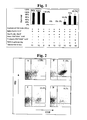
- Example 1 of the Examples section which follows (refer, for example to Figures 1 and 3 )
- administration of rapamycin to a supralethally irradiated/myeloablated mammalian subject at a daily dose of 200 micrograms per kilogram body weight per day for a duration of 5 days starting on the day of graft administration can be used to facilitate in the subject life-saving engraftment of bone marrow which is allogeneic and fully MHC-mismatched with the subject.
- rapamycin may be advantageously administered to the subject at a daily dose of 1.5 milligrams per kilogram body weight starting on the day of graft administration to the subject.
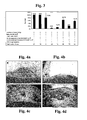
- Example 2 of the Examples section administration of rapamycin to a mammalian subject at a daily dose of 1.5 milligrams per kilogram body weight starting on the day of graft administration to the subject can be used to facilitate in the subject engraftment and pancreatic development of a porcine pancreatic xenograft.
- Administering the tolerogenic cells and the graft to the subject may be effected in various ways, depending on various parameters, such as, for example, the type, stage or severity of the disease, the physical or physiological parameters specific to the subject, and/or the desired therapeutic outcome.
- One of ordinary skill in the art such as a physician, in particular a transplant surgeon specialized in the disease, would possess the expertise required for selecting and administering/transplanting a graft so as to treat a given disease without or with reduced graft rejection in accordance with the teachings of the present invention.
- administering a graft which is essentially directly derived from a graft donor to a subject may be referred to as “transplanting” of the graft (alternatively termed “transplant") to the subject (alternatively termed “recipient” or "host”).
- transplant alternatively termed "transplant"
- recipient alternatively termed "host”
- the present invention provides a disease treatment method which can be used to treat a disease in a subject of the present invention by “transplantation" into the subject of a graft of the present invention which is derived from a graft donor.
- the tolerogenic cells may be administered in any one various ways, depending on the application and purpose.
- the tolerogenic cells may be administered according to any one of various types of regimens, and/or in any one of various doses to achieve prevention/reduction of graft rejection.
- the tolerogenic cells are preferably administered to the subject prior to, or more preferably concomitantly with administration of the graft to the subject.
- Administering the tolerogenic cells concomitantly with the graft may be effected by administering the tolerogenic cells and the graft to the subject essentially simultaneously, or within a period of about 20 hours or less, about 16 hours or less, about 12 hours or less, about 8 hours or less, about 4 hours or less, about 1 hour or less, or about 15 minutes or less.
- Administering the tolerogenic cells to the subject prior to administration of the graft to the subject may be effected by administering the tolerogenic cells to the subject 1, 2, 3, 4, 5, 6, 7, 8, 9, 10, 11, 12, 13, 14, 15, 16, 17, 18, 19, 20, 21, 22, 23, 24, 25, 26, 27, 28, 29, or 30 days before administering the graft to the subject.
- the disease treatment method of the present invention may be successfully practiced by administering the tolerogenic cells and the graft on the same day.
- the tolerogenic cells may be administered to the subject following administration of the graft to the subject.
- administering the dose of tolerogenic cells to the subject is effected by administering to the subject a dose of tolerogenic cells per kilogram body weight which comprises a number of tolerogenic cells selected from a range of about 1 million cells to about 400 million cells, more preferably about 4 million cells to about 400 million cells, more preferably about 5 million cells to about 350 million cells, more preferably about 10 million cells to about 300 million cells, more preferably about 15 million cells to about 250 million cells, more preferably about 20 million cells to about 200 million cells, more preferably about 25 million cells to about 150 million cells, more preferably about 30 million cells to about 100 million cells, and most preferably about 40 million cells to about 80 million cells.
- a dose of tolerogenic cells per kilogram body weight which comprises a number of tolerogenic cells selected from a range of about 1 million cells to about 400 million cells, more preferably about 4 million cells to about 400 million cells, more preferably about 5 million cells to about 350 million cells, more preferably about 10 million cells to about 300 million cells, more preferably about 15 million cells to about 250
- administering the dose of tolerogenic cells to the subject is preferably effected by administering to the subject a dose of about 40 million tolerogenic cells per kilogram body weight.
- administering the dose of tolerogenic cells to the subject is preferably effected by administering to the subject a dose of about-80 million tolerogenic cells per kilogram body weight.
- Example 1 of the Examples section below administration of 40 million tolerogenic cells of the present invention per kilogram body weight to supralethally irradiated/myeloablated mammals (i.e. a dose of 1 million cells administered to mice, having a body weight of about 25 grams) can be used to facilitate life-saving engraftment of a bone marrow allograft of the present invention in the mice.
- Example 2 of the Examples section below administration of 80 million tolerogenic cells of the present invention per kilogram body weight to a mammalian subject (i.e. a dose of 2 million cells administered to mice) can be used to facilitate in the subject engraftment and pancreatic development of a porcine pancreatic xenograft.
- a dose of suitable tolerogenic cells for practicing the disease treatment method of the present invention may be obtained in any one of various ways.
- the tolerogenic cells may be primary cells, such as cells which, have been freshly isolated from a tolerogenic cell donor- and which have not been induced to differentiate and/or proliferate in-vitro.
- the tolerogenic cells may be cultured cells, such as cells which have been obtained from a tolerogenic cell donor and which have been induced to proliferate and/or differentiate in-vitro.
- a suitable dose of tolerogenic cells may be obtained by culturing primary cells under any one of various conditions.
- an insufficient number of primary CD4+CD25+ cells can be induced to proliferate so as to generate a desired number of cultured CD4+CD25++ cells by in-vitro stimulation of the primary cells with irradiated stimulator cells in the presence of IL-2, essentially as described and illustrated in the Examples section below.
- a sufficient number of tolerogenic cells which are T-cells, such as CD4+CD25+ cells can be obtained by in-vitro expansion of suitable primary T-cells, using any one of various standard art methods for expanding T-cells in-vitro, for example, by co-stimulation of the primary cells with a combination of anti-CD3 antibodies, anti-CD28 antibodies and IL-2 (refer, for example, to: Earle KE. et al., 2005. Clin Immunol. 115:3-9 ; and Godfrey WR. et al., 2004. Blood 104:453-61 ; Taylor, P. A. et al., 2004.
- the dose of tolerogenic cells may be derived from a suitable established cell line, such as an established line of CD4+CD25+ cells, preferably one genetically modified to express an inducible suicide gene for enabling their induced elimination after administration to the subject in case of need.
- Established cell lines typically undergo continuous proliferation in culture and can be used to generate essentially unlimited numbers of cultured cells.
- Established lines of tolerogenic CD4+CD25+ cells are well known in the art (refer, for example, to: Li L. et al., 2005. Blood. 106:3068-73 ; and Godfrey WR. et al., 2005.
- Blood 105:750-8 as are methods of genetically modifying lymphocytes, such as CD4+CD25+ cells, to express suicide genes (refer, for example, to: Robinet E. et al., 2005. Cytotherapy 7:150-7 ; Ciceri F. et al., 2005. Cytotherapy 7:144-9 ; and Straathof KC. et al., 2003. Cytotherapy 5:227-30 ).
- ex-vivo expanded tolerogenic cells of the present invention can be used for facilitating engraftment of grafts of the present invention.
- the tolerogenic cells may be derived from any one of various body parts, including lymph node, peripheral blood, umbilical cord blood, spleen, lymph, bone marrow, Peyer's patches and thymus.
- tolerogenic cells of the present invention suitable for practicing the disease treatment method of the present invention can be isolated from lymph nodes.
- Isolating primary tolerogenic cells of the present invention from an adult human tolerogenic cell donor may be conveniently effected by isolating the cells from the peripheral blood of the donor according to standard art methodology (refer, for example, to Earle KE. et al., 2005. Clin Immunol. 115:3- 9 ).
- Human umbilical cord blood is a particularly rich source of primary CD4+CD25+ cells, and such cells may be isolated according to standard art methodology (refer, for example, to Godfrey WR. et al., 2005. Blood 105:750-8 ).
- the graft may be a whole bone marrow cell graft.(T-cell depleted or non-T-cell-depleted), a graft of bone marrow aspirate-derived hematopoietic cells, a graft of peripheral blood-derived hematopoietic cells or a graft of umbilical cord-derived hematopoietic cells.
- a human whole bone marrow cell graft of the present invention may be obtained in any one of various ways known to the ordinarily skilled artisan, for example via aspiration of bone marrow cells from the iliac crest of the femur. Isolation of hematopoietic stem cells from bone marrow aspirate may be performed according to standard methods, such as via anti-CD34 antibody-based magnetic cell sorting.
- a graft which comprises human peripheral blood-derived hematopoietic stem cells may be obtained according to standard methods, for example by mobilizing CD34+ cells into the peripheral blood by cytokine treatment of the donor, and harvesting of the mobilized CD34+ cells via leukapheresis.
- Ample guidance is provided in the literature of the art for practicing isolation of bone marrow-derived stem cells from the bone marrow or the blood (refer, for example, to: Arai S, Klingemann HG., 2003. Arch Med Res. 34:545-53 ; and Repka T. and Weisdorf D., 1998. Curr Opin Oncol. 10:112-7 ; Janssen WE. et al., 1994. Cancer Control 1:225-230 ; Atkinson K., 1999. Curr Top Pathol. 92:107-36 ).
- a graft of human umbilical cord blood-derived hematopoietic stem cells may be obtained according to standard methods (refer, for example, to: Quillen K, Berkman EM., 1996. J Hematother. 5:153-5 ).
- a graft of hematopoietic stem cells of the present invention may also be derived from liver tissue or yolk sac.
- a requisite number of hematopoietic stem cells can be provided by ex-vivo expansion of primary hematopoietic stem cells (reviewed in Emerson, 1996, Blood 87:3082 , and described in more detail in Petzer et al., 1996, Proc. Natl. Acad. Sci. U. S. A. 3:1470 ; Zundstra et al., 1994, BioTechnology 12:909 ; and WO 95 11692 ).
- the graft may be a pancreatic graft.
- a suitable human pancreatic graft of the present invention may be obtained in any one of various ways known to the ordinarily skilled artisan, according to state-of-the-art techniques [refer, for example, to the guidelines provided by the National Institutes of Diabetes and Digestive and Kidney Diseases (NIDDK; www.niddk.nih.gov)].
- a graft of the present invention may be selected substantially free of T-cells, depending on the application and purpose.
- a whole bone marrow cell preparation may be rendered substantially free of T-cells (i.e. "T-cell depleted") so as to provide a T-cell depleted bone marrow graft using any one of various methods known to the ordinarily skilled artisan (refer, for example, to Champlin R. 1990. Hematol Oncol Clin North Am. 4:687-98 ).
- Administering a therapeutically effective hematopoietic cell graft so as to achieve disease treatment according to the teachings of the present invention may be effected- by administering to the subject the graft in a dose which comprises various numbers of cells per kilogram body weight of the subject.
- the hematopoietic cell graft comprises a number of cells per kilogram body weight selected from a range of about 1 million cells per kilogram body weight to about 800 billion cells, more preferably about 8 million cells per kilogram body weight to about 800 million cells, more preferably about 10 million cells to about 700 million cells, more preferably about 20 million cells to about 600 million cells, more preferably about 30 million cells to about 500 million cells, more preferably about 40 million cells to about 400 million cells, more preferably about 50 million cells to about 300 million cells, more preferably about 60 million cells to about 200 million cells, more preferably about 70 million cells to about 100 million cells, more preferably about 70 million cells to about 90 million cells. Most preferably, the graft comprises about 80 million cells per kilogram body weight of the subject.
- the disease treatment method of the present invention may be used to provide life-saving treatment to a supralethally irradiated/myeloablated mammalian subject using administration of an allograft of bone marrow cells corresponding to a dose of about 80 million cells per kilogram body weight (i.e. administration of 2 million bone marrow cells to a mouse).
- Administering a therapeutically effective pancreatic graft so as to achieve treatment of a disease, such as pancreatic failure/diabetes according to the teachings of the present invention may be effected according to any one of various protocols routinely practiced by the skilled artisan.
- a suitable quantity of pancreatic islets are isolated and transplanted into a diabetic human recipient according to state-of-the-art techniques, as previously described [National Institutes of Diabetes and Digestive and Kidney Diseases (NIDDK; www.niddk.nih.gov)]. Briefly, ultrasound is used to guide placement of a small catheter through the upper abdomen and into the liver of the subject. The pancreatic islets are then injected through the catheter into the liver.
- the recipient receives a local anesthetic, however if the recipient cannot tolerate local anesthesia, general anesthesia is used, and the transplant is performed through a small incision. Typically, for a 70 kilogram recipient, about one million pancreatic islets are administered. It takes some time for the administered cells to attach to new blood vessels and begin releasing insulin, and hence following transplantation, the blood glucose levels of the recipient are closely monitored and exogenous insulin is administered as needed until glycemic control is achieved.
- the disease treatment method of the present invention may further comprise the step of conditioning the subject under sublethal, lethal or supralethal conditions prior to the administering of the graft to the subject.
- Conditioning the subject under sublethal, lethal or supralethal conditions prior to administering of the graft to the subject may be employed so as to reduce the immunological capacity of the subject in such a way as to enhance engraftment of the graft.
- the terms "sublethal”, “lethal”, and “supralethal”, when relating to conditioning of subjects of the present invention, refer to myelotoxic and/or lymphocytotoxic treatments which, when applied to a representative population of the subjects, respectively, are typically: non-lethal to essentially all members of the population; lethal to some but not all members of the population; or lethal to essentially all members of the population under normal conditions of sterility.
- the conditioning step is effected by conditioning the subject under supralethal conditions, such as under myeloablative conditions.
- the conditioning step may be effected by conditioning the subject under lethal or sublethal conditions, such as by conditioning the subject under myeloreductive conditions.
- conditioning agents which may be used to condition the subject include, without limitation, irradiation, pharmacological agents, and tolerance-inducing cells.
- Examples of pharmacological agents include myelotoxic drugs, lymphocytotoxic drugs and immunosuppressant drugs.
- myelotoxic drugs include, without limitation, busulfan, dimethyl mileran, melphalan and thiotepa.
- immunosuppressant drugs include CTLA4-Ig, anti-CD40 antibodies, anti-CD40 ligand antibodies, anti-B7 antibodies, anti-CD3 antibodies (for example, anti-human CD3 antibody OKT3), methotrexate (MTX), prednisone, methyl prednisolone, azathioprene, cyclosporin A (CsA), tacrolimus, cyclophosphamide and fludarabin, mycophenolate mofetil, daclizumab [a humanized (IgG1 Fc) anti-IL2R alpha chain (CD25) antibody], and anti-T-lymphocyte antibodies conjugated to toxins (for example, cholera A chain, or Pseudomonas toxin).
- CTLA4-Ig anti-CD40 antibodies
- anti-CD40 ligand antibodies for example, anti-B7 antibodies
- anti-CD3 antibodies for example, anti-human CD3 antibody OKT3
- MTX methotrexate
- the conditioning step comprises administering irradiation to the subject.
- the engraftment, growth and/or differentiation of the graft i.e. the therapeutic effect of the graft
- the engraftment, growth and/or differentiation of the graft may be advantageously monitored.
- One of ordinary skill will possess the necessary expertise to suitably monitor an administered graft of the present invention and to suitably administer adjunct treatments, such as an immunosuppressant drug of the present invention to prevent graft rejection or graft-versus-host disease, so as to facilitate disease treatment.
- adjunct treatments such as an immunosuppressant drug of the present invention to prevent graft rejection or graft-versus-host disease, so as to facilitate disease treatment.
- the disease treatment method of the present invention can be used for effectively treating in a subject of the present invention any one of various diseases which are treatable by graft transplantation.
- the disease treatment method can be used to practice life-saving treatment of supralethally irradiated/myeloablated mammals by administration/transplantation of non-syngeneic bone marrow cells.
- the disease treatment method can be used to treat in a subject a disease whose treatment involves administration of non-syngeneic bone marrow cells, such a hematologic disease.
- the present invention can be used to treat in a subject a hematological disease such as a hematological malignancy, whose treatment may be effected via administration of myeloablative/myeloreductive radiotherapy/chemotherapy and concomitant administration of non-syngeneic bone marrow cells for hematopoietic reconstitution of the subject.
- a hematological disease such as a hematological malignancy
- hematological malignancies which can be treated by the present invention include, without limitation, leukemias and lymphomas.
- leukemias treatable via the disease treatment method of the present invention include, without limitation, acute lymphoblastic leukemia (ALL), acute myelocytic leukemia (AML), chronic myelocytic leukemia (CML), acute nonlymphoblastic leukemia (ANLL), T-cell acute lymphoblastic leukemia, and the like.
- ALL acute lymphoblastic leukemia
- AML acute myelocytic leukemia
- CML chronic myelocytic leukemia
- ANLL acute nonlymphoblastic leukemia
- T-cell acute lymphoblastic leukemia T-cell acute lymphoblastic leukemia, and the like.
- lymphomas treatable via the disease treatment method of the present invention include, without limitation, Burkitt's lymphoma, non-Hodgkin's lymphoma, mantle cell lymphoma, and the like.
- the present invention can also be used to treat a hematological disease which involves a non-malignant hematological diseases, such as a hematological deficiency, for example a congenital or genetically-determined hematopoietic abnormality.
- a non-malignant hematological diseases such as a hematological deficiency, for example a congenital or genetically-determined hematopoietic abnormality.
- SCID severe combined immunodeficiency
- XSCID X-linked SCID
- ADA adenosine deaminase
- the disease treatment method can be used to treat a disease which is treatable by administration of a primary therapeutic graft other than a bone marrow cell graft or a pancreatic graft, such as an organ failure treatable via organ transplantation (e.g. of heart, kidney, liver, lung, etc.).
- a primary therapeutic graft other than a bone marrow cell graft or a pancreatic graft
- organ failure treatable via organ transplantation e.g. of heart, kidney, liver, lung, etc.
- the disease treatment method can be used to establish donor-subject hematopoietic chimerism in a subject having a disease which is treatable by administration of any type of therapeutic graft. Since establishment of donor-subject hematopoietic chimerism in a subject will induce in the subject tolerance to antigens of the donor, adjunct non-syngeneic bone marrow cell administration according to the teachings of the present invention can be used to facilitate subsequent administration to the subject of essentially any type of therapeutic graft derived from the donor to treat the disease without or with reduced concomitant rejection of the therapeutic graft.
- the disease treatment method of the present invention can be used, with or without adjunct bone marrow cell transplantation, to treat essentially any disease which is treatable by administration a graft of the present invention without or with reduced concomitant graft rejection.
- grafts of the present invention include an organ graft, a tissue graft, a cell graft, an appendage graft, and the like.
- organ grafts of the present invention include, but are not limited to, a pancreatic graft, a renal graft, a cardiac graft, a lung graft, and a liver graft.
- Such grafts may be used according to the teachings of the present invention to treat, respectively, pancreatic failure, renal failure, cardiac failure, pulmonary failure, and hepatic failure.
- tissue grafts of the present invention include, but are not limited to, a dermal/skin tissue graft, a bone tissue graft, a muscle tissue graft, a connective tissue graft, a vascular tissue graft, and a nerve tissue graft, and the like.
- a dermal/skin tissue graft can be used according to the teachings of the present invention, for example, to treat a skin injury, such as a burn.
- a bone tissue graft of the present invention can be used according to the teachings of the present invention, for example, to treat a bone disease, such as osteoporosis or a bone fracture.
- a vascular tissue graft of the present invention can be used according to the teachings of the present invention to treat a vascular disease, such as an obstructive cardiovascular disease, a vascular aneurysm or a vascular hemorrhage.
- a nerve tissue graft of the present invention can be used according to the teachings of the present invention to treat a neurological disease, such as a spinal injury or a degenerative neurological disease.
- appendage grafts of the present invention include, but are not limited to, arms, legs, hands, feet, fingers, toes and portions thereof.
- An appendage graft of the present invention can be used according to the teachings of the present invention, for example, to treat loss of an appendage or portion thereof.
- tolerogenic cells of the present invention can be used to prevent/reduce rejection in a subject of the present invention of a graft of the present invention which is allogeneic with the subject and/or is derived from a graft donor which is at a post-conception age corresponding to at least about 40 percent of a gestational period of the graft donor. It will be appreciated that a preparation of tolerogenic cells of the present invention can be suitably packaged as an article of manufacture for use in preventing or reducing rejection in a subject of the present invention of a graft of the present invention.
- tolerogenic cells of the present invention may be suitably packaged in an article of manufacture as an immunosuppressive cell preparation for preventing or reducing rejection of a graft of the present invention in a subject of the present invention.
- an article of manufacture which comprises packaging material and an immunosuppressive cell preparation identified in print in or on the packaging material for preventing or reducing in a subject of the present invention rejection of a graft of the present invention.
- the cell preparation comprises as an active component tolerogenic cells of the present invention.
- each dose-unit of the cell preparation comprises a number of the tolerogenic cells selected from a range of about 1 million cells to about 80 billion cells, more preferably about 4 million cells to about 8 billion cells.
- each dose unit of the cell preparation preferably comprises a number of the tolerogenic cells selected from a range of about 40 million cells to about 4 billion cells. It will be appreciated that a such a dose range can be used to administer a dose of about 40 million tolerogenic cells per kilogram to a subject, such as a human subject, having a body weight selected from a range of 1-100 kilograms.
- each dose unit of the cell preparation preferably comprises a number of the tolerogenic cells selected from a range of about 80 million cells to about 8 billion cells. It will be appreciated that a such a dose range can be used to administer a dose of about 80 million tolerogenic cells per kilogram to a subject, such as a human subject, having a body weight selected from a range of 1-100 kilograms.
- each dose-unit of the cell preparation comprises a number of the tolerogenic cells corresponding to a number of cells per kilogram body weight selected from a range of about 1 million cells per kilogram body weight to about 800 million cells per kilogram body weight.
- each dose-unit of the cell preparation may advantageously comprise a number of the tolerogenic cells corresponding to 40 million cells per kilogram body weight.
- each dose-unit of the cell preparation may advantageously comprise a number of the tolerogenic cells corresponding to 80 million cells per kilogram body weight.
- Example 1 of the Examples section below administration of 40 million tolerogenic cells of the present invention per kilogram body weight to a supralethally irradiated/myeloablated mammalian subject can be used to facilitate in the subject life-saving engraftment of a bone marrow allograft of the present invention.
- Example 2 of the Examples section below administration of 80 million tolerogenic cells of the present invention per kilogram body weight to a mammalian subject can be used to facilitate in the subject engraftment and pancreatic development of a porcine pancreatic xenograft.
- Each dose-unit of the cell preparation may comprise about 1 million tolerogenic cells, about 2 million tolerogenic cells, about 5 million tolerogenic cells, about 10 million tolerogenic cells, about 25 million tolerogenic cells, about 50 million tolerogenic cells, about 100 million tolerogenic cells, about 250 million tolerogenic cells, about 500 million tolerogenic cells, about 1 billion tolerogenic cells, about 2 billion tolerogenic cells, about 5 billion tolerogenic cells, about 10 billion tolerogenic cells, about 25 billion tolerogenic cells, about 50 billion tolerogenic cells, or about 80 million tolerogenic cells.
- each dose unit of the cell preparation comprises about 2.8 billion cells.
- each dose unit of the cell preparation comprises about 5.6 billion cells.
- the present invention provides for the first time a method of using tolerogenic cells, and an article of manufacture which comprises such cells, for preventing or reducing in a human subject rejection of essentially any allogeneic or xenogeneic graft, where the tolerogenic cells may be derived from essentially any donor which is allogeneic with the subject.
- the present invention provides a potent method of practicing therapeutic transplantation of allogeneic or xenogeneic grafts in humans without with reduced concomitant graft rejection.
- Allografts which are treatable via treatment regimens involving administration of allografts, such as bone marrow allografts, include numerous highly debilitating/lethal diseases.
- Current methods of treating diseases by administration of allografts are associated with various critical drawbacks, including unavailability of suitably immunologically matched graft donors, unavailability of sufficient quantities of graft material, graft rejection, graft-versus-host disease (GVHD), and lifelong administration of toxic immunosuppressive drugs such as cyclosporin A to prevent graft rejection/GVHD.
- a potentially optimal strategy for preventing or reducing allograft rejection involves administration to the graft recipient of CD4+CD25+ cells, a cell type possessing potent tolerogenic capacities.
- mice Six- to twelve-week old female mice were used throughout the experiments. Balb/c, Balb/c-nude, FVB, SJL, and C57BL/6 mouse strains were obtained from the Weizmann Institute Animal Breeding Center (Rehovot, Israel). C3H/HeJ mice were obtained from the Roscoe B. Jackson Memorial Laboratory (Bar Harbor, ME). A breeding pair of transgenic H2 b mice expressing the 2C T-cell receptor ["TCR(2C)"; derived from the CTL clone 2C]) specific for H-2L d was kindly provided by Janko Nikolic-Zugic (Sloan-Kettering, New York, NY).
- mice Progeny of these transgenic mice was bred at the Weizmann Institute Animal Breeding Center. All mice were kept in small cages (5 animals per cage) and fed sterile food and acid water containing ciprofloxacin (Bayer AG, Germany; 20 micrograms per milliliter).
- T-cell-mediated allograft rejection model C3H/HeJ female mice were exposed to a single dose of 10 Gy (supralethal conditioning) TBI on day 0. The following day, the mice received intravenously 15,000 purified host T-cells. Transplantation of 2 million allogeneic Baib/c-nude mouse bone marrow cells in conjunction with the tolerizing cells to be evaluated was performed on day 2. The survival of the mice was monitored daily.
- Host T-cell preparation Host (C3H/HeJ) splenocytes were fractionated on a Ficoll/Paque gradient and the isolated mononuclear cells were subjected to positive selection of CD4+ and/or CD8+ cells by magnetic cell sorting (MACS, Miltenyi Biotec, Bergisch Gladbach, Germany). Cytofluorimetric analysis of the fractionated cells was carried out by triple immunofluorescent staining using the following directly labeled antibodies (Pharmingen): FITC-CD4/L3T4 (clone H129.19), PE-CD3epsilon (clone 145-2C11) and Cy-Chrome-CD8a/Ly-2 (clone 53-6.7).
- rapamycin Synergism between rapamycin (Wyeth Europa Ltd. UK) and CD4+CD25+ cells was tested in the mouse model for bone marrow allograft rejection. Rapamycin was administered subcutaneously at a dosage of 5 micrograms per mouse per day for 5 consecutive days beginning on day 2.
- CD4+CD25+ cells Cells were first selected for CD4+ cells by negative selection. Lymph node-derived single-cell suspensions, were depleted of natural killer (NK) and CD8+ T-cells by incubation with monoclonal antibody (mAb) (hybridoma PK136, rat IgG2a and hybridoma 2.43, rat IgG2b, respectively), followed by passage through a goat anti-mouse and goat anti-rat immunoglobulin-coated column (Cellect Cell Enrichment Immunocolumns, Cedarlane, Hornby, ON, Canada).
- mAb monoclonal antibody
- CD4+ cells were incubated with anti-CD25 PE antibody (hybridoma 7D4, rat IgM, Miltenyi Biotec, Auburn, CA), followed by incubation with anti-PE MicroBeads and positive selection on a MACS separation column (Miltenyi Biotec).
- anti-CD25 PE antibody Hybridoma 7D4, rat IgM, Miltenyi Biotec, Auburn, CA
- CD4+CD25+ cells were stimulated against irradiated allogeneic splenocytes in a ratio of CD4+CD25+ cells to stimulator cells of 1:100 to 1:15 and cultured in RPMI complete tissue culture medium (CTCM) supplemented with recombinant human interleukin-2 (rhIL-2; 100-1000 units per milliliter; Amgen, Thousand Oaks, CA), at 37 degrees centigrade in an incubator with an ambient atmosphere containing 5 percent carbon dioxide. Cells were expanded 5- to 8-fold in a period of 1 to 2 weeks. Prior to in-vivo infusion, CD4+CD25+ cells were fractionated on a Ficoll gradient in order to remove the residual stimulators and were determined to be greater than 97 percent of the desired phenotype.
- CCM complete tissue culture medium
- TCR(2C)-transgenic splenocytes mice (2 million cells per milliliter) were stimulated against irradiated (20 Gy) Balb/c splenocytes (2 million per milliliter) in the absence or presence, of the naive or expanded CD4+CD25+ cells of Balb/c origin (ratios of CD4+CD25+ cells to responders employed were 5:1, 2:1, 1:1 and 0.2:1). Cultures were kept for 72 hours in 6-well plates.
- Inhibition by the CD4+CD25+ cells was reflected by the reduced levels of the TCR(2C)-transgenic effector cells, monitored by cytofluorimetric analysis measuring the level of TCR(2C)+ cells specifically stained by the 1 B2 antibody directed against the clonotypic anti-H-2L d T-cell receptor.
- the initial percentage of CD8+TCR(2C)+ cells prior to mixed-lymphocyte reaction was 15.4 percent. Following 3 days of mixed-lymphocyte reaction the percentage of CD8+TCR(2C)+ responder T-cells increased to 81.0 percent. However, in the presence of ex-vivo-expanded CD4+CD25+ cells of Balb/c or FVB origin, added at a ratio of CD4+CD25+ cells to responder cells of 5:1, the level of TCR(2C)+ cells was reduced to 25.4 percent and 8.1 percent respectively.
- mice receiving third-party CD4+CD25+ cells of either SJL or FVB origin were pooled into one group, and as can be seen in Figure 3 the survival rate achieved by administration of the third-party CD4+CD25+ cells in conjunction with rapamycin was similar to that achieved by administration of donor-type CD4+CD25+ cells in conjunction with rapamycin, with survival rates of 54.3 percent and 62.5 percent achieved, respectively.
- third-party CD4+CD25+ cells cannot be overestimated, considering the practical advantages offered by using CD4+CD25+ cells of normal volunteers rather than donor- or host-derived cells.
- third-party CD4+CD25+ cells in contrast to donor-type cells could allow advanced preparation of a large bank of CD4+CD25+ cells, with all the appropriate quality controls required for cell therapy.
- the presently taught third-party CD4+CD25+ cells can be rapidly available in sufficient quantities, as the need arises, for routine, convenient and expediently preventing/reducing graft rejection.
- the presently disclosed experimental results teach a novel method of using administration of CD4+CD25+ cells for preventing or reducing allograft rejection which overcomes critical limitations of the prior art.
- Non-syngeneic grafts such as pancreatic grafts
- diseases which are treatable via treatment regimens involving administration of non-syngeneic grafts, such as pancreatic grafts
- highly debilitating/lethal diseases such as diabetes.
- Current methods of treating diseases by administration of non-syngeneic grafts are associated with various critical drawbacks, including unavailability of suitably immunologically matched allograft donors, and unavailability of sufficient quantities of graft material.
- a potentially optimal strategy for overcoming these drawbacks involves administration of xenogeneic grafts such as porcine xenografts, which are available in essentially unlimited quantities.
- Immune suppressive protocols used included either administration of rapamycin (1.5 mg/kg per day) alone or in combination with 2 million third-party CD4+CD25+ cells of Balb/c origin administered on the day of transplantation. Mice were sacrificed 4 and 8 weeks after transplantation and grafts were harvested and subjected to histological evaluation. All the grafts obtained from the untreated or the rapamycin-treated C57BL hosts were found to be small and exhibited infiltrates with no traces of pancreatic tissue ( Figure 4b ).
- the presently disclosed experimental results unexpectedly reveal for the first time that administration of third-party CD4+CD25+ cells can be used to facilitate engraftment and pancreatic development of porcine pancreatic grafts.
- the presently disclosed experimental results teach a novel and effective method of preventing xenograft rejection, and thereby teach a routinely practicable method of using transplantation of xenografts, in particular porcine and/or pancreatic xenografts, for treatment of diseases, such as those which are amenable to pancreatic transplantation, for example diabetes.
Landscapes
- Health & Medical Sciences (AREA)
- Life Sciences & Earth Sciences (AREA)
- Veterinary Medicine (AREA)
- Animal Behavior & Ethology (AREA)
- General Health & Medical Sciences (AREA)
- Public Health (AREA)
- Epidemiology (AREA)
- Immunology (AREA)
- Pharmacology & Pharmacy (AREA)
- Chemical & Material Sciences (AREA)
- Medicinal Chemistry (AREA)
- Cell Biology (AREA)
- Developmental Biology & Embryology (AREA)
- Biomedical Technology (AREA)
- Engineering & Computer Science (AREA)
- Biotechnology (AREA)
- Virology (AREA)
- Zoology (AREA)
- Mycology (AREA)
- Microbiology (AREA)
- Hematology (AREA)
- Transplantation (AREA)
- Medicines Containing Material From Animals Or Micro-Organisms (AREA)
- Pharmaceuticals Containing Other Organic And Inorganic Compounds (AREA)
- Micro-Organisms Or Cultivation Processes Thereof (AREA)
Applications Claiming Priority (3)
| Application Number | Priority Date | Filing Date | Title |
|---|---|---|---|
| US71067905P | 2005-08-24 | 2005-08-24 | |
| US78262706P | 2006-03-16 | 2006-03-16 | |
| EP06796063.3A EP1928479B1 (de) | 2005-08-24 | 2006-08-21 | Universale von spendern stammende tolerogene zellen zur induktion von nicht-syngener transplantationstoleranz |
Related Parent Applications (3)
| Application Number | Title | Priority Date | Filing Date |
|---|---|---|---|
| EP06796063.3A Division-Into EP1928479B1 (de) | 2005-08-24 | 2006-08-21 | Universale von spendern stammende tolerogene zellen zur induktion von nicht-syngener transplantationstoleranz |
| EP06796063.3 Division | 2006-08-21 | ||
| WOPCT/IL2006/000972 Previously-Filed-Application | 2006-08-21 |
Publications (2)
| Publication Number | Publication Date |
|---|---|
| EP2514315A2 true EP2514315A2 (de) | 2012-10-24 |
| EP2514315A3 EP2514315A3 (de) | 2012-11-07 |
Family
ID=37772021
Family Applications (2)
| Application Number | Title | Priority Date | Filing Date |
|---|---|---|---|
| EP20120161171 Withdrawn EP2514315A3 (de) | 2005-08-24 | 2006-08-21 | Universale von Spendern stammende tolerogene Zellen zur Induktion von nicht-syngener Transplantationstoleranz |
| EP06796063.3A Not-in-force EP1928479B1 (de) | 2005-08-24 | 2006-08-21 | Universale von spendern stammende tolerogene zellen zur induktion von nicht-syngener transplantationstoleranz |
Family Applications After (1)
| Application Number | Title | Priority Date | Filing Date |
|---|---|---|---|
| EP06796063.3A Not-in-force EP1928479B1 (de) | 2005-08-24 | 2006-08-21 | Universale von spendern stammende tolerogene zellen zur induktion von nicht-syngener transplantationstoleranz |
Country Status (3)
| Country | Link |
|---|---|
| US (2) | US8916147B2 (de) |
| EP (2) | EP2514315A3 (de) |
| WO (1) | WO2007023491A2 (de) |
Cited By (1)
| Publication number | Priority date | Publication date | Assignee | Title |
|---|---|---|---|---|
| US8916147B2 (en) | 2005-08-24 | 2014-12-23 | Yeda Research and Devolpment Co. Ltd. | Universal donor-derived tolerogenic cells for inducing non-syngeneic transplantation tolerance |
Families Citing this family (17)
| Publication number | Priority date | Publication date | Assignee | Title |
|---|---|---|---|---|
| EP1851308B1 (de) | 2005-02-02 | 2013-08-21 | NewSouth Innovations Pty Limited | Gegen ein spezifisches antigen aktivierte cd4+ cd25+ t-zellen |
| WO2008014555A1 (en) * | 2006-08-02 | 2008-02-07 | Newsouth Innovations Pty Limited | Method of identifying cd4+cd25+ t cells activated to an antigen which express cd8 |
| RU2506311C2 (ru) * | 2008-10-30 | 2014-02-10 | Йеда Рисёрч Энд Девелопмент Ко. Лтд. | Т-клетки центральной памяти против третьей стороны, способы их получения и их применение в трансплантации и лечении заболеваний |
| JP5977238B2 (ja) * | 2010-09-08 | 2016-08-24 | イェダ リサーチ アンド デベロップメント カンパニー リミテッド | 抗白血病/リンパ腫処置のための抗第三者セントラルメモリーt細胞の使用 |
| BR112014005355B1 (pt) * | 2011-09-08 | 2022-03-29 | Yeda Research An Development Co., Ltd | Células t de memória central anti-terceiro, métodos de produção e uso das mesmas em transplante e tratamento de doença |
| PL218400B1 (pl) | 2012-06-06 | 2014-11-28 | Gdański Univ Medyczny | Szczepionka do leczenia cukrzycy typu 1 u dzieci, zastosowanie sortera komórek oraz sposób namnażania komórek Treg in vitro do wytwarzania szczepionki do leczenia cukrzycy typu 1 |
| GB2526228B (en) | 2013-02-26 | 2017-05-03 | Univ Leland Stanford Junior | Combined organ and hematopoietic cells for transplantation tolerance of grafts |
| US11179448B2 (en) | 2015-07-16 | 2021-11-23 | Yeda Research And Development Co. Ltd. | Genetically modified anti-third party central memory T cells and use of same in immunotherapy |
| WO2018002924A1 (en) | 2016-06-27 | 2018-01-04 | Yeda Research And Development Co. Ltd. | Veto cells generated from memory t cells |
| US10751368B2 (en) | 2017-01-18 | 2020-08-25 | Yeda Research And Development Co. Ltd. | Methods of transplantation and disease treatment |
| IL268126B2 (en) | 2017-01-18 | 2024-02-01 | Yeda Res & Dev | Genetically engineered Veto cells and their uses in immunotherapy |
| EP3749334B1 (de) | 2018-02-08 | 2024-12-11 | The Board of Trustees of the Leland Stanford Junior University | Allogenen transplantation von hämatopoetischen stammzellen |
| US11273179B2 (en) | 2018-03-12 | 2022-03-15 | Medeor Therapeutics, Inc. | Methods for treating non-cancerous disorders using hematopoietic cells |
| US10842821B2 (en) | 2018-04-05 | 2020-11-24 | Medeor Therapeutics, Inc. | Cellular compositions derived from prior organ donors and methods of manufacture and use thereof |
| US10881692B2 (en) | 2018-04-05 | 2021-01-05 | Medeor Therapeutics, Inc. | Compositions for establishing mixed chimerism and methods of manufacture thereof |
| US11435350B2 (en) | 2018-09-18 | 2022-09-06 | Medeor Therapeutics, Inc. | Methods of analysis of blood from deceased donors |
| US11813376B2 (en) | 2018-09-18 | 2023-11-14 | Medeor Therapeutics, Inc. | Cellular compositions derived from deceased donors to promote graft tolerance and manufacture and uses thereof |
Citations (22)
| Publication number | Priority date | Publication date | Assignee | Title |
|---|---|---|---|---|
| US3791932A (en) | 1971-02-10 | 1974-02-12 | Akzona Inc | Process for the demonstration and determination of reaction components having specific binding affinity for each other |
| US3839153A (en) | 1970-12-28 | 1974-10-01 | Akzona Inc | Process for the detection and determination of specific binding proteins and their corresponding bindable substances |
| US3850578A (en) | 1973-03-12 | 1974-11-26 | H Mcconnell | Process for assaying for biologically active molecules |
| US3850752A (en) | 1970-11-10 | 1974-11-26 | Akzona Inc | Process for the demonstration and determination of low molecular compounds and of proteins capable of binding these compounds specifically |
| US3853987A (en) | 1971-09-01 | 1974-12-10 | W Dreyer | Immunological reagent and radioimmuno assay |
| US3867517A (en) | 1971-12-21 | 1975-02-18 | Abbott Lab | Direct radioimmunoassay for antigens and their antibodies |
| US3879262A (en) | 1972-05-11 | 1975-04-22 | Akzona Inc | Detection and determination of haptens |
| US3901654A (en) | 1971-06-21 | 1975-08-26 | Biological Developments | Receptor assays of biologically active compounds employing biologically specific receptors |
| US3935074A (en) | 1973-12-17 | 1976-01-27 | Syva Company | Antibody steric hindrance immunoassay with two antibodies |
| US3984533A (en) | 1975-11-13 | 1976-10-05 | General Electric Company | Electrophoretic method of detecting antigen-antibody reaction |
| US3996345A (en) | 1974-08-12 | 1976-12-07 | Syva Company | Fluorescence quenching with immunological pairs in immunoassays |
| US4034074A (en) | 1974-09-19 | 1977-07-05 | The Board Of Trustees Of Leland Stanford Junior University | Universal reagent 2-site immunoradiometric assay using labelled anti (IgG) |
| US4098876A (en) | 1976-10-26 | 1978-07-04 | Corning Glass Works | Reverse sandwich immunoassay |
| US4666828A (en) | 1984-08-15 | 1987-05-19 | The General Hospital Corporation | Test for Huntington's disease |
| US4683202A (en) | 1985-03-28 | 1987-07-28 | Cetus Corporation | Process for amplifying nucleic acid sequences |
| US4801531A (en) | 1985-04-17 | 1989-01-31 | Biotechnology Research Partners, Ltd. | Apo AI/CIII genomic polymorphisms predictive of atherosclerosis |
| US4879219A (en) | 1980-09-19 | 1989-11-07 | General Hospital Corporation | Immunoassay utilizing monoclonal high affinity IgM antibodies |
| US5011771A (en) | 1984-04-12 | 1991-04-30 | The General Hospital Corporation | Multiepitopic immunometric assay |
| US5192659A (en) | 1989-08-25 | 1993-03-09 | Genetype Ag | Intron sequence analysis method for detection of adjacent and remote locus alleles as haplotypes |
| US5272057A (en) | 1988-10-14 | 1993-12-21 | Georgetown University | Method of detecting a predisposition to cancer by the use of restriction fragment length polymorphism of the gene for human poly (ADP-ribose) polymerase |
| US5281521A (en) | 1992-07-20 | 1994-01-25 | The Trustees Of The University Of Pennsylvania | Modified avidin-biotin technique |
| WO1995011692A1 (en) | 1993-10-28 | 1995-05-04 | The United States Of America As Represented By The | In vitro amplification of stem cells |
Family Cites Families (8)
| Publication number | Priority date | Publication date | Assignee | Title |
|---|---|---|---|---|
| US20030157057A1 (en) * | 1999-05-05 | 2003-08-21 | Horwitz David A. | Methods for the induction of professional and cytokine-producing regulatory T cells |
| EP1241249A1 (de) * | 2001-03-12 | 2002-09-18 | Gerold Schuler | Regulatorische CD4+CD25+ T Zellen aus menschlichem Blut |
| US20040136972A1 (en) | 2001-09-07 | 2004-07-15 | Yeda Research And Development Co. Ltd. | Methods of treating disease by transplantation of developing allogeneic or xenogeneic organs or tissues |
| US20030096016A1 (en) | 2001-09-07 | 2003-05-22 | Yeda Research And Development Co. Ltd. | Methods of kidney transplantation utilizing developing nephric tissue |
| EA200401244A1 (ru) | 2002-03-25 | 2005-02-24 | Вашингтон Юниверсити | Химерная поджелудочная железа |
| DE10231655A1 (de) * | 2002-07-12 | 2004-02-26 | Blasticon Biotechnologische Forschung Gmbh | Transplantat-Akzeptanz induzierende Zellen monozytären Ursprungs, sowie deren Herstellung und Verwendung |
| US7651855B2 (en) * | 2003-04-17 | 2010-01-26 | The Trustees Of The University Of Pennsylvania | Regulatory T cells and their use in immunotherapy and suppression of autoimmune responses |
| EP2514315A3 (de) | 2005-08-24 | 2012-11-07 | Yeda Research and Development Co. Ltd. | Universale von Spendern stammende tolerogene Zellen zur Induktion von nicht-syngener Transplantationstoleranz |
-
2006
- 2006-08-21 EP EP20120161171 patent/EP2514315A3/de not_active Withdrawn
- 2006-08-21 WO PCT/IL2006/000972 patent/WO2007023491A2/en not_active Ceased
- 2006-08-21 EP EP06796063.3A patent/EP1928479B1/de not_active Not-in-force
- 2006-08-21 US US11/990,628 patent/US8916147B2/en not_active Expired - Fee Related
-
2014
- 2014-12-22 US US14/578,550 patent/US20150104471A1/en not_active Abandoned
Patent Citations (23)
| Publication number | Priority date | Publication date | Assignee | Title |
|---|---|---|---|---|
| US3850752A (en) | 1970-11-10 | 1974-11-26 | Akzona Inc | Process for the demonstration and determination of low molecular compounds and of proteins capable of binding these compounds specifically |
| US3839153A (en) | 1970-12-28 | 1974-10-01 | Akzona Inc | Process for the detection and determination of specific binding proteins and their corresponding bindable substances |
| US3791932A (en) | 1971-02-10 | 1974-02-12 | Akzona Inc | Process for the demonstration and determination of reaction components having specific binding affinity for each other |
| US3901654A (en) | 1971-06-21 | 1975-08-26 | Biological Developments | Receptor assays of biologically active compounds employing biologically specific receptors |
| US3853987A (en) | 1971-09-01 | 1974-12-10 | W Dreyer | Immunological reagent and radioimmuno assay |
| US3867517A (en) | 1971-12-21 | 1975-02-18 | Abbott Lab | Direct radioimmunoassay for antigens and their antibodies |
| US3879262A (en) | 1972-05-11 | 1975-04-22 | Akzona Inc | Detection and determination of haptens |
| US3850578A (en) | 1973-03-12 | 1974-11-26 | H Mcconnell | Process for assaying for biologically active molecules |
| US3935074A (en) | 1973-12-17 | 1976-01-27 | Syva Company | Antibody steric hindrance immunoassay with two antibodies |
| US3996345A (en) | 1974-08-12 | 1976-12-07 | Syva Company | Fluorescence quenching with immunological pairs in immunoassays |
| US4034074A (en) | 1974-09-19 | 1977-07-05 | The Board Of Trustees Of Leland Stanford Junior University | Universal reagent 2-site immunoradiometric assay using labelled anti (IgG) |
| US3984533A (en) | 1975-11-13 | 1976-10-05 | General Electric Company | Electrophoretic method of detecting antigen-antibody reaction |
| US4098876A (en) | 1976-10-26 | 1978-07-04 | Corning Glass Works | Reverse sandwich immunoassay |
| US4879219A (en) | 1980-09-19 | 1989-11-07 | General Hospital Corporation | Immunoassay utilizing monoclonal high affinity IgM antibodies |
| US5011771A (en) | 1984-04-12 | 1991-04-30 | The General Hospital Corporation | Multiepitopic immunometric assay |
| US4666828A (en) | 1984-08-15 | 1987-05-19 | The General Hospital Corporation | Test for Huntington's disease |
| US4683202B1 (de) | 1985-03-28 | 1990-11-27 | Cetus Corp | |
| US4683202A (en) | 1985-03-28 | 1987-07-28 | Cetus Corporation | Process for amplifying nucleic acid sequences |
| US4801531A (en) | 1985-04-17 | 1989-01-31 | Biotechnology Research Partners, Ltd. | Apo AI/CIII genomic polymorphisms predictive of atherosclerosis |
| US5272057A (en) | 1988-10-14 | 1993-12-21 | Georgetown University | Method of detecting a predisposition to cancer by the use of restriction fragment length polymorphism of the gene for human poly (ADP-ribose) polymerase |
| US5192659A (en) | 1989-08-25 | 1993-03-09 | Genetype Ag | Intron sequence analysis method for detection of adjacent and remote locus alleles as haplotypes |
| US5281521A (en) | 1992-07-20 | 1994-01-25 | The Trustees Of The University Of Pennsylvania | Modified avidin-biotin technique |
| WO1995011692A1 (en) | 1993-10-28 | 1995-05-04 | The United States Of America As Represented By The | In vitro amplification of stem cells |
Non-Patent Citations (104)
| Title |
|---|
| "Animal Cell Culture", 1986 |
| "Basic and Clinical Immunology", 1994, APPLETON & LANGE |
| "Cell Biology: A Laboratory Handbook", vol. I-III, 1994 |
| "Current Protocols in Immunology", vol. I-III, 1994 |
| "Current Protocols in Molecular Biology", vol. I-III, 1994 |
| "Genome Analysis: A Laboratory Manual Series", vol. 1-4, 1998, COLD SPRING HARBOR LABORATORY PRESS |
| "Immobilized Cells and Enzymes", 1986, IRL PRESS |
| "Methods in Enzymology", vol. 1-317, ACADEMIC PRESS |
| "Nucleic Acid Hybridization", 1985 |
| "Oligonucleotide Synthesis", 1984 |
| "PCR Protocols: A Guide To Methods And Applications", 1990, ACADEMIC PRESS |
| "Selected Methods in Cellular Immunology", 1980, W. H. FREEMAN AND CO. |
| "Transcription and Translation", 1984 |
| ANDERSON, B. E., BLOOD, vol. 104, 2004, pages 1565 |
| ARAI S; KLINGEMANN HG, ARCH MED RES., vol. 34, 2003, pages 545 - 53 |
| ATKINSON K., CURR TOP PATHOL., vol. 92, 1999, pages 107 - 36 |
| AUSUBEL: "Current Protocols in Molecular Biology", 1989, JOHN WILEY AND SONS |
| AVERSA, F. ET AL., BLOOD, vol. 84, 1994, pages 3948 |
| AVERSA, F. ET AL., NEW ENG. J. MED, vol. 339, 1998, pages 1186 |
| BACHAR-LUSTIG, E. ET AL., BLOOD, vol. 94, 1999, pages 3212 |
| BACHAR-LUSTIG, E. ET AL., NATURE MEDICINE, vol. 1, 1995, pages 1268 |
| BISHOP, M. R. ET AL., BIOL BLOOD MARROW TRANSPLANT, vol. 9, 2003, pages 162 |
| CHAMPLIN R., HEMATOL ONCOL CLIN NORTH AM., vol. 4, 1990, pages 687 - 98 |
| CHEN, W. ET AL., J. EXP. MED., vol. 198, 2003, pages 1875 |
| CHIFFOLEAU, E. ET AL., J IMMUNOL, vol. 168, 2002, pages 5058 |
| CICERI F. ET AL., CYTOTHERAPY, vol. 7, 2005, pages 144 - 9 |
| COHEN, J. L. ET AL., J EXP MED, vol. 196, 2002, pages 401 |
| COHEN, J. L., J EXP MED, vol. 196, 2002, pages 401 |
| CUROTTO DE LAFAILLE, M. A. ET AL., J IMMUNOL, vol. 173, 2004, pages 7259 |
| DANTAL J. ET AL., LANCET, vol. 351, 1998, pages 623 |
| DAVISON, G. M. ET AL., TRANSPLANTATION, vol. 69, 2000, pages 1341 |
| EARLE KE ET AL., CLIN IMMUNOL., vol. 115, 2005, pages 3 - 9 |
| EINSELE, H., BR J HAEMATOL, vol. 121, 2003, pages 411 |
| EMERSON, BLOOD, vol. 87, 1996, pages 3082 |
| FISSON, S. ET AL., J EXP MED, vol. 198, 2003, pages 737 |
| GIRALT, S. ET AL., BLOOD, vol. 89, 1997, pages 4531 |
| GIRALT, S. ET AL., BLOOD, vol. 97, 2001, pages 631 |
| GODFREY WR ET AL., BLOOD, vol. 104, 2004, pages 453 - 61 |
| GODFREY WR ET AL., BLOOD, vol. 105, 2005, pages 750 - 8 |
| GODFREY, W. R. ET AL., BLOOD, vol. 105, 2005, pages 750 |
| GODFREY, W. R., BLOOD, vol. 104, 2004, pages 453 |
| GRACA, L., S. ET AL., J EXP MED, vol. 195, 2002, pages 1641 |
| GREGORI, S. ET AL., J IMMUNOL, vol. 167, 2001, pages 1945 |
| GRUNDSTROM, S. ET AL., J IMMUNOL, vol. 170, 2003, pages 5008 |
| GUR, H. ET AL., BLOOD, vol. 105, 2005, pages 2585 |
| GUR, H. ET AL., BLOOD, vol. 99, 2002, pages 4174 |
| HANASH, A. M.; R. B. LEVY, BLOOD, vol. 105, 2005, pages 1828 |
| HANTO DW., ANNU REV MED., vol. 46, 1995, pages 381 |
| HARA, M., J IMMUNOL, vol. 166, 2001, pages 3789 |
| HIGGINS RM ET AL., LANCET, vol. 348, 1996, pages 1208 |
| HOFFMANN, P ET AL., BLOOD, vol. 104, 2004, pages 895 |
| HOFFMANN, P. ET AL., J EXP MED, vol. 196, 2002, pages 389 |
| JANSSEN WE. ET AL., CANCER CONTROL, vol. 1, 1994, pages 225 - 230 |
| JOFFRE, O. ET AL., BLOOD, vol. 103, 2004, pages 4216 |
| JOHNSON, B. D., BIOL BLOOD MARROW TRANSPLANT, vol. 8, 2002, pages 525 |
| JONES, S. C. ET AL., BIOL BLOOD MARROW TRANSPLANT, vol. 9, 2003, pages 243 |
| KIRKPATRICK CH; ROWLANDS DT JR., JAMA, vol. 268, 1992, pages 2952 |
| LAPIDOT, T. ET AL., BLOOD, vol. 73, 1989, pages 2025 |
| LEVINE, J. E. ET AL., BIOL BLOOD MARROW TRANSPLANT, vol. 9, 2003, pages 189 |
| LEVINGS, M. K. ET AL., J EXP MED, vol. 193, 2001, pages 1295 |
| LI L. ET AL., BLOOD, vol. 106, 2005, pages 3068 - 73 |
| MARSHAK ET AL.: "Strategies for Protein Purification and Characterization - A Laboratory Course Manual", 1996, CSHL PRESS |
| MCSWEENEY, P. A. ET AL., BLOOD, vol. 97, 2001, pages 3390 |
| MENCACCI, A. ET AL., BLOOD, vol. 97, 2001, pages 1483 |
| MIDTHUN DE ET AL., MAYO CLIN PROC., vol. 72, 1997, pages 175 |
| MORRISON VA ET AL., AM J MED., vol. 97, 1994, pages 14 |
| MORRISON VA. ET AL., AM J MED., vol. 97, 1994, pages 14 |
| PAN, L. ET AL., BLOOD, vol. 86, 1995, pages 4422 |
| PERBAL, B.: "A Practical Guide to Molecular Cloning", 1984 |
| PERBAL: "A Practical Guide to Molecular Cloning", 1988, JOHN WILEY & SONS |
| PETZER ET AL., PROC. NATL. ACAD. SCI. U. S. A., vol. 3, 1996, pages 1470 |
| QUILLEN K; BERKMAN EM, J HEMATOTHER., vol. 5, 1996, pages 153 - 5 |
| RACHAMIM, N. ET AL., TRANSPLANTATION, vol. 65, 1998, pages 1386 |
| REISNER, Y.; M. F. MARTELLI, IMMUNOL TODAY, vol. 20, 1999, pages 343 |
| REISNER, Y.; M. F. MARTELLI., IMMUNOL TODAY, vol. 16, 1995, pages 437 |
| REPKA T.; WEISDORF D., CURR OPIN ONCOL., vol. 10, 1998, pages 112 - 7 |
| ROBINET E. ET AL., CYTOTHERAPY, vol. 7, 2005, pages 150 - 7 |
| SAMBROOK ET AL.: "Molecular Cloning: A laboratory Manual", 1989 |
| SENDEROWICZ AM ET AL., ANN INTERN MED., vol. 126, 1997, pages 882 |
| SHEVACH, E. M., ANNU REV IMMUNOL, vol. 18, 2000, pages 423 |
| SHEVACH, E. M., J EXP MED, vol. 193, 2001, pages F41 |
| SLAVIN, S. ET AL., BLOOD, vol. 91, 1998, pages 756 |
| SMALL, T. N. ET AL., BLOOD, vol. 93, 1999, pages 467 |
| STEINER ET AL., BLOOD, vol. 102, 2003 |
| STRAATHOF KC ET AL., CYTOTHERAPY, vol. 5, 2003, pages 227 - 30 |
| SUTHANTHIRAN M.; STROM TB., NEW ENGL. J. MED., vol. 331, 1996, pages 365 |
| TAKAHASHI, T. ET AL., INT IMMUNOL, vol. 10, 1998, pages 1969 |
| TANG, Q. ET AL., J EXP MED, vol. 199, 2004, pages 1455 |
| TAYLOR, P. A. ET AL., BLOOD, vol. 104, 2004, pages 3804 |
| TAYLOR, P. A. ET AL., BLOOD, vol. 99, 2002, pages 3493 |
| TRENADO, A. ET AL., J CLIN INVEST, vol. 112, 2003, pages 1688 |
| UCHIDA, N., J. CLIN. INVEST., vol. 101, 1998, pages 961 |
| UHAREK, L., BLOOD, vol. 79, 1992, pages 1612 |
| VINCENTI F. ET AL., NEW ENGL. J. MED., vol. 338, 1998, pages 161 |
| VOLPI, I., BLOOD, vol. 97, 2001, pages 2514 |
| WALKER, L. S. ET AL., J EXP MED, vol. 198, 2003, pages 249 |
| WALKER, M. ET AL., J. CLIN. INVEST., vol. 112, 2003, pages 1437 |
| WALKER, M. R., PROC. NATL. ACAD. SCI. U. S. A., vol. 102, 2005, pages 4103 |
| WATSON ET AL.: "Recombinant DNA", SCIENTIFIC AMERICAN BOOKS |
| WEINBERG, K. ET AL., BLOOD, vol. 97, 2001, pages 1458 |
| XIA, G. ET AL., BIOL BLOOD MARROW TRANSPLANT, vol. 10, 2004, pages 748 |
| YAMAZAKI, S., J EXP MED, vol. 198, 2003, pages 235 |
| ZHENG, S. G. ET AL., J IMMUNOL, vol. 169, 2002, pages 4183 |
| ZUNDSTRA ET AL., BIOTECHNOLOGY, vol. 12, 1994, pages 909 |
Cited By (1)
| Publication number | Priority date | Publication date | Assignee | Title |
|---|---|---|---|---|
| US8916147B2 (en) | 2005-08-24 | 2014-12-23 | Yeda Research and Devolpment Co. Ltd. | Universal donor-derived tolerogenic cells for inducing non-syngeneic transplantation tolerance |
Also Published As
| Publication number | Publication date |
|---|---|
| WO2007023491A3 (en) | 2009-01-08 |
| WO2007023491A2 (en) | 2007-03-01 |
| US20090232774A1 (en) | 2009-09-17 |
| US8916147B2 (en) | 2014-12-23 |
| EP2514315A3 (de) | 2012-11-07 |
| EP1928479A4 (de) | 2010-02-03 |
| EP1928479A2 (de) | 2008-06-11 |
| EP1928479B1 (de) | 2016-06-08 |
| US20150104471A1 (en) | 2015-04-16 |
Similar Documents
| Publication | Publication Date | Title |
|---|---|---|
| US20150104471A1 (en) | Universal donor-derived tolerogenic cells for inducing non-syngeneic transplantation tolerance | |
| US6412492B1 (en) | Mixed chimerism and tolerance | |
| US10792309B2 (en) | Cell therapy composition for preventing or treating immune disease comprising mesenchymal stem cells and immunoregulatory t-cells as active ingredient | |
| Amos et al. | Sources of human hematopoietic stem cells for transplantation–a review | |
| US20100255009A1 (en) | Methods for Inducing Mixed Donor-Recipient Chimerism in an Allograft Transplant Recipient | |
| CN115137752A (zh) | 用于干细胞移植的方法 | |
| KR20130105652A (ko) | 안정하고 장기간의 인그래프트먼트를 위한 면역억제 약물의 조합 | |
| TRUITT et al. | MANIPULATION OF GRAFT-VERSUS-HOST DISEASE FOR A GRAFT-VERSUS-LEUKEMIA EFFECT AFTER ALLOGENEIC BONE MARROW TRANSPLANTATION IN AKR MICE WITH SPONTANEOUS LEUKEMIA/LYMPHOMA1 | |
| Touraine et al. | Fetal tissue transplantation, bone marrow transplantation and prospective gene therapy in severe immunodeficiencies and enzyme deficiencies | |
| Fitch et al. | Introducing thymus for promoting transplantation tolerance | |
| JP2002534083A (ja) | 骨髄機能廃絶性ではない寛容原性の処置 | |
| Hall et al. | Alloantigen specific T regulatory cells in transplant tolerance | |
| Fändrich et al. | Future strategies for tolerance induction:: A comparative study between hematopoietic stem cells and macrophages | |
| US20060140912A9 (en) | Methods for enhancing engraftment of purified hematopoietic stem cells in allogeneic recipients | |
| IL189688A (en) | Universal donor cells provide tolerance for tolerance to a non-self-donor | |
| Touraine | Transplantation of fetal haemopoietic and lymphopoietic cells in humans, with special | |
| Ishii et al. | iNKT cell activation plus T-cell transfer establishes complete chimerism in a murine sublethal bone marrow transplant model | |
| JP3553941B2 (ja) | 異種移植片の胸腺 | |
| EP1048298B1 (de) | Gemischter Chimerismus und Toleranz | |
| US20050214265A1 (en) | Method for improving bone marrow engraftment | |
| Touraine | In utero transplantation of hemopoietic | |
| Hu et al. | Bone marrow chimerism as a strategy to produce tolerance in solid organ allotransplantation | |
| EP1310260A1 (de) | Gemischter Chimerismus und Toleranz | |
| Jan Schulte Esch et al. | INITIAL EXPERIENCE WITH PORTAL APPLICATION OF AUTOLOGOUS CD133+ BONE MARROW STEM CELLS TO THE LIVER AS NOVEL CONCEPT TO SUPPORT HEPATIC REGENERATION. | |
| Cho et al. | IMMUNOGENICITY OF UMBILICAL CORD TISSUE DERIVED CELLS. |
Legal Events
| Date | Code | Title | Description |
|---|---|---|---|
| PUAL | Search report despatched |
Free format text: ORIGINAL CODE: 0009013 |
|
| PUAI | Public reference made under article 153(3) epc to a published international application that has entered the european phase |
Free format text: ORIGINAL CODE: 0009012 |
|
| 17P | Request for examination filed |
Effective date: 20120326 |
|
| AC | Divisional application: reference to earlier application |
Ref document number: 1928479 Country of ref document: EP Kind code of ref document: P |
|
| AK | Designated contracting states |
Kind code of ref document: A2 Designated state(s): AT BE BG CH CY CZ DE DK EE ES FI FR GB GR HU IE IS IT LI LT LU LV MC NL PL PT RO SE SI SK TR |
|
| AK | Designated contracting states |
Kind code of ref document: A3 Designated state(s): AT BE BG CH CY CZ DE DK EE ES FI FR GB GR HU IE IS IT LI LT LU LV MC NL PL PT RO SE SI SK TR |
|
| RIC1 | Information provided on ipc code assigned before grant |
Ipc: A01N 63/00 20060101AFI20121004BHEP Ipc: C12N 5/0783 20100101ALI20121004BHEP |
|
| 17Q | First examination report despatched |
Effective date: 20140402 |
|
| STAA | Information on the status of an ep patent application or granted ep patent |
Free format text: STATUS: THE APPLICATION IS DEEMED TO BE WITHDRAWN |
|
| 18D | Application deemed to be withdrawn |
Effective date: 20170215 |