EP2518166B1 - Dosage moléculaire par aspiration de la thyroïde au moyen d'une aiguille fine - Google Patents
Dosage moléculaire par aspiration de la thyroïde au moyen d'une aiguille fine Download PDFInfo
- Publication number
- EP2518166B1 EP2518166B1 EP12166440.3A EP12166440A EP2518166B1 EP 2518166 B1 EP2518166 B1 EP 2518166B1 EP 12166440 A EP12166440 A EP 12166440A EP 2518166 B1 EP2518166 B1 EP 2518166B1
- Authority
- EP
- European Patent Office
- Prior art keywords
- thyroid
- seq
- gene
- nos
- sample
- Prior art date
- Legal status (The legal status is an assumption and is not a legal conclusion. Google has not performed a legal analysis and makes no representation as to the accuracy of the status listed.)
- Not-in-force
Links
Images
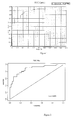
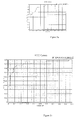


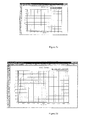
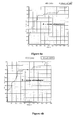


Classifications
-
- G—PHYSICS
- G01—MEASURING; TESTING
- G01N—INVESTIGATING OR ANALYSING MATERIALS BY DETERMINING THEIR CHEMICAL OR PHYSICAL PROPERTIES
- G01N33/00—Investigating or analysing materials by specific methods not covered by groups G01N1/00 - G01N31/00
- G01N33/48—Biological material, e.g. blood, urine; Haemocytometers
- G01N33/50—Chemical analysis of biological material, e.g. blood, urine; Testing involving biospecific ligand binding methods; Immunological testing
- G01N33/53—Immunoassay; Biospecific binding assay; Materials therefor
- G01N33/575—Immunoassay; Biospecific binding assay; Materials therefor for cancer
- G01N33/57557—Immunoassay; Biospecific binding assay; Materials therefor for cancer of other specific parts of the body, e.g. brain
-
- A—HUMAN NECESSITIES
- A61—MEDICAL OR VETERINARY SCIENCE; HYGIENE
- A61P—SPECIFIC THERAPEUTIC ACTIVITY OF CHEMICAL COMPOUNDS OR MEDICINAL PREPARATIONS
- A61P35/00—Antineoplastic agents
-
- C—CHEMISTRY; METALLURGY
- C12—BIOCHEMISTRY; BEER; SPIRITS; WINE; VINEGAR; MICROBIOLOGY; ENZYMOLOGY; MUTATION OR GENETIC ENGINEERING
- C12Q—MEASURING OR TESTING PROCESSES INVOLVING ENZYMES, NUCLEIC ACIDS OR MICROORGANISMS; COMPOSITIONS OR TEST PAPERS THEREFOR; PROCESSES OF PREPARING SUCH COMPOSITIONS; CONDITION-RESPONSIVE CONTROL IN MICROBIOLOGICAL OR ENZYMOLOGICAL PROCESSES
- C12Q1/00—Measuring or testing processes involving enzymes, nucleic acids or microorganisms; Compositions therefor; Processes of preparing such compositions
- C12Q1/68—Measuring or testing processes involving enzymes, nucleic acids or microorganisms; Compositions therefor; Processes of preparing such compositions involving nucleic acids
- C12Q1/6876—Nucleic acid products used in the analysis of nucleic acids, e.g. primers or probes
- C12Q1/6883—Nucleic acid products used in the analysis of nucleic acids, e.g. primers or probes for diseases caused by alterations of genetic material
- C12Q1/6886—Nucleic acid products used in the analysis of nucleic acids, e.g. primers or probes for diseases caused by alterations of genetic material for cancer
-
- C—CHEMISTRY; METALLURGY
- C12—BIOCHEMISTRY; BEER; SPIRITS; WINE; VINEGAR; MICROBIOLOGY; ENZYMOLOGY; MUTATION OR GENETIC ENGINEERING
- C12Q—MEASURING OR TESTING PROCESSES INVOLVING ENZYMES, NUCLEIC ACIDS OR MICROORGANISMS; COMPOSITIONS OR TEST PAPERS THEREFOR; PROCESSES OF PREPARING SUCH COMPOSITIONS; CONDITION-RESPONSIVE CONTROL IN MICROBIOLOGICAL OR ENZYMOLOGICAL PROCESSES
- C12Q2600/00—Oligonucleotides characterized by their use
- C12Q2600/106—Pharmacogenomics, i.e. genetic variability in individual responses to drugs and drug metabolism
-
- C—CHEMISTRY; METALLURGY
- C12—BIOCHEMISTRY; BEER; SPIRITS; WINE; VINEGAR; MICROBIOLOGY; ENZYMOLOGY; MUTATION OR GENETIC ENGINEERING
- C12Q—MEASURING OR TESTING PROCESSES INVOLVING ENZYMES, NUCLEIC ACIDS OR MICROORGANISMS; COMPOSITIONS OR TEST PAPERS THEREFOR; PROCESSES OF PREPARING SUCH COMPOSITIONS; CONDITION-RESPONSIVE CONTROL IN MICROBIOLOGICAL OR ENZYMOLOGICAL PROCESSES
- C12Q2600/00—Oligonucleotides characterized by their use
- C12Q2600/112—Disease subtyping, staging or classification
-
- C—CHEMISTRY; METALLURGY
- C12—BIOCHEMISTRY; BEER; SPIRITS; WINE; VINEGAR; MICROBIOLOGY; ENZYMOLOGY; MUTATION OR GENETIC ENGINEERING
- C12Q—MEASURING OR TESTING PROCESSES INVOLVING ENZYMES, NUCLEIC ACIDS OR MICROORGANISMS; COMPOSITIONS OR TEST PAPERS THEREFOR; PROCESSES OF PREPARING SUCH COMPOSITIONS; CONDITION-RESPONSIVE CONTROL IN MICROBIOLOGICAL OR ENZYMOLOGICAL PROCESSES
- C12Q2600/00—Oligonucleotides characterized by their use
- C12Q2600/154—Methylation markers
Definitions
- thyroid carcinoma There are approximately 25,600 new cases of thyroid carcinoma diagnosed in the United States each year, and 1,400 patients will die of the disease. About 75% of all thyroid cancers belong to the papillary thyroid carcinoma type. The rest consist of 10% follicular carcinoma, 5% to 9% medullary thyroid cancer, 1% to 2% anaplastic cancer, 1% to 3% lymphoma, and less than 1% sarcoma and other rare tumors. Usually a lump (nodule) in the thyroid is the first sign of thyroid cancer. There are 10 to 18 million people in US with a single thyroid nodule, and approximately 490,000 become clinically apparent each year. Fortunately only about 5% of these nodules are cancerous.
- FNA fine needle aspiration
- Comparative genomic hybridization CGH
- serial analysis of gene expression SAGE
- DNA microarray have been used to identify genetic events occurring in thyroid cancers such as loss of heterozygosity, up and down gene regulation, and genetic rearrangements.
- PAX8 and PPAR ⁇ genetic rearrangement event has been demonstrated to be associated with follicular thyroid cancer (FTC).
- FTC follicular thyroid cancer
- PTC papillary thyroid cancer
- TPO thyroid peroxidase
- Galectin-3 was reported to be a candidate marker to differentiate malignant thyroid neoplasms from benign lesions. However, there are other studies demonstrating that Galectin-3 is not a cancer-specific marker.
- Many genes purported to be useful in thyroid cancer diagnosis lack the sensitivity and specificity required for an accurate molecular assay.
- Huang et al. (PNAS 2001 Dec 18;98(26):15044-9 .) describes a study using oligobased DNA arrays to study the expression profiles of eight matched pairs of normal thyroid and PTC tissues. In this study it was found that a number of genes were overexpressed in Papillary thyroid carcinoma. Weber et al. (J Clin Endocrinol Metab. 2005 May;90(5):2512-21 ) reported that a three gene signature including cyclin D2 (CCND2), protein convertase 2 (PCSK2), and prostate differentiation factor (PLAB), allowed the molecular classification of follicular thyroid carcinoma and follicular adenomas.
- CCND2 cyclin D2
- PCSK2 protein convertase 2
- PLAB prostate differentiation factor
- the present invention encompasses methods of diagnosing thyroid cancer by obtaining a biological sample from a patient; and measuring the expression levels in the sample of genes encoding mRNA: corresponding to SEQ ID NOs: 199, 207, 255 and 354 where the gene expression levels above or below pre-determined cut-off levels are indicative of thyroid cancer; and gene expression is (a) measured on a microarray or gene chip, or (b) determined by nucleic acid amplification conducted by polymerase chain reaction (PCR) of RNA extracted from the sample.
- PCR polymerase chain reaction
- the present invention encompasses methods of differentiating between thyroid carcinoma and benign thyroid diseases by obtaining a sample from a patient; and measuring the expression levels in the sample of genes encoding mRNA corresponding to SEQ ID NOs: 199, 207, 255 and 354; where the gene expression levels above or below pre-determined cut-off levels are indicative of thyroid carcinoma; and gene expression is (a) measured on a microarray or gene chip, or (b) determined by nucleic acid amplification conducted by polymerase chain reaction (PCR) of RNA extracted from the sample.
- PCR polymerase chain reaction
- the present invention encompasses methods of testing indeterminate thyroid fine needle aspirate (FNA) of thyroid nodule samples by: obtaining a sample from a patient; and measuring the expression levels in the sample of genes encoding mRNA corresponding to SEQ ID NOs: 199, 207, 255 and 354; where the gene expression levels above or below pre-determined cut-off levels are indicative of thyroid cancer; and gene expression is (a) measured on a microarray or gene chip, or (b) determined by nucleic acid amplification conducted by polymerase chain reaction (PCR) of RNA extracted from the sample.
- FNA thyroid fine needle aspirate
- the present disclosure encompasses methods of determining thyroid cancer patient treatment protocol by: obtaining a biological sample from a thyroid cancer patient; and measuring the expression levels in the sample of genes selected from the group consisting of those encoding mRNA: corresponding to SEQ ID NOs: 36, 53, 73, 211 and 242; and/or corresponding to SEQ ID NOs: 199, 207, 255 and 354; or recognized specifically by the probe sets selected from the group consisting of psids corresponding to SEQ ID NOs: 36, 53, 73, 211 and 242 as depicted in Table 25; and/or recognized specifically by the probe sets selected from the group consisting of psids corresponding to SEQ ID NOs: 199, 207, 255 and 354 as depicted in Table 25; where the gene expression levels above or below pre-determined cut-off levels are sufficiently indicative of cancer to enable a physician to determine the type of surgery and/or therapy recommend to treat the disease.
- the present disclosure encompasses methods of treating a thyroid cancer patient by obtaining a biological sample from a thyroid cancer patient; and measuring the expression levels in the sample of genes selected from the group consisting of those encoding mRNA: corresponding to SEQ ID NOs: 36, 53, 73, 211 and 242; and/or corresponding to SEQ ID NOs: 199, 207, 255 and 354; or recognized specifically by the probe sets selected from the group consisting of psids corresponding to SEQ ID NOs: 36, 53, 73, 211 and 242 as depicted in Table 25; and/or recognized specifically by the probe sets selected from the group consisting of psids corresponding to SEQ ID NOs: 199, 207, 255 and 354 as depicted in Table 25; where the gene expression levels above or below pre-determined cut-off levels are indicative of cancer; and treating the patient with a thyroidectomy if they are cancer positive.
- the present disclosure encompasses methods of cross validating a gene expression profile for thyroid carcinoma patients by: a. obtaining gene expression data from a statistically significant number of patient biological samples; b. randomizing sample order; c. setting aside data from about 10% - 50% of samples; d. computing, for the remaining samples, for factor of interest on all variables and selecting variables that meet a p-value cutoff (p); e. selecting variables that fit a prediction model using a forward search and evaluating the training error until it hits a predetermined error rate; f. testing the prediction model on the left-out 10-50% of samples; g. repeating steps c., -g. with a new set of samples removed; and h. continuing steps c) -g) until 100% of samples have been tested and record classification performance.
- the present disclosure encompasses methods of independently validating a gene expression profile and gene profiles obtained thereby for thyroid carcinoma patients by obtaining gene expression data from a statistically significant number of patient biological samples; normalizing the source variabilities in the gene expression data; computing for factor of interest on all variables that were selected previously; and testing the prediction model on the sample and record classification performance.
- the present disclosure encompasses a method of generating a posterior probability score to enable diagnosis of thyroid carcinoma patients by: obtaining gene expression data from a statistically significant number of patient biological samples; applying linear discrimination analysis to the data to obtain selected genes; and applying weighted expression levels to the selected genes with discriminate function factor to obtain a prediction model that can be applied as a posterior probability score.
- the present disclosure encompasses methods of generating a thyroid carcinoma prognostic patient report and reports obtained thereby, by obtaining a biological sample from the patient; measuring gene expression of the sample; applying a posterior probability thereto; and using the results obtained thereby to generate the report.
- kits for conducting an assay as defined in the claims to determine thyroid carcinoma diagnosis in a biological sample containing: materials for detecting isolated nucleic acid sequences, their complements, or portions thereof of a combination of genes encoding mRNA corresponding to SEQ ID NOs: 199, 207, 255 and 354.
- the present disclosure encompasses articles for assessing thyroid carcinoma status containing: materials for detecting isolated nucleic acid sequences, their complements, or portions thereof of a combination of genes selected from the group consisting of those encoding mRNA: corresponding to SEQ ID NOs: 36, 53, 73, 211 and 242; and/or corresponding to SEQ ID NOs: 199, 207, 255 and 354; or recognized specifically by the probe sets selected from the group consisting of psids corresponding to SEQ ID NOs: 36, 53, 73, 211 and 242 as depicted in Table 25; and/or recognized specifically by the probe sets selected from the group consisting of psids corresponding to SEQ ID NOs: 199, 207, 255 and 354 as depicted in Table 25.
- the present invention encompasses microarrays or gene chips for performing the methods provided herein, as defined in the claims.
- the present disclosure encompasses diagnostic/prognostic portfolios containing isolated nucleic acid sequences, their complements, or portions thereof of a combination of genes selected from the group consisting of those encoding mRNA: corresponding to SEQ ID NOs: 36, 53, 73, 211 and 242; and/or corresponding to SEQ ID NOs: 199, 207, 255 and 354; or recognized specifically by the probe sets selected from the group consisting of psids corresponding to SEQ ID NOs: 36, 53, 73, 211 and 242 as depicted in Table 25; and/or recognized specifically by the probe sets selected from the group consisting of psids corresponding to SEQ ID NOs: 199, 207, 255 and 354 as depicted in Table 25 where the combination is sufficient to characterize thyroid carcinoma status or risk of relapse in a biological sample.
- nucleic acid sequences having the potential to express proteins, peptides, or mRNA such sequences referred to as "genes" within the genome by itself is not determinative of whether a protein, peptide, or mRNA is expressed in a given cell. Whether or not a given gene capable of expressing proteins, peptides, or mRNA does so and to what extent such expression occurs, if at all, is determined by a variety of complex factors.
- assaying gene expression can provide useful information about the occurrence of important events such as tumorogenesis, metastasis, apoptosis, and other clinically relevant phenomena. Relative indications of the degree to which genes are active or inactive can be found in gene expression profiles.
- the gene expression profiles of this invention are used to provide a diagnosis and treat patients for thyroid cancer.
- Sample preparation requires the collection of patient samples.
- Patient samples used in the inventive method are those that are suspected of containing diseased cells such as cells taken from a nodule in a fine needle aspirate (FNA) of thyroid tissue.
- Bulk tissue preparation obtained from a biopsy or a surgical specimen and laser capture microdissection are also suitable for use.
- Laser Capture Microdissection (LCM) technology is one way to select the cells to be studied, minimizing variability caused by cell type heterogeneity. Consequently, moderate or small changes in gene expression between normal or benign and cancerous cells can be readily detected.
- Samples can also comprise circulating epithelial cells extracted from peripheral blood. These can be obtained according to a number of methods but the most preferred method is the magnetic separation technique described in U.S. Patent 6,136,182 .
- the present invention encompasses methods of diagnosing thyroid cancer by obtaining a biological sample from a patient; and measuring the expression levels in the sample of genes from those encoding mRNA corresponding to SEQ ID NOs: 199, 207, 255 and 354; where the gene expression levels above or below pre-determined cut-off levels are indicative of thyroid cancer and gene expression is (a) measured on a microarray or gene chip, or (b) determined by nucleic acid amplification conducted by polymerase chain reaction (PCR) of RNA extracted from the sample.
- PCR polymerase chain reaction
- the present invention encompasses methods of differentiating between thyroid carcinoma and benign thyroid diseases by obtaining a sample from a patient; and measuring the expression levels in the sample of genes from those encoding mRNA corresponding to SEQ ID NOs: 199, 207, 255 and 354; where the gene expression levels above or below pre-determined cut-off levels are indicative of thyroid carcinoma; and gene expression is (a) measured on a microarray or gene chip, or (b) determined by nucleic acid amplification conducted by polymerase chain reaction (PCR) of RNA extracted from the sample
- the present invention encompasses methods of testing indeterminate thyroid fine needle aspirate (FNA) of thyroid nodule samples by: obtaining a sample from a patient; and measuring the expression levels in the sample of genes from those encoding mRNA corresponding to SEQ ID NOs: 199, 207, 255 and 354; where the gene expression levels above or below pre-determined cut-off levels are indicative of thyroid cancer; and gene expression is (a) measured on a microarray or gene chip, or (b) determined by nucleic acid amplification conducted by polymerase chain reaction (PCR) of RNA extracted from the sample.
- FNA thyroid fine needle aspirate
- the present disclosure encompasses methods of determining thyroid cancer patient treatment protocol by: obtaining a biological sample from a thyroid cancer patient; and measuring the expression levels in the sample of genes from those encoding mRNA: corresponding to SEQ ID NOs: 36, 53, 73, 211 and 242; and/or corresponding to SEQ ID NOs: 199, 207, 255 and 354; or recognized specifically by the probe sets from psids corresponding to SEQ ID NOs: 36, 53, 73, 211 and 242 as depicted in Table 25; and/or recognized specifically by the probe sets from psids corresponding to SEQ ID NOs: 199, 207, 255 and 354 as depicted in Table 25; where the gene expression levels above or below pre-determined cut-off levels are sufficiently indicative of cancer to enable a physician to determine the type of surgery and/or therapy recommend to treat the disease.
- the present disclosure encompasses methods of treating a thyroid cancer patient by obtaining a biological sample from a thyroid cancer patient; and measuring the expression levels in the sample of genes from those encoding mRNA: corresponding to SEQ ID NOs: 36, 53, 73, 211 and 242; and/or corresponding to SEQ ID NOs: 199, 207, 255 and 354; or recognized specifically by the probe sets from psids corresponding to SEQ ID NOs: 36, 53, 73, 211 and 242 as depicted in Table 25; and/or recognized specifically by the probe sets from psids corresponding to SEQ ID NOs: 199, 207, 255 and 354 as depicted in Table 25; where the gene expression levels above or below pre-determined cut-off levels are indicative of cancer; and treating the patient with thyroidectomy if they are cancer positive.
- the SEQ ID NOs in the above methods can be 36, 53, 73, 211 and 242 or 199, 207, 255 and 354, or 45, 215, 65, 29, 190, 199, 207, 255 and 354.
- the invention also encompasses the above methods containing the steps of further measuring the expression level of at least one gene encoding mRNA: corresponding to SEQ ID NOs: 142, 219 and 309; and/or corresponding to SEQ ID NOs: 9, 12 and 18 as defined in the claims.
- the invention also encompasses the above methods containing the steps of further measuring the expression level of at least one gene constitutively expressed in the sample as defined in the claims.
- Cadherin 3 type 1 (SEQ ID NO: 53) is mentioned in US20030194406 ; US 20050037439 ; and US 20040137539 .
- Fibronectin (SEQ ID NO: 242) is mentioned in US6436642 and US20030104419 .
- Secretory granule, neuroendocrine protein 1 (SEQ ID NO: 76) is mentioned in US20030232350 ; and US20040002067 .
- Testican-1 (SEQ ID NO: 36) is mentioned in US20030108963 ; and US20050037463 .
- Thyroid peroxidase (SEQ ID NO: 211) is mentioned in US6066449 , US20030118553 ; US20030054571 ; WO9102061 ; and WO9856953 .
- Chemokine C (C-C) motif ligand 18 (SEQ ID NO: 354) is mentioned in WO2005005601 and US20020114806 .
- Pulmonary surfactant-associated protein B (SEQ ID NO: 355) is mentioned in US20030219760 ; and US20030232350 .
- K+ channel beta subunit (SEQ ID NO: 207) is mentioned in US20030096782 ; and US 20020168638 .
- Putative prostate cancer suppressor (SEQ ID NO: 178) is mentioned in WO2005020784 .
- Bone marrow stromal cell antigen 1 (SEQ ID NO: 142) is mentioned in WO2004040014 ; and WO2005020784 .
- Leucocyte immunoglobulin-like receptor-6b (SEQ ID NO: 219) is mentioned in US20030060614 .
- Bridging integrator 2 (SEQ ID NO: 309) is mentioned in EP1393776 ; WO02057414 ; WO0116158 and US6831063 .
- Cysteine-rich, angiogenic inducer, 61 (SEQ ID NO: 9) is mentioned in WO2004030615 ; and WO9733995 .
- Selenoprotein P, Plasma 1 (SEQ ID NO: 12) is mentioned in US20040241653 and WO2005015236 .
- Insulin-like growth factor-binding protein 4 (SEQ ID NO: 18) is mentioned in WO2005015236 ; WO9203469 ; WO9203152 ; and EP0546053 .
- the most preferred method for analyzing the gene expression pattern of a patient in the methods provided herein is through the use of a linear discrimination analysis program.
- the present invention encompasses a method of generating a posterior probability score to enable diagnosis of thyroid carcinoma patients by: obtaining gene expression data from a statistically significant number of patient biological samples; applying linear discrimination analysis to the data to obtain selected genes; and applying weighted expression levels to the selected genes with discriminate function factor to obtain a prediction model that can be applied as a posterior probability score.
- Other analytical tools can also be used to answer the same question such as, logistic regression and neural network approaches.
- portfolios are established such that the combination of genes in the portfolio exhibit improved sensitivity and specificity relative to individual genes or randomly selected combinations of genes.
- the sensitivity of the portfolio can be reflected in the fold differences exhibited by a gene's expression in the diseased state relative to the normal state.
- Specificity can be reflected in statistical measurements of the correlation of the signaling of gene expression with the condition of interest. For example, standard deviation can be a used as such a measurement. In considering a group of genes for inclusion in a portfolio, a small standard deviation in expression measurements correlates with greater specificity. Other measurements of variation such as correlation coefficients can also be used in this capacity.
- the invention also encompasses the above methods where the specificity is at least about 40%, at least about 50% and at least about 60%.
- the invention also encompasses the above methods where the sensitivity is at least at least about 90% and at least about 92%.
- the invention also encompasses the above methods where the comparison of expression patterns is conducted with pattern recognition methods.
- One method of the invention involves comparing gene expression profiles for various genes (or portfolios) to ascribe diagnoses.
- the gene expression profiles of each of the genes comprising the portfolio are fixed in a medium such as a computer readable medium.
- a medium such as a computer readable medium.
- This can take a number of forms. For example, a table can be established into which the range of signals (e.g., intensity measurements) indicative of disease is input. Actual patient data can then be compared to the values in the table to determine whether the patient samples are normal, benign or diseased.
- patterns of the expression signals e.g., fluorescent intensity
- the gene expression patterns from the gene portfolios used in conjunction with patient samples are then compared to the expression patterns.
- Pattern comparison software can then be used to determine whether the patient samples have a pattern indicative of the disease. Of course, these comparisons can also be used to determine whether the patient is not likely to experience the disease.
- the expression profiles of the samples are then compared to the portfolio of a control cell. If the sample expression patterns are consistent with the expression pattern for cancer then (in the absence of countervailing medical considerations) the patient is treated as one would treat a thyroid cancer patient. If the sample expression patterns are consistent with the expression pattern from the normal/control cell then the patient is diagnosed negative for cancer.
- levels of up and down regulation are distinguished based on fold changes of the intensity measurements of hybridized microarray probes.
- a 1.5 fold difference is preferred for making such distinctions (or a p-value less than 0.05). That is, before a gene is said to be differentially expressed in diseased versus normal cells, the diseased cell is found to yield at least about 1.5 times more, or 1.5 times less intensity than the normal cells. The greater the fold difference, the more preferred is use of the gene as a diagnostic or prognostic tool.
- Genes selected for the gene expression profiles of this invention have expression levels that result in the generation of a signal that is distinguishable from those of the normal or non-modulated genes by an amount that exceeds background using clinical laboratory instrumentation.
- Statistical values can be used to confidently distinguish modulated from non-modulated genes and noise. Statistical tests find the genes most significantly different between diverse groups of samples.
- the Student's T-test is an example of a robust statistical test that can be used to find significant differences between two groups. The lower the p-value, the more compelling the evidence that the gene is showing a difference between the different groups. Nevertheless, since microarrays measure more than one gene at a time, tens of thousands of statistical tests may be asked at one time. Because of this, one is unlikely to see small p-values just by chance and adjustments for this using a Sidak correction as well as a randomization/permutation experiment can be made. A p-value less than 0.05 by the T-test is evidence that the gene is significantly different.
- More compelling evidence is a p-value less then 0.05 after the Sidak correction is factored in. For a large number of samples in each group, a p-value less than 0.05 after the randomization/permutation test is the most compelling evidence of a significant difference.
- the present invention encompasses the use of microarrays or gene chips for performing the methods provided herein as defined in the claims.
- the microarrays can contain isolated nucleic acid sequences, their complements, or portions thereof of a combination of genes from those encoding mRNA: corresponding to SEQ ID NOs: 36, 53, 73, 211 and 242; and/or corresponding to SEQ ID NOs: 199, 207, 255 and 354; or recognized specifically by the probe sets from psids corresponding to SEQ ID NOs: 36, 53, 73, 211 and 242 as depicted in Table 25; and/or recognized specifically by the probe sets from psids corresponding to SEQ ID NOs: 199, 207, 255 and 354 as depicted in Table 25 where the combination is sufficient to characterize thyroid carcinoma or risk of relapse in a biological sample.
- the microarray preferably measures or characterizes at least about 1.5-fold over- or under-expression, provides a statistically significant p-value over- or under-expression, or a p-value is less than 0.05.
- the microarray contains a cDNA array or an oligonucleotide array and may contain one or more internal control reagents.
- One preferred internal control reagent is a method of detecting PAX8 gene expression which can be measured using SEQ ID NOs: 409-411.
- an oligonucleotide in the array corresponds to the 3' non-coding region of the gene the expression of which is being measured.
- Another parameter that can be used to select genes that generate a signal that is greater than that of the non-modulated gene or noise is the use of a measurement of absolute signal difference.
- the signal generated by the modulated gene expression is at least 20% different than those of the normal or non-modulated gene (on an absolute basis). It is even more preferred that such genes produce expression patterns that are at least 30% different than those of normal or non-modulated genes.
- Preferred methods for establishing gene expression profiles include determining the amount of RNA that is produced by a gene that can code for a protein or peptide. This is accomplished by reverse transcriptase PCR (RT-PCR), competitive RT-PCR, real time RT-PCR, differential display RT-PCR, Northern Blot analysis and other related tests. While it is possible to conduct these techniques using individual PCR reactions, it is best to amplify complementary DNA (cDNA) or complementary RNA (cRNA) produced from mRNA and analyze it via microarray. A number of different array configurations and methods for their production are known to those of skill in the art and are described in U.S.
- Patents such as: 5,445,934; 5,532,128; 5,556,752; 5,242,974; 5,384,261; 5,405,783; 5,412,087; 5,424,186; 5,429,807; 5,436,327; 5,472,672; 5,527,681; 5,529,756; 5,545,531; 5,554,501; 5,561,071; 5,571,639; 5,593,839; 5,599,695; 5,624,711; 5,658,734; and 5,700,637.
- Microarray technology allows for the measurement of the steady-state mRNA level of thousands of genes simultaneously thereby presenting a powerful tool for identifying effects such as the onset, arrest, or modulation of uncontrolled cell proliferation.
- Two microarray technologies are currently in wide use. The first are cDNA arrays and the second are oligonucleotide arrays. Although differences exist in the construction of these chips, essentially all downstream data analysis and output are the same.
- the product of these analyses are typically measurements of the intensity of the signal received from a labeled probe used to detect a cDNA sequence from the sample that hybridizes to a nucleic acid sequence at a known location on the microarray.
- the intensity of the signal is proportional to the quantity of cDNA, and thus mRNA, expressed in the sample cells.
- mRNA mRNA
- Analysis of the expression levels is conducted by comparing such signal intensities. This is best done by generating a ratio matrix of the expression intensities of genes in a test sample versus those in a control sample. For instance, the gene expression intensities from a diseased tissue can be compared with the expression intensities generated from benign or normal tissue of the same type. A ratio of these expression intensities indicates the fold-change in gene expression between the test and control samples.
- Gene expression profiles can also be displayed in a number of ways. The most common method is to arrange raw fluorescence intensities or ratio matrix into a graphical dendogram where columns indicate test samples and rows indicate genes. The data are arranged so genes that have similar expression profiles are proximal to each other. The expression ratio for each gene is visualized as a color. For example, a ratio less than one (indicating down-regulation) may appear in the blue portion of the spectrum while a ratio greater than one (indicating up-regulation) may appear as a color in the red portion of the spectrum.
- Commercially available computer software programs are available to display such data including "GENESPRING” from Silicon Genetics, Inc. and “DISCOVERY” and "INFER” software from Partek, Inc.
- the genes that are differentially expressed are either up regulated or down regulated in patients with thyroid cancer relative to those with benign thyroid diseases.
- Up regulation and down regulation are relative terms meaning that a detectable difference (beyond the contribution of noise in the system used to measure it) is found in the amount of expression of the genes relative to some baseline.
- the baseline is the measured gene expression of a benign disease patient.
- the genes of interest in the diseased cells are then either up regulated or down regulated relative to the baseline level using the same measurement method.
- Diseased in this context, refers to an alteration of the state of a body that interrupts or disturbs, or has the potential to disturb, proper performance of bodily functions as occurs with the uncontrolled proliferation of cells.
- diagnosis or prognosis includes the determination of disease/status issues such as determining the likelihood of relapse, type of therapy and therapy monitoring.
- therapy monitoring clinical judgments are made regarding the effect of a given course of therapy by comparing the expression of genes over time to determine whether the gene expression profiles have changed or are changing to patterns more consistent with normal tissue.
- Genes can be grouped so that information obtained about the set of genes in the group provides a sound basis for making a clinically relevant judgment such as a diagnosis, prognosis, or treatment choice. These sets of genes make up the portfolios of the invention. As with most diagnostic markers, it is often desirable to use the fewest number of markers sufficient to make a correct medical judgment. This prevents a delay in treatment pending further analysis as well unproductive use of time and resources.
- One method of establishing gene expression portfolios is through the use of optimization algorithms such as the mean variance algorithm widely used in establishing stock portfolios. This method is described in detail in US patent publication number 20030194734 . Essentially, the method calls for the establishment of a set of inputs (stocks in financial applications, expression as measured by intensity here) that will optimize the return (e.g., signal that is generated) one receives for using it while minimizing the variability of the return. Many commercial software programs are available to conduct such operations. "Wagner Associates Mean-Variance Optimization Application,” referred to as “Wagner Software” throughout this specification, is preferred. This software uses functions from the “Wagner Associates Mean-Variance Optimization Library" to determine an efficient frontier and optimal portfolios in the Markowitz sense is preferred. Use of this type of software requires that microarray data be transformed so that it can be treated as an input in the way stock return and risk measurements are used when the software is used for its intended financial analysis purposes.
- the process of selecting a portfolio can also include the application of heuristic rules.
- such rules are formulated based on biology and an understanding of the technology used to produce clinical results. More preferably, they are applied to output from the optimization method.
- the mean variance method of portfolio selection can be applied to microarray data for a number of genes differentially expressed in subjects with cancer. Output from the method would be an optimized set of genes that could include some genes that are expressed in peripheral blood as well as in diseased tissue. If samples used in the testing method are obtained from peripheral blood and certain genes differentially expressed in instances of cancer could also be differentially expressed in peripheral blood, then a heuristic rule can be applied in which a portfolio is selected from the efficient frontier excluding those that are differentially expressed in peripheral blood.
- the rule can be applied prior to the formation of the efficient frontier by, for example, applying the rule during data pre-selection.
- heuristic rules can be applied that are not necessarily related to the biology in question. For example, one can apply a rule that only a prescribed percentage of the portfolio can be represented by a particular gene or group of genes.
- Commercially available software such as the Wagner Software readily accommodates these types of heuristics. This can be useful, for example, when factors other than accuracy and precision (e.g., anticipated licensing fees) have an impact on the desirability of including one or more genes.
- the gene expression profiles of this invention can also be used in conjunction with other non-genetic diagnostic methods useful in cancer diagnosis, prognosis, or treatment monitoring.
- diagnostic power of the gene expression based methods described above with data from conventional markers such as serum protein markers (e.g., Cancer Antigen 27.29 ("CA 27.29”)).
- serum protein markers e.g., Cancer Antigen 27.29 (“CA 27.29”).
- CA 27.29 Cancer Antigen 27.29
- blood is periodically taken from a treated patient and then subjected to an enzyme immunoassay for one of the serum markers described above. When the concentration of the marker suggests the return of tumors or failure of therapy, a sample source amenable to gene expression analysis is taken.
- FNA fine needle aspirate
- the present disclosure encompasses methods of cross validating a gene expression profile and the profiles thus obtained, for thyroid carcinoma patients by: a. obtaining gene expression data from a statistically significant number of patient biological samples; b. randomizing sample order; c. setting aside data from about 10% - 50% of samples; d. computing, for the remaining samples, for factor of interest on all variables and selecting variables that meet a p-value cutoff (p); e. selecting variables that fit a prediction model using a forward search and evaluating the training error until it hits a predetermined error rate; f. testing the prediction model on the left-out 10-50% of samples; g. repeating steps c., -g. with a new set of samples removed; and h.
- the gene expression data obtained in step h. is represented by genes from those encoding mRNA: corresponding to SEQ ID NOs: 1, 4, 7, 8, 10-11, 13-17, 19-24, 26-27, 29-31, 33-35, 37-38, 40-52, 54-72, 75-82, 84-135, 138-141, 144-151, 153-159, 161-162, 164, 166-173, 176-198, 200-201, 203-206, 208-209, 212-213, 215-218, 220-221, 223, 227-233, 235-241, 243-244, 246-249, 251, 253-254, 256-263, 265-289, 291-293, 295-308, 310-331, 333-341, 343-345, 347-348, 350-353 and 355-363; or recognized specifically by the probe sets from psids in Table 25 corresponding to SEQ ID NOs: 1, 4, 7, 8, 10-11, 13-17, 19-24, 26-27, 29-31, 33-35,
- the present disclosure encompasses methods of independently validating a gene expression profile and the profiles thus obtained, for thyroid cancer patients by obtaining gene expression data from a statistically significant number of patient biological samples; normalizing the source variabilities in the gene expression data; computing for factor of interest on all variables that were selected previously; and testing the prediction model on the sample and record classification performance.
- the gene expression data obtained in step d preferably, the gene expression data obtained in step d.
- the present disclosure encompasses methods of generating a posterior probability to enable diagnosis of thyroid carcinoma patients by obtaining gene expression data from a statistically significant number of patient biological samples; applying linear discrimination analysis to the data to obtain selected genes; applying weighted expression levels to the selected genes with discriminate function factor to obtain a prediction model that can be applied as a posterior probability score.
- p C ⁇ N 1 1 + e d C ⁇ P - d C ⁇ N
- the present disclosure encompasses methods of generating a thyroid carcinoma diagnostic patient report and reports obtained thereby, by obtaining a biological sample from the patient; measuring gene expression of the sample; applying a posterior probability score thereto; and using the results obtained thereby to generate the report.
- the report can also contain an assessment of patient outcome and/or probability of risk relative to the patient population.
- kits for conducting an assay to determine thyroid carcinoma diagnosis in a biological sample as defined in the claims containing: materials for detecting isolated nucleic acid sequences, their complements, or portions thereof of a combination of genes from those encoding mRNA corresponding to SEQ ID NOs: 199, 207, 255 and 354
- the SEQ ID NOs. can be 36, 53, 73, 211 and 242, 199, 207, 255 and 354 and 45, 215, 65, 29, 190, 199, 207, 255 and 354.
- Kits made according to the invention include formatted assays for determining the gene expression profiles. These can include all or some of the materials needed to conduct the assays such as reagents and instructions and a medium through which nucleic acid sequences, their complements, or portions thereof are assayed.
- Articles of this disclosure include representations of the gene expression profiles useful for treating, diagnosing, prognosticating, and otherwise assessing diseases. These profile representations are reduced to a medium that can be automatically read by a machine such as computer readable media (magnetic, optical, and the like).
- the articles can also include instructions for assessing the gene expression profiles in such media.
- the articles may comprise a CD ROM having computer instructions for comparing gene expression profiles of the portfolios of genes described above.
- the articles may also have gene expression profiles digitally recorded therein so that they may be compared with gene expression data from patient samples. Alternatively, the profiles can be recorded in different representational format. A graphical recordation is one such format. Clustering algorithms such as those incorporated in "DISCOVERY” and "INFER” software from Partek, Inc. mentioned above can best assist in the visualization of such data.
- articles of manufacture are media or formatted assays used to reveal gene expression profiles. These can comprise, for example, microarrays in which sequence complements or probes are affixed to a matrix to which the sequences indicative of the genes of interest combine creating a readable determinant of their presence.
- articles according to the disclosure can be fashioned into reagent kits for conducting hybridization, amplification, and signal generation indicative of the level of expression of the genes of interest for detecting cancer.
- the present disclosure encompasses articles for assessing thyroid carcinoma status containing: materials for detecting isolated nucleic acid sequences, their complements, or portions thereof of a combination of genes from those encoding mRNA: corresponding to SEQ ID NOs: 36, 53, 73, 211 and 242; and/or corresponding to SEQ ID NOs: 199, 207, 255 and 354; or recognized specifically by the probe sets from psids corresponding to SEQ ID NOs: 36, 53, 73, 211 and 242 as depicted in Table 25; and/or recognized specifically by the probe sets from psids corresponding to SEQ ID NOs: 199, 207, 255 and 354 as depicted in Table 25.
- the SEQ ID NOs. can be 36, 53, 73, 211 and 242; 199, 207, 255 and 354; or 45, 215, 65, 29, 190, 199, 207, 255 and 354.
- the present disclosure encompasses diagnostic/prognostic portfolios containing isolated nucleic acid sequences, their complements, or portions thereof of a combination of genes from those encoding mRNA: corresponding to SEQ ID NOs: 36, 53, 73, 211 and 242; and/or corresponding to SEQ ID NOs: 199, 207, 255 and 354; or recognized specifically by the probe sets from psids corresponding to SEQ ID NOs: 36, 53, 73, 211 and 242 as depicted in Table 25; and/or recognized specifically by the probe sets from psids corresponding to SEQ ID NOs: 199, 207, 255 and 354 as depicted in Table 25 where the combination is sufficient to characterize thyroid carcinoma status or risk of relapse in a biological sample.
- the portfolio measures or characterizes at least about 1.5-fold over- or under-expression or provides a statistically significant p-value over- or under-expression.
- the p-value is less than
- Fresh frozen thyroid benign diseases, follicular adenoma, follicular carcinoma, and papillary carcinoma samples were obtained from different commercial vendors including Genomics Collaborative, Inc. (Cambridge, MA), Asterand (Detroit, MI), and Proteogenex (Los Angeles, CA). All samples were collected according to an Institutional Review Board approval protocol. Patients demographic and pathology information were also collected. The histopathological features of each sample were reviewed to confirm diagnosis, estimate sample preservation and tumor content.
- RNA integrity was examined with Agilent 2100 Bioanalyzer RNA 6000 NanoAssay (Agilent Technologies, Palo Alto, CA).
- Linear Discriminant Analysis was performed using these steps: calculation of a common (pooled) covariance matrix and within-group means; calculation of the set of linear discriminant functions from the common covariance and the within-group means; and classification using the linear discriminant functions.
- Plugging the chip intensity readings for each probe into the following equation can be used to derive the posterior probability of an unknown thyroid sample as either cancer positive or negative. For example, if a thyroid sample is tested with the assay and gives a p (CP) > 0.5 this sample will be classified as thyroid cancer.
- An extra step of incubation with an exonuclease mix of Exo I and Exo VII was performed to reduce background.
- the double-stranded cDNA served as the template for T7-mediated linear amplification by in vitro transcription.
- the ENZO BioArray HighYield RNA Transcript Labeling kit (Affymetrix, CA) was used in place of the in vitro transcription step of Aminoallyl-aRNA.
- the aRNA was quantified by Agilent Nano Chip technology.
- Labeled cRNA was prepared and hybridized with the high-density oligonucleotide array Hu133A Gene Chip (Affymetrix, Santa Clara, CA) containing a total of 22,000 probe sets. Hybridization was performed according to a standard protocol provided by the manufacturer. Arrays were scanned using Affymetrix protocols and scanners. For subsequent analysis, each probe set was considered as an independent gene. Expression values for each gene were calculated by using Affymetrix Gene Chip analysis software MAS 5.0. All chips met the following quality control standards: the percentage of "presence" call, the scaling factor, the background level, and the noise level have to be within the range of mean plus or minus 3 standard deviation. All chips used for subsequent analysis have passed these quality control criteria.
- Sample collection for signature selection and independent validation is summarized in Table 1.
- Table 1. Sample collection for signature training and validation Training Sample Set Category Number of Samples Follicular Adenoma (FA) 33 Follicular Carcinoma (FC) 21 Benign Diseases (BN) 13 Papillary Carcinoma (PC) 31 Validation Sample Set Category Number of Samples Follicular Adenoma (FA) 38 Follicular Carcinoma (FC) 5 Follicular Variant of Papillary Carcinoma (FVPTC) 11 Papillary Carcinoma (PC) 20
- a total of 98 samples including 31 primary papillary thyroid tumors, 21 follicular thyroid cancers, 33 follicular adenoma, and 13 benign thyroid tissues were analyzed by using Affymetrix human U133A gene chips. Five gene selection criteria were applied to the entire data set to obtain a limited number of genes for subsequent gene marker or signature identification:
- the final number of selected genes for signature identification is 322, described in Table 25, SEQ ID NOs: 1, 4, 7, 8, 10-11, 13-17, 19-24, 26-27, 29-31, 33-35, 37-38, 40-52, 54-72, 75-82, 84-135, 138-141, 144-151, 153-159, 161-162, 164, 166-173, 176-198, 200-201, 203-206, 208-209, 212-213, 215-218, 220-221, 223, 227-233, 235-241, 243-244, 246-249, 251, 253-254, 256-263, 265-289, 291-293, 295-308, 310-331, 333-341, 343-345, 347-348, 350-353 and 355-363.
- Table 3 The data obtained from the 322 selected genes are provided in Table 3 and summarized in Table 4.
- Table 3 3a SEQ ID NO: 800TT 801TT 802TT 804TT 805TT 806TT 807TT 818TT 819TT 354 10235.3 163.8 12.2 99.1 111.6 2506.3 1780.7 29.3 4.1 355 508.5 150.8 31.5 83.8 63.1 457.5 189.9 48.2 45.3 356 82.7 754 707.3 477.3 1120.7 827.5 246.3 1068.3 960.1 357 834 758.9 718 249.4 883.6 554.5 377.5 616.1 706.9 358 2490.4 593.3 565.5 540.3 1132.7 750.4 803.7 377.4 534.6 359 533.5 342 412 409.4 413.3 396.5 309.5 352.8 317.7 362 136.4 550 399.6 653.8 573.4 322.4 539.5 317.5 324.9 360 476.2 324.5 352.5 348.2 473.3 342.9 170.3 190.1 279.4 361 196.4
- RNA isolation was extracted by using the Trizol reagent according to the manufacturer's instructions. RNA concentrations were determined by absorbance readings at 260 nm with the Gene-Spec (Hitachi) spectrophotometer. The isolated RNA was stored in RNase-free water at -80°C until use.
- the primers and hydrolysis probes were designed using Oligo 6.0 and the Genebank sequences for thyroid cancer status markers (Table 22). These primers and probe sets were designed such that the annealing temperature of the primers was 62°C and the probes 5-10°C higher and amplicon size ranges from 100-150bp. Genomic DNA amplification was excluded by designing our primers around exon-intron splicing sites. Hydrolysis probes were labeled at the 5' nucleotide with FAM as the reporter dye and at 3' nucleotide with TAMRA as the quenching dye.
- Ct value The number of cycles to reach the fluorescence threshold was defined as the cycle threshold (Ct value).
- Ct value The number of cycles to reach the fluorescence threshold was defined as the cycle threshold (Ct value).
- Table 23b The data show that the two gene signature shown in Table 23b is not as sensitive and specific as the four-gene signature from which it was derived.
- Table 24 shows that use of the PAX8 gene in an RT-PCR reaction as a control for thyroid-specific tissue is effective in an RT-PCR reaction.
- Table 25 Sequence identifications SEQ NO: psid Name Accession No. Description 1 200635_s_at AU145351 Hs.75216 prot tyrosine phosphatase, rec.
Landscapes
- Health & Medical Sciences (AREA)
- Life Sciences & Earth Sciences (AREA)
- Chemical & Material Sciences (AREA)
- Engineering & Computer Science (AREA)
- Immunology (AREA)
- Organic Chemistry (AREA)
- Pathology (AREA)
- Analytical Chemistry (AREA)
- Proteomics, Peptides & Aminoacids (AREA)
- Molecular Biology (AREA)
- General Health & Medical Sciences (AREA)
- Genetics & Genomics (AREA)
- Biomedical Technology (AREA)
- Biotechnology (AREA)
- Microbiology (AREA)
- Physics & Mathematics (AREA)
- Hematology (AREA)
- Wood Science & Technology (AREA)
- Zoology (AREA)
- Biochemistry (AREA)
- Urology & Nephrology (AREA)
- Medicinal Chemistry (AREA)
- Bioinformatics & Cheminformatics (AREA)
- Food Science & Technology (AREA)
- General Physics & Mathematics (AREA)
- General Engineering & Computer Science (AREA)
- Hospice & Palliative Care (AREA)
- Oncology (AREA)
- Cell Biology (AREA)
- Biophysics (AREA)
- Veterinary Medicine (AREA)
- Public Health (AREA)
- Animal Behavior & Ethology (AREA)
- Pharmacology & Pharmacy (AREA)
- Nuclear Medicine, Radiotherapy & Molecular Imaging (AREA)
- Chemical Kinetics & Catalysis (AREA)
- General Chemical & Material Sciences (AREA)
- Measuring Or Testing Involving Enzymes Or Micro-Organisms (AREA)
- Investigating Or Analysing Biological Materials (AREA)
- Apparatus Associated With Microorganisms And Enzymes (AREA)
Claims (12)
- Procédé de diagnostic du cancer de la thyroïde, de test d'aspiration à l'aiguille fine (FNA) de thyroïde indéterminé d'échantillons de nodules thyroïdiens, ou de différenciation entre un carcinome thyroïdien et des maladies thyroïdiennes bénignes dans un échantillon biologique obtenu à partir d'un patient ; comprenant l'étape de mesure des taux d'expression dans l'échantillon de gènes codant pour des ARNm correspondant aux SEQ ID NO: 199, 207, 255 et 354 ; dans lequel les taux d'expression génique au-dessus ou au-dessous de seuils de coupure prédéterminés sont indicatifs d'un cancer de la thyroïde d'un carcinome de la thyroïde ; et dans lequel l'expression génique est (a) mesurée sur une micromatrice ou une puce à ADN, ou(b) déterminée par amplification d'acide nucléique conduite par réaction de polymérase en chaîne (PCR) d'ARN extrait de l'échantillon.
- Procédé de la revendication 1 dans lequel l'échantillon est préparé par un procédé choisi dans le groupe constitué de l'aspiration à l'aiguille fine, la préparation de tissu en bloc et la microdissection par capture laser.
- Procédé de la revendication 2, dans lequel la préparation de tissu en bloc provient d'une biopsie ou d'un spécimen chirurgical.
- Procédé de la revendication 1 comprenant en outre la mesure desa) taux d'expression d'au moins un gène codant pour un ARNm correspondant à SEQ ID NO: 142, 219, 309, 9, 12 et/ou 18 ; oub) taux d'expression d'au moins un gène constitutivement exprimé dans l'échantillon.
- Procédé de la revendication 1 dans lequel la comparaison de profils d'expression est conduite par des procédés de reconnaissance de profil, qui peut facultativement comprendre l'utilisation d'une analyse des risques proportionnels de Cox.
- Procédé de la revendication 1 dans lequel la micromatrice est une matrice d'ADNc ou une matrice d'oligonucléotides qui peut facultativement comprendre un ou plusieurs réactifs témoins internes.
- Procédé de la revendication 1(b) dans lequel ladite PCR est la réaction de polymérase en chaîne par transcription inverse (RT-PCR).
- Procédé de la revendication 7, dans lequel la RT-PCR comprend en outre un ou plusieurs témoins internes, par exemple un procédé de détection de l'expression génique de PAX8 qui peut facultativement être mesurée en utilisant SEQ ID NO: 409-411.
- Utilisation d'une composition comprenant au moins un ensemble de sondes constitué de SEQ ID NO: 199, 207, 255 et 354 dans le procédé de la revendication 1.
- Utilisation d'un kit dans le procédé de la revendication 1, le kit comprenant : des matériaux pour détecter des séquences d'acide nucléique isolées, leurs compléments, ou des parties de celles-ci d'une combinaison de gènes codant pour un ARNm correspondant à SEQ ID NO: 199, 207, 255 et 354, le kit comprenant facultativement en outre des réactifs pour conduire une analyse sur micromatrice ou un support par l'intermédiaire duquel lesdites séquences d'acide nucléique, leurs compléments, ou des parties de celles-ci sont analysés.
- Utilisation d'une micromatrice ou puce à ADN pour conduire le procédé de la revendication 1.
- Utilisation de la revendication 11 dans laquelle :a) la mesure ou caractérisation est une surexpression ou sous-expression d'au moins environ 1,5 fois ; oub) la micromatrice ou puce à ADN comprend une matrice d'ADNc ou une matrice d'oligonucléotides ; ouc) la micromatrice ou puce à ADN comprend un ou plusieurs réactifs témoins internes.
Applications Claiming Priority (2)
| Application Number | Priority Date | Filing Date | Title |
|---|---|---|---|
| US68317305P | 2005-05-20 | 2005-05-20 | |
| EP06770766.1A EP1888785B1 (fr) | 2005-05-20 | 2006-05-18 | Analyse moléculaire de la thyroide par aspiration à l'aiguille |
Related Parent Applications (3)
| Application Number | Title | Priority Date | Filing Date |
|---|---|---|---|
| EP06770766.1 Division | 2006-05-18 | ||
| EP06770766.1A Division-Into EP1888785B1 (fr) | 2005-05-20 | 2006-05-18 | Analyse moléculaire de la thyroide par aspiration à l'aiguille |
| EP06770766.1A Division EP1888785B1 (fr) | 2005-05-20 | 2006-05-18 | Analyse moléculaire de la thyroide par aspiration à l'aiguille |
Publications (3)
| Publication Number | Publication Date |
|---|---|
| EP2518166A2 EP2518166A2 (fr) | 2012-10-31 |
| EP2518166A3 EP2518166A3 (fr) | 2013-01-09 |
| EP2518166B1 true EP2518166B1 (fr) | 2014-12-03 |
Family
ID=37452663
Family Applications (2)
| Application Number | Title | Priority Date | Filing Date |
|---|---|---|---|
| EP12166440.3A Not-in-force EP2518166B1 (fr) | 2005-05-20 | 2006-05-18 | Dosage moléculaire par aspiration de la thyroïde au moyen d'une aiguille fine |
| EP06770766.1A Not-in-force EP1888785B1 (fr) | 2005-05-20 | 2006-05-18 | Analyse moléculaire de la thyroide par aspiration à l'aiguille |
Family Applications After (1)
| Application Number | Title | Priority Date | Filing Date |
|---|---|---|---|
| EP06770766.1A Not-in-force EP1888785B1 (fr) | 2005-05-20 | 2006-05-18 | Analyse moléculaire de la thyroide par aspiration à l'aiguille |
Country Status (8)
| Country | Link |
|---|---|
| US (1) | US20070037186A1 (fr) |
| EP (2) | EP2518166B1 (fr) |
| JP (1) | JP5295761B2 (fr) |
| CN (1) | CN101501214A (fr) |
| BR (1) | BRPI0610012A2 (fr) |
| CA (1) | CA2609214C (fr) |
| MX (1) | MX2007014618A (fr) |
| WO (1) | WO2006127537A2 (fr) |
Families Citing this family (40)
| Publication number | Priority date | Publication date | Assignee | Title |
|---|---|---|---|---|
| WO2008058018A2 (fr) | 2006-11-02 | 2008-05-15 | Mayo Foundation For Medical Education And Research | Prédiction de l'évolution d'un cancer |
| US9234244B2 (en) * | 2007-08-27 | 2016-01-12 | The United States Of America, As Represented By The Secretary, Department Of Health And Human Services | Diagnostic tool for diagnosing benign versus malignant thyroid lesions |
| AU2009253675A1 (en) | 2008-05-28 | 2009-12-03 | Genomedx Biosciences, Inc. | Systems and methods for expression-based discrimination of distinct clinical disease states in prostate cancer |
| US10407731B2 (en) | 2008-05-30 | 2019-09-10 | Mayo Foundation For Medical Education And Research | Biomarker panels for predicting prostate cancer outcomes |
| US20110251091A1 (en) * | 2008-09-12 | 2011-10-13 | Cornell University | Thyroid tumors identified |
| US10236078B2 (en) | 2008-11-17 | 2019-03-19 | Veracyte, Inc. | Methods for processing or analyzing a sample of thyroid tissue |
| GB2512153B (en) * | 2008-11-17 | 2014-11-12 | Veracyte Inc | Methods and compositions of molecular profiling for disease diagnostics |
| US9495515B1 (en) | 2009-12-09 | 2016-11-15 | Veracyte, Inc. | Algorithms for disease diagnostics |
| AU2015201151B2 (en) * | 2008-11-17 | 2017-08-31 | Veracyte, Inc. | Methods and compositions of molecular profiling for disease diagnostics |
| US9074258B2 (en) | 2009-03-04 | 2015-07-07 | Genomedx Biosciences Inc. | Compositions and methods for classifying thyroid nodule disease |
| WO2010124372A1 (fr) | 2009-04-29 | 2010-11-04 | Genomedx Biosciences, Inc. | Systèmes et procédés pour la classification d'un tissu thyroïdien fondée sur l'expression |
| EP3360978A3 (fr) | 2009-05-07 | 2018-09-26 | Veracyte, Inc. | Procédés pour le diagnostic d'affections thyroïdiennes |
| US10446272B2 (en) | 2009-12-09 | 2019-10-15 | Veracyte, Inc. | Methods and compositions for classification of samples |
| EP2519651A2 (fr) | 2009-12-30 | 2012-11-07 | Rigshospitalet | Classification des néoplasies folliculaires thyroïdiennes basée sur l'expression de arnm |
| NZ600268A (en) | 2010-01-11 | 2014-08-29 | Genomic Health Inc | Method to use gene expression to determine likelihood of clinical outcome of renal cancer |
| EP2569626B1 (fr) * | 2010-05-11 | 2019-11-27 | Veracyte, Inc. | Méthodes et compositions utilisées dans le cadre du diagnostic de maladies |
| US20190100809A1 (en) * | 2010-05-11 | 2019-04-04 | Veracyte, Inc. | Algorithms for disease diagnostics |
| EP2619328B1 (fr) * | 2010-09-23 | 2017-12-27 | Council of Scientific & Industrial Research | Inhibition de top2a par le témozolomide, utile pour prévoir la survie d'un patient souffrant d'un gbm |
| US20130267443A1 (en) | 2010-11-19 | 2013-10-10 | The Regents Of The University Of Michigan | ncRNA AND USES THEREOF |
| US10513737B2 (en) | 2011-12-13 | 2019-12-24 | Decipher Biosciences, Inc. | Cancer diagnostics using non-coding transcripts |
| WO2013106747A2 (fr) * | 2012-01-12 | 2013-07-18 | Oncocyte Corporation | Méthodes et compositions pour le traitement et le diagnostic du cancer de la thyroïde |
| EP2885640B1 (fr) | 2012-08-16 | 2018-07-18 | Genomedx Biosciences, Inc. | Prognostic du cancer de la prostate au moyen de biomarqueurs |
| CN104937111B (zh) * | 2012-11-27 | 2018-05-11 | 智利天主教教皇大学 | 用于诊断甲状腺肿瘤的组合物和方法 |
| BR112015022490A2 (pt) | 2013-03-15 | 2017-07-18 | Veracyte Inc | métodos e composições para classificação de amostras |
| US11976329B2 (en) | 2013-03-15 | 2024-05-07 | Veracyte, Inc. | Methods and systems for detecting usual interstitial pneumonia |
| MX369911B (es) | 2013-05-30 | 2019-11-26 | Genomic Health Inc | Método basado en expresión génica para clasificar pacientes con cãncer de riñón de acuerdo al riesgo de recurrencia. |
| US12297505B2 (en) | 2014-07-14 | 2025-05-13 | Veracyte, Inc. | Algorithms for disease diagnostics |
| US20180051343A1 (en) * | 2014-08-08 | 2018-02-22 | Ait Austrian Institute Of Technology Gmbh | Thyroid cancer diagnosis by dna methylation analysis |
| US20170335396A1 (en) | 2014-11-05 | 2017-11-23 | Veracyte, Inc. | Systems and methods of diagnosing idiopathic pulmonary fibrosis on transbronchial biopsies using machine learning and high dimensional transcriptional data |
| EP3504348B1 (fr) | 2016-08-24 | 2022-12-14 | Decipher Biosciences, Inc. | Utilisation de signatures génomiques en vue d'une prédiction de la réactivité de patients atteints d'un cancer de la prostate à une radiothérapie postopératoire |
| WO2018132916A1 (fr) | 2017-01-20 | 2018-07-26 | Genomedx Biosciences, Inc. | Sous-typage moléculaire, pronostic et traitement du cancer de la vessie |
| CA3055925A1 (fr) | 2017-03-09 | 2018-09-13 | Decipher Biosciences, Inc. | Sous-typage du cancer de la prostate pour predire la reponse a une therapie hormonale |
| AU2018266733A1 (en) | 2017-05-12 | 2020-01-16 | Veracyte, Inc. | Genetic signatures to predict prostate cancer metastasis and identify tumor aggressiveness |
| US11217329B1 (en) | 2017-06-23 | 2022-01-04 | Veracyte, Inc. | Methods and systems for determining biological sample integrity |
| WO2019028285A2 (fr) | 2017-08-04 | 2019-02-07 | Genomedx, Inc. | Utilisation d'une expression génique spécifique des cellules immunitaires pour le pronostic du cancer de la prostate et la prédiction de la sensibilité à la radiothérapie |
| CA3148611A1 (fr) | 2019-08-12 | 2021-02-18 | Regeneron Pharmaceuticals, Inc. | Variants du recepteur 1 de la stimulation des macrophages (mst1r) et leurs utilisations |
| EP4023770A1 (fr) | 2021-01-05 | 2022-07-06 | Narodowy Instytut Onkologii im. Marii Sklodowskiej-Curie Panstwowy Instytut Oddzial w Gliwicach | Procédé d'examen des gènes pour le diagnostic des tumeurs de la thyroïde, ensemble pour le diagnostic des tumeurs de la thyroïde et application |
| EP4303323B1 (fr) | 2022-07-05 | 2025-02-19 | Narodowy Instytut Onkologii im. Marii Sklodowskiej-Curie Panstwowy Instytut Oddzial w Gliwicach | Procédé de différenciation de différenciation de nodules thyroïdiens bénins et malins |
| EP4303324A1 (fr) | 2022-07-05 | 2024-01-10 | Narodowy Instytut Onkologii im. Marii Sklodowskiej-Curie Panstwowy Instytut Oddzial w Gliwicach | Procédé de distinction entre des nodules thyroïdiens bénins et malins |
| CN116739992B (zh) * | 2023-05-17 | 2023-12-22 | 福州大学 | 一种甲状腺被膜侵犯智能辅助判读方法 |
Family Cites Families (42)
| Publication number | Priority date | Publication date | Assignee | Title |
|---|---|---|---|---|
| WO1991002061A1 (fr) | 1989-07-31 | 1991-02-21 | Basil Rapaport | Peroxydase de la thyroide humaine de recombinaison |
| US5212074A (en) | 1990-08-28 | 1993-05-18 | Chiron Corporation | Genetic material encoding new insulin-like growth factor binding protein igfbp-6 |
| WO1992003152A1 (fr) | 1990-08-28 | 1992-03-05 | Chiron Corporation | Nouvelle proteine de liaison de facteur de croissance analogue a l'insuline (igfbp-4) |
| US6413735B1 (en) | 1996-03-15 | 2002-07-02 | Munin Corporation | Method of screening for a modulator of angiogenesis |
| US6136182A (en) | 1996-06-07 | 2000-10-24 | Immunivest Corporation | Magnetic devices and sample chambers for examination and manipulation of cells |
| US6066449A (en) | 1997-04-15 | 2000-05-23 | The Trustees Of Columbia University In The City Of New York | Method of detecting metastatic thyroid cancer |
| US6384203B1 (en) | 1999-05-12 | 2002-05-07 | Immunex Corporation | Family of immunoregulators designated leukocyte immunoglobulin-like receptors (LIR) |
| AU7830598A (en) | 1997-06-10 | 1998-12-30 | Michael A. Levine | Methods for thyroid cell detection |
| US6218114B1 (en) | 1998-03-27 | 2001-04-17 | Academia Sinica | Methods for detecting differentially expressed genes |
| US7723488B2 (en) | 1998-03-27 | 2010-05-25 | Genentech, Inc. | Monoclonal antibodies to secreted and transmembrane polypeptides |
| US6004755A (en) | 1998-04-07 | 1999-12-21 | Incyte Pharmaceuticals, Inc. | Quantitative microarray hybridizaton assays |
| US6218122B1 (en) | 1998-06-19 | 2001-04-17 | Rosetta Inpharmatics, Inc. | Methods of monitoring disease states and therapies using gene expression profiles |
| US6436642B1 (en) | 1999-04-20 | 2002-08-20 | Curagen Corporation | Method of classifying a thyroid carcinoma using differential gene expression |
| US6831063B1 (en) | 1999-08-31 | 2004-12-14 | The Wistar Institute Of Anatomy And Biology | Bridging Integrator-2(Bin2) nucleic acid molecules and proteins and uses therefor |
| WO2001016158A2 (fr) | 1999-08-31 | 2001-03-08 | The Wistar Institute Of Anatomy And Biology | Molecules d'acide nucleique et proteines d'integrateur 2 de pontage et utilisations associees |
| US6271002B1 (en) | 1999-10-04 | 2001-08-07 | Rosetta Inpharmatics, Inc. | RNA amplification method |
| US20020168638A1 (en) | 2000-01-24 | 2002-11-14 | Robert Schlegel | Compositions, kits, and methods for identification, assessment, prevention, and therapy of human prostate cancer |
| DE10003653A1 (de) | 2000-01-28 | 2001-08-09 | Thorsten Petrich | Vektorkonstrukte zur gentherapeutisch vermittelten Radioiodtherapie entdifferenzierter und medullärer Schilddrüsen-Karzinome sowie nicht-thyreoidaler Tumore und ihrer Metastasen |
| ATE364179T1 (de) | 2000-04-13 | 2007-06-15 | Bio Rad Laboratories | Multianalyt-diagnostizierverfahren für schilddrüsenstörungen |
| CA2411601A1 (fr) * | 2000-06-05 | 2001-12-13 | Avalon Pharmaceuticals | Determination de gene du cancer et recherche therapeutique utilisant des ensembles de genes signature |
| US20020102531A1 (en) * | 2000-09-28 | 2002-08-01 | Steve Horrigan | Cancer gene determination and therapeutic screening using signature gene sets |
| WO2002022856A2 (fr) | 2000-09-13 | 2002-03-21 | Schering Corporation | Emplois de genes de mammifere de reactifs connexes |
| EP1334113A4 (fr) | 2000-10-20 | 2007-08-08 | Expression Diagnostics Inc | Evaluation du niveau d'expression leucocytaire |
| US20030194406A1 (en) | 2001-05-31 | 2003-10-16 | Chiron Corporation | P-cadherin as a target for anti-cancer therapy |
| WO2003009814A2 (fr) | 2001-07-25 | 2003-02-06 | Millennium Pharmaceuticals, Inc. | Nouveaux genes, compositions, trousses et methodes d'identification, evaluation, prevention, et traitement du cancer de la prostate |
| US7622260B2 (en) * | 2001-09-05 | 2009-11-24 | The Brigham And Women's Hospital, Inc. | Diagnostic and prognostic tests |
| WO2003023066A1 (fr) | 2001-09-11 | 2003-03-20 | The Regents Of The University Of Colorado, A Body Corporate | Etablissement d'un profil d'expression dans le coeur humain intact |
| US20030232350A1 (en) | 2001-11-13 | 2003-12-18 | Eos Biotechnology, Inc. | Methods of diagnosis of cancer, compositions and methods of screening for modulators of cancer |
| US20030225526A1 (en) * | 2001-11-14 | 2003-12-04 | Golub Todd R. | Molecular cancer diagnosis using tumor gene expression signature |
| US20040002067A1 (en) | 2001-12-21 | 2004-01-01 | Erlander Mark G. | Breast cancer progression signatures |
| US20040241653A1 (en) | 2001-12-31 | 2004-12-02 | Elena Feinstein | Methods for identifying marker genes for cancer |
| US20030194734A1 (en) | 2002-03-29 | 2003-10-16 | Tim Jatkoe | Selection of markers |
| EP1393776A1 (fr) | 2002-08-14 | 2004-03-03 | Erasmus University Medical Center Rotterdam | Identification de gènes impliqués dans le développement de tumeurs et leur utilisation pour le développement de drogues anticancéreuses et le diagnostic du cancer |
| AU2003295328A1 (en) | 2002-10-02 | 2004-04-23 | Genentech, Inc. | Compositions and methods for the diagnosis and treatment of tumor |
| EP1560597A4 (fr) | 2002-10-29 | 2007-06-27 | Pharmacia Corp | Genes exprimes de maniere differenciee impliques dans le cancer, polypeptides codes par ces genes, et methodes d'utilisation des genes |
| AU2003275946A1 (en) | 2002-11-01 | 2004-05-25 | Aros Applied Biotechnology Aps | Gene expression in biological conditions |
| US20040137539A1 (en) | 2003-01-10 | 2004-07-15 | Bradford Sherry A. | Cancer comprehensive method for identifying cancer protein patterns and determination of cancer treatment strategies |
| WO2005020784A2 (fr) | 2003-05-23 | 2005-03-10 | Mount Sinai School Of Medicine Of New York University | Signatures d'expression genique de cellules de substitution permettant d'evaluer l'etat physique d'un patient |
| US20060019256A1 (en) | 2003-06-09 | 2006-01-26 | The Regents Of The University Of Michigan | Compositions and methods for treating and diagnosing cancer |
| WO2005015236A2 (fr) | 2003-07-18 | 2005-02-17 | Roche Diagnostics Gmbh | Procede de prediction de l'evolution d'adenocarcinome |
| JP2005168432A (ja) * | 2003-12-12 | 2005-06-30 | Nara Institute Of Science & Technology | 甲状腺濾胞癌と甲状腺濾胞腺腫を判別するためのデータを収集するための方法及び該方法のためのキット |
| JP5629894B2 (ja) * | 2004-12-07 | 2014-11-26 | 国立大学法人大阪大学 | 甲状腺乳頭癌を診断するための新規のマーカー |
-
2006
- 2006-05-16 US US11/435,266 patent/US20070037186A1/en not_active Abandoned
- 2006-05-18 EP EP12166440.3A patent/EP2518166B1/fr not_active Not-in-force
- 2006-05-18 CA CA2609214A patent/CA2609214C/fr not_active Expired - Fee Related
- 2006-05-18 EP EP06770766.1A patent/EP1888785B1/fr not_active Not-in-force
- 2006-05-18 MX MX2007014618A patent/MX2007014618A/es unknown
- 2006-05-18 CN CNA200680026359XA patent/CN101501214A/zh active Pending
- 2006-05-18 JP JP2008512571A patent/JP5295761B2/ja not_active Expired - Fee Related
- 2006-05-18 BR BRPI0610012-0A patent/BRPI0610012A2/pt not_active Application Discontinuation
- 2006-05-18 WO PCT/US2006/019615 patent/WO2006127537A2/fr not_active Ceased
Also Published As
| Publication number | Publication date |
|---|---|
| EP2518166A3 (fr) | 2013-01-09 |
| MX2007014618A (es) | 2008-04-22 |
| JP2008545400A (ja) | 2008-12-18 |
| EP1888785A2 (fr) | 2008-02-20 |
| CA2609214C (fr) | 2015-12-29 |
| BRPI0610012A2 (pt) | 2010-05-18 |
| JP5295761B2 (ja) | 2013-09-18 |
| EP1888785A4 (fr) | 2010-02-03 |
| WO2006127537A3 (fr) | 2009-04-16 |
| WO2006127537A2 (fr) | 2006-11-30 |
| EP2518166A2 (fr) | 2012-10-31 |
| EP1888785B1 (fr) | 2015-03-04 |
| US20070037186A1 (en) | 2007-02-15 |
| CN101501214A (zh) | 2009-08-05 |
| CA2609214A1 (fr) | 2006-11-30 |
Similar Documents
| Publication | Publication Date | Title |
|---|---|---|
| EP2518166B1 (fr) | Dosage moléculaire par aspiration de la thyroïde au moyen d'une aiguille fine | |
| KR101106727B1 (ko) | 폐암특이적 메틸화 마커 유전자를 이용한 폐암 검출방법 | |
| US20070031873A1 (en) | Predicting bone relapse of breast cancer | |
| US20070154889A1 (en) | Methods and reagents for the detection of melanoma | |
| EP2390370B1 (fr) | Procédé de prédiction d'une réponse à une tumeur chez un patient souffrant ou risquant de développer un cancer gynécologique récurrent vers un agent chimiothérapique | |
| KR101557183B1 (ko) | 방광암 예후 진단 마커 | |
| JP2008521412A (ja) | 肺癌予後判定手段 | |
| US20090192045A1 (en) | Molecular staging of stage ii and iii colon cancer and prognosis | |
| EP1812590B1 (fr) | Procedes et reactifs pour la detection de melanome | |
| US20050186577A1 (en) | Breast cancer prognostics | |
| CA2504403A1 (fr) | Pronostic d'une malignite hematologique | |
| US20050048494A1 (en) | Colorectal cancer prognostics | |
| WO2013144202A1 (fr) | Biomarqueurs permettant de faire la différence entre, d'une part, des cellules colorectales saines et/ou des cellules colorectales néoplasiques non malignes et, d'autre part, des cellules d'un cancer colorectal | |
| EP1512758A1 (fr) | Pronostic de cancer colorectal | |
| JP7471601B2 (ja) | 分子シグネチャー及び低悪性度前立腺癌の同定のためのその使用 | |
| US20090297506A1 (en) | Classification of cancer | |
| HK1137487A (en) | Thyroid fine needle aspiration molecular assay | |
| KR20210042263A (ko) | 유방암의 조기 예측, 치료 반응, 재발 및 예후 모니터링 방법 | |
| EP3339450A2 (fr) | Marqueurs moléculaires dans le cancer de la vessie | |
| HK1139710A (en) | A method for detection of liver cancer, risk of liver cancer, risk of recurrence of liver cancer, malignancy of liver cancer and progression of liver cancer with time by using the methylated cytosine in basp1 gene and/or srd5a2 gene |
Legal Events
| Date | Code | Title | Description |
|---|---|---|---|
| PUAI | Public reference made under article 153(3) epc to a published international application that has entered the european phase |
Free format text: ORIGINAL CODE: 0009012 |
|
| AC | Divisional application: reference to earlier application |
Ref document number: 1888785 Country of ref document: EP Kind code of ref document: P |
|
| AK | Designated contracting states |
Kind code of ref document: A2 Designated state(s): AT BE BG CH CY CZ DE DK EE ES FI FR GB GR HU IE IS IT LI LT LU LV MC NL PL PT RO SE SI SK TR |
|
| RIN1 | Information on inventor provided before grant (corrected) |
Inventor name: JIANG, YUQIU Inventor name: CHOWDARY, DONDAPATI Inventor name: YANG, FEI Inventor name: BACKUS, JOHN W. Inventor name: WANG, YIXIN Inventor name: MAZUMDER, ABHIJIT Inventor name: JATKOE, TIMOTHY |
|
| PUAL | Search report despatched |
Free format text: ORIGINAL CODE: 0009013 |
|
| AK | Designated contracting states |
Kind code of ref document: A3 Designated state(s): AT BE BG CH CY CZ DE DK EE ES FI FR GB GR HU IE IS IT LI LT LU LV MC NL PL PT RO SE SI SK TR |
|
| RIC1 | Information provided on ipc code assigned before grant |
Ipc: C12Q 1/68 20060101AFI20121130BHEP Ipc: G01N 33/53 20060101ALI20121130BHEP |
|
| 17P | Request for examination filed |
Effective date: 20130709 |
|
| RBV | Designated contracting states (corrected) |
Designated state(s): AT BE BG CH CY CZ DE DK EE ES FI FR GB GR HU IE IS IT LI LT LU LV MC NL PL PT RO SE SI SK TR |
|
| 17Q | First examination report despatched |
Effective date: 20130903 |
|
| RAP1 | Party data changed (applicant data changed or rights of an application transferred) |
Owner name: JANSSEN DIAGNOSTICS, LLC |
|
| GRAP | Despatch of communication of intention to grant a patent |
Free format text: ORIGINAL CODE: EPIDOSNIGR1 |
|
| INTG | Intention to grant announced |
Effective date: 20140616 |
|
| RIN1 | Information on inventor provided before grant (corrected) |
Inventor name: CHOWDARY, DONDAPATI Inventor name: JATKOE, TIMOTHY Inventor name: JIANG, YUQIU Inventor name: MAZUMDER, ABHIJIT Inventor name: BACKUS, JOHN W. Inventor name: WANG, YIXIN Inventor name: YANG, FEI |
|
| GRAS | Grant fee paid |
Free format text: ORIGINAL CODE: EPIDOSNIGR3 |
|
| GRAA | (expected) grant |
Free format text: ORIGINAL CODE: 0009210 |
|
| AC | Divisional application: reference to earlier application |
Ref document number: 1888785 Country of ref document: EP Kind code of ref document: P |
|
| AK | Designated contracting states |
Kind code of ref document: B1 Designated state(s): AT BE BG CH CY CZ DE DK EE ES FI FR GB GR HU IE IS IT LI LT LU LV MC NL PL PT RO SE SI SK TR |
|
| REG | Reference to a national code |
Ref country code: GB Ref legal event code: FG4D |
|
| REG | Reference to a national code |
Ref country code: AT Ref legal event code: REF Ref document number: 699418 Country of ref document: AT Kind code of ref document: T Effective date: 20141215 Ref country code: CH Ref legal event code: EP Ref country code: CH Ref legal event code: NV Representative=s name: E. BLUM AND CO. AG PATENT- UND MARKENANWAELTE , CH |
|
| REG | Reference to a national code |
Ref country code: IE Ref legal event code: FG4D |
|
| REG | Reference to a national code |
Ref country code: DE Ref legal event code: R096 Ref document number: 602006043935 Country of ref document: DE Effective date: 20150115 |
|
| REG | Reference to a national code |
Ref country code: SE Ref legal event code: TRGR |
|
| REG | Reference to a national code |
Ref country code: NL Ref legal event code: T3 |
|
| REG | Reference to a national code |
Ref country code: AT Ref legal event code: MK05 Ref document number: 699418 Country of ref document: AT Kind code of ref document: T Effective date: 20141203 |
|
| PG25 | Lapsed in a contracting state [announced via postgrant information from national office to epo] |
Ref country code: ES Free format text: LAPSE BECAUSE OF FAILURE TO SUBMIT A TRANSLATION OF THE DESCRIPTION OR TO PAY THE FEE WITHIN THE PRESCRIBED TIME-LIMIT Effective date: 20141203 Ref country code: LT Free format text: LAPSE BECAUSE OF FAILURE TO SUBMIT A TRANSLATION OF THE DESCRIPTION OR TO PAY THE FEE WITHIN THE PRESCRIBED TIME-LIMIT Effective date: 20141203 Ref country code: FI Free format text: LAPSE BECAUSE OF FAILURE TO SUBMIT A TRANSLATION OF THE DESCRIPTION OR TO PAY THE FEE WITHIN THE PRESCRIBED TIME-LIMIT Effective date: 20141203 |
|
| REG | Reference to a national code |
Ref country code: LT Ref legal event code: MG4D |
|
| PG25 | Lapsed in a contracting state [announced via postgrant information from national office to epo] |
Ref country code: CY Free format text: LAPSE BECAUSE OF FAILURE TO SUBMIT A TRANSLATION OF THE DESCRIPTION OR TO PAY THE FEE WITHIN THE PRESCRIBED TIME-LIMIT Effective date: 20141203 Ref country code: AT Free format text: LAPSE BECAUSE OF FAILURE TO SUBMIT A TRANSLATION OF THE DESCRIPTION OR TO PAY THE FEE WITHIN THE PRESCRIBED TIME-LIMIT Effective date: 20141203 Ref country code: LV Free format text: LAPSE BECAUSE OF FAILURE TO SUBMIT A TRANSLATION OF THE DESCRIPTION OR TO PAY THE FEE WITHIN THE PRESCRIBED TIME-LIMIT Effective date: 20141203 Ref country code: GR Free format text: LAPSE BECAUSE OF FAILURE TO SUBMIT A TRANSLATION OF THE DESCRIPTION OR TO PAY THE FEE WITHIN THE PRESCRIBED TIME-LIMIT Effective date: 20150304 |
|
| PG25 | Lapsed in a contracting state [announced via postgrant information from national office to epo] |
Ref country code: SK Free format text: LAPSE BECAUSE OF FAILURE TO SUBMIT A TRANSLATION OF THE DESCRIPTION OR TO PAY THE FEE WITHIN THE PRESCRIBED TIME-LIMIT Effective date: 20141203 Ref country code: EE Free format text: LAPSE BECAUSE OF FAILURE TO SUBMIT A TRANSLATION OF THE DESCRIPTION OR TO PAY THE FEE WITHIN THE PRESCRIBED TIME-LIMIT Effective date: 20141203 Ref country code: CZ Free format text: LAPSE BECAUSE OF FAILURE TO SUBMIT A TRANSLATION OF THE DESCRIPTION OR TO PAY THE FEE WITHIN THE PRESCRIBED TIME-LIMIT Effective date: 20141203 Ref country code: PT Free format text: LAPSE BECAUSE OF FAILURE TO SUBMIT A TRANSLATION OF THE DESCRIPTION OR TO PAY THE FEE WITHIN THE PRESCRIBED TIME-LIMIT Effective date: 20150403 Ref country code: RO Free format text: LAPSE BECAUSE OF FAILURE TO SUBMIT A TRANSLATION OF THE DESCRIPTION OR TO PAY THE FEE WITHIN THE PRESCRIBED TIME-LIMIT Effective date: 20141203 |
|
| PG25 | Lapsed in a contracting state [announced via postgrant information from national office to epo] |
Ref country code: IS Free format text: LAPSE BECAUSE OF FAILURE TO SUBMIT A TRANSLATION OF THE DESCRIPTION OR TO PAY THE FEE WITHIN THE PRESCRIBED TIME-LIMIT Effective date: 20150403 Ref country code: PL Free format text: LAPSE BECAUSE OF FAILURE TO SUBMIT A TRANSLATION OF THE DESCRIPTION OR TO PAY THE FEE WITHIN THE PRESCRIBED TIME-LIMIT Effective date: 20141203 |
|
| REG | Reference to a national code |
Ref country code: DE Ref legal event code: R097 Ref document number: 602006043935 Country of ref document: DE |
|
| PLBE | No opposition filed within time limit |
Free format text: ORIGINAL CODE: 0009261 |
|
| STAA | Information on the status of an ep patent application or granted ep patent |
Free format text: STATUS: NO OPPOSITION FILED WITHIN TIME LIMIT |
|
| PG25 | Lapsed in a contracting state [announced via postgrant information from national office to epo] |
Ref country code: DK Free format text: LAPSE BECAUSE OF FAILURE TO SUBMIT A TRANSLATION OF THE DESCRIPTION OR TO PAY THE FEE WITHIN THE PRESCRIBED TIME-LIMIT Effective date: 20141203 |
|
| 26N | No opposition filed |
Effective date: 20150904 |
|
| PG25 | Lapsed in a contracting state [announced via postgrant information from national office to epo] |
Ref country code: IT Free format text: LAPSE BECAUSE OF FAILURE TO SUBMIT A TRANSLATION OF THE DESCRIPTION OR TO PAY THE FEE WITHIN THE PRESCRIBED TIME-LIMIT Effective date: 20141203 |
|
| PG25 | Lapsed in a contracting state [announced via postgrant information from national office to epo] |
Ref country code: MC Free format text: LAPSE BECAUSE OF FAILURE TO SUBMIT A TRANSLATION OF THE DESCRIPTION OR TO PAY THE FEE WITHIN THE PRESCRIBED TIME-LIMIT Effective date: 20141203 Ref country code: LU Free format text: LAPSE BECAUSE OF FAILURE TO SUBMIT A TRANSLATION OF THE DESCRIPTION OR TO PAY THE FEE WITHIN THE PRESCRIBED TIME-LIMIT Effective date: 20150518 |
|
| PG25 | Lapsed in a contracting state [announced via postgrant information from national office to epo] |
Ref country code: SI Free format text: LAPSE BECAUSE OF FAILURE TO SUBMIT A TRANSLATION OF THE DESCRIPTION OR TO PAY THE FEE WITHIN THE PRESCRIBED TIME-LIMIT Effective date: 20141203 |
|
| REG | Reference to a national code |
Ref country code: FR Ref legal event code: PLFP Year of fee payment: 11 |
|
| REG | Reference to a national code |
Ref country code: FR Ref legal event code: PLFP Year of fee payment: 12 |
|
| PG25 | Lapsed in a contracting state [announced via postgrant information from national office to epo] |
Ref country code: BG Free format text: LAPSE BECAUSE OF FAILURE TO SUBMIT A TRANSLATION OF THE DESCRIPTION OR TO PAY THE FEE WITHIN THE PRESCRIBED TIME-LIMIT Effective date: 20141203 Ref country code: HU Free format text: LAPSE BECAUSE OF FAILURE TO SUBMIT A TRANSLATION OF THE DESCRIPTION OR TO PAY THE FEE WITHIN THE PRESCRIBED TIME-LIMIT; INVALID AB INITIO Effective date: 20060518 |
|
| PG25 | Lapsed in a contracting state [announced via postgrant information from national office to epo] |
Ref country code: TR Free format text: LAPSE BECAUSE OF FAILURE TO SUBMIT A TRANSLATION OF THE DESCRIPTION OR TO PAY THE FEE WITHIN THE PRESCRIBED TIME-LIMIT Effective date: 20141203 |
|
| PGFP | Annual fee paid to national office [announced via postgrant information from national office to epo] |
Ref country code: NL Payment date: 20190529 Year of fee payment: 14 |
|
| PGFP | Annual fee paid to national office [announced via postgrant information from national office to epo] |
Ref country code: DE Payment date: 20190521 Year of fee payment: 14 Ref country code: IE Payment date: 20190523 Year of fee payment: 14 |
|
| PGFP | Annual fee paid to national office [announced via postgrant information from national office to epo] |
Ref country code: FR Payment date: 20190603 Year of fee payment: 14 Ref country code: BE Payment date: 20190524 Year of fee payment: 14 Ref country code: SE Payment date: 20190528 Year of fee payment: 14 |
|
| PGFP | Annual fee paid to national office [announced via postgrant information from national office to epo] |
Ref country code: CH Payment date: 20190527 Year of fee payment: 14 |
|
| PGFP | Annual fee paid to national office [announced via postgrant information from national office to epo] |
Ref country code: GB Payment date: 20190522 Year of fee payment: 14 |
|
| REG | Reference to a national code |
Ref country code: DE Ref legal event code: R119 Ref document number: 602006043935 Country of ref document: DE |
|
| REG | Reference to a national code |
Ref country code: NL Ref legal event code: MM Effective date: 20200601 |
|
| PG25 | Lapsed in a contracting state [announced via postgrant information from national office to epo] |
Ref country code: SE Free format text: LAPSE BECAUSE OF NON-PAYMENT OF DUE FEES Effective date: 20200519 Ref country code: LI Free format text: LAPSE BECAUSE OF NON-PAYMENT OF DUE FEES Effective date: 20200531 Ref country code: CH Free format text: LAPSE BECAUSE OF NON-PAYMENT OF DUE FEES Effective date: 20200531 |
|
| PG25 | Lapsed in a contracting state [announced via postgrant information from national office to epo] |
Ref country code: NL Free format text: LAPSE BECAUSE OF NON-PAYMENT OF DUE FEES Effective date: 20200601 |
|
| REG | Reference to a national code |
Ref country code: BE Ref legal event code: MM Effective date: 20200531 |
|
| GBPC | Gb: european patent ceased through non-payment of renewal fee |
Effective date: 20200518 |
|
| PG25 | Lapsed in a contracting state [announced via postgrant information from national office to epo] |
Ref country code: GB Free format text: LAPSE BECAUSE OF NON-PAYMENT OF DUE FEES Effective date: 20200518 Ref country code: FR Free format text: LAPSE BECAUSE OF NON-PAYMENT OF DUE FEES Effective date: 20200531 Ref country code: IE Free format text: LAPSE BECAUSE OF NON-PAYMENT OF DUE FEES Effective date: 20200518 |
|
| PG25 | Lapsed in a contracting state [announced via postgrant information from national office to epo] |
Ref country code: BE Free format text: LAPSE BECAUSE OF NON-PAYMENT OF DUE FEES Effective date: 20200531 Ref country code: DE Free format text: LAPSE BECAUSE OF NON-PAYMENT OF DUE FEES Effective date: 20201201 |