EP2519266B1 - Vaccins à base d'adn infectieux contre le virus du chikungunya - Google Patents
Vaccins à base d'adn infectieux contre le virus du chikungunya Download PDFInfo
- Publication number
- EP2519266B1 EP2519266B1 EP11728540.3A EP11728540A EP2519266B1 EP 2519266 B1 EP2519266 B1 EP 2519266B1 EP 11728540 A EP11728540 A EP 11728540A EP 2519266 B1 EP2519266 B1 EP 2519266B1
- Authority
- EP
- European Patent Office
- Prior art keywords
- dna
- chikv
- vaccine
- virus
- infectious
- Prior art date
- Legal status (The legal status is an assumption and is not a legal conclusion. Google has not performed a legal analysis and makes no representation as to the accuracy of the status listed.)
- Active
Links
Images
























Classifications
-
- A—HUMAN NECESSITIES
- A61—MEDICAL OR VETERINARY SCIENCE; HYGIENE
- A61K—PREPARATIONS FOR MEDICAL, DENTAL OR TOILETRY PURPOSES
- A61K39/00—Medicinal preparations containing antigens or antibodies
- A61K39/12—Viral antigens
-
- A—HUMAN NECESSITIES
- A61—MEDICAL OR VETERINARY SCIENCE; HYGIENE
- A61K—PREPARATIONS FOR MEDICAL, DENTAL OR TOILETRY PURPOSES
- A61K49/00—Preparations for testing in vivo
- A61K49/0004—Screening or testing of compounds for diagnosis of disorders, assessment of conditions, e.g. renal clearance, gastric emptying, testing for diabetes, allergy, rheuma, pancreas functions
-
- A—HUMAN NECESSITIES
- A61—MEDICAL OR VETERINARY SCIENCE; HYGIENE
- A61P—SPECIFIC THERAPEUTIC ACTIVITY OF CHEMICAL COMPOUNDS OR MEDICINAL PREPARATIONS
- A61P31/00—Antiinfectives, i.e. antibiotics, antiseptics, chemotherapeutics
- A61P31/12—Antivirals
- A61P31/14—Antivirals for RNA viruses
-
- A—HUMAN NECESSITIES
- A61—MEDICAL OR VETERINARY SCIENCE; HYGIENE
- A61P—SPECIFIC THERAPEUTIC ACTIVITY OF CHEMICAL COMPOUNDS OR MEDICINAL PREPARATIONS
- A61P37/00—Drugs for immunological or allergic disorders
- A61P37/02—Immunomodulators
- A61P37/04—Immunostimulants
-
- C—CHEMISTRY; METALLURGY
- C07—ORGANIC CHEMISTRY
- C07K—PEPTIDES
- C07K14/00—Peptides having more than 20 amino acids; Gastrins; Somatostatins; Melanotropins; Derivatives thereof
- C07K14/005—Peptides having more than 20 amino acids; Gastrins; Somatostatins; Melanotropins; Derivatives thereof from viruses
-
- C—CHEMISTRY; METALLURGY
- C12—BIOCHEMISTRY; BEER; SPIRITS; WINE; VINEGAR; MICROBIOLOGY; ENZYMOLOGY; MUTATION OR GENETIC ENGINEERING
- C12N—MICROORGANISMS OR ENZYMES; COMPOSITIONS THEREOF; PROPAGATING, PRESERVING, OR MAINTAINING MICROORGANISMS; MUTATION OR GENETIC ENGINEERING; CULTURE MEDIA
- C12N7/00—Viruses; Bacteriophages; Compositions thereof; Preparation or purification thereof
-
- A—HUMAN NECESSITIES
- A61—MEDICAL OR VETERINARY SCIENCE; HYGIENE
- A61K—PREPARATIONS FOR MEDICAL, DENTAL OR TOILETRY PURPOSES
- A61K39/00—Medicinal preparations containing antigens or antibodies
- A61K2039/51—Medicinal preparations containing antigens or antibodies comprising whole cells, viruses or DNA/RNA
- A61K2039/525—Virus
- A61K2039/5254—Virus avirulent or attenuated
-
- A—HUMAN NECESSITIES
- A61—MEDICAL OR VETERINARY SCIENCE; HYGIENE
- A61K—PREPARATIONS FOR MEDICAL, DENTAL OR TOILETRY PURPOSES
- A61K39/00—Medicinal preparations containing antigens or antibodies
- A61K2039/51—Medicinal preparations containing antigens or antibodies comprising whole cells, viruses or DNA/RNA
- A61K2039/53—DNA (RNA) vaccination
-
- C—CHEMISTRY; METALLURGY
- C12—BIOCHEMISTRY; BEER; SPIRITS; WINE; VINEGAR; MICROBIOLOGY; ENZYMOLOGY; MUTATION OR GENETIC ENGINEERING
- C12N—MICROORGANISMS OR ENZYMES; COMPOSITIONS THEREOF; PROPAGATING, PRESERVING, OR MAINTAINING MICROORGANISMS; MUTATION OR GENETIC ENGINEERING; CULTURE MEDIA
- C12N2770/00—MICROORGANISMS OR ENZYMES; COMPOSITIONS THEREOF; PROPAGATING, PRESERVING, OR MAINTAINING MICROORGANISMS; MUTATION OR GENETIC ENGINEERING; CULTURE MEDIA ssRNA viruses positive-sense
- C12N2770/00011—Details
- C12N2770/36011—Togaviridae
- C12N2770/36111—Alphavirus, e.g. Sindbis virus, VEE, EEE, WEE, Semliki
- C12N2770/36121—Viruses as such, e.g. new isolates, mutants or their genomic sequences
-
- C—CHEMISTRY; METALLURGY
- C12—BIOCHEMISTRY; BEER; SPIRITS; WINE; VINEGAR; MICROBIOLOGY; ENZYMOLOGY; MUTATION OR GENETIC ENGINEERING
- C12N—MICROORGANISMS OR ENZYMES; COMPOSITIONS THEREOF; PROPAGATING, PRESERVING, OR MAINTAINING MICROORGANISMS; MUTATION OR GENETIC ENGINEERING; CULTURE MEDIA
- C12N2770/00—MICROORGANISMS OR ENZYMES; COMPOSITIONS THEREOF; PROPAGATING, PRESERVING, OR MAINTAINING MICROORGANISMS; MUTATION OR GENETIC ENGINEERING; CULTURE MEDIA ssRNA viruses positive-sense
- C12N2770/00011—Details
- C12N2770/36011—Togaviridae
- C12N2770/36111—Alphavirus, e.g. Sindbis virus, VEE, EEE, WEE, Semliki
- C12N2770/36122—New viral proteins or individual genes, new structural or functional aspects of known viral proteins or genes
-
- C—CHEMISTRY; METALLURGY
- C12—BIOCHEMISTRY; BEER; SPIRITS; WINE; VINEGAR; MICROBIOLOGY; ENZYMOLOGY; MUTATION OR GENETIC ENGINEERING
- C12N—MICROORGANISMS OR ENZYMES; COMPOSITIONS THEREOF; PROPAGATING, PRESERVING, OR MAINTAINING MICROORGANISMS; MUTATION OR GENETIC ENGINEERING; CULTURE MEDIA
- C12N2770/00—MICROORGANISMS OR ENZYMES; COMPOSITIONS THEREOF; PROPAGATING, PRESERVING, OR MAINTAINING MICROORGANISMS; MUTATION OR GENETIC ENGINEERING; CULTURE MEDIA ssRNA viruses positive-sense
- C12N2770/00011—Details
- C12N2770/36011—Togaviridae
- C12N2770/36111—Alphavirus, e.g. Sindbis virus, VEE, EEE, WEE, Semliki
- C12N2770/36134—Use of virus or viral component as vaccine, e.g. live-attenuated or inactivated virus, VLP, viral protein
-
- C—CHEMISTRY; METALLURGY
- C12—BIOCHEMISTRY; BEER; SPIRITS; WINE; VINEGAR; MICROBIOLOGY; ENZYMOLOGY; MUTATION OR GENETIC ENGINEERING
- C12N—MICROORGANISMS OR ENZYMES; COMPOSITIONS THEREOF; PROPAGATING, PRESERVING, OR MAINTAINING MICROORGANISMS; MUTATION OR GENETIC ENGINEERING; CULTURE MEDIA
- C12N2770/00—MICROORGANISMS OR ENZYMES; COMPOSITIONS THEREOF; PROPAGATING, PRESERVING, OR MAINTAINING MICROORGANISMS; MUTATION OR GENETIC ENGINEERING; CULTURE MEDIA ssRNA viruses positive-sense
- C12N2770/00011—Details
- C12N2770/36011—Togaviridae
- C12N2770/36111—Alphavirus, e.g. Sindbis virus, VEE, EEE, WEE, Semliki
- C12N2770/36151—Methods of production or purification of viral material
-
- Y—GENERAL TAGGING OF NEW TECHNOLOGICAL DEVELOPMENTS; GENERAL TAGGING OF CROSS-SECTIONAL TECHNOLOGIES SPANNING OVER SEVERAL SECTIONS OF THE IPC; TECHNICAL SUBJECTS COVERED BY FORMER USPC CROSS-REFERENCE ART COLLECTIONS [XRACs] AND DIGESTS
- Y02—TECHNOLOGIES OR APPLICATIONS FOR MITIGATION OR ADAPTATION AGAINST CLIMATE CHANGE
- Y02A—TECHNOLOGIES FOR ADAPTATION TO CLIMATE CHANGE
- Y02A50/00—TECHNOLOGIES FOR ADAPTATION TO CLIMATE CHANGE in human health protection, e.g. against extreme weather
- Y02A50/30—Against vector-borne diseases, e.g. mosquito-borne, fly-borne, tick-borne or waterborne diseases whose impact is exacerbated by climate change
Definitions
- a vaccine comprising a therapeutically effective amount of the DNA vector of the invention.
- the vaccine of the invention for use in a method of immunizing a mammal against CHIKV.
- a method of preparing a vaccine comprising transfecting the DNA vector of the invention into a eukaryotic cell and isolating homogeneous clonally pure infectious viruses from a culture medium comprising the transfected eukaryotic cell, thereby obtaining a vaccine.
- an in vitro method of preparing a transfected eukaryotic cell comprising transfecting the DNA vector of the invention in to a eukaryotic cell, to obtain a transfected eukaryotic cell.
- a eukaryotic cell comprising the vector of the invention.
- Described herein are vectors comprising DNA encoding an infectious RNA molecule and an RNA polymerase promoter, where the DNA encoding an infectious RNA molecule is operably linked to the RNA polymerase promoter and the infectious RNA molecules encodes a chikungunya virus (CHIKV).
- the CHIKV is non-pathogenic.
- vaccines for chikungunya comprising the DNA described above, and uses of the vaccines to immunize against a CHIKV.
- homogenous clonally purified live attenuated CHIKV virus prepared from cultured cells transfected with the DNA described above, vaccines for chikungunya comprising the same, and methods for using the vaccines to immunize against a CHIKV virus.
- This application also provides vectors comprising DNA encoding an infectious RNA molecule and a cytomegalovirus (CMV) RNA polymerase promoter, where the DNA encoding an infectious RNA molecule is operably linked 30 to the CMV RNA polymerase promoter, the CMV RNA polymerase promoter is located from about 13 to about 17 (preferably 15 nucleotides as exemplified on figures 3-7 and 9 ) nucleotide residues upstream of the 5' end of said DNA encoding an infectious RNA molecule, and the infectious RNA molecule encodes an attenuated CHIKV virus.
- the CHIKV is a chimeric virus containing sequences from CHIKV as well as from another alphavirus.
- the DNA encoding the infectious RNA is modified to improve characteristics of said infectious RNA and of the described vector.
- a vector comprising: (a) DNA encoding an infectious RNA molecule; and (b) an RNA polymerase promoter; wherein: (i) the DNA encoding an infectious RNA molecule is operably linked to the RNA polymerase promoter; and (ii) the infectious RNA molecule encodes a chikungunya virus (CHIKV). In some examples, the infectious RNA molecule encodes a non-pathogenic chikungunya virus.
- the RNA polymerase promoter comprises a cytomegalovirus (CMV) RNA polymerase promoter
- CMV RNA polymerase promoter is located from about 13 to about 17 nucleotide residues upstream of the 5' end of the DNA encoding an infectious RNA molecule
- infectious RNA molecule encodes an attenuated CHIKV virus.
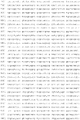
- a vector can comprise the DNA sequence listed in Figures 3-7 .
- the CHIKV is a chimeric virus containing sequences from CHIKV as well as from another alphavirus.
- the DNA encoding the infectious RNA may also be modified to improve characteristics of the infectious RNA and of the described vector.
- a vaccine for chikungunya virus can comprise a therapeutically effective amount of such vectors.
- a vaccine for chikungunya virus can comprise an attenuated CHIKV virus produced by isolating the CHIKV virus from cells transfected by the DNA vectors described herein.
- a homogeneous clonally purified live attenuated virus may be prepared from cultured cells transfected with the DNA vectors described herein. Such a preparation is particularly useful as a vaccine.
- a vector may comprise (a) DNA encoding an infectious RNA molecule; and (b) an RNA polymerase promoter; wherein: (i) the DNA encoding an infectious RNA molecule is operably linked to the RNA polymerase promoter; and (ii) the infectious RNA molecule encodes an alphavirus and contains sequences from CHIKV as well as from another alphavirus.
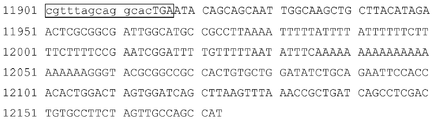
- a vector comprises the sequence of Fig. 9 .
- the vectors and vaccines described herein are for use in a method for immunizing a mammal against a chikungunya virus comprising the step of administering the vaccine to a mammal, such as an animal or human.
- Chikungunya is a mosquito-borne disease caused by Chikungunya virus (CHIKV).
- CHIKV Chikungunya virus
- the Alphavirus genus consists of 29 distinct species (along with O'nyong'nyong virus, Ross River virus, Sindbis virus, Semliki Forest virus, VEE and others) that either cause encephalitis, febrile illness with arthralgia, or are not known to cause disease in humans.
- Members of this genus are primarily vector-borne; nearly all of them are utilizing mosquitoes as their invertebrate vectors (Powers and Brault, 2009).
- CHIKV includes chimeric viruses that contain sequences from CHIKV as well as from another alphavirus, such chimeric viruses preferably comprising at least 50% CHIKV sequences and/or an antigenic portion of CHIKV.
- CHIKV has a genome consisting of a linear, positive sense, single-stranded RNA molecule of approximately 12 kb in length (Khan et al., 2002).
- the nonstructural proteins required for viral replication are encoded in the 5' two thirds of the genome and are regulated from 49S promoter, while the structural genes are collinear with the 3' one-third and utilize 26S internal promoter.
- the 5' end of the genome has a 7-methylguanosine cap while the 3' end is polyadenylated.
- CHIKV causes explosive outbreaks and significant morbidity in many countries. The virus is widely spread and can easily be imported into naive regions due to travel from endemic areas. CHIKV is also responsible for numerous laboratory acquired infections. Different approaches have been used to develop CHIKV vaccine including formalin inactivated (Kitaoka, 1967), live attenuated (Levitt et al., 1986) and chimeric alphavirus vaccine (Wang et al., 2008). Various formulations of potential CHIKV vaccines have been examined and subjected to human clinical trials (reviewed by (Powers and Brault, 2009). However, no licensed vaccine is currently available against chikungunya.
- Vaccines are needed to control CHIKV.
- the vaccine should have high degree of safety, induce efficient immunity and protection, be genetically stable, and not require a "cold chain" from vaccine manufacturer to vaccine recipient. Reduced cost and simplicity of production are important, because the main reservoir of CHIKV and the majority of cases are located in the tropical countries with limited resources.
- Live attenuated vaccines against viral diseases are attractive because of rapid onset of immunity and efficient protection.
- Successful application of live attenuated vaccines resulted in the control of infectious diseases caused by many RNA viruses such as poliomyelitis, measles, mumps, rabies, rubella, and yellow fever.
- RNA viruses such as poliomyelitis, measles, mumps, rabies, rubella, and yellow fever.
- Approximately 60% of vaccines licensed for use in the U.S. are live attenuated vaccines.
- four viral vaccines recently approved by the FDA three represent live attenuated vaccines - against rotavirus, influenza A and B, and varicella-zoster virus. This indicates that a live attenuated platform continues to be very attractive for vaccine development.
- a typical live attenuated vaccine represents a population of viruses containing multiple genetic variants, or quasispecies that have various characteristics including pathogenic potential.
- the quasispecies diversity of RNA viruses can be associated with pathogenicity.
- live associated vaccines contain impurities and adventitious agents derived from the cells that are used for vaccine manufacturing. Such impurities/adventitious agents can be associated with allergic reactions and elevated reactogenicity in the vaccine recipients.
- DNA vaccines have become a popular vaccination platform.
- a typical DNA vaccine contains a vaccine-relevant gene downstream from strong eukaryotic promoter, such as cytomegalovirus (CMV) promoter.
- CMV cytomegalovirus
- DNA vaccine is injected into the tissues of a vaccine recipient, where it penetrates through the cellular and nuclear membranes of permissive cells.
- transcription from CMV promoter occurs and the transcribed mRNA migrates from the nucleus into the cytoplasm, where translation and expression of vaccine-relevant antigen takes place.
- antigen is generated directly in the tissues of the vaccine recipient, which results in the induction of immunity to the antigen of interest.
- DNA vaccines are the simplicity, low cost of production, the genetic stability, high level of purity and no need for a cold chain.
- the disadvantages of DNA vaccines are that multiple booster vaccinations and high quantities of DNA are required to induce an immune response.
- the need for multiple boost and high quantities of DNA injected into the nuclei of many cells raises concern that DNA vaccines can integrate into the host DNA and cause insertional mutagenesis.
- i-DNATM infectious DNA
- CHIKV vaccine represents a DNA vaccine that generates a live attenuated vaccine against chikungunya in vivo.
- the difference between the traditional DNA vaccine and the i-DNATM vaccine described herein is that traditional DNA vaccine encodes a gene of interest, whereas i-DNATM vaccine encodes the entire functional genomic RNA of live attenuated CHIKV.
- CHIKV i-DNATM When CHIKV i-DNATM is injected into vaccine recipient, it enters the nucleus and transcribes the entire infectious RNA of attenuated CHIKV, which initiates replication of live attenuated vaccine in the tissues in vivo and results in rapid induction of immunity to chikungunya.
- This new platform for vaccination against CHIKV combines the advantages of conventional live attenuated and DNA vaccines ( Figures 1 and 2 ). Like DNA vaccines, it is genetically stable, inexpensive and simple in manufacturing, and does not require a cold chain. Like live attenuated vaccine, it requires a single small dose to induce effective immunity.
- the CHIKV i-DNATMvaccine lacks the disadvantages of both.
- the i-DNATM is genetically stable and represents a homogenous, clonally purified and well-characterized DNA that can be easily purified to high levels of purity.
- the CHIKV i-DNATM is capable of inducing effective immunity with a single vaccination, with no multiple boosts. Also, only a low dose of i-DNATM is needed.
- a low dose of about 1 ng to about 1 ⁇ g, preferably about 10 ng to about 1 ⁇ g, and more preferably about 100 ng to about 1 ⁇ g of i-DNATM could be used.
- a conventional DNA vaccine one could use about 5 fold to about 100 fold less i-DNATM, more preferably about 10 fold to about 100 fold less i-DNATM, even more preferably about 25 fold to about 100 fold less i-DNATM and most preferably about 50 fold to about 100 fold less i-DNATM.
- the nucleus is only needed to generate the initial few copies of RNA genome, and after that, replication of live attenuated CHIKV virus occurs in the cell cytoplasm, thus drastically reducing the possibility of genetic mutagenesis of host DNA.
- the use of the CHIKV i-DNATM could reduce the possibility of genetic mutagenesis of host DNA by at least 50%, preferably by at least about 70%, more preferably by at least about 80%, even more preferably by at least about 90% and most preferably by about 100%.
- the i-DNATM can be utilized in various ways to create vaccines against CHIKV.
- the i-DNATM can be introduced by electroporation or any other acceptable way known in the art into eukaryotic cells acceptable for vaccine production.
- the live attenuated CHIKV generated from an i-DNATM clone represents a homogenous virus population and contains a lower number of quisispecies thus representing an advantage over traditional live attenuated vaccines.
- the virus population generated from an i-DNATM clone could contain at least about 50% less quasispecies, preferably at least about 70% less quasispecies, more preferably at least about 80% less quasispecies, even more preferably at least about 90% less quasispecies and most preferably about 100% less quasispecies than the number of quasispecies generated by a conventional vaccine.
- Such homeogenous live attenuated CHIKV generated from i-DNATM plasmid can be configured into a pharmaceutically acceptable formulation suitable for vaccine administration to people.
- the i-DNATM can be administered to people in a pharmaceutically acceptable way as shown, for example, in Figure 2 .
- VEE Venezuelan equine encephalitis
- CHIKV i-DNATM plasmid is efficiently grown as a high-copy plasmid in bacteria (which are not a normal host for CHIKV) and, therefore i-DNATM is preferably free of any strong secondary structures, cryptic origins of replication or open reading frames (ORFs) encoding toxic products or of any other known and unknown elements inhibiting growth of bacteria or synthesis of plasmid DNA.
- ORFs open reading frames
- the genomic CHIKV RNA is efficiently transcribed in the host cell nuclei.
- Nucleoplasm in the nuclei normally represents a hostile environment (because of splicing and other RNA processing mechanisms) for RNAs that are evolved to replicate in the cytoplasm such as CHIKV RNA.
- the resulting RNA is preferably able to avoid splicing machinery and also successfully migrate from the nucleus to the cytoplasm via nuclear pores, the process that is tightly controlled by the cellular proteins and factors.
- the RNA of cytoplasmic viruses such as CHIKV do not normally have elements that ensure synthesis and transport of intact full-length RNA in the nucleus. Therefore, the i-DNATM should preferably be free of cryptic splice sites or other elements precluding effective transcription and transport of RNA into the cytoplasm.
- the transcribed RNA in order to replicate in the cytoplasm and generate a live attenuated vaccine, should be functional and have authentic 5' and 3' ends capable of supporting RNA replication.
- certain sequences can be either removed or introduced into CHIKV i-DNATM.
- CHIKV i-DNATM examples of several configurations of CHIKV i-DNATM that can be used to generate live attenuated CHIKV in vitro or in vivo and can be configured into pharmaceutically-acceptable chikungunya vaccines.
- the CHIKV i-DNATM vaccines described herein are also expected to protect against O'nyong'nyong virus, a related alphavirus. Accordingly, i-DNATM vaccines described herein could also be used in a method for immunizing a mammal against the O'nyong'nyong virus, which would include administering an exemplary vaccine to the mammal.
- Example 1 Live attenuated vaccine candidate CHIK 181/25 (TSI-GSD-218) was generated from CHIKV strain 15561 and later successfully tested in phase II clinical trials (Edelman et al., 2000; Levitt et al., 1986).
- CHIKV 181/25 strain has common drawbacks with other live vaccines. For example, there is the risk of reversion to a virulent form, which has been shown previously (Parker, 1994).
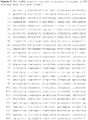
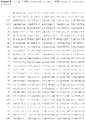
- An i-DNATM molecule contains the full-length cDNA copy of the 181/25 genomic RNA under control of the CMV promoter ( Figure 3 ).
- the distance between the promoter and the start of CHIKV cDNA (15 ⁇ 2 nucleotides according to our numbering, see nucleotide sequence on Figure 3 for details) ensures generation of genomic CHIKV RNA with functional 5' terminus capable of RNA amplification and replication.
- the polyA tail, ribozyme sequence and the transcription termination sequences ensure generation of CHIKV RNA with functional 3' terminus.
- the entire DNA fragment shown on Figure 3 includes (1) CMV promoter/enhancer sequences, (2) the full-length CHIKV cDNA, (3) polyA tail, (4) ribozyme, and (5) transcription termination sequences.
- Such DNA fragment can be cloned and propagated in E. coli as a part of plasmids known in the art including but not limited to pcDNA3.1, pCR2.1, pUC19 and others.
- the genomic RNA of live attenuated vaccine is generated in vivo, which initiates limited replication of live attenuated vaccine virus and generation of a protective immune response ( Figure 2 ).
- CHIKV i-DNATM vaccines In addition to mutations contained in the live attenuated virus strain 181/25 of CHIKV, other configurations of attenuating mutations can be used for the development of CHIKV i-DNATM vaccines. Additional sequence variations including deletions, insertions or substitutions can be used to improve characteristics of CHIKV i-DNATM.
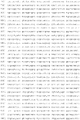
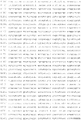
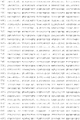
- Figure 4 shows the nucleotide sequence of a variant i-DNATM that is similar to that shown on Figure 3 but containing no ribozyme sequences.
- such an i-DNATM without a ribozyme is capable of transcribing the functional infectious CHIKV RNA and generating live attenuated CHIKV virus.
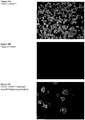
- Figure 10 demonstrates that transfection of Chinese hamster ovary (CHO) cells with i-DNATM plasmid (clone #10 , either in supercoiled form or linearized by using NotI enzyme) results in expression of CHIKV antigens in the majority of CHO cells suggesting that (i) no cryptic splicing sites or other restrictive elements were present in the i-DNATM or encoded RNA and (ii) that transfection results in live virus, which ensures effective spread of antigen expression in transfected CHO cells.
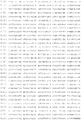
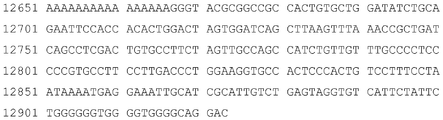
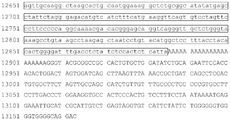
- i-DNATM can accommodate additional sequences that can improve certain characteristics of i-DNATM vaccines. Examples of such i-DNATM sequences are shown on Figures 5 and 6 .
- chimeric live attenuated alphavirus protecting against CHIKV and O'nyong'nyong virus can be made by placing CHIKV structural genes in place of another alphavirus structural genes.
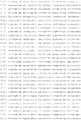
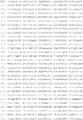
- Figure 7 shows an example of a nucleotide sequence, in which CHIKV structural genes derived from strain 181/25 are introduced into TC-83 live attenuated virus in place of the TC-83 structural genes.
- such vaccine can either (1) represent homogenous virus generated from i-DNATM in vitro in a pharmaceutically acceptable way, or (2) represent the i-DNATM construct formulated in a pharmaceutically acceptable way for administration in vivo.
- chimeric vaccines against alphaviruses can be made by introducing structural proteins from other alphaviruses into CHIKV i-DNA.
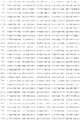
- Figure 9 shows an example of a nucleotide sequence of a chimeric CHIKV i-DNATM containing the structural polyprotein from TC-83 virus in place of the structural polyprotein of CHIKV 181/25 virus.
- Such chimeric i-DNATM can be used for production of either homogenous virus vaccines or i-DNATM vaccines against VEE infections.
- Example 2 Generation of live attenuated CHIKV in vitro using i-DNA.
- CHIKV i-DNATM molecule Figures 3-9
- the CHIKV viral RNA is generated in the cells.
- the resulting RNA is "infectious" and initiates production of the CHIKV live attenuated virus vaccine in the cells ( Figure 10 ).
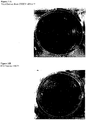
- the live attenuated CHIKV accumulates in the culture medium and can be harvested and the titer of live attenuated virus and plaque morphology can be determined by plaque assay ( Figure 11A ).
- the live attenuated CHIKV can be formulated in a pharmaceutically acceptable way according to current state of the art.
- CHIKV virus vaccine can be harvested from cultured cells as described in Example 2 and used in a pharmaceutically acceptable formulation for vaccination of animals or people according to current state of the art. Administration can be by any route typically used for vaccination, including subcutaneous, intravenous, intramuscular, combinations thereof and the like.
- An advantage of vaccine that is generated from the i-DNATM is that it represents homogeneous progeny virus generated from the same, well-characterized, stable DNA.
- Figure 11 shows plaque size homogeneity for i-DNATM -derived virus ( Figure 11A ) as compared to the more heterogenous plaque sizes in a "classic" 181/25 IND vaccine ( Figure 11B ).
- Homogenous plaque size is expected to result in higher safety of i-DNA-derived live attenuated virus because large plaques in 181/25 IND vaccine ( Figure 11B ) can indicate presence of revertants to virulent virus.
- Figure 12 shows sequencing results of several clones generated from 181/25 IND vaccine by reverse transcription and PCR.
- Vaccine 181/25 was passed once in CHO cells, the RNA isolated and Reverse Transcription PCR (RT-PCR) conducted. The RT-PCR fragments were cloned and sequenced.
- RT-PCR Reverse Transcription PCR
- the cDNA fragments were sequenced and compared to the sequences of several virulent CHIKV strains from GenBank as well as to the original 181/25 sequence. Analysis revealed that several sequenced clones contain "reversion" mutations to the virulent virus. The result shown in Figure 12 is that in the sequenced region, one out of seven clones has the same sequence as 181/25 IND vaccine, whereas others had nucleotide substitutions present in virulent isolates.
- the vaccines described herein can provide higher safety and regulatory advantages. Because the same, clonally purified, i-DNATM can be used for the production of different vaccine lots, these vaccine will have greater uniformity and lot-to-lot consistency compared to current vaccines, which can accumulate mutations during virus passages.
- CHIKV i-DNATM ( Figures 3-8 ) can be administered in a pharmaceutically-acceptable formulation into the vaccine recipient directly, for example intramuscularly or intravenously, as illustrated in Figure 2 .
- Direct i-DNATM administration to the vaccine recipient initiates production of CHIKV vaccine in the tissues of the patient in vivo, and provides successful vaccination against chikungunya.
- An additional advantage of i-DNATM immunization versus conventional live attenuated virus vaccine stems from the immunogenic characteristics of the i-DNATM itself. Bacterially produced DNA, including i-DNATM, contains unmethylated CpG motifs.
- TLR toll-like receptor
- IFN 1 type 1 interferons
- i-DNATM vaccines with de-optimized codons One vaccine, i-DNAC, contains the full-length cDNA copy of the 181/25 IND vaccine RNA genome but translational codons within the capsid gene are de-optimized via down-selected codons.
- Another vaccine, i-DNAE2-E1 also contains the full-length cDNA copy of the 181/25 IND vaccine RNA genome but translational codons within the E2-E1 gene region are similarly de-optimized.
- E1, E2 and C genes are selected based on immunogenicity of these antigens in mice and on the current knowledge about adaptive immune responses following CHIKV infection in humans.
- the de-optimized codons change only the nucleotide sequence and do not give rise to changes in the amino acid sequence.
- These silent mutations increase genetic stability and preserve the attenuated phenotype and are designed so that at least two independent genetic mutations are necessary for each codon to revert to a wild-type CHIKV codon.
- the synthetic 181/25 fragment encompassing 3,771 base pairs of 181/25 structural gene region 7567-11313 (C-E1-E2) is synthesized biochemically (GenScript, Piscataway, NJ).
- the recombinant 181/25 i-DNA, i-DNAC and i-DNAE2-E1 constructs are transfected into CHO-K1 cells in vitro. Samples of live attenuated viruses are collected from culture medium and cells at 6 hour intervals for 96 hours.
- the live CHIKV viruses produced via transfection of cells and phenotypic features of these recovered viruses are evaluated in vitro, examining kinetic parameters of replication in tissue culture, antigenic properties, genetic stability, and molecular heterogeneity by the following in vitro assays: (1) plaque assay and phenotype; (2) virus growth curves; (3) western blot; (4) immunofluorescence; (5) at least 10 passages in E. coli; (6) reverse transcription PCR, and (7) DNA sequencing of the entire structural region of at least 120 plaque isolates derived from each virus including 181/25 control (to assess population heterogeneity and genetic stability in mammalian cells).
- the ability of new CHIKV vaccine antigens to react with human antisera from recent CHIKV clinical cases is evaluated via ELISA.
- Example 6 Animal model testing of i-DNATM vaccine.
- Production of plasmid i-DNATM from E. coli is done using established methods for production of the bacterial cell bank, fermentation, harvest/lysis of the biomass, and downstream DNA purification. This process results in a sterile DNA product with about 95% supercoiled DNA and an A260/A280 ratio of about 1.9, as well as minimal residual endotoxin, RNA, genomic DNA, and protein impurities.
- Quality control includes (1) endotoxin testing, (2) agarose gel, (3) SDS-PAGE; (4) restriction enzyme analysis and (5) DNA sequencing.
- a maximum of 100 ng of i-DNATM is injected intramuscularly (i.m.) into: (1) newborn ICR mice; (2) 14-day-old CD-1 mice; (3) aged (3-month-old) CD-1 mice; and (4) immunosuppressed hamsters.
- i-DNATM is delivered into the quadriceps muscles by in vivo electroporation in a total volume of 0.1 ml using the BTX ECM600 with 2-needle Array Electrode (BTX/Harvard Apparatus, Holliston, MA).
- the PolyPlus InVivo-Jet PEI transfection reagent (PolyPlus, Illkirch, France) can be used as another transfection method.
- Safety and immunogenicity parameters include (1) viremia; (2) morbidity; (3) cytokine profiles; (4) CHIKV ELISA; (5) virus-specific neutralizing antibody responses; (6) cell-mediated immunity; and (7) anti-DNATM antibody.
- mice For the ICR and CD-1 mice, sixty animals from each strain are divided into 5 groups (12 mice per group): (1) 181/25 i-DNA; (2) i-DNAC; (3) i-DNAE2-E1; (4) 181/25 virus (positive control); and (5) mock-vaccinated (negative control).
- Each i-DNATM plasmid is injected as a single 100 ng dose in 20-40 ⁇ l i.m.
- Control animals are injected with 105 PFU of 181/25 virus vaccine. Blood samples are taken every 2-7 days for viremia and serology. At days 0, 2, 4, 8, and 16 after immunization, 3 mice from each group are euthanized and bled by cardiac puncture.
- TLR9 activation by i-DNATM is expected to trigger pro-inflammatory cytokine production at 12-16 h, shortly before the release of the infectious virus, thus enhancing adaptive immune responses.
- Innate immunity is tested by cytokine ELISA at different time points after i-DNATM immunization by using reagents for IFN- ⁇ , IL-1 ⁇ / ⁇ , TNF- ⁇ , MCP-1, IL-4, IL-6 and IL-12p40 (BD Biosciences, San Jose, CA).
- INF- ⁇ and INF- ⁇ is measured by ELISA (PBL Biomed Labs, NJ).
- the levels of biological active IFN are determined using an EMCV-L929 bioassay (Daffis et al., 2007).
- IgG ELISA plaque reduction neutralization assay
- PRNT plaque reduction neutralization assay
- IFN- ⁇ ELISPOT assay using pools of 15-mer peptides overlapping by 11 amino acids (Mimotopes, Melbourne, Australia) (Muthumani et al., 2008). Briefly, ELISPOT plates are coated with anti-IFN- ⁇ Ab and incubated for 12 h at 40C. Plates are washed and blocked with 1% BSA. After washing, 25 x 104 splenocytes are added to wells in triplets and stimulated overnight by incubation with specific E1-, E2-, and C-derived peptide pools at 37°C.
- Tissue samples liver, spleen, lymph nodes, lung, kidney, and brain
- PBS 1% FBS
- Cyclophosphamide (CYP) treated Syrian golden hamsters (Mesocricetus auratus) (Harlan Sprague Dawley) are used to evaluate safety and immunogenicity of vaccines in the immunocompromised conditions (Mateo et al., 2007). A total of 26 hamsters are used in this study.
- the CYP-treated animals are divided into six groups. Three groups receive the original and modified i-DNAs. The three control groups include a group that receives the 181/25 vaccine; a control group that receives the CYP treatment but no vaccine, and a control group that receives no CYP and no vaccine (Vertebrate Animals).
- the i-DNATM constructs are injected i.m.
- the 181/25 control virus is injected in 100 ⁇ l (105 PFU). Animals are examined daily for 8 weeks (end-point) for any evidence of adverse effects. Temperature and body weight is recorded. Animals are bled every 2 days for the 1st week, then every 7 days for virus detection and serology.
Landscapes
- Health & Medical Sciences (AREA)
- Life Sciences & Earth Sciences (AREA)
- Chemical & Material Sciences (AREA)
- Organic Chemistry (AREA)
- General Health & Medical Sciences (AREA)
- Virology (AREA)
- Medicinal Chemistry (AREA)
- Immunology (AREA)
- Animal Behavior & Ethology (AREA)
- Public Health (AREA)
- Veterinary Medicine (AREA)
- Genetics & Genomics (AREA)
- Engineering & Computer Science (AREA)
- Pharmacology & Pharmacy (AREA)
- Microbiology (AREA)
- Biochemistry (AREA)
- Epidemiology (AREA)
- Bioinformatics & Cheminformatics (AREA)
- Gastroenterology & Hepatology (AREA)
- Molecular Biology (AREA)
- Zoology (AREA)
- Wood Science & Technology (AREA)
- Biomedical Technology (AREA)
- Mycology (AREA)
- Proteomics, Peptides & Aminoacids (AREA)
- Biophysics (AREA)
- Nuclear Medicine, Radiotherapy & Molecular Imaging (AREA)
- Chemical Kinetics & Catalysis (AREA)
- General Chemical & Material Sciences (AREA)
- General Engineering & Computer Science (AREA)
- Biotechnology (AREA)
- Rheumatology (AREA)
- Diabetes (AREA)
- Endocrinology (AREA)
- Pathology (AREA)
- Toxicology (AREA)
- Urology & Nephrology (AREA)
- Communicable Diseases (AREA)
- Oncology (AREA)
- Medicines Containing Antibodies Or Antigens For Use As Internal Diagnostic Agents (AREA)
Claims (14)
- Vecteur ADN comprenant :a) un ADN encodant une molécule d'ARN infectieuse qui initie la production d'un vaccin virus atténué vivant CHIKV dans des cellules ; etb) un promoteur d'ARN polymérase eucaryote ; oùi) l'ADN encodant une molécule d'ARN infectieuse est liée fonctionnellement au promoteur d'ARN polymérase ; etii) la molécule d'ARN infectieuse encode un virus du chikungunya (CHIKV).
- Vecteur ADN selon la revendication 1, dans lequel la molécule d'ARN infectieuse encode un CHIKV non-pathogène.
- Vecteur ADN selon la revendication 1, dans lequel la molécule d'ARN infectieuse encode un CHIKV atténué.
- Vecteur ADN selon la revendication 1, dans lequel :le promoteur d'ARN polymérase eucaryote comprend un promoteur d'ARN polymérase de cytomégalovirus (CMV),le promoteur d'ARN polymérase CMV est situé d'environ 13 à environ 17 résidus nucléotides en amont de l'extrémité 5' de l'ADN encodant la molécule d'ARN infectieuse, etla molécule d'ARN infectieuse code un CHIKV atténué.
- Vecteur ADN selon la revendication 1, dans lequel le CHIKV est un virus chimérique comprenant au moins 50 % de séquences CHIKV ainsi que des séquences d'un autre alphavirus, l'autre alphavirus étant choisi dans le groupe constitué du virus O'nyong'nyong, du virus de la Ross river, du virus de Sindbis, du virus de la forêt de Semliki et du virus de l'encéphalite équine vénézuélienne (VEEV).
- Vecteur ADN selon la revendication 5, comprenant la séquence d'ADN listée à la Figure 9.
- Vecteur ADN selon la revendication 1, le vecteur ADN étant exempt de sites cryptiques d'épissage qui garantissent la synthèse et le transport de la molécule d'ARN CHIKV infectieux du noyau au cytoplasme.
- Vecteur ADN selon la revendication 1, comprenant la séquence d'ADN listée dans l'une quelconque des Figures 3 à 7.
- Vaccin contenant une quantité thérapeutiquement efficace du vecteur ADN selon l'une quelconque des revendications 1 à 8.
- Vaccin selon la revendication 9, destiné à être utilisé dans un procédé d'immunisation d'un mammifère contre un CHIKV.
- Utilisation du vaccin selon la revendication 9 dans la fabrication d'un médicament destiné à l'immunisation d'un mammifère contre un CHIKV.
- Procédé de préparation d'un vaccin, le procédé comprenant la transfection du vecteur ADN selon l'une quelconque des revendications 1 à 8 dans une cellule eucaryote et l'isolement de virus infectieux homogènes clonalement purs à partir d'un milieu de culture comprenant la cellule eucaryote transfectée, obtenant ainsi un vaccin.
- Procédé in vitro de préparation d'une cellule eucaryote transfectée, le procédé comprenant la transfection du vecteur ADN selon l'une quelconque des revendications 1 à 8 dans une cellule eucaryote pour obtenir une cellule eucaryote transfectée.
- Cellule eucaryote contenant le vecteur selon l'une quelconque des revendications 1 à 8.
Applications Claiming Priority (2)
| Application Number | Priority Date | Filing Date | Title |
|---|---|---|---|
| US29168209P | 2009-12-31 | 2009-12-31 | |
| PCT/US2011/000001 WO2011082388A2 (fr) | 2009-12-31 | 2011-01-03 | Vaccins à base d'adn infectieux contre le virus du chikungunya |
Publications (3)
| Publication Number | Publication Date |
|---|---|
| EP2519266A2 EP2519266A2 (fr) | 2012-11-07 |
| EP2519266A4 EP2519266A4 (fr) | 2013-08-07 |
| EP2519266B1 true EP2519266B1 (fr) | 2017-07-26 |
Family
ID=44227174
Family Applications (1)
| Application Number | Title | Priority Date | Filing Date |
|---|---|---|---|
| EP11728540.3A Active EP2519266B1 (fr) | 2009-12-31 | 2011-01-03 | Vaccins à base d'adn infectieux contre le virus du chikungunya |
Country Status (6)
| Country | Link |
|---|---|
| US (2) | US9101572B2 (fr) |
| EP (1) | EP2519266B1 (fr) |
| DK (1) | DK2519266T3 (fr) |
| ES (1) | ES2647662T3 (fr) |
| PT (1) | PT2519266T (fr) |
| WO (1) | WO2011082388A2 (fr) |
Families Citing this family (18)
| Publication number | Priority date | Publication date | Assignee | Title |
|---|---|---|---|---|
| ES2544702T3 (es) * | 2008-07-17 | 2015-09-02 | Medigen, Inc. | Vacunas en forma de ADNi y métodos para utilizarlas |
| ES2647662T3 (es) * | 2009-12-31 | 2017-12-26 | Medigen, Inc. | Vacunas de ADN infeccioso frente al virus chikungunya |
| EP2712871A1 (fr) | 2012-09-27 | 2014-04-02 | Institut Pasteur | Virus de la rougeole recombinés exprimant des polypeptides du virus du chikungunya et leurs applications |
| JP7250520B2 (ja) | 2016-04-13 | 2023-04-03 | ヤンセン ファーマシューティカルズ,インコーポレーテッド | 組換えアルテリウイルスレプリコン系およびその使用 |
| KR102718353B1 (ko) | 2016-10-17 | 2024-10-15 | 얀센 파마슈티칼즈, 인코포레이티드 | 재조합 바이러스 레플리콘 시스템 및 그의 용도 |
| CA3045650A1 (fr) * | 2016-12-05 | 2018-06-14 | Janssen Pharmaceuticals, Inc. | Compositions et methodes d'activation d'expression genique |
| EP3634449A4 (fr) | 2017-05-08 | 2021-03-17 | Gritstone Oncology, Inc. | Vecteurs néoantigéniques alphaviraux |
| US11021692B2 (en) | 2017-12-19 | 2021-06-01 | Janssen Sciences Ireland Unlimited Company | Hepatitis B virus (HBV) vaccines and uses thereof |
| EA202091517A1 (ru) | 2017-12-19 | 2020-11-03 | Янссен Сайенсиз Айрлэнд Анлимитед Компани | Способы и устройство для доставки вакцин против вируса гепатита b (hbv) |
| SG11202005792RA (en) * | 2017-12-20 | 2020-07-29 | Vlp Therapeutics Llc | Alphavirus replicon particle |
| MX2020007077A (es) | 2018-01-04 | 2020-10-28 | Iconic Therapeutics Inc | Anticuerpos anti-factor tisular, conjugados anticuerpo-farmaco y metodos relacionados. |
| JP7494117B2 (ja) | 2018-01-19 | 2024-06-03 | ヤンセン ファーマシューティカルズ,インコーポレーテッド | 組換えレプリコン系を使用する免疫応答の誘導および増強 |
| WO2020076775A1 (fr) | 2018-10-08 | 2020-04-16 | Janssen Pharmaceuticals, Inc. | Réplicons à base d'alphavirus pour l'administration d'agents biothérapeutiques |
| MX2021014525A (es) | 2019-05-30 | 2022-03-17 | Gritstone Bio Inc | Adenovirus modificados. |
| AU2021236068A1 (en) * | 2020-03-09 | 2022-10-06 | Arcturus Therapeutics, Inc. | Compositions and methods for inducing immune responses |
| CN116438308A (zh) | 2020-08-06 | 2023-07-14 | 磨石生物公司 | 多表位疫苗盒 |
| EP4196128A4 (fr) | 2020-08-14 | 2024-06-12 | Arcturus Therapeutics, Inc. | Méthode de lyophilisation de nanoparticules lipidiques |
| WO2023177913A2 (fr) * | 2022-03-18 | 2023-09-21 | Medigen, Inc. | Nouvelle technologie d'arn et d'adn pour la vaccination contre des alphavirus et d'autres virus émergents et épidémiques |
Citations (2)
| Publication number | Priority date | Publication date | Assignee | Title |
|---|---|---|---|---|
| US5789245A (en) * | 1993-09-15 | 1998-08-04 | Chiron Corporation | Alphavirus structural protein expression cassettes |
| US20060099587A1 (en) * | 2003-06-20 | 2006-05-11 | Johnston Robert E | Alphavirus vectors having attentuated virion structural proteins |
Family Cites Families (9)
| Publication number | Priority date | Publication date | Assignee | Title |
|---|---|---|---|---|
| CA2354374A1 (fr) * | 1998-12-07 | 2000-06-15 | U.S. Medical Research Institute Of Infectious Diseases | Vaccin vivant attenue de l'encephalomyelite equine du venezuela |
| WO2004055161A2 (fr) | 2002-12-12 | 2004-07-01 | The Board Of Regents Of The University Of Texas System | Production a grande echelle de replicons d'alphavirus encapsules |
| US7459163B2 (en) | 2004-02-25 | 2008-12-02 | University Of Kansas | Infectious DNA as a vaccine against west nile and other flaviviruses |
| EP1856250B1 (fr) | 2005-02-15 | 2013-07-24 | The University of North Carolina At Chapel Hill | Nouveaux vaccins à base de virus vivant |
| US20100233209A1 (en) * | 2005-08-11 | 2010-09-16 | Higgs Stephen T | Chikungunya virus infectious clones and uses therefor |
| KR20080003989A (ko) | 2006-07-04 | 2008-01-09 | 주식회사 씨젠 | 뎅기 바이러스 핵산 검출용 올리고뉴클레오타이드 |
| CN101516395B (zh) * | 2006-09-01 | 2014-03-26 | 伯哈拉特生物技术国际有限公司 | 抗屈曲病毒感染的疫苗 |
| WO2009048633A2 (fr) | 2007-10-11 | 2009-04-16 | The Board Of Regents Of The University Of Texas System | Virus du chikungunya chimérique et ses utilisations |
| ES2647662T3 (es) * | 2009-12-31 | 2017-12-26 | Medigen, Inc. | Vacunas de ADN infeccioso frente al virus chikungunya |
-
2011
- 2011-01-03 ES ES11728540.3T patent/ES2647662T3/es active Active
- 2011-01-03 DK DK11728540.3T patent/DK2519266T3/da active
- 2011-01-03 EP EP11728540.3A patent/EP2519266B1/fr active Active
- 2011-01-03 US US13/519,948 patent/US9101572B2/en active Active
- 2011-01-03 WO PCT/US2011/000001 patent/WO2011082388A2/fr not_active Ceased
- 2011-01-03 PT PT117285403T patent/PT2519266T/pt unknown
-
2015
- 2015-07-02 US US14/790,960 patent/US9694065B2/en active Active
Patent Citations (3)
| Publication number | Priority date | Publication date | Assignee | Title |
|---|---|---|---|---|
| US5789245A (en) * | 1993-09-15 | 1998-08-04 | Chiron Corporation | Alphavirus structural protein expression cassettes |
| US6015686A (en) * | 1993-09-15 | 2000-01-18 | Chiron Viagene, Inc. | Eukaryotic layered vector initiation systems |
| US20060099587A1 (en) * | 2003-06-20 | 2006-05-11 | Johnston Robert E | Alphavirus vectors having attentuated virion structural proteins |
Also Published As
| Publication number | Publication date |
|---|---|
| WO2011082388A2 (fr) | 2011-07-07 |
| WO2011082388A3 (fr) | 2011-08-18 |
| DK2519266T3 (da) | 2017-11-06 |
| PT2519266T (pt) | 2017-11-10 |
| US20130052225A1 (en) | 2013-02-28 |
| US9101572B2 (en) | 2015-08-11 |
| EP2519266A2 (fr) | 2012-11-07 |
| EP2519266A4 (fr) | 2013-08-07 |
| US20160074500A1 (en) | 2016-03-17 |
| US9694065B2 (en) | 2017-07-04 |
| ES2647662T3 (es) | 2017-12-26 |
Similar Documents
| Publication | Publication Date | Title |
|---|---|---|
| EP2519266B1 (fr) | Vaccins à base d'adn infectieux contre le virus du chikungunya | |
| JP5538729B2 (ja) | 偽感染性フラビウイルスおよびそれらの使用 | |
| JP2023513913A (ja) | 麻疹ベクターを用いたcovid-19免疫原性組成物及びワクチン | |
| Tretyakova et al. | Novel vaccine against Venezuelan equine encephalitis combines advantages of DNA immunization and a live attenuated vaccine | |
| WO2003101397A2 (fr) | Vaccins tetravalents contre la dengue | |
| JP7701080B2 (ja) | アルファウイルスレプリコン粒子 | |
| Tretyakova et al. | Plasmid DNA initiates replication of yellow fever vaccine in vitro and elicits virus-specific immune response in mice | |
| US20250057932A1 (en) | Vaccines against infectious diseases caused by positive stranded rna viruses | |
| US8343506B2 (en) | Chimeric chikungunya virus and uses thereof | |
| CA3085224A1 (fr) | Vaccin axe sur le virus lassa a vecteur de rougeole | |
| US20070036827A1 (en) | West nile virus vaccine | |
| US20250213671A1 (en) | Novel rna and dna technology for vaccination against alphaviruses and other emerging and epidemic viruses | |
| US20220193225A1 (en) | Compositions and methods for sars-2 vaccine with virus replicative particles and recombinant glycoproteins | |
| OA20123A (en) | Alphavirus replicon particle. | |
| OA19870A (en) | Lassa vaccine. |
Legal Events
| Date | Code | Title | Description |
|---|---|---|---|
| PUAI | Public reference made under article 153(3) epc to a published international application that has entered the european phase |
Free format text: ORIGINAL CODE: 0009012 |
|
| 17P | Request for examination filed |
Effective date: 20120719 |
|
| AK | Designated contracting states |
Kind code of ref document: A2 Designated state(s): AL AT BE BG CH CY CZ DE DK EE ES FI FR GB GR HR HU IE IS IT LI LT LU LV MC MK MT NL NO PL PT RO RS SE SI SK SM TR |
|
| DAX | Request for extension of the european patent (deleted) | ||
| REG | Reference to a national code |
Ref country code: DE Ref legal event code: R079 Ref document number: 602011039931 Country of ref document: DE Free format text: PREVIOUS MAIN CLASS: A61K0048000000 Ipc: A61K0039120000 |
|
| A4 | Supplementary search report drawn up and despatched |
Effective date: 20130710 |
|
| RIC1 | Information provided on ipc code assigned before grant |
Ipc: A61K 39/12 20060101AFI20130702BHEP Ipc: C12N 7/00 20060101ALI20130702BHEP |
|
| 17Q | First examination report despatched |
Effective date: 20140221 |
|
| GRAP | Despatch of communication of intention to grant a patent |
Free format text: ORIGINAL CODE: EPIDOSNIGR1 |
|
| INTG | Intention to grant announced |
Effective date: 20170209 |
|
| GRAS | Grant fee paid |
Free format text: ORIGINAL CODE: EPIDOSNIGR3 |
|
| GRAA | (expected) grant |
Free format text: ORIGINAL CODE: 0009210 |
|
| AK | Designated contracting states |
Kind code of ref document: B1 Designated state(s): AL AT BE BG CH CY CZ DE DK EE ES FI FR GB GR HR HU IE IS IT LI LT LU LV MC MK MT NL NO PL PT RO RS SE SI SK SM TR |
|
| REG | Reference to a national code |
Ref country code: GB Ref legal event code: FG4D |
|
| REG | Reference to a national code |
Ref country code: CH Ref legal event code: EP |
|
| REG | Reference to a national code |
Ref country code: AT Ref legal event code: REF Ref document number: 911848 Country of ref document: AT Kind code of ref document: T Effective date: 20170815 |
|
| REG | Reference to a national code |
Ref country code: IE Ref legal event code: FG4D |
|
| REG | Reference to a national code |
Ref country code: DE Ref legal event code: R096 Ref document number: 602011039931 Country of ref document: DE |
|
| REG | Reference to a national code |
Ref country code: DK Ref legal event code: T3 Effective date: 20171103 |
|
| REG | Reference to a national code |
Ref country code: PT Ref legal event code: SC4A Ref document number: 2519266 Country of ref document: PT Date of ref document: 20171110 Kind code of ref document: T Free format text: AVAILABILITY OF NATIONAL TRANSLATION Effective date: 20171026 |
|
| REG | Reference to a national code |
Ref country code: SE Ref legal event code: TRGR |
|
| REG | Reference to a national code |
Ref country code: NL Ref legal event code: FP |
|
| REG | Reference to a national code |
Ref country code: LT Ref legal event code: MG4D Ref country code: FR Ref legal event code: PLFP Year of fee payment: 8 |
|
| REG | Reference to a national code |
Ref country code: ES Ref legal event code: FG2A Ref document number: 2647662 Country of ref document: ES Kind code of ref document: T3 Effective date: 20171226 |
|
| PG25 | Lapsed in a contracting state [announced via postgrant information from national office to epo] |
Ref country code: LT Free format text: LAPSE BECAUSE OF FAILURE TO SUBMIT A TRANSLATION OF THE DESCRIPTION OR TO PAY THE FEE WITHIN THE PRESCRIBED TIME-LIMIT Effective date: 20170726 Ref country code: NO Free format text: LAPSE BECAUSE OF FAILURE TO SUBMIT A TRANSLATION OF THE DESCRIPTION OR TO PAY THE FEE WITHIN THE PRESCRIBED TIME-LIMIT Effective date: 20171026 Ref country code: HR Free format text: LAPSE BECAUSE OF FAILURE TO SUBMIT A TRANSLATION OF THE DESCRIPTION OR TO PAY THE FEE WITHIN THE PRESCRIBED TIME-LIMIT Effective date: 20170726 |
|
| PG25 | Lapsed in a contracting state [announced via postgrant information from national office to epo] |
Ref country code: BG Free format text: LAPSE BECAUSE OF FAILURE TO SUBMIT A TRANSLATION OF THE DESCRIPTION OR TO PAY THE FEE WITHIN THE PRESCRIBED TIME-LIMIT Effective date: 20171026 Ref country code: PL Free format text: LAPSE BECAUSE OF FAILURE TO SUBMIT A TRANSLATION OF THE DESCRIPTION OR TO PAY THE FEE WITHIN THE PRESCRIBED TIME-LIMIT Effective date: 20170726 Ref country code: IS Free format text: LAPSE BECAUSE OF FAILURE TO SUBMIT A TRANSLATION OF THE DESCRIPTION OR TO PAY THE FEE WITHIN THE PRESCRIBED TIME-LIMIT Effective date: 20171126 Ref country code: RS Free format text: LAPSE BECAUSE OF FAILURE TO SUBMIT A TRANSLATION OF THE DESCRIPTION OR TO PAY THE FEE WITHIN THE PRESCRIBED TIME-LIMIT Effective date: 20170726 Ref country code: GR Free format text: LAPSE BECAUSE OF FAILURE TO SUBMIT A TRANSLATION OF THE DESCRIPTION OR TO PAY THE FEE WITHIN THE PRESCRIBED TIME-LIMIT Effective date: 20171027 Ref country code: LV Free format text: LAPSE BECAUSE OF FAILURE TO SUBMIT A TRANSLATION OF THE DESCRIPTION OR TO PAY THE FEE WITHIN THE PRESCRIBED TIME-LIMIT Effective date: 20170726 |
|
| PG25 | Lapsed in a contracting state [announced via postgrant information from national office to epo] |
Ref country code: RO Free format text: LAPSE BECAUSE OF FAILURE TO SUBMIT A TRANSLATION OF THE DESCRIPTION OR TO PAY THE FEE WITHIN THE PRESCRIBED TIME-LIMIT Effective date: 20170726 Ref country code: CZ Free format text: LAPSE BECAUSE OF FAILURE TO SUBMIT A TRANSLATION OF THE DESCRIPTION OR TO PAY THE FEE WITHIN THE PRESCRIBED TIME-LIMIT Effective date: 20170726 |
|
| REG | Reference to a national code |
Ref country code: DE Ref legal event code: R097 Ref document number: 602011039931 Country of ref document: DE |
|
| PG25 | Lapsed in a contracting state [announced via postgrant information from national office to epo] |
Ref country code: EE Free format text: LAPSE BECAUSE OF FAILURE TO SUBMIT A TRANSLATION OF THE DESCRIPTION OR TO PAY THE FEE WITHIN THE PRESCRIBED TIME-LIMIT Effective date: 20170726 Ref country code: SK Free format text: LAPSE BECAUSE OF FAILURE TO SUBMIT A TRANSLATION OF THE DESCRIPTION OR TO PAY THE FEE WITHIN THE PRESCRIBED TIME-LIMIT Effective date: 20170726 Ref country code: SM Free format text: LAPSE BECAUSE OF FAILURE TO SUBMIT A TRANSLATION OF THE DESCRIPTION OR TO PAY THE FEE WITHIN THE PRESCRIBED TIME-LIMIT Effective date: 20170726 |
|
| PLBE | No opposition filed within time limit |
Free format text: ORIGINAL CODE: 0009261 |
|
| STAA | Information on the status of an ep patent application or granted ep patent |
Free format text: STATUS: NO OPPOSITION FILED WITHIN TIME LIMIT |
|
| 26N | No opposition filed |
Effective date: 20180430 |
|
| REG | Reference to a national code |
Ref country code: SE Ref legal event code: EUG |
|
| PG25 | Lapsed in a contracting state [announced via postgrant information from national office to epo] |
Ref country code: SI Free format text: LAPSE BECAUSE OF FAILURE TO SUBMIT A TRANSLATION OF THE DESCRIPTION OR TO PAY THE FEE WITHIN THE PRESCRIBED TIME-LIMIT Effective date: 20170726 |
|
| PG25 | Lapsed in a contracting state [announced via postgrant information from national office to epo] |
Ref country code: SE Free format text: LAPSE BECAUSE OF NON-PAYMENT OF DUE FEES Effective date: 20180104 |
|
| REG | Reference to a national code |
Ref country code: IE Ref legal event code: MM4A |
|
| PG25 | Lapsed in a contracting state [announced via postgrant information from national office to epo] |
Ref country code: IE Free format text: LAPSE BECAUSE OF NON-PAYMENT OF DUE FEES Effective date: 20180103 |
|
| PG25 | Lapsed in a contracting state [announced via postgrant information from national office to epo] |
Ref country code: MC Free format text: LAPSE BECAUSE OF FAILURE TO SUBMIT A TRANSLATION OF THE DESCRIPTION OR TO PAY THE FEE WITHIN THE PRESCRIBED TIME-LIMIT Effective date: 20170726 |
|
| PG25 | Lapsed in a contracting state [announced via postgrant information from national office to epo] |
Ref country code: MT Free format text: LAPSE BECAUSE OF NON-PAYMENT OF DUE FEES Effective date: 20180103 |
|
| REG | Reference to a national code |
Ref country code: AT Ref legal event code: UEP Ref document number: 911848 Country of ref document: AT Kind code of ref document: T Effective date: 20170726 |
|
| PG25 | Lapsed in a contracting state [announced via postgrant information from national office to epo] |
Ref country code: HU Free format text: LAPSE BECAUSE OF FAILURE TO SUBMIT A TRANSLATION OF THE DESCRIPTION OR TO PAY THE FEE WITHIN THE PRESCRIBED TIME-LIMIT; INVALID AB INITIO Effective date: 20110103 |
|
| PG25 | Lapsed in a contracting state [announced via postgrant information from national office to epo] |
Ref country code: CY Free format text: LAPSE BECAUSE OF FAILURE TO SUBMIT A TRANSLATION OF THE DESCRIPTION OR TO PAY THE FEE WITHIN THE PRESCRIBED TIME-LIMIT Effective date: 20170726 Ref country code: MK Free format text: LAPSE BECAUSE OF NON-PAYMENT OF DUE FEES Effective date: 20170726 |
|
| PG25 | Lapsed in a contracting state [announced via postgrant information from national office to epo] |
Ref country code: AL Free format text: LAPSE BECAUSE OF FAILURE TO SUBMIT A TRANSLATION OF THE DESCRIPTION OR TO PAY THE FEE WITHIN THE PRESCRIBED TIME-LIMIT Effective date: 20170726 |
|
| PGFP | Annual fee paid to national office [announced via postgrant information from national office to epo] |
Ref country code: BE Payment date: 20221216 Year of fee payment: 13 |
|
| PGFP | Annual fee paid to national office [announced via postgrant information from national office to epo] |
Ref country code: AT Payment date: 20221228 Year of fee payment: 13 Ref country code: FI Payment date: 20230109 Year of fee payment: 13 |
|
| P01 | Opt-out of the competence of the unified patent court (upc) registered |
Effective date: 20230529 |
|
| REG | Reference to a national code |
Ref country code: AT Ref legal event code: MM01 Ref document number: 911848 Country of ref document: AT Kind code of ref document: T Effective date: 20240103 |
|
| PG25 | Lapsed in a contracting state [announced via postgrant information from national office to epo] |
Ref country code: FI Free format text: LAPSE BECAUSE OF NON-PAYMENT OF DUE FEES Effective date: 20240103 |
|
| PG25 | Lapsed in a contracting state [announced via postgrant information from national office to epo] |
Ref country code: BE Free format text: LAPSE BECAUSE OF NON-PAYMENT OF DUE FEES Effective date: 20240131 |
|
| PG25 | Lapsed in a contracting state [announced via postgrant information from national office to epo] |
Ref country code: AT Free format text: LAPSE BECAUSE OF NON-PAYMENT OF DUE FEES Effective date: 20240103 |
|
| PG25 | Lapsed in a contracting state [announced via postgrant information from national office to epo] |
Ref country code: FI Free format text: LAPSE BECAUSE OF NON-PAYMENT OF DUE FEES Effective date: 20240103 Ref country code: BE Free format text: LAPSE BECAUSE OF NON-PAYMENT OF DUE FEES Effective date: 20240131 Ref country code: AT Free format text: LAPSE BECAUSE OF NON-PAYMENT OF DUE FEES Effective date: 20240103 |
|
| REG | Reference to a national code |
Ref country code: BE Ref legal event code: MM Effective date: 20240131 |
|
| PGFP | Annual fee paid to national office [announced via postgrant information from national office to epo] |
Ref country code: GB Payment date: 20251204 Year of fee payment: 16 |
|
| PGFP | Annual fee paid to national office [announced via postgrant information from national office to epo] |
Ref country code: LU Payment date: 20251231 Year of fee payment: 16 Ref country code: NL Payment date: 20251215 Year of fee payment: 16 Ref country code: FR Payment date: 20251208 Year of fee payment: 16 |
|
| REG | Reference to a national code |
Ref country code: CH Ref legal event code: U11 Free format text: ST27 STATUS EVENT CODE: U-0-0-U10-U11 (AS PROVIDED BY THE NATIONAL OFFICE) Effective date: 20260201 |
|
| PGFP | Annual fee paid to national office [announced via postgrant information from national office to epo] |
Ref country code: ES Payment date: 20260206 Year of fee payment: 16 |
|
| PGFP | Annual fee paid to national office [announced via postgrant information from national office to epo] |
Ref country code: DK Payment date: 20260113 Year of fee payment: 16 Ref country code: DE Payment date: 20251203 Year of fee payment: 16 |
|
| PGFP | Annual fee paid to national office [announced via postgrant information from national office to epo] |
Ref country code: IT Payment date: 20251219 Year of fee payment: 16 |
|
| PGFP | Annual fee paid to national office [announced via postgrant information from national office to epo] |
Ref country code: TR Payment date: 20260102 Year of fee payment: 16 |
|
| PGFP | Annual fee paid to national office [announced via postgrant information from national office to epo] |
Ref country code: PT Payment date: 20260102 Year of fee payment: 16 Ref country code: CH Payment date: 20260201 Year of fee payment: 16 |