EP2532739A2 - Abtastverfahren für Kandidatenverbindungen auf Empfänglichkeit für biliäre Ausscheidung - Google Patents
Abtastverfahren für Kandidatenverbindungen auf Empfänglichkeit für biliäre Ausscheidung Download PDFInfo
- Publication number
- EP2532739A2 EP2532739A2 EP12153422A EP12153422A EP2532739A2 EP 2532739 A2 EP2532739 A2 EP 2532739A2 EP 12153422 A EP12153422 A EP 12153422A EP 12153422 A EP12153422 A EP 12153422A EP 2532739 A2 EP2532739 A2 EP 2532739A2
- Authority
- EP
- European Patent Office
- Prior art keywords
- hepatocytes
- culture
- transport protein
- hepatocyte
- bile
- Prior art date
- Legal status (The legal status is an assumption and is not a legal conclusion. Google has not performed a legal analysis and makes no representation as to the accuracy of the status listed.)
- Withdrawn
Links
Images









Classifications
-
- G—PHYSICS
- G01—MEASURING; TESTING
- G01N—INVESTIGATING OR ANALYSING MATERIALS BY DETERMINING THEIR CHEMICAL OR PHYSICAL PROPERTIES
- G01N33/00—Investigating or analysing materials by specific methods not covered by groups G01N1/00 - G01N31/00
- G01N33/48—Biological material, e.g. blood, urine; Haemocytometers
- G01N33/50—Chemical analysis of biological material, e.g. blood, urine; Testing involving biospecific ligand binding methods; Immunological testing
- G01N33/68—Chemical analysis of biological material, e.g. blood, urine; Testing involving biospecific ligand binding methods; Immunological testing involving proteins, peptides or amino acids
- G01N33/6872—Intracellular protein regulatory factors and their receptors, e.g. including ion channels
-
- A—HUMAN NECESSITIES
- A61—MEDICAL OR VETERINARY SCIENCE; HYGIENE
- A61P—SPECIFIC THERAPEUTIC ACTIVITY OF CHEMICAL COMPOUNDS OR MEDICINAL PREPARATIONS
- A61P1/00—Drugs for disorders of the alimentary tract or the digestive system
- A61P1/16—Drugs for disorders of the alimentary tract or the digestive system for liver or gallbladder disorders, e.g. hepatoprotective agents, cholagogues, litholytics
-
- A—HUMAN NECESSITIES
- A61—MEDICAL OR VETERINARY SCIENCE; HYGIENE
- A61P—SPECIFIC THERAPEUTIC ACTIVITY OF CHEMICAL COMPOUNDS OR MEDICINAL PREPARATIONS
- A61P43/00—Drugs for specific purposes, not provided for in groups A61P1/00-A61P41/00
-
- C—CHEMISTRY; METALLURGY
- C12—BIOCHEMISTRY; BEER; SPIRITS; WINE; VINEGAR; MICROBIOLOGY; ENZYMOLOGY; MUTATION OR GENETIC ENGINEERING
- C12N—MICROORGANISMS OR ENZYMES; COMPOSITIONS THEREOF; PROPAGATING, PRESERVING, OR MAINTAINING MICROORGANISMS; MUTATION OR GENETIC ENGINEERING; CULTURE MEDIA
- C12N5/00—Undifferentiated human, animal or plant cells, e.g. cell lines; Tissues; Cultivation or maintenance thereof; Culture media therefor
- C12N5/06—Animal cells or tissues; Human cells or tissues
- C12N5/0602—Vertebrate cells
- C12N5/067—Hepatocytes
-
- G—PHYSICS
- G01—MEASURING; TESTING
- G01N—INVESTIGATING OR ANALYSING MATERIALS BY DETERMINING THEIR CHEMICAL OR PHYSICAL PROPERTIES
- G01N33/00—Investigating or analysing materials by specific methods not covered by groups G01N1/00 - G01N31/00
- G01N33/48—Biological material, e.g. blood, urine; Haemocytometers
- G01N33/50—Chemical analysis of biological material, e.g. blood, urine; Testing involving biospecific ligand binding methods; Immunological testing
- G01N33/5005—Chemical analysis of biological material, e.g. blood, urine; Testing involving biospecific ligand binding methods; Immunological testing involving human or animal cells
- G01N33/5008—Chemical analysis of biological material, e.g. blood, urine; Testing involving biospecific ligand binding methods; Immunological testing involving human or animal cells for testing or evaluating the effect of chemical or biological compounds, e.g. drugs, cosmetics
- G01N33/5044—Chemical analysis of biological material, e.g. blood, urine; Testing involving biospecific ligand binding methods; Immunological testing involving human or animal cells for testing or evaluating the effect of chemical or biological compounds, e.g. drugs, cosmetics involving specific cell types
- G01N33/5067—Liver cells
-
- C—CHEMISTRY; METALLURGY
- C12—BIOCHEMISTRY; BEER; SPIRITS; WINE; VINEGAR; MICROBIOLOGY; ENZYMOLOGY; MUTATION OR GENETIC ENGINEERING
- C12N—MICROORGANISMS OR ENZYMES; COMPOSITIONS THEREOF; PROPAGATING, PRESERVING, OR MAINTAINING MICROORGANISMS; MUTATION OR GENETIC ENGINEERING; CULTURE MEDIA
- C12N2503/00—Use of cells in diagnostics
- C12N2503/02—Drug screening
-
- C—CHEMISTRY; METALLURGY
- C12—BIOCHEMISTRY; BEER; SPIRITS; WINE; VINEGAR; MICROBIOLOGY; ENZYMOLOGY; MUTATION OR GENETIC ENGINEERING
- C12N—MICROORGANISMS OR ENZYMES; COMPOSITIONS THEREOF; PROPAGATING, PRESERVING, OR MAINTAINING MICROORGANISMS; MUTATION OR GENETIC ENGINEERING; CULTURE MEDIA
- C12N2510/00—Genetically modified cells
Definitions
- the present disclosure relates to a method of screening compounds, which are candidates primarily for use as therapeutic agents, for susceptibility to biliary excretion. More particularly, in some embodiments the present disclosure relates to an in vitro method of screening candidate compounds for susceptibility to biliary excretion. Compounds can be chosen for use as therapeutic agents for administration to humans and other warm-blooded vertebrates. In some embodiments the present disclosure relates to the identification of transport proteins involved in hepatobiliary disposition (such as but not limited to hepatic uptake and biliary excretion).
- First-pass metabolism pertains to the absorption of therapeutic agents, drugs or other compounds into the portal blood supply that leads to the liver.
- a drug When a drug is swallowed, the stomach and small intestine absorb it, with subsequent flow in the blood to the portal vein entry to the liver. The liver may then in turn rapidly absorb and metabolize the drug at high concentrations through the liver blood supply. Thus, large amounts of the drug may never be seen by the systemic circulation or drug effect site. Additionally, rapid metabolism via the first-pass metabolism route can lead to the formation of high plasma concentrations of unwanted metabolites.
- therapeutic compositions are often undesirably removed from an animal's circulatory system in that they are taken up by hepatocytes (liver cells) and excreted in bile via the bile canaliculi.
- Transport proteins endogenous to hepatocytes including but not limited to Ntcp, as well as Oatp, Oat and/or Oct isoforms mediate uptake into the hepatocytes.
- Such transporters move xenobiotics like therapeutic compositions as well as endogenous compounds across the sinusoidal membrane of the hepatocytes.
- Bile canaliculi are structures within liver tissue that receive excreted components from the hepatocytes and transport the bile to a common bile duct for removal from the animal. Biliary excretion of substrates is thus a complex process involving translocation across the sinusoidal membrane, movement through the cytoplasm, and transport across the canalicular membrane.
- a method of screening a candidate compound for susceptibility to biliary excretion by a hepatocyte transport protein comprises providing a cell culture comprising a plurality of hepatocytes and at least one bile canaliculus, wherein at least one of the hepatocytes comprises a transport protein; exposing a candidate compound to the culture; and determining an amount of the candidate compound in the at least one bile canaliculus to thereby screen the candidate compound for susceptibility to biliary excretion by the hepatocyte transport protein.
- the culture of hepatocytes preferably comprises a long-term culture in a sandwich configuration.
- Determining the amount of the candidate compound in the bile canaliculus preferably comprises inhibiting expression of the transport protein by introducing a nucleic acid into the hepatocytes in an amount sufficient to inhibit expression of the transport protein, and wherein the nucleic acid comprises a sequence which corresponds to a coding strand of a gene encoding the transport protein.
- isolated short interfering RNA (siRNA) molecules which inhibit expression of hepatocyte proteins are also provided herein.
- a method of screening a candidate compound for susceptibility to biliary excretion by a hepatocyte transport protein wherein first and second cell cultures are established.
- the first culture expresses a transport protein and the second culture is at least partially inhibited from expressing the transport protein.
- the method comprises exposing a candidate compound to the first culture and to the second culture for a time sufficient to allow uptake of the candidate compound; washing and lysing the first and second cultures; and determining an amount of the candidate compound present in a lysate obtained from each culture and using the amount of the candidate compound in each culture lysate to evaluate the candidate compound for susceptibility to biliary excretion by the transport protein.
- each of first and second cultures is separated into two fractions, with the first fraction of each of the first and second cultures having intact bile canaliculi and the second fraction of each of the first and second cultures having disrupted bile canaliculi; and comprising: (i) exposing a candidate compound to the first fraction of each of the first and second cultures and to the second fraction of each of the first and second cultures for a time (T) sufficient to allow uptake of the candidate compound; (ii) washing and lysing the first and second fractions of each of the first and second cultures; (iii) measuring an amount of candidate compound present in a lysate obtained from each fraction of each of the first and second cultures in step (ii); (iv) determining a difference in the amount of candidate compound present in the lysates from the first fraction of the first and second cultures having intact bile canaliculi and the second fraction of the first and second cultures having disrupted bile canaliculi; and (v) evaluating the candidate compound for susceptibility to bil
- a method of inhibiting expression of a protein in a hepatocyte comprises providing a hepatocyte expressing a protein and introducing an oligonucleotide into the hepatocyte in an amount sufficient to inhibit expression of the protein, wherein the oligonucleotide comprises a nucleotide sequence corresponding to a coding strand of a gene encoding the protein.
- SEQ ID NO: 1 is a polynucleotide sequence for rat Mrp2.
- SEQ ID NO: 2 is a polynucleotide sequence for rat Mrp3.
- SEQ ID NO: 3 is a polynucleotide sequence for an siRNA which corresponds to a short segment of the coding strand of rat Mrp2, referred to herein as siMRP2AB1.
- SEQ ID NO: 4 is a polynucleotide sequence for an siRNA which corresponds to a short segment of the coding strand of rat Mrp2, referred to herein as siMRP2AB2.
- SEQ ID NO: 5 is a polynucleotide sequence for an siRNA which corresponds to a short segment of the coding strand of rat Mrp2, referred to herein as siMRP2AB3.
- SEQ ID NO: 6 is a polynucleotide sequence for an siRNA which corresponds to a short segment of the coding strand of rat Mrp3, referred to herein as siMRP3.
- SEQ ID NO: 7 is a polynucleotide sequence for an siRNA which corresponds to a short segment of the coding strand of firefly (Photinus pyralis) luciferase (siFL).
- a method for the screening of a candidate compound or substrate for susceptibility to biliary excretion.
- the method comprises the steps of providing a plurality of hepatocytes in culture, the culture comprising at least one bile canaliculus having a canalicular space and at least one of the hepatocytes comprising a transport protein; exposing a candidate compound to the culture; and determining an amount of the candidate compound in the canalicular space of the at least one bile canaliculus, the amount of the candidate compound in the canalicular space of the at least one bile canaliculus indicating the susceptibility of the candidate compound to biliary excretion by the transport protein.
- in vivo biliary excretion of substrates involves translocation across the sinusoidal membrane, movement through the cytoplasm, and transport across the canalicular membrane.
- functional properties displayed by hepatocytes in vivo are established.
- the establishment of hepatic transport systems, such as sinusoidal or canalicular transport systems, or both sinusoidal and canalicular transport systems is particularly contemplated in accordance with the presently disclosed subject matter.
- Exemplary transport protein systems include, but are not limited to, NTCP, OATP isoforms (including but not limited to OATP1A2, OATP1B1, OATP1B3, and OATP2B1), OAT isoforms (including but not limited to OAT2 and OAT4), OCT isoforms (including but not limited to OCT1 and OCT3), BSEP, MRP isoforms (including but not limited to MRP1, MRP2 (a representative embodiment encoded by the polynucleotide of SEQ ID NO. 1), MRP3 (a representative embodiment encoded by the polynucleotide of SEQ ID NO. 2), MRP4, MRP5, MRP6, MRP7, MRP8, and MRP9), MDR isoforms (including but not limited to MDR1, MDR2, and MDR3), BCRP, ABCG5, ABCG8, FIC-1 and combinations thereof.
- OATP isoforms including but not limited to OATP1A2, OATP1B1, OATP1B3, and OATP2
- the culture comprises a plurality of bile canaliculi. More preferably, the plurality of bile canaliculi comprises a canalicular network.
- the amount of candidate compound, as discussed in detail below, in the canalicular space of the at least one bile canaliculus indicates the susceptibility of the candidate compound to biliary excretion.
- candidate compound or “candidate substrate” is meant to refer to any compound wherein the characterization of the compound's susceptibility to biliary excretion is desirable.
- candidate compounds or substrates include xenobiotics such as drugs and other therapeutic agents, carcinogens and environmental pollutants, as well as endobiotics such as steroids, fatty acids and prostaglandins.
- candidate drugs and other therapeutic agents screened in accordance with the method of the subject matter disclosed herein are contemplated to be useful in the treatment of warm-blooded vertebrates. Therefore, the subject matter disclosed herein concerns mammals and birds.
- Contemplated is the treatment of mammals such as humans, as well as those mammals of importance due to being endangered (such as Siberian tigers), of economical importance (animals raised on farms for consumption by humans) and/or social importance (animals kept as pets or in zoos) to humans, for instance, carnivores other than humans (such as cats and dogs), swine (pigs, hogs, and wild boars), ruminants (such as cattle, oxen, sheep, giraffes, deer, goats, bison, and camels), and horses.
- domesticated fowl i.e., poultry, such as turkeys, chickens, ducks, geese, guinea fowl, and the like, as they are also of economical importance to humans.
- livestock including, but not limited to, domesticated swine (pigs and hogs), ruminants, horses, poultry, and the like.
- biliary excretion is meant to refer to a biological process wherein substances are removed from an animal's circulatory system by being taken up by hepatocytes (liver cells) and excreted in bile via the bile canaliculi.
- Uptake into the hepatocytes is mediated by transport systems endogenous to hepatocytes, including, but not limited to, NTCP, OATP isoforms (including but not limited to OATP1 A2, OATP1 B1, OATP1 B3, and OATP2B1), OAT isoforms (including but not limited to OAT2 and OAT4), OCT isoforms (including but not limited to OCT1 and OCT3), BSEP, MRP isoforms (including but not limited to MRP1, MRP2 (a representative embodiment encoded by the polynucleotide of SEQ ID NO. 1), MRP3 (a representative embodiment encoded by the polynucleotide of SEQ ID NO.
- Bile canaliculi are structures within liver tissue that receive excreted components from the hepatocytes and transport the bile to a bile duct for removal from the animal.
- an amount of candidate compound and/or the phrase “determining an amount of candidate compound in the at least one bile canaliculus”, as used herein and in the embodiments, it is meant to refer to any amount of candidate compound that is taken up by hepatocytes and excreted into the at least one bile canaliculus in accordance with the assay of the present disclosure.
- an amount can refer to substantially no candidate compound residing in the at least one bile canaliculus after exposure of a candidate compound to a culture in accordance with the present subject matter.
- an amount can refer to substantially all of the candidate compound residing in the at least one bile canaliculus after exposure of a candidate compound to a culture in accordance with the present subject matter.
- the phrase “an amount of candidate compound in the at least one bile canaliculus” can be used to describe candidate compounds that are not highly excreted, extensively excreted, and extensively and rapidly excreted.
- determining an amount of candidate compound in the at least one bile canaliculus is also meant to refer to the use of a biliary excretion index calculation and a biliary clearance calculation as described herein below.
- the phrase “determining an amount of a candidate compound in the at least one bile canaliculus” may also refer to the detection of a reduced amount of a marker compound due to uptake of candidate compound into the at least one bile canaliculus as described in the high throughput embodiment of the assay of the present disclosure described herein below.
- quantitative and qualitative determinations of "an amount of candidate compound in the at least one bile canaliculus" are contemplated to be within the scope of the presently disclosed subject matter.
- an amount of candidate compound and/or the phrase “determining an amount of candidate compound in the at least one bile canaliculus” are also meant to refer to the screening of, for example, a class or series of candidate compounds and then establishing a ranking of susceptibility to biliary excretion of the candidate compounds within the class or series. It is thus contemplated in accordance with a preferred embodiment of the present subject matter that the candidate compound or compounds wherein lesser or lower susceptibility to excretion is observed according to such a ranking may be chosen for further experimentation or development as a therapeutic agent, while compounds wherein higher or greater susceptibility to excretion is observed according to such a ranking may be excluded from further experimentation or development as a therapeutic agent.
- the characteristic that a compound is susceptible to biliary excretion does not necessarily preclude further development of the compound as a therapeutic agent. Indeed, the decision of whether to proceed with the development of a particular candidate compound as a therapeutic agent is based on many factors, including, but not limited to, the biological activity of the candidate compound. While susceptibility to biliary excretion is an important factor, it is not the only factor that is typically considered by one of ordinary skill in the art. Characterization of susceptibility to biliary excretion in accordance with the method of the present disclosure thus provides data that is desirable for use by one of ordinary skill in the art in evaluating whether to proceed with the development of a candidate compound as a therapeutic agent.
- double stranded RNA refers to an RNA molecule at least a part of which is in Watson-Crick base pairing forming a duplex.
- the term is to be understood to encompass an RNA molecule that is either fully or only partially double stranded.
- Exemplary double stranded RNAs include, but are not limited to molecules comprising at least two distinct RNA strands that are either partially or fully duplexed by intermolecular hybridization.
- the term is intended to include a single RNA molecule that by intramolecular hybridization can form a double stranded region (for example, a hairpin).
- the phrases “intermolecular hybridization” and “intramolecular hybridization” refer to double stranded molecules for which the nucleotides involved in the duplex formation are present on different molecules or the same molecule, respectively.
- double stranded region refers to any region of a nucleic acid molecule that is in a double stranded conformation via hydrogen bonding between the nucleotides including, but not limited to hydrogen bonding between cytosine and guanosine, adenosine and thymidine, adenosine and uracil, and any other nucleic acid duplex as would be understood by one of ordinary skill in the art.
- the length of the double stranded region can vary from about 15 consecutive basepairs to several thousand basepairs.
- the double stranded region is at least 15 basepairs, in another embodiment between 15 and 50 basepairs, and in yet another embodiment between 15 and 30 basepairs.
- the length of the double stranded region is selected from the group consisting of 19, 21, 22, 25, and 30 basepairs. In a representative embodiment, the length of the double stranded region is 19 basepairs.
- the formation of the double stranded region results from the hybridization of complementary RNA strands (for example, a sense strand and an antisense strand), either via an intermolecular hybridization (i.e.
- RNA molecules involving 2 or more distinct RNA molecules
- intramolecular hybridization the latter of which can occur when a single RNA molecule contains self-complementary regions that are capable of hybridizing to each other on the same RNA molecule.
- These self-complementary regions are typically separated by a short stretch of nucleotides (for example, about 5-10 nucleotides) such that the intramolecular hybridization event forms what is referred to in the art as a "hairpin".
- inhibitor As used herein, the terms “inhibit”, “suppress”, “down regulate”, “knock down”, and grammatical variants thereof are used interchangeably and refer to an activity whereby gene expression or a level of an RNA encoding one or more gene products is reduced below that observed in the absence of a nucleic acid molecule of the presently disclosed subject matter. In one embodiment, inhibition with an siRNA molecule results in a decrease in the steady state level of a target RNA. In another embodiment, inhibition with a siRNA molecule results in an expression level of a target gene that is below that level observed in the presence of an inactive or attenuated molecule that is unable to mediate an RNAi response.
- inhibition of gene expression with an siRNA molecule of the presently disclosed subject matter is greater in the presence of the siRNA molecule than in its absence.
- inhibition of gene expression is associated with an enhanced rate of degradation of the mRNA encoded by the gene (for example, by RNAi mediated by an siRNA).
- marker compound and “labeled substrate” are used interchangeably and are meant to refer to a chemical compound that is readily detectable using a standard detection technique, such as fluorescence or chemiluminescence spectrophotometry, scintillation spectroscopy, chromatography, liquid chromatography/mass spectroscopy (LC/MS), colorimetry, and the like.
- exemplary marker compounds thus include, but are not limited to, fluorogenic or fluorescent compounds, chemiluminescent compounds, colorimetric compounds, UV/VIS absorbing compounds, radionuclides and combinations thereof.
- compositions that are taken up and excreted extensively though the biliary excretion processes described herein typically have a minimal chance of imparting therapeutic effects in a subject. It is thus very desirable to establish an in vitro test for a compound's susceptibility to hepatocyte uptake and biliary excretion so as to facilitate elimination of a compound with an undesirably high susceptibility from further evaluation as a therapeutic agent early in the evaluation process.
- the biliary excretion assay of the present disclosure provides such a test.
- Rat hepatocytes are preferred in a culture for use in the methods of the presently disclosed subject matter; but, any suitable source of hepatocytes as would be apparent to one of ordinary skill in the art is contemplated to be within the scope of the present subject matter.
- Exemplary sources include the warm-blooded vertebrates listed above.
- exemplary sources include, but are not limited to, human beings, monkeys, apes, cats, dogs, pigs, hogs, cattle, oxen, sheep, horses, turkeys, chickens, ducks and geese.
- the hepatocyte culture need not be pure, but rather may also include other cell types as desired for the particular assay.
- the hepatocyte culture may further include other types of liver cells. In some embodiments, other liver cells cultured along with hepatocytes include Kupffer cells.
- the biliary excretion assay method of the present subject matter may optionally comprise establishing a sandwich culture of hepatocytes wherein at least one hepatocyte layer is formed between two layers of matrix. While configuration as a sandwich culture is the preferred configuration for the culture, any suitable configuration as would be apparent to one of ordinary skill in the art is contemplated to be within the scope of the present disclosure. For example, clusters, aggregates or other associations or groupings of hepatocytes in a culture wherein at least one bile canaliculus is formed and wherein functional properties of hepatocytes are established are contemplated to fall within the scope of the present disclosure.
- the culture configuration facilitates the formation of a plurality of bile canaliculi.
- the culture configuration facilitates the formation of a canalicular network.
- the amount of candidate compound, as discussed in detail herein, in the canalicular space of the bile canaliculi indicates the susceptibility of the candidate compound to biliary excretion.
- hepatocytes are cultured in monolayers between two layers of matrix or scaffolding.
- the hepatocytes can also be embedded in the matrix or can extend non-uniformly through the matrix vertically, horizontally, diagonally, or in any combination thereof, such that one-dimensional, two-dimensional and three-dimensional hepatocytes aggregates are formed.
- the hepatocyte cultures can be formed by mixing hepatocyte cells with an appropriate matrix and inserting the mixture into a suitable culture container, such as a multi-well plate.
- collagen is a preferred substrate or scaffolding for the culture of hepatocytes
- any suitable substrate or scaffolding whether natural, synthetic or combinations thereof as would be apparent to one of ordinary skill in the art is contemplated to be within the scope of the presently disclosed subject matter.
- other biological substrates including but not limited to laminin and the basement membrane derived biological cell culture substrate sold under the registered trademark MATRIGEL® by Collaborative Biomedical Products, Inc. of Bedford, Massachusetts, are contemplated to comprise suitable substrate or scaffolding material.
- Synthetic matrix materials, substrate materials or scaffolding materials which are typically made from a variety of materials such as polymers, are also contemplated to fall within the scope of the present subject matter.
- the variation of component materials with a particular matrix for use in culturing hepatocytes is also contemplated in accordance with the method of the present disclosure.
- the cultured hepatocytes are preferably cultured as a "long-term culture”.
- long-term culture it is meant to refer to hepatocytes that have been cultured for at least about 12 hours. More preferably, by “long-term culture” it is meant to refer to hepatocytes that have been cultured for at least about 24 hours, for at least about 48 hours, or for at least about 72 hours. Even more preferably, by “long-term culture” it is meant to refer to hepatocytes that have been cultured for at least about 96 hours. Even more preferably, especially with cultures of human hepatocytes, it is meant to refer to hepatocytes that have been cultured for between about 168 and 240 hours (i.e. 7 to 10 days). Long-term culturing facilitates the formation of bile canaliculi and the establishment of functional properties within the hepatocytes.
- modulate refers to a change in the expression level of a gene, or a level of RNA molecule or equivalent RNA molecules encoding one or more proteins or protein subunits, or activity of one or more proteins or protein subunits is up regulated or down regulated, such that expression, level, or activity is greater than or less than that observed in the absence of the modulator.
- modulate can mean “inhibit” or “suppress”, but the use of the word “modulate” is not limited to this definition.
- RNA refers to a molecule comprising at least one ribonucleotide residue.
- ribonucleotide is meant a nucleotide with a hydroxyl group at the 2' position of a ⁇ -D-ribofuranose moiety.
- the terms encompass double stranded RNA, single stranded RNA, RNAs with both double stranded and single stranded regions, isolated RNA such as partially purified RNA, essentially pure RNA, synthetic RNA, recombinantly produced RNA, as well as altered RNA, or analog RNA, that differs from naturally occurring RNA by the addition, deletion, substitution, and/or alteration of one or more nucleotides.
- Such alterations can include addition of non-nucleotide material, such as to the end(s) of an siRNA or internally, for example at one or more nucleotides of the RNA.
- Nucleotides in the RNA molecules of the presently disclosed subject matter can also comprise non-standard nucleotides, such as non-naturally occurring nucleotides or chemically synthesized nucleotides or deoxynucleotides. These altered RNAs can be referred to as analogs or analogs of a naturally occurring RNA.
- small interfering RNA small interfering RNA
- short interfering RNA small hairpin RNA
- shRNA shRNA
- RNA interference RNA interference
- the siRNA comprises a double stranded polynucleotide molecule comprising complementary sense and antisense regions, wherein the antisense region comprises a sequence complementary to a region of a target nucleic acid molecule (for example, an mRNA encoding Mrp2 or Mrp3).
- the siRNA comprises a single stranded polynucleotide having self-complementary sense and antisense regions, wherein the antisense region comprises a sequence complementary to a region of a target nucleic acid molecule.
- the siRNA comprises a single stranded polynucleotide having one or more loop structures and a stem comprising self complementary sense and antisense regions, wherein the antisense region comprises a sequence complementary to a region of a target nucleic acid molecule, and wherein the polynucleotide can be processed either in vivo or in vitro to generate an active siRNA capable of mediating RNAi.
- siRNA molecules need not be limited to those molecules containing only RNA, but further encompass chemically modified nucleotides and non-nucleotides.
- transport protein refers to a polypeptide which functions to convey molecules into (e.g. uptake proteins) and out of (e.g. efflux proteins) a cell (for example, a hepatocyte), as well as transportation of molecules intracellularly (e.g. translocation proteins) and other related transport activity.
- replicate hepatocyte cultures are established, preferably in sandwich configuration.
- a first culture is exposed to a standard buffer and a second culture is exposed to a Ca 2+ -free buffer.
- Exposure to the Ca 2+ -free buffer disrupts the bile canaliculi within the hepatocyte monolayers by breaking down adhesional processes or junctional complexes in the monolayer of hepatocytes.
- any suitable technique for breaking down the adhesional processes or junctional complexes to promote substantial disruption of the bile canaliculi is contemplated to be within the scope of the present disclosure.
- Exemplary techniques include, but are not limited to, the administration to the culture of peptides which interact with cell-to-cell binding sites to thereby prevent neighboring cells from binding.
- a candidate compound or compounds is/are then added to each culture.
- the candidate compound(s) cannot be retained within the bile canaliculi in the culture that was treated with Ca 2+ -free buffer.
- candidate compound(s) may be taken up into the hepatocytes and retained within the cytoplasm of the hepatocytes.
- any amount of the candidate compound(s) that is excreted by the hepatocytes across the canalicular membrane will flow into the buffer medium and will be removed when the buffer medium is removed.
- any candidate compound(s) that is/are taken up by the cells and excreted by the cells is/are maintained both in the cytoplasm of the hepatocytes and in the bile canaliculi.
- the buffer media is removed from the cultures and the cultures are washed and lysed.
- the lysing of the cells within the cultures may be accomplished by addition of a suitable lysis buffer coupled with agitation of the culture.
- a preferred lysis buffer includes a detergent.
- the desired measurement is obtained by comparing the amount of candidate substance present in the lysate from the culture which has disrupted bile canaliculi (such as by exposure to Ca 2+ -free medium) as compared to the lysate from the culture with intact bile canaliculi.
- a biliary excretion index is a calculation of the uptake and excretion of the candidate compound as follows: 100% X ⁇ (uptake in the culture with intact bile canaliculi minus uptake within hepatocytes only in the Ca 2+ -free culture) divided by (uptake in the culture with intact bile canaliculi) ⁇ .
- the other calculation is a biliary clearance calculation, which is performed as follows: (uptake in the culture with intact bile canaliculi minus uptake within hepatocytes only in the Ca 2+ -free culture) divided by (time of incubation multiplied by the concentration of the candidate compound in the buffer medium).
- a biliary clearance value can be calculated as the ratio of the mass in the bile canaliculi and the area under the curve (AUC) in culture medium, wherein the AUC represents the integral of candidate compound (e.g. xenobiotic concentration) in the medium from time 0 to time T (time can be measure in any desired units, and is usually measured in minutes).
- biliary clearance provided a more accurate and desirable evaluation of excretion.
- the in vitro biliary clearance calculation adequately differentiated among candidate substances that are: (1) not highly excreted; (2) extensively excreted; and (3) extensively and rapidly excreted.
- the use of the biliary clearance calculation comprises an important aspect of the present disclosure.
- first and second cultures are established for use in a method of screening a candidate compound for susceptibility to hepatic uptake and biliary clearance or excretion.
- Cells in one culture are at least partially inhibited from expressing one or several hepatocyte transport protein(s).
- the procedure described immediately above is generally followed, and a determination as to susceptibility to biliary excretion is determined as before, except that in these embodiments the candidate compound is evaluated as to its susceptibility to hepatic uptake and biliary clearance or excretion by the inhibited hepatocyte transport protein(s).
- each of first and second cultures is separated into two fractions, with the first fraction of each of the first and second cultures having intact bile canaliculi and the second fraction of each of the first and second cultures having disrupted bile canaliculi; and comprising: (i) exposing a candidate compound to the first fraction of each of the first and second cultures and to the second fraction of each of the first and second cultures for a time (T) sufficient to allow uptake of the candidate compound; (ii) washing and lysing the first and second fractions of each of the first and second cultures; (iii) measuring an amount of candidate compound present in a lysate obtained from each fraction of each of the first and second cultures in step (ii); (iv) calculating the difference in the amount of candidate compound present in the lysates from the first fraction of the first and second cultures having intact bile canaliculi and the second fraction of the first and second cultures having disrupted bile canaliculi; and (v) evaluating the candidate compound for susceptibility to bili
- Representative transport proteins amenable to study include, but are not limited to rodent or human NTCP, OATP isoforms (including but not limited to OATP1 A2, OATP1 B1, OATP1 B3, and OATP2B1), OAT isoforms (including but not limited to OAT2 and OAT4), OCT isoforms (including but not limited to OCT1 and OCT3), BSEP, MRP isoforms (including but not limited to MRP1, MRP2 (a representative embodiment encoded by the polynucleotide of SEQ ID NO. 1), MRP3 (a representative embodiment encoded by the polynucleotide of SEQ ID NO. 2), MRP4, MRP5, MRP6, MRP7, MRP8, and MRP9), MDR isoforms (including but not limited to MDR1, MDR2, and MDR3), BCRP, ABCG5, ABCG8, FIC-1 and combinations thereof.
- OATP isoforms including but not limited to OATP1 A2, OATP1 B1, OATP1
- inhibiting expression of the hepatocyte transport protein comprises introducing an RNA into at least one of the hepatocytes in only one of the two cultures in an amount sufficient to at least partially inhibit expression of the hepatocyte transport protein of interest, for example by 10%.
- the RNA can comprise a ribonucleotide sequence that corresponds to a coding strand of a gene encoding the hepatocyte transport protein that is to be inhibited. This method takes advantage of the ability of short, double stranded RNA molecules to cause the down regulation of cellular genes, a process referred to as RNA interference and described herein in greater detail.
- morpholino oligonucleotides can be used to transiently inhibit expression of a protein.
- a "morpholino oligonucleotide" refers to a polymeric molecule having a backbone that supports bases capable of hydrogen bonding to ribonucleic and deoxyribonucleic acid polynucleotides.
- the polymer lacks a pentose sugar backbone moiety, and more specifically lacks a ribose or deoxyribose backbone linked by phosphodiester bonds, which is typical of nucleotides and nucleosides.
- the morpholino oligonucleotide contains a six-member ring containing nitrogen with coupling through the ring nitrogen.
- Morpholino oligonucleotides exhibit strong resistances to nuclease degradation, hybridize to target sequences independent of salt concentration, and are highly specific to target sequences, with minimal cross-reactivity.
- morpholino oligonucleotides see Summerton & Weller, Antisense Nucleic Acid Drug Dev 7: 187-95, 1997 and Summerton, Biochim Biophys Acta 1489(1): 141-58, 1999 , herein incorporated by reference in their entireties.
- phase I activities certain metabolic activities
- the substantial reduction in metabolic activity coupled with maintenance of biliary transport represents an advantage of the in vitro biliary excretion assay of the present disclosure in that a differentiation can be made between biliary excretion of a parent candidate compound versus a metabolite or metabolites of the parent candidate compound. This feature comprises an important aspect of the present disclosure.
- the method comprises establishing a first set and second set of two cultures of hepatocytes, with each culture preferably comprising at least one layer of hepatocytes sandwiched between two layers of collagen and at least one bile canaliculus formed within at least one layer of hepatocytes.
- the first set of cultures includes intact bile canaliculi and the second set of cultures includes disrupted bile canaliculi.
- Metabolic enzyme activity and/or transport systems are then induced in the hepatocytes of one of the cultures within each of the first set and second set of cultures in accordance with art-recognized techniques using inducers which are known to up-regulate Phase I hepatic enzyme activity, such as phenobarbital and ⁇ -naphthoflavone.
- inducers which are known to up-regulate Phase I hepatic enzyme activity, such as phenobarbital and ⁇ -naphthoflavone.
- Exemplary inducers and techniques associated with the same are described by Parkinson, A. (1996) Biotransformation of Xenobiotics in Casarett and Doull's Toxicology. The Basic Science of Poisons. , 5th Ed. (Klaassen, C.D. ed.) pp.
- a candidate parent compound is exposed to the first and second sets of cultures for a time sufficient to allow uptake of the candidate parent compound.
- Each set of cultures is washed and then lysed.
- the amount of candidate parent compound present in the lysate obtained from the culture in each set of cultures having inactive metabolic enzymes is determined.
- the amount of metabolite of the candidate parent compound present in the lysate obtained from the culture in each set of cultures having active metabolic enzymes is also determined.
- a biliary clearance value for the cultures having inactive metabolic enzymes is calculated using the amount of candidate parent compound in the culture lysate. The calculated biliary clearance value is then used to determine the susceptibility of the candidate parent compound to biliary excretion, as described above.
- a biliary clearance value for the cultures having active metabolic enzymes is calculated using the amount of metabolite of the candidate parent compound in the culture lysate. The calculated biliary clearance value is then used to determine the susceptibility of the metabolite to biliary excretion, as described above.
- the presently disclosed subject matter pertains to a high throughput hepatic uptake and biliary excretion assay.
- Such an assay preferably involves the use of cultured hepatocytes as described above, in conjunction with a marker compound that is a substrate for endogenous sinusoidal or canalicular transport systems, both sinusoidal and canalicular transport systems, or metabolic protein systems.
- Exemplary transport systems include, but are not limited to human or rodent NTCP, OATP isoforms (including but not limited to OATP1 A2, OATP1 B1, OATP1 B3, and OATP2B1), OAT isoforms (including but not limited to OAT2 and OAT4), OCT isoforms (including but not limited to OCT1 and OCT3), BSEP, MRP isoforms (including but not limited to MRP1, MRP2 (a representative embodiment encoded by the polynucleotide of SEQ ID NO. 1), MRP3 (a representative embodiment encoded by the polynucleotide of SEQ ID NO.
- a candidate compound is administered to a hepatocyte culture in conjunction with a marker compound in accordance with the cell culture and compound administration techniques described in the Laboratory Examples presented below.
- Uptake and excretion competition between a candidate compound and the marker compound is then evaluated. That is, a significant drop in the amount of marker compound (e.g. measured or detected signal from the marker compound) within bile canaliculi in a culture may indicate that the candidate compound (as opposed to the marker compound) is taken up and excreted extensively.
- marker compound e.g. measured or detected signal from the marker compound
- a ranking of susceptibility to hepatic uptake and biliary excretion of the candidate compounds is then established. It is thus contemplated in accordance with a preferred embodiment of the high throughput assay of the presently disclosed subject matter that the candidate compound or compounds wherein lesser or lower susceptibility to hepatic uptake and/or biliary excretion is observed according to such a ranking may be chosen for further experimentation or development as a therapeutic agent, while compounds wherein higher or greater susceptibility to excretion is observed according to such a ranking may be excluded from further experimentation or development as a therapeutic agent.
- An exemplary marker compound comprises the fluorescent MRP2 substrate, carboxydichlorofluorescein.
- carboxydichlorofluorescein diacetate which exhibits only a weak fluorescence, is utilized as a fluorogenic precursor due to its rapid penetration into the hepatocyte plasma membrane.
- Carboxydichlorofluorescein diacetate is hydrolyzed readily in the cytoplasm of hepatocytes by intracellular esterases to a highly fluorescent product, carboxydichlorofluorescein as described in Haugland, Molecular Probes: Handbook of Fluorescent Probes and Research Chemicals (1992-1994), p.134, Molecular Probes, Inc., 1992 .
- the fluorescence of carboxydichlorofluorescein is sensitive to pH and thus any assay based on the intensity of carboxydichlorofluorescein fluorescence should consider the effects of pH. However, it has been observed that less than a 0.3 pH unit difference has been found between cytosol and bile canaliculi in hepatocyte couplets. Although carboxydichlorofluorescein has been used for pH determinations in acidic organelles, its fluorescence intensity is not altered markedly between pH 7.1 and pH 7.4. The fluorescence of carboxydichlorofluorescein at pH 7.4 is only about 10-20% higher than at pH 7.1 at maximum emission wavelength.
- Additional marker compounds include, but are not limited to, fluorescein-labeled taurocholate, a bile acid that is rapidly and extensively taken up by hepatocytes and excreted into the bile canaliculi as described in the Laboratory Examples presented herein below; cholylglycylamido fluorescein, another fluorescent bile acid described by Boyer and Soroka, Gastroenterology 109:1600-1611 (1995 ); rhodamine 123; P-gp; and carboxyfluorescein diacetate (CFDA).
- fluorescein-labeled taurocholate a bile acid that is rapidly and extensively taken up by hepatocytes and excreted into the bile canaliculi as described in the Laboratory Examples presented herein below
- cholylglycylamido fluorescein another fluorescent bile acid described by Boyer and Soroka, Gastroenterology 109:1600-1611 (1995 ); rhodamine 123
- the method disclosed herein may be performed within standard multi-well assay plates as are well known in the art, such as the 96-well or 384-well micro-titer plates that are available from ICN Pharmaceuticals, Inc. (Costa Mesa, California).
- a plurality of candidate compounds can be simultaneously screened for susceptibility to hepatic uptake and/or biliary excretion within multiple wells of a multi-well plate.
- the above-described method is modified such that competition between the candidate compound and the marker compound, or labeled substrate, is for uptake and excretion by a particular transport protein rather than more generally to all biliary transport and excretion systems.
- the competition occurs after at least one hepatocyte transport protein is at least partially inhibited.
- the labeled substrate is chosen as one that is known to be susceptible to transport by the transport protein. The presence of a reduced amount of the labeled substrate in the bile canaliculus indicates the susceptibility of the candidate compound to biliary excretion by the transport protein.
- inhibiting of the transport protein is provided by inhibiting expression of the transport protein.
- the inhibiting expression of the transport protein can comprise introducing an RNA into at least one of the hepatocytes in only one of the two cultures in an amount sufficient to at least partially inhibit expression of the hepatocyte transport protein of interest, for example by 10%.
- the RNA can comprise a ribonucleotide sequence corresponding to a coding strand of a gene encoding the hepatocyte transport protein that is to be inhibited. This method takes advantage of the ability of short, double stranded RNA molecules to cause the down regulation of cellular genes, a process referred to as RNA interference and described herein in greater detail.
- a morpholino oligonucleotide can be administered to a cell expressing a protein of interest, wherein the morpholino oligonucleotide has binding specificity for the protein of interest. Binding of the morpholino polynucleotide to a nucleic acid (for example, an mRNA) encoding the protein of interest results in inhibition of expression of the protein.
- a nucleic acid for example, an mRNA
- RNA interference refers to a process of sequence-specific post-transcriptional gene silencing mediated by a small interfering RNA (siRNA). See generally Fire et al., Nature 391:806-811, 1998 . The process of post-transcriptional gene silencing is thought to be an evolutionarily conserved cellular defense mechanism that has evolved to prevent the expression of foreign genes ( Fire, Trends Genet 15:358-363, 1999 ).
- RNAi might have evolved to protect cells and organisms against the production of double stranded RNA (dsRNA) molecules resulting from infection by certain viruses (particularly the double stranded RNA viruses or those viruses for which the life cycle includes a double stranded RNA intermediate) or the random integration of transposon elements into the host genome via a mechanism that specifically degrades single stranded RNA or viral genomic RNA homologous to the double stranded RNA species.
- dsRNA double stranded RNA
- RNA-induced silencing complex RISC
- the RISC is capable of mediating cleavage of single stranded RNA present within the cell that is complementary to the antisense strand of the siRNA duplex. According to Elbashir et al., cleavage of the target RNA occurs near the middle of the region of the single stranded RNA that is complementary to the antisense strand of the siRNA duplex ( Elbashir et al., Genes Dev 15:188-200, 2001 b).
- RNAi has been described in several cell type and organisms. Fire et al., 1998 described RNAi in C . elegans. Wianny & Zernicka-Goetz, Nature Cell Biol 2:70-75, 1999 disclose RNAi mediated by dsRNA in mouse embryos. Hammond et al., Nature 404:293-296, 2000 were able to induce RNAi in Drosophila cells by transfecting dsRNA into these cells. Elbashir et al. Nature 411:494-498, 2001 a demonstrated the presence of RNAi in cultured mammalian cells including human embryonic kidney and HeLa cells by the introduction of duplexes of synthetic 21 nucleotide RNAs.
- WO 00/44914 and WO 01/68836 and certain nucleotide modifications that might inhibit the activation of double stranded RNA-dependent protein kinase (PKR), specifically 2'-amino or 2'-O-methyl nucleotides, and nucleotides containing a 2'-O or 4'-C methylene bridge (Canadian Patent Application No. 2,359,180 ).
- PSR RNA-dependent protein kinase
- dsRNA and RNAi include PCT International Publication Nos. WO 01/75164 (in vitro RNAi system using cells from Drosophila and the use of specific siRNA molecules for certain functional genomic and certain therapeutic applications); WO 01/36646 (methods for inhibiting the expression of particular genes in mammalian cells using dsRNA molecules); WO 99/32619 (methods for introducing dsRNA molecules into cells for use in inhibiting gene expression); WO 01/92513 (methods for mediating gene suppression by using factors that enhance RNAi); WO 02/44321 (synthetic siRNA constructs); WO 00/63364 and WO 01/04313 (methods and compositions for inhibiting the function of polynucleotide sequences); and WO 02/055692 and WO 02/055693 (methods for inhibiting gene expression using RNAi).
- the presently disclosed subject matter utilizes RNAi to at least partially inhibit expression of one or more hepatocyte proteins of interest. Inhibition is preferably at least about 10% of normal expression amounts.
- the method comprises introducing an RNA into at least one of the plurality of hepatocytes in an amount sufficient to inhibit expression of the hepatocyte transport protein, wherein the RNA comprises a ribonucleotide sequence which corresponds to a coding strand of a gene encoding the hepatocyte transport protein.
- the hepatocytes are present in an organism, preferably a mammal, and the RNA is introduced into the organism.
- the gene can encode a human or rodent NTCP, OATP isoform (including but not limited to OATP1A2, OATP1B1, OATP1 B3, and OATP2B1), OAT isoform (including but not limited to OAT2 and OAT4), OCT isoform (including but not limited to OCT1 and OCT3), BSEP, MRP isoform (including but not limited to MRP1, MRP2 (a representative embodiment encoded by the polynucleotide of SEQ ID NO. 1), MRP3 (a representative embodiment encoded by the polynucleotide of SEQ ID NO. 2), MRP4, MRP5, MRP6, MRP7, MRP8, and MRP9), MDR isoform (including but not limited to MDR1, MDR2, and MDR3), BCRP, ABCG5, ABCG8, FIC-1 and combinations thereof.
- OATP isoform including but not limited to OATP1A2, OATP1B1, OATP1 B3, and OATP2B1
- OAT isoform
- the RNA can have a double-stranded region comprising a first strand comprising a ribonucleotide sequence that corresponds to the coding strand of the gene encoding the hepatocyte transport protein and a second strand comprising a ribonucleotide sequence that is complementary to the first strand.
- the first strand and the second strand hybridize to each other to form the double-stranded molecule.
- the double stranded region can be at least 15 basepairs in length, and in some embodiments, between 15 and 50 basepairs in length, and in some embodiments the double stranded region is between 15 and 30 basepairs in length.
- the RNA comprises one strand that forms a double-stranded region by intramolecular self-hybridization, which is preferably complementary over at least 19 bases. In some embodiments, the RNA comprises two separate strands that form a double-stranded region by intermolecular hybridization that is complementary over at least 19 bases. Exemplary RNAs include those having a nucleotide sequence of one of SEQ ID NOs: 3, 4 and 5.
- RNAs into a hepatocyte any number of suitable common techniques can be used to introduce the RNAs into a hepatocyte.
- a vector encoding the RNA is introduced into at least one of the plurality of hepatocytes.
- the vector encoding the RNA can be transfected into the hepatocytes and the RNA is then transcribed by cellular polymerases.
- a recombinant virus comprising nucleic acid encoding the RNA can be produced. Introducing the RNA into a hepatocyte then comprises infecting the hepatocyte with the recombinant adenovirus. Hepatocyte polymerases transcribe the RNA resulting in expression of the RNA within the hepatocyte.
- Engineering recombinant viruses is well known to those having ordinary skill in the art. One of skill would readily appreciate the multiple factors involved in selecting the appropriate virus and vector components needed to optimize recombinant virus production for use with the presently disclosed subject matter without the necessity of further detailed discussion herein.
- a recombinant adenovirus can be engineered comprising DNA encoding an siRNA.
- the virus can be engineered to be replication deficient such that hepatocytes can be infected by the recombinant adenovirus, the siRNA transcribed, and transiently expressed in the infected hepatocyte. Details of recombinant virus production and use can be found in U.S. Patent Application No. 10/195,034 and PCT Patent Application No. US02/22010 , herein incorporated by reference in their entireties. Alternatively, a commercial kit for producing recombinant viruses can be used, such as for example, the pSILENCER ADENO 1.0-CMV SYSTEMTM (Ambion, Austin, Texas, USA).
- the presently disclosed subject matter further comprises an isolated siRNA molecule, which inhibits expression of a specific hepatocyte transport protein.
- the hepatocyte transport protein is a human or rodent NTCP, OATP isoform (including but not limited to OATP1A2, OATP1B1, OATP1 B3, and OATP2B1), OAT isoform (including but not limited to OAT2 and OAT4), OCT isoform (including but not limited to OCT1 and OCT3), BSEP, MRP isoform (including but not limited to MRP1, MRP2 (a representative embodiment encoded by the polynucleotide of SEQ ID NO.
- MRP3 (a representative embodiment encoded by the polynucleotide of SEQ ID NO. 2)
- MDR isoform (including but not limited to MDR1, MDR2, and MDR3)
- the siRNA molecule can comprise a sense region and an antisense region, wherein the antisense region comprises a nucleic acid sequence complementary to an RNA sequence encoding the hepatocyte transport protein and the sense region comprises a nucleic acid sequence complementary to the antisense region.
- the siRNA molecule is assembled from the sense region and the antisense region of the siRNA molecule.
- the sense region comprises a contiguous 19-30 nucleotide subsequence of one of SEQ ID NOs. 3, 4 and 5 and the antisense region comprises the reverse-complement of the sense region.
- the sense region and the antisense region can further comprise a 3'-terminal overhang, which is preferably 2 to 8 nucleotides in length.
- the 3'-terminal nucleotide overhang can further contain one or more chemically modified nucleotides.
- the sense region and the antisense region are covalently connected via a linker molecule.
- the linker molecule is a polynucleotide linker, for example, a polynucleotide linker of from 5 to 9 nucleotides.
- the linker molecule is a non-nucleotide linker.
- a carrier comprising an siRNA is also provided. Representative carriers include, for example, water, saline, dextrose, glycerol, ethanol or the like, and combinations thereof.
- the carrier can further include auxiliary substances such as wetting or emulsifying agents, pH buffering agents and the like.
- the following Laboratory Examples pertain to the establishment of a correlation of biliary excretion in sandwich-cultured rat hepatocytes (present method) and in vivo in rats (standard).
- Five model substrates representing a diverse spectrum of biliary excretion properties were selected to examine the relationship between the percentage of the dose excreted in bile in vivo in rats and in vitro using sandwich-cultured hepatocytes in accordance with the methods disclosed herein.
- the five model substrates included inulin, salicylate, methotrexate, [D-pen 2,5 ]enkephalin and taurocholate.
- Example 4 a comparison of in vivo and in vitro biliary excretion of 264W94 and its metabolites is set forth in Example 4.
- Compound 2169W94 is the O-demethylated metabolite of 264W94 in rats and humans, which can undergo further conjugation with urindine-5'-diphosphoflucuronic acid to form a glucuronide conjugate ( Silver et al., ISSX Proceedings, (San Diego, California USA) pp. 387, 1996 ).
- the structural formulas of compounds 264W94 and 2169W94 are presented in Figure 9 .
- the use of siRNA for the modulation of MRP2 and MRP3 expression in sandwich-cultured rat hepatocytes (SCRH) is disclosed.
- Collagenase type I, class I was obtained from Worthington Biochemical Corp. (Freehold, New Jersey). Dulbecco's modified Eagles' medium (DMEM), fetal bovine serum and insulin were purchased from Gibco (Grand Island, New York). Rat-tail collagen (type I) was obtained from Collaborative Biomedical Research (Bedford, Massachusetts). All other chemicals and reagents were of analytical grade and were readily available from commercial sources.
- DMEM Dulbecco's modified Eagles' medium
- Rat-tail collagen type I was obtained from Collaborative Biomedical Research (Bedford, Massachusetts). All other chemicals and reagents were of analytical grade and were readily available from commercial sources.
- Rats Male Wistar rats (250-280 g) from Charles River Laboratory (Raleigh, North Carolina) were used as liver donors. Rats were housed individually in stainless-steel cages in a constant alternating 12-hr light and dark cycle at least 1 week before the study was performed, and were fed ad libitum until use. Bile duct cannulated rats (200-250g) were obtained from Charles River (Raleigh, North Carolina). The Institutional Animal Care and Use Committee at the University of North Carolina at Chapel Hill, Chapel Hill, North Carolina, approved all procedures.
- Hepatocytes were isolated with a two-step perfusion method. Briefly, rats were anesthetized with ketamine and xylazine (60 and 12mg/kg i.p., respectively) prior to portal vein cannulation. The liver was perfused in situ with oxygenated Ca 2+ -free Krebs-Henseleit bicarbonate buffer containing collagenase type I (0.5 mg/ml) for 10 min. The hepatic capsule was removed with forceps. The hepatocytes were released by shaking the liver gently in 100 ml DMEM.
- the released cells were filtered through a sterile nylon mesh (70-:m).
- the hepatocyte suspensions were centrifuged at 50xg for 3 min.
- the cell pellet was resuspended in 25 ml DMEM and an equal volume of 90% isotonic polyvinylpyrrolidone-coated silica colloid centrifugation medium (pH 7.4) sold under the registered trademark PERCOLL ® by Pharmacia, Inc. of Piscataway, New Jersey.
- the resulting cell suspension was centrifuged at about 70 to about 150xg for 5 min.
- the pellet was resuspended in 50 ml DMEM and the cell suspensions were combined into one tube followed by centrifugation at 50xg for 3 min.
- Hepatocyte viability was determined by trypan blue exclusion. Only those hepatocyte preparations with viability greater than 90% were utilized for further studies.
- Hepatocyte suspensions were prepared with DMEM containing 5% fetal calf serum, 1 :M dexamethasone and 4 mg/L insulin. Hepatocyte suspensions were added to the precoated dishes at a density of about 2-3 x 10 6 cells/60-mm dish. Approximately 1 hr after plating the cells, the medium was aspirated and 3-ml fresh DMEM was added. For transport studies, hepatocytes that had been seeded for 3-5 hr without collagen overlay were defined as 3-hr or short-term cultured hepatocytes.
- hepatocytes To prepare sandwich-cultured hepatocytes, neutralized collagen solution (0.1 ml, about 1.5 to about 3.0 mg/ml, pH 7.4) was added to the monolayers 24 hr after the cells were seeded. Cultures with collagen overlay were incubated for 45 min at 37EC in a humidified incubator to allow the collagen to gel before addition of DMEM. Medium was changed on a daily basis until the fourth day after the cells were seeded. These hepatocytes were referred to as 96-hr or long-term cultured hepatocytes.
- Hepatocytes cultured in a collagen-sandwich configuration were incubated in 3 ml standard buffer or Ca 2+ -free buffer at 37EC for 10 min. After removing the incubation buffer, uptake was initiated by addition of 3 ml standard buffer containing substrate to each dish. After incubation for designated times, cumulative uptake was terminated by aspirating the incubation solution and rinsing 4 times with 3 ml ice-cold standard buffer to remove extracellular substrate. After washing, 2 ml of 1% Triton X-100 solution was added to culture dishes, and the cells were lysed by shaking the dish on a shaker for 20 min at room temperature.
- sample extracts were injected onto a WATERSTM SYMMETRYTM C18 column (3.9 x 150 mm) and eluted by a 85/15 mixture of 50mM ammonium acetate (pH 4.0) and acetonitrile; the percentage of acetonitrile was increased by a WATERSTM 600E System Controller to 55% over a period of 20 minutes, and then to 100% during the next 10 minutes.
- Radiocarbon that eluted from the HPLC was quantified with an on-line radioactivity detector (RADIOMATIC FLO-ONE/BETATM Radio-Chromatography Detector Series 500 TR Series, Packard Instrument Co.).
- the peaks of 264W94, 2169W94, and 2169W94 glucuronide were identified by comparing with purified standard compound. Under these conditions, baseline separation of these three components was achieved. The concentration of the three components was determined by normalizing the eluted radioactivity in each peak to the total injected radioactivity.
- Uptake data were normalized to the protein content and expressed as mean V SD from 3-4 separate preparations of hepatocytes. Statistical differences between mean values for the 10-min cumulative substrate uptake in the presence and absence of Ca 2+ were determined by the use of the well-known Student's t-test. A P value of ⁇ 0.05 was considered significant.
- CI Bin The in vivo intrinsic biliary clearance (CI Bin , ml/min/kg body weight) was estimated according to Equation 2 based on the well-stirred model of hepatic disposition assuming biliary excretion is the predominant elimination pathway ( Pang et al., J. Pharmacokinet. Biopharm. 5:625-653, 1977 ).
- Cl Bin Q • Cl B Q - Cl B where Q represents rat hepatic plasma/blood flow, 40-70 ml/min/kg of body weight ⁇ (blood flow x (1-hematocrit) ⁇ ; Pollack et al., J. Pharmacol. Exp. Ther. 18:197-202, (1989 ), and CI B represents biliary clearance for model compounds reported in the literature or calculated from Equation 1.
- a biliary clearance value can be calculated as the ratio of the mass in the bile canaliculi and the area under the curve (AUC) in culture medium, wherein the AUC represents the integral of candidate compound (e.g. xenobiotic concentration) in the medium from time 0 to time T (time can be measure in any desired units, and is usually measured in minutes).
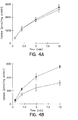
- Biliary excretion of the five model substrates in long-term sandwich-cultured hepatocytes in accordance with the present subject matter was consistent with their in vivo biliary excretion properties. Quantification of biliary excretion in the cultured hepatocytes utilizing the biliary excretion index calculation is described herein above. Briefly, the biliary excretion index represents the percentage of retained substrate in the bile canaliculi. The results of the Laboratory Examples indicate that compounds undergoing negligible biliary excretion in vivo based on the percentage of dose excreted in bile (e.g., inulin, salicylate) have a low biliary excretion index (approximately zero).
- Methotrexate and [D-pen 2,5 ]enkephalin represent compounds that are "highly" excreted in bile (approximately 60% and 70% of the i.v. dose was recovered in bile in 1 hr, respectively).
- taurocholate is "rapidly and extensively" excreted in that almost all of the i.v. dose was excreted in bile in less than 1 hr.
- the biliary excretion index can thus differentiate between compounds that undergo extensive versus negligible or low biliary excretion.
- the biliary excretion index appears unable to differentiate between compounds that are highly excreted in bile, like methotrexate (biliary excretion index: approximately 55%) or [D-pen 2,5 ]enkephalin (biliary excretion index: approximately 42%), and compounds that are "rapidly and extensively" excreted in bile, like taurocholate (biliary excretion index: approximately 56%).
- This limitation in the biliary excretion index may be due to the fact that this index is determined predominantly by the canalicular excretory functions.
- the percentage of i.v.-administered substrate excreted into the bile in vivo is determined by sinusoidal uptake activity, canalicular excretory activity, as well as other competitive elimination processes.
- Biliary clearance represents a more effective parameter for comparison of the relationship between in vivo and in vitro biliary excretion.
- the in vivo biliary clearance was calculated in the Laboratory Examples as the ratio of the amount excreted into bile at time T and the plasma AUC between time 0 and time T. Because most of the administered dose was eliminated at time T, the biliary clearance approximates the biliary clearance calculated from time 0 to time infinity.
- Biliary clearance calculated in this matter is a function of intrinsic biliary clearance and the hepatic plasma/blood flow rate. To eliminate the effects of plasma flow, the intrinsic biliary clearance was calculated based on the "well stirred" model of hepatic disposition described by Pang and Rollan in J. Pharmacokinet.
- a biliary clearance value can be calculated as the ratio of the mass in the bile canaliculi and the area under the curve (AUC) in culture medium, wherein the AUC represents the integral of candidate compound (e.g. xenobiotic concentration) in the medium from time 0 to time T (time can be measure in any desired units, and is usually measured in minutes).
- the incubation medium was accessible to all hepatocytes in the dish at the same time.
- the calculated in vitro biliary clearance should represent the intrinsic biliary clearance.
- the true intrinsic biliary clearance should be determined by transport across the canalicular membrane and calculated based on intracellular substrate concentrations. Therefore, the in vivo and in vitro "intrinsic" clearance values calculated in the Laboratory Examples may be referred to as an "apparent" intrinsic biliary clearance value, which would be rate-limited by the slowest step in the process, either sinusoidal uptake or canalicular excretion.
- the five model substrates can be classified into three groups: compounds that are not excreted in bile (inulin and salicylate; approximately 0 ml/min/kg), compounds that are highly excreted in bile (methotrexate and [D-pen 2,5 ]enkephalin, approximately 17.3 ml/min/kg and approximately 34.4 ml/min/kg, respectively); and compounds that are rapidly and extensively excreted in bile (taurocholate, approximately 116.9 ml/min/kg).
- Example 5 describes siRNA utilization to modulate drug transporter function in primary hepatocytes.
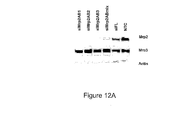
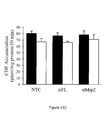
- Treatment of SCRH with Mrp2 siRNA (siMrp2) essentially produced a transient Mrp2-deficient model: the suppression of canalicular Mrp2 expression profoundly reduced the biliary excretion of carboxydichlorofluorescein (CDF).
- CDF carboxydichlorofluorescein
- the five model substrates representing a diverse spectrum of biliary excretion properties were selected to examine the relationship between the percentage of the dose excreted in bile in vivo in rats and the Biliary Excretion Index in sandwich-cultured hepatocytes. Information regarding the percentage of the dose excreted in rat bile after i.v. administration was obtained from the literature. The extent of inulin and salicylate secretion into bile was negligible ( Eriksson et al., Acta. Physiol. Scand. 95:1-5, 1975 ; Laznicekand et al., Eur. J. Drug Met. Pharmacokinet. 19:21-26, 1994 ).
- Biliary excretion in the sandwich-cultured hepatocytes can be expressed quantitatively as the Biliary Excretion Index calculated from Equation 3 based on the 10-min cumulative uptake data in Figures 3B-5B .
- the Biliary Excretion Index of inulin and salicylate was assumed to be negligible because no statistically significant differences in the cumulative uptake of inulin or salicylate were observed between standard buffer and Ca 2+ -free buffer ( p > 0.05).
- the Biliary Excretion Index of methotrexate, [D-pen 2,5 ]enkephalin and taurocholate was 55.4 V 18.3%, 42.4 V 6.5% and 56.4 V 5.2%, respectively.
- the relationship between the percentage of the dose excreted in rat bile in vivo and the Biliary Excretion Index measured in the in vitro system is depicted in Figure 6A .
- the Biliary Excretion Index was very low for compounds undergoing negligible biliary excretion in vivo (e.g., inulin and salicylate).
- the Biliary Excretion Index was moderately high for compounds that are excreted in bile in vivo (e.g., methotrexate, [D-pen 2,5 ]enkephalin, and taurocholate).
- Compound 2169W94 is the O-demethylated metabolite of 264W94 in rats and humans, which can undergo further conjugation with urindine-5'-diphosphoflucuronic acid to form a glucuronide conjugate ( Silver et al., ISSX Proceedings, (San Diego, California USA) pp. 387, 1996 ).
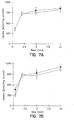
- hepatocyte monolayers were incubated in standard or Ca 2+ -free buffer before cumulative uptake was conducted in standard buffer containing 3 :M of [ 14 C]264W94 or [ 14 C]2169W94 ( Figure 7 and 8 ).
- CYP3A4 was the isozyme primarily involved in the metabolism of 264W94 ( Silver et al., ISSX Proceedings (San Diego, California USA) p. 387, 1996 ).
- This glucuronide conjugate accounts for 30% of the total amount excreted in bile.
- siRNA had not been employed in primary hepatocytes to specifically knock down the expression of important drug transport genes. Therefore, an objective of this Example was to utilize siRNA to modulate the expression of Mrp2 and Mrp3 and elucidate the functional consequences in sandwich-cultured rat hepatocytes (SCRH).
- HepG2 Human Hepatoblastoma
- HepG2 cells were maintained in Dulbecco's modified Eagle's medium/F-12 plus 10% FBS.
- Rat hepatocytes were isolated from male Wistar rats (220-300g) by in situ collagenase perfusion ( Annaert et al., Drug Metab Dispos 29:1277-1283, 2001 ). Cells were seeded at a density of 1.5x10 6 cells per well onto polystyrene 6-well plates pre-coated with rat tail type I collagen; a top layer of gelled collagen was overlaid 24 hr after plating.
- Rat hepatocyte cultures were maintained in Dulbecco's modified Eagle's medium supplemented with 0.1 ⁇ M dexamethasone and 0.1% ITS culture supplement (6.25 mg/mL insulin, 6.25 mg/mL transferrin, 6.25 ⁇ g/mL selenous acid, 5.35 mg/mL linoleic acid, and 1.25 g/mL BSA). Medium was changed every 24 hr.
- siRNA sequences targeting rat Mrp2 and Mrp3 were chosen with RNAi OligoRetriever (www.cshl.org/public/SCIENCE/hannon.htmL) for the T7 RNA polymerase protocol.
- Single-stranded RNA was synthesized with a T7-MEGASHORTSCRIPTTM High Yield Transcription Kit (Ambion Inc. Austin, Texas USA) according to the manufacturer's instructions.
- sense and antisense of single-stranded RNAs in equimolar amounts were denatured and annealed with a thermocycler (95°C, 5 min; 70°C, 5 min; 50°C, 5 min; 25°C, 5 min).
- siMrp2AB1 GGCUAUAUCUGUGCAAUCCUA (SEQ ID NO: 3; UA 3' overhang in antisense strand and AA 3' overhang in sense strand)
- siMrp2AB2 GGCUAGGAAGCAGUACACCAU (SEQ ID NO: 4; AU 3' overhang in antisense strand and AA 3' overhang in sense strand)
- siMrp2AB3 GGCAGUAGGGUGGUGGUCCAU (SEQ ID NO: 5;AU 3' overhang in antisense strand and UG 3' overhang in sense strand).
- antisense sequence was used to target Mrp3: GGUCCAAGGACCUGCCUCCCA (SEQ ID NO: 6; CA 3' overhang in antisense strand, AG 3' overhang in sense strand).
- siRNA was covalently attached to the Cy3 dye in a one-step chemical reaction with the LABELIT ® siRNA Tracker Intracellular Localization Kit (Mirus Corporation, Madison, Wisconsin USA). Ten ⁇ g siRNA was incubated with 10 ⁇ l of reconstituted Cy3 labeling reagent at 37°C for 1 hr. Labeled siRNA was purified by a regular ethanol precipitation method to remove excess Cy3. Cy3-labeled siRNA was transferred into SCRH as described in the following siRNA transfection section. Cell images were taken with an Axiovert 100TV inverted microscope (Zeiss, Thornwood, New York USA).
- HepG2 cells were seeded at a density of 2 x 10 5 cells per well onto 12-well plates 24 hr before transfection.
- a mixture of 100 ng firefly luciferase expression plasmid (PGL3-FL) and 100 ng Renilla luciferase expression plasmid (PRL-TK) and various amounts of firefly luciferase siRNA were used per well.
- Transfections of SCRH were performed at 20 hr after plating, unless specifically indicated.
- siRNA (2 ⁇ g, unless specified) was used per well in 6-well plates.
- siRNA and DNA were formulated for transfection using TRANSMESSENGERTM transfection reaction kit (QIAGEN Inc. Valencia, California USA).
- siRNA was condensed in Enhancer EC at a ratio of 1:2 ( ⁇ g of total RNA and/or DNA : ⁇ l of Enhancer), and formulated with TransMessenger at a ratio of 1:4 ( ⁇ g of RNA and /or DNA : ⁇ l of TransMessenger) and then incubated with cells.
- medium was changed after an overnight incubation with siRNA.
- siRNA delivery into hepatocytes was more efficient before overlay of the top collagen layer. The effect of transfection was examined 48 hr later.
- Luciferase activity was measured with the DUAL-LUCIFERASE ® Reporter Assay System (Promega Co. Madison, Wisconsin USA). Briefly, HepG2 cells were lysed in 100 ⁇ l passive lysis buffer. Twenty ⁇ l cell lysate was mixed with 100 ⁇ l Luciferase Assay Reagent II to measure firefly luciferase activity. Stop and Glo Reagent (100 ⁇ l) was then added and mixed to measure the Renilla luciferase activity. Luminescence intensity was measured with a MONOLIGHTTM 3010 Luminometer (BD Biosciences, San Jose, California USA).
- anti-Mrp2 M2111-6, Alexis Biochemicals, San Diego, California USA
- anti-Mrp3 kind gift from Dr. Yuichi Sugiyama
- anti-Radixin Chemicon International, Inc. Temecula, California USA
- anti- ⁇ -actin MAB1501, Chemicon
- lactate dehydrogenase activity an intracellular enzyme whose leakage into extracellular medium is inversely related to cell viability.
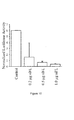
- siRNA targeting firefly luciferase (siFL) with proven knockdown effect was synthesized and used to examine the knockdown effect on the expression of firefly luciferase expressed from the PGL3-FL plasmid in HepG2 cells.
- HepG2 cells were treated with 0.2, 0.5 and 1.0 ⁇ g of siFL; 48 hr after transfection Renilla luciferase-normalized activity of firefly luciferase was decreased 74%, 89% and 94%, respectively ( Figure 10 ).
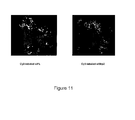
- Cy3-labeled siRNA was used to examine siRNA delivery to hepatocytes after collagen overlay. siRNA was delivered successfully into hepatocytes before overlay ( Figure 11 ), but not into the hepatocytes after overlay.
- lactate dehydrogenase activity was not elevated in SCRH transfected with siMrp2 or siMrp3 siRNA (94 ⁇ 13, 87 ⁇ 3% non-transfected control SCRH, mean ⁇ SEM).
- siMrp2 Three siRNA sequences for Mrp2 (generally referred to herein and in the Figures as siMrp2), siMrp2AB1 (SEQ ID NO: 3), siMrp2AB2 (SEQ ID NO: 4) and siMrp2AB3 (SEQ ID NO:5) were synthesized.
- siMrp2AB1 targeting nucleotides 1158-1178 of the Mrp2 cDNA (SEQ ID NO: 1), had the most potent effect, which resulted in an average of 50% (maximum 79%) reduction in endogenous Mrp2 expression ( Figures 12A and 12B ) when compared to SCRH transfected with siFL or non-transfected SCRH.
- siMrp2AB2 also produced a significant knockdown effect (40 ⁇ 20%).
- siMrp2AB3 knocked down Mrp2 protein only modestly (26 ⁇ 18%). Surprisingly, the equal molar mixture of these three sequences exhibited the least knockdown effect ( ⁇ 13% reduction).
- Mrp3 SEQ ID NO: 2
- Mrp2AB1 SEQ ID NO: 3
- siMrp2AB2 SEQ ID NO: 4
- siMrp2AB3 SEQ ID NO:5
- siFL SEQ ID NO: 7
- Radixin is the dominant ezrin-radixin-moesin (ERM) protein in rodent liver, and it is located primarily at the bile canalicular membrane, resulting in a chronic hyperbilirubinemia phenotype typical in Mrp2-deficient mice.
- EEM ezrin-radixin-moesin
- Mrp3 SEQ ID NO: 2
- Mrp3 expression was modulated utilizing the same approach as described above.
- SCRH were treated with siRNA (generally referred to herein and in the Figures as siMrp3; SEQ ID NO: 6) targeting the nucleotides 1950-1970 of the Mrp3 cDNA.
- siMrp3 SEQ ID NO: 6
- Immunoblot analysis confirmed a decrease in Mrp3 protein expression with no change in expression of Mrp2 when compared with cells transfected with siFL (SEQ ID NO: 7) and non-transfected cells ( Figure 13A ).
- the functional assay with CDF which also is an Mrp3 substrate, indicated that CDF fluorescence in canalicular networks was more intense than in siFL-transfected or non-transfected cells ( Figure 13B ).
- siRNA targeting firefly luciferase (siFL) with proven knockdown effect was synthesized and used to examine the knockdown effect on the expression of firefly luciferase expressed from the PGL3-FL plasmid in HepG2 cells. Firefly luciferase activity was decreased in a dose-dependent manner by siFL, indicating that siRNA synthesized by the T7 RNA polymerase method had a significant knockdown effect.
- Mrp2 can lead to altered Mrp2 function.
- radixin the dominant bile canalicular ezrin-radixin-moesin protein in rodent liver, directly binds to the C-terminal cytoplasmic domain of Mrp2; the interaction between radixin and Mrp2 is necessary for the correct localization of Mrp2 on the canalicular membrane ( Kocher et al., Lab. Invest. 79:1161-1170, 1999 ; Kojima et al., J. Hepatol. 39:693-702, 2003 ).
- Mrp2 When radixin was knocked out in mice, Mrp2 was mislocalized and malfunctioned ( Kikuchi et al., Nat. Genet. 31:320-325, 2002 ). After isolation of hepatocytes with collagenase, Mrp2 is internalized. In SCRH, Mrp2 re-localizes to the canalicular membrane over time in culture ( Zhang et al., AAPS Pharm. Sci. 3:Abstract 1522-1059, 2001 ). Expression of radixin in SCRH increased over time in culture, consistent with the re-localization of Mrp2 to the canalicular membrane.
- RNA interference is a powerful tool in the study of the role of specific protein in drug disposition.
- the majority of current knowledge regarding the role of transport protein in hepatic clearance comes from three types of experimental setups: recombinant expression systems, and knockout/mutant animals. While much progress has been made with these tools in the study of transporter function, current experimental systems have limitations, which are discussed below. Many of these limitations are not relevant to RNA interference.
- Recombinant protein may not always be representative of in vivo protein in the species of interest, due to differences in transcription, translation, and post-translational modifications in the host cell.
- Sf9 cells which are often used as the host system for expression of many ATP-binding cassette transporters, greatly underglycosylate the recombinant protein, resulting in transporters of lower molecular weight ( Germann et al., Biochemistry 29:2295-2303, 1990 ).
- certain compounds may be substrates of more than one transporter at a given plasma membrane domain.
- both Mrp2 and the breast cancer resistance protein excrete sulfate conjugates of xenobiotics across the hepatic canalicular membrane into bile ( Xiong et al., J. Pharmacol. Exp. Ther. 295:512-518, 2000 ).
- hepatic uptake may be mediated by more than one transporter.
- the opioid peptide, [D-penicillamine 2,5 ]enkephalin is taken up into hepatocytes by all three organic anion transporting polypeptide isoforms ( Cattori et al., Pflugers Arch. 443:188-195, 2001 ). Therefore, accurate in vivo interpretation of the importance of transport of a compound by a recombinant transporter may be very difficult.
- RNA interference allows specific and rapid knockdown of a protein of interest.
- Transfection of SCRH with siMrp2 specifically decreased Mrp2 protein, but not the closely related Mrp3.
- knockdown of Mrp3 did not affect Mrp2 protein levels.
- Mrp3 is highly upregulated in the liver ( Akita et al., Pharm. Res. 18:1119-1125, 2001 ).
- knockdown of Mrp2 did not alter Mrp3 protein levels two days after transfection of hepatocytes with siMrp2.
- the rate of protein knockdown with siRNA is dictated by the half-life of the protein, which apparently for Mrp2 is short enough that significant decrease in Mrp2 levels can be achieved before a notable increase in Mrp3 occurs.
- RNA interference offers unique advantages over experimental designs used currently for the study of transport protein.
- the major advantages of siRNA include specificity of knockdown and maintenance of expression of complementary transport mechanisms in primary cells, which maintain expression of other relevant protein.
Landscapes
- Health & Medical Sciences (AREA)
- Life Sciences & Earth Sciences (AREA)
- Engineering & Computer Science (AREA)
- Biomedical Technology (AREA)
- Chemical & Material Sciences (AREA)
- Molecular Biology (AREA)
- Immunology (AREA)
- Cell Biology (AREA)
- Urology & Nephrology (AREA)
- Bioinformatics & Cheminformatics (AREA)
- General Health & Medical Sciences (AREA)
- Hematology (AREA)
- Biotechnology (AREA)
- Medicinal Chemistry (AREA)
- Organic Chemistry (AREA)
- Biochemistry (AREA)
- Microbiology (AREA)
- Gastroenterology & Hepatology (AREA)
- Analytical Chemistry (AREA)
- Food Science & Technology (AREA)
- Pathology (AREA)
- Wood Science & Technology (AREA)
- Zoology (AREA)
- General Physics & Mathematics (AREA)
- Physics & Mathematics (AREA)
- Genetics & Genomics (AREA)
- Toxicology (AREA)
- Nuclear Medicine, Radiotherapy & Molecular Imaging (AREA)
- Public Health (AREA)
- Chemical Kinetics & Catalysis (AREA)
- Animal Behavior & Ethology (AREA)
- General Chemical & Material Sciences (AREA)
- General Engineering & Computer Science (AREA)
- Pharmacology & Pharmacy (AREA)
- Veterinary Medicine (AREA)
- Tropical Medicine & Parasitology (AREA)
- Proteomics, Peptides & Aminoacids (AREA)
- Measuring Or Testing Involving Enzymes Or Micro-Organisms (AREA)
- Micro-Organisms Or Cultivation Processes Thereof (AREA)
- Investigating Or Analysing Biological Materials (AREA)
Applications Claiming Priority (2)
| Application Number | Priority Date | Filing Date | Title |
|---|---|---|---|
| US10/842,404 US7601494B2 (en) | 1999-03-17 | 2004-05-10 | Method of screening candidate compounds for susceptibility to biliary excretion |
| EP05804818.2A EP1773989B1 (de) | 2004-05-10 | 2005-05-10 | Verfahren zur überprüfung von kandidatenverbindungen auf empfänglichkeit für biliäre ausscheidung |
Related Parent Applications (2)
| Application Number | Title | Priority Date | Filing Date |
|---|---|---|---|
| EP05804818.2 Division | 2005-05-10 | ||
| EP05804818.2A Division-Into EP1773989B1 (de) | 2004-05-10 | 2005-05-10 | Verfahren zur überprüfung von kandidatenverbindungen auf empfänglichkeit für biliäre ausscheidung |
Publications (2)
| Publication Number | Publication Date |
|---|---|
| EP2532739A2 true EP2532739A2 (de) | 2012-12-12 |
| EP2532739A3 EP2532739A3 (de) | 2013-03-27 |
Family
ID=35463446
Family Applications (2)
| Application Number | Title | Priority Date | Filing Date |
|---|---|---|---|
| EP05804818.2A Expired - Lifetime EP1773989B1 (de) | 2004-05-10 | 2005-05-10 | Verfahren zur überprüfung von kandidatenverbindungen auf empfänglichkeit für biliäre ausscheidung |
| EP12153422A Withdrawn EP2532739A3 (de) | 2004-05-10 | 2005-05-10 | Abtastverfahren für Kandidatenverbindungen auf Empfänglichkeit für biliäre Ausscheidung |
Family Applications Before (1)
| Application Number | Title | Priority Date | Filing Date |
|---|---|---|---|
| EP05804818.2A Expired - Lifetime EP1773989B1 (de) | 2004-05-10 | 2005-05-10 | Verfahren zur überprüfung von kandidatenverbindungen auf empfänglichkeit für biliäre ausscheidung |
Country Status (7)
| Country | Link |
|---|---|
| US (2) | US7601494B2 (de) |
| EP (2) | EP1773989B1 (de) |
| JP (2) | JP4951506B2 (de) |
| AU (1) | AU2005250355B2 (de) |
| CA (1) | CA2566575C (de) |
| NZ (1) | NZ586465A (de) |
| WO (1) | WO2005118787A2 (de) |
Families Citing this family (26)
| Publication number | Priority date | Publication date | Assignee | Title |
|---|---|---|---|---|
| US7601494B2 (en) * | 1999-03-17 | 2009-10-13 | The University Of North Carolina At Chapel Hill | Method of screening candidate compounds for susceptibility to biliary excretion |
| ATE323283T1 (de) * | 1999-03-17 | 2006-04-15 | Univ North Carolina | Screening-verfahren von kandidaten verbindungen für empfindlichkeit gegenüber gallenexkretion |
| JP4958259B2 (ja) * | 2006-03-30 | 2012-06-20 | 第一三共株式会社 | 細胞内化合物量の測定方法 |
| US9006173B2 (en) * | 2006-05-10 | 2015-04-14 | University Of Kentucky Research Foundation | Microcystins as agents for treatment of cancer |
| WO2007146203A1 (en) * | 2006-06-08 | 2007-12-21 | The University Of North Carolina At Chapel Hill | Pulsing of bile compartments in sandwich-cultured hepatocytes |
| JP5324456B2 (ja) * | 2006-11-10 | 2013-10-23 | アブソープション システムズ グループ エルエルシー | 化学物質の消化管吸収を評価するための安定的細胞株および方法 |
| CA2685127C (en) | 2007-04-23 | 2019-01-08 | Alnylam Pharmaceuticals, Inc. | Glycoconjugates of rna interference agents |
| WO2009073809A2 (en) | 2007-12-04 | 2009-06-11 | Alnylam Pharmaceuticals, Inc. | Carbohydrate conjugates as delivery agents for oligonucleotides |
| WO2009082606A2 (en) * | 2007-12-04 | 2009-07-02 | Alnylam Pharmaceuticals, Inc. | Folate conjugates |
| GB0808777D0 (en) | 2008-05-15 | 2008-06-18 | Norgine Bv | Prognostic method |
| JP2010261871A (ja) * | 2009-05-08 | 2010-11-18 | Geno Membrane:Kk | 標識化胆汁酸 |
| EP4056686A1 (de) | 2012-09-11 | 2022-09-14 | Corning Incorporated | Verbrauchbare kryokonservierte zellen mit vorübergehender überexpression von gen(en), die für wirkstofftransporterprotein(e) und/oder wirkstoffmetabolisierende enzym(e) codieren |
| WO2014200816A1 (en) | 2013-06-14 | 2014-12-18 | Biotranex, Llc | Method for measuring bile salt export transport and/or formation activity |
| JP6087264B2 (ja) * | 2013-11-29 | 2017-03-01 | 株式会社日立ハイテクノロジーズ | 成分分析装置、薬効分析装置、及び分析方法 |
| JP6644786B2 (ja) | 2014-08-22 | 2020-02-12 | ビオプレディク アンテルナシオナルBiopredic International | 毛細胆管活性の機械的改変およびRhoキナーゼミオシンII経路およびジャンクションの透過性の調節、その検出方法およびその誘導体の使用 |
| MA41048A (fr) * | 2014-10-07 | 2017-08-15 | Qualyst Transp Solutions Llc | Utilité d'une protéine dans la prédiction d'effets in vivo |
| KR102545316B1 (ko) | 2014-11-10 | 2023-06-22 | 알닐람 파마슈티칼스 인코포레이티드 | B형 간염 바이러스(hbv) irna 조성물 및 그의 이용 방법 |
| US20180120298A1 (en) * | 2015-03-27 | 2018-05-03 | National Agriculture and Food Reserach Organization | Hepatocyte culture device capable of enhancing accumulation and excretion of hepatic metabolite in and into bile canaliculus-like structure, and method for evaluating candidate compound sensitive to excretion into bile or blood and hepatic metabolite of said candidate compound using said hepatocyte culture device |
| WO2016167953A1 (en) | 2015-04-16 | 2016-10-20 | Biotranex, Llc | Method of measuring inhibition of phosphatidylcholine export transport and/or formation activity |
| JP6758026B2 (ja) * | 2015-04-17 | 2020-09-23 | 株式会社日立ハイテク | 成分分析装置、薬剤成分分析装置、成分分析方法及び薬剤成分分析方法 |
| WO2018013912A1 (en) * | 2016-07-15 | 2018-01-18 | The Board Of Regents Of The University Of Oklahoma | Anti-arid3a treatments for inflammatory disorders |
| US11324820B2 (en) | 2017-04-18 | 2022-05-10 | Alnylam Pharmaceuticals, Inc. | Methods for the treatment of subjects having a hepatitis b virus (HBV) infection |
| JP6582070B2 (ja) * | 2018-01-22 | 2019-09-25 | 株式会社日立ハイテクノロジーズ | 分析方法 |
| JP7625512B2 (ja) | 2018-08-13 | 2025-02-03 | アルナイラム ファーマシューティカルズ, インコーポレイテッド | B型肝炎ウイルス(HBV)dsRNA物質組成物およびその使用方法 |
| JP7113132B2 (ja) | 2019-02-26 | 2022-08-04 | 株式会社日立ハイテク | 細胞内における化合物の動態解析法 |
| JP2025181719A (ja) | 2024-05-31 | 2025-12-11 | 国立大学法人東京科学大学 | 毛細胆管作製用培地およびそれを用いた毛細胆管の製造方法 |
Family Cites Families (27)
| Publication number | Priority date | Publication date | Assignee | Title |
|---|---|---|---|---|
| US5602026A (en) | 1988-10-14 | 1997-02-11 | The General Hospital Corporation | Culturing liver cells between two supports |
| US5504086A (en) | 1989-10-17 | 1996-04-02 | Ellinwood, Jr.; Everett H. | Intraoral dosing method of administering trifluorobenzodiazepines, propoxyphene, and nefazodone |
| EP0673433A1 (de) | 1992-11-25 | 1995-09-27 | Merck & Co. Inc. | Lebermodell |
| ATE190065T1 (de) * | 1994-05-12 | 2000-03-15 | Balazs Sarkadi | Stoffe zur aufhebung von arzneimittelresistenzen |
| WO1996001426A1 (en) | 1994-07-01 | 1996-01-18 | W.R. Grace & Co.-Conn. | Hepatocyte test kit |
| AU1736697A (en) * | 1996-02-22 | 1997-09-10 | Academisch Medisch Centrum Amsterdam | A family of organic anion transporters, nucleic acids encoding them, cells comprising them and methods for using them |
| WO1998017317A2 (de) * | 1996-10-23 | 1998-04-30 | Skw Trostberg Aktiengesellschaft | Verfahren zur herstellung von biologisch aktiven polymernanopartikel-nucleinsäure-konjugaten |
| AR013269A1 (es) | 1997-08-04 | 2000-12-13 | Scras | Producto que contiene por lo menos un rna de doble filamento combinado con por lo menos un agente anti-viral, para la utilizacion terapeutica en eltratamiento de una enfermedad viral, en especial de la hepatitis viral |
| US6506559B1 (en) | 1997-12-23 | 2003-01-14 | Carnegie Institute Of Washington | Genetic inhibition by double-stranded RNA |
| WO1999049735A1 (en) * | 1998-03-27 | 1999-10-07 | Fox Chase Cancer Center | Mpr-related abc transporter encoding nucleic acids and methods of use thereof |
| GB9827152D0 (en) | 1998-07-03 | 1999-02-03 | Devgen Nv | Characterisation of gene function using double stranded rna inhibition |
| CA2361201A1 (en) | 1999-01-28 | 2000-08-03 | Medical College Of Georgia Research Institute, Inc. | Composition and method for in vivo and in vitro attenuation of gene expression using double stranded rna |
| DE19956568A1 (de) | 1999-01-30 | 2000-08-17 | Roland Kreutzer | Verfahren und Medikament zur Hemmung der Expression eines vorgegebenen Gens |
| US7601494B2 (en) | 1999-03-17 | 2009-10-13 | The University Of North Carolina At Chapel Hill | Method of screening candidate compounds for susceptibility to biliary excretion |
| ATE323283T1 (de) * | 1999-03-17 | 2006-04-15 | Univ North Carolina | Screening-verfahren von kandidaten verbindungen für empfindlichkeit gegenüber gallenexkretion |
| KR20070118315A (ko) | 1999-04-21 | 2007-12-14 | 와이어쓰 | 폴리뉴클레오티드 서열의 기능을 억제하기 위한 조성물 |
| BR0012325A (pt) | 1999-07-09 | 2002-05-21 | American Home Prod | Métodos e composições para prevenção da formação de rna anormal durante a transcrição de uma sequência de plasmìdeo |
| HK1047109A1 (zh) | 1999-10-15 | 2003-02-07 | University Of Massachusetts | 作为指定基因干预工具的rna干预轨迹基因 |
| GB9927444D0 (en) | 1999-11-19 | 2000-01-19 | Cancer Res Campaign Tech | Inhibiting gene expression |
| DE10160151A1 (de) | 2001-01-09 | 2003-06-26 | Ribopharma Ag | Verfahren zur Hemmung der Expression eines vorgegebenen Zielgens |
| DE10100586C1 (de) | 2001-01-09 | 2002-04-11 | Ribopharma Ag | Verfahren zur Hemmung der Expression eines Ziegens |
| EP1272630A2 (de) | 2000-03-16 | 2003-01-08 | Genetica, Inc. | Methoden und zusammensetzungen zur interferenz durch rna |
| ES2336887T5 (es) | 2000-03-30 | 2019-03-06 | Whitehead Inst Biomedical Res | Mediadores de interferencia por ARN específicos de secuencias de ARN |
| WO2001092513A1 (en) | 2000-05-30 | 2001-12-06 | Johnson & Johnson Research Pty Limited | METHODS FOR MEDIATING GENE SUPPRESION BY USING FACTORS THAT ENHANCE RNAi |
| CA2429814C (en) | 2000-12-01 | 2014-02-18 | Thomas Tuschl | Rna interference mediating small rna molecules |
| EP1574574A4 (de) * | 2002-11-15 | 2005-12-14 | Univ Keio | Exon 1-beta des gens für pdgf-rezeptor-alpha und verwendung davon |
| NZ551420A (en) | 2004-05-10 | 2011-02-25 | Univ North Carolina | Method of screening candidate compounds for susceptibility to biliary excretion in hepatocyte cell cultures |
-
2004
- 2004-05-10 US US10/842,404 patent/US7601494B2/en not_active Expired - Lifetime
-
2005
- 2005-05-10 NZ NZ586465A patent/NZ586465A/en not_active IP Right Cessation
- 2005-05-10 CA CA2566575A patent/CA2566575C/en not_active Expired - Lifetime
- 2005-05-10 AU AU2005250355A patent/AU2005250355B2/en not_active Ceased
- 2005-05-10 WO PCT/US2005/016240 patent/WO2005118787A2/en not_active Ceased
- 2005-05-10 EP EP05804818.2A patent/EP1773989B1/de not_active Expired - Lifetime
- 2005-05-10 EP EP12153422A patent/EP2532739A3/de not_active Withdrawn
- 2005-05-10 JP JP2007513265A patent/JP4951506B2/ja not_active Expired - Lifetime
-
2009
- 2009-08-28 US US12/550,109 patent/US8367630B2/en not_active Expired - Fee Related
-
2011
- 2011-10-18 JP JP2011228422A patent/JP2012065659A/ja active Pending
Also Published As
| Publication number | Publication date |
|---|---|
| WO2005118787A2 (en) | 2005-12-15 |
| EP1773989A2 (de) | 2007-04-18 |
| AU2005250355B2 (en) | 2011-09-29 |
| JP4951506B2 (ja) | 2012-06-13 |
| AU2005250355A1 (en) | 2005-12-15 |
| JP2012065659A (ja) | 2012-04-05 |
| US7601494B2 (en) | 2009-10-13 |
| US20090325297A1 (en) | 2009-12-31 |
| JP2008503204A (ja) | 2008-02-07 |
| WO2005118787A3 (en) | 2009-04-16 |
| EP1773989A4 (de) | 2009-11-04 |
| EP1773989B1 (de) | 2016-01-20 |
| EP2532739A3 (de) | 2013-03-27 |
| US8367630B2 (en) | 2013-02-05 |
| CA2566575A1 (en) | 2005-12-15 |
| US20050048464A1 (en) | 2005-03-03 |
| CA2566575C (en) | 2018-09-11 |
| NZ586465A (en) | 2012-02-24 |
Similar Documents
| Publication | Publication Date | Title |
|---|---|---|
| US8367630B2 (en) | Method for inhibiting expression of a protein in a hepatocyte | |
| Pisconti et al. | Syndecan-3 and Notch cooperate in regulating adult myogenesis | |
| Shen et al. | CircRILPL1 promotes muscle proliferation and differentiation via binding miR-145 to activate IGF1R/PI3K/AKT pathway | |
| Strzelecka et al. | Coilin-dependent snRNP assembly is essential for zebrafish embryogenesis | |
| Lee et al. | Silencing by small RNAs is linked to endosomal trafficking | |
| Naguibneva et al. | The microRNA miR-181 targets the homeobox protein Hox-A11 during mammalian myoblast differentiation | |
| Ng et al. | HNF4A and HNF1A exhibit tissue specific target gene regulation in pancreatic beta cells and hepatocytes | |
| Nguyen et al. | Light controllable siRNAs regulate gene suppression and phenotypes in cells | |
| EP1659403B1 (de) | Screening-Verfahren für Kandidatenverbindungen auf Empfänglichkeit für Gallenexkretion | |
| KR102211189B1 (ko) | 약물 트랜스포터 단백질(들) 및/또는 약물대사 효소(들)를 인코딩하는 유전자(들)를 일시적으로 과발현하는 소모성 냉동보존 세포 | |
| Berchtold et al. | Pannexin-2-deficiency sensitizes pancreatic β-cells to cytokine-induced apoptosis in vitro and impairs glucose tolerance in vivo | |
| Ma et al. | Efficient proximal tubule-on-chip model from hiPSC-derived kidney organoids for functional analysis of renal transporters | |
| Xia et al. | Cytochrome P450 induction response in tethered spheroids as a three‐dimensional human hepatocyte in vitro model | |
| Park et al. | The blood-brain barrier sodium-dependent multivitamin transporter: a molecular functional in vitro-in situ correlation | |
| Hsieh et al. | GABA modulation of SVZ‐derived progenitor ventral cell migration | |
| Roy et al. | Retrovirally mediated telomerase immortalization of neural progenitor cells | |
| NZ551420A (en) | Method of screening candidate compounds for susceptibility to biliary excretion in hepatocyte cell cultures | |
| HK1179306A (en) | Method of screening candidate compounds for susceptibility to biliary excretion | |
| AU2012200029A1 (en) | Method of screening candidate compounds for susceptibility to biliary excretion | |
| Wu et al. | Optimized hepatocyte-like cells with functional drug transporters directly-reprogrammed from mouse fibroblasts and their potential in drug disposition and toxicology | |
| US12473537B2 (en) | Three-dimensional cell culture, devices, and use thereof | |
| Suzuki et al. | Antizyme is necessary for conversion of pancreatic tumor cells into glucagon-producing differentiated cells | |
| US20170067909A1 (en) | Assay-ready recombinant cells transiently overexpressing genes encoding drug transporter proteins and/or drug metabolizing enzymes | |
| Lash | Predictive in vitro models for assessment of nephrotoxicity and drug–drug interactions in vitro |
Legal Events
| Date | Code | Title | Description |
|---|---|---|---|
| PUAI | Public reference made under article 153(3) epc to a published international application that has entered the european phase |
Free format text: ORIGINAL CODE: 0009012 |
|
| AC | Divisional application: reference to earlier application |
Ref document number: 1773989 Country of ref document: EP Kind code of ref document: P |
|
| AK | Designated contracting states |
Kind code of ref document: A2 Designated state(s): AT BE BG CH CY CZ DE DK EE ES FI FR GB GR HU IE IS IT LI LT LU MC NL PL PT RO SE SI SK TR |
|
| AX | Request for extension of the european patent |
Extension state: AL BA HR LV MK YU |
|
| RIC1 | Information provided on ipc code assigned before grant |
Ipc: C12N 5/074 20100101ALI20130116BHEP Ipc: G01N 33/50 20060101AFI20130116BHEP |
|
| PUAL | Search report despatched |
Free format text: ORIGINAL CODE: 0009013 |
|
| RIC1 | Information provided on ipc code assigned before grant |
Ipc: C12N 5/074 20100101ALI20130211BHEP Ipc: G01N 33/50 20060101AFI20130211BHEP |
|
| AK | Designated contracting states |
Kind code of ref document: A3 Designated state(s): AT BE BG CH CY CZ DE DK EE ES FI FR GB GR HU IE IS IT LI LT LU MC NL PL PT RO SE SI SK TR |
|
| AX | Request for extension of the european patent |
Extension state: AL BA HR LV MK YU |
|
| RIN1 | Information on inventor provided before grant (corrected) |
Inventor name: BROUWER, KIM, L. Inventor name: ZHANG, PEIJIN Inventor name: TIAN, XIANBIN |
|
| REG | Reference to a national code |
Ref country code: HK Ref legal event code: DE Ref document number: 1179306 Country of ref document: HK |
|
| 17P | Request for examination filed |
Effective date: 20130927 |
|
| RBV | Designated contracting states (corrected) |
Designated state(s): AT BE BG CH CY CZ DE DK EE ES FI FR GB GR HU IE IS IT LI LT LU MC NL PL PT RO SE SI SK TR |
|
| 17Q | First examination report despatched |
Effective date: 20131121 |
|
| STAA | Information on the status of an ep patent application or granted ep patent |
Free format text: STATUS: THE APPLICATION IS DEEMED TO BE WITHDRAWN |
|
| 18D | Application deemed to be withdrawn |
Effective date: 20140402 |
|
| REG | Reference to a national code |
Ref country code: HK Ref legal event code: WD Ref document number: 1179306 Country of ref document: HK |