EP2552191B1 - Pflanzenpeptid-gamma-zein zur einführung von biomolekülen in pflanzenzellen - Google Patents
Pflanzenpeptid-gamma-zein zur einführung von biomolekülen in pflanzenzellen Download PDFInfo
- Publication number
- EP2552191B1 EP2552191B1 EP11766333.6A EP11766333A EP2552191B1 EP 2552191 B1 EP2552191 B1 EP 2552191B1 EP 11766333 A EP11766333 A EP 11766333A EP 2552191 B1 EP2552191 B1 EP 2552191B1
- Authority
- EP
- European Patent Office
- Prior art keywords
- gamma
- zein
- gene
- plant
- cell
- Prior art date
- Legal status (The legal status is an assumption and is not a legal conclusion. Google has not performed a legal analysis and makes no representation as to the accuracy of the status listed.)
- Active
Links
Images
Classifications
-
- C—CHEMISTRY; METALLURGY
- C12—BIOCHEMISTRY; BEER; SPIRITS; WINE; VINEGAR; MICROBIOLOGY; ENZYMOLOGY; MUTATION OR GENETIC ENGINEERING
- C12N—MICROORGANISMS OR ENZYMES; COMPOSITIONS THEREOF; PROPAGATING, PRESERVING, OR MAINTAINING MICROORGANISMS; MUTATION OR GENETIC ENGINEERING; CULTURE MEDIA
- C12N15/00—Mutation or genetic engineering; DNA or RNA concerning genetic engineering, vectors, e.g. plasmids, or their isolation, preparation or purification; Use of hosts therefor
- C12N15/09—Recombinant DNA-technology
- C12N15/63—Introduction of foreign genetic material using vectors; Vectors; Use of hosts therefor; Regulation of expression
- C12N15/79—Vectors or expression systems specially adapted for eukaryotic hosts
- C12N15/82—Vectors or expression systems specially adapted for eukaryotic hosts for plant cells, e.g. plant artificial chromosomes (PACs)
- C12N15/8201—Methods for introducing genetic material into plant cells, e.g. DNA, RNA, stable or transient incorporation, tissue culture methods adapted for transformation
- C12N15/8206—Methods for introducing genetic material into plant cells, e.g. DNA, RNA, stable or transient incorporation, tissue culture methods adapted for transformation by physical or chemical, i.e. non-biological, means, e.g. electroporation, PEG mediated
-
- C—CHEMISTRY; METALLURGY
- C07—ORGANIC CHEMISTRY
- C07K—PEPTIDES
- C07K14/00—Peptides having more than 20 amino acids; Gastrins; Somatostatins; Melanotropins; Derivatives thereof
- C07K14/415—Peptides having more than 20 amino acids; Gastrins; Somatostatins; Melanotropins; Derivatives thereof from plants
- C07K14/425—Zeins
Definitions
- the invention concerns plant peptide gamma-zein for delivery of biomolecules into plant cells.
- the invention concerns a method of introducing a molecule of interest into a plant cell having a cell wall, the method comprising: i) providing the plant cell having a cell wall; ii) interacting a gamma-zein peptide with a molecule of interest to form a gamma-zein linked structure, wherein the gamma-zein peptide comprises a trimer of the amino acid sequence VRLPPP; wherein the molecule of interest comprises a component selected from the group consisting of nucleic acids, DNA, RNA, RNAi molecules, genes, plasmids, cosmids, YACs, BACs, and combinations thereof, preferably the molecule of interest comprises a gene, in particular the gene is a foreign protein gene, an agronomic gene, or a marker gene; iii) placing the cell having a cell wall and the gamma-zein
- the invention relates to a method of expressing a gene, the method comprising: i) providing a plant cell having a cell wall; ii) interacting a gamma-zein peptide with a gene to form a gamma-zein linked structure, wherein the gamma-zein peptide comprises a trimer of the amino acid sequence VRLPPP; iii) placing the plant cell having a cell wall and the a gamma-zein linked structure in contact with each other; iv) allowing uptake of the gamma-zein peptide and the gene into the plant cell comprising a cell wall; and iv) expressing the gene in progeny of a plant having the plant cell, wherein said progeny is not generated by an essentially biological process.
- the invention concerns a method for transferring a molecular substance into a plant cell, comprising: i) interacting a gamma-zein peptide with a plasmid DNA to form gamma-zein linked structure, wherein the gamma-zein peptide comprises a trimer of the amino acid sequence VRLPPP; and ii) contacting the gamma-zein linked structure with an intact wall-bearing plant cell under conditions permitting the uptake of the gamma-zein peptide and a gene from the plasmid DNA into the plant cell, optionally further comprising stably expressing the gene in a plant regenerated from the plant cell.
- CPPs Cell penetrating peptides
- CPPs have been shown to facilitate cargo delivery in mammalian cells
- the use of CPP in plant cells for transfection studies has been limited by a number of factors.
- a major obstacle to adapting this technology to plants is that, unlike animal cells, plant cells present a dual barrier system (cell wall and plasma membrane) for the internalization of CPPs and their cargos. Therefore, CPPs must overcome these two barriers for efficient translocation of cargo molecules into intact plant cells.
- CPPs have been used in plant cells but have relied on the use of permeabilization agents to effectuate the delivery of cargo molecules into intact plant cells.
- CPP-mediated delivery of small molecules, nucleic acids and proteins into intact plant cells remains largely unexplored and is advantageous for in vitro an d in vivo genetic and biochemical manipulations in plant systems.
- Nanoparticles have unique properties that have been exploited for use in the delivery of DNA to cells.
- Metal nanoparticles such as gold (Au) nanoparticles have been used for DNA delivery because of their low cytotoxicity and ease of functionalization with various ligands of biological significance.
- semi-conductor nanoparticles e.g., quantum dots
- QD quantum dots
- DNA and proteins can be linked to the ligand attached to the QD via various surface functionalizations (see, e.g. Patolsky, F. et al., J. Am. Chem. Soc. 125, 13918 (2003 )).
- Nanoparticles have been used to deliver plasmid DNA to a variety of animal cells. It has been found that when DNA coated nanoparticles are incubated with cells not having a cell wall, the cells take up the nanoparticles and begin expressing any genes encoded on the DNA.
- the contemporary plant gene delivery is challenging due to the presence of plant cell walls, which leads to the common reliance on invasive delivery means for genetic transformation of plants.
- the cell's wall is stripped before the addition of the particles to protoplasts of plant (see, Torney, F. et al., Nature Nanotechnol. 2, (2007 )). In plant cells, the cell wall presents a daunting barrier for the delivery of exogenously applied molecules.
- WO 2009/046384 A1 discloses methods for transferring molecular substances into plant cells, in particular methods for introducing a molecule of interest into a plant cell comprising a cell wall.
- Cell penetrating peptides are also disclosed in the scientific literature review article by Chugh, A. et al. "Cell-Penetrating Peptides: Nanocarrier for Macromolecule Delivery in Living Cells” (IUBMB Life, 62(3): 183-193, March 2010 ).
- One embodiment of the present invention relates to a method of introducing a molecule of interest into a plant cell having a cell wall.
- the method includes providing the plant cell having a cell wall and interacting a gamma-zein peptide with a molecule of interest to form a gamma-zein linked structure.
- the cell having a cell wall and the gamma-zein linked structure are then placed in contact with each other and uptake of the gamma-zein linked molecule of interest into the cell having the cell wall are allowed.
- Another embodiment of the invention relates to a method of expressing a gene, the method including providing a plant cell having a cell wall and interacting a gamma-zein peptide with a gene of interest to form a gamma-zein linked gene structure.
- the plant cell having a cell wall and the a gamma-zein linked structure are placed in contact with each other and uptake of the gamma-zein peptide and the gene into the plant cell comprising a cell wall is allowed.
- the gene in progeny of a plant having the plant cell is then expressed.
- a molecular substance is transferred into a plant cell.
- the method includes interacting a gamma-zein peptide with a plasmid DNA to form gamma-zein linked structure.
- the gamma-zein linked structure is placed in contact with an intact wall-bearing plant cell under conditions permitting the uptake of the gamma-zein peptide and a gene from the plasmid DNA into the plant cell.
- Backcrossing is a process in which a breeder repeatedly crosses hybrid progeny back to one of the parents, for example, a first generation hybrid F 1 with one of the parental genotypes of the F 1 hybrid.
- the embryo may be the small plant contained within a mature seed.
- Zein is a maize protein produced from corn gluten meal. It lacks the amino acids lysine and tryptophan, so it is not suitable as a sole source of dietary protein. It is insoluble in water and alcohols but is soluble in aqueous alcohols, glycols, and glycol ethers. It functions as a film and coating to provide a moisture barrier for nuts and grain products. It also functions as a coating for confections and a glaze for panned goods.
- Nanoparticle A microscopic particle with at least one nanoscale dimension, usually less than 100 nm.
- Nanoparticles suitable for use in the present invention may have a size range of 1 nm - 0.4 um.
- a quantum dot may have a median diameter ranging from 1 nm - 10 nm, preferably 2-4 nm.
- the nanoparticle may be selected from: gold nanoparticles, gold-coated nanoparticles, porous nanoparticles, mesoporous nanoparticles, silica nanoparticles, polymer nanoparticles, tungsten nanoparticles, gelatin nanoparticles, nanoshells, nanocores, nanospheres, nanorods, magnetic nanoparticles, and combinations thereof.
- a quantum dot is a semiconductor nanostructure that confines the motion of conduction band electrons, valence band holes, or excitons (bound pairs of conduction band electrons and valence band holes) in all three spatial directions. The confinement can be due to electrostatic potentials (generated by external electrodes, doping, strain impurities), the presence of an interface between different semiconductor materials (e.g. in core-shell nanocrystal systems), the presence of the semiconductor surface (e.g. semiconductor nanocrystal), or a combination of these.
- a quantum dot can have a discrete quantized energy spectrum. The corresponding wave functions are spatially localized within the quantum dot, but extend over many periods of the crystal lattice.
- a quantum dot contains a small finite number (of the order of 1-100) of conduction band electrons, valence band holes, or excitons (i.e., a finite number of elementary electric charges).
- Stabilized or stable transformants refers to a plant whose genome is reproducibly passed from one generation to the next generation.
- Uptake refers to the translocation of a particle, such as a gamma-zein, across a cell wall or a cellular membrane, wherein the translocation does not occur solely as a result of momentum imparted to the particle by something other than the cell into which the particle is being uptaken.
- a particle such as a gamma-zein
- examples of devices or methods, which cause translocation of a particle across a cell wall or a cell membrane solely as a result of momentum imparted to the particle are biolistic, gene gun, microinjection, and/or impalefection technologies.
- the invention relates to use of gamma-zein as -a CPP to efficiently deliver payloads into intact plant cells for applications in small molecule delivery, biomolecule delivery, gene delivery, imaging, and various biotechnological diagnostics and sensing functions in plant systems.
- an "added” or “guest” molecule may be coupled to a gamma-zein molecule.
- This property can be employed, for example, in specific targeting and editing of molecular sites within cells for areas such as biomimetics, targeted deliveries, for non-genetically modified organism options, and transient transformation options in a variety of tree, vegetable and row crops for trait and disease resistance applications.
- Embodiments of the invention can also be employed to develop suitable bio-sensors in plants.
- a method of introducing a molecule of interest into a plant cell comprising a cell wall comprising placing a gamma-zein containing a molecule of interest in contact with the plant cell and allowing uptake of the gamma-zein across the plant cell wall.
- the gamma-zein may reversibly or irreversibly contain, may interact with, or otherwise be bound to and/or carry a molecule of interest.
- a plant cell having a cell wall may be any plant cell comprising an intact and whole cell wall.
- Examples of cells having a cell wall include, but are not limited to, algal, tobacco, carrot, maize, canola, rapeseed, cotton, palm, peanut, soybean, sugarcane, Oryza sp., Arabidopsis sp., and Ricinus sp., preferably tobacco, carrots maize, cotton, canola, soybean and sugarcane; more preferably tobacco and carrots.
- Embodiments of the invention may include cells comprising a cell wall from any tissue or wherever they are found, including but not limited to, in embryos, meristematic cells, callus, pollen, leaves, anthers, roots, root tips, flowers, seeds, pods, stems, tissue culture and suspensions intact single plant cells.
- a molecule of interest may be any molecule that can be delivered to a plant cell according to the present invention.
- Molecules of interest, or components of molecules of interest may comprise, but are not limited to any small molecule, nucleic acids, DNA, RNA, RNAi, miRNA molecules, genes, plasmids, cosmids, YACs, BACs, polypeptides, enzymes, hormones, glyco-peptides, sugars, fats, signaling peptides, antibodies, vitamins, messengers, second messengers, amino acids, cAMP, drugs, herbicides, fungicides, antibiotics, and/or combinations thereof.
- Embodiments of the invention include methods for the prevention or treatment of disease.
- Non-limiting example embodiments include the delivery of fungicides, antibiotics, and/or other drugs to cells in need thereof using methods of the present invention.
- the gamma-zein linked structure may be taken up into a variety of plant cell organelles. Examples of locations that gamma-zein linked structures may be taken up include, but are not limited to, cytosol, nucleus, tonoplasts, plastids, etioplasts, chromoplasts, leucoplasts, elaioplasts, proteinoplasts, amyloplasts, chloroplasts, and the lumen of a double membranes. In other embodiments of the invention, gamma-zein linked structure uptake into a cell comprising a cell wall may occur via the symplastic or apoplastic pathway.
- Additional embodiments of the invention include genetically modified plant cells and methods for generating them, wherein the plant cells have one or more nucleic acids introduced therein via methods of the present invention.
- a plasmid comprising a gene of interest and a selectable marker may be in introduced into a plant cell having a cell wall via a gamma-zein according to the present invention.
- stable transformants may be selected that have stably integrated the gene of interest and/or the selectable marker.
- a plant cell now comprising the gene of interest may be propagated to produce other cells comprising a molecule of interest.
- plant cells now comprising a molecule of interest may be a regenerable cell that may be used to regenerate a whole plant including the molecule of interest.
- the present invention provides methods of creating regenerable plant cells comprising a molecule of interest for use in tissue culture.
- the tissue culture will preferably be capable of regenerating plants having substantially the same genotype as the regenerable cells.
- the regenerable cells in such tissue cultures can be embryos, protoplasts, meristematic cells, callus, pollen, leaves, anthers, roots, root tips, flowers, seeds, pods or stems.
- an embodiment of the invention provides plants regenerated from the tissue cultures of the invention.
- the present invention provides a method of introducing a desired trait into a plant cell having a cell wall, wherein the method comprises: placing a gamma-zein gene of interest capable of providing the desired trait into the plant cell having a cell wall and allowing uptake of the gamma-zein linked gene of interest across the cell wall.
- desired traits include, but are not limited to, traits selected from male sterility, herbicide resistance, insect resistance, resistance to bacterial, fungal, and/or viral disease, and traits conferring benefits to the end user such as modified oil profiles, altered starch and fiber content, augmented vitamin and amino acid content and the like.
- Further aspects of the invention provide for the methods of generating of stable plant lines comprising a desired molecule or gene of interest, wherein the desired molecule or gene of interest may be first introduced by gamma-zein mediated translocation across a plant cell wall.
- Methods of stabilizing genetically, or otherwise altered plant lines are well known to one of ordinary skill in the art and include techniques such as, but not limited to, selfing, backcrosses, hybrid production, crosses to stable populations, and the like.
- plants and plant cells comprising a desired molecule or gene of interest first introduced into the plant cell (or its predecessors) by gamma-zein mediated transfer across a cell wall.
- the plant cells comprising a molecule or gene of interest first introduced into the plant or cell (or its predecessors) by gamma-zein mediated transfer across a cell wall can be used in breeding crosses with other, different, plants to produce first generation (F 1 ) hybrid cells, seeds, and/or plants with superior characteristics and phenotypes.
- the gene(s) may be a dominant or recessive allele.
- the gene(s) will confer such traits as herbicide resistance, insect resistance, resistance for bacterial resistance, fungal resistance, viral disease resistance, male fertility, male sterility, enhanced nutritional quality, and industrial usage.
- RNAi RNAi-like molecules
- scientists in the field of plant biology developed a strong interest in engineering the genome of cells to contain and express foreign genes, or additional or modified versions of native or endogenous genes (perhaps driven by different promoters) in order to alter the traits of a cell in a specific manner.
- transgenes Such foreign additional and/or modified genes are referred to herein collectively as "transgenes.”
- transgenes Over the last fifteen to twenty years, several methods for producing transgenic plant cells have been developed and, in particular embodiments, the present invention relates to transformed versions of cells and methods of producing them via introducing into a plant cell having a cell wall a transgene via uptake of gamma-zein linked structure across a plant cell wall and membrane.
- the transgene may be contained in an expression vector.
- Cell transformation may involve the construction of an expression vector encoding a construct that will function in a particular cell.
- a vector may comprise DNA that includes a gene under control of, or operatively linked to, a regulatory element (for example, a promoter).
- the expression vector may contain one or more such operably linked gene/regulatory element combinations.
- the vector(s) may be in the form of a plasmid and can be used alone or in combination with other plasmids to produce transformed cells using transformation methods as described herein to incorporate transgene(s) into the genetic material of a plant cell comprising a cell wall.
- Expression vectors may include at least one genetic marker, operably linked to a regulatory element (a promoter, for example) that allows transformed cells containing the marker to be either recovered by negative selection (i.e., inhibiting growth of cells that do not contain the selectable marker gene) or by positive selection (i.e., screening for the product encoded by the genetic marker).
- a regulatory element e.g., a promoter, for example
- Many selectable marker genes for transformation are well known in the transformation arts and include, for example, genes that code for enzymes that metabolically detoxify a selective chemical agent, which may be an antibiotic or an herbicide, or genes that encode an altered target, which may be insensitive to the inhibitor. A few positive selection methods are also known in the art.
- selectable marker gene suitable for plant transformation may include the neomycin phosphotransferase II (nptII) gene under the control of plant regulatory signals, which confers resistance to kanamycin. See, e.g., Fraley et al., Proc. Natl. Acad. Sci. U.S.A., 80:4803 (1983 ).
- Another commonly used selectable marker gene may be the hygromycin phosphotransferase gene, which confers resistance to the antibiotic hygromycin. See, e.g., Vanden Elzen et al., Plant Mol. Biol., 5:299 (1985 ).
- Additional selectable marker genes of bacterial origin that confer resistance to antibiotics include gentamycin acetyl transferase, streptomycin phosphotransferase, aminoglycoside-3'-adenyl transferase, and the bleomycin resistance determinant. See Hayford et al., Plant Physiol. 86:1216 (1988 ), Jones et al., Mol. Gen. Genet., 210:86 (1987 ), Svab et al., Plant Mol. Biol. 14:197 (1990 ), Hille et al., Plant Mol. Biol. 7:171 (1986 ). Other selectable marker genes confer resistance to herbicides such as glyphosate, glufosinate or bromoxynil.
- PAT phosphinothricin acetyl transferase
- selectable marker genes suitable for plant transformation are not of bacterial origin. These genes include, for example, mouse dihydrofolate reductase, plant 5-enolpyruvylshikimate-3-phosphate synthase and plant acetolactate synthase. See Eichholtz et al., Somatic Cell Mol. Genet. 13:67 (1987 ), Shah et al., Science 233:478 (1986 ), Charest et al., Plant Cell Rep. 8:643 (1990 ).
- Another class of marker genes suitable for plant transformation requires screening of presumptively transformed plant cells rather than direct genetic selection of transformed cells for resistance to a toxic substance, such as an antibiotic. These genes are particularly useful to quantify or visualize the spatial pattern of expression of a gene in specific tissues and are frequently referred to as reporter genes because they can be fused to a gene or gene regulatory sequence for the investigation of gene expression. Commonly used genes for screening transformed cells include ⁇ -glucuronidase (GUS), ⁇ -galactosidase, luciferase and chloramphenicol acetyltransferase. See Jefferson, R. A., Plant Mol. Biol. Rep. 5:387 (1987 ), Teeri et al., EMBO J. 8:343 (1989 ), Koncz et al., Proc. Natl. Acad. Sci U.S.A. 84:131 (1987 ), DeBlock et al., EMBO J. 3:1681 (1984 ).
- GUS ⁇
- Fluorescent Proteins e.g. GFP, EGFP, EBFP, ECFP, and YFP
- GFP Fluorescent Protein
- EGFP EGFP
- EBFP EBFP
- ECFP ECFP
- YFP Fluorescent Protein
- Genes included in expression vectors must be driven by a nucleotide sequence comprising a regulatory element, for example, a promoter.
- a regulatory element for example, a promoter.
- Several types of promoters are now well known in the transformation arts, as are other regulatory elements that can be used alone or in combination with promoters.
- promoter includes reference to a region of DNA that may be upstream from the start of transcription and that may be involved in recognition and binding of RNA polymerase and other proteins to initiate transcription.
- a "plant promoter” may be a promoter capable of initiating transcription in plant cells. Examples of promoters under developmental control include promoters that preferentially initiate transcription in certain tissues, such as leaves, roots, seeds, fibers, xylem vessels, tracheids, or sclerenchyma.
- tissue-preferred Such promoters are referred to as "tissue-preferred.” Promoters, which initiate transcription only in certain tissues, are referred to as “tissue-specific.”
- a "cell type” specific promoter primarily drives expression in certain cell types in one or more organs, for example, vascular cells in roots or leaves.
- An “inducible” promoter may be a promoter, which may be under environmental control. Examples of environmental conditions that may effect transcription by inducible promoters include anaerobic conditions or the presence of light.
- Tissue-specific, tissue-preferred, cell type specific and inducible promoters constitute the class of "non-constitutive" promoters.
- a “constitutive” promoter may be a promoter, which may be active under most environmental conditions.
- An inducible promoter may be operably linked to a gene for expression in a cell.
- the inducible promoter may be operably linked to a nucleotide sequence encoding a signal sequence, which may be operably linked to a gene for expression in a cell.
- the rate of transcription increases in response to an inducing agent.
- any inducible promoter can be used in the instant invention. See Ward et al., Plant Mol. Biol. 22:361-366 (1993 ).
- Exemplary inducible promoters include, but are not limited to: those from the ACEI system that responds to copper ( Mett et al., PNAS 90:4567-4571 (1993 )); In2 gene from maize that responds to benzenesulfonamide herbicide safeners ( Hershey et al., Mol. Gen Genetics 227:229-237 (1991 ) and Gatz et al., Mol. Gen. Genetics 243:32-38 (1994 )); and Tet repressor from Tn10 ( Gatz et al., Mol. Gen.
- a particularly useful inducible promoter may be a promoter that responds to an inducing agent to which plants do not normally respond.
- An exemplary inducible promoter may be the inducible promoter from a steroid hormone gene, the transcriptional activity of which may be induced by a glucocorticosteroid hormone. Schena et al., Proc. Natl. Acad. Sci. U.S.A. 88:0421 (1991 ).
- a constitutive promoter may be operably linked to a gene for expression in a cell or the constitutive promoter may be operably linked to a nucleotide sequence encoding a signal sequence, which may be operably linked to a gene for expression in a cell.
- constitutive promoters include, but are not limited to: promoters from plant viruses, such as the 35S promoter from CaMV ( Odell et al., Nature 313:810-812 (1985 )) and the cassava vein mosaic virus (CsVMV) promoter (see, e.g., U.S. Patents 7,053,205 and 6,664,384 ); promoters from rice actin genes ( McElroy et al., Plant Cell 2:163-171 (1990 )); ubiquitin ( Christensen et al., Plant Mol. Biol. 12:619-632 (1989 ) and Christensen et al., Plant Mol. Biol.
- promoters from plant viruses such as the 35S promoter from CaMV ( Odell et al., Nature 313:810-812 (1985 )) and the cassava vein mosaic virus (CsVMV) promoter (see, e.g., U.S. Patents 7,053,205 and 6,664,384
- ALS promoter Xba1/NcoI fragment 5' to the Brassica napus ALS3 structural gene (or a nucleotide sequence similarity to said Xba1/NcoI fragment), represents a particularly useful constitutive promoter. See PCT application WO 96/30530 .
- tissue-specific promoter may be operably linked to a gene for expression in a cell.
- the tissue-specific promoter may be operably linked to a nucleotide sequence encoding a signal sequence, which may be operably linked to a gene for expression in a cell.
- Plants transformed with a gene of interest operably linked to a tissue-specific promoter can produce the protein product of the transgene exclusively, or preferentially, in a specific tissue.
- tissue-specific or tissue-preferred promoter can be utilized in the instant invention.
- tissue-specific or tissue-preferred promoters include, but are not limited to, a root-preferred promoter--such as that from the phaseolin gene ( Murai et al., Science 23:476-482 (1983 ) and Sengupta-Gopalan et al., Proc. Natl. Acad. Sci. U.S.A. 82:3320-3324 (1985 )); a leaf-specific and light-induced promoter such as that from cab or rubisco ( Simpson et al., EMBO J.
- a root-preferred promoter-- such as that from the phaseolin gene ( Murai et al., Science 23:476-482 (1983 ) and Sengupta-Gopalan et al., Proc. Natl. Acad. Sci. U.S.A. 82:3320-3324 (1985 )
- Transport of protein produced by transgenes to a subcellular compartment can be accomplished by means of operably linking the nucleotide sequence encoding a signal sequence to the 5' and/or 3' region of a gene encoding the protein of interest.
- Targeting sequences at the 5' and/or 3' end of the structural gene may determine, during protein synthesis and processing, where the encoded protein may be ultimately compartmentalized.
- subcellular compartment targeting proteins can be directly linked to gamma-zein to direct a molecule of interest to the desired subcellular compartment.
- a signal sequence directs a polypeptide to either an intracellular organelle or subcellular compartment, or for secretion to the apoplast.
- Many signal sequences are known in the art. See, e.g., Becker et al., Plant Mol. Biol. 20:49 (1992 ), Close, P. S., Master's Thesis, Iowa State University (1993 ), Knox, C. et al., "Structure and Organization of Two Divergent Alpha-Amylase Genes from Barley", Plant Mol. Biol. 9:3-17 (1987 ), Lerner et al., Plant Physiol.
- transgenic plants With transgenic plants according to the present invention, a foreign protein can be produced in commercial quantities.
- techniques for the selection and propagation of transformed plants which are well understood in the art, yield a plurality of transgenic plants, which are harvested in a conventional manner, and a foreign protein then can be extracted from a tissue of interest or from total biomass. Protein extraction from plant biomass can be accomplished by known methods, which are discussed, for example, by Heney and Orr, Anal. Biochem. 114:92-6 (1981 ).
- the transgenic plant provided for commercial production of foreign protein may be a cell or a plant.
- the biomass of interest may be seed.
- a genetic map can be generated primarily via conventional RFLP, PCR and SSR analysis, which identifies the approximate chromosomal location of the integrated DNA molecule.
- Map information concerning chromosomal location may be useful for proprietary protection of a subject transgenic plant.
- map of the integration region can be compared to similar maps for suspect plants to determine if the latter have a common parentage with the subject plant. Map comparisons would involve hybridizations, RFLP, PCR, SSR and sequencing, all of which are conventional techniques.
- agronomic genes can be expressed in transformed cells or their progeny. More particularly, plants can be genetically engineered via the methods of the invention to express various phenotypes of agronomic interest. Exemplary genes that may be used in this regard include, but are not limited to, those categorized below.
- gamma-zein can be fused to a nanoparticle.
- the surface of the nanoparticle may be functionalized, which may, for example, allow for targeted uptake or allow for reversible or irreversible binding of other substances to the surface of the nanoparticle.
- the surface of a nanoparticle e.g., gold nanoparticle or quantum dots
- the surface of a nanoparticle might be functionalized with a self-assembled monolayer of, for example, alkanethiolates, which can be further functionalized or derivatized.
- the surface of a nanoparticle may be derivatized with linkers which themselves may be further functionalized or derivatized.
- a nanoparticle may be PEGylated.
- the nanoparticle may comprise, or may be multifunctionalized with, one or more of a core (active or inactive), a steric coat (active or inert), a cleavable linkage, and/or a targeting molecule or ligand.
- the nanoparticle can be selected from gold nanoparticles, gold-coated nanoparticles, porous nanoparticles, mesoporous nanoparticles, silica nanoparticles, polymer nanoparticles, tungsten nanoparticles, gelatin nanoparticles, nanoshells, nanocores, nanospheres, nanorods, magnetic nanoparticles, and combinations thereof.
- gamma-zein can be fused to a quantum dot.
- gamma-zein and the nanoparticle may be uptaken into various parts of cells.
- locations that a nanoparticle may be uptaken into include, but are not limited to, cytosol, nucleus, tonoplasts, plastids, etioplasts, chromoplasts, leucoplasts, elaioplasts, proteinoplasts, amyloplasts, chloroplasts, and the lumen of a double membrane.
- nanoparticle uptake into a cell comprising a cell wall may occur via the symplastic or apoplastic pathway.
- gamma-zein and the quantum dot may be uptaken into the aforementioned various parts of cells.
- a DNA sequence encoding a modified Zea mays N-terminal region of gamma-zein protein was fused to the N-terminus of the Philadium Yellow Fluorescence Protein (YFP) (Evrogen, Moscow, Russia).
- the gamma-zein motif of six amino acids was modified, wherein the second residue was changed to arginine from histidine. This modification was made to direct the fusion sequence to the nucleus. Arginine has been shown to improve the efficiency of protein translocation into the cytosol and nucleus of a cell. ( Mitchell, et al., (2000), The Journal of Peptide Research, 56 (5): 318-325 ).
- a trimer of the modified six amino acids (VRLPPP) of the N-terminal region of gamma-zein was fused to YFP. Additionally, a 6x-His tag was placed between the gamma-zein trimer and the YFP coding sequence. The 6x-His motif was added to facilitate protein purification.
- the amino acid sequence of this fusion protein is presented as SEQ ID NO: 1.
- the fusion gene sequence (SEQ ID NO: 2) was chemically synthesized using phosphoramidite chemistry via an automated DNA synthesizer. Chemical synthesis of this sequence was outsourced to DNA2.0 (Menlo Park, CA). The sequence was codon optimized for expression in Escherichia coli using DNA2.0 proprietary algorithm to produce an "E. coli optimized" nucleotide sequence. The algorithm identifies codons that are used infrequently within the desired host organism and replaces these codons with codons that are more frequently used. In addition, the algorithm removes cis -regulatory sequences (e.g. RNase sites, RNA secondary structure, transcription termination sites) and superfluous restriction enzymes.
- cis -regulatory sequences e.g. RNase sites, RNA secondary structure, transcription termination sites
- the gamma-zein / YFP fusion sequence was cloned into the E. coli expression vector pET280 via standard cloning techniques.
- pET280 is a modified version of the pET28 plasmid (Novagen, Gibbstown, NJ). The multiple cloning site and ribosome binding site were removed from pET28 thereby creating pET280.
- a SpeI - Xhol fragment containing the gamma-zein / YFP coding sequence was excised from the pJ201:18056 vector and ligated into corresponding restriction sites of the pET280 expression vector. The resulting plasmid was confirmed via restriction enzyme digestion and sequencing.
- the plasmid was transformed into BL21 (DE3) Escherichia coli competent cells (Invitrogen, Carlsbad, CA). Single colonies were isolated and stored as a glycerol stock until further use.
- the gamma-zein /YFP fusion protein was induced using the following conditions: cultures containing the pET280 / gamma-zein / YFP expression construct grown to an O.D. 600 of 0.6 in 2 liters (L) of Luria-Bertani broth and 50 ⁇ g/ml Kanamycin at 25°C. After reaching the desired O.D. 600 , the cultures were induced with 0.1mM IPTG (isopropyl- ⁇ -D-thiogalactopyranoside) for 16 hours at 25°C.
- IPTG isopropyl- ⁇ -D-thiogalactopyranoside
- the expressed gamma-zein / YFP fusion protein was isolated and purified.
- the 2L cell culture was centrifuged at 24,000 x g for 10 minutes and the supernatant was discarded.
- 5 g of gamma-zein / YFP-containing cell paste was resuspended in 100 ml cold extraction solution (0.5 M NaCl, 5% Glycerol, and 0.5 ml Sigma Protease Inhibitor cocktail (cat# P8849) in PBS).
- the cells were disrupted on ice using sonication (Branson Sonifier Model 450) for 15 min.
- the sample was centrifuged at 24,000 x g for 20 min at 4° C and the supernatant was filtered through a 0.45 ⁇ m Millipore® filtration device. Imidazole was added to the sample to a final concentration of 10 mM.
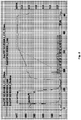
- the gamma-zein / YFP-containing lysate was loaded at 5 ml/min onto a tandem 2 x 5 ml HisTrapTM column (GE/Pharmacia, cat# 17-5248-02) using the a AktTM Explorer 100 system (GE'Pharmacia). The column was washed with buffer A (0.5 M NaCl, 10 mM Imidazole in PBS) until the absorbance of A280 reached a baseline.
- buffer A 0.5 M NaCl, 10 mM Imidazole in PBS
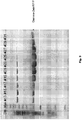
- a protein gel was run to visualize the fractionated protein. 10-20 ⁇ l of each sample was loaded onto a pre-cast 10% Bis-Tris SDS-PAGE gel (Invitrogen, cat# NP0302BOX) for electrophoresis using the XCell SureLockTM Mini-Cell (Invitrogen, cat# EI0001). The samples were run for 35 minutes at 200V in MES-SDS running buffer (Invitrogen, cat# NP0002). The gel was stained with Coomassie Blue R-250 (Bio-Rad, cat# 161-0436), as illustrated in FIG. 3 .
- Fractions containing gamma-zein / YFP samples were pooled and transferred into a Millipore Spin column with 10 kDa MWCO, and centrifuged at 4,000 rpm for 20 minutes at 4°C using a bench top Eppendorf centrifuge (Model 5810R). After centrifugation, sterile PBS solution was added up to 15 ml for buffer exchange. This spin and diafiltration process was repeated three times.
- the pooled gamma-zein / YFP samples were transferred into a SnakeSkinTM pleated dialysis tubing (Thermo Scientific, cat# 68100) with a 10 kDa MWCO, and dialyzed against 2 L of PBS at 4°C overnight to remove imidazole residues. Protein concentrations were determined using the Bradford assay (Bio-Rad, cat# 500-0006) with a Bovine Serum Albumin (BSA) standard ( FIG. 3 ).
- BSA Bovine Serum Albumin
- the 1 ⁇ g protein band from the SDS-PAGE gel (approximately 1 ⁇ g) was excised and dried in 25% Acetonitrile with 12.5 mM Ammonium bicarbonate in a Speed-Vac.
- the protein was digested by Trypsin (12.5 ng/ ⁇ l) at 37 °C during an overnight incubation.
- Peptides were purified using a C18 Zip Tip (Millipore, cat# 2TC18S096) following manufacturer's instructions.
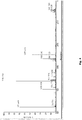
- Mass spectral analyses was performed using a Voyager Biospectrometry (PerSeptive Biosystems, model DE STR), and mass spectra were collected in the positive ion reflector mode ( FIG. 4 ).
- the data were input into analysis program PAWS (Proteometrics Inc.) to search for peptide identity.
- JTNT1 cells are photoautotrophic cells isolated from tobacco. Three to four days prior to transformation, a suspension culture was subcultured to fresh medium by transfer of 2 ml of JTN1 cells into 40 ml of NT1B or LSBY2 media containing 50 nM DAS-PMTI-1 (a microtubule inhibitor) and 0.5 - 0.1% (v/v) DMSO in a 250-ml flask. Single cells were collected either at four days or seven days after the microtubule inhibitor treatment (as described in, for example, WO 2008/083233 ). The cells were maintained in minimal medium and 5% carbon dioxide. The cells were sub-cultured once every 14 days by transferring 1 ml of suspension at O.D. 600 3.0. These cell types were used as target cells for delivery and localization of gamma-zein / YFP fusion peptide.
- a regenerable carrot cryopreserved line (D2-40-018) was thawed and cultured in Linsmeier-Skoog (LS) medium (described in Nagata, T., Nemoto, Y., and Hasezawa, S. (1992) Int. Rev. Cyto 132, 1-30 ).
- Medium salts were purchased from PhytoTechnology Laboratories, Catalog #L689.
- An actively growing suspension line was established within a week, and the maintenance line was sub-cultured by transferring 2 ml PCV (packed cell volume) to 58 ml of LSBY2 suspension 20 medium at 28°C on an orbital shaker (Innova-3300) at 125 rpm under diffused light on a seven-day culture cycle.
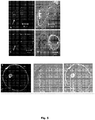
- the cells were pre-stained with 15 ⁇ g Hoechst for 10 min at 37°C. After the incubation period, the excess stain was removed. The cells were centrifuged at 4000 rpm for 5 minutes and the supernatant was discarded. The cells were washed three times with a 1 ml solution of PBS containing 3% sucrose.
- the gamma-zein / YFP fusion protein was added at a 50 ⁇ M concentration to 1 ml of carrot single cells or JTNT1 cells within an eppendorf tube.
- the tubes were placed on a shaker at 100 rpm at 25°C for 60 minutes.
- Cells were imaged on a LSM -LeicaTM TCS SP2/UV or ZeissTM LSM.
- DIC Confocal and Differential Interference Contrast
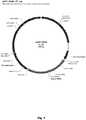
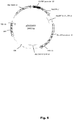
- the purified gamma-zein peptide was mixed with plasmid DNA pDAB3831, illustrated in FIG. 6 .
- 0.25 mg of gamma-zein peptide were added to .5 mg of the plasmid DNA and incubated in water for 30 minutes to form a peptide/DNA complex.
- pDAB3831 contains the PAT selectable marker gene driven by the Arabidopsis Ubiquitin 10 Promoter (AtUbi10) and the Philadium Yellow Fluorescence Protein gene (PhiYFP) driven by the Cassava Vein Mosaic Virus Promoter (CsVMV).
- the gamma-zein peptide / pDAB3831 complex and a separate control experiment of only pDAB3831 plasmid DNA were administered to 4 week-old floral buds of Arabidopsis thaliana cv Columbia.
- 20 mL of the peptide/DNA complex and 20 ml of the DNA control were mixed with infiltration medium (5% sucrose and 0.04% Silwet-77) in a glass trough for 30 seconds.
- the infiltration medium containing the peptide/DNA solution was used to transform the Arabidopsis plants using a modified Clough and Bent protocol. ( Clough SJ and Bent AF, 1998. Plant J 16:735-43 ).
- Clough SJ and Bent AF 1998. Plant J 16:735-43
- After dipping the infiltration complex was stored at 4°C and subsequently used to dip the same plants after two days using the same protocol. Repeating the transformation step was done to increase the transformation frequency.
- Plants were covered by a plastic dome to maintain humidity for 24 hours. After 24 hours, the dome was removed and plants were grown normally in a Conviron® (models CMP4030 and CMP3244, Controlled Environments Limited, Winnipeg, Manitoba, Canada) under long day conditions (16 hours light/8 hours dark) at a light intensity of 120-150 ⁇ mol/m 2 /sec under constant temperature (22°C) and humidity (40-50%), and allowed to mature and produce seed. The T0 seeds were collected and sterilized. Additionally, the seeds were vernalized for two days at 4°C.
- Conviron® models CMP4030 and CMP3244, Controlled Environments Limited, Winnipeg, Manitoba, Canada
- the seeds were plated on an MS medium (0.43% Murashige and Skoog salt mixture, 2.5 mM 2-[N-morpholino]ethanesulfonic acid, 1x Gamborg's vitamin solution, 0.9% bacto-agar, pH 5.7-5.9) containing 10 ⁇ g/ml BASTA and grown in an incubator (22°C, 100 ⁇ mole quanta m-2 s-1) for 7-10 days. Putative transformants were identified and transferred to soil and grown to maturity.
- gDNA from the Arabidopsis transgenic plants and gDNA from the Arabidopsis ecotype Columbia wild-type control was extracted from leaf material of 6-week-old plants using the Plant DNAZOL kit (Invitrogen Inc).
- PAT and YFP gene fragments were PCR amplified from only the transgenic plants.
- the 50 ⁇ L PCR reaction mixture contained 100 ng template DNA, 1x ExTaq reaction buffer (TaKaRa Bio), 0.2 mM dNTP, 10 pmol each primer, and 0.025 units/ ⁇ L ExTaq.
- the YFP primers are shown as SEQ ID NO: 3 and SEQ ID NO: 4.
- the PAT primers are shown as SEQ ID NO: 5 and SEQ ID NO: 6.
- the following PCR cycling conditions were used: 1 cycle at 96°C for 5 min, 31 cycles of the following PCR program: 94°C, 15 s; 65°C, 30 s; 72°C, 1 min., and a final extension was performed at 72°C for 7 min to complete product synthesis.
- the amplified fragments were gel-purified using the QIAquickTM gel extraction kit (Qiagen Inc).
- the PCR fragments were sequenced using the PAT forward primer (SEQ ID NO:5) and YFP forward primer (SEQ ID NO:3) using advanced Sanger sequencing technology (MWG Biotechnologies, Inc) and the sequences were analyzed using SequencherTM software.
- Additional motifs that are homologous to the gamma-zein domain were identified and are tested for intracellular protein translocation. These sequences were identified from current public databases, such as NCBI (National Center for Biotechnology Information). The gamma-zein sequence was used as the input for the BLAST (Basic Local Alignment Search Tool) (Altschul et al., 1997) algorithm. Using default settings, the sequence was compared against deposited NCBI protein sequences. The search returned several homologous protein sequences. The identified gamma-zein motif is modified to enhance the efficiency of intracellular protein translocation. Various residues of the VRLPPP sequences are changed via site directed mutagenesis protocols. The modified gamma-zein sequences are used for delivering proteins and DNA into plant cells using the protocols described above.
- gamma-zein and a chloroplast targeting sequence is fused to the N-terminus of a fluorescent protein, such as YFP.
- the targeting of the YFP protein to the chloroplast is imaged via fluorescence microscopy.
- Additional targeting sequences to various other cell organelles e.g. mitochondria, endoplasmic reticulum, nucleus, etc., that are known in the art, are fused in conjunction with the gamma-zein sequence and are used to target a specific cell organelle. Either proteins or DNA is targeted to the identified cell organelle.
Landscapes
- Health & Medical Sciences (AREA)
- Life Sciences & Earth Sciences (AREA)
- Genetics & Genomics (AREA)
- Engineering & Computer Science (AREA)
- Biomedical Technology (AREA)
- Biotechnology (AREA)
- Chemical & Material Sciences (AREA)
- Organic Chemistry (AREA)
- Molecular Biology (AREA)
- Wood Science & Technology (AREA)
- Zoology (AREA)
- General Engineering & Computer Science (AREA)
- Bioinformatics & Cheminformatics (AREA)
- General Health & Medical Sciences (AREA)
- Biophysics (AREA)
- Biochemistry (AREA)
- Microbiology (AREA)
- Physics & Mathematics (AREA)
- Plant Pathology (AREA)
- Cell Biology (AREA)
- Botany (AREA)
- Gastroenterology & Hepatology (AREA)
- Medicinal Chemistry (AREA)
- Proteomics, Peptides & Aminoacids (AREA)
- Breeding Of Plants And Reproduction By Means Of Culturing (AREA)
- Micro-Organisms Or Cultivation Processes Thereof (AREA)
- Peptides Or Proteins (AREA)
- Apparatus Associated With Microorganisms And Enzymes (AREA)
Claims (14)
- Ein Verfahren zur Einführung eines Moleküls von Interesse in eine Pflanzenzelle mit einer Zellwand, wobei das Verfahren umfasst:das Bereitstellen einer Pflanzenzelle mit einer Zellwand,das Interagieren eines Gamma-Zein-Peptids mit dem Molekül von Interesse, um eine Gamma-Zein-Verbundstruktur zu bilden, wobei das Gamma-Zein-Peptid ein Trimer der Aminosäuresequenz VRLPPP umfasst,wobei das Molekül von Interesse eine Komponente umfasst, die ausgewählt ist aus der Gruppe bestehend aus Nukleinsäuren, DNA, RNA, RNAi-Molekülen, Genen, Plasmiden, Cosmiden, YACs, BACs und Kombinationen davon, wobei das Molekül von Interesse vorzugsweise ein Gen umfasst, wobei das Gen insbesondere ein zellfremdes proteinkodierendes Gen, ein agronomisches Gen oder ein Markergen ist, das In-Kontakt-Bringen der Pflanzenzelle mit einer Zellwand und der Gamma-Zein-Verbundstruktur, unddie Aufnahme der Gamma-Zein-Verbundstruktur in die Zelle mit einer Zellwand.
- Das Verfahren gemäß Anspruch 1, wobei das Interagieren des Gamma-Zein-Peptids mit dem Molekül von Interesse das Verbinden des Moleküls von Interesse mit dem Gamma-Zein-Peptid umfasst.
- Das Verfahren gemäß Anspruch 1, zusätzlich umfassend die Aufnahme der Gamma-Zein-Verbundstruktur in ein Kompartiment der Pflanzenzelle mit einer Zellwand.
- Das Verfahren gemäß Anspruch 3, wobei das Kompartiment ausgewählt ist aus der Gruppe bestehend aus Cytosol, Nukleus, Tonoplasten, Plastid, Etioplast, Chromoplast, Leukoplast, Elaioplast, Proteinoplast, Amyloplast, Chloroplast und dem Lumen der Doppelmembran.
- Das Verfahren gemäß Anspruch 1, wobei die Pflanzenzelle mit einer Zellwand ausgewählt ist aus der Gruppe bestehend aus Zellen von Tabak, Karotte, Mais, Canola, Raps, Baumwolle, Palme, Erdnuss, Sojabohne, Oryza sp., Arabidopsis sp., Ricinus sp. und Zuckerrohr.
- Das Verfahren gemäß Anspruch 1, wobei die Pflanzenzelle aus einem Gewebe stammt, das ausgewählt ist aus der Gruppe bestehend aus Embryonen, Meristem, Callus, Pollen, Blättern, Staubblättern, Wurzeln, Wurzelspitzen, Blüten, Samen, Schoten und Stielen.
- Das Verfahren gemäß Anspruch 1, zusätzlich umfassend das Auswählen von Zellen, in denen das Gen stabil integriert wurde.
- Das Verfahren gemäß Anspruch 7, wobei die ausgewählten Zellen regenerierbare Zellen sind.
- Das Verfahren gemäß Anspruch 8, zusätzlich umfassend das Regenerieren einer fruchtbaren Pflanze aus den regenerierbaren Zellen.
- Ein Verfahren zur Expression eines Gens, wobei das Verfahren umfasst:das Bereitstellen einer Pflanzenzelle mit einer Zellwand,das Interagieren eines Gamma-Zein-Peptids mit einem Gen, um eine Gamma-Zein-Verbundstruktur zu bilden, wobei das Gamma-Zein-Peptid ein Trimer der Aminosäuresequenz VRLPPP umfasst,das In-Kontakt-Bringen der Pflanzenzelle mit einer Zellwand und der Gamma-Zein-Verbundstruktur,die Aufnahme des Gamma-Zein-Peptids und des Gens in die Pflanzenzelle mit einer Zellwand unddie Expression des Gens in einer Pflanze, die aus der Pflanzenzelle regeneriert wurde.
- Das Verfahren gemäß Anspruch 10, wobei das Gen in einem Chloroplasten expressiert wird.
- Das Verfahren gemäß Anspruch 10, zusätzlich umfassend die Auswahl von Zellen, die das Gen stabil exprimieren.
- Ein Verfahren zum Transfer einer molekularen Substanz in eine Pflanzenzelle, umfassend:das Interagieren eines Gamma-Zein-Peptids mit Plasmid-DNA, um eine Gamma-Zein-Verbundstruktur zu bilden, wobei das Gamma-Zein-Peptid ein Trimer der Aminosäuresequenz VRLPPP umfasst, unddas In-Kontakt-Bringen der Gamma-Zein-Verbundstruktur mit einer intakten wandtragenden Pflanzenzelle unter Bedingungen, die die Aufnahme des Gamma-Zein-Peptids und eines Gens aus der Plasmid-DNA in die Pflanzenzelle erlauben, optional zusätzlich umfassend die stabile Expression des Gens in einer Pflanze, die aus der Pflanzenzelle regeneriert wurde.
- Das Verfahren gemäß einem der Ansprüche 1, 10 oder 13, wobei das Gamma-Zein-Peptid die SEQ ID NO: 1 umfasst.
Applications Claiming Priority (2)
| Application Number | Priority Date | Filing Date | Title |
|---|---|---|---|
| US31976410P | 2010-03-31 | 2010-03-31 | |
| PCT/US2011/027475 WO2011126644A2 (en) | 2010-03-31 | 2011-03-08 | Plant peptide gamma-zein for delivery of biomolecules into plant cells |
Publications (3)
| Publication Number | Publication Date |
|---|---|
| EP2552191A2 EP2552191A2 (de) | 2013-02-06 |
| EP2552191A4 EP2552191A4 (de) | 2013-08-28 |
| EP2552191B1 true EP2552191B1 (de) | 2020-11-04 |
Family
ID=44711201
Family Applications (1)
| Application Number | Title | Priority Date | Filing Date |
|---|---|---|---|
| EP11766333.6A Active EP2552191B1 (de) | 2010-03-31 | 2011-03-08 | Pflanzenpeptid-gamma-zein zur einführung von biomolekülen in pflanzenzellen |
Country Status (13)
| Country | Link |
|---|---|
| US (1) | US8581036B2 (de) |
| EP (1) | EP2552191B1 (de) |
| JP (1) | JP5922094B2 (de) |
| KR (1) | KR20130080005A (de) |
| CN (1) | CN102933073B (de) |
| AR (1) | AR080742A1 (de) |
| AU (1) | AU2011238826B2 (de) |
| BR (1) | BR112012024589A2 (de) |
| CA (1) | CA2794082C (de) |
| IL (1) | IL222200A (de) |
| NZ (1) | NZ602139A (de) |
| RU (1) | RU2563805C2 (de) |
| WO (1) | WO2011126644A2 (de) |
Families Citing this family (25)
| Publication number | Priority date | Publication date | Assignee | Title |
|---|---|---|---|---|
| EP2689019A2 (de) | 2011-03-23 | 2014-01-29 | Pioneer Hi-Bred International Inc. | Verfahren zur herstellung eines komplexen transgenen trait locus |
| WO2014005299A1 (en) * | 2012-07-04 | 2014-01-09 | Empire Technology Development Llc | Quantum dot-protein complexes, films, and methods of use |
| AR092905A1 (es) | 2012-10-05 | 2015-05-06 | Dow Agrosciences Llc | Uso de cry1ea en combinaciones para el control del insecto resistente gusano del ejercito del otoño |
| EP2974595B1 (de) * | 2013-03-15 | 2018-05-23 | Suntory Holdings Limited | Behandlungsmittel für pflanzenzellwände, substanzfreisetzungsverfahren mit dem behandlungsmittel und substanzfreisetzungssystem |
| CA3221516A1 (en) | 2013-08-22 | 2015-02-26 | E. I. Du Pont De Nemours And Company | Plant genome modification using guide rna/cas endonuclease systems and methods of use |
| US10526612B2 (en) | 2014-03-06 | 2020-01-07 | Riken | Plant transformation method |
| CN106687594A (zh) | 2014-07-11 | 2017-05-17 | 纳幕尔杜邦公司 | 用于产生对草甘膦除草剂具有抗性的植物的组合物和方法 |
| BR112017003757A2 (pt) | 2014-09-12 | 2017-12-26 | Du Pont | ?plantas de milho, partes de planta de milho ou sementes de milho? |
| EP3553178A1 (de) | 2015-03-27 | 2019-10-16 | E. I. du Pont de Nemours and Company | Promotoren von u6-small-nuclear-rna-genen aus sojabohnen und deren verwendung in der konstitutiven expression von kleinen rna-genen in pflanzen |
| CA3042259A1 (en) | 2016-11-04 | 2018-05-11 | Flagship Pioneering Innovations V. Inc. | Novel plant cells, plants, and seeds |
| WO2019075295A1 (en) | 2017-10-13 | 2019-04-18 | Pioneer Hi-Bred International, Inc. | SYSTEMS AND METHODS FOR CELL REPELLENCE OF A PLANT CELL |
| EP3755792A4 (de) | 2018-02-23 | 2021-12-08 | Pioneer Hi-Bred International, Inc. | Neue cas9-orthologe |
| CN113166744B (zh) | 2018-12-14 | 2025-02-07 | 先锋国际良种公司 | 用于基因组编辑的新颖crispr-cas系统 |
| US12543674B2 (en) | 2019-04-18 | 2026-02-10 | Pioneer Hi-Bred International, Inc. | Embryogenesis factors for cellular reprogramming of a plant cell |
| CN120665955A (zh) | 2019-06-25 | 2025-09-19 | 伊纳瑞农业技术有限公司 | 改善的同源依赖修复基因组编辑 |
| US11746354B2 (en) | 2019-07-19 | 2023-09-05 | Inari Agriculture Technology, Inc. | Homology dependent repair genome editing |
| US12385053B2 (en) | 2019-10-22 | 2025-08-12 | Inari Agriculture Technology, Inc. | Genomic alteration of plant germline |
| CN111304203B (zh) * | 2020-03-02 | 2022-07-19 | 山东农业大学 | 一种高效驱动目标基因在苹果原生质体细胞中稳定表达的启动子Pro-BIUTNT |
| EP4299739A1 (de) | 2022-06-30 | 2024-01-03 | Inari Agriculture Technology, Inc. | Zusammensetzungen und verfahren zur genomeditierung |
| EP4299733A1 (de) | 2022-06-30 | 2024-01-03 | Inari Agriculture Technology, Inc. | Zusammensetzungen, systeme und verfahren zum genomeditieren |
| WO2024005864A1 (en) | 2022-06-30 | 2024-01-04 | Inari Agriculture Technology, Inc. | Compositions, systems, and methods for genome editing |
| WO2024005863A1 (en) | 2022-06-30 | 2024-01-04 | Inari Agriculture Technology, Inc. | Compositions, systems, and methods for genome editing |
| AU2024226512A1 (en) | 2023-02-23 | 2025-08-14 | Micropep Technologies S.A. | Antifungal peptides to control plant pathogens |
| EP4554371A4 (de) | 2023-10-03 | 2026-04-22 | Inari Agriculture Tech Inc | Virale freisetzung von grna an das szinus |
| CN119162078B (zh) * | 2024-09-30 | 2025-05-23 | 上海逆耳生物科技有限公司 | 植物单细胞悬液、制备方法及其应用 |
Family Cites Families (25)
| Publication number | Priority date | Publication date | Assignee | Title |
|---|---|---|---|---|
| US4535060A (en) | 1983-01-05 | 1985-08-13 | Calgene, Inc. | Inhibition resistant 5-enolpyruvyl-3-phosphoshikimate synthetase, production and use |
| US4940835A (en) | 1985-10-29 | 1990-07-10 | Monsanto Company | Glyphosate-resistant plants |
| US4810648A (en) | 1986-01-08 | 1989-03-07 | Rhone Poulenc Agrochimie | Haloarylnitrile degrading gene, its use, and cells containing the gene |
| DE3765449D1 (de) | 1986-03-11 | 1990-11-15 | Plant Genetic Systems Nv | Durch gentechnologie erhaltene und gegen glutaminsynthetase-inhibitoren resistente pflanzenzellen. |
| US4975374A (en) | 1986-03-18 | 1990-12-04 | The General Hospital Corporation | Expression of wild type and mutant glutamine synthetase in foreign hosts |
| EP0333033A1 (de) | 1988-03-09 | 1989-09-20 | Meiji Seika Kaisha Ltd. | Glutamin-Synthesegen und Glutamin-Synthetase |
| US5187267A (en) * | 1990-06-19 | 1993-02-16 | Calgene, Inc. | Plant proteins, promoters, coding sequences and use |
| US5633435A (en) | 1990-08-31 | 1997-05-27 | Monsanto Company | Glyphosate-tolerant 5-enolpyruvylshikimate-3-phosphate synthases |
| US5266317A (en) | 1990-10-04 | 1993-11-30 | University Of Georgia Research Foundation, Inc. | Insect-specific paralytic neurotoxin genes for use in biological insect control: methods and compositions |
| GB9104617D0 (en) | 1991-03-05 | 1991-04-17 | Nickerson Int Seed | Pest control |
| GB9115909D0 (en) | 1991-07-23 | 1991-09-04 | Nickerson Int Seed | Recombinant dna |
| DK39692D0 (da) | 1992-03-25 | 1992-03-25 | Danisco | Biologisk materiale |
| US5607914A (en) | 1993-01-13 | 1997-03-04 | Pioneer Hi-Bred International, Inc. | Synthetic antimicrobial peptides |
| US5580852A (en) | 1993-12-17 | 1996-12-03 | Pioneer Hi-Bred International, Inc. | Derivatives of tachyplesin having inhibitory activity towards plant pathogenic fungi |
| US5659026A (en) | 1995-03-24 | 1997-08-19 | Pioneer Hi-Bred International | ALS3 promoter |
| US5994627A (en) | 1995-03-31 | 1999-11-30 | Common Wealth Scientific And Industrial Research Organisation | Genetic sequences conferring nematode resistance in plants and uses therefor |
| WO1997048819A1 (en) | 1996-06-20 | 1997-12-24 | The Scripps Research Institute | Cassava vein mosaic virus promoters and uses thereof |
| BR0007019A (pt) | 1999-08-19 | 2001-07-03 | Profigen Inc | Intensificadores duplicados de vìrus mosáico do veio da mandioca e usos dos mesmos |
| CA2521284C (en) | 2003-04-29 | 2014-07-08 | Pioneer Hi-Bred International, Inc. | Novel glyphosate-n-acetyltransferase (gat) genes |
| WO2005005643A2 (en) * | 2003-07-01 | 2005-01-20 | Biolex, Inc. | Chloroplast transformation of duckweed |
| SI1740039T1 (sl) | 2004-04-30 | 2012-10-30 | Dow Agrosciences Llc | Novi geni z rezistenco na herbicide |
| WO2008083233A2 (en) | 2006-12-29 | 2008-07-10 | Dow Agrosciences Llc | In vitro methods for the induction and maintenance of plant cell lines as single suspension cells with intact cell walls, and transformation thereof |
| BRPI0817911B8 (pt) * | 2007-10-05 | 2022-06-28 | Dow Agrosciences Llc | Processos para transferência de substâncias moleculares para dentro de células vegetais e processo para expressão de um gene |
| EP2090584A1 (de) * | 2008-02-13 | 2009-08-19 | Max-Planck-Gesellschaft zur Förderung der Wissenschaften e.V. | Identifikation eines neuartigen Zystein-reichen Peptids zur Zellenpenetration |
| JP5937635B2 (ja) | 2014-03-28 | 2016-06-22 | ファナック株式会社 | 電磁接触器の溶着検出機能を有するモータ駆動装置 |
-
2011
- 2011-03-08 EP EP11766333.6A patent/EP2552191B1/de active Active
- 2011-03-08 KR KR1020127028364A patent/KR20130080005A/ko not_active Ceased
- 2011-03-08 CN CN201180027026.XA patent/CN102933073B/zh not_active Expired - Fee Related
- 2011-03-08 RU RU2012146320/10A patent/RU2563805C2/ru not_active IP Right Cessation
- 2011-03-08 AU AU2011238826A patent/AU2011238826B2/en active Active
- 2011-03-08 WO PCT/US2011/027475 patent/WO2011126644A2/en not_active Ceased
- 2011-03-08 US US13/042,565 patent/US8581036B2/en active Active
- 2011-03-08 CA CA2794082A patent/CA2794082C/en active Active
- 2011-03-08 JP JP2013502600A patent/JP5922094B2/ja not_active Expired - Fee Related
- 2011-03-08 NZ NZ602139A patent/NZ602139A/en not_active IP Right Cessation
- 2011-03-08 BR BR112012024589A patent/BR112012024589A2/pt not_active Application Discontinuation
- 2011-03-30 AR ARP110101049A patent/AR080742A1/es unknown
-
2012
- 2012-09-27 IL IL222200A patent/IL222200A/en not_active IP Right Cessation
Non-Patent Citations (1)
| Title |
|---|
| None * |
Also Published As
| Publication number | Publication date |
|---|---|
| RU2012146320A (ru) | 2014-05-10 |
| CA2794082C (en) | 2018-03-06 |
| EP2552191A2 (de) | 2013-02-06 |
| NZ602139A (en) | 2015-01-30 |
| IL222200A (en) | 2017-12-31 |
| WO2011126644A2 (en) | 2011-10-13 |
| US20110247100A1 (en) | 2011-10-06 |
| AR080742A1 (es) | 2012-05-02 |
| KR20130080005A (ko) | 2013-07-11 |
| CN102933073A (zh) | 2013-02-13 |
| EP2552191A4 (de) | 2013-08-28 |
| AU2011238826A1 (en) | 2012-09-20 |
| BR112012024589A2 (pt) | 2017-06-20 |
| US8581036B2 (en) | 2013-11-12 |
| CN102933073B (zh) | 2015-11-25 |
| JP5922094B2 (ja) | 2016-05-24 |
| RU2563805C2 (ru) | 2015-09-20 |
| AU2011238826B2 (en) | 2014-11-13 |
| WO2011126644A3 (en) | 2012-01-19 |
| CA2794082A1 (en) | 2011-10-13 |
| IL222200A0 (en) | 2012-12-31 |
| JP2013523121A (ja) | 2013-06-17 |
Similar Documents
| Publication | Publication Date | Title |
|---|---|---|
| US8581036B2 (en) | Plant peptide gamma-zein for delivery of biomolecules into plant cells | |
| CA3065095C (en) | Method for introgressing a trait into a plant | |
| JP5507459B2 (ja) | 植物細胞に分子性物質を移行させる方法 | |
| EP2697379B1 (de) | Quantenpunkt-trägerpeptid-konjugate zur abbildung und abgabe von anwendungen in pflanzen | |
| CA2777030C (en) | Use of dendrimer nanotechnology for delivery of biomolecules into plant cells | |
| CA2804164C (en) | Production of functionalized linear dna cassette and quantum dot/nanoparticle mediated delivery in plants |
Legal Events
| Date | Code | Title | Description |
|---|---|---|---|
| PUAI | Public reference made under article 153(3) epc to a published international application that has entered the european phase |
Free format text: ORIGINAL CODE: 0009012 |
|
| 17P | Request for examination filed |
Effective date: 20121025 |
|
| AK | Designated contracting states |
Kind code of ref document: A2 Designated state(s): AL AT BE BG CH CY CZ DE DK EE ES FI FR GB GR HR HU IE IS IT LI LT LU LV MC MK MT NL NO PL PT RO RS SE SI SK SM TR |
|
| DAX | Request for extension of the european patent (deleted) | ||
| A4 | Supplementary search report drawn up and despatched |
Effective date: 20130729 |
|
| RIC1 | Information provided on ipc code assigned before grant |
Ipc: C12N 15/82 20060101ALI20130723BHEP Ipc: C12N 15/29 20060101ALI20130723BHEP Ipc: C07K 14/415 20060101ALI20130723BHEP Ipc: A01H 5/00 20060101AFI20130723BHEP |
|
| 17Q | First examination report despatched |
Effective date: 20140710 |
|
| STAA | Information on the status of an ep patent application or granted ep patent |
Free format text: STATUS: EXAMINATION IS IN PROGRESS |
|
| GRAP | Despatch of communication of intention to grant a patent |
Free format text: ORIGINAL CODE: EPIDOSNIGR1 |
|
| STAA | Information on the status of an ep patent application or granted ep patent |
Free format text: STATUS: GRANT OF PATENT IS INTENDED |
|
| INTG | Intention to grant announced |
Effective date: 20200605 |
|
| GRAS | Grant fee paid |
Free format text: ORIGINAL CODE: EPIDOSNIGR3 |
|
| GRAA | (expected) grant |
Free format text: ORIGINAL CODE: 0009210 |
|
| STAA | Information on the status of an ep patent application or granted ep patent |
Free format text: STATUS: THE PATENT HAS BEEN GRANTED |
|
| AK | Designated contracting states |
Kind code of ref document: B1 Designated state(s): AL AT BE BG CH CY CZ DE DK EE ES FI FR GB GR HR HU IE IS IT LI LT LU LV MC MK MT NL NO PL PT RO RS SE SI SK SM TR |
|
| REG | Reference to a national code |
Ref country code: GB Ref legal event code: FG4D |
|
| REG | Reference to a national code |
Ref country code: CH Ref legal event code: EP |
|
| REG | Reference to a national code |
Ref country code: AT Ref legal event code: REF Ref document number: 1329621 Country of ref document: AT Kind code of ref document: T Effective date: 20201115 |
|
| REG | Reference to a national code |
Ref country code: IE Ref legal event code: FG4D |
|
| REG | Reference to a national code |
Ref country code: DE Ref legal event code: R096 Ref document number: 602011069170 Country of ref document: DE |
|
| REG | Reference to a national code |
Ref country code: NL Ref legal event code: MP Effective date: 20201104 |
|
| REG | Reference to a national code |
Ref country code: AT Ref legal event code: MK05 Ref document number: 1329621 Country of ref document: AT Kind code of ref document: T Effective date: 20201104 |
|
| PG25 | Lapsed in a contracting state [announced via postgrant information from national office to epo] |
Ref country code: FI Free format text: LAPSE BECAUSE OF FAILURE TO SUBMIT A TRANSLATION OF THE DESCRIPTION OR TO PAY THE FEE WITHIN THE PRESCRIBED TIME-LIMIT Effective date: 20201104 Ref country code: RS Free format text: LAPSE BECAUSE OF FAILURE TO SUBMIT A TRANSLATION OF THE DESCRIPTION OR TO PAY THE FEE WITHIN THE PRESCRIBED TIME-LIMIT Effective date: 20201104 Ref country code: NO Free format text: LAPSE BECAUSE OF FAILURE TO SUBMIT A TRANSLATION OF THE DESCRIPTION OR TO PAY THE FEE WITHIN THE PRESCRIBED TIME-LIMIT Effective date: 20210204 Ref country code: PT Free format text: LAPSE BECAUSE OF FAILURE TO SUBMIT A TRANSLATION OF THE DESCRIPTION OR TO PAY THE FEE WITHIN THE PRESCRIBED TIME-LIMIT Effective date: 20210304 Ref country code: GR Free format text: LAPSE BECAUSE OF FAILURE TO SUBMIT A TRANSLATION OF THE DESCRIPTION OR TO PAY THE FEE WITHIN THE PRESCRIBED TIME-LIMIT Effective date: 20210205 |
|
| PG25 | Lapsed in a contracting state [announced via postgrant information from national office to epo] |
Ref country code: SE Free format text: LAPSE BECAUSE OF FAILURE TO SUBMIT A TRANSLATION OF THE DESCRIPTION OR TO PAY THE FEE WITHIN THE PRESCRIBED TIME-LIMIT Effective date: 20201104 Ref country code: LV Free format text: LAPSE BECAUSE OF FAILURE TO SUBMIT A TRANSLATION OF THE DESCRIPTION OR TO PAY THE FEE WITHIN THE PRESCRIBED TIME-LIMIT Effective date: 20201104 Ref country code: PL Free format text: LAPSE BECAUSE OF FAILURE TO SUBMIT A TRANSLATION OF THE DESCRIPTION OR TO PAY THE FEE WITHIN THE PRESCRIBED TIME-LIMIT Effective date: 20201104 Ref country code: AT Free format text: LAPSE BECAUSE OF FAILURE TO SUBMIT A TRANSLATION OF THE DESCRIPTION OR TO PAY THE FEE WITHIN THE PRESCRIBED TIME-LIMIT Effective date: 20201104 Ref country code: BG Free format text: LAPSE BECAUSE OF FAILURE TO SUBMIT A TRANSLATION OF THE DESCRIPTION OR TO PAY THE FEE WITHIN THE PRESCRIBED TIME-LIMIT Effective date: 20210204 Ref country code: IS Free format text: LAPSE BECAUSE OF FAILURE TO SUBMIT A TRANSLATION OF THE DESCRIPTION OR TO PAY THE FEE WITHIN THE PRESCRIBED TIME-LIMIT Effective date: 20210304 Ref country code: ES Free format text: LAPSE BECAUSE OF FAILURE TO SUBMIT A TRANSLATION OF THE DESCRIPTION OR TO PAY THE FEE WITHIN THE PRESCRIBED TIME-LIMIT Effective date: 20201104 |
|
| REG | Reference to a national code |
Ref country code: LT Ref legal event code: MG9D |
|
| PG25 | Lapsed in a contracting state [announced via postgrant information from national office to epo] |
Ref country code: HR Free format text: LAPSE BECAUSE OF FAILURE TO SUBMIT A TRANSLATION OF THE DESCRIPTION OR TO PAY THE FEE WITHIN THE PRESCRIBED TIME-LIMIT Effective date: 20201104 |
|
| PG25 | Lapsed in a contracting state [announced via postgrant information from national office to epo] |
Ref country code: LT Free format text: LAPSE BECAUSE OF FAILURE TO SUBMIT A TRANSLATION OF THE DESCRIPTION OR TO PAY THE FEE WITHIN THE PRESCRIBED TIME-LIMIT Effective date: 20201104 Ref country code: RO Free format text: LAPSE BECAUSE OF FAILURE TO SUBMIT A TRANSLATION OF THE DESCRIPTION OR TO PAY THE FEE WITHIN THE PRESCRIBED TIME-LIMIT Effective date: 20201104 Ref country code: SK Free format text: LAPSE BECAUSE OF FAILURE TO SUBMIT A TRANSLATION OF THE DESCRIPTION OR TO PAY THE FEE WITHIN THE PRESCRIBED TIME-LIMIT Effective date: 20201104 Ref country code: SM Free format text: LAPSE BECAUSE OF FAILURE TO SUBMIT A TRANSLATION OF THE DESCRIPTION OR TO PAY THE FEE WITHIN THE PRESCRIBED TIME-LIMIT Effective date: 20201104 Ref country code: CZ Free format text: LAPSE BECAUSE OF FAILURE TO SUBMIT A TRANSLATION OF THE DESCRIPTION OR TO PAY THE FEE WITHIN THE PRESCRIBED TIME-LIMIT Effective date: 20201104 Ref country code: EE Free format text: LAPSE BECAUSE OF FAILURE TO SUBMIT A TRANSLATION OF THE DESCRIPTION OR TO PAY THE FEE WITHIN THE PRESCRIBED TIME-LIMIT Effective date: 20201104 |
|
| REG | Reference to a national code |
Ref country code: DE Ref legal event code: R097 Ref document number: 602011069170 Country of ref document: DE |
|
| PG25 | Lapsed in a contracting state [announced via postgrant information from national office to epo] |
Ref country code: DK Free format text: LAPSE BECAUSE OF FAILURE TO SUBMIT A TRANSLATION OF THE DESCRIPTION OR TO PAY THE FEE WITHIN THE PRESCRIBED TIME-LIMIT Effective date: 20201104 |
|
| PLBE | No opposition filed within time limit |
Free format text: ORIGINAL CODE: 0009261 |
|
| STAA | Information on the status of an ep patent application or granted ep patent |
Free format text: STATUS: NO OPPOSITION FILED WITHIN TIME LIMIT |
|
| 26N | No opposition filed |
Effective date: 20210805 |
|
| PG25 | Lapsed in a contracting state [announced via postgrant information from national office to epo] |
Ref country code: IT Free format text: LAPSE BECAUSE OF FAILURE TO SUBMIT A TRANSLATION OF THE DESCRIPTION OR TO PAY THE FEE WITHIN THE PRESCRIBED TIME-LIMIT Effective date: 20201104 Ref country code: AL Free format text: LAPSE BECAUSE OF FAILURE TO SUBMIT A TRANSLATION OF THE DESCRIPTION OR TO PAY THE FEE WITHIN THE PRESCRIBED TIME-LIMIT Effective date: 20201104 Ref country code: NL Free format text: LAPSE BECAUSE OF FAILURE TO SUBMIT A TRANSLATION OF THE DESCRIPTION OR TO PAY THE FEE WITHIN THE PRESCRIBED TIME-LIMIT Effective date: 20201104 Ref country code: MC Free format text: LAPSE BECAUSE OF FAILURE TO SUBMIT A TRANSLATION OF THE DESCRIPTION OR TO PAY THE FEE WITHIN THE PRESCRIBED TIME-LIMIT Effective date: 20201104 |
|
| REG | Reference to a national code |
Ref country code: CH Ref legal event code: PL |
|
| PG25 | Lapsed in a contracting state [announced via postgrant information from national office to epo] |
Ref country code: SI Free format text: LAPSE BECAUSE OF FAILURE TO SUBMIT A TRANSLATION OF THE DESCRIPTION OR TO PAY THE FEE WITHIN THE PRESCRIBED TIME-LIMIT Effective date: 20201104 |
|
| REG | Reference to a national code |
Ref country code: BE Ref legal event code: MM Effective date: 20210331 |
|
| REG | Reference to a national code |
Ref country code: DE Ref legal event code: R081 Ref document number: 602011069170 Country of ref document: DE Owner name: CORTEVA AGRISCIENCE LLC, INDIANAPOLIS, US Free format text: FORMER OWNER: DOW AGROSCIENCES, LLC, INDIANAPOLIS, IND., US |
|
| PG25 | Lapsed in a contracting state [announced via postgrant information from national office to epo] |
Ref country code: IE Free format text: LAPSE BECAUSE OF NON-PAYMENT OF DUE FEES Effective date: 20210308 Ref country code: LI Free format text: LAPSE BECAUSE OF NON-PAYMENT OF DUE FEES Effective date: 20210331 Ref country code: LU Free format text: LAPSE BECAUSE OF NON-PAYMENT OF DUE FEES Effective date: 20210308 Ref country code: CH Free format text: LAPSE BECAUSE OF NON-PAYMENT OF DUE FEES Effective date: 20210331 |
|
| PG25 | Lapsed in a contracting state [announced via postgrant information from national office to epo] |
Ref country code: IS Free format text: LAPSE BECAUSE OF FAILURE TO SUBMIT A TRANSLATION OF THE DESCRIPTION OR TO PAY THE FEE WITHIN THE PRESCRIBED TIME-LIMIT Effective date: 20210304 |
|
| PG25 | Lapsed in a contracting state [announced via postgrant information from national office to epo] |
Ref country code: BE Free format text: LAPSE BECAUSE OF NON-PAYMENT OF DUE FEES Effective date: 20210331 |
|
| PG25 | Lapsed in a contracting state [announced via postgrant information from national office to epo] |
Ref country code: HU Free format text: LAPSE BECAUSE OF FAILURE TO SUBMIT A TRANSLATION OF THE DESCRIPTION OR TO PAY THE FEE WITHIN THE PRESCRIBED TIME-LIMIT; INVALID AB INITIO Effective date: 20110308 Ref country code: CY Free format text: LAPSE BECAUSE OF FAILURE TO SUBMIT A TRANSLATION OF THE DESCRIPTION OR TO PAY THE FEE WITHIN THE PRESCRIBED TIME-LIMIT Effective date: 20201104 |
|
| P01 | Opt-out of the competence of the unified patent court (upc) registered |
Effective date: 20230522 |
|
| PG25 | Lapsed in a contracting state [announced via postgrant information from national office to epo] |
Ref country code: MK Free format text: LAPSE BECAUSE OF FAILURE TO SUBMIT A TRANSLATION OF THE DESCRIPTION OR TO PAY THE FEE WITHIN THE PRESCRIBED TIME-LIMIT Effective date: 20201104 |
|
| PG25 | Lapsed in a contracting state [announced via postgrant information from national office to epo] |
Ref country code: MT Free format text: LAPSE BECAUSE OF FAILURE TO SUBMIT A TRANSLATION OF THE DESCRIPTION OR TO PAY THE FEE WITHIN THE PRESCRIBED TIME-LIMIT Effective date: 20201104 |
|
| PGFP | Annual fee paid to national office [announced via postgrant information from national office to epo] |
Ref country code: FR Payment date: 20250314 Year of fee payment: 15 |
|
| PGFP | Annual fee paid to national office [announced via postgrant information from national office to epo] |
Ref country code: GB Payment date: 20250318 Year of fee payment: 15 |
|
| PG25 | Lapsed in a contracting state [announced via postgrant information from national office to epo] |
Ref country code: TR Free format text: LAPSE BECAUSE OF FAILURE TO SUBMIT A TRANSLATION OF THE DESCRIPTION OR TO PAY THE FEE WITHIN THE PRESCRIBED TIME-LIMIT Effective date: 20201104 |
|
| PGFP | Annual fee paid to national office [announced via postgrant information from national office to epo] |
Ref country code: DE Payment date: 20260220 Year of fee payment: 16 |