EP2570427A1 - Vaccin comportant un extrait de protéine ribosomale (RPE) et en option, un adjuvant de promotion Th1 - Google Patents
Vaccin comportant un extrait de protéine ribosomale (RPE) et en option, un adjuvant de promotion Th1 Download PDFInfo
- Publication number
- EP2570427A1 EP2570427A1 EP20120196741 EP12196741A EP2570427A1 EP 2570427 A1 EP2570427 A1 EP 2570427A1 EP 20120196741 EP20120196741 EP 20120196741 EP 12196741 A EP12196741 A EP 12196741A EP 2570427 A1 EP2570427 A1 EP 2570427A1
- Authority
- EP
- European Patent Office
- Prior art keywords
- mice
- lrpe
- leishmania
- vaccine
- parasite
- Prior art date
- Legal status (The legal status is an assumption and is not a legal conclusion. Google has not performed a legal analysis and makes no representation as to the accuracy of the status listed.)
- Withdrawn
Links
- 239000002671 adjuvant Substances 0.000 title claims abstract description 42
- 108010000605 Ribosomal Proteins Proteins 0.000 title claims description 30
- 102000002278 Ribosomal Proteins Human genes 0.000 title claims description 30
- 229960005486 vaccine Drugs 0.000 title claims description 27
- 239000000284 extract Substances 0.000 title claims description 15
- 239000000203 mixture Substances 0.000 claims abstract description 28
- 208000030852 Parasitic disease Diseases 0.000 claims abstract description 22
- 239000003814 drug Substances 0.000 claims abstract description 21
- 238000011282 treatment Methods 0.000 claims abstract description 12
- 238000002360 preparation method Methods 0.000 claims abstract description 6
- 230000002265 prevention Effects 0.000 claims abstract description 4
- 229940046168 CpG oligodeoxynucleotide Drugs 0.000 claims description 83
- 244000045947 parasite Species 0.000 claims description 80
- 241000222732 Leishmania major Species 0.000 claims description 49
- 210000004027 cell Anatomy 0.000 claims description 32
- 241000222722 Leishmania <genus> Species 0.000 claims description 22
- 208000004554 Leishmaniasis Diseases 0.000 claims description 17
- 241000894007 species Species 0.000 claims description 12
- 239000012139 lysis buffer Substances 0.000 claims description 7
- 230000001086 cytosolic effect Effects 0.000 claims description 6
- 241000224016 Plasmodium Species 0.000 claims description 5
- 201000004792 malaria Diseases 0.000 claims description 3
- 241000699670 Mus sp. Species 0.000 description 105
- 208000015181 infectious disease Diseases 0.000 description 41
- 102100037850 Interferon gamma Human genes 0.000 description 39
- 108010074328 Interferon-gamma Proteins 0.000 description 39
- 102000003814 Interleukin-10 Human genes 0.000 description 38
- 108090000174 Interleukin-10 Proteins 0.000 description 38
- 239000000427 antigen Substances 0.000 description 37
- 108091007433 antigens Proteins 0.000 description 37
- 102000036639 antigens Human genes 0.000 description 37
- 238000011725 BALB/c mouse Methods 0.000 description 36
- 238000004519 manufacturing process Methods 0.000 description 31
- 230000004044 response Effects 0.000 description 29
- 102000004388 Interleukin-4 Human genes 0.000 description 25
- 108090000978 Interleukin-4 Proteins 0.000 description 25
- 229940028885 interleukin-4 Drugs 0.000 description 25
- 238000011740 C57BL/6 mouse Methods 0.000 description 22
- 238000002965 ELISA Methods 0.000 description 22
- 238000000338 in vitro Methods 0.000 description 18
- 201000010099 disease Diseases 0.000 description 17
- 208000037265 diseases, disorders, signs and symptoms Diseases 0.000 description 17
- 230000003902 lesion Effects 0.000 description 17
- 206010047505 Visceral leishmaniasis Diseases 0.000 description 16
- 230000008348 humoral response Effects 0.000 description 16
- 238000002255 vaccination Methods 0.000 description 16
- 241000282472 Canis lupus familiaris Species 0.000 description 15
- 230000006698 induction Effects 0.000 description 15
- 229940046166 oligodeoxynucleotide Drugs 0.000 description 14
- 108090000623 proteins and genes Proteins 0.000 description 14
- 102000004127 Cytokines Human genes 0.000 description 13
- 108090000695 Cytokines Proteins 0.000 description 13
- 241000222697 Leishmania infantum Species 0.000 description 13
- 230000028993 immune response Effects 0.000 description 13
- 102000004169 proteins and genes Human genes 0.000 description 13
- 239000006228 supernatant Substances 0.000 description 13
- 230000009467 reduction Effects 0.000 description 12
- 210000000952 spleen Anatomy 0.000 description 12
- 230000000638 stimulation Effects 0.000 description 12
- 210000004207 dermis Anatomy 0.000 description 11
- 239000002609 medium Substances 0.000 description 11
- 210000004988 splenocyte Anatomy 0.000 description 11
- 241001465754 Metazoa Species 0.000 description 10
- FAPWRFPIFSIZLT-UHFFFAOYSA-M Sodium chloride Chemical compound [Na+].[Cl-] FAPWRFPIFSIZLT-UHFFFAOYSA-M 0.000 description 10
- 230000002500 effect on skin Effects 0.000 description 10
- 230000001737 promoting effect Effects 0.000 description 10
- 239000000872 buffer Substances 0.000 description 9
- 238000011161 development Methods 0.000 description 9
- 230000003053 immunization Effects 0.000 description 9
- 238000002649 immunization Methods 0.000 description 9
- 235000018102 proteins Nutrition 0.000 description 9
- 238000007920 subcutaneous administration Methods 0.000 description 9
- 241000699666 Mus <mouse, genus> Species 0.000 description 8
- 238000010790 dilution Methods 0.000 description 8
- 239000012895 dilution Substances 0.000 description 8
- 210000005069 ears Anatomy 0.000 description 8
- 230000031261 interleukin-10 production Effects 0.000 description 8
- 210000003705 ribosome Anatomy 0.000 description 8
- 239000011780 sodium chloride Substances 0.000 description 8
- 238000001262 western blot Methods 0.000 description 8
- 230000029662 T-helper 1 type immune response Effects 0.000 description 7
- 210000001744 T-lymphocyte Anatomy 0.000 description 7
- 238000004458 analytical method Methods 0.000 description 7
- 238000011081 inoculation Methods 0.000 description 7
- 230000007170 pathology Effects 0.000 description 7
- 239000008188 pellet Substances 0.000 description 7
- 230000001681 protective effect Effects 0.000 description 7
- NHBKXEKEPDILRR-UHFFFAOYSA-N 2,3-bis(butanoylsulfanyl)propyl butanoate Chemical compound CCCC(=O)OCC(SC(=O)CCC)CSC(=O)CCC NHBKXEKEPDILRR-UHFFFAOYSA-N 0.000 description 6
- 238000002474 experimental method Methods 0.000 description 6
- 210000000987 immune system Anatomy 0.000 description 6
- 230000017307 interleukin-4 production Effects 0.000 description 6
- 238000000034 method Methods 0.000 description 6
- 210000002966 serum Anatomy 0.000 description 6
- 206010011668 Cutaneous leishmaniasis Diseases 0.000 description 5
- 230000005526 G1 to G0 transition Effects 0.000 description 5
- 241000282412 Homo Species 0.000 description 5
- 102000013462 Interleukin-12 Human genes 0.000 description 5
- 108010065805 Interleukin-12 Proteins 0.000 description 5
- 208000035415 Reinfection Diseases 0.000 description 5
- 230000002596 correlated effect Effects 0.000 description 5
- 239000012228 culture supernatant Substances 0.000 description 5
- 230000000694 effects Effects 0.000 description 5
- 230000001900 immune effect Effects 0.000 description 5
- 238000011534 incubation Methods 0.000 description 5
- 206010061218 Inflammation Diseases 0.000 description 4
- TWRXJAOTZQYOKJ-UHFFFAOYSA-L Magnesium chloride Chemical compound [Mg+2].[Cl-].[Cl-] TWRXJAOTZQYOKJ-UHFFFAOYSA-L 0.000 description 4
- 239000000020 Nitrocellulose Substances 0.000 description 4
- 230000005875 antibody response Effects 0.000 description 4
- 239000012634 fragment Substances 0.000 description 4
- 230000003308 immunostimulating effect Effects 0.000 description 4
- 230000004054 inflammatory process Effects 0.000 description 4
- 210000001165 lymph node Anatomy 0.000 description 4
- 230000001404 mediated effect Effects 0.000 description 4
- 201000000626 mucocutaneous leishmaniasis Diseases 0.000 description 4
- 229920001220 nitrocellulos Polymers 0.000 description 4
- YBYRMVIVWMBXKQ-UHFFFAOYSA-N phenylmethanesulfonyl fluoride Chemical compound FS(=O)(=O)CC1=CC=CC=C1 YBYRMVIVWMBXKQ-UHFFFAOYSA-N 0.000 description 4
- 238000002415 sodium dodecyl sulfate polyacrylamide gel electrophoresis Methods 0.000 description 4
- 210000004989 spleen cell Anatomy 0.000 description 4
- 230000008961 swelling Effects 0.000 description 4
- 229940021747 therapeutic vaccine Drugs 0.000 description 4
- DGVVWUTYPXICAM-UHFFFAOYSA-N β‐Mercaptoethanol Chemical compound OCCS DGVVWUTYPXICAM-UHFFFAOYSA-N 0.000 description 4
- QKNYBSVHEMOAJP-UHFFFAOYSA-N 2-amino-2-(hydroxymethyl)propane-1,3-diol;hydron;chloride Chemical compound Cl.OCC(N)(CO)CO QKNYBSVHEMOAJP-UHFFFAOYSA-N 0.000 description 3
- 241000222740 Leishmania braziliensis Species 0.000 description 3
- 241000124008 Mammalia Species 0.000 description 3
- 238000003556 assay Methods 0.000 description 3
- 230000036755 cellular response Effects 0.000 description 3
- 238000005119 centrifugation Methods 0.000 description 3
- 230000000875 corresponding effect Effects 0.000 description 3
- 230000002068 genetic effect Effects 0.000 description 3
- 230000036039 immunity Effects 0.000 description 3
- 230000005847 immunogenicity Effects 0.000 description 3
- 210000002540 macrophage Anatomy 0.000 description 3
- 239000002736 nonionic surfactant Substances 0.000 description 3
- 230000009257 reactivity Effects 0.000 description 3
- 230000029069 type 2 immune response Effects 0.000 description 3
- 102100023777 60S ribosomal protein L31 Human genes 0.000 description 2
- 108010039627 Aprotinin Proteins 0.000 description 2
- 108010041986 DNA Vaccines Proteins 0.000 description 2
- 229940021995 DNA vaccine Drugs 0.000 description 2
- 108010001336 Horseradish Peroxidase Proteins 0.000 description 2
- 108060003951 Immunoglobulin Proteins 0.000 description 2
- 206010060708 Induration Diseases 0.000 description 2
- 240000003483 Leersia hexandra Species 0.000 description 2
- 241000178949 Leishmania chagasi Species 0.000 description 2
- 241000222727 Leishmania donovani Species 0.000 description 2
- 241000222696 Leishmania guyanensis Species 0.000 description 2
- 241001529936 Murinae Species 0.000 description 2
- 102000003992 Peroxidases Human genes 0.000 description 2
- 239000012979 RPMI medium Substances 0.000 description 2
- 229930006000 Sucrose Natural products 0.000 description 2
- CZMRCDWAGMRECN-UGDNZRGBSA-N Sucrose Chemical compound O[C@H]1[C@H](O)[C@@H](CO)O[C@@]1(CO)O[C@@H]1[C@H](O)[C@@H](O)[C@H](O)[C@@H](CO)O1 CZMRCDWAGMRECN-UGDNZRGBSA-N 0.000 description 2
- 238000002835 absorbance Methods 0.000 description 2
- 230000002378 acidificating effect Effects 0.000 description 2
- 230000004913 activation Effects 0.000 description 2
- 229960004405 aprotinin Drugs 0.000 description 2
- 230000008901 benefit Effects 0.000 description 2
- 238000004113 cell culture Methods 0.000 description 2
- 238000012258 culturing Methods 0.000 description 2
- 230000001419 dependent effect Effects 0.000 description 2
- 229940079593 drug Drugs 0.000 description 2
- 230000035876 healing Effects 0.000 description 2
- 238000000703 high-speed centrifugation Methods 0.000 description 2
- 102000018358 immunoglobulin Human genes 0.000 description 2
- 230000002458 infectious effect Effects 0.000 description 2
- ZPNFWUPYTFPOJU-LPYSRVMUSA-N iniprol Chemical compound C([C@H]1C(=O)NCC(=O)NCC(=O)N[C@H]2CSSC[C@H]3C(=O)N[C@@H](CCCCN)C(=O)N[C@@H](C)C(=O)N[C@@H](CCCNC(N)=N)C(=O)N[C@H](C(N[C@H](C(=O)N[C@@H](CCCNC(N)=N)C(=O)N[C@@H](CC=4C=CC(O)=CC=4)C(=O)N[C@@H](CC=4C=CC=CC=4)C(=O)N[C@@H](CC=4C=CC(O)=CC=4)C(=O)N[C@@H](CC(N)=O)C(=O)N[C@@H](C)C(=O)N[C@@H](CCCCN)C(=O)N[C@@H](C)C(=O)NCC(=O)N[C@@H](CC(C)C)C(=O)N[C@@H](CSSC[C@H](NC(=O)[C@H](CC(O)=O)NC(=O)[C@H](CCC(O)=O)NC(=O)[C@H](C)NC(=O)[C@H](CO)NC(=O)[C@H](CCCCN)NC(=O)[C@H](CC=4C=CC=CC=4)NC(=O)[C@H](CC(N)=O)NC(=O)[C@H](CC(N)=O)NC(=O)[C@H](CCCNC(N)=N)NC(=O)[C@H](CCCCN)NC(=O)[C@H](C)NC(=O)[C@H](CCCNC(N)=N)NC2=O)C(=O)N[C@@H](CCSC)C(=O)N[C@@H](CCCNC(N)=N)C(=O)N[C@@H]([C@@H](C)O)C(=O)N[C@@H](CSSC[C@H](NC(=O)[C@H](CC=2C=CC=CC=2)NC(=O)[C@H](CC(O)=O)NC(=O)[C@H]2N(CCC2)C(=O)[C@@H](N)CCCNC(N)=N)C(=O)N[C@@H](CC(C)C)C(=O)N[C@@H](CCC(O)=O)C(=O)N2[C@@H](CCC2)C(=O)N2[C@@H](CCC2)C(=O)N[C@@H](CC=2C=CC(O)=CC=2)C(=O)N[C@@H]([C@@H](C)O)C(=O)NCC(=O)N2[C@@H](CCC2)C(=O)N3)C(=O)NCC(=O)NCC(=O)N[C@@H](C)C(O)=O)C(=O)N[C@@H](CCC(N)=O)C(=O)N[C@H](C(=O)N[C@@H](CC=2C=CC=CC=2)C(=O)N[C@H](C(=O)N1)C(C)C)[C@@H](C)O)[C@@H](C)CC)=O)[C@@H](C)CC)C1=CC=C(O)C=C1 ZPNFWUPYTFPOJU-LPYSRVMUSA-N 0.000 description 2
- 238000002347 injection Methods 0.000 description 2
- 239000007924 injection Substances 0.000 description 2
- 230000003834 intracellular effect Effects 0.000 description 2
- 229910001629 magnesium chloride Inorganic materials 0.000 description 2
- 230000007246 mechanism Effects 0.000 description 2
- 238000010172 mouse model Methods 0.000 description 2
- 210000000056 organ Anatomy 0.000 description 2
- 108040007629 peroxidase activity proteins Proteins 0.000 description 2
- 230000002688 persistence Effects 0.000 description 2
- 239000008363 phosphate buffer Substances 0.000 description 2
- 230000010287 polarization Effects 0.000 description 2
- 239000000047 product Substances 0.000 description 2
- 230000035755 proliferation Effects 0.000 description 2
- 230000000069 prophylactic effect Effects 0.000 description 2
- 230000028327 secretion Effects 0.000 description 2
- 210000003491 skin Anatomy 0.000 description 2
- 238000001228 spectrum Methods 0.000 description 2
- 238000007619 statistical method Methods 0.000 description 2
- 239000005720 sucrose Substances 0.000 description 2
- 210000001519 tissue Anatomy 0.000 description 2
- 229940125575 vaccine candidate Drugs 0.000 description 2
- 102100022600 40S ribosomal protein S3a Human genes 0.000 description 1
- 101710187890 60S ribosomal protein L31 Proteins 0.000 description 1
- 241000251468 Actinopterygii Species 0.000 description 1
- 210000001266 CD8-positive T-lymphocyte Anatomy 0.000 description 1
- 241000282465 Canis Species 0.000 description 1
- 206010057248 Cell death Diseases 0.000 description 1
- 101710098119 Chaperonin GroEL 2 Proteins 0.000 description 1
- 206010061818 Disease progression Diseases 0.000 description 1
- 239000006144 Dulbecco’s modified Eagle's medium Substances 0.000 description 1
- 238000012286 ELISA Assay Methods 0.000 description 1
- 238000008157 ELISA kit Methods 0.000 description 1
- 241000196324 Embryophyta Species 0.000 description 1
- 102000004190 Enzymes Human genes 0.000 description 1
- 108090000790 Enzymes Proteins 0.000 description 1
- 241000238631 Hexapoda Species 0.000 description 1
- 101710103773 Histone H2B Proteins 0.000 description 1
- 102100021639 Histone H2B type 1-K Human genes 0.000 description 1
- 102000006947 Histones Human genes 0.000 description 1
- 108010033040 Histones Proteins 0.000 description 1
- 101000679249 Homo sapiens 40S ribosomal protein S3a Proteins 0.000 description 1
- 102000015696 Interleukins Human genes 0.000 description 1
- 108010063738 Interleukins Proteins 0.000 description 1
- 241000222695 Leishmania panamensis Species 0.000 description 1
- 241000270322 Lepidosauria Species 0.000 description 1
- GDBQQVLCIARPGH-UHFFFAOYSA-N Leupeptin Natural products CC(C)CC(NC(C)=O)C(=O)NC(CC(C)C)C(=O)NC(C=O)CCCN=C(N)N GDBQQVLCIARPGH-UHFFFAOYSA-N 0.000 description 1
- 108010052014 Liberase Proteins 0.000 description 1
- 244000294000 Ludwigia peruviana Species 0.000 description 1
- 108010047956 Nucleosomes Proteins 0.000 description 1
- 102100034574 P protein Human genes 0.000 description 1
- 101710181008 P protein Proteins 0.000 description 1
- 229910019142 PO4 Inorganic materials 0.000 description 1
- 108010046016 Peanut Agglutinin Proteins 0.000 description 1
- 108091005804 Peptidases Proteins 0.000 description 1
- 102000035195 Peptidases Human genes 0.000 description 1
- 241000255129 Phlebotominae Species 0.000 description 1
- 101710177166 Phosphoprotein Proteins 0.000 description 1
- 241000223960 Plasmodium falciparum Species 0.000 description 1
- 241000223810 Plasmodium vivax Species 0.000 description 1
- 241000941437 Psychodopygus amazonensis Species 0.000 description 1
- CZPWVGJYEJSRLH-UHFFFAOYSA-N Pyrimidine Chemical compound C1=CN=CN=C1 CZPWVGJYEJSRLH-UHFFFAOYSA-N 0.000 description 1
- 239000012980 RPMI-1640 medium Substances 0.000 description 1
- 102100025234 Receptor of activated protein C kinase 1 Human genes 0.000 description 1
- 108010044157 Receptors for Activated C Kinase Proteins 0.000 description 1
- 238000000692 Student's t-test Methods 0.000 description 1
- QAOWNCQODCNURD-UHFFFAOYSA-N Sulfuric acid Chemical compound OS(O)(=O)=O QAOWNCQODCNURD-UHFFFAOYSA-N 0.000 description 1
- 230000006052 T cell proliferation Effects 0.000 description 1
- 239000007983 Tris buffer Substances 0.000 description 1
- 206010046851 Uveitis Diseases 0.000 description 1
- 241001522283 Viannia Species 0.000 description 1
- JLCPHMBAVCMARE-UHFFFAOYSA-N [3-[[3-[[3-[[3-[[3-[[3-[[3-[[3-[[3-[[3-[[3-[[5-(2-amino-6-oxo-1H-purin-9-yl)-3-[[3-[[3-[[3-[[3-[[3-[[5-(2-amino-6-oxo-1H-purin-9-yl)-3-[[5-(2-amino-6-oxo-1H-purin-9-yl)-3-hydroxyoxolan-2-yl]methoxy-hydroxyphosphoryl]oxyoxolan-2-yl]methoxy-hydroxyphosphoryl]oxy-5-(5-methyl-2,4-dioxopyrimidin-1-yl)oxolan-2-yl]methoxy-hydroxyphosphoryl]oxy-5-(6-aminopurin-9-yl)oxolan-2-yl]methoxy-hydroxyphosphoryl]oxy-5-(6-aminopurin-9-yl)oxolan-2-yl]methoxy-hydroxyphosphoryl]oxy-5-(6-aminopurin-9-yl)oxolan-2-yl]methoxy-hydroxyphosphoryl]oxy-5-(6-aminopurin-9-yl)oxolan-2-yl]methoxy-hydroxyphosphoryl]oxyoxolan-2-yl]methoxy-hydroxyphosphoryl]oxy-5-(5-methyl-2,4-dioxopyrimidin-1-yl)oxolan-2-yl]methoxy-hydroxyphosphoryl]oxy-5-(4-amino-2-oxopyrimidin-1-yl)oxolan-2-yl]methoxy-hydroxyphosphoryl]oxy-5-(5-methyl-2,4-dioxopyrimidin-1-yl)oxolan-2-yl]methoxy-hydroxyphosphoryl]oxy-5-(5-methyl-2,4-dioxopyrimidin-1-yl)oxolan-2-yl]methoxy-hydroxyphosphoryl]oxy-5-(6-aminopurin-9-yl)oxolan-2-yl]methoxy-hydroxyphosphoryl]oxy-5-(6-aminopurin-9-yl)oxolan-2-yl]methoxy-hydroxyphosphoryl]oxy-5-(4-amino-2-oxopyrimidin-1-yl)oxolan-2-yl]methoxy-hydroxyphosphoryl]oxy-5-(4-amino-2-oxopyrimidin-1-yl)oxolan-2-yl]methoxy-hydroxyphosphoryl]oxy-5-(4-amino-2-oxopyrimidin-1-yl)oxolan-2-yl]methoxy-hydroxyphosphoryl]oxy-5-(6-aminopurin-9-yl)oxolan-2-yl]methoxy-hydroxyphosphoryl]oxy-5-(4-amino-2-oxopyrimidin-1-yl)oxolan-2-yl]methyl [5-(6-aminopurin-9-yl)-2-(hydroxymethyl)oxolan-3-yl] hydrogen phosphate Chemical class Cc1cn(C2CC(OP(O)(=O)OCC3OC(CC3OP(O)(=O)OCC3OC(CC3O)n3cnc4c3nc(N)[nH]c4=O)n3cnc4c3nc(N)[nH]c4=O)C(COP(O)(=O)OC3CC(OC3COP(O)(=O)OC3CC(OC3COP(O)(=O)OC3CC(OC3COP(O)(=O)OC3CC(OC3COP(O)(=O)OC3CC(OC3COP(O)(=O)OC3CC(OC3COP(O)(=O)OC3CC(OC3COP(O)(=O)OC3CC(OC3COP(O)(=O)OC3CC(OC3COP(O)(=O)OC3CC(OC3COP(O)(=O)OC3CC(OC3COP(O)(=O)OC3CC(OC3COP(O)(=O)OC3CC(OC3COP(O)(=O)OC3CC(OC3COP(O)(=O)OC3CC(OC3COP(O)(=O)OC3CC(OC3COP(O)(=O)OC3CC(OC3CO)n3cnc4c(N)ncnc34)n3ccc(N)nc3=O)n3cnc4c(N)ncnc34)n3ccc(N)nc3=O)n3ccc(N)nc3=O)n3ccc(N)nc3=O)n3cnc4c(N)ncnc34)n3cnc4c(N)ncnc34)n3cc(C)c(=O)[nH]c3=O)n3cc(C)c(=O)[nH]c3=O)n3ccc(N)nc3=O)n3cc(C)c(=O)[nH]c3=O)n3cnc4c3nc(N)[nH]c4=O)n3cnc4c(N)ncnc34)n3cnc4c(N)ncnc34)n3cnc4c(N)ncnc34)n3cnc4c(N)ncnc34)O2)c(=O)[nH]c1=O JLCPHMBAVCMARE-UHFFFAOYSA-N 0.000 description 1
- 230000001154 acute effect Effects 0.000 description 1
- 239000000654 additive Substances 0.000 description 1
- 230000000996 additive effect Effects 0.000 description 1
- 235000001014 amino acid Nutrition 0.000 description 1
- 150000001413 amino acids Chemical class 0.000 description 1
- 238000010171 animal model Methods 0.000 description 1
- 230000003110 anti-inflammatory effect Effects 0.000 description 1
- 230000000890 antigenic effect Effects 0.000 description 1
- 238000013459 approach Methods 0.000 description 1
- 150000001540 azides Chemical class 0.000 description 1
- 210000003719 b-lymphocyte Anatomy 0.000 description 1
- 230000005540 biological transmission Effects 0.000 description 1
- 210000004369 blood Anatomy 0.000 description 1
- 239000008280 blood Substances 0.000 description 1
- 244000309466 calf Species 0.000 description 1
- 230000006037 cell lysis Effects 0.000 description 1
- 230000001413 cellular effect Effects 0.000 description 1
- 210000003169 central nervous system Anatomy 0.000 description 1
- 230000008859 change Effects 0.000 description 1
- 238000006243 chemical reaction Methods 0.000 description 1
- 239000003153 chemical reaction reagent Substances 0.000 description 1
- 210000000349 chromosome Anatomy 0.000 description 1
- 238000011260 co-administration Methods 0.000 description 1
- 230000001143 conditioned effect Effects 0.000 description 1
- 230000021615 conjugation Effects 0.000 description 1
- 239000000470 constituent Substances 0.000 description 1
- 238000007796 conventional method Methods 0.000 description 1
- XUJNEKJLAYXESH-UHFFFAOYSA-N cysteine Natural products SCC(N)C(O)=O XUJNEKJLAYXESH-UHFFFAOYSA-N 0.000 description 1
- 230000016396 cytokine production Effects 0.000 description 1
- 230000009089 cytolysis Effects 0.000 description 1
- 210000000172 cytosol Anatomy 0.000 description 1
- 230000006378 damage Effects 0.000 description 1
- 238000013461 design Methods 0.000 description 1
- 230000001627 detrimental effect Effects 0.000 description 1
- 229940042399 direct acting antivirals protease inhibitors Drugs 0.000 description 1
- 230000005750 disease progression Effects 0.000 description 1
- 230000003828 downregulation Effects 0.000 description 1
- 230000004064 dysfunction Effects 0.000 description 1
- 230000008030 elimination Effects 0.000 description 1
- 238000003379 elimination reaction Methods 0.000 description 1
- 238000009472 formulation Methods 0.000 description 1
- 238000007710 freezing Methods 0.000 description 1
- 230000008014 freezing Effects 0.000 description 1
- 230000006870 function Effects 0.000 description 1
- 238000011239 genetic vaccination Methods 0.000 description 1
- ZDXPYRJPNDTMRX-UHFFFAOYSA-N glutamine Natural products OC(=O)C(N)CCC(N)=O ZDXPYRJPNDTMRX-UHFFFAOYSA-N 0.000 description 1
- 230000009931 harmful effect Effects 0.000 description 1
- 230000003284 homeostatic effect Effects 0.000 description 1
- 230000009097 homeostatic mechanism Effects 0.000 description 1
- LIAWOTKNAVAKCX-UHFFFAOYSA-N hydrazine;dihydrochloride Chemical compound Cl.Cl.NN LIAWOTKNAVAKCX-UHFFFAOYSA-N 0.000 description 1
- 210000004201 immune sera Anatomy 0.000 description 1
- 229940042743 immune sera Drugs 0.000 description 1
- 229940072221 immunoglobulins Drugs 0.000 description 1
- 238000001727 in vivo Methods 0.000 description 1
- 239000000411 inducer Substances 0.000 description 1
- 230000001939 inductive effect Effects 0.000 description 1
- 238000001802 infusion Methods 0.000 description 1
- 230000003993 interaction Effects 0.000 description 1
- 238000001361 intraarterial administration Methods 0.000 description 1
- 238000007918 intramuscular administration Methods 0.000 description 1
- 238000007912 intraperitoneal administration Methods 0.000 description 1
- 238000001990 intravenous administration Methods 0.000 description 1
- 230000021633 leukocyte mediated immunity Effects 0.000 description 1
- GDBQQVLCIARPGH-ULQDDVLXSA-N leupeptin Chemical compound CC(C)C[C@H](NC(C)=O)C(=O)N[C@@H](CC(C)C)C(=O)N[C@H](C=O)CCCN=C(N)N GDBQQVLCIARPGH-ULQDDVLXSA-N 0.000 description 1
- 108010052968 leupeptin Proteins 0.000 description 1
- 230000007774 longterm Effects 0.000 description 1
- 239000003550 marker Substances 0.000 description 1
- 239000000463 material Substances 0.000 description 1
- 238000005259 measurement Methods 0.000 description 1
- 239000012528 membrane Substances 0.000 description 1
- 238000012986 modification Methods 0.000 description 1
- 230000004048 modification Effects 0.000 description 1
- 230000001338 necrotic effect Effects 0.000 description 1
- 201000008383 nephritis Diseases 0.000 description 1
- 210000001623 nucleosome Anatomy 0.000 description 1
- 210000004940 nucleus Anatomy 0.000 description 1
- 230000008506 pathogenesis Effects 0.000 description 1
- 230000001575 pathological effect Effects 0.000 description 1
- 239000000137 peptide hydrolase inhibitor Substances 0.000 description 1
- 230000000144 pharmacologic effect Effects 0.000 description 1
- NBIIXXVUZAFLBC-UHFFFAOYSA-K phosphate Chemical compound [O-]P([O-])([O-])=O NBIIXXVUZAFLBC-UHFFFAOYSA-K 0.000 description 1
- 239000010452 phosphate Substances 0.000 description 1
- 230000004983 pleiotropic effect Effects 0.000 description 1
- 239000011148 porous material Substances 0.000 description 1
- 230000003389 potentiating effect Effects 0.000 description 1
- 238000004321 preservation Methods 0.000 description 1
- 230000008569 process Effects 0.000 description 1
- 229940021993 prophylactic vaccine Drugs 0.000 description 1
- 235000019833 protease Nutrition 0.000 description 1
- 244000000040 protozoan parasite Species 0.000 description 1
- 238000013139 quantization Methods 0.000 description 1
- 230000001105 regulatory effect Effects 0.000 description 1
- 238000011160 research Methods 0.000 description 1
- 108010034467 ribosomal protein P0 Proteins 0.000 description 1
- 238000012216 screening Methods 0.000 description 1
- 238000013207 serial dilution Methods 0.000 description 1
- 239000000758 substrate Substances 0.000 description 1
- 238000012360 testing method Methods 0.000 description 1
- 238000010257 thawing Methods 0.000 description 1
- LENZDBCJOHFCAS-UHFFFAOYSA-N tris Chemical compound OCC(N)(CO)CO LENZDBCJOHFCAS-UHFFFAOYSA-N 0.000 description 1
- 239000003981 vehicle Substances 0.000 description 1
- 230000009278 visceral effect Effects 0.000 description 1
- 206010048282 zoonosis Diseases 0.000 description 1
Images




Classifications
-
- A—HUMAN NECESSITIES
- A61—MEDICAL OR VETERINARY SCIENCE; HYGIENE
- A61K—PREPARATIONS FOR MEDICAL, DENTAL OR TOILETRY PURPOSES
- A61K39/00—Medicinal preparations containing antigens or antibodies
- A61K39/002—Protozoa antigens
- A61K39/008—Leishmania antigens
-
- A—HUMAN NECESSITIES
- A61—MEDICAL OR VETERINARY SCIENCE; HYGIENE
- A61P—SPECIFIC THERAPEUTIC ACTIVITY OF CHEMICAL COMPOUNDS OR MEDICINAL PREPARATIONS
- A61P33/00—Antiparasitic agents
-
- A—HUMAN NECESSITIES
- A61—MEDICAL OR VETERINARY SCIENCE; HYGIENE
- A61P—SPECIFIC THERAPEUTIC ACTIVITY OF CHEMICAL COMPOUNDS OR MEDICINAL PREPARATIONS
- A61P33/00—Antiparasitic agents
- A61P33/02—Antiprotozoals, e.g. for leishmaniasis, trichomoniasis, toxoplasmosis
-
- A—HUMAN NECESSITIES
- A61—MEDICAL OR VETERINARY SCIENCE; HYGIENE
- A61P—SPECIFIC THERAPEUTIC ACTIVITY OF CHEMICAL COMPOUNDS OR MEDICINAL PREPARATIONS
- A61P33/00—Antiparasitic agents
- A61P33/02—Antiprotozoals, e.g. for leishmaniasis, trichomoniasis, toxoplasmosis
- A61P33/06—Antimalarials
-
- A—HUMAN NECESSITIES
- A61—MEDICAL OR VETERINARY SCIENCE; HYGIENE
- A61P—SPECIFIC THERAPEUTIC ACTIVITY OF CHEMICAL COMPOUNDS OR MEDICINAL PREPARATIONS
- A61P37/00—Drugs for immunological or allergic disorders
- A61P37/02—Immunomodulators
- A61P37/04—Immunostimulants
-
- A—HUMAN NECESSITIES
- A61—MEDICAL OR VETERINARY SCIENCE; HYGIENE
- A61K—PREPARATIONS FOR MEDICAL, DENTAL OR TOILETRY PURPOSES
- A61K39/00—Medicinal preparations containing antigens or antibodies
- A61K2039/51—Medicinal preparations containing antigens or antibodies comprising whole cells, viruses or DNA/RNA
- A61K2039/52—Bacterial cells; Fungal cells; Protozoal cells
- A61K2039/521—Bacterial cells; Fungal cells; Protozoal cells inactivated (killed)
-
- A—HUMAN NECESSITIES
- A61—MEDICAL OR VETERINARY SCIENCE; HYGIENE
- A61K—PREPARATIONS FOR MEDICAL, DENTAL OR TOILETRY PURPOSES
- A61K39/00—Medicinal preparations containing antigens or antibodies
- A61K2039/555—Medicinal preparations containing antigens or antibodies characterised by a specific combination antigen/adjuvant
- A61K2039/55511—Organic adjuvants
- A61K2039/55561—CpG containing adjuvants; Oligonucleotide containing adjuvants
-
- Y—GENERAL TAGGING OF NEW TECHNOLOGICAL DEVELOPMENTS; GENERAL TAGGING OF CROSS-SECTIONAL TECHNOLOGIES SPANNING OVER SEVERAL SECTIONS OF THE IPC; TECHNICAL SUBJECTS COVERED BY FORMER USPC CROSS-REFERENCE ART COLLECTIONS [XRACs] AND DIGESTS
- Y02—TECHNOLOGIES OR APPLICATIONS FOR MITIGATION OR ADAPTATION AGAINST CLIMATE CHANGE
- Y02A—TECHNOLOGIES FOR ADAPTATION TO CLIMATE CHANGE
- Y02A50/00—TECHNOLOGIES FOR ADAPTATION TO CLIMATE CHANGE in human health protection, e.g. against extreme weather
- Y02A50/30—Against vector-borne diseases, e.g. mosquito-borne, fly-borne, tick-borne or waterborne diseases whose impact is exacerbated by climate change
Definitions
- the invention relates to a composition
- a composition comprising a ribosomal protein extract (RPE) and optionally a Th 1 -promoting adjuvant for the preparation of a medicament for the treatment or prevention of a parasitic disease and to its use.
- RPE ribosomal protein extract
- Leishmaniasis comprise several diseases caused by intracellular protozoan parasites belonging to the genus Leishmania that mainly infect macrophages of a variety of mammals including human and dogs. Depending largely on the species of the parasite and the immunocompetence state of the human host, the disease spectrum ranges from self-healing cutaneous leishmaniasis (CL) to fatal visceral leishmaniasis (VL) or kala-azar (18). Canine viscerocutaneous leishmaniasis (VCL) caused by Leishmania infantum and L.
- CL self-healing cutaneous leishmaniasis
- VL fatal visceral leishmaniasis
- VL kala-azar
- chagasi is an important emerging zoonosis found in countries around the Mediterranean basin, in the Middle East and in Latin America (16) being dogs the major reservoir of these parasites playing central role in the transmission to humans by phebotomine sand flies (47).
- Outcome of infection is determined by interactions between the host immune system and the different parasite species, yet the pathogenesis of leishmaniasis remains unclear and the knowledge on the mechanisms involved in the immune response to Leishmania in humans and dogs is still limited.
- protective immunity is associated with a classical cell mediated immune response that induce macrophage activation by T cells derived cytokines, while non-healing disease is associated with the generation of strong humoral responses (15, 26).
- some of the isolated antigens are intracellular conserved proteins that predominantly stimulate humoral responses in human or dogs suffering VL or Th 2 mediated humoral responses in experimentally infected mice (3, 36, 38, 40, 42).
- the inadequate humoral response induced against them in dogs suffering leishmaniasis is thought to result in immunopathology, mainly due to the advert effects of immune complexes, particularly uveitis (13), lesions in the central nervous system (14) or nephritis (23, 24, 33, 34).
- IgG immune complexes in humans with VL correlates to an inability to resolve infections demonstrating that immune complexes can be detrimental to the infected host (30).
- proteins that induce high humoral responses during the infectious process have been associated with the induction of protective responses.
- parasite tubulins and the histone H2B were recognized by T-cell clones derived from a immune donor (39) and rK39 cause proliferation and IFN- ⁇ production by T cells from immune mice (25). It has been also shown that genetic immunization with parasite H2B, H3 and H4 genes induces protection in murine visceral leishmaniasis models (27).
- ribosomal proteins are immunologically relevant molecules during Leishmania infection.
- ribosomal constituents can contribute to the host immune system dysfunction through their capacity to modulate cell activities and cytokine release during infection.
- injection of the L. major ribosomal protein S3a into BALB/c mice induced the polyclonal expansion of B-cell clones and inhibited T-cell proliferation (10).
- genetic immunization with a DNA vaccine coding for the putative 60S ribosomal protein L31 exacerbate disease in mice models by the induction of IL-10 and Th 2 cytokines (44, 53).
- some parasite ribosomal proteins like the parasite acidic P proteins have been related with the generation of strong humoral responses in dogs and humans suffering leishmaniasis (reviewed in (42)).
- a RPE especially a Leishmania RPE (LRPE) is a target of the immune response in dogs naturally infected with L. infantum and in mice experimentally infected with L. major.
- LRPE Leishmania RPE
- a strong Th 1 protective immune response is induced when a LRPE is coadministered with a Th 1 -promoting adjuvant such as CpG oligodeoxynucleotide (ODN).
- ODN CpG oligodeoxynucleotide
- Such compositions are very attractive to be used as a vaccine. The invention is further described below.
- a RPE and optionally a Th 1 -promoting adjuvant for the preparation of a medicament for the treatment or prevention of a parasitic disease in a subject.
- a RPE is obtainable by carrying out the following steps using a parasite cell causing a parasitic disease when present in a subject:
- a parasite preferably means a protozoa. Preferred parasites are defined later herein. More preferably, a protozoa is in the promastigote stage. The skilled person will know the amount of parasite cells approximately needed in order to prepare a desired amount of RPE. Typically for preparing approximately 500 micrograms of RPE, one will use approximately 3.10 9 parasite cells.
- a lysis buffer is a buffer, which will break down at least some of the parasite cells.
- a preferred lysis buffer comprises a non-ionic surfactant. Good results were obtained with Nonidet P 40 (NP40) as non-ionic surfactant. However, other non-ionic surfactant may be used.
- a preferred lysis buffer used is as follows (Buffer A) : 10mM Tris HCl, pH 8.0, 150 mM NaCl, 1.5 mM MgCl 2 and 0.5% NP40 (Roche) and preferably supplemented with protease inhibitors such as PMSF 1mM, Leupeptin 8 ⁇ g/ml, Aprotinin 4 ⁇ g/ml and Pentatin 8 ⁇ g/ml).
- a suitable amount of parasite cells (approximately 10 9 cells/ ml buffer A) is typically gently mixed with this lysis buffer using an eppendorf pipet.
- step b at least one step of centrifugation at 4°C is applied on the obtained mixture of step a.
- a first centrifugation step is carried out at approximately 3,000g for approximately 2 minutes.
- the obtained supernatant is preferably again centrifuged at approximately 13,000g for approximately 15 minutes at 4°C once or twice.
- step c the obtained supernatant is used for preparing a RPE as described in (45). Briefly, the obtained supernatant is submitted to high speed centrifugation at approximately 90,000 rpm for approximately 30 min at 4 °C in a Beckman TL100.3 rotor.
- the obtained pellet is a crude ribosomal pellet, which is resuspended in buffer B (20 mM Tris-HCl, pH 7.4, 500 mM AcNH 4 , 100 mMMgCL 2 , 5mM ⁇ -mercaptoethanol) and centrifuged through a discontinuous sucrose gradient (20/40%) in buffer A at approximately 90,000 rpm at 4 °C in a TL100.3 rotor.
- the obtained pellet comprises ribosomes. This pellet is preferably dissolved in PBS (Phosphate Buffer Saline), sonicated and stored at - 70 °C.
- PBS Phosphate Buffer Saline
- Ribosomal proteins are well conserved cytosolic proteins. Therefore, a RPE as defined herein, may be prepared from any eukaryotic organism, be it plant or animal, be it from mammals, reptiles, fish, insects, or any other chromosome bearing organism, such as protozoa. Preferably a RPE is obtained from an organism which is close to the disease, preferably parasitic disease causing organism in the evolutionary tree. Therefore, of particular interest as a source of RPE to be used in the treatment of a parasitic disease are protozoans like plasmodium and in particular members of the trypanosomatid family, more in particular different species of the trypanosomatical protozoan Leishmania.
- Leishmania there are over 20 known species of Leishmania, including species of the subgenus Leishmania, comprising the complex L. major, including L. major, the complex L. Donovani, including L. chagasi, L. donovani and L. infantum, the complex L. Mexicana, including L. amazonensis and L. mexicana, as well as the subspecies Viannia, comprising the complex L. braziliensis, including L. braziliensis and L . peruviana and the complex L. guyanensis, including L. guyanensis and L. panamensis.
- Plasmodium species of particular interest are Plasmodium falciparum and Plasmodium vivax.
- a RPE is obtained from a Leishmania species, preferably Leishmania major and/or Leishmania infantum.
- a RPE is obtained from a Plasmodium species.
- a RPE may also be prepared by mixing a RPE from several distinct organims as identified herein.
- the use of a RPE in a vaccine instead of the use of a given protein is quite attractive since a RPE contains a large number of distinct antigens. Each of these antigens could potentially induce an immune protective response in a treated subject. Moreover, there are subjects that respond to antigen A and not to B and vice versa.
- a vaccine as defined herein is intended to be used for a broad population of subjects since it contains a large number of distinct antigens.
- a RPE comprises at least one ribosomal protein and/or at least one antigen of a ribosomal protein and/or at least one protein fragment of a ribosomal protein.
- a RPE comprises at least two ribosomal proteins and/or at least two antigens of a ribosomal protein and/or at least two protein fragments of a ribosomal protein.
- a protein fragment as defined herein is preferably a fragment comprising at least 2, 3, 5, 7, 10, 15, 20, 25, 30 or more contiguous amino acids of a corresponding ribosomal protein.
- a RPE as defined herein does not comprise or does not consist of the acidic ribosomal protein P0 of Leishmania infantum and/or the ribosomal antigen LbeF4A from Leishmania braziliensis.
- Th 1 -promoting adjuvant (like an adjuvant comprising a CpG ODN motif) is defined in the literature ( Liu N., et al., (2003), Nature Immunology, 687-693 ) as an adjuvant which is able to promote or trigger a Th 1 immune response against a given antigen when used together with this antigen (here RPE) as detected in supernatants of splenocytes of a treated subject when cultured with the antigen.
- RPE this antigen
- the promotion or triggering of a Th1 immune response is assessed in a splenocyte population of the same subject which does not have been treated with the antigen and the adjuvant, or with same population only treated with the antigen.
- Triggering or promoting a Th 1 immune response is preferably defined by the induction of IFN ⁇ as detected by culturing splenocytes of a treated subject with the antigen and/or by inducing the production of antigen specifc IgG2a immunoglobulines.
- the assessment of the induction of this cytokine is preferably carried out by ELISA on splenocytes as described in the example.
- the assessment of the induction of IgG2a is preferably carried out by ELISA or Western Blot as described in the example.
- the induction of IFN ⁇ and/or IgG2a upon stimulation of splenocytes with RPE and an adjuvant preferably means that the adjuvant is qualified as a Th1-promoting adjuvant.
- triggering or promoting a Th 1 immune response may further be defined by the absence (or the absence of an induction) of a Th 2 immune response.
- a Th 2 immune response is characterised by a detectable increase in IL-4, IL-10 induction and/or the production of detectable IgG1 immunoglobulines when compared with non-treated splenocytes.
- the assessment of the induction of IL-4 and/or IL-10 is preferably carried out by ELISA on splenocytes as described in the example.
- the assessment of the induction of an IgG1 is preferably carried out by ELISA or Western Blot as described in the example.
- triggering or promoting a Th 1 immune response may further be defined by the generation of an increase in IFN ⁇ / IL-10 ratio and/or IFN ⁇ / IL-4 ratio and /or a decrease in IgG1/IgG2a ratio against a defined antigen, in that case a RPE.
- a change (increase or decrease as indicated above) in any of these ratio of more than 2 indicates that an adjuvant has Th1 properties.
- the assessment of the induction of each of the mentioned cytokines is preferably carried out by ELISA on splenocytes as described in the example.
- the assessment of the induction of an immunoglobuline IgG1 or IgG2a is preferably carried out by ELISA or Western Blot as described in the example.
- a Th-1 promoting adjuvant is or comprises or consists of an oligodeoxynucleotide.
- an oligodeoxynucleotide comprises or consists of CpG in which the C is non-methylated (CpG ODN): 3'purine-CpG-5'pyrimidine.
- a preferred oligodeoxynucleotide is or comprises or consists of a phosphorothioate-modified ODN sequence.
- Th-1 promoting adjuvant consists of or comprises at least one CpG motif , at least two or at least three.
- Preferred sequences of the immunostimulatory ODN (5' to 3') were TCAACGTTGA and GCTAGCGTTAGCGT. The skilled person is not limited to the sequences explicitly described herein. He may design other sequences and subsequently test them for their Th-1 promoting property as defined earlier herein.
- This preferred identified adjuvant CpG ODN is highly attractive since it was demonstrated in the example that the co-inoculation of LRPE with this Th1-promoting adjuvant induces protection against a challenge with L. major parasites in both BALB/c and C57BL/6 mouse strains. In both models, protection correlates to a specific production of IFN- ⁇ . In BALB/c, a restriction in the production of IL-4 and IL-10 was also detected.
- One advantage of the present invention is that it allows for the preparation of a medicament for the treatment of a broader spectrum of parasitic diseases i.e. a medicament with cross-species specificity.
- a vaccine raised against a specific species only works against that specific species.
- a parasitic disease in which this is the case is Leishmaniasis.
- the disease is controlled by drugs, but drug treatment does not prevent the spread of the disease and in many cases is not very effective.
- a parasitic disease is leishmaniasis or malaria. More preferably, a parasitic disease is caused by a Leishmania or by a Plasmodium species.
- a parasitic disease is caused by a different species than the species from which a RPE is derived.
- Leishmaniasis caused by one species from the genus Leishmania may be treated by using a composition based on a RPE from another Leishmania species.
- Leishmaniasis caused by L. major is successfully treated with a composition comprising a RPE from L. infantum.
- other parasitic diseases, such as malaria may be successfully treated with a composition based on a RPE of another species, for instance based on a RPE of L. infantum.
- a subject means a human or an animal.
- An animal which is encompassed within the scope of the invention includes a mammal, preferably a dog.
- a medicament as defined herein is used to increase the ability of a human or animal immune system to fight against an infection and/or a disease, more preferably a parasitic infection and/or a parasitic disease.
- it may be used for administration to a human or animal subject.
- a medicament as defined herein is preferably administered parenterally, e.g. by injection or infusion by intravenous, subcutaneous, intraperitoneal, intramuscular, intraarterial or intralesional route.
- a preferred administration mode is subcutaneous.
- a medicament may be combined with a pharmaceutically acceptable medium or delivery vehicle by conventional techniques known in the art.
- a RPE and optionally a Th 1 -promoting adjuvant may be dissolved in Phosphate buffer saline (PBS).
- PBS Phosphate buffer saline
- Methods for preparing parenterally administrable compositions are well known in the art and described in more details in various sources, including, for example, Remington's Pharmaceutical Sciences, Ed. AR Gennaro, 20th edition, 2000, Williams & Wilkins, PA, USA .
- a medicament is preferably administered in a therapeutically effective dose, i.e. one that will increase the ability of the human or animal immune system to fight an infection and/or a disease as defined herein.
- a therapeutically effective dose of a medicament of the invention will prevent and/or delay the development of dermal lesion and/or induces a significant reduction of the parasite load in an ear and/or in a draining lymph node (DLN).
- DNN draining lymph node
- the assessment of the presence of a dermal lesion is described in the legends of figure 6 .
- the assessment of a parasite load is described in the example.
- a therapeutically effective dose of a medicament of the invention will preferably prevent the development of dermal lesion and/or will preferably induces a parasite load reduction in an ear of approximately 3 orders of magnitude and/or of approximately a similar magnitude in a DLN after a time period comprising first one vaccination using a composition of the invention followed by one sequential infection with a parasite and a waiting time of approximately ⁇ 6 weeks.
- a medicament as defined herein is a vaccine.
- at least 12 ⁇ g a RPE is being used in a vaccine.
- At least 12-20 ⁇ g of a RPE must be used to provide an immune response optionally in combination with at least 50 ⁇ g of a Th 1 -promoting adjuvant such as for example, CpG ODN.
- a vaccine as defined herein may be a prophylactic or a therapeutic vaccine.
- the volume in which a RPE and optionally a Th1 promoting adjuvant may be dissolved may vary from 100-500 microliters.
- a composition comprising a RPE and optionally a Th 1 -promoting adjuvant.
- RPE and Th 1 -promoting adjuvant have already been defined herein.
- a composition consists of a RPE and a Th 1 -promoting adjuvant.
- a preferred Th 1 -promoting adjuvant is a CpG ODN.
- a preferred composition comprises or consists of a RPE and optionally a Th 1 -promoting adjuvant dissolved in PBS.
- a RPE and a Th1-promoting adjuvant are sequentially administered. Therefore, both components do not need to be physically present in one single composition as long as they are both administered to a subject.
- composition may further comprise a pharmaceutically acceptable adjuvant and/or carrier.
- composition is preferably for use as a medicament.
- the medicament is preferably a vaccine.
- Medicament and vaccine have already been extensively defined herein.
- the invention provides for a method to prevent and/or treat a parasitic disease and/or delay its progression and/or prevent and/or delay the development of dermal lesion and/or induces a significant reduction of the parasite load in an ear and/or in a draining lymph node (DLN) all as defined herein.
- a vaccine of the invention functions as a therapeutic vaccine.
- a vaccine would act as a pharmacological immune product that would prevent and/or treat the disease and/or delay its progression by eliciting in the host an immune response that counteracts the pathological effect of the infection.
- a therapeutic vaccine differs from a prophylactic vaccine in that a therapeutic vaccine will induce protection in a patient who already has the infection or the disease.
- the verb "to comprise” and its conjugations is used in its non-limiting sense to mean that items following the word are included, but items not specifically mentioned are not excluded.
- the verb "to consist” may be replaced by "to consist essentially of” meaning that a product or a composition or a preservation mixture as defined herein may comprise additional component(s) than the ones specifically identified, said additional component(s) not altering the unique characteristic of the invention.
- indefinite article “a” or “an” does not exclude the possibility that more than one of the element is present, unless the context clearly requires that there be one and only one of the elements.
- the indefinite article “a” or “an” thus usually means “at least one”.
- Fig. 1 L. infantum ribosomal proteins were electrophoresed on linear 10-14% gradient SDS-PAGE gel, transferred onto nitrocellulose blots and incubated with the sera of healthy dogs (lanes 1-3), and sera from dogs suffering VCL (lanes 4-13). Sera were employed at a 1/200 dilution.
- secondary reagent a horseadish peroxidase conjugated anti-dog IgG antibody was used (B-E).
- B-E horseadish peroxidase conjugated anti-dog IgG antibody was used (B-E).
- B-E horseadish peroxidase conjugated anti-dog IgG antibody was used
- B-E horseadish peroxidase conjugated anti-dog IgG antibody
- mice were s.c. infected 5 ⁇ 10 4 L. major stationary-phase promastigotes in the left footpad and sera were obtained eight weeks after challenge.
- C57BL/6 mice were i.d. infected with
- Fig. 2 (A) Analysis of the specific humoral response induced in BALB/c mice.
- BALB/c mice (six per group) were s.c. immunized in the right footpad with three doses of the L. major ribosomal proteins alone (LRP), or adjuvated with CpG ODN (LRP + CpG), with the CpG ODN adjuvant alone (CpG) or with PBS (saline).
- LRP L. major ribosomal proteins alone
- CpG + CpG CpG ODN
- CpG CpG ODN adjuvant alone
- PBS saline
- mice Four weeks after vaccination mice were euthanized and their spleens were obtained and cultured in vitro for 48 h in the presence of LRP (grey bars) or medium alone (black bars).
- LRP grey bars
- medium alone black bars
- the levels of IFN- ⁇ (B), IL-4 (C) and IL-10 (D) were assessed by ELISA in the culture supernatants.
- Fig. 3 (A) Course of L. major infection in BALB/c vaccinated mice. Mice (six per group) were s.c. immunized as indicated in Fig. 2 . One month after the last immunization, the animals were infected in the left hind footpad with 5 ⁇ 10 4 L. major stationary-phase promastigotes. Footpad swelling is given as the difference of thickness between the infected and the uninfected contralateral footpad. Results represent the mean and standard deviation for two independent experiments. * P ⁇ 0.001 significant differences in inflammation for LRP + CpG ODN vaccinated mice versus the CpG ODN mice group at week eight post-challenge.
- IFN- ⁇ The levels of IFN- ⁇ were assessed by ELISA after 78 h of incubation. Differences in IFN- ⁇ production between treatment with anti-CD8 monoclonal antibodies and treatment with control antibodies were statistically significant (* P ⁇ 0.05). Data correspond to one representative experiment of two independent experiments with similar results.
- Fig. 4 Analysis of the IgG1/IgG2a polarization.
- A Serum samples were obtained eight weeks after challenge and the titre for IgG1 and IgG2a antibodies against LRP were determined individually by ELISA. Differences in the IgG1 titre between mice vaccinated with LRP + CpG ODN and the other three groups were statistically significant (* P ⁇ 0.01).
- B L. major LRP were resolved on linear 10-14% gradient SDS-PAGE gel transferred onto nitrocellulose blots and incubated with the pooled sera from the indicated mice groups a 1/200 dilution. Antibody responses of both IgG1 and IgG2a isotype are shown.
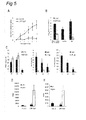
- Fig. 5 Six BALB/c mice were vaccinated with LRP + CpG ODN and infected in the left footpad as indicated in Fig. 3 . Eighteen weeks after the first parasite challenge mice were i.d. re-infected in the ear with 300 metacyclic promastigotes of L. major. As control six naive mice were also i.d. challenged in the ear .
- mice Seven weeks after re-infection, mice were euthanized and parasite burden in the ear dermis, spleen and in the local DLN was individually quantitated. Results are expressed as the mean ⁇ SD of twelve ears and DLN. * P ⁇ 0.001 significant decrease for re-infected versus infected control mice.
- C After euthanization the retromaxilar DLN from control (black bars) and re-infected mice (white bars) were obtained an cultured in vitro for 48 h in the presence of SLA, LRP or medium alone. The levels of IFN- ⁇ , IL-4 and IL-10 were assessed by ELISA in the culture supernatants.
- D-E Serum samples were obtained seven weeks after re-challenge and the titre for IgG1 and IgG2a antibodies against LRP (D) and SLA (E) was determined individually by ELISA.
- Fig. 6 Protection against L. major infection in C57BL/6 mice.
- Mice (six per group) were s.c. immunized in the right footpad with three doses of LRP + CpG ODN and with CpG ODN alone (A) IFN- ⁇ , IL-4 and IL-10 production by splenocytes of C57BL76 vaccinated mice.
- B Course of L.
- mice per group Twelve mice per group were immunized as described above and four weeks after the last inoculation they were infected by i.d. inoculation into the ear with 300 metacyclic promastigotes of L. major. Values represent the mean lesion diameter + standard deviation (SD). * P ⁇ 0.001 significant decrease in the inflammation between the two mice groups.
- C Parasite burden in the ear dermis and in the local DLN from mice vaccinated with CpG ODN (black bars) or LRP + CpG ODN (white bars) quantitated at weeks five (six mice per group) and thirteen (six mice per group) postinfection.
- mice vaccinated with CpG black bars
- LRP + CpG ODN white bars
- Retromaxillar cells were obtained 5 weeks after infection and stimulate in culture in the presence of SLA, LRP and medium alone (D) or with LRP in the presence of anti-IL-12, anti-CD4 or antiCD8, and control monoclonal antibodies.
- the level of IFN- ⁇ was assessed by ELISA after 78 h of incubation. Differences in IFN- ⁇ production between treatment with antiCD8 monoclonal antibodies and treatment with control antibodies were statistically significant (* P ⁇ 0.01).
- mice Female BALB/c mice were 6-8 week old at the onset of experiments and were purchased from Harlan Interfauna Ibérica S.A. (Barcelona, Spain). L. major parasites (clone WHOM/IR/-173) and clone V1 (MHOM/IL/80(Friedlin) were kept in a virulent state by passage in BALB/c mice. L. major amastigotes were obtained from popliteal draining lymph nodes (DLN) and transformed to promastigote by culturing at 26 °C in Schneider's medium (Gibco, BRL) supplemented with 20% foetal calf serum (FCS) until they reached the late stationary phase.
- L. major amastigotes were obtained from popliteal draining lymph nodes (DLN) and transformed to promastigote by culturing at 26 °C in Schneider's medium (Gibco, BRL) supplemented with 20% foetal calf serum (FCS) until they
- Promastigotes of both clones were cultured at 26 °C in Schneider's medium (Gibco, BRL) supplemented with 20% FCS.
- Infective-stage promastigotes (metacyclics) of L. major (clone V1) were isolated from stationary cultures by negative selection using peanut agglutinin (Vector Laboratories, Burlingame, CA.).
- L. infantum (MCAN/ES/96/BCN/150, MON-1) promastigotes were cultured at 26 °C in RPMI medium (Gibco, BRL) supplemented with 10% FCS.
- LRP Leishmania ribosomal protein extracts
- L. major and L . infantum promastigotes were harvested, washed twice in pre-chilled PBS and resuspended in 1 ml NP40 (Roche Diagnostics, GmbH, Manheim Germany, cat. N. 11332473001) lysis buffer (10 mM Tris ClH pH 8.0, 150 mM NaCl, 1.5 mM MgCl2 and 0.5 % NP40, PMSF 1mM, Leopeptin 8 ⁇ g/ml, Aprotinin 4 ⁇ g/ml and Pentatin 8 ⁇ g/ml), and pipetted up and down 10 times.
- cytosol was submitted to high speed centrifugation at 90,000 rpm for 30 min at 4 °C in a Beckman TL100.3 rotor.
- the crude ribosomal pellet was resuspended in buffer A (20 mM Tris-HCl, pH 7.4, 500 mM AcNH4, 100 mMMgCL2, 5mM ⁇ -mercaptoethanol) and centrifuged through a discontinuous sucrose gradient (20/40%) in buffer A at 90,000 rpm at 4 °C in a TL100.3 rotor.
- the pellet of washed ribosomes was dissolved in PBS, sonicated and stored at - 70 °C.
- Total proteins of L. major (soluble Leishmania antigen [SLA]) was prepared by three freezing and thawing cycles of stationary promastigotes of L. major suspended in PBS. After cell lysis, soluble antigens were separated from the insoluble fraction by centrifugation for 15 min at 12,000 g using a microfuge and stored at - 70 °C. Phosphorothioate-modified ODN sequences containing CpG motifs (CpG ODN) were synthesized by Isogen (The Netherlands). The sequences of the immunostimulatory ODN (5' to 3') were TCAACGTTGA and GCTAGCGTTAGCGT.
- BALB/c mice were subcutaneously (s.c.) inoculated in the right footpad with either 12 ⁇ g of L. major LRP alone or plus 50 ⁇ g of CpG ODN (25 ⁇ g of each immunostimulatory ODN), CpG ODN (50 ⁇ g) adjuvant alone, or phosphate saline buffer (PBS). Each group was boosted 2 and 4 weeks later using the same regime.
- First parasite challenge was carried out by s.c. inoculation with 5 ⁇ 10 4 stationary-phase promastigotes of L. major (clone WHOM/IR/-173) into the left (untreated) footpad four weeks after the last inoculation. The progress of the infection was followed by measuring the thickness with a metric calliper.
- the contralateral footpad of each animal represented the control value, and the swelling was calculated as follows: thickness of the left footpad minus thickness of the right footpad.
- the animals were euthanized when the lesions became necrotic.
- For re-infection six BALB/c mice were vaccinated and infected as above. After eighteen weeks, 300 metacyclic promastigotes of L. major (clone V1) were injected into the dermis of both ears of each mouse. The evolution of the infection was monitored by measuring the diameter of the indurations of the ear lesions with a metric calliper.
- As control a group of six naive BALB/c mice were also infected in the ear dermis.
- mice were injected s.c. in the footpad with 12 ⁇ g of L. major LRP + 50 ⁇ g CpG ODN (25 ⁇ g of each immunostimulatory ODN), and 50 ⁇ g of CpG ODN (50 ⁇ g) adjuvant alone. These mice were boosted two and four weeks later with the same immunization regime. The infection was performed 4 weeks after the last vaccination by intradermal (i.d.) inoculation of 300 metacyclic promastigotes of L. major (clone V1) into the dermis of both ears of the mouse. The evolution of the infection was monitored by measuring the diameter of the indurations of the ear lesion with a metric calliper.
- the number of parasites was determined in the ears by limiting dilution assay (6). Briefly, ears were recovered from infected mice. The ventral and dorsal sheets of the infected ears were separated. Ear sheets were deposited in Dulbecco's modified Eagle medium containing Liberase CI enzyme blend (50 ⁇ g ml-1). After 2 hours of incubation at 37 °C, the tissues were cut into small pieces, homogenized and filtered using a cell strainer (70 ⁇ m-pore size). The homogenized tissue was serially diluted in a 96-well flatbottomed microtiter plate containing Schneider's medium plus 20% FCS.
- the number of viable parasites was determined from the highest dilution at which promastigotes could be grown up to 7 days incubation at 26 °C. The number of parasites was also determined in the local draining lymph nodes (DLNs) of infected ears (retromaxilar) and footpad (popliteal) and in the spleen. Organs were recovered, mechanically dissociated and then serially diluted as above. Parasite load is expressed as the number of parasites in the whole organ.
- DLN cells stimulated with 12 ⁇ g ml -1 of LRP were incubated in the presence of 10 ⁇ g ml -1 of monoclonal antibody (mAb) against either mouse CD4 (GK 1.5), mouse IL-12 (C17.8), mouse CD8 (53-6.7).
- mAb monoclonal antibody
- Appropriate isotype-matched controls were also analyzed in the assay.
- the antibodies no azide/low endotoxinTM were purchased from BD (PharMingen).
- Serum samples were analysed for specific antibodies against LRP or SLA by ELISA or Western blot. Briefly, standard ELISA plates were coated overnight at room temperature with 100 ⁇ l of LRP (5 ⁇ g ml -1 in PBS) or SLA (2 ⁇ g ml -1 in PBS). The titre was determined by serial dilution of the sera, and was defined as the inverse of the highest serum dilution factor giving an absorbance > 0.2. The isotype-specific analyses were done with the following horseradish peroxidase-conjugated anti-mouse immunoglobulins (Nordic Immunological Laboratories, Tilburg, The Netherlands): anti-IgG1 (1/1000) and anti-IgG2a (1/500).
- Ortophenyle diamine dihydrochloride - OPD- (Dako, A/S, Glostrup, Denmark) was used as peroxidase substrate for ELISA assays. After 15 min, the reaction was stopped by addition of 100 ⁇ l of H 2 SO 4 1 M and the absorbance was read at 450 nm.
- mice The immune responses to LRP were evaluated in BALB/c mice after administration of the ribosomal proteins in the absence and in the presence of CpG ODN.
- the anti-LRPE humoral response was predominantly of the IgG2a isotype, whereas lower titre of antibodies of the IgG1 isotype was detected in the sera from mice immunized with LRPE alone ( Fig. 2A ).
- Fig. 2B After in vitro stimulation with LRPE spleen cells from mice immunized with LRPE + GpG ODN secreted higher levels of IFN- ⁇ than those secreted by spleen cells from controls and from mice immunized with LRPE alone ( Fig. 2B ).
- Vaccination with LRPE + CpG ODN protects BALB/c mice against a L. major challenge.
- LRPE + CpG ODN shows that LRPE + CpG OND induce effective protection since the footpad swelling in these mice was reduced (mean value of 0.7 mm at week 8) when compared with that of controls and mice vaccinated with LRPE alone (mean value ⁇ 5.5 mm).
- LRPE + CpG OND induce effective protection since the footpad swelling in these mice was reduced (mean value of 0.7 mm at week 8) when compared with that of controls and mice vaccinated with LRPE alone (mean value ⁇ 5.5 mm).
- mice immunized LRPE-CpG showed a ⁇ 3-log reduction in parasite burden relative to the other groups.
- similar parasite loads were found in the spleen of control mice and of mice immunized with LRPE alone no parasites could be detected in the spleen of the LRPE + CpG ODN vaccinated mice ( Fig. 3B ).
- the SLA or the LRPE-driven production of IL-4, IL-10 and IFN- ⁇ was assayed.
- SLA or LRPE specifically-induced IL-4 and IL-10 production was detected in DLN cells from controls (saline and CpG) and from mice immunized with LRPE alone ( Fig. 3C-D ).
- DLN cells from mice immunized with LRPE + CpG ODN produced higher amounts of IFN- ⁇ than those detected in the other three groups ( Fig. 3E ).
- the contribution of CD4 + and CD8 + T cells and the dependence on IL-12 to the LRPE specific production of IFN- ⁇ was also analyzed.
- mice Given that in BALB/c mice the IL-4 dependent production of high titres of antibodies is associated with disease progression we analyzed by ELISA the humoral responses elicited against the LRPE at week eight after infection.
- lower titre of anti-LRPE antibodies of the IgG1 isotype were present in the sera of protected mice when compared with those immunized with LRPE alone and in the two control groups ( Fig. 4 A) .
- the reduction of the IgG1 titre against LRPE correlated to a decrease in the number of ribosomal proteins bands recognized by the IgG1 antibodies from sera of the LRPE + CpG ODN vaccinated mice.
- the IgG1 isotype antibodies from sera of mice immunized with saline, CpG or LRPE alone recognized a higher number of protein bands in LRPE western blots, whereas only a few bands were recognized by the IgG1 antibodies of the protected mice.
- the western blot analysis also showed that there was not an increase in the number of protein bands recognized by the IgG2a antibodies in the sera from LRPE + CpG ODN vaccinated mice when compared with the other three groups ( Fig. 4B ).
- Vaccination with LRPE + CpG ODN also conditioned the global anti- Leishmania humoral response induced by L. major infection.
- the antibodies against SLA elicited by the parasite challenge in mice that had been immunized with LRPE + CpG ODN were mainly of the IgG2a isotype being the anti-SLA titre of the IgG1 isotype antibodies significantly lower than those detected in the other three groups ( Fig. 4C ).
- LRPE + CpG ODN vaccinated and infected mice are resistant against L. major re-infection in the ear dermis.
- mice were vaccinated and infected in the footpad as described above. The footpad swelling of these mice group were ⁇ 0.7 mm during 18 weeks (data not shown). Then, these protected mice were re-infected with 300 L. major metacyclic promastigotes in the ear dermis. A control group of six naive mice was also infected. It was observed that the LRPE + CpG ODN vaccinated re-infected mice were protected against the development of dermal lesions since no pathology was observed in these mice whereas the control mice developed patent ear lesions at week seven ( Fig.
- mice DLN cells produced high amounts of specific IFN- ⁇ , being the IL-4 and IL-10 barely undetected ( Fig. 5C ).
- IgG humoral response against LRPE Fig. 5D
- SLA Fig. 5E
- Vaccination with LRPE + CpG ODN confers protection against dermal pathology due to L. major challenge in C57BL/6 mice.
- the number of parasites in the ear dermis of vaccinated mice had a ⁇ 300-fold reduction (1.0 ⁇ 10 4 parasites for LRPE + CpG ODN and 3 ⁇ 10 6 parasites for CpG-ODN immunized mice) and ⁇ 40-fold reduction in the DLN (5.0 ⁇ 10 4 parasites for LRPE + CpG ODN and 2 ⁇ 10 6 parasites for CpG ODN mice). After healing, in control mice (13 weeks after challenge) a reduction in the number of parasites was observed in all of the groups.
- the antigen driven production of IL-4, IL-10 and IFN- ⁇ was assayed.
- At week five after challenge cultures of the DLN cells were established and stimulated with LRPE or SLA.
- the cells from vaccinated mice produced more SLA and LRPE specific IFN- ⁇ than those from control mice.
- the contribution of CD4 + and CD8 + T cells and the dependence on IL-12 to the LRPE specific production of IFN- ⁇ was also analyzed.
- the secretion of IFN- ⁇ was completely inhibited by anti-IL-12 or anti-CD4 monoclonal antibodies.
- the anti-CD8 antibodies treatment only partially reduced the level of this cytokine.
- LRPE were also implicated in the in vitro production of INF- ⁇ , comparable levels of IL-10 were detected, a pleiotropic anti-inflammatory cytokine that renders infected macrophages unresponsive to the activation signals for parasite destruction (31). Furthermore, given that the effects of IL-4 and IL-10 in promoting disease in BALB/c mice appear to be additive (reviewed in (37)), stimulation of these cytokines by LRPE can be taken as an indication that the host responses against ribosomal antigens favour parasite expansion and persistence in the BALB/c mice.
- the immune response developed in BALB/c was found to be of the Th 1 type since immunized mice developed anti-LRPE antibodies of the IgG2a isotype and splenocytes from vaccinated mice produced high amounts of IFN- ⁇ , but not IL-4, after in vitro stimulation with LRPE. Similar specific immune responses were generated in C57BL/6 mice when immunized with the LRPE + CpG ODN ( Fig. 6A ). In both mouse strains, the LRPE-driven production of IL-10 was also observed after immunization.
- Vaccinated BALB/c mice had a reduced parasite burden in the popliteal DLN with the absence of parasite dissemination in the spleen. Also very low inflammation was detected in the infected footpads. Vaccinated C57BL/6 mice were protected against ear dermal pathology showing and a reduction in the parasite burden in the skin and in the DLN.
- mice Although DLN cells from protected mice did not produce larger quantities of IFN- ⁇ than controls (measured at week 7 post-infection), the titre of the IgG2a antibodies against LRPE and SLA can be taken as an indication that these mice mounted a specific Th 1 protective response after the secondary challenge. Remarkably, the specific production of the IL-4 and IL-10 disease associated cytokines in these mice was very low. These data indicate that the immune state generated after the first parasite challenge is extremely potent, leading to a rapid and efficient elimination of the parasite from the site of re-infection.
Landscapes
- Health & Medical Sciences (AREA)
- Veterinary Medicine (AREA)
- Tropical Medicine & Parasitology (AREA)
- Life Sciences & Earth Sciences (AREA)
- Pharmacology & Pharmacy (AREA)
- Animal Behavior & Ethology (AREA)
- Medicinal Chemistry (AREA)
- Public Health (AREA)
- General Health & Medical Sciences (AREA)
- Chemical & Material Sciences (AREA)
- Immunology (AREA)
- Organic Chemistry (AREA)
- Chemical Kinetics & Catalysis (AREA)
- Nuclear Medicine, Radiotherapy & Molecular Imaging (AREA)
- General Chemical & Material Sciences (AREA)
- Microbiology (AREA)
- Mycology (AREA)
- Epidemiology (AREA)
- Bioinformatics & Cheminformatics (AREA)
- Engineering & Computer Science (AREA)
- Medicines Containing Antibodies Or Antigens For Use As Internal Diagnostic Agents (AREA)
- Medicines That Contain Protein Lipid Enzymes And Other Medicines (AREA)
Priority Applications (1)
| Application Number | Priority Date | Filing Date | Title |
|---|---|---|---|
| EP20120196741 EP2570427A1 (fr) | 2008-01-18 | 2009-01-14 | Vaccin comportant un extrait de protéine ribosomale (RPE) et en option, un adjuvant de promotion Th1 |
Applications Claiming Priority (4)
| Application Number | Priority Date | Filing Date | Title |
|---|---|---|---|
| US2192808P | 2008-01-18 | 2008-01-18 | |
| EP08100634 | 2008-01-18 | ||
| EP20120196741 EP2570427A1 (fr) | 2008-01-18 | 2009-01-14 | Vaccin comportant un extrait de protéine ribosomale (RPE) et en option, un adjuvant de promotion Th1 |
| EP09701571.3A EP2231700B1 (fr) | 2008-01-18 | 2009-01-14 | Vaccin comprenant un extrait de protéine ribosomale (rpe) et facultativement un adjuvant promouvant la réponse th 1 |
Related Parent Applications (2)
| Application Number | Title | Priority Date | Filing Date |
|---|---|---|---|
| EP09701571.3A Division-Into EP2231700B1 (fr) | 2008-01-18 | 2009-01-14 | Vaccin comprenant un extrait de protéine ribosomale (rpe) et facultativement un adjuvant promouvant la réponse th 1 |
| EP09701571.3 Division | 2009-01-14 |
Publications (1)
| Publication Number | Publication Date |
|---|---|
| EP2570427A1 true EP2570427A1 (fr) | 2013-03-20 |
Family
ID=39471089
Family Applications (2)
| Application Number | Title | Priority Date | Filing Date |
|---|---|---|---|
| EP20120196741 Withdrawn EP2570427A1 (fr) | 2008-01-18 | 2009-01-14 | Vaccin comportant un extrait de protéine ribosomale (RPE) et en option, un adjuvant de promotion Th1 |
| EP09701571.3A Not-in-force EP2231700B1 (fr) | 2008-01-18 | 2009-01-14 | Vaccin comprenant un extrait de protéine ribosomale (rpe) et facultativement un adjuvant promouvant la réponse th 1 |
Family Applications After (1)
| Application Number | Title | Priority Date | Filing Date |
|---|---|---|---|
| EP09701571.3A Not-in-force EP2231700B1 (fr) | 2008-01-18 | 2009-01-14 | Vaccin comprenant un extrait de protéine ribosomale (rpe) et facultativement un adjuvant promouvant la réponse th 1 |
Country Status (19)
| Country | Link |
|---|---|
| US (1) | US20110020405A1 (fr) |
| EP (2) | EP2570427A1 (fr) |
| JP (2) | JP2011509968A (fr) |
| CN (1) | CN101977930B (fr) |
| AP (1) | AP3007A (fr) |
| AU (1) | AU2009204849B2 (fr) |
| BR (1) | BRPI0906787A2 (fr) |
| CA (1) | CA2712475A1 (fr) |
| CO (1) | CO6280495A2 (fr) |
| DK (1) | DK2231700T3 (fr) |
| ES (1) | ES2486365T3 (fr) |
| HR (1) | HRP20140447T1 (fr) |
| MA (1) | MA32080B1 (fr) |
| MX (1) | MX2010007831A (fr) |
| PL (1) | PL2231700T3 (fr) |
| PT (1) | PT2231700E (fr) |
| RU (1) | RU2521499C2 (fr) |
| WO (1) | WO2009090175A1 (fr) |
| ZA (1) | ZA201005143B (fr) |
Families Citing this family (2)
| Publication number | Priority date | Publication date | Assignee | Title |
|---|---|---|---|---|
| SA110310855B1 (ar) * | 2009-11-13 | 2014-09-16 | Laboratories Leti S L Unipersonal | استخدام مصدر l3 و/ أو l5 كلقاح أو كوسيلة تشخيصية لمرض طفيلي |
| JP5986576B2 (ja) | 2010-11-10 | 2016-09-06 | ラボラトリオス レティ,エセ.エレ. | 新規アジュバント |
Citations (2)
| Publication number | Priority date | Publication date | Assignee | Title |
|---|---|---|---|---|
| WO2000039298A1 (fr) * | 1998-12-23 | 2000-07-06 | C.B.F. Leti S.A. | Gene chimerique forme par les sequences d'adn codant pour les determinants antigeniques de quatre proteines de l. infantum, proteines codees par ledit gene, et compositions pharmaceutiques servant a prevenir et/ou traiter la leishmaniase chez l'animal et l'homme |
| US6500437B1 (en) * | 1995-09-22 | 2002-12-31 | Corixa Corporation | Leishmania antigens for use in the therapy and diagnosis of leishmaniasis |
Family Cites Families (2)
| Publication number | Priority date | Publication date | Assignee | Title |
|---|---|---|---|---|
| ES2169995B1 (es) * | 2000-04-17 | 2003-12-01 | Leti Lab | Composicion a base de la proteina lip2a y su uso en la preparacion de un medicamento para suscitar una respuesta inmune contra un antigeno. |
| US20030072714A1 (en) * | 2001-10-12 | 2003-04-17 | Magill Alan J. | Microfluidized leishmania lysate and methods of making and using thereof |
-
2009
- 2009-01-14 WO PCT/EP2009/050334 patent/WO2009090175A1/fr not_active Ceased
- 2009-01-14 DK DK09701571.3T patent/DK2231700T3/da active
- 2009-01-14 BR BRPI0906787-6A patent/BRPI0906787A2/pt not_active IP Right Cessation
- 2009-01-14 RU RU2010134427/10A patent/RU2521499C2/ru not_active IP Right Cessation
- 2009-01-14 EP EP20120196741 patent/EP2570427A1/fr not_active Withdrawn
- 2009-01-14 PT PT97015713T patent/PT2231700E/pt unknown
- 2009-01-14 US US12/863,562 patent/US20110020405A1/en not_active Abandoned
- 2009-01-14 JP JP2010542611A patent/JP2011509968A/ja active Pending
- 2009-01-14 AU AU2009204849A patent/AU2009204849B2/en not_active Ceased
- 2009-01-14 CA CA2712475A patent/CA2712475A1/fr not_active Abandoned
- 2009-01-14 HR HRP20140447AT patent/HRP20140447T1/hr unknown
- 2009-01-14 EP EP09701571.3A patent/EP2231700B1/fr not_active Not-in-force
- 2009-01-14 CN CN200980109592.8A patent/CN101977930B/zh not_active Expired - Fee Related
- 2009-01-14 PL PL09701571T patent/PL2231700T3/pl unknown
- 2009-01-14 ES ES09701571.3T patent/ES2486365T3/es active Active
- 2009-01-14 AP AP2010005333A patent/AP3007A/xx active
- 2009-01-14 MX MX2010007831A patent/MX2010007831A/es active IP Right Grant
-
2010
- 2010-07-16 CO CO10087106A patent/CO6280495A2/es not_active Application Discontinuation
- 2010-07-19 ZA ZA2010/05143A patent/ZA201005143B/en unknown
- 2010-08-13 MA MA33087A patent/MA32080B1/fr unknown
-
2015
- 2015-04-30 JP JP2015093123A patent/JP2015180638A/ja active Pending
Patent Citations (2)
| Publication number | Priority date | Publication date | Assignee | Title |
|---|---|---|---|---|
| US6500437B1 (en) * | 1995-09-22 | 2002-12-31 | Corixa Corporation | Leishmania antigens for use in the therapy and diagnosis of leishmaniasis |
| WO2000039298A1 (fr) * | 1998-12-23 | 2000-07-06 | C.B.F. Leti S.A. | Gene chimerique forme par les sequences d'adn codant pour les determinants antigeniques de quatre proteines de l. infantum, proteines codees par ledit gene, et compositions pharmaceutiques servant a prevenir et/ou traiter la leishmaniase chez l'animal et l'homme |
Non-Patent Citations (61)
| Title |
|---|
| "Remington's Pharmaceutical Sciences", 2000, WILLIAMS & WILKINS |
| AGUILAR-BE, 1.; R. DA SILVA ZARDO; E. PARAGUAI DE SOUZA; G. P. BORIA-CABRERA; M. ROSADO-VALLADO; M. MUT-MARTIN; R. GARCIA-MISS MDE: "Cross-protective efficacy of a prophylactic Leishmania donovani DNA vaccine against visceral and cutaneous murine leishmaniasis", INFECT IMMUN, vol. 73, 2005, pages 812 - 9 |
| ANDERSON, C. F.; M. OUKKA; V. J. KUCHROO; D. SACKS: "CD4(+)CD25(- )Foxp3(-) Th1 cells are the source of IL-10-mediated immune suppression in chronic cutaneous leishmaniasis", J EXP MED, vol. 204, 2007, pages 285 - 97 |
| BADARO R ET AL: "Successful use of a defined antigen/GM-CSF adjuvant vaccine to treat mucosal Leishmaniasis refractory to antimony: A case report.", THE BRAZILIAN JOURNAL OF INFECTIOUS DISEASES : AN OFFICIAL PUBLICATION OF THE BRAZILIAN SOCIETY OF INFECTIOUS DISEASES AUG 2001, vol. 5, no. 4, August 2001 (2001-08-01), pages 223 - 232, XP002484147, ISSN: 1413-8670 * |
| BADARO, R.; D. BENSON; M. C. EULALIO; M. FREIRE; S. CUNHA; E. M. NETTO; D. PEDRAL-SAMPAIO; C. MADUREIRA; J. M. BURNS; R. L. HOUGHT: "rK39: a cloned antigen of Leishmania chagasi that predicts active visceral leishmaniasis", J INFECT DIS, vol. 173, 1996, pages 758 - 61, XP000603653 |
| BELKAID, Y.; K. F. HOFFMANN; S. MENDEZ; S. KAMHAWI; M. C. UDEY; T. A. WYNN; D. L. SACKS: "The role of interleukin (IL)-10 in the persistence of Leishmania major in the skin after healing and the therapeutic potential of antiIL-10 receptor antibody for sterile cure", J EXP MED, vol. 194, 2001, pages 1497 - 506 |
| BELKAID, Y.; S. KAMHAWI; G. MODI; J. VALENZUELA; N. NOBEN-TRAUTH; E. ROWTON; J. RIBEIRO; D. L. SACKS: "Development of a natural model of cutaneous leishmaniasis: powerful effects of vector saliva and saliva preexposure on the long-term outcome of Leishmania major infection in the mouse ear dermis", J EXP MED, vol. 188, 1998, pages 1941 - 53 |
| BUFFET, P. A.; A. SULAHIAN; Y. J. GARIN; N. NASSAR; F. DEROUIN: "Culture microtitration: a sensitive method for quantifying Leishmania infantum in tissues of infected mice", ANTIMICROB AGENTS CHEMOTHER, vol. 39, 1995, pages 2167 - 8 |
| CAMPOS-NETO, A.: "What about Thl/Th2 in cutaneous leishmaniasis vaccine discovery?", BRAZ J MED BIOL RES, vol. 38, 2005, pages 979 - 84 |
| CHAVEZ-FUMAGALLI M A ET AL: "Vaccination with the Leishmania infantum ribosomal proteins induces protection in BALB/c mice against Leishmania chagasi and Leishmania amazonensis challenge", MICROBES AND INFECTION, ELSEVIER, PARIS, FR, vol. 12, no. 12-13, 1 November 2010 (2010-11-01), pages 967 - 977, XP027428647, ISSN: 1286-4579, [retrieved on 20100701], DOI: 10.1016/J.MICINF.2010.06.008 * |
| CHENIK, M.; H. LOUZIR; H. KSONTINI; A. DILOU; 1. ABDMOULEH; K. DELLAGI: "Vaccination with the divergent portion of the protein histone H2B of Leishmania protects susceptible BALB/c mice against a virulent challenge with Leishmania major", VACCINE, vol. 24, 2006, pages 2521 - 9, XP028010565, DOI: doi:10.1016/j.vaccine.2005.12.027 |
| CHIARAMONTE, M. G.; M. HESSE; A. W. CHEEVER; T. A. WYNN: "CpG oligonucleotides can prophylactically immunize against Th2-mediated schistosome egg-induced pathology by an IL-12-independent mechanism", J IMMUNOL, vol. 164, 2000, pages 973 - 85 |
| COFFMAN, R. L.: "Mechanisms of helper T-cell regulation of B-cell activity", ANN N Y ACAD SCI, vol. 681, 1993, pages 25 - 8 |
| COLER, R. N.; S. G. REED: "Second-generation vaccines against leishmaniasis", TRENDS PARASITOL, vol. 21, 2005, pages 244 - 9, XP004855970, DOI: doi:10.1016/j.pt.2005.03.006 |
| CORDEIRO-DA-SILVA, A.; M. C. BORGES; E. GUILVARD; A. OUAISSI: "Dual role of the Leishmania major ribosomal protein S3a homologue in regulation of T- and B-cell activation", INFECT IMMUN, vol. 69, 2001, pages 6588 - 96 |
| GARCIA-ALONSO, M.; A. BLANCO; D. REINA; F. J. SERRANO; C. ALONSO; C. G. NIETO: "Immunopathology of the uveitis in canine leishmaniasis", PARASITE IMMUNOL, vol. 18, 1996, pages 617 - 23 |
| GARCIA-ALONSO, M.; C. G. NIETO; A. BLANCO; J. M. REQUENA; C. ALONSO; I. NAVARRETE: "Presence of antibodies in the aqueous humour and cerebrospinal fluid during Leishmania infections in dogs. Pathological features at the central nervous system", PARASITE IMMUNOL, vol. 18, 1996, pages 539 - 46 |
| GRADONI, L.: "An update on antileishmanial vaccine candidates and prospects for a canine Leishmania vaccine", VET PARASITOL, vol. 100, 2001, pages 87 - 103 |
| GRAMICCIA, M.; L. GRADONI: "The current status of zoonotic leishmaniases and approaches to disease control", INT J PARASITOL, vol. 35, 2005, pages 1169 - 80, XP005098873, DOI: doi:10.1016/j.ijpara.2005.07.001 |
| HANDMAN, E.; A. H. NOORMOHAMMADI; J. M. CURTIS; T. BALDWIN; A. SJOLANDER: "Therapy of murine cutaneous leishmaniasis by DNA vaccination", VACCINE, vol. 18, 2000, pages 3011 - 7, XP004199096, DOI: doi:10.1016/S0264-410X(00)00109-2 |
| HERWALDT, B. L.: "Leishmaniasis", LANCET, vol. 354, 1999, pages 1191 - 9, XP029609348, DOI: doi:10.1016/S0140-6736(98)10178-2 |
| IBORRA SALVADOR ET AL: "The Leishmania infantum acidic ribosomal protein P0 administered as a DNA vaccine confers protective immunity to Leishmania major infection in BALB/c mice.", INFECTION AND IMMUNITY NOV 2003, vol. 71, no. 11, November 2003 (2003-11-01), pages 6562 - 6572, XP002484146, ISSN: 0019-9567 * |
| IBORRA, S.; M. SOTO; J. CARRION; C. ALONSO; J. M. REQUENA: "Vaccination with a plasmid DNA cocktail encoding the nucleosomal histones of Leishmania confers protection against murine cutaneous leishmaniosis", VACCINE, vol. 22, 2004, pages 3865 - 76, XP004567462, DOI: doi:10.1016/j.vaccine.2004.04.015 |
| JAAFARI, M. R.; A. GHAFARIAN; A. FARROKH-GISOUR; A. SAMIEI; M. T. KHEIRI; F. MAHBOUDI; F. BARKHORDARI; A. KHAMESIPOUR; W. R. MCMAS: "Immune response and protection assay of recombinant major surface glycoprotein of Leishmania (rgp63) reconstituted with liposomes in BALB/c mice", VACCINE, vol. 24, 2006, pages 5708 - 17, XP028011102, DOI: doi:10.1016/j.vaccine.2006.04.062 |
| LIU N. ET AL., NATURE IMMUNOLOGY, 2003, pages 687 - 693 |
| LOPEZ, R.; R. LUCENA; M. NOVALES; P. J. GINEL; E. MARTIN; J. M. MOLLEDA: "Circulating immune complexes and renal function in canine leishmaniasis", ZENTRALBL VETERINARMED B, vol. 43, 1996, pages 469 - 74 |
| M. A. RODRIGUEZ-GABRIEL ET AL: "The RNA Interacting Domain but Not the Protein Interacting Domain Is Highly Conserved in Ribosomal Protein P0", JOURNAL OF BIOLOGICAL CHEMISTRY, vol. 275, no. 3, 21 January 2000 (2000-01-21), pages 2130 - 2136, XP055043974, ISSN: 0021-9258, DOI: 10.1074/jbc.275.3.2130 * |
| MANCIANTI, F.; A. POLI; A. BIONDA: "Analysis of renal immune-deposits in canine leishmaniasis. Preliminary results", PARASSITOLOGIA, vol. 31, 1989, pages 213 - 30 |
| MARTINS, D. R.; S. M. JERONIMO; J. E. DONELSON; M. E. WILSON: "Leishmania chagasi T-cell antigens identified through a double library screen", INFECT IMMUN, vol. 74, 2006, pages 6940 - 8 |
| MCMAHON-PRATT, D.; J. ALEXANDER: "Does the Leishmania major paradigm of pathogenesis and protection hold for New World cutaneous leishmaniases or the visceral disease?", IMMUNOL REV, vol. 201, 2004, pages 206 - 24 |
| MENDEZ, S.; S. GURUNATHAN; S. KAMHAWI; Y. BELKAID; M. A. MOGA; Y. A. SKEIKY; A. CAMPOS-NETO; S. REED; R. A. SEDER; D. SACKS: "The potency and durability of DNA- and protein-based vaccines against Leishmania major evaluated using low- dose, intradermal challenge", J IMMUNOL, vol. 166, 2001, pages 5122 - 8 |
| MENDEZ, S.; Y. BELKAID; R. A. SEDER; D. SACKS: "Optimization of DNA vaccination against cutaneous leishmaniasis", VACCINE, vol. 20, 2002, pages 3702 - 8, XP004388612, DOI: doi:10.1016/S0264-410X(02)00376-6 |
| MILES, S. A.; S. M. CONRAD; R. G. ALVES; S. M. JERONIMO; D. M. MOSSER: "A role for IgG immune complexes during infection with the intracellular pathogen Leishmania", J EXP MED, vol. 201, 2005, pages 747 - 54 |
| MOORE, K. W.; R. DE WAAL MALEFYT; R. L. COFFMAN; A. O'GARRA: "Interleukin-10 and the interleukin-10 receptor", ANNU REV IMMUNOL, vol. 19, 2001, pages 683 - 765 |
| MOUGNEAU, E.; F. ALTARE; A. E. WAKIL; S. ZHENG; T. COPPOLA; Z. E. WANG; R. WALDMANN; R. M. LOCKSLEY; N. GLAICHENHAUS: "Expression cloning of a protective Leishmania antigen", SCIENCE, vol. 268, 1995, pages 563 - 6, XP000882951, DOI: doi:10.1126/science.7725103 |
| NIETO, C. G.; 1. NAVARRETE; M. A. HABELA; F. SERRANO; E. REDONDO: "Pathological changes in kidneys of dogs with natural Leishmania infection", VET PARASITOL, vol. 45, 1992, pages 33 - 47, XP024350864, DOI: doi:10.1016/0304-4017(92)90025-5 |
| NIETO, C. G.; R. BARRERA; M. A. HABELA; 1. NAVARRETE; C. MOLINA; A. JIMENEZ; J. L. SERRERA: "Changes in the plasma concentrations of lipids and lipoprotein fractions in dogs infected with Leishmania infantum", VET PARASITOL, vol. 44, 1992, pages 175 - 82, XP024350881, DOI: doi:10.1016/0304-4017(92)90115-P |
| NOBEN-TRAUTH, N.; R. LIRA; H. NAGASE; W. E. PAUL; D. L. SACKS: "The relative contribution of IL-4 receptor signaling and IL-10 to susceptibility to Leishmania major", J IMMUNOL, vol. 170, 2003, pages 5152 - 8 |
| PATERAKI, E.; R. PORTOCALA; H. LABROUSSE; J. L. GUESDON: "Antiactin and antitubulin antibodies in canine visceral leishmaniasis", INFECT IMMUN, vol. 42, 1983, pages 496 - 500 |
| PETERS, N.; D. SACKS: "Immune privilege in sites of chronic infection: Leishmania and regulatory T cells", IMMUNOL REV, vol. 213, 2006, pages 159 - 79 |
| POLLOCK, K. G.; K. S. MCNEIL; J. C. MOTTRAM; R. E. LYONS; J. M. BREWER; P. SCOTT; G. H. COOMBS; J. ALEXANDER: "The Leishmania mexicana cysteine protease, CPB2.8, induces potent Th2 responses", J IMMUNOL, vol. 170, 2003, pages 1746 - 53 |
| PROBST, P.; E. STROMBERG; H. W. GHALIB; M. MOZEL; R. BADARO; S. G. REED; J. R. WEBB: "Identification and characterization of T cell-stimulating antigens from Leishmania by CD4 T cell expression cloning", J IMMUNOL, vol. 166, 2001, pages 498 - 505, XP002365319 |
| RAFATI, S.; A. H. SALMANIAN; T. TAHERI; M. VAFA; N. FASEL: "A protective cocktail vaccine against murine cutaneous leishmaniasis with DNA encoding cysteine proteinases of Leishmania major", VACCINE, vol. 19, 2001, pages 3369 - 75, XP004238931, DOI: doi:10.1016/S0264-410X(01)00081-0 |
| RAFATI, S.; A. NAKHAEE; T. TAHERI; A. GHASHGHAII; A. H. SALMANIAN; M. JIMENEZ; M. MOHEBALI; S. MASINA; N. FASEL: "Expression of cysteine proteinase type I and II of Leishmania infantum and their recognition by sera during canine and human visceral leishmaniasis", EXP PARASITOL, vol. 103, 2003, pages 143 - 51 |
| REQUENA, J. M.; C. ALONSO; M. SOTO: "Evolutionarily conserved proteins as prominent immunogens during Leishmania infections", PARASITOL TODAY, vol. 16, 2000, pages 246 - 50, XP055105934 |
| RHEE, E. G.; S. MENDEZ; J. A. SHAH; C. Y. WU; J. R. KIRMAN; T. N. TURON; D. F. DAVEY; H. DAVIS; D. M. KLINMAN; R. N. COLER: "Vaccination with heat-killed Leishmania antigen or recombinant leishmanial protein and CpG oligodeoxynucleotides induces long-term memory CD4+ and CD8+ T cell responses and protection against Leishmania major infection", J EXP MED, vol. 195, 2002, pages 1565 - 73 |
| ROBERTS, M. T.; C. B. STOBER; A. N. MCKENZIE; J. M. BLACKWELL: "Interleukin-4 (IL-4) and IL-10 collude in vaccine failure for novel exacerbatory antigens in murine Leishmania major infection", INFECT IMMUN, vol. 73, 2005, pages 7620 - 8, XP002433179, DOI: doi:10.1128/IAI.73.11.7620-7628.2005 |
| RODRIGUEZ-GABRIEL, M. A.; M. REMACHA; J. P. BALLESTA: "The RNA interacting domain but not the protein interacting domain is highly conserved in ribosomal protein P0", J BIOL CHEM, vol. 275, 2000, pages 2130 - 6, XP055043974, DOI: doi:10.1074/jbc.275.3.2130 |
| ROSA, R.; C. MARQUES; O. R. RODRIGUES; G. M. SANTOS-GOMES: "Immunization with Leishmania infantum released proteins confers partial protection against parasite infection with a predominant Th1 specific immune response", VACCINE, vol. 25, 2007, pages 4525 - 32, XP022079801, DOI: doi:10.1016/j.vaccine.2007.04.003 |
| SANTAREM ET AL: "Antibodies against a Leishmania infantum peroxiredoxin as a possible marker for diagnosis of visceral leishmaniasis and for monitoring the efficacy of treatment", IMMUNOLOGY LETTERS, AMSTERDAM, NL, vol. 101, no. 1, 15 October 2005 (2005-10-15), pages 18 - 23, XP005073261, ISSN: 0165-2478 * |
| SANTOS, W. R.; V. M. DE LIMA; E. P. DE SOUZA; R. R. BERNARDO; M. PALATNIK; C. B. PALATNIK DE SOUSA: "Saponins, IL12 and BCG adjuvant in the FML-vaccine formulation against murine visceral leishmaniasis", VACCINE, vol. 21, 2002, pages 30 - 43, XP004393283, DOI: doi:10.1016/S0264-410X(02)00444-9 |
| SANTOS-GOMES, G. M.; R. ROSA; C. LEANDRO; S. CORTES; P. ROMAO; H. SILVEIRA: "Cytokine expression during the outcome of canine experimental infection by Leishmania infantum", VET IMMUNOL IMMUNOPATHOL, vol. 88, 2002, pages 21 - 30 |
| SARAIVA, E. M.; A. DE FIGUEIREDO BARBOSA; N. SANTOS; G. P. BORIA-CABRERA; D. NICO; L. O. SOUZA; C. DE OLIVEIRA MENDES-AGUIAR; E. P: "The FML-vaccine (Leishmune) against canine visceral leishmaniasis: a transmission blocking vaccine", VACCINE, vol. 24, 2006, pages 2423 - 31, XP028011210, DOI: doi:10.1016/j.vaccine.2005.11.061 |
| SEREZANI, C. H.; A. R. FRANCO; M. WAJC; J. K. UMADA YOKOYAMA-YASUNAKA; G. WUNDERLICH; M. M. BORGES; S. R. ULIANA: "Evaluation of the murine immune response to Leishmania meta 1 antigen delivered as recombinant protein or DNA vaccine", VACCINE, vol. 20, 2002, pages 3755 - 63, XP004388620, DOI: doi:10.1016/S0264-410X(02)00354-7 |
| SJOLANDER A ET AL: "Vaccination with recombinant Parasite Surface Antigen 2 from Leishmania major induces a Th1 type of immune response but does not protect against infection", VACCINE, BUTTERWORTH SCIENTIFIC. GUILDFORD, GB, vol. 16, no. 20, 1 December 1998 (1998-12-01), pages 2077 - 2084, XP004138459, ISSN: 0264-410X * |
| SKEIKY, Y. A.; J. A. GUDERIAN; D. R. BENSON; O. BACELAR; E. M. CARVALHO; M. KUBIN; R. BADARO; G. TRINCHIERI; S. G. REED: "A recombinant Leishmania antigen that stimulates human peripheral blood mononuclear cells to express a Thi- type cytokine profile and to produce interleukin 12", J EXP MED, vol. 181, 1995, pages 1527 - 37 |
| STAGER, S.; D. F. SMITH; P. M. KAYE: "Immunization with a recombinant stage-regulated surface protein from Leishmania donovani induces protection against visceral leishmaniasis", J IMMUNOL, vol. 165, 2000, pages 7064 - 71, XP002296035 |
| TONUI, W. K.; J. S. MEJIA; L. HOCHBERG; M. L. MBOW; J. R. RYAN; A. S. CHAN; S. K. MARTIN; R. G. TITUS: "Immunization with Leishmania major exogenous antigens protects susceptible BALB/c mice against challenge infection with L. major", INFECT IMMUN, vol. 72, 2004, pages 5654 - 61 |
| WEBB, J. R.; A. CAMPOS-NETO; Y. A. SKEIKY; S. G. REED: "Molecular characterization of the heat-inducible LmSTIl protein of Leishmania major", MOL BIOCHEM PARASITOL, vol. 89, 1997, pages 179 - 93 |
| WEBB, J. R.; D. KAUFMANN; A. CAMPOS-NETO; S. G. REED: "Molecular cloning of a novel protein antigen of Leishmania major that elicits a potent immune response in experimental murine leishmaniasis", J IMMUNOL, vol. 157, 1996, pages 5034 - 41 |
| ZIMMERMANN, S.; O. EGETER; S. HAUSMANN; G. B. LIPFORD; M. ROCKEN; H. WAGNER; K. HEEG: "CpG oligodeoxynucleotides trigger protective and curative Th1 responses in lethal murine leishmaniasis", J IMMUNOL, vol. 160, 1998, pages 3627 - 30, XP002145844 |
Also Published As
| Publication number | Publication date |
|---|---|
| CA2712475A1 (fr) | 2009-07-23 |
| MX2010007831A (es) | 2011-06-20 |
| EP2231700B1 (fr) | 2014-05-07 |
| CN101977930B (zh) | 2014-12-17 |
| PT2231700E (pt) | 2014-07-31 |
| EP2231700A1 (fr) | 2010-09-29 |
| ES2486365T3 (es) | 2014-08-18 |
| WO2009090175A1 (fr) | 2009-07-23 |
| MA32080B1 (fr) | 2011-02-01 |
| HRP20140447T1 (hr) | 2014-07-04 |
| BRPI0906787A2 (pt) | 2015-08-18 |
| US20110020405A1 (en) | 2011-01-27 |
| ZA201005143B (en) | 2011-12-28 |
| PL2231700T3 (pl) | 2014-09-30 |
| RU2521499C2 (ru) | 2014-06-27 |
| HK1150291A1 (en) | 2011-11-18 |
| JP2015180638A (ja) | 2015-10-15 |
| CN101977930A (zh) | 2011-02-16 |
| CO6280495A2 (es) | 2011-05-20 |
| RU2010134427A (ru) | 2012-02-27 |
| AU2009204849B2 (en) | 2013-10-03 |
| AP3007A (en) | 2014-10-31 |
| DK2231700T3 (da) | 2014-07-14 |
| AP2010005333A0 (en) | 2010-08-31 |
| JP2011509968A (ja) | 2011-03-31 |
| AU2009204849A1 (en) | 2009-07-23 |
Similar Documents
| Publication | Publication Date | Title |
|---|---|---|
| Rhee et al. | Vaccination with heat-killed Leishmania antigen or recombinant leishmanial protein and CpG oligodeoxynucleotides induces long-term memory CD4+ and CD8+ T cell responses and protection against Leishmania major infection | |
| Iborra et al. | Vaccination with the Leishmania major ribosomal proteins plus CpG oligodeoxynucleotides induces protection against experimental cutaneous leishmaniasis in mice | |
| Frank et al. | Use of a purified Trypanosoma cruzi antigen and CpG oligodeoxynucleotides for immunoprotection against a lethal challenge with trypomastigotes | |
| JP5623995B2 (ja) | 寄生虫疾患の処置のための特異的ヒストンの使用 | |
| Sánchez et al. | Homologous prime-boost strategy with TgPI-1 improves the immune response and protects highly susceptible mice against chronic Toxoplasma gondii infection | |
| CA2780740C (fr) | Utilisation d'une source de l3 et/ou de l5 comme vaccin ou comme diagnostic pour une maladie parasitaire | |
| EP2231700B1 (fr) | Vaccin comprenant un extrait de protéine ribosomale (rpe) et facultativement un adjuvant promouvant la réponse th 1 | |
| Mazumder et al. | Non-coding pDNA bearing immunostimulatory sequences co-entrapped with leishmanial antigens in cationic liposomes elicits almost complete protection against experimental visceral leishmaniasis in BALB/c mice | |
| US8206725B2 (en) | Immunogenic agent and pharmaceutical composition for use against homologous and heterologous pathogens including plasmodium SPP | |
| HK1150291B (en) | Vaccine comprising a ribosomal protein extract (rpe) and optionally a th1-promoting adjuvant | |
| Cunha et al. | Can Attenuated Leishmania Induce Equally Effective | |
| Verthelyi | Prevention and Treatment of Cutaneous Leishmaniasis in Primates by Using Synthetic Type D/A Oligodeoxynucleotides Expressing CpG Motifs | |
| Färber et al. | Vaccination as a control measure | |
| Oligodeoxynucleotides | Coinjection with CpG-Containing | |
| AU2004266028A1 (en) | Immunogenic agent and pharmaceutical composition for use against homologous and heterologous pathogens including Plasmodium spp | |
| AU2012201243A1 (en) | Immunogenic agent and pharmaceutical composition for use against homologous and heterologous pathogens including plasmodium spp |
Legal Events
| Date | Code | Title | Description |
|---|---|---|---|
| PUAI | Public reference made under article 153(3) epc to a published international application that has entered the european phase |
Free format text: ORIGINAL CODE: 0009012 |
|
| 17P | Request for examination filed |
Effective date: 20121212 |
|
| AC | Divisional application: reference to earlier application |
Ref document number: 2231700 Country of ref document: EP Kind code of ref document: P |
|
| AK | Designated contracting states |
Kind code of ref document: A1 Designated state(s): AT BE BG CH CY CZ DE DK EE ES FI FR GB GR HR HU IE IS IT LI LT LU LV MC MK MT NL NO PL PT RO SE SI SK TR |
|
| 17Q | First examination report despatched |
Effective date: 20131004 |
|
| STAA | Information on the status of an ep patent application or granted ep patent |
Free format text: STATUS: THE APPLICATION IS DEEMED TO BE WITHDRAWN |
|
| 18D | Application deemed to be withdrawn |
Effective date: 20150805 |