EP2615164A1 - Hyperphotosynthetische Organismen - Google Patents
Hyperphotosynthetische Organismen Download PDFInfo
- Publication number
- EP2615164A1 EP2615164A1 EP13156603.6A EP13156603A EP2615164A1 EP 2615164 A1 EP2615164 A1 EP 2615164A1 EP 13156603 A EP13156603 A EP 13156603A EP 2615164 A1 EP2615164 A1 EP 2615164A1
- Authority
- EP
- European Patent Office
- Prior art keywords
- protein
- locus
- nucleic acid
- engineered
- cell
- Prior art date
- Legal status (The legal status is an assumption and is not a legal conclusion. Google has not performed a legal analysis and makes no representation as to the accuracy of the status listed.)
- Withdrawn
Links
Images















Classifications
-
- C—CHEMISTRY; METALLURGY
- C12—BIOCHEMISTRY; BEER; SPIRITS; WINE; VINEGAR; MICROBIOLOGY; ENZYMOLOGY; MUTATION OR GENETIC ENGINEERING
- C12N—MICROORGANISMS OR ENZYMES; COMPOSITIONS THEREOF; PROPAGATING, PRESERVING, OR MAINTAINING MICROORGANISMS; MUTATION OR GENETIC ENGINEERING; CULTURE MEDIA
- C12N15/00—Mutation or genetic engineering; DNA or RNA concerning genetic engineering, vectors, e.g. plasmids, or their isolation, preparation or purification; Use of hosts therefor
- C12N15/09—Recombinant DNA-technology
- C12N15/63—Introduction of foreign genetic material using vectors; Vectors; Use of hosts therefor; Regulation of expression
- C12N15/74—Vectors or expression systems specially adapted for prokaryotic hosts other than E. coli, e.g. Lactobacillus, Micromonospora
-
- C—CHEMISTRY; METALLURGY
- C12—BIOCHEMISTRY; BEER; SPIRITS; WINE; VINEGAR; MICROBIOLOGY; ENZYMOLOGY; MUTATION OR GENETIC ENGINEERING
- C12N—MICROORGANISMS OR ENZYMES; COMPOSITIONS THEREOF; PROPAGATING, PRESERVING, OR MAINTAINING MICROORGANISMS; MUTATION OR GENETIC ENGINEERING; CULTURE MEDIA
- C12N9/00—Enzymes; Proenzymes; Compositions thereof; Processes for preparing, activating, inhibiting, separating or purifying enzymes
- C12N9/10—Transferases (2.)
- C12N9/1003—Transferases (2.) transferring one-carbon groups (2.1)
- C12N9/1007—Methyltransferases (general) (2.1.1.)
-
- C—CHEMISTRY; METALLURGY
- C12—BIOCHEMISTRY; BEER; SPIRITS; WINE; VINEGAR; MICROBIOLOGY; ENZYMOLOGY; MUTATION OR GENETIC ENGINEERING
- C12N—MICROORGANISMS OR ENZYMES; COMPOSITIONS THEREOF; PROPAGATING, PRESERVING, OR MAINTAINING MICROORGANISMS; MUTATION OR GENETIC ENGINEERING; CULTURE MEDIA
- C12N15/00—Mutation or genetic engineering; DNA or RNA concerning genetic engineering, vectors, e.g. plasmids, or their isolation, preparation or purification; Use of hosts therefor
- C12N15/09—Recombinant DNA-technology
- C12N15/11—DNA or RNA fragments; Modified forms thereof; Non-coding nucleic acids having a biological activity
- C12N15/52—Genes encoding for enzymes or proenzymes
-
- C—CHEMISTRY; METALLURGY
- C12—BIOCHEMISTRY; BEER; SPIRITS; WINE; VINEGAR; MICROBIOLOGY; ENZYMOLOGY; MUTATION OR GENETIC ENGINEERING
- C12P—FERMENTATION OR ENZYME-USING PROCESSES TO SYNTHESISE A DESIRED CHEMICAL COMPOUND OR COMPOSITION OR TO SEPARATE OPTICAL ISOMERS FROM A RACEMIC MIXTURE
- C12P7/00—Preparation of oxygen-containing organic compounds
- C12P7/64—Fats; Fatty oils; Ester-type waxes; Higher fatty acids, i.e. having at least seven carbon atoms in an unbroken chain bound to a carboxyl group; Oxidised oils or fats
- C12P7/6409—Fatty acids
-
- C—CHEMISTRY; METALLURGY
- C12—BIOCHEMISTRY; BEER; SPIRITS; WINE; VINEGAR; MICROBIOLOGY; ENZYMOLOGY; MUTATION OR GENETIC ENGINEERING
- C12P—FERMENTATION OR ENZYME-USING PROCESSES TO SYNTHESISE A DESIRED CHEMICAL COMPOUND OR COMPOSITION OR TO SEPARATE OPTICAL ISOMERS FROM A RACEMIC MIXTURE
- C12P7/00—Preparation of oxygen-containing organic compounds
- C12P7/64—Fats; Fatty oils; Ester-type waxes; Higher fatty acids, i.e. having at least seven carbon atoms in an unbroken chain bound to a carboxyl group; Oxidised oils or fats
- C12P7/6436—Fatty acid esters
- C12P7/6445—Glycerides
- C12P7/6463—Glycerides obtained from glyceride producing microorganisms, e.g. single cell oil
-
- C—CHEMISTRY; METALLURGY
- C12—BIOCHEMISTRY; BEER; SPIRITS; WINE; VINEGAR; MICROBIOLOGY; ENZYMOLOGY; MUTATION OR GENETIC ENGINEERING
- C12Y—ENZYMES
- C12Y111/00—Oxidoreductases acting on a peroxide as acceptor (1.11)
- C12Y111/01—Peroxidases (1.11.1)
- C12Y111/01006—Catalase (1.11.1.6)
-
- Y—GENERAL TAGGING OF NEW TECHNOLOGICAL DEVELOPMENTS; GENERAL TAGGING OF CROSS-SECTIONAL TECHNOLOGIES SPANNING OVER SEVERAL SECTIONS OF THE IPC; TECHNICAL SUBJECTS COVERED BY FORMER USPC CROSS-REFERENCE ART COLLECTIONS [XRACs] AND DIGESTS
- Y02—TECHNOLOGIES OR APPLICATIONS FOR MITIGATION OR ADAPTATION AGAINST CLIMATE CHANGE
- Y02E—REDUCTION OF GREENHOUSE GAS [GHG] EMISSIONS, RELATED TO ENERGY GENERATION, TRANSMISSION OR DISTRIBUTION
- Y02E50/00—Technologies for the production of fuel of non-fossil origin
- Y02E50/10—Biofuels, e.g. bio-diesel
-
- Y—GENERAL TAGGING OF NEW TECHNOLOGICAL DEVELOPMENTS; GENERAL TAGGING OF CROSS-SECTIONAL TECHNOLOGIES SPANNING OVER SEVERAL SECTIONS OF THE IPC; TECHNICAL SUBJECTS COVERED BY FORMER USPC CROSS-REFERENCE ART COLLECTIONS [XRACs] AND DIGESTS
- Y02—TECHNOLOGIES OR APPLICATIONS FOR MITIGATION OR ADAPTATION AGAINST CLIMATE CHANGE
- Y02P—CLIMATE CHANGE MITIGATION TECHNOLOGIES IN THE PRODUCTION OR PROCESSING OF GOODS
- Y02P60/00—Technologies relating to agriculture, livestock or agroalimentary industries
- Y02P60/20—Reduction of greenhouse gas [GHG] emissions in agriculture, e.g. CO2
Definitions
- the present invention relates to the field of synthetic biology, and more particularly to industrialized photoautotrophic organisms designed to efficiently convert carbon dioxide and light into biomass and carbon-based products of interest.
- Photosynthesis is a process by which biological entities utilize sunlight and CO 2 to produce sugars for energy.
- Existing photoautotrophic organisms i.e., plants, algae, and photosynthetic bacteria
- Photoautotrophic organisms are poorly suited for industrial bioprocessing.
- most organisms have slow doubling times (10-72 hrs) compared to industrialized heterotrophic organisms such as Escherichia coli (20 minutes).
- photoautotrophic organisms are often susceptible to moderate variations in common environmental stresses including pH, temperature and salt tolerance. Such susceptibilities make industrial applications of photoautotrophs inefficient.
- increasingly toxic environmental factors for example, toxic pollutants including heavy metals, nitrogen and sulfer based industrial by-products
- Desirable products which can potentially be produced in microorganisms for example ethanol and other branched chain higher alcohols produced in engineered E. coli ( Atsumi, et al. Nature (2008) vol451:86-90 ) have been found difficult to process in photoautotrophs because of incompatible or inefficient metabolic pathways of production or the complete absence of necessary cell based biocatalysts.
- the present invention provides methods and compositions for engineering pathways that stably utilize photosynthetic organisms by, e.g., genetically improving their light capture and carbon fixation efficiencies and by optimizing their growth properties for propagation in photobioreactors.
- the present invention also provides the resulting engineered "HyperPhotosynthetic" cells and organisms that enable efficient conversion of carbon dioxide and light into carbon-based products of interest.
- an engineered photosynthetic cell comprising: at least one engineered nucleic acid selected from the group consisting of a light capture nucleic acid, a carbon dioxide fixation pathway nucleic acid, an NADH pathway nucleic acid, an NADPH pathway nucleic acid, a thermotolerance nucleic acid, a pH tolerance nucleic acid, a flue gas tolerance nucleic acid, a salt tolerance nucleic acid, a nutrient independence nucleic acid and a near infrared absorbance nucleic acid wherein said engineered cell expresses a heterologous protein encoded by said engineered nucleic acid, overexpresses an endogenous protein as a result of the presence of said engineered nucleic acid, downregulates an endogenous protein as a result of the presence of said engineered nucleic acid, or has a gene knocked-out as a result of the presence of said engineered nucleic acid.
- engineered nucleic acid selected from the group consisting of a light capture nu
- an engineered cell comprising a plurality of engineered light capture nucleic acids, carbon dioxide fixation pathway nucleic acids, NADH pathway nucleic acids, NADPH pathway nucleic acids, thermotolerance nucleic acids, pH tolerance nucleic acids, flue gas tolerance nucleic acids, salt tolerance nucleic acids, nutrient independence nucleic acids and near infrared absorbance nucleic acids.
- the invention also provides an engineered photosynthetic cell comprising an engineered carbon fixation pathway nucleic acid encoding one or more proteins selected from the group consisting of 3-hydroxypropionate cycle protein, Calvin cycle protein, carbon-acetyl-CoA flux protein, gluconeogenesis pathway protein, glyoxylate shunt pathway protein, pyruvate synthesis pathway protein, reductive TCA cycle protein and Woods-Ljungdahl pathway protein.
- the invention also provides an engineered photosynthetic cell comprising an engineered NADH pathway nucleic acid encoding one or more proteins selected from the group consisting of NAD + -dependent isocitrate dehydrogenase - idh1 protein; NAD + -dependent isocitrate dehydrogenase - idh2 protein; malate dehydrogenase protein; soluble pyridine nucleotide transhydrogenase (stha or udhA) protein; membrane-bound pyridine nucleotide transhydrogenase, subunit alpha, pntA protein; membrane-bound pyridine nucleotide transhydrogenase, subunit beta, pntB protein; and NADH:ubiquinone oxidoreductase ( nuo ) operon protein.
- NAD + -dependent isocitrate dehydrogenase - idh1 protein NAD + -dependent isocitrate dehydrogen
- the invention also provides an engineered photosynthetic cell comprising an engineered NADPH pathway nucleic acid encoding one or more proteins selected from the group consisting of a glucose-6-phosphate dehydrogenase; zwf protein; 6-phosphogluconolactonase -pgl protein; 6-phosphogluconate dehydrogenase, gnd protein; NADP-dependent isocitrate dehydrogenase protein; NADP-dependent malic enzyme; soluble pyridine nucleotide transhydrogenase (sthA or udhA) protein; membrane-bound pyridine nucleotide transhydrogenase, subunit alpha, pntA protein; and membrane-bound pyridine nucleotide transhydrogenase, subunit beta, pntB protein.
- a glucose-6-phosphate dehydrogenase zwf protein
- 6-phosphogluconolactonase -pgl protein 6-phosphogluconate dehydr
- the invention also provides an engineered photosynthetic cell comprising an engineered thermotolerance nucleic acid encoding one or more proteins selected from the group consisting of betaine biosynthesis protein; photosystem stability and repair protein; and protein folding protein.
- the invention also provides an engineered photosynthetic cell comprising an engineered pH tolerance nucleic acid encoding one or more proteins selected from the group consisting of glutamate decarboxylase A (GadA) protein; glutamate decarboxylase beta (GadB) protein; glutamate:gamma-aminobutyric acid antiporter (GadC) protein; biodegradative arginine decarboxylase (AdiA) protein; arginine:agmatin antiporter (AdiC) protein; chaperone protein dnaK2 (DnaK) protein; DNA-directed RNA polymerase, sigma subunit (sll0306) protein; Zn-dependent protease (sll0528) protein; metal-dependent phosphoesterase (sll0549) protein; acid-stress related membrane protein (sll0939) protein; heat shock molecular chaperone (sll1514) protein; mannose-1-phosphate guanyltransferase
- the invention further provides an engineered photosynthetic cell comprising an engineered flue gas tolerance nucleic acid encoding one or more proteins selected from the group consisting of NO x tolerance protein, SO x tolerance protein, mercury tolerance protein, metal tolerance protein and particulate aerosol tolerance protein.
- the invention provides an engineered photosynthetic cell comprising an engineered salt tolerance nucleic acid encoding one or more proteins selected from the group comprising Na + /H + antiporter protein (apnhaP), catalase protein (katG), salt and cadmium stress related protein (CW80Cd404), breast basic conserved protein (bbc1) and betaine biosynthesis protein.
- apnhaP Na + /H + antiporter protein
- katG catalase protein
- CW80Cd404 salt and cadmium stress related protein
- bbc1 breast basic conserved protein
- betaine biosynthesis protein betaine biosynthesis protein
- the invention provides an engineered photosynthetic cell comprising an engineered near infrared absorbance nucleic acid, wherein the nucleic acid comprises a chlorophyll d biosynthetic nucleic acid.
- the invention provides an engineered photosynthetic cell comprising an engineered nutrient independence nucleic acid encoding one or more a proteins selected from the group consisting of an ammonia assimilation protein, a nitrate/nitrite assimilation protein, a nitrate/nitrite assimilation-nitrite tolerance protein, a nitrogen fixation protein, an urea assimilation protein, a Vitamin B 12 biosynthesis protein, a Vitamin B 12 biosynthesis - Co 2+ transport protein and a Vitamin B 12 independence protein.
- a proteins selected from the group consisting of an ammonia assimilation protein, a nitrate/nitrite assimilation protein, a nitrate/nitrite assimilation-nitrite tolerance protein, a nitrogen fixation protein, an urea assimilation protein, a Vitamin B 12 biosynthesis protein, a Vitamin B 12 biosynthesis - Co 2+ transport protein and a Vitamin B 12 independence protein.
- the Vitamin B 12 biosynthesis protein comprises one or more proteins selected from the group consisting of uroporphyrin-III C-methyltransferase cobaltochelatase (cysG) protein; sirohydrochlorin cobaltochelatase (cbiK) protein; precorrin-2 C20-methyltransferase (cbiL) protein; precorrin-3B methylase (cbiH) protein; bifunctional CbiG/precorrin methyltransferase (cbiG) protein; precorrin-4 C 11-methyltransferase (cbiF) protein; cobalamin biosynthesis protein (cbiD); NADPH-dependent precorrin-6A reductase (cbiJ) protein; precorrin-6B C5,15-methyltransferase (cbiE) protein; precorrin-6B C12 decarboxylase (cbiT) protein; precorrin
- the Vitamin B 12 biosynthesis - Co 2+ transport protein comprises one or more proteins selected from the group consisting of ABC-type Co 2+ transport system, permease component protein; ABC-type cobalt transport system, periplasmic component protein; and ABC-type cobalt transport system, permease component protein.
- the Vitamin B 12 independence protein comprises one or more proteins selected from the group consisting of 5-methyltetrahydropteroyltriglutamate-homocysteine methyltransferase (metE) protein; ribonucleoside-diphosphate reductase, alpha subunit (nrdA) protein; and ribonucleoside-diphosphate reductase, beta subunit (nrdB) protein.
- the metE protein is from Escherichia coli K12 (accession numberNP_418273.1) or Thermosynechococcus elongatus BP-1 (accession number NP_681881),
- the engineered nucleic acid encodes a heterologous protein that is expressed by the engineered cell, causes overexpression of an endogenous protein within the engineered cell, causes downregulation of an endogenous protein in the engineered cell, or causes a gene knock-out in the engineered cell.
- the engineered cell is used to produce biomass, carbon-based products of interest or pharmaceutical agents.
- the invention provides an engineered carbon-fixing cell comprising at least one engineered nucleic acid selected from the group consisting of thermotolerance nucleic acid, pH tolerance nucleic acid, flue gas tolerance nucleic acid, salt tolerance nucleic acid, nutrient independence nucleic acid and near infrared absorbance nucleic acid, wherein said engineered cell expresses heterologous protein encoded by said engineered nucleic acid, overexpresses endogenous protein as a result of the presence of said engineered nucleic acid, downregulates endogenous protein as a result of the presence of said engineered nucleic acid, or has a gene knocked-out as a result of the presence of said engineered nucleic acid is provided.
- engineered nucleic acid selected from the group consisting of thermotolerance nucleic acid, pH tolerance nucleic acid, flue gas tolerance nucleic acid, salt tolerance nucleic acid, nutrient independence nucleic acid and near infrared absorbance nucleic acid
- the engineered cell is an autotrophic cell. In cedrtain other embodiments, the engineered cell is a photoautotrophic cell. In various embodiments of the invention, the engineered cell is selected from a group consisting of plant, prokaryote, eukaryote, yeast, filamentous fungi, protozoa, algae and synthetic cells.
- Also disclosed is a method to produce carbon-based products of interest comprising the steps of: a) engineering a cell to express at least one engineered nucleic acid selected from the group consisting of light capture nucleic acid, carbon dioxide fixation pathway nucleic acid, NADH pathway nucleic acid, NADPH pathway nucleic acid, thermotolerance nucleic acid, pH tolerance nucleic acid, flue gas tolerance nucleic acid, salt tolerance nucleic acid, nutrient independence nucleic acid and near infrared absorbance nucleic acid; b) said cell expressing a heterologous protein encoded by said engineered nucleic acid, overexpressing endogenous protein as a result of the presence of said engineered nucleic acid, downregulating endogenous protein as a result of the presence of said engineered nucleic acid, or having a gene knocked-out as a result of the presence of said engineered nucleic acid; and c) culturing said cell in the presence of CO 2 and light to produce the carbon-based products of interest.
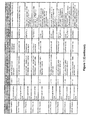
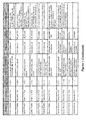
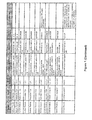
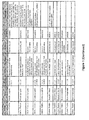
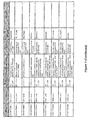
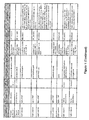
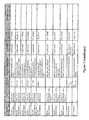
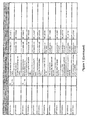
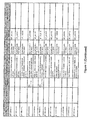
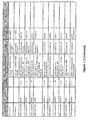
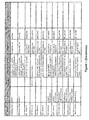
- Fig. 1 provides Table 1 which identifies genes that can be expressed or upregulated in association with the engineering of various modules of the invention.
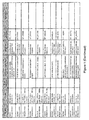
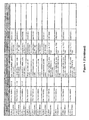
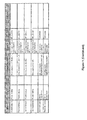
- Fig. 2 provides Table 2 which identifies genes that can be downregulated or knocked out in association with the engineering of various modules of the invention.
- Fig. 3 depicts viability of wild-type and genetically engineered Synechococcus sp. PCC 7002 on A + media agarose plates without B12.
- Fig. 4 provides synethetic schemes for chlorophyll d (Chl d ) derivation from chlorophyll a (Chl a) with Chlorophyllide, a precursor of Chl, shown here for simplicity.
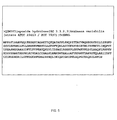
- Fig. 5 provides a query sequence for an epoxide hydrolase search.
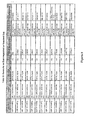
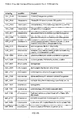
- Fig, 6 provides Table 3 which lists genes identified as those encoding oxygenases in the A. marina genome.
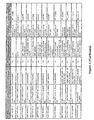
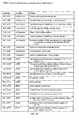
- Fig. 7 provides Table 4 which lists genes identified as those encoding epoxide reductases in the A. marina genome.
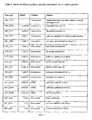
- Fig. 8 provides Table 5 which lists genes identified as those encoding SAM-utilizing oxygenases in the A. marina genome.
- Fig. 9 provides Table 6 which lists genes identified as those encoding photosystem proteins in the A. marina genome.
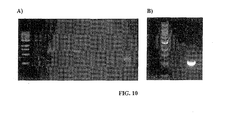
- Fig. 10 is a photograph of an agarose gel showing PCR confirmation of transgenic Synechococcus sp. PCC7002 strains: JCC1-UdhA (lanes 2 and 3); JCC1-ZWF (lane 4); and JCC1-SAR86 (lane 5).
- Fig. 10B is a photograph of an agarose gel showing PCR products from JCC136.
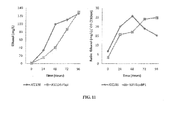
- Fig. 11 depicts a graph of ethanol production (left) and ethanol to OD ratio (right) as a function of time in Synechococcus sp. PCC7002 strains JCC136 and JCC136-FbpI.
- amino acid sequences listed in the accompanying sequence listing are shown using standard letter abbreviations for amino acid residues, as defined in 37 C.F.R. 1.822. In the accompanying amino acid sequence listing:
- accession numbers throughout this description correspond to those found in the following databases: NCBI (National Center for Biotechnology Information), TIGR (The Institute for Genomic Research), and KEGG (Kyoto Encyclopedia of Genes and Genomes). The accession numbers are as provided in the databases on November 10, 2007.
- Enzyme Classification Numbers The EC numbers provided throughout this description are derived from the KEGG Ligand database, maintained by the Kyoto Encyclopedia of Genes and Genomics, sponsored in part by the University of Tokyo. The EC numbers are as provided in the database on November 10, 2007.
- DNA Deoxyribonucleic acid.
- DNA is a long chain polymer which includes the genetic material of most living organisms (some viruses have genes including ribonucleic acid, RNA).
- the repeating units in DNA polymers are four different nucleotides, each of which includes one of the four bases, adenine, guanine, cytosine and thymine bound to a deoxyribose sugar to which a phosphate group is attached.
- Codon Triplets ofnucleotides, referred to as codons, in DNA molecules code for amino acids in a peptide.
- the term codon is also used for the corresponding (and complementary) sequences of three nucleotides in the mRNA into which the DNA sequence is transcribed.
- Endogenous As used herein with reference to a nucleic acid molecule and a particular cell or microorganism refers to a nucleic acid sequence or peptide that is in the cell and was not introduced into the cell using recombinant engineering techniques. For example, a gene that was present in the cell when the cell was originally isolated from nature is considered to be endogenous. A gene is still considered endogenous if the control sequences, such as a promoter or enhancer sequences that activate transcription or translation have been altered through recombinant techniques.
- nucleic acid molecule and a particular cell or microorganism refers to a nucleic acid sequence or peptide that was not present in the cell when the cell was originally isolated from nature.
- a nucleic acid that originated in a different microorganism and was engineered into an alternate cell using recombinant DNA techniques or other methods for delivering said nucleic acid is considered to be exogenous.
- Expression The process by which a gene's coded information is converted into the molecules that support the structures and functions of a cell, such as a protein, transfer RNA, or ribosomal RNA.
- Expressed genes include those that are transcribed into mRNA and then translated into protein and those that are transcribed into RNA but not translated into protein (for example, transfer and ribosomal RNAs).
- Overexpression refers to any state in which a gene is caused to be transcribed at an elevated rate as compared to the endogenous transcription rate for that gene.
- overexpression additionally includes an elevated rate of translation of the gene compared to the endogenous translation rate for that gene.
- Methods of testing for overexpression are well known in the art, for example transcribed RNA levels can be assessed using reverse transcriptase polymerase chain reaction (RT-PCR) and protein levels can be assessed using sodium dodecyl sulfate polyacrylamide gel electrophoresis (SDS-PAGE) analysis.
- RT-PCR reverse transcriptase polymerase chain reaction
- SDS-PAGE sodium dodecyl sulfate polyacrylamide gel electrophoresis
- a gene is considered to be overexpressed when it exhibits elevated activity compared to its endogenous activity, which may occur, for example, through reduction in concentration or activity of its inhibitor, or via expression of mutant version with elevated activity.
- the host cell encodes an endogenous gene with a desired biochemical activity, it is useful to overexpress an exogenous gene, which allows for more explicit regulatory control in the bioprocessing and a means to potentially mitigate the effects of central metabolism regulation, which is focused around the native genes explicitly.
- Downregulation refers to any state in which a gene is caused to be transcribed at a reduced rate compared to the endogenous gene transcription rate for that gene.
- gene expression is downregulated via expression of nucleic acids, such as antisense oligonucleotides, double-stranded RNA, small interfering RNA, small hairpin RNA, microRNAs, ribozymes, and the like.
- downregulation additionally includes a reduced level of translation of the gene compared to the endogenous translation rate for that gene.
- a gene is considered to be downregulated when it exhibits decreased activity compared to its endogenous activity, which may occur, for example, through an increase in concentration or activity of its inhibitor, or via expression of mutant version with reduced activity. Methods of testing for downregulation are well known to those in the art, for example the transcribed RNA levels can be assessed using RT-PCR and proteins levels can be assessed using SDS-PAGE analysis.
- Knock-out A gene whose level of expression or activity has been reduced to zero.
- a gene is knocked-out via deletion or replacement of some or all of its coding sequence.
- a gene is knocked-out via introduction or removal of one or more nucleotides into its open-reading frame, which results in translation of a non-sense or otherwise non-functional protein product.
- Autotrophs are organisms that produce complex organic compounds from simple inorganic molecules and an external source of energy, such as light (photoautotroph) or chemical reactions of inorganic compounds.
- Heterotrophs are organisms that, unlike autotrophs, cannot derive energy directly from light or from inorganic chemicals, and so must feed on organic carbon substrates. They obtain chemical energy by breaking down the organic molecules they consume. Heterotrophs include animals, fungi, and numerous types of bacteria.
- Hyperphotosynthetic a cell or organism expressing photosynthetic proteins that through recombinant DNA techniques has been specifically engineered to express endogenous and/or exogenous nucleic acids that result in one or more functional improvements related to industrial bioprocessing and the conversion of carbon dioxide and light into reduced carbon products or cell mass.
- a Hyperphotosynthetic cell also encompasses a cell or organism engineered as described above that has been evolved or mutagenized to achieve one or more functional improvements.
- Hydrocarbon generally refers to a chemical compound that consists of the elements carbon (C), optionally oxygen (O), and hydrogen (H).
- Biosynthetic pathway also referred to as "metabolic pathway,” refers to a set of anabolic or catabolic biochemical reactions for converting (transmuting) one chemical species into another.
- a hydrocarbon biosynthetic pathway refers to the set of biochemical reactions that convert inputs and/or metabolites to hydrocarbon product-like intermediates and then to hydrocarbons or hydrocarbon products.
- Anabolic pathways involve constructing a larger molecule from smaller molecules, a process requiring energy.
- Catabolic pathways involve breaking down of larger: molecules, often releasing energy.
- Cellulose [(C 6 H 10 O 5 ) n ] is a long-chain polymer polysaccharide carbohydrate, of beta-glucose. It forms the primary structural component of plants and is not digestible by humans. Cellulose is a common material in plant cell walls and was first noted as such in 183 8. It occurs naturally in almost pure form only in cotton fiber; in combination with lignin and any hemicellulose, it is found in all plant material.
- Surfactants are substances capable of reducing the surface tension of a liquid in which they are dissolved. They are typically composed of a water-soluble head and a hydrocarbon chain or tail.
- the water soluble group is hydrophilic and can be either ionic or nonionic, and the hydrocarbon chain is hydrophobic.
- Biofuel A biofuel is any fuel that derives from a biological source.
- Engineered nucleic acid is a nucleic acid molecule that includes at least one difference from a naturally-occurring nucleic acid molecule.
- An engineered nucleic acid includes all exogenous modified and unmodified heterologous sequences (i.e., sequences derived from an organism or cell other than that harboring the engineered nucleic acid) as well as endogenous genes, operons, coding sequences, or non-coding sequences, that have been modified, mutated, or that include deletions or insertions as compared to a naturally-occuring sequence.
- Engineered nucleic acids also include all sequences, regardless of origin, that are linked to an inducible promoter or to another control sequence with which they are not naturally associated.
- Engineered nucleic acids further include all sequences that can be used to down-regulate or knock out expression of an endogenous gene. These include anti-sense molecules, RNAi molecules, constructs for producing homologous recombination, cre-lox constructs, and the like.
- Light capture nucleic acid refers to a nucleic acid that alone or in combination with another nucleic acid encodes one or more proteins that convert light energy (i.e., photons) into chemical energy such as a proton gradient, reducing power, or a molecule containing at least one high-energy phosphate bond such as ATP or GTP.
- Exemplary light capture nucleic acids include those encoding light-activated proton pumps such as rhodopsin, xanthorhodopsin, proteorhodopsin and bacteriorhodopsin, as well as nucleic acids encoding proteins that directly (light harvesting complexes, LHC I and LHC II) or indirectly (truncated light harvesting antenna, tla1) modulate light harvesting capture efficiencies.
- a light capture nucleic acids further includes a nucleic acid used to reduce the expression of or knock out one or more endogenous genes whose expression reduces light capture.
- Carbon dioxide fixation pathway nucleic acid refers to a nucleic acid that alone or in combination with another nucleic acid encodes a protein that enables autotrophic carbon fixation.
- a carbon dioxide fixation pathway nucleic acid also includes nucleic acids that direct carbon flux to key cellular intermediates required for efficient growth or carbon-based product formation, such as acetyl-CoA.
- Exemplary carbon dioxide fixation pathway nucleic acids includes those encoding propionyl-CoA carboxylase, pyruvate synthase, formate dehydrogenase, and ribulose-1,5-bisphosphate carboxylase/oxygenase (RuBisCO).
- a carbon dioxide fixation pathway nucleic acids further includes a nucleic acid used to reduce the expression of or knock out one or more endogenous genes whose expression reduces carbon dioxide fixation.
- NADH pathway nucleic acid refers to a nucleic acid that alone or in combination with another nucleic acid encodes a protein to maintain an appropriately balanced supply of reduced NAD for carrying out carbon fixation.
- exemplary NADH pathway nucleic acids include those encoding an NAD + -dependent isocitrate dehydrogenase and malate dehydrogenase.
- a NADH pathway nucleic acid further includes a nucleic acid used to reduce the expression of or knock out one or more endogenous genes whose expression detracts from maintaining an appropriately balanced supply of reduced NAD for carrying out carbon fixation and other necessary biological processes.
- NADPH pathway nucleic acid refers to a nucleic acid that alone or in combination with another nucleic acid encodes a protein to maintain an appropriately balanced supply of reduced NADH for carrying out carbon fixation.
- Exemplary NADPH pathway nucleic acids include those encoding phosphogluconolactonase and soluble pyridine nucleotide transhydrogenase.
- a NADPH pathway nucleic acid further includes a nucleic acid used to reduce the expression of or knock out one or more endogenous genes whose expression detracts from maintaining an appropriately balanced supply of reduced NADP for carrying out carbon fixation and other necessary biological processes.
- thermotolerance nucleic acid refers to a nucleic acid that alone or in combination with another nucleic acid encodes a protein whose overexpression, downregulation or inhibition results in an increase in thermotolerance.
- exemplary thermotolerance nucleic acids include those encoding ClpC/Hsp100, groESLI, HspA, and PsbU.
- a thermotolerance nucleic acid further includes a nucleic acid used to reduce the expression of or knock out one or more endogenous genes whose expression impairs thermotolerance
- pH tolerance nucleic acid refers to a nucleic acid that alone or in combination with another nucleic acid encodes a protein whose overexpression, downregulation or inhibition enables growth at an elevated or reduced pH.
- Exemplary pH tolerance nucleic acids include those encoding glutamate decarboxylase and superoxide dismutase.
- a pH tolerance nucleic acid further includes a nucleic acid used to reduce the expression of or knock out one or more endogenous genes whose expression impairs pH tolerance.
- Flue gas tolerance nucleic acid refers to a nucleic acid that alone or in combination with another nucleic acid encodes a protein whose overexpression, downregulation or inhibition enables growth in the presence flue gas components including carbon dioxide, SO x , NO x , and N 2 .
- Exemplary flue gas tolerance nucleic acids include those encoding superoxide dismutase, catalase, cysteine synthase, and NirK.
- a flue gas tolerance nucleic acid further includes a nucleic acid used to reduce the expression of or knock out one or more endogenous genes whose expression impairs flue gas tolerance.
- Nutrient independence nucleic acid refers to a nucleic acid that alone or in combination with another nucleic acid encodes a protein whose overexpression, downregulation, or inhibition enables propagation in the absence of, or under reduced concentrations of, an exogenous nutrient.
- Exemplary nutrient independence nucleic acids include those encoding MetE and NrdB.
- a nutrient independence gene further includes a nucleic acid used to reduce the expression of or knock out one or more endogenous genes whose expression impairs propagation in the absence of, or under reduced concentrations of, an exogenous nutrient.
- Salt-tolerance nucleic acid refers to a nucleic acid that alone or in combination with another nucleic acid encodes a protein whose overexpression, downregulation or inhibition enables propagation under conditions of elevated salinity, such as sea water
- salt tolerance nucleic acids include those encoding Na+/H+ antiporter, and breast basic conserved.
- Acetyl-CoA flux nucleic acid refers to a nucleic acid that alone or in combination with another nucleic acid encodes a protein whose overexpression, downregulation, or inhibition results in an increase in acetyl-CoA produced over a unit of time.
- Example nucleic acids that may be overexpressed include pantothenate kinase and pyruvate dehydrogenase.
- Nucleic acids that may be downregulated, inhibited, or knocked-out include acyl coenzyme A dehydrogenase, biosynthetic glycerol 3-phosphate dehydrogenase, and lactate dehydrogenase.
- Chlorophyll d nucleic acid refers to a nucleic acid that alone or in combination with another nucleic acid encodes a protein whose overexpression, downregulation, or inhibition results in the biosynthesis of chlorophyll d and its incorporation in reaction centers, photosystem (PS)I and PSII.
- a chlorophyll d nucleic acid enables propagation under, e.g., conditions in which the photosynthetically available radiation is likely completely used by organisms that absorb light using chlorophyll a and/or chlorophyll b such that the environment has low visible light intensity but high near infrared intensity where no other photosynthetic organisms absorb strongly so that an organism that uses chlorophyll d for light capture can thrive.
- a chlorophyll d nucleic acid enables propagation under conditions in which the wavelength of artificial light used for illumination is selected to allow propagation of an organism that uses chlorophyll d for light capture.
- sequence identity in the context of two or more nucleic acids or polypeptide sequences, refer to two or more sequences or subsequences that are the same or have a specified percentage of amino acid residues or nucleotides that are the same (i.e., about 60% identity, preferably 65%, 70%, 75%, 80%, 85%, 90%, 91%, 92%, 93%, 94%, 95%, 96%, 97%, 98%, 99%, or higher identity over a specified region, when compared and aligned for maximum correspondence over a comparison window or designated region) as measured using a BLAST or BLAST 2.0 sequence comparison algorithms with default parameters described below, or by manual alignment and visual inspection (see, e.g., NCBI web site or the like).
- sequences are then said to be “substantially identical.”
- This definition also refers to, or may be applied to, the compliment of a test sequence.
- the definition also includes sequences that have deletions and/or additions, as well as those that have substitutions.
- the preferred algorithms can account for gaps and the like.
- identity exists over a region that is at least about 25 amino acids or nucleotides in length, or more preferably over a region that is 50-100 amino acids or nucleotides in length.
- sequence comparison typically one sequence acts as a reference sequence, to which test sequences are compared.
- test and reference sequences are entered into a computer, subsequence coordinates are designated, if necessary, and sequence algorithm program parameters are designated.
- sequence algorithm program parameters Preferably, default program parameters can be used, or alternative parameters can be designated.
- sequence comparison algorithm then calculates the percent sequence identities for the test sequences relative to the reference sequence, based on the program parameters.
- Comparison window includes reference to a segment of any one of the number of contiguous positions selected from the group consisting of from 20 to 600, usually about 50 to about 200, more usually about 100 to about 150 in which a sequence may be compared to a reference sequence of the same number of contiguous positions after the two sequences are optimally aligned.
- Methods of alignment of sequences for comparison are well-known in the art.
- Optimal alignment of sequences for comparison can be conducted, e.g., by the local homology algorithm of Smith & Waterman, Adv. Appl. Math. 2:482 (1981 ), by the homology alignment algorithm of Needleman & Wunsch, J. Mol. Biol.
- BLAST and BLAST 2.0 are used, with the parameters described herein, to determine percent sequence identity for the nucleic acids and proteins of the invention.
- Software for performing BLAST analyses is publicly available through the National Center for Biotechnology Information website.
- This algorithm involves first identifying high scoring sequence pairs (HSPs) by identifying short words of length W in the query sequence, which either match or satisfy some positive-valued threshold score T when aligned with a word of the same length in a database sequence.
- T is referred to as the neighborhood word score threshold (Altschul et al., supra).
- a scoring matrix is used to calculate the cumulative score. Extension of the word hits in each direction are halted when: the cumulative alignment score falls off by the quantity X from its maximum achieved value; the cumulative score goes to zero or below, due to the accumulation of one or more negative-scoring residue alignments; or the end of either sequence is reached.
- the BLAST algorithm parameters W, T, and X determine the sensitivity and speed of the alignment.
- the instant invention enables conversion of a photoautotrophic organism into a Hyperphotosynthetic organism.
- Photoautotrophic organisms include eukaryotic plants and algae, as well as prokaryotic cyanobacteria, green-sulfur bacteria, green non-sulfur bacteria, purple sulfur bacteria, and purple non-sulfur bacteria.
- Plants include but are not limited to the following genera: Arabidopsis, Beta, Glycine, Jatropha, Miscanthus, Panicum, Phalaris, Populus, Saccharum, Salix Simmondsia, and Zea.
- Algae and cyanobacteria include but are not limited to the following genera: Acanthoceras, Acanthococcus, Acaryochloris, Achnanthes, Achnanthidium, Actinastrum, Actinochloris, Actinocyclus, Actinotaenium, Amphichrysis, Amphidinium, Amphikrikos, Amphipleura, Amphiprora, Amphithrix, Amphora, Anabaena, Anabaenopsis, Aneumastus, Ankistrodesmus, Ankyra, Anomoeoneis, Apatococcus, Aphanizomenon, Aphanocapsa, Aphanochaete, Aphanothece, Apiocystis, Apistonema, Arthrodesmus, Artherospira, Ascochloris, Asterionella, Asterococcus, Audouinella, Aulacoseira, Bacillaria, Balbiania, Banibusina, Bangia
- Green non-sulfur bacteria include but are not limited to the following genera: Chloroflexus, Chloronema, Oscillochloris, Heliothrix, Herpetosiphon, Roseiflexus, and Thermomicrobium.
- Green sulfur bacteria include but are not limited to the following genera: Chlorobium, Clathrochloris, and Prosthecochloris,
- Purple sulfur bacteria include but are not limited to the following genera: Allochromatium, Chromatium, Halochromatium, Isochromatium, Marichromatium, Rhodovulum, Thermochromatium, Thiocapsa, Thiorhodococcus, and Thiocystis,
- Purple non-sulfur bacteria include but are not limited to the following genera: Phaeospirillum, Rhodobaca, Rhodobacter, Rhodomicrobium, Rhodopila, Rhodopseudomonas, Rhodothalassium, Rhodospirillum, Rodovibrio, and Roseospira.
- Hyper Photosynthetic conversion requires extensive genetic modification (Tables 1 and 2); thus, in preferred embodiments the parental photoautotrophic organism can be transformed with exogenous DNA.
- Preferred organisms for Hyper Photosynthetic conversion include: Arabidopsis thaliana, Panicum virgatum, Miscanthus giganteus, and Zea mays (plants), Botryococcus braunii, Chlamydomonas reinhardtii and Dunaliela salina (algae), Synechococcus sp PCC 7002, Synechococcus sp. PCC 7942, Synechocystis sp.
- PCC 6803 and Thermosynechococcus elongatus BP-1 (cyanobacteria), Chlorobium tepidum (green sulfur bacteria), Chloroflexus auranticus (green non-sulfur bacteria), Chromatium tepidum and Chromatium vinosum (purple sulfur bacteria), Rhodospirillum rubrum, Rhodobacter capsulatus, and Rhodopseudomonas palusris (purple non-sulfur bacteria).
- Chlorobium tepidum green sulfur bacteria
- Chloroflexus auranticus green non-sulfur bacteria
- Chromatium tepidum and Chromatium vinosum purple sulfur bacteria
- Rhodospirillum rubrum Rhodobacter capsulatus
- Rhodopseudomonas palusris purple non-sulfur bacteria
- PCC 7002 cells (available from the Pasteur Culture Collection of Cyanobacteria) are cultured in BG-11 medium (17.65 mM NaNO 3 , 0.18 mM K 2 HPO 4 , 0.3 mM MgSO 4 , 0.25 mM CaCl 2 , 0.03 mM citric acid, 0.03 mM ferric ammonium citrate, 0.003 mM EDTA, 0.19 mM Na 2 CO 3 , 2.86 mg/L H 3 BO 3 , 1.81 mg/L MnCl 2 , 0.222 mg/L ZnSO 4 , 0.390 mg/L Na 2 MoO a , 0.079 mg/L C U SO 4 , and 0.049 mg/L Co(NO 3 ) 2 , pH 7.4) supplemented with 16 ⁇ g/L biotin, 20 mM MgSO 4 , 8 mM KCl, and 300 mM NaCl (see, e.g., website associated with the Institute Pasteur, and
- Thermosynechococcus elongatus BP-1 (available from the Kazusa DNA Research Institute, Japan) is propagated in BG11 medium supplemented with 20 mM TES-KOH (pH 8.2) as described [ Iwai M, Katoh H, Katayama M, Ikeuchi M. "Improved genetic transformation of the thermophilic cyanobacterium, Thermosynechococcus elongatus BP-1.” Plant Cell Physiol (2004). 45(2):171-175 )]. Typically, cultures are maintained at 50°C and bubbled continuously with 5% CO 2 under a light intensity of 38 ⁇ mol photons/m 2 /s.
- Chlamydomonas reinhardtii (available from the Chlamydomonas Center culture collection maintained by Duke University, Durham, North Carolina,) are grown in minimal salt medium consisting of 143 mg/L K 2 HPO 4 73 mg/L KH 2 PO 4 , 400 mg/L NH 4 NO 3 , 100 mg/L MgSO 4 -7H2O, 50 mg/L CaCl 2 -2 H20, 1 mL/L trace elements stock, and 10 mL/L 2.0 M MOPS titrated with Tris base to pH 7.6 as described ( Geraghty AM, Anderson JC, Spalding MH.
- incubations are performed using alternate media or gas compositions, alternate temperatures (5 - 75 °C), and/or light fluxes (0-5500 ⁇ mol photons/m 2 /s).
- Light is delivered through a variety of mechanisms, including natural illumination (sunlight), standard incandescent, fluorescent, or halogen bulbs, or via propagation in specially-designed illuminated growth chambers (for example Model LI15 Illuminated Growth Chamber (Sheldon Manufacturing, Inc. Cornelius, OR). For experiments requiring specific wavelengths and/or intensities, light is distributed via light emitting diodes (LEDs), in which wavelength spectra and intensity can be carefully controlled (Philips).
- LEDs light emitting diodes
- Carbon dioxide is supplied via inclusion of solid media supplements (i.e., sodium bicarbonate) or as a gas via its distribution into the growth incubator or media.
- solid media supplements i.e., sodium bicarbonate
- Most experiments are performed using concentrated carbon dioxide gas, at concentrations between 1 and 30%, which is directly bubbled into the growth media at velocities sufficient to provide mixing for the organisms.
- concentrated carbon dioxide gas the gas originates in pure form from commercially-available cylinders, or preferentially from concentrated sources including off-gas or flue gas from coal plants, refineries, cement production facilities, natural gas facilities, breweries, and the like.
- Plasmids relevant to genetic engineering typically include at least two functional elements 1) an origin of replication enabling propagation of the DNA sequence in the host organism, and 2) a selective marker (for example an antibiotic resistance marker conferring resistance to ampicillin, kanamycin, zeocin, chloramphenicol, tetracycline, spectinomycin, and the like). Plasmids are often referred to as "cloning vectors" when their primary purpose is to enable propagation of a desired heterologous DNA insert.
- Plasmids can also include cis -acting regulatory sequences to direct transcription and translation of heterologous DNA inserts (for example, promoters, transcription terminators, ribosome binding sites); such plasmids are frequently referred to as "expression vectors.” When plasmid contain functional elements that allow for propagation in more than one species, such plasmids are referred to as “shuttle vectors.” Shuttle vectors are well known to those in the art. For example, pSE4 is a shuttle vector that allows propagation in E. coli and Synechococcus [ Maeda S, Kawaguchi Y, Ohy T, and Omata T. J. Bacteriol. (1998). 180:4080-4088 ]. Shuttle vectors are particularly useful in the present invention to allow for facile manipulation of genes and regulatory sequences in E. coli prior to transformation into the photoautotrophic organism of interest.
- transformation techniques include direct incubation in the presence of exogenous DNA, transformation by heat-shock, transformation by electroporation, transformation by biolistic particle bombardment, transformation via addition of Lipids or fusogenic agents (i.e., polyethylene glycol), conjugation with a heterologous microorganism, or transduction via viral particles.
- Synechococcus sp. PCC 7002 cells are transformed according to the optimized protocol previously described [ Essich ES, Stevens Jr E, Porter RD "Chromosomal Transformation in the Cyanobacterium Agmenellum quadruplicatum”. J Bacteriol (1990). 172(4):1916-1922 ].
- Cells are grown in Medium A (18 g/L NaCl, 5 g/L MgSO 4 ⁇ 7 H 2 0, 30 mg/L Na 2 EDTA, 600 mg/L KCl, 370 mg/L CaCl 2 ⁇ 2 H 2 O, 1 g/L NaNO 3 , 50 mg/L KH 2 PO 4 , 1 g/L Trizma base pH 8.2, 4 ⁇ g/L Vitamin B12, 3.89 mg/L FeCl 3 ⁇ 6 H 2 0, 34.3 mg/L H 3 BO 3 , 4.3 mg/L MnCl 2 ⁇ 4 H 2 0, 315 ⁇ g/L ZnCl 2 , 30 ⁇ g/L MoO 3 , 3 ⁇ g/L CuSO 4 ⁇ 5 H 2 0, 1.2.2 ⁇ g/L CoCl 2 ⁇ 6 H 2 0) [ Stevens SE, Patterson COP, and Myers J.
- Cells are challenged with antibiotic by under-laying 2.0 mL of 0.6% medium A agar containing appropriate concentration of antibiotic with a sterile Pasteur pipette. Transformants are picked 3-4 days later. Selections are typically performed using 200 ⁇ g/ml kanamycin, 8 ⁇ g/ml chloramphenicol, 10 ⁇ g/ml spectinomycin on solid media, whereas 150 ⁇ g/ml kanamycin, 7 ⁇ g/ml chloramphenicol, and 5 ⁇ g/ml spectinomycin. are employed in liquid media.
- Thermosynechococcus elongatus BP-1 cells are transformed according to the optimized protocol previously described [ Iwai M, Katoh H, Katayama M, and Ikeuchi M. "Improved genetic transformation of the thermophilic cyanobacterium Thermosynechococcus elongates BP-1. Plant Cell Physiol (2004). 45(2):171-175 ].
- Mid-exponential phase cultures are incubated with exogenous DNA (typically 3-20 ⁇ g) and electroporated at a field strength of 10 kV/cm using a BioRad Gene Pulsur Xcell (Bio-Rad Laboratories, Hercules, CA).
- BG11 medium containing the appropriate antibiotic or optionally pre-mixed with BG11 medium containing 0.35% (w/v) melted agar (Difco, USA).
- Transformation typically involves incubation of recipient cells with purified plasmid DNA isolated from E . coli.
- bacterial conjugation provides an alternate means to directly transfer DNA from one bacterial species to another.
- E. coli and cyanobacteria including Synechocystic PCC 6803 and PCC 6714 and Synechococcus PCC 7942 and PCC 6301, as well as thermophilic Synechococcus elongatus have been described [ Marraccini P, Bulteau S, Cassier-Chauvat C, Mermet-Bouvier P, and Chauvat F.
- the resuspended cells are incubated with linear or circular plasmid DNA and agitated in the presence of 300 mg of 0.5-mm glass beads for 10-30 seconds at maximum speed using a Genie Vortex II mixer (Thermo Fisher Scientific, Pittsburgh, PA). Cells are immediately plated on agarose plates containing the appropriate antibiotic or nutrient selection.
- Chlamydomonas reinhardtii cells are plated directly onto agarose plates and bombarded with 500 ⁇ g of tungsten microprojectiles coated with 1 ⁇ g of plasmid DNA using the Bio-Rad PDS-1000He particle-delivery system (Bio-Rad Laboratories; Hercules, CA), as previously described [ Sodeinde OA and Kindle KL. "Homologous recombination in the nuclear genome of Chlamydomonas reinhardtii,” Proc Natl Acad Sci (1993). 90:9199-9203 ].
- Chlamydomonas reinhardtii chloroplasts are transformed as described ( Kindle KL, Richards KL, Stem DB. "Engineering the chloroplast genome: Techniques and capabilities for chloroplast transformation in Chlamydomonas reinhardtii. Proc Natl Acad Sci. (2001). 88:1721-1725 ).
- cells are grown to mid log phase, optionally in the presence of 0.5 mM 5-fluorodeoxyuridine, and agitated with single or double-stranded plasmid DNA in the presence of 300 mg of 0.5-mm glass beads for 15-30 seconds at maximum speed using a Genie Vortex II mixer. Following agitation, cells are immediately plated on selective agar plates containing the appropriate concentration of antibiotics. Typically, 100 ⁇ g/ml of spectinomycin is used.
- Chlamydomonas reinhardtii mitochondria are transformed as described ( Remacle C, Cardol P, Coosemans N, Galsne M, and Bonnefoy N. "High-efficiency biolistic transformation of Chlamydomonas mitochondria can be used to insert mutations in complex I genes.” Proc Natl Acad Sci (2006).
- TAP Tris Acetate Phosphate media
- Tables 1 and 2 define preferred genes to convey HyperPhotosynthetic properties to an existing photoautotrophic organism.
- Table 1 lists genes which are overexpressed to enhance carbon fixation rates, thermotolerance, pH tolerance, flue gas tolerance, salt tolerance, light harvesting efficiencies, reducing power generation, and nutrient independence, together with information on associated pathways, Enzyme Commission (EC) Numbers, exemplary gene names, source organism, GenBank accession numbers, and homologs from alternate sources.
- EC Enzyme Commission
- the parental organism encodes a gene with the indicated enzymatic activity, it is nevertheless useful to overexpress these components to improve CO 2 fixation.
- the native enzyme sequence is overexpressed.
- it is useful to overexpress an exogenous gene, which allows for more explicit regulatory control in the bioprocess and a means to potentially mitigate the effects of central metabolism regulation, which is focused around the native genes explicitly.
- nucleotide sequences for the indicated genes are assembled by Codon Devices Inc (Cambridge, MA). Alternate providers including DNA2.0 (Menlo Park, CA), Blue Heron Biotechnology (Bothell, WA), and Geneart (Regensburg, Germany), are used as noted. Sequences untenable by commercial sources may be prepared using polymerase chain reaction (PCR) from DNA or cDNA samples, or cDNA/BAC libraries.
- PCR polymerase chain reaction
- Inserts are initially propagated and sequenced in a cloning vector, such as pUC 19.
- a cloning vector such as pUC 19.
- primary synthesis and sequence verification of each gene of interest in pUC19 provides flexibility to transfer each unit in various combinations to alternate destination vectors to drive transcription and translation of the desired enzymes.
- Specific and/or unique cloning sites are included at the 5' and 3' ends of the open reading frames (ORFs) to facilitate molecular transfers.
- the required metabolic pathways are initially encoded in expression cassettes driven by constitutive promoters which are always "on.”
- promoters are known, for example the spc ribosomal protein operon (P spc ), the beta-lactamase gene promoter of pBR322 (P bla ), the bacteriophage lambda P L promoter, the replication control promoters of plasmid pBR322 (P RNAI or P RNAII ), or the P1 or P2 promoters of the rrnB ribosomal RNA operon [ Liang ST, Bipatnath M, Xu YC, Chen SL, Dennis P, Ehrenber M, Bremer H.
- the strength of constitutive promoters are "tuned” to increase or decrease levels of transcription to optimize a network, for example, by modifying the conserved -35 and -10 elements or the spacing between these elements [ Alper H, Fischer C, Nevoigt E, Stephanopoulus G. "Tuning genetic control through promoter engineering.” PNAS (2005). 102(36):12678-12783 ; Jensen PR and Hammer K. "The sequence of spacers between the consensus sequences modulates the strength of prokaryotic promoters.” Appl Environ Microbiol (1998). 64(I):82-87 ; Mijakovic I, Petranovic D, Jensen PR. Tunable promoters in system biology.
- inducible promoters When constitutive expression proves non-optimal (i.e., has deleterious effects, is out of sync with the network, etc.) inducible promoters are used. Inducible promoters are "off" (not transcribed) prior to addition of an inducing agent, frequently a small molecule or metabolite. Examples of suitable inducible promoter systems include the arabinose inducible P bad [ Khiebnikov A, Datsenko KA, Skaug T, Wanner BL, Keasling JD. "Homogeneous expression of the P(BAD) promoter in Escherichia coli by constitutive expression of the low-affinity high-capacity AraE transporter.” Microbiology (2001).
- Alternate origins of replication are selected to provide additional layers of expression control.
- the number of copies per cell contributes to the "gene dosage effect."
- the high copy pMB1 1 or colE1 origins are used to generate 300-1000 copies of each plasmid per cell, which contributes to a high level of gene expression.
- plasmids encoding low copy origins such as pSC101 or p15A, are leveraged to restrict copy number to about 1-20 copies per cell.
- Techniques and sequences to further modulate plasmid copy number are known (see, e.g., U.S. Patent No. 5,565,333 , Plasmid replication origin increasing the copy number of plasmid containing said origin; U.S. Patent No.
- a Shine-Dalgamo (SD) sequence [ Shine J and Dalgamo L. Nature (1975) "Determination of cistron specificity in bacterial ribosomes.” 254(5495):34-8 ] is a consensus sequence that directs the ribosome to the mRNA and facilitates translation initiation by aligning the ribosome with the start codon. Modulation of the SD sequence is used to increase or decrease translation efficiency as appropriate [ de Boer HA, Comstock LJ, Hui A, Wong E, Vasser M. Gene Amplif Anal (1983).
- each gene of interest is expressed on a unique plasmid.
- the desired biosynthetic pathways are encoded on multi-cistronic plasmid vectors.
- Useful expression vectors are designed internally and synthesized by external gene synthesis providers.
- Non-limiting optimizations include promoter swapping and tuning, ribosome binding site manipulation, alteration of gene order (e.g., gene ABC versus BAC, CBA, CAB, BCA), co-expression of molecular chaperones, random or targeted mutagenesis of gene sequences to increase or decrease activity, folding, or allosteric regulation, expression of gene sequences from alternate species, codon manipulation, addition or removal of intracellular targeting sequences such as signal sequences, and the like.
- Each gene or module is optimized individually, or alternately, in parallel. Functional promoter and gene sequences are subsequently integrated into the photoautotrophic host's chromosome to enable stable propagation in the absence of selective pressure (i.e., inclusion of antibiotics) using standard techniques known to those skilled in the art.
- Table 2 lists genes which are downregulated or knocked-out to enhance carbon fixation rates, thermotolerance, pH tolerance, flue gas tolerance, salt tolerance, light harvesting efficiencies, reducing power generation, and nutrient independence, together with information on associated pathways, Enzyme Commission (EC) Numbers, exemplary gene names, source organism, and GenBank accession numbers.
- EC Enzyme Commission
- chromosomal DNA sequence native i.e., "endogenous" to the host organism are altered. Manipulations are made to non-coding regions, including promoters, ribosome binding sites, transcription terminators, and the like to increase or decrease expression of specific gene product(s).
- the coding sequence of an endogenous gene is altered to affect stability, folding, activity, or localization of the intended protein. Alternately, specific genes can be entirely deleted or "knocked-out.” Techniques and methods for such manipulations are known to those skilled in the art [ Nelson JA, and Lefebvre PA.
- post-transcriptional gene silencing is employed to reduce the expression level of an endogenous gene via expression of a heterologous RNA sequence, frequently antisense to the gene requiring disruption
- PTGS post-transcriptional gene silencing
- expression of naturally encoded or exogenous small RNA or microRNA species is employed to downregulate endogenous gene expression [ Molnar A, Schwach F, Studholme DJ, Tgyenemann EC, and Baulcombe DC. "miRNAs control gene expression in the single-cell alga Chlamydomonas reinhardtii.” Nature (2007). 447(7148):1126-9 ; Zhao T, Li G, Mi S, Li S, Hannon GJ, Wang XJ, Qi Y. "A complex system of small RNAs in the unicellular green alga Chlamydomonas reinhardtii.” Genes Dev (2007), 21(10):1190-203 ].
- Selective pressure provides a valuable means for testing and optimizing the HyperPhotosynthetic organisms.
- the ability to survive under ever increasing temperatures provides evidence for successful implementation of the improved thermotolerance module.
- the ability to grow in media bubbled with flue gas (or an artificial gas formulation that approximates flue gas composition) confirms the successful implementation of the improved flue gas tolerance module.
- the ability to replicate more rapidly than the wild-type counterparts confirms the successful implementation of the improved CO 2 fixation module.
- the ability to survive and replicate in media lacking Vitamin B 12 as a media supplement confirms the successful implementation of the Vitamin B 12 module.
- additional genetic variation can be introduced prior to selective pressure by treatment with mutagens, such as ultra-violet light, alkylators [e.g., ethyl methanesulfonate (EMS), methyl methane sulfonate (MMS), diethylsulfate (DES), and nitrosoguanidine (NTG, NG, MMG)], DNA intercalators (e.g., ethidium bromide), nitrous acid, base analogs, bromouracil, transposons, and the like.
- mutagens such as ultra-violet light, alkylators [e.g., ethyl methanesulfonate (EMS), methyl methane sulfonate (MMS), diethylsulfate (DES), and nitrosoguanidine (NTG, NG, MMG)]
- DNA intercalators e.g., ethidium bromide
- pathway activity can be monitored following growth under permissive (i.e., non-selective) conditions by measuring specific product output via various metabolic labeling studies (including radioactivity), biochemical analyses (Michaelis-Menten), gas chromatography-mass spectrometry (GC/MS), mass spectrometry, matrix assisted laser desorption ionization time-of-flight mass spectrometry (MALDI-TOF), capillary electrophoresis (CE), and high pressure liquid chromatography (HPLC).
- permissive i.e., non-selective
- GC/MS gas chromatography-mass spectrometry
- MALDI-TOF matrix assisted laser desorption ionization time-of-flight mass spectrometry
- CE capillary electrophoresis
- HPLC high pressure liquid chromatography
- the production and isolation of products from HyperPhotosynthetic organisms can be enhanced by employing specific fermentation techniques.
- An essential element to maximizing production while reducing costs is increasing the percentage of the carbon source that is converted to such products.
- Genes that can be activated to stop cell replication and growth in E. coli include umuDC genes, the overexpression of which stops the progression from exponential phase to stationary growth (Murli, S., Opperman, T., Smith, B.T., and Walker, G.C. 2000 Journal of Bacteriology 182:1127.).
- UmuC is a DNA polymerase that can carry out translesion synthesis over non-coding lesions - the mechanistic basis of most UV and chemical mutagenesis.
- the umuDC gene products are required for the process of translesion synthesis and also serve as a DNA damage checkpoint.
- UmuDC gene products include UmuC, UmuD, umuD', UmuD' 2 C, UmuD' 2 and UmuD 2 . Simultaneously, the product synthesis genes are activated, thus minimizing the need for critical replication and maintenance pathways to be used while the product is being made.
- cell growth and product production can be achieved simultaneously.
- cells are grown in bioreactors with a continuous supply of inputs and continuous removal of product.
- Batch, fed-batch, and continuous fermentations are common and well known in the art and examples can be found in Thomas D. Brock in Biotechnology: A Textbook of Industrial Microbiology, Second Edition (1989) Sinauer Associates, Inc., Sunderland, Mass ., or Deshpande, Mukund V., Appl. Biochem. Biotechnol (1992), 36:227 .
- inputs include carbon dioxide, water, and light.
- the carbon dioxide can be from the atmosphere or from concentrated sources including offgas or flue gas from coal plants, refineries, cement production facilities, natural gas facilities, breweries, and the like.
- Water can be no-salt, low-salt, marine, or high salt.
- Light can be solar or from artificial sources including incandescent lights, LEDs, fiber optics, and fluorescent lights.
- Light-harvesting organisms are limited in their productivity to times when the solar irradiance is sufficient to activate their photosystems.
- cells are enabled to grow and produce product with light as the energetic driver. When there is a lack of sufficient light, cells can be induced to minimize their central metabolic rate. To this end, the inducible promoters specific to product production can be heavily stimulated to drive the cell to process its energetic stores in the product of choice. With sufficient induction force, the cell will minimize its growth efforts, and use its reserves from light harvest specifically for product production. Nonetheless, net productivity is expected to be minimal during periods when sufficient light is lacking as no to few photons are net captured.
- the cell is engineered such that the final product is released from the cell.
- a continuous process can be employed.
- a reactor with organisms producing desirable products can be assembled in multiple ways.
- the reactor is operated in bulk continuously, with a portion of media removed and held in a less agitated environment such that an aqueous product will self-separate out with the product removed and the remainder returned to the fermentation chamber.
- media is removed and appropriate separation techniques (e.g., chromatography, distillation, etc.) are employed.
- the product is not secreted by the cells.
- a batch-fed fermentation approach is employed.
- cells are grown under continued exposure to inputs (light, water, and carbon dioxide) as specified above until the reaction chamber is saturated with cells and product.
- inputs light, water, and carbon dioxide
- a significant portion to the entirety of the culture is removed, the cells are lysed, and the products are isolated by appropriate separation techniques (e.g., chromatography, distillation, filtration, centrifugation, etc.).
- the fermentation chamber will enclose a fermentation that is undergoing a continuous reductive fermentation.
- a stable reductive environment is created.
- the electron balance is maintained by the release of carbon dioxide (in gaseous form). Augmenting the NAD/H and NADP/H balance, as described above, also can be helpful for stabilizing the electron balance.
- any of the standard analytical methods such as gas chromatography-mass spectrometry, and liquid chromatography-mass spectrometry, HPLC, capillary electrophoresis, Matrix-Assisted Laser Desorption Ionization time of flight-mass spectrometry, etc., can be used to analyze the levels and the identity of the product produced by the modified organisms of the present invention.
- the ability to detect formation of a new, functional biochemical pathway in the HyperPhotosynthetic cell is important to the practice of the subject methods.
- the assays are carried out to detect heterologous biochemical transformation reactions of the host cell that produce, for example, small organic molecules and the like as part of a de novo synthesis pathway, or by chemical modification of molecules ectopically provided in the host cell's environment.
- the generation of such molecules by the host cell can be detected in "test extracts," which can be conditioned media, cell lysates, cell membranes, or semi-purified or purified fractionation products thereof.
- the latter can be, as described above, prepared by classical fractionation/purification techniques, including phase separation, chromatographic separation, or solvent fractionation (e.g., methanol ethanol, acetone, ethyl acetate, tetrahydrofuran (THF), acetonitrile, benzene, ether, bicarbonate salts, dichloromethane, chloroform, petroleum ether, hexane, cyclohexane, diethyl ether and the like).
- solvent fractionation e.g., methanol ethanol, acetone, ethyl acetate, tetrahydrofuran (THF), acetonitrile, benzene, ether, bicarbonate salts, dichloromethane, chloroform, petroleum ether, hexane, cyclohexane, diethyl ether and the like).
- the assay is set up with a responder cell to test the effect of an activity produced by the host cell on a whole cell rather than a cell fragment
- the host cell and test cell can be co-cultured together (optionally separated by a culture insert, e.g. Collaborative Biomedical Products, Bedford, MA, Catalog #40446).
- the assay is set up to directly detect, by chemical or photometric techniques, a molecular species which is produced (or destroyed) by a biosynthetic pathway of the recombinant host cell. Such a molecular species' production or degradation must be dependent, at least in part, on expression of the heterologous genomic DNA.
- the detection step of the subject method involves characterization of fractionated media/cell lysates (the test extract), or application of the test extract to a biochemical or biological detection system.
- the assay indirectly detects the formation of products of a heterologous pathway by observing a phenotypic change in the host cell, e.g. in an autocrine fashion, which is dependent on the establishment of a heterologous biosynthetic pathway in the host cell.
- analogs related to a known class of compounds are sought, as for example analogs of alkaloids, aminoglycosides, ansamacrolides, beta-lactams (including penicillins and cephalosporins), carbapenems, terpinoids, prostanoid hormones, sugars, fatty acids, lincosaminides, macrolides, nitrofurans, nucleosides, oligosaccharides, oxazolidinones, peptides and polypeptides, phenazines, polyenes, polyethers, quinolones, tetracyclines, streptogramins, sulfonamides, steroids, vitamins and xanthines.
- the detection step of the subject method can be as straightforward as directly detecting analogs of interest in the cell culture media or preparation of the cell. For instance, chromatographic or other biochemical separation of a test extract may be carried out, and the presence or absence of an analog detected, e.g., spectrophotometrically, in the fraction in which the known compounds would occur under similar conditions.
- an analog detected e.g., spectrophotometrically
- such compounds can have a characteristic fluorescence or phosphorescence which can be detected without any need to fractionate the media and/or recombinant cell.
- whole or fractionated culture media or lysate from a recombinant host cell can be assayed by contacting the test sample with a heterologous cell ("test cell") or components thereof.
- test cell a heterologous cell
- a test cell which can be prokaryotic or eukaryotic, is contacted with conditioned media (whole or fractionated) from a recombinant host cell, and the ability of the conditioned media to induce a biological or biochemical response from the test cell is assessed.
- the assay can detect a phenotypic change in the test cell, as for example a change in: the transcriptional or translational rate or splicing pattern of a gene; the stability of a protein; the phosphorylation, prenylation, methylation, glycosylation or other post translational modification of a protein, nucleic acid or lipid; the production of 2nd messengers, such as cAMP, inositol phosphates and the like.
- Such effects can be measured directly, e.g., by isolating and studying a particular component of the cell, or indirectly such as by reporter gene expression, detection of phenotypic markers, and cytotoxic or cytostatic activity on the test cell.
- intracellular second messenger generation can be measured directly.
- a variety of intracellular effectors have been identified.
- the level of second messenger production can be detected from downstream signaling proteins, such as adenylyl cyclase, phosphodiesterases, phosphoinositidases, phosphoinositol kinases, and phospholipases, as can the intracellular levels of a variety of ions.
- the detectable signal can be produced by use of enzymes or chromogenic/fluorescent probes whose activities are dependent on the concentration of a second messenger, e.g., such as calcium, hydrolysis products of inositol phosphate, cAMP, etc.
- a second messenger e.g., such as calcium, hydrolysis products of inositol phosphate, cAMP, etc.
- reporter genes and transcriptional regulatory elements are known to those of skill in the art and others may be identified or synthesized by methods known to those of skill in the art.
- reporter genes include, but are not limited to CAT (chloramphenicol acetyl transferase) ( Alton and Vapnek (1979), Nature 282: 864-869 ) luciferase, and other enzyme detection systems, such as beta-galactosidase; firefly luciferase ( deWet et al. (1987), Mol. Cell. Biol. 7:725-737 ); bacterial luciferase ( Engebrecht and Silverman (1984), PNAS 1: 4154-4158 ; Baldwin et al.
- CAT chloramphenicol acetyl transferase
- Transcriptional control elements for use in the reporter gene constructs, or for modifying the genomic locus of an indicator gene include, but are not limited to, promoters, enhancers, and repressor and activator binding sites.
- Suitable transcriptional regulatory elements may be derived from the transcriptional regulatory regions of genes whose expression is rapidly induced, generally within minutes, of contact between the cell surface protein and the effector protein that modulates the activity of the cell surface protein. Examples of such genes include, but are not limited to, the immediate early genes ( see, Sheng et al. (1990) Neuron 4: 477-485 ), such as c-fos.
- Immediate early genes are genes that are rapidly induced upon binding of a ligand to a cell surface protein.
- the transcriptional control elements that are preferred for use in the gene constructs include transcriptional control elements from immediate early genes, elements derived from other genes that exhibit some or all of the characteristics of the immediate early genes, or synthetic elements that are constructed such that genes in operative linkage therewith exhibit such characteristics.
- the characteristics of preferred genes from which the transcriptional control elements are derived include, but are not limited to, low or undetectable expression in quiescent cells, rapid induction at the transcriptional level within minutes of extracellular simulation, induction that is transient and independent of new protein synthesis, subsequent shut-off of transcription requires new protein synthesis, and mRNAs transcribed from these genes have a short half-life. It is not necessary for all of these properties to be present.
- the detection step is provided in the form of a cell-free system, e.g., a cell-lysate or purified or semi-purified protein or nucleic acid preparation.
- a cell-free system e.g., a cell-lysate or purified or semi-purified protein or nucleic acid preparation.
- the samples obtained from the recombinant host cells can be tested for such activities as inhibiting or potentiating such pairwise complexes (the "target complex") as involving protein-protein interactions, protein-nucleic acid interactions, protein-ligand interactions, nucleic acid-nucleic acid interactions, and the like.
- the assay can detect the gain or loss of the target complexes, e.g. by endogenous or heterologous activities associated with one or both molecules of the complex.
- Assays that are performed in cell-free systems such as may be derived with purified or semi-purified proteins, are often preferred as "primary" screens in that they can be generated to permit rapid development and relatively easy detection of an alteration in a molecular target when contacted with a test sample.
- Detection and quantification of the pairwise complexes provides a means for determining the test samples efficacy at inhibiting (or potentiating) formation of complexes.
- the efficacy of the compound can be assessed by generating dose response curves from data obtained using various concentrations of the test sample.
- a control assay can also be performed to provide a baseline for comparison. For instance, in the control assay conditioned media from untransformed host cells can be added.
- the amount of target complex may be detected by a variety of techniques. For instance, modulation in the formation of complexes can be quantitated using, for example, detectably labeled proteins or the like (e.g., radiolabeled, fluorescently labeled, or enzymatically labeled), by immunoassay, or by chromatographic detection.
- detectably labeled proteins or the like e.g., radiolabeled, fluorescently labeled, or enzymatically labeled
- immunoassay e.g., immunoassay, or by chromatographic detection.
- a purified or semi-purified enzyme can be used to assay the test samples.
- the ability of a test sample to inhibit or potentiate the activity of the enzyme can be conveniently detected by following the rate of conversion of a substrate for the enzyme.
- the detection step can be designed to detect a phenotypic change in the host cell which is induced by products of the expression of the heterologous genomic sequences.
- Many of the above-mentioned cell-based assay formats can also be used in the host cell, e.g., in an autocrine-like fashion.
- the detection step can also be used to identify genomic clones which include genes encoding biosynthetic pathways of interest. Moreover, by iterative and/or combinatorial sub-cloning methods relying on such detection steps, the individual genes which confer the detected pathway can be cloned from the larger genomic fragment.
- the subject screening methods can be carried in a differential format, e.g. comparing the efficacy of a test sample in a detection assay derived with human components with those derived from, e.g., fungal or bacterial components.
- selectivity as a bacteriocide or fungicide can be a criterion in the selection protocol.
- the host strain need not produce high levels of the novel compounds for the method to be successful.
- Expression of the genes may not be optimal, global regulatory factors may not be present, or metabolite pools may not support maximum production of the product.
- the ability to detect the metabolite will often not require maximal levels of production, particularly when the bioassay is sensitive to small amounts of natural products. Thus initial submaximal production of compounds need not be a limitation to the success of the subject method.
- test sample can be derived from, for example, conditioned media or cell lysates. With regard to the latter, it is anticipated that in certain instances there may be heterologously-expressed compounds that may not be properly exported from the host cell.
- lysing cells There are a variety of techniques available in the art for lysing cells.
- a preferred approach is another aspect of the present invention, namely, the use of a host cell-specific lysis agent. For instance phage (e.g., P1, ⁇ , ⁇ 80) can be used to selectively lyse E coli.
- cyanophages can be used to selectively lyse cyanobacteria, such as Synechococcus and Prochlorococcus.
- Addition of such phage to grown cultures of host cells can maximize access to the heterologous products of new biosynthetic pathways in the cell. Moreover, such agents do not interfere with the growth of a tester organism, e.g., a human cell, that may be co-cultured with the host cell library.
- the invention also provides steps to eliminate undesirable side reactions, if any, that may consume carbon and energy but do not produce useful products (such as hydrocarbons, wax esters, surfactants and other hydrocarbon products). These steps may be helpful in that they can help to improve yields of the desired products.
- Such approaches include, for example, metabolomics (which may be used to identify undesirable products and metabolic intermediates that accumulate inside the cell), metabolic modeling and isotopic labeling (for determining the flux through metabolic reactions contributing to hydrocarbon production), and conventional genetic techniques (for eliminating or substantially disabling unwanted metabolic reactions).
- metabolic modeling provides a means to quantify fluxes through the cell's metabolic pathways and determine the effect of elimination of key metabolic steps.
- metabolomics and metabolic modeling enable better understanding of the effect of eliminating key metabolic steps on production of desired products.
- Such types of models have been applied, for example, to analyze metabolic fluxes in organisms responsible for enhanced biological phosphorus removal in wastewater treatment reactors and in filamentous fungi producing polyketides. See, for example, Pramanik, et al., "A stoichiometric model of Escherichia coli metabolism: incorporation of growth-rate dependent biomass composition and mechanistic energy requirements.” Biotechnol. Bioeng. 56, 398-421, 1997 ; Pramanik, et al., "Effect of carbon source and growth rate on biomass composition and metabolic flux predictions of a stoichiometric model.” Biotechnol. Bioeng.
- the HyperPhotosynthetic organisms in the present invention may be engineered to yield product categories, including but not limited to, biological sugars, hydrocarbon products, solid forms, and pharmaceuticals.
- Bio sugars include but are not limited to glucose, starch, cellulose, hemicellulose, glycogen, xylose, dextrose, fructose, lactose, fructose, galactose, uronic acid, maltose, and polyketides.
- the biological sugar may be glycogen, starch, or cellulose.
- Cellulose is the most abundant form of living terrestrial biomass ( Crawford, R. L. 1981. Lignin biodegradation and transformation, John Wiley and Sons, New York .). Cellulose, especially cotton linters, is used in the manufacture of nitrocellulose. Cellulose is also the major constituent of paper. Cellulose monomers (beta-glucose) are linked together through 1,4 glycosidic bonds. Cellulose is a straight chain (no coiling occurs). In microfibrils, the multiple hydroxide groups hydrogen-bond with each other, holding the chains firmly together and contributing to their high tensile strength.
- Hemicellulose is a class of plant cell-wall polysaccharide that can be any of several heteropolymers. These include xylane, xyloglucan, arabinoxylan, arabinogalactan, glucuronoxylan, glucomannan, and galactomannan. This class of polysaccharides is found in almost all cell walls along with cellulose. Hemicellulose is lower in weight than cellulose, and cannot be extracted by hot water or chelating agents, but can be extracted by aqueous alkali. Polymeric chains bind pectin and cellulose, forming a network of cross-linked fibers.
- hydrocarbon product may be further defined as a chemical compound that consists of C, H, and optionally O, with a carbon backbone and atoms of hydrogen and oxygen, attached to it. Oxygen may be singly or double bonded to the backbone and may be bound by hydrogen. In the case of ethers and esters, oxygen may be incorporated into the backbone, and linked by two single bonds, to carbon chains. A single carbon atom may be attached to one or more oxygen atoms.
- Hydrocarbon products may also include the above compounds attached to biological agents including proteins, coenzyme A and acetyl coenzyme A.
- Hydrocarbon products include, but are not limited to, hydrocarbons, alcohols, aldehydes, carboxylic acids, ethers, esters, carotenoids, and ketones.
- Hydrocarbon products also include alkanes, alkenes, alkynes, dienes, isoprenes, alcohols, aldehydes, carboxylic acids, surfactants, wax esters, polymeric chemicals [polyphthalate carbonate (PPC), polyester carbonate (PEC), polyethylene, polypropylene, polystyrene, polyhydroxyalkanoates (PHAs), poly-beta-hydroxybutryate (PHB), polylactide (PLA), and polycaprolactone (PCL)], monomeric chemicals [propylene glycol, ethylene glycol, and 1,3-propanediol, ethylene, acetic acid, butyric acid, 3-hydroxypropanoic acid (3-HPA), acrylic acid, and malonic acid], and combinations thereof.
- PPC polyphthalate carbonate
- PEC polyester carbonate
- PHAs polypropylene
- PHBs polystyrene
- PHAs polyhydroxyalkanoates
- PB poly-beta-hydroxybutryate
- the hydrocarbon products are alkanes, alcohols, surfactants, wax esters and combinations thereof.
- Other hydrocarbon products include fatty acids, acetyl-CoA bound hydrocarbons, acetyl-CoA bound carbohydrates, and polyketide intermediates.
- Recombinant organisms can be engineered to produce hydrocarbon products and intermediates over a large range of sizes.
- Specific alkanes that can be produced include, for example, ethane, propane, butane, pentane, hexane, heptane, octane, nonane, decane, undecane, dodecane, tridecane, tetradecane, pentadecane, hexadecane, heptadecane, and octadecane.
- the hydrocarbon products are octane, decane, dodecane, tetradecane, and hexadecane.
- Hydrocarbon precursors such as alcohols that can be produced include, for example, ethanol, propanol, butanol, pentanol, hexanol, heptanol, octanol, nonanol, decanol, undecanol, dodecanol, tridecanol, tetradecanol, pentadecanol, hexadecanol, heptadecanol, and octadecanol.
- the alcohol is selected from ethanol, propanol, butanol, pentanol, hexanol, heptanol, octanol, nonanol, and decanol.
- Surfactants are used in a variety of products, including detergents and cleaners, and are also used as auxiliaries for textiles, leather and paper, in chemical processes, in cosmetics and pharmaceuticals, in the food industry and in agriculture. In addition, they may be used to aid in the extraction and isolation of crude oils which are found hard to access environments or as water emulsions.
- Anionic surfactants have detergent-like activity and are generally used for cleaning applications.
- Cationic surfactants contain long chain hydrocarbons and are often used to treat proteins and synthetic polymers or are components of fabric softeners and hair conditioners.
- Amphoteric surfactants also contain long chain hydrocarbons and are typically used in shampoos.
- Non-ionic surfactants are generally used in cleaning products.
- Hydrocarbons can additionally be produced as biofuels.
- a biofuel is any fuel that derives from a biological source - recently living organisms or their metabolic byproducts, such as manure from cows.
- a biofuel may be further defined as a fuel derived from a metabolic product of a living organism.
- Preferred biofuels include, but are not limited to, biodiesel, biocrude, ethanol, "renewable petroleum,” butanol, and propane.
- Solid forms of carbon including, for example, coal, graphite, graphene, cement, carbon nanotubes, carbon black, diamonds, and pearls. Pure carbon solids such as coal and diamond are the preferred solid forms.
- Pharmaceuticals can be produced including, for example, isoprenoid-based taxol and artemisinin, or oseltamivir.
- the pJB5 base plasmid was designed as an empty expression vector for recombination into Synechococcus sp. PCC 7002.
- Two regions of homology, the Upstream Homology Region (UHR) and the Downstream Homology Region (DHR) were designed to flank the cloned gene(s) of interest. These 500bp regions of homology correspond to positions 3301-3800 and 3801-4300 on the natural plasmid pAQ1 (Genbank Accession NC_005025) for UHR and DHR respectively.
- the aadA promoter, gene sequence, and terminator were designed to confer spectinomycin and streptomycin resistance to the integrated construct.
- pJB5 was designed with the aph2 kanamycin resistance cassette promoter and ribosome binding site (RBS). Downstream of this promoter and RBS, we designed and inserted the restriction endonuclease recognition site for NdeI and EcoRI, as well as the sites for XhoI, BamHI, SpeI and PacI. Following the EcoRI site, the natural terminator from the alcohol dehydrogenase gene from Zymomonas mobilis ( adhII ) terminator was included. Convenient XbaI restriction sites flank the UHR and the DHR allowing cleavage of the DNA intended for recombination from the rest of the vector.
- pJB5, pJB6 and pJB7 were constructed by DNA2.0 (Menlo Park, CA).
- the pJB161 base plasmid was designed to complement the pJB5 base plasmid, but with different integration sites and resistance markers to allow for integration of two genes simultaneously into Synechococcus sp.
- PCC 7002. The UHR and the DHR from pJB5 were replaced with regions flanking the lactate dehydrogenase gene of Synechococcus sp.
- PCC 7002. The new ldh-UHR and ldh-DHR were amplified by PCR and correspond to positions 185990-77 and 184333-184913 on the natural plasmid pAQ7 (Genbank Accession NC_0104774) for lac-UHR and lac-DHR respectively.
- the primers used for the PCR were as follows: Forward Primer for lac-UHR - ttgctacctgcagggccaaattcatcgtt, Downstream Primer for lac-UHR - ggttgtgcggccgcagtattggctgtgatgttgg; Upstream Primer for lac-DHR- cgataaggcgcgccgaaactgcgccaagaatagc, Downstream Primer for lac-DHR-gtgtatggccggccatcgcctttatggtgctttatgtg.
- the Upstream Primer for lac-UHR added a SbfI restriction endonuclease site
- the Downstream Primer for lac-UHR added a NotI restriction site
- the Upstream Primer for lac-DHR added an AscI restriction site
- the Downstream Primer for lac-DHR added an FseI restriction site.
- the homology regions were amplified from Synechococcus sp. PCC 7002 genomic DNA using the high fidelity Phusion DNA Polymerase Master Mix (New England Biolabs, Beverly, MA).
- the amplified ldh-DHR region and the pJB5 plasmid were digested individually with FseI and AscI (New England Biolabs) restriction endonucleases using well known laboratory techniques.
- the resulting DNA fragments were gel isolated on a 1% TAE agarose gel, purified using a Gel Isolation Kit (Qiagen) and ligated with the Quick Ligation Kit (New England Biolabs) with no deviation from the published techniques.
- the ligated product was transformed into EPI400 (EpiCentre ® ) chemically competent cells using standard techniques, and confirmed by PCR.
- the resulting plasmid was subjected to another round of cloning to integrate the ldh-UHR region.
- the amplified 1dh-UHR region and the newly constructed plasmid were digested individually with SbfI and NotI (New England Biolabs) restriction endonucleases using well known laboratory techniques.
- a kanamycin resistance cassette from the cloning vector pMAKK76 (Accession Number: U08460) was designed with restriction sites for PacI and AscI flanking the 5' and 3' end of the gene respectively.
- the cassette was constructed by DNA2.0 (Menlo Park, CA).
- This cassette, along with pJB 165 were both individually digested with PacI and AscI (New England Biolabs) restriction endonucleases using well known laboratory techniques. Both digestions were gel isolated on a 1% TAE agarose gel, purified using a Gel Isolation Kit (Qiagen) and ligated with the Quick Ligation Kit (New England Biolabs) with no deviation from the published techniques.
- the ligated product was transformed into EPI400 chemically competent cells using standard techniques (EpiCentre).
- the resulting plasmid, pJB161 was confirmed by PCR and by resistance of transformed colonies to the antibiotic kanamycin.
- the pyruvate decarboxylase ( pdc ) and alcohol dehydrogenase ( adhII ) genes were cloned into the pJB5 plasmid with the following procedure.
- the pdc-adhII genes from Zymomonas mobilis (Genbank: DD161475, M15394) were designed with an NdeI site replacing the start of the pdc coding region.
- XhoI and BamHI restriction endonuclease sites
- the adhII sequence was designed in whole subsequent to the restriction sites, and finally, the natural adhII terminator was included as well, downstream of an inserted EcoRI site.
- This construct was constructed by DNA2.0 (Menlo Park, CA) and was inserted by restriction digest with NdeI and EcoRI (New England Biolabs; Ipswitch, MA) on both pJB5 and the insert followed by ligation with a Quick Ligation Kit (New England Biolabs; Ipswitch, MA). The ligated construct was transformed into The NEB 5-alpha F'Iq Competent E. coli (High Efficiency) (New England Biolabs: Ipswitch, MA).
- Synechococcus sp. PCC 7002 was grown for 48h from colonies in an incubated shaker flask at 30°C with 1% CO 2 to an OD 730 of 1.0 in A + medium described in Frigaard NU et al. (2004) "Gene inactivation in the cyanobacterium Synechococcus sp. PCC 7002 and the green sulfur bacterium Chlorobium tepidum using in vitro-made DNA constructs and natural transformation" Methods Mol Biol 274:325-340 .
- the pJB263 base plasmid was constructed to be similar to pJB5, but for integration and replacement of the glgA gene (Accesion Number: NP_441947) in Synechocystis sp. PCC 6803.
- the glgA -UHR and glgA -DHR were designed to 750bp upstream and downstream of the glgA gene in Synechocystis sp.
- PCC 6803 which corresponds to (-) strands of 2266647 to 22667396 and 2264463 to 2265212 respectively on the chromosome (Accession Number: NC_000911).
- the glgA -UHR and glgA -DHR were designed with flanking SbfI and NotI restriction endonuclease sites, as well as PacI and AscI restriction endonuclease sites, with a sequence spacer to ease later digest in between.
- This construct was constructed by DNA2.0 (Menlo Park, CA).
- This cassette, along with pJB5-PdcAdhII, was both individually digested with NotI and AscI (New England Biolabs) restriction endonucleases using well known laboratory techniques.
- Photosynthetic organisms have evolved elaborate methods to efficiently capture light, which is often times limiting in their natural habitats.
- Eukaryotic photoautotrophic organisms encode a superfamily of chlorophyll and carotenoid-binding proteins known as the light-harvesting complexes (LHCs), which capture and transfer light energy to the photosynthetic reaction centers [ Green BR and Durnford DG. "The chlorophyll-carotenoid proteins of oxygenic photosynthesis.” Ann Rev Plant Physiol Plant Mol Biol (1996). 47:68 5-714 ].
- LHCs light-harvesting complexes
- Chlorophyll molecules are specifically arranged in so called “antenna" structures; the number of chlorophyll molecules per reaction center can vary considerably encompassing upwards of 350 chlorophyll a and chlorophyll b molecules per reaction center for photosystem II (PSII) and 300 chlorophyll a molecules for photosystem I (PSI).
- Antennas provide a means to increase light absorption spectra without having to build an entirely new protein-based reaction center and accompanying electron transport system. Large antenna provides survival advantages to organisms in the wild; however, under conditions of high light intensity, they absorb excess photons which must be wastefully dissipated as fluorescence or heat.
- Organisms naturally increase or decrease their chlorophyll antenna size as an adaptive response to changing light conditions [ Falkowski PG and Owens TG. "Light-shade adaptation.” Plant Physiol (1980). 66:592-595 ; Ballottari M, Dall'Osto L, Morosinotto T, and Bassi R. "Contrasting behavior of higher plant photosystem I and II antenna systems during acclimation.” J Biol Chem (2007). 282(12):8947-58 ].
- tla1 a DNA insertional transformant of the green alga Chlamydomonas reinhardtii with a truncated light-harvesting chlorophyll antenna size. Planta (2003). 217:49-59 ; Tetali SD, Mitra M, and Melis A. "Development of the light-harvesting chlorophyll antenna in the green alga Chlamydomonas reinhardtii is regulated by the novel Tla1 gene.” Planta (2007).
- Chlorosomes the light-harvesting antenna of green sulfur and green non-sulfur phototrophic bacteria, are specialized lipoprotein compartments typically comprising bacteriochlorophyll (BCh1) c, BCh1 a, carotenoids, and quinones [ Frigaard NU, Li H, Milks KJ, and Bryant DA. "Nine mutants of Chlorobium tepidum each unable to synthesize a different chlorosome protein still assemble functional chlorosomes. J Bacteriol (2004). 186(3):636-53 ]. In the wild, chlorosomes provide green bacteria significant survival advantages, as they enable growth under extremely low light conditions.
- BCh1 c bacteriochlorophyll
- BCh1 a carotenoids
- quinones Frigaard NU, Li H, Milks KJ, and Bryant DA. "Nine mutants of Chlorobium tepidum each unable to synthesize a different chlorosome protein still assemble functional chloro
- the antenna structure can be eliminated by inactivating the BCh1 c synthase ( bchk ) [ Friggard NU, Voigt GD, and Bryant DA. "Chlorobium tepidum mutant lacking bacteriochlorophyll c made by inactivation of the bchK gene, encoding bacteriochlorophyll c synthase.” J Bacteriol (2002). 184(12):3368-76 ]. Such mutants replicate about 7-fold slower than their wild-type counterparts under low-light conditions, but are only partially impaired ( ⁇ 2.3-fold) under higher light intensities.
- Phycobilisomes the light harvesting antenna of cyanobacteria and red algae, are primarily comprised of the phycobiliproteins phycoerythrin, phycocyanin, and allophycocyanin [ Grossman AR, Schaefer MR, Chiang GG, and Collier JL. "The phycobilisome, a light-harvesting complex responsive to environmental conditions.” Microbiol Rev (1993). 57(3):725-49 ].
- the phycobilisomes are entirely dispensable in cyanobacteria [ Ughy B and Ajlani G. "Phycobilisome rod mutants in Synechocystis sp.
- photoautotrophic organisms invariably utilize photosynthetic reaction centers to convert photonic energy into chemical energy (in the form of ATP, via proton motive force (PMF)-driven ATP synthase) and reducing power (NADPH)
- photoautotrophic organisms employ light-activated proton translocation systems as exemplified by archaeal rhodopsin-like proteins (bacteriorhodopsin) [ Oesterhelt D and Stoeckenius W. "Rhodopsin-like protein from the purple membrane of Halobacterium halobium.” Nature New Biol (1971). 233(39):149-52 ].
- the present invention teaches that exogenous expression of one or more forms of light-powered proton pumps in a photoautotroph increases organism efficiency by providing a parallel means to convert photonic energy into PMF, which can be used to power active transport of molecules across membranes or generate ATP through an endogenous or exogenous ATP synthase. It has been estimated that transport consumes between 15-25% of all energy during cell growth [ Stouthamer AH. "A theoretical study on the amount of ATP required for synthesis of microbial cell material.” Antonie Van Leeuwenhoek (1973). 39(3):545-65 ; Carruthers A. "Mechanisms for the facilitated diffusion of substrates across cell membranes.” Biochemistry (1991). 30(16):3898-906 ]. Expression of Light-powered proton pumps thus provides photoautotrophic organisms with up to a 15-25% gain in energetic efficiency, which is manifested by an improvement in doubling-time, CO 2 -fixation rates, and/or carbon-based product formation.
- the proteorhodopsin (PR) gene is preferentially expressed in organisms.
- An exemplary PR sequence is locus ABL60988 described in Martinerz A, Bradley AS, Walbauer JR, Summons RE, DeLong EF. PNAS (2007). "Proteorhodopsin photosystem gene expression enables photophosphorylation in a heterologous host.” 104(13):5590-5595 .
- a bacteriorhodopsin gene is expressed [ Oesterhelt D, Stoeckenius W. Nature (1971) "Rhodopsin-like protein from the purple membrane of Halobacterium halobium.” 233:149-152 ].
- An exemplary bacteriorhodopsin sequence is the NP_280292 locus described in Ng WV et al. PNAS (2000). "Genome sequence of Halobacterium species NRC-1.” 97(22):12176-22181 .
- Bacteriorhodopsin has previously been functionally expressed in yeast mitochondria [ Hoffmann A, Hildebrandt V, Heberle J, Buldt G. "Photoactive mitochondria: In vivo transfer of a light-driven proton pump into the inner mitochondrial membrane of Schizosaccharomyces pombe," Proc. Natl. Acad. Sci (1994). 91: 9637-71 ].
- deltarhodopsin is expressed in addition to or as an alternative [ Ihara K et al. J Mol Biol (1999). "Evolution of the archael rhodopsins: evolution rate changes by gene duplication and functional differentiation.” 285:163-174 ; Kamo N, Hashiba T, Kikukawa T, Araiso T, Ihara K, Nara T. Biochem Biophys Res Commun (2006). "A light-driven proton pump from Haloterrigena turkmenica: functional expression in Escherichia coli membrane and coupling with a H+ co-transporter.” 342(2): 285-90 ).
- An exemplary deltarhodopsin sequence is the AB009620 locus of Haloterrigena sp. Arg-4 described in Ihara K et al. J Mol Biol (1999). "Evolution of the archael rhodopsins: evolution rate changes by gene duplication and functional differentiation.” 285:163-174 .
- Leptosphaeria maculans opsin protein is expressed as an addition to or as an alternative to other proton pumps.
- An exemplary eukaryotic light-activated proton pump is opsin, accession AAG01180 from Leptosphaeria maculans, described in Waschuk SA, Benzerra AG, Shi L, and Brown LS. PNAS (2005). "Leptosphaeria rhodopsin: Bacteriorhodopsin-like proton pump from a eukaryote.” 102(19):6879-83 ].
- a xanthorhodopsin proton pump with a carotenoid antenna is expressed in addition to or as an alternative to other proton pumps ( Balashov SP, Imasheva ES, Boichenko VA, Anton J, Wang JM, Lanyi JK. Science (2005) "Xanthorhodopsin: A proton pump with a light harvesting cartenoid antenna.” 309(5743): 2061-2064 ).
- An exemplary xanthorhodopsin sequence is locus ABC44767 from Salinibacter ruber DSM 13855 described in Mongodin EF et al. PNAS (2005). "The genome of Salinibacter ruber: Convergence and gene exchange among hyperhalophilic bacteria and archaea.” 102(50):18147-18152 .
- the pumps are used alone or in combination, optimized to the specific cell.
- the pumps can be directed to be incorporated into one or more than one membrane locations, for example the cytoplasmic, outer, mitochondrial, and/or chloroplast membranes.
- Xanthorhodopsin and proteorhodopsin co-expression represents an optimal combination.
- a retinal biosynthesis pathway is expressed.
- PR and the retinal biosynthetic operon are functionally expressed in E. coli
- the pump is able to restore proton motive force to azide-treated E. coli populations [ Walter JM, Greenfield D, Bustamante C, Liphardt J. PNAS (2007). "Light-powering Escherichia coli with proteorhodopsin.” 104(7):2408-2412 ].
- a six gene retinal biosynthesis operon, Accession number EF100190 is known ( Martinerz A, Bradley AS, Walbauer JR, Summons RE, DeLong EF. PNAS (2007).
- Proteorhodopsin photosystem gene expression enables photophosphorylation in a heterologous host.” 104(13):5590-5595 ) and encodes amino acid sequences Isopentenyl-diphosphate delta-isomerase (Idi), locus ABL60982; 15,15'-beta-carotene dioxygenase (Blh), locus ABL60983; Lycapene cyclase (CrtY), locus ABL60984; Phytoene synthase (CrtB), EC 2.5.1.32, locus ABL60985; Phytoene dehydrogenase (CrtI), locus ABL60986; and Geranylgeranyl pyrophosphate synthetase (CrtE), locus ABL60987.
- Idi Isopentenyl-diphosphate delta-isomerase
- Blh 15,15'-beta-carotene
- the above 6 enzymes enable biosynthesis of retinal, which is the essential chromophore common to all rhodopsin-related proton pumps.
- additional spectral absorption is provided by carotenoids, as exemplified by the xanthorhodopsin pump and the C-40 salinixanthin antenna.
- a beta-carotene ketolase (CrtO) is expressed, such as the crtO gene of the SRU_1502 locus in Salinibacter ruber, described in Mongodin EF et al (2005).
- Other crtO genes include those from Rhodococcus erythropolis (AY705709) and Deinococcus radiodurans R1 (NP_293819).
- an endogenous or exogenous ATP synthase (EC 3.6.3.14) is overexpressed to enable maximal conversion of PMF into ATP.
- An exemplary ATP synthase is the F 1 -F 0 ATP synthase from Escherichia coli.
- the membrane-bound F 0 subunit is comprised of amino acid sequences set forth in F0 sector of membrane-bound ATP synthase, subunit a (AtpB), locus NP_418194; F0 sector of membrane-bound ATP synthase, subunit c (AtpE), locus NP_418193; and F0 sector of membrane-bound ATP synthase, subunit b (AtpF), locus NP_418192.
- the catalytic F 1 subunit is comprised of amino acid sequences set forth in F1 sector of membrane-bound ATP synthase, alpha subunit (AtpA), locus NP_418190; F1 sector of membrane-bound ATP synthase, epsilon subunit (AtpC), locus NP_418187; F1 sector of membrane-bound ATP synthase, beta subunit (AtpD), locus NP_418188; F1 sector of membrane-bound ATP synthase, gamma subunit (AtpG), locus NP_418189; and F1 sector of membrane-bound ATP synthase, delta subunit, (AtpH) locus NP_418191.
- light-powered proton pumps are expressed in the context of one or more cellular membranes within an organism previously adapted, evolved, or engineered to contain smaller light harvesting antenna than the wild-type organism prior to adaptation, evolution, or engineering.
- Such organisms are uniquely efficient at converting light energy into cellular energy, biomass, and products, particularly when propagated under high light fluxes.
- the SAR86 proteorhodopsin gene ( Beja, et al. (Science (2000) vol. 289: 1902-1906 ; Genbank: AF279106) as used herein was obtained from a plasmid previously constructed and provided by Jessica Walters and Jan Liphardt (University of California, Berkeley).
- the Walters-Liphardt host plasmid is a pBR322 plasmid derivative with a beta-lactamase cassette bearing the SAR86 proteorhodopsin gene.
- the proteorhodopsin gene was amplified from the Walters-Liphardt plasmid using PCR primers with the forward primer 5'-TATACATCATATGGGTAAATTATTACTGATATTAGGTAGTGTTATTGC-3' and the reverse primer 5'-GCTACAATTGTTAAGCATTAGAAGATTCTTTAACAGCAACATTCC-3'.
- PCR amplification were performed with the high fidelity Phusion DNA Polymerase Master Mix (New England Biolabs, Beverly, MA).
- the forward primer adds an NdeI restriction recognition site
- the reverse primer adds a stop codon and an MfeI restriction recognition site.
- the amplified proteorhodpsin PCR gene product was cloned into the pJB5 expression vector ("pJB5-PR") by digesting the insert and vector individually with NdeI and MfeI (New England Biolabs) restriction endonucleases with well known laboratory techniques. Both digestions were gel isolated on 1% TAE agarose gel, purified using a Gel Isolation Kit (Qiagen) and ligated with the Quick Ligation Kit (New England Biolabs) with no deviation from the published techniques. The ligated product was transformed into EPI400 chemically competent cells using standard techniques (EpiCenter), and confirmed by PCR.
- pJB5-PR plasmid stocks were purified using Qiagen miniprep kit for transformation into Synechococcus sp. PCC 7002.
- One to two micrograms of pJB5-PR plasmid was added to Synechococcus sp PCC 7002 cells grown to an optical density of 1 and incubated at 37C for 4 hours using low intensity orbital shaking and low level light source. Cells were then plated onto A + solid media plates and placed in a lighted incubator (100-250 uE/m2/s, 37C) for 1 day. Twenty-five micrograms/mL spectinomycin was underplayed on the plates and incubated until colonies grew ( ⁇ 5 days).
- the 3-hydroxyproprionate (3-HPA) cycle employed by Chloroflexus aurantiacus and Crenarchaeota symbiosum
- the reductive TCA cycle employed by Chlorobium tepidum
- the reductive acetyl coenzyme A pathway also known as Woods-Ljungdahl pathway; employed by chemolithoautotrophs such as Clostridium thermoaceticum, Methanobacterium thermautotrophicum, and Dusulfobacterium autotrophicum
- the reductive pentose phosphate cycle also known as the Calvin cycle, employed by plants, algae, and all cyanobacteria
- all photoautotrophic organisms possess the ability to fix inorganic CO 2 into complex, reduced organic carbon molecules, such as sugars.
- the instant invention improves the rate and efficiency of CO 2 fixation by engineering functional improvements into the host's endogenous CO 2 fixation pathways, including overexpression of wild-type and/or variant enzymes. Alternately or in addition, functional improvements are engineered via supplementing the host's endogenous CO 2 fixation pathways with one or more exogenous CO 2 fixation enzymes or pathways.
- Table 1 lists genes which are overexpressed to enhance carbon fixation rates and efficiencies, together with information on associated pathways, Enzyme Commission (EC) Numbers, exemplary gene names, source organism, GenBank accession numbers, and homologs from alternate sources.
- EC Enzyme Commission
- the parental organism encodes a gene with the indicated enzymatic activity, it is nevertheless useful to overexpress these components to improve CO 2 fixation.
- the native enzyme sequence is overexpressed.
- it is useful to overexpress an exogenous gene, which allows for more explicit regulatory control in the bioprocess and a means to potentially mitigate the effects of central metabolism regulation, which is focused around the native genes explicitly.
- Acetyl-CoA carboxylase (ACCase), (EC 6.4.1.2), generates malonyl-CoA, ADP, and Pi from Acetyl-CoA, CO 2 , and ATP.
- An exemplary ACCase subunit alpha is accA from E. coli, locus AAA70370.
- An exemplary ACCase subunit beta is accD from E. coli, locus AAA23807.
- An exemplary biotin-carboxyl carrier protein is accB from E. coli, locus ECOACOAC.
- An exemplary biotin carboxylase is accC from E . coli, locus AAA23748.
- Malonyl-CoA reductase also known as 3-hydroxypropionate dehydrogenase (EC 1.1.1.59) generates 3-hydroxyproprionate, 2 NADP + , and CoA from malonyl-CoA and 2 NADPH.
- An exemplary bifunctional enzyme with both alcohol and dehydrogenase activities is mcr from Chloroflexus aurantiacus, locus AY530019.
- 3-hydroxypriopionyl-CoA synthetase also known as 3-hydroxypropionyl-CoA dehydratase, or acryloyl-CoA reductase
- propionyl-CoA also known as 3-hydroxypropionyl-CoA dehydratase, or acryloyl-CoA reductase
- An exemplary gene is propionyl-CoA synthase ( pcs ) from Chloroflexus aurantiacus, locus AF445079.
- Propionyl-CoA carboxylase (EC 6.4.1.3) generates S-methylmalonyl-CoA, ADP, and Pi (inorganic phosphate) from Propionyl-CoA, ATP, and CO 2 .
- An exemplary two subunit enzyme is propionyl-CoA carboxylase alpha subunit ( pccA ) from Roseobacter denitrificans, locus RD1_2032 and propionyl-CoA carboxylase beta subunit ( pccB ) from Roseobacter denitrificans, locus RD1_2028.
- Methylmalonyl-CoA epimerase (EC 5.1.99.1) generates R-methylmalonyl-COA from S-methylmalonyl-CoA.
- An exemplary enzyme from Rhodobacter sphaeroides is locus CP000661.
- Methylmalonyl-CoA mutase (EC 5.1.99.2) generates succinyl-CoA from R-methylmalonyl-CoA.
- the yliK protein (locus NC000913.2) is an example.
- Succinyl-CoA:L-malate CoA transferase generates L-malyl-CoA and succinate from succinyl-CoA and malate.
- An exemplary two subunit enzyme is SmtA from Chloroflexus aurantiacus, locus DQ472736.1 and SmtB from Chloroflexus aurantiacus, locus DQ472737.1.
- Fumarate reductase (EC 1.3.1.6) generates fumarate and NADH from succinate and NAD + .
- An exemplary fumarate reductase is the E. coli frd operon (locus J01611).
- the frdA fumarate reductase flavoprotein subunit is known. It is important to note that some species may favor one direction over the other. Moreover, many of these proteins are present in organisms that express unidirectional and bidirectional versions. Examples are the frdB, fumarate reductase iron-sulfur subunit, and the g15 subunit the g13 subunit.
- Fumarate hydratase (EC 4.2.1.2) generates malate from fumarate and water.
- E. coli encodes three distinct exemplary fumarate hydratases: the class I aerobic fumarate hydratase ( fumA ) , locus CAA25204; the class I anaerobic fumarate hydratase ( fumB ), locus AAA23827; the class II fumarate hydratase ( fumC ) , locus CAA27698.
- L-malyl-CoA lyase (EC 4.2.1.2) generates acetyl-CoA and glyoxylate from L-malyl-CoA
- An exemplary gene is mclA from Roseobacter denitrificans, locus NC_008209.1.
- ATP-citrate lyase (EC. 2.3.3.8) generates acetyl-CoA, oxaloacetate, ADP, and Pi from citrate, ATP, and CoA.
- An exemplary ATP citrate lyase is the two subunit enzyme from Chlorobium tepidum, comprising ATP citrate lyase subunit 1, locus CY1089 and ATP citrate lyase subunit 2, locus CT1088.
- Hydrogenobacter thermophilus employs an alternate pathway to generate oxaloacetate from citrate.
- the 2 subunit citryl-CoA synthetase generates citryl-CoA from citrate, ATP, and CoA.
- thermophilus citryl-CoA ligase ( ccI ) , locus BAD17841, generates oxaloacetate and acetyl-CoA from citryl-CoA.
- Malate dehydrogenase (EC 1.1.1.37) generates malate and NAD + from oxaloacetate and NADH.
- An exemplary malate dehydrogenase from Chlorobium tepidum is locus CAA56810.
- Fumarase also known as fumarate hydratase (EC 4.2.1.2) generates fumarate and water from malate.
- E. coli encodes 3 different fumarase genes, which can be overexpressed in photoautotrophic organisms.
- An exemplary E. coli fumarase hydratase class I, (aerobic isozyme) is fumA.
- An exemplary E. coli fumarate hydratase class I (anaerobic isozyme) is fumB.
- An exemplary E. coli fumarate hydratase class II is fumC.
- Succinate dehydrogenase (EC 1.3.99.1) generates succinate and FAD + from fumarate and FADH 2 .
- E. coli encodes a four-subunit succinate dehydrogenase complex (SdhCDAB). These enzymes are also used in the 3-HPA pathway above, but in the reverse direction. It is important to note that some species may favor one direction or the other.
- Succinate dehydrogenase and fumarate reductase are reverse directions of the same enzymatic interconversion, succinate + FAD + ⁇ fumarate + FADH 2 .
- fumarate reductase operates under anaerobic conditions and succinate dehydrogenase operates under aerobic conditions.
- This group also includes a region of the B subunit of a cytosolic archaeal fumarate reductase, for example the SdhA flavoprotein subunit, locus NP_415251; the SdhB iron-sulfur subunit, locus NP_415252; the SdhC membrane anchor subunit, locus NP_415249; and the SdhD membrane anchor subunit, locus NP_415250.
- Acetyl-CoA:succinate CoA transferase (also known as succinyl-CoA synthetase) (EC 6.2.1.5) generates succinyl-CoA, ADP, and Pi from succinate, CoA, and ATP.
- E. coli encodes a heterotetramer of two alpha and beta subunits.
- An exemplary E. coli succinyl-CoA synthetase subunit alpha is sucD, locus AAA23900.
- An exemplary E. coli succinyl-CoA synthetase subunit beta is sucC, locus AAA23899.. Chlorobium tepidum sucC (AAM71626) and sucD (AAM71515) may also be used.
- 2-oxoketoglutarate synthase (also known as alpha-ketoglutarate synthase) (EC 1.2.7.3) generates alpha-ketoglutarate, CO 2 , and oxidized ferredoxin from succinyl-CoA, CO 2 , and reduced ferredoxin.
- An exemplary enzyme from Chlorobium limicola DSM 245 is a 4 subunit enzyme with accession numbers EAM42575; EAM42574; EAM42853; and EAM42852. This activity was functionally expressed in E. coli. Yun NR, Arai H, Ishii M, Igarashi Y. Biochem Biophys Res Communic (2001).
- An exemplary alpha-ketoglutarate synthase from Hydrogenobacter thermophilus is the heterodimeric enzyme that includes korA, locus AB046568:46-1869 and the korB locus AB046568:1883-2770.
- Isocitrate dehydrogenase (EC 1.1.1.42) generates D-isocitrate and NADP+ from alpha-ketoglutarate, CO 2 , and NADPH.
- An exemplary gene is the monomeric type idh from Chlorobium limicola, locus EAM42635.
- Another exemplary enzyme is that from Synechococcus sp WH 8102, icd, accession CAE06681.
- the NAD-dependent isocitrate dehydrogenase (EC 1.1.1.41) is expressed which generates isocitrate and NAD + from alpha-ketoglutarate, CO 2 , and NADH.
- An exemplary NAD-dependent enzyme is the two-subunit mitochondrial version from Saccharomyces cerevisiae. Subunit 1, idh1 locus YNL037C. The second subunit is idh2, locus YOR136W.
- Aconitase (also known as aconitate hydratase or citrate hydrolyase) (EC 4.2.1.3) generates citrate from D-citrate via a cis-aconitate intermediate.
- E. coli encodes aconitate hydratase 1 and 2 ( acnA and acnB ).
- An exemplary aconitate hydrase 1 is E. coli acnA, locus b1276.
- An exemplary E. coli aconitate hydratase 2 is acnB, locus b0118.
- Pyruvate synthase (also known as pyruvate:ferredoxin oxidoreductase) (EC 1.2.7.1) generates pyruvate, CoA, and an oxidized ferrodoxin from acetyl-CoA, CO 2 , and a reduced ferredoxin.
- An exemplary pyruvate synthase is the tetrameric enzyme porABCD from Clostridium tetani E88, whereby subunit porA, locus AA036986; subunit porB, locus AA036985; subunit porC, locus AA036988; and subunit porD, locus AA036987.
- Phosphoenolpyruvate synthase (also known as PEP synthase, pyruvate, water dikinase) (EC 2.7.9.2) generates phosphoenolpyruvate, AMP, and Pi from pyruvate, ATP, and water.
- E. coli encodes an exemplary PEP synthase, ppsA, The E. coli ppsA enzyme, locus AAA24319 and the corresponding enzyme from Aquifex aeolicus VF5 ppsA, locus AAC07865, may also be used.
- Phosphoenolpyruvate carboxylase also known as PEP carboxylase PEPCase, PEPC (EC 4.1.1.31) generates oxaloacetate and Pi from phosphoenolpyruvate, water, and CO 2 .
- E. coli encodes an exemplary PEP carboxylase, ppC
- the E. coli ppC enzyme, locus CAA29332 may also be used.
- the above enzymes confer the ability to synthesize an organic 2-carbon acetyl-CoA molecule from 2 molecules of CO 2 .
- the stoichiometry of this reaction is 2 CO 2 + 2 ATP + 3 NADH + 1 FADH 2 + CoASH ⁇ acetyl-CoA + 2 ADP + 2 Pi + AMP + PPi + FAD + + 3 NAD + .
- NADP-dependent formate dehydrogenase (EC 1.2.1.4.3) generates formate and NADP + from CO 2 and NADPH.
- An exemplary NADP-dependent formate dehydrogenase is the two-subunit Mt-fdhA / B enzyme from Moorella thermoacetica (previously known as Clostridium thermoaceticum ) which contains Mt-fdhA, locus AAB18330 and the beta subunit, Mt-fdhB, locus AAB18329.
- Formate tetrahydrofolate ligase (EC 6.3.4.3) generates 10-formyltetrahydrofolate, ADP, and Pi from formate, ATP, and tetrahydrofolate.
- An exemplary formate tetrahydrofolate ligase is from Clostridium acidi-urici, locus M21507. Alternate sources for this enzyme activity include locus AAB49329 from Streptococcus mutans (Swiss-Prot entry Q59925), or the protein with Swiss-Prot entry Q8XHL4 from Clostridium perfringens encoded by the locus BA000016.
- Methenyltetrahydrofolate cyclohydrolase also known as 5,14-methylenetetrahydrofolate dehydrogenase (EC 3.5.4.9 and 1.5.1.5) generates 5,10-methylene-THF, water, and NADP + from 10-formyltetrahydrofolate and NADPH via a 5,10-methyenyltetrahydrofolate intermediate.
- E. coli encodes a bifunctional methenyltetrahydrofolate cyclohydrolase/dehydrogenase, folD for example, the E. coli enzyme, locus AAA23803.
- Alternate sources for this enzyme activity include locus ABC19825 ( folD ) from Moorella thermoacetica, locus AAO36126 from Clostridium tetani; and locus BAB81529 from Clostridium perfringens. All are bifunctional folD enzymes.
- Methylene tetrahydrofolate reductase (EC 1.5.1.20) generates 5-methyltetrahydrofolate and NADP + from 5,10-methylene-trahydrofolate and NADPH.
- E. coli encodes an exemplary methylene tetrahydrofolate reductase, met F for example, the E. coli enzyme, locus CAA24747. Alternative sources for this enzyme activity include locus AAC23094 from Haemophilus influenzae and locus CAA30531 from Salmonella typhimurium.
- 5-methyltetrahydrofolate corrinoid/iron sulfur protein methyltransferase generates tetrahydrofolate and a methylated corrinoid Fe-S protein from 5-methyl-tetrahydrofolate and a corrinoid Fe-S protein.
- An exemplary gene, acs E is encoded by locus AAA53548 in Moorella thermoacetica. This activity has been functionally expressed in E. coli ( Roberts DL, Zhao S, Doukov T, and Ragsdale S.
- the reductive acetyl-CoA Pathway Sequence and heterologous expression of active methyltetrahydrofolate:corrinoid/Urib -sulfur protein methyltransferase from Clostridium thermaoaceticum. J. Bacteriol (1994). 176(19):6127-30 ). Another source for this activity is encoded by the acsE gene from Carboxydothermus hydrogenoformas locus CP000141.
- Carbon monoxide dehydrogenase/acetyl-CoA synthase (EC 1.2.7.4/1.2.99.2 and 2.3.1.169) is a bifunctional two-subunit enzyme which generates acetyl-CoA, water, oxidized ferredoxin and a corrinoid protein from CO 2 , reduced ferredoxin, and a methylated corrinoid protein.
- An exemplary carbon monoxide dehydrogenase enzyme, subunit beta is encoded by locus AAA23228 from Moorella thermoacetica. Another exemplary source of this activity is encoded by the acsB gene, locus CHY_1222 from Carboxydothermus hydrogenoformase with protein accession YP_360060.
- An exemplary acetyl-CoA synthase, subunit alpha is locus AAA23229 from Moorella thermoacetica.
- the above enzymes confer the ability to synthesize an organic 2-carbon acetyl-CoA molecule from 2 molecules of CO 2 .
- the stoichiometry of this reaction is 2 CO 2 + 1 ATP + 2 NADPH +2 reduced ferredoxins + coenzyme A ⁇ acetyl-CoA + 2 H 2 O + ADP + Pi + 2 NADP + + 2 oxidized ferredoxins.
- Cells engineered to contain a functional CO 2 fixation pathway are selected for via growth in minimal media lacking an organic carbon source.
- cells can be grown in minimal media in the presence of radiolabeled CO 2 (i.e., C 14 - CO 2 ).
- radiolabeled CO 2 i.e., C 14 - CO 2
- Detailed incorporation studies are employed to verify and characterize metabolic assimilation using common techniques known to those skilled in the art.
- RuBisCO Ribulose-1,5-bisphosphate carboxylase/oxygenase
- EC 4.1.1.39 which productively generates two molecules of 3-phosphoglycerate from ribulose-1,5-bisphosphate, CO 2 , and H2 o .
- RuBisCO can also catalyze a non-productive oxygenation reaction.
- Several classes of RuBisCO are known, any and all of which can be over-expressed [ Watson GMF, Tabita FR.FEMS Microbiology Letters (1997) "Microbial ribulose 1,5-bisphosphate carboxylase/oxygenase: a molecule for phylogenetic and enzymological investigation.” 146(1):13-22 ].
- An exemplary Type I "Green-like" RuBisCO arising from the purple bacterial group comes from Synechococcus sp WH7803 (Ribulose-1,5-bisphosphate carboxylase/oxygenase - small subunit (CbbS), locus AAB48081) and (Ribulose-1,5-bisphosphate carboxylase/oxygenase large subunit (CbbL), locus AAB8080).
- An exemplary Form I "Green-like" RuBisCO arising from the cyanobacterial/plant group comes from Synechococcus elongatus PCC 6301 (Ribulose-1,5-bisphosphate carboxylase/oxygenase - small subunit (RbcS), locus YP_170839) and (Ribulose-1,5-bisphosphate carboxylase/oxygenase - large subunit (RbcL), locus YP_170844).
- An exemplary Form I "Red-like" RuBisCO comes from Rhodobacter sphaeroides (Ribulose-1,5-bisphosphate carboxylase/oxygenase - small subunit (CbbS), locus P27998) and (Ribulose-1,5-bisphosphate carboxylase/oxygenase" large subunit (CbbL), locus P27997).
- An exemplary Form II RuBisCO comes from Rhodobacter sphaeroides as well (Ribulose-1,5-bisphosphate carboxylaseloxygenase (CbbM), locus P29278).
- an exemplary Form III RuBisCO comes from Methanocaldococcus jannaschii (Ribulose-1,5-bisphosphate carboxylaseloxygenase (RbcL), locus Q58632).
- rubisco activase is overexpressed to improve the activation of RuBisCO and/or to release competitive inhibitors of RuBisCO carbon fixation.
- An exemplary rubisco activase is comes from Synechococcus sp. JA-3-3Ab (locus ABC98646).
- Phosphoglycerate kinase (EC 2.7.2.3) generates 1,3-bisphosphoglycerate ADP from 3-phosphoglycerate and ATP.
- An exemplary phosphoglycerate kinase is locus BAD78623 from Synechococcus sp. PCC 6301.
- Glyceraldehyde-3-phosphate dehydrogenase (EC 1.2.1.13) generates glyceraldehyde 3-phosphate and NADP + from 1,3-bisphosphoglycerate and NADPH.
- GAPDH Glyceraldehyde-3-phosphate dehydrogenase
- An exemplary GAPDH is encoded by the cbbG gene, locus NP_875968 from Prochlorococcus marinus.
- Triosephosphate isomerase (EC 5.3.1.1) generates dihydroxyacetone phosphate (DHAP) from glyceraldehyde 3- phosphate.
- DHAP dihydroxyacetone phosphate
- An exemplary triosephosphate isomerase is encoded by the tpiA gene, locus Q59994 from Synechocystis sp. PCC 6803.
- Fructose-1,6-bisphosphate aldolase (EC 4.1.2.13) generates fructose-1,6-bisphosphate from DHAP and glyceraldehyde 3-phosphate.
- An exemplary class I fructose 1,6-bisphosphate aldolase is encoded by the fda gene, locus NP_441723 from Synechocystis sp. PCC 6803.
- An exemplary class II fructose 1,6-bisphosphate aldolase is encoded by the fbaA gene, locus BAA10184 from Synechocystis sp. PCC 6803.
- Fructose-1,6-bisphosphatase (EC 3.1.3.11) generates fructose-6-phosphate and P i from fructose-1,6-bisphosphate and H 2 0.
- An exemplary fructose-1,6-bisphosphatase is encoded by the fbp gene, locus NP_441738 from Synechocystis sp. PCC 6803.
- Transketolase (EC 2.2.1.1) generates xylulose 5-phosphate and erythrose 4-phosphate from fructose 6-phosphate and glyceraldehyde 3-phosphate.
- An exemplary transketolase is encoded by the tktA gene, locus YP_171693 from Synechococcus sp. PCC 6301.
- Pentose-5-phosphate-3-epimerase (EC 5.1.3.1) generates ribose-5-phosphate from xylulose-5-phosphate.
- An exemplary Pentose-5-phosphate-3-epimerase is encoded by the rpe gene, locus YP_171630 from Synechocystis sp. PCC 6301.
- Sedoheptulose-1,7-bisphosphate aldolase (EC 4.1.2.13) generates sedoheptulose-1,7-bisphosphate atom erythrose-4-phosphate and DHAP.
- An exemplary Sedoheptulose-1,7-bisphosphate aldolase is encoded by the rpaA gene, locus NP_681166 from Thermosynechococcus elongatus BP-1.
- Sedoheptulose-1,7-bisphosphatase (EC 3.1.3.37) generates sedoheptulose-7-phosphate and Pi from sedoheptulose-1,7-bisphosphate and H 2 O.
- An exemplary SBPase is encoded by the esbp gene, locus CAA52439 from Chlamydomonas reinhardtii.
- Transketolase (EC 2.2.1.1.) generates ribose 5-phosphate and xylulose 5-phosphate from sedoheptulose 7-phosphate and glyceraldehyde 3-phosphate.
- An exemplary transketolase is encoded by the tktA gene, locus YP_171693 from Synechococcus sp. PCC 6301.
- Ribose 5-phosphate isomerase (EC 5.3.1.6) generates ribulose-5-phosphate from xylulose-5-phosphate or ribose-5-phosphate.
- An exemplary ribose-5-phosphate isomerase is encoded by the rpiA gene, locus YP_171649 from Synechococcus elongatus PCC 6301.
- Phosphoribulokinase (EC 2.7.1.19) generates ribulose-1,5-bisphosphate and ADP from ribulose-5-phosphate and ATP.
- An exemplary phosphoribulokinase is the prkA gene, locus AAA33090 from Chlamydomonas reinhardtii.
- the small CP12 protein is overexpressed, which regulates the Calvin cycle in via association/dissociation of PRK/CP12/GAPDH complexes depending on the ratio of NADPH/NADH [ Tamoi M, Miyazaki T, Fukamizo T, Shigeoka S.
- CP12 The calvin cycle in cyanobacteria is regulated by CP12 via the NAD(H)/NADP(H) ratio under light/dark conditions.
- An exemplary CP12 gene is locus BAC09372 from Thermosynechococcus elongatus BP-1.
- carbon fixation rates and/or carbon product efficiencies are enhanced by altering carbon flux to specific key intermediates.
- carbon flux is directed towards acetyl-CoA via overexpression of pantathenate kinase, such as locus YP_473820 from Syenchococcus sp JA-3-3Ab and/or pyruvate dehydrogenase, such as pdhAB, locus YP_1728660 (pdhA) and YP_172072 (pdhB) from Synechococcus PCC 6301.
- pantathenate kinase such as locus YP_473820 from Syenchococcus sp JA-3-3Ab
- pyruvate dehydrogenase such as pdhAB
- locus YP_1728660 locus YP_1728660
- pdhB YP_172072
- acyl coenzyme A dehydrogenase (EC 1.3.99.3, locus YP_171045), glycerol-3-phosphate dehydrogenase (EC 1.1.1.94, locus YP_401539), and/or lactate dehydrogenase (ldhA) (EC 1.1.1.28, locus YP_170916) are downregulated or knocked-out.
- Certain enzymes described above provide pathways to assimilate CO 2 into the 2-carbon acetyl-CoA (reductive TCA and Woods-Ljungdahl pathways) or glyoxylate (3-HPA pathway). Combinations of these (preferentially the 3-HPA cycle and the reductive TCA cycle) are also engineered in special cases.
- the outputs of the CO 2 fixation reactions acetyl-CoA and glyoxylate
- the glyoxylate cycle which combines acetyl-CoA and glyoxylate into 4-carbon oxaloacetate (via a 4-carbon malate intermediate) [ Chung T, Klumpp DJ, Laporte DC. J Bacteriol (1988).
- Malate synthase (EC 2.3.3.9) generates malate and coenzyme A from acetyl-CoA, water, and glyoxylate.
- An exemplary enzyme is encoded by E. coli locus JW3974 ( aceB ) .
- Another exemplary activity is provided by an alternate malate synthase enzyme E . coli encodes, the JW2943 locus malate synthase G ( glcB ).
- Isocitrate lyase (EC 4.1.3.1) generates glyoxylate and succinate from isocitrate.
- An exemplary enzyme is that encoded by E . coli locus JW3975 ( aceA ) .
- Malate dehydrogenase (EC 1.1.1.37) generates oxaloacetate and NADH from malate and NAD + .
- An exemplary enzyme is that encoded by E . coli locus JW3205 ( mdh ) .
- Gluconeogenesis is the process by which organisms generate glucose from non-sugar carbon substrates, including pyruvate, lactate, glycerol, and glucogenic amino acids. Most steps of glycolysis are bidirectional, with three exceptions (reviewed in Hers HG, Hue, L. Ann Rev. Biochem (1983). "Gluconeogenesis and related aspects of glycolysis.” 52:617-53 ). In certain embodiments, these enzyme activities are expressed to improve gluconeogenesis rates.
- Pyruvate carboxylase (EC 6.4.4.1) generates oxaloacetate, ADP, and Pi from pyruvate, ATP, and CO 2 .
- An exemplary pyruvate carboxylase is encoded by the YGL062W locus from Saccharomyces cerevisiae, pyc1.
- Phosphoenolpyruvate carboxykinase (EC 4.1.1.49) generates phosphoenolpyurate, ADP, Pi, and CO 2 from oxaloacetate and ATP.
- An exemplary phosphoenolpyruvate carboxykinase is encoded by E. coli locus JW3366, pckA.
- fructose 1,6-bisphosphate Conversion of fructose 1,6-bisphosphate to fructose-6-phosphate requires fructose-1,6-bisphosphatase (EC 3.1.3.11), which generates fructose-6-phosphate and Pi from fructose-1,6-bisphosphate and water.
- An exemplary fructose-1,6-bisphosphatase is encoded by E. coli locus JW4191, fbp , (EC # 4.1.2.13).
- Thermosynechoccocus elongates BP-1 genes fbpI (Accession Number: NP_682066), fbpII (Accession Number: NP_681331) and fbaA (Accession Number: NP_681166) encoding, respectively, a fructose bisphosphatase I protein (E.C. 1.6.1.1), a fructose bisphosphatase II protein (E.C. 1.6.1.1) and a fructose bisphosphatase aldolase protein (E.C.
- XXX were amplified directly from Thermosynechoccocus elongates BP-1 strain genomic DNA using the following primers: fbpI forward primer 5'-GAATACATATGACTGACTATGCAGCC - 3' and reverse fbpI primer 5'-GAATAGAATTCTTACACCTGTGTCACGG - 3'; fbpII forward primer 5' - GAATAGTCTCATATGGATAACGTCATCGG - 3' and reverse primer 5'-GAATAGAATTCTTAGTACAGCTGGAGTG - 3'; fbaA forward primer 5' - GAATACATATGGCACTCGTACCCATG - 3' and reverse primer 5' - GAATAGAATTCTATAACCACCACGG - 3'.
- PCR amplifications were performed with PCR SuperMix High Fidelity (Invitrogen, Carlsbad, CA) and standard PCR amplification conditions.
- the fbpI and fbpII forward primer adds an NdeI restriction recognition site
- the fbaA forward primer adds a BsmAI restriction recognition site
- all reverse primers add a stop codon and an EcoRI restriction recognition site.
- the amplified fbpI, fbpII and fbaA PCR gene products were cloned into the pJB5 expression vector ("pJB5-fbpI;" "pJB5-fbpII;” "pJB5-fbaA”) by digesting the insert and vector individually with NdeI and EcoRI or BsmAI and EcoRI (New England Biolabs) restriction endonucleases with well known laboratory techniques. Digestions were gel isolated on 0.8% TAE agarose gel, purified using a Gel Extraction Kit (Qiagen) and ligated with the T4 DNA Ligase (New England Biolabs) with no deviation from the published techniques. The ligated product was transformed into NEB 5-alpha chemically competent E. coli cells using standard techniques (New England Biolabs), and confirmed by PCR.
- pJB5-fbpI, pJB5-fbpII and pJB5-fbaA plasmid stocks were purified using Qiagen miniprep kit for individual transformation into separate preparations of JCC136.
- One to two micrograms of the aforementioned plasmid DNAs were added to individual JCC136 cell preparations having an OD 730nm of 1 and incubated at 37C for 4 hours using low intensity orbital shaking and low level light source. Cells were then plated onto A + solid media plates and placed in a lighted incubator (100-250 ⁇ E/m2/s, 37C) for 1 day.
- a single colony of both JCC136 and JCC136-FbpI was grown in 10mL A+ with 100 ⁇ g/ml [final] spectinomycin in a test tube immersed in a 37C bath with bubbled 1% CO2. Cultures were grown to OD 730nm 5.0 or higher (Molecular Devices Spectramax M2e; previously determined that an OD 730nm of 1 is equal to ⁇ 0.3 g CDW), and then spun down (21,000 RCF, 20C, 5 min), resuspended in fresh A+ media to original concentration, and then appropriately back-diluted to OD 730nm 0.2 in 25mL A + in a baffled 125mL shaker flask.
- OD 730nm was recorded (appropriately diluted to give reading between 0.04 and 0.4, which was previously determined to be most accurate range on the Spectramax M2e). Samples were immediately spun down at 4C for 10min at 21,000 RCF. Supernatants were placed in a new tube, and frozen at -80C until ready for analysis.
- the supernatant from each time point was analyzed for ethanol and acetaldehyde by use of an Agilent 7890 Gas Chromatograph equipped with a headspace analyzer and a flame ionization detector (Agilent) using a J&W Scientific DB-ALC1 (Catalog Number: 123-9134; length: 30m, Inner Diamter, 0.320mm, Film Thickness: 1.80 ⁇ m).
- a J&W Scientific DB-ALC1 Catalog Number: 123-9134; length: 30m, Inner Diamter, 0.320mm, Film Thickness: 1.80 ⁇ m.
- One hundred ⁇ l of each sample was subjected to headspace analysis. Controls were measured for A+ alone, and as well as from serial dilution of standards for ethanol and acetaldehyde obtained from Sigma to obtain a calibration curve.
- the levels of ethanol, and ethanol normalized with respect to the optical density are plotted in Fig. 11 .
- glucose-6-phosphatase (EC 3.1.3.68), which generates glucose and Pi from glucose-6-phosphate and water.
- An exemplary glucose-6-phosphatase is encoded by the Saccharomyces cerevisiae YHR044C locus, dog1.
- Another exemplary glucose-6-phosphatase activity is encoded by Saccharomyces cerevisiae YHR043C locus, dog2.
- Oxaloacetate the starting material for gluconeogenesis, is generated either via the glyoxylate shunt (leveraging inputs from the reductive TCA or Woods-Ljungdahl pathways and the 3-HPA pathway) or via the carboxylation of pyruvate.
- the pyruvate synthase activity of pyruvate ferredoxin:oxidoreductase (EC 1.2.7.1) can generate pyruvate, CoA, and oxidized ferredoxin from acetyl-CoA, CO 2 , and reduced ferredoxin [ Furdui C and Ragsdale SW. J. Biol. Chem (2000).
- CO 2 -fixation pathways may require generating reducing power, primarily in the form of NADH (nicotinamide adenine dinucleotide, reduced form) and NADPH (nicotinamide adenine dinucleotide phosphate, reduced form).
- NAD + reduced NAD +
- NADH reduced NAD +
- NADP + NADPH
- Table 1 lists candidate genes for overexpression in the reducing power module together with information on associated pathways, Enzyme Commission (EC) Numbers, exemplary gene names, source organism, GenBank accession numbers, and homologs from alternate sources.
- EC Enzyme Commission
- NADH levels remain suboptimal, a plurality of methods is employed to increase intracellular NADH concentrations, including overexpression of the following genes.
- NAD + -dependent isocitrate dehydrogenase (EC 1.1.1.41) generates 2-oxoglutarate, CO 2 , and NADH from isocitrate and NAD + .
- most bacterial isocitrate dehydrogenases are NADP + -dependent (EC 1.1.1.42).
- An exemplary NAD + -dependent isocitrate dehydrogenase is the octameric Saccharomyces cerevisiae enzyme comprising locus YNL037C, idh1 and locus YOR136W, idh2.
- Malate dehydrogenase (EC 1.1.1.37) generates oxaloacetate and NADH from malate and NAD + . Overexpression of NAD-dependent malate dehydrogenase can be employed to increase NADH pools.
- An exemplary enzyme is encoded by E . coli locus JW3205 ( mdh ) .
- the NADH:ubiquinone oxidoreductase from Rhodobacter capsulatus is unique in its ability to reverse electron flow between the quinone pool and NAD + [ Dupuis A, Peinnequin A, Darrouzet E, Lunardi J. FEMS Microbiol Lett (1997). "Genetic disruption of the respiratory NADH-ubiquinone reductase of Rhodabacter capsulatus leads to an unexpected photosynthesis-negative phenotype.” 149:107-114 ; Dupuis A, Darrouzet E, Duborjal H, Pierrard B, Chevallet M, van Belzen R, Albracht SPJ, Lunardi J. Mol. Microbiol (1998).
- Rhodobacter Nuo operon encoding the Nuo Complex I, can be reconstituted to generate additional NADH by reverse electron flow.
- Rhodobacter capsulatus nuo operon, locus AF029365 consisting of the 14 nuo genes nuo A-N (and 7 ORFs of unknown function) can be expressed to enable reverse electron flow and NADH-generation in photoautotrophic cells.
- the operon encodes NuoA, accession AAC24985.1; NuoB, accession AAC24986.1; NuoC, accession AAC24987.1; NuoD, accession AAC24988.1; NuoE, accession AAC24989.1; NuoF, accession AAC24991.1; NuoG, accession AAC24995.1; NuoH, accession AAC24997.1; NuoI, accession AAC24999.1; NuoJ, accession AAC25001.1; NuoK, accession AAC25002.1; NuoL, accession AAC25003.1; NuoM, accession AAC25004.1; and NuoN, accession AAC25005.1.
- pyridine nucleotide transhydro genase (EC 1.6.1.1) generates NADH and NADP + from NADPH and NAD + .
- An exemplary enzyme is the E. coli soluble pyridine nucleotide transhydrogenase, encoded by sthA (also known as udhA ), locus JW551.
- An alternate exemplary enzyme is the membrane bound E. coli pyridine nucleotide transhydrogenase, encoded by the multisubunit of NAD(P) transhydrogenase subunit alpha, encoded by pntA, locus JW1595, and NADP transhydrogenase subunit beta, encoded by pntB, locus JW1594.
- the Escherichia coli K12 udhA gene (Accession Number: NP_418397) encoding a pyridine nucleotide transhydrogenase (E.C.# 1.6.1.1) was amplified directly from E. coli K12 strain genomic DNA using the forward primer 5'-TATGCCACATTCCTACGATTACGATGCC - 3' and the reverse primer 5'-AATTCTTAAAACAGGCGGTTTAAACCGTTTAACGC - 3'. PCR amplifications were performed with the high fidelity Phusion DNA Polymerase Master Mix (New England Biolabs, Beverly, MA). The forward primer adds an NdeI restriction recognition site, and the reverse Primer adds a stop codon and an EcoRI restriction recognition site.
- the amplified udhA PCR gene product was cloned into the pJB5 expression vector ("pJB5-udhA") by digesting the insert and vector individually with NdeI and EcoRI (New England Biolabs) restriction endonucleases with well known laboratory techniques. Both digestions were gel isolated on 1% TAE agarose gel, purified using a Gel Isolation Kit (Qiagen) and ligated with the Quick Ligation Kit (New England Biolabs) with no deviation from the published techniques. The ligated product was transformed into EPI400 chemically competent cells using standard techniques (EpiCentre), and confirmed by PCR.
- pJB5-udhA plasmid stocks were purified using Qiagen miniprep kit for transformation into Synechococcus sp. PCC 7002.
- One to two micrograms of pJB5-udhA plasmid was added to Synechococcus sp PCC 7002 cells grown to an optical density of 1 and incubated at 37C for 4 hours using low intensity orbital shaking and low level light source. Cells were then plated onto A + solid media plates and placed in a lighted incubator (100-250 ⁇ E/m2/s, 37C) for 1 day. Twenty-five micrograms/mL spectinomycin was underplayed on the plates and incubated until colonies grew ( ⁇ 5 days).
- NADPH serves as an electron donor in reductive (especially fatty acid) biosynthesis.
- Three parallel methods are used, singly or in combination, to maintain sufficient NADPH levels for photoautotrophy.
- Methods 1 and 2 are described in WO2001/007626 , Methods for producing L-amino acids by increasing cellular NADPH.
- Method 3 is described in U.S. Pub. No. 2005/0196866 , Increasing intracellular NADPH availability in E. coli.
- the Escherichia coli K12 zwf gene (Accession Number: AAC74922) encoding a glucose-6-phosphate dehydrogenase (E.C. 1.1.1.49) was amplified directly from E . coli K12 strain genomic DNA using the forward primer 5'-TCGACATATGGCGGTAACGCAAACAGCCCT-3' and the reverse primer 5'-TCGAGAATTCTTACTCAAACTCATTCCAGGAACGACCATC-3'. PCR amplifications were performed with the high fidelity Phusion DNA Polymerase Master Mix (New England Biolabs, Beverly, MA). The forward primer adds an NdeI restriction recognition site, and the reverse Primer adds a stop codon and an EcoRI restriction recognition site.
- the amplified zwf gene PCR product was cloned into the pJB5 expression vector ("pJB5-Zwf") by digesting the insert and vector individually with NdeI and EcoRI (New England Biolabs) restriction endonucleases with well known laboratory techniques. Both digestions were gel isolated on 1% TAE agarose gel, purified using a Gel Isolation Kit (Qiagen) and ligated with the Quick Ligation Kit (New England Biolabs) with no deviation from the published techniques. The ligated product was transformed into EPI400 chemically competent cells using standard techniques (EpiCentre), and confirmed by PCR.
- pJB5-Zwf plasmid stocks were purified using Qiagen miniprep kit for transformation into Synechococcus sp. PCC 7002.
- One to two micrograms of pJB5-Zwf plasmid was added to Synechococcus sp PCC 7002 cells grown to an optical density of 1 and incubated at 37C for 4 hours using low intensity orbital shaking and low level light source. Cells were then plated onto A + solid media plates and placed in a lighted incubator (100-250 ⁇ E/m2/s, 37C) for 1 day. Twenty-five micrograms/ml spectinomycin was underplayed on the plates and incubated until colonies grew ( ⁇ 5 days).
- glucose-6-phosphate dehydrogenase (EC 1.1.1.49), which generates NADPH and 6-phospho-gluconolactone from glucose-6-phosphate and NADP + , provides another way to increase NADPH levels.
- An exemplary enzyme is that encoded by E. coli glucose-6-phosphate dehydrogenase, zwf, locus JW1841.
- 6-phosphogluconolactonase (EC 3.1.1.31), which generates 6-phosphogluconate from 6-phosphoglucolactone and water, provides another approach for increasing flux through the pentose phosphate pathway.
- An exemplary enzyme is that encoded by the E. coli 6-phosphogluconolactonase, pgl, locus JW0750.
- 6-phosphogluconate dehydrogenase (EC 1.1.1.44) generates ribose-5-phosphate, CO 2 , and NADPH from 6-phosphogluconate and NADP + . This also can be used to increase NADPH levels by increasing flux through the pentose phosphate pathway.
- An exemplary enzyme is the encoded by E. coli 6-phosphogluconate dehydrogenase, gnd, locus JW2011.
- NADP + -dependent enzymes can be expressed in lieu of or in addition to NAD-dependent enzymes.
- isocitrate dehydrogenase (EC 1.1.1.42) generates 2-oxoglutarate, CO 2 , and NADPH from isocitrate and NADP + .
- An exemplary enzyme is encoded by the E. coli isocitrate dehydrogenase, icd, locus JW1122.
- malic enzyme (EC 1.1.1.40) generates pyruvate, CO 2 , and NADPH from malate and NADP + .
- An exemplary NADP-dependent enzyme is the E . coli malic enzyme, encoded by maeB, locus JW2447.
- pyridine nucleotide transhydrogenase (EC 1.6.1.1) generates NADH and NAD + from NADH and NADP + .
- An exemplary enzyme is the E. coli soluble pyridine nucleotide transhydrogenase, encoded by sthA (also known as udhA ) , locus J W551.
- An alternate exemplary enzyme is the membrane bound E . coli pyridine nucleotide transhydrogenase, encoded by the multisubunit of NAD(P) transhydrogenase subunit alpha, encoded by pntA, locus JW1595 and NADP transhydrogenase subunit beta, encoded by pntB, locus JW1594.
- photobioreactors are maintained at high operating temperatures.
- Engineering photoautotrophic organisms to withstand and thrive in high operating temperatures allows for reduced cooling costs and faster kinetics of carbon-based product output.
- Four significant ways to increase thermotolerance in photoautotrophic organisms include stabilizing the photosynthetic apparatus with accessory proteins, expressing chaperones to stabilize other intracellular proteins in the cell, altering the lipid profiles of cell membranes, and expressing osmoprotectants, such as betaine.
- Photosystem II is the most heat sensitive protein in the photosynthetic apparatus [ Berry J, Bjorkman O. Plant Physiol (1980) "Photosynthetic response and adaptation to temperature in higher plants.” 31:491 ].
- the damage to Photosystem II is primarily located within the oxygen-evolving components of the complex, and degradation of and replacement of D1 represents a key step in the repair of damaged Photosystems [ Nixon PJ, Barker M, Boehm M, de Vries R, Komenda J. "FtsH-mediated repair of the photosystem II complex in response to light stress.” J. Exp. Biol (2005). 56(411):357-63 ].
- three genes - psbO, psbU, and psbV - that are known to protect these oxygen-evolving components in Photosystem II of Synechocystis sp. PCC 6803 are overexpressed to aid in thermotolerance [ Kimura A, Eaton-Rye JJ, Morita EH, Nishiyama Y, Hayashi H. Plant Cell Physiol. (2002). "Protection of the Oxygen-Evolving Machinery by the Extrinsic Proteins of Photo system II is Essential for Development of Cellular Thermotolerance in Synechocystis sp. PCC 6803." Plant Cell Physiol. 43(8):932-938 ].
- Biochimica et Biophysica Acta (200 1) "Cloning and characterization of the major groESL operon from a nitrogen-fixing cyanobacterium Anabaena sp. strain L-31.” 1519(1-2):143-146 ], and HspA [ Roy SK, Hiyama T, Nakamoto H. Eur J Biochem (1999). "Purification and characterization of the 16-kDa heat-shock-responsive protein from the thermophilic cyanobacterium Synechococcus vulcanus, which is an alpha-crystallin-related, small heat shock protein.” 262(2):406-416 ].
- the orthologues of these genes from the thermophile Thermosynechococcus elongatus BP-1 are overexpressed to confer increased thermotolerance to the photoautotrophic organisms.
- These exemplary genes encode amino acid sequences are 16.6 kDa small heat shock protein molecular chaperone (HspA), locus NP_681663; 60kD chaperonin 1 (GroEL-1), locus NP_680976; 60kD chaperonin 2 (GroEL-2), locus NP_682202; Co-chaperonin (GroES), locus NP_680977; and Endopeptidase (ClpB), locus NP_683242.
- HspA small heat shock protein molecular chaperone
- NP_681663 60kD chaperonin 1
- NP_680976 60kD chaperonin 2
- GroEL-2 60kD chaperonin 2
- exemplary regulatory genes that can be disrupted include hrcA, such as locus NP_440130 of Synechocystis sp. PCC 6803 [ Nakamoto H, Suzuki M, Kojima K. "Targeted inactivation of the hrcA repressor gene in cyanobacteria.” FEBS Lett (2003). 549(1-3):57-62 ] and the histidine kinase hik34, such as locus slr1285 of Synechocystis sp.
- thermotolerant organisms have evolved mechanisms to retain highly saturated fatty acids, frequently with lengthy and/or cyclic fatty acid tails. If natively expressed in the desired photoautotrophic organism, it is useful to downregulate or knock-out fatty acid desaturases (EC 1.14.19) such as delta-12-desaturase, for example the desA gene (locus NP_441189) of Synechocystis sp. PCC 6803, delta-15 desaturase, for example the desB, locus NP_441622 of Synechocystis sp.
- delta-12-desaturase for example the desA gene (locus NP_441189) of Synechocystis sp.
- PCC 6803 delta-15 desaturase
- desB locus NP_441622 of Synechocystis sp.
- PCC 6803 stearoyl-CoA 9-desaturase (EC 1.14.19.1), for example the desC gene, locus NP_442430 of Synechocystis sp. PCC 6803, and/or delta-6-desaturase (EC 1.14.19.3), for example the desD gene, locus NP_441824 of Synechocystis sp. PCC 6803.
- pathways to enable biosynthesis of the osmoprotectant betaine are engineered to improve thermotolerance of photoautotrophic organisms [ Yang X, Wen X, Gong H, Lu Q, Yang Z, Tang Y, Liang Z, Lu C. "Genetic engineering of the biosynthesis of glycinebetaine enhances thermotolerance of photosystem II in tobacco plants.” Planta (2007). 225(3):719-33 ].
- a glycine sarcosine methyltransferase is expressed to convert glycine to sarcosine and sarcosine to dimethylglycine, as well as a dimethylglycine methyltransferase, to catalyze the methylation of dimethylglycine to betaine [ Waditee R, Bhuiyan NH, Rai V, Aoki K, Tanaka Y, Hibino T, Suzuki S, Takano J, Jagendorf AT, Takabe T, and Takabe T. "Genes for direct methylation of glycine provide high levels of glycinebetaine and abiotic-stress tolerance in Synechococcus and Arabidopsis.
- An exemplary glycine sarcosine methyltransferase gene is encoded by ApGSMT, locus BAC56939, from Aphanothece halophytica.
- An exemplary dimethylglycine methyltransferase is encoded by ApDMT, locus BAC56940 from Aphanothece halophytica.
- elevated CO 2 levels are used to increase bioproductivity.
- elevating CO 2 levels in photobioreactors can cause concomitant increases to the acidity of the culture medium that can be toxic to the cell.
- Engineering cells to be tolerant to higher acidity conditions increases productivity and reduces costs associated with external pH control.
- one or more mechanisms to confer acid tolerance are engineered into the cell.
- both acid-tolerance mechanisms require at least one of the Cl - channels EriC and MriT [ Iyer R, Iverson TM, Accardi A, Miller C. Nature (2002) "A biological role for prokaryotic ClC chloride channels.” 419(6908): 715-718 ].
- the genes required for one or both of these amino-acid based acid-resistance mechanisms from the enteric bacterium Escherichia coli K12 are overexpressed to confer increased acid tolerance.
- GadA glutamate decarboxylase A
- GadB Glutamate decarboxylase beta
- GadC glutamate:gamma-aminobutyric acid antiporter
- AdiA glutamate:gamma-aminobutyric acid antiporter
- AdiT arginine:agmatin antiporter
- Chloride channel protein EriC
- NP_414697 locus NP_414697
- McT Chloride channel protein
- genes known to be involved in bacterial acid response mechanisms are overexpressed to confer acid tolerance to engineered bacteria.
- Thirty-two genes have been previously identified to be over-expressed in response to acid stress in response to acid stress [ Ohta H, Shibata Y, Haseyama Y, Yoshino Y, Suzuki T, Kagasawa T, Kamei A, Ikeuchi M, Enami I. Photosynth Res (2005) "Identification of genes expressed in response to acid stress in Synechocystis sp. PCC 6803 using DNA microarrays.” 84(1-3):225-230 ].
- PCC 6803 are overexpressed to confer increased acid tolerance.
- These exemplary genes encode amino acid sequences are Chaperone protein dnaK2 (DnaK), locus NP_441989; DNA-directed RNA polymerase, sigma subunit (sl10306), locus NP_441950; Zn-dependent protease (sll0528), locus NP_442805; metal-dependent phosphoesterase (sll0549), locus NP_442414; Acid-stress tolerance protein (sll0846), locus NP_441124; Acid-stress related membrane protein (sll0939), locus NP_440194; Acid-stress tolerance protein (sll1086), locus NP_441667; Acid-stress tolerance protein (sll1483), locus NP_442911; 16.6 kDa small heat shock protein, molecular chaperone (sll1514), locus NP_440316; mannose-1-phosphate guanyltransfer
- Flue gas typically consists of N 2 (80%), CO 2 (10-15%), O 2 (2-3%), as well as trace amounts of CO (70-110 ppm), NO x (most typically NO 2 ) (50-70 ppm), SO 2 (180-250 ppm).
- NO x most typically NO 2
- SO 2 180-250 ppm.
- NO x and SO 2 are thought to adversely effect the growth of photoautotrophic organisms [ Negoro M, Shioji N, Miyamoto K, Miura Y. "Growth of microalgae in high CO2 gas and effects of SOx and NOx.” Appl Biochem Biotechnol (1991). Spring (28-29): 877-86 .].
- photoautotrophic cells are engineered to exhibit improved tolerance to NO x , including NO 2 .
- One exemplary means for improving tolerance to NO 2 is via overexpression of the ncgA (NP_841001) , ncgB (NP_841000), and ncgC (NP_840999) genes from Nitrosomonas europaea, [ Beaumont HJ, Lens SI, Westerhoff HV, and van Spanning RJ. "Novel nirK cluster genes in Nitrosomonas europaea are required for NirK-dependent tolerance to nitrite.” J. Bacteriol (2005). 187(19):6849-51 ].
- photoautotrophic cells are engineered to exhibit improved tolerance to SO x , including SO 2 .
- One exemplary means for improving tolerance to SO 2 is via overexpression of cysteine synthase A, cysK, from Synechococcus PCC 7942 (YP_398721) [O-acetyl-L-Ser(thiol)-lyase] (EC 4.2.99.8 and 2.5.1.47) [ Noji M, Saito, M, Nakamura M, Aono M, Saji H, Saito K. "Cysteine synthase overexpression in tobacco confers tolerance to sulfur-containing environmental pollutants.” Plant Physiology (2001). 126:973-980 ].
- superoxide dismutase is overexpressed, such as the exemplary sodA (NP_441347; EC 1.15.1.1) gene from Synechocystis sp. PCC 6803.
- catalase is also overexpressed, such as the katG (NP_441295; EC 1.11.16) gene from Synechocystis sp. PCC 6803 [Tseng MJ, Liu CW, Yiu JC. "Enhanced tolerance to sulfur dioxide and stress of transgenic Chinese cabbage plants expressing both superoxide dismutase and catalase in chloroplasts.” Plant Physiol. Biochem (2007). 45(10-11):822-33].
- Heavy metals such as lead, chromium, copper mercury and the like are byproducts of industrial combustive processes, commonly released through exhaust flue gases and pose a toxic threat to cyanobacteria.
- Genes have been identified that can be engineered into cyanobacteria to confer resistance to these and other heavy metals pollutants.
- genes potentially relevant for imparting resistance to heavy metals can be found on natural plasmids pMOL28 (accession number NC_006525) and pMOL30 (accession number NC_006466). These plasmids were originally identified in Ralstonia metallidurans, a bacterium colonizing soils in industrial sediments, soils and wastes or in other regions having high levels of heavy metal toxicity.
- the pMOL28 and pMOL30 plasmids confer heavy metal resistance for cobalt, nickel and chromate (pMOL28) and cobalt, zinc, cadmium, copper, lead and mercury (pMOL30).
- pMOL28 genes and proteins known to be involved with lead tolerance include pbrT (accession number YP_145624), pbrR (accession number YP_145623), Pb-efflux ATPase (accession number YO_145622) and pbrD (accession number YP_145620).
- pMOL28 genes involved in nickel and cobalt resistance include cnrC (accession number CAI30229), cnrA (accession number CAI30227), putative nickel and cobalt resistance genes (accession number CAI11305; CAI11304; CAI11303).
- Multi-substrate recognition proteins are encoded by genes czcD (accession number YP_145593.1), czcC (accession number YP_145593.1) and czcB (accession number YP_145594.1).
- pMOL30 genes for copper resistance include copA (accession number YP_145682.1), copK (accession number Q58AD3; 2K0Q_A), copC (accession number YP_145680.1), copD (accession number YP_145679.1) and copper resistance transmembrane protein (accession number YP_14682).
- pMOL30 genes for chromate resistance genes include chrB (accession number YP_16177) and a gene for chromate transport protein (accession number YP_161712).
- heavy metal resistance genes on pMOL30 can confer tolerance to mercury and include a gene for mercuric transport protein (accession number YP_161729), a gene for periplasmic mercuric ion-binding protein (accession number YP_161728), a gene for putative mercuric reductase (accession number YP_161727) and a gene for putative mercury resistance protein (accession number YP_161725).
- genes conferring metal resistance are identified in Sulfolobus solfataricus, comprising two genes for mercury resistance, merI (accession number ABL96631) and merH (accession number ABL96629) and a gene for mercuric reductase, merA (accession number ABL96630).
- merI accession number ABL96631
- merH accession number ABL96629
- merA accession number ABL96630
- an operon conferring mercury resistance has been identified in Streptomyces sp.
- CHR28 comprising mercuric reductase merA (accession number AAF64138), organomercurial lyase merB (accession number AAF64140), mercury transport merT (accession number AAF64136), orfIV (accession number AAF64134) and extracellular mercury binding protein merP (accession number AAF64135).
- Escherichia species have been altered to confer mercury tolerance from genes found in other bacteria such as Bacillus ( Y. Wang, et al., J. Bacteriology (1987) vol. 169:4848-4851 ) as well as higher organisms including mice ( CC Huang, et at. Gene (1999) vol. 239:361-366 .
- a Na + /H + antiporter is overexpressed.
- An exemplary Na + /H + antiporter is the apnha P gene (locus BAB69459) from the halotolerant cyanobacteria Aphanothece halophytica [ Waditee R, Hibino T, Nakamura T, Incharoensakdi A, and Takabe T. "Overexpression of a Na+/H+ antiporter confers salt tolerance on a freshwater cyanobacterium, making it capable of growth in sea water.” Proc Natl Acad Sci (2002). 99(6):4109-4114 ].
- catalase is also overexpressed, such as the katG (NP_441295; EC 1.11.16) gene from Synechocystis sp. PCC 6803 to improve growth rates in sea water.
- novel salt and cadmium stress related gene, scsr, locus BAE53693 of Chlamydomonas sp. W80 is expressed.
- pathways to enable biosynthesis of the osmoprotectant betaine are engineered to improve salt tolerance properties of photoautotrophic organisms.
- a glycine sarcosine methyltransferase is expressed to convert glycine to sarcosine and sarcosine to dimethylglycine, as well as a dimethylglycine methyltransferase, to catalyze the methylation of dimethylglycine to betaine [ Waditee R, Bhuiyan NH, Rai V, Aoki K, Tanaka Y, Hibino T, Suzuki S, Takano J, Jagendorf AT, Takabe T, and Takabe T.
- Genes for direct methylation of glycine provide high levels of glycinebetaine and abiotic-stress tolerance in Synechococcus and Arabidopsis. Proc Natl Acad Sci (2005). 102(5):1318-23 ].
- An exemplary glycine sarcosine methyltransferase gene is encoded by ApGSMT, locus BAC56839, from Aphanothece halophytica.
- An exemplary dimethylglycine methyltransferase is encoded by ApDMT, locus BAC56940 from Aphanothece halophytica.
- a putative Na/H+ antiporter from Synechococcus sp. PCC 7002 which was identified by homology to the Na/H+ antiporter from Aphanothece halophytica (Accession Number: BAB69459), was amplified by PCR using the following primers: NaH Forward Primer - TCATCATATGCCTTTGGTCATGATTGTTTTAGCAGAAC, NaH Reverse Primer - ATATCAATTGTTAACTCTGAATTGTTTTTTCGGTGGCTTTG.
- the Forward Primer adds an NdeI restriction endonuclease recognition site, and the Reverse Primer adds an MfeI restriction site.
- the PCR product was cloned into pJB263 by digesting the insert and vector individually with NdeI and EcoRI (New England Biolabs). Both digestions were gel isolated on a 1% TAE agarose gel, purified using a Gel Extraction Kit (Qiagen), and ligated using the Quick Ligation Kit (New England Biolabs) using standard techniques. The ligated product was transformed into EPI400 chemically competent E. coli cells using standard techniques (EpiCenter), and confirmed by PCR. The resulting plasmid, pJB263-NaH, was confirmed by PCR analysis.
- Cells of Synechocystis sp. PCC 6803 are transformed with pJB263-NaH using the following procedure.
- pJB263-NaH plasmid stocks were purified using Qiagen miniprep kit for transformation into Synechocystis sp. PCC 6803.
- One to two micrograms of pJS263-NaH plasmid is added to Synechocystis sp PCC 6803 cells grown to an optical density of 1 and incubated at 30C for 4 hours using low intensity orbital shaking and low level light source. Cells are then plated onto A + solid media plates and is placed in a lighted incubator (100-250 uE/m2/s, 30C) for 1 day.
- photoautotrophic organisms In addition to CO2 and light, photoautotrophic organisms typically require inorganic nutrient sources and vitamins. Required nutrients are generally supplemented to the growth media during bench-scale propagation of such organisms. However, such nutrients are prohibitively expensive in the context of industrial scale bioprocessing
- Nitrogen is a key constituent of a variety of cellular macromolecules, including amino acids and nucleotides. Engineering photoautotrophs to efficiently utilize inexpensive sources provides significant economic and practical advantages.
- photoautotrophs are engineered to fix N 2 , which is found present in concentrations of nearly 80% (v/v) in air and flue gas.
- genes required for nitrogen fixation are overexpressed, in addition to genes required for synthesis of required co factors and accessory protein [ Herrero A, Muro-Pastor AM, Flores E. J Bacteriol (2001) "Nitrogen Control in Cyanobacteria”. 183(2): 411-425 ].
- FeMo cofactor biosynthesis protein (NifB), locus NP_485557; [4Fe-4S] ferredoxin (FdxN), locus BAB77882; L-Cysteine desulfurase (NifS), EC 2.8.1.7, locus NP_485499; Fe cluster accessory protein (NifU), locus NP_485498; Nitrogenase - Fe subunit (NifH), EC 1.18.6.1, locus NP_485497; Nitrogenase - alpha subunit (NifD), EC 1.18.6.1, locus NP_485484; Nitrogenase - beta subunit (NifK), EC 1.18.6.1, locus NP_485483; FeMo cofactor biosynthesis protein (NifE), locus NP_485481; FeMo cofactor biosynthesis protein (NifN), locus NP_485483; FeMo cofactor biosynthesis protein (NifE), locus NP_
- photoautotrophs are engineered to assimilate nitrite, which is a trace component of flue gas.
- cells must be engineered to express a nitrite/nitrate transporter and be conveyed with the ability to convert nitrite into ammonia.
- Exemplary gene sequences encoding active nitrate/nitrate transporters are found Synechococcus sp. PCC 6301 [ Herrero A, Muro-Pastor AM, Flores E. J Bacteriol (2001) "Nitrogen Control in Cyanobacteria”.
- nitrates and nitrite for example: ABC-type nitrate/nitrite transport system substrate-binding protein (NrtA), locus YP_171021; ABC-type nitrate/nitrite transport system permease protein (NrtB), locus YP_171022; ABC-type nitrate/nitrite transport system ATP-binding protein (NrtC), locus YP_171023; ABC-type nitrate/nitrite transport system ATP-binding protein (NrtD), locus YP_171024).
- NrtA ABC-type nitrate/nitrite transport system substrate-binding protein
- NrtB ABC-type nitrate/nitrite transport system permease protein
- NrtC ABC-type nitrate/nitrite transport system ATP-binding protein
- NrtD ABC-type nitrate/nitrite transport system ATP-binding protein
- Nitrate/Nitrite transporter (NrtP) gene from Synechococcus sp. PCC 7002 is overexpressed [ Sakamoto T, Inoue-Sakamoto K, Bryant DA. J Bacteriol (1999). "A Novel Nitrate/Nitrite Permease in the Marine Cyanobacterium Synechococcus sp. Strain PCC 7002.” 181(23):7363-7372 ], Nitrite/Nitrate permease (NrtP), locus AAD45941.
- nitrite is toxic to most cells.
- photo autotrophic cells are engineered to overexpress genes within the nitrite tolerance operon found in Nitrosomonas europaea ATCC 19718 [ Beaumont HJE, Lens SI, Westerhoff HV, van Spanning RJM. "Novel nirK Cluster Genes in Nitrosomonas europaea Are Required for NirK-Dependent Tolerance to Nitrite.” J Bacteriol (2005).
- Multicopper oxidase type 1 (NirK), locus NP_840998; Cytochrome c, class IC (NcgA), locus Nip_841001; Cytochrome c, class I (NcgB), locus NP_841000; Cytochrome c, class IC (NcgC), locus NP_840999.
- photoautotrophic cells are engineered to assimilate ammonia.
- cells are engineered to overexpress an ammonium permease.
- An exemplary ammonium permease found in Synechocystis sp. PCC 6803 [ Montesinos ML, Muro-Pastor AM, Herrero A, Flores E. "Ammonium/Methylammonium Permeases of a Cyanobacterium. Identification and analysis of three nitrogen-regulated amt genes in Synechocystis sp. PCC 6803." J Biol Chem (1998).
- photoautotrophic cells are engineered to assimilate urea.
- cells must be engineered to overexpress a urea transporter to enable efficient uptake of urea into the cell.
- An exemplary urea transporter found in Nostoc sp. PCC 7120 [ Valladares A, Montesinos ML, Herrero A, Flores E. "An ABC-type, high-affinity urea permease identified in cyanobacteria.” Molecular Microbiology (2002).
- ABC-type transporter for high affinity urea uptake for example ABC-type, high-affinity urea permease, periplasmic domain (UrtA), locus CAB70948.1; ABC-type, high-affinity urea permease, membrane domain (UrtB), locus CAB70949.1; ABC-type, high-affinity urea permease, membrane domain (UrtC), locus CAB70950.1; ABC-type, high-affinity urea permease, ATP binding domain (UrtD), locus CAB70951.1 and ABC-type, high-affinity urea permease, ATP binding domain (UrtE), locus CAB70952.1.
- urea amidohydrolase (EC 3.5.1.5) (“urease") and its associated accessory proteins are overexpressed, which catalyze conversion of urea to ammonia and carbon dioxide.
- An exemplary urease found in Synechococcus sp. WH 7805 [Collier J, Brahamsha B, Palenik B. "The marine cyanobacterium Synechococcus sp. WH7805 requires urease to utilize urea as a nitrogen source: molecular-genetic and biochemical analysis of the enzyme" Microbiology (1999).
- Vitamin B 12 is a vitamin cofactor that facilitates radical-based reaction catalyzation. Many organisms, including at least half of all microalgae surveyed, such as Synechococcus sp. PCC 7002, require external sources of Vitamin B12 for growth, which is prohibitively expensive in large-scale industrial bioprocessing [ Croft MT, Warren MJ, Smith AG. "Algae Need Their Vitamins", Eukaryotic Cell (2006) 5(8):1175-1183 ]. In one embodiment, the need for Vitamin B12 is obviated by engineering photoautotrophic cells to express the Vitamin B12 biosynthesis pathway.
- An exemplary biosynthesis pathway found in Salmonella typhimurium is overexpressed, including but not limited to the following 20 genes: Uroporphyrin-III C-methyltransferase (CysG), EC 2.1.1.107, locus NP_462380; Sirohydrochlorin cobaltochelatase (CbiK), EC 4.99.1.3, locus NP_460970; Precorrin-2 C20-methyltransferase (CbiL), EC 2.1.1.130, locus NP_460969; Precorrin-3B methylase (CbiH), EC 2.1.1.131, locus NP_460972; Bifunctional CbiG/precorrin methyltransferase (CbiG), locus NP_460973; Precorrin-4 C11-methyltransferase (CbiF), EC 2.1.1.133, locus NP_460974; Cobalamin biosynthesis protein (CbiD),
- the genes encoding the cobalt transporter are overexpressed.
- the exemplary cobalt transporter protein found in Salmonella typhimurium is overexpressed ABC-type Co2+ transport system, permease component (CbiM), locus NP_460968; ABC-type cobalt transport system, periplasmic component (CbiN), locus NP_460967; and ABC-type cobalt transport system, permease component (CbiQ), locus NP_461989).
- photo autotrophic organisms are engineered to overexpress Vitamin B12-independent enzymes to obviate the need for this cofactor entirely.
- Vitamin B12-independent enzymes In most photoautotrophic organisms, only methionine synthase (EC 2.1.1.13) and class II ribonucleotide reductases require Vitamin B 12.
- An exemplary Vitamin B12-independent methionine synthase (EC 2.1.1.14) from Thermotoga maritima is therefore overexpressed: 5-methyltetrahydropteroyltriglutamate-homocysteine methyltransferase (MetE), locus NP_229090.
- nrdAB ribonucleotide reductase from Synechocystis sp.
- PCC 6803 is overexpressed: Ribonucleoside-diphosphate reductase, alpha subunit (NrdA), locus NP_441654; Ribonucleoside-diphosphate reductase, beta subunit (NrdB), locus NP_443040.
- nutrient independence e.g., Vitamin B12
- host cells of the present invention can be accomplished by expression of various proteins encoding 5-methyltetrahydropteroyltriglutamate-homocysteine methyltransferase (metE), ribonucleoside-diphosphate reductase, alpha subunit (nrdA), and ribonucleoside-diphosphate reductase, beta subunit (nrdB) comprising sequences that are at least 80%, 85%, 90%, 91%, 92%, 93%, 94%, 95%, 96%, 97%, 98%, 99% or 100% identical to metE, nrdA or nrdB.
- metE 5-methyltetrahydropteroyltriglutamate-homocysteine methyltransferase
- nrdA alpha subunit
- nrdB beta subunit
- the expression plasmid, pJB55 contains two 500bp regions of DNA homologous to sequences on the natural pAQ1 plasmid of Synechococcus sp. PCC 7002. Between the two regions of homology is a promoter and ribosome binding site, sites for DNA sequence insertion, and a resistance cassette, aadA1, that confers resistance to spectinomycin.
- the metE genes from E . coli (NP_418273) and Thermosynechococcus elongatus BP-1 (NP_681881) were encoded on pJB6 and pJB7 respectively.
- All the plasmids were digested with NdeI (New England Biolabs) and EcoRI (New England Biolabs), and the ⁇ 1kb fragment from pJB6 and pJB7, and the large fragment from pJB5, were gel isolated and purified using standard techniques (Qiagen). The fragments from pJB6 and pJB7 were ligated and transformed into pJB5 using standard techniques to form pJB5-6 and pJB5-7.
- Synechococcus sp. PCC 7002 was transformed with pJB5-6 and pJB5-7 as follows. pJB5-6 and pJB5-7 were digested and inactivated with SbfI (New England Biolabs) for 1 hour and heat inactivated. DNA was incubated with fresh cells at OD730 of 1 for 4 hours in a dark incubator at 37°C in A + . Cells were then allowed diluted in 20mL fresh A + media with moderate light and bubbled with air with 1% CO 2 for 24 hours. Cells were then diluted 1 in 20 into fresh A + media containing 10 ug/mL spectinomycin and allowed to grow for 5 days under the same conditions. Cells were again diluted again 1 in 20 in 25mL A + media lacking Vitamin B12, and this was repeated a second time after the cells grew to high density. After the second outgrowth cells were plated onto A + plates lacking Vitamin B12.
- Figs. 3A-D show wild-type Synechococcus sp. PCC 7002 and cells transgenically expressing E. coli MetE and Thermosynechococcus elongatus BP-1 MetE diluted and grown overnight in A + media lacking Vitamin B12. Cells were diluted, then plated and allowed to grow 1 week at 37°C in a lighted incubator on both Vitamin B 12 sufficent and deficient plates.
- Fig. 3A illustrates wild-type Synechococcus on B12 sufficient plate whereas Fig. 3B shows B12 deficient plate.
- Fig. 3C represents a transgenic Synechococcus strain with the E. coli MetE on Vitamin B12 deficient plate and
- Fig. 3D shows a Thermosynechococcus elongatus MetE on Vitamin B 12 deficient plate. The results show the ability of transgenically expressed methionine synthase to rescue the Vitamin B12 requirements of cyanobacteria.
- Chl d chlorophyll
- Chl d absorbs far-red/near ir light in the range of 700 nm - 750 nm and carries out oxygenic photosynthesis. It also contains Chl a, found in many organisms as the primary constituent. Chl a differs from Chl d only in that it has a vinyl group in place of a formyl group. We reasoned, then, that Chl d is derived from Chl a (or that a precursor of Chl d is derived from the analogous precursor of Chl a ) by one or more of the mechanisms shown in Fig. 4 .
- the Acaryochloris marina genome has been sequenced and annotated, making it possible to locate putative oxygenase- and epoxide hydrolase-encoding genes contained within it.
- Fig. 6 lists those genes explicitly identified in the annotation of the A. marina as some form of "oxygenase". Because these identifications were made by homology comparisons with other known oxygenases, a further BLAST search was not conducted.
- Fig. 7 lists the genes from A. marina with the most similarity to the Anabaena variabilis gene encoding EC 3.2.2.3 (epoxide hydrolase), determined by Protein BLAST. All genes with an expect value of less than 0.5 are shown. The protein sequence used as the query is shown in Fig. 5 .
- locus tag AM1_5665 protein id ABW30612.1 [ Acaryochloris marina MBIC11017] ( Fig. 6B ) was noted by Swingley et al., PNAS 105:2005 (2008) as being a likely oxygenase but not having significant homology with known examples. This could mean it is especially significant in Chl d formation.
- locus tag AM1_2935 protein id ABW27932.1
- GenBank annotation was found in the GenBank annotation as the only gene explicitly containing "epox" (see Fig. 7 ).
- the protein corresponding to locus tag AM1_5023) (protein id ABW29989.1) [ Acaryochloris marina MBIC11017] and the protein corersponding to locus tag AM1_5798) (protein id ABW30743.1) [ Acaryochloris marina MBIC11017] share little homology with other sequenced cyanobacteria, according to Swingley et al., PNAS 105:2005 (2008) and thus may be important in Chl d synthesis.
- the Acaryochloris marina genes and the encoded protein sequences for photosystem proteins that can use chlorophyll d as a photoreceptor are provided in Japanese Kokai No. 2001-346585 , titled "Photosystem proteins that can use chlorophyll d as a photoreceptor and the genes that code them," published December 18, 2001, corresponding to Application number P2000-170696, filed June 7, 200 by Marine Biotechnology Institute Co., Ltd, 1-28-10 Hongo, Bunkyo-ku, Tokyo, the entire disclosure of which is hereby incorporated by reference in its entirety.
- Amino acid sequences of six photosystem proteins corresponding to Acaryochloris marina locus tags AM1_2457, AM1_2458, AM1_2166, AM1_1083, AM1_2026, and AM1_1084 were retrieved from the Japanese Kokai No. 2001-346585 application and used as query sequences in BLASTP searches.
- the BLASTP searches identified full-length amino acid sequences corresponding to the six photosystem proteins set out in Table 6, which appears in Fig. 9 .
- the protein corresponding to Acaryochloris marina locus tag AM1_2457 (protein id ABW27465.1) [ Acaryochloris marina MBIC11017] is the photosystem I core protein PsaA.
- the protein corresponding to Acaryochloris marina locus tag AM1_245 (protein id ABW27466.1) [ Acaryochloris marina MBIC11017] is photosystem I core protein PsaB. Together, these two subunit proteins assemble to form the photosystem I protein that converts light energy into redox power and reduces NADP + using electrons supplied by photosystem II.
- the protein corresponding to Acaryochloris marina locus tag AM1_2166) (protein id ABW27180.1) [ Acaryochloris marina MBIC 11017] is photosystem II D1 protein PsbA.
- the protein corresponding to Acaryochloris marina locus tag AM1_1083) (protein id ABW26122.1) [ Acaryochloris marina MBIC11017] is photosystem II D2 protein PsbD. Together PsbA and PsbD assemble and form the photosystem II protein.
- the photosystem II protein converts light energy into redox power, decomposes water and takes up electrons and supplies them to photosystem I.
- the protein corresponding to Acaryochloris marina locus tag AM1_2026 (protein idABW27041.1) [ Acaryochloris marina MBIC11017] is photosystem II CP47 protein PsbB.
- the protein corresponding to Acaryochloris marina locus tag AM1_1084) (protein id ABW26123.1) [ Acaryochloris marina MBIC11017] is photosystem II CP43 protein PsbC.
- PsbB and PsbC assemble and form the photosystem II core antenna proteins. Energy absorbed by the antenna to capture light energy used to decompose water is transmitted to the reaction center protein.
- a photoautotroph is created to absorb far-red/near IR light (i.e., in the neighborhood of 700 nm - 750 nm).
- genes required for synthesis of chlorophyll d and photosystem proteins I and II capable of binding chlorophyll d and using it as a photoreceptor for transducing light energy into reducing power are overexpressed.
- Exemplary genes include those encoding any of the Acaryochloris marina proteins disclosed herein.
Landscapes
- Chemical & Material Sciences (AREA)
- Life Sciences & Earth Sciences (AREA)
- Health & Medical Sciences (AREA)
- Organic Chemistry (AREA)
- Engineering & Computer Science (AREA)
- Genetics & Genomics (AREA)
- Wood Science & Technology (AREA)
- Zoology (AREA)
- Bioinformatics & Cheminformatics (AREA)
- General Engineering & Computer Science (AREA)
- Biotechnology (AREA)
- General Health & Medical Sciences (AREA)
- Biochemistry (AREA)
- Biomedical Technology (AREA)
- Microbiology (AREA)
- Molecular Biology (AREA)
- Oil, Petroleum & Natural Gas (AREA)
- General Chemical & Material Sciences (AREA)
- Chemical Kinetics & Catalysis (AREA)
- Physics & Mathematics (AREA)
- Plant Pathology (AREA)
- Biophysics (AREA)
- Medicinal Chemistry (AREA)
- Cell Biology (AREA)
- Micro-Organisms Or Cultivation Processes Thereof (AREA)
- Preparation Of Compounds By Using Micro-Organisms (AREA)
- Acyclic And Carbocyclic Compounds In Medicinal Compositions (AREA)
- Pharmaceuticals Containing Other Organic And Inorganic Compounds (AREA)
Applications Claiming Priority (5)
| Application Number | Priority Date | Filing Date | Title |
|---|---|---|---|
| US98704607P | 2007-11-10 | 2007-11-10 | |
| US3216908P | 2008-02-28 | 2008-02-28 | |
| US9093308P | 2008-08-22 | 2008-08-22 | |
| EP10007946A EP2327769B1 (de) | 2007-11-10 | 2008-11-10 | Hyperfotosynthetische Organismen |
| EP08847118A EP2217695A2 (de) | 2007-11-10 | 2008-11-10 | Hyperfotosynthetische organismen |
Related Parent Applications (2)
| Application Number | Title | Priority Date | Filing Date |
|---|---|---|---|
| EP08847118.0 Division | 2008-11-10 | ||
| EP10007946.6 Division | 2010-07-29 |
Publications (1)
| Publication Number | Publication Date |
|---|---|
| EP2615164A1 true EP2615164A1 (de) | 2013-07-17 |
Family
ID=40433766
Family Applications (3)
| Application Number | Title | Priority Date | Filing Date |
|---|---|---|---|
| EP13156603.6A Withdrawn EP2615164A1 (de) | 2007-11-10 | 2008-11-10 | Hyperphotosynthetische Organismen |
| EP08847118A Withdrawn EP2217695A2 (de) | 2007-11-10 | 2008-11-10 | Hyperfotosynthetische organismen |
| EP10007946A Not-in-force EP2327769B1 (de) | 2007-11-10 | 2008-11-10 | Hyperfotosynthetische Organismen |
Family Applications After (2)
| Application Number | Title | Priority Date | Filing Date |
|---|---|---|---|
| EP08847118A Withdrawn EP2217695A2 (de) | 2007-11-10 | 2008-11-10 | Hyperfotosynthetische organismen |
| EP10007946A Not-in-force EP2327769B1 (de) | 2007-11-10 | 2008-11-10 | Hyperfotosynthetische Organismen |
Country Status (8)
| Country | Link |
|---|---|
| US (3) | US7785861B2 (de) |
| EP (3) | EP2615164A1 (de) |
| JP (2) | JP2011516029A (de) |
| AU (1) | AU2008323673B8 (de) |
| CA (1) | CA2704227A1 (de) |
| ES (1) | ES2413482T3 (de) |
| MX (1) | MX2010005061A (de) |
| WO (1) | WO2009062190A2 (de) |
Families Citing this family (111)
| Publication number | Priority date | Publication date | Assignee | Title |
|---|---|---|---|---|
| WO2008131359A1 (en) * | 2007-04-20 | 2008-10-30 | Waltham Technologies Inc. | Genetically modified biological cells |
| WO2008137092A2 (en) | 2007-05-01 | 2008-11-13 | Acidophil, Llc | Methods for the direct conversion of carbon dioxide into a hydrocarbon using a metabolically engineered photosynthetic microorganism |
| US8048624B1 (en) | 2007-12-04 | 2011-11-01 | Opx Biotechnologies, Inc. | Compositions and methods for 3-hydroxypropionate bio-production from biomass |
| US8163516B2 (en) * | 2008-02-08 | 2012-04-24 | Algenol Biofuels Inc. | Selection of ADH in genetically modified cyanobacteria for the production of ethanol |
| US8753837B2 (en) * | 2008-02-22 | 2014-06-17 | James Weifu Lee | Designer Oxyphotobacteria and greenhouse distillation for photobiological ethanol production from carbon dioxide and water |
| US8673119B2 (en) * | 2008-02-22 | 2014-03-18 | James Weifu Lee | Photovoltaic panel-interfaced solar-greenhouse distillation systems |
| US10093552B2 (en) | 2008-02-22 | 2018-10-09 | James Weifu Lee | Photovoltaic panel-interfaced solar-greenhouse distillation systems |
| US9259662B2 (en) | 2008-02-22 | 2016-02-16 | James Weifu Lee | Photovoltaic panel-interfaced solar-greenhouse distillation systems |
| US8986963B2 (en) * | 2008-02-23 | 2015-03-24 | James Weifu Lee | Designer calvin-cycle-channeled production of butanol and related higher alcohols |
| DK2250276T3 (en) * | 2008-02-23 | 2017-02-13 | James Weifu Lee | DESIGN ORGANISMS FOR PHOTOBIOLOGICAL PRODUCTION OF BUTANOL FROM CARBON DIOXIDE AND WATER |
| US8048654B2 (en) | 2010-06-09 | 2011-11-01 | Joule Unlimited Technologies, Inc. | Methods and compositions for the recombinant biosynthesis of fatty acids and esters |
| EP2285948B1 (de) | 2008-03-03 | 2014-01-08 | Joule Unlimited Technologies, Inc. | Konstruierte co2 fixierende mikroorganismen, die interessierende produkte auf kohlenstoffbasis produzieren |
| US8647642B2 (en) | 2008-09-18 | 2014-02-11 | Aviex Technologies, Llc | Live bacterial vaccines resistant to carbon dioxide (CO2), acidic PH and/or osmolarity for viral infection prophylaxis or treatment |
| ES2560281T3 (es) | 2008-10-17 | 2016-02-18 | Joule Unlimited Technologies, Inc. | Producción de etanol por microorganismos |
| US8394621B2 (en) | 2008-10-23 | 2013-03-12 | Matrix Genetrics, LLC | Modified photosynthetic microorganisms for producing triglycerides |
| US8445248B2 (en) * | 2008-11-17 | 2013-05-21 | Board Of Regents Of The Nevada System Of Higher Education On Behalf Of The University Of Nevada, Reno | Hydrocarbon-forming oxidative decarbonylase enzyme, hydrocarbons produced thereby, and method of use |
| AU2009330014A1 (en) | 2008-12-23 | 2011-08-11 | Matrix Genetics, Llc | Modified photosynthetic microorganisms with reduced glycogen and their use in producing carbon-based products |
| WO2010105095A1 (en) * | 2009-03-11 | 2010-09-16 | Sapphire Energy, Inc. | Engineering salt tolerance in photosynthetic microorganisms |
| GB0905331D0 (en) * | 2009-03-27 | 2009-05-13 | Avecia Biolog Ltd | Expression process |
| EP2440669A4 (de) * | 2009-06-10 | 2013-08-28 | Genomatica Inc | Mikrooganismen und verfahren für die kohlenstoffwirksame biosynthese mek und 2-butanol |
| EA201270058A1 (ru) | 2009-06-22 | 2012-07-30 | Джул Анлимитед Текнолоджиз, Инк. | Биосинтез 1-алкенов в сконструированных микроорганизмах |
| US7955820B1 (en) | 2009-07-09 | 2011-06-07 | Joule Unlimited, Inc. | Methods and compositions for the recombinant biosynthesis of n-alkanes |
| US7794969B1 (en) * | 2009-07-09 | 2010-09-14 | Joule Unlimited, Inc. | Methods and compositions for the recombinant biosynthesis of n-alkanes |
| EP2464726A1 (de) * | 2009-08-13 | 2012-06-20 | Algenol Biofuels Inc. | Metabolisch verbesserte fotoautotrophe ethanolproduzierende wirtszellen, verfahren zur herstellung der wirtszellen, konstrukte zur transformation der wirtszellen und verfahren zur ethanolproduktion mit den wirtszellen |
| MX2012003604A (es) * | 2009-09-27 | 2012-09-12 | Opx Biotechnologies Inc | Metodo para producir acido 3-hidroxipropionico y otros productos. |
| US8809027B1 (en) | 2009-09-27 | 2014-08-19 | Opx Biotechnologies, Inc. | Genetically modified organisms for increased microbial production of 3-hydroxypropionic acid involving an oxaloacetate alpha-decarboxylase |
| WO2011059745A1 (en) * | 2009-10-28 | 2011-05-19 | The Arizona Board Of Regents For And On Behalf Of Arizona State University | Bacterium for production of fatty acids |
| CA2781443A1 (en) * | 2009-11-20 | 2011-05-26 | Opx Biotechnologies, Inc. | Methods, systems, and compositions for microbial bio-production of biomolecules using syngas components, or sugars, as feedstocks |
| US20130171708A1 (en) * | 2009-12-07 | 2013-07-04 | Sean Covalla | Heterologous Expression of Urease in Anaerobic, Thermophilic Hosts |
| WO2011099006A2 (en) | 2010-02-11 | 2011-08-18 | Yeda Research And Development Co. Ltd. | Enzymatic systems for carbon fixation and methods of generating same |
| US20110256605A1 (en) * | 2010-03-12 | 2011-10-20 | The Regents Of The University Of California, A California Corporation | Cells with non-natural physiologies derived by expressing light-powered proton pumps in one or more membranes |
| CN103189513A (zh) * | 2010-03-31 | 2013-07-03 | 纳幕尔杜邦公司 | 上调磷酸戊糖途径以提高转基因微生物中受关注的非天然产物的产量 |
| WO2011127069A1 (en) | 2010-04-06 | 2011-10-13 | Targeted Growth, Inc. | Modified photosynthetic microorganisms for producing lipids |
| WO2011143716A1 (en) * | 2010-05-20 | 2011-11-24 | The University Of Sydney | Gene constructs comprising nucleic acids that modulate chlorophyll biosynthesis and uses thereof |
| US9255283B2 (en) | 2010-07-02 | 2016-02-09 | The Arizona Board Of Regents For And On Behalf Of Arizona State University | Compositions and methods for bacterial lysis and neutral lipid production |
| US8372610B2 (en) * | 2010-09-15 | 2013-02-12 | Ls9, Inc. | Production of odd chain fatty acid derivatives in recombinant microbial cells |
| US9605285B2 (en) | 2011-01-25 | 2017-03-28 | Cargill, Incorporated | Compositions and methods for succinate production |
| WO2012116345A2 (en) * | 2011-02-24 | 2012-08-30 | South Dakota State University | Genetically engineered cyanobacteria |
| US9029124B2 (en) | 2011-03-23 | 2015-05-12 | Joule Unlimited Technologies, Inc. | Photoalkanogens with increased productivity |
| AU2012273005A1 (en) * | 2011-06-22 | 2013-05-09 | Genomatica, Inc. | Microorganism for producing primary alcohols and related compounds and methods related thereto |
| WO2013012975A1 (en) * | 2011-07-20 | 2013-01-24 | Genomatica, Inc. | Methods for increasing product yields |
| CN107365733B (zh) * | 2011-09-14 | 2021-08-17 | 基因组股份公司 | 在重组微生物细胞中制备奇数链脂肪酸衍生物 |
| US9631170B2 (en) | 2011-10-06 | 2017-04-25 | University Of Wyoming | Genetically inducible hydrogen peroxide resistance and production |
| US20150176033A1 (en) * | 2011-12-23 | 2015-06-25 | Joule Unlimited Technologies ,Inc. a corporation | Reactive oxygen species-resistant microorganisms |
| AU2012360934A1 (en) | 2011-12-30 | 2014-07-31 | Algenol Biofuels Inc. | Genetically enhanced cyanobacteria for the production of a first chemical compound harbouring Zn2+, Co2+ or Ni2+ -inducible promoters |
| WO2013119340A1 (en) * | 2012-02-08 | 2013-08-15 | Glycos Biotechnologies, Inc. | Microorganism and process for isoprene production |
| CN103290008B (zh) * | 2012-02-24 | 2016-09-14 | 中国科学院上海生命科学研究院 | 一种植物地上部分特异启动子及其应用 |
| US9181568B2 (en) | 2012-04-23 | 2015-11-10 | Exxonmobil Research And Engineering Company | Cell systems and methods for improving fatty acid synthesis by expression of dehydrogenases |
| WO2014018755A1 (en) * | 2012-07-25 | 2014-01-30 | Cargill Incorporated | Yeast cells having nadp(h)-dependent reductive tca pathway from pyruvate to succinate |
| US9850507B2 (en) | 2012-07-25 | 2017-12-26 | Cargill, Incorporated | Yeast cells having reductive TCA pathway from pyruvate to succinate and overexpressing an exogenous NAD(P)+ transhydrogenase enzyme |
| WO2014018902A2 (en) * | 2012-07-26 | 2014-01-30 | Joule Unlimited Technologies, Inc. | Methods and compositions for the augmentation of pyruvate and acetyl-coa formation |
| EP3594331A1 (de) * | 2012-07-29 | 2020-01-15 | Yeda Research and Development Co. Ltd. | Verwendung des reduktiven glycinpfades zur erzeugung formatotropher und autotropher mikroorganismen |
| MX2015001780A (es) | 2012-08-10 | 2015-09-28 | Opx Biotechnologies Inc | Microorganismos y métodos para la producción de ácidos grasos y productos derivados de ácidos grasos. |
| US9587256B2 (en) | 2012-09-06 | 2017-03-07 | University Of Georgia Research Foundation, Inc. | Sequestration of carbon dioxide with hydrogen to useful products |
| SG11201502998UA (en) * | 2012-10-10 | 2015-06-29 | Sime Darby Malaysia Berhad | Methods and kits for increasing or predicting oil yield |
| JP2016502409A (ja) * | 2012-12-03 | 2016-01-28 | ザルツマン,アディ | 原核細胞の経路を模倣することによる植物自己窒素固定 |
| WO2014100798A1 (en) | 2012-12-21 | 2014-06-26 | Algenol Biofuels, Inc. | Novel shuttle vector capable of transforming multiple genera of cyanobacteria |
| HUE060246T2 (hu) | 2013-02-22 | 2023-02-28 | Dsm Ip Assets Bv | Rekombináns mikroorganizmus, fokozott termékhozamú eljárásban történõ alkalmazásra |
| US9499465B2 (en) | 2013-03-15 | 2016-11-22 | Board Of Trustees Of Michigan State University | Synthesis of biobased and substituted terephthalic acids and isophthalic acids |
| EP2976141A4 (de) | 2013-03-15 | 2016-10-05 | Cargill Inc | Blitzverdampfung für produktionsreinigung und rückgewinnung |
| US20150119601A1 (en) | 2013-03-15 | 2015-04-30 | Opx Biotechnologies, Inc. | Monofunctional mcr + 3-hp dehydrogenase |
| CN104178443B (zh) * | 2013-05-24 | 2017-04-12 | 中国科学院天津工业生物技术研究所 | 生产丁二酸的重组大肠杆菌及其应用 |
| CN104178442B (zh) | 2013-05-24 | 2017-10-31 | 中国科学院天津工业生物技术研究所 | 含有突变的lpdA基因的大肠杆菌及其应用 |
| SG11201509976TA (en) * | 2013-06-05 | 2016-01-28 | Greenlight Biosciences Inc | Control of metabolic flux in cell-free biosynthetic systems |
| WO2014198964A2 (en) * | 2013-06-14 | 2014-12-18 | Algenol Biofuels Inc. | Metabolically enhanced cyanobacterial cell for the production of ethanol |
| US11408013B2 (en) | 2013-07-19 | 2022-08-09 | Cargill, Incorporated | Microorganisms and methods for the production of fatty acids and fatty acid derived products |
| EP3022310B1 (de) | 2013-07-19 | 2019-10-16 | Cargill, Incorporated | Mikroorganismen und verfahren zur herstellung von fettsäuren und aus fettsäuren gewonnenen produkten |
| AU2014306074B2 (en) | 2013-08-05 | 2018-08-30 | Greenlight Biosciences, Inc. | Engineered proteins with a protease cleavage site |
| WO2015077709A2 (en) * | 2013-11-22 | 2015-05-28 | World Biotechnology LLC | Method for harvesting organic compounds from genetically modified organisms |
| WO2015103002A1 (en) * | 2013-12-31 | 2015-07-09 | Butamax Advanced Biofuels Llc | Isobutanol tolerance in yeast with an altered lipid profile |
| US20150191511A1 (en) * | 2014-01-08 | 2015-07-09 | World Biotechnology LLC | Genetically Modified Organisms to Produce Organic Compounds |
| US10059920B2 (en) * | 2014-01-16 | 2018-08-28 | University Of Delaware | Synthetic methylotrophy to liquid fuels and chemicals |
| US10113160B2 (en) * | 2014-01-30 | 2018-10-30 | Easel Biotechnologies, Llc | Carbon dioxide fixation via bypassing feedback regulation |
| EP2993228B1 (de) | 2014-09-02 | 2019-10-09 | Cargill, Incorporated | Herstellung von fettsäureestern |
| US20160097029A1 (en) | 2014-10-06 | 2016-04-07 | Morgan State University | Engineered cyanobacteria with enhanced salt tolerance |
| WO2016181205A2 (en) * | 2015-02-27 | 2016-11-17 | Joule Unlimited Technologies, Inc. | Controlled production of carbon-based products of interest |
| US10676723B2 (en) | 2015-05-11 | 2020-06-09 | David Gordon Bermudes | Chimeric protein toxins for expression by therapeutic bacteria |
| WO2017011273A1 (en) * | 2015-07-10 | 2017-01-19 | Matrix Genetics, Llc | Microorganisms with broadened light absorption capability and increased photosynthetic activity |
| US11104919B2 (en) | 2015-07-21 | 2021-08-31 | The Regents Of The University Of California | Cell-free metabolic pathway for glucose metabolism with a molecular purge valve |
| KR101819190B1 (ko) * | 2015-10-14 | 2018-01-16 | 주식회사 큐얼스 | 미세조류 파괴용 조성물 |
| CN109641942A (zh) | 2016-06-20 | 2019-04-16 | 路易斯安娜州立大学监测委员会, 农业和机械学院 | 绿藻碳酸氢盐转运蛋白及其用途 |
| US11180535B1 (en) | 2016-12-07 | 2021-11-23 | David Gordon Bermudes | Saccharide binding, tumor penetration, and cytotoxic antitumor chimeric peptides from therapeutic bacteria |
| US11129906B1 (en) | 2016-12-07 | 2021-09-28 | David Gordon Bermudes | Chimeric protein toxins for expression by therapeutic bacteria |
| KR102000755B1 (ko) | 2016-12-27 | 2019-07-17 | 한국과학기술원 | 외부 유전자가 도입된 재조합 미생물 및 상기 미생물을 이용하여 개미산과 이산화탄소로부터 유용물질을 제조하는 방법 |
| US11345938B2 (en) | 2017-02-02 | 2022-05-31 | Cargill, Incorporated | Genetically modified cells that produce C6-C10 fatty acid derivatives |
| US10793883B2 (en) * | 2017-09-07 | 2020-10-06 | Morgan State University | Engineered cyanobacteria with enhanced lipid production |
| US11434498B2 (en) | 2018-01-22 | 2022-09-06 | Her Majesty The Queen In Right Of Canada, As Represented By The Minister Of Agriculture And Agri-Food | Biological nitrogen fixation in crops |
| EP3794017A4 (de) | 2018-05-17 | 2022-03-09 | Lumen Bioscience, Inc. | Orale arthrospira-platensis-impfstoffabgabeplattform |
| BR112021000115A2 (pt) * | 2018-07-13 | 2021-04-06 | Board Of Supervisors Of Louisiana State University And Agricultural And Mechanical College | Transportadores de bicarbonato da bestrofina das algas verdes |
| US12252513B2 (en) | 2018-07-16 | 2025-03-18 | Lumen Bioscience, Inc. | Thermostable phycobiliproteins produced from recombinant arthrospira |
| CN109468294A (zh) * | 2018-11-06 | 2019-03-15 | 青岛古高生物科技有限公司 | 一种血红素-GroEL复合体及其制备方法和应用 |
| EP3891292A1 (de) * | 2018-12-06 | 2021-10-13 | Pfizer Inc. | Zellen mit reduzierter inhibitorproduktion und verfahren zur verwendung davon |
| WO2020180914A1 (en) * | 2019-03-04 | 2020-09-10 | The Regents Of The University Of Colorado, A Body Corporate | Living structural material |
| CN110172432A (zh) * | 2019-04-16 | 2019-08-27 | 深圳市奥极因科技有限公司 | 一种不依赖vb12的聚球藻pcc 7002工程菌及其构建方法和应用 |
| ES2956224T3 (es) * | 2019-04-18 | 2023-12-15 | Fundacio Inst De Ciencies Fotòniques | Aparato fluídico para el interrogatorio óptico de microorganismos individuales |
| CA3143735A1 (en) | 2019-07-03 | 2021-01-07 | Lumen Bioscience, Inc. | Arthrospira platensis non-parenteral therapeutic delivery platform |
| WO2021084526A1 (en) * | 2019-10-31 | 2021-05-06 | Yeda Research And Development Co. Ltd. | Engineered autotrophic bacteria for co2 conversion to organic materials |
| WO2021127648A1 (en) * | 2019-12-19 | 2021-06-24 | Auburn University | Microbial ester production |
| CN111057133B (zh) * | 2019-12-23 | 2021-09-28 | 中国科学院天津工业生物技术研究所 | 响应调节因子和其突变体及其在制备维生素b12中的应用 |
| CN111304138B (zh) * | 2020-02-03 | 2021-12-24 | 天津大学 | 一种生产β-胡萝卜素的重组大肠杆菌及构建方法与应用 |
| KR102690858B1 (ko) | 2020-07-14 | 2024-08-02 | 한국과학기술원 | 이산화탄소와 개미산만으로 성장 가능한 재조합 미생물 및 상기 재조합 미생물을 이용하여 유용물질을 제조하는 방법 |
| WO2022044979A1 (ja) * | 2020-08-24 | 2022-03-03 | 静岡県公立大学法人 | 外来性のオプシンおよび当該ロドプシンを発現した細胞 |
| GB202019175D0 (en) * | 2020-12-04 | 2021-01-20 | Univ Tartu | Biosynthesis method |
| US11788092B2 (en) * | 2021-02-08 | 2023-10-17 | Lanzatech, Inc. | Recombinant microorganisms and uses therefor |
| JPWO2022250074A1 (de) * | 2021-05-28 | 2022-12-01 | ||
| CN113512567B (zh) * | 2021-06-29 | 2023-05-23 | 安徽师范大学 | 一种提高光异养体系微藻产油率的方法 |
| CN113736814A (zh) * | 2021-09-29 | 2021-12-03 | 上海交通大学 | 生产聚乳酸的基因工程菌株及生产聚乳酸的方法 |
| JP2023057064A (ja) | 2021-10-08 | 2023-04-20 | 静岡県公立大学法人 | ロドプシンの新規変異体 |
| CN115960798A (zh) * | 2022-08-11 | 2023-04-14 | 南开大学 | 一株生产阳离子型生物多糖絮凝剂的重组菌及其应用 |
| WO2024062253A2 (en) * | 2022-09-21 | 2024-03-28 | Oxford University Innovation Limited | Engineering of a photoautotrophic cell for co2 fixation |
| WO2024248871A1 (en) * | 2023-05-31 | 2024-12-05 | Ut-Battelle, Llc | Plants with enhanced photosynthetic efficiency and biomass yield |
Citations (8)
| Publication number | Priority date | Publication date | Assignee | Title |
|---|---|---|---|---|
| US5565333A (en) | 1991-07-12 | 1996-10-15 | Institut National De La Recherche Agronomique (Inra) | Plasmid replication origin increasing the copy number of the plasmid containing the said origin |
| US5846744A (en) | 1993-05-29 | 1998-12-08 | Cambridge Life Sciences Plc | Sensors based on polymer transformation |
| US6027900A (en) | 1996-04-12 | 2000-02-22 | Carnegie Institution Of Washington | Methods and tools for transformation of eukaryotic algae |
| WO2001007626A2 (en) | 1999-07-23 | 2001-02-01 | Archer-Daniels-Midland Company | Methods for producing l-amino acids by increasing cellular nadph |
| JP2001346585A (ja) | 2000-06-07 | 2001-12-18 | Marine Biotechnol Inst Co Ltd | クロロフィルdを光受容色素として用いることのできる光化学系タンパク質とそれをコードする遺伝子 |
| US6806066B2 (en) | 2000-10-04 | 2004-10-19 | Boehringer Ingelheim International Gmbh | Expression vectors with modified ColE1 origin of replication for control of plasmid copy number |
| US20050196866A1 (en) | 2003-11-14 | 2005-09-08 | Rice University | Increasing intracellular NADPH availability in E. coli |
| US7235385B2 (en) | 2003-12-12 | 2007-06-26 | Zymogenetics, Inc. | Methods for enhancing expression of recombinant proteins |
Family Cites Families (19)
| Publication number | Priority date | Publication date | Assignee | Title |
|---|---|---|---|---|
| US5144021A (en) | 1985-10-18 | 1992-09-01 | Weyerhaeuser Company | Reticulated cellulose and methods and microorganisms for the production thereof |
| US7026527B2 (en) * | 1995-08-30 | 2006-04-11 | E. I. Du Pont De Nemours And Company | Plant methionine synthase gene and methods for increasing the methionine content of the seeds of plants |
| JP2955644B2 (ja) * | 1995-09-26 | 1999-10-04 | 農林水産省農業生物資源研究所長 | イネCatB遺伝子プロモーター |
| WO1998039457A1 (en) | 1997-02-19 | 1998-09-11 | Enol Energy Inc. | Genetically modified cyanobacteria for the production of ethanol |
| US7253268B2 (en) | 2000-05-03 | 2007-08-07 | Monterey Bay Aquarium Research Institute | Light-driven energy generation using proteorhodopsin |
| JP2002209596A (ja) | 2001-01-19 | 2002-07-30 | Ajinomoto Co Inc | L−アミノ酸の製造法 |
| JP3845661B2 (ja) * | 2001-06-29 | 2006-11-15 | 独立行政法人農業・食品産業技術総合研究機構 | ストレス耐性植物 |
| US7314974B2 (en) | 2002-02-21 | 2008-01-01 | Monsanto Technology, Llc | Expression of microbial proteins in plants for production of plants with improved properties |
| US7046527B2 (en) * | 2003-05-09 | 2006-05-16 | Distributed Power, Inc. | Power converter with ripple current cancellation using skewed switching techniques |
| US20050255568A1 (en) | 2003-05-30 | 2005-11-17 | Bailey Richard B | Methods and compositions for amino acid production |
| JP4157494B2 (ja) * | 2004-05-13 | 2008-10-01 | 財団法人地球環境産業技術研究機構 | 植物における環境ストレス耐性能力の評価法 |
| US20080148432A1 (en) | 2005-12-21 | 2008-06-19 | Mark Scott Abad | Transgenic plants with enhanced agronomic traits |
| US7807427B2 (en) | 2005-09-15 | 2010-10-05 | The Regents Of The University Of California | Methods and compositions for production of methane gas |
| ATE500327T1 (de) | 2006-01-13 | 2011-03-15 | Univ Hawaii | Verfahren und zusammensetzungen für ethanolproduzierende cyanobakterien |
| US20100009416A1 (en) | 2006-05-24 | 2010-01-14 | Oskar Zelder | Process for the Preparation of L-Methionine |
| US7947478B2 (en) | 2006-06-29 | 2011-05-24 | The Regents Of The University Of California | Short chain volatile hydrocarbon production using genetically engineered microalgae, cyanobacteria or bacteria |
| US20080085341A1 (en) | 2006-08-31 | 2008-04-10 | Battelle Memorial Institute | Methods and microorganisms for forming fermentation products and fixing carbon dioxide |
| WO2008137092A2 (en) | 2007-05-01 | 2008-11-13 | Acidophil, Llc | Methods for the direct conversion of carbon dioxide into a hydrocarbon using a metabolically engineered photosynthetic microorganism |
| US20150176033A1 (en) * | 2011-12-23 | 2015-06-25 | Joule Unlimited Technologies ,Inc. a corporation | Reactive oxygen species-resistant microorganisms |
-
2008
- 2008-11-10 EP EP13156603.6A patent/EP2615164A1/de not_active Withdrawn
- 2008-11-10 EP EP08847118A patent/EP2217695A2/de not_active Withdrawn
- 2008-11-10 US US12/268,406 patent/US7785861B2/en not_active Expired - Fee Related
- 2008-11-10 MX MX2010005061A patent/MX2010005061A/es active IP Right Grant
- 2008-11-10 AU AU2008323673A patent/AU2008323673B8/en not_active Ceased
- 2008-11-10 EP EP10007946A patent/EP2327769B1/de not_active Not-in-force
- 2008-11-10 CA CA2704227A patent/CA2704227A1/en not_active Abandoned
- 2008-11-10 ES ES10007946T patent/ES2413482T3/es active Active
- 2008-11-10 WO PCT/US2008/083056 patent/WO2009062190A2/en not_active Ceased
- 2008-11-10 JP JP2010533328A patent/JP2011516029A/ja active Pending
-
2010
- 2010-08-20 US US12/860,799 patent/US20110124073A1/en not_active Abandoned
-
2013
- 2013-03-12 US US13/797,559 patent/US20130273613A1/en not_active Abandoned
- 2013-12-26 JP JP2013269377A patent/JP5905871B2/ja not_active Expired - Fee Related
Patent Citations (8)
| Publication number | Priority date | Publication date | Assignee | Title |
|---|---|---|---|---|
| US5565333A (en) | 1991-07-12 | 1996-10-15 | Institut National De La Recherche Agronomique (Inra) | Plasmid replication origin increasing the copy number of the plasmid containing the said origin |
| US5846744A (en) | 1993-05-29 | 1998-12-08 | Cambridge Life Sciences Plc | Sensors based on polymer transformation |
| US6027900A (en) | 1996-04-12 | 2000-02-22 | Carnegie Institution Of Washington | Methods and tools for transformation of eukaryotic algae |
| WO2001007626A2 (en) | 1999-07-23 | 2001-02-01 | Archer-Daniels-Midland Company | Methods for producing l-amino acids by increasing cellular nadph |
| JP2001346585A (ja) | 2000-06-07 | 2001-12-18 | Marine Biotechnol Inst Co Ltd | クロロフィルdを光受容色素として用いることのできる光化学系タンパク質とそれをコードする遺伝子 |
| US6806066B2 (en) | 2000-10-04 | 2004-10-19 | Boehringer Ingelheim International Gmbh | Expression vectors with modified ColE1 origin of replication for control of plasmid copy number |
| US20050196866A1 (en) | 2003-11-14 | 2005-09-08 | Rice University | Increasing intracellular NADPH availability in E. coli |
| US7235385B2 (en) | 2003-12-12 | 2007-06-26 | Zymogenetics, Inc. | Methods for enhancing expression of recombinant proteins |
Non-Patent Citations (175)
| Title |
|---|
| "Current Protocols in Molecular Biology", 1995 |
| "Current Protocols in Molecular Biology", 1997, CURRENT PROTOCOLS |
| AJLANI G; VERNOTTE C: "Construction and characterization of phycobiliprotein-less mutant of Synechocystis sp. PCC 6803", PLANT MOL BIOL, vol. 37, 1998, pages 577 - 580 |
| ALPER H; FISCHER C; NEVOIGT E; STEPHANOPOULUS G: "Tuning genetic control through promoter engineering", PNAS, vol. 102, no. 36, 2005, pages 12678 - 12783, XP002428722, DOI: doi:10.1073/pnas.0504604102 |
| ALTON; VAPNEK, NATURE, vol. 282, 1979, pages 864 - 869 |
| ALTSCHUL ET AL., J. MOL. BIOL., vol. 215, 1990, pages 403 - 410 |
| ALTSCHUL ET AL., NUC. ACIDS RES., vol. 25, 1977, pages 3389 - 3402 |
| ANDERSON AK; TOOLE CM: "A model for early events in the assembly pathway of cyanobacterial phycobilisomes", MOL. MICROBIOL, vol. 30, no. 3, 1998, pages 467 - 74 |
| ATSUMI ET AL., NATURE, vol. 451, 2008, pages 86 - 90 |
| BABA T ET AL.: "Construction of Escherichia coli K-12 in-frame, single gene knockout mutants: the Keio collection", MOL SYST BIOL, vol. 2, 2006 |
| BALASHOV SP; IMASHEVA ES; BOICHENKO VA; ANTON J; WANG JM; LANYI JK: "Xanthorhodopsin: A proton pump with a light harvesting cartenoid antenna", SCIENCE, vol. 309, no. 5743, 2005, pages 2061 - 2064 |
| BALDWIN ET AL., BIOCHEMISTRY, vol. 23, 1984, pages 3663 - 3667 |
| BALLOTTARI M; DALL'OSTO L; MOROSINOTTO T; BASSI R: "Contrasting behavior of higher plant photosystem I and If antenna systems during acclimation", J BIOL CHEM, vol. 282, no. 12, 2007, pages 8947 - 58 |
| BEAUMONT HJ; LENS SI; WESTERHOFF HV; SPANNING RJ.: "Novel nirK cluster genes in Nitrosomonas europaea are required for NirK-dependent tolerance to nitrite", J. BACTERIOL, vol. 187, no. 1.9, 2005, pages 6849 - 51 |
| BEAUMONT HJE; LENS SI; WESTERHOFF HV; SPANNING RJM: "Novel nirK Cluster Genes in Nitrosomonas europaea Are Required for NirK-Dependent Tolerance to Nitrite", JBACTERIOL, vol. 187, no. 19, 2005, pages 6849 - 6851 |
| BEJA 0; SPUDICH EN; SPUDICH JL; LECLERC M; DELONG EF: "Proterhodopsin phototrophy in the ocean", NATURE, vol. 411, 2001, pages 786 - 9 |
| BEJA ET AL., SCIENCE, vol. 289, 2000, pages 1902 - 1906 |
| BEJA O; ARAVIND L; KOONIN EV; SUZUKI M; HADD A; NGUYEN LP; JOVANOVICH SB; GATES CM; FELDMAN RA; SPUDICH JL: "Bacterial rhodopsin: evidence for a new type of phototrophy in the sea", SCIENCE, vol. 289, 2000, pages 1902 - 6, XP002507362, DOI: doi:10.1126/science.289.5486.1902 |
| BERGER; KIMMEL: "Methods in Enzymology", vol. 152, ACADEMIC PRESS, INC. |
| BERRY J; BJORKMAN O: "Photosynthetic response and adaptation to temperature in higher plants", PLANT PHYSIOL, vol. 31, 1980, pages 491 |
| BROSIUS J; ERFLE M; STORELLA J: "Spacing of the -10 and -35 regions in the tac promoter. Effect on its in vivo activity", J BIOL CHEM, vol. 260, 1985, pages 3539 - 3541, XP002674569 |
| CAMILLI, A.; BASSLER, B.L, SCIENCE, vol. 311, pages 1113 |
| CARRUTHERS A: "Mechanisms for the facilitated diffusion of substrates across cell membranes", BIOCHEMISTRY, vol. 30, no. 16, 1991, pages 3898 - 906 |
| CC HUANG ET AL., GENE, vol. 239, 1999, pages 361 - 366 |
| CEBE R; GEISER M: "Rapid and easy thermodynamic optimization of 5'-end of mRNA dramatically increases the level of wild type protein expression in Escherichia coli", PROTEIN EXPR PURIF, vol. 45, no. 2, pages 374 - 80, XP024908634, DOI: doi:10.1016/j.pep.2005.07.007 |
| CHUNG T; KLUMPP DJ; LAPORTE DC: "Glyoxylate bypass operon of Escherichia coli: cloning and determination of the functional map", J BACTERIOL, vol. 170, no. 1, 1988, pages 386 - 92, XP008015355 |
| CLARK M S: "Plant Molecular Biology", 1997, SPRINGER |
| COLLIER J; BRAHAMSHA B; PALENIK B: "The marine cyanobacterium Synechococcus sp. WH7805 requires urease to utilize urea as a nitrogen source: molecular-genetic and biochemical analysis of the enzyme", MICROBIOLOGY, vol. 145, no. 2, 1999, pages 447 - 459 |
| CRAWFORD, R. L.: "Lignin biodegradation and transformation", 1981, JOHN WILEY AND SONS |
| CROFT MT; WARREN MJ; SMITH AG: "Algae Need Their Vitamins", EUKARYOTIC CELL, vol. 5, no. 8, 2006, pages 1175 - 1183 |
| CULLEN; MALIM, METHODS IN ENZYMOL., vol. 216, 1992, pages 362 - 368 |
| D. RENEIRO ET AL., GENE, vol. 166, 1995, pages 77 - 82 |
| DATSENKO KA; WANNER BL: "One-step inactivation of chromosomal genes in E. coli K-12 using PCR Products", PNAS, vol. 97, 2000, pages 6640 - 6645, XP002210218, DOI: doi:10.1073/pnas.120163297 |
| DE BOER HA; COMSTOCK LJ; HUI A; WONG E; VASSER M.: "Portable Shine-Dalgamo regions; nucleotides between the Shine-Dalgarno sequence and the start codon effect the translation efficiency", GENE AMPLIF ANAL, vol. 3, 1983, pages 103 - 16 |
| DE BOER HA; COMSTOCK LJ; VASSER M: "The tac promoter: a functional hybrid derived from the trp and lac promoters", PNAS, vol. 80, 1983, pages 21 - 25, XP002015972, DOI: doi:10.1073/pnas.80.1.21 |
| DE MEY M; MAERTENS J; LEQUEUX GJ; SOETAERT WK; VANDAMME EJ: "Construction and model-based analysis of a promoter library from E. coli: an indispensable tool for metabolic engineering", BMC BIOTECHNOLOGY, vol. 7, 2007, pages 34, XP021029474, DOI: doi:10.1186/1472-6750-7-34 |
| DENG M-D ET AL: "Ethanol synthesis by genetic engineering in cyanobacteria", APPLIED AND ENVIRONMENTAL MICROBIOLOGY, AMERICAN SOCIETY FOR MICROBIOLOGY, US, vol. 65, no. 2, 1 February 1999 (1999-02-01), pages 523 - 528, XP003016237, ISSN: 0099-2240 * |
| DENG T: "Bacterial expression and purification of biologically active mouse c-Fos proteins by selective codon optimization", FEBS LETT, vol. 409, no. 2, 1997, pages 269 - 72, XP002417744, DOI: doi:10.1016/S0014-5793(97)00522-X |
| DESHPANDE, MUKUND V., APPL. BIOCHEM. BIOTECHNOL, vol. 36, 1992, pages 227 |
| DEWET, MOL. CELL. BIOL., vol. 7, 1987, pages 725 - 737 |
| DUPUIS A; DARROUZET E; DUBORJAL H; PIERRARD B; CHEVALLET M; BELZEN R; ALBRACHT SPJ; LUNARDI J.: "Distal genes of the nuo_operon of Rhodobacter capsulatus equivalent to the mitochondrial ND subunits are all essential for the biogenesis of the respiratory NADH-ubiquinone oxidoreductase", MOL. MICROBIOL, vol. 28, 1998, pages 531 - 541 |
| DUPUIS A; PEINNEQUIN A; DARROUZET E; LUNARDI J.: "Genetic disruption of the respiratory NADH-ubiquinone reductase of Rhodobacter capsulatus leads to an unexpected photosynthesis-negative phenotype", FEMS MICROBIOL LETT, vol. 149, 1997, pages 107 - 114 |
| ENGEBRECHT; SILVERMAN, PNAS, vol. 1, 1984, pages 4154 - 4158 |
| ERIKSSON M; SCHELIN J; MISKIEWICZ E; CLARKE AK: "Novel Form of C1pB/HSP100 Protein in the Cyanobacterium Synechococcus", J BACTERIOL, vol. 183, no. 24, 2001, pages 7392 - 7396 |
| ESSICH ES; STEVENS JR E; PORTER RD: "Chromosomal Transformation in the Cyanobacterium Agmenellum quadruplicatum", J BACTERIOL, vol. 172, no. 4, 1990, pages 1916 - 1922 |
| FALKOWSKI PG; OWENS TG: "Light-shade adaptation", PLANT PHYSIOL, vol. 66, 1980, pages 592 - 595 |
| FRIGAARD NU ET AL.: "Gene inactivation in the cyanobacterium Synechococcus sp. PCC 7002 and the green sulfur bacterium Chlorobium tepidum using in vitro-made DNA constructs and natural transformation", METHODS MOL BIOL, vol. 274, 2004, pages 325 - 340 |
| FRIGAARD NU; LI H; MILKS KJ; BRYANT DA: "Nine mutants of Chlorobium tepidum each unable to synthesize a different chlorosome protein still assemble functional chlorosomes", J BACTERIOL, vol. 186, no. 3, 2004, pages 636 - 53 |
| FRIGGARD NU; VOIGT GD; BRYANT DA: "Chlorobium tepidum mutant lacking bacteriochlorophyll c made by inactivation of the bchK gene, encoding bacteriochlorophyll c synthase", J BACTERIOL, vol. 184, no. 12, 2002, pages 3368 - 76 |
| FURDUI C; RAGSDALE SW: "The role of pyruvate ferredoxin oxidoreductase in pyruvate synthesis during autotrophic growth by the Woods-Ljungdahl pathway", J. BIOL. CHEM, vol. 275, no. 37, 2000, pages 28494 - 99, XP002231080, DOI: doi:10.1074/jbc.M003291200 |
| FURHMANN M; STAHLBERG A; GOVORUNOVA E; RANK S; HEGEMAN P: "The abundant retinal protein of the Chlamydomonas eye is not the photoreceptor for phototaxis and photophobic responses", J. CELL SCI, vol. 114, 2001, pages 3857 - 3863 |
| GERAGHTY AM; ANDERSON JC; SPALDING MH: "A 36 kilodalton limiting-C02 induced polypeptide of Chlamydomonas is distinct from the 37 kilodalton periplasmic anhydrase", PLANT PHYSIOL, vol. 93, 1990, pages 116 - 121 |
| GRONENBORN: "Overproduction of phage lambda repressor under control of the lac promoter of Escherichia coli", MOL GEN GENET, vol. 148, 1976, pages 243 - 250 |
| GROSSMAN AR; SCHAEFER MR; CHIANG GG; COLLIER JL: "The phycobilisome, a light-harvesting complex responsive to environmental conditions", MICROBIOL REV, vol. 57, no. 3, 1993, pages 725 - 49 |
| HALDIMANN A; DANIELS L; WANNER B: "Use of new methods for construction of tightly regulated arabinose and rhamnose promoter fusions in studies of the Escherichia coli phosphate regulon", J BACTERIOL, vol. 180, 1998, pages 1277 - 1286, XP002272209 |
| HALE RS; THOMPSON G: "Codon optimization of the gene encoding a domain from human type 1 neurofibromin protein results in a threefold improvement in expression level in Escherichia coli.", PROTEIN EXPR PURIF, vol. 12, no. 2, 1998, pages 185 - 8, XP001030791, DOI: doi:10.1006/prep.1997.0825 |
| HALL ET AL., J. MOL. APPL. GEN., vol. 2, 1983, pages 101 |
| HALLMAN A; SUMPER M: "Reporter genes and highly regulated promoters as tools for transformation experiments in Volvox carteri", PROC NATL ACAD SCI, vol. 91, no. 24, 1994, pages 11562 - 11566 |
| HANSON TE; TABITA FR: "A ribulose-1,5-bisphosphate carboxylase/oxygenase (RubisCO)-like protein from Chlorobium tepidum that is involved with sulfur metabolism and the response to oxidative stress", PROC NATL ACAD SCI, vol. 98, no. 8, 2001, pages 4397 - 4402 |
| HENIKOFF; HENIKOFF, PROC. NATL. ACAD. SCI. USA, vol. 89, 1989, pages 10915 |
| HENRY, C. S. ET AL.: "Genome-Scale Thermodynamic Analysis of Escherichia coli Metabolism", BIOPHYS. J, vol. 90, 2006, pages 1453 - 1461 |
| HERRERO A; MURO-PASTOR AM; FLORES E: "Nitrogen Control in Cyanobacteria", J BACTERIOL, vol. 183, no. 2, 2001, pages 411 - 425, XP055137213, DOI: doi:10.1128/JB.183.2.411-425.2001 |
| HERS HG; HUE, L.: "Gluconeogenesis and related aspects of glycolysis", ANN REV. BIOCHEM, vol. 52, 1983, pages 617 - 53 |
| HERTER S; FARFSING J; GAD'ON N; RIEDER C; EISENREICH W; BACHER A; FUCHS G.: "Autotrophic CO2 fixation by Chloroflexus aurantiacus: study of glyoxylate formation and assimilation via the 3-hydroxypropionate cycle", J BACTERIOL, vol. 183, no. 14, 2001, pages 4305 - 16 |
| HOFFMANN A; HILDEBRANDT V; HEBERLE J; BULDT G: "Photoactive mitochondria: In vivo transfer of a light-driven proton pump into the inner mitochondrial membrane of Schizosaccharomyces pombe", PROC. NATL. ACAD. SCI, vol. 91, 1994, pages 9637 - 71 |
| IHARA K ET AL.: "Evolution of the archael rhodopsins: evolution rate changes by gene duplication and functional differentiation", J MOL BIOL, vol. 285, 1999, pages 163 - 174, XP004461316, DOI: doi:10.1006/jmbi.1998.2286 |
| IWAI M; KATOH H; KATAYAMA M; IKEUCHI M.: "Improved genetic transformation of the thermophilic cyanobacterium Thermosynechococcus elongatus BP-1", PLANT CELL PHYSIOL, vol. 45, no. 2, 2004, pages 171 - 175, XP002501684, DOI: doi:10.1093/pcp/pch015 |
| IWAI M; KATOH H; KATAYAMA M; IKEUCHI M: "Improved genetic transformation of the thermophilic cyanobacterium, Thermosynechococcus elongatus BP-1", PLANT CELL PHYSIOL, vol. 45, no. 2, 2004, pages 171 - 175, XP002501684, DOI: doi:10.1093/pcp/pch015 |
| IYER R; IVERSON TM; ACCARDI A; MILLER C: "A biological role for prokaryotic ClC chloride channels", NATURE, vol. 419, no. 6908, 2002, pages 715 - 718 |
| JENSEN PR; HAMMER K: "The sequence of spacers between the consensus sequences modulates the strength of prokaryotic promoters", APPL ENVIRON MICROBIOL, vol. 64, no. I, 1998, pages 82 - 87, XP002569701 |
| KABIR MM; SHIMIZU K: "Gene expression patterns for metabolic pathway inpgi knockout Escherichia coli with and withoutphb genes based on RT-PCR", J. BIOTECHNOL, vol. 105, no. 1-2, 2003, pages 11 - 31 |
| KABIR, MM; SHIMIZU, K: "Fermentation characteristics and protein expression patterns in a recombinant Escherichia coli mutant lacking phosphoglucose isomerase for poly(3-hydroxybutyrate) production", APPL. MICROBIOL. BIOTECHNOL., vol. 62, 2003, pages 244 - 255, XP055087572, DOI: doi:10.1007/s00253-003-1257-z |
| KAKU NOBUO ET AL: "Effects of overexpression of Escherichia coli katE and bet genes on the tolerance for salt stress in a freshwater cyanobacterium Synechococcus sp. PCC 7942", PLANT SCIENCE (SHANNON), vol. 159, no. 2, November 2000 (2000-11-01), pages 281 - 288, XP002698207, ISSN: 0168-9452 * |
| KAMO N; HASHIBA T; KIKUKAWA T; ARAISO T; IHARA K; NARA T: "A light-driven proton pump from Haloterrigena turkmenica: functional expression in Escherichia coli membrane and coupling with a H+ co-transporter", BIOCHEM BIOPHYS RES COMMUN, vol. 342, no. 2, 2006, pages 285 - 90, XP024923870, DOI: doi:10.1016/j.bbrc.2005.12.181 |
| KEASLING, J. D. ET AL.: "Metabolic Engineering", 1999, MARCEL DEKKER, article "New tools for metabolic engineering of Escherichia coli" |
| KEASLING, J.D: "Gene-expression tools for the metabolic engineering of bacteria", TRENDS IN BIOTECHNOLOGY, vol. 17, 1999, pages 452 - 460 |
| KHLEBNIKOV A; DATSENKO KA; SKAUG T; WANNER BL; KEASLING JD: "Homogeneous expression of the P(BAD) promoter in Escherichia coli by constitutive expression of the low- affinity high-capacity AraE transporter", MICROBIOLOGY, vol. 147, 2001, pages 3241 - 7, XP002364204 |
| KIMURA A; EATON-RYE JJ; MORITA EH; NISHIYAMA Y; HAYASHI H: "Protection of the Oxygen-Evolving Machinery by the Extrinsic Proteins of Photo system II is Essential for Development of Cellular Thermotolerance in Synechocystis sp. PCC 6803", PLANT CELL PHYSIOL., vol. 43, no. 8, 2002, pages 932 - 938 |
| KINDLE KL.: "High-frequency nuclear transformation of Chlamydomonas reinhardtii", PROC NATL ACAD SCI, vol. 87, 1990, pages 1228 - 1232 |
| KINDLE KL; RICHARDS KL; STEM DB: "Engineering the chloroplast genome: Techniques and capabilities for chloroplast transformation in Chlamydomonas reinhardtii.", PROC NATL ACAD SCI., vol. 88, 2001, pages 1721 - 1725, XP002982905, DOI: doi:10.1073/pnas.88.5.1721 |
| KIRILOVSKY D; RONCEL M; BOUSSAC A; WILSON A; ZURITA JL; DUCRUET J; BOTTIN H; SUGIURA M; ORTEGA JM; RUTHERFORD AW: "Cytochrome c550 in the cyanobacterium Thermosynechococcus elongatus. Study of Redox mutants", J BIOL CHEM, vol. 279, no. 51, 2004, pages 52869 - 80 |
| KLINKERT B; ELLES I; NICKELSEN J: "Translation of chloroplast psbD mRNA in Chlamydomonas is controlled by a secondary structure blocking the AUG start codon", NUCLEIC ACIDS RES, vol. 34, no. 1, 2006, pages 384 - 94 |
| KR BROCKLEHURST; AP MORBY, MICROBIOLOGY, vol. 146, 2000, pages 2277 - 2282 |
| LA TORRE JR; CHRISTIANSON LM; BEJA 0; SUZUKI MT; KARL DM; HEIDELBERG J; DELONG EF: "Proteorhodopsin genes are distributed among divergent marine bacterial taxa", PROC NATL ACAD. SCI, vol. 100, no. 22, 2003, pages 12830 - 5 |
| LECHTRECK K, ROSTMANN J; GRUNOW A: "Analysis of Chlamydomonas SF-assemblin by GFP tagging and expression of antisense constructs", J. CELL SCI, vol. 115, 2002, pages 1511 - 1522 |
| LEE SK; KEASLING JD: "A propionate-inducible expression system for enteric bacteria", APPL ENVIRON MICROBIOL, vol. 71, no. 11, 2005, pages 6856 - 62, XP055089048, DOI: doi:10.1128/AEM.71.11.6856-6862.2005 |
| LEON R; COUSO I; FERNANDEZ E: "Metabolic engineering ofketocarotenoids biosynthesis in the unicellular microalgae Chlamydomonas reinhardtii", J BIOTECHNOL, vol. 130, no. 2, 2007, pages 143 - 152 |
| LIANG ST; BIPATNATH M; XU YC; CHEN SL; DENNIS P; EHRENBER M; BREMER H: "Activities of Constitutive Promoters in Escherichia coli", J. MOL BIOL, vol. 292, no. 1, 1999, pages 19 - 37, XP004461888, DOI: doi:10.1006/jmbi.1999.3056 |
| LINK AJ ET AL.: "Methods for generating precise deletions and insertions in the genome of wild-type Escherichia coli: Application to open reading frame characterization", J BACTERIOL, vol. 179, 1997, pages 6228 - 6237, XP000890089 |
| MAEDA S; KAWAGUCHI Y; OHY T; OMATA T., J. BACTERIOL., vol. 180, 1998, pages 4080 - 4088 |
| MARRACCINI P; BULTEAU S; CASSIER-CHAUVAT C; MERMET-BOUVIER P; CHAUVAT F: "A conjugative plasmid vector for promoter analysis in several cyanobacteria of the genera Synechococcus and Synechocystis", PLANT MOLECULAR BIOLOGY, vol. 23, no. 4, 1993, pages 905 - 909 |
| MARTIN, V. J. J. ET AL.: "Redesigning cells for production of complex organic molecules", ASM NEWS, vol. 68, 2002, pages 336 - 343 |
| MARTINERZ A; BRADLEY AS; WALBAUER JR; SUMMONS RE; DELONG EF: "Proteorhodopsin photosystem gene expression enables photophosphorylation in a heterologous host", PNAS, vol. 104, no. 13, 2007, pages 5590 - 5595, XP002752284, DOI: doi:10.1073/pnas.0611470104 |
| MARTINERZ A; BRADLEY AS; WALBAUER JR; SUMMONS RE; DELONG EF: "Proteorhodopsin photosystem gene expression enables photophosphorylation in a heterologous host.", PNAS, vol. 104, no. 13, 2007, pages 5590 - 5595, XP002752284, DOI: doi:10.1073/pnas.0611470104 |
| MATTANOVICH D; WEIK R; THIM S; KRAMER W; BAYER K; KATINGER H: "Optimization of recombinant gene expression in Escherichia coli.", ANN NY ACAD SCI, vol. 782, 1996, pages 182 - 90, XP009078681, DOI: doi:10.1111/j.1749-6632.1996.tb40559.x |
| MCKENZIE GJ; CRAIG NL: "Fast, easy and efficient: site-specific insertion of transgenes into enterobacterial chromosomes using Tn7 without need for selection of the insertion event", BMC MICROBIOL, vol. 6, 2006, pages 39, XP021014868, DOI: doi:10.1186/1471-2180-6-39 |
| MIJAKOVIC I; PETRANOVIC D; JENSEN PR.: "Tunable promoters in system biology", CURR OPIN BIOTECHNOL, vol. 16, 2005, pages 329 - 335 |
| MN UNALDI-CORAL ET AL.: "Annals Microbio.", vol. 55, 2005, pages: 175 - 179 |
| MOLNAR A; SCHWACH F; STUDHOLME DJ; TGYENEMANN EC; BAULCOMBE DC: "miRNAs control gene expression in the single-cell alga Chlamydomonas reinhardtii", NATURE, vol. 447, no. 7148, 2007, pages 1126 - 9 |
| MONGODIN EF ET AL.: "The genome of Salinibacter ruber: Convergence and gene exchange among hyperhalophilic bacteria and archaea", PNAS, vol. 102, no. 50, 2005, pages 18147 - 18152 |
| MONTESINOS ML; MURO-PASTOR AM; HERRERO A; FLORES E.: "Ammonium/Methylammonium Permeases of a Cyanobacterium. Identification and analysis of three nitrogen-regulated amt genes in Synechocystis sp. PCC 6803", J BIOL CHEM, vol. 273, no. 47, 1998, pages 31463 - 31470 |
| MUHLENHOFF U; CHAUVAT: "Gene transfer and manipulation in the thermophilic cyanobacterium Synechococcus elongatus", MOLECULAR AND GENERAL GENETICS MGG, vol. 252, no. 1-2, 1996, pages 93 - 100, XP002515779, DOI: doi:10.1007/BF02173209 |
| MULLER P; LI X; NIYOGI KK: "Non-photochemical quenching. A response to excess light energy", PLANT PHYSIOLOGY, vol. 125, 2001, pages 1558 - 66 |
| MURLI, S.; OPPERMAN, T.; SMITH, B.T.; WALKER, G.C., JOURNAL OFBACTERIOLOGY, vol. 182, 2000, pages 1127 |
| MUSSGNUG JH; THOMAS-HALL S; RUPPRECHT J; FOO A; KLASSEN V; MCDOWALL A; SCHENK PM; KRUSE O; HANKAMER B, ENGINEERING PHOTOSYNTHETIC LIGHT CAPTURE: IMPACTS ON IMPROVED SOLAR ENERGY TO BIOMASS CONVERSION, vol. 5, no. 6, 2007, pages 802 - 14 |
| MUTSUDA M; SUGIURA M: "Translation initiation of cyanobacterial rbcS mRNAs requires the 38-kDa ribosomal protein S1 but not the Shine-Dalgarno sequence", J BIOL CHEM, vol. 281, no. 50, 2006, pages 38314 - 38321 |
| NAKAMOTO H; SUZUKI M; KOJIMA K: "Targeted inactivation of the hrcA repressor gene in cyanobacteria", FEBS LETT, vol. 549, no. 1-3, 2003, pages 57 - 62, XP004446864, DOI: doi:10.1016/S0014-5793(03)00768-3 |
| NEEDLEMAN; WUNSCH, J. MOL. BIOL., vol. 48, 1970, pages 443 |
| NELSON JA; LEFEBVRE PA: "Targeted disruption of the NIT8 gene in Chlamydomonas reinhardtii", MOL CELL BIO, vol. 15, no. 10, 1995, pages 5762 - 5769 |
| NG WV ET AL.: "Genome sequence of Halobacterium species NRC-l", PNAS, vol. 97, no. 22, 2000, pages 12176 - 22181, XP002352666, DOI: doi:10.1073/pnas.190337797 |
| NIXON PJ; BARKER M; BOEHM M; VRIES R; KOMENDA J: "FtsH-mediated repair of the photosystem II complex in response to light stress", J. EXP. BIOL, vol. 56, no. 411, 2005, pages 357 - 63 |
| NOJI M; NAKAMURA M; AONO M; SAJI H; SAITO K: "Cysteine synthase overexpression in tobacco confers tolerance to sulfur-containing environmental pollutants", PLANT PHYSIOLOGY, vol. 126, 2001, pages 973 - 980, XP002309596 |
| OESTERHELT D; STOECKENIUS W.: "Rhodopsin-like protein from the purple membrane of Halobacterium halobium", NATURE, vol. 233, 1971, pages 149 - 152 |
| OESTERHELT D; STOECKENIUS W: "Rhodopsin-like protein from the purple membrane of Halobacterium halobium", NATURE NEW BIOL, vol. 233, no. 39, 1971, pages 149 - 52 |
| PACKER; GLASER: "Cyanobacteria", METH. ENZYMOL., vol. 167, 1988 |
| PEARSON; LIPMAN, PROC. NAT'L. ACAD. SCI. USA, vol. 85, 1988, pages 2444 |
| POLLE J; KANAKAGIRI S; MELIS A: "tla1, a DNA insertional transformant of the green alga Chlamydomonas reinhardtii with a truncated light-harvesting chlorophyll antenna size", PLANTA, vol. 217, 2003, pages 49 - 59, XP055039326, DOI: doi:10.1007/s00425-002-0968-1 |
| PRAMANIK ET AL.: "A flux-based stoichiometric model of enhanced biological phosphorus removal metabolism", WAT. SCI. TECH, vol. 37, 1998, pages 609 - 613 |
| PRAMANIK ET AL.: "A stoichiometric model of Escherichia coli metabolism: incorporation of growth-rate dependent biomass composition and mechanistic energy requirements", BIOTECHNOL. BIOENG., vol. 56, 1997, pages 398 - 421, XP002153946, DOI: doi:10.1002/(SICI)1097-0290(19971120)56:4<398::AID-BIT6>3.0.CO;2-J |
| PRAMANIK ET AL.: "Development and validation of a flux-based stoichiometric model for enhanced biological phosphorus removal metabolism.", WATER RES., vol. 33, 1998, pages 462 - 476, XP004144666, DOI: doi:10.1016/S0043-1354(98)00225-5 |
| PRAMANIK ET AL.: "Effect of carbon source and growth rate on biomass composition and metabolic flux predictions of a stoichiometric model", BIOTECHNOL. BIOENG., vol. 60, 1998, pages 230 - 238 |
| PRICE GD; WOODGER FJ; BADGER MR; HOWITT SM; TUCKER L.: "Identification of a SulP-type bicarbonate transporter in marine cyanobacteria", PROC NATL. ACAD. SCI USA, vol. 101, no. 52, 2004, pages 18228 - 33 |
| QI Q; HAO M; NG W; SLATER SC; BASZIS SR; WEISS JD; VALENTIN HE: "Application of the Synechococcus nirA promoter to establish an inducible expression system for engineering the Synechocystis tocopherol pathway", APPL. ENVIRON. MICROB, vol. 71, no. 10, 2005, pages 5678 - 5684, XP002484759, DOI: doi:10.1128/AEM.71.10.5678-5684.2005 |
| QUINN JM; KROPAT J; MERCHANT S: "Copper response element and Crr1-dependent nickel-responsive promoter for induced, reversible gene expression in Chlamydomonas reinhardtii", EUKARYOTIC CELL, vol. 2, no. 5, 2003, pages 995 - 1002, XP002538519, DOI: doi:10.1128/EC.2.5.995-1002.2003 |
| RAJARAM H; BALLAL AD; APTE SK; WIEGERT T; SCHUMANN W: "Cloning and characterization of the major groESL operon from a nitrogen-fixing cyanobacterium Anabaena sp. strain L-31", BIOCHIMICA ET BIOPHYSICA ACTA, vol. 1519, no. 1-2, 2001, pages 143 - 146, XP004245546, DOI: doi:10.1016/S0167-4781(01)00222-6 |
| READING; N.C.; SPERANDIO, V., FEMS MICROBIOL LETT, vol. 254, pages 1 |
| REMACLE C; CARDOL P; COOSEMANS N; GALSNE M; BONNEFOY N: "High-efficiency biolistic transformation of Chlamydomonas mitochondria can be used to insert mutations in complex I genes", PROC NATL ACAD SCI, vol. 103, 2006, pages 4771 - 4776 |
| ROBERTS DL; ZHAO S; DOUKOV T; RAGSDALE S: "The reductive acetyl-CoA Pathway: Sequence and heterologous expression of active methyltetrahydrofolate:corrinoid/Urib -sulfur protein methyltransferase from Clostridium thermaoaceticum", J. BACTERIAL, vol. 176, no. 19, 1994, pages 6127 - 30 |
| ROHR J; SARKAR N; BALENGER S; JEONG BR; CERUTTI H: "Tandem inverted repeat system for selection of effective transgenic RNAi strains in Chlamydomonas", PLANT J, vol. 40, no. 4, 2004, pages 611 - 21, XP002728710, DOI: doi:10.1111/j.1365-313X.2004.02227.x |
| ROY SK; HIYAMA T; NAKAMOTO H: "Purification and characterization of the 16-kDa heat-shock- responsive protein from the thermophilic cyanobacterium Synechococcus vulcanus, which is an alpha-crystallin-related, small heat shock protein", EUR J BIOCHEM, vol. 262, no. 2, 1999, pages 406 - 416 |
| S. CLEMENS ET AL., EMBO, vol. 18, 1999, pages 3325 - 3333 |
| SAKAMOTO T; INOUE-SAKAMOTO K; BRYANT DA: "A Novel Nitrate/Nitrite Permease in the Marine Cyanobacterium Synechococcus sp. Strain PCC 7002", J BACTERIOL, vol. 181, no. 23, 1999, pages 7363 - 7372 |
| SAMBROOK ET AL.: "Molecular Cloning--A Laboratory Manual", vol. 1-3, 1989, COLD SPRING HARBOR PRESS |
| SAMBROOK; FRITSCH; MANIATIS: "Molecular Cloning: A laboratory manual", 1989, COLD SPRING HARBOR LABORATORY PRESS |
| SHENG ET AL., NEURON, vol. 4, 1990, pages 477 - 485 |
| SHIBATO J; ASAYAMA M; SHIRAI M: "Specific recognition of the cyanobacterial psbA promoter by RNA polymerases containing principal sigma factors", BIOCHIM. BIOPHYS ACTA, vol. 1442, no. 2-3, 1998, pages 296 - 303, XP004275264, DOI: doi:10.1016/S0167-4781(98)00149-3 |
| SHINE J; DALGAMO L.: "Detennination of cistron specificity in bacterial ribosomes", NATURE, vol. 254, no. 5495, 1975, pages 34 - 8, XP001314570 |
| SKERRA A: "Use of the tetracycline promoter for the tightly regulated production of a murine antibody fragment in Escherichia coli", GENE, vol. 151, 1994, pages 131 - 135, XP023541820, DOI: doi:10.1016/0378-1119(94)90643-2 |
| SMITH NA; SINGH SP; WANG M; STOTJESDIJK PA; GREEN AG; WATERHOUSE PM: "Total silencing by intron-spliced hairpin RNAS", NATURE, vol. 407, 2000, pages 319 - 320, XP002187667, DOI: doi:10.1038/35036500 |
| SMITH; WATERMAN, ADV. APPL. MATH., vol. 2, 1981, pages 482 |
| SODEINDE OA; KINDLE KL: "Homologous recombination in the nuclear genome of Chlamydomonas reinhardtii", PROC NATL ACAD SCI, vol. 90, 1993, pages 9199 - 9203 |
| STEVENS SE; PATTERSON COP; MYERS J: "The production of hydrogen peroxide by green algae: a survey", J. PHYCOLOGY, vol. 9, 1973, pages 427 - 430 |
| STOUTHAMER AH: "A theoretical study on the amount of ATP required for synthesis of microbial cell material", ANTONIE VAN LEEUWENHOEK, vol. 39, no. 3, 1973, pages 545 - 65 |
| STUDIER FW; MOFFATT BA: "Use of bacteriophage T7 RNA polymerase to direct selective high-level expression of cloned genes", J MOL BIOL, vol. 189, 1986, pages 113 - 130, XP024013064, DOI: doi:10.1016/0022-2836(86)90385-2 |
| SUGITA C; MUTSUDA M; SUGIURA M; SUGITA M: "Targeted deletion of genes for eukaryotic RNA-binding proteins, Rbp and Rbp2, in the cyanobacterium Synechococcus sp. Strain PCC7942: Rbpl is indispensable for cell growth at low temperatures", FEMS MICROBIOL LETTERS, vol. 176, no. 1, 1999, pages 155 - 161 |
| SUZUKI I; KANESAKI Y; HAYASHI H; HALL J; SIMON WJ; SLABAS AR; MURATA N: "The histidine kinase Hik34 is involved in thermotolerance by regulating the expression of heat shock genes in Synechocystis", PLANT PHYSIOL, vol. 138, no. 3, 2005, pages 1409 - 21 |
| TAMOI M; NAGAOKA M; YABUTA Y; SHIGEOKA S: "Carbon metabolism in the Calvin cycle", PLANT BIOTECHNOLOGY, vol. 22, 2005, pages 355 - 360 |
| TANAKA S; IKEDA K; MIYASAKA H: "Enhanced tolerance against salt-stress and freezing-stress of Escherichia coli cells expressing algal bbcl gene", CURR. MICROBIOL, vol. 42, 2001, pages 173 - 177, XP002446552, DOI: doi:10.1007/s002840010199 |
| TANAKA S; SUDA Y; IKEDA K; ONO M; MIYASAKA H; WATANABE M; SASAKI K; HIRATA K: "A novel gene with antisalt and anticadmium stress activities from the halotolerant marine green alga Chlamydomonas sp. W80", FEMS MICROBIOL LETT, vol. 271, 2007, pages 48 - 52 |
| TETALI SD; MITRA M; MELIS A: "Development of the light- harvesting chlorophyll antenna in the green alga Chlamydomonas reinhardtii is regulated by the novel Tla1 gene", PLANTA, vol. 225, 2007, pages 813 - 829, XP019491722 |
| THOMAS D. BROCK: "Biotechnology: A Textbook of Industrial Microbiology", 1989, SINAUER ASSOCIATES, INC. |
| TICHY M ET AL: "In vivo role of catalase-peroxidase in synechocystis sp. strain PCC 6803.", JOURNAL OF BACTERIOLOGY MAR 1999, vol. 181, no. 6, March 1999 (1999-03-01), pages 1875 - 1882, XP002698206, ISSN: 0021-9193 * |
| TISCHER BK; EINEM J; KAUFER B; OSTERRIEDER N: "Two-step red-mediated recombination for versatile high-efficiency markerless DNA manipulation in Escherichia coli", BIOTECHNIQUES, vol. 40, no. 2, 2006, pages 191 - 7, XP001538878 |
| TOH ET AL., EUR. J. BIOCHEM., vol. 182, 1989, pages 231 - 238 |
| TSENG MJ; LIU CW; YIU JC: "Enhanced tolerance to sulfur dioxide and stress of transgenic Chinese cabbage plants expressing both superoxide dismutase and catalase in chloroplasts", PLANT PHYSIOL. BIOCHEM, vol. 45, no. 10-11, 2007, pages 822 - 33, XP022295585, DOI: doi:10.1016/j.plaphy.2007.07.011 |
| UGHY B; AJLANI G: "Phycobilisome rod mutants in Synechocystis sp. Strain PCC 6803", MICROBIOLOGY, vol. 150, 2004, pages 4147 - 4156 |
| VALLADARES A; MONTESINOS ML; HERRERO A; FLORES E: "An ABC-type, high-affinity urea permease identified in cyanobacteria", MOLECULAR MICROBIOLOGY, vol. 43, no. 3, 2002, pages 703 - 715 |
| VALLADARES A; MURO-PASTOR AM; FILLAT MF; HERRERO A; FLORES E: "Constitutive and nitrogen-regulated promoters of the petH gene encoding ferredoxin:NADP+ reductase in the heterocyst-forming cyanobacterium Anabaena sp", FEBS LETT, vol. 449, no. 2-3, 1999, pages 159 - 64, XP004259551, DOI: doi:10.1016/S0014-5793(99)00404-4 |
| VENTURI, V, FEMS MICROBIO REV, vol. 30, pages 274 |
| VOGES D; WATZELE M; NEMETZ C; WIZEMANN S; BUCHBERGER B: "Analyzing and enhancing mRNA translational efficiency in an Escherichia coli in vitro expression system", BIOCHEM BIOPHYS RES COMMUN, vol. 318, no. 2, 2004, pages 601 - 14, XP004505422, DOI: doi:10.1016/j.bbrc.2004.04.064 |
| WADITEE R; BHUIYAN NH; RAI V; AOKI K; TANAKA Y; HIBINO T; SUZUKI S; TAKANO J; JAGENDORF AT; TAKABE T: "Genes for direct methylation of glycine provide high levels of glycinebetaine and abiotic-stress tolerance in Synechococcus and Arabidopsis", PROC NATL ACAD SCI, vol. 102, no. 5, 2005, pages 1318 - 23 |
| WADITEE R; HIBINO T; NAKAMURA T; INCHAROENSAKDI A; TAKABE T: "Overexpression of a Na+/H+ antiporter confers salt tolerance on a freshwater cyanobacterium, making it capable of growth in sea water", PROC NATL ACAD SCI, vol. 99, no. 6, 2002, pages 4109 - 4114 |
| WALTER JM; GREENFIELD D; BUSTAMANTE C; LIPHARDT J., PNAS, vol. 104, no. 7, 2007, pages 2408 - 2412 |
| WASCHUK SA; BENZERRA AG; SHI L; BROWN LS: "Leptosphaeria rhodopsin: Bacteriorhodopsin-like proton pump from a eukaryote", PNAS, vol. 102, no. 19, 2005, pages 6879 - 83 |
| WATSON GMF; TABITA FR: "Microbial ribulose 1,5-bisphosphate carboxylase/oxygenase: a molecule for phylogenetic and enzymological investigation", FEMS MICROBIOLOGY LETTERS, vol. 146, no. 1, 1997, pages 13 - 22 |
| WEISSBACH; WEISSBACH: "Methods for plant molecular biology", 1988, ACADEMIC PRESS |
| XU J; MIRONOVA R; IVANOV IG; ABOUHAIDAR MG: "A polylinker-derived sequence, PL, highly increased translation efficiency in Escherichia coli", J BASIC MICROBIOL, vol. 39, no. 1, 1999, pages 51 - 60 |
| Y. WANG ET AL., J. BACTERIOLOGY, vol. 169, 1987, pages 4848 - 4851 |
| YANG X; WEN X; GONG H; LU Q; YANG Z; TANG Y; LIANG Z; LU C: "Genetic engineering of the biosynthesis of glycinebetaine enhances thermotolerance of photo system II in tobacco plants", PLANTA, vol. 225, no. 3, 2007, pages 719 - 33 |
| YANO S; KAWATA Y; KOJIMA H: "Salinity-dependent copy number changes of endogenous plasmids", SYNECHOCOCCUS SP. PCC 7002 |
| YUN NR ET AL.: "A novel five-subunit-type 2-oxoglutalate:ferredoxin oxidoreductases from Hydrogenobacter thermophilus TK-6", BIOCHEM BIOPHYS RES COMMUNIC, vol. 292, no. 1, 2002, pages 280 - 6, XP002510018, DOI: doi:10.1006/BBRC.2002.6651 |
| YUN NR; ARAI H; ISHII M; IGARASHI Y: "The Genes for anabolic 2-oxoglutarate: Ferredoxin oxidoreductase from Hydrogenobacter thermophilus TK6", BIOCHEM BIOPHYS RES COMMUNIC, vol. 282, no. 2, 2001, pages 589 - 594, XP008122740, DOI: doi:10.1006/bbrc.2001.4542 |
| ZHANG W; XIAO W; WEI H; ZHANG J; TIAN Z: "mRNA secondary structure at start AUG codon is a key limiting factor for human protein expression in Escherichia coli", BIOCHEM BIOPHYS RES CORNMUN, vol. 349, no. 1, 2006, pages 69 - 78, XP027154412, DOI: doi:10.1016/j.bbrc.2006.07.209 |
| ZHAO T; LI G; MI S; LI S; HANNON GJ; WANG XJ; QI Y: "A complex system of small RNAs in the unicellular green alga Chlamydomonas reinhardtii", GENES DEV, vol. 21, no. 10, 2007, pages 1190 - 203 |
| ZHENG X; DENG W; LUO K; DUAN H; CHEN Y; MCAVOY R; SONG S; PEI Y; LI Y: "The cauliflower mosaic virus (CaMV) 35S promoter sequence alters the level and patterns of activity of adjacent tissue-and organ-specific gene promoters", PLANT CELL REP, vol. 26, no. 8, 2007, pages 1195 - 1203, XP019539966, DOI: doi:10.1007/s00299-007-0307-x |
Also Published As
| Publication number | Publication date |
|---|---|
| AU2008323673B8 (en) | 2012-08-09 |
| CA2704227A1 (en) | 2009-05-14 |
| US20110124073A1 (en) | 2011-05-26 |
| ES2413482T3 (es) | 2013-07-16 |
| JP2014087360A (ja) | 2014-05-15 |
| AU2008323673B2 (en) | 2012-04-05 |
| AU2008323673A1 (en) | 2009-05-14 |
| EP2327769A1 (de) | 2011-06-01 |
| US7785861B2 (en) | 2010-08-31 |
| EP2327769B1 (de) | 2013-03-27 |
| US20090203070A1 (en) | 2009-08-13 |
| MX2010005061A (es) | 2010-09-09 |
| WO2009062190A3 (en) | 2009-09-17 |
| JP5905871B2 (ja) | 2016-04-20 |
| JP2011516029A (ja) | 2011-05-26 |
| WO2009062190A2 (en) | 2009-05-14 |
| EP2217695A2 (de) | 2010-08-18 |
| US20130273613A1 (en) | 2013-10-17 |
Similar Documents
| Publication | Publication Date | Title |
|---|---|---|
| US7785861B2 (en) | Hyperphotosynthetic organisms | |
| EP2344652B1 (de) | Ethanolherstellung durch mikroorganismen | |
| ES2560281T3 (es) | Producción de etanol por microorganismos | |
| CN102575265B (zh) | 在工程化的微生物中的1-烯烃的生物合成 | |
| CN104630279A (zh) | 用于正烷烃重组生物合成的方法和组合物 | |
| US20110020867A1 (en) | Constructs And Methods For Efficient Transformation Of Micro-Organisms For Production Of Carbon-Based Products Of Interest | |
| US20120164705A1 (en) | Metabolic Switch | |
| US8580542B2 (en) | Methods and compositions for producing alkenes of various chain length | |
| US20160237442A1 (en) | Modified group i methanotrophic bacteria and uses thereof | |
| AU2016201234A1 (en) | Hyperphotosynthetic organisms | |
| AU2012203334A1 (en) | Hyperphotosynthetic organisms | |
| US20140186877A1 (en) | Compositions and methods for the biosynthesis of 1-alkenes in engineered microorganisms | |
| WO2011143592A1 (en) | Methods and compositions for the recombinant biosynthesis of propanol | |
| WO2012178101A2 (en) | Compositions and methods to remove genetic markers using counter-selection | |
| WO2012135766A1 (en) | Methods to remove genetic markers |
Legal Events
| Date | Code | Title | Description |
|---|---|---|---|
| PUAI | Public reference made under article 153(3) epc to a published international application that has entered the european phase |
Free format text: ORIGINAL CODE: 0009012 |
|
| AC | Divisional application: reference to earlier application |
Ref document number: 2327769 Country of ref document: EP Kind code of ref document: P Ref document number: 2217695 Country of ref document: EP Kind code of ref document: P |
|
| AK | Designated contracting states |
Kind code of ref document: A1 Designated state(s): AT BE BG CH CY CZ DE DK EE ES FI FR GB GR HR HU IE IS IT LI LT LU LV MC MT NL NO PL PT RO SE SI SK TR |
|
| 17P | Request for examination filed |
Effective date: 20140107 |
|
| RBV | Designated contracting states (corrected) |
Designated state(s): AT BE BG CH CY CZ DE DK EE ES FI FR GB GR HR HU IE IS IT LI LT LU LV MC MT NL NO PL PT RO SE SI SK TR |
|
| 17Q | First examination report despatched |
Effective date: 20140311 |
|
| STAA | Information on the status of an ep patent application or granted ep patent |
Free format text: STATUS: THE APPLICATION IS DEEMED TO BE WITHDRAWN |
|
| 18D | Application deemed to be withdrawn |
Effective date: 20170601 |