EP2617155B1 - Enregistrement securise a un service fourni par un serveur web - Google Patents
Enregistrement securise a un service fourni par un serveur web Download PDFInfo
- Publication number
- EP2617155B1 EP2617155B1 EP11757304.8A EP11757304A EP2617155B1 EP 2617155 B1 EP2617155 B1 EP 2617155B1 EP 11757304 A EP11757304 A EP 11757304A EP 2617155 B1 EP2617155 B1 EP 2617155B1
- Authority
- EP
- European Patent Office
- Prior art keywords
- web server
- communication terminal
- user
- response
- application
- Prior art date
- Legal status (The legal status is an assumption and is not a legal conclusion. Google has not performed a legal analysis and makes no representation as to the accuracy of the status listed.)
- Not-in-force
Links
Images

Classifications
-
- H—ELECTRICITY
- H04—ELECTRIC COMMUNICATION TECHNIQUE
- H04L—TRANSMISSION OF DIGITAL INFORMATION, e.g. TELEGRAPHIC COMMUNICATION
- H04L63/00—Network architectures or network communication protocols for network security
- H04L63/04—Network architectures or network communication protocols for network security for providing a confidential data exchange among entities communicating through data packet networks
- H04L63/0428—Network architectures or network communication protocols for network security for providing a confidential data exchange among entities communicating through data packet networks wherein the data content is protected, e.g. by encrypting or encapsulating the payload
-
- G—PHYSICS
- G06—COMPUTING OR CALCULATING; COUNTING
- G06F—ELECTRIC DIGITAL DATA PROCESSING
- G06F21/00—Security arrangements for protecting computers, components thereof, programs or data against unauthorised activity
- G06F21/30—Authentication, i.e. establishing the identity or authorisation of security principals
- G06F21/31—User authentication
- G06F21/36—User authentication by graphic or iconic representation
-
- H—ELECTRICITY
- H04—ELECTRIC COMMUNICATION TECHNIQUE
- H04L—TRANSMISSION OF DIGITAL INFORMATION, e.g. TELEGRAPHIC COMMUNICATION
- H04L63/00—Network architectures or network communication protocols for network security
- H04L63/08—Network architectures or network communication protocols for network security for authentication of entities
- H04L63/0876—Network architectures or network communication protocols for network security for authentication of entities based on the identity of the terminal or configuration, e.g. MAC address, hardware or software configuration or device fingerprint
-
- H—ELECTRICITY
- H04—ELECTRIC COMMUNICATION TECHNIQUE
- H04L—TRANSMISSION OF DIGITAL INFORMATION, e.g. TELEGRAPHIC COMMUNICATION
- H04L9/00—Cryptographic mechanisms or cryptographic arrangements for secret or secure communications; Network security protocols
- H04L9/002—Countermeasures against attacks on cryptographic mechanisms
-
- H—ELECTRICITY
- H04—ELECTRIC COMMUNICATION TECHNIQUE
- H04L—TRANSMISSION OF DIGITAL INFORMATION, e.g. TELEGRAPHIC COMMUNICATION
- H04L9/00—Cryptographic mechanisms or cryptographic arrangements for secret or secure communications; Network security protocols
- H04L9/32—Cryptographic mechanisms or cryptographic arrangements for secret or secure communications; Network security protocols including means for verifying the identity or authority of a user of the system or for message authentication, e.g. authorization, entity authentication, data integrity or data verification, non-repudiation, key authentication or verification of credentials
- H04L9/3271—Cryptographic mechanisms or cryptographic arrangements for secret or secure communications; Network security protocols including means for verifying the identity or authority of a user of the system or for message authentication, e.g. authorization, entity authentication, data integrity or data verification, non-repudiation, key authentication or verification of credentials using challenge-response
-
- G—PHYSICS
- G06—COMPUTING OR CALCULATING; COUNTING
- G06F—ELECTRIC DIGITAL DATA PROCESSING
- G06F2221/00—Indexing scheme relating to security arrangements for protecting computers, components thereof, programs or data against unauthorised activity
- G06F2221/21—Indexing scheme relating to G06F21/00 and subgroups addressing additional information or applications relating to security arrangements for protecting computers, components thereof, programs or data against unauthorised activity
- G06F2221/2129—Authenticate client device independently of the user
-
- G—PHYSICS
- G06—COMPUTING OR CALCULATING; COUNTING
- G06F—ELECTRIC DIGITAL DATA PROCESSING
- G06F2221/00—Indexing scheme relating to security arrangements for protecting computers, components thereof, programs or data against unauthorised activity
- G06F2221/21—Indexing scheme relating to G06F21/00 and subgroups addressing additional information or applications relating to security arrangements for protecting computers, components thereof, programs or data against unauthorised activity
- G06F2221/2133—Verifying human interaction, e.g., Captcha
Definitions
- the present invention relates to an access control method in the context of a telecommunications network, and more particularly to the control of an identification process by a test aimed at discriminating humans from computers for recording at a service. provided by a server in a telecommunications network.
- a user may be required to pass a test to prevent robots from automatically registering.
- a test can be a "captcha” (Acronym for "Completely Automated Public Turing Test to Tell Computers and Humans Apart") test which is an automated “turing” test to distinguish computers from humans. More specifically, such a test may require a human to decipher a small fragment of text whose image is distorted and contaminated with graphic noise.
- the user resolves a "captcha” type test without knowing that it provides a response to a hacker site that can then use this response to register with a service delivered by a server.
- EP1845468 A1 describes a system in which filtering is performed to block unsolicited exchanges in a network. This is done through an access request encrypted with a key sent by the server decrypted information sent by the server from a key derived from the IP addresses of the client and the server and other information from the server . Among this information is the response to a CAPTCHA type test. 5
- An object of the invention is notably to propose a system for securing the recording to a service provided by a web server, the system being able to prevent a third party from intercepting responses to tests intended to discriminate against humans from the computers transmitted. by users for the registration to said service.
- the invention offers a solution that avoids pirate attacks making it possible to hijack "captcha” type tests via a hacker site that insidiously uses the user by redirecting to the latter a test of type "captcha” for it to solve.
- the web server is assured that the user solving the test type "captcha” is the user who has connected to the website to access the service of the latter.
- the application may be in the form of program instructions executable by an internet browser of the communication terminal.
- the application is embedded in the browser, which allows a direct transmission of the response of the user to the web server.
- the test generated by the application can be a "captcha” type test.
- the web server can dynamically produce parameters for said test provided by the application and transmit the application including the parameters to the communication terminal.
- the web server can memorize an expected response in correspondence with the IP address of the communication terminal, the expected response depending on the product parameters.
- the web server can transmit a message to the communication terminal in order to inform the user that a message has been sent to the e-mail address provided by the user.
- the web server can further verify that said response has been transmitted from the same IP address as that previously stored in correspondence with the generated code.
- the invention also relates to a computer program adapted to be implemented in a server, said program comprising instructions which, when the program is executed in said server, perform the steps according to the method of the invention.
- a communication system comprises at least one web server SW and a communication terminal TC, and possibly a third party server ST, able to communicate with each other through a telecommunications network RT.
- the telecommunications network RT may be a wired or wireless network, or a combination of wired and wireless networks.
- the telecommunications network RT is a network of high-speed packets of the IP ("Internet Protocol”) type, such as the Internet or an intranet.
- IP Internet Protocol
- a communication terminal TC is a personal computer connected directly by modem to a link of the type xDSL ("Digital Subscriber Line" in English) or ISDN (Integrated Services Digital Network) connected to the telecommunications network RT.
- xDSL Digital Subscriber Line
- ISDN Integrated Services Digital Network
- a communication terminal TC is a mobile cellular radio terminal, connected by a radiocommunication channel to the telecommunications network, for example of the GSM ("Global System for Mobile Communications" in English) or UMTS ("Universal") type. Mobile Telecommunications System ".
- a communication terminal TC comprises an electronic device or object of telecommunications which is personal to the user and which can be a personal digital assistant PDA ("Personal Digital Assistant" in English), or a smart phone ( SmartPhone), which can be connected to a base station of a wireless local area network (WLAN) type wireless network or compliant with one of the 802.1x standards, or of medium range according to the WIMAX protocol ("World Wide Interoperability Microwave Access”), connected to the telecommunications network.
- PDA Personal Digital Assistant
- SmartPhone SmartPhone
- the SW web server hosts one or more web sites, such as an online sales site or an online payment registration site.
- the web server SW comprises a GEN generation module, a DEC decoding module, and an IU user interface.
- module may denote a device, a software or a combination of computer hardware and software, configured to perform at least one particular task.
- the web server SW is linked to a database of authentication BDA which is integrated into the web server SW or incorporated into a database management server connected to the web server SW by a local or remote link.
- the authentication database BDA contains information on the user to authenticate the latter, as well as the expected response by server during the registration of this user.
- the generation module GEN provides a test App application of the type "captcha” and dynamically generates a test. More particularly, the App application is in the form of program instructions executable by an internet browser, and the generated test can be interpreted by the application executed by the browser to present a question to the user.
- the module GEN automatically transmits the application to the terminal TC which automatically installs, optionally with the agreement of the user, the application which is then managed by the browser by means of which the user is directly connected to the website.
- the App app can be considered as a "plug-in" of the internet browser.
- the DEC decoding module stores the IP address ("Internet Protocol") of the user's TC terminal and a user-supplied e-mail address in the BDA database.
- the decoding module DEC also stores a coding code CodC and the expected response to the test generated by the module GEN in the database BDA.
- the DEC decoding module receives the response of the user to the test proposed by the App application, and verifies that the response has been transmitted from the same IP address as that previously stored.
- the module DEC compares the response received with the expected response stored in the database BDA.
- the decoding module DEC checks a waiting time between the moment when the user registered with the website and the moment when the user has transmitted a response to the test proposed by the application.
- this waiting time can be two or three minutes, taking into account the estimated time required for the user to receive the email comprising the CodC encryption code and solve the "captcha" type test.
- the UI user interface allows a user to enter his contact details for example to register with the website.
- the user is asked to enter an e-mail address to which the web server can transmit an encryption code.
- the third party server ST is a server managed by a hacker for the purpose of intercepting communications between the communication terminal TC and the web server SW.
- a method for controlling secure registration to a service provided by a web server from a communication terminal comprises steps E1 to E6 executed in the communication system.
- step E1 the user connects to the website hosted by the web server SW via the communication terminal TC.
- the user wishes to register with the website in order to benefit from the service offered by the website.
- the website invites the user to enter his contact information, including an e-mail address.
- the DEC decoding module stores the IP address of the user's TC terminal and the user-provided e-mail address in the BDA database.
- step E2 the generation module GEN dynamically generates a coding code CodC and stores it in the database BDA, in correspondence with the IP address of the user.
- the generation module GEN transmits a message containing the coding code CodC to the email address provided by the user.
- step E3 the generation module GEN dynamically generates Par parameters for a "captcha” type test and stores an expected response for this test in the BDA database, in correspondence with the user's IP address. , the expected response depending on the parameters produced.
- the GEN generation module transmits an App application including the par parameters generated for a "captcha” type test to the communication terminal TC.
- the generation module GEN further transmits a message to the terminal TC to inform the user that a message has been sent to the address of user-provided email. This information can be provided to the user at the end of step E2 or E3.
- step E4 the communication terminal TC automatically installs the received App application which is then managed by the internet browser of the terminal.
- the user is prompted by the installed App application to check their email to retrieve the CodC encryption code included in a received message.
- the user indicates his identity of access to the service, his associated password, and is furthermore invited to solve a "captcha" type test generated by the App application by means of the parameters transmitted by the application.
- the application App encrypts the user supplied response with the IP address of the TC terminal and the CodC encryption code that is provided by the user after retrieving it in the email.
- the App application transmits the encrypted response directly to the web server SW, the application having the exact destination address of the web server and the response can not be addressed to a third party server.
- the address of the service where the response must be sent, located on the web server is "hard coded” in the application.
- the application does not return the response to the entity that provided the application (which could be a hacker site if it has "captured” the application beforehand) but returns "directly” the response to the application. destination service on the web server.
- step E5 the DEC decoding module verifies that the encrypted response has been transmitted from the same IP address as previously stored in correspondence with the CodC generated code.
- the DEC decoding module decrypts the encrypted response with the IP address and CodC encryption code stored in the BDA database.
- step E6 the decoding module DEC compares the decrypted response with the expected response stored in the database BDA.
- the web server SW authorizes the registration of the user if the decrypted response is the same as the expected response.
- the decoding module DEC checks a waiting time between the moment when the user registered with the website and the moment when the user has transmitted a response to the test proposed by the application. If time If the wait time exceeds a predefined time interval, the web server SW does not allow the registration of the user.
- a hacker through a third party server ST, attempts to intercept communications between the communication terminal TC and the web server SW, it must be at the origin of the request to the web server SW .
- the solution received by the web server SW will not be accepted by the latter since the IP address used to encrypt the solution to the test (the IP address of the user) will not match the IP address used by the web server SW to decrypt this solution (the IP address of the hacker).
- the execution of the application App for the transmission of the solution allows a direct dialogue between the user and the web server without passing through the third party server of the hacker. Indeed, the destination of the response containing the solution is encrypted by the application and the attacker can not intercept the response.
- CodC code transmitted to the user, a human action is required to read the electronic message containing said code.
- said code is used with the IP address of the user to encrypt the solution to the "captcha" type test. Thus, if a person spies the user to find the solution, the latter can not be reused since the code and the IP address are unknown to this person.
- the invention described herein relates to a method and a web server for controlling secure registration to a service provided by the web server from a communication terminal.
- the steps of the method of the invention are determined by the instructions of a computer program incorporated in a server, such as the web server SW.
- the program includes program instructions, which when said program is loaded and executed in the server, perform the steps of the method of the invention.
- the invention also applies to a computer program, including a computer program on or in an information carrier, adapted to implement the invention.
- This program can use any programming language, and be in the form of source code, object code, or intermediate code between source code and object code such as in a partially compiled form, or in any other form desirable for implementing the method according to the invention.
Landscapes
- Engineering & Computer Science (AREA)
- Computer Security & Cryptography (AREA)
- Computer Networks & Wireless Communication (AREA)
- Signal Processing (AREA)
- Computer Hardware Design (AREA)
- General Engineering & Computer Science (AREA)
- Theoretical Computer Science (AREA)
- Computing Systems (AREA)
- Power Engineering (AREA)
- Software Systems (AREA)
- Physics & Mathematics (AREA)
- General Physics & Mathematics (AREA)
- Data Exchanges In Wide-Area Networks (AREA)
- Information Transfer Between Computers (AREA)
Description
- La présente invention concerne un procédé de contrôle d'accès dans le cadre d'un réseau de télécommunications, et plus particulièrement le contrôle d'un processus d'identification par un test visant à discriminer les humains des ordinateurs pour l'enregistrement à un service fourni par un serveur dans un réseau de télécommunications.
- Pour s'enregistrer à un service délivré par un serveur, un utilisateur peut être amené à satisfaire un test afin d'éviter que des robots s'enregistrent automatiquement. Un tel test peut être un test de type "captcha" (Acronyme de "Completely Automated Public Turing test to Tell Computers and Humans Apart" en anglais) qui est un test dit de "turing" automatisé afin de distinguer les ordinateurs des humains. Plus précisément, un tel test peut demander à un humain de déchiffrer un petit fragment de texte dont l'image est déformée et contaminée de bruit graphique.
- Différents types de test de type "captcha" ont été développés, en utilisant par exemple des questions sur des images ou des textes difficiles à lire. Cependant, des pirates ont développé des outils permettant de satisfaire de tels tests automatiquement, au moyen par exemple d'outils de reconnaissance textuelle, d'outils de translation "parole" à "texte", ou encore des algorithmes de reconnaissance d'image.
- Actuellement, il existe trois types d'attaques pirates permettant de détourner les tests de type "captcha":
- une résolution par des robots automatiques,
- une résolution par des humains payés à cette fin,
- une résolution par un humain qui travaille involontairement par l'intermédiaire d'un site pirate qui utilise insidieusement l'utilisateur en redirigeant vers ce dernier un test de type "captcha" pour qu'il le résolve.
- Dans ce dernier cas, l'utilisateur résout un test de type "captcha" sans savoir qu'il fournit une réponse à un site pirate qui pourra alors utiliser cette réponse pour s'enregistrer auprès d'un service délivré par un serveur.
- Il existe un besoin de contrer ce type d'attaque réalisé par l'intermédiaire d'un site pirate qui est situé entre le terminal d'un utilisateur et un serveur auquel le terminal est connecté et qui peut intercepter les communications entre le terminal et le serveur.
-
EP1845468 A1 décrit un système dans lequel un filtrage est effectué pour bloquer les échanges non sollicités dans un réseau. Ceci est fait grâce à une demande d'accès chiffrée avec une clé envoyée par le serveur déchiffré d'une information envoyée par le serveur à partir d'une clé dérivée des adresses IP du client et du serveur et d'autres informations venant du serveur. Parmi ces informations, se trouve la réponse à un test de type CAPTCHA. 5 - Un objectif de l'invention est de proposer notamment un système pour sécuriser l'enregistrement à un service fourni par un serveur web, le système étant apte à empêcher un tiers d'intercepter des réponses à des tests visant à discriminer les humains des ordinateurs émises par des utilisateurs pour l'enregistrement audit service.
- Pour atteindre cet objectif, un procédé pour contrôler un enregistrement sécurisé à un service fourni par un serveur web depuis un terminal de communication dans un réseau de télécommunications, comprend les étapes suivantes :
- suite à une connexion du terminal de communication au serveur web ayant invité l'utilisateur à fournir une adresse de messagerie électronique, mémoriser un code généré dynamiquement en correspondance avec l'adresse IP du terminal de communication et transmettre un message contenant le code à l'adresse de messagerie électronique fournie par l'utilisateur,
- transmettre une application au terminal de communication qui installe automatiquement l'application reçue, l'application étant apte à générer un test automatisé afin de distinguer les ordinateurs des humains et apte à transmettre une réponse au test directement au serveur web,
- déchiffrer une réponse à un test généré par l'application qui a été fournie par l'utilisateur et transmise depuis le terminal de communication, la réponse ayant été chiffrée avec l'adresse IP du terminal de communication et le code contenu dans le message transmis à l'adresse de messagerie électronique fournie par l'utilisateur, et
- comparer la réponse déchiffrée avec une réponse attendue afin d'autoriser l'accès au serveur web par l'utilisateur si la réponse déchiffrée correspond à la réponse attendue.
- Avantageusement, l'invention offre une solution évitant des attaques pirates permettant de détourner les tests de type "captcha" par l'intermédiaire d'un site pirate qui utilise insidieusement l'utilisateur en redirigeant vers ce dernier un test de type "captcha" pour qu'il le résolve. Ainsi, le serveur web est assuré que l'utilisateur résolvant le test de type "captcha" est bien l'utilisateur qui s'est connecté au site web pour accéder au service de ce dernier.
- Selon une autre caractéristique de l'invention, l'application peut être sous forme d'instructions de programme exécutables par un navigateur internet du terminal de communication. L'application est ainsi embarquée dans le navigateur, ce qui permet une transmission directe de la réponse de l'utilisateur vers le serveur web.
- Selon une autre caractéristique de l'invention, le test généré par l'application peut être un test de type "captcha".
- Selon une autre caractéristique de l'invention, le serveur web peut produire dynamiquement des paramètres pour ledit test fourni par l'application et transmettre l'application incluant les paramètres au terminal de communication.
- Selon une autre caractéristique de l'invention, le serveur web peut mémoriser une réponse attendue en correspondance avec l'adresse IP du terminal de communication, la réponse attendue dépendant des paramètres produits.
- Selon une autre caractéristique de l'invention, le serveur web peut transmettre un message au terminal de communication afin d'informer l'utilisateur qu'un message a été transmis à l'adresse de messagerie électronique fournie par l'utilisateur.
- Selon une autre caractéristique de l'invention, le serveur web peut vérifier en outre que ladite réponse a été transmise depuis la même adresse IP que celle mémorisée précédemment en correspondance avec le code généré.
- L'invention concerne également un serveur web pour un enregistrement sécurisé à un service fourni par le serveur web depuis un terminal de communication dans un réseau de télécommunications, le serveur web comprenant :
- des moyens pour mémoriser un code généré dynamiquement en correspondance avec l'adresse IP du terminal de communication et transmettre un message contenant le code à une adresse de messagerie électronique fournie par l'utilisateur, suite à une connexion du terminal de communication au serveur web ayant invité l'utilisateur à fournir l'adresse de messagerie électronique,
- des moyens pour transmettre une application au terminal de communication qui installe automatiquement l'application reçue, l'application étant apte à générer un test automatisé afin de distinguer les ordinateurs des humains et apte à transmettre une réponse au test directement au serveur web,
- des moyens pour déchiffrer une réponse à un test généré par l'application qui a été fournie par l'utilisateur et transmise depuis le terminal de communication, la réponse ayant été chiffrée avec l'adresse IP du terminal de communication et le code contenu dans le message transmis à l'adresse de messagerie électronique fournie par l'utilisateur, et
- des moyens pour comparer la réponse déchiffrée avec une réponse attendue afin d'autoriser l'accès au serveur web par l'utilisateur si la réponse déchiffrée correspond à la réponse attendue.
- L'invention se rapporte encore à un programme d'ordinateur apte à être mis en oeuvre dans un serveur, ledit programme comprenant des instructions qui, lorsque le programme est exécuté dans ledit serveur, réalisent les étapes selon le procédé de l'invention.
- La présente invention et les avantages qu'elle procure seront mieux compris au vu de la description ci-après faite en référence aux figures annexées, dans lesquelles :
- la
figure 1 est un bloc-diagramme schématique d'un système de communication selon une réalisation de l'invention, et - la
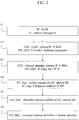
figure 2 est un algorithme d'un procédé pour contrôler des communications sécurisées entre un terminal et un serveur selon une réalisation de l'invention. - En référence à la
figure 1 , un système de communication comprend au moins un serveur web SW et un terminal de communication TC, et éventuellement un serveur tiers ST, aptes à communiquer entre eux à travers un réseau de télécommunications RT. - Le réseau de télécommunications RT peut être un réseau filaire ou sans fil, ou une combinaison de réseaux filaires et de réseaux sans fil.
- Selon un exemple, le réseau de télécommunications RT est un réseau de paquets à haut débit de type IP ("Internet Protocol" en anglais), tel que l'internet ou un intranet.
- Selon un exemple, un terminal de communication TC est un ordinateur personnel relié directement par modem à une liaison de type xDSL ("Digital Subscriber Line" en anglais) ou RNIS (Réseau Numérique à Intégration de Services) reliée au réseau de télécommunications RT.
- Selon un autre exemple, un terminal de communication TC est un terminal de radiocommunications cellulaire mobile, relié par un canal de radiocommunication au réseau de télécommunications, par exemple de type GSM ("Global System for Mobile communications" en anglais) ou UMTS ("Universal Mobile Télécommunications System" en anglais).
- Selon un autre exemple, un terminal de communication TC comprend un dispositif ou objet électronique de télécommunications qui est personnel à l'utilisateur et qui peut être un assistant numérique personnel communicant PDA ("Personnal Digital Assistant" en anglais), ou un téléphone intelligent (SmartPhone), pouvant être relié à une borne d'accès d'un réseau public sans fil de faible portée du type WLAN ("Wireless Local Area Network" en anglais) ou conforme à l'une des normes 802.1x, ou de moyenne portée selon le protocole WIMAX ("World wide Interoperability Microwave Access" en anglais), relié au réseau de télécommunications.
- Le serveur web SW héberge un ou plusieurs sites web, tel qu'un site de vente en ligne ou un site d'enregistrement pour paiement en ligne.
- Le serveur web SW comprend un module de génération GEN, un module de décodage DEC, et une interface utilisateur IU.
- Dans la suite de la description, le terme module peut désigner un dispositif, un logiciel ou une combinaison de matériel informatique et de logiciel, configuré pour exécuter au moins une tâche particulière.
- Le serveur web SW est lié à une base de données d'authentification BDA qui est intégrée dans le serveur web SW ou incorporée dans un serveur de gestion de base de données relié au serveur web SW par une liaison locale ou distante.
- En particulier, la base de données d'authentification BDA contient des informations sur l'utilisateur permettant d'authentifier ce dernier, ainsi que la réponse attendue par serveur lors de l'enregistrement de cet utilisateur.
- Le module de génération GEN fournit une application App de test de type "captcha" et génère dynamiquement un test. Plus particulièrement, l'application App est sous forme d'instructions de programme exécutables par un navigateur internet, et le test généré peut être interprété par l'application exécutée par le navigateur pour présenter une question à l'utilisateur.
- Par exemple lorsque l'utilisateur fait une demande d'enregistrement auprès du site hébergé par le serveur web SW, le module GEN transmet automatiquement l'application au terminal TC qui installe automatiquement, optionnellement avec l'accord de l'utilisateur, l'application qui est ensuite gérée par le navigateur au moyen duquel l'utilisateur est connecté directement au site web. En d'autres termes, l'application App peut être considérée comme un "plug-in" du navigateur internet.
- Le module de décodage DEC mémorise l'adresse IP ("Internet Protocol" en anglais) du terminal TC de l'utilisateur et une adresse de messagerie électronique fournie par l'utilisateur dans la base de données BDA. Le module de décodage DEC mémorise en outre un code de chiffrement CodC et la réponse attendue au test généré par le module GEN dans la base de données BDA.
- Le module de décodage DEC reçoit la réponse de l'utilisateur au test proposé par l'application App, et vérifie que la réponse a été transmise depuis la même adresse IP que celle mémorisée précédemment. Le module DEC compare la réponse reçue avec la réponse attendue mémorisée dans la base de données BDA.
- Optionnellement, le module de décodage DEC vérifie un temps d'attente entre le moment où l'utilisateur s'est enregistré auprès du site web et le moment où l'utilisateur a transmis une réponse au test proposé par l'application. Par exemple, ce temps d'attente peut être de deux ou trois minutes, prenant en compte le temps estimé nécessaire à l'utilisateur pour recevoir le courrier électronique comprenant le code de chiffrement CodC et résoudre le test de type "captcha".
- L'interface d'utilisateur IU permet à un utilisateur de renseigner ses coordonnées par exemple pour s'enregistrer auprès du site web. En particulier, l'utilisateur est invité à renseigner une adresse de messagerie électronique à laquelle le serveur web pourra transmettre un code de chiffrement.
- Le serveur tiers ST est un serveur géré par un pirate dans le but d'intercepter les communications entre le terminal de communication TC et le serveur web SW.
- En référence à la
figure 2 , un procédé pour contrôler un enregistrement sécurisé à un service fourni par un serveur web depuis un terminal de communication selon une réalisation de l'invention comprend des étapes E1 à E6 exécutées dans le système de communication. - A l'étape E1, l'utilisateur se connecte au site web hébergé par le serveur web SW via le terminal de communication TC.
- Par exemple, l'utilisateur souhaite s'enregistrer auprès du site web afin de bénéficier du service offert par le site web.
- Via l'interface utilisateur UI, le site web invite l'utilisateur à renseigner ses coordonnées, et notamment une adresse de messagerie électronique.
- Le module de décodage DEC mémorise l'adresse IP du terminal TC de l'utilisateur et l'adresse de messagerie électronique fournie par l'utilisateur dans la base de données BDA.
- A l'étape E2, le module de génération GEN génère dynamiquement un code de chiffrement CodC et le mémorise dans la base de données BDA, en correspondance avec l'adresse IP de l'utilisateur. Le module de génération GEN transmet un message contenant le code de chiffrement CodC à l'adresse de messagerie électronique fournie par l'utilisateur.
- A l'étape E3, le module de génération GEN produit dynamiquement des paramètres Par pour un test de type "captcha" et mémorise une réponse attendue pour ce test dans la base de données BDA, en correspondance avec l'adresse IP de l'utilisateur, la réponse attendue dépendant des paramètres produits. Le module de génération GEN transmet une application App incluant les paramètres Par générés pour un test de type "captcha" au terminal de communication TC.
- Le module de génération GEN transmet en outre un message au terminal TC afin d'informer l'utilisateur qu'un message a été transmis à l'adresse de messagerie électronique fournie par l'utilisateur. Cette information peut être fournie à l'utilisateur à l'issu de l'étape E2 ou E3.
- A l'étape E4, le terminal de communication TC installe automatiquement l'application App reçue qui est ensuite gérée par le navigateur internet du terminal.
- L'utilisateur est invité par l'application App installée à consulter sa messagerie électronique afin de récupérer le code de chiffrement CodC inclus dans un message reçu. L'utilisateur indique son identité d'accès au service, son mot de passe associé, et est en outre invité à résoudre un test de type "captcha" généré par l'application App au moyen des paramètres Par transmis avec l'application.
- L'application App chiffre la réponse fournie par l'utilisateur avec l'adresse IP du terminal TC et le code de chiffrement CodC qui est fourni par l'utilisateur après l'avoir récupéré dans la messagerie électronique. L'application App transmet la réponse chiffrée directement au serveur web SW, l'application possédant l'adresse exacte de destination du serveur web et la réponse ne pouvant pas être adressée à un serveur tiers. En particulier, l'adresse du service où doit être envoyée la réponse, localisé sur le serveur web, est "codée en dur" dans l'application. De ce fait, l'application ne renvoie pas la réponse à l'entité qui a fourni l'application (qui pourrait être un site pirate si celui-ci a "capturé" au préalable cette application) mais renvoie "directement" la réponse au service de destination sur le serveur web.
- A l'étape E5, le module de décodage DEC vérifie que la réponse chiffrée a été transmise depuis la même adresse IP que celle mémorisée précédemment en correspondance avec le code généré CodC. Le module de décodage DEC déchiffre la réponse chiffrée avec l'adresse IP et le code de chiffrement CodC mémorisés dans la base de données BDA.
- A l'étape E6, le module de décodage DEC compare la réponse déchiffrée avec la réponse attendue mémorisée dans la base de données BDA.
- Le serveur web SW autorise l'enregistrement de l'utilisateur si la réponse déchiffrée est la même que la réponse attendue.
- Optionnellement, le module de décodage DEC vérifie un temps d'attente entre le moment où l'utilisateur s'est enregistré auprès du site web et le moment où l'utilisateur a transmis une réponse au test proposé par l'application. Si le temps d'attente excède un intervalle de temps prédéfini, le serveur web SW n'autorise pas l'enregistrement de l'utilisateur.
- Ainsi, si un pirate, par l'intermédiaire d'un serveur tiers ST, tente d'intercepter des communications entre le terminal de communication TC et le serveur web SW, il devra être à l'origine de la requête vers le serveur web SW. Dans le cas où le pirate ne change pas son adresse IP, la solution reçue par le serveur web SW ne sera pas acceptée par ce dernier puisque l'adresse IP utilisée pour chiffrer la solution au test (l'adresse IP de l'utilisateur) ne correspondra pas à l'adresse IP utilisée par le serveur web SW pour déchiffrer cette solution (l'adresse IP du pirate).
- De plus, dans le cas où le pirate change son adresse IP et la remplace par celle de l'utilisateur, par exemple lorsque l'utilisateur se connecte au serveur web SW, l'exécution de l'application App pour la transmission de la solution au test permet un dialogue direct entre l'utilisateur et le serveur web sans passage via le serveur tiers du pirate. En effet, la destination de la réponse contenant la solution est chiffrée par l'application et le pirate ne peut pas intercepter la réponse.
- Grâce au code CodC transmis à l'utilisateur, une action humaine est requise pour lire le message électronique contenant ledit code. De plus, ledit code est utilisé avec l'adresse IP de l'utilisateur pour chiffrer la solution au test de type "captcha". Ainsi, si une personne espionne l'utilisateur pour retrouver la solution, cette dernière ne peut être réutilisée puisque le code et l'adresse IP sont inconnus de cette personne.
- L'invention décrite ici concerne un procédé et un serveur web pour contrôler un enregistrement sécurisé à un service fourni par le serveur web depuis un terminal de communication. Selon une implémentation de l'invention, les étapes du procédé de l'invention sont déterminées par les instructions d'un programme d'ordinateur incorporé dans un serveur, tel que le serveur web SW. Le programme comporte des instructions de programme, qui lorsque ledit programme est chargé et exécuté dans le serveur, réalisent les étapes du procédé de l'invention.
- En conséquence, l'invention s'applique également à un programme d'ordinateur, notamment un programme d'ordinateur sur ou dans un support d'informations, adapté à mettre en oeuvre l'invention. Ce programme peut utiliser n'importe quel langage de programmation, et être sous la forme de code source, code objet, ou code intermédiaire entre code source et code objet tel que dans une forme partiellement compilée, ou dans n'importe quelle autre forme souhaitable pour implémenter le procédé selon l'invention.
Claims (9)
- Procédé pour contrôler un enregistrement sécurisé à un service fourni par un serveur web (SW) depuis un terminal de communication (TC) dans un réseau de télécommunications (RT), le procédé comprenant les étapes suivantes exécutées dans le serveur web :suite à une connexion du terminal de communication (TC) au serveur web (SW) ayant invité l'utilisateur à fournir une adresse de messagerie électronique, mémoriser (E2) un code (CodC) généré dynamiquement en correspondance avec l'adresse IP du terminal de communication (TC) et transmettre un message contenant le code (CodC) à l'adresse de messagerie électronique fournie par l'utilisateur,transmettre (E3) une application (App) au terminal de communication (TC) qui installe automatiquement l'application reçue (App), l'application étant apte à générer un test automatisé afin de distinguer les ordinateurs des humains et apte à transmettre une réponse au test directement au serveur web,déchiffrer (E5) une réponse à un test généré par l'application (App) qui a été fournie par l'utilisateur et transmise depuis le terminal de communication (TC), la réponse ayant été chiffrée avec l'adresse IP du terminal de communication et le code (CodC) contenu dans le message transmis à l'adresse de messagerie électronique fournie par l'utilisateur, etcomparer (E6) la réponse déchiffrée avec une réponse attendue afin d'autoriser l'accès au serveur web par l'utilisateur si la réponse déchiffrée correspond à la réponse attendue.
- Procédé conforme à la revendication 1, selon lequel l'application (App) est sous forme d'instructions de programme exécutables par un navigateur internet du terminal de communication (TC).
- Procédé conforme à la revendication 1 ou 2, selon lequel le test généré par l'application (App) est un test de type "captcha".
- Procédé conforme à l'une des revendications 1 à 3, selon lequel le serveur web (SW) produit dynamiquement des paramètres (Par) pour ledit test fourni par l'application (App) et transmet l'application (App) incluant les paramètres (Par) au terminal de communication (TC).
- Procédé conforme à la revendication 4, selon lequel le serveur web (SW) mémorise une réponse attendue en correspondance avec l'adresse IP du terminal de communication (TC), la réponse attendue dépendant des paramètres produits.
- Procédé conforme à l'une des revendications 1 à 5, selon lequel le serveur web (SW) transmet un message au terminal de communication (TC) afin d'informer l'utilisateur qu'un message a été transmis à l'adresse de messagerie électronique fournie par l'utilisateur.
- Procédé conforme à l'une des revendications 1 à 6, selon lequel le serveur web (SW) vérifie en outre que ladite réponse a été transmise depuis la même adresse IP que celle mémorisée précédemment en correspondance avec le code (CodC) généré.
- Serveur web (SW) pour contrôler un enregistrement sécurisé à un service fourni par le serveur web (SW) depuis un terminal de communication (TC) dans un réseau de télécommunications (RT), comprenant :des moyens (GEN) pour mémoriser un code généré dynamiquement en correspondance avec l'adresse IP du terminal de communication (TC) et transmettre un message contenant le code (CodC) à une adresse de messagerie électronique fournie par l'utilisateur, suite à une connexion du terminal de communication (TC) au serveur web (SW) ayant invité l'utilisateur à fournir l'adresse de messagerie électronique,des moyens (GEN) pour transmettre une application (App) au terminal de communication (TC) qui installe automatiquement l'application reçue (App), l'application étant apte à générer un test automatisé afin de distinguer les ordinateurs des humains et apte à transmettre une réponse au test directement au serveur web,des moyens (DEC) pour déchiffrer une réponse à un test généré par l'application (App) qui a été fournie par l'utilisateur et transmise depuis le terminal de communication (TC), la réponse ayant été chiffrée avec l'adresse IP du terminal de communication et le code (CodC) contenu dans le message transmis à l'adresse de messagerie électronique fournie par l'utilisateur, etdes moyens (DEC) pour comparer la réponse déchiffrée avec une réponse attendue afin d'autoriser l'accès au serveur web par l'utilisateur si la réponse déchiffrée correspond à la réponse attendue.
- Programme d'ordinateur apte à être mis en oeuvre dans un serveur web (SW) pour contrôler un enregistrement sécurisé à un service fourni par le serveur web (SW) depuis un terminal de communication (TC) dans un réseau de télécommunications (RT), ledit programme comprenant des instructions qui, lorsque le programme est chargé et exécuté dans ledit serveur web, réalisent les étapes suivantes :suite à une connexion du terminal de communication (TC) au serveur web (SW) ayant invité l'utilisateur à fournir une adresse de messagerie électronique, mémoriser (E2) un code généré dynamiquement en correspondance avec l'adresse IP du terminal de communication (TC) et transmettre un message contenant le code (CodC) à l'adresse de messagerie électronique fournie par l'utilisateur,transmettre (E3) une application (App) au terminal de communication (TC) qui installe automatiquement l'application reçue (App), l'application étant apte à générer un test automatisé afin de distinguer les ordinateurs des humains et apte à transmettre une réponse au test directement au serveur web,déchiffrer (E5) une réponse à un test généré par l'application (App) qui a été fournie par l'utilisateur et transmise depuis le terminal de communication (TC), la réponse ayant été chiffrée avec l'adresse IP du terminal de communication et le code (CodC) contenu dans le message transmis à l'adresse de messagerie électronique fournie par l'utilisateur, etcomparer (E6) la réponse déchiffrée avec une réponse attendue afin d'autoriser l'accès au serveur web par l'utilisateur si la réponse déchiffrée correspond à la réponse attendue.
Applications Claiming Priority (2)
| Application Number | Priority Date | Filing Date | Title |
|---|---|---|---|
| FR1057352A FR2964814B1 (fr) | 2010-09-15 | 2010-09-15 | Enregistrement securise a un service fourni par un serveur web |
| PCT/EP2011/065914 WO2012035051A1 (fr) | 2010-09-15 | 2011-09-14 | Enregistrement securise a un service fourni par un serveur web |
Publications (2)
| Publication Number | Publication Date |
|---|---|
| EP2617155A1 EP2617155A1 (fr) | 2013-07-24 |
| EP2617155B1 true EP2617155B1 (fr) | 2016-04-06 |
Family
ID=43754758
Family Applications (1)
| Application Number | Title | Priority Date | Filing Date |
|---|---|---|---|
| EP11757304.8A Not-in-force EP2617155B1 (fr) | 2010-09-15 | 2011-09-14 | Enregistrement securise a un service fourni par un serveur web |
Country Status (6)
| Country | Link |
|---|---|
| US (1) | US10291588B2 (fr) |
| EP (1) | EP2617155B1 (fr) |
| JP (1) | JP5619287B2 (fr) |
| CN (1) | CN103210607B (fr) |
| FR (1) | FR2964814B1 (fr) |
| WO (1) | WO2012035051A1 (fr) |
Families Citing this family (11)
| Publication number | Priority date | Publication date | Assignee | Title |
|---|---|---|---|---|
| DE102012108866A1 (de) * | 2012-09-20 | 2014-03-20 | Endress + Hauser Flowtec Ag | Verfahren zum sicheren Bedienen eines Feldgerätes |
| CN102946334B (zh) * | 2012-11-28 | 2015-06-03 | 中国移动(深圳)有限公司 | 一种获取有效图像验证码的方法和系统 |
| CN104348815B (zh) * | 2013-08-06 | 2017-04-12 | 深圳市腾讯计算机系统有限公司 | 一种对验证码进行校验的方法及装置 |
| CN103442053A (zh) * | 2013-08-23 | 2013-12-11 | 深圳市奥尼视讯技术有限公司 | 基于云服务平台实现远程访问存储终端的方法及系统 |
| CN104468107B (zh) * | 2013-09-18 | 2018-12-11 | 深圳市腾讯计算机系统有限公司 | 校验数据处理方法及装置 |
| CN103546988A (zh) * | 2013-10-10 | 2014-01-29 | 彭源 | 智能终端与设备端的信息同步方法及设备端 |
| CN105187443B (zh) * | 2015-09-28 | 2018-03-06 | 上海斐讯数据通信技术有限公司 | 一种测试web验证码的系统及方法 |
| US10356073B2 (en) | 2016-08-29 | 2019-07-16 | Cisco Technology, Inc. | Secure captcha test |
| CN108834221B (zh) * | 2018-06-01 | 2022-09-20 | 南昌黑鲨科技有限公司 | 网络连接控制方法、计算机可读存储介质及移动终端 |
| CN110677431A (zh) * | 2019-10-14 | 2020-01-10 | 云深互联(北京)科技有限公司 | 一种双向验证的方法和装置 |
| DE102021111966A1 (de) * | 2021-05-07 | 2022-11-10 | Fraunhofer-Gesellschaft zur Förderung der angewandten Forschung eingetragener Verein | Verfahren und Anordnung zur additiven Fertigung von Bauteilen mittels Materialextrusion |
Citations (1)
| Publication number | Priority date | Publication date | Assignee | Title |
|---|---|---|---|---|
| US20020120853A1 (en) * | 2001-02-27 | 2002-08-29 | Networks Associates Technology, Inc. | Scripted distributed denial-of-service (DDoS) attack discrimination using turing tests |
Family Cites Families (26)
| Publication number | Priority date | Publication date | Assignee | Title |
|---|---|---|---|---|
| DE69805403T2 (de) | 1997-03-27 | 2002-12-05 | British Telecommunications P.L.C., London | Datenkopierschutz |
| JP3697411B2 (ja) * | 2001-12-21 | 2005-09-21 | データーリンクス株式会社 | 情報配信システム及び情報配信方法並びに情報配信プログラム |
| US20050281470A1 (en) * | 2001-12-26 | 2005-12-22 | Adams Michael A | System and method for streaming media |
| JP2003318894A (ja) * | 2002-02-21 | 2003-11-07 | Matsushita Electric Ind Co Ltd | チャレンジ−レスポンス方式による機器間の認証処理方法 |
| JP2004070814A (ja) * | 2002-08-08 | 2004-03-04 | Nec Corp | サーバセキュリティ管理方法及び装置並びにプログラム |
| US8892673B1 (en) * | 2003-08-08 | 2014-11-18 | Radix Holdings, Llc | Hybrid challenge-response |
| CN1845489B (zh) * | 2005-04-06 | 2010-06-02 | 腾讯科技(深圳)有限公司 | 验证信息生成装置及其方法、反自动机验证装置及其方法 |
| JP2007013433A (ja) * | 2005-06-29 | 2007-01-18 | Fujitsu Ltd | 暗号化データを送受信する方法及び情報処理システム |
| US20070067833A1 (en) * | 2005-09-20 | 2007-03-22 | Colnot Vincent C | Methods and Apparatus for Enabling Secure Network-Based Transactions |
| CN1744123A (zh) * | 2005-09-24 | 2006-03-08 | 宋剑鸿 | 一种过滤群发垃圾邮件的方法 |
| US20070156592A1 (en) * | 2005-12-22 | 2007-07-05 | Reality Enhancement Pty Ltd | Secure authentication method and system |
| EP1845468B1 (fr) * | 2006-04-12 | 2013-07-17 | Deutsche Telekom AG | Procédé, système et portail pour détecter et contrôler de trafic non sollicité |
| CN101192926B (zh) * | 2006-11-28 | 2011-03-30 | 北京握奇数据系统有限公司 | 帐号保护的方法及系统 |
| US20090150983A1 (en) * | 2007-08-27 | 2009-06-11 | Infosys Technologies Limited | System and method for monitoring human interaction |
| US8577811B2 (en) * | 2007-11-27 | 2013-11-05 | Adobe Systems Incorporated | In-band transaction verification |
| US20090210937A1 (en) * | 2008-02-15 | 2009-08-20 | Alexander Kraft | Captcha advertising |
| US8607071B2 (en) | 2008-02-20 | 2013-12-10 | International Business Machines Corporation | Preventing replay attacks in encrypted file systems |
| EP3382934B1 (fr) * | 2008-04-01 | 2025-12-31 | Mastercard Technologies Canada ULC | Systèmes et procédés pour mettre en uvre et suivre des tests d'identification |
| US20100077215A1 (en) | 2008-09-23 | 2010-03-25 | Frederic Placin | Method for transmitting information with a semantic acknowledgement of receipt |
| CN101388078A (zh) | 2008-09-27 | 2009-03-18 | 腾讯科技(深圳)有限公司 | 基于验证的文本识别的方法及装置 |
| US20100088399A1 (en) * | 2008-10-03 | 2010-04-08 | Yoel Gluck | Enterprise security setup with prequalified and authenticated peer group enabled for secure DHCP and secure ARP/RARP |
| US8307412B2 (en) * | 2008-10-20 | 2012-11-06 | Microsoft Corporation | User authentication management |
| US9704177B2 (en) * | 2008-12-23 | 2017-07-11 | International Business Machines Corporation | Identifying spam avatars in a virtual universe (VU) based upon turing tests |
| US8578457B2 (en) * | 2009-12-02 | 2013-11-05 | Dmitry I. Kan | Process of remote user authentication in computer networks to perform the cellphone-assisted secure transactions |
| US8959621B2 (en) * | 2009-12-22 | 2015-02-17 | Disney Enterprises, Inc. | Human verification by contextually iconic visual public turing test |
| US8209743B1 (en) * | 2010-03-09 | 2012-06-26 | Facebook, Inc. | CAPTCHA image scramble |
-
2010
- 2010-09-15 FR FR1057352A patent/FR2964814B1/fr not_active Expired - Fee Related
-
2011
- 2011-09-14 EP EP11757304.8A patent/EP2617155B1/fr not_active Not-in-force
- 2011-09-14 CN CN201180054693.7A patent/CN103210607B/zh not_active Expired - Fee Related
- 2011-09-14 US US13/821,440 patent/US10291588B2/en not_active Expired - Fee Related
- 2011-09-14 JP JP2013528650A patent/JP5619287B2/ja not_active Expired - Fee Related
- 2011-09-14 WO PCT/EP2011/065914 patent/WO2012035051A1/fr not_active Ceased
Patent Citations (1)
| Publication number | Priority date | Publication date | Assignee | Title |
|---|---|---|---|---|
| US20020120853A1 (en) * | 2001-02-27 | 2002-08-29 | Networks Associates Technology, Inc. | Scripted distributed denial-of-service (DDoS) attack discrimination using turing tests |
Also Published As
| Publication number | Publication date |
|---|---|
| JP2013543168A (ja) | 2013-11-28 |
| WO2012035051A1 (fr) | 2012-03-22 |
| JP5619287B2 (ja) | 2014-11-05 |
| EP2617155A1 (fr) | 2013-07-24 |
| US20130179683A1 (en) | 2013-07-11 |
| FR2964814A1 (fr) | 2012-03-16 |
| FR2964814B1 (fr) | 2012-09-28 |
| CN103210607B (zh) | 2016-06-01 |
| CN103210607A (zh) | 2013-07-17 |
| US10291588B2 (en) | 2019-05-14 |
Similar Documents
| Publication | Publication Date | Title |
|---|---|---|
| EP2617155B1 (fr) | Enregistrement securise a un service fourni par un serveur web | |
| EP1683388B1 (fr) | Methode de gestion de la sécurité d'applications avec un module de sécurité | |
| EP1909462B1 (fr) | Procédé de mise à disposition cloisonnée d'un service électronique | |
| EP2371096B1 (fr) | Procédé d'envoi de fichier électronique | |
| FR2977418A1 (fr) | Systeme d'authentification via deux dispositifs de communication | |
| EP2249543B1 (fr) | Procédé pour autoriser une connexion entre un terminal informatique et un serveur source | |
| EP2242229A1 (fr) | Procédé pour authentifier un terminal mobile client auprès d'un serveur distant | |
| EP3391614B1 (fr) | Procédé de transmission d'une information numérique | |
| CN109873819A (zh) | 一种防止非法访问服务器的方法及系统 | |
| CN109873818A (zh) | 一种防止非法访问服务器的方法及系统 | |
| EP2220812A2 (fr) | Procedé d'authentification d'un utilisateur | |
| FR2975847A1 (fr) | Systeme de controle de publication de contenu | |
| WO2015081560A1 (fr) | Procédé de reconnaissance de client de messagerie instantanée et système de reconnaissance | |
| CN111147456B (zh) | 一种适用于多框架多平台的接口认证方法 | |
| EP1983722A2 (fr) | Procédé et système de sécurisation d'accès internet de téléphone mobile, téléphone mobile et terminal correspondants | |
| EP1400090B1 (fr) | Procede et dispositif de securisation des communications dans un reseau informatique | |
| FR2844943A1 (fr) | Procede de production d'un premier identifiant isolant un utilisateur se connectant a un reseau telematique | |
| CN113194069A (zh) | 一种基于区块链的通讯溯源方法、通讯溯源装置及介质 | |
| CN112532626A (zh) | 一种点对点加密聊天方法 | |
| EP1992104B1 (fr) | Authentification d'un dispositif informatique au niveau utilisateur | |
| FR2943482A1 (fr) | Procede et systeme de securisation de demandes applicatives | |
| EP4160987A1 (fr) | Procédé pour générer une signature électronique au moyen du protocole fido | |
| FR3076638A1 (fr) | Procede de gestion d'un acces a une page web d'authentification | |
| FR3099974A1 (fr) | Procédé de transmission d’une information numérique | |
| FR2823929A1 (fr) | Procede et dispositif d'authentification |
Legal Events
| Date | Code | Title | Description |
|---|---|---|---|
| PUAI | Public reference made under article 153(3) epc to a published international application that has entered the european phase |
Free format text: ORIGINAL CODE: 0009012 |
|
| 17P | Request for examination filed |
Effective date: 20130415 |
|
| AK | Designated contracting states |
Kind code of ref document: A1 Designated state(s): AL AT BE BG CH CY CZ DE DK EE ES FI FR GB GR HR HU IE IS IT LI LT LU LV MC MK MT NL NO PL PT RO RS SE SI SK SM TR |
|
| 111Z | Information provided on other rights and legal means of execution |
Free format text: AL AT BE BG CH CY CZ DE DK EE ES FI FR GB GR HR HU IE IS IT LT LU LV MC MK MT NL NO PL PT RO RS SE SI SK SM TR Effective date: 20130415 |
|
| DAX | Request for extension of the european patent (deleted) | ||
| RAP1 | Party data changed (applicant data changed or rights of an application transferred) |
Owner name: ALCATEL LUCENT |
|
| D11X | Information provided on other rights and legal means of execution (deleted) | ||
| 17Q | First examination report despatched |
Effective date: 20141024 |
|
| REG | Reference to a national code |
Ref country code: DE Ref legal event code: R079 Ref document number: 602011024968 Country of ref document: DE Free format text: PREVIOUS MAIN CLASS: H04L0009320000 Ipc: H04L0009000000 |
|
| GRAP | Despatch of communication of intention to grant a patent |
Free format text: ORIGINAL CODE: EPIDOSNIGR1 |
|
| INTG | Intention to grant announced |
Effective date: 20151127 |
|
| RIC1 | Information provided on ipc code assigned before grant |
Ipc: H04L 9/32 20060101ALI20151116BHEP Ipc: G06F 21/36 20130101ALI20151116BHEP Ipc: H04L 29/06 20060101ALI20151116BHEP Ipc: H04L 9/00 20060101AFI20151116BHEP |
|
| GRAS | Grant fee paid |
Free format text: ORIGINAL CODE: EPIDOSNIGR3 |
|
| GRAA | (expected) grant |
Free format text: ORIGINAL CODE: 0009210 |
|
| AK | Designated contracting states |
Kind code of ref document: B1 Designated state(s): AL AT BE BG CH CY CZ DE DK EE ES FI FR GB GR HR HU IE IS IT LI LT LU LV MC MK MT NL NO PL PT RO RS SE SI SK SM TR |
|
| REG | Reference to a national code |
Ref country code: GB Ref legal event code: FG4D Free format text: NOT ENGLISH |
|
| REG | Reference to a national code |
Ref country code: AT Ref legal event code: REF Ref document number: 788811 Country of ref document: AT Kind code of ref document: T Effective date: 20160415 Ref country code: CH Ref legal event code: EP |
|
| REG | Reference to a national code |
Ref country code: IE Ref legal event code: FG4D Free format text: LANGUAGE OF EP DOCUMENT: FRENCH |
|
| REG | Reference to a national code |
Ref country code: DE Ref legal event code: R096 Ref document number: 602011024968 Country of ref document: DE |
|
| REG | Reference to a national code |
Ref country code: LT Ref legal event code: MG4D Ref country code: NL Ref legal event code: MP Effective date: 20160406 |
|
| REG | Reference to a national code |
Ref country code: AT Ref legal event code: MK05 Ref document number: 788811 Country of ref document: AT Kind code of ref document: T Effective date: 20160406 |
|
| REG | Reference to a national code |
Ref country code: FR Ref legal event code: PLFP Year of fee payment: 6 |
|
| PG25 | Lapsed in a contracting state [announced via postgrant information from national office to epo] |
Ref country code: NL Free format text: LAPSE BECAUSE OF FAILURE TO SUBMIT A TRANSLATION OF THE DESCRIPTION OR TO PAY THE FEE WITHIN THE PRESCRIBED TIME-LIMIT Effective date: 20160406 |
|
| PG25 | Lapsed in a contracting state [announced via postgrant information from national office to epo] |
Ref country code: FI Free format text: LAPSE BECAUSE OF FAILURE TO SUBMIT A TRANSLATION OF THE DESCRIPTION OR TO PAY THE FEE WITHIN THE PRESCRIBED TIME-LIMIT Effective date: 20160406 Ref country code: PL Free format text: LAPSE BECAUSE OF FAILURE TO SUBMIT A TRANSLATION OF THE DESCRIPTION OR TO PAY THE FEE WITHIN THE PRESCRIBED TIME-LIMIT Effective date: 20160406 Ref country code: IS Free format text: LAPSE BECAUSE OF FAILURE TO SUBMIT A TRANSLATION OF THE DESCRIPTION OR TO PAY THE FEE WITHIN THE PRESCRIBED TIME-LIMIT Effective date: 20160806 Ref country code: NO Free format text: LAPSE BECAUSE OF FAILURE TO SUBMIT A TRANSLATION OF THE DESCRIPTION OR TO PAY THE FEE WITHIN THE PRESCRIBED TIME-LIMIT Effective date: 20160706 Ref country code: LT Free format text: LAPSE BECAUSE OF FAILURE TO SUBMIT A TRANSLATION OF THE DESCRIPTION OR TO PAY THE FEE WITHIN THE PRESCRIBED TIME-LIMIT Effective date: 20160406 |
|
| PG25 | Lapsed in a contracting state [announced via postgrant information from national office to epo] |
Ref country code: RS Free format text: LAPSE BECAUSE OF FAILURE TO SUBMIT A TRANSLATION OF THE DESCRIPTION OR TO PAY THE FEE WITHIN THE PRESCRIBED TIME-LIMIT Effective date: 20160406 Ref country code: GR Free format text: LAPSE BECAUSE OF FAILURE TO SUBMIT A TRANSLATION OF THE DESCRIPTION OR TO PAY THE FEE WITHIN THE PRESCRIBED TIME-LIMIT Effective date: 20160707 Ref country code: SE Free format text: LAPSE BECAUSE OF FAILURE TO SUBMIT A TRANSLATION OF THE DESCRIPTION OR TO PAY THE FEE WITHIN THE PRESCRIBED TIME-LIMIT Effective date: 20160406 Ref country code: ES Free format text: LAPSE BECAUSE OF FAILURE TO SUBMIT A TRANSLATION OF THE DESCRIPTION OR TO PAY THE FEE WITHIN THE PRESCRIBED TIME-LIMIT Effective date: 20160406 Ref country code: LV Free format text: LAPSE BECAUSE OF FAILURE TO SUBMIT A TRANSLATION OF THE DESCRIPTION OR TO PAY THE FEE WITHIN THE PRESCRIBED TIME-LIMIT Effective date: 20160406 Ref country code: HR Free format text: LAPSE BECAUSE OF FAILURE TO SUBMIT A TRANSLATION OF THE DESCRIPTION OR TO PAY THE FEE WITHIN THE PRESCRIBED TIME-LIMIT Effective date: 20160406 Ref country code: PT Free format text: LAPSE BECAUSE OF FAILURE TO SUBMIT A TRANSLATION OF THE DESCRIPTION OR TO PAY THE FEE WITHIN THE PRESCRIBED TIME-LIMIT Effective date: 20160808 Ref country code: AT Free format text: LAPSE BECAUSE OF FAILURE TO SUBMIT A TRANSLATION OF THE DESCRIPTION OR TO PAY THE FEE WITHIN THE PRESCRIBED TIME-LIMIT Effective date: 20160406 |
|
| PG25 | Lapsed in a contracting state [announced via postgrant information from national office to epo] |
Ref country code: IT Free format text: LAPSE BECAUSE OF FAILURE TO SUBMIT A TRANSLATION OF THE DESCRIPTION OR TO PAY THE FEE WITHIN THE PRESCRIBED TIME-LIMIT Effective date: 20160406 |
|
| REG | Reference to a national code |
Ref country code: DE Ref legal event code: R097 Ref document number: 602011024968 Country of ref document: DE |
|
| PG25 | Lapsed in a contracting state [announced via postgrant information from national office to epo] |
Ref country code: EE Free format text: LAPSE BECAUSE OF FAILURE TO SUBMIT A TRANSLATION OF THE DESCRIPTION OR TO PAY THE FEE WITHIN THE PRESCRIBED TIME-LIMIT Effective date: 20160406 Ref country code: DK Free format text: LAPSE BECAUSE OF FAILURE TO SUBMIT A TRANSLATION OF THE DESCRIPTION OR TO PAY THE FEE WITHIN THE PRESCRIBED TIME-LIMIT Effective date: 20160406 Ref country code: RO Free format text: LAPSE BECAUSE OF FAILURE TO SUBMIT A TRANSLATION OF THE DESCRIPTION OR TO PAY THE FEE WITHIN THE PRESCRIBED TIME-LIMIT Effective date: 20160406 Ref country code: SK Free format text: LAPSE BECAUSE OF FAILURE TO SUBMIT A TRANSLATION OF THE DESCRIPTION OR TO PAY THE FEE WITHIN THE PRESCRIBED TIME-LIMIT Effective date: 20160406 Ref country code: CZ Free format text: LAPSE BECAUSE OF FAILURE TO SUBMIT A TRANSLATION OF THE DESCRIPTION OR TO PAY THE FEE WITHIN THE PRESCRIBED TIME-LIMIT Effective date: 20160406 |
|
| PLBE | No opposition filed within time limit |
Free format text: ORIGINAL CODE: 0009261 |
|
| STAA | Information on the status of an ep patent application or granted ep patent |
Free format text: STATUS: NO OPPOSITION FILED WITHIN TIME LIMIT |
|
| PG25 | Lapsed in a contracting state [announced via postgrant information from national office to epo] |
Ref country code: SM Free format text: LAPSE BECAUSE OF FAILURE TO SUBMIT A TRANSLATION OF THE DESCRIPTION OR TO PAY THE FEE WITHIN THE PRESCRIBED TIME-LIMIT Effective date: 20160406 Ref country code: BE Free format text: LAPSE BECAUSE OF NON-PAYMENT OF DUE FEES Effective date: 20160930 |
|
| 26N | No opposition filed |
Effective date: 20170110 |
|
| PG25 | Lapsed in a contracting state [announced via postgrant information from national office to epo] |
Ref country code: MC Free format text: LAPSE BECAUSE OF FAILURE TO SUBMIT A TRANSLATION OF THE DESCRIPTION OR TO PAY THE FEE WITHIN THE PRESCRIBED TIME-LIMIT Effective date: 20160406 |
|
| REG | Reference to a national code |
Ref country code: CH Ref legal event code: PL |
|
| PG25 | Lapsed in a contracting state [announced via postgrant information from national office to epo] |
Ref country code: SI Free format text: LAPSE BECAUSE OF FAILURE TO SUBMIT A TRANSLATION OF THE DESCRIPTION OR TO PAY THE FEE WITHIN THE PRESCRIBED TIME-LIMIT Effective date: 20160406 |
|
| REG | Reference to a national code |
Ref country code: IE Ref legal event code: MM4A |
|
| PG25 | Lapsed in a contracting state [announced via postgrant information from national office to epo] |
Ref country code: IE Free format text: LAPSE BECAUSE OF NON-PAYMENT OF DUE FEES Effective date: 20160914 Ref country code: LI Free format text: LAPSE BECAUSE OF NON-PAYMENT OF DUE FEES Effective date: 20160930 Ref country code: CH Free format text: LAPSE BECAUSE OF NON-PAYMENT OF DUE FEES Effective date: 20160930 |
|
| PG25 | Lapsed in a contracting state [announced via postgrant information from national office to epo] |
Ref country code: LU Free format text: LAPSE BECAUSE OF NON-PAYMENT OF DUE FEES Effective date: 20160914 |
|
| REG | Reference to a national code |
Ref country code: FR Ref legal event code: PLFP Year of fee payment: 7 |
|
| REG | Reference to a national code |
Ref country code: BE Ref legal event code: MM Effective date: 20160930 |
|
| PG25 | Lapsed in a contracting state [announced via postgrant information from national office to epo] |
Ref country code: CY Free format text: LAPSE BECAUSE OF FAILURE TO SUBMIT A TRANSLATION OF THE DESCRIPTION OR TO PAY THE FEE WITHIN THE PRESCRIBED TIME-LIMIT Effective date: 20160406 Ref country code: HU Free format text: LAPSE BECAUSE OF FAILURE TO SUBMIT A TRANSLATION OF THE DESCRIPTION OR TO PAY THE FEE WITHIN THE PRESCRIBED TIME-LIMIT; INVALID AB INITIO Effective date: 20110914 |
|
| PG25 | Lapsed in a contracting state [announced via postgrant information from national office to epo] |
Ref country code: TR Free format text: LAPSE BECAUSE OF FAILURE TO SUBMIT A TRANSLATION OF THE DESCRIPTION OR TO PAY THE FEE WITHIN THE PRESCRIBED TIME-LIMIT Effective date: 20160406 Ref country code: MK Free format text: LAPSE BECAUSE OF FAILURE TO SUBMIT A TRANSLATION OF THE DESCRIPTION OR TO PAY THE FEE WITHIN THE PRESCRIBED TIME-LIMIT Effective date: 20160406 Ref country code: MT Free format text: LAPSE BECAUSE OF FAILURE TO SUBMIT A TRANSLATION OF THE DESCRIPTION OR TO PAY THE FEE WITHIN THE PRESCRIBED TIME-LIMIT Effective date: 20160406 |
|
| PG25 | Lapsed in a contracting state [announced via postgrant information from national office to epo] |
Ref country code: BG Free format text: LAPSE BECAUSE OF FAILURE TO SUBMIT A TRANSLATION OF THE DESCRIPTION OR TO PAY THE FEE WITHIN THE PRESCRIBED TIME-LIMIT Effective date: 20160406 |
|
| REG | Reference to a national code |
Ref country code: FR Ref legal event code: PLFP Year of fee payment: 8 |
|
| PG25 | Lapsed in a contracting state [announced via postgrant information from national office to epo] |
Ref country code: AL Free format text: LAPSE BECAUSE OF FAILURE TO SUBMIT A TRANSLATION OF THE DESCRIPTION OR TO PAY THE FEE WITHIN THE PRESCRIBED TIME-LIMIT Effective date: 20160406 |
|
| PGFP | Annual fee paid to national office [announced via postgrant information from national office to epo] |
Ref country code: GB Payment date: 20200902 Year of fee payment: 10 Ref country code: DE Payment date: 20200901 Year of fee payment: 10 Ref country code: FR Payment date: 20200812 Year of fee payment: 10 |
|
| REG | Reference to a national code |
Ref country code: DE Ref legal event code: R119 Ref document number: 602011024968 Country of ref document: DE |
|
| GBPC | Gb: european patent ceased through non-payment of renewal fee |
Effective date: 20210914 |
|
| PG25 | Lapsed in a contracting state [announced via postgrant information from national office to epo] |
Ref country code: GB Free format text: LAPSE BECAUSE OF NON-PAYMENT OF DUE FEES Effective date: 20210914 Ref country code: FR Free format text: LAPSE BECAUSE OF NON-PAYMENT OF DUE FEES Effective date: 20210930 Ref country code: DE Free format text: LAPSE BECAUSE OF NON-PAYMENT OF DUE FEES Effective date: 20220401 |