EP2620162A1 - Conjugué enzyme-polymère pour la détoxification de l'endotoxine - Google Patents
Conjugué enzyme-polymère pour la détoxification de l'endotoxine Download PDFInfo
- Publication number
- EP2620162A1 EP2620162A1 EP12000544.2A EP12000544A EP2620162A1 EP 2620162 A1 EP2620162 A1 EP 2620162A1 EP 12000544 A EP12000544 A EP 12000544A EP 2620162 A1 EP2620162 A1 EP 2620162A1
- Authority
- EP
- European Patent Office
- Prior art keywords
- enzyme
- polymer
- polymer conjugate
- activity
- peg
- Prior art date
- Legal status (The legal status is an assumption and is not a legal conclusion. Google has not performed a legal analysis and makes no representation as to the accuracy of the status listed.)
- Withdrawn
Links
Images


Classifications
-
- A—HUMAN NECESSITIES
- A61—MEDICAL OR VETERINARY SCIENCE; HYGIENE
- A61K—PREPARATIONS FOR MEDICAL, DENTAL OR TOILETRY PURPOSES
- A61K38/00—Medicinal preparations containing peptides
- A61K38/16—Peptides having more than 20 amino acids; Gastrins; Somatostatins; Melanotropins; Derivatives thereof
- A61K38/43—Enzymes; Proenzymes; Derivatives thereof
- A61K38/46—Hydrolases (3)
-
- A—HUMAN NECESSITIES
- A61—MEDICAL OR VETERINARY SCIENCE; HYGIENE
- A61K—PREPARATIONS FOR MEDICAL, DENTAL OR TOILETRY PURPOSES
- A61K47/00—Medicinal preparations characterised by the non-active ingredients used, e.g. carriers or inert additives; Targeting or modifying agents chemically bound to the active ingredient
- A61K47/50—Medicinal preparations characterised by the non-active ingredients used, e.g. carriers or inert additives; Targeting or modifying agents chemically bound to the active ingredient the non-active ingredient being chemically bound to the active ingredient, e.g. polymer-drug conjugates
- A61K47/51—Medicinal preparations characterised by the non-active ingredients used, e.g. carriers or inert additives; Targeting or modifying agents chemically bound to the active ingredient the non-active ingredient being chemically bound to the active ingredient, e.g. polymer-drug conjugates the non-active ingredient being a modifying agent
- A61K47/56—Medicinal preparations characterised by the non-active ingredients used, e.g. carriers or inert additives; Targeting or modifying agents chemically bound to the active ingredient the non-active ingredient being chemically bound to the active ingredient, e.g. polymer-drug conjugates the non-active ingredient being a modifying agent the modifying agent being an organic macromolecular compound, e.g. an oligomeric, polymeric or dendrimeric molecule
- A61K47/59—Medicinal preparations characterised by the non-active ingredients used, e.g. carriers or inert additives; Targeting or modifying agents chemically bound to the active ingredient the non-active ingredient being chemically bound to the active ingredient, e.g. polymer-drug conjugates the non-active ingredient being a modifying agent the modifying agent being an organic macromolecular compound, e.g. an oligomeric, polymeric or dendrimeric molecule obtained otherwise than by reactions only involving carbon-to-carbon unsaturated bonds, e.g. polyureas or polyurethanes
- A61K47/60—Medicinal preparations characterised by the non-active ingredients used, e.g. carriers or inert additives; Targeting or modifying agents chemically bound to the active ingredient the non-active ingredient being chemically bound to the active ingredient, e.g. polymer-drug conjugates the non-active ingredient being a modifying agent the modifying agent being an organic macromolecular compound, e.g. an oligomeric, polymeric or dendrimeric molecule obtained otherwise than by reactions only involving carbon-to-carbon unsaturated bonds, e.g. polyureas or polyurethanes the organic macromolecular compound being a polyoxyalkylene oligomer, polymer or dendrimer, e.g. PEG, PPG, PEO or polyglycerol
-
- A—HUMAN NECESSITIES
- A61—MEDICAL OR VETERINARY SCIENCE; HYGIENE
- A61K—PREPARATIONS FOR MEDICAL, DENTAL OR TOILETRY PURPOSES
- A61K47/00—Medicinal preparations characterised by the non-active ingredients used, e.g. carriers or inert additives; Targeting or modifying agents chemically bound to the active ingredient
- A61K47/50—Medicinal preparations characterised by the non-active ingredients used, e.g. carriers or inert additives; Targeting or modifying agents chemically bound to the active ingredient the non-active ingredient being chemically bound to the active ingredient, e.g. polymer-drug conjugates
- A61K47/69—Medicinal preparations characterised by the non-active ingredients used, e.g. carriers or inert additives; Targeting or modifying agents chemically bound to the active ingredient the non-active ingredient being chemically bound to the active ingredient, e.g. polymer-drug conjugates the conjugate being characterised by physical or galenical forms, e.g. emulsion, particle, inclusion complex, stent or kit
- A61K47/6921—Medicinal preparations characterised by the non-active ingredients used, e.g. carriers or inert additives; Targeting or modifying agents chemically bound to the active ingredient the non-active ingredient being chemically bound to the active ingredient, e.g. polymer-drug conjugates the conjugate being characterised by physical or galenical forms, e.g. emulsion, particle, inclusion complex, stent or kit the form being a particulate, a powder, an adsorbate, a bead or a sphere
- A61K47/6927—Medicinal preparations characterised by the non-active ingredients used, e.g. carriers or inert additives; Targeting or modifying agents chemically bound to the active ingredient the non-active ingredient being chemically bound to the active ingredient, e.g. polymer-drug conjugates the conjugate being characterised by physical or galenical forms, e.g. emulsion, particle, inclusion complex, stent or kit the form being a particulate, a powder, an adsorbate, a bead or a sphere the form being a solid microparticle having no hollow or gas-filled cores
-
- A—HUMAN NECESSITIES
- A61—MEDICAL OR VETERINARY SCIENCE; HYGIENE
- A61P—SPECIFIC THERAPEUTIC ACTIVITY OF CHEMICAL COMPOUNDS OR MEDICINAL PREPARATIONS
- A61P1/00—Drugs for disorders of the alimentary tract or the digestive system
-
- A—HUMAN NECESSITIES
- A61—MEDICAL OR VETERINARY SCIENCE; HYGIENE
- A61P—SPECIFIC THERAPEUTIC ACTIVITY OF CHEMICAL COMPOUNDS OR MEDICINAL PREPARATIONS
- A61P31/00—Antiinfectives, i.e. antibiotics, antiseptics, chemotherapeutics
Definitions
- the invention relates to an enzyme-polymer conjugate for endotoxin detoxification and its use for the treatment of endotoxin-mediated diseases.
- Endotoxin-mediated diseases include a variety of acute or chronic diseases such as sepsis, Crohn's disease, ulcerative colitis, and various autoimmune diseases.
- Endotoxins are part of the cell wall of Gram-negative bacteria or blue-green algae. Chemically, endotoxins are lipopolysaccharides (LPS). They comprise a hydrophilic polysaccharide and a hydrophobic lipid portion.
- the lipid component also referred to as lipid A, has at least one phosphate radical and at least one secondarily bonded, non-hydroxylated fatty acid. These are responsible for the inflammatory effect of the endotoxin.
- LPS binds to numerous macromolecules such as albumin, low density lipoprotein (LDL), high density lipoprotein (HDL) and especially lipopolysaccharide binding protein (LBP / Septin).
- LBP lipopolysaccharide binding protein
- the LPS-MD-2 complex binds to Toll-like receptor 4 (TLR-4), which is activated by dimerization.
- TLR-4 Toll-like receptor 4
- TLR-4 Toll-like receptor 4
- the physiological function of this TLR activation is the induction and release of proinflammatory cytokines, such as tumor necrosis factor-alpha (TNF ⁇ ), interleukin (IL) -1, IL-6, IL-8 and IL-12.
- TNF ⁇ tumor necrosis factor-alpha
- IL interleukin
- IL-8 interleukin-12
- Life-threatening endotoxin-mediated diseases include sepsis and septic shock with an incidence of 1-2% in Western Europe or the US.
- sepsis in the US today ranks third in infection-related deaths and twelfth in overall mortality.
- the number of deaths has increased by 83% over the past two decades.
- Germany the number of deaths from severe bacterial infections has more than tripled since 1980.
- 150,000 people die from sepsis each year.
- Infections with gram-negative pathogens can originate mainly in the intestine.
- the intestine plays not only as a source of infection, but also as part of the immune system a major role. More than half of the body's total lymphatic cells are concentrated here as a gut-associated lymphatic tissue.
- the inflammatory mediators released by the endotoxin stimulus in the intestinal blood can increase systemic inflammatory reactions in the body. It can also lead to an increase in intestinal permeability. As a result, more endotoxins are absorbed into the organism, which in turn further increase inflammation. This creates a perpetuation of the process in the sense of a circulus vitiosus.
- LPS released from the cell walls of gram-negative gut bacteria after Bacteriolysis by defensins, bacteriophages and antibodies is an important route of exposure in patients with surgery, burns or injuries (trauma).
- Gastrointestinal-released LPS plays the role of a pathogenic stimulus in autoimmune diseases such as rheumatoid arthritis and Attributed to asthma.
- LPS released by gastrointestinal is by nature the most important route of exposure.
- phosphatases that is, enzymes capable of at least partially dephosphorylating the lipid A portion of the endotoxin, are potential candidates for the treatment of endotoxin-mediated diseases.
- alkaline phosphatase (AP)
- AP alkaline phosphatase
- the dephosphorylation of endotoxin has been described both in vitro and in vivo , and accordingly a use for the treatment of endotoxin-mediated diseases postulated (eg. WO 1995/005456 A1 ).
- WO2005 / 074978 A1 The use of an alkaline phosphatase to detoxify endotoxin in the gut is described.
- acyloxyacyl hydrolase is used to detoxify the endotoxin. This hydrolyzes the ester bonds between the hydroxy fatty acids and the secondary fatty acids in the lipid A moiety.
- AOAH acyloxyacyl hydrolase
- the invention is thus based on the object of providing a means for the treatment of endotoxin-mediated diseases which at least reduces at least one of the disadvantages existing in the prior art.
- This object is achieved by a conjugate with at least one polymer and at least one enzyme, wherein the enzyme has a phosphatase activity or Acyloxyacylhydrolase activity.
- the enzyme can at least partially dephosphorylate the lipid A portion of the endotoxin or cleave off the non-hydroxylated fatty acids and thus detoxify the endotoxin.
- the enzyme-polymer conjugate according to the invention is intended in particular for the treatment of endotoxin-mediated diseases.
- the dephosphorylation of the lipid A portion of the endotoxin produces, in particular, the monophosphoryl lipid A (MPLA), while the AOAH modification produces deacylated lipid A.
- MPLA and deacylated lipid A have no toxic activity, but like this bound to the TLR-4.
- a release of inflammatory mediators from monocytes or macrophages no longer takes place. This may induce tolerance to further endotoxin exposure.
- the enzyme-polymer conjugate according to the invention can not only act therapeutically detoxifying, but also be used in the sense of prophylaxis.
- the enzyme-polymer conjugate according to the invention has increased stability in the intestine in comparison to native enzymes. This could be demonstrated by stability studies using intestinal juice. Since this environment is particularly critical to the activity of the enzymes, the improved stability of the conjugate of the invention is of particular practical importance.
- the enzyme-polymer conjugate according to the invention is, as described above, thus particularly suitable for oral administration to the patient.
- Oral application allows endotoxin detoxification in the gastrointestinal tract and thus can at least partially render endotoxins harmless prior to their translocation into the surrounding tissue and into the bloodstream.
- the enzyme-polymer conjugate is coupled to a carrier, in particular to a solid carrier.
- the coupling according to the invention of the enzyme-polymer conjugate to a carrier advantageously serves to prevent the translocation of the enzyme-polymer conjugate through the intestinal wall into the blood.
- coupling of the enzyme-polymer conjugate to a carrier may help to reduce the enzyme activity, e.g. by proteolysis of the enzymes to prevent.
- the carrier-bound enzyme-polymer conjugate may thus have a prolonged duration of action in the small intestine compared to the "free" enzyme-polymer conjugate.
- optimizing the action of the enzymes contributes to the slower transport of the carrier-bound enzyme-polymer conjugate through the digestive tract compared to the free enzyme-polymer conjugate.
- This slowed intestinal passage means prolonged presence of the conjugate in the intestinal fluid and thus at the relevant site of action.
- the coupling of the enzyme-polymer conjugate to a carrier allows the highest possible enzyme concentration in a small space, which enables optimized detoxification of locally greatly increased endotoxin concentrations.
- An "enzyme-polymer conjugate” in the sense of the invention comprises a combination of at least one enzyme and at least one polymer, wherein the polymer is connected to the enzyme, preferably via a covalent bond.
- a “conjugate polymer” within the meaning of the present invention is a polymer which is linked to the enzyme to form an enzyme-polymer conjugate.
- a polymer is any compound having at least two monomers which are preferably structurally identical or structurally identical.
- the term conjugate polymer is used hereafter mainly to demarcate these polymers semantically from the polymers of the carrier ("carrier polymers").
- Carrier polymers are polymers that are included in or form the carrier. The main purpose of the conjugate polymer is to protect the enzyme against degradation in the intestine. It also serves to bind to the wearer. In this function, it serves as a linker.
- phosphatase activity is the cleavage of a phosphoric acid ester by hydrolysis. It is used as a synonym for "dephosphorylation". Dephosphorylation can be enzymatic, e.g. by a phosphatase or a dephosphorylase. These enzymes are "proteins with a phosphatase activity”. Examples of proteins with a phosphatase activity are alkaline phosphatase and acid phosphatase.
- Alkaline phosphatase is any enzyme that falls under the enzyme classification EC 3.1.3.1 (according to IUBMB Enzyme Nomenclature).
- the name alkaline phosphatase has prevailed; however, the following terms are also used: alkaline phosphomonoesterase, phosphomonoesterase, alkaline phosphohydrolase or orthophosphoric monoester phosphohydrolase.
- the systematic name is Phosphate Monoester Phosphohydrolase (Alkaline Optimum).
- the isoenzymes of AP are glycoproteins that are encoded by at least four different genes.
- the genes express intestinal, placental, germ cell and tissue-unspecific AP. Bone, kidney and liver AP arise from post-translational changes in tissue-unspecific gene products.
- the gene encoding the tissue-specific AP forms two different types of messenger RNA: for the cells, the tetrameric AP is synthesized, which is linked to the outer surface of the cell membrane via a carboxy-terminal glycan-phosphatidylinositol anchor. Anchor-free AP dimers are formed for the circulation.
- the AP isoenzymes of the various tissues mainly occur in the soluble form.
- alkaline phosphatases most commonly used for laboratory purposes are Bacterial Alkaline Phosphatase (BAP) from E. coli, Calf Intestine Alkaline Phosphatase (CIAP) from Calf Intestine, and Shrimp Alkaline Phosphatase (SAP) from the American Sea Shrimp. They are also summarized below by the term "alkaline phosphatase", unless otherwise stated. The same applies to modified AP, as described for example in the EP 0 441 252 A1 are disclosed.
- acid phosphatases are to be understood as meaning phosphatases which have their optimum activity in the acidic range.
- acid phosphatases include prostate-specific acid phosphatase (ACP3), low-molecular acid phosphatase (ACP1), lysosomal acid phosphatase (ACP2), tartrate-resistant acid phosphatase (ACP5), lysophosphatidic acid-acid phosphatase (ACP6), and testicular acid phosphatase (ACPT) and the lysosomal acid phosphatase.
- ACP3 prostate-specific acid phosphatase
- ACP1 low-molecular acid phosphatase
- ACP2 lysosomal acid phosphatase
- ACP5 tartrate-resistant acid phosphatase
- ACP6 lysophosphatidic acid-acid phosphatase
- ACPT testicular acid phosphatase
- acyloxyacylhydrolase an enzyme which cleaves the ester bond between the acid function of a fatty acid and the hydroxyl group of a second fatty acid, especially a 3-hydroxy fatty acid.
- the hydroxy fatty acids are bound in an ester or amide bond to an endotoxin glucosaminyl radical.
- the AOAH belongs to the enzyme classification 3.1.1.77.
- Endotoxin is understood to mean the lipopolysaccharide (LPS) from the cell wall of Gram-negative bacteria, for example the following genera: Neisseria, Escherichia, Salmonella, Shigella, Pseudomonas, Haemophilus or Chlamydia.
- LPS lipopolysaccharide
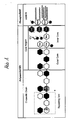
- Lipopolysaccharides have a polysaccharide content and a lipid content (see Figure 1). The latter is called lipid A.
- Lipid A is a phospholipid with a hydrophilic head group.
- this is a 2 ⁇ -1,6-glycosidically linked glucosamine disaccharide having at least two phosphate groups at positions 1 and 4 ', which may be substituted by further functional groups.
- the lipid A has a hydrophobic part. This is preferably formed from four 3-hydroxy fatty acids, which are primarily bound to the disaccharide, have a chain length of 10-22 carbon atoms and may be substituted with other, non-hydroxylated fatty acids (so-called secondary fatty acids).
- the inflammatory activity of the endotoxin on TLR-4 including the effect on the signaling cascade associated with the TLR-4, which results in the release of cytokines, is associated with the lipid A.
- the phosphate groups and the secondary fatty acids of lipid A are essential. Unless otherwise stated, for purposes of describing the invention, no further distinction is made between endotoxin and LPS.
- the term "detoxification of an endotoxin” means any reduction in the biological activity of the endotoxin, in particular the effect on the TLR-4 (see above).
- the reduction of biological activity occurs in the case of using the phosphatase mainly by the partial or complete dephosphorylation of the lipid A portion and in the case of using the AOAH by the elimination of at least one or more secondary fatty acids from the lipid A portion in the endotoxin.
- Passivation in the sense of the invention means any treatment of the surface of the carrier which makes the non-specific interaction or binding of intestinal constituents, in particular of proteins, difficult or impossible.
- the conjugate polymer is a molecule having at least two functional groups L1 and L2, which may be the same or different.
- the structural element L2 is capable of forming a bond, in particular a covalent bond, to the enzyme. It is preferably a hydroxyl or carboxyl group, a succinimidyl succinate, succinimidyl propionate, nitrophenyl carbonate, tresylate, epoxide, aldehyde, isocyanate or a maleimide.
- the structural element L1 is capable of forming hydrogen bonds and allows binding of the enzyme-polymer conjugate of the invention to the carrier polymer surface. Other subunits of the conjugate polymer may be involved in the formation of this bond.
- L1 is preferably a polar hydrogen atom, as present for example in OH, SH, NH or PH bonds.
- Preferred conjugate polymers are polyalkylene oxides, particularly preferred is the polyethylene glycol. Furthermore, polymers from the following group can be used: polyalkyleneimine, polyalkyleneamine, polyalkylene sulfide or polyoxazolines. The conjugate polymers may be different or identical.
- the conjugate polymer is a poly (alkylene glycol).
- This may be selected from the group consisting of poly (ethylene glycol) (PEG), branched PEG, star PEG, poly (propylene glycol) (PPG), copolymers of PEG and PPG, and poly (oxyethyleneoxymethylene) copolymers.
- the conjugate polymer is a linear poly (ethylene glycol) (PEG).
- PEG is due to its good tolerability and lack of toxicity particularly suitable for human use.
- Conjugate polymers are in the application WO98 / 46648 as molecules with the structural element (B), the corresponding disclosure of which is incorporated in full in the present application.
- the conjugate polymer has a molecular weight of from 2 kDa to 20 kDa, preferably from 2 to 8 kDa, and especially preferably 5 kDa. This is especially true for PEG.
- One or more conjugate polymers may be bound to the enzyme. Preferably, there are up to 20 conjugate polymers per molecule. In one embodiment, there are between 5 and 15 polymers per enzyme. Thus, enzyme-polymer conjugates having a molecular weight of 80 to 125 kDa can arise.
- the enzyme in the enzyme-polymer conjugate according to the invention has in one embodiment a phosphatase activity. It is preferably a phosphatase, in particular an alkaline phosphatase.
- an alkaline mammalian phosphatase preferably a human alkaline phosphatase is used. This is preferably selected from the group consisting of small intestine AP, placental AP, germ cell AP and tissue non-specific AP, bone AP, liver AP, renal AP, leukocyte AP and biliary AP.
- the enzyme is human placental alkaline phosphatase (hpAP).
- the hpAP preferably has the following amino acid sequence (SEQ ID No 1):
- the enzyme with phosphatase activity can be obtained by purification of biological materials (eg from human placenta) or by recombinant expression.
- the nucleic acid sequence for example, a SEQ. ID. NO. 1 or a recombinant vector containing this sequence is introduced into a suitable host cell, which cultivates the host cell under conditions in which an expression of the nucleic acid sequence takes place and the protein is isolated from the cell or the cell supernatant.
- the enzyme is an acyloxyacyl hydrolase (AOAH).
- the binding of the conjugate polymer to the enzyme can be carried out by methods known to those skilled in the art.
- the structural element L2 of the polymer is used (ie, for example, succinimidyl succinate, succinimidyl propionate, nitrophenyl carbonate, tresylate, epoxides, aldehydes, isocyanates, maleimides).
- the ⁇ -amino functions of lysine residues of the protein in alkaline medium (pH 8.5-9.5) can be derivatized with PEG-succinimidyl propionate ( Roberts et al. Chemistry for peptides and protein PEGylation; Advanced Drug Delivery Reviews 54 (2002), 459-476 ).
- amino acids e.g. the ⁇ -amino function of the N-terminal protein end, the hydroxy function of serine, threonine and tyrosine, the carboxy function of the C-terminal protein end, aspartic acid and glutamic acid, the thiol function of cysteine and non-natural amino acids carrying a side chain of similar reactivity, are available for derivatization.
- amino acids e.g. the ⁇ -amino function of the N-terminal protein end, the hydroxy function of serine, threonine and tyrosine, the carboxy function of the C-terminal protein end, aspartic acid and glutamic acid, the thiol function of cysteine and non-natural amino acids carrying a side chain of similar reactivity.
- the binding of the enzyme-polymer conjugate to the carrier is preferably carried out by means of hydrophobic (van der Waals) interactions or hydrophilic interactions (hydrogen bonds). The latter is preferred.
- This binding can be achieved spontaneously by incubation of the carrier with the enzyme-polymer conjugates.
- this incubation is carried out without polar organic solvent.
- the resulting bond between the enzyme-polymer conjugate and the carrier is sufficiently stable.
- the bond preferably remains in a pH range of 2.0 to 10.0 and up to temperatures of 70 ° C.
- This also applies to high ionic strengths, eg 2N glycine or 2N urea solution.
- it is possible to solve the bond so that, for example, a regeneration of the carrier material can be carried out using special methods.
- conjugates consisting of enzyme and PEG.
- the enzyme is an alkaline phosphatase or acyloxyacyl hydrolase.
- conjugates of different composition are bound to the carrier, for example enzyme conjugates with polyalkylene oxide and polyalkyleneimine as polymers or PEGylated AOAH together with PEGylated AP. Any combinations are possible in this regard.
- conjugates with a phosphatase and conjugates with AOAH are bound on the carrier.
- the phosphatase is preferably an alkaline phosphatase.
- the carrier of the supported enzyme-polymer conjugate according to the invention may be composed of one or more polymers containing at least the following structural element A: wherein the radicals R may be the same or different and represent an arbitrary alkyl or aryl radical or a hydrogen atom and the optionally present radical X represents an O, N or CH 2 .
- This structural element is for example part of a polymer of the general formula (I): wherein R represents an alkyl or aryl radical or a hydrogen atom, and n has the value 10 to 10,000.
- the radical X is optional and is O, N or CH 2 .
- the alkyl radical can be any desired straight-chain or branched-chain, optionally substituted alkyl radical. Preference is given to a straight-chain or branched, optionally substituted C 1-8 -alkyl radical, such as, for example, a methyl, ethyl, n-propyl, i-propyl, n-butyl, i-butyl, s-butyl or t butyl group.
- substituents include one or more halogen atom (s), eg fluorine, chlorine, bromine or iodine atoms, or hydroxyl group (s), alkyl radicals such as C 1-6 -alkyl radicals or alkoxy radicals, such as C 1-6 - Alkoxy, for example C 1-3 alkoxy, such as methoxy or ethoxy groups, or thiol groups, such as C 1-6 alkylthiol groups, e.g. C 1-6 alkylthiol groups such as methylthiol or ethylthiol groups.
- halogen atom eg fluorine, chlorine, bromine or iodine atoms, or hydroxyl group (s)
- alkyl radicals such as C 1-6 -alkyl radicals or alkoxy radicals, such as C 1-6 - Alkoxy, for example C 1-3 alkoxy, such as methoxy or ethoxy groups
- thiol groups such
- the aryl radical may be a monocyclic or bicyclic, optionally substituted aryl radical, which may optionally contain one or more heteroatoms. Examples of these are phenyl, 1- or 2-naphthyl, indenyl or isoindenyl radicals. Optionally, the aryl radicals may also be substituted. Examples of heteroatom-containing aryl radicals are a C 1-9 heteroaryl radical, for example an optionally substituted C 3-9 heteroaryl radical which contains, for example, 1, 2, 3 or more heteroatoms selected from oxygen, sulfur or nitrogen atoms.
- Monocyclic heteroaryl radicals include, for example, pyrolyl, furyl, thienyl, imidazolyl, N-methylimidazolyl, N-ethylimidazolyl, oxazolyl, disoxazolyl, thiazolyl, isothiazolyl, pyrazolyl, 1,2,3-triazolyl, Benzofuryl, isobenzofuryl, benzothienyl, isobenzothienyl, indolyl, isoindolyl, benzimidazolyl, benzothiazolyl, quinazolinyl, naphthylpyridinyl, quinolinyl, isoquinolinyl and tetrazolyl groups.
- the tacticity of the polymer thus obtained may be arbitrary, for example isotactic, heterotactic or syndiotactic.
- Carriers having structural elements of the formula (A) are in the application WO1998 / 46648 discloses the disclosure of which is fully incorporated in the present application.
- the carrier polymer is a polyacrylate, in particular polymethyl methacrylate (PMMA), a polyvinyl ester or a copolymer or mixture thereof with other polymerizable substances.
- PMMA polymethyl methacrylate
- PVC polyvinyl ester
- the carrier polymer is preferably a polyalkyl (meth) acrylate (PAMA) or a polyalkyl (meth) acrylate copolymer.
- Particularly preferred as polymer is polymethyl (meth) acrylate (PMMA), polyethyl (meth) acrylate (PEMA), polypropyl (meth) acrylate (PPMA), polybutyl (meth) acrylate (PBMA), polypentyl (meth) acrylate, polyvinyl acetate, polycyclohexyl (meth) acrylate or polyphenyl (meth) acrylate.
- the carrier polymer is a mixed polymer of PMMA and ethylene glycol dimethacrylate (PMMA-co-EGDMA).
- polystyrene polyacrylonitrile
- polycarbonate or polysulfone examples of preferred blends are polymethylmethacrylate + polystyrene, polymethylmethacrylate + polyacrylonitrile + methacrylate, polymethylmethacrylate + polyacrylonitrile + methallylsulphonate, polymethylmethacrylate + polyethylenepolyvinylalcohol, polymethylmethacrylate + polyamide, polymethylmethacrylate + polysulphone.
- the proportion of polymethyl methacrylate in the copolymers is at least 20%, more preferably 40% or 60% of the carrier polymer of polymethyl methacrylate.
- mixed polymers can be prepared from the exemplary polymer components mentioned.
- the carrier polymer may contain further ingredients, e.g. inorganic compounds such as e.g. magnetic or paramagnetic iron compounds or iron or surface-active substances such as e.g. NO-releasing compounds such as e.g. Sodium nitroprusside.
- inorganic compounds such as e.g. magnetic or paramagnetic iron compounds or iron or surface-active substances such as e.g. NO-releasing compounds such as e.g. Sodium nitroprusside.
- metal atoms e.g. Nickel, zinc, gadolinium etc.
- the interaction system may also be incorporated in suitable means of transport e.g. Microsomes, liposomes, nanoparts etc. are packed to make it easier to infect the organism.
- the carrier polymer is a polyacrylonitrile or a copolymer or a mixture thereof with other polymerizable substances.
- a monomer which contains at least one structural element (A) derived from a carboxylic acid is preferred. Particularly preferred here as the monomer is methyl methacrylate or a vinyl ester.
- the carrier can be configured in any desired manner, for example as particles, hollow fiber, yarn, membrane, press plate, filter mat or nonwoven fabric. If the carrier is present as a particle, then they can take any shape, for example spherical, diamond-shaped, dumbbell-shaped, rhombic, etc.
- They are spherical particles as carriers with a diameter of 0.5 to 500 ⁇ m, preferably 50 to 250 ⁇ m and more preferably 80 to 125 ⁇ m. This is especially true for PMMA as a carrier polymer.
- the microparticles are porous and have a large surface area.
- the pores preferably have an average diameter between 130 and 330 nm, more preferably between 180 and 280 nm and particularly preferably between 200 and 250 nm.
- Suitable microparticles have a specific surface area of between 50 and 150 m 2 / g, preferably between 75 and 125 m 2 / g and more preferably between 80 and 100 m 2 / g.
- the total diameter of the particle including the enzyme-polymer conjugate is less than 130 ⁇ m, preferably 124 ⁇ m. Of this, 120 ⁇ m account for the diameter of the particle while 2x20 nm is due to the enzyme-polymer conjugate.
- This passivation is preferably carried out with compounds which have a smaller molecular size than the enzyme-polymer conjugate, so that it is possible for there to be no steric influence on the enzyme activity.
- a particularly suitable size ratio between the passivating agent and the conjugate polymer is between 1: 5 and 1:10.
- Passivation is preferably accomplished by treatment of the supported enzyme-polymer conjugate with polyorganosiloxanes (e.g., polydimethylsiloxane), particularly pegylated polyorganosiloxanes.
- polyorganosiloxanes e.g., polydimethylsiloxane
- pegylated polyorganosiloxanes e.g., polydimethylsiloxane
- pegylated polysiloxanes e.g., polydimethylsiloxane
- Passivation can be achieved by incubation of the carrier, e.g. carried out with polyethylene glycol-polypropylene glycol polydimethylsiloxane. Passivation of PMMA particles with polysiloxane oils is described in EP 1 282 695 B1. Its disclosure is referred to in the present invention. In a particular embodiment, HSy115 is used for passivation. These are the polyether-functionalized silicone Belsil DMC 6031 from Wacker, Kunststoff, Germany.
- the enzyme-polymer conjugates (carrier-bound or free) according to the invention can be used for the treatment of endotoxin-mediated disease.
- endotoxin-mediated disease encompasses any form of therapy or prophylaxis of endotoxin-mediated diseases including the alleviation of corresponding disease symptoms.
- CED chronic inflammatory bowel disease
- SIRS systemic inflammatory response syndrome
- MODS multi-organ dysfunction
- autoimmune diseases especially rheumatoid Arthritis, AIDS, peritonitis, pancreatitis, pneumonia, asthma, inflammatory vascular disease, atherosclerosis, fibrosis, burns and open wounds.
- the carrier-bound enzyme-polymer conjugate can be converted into an enteric-coated dosage form for oral use in the patient.
- Methods and means for providing enteric encapsulations of drug compositions are known in the art (eg. B. Bauer, KH, K. Lehmann, HP Osterwald, G. Rothgang, "coated drug form", Wiss. Verlagsgesellschaft mbH, Stuttgart, 1988 ).
- succiniminidyl PEG (mPEG-SPA) 5000 (or 4.54 mg mPEG-SPA 2000 or 22.72 mg mPEG-SPA 10000) are added to 5 mg alkaline phosphatase in a molar ratio of 1:25 ,
- the solvent used is a mixture of 20 mM Tris-Mg / Zn buffer pH 8.2 and 0.5 M borate buffer pH 8.5 in the ratio 4: 1.
- the reaction volume is 1 ml.
- the PEGyl michusthesis is shaken slowly at 4 ° C for 1 h.
- 160 mg of polymethyl methacrylate particles (mean pore diameter: 230 nm, particle size: 80-125 ⁇ m) are suspended for at least 2 h in 1 ml of 70% ethanol, then five times with 1 ml each of 20 mM Tris-Mg / Zn / 0.5 M borate buffer mixture (ratio 4: 1) and the PEGylated alkaline phosphatase from 1. added. After shaking slowly at room temperature for 2 h, the supernatant is removed and the particles are washed with 1 ml of 20 mM Tris-Mg / Zn buffer.
- the particles are shaken several times with 1 ml of different concentrations of methanol solution for 15 min each time and the supernatants are combined (Ex. HpAP-PEG 5000: 2x30%, 6x70% methanol).
- methanol is removed at 45 ° C under vacuum.
- polymethyl methacrylate particles 95 mg are suspended in 1 ml of 70% ethanol for at least 2 h, then washed five times with 1 ml of 20 mM Tris-Mg / Zn buffer and the fraction of the highest activity PEGylated alkaline phosphatase (from 2.).
- concentration ratio is 6.5 ⁇ g PEGylated alkaline phosphatase / mg polymethyl methacrylate particles.
- the particles are washed with 1 ml of 20 mM Tris-Mg / Zn buffer and 1 ml HSy115 solution (3.8 mg / ml) added. Again shake for 2 h at room temperature, remove the supernatant, wash the particles with 1 ml of 20 mM Tris-Mg / Zn buffer and then make up to 1 ml with 20 mM Tris-Mg / Zn buffer.
- AP activity was measured against physiological substrates using a phosphate assay, which quantified the amount of phosphate liberated after enzymatic hydrolysis of phosphate bonds in LPS, adenosine triphosphate (ATP) and adenosine diphosphate (ADP).
- a phosphate assay which quantified the amount of phosphate liberated after enzymatic hydrolysis of phosphate bonds in LPS, adenosine triphosphate (ATP) and adenosine diphosphate (ADP).
- a substrate solution 250 .mu.l of a substrate solution are added to a reaction vessel with 15 .mu.l of alkaline phosphatase (20 U / ml in 20 mM Tris-Mg / Zn buffer pH 8.2) and incubated for 1 h at 37.degree.
- 100 .mu.l of this mixture are then mixed with 700 .mu.l SDS acetate buffer (10% SDS, 0.1 M sodium acetate) pH 4 and concentrated with 15 .mu.l conc. HCL offset.
- the addition of 100 ul 1% ammonium molybdate solution and 100 ul 1% ascorbic acid solution The absorption measurement takes place at 870 nm.
- the degree of PEGylation was determined by the reaction of the protein with the fluorescent dye fluorescamine.
- alkaline phosphatase corresponding to 0.68 ⁇ g of protein
- the reaction is started by adding 50 ⁇ l of a 0.03% fluorescamine solution in acetone. After 2 min, the fluorescence measurement with the absorbance at 390 nm and the emission at 475 nm.
- PEGylation of human placental AP was done with succinimidyl PEG (mPEG-SPA) with molecular weights of 2000, 5000 and 10000 Da (see above).
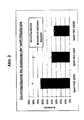
- hpAP-PEG activity towards the 4 different substrates see Fig. 3: pNPP ADP ATP LPS E. coli hpAP-PEG 2000 164.22 ⁇ 32.61% 93.85 ⁇ 9.83% 92.98 ⁇ 8.97% 78.07 ⁇ 1.85% hpAP-PEG 5000 299.44 ⁇ 85.15% 120.80 ⁇ 5.88% 124.06 ⁇ 6.12% 95.23 ⁇ 8.14% hpAP-PEG 10000 193.50 ⁇ 26.43% 96.52 ⁇ 1.20% 94.89 ⁇ 1.22% 69.23 ⁇ 1.28%
- the activity was highest for the human placental AP for all four substrates.
- the activities of the supported and passivated PEGylated hpAP were determined using the substrates pNPP (according to Example 4) and LPS from E. coli according to the method of ChandraRajan and Klein (see Example 5).
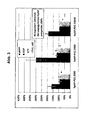
- hpAP-PEG-PMMA-HSy activity against pNPP and LPS from E. coli as a function of PEG size see Fig. 5: pNPP LPS E. coli hpAP-PEG 2000-PMMA-HSy 62.38 ⁇ 12.28% 63.19 ⁇ 22.92% hpAP-PEG 5000-PMMA-HSy 89.90 ⁇ 1.77% 73.49 ⁇ 20.32% hpAP-PEG 10000-PMMA-HSy 74.98 ⁇ 1.12% 54.37 ⁇ 18.20%
- the degree of PEGylation was determined by the fluorescamine assay (see Example 6).
- a pig intestine juice from the intestinal sections jejunum, ileum and colon was used, wherein the intestinal juice was enriched with pancreatin from porcine pancreas.
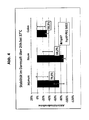
- the following table shows the percentage decrease in activity of hpAP-PEG 5000 compared to native hpAP (see Fig. 4). jejunum ileum Colon hpAP -73.91 ⁇ 16.53% -90.22 ⁇ 5.06% -33.52 ⁇ 4.45% hpAP-PEG 5000 -16.25 ⁇ 19.65% -35.88 ⁇ 16.12% -13.98 ⁇ 12.94%
- the PEG 5000 PEGylated hpAP shows a significantly higher stability than the native hpAP in all three sections of the intestine.
- hpAP -63.42 7.12% hpAP-PEG 5000-PMMA -39.28 ⁇ 8.55% hpAP-PEG 5000-PMMA-HSy -23.47 ⁇ 5.32%
- Chicken eggs are transferred to ex ovo culture after ⁇ 70 h incubation period. At this time, the yolk sac vessel system and the chicken embryo are completely spread in a horizontal position. The A. and V. vitellina are connected to the embryonic vessels, the capillary vessels of the yolk-sac membrane are already clearly formed.
- the concentration of endotoxin (from E. coli, 055: B5) is chosen to result in an LD 80-100 (12.5 ⁇ g / ⁇ l).
- mPEG-SPA succinimidyl-PEG 2000 Da and 0.38 mg mPEG-SPA 5000 Da and 0.77 mg mPEG-SPA 10000 Da, respectively, were administered in 500 ml ⁇ l of borate buffer (0.1 M boric acid, 0.1 M NaCl, pH 8.5) and incubated for 1.5 h at room temperature.
- borate buffer 0.1 M boric acid, 0.1 M NaCl, pH 8.5
- the PEG 5000 AOAH approach was then used directly for binding to the particles.
- AOAH enzymatic activity of AOAH was demonstrated by the glycerol assay (GA) and the limulus amebocyte lysate (LAL) assay.
- G glycerol assay
- LAL limulus amebocyte lysate
- the chemical substrate 3-palmitoyl-sn-glycerol is cleaved by the AOAH activity to form glycerol, which is then detected enzymatically.
- LPS is deacylated by AOAH activity.
- AOAH AOAH activity
- the glycerol assay refers to the AOAH activity-induced cleavage of the substrate 3-palmitoyl-sn-glycerol to glycerol (Munford & Hunter, 1992), which can then be determined by commercial detection methods.
- 1.5 ⁇ g of AOAH were diluted in 50 ⁇ l of AOAH buffer (0.154 M NaCl, 60 mM sodium acetate, 0.04% (v / v) Triton X-100, 1 mg / ml bovine serum albumin, pH 4.9) , 10 ⁇ l of a 3-palmitoyl-sn-glycerol solution (50 mM in DMSO) and incubated at 37 ° C for 4 h.
- the resulting glycerol could be detected using the Free Glycerol Reagent from Sigma-Aldrich.
- 160 ⁇ l of glycerol reagent were pipetted per well and 6 ⁇ l of the already incubated sample were added. After a further incubation period of 5 min at 37 ° C, the Samples are measured at 540 nm. Between increasing glycerol concentration and AOAH activity, a linear relationship could be established.
- the measurement of the AOAH activity against the natural substrate lipopolysaccharide was carried out by means of the LAL assay from Lonza.
- AOAH buffer (0.154 M NaCl, 60 mM sodium acetate, 0.04% (v / v) Triton X-100; 1 mg / ml bovine serum albumin, pH 4.9).
- An additional 25 ⁇ l of AOAH buffer was then added to one batch, but the second batch was filled with 1.5 ⁇ g of AOAH in 25 ⁇ l of AOAH buffer.
- the AOAH polymer conjugates were PEGylated as described under 1. using various succinimidyl PEGs (mPEG-SPA). Subsequently, the AOAH activity was determined by LAL assay.
- the following overview shows the AOAH activity of the PEGylated variants by LAL assay: AOAH 100% AOAH with mPEG-SPA 2000 Da 45 ⁇ 23% AOAH with mPEG-SPA 5000 Da 50 ⁇ 19% AOAH with mPEG-SPA 10000 Da 0%
- the following overview shows the AOAH activities of the AOAH, the enzyme-polymer conjugate (PEG5000-AOAH) and the carrier-bound enzyme-polymer conjugate (particle PEG5000-AOAH) after incubation for 24 h at 37 ° C. in the artificial state.
Landscapes
- Health & Medical Sciences (AREA)
- Life Sciences & Earth Sciences (AREA)
- General Health & Medical Sciences (AREA)
- Chemical & Material Sciences (AREA)
- Medicinal Chemistry (AREA)
- Animal Behavior & Ethology (AREA)
- Pharmacology & Pharmacy (AREA)
- Public Health (AREA)
- Veterinary Medicine (AREA)
- Bioinformatics & Cheminformatics (AREA)
- Engineering & Computer Science (AREA)
- Epidemiology (AREA)
- Organic Chemistry (AREA)
- Nuclear Medicine, Radiotherapy & Molecular Imaging (AREA)
- General Chemical & Material Sciences (AREA)
- Chemical Kinetics & Catalysis (AREA)
- Oncology (AREA)
- Communicable Diseases (AREA)
- Gastroenterology & Hepatology (AREA)
- Immunology (AREA)
- Proteomics, Peptides & Aminoacids (AREA)
- Enzymes And Modification Thereof (AREA)
- Medicines That Contain Protein Lipid Enzymes And Other Medicines (AREA)
- Medicinal Preparation (AREA)
Priority Applications (2)
| Application Number | Priority Date | Filing Date | Title |
|---|---|---|---|
| EP12000544.2A EP2620162A1 (fr) | 2012-01-27 | 2012-01-27 | Conjugué enzyme-polymère pour la détoxification de l'endotoxine |
| PCT/EP2013/000241 WO2013110471A1 (fr) | 2012-01-27 | 2013-01-28 | Agents pour la détoxification d'endotoxine |
Applications Claiming Priority (1)
| Application Number | Priority Date | Filing Date | Title |
|---|---|---|---|
| EP12000544.2A EP2620162A1 (fr) | 2012-01-27 | 2012-01-27 | Conjugué enzyme-polymère pour la détoxification de l'endotoxine |
Publications (2)
| Publication Number | Publication Date |
|---|---|
| EP2620162A1 true EP2620162A1 (fr) | 2013-07-31 |
| EP2620162A8 EP2620162A8 (fr) | 2013-09-18 |
Family
ID=47749745
Family Applications (1)
| Application Number | Title | Priority Date | Filing Date |
|---|---|---|---|
| EP12000544.2A Withdrawn EP2620162A1 (fr) | 2012-01-27 | 2012-01-27 | Conjugué enzyme-polymère pour la détoxification de l'endotoxine |
Country Status (2)
| Country | Link |
|---|---|
| EP (1) | EP2620162A1 (fr) |
| WO (1) | WO2013110471A1 (fr) |
Citations (8)
| Publication number | Priority date | Publication date | Assignee | Title |
|---|---|---|---|---|
| EP0441252A2 (fr) | 1990-02-07 | 1991-08-14 | Abbott Laboratories | Phosphatase alkaline ayant une activité spécifique améliorée pour l'utilisation dans des réactifs indicateurs |
| WO1995005456A1 (fr) | 1993-08-13 | 1995-02-23 | Rijksuniversiteit Te Groningen | Composition pharmaceutique comportant la phosphatase ou son derive |
| DE3751588T2 (de) | 1986-05-28 | 1996-03-21 | Univ Texas | Verfahren zum Verringern der Toxizität von LPS und Verfahren zum Dezoxifizieren eines LPS-haltigen flüssigen therapeutischen Mittels. |
| WO1998046648A1 (fr) | 1997-04-14 | 1998-10-22 | Max-Planck-Gesellschaft zur Förderung der Wissenschaften e.V., Berlin | Systeme interactif de presentation et d'elimination de substances |
| DE19903655A1 (de) * | 1999-01-29 | 2000-08-10 | Beiersdorf Ag | Proteinhaltige Hydrogele |
| WO2005074978A1 (fr) | 2004-02-04 | 2005-08-18 | Pharmaaware Sepsis B.V. | Utilisation de phosphatase alcaline pour la desintoxication du lps |
| EP1716541A1 (fr) | 2004-02-20 | 2006-11-02 | Siemens Corporate Research, Inc. | Procede et systeme de localisation multimodale d'objet basee sur des composants par fusion d'informations robustes |
| EP1282695B1 (fr) | 1999-11-17 | 2009-02-11 | JenAffin GmbH | Surfaces de polymere hemocompatibles |
Family Cites Families (4)
| Publication number | Priority date | Publication date | Assignee | Title |
|---|---|---|---|---|
| JPH069061B2 (ja) | 1986-03-26 | 1994-02-02 | 富士写真フイルム株式会社 | 画像デ−タの平滑化方法 |
| US5225202A (en) | 1991-09-30 | 1993-07-06 | E. R. Squibb & Sons, Inc. | Enteric coated pharmaceutical compositions |
| US5260068A (en) | 1992-05-04 | 1993-11-09 | Anda Sr Pharmaceuticals Inc. | Multiparticulate pulsatile drug delivery system |
| US7081771B2 (en) | 2004-02-20 | 2006-07-25 | Lattice Semiconductor Corporation | Upgradeable and reconfigurable programmable logic device |
-
2012
- 2012-01-27 EP EP12000544.2A patent/EP2620162A1/fr not_active Withdrawn
-
2013
- 2013-01-28 WO PCT/EP2013/000241 patent/WO2013110471A1/fr not_active Ceased
Patent Citations (8)
| Publication number | Priority date | Publication date | Assignee | Title |
|---|---|---|---|---|
| DE3751588T2 (de) | 1986-05-28 | 1996-03-21 | Univ Texas | Verfahren zum Verringern der Toxizität von LPS und Verfahren zum Dezoxifizieren eines LPS-haltigen flüssigen therapeutischen Mittels. |
| EP0441252A2 (fr) | 1990-02-07 | 1991-08-14 | Abbott Laboratories | Phosphatase alkaline ayant une activité spécifique améliorée pour l'utilisation dans des réactifs indicateurs |
| WO1995005456A1 (fr) | 1993-08-13 | 1995-02-23 | Rijksuniversiteit Te Groningen | Composition pharmaceutique comportant la phosphatase ou son derive |
| WO1998046648A1 (fr) | 1997-04-14 | 1998-10-22 | Max-Planck-Gesellschaft zur Förderung der Wissenschaften e.V., Berlin | Systeme interactif de presentation et d'elimination de substances |
| DE19903655A1 (de) * | 1999-01-29 | 2000-08-10 | Beiersdorf Ag | Proteinhaltige Hydrogele |
| EP1282695B1 (fr) | 1999-11-17 | 2009-02-11 | JenAffin GmbH | Surfaces de polymere hemocompatibles |
| WO2005074978A1 (fr) | 2004-02-04 | 2005-08-18 | Pharmaaware Sepsis B.V. | Utilisation de phosphatase alcaline pour la desintoxication du lps |
| EP1716541A1 (fr) | 2004-02-20 | 2006-11-02 | Siemens Corporate Research, Inc. | Procede et systeme de localisation multimodale d'objet basee sur des composants par fusion d'informations robustes |
Non-Patent Citations (11)
| Title |
|---|
| BAUER, K.H.; K. LEHMANN; H.P. OSTERWALD; G. ROTHGANG: "Überzogene Arzneiform", 1988, WISS. VERLAGSGESELLSCHAFT MBH |
| BEUMER CHANTAL ET AL: "Calf intestinal alkaline phosphatase, a novel therapeutic drug for lipopolysaccharide (LPS)-mediated diseases, attenuates LPS toxicity in mice and piglets", JOURNAL OF PHARMACOLOGY AND EXPERIMENTAL THERAPEUTICS, THE AMERICAN SOCIETY FOR PHARMACOLOGY AND EXPERIMENTAL THERAPEUTICS, US, vol. 307, no. 2, 1 November 2003 (2003-11-01), pages 737 - 744, XP002495667, ISSN: 0022-3565, DOI: 10.1124/JPET.103.056606 * |
| BÖHLEN ET AL.: "Fluorometric assay of proteins in the nanogram range", ARCH. BIOCHEM. BIOPHYS., vol. 155, 1973, pages 213 - 220 |
| CHANDRARAJAN; KLEIN: "Determination of inorganic phosphorus in the presence of organic phosphorus and high concentration of proteins", ANAL. BIOCHEM., vol. 72, 1976, pages 407 - 412 |
| KEVIN M TURNER ET AL: "Stabilization of a supplemental digestive enzyme by post-translational engineering using chemically-activated polyethylene glycol", BIOTECHNOLOGY LETTERS, SPRINGER NETHERLANDS, DORDRECHT, vol. 33, no. 3, 20 November 2010 (2010-11-20), pages 617 - 621, XP019883186, ISSN: 1573-6776, DOI: 10.1007/S10529-010-0474-7 * |
| MALIK ET AL.: "Molecular properties of rat intestinal alkaline phosphatase", BIOCHIM. BIOPHYS. ACTA, vol. 446, 1976, pages 105 - 114, XP025217498, DOI: doi:10.1016/0005-2795(76)90102-1 |
| PU ZHANG ET AL: "Fabrication of High-Capacity Biomolecular Carriers from Dispersible Single-Walled Carbon Nanotube-Polymer Composites", LANGMUIR, vol. 25, no. 20, 20 October 2009 (2009-10-20), pages 12308 - 12314, XP055037613, ISSN: 0743-7463, DOI: 10.1021/la9015349 * |
| ROBERTS ET AL.: "Chemistry for peptide and protein PEGylation", ADVANCED DRUG DELIVERY REVIEWS, vol. 54, 2002, pages 459 - 476, XP002354432, DOI: doi:10.1016/S0169-409X(02)00022-4 |
| SATOSHI SEKIGUCHI ET AL: "Effects of Polyethylene Glycol on Bovine Intestine Alkaline Phosphatase Activity and Stability", BIOSCIENCE, BIOTECHNOLOGY, AND BIOCHEMISTRY, vol. 75, no. 11, 1 January 2011 (2011-01-01), pages 2132 - 2137, XP055037614, ISSN: 0916-8451, DOI: 10.1271/bbb.110403 * |
| SHEDGE H Y ET AL: "Evaluation of non-specific binding suppression schemes for neutravidin and alkaline phosphatase at the surface of reticulated vitreous carbon electrodes", ANALYTICA CHIMICA ACTA, ELSEVIER, AMSTERDAM, NL, vol. 657, no. 2, 11 January 2010 (2010-01-11), pages 154 - 162, XP026799135, ISSN: 0003-2670, [retrieved on 20091105] * |
| YOUN Y S ET AL: "Improved intestinal delivery of salmon calcitonin by Lys<18>-amine specific PEGylation: Stability, permeability, pharmacokinetic behavior and in vivo hypocalcemic efficacy", JOURNAL OF CONTROLLED RELEASE, ELSEVIER, AMSTERDAM, NL, vol. 114, no. 3, 12 September 2006 (2006-09-12), pages 334 - 342, XP024957622, ISSN: 0168-3659, [retrieved on 20060912], DOI: 10.1016/J.JCONREL.2006.06.007 * |
Also Published As
| Publication number | Publication date |
|---|---|
| WO2013110471A1 (fr) | 2013-08-01 |
| EP2620162A8 (fr) | 2013-09-18 |
Similar Documents
| Publication | Publication Date | Title |
|---|---|---|
| AU698331B2 (en) | Pharmaceutical composition comprising phosphatase or a derivative thereof | |
| Qi et al. | An “On‐Site Transformation” strategy for treatment of bacterial infection | |
| JPS62255435A (ja) | 安定性タンパク質及びタンパク質の安定化法 | |
| ES2477316T3 (es) | Composiciones y métodos para la modulación de la estructura y/o función vascular | |
| Mathews et al. | Inhibition of hyaluronidase | |
| US4094971A (en) | Immunological adjuvant agents active in aqueous solution | |
| Sali et al. | Polysaccharide chain length of lipopolysaccharides from Salmonella Minnesota is a determinant of aggregate stability, plasma residence time and proinflammatory propensity in vivo | |
| Ma et al. | Oral administration of hydrogel-embedding silk sericin alleviates ulcerative colitis through wound healing, anti-inflammation, and anti-oxidation | |
| DE60038664T2 (de) | Genträger | |
| RU2006132735A (ru) | Терапевтические частицы фосфата кальция и способы их получения и применения | |
| CN107760661A (zh) | 药用激肽原酶的peg修饰物及其制备方法和应用 | |
| DE69229173T2 (de) | Pla2 hemmende verbindungen | |
| Gottschalk | The relation between structure and function in some glycoproteins | |
| Guan et al. | Biocompatible cloaking of bacteria for effective tumor imaging and therapy | |
| WO2013110471A1 (fr) | Agents pour la détoxification d'endotoxine | |
| US20130143828A1 (en) | Glycolipid for treatment of ischemia reperfusion injury | |
| KOJIMA et al. | Studies on the nephrotoxicity of aminoglycoside antibiotics and protection from these effects (3) protective effect of latamoxef against tobramycin nephrotoxicity and its protective mechanism | |
| DE2806181C2 (de) | Polysaccharid, Verfahren zu dessen Herstellung und Arzneimittel, das dieses Polysaccharid enthält | |
| Nadaroglu et al. | The differentially effect of some antilipid drugs on activity of the novel synthesized paraoxonase (PON1)-inorganic hybrid nanoflowers | |
| Uchikawa et al. | Parachlorella beyerinckii accelerates lead excretion in mice | |
| KR100603069B1 (ko) | 수용성의 산성 베타 글루칸을 주성분으로하는 염증 치료용조성물 | |
| FR3097742A1 (fr) | Bactérie de la famille desChristensenellacéeset composition en contenant pour la prévention et/ou le traitement de l’insuffisance rénale. | |
| JPH02231075A (ja) | デキストラン硫酸修飾スーパーオキシドジスムターゼ | |
| CN118580501A (zh) | 一种抗纤维化的化合物 | |
| Cui et al. | Chromium-Based Metal–Organic Frameworks with Anti-inflammatory and Antibacterial Activity for Periodontitis Treatment |
Legal Events
| Date | Code | Title | Description |
|---|---|---|---|
| PUAI | Public reference made under article 153(3) epc to a published international application that has entered the european phase |
Free format text: ORIGINAL CODE: 0009012 |
|
| AK | Designated contracting states |
Kind code of ref document: A1 Designated state(s): AL AT BE BG CH CY CZ DE DK EE ES FI FR GB GR HR HU IE IS IT LI LT LU LV MC MK MT NL NO PL PT RO RS SE SI SK SM TR |
|
| AX | Request for extension of the european patent |
Extension state: BA ME |
|
| RAP1 | Party data changed (applicant data changed or rights of an application transferred) |
Owner name: LIFE SCIENCE INKUBATOR BETRIEBS GMBH & CO. KG |
|
| STAA | Information on the status of an ep patent application or granted ep patent |
Free format text: STATUS: THE APPLICATION IS DEEMED TO BE WITHDRAWN |
|
| 18D | Application deemed to be withdrawn |
Effective date: 20140201 |