EP2635593B1 - Impfstoffe zur verhinderung von meningokokken-infektionen - Google Patents
Impfstoffe zur verhinderung von meningokokken-infektionen Download PDFInfo
- Publication number
- EP2635593B1 EP2635593B1 EP11778646.7A EP11778646A EP2635593B1 EP 2635593 B1 EP2635593 B1 EP 2635593B1 EP 11778646 A EP11778646 A EP 11778646A EP 2635593 B1 EP2635593 B1 EP 2635593B1
- Authority
- EP
- European Patent Office
- Prior art keywords
- seq
- sequence
- immunogenic fragment
- cells
- meningococcal
- Prior art date
- Legal status (The legal status is an assumption and is not a legal conclusion. Google has not performed a legal analysis and makes no representation as to the accuracy of the status listed.)
- Not-in-force
Links
Images



Classifications
-
- C—CHEMISTRY; METALLURGY
- C07—ORGANIC CHEMISTRY
- C07K—PEPTIDES
- C07K14/00—Peptides having more than 20 amino acids; Gastrins; Somatostatins; Melanotropins; Derivatives thereof
- C07K14/195—Peptides having more than 20 amino acids; Gastrins; Somatostatins; Melanotropins; Derivatives thereof from bacteria
- C07K14/22—Peptides having more than 20 amino acids; Gastrins; Somatostatins; Melanotropins; Derivatives thereof from bacteria from Neisseriaceae (F)
-
- A—HUMAN NECESSITIES
- A61—MEDICAL OR VETERINARY SCIENCE; HYGIENE
- A61K—PREPARATIONS FOR MEDICAL, DENTAL OR TOILETRY PURPOSES
- A61K38/00—Medicinal preparations containing peptides
- A61K38/16—Peptides having more than 20 amino acids; Gastrins; Somatostatins; Melanotropins; Derivatives thereof
- A61K38/164—Peptides having more than 20 amino acids; Gastrins; Somatostatins; Melanotropins; Derivatives thereof from bacteria
-
- A—HUMAN NECESSITIES
- A61—MEDICAL OR VETERINARY SCIENCE; HYGIENE
- A61K—PREPARATIONS FOR MEDICAL, DENTAL OR TOILETRY PURPOSES
- A61K39/00—Medicinal preparations containing antigens or antibodies
- A61K39/02—Bacterial antigens
- A61K39/095—Neisseria
-
- A—HUMAN NECESSITIES
- A61—MEDICAL OR VETERINARY SCIENCE; HYGIENE
- A61K—PREPARATIONS FOR MEDICAL, DENTAL OR TOILETRY PURPOSES
- A61K47/00—Medicinal preparations characterised by the non-active ingredients used, e.g. carriers or inert additives; Targeting or modifying agents chemically bound to the active ingredient
- A61K47/50—Medicinal preparations characterised by the non-active ingredients used, e.g. carriers or inert additives; Targeting or modifying agents chemically bound to the active ingredient the non-active ingredient being chemically bound to the active ingredient, e.g. polymer-drug conjugates
- A61K47/51—Medicinal preparations characterised by the non-active ingredients used, e.g. carriers or inert additives; Targeting or modifying agents chemically bound to the active ingredient the non-active ingredient being chemically bound to the active ingredient, e.g. polymer-drug conjugates the non-active ingredient being a modifying agent
- A61K47/62—Medicinal preparations characterised by the non-active ingredients used, e.g. carriers or inert additives; Targeting or modifying agents chemically bound to the active ingredient the non-active ingredient being chemically bound to the active ingredient, e.g. polymer-drug conjugates the non-active ingredient being a modifying agent the modifying agent being a protein, peptide or polyamino acid
- A61K47/64—Drug-peptide, drug-protein or drug-polyamino acid conjugates, i.e. the modifying agent being a peptide, protein or polyamino acid which is covalently bonded or complexed to a therapeutically active agent
-
- A—HUMAN NECESSITIES
- A61—MEDICAL OR VETERINARY SCIENCE; HYGIENE
- A61K—PREPARATIONS FOR MEDICAL, DENTAL OR TOILETRY PURPOSES
- A61K47/00—Medicinal preparations characterised by the non-active ingredients used, e.g. carriers or inert additives; Targeting or modifying agents chemically bound to the active ingredient
- A61K47/50—Medicinal preparations characterised by the non-active ingredients used, e.g. carriers or inert additives; Targeting or modifying agents chemically bound to the active ingredient the non-active ingredient being chemically bound to the active ingredient, e.g. polymer-drug conjugates
- A61K47/51—Medicinal preparations characterised by the non-active ingredients used, e.g. carriers or inert additives; Targeting or modifying agents chemically bound to the active ingredient the non-active ingredient being chemically bound to the active ingredient, e.g. polymer-drug conjugates the non-active ingredient being a modifying agent
- A61K47/68—Medicinal preparations characterised by the non-active ingredients used, e.g. carriers or inert additives; Targeting or modifying agents chemically bound to the active ingredient the non-active ingredient being chemically bound to the active ingredient, e.g. polymer-drug conjugates the non-active ingredient being a modifying agent the modifying agent being an antibody, an immunoglobulin or a fragment thereof, e.g. an Fc-fragment
- A61K47/6801—Drug-antibody or immunoglobulin conjugates defined by the pharmacologically or therapeutically active agent
- A61K47/6803—Drugs conjugated to an antibody or immunoglobulin, e.g. cisplatin-antibody conjugates
- A61K47/6811—Drugs conjugated to an antibody or immunoglobulin, e.g. cisplatin-antibody conjugates the drug being a protein or peptide, e.g. transferrin or bleomycin
-
- A—HUMAN NECESSITIES
- A61—MEDICAL OR VETERINARY SCIENCE; HYGIENE
- A61K—PREPARATIONS FOR MEDICAL, DENTAL OR TOILETRY PURPOSES
- A61K47/00—Medicinal preparations characterised by the non-active ingredients used, e.g. carriers or inert additives; Targeting or modifying agents chemically bound to the active ingredient
- A61K47/50—Medicinal preparations characterised by the non-active ingredients used, e.g. carriers or inert additives; Targeting or modifying agents chemically bound to the active ingredient the non-active ingredient being chemically bound to the active ingredient, e.g. polymer-drug conjugates
- A61K47/51—Medicinal preparations characterised by the non-active ingredients used, e.g. carriers or inert additives; Targeting or modifying agents chemically bound to the active ingredient the non-active ingredient being chemically bound to the active ingredient, e.g. polymer-drug conjugates the non-active ingredient being a modifying agent
- A61K47/68—Medicinal preparations characterised by the non-active ingredients used, e.g. carriers or inert additives; Targeting or modifying agents chemically bound to the active ingredient the non-active ingredient being chemically bound to the active ingredient, e.g. polymer-drug conjugates the non-active ingredient being a modifying agent the modifying agent being an antibody, an immunoglobulin or a fragment thereof, e.g. an Fc-fragment
- A61K47/6835—Medicinal preparations characterised by the non-active ingredients used, e.g. carriers or inert additives; Targeting or modifying agents chemically bound to the active ingredient the non-active ingredient being chemically bound to the active ingredient, e.g. polymer-drug conjugates the non-active ingredient being a modifying agent the modifying agent being an antibody, an immunoglobulin or a fragment thereof, e.g. an Fc-fragment the modifying agent being an antibody or an immunoglobulin bearing at least one antigen-binding site
- A61K47/6849—Medicinal preparations characterised by the non-active ingredients used, e.g. carriers or inert additives; Targeting or modifying agents chemically bound to the active ingredient the non-active ingredient being chemically bound to the active ingredient, e.g. polymer-drug conjugates the non-active ingredient being a modifying agent the modifying agent being an antibody, an immunoglobulin or a fragment thereof, e.g. an Fc-fragment the modifying agent being an antibody or an immunoglobulin bearing at least one antigen-binding site the antibody targeting a receptor, a cell surface antigen or a cell surface determinant
-
- C—CHEMISTRY; METALLURGY
- C07—ORGANIC CHEMISTRY
- C07K—PEPTIDES
- C07K14/00—Peptides having more than 20 amino acids; Gastrins; Somatostatins; Melanotropins; Derivatives thereof
- C07K14/435—Peptides having more than 20 amino acids; Gastrins; Somatostatins; Melanotropins; Derivatives thereof from animals; from humans
- C07K14/705—Receptors; Cell surface antigens; Cell surface determinants
- C07K14/70571—Receptors; Cell surface antigens; Cell surface determinants for neuromediators, e.g. serotonin receptor, dopamine receptor
-
- C—CHEMISTRY; METALLURGY
- C07—ORGANIC CHEMISTRY
- C07K—PEPTIDES
- C07K16/00—Immunoglobulins [IG], e.g. monoclonal or polyclonal antibodies
- C07K16/18—Immunoglobulins [IG], e.g. monoclonal or polyclonal antibodies against material from animals or humans
- C07K16/28—Immunoglobulins [IG], e.g. monoclonal or polyclonal antibodies against material from animals or humans against receptors, cell surface antigens or cell surface determinants
- C07K16/286—Immunoglobulins [IG], e.g. monoclonal or polyclonal antibodies against material from animals or humans against receptors, cell surface antigens or cell surface determinants against neuromediator receptors, e.g. serotonin receptor, dopamine receptor
-
- A—HUMAN NECESSITIES
- A61—MEDICAL OR VETERINARY SCIENCE; HYGIENE
- A61K—PREPARATIONS FOR MEDICAL, DENTAL OR TOILETRY PURPOSES
- A61K38/00—Medicinal preparations containing peptides
-
- C—CHEMISTRY; METALLURGY
- C07—ORGANIC CHEMISTRY
- C07K—PEPTIDES
- C07K2319/00—Fusion polypeptide
-
- C—CHEMISTRY; METALLURGY
- C07—ORGANIC CHEMISTRY
- C07K—PEPTIDES
- C07K2319/00—Fusion polypeptide
- C07K2319/32—Fusion polypeptide fusions with soluble part of a cell surface receptor, "decoy receptors"
Definitions
- the present invention stems from the finding that the interaction between the ⁇ 2 adrenoceptor ( ⁇ 2AR) and type IV pilus-associated proteins initiates a process leading to the opening of the blood-brain barrier.
- the invention therefore pertains to a vaccine for preventing the spreading of meningococci into the meningeal space, wherein said vaccine allows the production of antibodies inhibiting the interaction between the type IV pilus-associated proteins and the ⁇ 2AR.
- Meningococcus ( N. meningitidis , Nm ), a cause of epidemic meningitis and sepsis, is a commensal Gram-negative bacterium of the human nasopharynx. After bloodstream invasion, virulent encapsulated bacteria adhere to brain endothelial cells and proliferate onto the apical surface of host cells to form microcolonies at the site of initial bacterial attachment, then cross the Blood Brain Barrier (BBB) to colonize meninges ( Nassif et al., 2002, Trends Microbiol 10, 227-232 ).
- BBB Blood Brain Barrier
- meningococcal adhesion could only occur at low shear stress levels, which are observed in capillaries upon transient reduction in flow. After initial attachment, bacteria acquire the capacity to resist higher blood velocities and to multiply, forming colonies. Cellular and molecular mechanisms of this tighter adhesion are initiated by tfp-dependent activation of host cell signaling cascades. In vitro, encapsulated meningococci elicit the organization of specific "honeycomb"-shaped molecular complexes underneath bacterial colonies, referred to as "cortical plaques".
- Cortical plaques result from the recruitment of molecular linkers, such as ezrin and moesin, adhesion molecules and membrane receptors, and from localized polymerization of cortical actin, leading to the formation of microvilli-like plasma membrane protrusions among bacteria, which are crucial for Nm colonies to resist shear stress and colonize blood vessels.
- Changes of the host cell cytoskeleton induced by Nm are associated with the turning on of multiple signaling events including the activation of the Src kinase, the activation of the GTPases Rho, Cdc42, and Rac, the PI3-kinase-mediated recruitment of cortactin and the activation of mitogen-activated kinases.
- Nm ultimately pass through the barrier of brain endothelial cells by transcytosis ( Nassif et al., 2002, Trends Microbiol 10, 227-232 ) or through cell junctions has been debated for a long time. Recently, however, Nm were shown to recruit endothelial cell adhesion molecules, such as VE-cadherin, into cortical plaques. This recruitment leads to the formation of ectopic intercellular junctional domains at the site of bacteria-host cell interaction, depletion of junctional proteins at the cell-cell interface, opening of intercellular junctions and subsequent crossing of the BBB ( Coureuil et al., 2009, Science 325, 83-87 ).
- ⁇ -arrestins referred here to ⁇ arr1 and ⁇ arr2
- GPCRs G protein coupled receptors
- ⁇ arrs operate as adaptor proteins to recruit and activate Src under agonist-occupied receptors.
- ⁇ arrs act as scaffolds for GPCR-mediated activation of the MAPKs ERK1/2 into cytoplasmic compartments, and drive localized activation of cortical actin polymerization. ⁇ arrs were also shown to contribute to the activation of several Ras-family GTPases.
- VEGF vascular endothelial growth factor
- BBB blood-brain barrier
- meningitis The main clinical feature of meningococcal infection is meningitis.
- Neisseria meningitidis is a frequent asymptomatic colonizer of the human nasopharynx, and only a very small proportion of infections proceed to a sustained bacteraemia.
- N.meningitdis the presence of N.meningitdis in the bloodstream will remain asymptomatic.
- the bacteria will interact with the brain endothelial cells and invade the meninges to be responsible for meningitis which is the first clinical complication of meningococcal dissemination in 70% of patients.
- meningococcal disseminate from the nasopharynx into the bloodstream in some individuals and not in others remain unclear, but human genetic polymorphism is likely to be important in determining the outcome of nasopharyngeal colonization.
- all meningococci do not have the same pathogenic potential.
- MLST multilocus sequence typing
- clonal complexes clonal complexes
- these are the so-called "hyper-virulent" or "hyperinvasive” lineages.
- prophage has been shown to be responsible for a large proportion of invasiveness of strains belonging to hyperinvasive lineages. This element inserted into the chromosome can be induced to produce a filamentous phage.
- N.meningitidis meningeal invasion is a consequence of the direct interaction of N.meningitidis with the brain endothelial cells ( Pron et al, Journal of Infectious Diseases, 1997, 176(5):1285-92 ).
- In vitro experiments using a brain endothelial cell line has shown that the type IV pili of N.meningitidis are responsible for the formation of microcolonies on the apical surface of endothelial cell capillaries. The formation of these microcolonies leads to a signalling to the endothelial cells and the recruitment of junctional molecules at the site of the bacterial cell interaction, thus depleting the intercellular junctions and opening the paracellular route. N.meningitidis can then cross this monolayer between two adjacent cells.
- a vaccine aiming at protecting against cerebrospinal meningitis will be best if it prevents bacterial dissemination in the bloodstream by inducing bactericidal antibodies and inhibits the ability of the bacteria to cross the blood brain barrier.
- Most of the current strategies aiming at engineering a vaccine against meningococcal infection concentrate solely on the production of bactericidal antibodies.
- the dissemination of the bacteria into the blood remains asymptomatic until it crosses the blood brain barrier, preventing the ability of the bacteria to signal to brain endothelial cells will prevent meningeal dissemination and bacterial meningitis.
- the inclusion in a meningococcal vaccine of epitopes inducing antibodies preventing meningococcal crossing of the blood brain barrier will therefore be beneficial for the prevention of cerebrospinal meningitis.
- Laminin receptor initiates bacterial contact with the blood brain barrier in experimental meningitis model
- JOURNAL OF CLINICAL INVESTIGATION vol.119, no.6, June 2009, pages 1638-1646
- the laminin receptor on vascular endothelial cells interacts with certain bacterial adhesins such as pilQ protein of Neisseria meningitidis.
- the inventors have confrontingly found that the signalling leading to the opening of the blood brain barrier is a consequence of the interaction of two pilus components, the major pilin PilE and the minor pilin PilV, with the N-terminal portion of the beta2 adrenergic receptor. This interaction leads to the activation of the beta arrestin and the subsequent signalling into the host cells followed by the opening of the intercellular junction proteins.
- a vaccine inducing antibodies inhibiting the interaction between the components of the type IV pili carrying the recognition domain to the beta2 adrenergic receptor responsible for meningococcal signalling i.e. these components are the major pilin PilE and the minor pilin PilV
- these components are the major pilin PilE and the minor pilin PilV
- purified PilE and PilV or portion of these peptides, used either in association, or fused in the same polypeptide chain to increase their immunogenicity are the best candidate to induce the production of protective antibodies, as long as the fragment of each molecule encompass the domain of interaction with the beta2 adrenergic receptor.
- the mature protein of PilE is approximately 145-160 residues long after processing by a prepilin peptidase. It has a conserved hydrophobic N-terminal 25 residue and a carboxy-terminal disulphide bond.
- the conserved hydrophobic N-terminal moiety that is embedded in the core of the pilus is involved in the cohesion of the subunits as a fibre.
- the polymorphic C-terminus of pilin is partially exposed at the surface of the assembled pilus.
- the pilin also harbours two cysteine residues that build a disulfide bridge, involved in the formation of the surface accessible, variable and immune dominant part of the pilus.
- Pilins are therefore packed through internal hydrophobic interactions between conserved N-terminal ⁇ helices, leaving hypervariable C-terminal globular regions exposed.
- the major pilin is encoded by the PilE gene.
- the fragment contained in the vaccine will therefore be either a complete pilin or a fragment of the molecule expressing the epitope binding to the N-terminal portion of the beta2 adrenergic receptor.
- different variants may be included in the vaccine. However, it is likely that the domain binding to the beta2 adrenergic receptor has a conserved structure between strains.
- the minor pilin PilV is structurally very similar to the major pilin but these genes are present in every strain tested and are remarkably conserved between different serogroups and clonal complexes.
- the major pilin PilE a fragment deleted of the N-terminal hydrophobic portion or even a smaller fragment can be used as long as antibodies against this fragment are capable of inducing antibodies inhibiting the endothelial cell signaling.
- the inventors have surprisingly found that Nm colonies at the cell surface of a human brain endothelial cell line promote the translocation of ⁇ arrs to the inner surface of plasma membrane, facing bacteria. ⁇ arrs translocated under the colonies serve as a scaffolding platform for signaling events elicited by Nm.
- ⁇ 2AR ⁇ 2-adrenoceptor
- the inventors have surprisingly found that a vaccine inducing antibodies inhibiting the interaction between the components of the type IV pili carrying the recognition domain to the beta2 adrenergic receptor responsible for meningococcal signalling, i.e. major pilin PilE and minor pilin PilV, is particularly useful for preventing cerebrospinal meningitis.
- PilE protein and "PilV proteins”
- PilE and PilV proteins derived from any meningococcal serogroup, e.g. from a meningococcus of serogroup A, B, C, Y or W135.
- said PilE and PilV proteins comprise or consist of:
- polypeptide having an amino acid sequence at least, for example, 95% "i dentical " to a query amino acid sequence of the present invention it is intended that the amino acid sequence of the subject polypeptide is identical to the query sequence except that the subject polypeptide sequence may include up to five amino acid alterations per each 100 amino acids of the query amino acid sequence.
- up to 5% (5 of 100) of the amino acid residues in the subject sequence may be inserted, deleted, or substituted with another amino acid.
- the percentage of identity is calculated using a global alignment (i.e. the two sequences are compared over their entire length).
- Methods for comparing the identity of two or more sequences are well known in the art.
- the « needle » program which uses the Needleman-Wunsch global alignment algorithm ( Needleman and Wunsch, 1970 J. Mol. Biol. 48:443-453 ) to find the optimum alignment (including gaps) of two sequences when considering their entire length, may for example be used.
- the needle program is for example available on the ebi.ac.uk world wide web site.
- the percentage of identity in accordance with the invention is preferably calculated using the EMBOSS::needle (global) program with a "Gap Open” parameter equal to 10.0, a "Gap Extend” parameter equal to 0.5, and a Blosum62 matrix.
- Proteins consisting of an amino acid sequence "at least 80%, 85%, 90%, 95% or 99% identical" to a reference sequence may comprise mutations such as deletions, insertions and/or substitutions compared to the reference sequence.
- the protein consisting of an amino acid sequence at least 80%, 85%, 90%, 95% or 99% identical to a reference sequence may correspond to a homologous sequence derived from another species than the reference sequence.
- the substitution preferably corresponds to a conservative substitution as indicated in the table below.
- Mammalian ⁇ 2 adrenoceptors are well known to the skilled in the art.
- the human ⁇ 2 adrenoceptor encompasses the protein having the sequence of SEQ ID NO: 3 as well as allelic variants and splice variants thereof.
- the mammalian ⁇ 2AR may for example correspond to a human, a rat, a mouse, a guinea pig, a Chinese hamster, a rabbit or a monkey ⁇ 2AR.
- protective antibodies antibodies inhibiting the interaction between PilV and ⁇ 2AR. More particularly, said antibodies inhibit the interaction between the N-terminus of ⁇ 2AR and, PilV.
- said protective antibodies may for example recognize a linear epitope either comprised within the recognition domain to the ⁇ 2AR of PilV, or comprising at least 1, 2, 3, 4, 5, 6, 7, 8, 9 or 10 consecutive amino acids located within the recognition domain to the ⁇ 2AR of PilV.
- the antibody may bind to a conformational epitope comprising at least 1, 2, 3, 4, 5, 6, 7, 8, 9 or 10 amino acids located within the recognition domain to the ⁇ 2AR of PilV.
- immunogenic fragment is meant a contiguous portion of PilE or PilV which has the same or substantially the same immunogenic activity as PilE or PilV, respectively. That is to say, the fragment is capable of raising an immune response with antibodies that recognizes PilE or PilV. Preferably, the fragment is capable of raising an immune response with antibodies that prevent meningococcal infection. More preferably, said fragment is capable of raising an immune response with antibodies that prevent meningococci to cross of the BBB or to spread into the meningeal space. Still more preferably, said fragment is capable of raising an immune response with antibodies that inhibit the interaction between PilE and/or PilV and ⁇ 2AR.
- said immunogenic fragment does not carry the hydrophobic domain of PilE or PilV. More particularly, said immunogenic fragment of PilE does not carry the hydrophobic domain of sequence FTLIELMIVIAIVGILAAVALPAYQDYTARAQVSEAILLAEGQKSAVTEYYL (SEQ ID NO: 16). More particularly, said immunogenic fragment of PilV does not carry the hydrophobic domain of sequence FTLLELMIAVAILGILTLITYPSYKTYIRRVRLSEVRTTLLHNAQTMERYYRQ (SEQ ID NO: 17).
- said immunogenic fragment or PilE comprises or consists of :
- said immunogenic fragment or PilV comprises or consists of :
- said immunogenic fragment carries the recognition domain to the ⁇ 2AR responsible for meningococcal signaling.
- said immunogenic fragment of PilE comprises or consists of:
- said immunogenic fragment of PilV comprises or consists of:
- meningococcal vaccine antigen is meant a meningococcal antigen that is capable of raising an immune response against N. meningitidis , and that is suitable for use as a vaccine. As used herein, this term does not include PilE, PilV and immunogenic fragments thereof.
- meningococcal vaccine antigens are well-known to the skilled in the art. Indeed, several vaccines against meningococci are commercialized and/or under development.
- the meningococcal vaccine antigen may correspond to one of the polysaccharide or glycoconjugate antigens comprised within the MCV-4 (commercialized under the name of Menactra® or Menveo®), MPSV-4 (Menomune®), Mencevax® or NmVac4-A/C/Y/W-135 vaccines.
- the meningococcal vaccine antigen may also correspond to the capsule of group B meningococci (MenB) and/or to the outer membrane vesicle (OMV).
- MenB group B meningococci
- OMV outer membrane vesicle
- the meningococcal vaccine antigen corresponds to a polypeptide.
- the meningococcal vaccine antigen may for example be the Meningococcal Factor H binding protein (fHbp, previously referred to as GNA1870 or Lp2086), the major immunodominant surface porin (PorA), Neisserial Heparin Binding Antigen (NHBA, previously referred to as GNA2132), NadA, or immunogenic fragments thereof.
- fHbp Meningococcal Factor H binding protein
- PorA the major immunodominant surface porin
- NHBA Neisserial Heparin Binding Antigen
- NadA immunogenic fragments thereof.
- fHBP fHBP polypeptide of subfamilyB/Variant1 or of subfamilyA/Variant 2. More particularly, said fHBP polypeptide may have the sequence SEQ ID NO: 22 or SEQ ID NO: 23 or a sequence at least 80, 85, 90, 95 or 99% identical to the sequence SEQ ID NO: 22 or SEQ ID NO: 23, or an immunogenic fragment thereof.
- PorA it is meant a polypeptide that may have the sequence SEQ ID NO: 24 or a sequence at least 80, 85, 90, 95 or 99% identical to the sequence SEQ ID NO: 24, or an immunogenic fragment thereof.
- NHBA a polypeptide that may have the sequence SEQ ID NO: 25 or a sequence at least 80, 85, 90, 95 or 99% identical to the sequence SEQ ID NO: 25, or an immunogenic fragment thereof.
- NedA a polypeptide that may have the sequence SEQ ID NO: 26 or a sequence at least 80, 85, 90, 95 or 99% identical to the sequence SEQ ID NO: 26, or an immunogenic fragment thereof.
- Immunogenic composition as used in the context of the present invention relates to a composition comprising at least one protein or fragment thereof (hereafter referred to as "antigen") which provokes or immunomodulates (i.e. immunosuppress or immunostimulate) an immune response when administered to an individual or which induces the production of antibodies when administered to an individual.
- antigen i.e. immunosuppress or immunostimulate
- a "vaccine composition” as used herein refers to a composition, such as the immunogenic composition described herein which is administered to immunomodulate an immune response, that will protect or treat an individual from illness, in particular due to that agent.
- the vaccine of the present invention is intended for use both as a therapeutic (treatment) vaccine, i.e. for administration to the individual after development of the disease with the intention to reduce or arrest disease progression and as a preventive (prophylactic) vaccine, for administration to the individual prior to the development of the disease, with the intent to prevent initial (and/or recurrent) infection.
- subject or “individual” it is meant a human, more preferably a men, a woman or a child.
- an aspect of the invention provides a protein that comprises or consists of:
- the fragments of PilV are immunogenic fragments.
- Methods for determining whether a fragment is immunogenic are well-known to the skilled in the art. For example, the capacity to raise an immune response against PilV may be tested using the assay described by Danve et al. (Vaccine. 1993;11:1214-20 ). Alternatively, the fragment to be tested may be used to raise specific antisera in a non-human animal such as a mouse. It may then be tested whether these antibodies are capable of inhibiting the interaction between meningococci and ⁇ 2AR in vitro , e.g. using one of the protocols disclosed in the Examples.
- the fragments of PilV do not need to be capable of activating a mammalian ⁇ 2 adrenoceptor. It is sufficient for them to be immunogenic.
- the fragments of PilV need to be capable of raising an immune response with antibodies that prevent meningococcal infection, or that prevent meningococci to cross of the BBB or to spread into the meningeal space. More preferably, the fragments of PilV need to be capable of inducing the production of protective antibodies, i.e. antibodies inhibiting the interaction between PilV and ⁇ 2AR.
- the vaccine according to the invention is particularly useful for administration to individuals that are suspected of suffering from a meningococcal infection, but in whom the meningococci have not yet invaded the meningeal space.
- individuals include for example:
- the vaccine according to the invention is expected to prevent spreading of all meningococci, in particular of meningococci of group B.
- PilV and immunogenic fragments thereof can be used in combination with a second meningococcal vaccine antigen.
- the invention pertains to a combination of at least two of:
- the combinations according to the invention may for example comprise or consist of:
- said combination comprises or consists of the immunogenic fragment of PilV of sequence SEQ ID NO: 19 and the fHBP polypeptide of sequence SEQ ID NO: 23, or of the immunogenic fragment of PilV of sequence SEQ ID NO: 21 and the fHBP polypeptide of sequence SEQ ID NO: 23.
- the said meningococcal vaccine antigens generally correspond to antigens having bactericidal activity, i.e. they which aim at generating an immune response with antibodies aiming at killing the meningococci.
- the combination according to the invention is expected to be a highly efficient vaccine since it would have two different actions: a bactericidal activity on the one hand (thanks to the meningococcal vaccine antigen), and prevention of the spreading of meningococci into the meningeal space on the other hand (thank to PilV or the immunogenic fragment thereof).
- a particularly preferred aspect of the invention pertains to fusion proteins comprising at least two of:
- Such fusion proteins are believed to be particularly suitable for use as a vaccine for preventing a meningococcal infection. Indeed, since they comprise at least two antigens that are fused together, they are highly immunogenic and thus highly efficient vaccines. In addition, they have the same advantages as the above combinations. More particularly, said fusion proteins have the ability to raise an immune response with antibodies that prevent meningococcal infection, or that prevent meningococci to cross of the BBB or to spread into the meningeal space. Still more particularly, said fusion proteins induce the production of protective antibodies inhibiting the interaction between PilV and ⁇ 2AR.
- Such a fusion protein according to the invention may for example comprise or consist of:
- said combination comprises or consists of the immunogenic fragment of PilV of sequence SEQ ID NO: 19 fused with the fHBP polypeptide of sequence SEQ ID NO: 23, or of the immunogenic fragment of PilV of sequence SEQ ID NO: 21 fused with the fHBP polypeptide of sequence SEQ ID NO: 23. Consequently said fusion protein comprises or consists of the sequence SEQ ID NO: 29 or SEQ ID NO: 30.
- the fusion protein according to the invention may further comprise other moieties such as e.g. peptidic linkers allowing linking the different antigens, proteins or fragments comprised within the fusion protein, a tag useful for purification, a leader sequence, a signal peptide, one or more peptidic fragments enhancing the immunogenicity, etc.
- moieties such as e.g. peptidic linkers allowing linking the different antigens, proteins or fragments comprised within the fusion protein, a tag useful for purification, a leader sequence, a signal peptide, one or more peptidic fragments enhancing the immunogenicity, etc.
- the invention further provides:
- the invention also relates to a vaccine composition or immunogenic composition for use for preventing the spreading of meningococci into the meningeal space by the production of protective antibodies inhibiting the interaction between PilV and mammalian ⁇ 2 adrenoreceptor, said vaccine or immunogenic composition comprising or consisting of:
- said vaccine composition or immunogenic composition comprises or consists of a combination comprising or consisting of at least two of:
- said vaccine composition or immunogenic composition comprises or consists of a combination comprising or consisting of the immunogenic fragment of PilV of sequence SEQ ID NO: 19 and the fHBP polypeptide of sequence SEQ ID NO: 23, or of the immunogenic fragment of PilV of sequence SEQ ID NO: 21 and the fHBP polypeptide of sequence SEQ ID NO: 23.
- said vaccine composition or immunogenic composition comprises or consists of a fusion protein comprising or consisting of at least two of:
- said vaccine composition or immunogenic composition comprises or consists of a fusion protein comprising or consisting of the immunogenic fragment of PilV of sequence SEQ ID NO: 19 fused with the fHBP polypeptide of sequence SEQ ID NO: 23, or of the immunogenic fragment of PilV of sequence SEQ ID NO: 21 fused with the fHBP polypeptide of sequence SEQ ID NO: 23.
- said vaccine composition or immunogenic composition comprises or consists of a fusion protein comprising or consisting of the sequence SEQ ID NO: 29 or SEQ ID NO: 30.
- Methods of obtaining a vaccine composition or immunogenic composition are well known in the art. Generally such methods involve extracting proteins from bacterial preparations using techniques such as sonication, proteolytic digestion, heat treatment, freeze-thaw treatment, osmotic shock treatment etc.... Examples of artificial bacterial preparations include protein preparations either in part or entirely obtained by synthetic or recombinant methods. Oligonucleotides can probes can be devised based on the sequences of the bacterial genome and can be used to probe genomic or cDNA libraries for genes encoding antigens useful in the context of the invention. Genes can be isolated using standard techniques.
- the vaccine composition or immunogenic composition can comprise a suitable adjuvant.
- the type of adjuvant will vary, depending on the type of antigen preparation and route of administration used. Any adjuvant known in the art may be used in the immunogenic composition, including oil-based adjuvants such as Freund's Complete Adjuvant and Freund's Incomplete Adjuvant, mycolate-based adjuvants (e.g., trehalose dimycolate), bacterial lipopolysaccharides (LPS), peptidoglycans (i.e., mureins, mucopeptides, or glycoproteins such as N-Opaca, muramyl dipeptide [MDP], or MDP analogs), proteoglycans (e.g., extracted from Klebsiella pneumoniae), streptococcal preparations (e.g., OK432), Biostim.TM.
- oil-based adjuvants such as Freund's Complete Adjuvant and Freund's Incomplete Adjuvant
- Adjuvants include, but are not limited to, the RIBI adjuvant system (Ribi Inc.), alum, aluminum hydroxide gel, cholesterol, oil-in water emulsions, water-in-oil emulsions such as, e.g., Freund's complete and incomplete adjuvants, Block co-polymer (CytRx, Atlanta Ga.), SAF-M (Chiron, Emeryville Calif.), AMPHIGEN.RTM.
- Suitable pharmaceutically acceptable carrier is for example an adjuvant.
- Adjuvants include, but are not limited to oil-based adjuvants such as Freund's Complete Adjuvant and Freund's Incomplete Adjuvant, mycolate-based adjuvants (e.g ., trehalose dimycolate), bacterial lipopolysaccharides (LPS), peptidoglycans ( i.e., mureins, mucopeptides, or glycoproteins such as N-Opaca, muramyl dipeptide [MDP], or MDP analogs), proteoglycans (e.g., extracted from Klebsiella pneumoniae), streptococcal preparations (e.g., OK432), Biostim.TM.
- oil-based adjuvants such as Freund's Complete Adjuvant and Freund's Incomplete Adjuvant
- mycolate-based adjuvants e.g ., trehalose dimycolate
- LPS bacterial lipopoly
- EP 109 942 e.g ., 01 K2
- EP 180 564 and EP 231 039 aluminum hydroxide, saponin, DEAE-dextran, neutral oils (such as miglyol), vegetable oils (such as arachis oil), liposomes, Pluronic.RTM.
- polystyrene resin polystyrene resin
- RIBI adjuvant system Ribi Inc.
- alum aluminum hydroxide gel
- cholesterol oil-in water emulsions
- water-in-oil emulsions such as, e.g., Freund's complete and incomplete adjuvants, Block co-polymer (CytRx, Atlanta Ga.), SAF-M (Chiron, Emeryville Calif.), AMPHIGEN.RTM.
- the immunogenic composition, the vaccines and the fusion proteins according to the invention can be administered via any suitable route, such as by mucosal (intranasal), parenteral, or intramuscular administration, oral, intradermal, intraperitoneal, intravenous, or subcutaneous administration.
- suitable vaccination routes also comprise combination administrations ( e.g. oral/intramuscular administration).
- the immunogenic composition, the vaccines and the fusion proteins according to the invention can be administered alone or with suitable pharmaceutical carriers, and can be in solid or liquid form such as, tablets, capsules, powders, solutions, suspensions, or emulsions.
- the solid unit dosage forms can be of the conventional type.
- the solid form can be a capsule, such as an ordinary gelatin type containing the proteins or peptides of the present invention or the antibodies or binding portions thereof of the present invention and a carrier, for example, lubricants and inert fillers such as, lactose, sucrose, or cornstarch.
- these compounds are tableted with conventional tablet bases such as lactose, sucrose, or corn starch in combination with binders like acacia, corn starch, or gelatin, disintegrating agents such as, corn starch, potato starch, or alginic acid, and a lubricant like stearic acid or magnesium stearate.
- the immunogenic composition, the vaccines and the fusion proteins according to the invention may also be administered in injectable dosages by solution or suspension of these materials in a physiologically acceptable diluent with a pharmaceutical carrier.
- a pharmaceutical carrier include sterile liquids such as water and oils, with or without the addition of a surfactant and other pharmaceutically acceptable adjuvants.
- Illustrative oils are those of petroleum, animal, vegetable, or synthetic origin, for example, peanut oil, soybean oil, or mineral oil.
- water, saline, aqueous dextrose and related sugar solution, and glycols such as, propylene glycol or polyethylene glycol, are preferred liquid carriers, particularly for injectable solutions.
- the immunogenic composition, the vaccines and the fusion proteins according to the invention of the present invention in solution or suspension may be packaged in a pressurized aerosol container together with suitable propellants, for example, hydrocarbon propellants like propane, butane, or isobutane with conventional adjuvants.
- suitable propellants for example, hydrocarbon propellants like propane, butane, or isobutane with conventional adjuvants.
- the materials of the present invention also may be administered in a non-pressurized form such as in a nebulizer or atomizer.
- all agents, molecules, compounds, proteins, polypeptides, peptides, nucleic acids, vectors and host cells may be isolated and/or purified.
- the hCMEC/D3 cell line retaining the main characteristics of primary brain endothelial cells, was described previously ( Weksler et al., 2005, FASEB J 19, 1872-1874 ).
- Non-capsulated isogenic derivatives were engineered by introducing a siaD mutation.
- Isogenic non-piliated, piliated or PilV- variants of an Opa + non-capsulated 2C43 derivative were designated SiaD- Opa + PilE - , SiaD- Opa + and SiaD-Opa + PilV - , respectively.
- Nm expressing the green fluorescent protein (GFP) were obtained by introducing in bacteria the pAM239 plasmid by conjugation ( Mairey et al., 2006, J Exp Med 203, 1939-1950 ).
- the recruitment efficiency was estimated by determining the proportion of colonies positive for the indicated protein of interest. At least 50 colonies were observed per coverslip. Each experiment was repeated several times in duplicate or triplicate. Data was examined for significance using Student's t -test.
- hCMEC/D3 cells were transfected using the Amaxa Nucleofactor Kit for Huvec (Amaxa Biosystem) or jetPEI transfection reagent (Polyplus Transfection) according to the manufacturer's instructions.
- HEK-293 cells were transfected using Lipofectamine 2000 (Invitrogen).
- hCMEC/D3 cells were grown on disposable flow chambers (15 ⁇ -Slide VI, IBIDI) coated with 5 ⁇ g/cm 2 of rat-tail collagen type I.
- 10 7 bacteria were introduced into the flow chamber and allowed to adhere for 10min without flow. Subsequently, a flow corresponding to a shear stress of 0.2dyn/cm 2 was applied using a syringe pump (Harvard Apparatus).
- hCMEC/D3 cells were grown on 3 ⁇ m pore size MilliCell® inserts and infected at a MOI of 10, corresponding to 10 6 bacteria per insert.
- inserts were placed in a well with fresh medium. After additional 30min, the number of bacteria, which had crossed the cell monolayer was determined by plating the content of the well and counting the number of colony forming units.
- MilliCell® inserts were fixed in 4% PFA and immunostained for VE-cadherin and actin.
- Several baso-lateral cross-sections of each insert were acquired using a Leica SP5 confocal microscope.
- hCMEC/D3 The immortalized human brain micro-vascular endothelial cell line hCMEC/D3, which retains the main characteristics of primary brain endothelial cells, was described previously.
- hCM EC/D3 cells were grown at a density of 25x1 03 cells per cm 2 in flasks coated with 5 ⁇ g/cm 2 rat tail collagen type I (BD Bioscience), in EBM-2 medium (Lonza) supplemented with 5% of Fetal Calf Serum, 1% of Penicillin-Streptomycin, 1.4 ⁇ M hydrocortisone, 5 ⁇ g/ml ascorbic acid, 10mM HEPES and 1ng/ml b-FGF, at 37°C in a humidified incubator in 5% CO2.
- HEK-293 Human Embryonic Kidney 293 (HEK-293) cells were grown in flasks coated with 0.01% poly-L-lysine (Sigma), containing DMEM medium supplemented with 10% Fetal Calf Serum and 1% Penicillin-Streptomycin, in 5% CO2-enriched humidified atmosphere.
- DMEM medium supplemented with 10% Fetal Calf Serum and 1% Penicillin-Streptomycin
- cells were grown on 12- mm diameter glass coverslips with appropriate coating and media.
- Millicell® inserts of indicated pore size Cells were seeded at a density of 5x1 04 cells per cm2 on inserts pre-coated with rat tail collagen type I (thick coating, modified from Bornstein and Murray) for 12-15 days. The medium was replaced every 3-4 days and 24h before the experiment.
- a non-capsulated derivative of this strain was engineered by introduction of a siaD mutation.
- Isogenic non-piliated and piliated Opa + strains of this non-encapsulated 2C43 derivative were designated SiaD- Opa + PilE- and SiaD- Opa + , respectively ( Coureuil et al., 2009, Science 325, 83-87 ).
- Isogenic piliated and non-capsulated Opa+ mutant for the pilV gene was designated SiaD- Opa+ PilV- (Mikaty et al ., 2009, PLoS Pathog 5, e1000314).
- N. meningitidis expressing the green fluorescent protein (GFP) were obtained by introducing in bacteria the pAM239 plasmid by conjugation (Mairey et al ., 2006, J Exp Med 203, 1939-1950). The day before the infection, hCMEC/D3 cells were serum-starved in EBM-2 medium containing 0.1% Bovine Serum albumin (BSA).
- BSA Bovine Serum albumin
- Bacteria were added to cells at a multiplicity of infection (MOI) of 100 and allowed to adhere for 30 minutes. Unbound bacteria were washed with fresh medium and infection was al lowed to proceed for 2h.
- MOI multiplicity of infection
- drugs were added to cell culture 1 h before infection.
- Bacteria were tested for growth and aggregation.
- the OD600 was then measured after 1, 2, 3, 4 and 8h. Aggregation was determined after 2h of incubation in EBM2, 0.1% BSA in the presence or absence of 100 ⁇ M isoproterenol at 37°C in a 5% CO2 atmosphere under constant shaking. A cone and plate assay was then performed as described previously (Mikaty et al ., 2009) using a cone and plate rheometer (Brookfield Engineering Laboratories Inc., Middleboro, MA, U SA).
- Plasmids coding for ⁇ arr1-GFP, ⁇ arr2-GFP, myc- ⁇ arr1 and myc- ⁇ arr2, the carboxyterminal tail of ⁇ arr2-fused to GFP, the human ⁇ 2AR-YFP ( ⁇ 2AR-YFP) the AT1R, CCR5 and CXCR4 were described previously, as were plasmids coding for dominant negative Eps15 (Eps15-DIII-GFP) and control Eps15-DIII ⁇ 2-GFP, and the plasmid encoding CEACAM-1.
- the 4xCRE-Luciferase reporter plasmid was purchased from Stratagene.
- ⁇ arr2- ⁇ Src ( ⁇ arr2 P91G P93D, P94R, P97L) was prepared by site directed mutagenesis using ⁇ arr2-GFP or myc- ⁇ arr2 as templates and the QuikChange (Stratagene) protocol.
- the chimeric Nter ⁇ 2AR-AT1R receptor was constructed using a 2-step procedure. First a unique Kpn1 site was introduced by site-directed mutagenesis in the human AT1 R immediately before the beginning of the first transmembrane domain (position F28). The N-terminus of the human ⁇ 2AR (amino acids 1 to 28 of SEQ ID NO: 3), amplified by PCR, was then subcloned in phase upstream of the codon for F28 using the Kpn1 site. The constructs for ⁇ 2AR- ⁇ Src and Nter ⁇ 2AR-AT1R were sequenced to verify the phases and the absence of undesired mutations (DNA sequence facility, Institut Cochin).
- hCMEC/D3 cells were transfected using the Amaxa Nucleofactor Kit for Huvec (Amaxa Biosystem) or jetPEI transfection reagent (Polyplus Transfection) according to manufacturer instructions.
- HEK-293 cells were transfected using Lipofectamine 2000 (Invitrogen) following manufacturer instructions.
- a pool of four siRNA duplexes ON-Target plus SMARTpool, NM_080426 and NM_000024 from Dharmacon, respectively) were used.
- the efficacy of knockdown was assessed three days after transfection by immunoblotting or by RT-PCR assays using whole cell lysates.
- An offtarget siRNA (5'-GATAAGGTGCTGCGTGGACCC-3', SEQ ID NO: 7) and the siCONTROL siRNA (Dharmacon) were used as controls.
- Si RNAs were transfected using Amaxa Nucleofactor Kit for Huvec according to manufacturer's instructions. The infections with Nm were performed three days after transfection.
- mAb monoclonal antibodies
- polyclonal antibodies were used for immunofluorescence labeling or immunoblotting: anti-ezrin rabbit antibody, anti- ⁇ arr rabbit A1CT antibody, rabbit monoclonal anti- ⁇ arr2 antibody (C16D9, Cell Signaling), anti-Gas rabbit antibody, anti-GRK2 mouse mAb (clone C5/1.1, Upstate), anti-src rabbit polyclonal antibody (SC-18, Santa Cruz), anti-phosphorylated Src (PY418) rabbit monoclonal antibody (Bioscience, #44-660G), anti-actin rabbit polyclonal antibody (Sigma-Aldrich), anti-VE-cadherin rabbit polyclonal antibody (Bender Medsystems), anti-p120-catenin mouse mAb (BD Transduction Laboratories), anti-myc mouse mAb or rabbit polyclonal anti body (Cell Signaling), anti -type IV pili mouse mAb 20D9 and anti-GFP mouse mAb 3E
- Isoproterenol, propranolol, angiotensin II (Ang II) forskolin and PP2 Src inhibitor were purchased from Sigma-Aldrich.
- SDF-1 agonist of CXCR4 receptor
- MIP-1 ⁇ agonist of CCR5 receptor
- IL8 were al I from Preprotech.
- Luciferase activity in cell lysates was measured using the Luciferase Reporter Assay System (Promega) according to manufacturer instructions. Briefly, hCMEC/D3 cells were transfected with the 4xCRE-Luciferase plasmid (Stratagene) the day before the experiment. Cell infection was performed as described above at a MOI of 100. After 2h of infection or incubation with drugs or ligands, cells were washed twice with ice-cold PBS, and lysed using the Luciferase Cell Culture Lysis Reagent. Lysates were centrifuged at 12,000xg for 2mi n at 4°C. Supernatants were tested for luciferase expression using a V ICTOR 3 multilabel counter (Perkin-Elmer).
- a flow corresponding to a shear stress of 0.2 dyn/cm2 was applied using a syringe pump (Harvard Apparatus).
- 10 bacteria were introduced into the flow chamber and al lowed to adhere for 20 min under a shear stress of 0. 04 dyn/cm2, subsequently the chamber was washed 1 min under a shear stress of 1 dyn/cm2.
- Fluorescent bacteria in the chambers were observed using an Olympus CKX41 inverted microscope with a 20x objective, equipped with a shutter for the fluorescence I amp and a Hamamatsu ORCA285 CCD camera. Images were collected and processed using the Openlab software (Improvision). The field under observation corresponded to a surface of 425 ⁇ m by 320 ⁇ m with a resolution of 0.63 ⁇ m per pixel. Images were analyzed using the ImageJ software.
- hCMEC/D3 cells were grown on 3 ⁇ m pore size MilliCell® inserts and infected at a MOI of 10 (10 6 bacteria per insert). Four hours after infection, inserts were placed in a well with fresh medium. After 30min, the number of bacteria, which had crossed the monolayer of endothelial cells, was then measured by plating the content of dilutions of the lower compartment on agar plates and counting the number of colony forming units (CFU).
- CFU colony forming units
- the effect of isoproterenol on Nm transmigration was determined by comparing the number of migrating bacteria through the monolayer of endothelial cells per hour in the presence and absence of the agonist.
- MilliCell® inserts were fixed at the end of the experiments in 4% PFA and immunostained for V E-cadherin and actin.
- Several baso-lateral cross-sections of each insert were acquired using a Leica SP5 confocal microscope.
- the surface and number of gaps within the hCMEC/D3 cell monolayer was determined using the Leica Application Suite-AF (LAS-AF) software.
- Data were expressed as the number of gaps per 4.10 5 ⁇ m 2 of hCMEC/D3 cell monolayer surface.
- the size of gaps was determined using the size of a Nm diplococcus as surface unit (approximately 1.7 ⁇ m 2 ).
- the total surface occupied by the colonies was determined using an anti -pi I i staining and analyzed using ImageJ software. This total surface was similar with or without isoproterenol.
- MBP-pilin fusion proteins were produced as described before ( Helaine, 2007, Proc Natl Acad Sci USA. 104,15888-15893 ). Fragments of pilV and comP genes lacking the region coding for the amino acid residues 1 to 28 of the full-length proteins were amplified by PCR and subcloned in pMA Lp2X vector (New England Biolabs). The resulting plasmids, pMAL-pilV and pMAL-comP, contain in frame the malE gene, which encodes the maltose-binding protein (MBP), followed by the Factor X a protease recognition site and the truncated pilin coding regions.
- MBP maltose-binding protein
- MBP-pilin fusion proteins are directed into E.coli periplasm, where disulfide bond formation can occur. These plasmids were transformed in the PAP5198 E.coli strain, deleted for the periplasmic enzymes: OmpT Prt and DegP. The fusion proteins were purified on amylose resin (New England Biolabs).
- S. aureus (ATCC 25923) expressing specific receptors for the Fc domain of IgG immunoglobulins were used for this experiment.
- bacteria were used in adhesion assays (incubations of 30 min) or lysed in modified RIPA buffer (50mM Tris pH 7.5, 2mM EDTA, 150mM NaCl, 0.1 % (w/v) SDS, 0.5 % (w/v) Na deoxycholate) containing 1X protease inhibitors cocktail for immunoblots (Sigma-Aldrich).
- modified RIPA buffer 50mM Tris pH 7.5, 2mM EDTA, 150mM NaCl, 0.1 % (w/v) SDS, 0.5 % (w/v) Na deoxycholate
- RNA samples were extracted using a Rneasy Mini Kit (Qiagen) according to the manufacturer protocol. DNA contaminants were removed using Turbo DNAse (Ambion). Equal amounts of RNA from control siRNA- or ⁇ 2AR siRNA-transfected cells were used as templates for reverse transcription with the Superscript II Reverse transcriptase (Invitrogen) and an oligo-dT primer, following manufacturer instructions. PCR reaction mixs was prepared containing 1XPCR Buffer (Takara), 1 ⁇ M dNTP Mix (Roche), 1 ⁇ M of each primer, 0.5 units of Takara Taq polymerase and 5 ⁇ L of cDNA.
- Primers used for ⁇ 2AR sequence amplification were: (5'- ATTGAGACCCTGTGCGTGAT-3', forward, SEQ ID NO: 12) and (5'-CTGAAAGACCCTGGAGTAGA-3', reverse, SEQ ID NO: 13); primers for GAPDH sequence amplification were: (5'- TTCCTACCCCCAATGTGTCC-3', forward, SEQ ID NO: 14) and (5'-TCTTGCTCAGTGTCCTTGCT-3', reverse, SEQ ID NO: 15).
- the amplified products were subjected to electrophoresis on 1.5 % agarose gels and stained with ethidium bromide.
- the immunoprecipitates were resolved in 10% SDS-PAGE gels. After transfer on nitrocellulose (Optitran BA-S 83, Millipore), blots were probed with the appropriate antibodies. Immunoblots were revealed by luminescence (ECLplus; GE Healthcare Life Sciences).
- EXAMPLE 2 ⁇ arrs play an essential role in the formation of ezrin honeycombs under Nm colonies Protocols and experimental procedures
- hCMEC/D3 cells a human brain endothelial cell line, which stably maintains in culture phenotypic features of BBB in culture, was used as a model.
- Cortical plaques were also previously reported to contain actin, cortactin, signaling molecules recruited in response to Nm adhesion, as well as components of both adherens and tight junctions.
- GFP green fluorescent protein
- ⁇ arr2-GFP colocalized with ezrin and bacteria
- ⁇ arr2-GFP displayed its expected diffuse cytosolic distribution, indicating that bacterial colonies are capable of locally translocating ⁇ arr2. Similar results were obtained in cells expressing ⁇ arr1-GFP and for endogenous ⁇ arr2 (data not shown).
- hCMEC/D3 cells which predominantly express ⁇ arr2, were then treated with small interfering RNAs (siRNAs) to establish whether ⁇ arr translocation to bacterial colonies occurs upstream or downstream of ezrin recruitment.
- siRNAs small interfering RNAs
- the G protein receptor kinase (GRK) family specifically phosphorylates agonist-activated GPCRs, leading to their desensitization. GPCR phosphorylation by GRKs provides docking sites for ⁇ arrs.
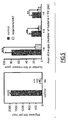
- GRK2 a member of this family, was recruited under meningococcal colonies and its depletion inhibited both ezrin and ⁇ arr2 translocation under bacteria ( Figure 1 , left and right panels). Control siRNA or siRNA directed against another signaling molecule, the heterotrimeric Gas protein, did not affect cortical plaque formation ( Figure 1 , left panel).
- hCMEC/D3 cells naturally express several GPCRs, including ⁇ 2ARs, angiotensin II AT1 receptors and various chemokine receptors. Sustained stimulation with agonists is known to induce GPCR desensitization and endocytosis, thus reducing their density at the cell surface. We reasoned that, if one of these receptors was activated by Nm to mediate ⁇ arr and ezrin translocation to Nm colonies, specific ligands of the receptor might interfere with this phenomenon. Various agonists were tested using the formation of ezrin honeycombs in hCMEC/D3 cells as readout.
- isoproterenol pre-treatment did not reduce bacterial adhesion in static conditions (data not shown).
- hCMEC/D3 cells expressing ⁇ 2AR fused to YFP ⁇ 2AR-YFP
- the formation of Nm colonies redistributed the receptor to ezrin-containing honeycombs (data not shown).
- ⁇ 2AR-YFP was internalized in perinuclear endosomes and almost excluded from the small areas of residual ezrin below Nm colonies.
- GPCRs display various conformations, which are selectively stabilized, depending on the ligand that activates the receptor. Each conformation being competent for the activation of one or more effectors, different ligands can selectively activate or inhibit different subsets of effectors, leading to different signaling outputs.
- Activation of ⁇ 2ARs with catecholamines or isoproterenol for example, stimulates both the G protein G ⁇ s -dependent activation of adenylyl cyclase and the Gas-independent activation of ⁇ arrs.
- Activation of endogenous ⁇ 2AR on hCMEC/D3 cells elicited a robust stimulation of cAMP production in response to isoproterenol, monitored by a cAMP response element (CRE) luciferase reporter, which was completely blocked by propranolol (data not shown).
- CRE cAMP response element
- EXAMPLE 4 Nm-promoted signaling reconstituted in infection-incompetent cells via the expression of exogenous ⁇ 2ARs and ⁇ arrs
- HEK-293 cells were used as a model because they only express modest concentrations of endogenous ⁇ arrs and no ⁇ 2ARs. Piliated capsulated Nm did not adhere onto HEK-293 cells (data not shown) and, consequently did not promote the formation of cortical plaques (data not shown).
- Transfection of the ⁇ 2AR and/or ⁇ arr constructs in HEK-293 cells did not restore bacterial adhesion and/or signaling (data not shown), thus excluding that the ⁇ 2AR on its own mediates tfp-dependent adhesion of capsulated Nm .
- tfp-mediated adhesion and signaling are two independent events, the lack of initial bacterial adhesion could be responsible for the absence of signaling.
- Type IV pili are the only bacterial attributes capable of promoting adhesion of capsulated Nm .
- Non-capsulated (SiaD-) strains can interact with host cells via Opa proteins, which recognize CEACAMs (carcinoembryonic antigen-related cell adhesion molecules), cellular receptors members of the Immunoglobulin superfamily.
- HEK-293 cells being devoid of CEACAMs, were thus transfected with a plasmid encoding CEACAM-1 and subsequently infected with a non-capsulated (SiaD-) Opa+ derivative of the piliated capsulated serogroup C strain used in the experiments above.
- SiaD- non-capsulated
- HEK-293 cells were then cotransfected with plasmids coding for CEACAM-1 and GFP (used as transfection marker) in the absence or presence of the ⁇ 2AR and/or ⁇ arr2 plasmids, and the recruitment of ezrin assessed in GFP-positive cells.
- plasmids coding for CEACAM-1 and GFP used as transfection marker
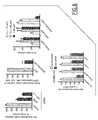
- exogenous ⁇ arr2 boosted the number of ezrin-recruiting colonies to nearly 70%, with typical honeycombs structures being visible in more than 50% of the cases ( Figure 3 ).
- the recruitment of ezrin was specifically promoted by the expression of the ⁇ 2AR, as shown by the absence of ezrin recruitment above control values with expression of the AT1 angiotensin receptor, CCR5 or CXCR4 ( Figure 3 ).
- 3D reconstruction of confocal immunofluorescence images showed that ezrin accumulates both beneath and between meningococci within cellular protrusions similar to those observed in hCMEC/D3 cells infected with capsulated Nm (data not shown).
- cortical plaques in HEK-293 cells contained the exogenous ⁇ 2AR and ⁇ arr2 as well as endogenous actin and p120 catenin (data not shown).
- Similar experiments were performed using a non-piliated derivative (PilE-) of the non-capsulated Opa+ strain. This strain did not induce the formation of cortical plaques (data not shown).
- Pili-mediated adhesion of capsulated Nm to brain endothelial cells is known to result in the depletion of junctional proteins at the cell-cell interface with a subsequent opening of the intercellular junctions. This depletion is caused by the recruitment of endothelial cell adhesion molecules, such as VE-cadherin, into cortical plaques.
- endothelial cell adhesion molecules such as VE-cadherin
- the ⁇ 2AR agonist markedly reduced the total number of meningococci in the lower chamber of transwells ( Figure 5 , left panel). Gaps induced by Nm on cell monolayers were directly visualized by confocal microscopy, and the area of the gaps was quantified using as surface unit the apparent diameter of a bacterium. Pre-incubation with isoproterenol noticeably reduced the number of the gaps of all size ( Figure 5 , rigth panel).
- siRNAs against either the ⁇ 2AR or ⁇ arrs markedly reduced Src recruitment under colonies in hCMEC/D3 cells ( Figure 6 , top left panel).
- Docking of Src to ⁇ arrs involves the interaction of Src homology 3 (SH3) domains with proline residues of the consensus sequence Pro-X-X-Pro (where X represents any amino acid) within the NH 2 -terminus (position 1 to 185) of ⁇ arrs. It has been reported that point mutations of these proline residues, lead to a dominant negative form of ⁇ arr1 for Src activation, which conserved its capacity of interacting with the ⁇ -adrenoceptor and of mediating its endocytosis.
- SH3 Src homology 3
- Immunoblot experiments showed a reduction of phosphorylated Src after Nm infection in hCMEC/D3 cells expressing the dominant negative myc- ⁇ arr2- ⁇ Src, compared to cells expressing myc- ⁇ arr2 (data not shown).
- the dominant negative effect of ⁇ arr2- ⁇ Src was confirmed in hCMEC/D3 cells under flow.
- Expression of myc- ⁇ arr2- ⁇ Src displayed the same effect on Nm colony size as the preincubation with isoproterenol (compare Figure 6 , top right panel and Figure 4 , right panel).
- ⁇ arrs might also participate in later events of Nm infection, namely the opening of gaps in the endothelial cell barrier.
- junctional adhesion molecules such as VE-cadherin and p120-catenin
- VE-cadherin and p120-catenin junctional adhesion molecules
- Ng Neisseria gonorrohae
- ⁇ arrs mediate at least 2 major events facilitating Nm infection.
- they dock and activate Src, leading to the formation of actin-rich cellular protrusions, which protect bacterial colonies against drag forces generated by the bloodstream.
- they provide sustained scaffolding for signaling events under Nm-activated ⁇ 2ARs, which lead to the accumulation of ⁇ arr-interacting proteins, such as VE-cadherin and p120-catenin, into cortical plates under bacterial colonies. This accumulation eventually depletes intercellular junctions, which loosen and become permeable to bacteria.
- epithelial cells are the main target of Ng, gonococci possibly use the same pathway to infect brain endothelial cells in vivo in the rare cases of blood dissemination. It remains to be established whether other tfp-bearing bacteria capable of forming microcolonies at the surface of endothelial cells and crossing endothelial monolayers, can also hijack ⁇ arrs and/or ⁇ 2ARs.
- signaling downstream of Nm adhesion to human brain endothelial cells involves a biased activation of ⁇ 2ARs and the subsequent ⁇ arr-dependent docking and activation of Src, which in turn activate the cortactin-dependent formation of cellular protrusions.
- ⁇ arrs scaffold cytoskeletal and junctional proteins under stabilized bacterial colonies, which progressively weakens the endothelial barrier until anatomical breakage occurs.
- This scenario represents a novel mechanism by which a pathogen hijacks cellular signaling machineries to infect target tissues.
- the signaling pathway involved in this scenario can be targeted by clinically approved drugs, which could now be tested as adjuvant therapies, not only in the context of Nm meningitis but also possibly for meningococcal sepsis, the most devastating form of Nm infection, which is characterized by diffuse endothelial leakage and subsequent irreversible shock.
Landscapes
- Health & Medical Sciences (AREA)
- Life Sciences & Earth Sciences (AREA)
- Chemical & Material Sciences (AREA)
- Engineering & Computer Science (AREA)
- Bioinformatics & Cheminformatics (AREA)
- Medicinal Chemistry (AREA)
- General Health & Medical Sciences (AREA)
- Immunology (AREA)
- Organic Chemistry (AREA)
- Proteomics, Peptides & Aminoacids (AREA)
- Molecular Biology (AREA)
- Pharmacology & Pharmacy (AREA)
- Epidemiology (AREA)
- Animal Behavior & Ethology (AREA)
- Public Health (AREA)
- Veterinary Medicine (AREA)
- Genetics & Genomics (AREA)
- Biochemistry (AREA)
- Gastroenterology & Hepatology (AREA)
- Biophysics (AREA)
- Cell Biology (AREA)
- Neurology (AREA)
- Biomedical Technology (AREA)
- Zoology (AREA)
- Toxicology (AREA)
- Microbiology (AREA)
- Mycology (AREA)
- Medicines Containing Antibodies Or Antigens For Use As Internal Diagnostic Agents (AREA)
- Peptides Or Proteins (AREA)
- Medicines That Contain Protein Lipid Enzymes And Other Medicines (AREA)
Claims (6)
- Ein Protein, das:(a) die Meningokokken-PilV-Sequenz SEQ ID NO:2 oder eine Sequenz, die zu mindestens 80 % identisch ist zu SEQ ID NO:2, oder(b) ein immunogenes Fragment von (a), das SEQ ID NO:21 umfasst oder daraus besteht, oder(c) ein immunogenes Fragment von (a), das eine Sequenz, die zu mindestens 80 % identisch ist zu SEQ ID NO:21, umfasst oder daraus besteht, oder(d) ein immunogenes Fragment von (a), das SEQ ID NO:19 umfasst oder daraus besteht, oder(e) ein immunogenes Fragment von (a), das eine Sequenz, die zu mindestens 80 % identisch ist zu SEQ ID NO:19, umfasst oder daraus besteht,umfasst oder daraus besteht;
zur Verwendung als ein Impfstoff zur Verhinderung der Ausbreitung von Meningokokken in den meningealen Raum, wobei der Impfstoff die Produktion von schützenden Antikörpern induziert, die die Interaktion zwischen PiIV und Säugetier-ß2-Adrenorezeptoren inhibiert. - Eine Kombination von mindestens zwei von:a) einem Protein, das:(i) die Meningokokken-PilV-Sequenz SEQ ID NO:2 oder eine Sequenz, die zu mindestens 80 % identisch ist zu SEQ ID NO:2, oder(ii) ein immunogenes Fragment von (i), das SEQ ID NO:21 umfasst oder daraus besteht, oder(iii) ein immunogenes Fragment von (i), das eine Sequenz, die zu mindestens 80 % identisch ist zu SEQ ID NO:21, umfasst oder daraus besteht, oder(iv) ein immunogenes Fragment von (i), das SEQ ID NO:19 umfasst oder daraus besteht, oder(v) ein immunogenes Fragment von (i), das eine Sequenz, die zu mindestens 80 % identisch ist zu SEQ ID NO:19, umfasst oder daraus besteht,umfasst oder daraus besteht; undb) einem Meningokokken-Impfstoff-Antigen;zur simultanen oder sequentiellen Verwendung als ein Impfstoff zur Verhinderung der Ausbreitung von Meningokokken in den meningealen Raum, wobei der Impfstoff die Produktion von schützenden Antikörpern induziert, die die Interaktion zwischen PilV und Säugetier-ß2-Adrenorezeptoren inhibiert, wobei das Meningokokken-Impfstoff-Antigen nicht PilE, PiIV oder ein immunogenes Fragment davon ist.
- Ein Fusionsprotein, das mindestens zwei von:a) einem Protein, das:(i) die Meningokokken-PiIV-Sequenz SEQ ID NO:2 oder eine Sequenz, die zu mindestens 80 % identisch ist zu SEQ ID NO:2, oder(ii) ein immunogenes Fragment von (i), das SEQ ID NO:21 umfasst oder daraus besteht, oder(iii) ein immunogenes Fragment von (i), das eine Sequenz, die zu mindestens 80 % identisch ist zu SEQ ID NO:21, umfasst oder daraus besteht, oder(iv) ein immunogenes Fragment von (i), das SEQ ID NO:19 umfasst oder daraus besteht, oder(v) ein immunogenes Fragment von (i), das eine Sequenz, die zu mindestens 80 % identisch ist zu SEQ ID NO:19, umfasst oder daraus besteht,umfasst oder daraus besteht; undb) einem Meningokokken-Impfstoff-Antigenumfasst oder daraus besteht,
wobei das Meningokokken-Impfstoff-Antigen nicht PilE, PilV oder ein immunogenes Fragment davon ist. - Ein Fusionsprotein gemäß Anspruch 3 zur Verwendung als ein Impfstoff zur Verhinderung der Ausbreitung von Meningokokken in den meningealen Raum, wobei der Impfstoff die Produktion von schützenden Antikörpern induziert, die die Interaktion zwischen PiIV und Säugetier-ß2-Adrenorezeptoren inhibiert, wobei das Meningokokken-Impfstoff-Antigen nicht PilE, PilV oder ein immunogenes Fragment davon ist.
- Eine Impfstoffzusammensetzung oder eine immunogene Zusammensetzung zur Verwendung zur Verhinderung der Ausbreitung von Meningokokken in den meningealen Raum durch die Produktion von schützenden Antikörpern induziert, die die Interaktion zwischen PilV und Säugetier-ß2-Adrenorezeptoren inhibiert, wobei der Impfstoff oder die immunogene Zusammensetzung:- ein Protein, das:a) die Meningokokken-PilV-Sequenz SEQ ID NO:2 oder eine Sequenz, die zu mindestens 80 % identisch ist zu SEQ ID NO:2, oderb) ein immunogenes Fragment von (a), das SEQ ID NO:21 umfasst oder daraus besteht, oderc) ein immunogenes Fragment von (a), das eine Sequenz, die zu mindestens 80 % identisch ist zu SEQ ID NO:21, umfasst oder daraus besteht, oderd) ein immunogenes Fragment von (a), das SEQ ID NO:19 umfasst oder daraus besteht, odere) ein immunogenes Fragment von (a), das eine Sequenz, die zu mindestens 80 % identisch ist zu SEQ ID NO:19, umfasst oder daraus besteht,umfasst oder daraus besteht;- eine Kombination von mindestens zwei von:umfasst oder daraus besteht.a) einem Protein, das:(i) die Meningokokken-PilV-Sequenz SEQ ID NO:2 oder eine Sequenz, die zu mindestens 80 % identisch ist zu SEQ ID NO:2, oder(ii) ein immunogenes Fragment von (i), das SEQ ID NO:21 umfasst oder daraus besteht, oder(iii) ein immunogenes Fragment von (i), das eine Sequenz, die zu mindestens 80 % identisch ist zu SEQ ID NO:21, umfasst oder daraus besteht, oder(iv) ein immunogenes Fragment von (i), das SEQ ID NO:19 umfasst oder daraus besteht, oder(v) ein immunogenes Fragment von (i), das eine Sequenz, die zu mindestens 80 % identisch ist zu SEQ ID NO:19, umfasst oder daraus besteht,b) einem Meningokokken-Impfstoff-Antigen; oderumfasst oder daraus besteht; und- ein Fusionsprotein gemäß Anspruch 3
- Ein Protein zur Verwendung gemäß Anspruch 1, eine Kombination zur Verwendung gemäß Anspruch 2, ein Fusionsprotein gemäß Anspruch 3, ein Fusionsprotein zur Verwendung gemäß Anspruch 4 oder ein Impfstoff oder eine immunogene Zusammensetzung zur Verwendung gemäß Anspruch 5, wobei das immunogene Fragment nicht die hydrophobe Domäne der Sequenz SEQ ID NO:17 trägt.
Priority Applications (1)
| Application Number | Priority Date | Filing Date | Title |
|---|---|---|---|
| EP11778646.7A EP2635593B1 (de) | 2010-11-05 | 2011-11-04 | Impfstoffe zur verhinderung von meningokokken-infektionen |
Applications Claiming Priority (3)
| Application Number | Priority Date | Filing Date | Title |
|---|---|---|---|
| EP10306215 | 2010-11-05 | ||
| EP11778646.7A EP2635593B1 (de) | 2010-11-05 | 2011-11-04 | Impfstoffe zur verhinderung von meningokokken-infektionen |
| PCT/EP2011/069463 WO2012059593A1 (en) | 2010-11-05 | 2011-11-04 | Vaccines for preventing meningococcal infections |
Publications (2)
| Publication Number | Publication Date |
|---|---|
| EP2635593A1 EP2635593A1 (de) | 2013-09-11 |
| EP2635593B1 true EP2635593B1 (de) | 2016-09-14 |
Family
ID=43759447
Family Applications (1)
| Application Number | Title | Priority Date | Filing Date |
|---|---|---|---|
| EP11778646.7A Not-in-force EP2635593B1 (de) | 2010-11-05 | 2011-11-04 | Impfstoffe zur verhinderung von meningokokken-infektionen |
Country Status (3)
| Country | Link |
|---|---|
| US (4) | US20130287808A1 (de) |
| EP (1) | EP2635593B1 (de) |
| WO (2) | WO2012059593A1 (de) |
Families Citing this family (2)
| Publication number | Priority date | Publication date | Assignee | Title |
|---|---|---|---|---|
| EP2635593B1 (de) * | 2010-11-05 | 2016-09-14 | Institut National de la Sante et de la Recherche Medicale (INSERM) | Impfstoffe zur verhinderung von meningokokken-infektionen |
| HK1205138A1 (en) | 2012-07-27 | 2015-12-11 | Institut National De La Santé Et De La Recherche Médicale (Inserm) | Cd147 as receptor for pilus-mediated adhesion of meningococci to vascular endothelia |
Family Cites Families (19)
| Publication number | Priority date | Publication date | Assignee | Title |
|---|---|---|---|---|
| SE8205892D0 (sv) | 1982-10-18 | 1982-10-18 | Bror Morein | Immunogent membranproteinkomplex, sett for framstellning och anvendning derav som immunstimulerande medel och sasom vaccin |
| SE8405493D0 (sv) | 1984-11-01 | 1984-11-01 | Bror Morein | Immunogent komplex samt sett for framstellning derav och anvendning derav som immunstimulerande medel |
| ATE71303T1 (de) | 1986-01-14 | 1992-01-15 | Nederlanden Staat | Verfahren zur herstellung immunologischer komplexe und diese enthaltende pharmazeutische zusammensetzung. |
| AU5403594A (en) * | 1992-10-07 | 1994-04-26 | State Of Oregon, Acting By And Through The Oregon State Board Of Higher Education On Behalf Of The Oregon Health Sciences University | Pilin variants and uses thereof |
| FR2751000B1 (fr) * | 1996-07-12 | 1998-10-30 | Inst Nat Sante Rech Med | Adn specifiques des bacteries de l'espece neisseria meningitidis, leurs procedes d'obtention et leurs applications biologiques |
| BR9910005A (pt) * | 1998-04-29 | 2001-01-16 | American Cyanamid Co | Composição de vacina, processos para imunização contra neisseria gonorrhoeae e para preparar uma composição de vacina, sequência de dna isolada e purificada, plasmìdeo, célula hospedeira, processo para produção de uma proteìna pilina recombinante quimérica de neisseria gonorrhoeae e neisseria meningitidis, proteìna pilina recombinante quimérica isolada e purificada de neisseria gonorhoeae e neisseria meningitidis, e, processo para imunização contra neisseria muningitidis |
| GB9811260D0 (en) * | 1998-05-26 | 1998-07-22 | Smithkline Beecham Biolog | Novel compounds |
| FR2785293B1 (fr) * | 1998-10-30 | 2002-07-05 | Pasteur Merieux Serums Vacc | Acides nucleiques et polypeptides specifiques des souches pathogenes du genre neisseria |
| AU783894B2 (en) * | 1999-05-19 | 2005-12-22 | Novartis Vaccines And Diagnostics S.R.L. | Combination neisserial compositions |
| GB0107219D0 (en) * | 2001-03-22 | 2001-05-16 | Microbiological Res Authority | Immunogenic commensal neisseria sequences |
| GB0129007D0 (en) * | 2001-12-04 | 2002-01-23 | Chiron Spa | Adjuvanted antigenic meningococcal compositions |
| FR2834297A1 (fr) * | 2001-12-31 | 2003-07-04 | Inst Nat Sante Rech Med | Moyens pour identifier des genes specifiques de neisseria meningitidis |
| WO2004046177A2 (en) * | 2002-11-15 | 2004-06-03 | Chiron Srl | Unexpected surface proteins in neisseria meningitidis |
| KR101178776B1 (ko) * | 2004-02-06 | 2012-09-07 | 카운슬 오브 사이언티픽 앤드 인더스트리얼 리서치 | 치료학적 잠재성을 가진 어드헤신 및 어드헤신계 단백질을 동정하기 위한 컴퓨터 장치 |
| MX2008000994A (es) * | 2005-07-19 | 2008-03-19 | Univ Illinois | Agentes de transporte para cruzar la barrera hematoencefalica y hacia el interior de las celulas de cancer cerebral, y metodos para el uso de los mismos. |
| US20120070457A1 (en) * | 2010-09-10 | 2012-03-22 | J. Craig Venter Institute, Inc. | Polypeptides from neisseria meningitidis |
| EP2635593B1 (de) * | 2010-11-05 | 2016-09-14 | Institut National de la Sante et de la Recherche Medicale (INSERM) | Impfstoffe zur verhinderung von meningokokken-infektionen |
| WO2013113326A1 (en) * | 2012-01-31 | 2013-08-08 | Curevac Gmbh | Pharmaceutical composition comprising a polymeric carrier cargo complex and at least one protein or peptide antigen |
| HK1205138A1 (en) * | 2012-07-27 | 2015-12-11 | Institut National De La Santé Et De La Recherche Médicale (Inserm) | Cd147 as receptor for pilus-mediated adhesion of meningococci to vascular endothelia |
-
2011
- 2011-11-04 EP EP11778646.7A patent/EP2635593B1/de not_active Not-in-force
- 2011-11-04 US US13/883,328 patent/US20130287808A1/en not_active Abandoned
- 2011-11-04 WO PCT/EP2011/069463 patent/WO2012059593A1/en not_active Ceased
- 2011-11-04 WO PCT/EP2011/069462 patent/WO2012059592A1/en not_active Ceased
-
2016
- 2016-03-09 US US15/064,857 patent/US20160185827A1/en not_active Abandoned
-
2017
- 2017-09-13 US US15/702,817 patent/US20180037612A1/en not_active Abandoned
-
2019
- 2019-03-21 US US16/360,085 patent/US20190211066A1/en not_active Abandoned
Also Published As
| Publication number | Publication date |
|---|---|
| WO2012059592A1 (en) | 2012-05-10 |
| WO2012059593A1 (en) | 2012-05-10 |
| US20180037612A1 (en) | 2018-02-08 |
| US20160185827A1 (en) | 2016-06-30 |
| EP2635593A1 (de) | 2013-09-11 |
| US20190211066A1 (en) | 2019-07-11 |
| US20130287808A1 (en) | 2013-10-31 |
Similar Documents
| Publication | Publication Date | Title |
|---|---|---|
| JP5739854B2 (ja) | 融合タンパク質 | |
| JP5173194B2 (ja) | ワクチン | |
| NO332229B1 (no) | Proteiner som omfatter konserverte regioner av Neissinia menigitidis overflateantigen NhhA, farmasoytisk sammensetning inneholdende disse, antistoff, isolert nukleinsyre, ekspresjonsvektor, vertscelle, fremgangsmater og anvendelse knyttet til proteinene | |
| AU2011302645B2 (en) | Systems and methods of delivery of bioactive agents using bacterial toxin-derived transport sequences | |
| KR20220058588A (ko) | 치료용 융합 단백질 | |
| KR20220128372A (ko) | Fimh 돌연변이체, 이를 갖는 조성물 및 이의 용도 | |
| US20190389927A1 (en) | Cd147 as receptor for pilus-mediated adhesion of meningococci to vascular endothelia | |
| JP2014527801A (ja) | ハイスループットペプチドミメティックを調製するための方法、経口バイオアベイラブルな薬物およびそれを含有する組成物 | |
| US20190211066A1 (en) | Vaccines for preventing meningococcal infections | |
| KR100509712B1 (ko) | 나이세리아 락토페린 결합 단백질 | |
| EP3807304A1 (de) | Polypeptide, nukleinsäuremoleküle, zusammensetzungen und zugehörige verfahren | |
| JP2014516028A (ja) | ラミニン及びビトロネクチン結合特性を有するタンパク質f−新規インフルエンザ菌付着因子 | |
| AU2009287339B2 (en) | Mutant bacterial glycoproteins and uses thereof | |
| JP2002508171A (ja) | 新規abcトランスポーター | |
| US20180125960A1 (en) | Meningitidis vaccines comprising subtilinases | |
| WO2017137085A1 (en) | Meningitidis vaccines comprising subtilinases | |
| TW201529596A (zh) | 微生物之nme | |
| EP3230444A1 (de) | Neisseria-meningitidis-trypsin-ähnliche serinproteasepolypeptide und zusammensetzungen davon | |
| Frosch et al. | Entry of Neisseria meningitidis into Mammalian Cells Requires the Src Family Protein Tyrosine Kinases v | |
| Charbonneau et al. | Functional organization of the autotransporter Adhesin Involved in Diffuse Adherence (AIDA-I) |
Legal Events
| Date | Code | Title | Description |
|---|---|---|---|
| PUAI | Public reference made under article 153(3) epc to a published international application that has entered the european phase |
Free format text: ORIGINAL CODE: 0009012 |
|
| 17P | Request for examination filed |
Effective date: 20130423 |
|
| AK | Designated contracting states |
Kind code of ref document: A1 Designated state(s): AL AT BE BG CH CY CZ DE DK EE ES FI FR GB GR HR HU IE IS IT LI LT LU LV MC MK MT NL NO PL PT RO RS SE SI SK SM TR |
|
| DAX | Request for extension of the european patent (deleted) | ||
| 17Q | First examination report despatched |
Effective date: 20140221 |
|
| REG | Reference to a national code |
Ref country code: DE Ref legal event code: R079 Ref document number: 602011030387 Country of ref document: DE Free format text: PREVIOUS MAIN CLASS: C07K0014220000 Ipc: A61K0039095000 |
|
| GRAP | Despatch of communication of intention to grant a patent |
Free format text: ORIGINAL CODE: EPIDOSNIGR1 |
|
| RIC1 | Information provided on ipc code assigned before grant |
Ipc: A61K 39/095 20060101AFI20160318BHEP Ipc: C07K 19/00 20060101ALI20160318BHEP Ipc: C07K 14/22 20060101ALI20160318BHEP Ipc: C12N 15/62 20060101ALI20160318BHEP |
|
| INTG | Intention to grant announced |
Effective date: 20160419 |
|
| RIN1 | Information on inventor provided before grant (corrected) |
Inventor name: MARULLO, STEFANO Inventor name: NASSIF, XAVIER Inventor name: COUREUIL, MATHIEU |
|
| GRAS | Grant fee paid |
Free format text: ORIGINAL CODE: EPIDOSNIGR3 |
|
| GRAA | (expected) grant |
Free format text: ORIGINAL CODE: 0009210 |
|
| AK | Designated contracting states |
Kind code of ref document: B1 Designated state(s): AL AT BE BG CH CY CZ DE DK EE ES FI FR GB GR HR HU IE IS IT LI LT LU LV MC MK MT NL NO PL PT RO RS SE SI SK SM TR |
|
| REG | Reference to a national code |
Ref country code: GB Ref legal event code: FG4D |
|
| REG | Reference to a national code |
Ref country code: CH Ref legal event code: EP |
|
| REG | Reference to a national code |
Ref country code: IE Ref legal event code: FG4D |
|
| REG | Reference to a national code |
Ref country code: CH Ref legal event code: NV Representative=s name: ARNOLD AND SIEDSMA AG, CH Ref country code: FR Ref legal event code: PLFP Year of fee payment: 6 |
|
| REG | Reference to a national code |
Ref country code: AT Ref legal event code: REF Ref document number: 828191 Country of ref document: AT Kind code of ref document: T Effective date: 20161015 |
|
| REG | Reference to a national code |
Ref country code: DE Ref legal event code: R096 Ref document number: 602011030387 Country of ref document: DE |
|
| REG | Reference to a national code |
Ref country code: LT Ref legal event code: MG4D |
|
| REG | Reference to a national code |
Ref country code: NL Ref legal event code: MP Effective date: 20160914 |
|
| PG25 | Lapsed in a contracting state [announced via postgrant information from national office to epo] |
Ref country code: NO Free format text: LAPSE BECAUSE OF FAILURE TO SUBMIT A TRANSLATION OF THE DESCRIPTION OR TO PAY THE FEE WITHIN THE PRESCRIBED TIME-LIMIT Effective date: 20161214 Ref country code: FI Free format text: LAPSE BECAUSE OF FAILURE TO SUBMIT A TRANSLATION OF THE DESCRIPTION OR TO PAY THE FEE WITHIN THE PRESCRIBED TIME-LIMIT Effective date: 20160914 Ref country code: RS Free format text: LAPSE BECAUSE OF FAILURE TO SUBMIT A TRANSLATION OF THE DESCRIPTION OR TO PAY THE FEE WITHIN THE PRESCRIBED TIME-LIMIT Effective date: 20160914 Ref country code: HR Free format text: LAPSE BECAUSE OF FAILURE TO SUBMIT A TRANSLATION OF THE DESCRIPTION OR TO PAY THE FEE WITHIN THE PRESCRIBED TIME-LIMIT Effective date: 20160914 Ref country code: LT Free format text: LAPSE BECAUSE OF FAILURE TO SUBMIT A TRANSLATION OF THE DESCRIPTION OR TO PAY THE FEE WITHIN THE PRESCRIBED TIME-LIMIT Effective date: 20160914 |
|
| REG | Reference to a national code |
Ref country code: AT Ref legal event code: MK05 Ref document number: 828191 Country of ref document: AT Kind code of ref document: T Effective date: 20160914 |
|
| PG25 | Lapsed in a contracting state [announced via postgrant information from national office to epo] |
Ref country code: NL Free format text: LAPSE BECAUSE OF FAILURE TO SUBMIT A TRANSLATION OF THE DESCRIPTION OR TO PAY THE FEE WITHIN THE PRESCRIBED TIME-LIMIT Effective date: 20160914 Ref country code: GR Free format text: LAPSE BECAUSE OF FAILURE TO SUBMIT A TRANSLATION OF THE DESCRIPTION OR TO PAY THE FEE WITHIN THE PRESCRIBED TIME-LIMIT Effective date: 20161215 Ref country code: SE Free format text: LAPSE BECAUSE OF FAILURE TO SUBMIT A TRANSLATION OF THE DESCRIPTION OR TO PAY THE FEE WITHIN THE PRESCRIBED TIME-LIMIT Effective date: 20160914 Ref country code: LV Free format text: LAPSE BECAUSE OF FAILURE TO SUBMIT A TRANSLATION OF THE DESCRIPTION OR TO PAY THE FEE WITHIN THE PRESCRIBED TIME-LIMIT Effective date: 20160914 Ref country code: BE Free format text: LAPSE BECAUSE OF NON-PAYMENT OF DUE FEES Effective date: 20161130 |
|
| PG25 | Lapsed in a contracting state [announced via postgrant information from national office to epo] |
Ref country code: EE Free format text: LAPSE BECAUSE OF FAILURE TO SUBMIT A TRANSLATION OF THE DESCRIPTION OR TO PAY THE FEE WITHIN THE PRESCRIBED TIME-LIMIT Effective date: 20160914 Ref country code: RO Free format text: LAPSE BECAUSE OF FAILURE TO SUBMIT A TRANSLATION OF THE DESCRIPTION OR TO PAY THE FEE WITHIN THE PRESCRIBED TIME-LIMIT Effective date: 20160914 |
|
| PG25 | Lapsed in a contracting state [announced via postgrant information from national office to epo] |
Ref country code: IS Free format text: LAPSE BECAUSE OF FAILURE TO SUBMIT A TRANSLATION OF THE DESCRIPTION OR TO PAY THE FEE WITHIN THE PRESCRIBED TIME-LIMIT Effective date: 20170114 Ref country code: BG Free format text: LAPSE BECAUSE OF FAILURE TO SUBMIT A TRANSLATION OF THE DESCRIPTION OR TO PAY THE FEE WITHIN THE PRESCRIBED TIME-LIMIT Effective date: 20161214 Ref country code: CZ Free format text: LAPSE BECAUSE OF FAILURE TO SUBMIT A TRANSLATION OF THE DESCRIPTION OR TO PAY THE FEE WITHIN THE PRESCRIBED TIME-LIMIT Effective date: 20160914 Ref country code: SK Free format text: LAPSE BECAUSE OF FAILURE TO SUBMIT A TRANSLATION OF THE DESCRIPTION OR TO PAY THE FEE WITHIN THE PRESCRIBED TIME-LIMIT Effective date: 20160914 Ref country code: PL Free format text: LAPSE BECAUSE OF FAILURE TO SUBMIT A TRANSLATION OF THE DESCRIPTION OR TO PAY THE FEE WITHIN THE PRESCRIBED TIME-LIMIT Effective date: 20160914 Ref country code: AT Free format text: LAPSE BECAUSE OF FAILURE TO SUBMIT A TRANSLATION OF THE DESCRIPTION OR TO PAY THE FEE WITHIN THE PRESCRIBED TIME-LIMIT Effective date: 20160914 Ref country code: BE Free format text: LAPSE BECAUSE OF FAILURE TO SUBMIT A TRANSLATION OF THE DESCRIPTION OR TO PAY THE FEE WITHIN THE PRESCRIBED TIME-LIMIT Effective date: 20160914 Ref country code: PT Free format text: LAPSE BECAUSE OF FAILURE TO SUBMIT A TRANSLATION OF THE DESCRIPTION OR TO PAY THE FEE WITHIN THE PRESCRIBED TIME-LIMIT Effective date: 20170116 Ref country code: ES Free format text: LAPSE BECAUSE OF FAILURE TO SUBMIT A TRANSLATION OF THE DESCRIPTION OR TO PAY THE FEE WITHIN THE PRESCRIBED TIME-LIMIT Effective date: 20160914 Ref country code: SM Free format text: LAPSE BECAUSE OF FAILURE TO SUBMIT A TRANSLATION OF THE DESCRIPTION OR TO PAY THE FEE WITHIN THE PRESCRIBED TIME-LIMIT Effective date: 20160914 |
|
| REG | Reference to a national code |
Ref country code: DE Ref legal event code: R097 Ref document number: 602011030387 Country of ref document: DE |
|
| PG25 | Lapsed in a contracting state [announced via postgrant information from national office to epo] |
Ref country code: IT Free format text: LAPSE BECAUSE OF FAILURE TO SUBMIT A TRANSLATION OF THE DESCRIPTION OR TO PAY THE FEE WITHIN THE PRESCRIBED TIME-LIMIT Effective date: 20160914 |
|
| PLBE | No opposition filed within time limit |
Free format text: ORIGINAL CODE: 0009261 |
|
| STAA | Information on the status of an ep patent application or granted ep patent |
Free format text: STATUS: NO OPPOSITION FILED WITHIN TIME LIMIT |
|
| PG25 | Lapsed in a contracting state [announced via postgrant information from national office to epo] |
Ref country code: DK Free format text: LAPSE BECAUSE OF FAILURE TO SUBMIT A TRANSLATION OF THE DESCRIPTION OR TO PAY THE FEE WITHIN THE PRESCRIBED TIME-LIMIT Effective date: 20160914 |
|
| 26N | No opposition filed |
Effective date: 20170615 |
|
| REG | Reference to a national code |
Ref country code: FR Ref legal event code: PLFP Year of fee payment: 7 |
|
| PG25 | Lapsed in a contracting state [announced via postgrant information from national office to epo] |
Ref country code: LU Free format text: LAPSE BECAUSE OF NON-PAYMENT OF DUE FEES Effective date: 20161130 |
|
| PG25 | Lapsed in a contracting state [announced via postgrant information from national office to epo] |
Ref country code: SI Free format text: LAPSE BECAUSE OF FAILURE TO SUBMIT A TRANSLATION OF THE DESCRIPTION OR TO PAY THE FEE WITHIN THE PRESCRIBED TIME-LIMIT Effective date: 20160914 |
|
| PG25 | Lapsed in a contracting state [announced via postgrant information from national office to epo] |
Ref country code: HU Free format text: LAPSE BECAUSE OF FAILURE TO SUBMIT A TRANSLATION OF THE DESCRIPTION OR TO PAY THE FEE WITHIN THE PRESCRIBED TIME-LIMIT; INVALID AB INITIO Effective date: 20111104 Ref country code: CY Free format text: LAPSE BECAUSE OF FAILURE TO SUBMIT A TRANSLATION OF THE DESCRIPTION OR TO PAY THE FEE WITHIN THE PRESCRIBED TIME-LIMIT Effective date: 20160914 |
|
| PG25 | Lapsed in a contracting state [announced via postgrant information from national office to epo] |
Ref country code: MC Free format text: LAPSE BECAUSE OF FAILURE TO SUBMIT A TRANSLATION OF THE DESCRIPTION OR TO PAY THE FEE WITHIN THE PRESCRIBED TIME-LIMIT Effective date: 20160914 Ref country code: MK Free format text: LAPSE BECAUSE OF FAILURE TO SUBMIT A TRANSLATION OF THE DESCRIPTION OR TO PAY THE FEE WITHIN THE PRESCRIBED TIME-LIMIT Effective date: 20160914 |
|
| REG | Reference to a national code |
Ref country code: FR Ref legal event code: PLFP Year of fee payment: 8 |
|
| PG25 | Lapsed in a contracting state [announced via postgrant information from national office to epo] |
Ref country code: MT Free format text: LAPSE BECAUSE OF NON-PAYMENT OF DUE FEES Effective date: 20161104 |
|
| PG25 | Lapsed in a contracting state [announced via postgrant information from national office to epo] |
Ref country code: AL Free format text: LAPSE BECAUSE OF FAILURE TO SUBMIT A TRANSLATION OF THE DESCRIPTION OR TO PAY THE FEE WITHIN THE PRESCRIBED TIME-LIMIT Effective date: 20160914 Ref country code: TR Free format text: LAPSE BECAUSE OF FAILURE TO SUBMIT A TRANSLATION OF THE DESCRIPTION OR TO PAY THE FEE WITHIN THE PRESCRIBED TIME-LIMIT Effective date: 20160914 |
|
| PGFP | Annual fee paid to national office [announced via postgrant information from national office to epo] |
Ref country code: IE Payment date: 20191023 Year of fee payment: 9 Ref country code: DE Payment date: 20191021 Year of fee payment: 9 |
|
| PGFP | Annual fee paid to national office [announced via postgrant information from national office to epo] |
Ref country code: FR Payment date: 20191022 Year of fee payment: 9 |
|
| PGFP | Annual fee paid to national office [announced via postgrant information from national office to epo] |
Ref country code: CH Payment date: 20191022 Year of fee payment: 9 |
|
| PGFP | Annual fee paid to national office [announced via postgrant information from national office to epo] |
Ref country code: GB Payment date: 20191022 Year of fee payment: 9 |
|
| REG | Reference to a national code |
Ref country code: DE Ref legal event code: R119 Ref document number: 602011030387 Country of ref document: DE |
|
| REG | Reference to a national code |
Ref country code: CH Ref legal event code: PL |
|
| GBPC | Gb: european patent ceased through non-payment of renewal fee |
Effective date: 20201104 |
|
| PG25 | Lapsed in a contracting state [announced via postgrant information from national office to epo] |
Ref country code: LI Free format text: LAPSE BECAUSE OF NON-PAYMENT OF DUE FEES Effective date: 20201130 Ref country code: CH Free format text: LAPSE BECAUSE OF NON-PAYMENT OF DUE FEES Effective date: 20201130 |
|
| REG | Reference to a national code |
Ref country code: CH Ref legal event code: PK Free format text: BERICHTIGUNGEN |
|
| REG | Reference to a national code |
Ref country code: GB Ref legal event code: 732E Free format text: REGISTERED BETWEEN 20210930 AND 20211006 |
|
| PG25 | Lapsed in a contracting state [announced via postgrant information from national office to epo] |
Ref country code: IE Free format text: LAPSE BECAUSE OF NON-PAYMENT OF DUE FEES Effective date: 20201104 Ref country code: FR Free format text: LAPSE BECAUSE OF NON-PAYMENT OF DUE FEES Effective date: 20201130 |
|
| PG25 | Lapsed in a contracting state [announced via postgrant information from national office to epo] |
Ref country code: GB Free format text: LAPSE BECAUSE OF NON-PAYMENT OF DUE FEES Effective date: 20201104 Ref country code: DE Free format text: LAPSE BECAUSE OF NON-PAYMENT OF DUE FEES Effective date: 20210601 |
|
| REG | Reference to a national code |
Ref country code: DE Ref legal event code: R081 Ref document number: 602011030387 Country of ref document: DE Owner name: UNIVERSITE DE PARIS, FR Free format text: FORMER OWNERS: INSTITUT NATIONAL DE LA SANTE ET DE LA RECHERCHE MEDICALE (INSERM), PARIS, FR; UNIVERSITE PARIS DESCARTES, PARIS, FR Ref country code: DE Ref legal event code: R081 Ref document number: 602011030387 Country of ref document: DE Owner name: INSTITUT NATIONAL DE LA SANTE ET DE LA RECHERC, FR Free format text: FORMER OWNERS: INSTITUT NATIONAL DE LA SANTE ET DE LA RECHERCHE MEDICALE (INSERM), PARIS, FR; UNIVERSITE PARIS DESCARTES, PARIS, FR |