EP2647694B1 - Biomasse aus totem lactobacillus zur verwendung als antimikrobikum und herstellungsverfahren dafür - Google Patents
Biomasse aus totem lactobacillus zur verwendung als antimikrobikum und herstellungsverfahren dafür Download PDFInfo
- Publication number
- EP2647694B1 EP2647694B1 EP11838184.7A EP11838184A EP2647694B1 EP 2647694 B1 EP2647694 B1 EP 2647694B1 EP 11838184 A EP11838184 A EP 11838184A EP 2647694 B1 EP2647694 B1 EP 2647694B1
- Authority
- EP
- European Patent Office
- Prior art keywords
- lactic acid
- tyndallized
- acid bacteria
- fermented
- bacteria
- Prior art date
- Legal status (The legal status is an assumption and is not a legal conclusion. Google has not performed a legal analysis and makes no representation as to the accuracy of the status listed.)
- Active
Links
Images



Classifications
-
- C—CHEMISTRY; METALLURGY
- C12—BIOCHEMISTRY; BEER; SPIRITS; WINE; VINEGAR; MICROBIOLOGY; ENZYMOLOGY; MUTATION OR GENETIC ENGINEERING
- C12N—MICROORGANISMS OR ENZYMES; COMPOSITIONS THEREOF; PROPAGATING, PRESERVING, OR MAINTAINING MICROORGANISMS; MUTATION OR GENETIC ENGINEERING; CULTURE MEDIA
- C12N1/00—Microorganisms; Compositions thereof; Processes of propagating, maintaining or preserving microorganisms or compositions thereof; Processes of preparing or isolating a composition containing a microorganism; Culture media therefor
- C12N1/20—Bacteria; Culture media therefor
-
- A—HUMAN NECESSITIES
- A23—FOODS OR FOODSTUFFS; TREATMENT THEREOF, NOT COVERED BY OTHER CLASSES
- A23K—FODDER
- A23K10/00—Animal feeding-stuffs
- A23K10/10—Animal feeding-stuffs obtained by microbiological or biochemical processes
- A23K10/16—Addition of microorganisms or extracts thereof, e.g. single-cell proteins, to feeding-stuff compositions
-
- A—HUMAN NECESSITIES
- A23—FOODS OR FOODSTUFFS; TREATMENT THEREOF, NOT COVERED BY OTHER CLASSES
- A23K—FODDER
- A23K40/00—Shaping or working-up of animal feeding-stuffs
- A23K40/10—Shaping or working-up of animal feeding-stuffs by agglomeration; by granulation, e.g. making powders
-
- A—HUMAN NECESSITIES
- A61—MEDICAL OR VETERINARY SCIENCE; HYGIENE
- A61K—PREPARATIONS FOR MEDICAL, DENTAL OR TOILETRY PURPOSES
- A61K35/00—Medicinal preparations containing materials or reaction products thereof with undetermined constitution
- A61K35/66—Microorganisms or materials therefrom
- A61K35/74—Bacteria
-
- A—HUMAN NECESSITIES
- A61—MEDICAL OR VETERINARY SCIENCE; HYGIENE
- A61K—PREPARATIONS FOR MEDICAL, DENTAL OR TOILETRY PURPOSES
- A61K35/00—Medicinal preparations containing materials or reaction products thereof with undetermined constitution
- A61K35/66—Microorganisms or materials therefrom
- A61K35/74—Bacteria
- A61K35/741—Probiotics
- A61K35/744—Lactic acid bacteria, e.g. enterococci, pediococci, lactococci, streptococci or leuconostocs
-
- A—HUMAN NECESSITIES
- A61—MEDICAL OR VETERINARY SCIENCE; HYGIENE
- A61K—PREPARATIONS FOR MEDICAL, DENTAL OR TOILETRY PURPOSES
- A61K35/00—Medicinal preparations containing materials or reaction products thereof with undetermined constitution
- A61K35/66—Microorganisms or materials therefrom
- A61K35/74—Bacteria
- A61K35/741—Probiotics
- A61K35/744—Lactic acid bacteria, e.g. enterococci, pediococci, lactococci, streptococci or leuconostocs
- A61K35/747—Lactobacilli, e.g. L. acidophilus or L. brevis
-
- C—CHEMISTRY; METALLURGY
- C12—BIOCHEMISTRY; BEER; SPIRITS; WINE; VINEGAR; MICROBIOLOGY; ENZYMOLOGY; MUTATION OR GENETIC ENGINEERING
- C12N—MICROORGANISMS OR ENZYMES; COMPOSITIONS THEREOF; PROPAGATING, PRESERVING, OR MAINTAINING MICROORGANISMS; MUTATION OR GENETIC ENGINEERING; CULTURE MEDIA
- C12N1/00—Microorganisms; Compositions thereof; Processes of propagating, maintaining or preserving microorganisms or compositions thereof; Processes of preparing or isolating a composition containing a microorganism; Culture media therefor
- C12N1/04—Preserving or maintaining viable microorganisms
Definitions
- the present invention relates to an antibacterial material comprising a tyndallized dead lactic acid bacteria lyophilizate and a dried tyndallized fermented filtrate, and more particularly, to an antibacterial material comprising a tyndallized dead lactic acid bacteria lyophilizate having a homogeneous appearance and an excellent antibacterial activity and prepared by performing an indirect heating process at an appropriate temperature and flow rate in a heat exchanger, a rapid cooling process for tyndallization, a fluidized-bed-drying process, and a freeze-drying process, and a method of preparing the antibacterial material.
- live lactic acid bacteria are settled in intestines and have various physiological activities to activate intestinal movement, to inhibit harmful bacteria, to reduce blood cholesterol, and to provide an anticancer effect.
- lactic acid and physiological active material antibacterial active material
- tyndallized and freeze-dried bacteria lyophilizate increase intestinal acidity and slow down peristaltic movement in the small intestine and to help digestive absorption, and control intestinal movement in the large intestine to prevent diarrhea.
- a tyndallized and freeze-dried (antibacterial active) material of lactic acid bacteria and its fermented broth inhibits the growth of harmful bacteria and thus provides an improvement to diarrhea.
- one of its essential functions is an immunity-boosting function.
- a tyndallized and freeze-dried (dead) material of lactic acid bacteria activates microphages for sensing harmful bacteria in an immune system to rapidly sense bacteria and viruses, and generates gamma interferon to increase immunity and to cope with a disease.
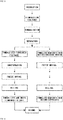
- FIG. 1 A conventional process of preparing a tyndallized and freeze-dried material of lactic acid bacteria is as illustrated in FIG. 1 .
- Tyndallization, freeze-drying, and milling processes are performed on a fermented broth of lactic acid bacteria.
- the tyndallization process is performed tyndallizing the fermented broth at 60 to 120°C for 10 to 60 minutes using a pressure container, and then rapidly cooling the fermented broth to a temperature equal to or less than 20°C.
- due to carbonization during tyndallization the appearance of dead lactic acid bacteria is very bad, the tyndallization is not appropriated performed, and thus a ratio of live lactic acid bacteria is excessively high.
- the tyndallization temperature is increased, the completely prepared tyndallized and freeze-dried lactic acid bacteria has an excessively low titer, i.e., an excessively low bacteriostatic activity, their appearance is also excessively thick, and there are problems for commercialization. Otherwise, if the tyndallization temperature is lowered, since live lactic acid bacteria remain in the tyndallized and freeze-dried material, the tyndallized and freeze-dried lactic acid bacteria may not function properly as dead lactic acid bacteria and the live lactic acid bacteria may be misrecognized as contaminated bacteria.
- the number of live lactic acid bacteria differs according to a culture medium for fermenting lactic acid bacteria, and thus the number of dead lactic acid bacteria after a tyndallization process greatly differs. Therefore, a product may not easily have a homogeneous appearance, and bacteriostatic activity varies according to the number of dead lactic acid bacteria in a tyndallized and freeze-dried material.
- EP 1308506 A1 discloses a mixture of bacteria suitable for the preservation of foods, which is a non starter culture, free from metabolites and comprises at least one first bacterium selected from the species Propionibackerium jensenii and at least one second bacterium selected from the genus Lactobacillus.
- the present invention provides method of preparing an antibacterial material according to claim 1. Preferred embodiments are set forth in the dependent claims.
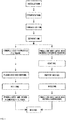
- a method of preparing an antibacterial material comprising a tyndallized dead lactic acid bacteria lyophilizate and a dried tyndallized fermented filtrate, the method including the steps of fermenting lactic acid bacteria to form a fermented broth; tyndallizing the fermented broth; separating the tyndallized fermented broth into a tyndallized dead lactic acid bacteria-containing solution and a tyndallized fermented filtrate; freeze-drying the tyndallized dead lactic acid bacteria-containing solution so as to form a tyndallized dead lactic acid bacteria lyophilizate; fluidized-bed-drying or freeze-drying the tyndallized fermented filtrate so as to form a dried tyndallized fermented filtrate; and mixing the tyndallized dead lactic acid bacteria lyophilizate and the dried tyndallized fermented filtrate.
- the tyndallizing of the fermented broth may include indirectly heating the fermented broth at 80 to 160°C at a flow rate of 10 to 100 l/min. using a heat exchanger; and rapidly cooling the fermented broth to 20 to 40°C so as to kill the lactic acid bacteria.
- the fermenting of the lactic acid bacteria may include fermenting the lactic acid bacteria after adding saccharide, yeast extract, soy peptone, an ionic component, and a growth factor.
- the freeze-drying of the tyndallized dead lactic acid bacteria-containing solution and the tyndallized fermented filtrate may include rapidly freezing the tyndallized dead lactic acid bacteria-containing solution and the tyndallized fermented filtrate at -60 to -40°C; and drying the tyndallized dead lactic acid bacteria-containing solution and the tyndallized fermented filtrate at 20 to 60°C for 24 to 96 hours.
- a method of preparing an antibacterial material comprising a tyndallized dead lactic acid bacteria lyophilizate and a dried tyndallized fermented filtrate, the method including the steps of fermenting lactic acid bacteria to form a fermented broth; separating the fermented broth into a lactic acid bacteria-containing solution and a fermented filtrate; tyndallizing the lactic acid bacteria-containing solution so as to form tyndallized dead lactic acid bacteria-containing solution; tyndallizing the fermented filtrate so as to form tyndallized fermented filtrate; freeze-drying the tyndallized dead lactic acid bacteria-containing solution so as to form tyndallized dead lactic acid bacteria lyophilizate; fluidized-bed-drying the tyndallized fermented filtrate so as to form a dried tyndallized fermented filtrate; and mixing the tyndallized dead lactic acid
- step (a) lactic acid bacteria are fermented.
- the fermenting of lactic acid bacteria may include adding saccharide, yeast extract, soy peptone, an ionic component, and a growth factor; and fermenting the lactic acid bacteria.
- the saccharide, the yeast extract, the soy peptone, and the ionic component are components required for survival and growth when the lactic acid bacteria are fermented, and the contents of the components may be 1 to 5 weight% of the saccharide, 0.1 to 5 weight% of the yeast extract, 0.1 to 5 weight% of the soy peptone, and 0.01 to 1 weight% of the ionic component with respect to a total weight of an aqueous protein solution.
- the saccharide may be glucose, lactose, or a mixture thereof.
- vitamin B-complex or TWEEN 80 may be further added as the growth factor.
- the ionic component may be, but not limited to, ammonium citrate, sodium acetate, dipotassium phosphate, magnesium sulfate, manganese sulfate, or sodium chloride.
- the substances for culturing the lactic acid bacteria may be sterilized before the lactic acid bacteria are added.
- the lactic acid bacteria are tyndallized by heating the lactic acid bacteria to a high temperature and then cooling the lactic acid bacteria.
- tyndallization may be performed before a fermented broth of lactic acid bacteria is separated into a lactic acid bacteria-containing solution and a fermented filtrate.
- the tyndallization uses an indirect heating method using a heat exchanger.
- the appearance of tyndallized dead lactic acid bacteria may be improved to be homogeneous, a residual ratio of live lactic acid bacteria may be reduced to almost 0%, and an excellent bacteriostatic activity may be achieved by indirectly heating the lactic acid bacteria at 70 to 160°C at a flow rate of 1 to 200 l/min., and rapidly cooling the lactic acid bacteria to 10 to 60°C.
- improvement of the appearance of tyndallized dead lactic acid bacteria, a reduction in a residual ratio of live lactic acid bacteria, and an excellent bacteriostatic activity may be ensured.
- “tyndallization” refers to an operation of killing lactic acid bacteria at a certain temperature to obtain dead lactic acid bacteria.
- live lactic acid bacteria are very weak to acid and thus may not easily reach intestines
- dead lactic acid bacteria are hardly influenced by an environment of, for example, gastric acid and thus may reach small and large intestines
- the dead lactic acid bacteria and its dried fermented filtrate have antibacterial activities in the small and large intestines.
- tyndallization may be individually performed after a fermented broth of lactic acid bacteria is separated into a lactic acid bacteria-containing solution and a fermented filtrate.
- the tyndallization may be performed by heating the lactic acid bacteria-containing solution at 70 to 130°C using a steam autoclave, and rapidly cooling the lactic acid bacteria-containing solution at 10 to 60°C, and by heating the fermented filtrate at 70 to 130°C using a pressure container, and rapidly cooling the fermented filtrate to 10 to 60°C.
- the tyndallized fermented broth is separated into a tyndallized dead lactic acid bacteria-containing solution and a tyndallized fermented filtrate.
- the separating may be performed at 5,000 to 15,000 RPM using a centrifuge, and the tyndallized fermented broth is separated after centrifugation into a tyndallized dead lactic acid bacteria-containing solution settled to the bottom and a tyndallized fermented filtrate that is a supernatant.
- the tyndallized dead lactic acid bacteria-containing solution is coated with a cryoprotectant and then is freeze-dried so as to form tyndallized dead lactic acid bacteria lyophilizate.
- the cryoprotectant may be trehalose, maltodextrin, starch, or powdered skim milk, may be added by 5 to 40 weight% with respect to a total weight of the tyndallized dead lactic acid bacteria-containing solution, and may be added in the form of an aqueous solution.
- the freeze-drying may include rapidly freezing the tyndallized dead lactic acid bacteria-containing solution at -60 to -40°C; and drying the tyndallized dead lactic acid bacteria-containing solution at 20 to 60°C for 24 to 96 hours.
- the tyndallized fermented filtrate separated in the step (c) is fluidized-bed-dried or freeze-dried so as to form a tyndallized and dried fermented filtrate.
- the fluidized-bed-drying of the tyndallized fermented filtrate may be performed by spraying the tyndallized fermented filtrate with an absorbent so as to dry the tyndallized fermented filtrate.
- the absorbent may be isolated soy protein, powdered skim milk, starch, or a mixture thereof, and may be added by 10 to 50 weight% with respect to a total weight of the tyndallized fermented filtrate.
- the freeze-drying may be performed by 2X to 10X concentrating the tyndallized fermented filtrate using an evaporator (a concentrator), adding a cryoprotectant and an absorbent, rapidly cooling the tyndallized fermented filtrate at -60 to -40°C, and then drying the tyndallized fermented filtrate at 20 to 60°C for 24 to 96 hours.
- each of the cryoprotectant and the absorbent may be added by 5 to 40 weight% with respect to a total weight of the tyndallized and concentrated fermented filtrate.
- step (f) the tyndallized dead bacteria lyophilizate and the tyndallized and dried fermented filtrate are mixed.
- the tyndallized dead bacteria lyophilizate and the tyndallized and dried fermented filtrate obtained in steps (d) and (e) are individually milled and then mixed, thereby preparing the ultimate antibacterial material.
- a product including the tyndallized dead lactic acid bacteria lyophilizate may be diluted using an appropriate diluent to allow the tyndallized dead lactic acid bacteria to have a concentration of 1.0 ⁇ 10 9 to 1.0 ⁇ 10 11 cfu/g.
- concentration range of the tyndallized dead lactic acid bacteria an optimal antibacterial activity may be achieved and a homogeneous appearance may be ensured.
- the tyndallized dead lactic acid bacteria lyophilizate obtained according to the method of the present invention has an excellent antibacterial activity, and thus may be added into and used in various medicines, foods, cosmetics, and feeds to inhibit the growth of bacteria.
- the tyndallized dead lactic acid bacteria lyophilizate may be used in a pharmacological composition, a food composition, and a feed composition.
- an antibacterial pharmacological composition including the tyndallized dead lactic acid bacteria lyophilizate.
- the tyndallized dead lactic acid bacteria lyophilizate according to the reference example may be used in an antibacterial pharmacological composition.
- the tyndallized dead lactic acid bacteria lyophilizate may be added to have a concentration of 1.0 ⁇ 10 9 to 1.0 ⁇ 10 11 cfu/g in the composition.
- the tyndallized dead lactic acid bacteria lyophilizate according to the reference example may be used in a composition for intestinal regulation.
- intestinal regulation refers to treatment and improvement of disorders caused by abnormal fermentation of intestinal flora of animals.
- the disorders include, for example, infectious diarrhea, gastroenteritis, inflammatory bowel disease, neurogenic bowel syndrome, bacterial overgrowth in small intestines, intestinal acute diarrhea, and the like due to harmful microorganisms.
- composition may be prepared and administered in various dosage forms and using various methods as well known in the art.
- the lactic acid bacteria or their culture according to the present invention may be mixed with a carrier generally used in the pharmaceutical field and may be prepared and administered in the form of tablets, troches, capsules, an elixir, a syrup, powder, a suspension, granules, or the like.
- the carrier may be, but not limited to, for example, a binder, a glidant, a disintegrant, an excipient, a solubilizing agent, a dispersing agent, a stabilizer, a suspending agent, a coloring, or a flavoring.
- the powder may be prepared by merely mixing the tyndallized dead lactic acid bacteria lyophilizate with a pharmaceutically allowed appropriate excipient such as lactose, starch, or amorphous cellulose.
- the granules may be prepared by mixing the tyndallized dead lactic acid bacteria lyophilizate with a pharmaceutically allowed appropriate excipient, and a pharmaceutically allowed appropriate binder such as polyvinylpyrrolidone or hydroxypropyl cellulose, and then performing a wet granulation method using a solvent such as water, ethanol, or isopropanol, or a dry granulation method using a compression force.
- the tablets may be prepared by mixing the granules with a pharmaceutically allowed appropriate lubricant such as magnesium stearate, and then forming tablets using a tablet machine.
- the composition may be administered using an oral method.
- a dose may be appropriately selected according to absorptivity, inactivity, or excretion speed of an active component in the body and age, sex, condition, or disease level of a patient. For example, 100 to 5000 mg with respect to a total weight of the tyndallized dead lactic acid bacteria lyophilizate composition may be administered once to three times a day for one person.
- an antibacterial food composition including the tyndallized dead lactic acid bacteria lyophilizate.
- the tyndallized dead lactic acid bacteria lyophilizate may be used in an antibacterial food composition.
- the tyndallized dead lactic acid bacteria lyophilizate may be added to have a concentration of 1.0 ⁇ 10 9 to 1.0 ⁇ 10 11 cfu/g in the composition.
- Types of foods to which the tyndallized dead lactic acid bacteria lyophilizate composition is applicable are not particularly restricted.
- the foods include drinks, teas, breads, chocolates, candies, snacks, and vitamin complexes, and include all functional foods.
- the composition may be prepared as a health functional food by additionally adding a sitologically allowable food additive and forming as a medicine.
- the health functional food may additionally include various materials such as a flavoring agent, natural carbohydrate, a sweetening agent, a vitamin, an electrolyte, a coloring agent, pectic acid, alginic acid, organic acid, a protective colloidal thickener, a pH regulator, a stabilizer, a preservative, glycerin, alcohol, and a carbonating agent.
- an antibacterial feed composition including the tyndallized dead lactic acid bacteria lyophilizate.
- the tyndallized dead lactic acid bacteria lyophilizate may be used in an antibacterial feed composition.
- the tyndallized dead lactic acid bacteria lyophilizate may be added to have a concentration of 1.0 ⁇ 10 9 to 1.0 ⁇ 10 11 cfu/g in the composition.
- the feed composition may be used as a substitute for a conventional antibiotic, may improve a weight gain and a meat texture of livestock and may increase a milk yield and a level of immunity by inhibiting the growth of harmful bacteria in intestines, stably maintaining intestinal flora, and making a good health state of livestock.
- the feed composition may be prepared as, but not limited to, a fermented feed, an assorted feed, pellets, or a silage.
- the fermented feed may be prepared by adding the tyndallized dead lactic acid bacteria lyophilizate and various microorganisms or enzymes and fermenting an organic material
- the assorted feed may be prepared by mixing various general feeds and the tyndallized dead lactic acid bacteria lyophilizate.
- the pellet-type feed may be prepared by applying heat and pressure to the fermented feed or the assorted feed in a pellet machine.
- a conventional method of preparing the tyndallized dead lactic acid bacteria lyophilizate was used. Specifically, a completely fermented broth of lactic acid bacteria was tyndallized at 60 to 120°C for 10 to 60 minutes using a pressure container such as a fermentation tube and then was rapidly cooled to a temperature equal to or less than 20°C. After that, the fermented broth was freeze-drying and milled, thereby obtaining the dead lactic acid bacteria lyophilizate. Results of the above test are as shown in Tables 1 and 2.
- Table 1 shows the number and a residual ratio of live lactic acid bacteria (cells/g) according to a tyndallization temperature and a tyndallization time.
- a residual ratio of live lactic acid bacteria according to the tyndallization temperature and the tyndallization time may be checked, and the tyndallization temperature has to be equal to or greater than 120°C in consideration of the residual ratio of live lactic acid bacteria.
- the number of live lactic acid bacteria before the tyndallization was 8.6E+09.
- Table 2 shows a turbidity of dead lactic acid bacteria according to a tyndallization temperature and a tyndallization time.
- the appearance (turbidity) of tyndallized dead lactic acid bacteria after the tyndallization depends on the tyndallization temperature and the tyndallization time, and the turbidity is high when the tyndallization temperature is equal to or greater than 100°C and the tyndallization time is equal to or greater than 30 minutes. If the turbidity is excessively high, commercialization and marketing is not easy. If the tyndallization temperature is excessively high, bacteriostatic activity will be reduced due to a bad appearance and a low antibacterial activity.
- a completely fermented broth was separated into a fermented filtrate and a lactic acid bacteria-containing solution using a centrifuge of 7,260 RPM.
- the separated filtrate was transferred to a pressure container (a fermentation tank), was tyndallized at 90°C for 10 minutes, was cooled to 40°C, was re-tyndallized at 110°C for 10 minutes, was cooled to 40°C, and was 2X concentrated using a fluidized bed dryer, and isolated soy protein and powdered skim milk as an absorbent, thereby preparing a tyndallized and dried fermented filtrate.
- the lactic acid bacteria-containing solution was uniformly mixed and diluted with purified water at 1:2, was tyndallized in a steam autoclave at 121°C for 20 minutes, was coated with 20 weight% of trehalose and starch as a cryoprotectant with respect to the tyndallized dead lactic acid bacteria-containing solution at room temperature, and then was pre-frozen and freeze-dried, thereby obtaining tyndallized dead lactic acid bacteria lyophilizate.
- the obtained tyndallized and dried fermented filtrate and the tyndallized dead lactic acid bacteria lyophilizate were individually milled and mixed.
- a completely fermented broth of lactic acid bacteria was tyndallized at 90°C for 10 minutes, was cooled to 40°C, was re-tyndallized at 110°C for 10 minutes, was cooled to 40°C, and was separated into a tyndallized dead lactic acid bacteria-containing solution and a tyndallized fermented filtrate using a centrifuge. Then, the tyndallized fermented filtrate was 2X concentrated using a fluidized bed dryer, and isolated soy protein and powdered skim milk as an absorbent, thereby preparing tyndallized and dried fermented filtrate.
- the tyndallized dead lactic acid bacteria-containing solution was coated with 20 weight% of trehalose and starch as a cryoprotectant with respect to the tyndallized dead lactic acid bacteria-containing solution at room temperature, and then was pre-frozen and freeze-dried, thereby obtaining tyndallized dead lactic acid bacteria lyophilizate. After that, the tyndallized and dried fermented filtrate and the tyndallized dead lactic acid bacteria lyophilizate were individually milled and mixed, thereby completing the process.
- a completely fermented broth of lactic acid bacteria was tyndallized at 90°C for 10 minutes, was cooled to 40°C, was re-tyndallized at 110°C for 10 minutes, was cooled to 40°C, and was separated into a tyndallized dead lactic acid bacteria-containing solution and a tyndallized fermented filtrate using a centrifuge.
- the separated tyndallized fermented filtrate was 5X concentrated using an evaporator (a concentrator), was frozen in a freezer for 48 hours at a temperature equal to or less than -40°C using 20 weight% of isolated soy protein and powdered skim milk as an absorbent with respect to the tyndallized fermented filtrate, was freeze-dried in a freeze-dryer for 96 hours, and was milled, thereby obtaining tyndallized and dried fermented filtrate.
- evaporator a concentrator
- the tyndallized dead lactic acid bacteria-containing solution was coated with 20 weight% of trehalose and starch as a cryoprotectant with respect to the tyndallized dead lactic acid bacteria-containing solution at room temperature, and then was pre-frozen and freeze-dried, thereby obtaining tyndallized dead lactic acid bacteria lyophilizate. After that, the tyndallized and dried fermented filtrate and the tyndallized dead lactic acid bacteria lyophilizate were individually milled and mixed and an appropriate diluent was added, thereby completing the process.
- a completely fermented broth of lactic acid bacteria was tyndallized in a heat exchanger system (UHT, manufactured by ⁇ -Laval) at 125°C at a flow rate of 30 l/min. and was cooled to a temperature equal to or less than 40°C. Then, the completely cooled tyndallized fermented broth was separated into a tyndallized dead lactic acid bacteria-containing solution and a tyndallized fermented filtrate including an antibacterial active material, using a centrifuge (SC-35 Separator, manufactured by Westfalia).
- SC-35 Separator manufactured by Westfalia
- the tyndallized fermented filtrate including the antibacterial active material was sprayed and dried in a fluidized bed dryer including 50 weight% of isolated soy protein and powdered skim milk as an absorbent with respect to the fermented filtrate, thereby forming a tyndallized and dried fermented filtrate, and the separated tyndallized dead lactic acid bacteria-containing solution was coated with 20 weight% of trehalose and starch as a cryoprotectant with respect to the tyndallized dead lactic acid bacteria-containing solution, and then was dried in a freeze-dryer at 40°C for 96 hours, thereby obtaining tyndallized dead lactic acid bacteria lyophilizate. After that, the tyndallized and dried fermented filtrate and the tyndallized dead lactic acid bacteria lyophilizate were individually milled and then were mixed in a drum mixer.
- the antibacterial material including the tyndallized dead lactic acid bacteria lyophilizate prepared in Embodiments 1 to 4
- the appearance and the number of live lactic acid bacteria were measured, and antibacterial activity was checked by performing a bacteriostatic test.
- Salmonella paratyphi, Shigella genus, and Escherichia genus were used as bacteria, and the bacteriostatic test was performed using a bacteriostatic test method disclosed in "References and Test Methods for Medicines etc., 2 nd Revision" issued by the Korea Food and Drug Administration.
- the tyndallized dead lactic acid bacteria lyophilizate of Embodiments 1 to 3 As shown in Table 3, in comparison to the tyndallized dead lactic acid bacteria lyophilizate of Embodiments 1 to 3, the tyndallized dead lactic acid bacteria lyophilizate of Embodiment 4, which are prepared using the preparing method according to the present invention, have a lower turbidity and thus have a homogeneous appearance, have a much less number of live lactic acid bacteria, and have the best bacteriostatic activity. However, in comparison to Comparative Example 1, the appearance is homogeneous and the bacteriostatic activity is excellent in Embodiments 1 to 3.
- the quality of tyndallization may differ and a titer (bacteriostatic activity) may also differ. Accordingly, the appearance, the number of live lactic acid bacteria, and bacteriostatic activity of the tyndallized dead lactic acid bacteria lyophilizate according to each process condition were checked.
- the measuring method of Test Example 1 was used, and the temperature of a cooling part was set as 40°C.
- the measuring method of Test Example 1 was used, and the temperature of a cooling part was set as 40°C.
- the appearance, the number of live bacteria, and bacteriostatic activity of a product when the temperature of a heating part that receives heat of a heat exchanger was 150°C were measured (Table 10).
- the measuring method of Test Example 1 was used, and the temperature of a cooling part was set as 40°C.
- a tyndallized dead lactic acid bacteria lyophilizate obtained according to method of the present invention may have a homogeneous appearance and an improved antibacterial activity.
- a fermented broth of lactic acid bacteria is separated into a lactic acid bacteria-containing solution and a fermented filtrate before or after a tyndallization process and the lactic acid bacteria-containing solution and the fermented filtrate are individually dried, the number of dead lactic acid bacteria may be artificially and variously adjusted and thus various products having a homogeneous appearance may be produced.
- a method of preparing the antibacterial material comprising the tyndallized dead lactic acid bacteria lyophilizate and a dried tyndallized fermented filtrate may achieve process simplification and quality improvement using a heat exchanger for indirect and instantaneous tyndallization after lactic acid bacteria are fermented and before the fermented lactic acid bacteria are separated into bacteria and a fermented filtrate.
- the antibacterial material and the preparing method thereof, according to the present invention may be appropriately used to prepare various medicines, foods, feeds, cosmetics, etc. which require antibacterial activity and intestinal regulation.
Landscapes
- Life Sciences & Earth Sciences (AREA)
- Health & Medical Sciences (AREA)
- Chemical & Material Sciences (AREA)
- Engineering & Computer Science (AREA)
- Microbiology (AREA)
- Zoology (AREA)
- Biotechnology (AREA)
- Bioinformatics & Cheminformatics (AREA)
- Medicinal Chemistry (AREA)
- Organic Chemistry (AREA)
- General Health & Medical Sciences (AREA)
- Wood Science & Technology (AREA)
- Genetics & Genomics (AREA)
- Mycology (AREA)
- Biochemistry (AREA)
- Molecular Biology (AREA)
- Biomedical Technology (AREA)
- Polymers & Plastics (AREA)
- Virology (AREA)
- Veterinary Medicine (AREA)
- Animal Behavior & Ethology (AREA)
- General Engineering & Computer Science (AREA)
- Tropical Medicine & Parasitology (AREA)
- Epidemiology (AREA)
- Pharmacology & Pharmacy (AREA)
- Public Health (AREA)
- Food Science & Technology (AREA)
- Animal Husbandry (AREA)
- Physiology (AREA)
- Coloring Foods And Improving Nutritive Qualities (AREA)
- Micro-Organisms Or Cultivation Processes Thereof (AREA)
- Medicines Containing Material From Animals Or Micro-Organisms (AREA)
- Apparatus For Disinfection Or Sterilisation (AREA)
Claims (3)
- Verfahren zur Herstellung eines antibakteriellen Materials, umfassend ein tyndalisiertes Lyophilisat von toten Milchsäurebakterien und ein getrocknetes tyndalisiertes, fermentiertes Filtrat, wobei das Verfahren die folgenden Schritte umfasst:Fermentieren der Milchsäurebakterien, um eine fermentierte Brühe zu bilden,Tyndalisieren der fermentierten Brühe,Auftrennen der tyndalisierten, fermentierten Brühe in eine tyndalisierte, Milchsäurebakterien enthaltende Lösung und ein tyndalisiertes, fermentiertes Filtrat,Gefriertrocknen der tyndalisierten, tote Milchsäurebakterien enthaltenden Lösung, um ein tyndalisiertes Lyophilisat von toten Milchsäurebakterien zu bilden,Fließbetttrocknen oder Gefriertrocknen des tyndalisierten, fermentierten Filtrats, um ein getrocknetes tyndalisiertes, fermentiertes Filtrat zu bilden, undMischen des tyndalisierten Lyophilisats von toten Milchsäurebakterien und des getrockneten tyndalisierten, fermentierten Filtrats, wobei das Tyndalisieren der fermentierten Brühe umfasst: indirektes Erwärmen der fermentierten Brühe bei 80 bis 160 °C bei einer Flussrate von 10 bis 100 l/min unter Verwendung eines Wärmetauschers und schnelles Abkühlen der fermentierten Brühe auf 10 bis 60 °C, um die Milchsäurebakterien abzutöten.
- Verfahren nach Anspruch 1, wobei das Fermentieren der Milchsäurebakterien das Fermentieren der Milchsäurebakterien nach dem Zusetzen von Saccharid, Hefeextrakt, Sojapepton und einer ionischen Komponente umfasst.
- Verfahren nach Anspruch 1, wobei das Gefriertrocknen der tyndalisierten, Milchsäurebakterien enthaltenden Lösung und des tyndalisierten, fermentierten Filtrats Folgendes umfasst:schnelles Gefrieren der tyndalisierten, tote Milchsäurebakterien enthaltenden Lösung und des tyndalisierten, fermentierten Filtrats bei -60 bis -40 °C, undTrocknen der tyndalisierten, tote Milchsäurebakterien enthaltenden Lösung und des tyndalisierten, fermentierten Filtrats über 24 bis 96 Stunden bei 20 bis 60 °C.
Applications Claiming Priority (3)
| Application Number | Priority Date | Filing Date | Title |
|---|---|---|---|
| KR20100108971 | 2010-11-04 | ||
| KR1020110110381A KR101369219B1 (ko) | 2010-11-04 | 2011-10-27 | 항균용 유산균 사균체 및 이의 제조방법 |
| PCT/KR2011/008090 WO2012060579A2 (ko) | 2010-11-04 | 2011-10-27 | 항균용 유산균 사균체 및 이의 제조방법 |
Publications (3)
| Publication Number | Publication Date |
|---|---|
| EP2647694A2 EP2647694A2 (de) | 2013-10-09 |
| EP2647694A4 EP2647694A4 (de) | 2014-05-07 |
| EP2647694B1 true EP2647694B1 (de) | 2017-12-27 |
Family
ID=46266423
Family Applications (1)
| Application Number | Title | Priority Date | Filing Date |
|---|---|---|---|
| EP11838184.7A Active EP2647694B1 (de) | 2010-11-04 | 2011-10-27 | Biomasse aus totem lactobacillus zur verwendung als antimikrobikum und herstellungsverfahren dafür |
Country Status (6)
| Country | Link |
|---|---|
| EP (1) | EP2647694B1 (de) |
| KR (1) | KR101369219B1 (de) |
| CN (1) | CN102725397B (de) |
| DK (1) | DK2647694T3 (de) |
| ES (1) | ES2663794T3 (de) |
| WO (1) | WO2012060579A2 (de) |
Cited By (2)
| Publication number | Priority date | Publication date | Assignee | Title |
|---|---|---|---|---|
| US11268064B2 (en) | 2014-05-07 | 2022-03-08 | Il Dong Pharmaceutical Co., Ltd. | Lactobacillus rhamnosus RHT-3201 conjugated to polysaccharide polymer binder, and use thereof for prevention or treatment of atopic diseases |
| US11382940B2 (en) | 2016-08-09 | 2022-07-12 | Cj Cheiljedang Corporation | Lactobacillus salivarius CJLS1511, animal feed additive composition comprising same bacterium or dead cells thereof, and method for producing same dead cells |
Families Citing this family (24)
| Publication number | Priority date | Publication date | Assignee | Title |
|---|---|---|---|---|
| KR101425712B1 (ko) * | 2012-06-21 | 2014-07-31 | 일동제약주식회사 | 틴달화 락토바실루스 아시도필루스 사균체 조제방법 |
| US9144616B1 (en) | 2014-09-16 | 2015-09-29 | Green Products Company | Sanitized animal bedding material and process |
| KR101693574B1 (ko) * | 2014-09-23 | 2017-01-06 | 한국 한의학 연구원 | 틴달화 유산균 사균체를 유효성분으로 포함하는 피부 보습 또는 주름개선용 조성물 |
| CN105192340A (zh) * | 2014-11-20 | 2015-12-30 | 袁清珠 | 高附加值牛肉培育方法 |
| KR101688224B1 (ko) * | 2015-05-01 | 2016-12-20 | 일동바이오사이언스(주) | 관절염 예방 및 치료 효과를 갖는 아이디-씨비티5101(id-cbt5101) 및 이의 용도 |
| KR101764412B1 (ko) * | 2015-09-14 | 2017-08-14 | 일동바이오사이언스(주) | 기능성 수화 히알루론산 및 이를 이용한 장 점막부착능이 우수하고 선택적 길항작용을 하는 코팅 유산균의 제조방법 |
| US10264808B2 (en) | 2015-12-29 | 2019-04-23 | The United States Of America, As Represented By The Secretary Of Agriculture | Use of phyllosphere associated lactic acid bacteria as biocontrol agents to reduce bacterial growth on fresh produce |
| CN107802654A (zh) * | 2016-09-08 | 2018-03-16 | 山东农业大学 | 灭活乳酸菌在防治牛细菌性疾病药物中的应用 |
| CN107802651A (zh) * | 2016-09-08 | 2018-03-16 | 潍坊华英生物科技有限公司 | 灭活乳酸菌在防治病毒性疾病药物中的应用 |
| CN107802652B (zh) * | 2016-09-08 | 2020-08-25 | 潍坊华英生物科技有限公司 | 灭活乳酸菌在防治细菌性疾病药物中的应用 |
| KR102610934B1 (ko) * | 2016-09-27 | 2023-12-08 | (주)아모레퍼시픽 | 락토바실러스 사케이의 용출물을 포함하는 모발 또는 두피용 조성물 |
| KR102610933B1 (ko) * | 2016-09-27 | 2023-12-08 | (주)아모레퍼시픽 | 락토바실러스 플란타룸의 용출물을 포함하는 모발 또는 두피용 조성물 |
| KR101794635B1 (ko) * | 2016-11-30 | 2017-11-07 | 주식회사 락토메이슨 | 막 필터를 이용한 고농도 사균의 제조방법 및 이의 제조방법으로 제조된 사균 |
| CN107348105B (zh) * | 2017-08-04 | 2020-04-03 | 广东金洋水产养殖有限公司 | 一种笋壳鱼浮性膨化配合饲料 |
| CN108264377A (zh) * | 2018-03-12 | 2018-07-10 | 江苏新亿源环保科技有限公司 | 一种禽畜粪便堆肥专用促腐剂的制备方法 |
| CN112841409B (zh) * | 2021-01-19 | 2023-06-23 | 山东泰山生力源集团股份有限公司 | 半固定化益生菌湿热淬灭生产后生元的方法 |
| KR102606626B1 (ko) * | 2021-04-15 | 2023-11-30 | (주)바이텍 | 상황버섯 유래 균주의 사균체 분말 제조방법, 사균체 분말 및 이의 용도 |
| KR102381353B1 (ko) * | 2021-05-31 | 2022-04-04 | 한국식품연구원 | 항비만 및 면역증진 활성을 동시에 갖는 신규한 락토코커스 락티스 WiKim0124 및 이의 용도 |
| IT202100016055A1 (it) * | 2021-06-18 | 2022-12-18 | Univ Degli Studi Di Camerino | Composizione comprendente estratto secco di contenuto intestinale di polli adulti liofilizzato, relativo uso come integratore alimentare e relativo uso per stimolare il sistema immunitario |
| KR102629608B1 (ko) * | 2021-09-27 | 2024-02-01 | 주식회사 일위 | 메추리알에서 분리한 분획추출물을 유효성분으로 포함하는 항균용 조성물 |
| KR102728567B1 (ko) * | 2021-09-28 | 2024-11-08 | 을지대학교 산학협력단 | 메추리알에서 분리한 분획추출물을 유효성분으로 포함하는 항진균용 조성물 |
| KR102507470B1 (ko) * | 2022-09-28 | 2023-03-10 | (주)콤비메드 | 스트렙토코커스 피오게네스의 사균체 또는 SpeA 단백질을 포함하는 알레르기 질환의 예방 또는 치료용 약학적 조성물 |
| KR102801716B1 (ko) * | 2023-12-28 | 2025-05-07 | 우진 비앤지 주식회사 | 항균활성을 갖는 락토바실러스 루테리 lbr_c1 균주 및 락토바실러스 아시도필루스 lba_c5 균주의 사균체 및 이의 제조방법 |
| KR102922938B1 (ko) * | 2024-11-07 | 2026-02-05 | 주식회사 에치와이 | 틴달화 사균체 제조방법 및 이에 의해 제조된 사균체의 용도 |
Family Cites Families (8)
| Publication number | Priority date | Publication date | Assignee | Title |
|---|---|---|---|---|
| CN1273838A (zh) * | 2000-04-26 | 2000-11-22 | 济南三株药业有限公司 | 含有死的益生菌共生发酵培养物的营养组合物 |
| KR20030021298A (ko) * | 2001-09-05 | 2003-03-15 | 최형규 | 동물용 면역증진 및 정장용 조성물 |
| EP1308506A1 (de) * | 2001-11-06 | 2003-05-07 | Eidgenössische Technische Hochschule Zürich | Mischungen von Propionibakterium jensenii und Lactobacillus sp. mit antimikrobieller Aktivität zur Verwendung als natürliches Konservierungsmittel |
| KR20040084167A (ko) * | 2003-03-26 | 2004-10-06 | 주식회사 프로바이오닉 | 유해 병원성 미생물의 생육 억제능을 가지며, 식품보존력이 뛰어난 식품보존용 조성물 |
| WO2005087241A1 (ja) * | 2004-03-16 | 2005-09-22 | Combi Co. | 家畜・家禽類又は魚介類の感染防除剤 |
| KR100578395B1 (ko) | 2005-11-11 | 2006-05-10 | 주식회사 바이오리더스 | 면역기능이 강화된 사균화 유산균 제제 및 그 제조방법 |
| WO2007138993A1 (ja) * | 2006-05-31 | 2007-12-06 | Meiji Dairies Corporation | 免疫調節活性の高い乳酸菌の培養法 |
| KR20100037309A (ko) * | 2008-10-01 | 2010-04-09 | 주식회사 비티엠 | 유산균을 이용한 환형 건강보조식품의 제조방법 |
-
2011
- 2011-10-27 CN CN201180004722.9A patent/CN102725397B/zh active Active
- 2011-10-27 DK DK11838184.7T patent/DK2647694T3/en active
- 2011-10-27 ES ES11838184.7T patent/ES2663794T3/es active Active
- 2011-10-27 WO PCT/KR2011/008090 patent/WO2012060579A2/ko not_active Ceased
- 2011-10-27 EP EP11838184.7A patent/EP2647694B1/de active Active
- 2011-10-27 KR KR1020110110381A patent/KR101369219B1/ko active Active
Non-Patent Citations (1)
| Title |
|---|
| None * |
Cited By (2)
| Publication number | Priority date | Publication date | Assignee | Title |
|---|---|---|---|---|
| US11268064B2 (en) | 2014-05-07 | 2022-03-08 | Il Dong Pharmaceutical Co., Ltd. | Lactobacillus rhamnosus RHT-3201 conjugated to polysaccharide polymer binder, and use thereof for prevention or treatment of atopic diseases |
| US11382940B2 (en) | 2016-08-09 | 2022-07-12 | Cj Cheiljedang Corporation | Lactobacillus salivarius CJLS1511, animal feed additive composition comprising same bacterium or dead cells thereof, and method for producing same dead cells |
Also Published As
| Publication number | Publication date |
|---|---|
| WO2012060579A2 (ko) | 2012-05-10 |
| CN102725397A (zh) | 2012-10-10 |
| DK2647694T3 (en) | 2018-03-12 |
| EP2647694A4 (de) | 2014-05-07 |
| KR20120047792A (ko) | 2012-05-14 |
| CN102725397B (zh) | 2014-07-02 |
| WO2012060579A3 (ko) | 2012-08-02 |
| EP2647694A2 (de) | 2013-10-09 |
| ES2663794T3 (es) | 2018-04-17 |
| KR101369219B1 (ko) | 2014-03-03 |
Similar Documents
| Publication | Publication Date | Title |
|---|---|---|
| EP2647694B1 (de) | Biomasse aus totem lactobacillus zur verwendung als antimikrobikum und herstellungsverfahren dafür | |
| US6841181B2 (en) | Encapsulated multifunctional biologically active food component, process for its production and its use | |
| CN101486986B (zh) | 一种嗜酸乳杆菌冻干菌粉的制备方法 | |
| CN101603021B (zh) | 代谢活性微生物及其生产方法 | |
| KR102052056B1 (ko) | 항균 활성을 나타내는 락토바실러스 플란타룸 균주 및 이의 용도 | |
| CA3135622A1 (en) | Method of producing bacterially derived indole-3-propionic acid and compositions comprising same | |
| KR101000364B1 (ko) | 생존율 증강용 이중 코팅 방법 | |
| KR20180070485A (ko) | 안정성이 증진된 유산균 및 이의 제조방법 | |
| JP2006169197A5 (de) | ||
| US7326558B2 (en) | Process for treating spirulina | |
| KR101905322B1 (ko) | 유산균을 포함하는 면역 증강용 조성물 | |
| KR102831152B1 (ko) | 신규한 웨이셀라 시바리아 sc51-2 균주 및 이의 배양방법 | |
| WO2007034627A1 (ja) | 動物用飼料添加剤 | |
| CN111035661A (zh) | 植物乳杆菌的用途 | |
| KR102004204B1 (ko) | 안정성이 증진된 유산균 및 이의 제조방법 | |
| JP3390613B2 (ja) | ビフィズス因子の活性増強・安定化剤 | |
| CN109943494B (zh) | 培养基及其制备方法 | |
| RU2149008C1 (ru) | Способ получения биопрепарата | |
| RU2819889C1 (ru) | Способ получения кормовой композиции с функциональными свойствами для птицеводства | |
| KR102831153B1 (ko) | 신규한 라틸락토바실러스 사케이 아종 사케이 sc83-3 균주 및 이의 배양방법 | |
| Paliy et al. | Influence of various prebiotic components on the main growth indicators of probiotic bacteria | |
| EP4599837A1 (de) | Verwendung verbrauchter medien von milchsäurebakterienkulturen als antimikrobielle postbiotische wirkstoffe und diese enthaltende pharmazeutische oder ernährungsphysiologische zusammensetzungen | |
| KR20230148045A (ko) | 박테리오파지의 장기 유통 저장 안정성 유지를 위한 신규 부형제 조성물 | |
| KR101757348B1 (ko) | 이중 코팅층을 갖는 유산균 분말 및 이의 제조방법 | |
| CN119120259A (zh) | 一种双歧杆菌后生元、副生元、类生元及其制备方法和应用 |
Legal Events
| Date | Code | Title | Description |
|---|---|---|---|
| PUAI | Public reference made under article 153(3) epc to a published international application that has entered the european phase |
Free format text: ORIGINAL CODE: 0009012 |
|
| 17P | Request for examination filed |
Effective date: 20120703 |
|
| AK | Designated contracting states |
Kind code of ref document: A2 Designated state(s): AL AT BE BG CH CY CZ DE DK EE ES FI FR GB GR HR HU IE IS IT LI LT LU LV MC MK MT NL NO PL PT RO RS SE SI SK SM TR |
|
| DAX | Request for extension of the european patent (deleted) | ||
| A4 | Supplementary search report drawn up and despatched |
Effective date: 20140409 |
|
| RIC1 | Information provided on ipc code assigned before grant |
Ipc: A23K 1/17 20060101ALI20140403BHEP Ipc: C12Q 1/02 20060101ALI20140403BHEP Ipc: C12N 1/20 20060101AFI20140403BHEP Ipc: A61K 35/74 20060101ALI20140403BHEP |
|
| 17Q | First examination report despatched |
Effective date: 20160510 |
|
| REG | Reference to a national code |
Ref country code: DE Ref legal event code: R079 Ref document number: 602011044619 Country of ref document: DE Free format text: PREVIOUS MAIN CLASS: C12N0001200000 Ipc: A23K0020195000 |
|
| GRAP | Despatch of communication of intention to grant a patent |
Free format text: ORIGINAL CODE: EPIDOSNIGR1 |
|
| RIC1 | Information provided on ipc code assigned before grant |
Ipc: A23K 20/195 20160101AFI20170628BHEP |
|
| INTG | Intention to grant announced |
Effective date: 20170714 |
|
| GRAS | Grant fee paid |
Free format text: ORIGINAL CODE: EPIDOSNIGR3 |
|
| GRAA | (expected) grant |
Free format text: ORIGINAL CODE: 0009210 |
|
| AK | Designated contracting states |
Kind code of ref document: B1 Designated state(s): AL AT BE BG CH CY CZ DE DK EE ES FI FR GB GR HR HU IE IS IT LI LT LU LV MC MK MT NL NO PL PT RO RS SE SI SK SM TR |
|
| REG | Reference to a national code |
Ref country code: GB Ref legal event code: FG4D |
|
| REG | Reference to a national code |
Ref country code: CH Ref legal event code: EP |
|
| REG | Reference to a national code |
Ref country code: AT Ref legal event code: REF Ref document number: 957524 Country of ref document: AT Kind code of ref document: T Effective date: 20180115 |
|
| REG | Reference to a national code |
Ref country code: IE Ref legal event code: FG4D |
|
| REG | Reference to a national code |
Ref country code: DE Ref legal event code: R096 Ref document number: 602011044619 Country of ref document: DE |
|
| REG | Reference to a national code |
Ref country code: DK Ref legal event code: T3 Effective date: 20180309 |
|
| RIN2 | Information on inventor provided after grant (corrected) |
Inventor name: CHUNG, MYUNG JUN |
|
| REG | Reference to a national code |
Ref country code: ES Ref legal event code: FG2A Ref document number: 2663794 Country of ref document: ES Kind code of ref document: T3 Effective date: 20180417 |
|
| PG25 | Lapsed in a contracting state [announced via postgrant information from national office to epo] |
Ref country code: LT Free format text: LAPSE BECAUSE OF FAILURE TO SUBMIT A TRANSLATION OF THE DESCRIPTION OR TO PAY THE FEE WITHIN THE PRESCRIBED TIME-LIMIT Effective date: 20171227 Ref country code: NO Free format text: LAPSE BECAUSE OF FAILURE TO SUBMIT A TRANSLATION OF THE DESCRIPTION OR TO PAY THE FEE WITHIN THE PRESCRIBED TIME-LIMIT Effective date: 20180327 Ref country code: FI Free format text: LAPSE BECAUSE OF FAILURE TO SUBMIT A TRANSLATION OF THE DESCRIPTION OR TO PAY THE FEE WITHIN THE PRESCRIBED TIME-LIMIT Effective date: 20171227 |
|
| REG | Reference to a national code |
Ref country code: NL Ref legal event code: MP Effective date: 20171227 |
|
| REG | Reference to a national code |
Ref country code: LT Ref legal event code: MG4D |
|
| REG | Reference to a national code |
Ref country code: AT Ref legal event code: MK05 Ref document number: 957524 Country of ref document: AT Kind code of ref document: T Effective date: 20171227 |
|
| PG25 | Lapsed in a contracting state [announced via postgrant information from national office to epo] |
Ref country code: LV Free format text: LAPSE BECAUSE OF FAILURE TO SUBMIT A TRANSLATION OF THE DESCRIPTION OR TO PAY THE FEE WITHIN THE PRESCRIBED TIME-LIMIT Effective date: 20171227 Ref country code: GR Free format text: LAPSE BECAUSE OF FAILURE TO SUBMIT A TRANSLATION OF THE DESCRIPTION OR TO PAY THE FEE WITHIN THE PRESCRIBED TIME-LIMIT Effective date: 20180328 Ref country code: HR Free format text: LAPSE BECAUSE OF FAILURE TO SUBMIT A TRANSLATION OF THE DESCRIPTION OR TO PAY THE FEE WITHIN THE PRESCRIBED TIME-LIMIT Effective date: 20171227 Ref country code: RS Free format text: LAPSE BECAUSE OF FAILURE TO SUBMIT A TRANSLATION OF THE DESCRIPTION OR TO PAY THE FEE WITHIN THE PRESCRIBED TIME-LIMIT Effective date: 20171227 Ref country code: BG Free format text: LAPSE BECAUSE OF FAILURE TO SUBMIT A TRANSLATION OF THE DESCRIPTION OR TO PAY THE FEE WITHIN THE PRESCRIBED TIME-LIMIT Effective date: 20180327 |
|
| PG25 | Lapsed in a contracting state [announced via postgrant information from national office to epo] |
Ref country code: NL Free format text: LAPSE BECAUSE OF FAILURE TO SUBMIT A TRANSLATION OF THE DESCRIPTION OR TO PAY THE FEE WITHIN THE PRESCRIBED TIME-LIMIT Effective date: 20171227 |
|
| PG25 | Lapsed in a contracting state [announced via postgrant information from national office to epo] |
Ref country code: SK Free format text: LAPSE BECAUSE OF FAILURE TO SUBMIT A TRANSLATION OF THE DESCRIPTION OR TO PAY THE FEE WITHIN THE PRESCRIBED TIME-LIMIT Effective date: 20171227 Ref country code: EE Free format text: LAPSE BECAUSE OF FAILURE TO SUBMIT A TRANSLATION OF THE DESCRIPTION OR TO PAY THE FEE WITHIN THE PRESCRIBED TIME-LIMIT Effective date: 20171227 Ref country code: CZ Free format text: LAPSE BECAUSE OF FAILURE TO SUBMIT A TRANSLATION OF THE DESCRIPTION OR TO PAY THE FEE WITHIN THE PRESCRIBED TIME-LIMIT Effective date: 20171227 Ref country code: CY Free format text: LAPSE BECAUSE OF FAILURE TO SUBMIT A TRANSLATION OF THE DESCRIPTION OR TO PAY THE FEE WITHIN THE PRESCRIBED TIME-LIMIT Effective date: 20171227 |
|
| PG25 | Lapsed in a contracting state [announced via postgrant information from national office to epo] |
Ref country code: SM Free format text: LAPSE BECAUSE OF FAILURE TO SUBMIT A TRANSLATION OF THE DESCRIPTION OR TO PAY THE FEE WITHIN THE PRESCRIBED TIME-LIMIT Effective date: 20171227 Ref country code: PL Free format text: LAPSE BECAUSE OF FAILURE TO SUBMIT A TRANSLATION OF THE DESCRIPTION OR TO PAY THE FEE WITHIN THE PRESCRIBED TIME-LIMIT Effective date: 20171227 Ref country code: AT Free format text: LAPSE BECAUSE OF FAILURE TO SUBMIT A TRANSLATION OF THE DESCRIPTION OR TO PAY THE FEE WITHIN THE PRESCRIBED TIME-LIMIT Effective date: 20171227 Ref country code: RO Free format text: LAPSE BECAUSE OF FAILURE TO SUBMIT A TRANSLATION OF THE DESCRIPTION OR TO PAY THE FEE WITHIN THE PRESCRIBED TIME-LIMIT Effective date: 20171227 Ref country code: IS Free format text: LAPSE BECAUSE OF FAILURE TO SUBMIT A TRANSLATION OF THE DESCRIPTION OR TO PAY THE FEE WITHIN THE PRESCRIBED TIME-LIMIT Effective date: 20180427 |
|
| REG | Reference to a national code |
Ref country code: DE Ref legal event code: R097 Ref document number: 602011044619 Country of ref document: DE |
|
| REG | Reference to a national code |
Ref country code: FR Ref legal event code: PLFP Year of fee payment: 8 |
|
| PLBE | No opposition filed within time limit |
Free format text: ORIGINAL CODE: 0009261 |
|
| STAA | Information on the status of an ep patent application or granted ep patent |
Free format text: STATUS: NO OPPOSITION FILED WITHIN TIME LIMIT |
|
| 26N | No opposition filed |
Effective date: 20180928 |
|
| PG25 | Lapsed in a contracting state [announced via postgrant information from national office to epo] |
Ref country code: SI Free format text: LAPSE BECAUSE OF FAILURE TO SUBMIT A TRANSLATION OF THE DESCRIPTION OR TO PAY THE FEE WITHIN THE PRESCRIBED TIME-LIMIT Effective date: 20171227 |
|
| REG | Reference to a national code |
Ref country code: CH Ref legal event code: PL |
|
| GBPC | Gb: european patent ceased through non-payment of renewal fee |
Effective date: 20181027 |
|
| REG | Reference to a national code |
Ref country code: BE Ref legal event code: MM Effective date: 20181031 |
|
| PG25 | Lapsed in a contracting state [announced via postgrant information from national office to epo] |
Ref country code: LU Free format text: LAPSE BECAUSE OF NON-PAYMENT OF DUE FEES Effective date: 20181027 Ref country code: MC Free format text: LAPSE BECAUSE OF FAILURE TO SUBMIT A TRANSLATION OF THE DESCRIPTION OR TO PAY THE FEE WITHIN THE PRESCRIBED TIME-LIMIT Effective date: 20171227 |
|
| REG | Reference to a national code |
Ref country code: IE Ref legal event code: MM4A |
|
| PG25 | Lapsed in a contracting state [announced via postgrant information from national office to epo] |
Ref country code: LI Free format text: LAPSE BECAUSE OF NON-PAYMENT OF DUE FEES Effective date: 20181031 Ref country code: CH Free format text: LAPSE BECAUSE OF NON-PAYMENT OF DUE FEES Effective date: 20181031 Ref country code: BE Free format text: LAPSE BECAUSE OF NON-PAYMENT OF DUE FEES Effective date: 20181031 |
|
| PG25 | Lapsed in a contracting state [announced via postgrant information from national office to epo] |
Ref country code: IE Free format text: LAPSE BECAUSE OF NON-PAYMENT OF DUE FEES Effective date: 20181027 Ref country code: GB Free format text: LAPSE BECAUSE OF NON-PAYMENT OF DUE FEES Effective date: 20181027 |
|
| PG25 | Lapsed in a contracting state [announced via postgrant information from national office to epo] |
Ref country code: MT Free format text: LAPSE BECAUSE OF NON-PAYMENT OF DUE FEES Effective date: 20181027 |
|
| PG25 | Lapsed in a contracting state [announced via postgrant information from national office to epo] |
Ref country code: TR Free format text: LAPSE BECAUSE OF FAILURE TO SUBMIT A TRANSLATION OF THE DESCRIPTION OR TO PAY THE FEE WITHIN THE PRESCRIBED TIME-LIMIT Effective date: 20171227 |
|
| PG25 | Lapsed in a contracting state [announced via postgrant information from national office to epo] |
Ref country code: PT Free format text: LAPSE BECAUSE OF FAILURE TO SUBMIT A TRANSLATION OF THE DESCRIPTION OR TO PAY THE FEE WITHIN THE PRESCRIBED TIME-LIMIT Effective date: 20171227 |
|
| PG25 | Lapsed in a contracting state [announced via postgrant information from national office to epo] |
Ref country code: MK Free format text: LAPSE BECAUSE OF NON-PAYMENT OF DUE FEES Effective date: 20171227 Ref country code: HU Free format text: LAPSE BECAUSE OF FAILURE TO SUBMIT A TRANSLATION OF THE DESCRIPTION OR TO PAY THE FEE WITHIN THE PRESCRIBED TIME-LIMIT; INVALID AB INITIO Effective date: 20111027 Ref country code: SE Free format text: LAPSE BECAUSE OF FAILURE TO SUBMIT A TRANSLATION OF THE DESCRIPTION OR TO PAY THE FEE WITHIN THE PRESCRIBED TIME-LIMIT Effective date: 20171227 |
|
| PG25 | Lapsed in a contracting state [announced via postgrant information from national office to epo] |
Ref country code: AL Free format text: LAPSE BECAUSE OF FAILURE TO SUBMIT A TRANSLATION OF THE DESCRIPTION OR TO PAY THE FEE WITHIN THE PRESCRIBED TIME-LIMIT Effective date: 20171227 |
|
| PGFP | Annual fee paid to national office [announced via postgrant information from national office to epo] |
Ref country code: DE Payment date: 20251024 Year of fee payment: 15 |
|
| PGFP | Annual fee paid to national office [announced via postgrant information from national office to epo] |
Ref country code: DK Payment date: 20251023 Year of fee payment: 15 Ref country code: IT Payment date: 20251031 Year of fee payment: 15 |
|
| PGFP | Annual fee paid to national office [announced via postgrant information from national office to epo] |
Ref country code: FR Payment date: 20251024 Year of fee payment: 15 |
|
| PGFP | Annual fee paid to national office [announced via postgrant information from national office to epo] |
Ref country code: ES Payment date: 20251114 Year of fee payment: 15 |