EP2678043B1 - Rekombinanter mumpsvirusimpfstoff - Google Patents
Rekombinanter mumpsvirusimpfstoff Download PDFInfo
- Publication number
- EP2678043B1 EP2678043B1 EP12750134.4A EP12750134A EP2678043B1 EP 2678043 B1 EP2678043 B1 EP 2678043B1 EP 12750134 A EP12750134 A EP 12750134A EP 2678043 B1 EP2678043 B1 EP 2678043B1
- Authority
- EP
- European Patent Office
- Prior art keywords
- rmuv
- protein
- muv
- iowa
- cells
- Prior art date
- Legal status (The legal status is an assumption and is not a legal conclusion. Google has not performed a legal analysis and makes no representation as to the accuracy of the status listed.)
- Active
Links
Images












Classifications
-
- A—HUMAN NECESSITIES
- A61—MEDICAL OR VETERINARY SCIENCE; HYGIENE
- A61K—PREPARATIONS FOR MEDICAL, DENTAL OR TOILETRY PURPOSES
- A61K39/00—Medicinal preparations containing antigens or antibodies
- A61K39/12—Viral antigens
- A61K39/155—Paramyxoviridae, e.g. parainfluenza virus
- A61K39/165—Mumps or measles virus
-
- A—HUMAN NECESSITIES
- A61—MEDICAL OR VETERINARY SCIENCE; HYGIENE
- A61K—PREPARATIONS FOR MEDICAL, DENTAL OR TOILETRY PURPOSES
- A61K39/00—Medicinal preparations containing antigens or antibodies
- A61K39/12—Viral antigens
-
- A—HUMAN NECESSITIES
- A61—MEDICAL OR VETERINARY SCIENCE; HYGIENE
- A61K—PREPARATIONS FOR MEDICAL, DENTAL OR TOILETRY PURPOSES
- A61K39/00—Medicinal preparations containing antigens or antibodies
- A61K39/12—Viral antigens
- A61K39/155—Paramyxoviridae, e.g. parainfluenza virus
-
- A—HUMAN NECESSITIES
- A61—MEDICAL OR VETERINARY SCIENCE; HYGIENE
- A61P—SPECIFIC THERAPEUTIC ACTIVITY OF CHEMICAL COMPOUNDS OR MEDICINAL PREPARATIONS
- A61P27/00—Drugs for disorders of the senses
- A61P27/16—Otologicals
-
- A—HUMAN NECESSITIES
- A61—MEDICAL OR VETERINARY SCIENCE; HYGIENE
- A61P—SPECIFIC THERAPEUTIC ACTIVITY OF CHEMICAL COMPOUNDS OR MEDICINAL PREPARATIONS
- A61P29/00—Non-central analgesic, antipyretic or antiinflammatory agents, e.g. antirheumatic agents; Non-steroidal antiinflammatory drugs [NSAID]
-
- A—HUMAN NECESSITIES
- A61—MEDICAL OR VETERINARY SCIENCE; HYGIENE
- A61P—SPECIFIC THERAPEUTIC ACTIVITY OF CHEMICAL COMPOUNDS OR MEDICINAL PREPARATIONS
- A61P31/00—Antiinfectives, i.e. antibiotics, antiseptics, chemotherapeutics
-
- A—HUMAN NECESSITIES
- A61—MEDICAL OR VETERINARY SCIENCE; HYGIENE
- A61P—SPECIFIC THERAPEUTIC ACTIVITY OF CHEMICAL COMPOUNDS OR MEDICINAL PREPARATIONS
- A61P31/00—Antiinfectives, i.e. antibiotics, antiseptics, chemotherapeutics
- A61P31/12—Antivirals
-
- A—HUMAN NECESSITIES
- A61—MEDICAL OR VETERINARY SCIENCE; HYGIENE
- A61P—SPECIFIC THERAPEUTIC ACTIVITY OF CHEMICAL COMPOUNDS OR MEDICINAL PREPARATIONS
- A61P31/00—Antiinfectives, i.e. antibiotics, antiseptics, chemotherapeutics
- A61P31/12—Antivirals
- A61P31/14—Antivirals for RNA viruses
-
- C—CHEMISTRY; METALLURGY
- C07—ORGANIC CHEMISTRY
- C07K—PEPTIDES
- C07K16/00—Immunoglobulins [IG], e.g. monoclonal or polyclonal antibodies
- C07K16/08—Immunoglobulins [IG], e.g. monoclonal or polyclonal antibodies against material from viruses
- C07K16/10—RNA viruses
- C07K16/11—Paramyxoviridae (F); Pneumoviridae (F), e.g. respiratory syncytial virus [RSV]
-
- C—CHEMISTRY; METALLURGY
- C07—ORGANIC CHEMISTRY
- C07K—PEPTIDES
- C07K16/00—Immunoglobulins [IG], e.g. monoclonal or polyclonal antibodies
- C07K16/18—Immunoglobulins [IG], e.g. monoclonal or polyclonal antibodies against material from animals or humans
- C07K16/24—Immunoglobulins [IG], e.g. monoclonal or polyclonal antibodies against material from animals or humans against cytokines, lymphokines or interferons
- C07K16/241—Tumor Necrosis Factors
-
- C—CHEMISTRY; METALLURGY
- C12—BIOCHEMISTRY; BEER; SPIRITS; WINE; VINEGAR; MICROBIOLOGY; ENZYMOLOGY; MUTATION OR GENETIC ENGINEERING
- C12N—MICROORGANISMS OR ENZYMES; COMPOSITIONS THEREOF; PROPAGATING, PRESERVING, OR MAINTAINING MICROORGANISMS; MUTATION OR GENETIC ENGINEERING; CULTURE MEDIA
- C12N7/00—Viruses; Bacteriophages; Compositions thereof; Preparation or purification thereof
-
- A—HUMAN NECESSITIES
- A61—MEDICAL OR VETERINARY SCIENCE; HYGIENE
- A61K—PREPARATIONS FOR MEDICAL, DENTAL OR TOILETRY PURPOSES
- A61K39/00—Medicinal preparations containing antigens or antibodies
- A61K2039/51—Medicinal preparations containing antigens or antibodies comprising whole cells, viruses or DNA/RNA
- A61K2039/525—Virus
- A61K2039/5254—Virus avirulent or attenuated
-
- A—HUMAN NECESSITIES
- A61—MEDICAL OR VETERINARY SCIENCE; HYGIENE
- A61K—PREPARATIONS FOR MEDICAL, DENTAL OR TOILETRY PURPOSES
- A61K39/00—Medicinal preparations containing antigens or antibodies
- A61K2039/51—Medicinal preparations containing antigens or antibodies comprising whole cells, viruses or DNA/RNA
- A61K2039/525—Virus
- A61K2039/5256—Virus expressing foreign proteins
-
- A—HUMAN NECESSITIES
- A61—MEDICAL OR VETERINARY SCIENCE; HYGIENE
- A61K—PREPARATIONS FOR MEDICAL, DENTAL OR TOILETRY PURPOSES
- A61K39/00—Medicinal preparations containing antigens or antibodies
- A61K2039/54—Medicinal preparations containing antigens or antibodies characterised by the route of administration
- A61K2039/541—Mucosal route
- A61K2039/543—Mucosal route intranasal
-
- C—CHEMISTRY; METALLURGY
- C07—ORGANIC CHEMISTRY
- C07K—PEPTIDES
- C07K2317/00—Immunoglobulins specific features
- C07K2317/30—Immunoglobulins specific features characterized by aspects of specificity or valency
- C07K2317/34—Identification of a linear epitope shorter than 20 amino acid residues or of a conformational epitope defined by amino acid residues
-
- C—CHEMISTRY; METALLURGY
- C12—BIOCHEMISTRY; BEER; SPIRITS; WINE; VINEGAR; MICROBIOLOGY; ENZYMOLOGY; MUTATION OR GENETIC ENGINEERING
- C12N—MICROORGANISMS OR ENZYMES; COMPOSITIONS THEREOF; PROPAGATING, PRESERVING, OR MAINTAINING MICROORGANISMS; MUTATION OR GENETIC ENGINEERING; CULTURE MEDIA
- C12N2760/00—MICROORGANISMS OR ENZYMES; COMPOSITIONS THEREOF; PROPAGATING, PRESERVING, OR MAINTAINING MICROORGANISMS; MUTATION OR GENETIC ENGINEERING; CULTURE MEDIA ssRNA viruses negative-sense
- C12N2760/00011—Details
- C12N2760/18011—Paramyxoviridae
- C12N2760/18511—Pneumovirus, e.g. human respiratory syncytial virus
- C12N2760/18534—Use of virus or viral component as vaccine, e.g. live-attenuated or inactivated virus, VLP, viral protein
-
- C—CHEMISTRY; METALLURGY
- C12—BIOCHEMISTRY; BEER; SPIRITS; WINE; VINEGAR; MICROBIOLOGY; ENZYMOLOGY; MUTATION OR GENETIC ENGINEERING
- C12N—MICROORGANISMS OR ENZYMES; COMPOSITIONS THEREOF; PROPAGATING, PRESERVING, OR MAINTAINING MICROORGANISMS; MUTATION OR GENETIC ENGINEERING; CULTURE MEDIA
- C12N2760/00—MICROORGANISMS OR ENZYMES; COMPOSITIONS THEREOF; PROPAGATING, PRESERVING, OR MAINTAINING MICROORGANISMS; MUTATION OR GENETIC ENGINEERING; CULTURE MEDIA ssRNA viruses negative-sense
- C12N2760/00011—Details
- C12N2760/18011—Paramyxoviridae
- C12N2760/18711—Rubulavirus, e.g. mumps virus, parainfluenza 2,4
- C12N2760/18721—Viruses as such, e.g. new isolates, mutants or their genomic sequences
-
- C—CHEMISTRY; METALLURGY
- C12—BIOCHEMISTRY; BEER; SPIRITS; WINE; VINEGAR; MICROBIOLOGY; ENZYMOLOGY; MUTATION OR GENETIC ENGINEERING
- C12N—MICROORGANISMS OR ENZYMES; COMPOSITIONS THEREOF; PROPAGATING, PRESERVING, OR MAINTAINING MICROORGANISMS; MUTATION OR GENETIC ENGINEERING; CULTURE MEDIA
- C12N2760/00—MICROORGANISMS OR ENZYMES; COMPOSITIONS THEREOF; PROPAGATING, PRESERVING, OR MAINTAINING MICROORGANISMS; MUTATION OR GENETIC ENGINEERING; CULTURE MEDIA ssRNA viruses negative-sense
- C12N2760/00011—Details
- C12N2760/18011—Paramyxoviridae
- C12N2760/18711—Rubulavirus, e.g. mumps virus, parainfluenza 2,4
- C12N2760/18734—Use of virus or viral component as vaccine, e.g. live-attenuated or inactivated virus, VLP, viral protein
-
- C—CHEMISTRY; METALLURGY
- C12—BIOCHEMISTRY; BEER; SPIRITS; WINE; VINEGAR; MICROBIOLOGY; ENZYMOLOGY; MUTATION OR GENETIC ENGINEERING
- C12N—MICROORGANISMS OR ENZYMES; COMPOSITIONS THEREOF; PROPAGATING, PRESERVING, OR MAINTAINING MICROORGANISMS; MUTATION OR GENETIC ENGINEERING; CULTURE MEDIA
- C12N2760/00—MICROORGANISMS OR ENZYMES; COMPOSITIONS THEREOF; PROPAGATING, PRESERVING, OR MAINTAINING MICROORGANISMS; MUTATION OR GENETIC ENGINEERING; CULTURE MEDIA ssRNA viruses negative-sense
- C12N2760/00011—Details
- C12N2760/18011—Paramyxoviridae
- C12N2760/18711—Rubulavirus, e.g. mumps virus, parainfluenza 2,4
- C12N2760/18741—Use of virus, viral particle or viral elements as a vector
- C12N2760/18743—Use of virus, viral particle or viral elements as a vector viral genome or elements thereof as genetic vector
-
- C—CHEMISTRY; METALLURGY
- C12—BIOCHEMISTRY; BEER; SPIRITS; WINE; VINEGAR; MICROBIOLOGY; ENZYMOLOGY; MUTATION OR GENETIC ENGINEERING
- C12N—MICROORGANISMS OR ENZYMES; COMPOSITIONS THEREOF; PROPAGATING, PRESERVING, OR MAINTAINING MICROORGANISMS; MUTATION OR GENETIC ENGINEERING; CULTURE MEDIA
- C12N2760/00—MICROORGANISMS OR ENZYMES; COMPOSITIONS THEREOF; PROPAGATING, PRESERVING, OR MAINTAINING MICROORGANISMS; MUTATION OR GENETIC ENGINEERING; CULTURE MEDIA ssRNA viruses negative-sense
- C12N2760/00011—Details
- C12N2760/18011—Paramyxoviridae
- C12N2760/18711—Rubulavirus, e.g. mumps virus, parainfluenza 2,4
- C12N2760/18761—Methods of inactivation or attenuation
- C12N2760/18762—Methods of inactivation or attenuation by genetic engineering
Definitions
- Mumps virus a paramyxovirus, causes acute parotitis in humans, characterized by lateral or bilateral swelling of the salivary glands. MuV is also notable as a highly neurotropic and neurovirulent agent causing a number of central nervous system (CNS) manifestations ranging from mild meningitis to severe, and occasionally fatal, encephalitis. Mumps virus infection was the most common cause of viral meningitis and encephalitis until the arrival of mass immunization with mumps virus vaccine. The incidence of mumps and its complications were dramatically reduced following the introduction of measles, mumps, rubella vaccine (MMR) in 1971.
- MMR rubella vaccine
- MMR vaccine containing the Jeryl Lynn (JL) strain an attenuated strain of MuV, is highly efficacious and produces few adverse reactions.
- JL Jeryl Lynn
- mumps virus vaccination is a part of a two dose MMR (mumps, measles, and rubella) vaccine regimen that is administrated to children at one and five years of age in the United States.
- the current vaccine Jeryl Lynn is based in MuV genotype A, while recent outbreaks have been caused by genotype G. It is possible that vaccine generated immunity based on strain A is ineffective in preventing infection of strain G, leading to the outbreak. Because of re-emerging of mumps virus outbreaks even in vaccinated populations, mumps virus has been listed as a high priority pathogen by National Institute of Allergy and Infectious Diseases (see “Emerging and Re-emerging Infectious Diseases" on the worldwide web at niaid.nih.gov/topics/emerging/list.htm). Currently, live attenuated MuV vaccines are obtained through serial passages in embryonic eggs and cells. This is a time consuming process and a strategy with a poor record of generating safe vaccines.
- the present invention includes an isolated nucleotide sequence including a cDNA sequence encoding the full length RNA genome of a mumps virus, wherein the isolated nucleotide sequence encodes a mumps virus unable to express a V protein product.
- the isolated nucleotide sequence including a cDNA sequence encoding the full length RNA genome of a mumps virus unable to express a V protein product further comprises a deletion of the open reading frame (ORF) encoding the SH protein, a mutation converting a start codon into a stop codon in the ORF encoding the SH protein, or a mutation in the region between F protein ORF and the SH protein ORF that disrupts transcription of the SH gene.
- a deletion of the open reading frame (ORF) encoding the SH protein includes a deletion of 156 nucleotides of the ORF encoding the SH protein.
- an isolated nucleotide sequence including a cDNA sequence encoding the full length RNA genome of a mumps virus unable to express a V protein product includes one or more mutations to the V/I/P gene abrogating expression of the V protein.
- one or more mutations to the V/I/P gene abrogating expression of the V protein include the nucleotide sequence GAGGAGGG at the editing site in the P/V gene.
- an isolated nucleotide sequence including a cDNA sequence encoding the full length RNA genome of a mumps virus includes a deletion of the open reading frame (ORF) encoding the SH protein or a mutation converting a start codon into a stop codon and includes one or more mutations to the V/I/P gene abrogating expression of the V protein.
- the one or more mutations to the V/I/P gene abrogating expression of the V protein include the nucleotide sequence GAGGAGGG at the editing site in the P/V gene.
- the present invention also includes an isolated nucleotide sequence including a cDNA sequence encoding the full length RNA genome of a mumps virus as described herein, including one or more further mutations and/or deletions.
- a further mutation or deletion may include a mutation or deletion effecting phosphorylation of the P protein.
- a further mutation or deletion effecting phosphorylation of the P protein may include a mutation or deletion at T147 and/or S307 of the P protein.
- the present invention also includes an isolated nucleotide sequence including a cDNA sequence encoding the full length RNA genome of a mumps virus as described herein, further including expression of an I protein product and/or further including mutations in the L protein product.
- the present invention also includes an isolated nucleotide sequence including a cDNA sequence encoding the full length RNA genome of a mumps virus as described herein, wherein the mumps genome further encodes a heterologous polypeptide.
- an isolated nucleotide sequence including a cDNA sequence encoding the full length RNA genome of a mumps virus belongs to genotype G.
- an isolated nucleotide sequence including a cDNA sequence encoding the full length RNA genome of a mumps virus is derived from MuV/IowaUS/2006 (MuV-IA) as set forth in SEQ ID NO: 1.
- the present disclosure includes an isolated nucleotide sequence including a cDNA sequence encoding the full length RNA genome of the MUV/IowaUS/2006 (MuV-IA) strain of the mumps virus, and fragments and derivatives thereof.
- the nucleotide sequence includes SEQ ID NO:1.
- the present invention includes a recombinant mumps virus (rMuV) having an isolated nucleotide acid sequence including a cDNA sequence encoding a full length RNA genome of a mumps virus, as described herein, or a fragment or derivative thereof.
- rMuV recombinant mumps virus
- the present invention includes a plasmid encoding a measles virus genome (pMuV) including a cDNA sequence encoding a full length RNA genome of a mumps virus, as described herein, or a fragment or derivative thereof.
- pMuV measles virus genome
- the present invention includes a viral expression vector including an isolated nucleotide sequence including a cDNA sequence encoding the full length RNA genome of a mumps virus as described herein, or a fragment or derivative thereof.
- the present invention includes an infectious viral particle including an isolated nucleotide sequence or plasmid as described herein.
- the present invention includes a composition including an isolated nucleotide sequence, plasmid, pMuV, rMuV, or infectious viral particle as described herein.
- a composition further includes a rubella and/or measles antigenic determinant.
- the composition is formulated for intranasal, oral, intradermal, or intramuscular administration.
- the present invention includes the isolated nucleotide sequence plasmid, pMuV, rMuV, viral particle or composition of the invention for use in the induction of an immune response to mumps virus or vaccination against mumps.
- the isolated nucleotide sequence plasmid, pMuV, rMuV, viral particle or composition of the invention is formulated for intranasal, oral, intradermal, or intramuscular administration.
- the present invention includes the isolated nucleotide sequence plasmid, pMuV, rMuV, viral particle or composition of the invention for use in vaccinating a subject against mumps.
- the isolated nucleotide sequence plasmid, pMuV, rMuV, viral particle or composition of the invention is formulated for intranasal, oral, or intramuscular administration.
- a reverse genetics system was generated for this mumps virus, and using this reverse genetics system, various recombinant MuV constructs were generated, including, but not limited to, recombinant MuV lacking the expression of the viral proteins SH (rMuV ⁇ SH) and/or V (rMuV ⁇ V). These recombinant viruses grow well in tissue culture cells such as Vero cells, which are WHO-approved cell line for vaccine production, but are attenuated in an animal model, demonstrating lower neurotoxicity than even the JL vaccine. These recombinant viruses and their derivatives are suitable for a new generation of MuV vaccines.
- Mumps virus a member of the family Paramyxoviridae , is a negative stranded, non-segmented RNA virus with a genome of 15,384 nucleotides.
- the viral genome has seven genes but encodes nine known viral proteins.
- the nucleocapsid protein (NP), phosphoprotein (P) and large RNA polymerase (L) protein are important for transcription and replication of the viral RNA genome ( Elango et al., 1988, J Gen Virol; 69(Pt 11):2893-2900 ; Okazaki et al., 1992, Virology; 188:926-930 ; and Rima et al., 1980, J Gen Virol; 46(2):501-505 ).
- V/P gene encodes three proteins, I, V and P ( Paterson and Lamb, 1990, J Virol; 64:4137-4145 ). Mutations in the P gene have been associated with increased virulence of mumps virus ( Saito et al., 1996, Microbiol Immunol; 40(4):271-275 ).
- the V protein plays important roles in inhibiting interferon signaling in infected cells ( Kubota et al., 2002, J Virol; 76(24):12676-12682 ; Takeuchi et al., 1990, Virology; 178:247-253 ; Ulane et al., 2003, J Virol; 77(11):6385-6393 ; and Yokosawa et al., 2002, J Virol; 76(24):12683-12690 ).
- the fusion (F) protein mediates both cell-to-cell and virus-to-cell fusion in a pH-independent manner that is essential for virus entry into cells ( Waxham et al., 1987, Virology; 159:381-388 ).
- the hemagglutinin-neuraminidase (HN) is also involved in virus entry ( Tanabayashi et al., 1992, Virology; 187:801-804 ) and mutations in the HN gene have been implicated in mumps virus virulence ( Cusi et al., 1998, J Clin Microbiol; 36(12):3743-3744 ).
- the matrix (M) protein plays an important role in virus assembly ( Matsumoto, 1982, Microbiol Immunol; 26(4):285-320 ).
- the small hydrophobic (SH) protein is a 57-residue type 1, hydrophobic integral membrane protein ( Elango et al., 1988, J Gen Virol; 69(Pt 11):2893-2900 ).
- the present invention includes an isolated polynucleotide sequence representing a mumps viral genome as described herein, and fragments and derivatives thereof.
- mumps viral genomes include, but are not limited to, the wild type MuV-IA genome or a mumps viral genome lacking expression of the viral proteins SH (rMuV ⁇ SH) and/or V (rMuV ⁇ V), and derivatives and fragments thereof.
- MuV as a member of the family Paramyxoviridae , has a negative stranded, non-segmented RNA genome.
- an isolated polynucleotide sequence encoding the MuV-IA genome is a complementary DNA (cDNA).
- an isolated polynucleotide representing the MuV-IA genome is an RNA molecule.
- An isolated polynucleotide representing the MuV-IA genome may be genome or antigenome RNA or cDNA.
- An isolated polynucleotide representing the MuV-IA genome may be a positive-sense version of the MuV genome corresponding to the replicative intermediate RNA, also referred to as an antigenome.
- a derivative thereof may have at least about 50%, at least about 55%, at least about 60%, at least about 65%, at least about 70%, at least about 75%, at least about 80%, at least about 85%, at least about 90%, at least about 95%, at least about 96%, at least about 97%, at least about 98%, or at least about 99% sequence identity to a polynucleotide sequence described herein.
- a derivative thereof may have at least about 50%, at least about 55%, at least about 60%, at least about 65%, at least about 70%, at least about 75%, at least about 80%, at least about 85%, at least about 90%, at least about 95%, at least about 96%, at least about 97%, at least about 98%, or at least about 99% sequence identity to SEQ ID NO: 1, or a fragment thereof.
- a derivative thereof may encode an amino acid sequence with at least about 50%, at least about 55%, at least about 60%, at least about 65%, at least about 70%, at least about 75%, at least about 80%, at least about 85%, at least about 90%, at least about 95%, at least about 96%, at least about 97%, at least about 98%, or at least about 99% sequence identity to an amino acid sequence described herein, or encoded by a mumps viral genome described herein.
- a derivative thereof may encode a polypeptide sequence having at least about 50%, at least about 55%, at least about 60%, at least about 65%, at least about 70%, at least about 75%, at least about 80%, at least about 85%, at least about 90%, at least about 95%, at least about 96%, at least about 97%, at least about 98%, or at least about 99% sequence identity a polypeptide sequence encoded by SEQ ID NO: 1.
- Two polynucleotide sequences may be compared using the Blastn program of the BLAST 2 search algorithm, as described by Tatusova and Madden, 1999, FEMS Microbiol Lett; 174:247-250 ), and available on the world wide web at ncbi.nlm.nih.gov/gorf/bl2.html.
- a derivative thereof hybridizes under "stringent conditions,” also referred to herein as “high stringency conditions,” to a polynucleotide sequence described herein.
- stringent conditions also referred to herein as “high stringency conditions”
- a derivative thereof may hybridizes under stringent conditions to SEQ ID NO: 1.
- Such a derivative thereof may further exhibit one or more of the various functional traits described herein.
- Stringency of hybridization reactions is readily determinable by one of ordinary skill in the art, and generally is an empirical calculation dependent upon probe length, washing temperature, and salt concentration. In general, longer probes require higher temperatures for proper annealing, while shorter probes need lower temperatures.
- Hybridization generally depends on the ability of denatured DNA to reanneal when complementary strands are present in an environment below their melting temperature.
- “Stringent conditions” or “high stringency conditions,” as defined herein, may be identified by those that: (1) employ low ionic strength and high temperature for washing, for example 0.015 M sodium chloride/0.0015 M sodium citrate/0.1% sodium dodecyl sulfate at 50°C; (2) employ during hybridization a denaturing agent, such as formamide, for example, 50% (v/v) formamide with 0.1% bovine serum albumin/0.1% Ficoll/0.1% polyvinylpyrrolidone/50 mM sodium phosphate buffer at pH 6.5 with 750 mM sodium chloride, 75 mM sodium citrate at 42°C; or (3) employ 50% formamide, 5X SSC (0.75 M NaCl, 0.075 M sodium citrate), 50 mM sodium phosphate (pH 6.8), 0.1% sodium pyrophosphate, 5X Denhardt's solution, sonicated salmon sperm DNA (50 ⁇ g/ml), 0.1% SDS, and 10% dextran sulf
- a derivative thereof includes the deletion and/or addition of nucleotide sequences so that the derivative nucleotide sequences complies with "the rule of six.” See, for example, Kolakofsky et al., 1998, J Virol; 72:891-899 .
- fragments of isolated polynucleotides may include only a portion of the MuV genome, for example, encoding only one, two, three, four, five, six, seven, or eight of the nine mumps viral proteins.
- a fragment may serve as a primer or probe.
- a fragment thereof may include a fragment of a mumps virus genome determined by any of the primer pairs described in Table 1 or Table 2.
- a fragment of the present invention may represent the PCR product obtained when any one of PX1F, PX3F, PX5F, PX7F, PX9F, PX11F, PX13F, PX15F, PX17F, PX19F, PX21F, PX23F, PX25F, PX27F, PX29F, PX31F, or PX33F is used as a forward primer, and any one of PX2R, PX4R, PX6R, PX8R, PX10R, PX12R, PX14R, PX16R, PX18R, PX20R, PX22R, PX24R, PX26R, PX28R, PX30R, PX32R, or PX34R is used as a reverse primer on SEQ ID NO: 1, or another mumps virus genome, including, but not limited to, any of those described herein.
- An isolated polynucleotide, derivative, or fragment thereof may include additional sequences not of mumps origin.
- heterologous sequences may, for example, encode additional antigenic determinants or other additional components, such as promoter, transcription initiation, and/or and termination sequences.
- vectors and other constructs that incorporate an isolated polynucleotide sequence encoding a mumps virus genome, such as MuV-IA, or a derivative, or fragment thereof.
- a vector may be an expression vector.
- One such vector construct is a plasmid that includes the polynucleotide sequence encoding the complete genome of MuV, such as the MuV-IA.
- pMuV plasmid that includes the polynucleotide sequence encoding the complete genome of MuV, such as the MuV-IA.
- the present invention includes a pMuV including any of mumps genomes described herein.
- the genome sequence may be a cDNA sequence.
- the present invention includes a reverse genetics system including a mumps virus described herein, such as the MuV-IA genomic sequence, or a mutant, or derivative thereof.
- Reverse genetics systems can be used to generate in vitro infectious virus particles. See also, He et al., 1997, Virology; 237(2):249-60 and Tompkins et al., 2007, Virology; 362(1):139-50 .
- infectious viral particles are referred to herein as recombinant MuV, also referred to herein as rMuV.
- a rMuV is produced by recombinant means and is, thus, not naturally occurring.
- a rMuV may function as an infectious viral particle.
- rMuV that express any of the mumps viral genomes described herein.
- a mumps viral genome unable to express a small hydrophobic (SH) protein product and/or unable to express a V protein product including, but not limited to, the rMuV ⁇ SH, rMuV ⁇ V, or rMuV ⁇ SH ⁇ V constructs described herein.
- a mumps viral genome as described herein may belong to the G serotype or the A serotype.
- a mumps viral genome may, for example, be the mumps virus strain MuV-IA, Glouc1/UK96(AF280799), UK01-22, 87-1004 (AF314560), SIPAR 02 (AF314558), Biken (AF314561), 87-1005 (AF314562), MuV(2001) (AF314559), Urabe 1004-10/2 (FJ375177), Urabe Gw7 (FJ375178), Hoshino (AB470486), Miyahara (1992) (NC_002200), MuV Miyahara (1992) (2) (AB040874), Y213(AB576764), Dg1062/Korea/98 (32172464), L3/Russia/Vector (AY508995), L-Zagreb master seed (AY685921), L-Zagreb vaccine strain (AY685920), 9218/Zg98
- a mumps viral genome unable to express a small hydrophobic (SH) protein product may include a deletion of the open reading frame (ORF) encoding the SH protein or a mutation converting a start codon into a stop codon.
- the deletion of the open reading frame (ORF) encoding the SH protein may include a deletion of about 156 nucleotides of the ORF encoding the SH protein.
- a mumps viral genome unable to express a V protein product may include one or more mutations to the V/I/P gene abrogating expression of the V protein.
- one or more mutations to the V/I/P gene abrogating expression of the V protein may include the nucleotide sequence GAGGAGGG at the editing site in the P/V gene.
- a genome of a mumps virus of the present invention may include one or more further mutations and/or deletions.
- a further mutation or deletion may include a mutation or deletion effecting phosphorylation of the P protein.
- a further mutation or deletion effecting phosphorylation of the P protein may include a mutation or deletion at T147 and/or S307 of the P protein.
- a mumps virus genome as described herein, further including sequences that allow for the expression of an I protein product.
- a further mutation or deletion may include a mutation or deletion of the L gene.
- a further deletions and/or mutations may be selected from any of those know to one of skill in the art.
- the present invention also includes a mumps virus genome as described herein, wherein the mumps genome further encodes a heterologous polypeptide.
- a heterologous polypeptide may be for example, an antigenic polypeptide of non-mumps origin, or a detectable marker, such as, for example GFP or luciferase.
- compositions including one or more of the isolated polynucleotide sequences, pMuV, rMuV, vector constructs, infections viral particles, and/or viral constructs, as described herein.
- a composition may include a pharmaceutically acceptable carrier.
- a pharmaceutically acceptable carrier refers to one or more compatible solid or liquid fillers, diluents or encapsulating substances which are suitable for administration to a human or other vertebrate animal.
- Carriers include, for example, stabilizers, preservatives and buffers.
- Suitable stabilizers include, for example, SPGA, carbohydrates (such as sorbitol, mannitol, starch, sucrose, dextran, glutamate or glucose), proteins (such as dried milk serum, albumin or casein) or degradation products thereof.
- Suitable buffers include, for example, alkali metal phosphates.
- Suitable preservatives include, for example, thimerosal, merthiolate and gentamicin.
- Diluents include, but are not limited to, water, aqueous buffer (such as buffered saline), alcohols, and polyols (such as glycerol). Such compositions and/or carriers may be pyrogen free.
- compositions of the invention may include an adjuvant, including, but not limited to aluminum hydroxide; aluminum phosphate; QS-21 Stimulon; 3-O-deacylated monophosphoryl lipid A; IL-12; N-acetyl-muramyl-L-threonyl-D-isoglutamine (thr-MDP); N-acetyl-nor-muramyl-L-alanyl-D-isoglutamine (CGP 11637, referred to as nor-MDP); N-acetylmuramyl-L-alanyl-D-isoglutaminyl-L-alanine-2-(1'-2'-dip- almitoyl-sn-glycero-3-hydroxyphos-phoryloxy)-ethylamine (CGP 19835A, referred to a MTP-PE); cholera toxin; and non-toxic derivatives of cholera toxin, including its B subunit; procholeragenoid,
- compositions of the present invention may include additional active immunogens, including other immunologically active antigens against other pathogenic species.
- the other immunologically active antigens may be replicating agents or non-replicating agents.
- Replicating agents include, for example, attenuated forms of measles virus, rubella virus, variscella zoster virus (VZV), Parainfluenza virus (PIV), and Respiratory Syncytial virus (RSV).
- VZV variscella zoster virus
- PIV Parainfluenza virus
- RSV Respiratory Syncytial virus
- Such an additional agent may be one or more of those currently used in the combination measles-mumps-rubella (MMR) and measles-mumps-rubella-varicella (MMRV) vaccines.
- MMR measles-mumps-rubella
- MMRV measles-mumps-rubella-varicella
- the present invention also includes methods of making and using the viral vectors and compositions described herein.
- the compositions of the present disclosure may be formulated in pharmaceutical preparations in a variety of forms adapted to the chosen route of administration.
- the agents of this invention can be formulated for administration in a variety of ways, including, but not limited to, intravenous, topical, oral, intranasal, subcutaneous, intraperitoneal, intramuscular, and intratumor deliver.
- a composition is formulated for needle-less administration to the mucosa, for example for intranasal administration to the upper respiratory tract. It is expected that mucosal administration of the pharmaceutical composition to a mammalian subject will stimulate an immune response in mucosal tissues, including mucosal tissues that are remote from the site of administration, in addition to producing a systemic immune response in the subject.
- the present invention also includes methods of inducing an immune response in a subject by administering an isolated polynucleotide sequences, pMuV, rMuV, vector constructs, infections viral particles, viral constructs, or composition, as described herein to the subject.
- the immune response may or may not confer protective immunity.
- An immune response may include, for example, a humoral response and/or a cell mediated response. Such an immune response may be a humoral immune response, a cellular immune response, and/or a mucosal immune response.
- a humoral immune response may include an IgG, IgM, IgA, IgD, and/or IgE response.
- the determination of a humoral, cellular, or mucosal immune response may be determined by any of a variety of methods, including, but not limited to, any of those described herein.
- the induction of an immune response may include the priming and/or the stimulation of the immune system to a future challenge with an infectious agent, providing immunity to future infections.
- the induction of such an immune response may serve as a protective response, generally resulting in a reduction of the symptoms.
- the immune response may enhance an innate and/or adaptive immune response. Immunogenicity may be assayed in any of a variety of animal models, including, but not limited to, mouse, ferret, and/or non-human primates model systems.
- the isolated polynucleotide sequences, pMuV, rMuV, vector constructs, infections viral particles, viral constructs, or composition of the present invention may demonstrate reduced neurotoxicity when administered to a subject, for example, in comparison to mumps vaccines in current use, such as, for example, the JL vaccine.
- Neurotoxicity may be assayed by any of a variety of methods, including, but not limited to, those in conventional use and any of those described herein, including a neurotoxicity test involving intracerebral inoculation into neonatal rats ( Rubin et al., 2000, J Virol; 74:5382-5384 ).
- the present invention also includes methods of vaccinating a subject by administering an isolated polynucleotide sequences, pMuV, rMuV, vector constructs, infections viral particles, viral constructs, or composition, as described herein to the subject.
- Such vaccination may result in a reduction or mitigation of the symptoms of future infection and may prevent a future infection.
- these compositions have therapeutic and prophylactic applications as immunogenic compositions in preventing and/or ameliorating mumps infection.
- an immunologically effective amount of at least one attenuated recombinant mumps virus of this invention is employed in such amount to cause a substantial reduction in the course of the normal mumps infection.
- immunogenicity may be assayed in any of a variety of animal models, including, but not limited to, mouse, ferret, and/or non-human primates model systems.
- the isolated polynucleotide sequences, pMuV, rMuV, vector constructs, infections viral particles, viral constructs, or composition of the present invention may demonstrate reduced neurotoxicity when administered to a subject, for example, in comparison to mumps vaccines in current use, such as, for example, the JL vaccine.
- Neurotoxicity may be assayed by any of a variety of methods, including, but not limited to, those in conventional use and any of those described herein, including a neurotoxicity test involving intracerebral inoculation into neonatal rats ( Rubin et al., 2000, J Virol; 74:5382-5384 ).
- administration may be intravenous, topical, oral, intranasal, subcutaneous, intraperitoneal, intramuscular, or intratumor.
- administration is the needleless administration to a mucosal membrane, for example, by the intranasal administration to the upper respiratory tract by spray, droplet or aerosol
- agents of the present disclosure may be administered at once, or may be divided into a number of multiple doses to be administered at intervals of time.
- agents of the invention may be administered repeatedly, e.g., at least 2, 3, 4, 5, 6, 7, 8, or more times, or may be administered by continuous infusion. It is understood that the precise dosage and duration of treatment is a function of the disease being treated and may be determined empirically using known testing protocols or by extrapolation from in vivo or in vitro test data. It is to be noted that concentrations and dosage values may also vary with the severity of the condition to be alleviated.
- a “therapeutically effective amount” is meant a sufficient amount of the compound to treat the subject at a reasonable benefit/risk ratio applicable to obtain a desired therapeutic response. It will be understood, however, that the total daily usage of the compounds and compositions of the present invention will be decided by the attending physician within the scope of sound medical judgment.
- the specific therapeutically effective dose level for any particular patient will depend upon a variety of factors including, for example, the disorder being treated and the severity of the disorder, activity of the specific compound employed, the specific composition employed, the age, body weight, general health, sex and diet of the patient, the time of administration, route of administration, and rate of excretion of the specific compound employed, the duration of the treatment, drugs used in combination or coincidentally with the specific compound employed, and like factors well known in the medical arts.
- an "effective amount" of an agent is an amount that results in a reduction of at least one pathological parameter.
- an effective amount is an amount that is effective to achieve a reduction of at least about 10%, at least about 15%, at least about 20%, or at least about 25%, at least about 30%, at least about 35%, at least about 40%, at least about 45%, at least about 50%, at least about 55%, at least about 60%, at least about 65%, at least about 70%, at least about 75%, at least about 80%, at least about 85%, at least about 90%, or at least about 95%, compared to the expected reduction in the parameter in an individual not treated with the agent.
- a subject includes, but is not limited to, humans and non-human vertebrates.
- a subject is a mammal, particularly a human.
- a subject may be an individual.
- a subject may be an "individual,” "patient,” or "host.”
- Non-human vertebrates include livestock animals, companion animals, and laboratory animals.
- Non-human subjects also include non-human primates as well as rodents, such as, but not limited to, a rat or a mouse.
- Non-human subjects also include, without limitation, chickens, horses, cows, pigs, goats, dogs, cats, guinea pigs, hamsters, ferrets, mink, and rabbits.
- in vitro is in cell culture and “in vivo” is within the body of a subject.
- isolated refers to material that has been either removed from its natural environment (e.g., the natural environment if it is naturally occurring), produced using recombinant techniques, or chemically or enzymatically synthesized, and thus is altered “by the hand of man” from its natural state.
- an "isolated" substance is one that has been removed from its natural environment, produced using recombinant techniques, or chemically or enzymatically synthesized.
- a polypeptide, a polynucleotide, or a cell can be isolated.
- a substance is purified, i.e., is at least 60% free, preferably at least 75% free, and most preferably at least 90% free from other components with which they are naturally associated.
- polynucleotide refers to a polymeric form of nucleotides of any length, either ribonucleotides or deoxynucleotides, and includes both double- and single-stranded RNA and DNA.
- a polynucleotide can be obtained directly from a natural source, or can be prepared with the aid of recombinant, enzymatic, or chemical techniques.
- a polynucleotide can be linear or circular in topology.
- a polynucleotide may be, for example, a portion of a vector, such as an expression or cloning vector, or a fragment.
- a polynucleotide may include nucleotide sequences having different functions, including, for instance, coding regions, and non-coding regions such as regulatory regions.
- MuV-IA is a member of genotype G, the same genotype of MuV that was associated with the outbreak in the UK in 2004-2005.
- a reverse genetics system was constructed for MuV-IA (rMuV-IA) and used to rescue a virus lacking the open reading frame (ORF) of the SH gene (rMuV ⁇ SH).
- rMuV ⁇ SH infection in L929 cells induced increased NF- ⁇ B activation, TNF- ⁇ production and apoptosis compared to rMuV-IA.
- rMuV ⁇ SH was attenuated in an animal model.
- a second set of primers based on the sequencing results were then used to perform RT-PCR and the products overlapping with those of first round of sequencing fragments were sequenced using the primers.
- This second set of primers is shown in Table 2. Leader and trailer sequences were determined by performing 5'/3' RACE. Table 1.
- MuV-IA primers Primer Location Sequence (5' ⁇ 3') SEQ ID NO: 5F Iowa-L-upstream-1 TGAATCATAGTGAATGCAGCAGG 26 6F Iowa-L-upstream-2 GCCCTATTGGCGTGTCTCA 27 7R Iowa-L-downstream TGGTGACGTATCGTGCCAGA 28 10F Iowa-NP-F AACAGTAAGCCCGGAAGTG 29 11R Iowa-NP-R CCAATGAGTACTGGTGCAAC 30 12F Iowa-P-F GCGACTGGGATGAGTAAA 31 13R Iowa-P-R TGGATTGGACTTGTGTTCG 32 14F Iowa-M-F GCGAGACATCATACGAAG 33 15R Iowa-M-R AAGCTTGACCACTATGTAGG 34 16F Iowa-F-F CCTCAATGAGCAACCTATG 35 17R Iowa-F-R TTAGTACCTGATGAGATCATCG 36 18F Iowa-SH-F-EcoRI GAATTCATGCCGGCGATCCAAC 37 19R Iowa-
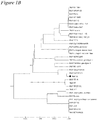
- MuV-IA is most closely related to the sequence of MuV Du/CRO05, a genotype G virus, which was isolated in Weg in 2005 ( Santak et al., 2006, J Med Virol; 78(5):638-643 ).
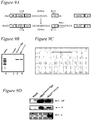
- a comparison of the predicted amino acid sequences between the protein coding regions of MuV-IA and Jeryl Lynn vaccine (major component) showed that while NP, M and L protein sequences are highly conserved with an identity of over 98%, there was more divergence among V, P, F, SH and HN proteins ( Fig. 1C ).
- the predicted SH protein sequences had only 85% identity.
- RNA viruses exist as a quasi-species, the consensus sequence of the genome was used as the base for the recombinant MuV.
- a plasmid containing a mini-genome with luciferase (Luc) reporter gene for mumps virus (pT7-MuV-Mini-Luc) similar to the PIV5 mini-genome expressing plasmid was constructed using rMuV-IA trailer and leader sequences ( Lin et al., 2005, Virology; 338(2):270-280 ).
- plasmids encoding NP, P and L in the pCAGGS vector have been obtained and confirmed by sequencing.
- the plasmids were transfected into BSRT7 cells. At 2 dpi, the cells were harvested and Luciferase (Luc) assays were performed. Luc activity was detected in the cell transfected with all plasmids, not ones missing P or L, indicating that the plasmids expressed functional P and L proteins.
- RT-PCR was conducted to amplify DNA fragments representing the complete genome and inserted into individual plasmid vectors before being assembled into a full-length genome.
- pMuV-IA The plasmid with the full length genome of MuV-IA expressed under the control of a T7 (pMuV-IA) promoter (pMuV-IA) was similar to the plasmid used to generate infectious PIV5 ( He et al., 1997, Virology; 237:249-260 ).
- pMuV-IA had changes in two nucleotides within the L ORF compared with consensus sequence of MuV-IA at positions of 11863 (T to C) and 12028 (C to T). However, neither of these nucleotide changes resulted in changes in the predicted L protein sequence.
- a recombinant MuV (rMuV-IA) was rescued using the plasmid containing the full-length genome of MuVIA.
- BSRT-7 cells were co-transfected with pMuV-IA and plasmids expressing viral RNA polymerase components. Individual plaques were selected and amplified in Vero cells. The entire genome of the rescued virus was sequenced and found to match the input cDNA genome sequence.
- a multi-cycle growth assay was performed ( Fig. 2A ). Both viruses grew to similar peak titers in Vero cells. Viral titers in the supernatant of the infected cells increased exponentially during the first two days after infection, and reached a titer of 10 7 pfu/ml at 48 hpi. The growth of both viruses in HeLa cells (a human cell line), MDBK cells (a bovine cell line), and L929 cells (a murine cell line) was also compared, and no obvious differences between these two viruses were observed. The viral protein expression levels in cells were also examined using Western blot ( Fig. 2B ) and the protein levels were similar at different time points after infection, indicating that the replication of rMuV resembles MuV-IA in tissue culture cells.
- pMuVEGFP was constructed by inserting an EGFP gene, flanked by gene start (GS) of SH and gene end (GE) of NP, between F gene and SH gene in pMuV-IA, pMuV-RL was constructed through substitution of coding sequence of EGEP with that of renilla luciferase (RL) in pMuV-EGFP. Expression of EGFP or RL in the infected Vero cells was detected ( Figs. 2C and 2D ).
- the rMuV ⁇ SH genome was of 15,228 nt in size, complying with "the rule of six" ( Kolakofsky et al., 1998, J Virol; 72:891-899 ).
- cell lysates of infected Vero cells were examined by immunoblotting with anti-SH as well as anti-NP and anti-P ( Fig. 3D ).
- SH was detected in MuV-IA and rMuV-infected cells, but not in rMuV ⁇ SH-infected cells, confirming the lack of the SH protein expression in rMuV ⁇ SH-infected cells.
- the HN gene is downstream of the SH gene.
- expression levels of HN and NP of infected cells were examined using flow cytometry.
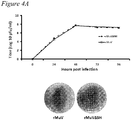
- Fig. 4C relative expression level of HN in rMuV-infected cells and in rMuV ⁇ SH-infected cells were similar, suggesting that the deletion of the SH ORF sequence did not affect expression of the HN protein.
- mRNA expression levels of HN were examined using real-time RT-PCR. No significant difference was observed between rMuV and rMuV ⁇ SH ( Fig. 4D ).
- rMuVSH formed larger plaques in Vero cells compared to rMuV ( Fig. 4A ).
- rMuV ⁇ SH induced cytopathic effect in L929 cells.
- Vero, MDBK and HeLa cells We compared infection of Vero, MDBK and HeLa cells with rMuV ⁇ SH and rMuV. At one day post infection, there were no observable differences in rMuV ⁇ SH- or rMuV-infected Vero and MDBK cells.
- Previous studies in our lab showed that the SH ORFs of PIV5 and RSV played a role in blocking TNF- ⁇ signaling.
- the phenotype of rMuV ⁇ SH in L929 cells, which undergo apoptosis after TNF- ⁇ treatment was investigated.
- CPE cytopathic effects
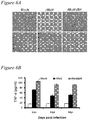
- apoptosis in rMuV ⁇ SH infected L929 cells resulted from an elevated TNF- ⁇ the activation of NF- ⁇ B in rMuV ⁇ SH-infected L929 cells was examined by examining nuclear translocation of p65, a key subunit of NF- ⁇ B. NF- ⁇ B factors are localized in the cytoplasm. On activation, for example by TNF- ⁇ stimulation, p65 is translocated into the nucleus ( Baud and Karin, 2001, Trends Cell Biol; 11(9):372-377 ).
- rMuV ⁇ SH-infected L929 cells A higher level of p65 nuclear localization was observed in rMuV ⁇ SH-infected L929 cells ( Fig. 6A ), indicating activation of NF- ⁇ B.
- TNF- ⁇ production level was up regulated in rMuV ⁇ SH-infected cells ( Fig. 6B ).
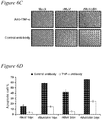
- the infected cells were treated with neutralizing antibody against TNF- ⁇ .
- rMuV ⁇ SH was attenuated in vivo.
- MuV is a human virus and there is no ideal animal model in which to study viral pathogenesis.
- Intracerebral injection of MuV into newborn rats has been used to compare the relative pathogenecities of different strains of MuV (Rubin et al., 2005).
- rMuV or rMuV ⁇ SH was injected intracerebrally into brains of newborn rats. Relative neurotoxicity score was calculated based on relative severity of hydrocephalus. As shown in Fig. 8 , rMuV ⁇ SH had a lower neurotoxicity score than rMuV, indicating that deletion of the SH ORF resulted in attenuation in vivo.
- Immunization against MuV is a part of a 2-dose MMR (mumps, measles and rubella) vaccine regimen that is administrated to children at 1 and 5 years of age in the U.S. Even with a two-dose vaccination schedule, large outbreaks have occurred in vaccinated populations.
- This example describes the rescue of a wild-type mumps virus that is representative of the strain associated with recent outbreaks in the U.S. and Europe.
- This example identifies the potential role of the SH protein in regulating TNF- ⁇ , and demonstrates that the deletion of the SH ORF resulted in attenuation in vivo, indicating that SH plays a role in viral pathogenesis.
- the SH protein of paramyxoviruses was first identified in PIV5- infected cells ( Hiebert et al., 1985, J Virol; 55:744-751 ). A similar gene was predicted basing on sequence analysis of the Enders strain of MuV. However, due to a mutation in the intergenic sequence of the putative SH gene, the SH protein of the Enders strain MuV is not expressed in infected cells ( Takeuchi et al., 1991, Virology; 181:364-366 ). Thus, the SH protein of MuV has never been detected in MuV-infected cells. Wilson et al.
- MuV SH can functionally replace the SH ORF of PIV5 ( Wilson et al., 2006, J Virol; 80(4):1700-09 ).
- the function of MuV SH is the same as the function of the SH ORF of PIV5, a closely related paramyxovirus.
- the expression of SH was detected in MuV-infected cells for the first time, confirming the existence of the SH protein in MuV-infected cells.
- rMuV ⁇ SH a recombinant MuV lacking the SH ORF
- rMuV ⁇ SH produced larger plaques.
- a possible explanation is that the deletion of the SH ORF resulted in a virus that promotes cell-to-cell fusion better than the wild type virus. Because there was no change of total number of ORFs or the overall order of genes, we expect that the relative amounts of viral mRNAs and the expression levels of viral proteins of rMuV ⁇ SH should be similar to those of wild type virus ( Figs. 4B, 4C , and 4D ). Thus, it is unlikely that the bigger plaque formation by rMuV ⁇ SH was due to a higher level of viral protein expression.
- the mRNA of from some ORFs may have biologic functions.
- the mRNA of the L ORF of PIV5 is capable of activating IFN- ⁇ expression ( Luthra et al., 2011, Proc Natl Acad Sci USA; 108(5):2118-2123 ).
- the ORF of SH was deleted, and the function of the polypeptide encoded by the SH ORF cannot be differentiated from SH mRNA itself.
- MuV-IA NP, P and L genes were cloned into the pCAGGS expression vector ( Niwa et al., 1991, Gene; 108:193-200 ).
- MuV-IA SH gene was cloned into the pCAGGS expression vector.
- MuV-IA SH (stop codon) was constructed by introducing three continues stop codon sequence into the SH ORF, six nucleotides downstream of the start codon.
- MuV-IA full-length cDNA in pUC19 was analogous to the PIV5 reverse genetics system ( He et al., 1997, Virology; 237:249-260 ).
- the region of the SH ORF from the 4th amino acid to the 57th (156 nt) was substituted with a short six nucleotide sequence designed to facilitate subcloning and to maintain the length of the genome a multiple of six (known as the "rule of six").
- pMuV-EGFP and pMuV-RL were constructed by inserting either an EGFP or a renilla luciferase gene between F and SH gene flanked by F gene start and SH gene end.
- plasmid (5 ⁇ g) containing a full-length genome or a mutated MuV genome was co-transfected with plasmids pCAGGS-L (1 ⁇ g), pCAGGS-NP (1.5 ⁇ g) and pCAGGS-P (200 ng) into BSRT-7 cells.
- plasmids pCAGGS-L (1 ⁇ g)
- pCAGGS-NP 1.5 ⁇ g
- pCAGGS-P 200 ng
- Supernatants were plaqued in Vero cells. Plaques could be visualized at 4 to 7 dpi.
- One or two plaques from each independent rescue were amplified in Vero cells and their genomes were sequenced.
- Vero, HeLa, MDBK and L929 cells were maintained in Dulbecco's modified Eagle medium (DMEM) with 10% fetal bovine serum (FBS) and 1% penicillin-streptomycin (P/S)(Mediatech Inc., Holu Hill, FL), BSRT-7 cell were maintained in DMEM supplemented with 10% FBS, 1% P/S and 10% tryptose phosphate broth (TPB) plus G418 at 400 ⁇ g/ml. Cells were cultured at 37 °C with 5% CO 2 and passed the day before infection or transfection at appropriate dilution factors to archived 80.90% confluence the next day.
- DMEM Dulbecco's modified Eagle medium
- FBS fetal bovine serum
- P/S penicillin-streptomycin
- TPB tryptose phosphate broth
- cells were infected with viruses in DMEM plus 1% bovine serum albumin (BSA) at MOI of 0.01, 3 or 5 and incubated for 1 to 2 h at 37 °C with 5% CO 2 . The culturing medium was then replaced with DMEM supplied with 2% FBS and 1% P/S.
- BSA bovine serum albumin
- transfection cells were transfected with plasmids using PLUSTM and LipofectamineTM reagents from Invitrogen following the manufacturer provided protocol.
- MuV-IA (MuV/Iowa/US/2006) was isolated at the Iowa Hygenic Laboratory from a buccal swab obtained from a mumps case during the early phase of the outbreak in 2006. Genotype analysis was performed at the CDC ( Rota et al., 2009, J Med Virol; 81(10):1819-1825 ) and the accession number for the SH sequence is DQ661745. All mumps viruses were grown in Vero cells and were harvested 4 to 7 dpi.
- Virus titers were measured in Vero cells by plaque assay followed by Giemsa staining as described before ( He and Lamb, 1999, J Virol; 73:6228-6234 ; and He et al., 1997, Virology; 237:249-260 ).
- Viral RNA was extracted from cell culture supernatants using QIAampR viral RNA extraction mini kit from QIAGEN following manufacturer's protocol. Isolated total RNA was reverse transcribed into cDNA using Super ScriptR III reverse transcriptase from Invitrogen with random hexamers. Synthesized cDNA was then served as templates for PCR using mumps virus genome specific primers (Table 1) and Taq polymerase from Invitrogen. Fifteen sets of primers (shown in Table 2), each contained a forward and a reverse primer, were designed as to divide the genome into fifteen overlapped fragments.
- the primers were used for the subsequent sequencing of the PCR products ( Li et al., 2011, J Virol; 85(1):32-42 ).
- Leader and Trailer sequences were sequenced following standard protocol of Rapid Amplification of cDNA Ends (RACE) ( Li et al., 2011, J Virol; 85(1):32-42 ).
- the sucrose gradient with virus at the bottom was centrifuged at 45 K rpm for 3 hours (h) at 4 °C. 1 ml fractions were collected, mixed with 10 ml 1X TEN buffer (100 mM NaCl, 10 mM Tris-base, 1 mM EDTA) and spun down at 40 K rpm for 1.5 h at 4 °C. The pellet containing virus was suspended in 50 ⁇ l of 1X TEN buffer plus 1% NP-40 and used for generation of mouse hybridoma cells.
- Mouse hybridoma cells generating monoclonal antibodies against MuV-IA NP and P were engineered by the core facility in the Pennsylvania State University. The hybridomas were culture in D-MEM supplied with sodium pyruvate, with addition of 20% FBS and 0.1% Gentamicin at 37 °C with 5% CO 2 .
- L929 cells in six well plates were infected with rMuV ⁇ SH or rMuV at a MOI of 5 and cultured in DMEM supplemented with 2% FBS and 1% P/S with neutralizing anti-TNF- ⁇ antibody or control antibody (BD Pharmingen) at 50 ⁇ g/ml for 1 or 2 days. At 1 day or 2 dpi, cells were photographed with a microscope with a digital camera, and then collected for MuV-NP staining or TUNEL assay.
- the fixed cells were then washed with PBS, permeabilized in 50% FCS-50% DMEM plus three volumes of 70% ethanol overnight. Permeabilized cells were subjected for either TUNEL staining for apoptotic cells according to manufacturer's protocol or MuV-NP staining for infection rate. When cells were for NP staining, monoclonal MuV-NP antibody was diluted to 1:200 followed by PE anti-mouse secondary antibody staining at a dilution factor of 1:100.
- Vero cells were mock infected or infected with rMuV ⁇ SH or rMuV at a MOI of 0.5 or 0.01. At 24 or 48 hpi, attached cells were collected in combination with floating cells, fixed. For HN surface staining, cells were directly stained with anti-HN at a dilution factor of 1:50; for total staining of HN and NP staining, fixed cells were permeabilized with 0.1% saponin in PBS and stained with anti-NP at a dilution factor of 1:200 or anti-HN at a dilution factor of 1:50.
- NF- ⁇ B reporter assay system was performed as described previously ( Wilson et al., 2006, J Virol; 80(4):1700-09 ).
- L929 cells were plated into 24 well plates and transfected using PLUSTM and LipofectamineTM reagents with either empty vector, pCAGGS-MuV SH, pCAGGS-MuV SH(stop), pCAGGS-PIV5 SH or pCAGGS-MuV NP, plus a p ⁇ B-TATA-Luc (a reporter plasmid containing a NF- ⁇ B promoter region followed by TATA box enhancer and a firefly luciferase gene) and a pCAGGS-RL (a transfection control plasmid expressing renilla luciferase protein).
- TNF- ⁇ Alexis, San Diego
- Optima Invitrogen
- Cells were then lysed with 100 ⁇ l 1X passive lysis buffer (Promega, Madison, WI) and 10 ⁇ l of the lysate were subjected for dual luciferase assay using a dual luciferase assay kit (Promega, Madison, WI).
- the ratio of TNF- ⁇ stimulated cells over no TNF- ⁇ stimulation is used as "induction of luciferase activity.”
- Cell lysates were briefly centrifuged to remove cell debris. Cell lysates were loaded into 10% or 17.5% polyacrylamide gel and subjected for SDS-PAGE. Protein were transferred to Immobilon-FL transfer membrane (Millipore), incubated with primary antibody (anti-MuV SH 1:250, anti-MuV V 1:500, anti-MuV NP 1:5000, anti-MuV P 1:2000) and corresponding secondary antibodies conjugated to horseradish peroxidase, and detected by Amersham ECLTM western blotting detection kit (GE Healthcare).
- primary antibody anti-MuV SH 1:250, anti-MuV V 1:500, anti-MuV NP 1:5000, anti-MuV P 1:2000
- secondary antibodies conjugated to horseradish peroxidase and detected by Amersham ECLTM western blotting detection kit (GE Healthcare).
- Enzyme-linked immunosorbent assay (ELISA) of TNF- ⁇ L929 cells in 6 well plates were infected with mock, rMuV or rMuV ⁇ SH at MOI of 5. Culturing media were collected at 1 dpi, 2 dpi and 3 dpi. The amount of TNF- ⁇ secreted into the culturing media was measured using a murine TNF- ⁇ detection kit (Amersham Pharmacia) following the procedures described before ( Li et al., 2011, J Virol; 85(1):32-42 ).
- the neurotoxicity score was calculated based on the cross-sectional area of the brain (excluding the cerebellum) as a percentage of the lateral ventricle on tissue sections from paired brain using Image- Pro Plus image analysis software (Media Cybernetics).
- the neurotoxicity score was defined as the mean ratio (percentage) of these two measurements on each of the two tissue sections per rat brain. Any rats with signs of pain or distress prior to the planned 1 month end point were humanely euthanized immediately and included in analyses. The NIH Guidelines for the Care and Use of Laboratory Animals were strictly adhered to throughout.
- V Protein of Mumps Virus Plays a Critical Role in Pathogenesis
- Mumps virus causes an acute infection in humans characterized by a wide array of symptoms ranging from relatively mild manifestations, such as parotitis, to more-severe complications, such as meningitis and encephalitis. Widespread mumps vaccination has reduced mumps incidence dramatically; however, outbreaks still occur in vaccinated populations.
- the V protein of MuV when expressed in cell culture, blocks interferon (IFN) expression and signaling and interleukin-6 (IL-6) signaling.
- IFN interferon
- IL-6 interleukin-6
- the rescued MuV was derived from a clinical wild-type isolate from a recent outbreak in the United States (MuV Iowa/US/06 , G genotype). Analysis of the virus confirmed the roles of V protein in blocking IFN expression and signaling and IL-6 signaling. It was also found that the rMuV Iowa/US/06 ⁇ V virus induced high levels of IL-6 expression in vitro, suggesting that V plays a role in reducing IL-6 expression. In vivo, the rMuV Iowa/US/06 virus was highly attenuated, indicating that the V protein plays an essential role in viral virulence.
- the RNA genome of MuV is 15,384 nucleotides long. It encodes nine known viral proteins.
- the V protein of MuV has 224 amino acid residues and contains a cysteine (Cys)-rich C terminus that is conserved among all paramyxoviruses.
- the V protein interrupts the interferon (IFN) signaling pathway through degradation of STAT1, a critical transcription factor for IFN-activated gene expression ( Kubota et al., 2002, J Virol; 76:12676-12682 ).
- a tryptophan-rich motif within the Cys-rich C terminus of the MuV V protein is essential in the ubiquitination and degradation of STAT1 ( Kubota et al., 2002, J Virol; 76:12676-12682 ; Kubota et al. al., 2001, Biochem Biophys Res Commun; 283:255-259 ; and Nishio et al., 2002, Virology; 300:92 ) through the N-terminal region of STAT1 ( Yokosawa et al., 2002, J Virol; 76:12683-12690 ).
- the V protein has also been demonstrated to associate with receptor-activated C kinase (RACK1), which contains Trp-Asp (WD) repeats and mediates interactions between the IFN receptor and STAT1.
- RACK1 receptor-activated C kinase
- the V-RACK1 interaction results in the disassociation of STAT1 and RACK1, contributing to the blockade of IFN signaling by V protein ( Kubota et al., 2002, J Virol; 76:12676-12682 ). This interaction may be important to block IFN signaling before the complete degradation of STAT1 occurs ( Kubota et al., 2005, J Virol; 79:4451-4459 ).
- V protein of MuV also interacts with MDA5, a RNA helicase that plays a critical role in the activation of IFN expression in infected cells ( Andrejeva et al., 2004, Proc Natl Acad Sci USA; 101:17264-17269 ) and blocks the activation of IFN expression.
- MDA5 a RNA helicase that plays a critical role in the activation of IFN expression in infected cells
- the Cys-rich C terminus of V protein is essential for its interaction with MDA5 through its helicase C domain ( Parisien et al., 2009, J Virol; 83:7252-7260 ; Ramachandran and Horvath, 2010, J Tirol; 84:11152-11163 ).
- the V protein can serve as a substrate for inhibitor of ⁇ B kinase ⁇ (IKKe)/tumor necrosis factor receptor associated factor (TRAF) family member-associated NF- ⁇ B activator (TANK)-binding kinase 1 (TBK1), resulting in inhibition of the activation of interferon regulatory factor 3 (IRF3).
- IKKe ⁇ B kinase ⁇
- TTK1 tumor necrosis factor receptor associated factor
- IRF3 interferon regulatory factor 3
- the V protein causes degradation of STAT3, a critical transcription factor for interleukin-6 (IL-6)-mediated signaling and oncogenesis ( Ulane et al., 2003, J Virol; 77:6385-6393 ).
- a point mutation within the V protein results in a V protein that is capable of STAT1 degradation without affecting its ability to target STAT3 for degradation.
- the ability of V protein to block IFN signaling is thought to be important for viral pathogenesis (Rosas-Murrieta et al., 2010, Virol J ; 7:263).
- a recombinant MuV that it was no longer capable of expressing the V protein (rMuV Iowa/US/06 ⁇ V) was generated.
- the rescued MuV was derived from a clinical wild-type (WT) isolate from a recent outbreak in the United States (MuV Iowa/US/06 , G genotype). This is the first study of the functions of the V protein of MuV in the context of viral infection.
- MuV Iowa/US/06 The MuV strain, MuV Iowa/US/06 , was obtained from a patient during the 2006 Midwest mumps outbreak in the United States. A full-length cDNA clone of the virus (pMuV Iowa/US/06 ) was constructed as described in Example 1 (see also Xu et al., 2011, Virology; 417:126-136 ).
- This plasmid was modified to not express the V protein by changing the editing site of the P/V gene (GGGGGG; nucleotides 1-6 of SEQ ID NO:14) to GAGGAGGG (nucleotides 1-8 of SEQ ID NO: 15) and the addition of another four base pairs (CTAG; nucleotides 3-6 of SEQ ID NO:16) to the 3' untranslated region (3' UTR; SEQ ID NO:16) of the gene to comply with "the rule of six" ( Kolakofsky et al., 1998, J Virol; 72:891-899 ).
- Plaques developing 4 to 7 days postinfection [dpi] were amplified in Vero cells, and their genomes were sequenced. The rescue procedure was repeated to produce independent stocks of rMuV Iowa/US/06 ⁇ V.
- Vero, HeLa, MDBK, and L929 cells were maintained in Dulbecco's modified Eagle medium (DMEM) with 10% fetal bovine serum (FBS) and 1% penicillin-streptomycin (P/S) (Mediatech Inc., Holu Hill, FL).
- DMEM Dulbecco's modified Eagle medium
- FBS fetal bovine serum
- P/S penicillin-streptomycin
- BSRT-7 cells were maintained in DMEM supplemented with 10% FBS, 1% P/S, and 10% tryptose phosphate broth (TPB), plus 400 ⁇ g/ml Geneticin G418 antibiotic. Cells were cultured at 37°C with 5% CO 2 and passaged the day before infection or transfection at appropriate dilution factors to achieve 80 to 90% confluence the next day.
- cells were inoculated with viruses in DMEM plus 1% bovine serum albumin (BSA) at a multiplicity of infection (MOI) of 0.01, 3, or 5 and incubated for 1 to 2 h at 37C with 5% CO 2 .
- BSA bovine serum albumin
- MOI multiplicity of infection
- the inocula were then replaced with DMEM supplemented with 2% FBS and 1% P/S.
- Cells were transfected with plasmids using PLUS and Lipofectamine reagents (Invitrogen, Carlsbad, CA) following the manufacturer-provided protocols.
- mumps viruses were grown in Vero cells and were harvested at 4 to 7 dpi. Virus titers were measured in Vero cells by plaque assay as described previously ( He and Lamb, 1999, J Virol; 73:6228-6234 ; He et al., 1997, Virology; 237:249-260 ). Parainfluenza virus 5 (PIV5) and recombinant PIV5 lacking the expression of the C terminus of the V protein (rPIV5V ⁇ C) were grown as described before ( He et al., 2002, Virology; 303:15-32 ).
- PIV5V5V ⁇ C Parainfluenza virus 5
- rPIV5V ⁇ C recombinant PIV5 lacking the expression of the C terminus of the V protein
- Viral RNA was extracted from cell culture supernatants by using the QIAamp viral RNA extraction minikit (Qiagen Inc., Valencia, CA) following manufacturer's protocol. Isolated viral RNA was reverse transcribed into cDNA by using SuperScript III reverse transcriptase with random hexamers (Invitrogen). Synthesized cDNA then served as templates for PCR using mumps virus genome-specific primers (shown in Table 1) and Taq polymerase (Invitrogen). Fifteen sets of primers (shown in Table 2), each containing a forward and reverse primer, were designed to divide the genome into 15 overlapping fragments.
- the primers were then used for the subsequent sequencing of the PCR products ( Li et al., 2006, Virology; 346:219-228 ). Leader and trailer sequences were sequenced following the standard protocol of rapid amplification of cDNA ends (RACE) ( Li et al., 2011, J Virol; 85:32-42 ).
- RACE rapid amplification of cDNA ends
- Flow cytometry and TUNEL assay were performed as previously described (36). HeLa or Vero cells in 6-well plates were mock infected or infected with rMuV Iowa/US/06 ⁇ V, rMuV Iowa/US/06 , or MuV Iowa/US/06 at an MOI of 0.1 or 0.5. At 24 h postinfection (hpi), 48 hpi, 72 hpi, or 96 hpi, attached cells were trypsinized and combined with floating cells in the culture media. Cells were centrifuged and resuspended in 0.5% paraformaldehyde in phosphate-buffered saline (PBS) for 1 h at 4°C.
- PBS phosphate-buffered saline
- Permeabilized cells were subjected to either terminal deoxynucleotidyltransferase-mediated dUTP-biotin nick end labeling (TUNEL) staining or MuV Iowa/US/06 -NP, MuV Iowa/US/06 -P, or MuV Iowa/US/06 -HN staining for protein expression level.
- TUNEL terminal deoxynucleotidyltransferase-mediated dUTP-biotin nick end labeling
- NP staining monoclonal MuV Iowa/US/06 -NP antibody was diluted 1:200; for P staining, monoclonal MuV Iowa/US/06 -P antibody (as described in Example 1; see also Xu et al., 2011, Virology; 417:126-136 ) was diluted 1:50 followed by fluorescein isothiocyanate (FITC) anti-mouse secondary antibody (Jackson ImmunoResearch) staining at a dilution of 1:10,000.
- FITC fluorescein isothiocyanate
- HN staining polyclonal MuV Iowa/US/06 -HN was diluted 1:50 followed by FITC anti-rabbit secondary antibody staining at a dilution factor of 1:10,000.
- TUNEL staining was performed as described before following the manufacturer's protocol (Roche) ( Sun et al., 2009, PLoS Pathog; 5:e1000525 ; Sun et al., 2004, J Virol; 78:5068-5078 ).
- rMuV Iowa/US/06 ⁇ V and rMuV Iowa/US/06 Growth curve of rMuV Iowa/US/06 ⁇ V and rMuV Iowa/US/06 .
- Cells in 6-cm plates or 6-well plates were infected with rMuV ⁇ V or rMuV at an MOI of 0.01.
- One milliliter (6-cm plates) or 100 ⁇ l (6-well plates) of supernatant were collected at 0 h, 24 h, 48 h, and 72 h (24 h, 48 h, 72 h, 120 h, 168 h, 216 h, and 264 h in HeLa) postinfection, supplemented with 1% BSA, and stored at 80°C.
- Virus titers were determined by plaque assay using Vero cells in 6-well plates in triplicate.
- the growth medium was changed to DMEM with 2% FBS, 1% P/S, and 1% low-melting-point agarose.
- DMEM fetal bovine serum
- P/S fetal bovine serum
- 1% low-melting-point agarose 2% FBS, 1% P/S, and 1% low-melting-point agarose.
- 6-well plates of Vero cells were stained with Giemsa stain, and plaques were counted.
- ELISA for IFN- ⁇ and IL-6 HeLa cells or 293T cells were mock infected or infected with PIV5-WT (MOI 5), rPIV5-V ⁇ C (MOI- 5), rMuV Iowa/US/06 (MOI 0.5), or rMuV Iowa/US/06 ⁇ V (MOI 0.5) virus in 12-well plates. The supernatants were collected at 24 h and 48 h postinfection.
- the amount of secreted IL-6 in the medium was measured using the OptEIA human IL-6 enzyme-linked immunosorbent assay (ELISA) kit (BD Biosciences, San Jose, CA), and IFN- ⁇ was measured using the VeriKine human IFN- ⁇ ELISA kit as described before (16, 18) (PBL InterferonSource, Piscataway, NJ) according to the manufacturer's instructions.
- ELISA OptEIA human IL-6 enzyme-linked immunosorbent assay
- the neurovirulence phenotype of the rescued viruses was assessed by measuring the extent of MuV-induced hydrocephalus, the major neuropathologic outcome of MuV infection in rats, as previously described ( Rubin et al., 2000, J Virol; 74:5382-5384 ). Briefly, three litters of 8 to 10 newborn Lewis rats were inoculated intracerebrally with 10 ⁇ l of DMEM containing 100 PFU of each of the two virus stocks rescued from plasmid pMuV Iowa/US/06 and each of the two virus stocks rescued from plasmid pMuV Iowa/US/06 ⁇ V.
- the rats were humanely sacrificed by CO 2 asphyxiation following the NIH Guidelines for the Care and Use of Laboratory Animals. Brains were removed and immersion fixed in 10% neutral-buffered formalin at 4°C for 4 to 5 days, followed by paraffin embedding. Sagittal sections obtained at a standard distance from either side of the rostral-caudal midline were stained with hematoxylin and eosin.
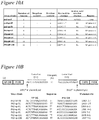
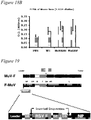
- Viruses from seven out of the total eight rescued viruses contained a point mutation at either the NP GE (six) or P/V GS region (one), while one contained a point mutation in the L gene ( Fig. 10B ). All of the rescued rMuV Iowa/US/06 ⁇ V viruses contained at least one point mutation in their genome, and the most frequent point mutation was at position 1899 in the genome; thus, this virus was used as a representative virus and designated as rMuV Iowa/US/06 ⁇ V for this work, unless otherwise noted.
- rMuV ⁇ V tissue culture cell lines.
- Vero cells or HeLa cells were infected with rMuV Iowa/US/06 ⁇ V or rMuV Iowa/US/06 at an MOI of 0.01, medium was collected at multiple time points postinfection, and viral titers were determined using plaque assay ( Fig. 11A ).
- rMuV Iowa/US/06 ⁇ V grew at a rate comparable to that of rMuV Iowa/US/06 V in Vero cells during the first 48 h postinfection (hpi), and then the growth of rMuV Iowa/US/06 ⁇ V decreased and remained approximately 1 log lower in titer than rMuV Iowa/US/06 throughout the studied time course ( Fig. 11A ). Plaque size of rMuV Iowa/US/06 ⁇ V in Vero cells showed no significant differences from that of rMuV Iowa/US/06 ( Fig. 11B ).
- Protein expression levels of rMuV Iowa/US/06 ⁇ V or rMuV Iowa/US/06 low-MOI-infected Vero cells were examined by immunoblotting with anti-NP, P, and V or anti- ⁇ -actin ( Fig. 11C ). Consistent with the time course, the viral protein expression levels of rMuV Iowa/US/06 ⁇ V were similar to those of rMuV Iowa/US/06 at 48, 72, and 96 hpi (adjusting for the levels of ⁇ -actin). In HeLa cells, the growth of rMuV Iowa/US/06 ⁇ V was reduced ( Fig. 11D ).
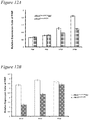
- P protein expression levels were normalized to that of the corresponding NP levels ( Fig. 12A and 12B ).
- the P/NP ratio of rMuV ⁇ V was significantly higher than that of rMuV at 12, 16, 24, and 48 hpi, indicating an elevated P protein expression in the rMuV Iowa/US/06 ⁇ V virus. This difference was no longer evident by 72 hpi.
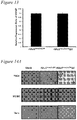
- HN expression levels were examined using flow cytometry. Vero cells were either mock infected or infected with rMuV Iowa/US/06 ⁇ V or rMuV Iowa/US/06 at an MOI of 0.5, and then cells were collected at 24 hpi and subjected to NP and HN staining ( Fig. 13 ). No significant changes in the HN-to-NP ratio were observed.
- rMuV Iowa/US/06 ⁇ V-induced accelerated CPE in tissue culture cell lines were compared in three different cell culture lines from three different organisms. HeLa (human), Vero (monkey), and MDBK (bovine) cells were infected with rMuV Iowa/US/06 ⁇ V or rMuV Iowa/US/06 at an MOI of 0.5, and the cells were photographed at 72 hpi. rMuV Iowa/US/06 ⁇ V caused the most-severe CPE in HeLa cells.
- rMuV Iowa/US/06 ⁇ V-infected HeLa cells which may be a major contributing factor to cell death ( FIG. 14A ).
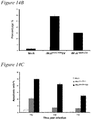
- the TUNEL assay was performed ( FIG. 14B ).
- HeLa cells infected with rMuV Iowa/US/06 ⁇ V at an MOI of 0.5 showed at least a 2-fold higher level of apoptosis than cells infected with rMuV.
- rMuV Iowa/US/06 ⁇ V induced a higher level of apoptosis in Vero cells ( Fig. 14C ). That the lack of V led to an increase in apoptosis in infected cells suggests that the V protein might play a role in blocking induction of apoptosis in infected cells.
- PIV5 a paramyxovirus closely related to MuV, prevents induction of IFN- ⁇ in infected cells, while recombinant PIV5 lacking the expression of the conserved C terminus of the V protein does not ( He et al., 2002, Virology; 303:15-32 ; Poole et al., 2002, Virology; 303:33-46 ).
- IFN- ⁇ concentration in the medium of infected 293T cells was measured by using ELISA.
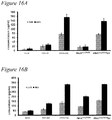
- rMuV Iowa/US/06 ⁇ V led to a higher level of IL-6 induction.
- IL-6 production levels in the medium of rMuV Iowa/US/06 ⁇ V and rMuV Iowa/US/06 -infected cells were examined.
- rMuV Iowa/US/06 ⁇ V led to a higher level of IL-6 production than rMuV Iowa/US/06 in HeLa cells ( Fig. 16B ), indicating that IL-6 induction was reduced by the presence of the V protein.
- rMuV Iowa/US/06 infection also induced a significant amount of IL-6 production. This is consistent with MuV being an inflammatory disease.
- results of this example confirm these findings through the study of a recombinant virus derived from a clinical isolate (genotype G) ablating the expression the V protein in the context of in vitro infection.
- V protein expression also led to the induction of a higher level of IL-6, a proinflammatory cytokine, suggesting that the V protein plays a role in suppressing IL-6 expression.
- the lack of V protein expression in infected cells likely resulted in the attenuation of this strain in an animal model, suggesting that the V protein plays an essential role in viral virulence.
- the closest virus to MuV is parainfluenza virus 5 (PIV5).
- the V proteins of MuV and PIV5 share many identical functions, including blocking IFN expression through MDA5, blocking IFN signaling through degradation of STAT1, and inhibiting expression of IL-6 in virus-infected cells.
- a recombinant PIV5 lacking the entire V protein has never been obtained in tissue culture cells, suggesting that the V protein of PIV5 plays a more critical role in virus replication ( Dillon and Parks, 2007, J Virol 81:11116-11127 ; He et al., 2002, Virology; 303:15-32 ) than the V protein does for MuV.
- the viability of rMuV Iowa/US/06 ⁇ V suggests that the role of MuV Iowa/US/06 V protein in virus replication is dispensable, at least in tissue culture cells.
- a recombinant virus incapable of producing the V protein was generated using a reverse genetics system for MuV based on a clinical isolate from a recent outbreak.
- This virus grew to titers similar to those for wild-type virus in Vero cells, a cell line that is used for vaccine production, as well as in other cell types. Most importantly, the virus exhibited low neurotoxicity in rats, supporting it as a vaccine candidate.
- the V/P gene of MuV encodes three proteins, V, I, and P, through a process of "RNA editing," in which nontemplate G residues are inserted into mRNA during transcription at a specific site to generate mRNAs that can be translated into three different ORFs ( Saito et al., 1996, Microbiol Immunol; 40:271-275 ).
- the V protein is translated from the "unedited” copy of mRNA, P from the mRNA with two G residue insertions, and the I protein from the mRNA with one or four G residue insertions. All of these proteins have identical N termini of 155 amino acid residues.
- the P protein has 391 amino acid residues and plays an essential role in viral RNA synthesis.
- the I protein has 170 amino acid residues, and its function is unclear. It is possible that the I mRNA is a by-product of RNA editing and it may not have any significant functions.
- the strategy we used to generate rMuV Iowa/US/06 ⁇ V also eliminated expression of the I protein.
- mice The immunogenicity of rMuV ⁇ SH and rMuV ⁇ V in mice was determined and MuV-specific immune responses measured.
- Mice in a group of 10 were inoculated with PBS, or 10 6 pfu of MuV, rMuV ⁇ V or rMuV ⁇ SH intranasally.
- blood samples from the mice were collected. Titers of anti-MuV antibodies in the sera were measured using ELISA.
- the 96-well plates for ELISA were coated with purified MuV virion. P values for MuV and rMuV ⁇ SH, MuV and MuV ⁇ V at highest dilution and lowest dilution of sera were lower than 0.05. The results are shown in Fig. 18 .
- Further humoral immunity (antibody) analysis will include a determination of anti-MuV antibodies in bronchoalveolar lavage (BAL), as measured by MuV-specific ELISA.
- BAL bronchoalveolar lavage
- MuV-specific ELISA the isotypes (IgA, IgG1, IgG2a, IgG2b, and IgG3) of the antibodies will also be determined using appropriate secondary antibodies.
- MuV-specific antibody titers will also be measured by virus.
- Neutralization assays against heterogonous JL or homologous MuV-IA will be performed on serum and BAL wash samples.
- T cell may be measured by antigen-specific IFN ⁇ production. Specifically, lymphocytes from the BAL, spleen and/or draining lymph node will be assayed for MuV-specific T cell responses by restimulation with MuV- infected APCs or with purified MuV virions that are disrupted with mild detergent. IFN- ⁇ responses will be determined by intracellular cytokine staining and/or ELISPOT assays.
- MuV immunization has the potential to induce local MuV-specific T cell and immunoglobulin responses that mediate protection against MuV challenge.
- Local (i.e. lung) MuV- specific immune responses will be assessed by analysis of BAL samples collected at time points after immunization or challenge. Infiltrating lymphocyte populations will be collected by centrifugation and the bronchoalveolar lavage (BAL) will be analyzed for mucosal Ig.
- BAL bronchoalveolar lavage
- Systemic responses will be assessed by analysis of serum antibody and splenic or mediastinal lymph node (MLN) lymphocytes.
- the immunogenicity of a rMuV vaccine construct as described herein may be examined using a two-dose/intranasal (IN) protocol. Both humoral and cell-mediated immune responses will be measured. It has been reported that the IN route generated better immune responses for some vaccines, including a robust cell mediated immune responses. In addition, IN inoculation has the benefit of generating mucosal immune responses and higher titers of IgA. Because of the success of using the IN route for influenza virus vaccination, the IN route will be feasible route for the new vaccine to be introduced to a large human population.
- a three-dose inoculation regimen will also be tested.
- the immune responses after two dose/IM inoculation with the JL vaccine followed by a third dose of JL (as a control) or a third dose of MuV vaccine either by IM or IN will be examined. If a MuV vaccine construct as described herein used as a boost (third dose) is safe and generates robust anti-genotype G immune responses, it may be used to replace the second dose of MMR and may eventually replace JL in the two-dose MMR.
- immunogenicity of any of the rMuV constructs described herein may be assayed in mice, as described in this example. Similar immunogenicity and efficacy studies may also be undertaken in additional animal model systems, including, but not limited to, ferret and non-human primate model systems.
- MuV vaccine is used in 1-year old infants, safety is a paramount consideration in developing a new vaccine. While both rMuV ⁇ SH and rMuV ⁇ V demonstrate attenuation in a rat brain-based neurotoxicity test, to further reduce any potential risk, a recombinant virus lacking both SH and V (rMuV ⁇ SH ⁇ V) was generated using the reverse genetics system.
- Example 1 the ablation of SH protein expression from the MuV ⁇ SH ⁇ V genome was achieved by deleting 156 nucleotides in the SH gene open reading frame (ORF) of the SH gene from pMuV-IA.
- ORF SH gene open reading frame
- Example 2 the ablation of the V protein expression from the MuV ⁇ SH ⁇ V genome was achieved by changing the editing site (GGGGGG) in the P/V gene into GAGGAGGG. Therefore, only a transcript encoding the P protein is generated from P/V gene transcription.
- Infectious viruses abolishing the expression of both the SH protein and the V protein were rescued from the cloned DNA through transfection of pMuV ⁇ SH ⁇ V into BSRT-7 cells. Rescued viruses were further plaque purified and amplified in Vero cells. To confirm the presence of the genetic changes to shut off both SH and V protein expression in the rescued virus rMuV ⁇ SH ⁇ V genome, viral RNAs were extracted from virus stocks, reverse transcribed into cDNA, and sequenced.
- Example 2 Following procedures described in more detail in Example 1 and Example 2, immunoblotting of infected cells will be performed to confirm the absence of SH and V protein expression in rMuV ⁇ SH ⁇ V-infected cells.
- the expression, function, immunogenicity, and pathogenicity of rMuV ⁇ SH ⁇ V will be analyzed by a variety of methods, including, but not limited to, any of those described herein, for example, as described in the Examples included herewith. Studies may include examination of the neurotoxicity of rMuV ⁇ SH ⁇ V in the neonatal rat brain and examination of immunogenicity in mice.
- rMuV constructs will be further mutated using the reverse genetics system to introduce mutations at desirable locations.
- the resultant MuV mutants will be analyzed in tissue culture cells. Neurotoxicity will be evaluated in a rat model and immunogenicity of the viruses examined in mice, ferrets, and primates. It is likely that rMuV lacking the V and SH plus additional point mutations will be the most attenuated and the least likely to be reverted.
- PIV5 parainfluenza virus 5
- cytokines such as type I interferon
- Example 2 Generation and analysis of rMuV lacking I and rMuV ⁇ V expressing I.
- the strategy used in Example 2 to generate rMuV ⁇ V also eliminated expression of the I protein besides the expression of V.
- the I protein is an editing product of VI//P gene. Its function is not known. Because its expression level is very low compare with V or P, and its sequence is very similar to the N-terminal of V and P (I has about 170 amino acid residues and 155 of them are identical to the N-terminal of V and P), the effect of deleting the I protein has often been overlooked. For the purposes of developing an effective vaccine, deleting I along with V may be advantageous for attenuation.
- the I protein does have a role in viral pathogenesis and contributes to efficacy of a vaccine.
- a recombinant virus lacking the I protein will be generated.
- the rMuV ⁇ V genome will be used as a backbone to insert V between P and M.
- no I or V will be made from the P gene, but the V protein will be made from the newly inserted V.
- the I gene will be inserted between HN and L in the backbone of the rMuV ⁇ V genome to generate a recombinant rMuV ⁇ V expressing I (rMuV ⁇ V+I).
- the reason for two different gene junctions to be inserted is that the V protein expression level ought to be high to reflect the wild type virus infection and expression level of I should be low as in wild type virus infected cells.
- Gene junction closer to the leader sequence (P-M junction) will give higher viral gene expression levels than the distant one (HN-L junction).
- the resultant viral construct will be analyzed as described in the previous examples.
- Vero cells are defective in IFN production due to a deletion of IFN gene locus.
- the rate of revertant of rMuV ⁇ V in an interferon competent environment will be examined.
- A549 cells a human lung cell line that produces and responses to interferons, will be infected with rMuV ⁇ V at a MOI of 0.1 and at 4 days post infection, media of the infected cells will be collected and used to infect fresh A549 cells at about 0.1 MOI.
- rMuV ⁇ V reached about 10 6 pfu/ml and this titer will be used as a rough estimation for our experiment.
- Virus will be collected at every passage from the media of rMuV ⁇ V-infected A549 cells and initially sequence viruses from passage 5, 10, 15 and 20. Similarly, other MuV mutants such as rMuV ⁇ SH and rMuV-P-T147A will be examined.
- Recombinant viruses that demonstrate enhanced viral gene expression and/or increased interferon induction will be tested for neurotoxicity and immunogenicity, as described in the previous example. Even mutations that do not achieve attenuation equal to rMuV ⁇ V will be tested, because of their potential in induction of type I interferon. While Type I interferon is well known for its anti-viral activities, it also plays a positive role in inducing adaptive immunity ( Iwasaki et al., 2004, Nat Immunol; 5(10):987-95 ). It promotes proliferation of memory T cells and prevents apoptosis of T cell. It plays a critical role in antigen cross presentation. It enhances humoral immunity and stimulates dendritic cells. It will be of significant interest if these IFN inducing MuV mutants generate more robust immune responses than its parent. If these mutations indeed produce better immune responses, these mutations will be incorporated into the rMuV genome.
- the I mRNA is a by-product of RNA editing and it may not have any significant functions. Investigating whether the I protein has a role in virus replication and pathogenesis will not only reveal potential novel functions about the I protein, it will also be important for vaccine development. In case rMuV ⁇ V is too attenuated, expressing I in the backbone of rMuV ⁇ V may help to design a virus with desirable level of attenuation. In the case of human PIV2 vaccine development, deleting the V protein resulting in a virus that is too attenuated to be effective ( Schaap-Nutt et al., 2010, Virology; 397(2):285-98 ). Thus, adding V or I back may be result in a more appropriately attenuated MuV vaccine.
- residues in the P protein of MuV that are responsible for PLK1 binding and phosphorylation may be different than predicted above. They will be searched using an approach similar to that used for PIV5: there are two PLK1 binding motifs within the P of MuV. Analogous residues in MuV will be examined. In preliminary studies, it has been found that the P protein and PLK1 interacted, indicating that a PLK1 binding site is within the P protein. In addition, mutations within P have been identified that enhanced its ability to facilitate viral gene expression, i.e., increased viral gene expression phenotype. Besides mutating the P protein, mutations will also be made in other genes. For instance, mutations in the L gene of PIV5 that enhances viral gene expression have been identified. The same mutations will be incorporated into the L gene of MuV.
- the immunogenicity and efficacy as a vaccine candidate of any of the MuV described herein will be tested in ferrets.
- the ferret is a small animal model system for the study of the pathogenesis of MuV infection. There is a remarkable similarity in the lung physiology and morphology between ferrets and humans. Ferrets are highly susceptible to infection with respiratory viruses. Ferrets have been established as an animal model for several other respiratory pathogens. Most importantly, MuV has been isolated from infected ferrets and pathological changes were observed in the lungs of infected animals ( Gordon et al., 1956, J Immunol; 76(4):328-33 ).
- Studies may include the infection of ferrets with a rMuV construct, the determination of immunogenicity of a rMuV construct in ferrets, and an examination of the efficacies of a such vaccine candidate in reducing virus load and pathological changes in lungs after challenge.
- ferrets in a group of 5 will be infected with 10 7 pfu of wild type MuV or a rMuV construct in 1 ml volume. Animals will be monitored for fever daily in the first week and every other day in second week after infection.
- Two-dose IN inoculation and three-dose may be used. Besides immunological tests, vaccinated animals will be challenged with wild type MuV. Reagents for immunological assays in ferrets, including reagents for assaying cellular immune responses, will be generated. Such reagents may include monoclonal antibodies against CD3, CD4, CD8, IFN- ⁇ , IFN- ⁇ , IL-6, and IL-8.
- Respiratory syncytial virus is the most important cause of pediatric viral respiratory infection and is a major cause of morbidity and mortality among infants as well as immunocompromised subjects and the elderly ( Collins, P.L., R.M. Chanock, and B.R. Murphy, Respiratory syncytial virus, in Fields Virology, D.M. Knipe and P.M. Howley, Editors. 2001, Lippincott, Williams and Wilkins: Philadelphia. p. 1443-1485 .).
- severe RSV infection can result in wheezing and asthma later in life.
- RSV does not induce long-lasting protective immunity against subsequent infection. Thus, most individuals are infected multiple times throughout the course of their lives.
- MuV As a negative non-segmented single-stranded RNA virus (NNSV), MuV is a good viral vector candidate for vaccine development because it does not have a DNA (or nuclear) phase in its life cycle, and thus the possible unintended consequences of genetic modifications of host cell DNA through recombination or insertion are avoided. In comparison to positive strand RNA viruses, the genome structure of MuV is stable. Thus, MuV is better suited as a vaccine vector than positive strand RNA viruses since the genomes of positive strand RNA viruses recombine and often delete the inserted foreign genes quickly.
- NSV negative non-segmented single-stranded RNA virus
- the F gene of RSV (A2 strain) will be inserted between F and SH of MuV genome using the same strategy as for the generation of MuV-GFP (MuV-F). Briefly, the F gene will be combined with the gene end (GE), intergenic region (I) and gene start (GS) (which are important for viral mRNA synthesis), using a four-primer PCR approach ( He et al., 1995, Gene; 164:75-79 ). The sequences will be inserted between GS of NP and the coding sequence of the NP gene.
- GE gene end
- I intergenic region
- GS gene start
- MuV-F containing 3'-proximal F a vaccine candidate.
- Negative strand RNA viruses initiate transcription from the 3' end leader sequence, and transcription levels of the viral genes are affected by their distances to the leader sequence.
- the NP gene of MuV which is the closest to the leader sequence, is the most abundantly transcribed, whereas the L gene that is the located most distant from the leader sequence is least transcribed ( Fig. 19 ).
- the efficacy of the vaccine candidate will be enhanced by increasing the expression level of the F protein (as has been shown for recombinant RSV ( Krempl et al., 2002, J Virol; 76(23):11931-42 )).
- the F gene will be inserted immediately downstream of the leader sequence and upstream of the NP gene (F-MuV) ( Fig. 19 ).
- the RSV G protein can be similarly expressed as the RSV F protein using mumps virus as a vector.
- Sequence Listing Free Text SEQ ID NO:1 Mumps virus genome including V/P gene encoding a V protein and SH gene encoding a small hydrophobic protein SEQ ID NO:2 Mumps virus V protein SEQ ID NO:3 Mumps virus small hydrophobic protein SEQ ID NO:4 SH protein sequence for Mumps virus strain Glouc1/UK96 SEQ ID NO:5 SH protein sequence for Mumps virus strain UK01-22 SEQ ID NO:6 SH protein sequence for Mumps virus strain MuV-IA SEQ ID NO:7 nucleic acid sequence upstream of SH gene SEQ ID NO:8 recombinant nucleic acid sequence resulting from deletion of SH gene SEQ ID NO:9 PCR product sequenced to confirm deletion of SH protein SEQ ID NO:10 MuV-IA SH N-terminal peptide sequence used to generate antibody SEQ ID NO:11 MuV-IA SH C-terminal peptide sequence used to generate antibody SEQ
Landscapes
- Health & Medical Sciences (AREA)
- Life Sciences & Earth Sciences (AREA)
- Chemical & Material Sciences (AREA)
- Virology (AREA)
- Medicinal Chemistry (AREA)
- General Health & Medical Sciences (AREA)
- Organic Chemistry (AREA)
- Immunology (AREA)
- Animal Behavior & Ethology (AREA)
- Pharmacology & Pharmacy (AREA)
- Public Health (AREA)
- Veterinary Medicine (AREA)
- Microbiology (AREA)
- Genetics & Genomics (AREA)
- Mycology (AREA)
- Epidemiology (AREA)
- Biochemistry (AREA)
- Bioinformatics & Cheminformatics (AREA)
- Engineering & Computer Science (AREA)
- Communicable Diseases (AREA)
- Molecular Biology (AREA)
- Nuclear Medicine, Radiotherapy & Molecular Imaging (AREA)
- Chemical Kinetics & Catalysis (AREA)
- General Chemical & Material Sciences (AREA)
- Pulmonology (AREA)
- Zoology (AREA)
- Wood Science & Technology (AREA)
- Biophysics (AREA)
- Proteomics, Peptides & Aminoacids (AREA)
- Oncology (AREA)
- Biomedical Technology (AREA)
- Biotechnology (AREA)
- General Engineering & Computer Science (AREA)
- Rheumatology (AREA)
- Pain & Pain Management (AREA)
- Medicines Containing Antibodies Or Antigens For Use As Internal Diagnostic Agents (AREA)
- Micro-Organisms Or Cultivation Processes Thereof (AREA)
- Pharmaceuticals Containing Other Organic And Inorganic Compounds (AREA)
- Medicines Containing Material From Animals Or Micro-Organisms (AREA)
- Peptides Or Proteins (AREA)
Claims (17)
- Isolierte Nukleotidsequenz, umfassend die cDNA-Sequenz, die das Volllängen-RNA-Genom eines Mumpsvirus codiert, wobei die isolierte Nukleotidsequenz ein Mumpsvirus codiert, das nicht in der Lage ist, ein V-Proteinprodukt zu exprimieren.
- Isolierte Nukleotidsequenz, umfassend die cDNA-Sequenz, die das Volllängen-RNA-Genom eines Mumpsvirus codiert, nach Anspruch 1, umfassend eine oder mehrere Mutationen am V/I/P-Gen, durch die die Expression des V-Proteins aufgehoben wird.
- Isolierte Nukleotidsequenz, umfassend die cDNA-Sequenz, die das Volllängen-RNA-Genom eines Mumpsvirus codiert, nach Anspruch 2, wobei die eine oder mehreren Mutationen am V/I/P-Gen, durch die die Expression des V-Proteins aufgehoben wird, die Nukleotidsequenz GAGGAGGG an der Editing-Stelle im P/V-Gen umfassen.
- Isolierte Nukleotidsequenz, umfassend die cDNA-Sequenz, die das Volllängen-RNA-Genom eines Mumpsvirus codiert, nach Anspruch 1, ferner umfassend: eine Deletion des offenen Leserasters (Open Reading Frame, ORF), das das SH-Protein codiert, eine Mutation, durch die ein Startcodon in ein Stoppcodon im das SH-Protein codierenden ORF umgewandelt wird, oder eine Mutation im Bereich zwischen dem das F-Polypeptid codierenden ORF und dem das SH-Polypeptid codierenden ORF, die die Transkription des SH-Gens stört.
- Isolierte Nukleotidsequenz, umfassend die cDNA-Sequenz, die das Volllängen-RNA-Genom eines Mumpsvirus codiert, nach Anspruch 4, umfassend eine Deletion des das SH-Protein codierenden ORF, wobei das Genom eine Deletion von 156 Nukleotiden des das SH-Protein codierenden ORF umfasst.
- Isolierte Nukleotidsequenz, umfassend die cDNA-Sequenz, die das Volllängen-RNA-Genom eines Mumpsvirus codiert, nach einem der Ansprüche 1 bis 5, umfassend:(a) eine Mutation oder Deletion, die Phosphorylierung des P-Proteins bewirkt; oder(b) eine Mutation an T147 und/oder S307 des P-Proteins.
- Isolierte Nukleotidsequenz, umfassend die cDNA-Sequenz, die das Volllängen-RNA-Genom eines Mumpsvirus codiert, nach einem der Ansprüche 1 bis 6, ferner umfassend eine Mutation des L-Gens.
- Isolierte Nukleotidsequenz, umfassend die cDNA-Sequenz, die das Volllängen-RNA-Genom eines Mumpsvirus codiert, nach einem der Ansprüche 1 bis 7, ferner umfassend Expression eines I-Proteinprodukts.
- Isolierte Nukleotidsequenz, umfassend die cDNA-Sequenz, die das Volllängen-RNA-Genom eines Mumpsvirus codiert, nach Anspruch 1, wobei(a) das Mumpsgenom ferner ein heterologes Polypeptid codiert;(b) das Mumpsvirus zum Genotyp G gehört; oder(c) das Mumpsvirus von MuV/IowaUS/2006 (MuV-IA) gemäß SEQ ID NO:1 abgeleitet ist.
- Rekombinantes Mumpsvirus (rMuV), umfassend eine isolierte Nukleotidsäuresequenz nach einem der Ansprüche 1 bis 9, Plasmid, codierend ein Mumpsvirusgenom (pMuV), das eine isolierte Nukleotidsäuresequenz nach einem der Ansprüche 1 bis 9 umfasst, oder Plasmid, umfassend eine isolierte Nukleotidsäuresequenz nach einem der Ansprüche 1 bis 9.
- Viraler Expressionsvektor, umfassend eine isolierte Nukleotidsequenz, die die cDNA-Sequenz umfasst, die das Volllängen-RNA-Genom eines Mumpsvirus codiert, nach einem der Ansprüche 1 bis 9.
- Infektiöses Viruspartikel, umfassend eine isolierte Nukleotidsequenz nach einem der Ansprüche 1 bis 9 oder ein Plasmid nach Anspruch 10.
- Zusammensetzung, umfassend eine isolierte Nukleotidsequenz bzw. ein Plasmid, pMuV, rMuV oder infektiöses Viruspartikel nach einem der Ansprüche 1 bis 12.
- Zusammensetzung nach Anspruch 13, ferner umfassend eine Rubella- und/oder Masern-antigene-Determinante.
- Isolierte Nukleotidsequenz, Plasmid, pMuV, rMuV, Viruspartikel oder Zusammensetzung nach einem der Ansprüche 1 bis 14, formuliert für eine intranasale, orale, intradermale oder intramuskuläre Verabreichung.
- Isolierte Nukleotidsequenz, Plasmid, pMuV, rMuV, Viruspartikel oder Zusammensetzung nach einem der Ansprüche 1 bis 15 zur Verwendung bei der Induktion einer Immunreaktion gegen Mumpsvirus oder einer Impfung gegen Mumps.
- Verfahren zur Expression einer heterologen RNA bzw. eines heterologen Polypeptids, wobei das Verfahren Exprimieren einer isolierten Nukleotidsequenz nach Anspruch 9(a) umfasst.
Applications Claiming Priority (3)
| Application Number | Priority Date | Filing Date | Title |
|---|---|---|---|
| US201161446619P | 2011-02-25 | 2011-02-25 | |
| US201161529981P | 2011-09-01 | 2011-09-01 | |
| PCT/US2012/026436 WO2012116253A2 (en) | 2011-02-25 | 2012-02-24 | Recombinant mumps virus vaccine |
Publications (3)
| Publication Number | Publication Date |
|---|---|
| EP2678043A2 EP2678043A2 (de) | 2014-01-01 |
| EP2678043A4 EP2678043A4 (de) | 2016-09-07 |
| EP2678043B1 true EP2678043B1 (de) | 2018-04-25 |
Family
ID=46721467
Family Applications (1)
| Application Number | Title | Priority Date | Filing Date |
|---|---|---|---|
| EP12750134.4A Active EP2678043B1 (de) | 2011-02-25 | 2012-02-24 | Rekombinanter mumpsvirusimpfstoff |
Country Status (5)
| Country | Link |
|---|---|
| US (3) | US9649371B2 (de) |
| EP (1) | EP2678043B1 (de) |
| JP (1) | JP6110317B2 (de) |
| CA (2) | CA2828229C (de) |
| WO (1) | WO2012116253A2 (de) |
Families Citing this family (8)
| Publication number | Priority date | Publication date | Assignee | Title |
|---|---|---|---|---|
| US9649371B2 (en) | 2011-02-25 | 2017-05-16 | University Of Georgia Research Foundation, Inc. | Recombinant mumps virus vaccine |
| CN107209931B (zh) * | 2015-05-22 | 2020-03-10 | 华为技术有限公司 | 颜色校正装置和方法 |
| WO2020123777A1 (en) * | 2018-12-12 | 2020-06-18 | The United States Of America, As Represented By The Secretary, Department Of Health And Human Services | Recombinant mumps virus vaccine expressing genotype g fusion and hemagglutinin-neuraminidase proteins |
| CN111019910B (zh) * | 2019-11-04 | 2022-03-15 | 上海青赛生物科技有限公司 | F基因型腮腺炎病毒减毒株及构建方法和应用 |
| AU2020402106A1 (en) | 2019-12-11 | 2022-07-07 | The United States Of America, As Represented By The Secretary, Department Of Health And Human Services | Mumps and Measles virus immunogens and their use |
| WO2022223837A1 (en) * | 2021-04-23 | 2022-10-27 | University Of Copenhagen | Small hydrophobic protein drug conjugates and uses thereof |
| CN118019854A (zh) * | 2021-08-26 | 2024-05-10 | 乔治亚大学研究基金公司 | J副粘病毒疫苗 |
| CN121263205A (zh) * | 2023-02-06 | 2026-01-02 | 塞维卡有限责任公司 | 修饰的piv5疫苗载体:制造方法和用途 |
Family Cites Families (7)
| Publication number | Priority date | Publication date | Assignee | Title |
|---|---|---|---|---|
| US5783194A (en) * | 1996-01-30 | 1998-07-21 | University Of Ottawa | Homogeneous isolate of urabe mumps virus and vaccines containing the isolate |
| BR0012938A (pt) | 1999-08-02 | 2003-04-29 | American Home Prod | Método para a produzir um vìrus recombinante de caxumba, vìrus recombinante de caxumba, composição, método para imunizar um indivìduo, molécula de ácido nucleico, plasmìdeo, célula hospedeira, composição farmacêutica, e sequência de nucleotìdeos |
| US7361496B1 (en) | 2000-08-02 | 2008-04-22 | Wyeth | Rescue of mumps virus from cDNA |
| KR20090114431A (ko) * | 2007-02-07 | 2009-11-03 | 디나벡크 가부시키가이샤 | 약독화 마이너스 가닥 rna 바이러스 |
| WO2011150320A2 (en) | 2010-05-27 | 2011-12-01 | University Of Georgia Research Foundation, Inc. | Activators of innate immunity |
| US9649371B2 (en) | 2011-02-25 | 2017-05-16 | University Of Georgia Research Foundation, Inc. | Recombinant mumps virus vaccine |
| MY173638A (en) | 2012-01-24 | 2020-02-12 | Univ Georgia | Parainfluenza virus 5 based vaccines |
-
2012
- 2012-02-24 US US14/001,228 patent/US9649371B2/en active Active
- 2012-02-24 WO PCT/US2012/026436 patent/WO2012116253A2/en not_active Ceased
- 2012-02-24 CA CA2828229A patent/CA2828229C/en active Active
- 2012-02-24 CA CA3123276A patent/CA3123276A1/en active Pending
- 2012-02-24 EP EP12750134.4A patent/EP2678043B1/de active Active
- 2012-02-24 JP JP2013555587A patent/JP6110317B2/ja active Active
-
2017
- 2017-04-28 US US15/581,473 patent/US20170232098A1/en not_active Abandoned
-
2019
- 2019-03-13 US US16/352,135 patent/US11027008B2/en active Active
Non-Patent Citations (1)
| Title |
|---|
| None * |
Also Published As
| Publication number | Publication date |
|---|---|
| US11027008B2 (en) | 2021-06-08 |
| CA2828229C (en) | 2021-08-17 |
| US20140010840A1 (en) | 2014-01-09 |
| WO2012116253A2 (en) | 2012-08-30 |
| JP6110317B2 (ja) | 2017-04-05 |
| US20170232098A1 (en) | 2017-08-17 |
| WO2012116253A3 (en) | 2013-02-28 |
| CA2828229A1 (en) | 2012-08-30 |
| US9649371B2 (en) | 2017-05-16 |
| EP2678043A4 (de) | 2016-09-07 |
| US20190216918A1 (en) | 2019-07-18 |
| EP2678043A2 (de) | 2014-01-01 |
| JP2014512804A (ja) | 2014-05-29 |
| CA3123276A1 (en) | 2012-08-30 |
Similar Documents
| Publication | Publication Date | Title |
|---|---|---|
| US11027008B2 (en) | Recombinant mumps virus vaccine | |
| JP6900437B2 (ja) | パラインフルエンザウイルス5型ベースのワクチン | |
| US12391957B2 (en) | Recombinant Newcastle disease viruses and uses thereof for the prevention of RSV disease or human metapneumovirus disease | |
| CN105518129A (zh) | 减毒流感疫苗和其用途 | |
| US10329584B2 (en) | Modified Sendai virus vaccine and imaging vector | |
| US20240199705A1 (en) | Chimeric newcastle disease virus expressing apmv hn and f proteins | |
| US20230279362A1 (en) | Live attenuated respiratory syncytial virus | |
| WO2026080706A1 (en) | Recombinant chimeric bovine/human parainfluenza virus 3 expressing avian influenza virus proteins and use thereof |
Legal Events
| Date | Code | Title | Description |
|---|---|---|---|
| PUAI | Public reference made under article 153(3) epc to a published international application that has entered the european phase |
Free format text: ORIGINAL CODE: 0009012 |
|
| 17P | Request for examination filed |
Effective date: 20130826 |
|
| AK | Designated contracting states |
Kind code of ref document: A2 Designated state(s): AL AT BE BG CH CY CZ DE DK EE ES FI FR GB GR HR HU IE IS IT LI LT LU LV MC MK MT NL NO PL PT RO RS SE SI SK SM TR |
|
| DAX | Request for extension of the european patent (deleted) | ||
| RIC1 | Information provided on ipc code assigned before grant |
Ipc: A61K 39/155 20060101ALI20160414BHEP Ipc: A61P 31/00 20060101ALI20160414BHEP Ipc: A61K 38/08 20060101ALI20160414BHEP Ipc: A61K 39/00 20060101ALI20160414BHEP Ipc: C12N 7/00 20060101AFI20160414BHEP Ipc: A61K 48/00 20060101ALI20160414BHEP Ipc: C07K 16/24 20060101ALI20160414BHEP Ipc: A61K 39/165 20060101ALI20160414BHEP Ipc: A61K 39/12 20060101ALI20160414BHEP Ipc: A61P 31/12 20060101ALI20160414BHEP Ipc: C07K 16/10 20060101ALI20160414BHEP |
|
| REG | Reference to a national code |
Ref country code: DE Ref legal event code: R079 Ref document number: 602012045627 Country of ref document: DE Free format text: PREVIOUS MAIN CLASS: A61K0048000000 Ipc: C12N0007000000 |
|
| A4 | Supplementary search report drawn up and despatched |
Effective date: 20160810 |
|
| RIC1 | Information provided on ipc code assigned before grant |
Ipc: A61P 31/12 20060101ALI20160804BHEP Ipc: A61P 31/00 20060101ALI20160804BHEP Ipc: A61K 39/165 20060101ALI20160804BHEP Ipc: C07K 16/24 20060101ALI20160804BHEP Ipc: A61K 39/12 20060101ALI20160804BHEP Ipc: A61K 48/00 20060101ALI20160804BHEP Ipc: A61K 38/08 20060101ALI20160804BHEP Ipc: A61K 39/155 20060101ALI20160804BHEP Ipc: C12N 7/00 20060101AFI20160804BHEP Ipc: A61K 39/00 20060101ALI20160804BHEP Ipc: C07K 16/10 20060101ALI20160804BHEP |
|
| STAA | Information on the status of an ep patent application or granted ep patent |
Free format text: STATUS: EXAMINATION IS IN PROGRESS |
|
| 17Q | First examination report despatched |
Effective date: 20170622 |
|
| GRAP | Despatch of communication of intention to grant a patent |
Free format text: ORIGINAL CODE: EPIDOSNIGR1 |
|
| STAA | Information on the status of an ep patent application or granted ep patent |
Free format text: STATUS: GRANT OF PATENT IS INTENDED |
|
| INTG | Intention to grant announced |
Effective date: 20171121 |
|
| GRAA | (expected) grant |
Free format text: ORIGINAL CODE: 0009210 |
|
| GRAS | Grant fee paid |
Free format text: ORIGINAL CODE: EPIDOSNIGR3 |
|
| STAA | Information on the status of an ep patent application or granted ep patent |
Free format text: STATUS: THE PATENT HAS BEEN GRANTED |
|
| AK | Designated contracting states |
Kind code of ref document: B1 Designated state(s): AL AT BE BG CH CY CZ DE DK EE ES FI FR GB GR HR HU IE IS IT LI LT LU LV MC MK MT NL NO PL PT RO RS SE SI SK SM TR |
|
| REG | Reference to a national code |
Ref country code: GB Ref legal event code: FG4D |
|
| REG | Reference to a national code |
Ref country code: CH Ref legal event code: EP |
|
| REG | Reference to a national code |
Ref country code: AT Ref legal event code: REF Ref document number: 992941 Country of ref document: AT Kind code of ref document: T Effective date: 20180515 |
|
| REG | Reference to a national code |
Ref country code: IE Ref legal event code: FG4D |
|
| REG | Reference to a national code |
Ref country code: DE Ref legal event code: R096 Ref document number: 602012045627 Country of ref document: DE |
|
| REG | Reference to a national code |
Ref country code: NL Ref legal event code: MP Effective date: 20180425 |
|
| REG | Reference to a national code |
Ref country code: LT Ref legal event code: MG4D |
|
| PG25 | Lapsed in a contracting state [announced via postgrant information from national office to epo] |
Ref country code: NL Free format text: LAPSE BECAUSE OF FAILURE TO SUBMIT A TRANSLATION OF THE DESCRIPTION OR TO PAY THE FEE WITHIN THE PRESCRIBED TIME-LIMIT Effective date: 20180425 |
|
| PG25 | Lapsed in a contracting state [announced via postgrant information from national office to epo] |
Ref country code: FI Free format text: LAPSE BECAUSE OF FAILURE TO SUBMIT A TRANSLATION OF THE DESCRIPTION OR TO PAY THE FEE WITHIN THE PRESCRIBED TIME-LIMIT Effective date: 20180425 Ref country code: BG Free format text: LAPSE BECAUSE OF FAILURE TO SUBMIT A TRANSLATION OF THE DESCRIPTION OR TO PAY THE FEE WITHIN THE PRESCRIBED TIME-LIMIT Effective date: 20180725 Ref country code: NO Free format text: LAPSE BECAUSE OF FAILURE TO SUBMIT A TRANSLATION OF THE DESCRIPTION OR TO PAY THE FEE WITHIN THE PRESCRIBED TIME-LIMIT Effective date: 20180725 Ref country code: PL Free format text: LAPSE BECAUSE OF FAILURE TO SUBMIT A TRANSLATION OF THE DESCRIPTION OR TO PAY THE FEE WITHIN THE PRESCRIBED TIME-LIMIT Effective date: 20180425 Ref country code: SE Free format text: LAPSE BECAUSE OF FAILURE TO SUBMIT A TRANSLATION OF THE DESCRIPTION OR TO PAY THE FEE WITHIN THE PRESCRIBED TIME-LIMIT Effective date: 20180425 Ref country code: ES Free format text: LAPSE BECAUSE OF FAILURE TO SUBMIT A TRANSLATION OF THE DESCRIPTION OR TO PAY THE FEE WITHIN THE PRESCRIBED TIME-LIMIT Effective date: 20180425 Ref country code: LT Free format text: LAPSE BECAUSE OF FAILURE TO SUBMIT A TRANSLATION OF THE DESCRIPTION OR TO PAY THE FEE WITHIN THE PRESCRIBED TIME-LIMIT Effective date: 20180425 |
|
| PG25 | Lapsed in a contracting state [announced via postgrant information from national office to epo] |
Ref country code: HR Free format text: LAPSE BECAUSE OF FAILURE TO SUBMIT A TRANSLATION OF THE DESCRIPTION OR TO PAY THE FEE WITHIN THE PRESCRIBED TIME-LIMIT Effective date: 20180425 Ref country code: GR Free format text: LAPSE BECAUSE OF FAILURE TO SUBMIT A TRANSLATION OF THE DESCRIPTION OR TO PAY THE FEE WITHIN THE PRESCRIBED TIME-LIMIT Effective date: 20180726 Ref country code: LV Free format text: LAPSE BECAUSE OF FAILURE TO SUBMIT A TRANSLATION OF THE DESCRIPTION OR TO PAY THE FEE WITHIN THE PRESCRIBED TIME-LIMIT Effective date: 20180425 Ref country code: RS Free format text: LAPSE BECAUSE OF FAILURE TO SUBMIT A TRANSLATION OF THE DESCRIPTION OR TO PAY THE FEE WITHIN THE PRESCRIBED TIME-LIMIT Effective date: 20180425 |
|
| REG | Reference to a national code |
Ref country code: AT Ref legal event code: MK05 Ref document number: 992941 Country of ref document: AT Kind code of ref document: T Effective date: 20180425 |
|
| PG25 | Lapsed in a contracting state [announced via postgrant information from national office to epo] |
Ref country code: PT Free format text: LAPSE BECAUSE OF FAILURE TO SUBMIT A TRANSLATION OF THE DESCRIPTION OR TO PAY THE FEE WITHIN THE PRESCRIBED TIME-LIMIT Effective date: 20180827 |
|
| REG | Reference to a national code |
Ref country code: DE Ref legal event code: R097 Ref document number: 602012045627 Country of ref document: DE |
|
| PG25 | Lapsed in a contracting state [announced via postgrant information from national office to epo] |
Ref country code: CZ Free format text: LAPSE BECAUSE OF FAILURE TO SUBMIT A TRANSLATION OF THE DESCRIPTION OR TO PAY THE FEE WITHIN THE PRESCRIBED TIME-LIMIT Effective date: 20180425 Ref country code: EE Free format text: LAPSE BECAUSE OF FAILURE TO SUBMIT A TRANSLATION OF THE DESCRIPTION OR TO PAY THE FEE WITHIN THE PRESCRIBED TIME-LIMIT Effective date: 20180425 Ref country code: AT Free format text: LAPSE BECAUSE OF FAILURE TO SUBMIT A TRANSLATION OF THE DESCRIPTION OR TO PAY THE FEE WITHIN THE PRESCRIBED TIME-LIMIT Effective date: 20180425 Ref country code: RO Free format text: LAPSE BECAUSE OF FAILURE TO SUBMIT A TRANSLATION OF THE DESCRIPTION OR TO PAY THE FEE WITHIN THE PRESCRIBED TIME-LIMIT Effective date: 20180425 Ref country code: DK Free format text: LAPSE BECAUSE OF FAILURE TO SUBMIT A TRANSLATION OF THE DESCRIPTION OR TO PAY THE FEE WITHIN THE PRESCRIBED TIME-LIMIT Effective date: 20180425 Ref country code: SK Free format text: LAPSE BECAUSE OF FAILURE TO SUBMIT A TRANSLATION OF THE DESCRIPTION OR TO PAY THE FEE WITHIN THE PRESCRIBED TIME-LIMIT Effective date: 20180425 |
|
| PG25 | Lapsed in a contracting state [announced via postgrant information from national office to epo] |
Ref country code: SM Free format text: LAPSE BECAUSE OF FAILURE TO SUBMIT A TRANSLATION OF THE DESCRIPTION OR TO PAY THE FEE WITHIN THE PRESCRIBED TIME-LIMIT Effective date: 20180425 Ref country code: IT Free format text: LAPSE BECAUSE OF FAILURE TO SUBMIT A TRANSLATION OF THE DESCRIPTION OR TO PAY THE FEE WITHIN THE PRESCRIBED TIME-LIMIT Effective date: 20180425 |
|
| PLBE | No opposition filed within time limit |
Free format text: ORIGINAL CODE: 0009261 |
|
| STAA | Information on the status of an ep patent application or granted ep patent |
Free format text: STATUS: NO OPPOSITION FILED WITHIN TIME LIMIT |
|
| 26N | No opposition filed |
Effective date: 20190128 |
|
| PG25 | Lapsed in a contracting state [announced via postgrant information from national office to epo] |
Ref country code: SI Free format text: LAPSE BECAUSE OF FAILURE TO SUBMIT A TRANSLATION OF THE DESCRIPTION OR TO PAY THE FEE WITHIN THE PRESCRIBED TIME-LIMIT Effective date: 20180425 |
|
| PG25 | Lapsed in a contracting state [announced via postgrant information from national office to epo] |
Ref country code: LU Free format text: LAPSE BECAUSE OF NON-PAYMENT OF DUE FEES Effective date: 20190224 Ref country code: MC Free format text: LAPSE BECAUSE OF FAILURE TO SUBMIT A TRANSLATION OF THE DESCRIPTION OR TO PAY THE FEE WITHIN THE PRESCRIBED TIME-LIMIT Effective date: 20180425 |
|
| REG | Reference to a national code |
Ref country code: BE Ref legal event code: MM Effective date: 20190228 |
|
| PG25 | Lapsed in a contracting state [announced via postgrant information from national office to epo] |
Ref country code: AL Free format text: LAPSE BECAUSE OF FAILURE TO SUBMIT A TRANSLATION OF THE DESCRIPTION OR TO PAY THE FEE WITHIN THE PRESCRIBED TIME-LIMIT Effective date: 20180425 |
|
| PG25 | Lapsed in a contracting state [announced via postgrant information from national office to epo] |
Ref country code: BE Free format text: LAPSE BECAUSE OF NON-PAYMENT OF DUE FEES Effective date: 20190228 |
|
| PG25 | Lapsed in a contracting state [announced via postgrant information from national office to epo] |
Ref country code: TR Free format text: LAPSE BECAUSE OF FAILURE TO SUBMIT A TRANSLATION OF THE DESCRIPTION OR TO PAY THE FEE WITHIN THE PRESCRIBED TIME-LIMIT Effective date: 20180425 |
|
| PG25 | Lapsed in a contracting state [announced via postgrant information from national office to epo] |
Ref country code: MT Free format text: LAPSE BECAUSE OF NON-PAYMENT OF DUE FEES Effective date: 20190224 |
|
| PG25 | Lapsed in a contracting state [announced via postgrant information from national office to epo] |
Ref country code: CY Free format text: LAPSE BECAUSE OF FAILURE TO SUBMIT A TRANSLATION OF THE DESCRIPTION OR TO PAY THE FEE WITHIN THE PRESCRIBED TIME-LIMIT Effective date: 20180425 |
|
| PG25 | Lapsed in a contracting state [announced via postgrant information from national office to epo] |
Ref country code: IS Free format text: LAPSE BECAUSE OF FAILURE TO SUBMIT A TRANSLATION OF THE DESCRIPTION OR TO PAY THE FEE WITHIN THE PRESCRIBED TIME-LIMIT Effective date: 20180825 |
|
| PG25 | Lapsed in a contracting state [announced via postgrant information from national office to epo] |
Ref country code: HU Free format text: LAPSE BECAUSE OF FAILURE TO SUBMIT A TRANSLATION OF THE DESCRIPTION OR TO PAY THE FEE WITHIN THE PRESCRIBED TIME-LIMIT; INVALID AB INITIO Effective date: 20120224 |
|
| PG25 | Lapsed in a contracting state [announced via postgrant information from national office to epo] |
Ref country code: MK Free format text: LAPSE BECAUSE OF FAILURE TO SUBMIT A TRANSLATION OF THE DESCRIPTION OR TO PAY THE FEE WITHIN THE PRESCRIBED TIME-LIMIT Effective date: 20180425 |
|
| P01 | Opt-out of the competence of the unified patent court (upc) registered |
Effective date: 20230516 |
|
| REG | Reference to a national code |
Ref country code: CH Ref legal event code: U11 Free format text: ST27 STATUS EVENT CODE: U-0-0-U10-U11 (AS PROVIDED BY THE NATIONAL OFFICE) Effective date: 20260301 |
|
| PGFP | Annual fee paid to national office [announced via postgrant information from national office to epo] |
Ref country code: GB Payment date: 20260212 Year of fee payment: 15 |
|
| PGFP | Annual fee paid to national office [announced via postgrant information from national office to epo] |
Ref country code: IE Payment date: 20260218 Year of fee payment: 15 Ref country code: DE Payment date: 20260217 Year of fee payment: 15 |
|
| PGFP | Annual fee paid to national office [announced via postgrant information from national office to epo] |
Ref country code: FR Payment date: 20260223 Year of fee payment: 15 |
|
| PGFP | Annual fee paid to national office [announced via postgrant information from national office to epo] |
Ref country code: CH Payment date: 20260301 Year of fee payment: 15 |