EP2687604A2 - Verfahren und Zusammensetzungen zum Modulieren des miRNA-Pfads - Google Patents
Verfahren und Zusammensetzungen zum Modulieren des miRNA-Pfads Download PDFInfo
- Publication number
- EP2687604A2 EP2687604A2 EP12197359.8A EP12197359A EP2687604A2 EP 2687604 A2 EP2687604 A2 EP 2687604A2 EP 12197359 A EP12197359 A EP 12197359A EP 2687604 A2 EP2687604 A2 EP 2687604A2
- Authority
- EP
- European Patent Office
- Prior art keywords
- mirna
- plant
- expression
- animal
- rna
- Prior art date
- Legal status (The legal status is an assumption and is not a legal conclusion. Google has not performed a legal analysis and makes no representation as to the accuracy of the status listed.)
- Withdrawn
Links
- 239000002679 microRNA Substances 0.000 title claims abstract description 247
- 108091070501 miRNA Proteins 0.000 title claims abstract description 226
- 238000000034 method Methods 0.000 title claims abstract description 100
- 230000037361 pathway Effects 0.000 title claims abstract description 86
- 239000000203 mixture Substances 0.000 title abstract description 6
- 108090000623 proteins and genes Proteins 0.000 claims abstract description 133
- 102000004169 proteins and genes Human genes 0.000 claims abstract description 103
- 230000000694 effects Effects 0.000 claims abstract description 81
- 241001465754 Metazoa Species 0.000 claims abstract description 73
- 244000052769 pathogen Species 0.000 claims abstract description 48
- 238000009825 accumulation Methods 0.000 claims abstract description 39
- 241000196324 Embryophyta Species 0.000 claims description 161
- 230000014509 gene expression Effects 0.000 claims description 74
- 108091032973 (ribonucleotides)n+m Proteins 0.000 claims description 64
- 230000030279 gene silencing Effects 0.000 claims description 50
- 210000004027 cell Anatomy 0.000 claims description 33
- 230000001580 bacterial effect Effects 0.000 claims description 32
- 230000001717 pathogenic effect Effects 0.000 claims description 29
- 230000008436 biogenesis Effects 0.000 claims description 26
- 150000001875 compounds Chemical class 0.000 claims description 26
- 101000780650 Homo sapiens Protein argonaute-1 Proteins 0.000 claims description 25
- 102100034183 Protein argonaute-1 Human genes 0.000 claims description 25
- 210000004102 animal cell Anatomy 0.000 claims description 22
- 108091007428 primary miRNA Proteins 0.000 claims description 18
- 230000009471 action Effects 0.000 claims description 16
- 101000897669 Homo sapiens Small RNA 2'-O-methyltransferase Proteins 0.000 claims description 15
- 102100021887 Small RNA 2'-O-methyltransferase Human genes 0.000 claims description 15
- 230000001105 regulatory effect Effects 0.000 claims description 14
- 101000897691 Homo sapiens Helix-loop-helix protein 1 Proteins 0.000 claims description 13
- 102100025238 CD302 antigen Human genes 0.000 claims description 12
- 108091026890 Coding region Proteins 0.000 claims description 12
- 101100273718 Homo sapiens CD302 gene Proteins 0.000 claims description 12
- 101100496109 Mus musculus Clec2i gene Proteins 0.000 claims description 12
- 101150012655 dcl1 gene Proteins 0.000 claims description 12
- 241000282414 Homo sapiens Species 0.000 claims description 11
- 230000004044 response Effects 0.000 claims description 11
- 239000005712 elicitor Substances 0.000 claims description 10
- 206010034133 Pathogen resistance Diseases 0.000 claims description 9
- 238000011144 upstream manufacturing Methods 0.000 claims description 9
- 230000018109 developmental process Effects 0.000 claims description 7
- 150000007523 nucleic acids Chemical class 0.000 claims description 6
- 108010036039 Serrate-Jagged Proteins Proteins 0.000 claims description 5
- 102000039446 nucleic acids Human genes 0.000 claims description 5
- 108020004707 nucleic acids Proteins 0.000 claims description 5
- 101100428960 Arabidopsis thaliana WRKY6 gene Proteins 0.000 claims description 4
- 239000002773 nucleotide Substances 0.000 claims description 4
- 125000003729 nucleotide group Chemical group 0.000 claims description 4
- 230000007423 decrease Effects 0.000 claims description 3
- 230000035790 physiological processes and functions Effects 0.000 claims description 3
- 239000002243 precursor Substances 0.000 claims description 3
- 230000002123 temporal effect Effects 0.000 claims description 3
- 238000003259 recombinant expression Methods 0.000 claims description 2
- 108020001507 fusion proteins Proteins 0.000 claims 2
- 102000037865 fusion proteins Human genes 0.000 claims 2
- 206010064571 Gene mutation Diseases 0.000 claims 1
- 102000011842 Serrate-Jagged Proteins Human genes 0.000 claims 1
- 238000012258 culturing Methods 0.000 claims 1
- 241000894006 Bacteria Species 0.000 abstract description 15
- 244000052616 bacterial pathogen Species 0.000 abstract description 13
- 230000002950 deficient Effects 0.000 abstract description 10
- 238000001228 spectrum Methods 0.000 abstract description 7
- 238000011161 development Methods 0.000 abstract description 5
- 230000002411 adverse Effects 0.000 abstract description 3
- 108020004459 Small interfering RNA Proteins 0.000 description 103
- 235000018102 proteins Nutrition 0.000 description 90
- 230000009368 gene silencing by RNA Effects 0.000 description 64
- 102000040650 (ribonucleotides)n+m Human genes 0.000 description 40
- 241000219194 Arabidopsis Species 0.000 description 36
- 108020004414 DNA Proteins 0.000 description 27
- 238000003776 cleavage reaction Methods 0.000 description 27
- 230000007017 scission Effects 0.000 description 25
- 108700019146 Transgenes Proteins 0.000 description 24
- 238000004519 manufacturing process Methods 0.000 description 24
- 108010077544 Chromatin Proteins 0.000 description 23
- 210000003483 chromatin Anatomy 0.000 description 23
- 239000012636 effector Substances 0.000 description 23
- 230000001629 suppression Effects 0.000 description 22
- 101100301219 Arabidopsis thaliana RDR6 gene Proteins 0.000 description 20
- 230000006870 function Effects 0.000 description 20
- 108020004999 messenger RNA Proteins 0.000 description 20
- 230000001419 dependent effect Effects 0.000 description 19
- 108060004795 Methyltransferase Proteins 0.000 description 18
- 108020004566 Transfer RNA Proteins 0.000 description 18
- OPTASPLRGRRNAP-UHFFFAOYSA-N cytosine Chemical compound NC=1C=CNC(=O)N=1 OPTASPLRGRRNAP-UHFFFAOYSA-N 0.000 description 18
- 238000007069 methylation reaction Methods 0.000 description 18
- 101100476899 Ralstonia solanacearum (strain GMI1000) sctC gene Proteins 0.000 description 17
- 230000015572 biosynthetic process Effects 0.000 description 17
- 230000011987 methylation Effects 0.000 description 17
- 208000015181 infectious disease Diseases 0.000 description 16
- 230000001960 triggered effect Effects 0.000 description 16
- 150000001413 amino acids Chemical group 0.000 description 15
- 230000009261 transgenic effect Effects 0.000 description 15
- NINIDFKCEFEMDL-UHFFFAOYSA-N Sulfur Chemical compound [S] NINIDFKCEFEMDL-UHFFFAOYSA-N 0.000 description 14
- 239000005864 Sulphur Substances 0.000 description 14
- 238000006243 chemical reaction Methods 0.000 description 14
- 238000012986 modification Methods 0.000 description 14
- 230000002018 overexpression Effects 0.000 description 14
- 239000004055 small Interfering RNA Substances 0.000 description 14
- 238000013459 approach Methods 0.000 description 13
- 230000004048 modification Effects 0.000 description 13
- 230000006698 induction Effects 0.000 description 12
- 241000894007 species Species 0.000 description 12
- 230000003612 virological effect Effects 0.000 description 11
- 108090000626 DNA-directed RNA polymerases Proteins 0.000 description 10
- 102000004163 DNA-directed RNA polymerases Human genes 0.000 description 10
- 108010033040 Histones Proteins 0.000 description 10
- 108091030071 RNAI Proteins 0.000 description 10
- 230000001404 mediated effect Effects 0.000 description 10
- 102000016397 Methyltransferase Human genes 0.000 description 9
- 102000000574 RNA-Induced Silencing Complex Human genes 0.000 description 9
- 108010016790 RNA-Induced Silencing Complex Proteins 0.000 description 9
- 229940104302 cytosine Drugs 0.000 description 9
- 230000007123 defense Effects 0.000 description 9
- 208000024891 symptom Diseases 0.000 description 9
- 238000003786 synthesis reaction Methods 0.000 description 9
- 230000009752 translational inhibition Effects 0.000 description 9
- 101100062776 Arabidopsis thaliana DCL3 gene Proteins 0.000 description 8
- 101100532813 Arabidopsis thaliana SDE3 gene Proteins 0.000 description 8
- 241000723838 Turnip mosaic virus Species 0.000 description 8
- 241000700605 Viruses Species 0.000 description 8
- 238000004458 analytical method Methods 0.000 description 8
- 230000015556 catabolic process Effects 0.000 description 8
- 230000001010 compromised effect Effects 0.000 description 8
- 238000006731 degradation reaction Methods 0.000 description 8
- 230000012010 growth Effects 0.000 description 8
- 108091038864 miR834 stem-loop Proteins 0.000 description 8
- 230000035772 mutation Effects 0.000 description 8
- 230000008569 process Effects 0.000 description 8
- 210000003462 vein Anatomy 0.000 description 8
- 229930192334 Auxin Natural products 0.000 description 7
- 108060002716 Exonuclease Proteins 0.000 description 7
- 239000002363 auxin Substances 0.000 description 7
- 230000002708 enhancing effect Effects 0.000 description 7
- 102000013165 exonuclease Human genes 0.000 description 7
- 230000002068 genetic effect Effects 0.000 description 7
- SEOVTRFCIGRIMH-UHFFFAOYSA-N indole-3-acetic acid Chemical compound C1=CC=C2C(CC(=O)O)=CNC2=C1 SEOVTRFCIGRIMH-UHFFFAOYSA-N 0.000 description 7
- 230000001939 inductive effect Effects 0.000 description 7
- 230000007246 mechanism Effects 0.000 description 7
- 108091059821 miR173 stem-loop Proteins 0.000 description 7
- 238000013518 transcription Methods 0.000 description 7
- 230000035897 transcription Effects 0.000 description 7
- 230000002103 transcriptional effect Effects 0.000 description 7
- 230000001052 transient effect Effects 0.000 description 7
- 101100517192 Arabidopsis thaliana NRPD1 gene Proteins 0.000 description 6
- 108091032955 Bacterial small RNA Proteins 0.000 description 6
- 102000004190 Enzymes Human genes 0.000 description 6
- 108090000790 Enzymes Proteins 0.000 description 6
- 101000690460 Homo sapiens Protein argonaute-4 Proteins 0.000 description 6
- 102100028267 Neutral amino acid transporter B(0) Human genes 0.000 description 6
- 102100026800 Protein argonaute-4 Human genes 0.000 description 6
- 241000589516 Pseudomonas Species 0.000 description 6
- 101150066141 RDR2 gene Proteins 0.000 description 6
- 238000003556 assay Methods 0.000 description 6
- 230000000295 complement effect Effects 0.000 description 6
- 201000010099 disease Diseases 0.000 description 6
- 208000037265 diseases, disorders, signs and symptoms Diseases 0.000 description 6
- 238000005755 formation reaction Methods 0.000 description 6
- 239000012634 fragment Substances 0.000 description 6
- 230000001771 impaired effect Effects 0.000 description 6
- 238000012545 processing Methods 0.000 description 6
- 239000000047 product Substances 0.000 description 6
- 102000009062 ADP Ribose Transferases Human genes 0.000 description 5
- 108010049290 ADP Ribose Transferases Proteins 0.000 description 5
- 101001132788 Arabidopsis thaliana Glycine-rich RNA-binding protein 7 Proteins 0.000 description 5
- 101001132787 Arabidopsis thaliana Glycine-rich RNA-binding protein 8 Proteins 0.000 description 5
- 101100043932 Arabidopsis thaliana SUVH4 gene Proteins 0.000 description 5
- 101100485117 Arabidopsis thaliana WRKY30 gene Proteins 0.000 description 5
- 208000035143 Bacterial infection Diseases 0.000 description 5
- 108010005843 Cysteine Proteases Proteins 0.000 description 5
- 102000005927 Cysteine Proteases Human genes 0.000 description 5
- 230000007067 DNA methylation Effects 0.000 description 5
- 208000035240 Disease Resistance Diseases 0.000 description 5
- 241000255581 Drosophila <fruit fly, genus> Species 0.000 description 5
- 101000894525 Homo sapiens Transforming growth factor-beta-induced protein ig-h3 Proteins 0.000 description 5
- 102000007056 Recombinant Fusion Proteins Human genes 0.000 description 5
- 108010008281 Recombinant Fusion Proteins Proteins 0.000 description 5
- 101150056203 SGS3 gene Proteins 0.000 description 5
- 102100021398 Transforming growth factor-beta-induced protein ig-h3 Human genes 0.000 description 5
- 230000001594 aberrant effect Effects 0.000 description 5
- 208000022362 bacterial infectious disease Diseases 0.000 description 5
- 230000027455 binding Effects 0.000 description 5
- 230000004665 defense response Effects 0.000 description 5
- 230000001627 detrimental effect Effects 0.000 description 5
- 230000002538 fungal effect Effects 0.000 description 5
- 230000001965 increasing effect Effects 0.000 description 5
- 238000011282 treatment Methods 0.000 description 5
- 238000001262 western blot Methods 0.000 description 5
- 241000589158 Agrobacterium Species 0.000 description 4
- 108700028369 Alleles Proteins 0.000 description 4
- 101100156949 Arabidopsis thaliana XRN4 gene Proteins 0.000 description 4
- 102100020802 D(1A) dopamine receptor Human genes 0.000 description 4
- 101150059979 DCL2 gene Proteins 0.000 description 4
- 241000233866 Fungi Species 0.000 description 4
- 241000896246 Golovinomyces cichoracearum Species 0.000 description 4
- 108010034791 Heterochromatin Proteins 0.000 description 4
- 101000931925 Homo sapiens D(1A) dopamine receptor Proteins 0.000 description 4
- 230000007022 RNA scission Effects 0.000 description 4
- 102000051614 SET domains Human genes 0.000 description 4
- 108700039010 SET domains Proteins 0.000 description 4
- 102100035712 Serrate RNA effector molecule homolog Human genes 0.000 description 4
- 108091023040 Transcription factor Proteins 0.000 description 4
- 102000040945 Transcription factor Human genes 0.000 description 4
- 230000033228 biological regulation Effects 0.000 description 4
- 230000003197 catalytic effect Effects 0.000 description 4
- 230000001332 colony forming effect Effects 0.000 description 4
- 239000002299 complementary DNA Substances 0.000 description 4
- 230000007547 defect Effects 0.000 description 4
- 230000005860 defense response to virus Effects 0.000 description 4
- 238000002474 experimental method Methods 0.000 description 4
- 210000004458 heterochromatin Anatomy 0.000 description 4
- 210000005260 human cell Anatomy 0.000 description 4
- 230000002401 inhibitory effect Effects 0.000 description 4
- 230000015788 innate immune response Effects 0.000 description 4
- 230000003993 interaction Effects 0.000 description 4
- 125000002496 methyl group Chemical group [H]C([H])([H])* 0.000 description 4
- 230000037039 plant physiology Effects 0.000 description 4
- 230000032361 posttranscriptional gene silencing Effects 0.000 description 4
- 238000003757 reverse transcription PCR Methods 0.000 description 4
- 230000001225 therapeutic effect Effects 0.000 description 4
- 210000001519 tissue Anatomy 0.000 description 4
- 230000007704 transition Effects 0.000 description 4
- 101100278510 Arabidopsis thaliana DRB1 gene Proteins 0.000 description 3
- 101100506408 Arabidopsis thaliana HDA6 gene Proteins 0.000 description 3
- 101100517193 Arabidopsis thaliana NRPD2 gene Proteins 0.000 description 3
- 101100411820 Arabidopsis thaliana RBG7 gene Proteins 0.000 description 3
- 101100043929 Arabidopsis thaliana SUVH2 gene Proteins 0.000 description 3
- 102000008682 Argonaute Proteins Human genes 0.000 description 3
- 108010088141 Argonaute Proteins Proteins 0.000 description 3
- 102000047351 Exportin-5 Human genes 0.000 description 3
- 102100022087 Granzyme M Human genes 0.000 description 3
- 102000011787 Histone Methyltransferases Human genes 0.000 description 3
- 108010036115 Histone Methyltransferases Proteins 0.000 description 3
- 108090000353 Histone deacetylase Proteins 0.000 description 3
- 102000003964 Histone deacetylase Human genes 0.000 description 3
- 101000847058 Homo sapiens Exportin-5 Proteins 0.000 description 3
- 101000900697 Homo sapiens Granzyme M Proteins 0.000 description 3
- 241000124008 Mammalia Species 0.000 description 3
- 108091028043 Nucleic acid sequence Proteins 0.000 description 3
- 241000589613 Pseudomonas savastanoi pv. phaseolicola Species 0.000 description 3
- 108090000944 RNA Helicases Proteins 0.000 description 3
- 102000004409 RNA Helicases Human genes 0.000 description 3
- 238000010240 RT-PCR analysis Methods 0.000 description 3
- 102000003661 Ribonuclease III Human genes 0.000 description 3
- 108010057163 Ribonuclease III Proteins 0.000 description 3
- 230000000692 anti-sense effect Effects 0.000 description 3
- 230000000840 anti-viral effect Effects 0.000 description 3
- 238000004113 cell culture Methods 0.000 description 3
- 230000001413 cellular effect Effects 0.000 description 3
- ZXFCRFYULUUSDW-LANRQRAVSA-N cmt-3 Chemical compound C1C2CC3=CC=CC(O)=C3C(=O)C2=C(O)[C@@]2(O)C1CC(O)=C(C(=O)N)C2=O ZXFCRFYULUUSDW-LANRQRAVSA-N 0.000 description 3
- 239000003814 drug Substances 0.000 description 3
- 230000002616 endonucleolytic effect Effects 0.000 description 3
- 244000053095 fungal pathogen Species 0.000 description 3
- 238000001727 in vivo Methods 0.000 description 3
- 238000011081 inoculation Methods 0.000 description 3
- 238000012423 maintenance Methods 0.000 description 3
- 108091047012 miR398 stem-loop Proteins 0.000 description 3
- 239000003068 molecular probe Substances 0.000 description 3
- 230000008121 plant development Effects 0.000 description 3
- 238000012809 post-inoculation Methods 0.000 description 3
- 230000001124 posttranscriptional effect Effects 0.000 description 3
- 238000007634 remodeling Methods 0.000 description 3
- 108700026215 vpr Genes Proteins 0.000 description 3
- 101150038395 AGO7 gene Proteins 0.000 description 2
- 241000219195 Arabidopsis thaliana Species 0.000 description 2
- 101100449539 Arabidopsis thaliana GRP17 gene Proteins 0.000 description 2
- 101100411821 Arabidopsis thaliana RBG8 gene Proteins 0.000 description 2
- 108010077805 Bacterial Proteins Proteins 0.000 description 2
- 102100023774 Cold-inducible RNA-binding protein Human genes 0.000 description 2
- 101150115391 DRM1 gene Proteins 0.000 description 2
- 101100408379 Drosophila melanogaster piwi gene Proteins 0.000 description 2
- 241000221785 Erysiphales Species 0.000 description 2
- 108010040721 Flagellin Proteins 0.000 description 2
- 101150066002 GFP gene Proteins 0.000 description 2
- 108090000144 Human Proteins Proteins 0.000 description 2
- 102000003839 Human Proteins Human genes 0.000 description 2
- TWRXJAOTZQYOKJ-UHFFFAOYSA-L Magnesium chloride Chemical compound [Mg+2].[Cl-].[Cl-] TWRXJAOTZQYOKJ-UHFFFAOYSA-L 0.000 description 2
- 241000207746 Nicotiana benthamiana Species 0.000 description 2
- 241000207748 Petunia Species 0.000 description 2
- 108010029485 Protein Isoforms Proteins 0.000 description 2
- 102000001708 Protein Isoforms Human genes 0.000 description 2
- 101150090155 R gene Proteins 0.000 description 2
- 102000009572 RNA Polymerase II Human genes 0.000 description 2
- 108010009460 RNA Polymerase II Proteins 0.000 description 2
- 108700008625 Reporter Genes Proteins 0.000 description 2
- MEFKEPWMEQBLKI-AIRLBKTGSA-N S-adenosyl-L-methioninate Chemical compound O[C@@H]1[C@H](O)[C@@H](C[S+](CC[C@H](N)C([O-])=O)C)O[C@H]1N1C2=NC=NC(N)=C2N=C1 MEFKEPWMEQBLKI-AIRLBKTGSA-N 0.000 description 2
- 241000235347 Schizosaccharomyces pombe Species 0.000 description 2
- 101150027541 WRKY30 gene Proteins 0.000 description 2
- 230000006978 adaptation Effects 0.000 description 2
- 229960001570 ademetionine Drugs 0.000 description 2
- 230000004075 alteration Effects 0.000 description 2
- 244000037640 animal pathogen Species 0.000 description 2
- 239000003242 anti bacterial agent Substances 0.000 description 2
- 229940088710 antibiotic agent Drugs 0.000 description 2
- 238000003782 apoptosis assay Methods 0.000 description 2
- 239000012639 bacterial effector Substances 0.000 description 2
- 230000008901 benefit Effects 0.000 description 2
- 230000004071 biological effect Effects 0.000 description 2
- 230000008827 biological function Effects 0.000 description 2
- 230000000453 cell autonomous effect Effects 0.000 description 2
- 230000001086 cytosolic effect Effects 0.000 description 2
- 229940079593 drug Drugs 0.000 description 2
- 238000003197 gene knockdown Methods 0.000 description 2
- 238000012226 gene silencing method Methods 0.000 description 2
- 125000002887 hydroxy group Chemical group [H]O* 0.000 description 2
- 238000000338 in vitro Methods 0.000 description 2
- 238000010348 incorporation Methods 0.000 description 2
- 238000003780 insertion Methods 0.000 description 2
- 230000037431 insertion Effects 0.000 description 2
- 125000003588 lysine group Chemical group [H]N([H])C([H])([H])C([H])([H])C([H])([H])C([H])([H])C([H])(N([H])[H])C(*)=O 0.000 description 2
- 210000004962 mammalian cell Anatomy 0.000 description 2
- 108091041012 miR393 stem-loop Proteins 0.000 description 2
- 108091058140 miR393a stem-loop Proteins 0.000 description 2
- 238000012544 monitoring process Methods 0.000 description 2
- 238000002703 mutagenesis Methods 0.000 description 2
- 231100000350 mutagenesis Toxicity 0.000 description 2
- 230000030147 nuclear export Effects 0.000 description 2
- 210000000056 organ Anatomy 0.000 description 2
- 230000008447 perception Effects 0.000 description 2
- 108090000765 processed proteins & peptides Proteins 0.000 description 2
- 230000005522 programmed cell death Effects 0.000 description 2
- 230000001737 promoting effect Effects 0.000 description 2
- 238000001742 protein purification Methods 0.000 description 2
- 230000002829 reductive effect Effects 0.000 description 2
- 238000012552 review Methods 0.000 description 2
- 239000000523 sample Substances 0.000 description 2
- 230000011664 signaling Effects 0.000 description 2
- 230000009885 systemic effect Effects 0.000 description 2
- 230000008685 targeting Effects 0.000 description 2
- 238000012360 testing method Methods 0.000 description 2
- 230000014616 translation Effects 0.000 description 2
- 230000007923 virulence factor Effects 0.000 description 2
- 239000000304 virulence factor Substances 0.000 description 2
- 238000001086 yeast two-hybrid system Methods 0.000 description 2
- 102100037563 40S ribosomal protein S2 Human genes 0.000 description 1
- 230000005730 ADP ribosylation Effects 0.000 description 1
- 102100023818 ADP-ribosylation factor 3 Human genes 0.000 description 1
- 108020005544 Antisense RNA Proteins 0.000 description 1
- 108700011482 Arabidopsis HDA6 Proteins 0.000 description 1
- 108700005871 Arabidopsis RPS2 Proteins 0.000 description 1
- 101100277337 Arabidopsis thaliana DDM1 gene Proteins 0.000 description 1
- 101100517196 Arabidopsis thaliana NRPE1 gene Proteins 0.000 description 1
- 101100386702 Aspergillus niger (strain CBS 513.88 / FGSC A1513) dcl2-1 gene Proteins 0.000 description 1
- 235000011293 Brassica napus Nutrition 0.000 description 1
- 240000008100 Brassica rapa Species 0.000 description 1
- 235000000540 Brassica rapa subsp rapa Nutrition 0.000 description 1
- 102000014914 Carrier Proteins Human genes 0.000 description 1
- 102000017589 Chromo domains Human genes 0.000 description 1
- 108050005811 Chromo domains Proteins 0.000 description 1
- 208000003322 Coinfection Diseases 0.000 description 1
- 101710164904 Cold-inducible RNA-binding protein Proteins 0.000 description 1
- 108020004635 Complementary DNA Proteins 0.000 description 1
- 108020004394 Complementary RNA Proteins 0.000 description 1
- 241000724252 Cucumber mosaic virus Species 0.000 description 1
- 101001134865 Drosophila melanogaster Polycomb protein Pcl Proteins 0.000 description 1
- 101000808724 Drosophila melanogaster Probable RNA helicase armi Proteins 0.000 description 1
- 101000658547 Escherichia coli (strain K12) Type I restriction enzyme EcoKI endonuclease subunit Proteins 0.000 description 1
- 101000658543 Escherichia coli Type I restriction enzyme EcoAI endonuclease subunit Proteins 0.000 description 1
- 101000658546 Escherichia coli Type I restriction enzyme EcoEI endonuclease subunit Proteins 0.000 description 1
- 101000658530 Escherichia coli Type I restriction enzyme EcoR124II endonuclease subunit Proteins 0.000 description 1
- 101000658540 Escherichia coli Type I restriction enzyme EcoprrI endonuclease subunit Proteins 0.000 description 1
- PLUBXMRUUVWRLT-UHFFFAOYSA-N Ethyl methanesulfonate Chemical compound CCOS(C)(=O)=O PLUBXMRUUVWRLT-UHFFFAOYSA-N 0.000 description 1
- 102100038195 Exonuclease mut-7 homolog Human genes 0.000 description 1
- 101710082611 Glycine-rich RNA-binding protein Proteins 0.000 description 1
- 101000658545 Haemophilus influenzae (strain ATCC 51907 / DSM 11121 / KW20 / Rd) Type I restriction enyme HindI endonuclease subunit Proteins 0.000 description 1
- 241000282412 Homo Species 0.000 description 1
- 101001098029 Homo sapiens 40S ribosomal protein S2 Proteins 0.000 description 1
- 101000684275 Homo sapiens ADP-ribosylation factor 3 Proteins 0.000 description 1
- 101001077300 Homo sapiens E3 ubiquitin-protein ligase RBBP6 Proteins 0.000 description 1
- 101100332765 Homo sapiens EEF1A1 gene Proteins 0.000 description 1
- 101000958030 Homo sapiens Exonuclease mut-7 homolog Proteins 0.000 description 1
- 101001125123 Homo sapiens Interferon-inducible double-stranded RNA-dependent protein kinase activator A Proteins 0.000 description 1
- 101000979342 Homo sapiens Nuclear factor NF-kappa-B p105 subunit Proteins 0.000 description 1
- 101000974349 Homo sapiens Nuclear receptor coactivator 6 Proteins 0.000 description 1
- 101000702559 Homo sapiens Probable global transcription activator SNF2L2 Proteins 0.000 description 1
- 101000836351 Homo sapiens Protein SET Proteins 0.000 description 1
- 101000702545 Homo sapiens Transcription activator BRG1 Proteins 0.000 description 1
- 206010020751 Hypersensitivity Diseases 0.000 description 1
- 108091092195 Intron Proteins 0.000 description 1
- 102000011781 Karyopherins Human genes 0.000 description 1
- 108010062228 Karyopherins Proteins 0.000 description 1
- 241000209510 Liliopsida Species 0.000 description 1
- 101100098799 Magnaporthe oryzae (strain 70-15 / ATCC MYA-4617 / FGSC 8958) TAS2 gene Proteins 0.000 description 1
- 101000658548 Methanocaldococcus jannaschii (strain ATCC 43067 / DSM 2661 / JAL-1 / JCM 10045 / NBRC 100440) Putative type I restriction enzyme MjaIXP endonuclease subunit Proteins 0.000 description 1
- 101000658542 Methanocaldococcus jannaschii (strain ATCC 43067 / DSM 2661 / JAL-1 / JCM 10045 / NBRC 100440) Putative type I restriction enzyme MjaVIIIP endonuclease subunit Proteins 0.000 description 1
- 101000658529 Methanocaldococcus jannaschii (strain ATCC 43067 / DSM 2661 / JAL-1 / JCM 10045 / NBRC 100440) Putative type I restriction enzyme MjaVIIP endonuclease subunit Proteins 0.000 description 1
- 108700011259 MicroRNAs Proteins 0.000 description 1
- 108010006519 Molecular Chaperones Proteins 0.000 description 1
- 108010085220 Multiprotein Complexes Proteins 0.000 description 1
- 102000007474 Multiprotein Complexes Human genes 0.000 description 1
- 241000221961 Neurospora crassa Species 0.000 description 1
- 102100023050 Nuclear factor NF-kappa-B p105 subunit Human genes 0.000 description 1
- 240000007594 Oryza sativa Species 0.000 description 1
- 235000007164 Oryza sativa Nutrition 0.000 description 1
- 102000016187 PAZ domains Human genes 0.000 description 1
- 108050004670 PAZ domains Proteins 0.000 description 1
- 244000046052 Phaseolus vulgaris Species 0.000 description 1
- 235000010627 Phaseolus vulgaris Nutrition 0.000 description 1
- 108091000080 Phosphotransferase Proteins 0.000 description 1
- 102000052376 Piwi domains Human genes 0.000 description 1
- 108700038049 Piwi domains Proteins 0.000 description 1
- 108020005089 Plant RNA Proteins 0.000 description 1
- 102100027171 Protein SET Human genes 0.000 description 1
- 241000589517 Pseudomonas aeruginosa Species 0.000 description 1
- 241000589540 Pseudomonas fluorescens Species 0.000 description 1
- 241000589626 Pseudomonas syringae pv. tomato Species 0.000 description 1
- 102100026965 RISC-loading complex subunit TARBP2 Human genes 0.000 description 1
- 230000004570 RNA-binding Effects 0.000 description 1
- 102100025902 RNA-binding protein 3 Human genes 0.000 description 1
- 101710133263 RNA-binding protein 3 Proteins 0.000 description 1
- 238000011529 RT qPCR Methods 0.000 description 1
- 108091005682 Receptor kinases Proteins 0.000 description 1
- 108010041897 SU(VAR)3-9 Proteins 0.000 description 1
- 241000607762 Shigella flexneri Species 0.000 description 1
- 101001042773 Staphylococcus aureus (strain COL) Type I restriction enzyme SauCOLORF180P endonuclease subunit Proteins 0.000 description 1
- 101000838760 Staphylococcus aureus (strain MRSA252) Type I restriction enzyme SauMRSORF196P endonuclease subunit Proteins 0.000 description 1
- 101000838761 Staphylococcus aureus (strain MSSA476) Type I restriction enzyme SauMSSORF170P endonuclease subunit Proteins 0.000 description 1
- 101000838758 Staphylococcus aureus (strain MW2) Type I restriction enzyme SauMW2ORF169P endonuclease subunit Proteins 0.000 description 1
- 101001042566 Staphylococcus aureus (strain Mu50 / ATCC 700699) Type I restriction enzyme SauMu50ORF195P endonuclease subunit Proteins 0.000 description 1
- 101000838763 Staphylococcus aureus (strain N315) Type I restriction enzyme SauN315I endonuclease subunit Proteins 0.000 description 1
- 101000838759 Staphylococcus epidermidis (strain ATCC 35984 / RP62A) Type I restriction enzyme SepRPIP endonuclease subunit Proteins 0.000 description 1
- 101000838756 Staphylococcus saprophyticus subsp. saprophyticus (strain ATCC 15305 / DSM 20229 / NCIMB 8711 / NCTC 7292 / S-41) Type I restriction enzyme SsaAORF53P endonuclease subunit Proteins 0.000 description 1
- 102000008221 Superoxide Dismutase-1 Human genes 0.000 description 1
- 108010021188 Superoxide Dismutase-1 Proteins 0.000 description 1
- 101710191442 Suppressor of RNA silencing Proteins 0.000 description 1
- 101150002629 TAS1 gene Proteins 0.000 description 1
- 108091036066 Three prime untranslated region Proteins 0.000 description 1
- 241000710141 Tombusvirus Species 0.000 description 1
- 102100031027 Transcription activator BRG1 Human genes 0.000 description 1
- GLNADSQYFUSGOU-GPTZEZBUSA-J Trypan blue Chemical compound [Na+].[Na+].[Na+].[Na+].C1=C(S([O-])(=O)=O)C=C2C=C(S([O-])(=O)=O)C(/N=N/C3=CC=C(C=C3C)C=3C=C(C(=CC=3)\N=N\C=3C(=CC4=CC(=CC(N)=C4C=3O)S([O-])(=O)=O)S([O-])(=O)=O)C)=C(O)C2=C1N GLNADSQYFUSGOU-GPTZEZBUSA-J 0.000 description 1
- 101710117021 Tyrosine-protein phosphatase YopH Proteins 0.000 description 1
- 241000251539 Vertebrata <Metazoa> Species 0.000 description 1
- 101710136524 X polypeptide Proteins 0.000 description 1
- 241000607479 Yersinia pestis Species 0.000 description 1
- 240000008042 Zea mays Species 0.000 description 1
- 235000016383 Zea mays subsp huehuetenangensis Nutrition 0.000 description 1
- 235000002017 Zea mays subsp mays Nutrition 0.000 description 1
- 230000036579 abiotic stress Effects 0.000 description 1
- 239000000654 additive Substances 0.000 description 1
- 230000000996 additive effect Effects 0.000 description 1
- 101150084233 ago2 gene Proteins 0.000 description 1
- 235000001014 amino acid Nutrition 0.000 description 1
- 230000003321 amplification Effects 0.000 description 1
- 230000000844 anti-bacterial effect Effects 0.000 description 1
- 230000000843 anti-fungal effect Effects 0.000 description 1
- 229940121375 antifungal agent Drugs 0.000 description 1
- 125000000637 arginyl group Chemical group N[C@@H](CCCNC(N)=N)C(=O)* 0.000 description 1
- 238000003491 array Methods 0.000 description 1
- 230000002238 attenuated effect Effects 0.000 description 1
- 244000000007 bacterial human pathogen Species 0.000 description 1
- 244000000005 bacterial plant pathogen Species 0.000 description 1
- 108091008324 binding proteins Proteins 0.000 description 1
- 238000002306 biochemical method Methods 0.000 description 1
- 230000006696 biosynthetic metabolic pathway Effects 0.000 description 1
- 230000004790 biotic stress Effects 0.000 description 1
- 230000030833 cell death Effects 0.000 description 1
- 230000007248 cellular mechanism Effects 0.000 description 1
- 239000013043 chemical agent Substances 0.000 description 1
- 239000003795 chemical substances by application Substances 0.000 description 1
- 230000010428 chromatin condensation Effects 0.000 description 1
- 230000019113 chromatin silencing Effects 0.000 description 1
- 230000011855 chromosome organization Effects 0.000 description 1
- 230000024321 chromosome segregation Effects 0.000 description 1
- 238000010367 cloning Methods 0.000 description 1
- 239000003184 complementary RNA Substances 0.000 description 1
- 239000000470 constituent Substances 0.000 description 1
- 210000004748 cultured cell Anatomy 0.000 description 1
- XUJNEKJLAYXESH-UHFFFAOYSA-N cysteine Natural products SCC(N)C(O)=O XUJNEKJLAYXESH-UHFFFAOYSA-N 0.000 description 1
- 235000018417 cysteine Nutrition 0.000 description 1
- 230000007911 de novo DNA methylation Effects 0.000 description 1
- 230000003247 decreasing effect Effects 0.000 description 1
- 230000008260 defense mechanism Effects 0.000 description 1
- 230000012969 defense response to bacterium Effects 0.000 description 1
- 230000009025 developmental regulation Effects 0.000 description 1
- 208000022602 disease susceptibility Diseases 0.000 description 1
- 238000009509 drug development Methods 0.000 description 1
- 238000005516 engineering process Methods 0.000 description 1
- 239000003623 enhancer Substances 0.000 description 1
- 230000007613 environmental effect Effects 0.000 description 1
- 230000006718 epigenetic regulation Effects 0.000 description 1
- 241001233957 eudicotyledons Species 0.000 description 1
- 230000007717 exclusion Effects 0.000 description 1
- 230000001747 exhibiting effect Effects 0.000 description 1
- 230000003631 expected effect Effects 0.000 description 1
- 239000000284 extract Substances 0.000 description 1
- 230000004077 genetic alteration Effects 0.000 description 1
- 231100000118 genetic alteration Toxicity 0.000 description 1
- 238000013537 high throughput screening Methods 0.000 description 1
- 239000005556 hormone Substances 0.000 description 1
- 229940088597 hormone Drugs 0.000 description 1
- 239000012133 immunoprecipitate Substances 0.000 description 1
- 230000008595 infiltration Effects 0.000 description 1
- 238000001764 infiltration Methods 0.000 description 1
- 230000005764 inhibitory process Effects 0.000 description 1
- 230000000977 initiatory effect Effects 0.000 description 1
- 238000002347 injection Methods 0.000 description 1
- 239000007924 injection Substances 0.000 description 1
- 230000010354 integration Effects 0.000 description 1
- 230000002452 interceptive effect Effects 0.000 description 1
- 230000003902 lesion Effects 0.000 description 1
- 108091023663 let-7 stem-loop Proteins 0.000 description 1
- 108091063478 let-7-1 stem-loop Proteins 0.000 description 1
- 108091049777 let-7-2 stem-loop Proteins 0.000 description 1
- 230000000670 limiting effect Effects 0.000 description 1
- 238000011068 loading method Methods 0.000 description 1
- 230000033001 locomotion Effects 0.000 description 1
- 206010025135 lupus erythematosus Diseases 0.000 description 1
- 235000018977 lysine Nutrition 0.000 description 1
- 229910001629 magnesium chloride Inorganic materials 0.000 description 1
- 235000009973 maize Nutrition 0.000 description 1
- 239000003550 marker Substances 0.000 description 1
- 108091092381 miR393b stem-loop Proteins 0.000 description 1
- 108091007426 microRNA precursor Proteins 0.000 description 1
- 238000002156 mixing Methods 0.000 description 1
- 238000001823 molecular biology technique Methods 0.000 description 1
- 230000009456 molecular mechanism Effects 0.000 description 1
- 239000013642 negative control Substances 0.000 description 1
- 108091027963 non-coding RNA Proteins 0.000 description 1
- 102000042567 non-coding RNA Human genes 0.000 description 1
- 230000008689 nuclear function Effects 0.000 description 1
- 238000003199 nucleic acid amplification method Methods 0.000 description 1
- 210000004940 nucleus Anatomy 0.000 description 1
- 244000045947 parasite Species 0.000 description 1
- 230000003071 parasitic effect Effects 0.000 description 1
- 238000000059 patterning Methods 0.000 description 1
- 102000020233 phosphotransferase Human genes 0.000 description 1
- 230000035479 physiological effects, processes and functions Effects 0.000 description 1
- 229930195732 phytohormone Natural products 0.000 description 1
- 108700032863 plant Xrn1 Proteins 0.000 description 1
- 239000013612 plasmid Substances 0.000 description 1
- 230000004983 pleiotropic effect Effects 0.000 description 1
- 150000008442 polyphenolic compounds Chemical class 0.000 description 1
- 235000013824 polyphenols Nutrition 0.000 description 1
- 239000013641 positive control Substances 0.000 description 1
- 230000010842 positive regulation of defense response Effects 0.000 description 1
- 230000029279 positive regulation of transcription, DNA-dependent Effects 0.000 description 1
- 230000019525 primary metabolic process Effects 0.000 description 1
- 108020001580 protein domains Proteins 0.000 description 1
- 238000000746 purification Methods 0.000 description 1
- 238000003762 quantitative reverse transcription PCR Methods 0.000 description 1
- 230000007115 recruitment Effects 0.000 description 1
- 230000009467 reduction Effects 0.000 description 1
- 230000010076 replication Effects 0.000 description 1
- 230000003362 replicative effect Effects 0.000 description 1
- 230000001718 repressive effect Effects 0.000 description 1
- 238000011160 research Methods 0.000 description 1
- 230000000717 retained effect Effects 0.000 description 1
- 230000002441 reversible effect Effects 0.000 description 1
- 235000009566 rice Nutrition 0.000 description 1
- 238000012216 screening Methods 0.000 description 1
- 230000024053 secondary metabolic process Effects 0.000 description 1
- 230000028327 secretion Effects 0.000 description 1
- 230000019491 signal transduction Effects 0.000 description 1
- 238000002741 site-directed mutagenesis Methods 0.000 description 1
- 230000004877 small RNA loading onto RISC Effects 0.000 description 1
- 230000028070 sporulation Effects 0.000 description 1
- 238000010186 staining Methods 0.000 description 1
- 239000007858 starting material Substances 0.000 description 1
- 230000035882 stress Effects 0.000 description 1
- 238000006467 substitution reaction Methods 0.000 description 1
- 239000000758 substrate Substances 0.000 description 1
- 230000002459 sustained effect Effects 0.000 description 1
- 229940124597 therapeutic agent Drugs 0.000 description 1
- 238000012033 transcriptional gene silencing Methods 0.000 description 1
- 238000001890 transfection Methods 0.000 description 1
- 230000009466 transformation Effects 0.000 description 1
- 230000010474 transient expression Effects 0.000 description 1
- 230000007306 turnover Effects 0.000 description 1
- 230000003827 upregulation Effects 0.000 description 1
- DJJCXFVJDGTHFX-XVFCMESISA-N uridine 5'-monophosphate Chemical compound O[C@@H]1[C@H](O)[C@@H](COP(O)(O)=O)O[C@H]1N1C(=O)NC(=O)C=C1 DJJCXFVJDGTHFX-XVFCMESISA-N 0.000 description 1
- 210000005166 vasculature Anatomy 0.000 description 1
- 230000017260 vegetative to reproductive phase transition of meristem Effects 0.000 description 1
- 244000052613 viral pathogen Species 0.000 description 1
- 244000000006 viral plant pathogen Species 0.000 description 1
- 230000001018 virulence Effects 0.000 description 1
Images


Classifications
-
- C—CHEMISTRY; METALLURGY
- C12—BIOCHEMISTRY; BEER; SPIRITS; WINE; VINEGAR; MICROBIOLOGY; ENZYMOLOGY; MUTATION OR GENETIC ENGINEERING
- C12N—MICROORGANISMS OR ENZYMES; COMPOSITIONS THEREOF; PROPAGATING, PRESERVING, OR MAINTAINING MICROORGANISMS; MUTATION OR GENETIC ENGINEERING; CULTURE MEDIA
- C12N15/00—Mutation or genetic engineering; DNA or RNA concerning genetic engineering, vectors, e.g. plasmids, or their isolation, preparation or purification; Use of hosts therefor
- C12N15/09—Recombinant DNA-technology
- C12N15/63—Introduction of foreign genetic material using vectors; Vectors; Use of hosts therefor; Regulation of expression
- C12N15/79—Vectors or expression systems specially adapted for eukaryotic hosts
- C12N15/82—Vectors or expression systems specially adapted for eukaryotic hosts for plant cells, e.g. plant artificial chromosomes (PACs)
- C12N15/8241—Phenotypically and genetically modified plants via recombinant DNA technology
- C12N15/8261—Phenotypically and genetically modified plants via recombinant DNA technology with agronomic (input) traits, e.g. crop yield
- C12N15/8271—Phenotypically and genetically modified plants via recombinant DNA technology with agronomic (input) traits, e.g. crop yield for stress resistance, e.g. heavy metal resistance
- C12N15/8279—Phenotypically and genetically modified plants via recombinant DNA technology with agronomic (input) traits, e.g. crop yield for stress resistance, e.g. heavy metal resistance for biotic stress resistance, pathogen resistance, disease resistance
-
- C—CHEMISTRY; METALLURGY
- C12—BIOCHEMISTRY; BEER; SPIRITS; WINE; VINEGAR; MICROBIOLOGY; ENZYMOLOGY; MUTATION OR GENETIC ENGINEERING
- C12N—MICROORGANISMS OR ENZYMES; COMPOSITIONS THEREOF; PROPAGATING, PRESERVING, OR MAINTAINING MICROORGANISMS; MUTATION OR GENETIC ENGINEERING; CULTURE MEDIA
- C12N15/00—Mutation or genetic engineering; DNA or RNA concerning genetic engineering, vectors, e.g. plasmids, or their isolation, preparation or purification; Use of hosts therefor
- C12N15/09—Recombinant DNA-technology
- C12N15/11—DNA or RNA fragments; Modified forms thereof; Non-coding nucleic acids having a biological activity
- C12N15/111—General methods applicable to biologically active non-coding nucleic acids
-
- C—CHEMISTRY; METALLURGY
- C12—BIOCHEMISTRY; BEER; SPIRITS; WINE; VINEGAR; MICROBIOLOGY; ENZYMOLOGY; MUTATION OR GENETIC ENGINEERING
- C12N—MICROORGANISMS OR ENZYMES; COMPOSITIONS THEREOF; PROPAGATING, PRESERVING, OR MAINTAINING MICROORGANISMS; MUTATION OR GENETIC ENGINEERING; CULTURE MEDIA
- C12N15/00—Mutation or genetic engineering; DNA or RNA concerning genetic engineering, vectors, e.g. plasmids, or their isolation, preparation or purification; Use of hosts therefor
- C12N15/09—Recombinant DNA-technology
- C12N15/11—DNA or RNA fragments; Modified forms thereof; Non-coding nucleic acids having a biological activity
- C12N15/113—Non-coding nucleic acids modulating the expression of genes, e.g. antisense oligonucleotides; Antisense DNA or RNA; Triplex- forming oligonucleotides; Catalytic nucleic acids, e.g. ribozymes; Nucleic acids used in co-suppression or gene silencing
-
- C—CHEMISTRY; METALLURGY
- C12—BIOCHEMISTRY; BEER; SPIRITS; WINE; VINEGAR; MICROBIOLOGY; ENZYMOLOGY; MUTATION OR GENETIC ENGINEERING
- C12N—MICROORGANISMS OR ENZYMES; COMPOSITIONS THEREOF; PROPAGATING, PRESERVING, OR MAINTAINING MICROORGANISMS; MUTATION OR GENETIC ENGINEERING; CULTURE MEDIA
- C12N2310/00—Structure or type of the nucleic acid
- C12N2310/10—Type of nucleic acid
- C12N2310/14—Type of nucleic acid interfering nucleic acids [NA]
-
- C—CHEMISTRY; METALLURGY
- C12—BIOCHEMISTRY; BEER; SPIRITS; WINE; VINEGAR; MICROBIOLOGY; ENZYMOLOGY; MUTATION OR GENETIC ENGINEERING
- C12N—MICROORGANISMS OR ENZYMES; COMPOSITIONS THEREOF; PROPAGATING, PRESERVING, OR MAINTAINING MICROORGANISMS; MUTATION OR GENETIC ENGINEERING; CULTURE MEDIA
- C12N2320/00—Applications; Uses
- C12N2320/10—Applications; Uses in screening processes
- C12N2320/12—Applications; Uses in screening processes in functional genomics, i.e. for the determination of gene function
Definitions
- compositions and methods for conferring broad spectrum pathogen resistance, against plant and animal pathogens are provided.
- RNA silencing refers collectively to diverse RNA-based processes that all result in sequence-specific inhibition of gene expression, either at the transcriptional, mRNA stability or translational levels. Those processes share three biochemical features: (i) formation of double-stranded (ds)RNA, (ii) processing of dsRNA to small (s) 20-26nt dsRNAs with staggered ends, and (iii) inhibitory action of a selected sRNA strand within effector complexes acting on partially or fully complementary RNA/DNA. While several mechanisms can generate dsRNA, the sRNA processing and effector steps have a common biochemical core.
- sRNAs are produced by RNAseIII-type enzymes called Dicers 1 with distinctive dsRNA binding, RNA helicase, RNAseIII and PAZ (Piwi/Argonaute/Zwille) domains.
- RISCs RNA-induced silencing complex
- Ago Argonaute protein family.
- Agos have an sRNA binding PAZ domain and also contain a PIWI domain providing endonucleolytic ('slicer') activity to those RISCs programmed to cleave target RNAs 2,3 .
- RISCs RNA-induced silencing complex
- Agos have an sRNA binding PAZ domain and also contain a PIWI domain providing endonucleolytic ('slicer') activity to those RISCs programmed to cleave target RNAs 2,3 .
- sRNA-loaded human Ago2 alone constitutes a cleavage-competent RISC in vitro, but many additional proteins may
- PTGS Post-transcriptional gene silencing
- transgenic Petunia loss of both transgene (in either sense or antisense configuration) and homologous endogenous gene expression 5 .
- the transgene loci often produced dsRNA because they formed arrays with complex integration patterns 6,7 .
- PTGS efficacy was greatly enhanced by simultaneous sense and antisense expression 8 or by direct production of long dsRNA from inverted-repeat (IR) transgenes 9 .
- IR-PTGS currently forms the basis of experimental RNAi in plants, and involves at least two distinct sRNA classes termed short interfering (si)RNAs.
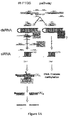
- IR-PTGS shows how an inverted repeat (IR) transgene construct, typically employed for RNAi in plants, produces double-stranded (ds) transcripts with perfectly complementary arms.
- DCL Dicer-like enzymes process the ds transcripts.
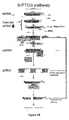
- DCL3 most likely produces siRNAs of the 24nt size class, which may direct DNA/histone modification at homologous loci (see Figure 3 ) and appear dispensable for RNA cleavage.
- DCL4 is likely the preferred enzyme for production of 21nt-long siRNAs from the dsRNA.
- One siRNA strand incorporates into AGO1-loaded RISC to guide endonucleolytic cleavage of homologous RNA, leading to its degradation. Both siRNA species are protected from degradation by addition of methyl groups at the 3' termini of each RNA strand, by the methyl-transferase HEN1.
- DCL2 might also be involved in RNAi, because it processes some endogenous DCL4 substrates into 22nt-long siRNAs in the absence of DCL4 12, 13 , although it remains unclear if those molecules can functionally substitute for the 21nt siRNA products of DCL4.
- RDR6 most likely synthesizes complementary strands from its RNA templates, resulting in dsRNA production, because a missense mutation in the GDD motif, essential for the catalytic activity of all characterized RDRs, is sufficient to alleviate S-PTGS 16 .
- S-PTGS siRNA accumulation in Arabidopsis requires the coiled-coil protein of unknown function SGS3 16 , the RNAseD exonuclease WEX 18 , the sRNA-specific methyl transferase HEN1 19 and the putative RNA helicase SDE3 20 ( Figure 1B ).
- the pathway is shown as being elicited by RNAs with aberrant features, although there might be alternative triggers.
- the RNA aberrations could include lack of a poly-A tail or lack of 5' capping. The latter would normally lead to RNA degradation through the activity of the 5'-3' exonuclease XRN4.
- Lack of XRN4 would promote accumulation of uncapped mRNA, thereby triggering their conversion into dsRNA by the combined action of RDR6, SGS3, SDE3 and, possibly, WEX.
- the resulting dsRNA is then processed by a DCL, most likely DCL4 (see text), producing siRNAs that are exclusively of the 21nt size class and methylated by HEN1.
- DCL most likely DCL4
- HEN1 methylated by HEN1.
- These molecules can engage into two sets of reactions. First, they can be used as primers by RDR6 to reinforce production of dsRNA from single-stranded templates through a phenomenon known as 'transitivity' (see Figure 2 ). They can also incorporate into AGO1-loaded RISC to guide sequence-specific cleavage of homologous RNA. The resulting cleavage products could be perceived as aberrant RNAs and, thus, could promote further production of dsRNA, resulting in an amplified reaction.
- SDE3 is not stringently required for transgene silencing, and so could accessorily resolve the secondary structures found in RDR templates 20 . Accordingly, an SDE3 homologue is part of the Schizosaccharomyces pombe RDR complex 21 . SDE3 could also act at other RNA silencing steps because the homologous protein Armitage is required for RISC assembly in Drosophila, an organism deprived of RDR genes 22 . WEX is related to the exonuclease domain of mut-7, required for transposon silencing and RNAi in C . elegans but its role in S-PTGS remains elusive 23 .
- HEN1-catalyzed methylation of free hydroxy termini protects Arabidopsis sRNAs, including S-PTGS siRNAs, from oligo-uridylation, a modification promoting their instability (see the miRNA section of the background below) 24 .
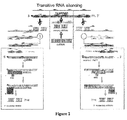
- Transitivity is the "transition" of primary siRNAs (corresponding to a sequence interval of a targeted RNA) to secondary siRNAs targeting regions outside the initial interval ( Figure 2).
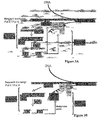
- Figure 2 shows how in transitive RNA silencing, a dsRNA source of primary siRNAs promotes production of secondary siRNAs both 5' and 3' of the initially targeted interval of a transcript. Production of 5' secondary siRNAs (case 1) can be explained by RDR6/SGS3/SDE3-dependent complementary strand synthesis that is primed by one of the primary siRNAs.
- this transition may occur both 5' and 3' to the primary interval, possibly reflecting primer-dependent and primer-independent RDR6 activities.
- Transitivity serves as a siRNA amplification mechanism that also accounts for extensive movement of silencing throughout transgenic plants 30 . Secondary siRNAs are exclusively of the 21nt size class 30 .
- S-PTGS siRNAs seem to accumulate as 21nt species 32
- DCL4 produces the 21nt siRNAs from IR transcripts 14
- DCL4 and RDR6 activities are coupled for 21nt trans-acting siRNA biogenesis (see below)
- DCL4 is also the preferred Dicer for siRNA production in both S-PTGS and transitivity ( Figure 1B , 2 ).
- Virus-derived 21nt siRNAs accumulate in infected cells 31 and plants compromised for RDR6 function are hypersusceptible to several viruses 16, 32 .
- An RDR-amplified response primed by viral siRNAs (transitivity) and/or elicited by viral-derived aberrant RNAs (S-PTGS pathway) would ensure that the silencing machinery keeps pace with the pathogen's high replication rates.
- the systemic nature of the response would immunize cells that are about to be infected, resulting, in some cases, in viral exclusion. Consistent with this idea, the meristems of Nicotiana benthamiana with compromised RDR6 activity became invaded by several viruses, whereas those tissues are normally immune to infection 33 .
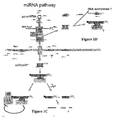
- miRNAs are produced as single-stranded, 20-24nt sRNA species, excised from endogenous non-coding transcripts with extensive fold-back structure. miRNAs act in trans on cellular target transcripts to induce their degradation via cleavage, or to attenuate protein production ( Figure 1C ) 34 .
- Figure 1C shows how primary (pri) miRNA transcripts with fold-back structures are products of RNA polymerase II (Pol II). The position of the mature miRNA is boxed. The combined nuclear action of DCL1, HYL1 and HEN1 produces a mature, methylated miRNA.
- the mature miRNA Upon nuclear export, possibly mediated by the Arabidopsis exportin 5 homolog HASTY, the mature miRNA incorporates into AGO1-loaded RISC to promote two possible sets of reactions that are not mutually exclusive.
- a first reaction would lead to endonucleolytic cleavage of homologous RNA, as directed by 21nt siRNAs. This would result in a poly-urydilated 5' cleavage fragment -a modification that might promote its rapid turnover- and a more stable 3' fragment that could be degraded by the XRN4 exonuclease.
- the scheme also accommodates the possibility that mature miRNAs could have sequence-specific effects in the nucleus (see text).
- Those nuclear activities include RNA cleavage (upon incorporation into a putative nuclear RISC) as well as DNA methylation.
- miRNAs have important biological roles in plant and animal development, as evidenced by the strong developmental defects of several miRNA overexpression and loss-of-function mutants 34 .
- auxin which specifies organ shape and the axes of the plant body
- miRNAs also regulate accumulation of transcription factors (TFs) involved in floral organ identity/number 38, 39 , leaf shape 40 , abaxial/adaxial leaf asymmetry 41, 42 , and lateral root formation 43 .
- TFs transcription factors
- DCL1 and AGO1 involved in the miRNA pathway, are themselves regulated by miRNAs 44, 45 . Nonetheless, plant miRNAs with validated targets involved in primary and secondary metabolism have been identified 36, 46 , indicating that their roles are not confined to developmental regulations. miRNAs might, indeed, have broad implications in plant physiology and environmental adaptation.
- pri-miRNAs Many human primary miRNA transcripts (pri-miRNAs) are synthesized by RNA polymerase II (Pol II), because pri-miRNAs have typical Pol II 5' caps and poly-A tails, their synthesis is inhibited by PolII-inhibiting drugs, and PolII is found at their promoters in vivo 50 Similar, though less extensive, evidence also points to PolII as the major polymerase producing plant pri-miRNAs 35 .
- Pol II RNA polymerase II
- mammalian pri-miRNAs are processed via a well-defined biosynthetic pathway.
- the RNAseIII Drosha and its essential cofactor DGCRB/Pasha- both constituents of the nuclear Microprocessor complex - catalyze initial cuts at the basis of pri-miRNAs stem-loop to produce pre-miRNAs.
- Pre-miRNAs are processed by Dicer into mature miRNAs upon Exportin-5-dependent nuclear export 51 . Plants have no direct equivalent of Microprocessor. In Arabidopsis, miRNA biosynthesis depends specifically upon DCL1 52, 53 , which is required for the nuclear stepwise processing of pri-miRNAs.
- DCL1-HYL1 constitutes a similar complex that acts in pri-miRNA processing in the Arabidopsis miRNA pathway ( Figure 1C ). 61-64 In all cases, Dicer produces a duplex between the mature miRNA (miR) and its complementary strand (miR*) 65 .
- the miR strand is generally least stably base-paired at its 5'-end and is, consequently, loaded as the guide strand into RISC, whereas the miR* strand is degraded 66 ( Figure 1C ).
- R2D2 acts as a thermodynamic asymmetry sensor of siRNA duplexes, and Loqs, TRBP, PACT and HYL1 could possibly perform similar roles.
- HEN1 is an S-adenosyl methionine (SAM)-binding methyl transferase that methylates the 2' hydroxy termini of miR/miR* duplexes, a reaction apparently specific to the plant kingdom 67 , 68 .
- SAM S-adenosyl methionine
- Methylation protects miRNAs from activities that uridylate and degrade plant sRNAs from the 3'end 24, but it is not required for RISC-dependent miRNA-guided cleavage in Arabidopsis extracts ⁇ Qi, 2005 #5064 ⁇ .
- sRNAs are methylated by HEN1 24 , but this modification seems to impact differentially on sRNA stability, perhaps reflecting variable interactions between HEN1 and distinct protein complexes or distinct sRNA populations.
- the viral silencing suppressor Hc-Pro prevents methylation of virus derived siRNAs, but not of miRNAs 69 and several hen1 mutant alleles exist, in which accumulation of miRNA, but not of S-PTGS siRNAs, is impaired 19 .
- AGO1 associates with miRNAs and miRNA targets are cleaved in vitro by immuno-affinity-purified AGO1.
- the same Argonaute appears to function as a Slicer for both miRNA- and siRNA-loaded RISCs, contrasting with the situations in Drosophila and C. elegans.
- Plant RISC components other than AGO1 await identification and it may well be that several alternative RISCs exist, given the number of AGO -like genes in Arabidopsis.
- Mature plant miRNAs are detected in both nuclear and cytosolic cell fractions 55 .
- RISC programmed with the let-7 miRNA can be immuno-purified from nuclear human cell fractions 72 , indicating that plant and animal miRNAs may have nuclear functions ( Figure 1C ). These may include RNA cleavage, as suggested by the intron-targeting activity of the plant miR173 73 , but could also comprise modifications of homologous DNA 74 .
- miR165 recognition of the spliced PHB transcript apparently directs cis- methylation on the PHB template DNA. This methylation is enigmatic, however, as it occurs several kb downstream of the miRNA binding site 74 .
- siRNA-induced cleavage of the nascent PHB transcript triggers dsRNA formation initiated at the 3'end of the transcript through a primer-independent RDR activity with moderate processivity.
- the resulting production of siRNA would thus be confined to the 3'end and could mediate DNA methylation according to the schemes discussed in a further section of this review.
- some, albeit few, siRNAs corresponding to downstream parts of several miRNA targets have been detected in Arabidopsis, although none were directly complementary to the methylated PHB sequence 75 .
- Direct miRNA-guided DNA methylation in cis and/or trans has also been suggested from the observation that some 21nt miRNAs of Arabidopsis accumulate as a second, 24nt species at specific developmental stages 65 .
- Transacting (ta) siRNAs are a recently discovered class of plant endogenous sRNAs. They derive from non-coding, single-stranded transcripts, the pri-tasiRNAs, which are converted into dsRNA by RDR6-SGS3, giving rise to siRNAs produced as discrete species in a specific 21nt phase 76, 77 ( Figure 1D).
- Figure 1D shows how primary (pri) trans-acting siRNA transcripts are non-coding RNAs devoid of extensive fold-back structures.
- a miRNA incorporated into AGO1-loaded RISC guides endonucleoytic cleavage of the pri-tasiRNA.
- This cut generates two cleavage fragments, one of which acts as an RDR6 template, leading to the production of dsRNA.
- DCL4 initiates processing exclusively from the dsRNA ends corresponding to the initial miRNA cut site, to produce phased tasiRNAs that are methylated by HEN1.
- tasiRNA subsequently guide cleavage of homologous mRNAs, once incorporated into AGO1-loaded RISC.
- the colored reactions depicted in the inlay illustrate the importance of the initial miRNA-directed cut in determining the appropriate phase for tasiRNAs (1). Incorrect phasing (2) would result in the production of off-target small RNAs.
- tasiRNA generating loci TAS1-3
- TAS1-3 tasiRNA generating loci
- tasiRNA production involves an interesting mix of miRNA action and the siRNA biogenesis machinery.
- Pri-tasiRNAs contain a binding site for a miRNA that guides cleavage at a defined point.
- the initial miRNA-guided cut has two important consequences. First, it triggers RDR6-mediated transitivity on the pri-tasiRNA cleavage products, allowing dsRNA production either 5' or 3' of the cleavage site 73 .
- tasiRNA targets include two auxin response factor (ARF) TFs and a family of pentatricopeptide repeat proteins, although there is no evidence for the involvement of the only functionally characterized target (ARF3/ETTIN) in juvenile-to-adult phase transition 79 , nor were heterochronic defects noticed in insertion mutants disrupting the TAS1 or TAS2 loci 76, 78 .
- ARF auxin response factor
- siRNA species from the overlapping region of their transcripts 81 .
- nat-siRNA guided cleavage triggers production of a series of secondary, phased 21nt siRNAs, a reaction similar to tasiRNA biogenesis except that the Dicer involved is DCL1.
- the role of secondary nat-siRNAs is currently unclear, but primary nat-siRNA-guided cleavage contributes to stress adaptation, and, given the large number of cis antisense gene pairs in plant and other genomes 82, 83 , this isolated example may reflect a widespread mechanism of gene regulation.
- siRNAs can guide formation of transcriptionally silent heterochromatin in fungi, animals and plants.
- Plant heterochromatin is characterized by two sets of modifications: methylation of cytosines and of specific histone lysine residues (histone 3 Lys9 (H3K9) and histone 3 Lys27 (H3K27) in Arabidopsis ) 84 . In some organisms, these modifications act as assembly platforms for proteins promoting chromatin condensation.
- Arabidopsis cytosine methyl-transferases include the closely homologous DRM1/2 required for all de novo DNA methylation, MET1 required for replicative maintenance of methylation at CG sites, and CMT3 required for maintenance at CNG and asymmetrical CNN sites (reviewed in 85, 86 ).
- Histone methyl-transferases involved in H3K9 and H3K27 methylation belong to the group of Su(Var)3-9 homologues and include KYP/SUVH4 and SUVH2 in Arabidopsis 87 .
- siRNAs corresponding to a number of endogenous silent loci, including retrotransposons, 5S rDNA and centromeric repeats, have been found 85 . They are referred to as cis-acting siRNAs (casiRNAs) because they promote DNA/histone modifications at the loci that generate them.
- casiRNAs are methylated by HEN1 and are predominantly 24nt in size. Their accumulation is specifically dependent upon DCL3 and, in many instances, upon RDR2. casiRNA accumulation also requires an isoform (containing subunits NRPD1a and NRPD2) of a plant-specific and putative DNA-dependent RNA polymerase, termed PolIV 88-90 .
- PolIV may act as a silencing-specific RNA polymerase that produces transcripts to be converted into siRNAs by the actions of RDR2 and DCL3.
- RNA polymerase activity it is uncertain whether PolIV even possesses RNA polymerase activity.
- a distinct PolIV isoform with subunits NRPDlb and NRPD2 is required for methylation directed by IR-derived siRNAs with transgene promoter homology, suggesting that the action of PolIV complexes may not be confined to siRNA biogenesis 91 .
- NRPD1a for nat-siRNA accumulation in the presence of both antisense mRNAs (produced by PolII) suggests that PolIV may have silencing-related functions independent of DNA-dependent RNA polymerase activity 81 .
- Other factors involved in IR-derived siRNA-directed promoter methylation include the chromatin remodelling factor DRD1 92 and the putative histone deacetylase HDA6 93 whose activity may be required to provide free histone lysines for methylation by KYP/SUVH enzymes ( Figure 3 ). It is currently uncertain whether DRD1 and HDA6 are also implicated in silencing of endogenous loci.
- 24nt siRNAs may act in a RISC-like complex, perhaps akin to the RNA-induced transcriptional silencing complex, RITS, characterized in fission yeast 94 .
- This complex could contain AGO4 because ago4 mutants have phenotypes overlapping with those of rdr2, dcl3, nrpd1a a and nrpd2 11 .
- CNG and particularly CNN methylation is strongly reduced, whereas loss of CG methylation is less pronounced, consistent with the observation that MET1-dependent promoter CG methylation could be maintained in the absence of a viral-encoded RNA trigger of TGS 95 .
- DNA itself or nascent transcripts are both possible targets of casiRNAs ( Figure 3A and 3B , respectively).
- nascent polII/polIII transcript is cleaved through the action of siRNA-programmed AGO4, resulting in a truncated RNA that is converted into dsRNA by the action of RDR2.
- the dsRNA is then processed by DCL3 into 24nt siRNAs that direct further cleavage of nascent transcripts and may possibly guide sequential activities of histone deacetylases (e.g., HDA6), histone methyl transferases (e.g., KYP, SUVH2) and/or DNA methyl-transferases (CMT3/DRM). It is unclear whether histone modification precedes DNA methylation or not.
- the process might also involve siRNA-directed chromatin remodeling factors such as DRD1. The positions of PolIVa and PolIVb in those reactions are currently ill defined.
- siRNA directed histone methylation of the human EF1A promoter was also dependent on active PolII transcription 97 .
- direct siRNA-DNA base-pairing cannot be excluded. For instance, in experiments involving virus derived promoter directed siRNAs, the methylated DNA interval on targeted promoters matched the primary siRNA source and did not extend any further into transcribed regions 95 . If siRNAs indeed interact directly with DNA, how does the double helix become available for siRNA pairing?
- PolIV could facilitate this access, for instance by moving along the DNA with associated helicases.
- the precise molecular mechanisms underlying sequence-specific recruitment of cytosine and histone methyl-transferases to silent loci also remains elusive, as associations between sRNA and such enzymes have been reported in only one single case, in human cells 97 .
- a self-sustaining loop in which siRNA production and DNA/histone methylation are mutually dependent appears to exist at endogenous silent loci, raising the possibility that production of chromatin-directed siRNAs in vivo might even be a consequence, rather than a cause, of DNA/histone methylation ( Figure 3 ).
- the RDR2/DCL3/NRPD1/AGO4 pathway has clear roles in transposon taming and maintenance of genome integrity in plants, because loss of casiRNA caused by mutations in the above factors reactivates transposon activity. This pathway may also maintain heterochromatin at centromeric repeats, which appears mandatory for accurate chromosome segregation in S. pombe 98 .
- the 24nt siRNA-generating machinery may also act to silence protein-coding genes. For example, expression of the key negative regulator of flowering FLC is maintained at a low level in an early-flowering Arabidopsis ecotype due the presence of an intronic transposon that causes repressive chromatin modifications through the action of an NRPD1a/AGO4-dependent pathway 99 .
- RNAi pathway plays essential roles in antiviral defense 104 .
- Double-stranded RNA derived from viral genomes is diced into siRNAs by the redundant activities of both DCL4 (the major antiviral Dicer) and DCL2 (a surrogate of DCL4) 105 .
- These siRNAs then incorporate into RISC (the RNA Induced Silencing Complex) to mediate slicing of viral transcripts and thereby reduce the overall viral load in plant cells 105 .
- RISC the RNA Induced Silencing Complex
- a cell-to-cell and long distance signal for RNA silencing also accounts for the systemic spread of the antiviral innate immune response throughout plants 104 .
- viruses encode suppressor proteins that are targeted against key processors and effectors of antiviral silencing.
- the P19 protein of tombusviruses sequesters siRNAs and prevents their use by RISC 107
- the 2b protein of Cucumber mosaic virus physically interacts with AGO1 and inhibits its cleavage activity 106
- the P38 protein of Turnip crinckle virus strongly inhibits DCL4 activity 105 .
- DCL3 (producing heterochromatic siRNAs) and DCL1 (producing miRNAs) do not appear to have a significant impact on plant virus accumulation.
- tomato strain DC3000 (Pst DC3000) producing the corresponding AvrRpt2 elicitor protein.
- basal defense mechanism that plays a pivotal role in "non-host resistance", which accounts for the fact that most plants and animals are resistant to most pathogens.
- Basal defense relies on both constitutive and inducible responses.
- the inducible basal defense response is triggered upon perception of general elicitors known as 'pathogen-associated molecular patterns' (PAMPs).
- PAMPs 'pathogen-associated molecular patterns'
- One such PAMP is a conserved 22 amino acid motif (flg-22) of the bacterial flagellin 109 , which is recognized in several plant species, including A . thaliana. Perception of flg-22 triggers an innate immune response in plants that elevates resistance to the virulent Pst DC3000 strain 110 .
- bacterial pathogens have evolved to suppress basal defense responses by injecting TTS- proteins, refereed to as 'effectors' 111 .
- These bacterial effectors are, therefore, virulence factors: their lack causes a loss of disease symptoms and a general inability of the pathogen to proliferate on leaves.
- miR393 a plant canonical and conserved miRNA, is rapidly induced by flg-22, leading to the repression of the entire signaling cascade that normally orchestrates the response to the phytohormone auxin 112 .
- This report is Navarro, L., et al., Science (2006) 312:436-439 , incorporated herein by reference.
- the resulting repression of auxin-signaling restricts bacterial growth, implicating auxin in disease susceptibility, and miRNA-mediated suppression of auxin-signaling in disease resistance.
- miR393 was not an isolated example and that a large set of miRNAs may act as positive regulators of the plant defense response to pathogens.
- virulent bacteria have evolved strategies to suppress the miRNA pathway in plants, for example, by using some of the injected type-III secreted (TTS) proteins.
- TTS injected type-III secreted
- the invention is directed to a method for modulating the miRNA pathway in plants and animals which comprises introduction into a plant or animal a nucleic acid construct comprising a constitutive or pathogen responsive promoter operatively linked to a pathogen associated molecular pattern (PAMP)-responsive pri-miRNA sequence or a sequence which encodes a component involved in miRNA biogenesis or activity, optionally further including cis-regulatory elements within or 5' to said promoter.
- PAMP pathogen associated molecular pattern
- the miRNA pathway modulated is other than that of miR393.
- said pathway regulated includes miR393.
- such modulation of the miRNA pathway in plants and animals is performed in such a way that adverse effects on plant and animal development are avoided or minimized.
- compositions and methods are provided for conferring on plants and animals enhanced pathogen resistance by selective modulation of the miRNA pathway.
- the miRNA pathway modulated is other than miR393; in still another embodiment, the pathway includes that of miR393.
- the invention provides methods to identifying compounds useful in the selective modulation of the miRNA pathway in plants and animals by using bacterial-derived suppressors of RNA-silencing as molecular probes. Such RNA-silencing factors likely interact directly with some of the bacterial silencing suppressors as described below.
- the invention is also directed for identifying compounds or establishing genetic approaches to counteract bacterial suppression of RNA-silencing in both plant and animal cells.
- the overall approaches confer resistance to plant and animal pathogens.
- Biochemical and genetic approaches known by those skilled in the art are used to identify additional Bss targets. These approaches include, but are not restricted to, yeast two-hybrid screen of plant cDNA libraries or biochemical pull downs using Bss tagged versions.
- the identified components likely interact (either physically or genetically) with, e.g., DCL1, AGO1, HEN1, SERRATE and may be further used to manipulate specifically miRNA activities, using the methods described above.
- these Bss proteins are also used to inhibit miRNA function in animal cells as observed with some viral suppressor of RNA-silencing derived from plant pathogenic viruses that are also functional in animal cells.
- Another aspect of the invention takes advantage of the ability of Bss to suppress the silencing of transgenes thereby enhancing the production of recombinant proteins using hosts in which the Bss proteins are effective.
- hosts are plants.
- the recombinant host cell or plant is modified to contain an expression system for a desired protein, such as a therapeutic, fused to a Bss protein.
- Standard biochemical and molecular biology techniques are employed to construct suitable expression systems and to modify host cells for the production of a desired protein.
- separate constructs for the Bss protein and the desired protein may be used and co-transformed into the same cell or organism.
- Another application employs the availability of Bss proteins to identify compounds that repress bacterial infection by screening candidate compounds for ameliorating the effects of such proteins.
- the identified compounds may also be useful in other applications when silencing mechanisms are desirably enhanced.
- compounds that experimentally counteract Bss triggered suppression of RNA silencing and restore a normal vein chlorotic phenotype are selected.
- Endogenous compounds which have this effect may also be identified by mutagenizing plants in which silencing has been suppressed using Bss proteins and identifying genetic changes in plants where RNA silencing has been restored.
- Engineering resistant alleles of these components is achieved according to methods known by those skilled in the art, including, but not limited to, site-directed mutagenesis of key amino acids and transgenesis, as well as Targeted Induced Local Lesions in Genomes (TILLING) of non-transgenic crop species.
- TILLING Targeted Induced Local Lesions in Genomes
- the method disclosed allows for natural and/or engineered resistance to Bss action and thereby confers enhanced basal defense to crop species against virulent pathogens.
- Example 1 The sequences identified in Example 1 below and listed in Table 2 that express pri-miRNA are operatively linked to suitable promoters and used to modify plants to confer resistance to virulent infection.
- miR393 was earlier shown by us to be transcriptionally induced by flg-22. Its constitutive over-expression confers enhanced resistance to virulent Pst DC3000 ( Navarro, L., et al., Science (2006) 312:436-439 .
- Additional pri-miRNA sequences thus identified are used to elevate the plant resistance to a broad spectrum of pathogens.
- patho-miRNAs are expressed transgenically in plants using methods known by those skilled in the art, such as for the overexpression of one of the two miR393 loci Navarro, L., et al. ( supra ) .
- Expression of these sequences (+ 40 nt upstream and downstream) is either constitutive or, preferably, is driven by promoters that are known to be broadly responsive to bacterial, fungal and viral pathogens. Examples of such promoters include, but are not restricted to, WRKY6 and PR1. The method allows inducible, enhanced resistance, which is desirable because it is not, or is less, detrimental to plant development and physiology in non-infected conditions.
- patho-miRNAs are conserved across plant species (monocots and dicots), indicating that Arabidopsis- derived patho-miRs will be directly effective in a large variety of crops.
- Constructs are prepared wherein, in one embodiment, a constitutive or pathogen responsive promoter (including but not limited to, for example, the WRKY6 promoter, the PR1 promoter and the like) is operatively linked to a nucleic acid sequence which is transcribed into one or more individual patho-miR sequences to confer enhanced resistance to unrelated pathogens in various plant species, including crops.
- a constitutive or pathogen responsive promoter including but not limited to, for example, the WRKY6 promoter, the PR1 promoter and the like
- an artificial pathogen-responsive promoter carrying multiple copies of FIM elements or alternatively a native patho-miR promoter, operatively linked to a coding sequence from plant defense genes or non-coding sequences (e.g., miRNA sequences) that play a role in disease resistance may be used to control expression for disease resistance.
- This approach allows the conditional and effective expression of protein-coding genes or non-protein coding genes during pathogen infections.
- miRNA pathway is the prominent RNA silencing pathway in higher vertebrates, and because mammalian cells are commonly infected by TTS-bacterial pathogens, similar mechanisms of defense/counter-defense are operational in mammals. Recent findings also highlight the key role of miRNAs in the animal innate immune response.
- miRNA sensor genes akin to those exemplified herein for Arabidopsis, but incorporating components of human or other animal pathogenic bacteria (e.g., Yersinia pestis, Pseudomonas aeruginosa, Shigella flexneri) methods and compositions that interfere with miRNA activity/biogenesis in human or animal cultured cells are tested.
- This technology provides a method whereby transfection of plasmids encoding individual TTS-proteins (together with their corresponding chaperone), in human cells expressing an miRNA sensor which comprises control sequences for expression of animal generators of miRNA operatively linked to a reporter sequence construct permits identification of therapeutic agents.
- Molecules that interfere with TTS-protein activity without damaging cellular miRNA functions are selected as candidates for further study and drug development.
- Cultured human cells co-expressing the miRNA sensor and bacterial TTS-proteins are subjected to high-throughput delivery of a large collection of active molecules. Those molecules suppressing miRNA sensor expression are isolated and further tested for their potential therapeutic effect as described above.
- Bss proteins from mammalian pathogens identified through the methods described hereinabove are also useful proteins to isolate animal components involved in miRNA biogenesis and/or activity using biochemical and genetic approaches known by those skilled in the art. These approaches include, but are not restricted to, yeast two-hybrid screen of mammalian cDNA libraries, biochemical pull downs and forward genetic screens for loss of Bss function in Ethyl-methyl sulfonate (EMS)-mutagenized cells.
- EMS Ethyl-methyl sulfonate
- the identified components likely interact (either physically or genetically) with, e.g., mammalian Dicer, mammalian Drosha, mammalian TBP and may be further used to manipulate specifically miRNA activities in mammals.
- active molecules are identified that promote or enhance the activity of known components of the mammalian miRNA pathway (e.g., mammalian Dicer, mammalian Drosha, mammalian TBP) and of the components of the mammalian miRNA pathway identified herein above. Treatments of human or other animal cells with such molecules enhance the basal defense to a broad range of pathogens.
- mammalian miRNA pathway e.g., mammalian Dicer, mammalian Drosha, mammalian TBP
- NF ⁇ B promoter By constitutively or conditionally enhancing the activity of the components of the mammalian miRNA pathway identified herein above, increased resistance to a broad spectrum of pathogens is achieved in a variety of host mammalian cells.
- Conditional expression is conferred by, for example, the NF ⁇ B promoter.
- the method hereby disclosed thus allows inducible, enhanced resistance, which is desirable because it is not, or is less, detrimental to development and physiology in non-infected conditions.
- the methods of this invention are applicable to all infections involving injection/delivery of factors of parasitic origin. Examples include biotrophic fungi such as E. cichoracearum, a Powdery mildew that over-accumulates on both hen1-1 and dcl1-9 mutants, and therefore likely secrete effector proteins to suppress RNA-silencing pathways.
- the Bss proteins can also be used to inhibit miRNA function so as to alter physiological and developmental processes normally orchestrated by these small RNA molecules. This is achieved by fusing Bss coding sequences to tissue-specific plant promoters known by those skilled in the art (driving expression in, e.g., roots, leaves, stem, inflorescences), which may also include the patho-miR promoter elements identified herein. The method hereby disclosed thus allows tissue-specific expression of Bss proteins for the spatial and temporal control of miRNA function.
- Bss proteins are thus used to suppress transgene silencing and allow high expression of any proteins of interest (e.g., therapeutic molecules).
- single or multiple constructs carrying the gene(s) of interest and a construct carrying a Bss cDNA (e.g., HopU1) fused to strong promoter are co-delivered in planta (using Agrobacterium-mediated transient assay).
- This transient assay can be performed in leaves from N. benthamiana, in which transient assay is more efficient, or preferentially in plant cell cultures (such as Arabidopsis Col-0 cells).
- the protein(s) of interest are further purified using methods known by those skilled in the art and their biological activity tested. The use of plant cell cultures will allow the production of large amounts of recombinant proteins.
- this system will facilitate the protein purification step as the starting materials will contain reduced amounts of plant-derived components that are unwanted in protein purification (e.g., polyphenols).
- HopN1 mutated versions (with C172S, H283A or D299A substitutions, abolished in their cysteine protease activity) will be particularly useful for this approach as these mutant versions will not be, or less be, recognized by resistant proteins (which trigger host programmed-cell death that could impact negatively on recombinant protein yields).
- Another application is in a method for identifying compounds that counteract bacterial suppression of RNA-silencing.
- Bss proteins and a miRNA sensor construct e.g., 171 sensor
- the SUC-SUL transgene or any other silencing reporter constructs
- the SUC-SUL plants expressing HopT1-1 display attenuated vein chlorotic phenotype due to the suppression of AGO1-containing RISC activity.
- These plants are sprayed with a battery of molecules to identify compounds that counteract Bss-triggered suppression of RNA-silencing and likewise restore a normal vein chlorotic phenotype.
- Such molecules are used to confer broad spectrum resistance to pathogens in various plant species including crops.
- plants are mutagenized (using methods known by those skilled in the art such as EMS mutagenesis) to identify mutants in which RNA-silencing is restored.
- SUC-SUL plants that express HopT1-1 are mutagenized and mutants that restore a normal vein chlorotic phenotype isolated.
- the corresponding genes are further identified using methods known by those skilled in the art (e.g., map-based cloning). Orthologs of such genes, in various plant species including crops, are identified and methods used to knock-out or knock-down these particular genes applied.
- animal pathogenic bacteria also use the type-three secretion system to deliver key virulence proteins
- animal pathogenic bacteria have also evolved to suppress RNA-silencing.
- Such bacterial virulence genes are fused to a strong promoter (e.g., CMV) and delivered to animal cells using known methods.
- CMV strong promoter
- Levels of endogenous miRNAs as well as miRNA targets are monitored to identify proteins that suppress RNA-silencing (as performed in the plant experimental systems described above).
- Bss proteins derived from animal pathogenic bacteria, are further co-expressed in animal cells with an miRNA sensor construct. Molecules that -restore a normal expression of the miRNA sensor are further identified and used to confer enhanced resistance to bacterial pathogens.
- Such molecules potentially represent substitutes for antibiotics.
- the above animal cells are mutagenized using methods known by those skilled in this art and the corresponding genes identified. Methods that allow knock-down or knock-out of such genes are used to elevate resistance to bacterial pathogens. Such methods include but are not restricted to, the use of artificial siRNAs directed against endogenous repressors of Bss-triggered suppression of RNA-silencing.
- the Examples show that 1) a specific spectrum of plant miRNAs confers enhanced resistance to virulent pathogens; and that 2) plants deficient in miRNA accumulation are hyper-susceptible to virulent and non-virulent bacterial pathogens and that, as a corollary; virulent bacteria must therefore have evolved strategies to suppress the miRNA pathway, for instance by using some of the injected type-III secreted (TTS) proteins.
- TTS injected type-III secreted
- a set of primary miRNA transcripts was identified using total RNA fractions isolated from naive or flg-22-treated plants.
- flg-22 Is a peptide eliciting a response to pathogen-associated molecular patterns (PAMP).
- PAMP pathogen-associated molecular patterns
- miRNA is generated initially from primary RNA (pri-miRNA) transcripts which are subsequently cleaved to pre-miRNA transcripts from which miRNA transcripts are formed. Because the pri-miRNA transcripts are characterized by a stem loop structure, as shown in Figure 5, identification of the stem loops in predicted RNA structures permitted identification of putative locations for pri-miRNA locations in the genome.
- pri-miRNA primary RNA
- sequences of the 68 flg-22-induced miRNA precursors are shown in Table 2. The sequences highlighted in bold are the predicted mature miRNA sequences.
- flg-22-induced pri-miRNAs many corresponding mature miRNA sequences are conserved in maize and rice.
- the afore-mentioned method can also be used to identify the full spectrum of miRNAs elicited by general elicitors exhibiting pathogen-associated molecular patterns (PAMPs) such as flg-22.
- PAMPs pathogen-associated molecular patterns
- miRNA primary transcripts suppressed by suppressor proteins such as those associated with virulent bacteria can be identified by challenging wildtype Col-0 leaves with Pst DC3000 hrcC (a Pst DC3000 bacterium that cannot inject suppressor proteins into the host cells) and virulent Pst DC3000 (which can) for 6 hours and by further selecting miRNA primary transcripts (using the above method) that are up-regulated by Pst DC3000 hrcC but not by virulent Pst DC3000 as described below. Because these pri-miRNAs are transcriptionally repressed by Pst DC3000 TTS proteins, they likely act as key components of the antibacterial defense response. The afore-mentioned method can also be used to identify the full spectrum of miRNA transcripts that are up-regulated by unrelated biotrophic and necrotrophic pathogens as well as abiotic stresses.
- Pst DC3000 hrcC a Pst DC3000 bacterium that cannot inject suppressor proteins
- Plant mutants with compromised miRNA accumulation are more susceptible to virulent pathogens
- both hen1-1 and dcl1-9 display enhanced disease symptoms upon Pst DC3000 infection.
- La- er , hen1-1 and dcl1-9 were challenged with Pst DC3000 of 10 5 colony forming units (cfu/ml) and bacterial disease symptoms assessed visually 3 dpi.
- Hen1-1 displays higher Pst DC3000 titers.
- La-er, hen1-1 and dcl1-9 were treated as in Figure 6B and bacterial growth measured 4 dpi.
- Constitutively or conditionally enhancing the activity/expression of components involved in miRNA biogenesis or activity, such as DCL1, AGO1, SERRATE, HEN1 using the methods above increases resistance to a broad spectrum of pathogens is achieved in a variety of plants, including crop species.
- the method disclosed thus allows inducible, enhanced resistance, which is desirable because it is not, or is less, detrimental to plant development and physiology in non-infected conditions.
- Arabidopsis transgenic lines carrying 1.5 Kb upstream regions from genes involved in miRNA biogenesis and/or activity are fused to a reporter sequence. These transgenic lines are used to screen for chemical compounds that trigger up-regulation of reporter mRNA or protein
- mRNA levels using methods known by those skilled in the art such as Northern analysis, semi-quantitative RT-PCR analysis or quantitative RT-PCR analysis) after exposure of these transgenic lines to a library of chemical agents.
- Molecules that induce reporter mRNA (or protein) levels are further used to confer antibacterial and antifungal resistance in a variety of plant species including crops.
- both hen1-1 and dcl1-9 are compromised in basal resistance.
- Col-0, dcl2-1, dcl3-1, dcl4-2, Jcl3-1 / dcl4-2, dcl2-1ldcl4-1, dcl2-1ldcl3-1 / dcl4-2, rdr6-1, rdr2-1, La-er, hen1-1 and dcl1-9 were challenged with hrcC - Pst DC3000 at 10 6 colony forming units (cfu/ml) concentration and bacterial titers measured 6 dpi.
- both henl-1 and dcl1-9 sustained infection from the non-host bacterial pathogen Pseudomonas syringae pv. phaseolicola (NPS3121) ( Figure 7D ), which is normally virulent on beans, but not on Arabidopsis.
- both hen1-1 and dcl1-9 are compromised in non-host resistance.
- La- er , hen1-1 and dcl1-9 were challenged with Pseudomonas syrinage pv. phaseolicola (NPS3121) at 10 6 colony forming units (cfu/ml) concentration and bacterial titers measured 4 dpi.
- WRKY30 induction was also impaired on challenge with Pseudomonas syringae pv. phaseolicola (NPS3121) ( Figure 7E ).
- the induction of the WRKY30 gene was impaired in both hen1-1 and dcl1-9 treated with Pseudomonas syrinage pv. phaseolicola (NPS3121).
- Inoculations were performed as in Figure 7D and WRKY30 levels were analyzed by quantitative RT-PCR (qRT-PCR) on 12 hours post inoculated samples. Importantly, similar results were obtained with the non-pathogenic Pseudomonas fluorescence (data not shown).
- TuMV virus that encodes the viral suppressor of silencing P1-HcPro
- Pst DC3000 hrcC and Pseudomonas syringae pv. phaseolicola suggesting that suppression of the RNA-silencing machinery might play a pivotal role in polymicrobial infection.
- Figure 8A shows TuMV infection rescues bacterial disease symptoms of Pst DC3000 hrcC mutant. Wildtype Col-0 plants were treated with 10 6 cfu/ml of Pst DC3000 hrcC for 6 days (left panel) or SAP inoculated with TuMV for 7 days and further treated with 10 6 cfu/ml Pto DC3000 hrcC for another 6 days (right panel).
- Figure 8B shows TuMV infection rescues bacterial growth of Pst DC3000 hrcC mutant. Wildtype Col-0 plants were treated as in Figure 8A and bacterial titers were measured 6 dpi.
- Figure 8C shows TuMV infection rescues bacterial disease symptoms of the non-host Pseudomonas syrinage pv. phaseolicola (NPS3121).
- Wildtype Col-0 plants were treated with 10 6 cfu/ml of Pseudomonas syrinage pv. phaseolicola (NPS3121) for 4 days (left panel) or SAP inoculated with TuMV for 7 days and further treated with 10 6 cfu/ml Pseudomonas syrinage pv. phaseolicola (NPS3121) for another 4 days (right panel).
- Figure 8D shows TuMV infection rescues bacterial growth of Pseudomonas syrinage pv. phaseolicola (NPS3121). Wildtype Col-0 plants were treated as in Figure 8C and bacterial titers were measured 4 dpi.
- Bacterial Silencing Proteins Suppress miRNA Identification of Bacterial Silencing Suppressors (Bss)
- PAMP-responsive virulent Pst DC3000 could suppress the transcription of PAMP-responsive miRNAs.
- TTS protein Pto DC3000 effector
- Wildtype Col-0 leaves were inoculated with Pst DC3000 hrcC at 2x10 7 cfu/ml concentration and the levels of PAMP-responsive primary miRNA transcripts were monitored by semi-quantitative RT-PCR over a 6 hours timecourse.
- Pri-miR166a was used as a negative control in this experiment.
- the levels of the PAMP-insensitive pri-miR166 and pri-miR173 remained unchanged.
- Efr1 mutant plants were Agro-infiltrated at a OD of 0.4 with 35S::GUSintron, 35S:AvrPtoB and pri-miRNA levels monitored by semi-quantitative RT-PCR analysis.
- AvrPtoB potentially inhibits PAMP-responsive miRNA expression at the transcriptional level.
- Col-0 transgenic plants expressing a sensor construct depicting miR171 activity.
- miR171 when expressed, silences a GFP reporter construct.
- Such transgenic plants constitutively express a GFP reporter gene in which a miR171 target site is added in the 3 'UTR of the GFP gene ( Figure 10A ).
- the miRNA target site was modified in order to avoid RDR6-triggered transgene transitivity as previously described. Because miR171 is well expressed in leaves, no GFP signal can be detected in standard growth conditions.
- FIG. 10A shows how Pst DC3000 restores GFP expression in the miR171 sensor lines. Schematic representation of the miR171 sensor construct (upper panel).
- FIG. 10C shows accumulation of miR173 and tas255 is drastically impaired in leaves co-expressing hopN1 and hopH1.
- a transient delivery of hopN1 and hopH1 overexpressor contructs were performed as described in Figure 10B Northern analysis was done as in Figure 10B .
- these effects were additive upon co-delivery of HopN1 and HopH1 indicating that these proteins interfere, directly or indirectly, with distinct host factors involved in RNA-silencing.
- HopN1 wildtype and mutant versions both HopN1 wildtype and mutant versions, the latter being altered in the predicted cysteine catalytic triad (C172S, H283A and D299A, rescued GFP expression when delivered in transgenic efr1 plants expressing miR171 sensor construct described above (data not shown). All the HopN1 mutant versions were stable in planta as assayed by Western analysis (data not shown).
- FIG. 10D shows HopN1-triggered suppression of RNA-silencing does not require cysteine protease activity.
- the identified TTS proteins suppress miRNA biogenesis. They are thus referred to here as 'Bacterial silencing suppressors' (Bss).
- FIG 11A shows overexpression of hopT1-1 promotes the accumulation of miR834 target and has no significant effect on miR834 steady state levels.
- HopT1-1 acts downstream of miRNA biogenesis, potentially by inhibiting the AGO1-directed RISC, which is recruited by most plant miRNAs.
- FIG. 11B shows a weak allele of ago1 suppresses artificial silencing with no significant effect on the steady state levels of 21-24 nt siRNAs.
- Ago1-12 mutation suppresses artificial silencing triggered by an artificial hairpin, targeting the endogene sulphure (SUL), and driven by the phloem specific promoter (SUC2).
- Ago1-12 suppresses the vein chlorotic phenotype triggered by SUC-SUL transgene (Upper panel). Ago1-12 mutation does not significantly interfere with the accumulation of 21-24 nt siRNA as assayed by Northern analysis (bottom panel). Of the 21nt (DCL4-dependent) and 24nt (DCL3-dependent) SUL siRNA species, only the former is required for RNAi in a strict AGO1-dependent manner.
- the 35S::HopT1-1 construct was transformed into SUC- SUL , and two independent T2 lines were selected, showing moderate (#4) or strong (#22) HopT1-1 mRNA accumulation (Figure 11C).
- Figure 11C shows overexpression of HopT1-1 suppresses the SUC-SUL phenotype with no significant effect on neither 21-24 nt siRNA nor endogenous miRNA accumulation. Suppression of the vein chlorotic phenotype trigger by the SUC-SUL transgene (Upper panel). Low molecular weight Northern on the 21-24 SUL siRNA (middle and right panel), RT-PCR on HopT1 mRNA (middle and left panel), LMW Northern on a subset of endogenous miRNAs (Bottom panel).
- FIG 11D shows schematic representation depicting the expected effect of a perturbation of the RISC miRNA function.
- Figure 11E shows overexpression of hopT1-1 promotes the accumulation of miR834 target (CIP4) with no effect on miR834 accumulation.
- Western analysis results using an anti-CIP4 antibody.
- Figure 11F shows overexpression of hopT1-1 promotes the accumulation of miRNA targets.
- a subset of miRNA targets are more elevated in two independent transgenic lines overexpressing hopT1-1 (Left panel). The same subset of miRNA targets are more elevated in ago1-11 and ago1-12 mutants (Right panel).
- hopY1 overexpressor lines displayed a significant increase in the accumulation of several miRNA targets (Figure 12C).
- Figure 12C shows overexpression of hopY1 slightly increases the accumulation of some endogenous miRNAs. However, despite its effect on miRNA activity, HopY1 did not induce drastic developmental alteration ( Figure 12A).
- Figure 12A shows overexpression of hopY1 reduces the vein chlorotic phenotype triggered by the SUC-SUL transgene.
- Figure 12B shows overexpression of hopY1 slightly increases the accumulation of 21-24 nt SUL siRNAs.
- Figure 12D shows overexpression of hopY1 promotes the accumulation of a subset of miRNA targets as well as SUL mRNA.
- nucleotide sequences encoding the Bss proteins that interfere with the RISC miRNA function are as follows:
- amino acid sequences from the Bss proteins that interfere with the RISC miRNA function are as follows:
- FIG. 13A shows overexpression of HopU1 but not HopUIDD mutant version restores GFP expression in efr1 plants expressing miR171 sensor constructs.
- Figure 13B shows Western analysis using an anti-GFP antibody.
- HopU1 interferes with a putative siRNA-directed translational inhibition
- 35S::HopU1 construct in the SUC- SUL reference line and selected T2 transgenic lines expressing high levels of hopU1 proteins.
- Expression of HopU1 in these stable transgenic lines diminishes slightly the 21-24 SUL siRNA levels, but did not affect SUL mRNA levels.
- Figure 13C shows SUC-SUL plants expressing HopU1.
- Figure 13D shows LMW Northern analysis. However, a significant reduction in the vein chlorotic phenotype was observed, which is diagnostic of higher SUL protein levels. Western analysis using an anti CSD2 antibody suggests that HopU1 additionally interferes with siRNA-directed translational inhibition.
- Figure 13E shows qRT-PCR on SUL mRNA.
- the nucleotide sequence encoding the Bss protein interferes with miRNA-mediated translational inhibition is as follows:
- amino acid sequence of the Bss protein that interferes with miRNA-mediated translational inhibition is as follows:
- Bss proteins mutated in key residues that do not perturb suppression of RNA-silencing will be particularly useful as they might not be recognized by plant resistance (R) proteins and therefore would not induce the classical R-mediated programmed cell death (which is often detrimental for the plants).
- R plant resistance
- Examples include versions of HopN1 that are mutated in the predicted cysteine protease catalytic triads and still retained their ability to suppress RNA-silencing ( Figure 10C ). These mutant versions might be compromised in R gene recognition and yet still suppress RNA-silencing in different plant species. The method hereby disclosed thus allows the generation of mutated versions of Bss proteins in order to uncouple the suppression of RNA-silencing from the R-gene recognition.
- Bss identified according to this invention are also useful proteins to identify plant and animal components involved in miRNA biogenesis and/or activity.
- the mono-ADP-ribosyltransferase HopU1 discussed above was recently shown to directly interact with the glycine-rich RNA-binding proteins AtGRP7 and AtGRP8.
- ADP-ribosylation of GRP7 by HopU1 occurs on two conserved arginine residues located in the RNA-recognition domain of GRP7 and likely perturbs its ability to bind RNA.
- HopU1 ADP-ribosyltransferase activity is required for its RNA-silencing suppression activity
- AtGRP7 and AtGRP8 are novel silencing factors involved in miRNA- and siRNA-directed translational inhibition.
- Figure 13 shows overexpression of HopU1 but not HopU1DD mutant version restore GFP expression in efr1 plants expressing miR171 sensor constructs.
- Other Bss proteins will also directly interact with and perturb host components involved in RNA-silencing and can therefore be used as molecular probes to identify RNA-silencing factors or regulators thereof, in both plant and animal systems.
- the coding sequences from the putative novel RNA-silencing components from Arabidopsis thaliana are as follows:
- amino acid sequences from the putative novel RNA-silencing components from Arabidopsis are as follows:
- AtGRP8 Homology search in animals revealed several possible orthologs of AtGRP8 in humans, suggesting that one or several of these orthologs might be involved in executing or regulating miRNA-directed functions in animals. Therefore, plant and animal Bss are also valuable tools to uncover novel RNA silencing components in a broad range of organisms.
- the various human proteins with homology to AtGR8 are listed below:
Landscapes
- Health & Medical Sciences (AREA)
- Genetics & Genomics (AREA)
- Life Sciences & Earth Sciences (AREA)
- Engineering & Computer Science (AREA)
- Biomedical Technology (AREA)
- Wood Science & Technology (AREA)
- Molecular Biology (AREA)
- Organic Chemistry (AREA)
- Biotechnology (AREA)
- General Engineering & Computer Science (AREA)
- Chemical & Material Sciences (AREA)
- Bioinformatics & Cheminformatics (AREA)
- Zoology (AREA)
- Physics & Mathematics (AREA)
- Microbiology (AREA)
- Plant Pathology (AREA)
- Biochemistry (AREA)
- General Health & Medical Sciences (AREA)
- Biophysics (AREA)
- Cell Biology (AREA)
- Measuring Or Testing Involving Enzymes Or Micro-Organisms (AREA)
- Breeding Of Plants And Reproduction By Means Of Culturing (AREA)
- Agricultural Chemicals And Associated Chemicals (AREA)
- Fertilizers (AREA)
Applications Claiming Priority (3)
| Application Number | Priority Date | Filing Date | Title |
|---|---|---|---|
| US88143407P | 2007-01-18 | 2007-01-18 | |
| US88143307P | 2007-01-18 | 2007-01-18 | |
| EP08750854A EP2111457A2 (de) | 2007-01-18 | 2008-01-18 | Verfahren und zusammensetzungen zur modulation des mirna-pfades |
Related Parent Applications (1)
| Application Number | Title | Priority Date | Filing Date |
|---|---|---|---|
| EP08750854A Division EP2111457A2 (de) | 2007-01-18 | 2008-01-18 | Verfahren und zusammensetzungen zur modulation des mirna-pfades |
Publications (2)
| Publication Number | Publication Date |
|---|---|
| EP2687604A2 true EP2687604A2 (de) | 2014-01-22 |
| EP2687604A3 EP2687604A3 (de) | 2014-04-16 |
Family
ID=39636445
Family Applications (3)
| Application Number | Title | Priority Date | Filing Date |
|---|---|---|---|
| EP12197359.8A Withdrawn EP2687604A3 (de) | 2007-01-18 | 2008-01-18 | Verfahren und Zusammensetzungen zum Modulieren des miRNA-Pfads |
| EP12197362.2A Withdrawn EP2666865A3 (de) | 2007-01-18 | 2008-01-18 | Verfahren und Zusammensetzungen zum Modulieren des miRNA-Pfads |
| EP08750854A Withdrawn EP2111457A2 (de) | 2007-01-18 | 2008-01-18 | Verfahren und zusammensetzungen zur modulation des mirna-pfades |
Family Applications After (2)
| Application Number | Title | Priority Date | Filing Date |
|---|---|---|---|
| EP12197362.2A Withdrawn EP2666865A3 (de) | 2007-01-18 | 2008-01-18 | Verfahren und Zusammensetzungen zum Modulieren des miRNA-Pfads |
| EP08750854A Withdrawn EP2111457A2 (de) | 2007-01-18 | 2008-01-18 | Verfahren und zusammensetzungen zur modulation des mirna-pfades |
Country Status (5)
| Country | Link |
|---|---|
| US (1) | US20100125919A1 (de) |
| EP (3) | EP2687604A3 (de) |
| BR (1) | BRPI0806742A2 (de) |
| CA (1) | CA2675954A1 (de) |
| WO (1) | WO2008087562A2 (de) |
Families Citing this family (9)
| Publication number | Priority date | Publication date | Assignee | Title |
|---|---|---|---|---|
| WO2013016201A1 (en) * | 2011-07-22 | 2013-01-31 | University Of Delaware | Use of phased small rnas for suppression of plant defense and other plant genes |
| WO2013055898A1 (en) * | 2011-10-14 | 2013-04-18 | The Trustees Of The University Of Pennsylvania | Methods for enhancing the efficacy of microrna mediated interference |
| EP2798065B1 (de) | 2011-12-27 | 2019-06-05 | Commonwealth Scientific and Industrial Research Organisation | Gleichzeitiges gen-silencing sowie unterdrückung von gen-silencing in derselben zelle |
| CN103194484B (zh) * | 2012-01-09 | 2015-05-27 | 中国科学院微生物研究所 | 培育抗病水稻的方法及其专用载体和启动子 |
| WO2015048083A1 (en) * | 2013-09-24 | 2015-04-02 | The Feinstein Institute For Medical Research | Peptides inhibiting cold-inducible rna binding protein activity |
| US10550400B2 (en) * | 2014-12-15 | 2020-02-04 | Paris Sciences Et Lettres—Quartier Latin | Methods to monitor post-translational gene silencing activity in plant tissues/cell types relevant for pathogen entry, propagation or replication |
| AU2022315530A1 (en) | 2021-07-20 | 2024-01-18 | Ags Therapeutics Sas | Extracellular vesicles from microalgae, their preparation, and uses |
| WO2023144127A1 (en) | 2022-01-31 | 2023-08-03 | Ags Therapeutics Sas | Extracellular vesicles from microalgae, their biodistribution upon administration, and uses |
| WO2024088808A1 (en) | 2022-10-24 | 2024-05-02 | Ags Therapeutics Sas | Extracellular vesicles from microalgae, their biodistribution upon intranasal administration, and uses thereof |
Family Cites Families (7)
| Publication number | Priority date | Publication date | Assignee | Title |
|---|---|---|---|---|
| US6852835B2 (en) * | 2000-04-03 | 2005-02-08 | Alan Collmer | DNA molecules and polypeptides of Pseudomonas syringae Hrp pathogenicity island and their uses |
| WO2003068912A2 (en) * | 2002-02-12 | 2003-08-21 | Cornell Research Foundation, Inc. | PSEUDOMONAS SYRINGAE HARPINS, HopPtoP AND HopPmaHPTO, AND THEIR USES |
| EP1375669A1 (de) * | 2002-06-13 | 2004-01-02 | Stichting Voor De Technische Wetenschappen | Verfahren zur Erhöhung der Krankheitsresistenz in Pflanzen durch Veränderung des Trehalose-6-Phosphat Gehaltes |
| US7888467B2 (en) * | 2002-08-16 | 2011-02-15 | Boyce Thompson Institute For Plant Research | Bacterial effector proteins which inhibit programmed cell death |
| US20050144669A1 (en) * | 2003-07-01 | 2005-06-30 | Whitehead Institute For Biomedical Research | MicroRNAs in plants |
| ITRM20030335A1 (it) * | 2003-07-09 | 2005-01-10 | Univ Roma | Sistema di espressione di sirna. |
| WO2006044322A2 (en) * | 2004-10-12 | 2006-04-27 | The Rockefeller University | Micrornas |
-
2008
- 2008-01-18 CA CA002675954A patent/CA2675954A1/en not_active Abandoned
- 2008-01-18 WO PCT/IB2008/000987 patent/WO2008087562A2/en not_active Ceased
- 2008-01-18 EP EP12197359.8A patent/EP2687604A3/de not_active Withdrawn
- 2008-01-18 BR BRPI0806742-2A patent/BRPI0806742A2/pt not_active IP Right Cessation
- 2008-01-18 US US12/523,650 patent/US20100125919A1/en not_active Abandoned
- 2008-01-18 EP EP12197362.2A patent/EP2666865A3/de not_active Withdrawn
- 2008-01-18 EP EP08750854A patent/EP2111457A2/de not_active Withdrawn
Non-Patent Citations (128)
Also Published As
| Publication number | Publication date |
|---|---|
| WO2008087562A3 (en) | 2009-03-05 |
| WO2008087562A2 (en) | 2008-07-24 |
| US20100125919A1 (en) | 2010-05-20 |
| EP2111457A2 (de) | 2009-10-28 |
| EP2666865A2 (de) | 2013-11-27 |
| EP2666865A3 (de) | 2014-02-19 |
| CA2675954A1 (en) | 2008-07-24 |
| BRPI0806742A2 (pt) | 2011-09-13 |
| WO2008087562A8 (en) | 2008-10-09 |
| WO2008087562A9 (en) | 2009-05-28 |
| EP2687604A3 (de) | 2014-04-16 |
Similar Documents
| Publication | Publication Date | Title |
|---|---|---|
| EP2121939B1 (de) | Verfahren zur modulierung der sirna- und rna-gerichteten dna-methylierungspfade | |
| Yan et al. | The miR165/166 mediated regulatory module plays critical roles in ABA homeostasis and response in Arabidopsis thaliana | |
| Chen | Small RNAs in development–insights from plants | |
| Willmann et al. | The functions of RNA-dependent RNA polymerases in Arabidopsis | |
| Ruiz-Ferrer et al. | Roles of plant small RNAs in biotic stress responses | |
| Chen | Small RNAs–secrets and surprises of the genome | |
| Zhang et al. | MicroRNA‐based biotechnology for plant improvement | |
| Liu et al. | Ectopic expression of miR396 suppresses GRF target gene expression and alters leaf growth in Arabidopsis | |
| Kasschau et al. | P1/HC-Pro, a viral suppressor of RNA silencing, interferes with Arabidopsis development and miRNA function | |
| Pumplin et al. | RNA silencing suppression by plant pathogens: defence, counter-defence and counter-counter-defence | |
| Arazi et al. | Cloning and characterization of micro‐RNAs from moss | |
| EP2687604A2 (de) | Verfahren und Zusammensetzungen zum Modulieren des miRNA-Pfads | |
| Ying et al. | RNA-dependent RNA polymerase 1 from Nicotiana tabacum suppresses RNA silencing and enhances viral infection in Nicotiana benthamiana | |
| Xian et al. | miR168 influences phase transition, leaf epinasty, and fruit development via SlAGO1s in tomato | |
| Qin et al. | Novel insights from non-conserved microRNAs in plants | |
| Kryovrysanaki et al. | RNA silencing pathways in plant development and defense | |
| Pattanayak et al. | Plant RNA interference pathways: diversity in function, similarity in action | |
| Dorokhov et al. | A novel function for a ubiquitous plant enzyme pectin methylesterase: the enhancer of RNA silencing | |
| Cui et al. | Ferredoxin 1 is downregulated by the accumulation of abscisic acid in an ABI5‐dependent manner to facilitate rice stripe virus infection in Nicotiana benthamiana and rice | |
| Pareek et al. | Plant MicroRNAs: biogenesis, functions, and applications | |
| Zhang et al. | Evidence for the biological function of miR403 in tomato development | |
| Shen et al. | RNA silencing suppressor Pns11 of rice gall dwarf virus induces virus-like symptoms in transgenic rice | |
| Feng et al. | Altered Expression of Micro RNA s and Target m RNA s in Tomato Root and Stem Tissues upon Different Viral Infection | |
| Xu et al. | Transcriptome profiling reveals a petunia transcription factor, PhCOL4, contributing to antiviral RNA silencing | |
| Won et al. | Small RNAs in plants |
Legal Events
| Date | Code | Title | Description |
|---|---|---|---|
| PUAI | Public reference made under article 153(3) epc to a published international application that has entered the european phase |
Free format text: ORIGINAL CODE: 0009012 |
|
| 17P | Request for examination filed |
Effective date: 20130304 |
|
| AC | Divisional application: reference to earlier application |
Ref document number: 2111457 Country of ref document: EP Kind code of ref document: P |
|
| AK | Designated contracting states |
Kind code of ref document: A2 Designated state(s): AT BE BG CH CY CZ DE DK EE ES FI FR GB GR HR HU IE IS IT LI LT LU LV MC MT NL NO PL PT RO SE SI SK TR |
|
| PUAL | Search report despatched |
Free format text: ORIGINAL CODE: 0009013 |
|
| AK | Designated contracting states |
Kind code of ref document: A3 Designated state(s): AT BE BG CH CY CZ DE DK EE ES FI FR GB GR HR HU IE IS IT LI LT LU LV MC MT NL NO PL PT RO SE SI SK TR |
|
| RIC1 | Information provided on ipc code assigned before grant |
Ipc: C12N 15/82 20060101AFI20140312BHEP Ipc: C12N 15/113 20100101ALI20140312BHEP Ipc: C12N 15/85 20060101ALI20140312BHEP Ipc: C12N 15/11 20060101ALI20140312BHEP |
|
| STAA | Information on the status of an ep patent application or granted ep patent |
Free format text: STATUS: THE APPLICATION IS DEEMED TO BE WITHDRAWN |
|
| 18D | Application deemed to be withdrawn |
Effective date: 20140801 |