EP2705157B1 - Verbesserte ligatur - Google Patents
Verbesserte ligatur Download PDFInfo
- Publication number
- EP2705157B1 EP2705157B1 EP12721123.3A EP12721123A EP2705157B1 EP 2705157 B1 EP2705157 B1 EP 2705157B1 EP 12721123 A EP12721123 A EP 12721123A EP 2705157 B1 EP2705157 B1 EP 2705157B1
- Authority
- EP
- European Patent Office
- Prior art keywords
- ligation
- ligase
- dna
- prd
- composition according
- Prior art date
- Legal status (The legal status is an assumption and is not a legal conclusion. Google has not performed a legal analysis and makes no representation as to the accuracy of the status listed.)
- Active
Links
Images

Classifications
-
- C—CHEMISTRY; METALLURGY
- C12—BIOCHEMISTRY; BEER; SPIRITS; WINE; VINEGAR; MICROBIOLOGY; ENZYMOLOGY; MUTATION OR GENETIC ENGINEERING
- C12N—MICROORGANISMS OR ENZYMES; COMPOSITIONS THEREOF; PROPAGATING, PRESERVING, OR MAINTAINING MICROORGANISMS; MUTATION OR GENETIC ENGINEERING; CULTURE MEDIA
- C12N15/00—Mutation or genetic engineering; DNA or RNA concerning genetic engineering, vectors, e.g. plasmids, or their isolation, preparation or purification; Use of hosts therefor
- C12N15/09—Recombinant DNA-technology
- C12N15/10—Processes for the isolation, preparation or purification of DNA or RNA
-
- C—CHEMISTRY; METALLURGY
- C12—BIOCHEMISTRY; BEER; SPIRITS; WINE; VINEGAR; MICROBIOLOGY; ENZYMOLOGY; MUTATION OR GENETIC ENGINEERING
- C12N—MICROORGANISMS OR ENZYMES; COMPOSITIONS THEREOF; PROPAGATING, PRESERVING, OR MAINTAINING MICROORGANISMS; MUTATION OR GENETIC ENGINEERING; CULTURE MEDIA
- C12N15/00—Mutation or genetic engineering; DNA or RNA concerning genetic engineering, vectors, e.g. plasmids, or their isolation, preparation or purification; Use of hosts therefor
- C12N15/09—Recombinant DNA-technology
- C12N15/63—Introduction of foreign genetic material using vectors; Vectors; Use of hosts therefor; Regulation of expression
- C12N15/66—General methods for inserting a gene into a vector to form a recombinant vector using cleavage and ligation; Use of non-functional linkers or adaptors, e.g. linkers containing the sequence for a restriction endonuclease
-
- C—CHEMISTRY; METALLURGY
- C12—BIOCHEMISTRY; BEER; SPIRITS; WINE; VINEGAR; MICROBIOLOGY; ENZYMOLOGY; MUTATION OR GENETIC ENGINEERING
- C12N—MICROORGANISMS OR ENZYMES; COMPOSITIONS THEREOF; PROPAGATING, PRESERVING, OR MAINTAINING MICROORGANISMS; MUTATION OR GENETIC ENGINEERING; CULTURE MEDIA
- C12N9/00—Enzymes; Proenzymes; Compositions thereof; Processes for preparing, activating, inhibiting, separating or purifying enzymes
- C12N9/93—Ligases (6)
-
- C—CHEMISTRY; METALLURGY
- C12—BIOCHEMISTRY; BEER; SPIRITS; WINE; VINEGAR; MICROBIOLOGY; ENZYMOLOGY; MUTATION OR GENETIC ENGINEERING
- C12P—FERMENTATION OR ENZYME-USING PROCESSES TO SYNTHESISE A DESIRED CHEMICAL COMPOUND OR COMPOSITION OR TO SEPARATE OPTICAL ISOMERS FROM A RACEMIC MIXTURE
- C12P19/00—Preparation of compounds containing saccharide radicals
- C12P19/26—Preparation of nitrogen-containing carbohydrates
- C12P19/28—N-glycosides
- C12P19/30—Nucleotides
- C12P19/34—Polynucleotides, e.g. nucleic acids, oligoribonucleotides
-
- C—CHEMISTRY; METALLURGY
- C12—BIOCHEMISTRY; BEER; SPIRITS; WINE; VINEGAR; MICROBIOLOGY; ENZYMOLOGY; MUTATION OR GENETIC ENGINEERING
- C12Q—MEASURING OR TESTING PROCESSES INVOLVING ENZYMES, NUCLEIC ACIDS OR MICROORGANISMS; COMPOSITIONS OR TEST PAPERS THEREFOR; PROCESSES OF PREPARING SUCH COMPOSITIONS; CONDITION-RESPONSIVE CONTROL IN MICROBIOLOGICAL OR ENZYMOLOGICAL PROCESSES
- C12Q1/00—Measuring or testing processes involving enzymes, nucleic acids or microorganisms; Compositions therefor; Processes of preparing such compositions
- C12Q1/68—Measuring or testing processes involving enzymes, nucleic acids or microorganisms; Compositions therefor; Processes of preparing such compositions involving nucleic acids
- C12Q1/6813—Hybridisation assays
- C12Q1/6832—Enhancement of hybridisation reaction
-
- Y—GENERAL TAGGING OF NEW TECHNOLOGICAL DEVELOPMENTS; GENERAL TAGGING OF CROSS-SECTIONAL TECHNOLOGIES SPANNING OVER SEVERAL SECTIONS OF THE IPC; TECHNICAL SUBJECTS COVERED BY FORMER USPC CROSS-REFERENCE ART COLLECTIONS [XRACs] AND DIGESTS
- Y02—TECHNOLOGIES OR APPLICATIONS FOR MITIGATION OR ADAPTATION AGAINST CLIMATE CHANGE
- Y02P—CLIMATE CHANGE MITIGATION TECHNOLOGIES IN THE PRODUCTION OR PROCESSING OF GOODS
- Y02P20/00—Technologies relating to chemical industry
- Y02P20/50—Improvements relating to the production of bulk chemicals
- Y02P20/52—Improvements relating to the production of bulk chemicals using catalysts, e.g. selective catalysts
Definitions
- Double-stranded nucleic acids containing staggered ends, blunt ends or terminal overhangs of one or two bases can be joined by means of intermolecular or intramolecular ligation reactions.
- ligation of polynucleotides with blunt ends or with one or two base overhangs has been found to be very inefficient.
- polyethylene glycol (PEG) 6000 can enhance ligation of blunt-ended double-stranded polynucleotides but this reagent interferes with subsequent electroporation of competent cells, a common step in cloning and library preparation.
- Blunt-ended or staggered-ended double-stranded polynucleotides are commonly the product of restriction endonuclease-digestion or fragmentation and polishing.
- Double-stranded polynucleotides with a single-base overhang are commonly products of PCR amplification using non-proofreading polymerases or the product of adding a dA to a blunt-ended fragment.
- polishing of the single-base overhang can result in a blunt end.
- Intermolecular ligation of a restriction endonuclease-cleaved polynucleotide or PCR-amplified polynucleotide to a vector is commonly required prior to a cloning step involving transformation of competent cells.
- Intermolecular ligation of single-stranded polynucleotides is undertaken in methods which, for example, involve the ligation of barcode sequences to single-stranded polynucleotides such as cDNA or RNA for cDNA libraries ( Edwards et al. Nucleic Acids Research 19(19):5227-32 (1991 )) or microRNA cloning ( Aravin A, et al. FEBS Lett. 579(26):5830-40 (2005). Epub 2005 )) or for sequencing or multi-array techniques. It would be desirable to improve the efficiency of intermolecular and intramolecular ligations of single-stranded and double-stranded polynucleotides without inhibiting downstream reactions.
- Thermo Scientific catalog 1 January 2011 provides product information for T4 DNA Ligase 5u/ ⁇ l.
- a composition in general in a first aspect, includes a ligase and one or more small molecule ligation enhancers having a molecular weight of less than 1000 daltons.
- a reaction mixture in general in a second aspect, includes a ligase, one or more small molecule ligation enhancers, and a ligation buffer in the absence of PEG.
- a method of enhancing ligation between nucleic acid fragments, the method including: mixing a small molecule ligation enhancer with a molecular weight of less than 1000 daltons with a plurality of nucleic acid fragments and a ligase in a ligation buffer; and permitting ligation wherein the efficiency of ligation is enhanced by at least 25% compared to the efficiency of a ligation in the absence of the small molecule enhancer.
- a composition in general in a fourth aspect, includes 0.01-200 units/ ⁇ l restriction endonuclease, 0.01-2000 units/ ⁇ l ligase, 0.01-200 units/ ⁇ l polynucleotide kinase (PNK), in a buffer containing one or more small molecule ligation enhancers with a molecular weight of less than 1000 daltons and optionally PEG 5000-10,000.
- PNK polynucleotide kinase
- a method for creating a polynucleotide library that includes: adding 0.01-200 units/ ⁇ l restriction endonuclease, 0.01-2000 units/ ⁇ l ligase, and 0.01-200 units/ ⁇ l PNK in a buffer containing one or more small molecule ligation enhancers and optionally PEG 5000-10,000 to a polynucleotide amplification product; and allowing intramolecular ligation to occur for transforming competent host cells.
- An embodiment includes transforming competent cells using electroporation.
- Small molecules having a molecular weight of less than 1000 daltons, 900 daltons, 800 daltons, 700 daltons, 600 daltons, 500 daltons or 400 daltons have been identified that serve as ligation enhancers.
- Examples of small molecule enhancers include straight or branched diol or polyol containing 2 to 20 carbons.
- Examples include optionally substituted straight or branched alkylene glycols, pentaerythritol, sorbitol, diethylene glycol, dipropylene glycol, neopentyl glycol, such as propylene glycol and ethylene glycol ethers, such as 1,2-ethylene glycol, 1,2-PrD, 1,3-PrD, 1,4-butanediol, 1,5-pentanediol, 1,6-hexanediol, 2-methyl-1,3-propanediol, 2,2'-dimethylpropylene glycol, 1,3-butylethylpropanediol, methyl propanediol, methyl pentanediols, propylene glycol methyl ether, propylene glycol ethyl ether, propylene glycol butyl ether, diethylene glycol phenyl ether, propylene glycol phenol ether, propylene glycol methyl
- small molecule ligation enhancers include alcohols which may be substituted straight or branched and include primary, secondary, tertiary alcohol chain alkylene group or polyvalent branched chain alkyl group containing 2 to 20 carbons such as methanol, ethanol, n-propanol, isopropanol, n-butanol, n-pentanol, i- or neo-pentanol, n-hexanol, n-heptanol, n-octanol, 2-ethylhexanol, n-nonanol and mixtures thereof.
- alcohols which may be substituted straight or branched and include primary, secondary, tertiary alcohol chain alkylene group or polyvalent branched chain alkyl group containing 2 to 20 carbons such as methanol, ethanol, n-propanol, isopropanol, n-butanol, n-pentanol
- small molecule enhancers include zwitterionic compounds which are optionally substituted straight or branched and contain 2 to 50 carbons and comprise an ammonium, phosphonium or sulfonium cationic group and carboxylate, phosphate, or a sulfate anionic group such as sulpho- or carboxy-betaines, amino acids, aminosulfonic acids, and alkaloids.
- Additional examples include a polar aprotic molecule selected from the group consisting of N-alkylcaprolactams, dimethylcaprylic /capric amides, N-alkylpyrrolidons, diphenyl sulfone, DMSO, DMI, acetonitrile, acetone, diglyme, tetraglyme, THF, dimethylacetamide, and DMF.
- a polar aprotic molecule selected from the group consisting of N-alkylcaprolactams, dimethylcaprylic /capric amides, N-alkylpyrrolidons, diphenyl sulfone, DMSO, DMI, acetonitrile, acetone, diglyme, tetraglyme, THF, dimethylacetamide, and DMF.
- One or more of the above-described small molecule enhancers can be added to a preparation of polynucleotides and one or a plurality of ligases to enhance ligation.
- the small molecule enhancers are useful for facilitating ligation of double-stranded nucleic acids that have single nucleotide extensions or have blunt ends.
- the enhancers may also be used to enhance any type of ligation including those involving double-stranded nucleic acids containing 2-6 bases or even longer extensions or single-stranded nucleic acid ligation.
- nucleic acid refers to double-stranded DNA, double-stranded RNA and double-stranded DNA/RNA molecules in which one strand is DNA and the other is RNA or part of the molecule is double-stranded DNA and part is double-stranded RNA, or single-stranded DNA or RNA.
- ligase refers to an enzyme that is commonly used to join polynucleotides together or to join the ends of a single polynucleotide.
- Ligases include ATP-dependent double-strand polynucleotide ligases, NAD +-dependent double-strand DNA or RNA ligases and single-strand polynucleotide ligases.
- ligase is selected from any of the ligases described in EC 6.5.1.1 (ATP-dependent ligases), EC 6.5.1.2 (NAD + -dependent ligases), EC 6.5.1.3 (RNA ligases) (see ExPASy Bioinformatics Resource Portal having a URL of enzyme.expasy.org which is a repository of information concerning nomenclature of enzymes based on the recommendations of the Nomenclature Committee of the International Union of Biochemistry and Molecular Biology (IUBMB) describing each type of characterized enzyme for which an EC (Enzyme Commission) number has been provided.
- Specific examples of ligases include bacterial ligases such as E .
- coli DNA ligase and Taq DNA ligase include Ampligase ® thermostable DNA ligase (Epicentre®Technologies Corp., part of Illumina®, Madison, WI) and phage ligases such as T3 DNA ligase, T4 DNA ligase, T7 DNA ligase and mutants thereof.
- mutants include fusion ligases containing a DNA-binding domain and a ligase.
- fusion ligases include: Sso7-T3 DNA ligase, Sso7-T4 DNA ligase, Sso7-T7 DNA ligase, Sso7-Taq DNA ligase, Sso7- E .
- mutants may contain a mutation in the catalytic domain of the ligase that permits ligation of adenylated DNA only, such as a mutation of the lysine therein.
- a mutation of lysine at position 159 to any other amino acid in T4 DNA ligase (Accession number of NP_049813 at NCBI).
- Other examples include T4 RNA ligase 1 and T4 RNA ligase 2 and mutants thereof, for example, Sso7 fusion proteins, T4 truncated and mutated (K227Q) RNA ligase.
- any of the small molecule enhancers added to one or more of the ligases described herein for joining two or more nucleic acids can be ascertained using the assays described in the examples or any of the ligase assays known in the art, for example, ligase assays described in the New England Biolabs (Ipswich, MA) catalogue 2011/12 on pages 172-173 and 108-110.
- Such assays include: inserting a DNA containing a marker (such as antibiotic resistance) into a vector and cloning the product so as to detect the presence of the marker; and assembling 2 or 3 or more nucleic acid fragments and introducing the ligation product into a host cell by transformation to determine expression of a phenotype encoded by the ligated polynucleotide.
- a marker such as antibiotic resistance
- a person of ordinary skill in the art might use a ligation buffer additionally containing PEG to facilitate difficult ligations.
- PEG interferes with electroporation and has to be removed prior to this step.
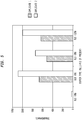
- Figure 5 shows how difficult ligations may be achieved in the presence of a small molecule enhancer in the absence of PEG. This is beneficial not only because the efficiency of ligation is enhanced but also because it avoids the need to purify the DNA away from the PEG prior to electroporation.
- the enhancer is present at a concentration of 1%-20% v/v.
- the disclosure also provides that the enhancer may be added to the ligation buffer at a concentration in the range of 1%-50% v/v, 2%-50% v/v, 3%-50% v/v, 4%-50% v/v, 5%-50% v/v, 1%-45% v/v, 1%-40% v/v, 1%-35% v/v, 1%-30% v/v, 1%-25% v/v, 1%-25% v/v, 1%-15% v/v with 0.01-2000 units/ ⁇ l ligase, for example, 1-1000 units/ ⁇ l ligase or 4-200 units/ ⁇ l ligase.
- blunt-end double-stranded nucleic acid ligation utilizes a small molecule enhancer at about 4% v/v in the absence of PEG.
- ligase reaction mixture such as a restriction endonuclease such as DpnI, or a PNK such as T4 PNK where either enzyme may be added at a concentration in the range of 0.01-200 units/ ⁇ l, for example 0.05-50 units/ ⁇ l.
- a mixture of nucleic acid fragments that includes a vector and an insert in the form of separate nucleic acids can give rise to a desired ligation product in the presence of small molecule enhancers.
- the concentration of the enhancer is selected to favor circularization over concatamerization both for a single species of molecule and for mixtures of nucleic acids such as vector and insert combinations.
- the overall range of enhancement is at least 1.25-fold to 75-fold for example, at least 2-fold, 3-fold, 4-fold, 5-fold, 6-fold, 7-fold, 8-fold, 9-fold or 10-fold or more for molecules with single-base overhangs and by at least 25% for example at least 1.25-fold, 2-fold, 3-fold, 4-fold for blunt-ended molecules with or without PEG.
- Table 1 lists small molecule enhancers of ligation. All were tested side-by-side using two ligation test systems which were: (a) cloning of a 500 bp amplicon made by Taq DNA polymerase into a T-tailed vector; and (b) recircularization of an AhdI-linearized plasmid. Both ligation test systems used DNA with single-base overhangs.
- Table 2 shows enhancement of ligation by 6% 1,2-PrD and subsequent transformation whether the insert being cloned is a synthetic cassette made by annealing oligonucleotides or is a PCR amplicon. This test used a commercially available cloning vector from Qiagen, Valencia, CA (#231124) specifically designed to clone DNA fragments with single-base 3' A overhangs. Table 2 Insert Cloning Enhancement (chemical transformation) Cloning Enhancement (electroporation) 68mer cassette featuring No 5' PO 4 , 3' A overhang 14-fold 2-fold 513 pb human genomic amplicon using Taq DNA polymerase At least 72-fold (0 colonies vs. 72 colonies) 11-fold
- the enhancement of ligation of double stranded or single stranded polynucleotides has been shown here to be compatible with other reactions which may be desirably conducted in a single tube.
- site directed mutagenesis as described in Example 7 below, permits at least three different enzyme reactions (a restriction endonuclease, a ligase and a polynucleotide kinase) to occur in a single reaction tube.
- Small molecule ligase enhancers enable the development of a fast library preparation protocol with low nanogram polynucleotide input for multiple Next Generation Sequencing (NGS) platforms.
- Major improvements include: increased ligation efficiency of a ligase by one or more small molecule enhancers; and tolerance of a ligase to dATP inhibition in the presence of these small molecules.
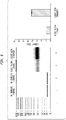
- Figure 6 shows the beneficial effects of small molecule ligation enhancers on T4 DNA ligase.
- Another application is the use of long hairpin adaptors which are normally challenging to ligate to polynucleotide fragments using a ligase. These are readily ligated to the polynucleotide fragments in the presence of small molecule enhancers with increased ligation efficiency.
- the reaction mixtures contained DNA at 50-100 ng and 1,2-PrD at different concentrations.
- 1 ⁇ l of regular concentration (NEB, Ipswich, MA, #M0202; 400 units) or 1 ⁇ l of high concentration T4 DNA ligase (NEB, Ipswich, MA, #M0202; 2000 units) was then added to a final volume of 21 ⁇ l in 1xT4 DNA Ligase Buffer (NEB, Ipwich, MA, #B0202) or 1x Quick LigaseTM Buffer (NEB, Ipswich, MA, #B2200).
- a standard assay uses 100 ng DNA, 1 ⁇ l of T4 DNA ligase, 21 ⁇ l 1 x T4 DNA ligase buffer and varying amounts of enhancer. However, we have also tested and compared (a) various concentrations and types of DNA ligase, and (b) various ligation buffers (specifically, regular and Quick Ligase) and found consistent enhancement of ligation at 1%-12% 1,2-PrD.
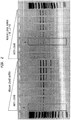
- Ligation reactions were incubated for 10 min at room temperature (25°C) unless otherwise stated, then placed on ice for 2 min. In some experiments the ligase was heat-killed by incubation at 65°C for 20 min. The ligation reactions were analyzed by 1% agarose gel electrophoresis to identify DNA species and determine the efficiency of transformation.
- a volume of 2 ⁇ l from each ligation reaction was incubated with 50 ⁇ l of chemically competent (NEB, Ipswich, MA, #C2987I) or electrocompetent (NEB, Ipswich, MA, #C2989K) DH5 alpha E . coli cells.
- the cell-DNA mixture was incubated on ice for 30 min, heat-shocked at 42°C for 30 sec, then returned to ice for 5 min.
- a volume of 950 ⁇ l SOC medium (2% vegetable peptone or Tryptone, 0.5% yeast extract, 10 mM NaCl, 2.5 mM KCl, 10 mM MgCl 2 , 10 mM MgSO 4 and 20 mM glucose) was added to the cell-DNA mixture, followed by a one hr 37°C outgrowth period with agitation.
- a volume of 25-50 ⁇ l of appropriately diluted cells in SOC was spread onto Rich Agar plates (composition per liter: 10 g soy peptone, 5 g yeast extract, 10 g NaCl, 1 g MgCl 2 -6H 2 O, 1 g dextrose, 15 grams agar) supplemented with 100 ⁇ g/ml ampicillin. Plates were inverted and incubated for 16 hrs at 37°C, followed by quantification of total colony numbers.
- the cell-DNA mixture was subjected to electroporation, immediately followed by the addition of 950 ⁇ l of pre-warmed 37°C SOC medium, followed by a one hour 37°C outgrowth period with agitation. Dilution, plating, incubation and colony quantification were performed as described in Example 1A above.
- the number of colonies per ligation condition correlated with the formation of circularized DNA constructs during the ligation reaction.
- Example 2 Enhanced ligation of DNA with a single-base overhang
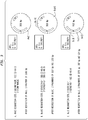
- Linearization of the pUC19 plasmid was achieved using AhdI to generate single-base overhangs as described in Figure 3A .
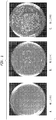
- Ligation of the cleaved DNA was performed in a 20 ⁇ l ligation reaction containing 100 ng of DNA in the presence and absence of 1,2-PrD and 400 U of T4 DNA ligase was incubated for 20 min at 16°C, then heated to 65°C for 45 min to inactivate the ligase. Transformation of cells with the ligated DNA was performed using chemically competent NEB TurboTM cells (NEB, Ipswich, MA, #C2984H) as described in Example 1 using 2 ⁇ l of the ligation mix (containing 10 ng DNA) with an outgrowth period of 20 min. The results were that 1,2-PrD increased transformation levels (see Figures 1A-C ).
- the effectiveness of the ligation enhancer was also established for blunt-ended DNA as follows: 20 ⁇ l reactions were set up containing two-fold serial dilutions of 2000 units of T4 DNA ligase, 200 ng PhiX174-HaeIII digest (NEB, Ipswich, MA, #N3026), and regular ligase buffer with 200 ng phiX174-HaeIII blunt-ended fragments per 20 ⁇ l, in the absence and presence of 6% 1,2-PrD. The reactions were incubated for 30 min at room temperature (25°C) followed by electrophoresis on a 1% agarose gel. 1,2-PrD enhanced T4 DNA ligase activity 4-fold in this titer reaction.
- Mock DNA ligations were set up with 1 ng of supercoiled pUC19 DNA in 1X regular DNA ligase buffer in the presence and absence of 2000 units T4 DNA ligase and with or without 12% 1,2-PrD. Ligation reactions were conducted using the standard protocol in Example 1 and transformations with chemically competent DH5 alpha E . coli cells. 40 ⁇ l of a 1:20 dilution of the 1 ml SOC outgrowth containing 2 pg supercoiled DNA was plated onto agarose plates and incubated overnight. The number of transformants was not statistically altered by the presence of 1,2-PrD, whether or not the T4 DNA Ligase was present.
- Table 3 shows the results of a control experiment where 1,2-PrD does not affect nor interfere with transformation using a supercoiled DNA form of the plasmid pUC19. This illustrates the enhancement is at the ligation step and not the transformation step.
- Table 3 T4 DNA Ligase Levels 1,2-PrD Concentration Transformants from 2 pg SC DNA None 0% 134 None 12% 126 2000 U 0% 69, 92 (duplicate reactions) 2000 U 12% 82, 73 (duplicate reactions)
- Example 5 Enhanced ligation efficiency of one, two or three DNA fragments into a linearized vector and recircularization
- Table 4 shows the results of ligations performed on the constructs described in Figures 3A-C as described in the basic protocols using 1X T4 DNA Ligase Buffer and 100 ng of pUC19 DNA that had been restricted as listed in column 1 (and diagrammed in Figures 3A-C ), purified with QiaQuick® spin columns and quantified against known DNA standards (lambda-HindIII fragments). The ligations took place with and without 12% 1,2-PrD present for 10 min at room temperature (25°C) with 2000 units T4 DNA ligase. A volume of 2 ⁇ l from each ligation reaction was transformed into chemically competent DH5 alpha cells as described in Example 1.
- Example 6 Comparison of the numbers of transformants achieved in the presence or absence of 1,2-PrD in T4 DNA Ligase buffer and Quick LigaseTM buffer containing PEG 6000
- Ligations were performed in both buffers using 50 ng of AhdI-linearized pUC19 double-stranded DNA (containing single-base overhangs) following the conditions described in Example 1.
- a total of 10 pg DNA 40 ⁇ l of a 1:20 dilution of the SOC outgrowth) was used per plate and transformants were counted after 16 hrs at 37°C.
- Figure 5 shows that even for the most difficult to ligate double-stranded DNA ends, 1,2-PrD in regular ligase buffer achieved the level of transformation expected or greater than in PEG-containing (quick ligase) buffers.
- Example 7 Ligation of blunt-ended DNA and DNA with T/A overhangs using a plurality of small molecule enhancers
- Reaction conditions were utilized according to Example 1 for T4 ligase in Quick Ligase buffer, and for Taq ligase reaction buffer (NEB, Ipswich, MA).
- PEG 6000 5%-15% glycerol and 1-8% 1,2-PrD were included in the reaction mixtures together with blunt- ended double-stranded DNA or DNA with a T/A overhang.
- the ligated DNA was transformed into host cells using chemically competent cells as described in Example 1. An improvement of at least 25% in efficiency of ligation was observed in multiple samples in which glycerol and 1,2-PrD were included in addition to PEG 6000 compared with ligation efficiencies in the presence of PEG 6000 only as a control.
- electroporation see Example 1
- at least a 50-fold improvement was observed over the control.
- Example 8 A method for phosphorylating and ligating blunt-ended products from a high-fidelity amplification reaction using a multi-enzyme mixture
- a mixture of enzymes comprising 0.01-200 units/ ⁇ l DpnI, 4-200 units/ ⁇ l T4 ligase, 0.01-20 units/ ⁇ l T4 PNK, buffer, 3-10% 1,2-PrD, 3-10% PEG 6000 and 2-20% glycerol in a ligase buffer as described above was added to the PCR amplification product obtained using non-phosphorylated promoters, unmodified end to end primers and plasmids containing a DNA of interest.
- the PCR product was phosphorylated using T4 PNK and the ends were ligated to form a closed circle using T4 DNA ligase or Taq ligase.
- the parental template was cleaved with DpnI to reduce the background of undesired colonies.
- the circularized product was used to transform cells. A significantly improved number of colonies of transformed host cells were obtained compared to controls absent the small molecule ligation enhancer and the ability to remove template, phosphorylate and ligate in a single step significantly enhanced the efficiency of the entire site-specific mutagenesis reaction.
Landscapes
- Life Sciences & Earth Sciences (AREA)
- Chemical & Material Sciences (AREA)
- Health & Medical Sciences (AREA)
- Organic Chemistry (AREA)
- Engineering & Computer Science (AREA)
- Genetics & Genomics (AREA)
- Wood Science & Technology (AREA)
- Zoology (AREA)
- Bioinformatics & Cheminformatics (AREA)
- Molecular Biology (AREA)
- Biotechnology (AREA)
- General Engineering & Computer Science (AREA)
- General Health & Medical Sciences (AREA)
- Microbiology (AREA)
- Biochemistry (AREA)
- Biomedical Technology (AREA)
- Physics & Mathematics (AREA)
- Biophysics (AREA)
- Chemical Kinetics & Catalysis (AREA)
- Proteomics, Peptides & Aminoacids (AREA)
- Plant Pathology (AREA)
- Crystallography & Structural Chemistry (AREA)
- General Chemical & Material Sciences (AREA)
- Analytical Chemistry (AREA)
- Immunology (AREA)
- Medicinal Chemistry (AREA)
- Enzymes And Modification Thereof (AREA)
- Micro-Organisms Or Cultivation Processes Thereof (AREA)
- Medicines That Contain Protein Lipid Enzymes And Other Medicines (AREA)
Claims (15)
- Zusammensetzung, umfassend:i) eine Ligase; undii) einen Ligase-Reaktionspuffer, umfassend einen oder mehr niedermolekulare(n) Ligationsverstärker, ausgewählt aus der Gruppe, bestehend aus 1,2-Ethylenglykol, 1,2-Propandiol (1,2-PrD), 1,3-PrD, Diethylenglykol, Dipropylenglykol, 2-Methyl-1,3-propandiol, 1,3-Butandiol, 1,4-Butandiol, 1,5-Pentandiol, 1,6-Hexandiol, 1,9-Nonandiol, 1,12-Dodecandiol, 2,2'-Dimethylpropylenglykol, 1,3-Butylethylpropandiol, Methylpropandiol und Methylpentandiole in einer Konzentration von 1 Vol-% bis 20 Vol-%;wobei der Ligase-Reaktionspuffer zur Verstärkung der intramolekularen oder intermolekularen Ligation eines Polynukleotidfragments oder von -fragmenten in einer Ligationsreaktion um mindestens 25 % fähig ist, im Vergleich zur intramolekularen oder intermolekularen Ligation eines Polynukleotidfragments oder von -fragmenten in einer Ligationsreaktion in einem Ligase-Reaktionspuffer, der nicht den einen oder mehr niedermolekulare(n) Ligationsverstärker enthält.
- Zusammensetzung nach Anspruch 1, wobei der eine oder mehr niedermolekulare Verstärker aus der Gruppe ausgewählt ist/sind, bestehend aus: 1,2-Ethylenglykol, 1,2-PrD, 1,3-Propandiol, 1,4-Butandiol, 1,5-Pentandiol, 1,6-Hexandiol.
- Zusammensetzung nach Anspruch 1, wobei der niedermolekulare Verstärker aus der Gruppe ausgewählt ist, bestehend aus: 1,2-PrD, 1,3-PrD und Ethylenglykol.
- Zusammensetzung nach Anspruch 1, wobei der niedermolekulare Verstärker 1,2-PrD ist.
- Zusammensetzung nach einem der Ansprüche 1 bis 4, weiter umfassend mindestens zwei Nukleinsäurefragmente, wobei die Nukleinsäurefragmente doppelsträngige DNA sind und die Ligase eine DNA-Ligase ist; wobei die doppelsträngigen DNA-Fragmente stumpfe Enden für die Ligation aneinander aufweisen, oder wobei die doppelsträngigen DNA-Fragmente Einzelbasen-Überhänge für die Ligation aneinander aufweisen.
- Zusammensetzung nach einem der Ansprüche 1 bis 5, wobei die Ligase aus der Gruppe ausgewählt ist, bestehend aus T3-DNA-Ligase, T4-DNA-Ligase, T7-DNA-Ligase, Taq-Ligase, Ampligase, E. coli-Ligase und einem Sso7-Ligase-Fusionsprotein.
- Zusammensetzung nach einem der Ansprüche 1 bis 6, wobei die Zusammensetzung 0,01 bis 2000 Einheiten/µl Ligase, 0,01 bis 200 Einheiten/µl Restriktionsendonuklease und 0,01 bis 200 Einheiten/µl Polynukleotidkinase umfasst.
- Zusammensetzung nach Anspruch 7, wobei der niedermolekulare Ligationsverstärker 1,2-PrD ist.
- Zusammensetzung nach Anspruch 7 oder 8, wobei der Ligase-Reaktionspuffer weiter PEG 5000 bis 10000 umfasst.
- Zusammensetzung nach Anspruch 1, weiter umfassend Polyethylenglykol.
- Reaktionsgemisch, umfassend eine Zusammensetzung nach einem der Ansprüche 1 bis 8, in Abwesenheit von Polyethylenglykol (PEG).
- Verfahren zum Verstärken der intramolekularen oder intermolekularen Ligation zwischen Nukleinsäurefragmenten, wobei das Verfahren Folgendes umfasst:a) Mischen einer Zusammensetzung nach Anspruch 1 mit einer Vielzahl von Nukleinsäurefragmenten; undb) Zulassen einer Ligation, wobei die Ligationseffizienz um mindestens 25 % verstärkt ist im Vergleich zur Ligationseffizienz in Abwesenheit des niedermolekularen Verstärkers; wobei die Ligationseffizienz, wie mittels Elektroporation der Wirtszelle bestimmt, gegebenenfalls um mindestens das Vierfache verstärkt ist.
- Verfahren nach Anspruch 12, wobei die Vielzahl von Nukleinsäurefragmenten doppelsträngige DNA mit stumpfen Enden, Einzelbasen-Überhängen oder gestaffelten Enden ist.
- Verfahren zum Aufbau einer Polynukleotid-Bibliothek, umfassend: Zufügen einer Zusammensetzung nach einem der Ansprüche 7 bis 9 zu einem Polynukleotid-Amplifikationsprodukt; und Erlauben, dass die intramolekulare Ligation für die Transformation kompetenter Wirtszellen erfolgt.
- Verfahren nach Anspruch 14, weiter umfassend die Transformation kompetenter Zellen mittels Elektroporation.
Applications Claiming Priority (2)
| Application Number | Priority Date | Filing Date | Title |
|---|---|---|---|
| US201161483348P | 2011-05-06 | 2011-05-06 | |
| PCT/US2012/036613 WO2013022504A1 (en) | 2011-05-06 | 2012-05-04 | Ligation enhancement |
Publications (2)
| Publication Number | Publication Date |
|---|---|
| EP2705157A1 EP2705157A1 (de) | 2014-03-12 |
| EP2705157B1 true EP2705157B1 (de) | 2017-02-01 |
Family
ID=46085236
Family Applications (1)
| Application Number | Title | Priority Date | Filing Date |
|---|---|---|---|
| EP12721123.3A Active EP2705157B1 (de) | 2011-05-06 | 2012-05-04 | Verbesserte ligatur |
Country Status (5)
| Country | Link |
|---|---|
| US (2) | US8697408B2 (de) |
| EP (1) | EP2705157B1 (de) |
| JP (2) | JP6669430B2 (de) |
| LT (1) | LT2705157T (de) |
| WO (1) | WO2013022504A1 (de) |
Families Citing this family (24)
| Publication number | Priority date | Publication date | Assignee | Title |
|---|---|---|---|---|
| US9670517B1 (en) | 2012-01-16 | 2017-06-06 | Integrated Dna Technologies, Inc. | Synthesis of long nucleic acid sequences |
| US10876152B2 (en) | 2012-09-04 | 2020-12-29 | Guardant Health, Inc. | Systems and methods to detect rare mutations and copy number variation |
| US11913065B2 (en) | 2012-09-04 | 2024-02-27 | Guardent Health, Inc. | Systems and methods to detect rare mutations and copy number variation |
| US20160040229A1 (en) | 2013-08-16 | 2016-02-11 | Guardant Health, Inc. | Systems and methods to detect rare mutations and copy number variation |
| CN104781421B (zh) | 2012-09-04 | 2020-06-05 | 夸登特健康公司 | 检测稀有突变和拷贝数变异的系统和方法 |
| KR101417989B1 (ko) | 2013-02-08 | 2014-07-09 | 주식회사 엔지노믹스 | 이중가닥 dna 말단의 단일가닥 길이 조절 방법 |
| ES2660989T3 (es) | 2013-12-28 | 2018-03-27 | Guardant Health, Inc. | Métodos y sistemas para detectar variantes genéticas |
| EP3842544A1 (de) * | 2014-09-05 | 2021-06-30 | QIAGEN GmbH | Herstellung adapterligierte amplikone |
| WO2016170147A1 (en) * | 2015-04-22 | 2016-10-27 | Qiagen Gmbh | Efficiency improving ligation methods |
| US10407460B2 (en) | 2015-05-07 | 2019-09-10 | The Regents Of The University Of Califonia | Solid phase sequence-independent nucleic acid assembly |
| WO2017062970A1 (en) | 2015-10-10 | 2017-04-13 | Guardant Health, Inc. | Methods and applications of gene fusion detection in cell-free dna analysis |
| SG11201805119QA (en) | 2015-12-17 | 2018-07-30 | Guardant Health Inc | Methods to determine tumor gene copy number by analysis of cell-free dna |
| AU2017218431B2 (en) * | 2016-02-08 | 2022-08-04 | RGENE, Inc. | Multiple ligase compositions, systems, and methods |
| WO2017181161A1 (en) * | 2016-04-15 | 2017-10-19 | Predicine, Inc. | Systems and methods for detecting genetic alterations |
| WO2018144362A1 (en) * | 2017-01-31 | 2018-08-09 | Counsyl, Inc. | High concentration reagents for sample preparation in small well format |
| CN110612351B (zh) | 2017-03-20 | 2023-08-11 | Illumina公司 | 用于制备核酸文库的方法和组合物 |
| ES2887078T3 (es) | 2017-05-08 | 2021-12-21 | Codexis Inc | Variantes de ligasa diseñadas |
| KR20250028535A (ko) | 2017-06-30 | 2025-02-28 | 코덱시스, 인코포레이티드 | T7 rna 폴리머라제 변이체 |
| EP3645712A4 (de) | 2017-06-30 | 2021-07-07 | Codexis, Inc. | T7-rna-polymerasevarianten |
| AU2019236289B2 (en) * | 2018-03-16 | 2024-12-05 | Catalog Technologies, Inc. | Chemical methods for nucleic acid-based data storage |
| CN112359090A (zh) | 2018-08-07 | 2021-02-12 | 深圳市真迈生物科技有限公司 | 一种核酸片段的连接方法、测序文库的构建方法及其应用 |
| CN110669824A (zh) * | 2019-10-11 | 2020-01-10 | 广州迈森致远基因科技有限公司 | 低起始量血浆游离dna甲基化建库试剂盒及方法 |
| CN114606575B (zh) * | 2020-12-03 | 2025-02-14 | 广东菲鹏生物有限公司 | 组合物及文库构建方法 |
| CN114507904B (zh) * | 2022-04-19 | 2022-07-12 | 北京迅识科技有限公司 | 一种制备二代测序文库的方法 |
Citations (1)
| Publication number | Priority date | Publication date | Assignee | Title |
|---|---|---|---|---|
| US20070054272A1 (en) * | 2003-04-18 | 2007-03-08 | Commissariat A L'energie Atomique | Method of preparing dna fragments by selective fragmentation of nucleic acids and applications thereof |
Family Cites Families (9)
| Publication number | Priority date | Publication date | Assignee | Title |
|---|---|---|---|---|
| IL68349A0 (en) * | 1982-04-16 | 1983-07-31 | Lilly Co Eli | Chimeric cloning vectors for use in streptomyces and e.coli |
| JPS6236187A (ja) * | 1985-08-09 | 1987-02-17 | Takara Shuzo Co Ltd | Dnaリガ−ゼ組成物及びその使用方法 |
| DE9410868U1 (de) * | 1994-07-01 | 1994-09-01 | AAP GmbH & Co. Betriebs KG, 12099 Berlin | Isoelastische Prothese |
| WO2002038789A1 (en) * | 2000-11-10 | 2002-05-16 | Sratagene | Methods for preparation of a nucleic acid for analysis |
| JP4590957B2 (ja) * | 2004-07-13 | 2010-12-01 | 東洋紡績株式会社 | Dnaリガーゼによるライゲーション反応の促進方法およびdnaリガーゼ組成物 |
| JP2008271834A (ja) * | 2007-04-27 | 2008-11-13 | Toyobo Co Ltd | 凍結しないdnaリガーゼ反応組成物 |
| JP2008271833A (ja) * | 2007-04-27 | 2008-11-13 | Toyobo Co Ltd | 改良されたリガーゼ組成物 |
| KR20090036452A (ko) * | 2007-10-09 | 2009-04-14 | 주식회사 엔지노믹스 | 인버스 pcr을 이용한 부위-지정 돌연변이 유발방법 |
| US8211867B2 (en) * | 2007-10-29 | 2012-07-03 | Regulus Therapeutics Inc. | Targeting microRNAs for the treatment of liver cancer |
-
2012
- 2012-05-04 EP EP12721123.3A patent/EP2705157B1/de active Active
- 2012-05-04 LT LTEP12721123.3T patent/LT2705157T/lt unknown
- 2012-05-04 WO PCT/US2012/036613 patent/WO2013022504A1/en not_active Ceased
- 2012-05-04 US US13/464,548 patent/US8697408B2/en active Active
- 2012-05-04 JP JP2014509497A patent/JP6669430B2/ja active Active
-
2014
- 2014-02-26 US US14/190,747 patent/US9499811B2/en active Active
-
2019
- 2019-12-04 JP JP2019219544A patent/JP2020062021A/ja active Pending
Patent Citations (1)
| Publication number | Priority date | Publication date | Assignee | Title |
|---|---|---|---|---|
| US20070054272A1 (en) * | 2003-04-18 | 2007-03-08 | Commissariat A L'energie Atomique | Method of preparing dna fragments by selective fragmentation of nucleic acids and applications thereof |
Also Published As
| Publication number | Publication date |
|---|---|
| US20140187447A1 (en) | 2014-07-03 |
| JP6669430B2 (ja) | 2020-03-18 |
| WO2013022504A1 (en) | 2013-02-14 |
| US8697408B2 (en) | 2014-04-15 |
| JP2020062021A (ja) | 2020-04-23 |
| US20120283144A1 (en) | 2012-11-08 |
| LT2705157T (lt) | 2017-03-10 |
| EP2705157A1 (de) | 2014-03-12 |
| JP2014517688A (ja) | 2014-07-24 |
| US9499811B2 (en) | 2016-11-22 |
Similar Documents
| Publication | Publication Date | Title |
|---|---|---|
| EP2705157B1 (de) | Verbesserte ligatur | |
| US12371724B2 (en) | Methods for in vitro joining and combinatorial assembly of nucleic acid molecules | |
| EP3650543B1 (de) | Dna-produktionsverfahren und kit zur verbindung von dna-fragmenten | |
| CA3106822C (en) | Method for editing dna in cell-free system | |
| CN110607353B (zh) | 一种利用高效地连接技术快速制备dna测序文库的方法和试剂盒 | |
| CN110446783A (zh) | 环状dna的复制或扩增方法 | |
| CN108350492A (zh) | 连接酶辅助的核酸环化和扩增 | |
| CN115244189A (zh) | 高序列保真度核酸合成及组装 | |
| WO2001029212A1 (en) | Methods for chimeragenesis of whole genomes or large polynucleotides | |
| KR102049238B1 (ko) | 파이로인산가수분해효소를 이용한 mRNA Poly(A) 테일 합성 촉진 방법 | |
| US20230257790A1 (en) | Recombination-based dna assembly methods and compositions | |
| EP4491719A1 (de) | Verfahren zur amplifikation von matrizennukleinsäuren unter verwendung eines thermostabilen tthprimpols | |
| US20250027064A1 (en) | Polynucleotide Error Recognition Methods and Compositions | |
| Martínez-Carrón et al. | Methods of amplifying template nucleic acid using a thermostable Tthprimpol |
Legal Events
| Date | Code | Title | Description |
|---|---|---|---|
| PUAI | Public reference made under article 153(3) epc to a published international application that has entered the european phase |
Free format text: ORIGINAL CODE: 0009012 |
|
| 17P | Request for examination filed |
Effective date: 20131203 |
|
| AK | Designated contracting states |
Kind code of ref document: A1 Designated state(s): AL AT BE BG CH CY CZ DE DK EE ES FI FR GB GR HR HU IE IS IT LI LT LU LV MC MK MT NL NO PL PT RO RS SE SI SK SM TR |
|
| DAX | Request for extension of the european patent (deleted) | ||
| 17Q | First examination report despatched |
Effective date: 20150615 |
|
| GRAP | Despatch of communication of intention to grant a patent |
Free format text: ORIGINAL CODE: EPIDOSNIGR1 |
|
| INTG | Intention to grant announced |
Effective date: 20160902 |
|
| GRAS | Grant fee paid |
Free format text: ORIGINAL CODE: EPIDOSNIGR3 |
|
| GRAA | (expected) grant |
Free format text: ORIGINAL CODE: 0009210 |
|
| AK | Designated contracting states |
Kind code of ref document: B1 Designated state(s): AL AT BE BG CH CY CZ DE DK EE ES FI FR GB GR HR HU IE IS IT LI LT LU LV MC MK MT NL NO PL PT RO RS SE SI SK SM TR |
|
| REG | Reference to a national code |
Ref country code: GB Ref legal event code: FG4D |
|
| REG | Reference to a national code |
Ref country code: CH Ref legal event code: EP Ref country code: AT Ref legal event code: REF Ref document number: 865649 Country of ref document: AT Kind code of ref document: T Effective date: 20170215 |
|
| REG | Reference to a national code |
Ref country code: IE Ref legal event code: FG4D |
|
| REG | Reference to a national code |
Ref country code: DE Ref legal event code: R096 Ref document number: 602012028257 Country of ref document: DE |
|
| REG | Reference to a national code |
Ref country code: FR Ref legal event code: PLFP Year of fee payment: 6 |
|
| REG | Reference to a national code |
Ref country code: NL Ref legal event code: MP Effective date: 20170201 |
|
| REG | Reference to a national code |
Ref country code: AT Ref legal event code: MK05 Ref document number: 865649 Country of ref document: AT Kind code of ref document: T Effective date: 20170201 |
|
| PG25 | Lapsed in a contracting state [announced via postgrant information from national office to epo] |
Ref country code: FI Free format text: LAPSE BECAUSE OF FAILURE TO SUBMIT A TRANSLATION OF THE DESCRIPTION OR TO PAY THE FEE WITHIN THE PRESCRIBED TIME-LIMIT Effective date: 20170201 Ref country code: NO Free format text: LAPSE BECAUSE OF FAILURE TO SUBMIT A TRANSLATION OF THE DESCRIPTION OR TO PAY THE FEE WITHIN THE PRESCRIBED TIME-LIMIT Effective date: 20170501 Ref country code: HR Free format text: LAPSE BECAUSE OF FAILURE TO SUBMIT A TRANSLATION OF THE DESCRIPTION OR TO PAY THE FEE WITHIN THE PRESCRIBED TIME-LIMIT Effective date: 20170201 Ref country code: IS Free format text: LAPSE BECAUSE OF FAILURE TO SUBMIT A TRANSLATION OF THE DESCRIPTION OR TO PAY THE FEE WITHIN THE PRESCRIBED TIME-LIMIT Effective date: 20170601 Ref country code: GR Free format text: LAPSE BECAUSE OF FAILURE TO SUBMIT A TRANSLATION OF THE DESCRIPTION OR TO PAY THE FEE WITHIN THE PRESCRIBED TIME-LIMIT Effective date: 20170502 |
|
| PG25 | Lapsed in a contracting state [announced via postgrant information from national office to epo] |
Ref country code: LU Free format text: LAPSE BECAUSE OF NON-PAYMENT OF DUE FEES Effective date: 20170531 Ref country code: NL Free format text: LAPSE BECAUSE OF FAILURE TO SUBMIT A TRANSLATION OF THE DESCRIPTION OR TO PAY THE FEE WITHIN THE PRESCRIBED TIME-LIMIT Effective date: 20170201 Ref country code: RS Free format text: LAPSE BECAUSE OF FAILURE TO SUBMIT A TRANSLATION OF THE DESCRIPTION OR TO PAY THE FEE WITHIN THE PRESCRIBED TIME-LIMIT Effective date: 20170201 Ref country code: ES Free format text: LAPSE BECAUSE OF FAILURE TO SUBMIT A TRANSLATION OF THE DESCRIPTION OR TO PAY THE FEE WITHIN THE PRESCRIBED TIME-LIMIT Effective date: 20170201 Ref country code: SE Free format text: LAPSE BECAUSE OF FAILURE TO SUBMIT A TRANSLATION OF THE DESCRIPTION OR TO PAY THE FEE WITHIN THE PRESCRIBED TIME-LIMIT Effective date: 20170201 Ref country code: BG Free format text: LAPSE BECAUSE OF FAILURE TO SUBMIT A TRANSLATION OF THE DESCRIPTION OR TO PAY THE FEE WITHIN THE PRESCRIBED TIME-LIMIT Effective date: 20170501 Ref country code: LV Free format text: LAPSE BECAUSE OF FAILURE TO SUBMIT A TRANSLATION OF THE DESCRIPTION OR TO PAY THE FEE WITHIN THE PRESCRIBED TIME-LIMIT Effective date: 20170201 Ref country code: PT Free format text: LAPSE BECAUSE OF FAILURE TO SUBMIT A TRANSLATION OF THE DESCRIPTION OR TO PAY THE FEE WITHIN THE PRESCRIBED TIME-LIMIT Effective date: 20170601 Ref country code: AT Free format text: LAPSE BECAUSE OF FAILURE TO SUBMIT A TRANSLATION OF THE DESCRIPTION OR TO PAY THE FEE WITHIN THE PRESCRIBED TIME-LIMIT Effective date: 20170201 Ref country code: PL Free format text: LAPSE BECAUSE OF FAILURE TO SUBMIT A TRANSLATION OF THE DESCRIPTION OR TO PAY THE FEE WITHIN THE PRESCRIBED TIME-LIMIT Effective date: 20170201 |
|
| PG25 | Lapsed in a contracting state [announced via postgrant information from national office to epo] |
Ref country code: EE Free format text: LAPSE BECAUSE OF FAILURE TO SUBMIT A TRANSLATION OF THE DESCRIPTION OR TO PAY THE FEE WITHIN THE PRESCRIBED TIME-LIMIT Effective date: 20170201 Ref country code: RO Free format text: LAPSE BECAUSE OF FAILURE TO SUBMIT A TRANSLATION OF THE DESCRIPTION OR TO PAY THE FEE WITHIN THE PRESCRIBED TIME-LIMIT Effective date: 20170201 Ref country code: CZ Free format text: LAPSE BECAUSE OF FAILURE TO SUBMIT A TRANSLATION OF THE DESCRIPTION OR TO PAY THE FEE WITHIN THE PRESCRIBED TIME-LIMIT Effective date: 20170201 Ref country code: SK Free format text: LAPSE BECAUSE OF FAILURE TO SUBMIT A TRANSLATION OF THE DESCRIPTION OR TO PAY THE FEE WITHIN THE PRESCRIBED TIME-LIMIT Effective date: 20170201 Ref country code: IT Free format text: LAPSE BECAUSE OF FAILURE TO SUBMIT A TRANSLATION OF THE DESCRIPTION OR TO PAY THE FEE WITHIN THE PRESCRIBED TIME-LIMIT Effective date: 20170201 |
|
| REG | Reference to a national code |
Ref country code: DE Ref legal event code: R097 Ref document number: 602012028257 Country of ref document: DE |
|
| PG25 | Lapsed in a contracting state [announced via postgrant information from national office to epo] |
Ref country code: DK Free format text: LAPSE BECAUSE OF FAILURE TO SUBMIT A TRANSLATION OF THE DESCRIPTION OR TO PAY THE FEE WITHIN THE PRESCRIBED TIME-LIMIT Effective date: 20170201 Ref country code: SM Free format text: LAPSE BECAUSE OF FAILURE TO SUBMIT A TRANSLATION OF THE DESCRIPTION OR TO PAY THE FEE WITHIN THE PRESCRIBED TIME-LIMIT Effective date: 20170201 |
|
| PLBE | No opposition filed within time limit |
Free format text: ORIGINAL CODE: 0009261 |
|
| STAA | Information on the status of an ep patent application or granted ep patent |
Free format text: STATUS: NO OPPOSITION FILED WITHIN TIME LIMIT |
|
| REG | Reference to a national code |
Ref country code: CH Ref legal event code: PL |
|
| 26N | No opposition filed |
Effective date: 20171103 |
|
| PG25 | Lapsed in a contracting state [announced via postgrant information from national office to epo] |
Ref country code: MC Free format text: LAPSE BECAUSE OF FAILURE TO SUBMIT A TRANSLATION OF THE DESCRIPTION OR TO PAY THE FEE WITHIN THE PRESCRIBED TIME-LIMIT Effective date: 20170201 |
|
| REG | Reference to a national code |
Ref country code: IE Ref legal event code: MM4A |
|
| PG25 | Lapsed in a contracting state [announced via postgrant information from national office to epo] |
Ref country code: CH Free format text: LAPSE BECAUSE OF NON-PAYMENT OF DUE FEES Effective date: 20170531 Ref country code: LI Free format text: LAPSE BECAUSE OF NON-PAYMENT OF DUE FEES Effective date: 20170531 Ref country code: SI Free format text: LAPSE BECAUSE OF FAILURE TO SUBMIT A TRANSLATION OF THE DESCRIPTION OR TO PAY THE FEE WITHIN THE PRESCRIBED TIME-LIMIT Effective date: 20170201 |
|
| PG25 | Lapsed in a contracting state [announced via postgrant information from national office to epo] |
Ref country code: LU Free format text: LAPSE BECAUSE OF NON-PAYMENT OF DUE FEES Effective date: 20170504 |
|
| REG | Reference to a national code |
Ref country code: BE Ref legal event code: MM Effective date: 20170531 |
|
| PG25 | Lapsed in a contracting state [announced via postgrant information from national office to epo] |
Ref country code: IE Free format text: LAPSE BECAUSE OF NON-PAYMENT OF DUE FEES Effective date: 20170504 |
|
| REG | Reference to a national code |
Ref country code: FR Ref legal event code: PLFP Year of fee payment: 7 |
|
| PG25 | Lapsed in a contracting state [announced via postgrant information from national office to epo] |
Ref country code: BE Free format text: LAPSE BECAUSE OF NON-PAYMENT OF DUE FEES Effective date: 20170531 |
|
| PG25 | Lapsed in a contracting state [announced via postgrant information from national office to epo] |
Ref country code: MT Free format text: LAPSE BECAUSE OF NON-PAYMENT OF DUE FEES Effective date: 20170504 |
|
| PG25 | Lapsed in a contracting state [announced via postgrant information from national office to epo] |
Ref country code: HU Free format text: LAPSE BECAUSE OF FAILURE TO SUBMIT A TRANSLATION OF THE DESCRIPTION OR TO PAY THE FEE WITHIN THE PRESCRIBED TIME-LIMIT; INVALID AB INITIO Effective date: 20120504 |
|
| PG25 | Lapsed in a contracting state [announced via postgrant information from national office to epo] |
Ref country code: CY Free format text: LAPSE BECAUSE OF NON-PAYMENT OF DUE FEES Effective date: 20170201 |
|
| PG25 | Lapsed in a contracting state [announced via postgrant information from national office to epo] |
Ref country code: MK Free format text: LAPSE BECAUSE OF FAILURE TO SUBMIT A TRANSLATION OF THE DESCRIPTION OR TO PAY THE FEE WITHIN THE PRESCRIBED TIME-LIMIT Effective date: 20170201 |
|
| PG25 | Lapsed in a contracting state [announced via postgrant information from national office to epo] |
Ref country code: TR Free format text: LAPSE BECAUSE OF FAILURE TO SUBMIT A TRANSLATION OF THE DESCRIPTION OR TO PAY THE FEE WITHIN THE PRESCRIBED TIME-LIMIT Effective date: 20170201 |
|
| PG25 | Lapsed in a contracting state [announced via postgrant information from national office to epo] |
Ref country code: AL Free format text: LAPSE BECAUSE OF FAILURE TO SUBMIT A TRANSLATION OF THE DESCRIPTION OR TO PAY THE FEE WITHIN THE PRESCRIBED TIME-LIMIT Effective date: 20170201 |
|
| P01 | Opt-out of the competence of the unified patent court (upc) registered |
Effective date: 20230515 |
|
| PGFP | Annual fee paid to national office [announced via postgrant information from national office to epo] |
Ref country code: LT Payment date: 20250304 Year of fee payment: 14 |
|
| PGFP | Annual fee paid to national office [announced via postgrant information from national office to epo] |
Ref country code: DE Payment date: 20250504 Year of fee payment: 14 |
|
| PGFP | Annual fee paid to national office [announced via postgrant information from national office to epo] |
Ref country code: GB Payment date: 20250417 Year of fee payment: 14 |
|
| PGFP | Annual fee paid to national office [announced via postgrant information from national office to epo] |
Ref country code: FR Payment date: 20250504 Year of fee payment: 14 |