EP2745847A1 - Progestins zur Vorbeugung oder Verminderung von Neurodegeneration oder ischämischem Schädingungen - Google Patents
Progestins zur Vorbeugung oder Verminderung von Neurodegeneration oder ischämischem Schädingungen Download PDFInfo
- Publication number
- EP2745847A1 EP2745847A1 EP13199399.0A EP13199399A EP2745847A1 EP 2745847 A1 EP2745847 A1 EP 2745847A1 EP 13199399 A EP13199399 A EP 13199399A EP 2745847 A1 EP2745847 A1 EP 2745847A1
- Authority
- EP
- European Patent Office
- Prior art keywords
- dosage
- progesterone
- patient
- dosage form
- transdermal
- Prior art date
- Legal status (The legal status is an assumption and is not a legal conclusion. Google has not performed a legal analysis and makes no representation as to the accuracy of the status listed.)
- Withdrawn
Links
- 239000000583 progesterone congener Substances 0.000 title claims abstract description 107
- 230000000302 ischemic effect Effects 0.000 title claims description 13
- 230000006378 damage Effects 0.000 title claims description 12
- 108090000468 progesterone receptors Proteins 0.000 claims abstract description 58
- 102000003998 progesterone receptors Human genes 0.000 claims abstract description 56
- -1 progestin compound Chemical class 0.000 claims abstract description 53
- 230000004770 neurodegeneration Effects 0.000 claims abstract description 40
- 230000008512 biological response Effects 0.000 claims abstract description 34
- 229940011871 estrogen Drugs 0.000 claims abstract description 28
- 239000000262 estrogen Substances 0.000 claims abstract description 28
- 150000001875 compounds Chemical class 0.000 claims abstract description 21
- 239000003862 glucocorticoid Substances 0.000 claims abstract description 20
- 230000001939 inductive effect Effects 0.000 claims abstract description 17
- 102100032187 Androgen receptor Human genes 0.000 claims abstract description 15
- 108010080146 androgen receptors Proteins 0.000 claims abstract description 15
- 239000003098 androgen Substances 0.000 claims abstract description 7
- 102100025803 Progesterone receptor Human genes 0.000 claims abstract 2
- 229950007611 elcometrine Drugs 0.000 claims description 78
- VOXZDWNPVJITMN-ZBRFXRBCSA-N 17β-estradiol Chemical compound OC1=CC=C2[C@H]3CC[C@](C)([C@H](CC4)O)[C@@H]4[C@@H]3CCC2=C1 VOXZDWNPVJITMN-ZBRFXRBCSA-N 0.000 claims description 27
- 229960005309 estradiol Drugs 0.000 claims description 25
- 229930182833 estradiol Natural products 0.000 claims description 24
- 239000000499 gel Substances 0.000 claims description 20
- 239000002552 dosage form Substances 0.000 claims description 16
- 229960000417 norgestimate Drugs 0.000 claims description 14
- KIQQMECNKUGGKA-NMYWJIRASA-N norgestimate Chemical compound O/N=C/1CC[C@@H]2[C@H]3CC[C@](CC)([C@](CC4)(OC(C)=O)C#C)[C@@H]4[C@@H]3CCC2=C\1 KIQQMECNKUGGKA-NMYWJIRASA-N 0.000 claims description 14
- 239000007922 nasal spray Substances 0.000 claims description 10
- QMBJSIBWORFWQT-DFXBJWIESA-N Chlormadinone acetate Chemical compound C1=C(Cl)C2=CC(=O)CC[C@]2(C)[C@@H]2[C@@H]1[C@@H]1CC[C@@](C(C)=O)(OC(=O)C)[C@@]1(C)CC2 QMBJSIBWORFWQT-DFXBJWIESA-N 0.000 claims description 9
- 229960001616 chlormadinone acetate Drugs 0.000 claims description 9
- 229960003309 dienogest Drugs 0.000 claims description 9
- AZFLJNIPTRTECV-FUMNGEBKSA-N dienogest Chemical compound C1CC(=O)C=C2CC[C@@H]([C@H]3[C@@](C)([C@](CC3)(O)CC#N)CC3)C3=C21 AZFLJNIPTRTECV-FUMNGEBKSA-N 0.000 claims description 9
- METQSPRSQINEEU-UHFFFAOYSA-N dihydrospirorenone Natural products CC12CCC(C3(CCC(=O)C=C3C3CC33)C)C3C1C1CC1C21CCC(=O)O1 METQSPRSQINEEU-UHFFFAOYSA-N 0.000 claims description 9
- 229960004845 drospirenone Drugs 0.000 claims description 9
- METQSPRSQINEEU-HXCATZOESA-N drospirenone Chemical compound C([C@]12[C@H]3C[C@H]3[C@H]3[C@H]4[C@@H]([C@]5(CCC(=O)C=C5[C@@H]5C[C@@H]54)C)CC[C@@]31C)CC(=O)O2 METQSPRSQINEEU-HXCATZOESA-N 0.000 claims description 9
- 229960004190 nomegestrol acetate Drugs 0.000 claims description 9
- IIVBFTNIGYRNQY-YQLZSBIMSA-N nomegestrol acetate Chemical compound C1=C(C)C2=CC(=O)CC[C@@H]2[C@@H]2[C@@H]1[C@@H]1CC[C@@](C(C)=O)(OC(=O)C)[C@@]1(C)CC2 IIVBFTNIGYRNQY-YQLZSBIMSA-N 0.000 claims description 9
- 229950008546 trimegestone Drugs 0.000 claims description 9
- JUNDJWOLDSCTFK-MTZCLOFQSA-N trimegestone Chemical compound C1CC2=CC(=O)CCC2=C2[C@@H]1[C@@H]1CC[C@@](C(=O)[C@@H](O)C)(C)[C@@]1(C)CC2 JUNDJWOLDSCTFK-MTZCLOFQSA-N 0.000 claims description 9
- RJKFOVLPORLFTN-HQZYFCCVSA-N (8s,9r,10s,13s,14s,17s)-17-acetyl-10,13-dimethyl-1,2,6,7,8,9,11,12,14,15,16,17-dodecahydrocyclopenta[a]phenanthren-3-one Chemical compound C1CC2=CC(=O)CC[C@@]2(C)[C@H]2[C@@H]1[C@@H]1CC[C@H](C(=O)C)[C@@]1(C)CC2 RJKFOVLPORLFTN-HQZYFCCVSA-N 0.000 claims description 8
- DBPWSSGDRRHUNT-UHFFFAOYSA-N 17alpha-hydroxy progesterone Natural products C1CC2=CC(=O)CCC2(C)C2C1C1CCC(C(=O)C)(O)C1(C)CC2 DBPWSSGDRRHUNT-UHFFFAOYSA-N 0.000 claims description 8
- DBPWSSGDRRHUNT-CEGNMAFCSA-N 17α-hydroxyprogesterone Chemical compound C1CC2=CC(=O)CC[C@]2(C)[C@@H]2[C@@H]1[C@@H]1CC[C@@](C(=O)C)(O)[C@@]1(C)CC2 DBPWSSGDRRHUNT-CEGNMAFCSA-N 0.000 claims description 8
- 239000007943 implant Substances 0.000 claims description 8
- 229940097496 nasal spray Drugs 0.000 claims description 8
- 229960001584 promegestone Drugs 0.000 claims description 8
- QFFCYTLOTYIJMR-XMGTWHOFSA-N promegestone Chemical compound C1CC2=CC(=O)CCC2=C2[C@@H]1[C@@H]1CC[C@@](C(=O)CC)(C)[C@@]1(C)CC2 QFFCYTLOTYIJMR-XMGTWHOFSA-N 0.000 claims description 8
- 239000003826 tablet Substances 0.000 claims description 8
- 239000007930 transdermal spray Substances 0.000 claims description 8
- 238000007920 subcutaneous administration Methods 0.000 claims description 5
- 239000006186 oral dosage form Substances 0.000 claims description 4
- 239000006211 transdermal dosage form Substances 0.000 claims description 3
- 230000000063 preceeding effect Effects 0.000 claims 4
- 238000000034 method Methods 0.000 abstract description 76
- 238000011282 treatment Methods 0.000 abstract description 38
- 230000000694 effects Effects 0.000 abstract description 18
- 102000006386 Myelin Proteins Human genes 0.000 abstract description 14
- 108010083674 Myelin Proteins Proteins 0.000 abstract description 14
- 210000005012 myelin Anatomy 0.000 abstract description 14
- 230000023105 myelination Effects 0.000 abstract description 12
- 230000008439 repair process Effects 0.000 abstract description 5
- RJKFOVLPORLFTN-LEKSSAKUSA-N Progesterone Chemical compound C1CC2=CC(=O)CC[C@]2(C)[C@@H]2[C@@H]1[C@@H]1CC[C@H](C(=O)C)[C@@]1(C)CC2 RJKFOVLPORLFTN-LEKSSAKUSA-N 0.000 description 182
- 229960003387 progesterone Drugs 0.000 description 80
- 239000000186 progesterone Substances 0.000 description 78
- CKFBRGLGTWAVLG-GOMYTPFNSA-N elcometrine Chemical compound C1CC2=CC(=O)CC[C@@H]2[C@@H]2[C@@H]1[C@@H]1CC(=C)[C@](OC(=O)C)(C(C)=O)[C@@]1(C)CC2 CKFBRGLGTWAVLG-GOMYTPFNSA-N 0.000 description 70
- 201000006417 multiple sclerosis Diseases 0.000 description 28
- 208000006011 Stroke Diseases 0.000 description 24
- 230000001548 androgenic effect Effects 0.000 description 20
- 210000005155 neural progenitor cell Anatomy 0.000 description 19
- 230000000324 neuroprotective effect Effects 0.000 description 19
- 206010061216 Infarction Diseases 0.000 description 18
- 230000007574 infarction Effects 0.000 description 18
- PSGAAPLEWMOORI-PEINSRQWSA-N medroxyprogesterone acetate Chemical compound C([C@@]12C)CC(=O)C=C1[C@@H](C)C[C@@H]1[C@@H]2CC[C@]2(C)[C@@](OC(C)=O)(C(C)=O)CC[C@H]21 PSGAAPLEWMOORI-PEINSRQWSA-N 0.000 description 17
- 229960002985 medroxyprogesterone acetate Drugs 0.000 description 17
- WWYNJERNGUHSAO-XUDSTZEESA-N (+)-Norgestrel Chemical compound O=C1CC[C@@H]2[C@H]3CC[C@](CC)([C@](CC4)(O)C#C)[C@@H]4[C@@H]3CCC2=C1 WWYNJERNGUHSAO-XUDSTZEESA-N 0.000 description 13
- 208000024827 Alzheimer disease Diseases 0.000 description 13
- 206010008089 Cerebral artery occlusion Diseases 0.000 description 13
- 230000014509 gene expression Effects 0.000 description 13
- 201000007309 middle cerebral artery infarction Diseases 0.000 description 13
- 230000035755 proliferation Effects 0.000 description 13
- 230000001965 increasing effect Effects 0.000 description 12
- 230000001537 neural effect Effects 0.000 description 12
- 208000018737 Parkinson disease Diseases 0.000 description 11
- 208000030886 Traumatic Brain injury Diseases 0.000 description 11
- 239000003814 drug Substances 0.000 description 11
- 229960004400 levonorgestrel Drugs 0.000 description 11
- 230000009529 traumatic brain injury Effects 0.000 description 11
- 241000699670 Mus sp. Species 0.000 description 9
- 230000004663 cell proliferation Effects 0.000 description 9
- 239000000203 mixture Substances 0.000 description 9
- 239000006213 vaginal ring Substances 0.000 description 9
- WHUUTDBJXJRKMK-VKHMYHEASA-N L-glutamic acid Chemical compound OC(=O)[C@@H](N)CCC(O)=O WHUUTDBJXJRKMK-VKHMYHEASA-N 0.000 description 8
- 210000004027 cell Anatomy 0.000 description 8
- 229940079593 drug Drugs 0.000 description 8
- 229930195712 glutamate Natural products 0.000 description 8
- 230000004112 neuroprotection Effects 0.000 description 8
- 230000003389 potentiating effect Effects 0.000 description 8
- 230000008929 regeneration Effects 0.000 description 8
- 238000011069 regeneration method Methods 0.000 description 8
- 230000003833 cell viability Effects 0.000 description 7
- 239000003433 contraceptive agent Substances 0.000 description 7
- 230000007850 degeneration Effects 0.000 description 7
- 238000000338 in vitro Methods 0.000 description 7
- 230000002265 prevention Effects 0.000 description 7
- 239000000243 solution Substances 0.000 description 7
- 229940044953 vaginal ring Drugs 0.000 description 7
- ICTXHFFSOAJUMG-SLHNCBLASA-N Norethynodrel Chemical compound C1CC(=O)CC2=C1[C@H]1CC[C@](C)([C@](CC3)(O)C#C)[C@@H]3[C@@H]1CC2 ICTXHFFSOAJUMG-SLHNCBLASA-N 0.000 description 6
- QAOWNCQODCNURD-UHFFFAOYSA-L Sulfate Chemical compound [O-]S([O-])(=O)=O QAOWNCQODCNURD-UHFFFAOYSA-L 0.000 description 6
- 210000004556 brain Anatomy 0.000 description 6
- 230000002490 cerebral effect Effects 0.000 description 6
- 238000001794 hormone therapy Methods 0.000 description 6
- 238000001727 in vivo Methods 0.000 description 6
- 230000009245 menopause Effects 0.000 description 6
- 208000015122 neurodegenerative disease Diseases 0.000 description 6
- VIKNJXKGJWUCNN-XGXHKTLJSA-N norethisterone Chemical compound O=C1CC[C@@H]2[C@H]3CC[C@](C)([C@](CC4)(O)C#C)[C@@H]4[C@@H]3CCC2=C1 VIKNJXKGJWUCNN-XGXHKTLJSA-N 0.000 description 6
- 229960001858 norethynodrel Drugs 0.000 description 6
- 230000035935 pregnancy Effects 0.000 description 6
- 230000009467 reduction Effects 0.000 description 6
- 230000002829 reductive effect Effects 0.000 description 6
- 210000000130 stem cell Anatomy 0.000 description 6
- 108050006400 Cyclin Proteins 0.000 description 5
- 208000016192 Demyelinating disease Diseases 0.000 description 5
- 206010012305 Demyelination Diseases 0.000 description 5
- 102100036691 Proliferating cell nuclear antigen Human genes 0.000 description 5
- 241000700159 Rattus Species 0.000 description 5
- 230000009471 action Effects 0.000 description 5
- 238000004458 analytical method Methods 0.000 description 5
- 210000003050 axon Anatomy 0.000 description 5
- 229940124558 contraceptive agent Drugs 0.000 description 5
- 230000001076 estrogenic effect Effects 0.000 description 5
- 210000003657 middle cerebral artery Anatomy 0.000 description 5
- 210000002569 neuron Anatomy 0.000 description 5
- 229940053934 norethindrone Drugs 0.000 description 5
- 150000003431 steroids Chemical class 0.000 description 5
- 208000024891 symptom Diseases 0.000 description 5
- 230000001225 therapeutic effect Effects 0.000 description 5
- ASWBNKHCZGQVJV-UHFFFAOYSA-N (3-hexadecanoyloxy-2-hydroxypropyl) 2-(trimethylazaniumyl)ethyl phosphate Chemical compound CCCCCCCCCCCCCCCC(=O)OCC(O)COP([O-])(=O)OCC[N+](C)(C)C ASWBNKHCZGQVJV-UHFFFAOYSA-N 0.000 description 4
- AURFZBICLPNKBZ-FZCSVUEKSA-N 3beta-hydroxy-5alpha-pregnan-20-one Chemical compound C([C@@H]1CC2)[C@@H](O)CC[C@]1(C)[C@@H]1[C@@H]2[C@@H]2CC[C@H](C(=O)C)[C@@]2(C)CC1 AURFZBICLPNKBZ-FZCSVUEKSA-N 0.000 description 4
- AURFZBICLPNKBZ-UHFFFAOYSA-N Pregnanolone Natural products C1CC2CC(O)CCC2(C)C2C1C1CCC(C(=O)C)C1(C)CC2 AURFZBICLPNKBZ-UHFFFAOYSA-N 0.000 description 4
- 238000010521 absorption reaction Methods 0.000 description 4
- 230000006907 apoptotic process Effects 0.000 description 4
- 230000007654 ischemic lesion Effects 0.000 description 4
- 230000004766 neurogenesis Effects 0.000 description 4
- 230000035771 neuroregeneration Effects 0.000 description 4
- 230000004224 protection Effects 0.000 description 4
- 102000005962 receptors Human genes 0.000 description 4
- 108020003175 receptors Proteins 0.000 description 4
- 238000012360 testing method Methods 0.000 description 4
- 230000035899 viability Effects 0.000 description 4
- 238000001262 western blot Methods 0.000 description 4
- KISWVXRQTGLFGD-UHFFFAOYSA-N 2-[[2-[[6-amino-2-[[2-[[2-[[5-amino-2-[[2-[[1-[2-[[6-amino-2-[(2,5-diamino-5-oxopentanoyl)amino]hexanoyl]amino]-5-(diaminomethylideneamino)pentanoyl]pyrrolidine-2-carbonyl]amino]-3-hydroxypropanoyl]amino]-5-oxopentanoyl]amino]-5-(diaminomethylideneamino)p Chemical compound C1CCN(C(=O)C(CCCN=C(N)N)NC(=O)C(CCCCN)NC(=O)C(N)CCC(N)=O)C1C(=O)NC(CO)C(=O)NC(CCC(N)=O)C(=O)NC(CCCN=C(N)N)C(=O)NC(CO)C(=O)NC(CCCCN)C(=O)NC(C(=O)NC(CC(C)C)C(O)=O)CC1=CC=C(O)C=C1 KISWVXRQTGLFGD-UHFFFAOYSA-N 0.000 description 3
- 102100021569 Apoptosis regulator Bcl-2 Human genes 0.000 description 3
- 101000971171 Homo sapiens Apoptosis regulator Bcl-2 Proteins 0.000 description 3
- 238000010171 animal model Methods 0.000 description 3
- 230000009286 beneficial effect Effects 0.000 description 3
- 208000029028 brain injury Diseases 0.000 description 3
- 239000002775 capsule Substances 0.000 description 3
- 210000003710 cerebral cortex Anatomy 0.000 description 3
- 230000002254 contraceptive effect Effects 0.000 description 3
- 230000007423 decrease Effects 0.000 description 3
- 201000010099 disease Diseases 0.000 description 3
- 208000037265 diseases, disorders, signs and symptoms Diseases 0.000 description 3
- 231100000673 dose–response relationship Toxicity 0.000 description 3
- 238000009472 formulation Methods 0.000 description 3
- 230000003902 lesion Effects 0.000 description 3
- 230000001404 mediated effect Effects 0.000 description 3
- 230000004973 motor coordination Effects 0.000 description 3
- 230000000626 neurodegenerative effect Effects 0.000 description 3
- 230000003961 neuronal insult Effects 0.000 description 3
- 230000010410 reperfusion Effects 0.000 description 3
- 230000001850 reproductive effect Effects 0.000 description 3
- 230000004044 response Effects 0.000 description 3
- 230000002739 subcortical effect Effects 0.000 description 3
- 238000002560 therapeutic procedure Methods 0.000 description 3
- 210000001519 tissue Anatomy 0.000 description 3
- 231100000419 toxicity Toxicity 0.000 description 3
- 230000001988 toxicity Effects 0.000 description 3
- 239000003981 vehicle Substances 0.000 description 3
- NVUUMOOKVFONOM-GPBSYSOESA-N 19-Norprogesterone Chemical compound C1CC2=CC(=O)CC[C@@H]2[C@@H]2[C@@H]1[C@@H]1CC[C@H](C(=O)C)[C@@]1(C)CC2 NVUUMOOKVFONOM-GPBSYSOESA-N 0.000 description 2
- 150000000318 19-norprogesterones Chemical class 0.000 description 2
- PKDBCJSWQUOKDO-UHFFFAOYSA-M 2,3,5-triphenyltetrazolium chloride Chemical compound [Cl-].C1=CC=CC=C1C(N=[N+]1C=2C=CC=CC=2)=NN1C1=CC=CC=C1 PKDBCJSWQUOKDO-UHFFFAOYSA-M 0.000 description 2
- LFQSCWFLJHTTHZ-UHFFFAOYSA-N Ethanol Chemical compound CCO LFQSCWFLJHTTHZ-UHFFFAOYSA-N 0.000 description 2
- 102000047918 Myelin Basic Human genes 0.000 description 2
- 101710107068 Myelin basic protein Proteins 0.000 description 2
- 102000003978 Tissue Plasminogen Activator Human genes 0.000 description 2
- 108090000373 Tissue Plasminogen Activator Proteins 0.000 description 2
- 208000027418 Wounds and injury Diseases 0.000 description 2
- 230000002513 anti-ovulatory effect Effects 0.000 description 2
- 230000001640 apoptogenic effect Effects 0.000 description 2
- 238000003556 assay Methods 0.000 description 2
- 210000004958 brain cell Anatomy 0.000 description 2
- 210000001168 carotid artery common Anatomy 0.000 description 2
- 210000003169 central nervous system Anatomy 0.000 description 2
- 208000015114 central nervous system disease Diseases 0.000 description 2
- 206010008118 cerebral infarction Diseases 0.000 description 2
- 230000001609 comparable effect Effects 0.000 description 2
- 230000003247 decreasing effect Effects 0.000 description 2
- 230000003412 degenerative effect Effects 0.000 description 2
- PROQIPRRNZUXQM-ZXXIGWHRSA-N estriol Chemical compound OC1=CC=C2[C@H]3CC[C@](C)([C@H]([C@H](O)C4)O)[C@@H]4[C@@H]3CCC2=C1 PROQIPRRNZUXQM-ZXXIGWHRSA-N 0.000 description 2
- 238000002474 experimental method Methods 0.000 description 2
- 230000007407 health benefit Effects 0.000 description 2
- 230000000971 hippocampal effect Effects 0.000 description 2
- 210000004295 hippocampal neuron Anatomy 0.000 description 2
- 230000001976 improved effect Effects 0.000 description 2
- 238000011534 incubation Methods 0.000 description 2
- 238000002347 injection Methods 0.000 description 2
- 239000007924 injection Substances 0.000 description 2
- 208000014674 injury Diseases 0.000 description 2
- 238000011813 knockout mouse model Methods 0.000 description 2
- 230000007774 longterm Effects 0.000 description 2
- 238000012423 maintenance Methods 0.000 description 2
- 239000002609 medium Substances 0.000 description 2
- 230000002025 microglial effect Effects 0.000 description 2
- 230000000750 progressive effect Effects 0.000 description 2
- 230000002062 proliferating effect Effects 0.000 description 2
- 230000001737 promoting effect Effects 0.000 description 2
- 102000004169 proteins and genes Human genes 0.000 description 2
- 108090000623 proteins and genes Proteins 0.000 description 2
- 239000008159 sesame oil Substances 0.000 description 2
- 235000011803 sesame oil Nutrition 0.000 description 2
- 230000007480 spreading Effects 0.000 description 2
- 238000010186 staining Methods 0.000 description 2
- 229960000187 tissue plasminogen activator Drugs 0.000 description 2
- 229940095694 transdermal product Drugs 0.000 description 2
- DNXHEGUUPJUMQT-UHFFFAOYSA-N (+)-estrone Natural products OC1=CC=C2C3CCC(C)(C(CC4)=O)C4C3CCC2=C1 DNXHEGUUPJUMQT-UHFFFAOYSA-N 0.000 description 1
- PROQIPRRNZUXQM-UHFFFAOYSA-N (16alpha,17betaOH)-Estra-1,3,5(10)-triene-3,16,17-triol Natural products OC1=CC=C2C3CCC(C)(C(C(O)C4)O)C4C3CCC2=C1 PROQIPRRNZUXQM-UHFFFAOYSA-N 0.000 description 1
- JKKFKPJIXZFSSB-UHFFFAOYSA-N 1,3,5(10)-estratrien-17-one 3-sulfate Natural products OS(=O)(=O)OC1=CC=C2C3CCC(C)(C(CC4)=O)C4C3CCC2=C1 JKKFKPJIXZFSSB-UHFFFAOYSA-N 0.000 description 1
- 229930182834 17alpha-Estradiol Natural products 0.000 description 1
- BFPYWIDHMRZLRN-UHFFFAOYSA-N 17alpha-ethynyl estradiol Natural products OC1=CC=C2C3CCC(C)(C(CC4)(O)C#C)C4C3CCC2=C1 BFPYWIDHMRZLRN-UHFFFAOYSA-N 0.000 description 1
- VOXZDWNPVJITMN-SFFUCWETSA-N 17α-estradiol Chemical compound OC1=CC=C2[C@H]3CC[C@](C)([C@@H](CC4)O)[C@@H]4[C@@H]3CCC2=C1 VOXZDWNPVJITMN-SFFUCWETSA-N 0.000 description 1
- JKMHFZQWWAIEOD-UHFFFAOYSA-N 2-[4-(2-hydroxyethyl)piperazin-1-yl]ethanesulfonic acid Chemical compound OCC[NH+]1CCN(CCS([O-])(=O)=O)CC1 JKMHFZQWWAIEOD-UHFFFAOYSA-N 0.000 description 1
- UYIFTLBWAOGQBI-BZDYCCQFSA-N Benzhormovarine Chemical compound C([C@@H]1[C@@H](C2=CC=3)CC[C@]4([C@H]1CC[C@@H]4O)C)CC2=CC=3OC(=O)C1=CC=CC=C1 UYIFTLBWAOGQBI-BZDYCCQFSA-N 0.000 description 1
- 201000006474 Brain Ischemia Diseases 0.000 description 1
- 108010031896 Cell Cycle Proteins Proteins 0.000 description 1
- 102000005483 Cell Cycle Proteins Human genes 0.000 description 1
- 206010008120 Cerebral ischaemia Diseases 0.000 description 1
- 102100030497 Cytochrome c Human genes 0.000 description 1
- 108010075031 Cytochromes c Proteins 0.000 description 1
- 102100024829 DNA polymerase delta catalytic subunit Human genes 0.000 description 1
- 108090000790 Enzymes Proteins 0.000 description 1
- 102000004190 Enzymes Human genes 0.000 description 1
- 241000283073 Equus caballus Species 0.000 description 1
- RSEPBGGWRJCQGY-RBRWEJTLSA-N Estradiol valerate Chemical compound C1CC2=CC(O)=CC=C2[C@@H]2[C@@H]1[C@@H]1CC[C@H](OC(=O)CCCC)[C@@]1(C)CC2 RSEPBGGWRJCQGY-RBRWEJTLSA-N 0.000 description 1
- DNXHEGUUPJUMQT-CBZIJGRNSA-N Estrone Chemical compound OC1=CC=C2[C@H]3CC[C@](C)(C(CC4)=O)[C@@H]4[C@@H]3CCC2=C1 DNXHEGUUPJUMQT-CBZIJGRNSA-N 0.000 description 1
- BFPYWIDHMRZLRN-SLHNCBLASA-N Ethinyl estradiol Chemical compound OC1=CC=C2[C@H]3CC[C@](C)([C@](CC4)(O)C#C)[C@@H]4[C@@H]3CCC2=C1 BFPYWIDHMRZLRN-SLHNCBLASA-N 0.000 description 1
- 102100024785 Fibroblast growth factor 2 Human genes 0.000 description 1
- 108090000379 Fibroblast growth factor 2 Proteins 0.000 description 1
- 238000012413 Fluorescence activated cell sorting analysis Methods 0.000 description 1
- 239000007995 HEPES buffer Substances 0.000 description 1
- 101000868333 Homo sapiens Cyclin-dependent kinase 1 Proteins 0.000 description 1
- 101000909198 Homo sapiens DNA polymerase delta catalytic subunit Proteins 0.000 description 1
- 241000699666 Mus <mouse, genus> Species 0.000 description 1
- 241001181114 Neta Species 0.000 description 1
- IMONTRJLAWHYGT-ZCPXKWAGSA-N Norethindrone Acetate Chemical compound C1CC2=CC(=O)CC[C@@H]2[C@@H]2[C@@H]1[C@@H]1CC[C@](C#C)(OC(=O)C)[C@@]1(C)CC2 IMONTRJLAWHYGT-ZCPXKWAGSA-N 0.000 description 1
- 239000004677 Nylon Substances 0.000 description 1
- 208000007400 Relapsing-Remitting Multiple Sclerosis Diseases 0.000 description 1
- 230000018199 S phase Effects 0.000 description 1
- FAPWRFPIFSIZLT-UHFFFAOYSA-M Sodium chloride Chemical compound [Na+].[Cl-] FAPWRFPIFSIZLT-UHFFFAOYSA-M 0.000 description 1
- YJBYRYVLFAUXBJ-HFTRVMKXSA-N [(9s,13s,14s)-13-methyl-17-oxo-9,11,12,14,15,16-hexahydro-6h-cyclopenta[a]phenanthren-3-yl] hydrogen sulfate Chemical compound OS(=O)(=O)OC1=CC=C2[C@H]3CC[C@](C)(C(CC4)=O)[C@@H]4C3=CCC2=C1 YJBYRYVLFAUXBJ-HFTRVMKXSA-N 0.000 description 1
- IVPYDRYLQPJSBW-UBDQQSCGSA-N [(9s,13s,14s,17s)-17-hydroxy-13-methyl-6,9,11,12,14,15,16,17-octahydrocyclopenta[a]phenanthren-3-yl] hydrogen sulfate Chemical compound OS(=O)(=O)OC1=CC=C2[C@H]3CC[C@](C)([C@H](CC4)O)[C@@H]4C3=CCC2=C1 IVPYDRYLQPJSBW-UBDQQSCGSA-N 0.000 description 1
- 231100000987 absorbed dose Toxicity 0.000 description 1
- 230000001154 acute effect Effects 0.000 description 1
- 230000032683 aging Effects 0.000 description 1
- 239000000556 agonist Substances 0.000 description 1
- 230000003042 antagnostic effect Effects 0.000 description 1
- 230000003466 anti-cipated effect Effects 0.000 description 1
- 210000001367 artery Anatomy 0.000 description 1
- QVGXLLKOCUKJST-UHFFFAOYSA-N atomic oxygen Chemical compound [O] QVGXLLKOCUKJST-UHFFFAOYSA-N 0.000 description 1
- 230000002238 attenuated effect Effects 0.000 description 1
- 230000007844 axonal damage Effects 0.000 description 1
- 230000003376 axonal effect Effects 0.000 description 1
- 230000008901 benefit Effects 0.000 description 1
- 238000004166 bioassay Methods 0.000 description 1
- 230000033228 biological regulation Effects 0.000 description 1
- 230000000740 bleeding effect Effects 0.000 description 1
- 230000036770 blood supply Effects 0.000 description 1
- 230000006931 brain damage Effects 0.000 description 1
- 231100000874 brain damage Toxicity 0.000 description 1
- 239000007975 buffered saline Substances 0.000 description 1
- 210000000269 carotid artery external Anatomy 0.000 description 1
- 210000004004 carotid artery internal Anatomy 0.000 description 1
- 108700021031 cdc Genes Proteins 0.000 description 1
- 230000022131 cell cycle Effects 0.000 description 1
- 230000030833 cell death Effects 0.000 description 1
- 230000003727 cerebral blood flow Effects 0.000 description 1
- 230000008859 change Effects 0.000 description 1
- 239000003795 chemical substances by application Substances 0.000 description 1
- 229940035811 conjugated estrogen Drugs 0.000 description 1
- 231100000858 damage to nervous tissue Toxicity 0.000 description 1
- 230000002950 deficient Effects 0.000 description 1
- 230000001419 dependent effect Effects 0.000 description 1
- 238000009792 diffusion process Methods 0.000 description 1
- 239000008298 dragée Substances 0.000 description 1
- 230000002900 effect on cell Effects 0.000 description 1
- 230000000431 effect on proliferation Effects 0.000 description 1
- 238000010828 elution Methods 0.000 description 1
- 239000000839 emulsion Substances 0.000 description 1
- PDRGHUMCVRDZLQ-WMZOPIPTSA-N equilenin Chemical compound OC1=CC=C2C(CC[C@]3([C@H]4CCC3=O)C)=C4C=CC2=C1 PDRGHUMCVRDZLQ-WMZOPIPTSA-N 0.000 description 1
- AJIPIJNNOJSSQC-NYLIRDPKSA-N estetrol Chemical compound OC1=CC=C2[C@H]3CC[C@](C)([C@H]([C@H](O)[C@@H]4O)O)[C@@H]4[C@@H]3CCC2=C1 AJIPIJNNOJSSQC-NYLIRDPKSA-N 0.000 description 1
- 229950009589 estetrol Drugs 0.000 description 1
- NLLMJANWPUQQTA-SPUZQDLCSA-N estra-1,3,5(10),7-tetraene-3,17alpha-diol Chemical compound OC1=CC=C2[C@H]3CC[C@](C)([C@@H](CC4)O)[C@@H]4C3=CCC2=C1 NLLMJANWPUQQTA-SPUZQDLCSA-N 0.000 description 1
- 229960003575 estradiol acetate Drugs 0.000 description 1
- FHXBMXJMKMWVRG-SLHNCBLASA-N estradiol acetate Chemical compound C1C[C@]2(C)[C@@H](O)CC[C@H]2[C@@H]2CCC3=CC(OC(=O)C)=CC=C3[C@H]21 FHXBMXJMKMWVRG-SLHNCBLASA-N 0.000 description 1
- 229950002007 estradiol benzoate Drugs 0.000 description 1
- 229960004766 estradiol valerate Drugs 0.000 description 1
- 229960001348 estriol Drugs 0.000 description 1
- 229960003836 estriol succinate Drugs 0.000 description 1
- 229960003399 estrone Drugs 0.000 description 1
- JKKFKPJIXZFSSB-CBZIJGRNSA-N estrone 3-sulfate Chemical compound OS(=O)(=O)OC1=CC=C2[C@H]3CC[C@](C)(C(CC4)=O)[C@@H]4[C@@H]3CCC2=C1 JKKFKPJIXZFSSB-CBZIJGRNSA-N 0.000 description 1
- 229960002568 ethinylestradiol Drugs 0.000 description 1
- 238000000684 flow cytometry Methods 0.000 description 1
- 230000007946 glucose deprivation Effects 0.000 description 1
- 239000003292 glue Substances 0.000 description 1
- 239000003163 gonadal steroid hormone Substances 0.000 description 1
- UACIBCPNAKBWHX-CTBOZYAPSA-N gonane Chemical compound C1CCC[C@@H]2[C@H]3CC[C@@H]4CCC[C@H]4[C@@H]3CCC21 UACIBCPNAKBWHX-CTBOZYAPSA-N 0.000 description 1
- 239000008187 granular material Substances 0.000 description 1
- 239000001963 growth medium Substances 0.000 description 1
- 230000036541 health Effects 0.000 description 1
- 210000001320 hippocampus Anatomy 0.000 description 1
- 238000002657 hormone replacement therapy Methods 0.000 description 1
- 235000003642 hunger Nutrition 0.000 description 1
- 238000010348 incorporation Methods 0.000 description 1
- 230000002401 inhibitory effect Effects 0.000 description 1
- 230000002452 interceptive effect Effects 0.000 description 1
- 210000001153 interneuron Anatomy 0.000 description 1
- 230000003834 intracellular effect Effects 0.000 description 1
- 230000002427 irreversible effect Effects 0.000 description 1
- 208000028867 ischemia Diseases 0.000 description 1
- 230000000670 limiting effect Effects 0.000 description 1
- 210000005171 mammalian brain Anatomy 0.000 description 1
- 239000003550 marker Substances 0.000 description 1
- 238000002483 medication Methods 0.000 description 1
- 238000002844 melting Methods 0.000 description 1
- 239000002207 metabolite Substances 0.000 description 1
- 230000000813 microbial effect Effects 0.000 description 1
- 210000000274 microglia Anatomy 0.000 description 1
- 210000003470 mitochondria Anatomy 0.000 description 1
- 230000002438 mitochondrial effect Effects 0.000 description 1
- 230000004898 mitochondrial function Effects 0.000 description 1
- 230000006705 mitochondrial oxidative phosphorylation Effects 0.000 description 1
- 230000004048 modification Effects 0.000 description 1
- 238000012986 modification Methods 0.000 description 1
- 238000012544 monitoring process Methods 0.000 description 1
- 210000003757 neuroblast Anatomy 0.000 description 1
- 230000003962 neuroinflammatory response Effects 0.000 description 1
- 230000000926 neurological effect Effects 0.000 description 1
- 230000003955 neuronal function Effects 0.000 description 1
- 239000004090 neuroprotective agent Substances 0.000 description 1
- 229960001652 norethindrone acetate Drugs 0.000 description 1
- 229920001778 nylon Polymers 0.000 description 1
- 238000001543 one-way ANOVA Methods 0.000 description 1
- 230000004792 oxidative damage Effects 0.000 description 1
- 229910052760 oxygen Inorganic materials 0.000 description 1
- 239000001301 oxygen Substances 0.000 description 1
- 230000037361 pathway Effects 0.000 description 1
- 239000008188 pellet Substances 0.000 description 1
- 230000035515 penetration Effects 0.000 description 1
- 230000004526 pharmaceutical effect Effects 0.000 description 1
- 230000000144 pharmacologic effect Effects 0.000 description 1
- 239000006187 pill Substances 0.000 description 1
- 238000010149 post-hoc-test Methods 0.000 description 1
- 239000000843 powder Substances 0.000 description 1
- 230000000861 pro-apoptotic effect Effects 0.000 description 1
- 230000008569 process Effects 0.000 description 1
- 230000001072 progestational effect Effects 0.000 description 1
- 230000001681 protective effect Effects 0.000 description 1
- 230000005180 public health Effects 0.000 description 1
- 238000003127 radioimmunoassay Methods 0.000 description 1
- 230000029588 regulation of mitotic cell cycle Effects 0.000 description 1
- 230000002441 reversible effect Effects 0.000 description 1
- 238000011808 rodent model Methods 0.000 description 1
- 230000035945 sensitivity Effects 0.000 description 1
- 238000007811 spectroscopic assay Methods 0.000 description 1
- 238000013223 sprague-dawley female rat Methods 0.000 description 1
- 238000012453 sprague-dawley rat model Methods 0.000 description 1
- 239000007921 spray Substances 0.000 description 1
- 238000010561 standard procedure Methods 0.000 description 1
- 230000037351 starvation Effects 0.000 description 1
- 230000004936 stimulating effect Effects 0.000 description 1
- 230000000638 stimulation Effects 0.000 description 1
- 239000013589 supplement Substances 0.000 description 1
- 239000000725 suspension Substances 0.000 description 1
- 229940124597 therapeutic agent Drugs 0.000 description 1
- 238000011287 therapeutic dose Methods 0.000 description 1
- 230000002537 thrombolytic effect Effects 0.000 description 1
- 231100000331 toxic Toxicity 0.000 description 1
- 230000002588 toxic effect Effects 0.000 description 1
- 230000001052 transient effect Effects 0.000 description 1
- 238000013519 translation Methods 0.000 description 1
- 238000011269 treatment regimen Methods 0.000 description 1
- 229940044950 vaginal gel Drugs 0.000 description 1
- 239000000029 vaginal gel Substances 0.000 description 1
- 230000002792 vascular Effects 0.000 description 1
Images











Classifications
-
- A—HUMAN NECESSITIES
- A61—MEDICAL OR VETERINARY SCIENCE; HYGIENE
- A61K—PREPARATIONS FOR MEDICAL, DENTAL OR TOILETRY PURPOSES
- A61K31/00—Medicinal preparations containing organic active ingredients
- A61K31/56—Compounds containing cyclopenta[a]hydrophenanthrene ring systems; Derivatives thereof, e.g. steroids
- A61K31/565—Compounds containing cyclopenta[a]hydrophenanthrene ring systems; Derivatives thereof, e.g. steroids not substituted in position 17 beta by a carbon atom, e.g. estrane, estradiol
-
- A—HUMAN NECESSITIES
- A61—MEDICAL OR VETERINARY SCIENCE; HYGIENE
- A61K—PREPARATIONS FOR MEDICAL, DENTAL OR TOILETRY PURPOSES
- A61K31/00—Medicinal preparations containing organic active ingredients
- A61K31/56—Compounds containing cyclopenta[a]hydrophenanthrene ring systems; Derivatives thereof, e.g. steroids
- A61K31/57—Compounds containing cyclopenta[a]hydrophenanthrene ring systems; Derivatives thereof, e.g. steroids substituted in position 17 beta by a chain of two carbon atoms, e.g. pregnane or progesterone
-
- A—HUMAN NECESSITIES
- A61—MEDICAL OR VETERINARY SCIENCE; HYGIENE
- A61K—PREPARATIONS FOR MEDICAL, DENTAL OR TOILETRY PURPOSES
- A61K31/00—Medicinal preparations containing organic active ingredients
- A61K31/56—Compounds containing cyclopenta[a]hydrophenanthrene ring systems; Derivatives thereof, e.g. steroids
- A61K31/57—Compounds containing cyclopenta[a]hydrophenanthrene ring systems; Derivatives thereof, e.g. steroids substituted in position 17 beta by a chain of two carbon atoms, e.g. pregnane or progesterone
- A61K31/573—Compounds containing cyclopenta[a]hydrophenanthrene ring systems; Derivatives thereof, e.g. steroids substituted in position 17 beta by a chain of two carbon atoms, e.g. pregnane or progesterone substituted in position 21, e.g. cortisone, dexamethasone, prednisone or aldosterone
-
- A—HUMAN NECESSITIES
- A61—MEDICAL OR VETERINARY SCIENCE; HYGIENE
- A61K—PREPARATIONS FOR MEDICAL, DENTAL OR TOILETRY PURPOSES
- A61K31/00—Medicinal preparations containing organic active ingredients
- A61K31/56—Compounds containing cyclopenta[a]hydrophenanthrene ring systems; Derivatives thereof, e.g. steroids
- A61K31/575—Compounds containing cyclopenta[a]hydrophenanthrene ring systems; Derivatives thereof, e.g. steroids substituted in position 17 beta by a chain of three or more carbon atoms, e.g. cholane, cholestane, ergosterol, sitosterol
-
- A—HUMAN NECESSITIES
- A61—MEDICAL OR VETERINARY SCIENCE; HYGIENE
- A61K—PREPARATIONS FOR MEDICAL, DENTAL OR TOILETRY PURPOSES
- A61K31/00—Medicinal preparations containing organic active ingredients
- A61K31/56—Compounds containing cyclopenta[a]hydrophenanthrene ring systems; Derivatives thereof, e.g. steroids
- A61K31/58—Compounds containing cyclopenta[a]hydrophenanthrene ring systems; Derivatives thereof, e.g. steroids containing heterocyclic rings, e.g. danazol, stanozolol, pancuronium or digitogenin
- A61K31/585—Compounds containing cyclopenta[a]hydrophenanthrene ring systems; Derivatives thereof, e.g. steroids containing heterocyclic rings, e.g. danazol, stanozolol, pancuronium or digitogenin containing lactone rings, e.g. oxandrolone, bufalin
-
- A—HUMAN NECESSITIES
- A61—MEDICAL OR VETERINARY SCIENCE; HYGIENE
- A61K—PREPARATIONS FOR MEDICAL, DENTAL OR TOILETRY PURPOSES
- A61K45/00—Medicinal preparations containing active ingredients not provided for in groups A61K31/00 - A61K41/00
- A61K45/06—Mixtures of active ingredients without chemical characterisation, e.g. antiphlogistics and cardiaca
-
- A—HUMAN NECESSITIES
- A61—MEDICAL OR VETERINARY SCIENCE; HYGIENE
- A61P—SPECIFIC THERAPEUTIC ACTIVITY OF CHEMICAL COMPOUNDS OR MEDICINAL PREPARATIONS
- A61P25/00—Drugs for disorders of the nervous system
-
- A—HUMAN NECESSITIES
- A61—MEDICAL OR VETERINARY SCIENCE; HYGIENE
- A61P—SPECIFIC THERAPEUTIC ACTIVITY OF CHEMICAL COMPOUNDS OR MEDICINAL PREPARATIONS
- A61P25/00—Drugs for disorders of the nervous system
- A61P25/14—Drugs for disorders of the nervous system for treating abnormal movements, e.g. chorea, dyskinesia
- A61P25/16—Anti-Parkinson drugs
-
- A—HUMAN NECESSITIES
- A61—MEDICAL OR VETERINARY SCIENCE; HYGIENE
- A61P—SPECIFIC THERAPEUTIC ACTIVITY OF CHEMICAL COMPOUNDS OR MEDICINAL PREPARATIONS
- A61P25/00—Drugs for disorders of the nervous system
- A61P25/28—Drugs for disorders of the nervous system for treating neurodegenerative disorders of the central nervous system, e.g. nootropic agents, cognition enhancers, drugs for treating Alzheimer's disease or other forms of dementia
Definitions
- the present invention relates to the field of prevention of myelin degeneration and neurodegeneration. More particularly, the present invention relates to the prevention or treatment of degenerative aspects of diseases such as Multiple Sclerosis (MS), Alzheimer's Disease (AD) and Parkinson's Disease (PD), as well as for stroke. Even more particularly, the present invention relates to the prevention or treatment of ischemic damage such as from strokes or traumatic brain injury.
- MS Multiple Sclerosis
- AD Alzheimer's Disease
- PD Parkinson's Disease
- ischemic damage such as from strokes or traumatic brain injury.
- MS Multiple Sclerosis
- CNS central nervous system
- MS Multiple Sclerosis
- AD Alzheimer's Disease
- PD Parkinson's Diseases
- ischemic damage such as stroke patients, or those who have suffered the effects of a cerebrovascular incident, such as a traumatic brain injury (TBI).
- TBI traumatic brain injury
- Neuronal damage can also occur in other contexts, such as with a stroke.
- a stroke is a cerebral vascular incident which results from an interruption in the blood supply to brain cells. Neurons thus can be destroyed because of their sensitivity to oxygen and glucose deprivation, as well as from progressive spreading of nervous tissue damage from an infarct site. There have thus been serious efforts to treat stroke patients to both protect neurons from being destroyed and avoid the spreading of lesions as well as to support regeneration of damaged tissue.
- Progesterone has previously been identified as an efficient neuroprotective agent. Indeed, progesterone itself is produced at increased rate in brain cells after lesion occurs.
- Progesterone treatment has also been found to be effective in reducing lesion size following cerebral ischemia in animal models of stroke (18) and has been found to inhibit ischemic brain injury after brain artery occlusion (19). Stroke presents a major public health issue accounting for about over 100,000 cases annually.
- the only approved treatment for acute stroke is thrombolysis with tissue plasminogen activator (TPA) which has a limited therapeutic window and creates a risk of hemorrhaging.
- TPA tissue plasminogen activator
- Progestins such as Nestorone® have been found to exert proliferative and neuroprotective effects in the brain (20,21).
- An effective treatment strategy for conditions such as MS must also include therapeutic agents that reverse axon demyelination in order to prevent irreversible axon loss.
- Estrogen and progesterone, female sex hormones may have beneficial effects on MS and neuroprotection.
- Progesterone receptor (PR) expression and regulation of neural progenitor cell proliferation was investigated using NPC derived from adult rat brain.
- Progesterone mediated neural progenitor cell (NPC) proliferation and concomitant regulation of mitotic cell cycle genes is a potential novel therapeutic target for promoting neurogenesis in the mammalian brain (12).
- a method for treating neurodegeneration in a patient comprising treating the patient with a pharmaceutically effective dosage of a progestin compound which exerts binding to progesterone receptors and elicits progesterone-receptor-induced biological responses without interacting with the androgen receptor and without inducing androgen or glucocorticoid biological responses.
- a pharmaceutically effective dosage of a progestin compound which exerts binding to progesterone receptors and elicits progesterone-receptor-induced biological responses without interacting with the androgen receptor and without inducing androgen or glucocorticoid biological responses.
- oral dosage forms such as tablets, capsules, and the like
- the pharmaceutically accepted dosage will be 5 mg/day or less, whereby neurodegeneration is prevented or reduced.
- the pharmaceutically effective dosage of Nestorone® results in the absorption of from 100 to 450 ⁇ g/day by the patient.
- the pharmaceutically effective dosage comprises a continuous dosage provided to the patient.
- the pharmaceutically effective dosage comprises an interrupted dosage provided to the patient.
- the interrupted dosage comprises three weeks on the dosage followed by one week off the dosage.
- the methods includes simultaneously treating a female patient with an estrogen compound.
- the estrogen compounds comprises estradiol, and in a preferred embodiment the amount of estradiol is sufficient to provide from about 10 to 150 ⁇ g/day absorbed by the patient.
- the pharmaceutically effective dosage of the progestin compound comprises a transdermal dosage form.
- the progestin compound is selected from the group consisting of Nestorone®, 18-methyl Nestorone®, nomegestrol acetate, trimegestone, norgestimate, dienogest, drospirenone, chlormadinone acetate, promegestone, retroprogesterone, and 17-hydroxyprogesterone.
- the progestin compound comprises nomegestrol acetate, and the pharmaceutically effective dosage comprises from 2.5 to 5 mg/day.
- the progestin compound comprises trimegestone, and the pharmaceutically effective dosage comprises from about 0.5 to 1 mg/day.
- the progestin compound comprises dienogest, and the pharmaceutically effective dosage comprises from about 2 to 3 mg/day. In accordance with another embodiment, the progestin compound comprises drospirenone, and the pharmaceutically effective dosage comprises about 3 mg/day. In another embodiment, the progestin compound comprises chlormadinone acetate, and the pharmaceutically acceptable dosage comprises about 5 mg/day.
- the treating comprises providing the predetermined dosage in a transdermal form selected from the group consisting of transdermal gels, transdermal solutions, transdermal sprays, and transdermal patches.
- the method comprises providing the predetermined dosage in a transdermal form selected from the group consisting of intravaginal tablets, intravaginal gels, and intravaginal rings.
- the treating may comprise any form of administration previously shown to be efficient for steroid compounds including providing the predetermined dosage in the form of a nasal spray.
- the method includes treating comprising a subcutaneous implant.
- a method for treating neurodegeneration in post-menopausal women comprising treating the post-menopausal women with a pharmaceutically effective dosage of a progestin compound which exerts binding to progesterone receptors and elicits progesterone-receptor-induced biological responses without interacting with the androgen receptor and without inducing androgenic or glucocorticoid biological responses at a dosage sufficient to prevent or reduce neurodegeneration in the post-menopausal women, and simultaneously providing a predetermined dosage of natural estradiol
- the progestin compound comprises Nestorone®, and preferably is provided in an amount sufficient to provide between about 100 and 450 ⁇ g/day absorbed by the patient.
- the estradiol is provided in amounts sufficient to provide from about 10 to 150 ⁇ g/day absorbed by the patient.
- the pharmaceutically effective dosage of the progestin compound comprises a transdermal dosage form selected from the group consisting of transdermal gels, transdermal solutions, transdermal sprays, transdermal patches, intravaginal tablets, intravaginal gels, and intravaginal rings, or in another embodiment, in the form of a nasal spray.
- a method for treating neurodegeneration exhibited in a condition selected from the group consisting of multiple sclerosis, Alzheimer's disease, Parkinson's disease, and stroke in a patient comprising treating the patient with a pharmaceutically effective dosage of a progestin compound which exerts binding to progesterone receptors and elicits progesterone receptor-induced biological responses without interacting with the androgen receptor and without inducing androgenic or glucocorticoid biological responses wherein the pharmaceutically effective dosage comprises 5 mg/day or less, whereby neurodegeneration is prevented or reduced thereby.
- the progestin compound comprises Nestorone®.
- the progestin compound is selected from the group consisting of 18-methyl Nestorone®, nomegestrol acetate, trimegestone, norgestimate, dienogest, drospirenone, chlormadinone acetate, promegestone, retroprogesterone, and 17-hydroxyprogesterone.
- a method for treating ischemic damage in a patient comprising treating the patient with a pharmaceutically effective dosage of a progestin compound which exerts binding to progesterone receptors and elicits progesterone-receptor-induced biological responses without interacting with the androgen receptor and without inducing androgen or glucocorticoid biological responses, the pharmaceutically effective dosage comprising a sufficient amount of the progestin compound to reduce the total infarct volume. Any such reduction in the exterior of the infarct (ischemic change) will thus be beneficial to a stroke patient, for example.
- the reduction in total infarct volume will be at least about 32% (P ⁇ 0.01), preferably between about 30% and 60%, and most preferably by at least about 50%; and/or a sufficient amount of the progestin compound to reduce the ischemic lesions in the cerebral cortex, in this case preferably by at least about 22% (P ⁇ 0.01), preferably between about 20% and 60%, most preferably at least about 40%; and/or a sufficient amount of the progestin compound to reduce the ischemic lesions in the subcortical structures, in this case preferably by at least about 52% (P ⁇ 0.01), preferably between about 30% and 70%, and most preferably by at least about 50%.
- treatment with these progestins compounds may reduce an infarct zone after a stroke within a period of about 6 hours of that event, by at least about 30%, and preferably between at least about 30% and 60%, and most preferably at least about 50%.
- treatment with these progestin compounds, and most preferably Nestorone®, for moderate traumatic brain injury, with administration of therapeutic levels has been found to reduce the area of brain damage by about the same amount as in the case of stroke; namely, within about 6 hours of the event by at least about 30%, preferably between about 20% and 60%, and most preferably about 50%, and to further induce neuroregeneration in order to repair the injured area of the brain.
- the pharmaceutically effective dosage particularly with respect to treatment with Nestorone®, comprises from about 0.03 to 1.0 mg/day, and preferably from about 100 to 800 ⁇ g/day of the drug actually absorbed by the patient, irrespective of the dosages taken orally or otherwise.
- the precise amounts of the pharmaceutically effective dosage which is desirably actually absorbed by the patient will vary, both in view of the sex of the patient and the particular method of administration.
- the broad ranges set forth above will comprise the amount absorbed in various delivery forms and for both males and females.
- the optimum dosage would be about 200 ⁇ g/day (e.g., from about 150-350 ⁇ g/day)
- the optimum dosage would be about 300 ⁇ g/day (e.g., from about 250-450 ⁇ g/day).
- the amount of the Nestorone®, for example, in the gel would be from 2.5 to 4.5 mg, which at a 10% rate of absorption supplies these amounts to the patient.
- the optimum dosage for transdermal administration would be about 800 ⁇ g/day (e.g., from about 700-850 ⁇ g/day). So, once again, the amount of Nestorone®, for example, applied transdermally would be from 7 to 8.5 mg, which at a 10% rate of absorption, supplies these amounts to the patent, and for an implant delivery of this drug to a male, the optimum dosage absorbed by the male will be in the range of from 30 to 100 ⁇ g/day.
- the pharmaceutically effective dosage comprises a continuous dosage provided to the patient.
- the pharmaceutically effective dosage comprises an interrupted dosage provided to the patient.
- the pharmaceutically effective dosage of the progestin compound comprises a transdermal dosage.
- the progestin compound is 16-methylene-17 ⁇ -acetoxy-19-norpregn-4-ene-3,20-dione (Nestorone®), 18-methyl Nestorone®, nomegestrol acetate, trimegestone, norgestimate, dienogest, drospirenone, chlormadinone acetate, promegestone, retroprogesterone, or 17-hydroxyprogesterone.
- the treating comprises providing the predetermined dosage in a transdermal form.
- the transdermal form includes a transdermal gel, transdermal solution, transdermal spray, or transdermal patch.
- the treating comprises providing the predetermined dosage in the form of a nasal spray. This embodiment has a particularly preferred application in connection with treating ischemic changes such as from strokes or TBI.
- the method of treating comprises a subcutaneous implant.
- progestin compounds which includes Nestorone® (NES), a synthetic progestin derived from 19-norprogesterone, with no androgenic, estrogenic, or glucocorticoid actions, have been shown to have greater beneficial effects on remyelination in in vitro and in vivo models as compared, for example, to progesterone, as well as to certain other progestin compounds.
- NES Nestorone®
- bioassays comparing the effects of different progestins.
- Nestorone® has no androgenic or estrogenic action at all and also does not elicit a glucocorticoid effect except at doses 2,000-fold the therapeutic dose.
- the other progestins such as levonorgestrel and MPA induce androgenic responses, MPA induces both androgenic and glucocorticoid responses, and norethynodrel and norethisterone exert androgenic and estrogenic responses.
- NES has also been shown to stimulate proliferation of neural progenitor cells, again even higher than progesterone itself.
- a method for treating neurodegeneration in a patient comprising treating the patient with a predetermined dosage of a progestin compound which exerts binding to progesterone receptors and elicits progesterone-receptor-induced biological responses without interacting with the androgen receptor and without inducing any androgenic or glucocorticoid biological responses at a dosage sufficient to prevent or reduce neurodegeneration.
- the patient can comprise a male or female patient.
- a method for treating neurodegeneration in a patient comprises treating the patient with a pharmaceutically effective dosage of a progestin compound which exerts binding to progesterone receptors and elicits progesterone-receptor-induced biological responses without interacting with the androgen receptor and without inducing any androgenic or glucocorticoid biological responses at a dosage sufficient to prevent or reduce neurodegeneration, in conjunction with an estrogen compound.
- the patient is preferably a female patient.
- the specified progestin compounds of this invention can be applied in various ways, both orally and non-orally, including gels, patches, vaginal rings for women, or the like, in a wide range of dosages, ranging broadly from as low as about 30 ⁇ g/day absorbed by the patient, such as by the use of implants or the like, up to about 5 mg/day, such as by the use of tablets or other such means of up to 3 to 5 mg.
- the amount delivered can range from as low as 1 up to about 2,000 ⁇ g per day.
- a treatment for menopausal therapy including daily doses of NES between about 100 and 450 ⁇ g/day, along with an estrogen, specifically estradiol in amounts of from 10 to 150 ⁇ g/day (absorbed doses) in gel formulations, will result in unexpectedly improved prevention or reduction in neurodegeneration and/or in myelin degeneration.
- This treatment can also be carried out vaginally, such as by use of a vaginal ring containing these compositions.
- the delivery can be either continuous or sequential, such as sequential delivery of three weeks continuous delivery followed by one week of cessation of delivery.
- these treatments can not only be applied to post-menopausal women, but can be useful for the treatment in preventing or reducing neurodegeneration in conditions such as MS, AD, PD, and in connection with stroke or other causes of ischemic damage, such as TBI.
- the primary focus of the present invention relates to methods for treating neurodegeneration or myelin degeneration in patients, both male and female. This primarily comprises treating these patients with pharmaceutically effective dosages of specific progestins such as Nestorone®, at dosage levels of 100 to 450 ⁇ g/day and up to 800 ⁇ g/day or less in order to prevent or reduce neurodegeneration.
- specific progestins such as Nestorone®
- the invention is directed specifically towards female patients.
- the progestin is combined with an estrogen compound, such as estradiol, so that in general both prevention or reduction in neurodegeneration and and/or myelin repair is effected along with either contraception or hormone therapy.
- an estrogen compound such as estradiol
- contraception is ensured, while in post-menopausal women, again with or without these neurodegenerative disorders, hormone therapy treatment can also be effected.
- these combinations of compositions can be used to prevent or reduce relapses in MS in women either of reproductive age or post-menopausally or during the post-partum period.
- this is accomplished by administering a progestin, such as those discussed above, preferably Nestorone®, and most preferably in the form of a vaginal ring to administer this composition in the form of the specific daily doses discussed above.
- a progestin such as those discussed above, preferably Nestorone®, and most preferably in the form of a vaginal ring to administer this composition in the form of the specific daily doses discussed above.
- compounds of this invention are administered in the form of a transdermal gel, once again preferably including the combination of both the progestin, such as Nestorone®, and estradiol. It is thus anticipated that this method can prevent or treat neurodegeneration in clinical situations of these medical conditions such as MS, AD, PD, and stroke.
- the daily doses of the progestin, such as Nestorone® will range from 100 to 450 ⁇ g/day, again with or without associated estrogen therapy in such post-menopausal women.
- the progestin dosages can be administered either continuously or interrupted by sequences of no treatment in order to allow for full efficacy in neuroproliferation and to induce endrometrial shedding.
- the present invention provides continuous long-term administration of the progestin, such as Nestorone®, at daily dosage rates of about 200 ⁇ g/day, preferably in the form of a vaginal ring. Again, this both insures contraception with or without treatment of neurodegenerative conditions such as MS and the like. Furthermore, in view of the potent anti-ovulatory action of compounds such as Nestorone® itself, the long-term administration of these dosages is adapted to prevent pregnancies as well as to prevent relapses from MS.
- a new contraceptive agent is disclosed which has additional health benefits as opposed to all of the current estrogen-progestin contraceptives which do not contain these progestins with neuroprotective properties to be used in most women.
- a composition which includes a daily dose of Nestorone® for transdermal application, preferably in the form of a gel, containing between about 1 mg and 4.5 mg of transdermally applied Nestorone® (absorption of 10% resulting in about 100 to 450 ⁇ g/day of Nestorone®) which can be given alone, or which can be combined, preferably before use, for menopausal therapy, with estradiol, transdermally applied at from 0.5 to 1.5 mg, or 50 to 150 ⁇ g/day.
- a daily dose of Nestorone® for transdermal application preferably in the form of a gel, containing between about 1 mg and 4.5 mg of transdermally applied Nestorone® (absorption of 10% resulting in about 100 to 450 ⁇ g/day of Nestorone®) which can be given alone, or which can be combined, preferably before use, for menopausal therapy, with estradiol, transdermally applied at from 0.5 to 1.5 mg, or 50 to 150 ⁇ g/day.
- the daily dose of Nestorone® is between about 100 and 300 ⁇ g/day either alone, or in combination with estradiol, preferably at doses of between 10 and 50 ⁇ g/day.
- these dosages can be applied either continuously, or sequentially, such as on a regimen of three weeks on and one week off.
- post-menopausal women with or without neurodegenerative disorders, can be treated to induce neural progenitor cell proliferation by providing daily dosage units comprising the progestins discussed above, including Nestorone®, in dosage amounts sufficient to induce neural progenitor cell proliferation.
- the present invention also clearly has a general application for both males and females specifically for treating neurodegeneration or myelin degeneration in a patient.
- This method thus includes treating the patient with a pharmaceutically effective dosage, preferably 5 mg/day or less, of the progestins of the present invention so as to prevent or reduce neurodegeneration.
- a pharmaceutically effective dosage preferably 5 mg/day or less
- the amount of Nestorone® utilized will constitute a daily dose of from between 100 to 300 ⁇ g/day, preferably about 200 ⁇ g/day.
- Non-oral administration can include transdermal administration by means of gels, transdermal or nasal sprays, transdermal patches, or in the form of vaginal rings or implants.
- Oral administration of the progestins of the present invention which are orally active can take place in the form of tablets, capsules, cachets, dragées, pills, pellets, granules, powder, solutions, emulsions, suspensions, and the like.
- progestins such as Nestorone®, as well as 18-methyl Nestorone®, nomegestrol acetate, trimegestone, as well as non-androgenic progestins, such as norgestimate, dienogest, drospirenone, chlormadinone acetate, promegestone, retroprogesterone, and 17-hydroxyprogesterone.
- the method of the present invention can thus be utilized for the prevention or reduction of neurodegeneration and/or for myelin degeneration, and/or for the treatment of conditions such as MS, AD, PD, or for the treatment of ischemic damage, such as that caused by stroke or TBI.
- the daily dose of the progestins in accordance with the present invention is selected in order to exert binding to progesterone receptors and to elicit progesterone-induced biological responses without inducing either androgenic or glucocorticoid biological responses.
- a new contraceptive agent is provided with additional health benefits, as opposed to all current estro-progestin contraceptives, which do not contain such progestin with neuroprotective properties, to be used in most women.
- the present invention is most particularly based upon the discovery of the particular properties of certain progestins.
- these progestin compounds exert binding to progesterone receptors and elicit progesterone-receptor-induced biological responses without interacting with the androgen receptor and without inducing their androgenic or glucocorticoid biological responses at a dosage sufficient to prevent or reduce neurodegeneration, and which dosage is nevertheless 5 mg/day or less in the case of oral administration, such as in the form of tablets, capsules, and the like.
- progestins thus include Nestorone®, 18-methyl Nestorone®, nomegestrol acetate, trimegestone, norgestimate, dienogest, drospirenone, chlormadinone acetate, promegestone, retroprogesterone, and 17-hydroxyprogesterone.
- this class of progestins excludes progesterone and levonorgestrel, which interacts with the androgen receptor, and which (for progesterone) require a dosage of greater than 5 mg/day, and generally for progesterone up to 10 mg/day or more, for efficacy.
- the progestin compounds of the present invention can also include progestin compounds which exert binding to progesterone receptors and elicit progesterone-receptor-induced biological responses without inducing their androgenic or glucocorticoid biological responses.
- each of these progestins compounds such as Nestorone®
- administered in vivo may be dependent on the age, sex, health and weight of the recipient, kind of concurrent treatment, if any, frequency of treatment, and the nature of the pharmaceutical effect desired.
- the ranges of effective doses provided herein are not intended to be limiting and represent preferred dose ranges with the overall lower dosage range of 5 mg/day or less hereof. However, the most preferred dosages within that overall range may be tailored to the individual subject, as is understood and determinable by one skilled in the relevant art.
- the dosages can be determined by a clinician using conventional dose escalation studies. It can be expected to be within the above preferred ranges. Furthermore, while this discussion has specifically referred to the highly significant progestin component of the present invention, it can, of course, also apply with equal force to the estrogen component hereof.
- a proper dosage form can be prepared by measuring the in vivo rate or elution of a given drug by standard analytic techniques, e.g., spectroscopic or radioimmunoassay analysis.
- In vitro diffusion of the drug from a delivery device of the present invention may be determined, for example, by the methods disclosed in Chien et al., J. Pharm. Sci., 63, 365 (1974 ) or by the methods described in U.S. Patent No. 3,710,795 , the disclosures of which are incorporated by reference herein.
- these specific progestin compounds can have unexpected properties in terms of their myelination and also for the treatment of neurodegeneration, and in particular treatment of conditions such as MS, AD, PD, and for the treatment of ischemic damage such as that caused by stroke and TBI, and furthermore that these unexpected properties can be obtained in conjunction with a contraceptive action with these compounds known to be useful for that purpose.
- estrogen compound one of skill in this art will appreciate that the estrogen can be selected from the group consisting of estradiol, ethinyl estradiol, estradiol sulfimates, estradiol valerate, estradiol acetate, estradiol benzoate, estrone, estriol, estriol succinate, and conjugated estrogens including conjugated equine estrogens such as estrone sulfate, 17 ⁇ -estradiol sulfate, 17 ⁇ -estradiol sulfate, equilin sulfate, 17 ⁇ -dihydroequilin sulfate, 17 ⁇ -dihydroequilin sulfate, equilenine sulfate, 17 ⁇ -dihydroequilenine sulfate, 17 ⁇ -dihydroequilenine sulfate, 17 ⁇ -dihydroequilenine sulfate, 17 ⁇ -dihydro
- progestins for contraceptive purposes. Indeed, since progestins alone cannot normally be used without developing poor bleeding patterns in women, nor for postmenopausal use, it has become necessary to combine these progestins with estrogens for these purposes. Furthermore, while the primary thrust of the present invention is based upon the discovery that certain progestins as described herein possess unexpectedly superior properties in connection with neuroprotection and myelination, and the addition of an estrogen is not necessarily for assisting in that objective, it is also possible that the use of certain estrogens in combination with these progestins provides even greater unexpected results in terms of neuroprotection, or neuroregeneration and myelin repair.
- progesterone accelerated axon myelination (13,14).
- progesterone progesterone
- NES Nestorone®
- MBP myelin basic protein
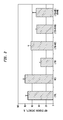
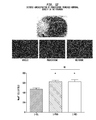
- NES was found to be significantly more potent than PROG, as NES at 20 ⁇ M was as active as PROG at 50 ⁇ M ( Fig. 1 ).
- PR intracellular progesterone receptor
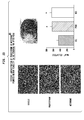
- cerebellar slices were cultured until myelination was complete, then incubated overnight with lysolecithin (LYSO) to produce demyelination utilizing a known technique, (15) followed by 3 days of incubation with NES 20 ⁇ M in fresh culture medium (10% penetration in slices). Slices were immunostained for MBP. As shown in Fig. 1 , NES produced remyelination. MBP staining intensity was measured in cerebellar slices after completion of normal myelination, after demyelination with lysolecithin, and after 3 days of incubation with NES at 20 ⁇ M, RU486 at 10 ⁇ M, or NES + RU486.
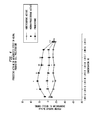
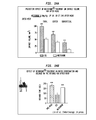
- NES-stimulated remyelination of lysolecithin-demyelinated cerebellar slices may involve the classic progesterone receptor (PR), as RU486 appeared to inhibit NES activity in this model ( Fig. 2 ).
- PR progesterone receptor
- NES myelination/remyelination action of NES may be mediated by the progesterone receptors (PR).
- PR progesterone receptors
- NES and other progestins have also been evaluated.
- LDH was measured, as a well-accepted assay, to determine such effect after exposure of the cells to glutamate, and the neuronal viability was assessed under the action of various progestins.
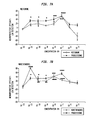
- Fig 5 shows that three progestins have comparable effect to progesterone and at 10 -7M NES, and PROG exerted the higher efficacy while LNG, an androgenic progestin, was more active than PROG at lower doses.
- NPC neural progenitor cell
- BrdU 5-Bromo-2-deoxiuridine
- ELISA chemiluminescence enzyme-linked immunosorbant assay
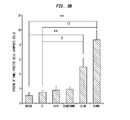
- Norethindrone was less effective than progesterone and levonorgestrel and norethindrone acetate exerted minimal or no effect on proliferation while medroxyprogesterone acetate (MPA) significantly inhibited proliferation at multiple concentrations.
- MPA medroxyprogesterone acetate
- NE (V sample -V glutamate )/(V subcontrol -V glutamate ).
- Nestorone® induced comparable neuroprotective efficacy to that of progesterone. Norethyndrel was more potent than progesterone at minimal effective concentrations while levonorgestrel showed comparable efficacy to progesterone. Norgestimate was found to be less potent than progesterone, as were both MPA and norethindrone.
- MCA middle cerebral artery
- a nylon monofilament coated with thermo-melting glue was introduced through an arteriotomy performed on the external carotid artery and advanced into the internal carotid artery. Occlusion of the MCA was controlled by monitoring the cerebral blood flow within the MCA territory by laser Doppler flowmetry. The filament was withdrawn one hour after occlusion to allow reperfusion, and the common carotid artery ligature was also removed.
- mice were randomly and blindly assigned to either progesterone, allopregnanolone or Nestorone®, or vehicle-treated (sesame oil; sigma). All of the steroids were initially dissolved in a small volume of ethanol and further diluted in sesame oil to obtain the desired final steroid concentrations. Injections were given interperitoneally (IP) at 1, 6, and 24 hours after MCA occlusion (MCAO) according to established neuroprotective protocols. Treated mice were killed at 48 hours after MCAO.
- IP interperitoneally
- MCAO MCA occlusion
- the Nestorone® treatments reduced the total infarct volume by 32%, the ischemic lesions in cerebral cortex and in subcortical structures, respectively, by 22% and 52%, and increased the time PR +/+ mice remained on the rotarod by 33%.
- the present invention provides a method of stimulating neuroregeneration and possibly inhibiting and reversing neurodegenerative disorders such as MS or AD, as well as stroke or TBI.
- the proposed method comprises reversing the myelin degeneration with a dose of NES in the range of about 100 to 450 ⁇ g per day administered either by a vaginal ring or in a vaginal gel alone or in association with estradiol.
- NES or a progestin without androgenic or glucocorticoid properties, is administered to postmenopausal women who receive low doses of estrogen as hormone therapy and a possible prevention of neurodegeneration.
- the present invention pertains to the discovery that NES is more active than progesterone to stimulate progenitor neuronal cells as well as the regeneration of myelin.
- a further core aspect of the invention is that agents capable of binding to the progesterone receptors and inducing PR-induced biological responses, would be effective in preventing or reversing neurodegeneration, for women in reproductive age as well as postmenopausal, women.
- Nestorone® refers to a 19-norprogesterone derivative that exerts a potent progestational and antiovulatory action and does not carry androgenic or estrogenic or glucocorticoid actions at therapeutic levels (16). In particular, it refers to 16-methylene-17 ⁇ -acetoxy-19-norpregn-4-ene-3,20-dione, which was formerly referred to as ST1435.
- DDU refers to daily dosage units wherein the DDU is in oral formulation for other 19-norprogesterone derivatives that are active orally (not NES), or in a vaginal (gel or ring) or transdermal formulation (gel, spray), or as a nasal spray.
- transceptive agent refers to medications administered in order to prevent or reduce the likelihood of pregnancy.
- the present invention is based on the fact that progesterone stimulates myelin repair. These effects are mediated by progesterone receptors (PR).
- PR progesterone receptors
- the present invention reveals that NES is more active than PROG and can regenerate myelin at doses that also exert contraceptive efficacy.
- the present invention also reveals that progenitor cells of neuronal tissue proliferate when cultured with progesterone and moreover with NES at lower doses indicating a higher activity.
- progesterone and some progestins stimulate progenitor cell proliferation.
- NES and also norgestimate (a non-androgenic gonane) and norethynodrel (an estrane progestin with estrogenic activity) stimulate progenitor cell proliferation.
- norgestimate a non-androgenic gonane
- norethynodrel an estrane progestin with estrogenic activity
- the methods of treating neurodegeneration or myelination which are disclosed in this application are particularly useful in the form of a non-oral dosage form of a specified progestin, such as Nestorone®, either alone or in combination with an estrogen, such as estradiol.
- a specified progestin such as Nestorone®
- an estrogen such as estradiol.
- This composition is used in the form of a transdermal product, such as a gel, solution, transdermal or nasal spray, or patch, or in the form of a vaginal ring, which can thus be used by a patient to reduce neurodegeneration and when combined with the estrogen, to also be used for contraception and/or hormone replacement therapy.
Landscapes
- Health & Medical Sciences (AREA)
- Public Health (AREA)
- Life Sciences & Earth Sciences (AREA)
- Pharmacology & Pharmacy (AREA)
- General Health & Medical Sciences (AREA)
- Medicinal Chemistry (AREA)
- Animal Behavior & Ethology (AREA)
- Chemical & Material Sciences (AREA)
- Veterinary Medicine (AREA)
- Epidemiology (AREA)
- Neurosurgery (AREA)
- Neurology (AREA)
- Biomedical Technology (AREA)
- Bioinformatics & Cheminformatics (AREA)
- Engineering & Computer Science (AREA)
- Organic Chemistry (AREA)
- Nuclear Medicine, Radiotherapy & Molecular Imaging (AREA)
- General Chemical & Material Sciences (AREA)
- Chemical Kinetics & Catalysis (AREA)
- Hospice & Palliative Care (AREA)
- Psychiatry (AREA)
- Psychology (AREA)
- Pharmaceuticals Containing Other Organic And Inorganic Compounds (AREA)
- Medicinal Preparation (AREA)
Applications Claiming Priority (1)
| Application Number | Priority Date | Filing Date | Title |
|---|---|---|---|
| US13/725,064 US9446051B2 (en) | 2009-10-19 | 2012-12-21 | Neuroprotection and myelin repair using nestorone® |
Publications (1)
| Publication Number | Publication Date |
|---|---|
| EP2745847A1 true EP2745847A1 (de) | 2014-06-25 |
Family
ID=49882925
Family Applications (1)
| Application Number | Title | Priority Date | Filing Date |
|---|---|---|---|
| EP13199399.0A Withdrawn EP2745847A1 (de) | 2012-12-21 | 2013-12-23 | Progestins zur Vorbeugung oder Verminderung von Neurodegeneration oder ischämischem Schädingungen |
Country Status (4)
| Country | Link |
|---|---|
| EP (1) | EP2745847A1 (de) |
| JP (1) | JP2015083557A (de) |
| CA (1) | CA2836388A1 (de) |
| MX (1) | MX2013015310A (de) |
Cited By (1)
| Publication number | Priority date | Publication date | Assignee | Title |
|---|---|---|---|---|
| WO2019075362A1 (en) * | 2017-10-12 | 2019-04-18 | Sage Therapeutics, Inc. | METHOD OF TREATING CENTRAL NERVOUS SYSTEM DISORDERS WITH NEUROSTEROIDS AND GABAERGIC COMPOUNDS |
Citations (7)
| Publication number | Priority date | Publication date | Assignee | Title |
|---|---|---|---|---|
| US3710795A (en) | 1970-09-29 | 1973-01-16 | Alza Corp | Drug-delivery device with stretched, rate-controlling membrane |
| WO2003097071A1 (en) * | 2002-05-17 | 2003-11-27 | Wyeth | Hormone replacement therapy using a combination of conjugated estrogens and trimegestone |
| US20040087563A1 (en) * | 2002-11-05 | 2004-05-06 | Siegfried Mayerhofer | Hormone replacement therapy with cardiovascular protection using antialdosteronic progestins |
| US20060205704A1 (en) * | 2005-03-04 | 2006-09-14 | Alsgen, Llc | Modulation of neurodegenerative diseases through the progesterone receptor |
| WO2011049948A2 (en) * | 2009-10-19 | 2011-04-28 | The Population Council, Inc. | Neuroprotection and myelin repair using nestorone® |
| CN102657661A (zh) * | 2012-04-15 | 2012-09-12 | 温州医学院 | Nestorone在制备治疗阿尔茨海默病的药物用途 |
| CN102688247A (zh) * | 2012-04-15 | 2012-09-26 | 温州医学院 | Nestorone在制备治疗帕金森氏病的药物用途 |
-
2013
- 2013-12-11 CA CA2836388A patent/CA2836388A1/en not_active Abandoned
- 2013-12-12 JP JP2013256827A patent/JP2015083557A/ja active Pending
- 2013-12-19 MX MX2013015310A patent/MX2013015310A/es unknown
- 2013-12-23 EP EP13199399.0A patent/EP2745847A1/de not_active Withdrawn
Patent Citations (7)
| Publication number | Priority date | Publication date | Assignee | Title |
|---|---|---|---|---|
| US3710795A (en) | 1970-09-29 | 1973-01-16 | Alza Corp | Drug-delivery device with stretched, rate-controlling membrane |
| WO2003097071A1 (en) * | 2002-05-17 | 2003-11-27 | Wyeth | Hormone replacement therapy using a combination of conjugated estrogens and trimegestone |
| US20040087563A1 (en) * | 2002-11-05 | 2004-05-06 | Siegfried Mayerhofer | Hormone replacement therapy with cardiovascular protection using antialdosteronic progestins |
| US20060205704A1 (en) * | 2005-03-04 | 2006-09-14 | Alsgen, Llc | Modulation of neurodegenerative diseases through the progesterone receptor |
| WO2011049948A2 (en) * | 2009-10-19 | 2011-04-28 | The Population Council, Inc. | Neuroprotection and myelin repair using nestorone® |
| CN102657661A (zh) * | 2012-04-15 | 2012-09-12 | 温州医学院 | Nestorone在制备治疗阿尔茨海默病的药物用途 |
| CN102688247A (zh) * | 2012-04-15 | 2012-09-26 | 温州医学院 | Nestorone在制备治疗帕金森氏病的药物用途 |
Non-Patent Citations (36)
| Title |
|---|
| "Avery's Drug Treatment Principles and Practice of Clinical Pharmacology and Therapeutics", 1987, ADIS PRESS LTD., WILLIAMS & WILKINS |
| "Goodman and Gilman's The Pharmacological Basis of Therapeutics", 1990, PERGAMEN PRESS INC. |
| "Progestone Receptors: A Key For Neuroprotection In Experimental Stroke", ENDOCRINOLOGY, vol. 153, no. 8, August 2012 (2012-08-01), pages 1 - 11 |
| "The Merck Manual", 1992, MERCK & CO. |
| ALPHONZO R. GENARO: "Remington's Pharmaceutical Services", 1985, MACK PUBLISHING COMPANY |
| BIRGBAUER E; RAO TS; WEBB M: "Lysolecithin induces demyelination in vitro in a cerebellar slice culture system", J.NEUROSCI.RES., vol. 78, no. 2, 2004, pages 157 - 66 |
| BRINTON RD; THOMPSON RF; FOY MR; BAUDRY M; WANG J; FINCH CE; MORGAN DE; PIKE CJ; MACK WJ; STANCZYK FC: "Progesterone receptors: form and function in the brain", FRONT NEUROENDOCRINAL, vol. 29, 2008, pages 313 - 339 |
| CHIEN ET AL., J. PHARM. SCI., vol. 63, 1974, pages 365 |
| CONFAVREUX C; AIMARD G; DEVIC M: "Course and prognosis of multiple sclerosis assessed by the computerized data processing of 349 patients", BRAIN, vol. 103, no. 2, 1980, pages 281 - 300 |
| CONFAVREUX C; HUTCHINSON M; HOURS MM; CORTINOVIS-TOURNIAIRE P; MOREAU T: "Rate of pregnancy-related relapse in multiple sclerosis. Pregnancy in Multiple Sclerosis Group", N.ENGL.J.MED., vol. 339, no. 5, 1998, pages 285 - 91 |
| CONFAVREUX C; VUKUSIC S: "Natural history of multiple sclerosis: a unifying concept", BRAIN, vol. 129, 2006, pages 606 - 16 |
| DUTTA R; TRAPP BD: "Pathogenesis of axonal and neuronal damage in multiple sclerosis", NEUROLOGY, vol. 68, no. 22, 2007, pages S22 - S31 |
| EBADI: "Pharmacology, Little", 1985, BROWN & CO. |
| GHOUMARI AM; BAULIEU EE; SCHUMACHER M: "Progesterone increases oligodendroglial cell proliferation in rat cerebellar slice cultures", NEUROSCIENCE, vol. 135, no. 1, 2005, pages 47 - 588 |
| GHOUMARI AM; IBANEZ C; EL ETR M; LECLERC P; EYCHENNE B; O'MALLEY BW; BAULIEU EE; SCHUMACHER M: "Progesterone and its metabolites increase myelin basic protein expression in organotypic slice cultures of rat cerebellum", J.NEUROCHEM., vol. 86, no. 4, 2003, pages 848 - 59 |
| GIBSON L; GRAY LJ; BATH PM; MURPHY SP: "Progesterone for the treatment of experimental brain injury; a systematic review", BRAIN, vol. 131, 2008, pages 318 - 328 |
| HOLMQVIST P; WALLBERG M; HAMMAR M; LANDTBLOM AM; BRYNHILDSEN J.: "Symptoms of multiple sclerosis in women in relation to sex steroid exposure", MATURITAS, vol. 54, no. 2, 20 May 2006 (2006-05-20), pages 149 - 53 |
| HUSSAIN RASHAD ET AL: "Progesterone and Nestorone Facilitate Axon Remyelination: A Role for Progesterone Receptors", ENDOCRINOLOGY, vol. 152, no. 10, October 2011 (2011-10-01), pages 3820 - 3831, XP055106124, ISSN: 0013-7227, DOI: 10.1210/en.2011-1219 * |
| IRVINE KA; BLAKEMORE WF: "Remyelination protects axons from demyelination- associated axon degeneration", BRAIN, vol. 131, 2008, pages 1464 - 77 |
| KATZUNG: "Basic and Clinical Pharmacology", 1992, APPLETON & LANG |
| KORNEK B; STORCH MK; WEISSERT R; WALLSTROEM E; STEFFERL A; OLSSON T; LININGTON C; SCHMIDBAUER M; LASSMANN H: "Multiple sclerosis and chronic autoimmune encephalomyelitis: a comparative quantitative study of axonal injury in active, inactive, and remyelinated lesions", AM.J PATHOL., vol. 157, no. 1, 2000, pages 267 - 76 |
| KUMAR N; KOIDE SS; TSONG Y; SUNDARAM K: "Nestorone: a progestin with a unique pharmacological profile", STEROIDS, vol. 65, no. 10-11, 2000, pages 629 - 36 |
| LIU AILING ET AL: "Progesterone Receptors: A Key for Neuroprotection in Experimental Stroke", ENDOCRINOLOGY, vol. 153, no. 8, August 2012 (2012-08-01), pages 3747 - 3757, XP055106120, ISSN: 0013-7227, DOI: 10.1210/en.2012-1138 * |
| LIU L; WANG J; ZHAO L; NILSEN J; MCCLURE K; WONG K; BRINTON RD: "Progesterone increases rat neural progenitor cell cycle gene expression and proliferation via extracellularly regulated kinase and progesterone receptor membrane components 1 and 2", ENDOCRINOLOGY, vol. 150, no. 7, 1 July 2009 (2009-07-01), pages 3186 - 96 |
| LIU LIFEI ET AL: "Clinically Relevant Progestins Regulate Neurogenic and Neuroprotective Responses in Vitro and in Vivo", ENDOCRINOLOGY, THE ENDOCRINE SOCIETY, US, vol. 151, no. 12, December 2010 (2010-12-01), pages 5782 - 5794, XP008131261, ISSN: 0013-7227, DOI: 10.1210/EN.2010-0005 * |
| NILSEN J; BRINTON RD: "Impact of progestins on estrogen-induced neuroprotection: synergy by progesterone and 19-norprogesterone and antagonism by medroxyprogesterone acetate", ENDOCRINOLOGY, vol. 143, no. 1, 2002, pages 205 - 12 |
| PATANI R; BALARATNAM M; VORA A; REYNOLDS R: "Remyelination can be extensive in multiple sclerosis despite a long disease course", NEUROPATHOL.APPL.NEUROBIOL., vol. 33, no. 3, 2007, pages 277 - 87 |
| PATRIKIOS P; STADELMANN C; KUTZELNIGG A; RAUSCHKA H; SCHMIDBAUER M; LAURSEN H; SORENSEN PS; BRUCK W; LUCCHINETTI C; LASSMANN H: "Remyelination is extensive in a subset of multiple sclerosis patients", BRAIN, vol. 129, 2006, pages 3165 - 72 |
| PUGLIATTI M; ROSATI G; CARTON H; RIISE T; DRULOVIC J; VECSEI L; MILANOV I: "The epidemiology of multiple sclerosis in Europe", EUR.J.NEUROL., vol. 13, no. 7, 2006, pages 700 - 22 |
| SAYEED I; WALI B; STEIN DG: "Progesterone inhibits ischemic brain injury in a rat model of permanent middle cerebral artery occlusion", RESTOR. NEUROSCI., vol. 24, 2007, pages 151 - 159 |
| SAYEED J.; PARVEY S.; WALI B.; SIEMEN D.; STEIN, D.G.: "Direct inhibition of the mitochondrial permeability transection pore: a possible mechanism for better neuroprotective effects of allopregnanolone over progesterone", BRAIN RES., vol. 1263, 2009, pages 165 - 173 |
| SAYEED T.; GUO Q.; HOFFMANS.W.; STEIN D.G.: "Allopregnanolone, a progesterone metabolite is more effective than progesterone in reducing cortical infarct volume after transient middle cerebral artery occlusion", ANN. EMERG. MED., vol. 47, 2006, pages 381 - 389 |
| SCHUMACHER M ET AL: "Progesterone and progestins: neuroprotection and myelin repair", CURRENT OPINION IN PHARMACOLOGY, ELSEVIER SCIENCE PUBLISHERS, NL, vol. 8, no. 6, December 2008 (2008-12-01), pages 740 - 746, XP025669940, ISSN: 1471-4892, [retrieved on 20081106], DOI: 10.1016/J.COPH.2008.10.002 * |
| SITRUK-WARE R: "New progestagens for contraceptive use", HUM.REPROD.UPDATE, vol. 12, no. 2, 2006, pages 169 - 78 |
| STEIN ET AL: "Progesterone exerts neuroprotective effects after brain injury", BRAIN RESEARCH REVIEWS, ELSEVIER, NL, vol. 57, no. 2, 14 March 2008 (2008-03-14), pages 386 - 397, XP022540464, ISSN: 0165-0173, DOI: 10.1016/J.BRAINRESREV.2007.06.012 * |
| WANG JM; LIU L; IRWIN RW; CHEN S; BRINTON RD: "Regenerative potential of allopregnanolone", BRAIN RES. REV., vol. 57, 2008, pages 398 - 409 |
Cited By (1)
| Publication number | Priority date | Publication date | Assignee | Title |
|---|---|---|---|---|
| WO2019075362A1 (en) * | 2017-10-12 | 2019-04-18 | Sage Therapeutics, Inc. | METHOD OF TREATING CENTRAL NERVOUS SYSTEM DISORDERS WITH NEUROSTEROIDS AND GABAERGIC COMPOUNDS |
Also Published As
| Publication number | Publication date |
|---|---|
| MX2013015310A (es) | 2014-11-04 |
| CA2836388A1 (en) | 2014-06-21 |
| JP2015083557A (ja) | 2015-04-30 |
Similar Documents
| Publication | Publication Date | Title |
|---|---|---|
| EP2490680B1 (de) | Nervenschutz und myleinreparatur mit nestoron® | |
| Del Río et al. | Steroid hormones and their action in women's brains: the importance of hormonal balance | |
| Sitruk-Ware et al. | The use of newer progestins for contraception | |
| Stein et al. | Does progesterone have neuroprotective properties? | |
| Sitruk-Ware | Progestogens in hormonal replacement therapy: new molecules, risks, and benefits | |
| Gold et al. | Estrogen treatment in multiple sclerosis | |
| Jabiry-Zieniewicz et al. | Low-dose hormonal contraception after liver transplantation | |
| ME01123B (me) | Režim doziranja antiprogestina | |
| KR20090067198A (ko) | 자궁내막 증식을 억제하는 조성물과 방법 | |
| Mu et al. | Using estrogen and progesterone to treat premenstrual dysphoric disorder, postnatal depression and menopausal depression | |
| Rapkin et al. | Oral contraceptives and neuroactive steroids | |
| US9446051B2 (en) | Neuroprotection and myelin repair using nestorone® | |
| Levin et al. | Estrogens and progestins | |
| EP2745847A1 (de) | Progestins zur Vorbeugung oder Verminderung von Neurodegeneration oder ischämischem Schädingungen | |
| US9364488B2 (en) | Myelin regeneration with androgens | |
| Noori et al. | Effects of estrogen and progesterone used in oral contraceptive pills: A review | |
| Sitruk-Ware | Hormone therapy and the cardiovascular system: the critical role of progestins | |
| Sitruk-Ware et al. | Patent: Neuroprotection and myelin repair using Nestorone® | |
| BR102013033185A2 (pt) | método de tratamento de neurodegeneração e de dano isquêmico em um paciente | |
| Sherwin | Hormones, the brain, and me. | |
| Creinin et al. | Reproduction and Hormonal Contraception | |
| Rozenberg | Clinical evidence supporting the rationale for constant oestrogen, intermittent progestogen hormone replacement therapy | |
| Bulun et al. | Medical therapies: aromatase inhibitors | |
| US20210046085A1 (en) | Treatment of advanced estrogen receptor positive breast cancer | |
| US20210386757A1 (en) | Methods of Treating Menopausal Symptoms Using Low Dose Progesterone |
Legal Events
| Date | Code | Title | Description |
|---|---|---|---|
| PUAI | Public reference made under article 153(3) epc to a published international application that has entered the european phase |
Free format text: ORIGINAL CODE: 0009012 |
|
| 17P | Request for examination filed |
Effective date: 20131223 |
|
| AK | Designated contracting states |
Kind code of ref document: A1 Designated state(s): AL AT BE BG CH CY CZ DE DK EE ES FI FR GB GR HR HU IE IS IT LI LT LU LV MC MK MT NL NO PL PT RO RS SE SI SK SM TR |
|
| AX | Request for extension of the european patent |
Extension state: BA ME |
|
| R17P | Request for examination filed (corrected) |
Effective date: 20141223 |
|
| 17Q | First examination report despatched |
Effective date: 20160208 |
|
| STAA | Information on the status of an ep patent application or granted ep patent |
Free format text: STATUS: THE APPLICATION IS DEEMED TO BE WITHDRAWN |
|
| 18D | Application deemed to be withdrawn |
Effective date: 20160819 |