EP2799088A2 - Faktor-VIII-Polymer-Konjugate - Google Patents
Faktor-VIII-Polymer-Konjugate Download PDFInfo
- Publication number
- EP2799088A2 EP2799088A2 EP14178827.3A EP14178827A EP2799088A2 EP 2799088 A2 EP2799088 A2 EP 2799088A2 EP 14178827 A EP14178827 A EP 14178827A EP 2799088 A2 EP2799088 A2 EP 2799088A2
- Authority
- EP
- European Patent Office
- Prior art keywords
- composition
- fviii
- factor viii
- soluble polymer
- water soluble
- Prior art date
- Legal status (The legal status is an assumption and is not a legal conclusion. Google has not performed a legal analysis and makes no representation as to the accuracy of the status listed.)
- Granted
Links
- HTHSIXDWFKZUGO-UHFFFAOYSA-N O=CON(C(CC1)=O)C1=O Chemical compound O=CON(C(CC1)=O)C1=O HTHSIXDWFKZUGO-UHFFFAOYSA-N 0.000 description 1
Images



Classifications
-
- C—CHEMISTRY; METALLURGY
- C07—ORGANIC CHEMISTRY
- C07K—PEPTIDES
- C07K14/00—Peptides having more than 20 amino acids; Gastrins; Somatostatins; Melanotropins; Derivatives thereof
- C07K14/435—Peptides having more than 20 amino acids; Gastrins; Somatostatins; Melanotropins; Derivatives thereof from animals; from humans
- C07K14/745—Blood coagulation or fibrinolysis factors
- C07K14/755—Factors VIII, e.g. factor VIII C (AHF), factor VIII Ag (VWF)
-
- A—HUMAN NECESSITIES
- A61—MEDICAL OR VETERINARY SCIENCE; HYGIENE
- A61K—PREPARATIONS FOR MEDICAL, DENTAL OR TOILETRY PURPOSES
- A61K38/00—Medicinal preparations containing peptides
- A61K38/16—Peptides having more than 20 amino acids; Gastrins; Somatostatins; Melanotropins; Derivatives thereof
- A61K38/17—Peptides having more than 20 amino acids; Gastrins; Somatostatins; Melanotropins; Derivatives thereof from animals; from humans
- A61K38/36—Blood coagulation or fibrinolysis factors
- A61K38/37—Factors VIII
-
- A—HUMAN NECESSITIES
- A61—MEDICAL OR VETERINARY SCIENCE; HYGIENE
- A61K—PREPARATIONS FOR MEDICAL, DENTAL OR TOILETRY PURPOSES
- A61K47/00—Medicinal preparations characterised by the non-active ingredients used, e.g. carriers or inert additives; Targeting or modifying agents chemically bound to the active ingredient
- A61K47/50—Medicinal preparations characterised by the non-active ingredients used, e.g. carriers or inert additives; Targeting or modifying agents chemically bound to the active ingredient the non-active ingredient being chemically bound to the active ingredient, e.g. polymer-drug conjugates
- A61K47/51—Medicinal preparations characterised by the non-active ingredients used, e.g. carriers or inert additives; Targeting or modifying agents chemically bound to the active ingredient the non-active ingredient being chemically bound to the active ingredient, e.g. polymer-drug conjugates the non-active ingredient being a modifying agent
- A61K47/56—Medicinal preparations characterised by the non-active ingredients used, e.g. carriers or inert additives; Targeting or modifying agents chemically bound to the active ingredient the non-active ingredient being chemically bound to the active ingredient, e.g. polymer-drug conjugates the non-active ingredient being a modifying agent the modifying agent being an organic macromolecular compound, e.g. an oligomeric, polymeric or dendrimeric molecule
- A61K47/59—Medicinal preparations characterised by the non-active ingredients used, e.g. carriers or inert additives; Targeting or modifying agents chemically bound to the active ingredient the non-active ingredient being chemically bound to the active ingredient, e.g. polymer-drug conjugates the non-active ingredient being a modifying agent the modifying agent being an organic macromolecular compound, e.g. an oligomeric, polymeric or dendrimeric molecule obtained otherwise than by reactions only involving carbon-to-carbon unsaturated bonds, e.g. polyureas or polyurethanes
- A61K47/60—Medicinal preparations characterised by the non-active ingredients used, e.g. carriers or inert additives; Targeting or modifying agents chemically bound to the active ingredient the non-active ingredient being chemically bound to the active ingredient, e.g. polymer-drug conjugates the non-active ingredient being a modifying agent the modifying agent being an organic macromolecular compound, e.g. an oligomeric, polymeric or dendrimeric molecule obtained otherwise than by reactions only involving carbon-to-carbon unsaturated bonds, e.g. polyureas or polyurethanes the organic macromolecular compound being a polyoxyalkylene oligomer, polymer or dendrimer, e.g. PEG, PPG, PEO or polyglycerol
-
- A—HUMAN NECESSITIES
- A61—MEDICAL OR VETERINARY SCIENCE; HYGIENE
- A61K—PREPARATIONS FOR MEDICAL, DENTAL OR TOILETRY PURPOSES
- A61K47/00—Medicinal preparations characterised by the non-active ingredients used, e.g. carriers or inert additives; Targeting or modifying agents chemically bound to the active ingredient
- A61K47/50—Medicinal preparations characterised by the non-active ingredients used, e.g. carriers or inert additives; Targeting or modifying agents chemically bound to the active ingredient the non-active ingredient being chemically bound to the active ingredient, e.g. polymer-drug conjugates
-
- A—HUMAN NECESSITIES
- A61—MEDICAL OR VETERINARY SCIENCE; HYGIENE
- A61K—PREPARATIONS FOR MEDICAL, DENTAL OR TOILETRY PURPOSES
- A61K38/00—Medicinal preparations containing peptides
- A61K38/16—Peptides having more than 20 amino acids; Gastrins; Somatostatins; Melanotropins; Derivatives thereof
- A61K38/17—Peptides having more than 20 amino acids; Gastrins; Somatostatins; Melanotropins; Derivatives thereof from animals; from humans
- A61K38/18—Growth factors; Growth regulators
-
- A—HUMAN NECESSITIES
- A61—MEDICAL OR VETERINARY SCIENCE; HYGIENE
- A61K—PREPARATIONS FOR MEDICAL, DENTAL OR TOILETRY PURPOSES
- A61K47/00—Medicinal preparations characterised by the non-active ingredients used, e.g. carriers or inert additives; Targeting or modifying agents chemically bound to the active ingredient
- A61K47/50—Medicinal preparations characterised by the non-active ingredients used, e.g. carriers or inert additives; Targeting or modifying agents chemically bound to the active ingredient the non-active ingredient being chemically bound to the active ingredient, e.g. polymer-drug conjugates
- A61K47/51—Medicinal preparations characterised by the non-active ingredients used, e.g. carriers or inert additives; Targeting or modifying agents chemically bound to the active ingredient the non-active ingredient being chemically bound to the active ingredient, e.g. polymer-drug conjugates the non-active ingredient being a modifying agent
- A61K47/56—Medicinal preparations characterised by the non-active ingredients used, e.g. carriers or inert additives; Targeting or modifying agents chemically bound to the active ingredient the non-active ingredient being chemically bound to the active ingredient, e.g. polymer-drug conjugates the non-active ingredient being a modifying agent the modifying agent being an organic macromolecular compound, e.g. an oligomeric, polymeric or dendrimeric molecule
- A61K47/61—Medicinal preparations characterised by the non-active ingredients used, e.g. carriers or inert additives; Targeting or modifying agents chemically bound to the active ingredient the non-active ingredient being chemically bound to the active ingredient, e.g. polymer-drug conjugates the non-active ingredient being a modifying agent the modifying agent being an organic macromolecular compound, e.g. an oligomeric, polymeric or dendrimeric molecule the organic macromolecular compound being a polysaccharide or a derivative thereof
-
- A—HUMAN NECESSITIES
- A61—MEDICAL OR VETERINARY SCIENCE; HYGIENE
- A61P—SPECIFIC THERAPEUTIC ACTIVITY OF CHEMICAL COMPOUNDS OR MEDICINAL PREPARATIONS
- A61P7/00—Drugs for disorders of the blood or the extracellular fluid
-
- A—HUMAN NECESSITIES
- A61—MEDICAL OR VETERINARY SCIENCE; HYGIENE
- A61P—SPECIFIC THERAPEUTIC ACTIVITY OF CHEMICAL COMPOUNDS OR MEDICINAL PREPARATIONS
- A61P7/00—Drugs for disorders of the blood or the extracellular fluid
- A61P7/04—Antihaemorrhagics; Procoagulants; Haemostatic agents; Antifibrinolytic agents
-
- C—CHEMISTRY; METALLURGY
- C07—ORGANIC CHEMISTRY
- C07K—PEPTIDES
- C07K14/00—Peptides having more than 20 amino acids; Gastrins; Somatostatins; Melanotropins; Derivatives thereof
- C07K14/435—Peptides having more than 20 amino acids; Gastrins; Somatostatins; Melanotropins; Derivatives thereof from animals; from humans
- C07K14/745—Blood coagulation or fibrinolysis factors
-
- A—HUMAN NECESSITIES
- A61—MEDICAL OR VETERINARY SCIENCE; HYGIENE
- A61K—PREPARATIONS FOR MEDICAL, DENTAL OR TOILETRY PURPOSES
- A61K38/00—Medicinal preparations containing peptides
Definitions
- the present invention relates to a proteinaceous construct comprising coagulation factor VIII (FVIII) being bound to at least one water soluble polymer, including a poly(alkylene oxide) such as polyethylene glycol. Further the present invention relates to methods for prolonging the in vivo-half-life of FVIII in the blood of a mammal having a bleeding disorder associated with functional defects or deficiencies of FVIII.
- FVIII coagulation factor VIII
- Coagulation factor VIII (FVIII) circulates in plasma at a very low concentration and is bound non-covalently to von Willebrand factor (VWF). During hemostasis, FVIII is separated from VWF and acts as a cofactor for activated factor IX (FIXa)-mediated factor X (FX) activation by enhancing the rate of activation in the presence of calcium and phospholipids or cellular membranes.
- FVIII is synthesized as a single-chain precursor of approximately 270-330 kD with the domain structure A1-A2-B-A3-C1-C2.
- FVIII is composed of a heavy chain (A1-A2-B) and a light chain (A3-C1-C2).
- the molecular mass of the light chain is 80 kD whereas, due to proteolysis within the B domain, the heavy chain is in the range of 90-220 kD.
- FVIII is also synthesized as a recombinant protein for therapeutic use in bleeding disorders.
- Various in vitro assays have been devised to determine the potential efficacy of recombinant FVIII (rFVIII) as a therapeutic medicine. These assays mimic the in vivo effects of endogenous FVIII.
- In vitro thrombin treatment of FVIII results in a rapid increase and subsequent decrease in its procoagulant activity, as measured by in vitro assay. This activation and inactivation coincides with specific limited proteolysis both in the heavy and the light chains, which alter the availability of different binding epitopes in FVIII, e.g. allowing FVIII to dissociate from VWF and bind to a phospholipid surface or altering the binding ability to certain monoclonal antibodies.
- the lack or dysfunction of FVIII is associated with the most frequent bleeding disorder, hemophilia A.
- the treatment of choice for the management of hemophilia A is replacement therapy with plasma derived or rFVIII concentrates. Patients with severe haemophilia A with FVIII levels below 1%, are generally on prophylactic therapy with the aim of keeping FVIII above 1% between doses. Taking into account the average half-lives of the various FVIII products in the circulation, this can usually be achieved by giving FVIII two to three times a week.
- the aim of many manufacturers of FVIII concentrates and therapeutic polypeptide drugs is to develop a next generation product with enhanced pharmacodynamic and pharmacokinetic properties, while maintaining all other product characteristics.
- Therapeutic polypeptide drugs are rapidly degraded by proteolytic enzymes and neutralized by antibodies. This reduces their half-life and circulation time, thereby limiting their therapeutic effectiveness.
- the addition of a soluble polymer or carbohydrate to a polypeptide has been shown to prevent degradation and increase the polypeptides half-life.
- PEGylation of polypeptide drugs protects them and improves their pharmacodynamic and pharmacokinetic profiles ( Harris J M et Chess R B, Nat Rev Drug Discov 2003;2:214-21 ).
- the PEGylation process attaches repeating units of polyethylene glycol (PEG) to a polypeptide drug.
- PEGylation of molecules can lead to increased resistance of drugs to enzymatic degradation, increased half-life in vivo, reduced dosing frequency, decreased immunogenicity, increased physical and thermal stability, increased solubility, increased liquid stability, and reduced aggregation.
- U.S. Pat. No. 6,037,452 describes a poly(alkylene oxide)-FVIII or FIX conjugate, where the protein is covalently bound to a poly(alkylene oxide) through carbonyl-groups of said FVIII.
- EP1258497B1 describes a method to prepare conjugates of FVIII and a biocompatible polymer. This patent was supplemented by a publication of Röstin et al. (Bioconj Chem 2000;11:387-96 ).
- the conjugates comprise a B-domain deleted recombinant FVIII modified with monomethoxy polyethylene glycol. The conjugate had reduced FVIII function and the coagulant activity decreased rapidly with the degree of modification.
- WO04075923A3 describes polymer-FVIII molecular conjugate comprising a plurality of conjugates wherein each conjugate has one to three water soluble polymers covalently attached to an FVIII molecule.
- the FVIII molecule is B-domain-deleted.
- U.S. Pat. No. 4,970,300 describes a modified FVIII, wherein an infusible conjugate comprising a protein having FVIII activity was covalently linked to a nonantigenic ligand.
- U.S. Pat. No. 6,048,720 describes conjugates of a polypeptide and a biocompatible polymer.
- WO94/15625 describes FVIII bound to polyethylene glycol having a preferred molecular weight of no greater than 5,000 Daltons.
- an FVIII having an attached soluble polymer to extend the half-life of the FVIII in vivo, for example, a PEGylated FVIII, such as full-length FVIII having PEG greater than 10,000 Daltons conjugated thereto, which retains functional activity while providing an extended half-life in vivo, as compared to non-PEGylated FVIII.
- the present invention relates to a proteinaceous construct comprising a Factor VIII molecule which is conjugated to a water-soluble polymer via carbohydrate moieties of Factor VIII, and methods of preparing same.
- a method of conjugating a water soluble polymer to an oxidized carbohydrate moiety of FVIII comprising contacting the oxidized carbohydrate moiety with an activated water soluble polymer under conditions that allow conjugation.
- the water soluble polymer is selected from the group consisting of PEG, PSA and dextran.
- the activated water soluble polymer is selected from the group consisting of PEG-hydrazide, PSA-hydrazine and aldehyde-activated dextran.
- the carbohydrate moiety is oxidized by incubation in a buffer comprising NaIO 4 .
- the oxidized carbohydrate moiety of FVIII is located in the B domain of FVIII.
- a modified FVIII produced by the method according to any of the aforementioned methods is provided.
- a proteinaceous construct comprising (a) a Factor VIII molecule; and (b) at least one water soluble polymer bound to said Factor VIII molecule, wherein the water soluble polymer is attached to the Factor VIII via one or more carbohydrate moieties located in the B domain Factor VIII.
- the water soluble polymer is selected from the group consisting of PEG, PSA and dextran.
- the invention is a proteinaceous construct comprising an FVIII molecule having at least a portion of the B domain intact, bound to a water-soluble polymer which include, a polyalkylene oxide, polyvinyl pyrrolidone, polyvinyl alcohol, polyoxazoline, a poly acryloylmorpholine or a carbohydrate, such as polysialic acid (PSA) or dextran.
- a water-soluble polymer which include, a polyalkylene oxide, polyvinyl pyrrolidone, polyvinyl alcohol, polyoxazoline, a poly acryloylmorpholine or a carbohydrate, such as polysialic acid (PSA) or dextran.
- the water soluble polymer is a polyethylene glycol molecule having a molecular weight of greater than 10,000 Daltons.
- the water soluble polymer has a molecular weight of greater than 10,000 Da to about 125,000 Da, about 15,000 Da to 20,000 Da, or about 1
- the construct retains the full functional activity of standard therapeutic FVIII products, and provides an extended half-life in vivo, as compared to standard therapeutic FVIII products.
- the construct retains at least 50, 51, 52, 53, 54, 55, 56,57, 58, 59, 60, 61, 62, 63, 64, 65, 66, 67, 68, 69, 70, 71, 72, 73, 74, 75, 76, 77, 78, 79, 80, 81, 82, 83, 84, 85, 86, 87, 88, 89, 90, 91, 92, 93, 94, 95, 96, 97, 98, 99, 100, 110, 120, 130, 140, or 150 percent (%) biological activity relative to native Factor VIII.
- the biological activities of the construct and native Factor VIII are determined by the ratios of chromogenic activity to FVIII antigen value (FVIII:Chr:FVIII:Ag).
- the half-life of the construct is decreased or increased 0.5, 0.6, 0.7, 0.8, 0.9, 1.0, 1.1, 1.2, 1.3, 1.4, 1.5, 2, 3, 4, 5, 6, 7, 8, 9, or 10-fold relative to the in vivo half-life of native Factor VIII.
- the starting material of the present invention is FVIII, which can be derived from human plasma, or produced by recombinant engineering techniques, as described in patents U.S. Pat. No. 4,757,006 ; U.S. Pat. No. 5,733,873 ; U.S. Pat. No. 5,198,349 ; U.S. Pat. No. 5,250,421 ; U.S. Pat. No. 5,919,766 ; EP 306 968 .
- the term "Factor VIII” or “FVIII” refers to any FVIII molecule which has at least a portion of the B domain intact, and which exhibits biological activity that is associated with native FVIII.
- the FVIII molecule is full-length Factor VIII.
- the FVIII molecule is a protein which is encoded for by DNA sequences capable of hybridizing to DNA encoding Factor VIII:C. Such a protein may contain amino acid deletions at various sites between or within the domains A1-A2-B-A3-C1-C2 ( U.S. Pat. No. 4,868,112 ).
- the FVIII molecule may also be an analog of native FVIII wherein one or more amino acid residues have been replaced by site-directed mutagenesis.
- FVIII molecules useful for the present invention include the full-length protein, precursors of the protein, biologically active or functional subunits or fragments of the protein, and functional derivatives thereof, as well as variants thereof as described herein below.
- Reference to FVIII is meant to include all potential forms of such proteins and wherein each of the forms of FVIII has at least a portion or all of the native B domain sequence intact.
- the term "recombinant Factor VIII” may include any rFVIII, heterologous or naturally occurring, obtained via recombinant DNA technology, or a biologically active derivative thereof.
- the term encompasses proteins as described above and nucleic acids, encoding a rFVIII of the invention.
- nucleic acids include, for example and without limitation, genes, pre-mRNAs, mRNAs, polymorphic variants, alleles, synthetic and naturally-occurring mutants.
- Proteins embraced by the term rFVIII include, for example and without limitation, those proteins and polypeptides described hereinabove, proteins encoded by a nucleic acid described above, interspecies homologs and other polypeptides that: (1) have an amino acid sequence that has greater than about 60%, about 65%, about 70%, about 75%, about 80%, about 85%, about 90%, about 91%, about 92%, about 93%, about 94%, about 95%, about 96%, about 97%, about 98% or about 99% or greater amino acid sequence identity, over a region of at least about 25, about 50, about 100, about 200, about 300, about 400, or more amino acids (up to the full length sequence of 406 amino acids for the mature native protein), to a polypeptide encoded by a referenced nucleic acid or an amino acid sequence described herein; and/or (2) specifically bind to antibodies, e.g., polyclonal or monoclonal antibodies, generated against an immunogen comprising a referenced amino acid sequence as described herein
- Polynucleotides encoding a rFVIII of the invention include, without limitation, those that (1) specifically hybridize under stringent hybridization conditions to a nucleic acid encoding a referenced amino acid sequence as described herein, and conservatively modified variants thereof; (2) have a nucleic acid sequence that has greater than about 95%, about 96%, about 97%, about 98%, about 99%, or higher nucleotide sequence identity, over a region of at least about 25, about 50, about 100, about 150, about 200, about 250, about 500, about 1000, or more nucleotides (up to the full length sequence of 1218 nucleotides of the mature protein), to a reference nucleic acid sequence as described herein.
- endogenous FVIII includes FVIII which originates from the mammal intended to receive treatment.
- the term also includes FVIII transcribed from a transgene or any other foreign DNA present in said mammal.
- exogenous FVIII includes FVIII which does not originate from said mammal.
- Variant (or analog) polypeptides include insertion variants, wherein one or more amino acid residues are added to an FVIII amino acid sequence of the invention. Insertions may be located at either or both termini of the protein, and/or may be positioned within internal regions of the FVIII amino acid sequence. Insertion variants, with additional residues at either or both termini, include for example, fusion proteins and proteins including amino acid tags or other animo acid labels.
- the FVIII molecule may optionally contain an N-terminal Met, especially when the molecule is expressed recombinantly in a bacterial cell such as E. coli.
- one or more amino acid residues in a FVIII polypeptide as described herein are removed.
- Deletions can be effected at one or both termini of the FVIII polypeptide, and/or with removal of one or more residues within the FVIII amino acid sequence.
- Deletion variants therefore, include all fragments of a FVIII polypeptide sequence.
- substitution variants one or more amino acid residues of a FVIII polypeptide are removed and replaced with alternative residues.
- the substitutions are conservative in nature and conservative substitutions of this type are well known in the art.
- the invention embraces substitutions that are also non-conservative. Exemplary conservative substitutions are described in Lehninger, [Biochemistry, 2nd Edition; Worth Publishers, Inc., New York (1975), pp.71-77 ] and set out immediately below.
- a "naturally-occurring" polynucleotide or polypeptide sequence is typically from a mammal including, but not limited to, primate, e.g., human; rodent, e.g., rat, mouse, hamster; cow, pig, horse, sheep, or any mammal.
- the nucleic acids and proteins of the invention can be recombinant molecules (e.g., heterologous and encoding the wild type sequence or a variant thereof, or non-naturally occurring).
- Reference polynucleotide and polypeptide sequences include, e.g., UniProtKB/Swiss-Prot P00451 (FA8_HUMAN); Gitschier J et al., Characterization of the human Factor VIII gene, Nature, 312(5992): 326-30 (1984 ); Vehar GH et al., Structure of human Factor VIII, Nature, 312(5992):337-42 (1984 ); and Thompson AR. Structure and Function of the Factor VIII gene and protein, Semin Thromb Hemost, 2003:29;11-29 (2002 ), (references incorporated herein in their entireties).
- biologically active derivative or “biologically active variant” includes any derivative or variant of a molecule having substantially the same functional and/or biological properties of said molecule, such as binding properties, and/or the same structural basis, such as a peptidic backbone or a basic polymeric unit.
- Plasmid-derived FVIII or "plasmatic” includes all forms of the protein found in blood obtained from a mammal having the property of activating the coagulation pathway.
- production of rFVIII includes any method known in the art for (i) the production of recombinant DNA by genetic engineering, (ii) introducing recombinant DNA into prokaryotic or eukaryotic cells by, for example and without limitation, transfection, electroporation or microinjection, (iii) cultivating said transformed cells, (iv) expressing rFVIII, e.g. constitutively or upon induction, and (v) isolating said rFVIII, e.g. from the culture medium or by harvesting the transformed cells, in order to (vi) obtain purified rFVIII.
- the rFVIII is produced by expression in a suitable prokaryotic or eukaryotic host system characterized by producing a pharmacologically acceptable rFVIII molecule.
- suitable prokaryotic or eukaryotic host system characterized by producing a pharmacologically acceptable rFVIII molecule.
- eukaryotic cells are mammalian cells, such as CHO, COS, HEK 293, BHK, SK-Hep, and HepG2.
- vectors are used for the preparation of the rFVIII and are selected from eukaryotic and prokaryotic expression vectors.
- vectors for prokaryotic expression include plasmids such as, and without limitation, pRSET, pET, and pBAD, wherein the promoters used in prokaryotic expression vectors include one or more of, and without limitation, lac, trc, trp, recA, or araBAD.
- vectors for eukaryotic expression include: (i) for expression in yeast, vectors such as, and without limitation, pAO, pPIC, pYES, or pMET, using promoters such as, and without limitation, AOX1, GAP, GAL1, or AUG1; (ii) for expression in insect cells, vectors such as and without limitation, pMT, pAc5, pIB, pMIB, or pBAC, using promoters such as and without limitation PH, p10, MT, Ac5, OpIE2, gp64, or polh, and (iii) for expression in mammalian cells, vectors such as and without limitation pSVL, pCMV, pRc/RSV, pcDNA3, or pBPV, and vectors derived from, in one aspect, viral systems such as and without limitation vaccinia virus, adeno-associated viruses, herpes viruses, or retroviruses, using promoters such as and without limitation C
- FVIII molecules are conjugated to a water soluble polymer by any of a variety of chemical methods ( Roberts JM et al., Advan Drug Delivery Rev 2002;54:459-76 ).
- FVIII is PEGylated by the conjugation of PEG to free amino groups of the protein using N-hydroxysuccinimide (NHS) esters.
- NHS N-hydroxysuccinimide
- the water soluble polymer, for example PEG is coupled to free SH groups using maleimide chemistry or the coupling of PEG hydrazides or PEG amines to carbohydrate moieties of the FVIII after prior oxidation.
- FVIII is conjugated to other water soluble polymers, where the water soluble polymers are, for example, polyalkylene oxide, polyvinyl pyrrolidone, polyvinyl alcohol, polyoxazoline, a poly acryloylmorpholine, carbohydrate or a polysaccharide such as polysialic acid (PSA) or dextran.
- the coupling of the water soluble polymer can be carried out by direct coupling to the protein or via linker molecules.
- MBPH 4-[4-N-Maleimidophenyl]butyric acid hydrazide
- a carbohydrate-selective hydrazide and a sulfhydryl-reactive maleimide group a chemical linker
- the conjugation can be performed by direct coupling (or coupling via linker systems) of the water soluble polymer to Factor VIII under formation of stable bonds.
- degradable, releasable or hydrolysable linker systems can be used in the present invention ( Tsubery et al. J Biol Chem 2004;279:38118-24 / Greenwald et al., J Med Chem 1999;42:3657-67 / Zhao et al., Bioconj Chem 2006;17:341-51 / WO2006/138572A2 / US7259224B2 / US7060259B2 ).
- an embodiment of the invention is the coupling of the activated soluble polymer to the oxidized carbohydrate moiety of FVIII.
- activated water soluble polymer is used herein to refer to water soluble polymers used for coupling to FVIII having an active functional group, which allows chemical conjugation of the water soluble polymer to a linker or directly to FVIII (which contains an active aldehyde group).
- oxidized carbohydrate moiety refers to FVIII containing free aldehyde groups, which are generated by an oxidative agent such as NaIO 4 .
- aldehyde-activated dextran (containing an active aldehyde groups) is coupled to the aldehyde groups of FVIII via a dihydrazide linker.
- FVIII was modified via lysine residues by use of polyethylene glycol derivatives containing an active N-hydroxysuccinimide ester (NHS) such as succinimidyl succinate, succinimidyl glutarate or succinimidyl propionate. These derivatives react with the lysine residues of FVIII under mild conditions by forming a stable amide bond.
- the chain length of the PEG derivative is 5,000 Da.
- Other PEG derivatives with chain lengths of 500 to 2,000 Da, 2,000 to 5,000 Da, greater than 5,000 up to 10,000 Da or greater than 10,000 up to 20,000 Da, or greater than 20,000 up to 150,000 Da are used in various embodiments, including linear and branched structures.
- an FVIII molecule is chemically modified using PEG derivatives that are commercially available. These PEG derivatives can have a linear or branched structures. Examples of PEG-derivatives containing NHS groups are listed below.
- PEG derivatives are examples of those commercially available from Nektar Therapeutics (Huntsville, Ala.; see www.nektar.com/PEG reagent catalog; Nektar Advanced PEGylation, price list 2005-2006):
- PEG derivatives are commercially available from NOF Corporation (Tokyo, Japan; see www.nof.co.jp/english: Catalogue 2005)
- propane derivatives show a glycerol backbone with a 1,2 substitution pattern.
- branched PEG derivatives based on glycerol structures with 1,3 substitution or other branched structures described in US2003/0143596A1 can also be used.
- PEG derivatives with degradable for example, hydrolysable linkers
- degradable linkers for example, hydrolysable linkers
- the PEGylated FVIII of this invention exhibits full functional activity, combined with an extended FVIII half-life in vivo.
- the PEGylated rFVIII seems to be more resistant against thrombin inactivation. This was shown by a variety of in vitro and in vivo methods, and is illustrated by the following examples.
- sialic acid moieties includes sialic acid monomers or polymers ("polysaccharides") which are soluble in an aqueous solution or suspension and have little or no negative impact, such as side effects, to mammals upon administration of the PSA- FVIII -conjugate in a pharmaceutically effective amount.
- the sialic acid unit used according to the present invention The polymers are characterized, in one aspect, as having from 1 to 4 units. In certain aspects, different sialic acid units are combined in a chain.
- sialic acid moieties are bound to FVIII for example by the method described in US Patent No. 4,356,170 , which is herein incorporated by reference.
- the polysaccharide compound is a naturally occurring polysaccharide, a derivative of a naturally occurring polysaccharide, or a naturally occurring polysaccharide derivative.
- all of the saccharide residues in the compound are sialic acid residues.
- the polysialic acid portion of the polysaccharide compound is highly hydrophilic, and in another embodiment the entire compound is highly hydrophilic. Hydrophilicity is conferred primarily by the pendant carboxyl groups of the sialic acid units, as well as the hydroxyl groups.
- the saccharide unit may contain other functional groups, such as, amine, hydroxyl or sulphate groups, or combinations thereof. These groups may be present on naturally occurring saccharide compounds, or introduced into derivative polysaccharide compounds.
- Polysaccharide compounds of particular use for the invention are, in one aspect. those produced by bacteria. Some of these naturally occurring polysaccharides are known as glycolipids. In one embodiment, the polysaccharide compounds are substantially free of terminal galactose units.
- the in vivo half-life of the proteinaceous construct is prolonged.
- the in vivo half-life of the proteinaceous construct is prolonged by at least a factor of two, while in another embodiment the in vivo half-life is prolonged by at least a factor of three, as compared to FVIII which is not bound to a water soluble polymer.
- proteinaceous construct of the present invention may be administered by injection, such as intravenous, intramuscular, or intraperitoneal injection.
- compositions comprising a proteinaceous construct of the present invention to human or test animals
- the compositions comprise one or more pharmaceutically acceptable carriers.
- pharmaceutically acceptable carriers include any and all clinically useful solvents, dispersion media, coatings, antibacterial and antifungal agents, isotonic and absorption delaying agents and the like, including those agents disclosed above.
- an effective amount includes a dose suitable for treating a mammal having a bleeding disorder as outlined above.
- compositions may be administered orally, topically, transdermally, parenterally, by inhalation spray, vaginally, rectally, or by intracranial injection.
- parenteral as used herein includes subcutaneous injections, intravenous, intramuscular, intracisternal injection, or infusion techniques. Administration by intravenous, intradermal, intramuscular, intramammary, intraperitoneal, intrathecal, retrobulbar, intrapulmonary injection and or surgical implantation at a particular site is contemplated as well.
- compositions are essentially free of pyrogens, as well as other impurities that could be harmful to the recipient.
- Single or multiple administrations of the compositions can be carried out with the dose levels and pattern being selected by the treating physician.
- the appropriate dosage will depend on the type of disease to be treated, as described above, the severity and course of the disease, whether drug is administered for preventive or therapeutic purposes, previous therapy, the patient's clinical history and response to the drug, and the discretion of the attending physician.
- the present invention also relates to a pharmaceutical composition
- a pharmaceutical composition comprising an effective amount of a proteinaceous construct as defined above.
- the pharmaceutical composition may further comprise a pharmaceutically acceptable carrier, diluent, salt, buffer, or excipient.
- the pharmaceutical composition can be used for treating the above-defined bleeding disorders.
- the pharmaceutical composition of the invention may be a solution or a lyophilized product. Solutions of the pharmaceutical composition may be subjected to any suitable lyophylization process.
- kits which comprise a composition of the invention packaged in a manner which facilitates its use for administration to subjects.
- a kit includes a compound or composition described herein (e.g., a composition comprising a proteinaceous construct), packaged in a container such as a sealed bottle or vessel, with a label affixed to the container or included in the package that describes use of the compound or composition in practicing the method.
- the kit contains a first container having a composition comprising a proteinaceous construct and a second container having a physiologically acceptable reconstitution solution for the composition in the first container.
- the compound or composition is packaged in a unit dosage form.
- the kit may further include a device suitable for administering the composition according to a specific route of administration.
- the kit contains a label that describes use of the therapeutic protein or peptide composition.
- reaction mixture was applied onto an equilibrated ionexchange chromatography resin (Fractogel EMD TMAE 650M/Pharmacia XK-10 column, bed height: 15.0 cm) in 20 mM Hepes buffer, 150 mM NaCl, pH 7.4, containing 0.5% sucrose and 0.1% Polysorbate 80. Then the column was washed with 20 CV equilibration buffer to remove excess reagent and the PEGylated rFVIII was eluted with elution buffer (20 mM Hepes, 1.0 M NaCl, 0.5% sucrose, 0.1% Polysorbate 80, pH 7.4).
- equilibrated ionexchange chromatography resin Frazier EMD TMAE 650M/Pharmacia XK-10 column, bed height: 15.0 cm
- the eluate was concentrated by ultrafiltration/diafiltration with a membrane consisting of regenerated cellulose and with a molecular weight cut-off of 30 kD using a buffer system consisting of 20 mM Hepes, 150 mM NaCl, 0.5% sucrose, pH 7.4.
- RFVIII derived from the Advate manufacturing process was PEGylated according to Example 1 and the PEGylated FVIII product was biochemically characterized.
- the functional activity of the PEG-rFVIII was determined by use of the FVIII chromogenic assay ( Rosen S, Scand J Haematol 1984;33 (Suppl 40):139-45 ). The method is based on Ph. Eur. 5th edition (5.05) 2.7.4 Assay of Blood Coagulation Factor VIII .
- a sample, containing factor VIII (FVIII:C) is mixed with thrombin, activated factor IX (FIXa), phospholipids and factor X (FX) in a buffer containing calcium.
- FVIII is activated by thrombin and subsequently forms a complex with phospholipids, FIXa and calcium ions.
- This complex activates factor X to factor Xa, which in turn cleaves the chromogenic substrate FXa-1 (AcOH*CH30CO-D-CHA-Gly-Arg-pNA).
- the time course of para-nitroaniline (pNA) released is measured with a micro plate reader at 405 nm. The slope of the reaction is proportional to the factor VIII concentration in the sample.
- the FVIII antigen value was measured by use of an ELISA system commercially available (Cedarlane, Hornby, Ontario, Canada) with minor modifications. From these values the ratios FVIII chromogen/FVIII antigen were calculated.
- the protein content in the preparations was determined by measuring the optical density at 280 nm. From these data the protein content was calculated ( Hoyer LW in: Human Protein Data. Installments 1-6; Heberli Ed.; Wiley V C H, Weinheim, Germany, 1998 ) and expressed in mg/ml.
- Table 1 shows that in the PEGylated rFVIII preparation, the biological activity (expressed by the ratio FVIII chromogenic activity to FVIII antigen) is recovered to more than 90% in comparison to the biological activity of the native rFVIII (100%).
- Native rFVIII was characterized by SDS PAGE under reducing conditions by using a 4-12% polyacrylamide gradient gel obtained from Invitrogen (Carlsbad, Calif., USA) according to the instructions of the manufacturer. As molecular weight markers (MW) Precision Plus markers (10 kD-250 kD) obtained from Bio-Rad (Hercules, Calif., USA) were used. Then the proteins were transferred on a PVDF membrane obtained from Bio-Rad (Hercules, Calif., USA) by electroblotting and subsequently incubated with a polyclonal sheep anti human FVIII:C antibody obtained from Cedarlane (Hornby, Ontario, Canada).
- MW molecular weight markers
- Precision Plus markers 10 kD-250 kD obtained from Bio-Rad (Hercules, Calif., USA) were used. Then the proteins were transferred on a PVDF membrane obtained from Bio-Rad (Hercules, Calif., USA) by electroblotting and subsequently incubated with a
- the last steps of the immunostaining procedure were the incubation with an alkaline phosphatase (ALP) conjugated anti-sheep antibody obtained from Accurate (Westbury, N.Y., USA) followed by the final visualization by use of an ALP substrate kit (Bio-Rad, Hercules, Calif., USA).
- ALP alkaline phosphatase
- FIG. 1 The results are summarized in FIG. 1 .
- the blot demonstrates the domain structure of native and PEGylated rFVIII. It is shown that the PEGylated rFVIII has broader bands and high molecular masses than the native recombinant protein.
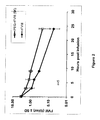
- FVIII deficient mice described in detail by Bi et al. were used as a model of severe human hemophilia A.
- Groups of 5 mice received a bolus injection (10 ml/kg) via the tail vein with either PEG-rFVIII (PEG-SS, 5K) prepared according to Example 1 or native rFVIII in a dose of 200 IU FVIII/kg bodyweight.
- Citrate plasma by heart puncture after anesthesia was prepared from the respective groups, 5 minutes, 3, 6, 9 and 24 hours after injection. FVIII activity levels were measured in plasma samples. The results of this experiment are summarized in FIG. 2 .
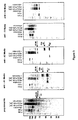
- Native and PEGylated rFVIII was digested with 1 nM thrombin for 60 minutes at 60°C, which resulted in specific cleavage of the FVIII molecule with well defined degradation products.
- These heavy- and light chain fragments were separated by SDS-PAGE followed by electroblotting, as described in Example 3. To visualize the cleaved fragments, a polyclonal antibody and monoclonal antibodies against the heavy chain A1 and A2 domains, the B domain and the light chain N-terminal A3 domain were applied.
- FVIII was incubated at 37°C with 0.5 or 1 nM thrombin. Subsamples were withdrawn at time intervals between 0.5 to 40 minutes and added to a mixture of FIXa, FX, PL-vesicles and CaCl 2 also containing a specific thrombin inhibitor to stop the further thrombin-mediated reactions and incubated for 3 minutes. A subsample was added to a chromogenic substrate, which is selectively cleaved by FXa and contained EDTA to stop further Xa activation. After a 15 min incubation, the reaction was terminated by acetic acid.
- the absorbance (A405) values which are proportional to the FXa concentrations, were measured in an ELISA reader and converted to FXa concentrations using a purified FXa reference curve. The generated FXa concentrations were plotted against the incubation time with thrombin.
- PEGylated rFVIII showed a slower inactivation rate at both applied thrombin concentrations.
- a solution of rFVIII in 20 mM Hepes buffer pH 7.4 containing 150 mM NaCl, 0.5% sucrose and 0.1% Polysorbate 80 was prepared from bulk material derived from the Advate manufacturing process containing 489 IU FVIII/ml.
- PEG-SG PEG succinimidyl glutarate
- reaction mixture was applied onto an equilibrated ionexchange chromatography resin (Fractogel EMD TMAE 650M/Pharmacia XK-50 column, bed height: 14.5 cm) in 20 mM Hepes buffer, 150 mM NaCl, pH 7.4, containing 0.5% sucrose and 0.1% Polysorbate 80 using a linear flow rate of 1 cm/min.
- an equilibrated ionexchange chromatography resin Frazier EMD TMAE 650M/Pharmacia XK-50 column, bed height: 14.5 cm
- the column was washed with 25 CV equilibration buffer to remove excess reagent (linear flow rate: 2 cm/min) and the PEGylated rFVIII was eluted with elution buffer (20 mM Hepes, 1.0 M NaCl, 0.5% sucrose, 0.1% Polysorbate 80, pH 7.4) at a linear flow rate of 0.5 cm/min. Then the eluate was concentrated by ultrafiltration/diafiltration with a membrane consisting of regenerated cellulose and with a molecular weight cut-off of 30 kD using a buffer system consisting of 20 mM Hepes, 150 mM NaCl, 0.5% sucrose, pH 7.4.
- RFVIII derived from the Advate manufacturing process was PEGylated via lysine residues using a branched PEG-SG reagent according to Example 7 and the PEGylated rFVIII product was biochemically characterized as described in Example 2.
- the PEGylated rFVIII was characterized by SDS-PAGE and immunoblotting techniques under reducing conditions using a 4-12% polyacrylamide gradient gel as described in Example 3. The results are summarized in FIG. 5 .
- the blot demonstrates the domain structure of native and PEGylated rFVIII. It is shown that the PEGylated rFVIII has broader bands and high molecular masses than the native recombinant protein.
- the native and PEGylated rFVIII was digested with 1 nM thrombin for 60 minutes at 60°, which resulted in specific cleavage of the FVIII molecule with well defined degradation products, as described in Example 5.
- the fragments were separated by SDS-PAGE followed by electroblotting and visualized by different anti-FVIII antibodies.
- all domains were PEGylated, albeit to a different extent.
- the B domain was strongly PEGylated.
- Various PEGylation-degrees could be observed in the light chain A3-domain. The results indicate that the PEGylated rFVIII seemed to be more resistant to thrombin.
- the PEGylated rFVIII showed a slower inactivation rate at both applied thrombin concentrations.
- a solution of rFVIII (final concentration: 1.2 mg/ml) is prepared in 25 mM phosphate buffer, pH 6.7. NaIO 4 is added (final concentration 0.3 mM) for the oxidation of carbohydrate residues ( Roberts et al.; Advanced Drug Del Rev.; 54:459-76 (2002 ); Meir and Wilchek; Meth Enzymol; 138: 429-42(1987 )).
- the reaction was quenched by addition of glycerol in a final concentration of 10%, and the excess reagents were separated by repeated centrifugation using Amicon Micron-10 devices (Amicon, Billerica, MA).
- PEG-hydrazide (MW 3300 Da / Nektar, Huntsville, Alabama) was added to give a final concentration of 1.5 mM reagent. The PEGylation was then performed for 2h at room temperature. Subsequently, the conjugate obtained and the excess reagent was separated by repeated centrifugation on Amicon Micron-10 devices using 25 mM phosphate buffer, pH 6.7.
- a solution of rFVIII (final concentration: 1 mg/ml) is prepared in 20 mM sodium acetate buffer, pH 6.0.
- NaIO 4 is added (final concentration 0.25 mM) for the oxidation of carbohydrate residues.
- the oxidation is carried out for 60 min at 4°C in the dark.
- Sodium bisulfite (final concentration 25 mM) is added to stop the reaction.
- the excess sodium periodate is separated by gelfiltration on DG-10 columns (Bio-Rad).
- PSA-hydrazine with a chain length of 20 kD (prepared according to WO2006/016168 ) is added (final concentration 10 mM).
- the polysialylation procedure is carried out for 2 h at room temperature.
- the polysialylated rFVIII is purified by HIC on Butyl-Sepharose (GE-Healthcare).
- a 5 M NaCl solution is added to the mixture to give a final concentration of 3M NaCl.
- This mixture is applied to the column filled with Butyl-Sepharose (GE-Healthcare) and the elution of the rFVIII-PSA conjugate is carried out with 50 mM Hepes-buffer, pH 7.4, containing 6.7 mM CaCl 2 . After elution of the conjugate, the pH is adjusted to pH 6.9.
- Polysialic Acid was purified by anion-exchange chromatography on Q-Sepharose FF as described in WO06016161A1 .
- CV column volumes
- the fraction eluted with 350 mM NaCl showed a molecular weight of 20 kDa as indicated by SDS gel electrophoresis.
- This fraction was concentrated by ultrafiltration using a 5 kD membrane made of regenerated cellulose (Millipore, Billerica, MA) and subsequently diafiltrated against 50 mM phosphate buffer, pH 7.2.
- the PSA was oxidized with NaIO 4 and a terminal primary amino group was introduced by reductive amination as described in WO05016973A1 .
- the mixture was then dialyzed against a (NH 4 ) 2 CO 3 solution (50 mg/L) containing 10 mM NaCl and subsequently against 50 mM phosphate buffer, pH 8.0, containing 5 mM EDTA.
- a sulfhydryl group was next introduced by reaction of the terminal primary amino group with 2-iminothiolane (Traut's reagent / Pierce, Rockford, IL).
- the reaction was carried out in 50 mM phosphate buffer, pH 8.0, containing 5 mM EDTA with 20 fold molar excess of reagent for 1h at room temperature.
- the PSA solution containing a terminal free SH - group was subjected to ultrafiltration/diafiltration using a membrane with a cut-off of 5 kD and made of regenerated cellulose (Millipore, Billerica, MA).
- the heterobifunctional cross-linker MBPH (4-[4-N-Maleimidophenyl]butyric acid hydrazide ⁇ HCl/Pierce, Rockford, IL) containing a carbohydrate-selective hydrazide and a sulfhydryl-reactive maleimide group was used ( Chamow et al., J Biol Chem; 267:15916-22(1992 )).
- PSA-SH containing an active sulfhydryl group was prepared according to Example 11.
- the MPBH-PSA conjugate was added to the oxidized rFVIII (0.105 mg/ml protein) and the reaction mixture was incubated for 2h at RT under gentle shaking.
- the rFVIII-PSA conjugate was purified by HIC using a prepacked Butyl Sepharose column (GE Healthcare, Butyl HiTrap FF 5 ml). To allow hydrophobic interactions of the conjugate with Butyl Sepharose the sample was cooled to 2-8°C and the ionic strength of the reaction mixture was increased to a conductivity of approx.
- the conjugate was eluted with a buffer of low ionic strength, pH 7.4 (50 mM Hepes, 6.7 mM CaCl 2 ) with a flow rate of 1.2 cm /min. During the chromatography process, samples and buffers were cooled using an ice bath. Finally, the pH of the eluate was adjusted to 6.9.
- rFVIII conjugation of rFVIII with dextran
- 2 ml rFVIII (638 mg, 3.4 mg/ml protein) were transferred to oxidation buffer (50 mM sodium acetate, pH 6) using desalting columns (Bio-Rad Econopac 10 DG) according to the manufacturer's instruction.
- the protein was then oxidated with 0.25mM NaIO 4 (1h at 4°C in the dark).
- the oxidated protein was first concentrated using vivaspin ultrafiltration spin columns (Sartorius Stedim Biotech GmbH) with a MWCO of 30 kDa according to the manufacturer's instructions.
- the sample was next dialyzed against reaction buffer (50 mM sodium phosphate pH 7) over night at 4°C.
- ADH adipic acid dihydrazide
- Sigma 26.58 mg adipic acid dihydrazide (ADH) (Sigma) was added (500 fold molar excess) and the reaction mixture was incubated 2 h at RT at pH 7 under gentle shaking. ADH was removed using desalting columns (Bio-Rad Econopac 10 DG) according to the instructions of the manufacturer. Ten mg aldehyde-activated dextran (Pierce) was added (17 fold molar excess to protein) and the mixture was incubated for 2 h at RT, pH 7.
Landscapes
- Health & Medical Sciences (AREA)
- Life Sciences & Earth Sciences (AREA)
- Chemical & Material Sciences (AREA)
- Medicinal Chemistry (AREA)
- General Health & Medical Sciences (AREA)
- Engineering & Computer Science (AREA)
- Veterinary Medicine (AREA)
- Public Health (AREA)
- Bioinformatics & Cheminformatics (AREA)
- Animal Behavior & Ethology (AREA)
- Pharmacology & Pharmacy (AREA)
- Epidemiology (AREA)
- Organic Chemistry (AREA)
- Hematology (AREA)
- Zoology (AREA)
- Proteomics, Peptides & Aminoacids (AREA)
- Gastroenterology & Hepatology (AREA)
- Immunology (AREA)
- Biophysics (AREA)
- Toxicology (AREA)
- Biochemistry (AREA)
- Genetics & Genomics (AREA)
- Molecular Biology (AREA)
- Nuclear Medicine, Radiotherapy & Molecular Imaging (AREA)
- General Chemical & Material Sciences (AREA)
- Chemical Kinetics & Catalysis (AREA)
- Diabetes (AREA)
- Peptides Or Proteins (AREA)
- Medicinal Preparation (AREA)
- Medicines That Contain Protein Lipid Enzymes And Other Medicines (AREA)
- Polysaccharides And Polysaccharide Derivatives (AREA)
Applications Claiming Priority (3)
| Application Number | Priority Date | Filing Date | Title |
|---|---|---|---|
| US12/184,567 US7645860B2 (en) | 2006-03-31 | 2008-08-01 | Factor VIII polymer conjugates |
| PCT/US2009/052103 WO2010014708A2 (en) | 2008-08-01 | 2009-07-29 | Factor viii polymer conjugates |
| EP09790935.2A EP2318050B1 (de) | 2008-08-01 | 2009-07-29 | Faktor-viii-polymer-konjugate |
Related Parent Applications (2)
| Application Number | Title | Priority Date | Filing Date |
|---|---|---|---|
| EP09790935.2A Division EP2318050B1 (de) | 2008-08-01 | 2009-07-29 | Faktor-viii-polymer-konjugate |
| EP09790935.2A Division-Into EP2318050B1 (de) | 2008-08-01 | 2009-07-29 | Faktor-viii-polymer-konjugate |
Publications (3)
| Publication Number | Publication Date |
|---|---|
| EP2799088A2 true EP2799088A2 (de) | 2014-11-05 |
| EP2799088A3 EP2799088A3 (de) | 2014-12-10 |
| EP2799088B1 EP2799088B1 (de) | 2021-03-24 |
Family
ID=41404469
Family Applications (3)
| Application Number | Title | Priority Date | Filing Date |
|---|---|---|---|
| EP14178828.1A Active EP2810662B1 (de) | 2008-08-01 | 2009-07-29 | Faktor-VIII-Polymerkonjugate |
| EP09790935.2A Active EP2318050B1 (de) | 2008-08-01 | 2009-07-29 | Faktor-viii-polymer-konjugate |
| EP14178827.3A Active EP2799088B1 (de) | 2008-08-01 | 2009-07-29 | Faktor-VIII-Polymer-Konjugate |
Family Applications Before (2)
| Application Number | Title | Priority Date | Filing Date |
|---|---|---|---|
| EP14178828.1A Active EP2810662B1 (de) | 2008-08-01 | 2009-07-29 | Faktor-VIII-Polymerkonjugate |
| EP09790935.2A Active EP2318050B1 (de) | 2008-08-01 | 2009-07-29 | Faktor-viii-polymer-konjugate |
Country Status (22)
| Country | Link |
|---|---|
| US (12) | US7645860B2 (de) |
| EP (3) | EP2810662B1 (de) |
| JP (1) | JP2013500238A (de) |
| KR (3) | KR102049190B1 (de) |
| CN (3) | CN104479006A (de) |
| AR (1) | AR119287A2 (de) |
| AU (1) | AU2009276625B2 (de) |
| BR (1) | BRPI0916675B1 (de) |
| CA (1) | CA2730714C (de) |
| CY (1) | CY1115801T1 (de) |
| DK (2) | DK2810662T3 (de) |
| ES (2) | ES2877852T3 (de) |
| HK (2) | HK1208876A1 (de) |
| HR (1) | HRP20141083T1 (de) |
| MX (3) | MX2011001238A (de) |
| NZ (2) | NZ590569A (de) |
| PL (2) | PL2318050T3 (de) |
| PT (1) | PT2318050E (de) |
| SI (1) | SI2318050T1 (de) |
| SM (1) | SMT201500014B (de) |
| TW (1) | TWI619510B (de) |
| WO (1) | WO2010014708A2 (de) |
Families Citing this family (65)
| Publication number | Priority date | Publication date | Assignee | Title |
|---|---|---|---|---|
| NZ542586A (en) | 2003-04-09 | 2009-11-27 | Biogenerix Ag | Method of forming a covalent conjugate between a G-CSF peptide and PEG |
| US9005625B2 (en) * | 2003-07-25 | 2015-04-14 | Novo Nordisk A/S | Antibody toxin conjugates |
| US20080305992A1 (en) | 2003-11-24 | 2008-12-11 | Neose Technologies, Inc. | Glycopegylated erythropoietin |
| WO2006010143A2 (en) | 2004-07-13 | 2006-01-26 | Neose Technologies, Inc. | Branched peg remodeling and glycosylation of glucagon-like peptide-1 [glp-1] |
| EP3061461A1 (de) | 2004-10-29 | 2016-08-31 | ratiopharm GmbH | Remodellierung und glykopegylierung von fibroblasten-wachstumsfaktor (fgf) |
| KR101468345B1 (ko) | 2004-11-12 | 2014-12-03 | 바이엘 헬스케어 엘엘씨 | Fviii의 부위 지향 변형 |
| US9029331B2 (en) * | 2005-01-10 | 2015-05-12 | Novo Nordisk A/S | Glycopegylated granulocyte colony stimulating factor |
| EP1871795A4 (de) * | 2005-04-08 | 2010-03-31 | Biogenerix Ag | Zusammensetzungen und verfahren zur herstellung von glycosylierungsmutanten eines proteaseresistenten menschlichen wachstumshormons |
| US20070105755A1 (en) * | 2005-10-26 | 2007-05-10 | Neose Technologies, Inc. | One pot desialylation and glycopegylation of therapeutic peptides |
| WO2007056191A2 (en) | 2005-11-03 | 2007-05-18 | Neose Technologies, Inc. | Nucleotide sugar purification using membranes |
| US7985839B2 (en) * | 2006-03-31 | 2011-07-26 | Baxter International Inc. | Factor VIII polymer conjugates |
| US7645860B2 (en) * | 2006-03-31 | 2010-01-12 | Baxter Healthcare S.A. | Factor VIII polymer conjugates |
| KR20080108147A (ko) | 2006-03-31 | 2008-12-11 | 백스터 인터내셔널 인코포레이티드 | 페질화된 인자 viii |
| US7982010B2 (en) * | 2006-03-31 | 2011-07-19 | Baxter International Inc. | Factor VIII polymer conjugates |
| US20080242607A1 (en) * | 2006-07-21 | 2008-10-02 | Neose Technologies, Inc. | Glycosylation of peptides via o-linked glycosylation sequences |
| US8969532B2 (en) * | 2006-10-03 | 2015-03-03 | Novo Nordisk A/S | Methods for the purification of polypeptide conjugates comprising polyalkylene oxide using hydrophobic interaction chromatography |
| BRPI0717505B8 (pt) * | 2006-10-04 | 2021-05-25 | Novo Nordisk As | conjugado de peptídeo e formulação farmacêutica |
| AU2007333049B2 (en) | 2006-12-15 | 2014-02-20 | Takeda Pharmaceutical Company Limited | Factor VIIa-(poly)sialic acid conjugate having prolonged in vivo half-life |
| CN101796063B (zh) * | 2007-04-03 | 2017-03-22 | 拉蒂奥法姆有限责任公司 | 使用糖聚乙二醇化g‑csf的治疗方法 |
| US9493499B2 (en) | 2007-06-12 | 2016-11-15 | Novo Nordisk A/S | Process for the production of purified cytidinemonophosphate-sialic acid-polyalkylene oxide (CMP-SA-PEG) as modified nucleotide sugars via anion exchange chromatography |
| JP5647899B2 (ja) * | 2008-01-08 | 2015-01-07 | ラツィオファルム ゲーエムベーハーratiopharm GmbH | オリゴサッカリルトランスフェラーゼを使用するポリペプチドの複合糖質化 |
| DK2257311T3 (da) | 2008-02-27 | 2014-06-30 | Novo Nordisk As | Konjugerede Faktor VIII-Molekyler |
| JP5785872B2 (ja) * | 2008-10-17 | 2015-09-30 | バクスター・インターナショナル・インコーポレイテッドBaxter International Incorp0Rated | 低度の水溶性ポリマーを含む改変血液因子 |
| CN108530543B (zh) | 2009-02-03 | 2023-06-23 | 阿穆尼克斯制药公司 | 延伸重组多肽和包含该延伸重组多肽的组合物 |
| WO2011012850A2 (en) * | 2009-07-27 | 2011-02-03 | Lipoxen Technologies Limited | Glycopolysialylation of non-blood coagulation proteins |
| US8637640B2 (en) * | 2009-07-27 | 2014-01-28 | Baxter International Inc. | Blood coagulation protein conjugates |
| US8809501B2 (en) | 2009-07-27 | 2014-08-19 | Baxter International Inc. | Nucleophilic catalysts for oxime linkage |
| RU2744370C2 (ru) * | 2009-07-27 | 2021-03-05 | Баксалта Инкорпорейтед | Конъюгаты белков свертывания крови |
| US8642737B2 (en) | 2010-07-26 | 2014-02-04 | Baxter International Inc. | Nucleophilic catalysts for oxime linkage |
| CN102741275B (zh) | 2009-08-24 | 2016-08-03 | 阿穆尼克斯运营公司 | 凝血因子ix组合物及其制备和使用方法 |
| JP5914363B2 (ja) * | 2010-02-16 | 2016-05-11 | ノヴォ ノルディスク アー/エス | 低減されたvwf結合を有する因子viii分子 |
| AU2011282571C1 (en) | 2010-07-30 | 2018-04-05 | Takeda Pharmaceutical Company Limited | Nucleophilic catalysts for oxime linkage |
| JP6042335B2 (ja) | 2010-09-15 | 2016-12-14 | ノヴォ ノルディスク アー/エス | 細胞取込みが低下した第viii因子変異体 |
| PL2654794T3 (pl) | 2010-12-22 | 2020-07-27 | Baxalta GmbH | Materiały i sposoby sprzęgania rozpuszczalnej w wodzie pochodnej kwasu tłuszczowego z białkiem |
| EP2714093A1 (de) | 2011-05-27 | 2014-04-09 | Baxter International Inc. | Therapeutische proteine mit erhöhter halbwertzeit und verfahren zu ihrer herstellung |
| MY167234A (en) | 2011-09-23 | 2018-08-14 | Novo Nordisk As | Novel glucagon analogues |
| CN102584933A (zh) * | 2012-02-13 | 2012-07-18 | 汪志友 | 一种利用亲和双水相系统提高凝血因子ⅷ及其类似物分离效率、纯度与生物比活性的方法 |
| LT3564260T (lt) | 2012-02-15 | 2023-01-10 | Bioverativ Therapeutics Inc. | Viii faktoriaus kompozicijos ir jų gamybos bei panaudojimo būdai |
| EP2822577B1 (de) | 2012-02-15 | 2019-02-06 | Bioverativ Therapeutics Inc. | Rekombinante faktor-viii-proteine |
| JP6681711B2 (ja) * | 2012-05-14 | 2020-04-15 | ノヴォ ノルディスク アー/エス | 安定化されたタンパク質溶液 |
| AU2013204754C1 (en) | 2012-05-16 | 2018-10-11 | Takeda Pharmaceutical Company Limited | Nucleophilic Catalysts for Oxime Linkage |
| GB201210770D0 (en) * | 2012-06-18 | 2012-08-01 | Polytherics Ltd | Novel conjugation reagents |
| MY174727A (en) | 2013-04-18 | 2020-05-11 | Novo Nordisk As | Stable, protracted glp-1/glucagon receptor co-agonists for medical use |
| TWI667255B (zh) | 2013-08-14 | 2019-08-01 | 美商生物化學醫療公司 | 因子viii-xten融合物及其用途 |
| SG11201605242YA (en) | 2014-01-10 | 2016-07-28 | Biogen Ma Inc | Factor viii chimeric proteins and uses thereof |
| US10570184B2 (en) | 2014-06-04 | 2020-02-25 | Novo Nordisk A/S | GLP-1/glucagon receptor co-agonists for medical use |
| JP6516829B2 (ja) | 2014-08-04 | 2019-05-22 | シーエスエル、リミテッド | 第viii因子製剤 |
| CA2978374A1 (en) | 2015-03-06 | 2016-09-15 | Csl Behring Recombinant Facility Ag | Modified von willebrand factor having improved half-life |
| JP2015155469A (ja) * | 2015-06-01 | 2015-08-27 | バクスター・インターナショナル・インコーポレイテッドBaxter International Incorp0Rated | 第fviii因子ポリマー結合体 |
| IL257231B (en) | 2015-08-03 | 2022-09-01 | Bioverativ Therapeutics Inc | Factor ix fusion proteins and methods of making and using same |
| MX2018006738A (es) | 2015-12-03 | 2018-09-21 | Baxalta Inc | Factor viii con propiedades de semivida extendida y union reducida al ligando. |
| EP3439702B1 (de) | 2016-04-04 | 2023-09-20 | Takeda Pharmaceutical Company Limited | Konjugierter c1-esterase-inhibitor und verwendungen davon |
| AU2017296195A1 (en) | 2016-07-11 | 2019-01-24 | Translate Bio Ma, Inc. | Nucleic acid conjugates and uses thereof |
| MX2019006444A (es) | 2016-12-02 | 2019-10-30 | Bioverativ Therapeutics Inc | Métodos de tratamiento de artropatía hemofílica utilizando factores de coagulación quiméricos. |
| CN108267590B (zh) * | 2016-12-31 | 2021-05-11 | 江苏众红生物工程创药研究院有限公司 | Peg修饰蛋白的peg结合数检测方法 |
| CN107349459B (zh) * | 2017-06-16 | 2019-11-26 | 大连理工大学 | 一种葡聚糖基止血抗菌促愈合材料及其制备方法 |
| US12178855B2 (en) | 2018-01-10 | 2024-12-31 | Translate Bio Ma, Inc. | Compositions and methods for facilitating delivery of synthetic nucleic acids to cells |
| KR20190086269A (ko) * | 2018-01-12 | 2019-07-22 | 재단법인 목암생명과학연구소 | 체내 지속형 재조합 당단백질 및 이의 제조방법 |
| JP2018115170A (ja) * | 2018-03-02 | 2018-07-26 | バクスアルタ ゲーエムベーハー | 第fviii因子ポリマー結合体 |
| WO2019219049A1 (zh) * | 2018-05-18 | 2019-11-21 | 北京辅仁瑞辉生物医药研究院有限公司 | 改进的fviii融合蛋白及其应用 |
| SI3793588T1 (sl) | 2018-05-18 | 2025-07-31 | Bioverativ Therapeutics Inc. | Postopki zdravljenja hemofilije A |
| US20220023430A1 (en) | 2018-11-13 | 2022-01-27 | Lipoxen Technologies Limited | Glycopolysialylation of blinatumomab |
| KR20220029733A (ko) | 2019-07-04 | 2022-03-08 | 체에스엘 베링 렝나우 아게 | 응고 인자 viii의 시험관내 안정성을 증가시키기 위한 절단된 폰 빌레브란트 인자 (vwf) |
| EP4058049A1 (de) | 2019-11-11 | 2022-09-21 | CSL Behring Lengnau AG | Polypeptide zur induktion der toleranz gegen faktor viii |
| WO2023170680A1 (en) | 2022-03-08 | 2023-09-14 | Equashield Medical Ltd | Fluid transfer station in a robotic pharmaceutical preparation system |
Citations (22)
| Publication number | Priority date | Publication date | Assignee | Title |
|---|---|---|---|---|
| US4356170A (en) | 1981-05-27 | 1982-10-26 | Canadian Patents & Development Ltd. | Immunogenic polysaccharide-protein conjugates |
| US4757006A (en) | 1983-10-28 | 1988-07-12 | Genetics Institute, Inc. | Human factor VIII:C gene and recombinant methods for production |
| EP0306968A2 (de) | 1987-09-10 | 1989-03-15 | Juridical Foundation The Chemo-Sero-Therapeutic Research Institute | Verfahren zur Herstellung des rekombinanten menschlichen Faktors VIII:C |
| US4868112A (en) | 1985-04-12 | 1989-09-19 | Genetics Institute, Inc. | Novel procoagulant proteins |
| US4970300A (en) | 1985-02-01 | 1990-11-13 | New York University | Modified factor VIII |
| US5198349A (en) | 1986-01-03 | 1993-03-30 | Genetics Institute, Inc. | Method for producing factor VIII:C and analogs |
| US5250421A (en) | 1986-01-03 | 1993-10-05 | Genetics Institute, Inc. | Method for producing factor VIII:C-type proteins |
| WO1994015625A1 (en) | 1993-01-15 | 1994-07-21 | Enzon, Inc. | Factor viii - polymeric conjugates |
| US5733873A (en) | 1992-10-02 | 1998-03-31 | Pharmacia & Upjohn Ab | Composition comprising coagulation factor VIII formulation, process for its preparation and use of a surfactant as stabilizer |
| US6037452A (en) | 1992-04-10 | 2000-03-14 | Alpha Therapeutic Corporation | Poly(alkylene oxide)-Factor VIII or Factor IX conjugate |
| US6048720A (en) | 1995-09-29 | 2000-04-11 | Pharmacia & Upjohn Ab | Conjugates of a polypeptide and a biocompatible polymer |
| US20030143596A1 (en) | 2001-11-07 | 2003-07-31 | Shearwater Corporation | Branched polymers and their conjugates |
| WO2004075923A2 (en) | 2003-02-26 | 2004-09-10 | Nektar Therapeutics Al, Corporation | Polymer-factor viii moiety conjugates |
| WO2004089280A2 (en) | 2003-04-08 | 2004-10-21 | Yeda Research And Development Co. Ltd. | Reversible pegylated drugs |
| WO2005016973A1 (en) | 2003-08-12 | 2005-02-24 | Lipoxen Technologies Limited | Polysialic acid derivatives |
| WO2006016161A1 (en) | 2004-08-12 | 2006-02-16 | Lipoxen Technologies Limited | Fractionation of charged polysaccharide |
| WO2006016168A2 (en) | 2004-08-12 | 2006-02-16 | Lipoxen Technologies Limited | Sialic acid derivatives |
| US7060259B2 (en) | 1999-12-23 | 2006-06-13 | Nektar Therapeutics Al, Corporation | Hydrolytically degradable carbamate derivatives of poly(ethylene glycol) |
| WO2006138572A2 (en) | 2005-06-16 | 2006-12-28 | Nektar Therapeutics Al, Corporation | Conjugates having a degradable linkage and polymeric reagents useful in preparing such conjugates |
| US20070191597A1 (en) | 2003-08-12 | 2007-08-16 | Sanjay Jain | Sialic acid derivatives for protein derivatisation and conjugation |
| US7259224B2 (en) | 1999-12-10 | 2007-08-21 | Nektar Therapeutics Al, Corporation | Hydrolytically degradable polymers and hydrogels made therefrom |
| US20080070275A1 (en) | 2001-10-10 | 2008-03-20 | Neose Technologies, Inc. | Factor VIII: Remodeling and glycoconjugation of factor VIII |
Family Cites Families (65)
| Publication number | Priority date | Publication date | Assignee | Title |
|---|---|---|---|---|
| US4179337A (en) * | 1973-07-20 | 1979-12-18 | Davis Frank F | Non-immunogenic polypeptides |
| US4965199A (en) | 1984-04-20 | 1990-10-23 | Genentech, Inc. | Preparation of functional human factor VIII in mammalian cells using methotrexate based selection |
| WO1986006096A1 (en) | 1985-04-11 | 1986-10-23 | The Children's Medical Center Corporation | Von willebrand factor |
| CA1339946C (en) | 1987-03-31 | 1998-07-07 | Michael J. Griffith | Ultrapurification process for polypeptides |
| US5605884A (en) | 1987-10-29 | 1997-02-25 | Rhone-Poulenc Rorer Pharmaceuticals Inc. | Factor VIII formulations in high ionic strength media |
| US4877608A (en) | 1987-11-09 | 1989-10-31 | Rorer Pharmaceutical Corporation | Pharmaceutical plasma protein formulations in low ionic strength media |
| US5153265A (en) * | 1988-01-20 | 1992-10-06 | Cetus Corporation | Conjugation of polymer to colony stimulating factor-1 |
| US5252421A (en) * | 1988-07-18 | 1993-10-12 | Fuji Xerox Co., Ltd. | Electrophotographic toner |
| US5122614A (en) * | 1989-04-19 | 1992-06-16 | Enzon, Inc. | Active carbonates of polyalkylene oxides for modification of polypeptides |
| SE465222C5 (sv) | 1989-12-15 | 1998-02-10 | Pharmacia & Upjohn Ab | Ett rekombinant, humant faktor VIII-derivat och förfarande för dess framställning |
| DE4001451A1 (de) | 1990-01-19 | 1991-08-01 | Octapharma Ag | Stabile injizierbare loesungen von faktor viii und faktor ix |
| SE466754B (sv) * | 1990-09-13 | 1992-03-30 | Berol Nobel Ab | Saett att kovalent binda biopolymerer till hydrofila ytor |
| EP0513332A4 (en) * | 1990-11-14 | 1993-03-17 | Cargill, Incorporated | Conjugates of poly(vinylsaccharide) with proteins for the stabilization of proteins |
| WO1992016555A1 (en) | 1991-03-18 | 1992-10-01 | Enzon, Inc. | Hydrazine containing conjugates of polypeptides and glycopolypeptides with polymers |
| US5595732A (en) | 1991-03-25 | 1997-01-21 | Hoffmann-La Roche Inc. | Polyethylene-protein conjugates |
| DE4111393A1 (de) | 1991-04-09 | 1992-10-15 | Behringwerke Ag | Stabilisierte faktor viii-praeparationen |
| US5846951A (en) | 1991-06-06 | 1998-12-08 | The School Of Pharmacy, University Of London | Pharmaceutical compositions |
| WO1993000357A1 (en) | 1991-06-28 | 1993-01-07 | Rhone-Poulenc Rorer International (Holdings) Inc. | Therapeutic polypeptides based on von willebrand factor |
| AU5098193A (en) | 1992-09-01 | 1994-03-29 | Berlex Laboratories, Inc. | Glycolation of glycosylated macromolecules |
| NZ250375A (en) | 1992-12-09 | 1995-07-26 | Ortho Pharma Corp | Peg hydrazone and peg oxime linkage forming reagents and protein derivatives |
| US5298643A (en) * | 1992-12-22 | 1994-03-29 | Enzon, Inc. | Aryl imidate activated polyalkylene oxides |
| FR2700268B1 (fr) | 1993-01-13 | 1995-03-31 | Lvmh Rech | Composition cosmétique ou pharmaceutique, notamment dermatologique, contenant un extrait de Vismia. |
| US5621039A (en) * | 1993-06-08 | 1997-04-15 | Hallahan; Terrence W. | Factor IX- polymeric conjugates |
| US5919455A (en) | 1993-10-27 | 1999-07-06 | Enzon, Inc. | Non-antigenic branched polymer conjugates |
| DE4435485C1 (de) | 1994-10-04 | 1996-03-21 | Immuno Ag | Verfahren zur Gewinnung von hochreinem von Willebrand-Faktor |
| US5700873A (en) * | 1995-03-07 | 1997-12-23 | Adhesives Research, Inc. | Method of preparation of water-soluble copolymer |
| AU6255096A (en) | 1995-06-07 | 1996-12-30 | Mount Sinai School Of Medicine Of The City University Of New York, The | Pegylated modified proteins |
| US6127153A (en) | 1995-06-07 | 2000-10-03 | Neose Technologies, Inc. | Method of transferring at least two saccharide units with a polyglycosyltransferase, a polyglycosyltransferase and gene encoding a polyglycosyltransferase |
| US6005077A (en) | 1995-11-10 | 1999-12-21 | Immuno Aktiengesellschaft | Use of von willebrand factor and pharmaceutical formulation |
| US6562781B1 (en) | 1995-11-30 | 2003-05-13 | Hamilton Civic Hospitals Research Development Inc. | Glycosaminoglycan-antithrombin III/heparin cofactor II conjugates |
| US6214966B1 (en) | 1996-09-26 | 2001-04-10 | Shearwater Corporation | Soluble, degradable poly(ethylene glycol) derivatives for controllable release of bound molecules into solution |
| AT405740B (de) | 1996-12-13 | 1999-11-25 | Immuno Ag | Von willebrand-faktor-derivat sowie ein verfahren zur isolierung von proteinen |
| AT406867B (de) | 1997-02-27 | 2000-10-25 | Immuno Ag | Verfahren zur gewinnung von hochreinem vwf oder faktor viii/vwf-komplex |
| AU7266698A (en) * | 1997-04-30 | 1998-11-24 | Enzon, Inc. | Polyalkylene oxide-modified single chain polypeptides |
| US6183738B1 (en) * | 1997-05-12 | 2001-02-06 | Phoenix Pharamacologics, Inc. | Modified arginine deiminase |
| AT405485B (de) | 1997-05-28 | 1999-08-25 | Immuno Ag | Eine das vwf-propeptid enthaltende pharmazeutische präparation |
| AU747602B2 (en) * | 1997-06-04 | 2002-05-16 | Oxford Biomedica (Uk) Limited | Vector |
| AU2855499A (en) | 1998-03-24 | 1999-10-18 | Nof Corporation | Oxirane derivatives and process for producing the same |
| DK1656952T3 (da) | 1998-10-16 | 2014-01-20 | Biogen Idec Inc | Polyalkylenglycolkonjugater af interferon beta-1A og anvendelser deraf |
| DE19852729A1 (de) * | 1998-11-16 | 2000-05-18 | Werner Reutter | Rekombinante Glycoproteine, Verfahren zu ihrer Herstellung, sie enthaltende Arzneimittel und ihre Verwendung |
| AT407750B (de) | 1999-02-19 | 2001-05-25 | Immuno Ag | Verfahren zur herstellung einer vwf-präparation |
| CA2634663C (en) | 1999-02-22 | 2009-08-25 | University Of Connecticut | Novel albumin-free factor viii formulations |
| WO2001005434A2 (en) | 1999-07-20 | 2001-01-25 | Amgen Inc. | Hyaluronic acid-protein conjugates |
| US6531122B1 (en) * | 1999-08-27 | 2003-03-11 | Maxygen Aps | Interferon-β variants and conjugates |
| US7230081B1 (en) * | 1999-11-12 | 2007-06-12 | Maxygen Holdings, Ltd. | Interferon gamma conjugates |
| SE515295C2 (sv) | 1999-11-23 | 2001-07-09 | Medicarb Ab | Förfarande för framställning av konjugat av en biologiskt aktiv polysackarid och ett fast substrat, samt sådana konjugat |
| EP1982732A3 (de) * | 2000-02-11 | 2011-06-08 | Bayer HealthCare LLC | Faktor VII- oder VIIA-ähnliche Konjugate |
| US6586398B1 (en) * | 2000-04-07 | 2003-07-01 | Amgen, Inc. | Chemically modified novel erythropoietin stimulating protein compositions and methods |
| US7118737B2 (en) * | 2000-09-08 | 2006-10-10 | Amylin Pharmaceuticals, Inc. | Polymer-modified synthetic proteins |
| ATE421535T1 (de) | 2000-10-16 | 2009-02-15 | Chugai Pharmaceutical Co Ltd | Peg-modifiziertes erythropoietin |
| AUPR610501A0 (en) | 2001-07-04 | 2001-07-26 | Smart Drug Systems Inc | Treatment of parasitic disease |
| US6913915B2 (en) * | 2001-08-02 | 2005-07-05 | Phoenix Pharmacologics, Inc. | PEG-modified uricase |
| EP2042196B1 (de) * | 2001-10-10 | 2016-07-13 | ratiopharm GmbH | Neumodellierung und Glykokonjugation von Granulozyten-Kolonie stimulierender Faktor (G-CSF) |
| US7265084B2 (en) | 2001-10-10 | 2007-09-04 | Neose Technologies, Inc. | Glycopegylation methods and proteins/peptides produced by the methods |
| US6473908B1 (en) * | 2002-01-09 | 2002-11-05 | Thomas A. Bontems | Garment having a buttocks cleavage revealing feature |
| US20050176108A1 (en) | 2003-03-13 | 2005-08-11 | Young-Min Kim | Physiologically active polypeptide conjugate having prolonged in vivo half-life |
| WO2005032581A2 (en) | 2003-10-07 | 2005-04-14 | Novo Nordisk Health Care Ag | Hybrid molecules having factor vii/viia activity |
| AU2004298996A1 (en) | 2003-12-10 | 2005-06-30 | Nektar Therapeutics Al, Corporation | Compositions comprising two different populations of polymer-active agent conjugates |
| BRPI0519562A2 (pt) * | 2004-12-27 | 2009-01-27 | Baxter Int | construÇço proteinÁcea, complexo, mÉtodo para prolongar a meia-vida in vivo de fator viii (fviii) ou um derivado biologicamente ativo do mesmo composiÇço farmacÊutica, e, mÉtodo para formar uma construÇço proteinÁcea |
| KR20080108147A (ko) * | 2006-03-31 | 2008-12-11 | 백스터 인터내셔널 인코포레이티드 | 페질화된 인자 viii |
| US7645860B2 (en) * | 2006-03-31 | 2010-01-12 | Baxter Healthcare S.A. | Factor VIII polymer conjugates |
| ES2531934T3 (es) * | 2006-09-01 | 2015-03-20 | Novo Nordisk Health Care Ag | Glicoproteínas modificadas |
| AU2007333049B2 (en) * | 2006-12-15 | 2014-02-20 | Takeda Pharmaceutical Company Limited | Factor VIIa-(poly)sialic acid conjugate having prolonged in vivo half-life |
| US8642737B2 (en) | 2010-07-26 | 2014-02-04 | Baxter International Inc. | Nucleophilic catalysts for oxime linkage |
| MX2018006738A (es) | 2015-12-03 | 2018-09-21 | Baxalta Inc | Factor viii con propiedades de semivida extendida y union reducida al ligando. |
-
2008
- 2008-08-01 US US12/184,567 patent/US7645860B2/en active Active
-
2009
- 2009-07-29 NZ NZ590569A patent/NZ590569A/xx unknown
- 2009-07-29 SI SI200931077T patent/SI2318050T1/sl unknown
- 2009-07-29 ES ES14178828T patent/ES2877852T3/es active Active
- 2009-07-29 CN CN201410817617.2A patent/CN104479006A/zh active Pending
- 2009-07-29 EP EP14178828.1A patent/EP2810662B1/de active Active
- 2009-07-29 KR KR1020187020030A patent/KR102049190B1/ko active Active
- 2009-07-29 AU AU2009276625A patent/AU2009276625B2/en active Active
- 2009-07-29 CN CN201410817595.XA patent/CN104645347A/zh active Pending
- 2009-07-29 MX MX2011001238A patent/MX2011001238A/es active IP Right Grant
- 2009-07-29 HR HRP20141083AT patent/HRP20141083T1/hr unknown
- 2009-07-29 EP EP09790935.2A patent/EP2318050B1/de active Active
- 2009-07-29 BR BRPI0916675-0A patent/BRPI0916675B1/pt active IP Right Grant
- 2009-07-29 KR KR1020117004739A patent/KR101681574B1/ko active Active
- 2009-07-29 ES ES09790935.2T patent/ES2524598T3/es active Active
- 2009-07-29 KR KR1020167033032A patent/KR101879838B1/ko active Active
- 2009-07-29 WO PCT/US2009/052103 patent/WO2010014708A2/en not_active Ceased
- 2009-07-29 PT PT97909352T patent/PT2318050E/pt unknown
- 2009-07-29 PL PL09790935T patent/PL2318050T3/pl unknown
- 2009-07-29 CN CN200980130950.3A patent/CN102112156B/zh active Active
- 2009-07-29 MX MX2014010836A patent/MX373429B/es unknown
- 2009-07-29 NZ NZ603269A patent/NZ603269A/en unknown
- 2009-07-29 DK DK14178828.1T patent/DK2810662T3/da active
- 2009-07-29 EP EP14178827.3A patent/EP2799088B1/de active Active
- 2009-07-29 DK DK09790935.2T patent/DK2318050T3/da active
- 2009-07-29 JP JP2011521284A patent/JP2013500238A/ja active Pending
- 2009-07-29 CA CA2730714A patent/CA2730714C/en active Active
- 2009-07-29 PL PL14178828T patent/PL2810662T3/pl unknown
- 2009-07-31 TW TW098125810A patent/TWI619510B/zh active
-
2010
- 2010-01-08 US US12/684,456 patent/US7985838B2/en active Active
- 2010-01-08 US US12/684,536 patent/US8003760B2/en active Active
-
2011
- 2011-01-20 US US13/010,607 patent/US8067543B2/en active Active
- 2011-01-20 US US13/010,616 patent/US8071725B2/en active Active
- 2011-01-20 US US13/010,627 patent/US8071728B2/en active Active
- 2011-01-20 US US13/010,610 patent/US8071724B2/en active Active
- 2011-02-01 MX MX2020006187A patent/MX2020006187A/es unknown
- 2011-08-29 HK HK15109573.9A patent/HK1208876A1/xx unknown
- 2011-08-29 HK HK15110991.1A patent/HK1210050A1/xx unknown
- 2011-09-23 US US13/243,550 patent/US20120232252A1/en not_active Abandoned
-
2013
- 2013-02-01 US US13/756,856 patent/US20140024808A1/en not_active Abandoned
-
2014
- 2014-11-28 CY CY20141100999T patent/CY1115801T1/el unknown
-
2015
- 2015-01-19 SM SM201500014T patent/SMT201500014B/xx unknown
- 2015-06-11 US US14/736,870 patent/US20160058842A1/en not_active Abandoned
-
2016
- 2016-07-19 US US15/213,802 patent/US20170157259A1/en not_active Abandoned
-
2019
- 2019-02-26 US US16/285,394 patent/US11020458B2/en active Active
-
2020
- 2020-06-25 AR ARP200101815A patent/AR119287A2/es unknown
Patent Citations (25)
| Publication number | Priority date | Publication date | Assignee | Title |
|---|---|---|---|---|
| US4356170A (en) | 1981-05-27 | 1982-10-26 | Canadian Patents & Development Ltd. | Immunogenic polysaccharide-protein conjugates |
| US4757006A (en) | 1983-10-28 | 1988-07-12 | Genetics Institute, Inc. | Human factor VIII:C gene and recombinant methods for production |
| US4970300A (en) | 1985-02-01 | 1990-11-13 | New York University | Modified factor VIII |
| US4868112A (en) | 1985-04-12 | 1989-09-19 | Genetics Institute, Inc. | Novel procoagulant proteins |
| US5250421A (en) | 1986-01-03 | 1993-10-05 | Genetics Institute, Inc. | Method for producing factor VIII:C-type proteins |
| US5198349A (en) | 1986-01-03 | 1993-03-30 | Genetics Institute, Inc. | Method for producing factor VIII:C and analogs |
| EP0306968A2 (de) | 1987-09-10 | 1989-03-15 | Juridical Foundation The Chemo-Sero-Therapeutic Research Institute | Verfahren zur Herstellung des rekombinanten menschlichen Faktors VIII:C |
| US6037452A (en) | 1992-04-10 | 2000-03-14 | Alpha Therapeutic Corporation | Poly(alkylene oxide)-Factor VIII or Factor IX conjugate |
| US5733873A (en) | 1992-10-02 | 1998-03-31 | Pharmacia & Upjohn Ab | Composition comprising coagulation factor VIII formulation, process for its preparation and use of a surfactant as stabilizer |
| US5919766A (en) | 1992-10-02 | 1999-07-06 | Pharmacia & Upjohn Aktiebolag | Composition comprising coagulation factor VIII formulation, process for its preparation and use of a surfactant as stabilizer |
| WO1994015625A1 (en) | 1993-01-15 | 1994-07-21 | Enzon, Inc. | Factor viii - polymeric conjugates |
| US6048720A (en) | 1995-09-29 | 2000-04-11 | Pharmacia & Upjohn Ab | Conjugates of a polypeptide and a biocompatible polymer |
| EP1258497B1 (de) | 1995-09-29 | 2005-02-16 | Biovitrum Ab | Verfahren zur Herstellung von Konjugaten vom Faktor VIII mit einem biologisch verträglichen Polymer |
| US7259224B2 (en) | 1999-12-10 | 2007-08-21 | Nektar Therapeutics Al, Corporation | Hydrolytically degradable polymers and hydrogels made therefrom |
| US7060259B2 (en) | 1999-12-23 | 2006-06-13 | Nektar Therapeutics Al, Corporation | Hydrolytically degradable carbamate derivatives of poly(ethylene glycol) |
| US20080070275A1 (en) | 2001-10-10 | 2008-03-20 | Neose Technologies, Inc. | Factor VIII: Remodeling and glycoconjugation of factor VIII |
| US20030143596A1 (en) | 2001-11-07 | 2003-07-31 | Shearwater Corporation | Branched polymers and their conjugates |
| WO2004075923A2 (en) | 2003-02-26 | 2004-09-10 | Nektar Therapeutics Al, Corporation | Polymer-factor viii moiety conjugates |
| WO2004089280A2 (en) | 2003-04-08 | 2004-10-21 | Yeda Research And Development Co. Ltd. | Reversible pegylated drugs |
| WO2005016973A1 (en) | 2003-08-12 | 2005-02-24 | Lipoxen Technologies Limited | Polysialic acid derivatives |
| US20070191597A1 (en) | 2003-08-12 | 2007-08-16 | Sanjay Jain | Sialic acid derivatives for protein derivatisation and conjugation |
| WO2006016161A1 (en) | 2004-08-12 | 2006-02-16 | Lipoxen Technologies Limited | Fractionation of charged polysaccharide |
| WO2006016168A2 (en) | 2004-08-12 | 2006-02-16 | Lipoxen Technologies Limited | Sialic acid derivatives |
| US20070282096A1 (en) | 2004-08-12 | 2007-12-06 | Sanjay Jain | Sialic Acid Derivatives |
| WO2006138572A2 (en) | 2005-06-16 | 2006-12-28 | Nektar Therapeutics Al, Corporation | Conjugates having a degradable linkage and polymeric reagents useful in preparing such conjugates |
Non-Patent Citations (20)
| Title |
|---|
| "EUROPEAN PHARMACOPOEIA 5.05, 5th ed.", 2004, article "2.7.4 Assay of Blood Coagulation Factor VIII" |
| ABUCHOWSKI ET AL., CANCER BIOCHIM BIOPHYS, vol. 7, 1984, pages 175 - 86 |
| BI ET AL., NAT GENET, vol. 10, 1995, pages 119 - 21 |
| CHAMOW ET AL., J BIOL CHEM, vol. 267, 1992, pages 15916 - 22 |
| GITSCHIER ET AL.: "Characterization of the human Factor VIII gene", NATURE, vol. 312, no. 5992, 1984, pages 326 - 30 |
| GREENWALD ET AL., J MED CHEM, vol. 42, 1999, pages 3657 - 67 |
| HARRIS J M; CHESS R B, NAT REV DRUG DISCOV, vol. 2, 2003, pages 214 - 21 |
| HEBERLI: "Human Protein Data. Installments", vol. 1-6, 1998, WILEY V C H, article HOYER LW |
| KOZLOWSKI ET AL., BIODRUGS, vol. 5, 2001, pages 419 - 29 |
| LEHNINGER: "Biochemistry, 2nd ed.", 1975, WORTH PUBLISHERS, INC., pages: 71 - 77 |
| LENTING ET AL., BLOOD, vol. 92, 1998, pages 3983 - 96 |
| MEIR; WILCHEK, METH ENZYMO, vol. 138, 1987, pages 429 - 42 |
| ROBERTS ET AL., ADVANCED DRUG DEL REV., vol. 54, 2002, pages 459 - 76 |
| ROBERTS JM ET AL., ADVAN DRUG DELIVERY REV, vol. 54, 2002, pages 459 - 76 |
| ROSEN S, SCAND J HAEMATOL, vol. 33, no. 40, 1984, pages 139 - 45 |
| ROSTIN ET AL., BIOCONJ CHEM, vol. 11, 2000, pages 387 - 96 |
| THOMPSON AR: "Structure and Function of the Factor VIII gene and protein", SEMIN THROMB HEMOST, 2003, vol. 29, 2002, pages 11 - 29 |
| TSUBERY ET AL., J BIOL CHEM, vol. 279, 2004, pages 38118 - 24 |
| VEHAR GH ET AL.: "Structure of human Factor VIII", NATURE, vol. 312, no. 5992, 1984, pages 337 - 42 |
| ZHAO ET AL., BIOCONJ CHEM, vol. 17, 2006, pages 341 - 51 |
Also Published As
Similar Documents
| Publication | Publication Date | Title |
|---|---|---|
| US11020458B2 (en) | Factor VIII polymer conjugates | |
| US8071726B2 (en) | Factor VIII polymer conjugates | |
| US8071727B2 (en) | Factor VIII polymer conjugates | |
| JP2015155469A (ja) | 第fviii因子ポリマー結合体 | |
| AU2019222949B2 (en) | Factor VIII polymer conjugates | |
| JP2018115170A (ja) | 第fviii因子ポリマー結合体 |
Legal Events
| Date | Code | Title | Description |
|---|---|---|---|
| PUAI | Public reference made under article 153(3) epc to a published international application that has entered the european phase |
Free format text: ORIGINAL CODE: 0009012 |
|
| 17P | Request for examination filed |
Effective date: 20140728 |
|
| AC | Divisional application: reference to earlier application |
Ref document number: 2318050 Country of ref document: EP Kind code of ref document: P |
|
| AK | Designated contracting states |
Kind code of ref document: A2 Designated state(s): AT BE BG CH CY CZ DE DK EE ES FI FR GB GR HR HU IE IS IT LI LT LU LV MC MK MT NL NO PL PT RO SE SI SK SM TR |
|
| PUAL | Search report despatched |
Free format text: ORIGINAL CODE: 0009013 |
|
| AK | Designated contracting states |
Kind code of ref document: A3 Designated state(s): AT BE BG CH CY CZ DE DK EE ES FI FR GB GR HR HU IE IS IT LI LT LU LV MC MK MT NL NO PL PT RO SE SI SK SM TR |
|
| RIC1 | Information provided on ipc code assigned before grant |
Ipc: C07K 14/745 20060101ALI20141031BHEP Ipc: A61K 47/48 20060101AFI20141031BHEP Ipc: A61P 7/04 20060101ALI20141031BHEP |
|
| RAP1 | Party data changed (applicant data changed or rights of an application transferred) |
Owner name: BAXALTA INCORPORATED Owner name: BAXALTA GMBH |
|
| RAP1 | Party data changed (applicant data changed or rights of an application transferred) |
Owner name: BAXALTA GMBH Owner name: BAXALTA INCORPORATED |
|
| STAA | Information on the status of an ep patent application or granted ep patent |
Free format text: STATUS: EXAMINATION IS IN PROGRESS |
|
| 17Q | First examination report despatched |
Effective date: 20171205 |
|
| REG | Reference to a national code |
Ref country code: DE Ref legal event code: R079 Ref document number: 602009063506 Country of ref document: DE Free format text: PREVIOUS MAIN CLASS: A61K0047480000 Ipc: A61K0047610000 |
|
| GRAP | Despatch of communication of intention to grant a patent |
Free format text: ORIGINAL CODE: EPIDOSNIGR1 |
|
| STAA | Information on the status of an ep patent application or granted ep patent |
Free format text: STATUS: GRANT OF PATENT IS INTENDED |
|
| RIC1 | Information provided on ipc code assigned before grant |
Ipc: A61K 47/60 20170101ALI20191024BHEP Ipc: A61K 47/61 20170101AFI20191024BHEP Ipc: A61K 38/37 20060101ALI20191024BHEP Ipc: C07K 14/745 20060101ALI20191024BHEP Ipc: A61P 7/04 20060101ALI20191024BHEP |
|
| INTG | Intention to grant announced |
Effective date: 20191114 |
|
| RIN1 | Information on inventor provided before grant (corrected) |
Inventor name: SIEKMANN, JUERGEN Inventor name: TURECEK, PETER |
|
| GRAJ | Information related to disapproval of communication of intention to grant by the applicant or resumption of examination proceedings by the epo deleted |
Free format text: ORIGINAL CODE: EPIDOSDIGR1 |
|
| STAA | Information on the status of an ep patent application or granted ep patent |
Free format text: STATUS: EXAMINATION IS IN PROGRESS |
|
| GRAP | Despatch of communication of intention to grant a patent |
Free format text: ORIGINAL CODE: EPIDOSNIGR1 |
|
| STAA | Information on the status of an ep patent application or granted ep patent |
Free format text: STATUS: GRANT OF PATENT IS INTENDED |
|
| INTC | Intention to grant announced (deleted) | ||
| RAP1 | Party data changed (applicant data changed or rights of an application transferred) |
Owner name: BAXALTA INCORPORATED Owner name: BAXALTA GMBH |
|
| INTG | Intention to grant announced |
Effective date: 20200421 |
|
| GRAJ | Information related to disapproval of communication of intention to grant by the applicant or resumption of examination proceedings by the epo deleted |
Free format text: ORIGINAL CODE: EPIDOSDIGR1 |
|
| STAA | Information on the status of an ep patent application or granted ep patent |
Free format text: STATUS: EXAMINATION IS IN PROGRESS |
|
| INTC | Intention to grant announced (deleted) | ||
| GRAP | Despatch of communication of intention to grant a patent |
Free format text: ORIGINAL CODE: EPIDOSNIGR1 |
|
| STAA | Information on the status of an ep patent application or granted ep patent |
Free format text: STATUS: GRANT OF PATENT IS INTENDED |
|
| INTG | Intention to grant announced |
Effective date: 20201001 |
|
| GRAS | Grant fee paid |
Free format text: ORIGINAL CODE: EPIDOSNIGR3 |
|
| GRAA | (expected) grant |
Free format text: ORIGINAL CODE: 0009210 |
|
| STAA | Information on the status of an ep patent application or granted ep patent |
Free format text: STATUS: THE PATENT HAS BEEN GRANTED |
|
| AC | Divisional application: reference to earlier application |
Ref document number: 2318050 Country of ref document: EP Kind code of ref document: P |
|
| AK | Designated contracting states |
Kind code of ref document: B1 Designated state(s): AT BE BG CH CY CZ DE DK EE ES FI FR GB GR HR HU IE IS IT LI LT LU LV MC MK MT NL NO PL PT RO SE SI SK SM TR |
|
| REG | Reference to a national code |
Ref country code: GB Ref legal event code: FG4D |
|
| REG | Reference to a national code |
Ref country code: CH Ref legal event code: EP |
|
| REG | Reference to a national code |
Ref country code: DE Ref legal event code: R096 Ref document number: 602009063506 Country of ref document: DE |
|
| REG | Reference to a national code |
Ref country code: IE Ref legal event code: FG4D |
|
| REG | Reference to a national code |
Ref country code: AT Ref legal event code: REF Ref document number: 1373805 Country of ref document: AT Kind code of ref document: T Effective date: 20210415 |
|
| RAP2 | Party data changed (patent owner data changed or rights of a patent transferred) |
Owner name: TAKEDA PHARMACEUTICAL COMPANY LIMITED |
|
| REG | Reference to a national code |
Ref country code: DE Ref legal event code: R081 Ref document number: 602009063506 Country of ref document: DE Owner name: TAKEDA PHARMACEUTICAL COMPANY LIMITED, JP Free format text: FORMER OWNERS: BAXALTA GMBH, GLATTPARK, (OPFIKON), CH; BAXALTA INCORPORATED, BANNOCKBURN, ILL., US Ref country code: LT Ref legal event code: MG9D |
|
| PG25 | Lapsed in a contracting state [announced via postgrant information from national office to epo] |
Ref country code: FI Free format text: LAPSE BECAUSE OF FAILURE TO SUBMIT A TRANSLATION OF THE DESCRIPTION OR TO PAY THE FEE WITHIN THE PRESCRIBED TIME-LIMIT Effective date: 20210324 Ref country code: HR Free format text: LAPSE BECAUSE OF FAILURE TO SUBMIT A TRANSLATION OF THE DESCRIPTION OR TO PAY THE FEE WITHIN THE PRESCRIBED TIME-LIMIT Effective date: 20210324 Ref country code: GR Free format text: LAPSE BECAUSE OF FAILURE TO SUBMIT A TRANSLATION OF THE DESCRIPTION OR TO PAY THE FEE WITHIN THE PRESCRIBED TIME-LIMIT Effective date: 20210625 Ref country code: BG Free format text: LAPSE BECAUSE OF FAILURE TO SUBMIT A TRANSLATION OF THE DESCRIPTION OR TO PAY THE FEE WITHIN THE PRESCRIBED TIME-LIMIT Effective date: 20210624 Ref country code: NO Free format text: LAPSE BECAUSE OF FAILURE TO SUBMIT A TRANSLATION OF THE DESCRIPTION OR TO PAY THE FEE WITHIN THE PRESCRIBED TIME-LIMIT Effective date: 20210624 |
|
| REG | Reference to a national code |
Ref country code: GB Ref legal event code: 732E Free format text: REGISTERED BETWEEN 20210722 AND 20210728 |
|
| PG25 | Lapsed in a contracting state [announced via postgrant information from national office to epo] |
Ref country code: LV Free format text: LAPSE BECAUSE OF FAILURE TO SUBMIT A TRANSLATION OF THE DESCRIPTION OR TO PAY THE FEE WITHIN THE PRESCRIBED TIME-LIMIT Effective date: 20210324 Ref country code: SE Free format text: LAPSE BECAUSE OF FAILURE TO SUBMIT A TRANSLATION OF THE DESCRIPTION OR TO PAY THE FEE WITHIN THE PRESCRIBED TIME-LIMIT Effective date: 20210324 |
|
| REG | Reference to a national code |
Ref country code: NL Ref legal event code: MP Effective date: 20210324 |
|
| REG | Reference to a national code |
Ref country code: AT Ref legal event code: MK05 Ref document number: 1373805 Country of ref document: AT Kind code of ref document: T Effective date: 20210324 |
|
| PG25 | Lapsed in a contracting state [announced via postgrant information from national office to epo] |
Ref country code: NL Free format text: LAPSE BECAUSE OF FAILURE TO SUBMIT A TRANSLATION OF THE DESCRIPTION OR TO PAY THE FEE WITHIN THE PRESCRIBED TIME-LIMIT Effective date: 20210324 |
|
| PG25 | Lapsed in a contracting state [announced via postgrant information from national office to epo] |
Ref country code: SM Free format text: LAPSE BECAUSE OF FAILURE TO SUBMIT A TRANSLATION OF THE DESCRIPTION OR TO PAY THE FEE WITHIN THE PRESCRIBED TIME-LIMIT Effective date: 20210324 Ref country code: CZ Free format text: LAPSE BECAUSE OF FAILURE TO SUBMIT A TRANSLATION OF THE DESCRIPTION OR TO PAY THE FEE WITHIN THE PRESCRIBED TIME-LIMIT Effective date: 20210324 Ref country code: EE Free format text: LAPSE BECAUSE OF FAILURE TO SUBMIT A TRANSLATION OF THE DESCRIPTION OR TO PAY THE FEE WITHIN THE PRESCRIBED TIME-LIMIT Effective date: 20210324 Ref country code: LT Free format text: LAPSE BECAUSE OF FAILURE TO SUBMIT A TRANSLATION OF THE DESCRIPTION OR TO PAY THE FEE WITHIN THE PRESCRIBED TIME-LIMIT Effective date: 20210324 Ref country code: AT Free format text: LAPSE BECAUSE OF FAILURE TO SUBMIT A TRANSLATION OF THE DESCRIPTION OR TO PAY THE FEE WITHIN THE PRESCRIBED TIME-LIMIT Effective date: 20210324 |
|
| PG25 | Lapsed in a contracting state [announced via postgrant information from national office to epo] |
Ref country code: IS Free format text: LAPSE BECAUSE OF FAILURE TO SUBMIT A TRANSLATION OF THE DESCRIPTION OR TO PAY THE FEE WITHIN THE PRESCRIBED TIME-LIMIT Effective date: 20210724 Ref country code: ES Free format text: LAPSE BECAUSE OF FAILURE TO SUBMIT A TRANSLATION OF THE DESCRIPTION OR TO PAY THE FEE WITHIN THE PRESCRIBED TIME-LIMIT Effective date: 20210324 Ref country code: PL Free format text: LAPSE BECAUSE OF FAILURE TO SUBMIT A TRANSLATION OF THE DESCRIPTION OR TO PAY THE FEE WITHIN THE PRESCRIBED TIME-LIMIT Effective date: 20210324 Ref country code: PT Free format text: LAPSE BECAUSE OF FAILURE TO SUBMIT A TRANSLATION OF THE DESCRIPTION OR TO PAY THE FEE WITHIN THE PRESCRIBED TIME-LIMIT Effective date: 20210726 Ref country code: SK Free format text: LAPSE BECAUSE OF FAILURE TO SUBMIT A TRANSLATION OF THE DESCRIPTION OR TO PAY THE FEE WITHIN THE PRESCRIBED TIME-LIMIT Effective date: 20210324 Ref country code: RO Free format text: LAPSE BECAUSE OF FAILURE TO SUBMIT A TRANSLATION OF THE DESCRIPTION OR TO PAY THE FEE WITHIN THE PRESCRIBED TIME-LIMIT Effective date: 20210324 |
|
| REG | Reference to a national code |
Ref country code: DE Ref legal event code: R097 Ref document number: 602009063506 Country of ref document: DE |
|
| PG25 | Lapsed in a contracting state [announced via postgrant information from national office to epo] |
Ref country code: DK Free format text: LAPSE BECAUSE OF FAILURE TO SUBMIT A TRANSLATION OF THE DESCRIPTION OR TO PAY THE FEE WITHIN THE PRESCRIBED TIME-LIMIT Effective date: 20210324 |
|
| PLBE | No opposition filed within time limit |
Free format text: ORIGINAL CODE: 0009261 |
|
| STAA | Information on the status of an ep patent application or granted ep patent |
Free format text: STATUS: NO OPPOSITION FILED WITHIN TIME LIMIT |
|
| PG25 | Lapsed in a contracting state [announced via postgrant information from national office to epo] |
Ref country code: SI Free format text: LAPSE BECAUSE OF FAILURE TO SUBMIT A TRANSLATION OF THE DESCRIPTION OR TO PAY THE FEE WITHIN THE PRESCRIBED TIME-LIMIT Effective date: 20210324 |
|
| REG | Reference to a national code |
Ref country code: CH Ref legal event code: PL |
|
| 26N | No opposition filed |
Effective date: 20220104 |
|
| PG25 | Lapsed in a contracting state [announced via postgrant information from national office to epo] |
Ref country code: MC Free format text: LAPSE BECAUSE OF FAILURE TO SUBMIT A TRANSLATION OF THE DESCRIPTION OR TO PAY THE FEE WITHIN THE PRESCRIBED TIME-LIMIT Effective date: 20210324 |
|
| REG | Reference to a national code |
Ref country code: BE Ref legal event code: MM Effective date: 20210731 |
|
| PG25 | Lapsed in a contracting state [announced via postgrant information from national office to epo] |
Ref country code: LI Free format text: LAPSE BECAUSE OF NON-PAYMENT OF DUE FEES Effective date: 20210731 Ref country code: CH Free format text: LAPSE BECAUSE OF NON-PAYMENT OF DUE FEES Effective date: 20210731 |
|
| PG25 | Lapsed in a contracting state [announced via postgrant information from national office to epo] |
Ref country code: IS Free format text: LAPSE BECAUSE OF FAILURE TO SUBMIT A TRANSLATION OF THE DESCRIPTION OR TO PAY THE FEE WITHIN THE PRESCRIBED TIME-LIMIT Effective date: 20210724 Ref country code: LU Free format text: LAPSE BECAUSE OF NON-PAYMENT OF DUE FEES Effective date: 20210729 |
|
| PG25 | Lapsed in a contracting state [announced via postgrant information from national office to epo] |
Ref country code: IE Free format text: LAPSE BECAUSE OF NON-PAYMENT OF DUE FEES Effective date: 20210729 Ref country code: BE Free format text: LAPSE BECAUSE OF NON-PAYMENT OF DUE FEES Effective date: 20210731 |
|
| PG25 | Lapsed in a contracting state [announced via postgrant information from national office to epo] |
Ref country code: HU Free format text: LAPSE BECAUSE OF FAILURE TO SUBMIT A TRANSLATION OF THE DESCRIPTION OR TO PAY THE FEE WITHIN THE PRESCRIBED TIME-LIMIT; INVALID AB INITIO Effective date: 20090729 Ref country code: CY Free format text: LAPSE BECAUSE OF FAILURE TO SUBMIT A TRANSLATION OF THE DESCRIPTION OR TO PAY THE FEE WITHIN THE PRESCRIBED TIME-LIMIT Effective date: 20210324 |
|
| P01 | Opt-out of the competence of the unified patent court (upc) registered |
Effective date: 20230530 |
|
| PG25 | Lapsed in a contracting state [announced via postgrant information from national office to epo] |
Ref country code: MK Free format text: LAPSE BECAUSE OF FAILURE TO SUBMIT A TRANSLATION OF THE DESCRIPTION OR TO PAY THE FEE WITHIN THE PRESCRIBED TIME-LIMIT Effective date: 20210324 |
|
| PG25 | Lapsed in a contracting state [announced via postgrant information from national office to epo] |
Ref country code: TR Free format text: LAPSE BECAUSE OF FAILURE TO SUBMIT A TRANSLATION OF THE DESCRIPTION OR TO PAY THE FEE WITHIN THE PRESCRIBED TIME-LIMIT Effective date: 20210324 |
|
| PG25 | Lapsed in a contracting state [announced via postgrant information from national office to epo] |
Ref country code: MT Free format text: LAPSE BECAUSE OF FAILURE TO SUBMIT A TRANSLATION OF THE DESCRIPTION OR TO PAY THE FEE WITHIN THE PRESCRIBED TIME-LIMIT Effective date: 20210324 |
|
| PGFP | Annual fee paid to national office [announced via postgrant information from national office to epo] |
Ref country code: GB Payment date: 20250619 Year of fee payment: 17 |
|
| PGFP | Annual fee paid to national office [announced via postgrant information from national office to epo] |
Ref country code: FR Payment date: 20250620 Year of fee payment: 17 |
|
| PGFP | Annual fee paid to national office [announced via postgrant information from national office to epo] |
Ref country code: DE Payment date: 20250620 Year of fee payment: 17 |
|
| PGFP | Annual fee paid to national office [announced via postgrant information from national office to epo] |
Ref country code: IT Payment date: 20250626 Year of fee payment: 17 |