EP2829114B1 - Procédé et appareil pour découvrir des petites cellules dans un réseau de communication hétérogène - Google Patents
Procédé et appareil pour découvrir des petites cellules dans un réseau de communication hétérogène Download PDFInfo
- Publication number
- EP2829114B1 EP2829114B1 EP13722051.3A EP13722051A EP2829114B1 EP 2829114 B1 EP2829114 B1 EP 2829114B1 EP 13722051 A EP13722051 A EP 13722051A EP 2829114 B1 EP2829114 B1 EP 2829114B1
- Authority
- EP
- European Patent Office
- Prior art keywords
- user equipment
- small cells
- cell
- base station
- signaling
- Prior art date
- Legal status (The legal status is an assumption and is not a legal conclusion. Google has not performed a legal analysis and makes no representation as to the accuracy of the status listed.)
- Not-in-force
Links
- 238000000034 method Methods 0.000 title claims description 39
- 238000005259 measurement Methods 0.000 claims description 79
- 230000011664 signaling Effects 0.000 claims description 62
- 230000004044 response Effects 0.000 claims description 12
- 238000001514 detection method Methods 0.000 description 2
- 238000010586 diagram Methods 0.000 description 2
- 230000003993 interaction Effects 0.000 description 2
- 230000007246 mechanism Effects 0.000 description 1
- 230000008569 process Effects 0.000 description 1
- 230000001960 triggered effect Effects 0.000 description 1
Images


Classifications
-
- H—ELECTRICITY
- H04—ELECTRIC COMMUNICATION TECHNIQUE
- H04W—WIRELESS COMMUNICATION NETWORKS
- H04W48/00—Access restriction; Network selection; Access point selection
- H04W48/08—Access restriction or access information delivery, e.g. discovery data delivery
- H04W48/14—Access restriction or access information delivery, e.g. discovery data delivery using user query or user detection
-
- H—ELECTRICITY
- H04—ELECTRIC COMMUNICATION TECHNIQUE
- H04W—WIRELESS COMMUNICATION NETWORKS
- H04W36/00—Hand-off or reselection arrangements
- H04W36/0005—Control or signalling for completing the hand-off
- H04W36/0055—Transmission or use of information for re-establishing the radio link
- H04W36/0061—Transmission or use of information for re-establishing the radio link of neighbour cell information
-
- H—ELECTRICITY
- H04—ELECTRIC COMMUNICATION TECHNIQUE
- H04W—WIRELESS COMMUNICATION NETWORKS
- H04W36/00—Hand-off or reselection arrangements
- H04W36/0005—Control or signalling for completing the hand-off
- H04W36/0083—Determination of parameters used for hand-off, e.g. generation or modification of neighbour cell lists
- H04W36/0085—Hand-off measurements
-
- H—ELECTRICITY
- H04—ELECTRIC COMMUNICATION TECHNIQUE
- H04W—WIRELESS COMMUNICATION NETWORKS
- H04W36/00—Hand-off or reselection arrangements
- H04W36/0005—Control or signalling for completing the hand-off
- H04W36/0083—Determination of parameters used for hand-off, e.g. generation or modification of neighbour cell lists
- H04W36/0085—Hand-off measurements
- H04W36/0088—Scheduling hand-off measurements
-
- H—ELECTRICITY
- H04—ELECTRIC COMMUNICATION TECHNIQUE
- H04W—WIRELESS COMMUNICATION NETWORKS
- H04W36/00—Hand-off or reselection arrangements
- H04W36/04—Reselecting a cell layer in multi-layered cells
-
- H—ELECTRICITY
- H04—ELECTRIC COMMUNICATION TECHNIQUE
- H04W—WIRELESS COMMUNICATION NETWORKS
- H04W52/00—Power management, e.g. Transmission Power Control [TPC] or power classes
- H04W52/02—Power saving arrangements
- H04W52/0209—Power saving arrangements in terminal devices
- H04W52/0212—Power saving arrangements in terminal devices managed by the network, e.g. network or access point is leader and terminal is follower
-
- H—ELECTRICITY
- H04—ELECTRIC COMMUNICATION TECHNIQUE
- H04W—WIRELESS COMMUNICATION NETWORKS
- H04W36/00—Hand-off or reselection arrangements
- H04W36/0005—Control or signalling for completing the hand-off
- H04W36/0083—Determination of parameters used for hand-off, e.g. generation or modification of neighbour cell lists
- H04W36/00835—Determination of neighbour cell lists
-
- H—ELECTRICITY
- H04—ELECTRIC COMMUNICATION TECHNIQUE
- H04W—WIRELESS COMMUNICATION NETWORKS
- H04W36/00—Hand-off or reselection arrangements
- H04W36/16—Performing reselection for specific purposes
- H04W36/22—Performing reselection for specific purposes for handling the traffic
-
- H—ELECTRICITY
- H04—ELECTRIC COMMUNICATION TECHNIQUE
- H04W—WIRELESS COMMUNICATION NETWORKS
- H04W36/00—Hand-off or reselection arrangements
- H04W36/24—Reselection being triggered by specific parameters
- H04W36/32—Reselection being triggered by specific parameters by location or mobility data, e.g. speed data
-
- H—ELECTRICITY
- H04—ELECTRIC COMMUNICATION TECHNIQUE
- H04W—WIRELESS COMMUNICATION NETWORKS
- H04W84/00—Network topologies
- H04W84/02—Hierarchically pre-organised networks, e.g. paging networks, cellular networks, WLAN [Wireless Local Area Network] or WLL [Wireless Local Loop]
- H04W84/10—Small scale networks; Flat hierarchical networks
- H04W84/105—PBS [Private Base Station] network
-
- H—ELECTRICITY
- H04—ELECTRIC COMMUNICATION TECHNIQUE
- H04W—WIRELESS COMMUNICATION NETWORKS
- H04W88/00—Devices specially adapted for wireless communication networks, e.g. terminals, base stations or access point devices
- H04W88/08—Access point devices
-
- Y—GENERAL TAGGING OF NEW TECHNOLOGICAL DEVELOPMENTS; GENERAL TAGGING OF CROSS-SECTIONAL TECHNOLOGIES SPANNING OVER SEVERAL SECTIONS OF THE IPC; TECHNICAL SUBJECTS COVERED BY FORMER USPC CROSS-REFERENCE ART COLLECTIONS [XRACs] AND DIGESTS
- Y02—TECHNOLOGIES OR APPLICATIONS FOR MITIGATION OR ADAPTATION AGAINST CLIMATE CHANGE
- Y02D—CLIMATE CHANGE MITIGATION TECHNOLOGIES IN INFORMATION AND COMMUNICATION TECHNOLOGIES [ICT], I.E. INFORMATION AND COMMUNICATION TECHNOLOGIES AIMING AT THE REDUCTION OF THEIR OWN ENERGY USE
- Y02D30/00—Reducing energy consumption in communication networks
- Y02D30/70—Reducing energy consumption in communication networks in wireless communication networks
Definitions
- the present disclosure relates to a heterogonous communication network (HetNet) and particularly to a method and apparatus for discovering a small cell in a heterogonous communication network.
- HetNet heterogonous communication network
- CGS Closed Subscriber Group
- ASF Autonomous Search Function
- proximity indication mechanism a white list stored at the user equipment side includes cell IDs of a limited number of CGS cells associated therewith.
- the user equipment has information stored therein about the limited number of CGS cells associated therewith, e.g., location range information, radio fingerprint information, etc.
- the user equipment judges whether it has approached to one or more of the CGS cells in its white list according to the stored location range information of the limited number of CGS cells associated therewith, estimated location information of the user equipment, etc., and if so, then a search is triggered to search periodically for all the CGS cells in the white list.
- the user equipment determines the cell with the strongest measured signal strength in the white list as a target CGS cell and transmits a proximity indication to a macro base station to trigger the macro base station to prepare for a handover, where the proximity indication includes a cell ID of the target CGS cell.
- the existing method of discovering/identifying a CGS cell is based upon the fact that a user equipment is associated only with a limited number of CGS cells.
- the user equipment can memorize information regarding the CGS cells associated therewith, e.g., location information, radio fingerprint, etc.
- information regarding the CGS cells associated therewith e.g., location information, radio fingerprint, etc.
- the existing solution to discovering a CSG cell makes use of an s-measurement criterion based upon Reference Signal Receiving Power (RSRP), but this criterion is not sufficient to discover pico cells located in proximity to a base station of a serving macro cell because RSRP of the serving macro cell is still sufficiently high even if the user equipment is very close these pico cells.
- RSRP Reference Signal Receiving Power
- RSRP Reference Signal Received Quality
- the user equipment has to perform an inter-frequency measurement to discover/identify an inter-frequency pico cell, and power consumption required for the inter-frequency measurement is more than that of intra-frequency measurement due to a limited interval configured for the inter-frequency measurement.
- 3GPP R2-120467 discloses detection of small cells in HetNets wherein the macro eNB enables UE generating the most traffic to discover small cells as soon as possible by readjusting their S-measure based on the small cell density and configuring them with measurement gaps.
- 3GPP R2-120523 discloses small cell detection wherein a new measurement gap pattern is adopted for low-effort background inter-frequency measurements.
- the invention provides a solution to discover a small cell in a heterogonous communication network.
- the solution to discover a small cell according to the invention is applicable to discovering an intra-frequency small cell but also applicable to discovering an inter-frequency small cell.
- the small cell in this context includes but will not be limited to a pico cell and a femto cell.
- a method in a macro base station of a macro cell of a heterogeneous communication network, of assisting a user equipment in discovering small cells.
- the method comprises the steps of: B. judging whether the user equipment has approached to a target region that includes one or more candidate small cells based upon stored location range information of all candidate small cells in the macro cell and estimated position information of the user equipment; C. judging based upon a result of the judgment in the step B whether to instruct the user equipment to perform a periodical measurement on the one or more candidate small cells in the target region to discover small cells; and D. when a result of the judgment in the step C is to instruct the user equipment to perform the periodical measurement, performing the steps of: D1.
- the interval for the measurement can be configured more reasonably by determining the interval for the measurement correspondingly according to the density of the small cells.
- power consumption of the user equipment can be lowered by reducing an unnecessary and too frequent measurement to thereby prolong the battery life of the user equipment.
- the frequency of the measurement can be increased to discover a small cell more effectively.
- the determined interval is shorter when the density information indicates that the density of the candidate small cells in the target region is higher.
- the interval for the measurement can be increased correspondingly when the density of the small cells is lower. In this way, in the case of a higher density of the small cells, a small cell can be discovered more effectively in a more frequent measurement; in the case of a lower density of the small cells, power consumption of the user equipment can be lowered while ensuring effective discovering of a small cell by increasing the interval for the measurement as appropriate.
- the method before the step B, further includes the step of: A1. judging whether the user equipment is located at an edge of the macro cell; and when a result of the judgment in the step A1 is that the user equipment is located at the edge of the macro cell, performing the step of: A2. determining all the candidate small cells as all small cells covered by the macro base station.
- small cells are arranged at the edge of the macro cell for the purpose of ensuring mobility robustness of the user equipment.
- a Radio Link Failure (RLF) or a Handoff Failure (HOF) may arise if the user equipment fails to discover the small cells in a timely manner.
- RLF Radio Link Failure
- HAF Handoff Failure
- the ability of the user equipment to discover the small cells in a timely manner can be ensured by determining all the small cells covered by the macro base station as candidate small cells, thus lowering effectively the probability of a radio link failure or a handoff failure.
- step A1 when the result of the judgment in the step A1 is that the user equipment is not located at the edge of the macro cell, performing the step of: A3. judging whether traffic of the macro cell is above a first threshold; and when a result of the judgment in the step A3 is that the traffic of the macro cell is above the first threshold, performing the step of: A4. determining all the candidate small cells as all small cells that are able to offload the traffic of the macro cell among all the small cells covered by the macro base station.
- step B will not be performed when the result of the judgment in the step A3 is that the traffic of the macro cell is not above the first threshold.
- small cells that are not located at any edge of the macro cell are intended to offload traffic of the macro cell.
- such small cells are typically arranged in hot spots to improve a Quality of Service (QoS) in these spots.
- QoS Quality of Service
- the quality of service of the user equipment can be improved significantly when it is handed over from the heavily loaded macro cell to a lightly loaded small cell.
- the macro cell is not heavily loaded, such a handover will not improve the quality of service significantly but instead incur an unnecessary cost including power consumed for the user equipment to discover the small cell, the delay and the signaling overhead resulting from the handover, etc.
- the small cell can not accept the new user equipment due to its own excessive traffic, then the small cell still can not perform the handover even if it is discovered by the user equipment.
- the macro base station will instruct the user equipment to perform a measurement to discover small cells only when the macro cell is heavily loaded and will determine only those small cells that are able to offload the traffic of the macro cell among all the small cells covered by the macro base station as candidate small cells.
- unnecessary discovering of small cells by the use equipment can be alleviated or avoided to thereby lower or avoid unnecessary power consumption of the user equipment.
- the step A4 further includes the steps of: transmitting an offloading request to all the small cells covered by the macro base station to request all the small cells to report whether to be able to offload the traffic of the macro cell; receiving a corresponding offloading reply respectively from at least one small cell, the offloading reply being used to indicate that the corresponding small cell is able to offload the traffic of the macro cell, the offloading reply including an identifier of the small cell transmitting the traffic information report; and determining from the received offloading replies all small cells that are able to offload the traffic of the macro cell among all the small cells covered by the macro base station.
- the offloading reply further includes traffic information of the corresponding small cell.
- the method when the result of the judgment in the step A3 is that the traffic of the macro cell is above the first threshold, between the steps B and C, the method further includes: obtaining mobility status information of the user equipment, the mobility status information indicating a speed of the user equipment; and judging whether to instruct the user equipment to perform the periodical measurement based upon a result of the judgment in the step B and the obtained mobility status information in the step C.
- the coverage area of a small cell is relatively small, and when the user equipment moves at a high speed, the user equipment is more likely to leave the coverage area of the small cell in a very short period.
- the delay and the signaling overhead required for the subsequent process e.g., a handover, etc.
- the handover of the user equipment from the macro cell to the small cell in this situation may not bring benefits, for example, the frequent handover between macro cells and/or small cells may increase the probability of a handover failure.
- the macro cell can typically offer a better service to the high-speed user equipment.
- the method when the result of the judgment in the step A1 is that the user equipment is located at the edge of the macro cell, the method further includes: obtaining mobility status information of the user equipment, the mobility status information indicating a speed of the user equipment; and determining the interval based upon the obtained density information and the obtained mobility status information in the step D2.
- the determined interval is shorter when the mobility status information indicates that the speed of the user equipment is higher in the step D2.
- small cells arranged at the edge of the macro cell are intended to ensure mobility robustness of the user equipment.
- a radio link failure or a handover failure may arise if the user equipment fails to discover the small cells in a timely manner.
- the small cells can be discovered in a shorter period by configuring the high-speed user equipment with a shorter interval for the measurement to thereby ensure mobility robustness.
- the method further includes the steps of: E. receiving a second signaling from the user equipment, the second signaling including cell identifiers of the small cells discovered by the user equipment; and F. based upon the second signaling, performing one of the steps of: preparing for a handover of the user equipment to one of the discovered small cells; and taking one or more of the discovered small cells as a candidate secondary cell or cells to serve the user equipment.
- the user equipment After the user equipment discovers one or more small cells, the user equipment notifies, via the second signaling, the macro base station of the discovered small cell(s) by the cell identifier(s). Thereafter the macro base station can perform a corresponding operation.
- the macro base station decides to hand the user equipment over to one of the discovered small cell, and thus the macro base station prepares for the handover.
- the macro base station in the case that the user equipment can be configured with a plurality of small cells, the macro base station can decide one or more of the discovered small cells as a secondary cell(s) to serve the user equipment, and thus the macro base station can take one or more of the discovered small cells as a candidate secondary cell(s) to serve the user equipment.
- the user equipment can feed all the discovered small cells back to the macro base station.
- the user equipment can select one or more of the small cells according to a predetermined rule and feed the small cell(s) back to the macro base station.
- the user equipment can feed the small cell with the strongest signal strength among the discovered small cells back to the macro base station.
- a method in a user equipment of a heterogeneous communication network, of discovering small cells.
- the method comprises the steps of: a. receiving a first signaling from a macro base station, the first signaling being used to instruct the user equipment to perform a periodical measurement on one or more candidate small cells in a target region to discover small cells, wherein the first signaling includes cell identifiers of the one or more candidate small cells in the target region and an interval for the periodical measurement determined by the macro base station based upon an obtained density information that indicates a density of the candidate small cells in the target region; b. in response to the received first signaling, performing the periodical measurement with the interval to discover small cells; and c. transmitting a second signaling to the macro base station, the second signaling including cell identifiers of the discovered small cells.
- the method further includes the step of: disabling the Discontinuous Receive configuration of the user equipment in response to the received first signaling.
- DRX Discontinuous Receive
- the invention further provides the corresponding apparatus in addition to the method of discovering/recognizing a small cell.
- the invention provides an apparatus, in a macro base station of a macro cell of a heterogeneous communication network, for assisting a user equipment in discovering small cells, the apparatus comprises:
- the invention further provides an apparatus, in a user equipment of a heterogeneous communication network, for discovering small cells, the apparatus comprises:
- Fig.1 is a network topology diagram of a heterogonous communication network according to an embodiment of the invention.
- a large ellipse in the figure represents a macro cell MC, i.e., the coverage area of a macro base station (macro eNodeB) 10.
- a plurality of pico cells are deployed in the macro cell MC, for example, small ellipses of a pico cell PC1, a pico cell PC2 and a pico cell PC3 as illustrated in the figure.
- a user equipment 20 and a user equipment 30 moving throughout the macro cell MC are also illustrated.
- Fig.1 is merely for an illustrative purpose but will not limit the scope of the invention.
- the macro base station 10 stores therein cell identifiers, location range information, etc., of all the pico cells in the macro cell MC. Furthermore the macro base station 10 is capable of positioning a user equipment, that is, estimating location information of the user equipment.
- Fig.2 illustrates a flow chart of a method of discovering a small cell in a heterogonous communication network according to an embodiment of the invention. The method of assisting the user equipment 20 in discovering a small cell according to an embodiment of the invention will be described below with reference to Fig.2 together with Fig.1 .
- the macro base station 10 judges whether the user equipment 20 is located at the edge of the macro cell MC.
- the macro base station 10 can perform the judgment based upon estimated location information of the user equipment 20.
- the macro base station 10 can perform the judgment periodically.
- the result of the judgment is that the user equipment 20 is located at the edge of the macro cell MC.
- the macro base station 10 determines candidate small cells as all the small cells covered by the macro station 10, i.e., the pico cells PC1, PC2 and PC3.
- the macro base station 10 judges whether the user equipment 20 has approached to a region which includes one or more pico cells based upon the stored location range information of the candidate small cells in the macro cell MC, i.e., the pico cells PC1, PC2 and PC3, and the estimated position information of the user equipment 20.
- the result of the judgment shows that the user equipment 20 has approached to such a region, for example, the user equipment 20 has moved close to a region where the pico cell PC3 is located (as illustrated in Fig.1 ).
- the macro base station 10 judges based upon the result of the judgment in the step S120 whether to instruct the user equipment 20 to perform a periodical measurement on the one or more candidate small cells in the target region to discover a small cell.
- the result of the judgment in the step S130 is to instruct the user equipment 20 to perform the periodical measurement when the result of the judgment in the step S120 is that the user equipment 20 has approached to a region which includes one or more pico cells.
- the result of the judgment in the step S120 shows that the user equipment 20 has moved close to the region where the pico cell PC3 is located, so the result of the judgment in the step S130 is to instruct the user equipment 20 to perform the periodical measurement, and then the macro base station 10 performs the subsequent steps.
- the macro base station 10 obtains density information that indicates the density of the candidate small cells in the target region, and in the step S142, the macro base station 10 determines an interval for the periodical measurement of the user equipment 20 based upon the obtained density information. Specifically the determined interval is shorter when the density information indicates that the density of the candidate small cells in the target region is higher. For example, the interval for the measurement is set as performing a measurement of 6ms every 40ms when the density of the candidate small cells in the target region is higher; and the interval for the measurement is set as performing a measurement of 6ms every 80ms when the density of the candidate small cells in the target region is lower. For example, whether the density is higher or lower can be judged based upon a predetermined threshold.
- the macro base station 10 can further obtain mobility status information of the user equipment 20 which indicates the speed of the user equipment, and determine the interval based upon the obtained density information and the obtained mobility status information. Specifically the determined interval is shorter when the mobility status information indicates a higher speed of the user equipment. For example, the interval for the measurement is set as performing a measurement of 6ms every 80ms when the user equipment moves at a low or moderate speed; and the interval for the measurement is set as performing a measurement of 6ms every 40ms when the user equipment moves at a high speed. For example, whether the user equipment moves at a high speed can be judged based upon a predetermined threshold.
- the macro base station 10 transmits a first signaling to the user equipment 20 to instruct the user equipment 20 to perform the periodical measurement on the one or more candidate small cells (in this example, the pico cell PC3) in the target region, wherein the first signaling includes cell identifiers of the one or more candidate small cells in the target region (in this example, the cell identifier of the pico cell PC3) and the interval determined in the step S142.
- the first signaling includes cell identifiers of the one or more candidate small cells in the target region (in this example, the cell identifier of the pico cell PC3) and the interval determined in the step S142.
- the user equipment 20 receives the first signaling, and in the step S220, in response to the received first signaling, the user equipment 20 performs the periodical measurement on the small cell or cells indicated therein (in this example, the pico cell PC3) at the interval indicated therein to discover a small cell. Assumed in this example the user equipment 20 discovers the pico cell PC3.
- the user equipment 20 when the user equipment 20 is configured with Discontinuous Receive (DRX), before the step S220, the user equipment 20 disables the Discontinuous Receive configuration in response to the received first signaling to thereby perform the periodical measurement in the subsequent step S220.
- DRX Discontinuous Receive
- the user equipment 20 transmits a second signaling to the macro base station MC, the second signaling including cell identifiers of the discovered small cells.
- the macro base station 10 receives the second signaling from the user equipment 20, and in the step S160, the macro base station 10 performs a corresponding operation in response to the received second signaling.
- the macro base station 10 prepares for a handover of the use equipment 20 to one of the discovered small cells (e.g., the pico cell PC3).
- the macro base station 10 takes one or more of the discovered small cells (e.g., the pico cell PC3) as a candidate secondary cell or cells of the user equipment.
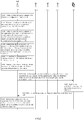
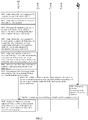
- Fig.3 illustrates a flow chart of a method of discovering a small cell in a heterogonous communication network according to another embodiment of the invention.
- Fig.4 illustrates a flow chart of the step S114 in the method of Fig.3 .
- the method of assisting the user equipment 30 in discovering a small cell according to an embodiment of the invention will be described below with reference to Fig.3 and Fig.4 together with Fig.1 .
- the macro base station 10 judges whether the user equipment 30 is located at the edge of the macro cell MC.
- the step is similar to the step S111 in Fig.2 , so a repeated description thereof will be omitted here.
- the result of the judgment is that the user equipment 30 is not located at the edge of the macro cell MC.
- the macro base station 10 performs the step S113.
- the macro base station 10 judges whether traffic of the macro cell MC is above a first threshold.
- the result of the judgment is that the traffic of the macro cell MC is above the first threshold.
- the traffic of the macro cell MC shall be offloaded.
- the macro base station 10 performs the step S114. Additionally the macro base station 10 will not perform any subsequent step if the result of the judgment is that the traffic of the macro cell MC is not above the first threshold.
- the macro base station 10 determines the candidate small cells as small cells that are able to offload the traffic of the macro cell among all the small cells covered by the macro base station 10.
- the small cells that are able to offload the traffic of the macro cell among all the small cells covered by the macro base station 10 are the pico cells PC1 and PC3.
- the macro base station 10 can determine small cells that are able to offload the traffic of the macro cell among all the small cells covered by the macro base station 10 according to the flow illustrated in Fig.4 .
- the macro base station 10 transmits an offloading request to all the small cells covered by the macro base station 10, i.e., the pico cells PC1, PC2 and PC3, to request all the small cells to report whether to be able to offload the traffic of the macro cell MC (as illustrated in the step i).
- the macro base station 10 can transmit the offloading request in a broadcast manner.
- the base station of the small cell judges whether the small cell is able to offload the traffic of the macro cell based upon traffic of the small cell according to a predetermined criterion (as illustrated in the step ii).
- the predetermined criterion is to judge the small cell is able to offload the traffic of the macro cell if the traffic of the small cell is below a predetermined threshold.
- the base station of the small cell After the base station of the small cell performs the foregoing judgment, if the result of the judgment shows that the small cell is able to offload the traffic of the macro cell, then the base station of the small cell transmits an offloading reply to the macro base station to indicate that the small cell is able to offload the traffic of the macro cell, the offloading reply including the cell identifier of the small cell (as illustrated in the step iii). Additionally the offloading reply can further include the traffic of the corresponding small cell. Assumed in this example the pico cells PC1 and PC3 are able to offload the traffic of the macro cell MC, so in the step iii, the pico cells PC1 and PC3 transmit an offloading reply to the macro base station 10 respectively.
- the base station of each small cell receiving the offloading request will transmit a corresponding offloading reply to indicate whether the small cell is able to offload the traffic of the macro cell.
- the macro base station 10 determines from the received offloading reply all small cells that are able to offload the traffic of the macro cell among all the small cells covered by the macro base station.
- an X2 interface is defined between the macro base station and the pico cell according to the existing standard, so the interaction of the offloading request and/or the offloading reply can be performed between the macro base station and the small cell via the X2 interface.
- any interface between the macro base station and the small cell can be applicable to the offloading request and/or the offloading reply.
- the macro base station 10 performs the step S120 subsequent to the step S114.
- the macro base station 10 judges whether the user equipment 30 has approached to a region which includes one or more pico cells based upon the stored location range information of the candidate small cells in the macro cell MC (in this example, the pico cells PC1, PC2 and PC3) and the estimated position information of the user equipment 30.
- the result of the judgment shows that the user equipment 30 has approached to such a region, for example, the user equipment has moved close to a region where the pico cell PC1 is located (as illustrated in Fig.1 ).
- the macro base station 10 judges based upon the result of the judgment in the step S120 whether to instruct the user equipment 30 to perform a periodical measurement on the one or more candidate small cells in the target region to discover a small cell.
- the result of the judgment in the step S130 is to instruct the user equipment 30 to perform the periodical measurement when the result of the judgment in the step S120 is that the user equipment 30 has approached to a region which includes one or more pico cells.
- the result of the judgment in the step S120 shows that the user equipment 30 has moved close to the region where the pico cell PC1 is located, so the result of the judgment in the step S130 is to instruct the user equipment 30 to perform the periodical measurement, and then the macro base station 10 performs subsequent steps.
- the macro base station 10 can further obtain mobility status information of the user equipment 30 which indicates the speed of the user equipment, and in the step S130, judges whether to instruct the user equipment 30 to perform the periodical measurement on the one or more candidate small cells in the target region to discover a small cell based upon the result of the judgment in the step S120 and the obtained mobility status information.
- the macro base station 10 judges to instruct the user equipment 30 to perform the foregoing periodical measurement; otherwise, the macro base station 10 judges not to instruct the user equipment 30 to perform the foregoing periodical measurement and thus will not perform any subsequent steps.
- the result of the judgment in the step S120 shows that the user equipment 30 has moved close to the region where the pico cell PC1 is located and the obtained mobility status information indicates that the user equipment 30 moves at a low or moderate speed, so the result of the judgment in the step S130 is to instruct the user equipment 30 to perform the foregoing periodical measurement, and thus the macro base station 10 performs a subsequent step.
- the macro base station 10 obtains density information that indicates the density of the candidate small cells in the target region, and in the step S142, the macro base station 10 determines the interval for the periodical measurement of the user equipment 30 based upon the obtained density information. Specifically the determined interval is shorter when the density information indicates that the density of the candidate small cells in the target region is higher. For example, the interval for the measurement is set as performing a measurement of 6ms every 40ms when the density of the candidate small cells in the target region is higher; and the interval for the measurement is set as performing a measurement of 6ms every 80ms when the density of the candidate small cells in the target region is lower. For example, whether the density is higher or lower can be judged based upon a predetermined threshold.
- the macro base station 10 transmits a first signaling to the user equipment 30 to instruct the user equipment 30 to perform the periodical measurement on the one or more candidate small cells in the target region (in this example, the pico cell PC1), wherein the first signaling includes cell identifiers of the one or more candidate small cells in the target region (in this example, the cell identifier of the pico cell PC1) and the interval determined in the step S142.
- the user equipment 30 receives the first signaling, and in the step S220, in response to the received first signaling, the user equipment 30 performs the periodical measurement on the small cell or cells indicated therein ((in this example, the pico cell PC1) at the interval indicated therein to discover a small cell. Assumed in this example the user equipment 30 discovers the pico cell PC1.
- the user equipment 30 when the user equipment 30 is configured with Discontinuous Receive (DRX), before the step S220, the user equipment disables the Discontinuous Receive configuration in response to the received first signaling to thereby perform the periodical measurement in the subsequent step S220.
- DRX Discontinuous Receive
- the user equipment 30 transmits a second signaling to the macro base station MC, the second signaling including cell identifiers of the discovered small cells.
- the macro base station 10 receives the second signaling from the user equipment 30, and in the step S160, the macro base station 10 performs a corresponding operation in response to the received second signaling.
- the macro base station 10 prepares for a handover of the use equipment 30 to one of the discovered small cells (e.g., the pico cell PC1).
- the macro base station 10 takes one or more of the discovered small cells (e.g., the pico cell PC1) as a candidate secondary cell or cells of the user equipment.
Landscapes
- Engineering & Computer Science (AREA)
- Computer Networks & Wireless Communication (AREA)
- Signal Processing (AREA)
- Computer Security & Cryptography (AREA)
- Mobile Radio Communication Systems (AREA)
Claims (13)
- Procédé, dans une macro-station de base (10) d'une macro-cellule (MC) d'un réseau de communication hétérogène, d'assistance d'un équipement utilisateur (20, 30) dans la découverte de petites cellules (PC1, PC2, PC3), le procédé comprenant les étapes de :B. l'évaluation (S120) que l'équipement utilisateur (20, 30) s'est ou non rapproché d'une région cible qui inclut une ou plusieurs petites cellules candidates (PC1, PC2, PC3) sur la base d'informations de portée de localisation stockées de la totalité des petites cellules candidates (PC1, PC2, PC3) dans la macro-cellule (MC) et d'informations de position estimées de l'équipement utilisateur (20, 30) ;C. l'évaluation (S130), sur la base d'un résultat de l'évaluation dans l'étape B, qu'il faut ou non donner l'instruction à l'équipement utilisateur (20, 30) de réaliser une mesure périodique sur les une ou plusieurs petites cellules candidates (PC1, PC2, PC3) dans la région cible pour découvrir des petites cellules (PC1, PC2, PC3) ; etD. lorsqu'un résultat de l'évaluation dans l'étape C est qu'il faut donner l'instruction à l'équipement utilisateur (20, 30) de réaliser la mesure périodique, la réalisation des étapes de :D1. l'obtention (S141) d'informations de densité qui indiquent une densité des petites cellules candidates (PC1, PC2, PC3) dans la région cible ;D2. la détermination (S142) d'un intervalle pour la mesure périodique de l'équipement utilisateur (20, 30) sur la base des informations de densité obtenues ; etD3. la transmission (S143) d'une première signalisation à l'équipement utilisateur (20, 30) pour donner l'instruction à l'équipement utilisateur (20, 30) de réaliser la mesure périodique, dans lequel la première signalisation inclut des identifiants de cellule des une ou plusieurs petites cellules candidates (PC1, PC2, PC3) dans la région cible et l'intervalle déterminé.
- Procédé selon la revendication 1, dans lequel dans l'étape D2, l'intervalle déterminé est plus court lorsque les informations de densité indiquent que la densité des petites cellules candidates (PC1, PC2, PC3) dans la région cible est plus élevée.
- Procédé selon la revendication 1, dans lequel, avant l'étape B, le procédé comprend en outre l'étape de :A1. l'évaluation (S111) que l'équipement utilisateur (20, 30) est ou non localisé à un bord de la macro-cellule (MC) ; etlorsqu'un résultat de l'évaluation dans l'étape A1 est que l'équipement utilisateur (20, 30) est localisé au bord de la macro-cellule (MC), la réalisation de l'étape de :A2. la détermination (S112) de la totalité des petites cellules candidates (PC1, PC2, PC3) en tant que totalité des petites cellules couvertes par la macro-station de base (10).
- Procédé selon la revendication 3, dans lequel, lorsque le résultat de l'évaluation dans l'étape A1 est que l'équipement utilisateur (20, 30) n'est pas localisé au bord de la macro-cellule (MC), la réalisation de l'étape de :A3. l'évaluation que le trafic de la macro-cellule (MC) est ou non supérieur à un premier seuil ; etlorsqu'un résultat de l'évaluation dans l'étape A3 est que le trafic de la macro-cellule (MC) est supérieur au premier seuil, la réalisation de l'étape de :A4. la détermination de la totalité des petites cellules candidates (PC1, PC2, PC3) en tant que totalité des petites cellules (PC1, PC2, PC3) qui sont capables de décharger le trafic de la macro-cellule (MC) parmi la totalité des petites cellules (PC1, PC2, PC3) couvertes par la macro-station de base (10).
- Procédé selon la revendication 4, dans lequel l'étape A4 comprend en outre les étapes de :- la transmission (i) d'une demande de déchargement à la totalité des petites cellules (PC1, PC2, PC3) couvertes par la macro-station de base (10) pour demander à la totalité des petites cellules (PC1, PC2, PC3) de rapporter qu'elles sont ou non capables de décharger le trafic de la macro-cellule (MC) ;- la réception (iii) d'une réponse de déchargement correspondante respectivement à partir d'au moins une petite cellule (PC1, PC2, PC3), la réponse de déchargement étant utilisée pour indiquer que la petite cellule correspondante (PC1, PC2, PC3) est capable de décharger le trafic de la macro-cellule (MC), la réponse de déchargement (iii) incluant un identifiant de la petite cellule transmettant le rapport d'informations de trafic ; et- la détermination, à partir des réponses de déchargement reçues (iii), de la totalité des petites cellules (PC1, PC2, PC3) qui sont capables de décharger le trafic de la macro-cellule (MC) parmi la totalité des petites cellules (PC1, PC2, PC3) couvertes par la macro-station de base (10).
- Procédé selon la revendication 4, dans lequel, lorsque le résultat de l'évaluation dans l'étape A3 est que le trafic de la macro-cellule (MC) est supérieur au premier seuil,- entre les étapes B et C, le procédé comprend en outre : l'obtention d'informations d'état de mobilité de l'équipement utilisateur (20, 30), les informations d'état de mobilité indiquant une vitesse de l'équipement utilisateur (20, 30) ; et- l'évaluation qu'il faut ou non donner l'instruction à l'équipement utilisateur (20, 30) de réaliser la mesure périodique sur la base d'un résultat de l'évaluation dans l'étape B et des informations d'état de mobilité obtenues dans l'étape C.
- Procédé selon la revendication 6, dans lequel il est évalué qu'il ne faut pas donner l'instruction à l'équipement utilisateur (20, 30) de réaliser la mesure périodique lorsque les informations d'état de mobilité indiquent que la vitesse de l'équipement utilisateur (20, 30) est supérieure à un second seuil dans l'étape C.
- Procédé selon la revendication 3, dans lequel lorsque le résultat de l'évaluation dans l'étape A1 est que l'équipement utilisateur (20, 30) est localisé au bord de la macro-cellule (MC),- le procédé comprend en outre : l'obtention d'informations d'état de mobilité de l'équipement utilisateur (20, 30), les informations d'état de mobilité indiquant une vitesse de l'équipement utilisateur (20, 30) ; et- la détermination de l'intervalle sur la base des informations de densité obtenues et des informations d'état de mobilité obtenues dans l'étape D2.
- Procédé selon la revendication 8, dans lequel l'intervalle déterminé est plus court lorsque les informations d'état de mobilité indiquent que la vitesse de l'équipement utilisateur (20, 30) est supérieure dans l'étape D2.
- Procédé selon la revendication 1, comprenant en outre :E. la réception (S150) d'une seconde signalisation à partir de l'équipement utilisateur, la seconde signalisation incluant des identifiants de cellule des petites cellules (PC1, PC2, PC3) découvertes par l'équipement utilisateur (20, 30) ; etF. sur la base de la seconde signalisation, la réalisation d'une des étapes de :- la préparation (S160) pour un transfert de l'équipement utilisateur (20, 30) à une des petites cellules découvertes (PC1, PC2, PC3) ; et- l'emploi d'une ou de plusieurs des petites cellules découvertes (PC1, PC2, PC3) en tant que cellule ou cellules secondaires candidates pour servir l'équipement utilisateur (20, 30).
- Procédé, dans un équipement utilisateur (20, 30) d'un réseau de communication hétérogène, de découverte de petites cellules (PC1, PC2, PC3), le procédé comprenant les étapes de :a. la réception (S210) d'une première signalisation à partir d'une macro-station de base (10), la première signalisation étant utilisée pour donner l'instruction à l'équipement utilisateur (20, 30) de réaliser (S220) une mesure périodique sur une ou plusieurs petites cellules candidates (PC1, PC2, PC3) dans une région cible pour découvrir des petites cellules (PC1, PC2, PC3), dans lequel la première signalisation inclut des identifiants de cellule des une ou plusieurs petites cellules candidates (PC1, PC2, PC3) dans la région cible et un intervalle pour la mesure périodique déterminée par la macro-station de base sur la base d'informations de densité obtenues qui indiquent une densité des petites cellules candidates dans la région cible ;b. en réponse à la première signalisation reçue, la réalisation (S220) de la mesure périodique avec l'intervalle pour découvrir des petites cellules (PC1, PC2, PC3) ; etc. la transmission (S230) d'une seconde signalisation à la macro-station de base (10), la seconde signalisation incluant des identifiants de cellule des petites cellules découvertes (PC1, PC2, PC3).
- Appareil, dans une macro-station de base (10) d'une macro-cellule (MC) d'un réseau de communication hétérogène, pour assister un équipement utilisateur (20, 30) dans la découverte de petites cellules (PC1, PC2, PC3), l'appareil comprenant :une première unité d'évaluation configurée pour évaluer que l'équipement utilisateur (20, 30) s'est rapproché ou non d'une région cible qui inclut une ou plusieurs petites cellules candidates (PC1, PC2, PC3) sur la base d'informations de portée de localisation stockées de la totalité des petites cellules candidates dans la macro-cellule et d'informations de position estimées de l'équipement utilisateur (20, 30) ;une seconde unité d'évaluation configurée pour évaluer, sur la base d'un résultat de l'évaluation de la première unité d'évaluation, qu'il faut ou non donner l'instruction à l'équipement utilisateur (20, 30) de réaliser une mesure périodique sur les une ou plusieurs petites cellules candidates (PC1, PC2, PC3) dans la région cible pour découvrir des petites cellules (PC1, PC2, PC3) ; etune première unité d'obtention configurée, lorsqu'un résultat de l'évaluation de la seconde unité d'évaluation est qu'il faut donner l'instruction à l'équipement utilisateur (20, 30) de réaliser la mesure périodique, pour obtenir des informations de densité qui indiquent une densité des petites cellules candidates (PC1, PC2, PC3) dans la région cible ;une première unité de détermination configurée pour déterminer un intervalle pour la mesure périodique de l'équipement utilisateur (20, 30) sur la base des informations de densité obtenues par la première unité d'obtention ; etune première unité de transmission configurée pour transmettre (S143, S210) une première signalisation à l'équipement utilisateur (20, 30) pour donner l'instruction à l'équipement utilisateur de réaliser la mesure périodique, dans lequel la première signalisation inclut des identifiants de cellule des une ou plusieurs petites cellules candidates (PC1, PC2, PC3) dans la région cible et l'intervalle déterminé.
- Appareil, dans un équipement utilisateur (20, 30) d'un réseau de communication hétérogène, pour découvrir de petites cellules (PC1, PC2, PC3), l'appareil comprenant :une première unité de réception configurée pour recevoir (S210) une première signalisation à partir d'une macro-station de base (10), la première signalisation étant utilisée pour donner l'instruction à l'équipement utilisateur (20, 30) de réaliser une mesure périodique sur une ou plusieurs petites cellules candidates (PC1, PC2, PC3) dans une région cible pour découvrir de petites cellules (PC1, PC2, PC3), dans lequel la première signalisation inclut des identifiants de cellule des une ou plusieurs petites cellules candidates (PC1, PC2, PC3) dans la région cible et un intervalle pour la mesure périodique déterminée par la macro-station de base sur la base d'informations de densité obtenues qui indiquent une densité des petites cellules candidates dans la région cible ;une première unité de mesure configurée, en réponse à la première signalisation reçue, pour réaliser (S220) la mesure périodique à l'intervalle pour découvrir de petites cellules ; etune seconde unité de transmission configurée pour transmettre (S230) une seconde signalisation à la macro-station de base (10), la seconde signalisation incluant des identifiants de cellule des petites cellules découvertes (PC1, PC2, PC3).
Applications Claiming Priority (2)
| Application Number | Priority Date | Filing Date | Title |
|---|---|---|---|
| CN201210073195.3A CN103327543B (zh) | 2012-03-19 | 2012-03-19 | 在异构型通信网络中用于发现小小区的方法和装置 |
| PCT/IB2013/000600 WO2013140243A1 (fr) | 2012-03-19 | 2013-03-18 | Procédé et appareil pour découvrir une petite cellule dans un réseau de communication hétérogène |
Publications (2)
| Publication Number | Publication Date |
|---|---|
| EP2829114A1 EP2829114A1 (fr) | 2015-01-28 |
| EP2829114B1 true EP2829114B1 (fr) | 2019-01-02 |
Family
ID=48428514
Family Applications (1)
| Application Number | Title | Priority Date | Filing Date |
|---|---|---|---|
| EP13722051.3A Not-in-force EP2829114B1 (fr) | 2012-03-19 | 2013-03-18 | Procédé et appareil pour découvrir des petites cellules dans un réseau de communication hétérogène |
Country Status (6)
| Country | Link |
|---|---|
| US (1) | US20150031368A1 (fr) |
| EP (1) | EP2829114B1 (fr) |
| JP (1) | JP2015517243A (fr) |
| KR (1) | KR20140134330A (fr) |
| CN (1) | CN103327543B (fr) |
| WO (1) | WO2013140243A1 (fr) |
Families Citing this family (18)
| Publication number | Priority date | Publication date | Assignee | Title |
|---|---|---|---|---|
| CN104219681B (zh) * | 2013-06-03 | 2020-05-05 | 索尼公司 | 无线通信系统中的装置和方法 |
| WO2015080420A1 (fr) * | 2013-11-29 | 2015-06-04 | 삼성전자주식회사 | Dispositif et procédé de découverte d'une petite cellule dans un système de communication sans fil |
| KR101878210B1 (ko) | 2013-11-29 | 2018-07-13 | 삼성전자주식회사 | 무선 통신 시스템에서 소형 셀을 발견하기 위한 장치 및 방법 |
| CN104780554A (zh) * | 2014-01-13 | 2015-07-15 | 中国电信股份有限公司 | 发现容量提升小基站的方法、用户设备和系统 |
| US20150215855A1 (en) * | 2014-01-23 | 2015-07-30 | Humax Holdings Co., Ltd. | Apparatus for cell specific reference signal transmission on lte small cell |
| EP2903386A1 (fr) * | 2014-01-29 | 2015-08-05 | Alcatel Lucent | Procédé et dispositif permettant d'établir une connectivité double entre un équipement utilisateur, un MeNB et un SeNB, en fournissant les informations d'historique d'équipement d'utilisateur |
| US20150282077A1 (en) * | 2014-03-28 | 2015-10-01 | Qualcomm Incorporated | Optimizing resource usage based on channel conditions and power consumption |
| US9474075B2 (en) | 2014-03-28 | 2016-10-18 | Qualcomm Incorporated | Operation mode adaptation based on hardware and channel condition constraints |
| KR102220934B1 (ko) * | 2014-05-07 | 2021-02-26 | 삼성전자 주식회사 | 무선 통신 시스템에서 비연속적 수신을 제어하기 위한 방법, 사용자 장치 및 기지국 |
| CN105208543A (zh) | 2014-06-09 | 2015-12-30 | 中国移动通信集团公司 | 一种小小区发现方法及系统、基站、用户设备 |
| CN104202780B (zh) * | 2014-09-15 | 2018-04-10 | 宇龙计算机通信科技(深圳)有限公司 | 小区加减方法、小区加减装置和终端 |
| JP6386168B2 (ja) * | 2014-10-01 | 2018-09-05 | インテル アイピー コーポレイション | マクロセルにより支援されるスモールセルネットワークにおけるモバイル通信 |
| US10251088B2 (en) * | 2015-04-09 | 2019-04-02 | At&T Mobility Ii Llc | Facilitating load balancing in wireless heterogeneous networks |
| US10652789B2 (en) | 2015-10-07 | 2020-05-12 | Telefonaktiebolaget Lm Ericsson (Publ) | Location based mobility measurement activation |
| CN109474948B (zh) * | 2017-09-08 | 2020-06-16 | 展讯通信(上海)有限公司 | 用户设备的波束的测量方法、用户设备及计算机可读介质 |
| WO2019157705A1 (fr) * | 2018-02-14 | 2019-08-22 | Oppo广东移动通信有限公司 | Procédé de configuration de groupe de cellules secondaires et produit associé |
| CN108990119B (zh) * | 2018-07-10 | 2020-02-18 | 北京邮电大学 | 一种组网方法、装置、电子设备及可读存储介质 |
| US10893460B1 (en) * | 2019-10-30 | 2021-01-12 | Xerox Corporation | Method and apparatus to limit wireless connectivity roaming of multi-function devices |
Family Cites Families (14)
| Publication number | Priority date | Publication date | Assignee | Title |
|---|---|---|---|---|
| JPH07212827A (ja) * | 1994-01-20 | 1995-08-11 | Matsushita Electric Ind Co Ltd | 移動体通信システムにおける位置登録装置および位置登録方法 |
| GB2452010B (en) * | 2007-05-14 | 2010-03-31 | Samsung Electronics Co Ltd | Wireless communication |
| US20090061892A1 (en) * | 2007-08-27 | 2009-03-05 | Via Telecom, Inc. | Location assisted connection to femtocell |
| US9137745B2 (en) * | 2007-10-12 | 2015-09-15 | Qualcomm Incorporated | System and method to locate femto cells with passive assistance from a macro cellular wireless network |
| US8355727B2 (en) * | 2007-12-19 | 2013-01-15 | Airvana, Corp. | Proximity detection in a network |
| KR101086540B1 (ko) * | 2009-11-03 | 2011-11-23 | 주식회사 팬택 | 소형 기지국 진입을 위한 단말, 네트워크 장치 및 이의 동작 방법 |
| US8532660B2 (en) * | 2010-04-10 | 2013-09-10 | Alcatel Lucent | Method and apparatus for directing traffic between overlying macrocells and microcells |
| JP2012010065A (ja) * | 2010-06-24 | 2012-01-12 | Fujitsu Ltd | 基地局装置およびハンドオーバ方法 |
| US20140148213A1 (en) * | 2011-04-20 | 2014-05-29 | Qualcomm Incorporated | Range tuning for open access small cells |
| US9913229B2 (en) * | 2011-04-20 | 2018-03-06 | Qualcomm Incorporated | Range tuning for open access small cells |
| KR20130010722A (ko) * | 2011-07-19 | 2013-01-29 | 주식회사 케이티 | Lte 시스템에서의 핸드오버 방법 및 이를 위한 장치 |
| US9253713B2 (en) * | 2011-09-26 | 2016-02-02 | Blackberry Limited | Method and system for small cell discovery in heterogeneous cellular networks |
| JP5902817B2 (ja) * | 2011-09-30 | 2016-04-13 | 京セラ株式会社 | 小セルの上りリンクの干渉を緩和するシステム及び方法 |
| JP5944004B2 (ja) * | 2011-10-03 | 2016-07-05 | インテル・コーポレーション | デバイスツーデバイス通信(d2d通信)メカニズム |
-
2012
- 2012-03-19 CN CN201210073195.3A patent/CN103327543B/zh active Active
-
2013
- 2013-03-18 WO PCT/IB2013/000600 patent/WO2013140243A1/fr not_active Ceased
- 2013-03-18 JP JP2015500999A patent/JP2015517243A/ja active Pending
- 2013-03-18 EP EP13722051.3A patent/EP2829114B1/fr not_active Not-in-force
- 2013-03-18 KR KR1020147028942A patent/KR20140134330A/ko not_active Ceased
- 2013-03-18 US US14/386,706 patent/US20150031368A1/en not_active Abandoned
Non-Patent Citations (1)
| Title |
|---|
| None * |
Also Published As
| Publication number | Publication date |
|---|---|
| CN103327543B (zh) | 2016-07-06 |
| US20150031368A1 (en) | 2015-01-29 |
| KR20140134330A (ko) | 2014-11-21 |
| JP2015517243A (ja) | 2015-06-18 |
| CN103327543A (zh) | 2013-09-25 |
| WO2013140243A1 (fr) | 2013-09-26 |
| EP2829114A1 (fr) | 2015-01-28 |
Similar Documents
| Publication | Publication Date | Title |
|---|---|---|
| EP2829114B1 (fr) | Procédé et appareil pour découvrir des petites cellules dans un réseau de communication hétérogène | |
| EP2606681B1 (fr) | Procédé de découverte de petites cellules dans un réseau hétérogène | |
| US9674740B2 (en) | Method and arrangement for mobility procedures supporting user equipment groups | |
| US9055474B2 (en) | Apparatus for improved mobility in a wireless heterogeneous network | |
| EP2823671B1 (fr) | Procédé et système destinés à minimiser la consommation d'énergie d'un équipement utilisateur lors de la détection d'une cellule | |
| EP2553977B1 (fr) | Equipement utilisateur, station de base radio et procédés associés pour déterminer un déclencheur de mobilité | |
| US9723509B2 (en) | Small cell mobility enhancement | |
| US9565611B2 (en) | Wireless device, network node and methods therein, computer programs and computer-readable mediums comprising the computer programs, for cell monitoring for cell reselection | |
| US20150011224A1 (en) | Method and system to trigger ue handover in a radio communication network | |
| US20180288637A1 (en) | Method of UE Autonomous Measurement Related Actions Upon Implicit Triggers | |
| CN103874231A (zh) | 小区休眠、休眠信息下发及处理方法和设备 | |
| WO2014163572A1 (fr) | Détection de proximité dans un réseau sans fil | |
| JP6527527B2 (ja) | 無線基地局及び無線端末 | |
| CN106255163B (zh) | 信息处理方法及基站 | |
| US9992714B1 (en) | Dynamic management of handoff based on detected network | |
| JP7019294B2 (ja) | 無線端末 |
Legal Events
| Date | Code | Title | Description |
|---|---|---|---|
| PUAI | Public reference made under article 153(3) epc to a published international application that has entered the european phase |
Free format text: ORIGINAL CODE: 0009012 |
|
| 17P | Request for examination filed |
Effective date: 20141020 |
|
| AK | Designated contracting states |
Kind code of ref document: A1 Designated state(s): AL AT BE BG CH CY CZ DE DK EE ES FI FR GB GR HR HU IE IS IT LI LT LU LV MC MK MT NL NO PL PT RO RS SE SI SK SM TR |
|
| AX | Request for extension of the european patent |
Extension state: BA ME |
|
| RIN1 | Information on inventor provided before grant (corrected) |
Inventor name: YANG, TAO Inventor name: WEN, PINGPING Inventor name: ZHONG, CHONGXIAN |
|
| DAX | Request for extension of the european patent (deleted) | ||
| RAP1 | Party data changed (applicant data changed or rights of an application transferred) |
Owner name: ALCATEL LUCENT |
|
| GRAP | Despatch of communication of intention to grant a patent |
Free format text: ORIGINAL CODE: EPIDOSNIGR1 |
|
| STAA | Information on the status of an ep patent application or granted ep patent |
Free format text: STATUS: GRANT OF PATENT IS INTENDED |
|
| INTG | Intention to grant announced |
Effective date: 20180727 |
|
| GRAS | Grant fee paid |
Free format text: ORIGINAL CODE: EPIDOSNIGR3 |
|
| GRAA | (expected) grant |
Free format text: ORIGINAL CODE: 0009210 |
|
| STAA | Information on the status of an ep patent application or granted ep patent |
Free format text: STATUS: THE PATENT HAS BEEN GRANTED |
|
| AK | Designated contracting states |
Kind code of ref document: B1 Designated state(s): AL AT BE BG CH CY CZ DE DK EE ES FI FR GB GR HR HU IE IS IT LI LT LU LV MC MK MT NL NO PL PT RO RS SE SI SK SM TR |
|
| REG | Reference to a national code |
Ref country code: GB Ref legal event code: FG4D |
|
| REG | Reference to a national code |
Ref country code: CH Ref legal event code: EP Ref country code: AT Ref legal event code: REF Ref document number: 1086044 Country of ref document: AT Kind code of ref document: T Effective date: 20190115 |
|
| REG | Reference to a national code |
Ref country code: IE Ref legal event code: FG4D |
|
| REG | Reference to a national code |
Ref country code: DE Ref legal event code: R096 Ref document number: 602013049167 Country of ref document: DE |
|
| PGFP | Annual fee paid to national office [announced via postgrant information from national office to epo] |
Ref country code: GB Payment date: 20190313 Year of fee payment: 7 Ref country code: DE Payment date: 20190305 Year of fee payment: 7 |
|
| REG | Reference to a national code |
Ref country code: NL Ref legal event code: MP Effective date: 20190102 |
|
| REG | Reference to a national code |
Ref country code: LT Ref legal event code: MG4D |
|
| PGFP | Annual fee paid to national office [announced via postgrant information from national office to epo] |
Ref country code: FR Payment date: 20190213 Year of fee payment: 7 |
|
| REG | Reference to a national code |
Ref country code: AT Ref legal event code: MK05 Ref document number: 1086044 Country of ref document: AT Kind code of ref document: T Effective date: 20190102 |
|
| PG25 | Lapsed in a contracting state [announced via postgrant information from national office to epo] |
Ref country code: NL Free format text: LAPSE BECAUSE OF FAILURE TO SUBMIT A TRANSLATION OF THE DESCRIPTION OR TO PAY THE FEE WITHIN THE PRESCRIBED TIME-LIMIT Effective date: 20190102 |
|
| PG25 | Lapsed in a contracting state [announced via postgrant information from national office to epo] |
Ref country code: FI Free format text: LAPSE BECAUSE OF FAILURE TO SUBMIT A TRANSLATION OF THE DESCRIPTION OR TO PAY THE FEE WITHIN THE PRESCRIBED TIME-LIMIT Effective date: 20190102 Ref country code: NO Free format text: LAPSE BECAUSE OF FAILURE TO SUBMIT A TRANSLATION OF THE DESCRIPTION OR TO PAY THE FEE WITHIN THE PRESCRIBED TIME-LIMIT Effective date: 20190402 Ref country code: SE Free format text: LAPSE BECAUSE OF FAILURE TO SUBMIT A TRANSLATION OF THE DESCRIPTION OR TO PAY THE FEE WITHIN THE PRESCRIBED TIME-LIMIT Effective date: 20190102 Ref country code: PT Free format text: LAPSE BECAUSE OF FAILURE TO SUBMIT A TRANSLATION OF THE DESCRIPTION OR TO PAY THE FEE WITHIN THE PRESCRIBED TIME-LIMIT Effective date: 20190502 Ref country code: LT Free format text: LAPSE BECAUSE OF FAILURE TO SUBMIT A TRANSLATION OF THE DESCRIPTION OR TO PAY THE FEE WITHIN THE PRESCRIBED TIME-LIMIT Effective date: 20190102 Ref country code: PL Free format text: LAPSE BECAUSE OF FAILURE TO SUBMIT A TRANSLATION OF THE DESCRIPTION OR TO PAY THE FEE WITHIN THE PRESCRIBED TIME-LIMIT Effective date: 20190102 Ref country code: ES Free format text: LAPSE BECAUSE OF FAILURE TO SUBMIT A TRANSLATION OF THE DESCRIPTION OR TO PAY THE FEE WITHIN THE PRESCRIBED TIME-LIMIT Effective date: 20190102 |
|
| PG25 | Lapsed in a contracting state [announced via postgrant information from national office to epo] |
Ref country code: GR Free format text: LAPSE BECAUSE OF FAILURE TO SUBMIT A TRANSLATION OF THE DESCRIPTION OR TO PAY THE FEE WITHIN THE PRESCRIBED TIME-LIMIT Effective date: 20190403 Ref country code: RS Free format text: LAPSE BECAUSE OF FAILURE TO SUBMIT A TRANSLATION OF THE DESCRIPTION OR TO PAY THE FEE WITHIN THE PRESCRIBED TIME-LIMIT Effective date: 20190102 Ref country code: HR Free format text: LAPSE BECAUSE OF FAILURE TO SUBMIT A TRANSLATION OF THE DESCRIPTION OR TO PAY THE FEE WITHIN THE PRESCRIBED TIME-LIMIT Effective date: 20190102 Ref country code: BG Free format text: LAPSE BECAUSE OF FAILURE TO SUBMIT A TRANSLATION OF THE DESCRIPTION OR TO PAY THE FEE WITHIN THE PRESCRIBED TIME-LIMIT Effective date: 20190402 Ref country code: LV Free format text: LAPSE BECAUSE OF FAILURE TO SUBMIT A TRANSLATION OF THE DESCRIPTION OR TO PAY THE FEE WITHIN THE PRESCRIBED TIME-LIMIT Effective date: 20190102 Ref country code: IS Free format text: LAPSE BECAUSE OF FAILURE TO SUBMIT A TRANSLATION OF THE DESCRIPTION OR TO PAY THE FEE WITHIN THE PRESCRIBED TIME-LIMIT Effective date: 20190502 |
|
| REG | Reference to a national code |
Ref country code: DE Ref legal event code: R097 Ref document number: 602013049167 Country of ref document: DE |
|
| PG25 | Lapsed in a contracting state [announced via postgrant information from national office to epo] |
Ref country code: RO Free format text: LAPSE BECAUSE OF FAILURE TO SUBMIT A TRANSLATION OF THE DESCRIPTION OR TO PAY THE FEE WITHIN THE PRESCRIBED TIME-LIMIT Effective date: 20190102 Ref country code: SK Free format text: LAPSE BECAUSE OF FAILURE TO SUBMIT A TRANSLATION OF THE DESCRIPTION OR TO PAY THE FEE WITHIN THE PRESCRIBED TIME-LIMIT Effective date: 20190102 Ref country code: DK Free format text: LAPSE BECAUSE OF FAILURE TO SUBMIT A TRANSLATION OF THE DESCRIPTION OR TO PAY THE FEE WITHIN THE PRESCRIBED TIME-LIMIT Effective date: 20190102 Ref country code: AT Free format text: LAPSE BECAUSE OF FAILURE TO SUBMIT A TRANSLATION OF THE DESCRIPTION OR TO PAY THE FEE WITHIN THE PRESCRIBED TIME-LIMIT Effective date: 20190102 Ref country code: EE Free format text: LAPSE BECAUSE OF FAILURE TO SUBMIT A TRANSLATION OF THE DESCRIPTION OR TO PAY THE FEE WITHIN THE PRESCRIBED TIME-LIMIT Effective date: 20190102 Ref country code: IT Free format text: LAPSE BECAUSE OF FAILURE TO SUBMIT A TRANSLATION OF THE DESCRIPTION OR TO PAY THE FEE WITHIN THE PRESCRIBED TIME-LIMIT Effective date: 20190102 Ref country code: MC Free format text: LAPSE BECAUSE OF FAILURE TO SUBMIT A TRANSLATION OF THE DESCRIPTION OR TO PAY THE FEE WITHIN THE PRESCRIBED TIME-LIMIT Effective date: 20190102 Ref country code: AL Free format text: LAPSE BECAUSE OF FAILURE TO SUBMIT A TRANSLATION OF THE DESCRIPTION OR TO PAY THE FEE WITHIN THE PRESCRIBED TIME-LIMIT Effective date: 20190102 Ref country code: CZ Free format text: LAPSE BECAUSE OF FAILURE TO SUBMIT A TRANSLATION OF THE DESCRIPTION OR TO PAY THE FEE WITHIN THE PRESCRIBED TIME-LIMIT Effective date: 20190102 |
|
| REG | Reference to a national code |
Ref country code: CH Ref legal event code: PL |
|
| PLBE | No opposition filed within time limit |
Free format text: ORIGINAL CODE: 0009261 |
|
| STAA | Information on the status of an ep patent application or granted ep patent |
Free format text: STATUS: NO OPPOSITION FILED WITHIN TIME LIMIT |
|
| PG25 | Lapsed in a contracting state [announced via postgrant information from national office to epo] |
Ref country code: LU Free format text: LAPSE BECAUSE OF NON-PAYMENT OF DUE FEES Effective date: 20190318 Ref country code: SM Free format text: LAPSE BECAUSE OF FAILURE TO SUBMIT A TRANSLATION OF THE DESCRIPTION OR TO PAY THE FEE WITHIN THE PRESCRIBED TIME-LIMIT Effective date: 20190102 |
|
| REG | Reference to a national code |
Ref country code: BE Ref legal event code: MM Effective date: 20190331 |
|
| 26N | No opposition filed |
Effective date: 20191003 |
|
| PG25 | Lapsed in a contracting state [announced via postgrant information from national office to epo] |
Ref country code: CH Free format text: LAPSE BECAUSE OF NON-PAYMENT OF DUE FEES Effective date: 20190331 Ref country code: IE Free format text: LAPSE BECAUSE OF NON-PAYMENT OF DUE FEES Effective date: 20190318 Ref country code: LI Free format text: LAPSE BECAUSE OF NON-PAYMENT OF DUE FEES Effective date: 20190331 |
|
| PG25 | Lapsed in a contracting state [announced via postgrant information from national office to epo] |
Ref country code: BE Free format text: LAPSE BECAUSE OF NON-PAYMENT OF DUE FEES Effective date: 20190331 Ref country code: SI Free format text: LAPSE BECAUSE OF FAILURE TO SUBMIT A TRANSLATION OF THE DESCRIPTION OR TO PAY THE FEE WITHIN THE PRESCRIBED TIME-LIMIT Effective date: 20190102 |
|
| PG25 | Lapsed in a contracting state [announced via postgrant information from national office to epo] |
Ref country code: TR Free format text: LAPSE BECAUSE OF FAILURE TO SUBMIT A TRANSLATION OF THE DESCRIPTION OR TO PAY THE FEE WITHIN THE PRESCRIBED TIME-LIMIT Effective date: 20190102 |
|
| PG25 | Lapsed in a contracting state [announced via postgrant information from national office to epo] |
Ref country code: MT Free format text: LAPSE BECAUSE OF NON-PAYMENT OF DUE FEES Effective date: 20190318 |
|
| REG | Reference to a national code |
Ref country code: DE Ref legal event code: R119 Ref document number: 602013049167 Country of ref document: DE |
|
| PG25 | Lapsed in a contracting state [announced via postgrant information from national office to epo] |
Ref country code: DE Free format text: LAPSE BECAUSE OF NON-PAYMENT OF DUE FEES Effective date: 20201001 Ref country code: FR Free format text: LAPSE BECAUSE OF NON-PAYMENT OF DUE FEES Effective date: 20200331 |
|
| GBPC | Gb: european patent ceased through non-payment of renewal fee |
Effective date: 20200318 |
|
| PG25 | Lapsed in a contracting state [announced via postgrant information from national office to epo] |
Ref country code: GB Free format text: LAPSE BECAUSE OF NON-PAYMENT OF DUE FEES Effective date: 20200318 |
|
| PG25 | Lapsed in a contracting state [announced via postgrant information from national office to epo] |
Ref country code: CY Free format text: LAPSE BECAUSE OF FAILURE TO SUBMIT A TRANSLATION OF THE DESCRIPTION OR TO PAY THE FEE WITHIN THE PRESCRIBED TIME-LIMIT Effective date: 20190102 |
|
| PG25 | Lapsed in a contracting state [announced via postgrant information from national office to epo] |
Ref country code: HU Free format text: LAPSE BECAUSE OF FAILURE TO SUBMIT A TRANSLATION OF THE DESCRIPTION OR TO PAY THE FEE WITHIN THE PRESCRIBED TIME-LIMIT; INVALID AB INITIO Effective date: 20130318 |
|
| PG25 | Lapsed in a contracting state [announced via postgrant information from national office to epo] |
Ref country code: MK Free format text: LAPSE BECAUSE OF FAILURE TO SUBMIT A TRANSLATION OF THE DESCRIPTION OR TO PAY THE FEE WITHIN THE PRESCRIBED TIME-LIMIT Effective date: 20190102 |