EP2836620B1 - Alliage aluminium cuivre lithium à résistance au choc améliorée - Google Patents
Alliage aluminium cuivre lithium à résistance au choc améliorée Download PDFInfo
- Publication number
- EP2836620B1 EP2836620B1 EP13722480.4A EP13722480A EP2836620B1 EP 2836620 B1 EP2836620 B1 EP 2836620B1 EP 13722480 A EP13722480 A EP 13722480A EP 2836620 B1 EP2836620 B1 EP 2836620B1
- Authority
- EP
- European Patent Office
- Prior art keywords
- mpa
- thickness
- extruded product
- product according
- weight
- Prior art date
- Legal status (The legal status is an assumption and is not a legal conclusion. Google has not performed a legal analysis and makes no representation as to the accuracy of the status listed.)
- Active
Links
Images


Classifications
-
- C—CHEMISTRY; METALLURGY
- C22—METALLURGY; FERROUS OR NON-FERROUS ALLOYS; TREATMENT OF ALLOYS OR NON-FERROUS METALS
- C22C—ALLOYS
- C22C21/00—Alloys based on aluminium
- C22C21/12—Alloys based on aluminium with copper as the next major constituent
- C22C21/16—Alloys based on aluminium with copper as the next major constituent with magnesium
-
- B—PERFORMING OPERATIONS; TRANSPORTING
- B21—MECHANICAL METAL-WORKING WITHOUT ESSENTIALLY REMOVING MATERIAL; PUNCHING METAL
- B21C—MANUFACTURE OF METAL SHEETS, WIRE, RODS, TUBES, PROFILES OR LIKE SEMI-MANUFACTURED PRODUCTS OTHERWISE THAN BY ROLLING; AUXILIARY OPERATIONS USED IN CONNECTION WITH METAL-WORKING WITHOUT ESSENTIALLY REMOVING MATERIAL
- B21C23/00—Extruding metal; Impact extrusion
- B21C23/002—Extruding materials of special alloys so far as the composition of the alloy requires or permits special extruding methods of sequences
-
- B—PERFORMING OPERATIONS; TRANSPORTING
- B21—MECHANICAL METAL-WORKING WITHOUT ESSENTIALLY REMOVING MATERIAL; PUNCHING METAL
- B21C—MANUFACTURE OF METAL SHEETS, WIRE, RODS, TUBES, PROFILES OR LIKE SEMI-MANUFACTURED PRODUCTS OTHERWISE THAN BY ROLLING; AUXILIARY OPERATIONS USED IN CONNECTION WITH METAL-WORKING WITHOUT ESSENTIALLY REMOVING MATERIAL
- B21C23/00—Extruding metal; Impact extrusion
- B21C23/02—Making uncoated products
- B21C23/04—Making uncoated products by direct extrusion
- B21C23/14—Making other products
- B21C23/142—Making profiles
-
- B—PERFORMING OPERATIONS; TRANSPORTING
- B21—MECHANICAL METAL-WORKING WITHOUT ESSENTIALLY REMOVING MATERIAL; PUNCHING METAL
- B21C—MANUFACTURE OF METAL SHEETS, WIRE, RODS, TUBES, PROFILES OR LIKE SEMI-MANUFACTURED PRODUCTS OTHERWISE THAN BY ROLLING; AUXILIARY OPERATIONS USED IN CONNECTION WITH METAL-WORKING WITHOUT ESSENTIALLY REMOVING MATERIAL
- B21C29/00—Cooling or heating extruded work or parts of the extrusion press
- B21C29/003—Cooling or heating of work
-
- B—PERFORMING OPERATIONS; TRANSPORTING
- B21—MECHANICAL METAL-WORKING WITHOUT ESSENTIALLY REMOVING MATERIAL; PUNCHING METAL
- B21C—MANUFACTURE OF METAL SHEETS, WIRE, RODS, TUBES, PROFILES OR LIKE SEMI-MANUFACTURED PRODUCTS OTHERWISE THAN BY ROLLING; AUXILIARY OPERATIONS USED IN CONNECTION WITH METAL-WORKING WITHOUT ESSENTIALLY REMOVING MATERIAL
- B21C35/00—Removing work or waste from extruding presses; Drawing-off extruded work; Cleaning dies, ducts, containers, or mandrels for metal extruding
- B21C35/02—Removing or drawing-off work
- B21C35/023—Work treatment directly following extrusion, e.g. further deformation or surface treatment
-
- C—CHEMISTRY; METALLURGY
- C22—METALLURGY; FERROUS OR NON-FERROUS ALLOYS; TREATMENT OF ALLOYS OR NON-FERROUS METALS
- C22C—ALLOYS
- C22C21/00—Alloys based on aluminium
- C22C21/12—Alloys based on aluminium with copper as the next major constituent
-
- C—CHEMISTRY; METALLURGY
- C22—METALLURGY; FERROUS OR NON-FERROUS ALLOYS; TREATMENT OF ALLOYS OR NON-FERROUS METALS
- C22F—CHANGING THE PHYSICAL STRUCTURE OF NON-FERROUS METALS AND NON-FERROUS ALLOYS
- C22F1/00—Changing the physical structure of non-ferrous metals or alloys by heat treatment or by hot or cold working
- C22F1/04—Changing the physical structure of non-ferrous metals or alloys by heat treatment or by hot or cold working of aluminium or alloys based thereon
- C22F1/057—Changing the physical structure of non-ferrous metals or alloys by heat treatment or by hot or cold working of aluminium or alloys based thereon of alloys with copper as the next major constituent
-
- Y—GENERAL TAGGING OF NEW TECHNOLOGICAL DEVELOPMENTS; GENERAL TAGGING OF CROSS-SECTIONAL TECHNOLOGIES SPANNING OVER SEVERAL SECTIONS OF THE IPC; TECHNICAL SUBJECTS COVERED BY FORMER USPC CROSS-REFERENCE ART COLLECTIONS [XRACs] AND DIGESTS
- Y10—TECHNICAL SUBJECTS COVERED BY FORMER USPC
- Y10T—TECHNICAL SUBJECTS COVERED BY FORMER US CLASSIFICATION
- Y10T428/00—Stock material or miscellaneous articles
- Y10T428/12—All metal or with adjacent metals
Definitions
- the invention relates to spun products made of aluminum-copper-lithium alloys, more particularly, such products, their manufacturing and use processes, intended in particular for aeronautical and aerospace construction.
- Aluminum alloy spun products are developed to produce high strength parts for the aerospace industry and the aerospace industry in particular.
- Aluminum alloy spun products are used in the aerospace industry for many applications, such as stiffeners or fuselage rails, fuselage frames, wing stiffeners, floor profiles or beams, as well as track rails. seat.
- Ductile aluminum alloys have a significant ability to absorb impact energy during impact, in particular because they deform plastically.
- the specific energy absorption capacity during a shock of an aluminum alloy profile can be connected to the curve obtained during a tensile test of the material in question, in particular to the area under the curve deformation force. It can thus be evaluated by the product R m x A% or R p0.2 x A% in the direction L and in the direction TL.
- AlCuLi alloys are known.
- the patent US 5,032,359 discloses a large family of aluminum-copper-lithium alloys in which the addition of magnesium and silver, in particular between 0.3 and 0.5 percent by weight, makes it possible to increase the mechanical strength.
- the patent US5,455,003 discloses a process for manufacturing Al-Cu-Li alloys which have improved mechanical strength and toughness at cryogenic temperature, particularly through proper work-hardening and tempering.
- the patent US7,438,772 discloses alloys comprising, in weight percent, Cu: 3-5, Mg: 0.5-2, Li: 0.01-0.9 and discourage the use of higher lithium contents due to degradation compromise between toughness and mechanical strength.
- the patent US 7,229,509 discloses an alloy comprising (% by weight): (2.5-5.5) Cu, (0.1-2.5) Li, (0.2-1.0) Mg, (0.2-0, 8) Ag, (0.2-0.8) Mn, 0.4 max Zr or other grain refining agents such as Cr, Ti, Hf, Sc, V.
- the patent application US 2009/142222 A1 discloses alloys comprising (in% by weight), 3.4 to 4.2% Cu, 0.9 to 1.4% Li, 0.3 to 0.7% Ag, 0.1 to 0, 6% Mg, 0.2 to 0.8% of Zn, 0.1 to 0.6% Mn and 0.01 to 0.6% of at least one element for controlling the granular structure. This application also describes a process for manufacturing spun products.
- the patent application WO 2009/036953 discloses an alloy for structural elements comprising (in% by weight) 3.4 to 6.0% Cu, 0.9 to 1.7% Li, about 0.2 to 0.8% Mg, about 0 , 1 to 0.8% Ag, about 0.1 to 0.8% Mn, up to 1.5% Zn and one or more members selected from the group consisting of Zr, Cr, Ti, Sc and Hf, with Fe ⁇ 0.15 and Si ⁇ 0.15.
- AA2195 alloy comprising (in% by weight) 3.7 to 4.3% Cu, 0.8 to 1.2% Li, 0.25 to 0.8% Mg, O, is also known.
- Yet another object of the invention is the use of a product according to the invention for the aeronautical construction as a stiffener or smooth fuselage, fuselage frame, wing stiffener, profile or beam floor or seat rail.
- alloys are in accordance with the regulations of The Aluminum Association, known to those skilled in the art. The density depends on the composition and is determined by calculation rather than by a method of measuring weight. The values are calculated in accordance with the procedure of The Aluminum Association, which is described on pages 2-12 and 2-13 of "Aluminum Standards and Data". The definitions of the metallurgical states are given in the European standard EN 515 .
- the static mechanical characteristics in tension in other words the tensile strength R m , the conventional yield stress at 0.2% elongation R p0.2 , and the elongation at break A% are determined by a tensile test according to standard NF EN ISO 6892-1, the sampling and the direction of the test being defined by the EN 485-1 standard.
- the stress intensity factor (K Q ) is determined according to ASTM E399.
- ASTM E399 gives the criteria to determine if K Q is a valid K 1C value .
- the thickness of the spun products is defined according to EN 2066: 2001: the cross section is divided into elementary rectangles of dimensions A and B; A being always the largest dimension of the elementary rectangle and B can be considered as the thickness of the elementary rectangle. The sole is the elementary rectangle with the largest dimension A.
- a selected class of aluminum-copper-lithium alloys makes it possible to manufacture spun products having improved properties with respect to those of known products, in particular in terms of energy absorption during impact, static mechanical strength properties, corrosion resistance and low density.
- the simultaneous addition of manganese, titanium, zirconium, magnesium and silver allows for the selected copper and lithium contents, to obtain a compromise between a representative parameter of the energy absorption during a shock and the yield point particularly advantageous.
- the copper content is at least 4.2% by weight, preferably at least 4.3% and most preferably at least 4.35% by weight. In one embodiment of the invention, the copper content is at least 4.50% by weight.
- the copper content is at most 4.8 wt.%, Preferably at most 4.7 wt.% And most preferably 4.55 wt.%.
- the selected copper content improves in particular the static mechanical properties.
- a high copper content is, however, unfavorable especially for the density of the alloy.
- the lithium content is at least 0.9% by weight and preferably at least 0.95% by weight.
- the lithium content is at most 1.1% by weight and preferably at most 1.05% by weight. In one embodiment of the invention, the lithium content is at most 1.04% by weight.
- the selected lithium content improves in particular the energy absorbed during an impact.
- An excessively low lithium content is however unfavorable, especially for the density of the alloy.
- the addition of manganese is an important aspect of the present invention.
- the manganese content is at least 0.2% by weight and preferably at least 0.3% by weight.
- the manganese content is at most 0.6% by weight and preferably at most 0.5% by weight. In one embodiment of the invention, the manganese content is at most 0.40% by weight.
- the addition of manganese in these amounts improves in particular the compromise between the desired properties.
- the magnesium content is at least 0.2% by weight and preferably at least 0.30% by weight.
- the magnesium content is at most 0.6% by weight and preferably at most 0.50% by weight.
- the magnesium content is at most 0.40% by weight.
- the silver content is at least 0.15% by weight.
- Content silver is at most 0.25% by weight.
- the present inventors have found that surprisingly silver addition of more than 0.25% by weight could have an adverse effect on the energy absorption during an impact. It is important to combine the silver content from 0.15% to 0.25% by weight to a controlled pull after dissolution and quenching with a permanent deformation of 2 to 4%, in particular because a controlled pull of less than 2% does not then allow to obtain the desired mechanical strength.
- the addition of magnesium and silver is necessary to achieve the favorable compromise between static mechanical strength, absorbed energy, density and toughness.
- the zirconium content is at least 0.07% by weight and preferably at least 0.10% by weight.
- the zirconium content is at most 0.15% by weight and preferably at most 0.13% by weight.
- the addition of zirconium is in particular necessary to maintain the essentially non-recrystallized structure desired for the spun products according to the invention.
- the titanium content is between 0.01 and 0.15% by weight and preferably between 0.02 and 0.05% by weight.
- the addition of titanium makes it possible in particular to obtain a controlled granular structure of the raw form obtained after casting.
- the amount of Fe and Si is less than or equal to 0.1% by weight each. Preferably, the content of Fe and Si is less than 0.08% by weight each.
- the Zn content is less than 0.2% by weight, preferably less than 0.15% by weight and preferably less than 0.1% by weight.
- the presence of Zn can have an adverse effect on the compromise between static mechanical resistance, absorbed energy, density and toughness, especially since this element adversely affects the density of the alloy without having a favorable effect on the static mechanical resistance, absorbed energy and toughness.
- the unavoidable impurities are maintained at a content of less than or equal to 0.05% by weight each and 0.15% by weight in total.
- the products according to the invention preferably have, for a thickness of between 5 and 16 mm, a tenacity K 1C (LT) of at least 24 MPa m and preferably at least 25 MPa m and for a thickness of between 17 and 30 mm a tenacity K 1C (LT) of at least 21 MPa m and preferably at least 22 22 MPa m .
- LT tenacity K 1C
- the products according to the invention have an excellent resistance to corrosion.
- the spun products according to the invention have a resistance of at least 30 days when a stress corrosion test according to ASTM G44 and ASTM G49 standards on specimens taken in the TL direction for a voltage of 450 MPa.
- the spun products according to the invention are particularly advantageous for aircraft construction.
- the products according to the invention are used for aeronautical construction as a stiffener or smooth fuselage, fuselage frame, wing stiffener, profile or beam floor or seat rail.
- the products according to the invention are used as a floor beam, in particular as a beam of the lower floor of the aircraft, or cargo floor, this floor being particularly important during the impact.
- the raw forms were homogenized at a temperature of 490 ° C to 520 ° C adapted according to their composition, spun as spun product described in FIG. Figure 1 whose thickness of the elementary rectangles is between 17 and 22 mm, with an initial hot deformation temperature of about 460 ° C.
- the spun products obtained were dissolved at a temperature suitable for the alloy of between 500 ° C. and 520 ° C., quenched, triturated for about 3% and recovered for 30 hours at 155 ° C.
- the figure 2 presents the trade-off between the elastic limit and the EA parameter.
- the alloy according to the invention makes it possible to reach a particularly advantageous compromise.
- the alloy spun product A according to the invention underwent a stress corrosion test according to ASTM G44 and ASTM G49 standards for a tension of 450 MPa on specimens taken in the TL direction. No rupture was observed after 30 days of testing.
- the alloys A and B presented in Example 1 were spun as a spun product of a different shape and having lower elementary rectangles thicknesses between 5 and 12 mm.
- the crude forms were homogenized 15h at 500 ° C and then 20-25 h at 510 ° C, spun as I-spun product with an initial hot deformation temperature of about 460 ° C.
- the spun products obtained were dissolved at a temperature of approximately 510 ° C., quenched, triturated approximately 3.5% and returned for 30 hours at 155 ° C.
- the mechanical properties in the longitudinal direction were measured on "full thickness” specimens taken from the various elementary rectangles of the spun product (thicknesses 5, 7 and 12 mm) and averaged for the different sections obtained.
- the "full thickness” measurement underestimates the real value measured at mid-thickness on machined specimens, because of the effect of the different microstructure close to the surface.
- a correction factor was introduced to account for this bias, however, the factor was chosen such that the actual machined test specimen value would likely be greater than the indicated corrected value.
- the mechanical properties in the transverse direction were measured on machined specimens taken from the zone of smaller thickness, the only possible zone for this type of measurement because of the length of the specimens necessary for this measurement.
- the toughness properties were measured on specimens taken from the thickest zone.
- the structure of the spun products obtained was essentially non-recrystallized. The degree of recrystallized granular structure between 1 ⁇ 4 and 1 ⁇ 2 thickness was less than 10%.
- the spun product according to the invention achieves a more favorable compromise than the spun product of reference between the mechanical strength and the EA parameter.
Landscapes
- Chemical & Material Sciences (AREA)
- Mechanical Engineering (AREA)
- Engineering & Computer Science (AREA)
- Materials Engineering (AREA)
- Organic Chemistry (AREA)
- Metallurgy (AREA)
- Thermal Sciences (AREA)
- Crystallography & Structural Chemistry (AREA)
- Physics & Mathematics (AREA)
- Extrusion Of Metal (AREA)
- Heat Treatment Of Steel (AREA)
- Powder Metallurgy (AREA)
- Shaping Metal By Deep-Drawing, Or The Like (AREA)
Description
- L'invention concerne les produits filés en alliages aluminium-cuivre-lithium, plus particulièrement, de tels produits, leurs procédés de fabrication et d'utilisation, destinés notamment à la construction aéronautique et aérospatiale.
- Des produits filés en alliage d'aluminium sont développés pour produire des pièces de haute résistance destinées notamment à l'industrie aéronautique et à l'industrie aérospatiale.
- Les produits filés en alliage d'aluminium sont utilisés dans l'industrie aéronautique pour de nombreuses applications, tels que les raidisseurs ou lisses de fuselage, les cadres de fuselage, les raidisseurs de voilure, les profilés ou poutres de plancher ainsi que les rails de siège.
- L'incorporation progressive de davantage de matériaux composites dans les structures aéronautiques a modifié les exigences en ce qui concerne les produits filés incorporés dans les avions, notamment pour des éléments de structure tels que les poutres de plancher. Il est apparu que l'absorption d'énergie lors d'un choc, ou plus particulièrement lors d'un crash, est un critère désormais important pour sélectionner ce produit. Les autres propriétés essentielles sont des caractéristiques mécaniques les plus élevées possible, de façon à diminuer le poids des structures, et la tenue à la corrosion.
Une grandeur telle que la capacité spécifique d'absorption peut être utilisée pour caractériser l'absorption d'énergie lors d'un choc.
La capacité spécifique d'absorption d'énergie lors d'un choc peut être mesurée lors d'un test d'écrasement dans lequel on mesure l'effort fourni en fonction du déplacement réalisé lors de l'écrasement. Il s'agit de la quantité d'énergie dépensée pour écraser une unité de masse de matériau dans la phase d'écrasement stable. Les alliages d'aluminium ductiles ont une capacité importante d'absorption de l'énergie d'impact lors du choc, en particulier car ils se déforment plastiquement. En première approximation la capacité spécifique d'absorption d'énergie lors d'un choc d'un profilé en alliage d'aluminium peut être reliée à la courbe obtenue lors d'un test en traction du matériau considéré, en particulier à l'aire sous la courbe force déformation. On peut ainsi l'évaluer par le produit Rm x A% ou Rp0,2 x A% dans le sens L et dans le sens TL. - Les alliages AlCuLi sont connus.
- Le brevet
US 5,032,359 décrit une vaste famille d'alliages aluminium-cuivre-lithium dans lesquels l'addition de magnésium et d'argent, en particulier entre 0,3 et 0,5 pour cent en poids, permet d'augmenter la résistance mécanique. - Le brevet
US 5,455,003 décrit un procédé de fabrication d'alliages Al-Cu-Li qui présentent une résistance mécanique et une ténacité améliorées à température cryogénique, en particulier grâce à un écrouissage et un revenu appropriés. Ce brevet recommande en particulier la composition, en pourcentage en poids, Cu = 3,0 - 4,5, Li = 0,7 - 1,1, Ag = 0 - 0,6, Mg = 0,3-0,6 et Zn = 0 - 0,75. - Le brevet
US 7,438,772 décrit des alliages comprenant, en pourcentage en poids, Cu : 3-5, Mg : 0,5-2, Li : 0,01-0,9 et décourage l'utilisation de teneurs en lithium plus élevées en raison d'une dégradation du compromis entre ténacité et résistance mécanique. - Le brevet
US 7,229,509 décrit un alliage comprenant (% en poids) : (2,5-5,5) Cu, (0,1-2,5) Li, (0,2-1,0) Mg, (0,2-0,8) Ag, (0,2-0,8) Mn, 0,4 max Zr ou d'autres agents affinant le grain tels que Cr, Ti, Hf, Sc, V. - La demande de brevet
US 2009/142222 A1 décrit des alliages comprenant (en % en poids), 3,4 à 4,2% de Cu, 0,9 à 1,4 % de Li, 0,3 à 0,7 % de Ag, 0,1 à 0,6% de Mg, 0,2 à 0,8 % de Zn, 0,1 à 0,6 % de Mn et 0,01 à 0,6 % d'au moins un élément pour le contrôle de la structure granulaire. Cette demande décrit également un procédé de fabrication de produits filés.
La demande de brevetWO 2009/036953 divulgue un alliage pour éléments de structure comprenant (en % en poids) 3,4 à 6,0 % de Cu, 0,9 à 1,7 % de Li, environ 0,2 à 0,8 % de Mg, environ 0,1 à 0,8 % de Ag, environ 0,1 à 0,8 % de Mn, jusque 1,5 % de Zn et un ou plusieurs éléments choisis dans le groupe consistent en Zr, Cr, Ti, Sc et Hf, avec Fe < 0,15 et Si < 0,15.
On connait par ailleurs l'alliage AA2195 comprenant (en % en poids) 3,7 à 4,3 % de Cu, 0,8 à 1,2 % de Li, 0,25 à 0,8 % de Mg, 0,25 à 0,6 % de Ag, moins de 0,25% de Mn, moins de 0,25% de Zn 0,08 à 0,16 % de Zr, moins de 0,10% de Ti, moins de 0,15 % de Fe et moins de 0,12 % de Si. Des profilés en alliage 2195 sont décris par exemple dans le document « Friction stir welding dissimilar alloys for tailoring properties of aerospace parts », I. Eberl, C. Hantrais, J.-C. Ehrstrom et C. Nardin, Science and Technology of Welding and Joining, 2010 vol 15 N°8 pp 699 - 705.
Il existe un besoin pour des produits filés en alliage aluminium-cuivre-lithium présentant des propriétés améliorées par rapport à celles des produits connus, en particulier en termes d'absorption d'énergie lors d'un choc, de propriétés de résistance mécanique statique et de résistance à la corrosion, tout en ayant une faible densité. Simultanément il convient de maintenir une ténacité satisfaisante pour ces produits. - Un premier objet de l'invention est un produit filé dont l'épaisseur d'au moins un rectangle élémentaire, définie selon la norme EN 2066:2001, est comprise entre 1 mm et 30 mm, en alliage à base d'aluminium comprenant
- 4,2 à 4,8 % en poids de Cu,
- 0,9 à 1,1 % en poids de Li,
- 0,15 à 0,25 % en poids de Ag,
- 0,2 à 0,6 % en poids de Mg,
- 0,07 à 0,15 % en poids de Zr,
- 0,2 à 0,6 % en poids de Mn,
- 0,01 à 0,15 % en poids de Ti
- Un autre objet de l'invention est un procédé de fabrication d'un produit filé selon l'invention dans lequel :
- (a) on coule une forme brute en alliage selon l'invention,
- (b) on homogénéise ladite forme brute à une température de 490°C à 520 °C pendant 8 à 48 heures,
- (c) on déforme à chaud par filage ladite forme brute avec une température initiale de déformation à chaud de 420 °C à 480 °C pour obtenir un produit filé,
- (d) on met en solution ledit produit filé à une température de 500 °C à 520 °C pendant 15 minutes à 8 heures,
- (e) on trempe,
- (f) on tractionne de façon contrôlée ledit produit filé avec une déformation permanente de 2 à 4%,
- (g) optionnellement on effectue un dressage dudit produit filé,
- (h) on réalise un revenu dudit produit filé par chauffage à une température de 100 °C à 170°C pendant 5 à 100 heures.
- Encore un autre objet de l'invention est l'utilisation d'un produit selon l'invention pour la construction aéronautique comme raidisseur ou lisse de fuselage, cadre de fuselage, raidisseur de voilure, profilé ou poutre de plancher ou rail de siège.
-
-
Figure 1 : Vue en coupe du produit filé de l'exemple 1. -
Figure 2 : Compromis entre la limite d'élasticité et le paramètre EA pour les produits filés de l'exemple 1. - Sauf mention contraire, toutes les indications concernant la composition chimique des alliages sont exprimées comme un pourcentage en poids basé sur le poids total de l'alliage. L'expression 1,4 Cu signifie que la teneur en cuivre exprimée en % en poids est multipliée par 1,4. La désignation des alliages se fait en conformité avec les règlements de The Aluminium Association, connus de l'homme du métier. La densité dépend de la composition et est déterminée par calcul plutôt que par une méthode de mesure de poids. Les valeurs sont calculées en conformité avec la procédure de The Aluminium Association, qui est décrite pages 2-12 et 2-13 de « Aluminum Standards and Data ». Les définitions des états métallurgiques sont indiquées dans la norme européenne EN 515.
Les caractéristiques mécaniques statiques en traction, en d'autres termes la résistance à la rupture Rm, la limite d'élasticité conventionnelle à 0,2% d'allongement Rp0,2, et l'allongement à la rupture A%, sont déterminés par un essai de traction selon la norme NF EN ISO 6892-1, le prélèvement et le sens de l'essai étant définis par la norme EN 485-1. - Le facteur d'intensité de contrainte (KQ) est déterminé selon la norme ASTM E399. La norme ASTM E399 donne les critères qui permettent de déterminer si KQ est une valeur valide de K1C. Pour une géométrie d'éprouvette donnée, les valeurs de KQ obtenues pour différents matériaux sont comparables entre elles pour autant que les limites d'élasticité des matériaux soient du même ordre de grandeur.
Sauf mention contraire, les définitions de la norme EN 12258 s'appliquent.
L'épaisseur des produits filés est définie selon la norme EN 2066:2001 : la section transversale est divisée en rectangles élémentaires de dimensions A et B ; A étant toujours la plus grande dimension du rectangle élémentaire et B pouvant être considéré comme l'épaisseur du rectangle élémentaire. La semelle est le rectangle élémentaire présentant la plus grande dimension A. - Selon la présente invention, une classe sélectionnée d'alliages d'aluminium-cuivre-lithium permet de fabriquer des produits filés présentant des propriétés améliorées par rapport à celles des produits connus, en particulier en termes d'absorption d'énergie lors d'un choc, de propriétés de résistance mécanique statique, de résistance à la corrosion et ayant une faible densité.
L'addition simultanée de manganèse, de titane, de zirconium, de magnésium et d'argent, permet pour les teneurs en cuivre et en lithium sélectionnées, d'obtenir un compromis entre un paramètre représentatif de l'absorption d'énergie lors d'un choc et la limite d'élasticité particulièrement avantageux. - La teneur en cuivre est au moins de 4,2 % en poids, de préférence au moins 4,3 % et de manière préférée au moins 4,35 % en poids. Dans un mode de réalisation de l'invention la teneur en cuivre est au moins de 4,50 % en poids. La teneur en cuivre est au plus de 4,8 % en poids, de préférence au plus 4,7 % en poids et de manière préférée au plus 4,55 % en poids. La teneur en cuivre sélectionnée améliore notamment les propriétés mécaniques statiques. Une teneur en cuivre élevée est cependant défavorable notamment pour la densité de l'alliage.
La teneur en lithium est au moins de 0,9 % en poids et de préférence au moins 0,95 %.en poids. La teneur en lithium est au plus de 1,1 % en poids et de préférence au plus 1,05 % en poids. Dans un mode de réalisation de l'invention la teneur en lithium est au plus de 1,04 % en poids. La teneur en lithium sélectionnée améliore notamment l'énergie absorbée lors d'un choc. Une teneur en lithium trop faible est cependant défavorable notamment pour la densité de l'alliage.
L'addition de manganèse est un aspect important de la présente invention. La teneur en manganèse est au moins de 0,2 % en poids et de préférence au moins 0,3 % en poids. La teneur en manganèse est au plus de 0,6 % en poids et de préférence au plus 0,5 % en poids. Dans un mode de réalisation de l'invention la teneur en manganèse est au plus de 0,40 % en poids. L'addition de manganèse dans ces quantités améliore en particulier le compromis entre les propriétés recherchées.
La teneur en magnésium est au moins 0,2% en poids et de préférence au moins 0,30% en poids. La teneur en magnésium est au plus de 0,6 % en poids et de préférence au plus de 0,50 % en poids. Dans un mode de réalisation de l'invention la teneur en magnésium est au plus de 0,40 % en poids. La teneur en argent est au moins de 0,15 % en poids. La teneur en argent est au plus de 0,25 % en poids. Les présents inventeurs ont constaté que de manière surprenante une addition d'argent de plus de 0,25% en poids pouvait avoir un effet défavorable sur l'absorption d'énergie lors d'un choc. Il est important de combiner la teneur en argent de 0,15% à 0,25% en poids à une traction contrôlée après mise en solution et trempe avec une déformation permanente de 2 à 4%, notamment car une traction contôlée inférieure à 2% ne permet pas alors d'obtenir la résistance mécanique souhaitée. L'addition de magnésium et d'argent est nécessaire pour atteindre le compromis favorable entre résistance mécanique statique, énergie absorbée, densité et ténacité.
La teneur en zirconium est au moins de 0,07 % en poids et de préférence au moins de 0,10% en poids. La teneur en zirconium est au plus de 0,15% en poids et de préférence au plus de 0,13 % en poids. L'addition de zirconium est notamment nécessaire pour maintenir la structure essentiellement non-recristallisée souhaitée pour les produits filés selon l'invention.
La teneur en titane est comprise entre 0,01 et 0,15 % en poids et de préférence entre 0,02 et 0,05 % en poids. L'addition de titane permet notamment d'obtenir une structure granulaire contrôlée de la forme brute obtenue après la coulée.
La quantité de Fe et de Si est inférieure ou égale à 0,1 % en poids chacun. De préférence la teneur en Fe et en Si est inférieure à 0,08 % en poids chacun.
La teneur en Zn est inférieure à 0,2 % en poids, de préférence inférieure à 0,15 % en poids et de manière préférée inférieure à 0,1 % en poids. La présence de Zn peut avoir un effet défavorable sur le compromis entre résistance mécanique statique, énergie absorbée, densité et ténacité, notamment car cet élément nuit à la densité de l'alliage sans apporter d'effet favorable sur la résistance mécanique statique, l'énergie absorbée et la ténacité.
Les impuretés inévitables sont maintenues à une teneur inférieure ou égale à 0,05% en poids chacune et 0,15% en poids au total. - Les produits filés selon l'invention sont préparés à l'aide d'un procédé dans lequel tout d'abord on coule une forme brute en alliage selon l'invention. De préférence, la forme brute est une billette de filage. La forme brute est ensuite homogénéisée à une température de 490°C à 520 °C pendant 8 à 48 heures. L'homogénéisation peut être réalisée en un ou plusieurs paliers. La forme brute peut être refroidie jusqu'à température ambiante après homogénéisation ou directement amenée à la température de déformation à chaud. La forme brute homogénéisée est déformée à chaud par filage avec une température initiale de déformation à chaud de 420 °C à 480 °C pour obtenir un produit filé. La température de filage utilisée permet notamment d'obtenir la structure essentiellement non-recristallisée souhaitée.
Les produits filés selon l'invention sont des profilés dont l'épaisseur d'au moins un des rectangles élémentaires est comprise entre 1 mm et 30 mm, de préférence entre 2 à 20 mm et de manière préférée entre 5 et 16 mm. Les produits filés utilisés en construction aéronautique comprennent généralement plusieurs segments ou rectangles élémentaires d'épaisseurs différentes. Une difficulté rencontrée avec ces produits est d'atteindre des propriétés satisfaisantes dans les différents segments. L'alliage selon l'invention permet notamment d'obtenir un compromis favorable entre résistance mécanique statique, énergie absorbée, densité et ténacité pour des rectangles élémentaires d'épaisseurs différentes.
Le produit filé ainsi obtenu est ensuite mis en solution à une température de 500 °C à 520 °C pendant 15 minutes à 8 heures puis trempé avec de l'eau à température ambiante. La trempe est effectuée de préférence à l'eau, par aspersion ou par immersion.
Le produit filé ainsi mis en solution et trempé est ensuite tractionné avec une déformation permanente de 2 à 4%. Une déformation permanente par traction trop faible, telle qu'une déformation par traction de 1,5%, ne permet pas d'atteindre le compromis entre propriétés souhaité. Une déformation permanente par traction trop élevée, telle qu'une déformation de 6 % ne permet notamment pas de garantir les caractéristiques dimensionnelles du produit filé, typiquement en ce qui concerne les angles entre les différents rectangles élémentaires. Il peut être nécessaire de réaliser une opération de dressage du produit filé pour obtenir les propriétés souhaitées d'un point de vue dimensionnel.
Le produit filé est enfin revenu par chauffage à une température de 100 °C à 170°C pendant 5 à 100 heures. Le revenu peut être effectué en un ou plusieurs paliers. De manière préférée, le revenu est effectué en un palier à une température comprise entre 130 °C et 170 °C et avantageusement entre 150 et 160 °C pendant une durée de 20 à 40 h.
Les produits filés ainsi obtenus ont de préférence une structure granulaire essentiellement non-recristallisée. Dans le cadre de la présente invention, on appelle structure granulaire essentiellement non-recristallisée une structure granulaire telle que le taux de recristallisation entre ¼ et ½ épaisseur d'un rectangle élémentaire est inférieur à 30% et de préférence inférieur à 10%.
Les produits filés selon l'invention ont des propriétés mécaniques particulièrement avantageuses.
Ainsi de manière préférée, les produits filés selon l'invention ont comme propriétés à mi-épaisseur : - pour une épaisseur comprise entre 5 et 16 mm
- une limite d'élasticité moyenne Rp0,2 dans le sens L d'au moins 630 MPa et de préférence d'au moins 635 MPa et
- une limite d'élasticité moyenne Rp0,2 dans le sens TL d'au moins 625 MPa et de préférence d'au moins 630 MPa et
- un facteur EA

- au moins égal à 14000 et de préférence au moins égal à 14500
et/ou - pour une épaisseur comprise entre 17 et 30 mm
- une limite d'élasticité moyenne Rp0,2 dans le sens L d'au moins 655 MPa et de préférence d'au moins 660 MPa et
- une limite d'élasticité moyenne Rp0,2 dans le sens TL d'au moins 600 MPa et de préférence d'au moins 605 MPa et
- un facteur EA

- au moins égal à 9500 et de préférence au moins égal à 9800.
- Ainsi les produits selon l'invention ont de préférence pour une épaisseur comprise entre 5 et 16 mm une ténacité K1C(L-T), d'au moins


- Enfin les produits selon l'invention présentent une excellente résistance à la corrosion. Ainsi les produits filés selon l'invention présentent une résistance d'au moins 30 jours lors d'un test de corrosion sous contrainte selon les normes ASTM G44 et ASTM G49 sur des éprouvettes prélevées dans le sens TL pour une tension de 450 MPa.
- Les produits filés selon l'invention sont particulièrement avantageux pour la construction aéronautique. Ainsi, les produits selon l'invention sont utilisés pour la construction aéronautique comme raidisseur ou lisse de fuselage, cadre de fuselage, raidisseur de voilure, profilé ou poutre de plancher ou rail de siège. Dans un mode de réalisation préféré on utilise les produits selon l'invention comme poutre de plancher, notamment comme poutre du plancher inférieur des avions, ou plancher cargo, ce plancher étant particulièrement important lors du choc.
- Dans cet exemple, cinq alliages dont la composition est donnée dans le tableau 1 ont été préparés et coulés sous une forme brute.
Tableau 1. Composition en % en poids des alliages Cu Li Mn Mg Zr Ag Ti Si Fe A (inv) 4,52 1,02 0,37 0,35 0,11 0,21 0,03 0,05 0,05 B (ref) 4,36 1,13 0,01 0,35 0,13 0,33 0,05 0,03 0,01 C (ref) 4,30 1,17 0,31 0,39 0,12 0,35 0,02 0,06 0,03 D (ref) 4,10 0,98 0,00 0,35 0,12 0,35 0,02 0,04 0,03 E (ref) 4,16 1,02 0,00 0,36 0,14 0,29 0,03 0,05 0,03 inv : invention - ref : référence - Les formes brutes ont été homogénéisées à une température de 490°C à 520 °C adaptée selon leur composition, filées sous forme de produit filé décrit dans la
Figure 1 , dont l'épaisseur des rectangles élémentaires est comprise entre 17 et 22 mm, avec une température initiale de déformation à chaud d'environ 460 °C. Les produits filés obtenus ont été mis en solution à une température adaptée à l'alliage comprise entre 500 °C et 520 °C, trempés, tractionnés environ 3 % et revenus 30h à 155 °C. - Les propriétés mécaniques obtenues pour des échantillons cylindriques de diamètre 10 mm prélevés à mi-épaisseur et quart-largeur dans la semelle d'épaisseur 18 mm des produits filés sont présentées dans le tableau 2. Afin d'évaluer l'absorption d'énergie lors d'un choc on a calculé le paramètre

- La structure des produit filés obtenus était essentiellement non-recristallisée. Le taux de structure granulaire recristallisée entre ¼ et ½ épaisseur était inférieur à 10 %.
Tableau 2. Propriétés mécaniques obtenues pour les différents alliages. Alliage A B C D E Rm L (MPa) 679 667 668 648 664 Rp0,2 L (MPa) 663 650 653 629 645 E% L 8,1 10,4 8,0 9,3 10,1 Rm TL (MPa) 641 635 619 601 622 Rp02 TL (MPa) 608 599 590 569 596 E% TL 7,2 6,2 5,1 5,3 5,9 K1C L-T (MPa m1/2) 22,5 22,8 21,4 28,6 23,9 K1C T-L (MPa m1/2) 18,8 18,3 19,5 22,7 19,0 EA 9896 10635 8331 9033 10204 - La
figure 2 présente le compromis entre la limite d'élasticité et le paramètre EA. L'alliage selon l'invention permet d'atteindre un compromis particulièrement avantageux. - Le produit filé en alliage A selon l'invention a subit un test de corrosion sous contrainte selon les normes ASTM G44 et ASTM G49 pour une tension de 450 MPa sur des éprouvettes prélevées dans le sens TL. Aucune rupture n'a été observée après 30 jours de test.
- Dans cet exemple, les alliages A et B présentés dans l'exemple 1 ont été filés sous forme d'un produit filé d'une forme différente et présentant des épaisseurs de rectangles élémentaires plus faibles, comprises entre 5 et 12 mm. Les formes brutes ont été homogénéisées 15h à 500 °C puis 20 à 25h à 510 °C, filées sous forme de produit filé en I avec une température initiale de déformation à chaud d'environ 460 °C. Les produits filés obtenus ont été mis en solution à une température d'environ 510 °C, trempés, tractionnés environ 3,5 % et revenus 30h à 155 °C.
- Les propriétés mécaniques dans la direction longitudinale ont été mesurées sur des éprouvettes « pleine épaisseur », prélevées dans les différents rectangles élémentaires du produit filé (épaisseurs 5, 7 et 12 mm) et moyennées pour les différents profilés obtenus. La mesure « pleine épaisseur » sous estime la valeur réelle mesurée à mi-épaisseur sur des éprouvettes usinées, à cause de l'effet de la microstructure différente proche de la surface. Un facteur de correction a été introduit pour tenir compte de ce biais, cependant le facteur a été choisi de telle façon que la valeur réelle sur éprouvette usinée serait sans doute supérieure à la valeur corrigée indiquée. Les propriétés mécaniques dans la direction transverse ont été mesurées sur des éprouvettes usinées prélevées dans la zone de plus faible épaisseur, seule zone possible pour ce type de mesure en raison de la longueur des éprouvettes nécessaire pour cette mesure. Les propriétés de ténacité ont été mesurées sur des éprouvettes prélevées dans la zone de plus forte épaisseur.
La structure des produit filés obtenus était essentiellement non-recristallisée. Le taux de structure granulaire recristallisée entre ¼ et ½ épaisseur était inférieur à 10 %. - Les propriétés mécaniques ainsi obtenues sont présentées dans le Tableau 3.
Tableau 3. Propriétés mécaniques obtenues pour les différents alliages. Alliage A B Rm L* 661 651 Rp0,2 L* 639 627 E% L 10,8 9,8 Rm TL 664 663 Rp02 TL 633 622 E% TL 11,6 11,8 K1C L-T 25,3 22,9 K1C T-L 23,7 19,4 EA 14540 13840 * facteur de correction 1,033 appliqué au résultat obtenu sur éprouvette pleine épaisseur - A nouveau, le produit filé selon l'invention atteint un compromis plus favorable que le produit filé de référence entre la résistance mécanique et le paramètre EA.
Claims (12)
- Produit filé dont l'épaisseur d'au moins un rectangle élémentaire, définie selon la norme EN 2066:2001, est comprise entre 1 mm et 30 mm, en alliage à base d'aluminium comprenant
4,2 à 4,8 % en poids de Cu,
0,9 à 1,1 % en poids de Li,
0,15 à 0,25% en poids de Ag,
0,2 à 0,6 % en poids de Mg,
0,07 à 0,15 % en poids de Zr,
0,2 à 0,6 % en poids de Mn,
0,01 à 0,15 % en poids de Ti,
une quantité de Zn inférieure à 0,2 % en poids, une quantité de Fe et de Si inférieure ou égale à 0,1 % en poids chacun, et des impuretés inévitables à une teneur inférieure ou égale à 0,05% en poids chacune et 0,15% en poids au total. - Produit filé selon la revendication 1, comprenant 4,3 % à 4,7 % en poids de Cu et de préférence 4,35 % à 4,55 % en poids de Cu.
- Produit filé selon la revendication 1 ou la revendication 2, comprenant 0,95 à 1,05 % en poids de Li.
- Produit filé selon une quelconque des revendications 1 à 3 comprenant 0,30 à 0,50 % en poids de Mg et/ou 0,10 à 0,13 % en poids de Zr.
- Produit filé selon une quelconque des revendications 1 à 4 comprenant 0,3 à 0,5 % en poids de Mn.
- Produit filé selon une quelconque des revendications 1 à 5 comprenant moins de 0,15% de Zn et de préférence moins de 0,1 % de Zn.
- Produit filé selon une quelconque des revendications 1 à 6 caractérisé en ce qu'il s'agit d'un profilé dont l'épaisseur dudit au moins un rectangle élémentaire est comprise entre 2 à 20 mm et de manière préférée entre 5 et 16 mm.
- Produit selon une quelconque des revendications 1 à 7 dont le taux de recristallisation entre ¼ et ½ épaisseur dudit rectangle élémentaire est inférieur à 30% et de préférence inférieur à 10%.
- Produit filé selon une quelconque des revendications 1 à 8 ayant à mi-épaisseurpour une épaisseur comprise entre 5 et 16 mmune limite d'élasticité moyenne Rp0,2 dans le sens L d'au moins 630 MPa et de préférence d'au moins 635 MPa etune limite d'élasticité moyenne Rp0,2 dans le sens TL d'au moins 625 MPa et de préférence d'au moins 630 MPa et
un facteur EA
et/oupour une épaisseur comprise entre 17 et 30 mmune limite d'élasticité moyenne Rp0,2 dans le sens L d'au moins 655 MPa et de préférence d'au moins 660 MPa etune limite d'élasticité moyenne Rp0,2 dans le sens TL d'au moins 600 MPa et de préférence d'au moins 605 MPa et
un facteur EA
- Produit selon la revendication 9 ayant
pour une épaisseur comprise entre 5 et 16 mm une ténacité K1C(L-T), d'au moins 24 MPa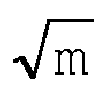

pour une épaisseur comprise entre 17 et 30 mm une ténacité K1C(L-T), d'au moins 21 MPa

- Procédé de fabrication d'un produit filé selon une quelconque des revendications 1 à 10 dans lequel :(a) on coule une forme brute en alliage selon une des revendications 1 à 6,(b) on homogénéise ladite forme brute à une température de 490°C à 520 °C pendant 8 à 48 heures,(c) on déforme à chaud par filage ladite forme brute avec une température initiale de déformation à chaud de 420 °C à 480 °C pour obtenir un produit filé,(d) on met en solution ledit produit filé à une température de 500 °C à 520 °C pendant 15 minutes à 8 heures,(e) on trempe,(f) on tractionne de façon contrôlée ledit produit filé avec une déformation permanente de 2 à 4%,(g) optionnellement on effectue un dressage dudit produit filé,(h) on réalise un revenu dudit produit filé par chauffage à une température de 100 °C à 170°C pendant 5 à 100 heures.
- Utilisation d'un produit selon une quelconque des revendications 1 à 10 pour la construction aéronautique comme raidisseur ou lisse de fuselage, cadre de fuselage, raidisseur de voilure, profilé ou poutre de plancher ou rail de siège.
Priority Applications (1)
| Application Number | Priority Date | Filing Date | Title |
|---|---|---|---|
| DE13722480.4T DE13722480T1 (de) | 2012-04-11 | 2013-04-10 | Aluminium-kupfer-lithium-legierung mit verbesserter schlagzähigkeit |
Applications Claiming Priority (3)
| Application Number | Priority Date | Filing Date | Title |
|---|---|---|---|
| US201261622774P | 2012-04-11 | 2012-04-11 | |
| FR1201063A FR2989387B1 (fr) | 2012-04-11 | 2012-04-11 | Alliage aluminium cuivre lithium a resistance au choc amelioree |
| PCT/FR2013/000096 WO2013153292A1 (fr) | 2012-04-11 | 2013-04-10 | Alliage aluminium cuivre lithium à résistance au choc améliorée |
Publications (2)
| Publication Number | Publication Date |
|---|---|
| EP2836620A1 EP2836620A1 (fr) | 2015-02-18 |
| EP2836620B1 true EP2836620B1 (fr) | 2019-03-27 |
Family
ID=46940511
Family Applications (1)
| Application Number | Title | Priority Date | Filing Date |
|---|---|---|---|
| EP13722480.4A Active EP2836620B1 (fr) | 2012-04-11 | 2013-04-10 | Alliage aluminium cuivre lithium à résistance au choc améliorée |
Country Status (8)
| Country | Link |
|---|---|
| US (1) | US9945010B2 (fr) |
| EP (1) | EP2836620B1 (fr) |
| CN (1) | CN104220616B (fr) |
| BR (1) | BR112014025110B1 (fr) |
| CA (1) | CA2869733C (fr) |
| DE (1) | DE13722480T1 (fr) |
| FR (1) | FR2989387B1 (fr) |
| WO (1) | WO2013153292A1 (fr) |
Families Citing this family (11)
| Publication number | Priority date | Publication date | Assignee | Title |
|---|---|---|---|---|
| FR3007423B1 (fr) * | 2013-06-21 | 2015-06-05 | Constellium France | Element de structure extrados en alliage aluminium cuivre lithium |
| FR3014904B1 (fr) | 2013-12-13 | 2016-05-06 | Constellium France | Produits files pour planchers d'avion en alliage cuivre lithium |
| RU2560485C1 (ru) * | 2014-06-10 | 2015-08-20 | Федеральное государственное унитарное предприятие "Всероссийский научно-исследовательский институт авиационных материалов" (ФГУП "ВИАМ") | Высокопрочный сплав на основе алюминия и изделие, выполненное из него |
| MX2019001802A (es) | 2016-08-26 | 2019-07-04 | Shape Corp | Proceso de modelacion en caliente y aparato para flexion transversal de una viga de aluminio extrudida para modelar en caliente un componente estructural del vehiculo. |
| US11072844B2 (en) | 2016-10-24 | 2021-07-27 | Shape Corp. | Multi-stage aluminum alloy forming and thermal processing method for the production of vehicle components |
| CN107964641B (zh) * | 2017-10-18 | 2021-02-05 | 中国航发北京航空材料研究院 | 一种改善铝锂合金蠕变成形性能的热处理方法 |
| US20190233921A1 (en) * | 2018-02-01 | 2019-08-01 | Kaiser Aluminum Fabricated Products, Llc | Low Cost, Low Density, Substantially Ag-Free and Zn-Free Aluminum-Lithium Plate Alloy for Aerospace Application |
| FR3080860B1 (fr) * | 2018-05-02 | 2020-04-17 | Constellium Issoire | Alliage aluminium cuivre lithium a resistance en compression et tenacite ameliorees |
| CN110423927A (zh) * | 2019-07-17 | 2019-11-08 | 中南大学 | 一种超高强铝锂合金及其制备方法 |
| CN110952010A (zh) * | 2019-12-18 | 2020-04-03 | 东北轻合金有限责任公司 | 一种火箭槽体用耐高温铝合金板材的制造方法 |
| CN116287913A (zh) * | 2023-02-10 | 2023-06-23 | 南京航空航天大学 | 一种增材制造用微量元素改性铝锂合金粉末及其制备方法 |
Family Cites Families (7)
| Publication number | Priority date | Publication date | Assignee | Title |
|---|---|---|---|---|
| US5032359A (en) | 1987-08-10 | 1991-07-16 | Martin Marietta Corporation | Ultra high strength weldable aluminum-lithium alloys |
| US5455003A (en) * | 1988-08-18 | 1995-10-03 | Martin Marietta Corporation | Al-Cu-Li alloys with improved cryogenic fracture toughness |
| US7438772B2 (en) | 1998-06-24 | 2008-10-21 | Alcoa Inc. | Aluminum-copper-magnesium alloys having ancillary additions of lithium |
| WO2004106570A1 (fr) | 2003-05-28 | 2004-12-09 | Pechiney Rolled Products | Nouvel alliage de al-cu-li-mg-ag-mn-zr utilise comme elements structurels exigeant une haute resistance ainsi qu'une grande tenacite a la rupture |
| DE202008018370U1 (de) * | 2007-09-21 | 2013-04-30 | Aleris Rolled Products Germany Gmbh | Al-Cu-Li Legierungsprodukt, welches für eine Luftfahrzeuganwendung geeignet ist |
| US8118950B2 (en) | 2007-12-04 | 2012-02-21 | Alcoa Inc. | Aluminum-copper-lithium alloys |
| FR2969177B1 (fr) * | 2010-12-20 | 2012-12-21 | Alcan Rhenalu | Alliage aluminium cuivre lithium a resistance en compression et tenacite ameliorees |
-
2012
- 2012-04-11 FR FR1201063A patent/FR2989387B1/fr active Active
-
2013
- 2013-03-13 US US13/802,280 patent/US9945010B2/en active Active
- 2013-04-10 BR BR112014025110-0A patent/BR112014025110B1/pt active IP Right Grant
- 2013-04-10 CA CA2869733A patent/CA2869733C/fr active Active
- 2013-04-10 WO PCT/FR2013/000096 patent/WO2013153292A1/fr not_active Ceased
- 2013-04-10 EP EP13722480.4A patent/EP2836620B1/fr active Active
- 2013-04-10 DE DE13722480.4T patent/DE13722480T1/de active Pending
- 2013-04-10 CN CN201380019554.XA patent/CN104220616B/zh active Active
Non-Patent Citations (1)
| Title |
|---|
| None * |
Also Published As
| Publication number | Publication date |
|---|---|
| US20130269840A1 (en) | 2013-10-17 |
| WO2013153292A1 (fr) | 2013-10-17 |
| BR112014025110B1 (pt) | 2019-04-24 |
| CN104220616B (zh) | 2017-12-15 |
| EP2836620A1 (fr) | 2015-02-18 |
| CN104220616A (zh) | 2014-12-17 |
| US9945010B2 (en) | 2018-04-17 |
| CA2869733A1 (fr) | 2013-10-17 |
| DE13722480T1 (de) | 2015-06-25 |
| FR2989387A1 (fr) | 2013-10-18 |
| CA2869733C (fr) | 2021-07-20 |
| FR2989387B1 (fr) | 2014-11-07 |
Similar Documents
| Publication | Publication Date | Title |
|---|---|---|
| CA2869733C (fr) | Alliage aluminium cuivre lithium a resistance au choc amelioree | |
| EP2449142B1 (fr) | Alliage aluminium cuivre lithium a resistance mecanique et tenacite ameliorees | |
| EP2655680B1 (fr) | Alliage aluminium cuivre lithium à résistance en compression et ténacité améliorées | |
| EP2981631B1 (fr) | Tôles en alliage d'aluminium-cuivre-lithium pour la fabrication de fuselages d'avion | |
| EP2364378B1 (fr) | Produits en alliage aluminium-cuivre-lithium | |
| EP3011068B1 (fr) | Elément de structure extrados en alliage aluminium cuivre lithium | |
| EP2981632B1 (fr) | Tôles minces en alliage d'aluminium-cuivre-lithium pour la fabrication de fuselages d'avion | |
| EP2569456B1 (fr) | Alliage aluminium-cuivre-lithium pour element d'intrados | |
| EP3384061B1 (fr) | Alliage aluminium cuivre lithium à resistance mécanique et tenacité ameliorées | |
| EP3080319B1 (fr) | Produits filés pour planchers d'avion en alliage aluminium cuivre lithium | |
| EP3526358B1 (fr) | Toles minces en alliage aluminium-magnesium-scandium pour applications aerospatiales | |
| EP3201372B1 (fr) | Tôles isotropes en alliage d'aluminium-cuivre-lithium pour la fabrication de fuselages d'avion et procédé de fabrication de celle-ci | |
| FR2902442A1 (fr) | Alliage de la serie aa6xxx, a grande tolerance aux dommages pour l'industrie aerospatiale | |
| FR2826979A1 (fr) | Produits lamines soudables en alliage d'aluminium a haute resistance et leur procede de fabrication | |
| EP3411508B1 (fr) | Tôles épaisses en alliage al cu li à propriétés en fatigue améliorées | |
| EP3788178B1 (fr) | Alliage aluminium cuivre lithium a resistance en compression et tenacite ameliorees | |
| WO2019234326A1 (fr) | Toles minces en alliage d'aluminium-cuivre-lithium pour la fabrication de fuselages d'avion | |
| CA3037115C (fr) | Toles minces en alliage aluminium-magnesium-scandium pour applications aerospatiales |
Legal Events
| Date | Code | Title | Description |
|---|---|---|---|
| PUAI | Public reference made under article 153(3) epc to a published international application that has entered the european phase |
Free format text: ORIGINAL CODE: 0009012 |
|
| 17P | Request for examination filed |
Effective date: 20141010 |
|
| AK | Designated contracting states |
Kind code of ref document: A1 Designated state(s): AL AT BE BG CH CY CZ DE DK EE ES FI FR GB GR HR HU IE IS IT LI LT LU LV MC MK MT NL NO PL PT RO RS SE SI SK SM TR |
|
| AX | Request for extension of the european patent |
Extension state: BA ME |
|
| GBCC | Gb: corrected translation (of claims) filed (gb section 80(3)/1977) | ||
| RIN1 | Information on inventor provided before grant (corrected) |
Inventor name: PIGNATEL JEROME Inventor name: WARNER TIMOTHY Inventor name: POUGET GAELLE Inventor name: DANIELOU ARMELLE Inventor name: MARQUETTE MATHIEU |
|
| REG | Reference to a national code |
Ref country code: DE Ref legal event code: R210 Effective date: 20150625 |
|
| DAX | Request for extension of the european patent (deleted) | ||
| RAP1 | Party data changed (applicant data changed or rights of an application transferred) |
Owner name: CONSTELLIUM ISSOIRE |
|
| STAA | Information on the status of an ep patent application or granted ep patent |
Free format text: STATUS: EXAMINATION IS IN PROGRESS |
|
| 17Q | First examination report despatched |
Effective date: 20170412 |
|
| GRAP | Despatch of communication of intention to grant a patent |
Free format text: ORIGINAL CODE: EPIDOSNIGR1 |
|
| STAA | Information on the status of an ep patent application or granted ep patent |
Free format text: STATUS: GRANT OF PATENT IS INTENDED |
|
| INTG | Intention to grant announced |
Effective date: 20181030 |
|
| GRAS | Grant fee paid |
Free format text: ORIGINAL CODE: EPIDOSNIGR3 |
|
| GRAA | (expected) grant |
Free format text: ORIGINAL CODE: 0009210 |
|
| STAA | Information on the status of an ep patent application or granted ep patent |
Free format text: STATUS: THE PATENT HAS BEEN GRANTED |
|
| REG | Reference to a national code |
Ref country code: DE Ref legal event code: R082 Ref document number: 602013052912 Country of ref document: DE |
|
| AK | Designated contracting states |
Kind code of ref document: B1 Designated state(s): AL AT BE BG CH CY CZ DE DK EE ES FI FR GB GR HR HU IE IS IT LI LT LU LV MC MK MT NL NO PL PT RO RS SE SI SK SM TR |
|
| REG | Reference to a national code |
Ref country code: GB Ref legal event code: FG4D Free format text: NOT ENGLISH |
|
| REG | Reference to a national code |
Ref country code: CH Ref legal event code: EP |
|
| REG | Reference to a national code |
Ref country code: DE Ref legal event code: R096 Ref document number: 602013052912 Country of ref document: DE |
|
| REG | Reference to a national code |
Ref country code: AT Ref legal event code: REF Ref document number: 1113171 Country of ref document: AT Kind code of ref document: T Effective date: 20190415 |
|
| REG | Reference to a national code |
Ref country code: IE Ref legal event code: FG4D Free format text: LANGUAGE OF EP DOCUMENT: FRENCH |
|
| REG | Reference to a national code |
Ref country code: RO Ref legal event code: EPE |
|
| PG25 | Lapsed in a contracting state [announced via postgrant information from national office to epo] |
Ref country code: SE Free format text: LAPSE BECAUSE OF FAILURE TO SUBMIT A TRANSLATION OF THE DESCRIPTION OR TO PAY THE FEE WITHIN THE PRESCRIBED TIME-LIMIT Effective date: 20190327 Ref country code: FI Free format text: LAPSE BECAUSE OF FAILURE TO SUBMIT A TRANSLATION OF THE DESCRIPTION OR TO PAY THE FEE WITHIN THE PRESCRIBED TIME-LIMIT Effective date: 20190327 Ref country code: NO Free format text: LAPSE BECAUSE OF FAILURE TO SUBMIT A TRANSLATION OF THE DESCRIPTION OR TO PAY THE FEE WITHIN THE PRESCRIBED TIME-LIMIT Effective date: 20190627 Ref country code: LT Free format text: LAPSE BECAUSE OF FAILURE TO SUBMIT A TRANSLATION OF THE DESCRIPTION OR TO PAY THE FEE WITHIN THE PRESCRIBED TIME-LIMIT Effective date: 20190327 |
|
| REG | Reference to a national code |
Ref country code: NL Ref legal event code: MP Effective date: 20190327 |
|
| PG25 | Lapsed in a contracting state [announced via postgrant information from national office to epo] |
Ref country code: BG Free format text: LAPSE BECAUSE OF FAILURE TO SUBMIT A TRANSLATION OF THE DESCRIPTION OR TO PAY THE FEE WITHIN THE PRESCRIBED TIME-LIMIT Effective date: 20190627 Ref country code: GR Free format text: LAPSE BECAUSE OF FAILURE TO SUBMIT A TRANSLATION OF THE DESCRIPTION OR TO PAY THE FEE WITHIN THE PRESCRIBED TIME-LIMIT Effective date: 20190628 Ref country code: HR Free format text: LAPSE BECAUSE OF FAILURE TO SUBMIT A TRANSLATION OF THE DESCRIPTION OR TO PAY THE FEE WITHIN THE PRESCRIBED TIME-LIMIT Effective date: 20190327 Ref country code: LV Free format text: LAPSE BECAUSE OF FAILURE TO SUBMIT A TRANSLATION OF THE DESCRIPTION OR TO PAY THE FEE WITHIN THE PRESCRIBED TIME-LIMIT Effective date: 20190327 Ref country code: NL Free format text: LAPSE BECAUSE OF FAILURE TO SUBMIT A TRANSLATION OF THE DESCRIPTION OR TO PAY THE FEE WITHIN THE PRESCRIBED TIME-LIMIT Effective date: 20190327 Ref country code: RS Free format text: LAPSE BECAUSE OF FAILURE TO SUBMIT A TRANSLATION OF THE DESCRIPTION OR TO PAY THE FEE WITHIN THE PRESCRIBED TIME-LIMIT Effective date: 20190327 |
|
| REG | Reference to a national code |
Ref country code: AT Ref legal event code: MK05 Ref document number: 1113171 Country of ref document: AT Kind code of ref document: T Effective date: 20190327 |
|
| PG25 | Lapsed in a contracting state [announced via postgrant information from national office to epo] |
Ref country code: CZ Free format text: LAPSE BECAUSE OF FAILURE TO SUBMIT A TRANSLATION OF THE DESCRIPTION OR TO PAY THE FEE WITHIN THE PRESCRIBED TIME-LIMIT Effective date: 20190327 Ref country code: IT Free format text: LAPSE BECAUSE OF FAILURE TO SUBMIT A TRANSLATION OF THE DESCRIPTION OR TO PAY THE FEE WITHIN THE PRESCRIBED TIME-LIMIT Effective date: 20190327 Ref country code: ES Free format text: LAPSE BECAUSE OF FAILURE TO SUBMIT A TRANSLATION OF THE DESCRIPTION OR TO PAY THE FEE WITHIN THE PRESCRIBED TIME-LIMIT Effective date: 20190327 Ref country code: EE Free format text: LAPSE BECAUSE OF FAILURE TO SUBMIT A TRANSLATION OF THE DESCRIPTION OR TO PAY THE FEE WITHIN THE PRESCRIBED TIME-LIMIT Effective date: 20190327 Ref country code: AL Free format text: LAPSE BECAUSE OF FAILURE TO SUBMIT A TRANSLATION OF THE DESCRIPTION OR TO PAY THE FEE WITHIN THE PRESCRIBED TIME-LIMIT Effective date: 20190327 Ref country code: SK Free format text: LAPSE BECAUSE OF FAILURE TO SUBMIT A TRANSLATION OF THE DESCRIPTION OR TO PAY THE FEE WITHIN THE PRESCRIBED TIME-LIMIT Effective date: 20190327 Ref country code: PT Free format text: LAPSE BECAUSE OF FAILURE TO SUBMIT A TRANSLATION OF THE DESCRIPTION OR TO PAY THE FEE WITHIN THE PRESCRIBED TIME-LIMIT Effective date: 20190727 |
|
| PG25 | Lapsed in a contracting state [announced via postgrant information from national office to epo] |
Ref country code: PL Free format text: LAPSE BECAUSE OF FAILURE TO SUBMIT A TRANSLATION OF THE DESCRIPTION OR TO PAY THE FEE WITHIN THE PRESCRIBED TIME-LIMIT Effective date: 20190327 Ref country code: SM Free format text: LAPSE BECAUSE OF FAILURE TO SUBMIT A TRANSLATION OF THE DESCRIPTION OR TO PAY THE FEE WITHIN THE PRESCRIBED TIME-LIMIT Effective date: 20190327 |
|
| REG | Reference to a national code |
Ref country code: CH Ref legal event code: PL |
|
| REG | Reference to a national code |
Ref country code: BE Ref legal event code: MM Effective date: 20190430 |
|
| PG25 | Lapsed in a contracting state [announced via postgrant information from national office to epo] |
Ref country code: LU Free format text: LAPSE BECAUSE OF NON-PAYMENT OF DUE FEES Effective date: 20190410 Ref country code: AT Free format text: LAPSE BECAUSE OF FAILURE TO SUBMIT A TRANSLATION OF THE DESCRIPTION OR TO PAY THE FEE WITHIN THE PRESCRIBED TIME-LIMIT Effective date: 20190327 Ref country code: IS Free format text: LAPSE BECAUSE OF FAILURE TO SUBMIT A TRANSLATION OF THE DESCRIPTION OR TO PAY THE FEE WITHIN THE PRESCRIBED TIME-LIMIT Effective date: 20190727 |
|
| REG | Reference to a national code |
Ref country code: DE Ref legal event code: R097 Ref document number: 602013052912 Country of ref document: DE |
|
| PG25 | Lapsed in a contracting state [announced via postgrant information from national office to epo] |
Ref country code: LI Free format text: LAPSE BECAUSE OF NON-PAYMENT OF DUE FEES Effective date: 20190430 Ref country code: MC Free format text: LAPSE BECAUSE OF FAILURE TO SUBMIT A TRANSLATION OF THE DESCRIPTION OR TO PAY THE FEE WITHIN THE PRESCRIBED TIME-LIMIT Effective date: 20190327 Ref country code: CH Free format text: LAPSE BECAUSE OF NON-PAYMENT OF DUE FEES Effective date: 20190430 Ref country code: DK Free format text: LAPSE BECAUSE OF FAILURE TO SUBMIT A TRANSLATION OF THE DESCRIPTION OR TO PAY THE FEE WITHIN THE PRESCRIBED TIME-LIMIT Effective date: 20190327 |
|
| PLBE | No opposition filed within time limit |
Free format text: ORIGINAL CODE: 0009261 |
|
| STAA | Information on the status of an ep patent application or granted ep patent |
Free format text: STATUS: NO OPPOSITION FILED WITHIN TIME LIMIT |
|
| PG25 | Lapsed in a contracting state [announced via postgrant information from national office to epo] |
Ref country code: SI Free format text: LAPSE BECAUSE OF FAILURE TO SUBMIT A TRANSLATION OF THE DESCRIPTION OR TO PAY THE FEE WITHIN THE PRESCRIBED TIME-LIMIT Effective date: 20190327 Ref country code: BE Free format text: LAPSE BECAUSE OF NON-PAYMENT OF DUE FEES Effective date: 20190430 |
|
| 26N | No opposition filed |
Effective date: 20200103 |
|
| PG25 | Lapsed in a contracting state [announced via postgrant information from national office to epo] |
Ref country code: TR Free format text: LAPSE BECAUSE OF FAILURE TO SUBMIT A TRANSLATION OF THE DESCRIPTION OR TO PAY THE FEE WITHIN THE PRESCRIBED TIME-LIMIT Effective date: 20190327 |
|
| PG25 | Lapsed in a contracting state [announced via postgrant information from national office to epo] |
Ref country code: IE Free format text: LAPSE BECAUSE OF NON-PAYMENT OF DUE FEES Effective date: 20190410 |
|
| PG25 | Lapsed in a contracting state [announced via postgrant information from national office to epo] |
Ref country code: CY Free format text: LAPSE BECAUSE OF FAILURE TO SUBMIT A TRANSLATION OF THE DESCRIPTION OR TO PAY THE FEE WITHIN THE PRESCRIBED TIME-LIMIT Effective date: 20190327 |
|
| PG25 | Lapsed in a contracting state [announced via postgrant information from national office to epo] |
Ref country code: HU Free format text: LAPSE BECAUSE OF FAILURE TO SUBMIT A TRANSLATION OF THE DESCRIPTION OR TO PAY THE FEE WITHIN THE PRESCRIBED TIME-LIMIT; INVALID AB INITIO Effective date: 20130410 Ref country code: MT Free format text: LAPSE BECAUSE OF FAILURE TO SUBMIT A TRANSLATION OF THE DESCRIPTION OR TO PAY THE FEE WITHIN THE PRESCRIBED TIME-LIMIT Effective date: 20190327 |
|
| PG25 | Lapsed in a contracting state [announced via postgrant information from national office to epo] |
Ref country code: MK Free format text: LAPSE BECAUSE OF FAILURE TO SUBMIT A TRANSLATION OF THE DESCRIPTION OR TO PAY THE FEE WITHIN THE PRESCRIBED TIME-LIMIT Effective date: 20190327 |
|
| P01 | Opt-out of the competence of the unified patent court (upc) registered |
Effective date: 20230411 |
|
| PGFP | Annual fee paid to national office [announced via postgrant information from national office to epo] |
Ref country code: GB Payment date: 20260331 Year of fee payment: 14 |
|
| PGFP | Annual fee paid to national office [announced via postgrant information from national office to epo] |
Ref country code: RO Payment date: 20260326 Year of fee payment: 14 |
|
| PGFP | Annual fee paid to national office [announced via postgrant information from national office to epo] |
Ref country code: DE Payment date: 20260429 Year of fee payment: 14 |
|
| PGFP | Annual fee paid to national office [announced via postgrant information from national office to epo] |
Ref country code: FR Payment date: 20260427 Year of fee payment: 14 |