EP2841107B1 - Gegen hiv gerichtete zytotoxische wirkstoffe freisetzende moleküle (cdm-hs), zytotoxische wirkung gegen das menschliche immunschwächevirus und verfahren zur verwendung - Google Patents
Gegen hiv gerichtete zytotoxische wirkstoffe freisetzende moleküle (cdm-hs), zytotoxische wirkung gegen das menschliche immunschwächevirus und verfahren zur verwendung Download PDFInfo
- Publication number
- EP2841107B1 EP2841107B1 EP13780662.6A EP13780662A EP2841107B1 EP 2841107 B1 EP2841107 B1 EP 2841107B1 EP 13780662 A EP13780662 A EP 13780662A EP 2841107 B1 EP2841107 B1 EP 2841107B1
- Authority
- EP
- European Patent Office
- Prior art keywords
- hiv
- cells
- cytotoxic
- cdm
- cell
- Prior art date
- Legal status (The legal status is an assumption and is not a legal conclusion. Google has not performed a legal analysis and makes no representation as to the accuracy of the status listed.)
- Active
Links
- 0 CCC(c1cc(C(N(CC2)CCN2C(C(c2c[n]c3c2c(OC)ccc3-c2ccc[o]2)=O)=O)=O)ccc1)[Os]CC*(C)NC(CCCC(OCC(C(C[C@@](c1c(c(C(c(c2ccc3)c3OC)=O)c3C2=O)O)O[C@@](C[C@@]2N(*)*)O[C@@](C)[C@@]2O)Cc1c3O)=O)=O)=O Chemical compound CCC(c1cc(C(N(CC2)CCN2C(C(c2c[n]c3c2c(OC)ccc3-c2ccc[o]2)=O)=O)=O)ccc1)[Os]CC*(C)NC(CCCC(OCC(C(C[C@@](c1c(c(C(c(c2ccc3)c3OC)=O)c3C2=O)O)O[C@@](C[C@@]2N(*)*)O[C@@](C)[C@@]2O)Cc1c3O)=O)=O)=O 0.000 description 8
- NNYGOOKZZIBURG-UHFFFAOYSA-N CC(C)(C)OC(NCCOCCOc1cc(C(N(CC2)CCN2C(C(c(c2c(cc3)OC)c[nH]c2c3Br)=O)=O)=O)ccc1)=O Chemical compound CC(C)(C)OC(NCCOCCOc1cc(C(N(CC2)CCN2C(C(c(c2c(cc3)OC)c[nH]c2c3Br)=O)=O)=O)ccc1)=O NNYGOOKZZIBURG-UHFFFAOYSA-N 0.000 description 1
- UOROVYDAYSRLRW-YTLHQDLWSA-N C[C@@H](C[C@H](O)O[C@H]1C)[C@@H]1O Chemical compound C[C@@H](C[C@H](O)O[C@H]1C)[C@@H]1O UOROVYDAYSRLRW-YTLHQDLWSA-N 0.000 description 1
Images


Classifications
-
- C—CHEMISTRY; METALLURGY
- C07—ORGANIC CHEMISTRY
- C07H—SUGARS; DERIVATIVES THEREOF; NUCLEOSIDES; NUCLEOTIDES; NUCLEIC ACIDS
- C07H15/00—Compounds containing hydrocarbon or substituted hydrocarbon radicals directly attached to hetero atoms of saccharide radicals
- C07H15/26—Acyclic or carbocyclic radicals, substituted by hetero rings
-
- A—HUMAN NECESSITIES
- A61—MEDICAL OR VETERINARY SCIENCE; HYGIENE
- A61K—PREPARATIONS FOR MEDICAL, DENTAL OR TOILETRY PURPOSES
- A61K31/00—Medicinal preparations containing organic active ingredients
- A61K31/66—Phosphorus compounds
- A61K31/67—Phosphorus compounds having sulfur as a ring hetero atom
-
- A—HUMAN NECESSITIES
- A61—MEDICAL OR VETERINARY SCIENCE; HYGIENE
- A61K—PREPARATIONS FOR MEDICAL, DENTAL OR TOILETRY PURPOSES
- A61K31/00—Medicinal preparations containing organic active ingredients
- A61K31/70—Carbohydrates; Sugars; Derivatives thereof
- A61K31/7042—Compounds having saccharide radicals and heterocyclic rings
- A61K31/7052—Compounds having saccharide radicals and heterocyclic rings having nitrogen as a ring hetero atom, e.g. nucleosides, nucleotides
- A61K31/706—Compounds having saccharide radicals and heterocyclic rings having nitrogen as a ring hetero atom, e.g. nucleosides, nucleotides containing six-membered rings with nitrogen as a ring hetero atom
-
- A—HUMAN NECESSITIES
- A61—MEDICAL OR VETERINARY SCIENCE; HYGIENE
- A61K—PREPARATIONS FOR MEDICAL, DENTAL OR TOILETRY PURPOSES
- A61K45/00—Medicinal preparations containing active ingredients not provided for in groups A61K31/00 - A61K41/00
- A61K45/06—Mixtures of active ingredients without chemical characterisation, e.g. antiphlogistics and cardiaca
-
- A—HUMAN NECESSITIES
- A61—MEDICAL OR VETERINARY SCIENCE; HYGIENE
- A61K—PREPARATIONS FOR MEDICAL, DENTAL OR TOILETRY PURPOSES
- A61K47/00—Medicinal preparations characterised by the non-active ingredients used, e.g. carriers or inert additives; Targeting or modifying agents chemically bound to the active ingredient
- A61K47/50—Medicinal preparations characterised by the non-active ingredients used, e.g. carriers or inert additives; Targeting or modifying agents chemically bound to the active ingredient the non-active ingredient being chemically bound to the active ingredient, e.g. polymer-drug conjugates
- A61K47/51—Medicinal preparations characterised by the non-active ingredients used, e.g. carriers or inert additives; Targeting or modifying agents chemically bound to the active ingredient the non-active ingredient being chemically bound to the active ingredient, e.g. polymer-drug conjugates the non-active ingredient being a modifying agent
- A61K47/54—Medicinal preparations characterised by the non-active ingredients used, e.g. carriers or inert additives; Targeting or modifying agents chemically bound to the active ingredient the non-active ingredient being chemically bound to the active ingredient, e.g. polymer-drug conjugates the non-active ingredient being a modifying agent the modifying agent being an organic compound
- A61K47/55—Medicinal preparations characterised by the non-active ingredients used, e.g. carriers or inert additives; Targeting or modifying agents chemically bound to the active ingredient the non-active ingredient being chemically bound to the active ingredient, e.g. polymer-drug conjugates the non-active ingredient being a modifying agent the modifying agent being an organic compound the modifying agent being also a pharmacologically or therapeutically active agent, i.e. the entire conjugate being a codrug
-
- A—HUMAN NECESSITIES
- A61—MEDICAL OR VETERINARY SCIENCE; HYGIENE
- A61K—PREPARATIONS FOR MEDICAL, DENTAL OR TOILETRY PURPOSES
- A61K47/00—Medicinal preparations characterised by the non-active ingredients used, e.g. carriers or inert additives; Targeting or modifying agents chemically bound to the active ingredient
- A61K47/50—Medicinal preparations characterised by the non-active ingredients used, e.g. carriers or inert additives; Targeting or modifying agents chemically bound to the active ingredient the non-active ingredient being chemically bound to the active ingredient, e.g. polymer-drug conjugates
- A61K47/51—Medicinal preparations characterised by the non-active ingredients used, e.g. carriers or inert additives; Targeting or modifying agents chemically bound to the active ingredient the non-active ingredient being chemically bound to the active ingredient, e.g. polymer-drug conjugates the non-active ingredient being a modifying agent
- A61K47/56—Medicinal preparations characterised by the non-active ingredients used, e.g. carriers or inert additives; Targeting or modifying agents chemically bound to the active ingredient the non-active ingredient being chemically bound to the active ingredient, e.g. polymer-drug conjugates the non-active ingredient being a modifying agent the modifying agent being an organic macromolecular compound, e.g. an oligomeric, polymeric or dendrimeric molecule
- A61K47/59—Medicinal preparations characterised by the non-active ingredients used, e.g. carriers or inert additives; Targeting or modifying agents chemically bound to the active ingredient the non-active ingredient being chemically bound to the active ingredient, e.g. polymer-drug conjugates the non-active ingredient being a modifying agent the modifying agent being an organic macromolecular compound, e.g. an oligomeric, polymeric or dendrimeric molecule obtained otherwise than by reactions only involving carbon-to-carbon unsaturated bonds, e.g. polyureas or polyurethanes
- A61K47/60—Medicinal preparations characterised by the non-active ingredients used, e.g. carriers or inert additives; Targeting or modifying agents chemically bound to the active ingredient the non-active ingredient being chemically bound to the active ingredient, e.g. polymer-drug conjugates the non-active ingredient being a modifying agent the modifying agent being an organic macromolecular compound, e.g. an oligomeric, polymeric or dendrimeric molecule obtained otherwise than by reactions only involving carbon-to-carbon unsaturated bonds, e.g. polyureas or polyurethanes the organic macromolecular compound being a polyoxyalkylene oligomer, polymer or dendrimer, e.g. PEG, PPG, PEO or polyglycerol
-
- A—HUMAN NECESSITIES
- A61—MEDICAL OR VETERINARY SCIENCE; HYGIENE
- A61P—SPECIFIC THERAPEUTIC ACTIVITY OF CHEMICAL COMPOUNDS OR MEDICINAL PREPARATIONS
- A61P25/00—Drugs for disorders of the nervous system
-
- A—HUMAN NECESSITIES
- A61—MEDICAL OR VETERINARY SCIENCE; HYGIENE
- A61P—SPECIFIC THERAPEUTIC ACTIVITY OF CHEMICAL COMPOUNDS OR MEDICINAL PREPARATIONS
- A61P31/00—Antiinfectives, i.e. antibiotics, antiseptics, chemotherapeutics
- A61P31/12—Antivirals
- A61P31/14—Antivirals for RNA viruses
- A61P31/18—Antivirals for RNA viruses for HIV
-
- C—CHEMISTRY; METALLURGY
- C07—ORGANIC CHEMISTRY
- C07D—HETEROCYCLIC COMPOUNDS
- C07D405/00—Heterocyclic compounds containing both one or more hetero rings having oxygen atoms as the only ring hetero atoms, and one or more rings having nitrogen as the only ring hetero atom
- C07D405/14—Heterocyclic compounds containing both one or more hetero rings having oxygen atoms as the only ring hetero atoms, and one or more rings having nitrogen as the only ring hetero atom containing three or more hetero rings
-
- A—HUMAN NECESSITIES
- A61—MEDICAL OR VETERINARY SCIENCE; HYGIENE
- A61K—PREPARATIONS FOR MEDICAL, DENTAL OR TOILETRY PURPOSES
- A61K31/00—Medicinal preparations containing organic active ingredients
- A61K31/70—Carbohydrates; Sugars; Derivatives thereof
- A61K31/7028—Compounds having saccharide radicals attached to non-saccharide compounds by glycosidic linkages
-
- A—HUMAN NECESSITIES
- A61—MEDICAL OR VETERINARY SCIENCE; HYGIENE
- A61K—PREPARATIONS FOR MEDICAL, DENTAL OR TOILETRY PURPOSES
- A61K31/00—Medicinal preparations containing organic active ingredients
- A61K31/70—Carbohydrates; Sugars; Derivatives thereof
- A61K31/7028—Compounds having saccharide radicals attached to non-saccharide compounds by glycosidic linkages
- A61K31/7034—Compounds having saccharide radicals attached to non-saccharide compounds by glycosidic linkages attached to a carbocyclic compound, e.g. phloridzin
-
- A—HUMAN NECESSITIES
- A61—MEDICAL OR VETERINARY SCIENCE; HYGIENE
- A61K—PREPARATIONS FOR MEDICAL, DENTAL OR TOILETRY PURPOSES
- A61K31/00—Medicinal preparations containing organic active ingredients
- A61K31/70—Carbohydrates; Sugars; Derivatives thereof
- A61K31/7028—Compounds having saccharide radicals attached to non-saccharide compounds by glycosidic linkages
- A61K31/7034—Compounds having saccharide radicals attached to non-saccharide compounds by glycosidic linkages attached to a carbocyclic compound, e.g. phloridzin
- A61K31/704—Compounds having saccharide radicals attached to non-saccharide compounds by glycosidic linkages attached to a carbocyclic compound, e.g. phloridzin attached to a condensed carbocyclic ring system, e.g. sennosides, thiocolchicosides, escin, daunorubicin
Definitions
- the present invention relates to novel small molecules as defined in the claims that have the capacity to deliver cytotoxic therapeutics to HIV infected cells.
- These molecules called cytotoxic-drug delivering molecules targeting HIV (CDM-Hs) contain an HIV gp 120 binding terminus referred to as the HIV binding terminus (VICB) that binds to the CD4 pocket on gp120.
- the VICB is covalently linked, through a specifically labile linker (in preferred embodiments, through a primary linker), to a cytotoxic agent (CYT).
- bifunctional cytotoxic-drug delivering molecules of the present invention mechanistically target and inhibit human immunodeficiency virus (HIV) infection through binding to the HIV glycoprotein gp 120, while also delivering a cytotoxic agent to enhance therapy of HIV.
- HIV human immunodeficiency virus
- HAART highly active antiretroviral therapy
- suppressive treatment strategies lead to the formation of latent reservoirs of low-level HIV-1 replication. Upon treatment cessation, these persistent sources lead to rapid HIV-1 rebound; 3-5 thus, strict adherence to rigorous life-long treatment is required. Given these major barriers, new therapeutic strategies that are capable of eliminating these persistent reservoirs are critical to eradication of HIV infection.
- Env resides on the surfaces of free virions and infected cells, and also mediates virus entry into host cells
- numerous strategies for cytotoxic targeting of Env-expressing cellular reservoirs have been investigated.
- ARM-Hs have the promise of being such a strategy, as we have demonstrated their success at not only inhibiting viral fusion, and therefore suppressing replication, but also at targeting HIV-1 gp120 expressing cells for immune-mediated toxicity.
- pioneering work focused on developing "immunotoxins," Env-targeting protein constructs conjugated to potent cellular toxins.
- PE38 More recently, Pastan and co-workers conjugated PE to the single-chain Fv fragment of the broadly neutralizing 3B3 anti-gp120 antibody, yielding an antibody-toxin chimera, PE38, which demonstrated potent specific toxicity to Env-transfected cells as well as a chronically HIV-infected lymphocytic cell line. 11, 16 Importantly, PE38 demonstrated 20-30-fold more effective killing of HIV-infected cells than CD4-PE40 and is hypothesized to possess significantly less hepatotoxcity.
- the potent DNA-intercalating small molecule drug doxorubicin was conjugated to an anti-gp120 mAb and then administered to mice possessing HIV-1/MuLV-infected splenocytes, resulting in the elimination of the infection.
- the present invention relates to Cytotoxic-drug Delivering Molecules Targeting HIV (CDM-Hs) bifunctional compounds according to the general formula: or or the free amine or alternative pharmaceutical salt thereof.
- a pharmaceutical composition comprises an effective amount of a bifunctional compound as defined in the claims optionally and preferably in combination with a pharmaceutically acceptable carrier, additive or excipient.
- pharmaceutical combination compositions comprise an effective amount of a bifunctional compound as defined in the claims, in combination with at least one additional agent which is used to treat HIV (an additional anti-HIV agent).
- compounds according to the present invention are for use to treat and/or reduce the likelihood of an HIV infection or a secondary effect of HIV (such as AIDS, ARC and related disease states or conditions which occur secondary to an HIV infection) in a patient.
- the method of treating and/or reducing the likelihood of an HIV infection or secondary effect of an HIV cancer does not form part of the invention and comprises administering to a patient in need an effective amount of a bifunctional compound as otherwise described herein in combination with a pharmaceutically acceptable carrier, additive or excipient, optionally in further combination with at least one additional agent which is effective in treating and/or reducing the likelihood of an HIV infection, or one or more of its secondary conditions or effects.
- the present invention also relates to instances in which destruction of CD4 cells which are infected with HIV (HIV+ CD4 cells) may be useful to inhibit latent HIV infections from becoming active.
- destruction of HIV+ CD4 cells in an HIV positive patient may be used to inhibit or more completely eradicate an HIV infection and/or reduce the likelihood of an occurrence or recurrence of HIV in a patient who is HIV positive.
- a method for binding and eliminating HIV in a patient having a latent HIV infection comprising administering to a patient infected with latent HIV an effective amount of a bifunctional compound as otherwise described herein in combination with an HIV latency activator molecule, including for example, prostratin, bradystatin 1, and related analogues as set forth in figure 4 , hereof (see De Christopher, et al., Nature Chemistry, published online July 15, 2012, pages 1-6 ), bryostatin 1, bryostatin 2, IL-7, histone deacetylase inhibitors, including zolinza (vorinostat), DNA methylation inhibitors including decogen (decitabine) and mixtures thereof.
- a bifunctional compound as otherwise described herein in combination with an HIV latency activator molecule, including for example, prostratin, bradystatin 1, and related analogues as set forth in figure 4 , hereof (see De Christopher, et al., Nature Chemistry, published online July 15, 2012, pages 1-6 ), bryo
- the present invention presents unique bifunctional molecules as defined in the claims which can operate through the bifunctional mechanisms specified above in treating HIV, including treating latent HIV infections.
- viruses may exert cell and tissue tropism by attachment at highly specific sites on cell membrane receptors.
- investigators in the past to seek agents which would bind at the viral receptor sites of cell membranes and thus prevent binding of a specific virus to these cells.
- HIV has been shown to bind to a surface molecule known as the CD4 or T4 receptor which is present on various cells susceptible to HIV infection, including T lymphocytes and macrophages.
- the binding occurs via the HIV envelope protein, gp120.
- bifunctional compounds that would act to alleviate the symptoms of AIDS by binding a bifunctional molecule which has a first terminus for binding to the gp120 envelope protein, the bifunctional molecule having a second cytotoxic terminus which causes cell death upon introduction to the cell to which the compound binds.
- compounds according to the present invention bind to cells to which HIV gp120 binds and/or which express gp120 cells and upon binding to gp120 containing cells, are introduced into the cell whereupon the cytotoxic moiety can cause cell death.
- Bifunctional compounds according to the present invention are introduced into cells by a variety of possible mechanisms including passive diffusion, endocytosis (including clathnin-mediated, caveolae-mediated and phagocytosis) and pinocytosis.
- These bifunctional (which term also includes multifunctional) molecules are thus generically referred to herein as "cytotoxic-drug delivering molecules targeting HIV” or (CDM-Hs) and defined in the claims.
- the inventive CDM-Hs molecules as defined in the claims are "bifunctional" in that they possess at least one virus invasion cell binding terminus (VICB) and at least cytotoxicity terminus (CYT) connected by at least one linker (preferably at least one labile linker) and an optional connector molecule CON.
- the VICB is designed to bind to the HIV glycoprotein gp120 (gp120 on the viral membrane as well as gp120 displayed on infected cells).
- the CYT contains a cytotoxicity moiety which is designed to cause the death of any cell to which the bifunctional molecule binds, thus inhibiting and in certain cases eradicating HIV from a patient or subject in need.
- the bifunctional CDM-H molecule as defined in the claims is capable of delivering a population of cytotoxic agents to the HIV gp120 Env gene product, in particular, which are expressed on CD4 cells.
- the Env glycoprotein, a complex between gp120 and membrane-bound gp 41, is expressed on both the surface of the HIV virus and on virus-infected cells, especially CD4 cells.
- the gp120 component of Env mediates the first step in viral entry into human cells by binding the protein CD4.
- the CDM-H as defined in the claims binds to gp120 Env-expressing cells, is introduced into the infected cell and causes destruction of these cells through the action of the cytotoxic moiety. Further, since CDM-Hs bind gp120 competitively with CD4, these compounds also inhibits the entry of live HIV into human T-cells. Thus, CDM-Hs have the potential to interfere with the survival of HIV through multiple complementary mechanisms, and may also function as a prophylactic, reducing the likelihood of an HIV infection or a relapse of an HIV infection.
- the CDM-Hs according to the present invention may be combined with at least one and preferably a mixture of HIV latency activator compounds to enhance therapy against HIV infection. This approach may be particularly useful for eradicating (i.e., curing) HIV infections in patients in need.
- the CDM-Hs compounds of the invention represent a molecule-based rather than a peptide or protein based (although certain labile linkers may rely on peptides for protease degradation) anti-HIV strategy for targeting the virus life cycle through mutually reinforcing molecular mechanisms, inhibiting virus entry while targeting Env-expressing cells for immune recognition and clearance (cell death).
- the CDM-Hs molecules have certain advantages over proteins from a therapeutic standpoint because of their low propensity for immunogenicity, high metabolic stability, specific HIV-infected cell targeting capability, ready large-scale production, and relatively low cost.
- no appreciable non-specific cytotoxicity occurs in response to the CDM-H compounds according to the present invention, thus, limiting the possibility of encountering serious side effects from the treatment therewith.
- the invention is directed to "bifunctional" molecules as defined in the claims, the inventive molecules being “bifunctional” in that they possess a virus invasion cell binding (VICB) terminus and a cytotoxic moiety (CYT) connected by one or more linkers (one of which is a labile linker which degrades upon introduction into a cell to release the cytotoxicity moiety from the remaining portion of the molecule) and an optional connecting group (which is principally difunctional, but may be multifunctional) as otherwise described herein.
- the VICB group is designed to bind to the HIV glycoprotein gp120 (gp120 on the viral membrane as well as gp120 displayed on infected cells, generally T cells which express CD4 or CD4+ T cells).
- the CYT group is a cytoxic moiety capable of causing cell death upon introduction into a cell as described in detail herein.
- the present invention is directed to pharmaceutical compositions comprising the bifunctional molecules as defined in the claims that can inhibit HIV entry into a target cell and/or bind to CD4+ cells while also delivering one or more cytotoxic agents to the HIV infected cells, thus inducing cell death, in a pharmaceutically acceptable carrier, additive or excipient.
- a pharmaceutical composition comprising a bifunctional molecule compound of the invention in association with a pharmaceutically acceptable carrier or excipient, adapted for use in human or veterinary medicine.
- Such compositions may be presented for use in conventional manner in admixture with one or more physiologically acceptable carriers or excipients.
- the compositions may optionally further contain one or more other therapeutic agents which may be, if desired, a different antiviral agent and preferably, an additional anti-HIV agent and/or an anticancer agent.
- bifunctional molecule compounds according to the invention may be formulated for oral, buccal, nasal, parenteral, topical or rectal administration, among others, as otherwise described herein.
- the bifunctional compounds according to the invention may be formulated for injection or for infusion and may be presented in unit dose form in ampoules or in multi-dose containers with an added preservative.
- the compositions may take such forms as suspensions, solutions, or emulsions in oily or aqueous vehicles, and may contain formulatory agents such as suspending, stabilizing and/ or dispersing agents.
- the active ingredient may be in powder form for constitution with a suitable vehicle, e.g. sterile, pyrogen-free water, before use.
- compositions according to the invention may also contain other active ingredients such as other antiviral agents, including additional anti-HIV agents, latent HIV activators, anticancer agents, antimicrobial agents, or preservatives, among others.
- additional anti-HIV agents including additional anti-HIV agents, latent HIV activators, anticancer agents, antimicrobial agents, or preservatives, among others.
- compositions may contain from 0.001-99% by weight of the active material, often from about 1% to about 75% by weight, about 5% to about 50% by weight, about 10% to about 50% by weight.
- a process for preparing a pharmaceutical composition comprises bringing a bifunctional molecule compound of the invention into association with a pharmaceutically acceptable excipient or carrier.
- dosages and desired drug concentrations of the disclosed pharmaceutical compositions may vary depending on the particular use, patient condition, age, drug tolerance, etc., as would be understood by one skilled in the field. Consequently, the determination of an appropriate dosage and/or route of administration is well within the skill of an ordinary practitioner, and the compounds can certainly be formulated without undue experimentation for administration in the treatment of humans, for example, using standard and well known dose-response protocols.
- compositions should be formulated to contain between about 0.05 milligram to about 750 milligrams or more, more preferably about 1 milligram to about 600 milligrams, and even more preferably about 10 milligrams to about 500 milligrams of active ingredient, alone or in combination with at least one other CDM-Hs which may be used to treat HIV infection or a secondary effect or condition thereof or another agent such as an additional anti-HIV agent, a latent HIV activator or an anticancer agent as otherwise disclosed herein.
- compound refers to any specific chemical compound disclosed herein and includes tautomers, regioisomers, geometric isomers, and where applicable, optical isomers (enantiomers) thereof, as well as pharmaceutically acceptable salts and derivatives (including prodrug forms) thereof.
- compound generally refers to a single compound, but also may include other compounds such as stereoisomers, regioisomers and/or optical isomers (including racemic mixtures) as well as specific enantiomers or enantiomerically enriched mixtures of disclosed compounds.
- the term also refers, in context to prodrug forms of compounds which have been modified to facilitate the administration and delivery of compounds to a site of activity. It is noted that in describing the present compounds, numerous substituents, linkers (including labile linkers) and connector molecules and variables associated with same, among others, are described and chosen to provide stable compounds which may be isolated and further processed into pharmaceutical composition.
- patient or “subject” is used throughout the specification within context to describe an animal, generally a mammal and preferably a human, to whom treatment, including prophylactic treatment (prophylaxis), with the compositions according to the present invention is provided.
- treatment including prophylactic treatment (prophylaxis)
- the term patient refers to that specific animal.
- Compounds according to the present invention are useful for treating and/or reducing the likelihood of HIV infections or the secondary effects of HIV infections, especially including AIDS and/or ARC.
- treat refers to any action providing a benefit to a patient at risk for HIV infection or having an HIV infection, including a latent HIV infection, including improvement in the condition through lessening or suppression of titers of HIV or at least one symptom of HIV, prevention or delay in progression of the disease, prevention or delay in the onset of disease states or conditions which occur secondary to HIV, including AIDS or ARC, among others, including the eradication of HIV.
- Treatment encompasses both prophylactic and therapeutic treatment.
- prophylactic when used, means to reduce the likelihood of an occurrence or the severity of an occurrence within the context of the treatment of HIV, as otherwise described hereinabove.
- human immunodeficieincy virus or "HIV” shall be used to describe human immunodeficiency viruses 1 and 2 (HIV-1 and HIV-2), the growth or replication of which may be inhibited or disease states of which may be treated using one or more methodsherein disclosed .
- Viruses which may be treated include, for example, human immunodeficiency viruses 1 and 2 (HIV-1 and HIV-2), among others.
- HIV includes mutant strains of HIV including "drug resistant” or “multiple drug resistant” strains of the HIV virus which have mutated to be resistant to one or more clinically approved anti-HIV agents, including, in particular, HIV strains which are resistant to one or more NRTI compounds and/or NNRTI compounds.
- Exemplary HIV drug resistant strains which may be effectively treated using compounds according to the present invention include the following, among others: (defined by their reverse transcriptase or RT mutation)- XXBRU, K65R, Y115F, F116Y, Q151M, M184V, L74V, V75T, 4XZT, T215Y, K103N, T215Y/M184V, 5705-72, 488-101, C910-6, LA1M184V, G910-6 L100I, K101E, K103N, V106A, D110E, V179D, Y181C, D185E, D186E, Y188H, G190E, E138K, M41L, D67N, K70R, T215Y/F, K219Q/E, Y181C, K103N, L100I, Y188C/H, among others, including HIV-1 isolates JR-FL, ADA, HXBc2, SF162 and BaL, among others.
- HIV latency is used to describe the ability of HIV to lie dormant within a patient's cells, in particular, CD4-positive T cells and form one or more viral reservoirs.
- proviral latency in specific long-lived cell types is the basis for viral reservoirs, which are characterized by the persistence or longevity of the latent virus in the infected cells.
- This latent reservoir of HIV (latent HIV) may explain the inability of traditional antiretroviral treatment to eradicate or cure the HIV infection in a patient.
- the present invention serves to destroy cells (CD4-positive cells) which harbor viral reservoirs and reduce the likelihood that an active HIV flareup will occur, as well as provide an actual cure for HIV through eradication of HIV in certain instances.
- the present invention serves to reduce, inhibit and/or eliminate the HIV viral reservoirs and HIV proviruses in a patient's cells, especially CD4-positive cells and reduce the likelihood that an active HIV flareup or infection will occur in the future. While not being limited by way of theory, it is believed that the compounds according to the present invention reduce, inhibit and/or eliminate/eradicate latent HIV (latent HIV reservoirs) and/or HIV proviruses through cell death of CD4 positive cells, thus reducing the likelihood that latent HIV will become an active HIV infection.
- the compounds act by releasing cytotoxic agents after introduction into a cell which results in cell death and inhibition of the ability of HIV to replicate. This inhibition results in the latent HIV or proviral HIV residing in cells being destroyed and/or acted upon by a co-administered anti-HIV agent which serves to inhibit HIV.
- the result of the treatment method is that the latent HIV is reduced, inhibited and/or eliminated and in certain instances an actual cure of HIV can be effected because latent HIV, as well as active HIV, is eliminated from the patient, resulting in no further infection.
- HIV binds to the outer surface of CD4+ cells, enters the cells, and then remains hidden and protected from the other immune system cells. Safely inside the cell, the virus duplicates its RNA.
- the new viral DNA is integrated into the host cell's DNA where it governs the production of new HIV virions.
- the new virions leave the host cell to infect other cells, and the host CD4+ cell dies.
- the body produces about 10 billion new virions daily, and the immune system destroys and removes all but about 100 million of them, which are infectious.
- An equal number of CD4+ cells are produced and destroyed by the virions, creating a balance of power struggle between the virus and the CD4+ cells.
- the HIV life cycle in its active form requires specific enzymes, which serve as targets for traditional anti-HIV drug therapy:
- HIV does not start replicating immediately upon entering a new host cell. Once the DNA enters the host cell's genome, HIV can persist for years inside the body without causing the symptoms that define AIDS. But even at this stage (which is called latency), the virus can still be transmitted to others. Latency is perhaps one of the greatest challenges to finding a cure or vaccine for AIDS and is the principal reason why people with AIDS must take antiretoviral drugs for life.
- the present invention serves to reduce the HIV viral reservoirs and HIV proviruses in a patient's cells, especially CD4-positive cells and reduce the likelihood that an active HIV flareup or infection will occur.
- Compounds according to the present invention reduce, inhibit and/or eliminate latent HIV reservoirs and/or HIV proviruses alone or in combination with at least one additional anti-HIV agent and/or one or more latent HIV activators, thus reducing, inhibiting and/or eliminating latent HIV and thereby reducing the likelihood that latent HIV will become an active HIV infection.
- HIV activator is used to describe one or more compounds which activates latent HIV into a more active state.
- HIV activators which may be used in combination with CDM-Hs according to the present invention include, prostratin, bradystatin 1, and related analogues as set forth in figure 4 , hereof (see De Christopher, et al., Nature Chemistry, published online July 15, 2012, pages 1-6 ), bryostatin 1, bryostatin 2, IL-7, histone deacetylase inhibitors, including zolinza (vorinostat), DNA methylation inhibitors including decogen (decitabine) and mixtures thereof.
- HIV activators are used to upregulate HIV from a latency state to a more active state such that the active HIV express gp120 on the surface of an HIV infected CD4 cell (HIV positive CD4).
- HIV activators when administered to a patient or subject are preferably administered as a mixture of HIV activators, as described above.
- ARC and "AIDS” refer to syndromes of the immune system caused by the human immunodeficiency virus, which are characterized by susceptibility to certain diseases and T cell counts which are depressed compared to normal counts. HIV progresses from Category 1 (Asymptomatic HIV Disease) to Category 2 (ARC), to Category 3 (AIDS), with the severity of the disease.
- a Category 1 HIV infection is characterized by the patient or subject being HIV positive, asymptomatic (no symptoms) and having never had fewer than 500 CD4 cells. If the patient has had any of the AIDS-defining diseases listed for categories 2 (ARC) or 3 (AIDS), then the patient is not in this category. If the patient's t-cell count has ever dropped below 500, that patient is considered either Category 2 (ARC) or Category 3 (AIDS).
- a Category 2 (ARC) infection is characterized by the following criteria: The patient's T-cells have dropped below 500 but never below 200, and that patient has never had any Category 3 diseases (as set forth below) but have had at least one of the following defining illnesses --
- a Category 3 (AIDS) infection is characterized by the following criteria: T-cells have dropped below 200 or the patient has had at least one of the following defining illnesses --
- CDM-Hs may become internalized in the cell, after which the cytotoxic moiety CYT may be released from the CDM-Hs, resulting in the death of the HIV infected CD4 cells.
- CDM-Hs become internalized into a HIV-infected CD4 cell after binding through one or more of a variety of mechanisms including, but not limited to, passive diffusion, endocytosis (including clathnin-mediated, caveolae-mediated and phagocytosis) and pinocytosis
- coadministration shall mean that at least two compounds or compositions are administered to the patient at the same time, such that effective amounts or concentrations of each of the two or more compounds may be found in the patient at a given point in time.
- compounds according to the present invention may be co-administered to a patient at the same time, the term embraces both administration of two or more agents at the same time or at different times, provided that effective concentrations of all coadministered compounds or compositions are found in the subject at a given time.
- One or more of the bifunction CDM-H compounds described above are coadministered in combination with at least one additional anti-HIV agent as otherwise described herein in a cocktail for the treatment of HIV infections and/or a latent HIV activator compound/composition as otherwise described herein.
- coadministration of compounds results in synergistic anti-HIV activity of the therapy, especially including inhibition and/or eradication of latent HIV.
- additional anti-HIV agent shall mean a traditional anti-HIV agent (ie., a non-bifunctional CDM-H compound as otherwise described herein) which may be co-administered to a patient along with ARM-HI compounds according to the present invention in treating a patient for HIV.
- Such compounds include, for example, agents such as nucleoside reverse transcriptase inhibitors (NRTI), non-nucloeoside reverse transcriptase inhibitors, protease inhibitors and fusion inhibitors.
- Exemplary compounds include, for example, Amprenivir, Abacavir, Acemannan, Acyclovir, AD-439, AD-519, Adefovir dipivoxil, Alpha Interferon, Ansamycin, 097, AR 177, Beta-fluoro-ddA, BMS-232623 (CGP-73547), BMS-234475 (CGP-61755), CI-1012, Cidofovir, Curdlan sulfate, Cytomegalovirus Immune globin, Ganciclovir, Dideoxyinosine, DMP-450, Efavirenz (DMP-266), EL10, Famciclovir, FTC, GS 840, HBY097, Hypericin, Recombinant Human Interferon Beta, Interferon alfa-n3, Indinavir, ISIS-2922, KNI-272, Lamivudine (3TC), Lobucavir, Nelfinavir, Nevirapine, Novapren, Peptide
- Preferred anti-HIV compounds for use in the present invention include, for example, 3TC (Lamivudine), AZT (Zidovudine), (-)-FTC, ddI (Didanosine), ddC (zalcitabine), abacavir (ABC), tenofovir (PMPA), D-D4FC (Reverset), D4T (Stavudine), Racivir, L-FddC, L-FD4C, NVP (Nevirapine), DLV (Delavirdine), EFV (Efavirenz), SQVM (Saquinavir mesylate), RTV (Ritonavir), IDV (Indinavir), SQV (Saquinavir), NFV (Nelfinavir), APV (Amprenavir), LPV (Lopinavir), fusion inhibitors such as T20, among others, fuseon and mixtures thereof
- pharmaceutically acceptable salt is used throughout the specification to describe a salt form of one or more of the compounds herein which are presented to increase the solubility of the compound in saline for parenteral delivery or in the gastric juices of the patient's gastrointestinal tract in order to promote dissolution and the bioavailability of the compounds.
- Pharmaceutically acceptable salts include those derived from pharmaceutically acceptable inorganic or organic bases and acids. Suitable salts include those derived from alkali metals such as potassium and sodium, alkaline earth metals such as calcium, magnesium and ammonium salts, among numerous other acids well known in the pharmaceutical art. Sodium and potassium salts may be particularly preferred as neutralization salts of carboxylic acid containing compositions according to the present invention.
- salt shall mean any salt consistent with the use of the compounds according to the present invention.
- salt shall mean a pharmaceutically acceptable salt, consistent with the use of the compounds as pharmaceutical agents.
- cytotoxicity terminus or "cytotoxic agent moiety” (CYT within the general formula of compounds according to the present invention) is used to describe that portion of a CDM-Hs compound according to the present invention which comprises at least one cytotoxic agent which exhibits cytotoxicity within the patient.
- cytotoxic moiety or "HIV cytotoxic moiety” or HIV cell infected cytotoxicity” are used synonymously to describe a small molecule moiety which exhibits cytotoxic activity against a cell which has been infected with HIV such that when the viral infected cell binding moiety binds to gp120 protein and/or CD4 on the infected cell, the CDM-Hs compound and/or the cytotoxic agent itself will enter the infected cell and promote cellular death, resulting in the inhibition of the HIV infection.
- VICB viral invasion cell binding terminus
- TBT target binding terminus
- compositions comprise combinations of an effective amount of at least one bifunctional compound according to the present invention, and one or more of the compounds otherwise described herein, all in effective amounts, in combination with a pharmaceutically effective amount of a carrier, additive or excipient, represents a further aspect of the present invention.
- compositions of the present invention may be formulated in a conventional manner using one or more pharmaceutically acceptable carriers and may also be administered in controlled-release formulations.
- Pharmaceutically acceptable carriers that may be used in these pharmaceutical compositions include, but are not limited to, ion exchangers, alumina, aluminum stearate, lecithin, serum proteins, such as human serum albumin, buffer substances such as phosphates, glycine, sorbic acid, potassium sorbate, partial glyceride mixtures of saturated vegetable fatty acids, water, salts or electrolytes, such as prolamine sulfate, disodium hydrogen phosphate, potassium hydrogen phosphate, sodium chloride, zinc salts, colloidal silica, magnesium trisilicate, polyvinyl pyrrolidone, cellulose-based substances, polyethylene glycol, sodium carboxymethylcellulose, polyacrylates, waxes, polyethylene-polyoxypropylene-block polymers, polyethylene glycol and wool fat.
- compositions of the present invention may be administered orally, parenterally, by inhalation spray, topically, rectally, nasally, buccally, vaginally or via an implanted reservoir.
- parenteral as used herein includes subcutaneous, intravenous, intramuscular, intra-articular, intra-synovial, intrasternal, intrathecal, intrahepatic, intralesional and intracranial injection or infusion techniques.
- the compositions are administered orally, intraperitoneally or intravenously.
- Sterile injectable forms of the compositions of this invention may be aqueous or oleaginous suspension. These suspensions may be formulated according to techniques known in the art using suitable dispersing or wetting agents and suspending agents.
- the sterile injectable preparation may also be a sterile injectable solution or suspension in a nontoxic parenterally-acceptable diluent or solvent, for example as a solution in 1, 3-butanediol.
- the acceptable vehicles and solvents that may be employed are water, Ringer's solution and isotonic sodium chloride solution.
- sterile, fixed oils are conventionally employed as a solvent or suspending medium. For this purpose, any bland fixed oil may be employed including synthetic mono- or di-glycerides.
- Fatty acids such as oleic acid and its glyceride derivatives are useful in the preparation of injectables, as are natural pharmaceutically-acceptable oils, such as olive oil or castor oil, especially in their polyoxyethylated versions.
- oils such as olive oil or castor oil, especially in their polyoxyethylated versions.
- These oil solutions or suspensions may also contain a long-chain alcohol diluent or dispersant, such as Ph. Helv or similar alcohol.
- compositions of this invention may be orally administered in any orally acceptable dosage form including, but not limited to, capsules, tablets, aqueous suspensions or solutions.
- carriers which are commonly used include lactose and corn starch.
- Lubricating agents such as magnesium stearate, are also typically added.
- useful diluents include lactose and dried corn starch.
- aqueous suspensions are required for oral use, the active ingredient is combined with emulsifying and suspending agents. If desired, certain sweetening, flavoring or coloring agents may also be added.
- compositions of this invention may be administered in the form of suppositories for rectal administration.
- suppositories for rectal administration.
- suppositories can be prepared by mixing the agent with a suitable non-irritating excipient which is solid at room temperature but liquid at rectal temperature and therefore will melt in the rectum to release the drug.
- suitable non-irritating excipient include cocoa butter, beeswax and polyethylene glycols.
- compositions of this invention may also be administered topically. Suitable topical formulations are readily prepared for each of these areas or organs. Topical application for the lower intestinal tract can be effected in a rectal suppository formulation (see above) or in a suitable enema formulation. Topically-acceptable transdermal patches may also be used.
- the pharmaceutical compositions may be formulated in a suitable ointment containing the active component suspended or dissolved in one or more carriers.
- Carriers for topical administration of the compounds of this invention include, but are not limited to, mineral oil, liquid petrolatum, white petrolatum, propylene glycol, polyoxyethylene, polyoxypropylene compound, emulsifying wax and water.
- the topical cream or lotion may be used prophylatically to prevent infection when applied topically in areas prone toward virus infection.
- the compounds according to the present invention may be coated onto the inner surface of a condom and utilized to reduce the likelihood of infection during sexual activity.
- the pharmaceutical compositions can be formulated in a suitable lotion or cream containing the active components suspended or dissolved in one or more pharmaceutically acceptable carriers.
- suitable carriers include, but are not limited to, mineral oil, sorbitan monostearate, polysorbate 60, cetyl esters wax, cetearyl alcohol, 2-octyldodecanol, benzyl alcohol and water.
- the pharmaceutical compositions may be formulated as micronized suspensions in isotonic, pH adjusted sterile saline, or, preferably, as solutions in isotonic, pH adjusted sterile saline, either with our without a preservative such as benzylalkonium chloride.
- the pharmaceutical compositions may be formulated in an ointment such as petrolatum.
- compositions of this invention may also be administered by nasal aerosol or inhalation.
- Such compositions are prepared according to techniques well-known in the art of pharmaceutical formulation and may be prepared as solutions in saline, employing benzyl alcohol or other suitable preservatives, absorption promoters to enhance bioavailability, fluorocarbons, and/or other conventional solubilizing or dispersing agents.
- compositions should be formulated to contain between about 0.05 milligram to about 750 milligrams or more, more preferably about 1 milligram to about 600 milligrams, and even more preferably about 10 milligrams to about 500 milligrams of active ingredient, alone or in combination with at least one other bifunctional compound according to the present invention or other anti-HIV agent which may be used to treat HIV infection or a secondary effect or condition thereof.
- a specific dosage and treatment regimen for any particular patient will depend upon a variety of factors, including the activity of the specific compound employed, the age, body weight, general health, sex, diet, time of administration, rate of excretion, drug combination, and the judgment of the treating physician and the severity of the particular disease or condition being treated.
- a patient or subject (e.g. a male human) suffering from HIV infection can be treated by administering to the patient (subject) an effective amount of the CDM-H compound according to the present invention including pharmaceutically acceptable salts, solvates or polymorphs, thereof optionally in a pharmaceutically acceptable carrier or diluent, either alone, or in combination with other known antiviral or pharmaceutical agents, preferably agents which can assist in treating HIV infection, including AIDS or ameliorate the secondary effects and conditions associated with HIV infection.
- This treatment can also be administered in conjunction with other conventional HIV therapies.
- latent HIV activator compounds such as prostratin, bradystatin 1, and related analogues as set forth in figure 4 , hereof (see De Christopher, et al., Nature Chemistry, published online July 15, 2012, pages 1-6 ), bryostatin 1, bryostatin 2, IL-7, histone deacetylase inhibitors, including zolinza (vorinostat), DNA methylation inhibitors including decogen (decitabine) and mixtures thereof represents an alternative approach to the treatment of HIV which can result in effective therapy including the eradication of HIV (cure) from a patient.
- latent HIV activator compounds such as prostratin, bradystatin 1, and related analogues as set forth in figure 4 , hereof (see De Christopher, et al., Nature Chemistry, published online July 15, 2012, pages 1-6 ), bryostatin 1, bryostatin 2, IL-7, histone deacetylase inhibitors, including zolinza (vorinostat), DNA methylation inhibitors including decogen
- These compounds can be administered by any appropriate route, for example, orally, parenterally, intravenously, intradermally, subcutaneously, or topically, in liquid, cream, gel, or solid form, or by aerosol form.
- the active compound is included in the pharmaceutically acceptable carrier or diluent in an amount sufficient to deliver to a patient a therapeutically effective amount for the desired indication, without causing serious toxic effects in the patient treated.
- a preferred dose of the active compound for all of the herein-mentioned conditions is in the range from about 10 ng/kg to 300 mg/kg, preferably 0.1 to 100 mg/kg per day, more generally 0.5 to about 25 mg per kilogram body weight of the recipient/patient per day.
- a typical topical dosage will range from 0.01-5% wt/wt in a suitable carrier.
- the compound is conveniently administered in any suitable unit dosage form, including but not limited to one containing less than 1mg, 1 mg to 3000 mg, preferably 5 to 500 mg of active ingredient per unit dosage form.
- An oral dosage of about 25-250 mg is often convenient.
- the active ingredient is preferably administered to achieve peak plasma concentrations of the active compound of about 0.00001-30 mM, preferably about 0.1-30 ⁇ M. This may be achieved, for example, by the intravenous injection of a solution or formulation of the active ingredient, optionally in saline, or an aqueous medium or administered as a bolus of the active ingredient. Oral administration is also appropriate to generate effective plasma concentrations of active agent.
- the concentration of active compound in the drug composition will depend on absorption, distribution, inactivation, and excretion rates of the drug as well as other factors known to those of skill in the art. It is to be noted that dosage values will also vary with the severity of the condition to be alleviated. It is to be further understood that for any particular subject, specific dosage regimens should be adjusted over time according to the individual need and the professional judgment of the person administering or supervising the administration of the compositions, and that the concentration ranges set forth herein are exemplary only and are not intended to limit the scope or practice of the claimed composition.
- the active ingredient may be administered at once, or may be divided into a number of smaller doses to be administered at varying intervals of time.
- Oral compositions will generally include an inert diluent or an edible carrier. They may be enclosed in gelatin capsules or compressed into tablets. For the purpose of oral therapeutic administration, the active compound or its prodrug derivative can be incorporated with excipients and used in the form of tablets, troches, or capsules. Pharmaceutically compatible binding agents, and/or adjuvant materials can be included as part of the composition.
- the tablets, pills, capsules, troches and the like can contain any of the following ingredients, or compounds of a similar nature: a binder such as microcrystalline cellulose, gum tragacanth or gelatin; an excipient such as starch or lactose, a dispersing agent such as alginic acid, Primogel, or corn starch; a lubricant such as magnesium stearate or Sterotes; a glidant such as colloidal silicon dioxide; a sweetening agent such as sucrose or saccharin; or a flavoring agent such as peppermint, methyl salicylate, or orange flavoring.
- a binder such as microcrystalline cellulose, gum tragacanth or gelatin
- an excipient such as starch or lactose, a dispersing agent such as alginic acid, Primogel, or corn starch
- a lubricant such as magnesium stearate or Sterotes
- a glidant such as colloidal silicon dioxide
- the active compound or pharmaceutically acceptable salt thereof can be administered as a component of an elixir, suspension, syrup, wafer, chewing gum or the like.
- a syrup may contain, in addition to the active compounds, sucrose as a sweetening agent and certain preservatives, dyes and colorings and flavors.
- the active compound or pharmaceutically acceptable salts thereof can also be mixed with other active materials that do not impair the desired action, or with materials that supplement the desired action, such as other anti-HIV agents, antibiotics, antifungals, antiinflammatories, or antiviral compoundsOne or more CDM-H compounds according to the present invention can be coadministered with another anti-HIV agent and/or another bioactive agent, especially including a latent HIV activator as otherwise described herein.
- Solutions or suspensions used for parenteral, intradermal, subcutaneous, or topical application can include the following components: a sterile diluent such as water for injection, saline solution, fixed oils, polyethylene glycols, glycerine, propylene glycol or other synthetic solvents; antibacterial agents such as benzyl alcohol or methyl parabens; antioxidants such as ascorbic acid or sodium bisulfite; chelating agents such as ethylenediaminetetraacetic acid; buffers such as acetates, citrates or phosphates and agents for the adjustment of tonicity such as sodium chloride or dextrose.
- the parental preparation can be enclosed in ampoules, disposable syringes or multiple dose vials made of glass or plastic.
- preferred carriers are physiological saline or phosphate buffered saline (PBS).
- the active compounds are prepared with carriers that will protect the compound against rapid elimination from the body, such as a controlled release formulation, including implants and microencapsulated delivery systems.
- a controlled release formulation including implants and microencapsulated delivery systems.
- Biodegradable, biocompatible polymers can be used, such as ethylene vinyl acetate, polyanhydrides, polyglycolic acid, collagen, polyorthoesters, and polylactic acid. Methods for preparation of such formulations will be apparent to those skilled in the art.
- Liposomal suspensions may also be pharmaceutically acceptable carriers. These may be prepared according to methods known to those skilled in the art, for example, as described in U.S. Pat. No. 4,522,811 .
- liposome formulations may be prepared by dissolving appropriate lipid(s) (such as stearoyl phosphatidyl ethanolamine, stearoyl phosphatidyl choline, arachadoyl phosphatidyl choline, and cholesterol) in an inorganic solvent that is then evaporated, leaving behind a thin film of dried lipid on the surface of the container. An aqueous solution of the active compound are then introduced into the container. The container is then swirled by hand to free lipid material from the sides of the container and to disperse lipid aggregates, thereby forming the liposomal suspension.
- appropriate lipid(s) such as stearoyl phosphatidyl ethanolamine, stearoyl phosphatidyl choline, arac
- cytotoxic-drug delivery small-molecules targeting HIV While developing cytotoxic-drug delivery small-molecules targeting HIV (CDM-Hs), the first concern was how the conjugated cytotoxic agent would gain entry into the targeted cell in order to induce a cytotoxic response.
- CDM-Hs cytotoxic-drug delivery small-molecules targeting HIV
- the Env complex is known to possess a highly conserved cytoplasmic tail containing a tyrosine endocytic signal sequence, and Env has been shown to undergo endocytosis during the period of infection, possibly to evade immune recognition.
- CDM-H design was the choice of cytotoxic molecule. Consistent with our overall goal of developing small-molecule-based alternatives to protein/peptide-based therapeutics, they chose not to utilize cytotoxic proteins, such as Pseudomonas exotoxin A, but rather low molecular weight, non-peptidic cytotoxic agents. The use of cytotoxic small molecules to kill HIV-infected cells is limited to only one study. 18 In this work, the cytotoxic anthracycline doxorubicin was conjugated to an anti-gp120 antibody via an acid-labile acyl hydrazone (see discussion above).
- doxorubicin is a mainstay of cancer therapeutics, there are a significant number of investigations that conjugate this chemotherapeutic to various targeting moieties (e.g., monoclonal antibodies, 30 peptides, 31 and various small molecules 32 ) as well as carrier peptides 33 and to half-life enhancing molecules. 34 Thus, much is known not only about its activity but also conjugation chemistry. 35-37 Given these factors, the inventors utilized doxorubicin as our cytotoxic payload.
- targeting moieties e.g., monoclonal antibodies, 30 peptides, 31 and various small molecules 32
- CDM-H 4.19 ( figure 2 ) was synthesized as shown in Schemes S4.3 ( Figure 4 ) and S4.4 ( Figure 5 ) and is based upon the ARM-H scaffold (as described in WO 2011/046946, April 21, 2011 and WO 2012/068366 May 24, 2012 ) with the linker connected to the primary hydroxyl group of doxorubicin at the meta -position of the benzamide ring.
- the inventors first confirmed that the conjugation to doxorubicin did not impair the ability of 4.19 to bind to gp120 and inhibit the CD4 interaction. As shown in Figure 10 , 4.19 did indeed inhibit the CD4-gp120 interaction at a similar potency observed for the ARM-H 3.11 analog.
- the inventors sought to determine if 4.19 could selectively kill HIV-1 gp120 expressing cells over control cells. For this, the inventors developed a cell viability assay in which they seeded CHO- env (gp120+) cells or the isogenic control cells CHO-pSV (gp120-) into 96-well plates, then added increasing concentrations of 4.19 and monitored the cell viability over a set time of 14 h.
- doxorubicin was conjugated to a linker via an acyl hydrazone linkage, which was found to be completely stable at pH 7.4, however, at pH 5.0 (approximate pH of lysosome is 4-5 39 ), it possessed a hydrolysis half-life of approximately 5 h. 35
- CDM-H analog 4.20 , Figure 2
- the PEG linker was attached to the furan of the TBT/VICB, which results in higher gp120 affinity.
- the linker length is reduced (similar to that of 4.19 ).
- the synthesis of analogs with shorter linkers and their biological evaluation is currently ongoing in the lab.
- alternate conjugation strategies and cytotoxic payloads are investigated.
- the inventors are using CDM-Hs according to the present invention in an "activation-elimination" strategy 7 to target latent HIV infection ( Figure 1 ).
- CDM-Hs In these studies, the inventors examine the ability of CDM-Hs to selectively kill latently infected cells that have been activated (induced to express HIV proteins) 45, 46 with molecules such as prostratin 47, 48 and other latent HIV activators in various cell and animal models.
- Scheme 1 The following chemical synthesess which are presented in Scheme 1 ( Figure 4 ) and Scheme 2 ( Figure 5 ) may be used to synthesize the compound labeled as 4.19 in Figure 2 which shows exceptional activity as an anti-HIV agent.
- the Scheme 1 chemical synthesis provides intermediate S4.11 from basic starting materials which represents a basic VICP moiety to which a linker has been attached on the benzoyl group to provide intermediate amine S4.11.
- Intermediate amine S4.11 can be used to condense an appropriately substituted cytotoxic agent such as doxorubicin or other cytotoxic groups as described herein to produce final compound 4.19 pursuant to Scheme 2.
- Attaching one or more of the labile linkers which are described herein can be afforded readily using standard synthetic chemical techniques by condensing a nucleophilic group onto an electrophilic group to afford a cytotoxic moiety (CYT) which is linked to a VICB moiety through a labile linker and optionally a non-labile linker and/or a connector moiety.
- CYT cytotoxic moiety
- Scheme 1 ( Figure 4 ) provides a straight forward chemical synthesis to provide functional group chemistry which can be readily modified to introduce a labile linker and cytotoxic moiety on the amine moiety of the phenyl group as depicted for compound S4.11.
- the furan group remains unsubstituted (but can be readily substituted using a substituted arene 1 precursor) as is the methoxy group on the head position of the indole group.
- Scheme 4.4 ( Figure 5 ) shows the condensation of an appropriately modified cytotoxic group (in this case doxorubicin) which is condensed onto the amine end of compound S4.11 to form compound 4.19 as the formate salt.
- Scheme 4.5 shows the formation of final compound 4.20 from amine compound S3.37 (containing a substituted Arene 1 group to which a linker-cytotoxic moiety construct is attached, the synthesis of which is depicted in Scheme 5, Figure 8 hereof) by reacting amine S3.37 with 2-mercapto propanoic acid to form intermediate S4.14.
- Intermediate S4.14 is condensed onto the cytotoxic moiety S4.15 which contains an acid labile linker group and a maleimide group onto which the thiol group from S4.14 may be introduced to provide compound 4.20 as acetate salt.
- Scheme 4 ( Figure 7A ) provides a facile synthesis of intermediate S3.19 which provides a piperazine group on a bromo- and methoxy substituted indole group which can be readily functionalized with an optionally substituted arene 2 group which group may be substituted or unsubstituted and may be further covalently linked to a labile linker and cytotoxic moiety.
- intermediate S3.29 may be modified to introduce an optionally substituted Arene 1 group (which can be further functionalized to contain a cytotoxic group) at the bromo-substituted position and the indole group may further modified to contain a cytotoxic moiety at the methoxy position of the indole group.
- scheme 5 shows the basic synthesis of a readily functionalized intermediate from available starting material S3.15 to provide, through several steps, intermediate S3.19 which contains a piperazine group which may be further functionalized pursuant to the present invention.
- the bromo group on the indole may be readily substituted with a functionalized Arene 1 group as set forth in Scheme 5, Figure 8 hereof (e.g. amine protected/NHBoc arene group such as a furan or other aryl group) to displace the bromine group, followed by linking the unprotected amine group on the Arene I group with, for example, a non-labile linker, a connector (e.g.
- Figure 7B shows the modification of the cytotoxic compound doxorubicin to provide a labile linker which is further linked to a group which can be condensed with the VICB moiety as per the chemical synthesis scheme 4.5 ( Figure 6 ).
- each of the cytotoxic compounds which may be used pursuant to the present invention may be readily derivatived and functionalized by reacting a functional group (as indicated in the definition of cytotoxicity terminus or cytotoxic agent moiety) in the cytotoxic molecule to provide a labile linker, which is further linked to the VICB moiety, through a non-labile linker and an optional connector molecule, to provide compounds according to the present invention.
- FIG. 6 shows the introduction of a cytotoxic moiety on the head position of the pyrrolopyridine heteroaryl moiety as depicted. Accordingly, the chemical synthesis of pyrrolopyridine moieties containing a cytotoxic moiety on the head position may be afforded. This approach may be adapted to other compounds which are described herein.
- the introduction of an ethylene glycol linker at the head position which is substituted with an azide may be reacted with the functionalized acetylenic intermediate such that a triazine connector molecule is formed optionally containing a second ethylene glycol linker as depicted.
- Alternatives to this approach may be readily provided by facile modification of the chemistry depicted in Scheme 6 hereof.
- VICB moieties may be attached a linker moiety and an optional connector moiety which are further condensed through a labile linker as otherwise described herein onto a cytotoxic moiety to provide all of the CDM-H componds.
- High Pressure Liquid Chromatography using a Dynamax Rainin Solvent Delivery System equipped with a Varian Prostar Detector (Galaxie Chromatography Data System version 1.8.505.5), and absorbance measurements were made at 214 and 254 nm simultaneously.
- a Waters Xterra Prep MS C18 7.8 ⁇ 150mm column was used for semi-preparative purifications using a water:acetonitrile (A:B) gradient containing 0.1% TFA at 5.0 mL/min, as specified below for individual compounds.
- Flash column chromatography (unless otherwise noted) was performed using silica gel (230-400 mesh) using Teledyne Isco CombiFlash Rf 200 equipped with a UV detector and fraction collector.
- Resulting crude 4.19 was purified by reverse-phase HPLC (0-80% B over 60 min.; Note: 0.1% formic acid substituted for 0.1%TFA for both solvents A and B) and pure fractions were combined and dried via lyophilizer, resulting in pure 4.19 (5.6 mg, 36%) as a red powder.
- UPLC/MS was used to calculate half-life of CDM-H's in DPBS buffer.
- a solution of test molecule (10 ⁇ M) was made in DPBS (Gibco) and incubated at 37 °C, 5% CO 2 in LC/MS vials for a specified time.
- the relative ratio of free doxorubicin : CDM-H was determined by integrating the absorbance signal at a wavelength of 490 nm (absorbance maximum of doxorubicin) for doxorubicin and CDM-H, which elute at separate times, using Waters software.
- % CDM-H Abs of CDM-H / Abs of Dox + Abs of CDM-H * 100
- CD4 inhibition ELISAs were performed as described below. Tthe ELISA results for CDM-H 4.19 and 4.20 appear in attached Figure 13 hereof.
- the 50% inhibitory concentration (IC 50 ) was defined as the concentration of inhibitor to reduce the amount of bound CD4 to sgp120 by 50% of the maximum bound. Inhibitory assay was performed in triplicate at least two times for each molecule. (1) Parker, C. G.; Domaoal, R. A.; Anderson, K. S.; Spiegel, D. A., An antibody-recruiting small molecule that targets HIV gp120. JAm Chem Soc 2009, 131, 16392-4 .
- Wild-type HIV-1 env expressing CHO- env cells and CHO-pSv ( env negative isogenic control) were a gift from Dr. Edward Berger (NIH), however, they were developed by Nicholas and coworkers. 55 CHO-pSv cells were grown in DMEM base media described below while CHO- env cells were grown in selection medium, which consists of base medium containing 0.25 ⁇ M methotrexate (MTX, Aldrich). *Note: Decrease in envelope expression in CHO- env cells was observed upon several passages and it is recommended to maintain low passage stocks of cells in liquid nitrogen.
- MTX methotrexate
- the xCELLigence System (model RTCA-DP Roche; RTCA software v1.2) is a tool designed to measure cell density, viability, and morphology in real time via impedance measurements.
- Tissue culture wells are coated with gold electrodes, which forms a circuit when the well is filled with medium.
- T-75 flasks of CHO- env and/or CHO-pSv were washed once with DPBS (3 mL), detached, counted and then centrifuged. Cell pellets were aspirated and then resuspended in full growth media at a cell density of 1.25E5 cells/mL.
- E-plate In order to establish a background impedance of growth media, 200 ⁇ L of respective growth medium was added to all wells of E-plate and background reading was saved. Cells then aliquoted to E-plate (100 ⁇ L, 12.5E3 cells/well), covered and incubated 22 hrs to established an exponential growth curve, scanning once every 15 minutes. In order to examine the cytotoxicity of test compounds, 100 ⁇ L of media carefully removed from E-plates containing attached cells and replaced with either 100 ⁇ L of fresh media containing vehicle (i.e. DMSO) or 100 ⁇ L media containing 20 ⁇ M of test compound (or 2 ⁇ g/mL CD4-PE). The cellular indices were then monitored over 120 hrs, scanning once every 15 minute interval.
- vehicle i.e. DMSO
- 20 ⁇ M of test compound or 2 ⁇ g/mL CD4-PE
- Dynamic light scattering is an analytical tool that can be used to determine the size distribution profile of small particles in solution.
- This fluctuation is due to the fact that the small molecules in solution are undergoing Brownian motion, and so the distance between scatterings in the solution is constantly changing with time. It is from this fluctuation in intensity from which information about the dynamic time scale of movement and size can be obtained. How rapidly the intensity fluctuates over time is represented by an autocorrelation function. At short time intervals, the correlation is high because the particles do not move significantly from the initial state that they were in. The two signals are thus essentially unchanged when compared after only a very short time interval.
- Figure 18 shows the preliminary dynamic light scattering (DLS) experiment to detect aggregate formation.
- the present invention meets the strategic need for a new treatment for HIV infection by providing bifunctional small molecules as defined in the claims generally referred to as ARM-HI's which function through orthogonal pathways ⁇ both by inhibition the gp120 ⁇ CD4 interaction, and by recruiting anti-DNP antibodies to gp120-expressing cells ⁇ in preventing the cell infection and spread of HIV. It is shown that: ARM-HI's according to the present invention exhibit substantially greater activity than ARM-H compounds previously published.
- the present antiviral approach has distinct advantages over other small-molecule, protein, and vaccine-based anti-HIV strategies.
Landscapes
- Health & Medical Sciences (AREA)
- Chemical & Material Sciences (AREA)
- Life Sciences & Earth Sciences (AREA)
- General Health & Medical Sciences (AREA)
- Organic Chemistry (AREA)
- Medicinal Chemistry (AREA)
- Pharmacology & Pharmacy (AREA)
- Animal Behavior & Ethology (AREA)
- Public Health (AREA)
- Veterinary Medicine (AREA)
- Epidemiology (AREA)
- Engineering & Computer Science (AREA)
- Bioinformatics & Cheminformatics (AREA)
- Molecular Biology (AREA)
- Biochemistry (AREA)
- Biotechnology (AREA)
- Genetics & Genomics (AREA)
- Nuclear Medicine, Radiotherapy & Molecular Imaging (AREA)
- General Chemical & Material Sciences (AREA)
- Virology (AREA)
- Chemical Kinetics & Catalysis (AREA)
- Oncology (AREA)
- Communicable Diseases (AREA)
- Tropical Medicine & Parasitology (AREA)
- AIDS & HIV (AREA)
- Biomedical Technology (AREA)
- Neurology (AREA)
- Neurosurgery (AREA)
- Pharmaceuticals Containing Other Organic And Inorganic Compounds (AREA)
- Medicines That Contain Protein Lipid Enzymes And Other Medicines (AREA)
- Medicinal Preparation (AREA)
- Peptides Or Proteins (AREA)
Claims (8)
- Verbindung gemäß der chemischen Struktur:


- Verbindung nach Anspruch 1, folgende Strukturformel aufweisend:
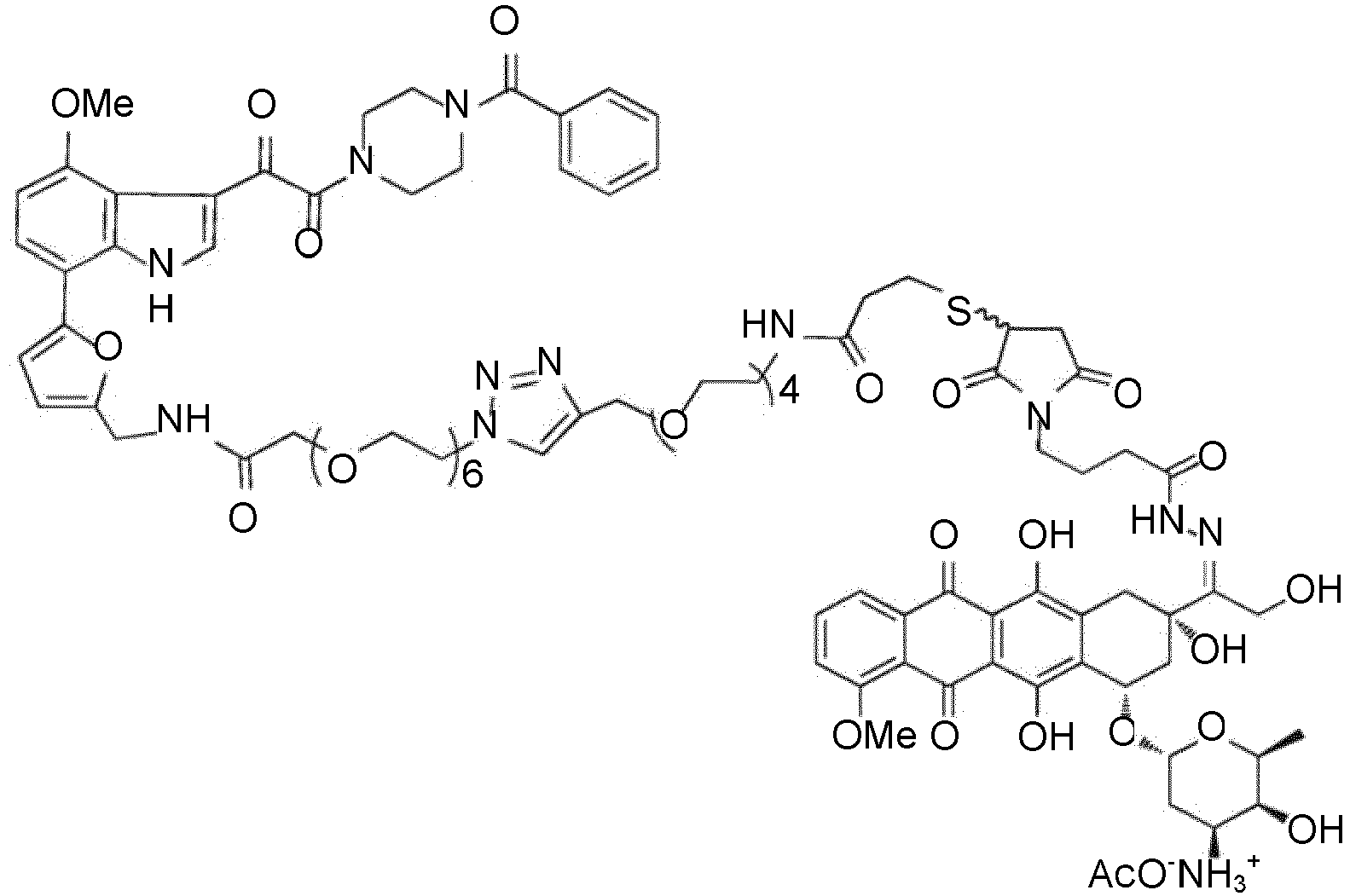
- Verbindung nach Anspruch 1, folgende Strukturformel aufweisend:

- Pharmazeutische Zusammensetzung, enthaltend eine wirksame Menge von einer Verbindung nach einem der Ansprüche 1-3, in Kombination mit einem pharmazeutisch annehmbaren Träger-, Zusatz- oder Hilfsstoff.
- Zusammensetzung nach Anspruch 4, ferner beinhaltend einen Aktivator von latentem HIV.
- Zusammensetzung nach einem der Ansprüche 4 oder 5, wobei die Zusammensetzung ferner eine wirksame Menge eines zusätzlichen Anti-HIV-Mittels umfasst.
- Zusammensetzung nach einem der Ansprüche 4-6 zur Verwendung in der Behandlung einer HIV-Infektion bei einem Patienten.
- Zusammensetzung nach einem der Ansprüche 4-6 zur Verwendung bei der Reduzierung der Wahrscheinlichkeit, dass bei einem Patienten mit Risiko für eine HIV-Infektion eine Infektion mit HIV auftritt, oder dass bei einem HIV-infizierten Patienten eine AIDS- oder ARC-Erkrankung auftritt.
Priority Applications (1)
| Application Number | Priority Date | Filing Date | Title |
|---|---|---|---|
| EP21205664.2A EP4005600A1 (de) | 2012-04-26 | 2013-03-15 | Gegen hiv gerichtete zytotoxische wirkstoffe freisetzende moleküle (cdm-hs), zytotoxische wirkung gegen das menschliche immunschwächevirus und verfahren zur verwendung |
Applications Claiming Priority (2)
| Application Number | Priority Date | Filing Date | Title |
|---|---|---|---|
| US201261638569P | 2012-04-26 | 2012-04-26 | |
| PCT/US2013/032044 WO2013162757A1 (en) | 2012-04-26 | 2013-03-15 | Cytotoxic-drug delivering molecules targeting hiv (cdm-hs), cytotoxic activity against the human immunodeficiency virus and methods of use |
Related Child Applications (1)
| Application Number | Title | Priority Date | Filing Date |
|---|---|---|---|
| EP21205664.2A Division EP4005600A1 (de) | 2012-04-26 | 2013-03-15 | Gegen hiv gerichtete zytotoxische wirkstoffe freisetzende moleküle (cdm-hs), zytotoxische wirkung gegen das menschliche immunschwächevirus und verfahren zur verwendung |
Publications (3)
| Publication Number | Publication Date |
|---|---|
| EP2841107A1 EP2841107A1 (de) | 2015-03-04 |
| EP2841107A4 EP2841107A4 (de) | 2016-04-27 |
| EP2841107B1 true EP2841107B1 (de) | 2021-11-03 |
Family
ID=49483736
Family Applications (2)
| Application Number | Title | Priority Date | Filing Date |
|---|---|---|---|
| EP21205664.2A Withdrawn EP4005600A1 (de) | 2012-04-26 | 2013-03-15 | Gegen hiv gerichtete zytotoxische wirkstoffe freisetzende moleküle (cdm-hs), zytotoxische wirkung gegen das menschliche immunschwächevirus und verfahren zur verwendung |
| EP13780662.6A Active EP2841107B1 (de) | 2012-04-26 | 2013-03-15 | Gegen hiv gerichtete zytotoxische wirkstoffe freisetzende moleküle (cdm-hs), zytotoxische wirkung gegen das menschliche immunschwächevirus und verfahren zur verwendung |
Family Applications Before (1)
| Application Number | Title | Priority Date | Filing Date |
|---|---|---|---|
| EP21205664.2A Withdrawn EP4005600A1 (de) | 2012-04-26 | 2013-03-15 | Gegen hiv gerichtete zytotoxische wirkstoffe freisetzende moleküle (cdm-hs), zytotoxische wirkung gegen das menschliche immunschwächevirus und verfahren zur verwendung |
Country Status (4)
| Country | Link |
|---|---|
| US (1) | US9745334B2 (de) |
| EP (2) | EP4005600A1 (de) |
| ES (1) | ES2905359T3 (de) |
| WO (1) | WO2013162757A1 (de) |
Families Citing this family (16)
| Publication number | Priority date | Publication date | Assignee | Title |
|---|---|---|---|---|
| BRPI0406647A (pt) | 2003-01-06 | 2005-12-06 | Angiochem Inc | Método para transportar um composto através da barreira sanguìnea do cérebro |
| US9365634B2 (en) | 2007-05-29 | 2016-06-14 | Angiochem Inc. | Aprotinin-like polypeptides for delivering agents conjugated thereto to tissues |
| MX2011004019A (es) | 2008-10-15 | 2011-06-24 | Angiochem Inc | Conjugados de etoposido y doxorubicina para entrega de farmacos. |
| BRPI0920209A2 (pt) | 2008-10-15 | 2015-12-22 | Angiochem Inc | conjugados de agonistas de glp-1 e usos dos mesmos |
| CA2745524C (en) | 2008-12-05 | 2020-06-09 | Angiochem Inc. | Conjugates of neurotensin or neurotensin analogs and uses thereof |
| WO2010069074A1 (en) | 2008-12-17 | 2010-06-24 | Universite Du Quebec A Montreal | Membrane type-1 matrix metalloprotein inhibitors and uses thereof |
| WO2010121379A1 (en) | 2009-04-20 | 2010-10-28 | Angiochem Inc | Treatment of ovarian cancer using an anticancer agent conjugated to an angiopep-2 analog |
| AU2010268726A1 (en) | 2009-07-02 | 2012-01-19 | Angiochem Inc. | Multimeric peptide conjugates and uses thereof |
| US20140308342A1 (en) | 2011-11-11 | 2014-10-16 | Yale University | Reprogramming urokinase into an antibody-recruiting anticancer agent |
| US9556167B2 (en) | 2012-05-02 | 2017-01-31 | Yale University | TLR-agonist-conjugated antibody recruiting molecules (TLR-ARMs) |
| DK3307326T3 (da) | 2015-06-15 | 2020-10-19 | Angiochem Inc | Fremgangsmåder til behandling af leptomeningeal karcinomatose |
| WO2017023994A1 (en) | 2015-08-06 | 2017-02-09 | Yale University | Small molecule based antibody-recruiting compounds for cancer treatment |
| WO2018026997A1 (en) | 2016-08-03 | 2018-02-08 | Yale University | Antibody-recruiting molecules for the treatment of cancer |
| EP3523296A4 (de) | 2016-10-05 | 2020-04-01 | The Board of Trustees of the Leland Stanford Junior University | Bryostatinverbindungen und verfahren zur herstellung davon |
| MX421628B (es) * | 2017-07-26 | 2025-03-14 | Kleo Pharmaceuticals Inc | Compuestos abt universales y usos de los mismos |
| CN111995622B (zh) * | 2020-08-20 | 2022-04-15 | 复旦大学 | 化合物及其用途 |
Family Cites Families (8)
| Publication number | Priority date | Publication date | Assignee | Title |
|---|---|---|---|---|
| US4522811A (en) | 1982-07-08 | 1985-06-11 | Syntex (U.S.A.) Inc. | Serial injection of muramyldipeptides and liposomes enhances the anti-infective activity of muramyldipeptides |
| US7115262B1 (en) * | 1999-03-16 | 2006-10-03 | The United States Of America As Represented By The Department Of Health And Human Services | Chimeric protein for prevention and treatment of HIV infection |
| JP2004537515A (ja) * | 2001-05-15 | 2004-12-16 | フォーク ファーマシューティカルス,インク. | ウィルス感染症治療用薬物のターゲッティング送達 |
| SI2291659T1 (sl) | 2008-05-13 | 2016-02-29 | Yale University | Himerične majhne molekule za pridobivanje protiteles za rakave celice |
| US8852630B2 (en) | 2008-05-13 | 2014-10-07 | Yale University | Chimeric small molecules for the recruitment of antibodies to cancer cells |
| MX2011004923A (es) | 2008-11-10 | 2011-05-30 | Novartis Ag | Anticuerpos para peptidos de igf-1/e humanos modificados. |
| US9181224B2 (en) | 2009-10-13 | 2015-11-10 | Yale University | Bifunctional molecules with antibody-recruiting and entry inhibitory activity against the human immunodeficiency virus |
| CN103402998B (zh) | 2010-11-18 | 2017-09-26 | 耶鲁大学 | 具有募集抗体并对人体免疫缺陷病毒进入有抑制活性的双功能分子 |
-
2013
- 2013-03-15 US US14/396,956 patent/US9745334B2/en active Active
- 2013-03-15 ES ES13780662T patent/ES2905359T3/es active Active
- 2013-03-15 WO PCT/US2013/032044 patent/WO2013162757A1/en not_active Ceased
- 2013-03-15 EP EP21205664.2A patent/EP4005600A1/de not_active Withdrawn
- 2013-03-15 EP EP13780662.6A patent/EP2841107B1/de active Active
Non-Patent Citations (1)
| Title |
|---|
| None * |
Also Published As
| Publication number | Publication date |
|---|---|
| EP2841107A1 (de) | 2015-03-04 |
| US9745334B2 (en) | 2017-08-29 |
| US20150087609A1 (en) | 2015-03-26 |
| EP4005600A1 (de) | 2022-06-01 |
| ES2905359T3 (es) | 2022-04-08 |
| WO2013162757A1 (en) | 2013-10-31 |
| EP2841107A4 (de) | 2016-04-27 |
Similar Documents
| Publication | Publication Date | Title |
|---|---|---|
| EP2841107B1 (de) | Gegen hiv gerichtete zytotoxische wirkstoffe freisetzende moleküle (cdm-hs), zytotoxische wirkung gegen das menschliche immunschwächevirus und verfahren zur verwendung | |
| EP2640720B1 (de) | Bifunktionelle moleküle mit antikörperrekrutierender und eintrittshemmender aktivität gegen das humane immundefizienzvirus | |
| US10188727B2 (en) | Bifunctional molecules with antibody-recruiting and entry inhibitory activity against the human immunodeficiency virus | |
| US8906889B2 (en) | C-3 cycloalkenyl triterpenoids with HIV maturation inhibitory activity | |
| US7365221B2 (en) | Monoacylated betulin and dihydrobetulin derivatives, preparation thereof and use thereof | |
| WO2004028455A2 (en) | Monoacylated betulin and dihydrobetulin derivatives, preparation thereof and use thereof | |
| HK1189219B (en) | Bifunctional molecules with antibody-recruiting and entry inhibitory activity against the human immunodeficiency virus | |
| HK1189219A (en) | Bifunctional molecules with antibody-recruiting and entry inhibitory activity against the human immunodeficiency virus | |
| HK1240932B (zh) | 具有募集抗体并对人体免疫缺陷病毒进入有抑制活性的双功能分子 | |
| HK1240932A1 (en) | Bifunctional molecules with antibody-recruiting and entry inhibitory activity against the human immunodeficiency virus |
Legal Events
| Date | Code | Title | Description |
|---|---|---|---|
| PUAI | Public reference made under article 153(3) epc to a published international application that has entered the european phase |
Free format text: ORIGINAL CODE: 0009012 |
|
| 17P | Request for examination filed |
Effective date: 20141124 |
|
| AK | Designated contracting states |
Kind code of ref document: A1 Designated state(s): AL AT BE BG CH CY CZ DE DK EE ES FI FR GB GR HR HU IE IS IT LI LT LU LV MC MK MT NL NO PL PT RO RS SE SI SK SM TR |
|
| AX | Request for extension of the european patent |
Extension state: BA ME |
|
| RA4 | Supplementary search report drawn up and despatched (corrected) |
Effective date: 20160329 |
|
| RIC1 | Information provided on ipc code assigned before grant |
Ipc: C07D 407/14 20060101ALI20160321BHEP Ipc: C07D 471/04 20060101ALI20160321BHEP Ipc: A61K 47/22 20060101ALI20160321BHEP Ipc: A61K 31/496 20060101ALI20160321BHEP Ipc: A61K 31/67 20060101ALI20160321BHEP Ipc: A61K 45/06 20060101ALI20160321BHEP Ipc: C07H 15/26 20060101ALI20160321BHEP Ipc: A61K 47/48 20060101AFI20160321BHEP Ipc: C07D 405/14 20060101ALI20160321BHEP Ipc: A61P 31/18 20060101ALI20160321BHEP Ipc: A61K 31/706 20060101ALI20160321BHEP |
|
| STAA | Information on the status of an ep patent application or granted ep patent |
Free format text: STATUS: EXAMINATION IS IN PROGRESS |
|
| 17Q | First examination report despatched |
Effective date: 20171026 |
|
| REG | Reference to a national code |
Ref country code: DE Ref legal event code: R079 Ref document number: 602013079902 Country of ref document: DE Free format text: PREVIOUS MAIN CLASS: A61K0047220000 Ipc: A61K0047550000 |
|
| RIC1 | Information provided on ipc code assigned before grant |
Ipc: A61P 25/00 20060101ALI20210325BHEP Ipc: A61P 31/18 20060101ALI20210325BHEP Ipc: C07H 15/26 20060101ALI20210325BHEP Ipc: C07D 405/14 20060101ALI20210325BHEP Ipc: C07D 471/04 20060101ALI20210325BHEP Ipc: C07D 407/14 20060101ALI20210325BHEP Ipc: A61K 47/22 20060101ALI20210325BHEP Ipc: A61K 45/06 20060101ALI20210325BHEP Ipc: A61K 31/496 20060101ALI20210325BHEP Ipc: A61K 31/704 20060101ALI20210325BHEP Ipc: A61K 31/7034 20060101ALI20210325BHEP Ipc: A61K 31/7028 20060101ALI20210325BHEP Ipc: A61K 31/67 20060101ALI20210325BHEP Ipc: A61K 31/706 20060101ALI20210325BHEP Ipc: A61K 47/55 20170101AFI20210325BHEP |
|
| GRAP | Despatch of communication of intention to grant a patent |
Free format text: ORIGINAL CODE: EPIDOSNIGR1 |
|
| STAA | Information on the status of an ep patent application or granted ep patent |
Free format text: STATUS: GRANT OF PATENT IS INTENDED |
|
| INTG | Intention to grant announced |
Effective date: 20210518 |
|
| GRAS | Grant fee paid |
Free format text: ORIGINAL CODE: EPIDOSNIGR3 |
|
| GRAA | (expected) grant |
Free format text: ORIGINAL CODE: 0009210 |
|
| STAA | Information on the status of an ep patent application or granted ep patent |
Free format text: STATUS: THE PATENT HAS BEEN GRANTED |
|
| AK | Designated contracting states |
Kind code of ref document: B1 Designated state(s): AL AT BE BG CH CY CZ DE DK EE ES FI FR GB GR HR HU IE IS IT LI LT LU LV MC MK MT NL NO PL PT RO RS SE SI SK SM TR |
|
| REG | Reference to a national code |
Ref country code: GB Ref legal event code: FG4D |
|
| REG | Reference to a national code |
Ref country code: AT Ref legal event code: REF Ref document number: 1443388 Country of ref document: AT Kind code of ref document: T Effective date: 20211115 Ref country code: CH Ref legal event code: EP |
|
| REG | Reference to a national code |
Ref country code: IE Ref legal event code: FG4D |
|
| REG | Reference to a national code |
Ref country code: DE Ref legal event code: R096 Ref document number: 602013079902 Country of ref document: DE |
|
| REG | Reference to a national code |
Ref country code: LT Ref legal event code: MG9D |
|
| REG | Reference to a national code |
Ref country code: NL Ref legal event code: MP Effective date: 20211103 |
|
| REG | Reference to a national code |
Ref country code: AT Ref legal event code: MK05 Ref document number: 1443388 Country of ref document: AT Kind code of ref document: T Effective date: 20211103 |
|
| REG | Reference to a national code |
Ref country code: ES Ref legal event code: FG2A Ref document number: 2905359 Country of ref document: ES Kind code of ref document: T3 Effective date: 20220408 |
|
| PG25 | Lapsed in a contracting state [announced via postgrant information from national office to epo] |
Ref country code: RS Free format text: LAPSE BECAUSE OF FAILURE TO SUBMIT A TRANSLATION OF THE DESCRIPTION OR TO PAY THE FEE WITHIN THE PRESCRIBED TIME-LIMIT Effective date: 20211103 Ref country code: LT Free format text: LAPSE BECAUSE OF FAILURE TO SUBMIT A TRANSLATION OF THE DESCRIPTION OR TO PAY THE FEE WITHIN THE PRESCRIBED TIME-LIMIT Effective date: 20211103 Ref country code: FI Free format text: LAPSE BECAUSE OF FAILURE TO SUBMIT A TRANSLATION OF THE DESCRIPTION OR TO PAY THE FEE WITHIN THE PRESCRIBED TIME-LIMIT Effective date: 20211103 Ref country code: BG Free format text: LAPSE BECAUSE OF FAILURE TO SUBMIT A TRANSLATION OF THE DESCRIPTION OR TO PAY THE FEE WITHIN THE PRESCRIBED TIME-LIMIT Effective date: 20220203 Ref country code: AT Free format text: LAPSE BECAUSE OF FAILURE TO SUBMIT A TRANSLATION OF THE DESCRIPTION OR TO PAY THE FEE WITHIN THE PRESCRIBED TIME-LIMIT Effective date: 20211103 |
|
| PG25 | Lapsed in a contracting state [announced via postgrant information from national office to epo] |
Ref country code: IS Free format text: LAPSE BECAUSE OF FAILURE TO SUBMIT A TRANSLATION OF THE DESCRIPTION OR TO PAY THE FEE WITHIN THE PRESCRIBED TIME-LIMIT Effective date: 20220303 Ref country code: SE Free format text: LAPSE BECAUSE OF FAILURE TO SUBMIT A TRANSLATION OF THE DESCRIPTION OR TO PAY THE FEE WITHIN THE PRESCRIBED TIME-LIMIT Effective date: 20211103 Ref country code: PT Free format text: LAPSE BECAUSE OF FAILURE TO SUBMIT A TRANSLATION OF THE DESCRIPTION OR TO PAY THE FEE WITHIN THE PRESCRIBED TIME-LIMIT Effective date: 20220303 Ref country code: PL Free format text: LAPSE BECAUSE OF FAILURE TO SUBMIT A TRANSLATION OF THE DESCRIPTION OR TO PAY THE FEE WITHIN THE PRESCRIBED TIME-LIMIT Effective date: 20211103 Ref country code: NO Free format text: LAPSE BECAUSE OF FAILURE TO SUBMIT A TRANSLATION OF THE DESCRIPTION OR TO PAY THE FEE WITHIN THE PRESCRIBED TIME-LIMIT Effective date: 20220203 Ref country code: NL Free format text: LAPSE BECAUSE OF FAILURE TO SUBMIT A TRANSLATION OF THE DESCRIPTION OR TO PAY THE FEE WITHIN THE PRESCRIBED TIME-LIMIT Effective date: 20211103 Ref country code: LV Free format text: LAPSE BECAUSE OF FAILURE TO SUBMIT A TRANSLATION OF THE DESCRIPTION OR TO PAY THE FEE WITHIN THE PRESCRIBED TIME-LIMIT Effective date: 20211103 Ref country code: HR Free format text: LAPSE BECAUSE OF FAILURE TO SUBMIT A TRANSLATION OF THE DESCRIPTION OR TO PAY THE FEE WITHIN THE PRESCRIBED TIME-LIMIT Effective date: 20211103 Ref country code: GR Free format text: LAPSE BECAUSE OF FAILURE TO SUBMIT A TRANSLATION OF THE DESCRIPTION OR TO PAY THE FEE WITHIN THE PRESCRIBED TIME-LIMIT Effective date: 20220204 |
|
| PG25 | Lapsed in a contracting state [announced via postgrant information from national office to epo] |
Ref country code: SM Free format text: LAPSE BECAUSE OF FAILURE TO SUBMIT A TRANSLATION OF THE DESCRIPTION OR TO PAY THE FEE WITHIN THE PRESCRIBED TIME-LIMIT Effective date: 20211103 Ref country code: SK Free format text: LAPSE BECAUSE OF FAILURE TO SUBMIT A TRANSLATION OF THE DESCRIPTION OR TO PAY THE FEE WITHIN THE PRESCRIBED TIME-LIMIT Effective date: 20211103 Ref country code: RO Free format text: LAPSE BECAUSE OF FAILURE TO SUBMIT A TRANSLATION OF THE DESCRIPTION OR TO PAY THE FEE WITHIN THE PRESCRIBED TIME-LIMIT Effective date: 20211103 Ref country code: EE Free format text: LAPSE BECAUSE OF FAILURE TO SUBMIT A TRANSLATION OF THE DESCRIPTION OR TO PAY THE FEE WITHIN THE PRESCRIBED TIME-LIMIT Effective date: 20211103 Ref country code: DK Free format text: LAPSE BECAUSE OF FAILURE TO SUBMIT A TRANSLATION OF THE DESCRIPTION OR TO PAY THE FEE WITHIN THE PRESCRIBED TIME-LIMIT Effective date: 20211103 Ref country code: CZ Free format text: LAPSE BECAUSE OF FAILURE TO SUBMIT A TRANSLATION OF THE DESCRIPTION OR TO PAY THE FEE WITHIN THE PRESCRIBED TIME-LIMIT Effective date: 20211103 |
|
| REG | Reference to a national code |
Ref country code: DE Ref legal event code: R097 Ref document number: 602013079902 Country of ref document: DE |
|
| PLBE | No opposition filed within time limit |
Free format text: ORIGINAL CODE: 0009261 |
|
| STAA | Information on the status of an ep patent application or granted ep patent |
Free format text: STATUS: NO OPPOSITION FILED WITHIN TIME LIMIT |
|
| 26N | No opposition filed |
Effective date: 20220804 |
|
| PG25 | Lapsed in a contracting state [announced via postgrant information from national office to epo] |
Ref country code: MC Free format text: LAPSE BECAUSE OF FAILURE TO SUBMIT A TRANSLATION OF THE DESCRIPTION OR TO PAY THE FEE WITHIN THE PRESCRIBED TIME-LIMIT Effective date: 20211103 Ref country code: AL Free format text: LAPSE BECAUSE OF FAILURE TO SUBMIT A TRANSLATION OF THE DESCRIPTION OR TO PAY THE FEE WITHIN THE PRESCRIBED TIME-LIMIT Effective date: 20211103 |
|
| PG25 | Lapsed in a contracting state [announced via postgrant information from national office to epo] |
Ref country code: SI Free format text: LAPSE BECAUSE OF FAILURE TO SUBMIT A TRANSLATION OF THE DESCRIPTION OR TO PAY THE FEE WITHIN THE PRESCRIBED TIME-LIMIT Effective date: 20211103 |
|
| REG | Reference to a national code |
Ref country code: BE Ref legal event code: MM Effective date: 20220331 |
|
| PG25 | Lapsed in a contracting state [announced via postgrant information from national office to epo] |
Ref country code: LU Free format text: LAPSE BECAUSE OF NON-PAYMENT OF DUE FEES Effective date: 20220315 |
|
| PG25 | Lapsed in a contracting state [announced via postgrant information from national office to epo] |
Ref country code: BE Free format text: LAPSE BECAUSE OF NON-PAYMENT OF DUE FEES Effective date: 20220331 |
|
| PG25 | Lapsed in a contracting state [announced via postgrant information from national office to epo] |
Ref country code: HU Free format text: LAPSE BECAUSE OF FAILURE TO SUBMIT A TRANSLATION OF THE DESCRIPTION OR TO PAY THE FEE WITHIN THE PRESCRIBED TIME-LIMIT; INVALID AB INITIO Effective date: 20130315 |
|
| PG25 | Lapsed in a contracting state [announced via postgrant information from national office to epo] |
Ref country code: MK Free format text: LAPSE BECAUSE OF FAILURE TO SUBMIT A TRANSLATION OF THE DESCRIPTION OR TO PAY THE FEE WITHIN THE PRESCRIBED TIME-LIMIT Effective date: 20211103 Ref country code: CY Free format text: LAPSE BECAUSE OF FAILURE TO SUBMIT A TRANSLATION OF THE DESCRIPTION OR TO PAY THE FEE WITHIN THE PRESCRIBED TIME-LIMIT Effective date: 20211103 |
|
| PG25 | Lapsed in a contracting state [announced via postgrant information from national office to epo] |
Ref country code: TR Free format text: LAPSE BECAUSE OF FAILURE TO SUBMIT A TRANSLATION OF THE DESCRIPTION OR TO PAY THE FEE WITHIN THE PRESCRIBED TIME-LIMIT Effective date: 20211103 |
|
| PG25 | Lapsed in a contracting state [announced via postgrant information from national office to epo] |
Ref country code: MT Free format text: LAPSE BECAUSE OF FAILURE TO SUBMIT A TRANSLATION OF THE DESCRIPTION OR TO PAY THE FEE WITHIN THE PRESCRIBED TIME-LIMIT Effective date: 20211103 |
|
| P01 | Opt-out of the competence of the unified patent court (upc) registered |
Free format text: CASE NUMBER: APP_50289/2024 Effective date: 20240904 |
|
| PGFP | Annual fee paid to national office [announced via postgrant information from national office to epo] |
Ref country code: ES Payment date: 20250401 Year of fee payment: 13 |
|
| PGFP | Annual fee paid to national office [announced via postgrant information from national office to epo] |
Ref country code: CH Payment date: 20250401 Year of fee payment: 13 |
|
| REG | Reference to a national code |
Ref country code: CH Ref legal event code: U11 Free format text: ST27 STATUS EVENT CODE: U-0-0-U10-U11 (AS PROVIDED BY THE NATIONAL OFFICE) Effective date: 20260401 |
|
| PGFP | Annual fee paid to national office [announced via postgrant information from national office to epo] |
Ref country code: GB Payment date: 20260327 Year of fee payment: 14 |
|
| PGFP | Annual fee paid to national office [announced via postgrant information from national office to epo] |
Ref country code: IE Payment date: 20260327 Year of fee payment: 14 Ref country code: DE Payment date: 20260327 Year of fee payment: 14 |
|
| PGFP | Annual fee paid to national office [announced via postgrant information from national office to epo] |
Ref country code: IT Payment date: 20260319 Year of fee payment: 14 |
|
| PGFP | Annual fee paid to national office [announced via postgrant information from national office to epo] |
Ref country code: FR Payment date: 20260325 Year of fee payment: 14 |