EP2865765B1 - Ensembles miARN complexes en tant que nouveaux biomarqueurs d'un syndrome coronaire aigu - Google Patents
Ensembles miARN complexes en tant que nouveaux biomarqueurs d'un syndrome coronaire aigu Download PDFInfo
- Publication number
- EP2865765B1 EP2865765B1 EP14174637.0A EP14174637A EP2865765B1 EP 2865765 B1 EP2865765 B1 EP 2865765B1 EP 14174637 A EP14174637 A EP 14174637A EP 2865765 B1 EP2865765 B1 EP 2865765B1
- Authority
- EP
- European Patent Office
- Prior art keywords
- seq
- mirna
- mirnas
- coronary syndrome
- acute coronary
- Prior art date
- Legal status (The legal status is an assumption and is not a legal conclusion. Google has not performed a legal analysis and makes no representation as to the accuracy of the status listed.)
- Not-in-force
Links
- 239000002679 microRNA Substances 0.000 title claims description 990
- 108091070501 miRNA Proteins 0.000 title claims description 528
- 208000004476 Acute Coronary Syndrome Diseases 0.000 title claims description 435
- 239000000101 novel biomarker Substances 0.000 title description 11
- 241000282414 Homo sapiens Species 0.000 claims description 582
- 230000014509 gene expression Effects 0.000 claims description 320
- 102000040430 polynucleotide Human genes 0.000 claims description 267
- 108091033319 polynucleotide Proteins 0.000 claims description 267
- 239000002157 polynucleotide Substances 0.000 claims description 267
- 239000002773 nucleotide Substances 0.000 claims description 201
- 125000003729 nucleotide group Chemical group 0.000 claims description 201
- 206010000891 acute myocardial infarction Diseases 0.000 claims description 196
- 108091028043 Nucleic acid sequence Proteins 0.000 claims description 135
- 238000000034 method Methods 0.000 claims description 135
- 238000004422 calculation algorithm Methods 0.000 claims description 114
- 238000007620 mathematical function Methods 0.000 claims description 102
- 238000003745 diagnosis Methods 0.000 claims description 81
- 239000000090 biomarker Substances 0.000 claims description 74
- 210000000601 blood cell Anatomy 0.000 claims description 71
- 239000012634 fragment Substances 0.000 claims description 57
- 230000000295 complement effect Effects 0.000 claims description 40
- 210000004165 myocardium Anatomy 0.000 claims description 13
- 210000000265 leukocyte Anatomy 0.000 claims description 11
- 210000001772 blood platelet Anatomy 0.000 claims description 8
- 210000003743 erythrocyte Anatomy 0.000 claims description 6
- 108091061623 Homo sapiens miR-636 stem-loop Proteins 0.000 claims 1
- 108700011259 MicroRNAs Proteins 0.000 description 474
- 108091032973 (ribonucleotides)n+m Proteins 0.000 description 310
- 239000000523 sample Substances 0.000 description 189
- 210000004369 blood Anatomy 0.000 description 129
- 239000008280 blood Substances 0.000 description 129
- 238000013459 approach Methods 0.000 description 65
- 230000035945 sensitivity Effects 0.000 description 58
- 238000009396 hybridization Methods 0.000 description 48
- 238000012360 testing method Methods 0.000 description 48
- 208000007814 Unstable Angina Diseases 0.000 description 39
- 108090001108 Troponin T Proteins 0.000 description 38
- 102000004987 Troponin T Human genes 0.000 description 38
- 238000004458 analytical method Methods 0.000 description 38
- 206010002388 Angina unstable Diseases 0.000 description 37
- 238000000018 DNA microarray Methods 0.000 description 37
- 238000012706 support-vector machine Methods 0.000 description 37
- 201000004332 intermediate coronary syndrome Diseases 0.000 description 36
- 238000003753 real-time PCR Methods 0.000 description 35
- 241000282412 Homo Species 0.000 description 32
- 208000010125 myocardial infarction Diseases 0.000 description 31
- 238000010801 machine learning Methods 0.000 description 27
- 230000001105 regulatory effect Effects 0.000 description 25
- 238000002493 microarray Methods 0.000 description 23
- 238000004393 prognosis Methods 0.000 description 23
- 238000000692 Student's t-test Methods 0.000 description 22
- 238000012353 t test Methods 0.000 description 22
- 239000002299 complementary DNA Substances 0.000 description 21
- 210000002966 serum Anatomy 0.000 description 21
- YBJHBAHKTGYVGT-ZKWXMUAHSA-N (+)-Biotin Chemical compound N1C(=O)N[C@@H]2[C@H](CCCCC(=O)O)SC[C@@H]21 YBJHBAHKTGYVGT-ZKWXMUAHSA-N 0.000 description 20
- 239000007787 solid Substances 0.000 description 20
- 230000000747 cardiac effect Effects 0.000 description 19
- 201000010099 disease Diseases 0.000 description 19
- 208000037265 diseases, disorders, signs and symptoms Diseases 0.000 description 19
- 238000011529 RT qPCR Methods 0.000 description 18
- 108091055059 miR-30c stem-loop Proteins 0.000 description 18
- 108091028684 Mir-145 Proteins 0.000 description 17
- 208000006117 ST-elevation myocardial infarction Diseases 0.000 description 17
- 239000011159 matrix material Substances 0.000 description 17
- 230000006870 function Effects 0.000 description 16
- 230000002107 myocardial effect Effects 0.000 description 16
- 210000002381 plasma Anatomy 0.000 description 16
- 208000024172 Cardiovascular disease Diseases 0.000 description 15
- 239000000758 substrate Substances 0.000 description 15
- 206010061216 Infarction Diseases 0.000 description 14
- 230000007574 infarction Effects 0.000 description 14
- 238000001514 detection method Methods 0.000 description 13
- 238000002372 labelling Methods 0.000 description 13
- 210000004027 cell Anatomy 0.000 description 12
- 238000007477 logistic regression Methods 0.000 description 12
- 150000007523 nucleic acids Chemical class 0.000 description 12
- 230000001225 therapeutic effect Effects 0.000 description 12
- 238000012549 training Methods 0.000 description 12
- 102000004903 Troponin Human genes 0.000 description 11
- 108090001027 Troponin Proteins 0.000 description 11
- 238000003556 assay Methods 0.000 description 11
- 230000027455 binding Effects 0.000 description 11
- 238000009739 binding Methods 0.000 description 11
- 210000001519 tissue Anatomy 0.000 description 11
- 239000013598 vector Substances 0.000 description 11
- ZHNUHDYFZUAESO-UHFFFAOYSA-N Formamide Chemical compound NC=O ZHNUHDYFZUAESO-UHFFFAOYSA-N 0.000 description 10
- 229960002685 biotin Drugs 0.000 description 10
- 235000020958 biotin Nutrition 0.000 description 10
- 239000011616 biotin Substances 0.000 description 10
- 238000005457 optimization Methods 0.000 description 10
- 239000007790 solid phase Substances 0.000 description 10
- 238000006243 chemical reaction Methods 0.000 description 9
- 208000019622 heart disease Diseases 0.000 description 9
- 230000035772 mutation Effects 0.000 description 9
- 102000039446 nucleic acids Human genes 0.000 description 9
- 108020004707 nucleic acids Proteins 0.000 description 9
- 210000005259 peripheral blood Anatomy 0.000 description 9
- 239000011886 peripheral blood Substances 0.000 description 9
- 230000004044 response Effects 0.000 description 9
- 238000010839 reverse transcription Methods 0.000 description 9
- 230000001154 acute effect Effects 0.000 description 8
- 208000029078 coronary artery disease Diseases 0.000 description 8
- 238000010195 expression analysis Methods 0.000 description 8
- 239000000463 material Substances 0.000 description 8
- 108091074094 miR-1291 stem-loop Proteins 0.000 description 8
- 238000003752 polymerase chain reaction Methods 0.000 description 8
- 125000006850 spacer group Chemical group 0.000 description 8
- -1 0.01 % Substances 0.000 description 7
- 108020004414 DNA Proteins 0.000 description 7
- 108091030146 MiRBase Proteins 0.000 description 7
- 238000004590 computer program Methods 0.000 description 7
- 238000002586 coronary angiography Methods 0.000 description 7
- 238000002790 cross-validation Methods 0.000 description 7
- 238000013399 early diagnosis Methods 0.000 description 7
- 108091062762 miR-21 stem-loop Proteins 0.000 description 7
- 108091041631 miR-21-1 stem-loop Proteins 0.000 description 7
- 108091044442 miR-21-2 stem-loop Proteins 0.000 description 7
- 239000013641 positive control Substances 0.000 description 7
- 239000000126 substance Substances 0.000 description 7
- FWMNVWWHGCHHJJ-SKKKGAJSSA-N 4-amino-1-[(2r)-6-amino-2-[[(2r)-2-[[(2r)-2-[[(2r)-2-amino-3-phenylpropanoyl]amino]-3-phenylpropanoyl]amino]-4-methylpentanoyl]amino]hexanoyl]piperidine-4-carboxylic acid Chemical compound C([C@H](C(=O)N[C@H](CC(C)C)C(=O)N[C@H](CCCCN)C(=O)N1CCC(N)(CC1)C(O)=O)NC(=O)[C@H](N)CC=1C=CC=CC=1)C1=CC=CC=C1 FWMNVWWHGCHHJJ-SKKKGAJSSA-N 0.000 description 6
- 102100031780 Endonuclease Human genes 0.000 description 6
- 102000004190 Enzymes Human genes 0.000 description 6
- 108090000790 Enzymes Proteins 0.000 description 6
- 108091069002 Homo sapiens miR-145 stem-loop Proteins 0.000 description 6
- 108010092799 RNA-directed DNA polymerase Proteins 0.000 description 6
- 208000037065 Subacute sclerosing leukoencephalitis Diseases 0.000 description 6
- 206010042297 Subacute sclerosing panencephalitis Diseases 0.000 description 6
- 230000003321 amplification Effects 0.000 description 6
- 230000009977 dual effect Effects 0.000 description 6
- 238000003199 nucleic acid amplification method Methods 0.000 description 6
- 238000007899 nucleic acid hybridization Methods 0.000 description 6
- 239000012071 phase Substances 0.000 description 6
- 206010019280 Heart failures Diseases 0.000 description 5
- 108091069527 Homo sapiens miR-223 stem-loop Proteins 0.000 description 5
- 108091062140 Mir-223 Proteins 0.000 description 5
- 102000000574 RNA-Induced Silencing Complex Human genes 0.000 description 5
- 108010016790 RNA-Induced Silencing Complex Proteins 0.000 description 5
- 238000007792 addition Methods 0.000 description 5
- 230000001413 cellular effect Effects 0.000 description 5
- 238000009826 distribution Methods 0.000 description 5
- 230000008482 dysregulation Effects 0.000 description 5
- 239000000203 mixture Substances 0.000 description 5
- 238000007481 next generation sequencing Methods 0.000 description 5
- 210000004976 peripheral blood cell Anatomy 0.000 description 5
- 210000003819 peripheral blood mononuclear cell Anatomy 0.000 description 5
- 108090000623 proteins and genes Proteins 0.000 description 5
- 208000024891 symptom Diseases 0.000 description 5
- 238000005406 washing Methods 0.000 description 5
- 108091044797 Homo sapiens miR-1291 stem-loop Proteins 0.000 description 4
- 238000011869 Shapiro-Wilk test Methods 0.000 description 4
- VYPSYNLAJGMNEJ-UHFFFAOYSA-N Silicium dioxide Chemical compound O=[Si]=O VYPSYNLAJGMNEJ-UHFFFAOYSA-N 0.000 description 4
- 230000006978 adaptation Effects 0.000 description 4
- 238000013528 artificial neural network Methods 0.000 description 4
- 208000015606 cardiovascular system disease Diseases 0.000 description 4
- OPTASPLRGRRNAP-UHFFFAOYSA-N cytosine Chemical compound NC=1C=CNC(=O)N=1 OPTASPLRGRRNAP-UHFFFAOYSA-N 0.000 description 4
- 230000003247 decreasing effect Effects 0.000 description 4
- 238000012217 deletion Methods 0.000 description 4
- 230000037430 deletion Effects 0.000 description 4
- 238000002474 experimental method Methods 0.000 description 4
- 125000000524 functional group Chemical group 0.000 description 4
- UYTPUPDQBNUYGX-UHFFFAOYSA-N guanine Chemical compound O=C1NC(N)=NC2=C1N=CN2 UYTPUPDQBNUYGX-UHFFFAOYSA-N 0.000 description 4
- 210000004524 haematopoietic cell Anatomy 0.000 description 4
- 230000009067 heart development Effects 0.000 description 4
- 238000003780 insertion Methods 0.000 description 4
- 230000037431 insertion Effects 0.000 description 4
- 230000000302 ischemic effect Effects 0.000 description 4
- 230000000366 juvenile effect Effects 0.000 description 4
- 238000003064 k means clustering Methods 0.000 description 4
- 238000012417 linear regression Methods 0.000 description 4
- 239000003550 marker Substances 0.000 description 4
- 238000004949 mass spectrometry Methods 0.000 description 4
- 238000012986 modification Methods 0.000 description 4
- 230000004048 modification Effects 0.000 description 4
- 208000031225 myocardial ischemia Diseases 0.000 description 4
- 230000007310 pathophysiology Effects 0.000 description 4
- 238000001558 permutation test Methods 0.000 description 4
- 230000002441 reversible effect Effects 0.000 description 4
- 238000012163 sequencing technique Methods 0.000 description 4
- 210000000329 smooth muscle myocyte Anatomy 0.000 description 4
- 238000007619 statistical method Methods 0.000 description 4
- 238000006467 substitution reaction Methods 0.000 description 4
- RWQNBRDOKXIBIV-UHFFFAOYSA-N thymine Chemical compound CC1=CNC(=O)NC1=O RWQNBRDOKXIBIV-UHFFFAOYSA-N 0.000 description 4
- 208000031229 Cardiomyopathies Diseases 0.000 description 3
- 108020004635 Complementary DNA Proteins 0.000 description 3
- 238000002965 ELISA Methods 0.000 description 3
- 108010007577 Exodeoxyribonuclease I Proteins 0.000 description 3
- 102100029075 Exonuclease 1 Human genes 0.000 description 3
- 102000015779 HDL Lipoproteins Human genes 0.000 description 3
- 108010010234 HDL Lipoproteins Proteins 0.000 description 3
- 206010020880 Hypertrophy Diseases 0.000 description 3
- 102000007330 LDL Lipoproteins Human genes 0.000 description 3
- 108010007622 LDL Lipoproteins Proteins 0.000 description 3
- 108010016731 PPAR gamma Proteins 0.000 description 3
- 108010090804 Streptavidin Proteins 0.000 description 3
- 230000000692 anti-sense effect Effects 0.000 description 3
- 206010003119 arrhythmia Diseases 0.000 description 3
- 230000006793 arrhythmia Effects 0.000 description 3
- 238000006664 bond formation reaction Methods 0.000 description 3
- 239000000872 buffer Substances 0.000 description 3
- 238000010586 diagram Methods 0.000 description 3
- 230000002255 enzymatic effect Effects 0.000 description 3
- 238000006911 enzymatic reaction Methods 0.000 description 3
- 239000007850 fluorescent dye Substances 0.000 description 3
- 239000011521 glass Substances 0.000 description 3
- 230000036449 good health Effects 0.000 description 3
- 230000036541 health Effects 0.000 description 3
- 229910052739 hydrogen Inorganic materials 0.000 description 3
- 239000001257 hydrogen Substances 0.000 description 3
- 230000003993 interaction Effects 0.000 description 3
- 108091028606 miR-1 stem-loop Proteins 0.000 description 3
- 108091056912 miR-663b stem-loop Proteins 0.000 description 3
- 239000002777 nucleoside Substances 0.000 description 3
- 125000003835 nucleoside group Chemical group 0.000 description 3
- 238000003909 pattern recognition Methods 0.000 description 3
- 239000004033 plastic Substances 0.000 description 3
- 229920003023 plastic Polymers 0.000 description 3
- 239000000243 solution Substances 0.000 description 3
- LRFVTYWOQMYALW-UHFFFAOYSA-N 9H-xanthine Chemical compound O=C1NC(=O)NC2=C1NC=N2 LRFVTYWOQMYALW-UHFFFAOYSA-N 0.000 description 2
- 229930024421 Adenine Natural products 0.000 description 2
- GFFGJBXGBJISGV-UHFFFAOYSA-N Adenine Chemical compound NC1=NC=NC2=C1N=CN2 GFFGJBXGBJISGV-UHFFFAOYSA-N 0.000 description 2
- 206010002383 Angina Pectoris Diseases 0.000 description 2
- 101800000407 Brain natriuretic peptide 32 Proteins 0.000 description 2
- OYPRJOBELJOOCE-UHFFFAOYSA-N Calcium Chemical compound [Ca] OYPRJOBELJOOCE-UHFFFAOYSA-N 0.000 description 2
- 206010007556 Cardiac failure acute Diseases 0.000 description 2
- NYHBQMYGNKIUIF-UUOKFMHZSA-N Guanosine Chemical compound C1=NC=2C(=O)NC(N)=NC=2N1[C@@H]1O[C@H](CO)[C@@H](O)[C@H]1O NYHBQMYGNKIUIF-UUOKFMHZSA-N 0.000 description 2
- 108091062097 Homo sapiens miR-1283-1 stem-loop Proteins 0.000 description 2
- 108091044589 Homo sapiens miR-1283-2 stem-loop Proteins 0.000 description 2
- 108091067995 Homo sapiens miR-192 stem-loop Proteins 0.000 description 2
- 108091067557 Homo sapiens miR-380 stem-loop Proteins 0.000 description 2
- 108091063813 Homo sapiens miR-455 stem-loop Proteins 0.000 description 2
- 108091092229 Homo sapiens miR-491 stem-loop Proteins 0.000 description 2
- 108091060465 Homo sapiens miR-767 stem-loop Proteins 0.000 description 2
- 229930010555 Inosine Natural products 0.000 description 2
- UGQMRVRMYYASKQ-KQYNXXCUSA-N Inosine Chemical compound O[C@@H]1[C@H](O)[C@@H](CO)O[C@H]1N1C2=NC=NC(O)=C2N=C1 UGQMRVRMYYASKQ-KQYNXXCUSA-N 0.000 description 2
- 206010058467 Lung neoplasm malignant Diseases 0.000 description 2
- 238000000585 Mann–Whitney U test Methods 0.000 description 2
- 108091093073 MiR-134 Proteins 0.000 description 2
- 102100038825 Peroxisome proliferator-activated receptor gamma Human genes 0.000 description 2
- NBIIXXVUZAFLBC-UHFFFAOYSA-N Phosphoric acid Chemical compound OP(O)(O)=O NBIIXXVUZAFLBC-UHFFFAOYSA-N 0.000 description 2
- 229920001213 Polysorbate 20 Polymers 0.000 description 2
- 108010026552 Proteome Proteins 0.000 description 2
- 108091028664 Ribonucleotide Proteins 0.000 description 2
- FKNQFGJONOIPTF-UHFFFAOYSA-N Sodium cation Chemical compound [Na+] FKNQFGJONOIPTF-UHFFFAOYSA-N 0.000 description 2
- PPBRXRYQALVLMV-UHFFFAOYSA-N Styrene Chemical compound C=CC1=CC=CC=C1 PPBRXRYQALVLMV-UHFFFAOYSA-N 0.000 description 2
- 241001441724 Tetraodontidae Species 0.000 description 2
- 208000007536 Thrombosis Diseases 0.000 description 2
- IQFYYKKMVGJFEH-XLPZGREQSA-N Thymidine Chemical compound O=C1NC(=O)C(C)=CN1[C@@H]1O[C@H](CO)[C@@H](O)C1 IQFYYKKMVGJFEH-XLPZGREQSA-N 0.000 description 2
- 239000007984 Tris EDTA buffer Substances 0.000 description 2
- ISAKRJDGNUQOIC-UHFFFAOYSA-N Uracil Chemical compound O=C1C=CNC(=O)N1 ISAKRJDGNUQOIC-UHFFFAOYSA-N 0.000 description 2
- XSQUKJJJFZCRTK-UHFFFAOYSA-N Urea Chemical compound NC(N)=O XSQUKJJJFZCRTK-UHFFFAOYSA-N 0.000 description 2
- DRTQHJPVMGBUCF-XVFCMESISA-N Uridine Chemical compound O[C@@H]1[C@H](O)[C@@H](CO)O[C@H]1N1C(=O)NC(=O)C=C1 DRTQHJPVMGBUCF-XVFCMESISA-N 0.000 description 2
- 208000024248 Vascular System injury Diseases 0.000 description 2
- 208000012339 Vascular injury Diseases 0.000 description 2
- 208000027418 Wounds and injury Diseases 0.000 description 2
- 230000003044 adaptive effect Effects 0.000 description 2
- 229960000643 adenine Drugs 0.000 description 2
- OIRDTQYFTABQOQ-KQYNXXCUSA-N adenosine Chemical compound C1=NC=2C(N)=NC=NC=2N1[C@@H]1O[C@H](CO)[C@@H](O)[C@H]1O OIRDTQYFTABQOQ-KQYNXXCUSA-N 0.000 description 2
- 230000002776 aggregation Effects 0.000 description 2
- 238000004220 aggregation Methods 0.000 description 2
- 230000006907 apoptotic process Effects 0.000 description 2
- 238000003491 array Methods 0.000 description 2
- 238000003705 background correction Methods 0.000 description 2
- 230000004888 barrier function Effects 0.000 description 2
- 230000008901 benefit Effects 0.000 description 2
- 230000031018 biological processes and functions Effects 0.000 description 2
- 238000004159 blood analysis Methods 0.000 description 2
- 238000004820 blood count Methods 0.000 description 2
- 230000009787 cardiac fibrosis Effects 0.000 description 2
- 210000000748 cardiovascular system Anatomy 0.000 description 2
- 239000003153 chemical reaction reagent Substances 0.000 description 2
- 150000001875 compounds Chemical class 0.000 description 2
- 239000013068 control sample Substances 0.000 description 2
- DDRJAANPRJIHGJ-UHFFFAOYSA-N creatinine Chemical compound CN1CC(=O)NC1=N DDRJAANPRJIHGJ-UHFFFAOYSA-N 0.000 description 2
- 229940104302 cytosine Drugs 0.000 description 2
- 230000006378 damage Effects 0.000 description 2
- 239000005547 deoxyribonucleotide Substances 0.000 description 2
- 125000002637 deoxyribonucleotide group Chemical group 0.000 description 2
- 238000011161 development Methods 0.000 description 2
- 230000018109 developmental process Effects 0.000 description 2
- 230000004069 differentiation Effects 0.000 description 2
- 210000002889 endothelial cell Anatomy 0.000 description 2
- 238000005516 engineering process Methods 0.000 description 2
- 238000000605 extraction Methods 0.000 description 2
- 239000006260 foam Substances 0.000 description 2
- 230000004217 heart function Effects 0.000 description 2
- 210000005003 heart tissue Anatomy 0.000 description 2
- 229940094991 herring sperm dna Drugs 0.000 description 2
- FDGQSTZJBFJUBT-UHFFFAOYSA-N hypoxanthine Chemical compound O=C1NC=NC2=C1NC=N2 FDGQSTZJBFJUBT-UHFFFAOYSA-N 0.000 description 2
- 238000007901 in situ hybridization Methods 0.000 description 2
- 210000004969 inflammatory cell Anatomy 0.000 description 2
- 208000014674 injury Diseases 0.000 description 2
- 229960003786 inosine Drugs 0.000 description 2
- 208000028867 ischemia Diseases 0.000 description 2
- DRAVOWXCEBXPTN-UHFFFAOYSA-N isoguanine Chemical compound NC1=NC(=O)NC2=C1NC=N2 DRAVOWXCEBXPTN-UHFFFAOYSA-N 0.000 description 2
- 201000005202 lung cancer Diseases 0.000 description 2
- 208000020816 lung neoplasm Diseases 0.000 description 2
- 238000012067 mathematical method Methods 0.000 description 2
- 238000005259 measurement Methods 0.000 description 2
- 230000007246 mechanism Effects 0.000 description 2
- 230000003340 mental effect Effects 0.000 description 2
- 108091029111 miR-1283-1 stem-loop Proteins 0.000 description 2
- 108091090307 miR-1283-2 stem-loop Proteins 0.000 description 2
- 108091071809 miR-1283-3 stem-loop Proteins 0.000 description 2
- 108091074368 miR-216 stem-loop Proteins 0.000 description 2
- 108091086642 miR-216a stem-loop Proteins 0.000 description 2
- 108091070404 miR-27b stem-loop Proteins 0.000 description 2
- 108091049902 miR-33a stem-loop Proteins 0.000 description 2
- 108091056535 miR-455-1 stem-loop Proteins 0.000 description 2
- 108091077945 miR-455b-2 stem-loop Proteins 0.000 description 2
- 239000003607 modifier Substances 0.000 description 2
- 238000012544 monitoring process Methods 0.000 description 2
- 210000001616 monocyte Anatomy 0.000 description 2
- 208000037891 myocardial injury Diseases 0.000 description 2
- 239000013642 negative control Substances 0.000 description 2
- 238000010606 normalization Methods 0.000 description 2
- 239000000256 polyoxyethylene sorbitan monolaurate Substances 0.000 description 2
- 235000010486 polyoxyethylene sorbitan monolaurate Nutrition 0.000 description 2
- 238000000513 principal component analysis Methods 0.000 description 2
- 230000008569 process Effects 0.000 description 2
- 230000035755 proliferation Effects 0.000 description 2
- 102000004169 proteins and genes Human genes 0.000 description 2
- 238000000746 purification Methods 0.000 description 2
- 239000013643 reference control Substances 0.000 description 2
- 230000003938 response to stress Effects 0.000 description 2
- 239000002336 ribonucleotide Substances 0.000 description 2
- 125000002652 ribonucleotide group Chemical group 0.000 description 2
- 150000003839 salts Chemical class 0.000 description 2
- 230000011218 segmentation Effects 0.000 description 2
- 238000010187 selection method Methods 0.000 description 2
- 238000000926 separation method Methods 0.000 description 2
- 239000000377 silicon dioxide Substances 0.000 description 2
- 229910001415 sodium ion Inorganic materials 0.000 description 2
- 238000013517 stratification Methods 0.000 description 2
- 208000011580 syndromic disease Diseases 0.000 description 2
- 230000008685 targeting Effects 0.000 description 2
- 229940113082 thymine Drugs 0.000 description 2
- 238000011870 unpaired t-test Methods 0.000 description 2
- 230000003827 upregulation Effects 0.000 description 2
- 230000006459 vascular development Effects 0.000 description 2
- UHDGCWIWMRVCDJ-UHFFFAOYSA-N 1-beta-D-Xylofuranosyl-NH-Cytosine Natural products O=C1N=C(N)C=CN1C1C(O)C(O)C(CO)O1 UHDGCWIWMRVCDJ-UHFFFAOYSA-N 0.000 description 1
- XQCZBXHVTFVIFE-UHFFFAOYSA-N 2-amino-4-hydroxypyrimidine Chemical compound NC1=NC=CC(O)=N1 XQCZBXHVTFVIFE-UHFFFAOYSA-N 0.000 description 1
- ASJSAQIRZKANQN-CRCLSJGQSA-N 2-deoxy-D-ribose Chemical group OC[C@@H](O)[C@@H](O)CC=O ASJSAQIRZKANQN-CRCLSJGQSA-N 0.000 description 1
- 102000008682 Argonaute Proteins Human genes 0.000 description 1
- 108010088141 Argonaute Proteins Proteins 0.000 description 1
- 206010003210 Arteriosclerosis Diseases 0.000 description 1
- 108091032955 Bacterial small RNA Proteins 0.000 description 1
- DWRXFEITVBNRMK-UHFFFAOYSA-N Beta-D-1-Arabinofuranosylthymine Natural products O=C1NC(=O)C(C)=CN1C1C(O)C(O)C(CO)O1 DWRXFEITVBNRMK-UHFFFAOYSA-N 0.000 description 1
- 239000002126 C01EB10 - Adenosine Substances 0.000 description 1
- OKTJSMMVPCPJKN-UHFFFAOYSA-N Carbon Chemical compound [C] OKTJSMMVPCPJKN-UHFFFAOYSA-N 0.000 description 1
- 208000005623 Carcinogenesis Diseases 0.000 description 1
- 206010008479 Chest Pain Diseases 0.000 description 1
- 239000004971 Cross linker Substances 0.000 description 1
- MIKUYHXYGGJMLM-GIMIYPNGSA-N Crotonoside Natural products C1=NC2=C(N)NC(=O)N=C2N1[C@H]1O[C@@H](CO)[C@H](O)[C@@H]1O MIKUYHXYGGJMLM-GIMIYPNGSA-N 0.000 description 1
- UHDGCWIWMRVCDJ-PSQAKQOGSA-N Cytidine Natural products O=C1N=C(N)C=CN1[C@@H]1[C@@H](O)[C@@H](O)[C@H](CO)O1 UHDGCWIWMRVCDJ-PSQAKQOGSA-N 0.000 description 1
- NYHBQMYGNKIUIF-UHFFFAOYSA-N D-guanosine Natural products C1=2NC(N)=NC(=O)C=2N=CN1C1OC(CO)C(O)C1O NYHBQMYGNKIUIF-UHFFFAOYSA-N 0.000 description 1
- SHIBSTMRCDJXLN-UHFFFAOYSA-N Digoxigenin Natural products C1CC(C2C(C3(C)CCC(O)CC3CC2)CC2O)(O)C2(C)C1C1=CC(=O)OC1 SHIBSTMRCDJXLN-UHFFFAOYSA-N 0.000 description 1
- 102100021242 Dymeclin Human genes 0.000 description 1
- 102100030341 Ethanolaminephosphotransferase 1 Human genes 0.000 description 1
- 102000007665 Extracellular Signal-Regulated MAP Kinases Human genes 0.000 description 1
- 108010007457 Extracellular Signal-Regulated MAP Kinases Proteins 0.000 description 1
- 240000008168 Ficus benjamina Species 0.000 description 1
- 238000000729 Fisher's exact test Methods 0.000 description 1
- 101000817629 Homo sapiens Dymeclin Proteins 0.000 description 1
- 101000938340 Homo sapiens Ethanolaminephosphotransferase 1 Proteins 0.000 description 1
- 238000009015 Human TaqMan MicroRNA Assay kit Methods 0.000 description 1
- 208000031226 Hyperlipidaemia Diseases 0.000 description 1
- 206010020772 Hypertension Diseases 0.000 description 1
- UGQMRVRMYYASKQ-UHFFFAOYSA-N Hypoxanthine nucleoside Natural products OC1C(O)C(CO)OC1N1C(NC=NC2=O)=C2N=C1 UGQMRVRMYYASKQ-UHFFFAOYSA-N 0.000 description 1
- 206010061218 Inflammation Diseases 0.000 description 1
- 241001465754 Metazoa Species 0.000 description 1
- 241000699670 Mus sp. Species 0.000 description 1
- 229930182474 N-glycoside Natural products 0.000 description 1
- 208000034827 Neointima Diseases 0.000 description 1
- 239000000020 Nitrocellulose Substances 0.000 description 1
- 101710163270 Nuclease Proteins 0.000 description 1
- 239000004677 Nylon Substances 0.000 description 1
- 102000012132 Peroxisome proliferator-activated receptor gamma Human genes 0.000 description 1
- 108091000080 Phosphotransferase Proteins 0.000 description 1
- 239000004698 Polyethylene Substances 0.000 description 1
- 239000004743 Polypropylene Substances 0.000 description 1
- 239000004793 Polystyrene Substances 0.000 description 1
- 238000002123 RNA extraction Methods 0.000 description 1
- 108020004511 Recombinant DNA Proteins 0.000 description 1
- 102000006382 Ribonucleases Human genes 0.000 description 1
- 108010083644 Ribonucleases Proteins 0.000 description 1
- PYMYPHUHKUWMLA-LMVFSUKVSA-N Ribose Natural products OC[C@@H](O)[C@@H](O)[C@@H](O)C=O PYMYPHUHKUWMLA-LMVFSUKVSA-N 0.000 description 1
- XUIMIQQOPSSXEZ-UHFFFAOYSA-N Silicon Chemical compound [Si] XUIMIQQOPSSXEZ-UHFFFAOYSA-N 0.000 description 1
- 102000039471 Small Nuclear RNA Human genes 0.000 description 1
- 208000007718 Stable Angina Diseases 0.000 description 1
- 210000001744 T-lymphocyte Anatomy 0.000 description 1
- 239000004809 Teflon Substances 0.000 description 1
- 229920006362 Teflon® Polymers 0.000 description 1
- 208000032594 Vascular Remodeling Diseases 0.000 description 1
- JLCPHMBAVCMARE-UHFFFAOYSA-N [3-[[3-[[3-[[3-[[3-[[3-[[3-[[3-[[3-[[3-[[3-[[5-(2-amino-6-oxo-1H-purin-9-yl)-3-[[3-[[3-[[3-[[3-[[3-[[5-(2-amino-6-oxo-1H-purin-9-yl)-3-[[5-(2-amino-6-oxo-1H-purin-9-yl)-3-hydroxyoxolan-2-yl]methoxy-hydroxyphosphoryl]oxyoxolan-2-yl]methoxy-hydroxyphosphoryl]oxy-5-(5-methyl-2,4-dioxopyrimidin-1-yl)oxolan-2-yl]methoxy-hydroxyphosphoryl]oxy-5-(6-aminopurin-9-yl)oxolan-2-yl]methoxy-hydroxyphosphoryl]oxy-5-(6-aminopurin-9-yl)oxolan-2-yl]methoxy-hydroxyphosphoryl]oxy-5-(6-aminopurin-9-yl)oxolan-2-yl]methoxy-hydroxyphosphoryl]oxy-5-(6-aminopurin-9-yl)oxolan-2-yl]methoxy-hydroxyphosphoryl]oxyoxolan-2-yl]methoxy-hydroxyphosphoryl]oxy-5-(5-methyl-2,4-dioxopyrimidin-1-yl)oxolan-2-yl]methoxy-hydroxyphosphoryl]oxy-5-(4-amino-2-oxopyrimidin-1-yl)oxolan-2-yl]methoxy-hydroxyphosphoryl]oxy-5-(5-methyl-2,4-dioxopyrimidin-1-yl)oxolan-2-yl]methoxy-hydroxyphosphoryl]oxy-5-(5-methyl-2,4-dioxopyrimidin-1-yl)oxolan-2-yl]methoxy-hydroxyphosphoryl]oxy-5-(6-aminopurin-9-yl)oxolan-2-yl]methoxy-hydroxyphosphoryl]oxy-5-(6-aminopurin-9-yl)oxolan-2-yl]methoxy-hydroxyphosphoryl]oxy-5-(4-amino-2-oxopyrimidin-1-yl)oxolan-2-yl]methoxy-hydroxyphosphoryl]oxy-5-(4-amino-2-oxopyrimidin-1-yl)oxolan-2-yl]methoxy-hydroxyphosphoryl]oxy-5-(4-amino-2-oxopyrimidin-1-yl)oxolan-2-yl]methoxy-hydroxyphosphoryl]oxy-5-(6-aminopurin-9-yl)oxolan-2-yl]methoxy-hydroxyphosphoryl]oxy-5-(4-amino-2-oxopyrimidin-1-yl)oxolan-2-yl]methyl [5-(6-aminopurin-9-yl)-2-(hydroxymethyl)oxolan-3-yl] hydrogen phosphate Chemical class Cc1cn(C2CC(OP(O)(=O)OCC3OC(CC3OP(O)(=O)OCC3OC(CC3O)n3cnc4c3nc(N)[nH]c4=O)n3cnc4c3nc(N)[nH]c4=O)C(COP(O)(=O)OC3CC(OC3COP(O)(=O)OC3CC(OC3COP(O)(=O)OC3CC(OC3COP(O)(=O)OC3CC(OC3COP(O)(=O)OC3CC(OC3COP(O)(=O)OC3CC(OC3COP(O)(=O)OC3CC(OC3COP(O)(=O)OC3CC(OC3COP(O)(=O)OC3CC(OC3COP(O)(=O)OC3CC(OC3COP(O)(=O)OC3CC(OC3COP(O)(=O)OC3CC(OC3COP(O)(=O)OC3CC(OC3COP(O)(=O)OC3CC(OC3COP(O)(=O)OC3CC(OC3COP(O)(=O)OC3CC(OC3COP(O)(=O)OC3CC(OC3CO)n3cnc4c(N)ncnc34)n3ccc(N)nc3=O)n3cnc4c(N)ncnc34)n3ccc(N)nc3=O)n3ccc(N)nc3=O)n3ccc(N)nc3=O)n3cnc4c(N)ncnc34)n3cnc4c(N)ncnc34)n3cc(C)c(=O)[nH]c3=O)n3cc(C)c(=O)[nH]c3=O)n3ccc(N)nc3=O)n3cc(C)c(=O)[nH]c3=O)n3cnc4c3nc(N)[nH]c4=O)n3cnc4c(N)ncnc34)n3cnc4c(N)ncnc34)n3cnc4c(N)ncnc34)n3cnc4c(N)ncnc34)O2)c(=O)[nH]c1=O JLCPHMBAVCMARE-UHFFFAOYSA-N 0.000 description 1
- 229920006397 acrylic thermoplastic Polymers 0.000 description 1
- 230000004913 activation Effects 0.000 description 1
- 229960005305 adenosine Drugs 0.000 description 1
- HMFHBZSHGGEWLO-UHFFFAOYSA-N alpha-D-Furanose-Ribose Natural products OCC1OC(O)C(O)C1O HMFHBZSHGGEWLO-UHFFFAOYSA-N 0.000 description 1
- 229910000147 aluminium phosphate Inorganic materials 0.000 description 1
- 125000003277 amino group Chemical group 0.000 description 1
- 230000002491 angiogenic effect Effects 0.000 description 1
- 208000011775 arteriosclerosis disease Diseases 0.000 description 1
- IQFYYKKMVGJFEH-UHFFFAOYSA-N beta-L-thymidine Natural products O=C1NC(=O)C(C)=CN1C1OC(CO)C(O)C1 IQFYYKKMVGJFEH-UHFFFAOYSA-N 0.000 description 1
- DRTQHJPVMGBUCF-PSQAKQOGSA-N beta-L-uridine Natural products O[C@H]1[C@@H](O)[C@H](CO)O[C@@H]1N1C(=O)NC(=O)C=C1 DRTQHJPVMGBUCF-PSQAKQOGSA-N 0.000 description 1
- 230000015572 biosynthetic process Effects 0.000 description 1
- 230000036770 blood supply Effects 0.000 description 1
- 210000001185 bone marrow Anatomy 0.000 description 1
- 230000036952 cancer formation Effects 0.000 description 1
- 239000004202 carbamide Substances 0.000 description 1
- 229910052799 carbon Inorganic materials 0.000 description 1
- 125000003178 carboxy group Chemical group [H]OC(*)=O 0.000 description 1
- 231100000504 carcinogenesis Toxicity 0.000 description 1
- 210000004413 cardiac myocyte Anatomy 0.000 description 1
- 210000003855 cell nucleus Anatomy 0.000 description 1
- 230000008859 change Effects 0.000 description 1
- 238000012512 characterization method Methods 0.000 description 1
- 239000003795 chemical substances by application Substances 0.000 description 1
- 238000007635 classification algorithm Methods 0.000 description 1
- 238000004891 communication Methods 0.000 description 1
- 238000007796 conventional method Methods 0.000 description 1
- 229920001577 copolymer Polymers 0.000 description 1
- 229940109239 creatinine Drugs 0.000 description 1
- UHDGCWIWMRVCDJ-ZAKLUEHWSA-N cytidine Chemical compound O=C1N=C(N)C=CN1[C@H]1[C@H](O)[C@@H](O)[C@H](CO)O1 UHDGCWIWMRVCDJ-ZAKLUEHWSA-N 0.000 description 1
- 210000000805 cytoplasm Anatomy 0.000 description 1
- 230000003436 cytoskeletal effect Effects 0.000 description 1
- 230000001419 dependent effect Effects 0.000 description 1
- 230000001687 destabilization Effects 0.000 description 1
- 230000000368 destabilizing effect Effects 0.000 description 1
- 206010012601 diabetes mellitus Diseases 0.000 description 1
- 230000035487 diastolic blood pressure Effects 0.000 description 1
- QONQRTHLHBTMGP-UHFFFAOYSA-N digitoxigenin Natural products CC12CCC(C3(CCC(O)CC3CC3)C)C3C11OC1CC2C1=CC(=O)OC1 QONQRTHLHBTMGP-UHFFFAOYSA-N 0.000 description 1
- SHIBSTMRCDJXLN-KCZCNTNESA-N digoxigenin Chemical compound C1([C@@H]2[C@@]3([C@@](CC2)(O)[C@H]2[C@@H]([C@@]4(C)CC[C@H](O)C[C@H]4CC2)C[C@H]3O)C)=CC(=O)OC1 SHIBSTMRCDJXLN-KCZCNTNESA-N 0.000 description 1
- 239000003814 drug Substances 0.000 description 1
- 230000000694 effects Effects 0.000 description 1
- 230000003511 endothelial effect Effects 0.000 description 1
- 230000002708 enhancing effect Effects 0.000 description 1
- 230000007717 exclusion Effects 0.000 description 1
- 238000009472 formulation Methods 0.000 description 1
- 150000004676 glycans Chemical class 0.000 description 1
- 150000002341 glycosylamines Chemical class 0.000 description 1
- 229940029575 guanosine Drugs 0.000 description 1
- 210000003958 hematopoietic stem cell Anatomy 0.000 description 1
- 230000002209 hydrophobic effect Effects 0.000 description 1
- 206010020871 hypertrophic cardiomyopathy Diseases 0.000 description 1
- 238000003384 imaging method Methods 0.000 description 1
- 230000000984 immunochemical effect Effects 0.000 description 1
- 230000006872 improvement Effects 0.000 description 1
- 238000001727 in vivo Methods 0.000 description 1
- 230000002779 inactivation Effects 0.000 description 1
- 230000004054 inflammatory process Effects 0.000 description 1
- 230000028709 inflammatory response Effects 0.000 description 1
- 230000000977 initiatory effect Effects 0.000 description 1
- 210000004698 lymphocyte Anatomy 0.000 description 1
- 210000002540 macrophage Anatomy 0.000 description 1
- 238000004519 manufacturing process Methods 0.000 description 1
- 238000002844 melting Methods 0.000 description 1
- 230000008018 melting Effects 0.000 description 1
- 108020004999 messenger RNA Proteins 0.000 description 1
- 229910052751 metal Inorganic materials 0.000 description 1
- 239000002184 metal Substances 0.000 description 1
- 150000002739 metals Chemical class 0.000 description 1
- 108091079658 miR-142-1 stem-loop Proteins 0.000 description 1
- 108091071830 miR-142-2 stem-loop Proteins 0.000 description 1
- 108091086416 miR-192 stem-loop Proteins 0.000 description 1
- 108091071651 miR-208 stem-loop Proteins 0.000 description 1
- 108091084446 miR-208a stem-loop Proteins 0.000 description 1
- 108091062547 miR-208a-1 stem-loop Proteins 0.000 description 1
- 108091055375 miR-208a-2 stem-loop Proteins 0.000 description 1
- 108091039792 miR-20b stem-loop Proteins 0.000 description 1
- 108091055878 miR-20b-1 stem-loop Proteins 0.000 description 1
- 108091027746 miR-20b-2 stem-loop Proteins 0.000 description 1
- 108091037622 miR-233 stem-loop Proteins 0.000 description 1
- 108091079008 miR-380 Proteins 0.000 description 1
- 108091025212 miR-380 stem-loop Proteins 0.000 description 1
- 108091069917 miR-491 stem-loop Proteins 0.000 description 1
- 108091066091 miR-767 stem-loop Proteins 0.000 description 1
- 230000001617 migratory effect Effects 0.000 description 1
- 238000010369 molecular cloning Methods 0.000 description 1
- 210000005087 mononuclear cell Anatomy 0.000 description 1
- 201000006417 multiple sclerosis Diseases 0.000 description 1
- 210000002464 muscle smooth vascular Anatomy 0.000 description 1
- 230000001338 necrotic effect Effects 0.000 description 1
- 229920001220 nitrocellulos Polymers 0.000 description 1
- 108091027963 non-coding RNA Proteins 0.000 description 1
- 102000042567 non-coding RNA Human genes 0.000 description 1
- 229920001778 nylon Polymers 0.000 description 1
- 230000003287 optical effect Effects 0.000 description 1
- 125000004043 oxo group Chemical group O=* 0.000 description 1
- 230000008506 pathogenesis Effects 0.000 description 1
- 230000007170 pathology Effects 0.000 description 1
- 230000002093 peripheral effect Effects 0.000 description 1
- 239000008194 pharmaceutical composition Substances 0.000 description 1
- RGCLLPNLLBQHPF-HJWRWDBZSA-N phosphamidon Chemical compound CCN(CC)C(=O)C(\Cl)=C(/C)OP(=O)(OC)OC RGCLLPNLLBQHPF-HJWRWDBZSA-N 0.000 description 1
- 102000020233 phosphotransferase Human genes 0.000 description 1
- 238000000206 photolithography Methods 0.000 description 1
- 210000004180 plasmocyte Anatomy 0.000 description 1
- 229920003229 poly(methyl methacrylate) Polymers 0.000 description 1
- 229920001748 polybutylene Polymers 0.000 description 1
- 229920000573 polyethylene Polymers 0.000 description 1
- 229920000642 polymer Polymers 0.000 description 1
- 229920001155 polypropylene Polymers 0.000 description 1
- 229920001282 polysaccharide Polymers 0.000 description 1
- 239000005017 polysaccharide Substances 0.000 description 1
- 229920002223 polystyrene Polymers 0.000 description 1
- 229920002635 polyurethane Polymers 0.000 description 1
- 239000004814 polyurethane Substances 0.000 description 1
- 239000002243 precursor Substances 0.000 description 1
- 125000000075 primary alcohol group Chemical group 0.000 description 1
- 108091007428 primary miRNA Proteins 0.000 description 1
- 238000012545 processing Methods 0.000 description 1
- 238000010188 recombinant method Methods 0.000 description 1
- 230000008439 repair process Effects 0.000 description 1
- 238000011160 research Methods 0.000 description 1
- 229920005989 resin Polymers 0.000 description 1
- 239000011347 resin Substances 0.000 description 1
- 239000003161 ribonuclease inhibitor Substances 0.000 description 1
- 125000000548 ribosyl group Chemical group C1([C@H](O)[C@H](O)[C@H](O1)CO)* 0.000 description 1
- 238000011309 routine diagnosis Methods 0.000 description 1
- 238000012216 screening Methods 0.000 description 1
- 230000011664 signaling Effects 0.000 description 1
- 229910052710 silicon Inorganic materials 0.000 description 1
- 239000010703 silicon Substances 0.000 description 1
- 150000003376 silicon Chemical class 0.000 description 1
- 108091029842 small nuclear ribonucleic acid Proteins 0.000 description 1
- 230000000391 smoking effect Effects 0.000 description 1
- 210000000130 stem cell Anatomy 0.000 description 1
- 238000003786 synthesis reaction Methods 0.000 description 1
- 230000035488 systolic blood pressure Effects 0.000 description 1
- 230000002123 temporal effect Effects 0.000 description 1
- ISXSCDLOGDJUNJ-UHFFFAOYSA-N tert-butyl prop-2-enoate Chemical compound CC(C)(C)OC(=O)C=C ISXSCDLOGDJUNJ-UHFFFAOYSA-N 0.000 description 1
- 125000003396 thiol group Chemical group [H]S* 0.000 description 1
- 229940104230 thymidine Drugs 0.000 description 1
- 230000009466 transformation Effects 0.000 description 1
- 150000003626 triacylglycerols Chemical class 0.000 description 1
- 229940035893 uracil Drugs 0.000 description 1
- DRTQHJPVMGBUCF-UHFFFAOYSA-N uracil arabinoside Natural products OC1C(O)C(CO)OC1N1C(=O)NC(=O)C=C1 DRTQHJPVMGBUCF-UHFFFAOYSA-N 0.000 description 1
- 229940045145 uridine Drugs 0.000 description 1
- XLYOFNOQVPJJNP-UHFFFAOYSA-N water Substances O XLYOFNOQVPJJNP-UHFFFAOYSA-N 0.000 description 1
- 229940075420 xanthine Drugs 0.000 description 1
Images

















Classifications
-
- C—CHEMISTRY; METALLURGY
- C12—BIOCHEMISTRY; BEER; SPIRITS; WINE; VINEGAR; MICROBIOLOGY; ENZYMOLOGY; MUTATION OR GENETIC ENGINEERING
- C12Q—MEASURING OR TESTING PROCESSES INVOLVING ENZYMES, NUCLEIC ACIDS OR MICROORGANISMS; COMPOSITIONS OR TEST PAPERS THEREFOR; PROCESSES OF PREPARING SUCH COMPOSITIONS; CONDITION-RESPONSIVE CONTROL IN MICROBIOLOGICAL OR ENZYMOLOGICAL PROCESSES
- C12Q1/00—Measuring or testing processes involving enzymes, nucleic acids or microorganisms; Compositions therefor; Processes of preparing such compositions
- C12Q1/68—Measuring or testing processes involving enzymes, nucleic acids or microorganisms; Compositions therefor; Processes of preparing such compositions involving nucleic acids
- C12Q1/6876—Nucleic acid products used in the analysis of nucleic acids, e.g. primers or probes
-
- C—CHEMISTRY; METALLURGY
- C12—BIOCHEMISTRY; BEER; SPIRITS; WINE; VINEGAR; MICROBIOLOGY; ENZYMOLOGY; MUTATION OR GENETIC ENGINEERING
- C12Q—MEASURING OR TESTING PROCESSES INVOLVING ENZYMES, NUCLEIC ACIDS OR MICROORGANISMS; COMPOSITIONS OR TEST PAPERS THEREFOR; PROCESSES OF PREPARING SUCH COMPOSITIONS; CONDITION-RESPONSIVE CONTROL IN MICROBIOLOGICAL OR ENZYMOLOGICAL PROCESSES
- C12Q1/00—Measuring or testing processes involving enzymes, nucleic acids or microorganisms; Compositions therefor; Processes of preparing such compositions
- C12Q1/68—Measuring or testing processes involving enzymes, nucleic acids or microorganisms; Compositions therefor; Processes of preparing such compositions involving nucleic acids
- C12Q1/6876—Nucleic acid products used in the analysis of nucleic acids, e.g. primers or probes
- C12Q1/6883—Nucleic acid products used in the analysis of nucleic acids, e.g. primers or probes for diseases caused by alterations of genetic material
-
- C—CHEMISTRY; METALLURGY
- C12—BIOCHEMISTRY; BEER; SPIRITS; WINE; VINEGAR; MICROBIOLOGY; ENZYMOLOGY; MUTATION OR GENETIC ENGINEERING
- C12Q—MEASURING OR TESTING PROCESSES INVOLVING ENZYMES, NUCLEIC ACIDS OR MICROORGANISMS; COMPOSITIONS OR TEST PAPERS THEREFOR; PROCESSES OF PREPARING SUCH COMPOSITIONS; CONDITION-RESPONSIVE CONTROL IN MICROBIOLOGICAL OR ENZYMOLOGICAL PROCESSES
- C12Q2600/00—Oligonucleotides characterized by their use
- C12Q2600/158—Expression markers
-
- C—CHEMISTRY; METALLURGY
- C12—BIOCHEMISTRY; BEER; SPIRITS; WINE; VINEGAR; MICROBIOLOGY; ENZYMOLOGY; MUTATION OR GENETIC ENGINEERING
- C12Q—MEASURING OR TESTING PROCESSES INVOLVING ENZYMES, NUCLEIC ACIDS OR MICROORGANISMS; COMPOSITIONS OR TEST PAPERS THEREFOR; PROCESSES OF PREPARING SUCH COMPOSITIONS; CONDITION-RESPONSIVE CONTROL IN MICROBIOLOGICAL OR ENZYMOLOGICAL PROCESSES
- C12Q2600/00—Oligonucleotides characterized by their use
- C12Q2600/178—Oligonucleotides characterized by their use miRNA, siRNA or ncRNA
-
- Y—GENERAL TAGGING OF NEW TECHNOLOGICAL DEVELOPMENTS; GENERAL TAGGING OF CROSS-SECTIONAL TECHNOLOGIES SPANNING OVER SEVERAL SECTIONS OF THE IPC; TECHNICAL SUBJECTS COVERED BY FORMER USPC CROSS-REFERENCE ART COLLECTIONS [XRACs] AND DIGESTS
- Y02—TECHNOLOGIES OR APPLICATIONS FOR MITIGATION OR ADAPTATION AGAINST CLIMATE CHANGE
- Y02A—TECHNOLOGIES FOR ADAPTATION TO CLIMATE CHANGE
- Y02A90/00—Technologies having an indirect contribution to adaptation to climate change
- Y02A90/10—Information and communication technologies [ICT] supporting adaptation to climate change, e.g. for weather forecasting or climate simulation
Definitions
- the present invention relates to the use of single polynucleotides or sets of polynucleotides for detecting single miRNAs or sets of miRNAs for diagnosing an acute coronary syndrome in a blood cell sample from a human. Furthermore, the present invention relates to a method for diagnosing an acute coronary syndrome based on the determination of expression profiles of single miRNAs or sets of miRNAs representative for an acute coronary syndrome compared to a reference. In addition, the present invention relates to the use of a kit for diagnosing an acute coronary syndrome comprising means for determining expression profiles of single miRNAs or sets of miRNAs representative for an acute coronary syndrome and at least one reference.
- biomarkers play a key role in early diagnosis, risk stratification, and therapeutic management of cardiac diseases such as acute myocardial infarction (AMI) and heart failure [10-13].
- AMI acute myocardial infarction
- Established biomarkers such as the cardiac troponins and b-type natriuretic peptides were mainly discovered by candidate approach [13, 14].
- candidate approach By contrast, the recent development of high-throughput molecular technologies that allow with a reasonable effort the analysis of whole transcriptomes, proteomes, and metabolomes of individuals at risk, may lead to the discovery of novel biomarkers in an unbiased approach [15, 16].
- MicroRNAs are a new class of biomarkers. They represent a group of regulatory elements that enable cells to fine-tune complex gene expression cascades in a wide range of biological processes, such as proliferation, differentiation, apoptosis, stress-response, and oncogenesis [1-7].
- miRNAs are not only important for heart and vascular development, but also play an essential role in cardiac pathophysiology, such as hypertrophy, arrhythmia, and ischemia [8, 9].
- miRNAs are important regulators of adaptive and maladaptive responses in cardiovascular diseases and hence are considered to be potential therapeutical targets.
- miRNAs are not only present in tissues but also in human blood both as free circulating nucleic acids and in mononuclear cells. This may be due to the fact that miRNAs expressed in diverse tissues or cells may be able to be released into circulating blood. Although the mechanism why miRNAs are found in human blood is not fully understood yet, this finding makes miRNAs to biological markers for diagnostics for various types of diseases based on blood analysis including acute coronary syndrome or hypertrophic cardiomyopathy. For example, Ai et. al (Biochem. and Biophysical Research Communication, 2010, 391, 73-77 ) report that miRNAs are novel biomarkers for early diagnosis of acute myocardial infarction in plasma of humans.
- hsa-miR-1 hsa-miR-133a, hsa-miR-499 and hsa-miR-208a were found higher in subjects with acute myocardial infarction in comparison to healthy persons, patients with non-AMI coronary heart disease or patients with other cardiovascular diseases. Further, Wang et al. (European Heart Journal, 2010, 31, 659-666 ) found that the expression level of hsa-miR-1 was higher in plasma from human AMI patients compared with non-AMI subjects.
- WO 2009/149182 A1 relates to the modulation of gene expression through endogenous small RNA targeting of gene promoters.
- WO 2009/043353 A2 relates to very short heavily modified oligonucleotides which target and inhibit microRNAs in vivo, and their use in medicaments and pharmaceutical compositions.
- WO 2009/070653 A1 relates to mircoRNA expression profiling and targeting in peripheral blood in lung cancer.
- miRNA markers have been proposed to indicate heart and cardiovascular system diseases.
- many of these markers have shortcomings such as reduced sensitivity, not sufficient specificity or do not allow timely diagnosis.
- the potential role of miRNAs present in human blood as biomarkers for the diagnosis of heart and cardiovascular diseases has not been systematically evaluated yet.
- the inventors of the present invention assessed for the first time the expression of miRNAs on a whole-genome level in patients with acute myocardial infarction (AMI). They identified novel miRNAs which are significantly dysregulated in blood of AMI patients in comparison to healthy controls. Said miRNAs predict AMI with high specificity and sensitivity. The inventors of the present invention also pursued a multiple biomarker strategy to circumvent the above-mentioned limitations by adding accuracy and predictive power. In detail, by using a machine learning algorithm, they identified unique miRNA signatures that predict diagnosis of AMI with even higher power, indicating that both, single miRNAs and especially complex miRNA signatures or sets derived from human blood can be used as novel biomarkers. The inventors of the present invention further found that some other single miRNAs directly correlate with heart infarct size estimated by Troponin T release.
- the invention provides the use of a polynucleotide for detecting a miRNA, wherein the nucleotide sequence of said miRNA is SEQ ID NO: 174, or a set comprising at least two polynucleotides for detecting a set comprising at least two miRNAs selected from the group consisting of SEQ ID NO: 1 to SEQ ID NO: 283, wherein the nucleotide sequence of the first one of said at least two miRNAs is SEQ ID NO: 174 and the nucleotide sequence of the second one of said at least two miRNAs is selected from the group consisting of SEQ ID NO: 1 to SEQ ID NO: 173 and SEQ ID NO: 175 to SEQ ID NO: 283, for diagnosing an acute coronary syndrome in a blood cell sample from a human, particularly human patient.
- the invention provides a method for diagnosing an acute coronary syndrome comprising the steps of:
- the invention provides the use of a kit for diagnosing an acute coronary syndrome comprising
- test compounds As used in this specification and in the appended claims, the singular forms “a”, “an”, and “the” include plural referents, unless the content clearly dictates otherwise. For example, the term “a test compound” also includes “test compounds”.
- microRNA refers to single-stranded RNA molecules of at least 10 nucleotides and of not more than 35 nucleotides covalently linked together.
- the polynucleotides of the present invention are molecules of 10 to 33 nucleotides or 15 to 30 nucleotides in length, more preferably of 16 to 28 nucleotides or 17 to 27 nucleotides in length, i.e. 10, 11, 12, 13, 14, 15, 16, 17, 18, 19, 20, 21, 22, 23, 24, 25, 26, 27, 28, 29, 30, 31, 32, 33, 34, or 35 nucleotides in length, not including optionally labels and/or elongated sequences (e.g. biotin stretches).
- the miRNAs regulate gene expression and are encoded by genes from whose DNA they are transcribed but miRNAs are not translated into protein (i.e. miRNAs are noncoding RNAs).
- the genes encoding miRNAs are longer than the processed mature miRNA molecules.
- the miRNAs are first transcribed as primary transcripts or pri-miRNAs with a cap and poly-A tail and processed to short, 70 nucleotide stem-loop structures known as pre-miRNAs in the cell nucleus. This processing is performed in animals by a protein complex known as the Microprocessor complex consisting of the nuclease Drosha and the doublestranded RNA binding protein Pasha.
- RNA-induced silencing complex RISC
- Dicer RNA-induced silencing complex
- the miRNA*s are derived from the same hairpin structure like the "normal” miRNAs. So if the "normal” miRNA is then later called the “mature miRNA” or “guide strand”, the miRNA* is the “anti-guide strand” or “passenger strand”.
- microRNA* refers to single-stranded RNA molecules of at least 10 nucleotides and of not more than 35 nucleotides covalently linked together.
- the polynucleotides of the present invention are molecules of 10 to 33 nucleotides or 15 to 30 nucleotides in length, more preferably of 16 to 28 nucleotides or 18 to 23 nucleotides in length, i.e. 10, 11, 12, 13, 14, 15, 16, 17, 18, 19, 20, 21, 22, 23, 24, 25, 26, 27, 28, 29, 30, 31, 32, 33, 34, or 35 nucleotides in length, not including optionally labels and/or elongated sequences (e.g. biotin stretches).
- miRNA*s also known as the "anti-guide strands” or “passenger strands" are mostly complementary to the “mature miRNAs” or “guide strands”, but have usually single-stranded overhangs on each end. There are usually one or more mispairs and there are sometimes extra or missing bases causing single-stranded “bubbles”.
- the miRNA*s are likely to act in a regulatory fashion as the miRNAs (see also above). In the context of the present invention, the terms “miRNA” and “miRNA*" are interchangeable used.
- miRBase refers to a well established repository of validated miRNAs.
- the miRBase www.mirbase.org ) is a searchable database of published miRNA sequences and annotation. Each entry in the miRBase Sequence database represents a predicted hairpin portion of a miRNA transcript (termed mir in the database), with information on the location and sequence of the mature miRNA sequence (termed miR). Both hairpin and mature sequences are available for searching and browsing, and entries can also be retrieved by name, keyword, references and annotation. All sequence and annotation data are also available for download.
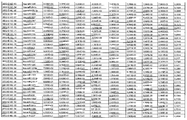
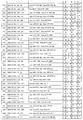
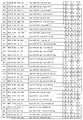
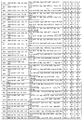
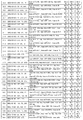
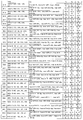
- the sequences of the miRNAs for diagnosis of an acute coronary syndrome (AMI) listed in Figure 12 are based on miRBase version 14.0.
- nucleotides refers to structural components, or building blocks, of DNA and RNA. Nucleotides consist of a base (one of four chemicals: adenine, thymine, guanine, and cytosine) plus a molecule of sugar and one of phosphoric acid.
- nucleosides refers to glycosylamine consisting of a nucleobase (often referred to simply base) bound to a ribose or deoxyribose sugar. Examples of nucleosides include cytidine, uridine, adenosine, guanosine, thymidine and inosine. Nucleosides can be phosphorylated by specific kinases in the cell on the sugar's primary alcohol group (-CH2-OH), producing nucleotides, which are the molecular building blocks of DNA and RNA.
- -CH2-OH primary alcohol group
- polynucleotide means a molecule of at least 10 nucleotides and of not more than 35 nucleotides covalently linked together.
- the polynucleotides of the present invention are molecules of 10 to 33 nucleotides or 15 to 30 nucleotides in length, more preferably of 16 to 28 nucleotides or 17 to 27 nucleotides in length, i.e. 10, 11, 12, 13, 14, 15, 16, 17, 18, 19, 20, 21, 22, 23, 24, 25, 26, 27, 28, 29, 30, 31, 32, 33, 34, or 35 nucleotides in length, not including optionally spacer elements and/or elongation elements described below.
- polynucleotide means a polymer of deoxyribonucleotide or ribonucleotide bases and includes DNA and RNA molecules, both sense and anti-sense strands.
- the polynucleotide may be DNA, both cDNA and genomic DNA, RNA, cRNA or a hybrid, where the polynucleotide sequence may contain combinations of deoxyribonucleotide or ribonucleotide bases, and combinations of bases including uracil, adenine, thymine, cytosine, guanine, inosine, xanthine, hypoxanthine, isocytosine and isoguanine.
- Polynucleotides may be obtained by chemical synthesis methods or by recombinant methods.
- a polynucleotide as a single polynucleotide strand provides a probe (e.g. miRNA capture probe) that is capable of binding to, hybridizing with, or detecting a target of complementary sequence, such as a nucleotide sequence of a miRNA or miRNA*, through one or more types of chemical bonds, usually through complementary base pairing, usually through hydrogen bond formation.
- a target of complementary sequence such as a nucleotide sequence of a miRNA or miRNA*
- Polynucleotides in their function as probes may bind target sequences, such as nucleotide sequences of miRNAs or miRNAs*, lacking complete complementarity with the polynucleotide sequences depending upon the stringency of the hybridization condition.
- nucleotide sequence of a miRNA or miRNA* there may be any number of base pair mismatches which will interfere with hybridization between the target sequence, such as a nucleotide sequence of a miRNA or miRNA*, and the single stranded polynucleotide described herein. However, if the number of mutations is so great that no hybridization can occur under even the least stringent hybridization conditions, the sequences are no complementary sequences.
- the polynucleotide variants including polynucleotide fragments or polynucleotide mutants and the miRNA variants including miRNA fragments or miRNA mutants are further defined below.
- the polynucleotide e.g. the polynucleotide used as a probe for detecting a miRNA or miRNA*, may be unlabeled, directly labeled, or indirectly labeled, such as with biotin to which a streptavidin complex may later bind.
- the polynucleotide e.g. the polynucleotide used as a probe for detecting a miRNA or miRNA*
- EL elongation
- a polynucleotide with an elongation element may be used as a probe.
- the elongation element comprises a nucleotide sequence with 1 to 30 nucleotides chosen on the basis of showing low complementarity to potential target sequences, such as nucleotide sequences of miRNAs or miRNAs*, therefore resulting in not to low degree of cross-hybridization to a target mixture.
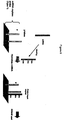
- the polynucleotide e.g. the polynucleotide used as a probe for detecting a miRNA or miRNA*, may be present in form of a tandem ( Figure 9 ), i.e. in form of a polynucleotide hybrid of two different or identical polynucleotides, both in the same orientation, i.e. 5' to 3' or 3' to 5', or in different orientation, i.e. 5' to 3' and 3' to 5'.
- Said polynucleotide hybrid/tandem may comprise a spacer element.
- the polynucleotide hybrid/tandem as a probe may comprise a spacer (SP) element.
- the miRNA(s) or miRNA*(s) may be employed unlabeled ( Figures 10 , 11 ), directly labeled, or indirectly labeled ( Figures 8 , 9 ), such as with biotin to which a streptavidin complex may later bind.
- label means a composition detectable by spectroscopic, photochemical, biochemical, immunochemical, chemical, or other physical means.
- useful labels include 32P, fluorescent dyes, electron-dense reagents, enzymes (e.g., as commonly used in an ELISA), biotin, digoxigenin, or haptens and other entities which can be made detectable.
- a label may be incorporated into nucleic acids at any position, e.g. at the 3' or 5' end or internally.
- the polynucleotide for detecting a miRNA (polynucleotide probe) and/or the miRNA itself may be labeled.
- stringent hybridization conditions means conditions under which a first nucleic acid sequence (e.g. polynucleotide in its function as a probe for detecting a miRNA or miRNA*) will hybridize to a second nucleic acid sequence (e.g. target sequence such as nucleotide sequence of a miRNA or miRNA*), such as in a complex mixture of nucleic acids.
- Stringent conditions are sequence-dependent and will be different in different circumstances. Stringent conditions may be selected to be about 5 to 10°C lower than the thermal melting point (Tm) for the specific sequence at a defined ionic strength pH.
- the Tm may be the temperature (under defined ionic strength, pH, and nucleic acid concentration) at which 50% of the probes complementary to the target hybridize to the target sequence at equilibrium (as the target sequences are present in excess, at Tm, 50% of the probes are occupied at equilibrium).
- Stringent conditions may be those in which the salt concentration is less than about 1.0 M sodium ion, such as about 0.01 to 1.0 M sodium ion concentration (or other salts) at pH 7.0 to 8.3 and the temperature is at least about 20°C for short probes (e.g., about 10-35 nucleotides) and up to 60°C for long probes (e.g., greater than about 50 nucleotides).
- Stringent conditions may also be achieved with the addition of destabilizing agents such as formamide.
- a positive signal may be at least 2 to 10 times background hybridization.
- Exemplary stringent hybridization conditions include the following: 50% formamide, 5x SSC, and 1% SDS, incubating at 42°C, or, 5x SSC, 1% SDS, incubating at 65°C, with wash in 0.2x SSC, and 0.1 % SDS at 65°C; or 6x SSPE, 10 % formamide, 0.01 %,Tween 20, 0.1 x TE buffer, 0.5 mg/ml BSA, 0.1 mg/ml herring sperm DNA, incubating at 42°C with wash in 05x SSPE and 6x SSPE at 45°C.
- antisense refers to nucleotide sequences which are complementary to a specific DNA or RNA sequence.
- antisense strand is used in reference to a nucleic acid strand that is complementary to the “sense” strand.
- Residues in two or more polynucleotide s are said to "correspond" to each other if the residues occupy an analogous position in the polynucleotide structures. It is well known in the art that analogous positions in two or more polynucleotides can be determined by aligning the polynucleotide sequences based on nucleic acid sequence or structural similarities.
- Such alignment tools are well known to the person skilled in the art and can be, for example, obtained on the World Wide Web, for example, ClustalW (see www.ebi.ac.uk/clustalw) or Align (see http://www.ebi.ac.uk/emboss/align/index.html) using standard settings, preferably for Align EMBOSS::needle, Matrix: Blosum62, Gap Open 10.0, Gap Extend 0.5.
- sensitivity means a statistical measure of how well a binary classification test correctly identifies a condition, for example how frequently it correctly classifies a heart and cardiovascular system disease into the correct type out of two or more possible types (e.g. heart and cardiovascular system disease type and healthy type).
- the sensitivity for class A is the proportion of cases that are determined to belong to class "A" by the test out of the cases that are in class "A".
- a theoretical, optimal prediction can achieve 100% sensitivity (i.e. predict all patients from the sick group as sick).
- the term "specificity”, as used herein, means a statistical measure of how well a binary classification test correctly identifies a condition, for example how frequently it correctly classifies a heart and cardiovascular system disease into the correct type out of two or more possible types.
- the specificity for class A is the proportion of cases that are determined to belong to class "not A” by the test out of the cases that are in class "not A”.
- a theoretical, optimal prediction can achieve 100% specificity (i.e. not predict anyone from the healthy group as sick).
- accuracy means a statistical measure for the correctness of classification or identification of sample types.
- the accuracy is the proportion of true results (both true positives and true negatives).
- Acute coronary syndrome encompasses any group of clinical symptoms compatible with acute myocardial ischemia.
- Acute myocardial ischemia is chest pain due to insufficient blood supply to the heart muscle that results from coronary artery disease (also called coronary heart disease) (definition by American Heart Association).
- Subtypes of acute myocardial ischemia are Unstable angina (UA) and two forms of (acute) myocardial infarction (AMI or MI, heart attack), in which the heart muscle is damaged.
- Unstable angina (UA) also “crescendo angina” is defined as angina pectoris that changes or worsens.
- the two (acute) myocardial infarction types are named according to the appearance of the electrocardiogram (ECG/EKG) as non-ST segment elevation myocardial infarction (NSTEMI) and ST segment elevation myocardial infarction (STEMI).
- the inventors of the present invention analysed the expression level of miRNAs in blood samples of a cohort of controls (healthy persons) and patients suffering from an acute coronary syndrome. They succeeded in determining the miRNAs that are differentially regulated in blood samples from human patients having an acute coronary syndrome compared to healthy persons (controls) (see experimental section for experimental details). Additionally, the inventors of the present invention performed hypothesis tests (e.g. t-test, limma-test) or other measure (e.g. AUC, mutual information) on the expression level of the found miRNAs, in all controls (healthy persons) and patients suffering from an acute coronary syndrome. These tests resulted in a significance value (p-value) for each miRNA.
- This p-value is a measure for the diagnostic power of each of these single miRNAs to discriminate between the two clinical conditions, healthy, i.e. not suffering from an acute coronary syndrome, and diseased, i.e. suffering from an acute coronary syndrome. Since a manifold of tests are carried out, one for each miRNA, the p-values may be too optimistic and, thus, over-estimate the actual discriminatory power. Hence, the p-values are corrected for multiple testing by the Benjamini Hochberg approach.
- the first group comprises miRNAs according to SEQ ID NO: 1 to SEQ ID NO: 153
- the second group comprises miRNAs according to SEQ ID NO: 154 to 241
- the third group comprises miRNAs according to SEQ ID NO: 242 to SEQ ID NO: 283.
- the most predictive miRNAs in group I are listed first. It should be noted that the lower the ttest_adjp value of a single miRNA, the higher is the diagnostic power of said miRNA.
- the diagnostic power of a single miRNA biomarker is not sufficient to reach high accuracy, specificity and sensitivity for discrimination between healthy persons (controls) and patients suffering from an acute coronary syndrome, hence no simple threshold method can be used for diagnostic.
- the inventors of the present invention surprisingly found that also a single miRNA, wherein the nucleotide sequence of said miRNA is selected from the group consisting of SEQ ID NO: 1 to SEQ ID NO: 283, particularly of SEQ ID NO: 1 to SEQ ID NO: 153, provide high diagnostic accuracy, specificity and sensitivity in the determination of an acute coronary syndrome in human patients (see for example Figure 3 , Figure 7 , and Figure 29 ).
- the inventors of the present invention also employed more than one miRNA biomarker, i.e. sets (signatures) of miRNA biomarkers, to further increase and/or improve the performance for diagnosing and/or prognosing of individuals suffering from an acute coronary syndrome.
- miRNA biomarker i.e. sets (signatures) of miRNA biomarkers
- the inventors of the present invention applied a machine learning approach (e.g. t-test, AUC, support vector machine, hierarchical clustering, or k-means) which leads to an algorithm that is trained by reference data (i.e. data of reference miRNA expression profiles from the two clinical conditions, e.g. healthy and suffering from an acute coronary syndrome, for the defined set of miRNA markers) to discriminate between the two statistical classes (i.e. two clinical conditions, e.g. healthy or suffering from an acute coronary syndrome).
- reference data i.e. data of reference miRNA expression profiles from the two clinical conditions, e.g. healthy and suffering from an acute coronary syndrome, for the defined set of miRNA markers
- Said miRNA sets (signatures) comprise at least two miRNAs, wherein the nucleotide sequences of said miRNAs are selected from the group consisting of SEQ ID NO: 1 to SEQ ID NO: 283, particularly of SEQ ID NO: 1 to SEQ ID NO: 153.
- the inventors of the present invention further found that the sets of at least two miRNAs, wherein the nucleotide sequences of said miRNAs are selected from the group consisting of SEQ ID NO: 1 to SEQ ID NO: 153, can be completed by at least one further miRNA, wherein the nucleotide sequence of said miRNA is selected from the group consisting of SEQ ID NO: 154 to SEQ ID NO: 241, preferably in order to improve the diagnostic accuracy, specificity and sensitivity in the determination of an acute coronary syndrome.
- Step 5 By combination of subset selection (Step 5) and machine learning (Step 6) an algorithm or mathematical function for diagnosing/prognosing an acute coronary syndrome is obtained. This algorithm or mathematical function is applied to a miRNA expression profile of an individual to be diagnosed for an acute coronary syndrome.
- the present invention relates to the use of a (single) polynucleotide for detecting a (single) miRNA, wherein the nucleotide sequence of said miRNA is SEQ ID NO: 174, or a set (signature) comprising, essentially consisting of, or consisting of at least two polynucleotides for detecting a set (signature) comprising, essentially consisting of, or consisting of at least two miRNAs selected from the group consisting of SEQ ID NO: 1 to SEQ ID NO: 283, wherein the nucleotide sequence of the first one of said at least two miRNAs is SEQ ID NO: 174 and the nucleotide sequence of the second one of said at least two miRNAs is selected from the group consisting of SEQ ID NO: 1 to SEQ ID NO: 173 and SEQ ID NO: 175 to SEQ ID NO: 283 for diagnosing an acute coronary syndrome, preferably myocardial infarction or Uns
- Blood cells are also known as hemopoietic cells.
- the term "hemopoietic cells” refers to mature cell types and their immature precursors that are identifiable either by morphology or, mostly, by a distinct pattern of cell surface markers. The term is used to distinguish these cells from other cell types found in the body and also includes T-cells and distinctive subsets, which are the only hematopoietic cells that are not generated in the bone marrow.
- the blood cells are erythrocytes, leukocytes and/or thrombocytes. It is also preferred to use peripheral blood mononuclear cells (PBMCs) such as lymphocytes, monocytes or macrophages.
- PBMCs peripheral blood mononuclear cells
- the blood sample from a human has a volume of between 0.1 and 20 ml, more preferably of between 0.5 and 10 ml, i.e. 0.1, 0.2, 0.3, 0.4, 0.5, 0.6, 0.7, 0.8, 0.9, 1, 2, 3, 4, 5, 6, 7, 8, 9, 10, 11, 12, 13, 14, 15, 16, 17, 18, 19, or 20 ml. It is preferred that the blood sample is from a human that has not been therapeutically treated or has been therapeutically treated. In one embodiment, the therapeutical treatment is monitored on the basis of the detection of the miRNA or set of miRNAs by the nucleotide or set of polynucleotides. It is also preferred that total RNA or subfractions thereof, isolated (e.g. extracted) from a blood sample of a human is used for detecting the miRNA or set of miRNAs by the polynucleotide or set of polynucleotides.
- the polynucleotide or polynucleotides comprised in the set used in the present invention may be single stranded or double stranded.
- the skilled person in the art will understand that the polynucleotide as a single polynucleotide strand provides a probe (e.g. miRNA capture probe) that is capable of binding to, hybridizing with, or detecting a target miRNA of complementary sequence through one or more types of chemical bonds, usually through complementary base pairing, usually through hydrogen bond formation.
- the polynucleotides used in the present invention are for detecting a set comprising, essentially consisting of, or consisting of at least 3, 4, 5, 6, 7, 8, 9, 10, 11, 12, 13, 14, 15, 16, 17, 18, 19, 20, 21, 22, 23, 24, 25, 26, 27, 28, 29, 30, 31, 32, 33, 34, 35, 36, 37, 38, 39, 40, 41, 42, 43, 44, 45, 46, 47, 48, 49, 50, 51, 52, 53, 54, 55, 56, 57, 58, 59, 60, 61, 62, 63, 64, 65, 66, 67, 68, 69, 70, 71, 72, 73, 74, 75, 76, 77, 78, 79, 80, 81, 82, 83, 84, 85, 86, 87, 88, 89, 90, 91, 92, 93, 94, 95, 96, 97, 98, 99, 100, 101, 102, 103, 104, 105, 106,
- the number of polynucleotides is equivalent to the number of miRNAs comprised in the set.
- the polynucleotide as defined in (iii) has at least 80%, preferably at least 85%, more preferably at least 90%, and most preferably at least 95% or 99%, i.e. 80, 81, 82, 83, 84, 85, 86, 87, 88, 89, 90, 91, 92, 93, 94, 95, 96, 97, 98, or 99%, sequence identity over a continuous stretch of at least 10, 11, 12, 13, 14, 15, 16, 17, 18, 19, 20 or more nucleotides, preferably over the whole length, to the polynucleotide sequence of the polynucleotide according to (i) or polynucleotide fragment according to (ii), or that the polynucleotides comprised in the set as defined in (iii) have at least 80%, preferably at least 85%, more preferably at least 90%, and most preferably at least 95% or 99%, i.e.
- sequence identity over a continuous stretch of at least 10, 11, 12, 13, 14, 15, 16, 17, 18, 19, 20 or more nucleotides, preferably over the whole length, to the polynucleotide sequences of the polynucleotides comprised in the set according to (i) or polynucleotide fragments comprised in the set according to (ii).
- polynucleotide or polynucleotides as defined in (ii) i.e. polynucleotide fragment(s)) or (iii) (i.e. polynucleotide variant(s) or polynucleotide fragment variant(s)) is (are) only regarded as a polynucleotide or polynucleotides as defined in (ii) (i.e. polynucleotide fragment(s)) or (iii) (i.e.
- polynucleotide variant(s) or polynucleotide fragment variant(s)) within the context of the present invention if it is or they are still capable of binding to, hybridizing with, or detecting a target miRNA of complementary sequence or target miRNAs of complementary sequences, e.g. the respective target miRNA(s) according to SEQ ID NO: 1 to SEQ ID NO: 283, or particularly according to SEQ ID NO: 1 to SEQ ID NO: 241, through one or more types of chemical bonds, usually through complementary base pairing, usually through hydrogen bond formation under stringent hybridization conditions.
- a polynucleotide or polynucleotides as defined in (ii) i.e.
- polynucleotide fragment(s)) or (iii) i.e. polynucleotide variant(s) or polynucleotide fragment variant(s) is (are) still capable of binding to, hybridizing with, recognizing or detecting a target miRNA of complementary sequence or target miRNAs of complementary sequences, e.g. the respective target miRNA(s) according to SEQ ID NO: 1 to SEQ ID NO: 283, or particularly according to SEQ ID NO: 1 to SEQ ID NO: 241.
- Suitable assays to determine whether hybridization under stringent conditions still occurs are well known in the art.
- a suitable assay to determine whether hybridization still occurs comprises the steps of: (a) incubating the polynucleotide or polynucleotides as defined in (ii) or (iii) attached onto a biochip with the miRNA(s) of complementary sequence(s), e.g.
- the respective target miRNA(s) according to SEQ ID NO: 1 to SEQ ID NO: 283, or particularly according to SEQ ID NO: 1 to SEQ ID NO: 241, labeled with biotin under stringent hybridization conditions (b) washing the biochip to remove unspecific bindings, (c) subjecting the biochip to a detection system, and (c) analyzing whether the polynucleotide(s) can still hybridize with the target miRNA(s) of complementary sequence(s), e.g. the respective target miRNA(s) according to SEQ ID NO: 1 to SEQ ID NO: 283, or particularly according to SEQ ID NO: 1 to SEQ ID NO: 241.
- the respective non-mutated and not fragmented polynucleotide as defined in (i) may be used.
- stringent hybridization conditions include the following: 50% formamide, 5x SSC, and 1% SDS, incubating at 42°C, or, 5x SSC, 1% SDS, incubating at 65°C, with wash in 0.2x SSC, and 0.1% SDS at 65°C; or 6x SSPE, 10 % formamide, 0.01 %,Tween 20, 0.1 x TE buffer, 0.5 mg/ml BSA, 0.1 mg/ml herring sperm DNA, incubating at 42°C with wash in 05x SSPE and 6x SSPE at 45°C.
- the present invention provides a method for diagnosing an acute coronary syndrome comprising the steps of:
- miRNA expression profile represents the expression level of a single miRNA, wherein the nucleotide sequence of said single miRNA is SEQ ID NO: 174, or a collection of expression levels of at least two miRNAs comprised in a set (signature), preferably of at least 3, 4, 5, 6, 7, 8, 9, 10, 11, 12, 13, 14, 15, 16, 17, 18, 19, 20, 21, 22, 23, 24, 25, 26, 27, 28, 29, 30, 31, 32, 33, 34, 35, 36, 37, 38, 39, 40, 41, 42, 43, 44, 45, 46, 47, 48, 49, 50, 51, 52, 53, 54, 55, 56, 57, 58, 59, 60, 61, 62, 63, 64, 65, 66, 67, 68, 69, 70, 71, 72, 73, 74, 75, 76, 77, 78, 79, 80, 81, 82, 83, 84, 85, 86, 87, 88, 89, 90, 91, 92,
- the expression profile of a single miRNA or the expression profile of miRNAs comprised in a set is determined in a blood cell sample from a human.
- a blood cell sample from a human.
- the miRNAs described herein are directly expressed in hemopoietic cells, also known as blood cells, e.g. erythrocytes, leukocytes and/or thrombocytes.
- the terms generating "an expression profile of miRNAs in a blood sample” by determining "miRNA expression levels in a blood sample” refer to miRNAs which are directly expressed in blood, namely in blood cells, e.g. peripheral blood mononuclear cells (PBMCs).
- PBMCs peripheral blood mononuclear cells
- Said miRNA expression profiles may be generated by any convenient means for determining a miRNA level, e.g. hybridization of miRNA, labeled miRNA, or amplified miRNA (e.g. to a microarray), quantitative PCR (qPCR) such as real time quantitative PCR (RT qPCR), ELISA for quantitation, next generation sequencing and the like and allow the analysis of differential miRNA expression levels between two blood samples, e.g. whole blood, serum, or plasma samples.
- the differential miRNA level may be determined between a whole blood sample of a person having an acute coronary syndrome and a whole blood sample of a healthy person.
- the blood sample e.g. whole blood, serum, or plasma sample, may be collected by any convenient method, as known in the art. Thereby, each miRNA is represented by a numerical value. The higher the value of an individual miRNA, the higher is the expression level of said miRNA.
- differential expression of miRNA means qualitative and/or quantitative differences in the temporal and/or cellular miRNA expression patterns within and/or among cells, tissues, or within blood.
- a differentially expressed miRNA may qualitatively have its expression altered, including an activation or inactivation in, for example, normal tissue versus disease tissue.
- the difference in miRNA expression may also be quantitative, e.g. in that expression is modulated, i.e. either up-regulated, resulting in an increased amount of miRNA, or down-regulated, resulting in a decreased amount of miRNA.
- the degree to which miRNA expression differs need only be large enough to be quantified via standard characterization techniques, e.g.
- the expression profile of a single miRNA or the expression profile of miRNAs comprised in a set described herein is obtained from a blood sample, e.g. whole blood, blood serum, or blood plasma. This does not necessarily require that the miRNA is differentially expressed in blood. It can be differentially expressed in blood cells but it can also be expressed in surrounding cells or tissues and can be subsequently released/transferred into circulating blood or can be end up in blood by other mechanisms. Therefore, the differentially expression level of a miRNA determined in a blood sample represents a measure for diagnosing a clinical condition, e.g. an acute coronary syndrome.
- a single miRNA or a set comprising at least two miRNAs representative for an acute coronary syndrome refers to a fixed defined single miRNA which is known to be differential between human patients having an acute coronary syndrome (diseased state) and healthy humans (normal/control state) and, thus, representative for an acute coronary syndrome, or to at least two miRNAs comprised in a set which are known to be differential between human patients having an acute coronary syndrome (diseased state) and healthy humans (normal/control state) and, thus, representative for an acute coronary syndrome.
- the nucleotide sequence of said fixed defined single miRNA is SEQ ID NO: 174, or the nucleotide sequences of said at least two fixed defined miRNAs comprised in the set are selected from the group consisting of SEQ ID NO: 1 to SEQ ID NO: 283, wherein the nucleotide sequence of the first one of said at least two fixed defined miRNAs is SEQ ID NO: 174 and the nucleotide sequence of the second one of said at least two fixed defined miRNAs is selected from the group consisting of SEQ ID NO: 1 to SEQ ID NO: 173 and SEQ ID NO: 175 to SEQ ID NO: 283.
- the inventors of the present invention analysed the expression level of miRNAs in blood samples of a cohort of controls (healthy persons) and patients suffering from an acute coronary syndrome. They succeeded in determining the miRNAs that are differentially regulated in blood samples from human patients having an acute coronary syndrome compared to healthy persons (controls) (see experimental section for details).
- the first group comprises miRNAs according to SEQ ID NO: 1 to SEQ ID NO: 153
- the second group comprises miRNAs according to SEQ ID NO: 154 to SEQ ID NO: 241
- the third group comprises miRNAs according to SEQ ID NO: 242 to SEQ ID NO: 283.
- an expression profile of a fixed defined single miRNA which is known to be differential between human patients having an acute coronary syndrome (diseased state) and healthy humans (normal/control state) and, thus, representative for an acute coronary syndrome is determined, wherein the nucleotide sequence of said miRNA is SEQ ID NO: 174, or a set comprising at least two miRNAs selected from the group consisting of SEQ ID NO: 1 to SEQ ID NO: 283 which are known to be differential between human patients having an acute coronary syndrome (diseased state) and healthy humans (normal/control state) and, thus, representative for an acute coronary syndrome, is determined, wherein the nucleotide sequence of the first one of said at least two miRNAs is SEQ ID NO: 174 and the nucleotide sequence of the second one of said at least two miRNAs is selected from the group consisting of SEQ ID NO: 1 to SEQ ID NO: 173 and S
- the inventors of the present invention have found that single miRNAs or sets of at least two miRNAs, wherein the nucleotide sequence of said miRNA or the nucleotide sequences of said miRNAs is (are) selected from the group consisting of SEQ ID NO: 1 to SEQ ID NO: 283, particularly of SEQ ID NO: 1 to SEQ ID NO: 153, provide high diagnostic accuracy, specificity and sensitivity in the determination of an acute coronary syndrome in human patients (see for example Figure 3 , Figure 7 , and Figure 29 (t-test, limma-test, and AUC values) for single miRNAs and Figures 13 to 20 , Figure 28 , and Figure 30 for miRNA sets/signatures).
- the inventors of the present invention further found that the sets of at least two miRNAs, wherein the nucleotide sequence of said miRNA or nucleotide sequences of said miRNAs is (are) selected from the group consisting of SEQ ID NO: 1 to SEQ ID NO: 153, can be completed by at least one further miRNA, wherein the nucleotide sequence of said miRNA is selected from the group consisting of SEQ ID NO: 154 to SEQ ID NO: 241, preferably in order to improve the diagnostic accuracy, specificity and sensitivity in the determination of an acute coronary syndrome.
- a polynucleotide (probe) capable of detecting this fixed defined miRNA or polynucleotides (probes) capable of detecting these fixed defined miRNA set is (are) attached to a solid support, substrate, surface, platform, or matrix, e.g. biochip, which may be used for blood sample analysis.
- a solid support, substrate, surface, platform, or matrix e.g. biochip
- polynucleotides capable of detecting these 30 miRNAs may be attached to a solid support, substrate, surface, platform or matrix, e.g. biochip, in order to perform the diagnostic sample analysis.
- an expression profile of a miRNA representative for an acute coronary syndrome in a blood cell sample wherein the nucleotide sequence of said miRNA is SEQ ID NO: 174, or a set comprising, essentially consisting of, or consisting of at least two miRNAs selected from the group consisting of SEQ ID NO: 1 to SEQ ID NO: 283 representative for an acute coronary syndrome in a blood cell sample, wherein the nucleotide sequence of the first one of said at least two miRNAs is SEQ ID NO: 174 and the nucleotide sequence of the second one of said at least two miRNAs is selected from the group consisting of SEQ ID NO: 1 to SEQ ID NO: 173 and SEQ ID NO: 175 to SEQ ID NO: 283 is determined in step (i) of the method of the present invention.
- the set comprises, essentially consists of, or consists of at least 3, 4, 5, 6, 7, 8, 9, 10, 11, 12, 13, 14, 15, 16, 17, 18, 19, 20, 21, 22, 23, 24, 25, 26, 27, 28, 29, 30, 31, 32, 33, 34, 35, 36, 37, 38, 39, 40, 41, 42, 43, 44, 45, 46, 47, 48, 49, 50, 51, 52, 53, 54, 55, 56, 57, 58, 59, 60, 61, 62, 63, 64, 65, 66, 67, 68, 69, 70, 71, 72, 73, 74, 75, 76, 77, 78, 79, 80, 81, 82, 83, 84, 85, 86, 87, 88, 89, 90, 91, 92, 93, 94, 95, 96, 97, 98, 99, 100, 101, 102, 103, 104, 105, 106, 107, 108, 109, 110,
- a polynucleotide used according to the present invention is used for determining an expression profile of a miRNA representative for an acute coronary syndrome in a blood cell sample from a human, particularly human patient, wherein the nucleotide sequence of said miRNA is SEQ ID NO: 174.
- said polynucleotide used for determining an expression profile of a miRNA representative for an acute coronary syndrome in a blood cell sample from a human is complementary to the sequence of the miRNA of SEQ ID NO: 174. It is mostly preferred that the polynucleotide is in single stranded form and attached to a solid support, substrate, surface, platform or matrix, e.g. biochip, and is incubated with a miRNA of complementary sequence, wherein said miRNA is a miRNA of SEQ ID NO: 174 for determining an expression profile of said miRNA.
- a set comprising at least two polynucleotides used according to the present invention is used for determining an expression profile of a set (signature) comprising at least two miRNAs selected from the group consisting of SEQ ID NO: 1 to SEQ ID NO: 283 representative for an acute coronary syndrome in a blood cell sample from a human, particularly human patient, wherein the nucleotide sequence of the first one of said at least two miRNAs is SEQ ID NO: 174 and the nucleotide sequence of the second one of said at least two miRNAs is selected from the group consisting of SEQ ID NO: 1 to SEQ ID NO: 173 and SEQ ID NO: 175 to SEQ ID NO: 283.
- Blood cells are also known as hemopoietic cells, e.g. erythrocytes, leukocytes and/or thrombocytes.
- Human blood samples may be collected by any convenient method, as known in the art. It is preferred that 0.1 to 20 ml blood, preferably 0.5 to 10 ml blood, i.e. 0.1, 0.2, 0.3, 0.4, 0.5, 0.6, 0.7, 0.8, 0.9, 1, 2, 3, 4, 5, 6, 7, 8, 9, 10, 11, 12, 13, 14, 15, 16, 17, 18, 19, or 20 ml blood, is collected.
- the blood sample is obtained from a human prior to initiation of therapeutic treatment, during therapeutic treatment and/or after therapeutic treatment. It is particularly preferred that total RNA or subfractions thereof including the miRNA is isolated, e.g. extracted, from the human blood sample in order to determine the expression profile of a miRNA or miRNAs comprised in the blood sample of a human.
- the inventors of the present invention surprisingly found that miRNAs are not only present in a blood sample but also that miRNAs remain stable and that, thus, blood miRNAs can be used as biomarkers for detecting and/or prognosis of an acute coronary syndrome in humans. Furthermore, the inventors found that the miRNAs present in blood are different from the ones found in heart tissue of an individual suffering from an acute coronary syndrome. Therefore, the use of blood samples for detection of an acute coronary syndrome has a number of advantage, for example, blood miRNAs have a high sensitivity, blood is relatively easy to obtain and even can be collected via routine physical examination, the costs for detection are low, and the samples can easily be preserved (e.g. at - 20°C).
- blood circulates to all tissues in the body and, therefore, blood is able to reflect the physiological pathology of the whole organism and the detection of blood miRNAs results in an indicator of human health, e.g. as an indication whether a person suffers from an acute coronary syndrome. Furthermore, this method can widely be used in general survey of an acute coronary syndrome. Moreover, the inventors of the present invention surprisingly found that blood is an efficient mean for early diagnosis of an acute coronary syndrome. As novel disease markers, blood miRNAs improve the low-specificity and low-sensitivity caused by individual differences which other markers are difficult to overcome, and notable increase the clinical detection rate of an acute coronary syndrome so as to realize early diagnosis of an acute coronary syndrome.
- a first diagnosis of an acute coronary syndrome can be performed employing, as disclosed, miRNA-detection in blood cells, followed by a second diagnosis that is based on other methods (e.g. other biomarkers, miRNA-markers in heart tissue, and/or imaging methods).
- an expression profile of a miRNA or set comprising at least two miRNAs representative for an acute coronary syndrome in a blood cell sample from a human, particularly human patient is determined.
- This determination may be carried out by any convenient means for determining the expression level of a nucleotide sequence such as miRNA.
- quantitative detection methods can be used. A variety of techniques are well known to the person skilled in the art. It is preferred that an expression profile of the miRNA(s) representative for an acute coronary syndrome is determined by nucleic acid hybridization, nucleic acid amplification, polymerase extension, sequencing, mass spectroscopy, or any combination thereof.
- Nucleic acid amplification may be performed using real time polymerase chain reaction (RT-PCR) such as real time quantitative PCR (RT qPCR).
- RT-PCR real time polymerase chain reaction
- RT qPCR real time quantitative PCR
- the real time quantitative PCR (RT qPCR) allows the analysis of a single miRNA as well as a complex set of miRNAs comprised in a blood sample of a human.
- the real time polymerase chain reaction (RT-PCR) such as real time quantitative PCR (RT qPCR) technique, however, is preferred for the analysis of single miRNAs or set comprising a low number of miRNAs (e.g. 2 to 50 miRNAs). It is particularly suitable for detecting low abandoned miRNAs.
- RT-PCR real time polymerase chain reaction
- the aforesaid real time polymerase chain reaction may include the following steps: (i) extracting the total RNA from the blood sample, e.g. whole blood, serum, or plasma, of a human with unknown clinical condition, e.g. healthy person or patient suffering from an acute coronary syndrome, and obtaining cDNA samples by RNA reverse transcription (RT) reaction using miRNA-specific primers; or collecting blood sample, e.g. whole blood, serum, or plasma, from a human and conducting reverse transcriptase reaction using miRNA-specific primers with blood, e.g.
- cDNA samples whole blood, serum, or plasma, being a puffer so as to prepare cDNA samples, (ii) designing miRNA-specific cDNA forward primers and providing universal reverse primers to amplify the cDNA via polymerase chain reaction (PCR), (iii) adding a fluorescent probe to conduct PCR, and (iv) detecting and comparing the variation in levels of miRNAs in the blood sample, e.g. whole blood, serum, or plasma, relative to those of miRNAs in normal (control) blood, e.g. whole blood, serum, or plasma, sample.
- PCR polymerase chain reaction
- RT-PCR real time polymerase chain reaction
- RT qPCR real time quantitative PCR
- reverse transcription of miRNAs may be performed using the TaqMan MicroRNA Reverse Transcription Kit (Applied Biosystems) according to manufacturer's recommendations. Briefly, miRNA may be combined with dNTPs, MultiScribe reverse transcriptase and the primer specific for the target miRNA. The resulting cDNA may be diluted and may be used for PCR reaction. The PCR may be performed according to the manufacturer's recommendation (Applied Biosystems). Briefly, cDNA may be combined with the TaqMan assay specific for the target miRNA and PCR reaction may be performed using ABI7300.
- the miRNA or the set comprising at least two miRNAs for diagnosing an acute coronary syndrome in a blood cell sample from a human, particularly human patient may be established on one experimental platform (e.g. microarray), while for routine diagnosis another experimental platform (e.g.. qPCR) may be chosen.
- one experimental platform e.g. microarray
- another experimental platform e.g. qPCR
- Nucleic acid hybridization may be performed using a microarray/biochip, or in situ hybridization.
- the microarray/biochip allows the analysis of a single miRNA as well as a complex set of miRNAs comprised in a blood sample of a human, particularly human patient.
- the microarray/biochip is preferred for the analysis of complex sets of miRNAs (e.g. sets of 50, 100, 150, 200, or more miRNAs).
- the polynucleotides (probes) used according to the present invention with complementarity to the corresponding miRNA(s) to be detected are attached to a solid phase to generate a microarray/biochip.
- Said microarray/biochip is then incubated with miRNAs, isolated (e.g. extracted) from the human blood sample, which may be labelled ( Figures 8 , 9 ), e.g. fluorescently labelled, pr unlabelled ( Figures 10 , 11 ).
- miRNAs isolated (e.g. extracted) from the human blood sample, which may be labelled ( Figures 8 , 9 ), e.g. fluorescently labelled, pr unlabelled ( Figures 10 , 11 ).
- the success of hybridisation may be controlled and the intensity of hybridization may be determined via the hybridisation signal of the label in order to determine the expression level of each tested miRNA in said blood probe. Examples of preferred hybridization assays are shown in Figures 8 to 11 .
- an expression profile of a set comprising at least two miRNAs selected from the group consisting of SEQ ID NO: 1 to SEQ ID NO: 283 representative for an acute coronary syndrome wherein the nucleotide sequence of the first one of said at least two miRNAs is SEQ ID NO: 174 and the nucleotide sequence of the second one of said at least two miRNAs is selected from the group consisting of SEQ ID NO: 1 to SEQ ID NO: 173 and SEQ ID NO: 175 to SEQ ID NO: 283 is determined by nucleic acid hybridization using a microarray/biochip which comprises a set comprising at least two polynucleotides (probes) that are complementary to the miRNAs.
- a microarray/biochip which comprises a set comprising at least two polynucleotides (probes) that are complementary to the miRNAs.
- the method of the present invention may comprise, as a first alternative, the following second step:
- the method of the present invention further comprises the step of comparing said expression profile to a reference, wherein the comparison of said expression profile to said reference allows for the diagnosis of an acute coronary syndrome (step (ii)).
- the human, particularly human patient, to be diagnosed with the method of the present invention for an acute coronary syndrome may be a healthy or may be diseased, e.g. suffer from an acute coronary syndrome (e.g. myocardial infarction or Unstable angina (UA)) or suffer from another disease not tested/known.
- the human to be diagnosed with the method of the present invention may suffer from a specific type of myocardial infarction, namely from non-ST segment elevation myocardial infraction (NSTEMI), or from ST segment elevation myocardial infarction (STEMI).
- the reference may be any reference which allows for the diagnosis of an acute coronary syndrome, e.g. indicated reference data or value(s).
- the reference may be the reference expression profile of the same single miRNA or set of miRNAs selected in step (i) in a blood sample, preferably originated from the same source (e.g. serum, plasma, or blood cells) as the blood sample from the human, particularly human patient, to be tested, but obtained from a person known to be healthy.
- the reference may also be the reference expression profile of the same single miRNA or set of miRNAs selected in step (i) in a blood sample, preferably originated from the same source as the blood sample from the human, particularly human patient, to be tested, but obtained from a patient known to suffer from an acute coronary syndrome (e.g.
- the reference may be the reference profiles of the same single miRNA or set of miRNAs selected in step (i) in a blood sample, preferably originated from the same source as the blood sample from the human, particularly human patient, to be tested, but obtained from a person known to be healthy and from a patient known to suffer from an acute coronary syndrome (e.g. myocardial infarction such as non-ST segment elevation myocardial infraction or ST segment elevation myocardial infarction, or Unstable angina (UA), or the like).
- myocardial infarction such as non-ST segment elevation myocardial infraction or ST segment elevation myocardial infarction, or Unstable angina (UA), or the like.
- the reference expression profile is the profile of a single miRNA that has a nucleotide sequence that corresponds (is identical) to the nucleotide sequence selected in step (i) or is the profile of a set comprising at least two miRNAs that have nucleotide sequences that correspond (are identical) to the nucleotide sequences in step (i) but obtained from a healthy person or patient known to suffer from an acute coronary syndrome (e.g. myocardial infarction such as non-ST segment elevation myocardial infraction or ST segment elevation myocardial infarction, or Unstable angina (UA)).
- myocardial infarction such as non-ST segment elevation myocardial infraction or ST segment elevation myocardial infarction, or Unstable angina (UA)
- both the reference expression profile of the reference and the expression profile of the above step (i) are determined in a blood serum sample, blood plasma sample or in a sample of blood cells (e.g. erythrocytes, leukocytes and/or thrombocytes).
- the reference expression profile of the reference is not necessarily obtained from a single person (e.g. healthy or diseased person) but may be an average expression profile of a plurality of persons (e.g. healthy or diseased persons), preferably 2 to 40 persons, more preferably 10 to 25 persons, and most preferably 15 to 20 persons, e.g.
- the reference expression profile of the reference is obtained from a person of the same gender (e.g. female or male) and/or of a similar age/phase of life (e.g. infant, young children, juvenile, or adult) as the person to be tested or diagnosed.
- the comparison of the expression profile of the human to be diagnosed to said reference e.g. reference expression profile of at least one human, preferably 10 to 40 humans, more preferably 15 to 25 humans, known to be healthy, then allows for the diagnosis of an acute coronary syndrome (step (ii)). For example, if two selected miRNAs in the expression profile of a human to be diagnosed for an acute coronary syndrome are down-regulated and if the two selected miRNAs in the reference expression profile of a person known to suffer from an acute coronary syndrome are up-regulated, the person tested is healthy, i.e. the person does not suffer from an acute coronary syndrome.
- the reference is obtained from a reference expression profile of at least one person, particularly human, preferably 2 to 40 persons, particularly humans, more preferably 10 to 25 persons, particularly humans, and most preferably 15 to 20 persons, particularly humans, e.g. 2, 3, 4, 5, 6, 7, 8, 9, 10, 11, 12, 13, 14, 15, 16, 17, 18, 19, 20, 21, 22, 23, 24, 25, 26, 27, 28, 29, 30, 31, 32, 33, 34, 35, 36, 37, 38, 39, or 40 persons, particularly humans, known to be healthy or diseased (i.e. suffering from an acute coronary syndrome (e.g.
- the reference expression profile is the profile of a single miRNA that has a nucleotide sequence that corresponds (is identical) to the nucleotide sequence selected in step (i) (e.g. miRNA according to SEQ ID NO: 1) or is the profile of a set comprising at least two miRNAs that have nucleotide sequences that correspond (are identical) to the nucleotide sequence selected in step (i) (e.g. miRNAs according to SEQ ID NO: 1 to SEQ ID NO: 10) of the method of the present invention.
- the reference is obtained from reference expression profiles of at least two humans , preferably 3 to 40 humans, more preferably 10 to 25 humans, and most preferably 15 to 20 humans, e.g. 3, 4, 5, 6, 7, 8, 9, 10, 11, 12, 13, 14, 15, 16, 17, 18, 19, 20, 21, 22, 23, 24, 25, 26, 27, 28, 29, 30, 31, 32, 33, 34, 35, 36, 37, 38, 39, or 40 humans, with at least two known clinical conditions, preferably 2 to 5, more preferably 2 or 3, from which at least one, e.g. 1, 2, 3, or 4, is an acute coronary syndrome (e.g.
- the reference expression profiles are the profiles of a single miRNA that has a nucleotide sequence that corresponds to the nucleotide sequence selected in step (i) or are the profiles of a set comprising at least two miRNAs that have nucleotide sequences that correspond to the nucleotide sequences selected in step (i).
- (clinical) condition biological state or health state
- biological state or health state means a status of a subject that can be described by physical, mental or social criteria. It includes as well so-called “healthy” and “diseased” conditions. For the definition of called “healthy” and “diseased” conditions it is refererd to the international classification of diseases (ICD) of the WHO (http://www.int/classifications/icd/en/index.html ).
- ICD international classification of diseases
- the reference may be obtained from reference expression profiles of at least two humans, one human suffering from an acute coronary syndrome and one being healthy, i.e. not suffering from an acute coronary syndrome, wherein the reference expression profiles are the profiles of a single miRNA that has a nucleotide sequence that corresponds to the nucleotide sequence selected in step (i) or are the profiles of a set comprising at least two miRNAs that have nucleotide sequences that correspond to the nucleotide sequences selected in step (i).
- the comparison of the expression profile of the human to be diagnosed to said reference may then allow for the diagnosis of an acute coronary syndrome (step (ii)), either the human to be diagnosed is healthy, i.e. not suffering from an acute coronary syndrome, or diseased, i.e. suffering from an acute coronary syndrome.
- the reference may also be obtained from reference expression profiles of at least two humans, one human suffering from myocardial infarction, e.g. non-ST segment elevation myocardial infraction or ST segment elevation myocardial infarction, and one suffering from Unstable angina (UA), wherein the reference expression profiles are the profiles of a single miRNA that has a nucleotide sequence that corresponds to the nucleotide sequence selected in step (i) or are the profiles of a set comprising at least two miRNAs that have nucleotide sequences that correspond to the nucleotide sequences selected in step (i).
- the comparison of the expression profile of the human to be diagnosed to said reference may then allow whether the human to be diagnosed suffers from myocardial infarction or Unstable angina (UA).
- the reference may also be obtained from reference expression profiles of at least three humans, one human suffering from an acute coronary syndrome, one suffering from cardiomyopathy, and one being healthy, wherein the reference expression profiles are the profiles of a single miRNA that has a nucleotide sequence that corresponds to the nucleotide sequence selected in step (i) or are the profiles of a set comprising at least two miRNAs that have nucleotide sequences that correspond to the nucleotide sequences selected in step (i).
- the comparison of the expression profile of the human to be diagnosed to said reference may also allow to decide whether the human suffers from an acute coronary syndrome.
- the reference expression profiles of the reference are not necessarily obtained from a single human (e.g. healthy or diseased human) but may be average expression profiles of a plurality of humans (e.g. healthy or diseased humans), preferably 2 to 40 persons, more preferably 10 to 25 persons, and most preferably 15 to 20 persons, e.g. 2, 3, 4, 5, 6, 7, 8, 9, 10, 11, 12, 13, 14, 15, 16, 17, 18, 19, 20, 21, 22, 23, 24, 25, 26, 27, 28, 29, 30, 31, 32, 33, 34, 35, 36, 37, 38, 39, or 40 persons.
- the reference expression profiles of the reference are obtained from a person of the same gender (e.g. female or male) and/or of a similar age/phase of life (e.g. infant, young children, juvenile, or adult) as the person to be tested or diagnosed.
- the reference is obtained from reference profiles of the same number of humans.
- the reference may be obtained from reference profiles of 10 humans being healthy and 10 humans suffering from an acute coronary syndrome.
- the reference may be also obtained from reference profiles of 20 humans being healthy, 20 humans suffering from an acute coronary syndrome and 20 humans suffering from cardiomyopathy.
- the inventors of the present invention surprisingly found that the application of a machine learning approach (e.g. t-test, AUC, support vector machine, hierarchical clustering, or k-means) allows a better discrimination between two (or more) clinical conditions, e.g. healthy and suffering from an acute coronary syndrome, for a defined set of miRNA biomarkers.
- the application of this approach namely leads to an algorithm that is trained by reference data (i.e. data of reference miRNA expression profiles from the two clinical conditions, e.g. healthy and suffering from an acute coronary syndrome, for the defined set of miRNA markers) to discriminate between the two (or more) statistical classes (i.e. two clinical conditions, e.g. healthy or suffering from an acute coronary syndrome).
- reference data i.e. data of reference miRNA expression profiles from the two clinical conditions, e.g. healthy and suffering from an acute coronary syndrome, for the defined set of miRNA markers
- two statistical classes i.e. two clinical conditions, e.g. healthy or
- the comparison to the reference comprises the application of an algorithm or mathematical function.
- algorithm or mathematical function is obtained using a machine learning approach.
- Machine learning approaches may include but are not restricted to supervised or unsupervised analysis:classification techniques (e.g. naive Bayes, Linear Discriminant Analysis, Quadratic Discriminant Analysis Neural Nets, Tree based approaches, Support Vector Machines, Nearest Neighbour Approaches), Regression techniques (e.g. linear Regression, Multiple Regression, logistic regression, probit regression, ordinal logistic regression ordinal Probit-Regression, Poisson Regression, negative binomial Regression, multinomial logistic Regression, truncated regression), Clustering techniques (e.g. k-means clustering, hierarchical clustering, PCA), Adaptations, extensions, and combinations of the previously mentioned approaches.
- supervised or unsupervised analysis:classification techniques e.g. naive Bayes, Linear Discriminant Analysis, Quadratic Discriminant Analysis Neural Nets, Tree based approaches,
- the machine learning approach may be applied to the reference expression profile data of a set comprising at least 2 miRNAs (e.g. 10 miRNAs such as miRNAs according to SEQ ID NO: 1 to 10) of a human known to suffer from an acute coronary syndrome and of a human known to be healthy and may led to the obtainment of a algorithm or mathematical function.
- This algorithm or mathematical function may then be applied to a miRNA expression profile of the same at least 2 miRNAs as mentioned above (e.g. 10 miRNAs such as miRNAs according to SEQ ID NO: 1 to 10) of a human to be diagnosed for an acute coronary syndrome and, thus, may then allow to discriminate whether the human to be tested is healthy, i.e. not suffering from an acute coronary syndrome, or diseased, i.e. suffering from an acute coronary syndrome.
- the reference is a reference expression profile (data) of at least one subject, preferably the reference is an average expression profile (data) of at least 2 to 40 subjects, more preferably of at least 10 to 25 subjects, and most preferably of at least 15 to 20 subjects, e.g. of at least 2, 3, 4, 5, 6, 7, 8, 9, 10, 11, 12, 13, 14, 15, 16, 17, 18, 19, 20, 21, 22, 23, 24, 25, 26, 27, 28, 29, 30, 31, 32, 33, 34, 35, 36, 37, 38, 39, or 40 subjects, with one known clinical condition which is an acute coronary syndrome, or which is no acute coronary syndrome (i.e.
- the reference expression profile is the profile of a (single) miRNA that has a nucleotide sequence that essentially corresponds (is essentially identical), preferably that corresponds (is identical), to the nucleotide sequence of the miRNA of step (i) or is the profile of a set comprising at least two miRNAs that have nucleotide sequences that essentially correspond (are essentially identical), preferably that correspond (are identical), to the nucleotide sequences of the miRNAs of step (i).
- said subject(s) is (are) human(s). Said subject(s) may also be designated as control subject(s).
- said reference may be a reference expression profile of at least one subject known to be not affected by an acute coronary syndrome (i.e. healthy) or known to be affected by an acute coronary syndrome (i.e. diseased), wherein the reference expression profile is the profile of a single miRNA that has a nucleotide sequence that essentially corresponds (is essentially identical), preferably that corresponds (is identical), to the nucleotide sequence of the miRNA of step (i) or is the profile of a set comprising at least two miRNAs that have nucleotide sequences that essentially correspond (are essentially identical), preferably that correspond (are identical), to the nucleotide sequences of the miRNAs of step (i).
- the nucleotide sequence(s) of the miRNA(s) of step (i) and the nucleotide sequence(s) of the miRNA(s) of the reference expression profile differ in 1 to 5, more preferably in 1 to 3, and most preferably in 1 to 2 nucleotides, i.e. in 1, 2, 3, 4, or 5 nucleotides.
- said difference resides in 1 to 5, more preferably 1 to 3, and most preferably 1 to 2 nucleotide mutations, i.e. 1, 2, 3, 4, or 5 nucleotide mutations (e.g. substitutions, additions, insertions, and/or deletions).
- the miRNAs within the human species may differ.
- the miRNA(s) of step (i) and the miRNA(s) of the reference expression profile do not differ in their nucleotide sequence, i.e. are identical.
- the miRNA(s) of step (i) and the miRNA(s) of the reference expression profile are derived from subject/patients of the same gender (e.g. female or male) and/or similar age/phase of life (e.g. infant, young children, juvenile, or adult).
- the comparison of the expression profile of the human, particularly human patient, to be diagnosed and/or prognosed to the (average) reference expression profile (data), may then allow for diagnosing and/or prognosing of an acute coronary syndrome (step (ii)).
- diagnosing preferably means comparing the expression profile (data) of a human, particularly human patient, determined in step (i) to the (average) reference expression profile (data) as mentioned above to decide, if the at least one known clinical condition, which is an acute coronary syndrome, or which is no acute coronary syndrome (i.e. healthy), is present in said human, particularly human patient.
- Prognosing preferably means comparing the expression profile (data) of a human, particularly human patient, determined in step (i) to the (average) reference expression profile (data) as mentioned above to decide, if the at least one known clinical condition, which is an acute coronary syndrome, or which is no acute coronary syndrome (i.e. healthy), will likely be present in said human, particularly human patient.
- the human, particularly human patient may be diagnosed as not suffering from an acute coronary syndrome (i.e. being healthy), or as suffering from an acute coronary syndrome (i.e. being diseased). Further, for example, the human, particularly human patient, may be prognosed as not developing an acute coronary syndrome (i.e. staying healthy), or as developing an acute coronary syndrome (i.e. getting diseased).
- Diagnosing/prognosing of an acute coronary syndrome based on (a) reference expression profile (data) as reference may take place as follows: For instance, (i) if the miRNA(s) of step (i) (e.g. a single miRNA or a set of at least 2 miRNAs) in the expression profile of a human, particularly human patient, to be diagnosed for an acute coronary syndrome is (are), for example, at least 2 fold higher (up-regulated) compared to said miRNA(s) (e.g. a single miRNA or a set of at least 2 miRNAs) in the reference expression profile of a human subject known not to suffer from an acute coronary syndrome (i.e.
- the human, particularly human patient, tested is diagnosed as suffering from an acute coronary syndrome (i.e. being diseased) or prognosed as likely developing an acute coronary syndrome (i.e. getting diseased), or (ii) if the miRNA(s) of step (i) (e.g. a single miRNA or a set of 2 miRNAs) in the expression profile of a human, particularly human patient, to be diagnosed for an acute coronary syndrome is (are), for example, at least 2 fold lower (down-regulated) compared to said miRNA(s) (e.g. a single miRNA or a set of at least 2 miRNAs) in the reference expression profile of a human subject known not to suffer from an acute coronary syndrome (i.e. being healthy), the human, particularly human patient, tested is diagnosed as suffering from an acute coronary syndrome (i.e. being diseased) or prognosed as likely developing an acute coronary syndrome (i.e. getting diseased).
- an acute coronary syndrome i.e. being diseased
- step (i) if the miRNA(s) of step (i) (e.g. a single miRNA or a set of at least 2 miRNAs) in the expression profile of a human, particularly human patient, to be diagnosed for an acute coronary syndrome is (are), for example, not at least 2 fold higher (up-regulated) compared to said miRNA(s) (e.g. a single miRNA or a set of at least 2 miRNAs) in the reference expression profile of a human subject known not to suffer from an acute coronary syndrome (i.e. being healthy), the human, particularly human patient, tested is diagnosed as not suffering from an acute coronary syndrome (i.e. being healthy) or prognosed as likely not developing an acute coronary syndrome (i.e.
- step (i) if the miRNA(s) of step (i) (e.g. a single miRNA or a set of 2 miRNAs) in the expression profile of a human, particularly human patient, to be diagnosed for an acute coronary syndrome is (are), for example, not at least 2 fold lower (down-regulated) compared to said miRNA(s) (e.g. a single miRNA or a set of at least 2 miRNAs) in the reference expression profile of a human subject known not to suffer from an acute coronary syndrome (i.e. being healthy), the human, particularly human patient, tested is diagnosed as not suffering from an acute coronary syndrome (i.e. being healthy) or prognosed as likely not developing an acute coronary syndrome (i.e. staying healthy).
- the miRNA(s) of step (i) e.g. a single miRNA or a set of 2 miRNAs) in the expression profile of a human, particularly human patient, to be diagnosed for an acute coronary syndrome is (are), for example, not at least 2 fold lower (down
- a human, particularly human patient that is diagnosed as being healthy, i.e. not suffering from an acute coronary syndrome, may possibly suffer from another disease not tested/known, or a human, particularly human patient, that is prognosed as staying healthy, i.e. as likely not developing an acute coronary syndrome, may possibly developing another disease not tested/known.
- the method of the present invention may comprise, as a second alternative, the following second step:
- an algorithm or a mathematical function is applied to said expression profile (data) in step (ii) of the method of the present invention, wherein the application of said algorithm or mathematical function to said expression profile allows for the diagnosis of an acute coronary syndrome.
- the algorithm or mathematical function may be any algorithm or mathematical function which allows for the diagnosis of an acute coronary syndrome.
- (clinical) condition biological state or health state
- biological state or health state means a status of a subject that can be described by physical, mental or social criteria. It includes so-called “healthy” and “diseased” conditions.
- ICD international classification of diseases
- WHO http://www.int/classifications/icd/en/index.html
- an algorithm or a mathematical function obtained from a reference of at least two known (clinical) conditions is applied to the expression profile (data) determined in a human, particularly human patient, according to other preferred embodiments of the method of the present invention, it is understood that this is possible for all (clinical) conditions that can be defined under the proviso that one known (clinical) condition is an acute coronary syndrome (i.e. diseased condition).
- an algorithm or a mathematical function obtained from a reference of two known (clinical) conditions which are an acute coronary syndrome and no acute coronary syndrome, may be applied to the expression profile (data) determined in a human, particularly human patient.
- the algorithm or mathematical function is obtained from a reference expression profile (data) of at least one subject, preferably of at least 2 to 40 subjects, more preferably of at least 10 to 25 subjects, and most preferably of at least 15 to 20 subjects, e.g. of at least 2, 3, 4, 5, 6, 7, 8, 9, 10, 11, 12, 13, 14, 15, 16, 17, 18, 19, 20, 21, 22, 23, 24, 25, 26, 27, 28, 29, 30, 31, 32, 33, 34, 35, 36, 37, 38, 39, or 40 subjects, with one known clinical condition which is an acute coronary syndrome, or which is no acute coronary syndrome (i.e.
- the reference expression profile is the profile of a (single) miRNA that has a nucleotide sequence that essentially corresponds (is essentially identical), preferably that corresponds (is identical), to the nucleotide sequence of the miRNA of step (i), or is the profile of a set comprising at least two miRNAs that have nucleotide sequences that essentially correspond (are essentially identical), preferably that correspond (are identical), to the nucleotide sequences of the miRNAs of step (i).
- said subject(s) is (are) human(s). Said subject(s) may also be designated as control subject(s).
- said algorithm or mathematical function may be obtained from a reference expression profile of at least one subject known to be not affected by an acute coronary syndrome (i.e. healthy), or known to be affected by an acute coronary syndrome (i.e. diseased), wherein the reference expression profile is the profile of a single miRNA that has a nucleotide sequence that essentially corresponds (is essentially identical), preferably that corresponds (is identical), to the nucleotide sequence of the miRNA of step (i) or is the profile of a set comprising at least two miRNAs that have nucleotide sequences that essentially correspond (are essentially identical), preferably that correspond (are identical), to the nucleotide sequences of the miRNAs of step (i).
- the nucleotide sequence(s) of the miRNA(s) of step (i) and the nucleotide sequence(s) of the miRNA(s) of the reference expression profile differ in 1 to 5, more preferably in 1 to 3, and most preferably in 1 to 2 nucleotides, i.e. in 1, 2, 3, 4, or 5 nucleotides.
- said difference resides in 1 to 5, more preferably 1 to 3, and most preferably 1 to 2 nucleotide mutations, i.e. 1, 2, 3, 4, or 5 nucleotide mutations (e.g. substitutions, additions, insertions, and/or deletions).
- the miRNAs within the human species may differ.
- the miRNA(s) of step (i) and the miRNA(s) of the reference expression profile do not differ in their nucleotide sequence, i.e. are identical.
- the miRNA(s) of step (i) and the miRNA(s) of the reference expression profile are derived from subject/patients of the same gender (e.g. female or male) and/or similar age/phase of life (e.g. infant, young children, juvenile, or adult).
- the algorithm or mathematical function is obtained from reference expression profiles (data) of at least two subjects, preferably of at least 3 to 40 subjects, more preferably of at least 10 to 25 subjects, and most preferably of at least 15 to 20 subjects, e.g. of at least 3, 4, 5, 6, 7, 8, 9, 10, 11, 12, 13, 14, 15, 16, 17, 18, 19, 20, 21, 22, 23, 24, 25, 26, 27, 28, 29, 30, 31, 32, 33, 34, 35, 36, 37, 38, 39, or 40 subjects, with at least two known clinical conditions (only one known clinical condition per subject), preferably at least 2 to 5, more preferably at least 2 to 4 (e.g.
- the reference expression profiles are the profiles of a (single) miRNA that has a nucleotide sequence that essentially corresponds (is essentially identical), preferably that corresponds (is identical), to the nucleotide sequence of the miRNA of step (i) or are the profiles of a set comprising at least two miRNAs that have nucleotide sequences that essentially correspond (are essentially identical), preferably that correspond (are identical), to the nucleotide sequences of the miRNAs of step (i).
- said subject(s) is (are) human(s). Said subject(s) may also be designated as control subject(s).
- the two known clinical conditions are an acute coronary syndrome and no acute coronary syndrome.
- said algorithm or mathematical function may be obtained from reference expression profiles of at least two subjects, at least one subject known to suffer from an acute coronary syndrome (i.e. diseased) and at least one subject known not to suffer from an acute coronary syndrome (i.e. healthy), wherein the reference expression profile is the profile of a single miRNA that has a nucleotide sequence that essentially corresponds (is essentially identical), preferably that corresponds (is identical), to the nucleotide sequence of the miRNA of step (i) or is the profile of a set comprising at least two miRNAs that have nucleotide sequences that essentially correspond (are essentially identical), preferably that corresponds (are identical), to the nucleotide sequences of the miRNAs of step (i).
- the reference expression profile is the profile of a single miRNA that has a nucleotide sequence that essentially corresponds (is essentially identical), preferably that corresponds (is identical), to the nucleotide sequence of the miRNA of step (i) or is the profile of
- the above-mentioned algorithm or mathematical function is obtained from reference expression profiles of the same number of (control) subjects (e.g. subjects known to be healthy or diseased).
- the algorithm or mathematical function may be obtained from reference expression profiles of 10 subjects known to suffer from an acute coronary syndrome (positive control) and 10 subjects known not to suffer from an acute coronary syndrome (negative control).
- the algorithm or mathematical function may also be obtained from reference expression profiles of 20 subjects known to suffer from an acute coronary syndrome (positive control) and 20 subjects known not to suffer from an acute coronary syndrome (negative control).
- Machine learning approaches may include but are not limited to supervised or unsupervised analysis: classification techniques (e.g. naive Bayes, Linear Discriminant Analysis, Quadratic Discriminant Analysis Neural Nets, Tree based approaches, Support Vector Machines, Nearest Neighbour Approaches), Regression techniques (e.g. linear Regression, Multiple Regression, logistic regression, probit regression, ordinal logistic regression ordinal probit regression, Poisson Regression, negative binomial Regression, multinomial logistic Regression, truncated regression), Clustering techniques (e.g. k-means clustering, hierarchical clustering, PCA), Adaptations, extensions, and combinations of the previously mentioned approaches.
- classification techniques e.g. naive Bayes, Linear Discriminant Analysis, Quadratic Discriminant Analysis Neural Nets, Tree based approaches, Support Vector Machines, Nearest Neighbour Approaches
- Regression techniques e.g. linear Regression, Multiple Regression, logistic regression, probit regression, ordinal logistic regression
- the inventors of the present invention surprisingly found that the application of a machine learning approach (e.g. t-test, AUC, support vector machine, hierarchical clustering, or k-means) leads to the obtainment of an algorithm or a mathematical function that is trained by the reference expression profile(s) (data) mentioned above and that this allows (i) a better discrimination between the at least two (e.g. 2 or 3) known clinical conditions (the at least two statistical classes) or (ii) a better decision, whether the at least one known clinical condition (the at least one statistical class) is present. In this way, the performance for diagnosing/prognosing of individuals suffering from an acute coronary syndrome can be increased (see also experimental section for details).
- a machine learning approach e.g. t-test, AUC, support vector machine, hierarchical clustering, or k-means
- the machine learning approach involves the following steps:
- item (ii) encompasses both that the computed algorithm or mathematical function is suitable to distinguish between the clinical condition of an acute coronary syndrome and any other clinical condition(s), preferably the clinical condition of no acute coronary syndrome, and that the computed algorithm or mathematical function is suitable to distinguish between the likely clinical condition of an acute coronary syndrome and any other likely clinical condition(s), preferably the clinical condition of no acute coronary syndrome.
- “likely” means that it is to be expected that the human, particularly human patient, will develop said clinical condition(s).
- the machine learning approach involves the following steps:
- the machine learning approach involves the following steps:
- the application of the algorithm or mathematical function as mentioned above to the expression profile of the human, particularly human patient, to be diagnosed and/or prognosed may then allow for diagnosing and/or prognosing of an acute coronary syndrome.
- diagnosing preferably means applying the algorithm or mathematical function as mentioned above to the expression profile of a human, particularly human patient, to decide, if the at least one known clinical condition, which is an acute coronary syndrome (i.e. diseased condition), or which is no acute coronary syndrome (i.e. healthy condition), is present in said human, particularly human patient.
- Prognosing preferably means applying the algorithm or mathematical function as mentioned above to the expression profile of a human, particularly human patient, to decide, if the at least one known clinical condition, which is an acute coronary syndrome (i.e. diseased condition), or which is no acute coronary syndrome (i.e. healthy condition), will likely be present in said human, particularly human patient.
- the human, particularly human patient may be diagnosed as not suffering from an acute coronary syndrome (i.e. being healthy), or as suffering from an acute coronary syndrome (i.e. being diseased). Further, for example, the human, particularly human patient, may be prognosed as not developing an acute coronary syndrome (i.e. staying healthy), or as developing an acute coronary syndrome (i.e. getting diseased).
- diagnosing preferably means applying the algorithm or mathematical function as mentioned above to the expression profile of a human, particularly human patient, to decide which of the at least two known clinical conditions, which are an acute coronary syndrome and any other known clinical condition(s), preferably the clinical condition of no acute coronary syndrome, is (are) present in said human, particularly human patient, or to distinguish between the at least two known clinical conditions, which are an acute coronary syndrome and any other known clinical condition(s), preferably the clinical condition of no acute coronary syndrome.
- Prognosing preferably means applying the algorithm or mathematical function as mentioned above to the expression profile of a human, particularly human patient, to decide which of the at least two known clinical conditions, which are an acute coronary syndrome and any other known clinical condition(s), preferably the clinical condition of no acute coronary syndrome, will likely be present in said human, particularly human patient, or to distinguish between the at least two likely clinical conditions, which are an acute coronary syndrome and any other known clinical condition(s), preferably the clinical condition of no acute coronary syndrome.
- the human, particularly human patient may be diagnosed as suffering from an acute coronary syndrome (i.e. being diseased), or as not suffering from an acute coronary syndrome (i.e. being healthy). If the at least two known clinical conditions are an acute coronary syndrome (i.e. diseased condition) and no acute coronary syndrome (i.e. healthy condition), the human, particularly human patient, may be prognosed as developing an acute coronary syndrome (i.e. getting diseased), or as not developing an acute coronary syndrome (i.e. staying healthy).
- Diagnosing/prognosing of an acute coronary syndrome based on an algorithm or a mathematical function may take place as follows: For instance, if the algorithm or mathematical function, which is obtained from a reference expression profile of at least one subject with the known clinical condition of an acute coronary syndrome, is applied to the expression profile (data) of a human (particularly human patient), the human (particularly human patient) is classified as suffering from an acute coronary syndrome (i.e.
- the resulting score is below a specified threshold, or if the algorithm or mathematical function, which is obtained from a reference expression profile of at least one subject with the known clinical condition of no acute coronary syndrome, is applied to the expression profile (data) of a human (particularly human patient), the human (particularly human patient) is classified as not suffering from an acute coronary syndrome (i.e. being healthy), if the resulting score is above a specified threshold.
- the algorithm or mathematical function which is obtained from a reference expression profile of at least one subject with the known clinical condition of an acute coronary syndrome and from a reference expression profile of at least one subject with the known clinical condition of no acute coronary syndrome, is applied to the expression profile (data) of a human (particularly human patient), the human (particularly human patient) is classified as suffering from an acute coronary syndrome (i.e. being diseased), if the resulting score is below a specified threshold, and the human (particularly human patient) is classified as not suffering from an acute coronary syndrome (i.e. being healthy), if the resulting score is above a specified threshold.
- SVMs Support vector machines
- a new example e.g. sample from a human, particularly human patient, to be tested
- falls into one category or the other e.g. condition of an acute coronary syndrome or no acute coronary syndrome
- a SVM model is a representation of the training examples as points in space, mapped so that the training examples of the separate categories (e.g. condition of an acute coronary syndrome or no acute coronary syndrome) are divided by a clear gap that is as wide as possible. New examples (e.g. sample from a human, particularly human patient, to be tested) are then mapped into that same space and predicted to belong to a category based on which side of the gap they fall on (e.g. an acute coronary syndrome or no acute coronary syndrome). More formally, a support vector machine constructs a hyperplane or set of hyperplanes in a high or infinite dimensional space, which can be used for classification, regression or other tasks. A good separation is achieved by the hyperplane that has the largest distance to the nearest training data points of any class (so-called functional margin), since in general the larger the margin the lower the generalization error of the classifier.
- functional margin the hyperplane that has the largest distance to the nearest training data points of any class
- Classifying data is a preferred task in machine learning. For example, considering some given data points each belong to one (e.g. an acute coronary syndrome or no acute coronary syndrome) of two classes (e.g. an acute coronary syndrome and no acute coronary syndrome), the goal is to decide which class a new data point (e.g. achieved from a human, particularly human patient) will be in.
- a data point is viewed as a p-dimensional vector (a list of p numbers), and the question is, whether it is possible to separate such points with a p-1-dimensional hyperplane. This is called a linear classifier. There are many hyperplanes that might classify the data.
- hyperplane One reasonable choice as the best hyperplane is the one that represents the largest separation, or margin, between the two classes (e.g. condition of an acute coronary syndrome or no acute coronary syndrome).
- margin e.g. condition of an acute coronary syndrome or no acute coronary syndrome.
- the hyperplane should be chosen so that the distance from it to the nearest data point on each side is maximized. If such a hyperplane exists, it is known as the maximum-margin hyperplane and the linear classifier it defines is known as a maximum margin classifier.
- w and b should be chosen to maximize the margin, or distance between the parallel hyperplanes that are as far apart as possible while still separating the data.
- the two hyperplanes of the margin can be selected in a way that there are no points between them and then by trying to maximize their 2 distance. For example, by using geometry, the distance between these two hyperplanes is 2 ⁇ w ⁇ , so ⁇ w ⁇ should be minimized.
- the following constraint should be added: for each i either w ⁇ x i ⁇ b ⁇ 1 for x i of the first class (e.g. an acute coronary syndrome) or w ⁇ x i ⁇ b ⁇ ⁇ 1 for x i of the second class (no acute coronary syndrome).
- the reason is the following: suppose that a family of hyperplanes which divide the points can be found; then all c i ( w ⁇ x i - b ) - 1 ⁇ 0. Hence the minimum by sending all ⁇ i to + ⁇ could be found, and this minimum would be reached for all the members of the family, not only for the best one which can be chosen solving the original problem.
- k (x i , x j ) x i ⁇ x j .
- hyperplane passes through the origin of the coordinate system.
- Such hyperplanes are called unbiased, whereas general hyperplanes not necessarily passing through the origin are called biased.
- Transductive support vector machines extend SVMs in that they could also treat partially labeled data in semi-supervised learning.
- x i * ⁇ R P i 1 k of test examples to be classified.
- a transductive support vector machine is defined by the following primal optimization problem:
- SVMs belong to a family of generalized linear classifiers. They can also be considered a special case of Tikhonov regularization. A special property is that they simultaneously minimize the empirical classification error and maximize the geometric margin ; hence they are also known as maximum margin classifiers.
- Corinna Cortes and Vladimir Vapnik suggested a modified maximum margin idea that allows for mislabeled examples. If there exists no hyperplane that can split the "yes" and “no" examples, the Soft Margin method will choose a hyperplane that splits the examples as cleanly as possible, while still maximizing the distance to the nearest cleanly split examples.
- the method introduces slack variables, ⁇ i , which measure the degree of misclassification of the datum x i c i w ⁇ x i ⁇ b ⁇ 1 ⁇ i 1 ⁇ i ⁇ n .
- the objective function is then increased by a function which penalizes non-zero ⁇ i , and the optimization becomes a trade off between a large margin, and a small error penalty.
- the original optimal hyperplane algorithm proposed by Vladimir Vapnik in 1963 was a linear classifier.
- Bernhard Boser, Isabelle Guyon and Vapnik suggested a way to create non-linear classifiers by applying the kernel trick (originally proposed by Aizerman et al. [4] ) to maximum-margin hyperplanes.
- the resulting algorithm is formally similar, except that every dot product is replaced by a non-linear kernel function. This allows the algorithm to fit the maximum-margin hyperplane in a transformed feature space.
- the transformation may be non-linear and the transformed space high dimensional; thus though the classifier is a hyperplane in the high-dimensional feature space, it may be non-linear in the original input space.
- the kernel used is a Gaussian radial basis function
- the corresponding feature space is a Hilbert space of infinite dimension.
- Maximum margin classifiers are well regularized, so the infinite dimension does not spoil the results.
- w and b are determined employing the above-mentioned methods these can be used for classifying new datasets (e.g. a expression profile of a patient with p miRNA biomarkers and corresponding x i intensity values).
- the method of the present invention may also comprise the following second step with both afore-mentioned alternatives:
- step (i) of the method according to the present invention subsequent to the determination of an expression profile (data) of a (single) miRNA representative for an acute coronary syndrome as defined above, or of a set comprising at least two miRNAs representative for an acute coronary syndrome as defined above in a blood sample from a human, particularly human patient, in step (i) of the method according to the present invention, said expression profile (data) is compared to a reference, as defined/described above, in step (ii) of the method according to the present invention, wherein the comparison of said expression profile (data) to said reference allows for the diagnosis of an acute coronary syndrome, and an algorithm or a mathematical function is applied to said expression profile (data), as defined/described above, in step (ii) of the method of the present invention, wherein the application of said algorithm or mathematical function to said expression profile allows for the diagnosis of an acute coronary syndrome.
- the measured miRNA expression profiles may be classified using machine learning approaches in order to compute accuracy, specificity, and sensitivity for the diagnosis of an acute coronary syndrome (see experimental section for more details).
- Examples of miRNA sets (signatures) that performed best for the diagnosis of an acute coronary syndrome according to their accuracy, specificity, and sensitivity are miRNAs having SEQ ID NO: 1 and 2 (see Figure 13 ), miRNAs having SEQ ID NO: 1 to 4 (see Figure 14 ), SEQ ID NO: 1 to 6 (see Figure 15 ), SEQ ID NO: 1 to 8 (see Figure 16 ), SEQ ID NO: 1 to 10 (see Figure 17 ), SEQ ID NO: 1 to 50 (see Figure 18 ), SEQ ID NO: 1 to 80 (see Figure 19 ), or SEQ ID NO: 1 to 100 (see Figure 20 ).
- Further miRNA sets (signatures) that performed best for the diagnosis of an acute coronary syndrome according to their accuracy, specificity, and sensitivity are summarized in Figures 28 and 30 .
- the reference and optionally the expression profile of the miRNA(s) representative for an acute coronary syndrome is (are) stored in a database.
- the acute coronary syndrome is an acute myocardial infarction (AMI).
- AMI acute myocardial infarction
- the diagnosis of an acute myocardial infraction (AMI) takes place before the release of Troponin from damaged myocardium, or (ii) the human is Troponin negative.
- the diagnosis comprises predicting, estimating, and/or determining the size of an acute myocardial infraction (AMI).
- the above-mentioned method is for diagnosing an acute coronary syndrome in a human, particularly human patient.
- the diagnosis comprises (i) determining the occurrence/presence of an acute coronary syndrome, (ii) monitoring the course of an acute coronary syndrome, (iii) staging of an acute coronary syndrome, (iv) measuring the response of an individual, particularly human patient, with an acute coronary syndrome to therapeutic intervention, and/or (v) segmentation of individuals, particularly human patients, suffering from an acute coronary syndrome.
- the prognosis comprises (i) identifying an individual, particularly human patient, who has a risk to develop an acute coronary syndrome, (ii) predicting/estimating the occurrence, preferably the severity of occurrence, of an acute coronary syndrome, and/or (iii) predicting the response of an individual, particularly human patient with an acute coronary syndrome to therapeutic intervention.
- a polynucleotide or a set comprising, essentially consisting of, or consisting of at least two polynucleotides (probes) used according to the first aspect of the present invention.
- the means for diagnosing and/or prognosing of an acute coronary syndrome comprises, essentially consists of, or consists of a solid support, substrate, surface, platform or matrix comprising a polynucleotide (probe) or a set comprising, essentially consisting of, or consisting of at least two polynucleotides (probes) used according to the first aspect of the present invention.
- the above-mentioned polynucleotide(s) is (are) attached to or immobilized on a solid support, substrate, surface, platform or matrix. It is possible to include appropriate controls for non-specific hybridization on the solid support, substrate, surface, platform or matrix.
- said means for diagnosing and/or prognosing of an acute coronary syndrome comprises, essentially consists of, or consists of a microarray/biochip comprising a polynucleotide (probe) or a set comprising, essentially consisting of, or consisting of at least two polynucleotides (probes) used according to the first aspect of the present invention.
- the above-mentioned polynucleotide(s) is (are) attached to or immobilized on the microarray/biochip. It is possible to include appropriate controls for non-specific hybridization on the microarray/biochip.
- said means for diagnosing and/or prognosing of an acute coronary syndrome comprise, essentially consists of, or consists of a set comprising at least two polynucleotides for detecting a set comprising at least two miRNAs, wherein the nucleotide sequences of said miRNAs are selected from one or more sets listed in Figure 28 and/or Figure 30 .
- said polynucleotides are attached to or immobilized on a solid support, substrate, surface, platform or matrix, more preferably microarray/biochip.
- polynucleotide(s) may also be comprised as polynucleotide fragments, polynucleotide variants, or polynucleotide fragment variants in the means for diagnosing and/or prognosing of an acute coronary syndrome.
- polynucleotide fragments, polynucleotide variants, or polynucleotide fragment variants may be comprised in the solid support, substrate, surface, platform or matrix, preferably microarray/biochip.
- polynucleotide fragments, polynucleotide variants, or polynucleotide fragment variants may be attached or linked to the solid support, substrate, surface, platform or matrix, preferably microarray/biochip.
- the definition of said polynucleotide fragments, polynucleotide variants, or polynucleotide fragment variants and as to the preferred polynucleotide (probe) or sets of polynucleotides (probes) it is referred to the first aspect of the present invention.
- biochip or “microarray”, as used herein, refer to a solid phase comprising an attached or immobilized polynucleotide described herein as probe or a set (plurality) of polynucleotides described herein attached or immobilized as probes.
- the polynucleotide probes may be capable of hybridizing to a target sequence, such as a complementary miRNA or miRNA* sequence, under stringent hybridization conditions.
- the polynucleotide probes may be attached or immobilized at spatially defined locations on the solid phase.
- One or more than one nucleotide (probe) per target sequence may be used.
- the polynucleotide probes may either be synthesized first, with subsequent attachment to the biochip, or may be directly synthesized on the biochip.
- the solid phase may be a material that may be modified to contain discrete individual sites appropriate for the attachment or association of the polynucleotide probes and is amenable to at least one detection method.
- solid phase materials include glass and modified or functionalized glass, plastics (including acrylics, polystyrene and copolymers of styrene and other materials, polypropylene, polyethylene, polybutylene, polyurethanes, Teflon, etc.), polysaccharides, nylon or nitrocellulose, resins, silica or silica-based materials including silicon and modified silicon, carbon, metals, inorganic glasses and plastics.
- the solid phase may allow optical detection without appreciably fluorescing.
- the solid phase may be planar, although other configurations of solid phase may be used as well.
- polynucleotide probes may be placed on the inside surface of a tube, for flow- through sample analysis to minimize sample volume.
- the solid phase may be flexible, such as flexible foam, including closed cell foams made of particular plastics.
- the solid phase of the biochip and the probe may be modified with chemical functional groups for subsequent attachment of the two.
- the biochip may be modified with a chemical functional group including, but not limited to, amino groups, carboxyl groups, oxo groups or thiol groups.
- the probes may be attached using functional groups on the probes either directly or indirectly using a linker.
- the polynucleotide probes may be attached to the solid support by either the 5' terminus, 3' terminus, or via an internal nucleotide.
- the polynucleotide probe may also be attached to the solid support non-covalently.
- biotinylated polynucleotides can be made, which may bind to surfaces covalently coated with streptavidin, resulting in attachment.
- polynucleotide probes may be synthesized on the surface using techniques such as photopolymerization and photolithography.
- biochip and “microarray” are interchangeable used.
- the terms “attached” or “immobilized”, as used herein, refer to the binding between the polynucleotide and the solid support/phase and may mean that the binding between the polynucleotide probe and the solid support is sufficient to be stable under conditions of binding, washing, analysis and removal.
- the binding may be covalent or non-covalent. Covalent bonds may be formed directly between the polynucleotide and the solid support or may be formed by a cross linker or by inclusion of specific reactive groups on either the solid support or the polynucleotide, or both.
- Non-covalent binding may be electrostatic, hydrophilic and hydrophobic interactions or combinations thereof. Immobilization or attachment may also involve a combination of covalent and non-covalent interactions.
- the present invention provides the use of a kit for diagnosing an acute coronary syndrome comprising
- Said means may comprise (i) polynucleotides used according to the first aspect of the present invention, (ii) means as described above, (iii) primers suitable to perform reverse transcriptase reaction and/or real time polymerase chain reaction such as quantitative polymerase chain reaction.
- kit comprises
- said kit comprises means as described above, e.g. means for diagnosing an acute coronary syndrome comprising a polynucleotide or a set comprising at least two polynucleotides used according to the first aspect of the present invention. It is also preferred that said kit comprises means for diagnosing an acute coronary syndrome comprising a biochip which comprises a polynucleotide or a set comprising at least two polynucleotides used according to the first aspect of the present invention.
- said kit comprises
- said kit comprises
- the above-mentioned polynucleotide(s) is (are) attached to or immobilized on a solid support, substrate, surface, platform or matrix, more preferably microarray/biochip.
- said kit comprises
- the primer as defined in (i) above may also be an oligo-dT primer, e.g. if the miRNA comprises a polyA tail (e.g. as result of a miRNA elongation, for example, subsequent to RNA extraction) or a miRNA specific looped RT primer.
- said kit comprises means for conducting next generation sequencing in order to determine an expression profile of a miRNA representative for an acute coronary syndrome in a blood cell sample from a human, particularly human patient, wherein the nucleotide sequence of said miRNA is SEQ ID NO: 174, or a set comprising, essentially consisting of, or consisting of at least two miRNAs selected from the group consisting of SEQ ID NO: 1 to SEQ ID NO: 283 representative for an acute coronary syndrome in a blood cell sample from a human, particularly human patient, wherein the nucleotide sequence of the first one of said at least two miRNAs is SEQ ID NO: 174 and the nucleotide sequence of the second one of said at least two miRNAs is selected from the group consisting of SEQ ID NO: 1 to SEQ ID NO: 173 and SEQ ID NO: 175 to SEQ ID NO: 283.
- said kit further comprises at least one human blood cell sample. It is also preferred that said kit comprises at least one sample of total RNA
- miRNA fragment As to the definition of the miRNA fragment, miRNA variant, or miRNA fragment variant mentioned above and as to the preferred miRNA or sets of miRNAs detected, it is referred to the second aspect of the present invention.
- the kit may comprise, as a first alternative,
- said reference is comprised on at least one data carrier.
- the at least one reference may allow for the diagnosis of an acute coronary syndrome.
- the at least one reference may be any reference which allows for the diagnosis of an acute coronary syndrome, e.g. indicated reference data or value(s).
- said reference may be, in the simplest case/form, a reference control, for example, the indication of reference expression level(s) of the same miRNA(s) tested in the human, particularly human patient, to be diagnosed, but determined in the blood of a human known to be healthy, i.e.
- an acute coronary syndrome not suffering from an acute coronary syndrome, and/or the indication of reference expression level(s) of the same miRNA(s) tested in the human, particularly human patient, to be diagnosed, but determined in a human known to suffer from an acute coronary syndrome (e.g. myocardial infarction such as non-ST segment elevation myocardial infraction or ST segment elevation myocardial infarction, or Unstable angina (UA), or the like).
- myocardial infarction such as non-ST segment elevation myocardial infraction or ST segment elevation myocardial infarction, or Unstable angina (UA), or the like.
- Said reference is obtained from (a) reference expression profile(s) of a miRNA or a set comprising at least two miRNAs that essentially correspond(s) (is/are essentially identical), preferably that correspond(s) (is/are identical), to the nucleotide sequence(s) of the miRNA(s) determinable by the means of (i) in (a) blood cell sample(s) of at least two subjects with two known clinical conditions which are an acute coronary syndrome and no acute coronary syndrome, or of at least one subject with one known clinical condition which is an acute coronary syndrome or no acute coronary syndrome.
- the term "essentially corresponds (essentially identical)" means that the miRNA(s) which expression profile is determinable by the means of (i) and the miRNA(s) of the reference expression profile may slightly differ in their nucleotide sequence, whereas said difference is so marginal that it may still allow for the diagnosis of an acute coronary syndrome.
- the nucleotide sequence(s) of the miRNA(s) which expression profile is determinable by the means of (i) and the nucleotide sequence(s) of the miRNA(s) of the reference expression profile differ in 1 to 5, more preferably in 1 to 3, and most preferably in 1 to 2 nucleotides, i.e. in 1, 2, 3, 4, or 5 nucleotides.
- said difference resides in 1 to 5, more preferably 1 to 3, and most preferably 1 to 2 nucleotide mutations, i.e. 1, 2, 3, 4, or 5 nucleotide mutations (e.g. substitutions, additions, insertions, and/or deletions).
- the at least one reference particularly the above-mentioned reference control (reference information) or the above-mentioned reference expression profile (data) may be comprised in the kit in form of or on an information leaflet/information sheet (e.g. for comparing tested single reference miRNA biomarkers/data with the expression profile data of a human, particularly human patient, to be diagnosed and/or prognosed), or may be comprised, e.g. saved, on a or at least one data carrier (e.g. for comparing tested sets of miRNA biomarkers/data with the expression profile data of a human, particularly human patient, to be diagnosed and/or prognosed).
- Said data carrier may be an electronically data carrier such as a floppy disk, a compact disk (CD), or a digital versatile disk (DVD).
- the expression profile (data) of the human, particularly human patient will be determined in the same type of blood sample and/or will be obtained from a human, particularly human patient, of the same gender and/or similar age or stage of life.
- Said reference may also be an algorithm or mathematical function, e.g. obtained using a machine learning approach.
- algorithm or mathematical function the algorithm or mathematical function mentioned in a preferred embodiment of the first alternative of step (ii) of the method of the second aspect is particularly meant (see above).
- Said reference may further be a computer program, wherein the algorithm or mathematical function is comprised.
- said algorithm or mathematical function is trained by reference data (e.g. miRNA reference expression data/profiles from humans known to be healthy and/or miRNA reference expression data/profiles of humans known to suffer from an acute coronary syndrome) to discriminate between the two or more statistical classes (the two or more clinical conditions, e.g. the two conditions healthy or suffering from an acute coronary syndrome).
- the algorithm or mathematical function is comprised, e.g. saved, on a data carrier comprised in the kit or the computer program, wherein the algorithm or mathematical function is comprised, is comprised, e.g. saved, on a data carrier comprised in the kit.
- the data carrier can be a data carrier as described above.
- the kit may alternatively comprise an access code, preferably comprised on a data carrier, which allows the access to a database, e.g. an internet database, a centralized, or a decentralized database, where (i) the reference, preferably the (average) reference expression profile (data), is comprised, or (ii) where a computer program comprising the reference, preferably the (average) reference expression profile (data), can be downloaded.
- a database e.g. an internet database, a centralized, or a decentralized database
- a computer program comprising the reference, preferably the (average) reference expression profile (data)
- reference (expression profile) data/reference information may be comprised as or on an information leaflet/information sheet (e.g. for comparing tested single reference miRNA biomarkers/data with the expression profile data of a human, particularly human patient, to be diagnosed) and/or may be comprised in a computer program as mentioned above (e.g. for comparing tested sets of miRNA biomarkers/data with the expression profile data of a human, particularly human patient, to be diagnosed).
- reference (expression profile) data/reference information may be comprised as or on an information leaflet/information sheet and/or may be comprised on a data carrier as described above.
- the kit may comprise more than one algorithm or mathematical function, e.g. two algorithms or mathematical functions, e.g. one trained to discriminate between a healthy condition and an acute coronary syndrome and one trained to discriminate between a myocardial infarction and an Unstable angina (UA), e.g. as part of a computer program.
- algorithm or mathematical function e.g. two algorithms or mathematical functions, e.g. one trained to discriminate between a healthy condition and an acute coronary syndrome and one trained to discriminate between a myocardial infarction and an Unstable angina (UA), e.g. as part of a computer program.
- the kit may comprise, as a second alternative,
- said algorithm or mathematical function is comprised on at least one data carrier.
- the at least one algorithm or mathematical function may allow for the diagnosis an acute coronary syndrome.
- the application of the at least one algorithm or mathematical function to the expression profile (data) of the human, particularly human patient may allow for the diagnosis of an acute coronary syndrome.
- the at least one algorithm or mathematical function may be any algorithm or mathematical function which allows for the diagnosis of an acute coronary syndrome.
- Said algorithm or mathematical function is obtained from (a) reference expression profile(s) of a miRNA or a set comprising at least two miRNAs that essentially correspond(s) (is/are essentially identical), preferably that correspond(s) (is/are identical), to the nucleotide sequence(s) of the miRNA(s) determinable by the means of (i) in (a) blood cell sample(s) of at least two subjects with two known clinical conditions which are an acute coronary syndrome and no acute coronary syndrome, or of at least one subject with one known clinical condition which is an acute coronary syndrome or no acute coronary syndrome.
- the term "essentially corresponds (essentially identical)" means that the miRNA(s) which expression profile is determinable by the means of (i) and the miRNA(s) of the reference expression profile may slightly differ in their nucleotide sequence, whereas said difference is so marginal that it may still allow for the diagnosis of an acute coronary syndrome.
- the nucleotide sequence(s) of the miRNA(s) which expression profile is determinable by the means of (i) and the nucleotide sequence(s) of the miRNA(s) of the reference expression profile differ in 1 to 5, more preferably in 1 to 3, and most preferably in 1 to 2 nucleotides, i.e. in 1, 2, 3, 4, or 5 nucleotides.
- said difference resides in 1 to 5, more preferably 1 to 3, and most preferably 1 to 2 nucleotide mutations, i.e. 1, 2, 3, 4, or 5 nucleotide mutations (e.g. substitutions, additions, insertions, and/or deletions).
- the expression profile (data) of the human, particularly human patient will be determined in the same type of blood sample and/or will be obtained from a human, particularly human patient, of the same gender and/or similar age or stage of life.
- the at least one algorithm or mathematical function is preferably comprised, e.g. saved, on at least one data carrier.
- Said data carrier may be an electronically data carrier such as a floppy disk, a compact disk (CD), or a digital versatile disk (DVD) (e.g. for comparing tested sets of miRNA biomarkers/data with the expression profile data of a human, particularly human patient, to be diagnosed and/or prognosed).
- the at least one algorithm or mathematical function may further be comprised in a computer program which is saved on an electronically data carrier.
- the kit may alternatively comprise an access code, preferably comprised on a data carrier, which allows the access to a database, e.g. an internet database, a centralized, or a decentralized database, where (i) the algorithm or mathematical function is comprised, or (ii) where a computer program comprising the algorithm or mathematical function can be downloaded.
- a database e.g. an internet database, a centralized, or a decentralized database, where (i) the algorithm or mathematical function is comprised, or (ii) where a computer program comprising the algorithm or mathematical function can be downloaded.
- More than one algorithm or mathematical function may be comprised on one or more data carrier(s).
- kit of the present invention may also comprise both aforementioned alternatives
- said reference and algorithm or mathematical function are comprised on at least one data carrier.
- the kit may comprise (i) references (data), preferably (average) reference expression profile(s) (data), which may be comprised on an information leaflet and/or on a compact disk (CD), e.g. two expression profiles (data), for example, one from a subject(s) known to be healthy and one from a subject(s) known to have an acute coronary syndrome, and (ii) algorithms or mathematical functions, which may be comprised on a compact disc (CD) and/or on a digital versatile disk (DVD), e.g. two algorithms or mathematical functions, for example, one obtained from a reference expression profile of a subject(s) known to be healthy and one obtained from a reference expression profile of a subject(s) known to have an acute coronary syndrome.
- references data
- data preferably (average) reference expression profile(s) (data)
- data which may be comprised on an information leaflet and/or on a compact disk (CD), e.g. two expression profiles (data), for example, one from a subject(s) known to be
- kits only comprise (i) the above-mentioned means for determining an expression profile of a miRNA or a set comprising at least two miRNAs representative for an acute coronary syndrome in a blood sample from a human, particularly human patient, wherein the nucleotide sequence of said miRNA or the nucleotide sequences of said miRNAs is (are) selected form the group consisting of SEQ ID NO: 1 to SEQ IDNO: 283, a fragment thereof, and a sequence having at least 80% sequence identity thereto, and only optionally comprise (ii) the above-mentioned at least one reference and/or algorithm or mathematical function, which is (are) preferably comprised on at least one data carrier.
- the preferred miRNA(s) and the preferred embodiments with respect to the means (item (i) of the kit) it is referred to the second aspect of the present invention and to the means as described above.
- Cardiac Troponins are currently the best validated biomarkers for the diagnosis of the infract size of AMI.
- measured amounts of Troponin proteins are usually not released from damaged myocardium before 4 to 8 hours after onset of symptoms making an early biomarker based diagnosis of AMI rather difficult.
- a plurality of AMI patients will still be Troponin-negative during physical examination although AMI already occurred.
- the inventors of the present invention surprisingly found that the expression levels of three miRNAs, namely hsa-miR-145 (SEQ ID NO: 181), hsa-miR-223 (SEQ ID NO: 240), and hsa-miR-30c (SEQ ID NO: 241) directly correlate with infract size estimated by Troponin T release.
- Said miRNAs are significantly up-regulated in AMI and show high correlation to Troponin T levels.
- Said miRNAs are also earlier detectable in human blood than Troponin.
- hsa-miR-145 (SEQ ID NO: 181)
- hsa-miR-223 (SEQ ID NO: 240)
- hsa-miR-30c (SEQ ID NO: 241) are biomarkers in order to predict/estimate heart infarct size of a human patient.
- a polynucleotide for detecting a miRNA or a set comprising at least two polynucleotides for detecting a set comprising at least two miRNAs for predicting, estimating and/or determining the heart infract size wherein the nucleotide sequence of said miRNA or the nucleotide sequences of said miRNAs is (are) selected from the group consisting of SEQ ID NO: 181 (hsa-miR-145), SEQ ID NO: 240 (hsa-miR-223), and SEQ ID NO: 241 (hsa-miR-30c) is further described herein but not encompassed by the present invention.
- Said polynucleotide(s) may also be present as polynucleotide fragments, polynucleotide variants, or polynucleotide fragment variants.
- polynucleotide fragments As to the definition of said polynucleotide fragments, polynucleotide variants, or polynucleotide fragment variants, it is referred to the first aspect of the present invention.
- the present invention relates to the use of a miRNA of a blood cell sample from a human, particularly human patient, wherein the nucleotide sequence of said miRNA is SEQ ID NO: 174, or a set comprising at least two miRNAs of a blood cell sample from a human selected from the group consisting of SEQ ID NO: 1 to SEQ ID NO: 283, wherein the nucleotide sequence of the first one of said at least two miRNAs is SEQ ID NO: 174 and the nucleotide sequence of the second one of said at least two miRNAs is selected from the group consisting of SEQ ID NO: 1 to SEQ ID NO: 173 and SEQ ID NO: 175 to SEQ ID NO: 283, as biomarker(s) for the diagnosis of an acute coronary syndrome.
- a method for predicting, estimating and/or determining the heart infarct size comprising the steps of:
- expression profile As to the definition of the reference, expression profile, the miRNA fragment, miRNA variant, or miRNA fragment variant mentioned above, it is referred to the second aspect of the present invention.
- the above-mentioned set of miRNAs comprises at least one further miRNA (e.g. 1, 2, 3, 4, 5, 6, 7, 8, 9, 10, 11, 12, 13, 14, 15, 16, 17, 18, 19, 20, 21, 22, 23, 24, 25, 26, 27, 28, 29, 30, 31, 32, 33, 34, 35, 36, 37, 38, 39, 40, 41, 42, 43, 44, 45, 46, 47, 48, 49, 50, 51, 52, 53, 54, 55, 56, 57, 58, 59, 60, 61, 62, 63, 64, 65, 66, 67, 68, 69, 70, 71, 72, 73, 74, 75, 76, 77, 78, 79, 80, 81, 82, 83, 84, 85, 86, 87, or 88 miRNA(s)), wherein the nucleotide sequence of said miRNA is selected from the group consisting of SEQ ID NO: 154 to 241, a fragment thereof, and a sequence having at least 80% sequence identity thereto, particularly
- human with an unknown clinical condition refers to a human which may be a healthy or may be diseased, e.g. suffer from an acute coronary syndrome (e.g. myocardial infarction or Unstable angina (UA)) or suffer from another disease not tested/known. It also refers to a human which may suffer from a specific type of myocardial infarction, namely from non-ST segment elevation myocardial infraction (NSTEMI), or from ST segment elevation myocardial infarction (STEMI).
- NSTEMI non-ST segment elevation myocardial infraction
- ST segment elevation myocardial infarction ST segment elevation myocardial infarction
- miRNAs representative for an acute coronary syndrome are already present in the blood before an acute coronary syndrome occurs or during the early stage of myocardial injury.
- miRNA fragments As to the definition of said miRNA fragments, miRNA variants, or miRNA fragment variants, it is referred to the second aspect of the present invention.
- the preferred embodiments of the blood sample and the definition of an expression profile it is also referred to the second aspect of the present invention.
- sets of at least two miRNAs for diagnosing and/or prognosing of an acute coronary syndrome in a blood sample from a human are disclosed. Said sets are not encompassed by the present invention.
- the inventors of the present invention applied a machine learning approach (e.g. t-test, AUC, support vector machine, hierarchical clustering, or k-means) which leads to an algorithm or a mathematical function that is trained by reference data (i.e. data of reference miRNA expression profiles from the two or more clinical conditions, e.g. presence of acute coronary syndrome and absence of acute coronary syndrome, for the defined set (signature) of miRNA markers) to discriminate between the two or more statistical classes (i.e. two or more clinical conditions), e.g. presence of acute coronary syndrome and absence of acute coronary syndrome.
- a machine learning approach e.g. t-test, AUC, support vector machine, hierarchical clustering, or k-means
- reference data i.e. data of reference miRNA expression profiles from the two or more clinical conditions, e.g. presence of acute coronary syndrome and absence of acute coronary syndrome, for the defined set (signature) of miRNA markers
- miRNA sets (signatures) that can predict or determine with very high diagnostic accuracy, specificity and sensitivity acute coronary syndrome in a human patient.
- Said miRNA sets (Set No 1-1005, Figure 28 ) comprise at least two miRNAs.
- Polynucleotides are disclosed for detecting a set comprising at least two miRNAs for diagnosing and/or prognosing of an acute coronary syndrome in a blood sample from a human.
- the said sets of at least two miRNAs are selected from the sets (Set No. 1 - 1005) listed in Figure 28 .
- the said sets of polynucleotides are complementary to the sets of miRNAs (Set No. 1 - 1005) for diagnosing and/or prognosing of an acute coronary syndrome in a blood sample from a human and/or are fragments of these and/or have at least 80% sequence identity to these sequences.
- the individual sets of polynucleotides for detecting a set comprising at least two miRNAs may also be combined with each other, e.g. polynucleotides for detecting Set No.1 with polynucleotides for detecting Set No.2, polynucleotides for detecting Set No.2 with polynucleotides for detecting Set No.3, polynucleotides for detecting Set No.1 with polynucleotides for detecting Set No.2 and Set No. 3, polynucleotides for detecting Set No.3 with polynucleotides for detecting Set No.5 and Set No. 8, etc.
- sets of 2, 3, 4, 5, 6 ,7, 8, 9, 10, 11, 12, 13, 14, 15, 16, 17, 18, 19, 20, 21, 22, 23, 24, or 25 polynucleotides are disclosed for detecting sets comprising at least two miRNAs for diagnosing and/or prognosing of an acute coronary syndrome in a blood sample from a human, which are selected from one or more sets (Set No. 1 - 1005) listed in Figure 28 .
- a method for diagnosing and/or prognosing of an acute coronary syndrome comprising the steps of:
- a method for diagnosing and/or prognosing of an acute coronary syndrome comprising the steps of:
- kits for diagnosing and/or prognosing of an acute coronary syndrome comprising:
- kits for diagnosing and/or prognosing of an acute coronary syndrome comprising:
- AMI Acute myocardial infarction
- ESC/AHA redefined guidelines using Troponin-T as key biomarker.
- Vessel occlusion by an underlying thrombotic event as cause of AMI was confirmed in all patients by early coronary angiography.
- 7 controls undergoing routine coronary angiography were additionally recruited.
- the analysis of blood from patients and healthy subjects has been approved by local ethics committees and participants have given written informed consent. Blood from patients with AMI was obtained briefly before coronary angiography.
- Serial Troponin T levels were assessed using the Elecsys highly sensitive Troponin T assay (Roche, Germany) [17].
- MiRNA expression profiling was performed by personnel blinded to patient characteristics. 5 ml blood was collected from study subjects in PAXgene Blood RNA tubes (BD, USA) and stored at 4°C until RNA was extracted. Total RNA was isolated from blood cells using the miRNeasy Mini Kit (Qiagen, Germany) and stored at -80°C. Samples were analyzed with the Geniom Real-time Analyzer (febit group, Germany) using the Geniom Biochip miRNA homo sapiens. Each array contains 7 replicates of 866 miRNAs and miRNA star sequences as annotated in the Sanger miRBase 12.0 [18]. Sample labelling with biotin was carried out by microfluidic-based enzymatic on-chip labelling of miRNAs (MPEA) as described before [19].
- MPEA microfluidic-based enzymatic on-chip labelling of miRNAs
- the biochip was washed and signals were measured. The resulting images were evaluated using the Geniom Wizard Software (febit group, Germany). For each array, the median signal intensity of all features was extracted from the raw data file such that for each miRNA seven intensity values were calculated corresponding to each replicate on the array. Following background correction, the seven replicate intensity values of each miRNA were summarized by their median value. To normalize the data across different arrays, quantile normalization was applied and all further analyses were carried out using the normalized and background subtracted intensity values [19]. To this end, we removed those miRNAs having an overall median signal intensity of less than 10. The final data set contained expression levels of 708 miRNAs.
- a feature extraction (subset selection) method relying on t-test p-values was used.
- the following filter technique was applied: The s miRNAs with lowest p-values in the t-test were computed on the training set in each fold of the cross validation, where s was sampled from 1 to 866 in regular intervals. The respective subset was used to train the SVM and to carry out the prediction of the test samples. The mean accuracy, specificity, and sensitivity were calculated for each subset size.
- permutation tests Here, we sampled the class labels randomly and carried out classifications using the permuted class labels. All statistical analyzes were performed using R.
- FIG. 7 Histogram plots of the logarithm of fold ratios, the raw t-test p-values and the adjusted p-values are presented in Figure 1B .
- a complete list of 241 dysregulated miRNAs is given in Figure 7 . Notably, from the 67 significantly dysregulated miRNAs only 8 (12%) were up-regulated while 59 (88%) were down-regulated in AMI patients. The five most significantly dysregulated miRNAs were miR-1291, miR-455-3p, miR-216a, miR-1283, and miR-33a, which were all down-regulated in comparison to controls ( Figure 2 and Table 1).
- miRNA Mean expression in AMI patients Mean expression in controls Fold change Adjusted p-value miR-1283 1.00 112.38 0.01 2.27E-06 miR-455-3p 56.93 184.95 0.31 3.12E-06 miR-33a 39.07 126.26 0.31 3.12E-06 miR-216a 45.15 199.40 0.23 3.23E-06 miR-1291 20.21 141.03 0.14 3.30E-06 miR-20b* 19.07 70.09 0.27 4.51E-06 miR-380* 32.79 86.91 0.38 5.60E-06 miR-491-3p 1.00 92.62 0.01 7.39E-06 miR-192* 54.77 112.38 0.49 1.01E-05 miR-767-5p 52.74 219.15 0.24 1.08E-05
- MiR-30c, miR-145, and miR-223 levels significantly correlate with Troponin T levels
- Table 2 Correlation of miRNA levels and Troponin T release.
- Day 3 Peak miRNA Correlation coefficient to hsTnt Confidence intervall p-value
- the selected miRNAs allowed discrimination between blood samples of AMI patients and blood samples of controls with an accuracy of 95%, a specificity of 100%, and a sensitivity of 90% ( Figure 6A ).
- the AUC value for this signature is 0.983.
- permutation tests significantly decreased accuracy, specificity, and sensitivity rates were computed, resembling random guessing.
- patients and controls can well be discriminated except for two outliers, leading to a specificity of 100%, a sensitivity of 90%, and a test accuracy of 95% ( Figure 6B ).
- biomarkers play a crucial role in the diagnosis of cardiovascular diseases such as acute myocardial infarction and heart failure.
- cardiovascular diseases such as acute myocardial infarction and heart failure.
- many of these markers have shortcomings such as reduced sensitivity, not sufficient specificity or do not allow timely diagnosis.
- a multiple biomarker strategy may circumvent these limitations by adding accuracy and predictive power.
- miRNA profiles could potentially serve as a new class of biomarkers, we assessed here whole-genome miRNA expression levels in peripheral blood from patients with acute myocardial infarction (AMI).
- AMD acute myocardial infarction
- miRNAs were identified as novel regulators and modifiers of cardiac development, function, and disease [21]. For instance, miRNA-21 controls cardiac fibrosis in response to cardiac overload via ERK-MAP-Kinase signaling [22]. Furthermore, miRNAs were found to be differentially regulated in various cardiac diseases such as ischemic heart disease, arrhythmias, and maladaptive hypertrophy, implicating that specific miRNA signatures might predict distinct disease states and serve as novel biomarkers [8, 9]. We find here that most miRNAs that are dysregulated in AMI patients are not heart-specific. However, this is not surprising, since our miRNA profiles are derived from peripheral blood cells and not myocardial tissue.
- miRNAs found to be dysregulated in AMI might equally be derived from other cellular population that play a role in AMI pathophysiology, such as endothelial cells involved in plaque rupture, thrombocytes in aggregation, but also inflammatory cells that are recruited to the ischemic area.
- miRNAs released from damaged tissue can be taken up by other cells, resulting in convergence of serum and cellular miRNAs [23].
- cardiac miRNAs such as miR-21, miR-30c, and miR-1 to be up-regulated in blood from AMI patients, implicating that these miRNAs may have been released from ischemic myocardium.
- Troponins Cardiac Troponins are currently the best validated biomarkers for the diagnosis of AMI.
- measurable amounts of Troponin proteins are usually not released from damaged myocardium before 4-8 hours after onset of symptoms, making an early biomarker-based diagnosis of AMI rather difficult.
- 45% of AMI patients included in this study were still Troponin-negative (TnT ⁇ 50pg/ml) when entering the catheter laboratory and blood was drawn for miRNA analyses.
- TnT ⁇ 50pg/ml Troponin-negative
- miRNA profiles of these patients also showed the AMI characteristic signature, implicating that miRNA signatures might improve biomarker-based early diagnosis of AMI.
- cardiac biomarkers can provide information on disease severity and prognosis [25, 26]. For instance, cardiac Troponin T levels directly correlate with the size of myocardial infarction [27, 28]. Accordingly, we found here that expression levels of three miRNAs, miR-30c, miR-145, and miR-223, significantly correlate with Troponin T levels in AMI patients. Interestingly, miR-30c and miR-233 are highly expressed in the heart and hence might be directly derived from damaged myocardium [29].
- MicroRNAs are important regulators of adaptive and maladaptive responses in cardiovascular diseases and hence are considered to be potential therapeutical targets. However, their role as novel biomarkers for the diagnosis of cardiovascular diseases still needs to be systematically evaluated.
- AMD acute myocardial infarction
- 121 miRNAs which are significantly dysregulated in AMI patients in comparison to healthy controls.
- miR-1291 and miR-663b show the highest sensitivity and specificity for the discrimination of cases from controls.
- MicroRNAs represent a group of regulatory elements that enable cells to fine-tune complex gene expression cascades in a wide range of biological processes, such as proliferation, differentiation, apoptosis, and stress-response [38, 41, 55, 71, 72].
- miRNAs are not only important for heart and vascular development, but also play an essential role in cardiac pathophysiology, such as hypertrophy, arrhythmia, and ischemia [36, 40]. However, their potential role as biomarkers for the diagnosis of cardiovascular diseases has not been systematically evaluated yet.
- biomarkers play a key role in early diagnosis, risk stratification, and therapeutic management of cardiac diseases such as acute myocardial infarction (AMI) and heart failure [51, 54, 57, 61].
- AMI acute myocardial infarction
- Established biomarkers such as the cardiac troponins and b-type natriuretic peptides were mainly discovered by candidate approach [51, 60].
- the recent development of high-throughput molecular technologies that allow with a reasonable effort the analysis of whole transcriptomes, proteomes, and metabolomes of individuals at risk, may lead to the discovery of novel biomarkers in an unbiased approach [44, 45].
- RNA expression profiling was performed by personnel blinded to patient characteristics. Samples were analyzed with the Geniom Real-time Analyzer (febit, Germany) using the Geniom Biochip miRNA homo sapiens. Each array contains 7 replicates of 866 miRNAs and miRNA star sequences as annotated in the Sanger miRBase 12.0 [47]. Sample labelling with biotin was carried out by microfluidic-based enzymatic on-chip labelling of miRNAs (MPEA) as described before [68].
- MPEA microfluidic-based enzymatic on-chip labelling of miRNAs
- the biochip was washed and signals were measured. The resulting images were evaluated using the Geniom Wizard Software (febit, Germany). For each array, the median signal intensity of all features was extracted from the raw data file such that for each miRNA seven intensity values were calculated corresponding to each replicate on the array. Following background correction, the seven replicate intensity values of each miRNA were summarized by their median value. To normalize the data across different arrays, quantile normalization was applied and all further analyses were carried out using the normalized and background subtracted intensity values. To this end, we removed those miRNAs having an overall median signal intensity of less than 10. The final data set contained expression levels of 697 miRNAs.
- the miRNAs with lowest p-values in the t-test were computed on the training set in each fold of the cross validation, where s was sampled from 1 to 697 in regular intervals.
- the respective subset was used to train the SVM and to carry out the prediction of the test samples.
- the mean accuracy, specificity, and sensitivity were calculated for each subset size.
- AUC area under the curve value
- permutation tests we sampled the class labels randomly and carried out classifications using the permuted class labels. All statistical analyzes were performed using R.
- MiR-145 and MiR-30c levels significantly correlate with Troponin T levels
- the AUC for the AMI signature comprising 20 miRNAs (miR-142-5p, -498, -492, -1281, -497*, -151-5p, -802, -23b*, - 455-3p, -1250, -380*, -135b*, -345, -566, -631, -1254, -139-5p, -892b, 20b*, and -146b-3p) is 0.99, representing a significant improvement to single miRNA markers Figure 27B ). As shown in the classification result, this signature allows discrimination of patients and controls except for three outliers ( Figure 27C ). In permutation tests significantly decreased accuracy, specificity, and sensitivity rates were computed, resembling random guessing.
- biomarkers play a fundamental role in the diagnosis of cardiovascular diseases such as acute myocardial infarction and heart failure.
- cardiovascular diseases such as acute myocardial infarction and heart failure.
- many of these markers have shortcomings such as reduced sensitivity, not sufficient specificity or do not allow timely diagnosis.
- a multiple biomarker strategy may circumvent these limitations by adding accuracy and predictive power.
- To evaluate for the first time if complex miRNA signatures could potentially serve as a new class of biomarkers we assessed here whole-genome miRNA expression levels in total peripheral blood from patients with acute myocardial infarction (AMI). We find that a unique miRNA signature predicts AMI even at a stage where some patients are still Troponin T negative.
- AMI acute myocardial infarction
- miRNAs were identified as novel regulators and modifiers of cardiac development, function, and disease [58].
- miRNA-21 not only controls cardiac fibrosis in response to cardiac overload, but also is upregulated in the myocardium during the early phase of infarction [40, 65].
- CAD stable coronary artery disease
- vascular smooth muscle-enriched miR-145 is involved in neointima repair in response to vascular injury, regulating cytoskeletal components and migratory activity of smooth muscle cells (SMC) [70].
- SMC smooth muscle cells
- miR-27b which directly targets and destabilizes peroxisome proliferator activated receptor-gamma (PPAR ⁇ ) mRNA [50] is also upregulated in the AMI group (24.8 fold; p ⁇ 0.05). Consequently, elevated miR-27b might result in decreased PPAR ⁇ expression in SMCs, enhancing their ability to proliferate, migrate and participate vascular remodeling processes [59]. Peripheral blood monocytes (PBMC) are critically involved in plaque destabilization and rupture as well as early inflammatory responses during myocardial infarction [35, 52].
- PBMC peripheral blood monocytes
- MiR-134 which is strongly upregulated in our AMI cohort, was very recently identified as PBMC-based biomarker that is able to identify CAD patients at risk for acute coronary syndromes (ACS) [49].
- ACS acute coronary syndromes
- miRNAs released from damaged tissue can be taken up by leukocytes, resulting in the so-called convergence of serum and cellular miRNAs [37].
- a recent study identified miRNAs specifically modulated in peripheral blood cells of heart failure patients. Intriguingly, many of the identified miRNAs were previously reported to be misexpressed in failing hearts of humans and mice [67].
- cardiac-enriched miRNAs such as miR-30c to be upregulated in blood from AMI patients, implicating that those might have been released from ischemic myocardium.
- Cardiac Troponins are currently the best validated biomarkers for the diagnosis of AMI.
- measurable amounts of Troponin proteins are usually not released from damaged myocardium before 4 to 8 hours after onset of symptoms, making an early biomarker-based diagnosis of AMI rather difficult.
- 50% of AMI patients included in this study were still Troponin-negative (TnT ⁇ 50pg/ml) when entering the catheter laboratory and blood was drawn for miRNA analyses.
- TnT ⁇ 50pg/ml Troponin-negative
- miRNA profiles of these patients also showed the AMI characteristic signature, implicating that miRNA signatures might improve biomarker-based early diagnosis of myocardial infarction.
- cardiac biomarkers can provide information on disease severity and prognosis [30, 62, 63]. For instance, cardiac Troponin T levels directly correlate with the size of myocardial infarction [53, 66]. Accordingly, we find that early expression levels of miR-30c and miR-145 significantly correlate with Troponin T levels. Interestingly, miR-30c is highly expressed in the heart and hence might be directly derived from damaged myocardium [42].
- miRNA-1 levels were found to be elevated in serum of AMI patients [32].
- AUC 0.774
- the predictive values were already considerably better [31, 39, 69].
Landscapes
- Chemical & Material Sciences (AREA)
- Life Sciences & Earth Sciences (AREA)
- Proteomics, Peptides & Aminoacids (AREA)
- Organic Chemistry (AREA)
- Health & Medical Sciences (AREA)
- Wood Science & Technology (AREA)
- Analytical Chemistry (AREA)
- Zoology (AREA)
- Engineering & Computer Science (AREA)
- Genetics & Genomics (AREA)
- Bioinformatics & Cheminformatics (AREA)
- Immunology (AREA)
- Microbiology (AREA)
- Molecular Biology (AREA)
- Biotechnology (AREA)
- Biophysics (AREA)
- Biochemistry (AREA)
- Physics & Mathematics (AREA)
- General Engineering & Computer Science (AREA)
- General Health & Medical Sciences (AREA)
- Pathology (AREA)
- Measuring Or Testing Involving Enzymes Or Micro-Organisms (AREA)
Claims (12)
- Procédé permettant de diagnostiquer un syndrome coronarien aigu comprenant les étapes consistant à:(i) déterminer un profil d'expression d'un ARNmi représentatif pour un syndrome coronarien aigu dans un échantillon de cellules sanguines chez un humain, la séquence nucléotidique dudit ARNmi étant SEQ ID NO : 174 (hsa-miR-636), ou d'un ensemble comprenant au moins deux ARNmi choisis parmi le groupe constitué de SEQ ID NO : 1 à SEQ ID NO : 283 représentatif pour un syndrome coronarien aigu dans un échantillon de cellules sanguines chez un humain, la séquence nucléotidique du premier desdits au moins deux ARNmi étant SEQ ID NO: 174 et la séquence nucléotidique du second desdits au moins deux ARNmi étant choisie parmi le groupe constitué de SEQ ID NO : 1 à SEQ ID NO : 173 et SEQ ID NO : 175 à SEQ ID NO : 283, et(ii) comparer ledit profil d'expression à une référence, la comparaison dudit profil d'expression à ladite référence permettant d'effectuer le diagnostic d'un syndrome coronarien aigu et/ou d'appliquer un algorithme ou une fonction mathématique audit profil d'expression, l'application dudit algorithme ou de ladite fonction mathématique audit profil d'expression permettant d'effectuer le diagnostic d'un syndrome coronarien aigu.
- Procédé selon la revendication 1, dans lequel(i) l'algorithme ou la fonction mathématique est obtenu(e) depuis un profil d'expression de référence d'au moins un sujet ayant une condition clinique connue qui est un syndrome coronarien aigu, ou qui n'est pas un syndrome coronarien aigu,
le profil d'expression de référence étant le profil d'un ARNmi qui possède une séquence nucléotidique qui correspond à la séquence nucléotidique de l'ARNmi de l'étape (i) ou étant le profil d'un ensemble comprenant au moins deux ARNmi qui possèdent des séquences nucléotidiques qui correspondent aux séquences nucléotidiques des ARNmi de l'étape (i), et/ou(ii) l'algorithme ou la fonction mathématique est obtenu(e) depuis des profils d'expression de référence d'au moins deux sujets ayant au moins deux conditions cliniques connues qui sont un syndrome coronarien aigu et toute autre condition clinique,
les profils d'expression de référence étant les profils d'un ARNmi qui possède une séquence nucléotidique qui correspond à la séquence nucléotidique de l'ARNmi de l'étape (i) ou étant les profils d'un ensemble comprenant au moins deux ARNmi qui possèdent des séquences nucléotidiques qui correspondent aux séquences nucléotidiques des ARNmi de l'étape (i),
les deux conditions cliniques connues étant de préférence un syndrome coronarien aigu, ou n'étant pas un syndrome coronarien aigu. - Procédé selon la revendication 1 ou la revendication 2, dans lequel les cellules sanguines de l'échantillon de cellules sanguines sont des érythrocytes, leucocytes, et/ou thrombocytes.
- Procédé selon l'une des revendications 1 à 3, dans lequel le syndrome coronarien aigu est un infarctus du myocarde aigu (IMA).
- Procédé selon la revendication 4, dans lequel(i) le diagnostic d'un infarctus du myocarde aigu (IMA) a lieu avant la libération de troponine depuis le myocarde endommagé, ou(ii) l'humain est négatif à la Troponine.
- Procédé selon la revendication 4, dans lequel le diagnostic comprend la prédiction, l'estimation, et/ou la détermination de l'étendue d'un infarctus du myocarde aigu (IMA).
- Utilisation d'un polynucléotide pour la détection d'un ARNmi, dans laquelle la séquence nucléotidique dudit ARNmi est SEQ ID NO : 174, ou un ensemble comprenant au moins deux polynucléotides pour la détection d'un ensemble comprenant au moins deux ARNmi choisis parmi le groupe constitué de SEQ ID NO : 1 à SEQ ID NO : 283, la séquence nucléotidique du premier desdits au moins deux ARNmi étant SEQ ID NO : 174 et la séquence nucléotidique du second desdits au moins deux ARNmi étant choisie parmi le groupe constitué de SEQ ID NO : 1 à SEQ ID NO : 173 et SEQ ID NO : 175 à SEQ ID NO : 283 pour diagnostiquer un syndrome coronarien aigu dans un échantillon de cellules sanguines chez un humain.
- Utilisation selon la revendication 7, dans laquelle(i) le polynucléotide est complémentaire à l'ARNmi selon la revendication 7, ou les polynucléotides compris dans l'ensemble sont complémentaires aux ARNmi compris dans l'ensemble selon la revendication 7,(ii) le polynucléotide est un fragment du polynucléotide selon (i), ou les polynucléotides compris dans l'ensemble sont des fragments des polynucléotides compris dans l'ensemble selon (i), ou(iii) le polynucléotide possède au moins 80% d'identité de séquence avec la séquence polynucléotidique du polynucléotide selon (i) ou du fragment polynucléotidique selon (ii), ou les polynucléotides compris dans l'ensemble possèdent au moins 80% d'identité de séquence avec les séquences polynucléotidiques des polynucléotides compris dans l'ensemble selon (i) ou des fragments polynucléotidiques compris dans l'ensemble selon (ii).
- Utilisation selon la revendication 7 ou la revendication 8, dans laquelle les cellules sanguines de l'échantillon de cellules sanguines sont des érythrocytes, leucocytes, et/ou thrombocytes.
- Utilisation selon l'une des revendications 7 à 9, dans laquelle le syndrome coronarien aigu est un infarctus du myocarde aigu (IMA).
- Utilisation d'un kit pour le diagnostic d'un syndrome coronarien aigu comprenant(i) des moyens pour déterminer un profil d'expression d'un ARNmi représentatif pour un syndrome coronarien aigu dans un échantillon de cellules sanguines chez un humain, la séquence nucléotidique dudit ARNmi étant SEQ ID NO : 174, ou d'un ensemble comprenant au moins deux ARNmi choisis parmi le groupe constitué de SEQ ID NO : 1 à SEQ ID NO : 283 représentatif pour un syndrome coronarien aigu dans un échantillon de cellules sanguines chez un humain, la séquence nucléotidique du premier desdits au moins deux ARNmi étant SEQ ID NO: 174 et la séquence nucléotidique du second desdits au moins deux ARNmi étant choisie parmi le groupe constitué de SEQ ID NO : 1 à SEQ ID NO : 173 et SEQ ID NO : 175 à SEQ ID NO : 283, et(ii) au moins une référence et/ou un algorithme et/ou une fonction mathématique, la référence et/ou l'algorithme et/ou la fonction mathématique sont obtenus depuis un (des) profil(s) d'expression de référence d'un ARNmi ou depuis un ensemble comprenant au moins deux ARNmi qui corresponde(nt) à la (aux) séquence(s) nucléotidique(s) de (des) l'ARNmi déterminable(s) par les moyens de (i) dans un (des) échantillon(s) de cellules sanguines d'au moins deux sujets ayant deux conditions cliniques connues qui sont un syndrome coronarien aigu et qui ne sont pas un syndrome coronarien aigu, ou d'au moins un sujet ayant une condition clinique connue qui est un syndrome coronarien aigu et qui n'est pas un syndrome coronarien aigu.
- Utilisation d'un ARNmi dans un échantillon de cellules sanguines chez un humain, la séquence nucléotidique dudit ARNmi étant SEQ ID NO : 174, ou un ensemble comprenant au moins deux ARNmi d'un échantillon de cellules sanguines chez un humain choisi parmi le groupe constitué de SEQ ID NO : 1 à SEQ ID NO : 283, la séquence nucléotidique du premier desdits au moins deux ARNmi étant SEQ ID NO : 174 et la séquence nucléotidique du second desdits au moins deux ARNmi étant choisie parmi le groupe constitué de SEQ ID NO : 1 à SEQ ID NO : 173 et SEQ ID NO : 175 à SEQ ID NO : 283 en tant que biomarqueur(s) pour le diagnostic d'un syndrome coronarien aigu.
Priority Applications (2)
| Application Number | Priority Date | Filing Date | Title |
|---|---|---|---|
| EP14174637.0A EP2865765B1 (fr) | 2010-04-20 | 2011-04-19 | Ensembles miARN complexes en tant que nouveaux biomarqueurs d'un syndrome coronaire aigu |
| EP16182837.1A EP3124623B1 (fr) | 2010-04-20 | 2011-04-19 | Ensembles complexes de miarn en tant que nouveaux biomarqueurs d'un syndrome coronaire aigu |
Applications Claiming Priority (5)
| Application Number | Priority Date | Filing Date | Title |
|---|---|---|---|
| US32604310P | 2010-04-20 | 2010-04-20 | |
| EP10004190 | 2010-04-20 | ||
| EP10185136 | 2010-10-01 | ||
| EP14174637.0A EP2865765B1 (fr) | 2010-04-20 | 2011-04-19 | Ensembles miARN complexes en tant que nouveaux biomarqueurs d'un syndrome coronaire aigu |
| EP11715666.1A EP2561091B1 (fr) | 2010-04-20 | 2011-04-19 | Ensembles miarn complexes en tant que nouveaux biomarqueurs d'un syndrome coronaire aigu |
Related Parent Applications (2)
| Application Number | Title | Priority Date | Filing Date |
|---|---|---|---|
| EP11715666.1A Division-Into EP2561091B1 (fr) | 2010-04-20 | 2011-04-19 | Ensembles miarn complexes en tant que nouveaux biomarqueurs d'un syndrome coronaire aigu |
| EP11715666.1A Division EP2561091B1 (fr) | 2010-04-20 | 2011-04-19 | Ensembles miarn complexes en tant que nouveaux biomarqueurs d'un syndrome coronaire aigu |
Related Child Applications (1)
| Application Number | Title | Priority Date | Filing Date |
|---|---|---|---|
| EP16182837.1A Division EP3124623B1 (fr) | 2010-04-20 | 2011-04-19 | Ensembles complexes de miarn en tant que nouveaux biomarqueurs d'un syndrome coronaire aigu |
Publications (2)
| Publication Number | Publication Date |
|---|---|
| EP2865765A1 EP2865765A1 (fr) | 2015-04-29 |
| EP2865765B1 true EP2865765B1 (fr) | 2016-08-17 |
Family
ID=43982281
Family Applications (3)
| Application Number | Title | Priority Date | Filing Date |
|---|---|---|---|
| EP11715666.1A Not-in-force EP2561091B1 (fr) | 2010-04-20 | 2011-04-19 | Ensembles miarn complexes en tant que nouveaux biomarqueurs d'un syndrome coronaire aigu |
| EP16182837.1A Not-in-force EP3124623B1 (fr) | 2010-04-20 | 2011-04-19 | Ensembles complexes de miarn en tant que nouveaux biomarqueurs d'un syndrome coronaire aigu |
| EP14174637.0A Not-in-force EP2865765B1 (fr) | 2010-04-20 | 2011-04-19 | Ensembles miARN complexes en tant que nouveaux biomarqueurs d'un syndrome coronaire aigu |
Family Applications Before (2)
| Application Number | Title | Priority Date | Filing Date |
|---|---|---|---|
| EP11715666.1A Not-in-force EP2561091B1 (fr) | 2010-04-20 | 2011-04-19 | Ensembles miarn complexes en tant que nouveaux biomarqueurs d'un syndrome coronaire aigu |
| EP16182837.1A Not-in-force EP3124623B1 (fr) | 2010-04-20 | 2011-04-19 | Ensembles complexes de miarn en tant que nouveaux biomarqueurs d'un syndrome coronaire aigu |
Country Status (3)
| Country | Link |
|---|---|
| US (1) | US9611511B2 (fr) |
| EP (3) | EP2561091B1 (fr) |
| WO (1) | WO2011131354A1 (fr) |
Families Citing this family (24)
| Publication number | Priority date | Publication date | Assignee | Title |
|---|---|---|---|---|
| KR20140004646A (ko) | 2010-12-15 | 2014-01-13 | 미라젠 세러퓨틱스 | 잠금 뉴클레오티드를 포함하는 마이크로rna 억제제 |
| RU2626540C2 (ru) | 2011-04-18 | 2017-07-28 | Диамир, Ллс | Способы обнаружения патологических изменений в органе или системе органов |
| KR20140091688A (ko) | 2011-10-06 | 2014-07-22 | 미라젠 세러퓨틱스 인코포레이티드 | 마이크로rna 조절에 의한 전신 에너지 항상성의 제어 |
| WO2013150105A1 (fr) * | 2012-04-04 | 2013-10-10 | Febit Holding Gmbh | Ensembles complexes de miarn en tant que biomarqueurs non invasifs pour le diagnostic précoce de l'infarctus du myocarde aigu |
| CN107236735B (zh) | 2012-06-21 | 2019-11-08 | 米拉根医疗股份有限公司 | 包含锁核酸基序的基于寡核苷酸的抑制剂 |
| WO2014187884A2 (fr) * | 2013-05-22 | 2014-11-27 | Comprehensive Biomarker Center Gmbh | Micro-arn servant de biomarqueurs non invasifs de l'insuffisance cardiaque |
| CN105917005B (zh) | 2013-11-18 | 2020-09-11 | 迪阿米尔有限责任公司 | 使用来自体液的miRNA检测和监控帕金森病(PD)的方法 |
| WO2015079060A2 (fr) * | 2013-11-29 | 2015-06-04 | Siemens Aktiengesellschaft | Mirna en tant qu'outil de diagnostic avancé chez des patients atteints de maladie cardiovasculaire, en particulier de l'infarctus aigu du myocarde (iam) |
| EP3083986B1 (fr) * | 2013-12-19 | 2020-05-27 | Hummingbird Diagnostics GmbH | Miarn utilisés comme biomarqueurs non invasifs de la maladie de parkinson |
| EP3247716A4 (fr) | 2015-01-20 | 2018-10-17 | Miragen Therapeutics, Inc. | Inhibiteurs de mir-92 et utilisations associées |
| US11226856B2 (en) * | 2015-04-24 | 2022-01-18 | Senslytics Corporation | Methods and systems correlating hypotheses outcomes using relevance scoring for intuition based forewarning |
| EP4417706A3 (fr) * | 2015-05-08 | 2025-02-12 | Agency For Science, Technology And Research | Procédé de diagnostic et de pronostic d'insuffisance cardiaque chronique |
| WO2016208776A1 (fr) * | 2015-06-25 | 2016-12-29 | 株式会社国際電気通信基礎技術研究所 | Dispositif de prédiction reposant sur un système associé à plusieurs organes et programme de prédiction |
| US20180340226A1 (en) * | 2015-08-20 | 2018-11-29 | Serenium, Inc. | System and method of diagnosing endothelial dysfunction utilizing circulating mirnas as biomarkers |
| EP3184645A1 (fr) | 2015-12-22 | 2017-06-28 | Siemens Healthcare GmbH | Signatures diagnostiques basees sur des mirna chez des patients presentant un syndrome clinique isole et des patients atteints de sclerose en plaques |
| US10975436B2 (en) | 2016-01-05 | 2021-04-13 | Diamir, Llc | Methods of using miRNA from bodily fluids for diagnosis and monitoring of neurodevelopmental disorders |
| US11149313B2 (en) | 2016-03-21 | 2021-10-19 | Diamir, Llc | Methods of using miRNAs from bodily fluids for detection and differentiation of neurodegenerative diseases |
| EP3466446B1 (fr) | 2016-03-29 | 2023-12-27 | Karydo Therapeutix, Inc. | Composition pharmaceutique ou composition alimentaire et procédé d'évaluation de l'effet d'un principe actif in vivo |
| JP6432962B2 (ja) | 2016-03-29 | 2018-12-05 | 株式会社国際電気通信基礎技術研究所 | 腎機能低下、慢性腎疾患及び腎不全からなる群から選択される少なくとも一種の疾患を予防、又は治療するための有効成分の候補物質のスクリーニング方法 |
| CN107312851A (zh) * | 2017-07-19 | 2017-11-03 | 北京泱深生物信息技术有限公司 | 心肌梗死生物标志物miR‑1283 |
| US10781487B2 (en) | 2017-07-24 | 2020-09-22 | Diamir, Llc | miRNA-based methods for detecting and monitoring aging |
| CN107384921B (zh) * | 2017-07-27 | 2020-09-15 | 中国人民解放军总医院 | miR216a用于抑制骨肉瘤细胞的增殖、侵袭和迁移 |
| US12042251B2 (en) * | 2019-04-24 | 2024-07-23 | BraveHeart Wireless Inc. | Systems and methods of arrhythmia detection |
| CN114959006A (zh) * | 2022-04-13 | 2022-08-30 | 上海中医药大学附属岳阳中西医结合医院 | 血浆cfDNA在疑似冠状动脉疾病患者诊断冠状动脉狭窄中的应用 |
Family Cites Families (11)
| Publication number | Priority date | Publication date | Assignee | Title |
|---|---|---|---|---|
| JP5697297B2 (ja) * | 2004-05-14 | 2015-04-08 | ロゼッタ ジノミクス リミテッド | マイクロnasおよびその使用 |
| GB0502042D0 (en) * | 2005-02-01 | 2005-03-09 | Univ Glasgow | Materials and methods for diagnosis and treatment of chronic fatigue syndrome |
| AU2006242154B2 (en) * | 2005-05-02 | 2011-11-03 | Cold Spring Harbor Laboratory | Composition and methods for cancer diagnosis utilizing the mir 17-92 cluster |
| ITMI20051248A1 (it) * | 2005-07-01 | 2007-01-02 | Vimar Spa | Modem per bus per impianti elettrici civili ed industriali |
| US20090004668A1 (en) * | 2007-06-22 | 2009-01-01 | The Board Of Trustees Of The Leland Stanford Junior University | Pre-miRNA loop-modulated target regulation |
| EP2623599B1 (fr) * | 2007-10-04 | 2019-01-02 | Roche Innovation Center Copenhagen A/S | Oligonucléotides micromir |
| CN101918594A (zh) | 2007-11-30 | 2010-12-15 | 俄亥俄州立大学研究基金会 | 肺癌中外周血中的微rna表达特征谱和靶向 |
| US8222221B2 (en) * | 2008-06-04 | 2012-07-17 | The Board Of Regents Of The University Of Texas System | Modulation of gene expression through endogenous small RNA targeting of gene promoters |
| AU2010249482A1 (en) * | 2009-05-20 | 2012-01-12 | Board Of Regents, The University Of Texas System | Identification of micro-RNAs involved in post-myocardial infarction remodeling and heart failure |
| AU2010328019A1 (en) * | 2009-12-09 | 2012-06-28 | Aviir, Inc. | Biomarker assay for diagnosis and classification of cardiovascular disease |
| JP2014519340A (ja) * | 2011-06-16 | 2014-08-14 | カリス ライフ サイエンシズ ルクセンブルク ホールディングス エス.アー.エール.エル. | バイオマーカー組成物および方法 |
-
2011
- 2011-04-19 EP EP11715666.1A patent/EP2561091B1/fr not_active Not-in-force
- 2011-04-19 EP EP16182837.1A patent/EP3124623B1/fr not_active Not-in-force
- 2011-04-19 EP EP14174637.0A patent/EP2865765B1/fr not_active Not-in-force
- 2011-04-19 US US13/642,321 patent/US9611511B2/en active Active
- 2011-04-19 WO PCT/EP2011/001999 patent/WO2011131354A1/fr not_active Ceased
Also Published As
| Publication number | Publication date |
|---|---|
| EP3124623B1 (fr) | 2018-03-28 |
| WO2011131354A1 (fr) | 2011-10-27 |
| EP2561091B1 (fr) | 2014-08-06 |
| EP3124623A1 (fr) | 2017-02-01 |
| EP2865765A1 (fr) | 2015-04-29 |
| US20130157883A1 (en) | 2013-06-20 |
| EP2561091A1 (fr) | 2013-02-27 |
| US9611511B2 (en) | 2017-04-04 |
Similar Documents
| Publication | Publication Date | Title |
|---|---|---|
| EP2865765B1 (fr) | Ensembles miARN complexes en tant que nouveaux biomarqueurs d'un syndrome coronaire aigu | |
| EP2438188B1 (fr) | Empreinte miARN dans le diagnostic des maladies | |
| US10718018B2 (en) | Complex sets of miRNAs as non-invasive biomarkers for dilated cardiomyopathy | |
| US9631241B2 (en) | Complex sets of miRNAs as non-invasive biomarkers for colon cancer | |
| EP2668288B1 (fr) | Ensembles de miarn complexes en tant que nouveaux biomarqueurs pour des maladies pulmonaires | |
| US20140024554A1 (en) | Complex sets of mirnas as non-invasive biomarkers for glioblastoma | |
| EP2742148B1 (fr) | Ensembles complexes de mi-arn à titre de biomarqueurs non invasifs pour le psoriasis | |
| EP2658996B1 (fr) | Ensemble complexe de mi-arns en tant que biomarqueurs non invasifs de maladies de la prostate | |
| US20130331278A1 (en) | Complex set of mirnas as non-invasive biomarkers for prostate diseases | |
| WO2012010584A1 (fr) | Ensembles de miarn complexes en tant que nouveaux biomarqueurs pour le cancer gastrique | |
| HK1230668A1 (en) | Mirna fingerprint in the diagnosis of diseases | |
| HK1236229A1 (en) | Complex sets of mirnas as non-invasive biomarkers for colon cancer | |
| HK1236229B (en) | Complex sets of mirnas as non-invasive biomarkers for colon cancer |
Legal Events
| Date | Code | Title | Description |
|---|---|---|---|
| PUAI | Public reference made under article 153(3) epc to a published international application that has entered the european phase |
Free format text: ORIGINAL CODE: 0009012 |
|
| 17P | Request for examination filed |
Effective date: 20140627 |
|
| AC | Divisional application: reference to earlier application |
Ref document number: 2561091 Country of ref document: EP Kind code of ref document: P |
|
| AK | Designated contracting states |
Kind code of ref document: A1 Designated state(s): AL AT BE BG CH CY CZ DE DK EE ES FI FR GB GR HR HU IE IS IT LI LT LU LV MC MK MT NL NO PL PT RO RS SE SI SK SM TR |
|
| R17P | Request for examination filed (corrected) |
Effective date: 20150930 |
|
| RBV | Designated contracting states (corrected) |
Designated state(s): AL AT BE BG CH CY CZ DE DK EE ES FI FR GB GR HR HU IE IS IT LI LT LU LV MC MK MT NL NO PL PT RO RS SE SI SK SM TR |
|
| GRAP | Despatch of communication of intention to grant a patent |
Free format text: ORIGINAL CODE: EPIDOSNIGR1 |
|
| INTG | Intention to grant announced |
Effective date: 20160223 |
|
| GRAS | Grant fee paid |
Free format text: ORIGINAL CODE: EPIDOSNIGR3 |
|
| RAP1 | Party data changed (applicant data changed or rights of an application transferred) |
Owner name: HUMMINGBIRD DIAGNOSTICS GMBH |
|
| GRAA | (expected) grant |
Free format text: ORIGINAL CODE: 0009210 |
|
| AC | Divisional application: reference to earlier application |
Ref document number: 2561091 Country of ref document: EP Kind code of ref document: P |
|
| AK | Designated contracting states |
Kind code of ref document: B1 Designated state(s): AL AT BE BG CH CY CZ DE DK EE ES FI FR GB GR HR HU IE IS IT LI LT LU LV MC MK MT NL NO PL PT RO RS SE SI SK SM TR |
|
| REG | Reference to a national code |
Ref country code: GB Ref legal event code: FG4D |
|
| REG | Reference to a national code |
Ref country code: CH Ref legal event code: EP |
|
| REG | Reference to a national code |
Ref country code: IE Ref legal event code: FG4D |
|
| REG | Reference to a national code |
Ref country code: AT Ref legal event code: REF Ref document number: 821169 Country of ref document: AT Kind code of ref document: T Effective date: 20160915 |
|
| REG | Reference to a national code |
Ref country code: DE Ref legal event code: R096 Ref document number: 602011029513 Country of ref document: DE |
|
| REG | Reference to a national code |
Ref country code: NL Ref legal event code: MP Effective date: 20160817 |
|
| REG | Reference to a national code |
Ref country code: LT Ref legal event code: MG4D |
|
| REG | Reference to a national code |
Ref country code: AT Ref legal event code: MK05 Ref document number: 821169 Country of ref document: AT Kind code of ref document: T Effective date: 20160817 |
|
| PG25 | Lapsed in a contracting state [announced via postgrant information from national office to epo] |
Ref country code: FI Free format text: LAPSE BECAUSE OF FAILURE TO SUBMIT A TRANSLATION OF THE DESCRIPTION OR TO PAY THE FEE WITHIN THE PRESCRIBED TIME-LIMIT Effective date: 20160817 Ref country code: HR Free format text: LAPSE BECAUSE OF FAILURE TO SUBMIT A TRANSLATION OF THE DESCRIPTION OR TO PAY THE FEE WITHIN THE PRESCRIBED TIME-LIMIT Effective date: 20160817 Ref country code: NO Free format text: LAPSE BECAUSE OF FAILURE TO SUBMIT A TRANSLATION OF THE DESCRIPTION OR TO PAY THE FEE WITHIN THE PRESCRIBED TIME-LIMIT Effective date: 20161117 Ref country code: RS Free format text: LAPSE BECAUSE OF FAILURE TO SUBMIT A TRANSLATION OF THE DESCRIPTION OR TO PAY THE FEE WITHIN THE PRESCRIBED TIME-LIMIT Effective date: 20160817 Ref country code: LT Free format text: LAPSE BECAUSE OF FAILURE TO SUBMIT A TRANSLATION OF THE DESCRIPTION OR TO PAY THE FEE WITHIN THE PRESCRIBED TIME-LIMIT Effective date: 20160817 Ref country code: IT Free format text: LAPSE BECAUSE OF FAILURE TO SUBMIT A TRANSLATION OF THE DESCRIPTION OR TO PAY THE FEE WITHIN THE PRESCRIBED TIME-LIMIT Effective date: 20160817 Ref country code: NL Free format text: LAPSE BECAUSE OF FAILURE TO SUBMIT A TRANSLATION OF THE DESCRIPTION OR TO PAY THE FEE WITHIN THE PRESCRIBED TIME-LIMIT Effective date: 20160817 |
|
| PG25 | Lapsed in a contracting state [announced via postgrant information from national office to epo] |
Ref country code: PL Free format text: LAPSE BECAUSE OF FAILURE TO SUBMIT A TRANSLATION OF THE DESCRIPTION OR TO PAY THE FEE WITHIN THE PRESCRIBED TIME-LIMIT Effective date: 20160817 Ref country code: ES Free format text: LAPSE BECAUSE OF FAILURE TO SUBMIT A TRANSLATION OF THE DESCRIPTION OR TO PAY THE FEE WITHIN THE PRESCRIBED TIME-LIMIT Effective date: 20160817 Ref country code: PT Free format text: LAPSE BECAUSE OF FAILURE TO SUBMIT A TRANSLATION OF THE DESCRIPTION OR TO PAY THE FEE WITHIN THE PRESCRIBED TIME-LIMIT Effective date: 20161219 Ref country code: AT Free format text: LAPSE BECAUSE OF FAILURE TO SUBMIT A TRANSLATION OF THE DESCRIPTION OR TO PAY THE FEE WITHIN THE PRESCRIBED TIME-LIMIT Effective date: 20160817 Ref country code: GR Free format text: LAPSE BECAUSE OF FAILURE TO SUBMIT A TRANSLATION OF THE DESCRIPTION OR TO PAY THE FEE WITHIN THE PRESCRIBED TIME-LIMIT Effective date: 20161118 Ref country code: SE Free format text: LAPSE BECAUSE OF FAILURE TO SUBMIT A TRANSLATION OF THE DESCRIPTION OR TO PAY THE FEE WITHIN THE PRESCRIBED TIME-LIMIT Effective date: 20160817 Ref country code: LV Free format text: LAPSE BECAUSE OF FAILURE TO SUBMIT A TRANSLATION OF THE DESCRIPTION OR TO PAY THE FEE WITHIN THE PRESCRIBED TIME-LIMIT Effective date: 20160817 |
|
| PG25 | Lapsed in a contracting state [announced via postgrant information from national office to epo] |
Ref country code: RO Free format text: LAPSE BECAUSE OF FAILURE TO SUBMIT A TRANSLATION OF THE DESCRIPTION OR TO PAY THE FEE WITHIN THE PRESCRIBED TIME-LIMIT Effective date: 20160817 Ref country code: EE Free format text: LAPSE BECAUSE OF FAILURE TO SUBMIT A TRANSLATION OF THE DESCRIPTION OR TO PAY THE FEE WITHIN THE PRESCRIBED TIME-LIMIT Effective date: 20160817 |
|
| REG | Reference to a national code |
Ref country code: FR Ref legal event code: PLFP Year of fee payment: 7 |
|
| REG | Reference to a national code |
Ref country code: DE Ref legal event code: R097 Ref document number: 602011029513 Country of ref document: DE |
|
| PG25 | Lapsed in a contracting state [announced via postgrant information from national office to epo] |
Ref country code: BG Free format text: LAPSE BECAUSE OF FAILURE TO SUBMIT A TRANSLATION OF THE DESCRIPTION OR TO PAY THE FEE WITHIN THE PRESCRIBED TIME-LIMIT Effective date: 20161117 Ref country code: CZ Free format text: LAPSE BECAUSE OF FAILURE TO SUBMIT A TRANSLATION OF THE DESCRIPTION OR TO PAY THE FEE WITHIN THE PRESCRIBED TIME-LIMIT Effective date: 20160817 Ref country code: SM Free format text: LAPSE BECAUSE OF FAILURE TO SUBMIT A TRANSLATION OF THE DESCRIPTION OR TO PAY THE FEE WITHIN THE PRESCRIBED TIME-LIMIT Effective date: 20160817 Ref country code: DK Free format text: LAPSE BECAUSE OF FAILURE TO SUBMIT A TRANSLATION OF THE DESCRIPTION OR TO PAY THE FEE WITHIN THE PRESCRIBED TIME-LIMIT Effective date: 20160817 Ref country code: SK Free format text: LAPSE BECAUSE OF FAILURE TO SUBMIT A TRANSLATION OF THE DESCRIPTION OR TO PAY THE FEE WITHIN THE PRESCRIBED TIME-LIMIT Effective date: 20160817 Ref country code: BE Free format text: LAPSE BECAUSE OF FAILURE TO SUBMIT A TRANSLATION OF THE DESCRIPTION OR TO PAY THE FEE WITHIN THE PRESCRIBED TIME-LIMIT Effective date: 20160817 |
|
| PLBE | No opposition filed within time limit |
Free format text: ORIGINAL CODE: 0009261 |
|
| STAA | Information on the status of an ep patent application or granted ep patent |
Free format text: STATUS: NO OPPOSITION FILED WITHIN TIME LIMIT |
|
| 26N | No opposition filed |
Effective date: 20170518 |
|
| PGFP | Annual fee paid to national office [announced via postgrant information from national office to epo] |
Ref country code: DE Payment date: 20170428 Year of fee payment: 7 Ref country code: GB Payment date: 20170427 Year of fee payment: 7 |
|
| PG25 | Lapsed in a contracting state [announced via postgrant information from national office to epo] |
Ref country code: SI Free format text: LAPSE BECAUSE OF FAILURE TO SUBMIT A TRANSLATION OF THE DESCRIPTION OR TO PAY THE FEE WITHIN THE PRESCRIBED TIME-LIMIT Effective date: 20160817 |
|
| REG | Reference to a national code |
Ref country code: CH Ref legal event code: PL |
|
| REG | Reference to a national code |
Ref country code: IE Ref legal event code: MM4A |
|
| PG25 | Lapsed in a contracting state [announced via postgrant information from national office to epo] |
Ref country code: MC Free format text: LAPSE BECAUSE OF FAILURE TO SUBMIT A TRANSLATION OF THE DESCRIPTION OR TO PAY THE FEE WITHIN THE PRESCRIBED TIME-LIMIT Effective date: 20160817 |
|
| PG25 | Lapsed in a contracting state [announced via postgrant information from national office to epo] |
Ref country code: LI Free format text: LAPSE BECAUSE OF NON-PAYMENT OF DUE FEES Effective date: 20170430 Ref country code: LU Free format text: LAPSE BECAUSE OF NON-PAYMENT OF DUE FEES Effective date: 20170419 Ref country code: CH Free format text: LAPSE BECAUSE OF NON-PAYMENT OF DUE FEES Effective date: 20170430 |
|
| PG25 | Lapsed in a contracting state [announced via postgrant information from national office to epo] |
Ref country code: IE Free format text: LAPSE BECAUSE OF NON-PAYMENT OF DUE FEES Effective date: 20170419 |
|
| REG | Reference to a national code |
Ref country code: FR Ref legal event code: PLFP Year of fee payment: 8 |
|
| PGFP | Annual fee paid to national office [announced via postgrant information from national office to epo] |
Ref country code: FR Payment date: 20180502 Year of fee payment: 8 |
|
| PG25 | Lapsed in a contracting state [announced via postgrant information from national office to epo] |
Ref country code: MT Free format text: LAPSE BECAUSE OF NON-PAYMENT OF DUE FEES Effective date: 20170419 |
|
| PG25 | Lapsed in a contracting state [announced via postgrant information from national office to epo] |
Ref country code: AL Free format text: LAPSE BECAUSE OF FAILURE TO SUBMIT A TRANSLATION OF THE DESCRIPTION OR TO PAY THE FEE WITHIN THE PRESCRIBED TIME-LIMIT Effective date: 20160817 |
|
| REG | Reference to a national code |
Ref country code: DE Ref legal event code: R119 Ref document number: 602011029513 Country of ref document: DE |
|
| GBPC | Gb: european patent ceased through non-payment of renewal fee |
Effective date: 20180419 |
|
| PG25 | Lapsed in a contracting state [announced via postgrant information from national office to epo] |
Ref country code: DE Free format text: LAPSE BECAUSE OF NON-PAYMENT OF DUE FEES Effective date: 20181101 |
|
| PG25 | Lapsed in a contracting state [announced via postgrant information from national office to epo] |
Ref country code: GB Free format text: LAPSE BECAUSE OF NON-PAYMENT OF DUE FEES Effective date: 20180419 |
|
| PG25 | Lapsed in a contracting state [announced via postgrant information from national office to epo] |
Ref country code: HU Free format text: LAPSE BECAUSE OF FAILURE TO SUBMIT A TRANSLATION OF THE DESCRIPTION OR TO PAY THE FEE WITHIN THE PRESCRIBED TIME-LIMIT; INVALID AB INITIO Effective date: 20110419 |
|
| PG25 | Lapsed in a contracting state [announced via postgrant information from national office to epo] |
Ref country code: CY Free format text: LAPSE BECAUSE OF FAILURE TO SUBMIT A TRANSLATION OF THE DESCRIPTION OR TO PAY THE FEE WITHIN THE PRESCRIBED TIME-LIMIT Effective date: 20160817 |
|
| PG25 | Lapsed in a contracting state [announced via postgrant information from national office to epo] |
Ref country code: MK Free format text: LAPSE BECAUSE OF FAILURE TO SUBMIT A TRANSLATION OF THE DESCRIPTION OR TO PAY THE FEE WITHIN THE PRESCRIBED TIME-LIMIT Effective date: 20160817 |
|
| PG25 | Lapsed in a contracting state [announced via postgrant information from national office to epo] |
Ref country code: FR Free format text: LAPSE BECAUSE OF NON-PAYMENT OF DUE FEES Effective date: 20190430 |
|
| PG25 | Lapsed in a contracting state [announced via postgrant information from national office to epo] |
Ref country code: TR Free format text: LAPSE BECAUSE OF FAILURE TO SUBMIT A TRANSLATION OF THE DESCRIPTION OR TO PAY THE FEE WITHIN THE PRESCRIBED TIME-LIMIT Effective date: 20160817 |
|
| PG25 | Lapsed in a contracting state [announced via postgrant information from national office to epo] |
Ref country code: IS Free format text: LAPSE BECAUSE OF FAILURE TO SUBMIT A TRANSLATION OF THE DESCRIPTION OR TO PAY THE FEE WITHIN THE PRESCRIBED TIME-LIMIT Effective date: 20161217 |