EP2906576B1 - Glycosphingolipide und verfahren zur verwendung davon - Google Patents
Glycosphingolipide und verfahren zur verwendung davon Download PDFInfo
- Publication number
- EP2906576B1 EP2906576B1 EP13845999.5A EP13845999A EP2906576B1 EP 2906576 B1 EP2906576 B1 EP 2906576B1 EP 13845999 A EP13845999 A EP 13845999A EP 2906576 B1 EP2906576 B1 EP 2906576B1
- Authority
- EP
- European Patent Office
- Prior art keywords
- alpha
- galactosylceramide
- isolated
- inkt
- cd1d
- Prior art date
- Legal status (The legal status is an assumption and is not a legal conclusion. Google has not performed a legal analysis and makes no representation as to the accuracy of the status listed.)
- Active
Links
- 0 CCOC1OC2OC2C(*)[C@@]1O Chemical compound CCOC1OC2OC2C(*)[C@@]1O 0.000 description 2
Images






Classifications
-
- C—CHEMISTRY; METALLURGY
- C07—ORGANIC CHEMISTRY
- C07H—SUGARS; DERIVATIVES THEREOF; NUCLEOSIDES; NUCLEOTIDES; NUCLEIC ACIDS
- C07H15/00—Compounds containing hydrocarbon or substituted hydrocarbon radicals directly attached to hetero atoms of saccharide radicals
- C07H15/02—Acyclic radicals, not substituted by cyclic structures
- C07H15/04—Acyclic radicals, not substituted by cyclic structures attached to an oxygen atom of the saccharide radical
-
- A—HUMAN NECESSITIES
- A61—MEDICAL OR VETERINARY SCIENCE; HYGIENE
- A61K—PREPARATIONS FOR MEDICAL, DENTAL OR TOILETRY PURPOSES
- A61K31/00—Medicinal preparations containing organic active ingredients
- A61K31/70—Carbohydrates; Sugars; Derivatives thereof
-
- A—HUMAN NECESSITIES
- A61—MEDICAL OR VETERINARY SCIENCE; HYGIENE
- A61K—PREPARATIONS FOR MEDICAL, DENTAL OR TOILETRY PURPOSES
- A61K31/00—Medicinal preparations containing organic active ingredients
- A61K31/70—Carbohydrates; Sugars; Derivatives thereof
- A61K31/7028—Compounds having saccharide radicals attached to non-saccharide compounds by glycosidic linkages
-
- A—HUMAN NECESSITIES
- A61—MEDICAL OR VETERINARY SCIENCE; HYGIENE
- A61K—PREPARATIONS FOR MEDICAL, DENTAL OR TOILETRY PURPOSES
- A61K38/00—Medicinal preparations containing peptides
- A61K38/16—Peptides having more than 20 amino acids; Gastrins; Somatostatins; Melanotropins; Derivatives thereof
- A61K38/17—Peptides having more than 20 amino acids; Gastrins; Somatostatins; Melanotropins; Derivatives thereof from animals; from humans
- A61K38/177—Receptors; Cell surface antigens; Cell surface determinants
-
- A—HUMAN NECESSITIES
- A61—MEDICAL OR VETERINARY SCIENCE; HYGIENE
- A61K—PREPARATIONS FOR MEDICAL, DENTAL OR TOILETRY PURPOSES
- A61K40/00—Cellular immunotherapy
- A61K40/10—Cellular immunotherapy characterised by the cell type used
- A61K40/15—Natural-killer [NK] cells; Natural-killer T [NKT] cells
-
- A—HUMAN NECESSITIES
- A61—MEDICAL OR VETERINARY SCIENCE; HYGIENE
- A61K—PREPARATIONS FOR MEDICAL, DENTAL OR TOILETRY PURPOSES
- A61K40/00—Cellular immunotherapy
- A61K40/20—Cellular immunotherapy characterised by the effect or the function of the cells
- A61K40/22—Immunosuppressive or immunotolerising
-
- A—HUMAN NECESSITIES
- A61—MEDICAL OR VETERINARY SCIENCE; HYGIENE
- A61K—PREPARATIONS FOR MEDICAL, DENTAL OR TOILETRY PURPOSES
- A61K40/00—Cellular immunotherapy
- A61K40/40—Cellular immunotherapy characterised by antigens that are targeted or presented by cells of the immune system
- A61K40/41—Vertebrate antigens
- A61K40/416—Antigens related to auto-immune diseases; Preparations to induce self-tolerance
-
- A—HUMAN NECESSITIES
- A61—MEDICAL OR VETERINARY SCIENCE; HYGIENE
- A61K—PREPARATIONS FOR MEDICAL, DENTAL OR TOILETRY PURPOSES
- A61K45/00—Medicinal preparations containing active ingredients not provided for in groups A61K31/00 - A61K41/00
- A61K45/06—Mixtures of active ingredients without chemical characterisation, e.g. antiphlogistics and cardiaca
-
- A—HUMAN NECESSITIES
- A61—MEDICAL OR VETERINARY SCIENCE; HYGIENE
- A61P—SPECIFIC THERAPEUTIC ACTIVITY OF CHEMICAL COMPOUNDS OR MEDICINAL PREPARATIONS
- A61P1/00—Drugs for disorders of the alimentary tract or the digestive system
-
- A—HUMAN NECESSITIES
- A61—MEDICAL OR VETERINARY SCIENCE; HYGIENE
- A61P—SPECIFIC THERAPEUTIC ACTIVITY OF CHEMICAL COMPOUNDS OR MEDICINAL PREPARATIONS
- A61P11/00—Drugs for disorders of the respiratory system
- A61P11/06—Antiasthmatics
-
- A—HUMAN NECESSITIES
- A61—MEDICAL OR VETERINARY SCIENCE; HYGIENE
- A61P—SPECIFIC THERAPEUTIC ACTIVITY OF CHEMICAL COMPOUNDS OR MEDICINAL PREPARATIONS
- A61P25/00—Drugs for disorders of the nervous system
- A61P25/28—Drugs for disorders of the nervous system for treating neurodegenerative disorders of the central nervous system, e.g. nootropic agents, cognition enhancers, drugs for treating Alzheimer's disease or other forms of dementia
-
- A—HUMAN NECESSITIES
- A61—MEDICAL OR VETERINARY SCIENCE; HYGIENE
- A61P—SPECIFIC THERAPEUTIC ACTIVITY OF CHEMICAL COMPOUNDS OR MEDICINAL PREPARATIONS
- A61P37/00—Drugs for immunological or allergic disorders
-
- C—CHEMISTRY; METALLURGY
- C12—BIOCHEMISTRY; BEER; SPIRITS; WINE; VINEGAR; MICROBIOLOGY; ENZYMOLOGY; MUTATION OR GENETIC ENGINEERING
- C12N—MICROORGANISMS OR ENZYMES; COMPOSITIONS THEREOF; PROPAGATING, PRESERVING, OR MAINTAINING MICROORGANISMS; MUTATION OR GENETIC ENGINEERING; CULTURE MEDIA
- C12N5/00—Undifferentiated human, animal or plant cells, e.g. cell lines; Tissues; Cultivation or maintenance thereof; Culture media therefor
- C12N5/06—Animal cells or tissues; Human cells or tissues
- C12N5/0602—Vertebrate cells
- C12N5/0634—Cells from the blood or the immune system
- C12N5/0646—Natural killers cells [NK], NKT cells
-
- A—HUMAN NECESSITIES
- A61—MEDICAL OR VETERINARY SCIENCE; HYGIENE
- A61K—PREPARATIONS FOR MEDICAL, DENTAL OR TOILETRY PURPOSES
- A61K2239/00—Indexing codes associated with cellular immunotherapy of group A61K40/00
- A61K2239/31—Indexing codes associated with cellular immunotherapy of group A61K40/00 characterized by the route of administration
-
- C—CHEMISTRY; METALLURGY
- C12—BIOCHEMISTRY; BEER; SPIRITS; WINE; VINEGAR; MICROBIOLOGY; ENZYMOLOGY; MUTATION OR GENETIC ENGINEERING
- C12N—MICROORGANISMS OR ENZYMES; COMPOSITIONS THEREOF; PROPAGATING, PRESERVING, OR MAINTAINING MICROORGANISMS; MUTATION OR GENETIC ENGINEERING; CULTURE MEDIA
- C12N2502/00—Coculture with; Conditioned medium produced by
- C12N2502/11—Coculture with; Conditioned medium produced by blood or immune system cells
Definitions
- Invariant natural killer T (iNKT) cells are important in both innate and the adaptive immunity. Once activated, they release massive amounts of inflammatory cytokines and play an important pro-inflammatory role in a range of disease processes, including autoimmune diseases, infectious diseases, and cancer. Commensal microbiota can modulate iNKT cell numbers in vivo, including in the gut and in the lungs. As a result, conventionally colonized mice (e.g., the normal mouse microbiome) have significantly fewer iNKT cells in these two compartments compared to germ-free mice.
- mice When challenged in iNKT cell-dependent asthma and ulcerative colitis models, the conventional mice are protected while the germ-free mice had severe disease phenotypes, suggesting that low numbers of iNKT cells in the colon and lung are associated with resistance to experimental colitis and asthma.
- WO2012/018950 A1 discloses galactoceramide derivatives having immuno-stimulant properties by increasing iNKT cell activity.
- the invention is premised on the unexpected finding of certain glycosphingolipids having immunoinhibitory activity.
- One particularly unexpected finding of the invention is the discovery of a class of glycosphingolipids that inhibit the activity of invariant natural killer T (iNKT) cells.
- the immune inhibitory class of glycosphingolipids are characterized as a subset of alpha-galactosylceramides having particular structural features. It has been found that these molecules are able to inhibit iNKT activation and reduce iNKT cell numbers. This finding is particularly surprising since alpha-galactosylceramides have been previously characterized as immune stimulating molecules and their ability to activate NKT cells has been reported. Thus the discovery of a subclass of these molecules that exists naturally and is able to inhibit iNKT cells is unexpected. The invention therefore contemplates the use of these molecules in treating or preventing altogether conditions characterized by increased iNKT cell numbers and/or activity.
- the invention provides an isolated immune inhibitory alpha-galactosylceramide (referred to herein as alpha-GC for brevity).
- the isolated alpha-GC comprises a galactose head group and a ceramide which in turn comprises a fatty acid chain and a sphingosine, sphinganine or phytosphingosine chain.
- the differences between these chains are shown herein.
- This latter chain of the ceramide moiety is referred to herein as the sphingosine chain for the sake of brevity and convenience, but it is to be understood that it can be sphinganine or phytosphingosine as well.
- the isolated alpha-GC comprises a fatty acid or sphingosine chain length equal to or less than 20 carbons. In some embodiments, the fatty acid or sphingosine chain length is 15, 16, 17, 18 or 19 carbons. In some embodiments, the fatty acid or sphingosine chain length is 17 carbons. In some embodiments, each of the fatty acid and sphingosine chain lengths is 17 carbons.
- the isolated alpha-GC comprises a fatty acid chain having one or more hydroxyl groups.
- the fatty acid chain has one hydroxyl group.
- the fatty acid chain has a hydroxyl group on C2 (sometimes referred to as C2' to denote position on the fatty acid chain rather than the sphingosine chain).
- the fatty acid chain has a hydroxyl group on C3 (sometimes referred to as C3' to denote position on the fatty acid chain rather than the sphingosine chain).
- the sphingosine chain has a hydroxyl group at the C4 position (sometimes referred to as C4' to denote position on the fatty acid chain rather than the sphingosine chain).
- the isolated alpha-GC comprises a sphingosine chain having one or more hydroxyl groups. Hydroxyls on the sphingosine chain can occur at positions C2, C3 or C4, in some embodiments.
- the isolated alpha-GC comprises a fatty acid or a sphingosine chain that is branched.
- the fatty acid or sphingosine chain is branched at the omega-2 (iso) position or omega-3 (ante-iso) position.
- the fatty acid or sphingosine chain comprises a terminal isomethyl or an ante-isomethyl group.
- each of the fatty acid or sphingosine chains comprises a terminal isomethyl or an ante-isomethyl group.
- the isolated alpha-GC is obtained from a naturally occurring source.
- Naturally occurring sources are Bacteriodes species such as but not limited to Bacteriodes fragilis.
- the isolated alpha-GC is produced synthetically. Synthetic forms of alpha-GC may be structurally identical to the naturally occurring form but may be provided in differing degrees of purity, including 50% or more, 60% or more, 70% or more, 80% or more, 90% or more, 95% or more, 99% or more, or 100% purity.
- the isolated alpha-GC is produced synthetically and is not structurally identical to a naturally occurring form (i.e., it is not naturally occurring intending that it is not found in nature).
- a carbon of either or both the fatty acid or the sphingosine that is attached to a hydroxyl group exhibits chirality (and is therefore referred to as a chiral carbon).
- chirality may be R-chirality or S-chirality.
- the fatty acid C2 position has R-chirality. In some embodiments, the fatty acid C2 position has S-chirality. In some embodiments, the isolated alpha-GC is present as a racemic mixture at the fatty acid C2 position. In some embodiments, the fatty acid C3 position has R-chirality. In some embodiments, the fatty acid C3 position has S-chirality. In some embodiments, the isolated alpha-GC is present as a racemic mixture at the fatty acid C3 position. In some embodiments, the fatty acid C4 position has R-chirality. In some embodiments, the fatty acid C4 position has S-chirality. In some embodiments, the isolated alpha-GC is present as a racemic mixture at the fatty acid C4 position.
- the sphingosine C2 position has R-chirality. In some embodiments, the sphingosine C2 position has S-chirality. In some embodiments, the isolated alpha-GC is present as a racemic mixture at the sphingosine C2 position. In some embodiments, the sphingosine C3 position has R-chirality. In some embodiments, the sphingosine C3 position has S-chirality. In some embodiments, the isolated alpha-GC is present as a racemic mixture at the sphingosine C3 position. In some embodiments, the sphingosine C4 position has R-chirality. In some embodiments, the sphingosine C4 position has S-chirality. In some embodiments, the isolated alpha-GC is present as a racemic mixture at the sphingosine C4 position.
- the invention provides a composition comprising any of the foregoing isolated alpha-GC.
- the composition is sterile.
- the composition is intended for in vivo use in human or animal subjects.
- the composition is intended for in vitro use.
- the invention provides a pharmaceutical composition comprising any of the foregoing isolated alpha-GC.
- the pharmaceutical composition may further comprise a pharmaceutically acceptable carrier or it may be combined with a pharmaceutically acceptable carrier (e.g., it may be a lyophilized form of the isolated alpha-GC).
- the isolated alpha-GC is formulated for delivery to lungs (e.g., with an atomizer or nebulizer). In some embodiments, the isolated alpha-GC is formulated for delivery to the gut or colon.
- the composition or pharmaceutical composition further comprises another agent such as but not limited to an active agent such as an immunosuppressant or an anti-inflammatory agent.
- an active agent such as an immunosuppressant or an anti-inflammatory agent.
- the other active agent may be one used to treat or prevent an inflammatory condition such as an autoimmune disease or asthma.
- the isolated alpha-GC may be provided in a pure form or as a mixture of different alpha-GC.
- the invention contemplates that the composition may be stereochemically pure or it may be a racemic mixture at one or more positions in the alpha-GC.
- the invention provides a method comprising administering to a subject having or at risk of developing a condition characterized by increased iNKT cell numbers or activity any of the foregoing isolated alpha-GC in an effective amount to decrease iNKT cell numbers or activity.
- the condition is an inflammatory condition.
- the condition is asthma.
- the condition is an autoimmune disease.
- the condition is inflammatory bowel disease.
- the condition is colitis (e.g., ulcerative colitis).
- the condition is systemic lupus erythematosus (i.e., lupus).
- the condition is multiple sclerosis.
- the condition is arthritis.
- the isolated alpha-GC is administered locally such as to the lungs or to the colon or gut. Local administration to the lungs may be carried out via nebulization, as an example. In some embodiments, the isolated alpha-GC is administered systemically.
- the subject is human. In some embodiments, the subject is less than 5 years of age, less than 1 year of age, less than 6 months of age, or less than 1 month of age. In some embodiments, the subject is a pregnant subject and optionally is at high risk of developing a condition characterized by increased iNKT cell numbers or activity. In some embodiments, the subject is a female subject of child-bearing age (e.g., in humans, approximately 15-55 years of age), and optionally is at increased (i.e., above-normal) risk of developing a condition characterized by increased iNKT cell numbers or activity.
- the subject is administered a second active agent such as an immunosuppressant or an anti-inflammatory agent.
- a second active agent such as an immunosuppressant or an anti-inflammatory agent.
- the method further comprises identifying a subject having or at risk (including increased risk) of developing the condition.
- the invention provides a method comprising contacting CD1d-expressing antigen presenting cells or iNKT activating antigen presenting cells with any of the foregoing isolated alpha-GC, and contacting the antigen presenting cells with activated iNKT cells.
- the antigen presenting cells are dendritic cells.
- the antigen presenting cells are contacted with the isolated alpha-GC in vitro. In some embodiments, the antigen presenting cells, loaded with alpha-GC, are contacted with the activated iNKT cells in vivo.
- the invention provides a method comprising contacting isolated CD1d protein loaded with (i.e., bound to) any of the foregoing isolated alpha-GC with activated iNKT cells.
- Isolated CD1d protein refers to CD1d that is not provided in the context of a cell such as an antigen-presenting cell. Contacting may occur in vitro or in vivo.
- the invention provides a method comprising administering to a subject having or at risk of developing a condition characterized by increased iNKT cell numbers or activity any of the foregoing isolated alpha-GC bound to CD1d protein in an effective amount to decrease iNKT cell numbers or activity, wherein the CD1d protein is isolated (i.e., not provided in a cell-bound form).
- the CD1d protein may be provided as a CD1d tetramer.
- the invention provides compositions and methods of use of immune inhibitory alpha-galactosylceramides (alpha-GC). As described in the Examples, in accordance with the invention, it was expectedly found that a subclass of alpha-GC are immunoinhibitory rather than immunostimulatory as previously described. These immunoinhibitory alpha-GC were obtained from Bacteriodes fragilis ( B. fragilis ) . The invention contemplates naturally sourced (i.e., obtained from a naturally occurring source) as well as synthetic forms of the immunoinhibitory alpha-GC, including synthetic non-naturally occurring forms of the alpha-GC.
- B. fragilis Bacteriodes fragilis
- the invention contemplates naturally sourced (i.e., obtained from a naturally occurring source) as well as synthetic forms of the immunoinhibitory alpha-GC, including synthetic non-naturally occurring forms of the alpha-GC.
- the naturally occurring source may be species within the Bacteroides genus and Bacteroidetes phylum which contain sphingolipids-bearing membranes.
- An example is B. fragilis.
- Other sources are contemplated as well and the invention is not limited by the source of the alpha-GC or other immunoinhibitory preparations, such as the GL-SL immunoinhibitory preparations, of the invention.
- alpha-GC-C17Cer an alpha-galactosylceramide having a 17 carbon ceramide chain length
- alpha-GC-C17Cer Since the usual response of iNKT cells is to produce pro-inflammatory cytokines, alpha-GC-C17Cer was shown to have anti-inflammatory function. The Examples provide in vitro and in vivo evidence that alpha-GC-C17Cer is capable of reducing the inflammatory cytokine release, i.e., IFN-gamma, by iNKT cells.
- mice mono-colonized with the sphingolipid-deficient mutant bacteria showed a severe colitis phenotype while the mice mono-colonized with wild-type bacteria were protected.
- the immunoinhibitory aGC-C17Cer can therefore be used as a therapeutic agent to inhibit iNKT activation and/or cell number and to treat iNKT cell-mediated diseases as described in greater detail herein.
- the invention therefore provides immunoinhibitory alpha-GC, compositions thereof, and in vitro and in vivo methods of use thereof.
- Immunoinhibitory preparations are compositions obtained (or derived) from naturally occurring sources, such as a Bacteriodes species such as but not limited to B. fragilis. These preparations may comprise a mixture of immunoinhibitory molecules, optionally together with other moieties that may or may not be immunomodulatory.
- An example of an immunoinhibitory preparation is a glycosphingolipid-enriched preparation obtained from a naturally occurring source such as a Bacteriodes species such as but not limited to B. fragilis.
- the preparation may comprise the immunoinhibitory alpha-GC of the invention.
- Preparations may comprise immunoinhibitory glycosphingolipids and/or alpha-GC at varying degrees of purity, including for example 50% or more, 60% or more, 70% or more, 80% or more, 90% or more, 95% or more, 99% or more, or 100% purity.
- Purity may be determined by performing an chemical analysis on the preparation such as a mass spec or an HPLC in order to determine if other components are present in the preparation and to quantitate such components relative to the desired immunoinhibitory glycosphingolipids and/or alpha-GC. Purity may be expressed in terms of [weight of the immunoinhibitory glycosphingolipids and/or alpha-GC] over [weight of the preparation], preferably where the preparation is dried, lyophilized, and the like.
- an immunoinhibitory molecule or preparation intends that the molecule or preparation is able to inhibit or reduce iNKT cell numbers and/or iNKT cell activity. It is therefore to be understood that the immunoinhibitory molecules and preparations of the invention are immunoinhibitory in the context of activated iNKT cells. For example, the molecules and preparations are able to reduce the number and activity of iNKT cells, including activated iNKT cells, and/or are able to prevent the activation of iNKT cells in the presence of an agent that stimulates iNKT cells such as an immunostimulatory alpha-GC such as for example KRN7000.
- an agent that stimulates iNKT cells such as an immunostimulatory alpha-GC such as for example KRN7000.
- the immunoinhibitory alpha-GC of the invention are able to compete and/or interfere with immunostimulatory alpha-GC such as KRN7000, thereby preventing or reducing the degree of stimulation that would otherwise occur in the presence of KRN7000 alone.
- immunostimulatory alpha-GC such as KRN7000 alone.
- the immunoinhibitory molecules and preparations may manifest no immunoinhibitory effect essentially because there is no observable background iNKT cell based immune stimulation.
- they may manifest no immunoinhibitory effect in the short term but may function to prevent immunostimulatory in the long term by rendering a subject or the offspring of a subject, such as an infant or a child, resistant to future aberrant iNKT cell based immunostimulation.
- Assays for measuring iNKT cell numbers are known in the art. Assays for measuring iNKT cell activity are also known in the art and are described in the Examples. These assays include cytokine production assays such as IFN-gamma, IL-2 and IL-4 production assays.
- a reduction or inhibition of iNKT cell numbers and/or iNKT cell activity is measured by symptoms that result from increased numbers of iNKT cells and/or increased iNKT cell activity.
- symptoms include the symptoms associated with inflammatory conditions such as but not limited to autoimmune diseases.
- An exemplary but not limiting inflammatory condition is asthma.
- An exemplary but not limiting autoimmune disease is colitis.
- B. fragilis sphingolipids were extracted and fractionated using a silica column. That exemplary and non-limiting method for obtaining such sphingolipids is described briefly here. Overnight-grown B. fragilis 9343 strain were centrifuged, washed, and total lipids were extracted with a modified Bligh-Dyer method (chloroform:methanol:water (2:1:0.8) mixture, overnight incubation). Phases were separated using additional chloroform and water, and then the lower organic phase was collected and evaporated in preparation for loading onto a normal-phase silica column. Lipids of different polarity were fractionated by stepwise elution with organic solvents of increasing polarity.
- Sphingolipids with different head groups such as ceramides (Cer-SL), phosphoethanolamine-sphingolipids (PE-SL) and glycosphingolipids (GL-SL) were obtained. None of these fractions were capable of stimulating iNKT cells, especially in comparison to the positive control KRN7000, an alpha-galactosylceramide having a long (C26) ceramide chain. However, when these same fractions were tested for their ability to antagonize the iNKT cell stimulatory activity of KRN7000, only the GL-SL fraction showed appreciable antagonistic activity. Further analysis revealed that antagonistic activity was dose-dependent.
- the GL-SL fraction was then analyzed by LC-MS/MS spectrometry and found to contain, inter alia, glycosphingolipids having C16, C17, C18 and C19 aliphatic sphingosine chains. These glycosphingolipids accounted for approximately 99% of the total GL-SL fraction by molar abundance. Pure glycosphingolipids from the GL-SL fraction were further isolated by RP-HPLC using a C18 column (Agilent Zorbax C18).
- composition assay with ion chromatography indicated that the sugar head group is galactose.
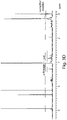
- 1H NMR analyses indicated that (1) the linkage between the galactose and the ceramide is an alpha linkage, and (2) terminal branching of acyl chains is present in either iso-or anteiso-forms.
- certain immunoinhibitory alpha-GC species of the invention comprise ceramide moieties each having a fatty acid chain and a sphingosine chain. For the sake of brevity and convenience, the latter chain is referred to herein as the sphingosine chain.
- this chain may be a sphingosine, dihydrosphingosine (sphinganine) or a phytosphingosine as all have been found to occur in B. fragilis.
- the structure of these chains is as follows:
- the fatty acid and sphingosine chains may be of the same length or of different lengths. These chains are typically less than 20 carbons (C20) in length, and more preferably are 15-19 carbons (C15-C19) in length, including 16-19 carbons in length. Some species will have at least one chain that is 17 carbons (C17) in length.
- Generic structures of the immunoinhibitory alpha-GC molecules of the invention are shown in FIGs. 3E and 3F .
- An alpha-GC species of the invention having a 17 carbon (C17) fatty acid chain and 17 carbon (C17) sphingosine chain is shown in FIG. 3G .
- the fatty acid and sphingosine chains of the alpha-GC may be unbranched or branched. Branching may occur at one or more positions on the fatty acid and/or the sphingosine carbon chains.
- the branch may be of any length.
- the branch point is at the penultimate carbon in the chain (referred to as the omega-2 or iso position).
- the branch point is at the 3 rd last carbon in the chain (referred to as omega-3 or anteiso position).
- the alpha-GC species of FIG. 3G comprises terminal isomethyl groups on both the fatty acid and sphingosine chains. More generic structures are shown in FIGs. 3E and 3F .
- the fatty acid and sphingosine chain may each independently comprise one or more hydroxyl groups.
- the position of the hydroxyl group may vary. In some instances, the hydroxyl group may be at the C2 position of the fatty acid chain. In some instances, the hydroxyl group may be at the C2 position of the sphingosine chain. In some instances, hydroxyl groups may be at both the C2 of the fatty acid and the C2 of the sphingosine. In some instances, the hydroxyl group may be at the C3 position of the fatty acid chain. In some instances, the hydroxyl group may be at the C3 position of the sphingosine chain.
- hydroxyl groups may be at both the C3 of the fatty acid and the C3 of the sphingosine.
- An example of such a configuration is shown in FIG. 3G .
- the hydroxyl group may be at the C4 position of the fatty acid chain.
- the hydroxyl group may be at the C4 position of the sphingosine chain.
- hydroxyl groups may be at both the C4 of the fatty acid and the C4 of the sphingosine. Any combination of hydroxyl substitutions at positions C1-C4 of the fatty acid and C1-C4 of the sphingosine chain are contemplated by the invention. More generic structures are shown in FIGs. 3E and 3F .
- the alpha-GC may be provided as pure isomers or isomeric mixtures.
- Molecules that have the same molecular formula but differ in the nature or sequence of bonding of their atoms or the arrangement of their atoms in space are termed isomers.
- Isomers that differ in the arrangement of their atoms in space are termed stereoisomers.
- Stereoisomers that are not mirror images of one another are termed diastereomers and those that are non-superimposable mirror images of each other are termed enantiomers.
- An enantiomer can be characterized by the absolute configuration of its asymmetric center and can be described by the R- and S-sequencing rules of Cahn and Prelog, or by the manner in which the molecule rotates the plane of polarized light and designated as dextrorotatory or levorotatory (i.e., as (+) or (-)-isomers respectively).
- a chiral compound can exist as either individual enantiomer or as a mixture thereof. A mixture containing both enantiomers is called a "racemic mixture".
- asymmetric centers are possible at least at carbons bonded to hydroxyl groups.
- the chirality may be an R or an S configuration. Any combination of chiralities at the various chiral carbons in the molecule are contemplated by the invention.
- the C3 position in the fatty acid if bonded to a hydroxyl, may be in the R configuration or the S configuration or alternatively the molecule as a whole may exist as a racemic mixture of molecules having either R or S configuration at that position.
- the C3 position in the sphingosine chain if bonded to a hydroxyl, may be in the R configuration or the S configuration or alternatively the molecule as a whole may exist as a racemic mixture of molecules having either R or S configuration at that position.
- the invention therefore contemplates every combination of chirality at these positions including R-R, R-S, S-S and S-R (i.e., chirality of the fatty acid C3 position and chirality of the sphingosine C3 position).
- the C2 position in the fatty acid if bonded to a hydroxyl, may be in the R configuration or the S configuration or alternatively the molecule as a whole may exist as a racemic mixture of molecules having either R or S configuration at that position.
- the C2 position in the sphingosine chain, if bonded to a hydroxyl, may be in the R configuration or the S configuration or alternatively the molecule as a whole may exist as a racemic mixture of molecules having either R or S configuration at that position.
- the invention therefore contemplates every combination of chirality at these positions including R-R, R-S, S-S and S-R (i.e., chirality of the fatty acid C2 position and chirality of the sphingosine C2 position).
- the C4 position in the fatty acid if bonded to a hydroxyl, may be in the R configuration or the S configuration or alternatively the molecule as a whole may exist as a racemic mixture of molecules having either R or S configuration at that position.
- the C4 position in the sphingosine chain, if bonded to a hydroxyl, may be in the R configuration or the S configuration or alternatively the molecule as a whole may exist as a racemic mixture of molecules having either R or S configuration at that position.
- the invention therefore contemplates every combination of chirality at these positions including R-R, R-S, S-S and S-R (i.e., chirality of the fatty acid C4 position and chirality of the sphingosine C4 position).
- polymorphs refers to a crystalline form of a compound (or a salt, hydrate, or solvate thereof) in a particular crystal packing arrangement. All polymorphs have the same elemental composition. Different crystalline forms usually have different X-ray diffraction patterns, infrared spectra, melting points, density, hardness, crystal shape, optical and electrical properties, stability, and solubility. Recrystallization solvent, rate of crystallization, storage temperature, and other factors may cause one crystal form to dominate. Various polymorphs of a molecule can be prepared by crystallization under different conditions.
- the GL-SL fraction may be used as an immunoinhibitory preparation in some aspects of the invention.
- This fraction may comprise one or more forms of immunoinhibitory alpha-GC and/or other forms of immunoinhibitory GL-SL that may or may not be characterized as galactose-bearing or ceramide-bearing.
- the alpha-GC of the invention may be isolated.
- the term isolated means partial or complete physical separation of the moiety of interest (e.g., the alpha-GC) from other moieties.
- an isolated alpha-GC may be physically separated from the environment in which it naturally occurs (e.g., a B. fragilis cell or membrane).
- an isolated alpha-GC may be physically separated from the reaction mixture in which it was synthesized. Similar definitions apply to the immunoinhibitory GL-SL preparations of the invention.
- the immunoinhibitory molecules of the invention can be used alone or together with CD1d molecules.
- CD1d molecule is believed to bind to the immunoinhibitory molecules of the invention and facilitate presentation of the molecules to iNKT cells.
- Cells capable of presenting the molecules of the invention are therefore typically regarded as CD1d-positive antigen presenting cells. Examples of such cells include bone marrow derived dendritic cells.
- Certain aspects of the invention therefore contemplate use, including administration, of the immunoinhibitory alpha-GC and/or GL-SL when coupled (or bound or complexed) with isolated CD1d protein (i.e., CD1d protein that is not provided as an CD1d-bearing antigen presenting cell).
- the CD1d protein is provided as a tetramer.
- the invention contemplates, inter alia, that the immunoinhibitory molecules provided herein are able to compete with immunostimulatory alpha-GC for binding to CD1d and in this way reduce the efficacy of the immunostimulatory alpha-GC in the presence of iNKT cells.
- an alpha-GC or a GL-SL preparation is immunoinhibitory at least by virtue of its ability to antagonize the activity of immunostimulatory alpha-GC such as but not limited to KRN7000.
- Such assays can be performed in vitro or in vivo, with reference to the exemplary assays described in the Examples.
- the invention contemplates in vitro and in vivo uses of the immunoinhibitory molecules and preparations provided herein.
- the molecules and preparations may be formulated as pharmaceutical compositions (or preparations), intending that they are suitable for administration to a subject.
- a pharmaceutical composition need not be therapeutic or prophylactic however (i.e., it may not eradicate an existing condition or prevent a condition from ever occurring in a subject). Instead, it may be used to modulate an aberrant immune response such as an increased iNKT cell based immune response, and thereby optionally modulate symptoms resulting from the underlying iNKT cell based immune response.
- Such in vivo uses may be in subjects being treated for a particular condition characterized by increased iNKT cell numbers and/or iNKT cell activity with the intention of providing some therapeutic or prophylactic benefit.
- the molecules and preparations may be used in vivo for research purposes, inter alia, typically in non-human subjects.
- the molecules and preparations may be used in vitro to modulate immune responses involving activated iNKT cells. Whether in vivo or in vitro, the molecules or preparations may be used in screening assays to identify iNKT cell stimulatory agents or inhibitory agents.
- the molecules or preparations may be used in a method that involves contacting the molecule(s) or preparation with an antigen presenting cell, and contacting the "loaded” antigen presenting cell with an iNKT cell(s).
- the antigen presenting cells typically will express CD1d on their surface.
- a "loaded” antigen presenting cell intends an antigen presenting cell that has an immunoinhibitory molecule of the invention bound to its CD1d and is therefore able to present such molecule to an iNKT cell.
- the contacting may occur in the presence of an agent that stimulates iNKT cells such as the alpha-GC KRN7000.
- the contacting may occur in the absence of such an immunostimulatory agent, and instead the iNKT cells may be activated iNKT cells.
- Such cells may have been activated in vitro prior to the contacting step or they may have been obtained from a subject having an increased iNKT cell based immune response. It is to be understood that these methods may be carried out in vivo or in vitro.
- the alpha-GC of the invention as well as fractions containing such alpha-GC may be used to treat conditions that are characterized by increased levels of iNKT cells and/or activity.
- An increased level of iNKT cells or activity is measured relative to a normal subject (or a normal population of subjects) not having an inflammatory condition and nor at increased (or elevated, intending above-normal) risk of developing such a condition (e.g., as may be the case if the condition is inherited).
- iNKT cells and/or activity may be measured in a blood sample or a biopsy such as a colonic (e.g., lamina muscular) biopsy. Serum levels of proinflammatory cytokines, such as IFN-gamma, may be measured from the blood sample, for example.
- persons having a family medical history or a personal medical history of a condition characterized by increased levels of iNKT cells and/or activity may be presumed to have or be at risk of developing the condition even if they are not experiencing symptoms at or near the time of treatment.
- the subject may have an allergy or an allergic disorder.
- activated iNKT cells are identified by the presence of CD1d tetramers, and may be detected and/or measured using for example flow cytometry or other immunostaining methods.
- Such conditions include inflammatory conditions.
- Inflammatory conditions are conditions caused by, resulting from, or resulting in inflammation.
- An inflammatory condition may also refer to a dysregulated inflammatory reaction that causes an exaggerated response by macrophages, granulocytes, and/or T-lymphocytes leading to abnormal tissue damage and/or cell death.
- An inflammatory condition can be either an acute or chronic inflammatory condition and can result from infections or non-infectious causes.
- An inflammatory condition may be an autoimmune disease or it may be a non-autoimmune disease.
- Inflammatory conditions include, without limitation, atherosclerosis, arteriosclerosis, polymyalgia rheumatica (PMR), gouty arthritis, degenerative arthritis, tendonitis, bursitis, psoriasis, cystic fibrosis, arthrosteitis, giant cell arteritis, polymyositis, dermatomyosis, pemphigus, pemphigoid, diabetes (e.g., Type I), myasthenia gravis, mixed connective tissue disease, sclerosing cholangitis, pernicious anemia, inflammatory dermatoses, usual interstitial pneumonitis (UIP), asbestosis, silicosis, bronchiectasis, berylliosis, talcosis, pneumoconiosis, sarcoidosis, desquamative interstitial pneumonia, lymphoid interstitial pneumonia, giant cell interstitial pneumonia, cellular interstitial pneumonia, extrin
- autoimmune diseases are diseases arising from an inappropriate immune response of the body of a subject against substances and tissues normally present in the body. In other words, the immune system mistakes some part of the body as a pathogen and attacks its own cells. This may be restricted to certain organs (e.g., in autoimmune thyroiditis) or involve a particular tissue in different places (e.g., Goodpasture's disease which may affect the basement membrane in both the lung and kidney).
- the treatment of autoimmune diseases is typically with immunosuppression, e.g., medications that decrease the immune response.
- Exemplary autoimmune diseases include, but are not limited to, multiple sclerosis, inflammatory bowel diseases such as ulcerative colitis, Crohn's disease, and ileitis, glomerulonephritis, Goodpasture's disease or syndrome, Graves' disease, necrotizing vasculitis, lymphadenitis, peri-arteritis nodosa, systemic lupus erythematosis, rheumatoid, arthritis, psoriatic arthritis, psoriasis, ulcerative colitis, systemic sclerosis, dermatomyositis/polymyositis, anti-phospholipid antibody syndrome, scleroderma, perphigus vulgaris, ANCA-associated vasculitis (e.g., Wegener's granulomatosis, microscopic polyangiitis), urveitis, Sjogren's syndrome, Reiter's syndrome, ankylosing spondylitis, Lyme arthritis, Guilla
- treat is used herein to mean to relieve, reduce or alleviate at least one symptom of a condition characterized by increased iNKT cell numbers and/or activity in a subject.
- treatment can be diminishment of one or several symptoms of such a condition or complete eradication of the condition.
- the term “treat” also denotes to arrest, delay the onset (i.e., the period prior to clinical manifestation of a condition) and/or reduce the risk of developing or worsening a condition.
- protect is used herein to mean prevent delay or treat, or all, as appropriate, development or continuance or aggravation of a condition in a subject.
- a "subject" to which administration is contemplated includes, but is not limited to, humans and other non-human animals including, for example, companion animals such as dogs, cats, domesticated pigs, ferrets, hamsters, and the like; primates such as cynomolgus monkeys, rhesus monkeys, and the like; and agricultural animals such as cattle, pigs, horses, sheep, goats, birds ( e.g ., chickens, ducks, geese, and/or turkeys), and the like.
- the subject is a human subject.
- the subject may be of any age ranging from newborn to elderly.
- the subject is a pediatric subject such as a neonate, infant, child or adolescent.
- the invention contemplates administering the active agents of the invention in order to render the subject resistant to conditions characterized by increased iNKT cell numbers or activity.
- such conditions include but are not limited to asthma and autoimmune diseases such as but not limited to ulcerative colitis.
- the invention contemplates prophylactic treatment of a subject to prevent such conditions from manifesting.
- the subject may be less than 10 years of age, less than 5 years of age, less than 1 year of age, less than 6 months of age, or less than 1 month of age.
- the invention further contemplates administration of older subjects such as adults.
- the subject may be a pregnant subject or a female subject of child-bearing age, either of which may optionally be at increased risk of developing a condition characterized by increased iNKT cell numbers and/or activity (e.g., an autoimmune disease, asthma, and the like).
- iNKT cell numbers and/or activity e.g., an autoimmune disease, asthma, and the like.
- the invention further contemplates that subjects may be treated once, twice or more times, over a period of time. This period of time may be days, weeks, months, or years.
- the agents may be administered daily or weekly in a subject experiencing symptoms associated with a condition characterized by increased iNKT cell numbers or activity, until such symptoms are reduced or eliminated.
- the agents may be administered one or more times in the early years of life of a subject and then may be administered again after several years, as a "boost" to the original administration. This latter administration schedule could be similar to that used in more traditional vaccination schemes.
- Some embodiments of the invention involve treatment of subjects having asthma or treatment of subjects prior to the onset of asthma (e.g., children).
- a "subject having asthma” is a subject that has a disorder of the respiratory system characterized by inflammation, narrowing of the airways and increased reactivity of the airways to inhaled agents. Asthma is frequently, although not exclusively associated with atopic or allergic symptoms.
- An “initiator” as used herein refers to a composition or environmental condition which triggers asthma. Initiators include, but are not limited to, allergens, cold temperatures, exercise, viral infections, and the like.
- the invention contemplates the administration of alpha-GC with one or more additional active agents.
- the additional active agents include but are not limited to immunosuppressants or anti-inflammatory agents, asthma medicaments, allergy medicaments, and the like.
- the additional active agents may be blocking antibodies although they are not so limited.
- Immunosuppressants or anti-inflammatory agents are agents that suppress or reduce an immune response.
- General classes of anti-inflammatories include steroids, non-steroid anti-inflammatory drugs (NSAIDS), as well as various classes listed herein.
- immunosuppressants or anti-inflammatory agents include without limitation Alclofenac; Alclometasone Dipropionate; Algestone Acetonide; Alpha Amylase; Amcinafal; Amcinafide; Amfenac Sodium; Amiprilose Hydrochloride; Anakinra; Anirolac; Anitrazafen; Apazone; Balsalazide Disodium; Bendazac; Benoxaprofen; Benzydamine Hydrochloride; Bromelains; Broperamole; Budesonide; Carprofen; Cicloprofen; Cintazone; Cliprofen; Clobetasol Propionate; Clobetasone Butyrate; Clopirac; Cloticasone Propionate; Cormethasone Acetate; Cortodoxone; Deflazacort; Desonide; Desoximetasone; Dexamethasone Dipropionate; Diclofenac Potassium; Diclofenac Sodium; Diflora
- Anti-inflammatory agents typically prescribed for autoimmune diseases include mesalamine.
- the additional active agent may be an asthma medicament, meaning a medicament that reduces the symptoms, inhibits the asthmatic reaction, or prevents the development of an asthmatic reaction.
- asthma medicaments for the treatment of asthma are described in the Guidelines For The Diagnosis and Management of Asthma, Expert Panel Report 2, NIH Publication No. 97/4051, July 19, 1997 , the entire contents of which are incorporated herein by reference.
- Asthma medicaments include, but are not limited, PDE-4 inhibitors, Bronchodilator/beta-2 agonists, K+ channel openers, VLA-4 antagonists, Neurokin antagonists, TXA2 synthesis inhibitors, Xanthanines, Arachidonic acid antagonists, 5 lipoxygenase inhibitors, Thromboxin A2 receptor antagonists, Thromboxane A2 antagonists, Inhibitor of 5-lipox activation proteins, and Protease inhibitors.
- Bronchodilator/beta-2 agonists are a class of compounds which cause bronchodilation or smooth muscle relaxation.
- Bronchodilator/beta-2 agonists include, but are not limited to, salmeterol, salbutamol, albuterol, terbutaline, D2522/formoterol, fenoterol, bitolterol, pirbuerol methylxanthines and orciprenaline.
- Long-acting beta-2 agonists include, but are not limited to, salmeterol and albuterol. These compounds are usually used in combination with corticosteroids. Methylxanthines, including for instance theophylline, have been used for long-term control and prevention of symptoms.
- Short-acting beta-2 agonists include, but are not limited to, albuterol, bitolterol, pirbuterol, and terbutaline.
- Allergy medicaments include, but are not limited to, anti-histamines, steroids, and prostaglandin inducers.
- Anti-histamines include, but are not limited to, loratidine, cetirizine, buclizine, ceterizine analogues, fexofenadine, terfenadine, desloratadine, norastemizole, epinastine, ebastine, ebastine, astemizole, levocabastine, azelastine, tranilast, terfenadine, mizolastine, betatastine, CS 560, and HSR 609.
- Prostaglandin inducers include, but are not limited to, S-5751.
- the steroids include, but are not limited to, beclomethasone, fluticasone, tramcinolone, budesonide, corticosteroids and budesonide.
- Corticosteroids include, but are not limited to, beclomethasome dipropionate, budesonide, flunisolide, fluticaosone, propionate, and triamcinoone acetonide.
- Systemic corticosteroids include, but are not limited to, methylprednisolone, prednisolone and prednisone.
- Immunomodulators include, but are not limited to, the group consisting of anti-inflammatory agents, leukotriene antagonists, IL-4 muteins, soluble IL-4 receptors, immunosuppressants (such as Tolerizing peptide vaccine), anti-IL-4 antibodies, IL-4 antagonists, anti-IL-5 antibodies, soluble IL-13 receptor-Fc fusion proteins, anti-IL-9 antibodies, CCR3 antagonists, CCR5 antagonists, VLA-4 inhibitors, and, and Downregulators of IgE.
- anti-inflammatory agents such as leukotriene antagonists, IL-4 muteins, soluble IL-4 receptors, immunosuppressants (such as Tolerizing peptide vaccine), anti-IL-4 antibodies, IL-4 antagonists, anti-IL-5 antibodies, soluble IL-13 receptor-Fc fusion proteins, anti-IL-9 antibodies, CCR3 antagonists, CCR5 antagonists, VLA-4 inhibitors, and, and Downregulators of IgE.
- Leukotriene modifiers include, but are not limited to, zafirlukast tablets and zileuton tablets. Zileuton tablets function as 5-lipoxygenase inhibitors.
- immunomodulators include neuropeptides such as substance P that have been shown to have immunomodulating properties.
- Substance P is a neuropeptide first identified in 1931 by Von Euler and Gaddum and see Chang et al. 1971. Nature (London) New Biol. 232:86-87 (1971 ).
- Another class of compounds is the down-regulators of IgE. These compounds include peptides or other molecules with the ability to bind to the IgE receptor and thereby prevent binding of antigen-specific IgE.
- Another type of downregulator of IgE is a monoclonal antibody directed against the IgE receptor-binding region of the human IgE molecule.
- one type of downregulator of IgE is an anti-IgE antibody or antibody fragment.
- Anti-IgE is being developed by Genentech. One of skill in the art could prepare functionally active antibody fragments of binding peptides which have the same function.
- Other types of IgE downregulators are polypeptides capable of blocking the binding of the IgE antibody to the Fc receptors on the cell surfaces and displacing IgE from binding sites upon which IgE is already bound.
- Long-term control medications include compounds such as corticosteroids (also referred to as glucocorticoids), methylprednisolone, prednisolone, prednisone, chromolyn sodium, nedocromil, long-acting beta2-agonists, methylxanthines, and leukotriene modifiers.
- Quick relief medications are useful for providing quick relief of symptoms arising from allergic or asthmatic responses.
- Quick relief medications include short-acting beta2 agonists, anticholinergics and systemic corticosteroids.
- Anticholinergics include, but are not limited to, ipratrapoium bromide.
- two or more agents When two or more agents are administered to a subject, these can be administered simultaneously (e.g., where they are pre-mixed and administered together), substantially simultaneously (e.g., where they are administered one after another in the time it would take a medical practitioner to administer two agents to a subject), or sequentially with a period of time lapsing between the administrations.
- the two or more agents can also be administered by the same route or by a different route.
- the agents may be all administered by inhalation.
- one agent may be administered by injection and another may be administered by inhalation.
- the agents may be used (e.g., administered) in pharmaceutically acceptable preparations (or pharmaceutically acceptable compositions), typically when combined with a pharmaceutically acceptable carrier.
- Such preparations may routinely contain pharmaceutically acceptable concentrations of salt, buffering agents, preservatives, compatible carriers, and may optionally comprise other (i.e., secondary) therapeutic agents, as discussed above.
- a pharmaceutically acceptable carrier is a pharmaceutically acceptable material, composition or vehicle, such as a liquid or solid filler, diluent, excipient, solvent or encapsulating material, involved in carrying or transporting a prophylactically or therapeutically active agent.
- a pharmaceutically acceptable material, composition or vehicle such as a liquid or solid filler, diluent, excipient, solvent or encapsulating material, involved in carrying or transporting a prophylactically or therapeutically active agent.
- Each carrier must be “acceptable” in the sense of being compatible with the other ingredients of the formulation and not injurious to the subject.
- materials which can serve as pharmaceutically acceptable carriers include sugars, such as lactose, glucose and sucrose; glycols, such as propylene glycol; polyols, such as glycerin, sorbitol, mannitol and polyethylene glycol; esters, such as ethyl oleate and ethyl laurate; buffering agents, such as magnesium hydroxide and aluminum hydroxide; pyrogen-free water; isotonic saline; Ringer's solution; ethyl alcohol; phosphate buffer solutions; and other non-toxic compatible substances employed in pharmaceutical formulations.
- sugars such as lactose, glucose and sucrose
- glycols such as propylene glycol
- polyols such as glycerin, sorbitol, mannitol and polyethylene glycol
- esters such as ethyl oleate and ethyl laurate
- buffering agents such as magnesium hydroxide and aluminum hydroxide
- agents when it is desirable to deliver them systemically, may be formulated for parenteral administration by injection, including for example by bolus injection or continuous infusion.
- Formulations for injection may be presented in unit dosage form, e.g., in ampoules or in multi-dose containers, with or without an added preservative.
- compositions may take such forms as water-soluble suspensions, solutions or emulsions in oily or aqueous vehicles, and may contain formulatory agents such as suspending, stabilizing and/or dispersing agents.
- Suitable lipophilic solvents or vehicles include fatty oils such as sesame oil, or synthetic fatty acid esters, such as ethyl oleate or triglycerides.
- Aqueous injection suspensions may contain substances which increase the viscosity of the suspension, such as sodium carboxymethyl cellulose, sorbitol, or dextran.
- the suspension may also contain suitable stabilizers or agents which increase solubility.
- the agents may be in lyophilized or other powder or solid form for constitution with a suitable vehicle, e.g., sterile pyrogen-free water, before use.
- compositions of the invention formulated for pulmonary delivery may provide the active ingredient in the form of droplets of a solution and/or suspension.
- Such formulations can be prepared, packaged, and/or sold as aqueous and/or dilute alcoholic solutions and/or suspensions, optionally sterile, comprising the active ingredient, and may conveniently be administered using any nebulization and/or atomization device.
- Such formulations may further comprise one or more additional ingredients including, but not limited to, a flavoring agent such as saccharin sodium, a volatile oil, a buffering agent, a surface active agent, and/or a preservative such as methylhydroxybenzoate.
- the droplets provided by this route of administration may have an average diameter in the range from about 0.1 to about 200 nanometers.
- Formulations described herein as being useful for pulmonary delivery are useful for intranasal delivery of a pharmaceutical composition of the invention.
- Another formulation suitable for intranasal administration is a coarse powder comprising the active ingredient and having an average particle from about 0.2 to 500 micrometers. Such a formulation is administered by rapid inhalation through the nasal passage from a container of the powder held close to the nares.
- Formulations for nasal administration may, for example, comprise from about as little as 0.1% (w/w) and as much as 100% (w/w) of the active ingredient, and may comprise one or more of the additional ingredients described herein.
- a pharmaceutical composition of the invention can be prepared, packaged, and/or sold in a formulation for buccal administration.
- Such formulations may, for example, be in the form of tablets and/or lozenges made using conventional methods, and may contain, for example, 0.1 to 20% (w/w) active ingredient, the balance comprising an orally dissolvable and/or degradable composition and, optionally, one or more of the additional ingredients described herein.
- formulations for buccal administration may comprise a powder and/or an aerosolized and/or atomized solution and/or suspension comprising the active ingredient.
- Such powdered, aerosolized, and/or aerosolized formulations when dispersed, may have an average particle and/or droplet size in the range from about 0.1 to about 200 nanometers, and may further comprise one or more of the additional ingredients described herein.
- Other delivery systems can include time-release, delayed release or sustained release delivery systems. Such systems can avoid repeated administrations of the active compound, increasing convenience to the subject and the physician.
- Many types of release delivery systems are available and known to those of ordinary skill in the art. They include polymer base systems such as poly(lactide-glycolide), copolyoxalates, polycaprolactones, polyesteramides, polyorthoesters, polyhydroxybutyric acid, and polyanhydrides. Microcapsules of the foregoing polymers containing drugs are described in, for example, U.S. Patent 5,075,109 .
- Delivery systems also include non-polymer systems that are: lipids including sterols such as cholesterol, cholesterol esters and fatty acids or neutral fats such as mono-di-and tri-glycerides; hydrogel release systems; sylastic systems; peptide based systems; wax coatings; compressed tablets using conventional binders and excipients; partially fused implants; and the like.
- Specific examples include, but are not limited to: (a) erosional systems in which the active compound is contained in a form within a matrix such as those described in U.S. Patent Nos. 4,452,775 , 4,675,189 and 5,736,152 , and (b) diffusional systems in which an active component permeates at a controlled rate from a polymer such as described in U.S. Patent Nos. 3,854,480 , 5,133,974 and 5,407,686 .
- pump-based hardware delivery systems can be used, some of which are adapted for implantation.
- Long-term sustained release means that the implant is constructed and arranged to delivery therapeutic levels of the active ingredient for at least 30 days, and preferably 60 days.
- Long-term sustained release implants are known to those of ordinary skill in the art and include some of the release systems described above.
- the preparations of the invention are administered in effective amounts.
- An effective amount is that amount of an agent that alone stimulates the desired outcome.
- the desired outcome is a decrease in the number and/or activity of iNKT cells (e.g., activated iNKT cells).
- the desired outcome is a decrease or elimination of symptoms associated with a condition characterized by increased number and/or activity of iNKT cells.
- the absolute amount will depend upon a variety of factors, including the material selected for administration, whether the administration is in single or multiple doses, and individual patient parameters including age, physical condition, size, weight, and the stage of the disease. These factors are well known to those of ordinary skill in the art and can be addressed with no more than routine experimentation.
- the exact amount of a compound required to achieve an effective amount will vary from subject to subject, depending, for example, on species, age, and general condition of a subject, severity of the side effects or disorder, identity of the particular compound, mode of administration, and the like.
- the desired dosage can be delivered three times a day, two times a day, once a day, every other day, every third day, every week, every two weeks, every three weeks, or every four weeks.
- the desired dosage can be delivered using multiple administrations (e.g ., two, three, four, five, six, seven, eight, nine, ten, eleven, twelve, thirteen, fourteen, or more administrations).
- an effective amount of a molecule or a preparation for administration one or more times a day to a 70 kg adult human may comprise about 0.0001 mg to about 3000 mg, about 0.0001 mg to about 2000 mg, about 0.0001 mg to about 1000 mg, about 0.001 mg to about 1000 mg, about 0.01 mg to about 1000 mg, about 0.1 mg to about 1000 mg, about 1 mg to about 1000 mg, about 1 mg to about 100 mg, about 10 mg to about 1000 mg, or about 100 mg to about 1000 mg, of a molecule per unit dosage form.
- the agents may be at dosage levels sufficient to deliver from about 0.001 mg/kg to about 100 mg/kg, from about 0.01 mg/kg to about 50 mg/kg, preferably from about 0.1 mg/kg to about 40 mg/kg, preferably from about 0.5 mg/kg to about 30 mg/kg, from about 0.01 mg/kg to about 10 mg/kg, from about 0.1 mg/kg to about 10 mg/kg, and more preferably from about 1 mg/kg to about 25 mg/kg, of subject body weight per day, one or more times a day, to obtain the desired therapeutic effect.
- dose ranges as described herein provide guidance for the administration of provided pharmaceutical compositions to an adult.
- the amount to be administered to, for example, a child or an adolescent can be determined by a medical practitioner or person skilled in the art and can be lower or the same as that administered to an adult.
- agents and compositions provided herein can be administered by any route, including enteral (e.g., oral), parenteral, intravenous, intramuscular, intra-arterial, intramedullary, intrathecal, subcutaneous, intraventricular, transdermal, intradermal, rectal, intravaginal, intraperitoneal, topical (as by powders, ointments, creams, and/or drops), mucosal, nasal, buccal, sublingual; by intratracheal instillation, bronchial instillation, and/or inhalation; and/or as an oral spray, nasal spray, and/or aerosol.
- enteral e.g., oral
- parenteral intravenous, intramuscular, intra-arterial, intramedullary
- intrathecal subcutaneous, intraventricular, transdermal, intradermal, rectal, intravaginal, intraperitoneal
- topical as by powders, ointments, creams, and/or drops
- mucosal nasal, buc
- Specifically contemplated routes are oral administration, intravenous administration (e.g., systemic intravenous injection), regional administration via blood and/or lymph supply, and/or direct administration to an affected site.
- intravenous administration e.g., systemic intravenous injection
- regional administration via blood and/or lymph supply
- direct administration to an affected site.
- the most appropriate route of administration will depend upon a variety of factors including the nature of the agent (e.g., its stability in the environment of the gastrointestinal tract), and/or the condition of the subject (e.g., whether the subject is able to tolerate oral administration).
- the alpha-GC are administered by any route that effects delivery to the lungs.
- Systemic administration routes such as intravenous bolus injection or continuous infusion are suitable. More direct routes such as intranasal administration, intratracheal administration (e.g., via intubation), and inhalation (e.g., via an aerosol through the mouth or nose) are also contemplated by the invention and in some instances may be more appropriate particularly where rapid action is necessary.
- an aerosol is a suspension of liquid dispersed as small particles in a gas, and it includes a fine mist or a spray containing such particles.
- aerosolization is the process of producing of an aerosol by transforming a liquid suspension into small particles or droplets.
- Nebulizers include air-jet (i.e., pneumatic), ultrasonic, and vibrating-mesh nebulizers, for example with the use of a suitable propellant such as but not limited to dichlorodifluoromethane, trichlorofluoromethane, dichlorotetrafluoroethane, carbon dioxide or other suitable gas.
- a suitable propellant such as but not limited to dichlorodifluoromethane, trichlorofluoromethane, dichlorotetrafluoroethane, carbon dioxide or other suitable gas.
- other devices for pulmonary delivery include but are not limited to metered dose inhalers (MDIs) and dry powder inhalers (DPIs).
- MDIs metered dose inhalers
- DPIs dry powder inhalers
- Capsules and cartridges of for example gelatin for use in an inhaler or insufflator may be formulated containing lyophilized agents and a suitable powder base such as lacto
- the invention also encompasses a packaged and labeled pharmaceutical product.
- This article of manufacture or kit includes the appropriate unit dosage form in an appropriate vessel or container such as a glass vial or plastic ampoule or other container that is hermetically sealed.
- the article of manufacture or kit further comprises instructions on how to use including how to administer the pharmaceutical product.
- the instructions may further contain informational material that advises a medical practitioner, technician or subject on how to appropriately prevent or treat the disease or disorder in question.
- the article of manufacture includes instructions indicating or suggesting a dosing regimen for use including but not limited to actual doses, monitoring procedures, and other monitoring information.
- the unit dosage form should be suitable for pulmonary delivery for example by aerosol.
- the packaging material and container are designed to protect the stability of the product during storage and shipment.
- kits may include agents in sterile aqueous suspensions that may be used directly or may be diluted with normal saline for intravenous injection or use in a nebulizer, or dilution or combination with surfactant for intratracheal administration.
- the kits may therefore also contain the diluent solution or agent, such as saline or surfactant.
- the kit may also include a pulmonary delivery device such as a nebulizer or disposable components therefore such as the mouthpiece, nosepiece, or mask.
- the conventional iNKT-cell based immunotherapy has been aimed to expand iNKT cells, stimulate functional cytokine productions, especially IFN-gamma, and potentiate TH1 type responses.
- the discovery of alpha-GC-C17Cer facilitates treatment of iNKT cell mediated conditions by dampening the pro-inflammatory cytokine production and/or decreasing iNKT cell numbers in anatomic sites such as the colon and the lung.
- Such effects will be useful in the treatment of conditions such as autoimmune diseases in which iNKT cells are implicated, including without limitation ulcerative colitis, lupus and multiple sclerosis, as well as other inflammatory conditions such as asthma.
- FIG. 1A illustrates the biosynthetic pathway through which complex sphingolipids are produced in bacteria such as B. fragilis.
- SPT serine palmitoyltransferase
- SPT produces 3-ketosphinganine from palmitoyl-CoA and serine (E values ⁇ E-44 by standard BLASTP search).
- SPT was genetically knocked-out in B. fragilis NCTC 9343 to generate bacterial mutants lacking sphingolipids in their membranes (BF ⁇ SPT).
- the BF ⁇ SPT mutant was complemented with a full copy of BF2461 in trans (referred to as "C-delta" herein).
- C-delta conferred the wild-type profile of sphingolipid generation.
- FIG. 1B shows the results of studies analyzing the dynamics of iNKT cell numbers in colonic LP.
- Germ-free mice were colonized with wild type (BFWT) or BF ⁇ SPT (referred to herein as mutant or "mt") B. fragilis bacteria. These mice were then bred (BFWT x BFWT and BF ⁇ SPT x BF ⁇ SPT) to generate pups. Such pups were then sacrificed at various ages and their colonic iNKT cells were analyzed.
- Conv refers to mice colonized with conventional commensal microbiomes.
- GF refers to mice that are germ-free. At the time of sacrifice, LI LPL cells were harvested and purified. Live iNKT cells were detected by flow cytometry.
- FIG. 1C is derived from the same data set as in FIG. 1B except that the data are represented as a percentage of CD3 positive cells.
- mice were subjected to an oxazolone colitis challenge, in which intestinal inflammation characteristic of human ulcerative colitis is induced and is dependent on iNKT cell-produced interleukin 13 (IL-13).
- IL-13 interleukin 13
- This experimental model of colitis is known in the art. 6-8 weeks old mice from each group were subjected to iNKT cell-mediated oxazolone colitis. The results are shown in FIG. ID.
- BF ⁇ SPT mice had more severe weight loss (FIG. ID) and inflammation, higher histopathology scores, and higher levels of IL-13, IL-4 and IL-1 ⁇ release (FIG. ID) than BFWT mice.
- BFWT mono-colonized mice were protected from oxazolone colitis while BF ⁇ SPT mono-colonized mice were not, indicating that bacterial sphingolipids are important for protecting mice in an experimental model of oxazolone-induced colitis.
- mice were treated with anti-CD1d monoclonal antibody (19G11).
- BF ⁇ SPT mono-colonized mice were treated with anti-CD1d antibody or isotype control 3 times for the first 2 weeks after birth, followed by once a week for 4 weeks.
- mice from each group were subjected to iNKT cell-mediated oxazolone colitis.
- FIG. 1E Anti-CDld antibody treatment abrogated colitis while the isotype control did not. CD1d-iNKT mediated immune responses are therefore important for the colitis phenotype observed in the BF ⁇ SPT mono-colonized mice.
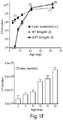
- FIG. 1F shows the results of experiments aimed to determine if the effect on colonic iNKT cell numbers was the result of differences in colonization by the BFWT and BF ⁇ SPT (i.e., to rule out the possibility that the difference in the two mono-colonized mice is due to a difference of bacterial numbers in the colons of the two mice types).
- Stool samples from mice at designated ages were taken and measured for colony forming units (CFU). The results indicate that the two mono-colonized mice have identical colonization dynamics. Therefore, the WT and mutant mice are colonized by B. fragilis to the same extent and the numbers of bacteria in the colon cannot explain the observed iNKT cell phenotype.
- MFI mean fluorescence intensity
- B. fragilis sphingolipids The chemical composition of B. fragilis sphingolipids was then analyzed to understand their function at the molecular level. Using thin-layer chromatography (TLC), high-performance liquid chromatography (HPLC), and mass spectrometry (MS), three types of sphingolipid fractions were found in this bacterium: ceramide sphingolipids, phosphorylethanolamine sphingolipids, and glycosphingolipids.
- GL-SL refers to the glycosphingolipid fraction.
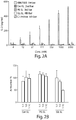
- C17minor refers to alpha-GC having a C17 ceramide chain length. None of the B. fragilis sphingolipid fractions was found to activate the iNKT cell line. As expected, KRN7000 was stimulatory.
- FIG. 2B illustrates that GL-SL, but not Cer-SL or PE-SL, can antagonize the effects of the immunostimulatory alpha-GC KRN7000 in iNKT cells in vitro. This indicated that one or more molecules in the GL-SL fraction are antagonists of iNKT cell activation by KRN7000 in vitro. Such molecule(s) may also be capable of inhibition of other endogenous iNKT ligands in vivo.
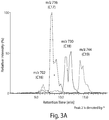
- FIG. 3A shows the results of a LC-MS analysis that identified several chain-length variants of glycosphingolipids.
- the GL-SL fraction was composed of 5 subfractions with molecular weights ranging from m/z 688 to m/z 744 and total carbon numbers in ceramide structures ranging from 32 to 36.
- alpha-GC-Bf717 was detectable only in fecal samples from BFWT mice and not in samples from BF ⁇ SPT mice.
- the estimated yield of alpha-GC-Bf717 was about 1 ng per gram of fecal pellet.
- co-cultures similar to those described above for bulk GL-SL fractions were performed.
- alpha-GC-Bf717 did not activate iNKT cells. This observation was confirmed when MODE-K cells were used as CD1d-expressing antigen-presenting cells and were co-cultured with iNKT cell hybridoma DN32.
- Alpha-GC-Bf717 also did not activate non-invariant NKT cell line 14S6.
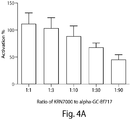
- Alpha-GC-Bf717 did however antagonize the effects of KRN7000 (100 nM) in vitro. This was shown by incubating different LC-MS purified GL-SL molecules with BMDC in presence of 100 nM KRN7000 for 4 hours and then co-incubating with iNKT hybridoma 24.7 for 24 hours. IL-2 was measured by ELISA.
- FIG. 4A shows that at least a portion of the antagonizing activity can be physically located in the alpha-GC-Bf717 fraction from GL-SL (i.e., peak 2). The activity was dose-dependent. (The ratios indicate the amount of KRN7000 to the amount of peak 2.)
- peak 2 contains a single molecule, potentially in an isomeric mixture, that is inhibitory to iNKT cell activation in vitro.
- the GL-SL preparation comprises inhibitory activity in addition to that of peak 2.
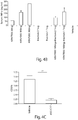
- FIG. 4B shows that the antagonist effects of peak 2 are also apparent in vivo.
- iNKT cytokine (IFN-gamma) production in vivo was reduced in the presence of peak 2.
- Peak 2 (1 microgram) was injected i.p. into mice 1 hour before the injection of 100 ng KRN7000. Serum was collected after 4 hours and IFN-gamma was measured by ELISA. Fraction 1, in contrast, was not antagonistic. Peak 2 also significantly reduced the production of IL-4 in serum from the levels measured with KRN7000 alone.
- a purified B. fragilis control sphingolipid used at the same dose had no effect.
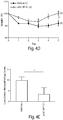
- FIG. 4C shows the results of experiments designed to test if injection of peak 2 to BF ⁇ SPT mono-colonized mice can rescue the iNKT phenotype in LI LPLs. 100-150 ng of fraction was i.p. injected to newborn mice at day 1, 3, 5 and 7. At 6 weeks, mice were harvested for iNKT cell measurement in LI LPLs.
- symbionts negatively regulate a crucial immune cell type, the iNKT cell, and prevent its excessive activation during disease challenge. This modulation is mediated by glycosphingolipids produced by the bacterial symbionts, which effectively blend into the host lipid antigen pool and inhibit iNKT cell activation and expansion caused by endogenous agonists during neonatal development. By modulating homeostasis of host lipid environments, symbionts help to maintain proper iNKT cell numbers and functions.
- ⁇ GC-Bf717 is diametrically opposite-in terms of function-to the GSLs produced by pathobiont Sphingomonas species. This observation probably reflects fine structural differences between these molecules and thus their dissimilar interactions with CD1d and iNKT surface receptor. More importantly, the opposite phenotypes of ⁇ GC-Bf717 and GSLs reflect their profoundly different relationships to the host and highlight a fundamental difference between symbiosis and pathogenesis.
- the identification herein of a bacterial sphingolipid that regulates iNKT cell homeostasis further blurs the conventional distinction between self and non-self in terms of immune recognition.
- the experimental data provided herein suggest that, during development, the host is profoundly dependent on ⁇ GC-Bf717 and similar molecules for iNKT cell homeostasis. Remarkably, the data showed that an absence of ⁇ GC-Bf717 and similar molecules in young GF and BF ⁇ SPT mice had a lasting impact on the animals' iNKT cell homeostasis and caused an irreversible increase in their colitis susceptibility.
- the results highlight the importance of sphingolipid-producing symbionts as a vital component of the colonic microflora in early life.
- ⁇ GC-Bf717 is not encoded in the eukaryotic genome, the invention contemplates this molecule as a prototype for self-antagonist for iNKT cells.
- ⁇ GC-Bf717 It is unexpected to discover that a single molecule functions on behalf of the whole intestinal microbiota in regulating colonic iNKT cell homeostasis. Also notable is that ⁇ GC-Bf717 presence is important in a specific developmental time window. These limited examples strongly indicate that microbes modulate host immune functions with profound and diverse effects. In addition, with its unusual antagonistic properties, ⁇ GC-Bf717 may offer promise as a novel therapeutic intervention targeting the deleterious impact of iNKT cells in many human disorders.
- a reference to "A and/or B", when used in conjunction with open-ended language such as “comprising” can refer, in one embodiment, to A only (optionally including elements other than B); in another embodiment, to B only (optionally including elements other than A); in yet another embodiment, to both A and B (optionally including other elements); etc.
- the phrase "at least one,” in reference to a list of one or more elements, should be understood to mean at least one element selected from any one or more of the elements in the list of elements, but not necessarily including at least one of each and every element specifically listed within the list of elements and not excluding any combinations of elements in the list of elements.
- This definition also allows that elements may optionally be present other than the elements specifically identified within the list of elements to which the phrase "at least one" refers, whether related or unrelated to those elements specifically identified.
- At least one of A and B can refer, in one embodiment, to at least one, optionally including more than one, A, with no B present (and optionally including elements other than B); in another embodiment, to at least one, optionally including more than one, B, with no A present (and optionally including elements other than A); in yet another embodiment, to at least one, optionally including more than one, A, and at least one, optionally including more than one, B (and optionally including other elements); etc.
Landscapes
- Health & Medical Sciences (AREA)
- Life Sciences & Earth Sciences (AREA)
- Chemical & Material Sciences (AREA)
- General Health & Medical Sciences (AREA)
- Engineering & Computer Science (AREA)
- Animal Behavior & Ethology (AREA)
- Public Health (AREA)
- Veterinary Medicine (AREA)
- Epidemiology (AREA)
- Organic Chemistry (AREA)
- Medicinal Chemistry (AREA)
- Pharmacology & Pharmacy (AREA)
- Bioinformatics & Cheminformatics (AREA)
- Biomedical Technology (AREA)
- Zoology (AREA)
- Biotechnology (AREA)
- Genetics & Genomics (AREA)
- Molecular Biology (AREA)
- Immunology (AREA)
- Cell Biology (AREA)
- Wood Science & Technology (AREA)
- Biochemistry (AREA)
- Chemical Kinetics & Catalysis (AREA)
- General Chemical & Material Sciences (AREA)
- Nuclear Medicine, Radiotherapy & Molecular Imaging (AREA)
- Hematology (AREA)
- General Engineering & Computer Science (AREA)
- Gastroenterology & Hepatology (AREA)
- Crystallography & Structural Chemistry (AREA)
- Proteomics, Peptides & Aminoacids (AREA)
- Microbiology (AREA)
- Neurology (AREA)
- Pulmonology (AREA)
- Neurosurgery (AREA)
- Psychiatry (AREA)
- Hospice & Palliative Care (AREA)
- Pharmaceuticals Containing Other Organic And Inorganic Compounds (AREA)
- Developmental Biology & Embryology (AREA)
- Virology (AREA)
- Acyclic And Carbocyclic Compounds In Medicinal Compositions (AREA)
Claims (16)
- Isoliertes Alpha-Galactosylceramid, das die folgende Struktur aufweist:

- Isoliertes Alpha-Galactosylceramid gemäß Anspruch 1 mit einer Fettsäure- oder Sphingosin-Kettenlänge,(a) die 16, 17, 18 oder 19 Kohlenstoffe aufweist oder(b) die 17 Kohlenstoffe aufweist,wobei optional sowohl die Fettsäure- als auch Sphingosin-Kettenlänge 17 Kohlenstoffe aufweist.
- Isoliertes Alpha-Galactosylceramid gemäß einem der vorhergehenden Ansprüche, wobei die Fettsäure- oder Sphingosin-Kette(a) an der Omega-2(iso)-Position oder Omega-3(anteiso)-Position verzweigt ist oder(b) eine terminale Isomethyl- oder Anteisomethylgruppe umfasst,wobei optional sowohl die Fettsäure- als auch die Sphingosin-Kette eine terminale Isomethyl- oder Anteisomethylgruppe umfasst.
- Isoliertes Alpha-Galactosylceramid gemäß einem der vorhergehenden Ansprüche, wobei das Alpha-Galactosylceramid die Struktur aufweist:

- Isoliertes Alpha-Galactosylceramid gemäß einem der Ansprüche 1-3, wobei das Alpha-Galactosylceramid die Struktur aufweist:

- Isoliertes Alpha-Galactosylceramid gemäß einem der vorhergehenden Ansprüche, wobei die Fettsäure-C3'-Position(a) R-Chiralität oder(b) S-Chiralität aufweist und/oderwobei die Sphingosin-C3-Position(a) R-Chiralität oder(b) S-Chiralität aufweist.
- Zusammensetzung, umfassend das isolierte Alpha-Galactosylceramid gemäß einem der vorhergehenden Ansprüche, wobei die Zusammensetzung optional(a) steril und/oder(b) eine pharmazeutische Zusammensetzung ist, optional(i) formuliert zur Abgabe an die Lunge oder den Darm und/oder(ii) weiterhin umfassend ein zusätzliches Immunsuppressivum.
- Isoliertes Alpha-Galactosylceramid zur Verwendung bei einem Verfahren zur Behandlung oder Prävention eines Zustandes, der ein Entzündungszustand oder eine Autoimmunerkrankung ist, wobei das Alpha-Galactosylceramid die Struktur aufweist:

- Isoliertes Alpha-Galactosylceramid zur Verwendung bei dem Verfahren gemäß Anspruch 8, wobei der Zustand:(a) Asthma, wobei optional das isolierte Alpha-Galactosylceramid an die Lungen eines Subjekts mit dem Zustand oder mit einem Risiko, den Zustand zu entwickeln, verabreicht wird;(b) entzündliche Darmerkrankung, wobei optional das isolierte Alpha-Galactosylceramid an den Darm eines Subjekts mit dem Zustand oder mit einem Risiko, den Zustand zu entwickeln, verabreicht wird;(c) Kolitis, wobei optional das isolierte Alpha-Galactosylceramid an den Darm eines Subjekts mit dem Zustand oder mit einem Risiko, den Zustand zu entwickeln, verabreicht wird;(d) Lupus;(e) multiple Sklerose; oder(f) Arthritisist.
- Isoliertes Alpha-Galactosylceramid zur Verwendung bei dem Verfahren gemäß einem der Ansprüche 8-9, weiterhin umfassend Identifizieren eines Subjekts mit dem Zustand oder mit einem Risiko, den Zustand zu entwickeln.
- Isoliertes Alpha-Galactosylceramid zur Verwendung bei dem Verfahren gemäß einem der Ansprüche 8-10, wobei(a) das Subjekt ein Mensch ist,(b) dem Subjekt ein anderes Immunsuppressivum verabreicht wird/wurde,(c) das Subjekt ein Alter von weniger als 5 Jahren, oder weniger als 1 Jahr oder weniger als 6 Monaten, oder(d) das Subjekt schwanger oder weiblich im gebärfähigen Alter ist.
- Isoliertes Alpha-Galactosylceramid zur Verwendung bei dem Verfahren gemäß einem der Ansprüche 8-11, wobei das isolierte Alpha-Galactosylceramid an ein Subjekt mit dem Zustand oder mit einem Risiko, den Zustand zu entwickeln,(a) lokal und/oder(b) mit isoliertem CD1d-Protein oder(c) in einem Komplex mit CD1d-Protein
verabreicht wird. - Verfahren, umfassend
Inkontaktbringen von antigenpräsentierenden Zellen mit dem isolierten Galactosylceramid (Alpha-GC) gemäß einem der Ansprüche 1-6, und
wobei das Alpha-GC in vitro mit einer CD1d-positiven antigenpräsentierenden Zelle in Kontakt gebracht wird, so dass ein Alpha-GC-CDld-positive antigenpräsentierende Zelle-Komplex gebildet wird, und wobei der Komplex weiterhin mit aktivierten iNKT-Zellen in Kontakt gebracht wird. - Verfahren gemäß Anspruch 13, wobei die CD1d-positiven Antigen-präsentierenden Zellen dendritische Zellen sind.
- Verfahren, umfassend
Inkontaktbringen des isolierten Alpha-Galactosylceramids (Alpha-GC) gemäß einem der Ansprüche 1-6 mit CD1d-Protein, so dass ein Alpha-GC-CDld-Komplex gebildet wird,
wobei der Komplex weiterhin mit aktivierten iNKT-Zellen in Kontakt gebracht wird und
wobei das Inkontaktbringen in vitro stattfindet. - Verfahren gemäß Anspruch 15, wobei das CD1d-Protein ein CD1d-Tetramer ist.
Applications Claiming Priority (4)
| Application Number | Priority Date | Filing Date | Title |
|---|---|---|---|
| US201261713467P | 2012-10-12 | 2012-10-12 | |
| US201261717446P | 2012-10-23 | 2012-10-23 | |
| US201361841888P | 2013-07-01 | 2013-07-01 | |
| PCT/US2013/064453 WO2014059220A1 (en) | 2012-10-12 | 2013-10-11 | Glycosphingolipids and methods of use thereof |
Publications (3)
| Publication Number | Publication Date |
|---|---|
| EP2906576A1 EP2906576A1 (de) | 2015-08-19 |
| EP2906576A4 EP2906576A4 (de) | 2016-03-30 |
| EP2906576B1 true EP2906576B1 (de) | 2019-09-11 |
Family
ID=50477908
Family Applications (1)
| Application Number | Title | Priority Date | Filing Date |
|---|---|---|---|
| EP13845999.5A Active EP2906576B1 (de) | 2012-10-12 | 2013-10-11 | Glycosphingolipide und verfahren zur verwendung davon |
Country Status (4)
| Country | Link |
|---|---|
| US (1) | US10329315B2 (de) |
| EP (1) | EP2906576B1 (de) |
| CA (1) | CA2925878A1 (de) |
| WO (1) | WO2014059220A1 (de) |
Families Citing this family (4)
| Publication number | Priority date | Publication date | Assignee | Title |
|---|---|---|---|---|
| EP3401682A1 (de) * | 2017-05-09 | 2018-11-14 | Université de Nantes | Diagnose, vorbeugung und behandlung von demyelinisierenden erkrankungen des zentralen nervensystems |
| WO2020167403A1 (en) * | 2019-02-11 | 2020-08-20 | President And Fellows Of Harvard College | Immunomodulatory glycosphingolipids and methods of use thereof |
| CN110872575A (zh) * | 2019-10-21 | 2020-03-10 | 中冠赛尔生物科技(北京)有限公司 | 一种iNKT细胞的体外扩增方法 |
| WO2023096715A2 (en) * | 2021-10-22 | 2023-06-01 | President And Fellows Of Harvard College | Immunomodulatory glycosphingolipids and methods of use thereof |
Family Cites Families (19)
| Publication number | Priority date | Publication date | Assignee | Title |
|---|---|---|---|---|
| FR2637598B1 (fr) | 1988-10-06 | 1991-10-11 | Agronomique Inst Nat Rech | Nouveaux sphingophospholipides a inositol, leur obtention, et leur application comme inducteurs de resistance a diverses maladies cryptogamiques chez les vegetaux |
| FR2674748B1 (fr) | 1991-04-03 | 1995-01-13 | Oreal | Utilisation de sphingolipides dans la preparation d'une composition cosmetique ou dermopharmaceutique protegeant la peau et les cheveux contre les effets nocifs de la pollution atmospherique. |
| US5936076A (en) | 1991-08-29 | 1999-08-10 | Kirin Beer Kabushiki Kaisha | αgalactosylceramide derivatives |
| TW261533B (de) | 1992-07-16 | 1995-11-01 | Kirin Brewery | |
| EP0821068A3 (de) | 1996-03-29 | 1999-06-02 | Rohm And Haas Company | Sphingolipide and Verfahren dazu |
| WO2001057534A2 (en) * | 2000-02-04 | 2001-08-09 | Bioseek | Compositions and methods for reducing autoimmunity |
| JP5184732B2 (ja) | 2000-06-19 | 2013-04-17 | ベス イスラエル デアコネス メディカル センター | T細胞亜集団に特異的なモノクローナル抗体およびポリクローナル抗体の組成物および使用方法 |
| EP1372668B1 (de) | 2001-03-26 | 2011-12-07 | Dana-Farber Cancer Institute, Inc. | Verfahren zur abschwächung von reaktionen auf hautreizende mittel |
| US8084020B2 (en) * | 2002-05-01 | 2011-12-27 | Beth Israel Deaconess Medical Center | Use of anti-CD1 antibodies for the modulation of immune responses |
| AU2003277021A1 (en) | 2002-09-27 | 2004-04-19 | Biomira, Inc. | Glycosylceramide analogues |
| EP1585508B1 (de) | 2003-01-20 | 2009-04-01 | Nederlandse Organisatie voor toegepast-natuurwetenschappelijk Onderzoek TNO | Die verwendung von sphingolipiden zur senkung der cholesterin- und triglyzeridspiegel im plasma. |
| EP1784196B1 (de) | 2004-08-27 | 2016-12-21 | Albert Einstein College Of Medicine Of Yeshiva University | Ceramid-derivate als modulatoren von immunität und autoimmunität |
| WO2006060117A2 (en) | 2004-11-02 | 2006-06-08 | The Board Of Trustees Of The Leland Stanford Junior University | Methods for inhibition of nkt cells |
| US7906488B2 (en) | 2004-11-30 | 2011-03-15 | Nederlandse Organisatie Voor Toegepast-Natuurwetenschappelijk Onderzoek Tno | Sphingolipids in treatment and prevention of steatosis and of steatosis or of hepatotoxicity and its sequelae |
| BRPI0617687A2 (pt) | 2005-10-25 | 2011-08-02 | Ludwig Inst Cancer Res | composto, método para proteger um indivìduo mamìfero contra, ou tratar, um vìrus, infecção microbiana, parasita, uma doença auto-imune, cáncer, alergia ou asma, e, composição farmacêutica |
| KR100868959B1 (ko) | 2006-12-30 | 2008-11-17 | 재단법인서울대학교산학협력재단 | 알파-갈락토실세라마이드 유도체, 이의 약학적으로 허용가능한 염, 이의 제조방법 및 이를 유효성분으로 함유하는면역보조용 약학적 조성물 |
| JP5344516B2 (ja) | 2007-06-05 | 2013-11-20 | サントリーホールディングス株式会社 | 形質転換酵母を用いたヒト型セラミドの製造方法 |
| WO2012018950A1 (en) * | 2010-08-03 | 2012-02-09 | Beth Israel Deaconess Medical Center | Methods and compositions for treatment of metabolic disorders |
| EP2811831B1 (de) | 2012-02-07 | 2018-04-11 | The Regents Of The University Of California | Glycosphingolipide zur verwendung bei der modulation von immunantworten |
-
2013
- 2013-10-11 EP EP13845999.5A patent/EP2906576B1/de active Active
- 2013-10-11 WO PCT/US2013/064453 patent/WO2014059220A1/en not_active Ceased
- 2013-10-11 US US14/435,222 patent/US10329315B2/en active Active
- 2013-10-11 CA CA2925878A patent/CA2925878A1/en not_active Abandoned
Non-Patent Citations (1)
| Title |
|---|
| None * |
Also Published As
| Publication number | Publication date |
|---|---|
| US10329315B2 (en) | 2019-06-25 |
| CA2925878A1 (en) | 2014-04-17 |
| WO2014059220A1 (en) | 2014-04-17 |
| EP2906576A1 (de) | 2015-08-19 |
| US20150252068A1 (en) | 2015-09-10 |
| EP2906576A4 (de) | 2016-03-30 |
Similar Documents
| Publication | Publication Date | Title |
|---|---|---|
| US10568868B2 (en) | Methods and compositions for treating metabolic reprogramming disorders | |
| Blanco et al. | Improved mitochondrial metabolism and reduced inflammation following attenuation of murine lupus with coenzyme Q10 analog idebenone | |
| JP6027607B2 (ja) | プテロスチルベンの抗不安効果 | |
| TWI834022B (zh) | 化合物及其醫藥用途 | |
| WO2017047769A1 (ja) | トール様受容体7またはトール様受容体9の活性化阻害剤 | |
| US20120046246A1 (en) | Methods for treating osteoclast-related disease, compounds and compositions thereof | |
| EP2906576B1 (de) | Glycosphingolipide und verfahren zur verwendung davon | |
| BRPI0610180A2 (pt) | métodos para prevenir, para tratar, e para tratar ou controlar uma condição associada à inflamação | |
| KR20210010958A (ko) | Pde4 억제제 및 pi3 델타 또는 이중 pi3 델타-감마 키나아제 억제제를 함유하는 약제학적 조성물 | |
| EP4188368A1 (de) | Zusammensetzungen und verfahren zur behandlung von erkrankungen und störungen | |
| US20210147482A1 (en) | Peptide for inhibiting bone resorption | |
| US20180105547A1 (en) | Methods for the treatment and prevention of inflammatory diseases | |
| US20230203045A1 (en) | Inhibitors of nek7 kinase | |
| EP2946792A1 (de) | Therapeutisches mittel und therapieverfahren mit 1,25d3-marrs für neurologische erkrankungen wie morbus alzheimer | |
| US9717718B2 (en) | Anti-inflammatory compounds | |
| US20220125838A1 (en) | Immunomodulatory glycosphingolipids and methods of use thereof | |
| JP7295145B2 (ja) | 神経変性疾患を治療するための医薬及びその使用 | |
| KR20170026457A (ko) | 신경발달 질환 및 장애의 치료 방법 | |
| RU2540070C1 (ru) | Дихлорацетат 2-этил-6-метил-3-гидроксипиридина, его стабильная кристаллическая форма и способ ее получения | |
| WO2023096715A2 (en) | Immunomodulatory glycosphingolipids and methods of use thereof | |
| RU2858534C1 (ru) | 4,10-диморфолинацетил-2,6,8,12-тетраацетил-2,4,6,8,10,12-гексаазаизовюрцитан в качестве анксиолитического средства и способ его получения | |
| JP2014189549A (ja) | 海馬神経の新生促進剤 | |
| JP2020125285A (ja) | 神経変性性障害の治療方法 | |
| US20250281465A1 (en) | Molecules that enhance extracellular vesicle release | |
| US20180125796A1 (en) | Treatment of mycobacterial infection |
Legal Events
| Date | Code | Title | Description |
|---|---|---|---|
| PUAI | Public reference made under article 153(3) epc to a published international application that has entered the european phase |
Free format text: ORIGINAL CODE: 0009012 |
|
| 17P | Request for examination filed |
Effective date: 20150512 |
|
| AK | Designated contracting states |
Kind code of ref document: A1 Designated state(s): AL AT BE BG CH CY CZ DE DK EE ES FI FR GB GR HR HU IE IS IT LI LT LU LV MC MK MT NL NO PL PT RO RS SE SI SK SM TR |
|
| AX | Request for extension of the european patent |
Extension state: BA ME |
|
| DAX | Request for extension of the european patent (deleted) | ||
| RA4 | Supplementary search report drawn up and despatched (corrected) |
Effective date: 20160226 |
|
| RIC1 | Information provided on ipc code assigned before grant |
Ipc: A61P 37/00 20060101ALI20160222BHEP Ipc: A61K 31/70 20060101ALI20160222BHEP Ipc: A61P 25/28 20060101ALI20160222BHEP Ipc: A61P 1/00 20060101ALI20160222BHEP Ipc: A61P 11/06 20060101ALI20160222BHEP Ipc: C07H 15/04 20060101AFI20160222BHEP |
|
| STAA | Information on the status of an ep patent application or granted ep patent |
Free format text: STATUS: REQUEST FOR EXAMINATION WAS MADE |
|
| GRAP | Despatch of communication of intention to grant a patent |
Free format text: ORIGINAL CODE: EPIDOSNIGR1 |
|
| STAA | Information on the status of an ep patent application or granted ep patent |
Free format text: STATUS: GRANT OF PATENT IS INTENDED |
|
| RIN1 | Information on inventor provided before grant (corrected) |
Inventor name: AN, DINGDING Inventor name: OH, SUNGWHAN Inventor name: KASPER, DENNIS, L. Inventor name: THE OTHER INVENTORS HAVE WAIVED THEIR RIGHT TO BE Inventor name: BLUMBERG, RICHARD, S. Inventor name: DAS NEVES, JOANA PEREIRA |
|
| INTG | Intention to grant announced |
Effective date: 20190403 |
|
| RIN1 | Information on inventor provided before grant (corrected) |
Inventor name: OH, SUNGWHAN Inventor name: BLUMBERG, RICHARD, S. Inventor name: KASPER, DENNIS, L. Inventor name: AN, DINGDING Inventor name: DAS NEVES, JOANA PEREIRA Inventor name: OLSZAK, TORSTEN |
|
| GRAS | Grant fee paid |
Free format text: ORIGINAL CODE: EPIDOSNIGR3 |
|
| GRAA | (expected) grant |
Free format text: ORIGINAL CODE: 0009210 |
|
| STAA | Information on the status of an ep patent application or granted ep patent |
Free format text: STATUS: THE PATENT HAS BEEN GRANTED |
|
| AK | Designated contracting states |
Kind code of ref document: B1 Designated state(s): AL AT BE BG CH CY CZ DE DK EE ES FI FR GB GR HR HU IE IS IT LI LT LU LV MC MK MT NL NO PL PT RO RS SE SI SK SM TR |
|
| REG | Reference to a national code |
Ref country code: GB Ref legal event code: FG4D |
|
| REG | Reference to a national code |
Ref country code: CH Ref legal event code: EP |
|
| REG | Reference to a national code |
Ref country code: AT Ref legal event code: REF Ref document number: 1178330 Country of ref document: AT Kind code of ref document: T Effective date: 20190915 |
|
| REG | Reference to a national code |
Ref country code: DE Ref legal event code: R096 Ref document number: 602013060497 Country of ref document: DE |
|
| REG | Reference to a national code |
Ref country code: IE Ref legal event code: FG4D |
|
| REG | Reference to a national code |
Ref country code: NL Ref legal event code: MP Effective date: 20190911 |
|
| REG | Reference to a national code |
Ref country code: LT Ref legal event code: MG4D |
|
| PG25 | Lapsed in a contracting state [announced via postgrant information from national office to epo] |
Ref country code: SE Free format text: LAPSE BECAUSE OF FAILURE TO SUBMIT A TRANSLATION OF THE DESCRIPTION OR TO PAY THE FEE WITHIN THE PRESCRIBED TIME-LIMIT Effective date: 20190911 Ref country code: HR Free format text: LAPSE BECAUSE OF FAILURE TO SUBMIT A TRANSLATION OF THE DESCRIPTION OR TO PAY THE FEE WITHIN THE PRESCRIBED TIME-LIMIT Effective date: 20190911 Ref country code: FI Free format text: LAPSE BECAUSE OF FAILURE TO SUBMIT A TRANSLATION OF THE DESCRIPTION OR TO PAY THE FEE WITHIN THE PRESCRIBED TIME-LIMIT Effective date: 20190911 Ref country code: BG Free format text: LAPSE BECAUSE OF FAILURE TO SUBMIT A TRANSLATION OF THE DESCRIPTION OR TO PAY THE FEE WITHIN THE PRESCRIBED TIME-LIMIT Effective date: 20191211 Ref country code: LT Free format text: LAPSE BECAUSE OF FAILURE TO SUBMIT A TRANSLATION OF THE DESCRIPTION OR TO PAY THE FEE WITHIN THE PRESCRIBED TIME-LIMIT Effective date: 20190911 Ref country code: NO Free format text: LAPSE BECAUSE OF FAILURE TO SUBMIT A TRANSLATION OF THE DESCRIPTION OR TO PAY THE FEE WITHIN THE PRESCRIBED TIME-LIMIT Effective date: 20191211 |
|
| PG25 | Lapsed in a contracting state [announced via postgrant information from national office to epo] |
Ref country code: ES Free format text: LAPSE BECAUSE OF FAILURE TO SUBMIT A TRANSLATION OF THE DESCRIPTION OR TO PAY THE FEE WITHIN THE PRESCRIBED TIME-LIMIT Effective date: 20190911 Ref country code: LV Free format text: LAPSE BECAUSE OF FAILURE TO SUBMIT A TRANSLATION OF THE DESCRIPTION OR TO PAY THE FEE WITHIN THE PRESCRIBED TIME-LIMIT Effective date: 20190911 Ref country code: GR Free format text: LAPSE BECAUSE OF FAILURE TO SUBMIT A TRANSLATION OF THE DESCRIPTION OR TO PAY THE FEE WITHIN THE PRESCRIBED TIME-LIMIT Effective date: 20191212 Ref country code: RS Free format text: LAPSE BECAUSE OF FAILURE TO SUBMIT A TRANSLATION OF THE DESCRIPTION OR TO PAY THE FEE WITHIN THE PRESCRIBED TIME-LIMIT Effective date: 20190911 Ref country code: AL Free format text: LAPSE BECAUSE OF FAILURE TO SUBMIT A TRANSLATION OF THE DESCRIPTION OR TO PAY THE FEE WITHIN THE PRESCRIBED TIME-LIMIT Effective date: 20190911 |
|
| REG | Reference to a national code |
Ref country code: AT Ref legal event code: MK05 Ref document number: 1178330 Country of ref document: AT Kind code of ref document: T Effective date: 20190911 |
|
| PG25 | Lapsed in a contracting state [announced via postgrant information from national office to epo] |
Ref country code: PT Free format text: LAPSE BECAUSE OF FAILURE TO SUBMIT A TRANSLATION OF THE DESCRIPTION OR TO PAY THE FEE WITHIN THE PRESCRIBED TIME-LIMIT Effective date: 20200113 Ref country code: AT Free format text: LAPSE BECAUSE OF FAILURE TO SUBMIT A TRANSLATION OF THE DESCRIPTION OR TO PAY THE FEE WITHIN THE PRESCRIBED TIME-LIMIT Effective date: 20190911 Ref country code: RO Free format text: LAPSE BECAUSE OF FAILURE TO SUBMIT A TRANSLATION OF THE DESCRIPTION OR TO PAY THE FEE WITHIN THE PRESCRIBED TIME-LIMIT Effective date: 20190911 Ref country code: IT Free format text: LAPSE BECAUSE OF FAILURE TO SUBMIT A TRANSLATION OF THE DESCRIPTION OR TO PAY THE FEE WITHIN THE PRESCRIBED TIME-LIMIT Effective date: 20190911 Ref country code: NL Free format text: LAPSE BECAUSE OF FAILURE TO SUBMIT A TRANSLATION OF THE DESCRIPTION OR TO PAY THE FEE WITHIN THE PRESCRIBED TIME-LIMIT Effective date: 20190911 Ref country code: EE Free format text: LAPSE BECAUSE OF FAILURE TO SUBMIT A TRANSLATION OF THE DESCRIPTION OR TO PAY THE FEE WITHIN THE PRESCRIBED TIME-LIMIT Effective date: 20190911 Ref country code: PL Free format text: LAPSE BECAUSE OF FAILURE TO SUBMIT A TRANSLATION OF THE DESCRIPTION OR TO PAY THE FEE WITHIN THE PRESCRIBED TIME-LIMIT Effective date: 20190911 |
|
| REG | Reference to a national code |
Ref country code: DE Ref legal event code: R119 Ref document number: 602013060497 Country of ref document: DE |
|
| PG25 | Lapsed in a contracting state [announced via postgrant information from national office to epo] |
Ref country code: IS Free format text: LAPSE BECAUSE OF FAILURE TO SUBMIT A TRANSLATION OF THE DESCRIPTION OR TO PAY THE FEE WITHIN THE PRESCRIBED TIME-LIMIT Effective date: 20200224 Ref country code: SK Free format text: LAPSE BECAUSE OF FAILURE TO SUBMIT A TRANSLATION OF THE DESCRIPTION OR TO PAY THE FEE WITHIN THE PRESCRIBED TIME-LIMIT Effective date: 20190911 Ref country code: SM Free format text: LAPSE BECAUSE OF FAILURE TO SUBMIT A TRANSLATION OF THE DESCRIPTION OR TO PAY THE FEE WITHIN THE PRESCRIBED TIME-LIMIT Effective date: 20190911 Ref country code: CZ Free format text: LAPSE BECAUSE OF FAILURE TO SUBMIT A TRANSLATION OF THE DESCRIPTION OR TO PAY THE FEE WITHIN THE PRESCRIBED TIME-LIMIT Effective date: 20190911 |
|
| REG | Reference to a national code |
Ref country code: CH Ref legal event code: PL |
|
| PLBE | No opposition filed within time limit |
Free format text: ORIGINAL CODE: 0009261 |
|
| STAA | Information on the status of an ep patent application or granted ep patent |
Free format text: STATUS: NO OPPOSITION FILED WITHIN TIME LIMIT |
|
| PG2D | Information on lapse in contracting state deleted |
Ref country code: IS |
|
| PG25 | Lapsed in a contracting state [announced via postgrant information from national office to epo] |
Ref country code: DE Free format text: LAPSE BECAUSE OF NON-PAYMENT OF DUE FEES Effective date: 20200501 Ref country code: LI Free format text: LAPSE BECAUSE OF NON-PAYMENT OF DUE FEES Effective date: 20191031 Ref country code: LU Free format text: LAPSE BECAUSE OF NON-PAYMENT OF DUE FEES Effective date: 20191011 Ref country code: CH Free format text: LAPSE BECAUSE OF NON-PAYMENT OF DUE FEES Effective date: 20191031 Ref country code: DK Free format text: LAPSE BECAUSE OF FAILURE TO SUBMIT A TRANSLATION OF THE DESCRIPTION OR TO PAY THE FEE WITHIN THE PRESCRIBED TIME-LIMIT Effective date: 20190911 Ref country code: IS Free format text: LAPSE BECAUSE OF FAILURE TO SUBMIT A TRANSLATION OF THE DESCRIPTION OR TO PAY THE FEE WITHIN THE PRESCRIBED TIME-LIMIT Effective date: 20200112 |
|
| REG | Reference to a national code |
Ref country code: BE Ref legal event code: MM Effective date: 20191031 |
|
| 26N | No opposition filed |
Effective date: 20200615 |
|
| PG25 | Lapsed in a contracting state [announced via postgrant information from national office to epo] |
Ref country code: BE Free format text: LAPSE BECAUSE OF NON-PAYMENT OF DUE FEES Effective date: 20191031 Ref country code: MC Free format text: LAPSE BECAUSE OF FAILURE TO SUBMIT A TRANSLATION OF THE DESCRIPTION OR TO PAY THE FEE WITHIN THE PRESCRIBED TIME-LIMIT Effective date: 20190911 Ref country code: SI Free format text: LAPSE BECAUSE OF FAILURE TO SUBMIT A TRANSLATION OF THE DESCRIPTION OR TO PAY THE FEE WITHIN THE PRESCRIBED TIME-LIMIT Effective date: 20190911 |
|
| PG25 | Lapsed in a contracting state [announced via postgrant information from national office to epo] |
Ref country code: IE Free format text: LAPSE BECAUSE OF NON-PAYMENT OF DUE FEES Effective date: 20191011 Ref country code: FR Free format text: LAPSE BECAUSE OF NON-PAYMENT OF DUE FEES Effective date: 20191111 |
|
| PG25 | Lapsed in a contracting state [announced via postgrant information from national office to epo] |
Ref country code: CY Free format text: LAPSE BECAUSE OF FAILURE TO SUBMIT A TRANSLATION OF THE DESCRIPTION OR TO PAY THE FEE WITHIN THE PRESCRIBED TIME-LIMIT Effective date: 20190911 |
|
| PG25 | Lapsed in a contracting state [announced via postgrant information from national office to epo] |
Ref country code: HU Free format text: LAPSE BECAUSE OF FAILURE TO SUBMIT A TRANSLATION OF THE DESCRIPTION OR TO PAY THE FEE WITHIN THE PRESCRIBED TIME-LIMIT; INVALID AB INITIO Effective date: 20131011 Ref country code: MT Free format text: LAPSE BECAUSE OF FAILURE TO SUBMIT A TRANSLATION OF THE DESCRIPTION OR TO PAY THE FEE WITHIN THE PRESCRIBED TIME-LIMIT Effective date: 20190911 |
|
| PG25 | Lapsed in a contracting state [announced via postgrant information from national office to epo] |
Ref country code: TR Free format text: LAPSE BECAUSE OF FAILURE TO SUBMIT A TRANSLATION OF THE DESCRIPTION OR TO PAY THE FEE WITHIN THE PRESCRIBED TIME-LIMIT Effective date: 20190911 |
|
| PG25 | Lapsed in a contracting state [announced via postgrant information from national office to epo] |
Ref country code: MK Free format text: LAPSE BECAUSE OF FAILURE TO SUBMIT A TRANSLATION OF THE DESCRIPTION OR TO PAY THE FEE WITHIN THE PRESCRIBED TIME-LIMIT Effective date: 20190911 |
|
| P01 | Opt-out of the competence of the unified patent court (upc) registered |
Effective date: 20230505 |
|
| PGFP | Annual fee paid to national office [announced via postgrant information from national office to epo] |
Ref country code: GB Payment date: 20241028 Year of fee payment: 12 |