EP2914111B1 - Comosition comprising chitosan and a fungicide - Google Patents
Comosition comprising chitosan and a fungicide Download PDFInfo
- Publication number
- EP2914111B1 EP2914111B1 EP13779867.4A EP13779867A EP2914111B1 EP 2914111 B1 EP2914111 B1 EP 2914111B1 EP 13779867 A EP13779867 A EP 13779867A EP 2914111 B1 EP2914111 B1 EP 2914111B1
- Authority
- EP
- European Patent Office
- Prior art keywords
- fungicide
- chitosan
- chitooligosaccharides
- fungicides
- composition
- Prior art date
- Legal status (The legal status is an assumption and is not a legal conclusion. Google has not performed a legal analysis and makes no representation as to the accuracy of the status listed.)
- Active
Links
Images


Classifications
-
- A—HUMAN NECESSITIES
- A01—AGRICULTURE; FORESTRY; ANIMAL HUSBANDRY; HUNTING; TRAPPING; FISHING
- A01N—PRESERVATION OF BODIES OF HUMANS OR ANIMALS OR PLANTS OR PARTS THEREOF; BIOCIDES, e.g. AS DISINFECTANTS, AS PESTICIDES OR AS HERBICIDES; PEST REPELLANTS OR ATTRACTANTS; PLANT GROWTH REGULATORS
- A01N43/00—Biocides, pest repellants or attractants, or plant growth regulators containing heterocyclic compounds
- A01N43/02—Biocides, pest repellants or attractants, or plant growth regulators containing heterocyclic compounds having rings with one or more oxygen or sulfur atoms as the only ring hetero atoms
- A01N43/04—Biocides, pest repellants or attractants, or plant growth regulators containing heterocyclic compounds having rings with one or more oxygen or sulfur atoms as the only ring hetero atoms with one hetero atom
- A01N43/14—Biocides, pest repellants or attractants, or plant growth regulators containing heterocyclic compounds having rings with one or more oxygen or sulfur atoms as the only ring hetero atoms with one hetero atom six-membered rings
- A01N43/16—Biocides, pest repellants or attractants, or plant growth regulators containing heterocyclic compounds having rings with one or more oxygen or sulfur atoms as the only ring hetero atoms with one hetero atom six-membered rings with oxygen as the ring hetero atom
-
- A—HUMAN NECESSITIES
- A01—AGRICULTURE; FORESTRY; ANIMAL HUSBANDRY; HUNTING; TRAPPING; FISHING
- A01N—PRESERVATION OF BODIES OF HUMANS OR ANIMALS OR PLANTS OR PARTS THEREOF; BIOCIDES, e.g. AS DISINFECTANTS, AS PESTICIDES OR AS HERBICIDES; PEST REPELLANTS OR ATTRACTANTS; PLANT GROWTH REGULATORS
- A01N43/00—Biocides, pest repellants or attractants, or plant growth regulators containing heterocyclic compounds
- A01N43/34—Biocides, pest repellants or attractants, or plant growth regulators containing heterocyclic compounds having rings with one nitrogen atom as the only ring hetero atom
- A01N43/36—Biocides, pest repellants or attractants, or plant growth regulators containing heterocyclic compounds having rings with one nitrogen atom as the only ring hetero atom five-membered rings
-
- A—HUMAN NECESSITIES
- A01—AGRICULTURE; FORESTRY; ANIMAL HUSBANDRY; HUNTING; TRAPPING; FISHING
- A01N—PRESERVATION OF BODIES OF HUMANS OR ANIMALS OR PLANTS OR PARTS THEREOF; BIOCIDES, e.g. AS DISINFECTANTS, AS PESTICIDES OR AS HERBICIDES; PEST REPELLANTS OR ATTRACTANTS; PLANT GROWTH REGULATORS
- A01N43/00—Biocides, pest repellants or attractants, or plant growth regulators containing heterocyclic compounds
- A01N43/34—Biocides, pest repellants or attractants, or plant growth regulators containing heterocyclic compounds having rings with one nitrogen atom as the only ring hetero atom
- A01N43/40—Biocides, pest repellants or attractants, or plant growth regulators containing heterocyclic compounds having rings with one nitrogen atom as the only ring hetero atom six-membered rings
-
- A—HUMAN NECESSITIES
- A01—AGRICULTURE; FORESTRY; ANIMAL HUSBANDRY; HUNTING; TRAPPING; FISHING
- A01N—PRESERVATION OF BODIES OF HUMANS OR ANIMALS OR PLANTS OR PARTS THEREOF; BIOCIDES, e.g. AS DISINFECTANTS, AS PESTICIDES OR AS HERBICIDES; PEST REPELLANTS OR ATTRACTANTS; PLANT GROWTH REGULATORS
- A01N43/00—Biocides, pest repellants or attractants, or plant growth regulators containing heterocyclic compounds
- A01N43/48—Biocides, pest repellants or attractants, or plant growth regulators containing heterocyclic compounds having rings with two nitrogen atoms as the only ring hetero atoms
- A01N43/54—1,3-Diazines; Hydrogenated 1,3-diazines
-
- A—HUMAN NECESSITIES
- A01—AGRICULTURE; FORESTRY; ANIMAL HUSBANDRY; HUNTING; TRAPPING; FISHING
- A01N—PRESERVATION OF BODIES OF HUMANS OR ANIMALS OR PLANTS OR PARTS THEREOF; BIOCIDES, e.g. AS DISINFECTANTS, AS PESTICIDES OR AS HERBICIDES; PEST REPELLANTS OR ATTRACTANTS; PLANT GROWTH REGULATORS
- A01N43/00—Biocides, pest repellants or attractants, or plant growth regulators containing heterocyclic compounds
- A01N43/48—Biocides, pest repellants or attractants, or plant growth regulators containing heterocyclic compounds having rings with two nitrogen atoms as the only ring hetero atoms
- A01N43/56—1,2-Diazoles; Hydrogenated 1,2-diazoles
-
- A—HUMAN NECESSITIES
- A01—AGRICULTURE; FORESTRY; ANIMAL HUSBANDRY; HUNTING; TRAPPING; FISHING
- A01N—PRESERVATION OF BODIES OF HUMANS OR ANIMALS OR PLANTS OR PARTS THEREOF; BIOCIDES, e.g. AS DISINFECTANTS, AS PESTICIDES OR AS HERBICIDES; PEST REPELLANTS OR ATTRACTANTS; PLANT GROWTH REGULATORS
- A01N63/00—Biocides, pest repellants or attractants, or plant growth regulators containing microorganisms, viruses, microbial fungi, animals or substances produced by, or obtained from, microorganisms, viruses, microbial fungi or animals, e.g. enzymes or fermentates
- A01N63/10—Animals; Substances produced thereby or obtained therefrom
-
- C—CHEMISTRY; METALLURGY
- C05—FERTILISERS; MANUFACTURE THEREOF
- C05F—ORGANIC FERTILISERS NOT COVERED BY SUBCLASSES C05B, C05C, e.g. FERTILISERS FROM WASTE OR REFUSE
- C05F1/00—Fertilisers made from animal corpses, or parts thereof
- C05F1/005—Fertilisers made from animal corpses, or parts thereof from meat-wastes or from other wastes of animal origin, e.g. skins, hair, hoofs, feathers, blood
-
- C—CHEMISTRY; METALLURGY
- C05—FERTILISERS; MANUFACTURE THEREOF
- C05F—ORGANIC FERTILISERS NOT COVERED BY SUBCLASSES C05B, C05C, e.g. FERTILISERS FROM WASTE OR REFUSE
- C05F11/00—Other organic fertilisers
-
- C—CHEMISTRY; METALLURGY
- C05—FERTILISERS; MANUFACTURE THEREOF
- C05G—MIXTURES OF FERTILISERS COVERED INDIVIDUALLY BY DIFFERENT SUBCLASSES OF CLASS C05; MIXTURES OF ONE OR MORE FERTILISERS WITH MATERIALS NOT HAVING A SPECIFIC FERTILISING ACTIVITY, e.g. PESTICIDES, SOIL-CONDITIONERS, WETTING AGENTS; FERTILISERS CHARACTERISED BY THEIR FORM
- C05G3/00—Mixtures of one or more fertilisers with additives not having a specially fertilising activity
- C05G3/60—Biocides or preservatives, e.g. disinfectants, pesticides or herbicides; Pest repellants or attractants
-
- Y—GENERAL TAGGING OF NEW TECHNOLOGICAL DEVELOPMENTS; GENERAL TAGGING OF CROSS-SECTIONAL TECHNOLOGIES SPANNING OVER SEVERAL SECTIONS OF THE IPC; TECHNICAL SUBJECTS COVERED BY FORMER USPC CROSS-REFERENCE ART COLLECTIONS [XRACs] AND DIGESTS
- Y02—TECHNOLOGIES OR APPLICATIONS FOR MITIGATION OR ADAPTATION AGAINST CLIMATE CHANGE
- Y02A—TECHNOLOGIES FOR ADAPTATION TO CLIMATE CHANGE
- Y02A40/00—Adaptation technologies in agriculture, forestry, livestock or agroalimentary production
- Y02A40/10—Adaptation technologies in agriculture, forestry, livestock or agroalimentary production in agriculture
- Y02A40/20—Fertilizers of biological origin, e.g. guano or fertilizers made from animal corpses
-
- Y—GENERAL TAGGING OF NEW TECHNOLOGICAL DEVELOPMENTS; GENERAL TAGGING OF CROSS-SECTIONAL TECHNOLOGIES SPANNING OVER SEVERAL SECTIONS OF THE IPC; TECHNICAL SUBJECTS COVERED BY FORMER USPC CROSS-REFERENCE ART COLLECTIONS [XRACs] AND DIGESTS
- Y02—TECHNOLOGIES OR APPLICATIONS FOR MITIGATION OR ADAPTATION AGAINST CLIMATE CHANGE
- Y02P—CLIMATE CHANGE MITIGATION TECHNOLOGIES IN THE PRODUCTION OR PROCESSING OF GOODS
- Y02P20/00—Technologies relating to chemical industry
- Y02P20/141—Feedstock
- Y02P20/145—Feedstock the feedstock being materials of biological origin
Definitions
- the present invention relates to a composition for treating, preventing or controlling fungal disease, damage or infection in plants.
- the invention relates to a composition comprising chitooligo-saccharides and a fungicide not containing chitopoly- or chitooligo-saccharides, and to methods for treating, preventing or controlling fungal disease, damage or infection in plants using a composition according to claim 1.
- Fungi are eukaryotic organisms that lack chlorophyll and thus do not have the ability to photosynthesize their own food. They obtain nutrients by absorption through tiny thread-like filaments called hyphae that branch in all directions throughout a substrate.
- a collection of hyphae is referred to as mycelium (pl., mycelia).
- the hyphae are filled with protoplasm containing nuclei and other organelles.
- Conidiophores are asexual reproductive structures that develop at the tip of hyphae and produces conidia.
- Mycelia and conidiophores are the key diagnostic signs associated with diseases caused by fungi and fungal-like organisms (FLOs).
- Fungal diseases of plants can cause severe pre- and post-harvest losses in agricultural crops.
- Fungi and FLOs including oomycetes cause the great majority of infectious plant diseases and over 8,000 species have been shown to cause disease.
- Diseases caused by fungi include all white and true rusts, smuts, needle casts, leaf curls, mildew, sooty moulds and anthracnoses; most leaf, fruit and flower spots; cankers; blights; scabs; root, stem, fruit and wood rots; wilts; and leaf, shoot and bud galls. All economically important plants are thought to be susceptible to attack by one or more fungi and often many different fungi may cause disease in one plant species.
- Fungal infections cause pre-harvest damage to crops by killing them outright or weakening them so as to decrease yields and render the plants susceptible to other infections. Post-harvest, fungal infection also results in significant loss of agricultural products during storage, processing and handling. Clearly, there is a significant need to control the fungal infection of plants and plant products and a number of chemical agents have been developed for this purpose, but to date no fully satisfactory agents, i.e. agents that completely control the fungus while at the same time being devoid of undesirable side effects, have been found.
- Chitin and chitin-derived molecules such as polymeric and oligomeric chitosan are known to possess antifungal properties.
- Chitin is a linear polysaccharide consisting of ⁇ (1 ⁇ 4) linked N-acetyl-D-glucosamine residues and occurs mainly as a structural component in the cell walls of fungi and yeasts and in the exoskeletons of insects and arthropods (e.g., crabs, lobsters and shrimps).
- Chitosan can be prepared from chitin by partial deacetylation and is a heteropolymer of N-acetyl-D-glucosamine and D-glucosamine residues.
- chitosan is soluble in water or in dilute aqueous acid solutions.
- the name chitosan refers to a continuum of soluble polymeric chitin derivatives that can be described and classified according to the fraction of N-acetylated residues (F A ) or degree of N-acetylation (DA), the average degree of polymerization (DP n ) or the average molecular weight (M Wn ), the molecular weight distribution (PD, PolyDispersity) and the pattern of N-acetylation (P A ) or sequence.
- F A fraction of N-acetylated residues
- DA degree of N-acetylation
- DP n average degree of polymerization
- M Wn average molecular weight
- PD molecular weight distribution
- P A PolyDispersity
- Chitooligosaccharides which encompass chitopoly- or chitooligo-saccharides are oligomers prepared from chitosan either chemically or enzymatically.
- Chitosan can be converted to CHOS by acid hydrolysis or by enzymatic hydrolysis with glycosyl hydrolases like chitinases or chitosanases.
- the F A , Mw, PD, DP n and P A of the resulting CHOS-mixture depend on the chitosan starting material and the specificity of the enzyme used, as well as on reaction conditions such as reaction time, reaction temperature and reaction pH.
- CHOS Low molecular weight CHOS have been found to be effective against Candida krusei and to inhibit spore germination in Fusarium oxysporum ( Tikhonov, Carbohydr. Polym. 2006, p66-72 ). Without wishing to be bound by theory it is believed that the anti-fungal effect of CHOS is dependent on its interaction with lipids in the plasma membrane, leading to morphological changes and cell surface disruption ( Palma-Guerrero et al., Fungal Genet. Biol. 2009, p585-594 ; Park et al., J. Microbiol. Biotechnol. 2008, p1729-1734 ).
- composition of the fungal plasma-membrane seems to be important for the sensitivity against chitosan and a higher content of polyunsaturated fatty acids makes the fungi more sensitive ( Palma-Guerrero et al., Mol. Microbiol. 2010, p1021-1032 ).
- Fungicide combinations have been used in the art.
- the present inventors have identified that the use of chitosan and its chitopoly- or chitooligo-saccharides are particularly useful in a composition also containing a fungicide not containing chitopoly- or chitooligo-saccharides for use as an anti-fungal agent and that a low dose of that latter fungicide may be used.
- the compositions were found to have broad efficacy.
- preferred chitopoly- or chitooligo-saccharides from chitosan (also referred to as CHOS or chitooligosaccharides herein) were derived from chitosan by specific enzymatic hydrolysis to obtain a defined average oligomeric size (DP n ).
- the fraction of acetylation (F A ) of the CHOS is dependent of the F A of the chitosan from which it is produced.
- the present inventors found that chitosan-derived chitopoly- or chitooligo-saccharides, with a specified chemical composition comprising ⁇ (1-4)-linked D-glucosamine and N-acetyl-D-glucosamine, boosted the activity of commercial plant protection fungicides leading to a very significant reduction in the amount of the commercial pesticides needed to control both pre- and post-harvest plant diseases.
- the synergistic effect observed by the inventors from the combination of the chitosan or its chitopoly- or chitooligo-saccharides described herein and the commercial fungicides was much greater than could be expected based on previously reported combinations involving different pesticides.
- the present disclosure is concerned with a composition
- a composition comprising (i) chitosan or chitopoly- or chitooligo-saccharides thereof, according to claim 1, and (ii) a fungicide not containing chitopoly- or chitooligo-saccharides.
- the present invention provides a composition
- a composition comprising (i) chitooligosaccharides, wherein said chitooligosaccharides comprise ⁇ -(1-4)-linked D-glucosamine and N-acetyl-D-glucosamine monomers and have a degree of acetylation between a) 0.01 and 0.40, or b) 0.05 and 0.20, and an average degree of polymerization of 20-60 as assessed by measurement with 1 H NMR spectroscopy, and (ii) a fungicide not containing chitopoly- or chitooligo-saccharides, wherein the chitooligosaccharides are present in the composition at a concentration in the range of 1-1000 ⁇ g/ml and the chitooligosaccharides and fungicide are present in a ratio of 1000:1 to 1:10 (w/w); and the fungicide is
- kits or products comprising (i) chitosan or chitopoly- or chitooligo-saccharides thereof, wherein said chitosan or chitopoly- or chitooligo-saccharides thereof comprise ⁇ -(1-4)-linked D-glucosamine and N-acetyl-D-glucosamine monomers and have a degree of acetylation between 0.01 and 0.40, preferably between 0.05 and 0.20, especially preferably 0.10 to 0.20, e.g. 0.15, and an average degree of polymerization according to claim 1, and (ii) a fungicide not containing chitopoly- or chitooligo-saccharides, wherein said components (i) and (ii) are presented separately.
- the present invention provides a kit comprising the chitooligosaccharides and fungicide of the composition of the invention.
- Chitosan as referred to herein is a linear soluble polysaccharide composed of ⁇ -(1-4)-linked D-glucosamine (deacetylated unit) and N-acetyl-D-glucosamine (acetylated unit) which can be produced by deacetylation of chitin. Chitosan also encompasses chitosan salts. Chitin is a polymer containing ⁇ (1-4)-linked N-acetyl-D-glucosamine residues that are linked in a linear fashion.
- the deacetylation reaction which produces chitosan is rarely conducted to full completion and therefore the chitosan polymeric chain is generally described as a copolymeric structure comprised of D-glucosamine along with N-acetyl-D-glucosamine residues.
- the fine structure of chitosan may be defined by the molar fraction of residual N-acetyl-D-glucosamine groups in chitosan expressed as a degree of N-acetylation (DA) or fraction of acetylation (F A ).
- DA degree of N-acetylation
- F A fraction of acetylation
- DD deacetylation degree
- the degree of deacetylation can be controlled during the chitosan production process.
- chitosan and the chitosan-derived chitopoly- or chitooligo-saccharide molecules disclosed herein may be described herein in terms of their molecular weight (Mw) expressed in Daltons (Da) or kilodaltons (kDa) or average degree of polymerization (DP n ).
- Mw molecular weight expressed in Daltons
- kDa kilodaltons
- DP n average degree of polymerization
- chitosan-derived “chitopoly- or chitooligo-saccharides” refer to cleaved portions of larger chitosan molecules. Generally they have a DP n less than 60, as described hereinafter and preferably are prepared as described hereinafter. Nevertheless, it will be appreciated that the terms “chitosan” and its “chitopoly- or chitooligo-saccharides” are overlapping in scope as smaller chitosan molecules are also chitopoly- or chitooligo-saccharides from larger chitosan molecules. Thus, their molecular weight and DP n are the determinative factors in terms of size.
- chitopoly- or chitooligo-saccharides are also referred to herein collectively as chitooligosaccharides (CHOS) or chitooligomers, poly- or oligo-saccharides derived from chitosan, or simply poly- or oligo-saccharides.
- chitooligosaccharides such as chitooligosaccharides (CHOS) or chitooligomers
- poly- or oligo-saccharides derived from chitosan or simply poly- or oligo-saccharides.
- structurally and functionally equivalent poly- or oligo-saccharides i.e. comprising deacetylated and acetylated units in the preparations described herein, may be derived from sources other than chitosan (or chitin), or they may be produced synthetically.
- DA Degree of acetylation
- F A fraction of acetylated residues
- N-acetyl-D-glucosamine monomers is more than 70% and consequently the number of D-glucosamine monomers is less than 30%) and is insoluble in water and weak acidic solutions.
- Chitosan on the other hand generally has less than 70% DA (the fraction of N-acetyl-D-glucosamine monomers is less than 70% and consequently the fraction of D-glucosamine monomers is more than 30%) and is soluble in dilute acid.
- Degree of N-acetylation refers to the fraction of N-acetyl-D-glucosamine sugars in the molecule (i.e. 10% N-acetylation is reflected as 0.10); the other sugars are D-glucosamine units.
- monomers "units” and “residues” are used interchangeably to refer to individual saccharide molecules that are linked to form the polymer.
- the "average degree of polymerization" (DP n ) of a chitosan or chitopoly- or chitooligo-saccharide derived therefrom is defined herein as the average number of D-glucosamine and N-acetyl-D-glucosamine monomeric units in a chitosan or polysaccharide or oligosaccharide molecule derived from chitosan.
- the DP n of those of the invention are 20-60 (DP denotes the degree of polymerization of individual molecules or a pure composition with identical molecules, i.e. a non-averaged size).
- the DP n values recited herein represent the DP n of a chitosan/polysaccharide/oligosaccharide preparation and thus encompass both variability in the range of molecules present in the preparation and furthermore in the detection accuracy. In relation to the latter, variation in determining the DP n may be ⁇ 10, e.g. ⁇ 5%. Thus for example, a preparation with a DP n of 30 may have a DP n ranging from 28.5 to 31.5 depending on the measurement system used. The measurement is in accordance with the methods used in the Examples (i.e. by 1 H-NMR spectroscopy).
- the molecules in the preparation may be widely divergent in size or the molecules may be of a similar size (e.g. when a size exclusion separation step is used).
- the preparation includes molecules of a similar size, e.g. more than 50%, e.g. more than 70, 80, 90, 95 or 99% of the chitosan or chitosan-derived molecules in the preparation have a size that varies no more than 20% (e.g. less than 15, 10, 5 or 1%) from the average DP n .
- a preparation with a DP n of 30 more than 50% of the molecules preferably have a size (DP) between 24 and 36 (20% deviation).
- a "fungicide” as referred to herein is a pesticide that controls fungal disease resulting from infection by a fungus or fungus-like organisms by specifically inhibiting or killing fungi or fungal spores or their growth or spread.
- a fungicide is a fungicide not containing chitopoly- or chitooligo-saccharides unless explicitly stated otherwise.
- the "fungicide not containing chitopoly- or chitooligo-saccharides" comprised in the composition of the present invention contains no chitopoly- or chitooligo-saccharides (preferably no chitopoly- or chitooligo-saccharides containing D-glucosamine or N-acetyl-D- glucosamine residues) such as those from chitins, chitosans, or CHOS, e.g. chitopoly- or chitooligo-saccharides from chitin or chitosan with a DP n from 5 to 250.
- the fungicide is a chemical molecule and is not naturally occurring.
- fungicides Chemicals used to control oomycetes are also referred to as fungicides since oomycetes use the same mechanisms as fungi to infect plants.
- Fungicides can either be contact, translaminar or systemic fungicides. Contact fungicides are not taken up into the plant tissue and only protect the plant where the spray is deposited; translaminar fungicides redistribute the fungicide from the upper, sprayed leaf surface to the lower, unsprayed surface; systemic fungicides are taken up and redistributed through the xylem vessels to the upper parts of the plant.
- a "fungus” as referred to herein is any member of a kingdom of organisms (Fungi) that lack chlorophyll, leaves, true stems and roots, reproduce by spores and live as saprotrophs or parasites.
- the group includes moulds, mildews, rusts, yeasts and mushrooms.
- fungus-like organisms encompasses myxomycetes (slime moulds) and oomycetes which were formerly classified in the kingdom Fungi. Unlike true fungi, the cell walls of these organisms contain cellulose and lack chitin. Oomycetes are a group of heterotrophic organisms generally known as the water moulds and downy mildews. Although oomycetes have similarities to fungi through convergent evolution, they are not fungi (as previously thought); instead, the oomycetes are part of the kingdom Stramenopiles and are thereby distinct from plants, fungi and animals.
- the chitopoly- or chitooligo-saccharides used in accordance with the invention may be prepared by various means.
- CHOS may be prepared from chitosan by using physical methods such as hydrothermal, microwave, ultrasonication and gamma-rays, but these methods are not amenable to the creation of well-defined CHOS mixtures.
- Chemical methods using acid, H 2 O 2 or NaNO 2 can also yield CHOS.
- enzymatic production of CHOS allows for production of well-defined CHOS mixtures and are more preferred. Such processes are described in more detail below.
- Chemoenzymatic synthesis may also be used to produce pure CHOS of defined DP n , F A and P A .
- Chitosan may be isolated from the cell walls of certain fungi (e.g. Mucoraceae ), but is generally prepared from chitin by homogeneous or heterogeneous deacetylation.
- chitins examples include those available from sources such as France Chitin, Hov-Bio, Sigma, Sekagaku Corp, Chitinor amongst others.
- Methods for chitin de-acetylation are well known in the art and some are described in Aranaz, Current Chemical Biology, 2009, 3, p203-230 .
- the extent of deacetylation may be affected by factors including concentration of the alkali, previous treatment, particle size and density of chitin.
- Enzymatic depolymerization of chitin and chitosan involves chitinases and chitosanases, respectively. These methods are described in detail in Aam et al., Mar. Drugs, 2010, 8, p1482-1517 , whereas the various enzyme families comprised by the terms chitinases and chitosanases are described in Hoell et al., Biotechnology and Genetic Engineering, 2010, 27, p331-366 .
- Chitinases which may be used include those in the glycoside hydrolase (GH) families 18 (e.g. ChiA, B, C) and 19 (e.g. ChiG). Chitinases are also capable of hydrolyzing chitosan, albeit to different extents. Enzymes with chitosanase activity have been found in GH families 5, 7, 8, 46, 75 and 80.
- Chitinases are found in plants, microorganisms and animals. Chitinases have been cloned from various species of microorganisms and may be obtained from commercial sources, i.e. companies such as Sigma. Alternatively chitinases may be produced using standard recombinant techniques for protein expression. The scientific literature contains numerous examples of the cloning, overexpression, purification and subsequent application of all types of chitinases (e.g. Horn et al., FEBS J. 2006, p491-503 and references therein, as well as Hoell et al., 2010, supra ).
- Unspecific enzymes such as papain and cellulases may also be used to degrade chitosans. These enzymes may be present in mixtures containing minor fractions of chitinases or chitosanases, as well as containing enzymes that do not act on chitin, chitosan or CHOS.
- Several techniques for separation and purification of CHOS may be used such as gel filtration, ultrafiltration and ion exchange and metal affinity chromatography.
- Conveniently size exclusion chromatography (SEC) may be used and oligomers may be detected using an online refractive index detector and this allows separation of CHOS with similar DP values, independently of F A and P A (see for example S ⁇ rbotten et al., FEBS J., 2005, 272, p538-549 ).
- Further separation of CHOS can be achieved using cation-exchange chromatography. With this method, CHOS of identical DP can be separated based on the number of deacetylated units.
- the percent of deacetylated reducing ends generated by the enzymatic cleavage of chitosan may be controlled by selection of the appropriate enzyme as described in the Examples. Published data show that the selection of the enzyme may also be used to affect the percentage of deacetylated residues at other positions in the cleavage products, i.e. positions that were close to the cleavage point, preferably, the newly generated reducing end, the newly generated non-reducing end and the sugars next to each of these two newly generated ends ( Horn et al., FEBS J., 2006, p491-503 ; Aam et al., Mar. Drugs, 2010, 8, p1482-1517 ).
- the DP n of chitooligosaccharides in compositions of the invention is between 20 and 60. More preferably the DP n of the chitosan polysaccharides and oligosaccharides comprised in the composition of the present invention is between 20 to 40, especially preferably 20 to 35 (molecular weight between 3,320 - 5,900 Da) or 25 to 35 or 30 to 40. Further preferably the DP n of the chitosan polysaccharides and oligosaccharides may by any real number between 20 and 60, e.g.
- the degree of acetylation of the chitooligosaccharides in compositions of the invention is between a) 0.01 and 0.40, or b) 0.05 and 0.20. In one aspect the degree of acetylation is between 0.05 and 0.40, i.e. from 0.05 to 0.40. Preferably the degree of acetylation is from 0.05 to 0.20, preferably from 0.1 to 0.20, e.g. 0.15.
- the chitosan or chitopoly- or chitooligo-saccharides therefrom have deacetylated reducing ends.
- the chitosan or chitopoly- or chitooligo-saccharides therefrom described herein and used in compositions of the invention have a D-glucosamine sugar unit at ⁇ 50% of the reducing ends of the chitosan or chitopoly- or chitooligo-saccharides therefrom, more preferably ⁇ 85%, ⁇ 90%, or ⁇ 95%.
- the "reducing end" of a chitooligomer comprises a carbon atom that can be in equilibrium with the open-chain aldehyde or keto form.
- the methods used produce chitooligosaccharides which show high synergy in terms of fungicidal activity when used with fungicides not containing chitopoly- or chitooligo-saccharides.
- the chitosan-derived chitopoly- or chitooligo-saccharides are prepared as described in the Examples.
- Site-directed mutants of such enzymes may also be used, which carry mutations that may affect the type or activity of the chitopoly- or chitooligo-saccharides produced and/or the efficiency of the degradation process.
- the resultant chitopoly- or chitooligo-saccharide mix may be further separated based on the size of the molecules, e.g. by size exclusion chromatography.
- Fungicides which do not contain chitopoly- or chitooligo-saccharides and which may be comprised in the composition of the present invention are selected from
- Fungicides for use in compositions of the invention or in methods or uses of the invention may be selected from one or more of the following groups of fungicides: aliphatic nitrogen fungicides; amide fungicides; acylamino acid fungicides; anilide fungicides; benzanilide fungicides; furanilide fungicides; sulfonanilide fungicides; benzamide fungicides; furamide fungicides; phenylamide fungicides; phenylsulfamide fungicides; sulfonamide fungicides; valinamide fungicides; antibiotic fungicides; strobilurin fungicides; methoxyacrylate strobilurin fungicides; methoxycarbanilate strobilurin fungicides; methoxyiminoacetamide strobilurin fungicides; methoxyiminoacetate strobilurin fungicides
- the fungicide may also be a naphthoquinone fungicide.
- One set of preferred fungicides may be selected from the above-described groups which excludes antibiotic fungicides (preferably strobilurin fungicides, especially preferably methoxyiminoacetate strobilurin fungicides) and/or thiazole fungicides (preferably conazole fungicides).
- the fungicide comprised in the composition of the present invention is preferably selected from one or more fungicides comprised in the following groups: an anilide fungicide, e.g. benalaxyl, benalaxyl-M, bixafen, boscalid, carboxin, fenhexamid, fluxapyroxad, isotianil, metalaxyl, metalaxyl-M, metsulfovax, ofurace, oxadixyl, oxycarboxin, penflufen, pyracarbolid, sedaxane, thifluzamide, tiadinil and vangard; an anilinopyrimidine fungicide, e.g.
- an anilide fungicide e.g. benalaxyl, benalaxyl-M, bixafen, boscalid, carboxin, fenhexamid, fluxapyroxad
- a pyrazole fungicide e.g. bixafen, fenpyrazamine, fluxapyroxad, furametpyr, isopyrazam, penflufen, penthiopyrad, pyraclostrobin, pyrametostrobin, pyraoxystrobin, rabenzazole and sedaxane
- a pyridine fungicide e.g.
- a methoxycarbanilate strobilurin fungicide e.g. triclopyricarb, pyraclostrobin and pyrametostrobin, and combinations thereof.
- quinone fungicides e.g. naphthoquinone fungicides, e.g. dithianon, and combinations thereof with the above described fungicides.
- fungicides are phenylsulfamide, strobilurin, benzimidazole, phthalimide, dithiocarbamate, morpholine, phenylamide, carboxamide, dicarboxamide and anilinopyrimidine fungicides, and combinations thereof.
- the fungicide comprised in the composition of the present invention is selected from one or more of fenhexamid, cyprodinil, fludioxonil, azoxystrobin, boscalid and pyraclostrobin and combinations thereof.
- Another preferred fungicide is dithianon, and combinations with the above described preferred specific fungicides. The chemical structure of these fungicides is provided below.
- the fungicide comprised in the composition of the present invention is preferably selected from commercially available brands including Teldor ® WG 50 (fenhexamid; manufactured by Bayer Crop Science Pty Ltd.), Switch ® 62.5 WG (cyprodinil and fludioxonil; manufactured by Syngenta Crop Protection Pty Ltd.), Amistar ® (azoxystrobin; manufactured by Syngenta Crop Protection Pty Ltd.), Signum ® WG (boscalid and pyraclostrobin; manufactured by BASF) and Stratego ® (trifloxystrobin and propiconazole; manufactured by Bayer Crop Science Pty Ltd.).
- Another preferred fungicide is Delan ® WG (dithianon, manufactured by BASF).
- fungicides that may be used include mancozeb and chlorothalonil.
- fungicides described herein are readily available through various commercial sources.
- more than one fungicides may be comprised in the composition together with the chitosan or chitosan-derived molecules.
- the composition may comprise 1 or alternatively 2, 3, 4 or 5 or more different fungicides which do not contain chitopoly- or chitooligo-saccharides.
- the preferred aspects of the fungicide as referred to herein apply to all the fungicides (which do not contain chitopoly- or chitooligo-saccharides) which might be present and for the purposes of calculating ratios and optimal concentrations, as described hereinafter, where more than one fungicide which does not contain chitopoly- or chitooligo-saccharides is used it is considered as though it were a single fungicide.
- each fungicide may be present in equal or different proportions relative to one another.
- two fungicides are present they are present in a similar w/w amount, e.g. have a ratio of from 1:1 to 5:1 for the major:minor fungicide.
- the following combinations of fungicides may be used:
- the chitosan or chitopoly- or chitooligo-saccharides thereof and the fungicide may be provided in any suitable proportion relative to one another. This is largely dependent on the fungicide to be used and on the pre- or post-harvest plant fungal disease that is being targeted.
- the ratios of chitooligosaccharides: fungicide ranges from 1000:1 to 1:10 based on a w/w basis in the final composition. Preferably the ratio is greater than 1:1, i.e. from 1000:1 to 1:1.
- similar proportions of the components are provided, e.g. a ratio of 10:1 to 1:10 or 50:1 to 1:2.
- compositions described herein lead to synergistic fungicidal effects. This allows the dosage of one or both of the components to be reduced, e.g. to a suboptimal concentration relative to the concentration required for fungicidal activity when used alone.
- a "suboptimal concentration" of a fungicide as defined herein is lower than the concentration which produces the maximum fungicidal effect (which latter concentration may be the same as the optimal working concentration which is recommended for a particular fungicide or it may be different) when the fungicide is used alone.
- the suboptimal concentration is also lower than the optimal working concentration.
- the optimal working concentration is the concentration used to obtain the best possible fungicidal effect for a fungicide when used alone taking into account all factors influencing the amount of the fungicide that may be used.
- concentration of a fungicide achieving the maximum fungicidal effect may be readily determined by the skilled person using one or more methods described in the art, such those described below.
- Fungicidal efficacy may be determined by a variety of mechanisms, e.g. as described in the Examples.
- the inhibition of fungal germination, fungal growth, fungal sporulation, disease severity on the target organism or fungal infection may be used as the determinant of fungicidal activity.
- Such data may also be obtained from field tests. The result may be expressed as %, IC 50 and so forth, depending on the test.
- the concentration at which the optimum fungicidal activity is achieved, taking into account side-effects such as toxicity, may be based on any of these measurements, e.g. disease severity.
- a suboptimal concentration of a fungicide (not containing chitopoly- or chitooligo-saccharides) to be comprised in the composition of the present invention may be 90% of the concentration of the fungicide which produces the maximum fungicidal effect (or the optimal concentration of the fungicide) when it is used alone.
- the concentration of the fungicide may be 80, 70, 60, 50 , 40 , 30, 20, 19, 18, 17, 16, 15, 14, 13, 12, 11, 10, 9, 8, 7, 6, 5, 4, 3, 2, 1% or less (or less than 1%) of the optimal concentration of the fungicide or the concentration which produces the desired fungicidal effect, e.g. the maximum fungicidal effect.
- the composition comprises 1-20% (or less) of the optimal concentration of the fungicide or the concentration which produces the desired fungicidal effect, e.g. ⁇ 1 (e.g. 0.1 to 1%) or 10% (or less).
- ⁇ 1 e.g. 0.1 to 17%
- 10% or less.
- the above values refer to the amount of the fungicide in its final formulation (e.g. Teldor, Switch etc. as described hereinafter), or the amount of the fungicide alone.
- the optimal concentration of a fungicide fails to provide the maximum fungicidal effect, e.g.
- the present invention is particularly advantageous as the combination of components of the composition of the invention boosts the activity of the fungicide even at lower concentrations allowing it to reach its maximum fungicidal effect within allowable concentration limits.
- compositions of the invention are, for example:
- sub-optimal concentrations are preferably, respectively, ⁇ 150, 50, 100 and 100 ⁇ g/ml respectively (10% of the optimal concentration), or for Delan, ⁇ 80 ⁇ g/ml (10% of the optimal concentration), or ⁇ 15, 5, 10 and 10 ⁇ g/ml respectively (1% of the optimal concentration), or for Delan, ⁇ 8 ⁇ g/ml (1% of the optimal concentration).
- the fungicidal activity of said chitosan or chitopoly- or chitooligo-saccharides thereof and said fungicide are synergistic, i.e. they have more than additive effects than when used in the same test alone.
- the presence or absence of synergy can be determined as described in the Examples, and E obs /E exp is >1, preferably >2, >5 or >10.
- composition of the present invention has use in various preventative and therapeutic treatments in plants and thus may be formulated accordingly.
- composition of the invention may also comprise one or more of the following but not limited to: a stabilizing agent (e.g. by the use of salts or non-electrolytes, acetate, SDS, EDTA, citrate or acetate buffers, mannitol, glycine, HSA or polysorbate), adhesive, anti-foam agent, surface-active agent, chelating agent, dye or colourant and nutrient.
- a stabilizing agent e.g. by the use of salts or non-electrolytes, acetate, SDS, EDTA, citrate or acetate buffers, mannitol, glycine, HSA or polysorbate
- adhesive e.g. by the use of salts or non-electrolytes, acetate, SDS, EDTA, citrate or acetate buffers, mannitol, glycine, HSA or polysorbate
- adhesive e.g. by the use of salts or non-electroly
- composition of the invention may be combined with one or more conventional carriers, diluents and/or excipients appropriate for the particular use for the composition, e.g., agriculturally acceptable carriers for agricultural uses, to produce conventional preparations which are suitable or can be made suitable for administration such as powders, sachets, suspensions, emulsions, solutions, aerosols, and the like. They may be formulated as liquids (solutions or suspensions) or as solids.
- Suitable carriers, excipients and diluents are lactose, dextrose, sucrose, maltose, glucose, sorbitol, mannitol, starches, gum acacia, calcium phosphate, calcium carbonate, calcium lactose, corn starch, aglinates, tragacanth, gelatin, calcium silicate, polyvinylpyrrolidone, cellulose, water syrup, water, water/ethanol, water/ glycol, water/polyethylene, glycol, propylene glycol, methylhydroxybenzoates, propyl hydroxybenzoates, talc, magnesium stearate, mineral oil or fatty substances or suitable mixtures thereof.
- compositions may additionally include lubricating agents, wetting agents, emulsifying agents, viscosity increasing agents, granulating agents, disintegrating agents, binding agents, osmotic active agents, suspending agents, preserving agents, adsorption enhancers (e.g. surface penetrating agents, e.g. bile salts, lecithins, surfactants, fatty acids, chelators), organic solvent, antioxidant, stabilizing agents, anti-foaming agent, ionic or non-ionic thickeners, surfactants, filler, ionic or non-ionic thickener, sequestrant, polymer, propellant, alkalinizing or acidifying agent, fatty compounds and the like.
- the compositions of the invention may be formulated so as to provide quick, sustained or delayed release of the active ingredient after administration to the plant by employing procedures well known in the art.
- the active ingredient may be carried in water, a water-based liquid, an oil, a gel, an emulsion, an oil-in-water or water-in-oil emulsion, a dispersion or a mixture thereof.
- the composition of the present invention is preferably water soluble, if necessary by addition of a chemical component(s) such as components to lower the pH, for example organic acids such as acetic acid.
- the composition may be provided as a wettable (or water soluble) powder or any kind of liquid or mixed with a commercial pesticide as a wettable powder or any kind of liquid. Powders may be formed with the aid of any suitable powder base. Drops and solutions may be formulated with an aqueous or non-aqueous base also comprising one or more dispersing, solubilising or suspending agents. Aerosol sprays are conveniently delivered from pressurised packs, with the use of a suitable propellant.
- compositions may be present as the sole active ingredients or may be combined with other ingredients, particularly other active ingredients, e.g. to augment the fungicidal affect of the composition or the components of the composition.
- the compositions can be used as described above for the prevention or treatment of fungal infection in plants.
- Also disclosed herein is a method for treating, preventing or controlling fungal disease, damage or infection in a plant caused by a fungus or fungus-like organism, comprising contacting the plant or part thereof which is affected or to be protected from the fungus with (i) chitosan or chitopoly- or chitooligo-saccharides thereof, wherein said chitosan or chitopoly- or chitooligo-saccharides thereof comprise ⁇ -(1-4)-linked D-glucosamine and N-acetyl-D-glucosamine monomers and have a degree of acetylation between 0.01 and 0.40, preferably between 0.05 and 0.20, and an average degree of polymerization according to claim 1, and (ii) a fungicide not containing chitopoly- or chitooligo-saccharides.
- the chitooligosaccharides are present at a concentration in the range of 1-1000 ⁇ g/ml and the chitooligosaccharides and fungicide are present in a ratio of 1000:1 to 1:10 (w/w).
- Components (i) and (ii) are preferably as described hereinbefore.
- the chitooligo-saccharides of the composition of the inventionand a fungicide not containing chitopoly- or chitooligo-saccharides as described hereinbefore may be used for treating, preventing or controlling fungal disease, damage or infection in a plant caused by a fungus or fungus-like organism.
- treating refers to the reduction, alleviation or elimination, preferably to normal levels, of one or more of the symptoms of disease, damage or infection, relative to the symptoms or effects present on a different, normal part of the plant or a corresponding normal plant.
- symptoms include levels or extent of fungal germination, fungal growth, fungal sporulation, disease severity (e.g. necrosis or death) on the target organism or level or extent of fungal infection.
- the severity, level or extent of these symptoms may be determined as described herein.
- the symptom(s) is reduced by more than 50%, e.g. > 60, 70, 80 or 90%.
- Preventing refers to absolute prevention, reduction or alleviation of the occurrence of any symptoms of disease, damage or infection, e.g. absence of detectable fungus and fungus-like organism or their parts and/or maintenance of normal levels of detectable fungus and fungus-like organism, or their parts or reduction or alleviation of the extent or timing (e.g. delaying) of the infection with said fungus and fungus-like organism.
- Plants treated with the composition described herein preferably have improved or enhanced resistance to fungi and fungal-like organisms in that they show reduced rates of infectivity when compared to non-treated plants.
- improved resistance to fungi and fungal-like organisms can be apparent in diminished disease symptoms and/or growth, viability, reproduction and dispersal of the pathogen when compared to non-treated plants.
- the complexity of the mode of action of the components of the composition of the present invention lower the probability of the pathogen developing resistance to the composition, relative to the probability of developing resistance to individual components of the composition.
- Controlling refers to maintaining the extent of the disease, damage or infection, e.g. reducing or preventing the spread of the infection to other organisms or parts of the plant.
- disease caused by the fungus or fungus-like organism refers to any adverse effect caused by the fungus or fungus-like organism which affects the function of the plant or part thereof, said function including the quality and commercial value of the possible food or other products derived from the plant.
- “Damage” refers to damage to one or more areas or parts of the plant affected by the fungus or fungus-like organism, e.g. localized necrotic damage.
- “Infection” refers to invasion of and multiplication in plant tissues by the fungus or fungus-like organism and is evident from the presence of the fungus or fungus-like organism or its parts (e.g. spores) or damage or disease resulting from its presence.
- the fungus to be treated, prevented or controlled in plants is a fungal species from genera including Fusarium, Gliociadium, Rhizoctonia, Trichoderma, Mycosphaerella, Phytophthora, Plasmopora, Leptosphaeria, Cercospora, Rhizoctonia, Cochliobolus, Pseudocercosporella, Pyricularia, Pseudoperonospora, Alternaria ( e.g. Alternaria brassicicola), Pytium, Colletotrichum, Mucor (e.g. Mucor piriformis), Microdochium ( e.g.
- Microdochium majus Uncinula, Ustilago, Erysiphe, Botrytis (e.g. Botrytis cineria), Saccharomyces, Sclerotium, Candida, Aspergillus and Alternaria.
- Botrytis e.g. Botrytis cineria
- Saccharomyces Sclerotium
- Candida Aspergillus and Alternaria.
- a further preferred fungus is from the genus Venturia.
- the fungus is Botrytis cineria, Alternaria brassicicola, Mucor piriformis or Microdochium majus.
- Another preferred fungus is Venturia inaequalis.
- the method is carried out on plants that may be infected or at risk of being infected by plant pathogenic fungi or fungal-like organisms.
- the plant to be treated is preferably a cereal (e.g. maize, rice, triticale, sorghum, millet, wheat, oats, barley, rye or spelt), a pseudocereal (e.g. buckwheat or quinoa), forage grass, turf grass, grape, root or tuber crop plant (such as potato and carrots), or fruit (e.g. pome fruit), berry, vegetable or pulse crop plant (such as soybeans, peas, chickpeas).
- a cereal e.g. maize, rice, triticale, sorghum, millet, wheat, oats, barley, rye or spelt
- a pseudocereal e.g. buckwheat or quinoa
- forage grass turf grass, grape, root or tuber crop plant (such as potato and carrots)
- fruit e.g. pome fruit
- berry vegetable or pulse crop plant
- a "part" of a plant refers to seeds, roots, stems, leaves, flowers and fruits or a portion of that part.
- the "contacting" step requires that the active ingredient is brought into contact with the plant for an appropriate period of time.
- the two components may be used together and may be used as a single composition (a composition as described herein) or applied simultaneously. In the alternative the two components may be applied sequentially.
- the components of the composition of the present invention can be applied to all or part of a plant, e.g. the seeds, roots, stems, leaves, flowers and fruits.
- the treatment can be applied to the soil in which said plant is growing or is to be grown or to the fungus (or fungus-like organism) itself. Normally, application is topical.
- any other administration strategies known to the skilled person can be used.
- compositions of the present invention may be applied to the plant or plant part by spraying, dipping or drenching. Alternatively or additionally, they may be applied directly to the fungus or fungus-like organisms by these methods.
- Effective concentrations of the chitosan or chitosan-derived molecules are in the range of 1-1000 ⁇ g/ml, in liquid preparations for treatment of plants, e.g. 50-150 ⁇ g/ml, e.g. 100 ⁇ g/ml.
- Compositions, methods and uses of the invention contain or use chitooligosaccharides at a concentration in the range 1-1000 ⁇ g/ml.
- Effective amounts of the fungicide which does not contain chitopoly- or chitooligo-saccharides are in the range of 1 - 100%, e.g. 1-20%, of the recommended concentration for the plant/pathogen in question, with 10% (or less) being preferred. Lower concentrations such as ⁇ 1%, e.g. 0.1 to 1% may also be used.
- the fungicide not containing chitopoly- or chitooligo-saccharides is present at a concentration of 1 to 300 ⁇ g/ml, e.g. 1 to 150 ⁇ g/ml, preferably 1 to 100 ⁇ g/ml. Even lower concentrations may also be used, e.g.
- an effective amount is an amount effective to inhibit the infection, germination or growth of a fungus and fungus-like organism, relative to the infection, germination or growth that is seen in the absence of any such treatment.
- Exemplary chitosan or chitosan-derived products and fungicide combinations are as follows: the fungicides fenhexamid (Teldor), cyprodinil and fludioxonil (Switch), azoxystrobin (Amistar) and boscalid and pyraclostrobin (Signum) in combination with chitosan or chitopoly- or chitooligo-saccharides of chitosan with a DP n of 9, 9.5, 15, 23, 28, 30, 33.5, 34, 34.6, 37, 40, 41, 48, 49, 50, 58, for example 15, 23, 28, 30, 34, 37, 40, 41, 50.
- the DP n ranges from 20 to 60, particularly 20 to 40, especially preferably 20 to 35 are used in aspects of the invention. Also preferred is the use of the fungicide dithianon (Delan) in combination with such chitosan or chitopoly- or chitooligo-saccharides of chitosan.
- Delan fungicide dithianon
- These combinations may be used to treat or prevent fungi selected from Botrytis cineria, Alternaria brassicicola, Mucor piriformis and Microdochium majus. They may also be used to treat Venturia inaequalis.
- the DP n is 20 to 40, e.g. 30 to 40, e.g. 37 and the fungicide not containing chitopoly- or chitooligo-saccharides is fenhexamid, cyprodinil and fludioxonil, azoxystrobin or boscalid and pyraclostrobin (preferably boscalid and pyraclostrobin) and preferably the fungus is Botrytis cineria.
- the DP n is 15 to 35, e.g. 20 to 35, e.g. 23 and the fungicide not containing chitopoly- or chitooligo-saccharides is fenhexamid, cyprodinil and fludioxonil, azoxystrobin or boscalid and pyraclostrobin and preferably the fungus is Botrytis cineria, e.g. on strawberries.
- a further preferred combination is provided by a DP n of 20 to 40, e.g. 25 to 35, e.g. 30 and the fungicide not containing chitopoly- or chitooligo-saccharides is cyprodinil and fludioxonil or boscalid and pyraclostrobin and preferably the fungus is Botrytis cineria, e.g. on chickpeas or beans.
- a yet further preferred combination is provided by a DP n of 20 to 40, e.g. 25 to 35, e.g. 30 and the fungicide not containing chitopoly- or chitooligo-saccharides is dithianon and preferably the fungus is Venturia inaequalis, e.g. on pomaceous fruits (such as apples), stone fruits or on vines.
- compositions described herein for the indications described above may be used separately.
- a product comprising (i) chitosan or chitopoly- or chitooligo-saccharides thereof as described herein and (ii) a fungicide not containing chitopoly- or chitooligo-saccharides as described herein as a combined preparation for simultaneous, separate or sequential use in the treatment or prevention of fungal infection in plants as described herein.
- the product comprises chitooligosaccharides and fungicides of the composition of the invention as a combined preparation for simultaneous, separate or sequential use in plant therapy, optionally for treating, preventing or controlling fungal disease, damage or infection in a plant caused by a fungus or fungus-like organism.
- compositions and products described herein may contain one or more additional active ingredients.
- Also disclosed herein is the use of chitosan or chitopoly- or chitooligo-saccharides thereof and a fungicide not containing chitopoly- or chitooligo-saccharides as described herein (or a product, composition or kit as described herein) as a fungicide, preferably for treating, preventing or controlling fungal disease, damage or infection in a plant caused by a fungus or fungus-like organism.
- Botrytis cinerea isolate BC 101, B. cinerea BD, Alternaria brassicicola A 328, Microdochium majus and Mucor piriformis M 119 were obtained from the culture collection at the Norwegian University of Life Sciences (UMB).
- UMB Norwegian University of Life Sciences
- conidia were collected from cultures grown on potato dextrose agar (PDA) (Difco Laboratories, Detroit, MI) under regular laboratory light for 2 weeks at 23 ⁇ 1°C. Concentrations of conidia in aqueous suspensions were determined by haemocytometer count at 400X magnification and adjusted to 4 ⁇ 10 4 conidia/ml with sterile water.
- Chitosan KitoNor (DP n 206, F A 0.15, M Wn 34kDa); was produced by acid hydrolysis from chitin from Snow crab ( Chionoecetes opilio ) by Norwegian Chitosan, Gardermoen, Norway. The average molecular weight and DP n was calculated from viscosimetric measurements.
- CHOS with lower DP n were produced by enzymatic hydrolysis of chitosan (DP n 206) using a chitosanase, ScCsn46A ( Heggset et al., Biomacromolecules, 2010, p2487-2497 ), or a chitinase, Chi A ( Brurberg et al., FEMS Microbiol Lett., 1994, p399-404 ; Horn et al., FEBS J., 2006, p491-503 .).
- KitoNor (20 mg/mL) was dissolved in water with 0.5 % (v/v) acetic acid. After all of the chitosan was dissolved the pH was adjusted with 0.1N NaOH to 5.5.
- the reaction was stopped by decreasing the pH to 2.5 with 0.1N HCI and by keeping the tube with the reaction mixture at boiling temperature for ten minutes to permanently inactivate the enzymes.
- the DP n of the resulting CHOS sample was determined by 1 H-NMR analysis on a Varian 300 mHz instrument, as described in S ⁇ rbotten et al. FEBS J., 2005, p538-549 .
- the CHOS were separated by SEC on three XK 26 columns packed with Superdex TM 30 prep grade (GE Healthcare) coupled in series with an overall dimension of 2.6 cm ⁇ 180 cm.
- the mobile phase 150 mM NH 4 Ac pH 4.6
- the signals were read on a RI detector (Gilson model 133).
- 100 mg of CHOS was applied (i.e. 5 mL) and fractions were collected. Identification of DP n of the fractions was performed with 1 H-NMR. The fractions were not baseline separated.
- fractions were dialyzed with Float-A-Lyzers (MWCO 100-500 Da, SpectrumLabs) to remove salts, sterile filtrated through Filtropur S 0.2 ⁇ m sterile filters (Sarstedt, Germany) and lyophilized, prior to use.
- Float-A-Lyzers MWCO 100-500 Da, SpectrumLabs
- chitosan and CHOS samples and fungicides not containing chitopoly- or chitooligo-saccharides were investigated in a synthetic medium (2.5 mM NH 4 NO 3 ; 0.28 mM CaCl 2 •2H 2 O; 0.16 mM MgSO 4 •7H 2 O; 0.002 mM MnSO 4 •4H 2 O; 0.002 mM ZnSO 4 •7H 2 O; 1 mM KH 2 PO 4 ; 0.06 mM FeC 6 H 5 O 7 •5H 2 O and 55.5 mM glucose, pH 5.2 - 5.3) in a flat-bottom 96-well microtiter plate (Nunc TM , Roskilde, Denmark), 200 ⁇ L/well with 2 ⁇ 10 4 conidia/mL.
- a synthetic medium 2.5 mM NH 4 NO 3 ; 0.28 mM CaCl 2 •2H 2 O; 0.16 mM MgSO 4 •7H 2 O; 0.00
- microtiter plates were incubated at 23 ⁇ 1 °C for up to 72 h.
- An invert microscope (Fluovert FU, Ernst Leitz Wetzlar GmbH, Wetzlar, Germany) was used to visually estimate the germination percentage at 400X magnification after 24h and these estimates were used to express anti-microbial activity as half maximal inhibitory concentrations (IC 50 ) or minimum inhibitory concentrations (MIC).
- IC 50 half maximal inhibitory concentrations
- MIC minimum inhibitory concentrations
- the flower infection test was performed on detached, newly opened strawberry ( Fragaria ⁇ ananassa ) flowers (cv. Corona) from the greenhouse ( Hjeljord et al. Phytopathology, 2001, p1172-1180 ). Eighteen flowers per treatment (six replications of three flowers) were cut off with a 11 ⁇ 2 -2 cm stem and placed in empty pipette tip racks set in plastic containers filled with 1-2 cm water. Conidia suspensions of the pathogen (final concentration: 1 ⁇ 10 6 conidia/ml) were mixed with test ingredients (i.e.
- fungicides CHOS, chitosan or mixtures thereof, as well as control ingredients
- 10 ⁇ l drops of each mixture were placed at the base of three petals on each flower using an automatic pipette (Finnpipette 4027, Thermo Labsystems, Finland). All flowers were then incubated at 23 ⁇ 1°C in large trays covered with aluminium foil. The relative humidity around the flowers was 90-95%, measured by a thermo-hygrometer (Lambrecht, Germany).
- AUDPC area under the disease progress curve
- D i Days of the i th assessment
- S i Proportion of the i th infected inoculation point.
- the protection index was calculated by using the AUDPC values in the following equation ( Bardin et al., Biological Control, 2008, p476-483 ). 100 ⁇ AUDPC control ⁇ AUDPC treatment / AUDPC contro l where AUDPC control represents flowers inoculated with only B. cinerea conidia and AUDPC treatment represents flowers treated with the conidia applied in solutions containing pesticides and/or chitooligosaccharides to be tested.
- Apple trees Malus domestica Broch of the cultivar Aaker ⁇ in the apple orchard at the Norwegian University of Life Sciences, Aas , Norway were used. There were three replicates of each treatment and three trees in each replicate. The trees were sprayed to runoff once in the flowering period (28 Th of May) and three times in the fruiting season (24 th of June, 7 th of July and 17 th of August). At harvest (3 rd of September) the number of apples with infection of apple scab ( Venturia inaequalis ) was recorded.
- the chitooligosaccharide (CHOS) samples were analysed by 1 H-NMR spectroscopy on a Varian Gemini 300MHz instrument.
- the average degree of polymerization (DP n ) was calculated by the equation (D ⁇ +D ⁇ +D+A ⁇ +A)/(D ⁇ +D ⁇ +A ⁇ +A ⁇ ), where D ⁇ , D ⁇ , A ⁇ and A ⁇ are the integral of the reducing end signals of the ⁇ and ⁇ anomers of the deacetylated (D) and acetylated (A) units, D is the integral of the signals from the internal and nonreducing end deacetylated units and A is the integral of the signals from the internal and nonreducing end acetylated units ( S ⁇ rbotten et al. FEBS J., 2005, p538-549 ).
- % inhibition data for the fungal germination were transformed using arcsine transformation and tested by one-way ANOVA (analysis of variance). Non-transformed data are presented. When appropriate, means were separated by Tukey's method ( Fenech, J Am. Stat. Ass., 1979, p881-884 ). All calculations were done using Microsoft Office Excel 2007 and Minitab 16 (MINITAB, USA).
- the DP n of the chitosan/CHOS influences the inhibitory effect on the germination of B. cinerea 101.
- the most active fractions have DP n values in the order of 30, but the data also show that DP n values in the range of 10-40 have useful activities (Table 1).
- Table 1 The DP n of the chitosan/CHOS influences the inhibitory effect on the germination of B. cinerea 101.
- the most active fractions have DP n values in the order of 30, but the data also show that DP n values in the range of 10-40 have useful activities (Table 1). Table 1.
- CHOS with deacetylated reducing ends are much more inhibitory to spore germination than CHOS with acetylated reducing ends ( Fig. 3 ).
- 80 ⁇ g ml -1 CHOS with 95% deacetylated reducing ends prevented further hyphal growth
- 310 ⁇ g ml -1 CHOS with 35% deacetylated reducing ends was needed to attain the same effect (data not shown).
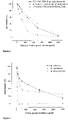
- This experiment assessed the effect of partially purified chitooligosaccharides (CHOS) with varying chain lengths on the germination inhibition of B. cinerea 101, assessed 24 hours after inoculation. Purification was by SEC, see the Materials and Methods section. The results are shown in Figure 2 and demonstrate that sub-fractions with high DP n (DP n 78-163) are less inhibitory than the original non-hydrolyzed chitosan DP n 206, probably due to the removal of low molecular weight oligomers from those fractions.
- the CHOS DP n 30 hydrolysate that had not been separated further on the SEC column had about the same inhibitory effect as the DP n 34 SEC fraction.
- the non-purified DP n 30 and the purified DP n 34 fractions were the most inhibitory of the fractions tested.
- a bioassay was designed to assess effects of non-hydrolyzed chitosan and CHOS with various DP n on infection of strawberry flowers by two strains of B. cinerea.
- the effect on the disease severity caused by B. cinerea 101 and B. cinerea BD on detached strawberry flowers treated with 500 ⁇ g/mL chitosan or chitooligosaccharides (CHOS) (F A 0.15 and 95% deacetylated reducing ends) with different DP n was assessed.
- the CHOS fractions with lower DP n were produced by enzymatic hydrolysis of chitosan (DP n 206) using a chitosanase, ScCsn46A.
- COMPARATIVE EXAMPLE 8 Fungicidal activity of chitosan and the fungicide Switch (inhibition of germination) on two strains of B. cinerea
- Non-hydrolyzed chitosan was mixed with a fungicide (Switch) to compare the effects of the mixture and the components separately on germination of two strains of B. cinerea.
- This experiment evaluated germination inhibition of B. cinerea 101 or B. cinerea BD recorded 24 hours after inoculation with chitosan (DP n 206) and/or the fungicide Switch.
- COMPARATIVE EXAMPLE 9 Fungicidal activity of chitosan and the fungicides Switch or Signum (inhibition of germination) on Microdochium majus
- EXAMPLE 10 Fungicidal activity of CHOS with DP n 23 and the fungicides Teldor, Switch, Amistar and Signum (inhibition of germination) on B. cinerea
- Table 6 shows that high synergistic effects are seen when combining 5 ⁇ g ml -1 DP n 23 with 1 % of the recommended concentration of Switch, Amistar and Signum and 10% of the recommended concentration of Teldor. Comparison of the data in Table 6 with the data in Table 4 further shows that the DP n 23 product is more powerful than the non-hydrolyzed chitosan with DP n 206. Table 6. Fungicidal activity of CHOS with DP n 23 and the fungicides Teldor, Switch, Amistar and Signum (inhibition of germination) on B.
- Synergism is calculated by the E obs /E exp ratio, 1 indicates additivity, ratios >1 indicate synergy and ratios ⁇ 1 indicate antagonistic interactions.
- the recommended concentrations for application of Teldor, Switch, Amistar and Signum are 1500, 500, 1000, 1000 ⁇ g/ml, respectively, according to the standard product leaflets provided by the manufacturers of these products.
- COMPARATIVE EXAMPLE 11 Fungicidal activity of chitosan and the fungicides Teldor, Switch, Amistar and Signum (inhibition of infection of strawberry flowers) on B. cinerea
- a bioassay was designed to evaluate effects of the combination of chitosan and fungicides (Teldor, Switch, Amistar or Signum) on flower infection by B. cinerea 101.
- chitosan and fungicides Teldor, Switch, Amistar or Signum
- This experiment assessed the effect of combination of chitosan with DP n 206 (not part of the invention) and fungicides in ⁇ g ml -1 in inhibiting B. cinerea BC 101 infection of detached strawberry flowers.
- Disease severity was measured as the area under the disease progress curves (AUDPC), with AUDPC values calculated from the cumulative disease incidence at 23 ⁇ 1°C, recorded up to 8 days after inoculation. Percent protection index is % reduction in AUDPC by the treatment compared with the control.
- EXAMPLE 13 Fungicidal activity of chitosan or CHOS with DP n 30 and the fungicide Switch (reduction of infection on chickpea leaves) on B. cinerea
- EXAMPLE 14 Fungicidal activity of chitosan or CHOS with DP n 30 and the fungicide Signum (reduction of infection on chickpea leaves) on B. cinerea 101
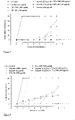
- Figure 6 shows that all combinations of chitosan DP n 206 and the CHOS DP n 30 with Signum showed a better effect in reducing disease severity than each component alone. 1000 ⁇ g ml -1 Signum, 2500 ⁇ g ml -1 chitosan DP n 206 and 2500 ⁇ g ml -1 DP n 30 completely controlled infection, whereas the combination of 10 ⁇ g ml -1 Signum and 320 ⁇ g ml -1 CHOS DP n 30 resulted in only 5 % infection after 8 days. These results illustrate the synergistic effect of CHOS with a reduced concentration of Signum.
- EXAMPLE 15 Fungicidal activity of chitosan or CHOS with DP n 30 and the fungicide Signum (reduction of sporulation on infected chickpea leaves) on B. cinerea 101
- Sporulation of the plant pathogenic fungus on infected plant parts is a source of secondary inoculum and an important factor in disease epidemiology.
- An experiment was designed to assess the effects of the combination of chitosan or CHOS with the fungicide Signum on sporulation of B. cinerea on infected chickpea leaves. This experiment assessed the effect of combination of chitosan DP n 206, or chitooligosaccharide (CHOS) DP n 30 and Signum on the average number of spores produced after 8 days by B. cinerea 101 in each inoculation spot on chickpea leaves. For experimental details see: In vivo bioassay of chitosan and fungicides on plants not containing chitopoly- or chitooligo-saccharides, infection on chickpea leaves in the Materials and Methods section.
- Table 9 show that the combination of chitosan and Signum reduced sporulation of B. cinerea 101 more than each component alone and CHOS DP n 30 was more effective than chitosan DP n 206 when each were combined with Signum in reducing the sporulation of B. cinerea 101.
- Table 9 Fungicidal activity of chitosan or CHOS with DP n 30 and the fungicide Signum (reduction of sporulation on infected chickpea leaves) on B.
- EXAMPLE 16 Fungicidal activity of chitosan or CHOS with DP n 30 and the fungicide Switch (reduction of infection on bean leaves) on B. cinerea
- EXAMPLE 17 Fungicidal activity of chitosan or CHOS with DP n 30 and the fungicide Signum (reduction of infection on bean leaves) on B. cinerea 101.
Landscapes
- Life Sciences & Earth Sciences (AREA)
- Engineering & Computer Science (AREA)
- Pest Control & Pesticides (AREA)
- General Health & Medical Sciences (AREA)
- Zoology (AREA)
- Plant Pathology (AREA)
- Health & Medical Sciences (AREA)
- Wood Science & Technology (AREA)
- Dentistry (AREA)
- Agronomy & Crop Science (AREA)
- Environmental Sciences (AREA)
- Chemical & Material Sciences (AREA)
- Organic Chemistry (AREA)
- Environmental & Geological Engineering (AREA)
- Biotechnology (AREA)
- Microbiology (AREA)
- Virology (AREA)
- Agricultural Chemicals And Associated Chemicals (AREA)
Priority Applications (3)
| Application Number | Priority Date | Filing Date | Title |
|---|---|---|---|
| RS20220625A RS63444B1 (sr) | 2012-10-22 | 2013-10-22 | Kompozicija koja obuhvata hitozan i fungicid |
| HRP20220976TT HRP20220976T1 (hr) | 2012-10-22 | 2013-10-22 | Pripravak koji sadrži kitozan i fungicid |
| SI201331998T SI2914111T1 (sl) | 2012-10-22 | 2013-10-22 | Sestavek, ki obsega hitozan in fungicid |
Applications Claiming Priority (2)
| Application Number | Priority Date | Filing Date | Title |
|---|---|---|---|
| GBGB1218954.4A GB201218954D0 (en) | 2012-10-22 | 2012-10-22 | Composition |
| PCT/EP2013/072099 WO2014064119A1 (en) | 2012-10-22 | 2013-10-22 | Composition comprising chitosan and a fungicide |
Publications (2)
| Publication Number | Publication Date |
|---|---|
| EP2914111A1 EP2914111A1 (en) | 2015-09-09 |
| EP2914111B1 true EP2914111B1 (en) | 2022-05-04 |
Family
ID=47359269
Family Applications (1)
| Application Number | Title | Priority Date | Filing Date |
|---|---|---|---|
| EP13779867.4A Active EP2914111B1 (en) | 2012-10-22 | 2013-10-22 | Comosition comprising chitosan and a fungicide |
Country Status (16)
| Country | Link |
|---|---|
| US (1) | US10172353B2 (da) |
| EP (1) | EP2914111B1 (da) |
| AU (1) | AU2013336695B2 (da) |
| CA (1) | CA2889015C (da) |
| CY (1) | CY1125511T1 (da) |
| DK (1) | DK2914111T3 (da) |
| ES (1) | ES2918584T3 (da) |
| GB (1) | GB201218954D0 (da) |
| HR (1) | HRP20220976T1 (da) |
| HU (1) | HUE059452T2 (da) |
| LT (1) | LT2914111T (da) |
| PL (1) | PL2914111T3 (da) |
| PT (1) | PT2914111T (da) |
| RS (1) | RS63444B1 (da) |
| SI (1) | SI2914111T1 (da) |
| WO (1) | WO2014064119A1 (da) |
Families Citing this family (9)
| Publication number | Priority date | Publication date | Assignee | Title |
|---|---|---|---|---|
| DE102016004627A1 (de) * | 2016-04-15 | 2017-10-19 | Spiess-Urania Chemicals Gmbh | Fungizides-Bakterizides Pflanzenschutzmittel |
| CN106153764A (zh) * | 2016-06-17 | 2016-11-23 | 青岛科海生物有限公司 | 2~6个聚合度壳寡糖总含量的检测方法 |
| CN106614602A (zh) * | 2016-12-16 | 2017-05-10 | 张宗斌 | 一种防治灰霉病的杀菌组合物 |
| AR115990A1 (es) * | 2018-08-23 | 2021-03-17 | Globachem | Uso de siltiofam para el tratamiento de la roya de la soja |
| CN109432416B (zh) * | 2018-09-25 | 2022-08-05 | 山东省药学科学院 | 一种预防侵袭性真菌感染的寡糖疫苗 |
| CN111296558A (zh) * | 2019-11-08 | 2020-06-19 | 华南农业大学 | 一种含黑水虻源壳聚糖的砂糖桔保鲜剂 |
| EP4122961A1 (en) * | 2021-07-20 | 2023-01-25 | Westfälische Wilhelms-Universität Münster | Chitosan oligomers and uses thereof |
| CN115104612B (zh) * | 2021-08-24 | 2023-10-27 | 汝阳自强生物科技有限公司 | 一种治疗瓜类枯萎病颗粒剂及其制备方法和应用 |
| WO2026022722A1 (en) * | 2024-07-25 | 2026-01-29 | Upl Mauritius Limited | A composition comprising chitooligosaccharides |
Citations (1)
| Publication number | Priority date | Publication date | Assignee | Title |
|---|---|---|---|---|
| US6060429A (en) * | 1994-07-25 | 2000-05-09 | State of Israel--Ministry of Agriculture | Composition and method for controlling plant diseases caused by fungi |
Family Cites Families (21)
| Publication number | Priority date | Publication date | Assignee | Title |
|---|---|---|---|---|
| JPS62198604A (ja) | 1986-02-27 | 1987-09-02 | Katakura Chitsukarin Kk | 梨黒斑病の防除剤 |
| US4946870A (en) * | 1986-06-06 | 1990-08-07 | Union Carbide Chemicals And Plastics Company Inc. | Delivery systems for pharmaceutical or therapeutic actives |
| JP3172207B2 (ja) | 1990-09-21 | 2001-06-04 | 株式会社中埜酢店 | 植物有害生物防除剤 |
| US5811095A (en) | 1993-04-30 | 1998-09-22 | Alternative Methods, Inc. | Basal and chitinase broth compositions for enhancing anti-fungal activity of a chemical fungicide and methods for preparing and using same |
| DE19633502A1 (de) | 1996-08-20 | 1998-02-26 | Bayer Ag | Verwendung von Lipo-Chitooligosacchariden zur Verbesserung der Wirksamkeit von Fungiziden |
| US5965545A (en) | 1996-10-15 | 1999-10-12 | State Of Israel, Ministry Of Agriculture, Agricultural Research Organization, The Volcani Center | Compositions and method for controlling fungal disease in plants |
| WO2000032041A2 (en) | 1998-11-24 | 2000-06-08 | Safescience, Inc. | Chitosan metal complexes and method controlling microbial growth on plants using same |
| US20020000540A1 (en) | 2000-01-21 | 2002-01-03 | Smither-Kopperl Margaret Lydia | Materials and methods for biological control of soilborne pathogens |
| US20030113421A1 (en) | 2001-07-26 | 2003-06-19 | Wilson Charles L. | Synergistic combinations of natural of compounds that control decay of fruits and vegetables and reduce contamination by foodborne human pathogens |
| BRPI0620765A2 (pt) | 2005-12-29 | 2011-11-22 | Rhodia | composição pesticida agrìcola aquosa, método para tratar uma planta alvo e método para melhorar as propriedades antiaglomeração de uma composição pesticida agrìcola aquosa |
| BRPI0717673B8 (pt) | 2006-11-28 | 2021-05-25 | Faculte Notre Dame De La Praix | composição de oligogalacturonanas, biomaterial e têxtil |
| UY30193A1 (es) | 2007-03-07 | 2008-10-31 | Mary Lopretti | Composiciones que contienen oligomeros del poli(beta(1,4)-2-amino-2-desoxiglucopiranosa) en solucion de fenoles modificados de lignina y sus usos. |
| IT1391095B1 (it) | 2008-08-04 | 2011-11-18 | Valagro Spa | Una composizione per impiego in agricoltura, metodo per la sua preparazione e suoi usi nel trattamento delle colture |
| EP2183969A3 (en) | 2008-10-29 | 2011-01-05 | Basf Se | Method for increasing the number of seedlings per number of sowed grains of seed |
| CN101385470A (zh) | 2008-10-24 | 2009-03-18 | 吉林省农业科学院 | 防治水稻稻瘟病的新型环保复配农药 |
| US9131685B2 (en) | 2009-04-28 | 2015-09-15 | Bayer Cropscience Ag | Compositions comprising a strigolactone compound and a chito-oligosaccharide compound for enhanced plant growth and yield |
| CN101816305A (zh) | 2010-05-09 | 2010-09-01 | 海南正业中农高科股份有限公司 | 一种含有壳寡糖的杀菌剂农药组合物 |
| US8871923B2 (en) | 2011-01-24 | 2014-10-28 | Fytofend S.A. | Composition comprising an elicitor of the plant immune system |
| ES2442973B1 (es) | 2012-05-30 | 2014-11-19 | Universidad De Alicante | Composición para su uso como agente antifúngico |
| ES2436671B1 (es) | 2012-05-30 | 2014-11-13 | Universidad De Alicante | Composición para su uso como agente antifúngico |
| CN102939977B (zh) | 2012-11-26 | 2014-07-09 | 海南正业中农高科股份有限公司 | 含有寡糖与甲氧基丙烯酸酯类成分的杀菌组合物 |
-
2012
- 2012-10-22 GB GBGB1218954.4A patent/GB201218954D0/en not_active Ceased
-
2013
- 2013-10-22 LT LTEPPCT/EP2013/072099T patent/LT2914111T/lt unknown
- 2013-10-22 HU HUE13779867A patent/HUE059452T2/hu unknown
- 2013-10-22 SI SI201331998T patent/SI2914111T1/sl unknown
- 2013-10-22 PL PL13779867.4T patent/PL2914111T3/pl unknown
- 2013-10-22 EP EP13779867.4A patent/EP2914111B1/en active Active
- 2013-10-22 US US14/437,530 patent/US10172353B2/en active Active
- 2013-10-22 RS RS20220625A patent/RS63444B1/sr unknown
- 2013-10-22 WO PCT/EP2013/072099 patent/WO2014064119A1/en not_active Ceased
- 2013-10-22 HR HRP20220976TT patent/HRP20220976T1/hr unknown
- 2013-10-22 CA CA2889015A patent/CA2889015C/en active Active
- 2013-10-22 ES ES13779867T patent/ES2918584T3/es active Active
- 2013-10-22 PT PT137798674T patent/PT2914111T/pt unknown
- 2013-10-22 AU AU2013336695A patent/AU2013336695B2/en active Active
- 2013-10-22 DK DK13779867.4T patent/DK2914111T3/da active
-
2022
- 2022-08-02 CY CY20221100531T patent/CY1125511T1/el unknown
Patent Citations (1)
| Publication number | Priority date | Publication date | Assignee | Title |
|---|---|---|---|---|
| US6060429A (en) * | 1994-07-25 | 2000-05-09 | State of Israel--Ministry of Agriculture | Composition and method for controlling plant diseases caused by fungi |
Also Published As
| Publication number | Publication date |
|---|---|
| US10172353B2 (en) | 2019-01-08 |
| PT2914111T (pt) | 2022-07-13 |
| HRP20220976T1 (hr) | 2022-11-11 |
| CA2889015A1 (en) | 2014-05-01 |
| CY1125511T1 (el) | 2025-05-09 |
| ES2918584T3 (es) | 2022-07-19 |
| PL2914111T3 (pl) | 2023-06-12 |
| WO2014064119A1 (en) | 2014-05-01 |
| RS63444B1 (sr) | 2022-08-31 |
| AU2013336695A1 (en) | 2015-05-28 |
| LT2914111T (lt) | 2022-08-10 |
| SI2914111T1 (sl) | 2022-11-30 |
| HUE059452T2 (hu) | 2022-11-28 |
| AU2013336695B2 (en) | 2017-06-15 |
| DK2914111T3 (da) | 2022-08-08 |
| EP2914111A1 (en) | 2015-09-09 |
| GB201218954D0 (en) | 2012-12-05 |
| US20150296777A1 (en) | 2015-10-22 |
| CA2889015C (en) | 2021-10-19 |
Similar Documents
| Publication | Publication Date | Title |
|---|---|---|
| EP2914111B1 (en) | Comosition comprising chitosan and a fungicide | |
| Meng et al. | Physiological responses and quality attributes of table grape fruit to chitosan preharvest spray and postharvest coating during storage | |
| Xing et al. | Chitosan antimicrobial and eliciting properties for pest control in agriculture: a review: K. Xing et al. | |
| Meng et al. | Effects of chitosan and oligochitosan on growth of two fungal pathogens and physiological properties in pear fruit | |
| Muñoz et al. | Assessment of chitosan for inhibition of Colletotrichum sp. on tomatoes and grapes | |
| Badawy et al. | Potential of the biopolymer chitosan with different molecular weights to control postharvest gray mold of tomato fruit | |
| Katiyar et al. | A future perspective in crop protection: Chitosan and its oligosaccharides | |
| Falcón et al. | The effect of size and acetylation degree of chitosan derivatives on tobacco plant protection against Phytophthora parasitica nicotianae | |
| JP2018508472A (ja) | バチルス・アミロリケファシエンス(bacillus amyloliquefaciens)rti472組成物および植物成長に利益を与えかつ植物病害を処置するための使用方法 | |
| MXPA01010067A (es) | Composicion y metodo para controlar la enfermedad fungal en las plantas. | |
| JP2018502111A (ja) | バチルス・アミロリケファシエンス(bacillus amyloliquefaciens)rti301組成物および植物成長に利益を与えかつ植物病害を処置するための使用方法 | |
| CN103563957B (zh) | 一种含咪鲜胺和生物源杀菌剂的杀菌组合物及其应用 | |
| Karpova et al. | Antifungal action of chitosan in combination with fungicides in vitro and chitosan conjugate with gallic acid on tomatoes against Botrytis cinerea | |
| US20190216083A1 (en) | Anti-microbial compositions, preparations, methods, and uses | |
| Gutiérrez-Martínez et al. | Chitosan and changes in gene expression during fruit–pathogen interaction at postharvest stage | |
| CN113660862A (zh) | 抗真菌组合物 | |
| ES2928956T3 (es) | Agente fitosanitario fungicida y/o bactericida | |
| Velázquez-del Valle et al. | Chitosan as an alternative to control phytopathogenic fungi on fruits and vegetables in Mexico | |
| EP2320730B1 (en) | An agricultural composition, method for the production thereof and uses in the treatment of cultures | |
| de Oliveira et al. | Antifungal and filmogenic properties of micro-and nanostructures of chitosan and its derivatives | |
| Jinasena et al. | Effect of chitosan (unirradiated and irradiated) treatment on anthracnose disease and its potential to increase the shelf life of" Embul" banana | |
| Rajendran Ramjegathesh et al. | Chitosan for plant disease management-prospects and problems. | |
| Sajeena et al. | Efficacy, stability and persistence of Ganosol, a Ganoderma based fungicide against plant pathogens. | |
| Vásquez et al. | Antifungal effect of chitosan of different molecular weight against Colletotrichum alatae under in vitro conditions | |
| Romanazzi et al. | Advances in the use of chitosan to control postharvest decay of table grapes. |
Legal Events
| Date | Code | Title | Description |
|---|---|---|---|
| REG | Reference to a national code |
Ref country code: HR Ref legal event code: TUEP Ref document number: P20220976T Country of ref document: HR |
|
| PUAI | Public reference made under article 153(3) epc to a published international application that has entered the european phase |
Free format text: ORIGINAL CODE: 0009012 |
|
| 17P | Request for examination filed |
Effective date: 20150520 |
|
| AK | Designated contracting states |
Kind code of ref document: A1 Designated state(s): AL AT BE BG CH CY CZ DE DK EE ES FI FR GB GR HR HU IE IS IT LI LT LU LV MC MK MT NL NO PL PT RO RS SE SI SK SM TR |
|
| AX | Request for extension of the european patent |
Extension state: BA ME |
|
| DAX | Request for extension of the european patent (deleted) | ||
| STAA | Information on the status of an ep patent application or granted ep patent |
Free format text: STATUS: EXAMINATION IS IN PROGRESS |
|
| 17Q | First examination report despatched |
Effective date: 20180508 |
|
| GRAP | Despatch of communication of intention to grant a patent |
Free format text: ORIGINAL CODE: EPIDOSNIGR1 |
|
| STAA | Information on the status of an ep patent application or granted ep patent |
Free format text: STATUS: GRANT OF PATENT IS INTENDED |
|
| INTG | Intention to grant announced |
Effective date: 20211014 |
|
| GRAS | Grant fee paid |
Free format text: ORIGINAL CODE: EPIDOSNIGR3 |
|
| GRAA | (expected) grant |
Free format text: ORIGINAL CODE: 0009210 |
|
| STAA | Information on the status of an ep patent application or granted ep patent |
Free format text: STATUS: THE PATENT HAS BEEN GRANTED |
|
| RIN1 | Information on inventor provided before grant (corrected) |
Inventor name: EIJSINK, VINCENT Inventor name: NORBERG, ANNE LINE Inventor name: RAHMAN, MD HAFIZUR Inventor name: SOERLIE, MORTEN Inventor name: HJELJORD, LINDA Inventor name: AAM, BERIT BJUGAN Inventor name: TRONSMO, ARNE |
|
| RIN1 | Information on inventor provided before grant (corrected) |
Inventor name: EIJSINK, VINCENT Inventor name: FILTVEDT, ANNE LINE Inventor name: RAHMAN, MD HAFIZUR Inventor name: SOERLIE, MORTEN Inventor name: HJELJORD, LINDA Inventor name: AAM, BERIT BJUGAN Inventor name: TRONSMO, ARNE |
|
| AK | Designated contracting states |
Kind code of ref document: B1 Designated state(s): AL AT BE BG CH CY CZ DE DK EE ES FI FR GB GR HR HU IE IS IT LI LT LU LV MC MK MT NL NO PL PT RO RS SE SI SK SM TR |
|
| REG | Reference to a national code |
Ref country code: GB Ref legal event code: FG4D |
|
| REG | Reference to a national code |
Ref country code: CH Ref legal event code: EP |
|
| REG | Reference to a national code |
Ref country code: AT Ref legal event code: REF Ref document number: 1488051 Country of ref document: AT Kind code of ref document: T Effective date: 20220515 |
|
| REG | Reference to a national code |
Ref country code: IE Ref legal event code: FG4D Ref country code: DE Ref legal event code: R096 Ref document number: 602013081573 Country of ref document: DE |
|
| REG | Reference to a national code |
Ref country code: RO Ref legal event code: EPE |
|
| REG | Reference to a national code |
Ref country code: FI Ref legal event code: FGE |
|
| REG | Reference to a national code |
Ref country code: PT Ref legal event code: SC4A Ref document number: 2914111 Country of ref document: PT Date of ref document: 20220713 Kind code of ref document: T Free format text: AVAILABILITY OF NATIONAL TRANSLATION Effective date: 20220708 |
|
| REG | Reference to a national code |
Ref country code: ES Ref legal event code: FG2A Ref document number: 2918584 Country of ref document: ES Kind code of ref document: T3 Effective date: 20220719 |
|
| RAP2 | Party data changed (patent owner data changed or rights of a patent transferred) |
Owner name: UPL EUROPE SUPPLY CHAIN GMBH |
|
| REG | Reference to a national code |
Ref country code: NL Ref legal event code: PD Owner name: UPL EUROPE SUPPLY CHAIN GMBH; CH Free format text: DETAILS ASSIGNMENT: CHANGE OF OWNER(S), ASSIGNMENT; FORMER OWNER NAME: BIOCHOS A/S Effective date: 20220707 Ref country code: NL Ref legal event code: FP |
|
| REG | Reference to a national code |
Ref country code: DK Ref legal event code: T3 Effective date: 20220804 |
|
| REG | Reference to a national code |
Ref country code: SE Ref legal event code: TRGR |
|
| REG | Reference to a national code |
Ref country code: BE Ref legal event code: PD Owner name: UPL EUROPE SUPPLY CHAIN GMBH; CH Free format text: DETAILS ASSIGNMENT: CHANGE OF OWNER(S), ASSIGNMENT; FORMER OWNER NAME: BIOCHOS A/S Effective date: 20220719 |
|
| REG | Reference to a national code |
Ref country code: DE Ref legal event code: R081 Ref document number: 602013081573 Country of ref document: DE Owner name: UPL EUROPE SUPPLY CHAIN GMBH, ROTKREUZ, CH Free format text: FORMER OWNER: BIOCHOS A/S, SKI, NO |
|
| REG | Reference to a national code |
Ref country code: NO Ref legal event code: T2 Effective date: 20220504 |
|
| REG | Reference to a national code |
Ref country code: GB Ref legal event code: 732E Free format text: REGISTERED BETWEEN 20220818 AND 20220824 |
|
| REG | Reference to a national code |
Ref country code: EE Ref legal event code: FG4A Ref document number: E022531 Country of ref document: EE Effective date: 20220801 |
|
| REG | Reference to a national code |
Ref country code: GR Ref legal event code: EP Ref document number: 20220401512 Country of ref document: GR Effective date: 20221010 |
|
| REG | Reference to a national code |
Ref country code: SK Ref legal event code: T3 Ref document number: E 40468 Country of ref document: SK |
|
| REG | Reference to a national code |
Ref country code: HR Ref legal event code: T1PR Ref document number: P20220976 Country of ref document: HR Ref country code: HR Ref legal event code: ODRP Ref document number: P20220976 Country of ref document: HR Payment date: 20221019 Year of fee payment: 10 |
|
| REG | Reference to a national code |
Ref country code: AT Ref legal event code: PC Ref document number: 1488051 Country of ref document: AT Kind code of ref document: T Owner name: UPL EUROPE SUPPLY CHAIN GMBH, CH Effective date: 20220921 |
|
| REG | Reference to a national code |
Ref country code: HU Ref legal event code: AG4A Ref document number: E059452 Country of ref document: HU |
|
| PG25 | Lapsed in a contracting state [announced via postgrant information from national office to epo] |
Ref country code: IS Free format text: LAPSE BECAUSE OF FAILURE TO SUBMIT A TRANSLATION OF THE DESCRIPTION OR TO PAY THE FEE WITHIN THE PRESCRIBED TIME-LIMIT Effective date: 20220904 |
|
| PG25 | Lapsed in a contracting state [announced via postgrant information from national office to epo] |
Ref country code: SM Free format text: LAPSE BECAUSE OF FAILURE TO SUBMIT A TRANSLATION OF THE DESCRIPTION OR TO PAY THE FEE WITHIN THE PRESCRIBED TIME-LIMIT Effective date: 20220504 |
|
| REG | Reference to a national code |
Ref country code: DE Ref legal event code: R097 Ref document number: 602013081573 Country of ref document: DE |
|
| PLBE | No opposition filed within time limit |
Free format text: ORIGINAL CODE: 0009261 |
|
| STAA | Information on the status of an ep patent application or granted ep patent |
Free format text: STATUS: NO OPPOSITION FILED WITHIN TIME LIMIT |
|
| 26N | No opposition filed |
Effective date: 20230207 |
|
| PG25 | Lapsed in a contracting state [announced via postgrant information from national office to epo] |
Ref country code: MC Free format text: LAPSE BECAUSE OF FAILURE TO SUBMIT A TRANSLATION OF THE DESCRIPTION OR TO PAY THE FEE WITHIN THE PRESCRIBED TIME-LIMIT Effective date: 20220504 |
|
| P01 | Opt-out of the competence of the unified patent court (upc) registered |
Effective date: 20230525 |
|
| REG | Reference to a national code |
Ref country code: AT Ref legal event code: UEP Ref document number: 1488051 Country of ref document: AT Kind code of ref document: T Effective date: 20220504 |
|
| REG | Reference to a national code |
Ref country code: HR Ref legal event code: ODRP Ref document number: P20220976 Country of ref document: HR Payment date: 20230927 Year of fee payment: 11 |
|
| REG | Reference to a national code |
Ref country code: HR Ref legal event code: ODRP Ref document number: P20220976 Country of ref document: HR Payment date: 20241001 Year of fee payment: 12 |
|
| PGFP | Annual fee paid to national office [announced via postgrant information from national office to epo] |
Ref country code: PT Payment date: 20250926 Year of fee payment: 13 Ref country code: FI Payment date: 20250923 Year of fee payment: 13 |
|
| PGFP | Annual fee paid to national office [announced via postgrant information from national office to epo] |
Ref country code: LT Payment date: 20250923 Year of fee payment: 13 Ref country code: DK Payment date: 20250923 Year of fee payment: 13 |
|
| PGFP | Annual fee paid to national office [announced via postgrant information from national office to epo] |
Ref country code: GR Payment date: 20250925 Year of fee payment: 13 Ref country code: NO Payment date: 20250925 Year of fee payment: 13 |
|
| PGFP | Annual fee paid to national office [announced via postgrant information from national office to epo] |
Ref country code: LU Payment date: 20250923 Year of fee payment: 13 Ref country code: TR Payment date: 20250929 Year of fee payment: 13 Ref country code: NL Payment date: 20250923 Year of fee payment: 13 Ref country code: PL Payment date: 20250925 Year of fee payment: 13 Ref country code: IT Payment date: 20250923 Year of fee payment: 13 |
|
| PGFP | Annual fee paid to national office [announced via postgrant information from national office to epo] |
Ref country code: BG Payment date: 20250924 Year of fee payment: 13 Ref country code: BE Payment date: 20250923 Year of fee payment: 13 Ref country code: GB Payment date: 20250923 Year of fee payment: 13 |
|
| PGFP | Annual fee paid to national office [announced via postgrant information from national office to epo] |
Ref country code: FR Payment date: 20250924 Year of fee payment: 13 |
|
| PGFP | Annual fee paid to national office [announced via postgrant information from national office to epo] |
Ref country code: SE Payment date: 20250923 Year of fee payment: 13 |
|
| PGFP | Annual fee paid to national office [announced via postgrant information from national office to epo] |
Ref country code: IE Payment date: 20250925 Year of fee payment: 13 Ref country code: EE Payment date: 20250927 Year of fee payment: 13 Ref country code: CZ Payment date: 20250929 Year of fee payment: 13 |
|
| REG | Reference to a national code |
Ref country code: HR Ref legal event code: ODRP Ref document number: P20220976 Country of ref document: HR Payment date: 20250929 Year of fee payment: 13 |
|
| PGFP | Annual fee paid to national office [announced via postgrant information from national office to epo] |
Ref country code: SK Payment date: 20250929 Year of fee payment: 13 |
|
| PGFP | Annual fee paid to national office [announced via postgrant information from national office to epo] |
Ref country code: LV Payment date: 20250923 Year of fee payment: 13 |
|
| PGFP | Annual fee paid to national office [announced via postgrant information from national office to epo] |
Ref country code: SI Payment date: 20250930 Year of fee payment: 13 |
|
| REG | Reference to a national code |
Ref country code: CH Ref legal event code: U11 Free format text: ST27 STATUS EVENT CODE: U-0-0-U10-U11 (AS PROVIDED BY THE NATIONAL OFFICE) Effective date: 20251101 |
|
| PGFP | Annual fee paid to national office [announced via postgrant information from national office to epo] |
Ref country code: MK Payment date: 20240923 Year of fee payment: 12 |
|
| PGFP | Annual fee paid to national office [announced via postgrant information from national office to epo] |
Ref country code: HU Payment date: 20251029 Year of fee payment: 13 |
|
| PGFP | Annual fee paid to national office [announced via postgrant information from national office to epo] |
Ref country code: DE Payment date: 20250923 Year of fee payment: 13 |
|
| PGFP | Annual fee paid to national office [announced via postgrant information from national office to epo] |
Ref country code: AT Payment date: 20250926 Year of fee payment: 13 |
|
| PGFP | Annual fee paid to national office [announced via postgrant information from national office to epo] |
Ref country code: HR Payment date: 20251022 Year of fee payment: 13 |
|
| PGFP | Annual fee paid to national office [announced via postgrant information from national office to epo] |
Ref country code: AL Payment date: 20251027 Year of fee payment: 13 |
|
| PGFP | Annual fee paid to national office [announced via postgrant information from national office to epo] |
Ref country code: CH Payment date: 20251101 Year of fee payment: 13 |
|
| PGFP | Annual fee paid to national office [announced via postgrant information from national office to epo] |
Ref country code: CY Payment date: 20250924 Year of fee payment: 13 |
|
| PGFP | Annual fee paid to national office [announced via postgrant information from national office to epo] |
Ref country code: MT Payment date: 20251003 Year of fee payment: 13 |
|
| PGFP | Annual fee paid to national office [announced via postgrant information from national office to epo] |
Ref country code: RO Payment date: 20251021 Year of fee payment: 13 |
|
| PGFP | Annual fee paid to national office [announced via postgrant information from national office to epo] |
Ref country code: RS Payment date: 20251015 Year of fee payment: 13 |
|
| PGFP | Annual fee paid to national office [announced via postgrant information from national office to epo] |
Ref country code: ES Payment date: 20251103 Year of fee payment: 13 |